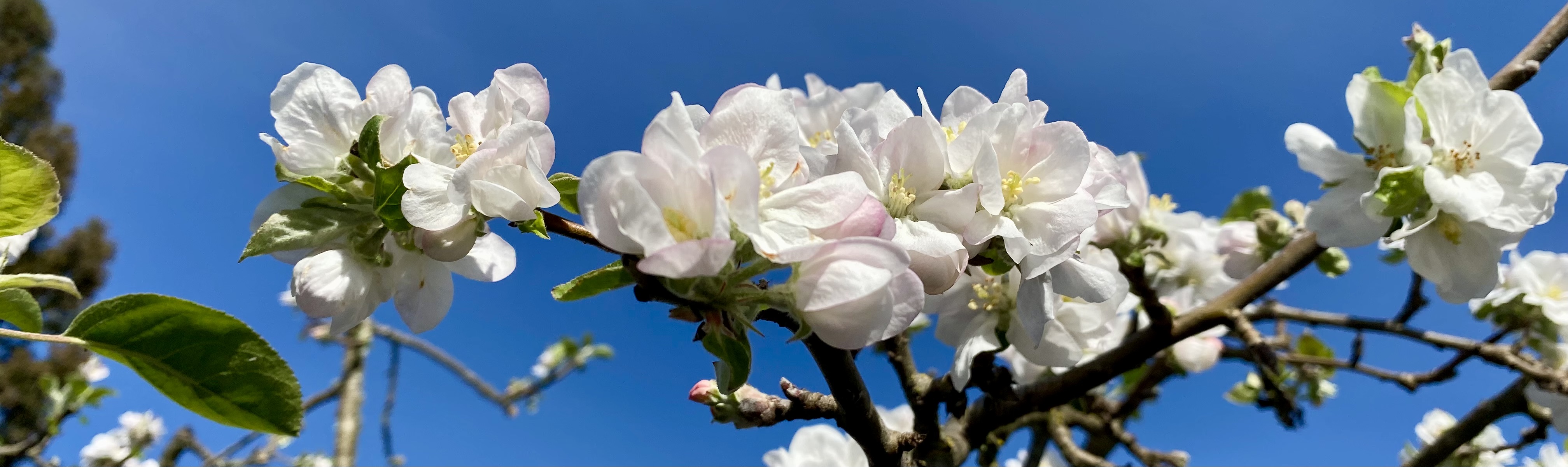
My Regular Pagan Holiday post–Ostara
Each spring, near the Vernal Equinox, my family practiced a ritual that felt both ordinary and divine. We piled into the car and drove the back roads, wandering through orchards to admire the blossoming trees. In an agricultural town in the 1950s, perhaps many families did something similar. To us it marked the true arrival of Spring.
Yakima, Washington is on the dry eastern side of the Cascade mountain range, and from certain places in the valley you can glimpse two great peaks rising in white brilliance above the brown, sagebrushy foothills. The Indigenous peoples named the mountain we call Rainier Tahoma, which means “the mother of waters.” The Native name for Mt. Adams is Pahto. Closer in, foothill ridges encircle the valley: Ahtanum Ridge, Rattlesnake Hills, Horse Heaven Hills.
Our annual blossom pilgrimages would take us south to the Lower Valley where the trees bloomed earlier. To reach it from the town of Yakima, you drive through a narrow gap in the Rattlesnake Hills at Union Gap, where a massive basalt landslide is now slowly creeping south at a foot and a half per week. Drive fast and don’t look up.
From there, the road winds along the Yakima River past Wapato, Toppenish, and Buena—locally pronounced Byoo-enna. I didn’t realize until adulthood that the word is Spanish. Originally, the place had been called Konewock, a Native word meaning a lush, green marshy place. But when the railroad needed a station name, it became Buena.
The Yakama Indian Reservation borders the Lower Valley towns and stretches west toward Mount Adams. On the reservation stand the remains of Fort Simcoe, where U.S. soldiers were stationed during the Indian wars of the 1850s—a quiet, uneasy reminder of deeper histories layered beneath the orchards.
Yakima was home to vast orchards of apples and pears, along with stone fruits—peaches, cherries, apricots. In the spring the valley was a quilt of flowering trees, fragrant and luminous. But, in my childhood, change was already underway. Like the orchards here in Sonoma County today, many of Yakima’s were already being razed to make room for postwar housing developments and, later, vineyards.
The new ranch-style house we moved into in 1951 stood on land that had been a cherry orchard. The developers left one tall cherry tree in the front yard of each house on the block. I climbed every one of them. Across the street, an apple orchard remained, and bi-planes flew overhead, trailing clouds of DDT and other pesticides.
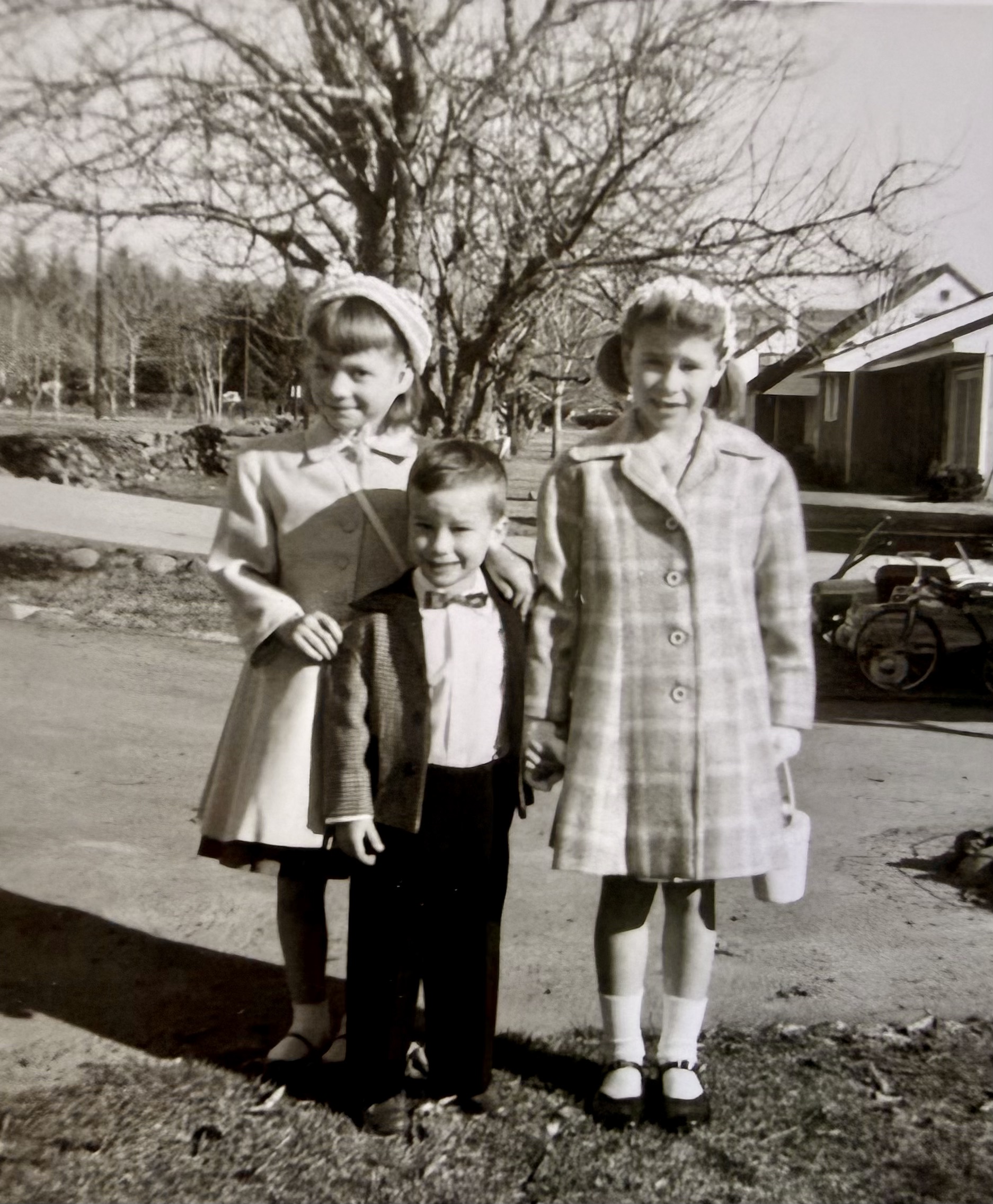
When I was a kid, Yakima was a town of about 40,000, with a lively downtown. Women wore hats and gloves to go shopping. Store windows gleamed, sidewalks buzzed, and the town felt cohesive, self-contained. Then, in the 1970s, the first shopping mall arrived, and everything shifted. Downtown slowly hollowed out.
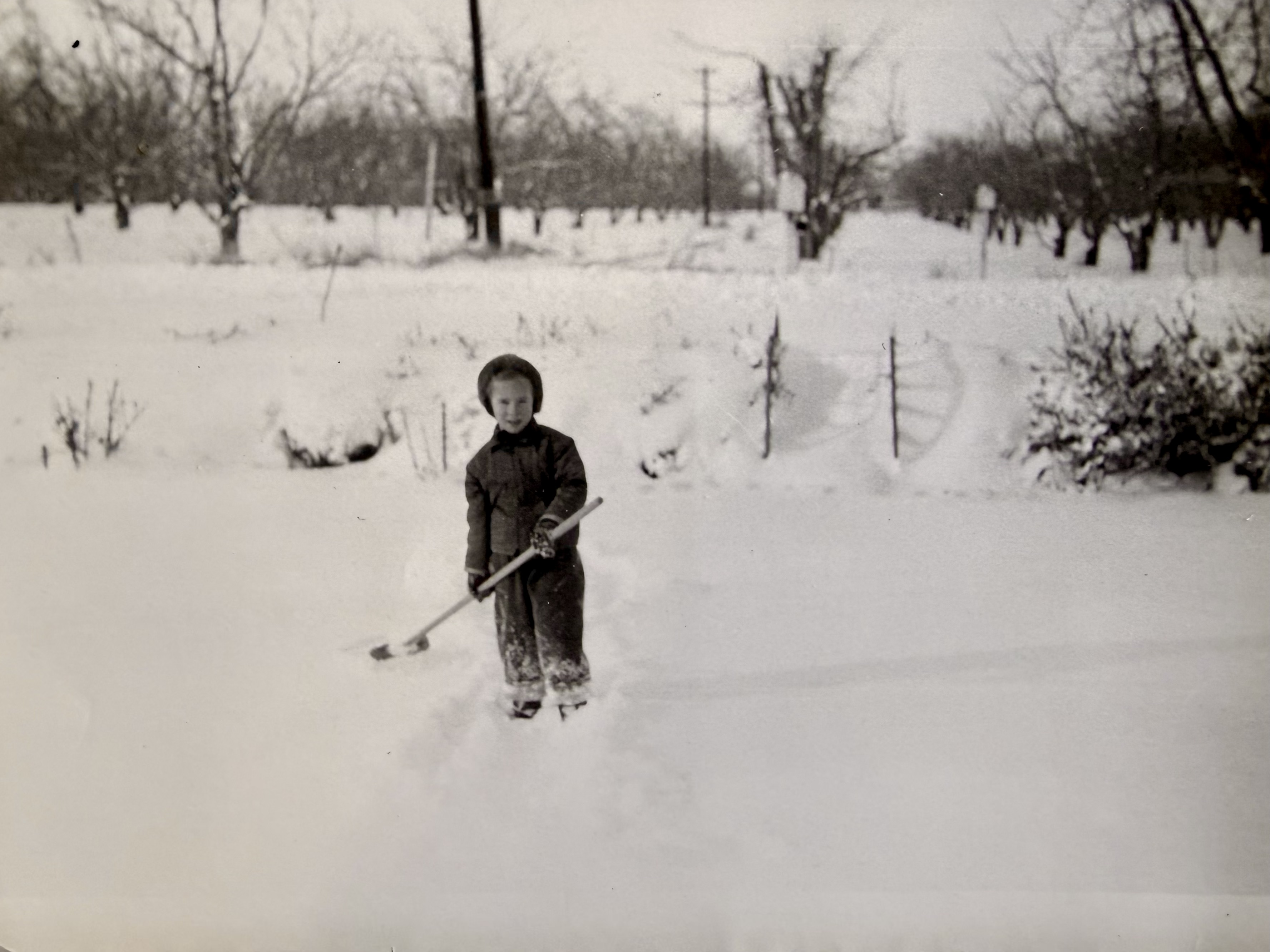
Now the population of Yakima is getting close to 100,000. Farmers still grow hops, and there are still fruit trees—mostly apples—but vineyards have been steadily taking over. There is less blossom-peeping now; grapes, after all, have no blossoms.
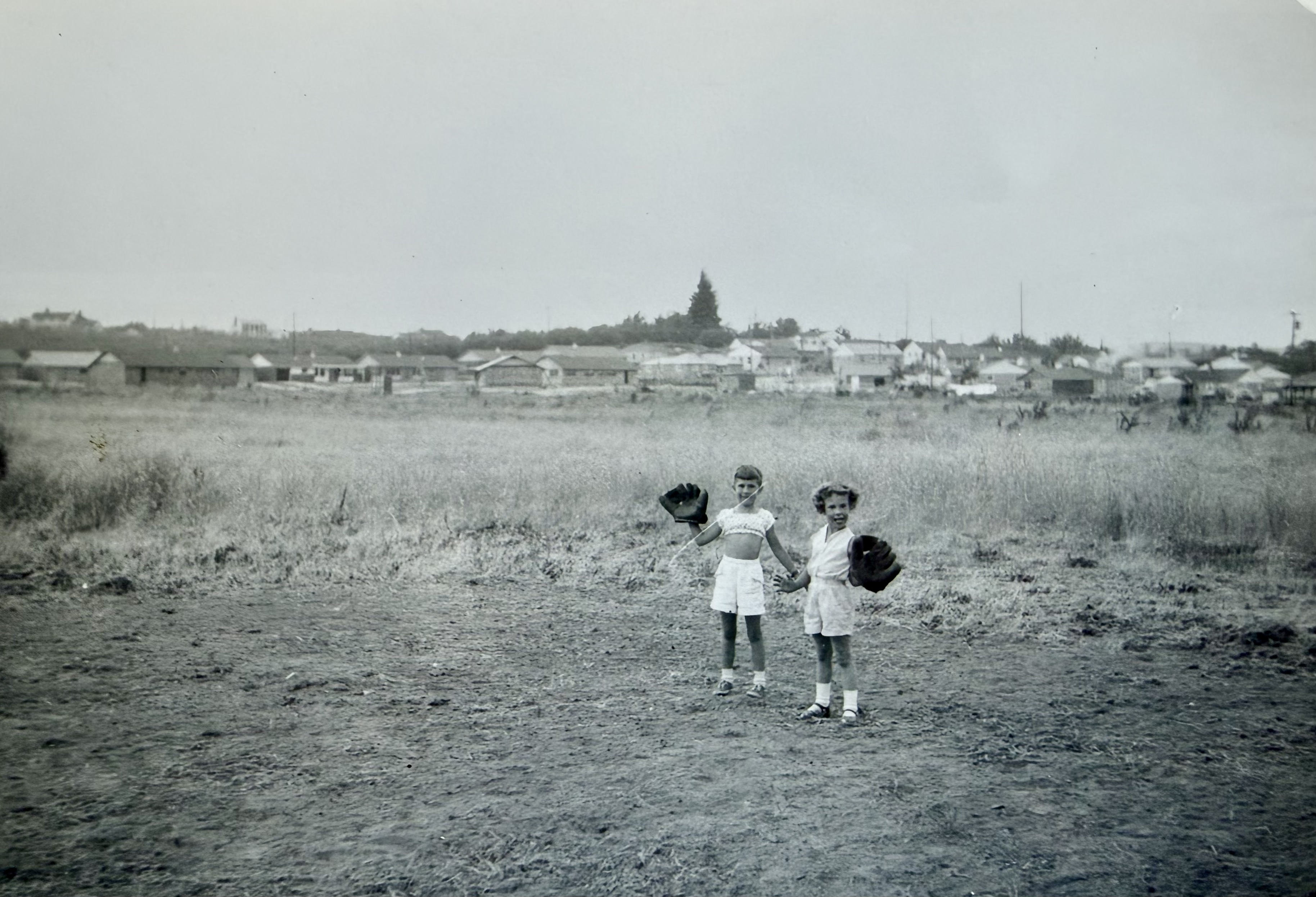
But we still participate in the ritual of spring blossom peeping. Holly and I have planted a little orchard of cherry, plum and peach trees in our back yard. We have a magical orange, and lemon and apple trees hang over our neighbors’ fences. Plus, in our town of Santa Rosa there are magnolias, redbuds, dogwood and ornamental fruit trees, enough to inspire a months’-long Spring ritual right in our neighborhood.
On March 28 we will be marching with our neighbors in the No Kings march and rally here in Santa Rosa, but every little town in Sonoma County will be hosting a No Kings event. We haven’t yet seen a big uptick in ICE arrests here, but the government’s anti-immigrant project is nevertheless creating chaos in the agricultural community. Our sheriff still has not responded to community demands that he not work with ICE and people feel that they are under siege. We are determined to protect and defend our immigrant neighbors.
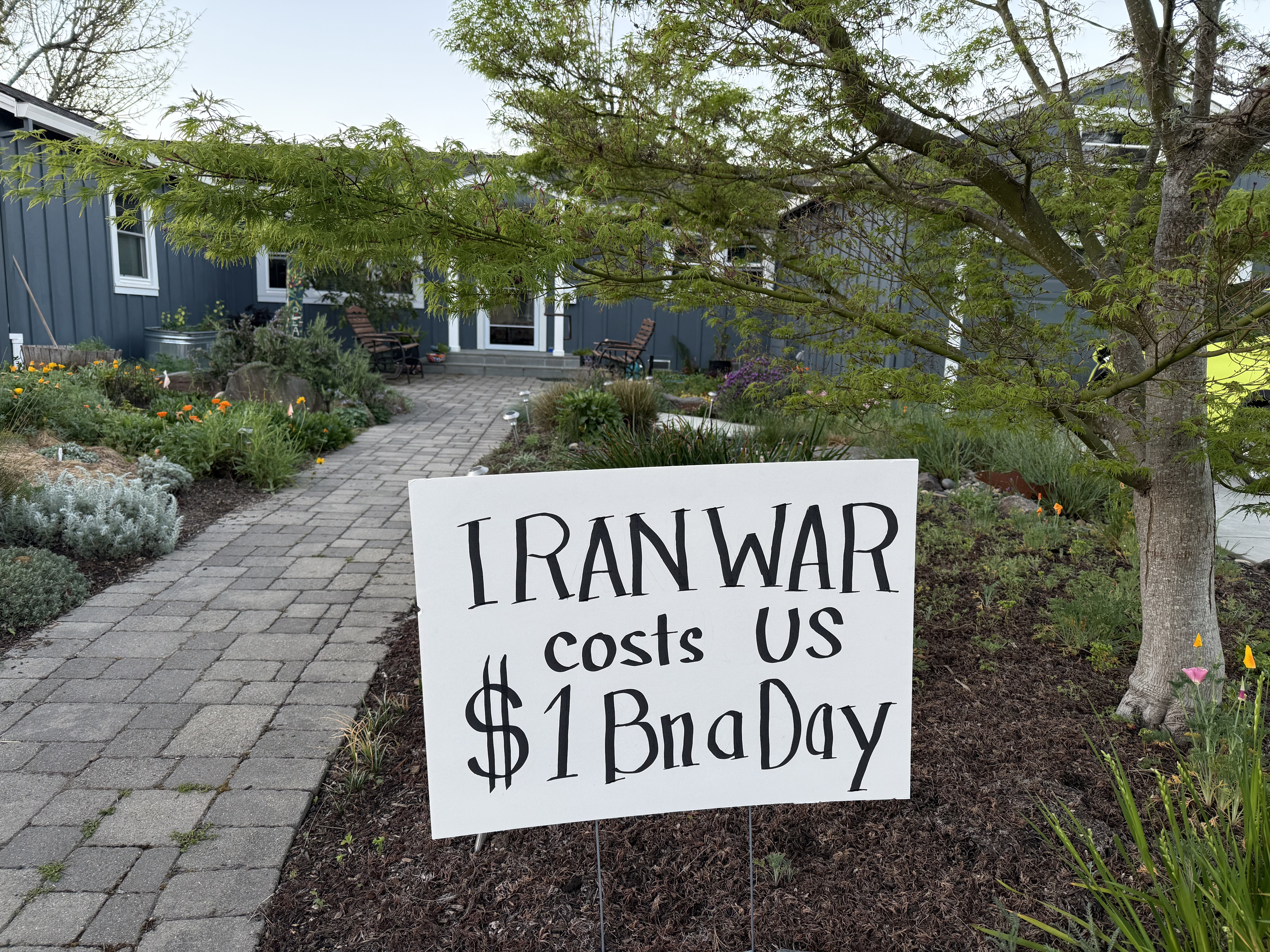
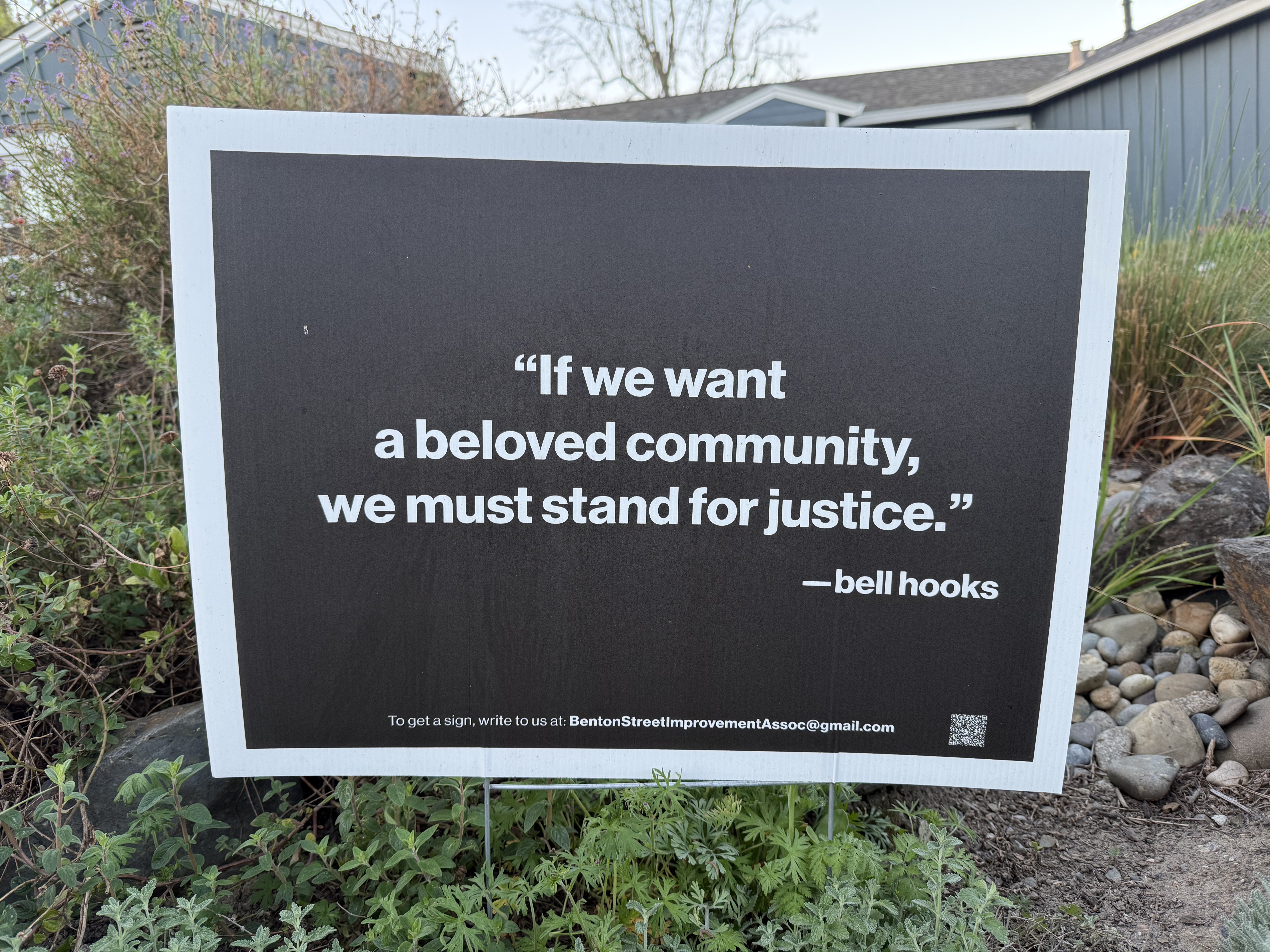
Happy Spring blossom peeping and protesting to all!


Thanks, Mol. I’ll share this with Vicki who remembers her kidhood in Yakima fondly.
>
LikeLiked by 1 person
Vicki did your family drive around to look at blossoms? We also used to drive out to the airport to watch the planes land and take off. Great entertainment!
LikeLike
Nice, interesting story about Yakima and your childhood. Also good front lawn signs. I’m hoping that once the Dems get into office, there will be an impeachment, as we can’t go on like this for another 3 years! Thanks for the story and photos]. Minerva
>
LikeLiked by 1 person
Minerva, I’ll see you at No Kings. One of my neighbors, Nancy, is 91 and will be marching with us.
LikeLike
Loved this post. Even though I’ve been to and through Yakima many times I learned a lot from it. And I loved the photo with you and Don. 🙂
LikeLiked by 1 person
Hi Lynn! Sending big hugs to you and Lisa.
LikeLike
Delighted to travel with you again… sorta. I could smell the blossoms and feel the space, my first time in Yakima. Thanks for sending your wonderful posts and keeping the passion active. Warm regards to MoHo.
LikeLiked by 1 person
Thanks Carol! Good to hear from you. Warm regards back atcha. xox, MoHo
LikeLike
I so love reading your contributions marking our season changes. I, too, stop and appreciate the blossoms and first flowers of Spring. This morning I arose to mark the equinox and look out at the, albeit hidden, beauty of the high desert near Topaz Lake in Nevada. It reminds me of how grateful I am to be, at least temporarily, away from the sad current affairs of our nation. Here’s to Spring – a new season, a new change!!
LikeLiked by 1 person
Mary, enjoy your vacay. I just returned from a hike at Annadel. Feeling always very lucky to live here in this beautiful place.
LikeLike
I always enjoy reading your quarterly blog. Toasting away here in Mesa Arizona almost two weeks of over 100° every day in the month of March.
LikeLiked by 1 person
Thanks sister. Wow! I know you love Mesa, but maybe that’s too hot?
LikeLike
Yes, we plan on leaving after Easter.
LikeLiked by 1 person