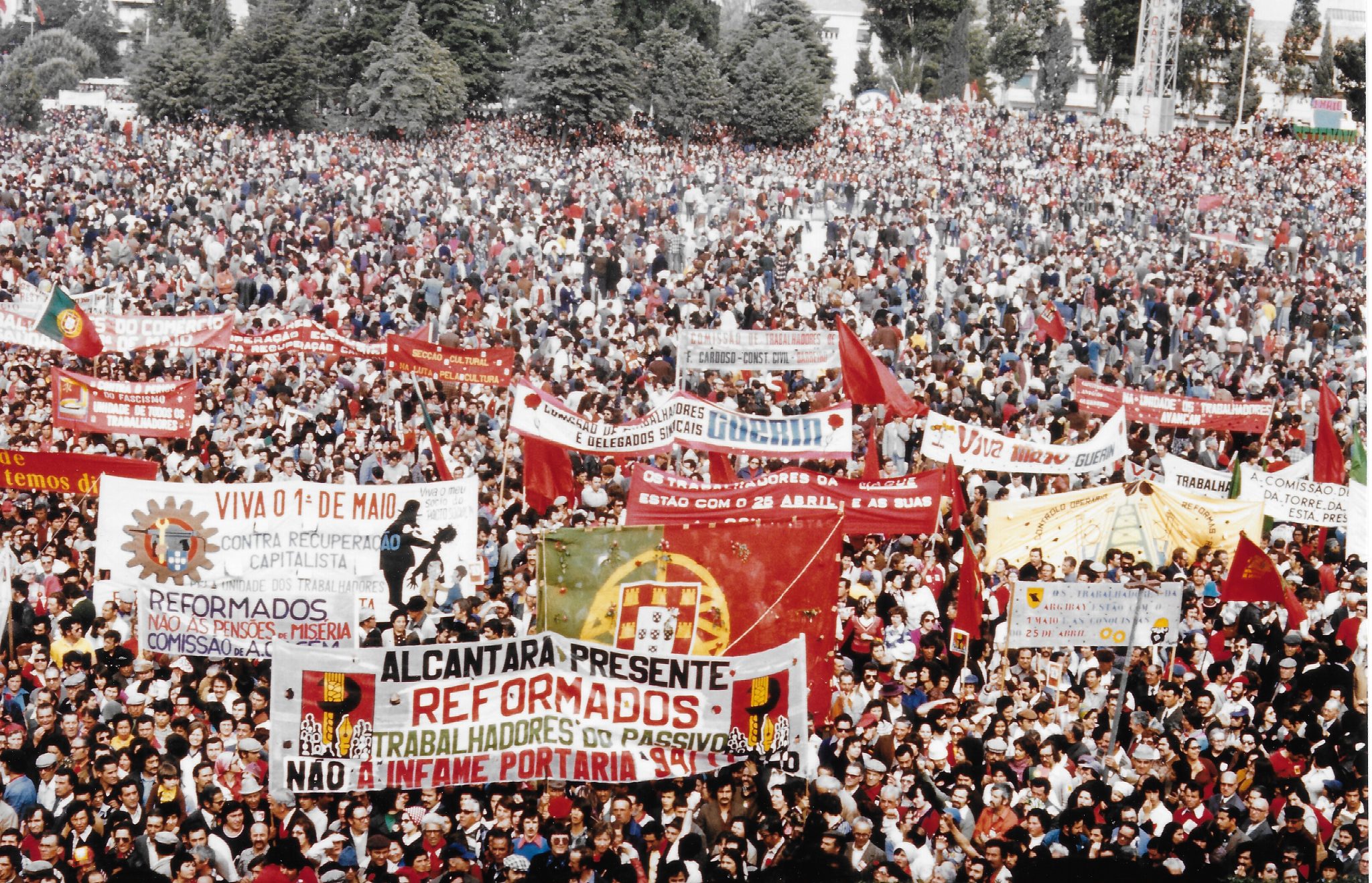
50th anniversary celebration of Portugal’s Carnation Revolution. Photo: IF DDR
May 1 International Workers Day
Beltane, the pagan holiday
April 25 Portugal’s Freedom Day
International Workers’ Day on May 1 had its start in the USA. The observance was first proclaimed after scores were killed in police raids on nonviolent workers agitating for the eight-hour day in Chicago in 1886. In the U.S., anti-socialist sentiment and political pressure has limited its observance. But other—many other—countries in the world celebrate this holiday that honors the people who actually work to build our societies and cultures and infrastructure!
This May Day, Americans are organizing a massive day of nonviolent, economic disruption to protest the pillaging of our environment, the dismantling of our democracy, and the shredding of our social safety net at the hands of the billionaire class.
We are on the way to Morocco for a women’s hiking trip in the Atlas Mountains, and on May Day we’ll be in Portugal. Both of these countries celebrate International Workers Day with marches, community gatherings and a day off work. I hope to parade with the Portuguese in Lisbon.
Portugal’s prime minister, Luís Montenegro, said “Today we celebrate with all workers: those who produce, create and contribute to a more productive and socially responsible country.”
Perhaps we Americans can take inspiration from the Portuguese revolution. The 1974 revolution, known as the Carnation Revolution, was a nearly bloodless military coup that overthrew the Estado Novo regime, ending over 40 years of fascism. It marked the beginning of Portugal’s transition to democracy and led to the independence of several African colonies.
The Carnation Revolution got its name from restaurant worker Celeste Caeiro who offered carnations to soldiers when the population took to the streets to celebrate the end of the dictatorship. Other demonstrators followed suit and placed carnations in the muzzles of guns and on soldiers’ uniforms. In Portugal, April 25, Freedom Day, is a national holiday that commemorates the revolution.
For the past year and a half, I’ve been tracing the life of my mother, Florence Wick, her service as a Red Cross clubmobiler, and her improbable intersection with the war hero Audie Murphy. Flo made a huge scrapbook after the war and I’ve been using that and her war diary to tell the story. I’m also telling Audie Murphy’s story using his autobiography To Hell and Back.
I’m pausing now to catch my breath, but the story is far from over.
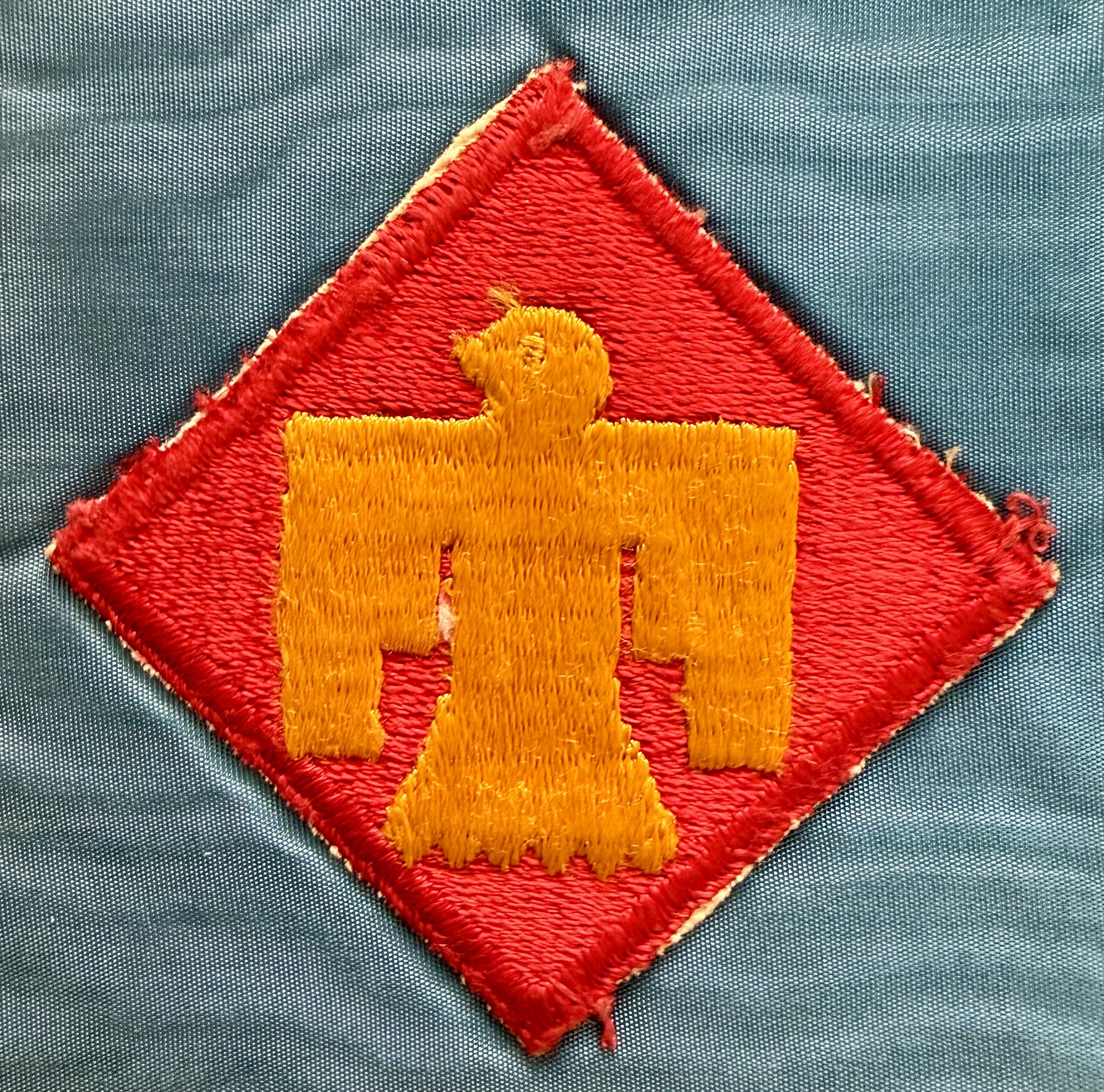
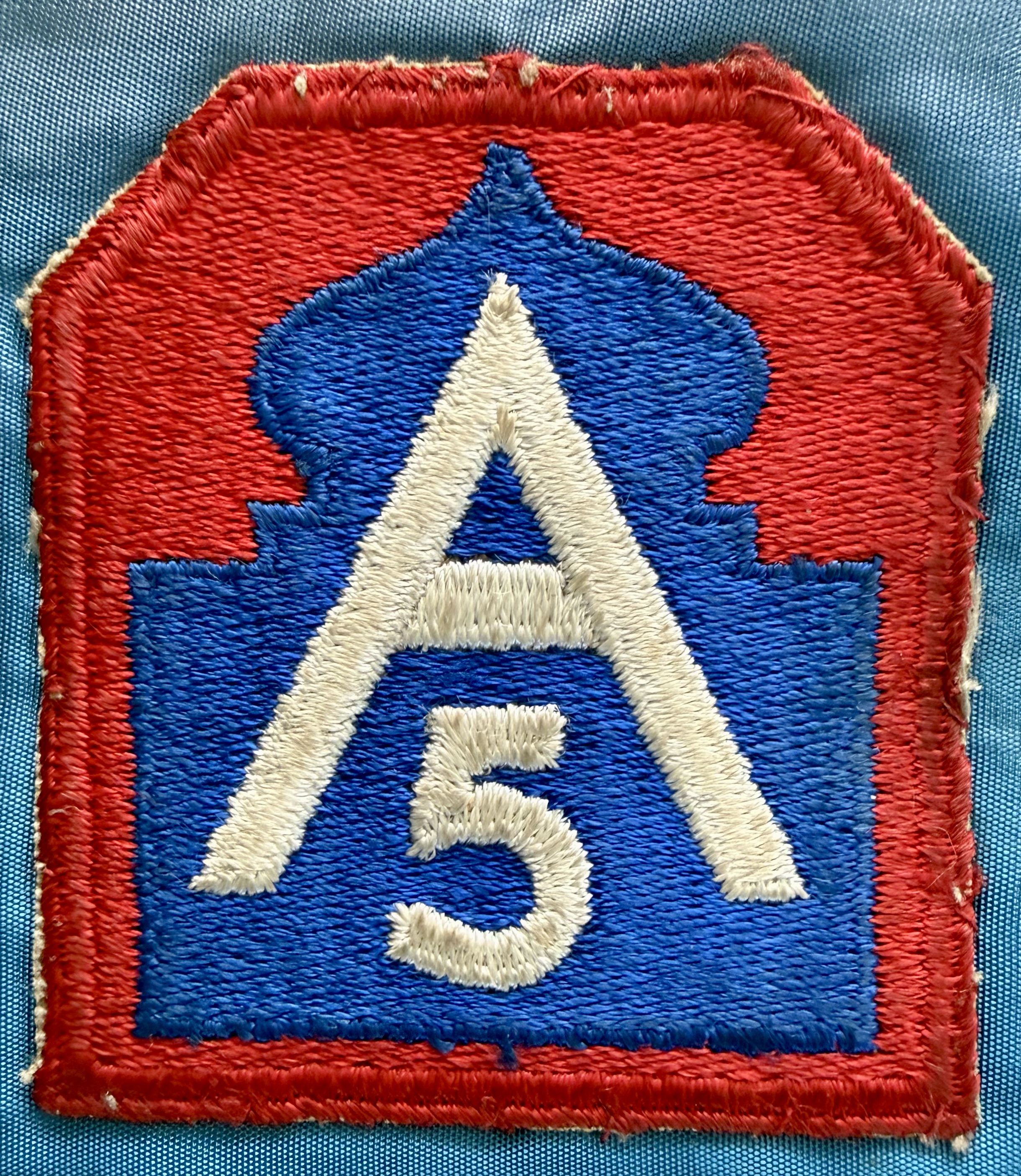
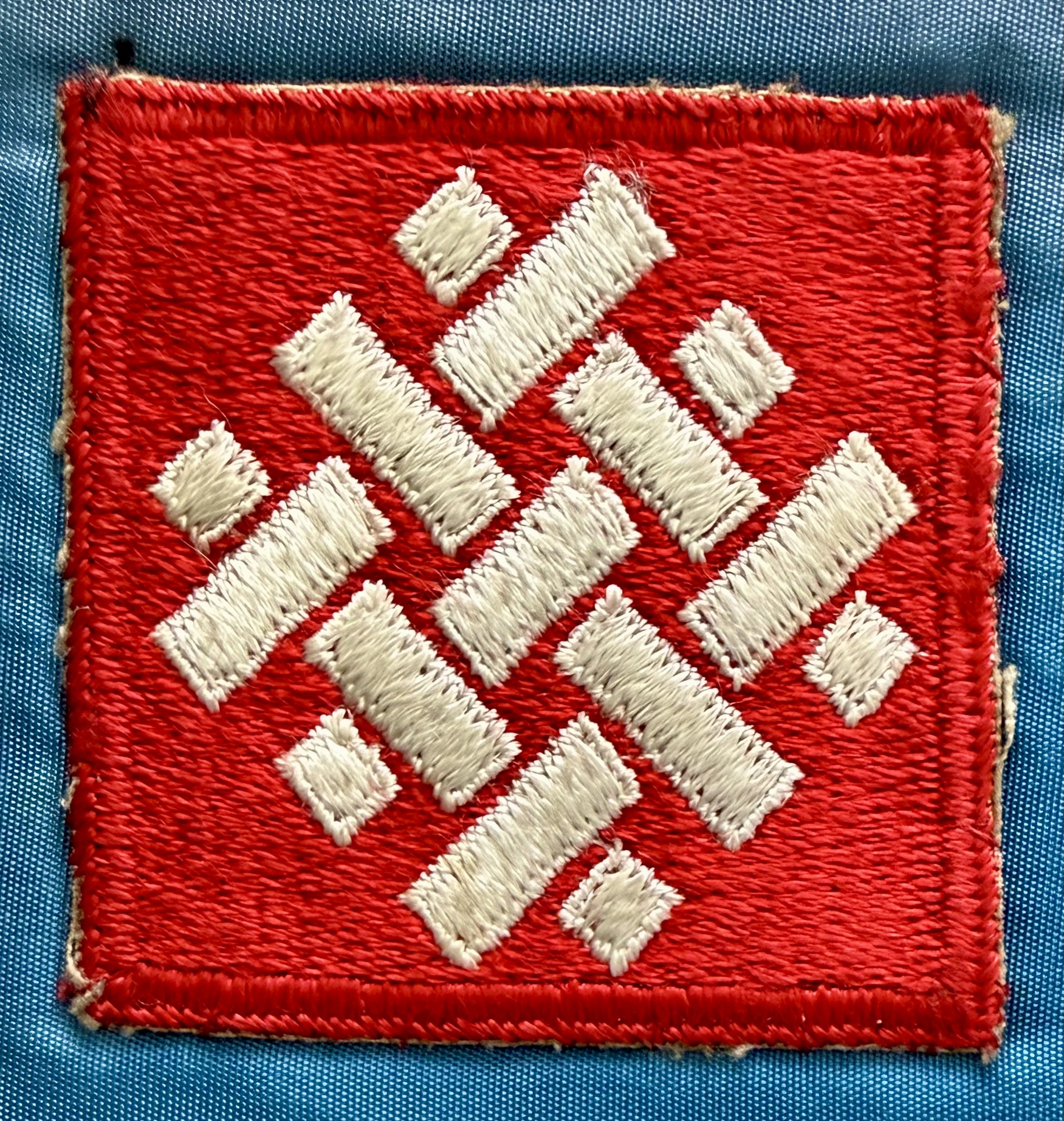
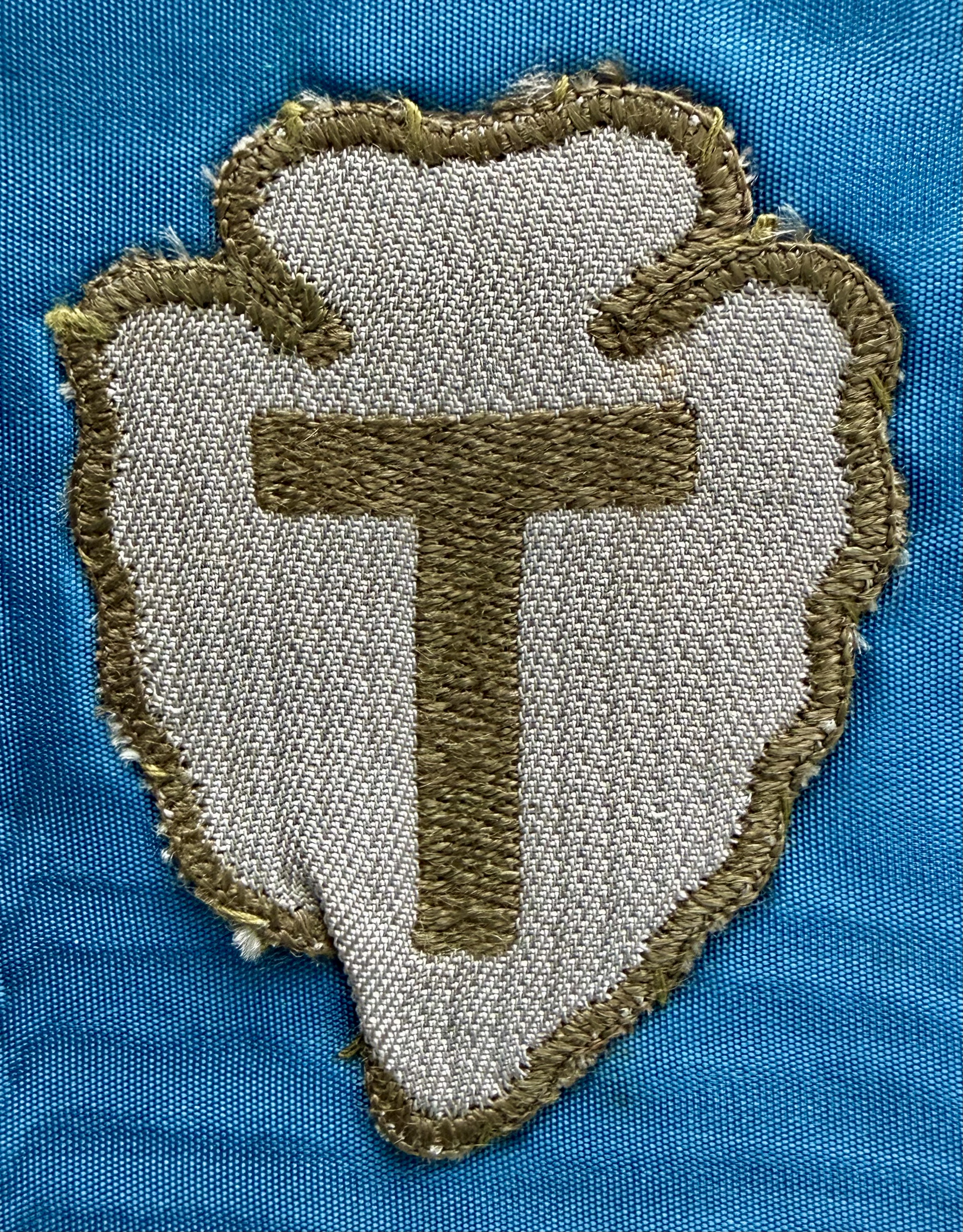
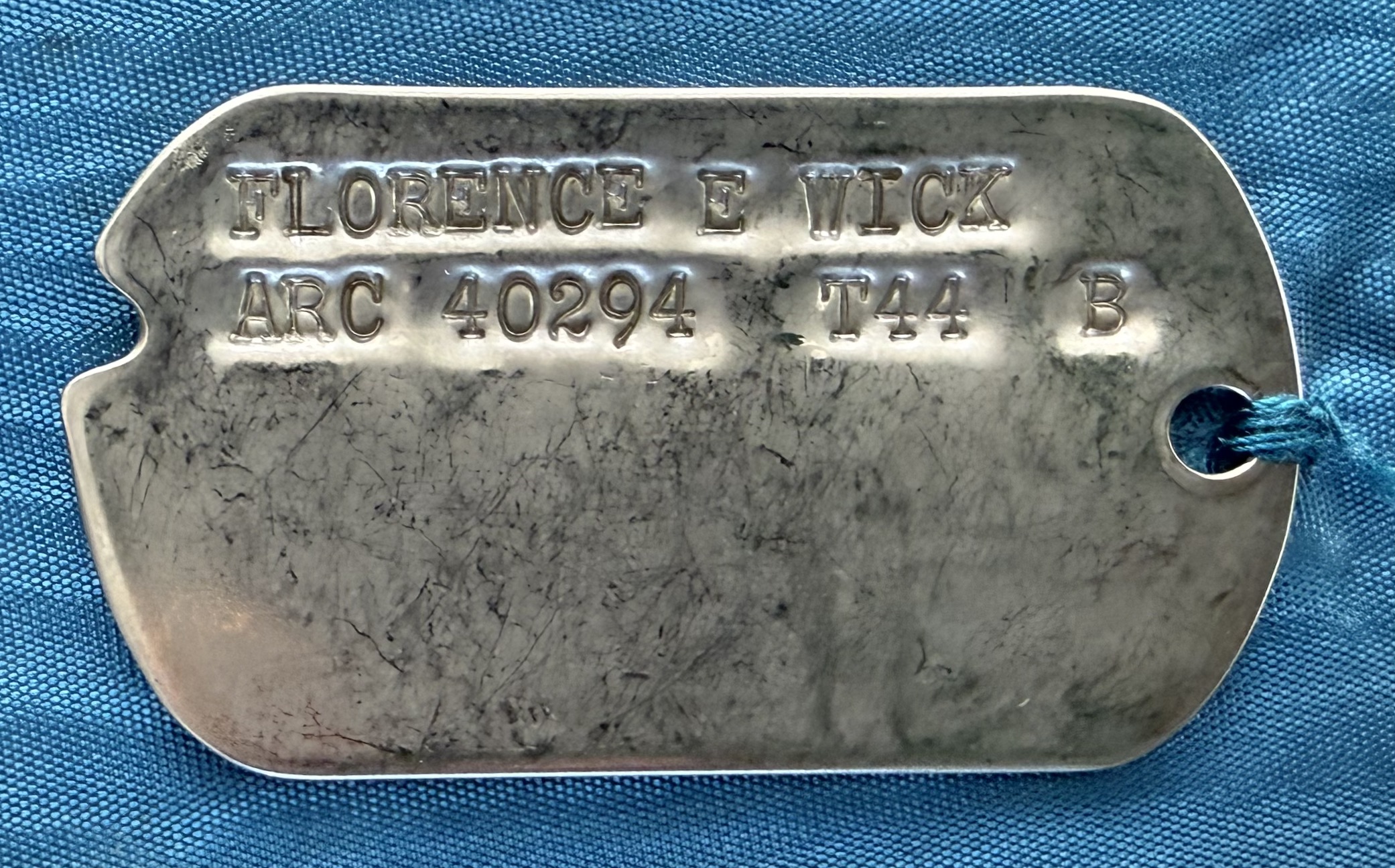
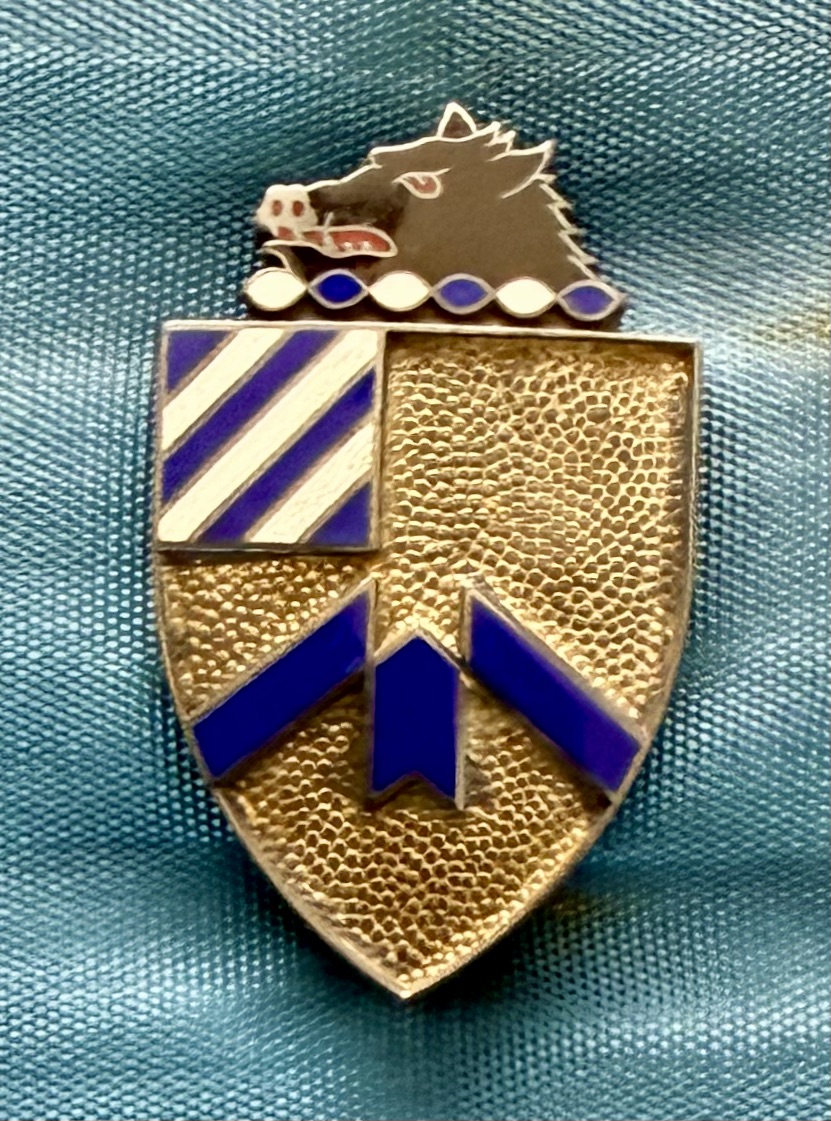
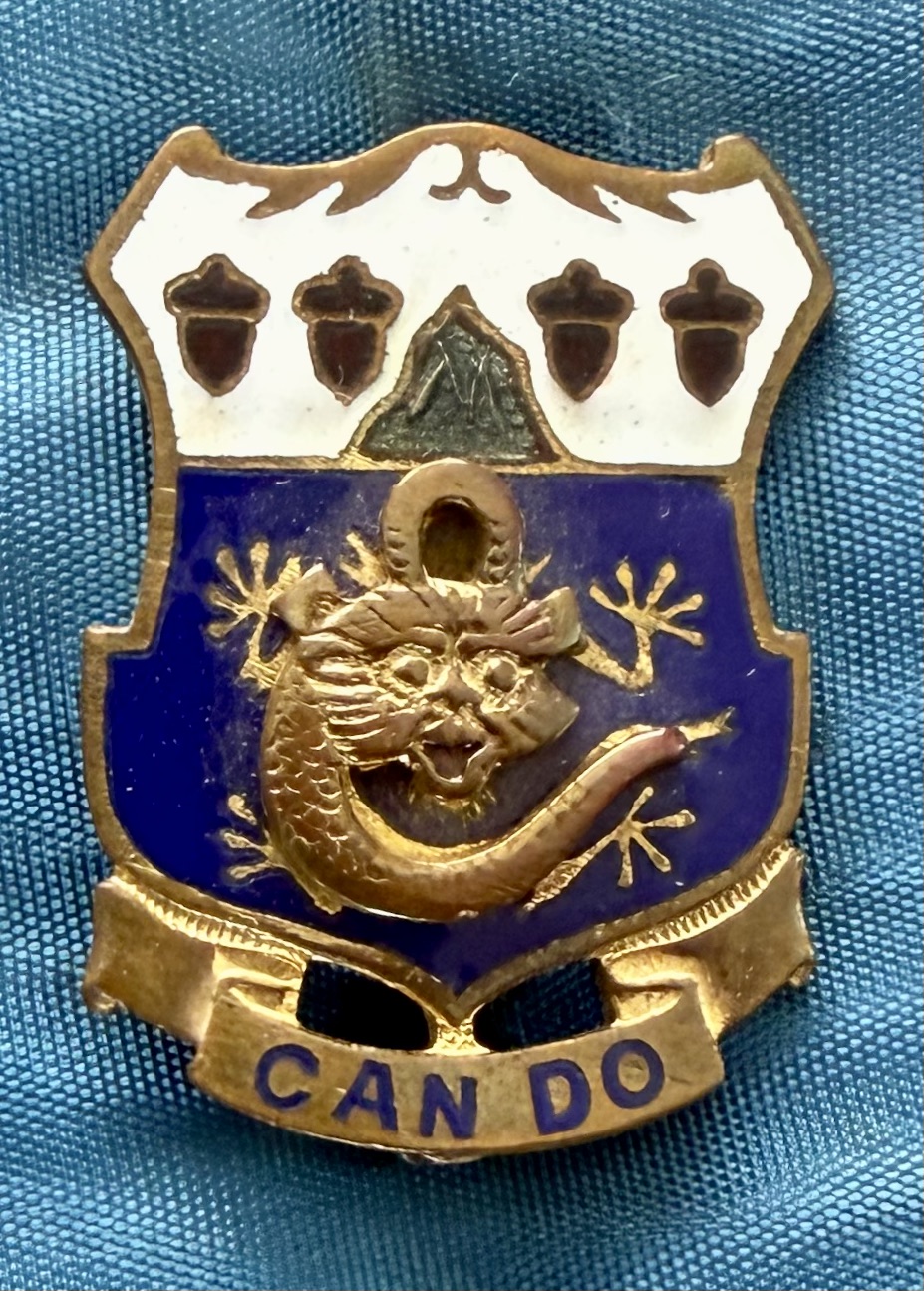
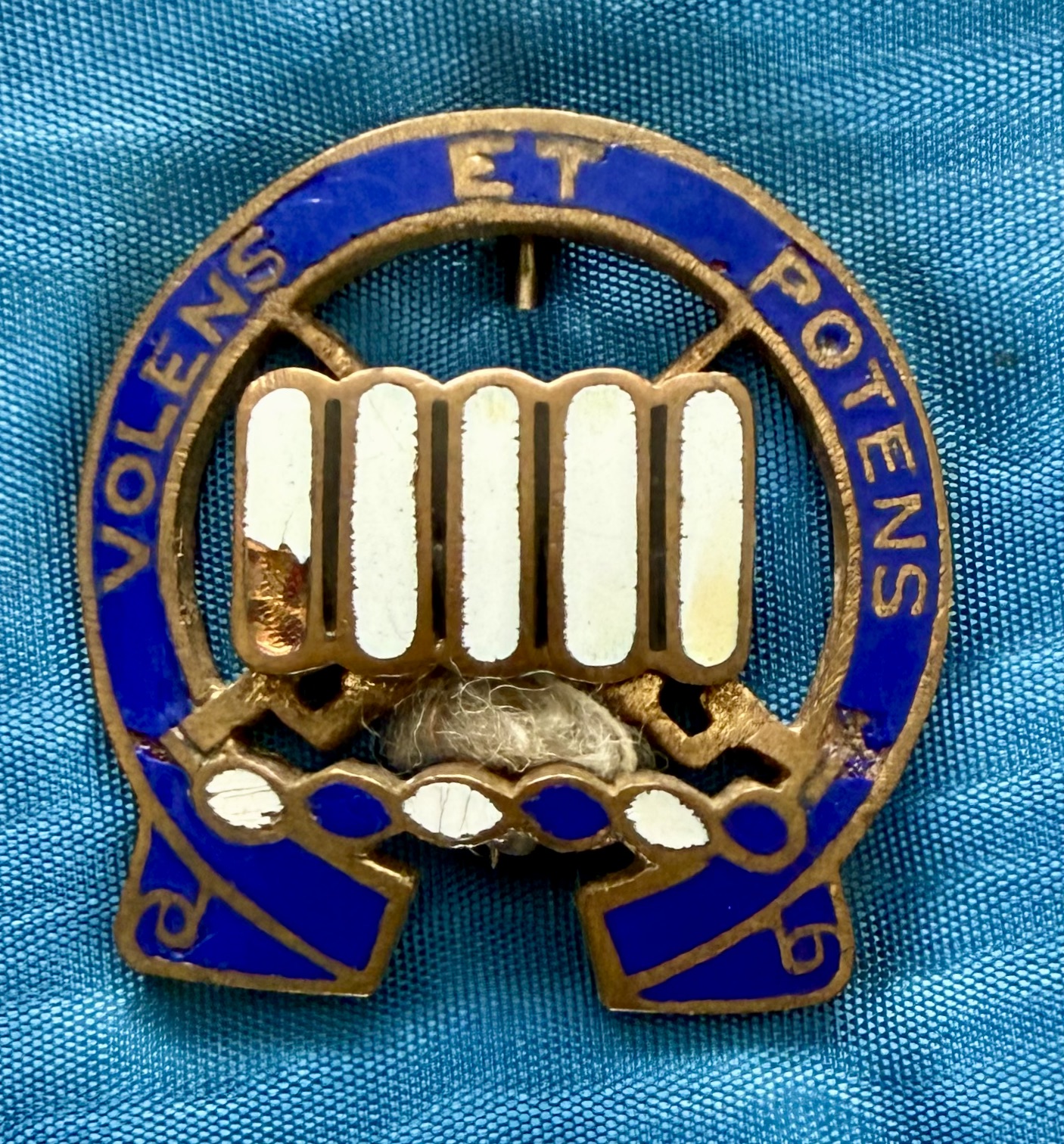
45th Infantry Div. patch5th Army patch10th mountain division.Tenth Corps patchFlo’s dog tag30th Infantry insignia15th Infantry badge7th inf Reg. Wiling and Able
Patches and insignia of some of the combat groups Flo served with, along with her dogtag, tacked onto the inside covers of her scrapbook
To recap:
In May 1944, Flo joined the American Red Cross Clubmobile program and sailed for Naples on a hospital ship. A month later, she stood in the streets of Rome as it was liberated, alongside General Mark Clark. By high summer, she was at an army camp near Pozzuoli, leading a four-woman crew, serving doughnuts and coffee to soldiers on the brink of the invasion of southern France.
By late August, they were in France, chasing a front that refused to hold still. Somewhere in that rush, Flo fell in love—with a lieutenant named Gene. They planned to marry in October. A mortar shell ended that future before it began.
Winter came hard—1944 into ’45—frigid, dangerous, unrelenting. Flo and her crew followed the Third Infantry Division through France, often within earshot of the guns. It was here she handed coffee and doughnuts to a young soldier named Audie Murphy—not yet a legend, but already carrying the weight of one.
He would become the most decorated American soldier of World War II. Flo, meanwhile, captured something just as lasting: she took the only photograph of Murphy at a field awards ceremony. The photo became a famous icon.
In January, the division crossed the Rhine and drove into Germany. Flo kept working—serving men rotating through rest camps, offering small comforts in a landscape torn apart. At the war’s end, she witnessed the liberation of Dachau concentration camp and Berchtesgaden, Hitler’s alpine retreat.
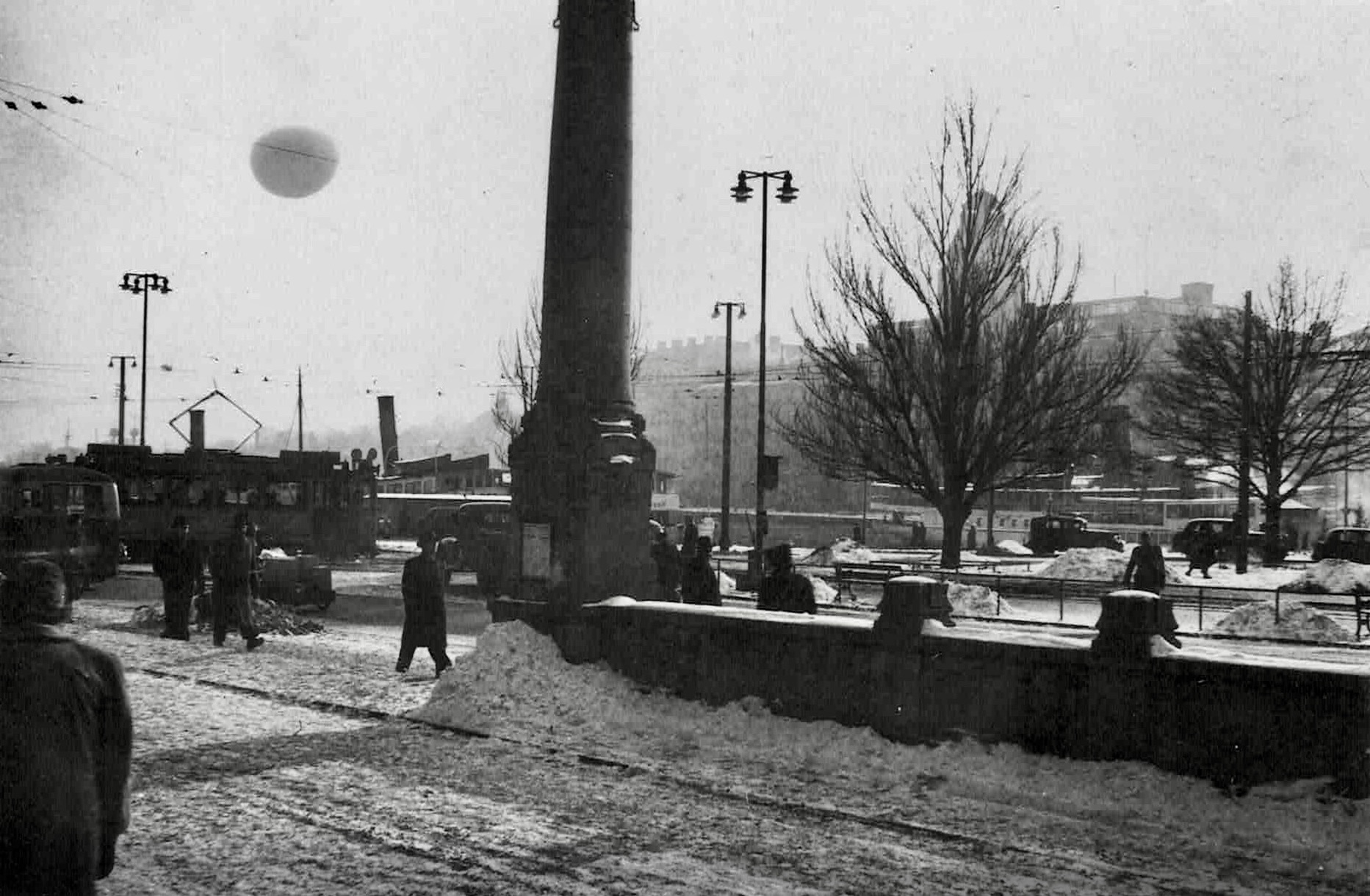
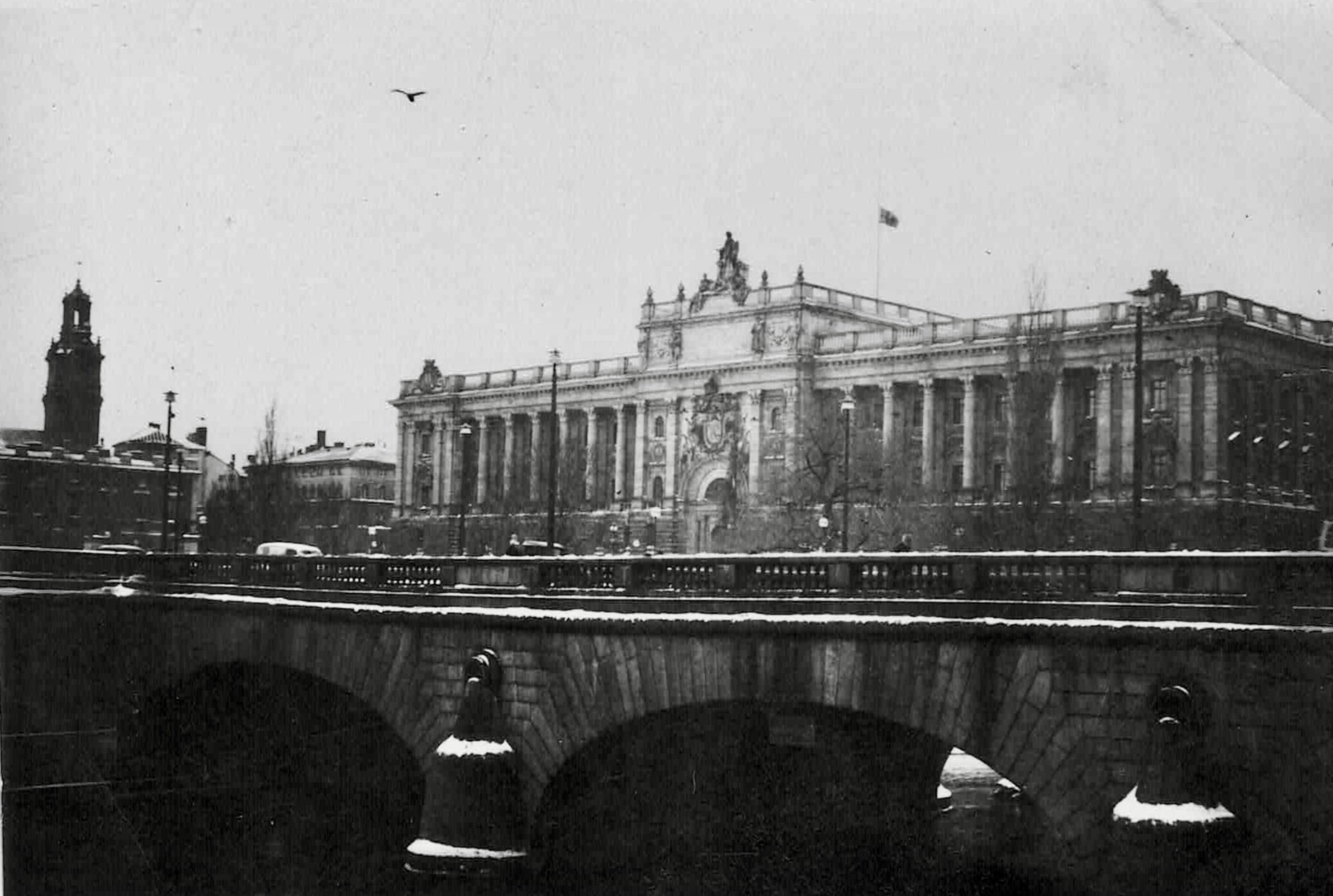
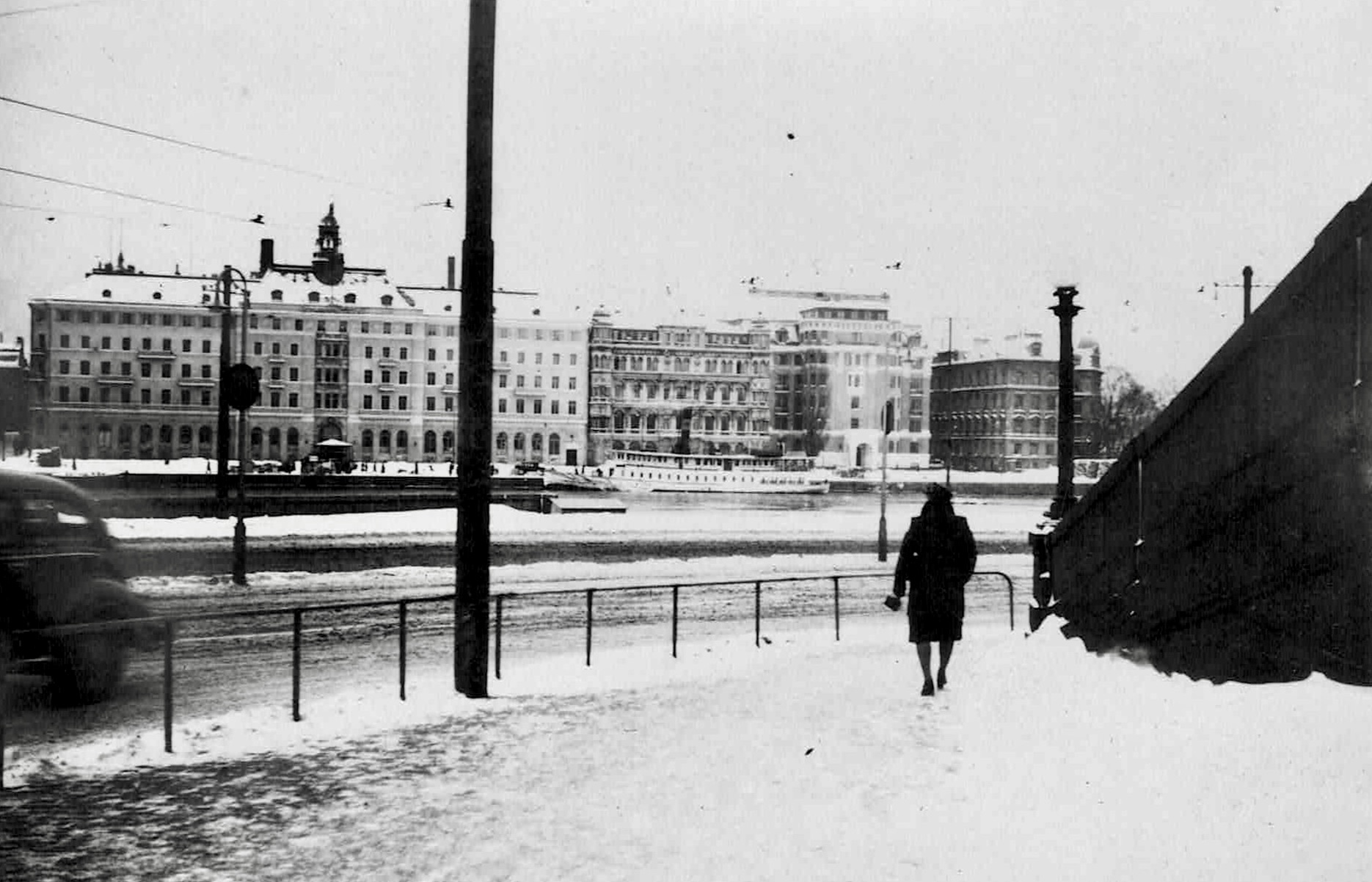
She stayed on through the occupation, stationed in Austria and Germany. When she could, she traveled—Switzerland, England, German cities and towns, Brussels, Copenhagen, Paris—brief glimpses of a world trying to knit itself back together. She ended her stay with a visit to relatives in Sweden.
And that’s where we are now.
There is still much to tell. Flo’s scrapbook is bursting with post-war miscellany. How did Flo and Audie adjust to peacetime back in the USA? How did the war affect them and those who fought in combat? How did Audie Murphy become a movie star?
I’ll come back to the rest—after a little rest of my own.
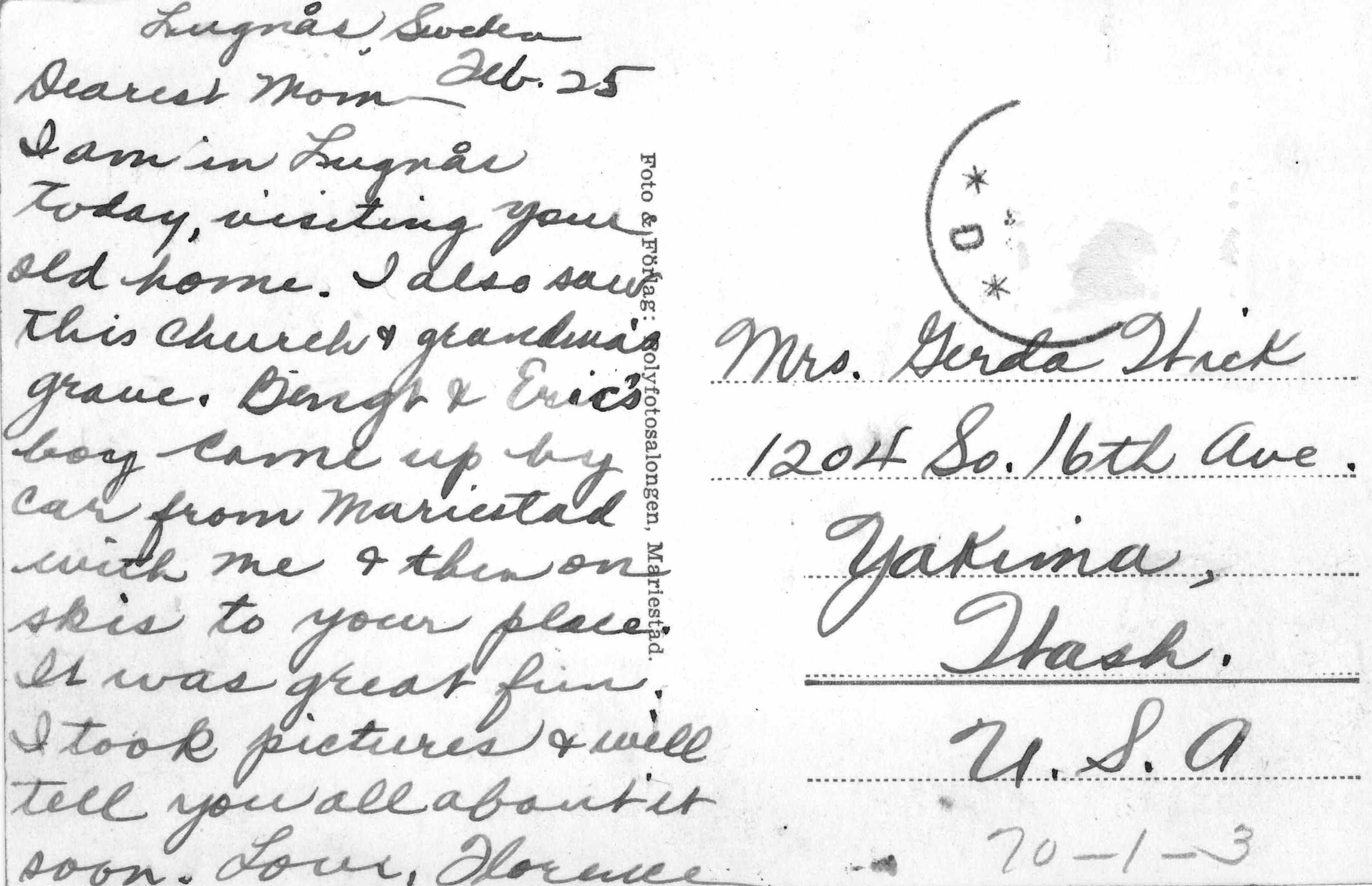
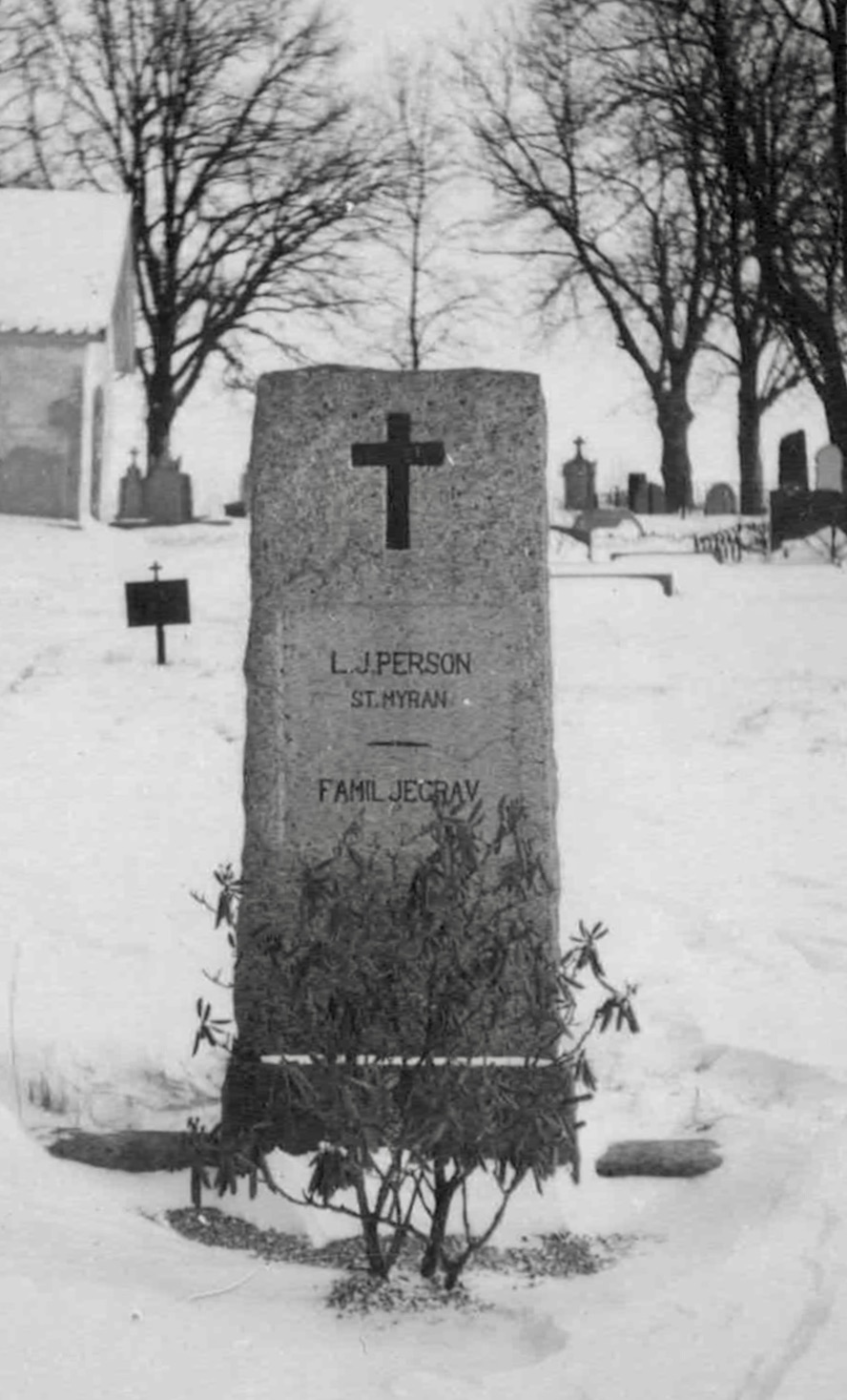
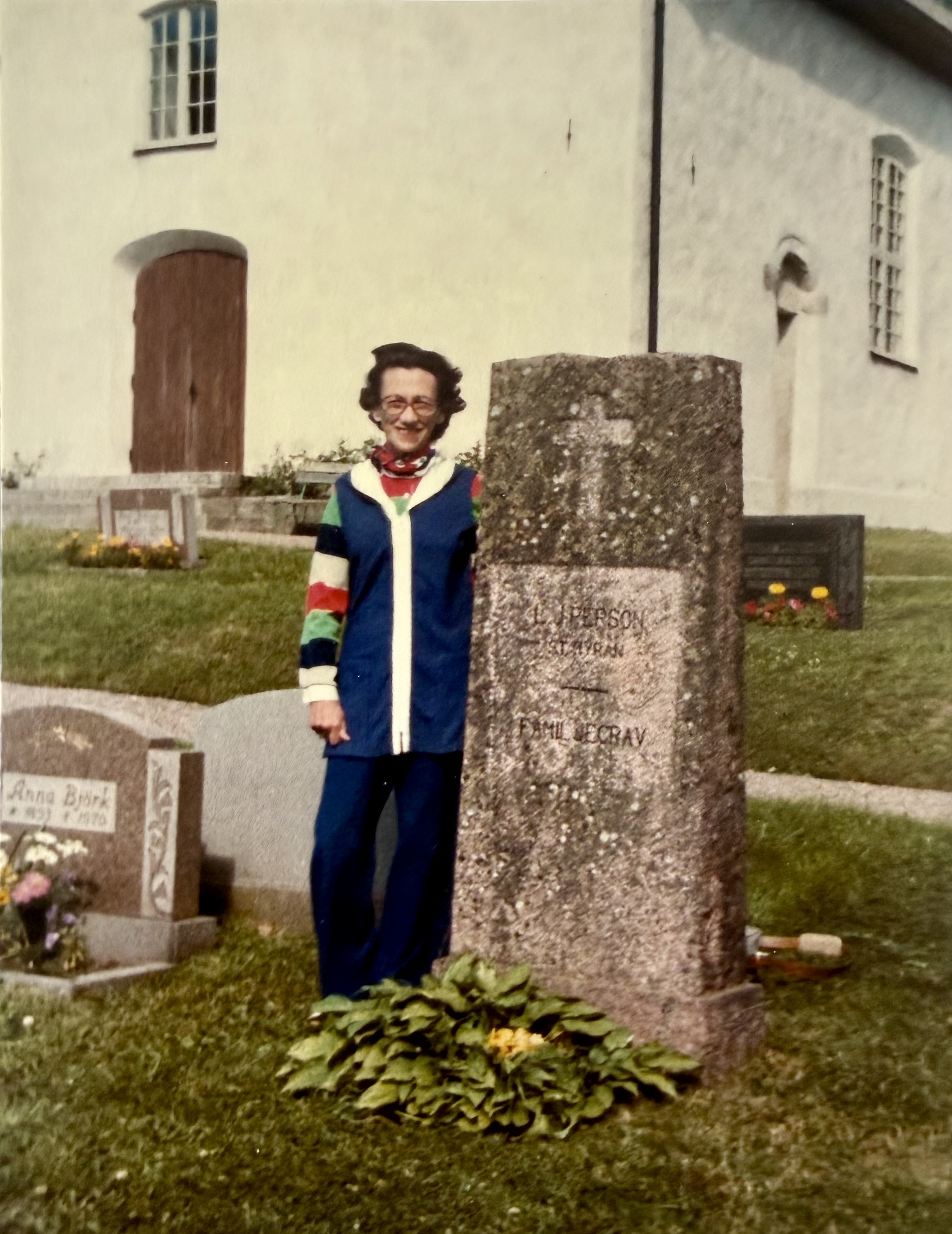
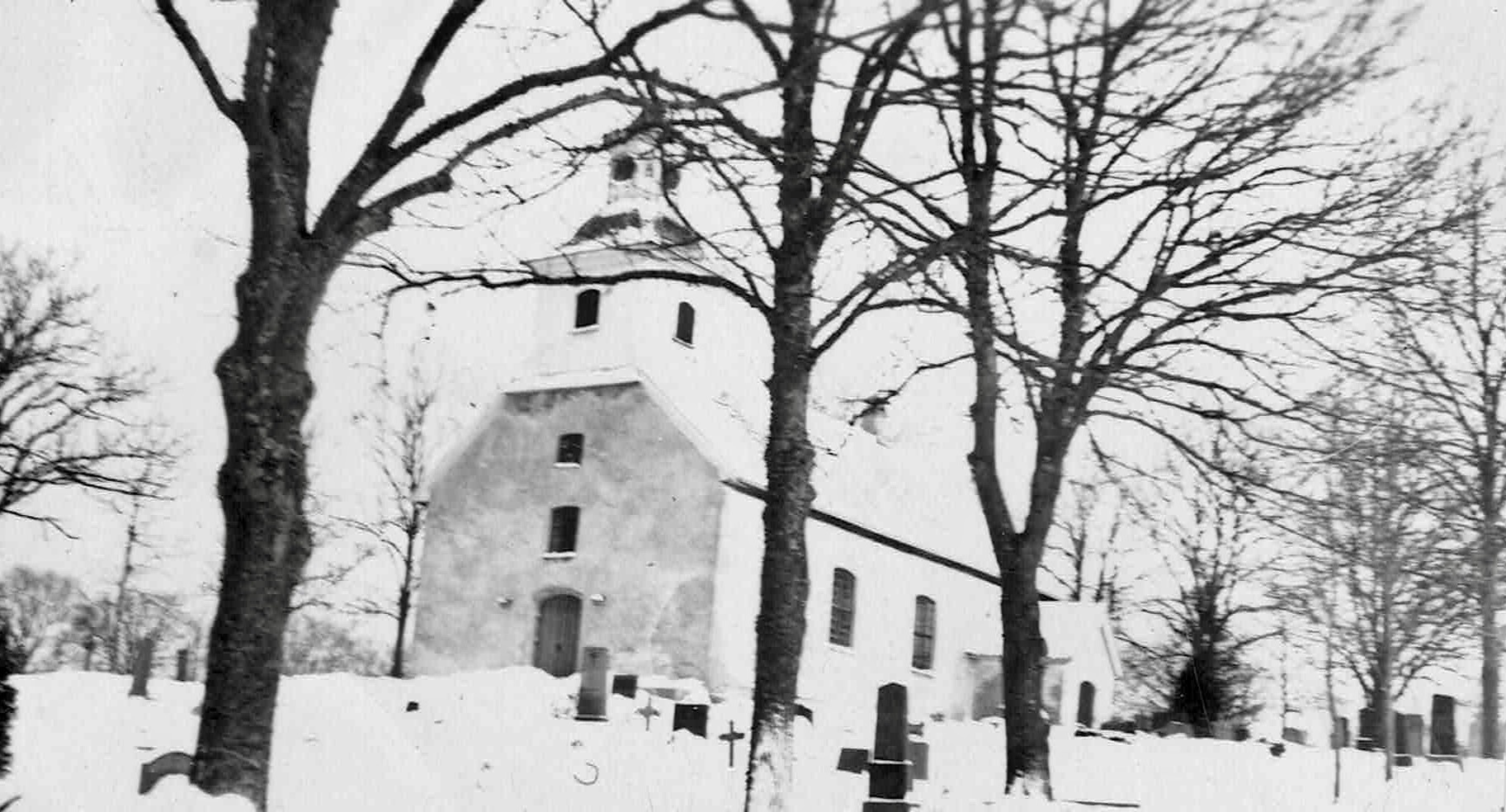
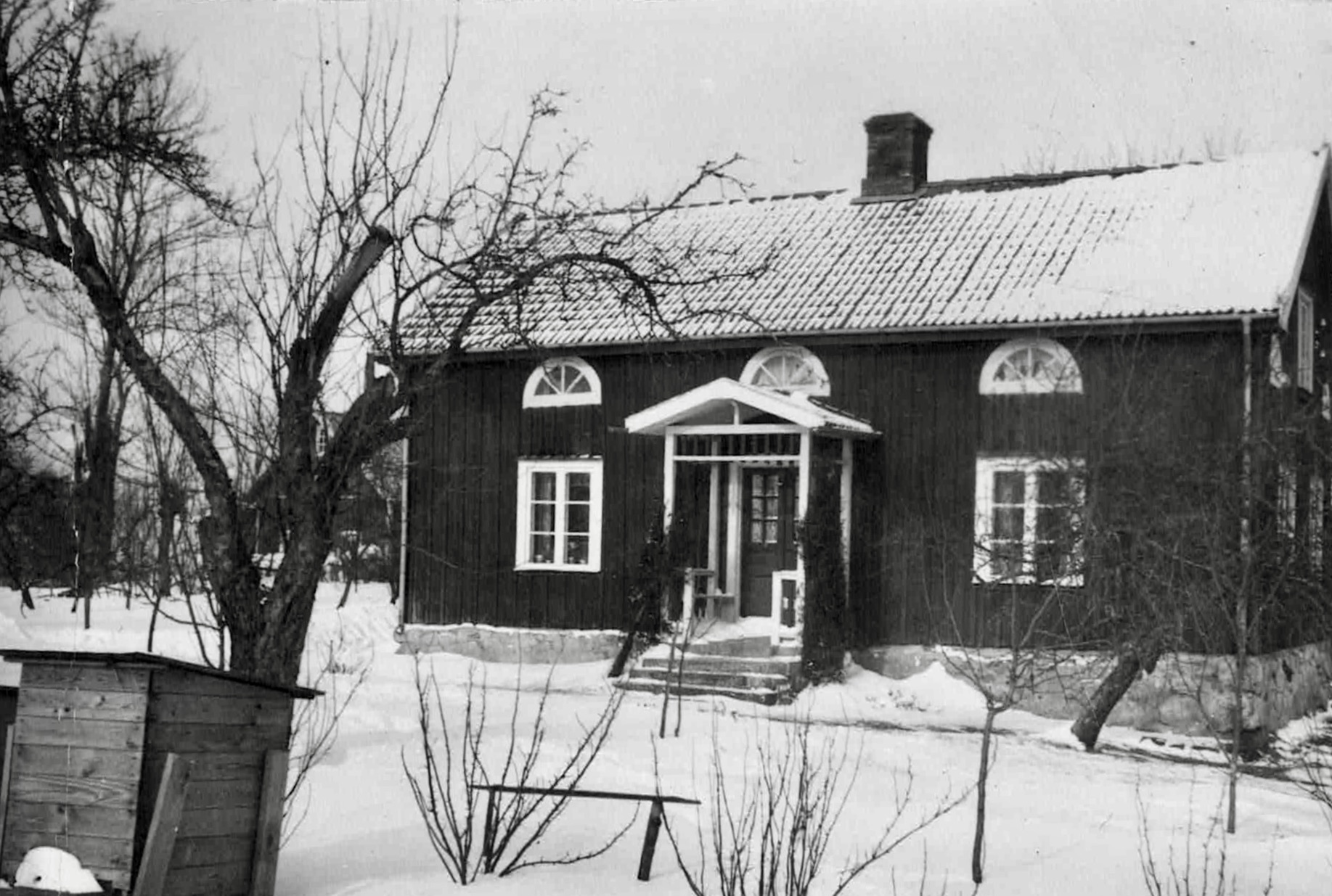
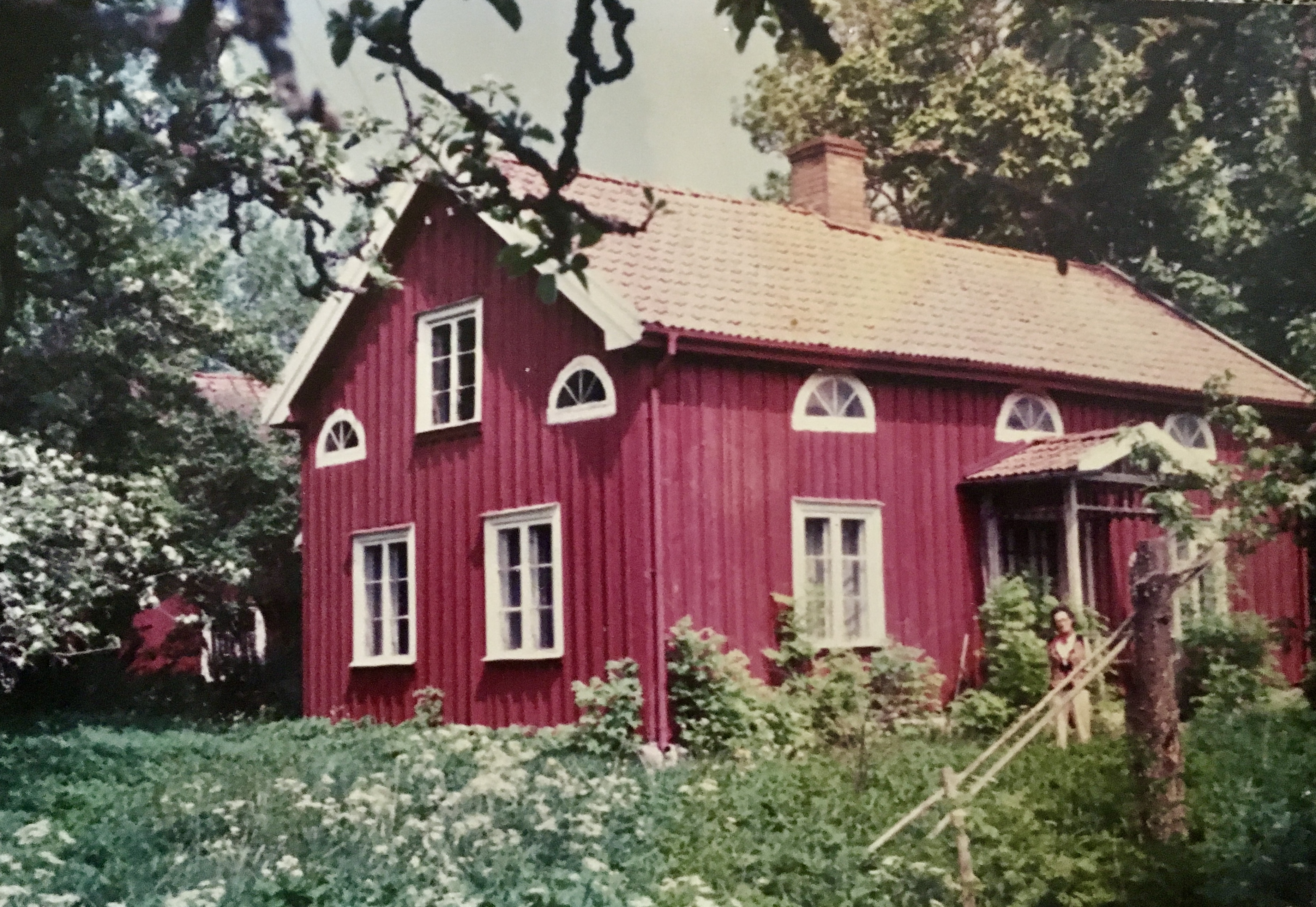
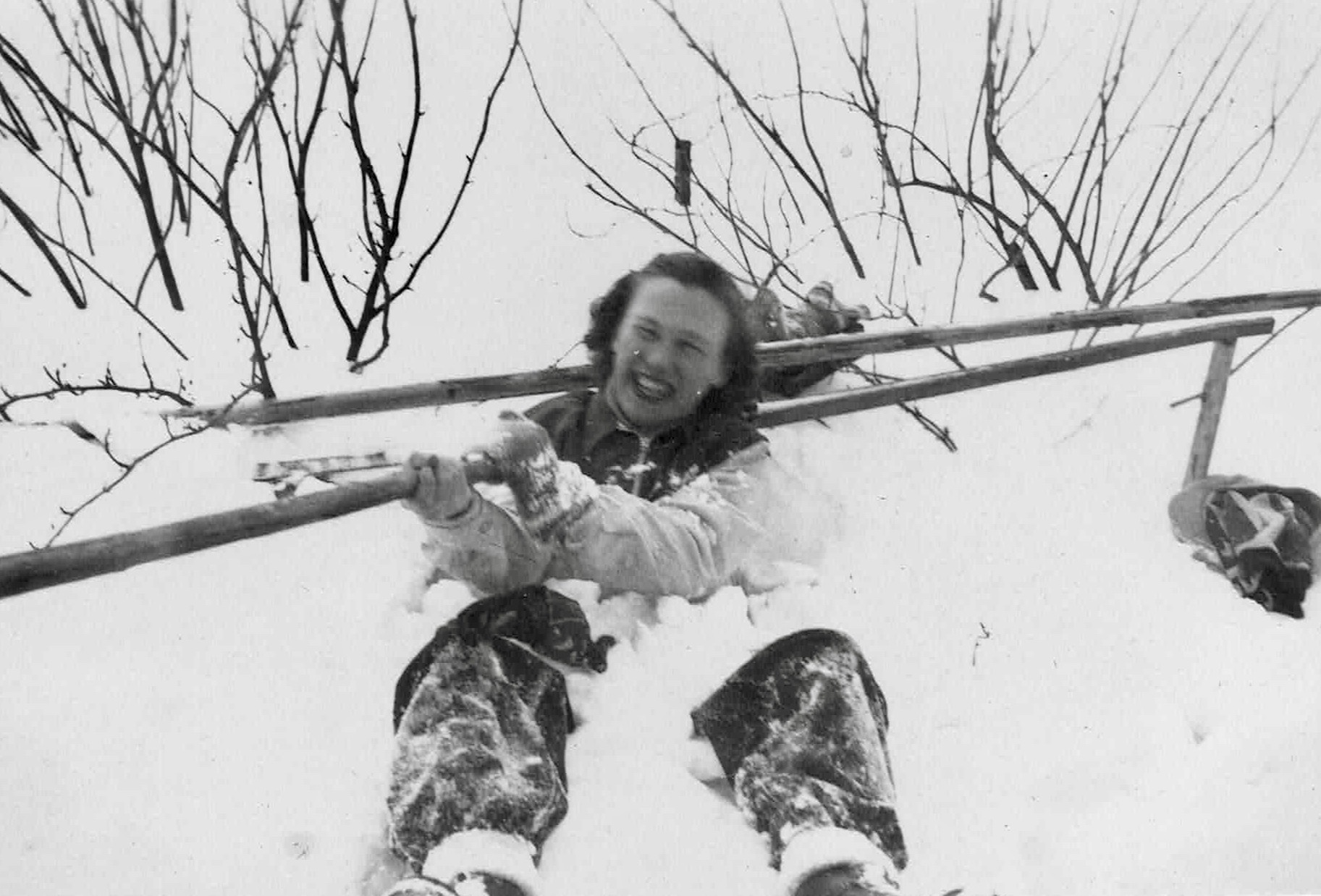
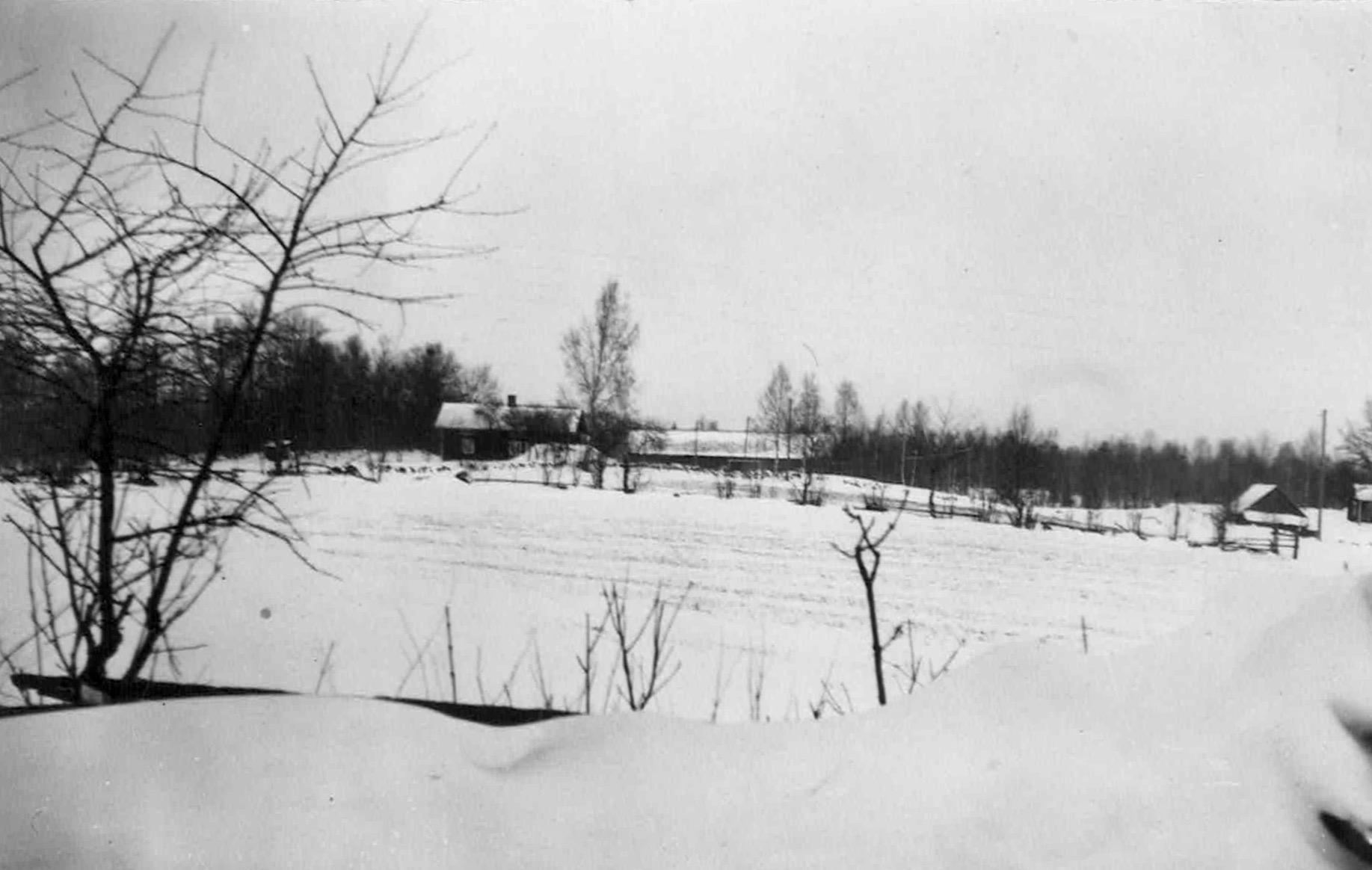
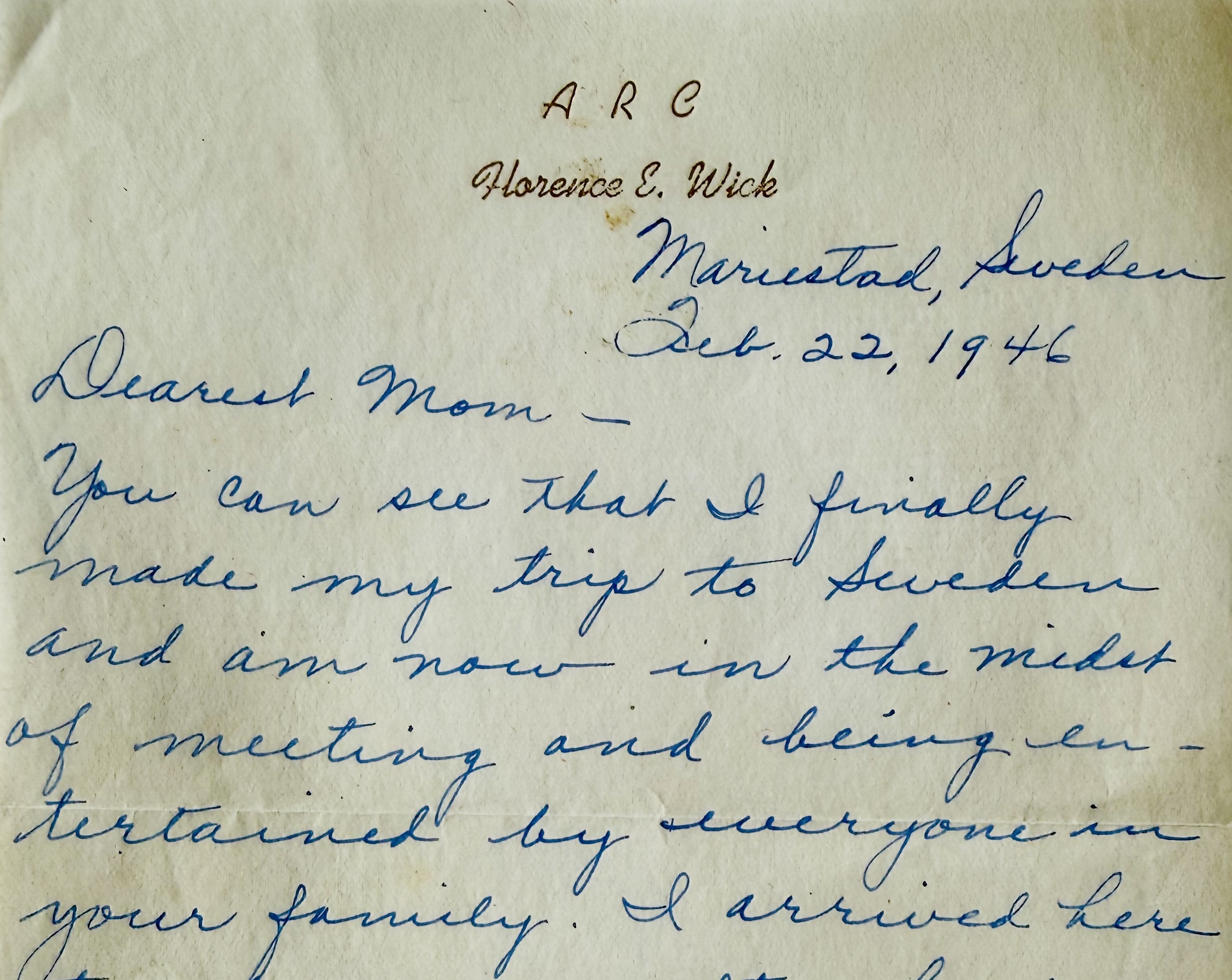
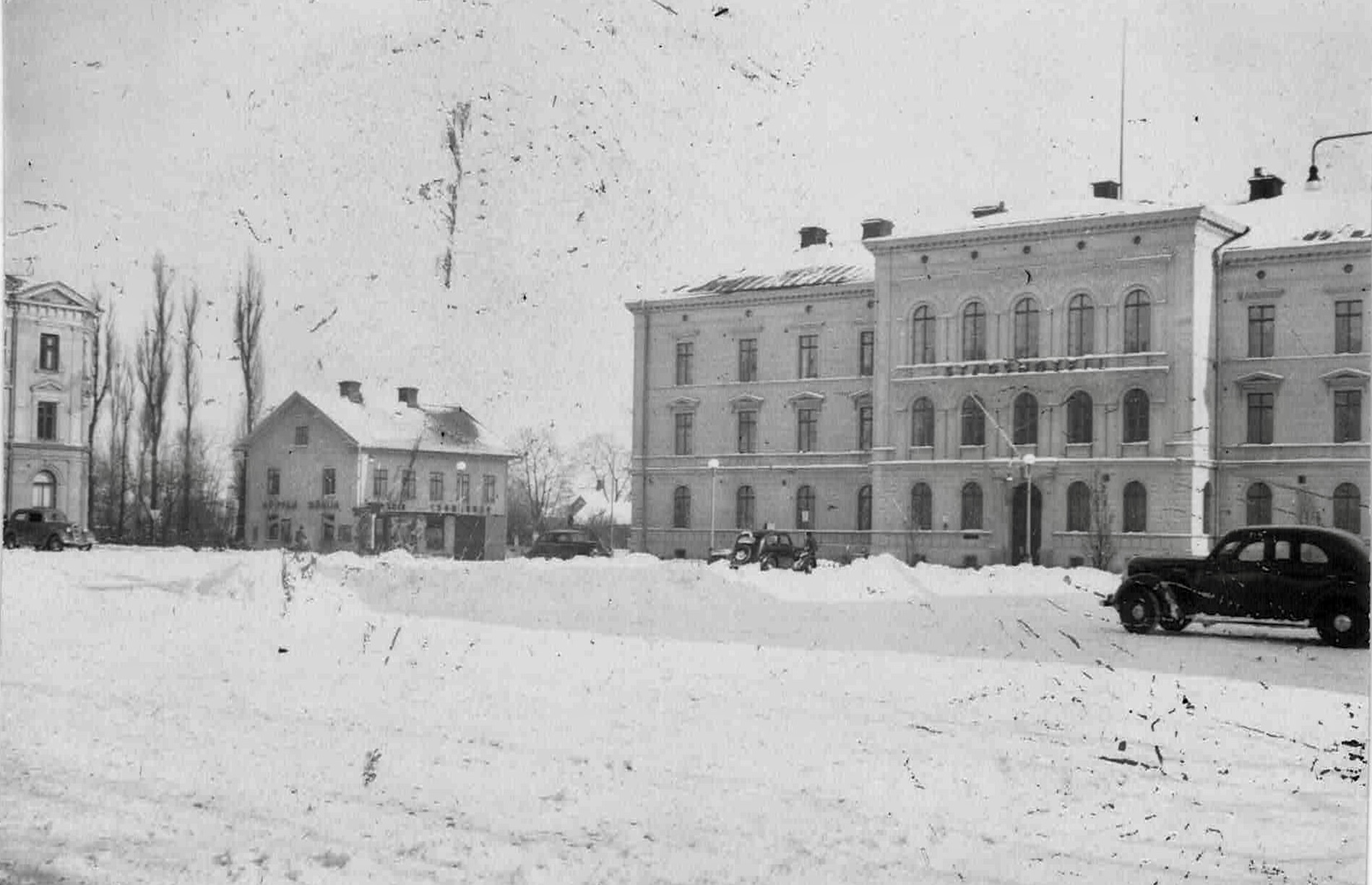
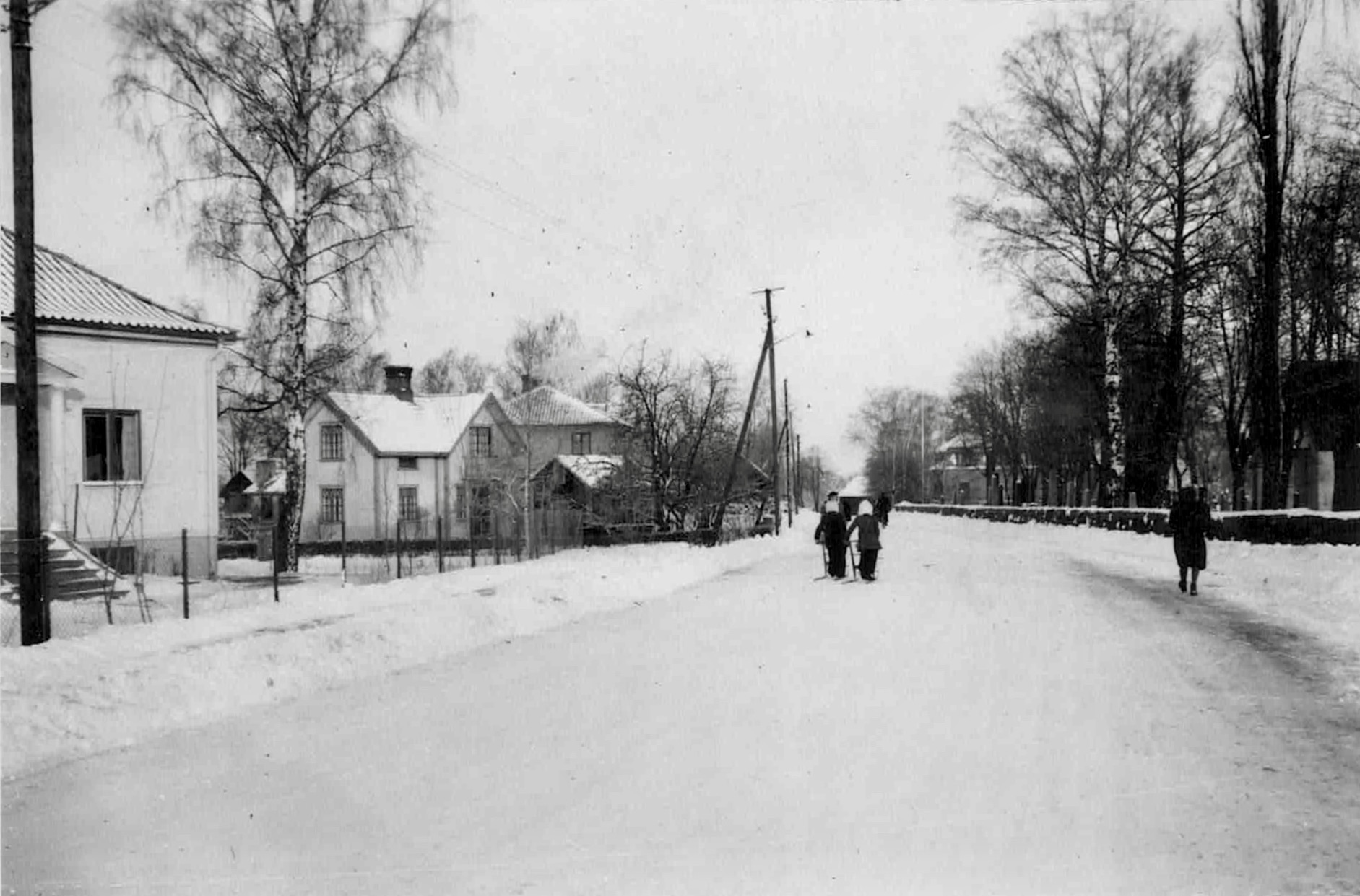
Flo got leave to visit Swedish relatives in Feb 1946. She and I returned in 1979. The family grave at LugnåsWe visited it in 1979.Church and cemetery at Lugnås. The church was built in the 12th century.Grandma’s family home at Stora MyranIt was still there when we visited in 1979.“Skiing (?) in Lugnås”The farm at Stora Myran
Lidköping
Flo visited cousin Karin in Lidköping and we saw her again in 1979. She was a lesbian who adopted her younger caregiver. They traveled the world together.
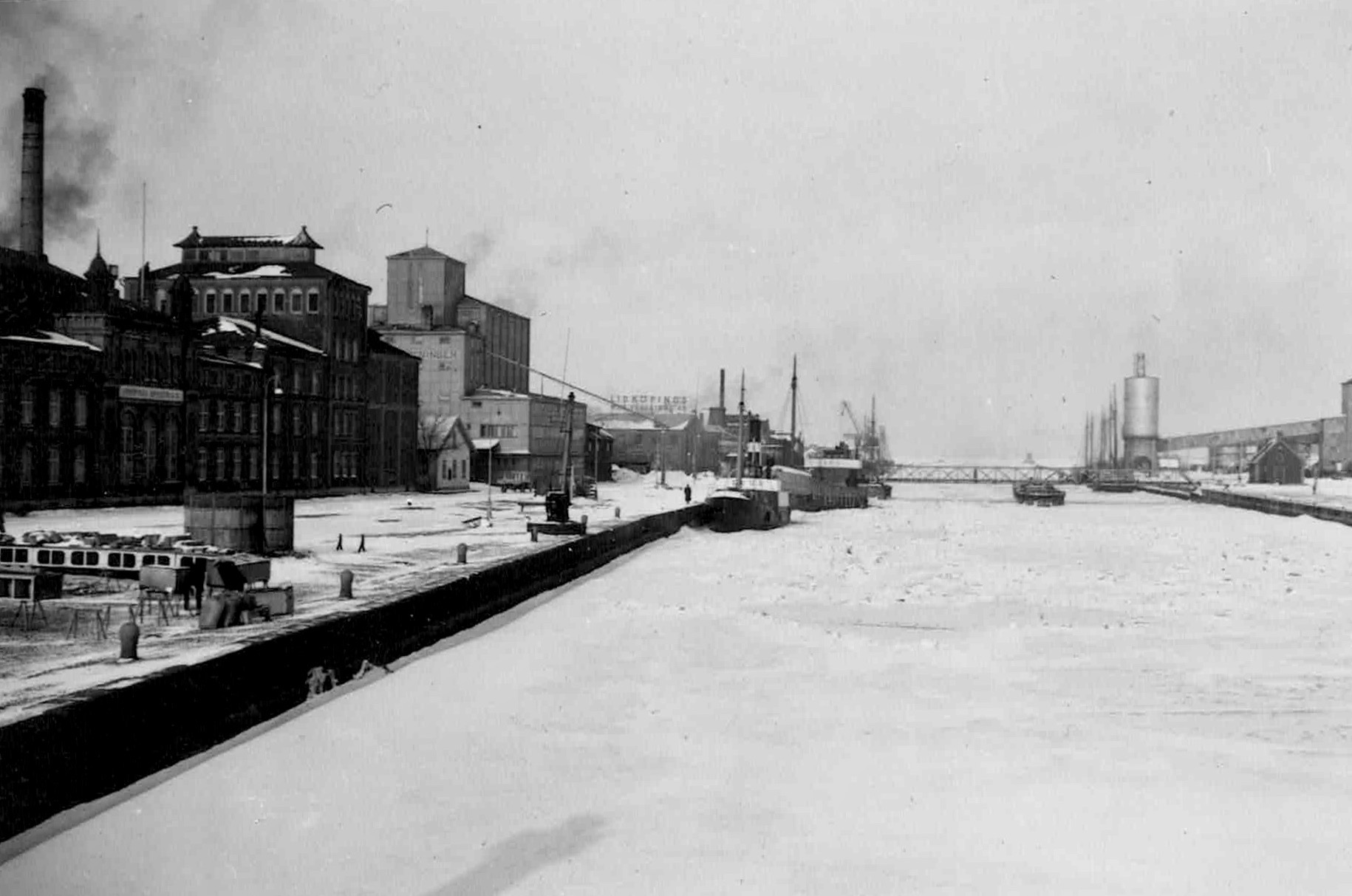
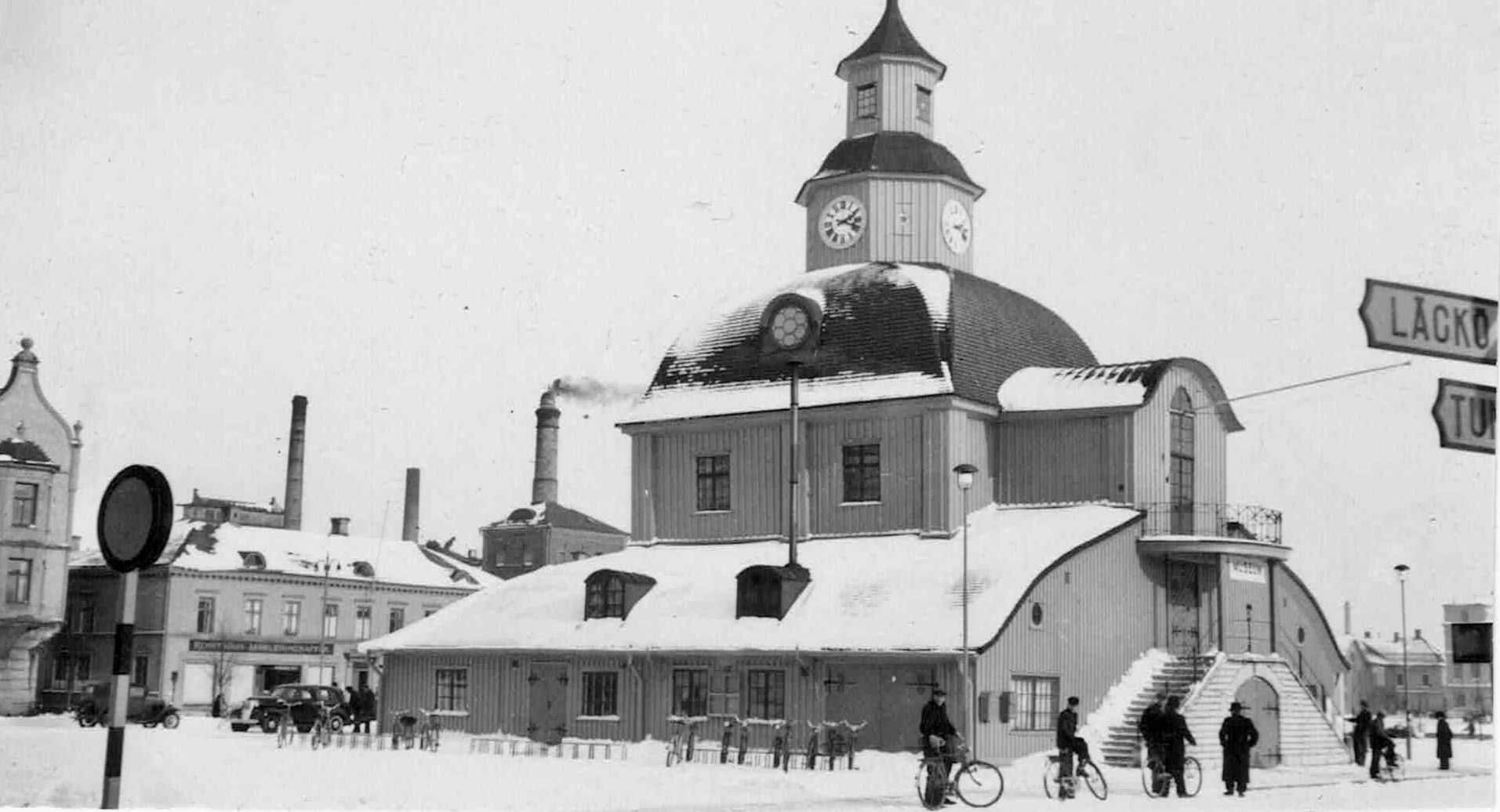
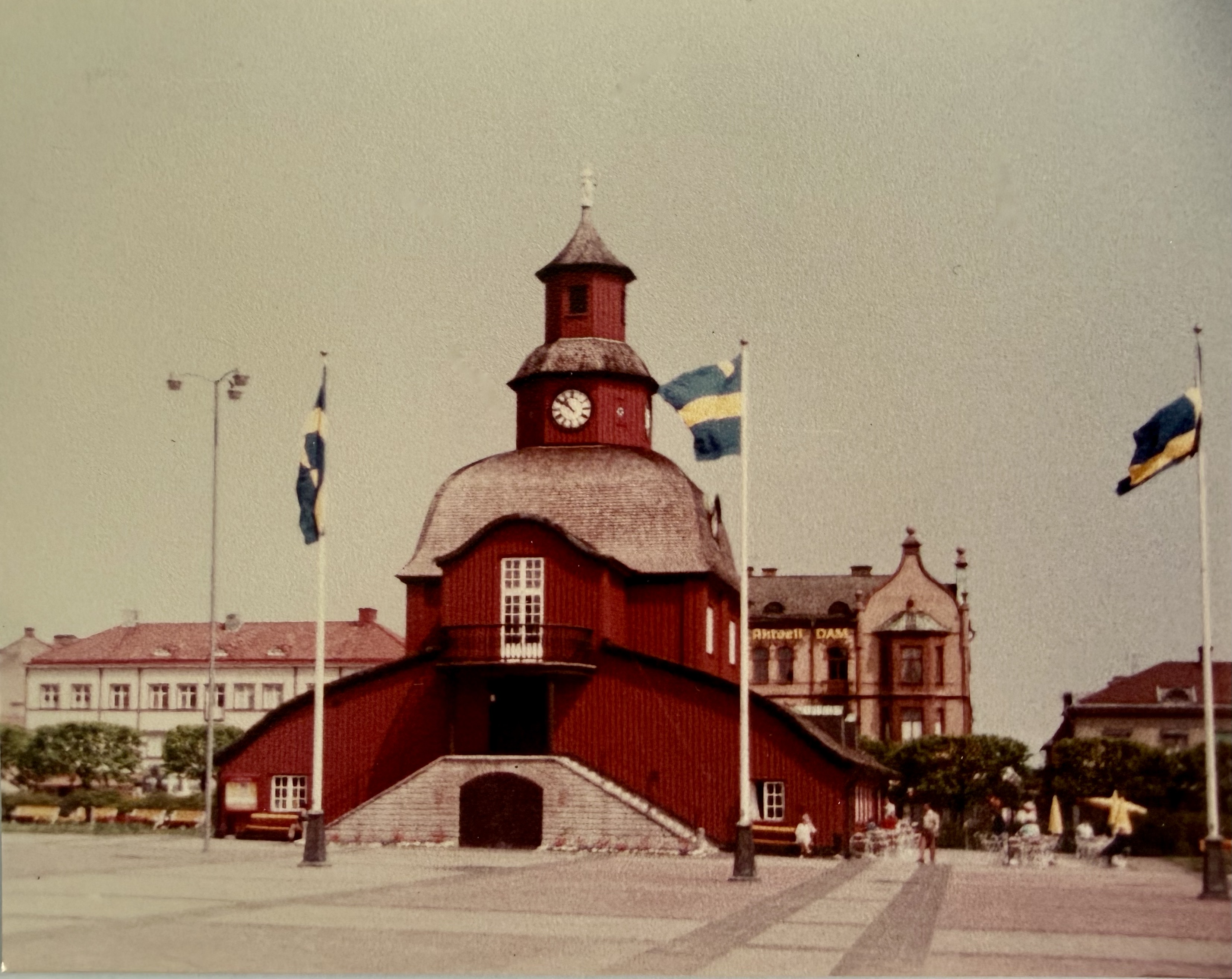
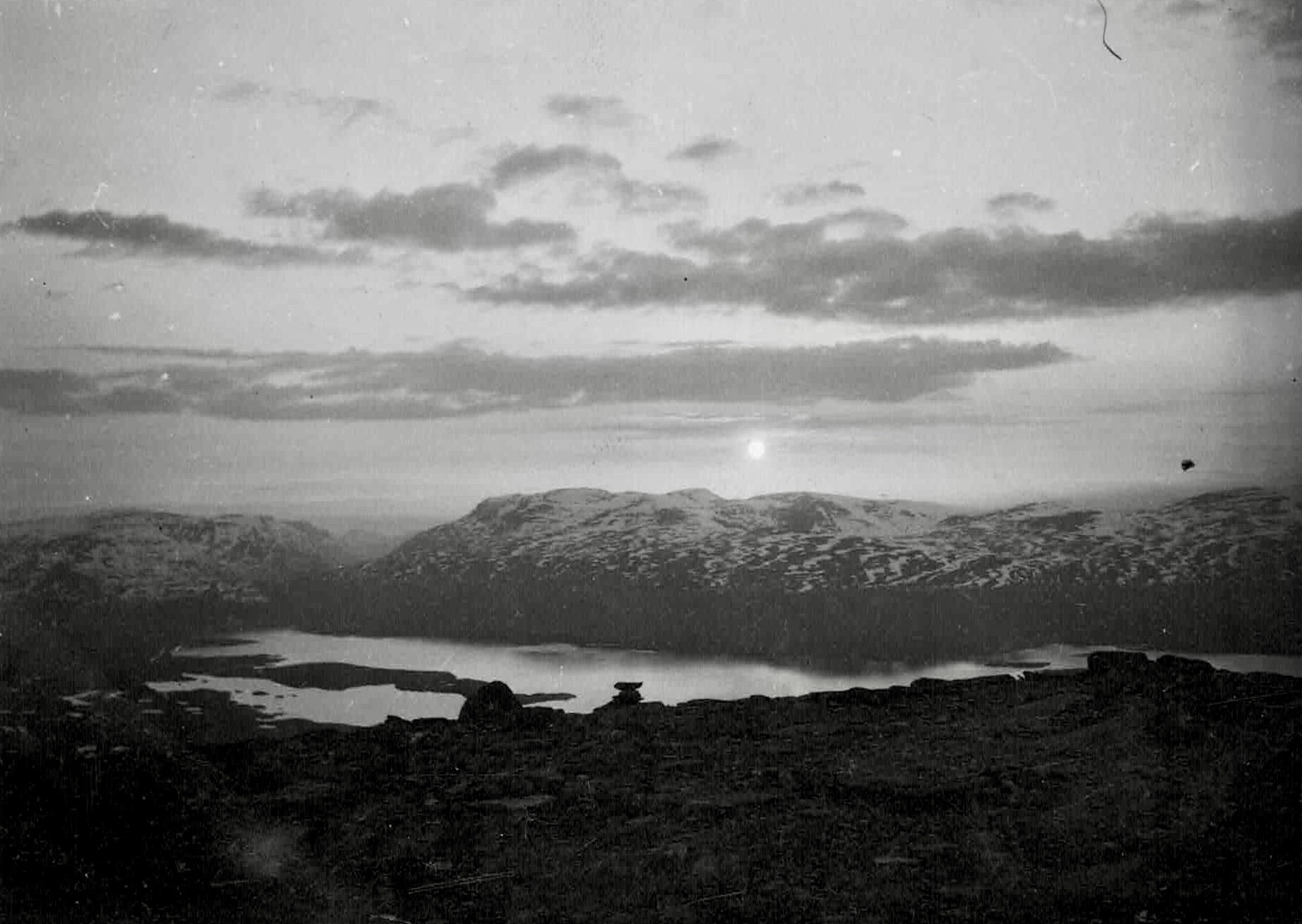
Vener Canal, LidköpingTown square Lidköping. “500 years old in 1946”Still there 1979. Smokestacks are gone.Flo and I with her first cousins Greta and Elizabeth, Ingebritt and son“Land of the midnight sun”
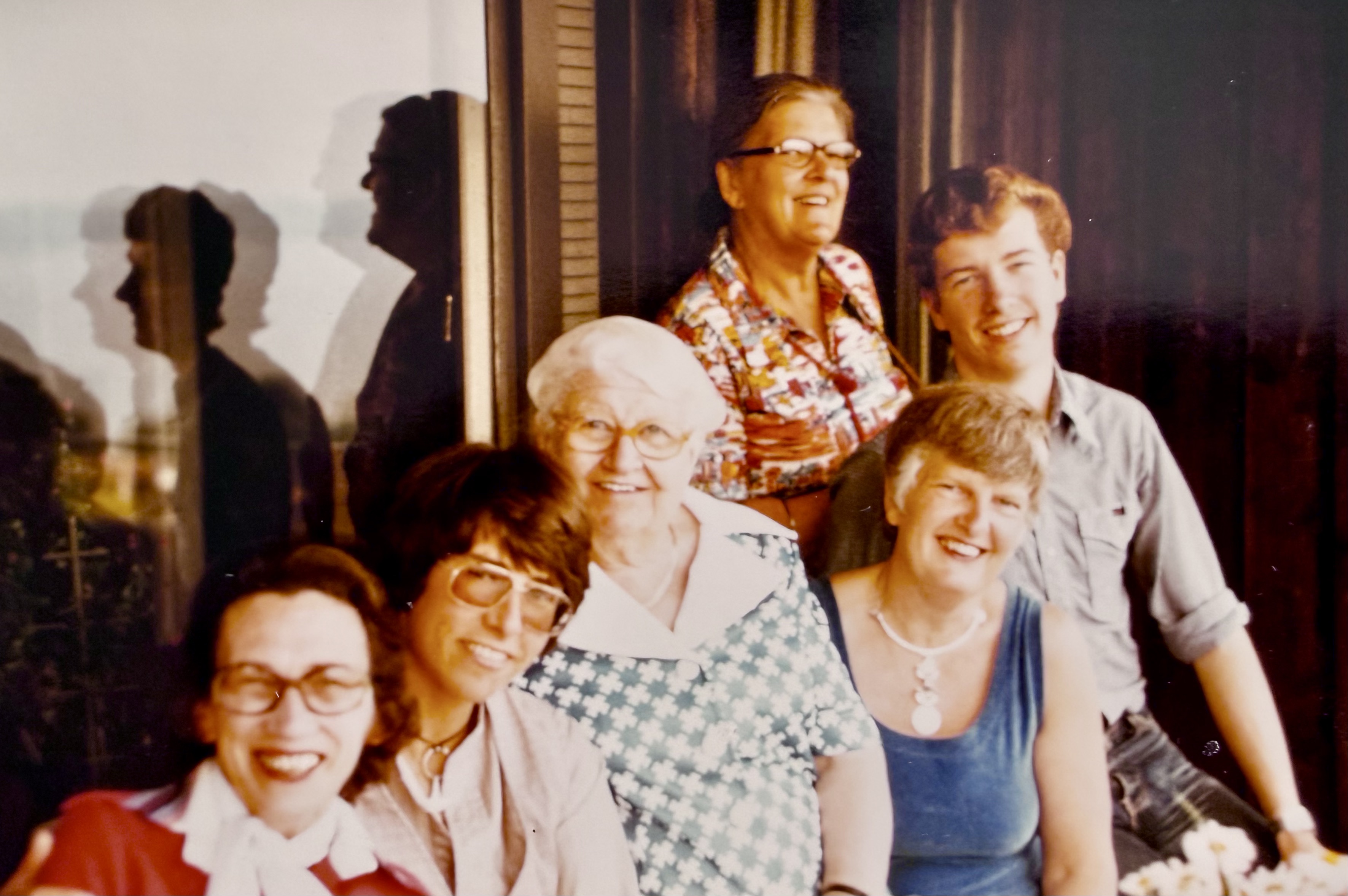
Our Swedish relatives live near the southern shores of the two great lakes, Vänern and Vättern. Our grandmother, Gerda, grew up on a farm called Stora Myran, near the village of Lugnås.
Gerda’s father, Lars Persson (d: 1910) was first married to Sara Jonsdotter, who died in 1871. His second wife was Sara Nyberg (d: 1924). Altogether they had 16 children, and you can see why I have trouble keeping track of them all. Some died and most, including Gerda, emigrated to the US. Two daughters, Julia and Amalia, stayed in Sweden.
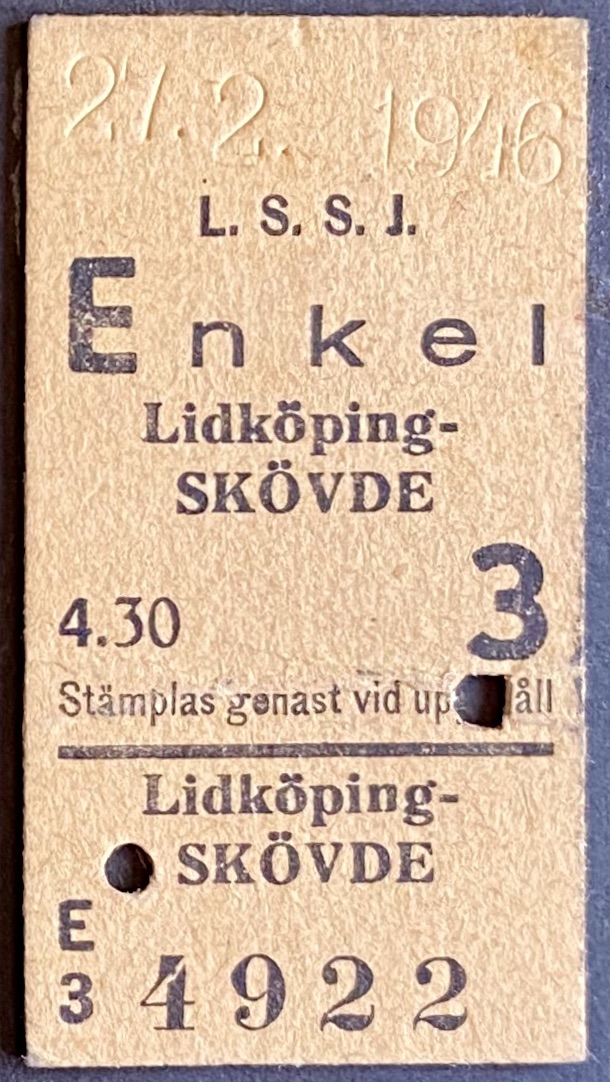
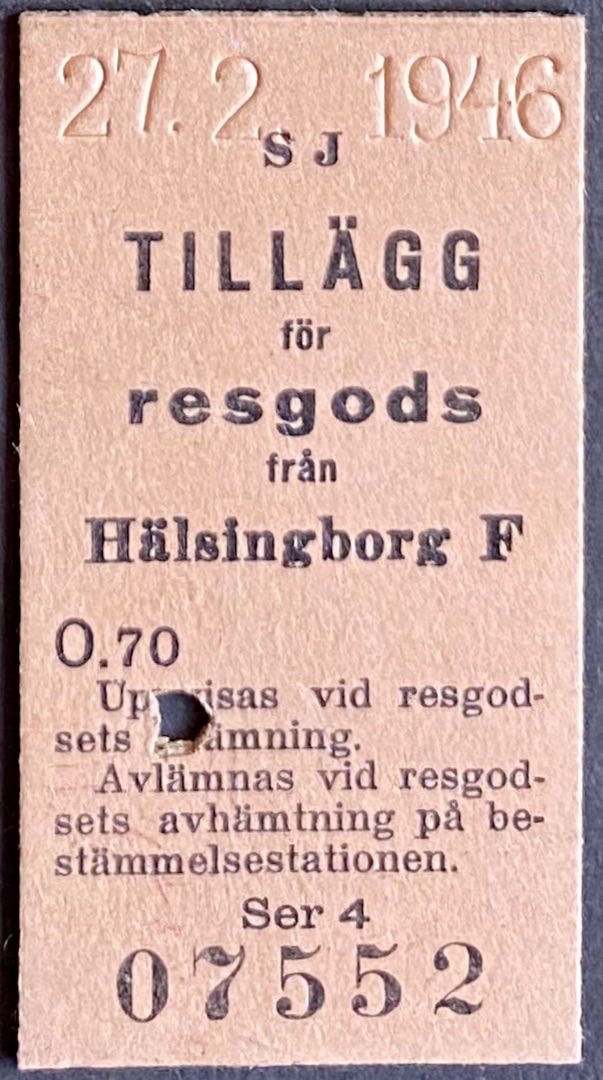
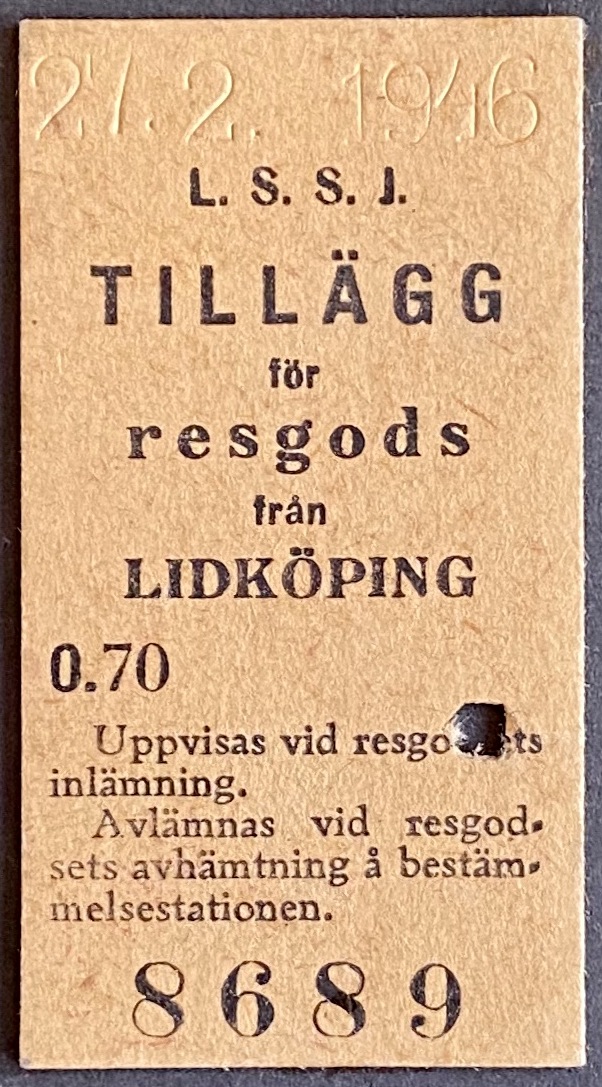
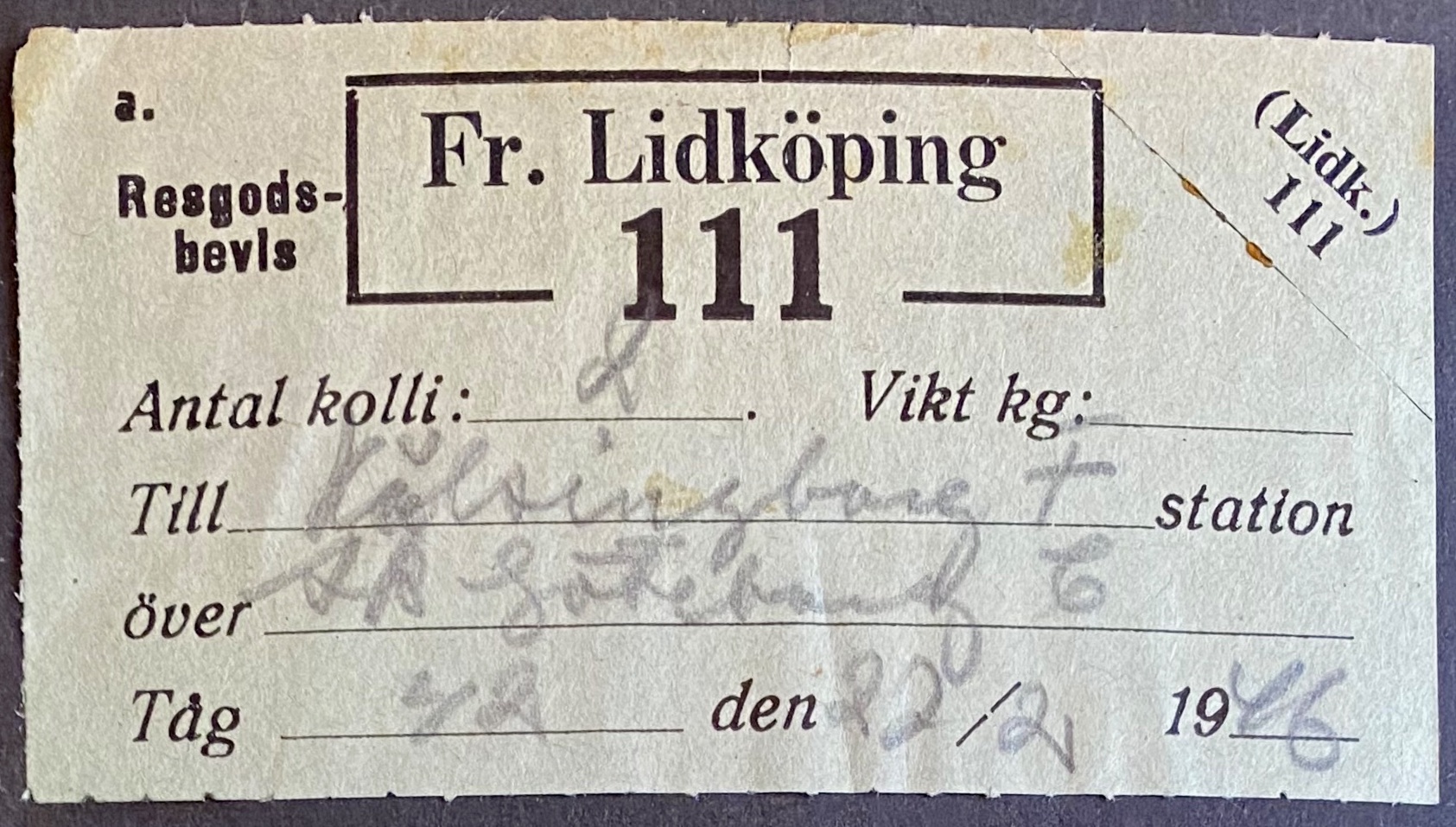
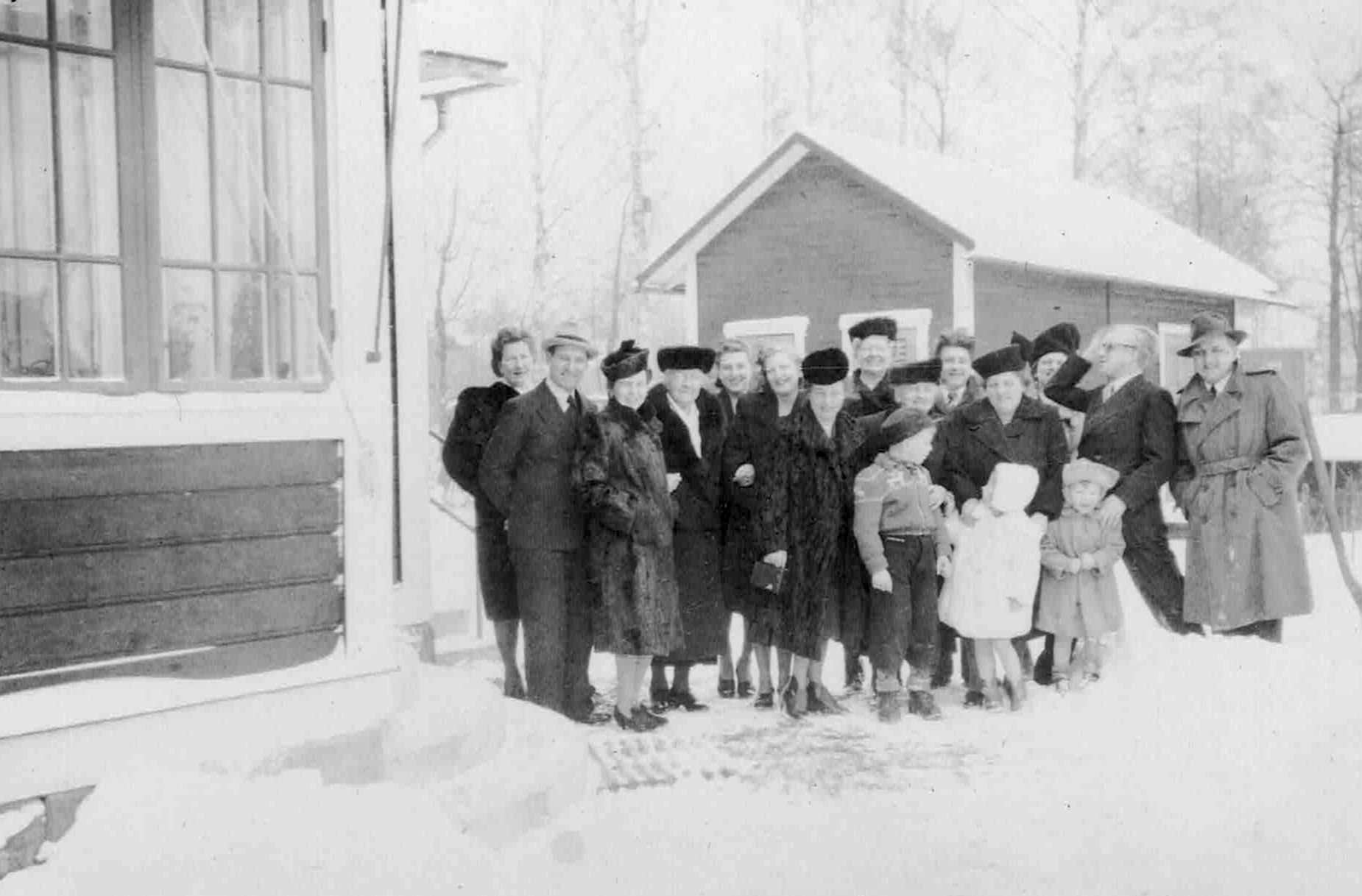
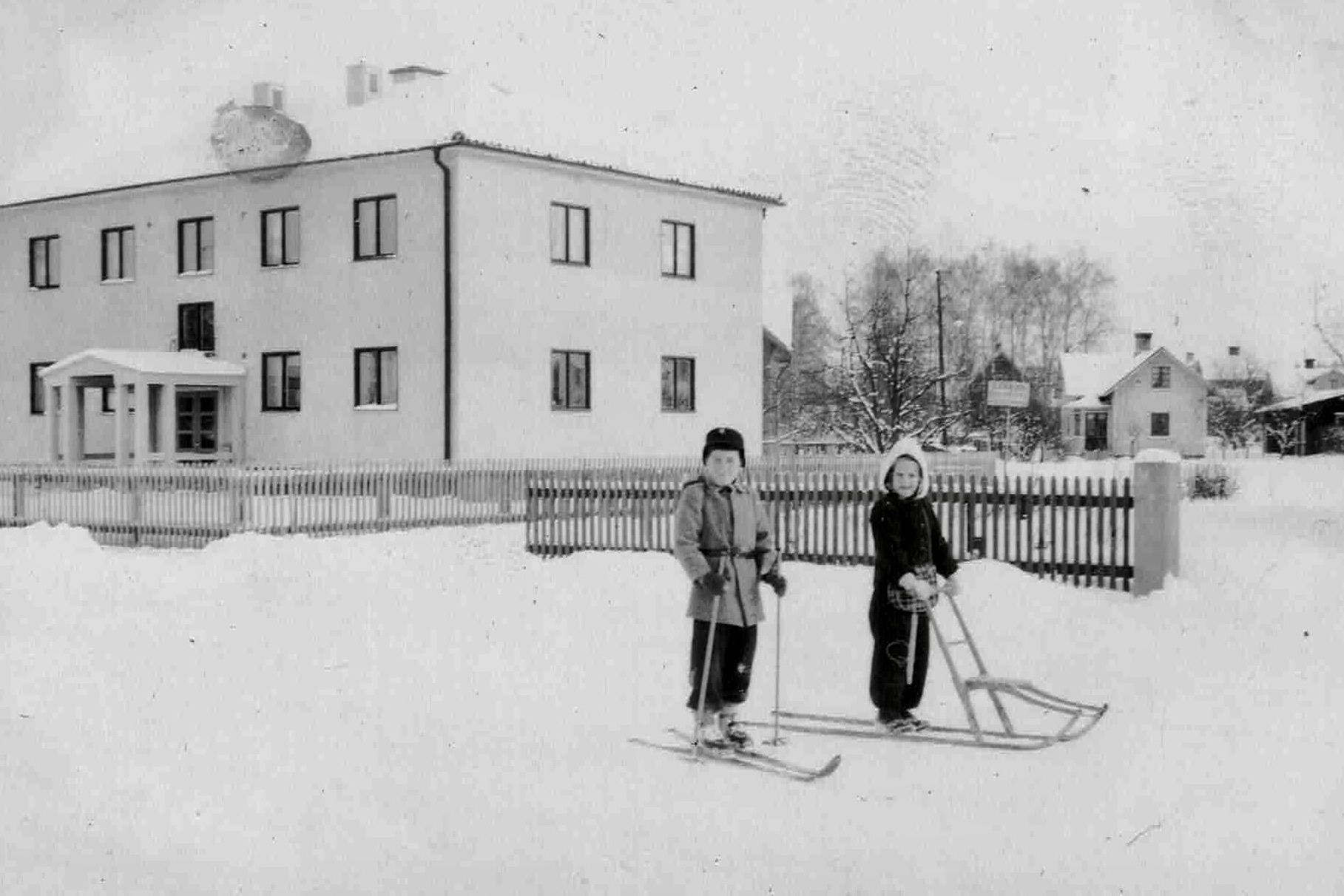
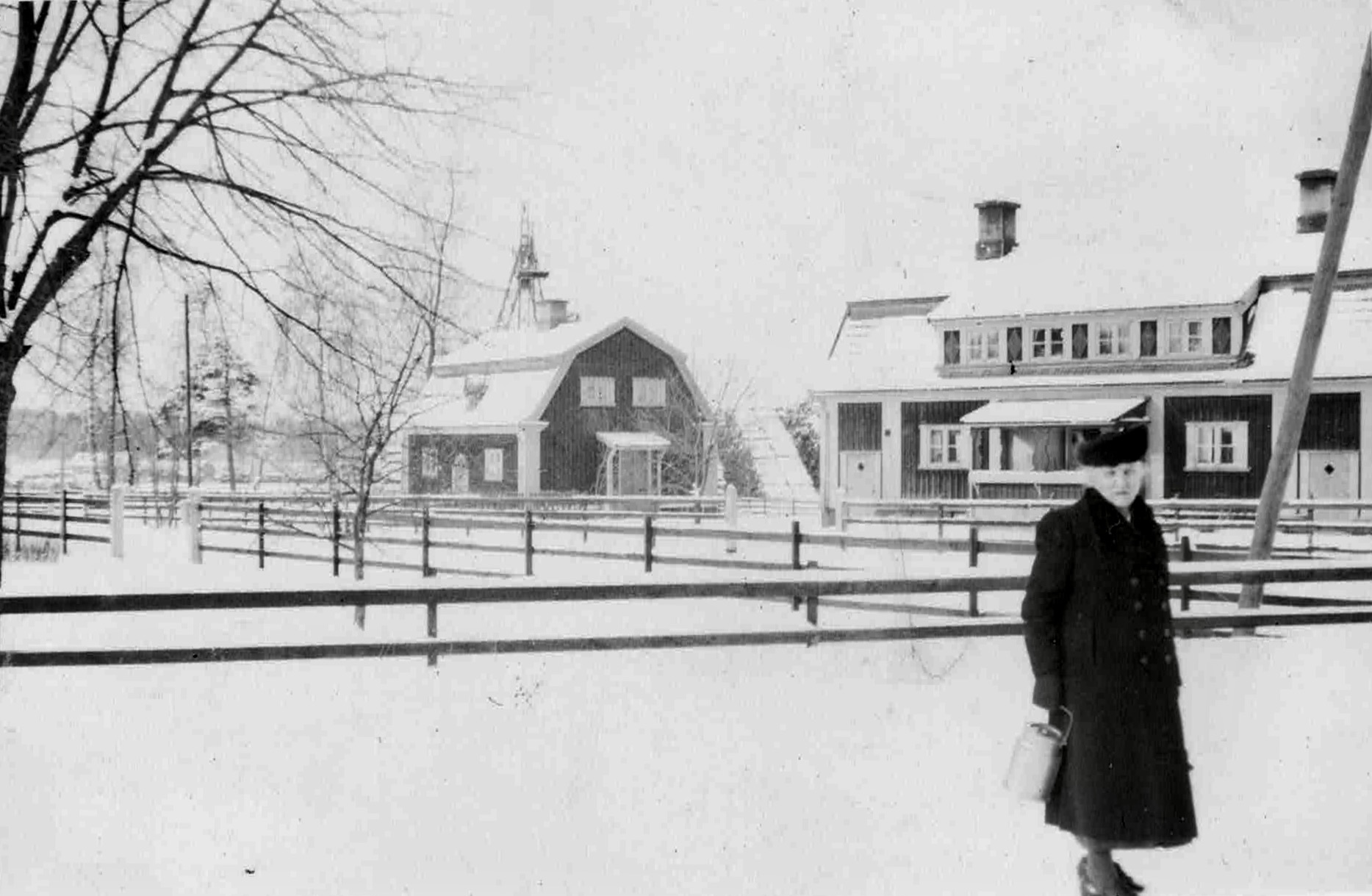
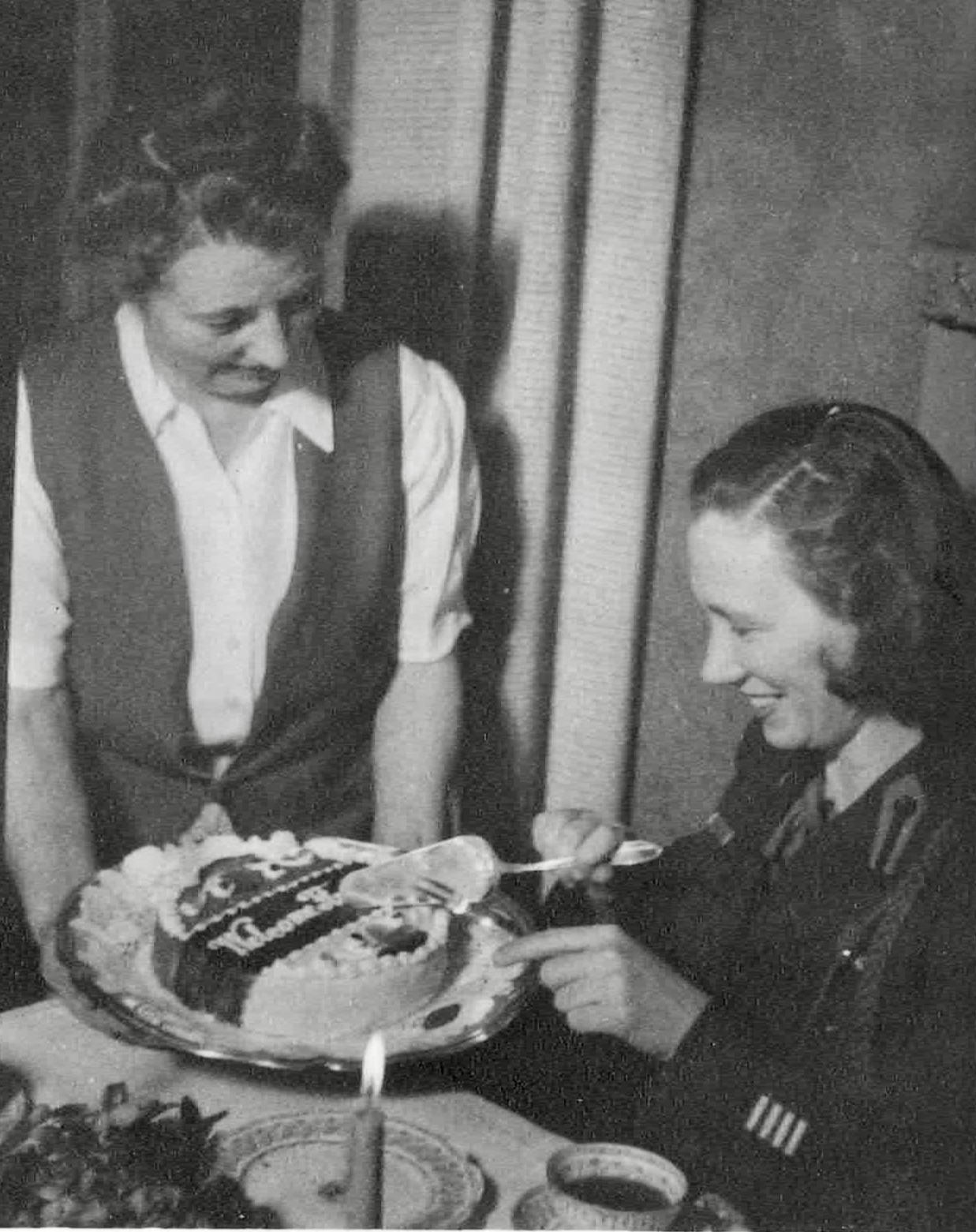
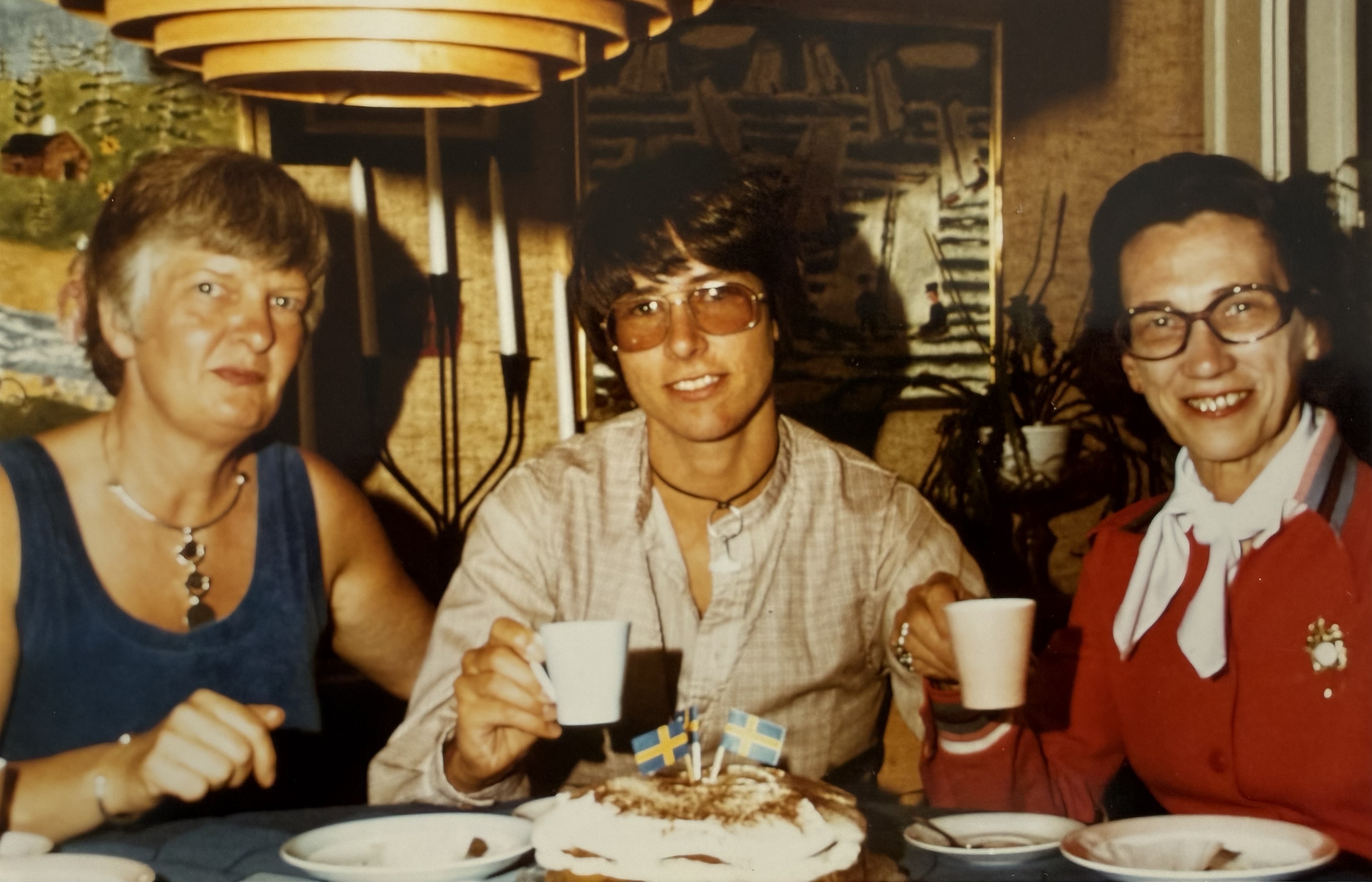
Luggage tags from Flo’s travels in SwedenThe Swedes gathered in Mariestad to welcome FloFlo captioned these pictures “Mariestad, Sweden (Aunt Amalia’s home)”. This is where she stayed while visiting the relatives.Sometimes they traveled by ski. Cool contraption to replace poles, maybe like training wheels?Aunt Amalia (I think), one of the two daughters who did not emigrateCousin Britta threw a party and made a cake that says Welcome FlorenceCake and coffee reprise. Cousin Ingabritt, Molly and Flo visiting in Jönköping, 1979. Flo died four years later in 1983.
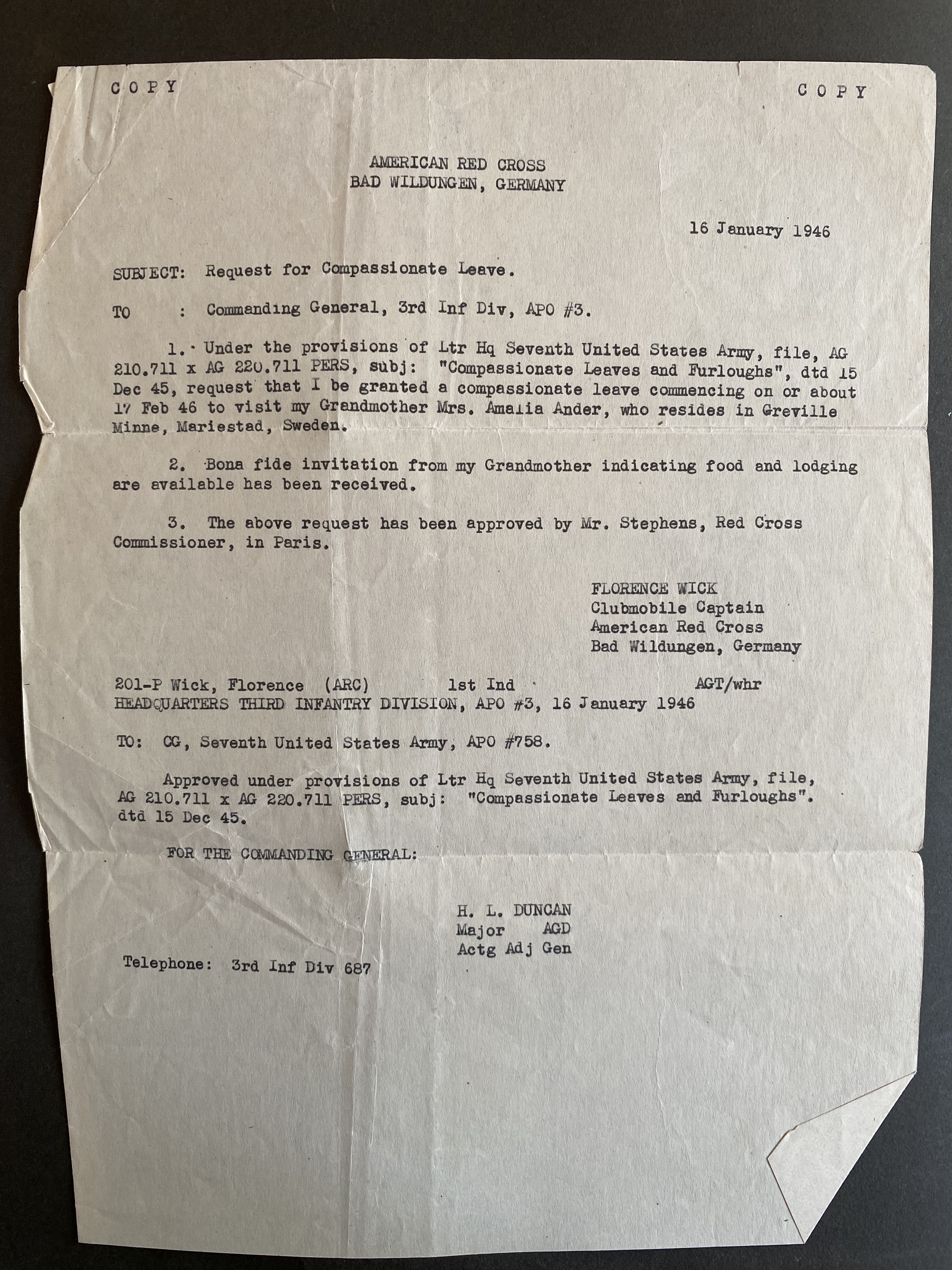
Flo Requests Compassionate Leave to Visit Relatives
My Mother and Audie Murphy Ch. 110
Sweden maintained official neutrality in the war but made pragmatic concessions to Nazi Germany—exporting crucial materials and allowing troop transits to occupied Norway and Finland—while also expanding its military, sheltering thousands of Jewish and political refugees, training Norwegian resistance fighters, and sharing intelligence with the Allies. As the war turned, Sweden steadily curtailed cooperation and nearly ended trade with Germany by late 1944. Historians debate this legacy: some see pragmatic neutrality that preserved independence and enabled humanitarian acts; others criticize compromises that prioritized economic interests over moral responsibility.
Flo and I traveled to Sweden and Norway in 1979, and we visited all the Swedish relatives still living that Flo saw in 1946. We saw Flo’s mother Gerda’s birthplace, and the towns Flo had visited. From talking to Norwegians I got the feeling then that they had not yet forgiven the Swedes for cooperating with the Nazis during their five-year occupation of Norway. In 1979 there were still those, like my mother, who remembered the war. Perhaps the younger generations no longer hold a grudge.
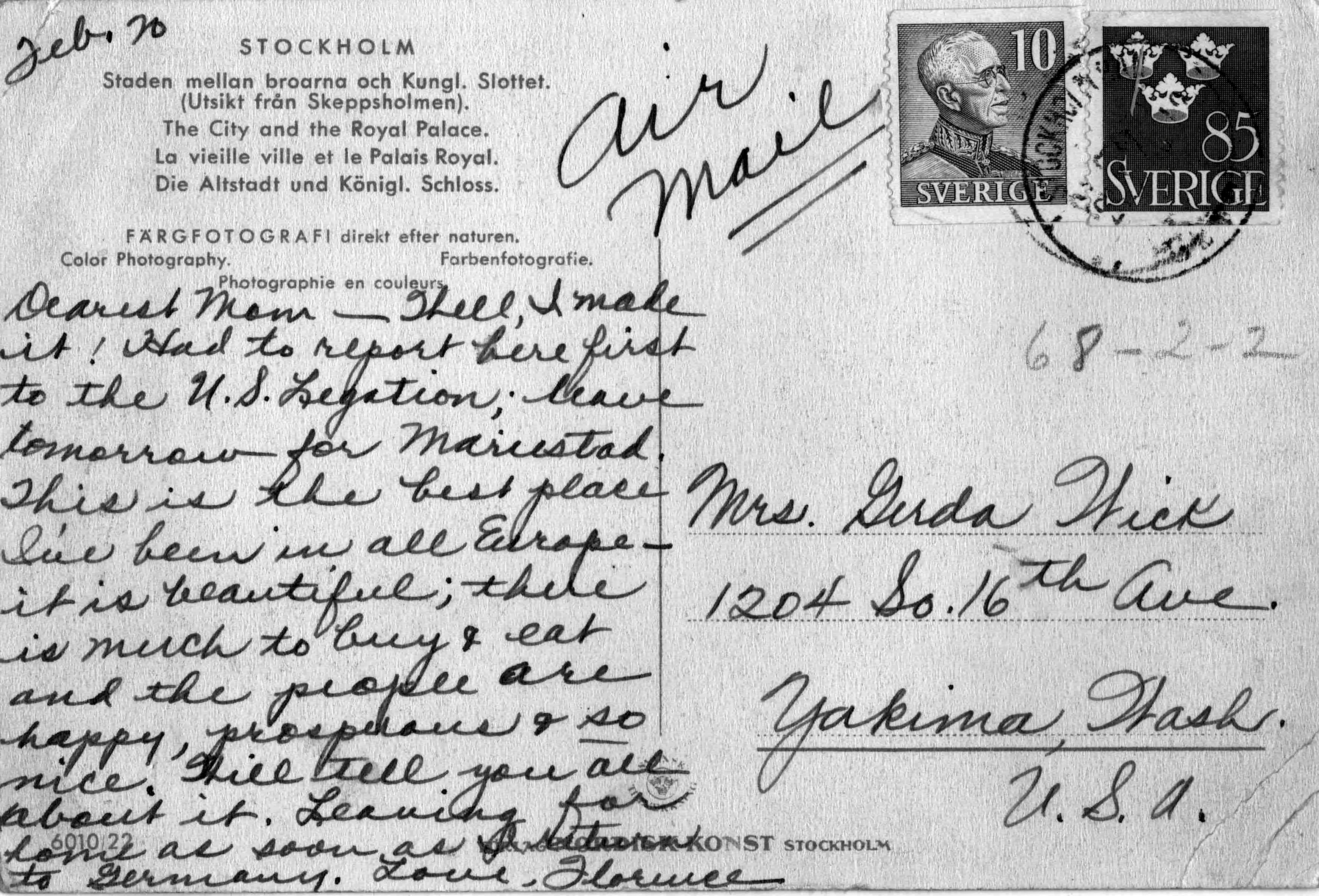
Request for Compassionate Leave“This is the best place I’ve been in all Europe,” wrote Flo
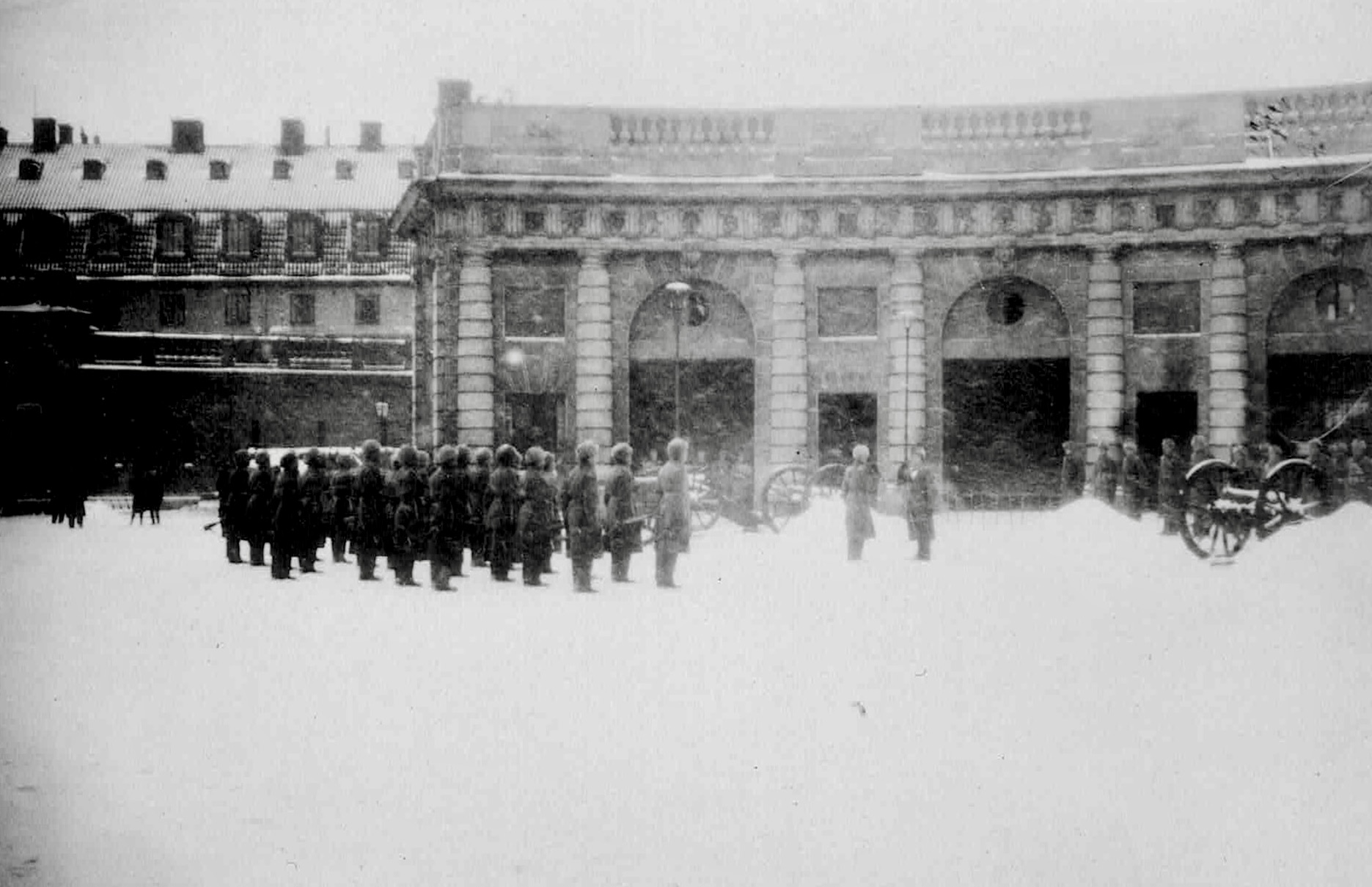
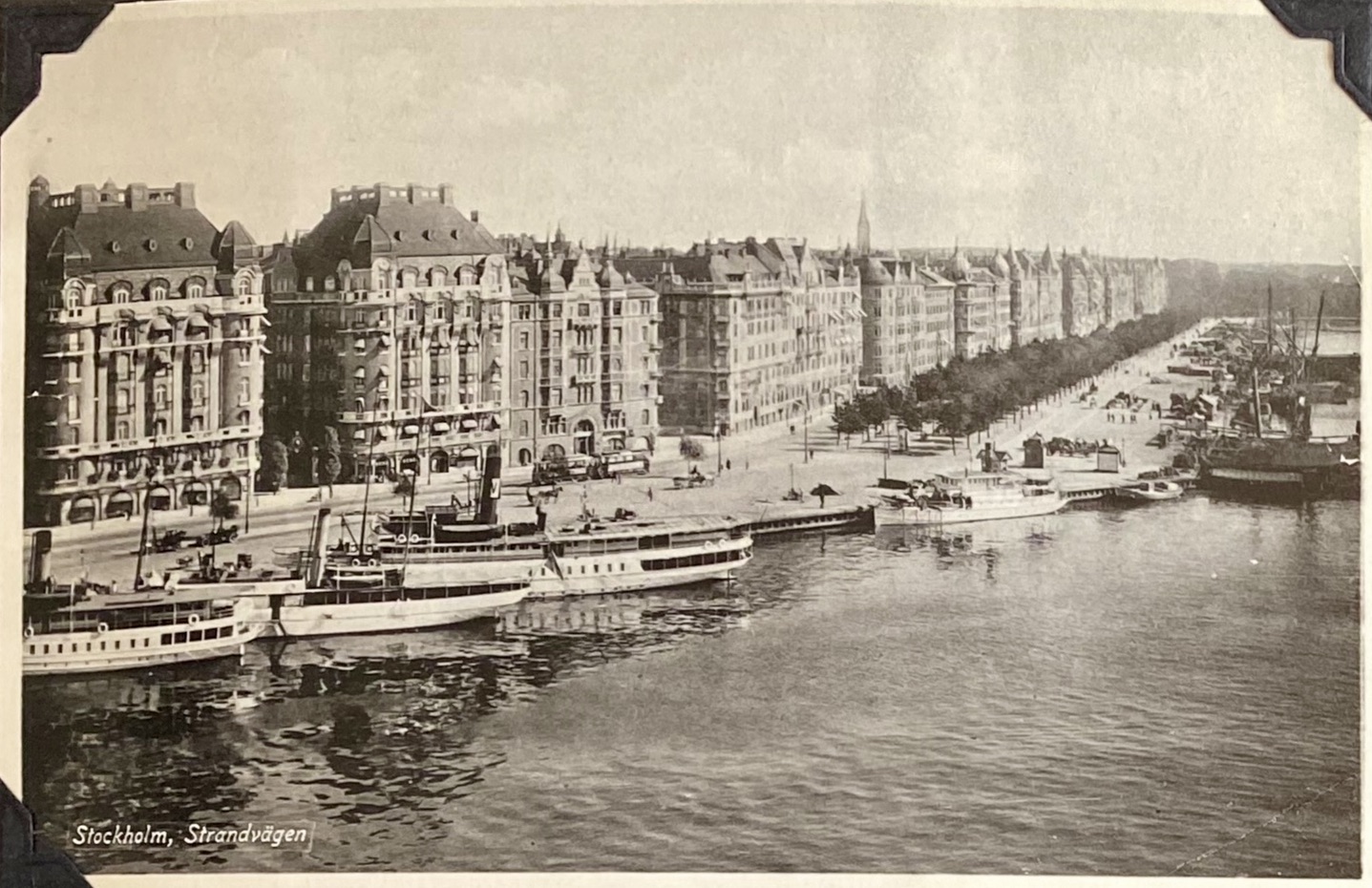
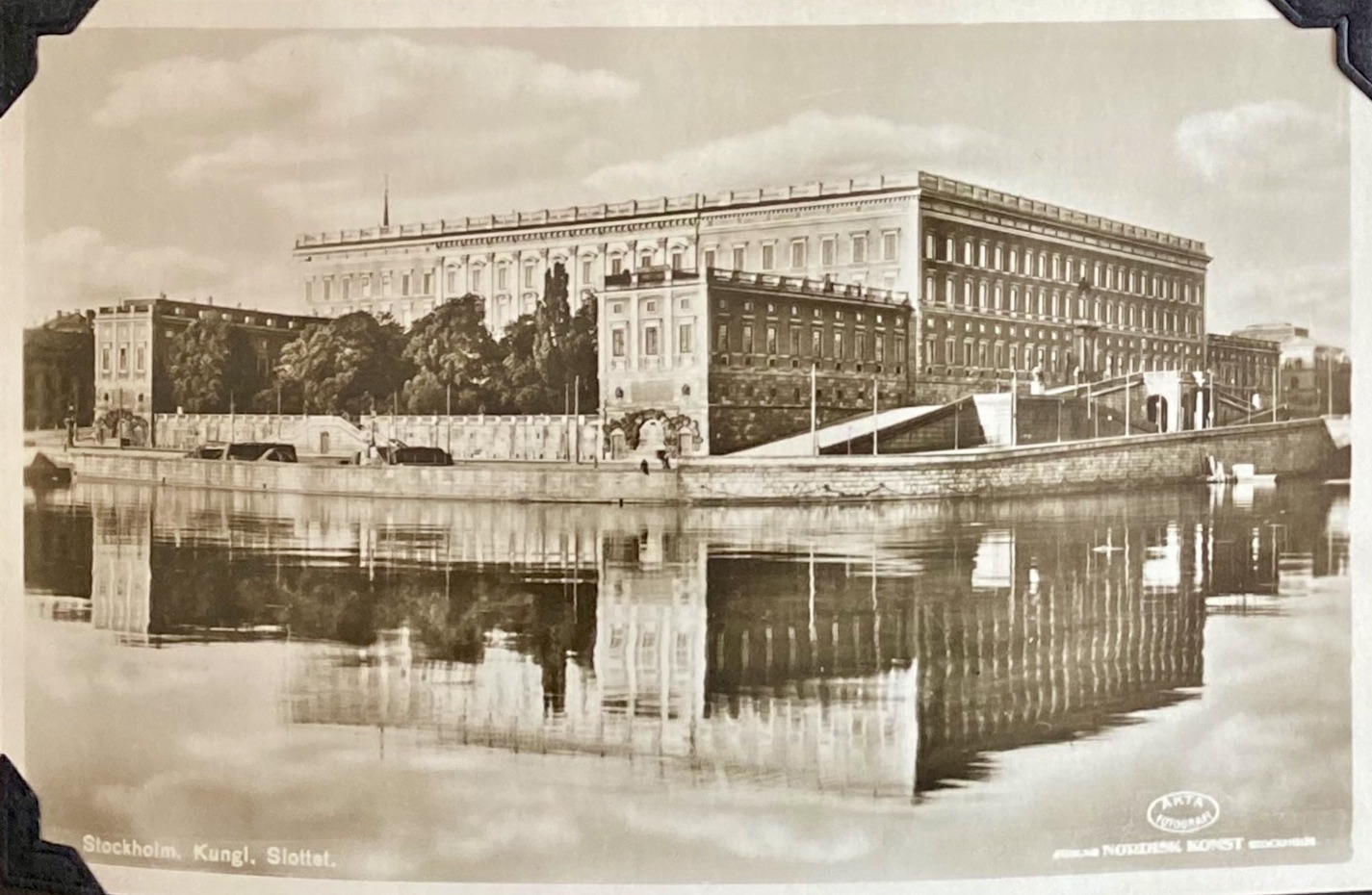
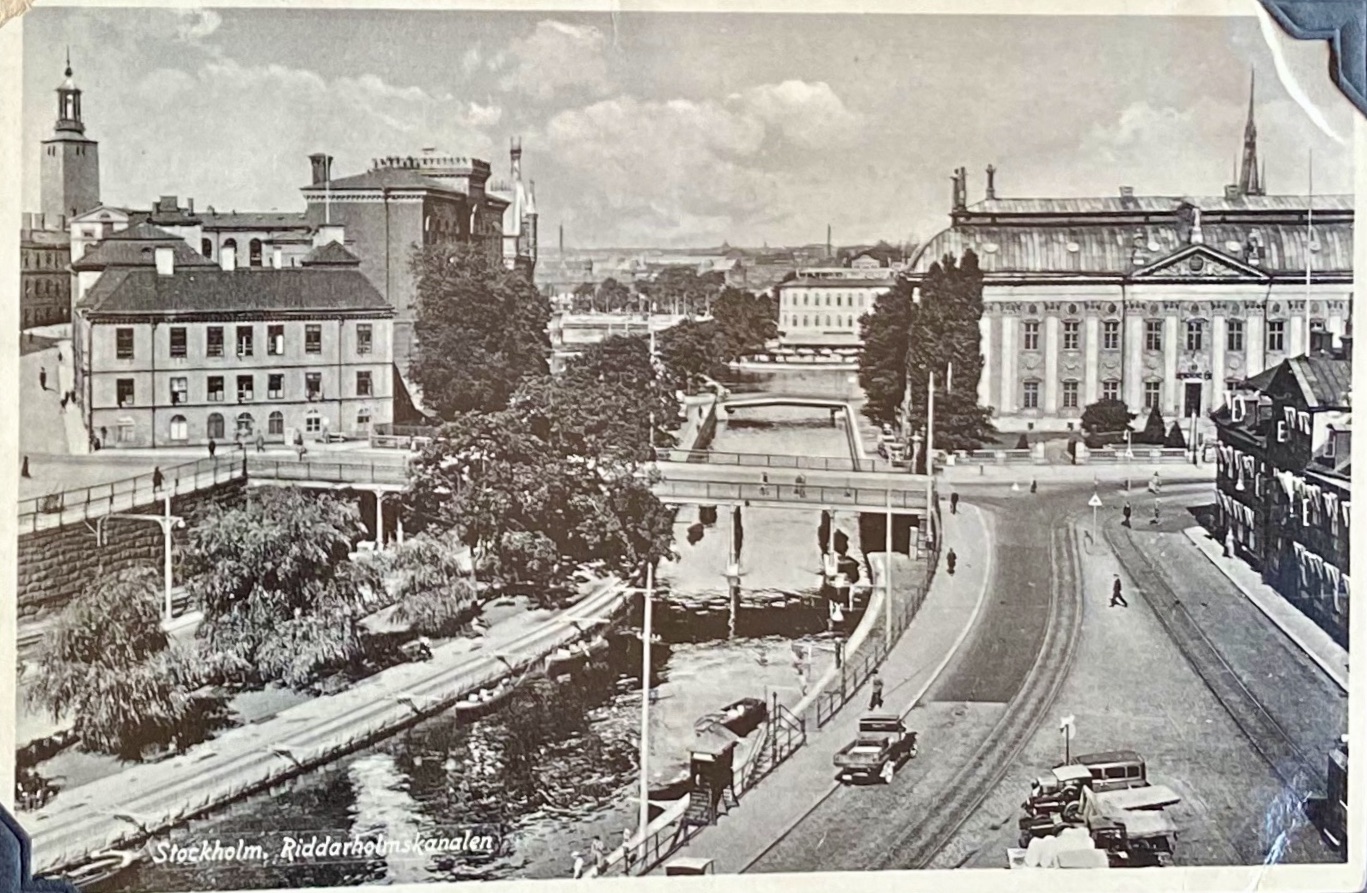
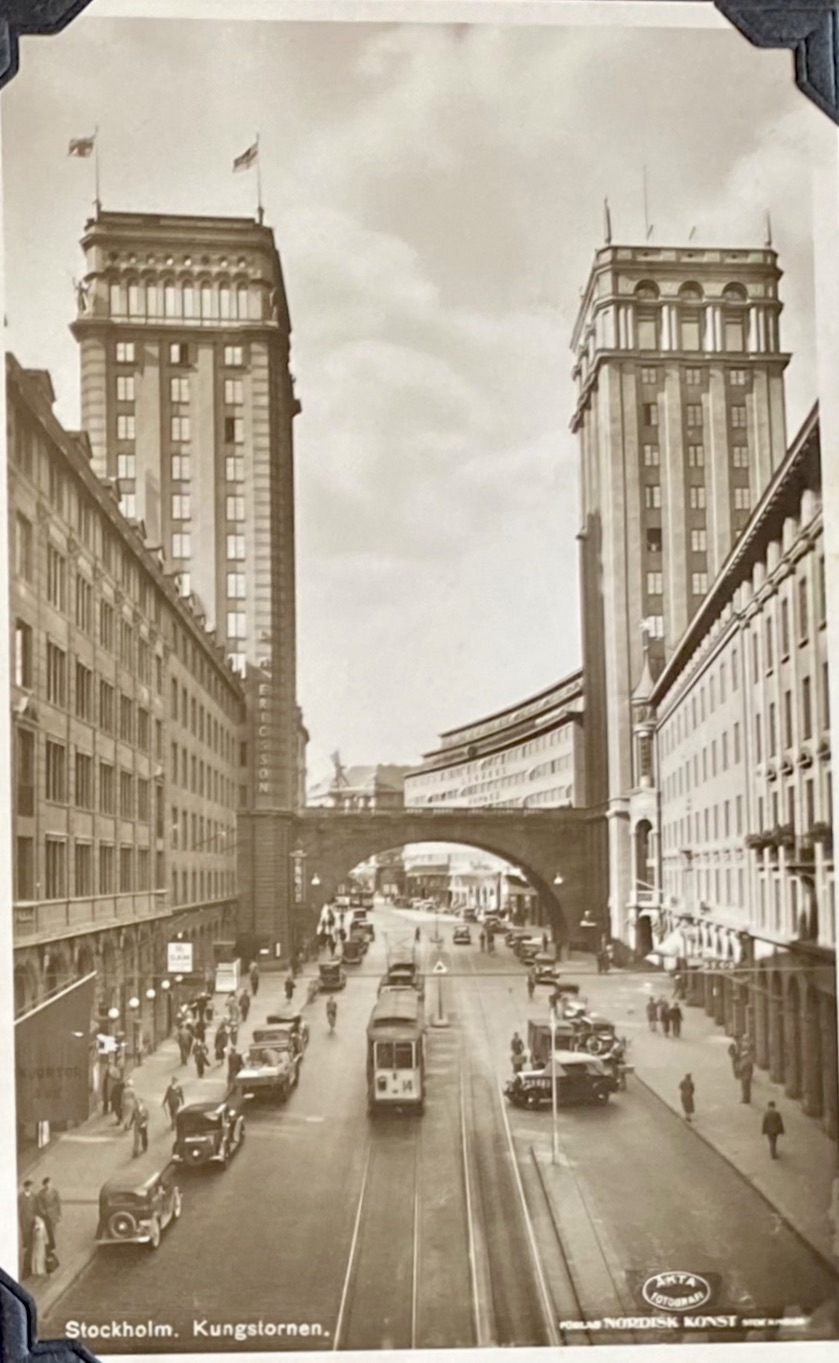
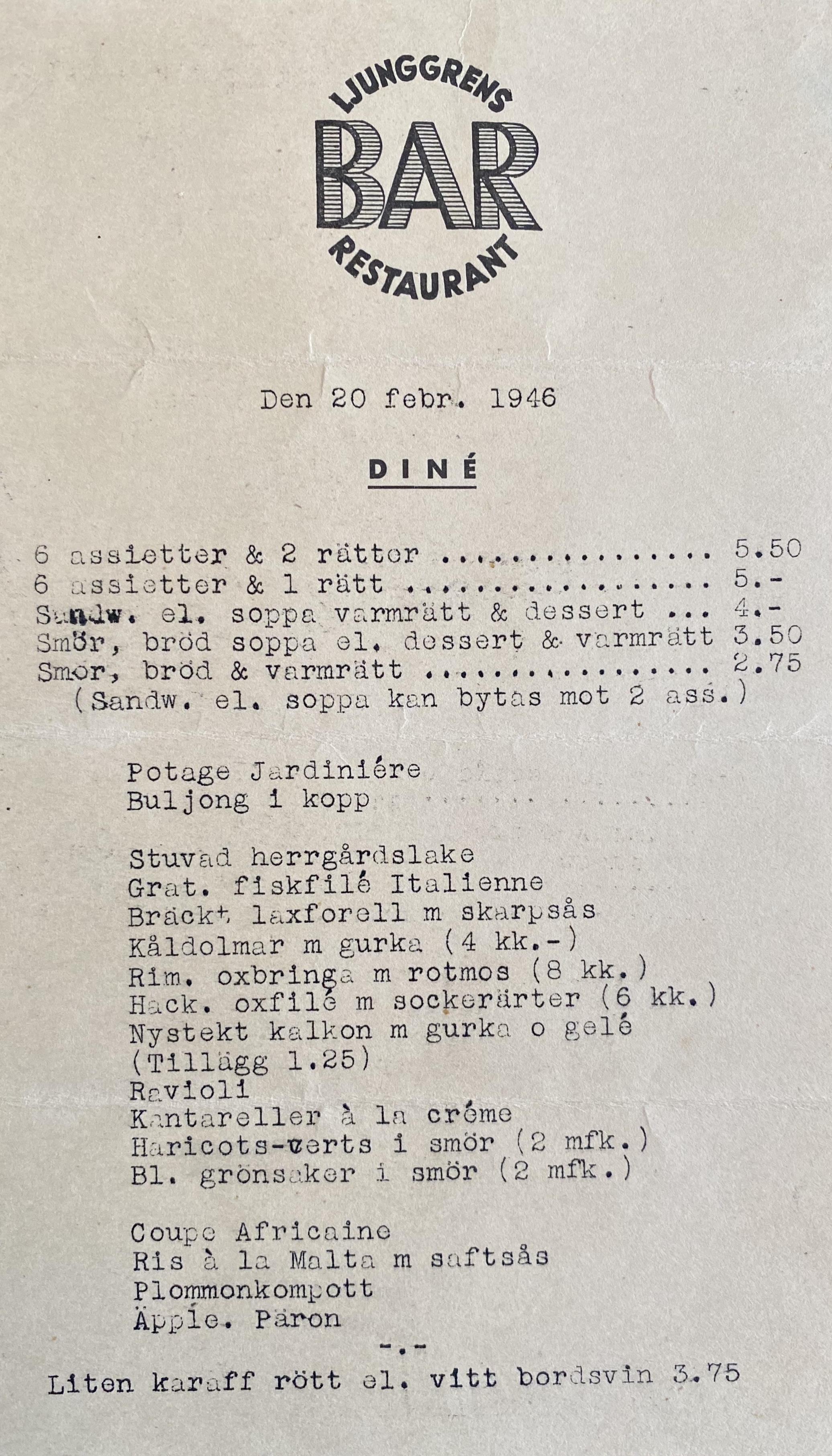
Flo’s Photos of StockholmFebruary 1946
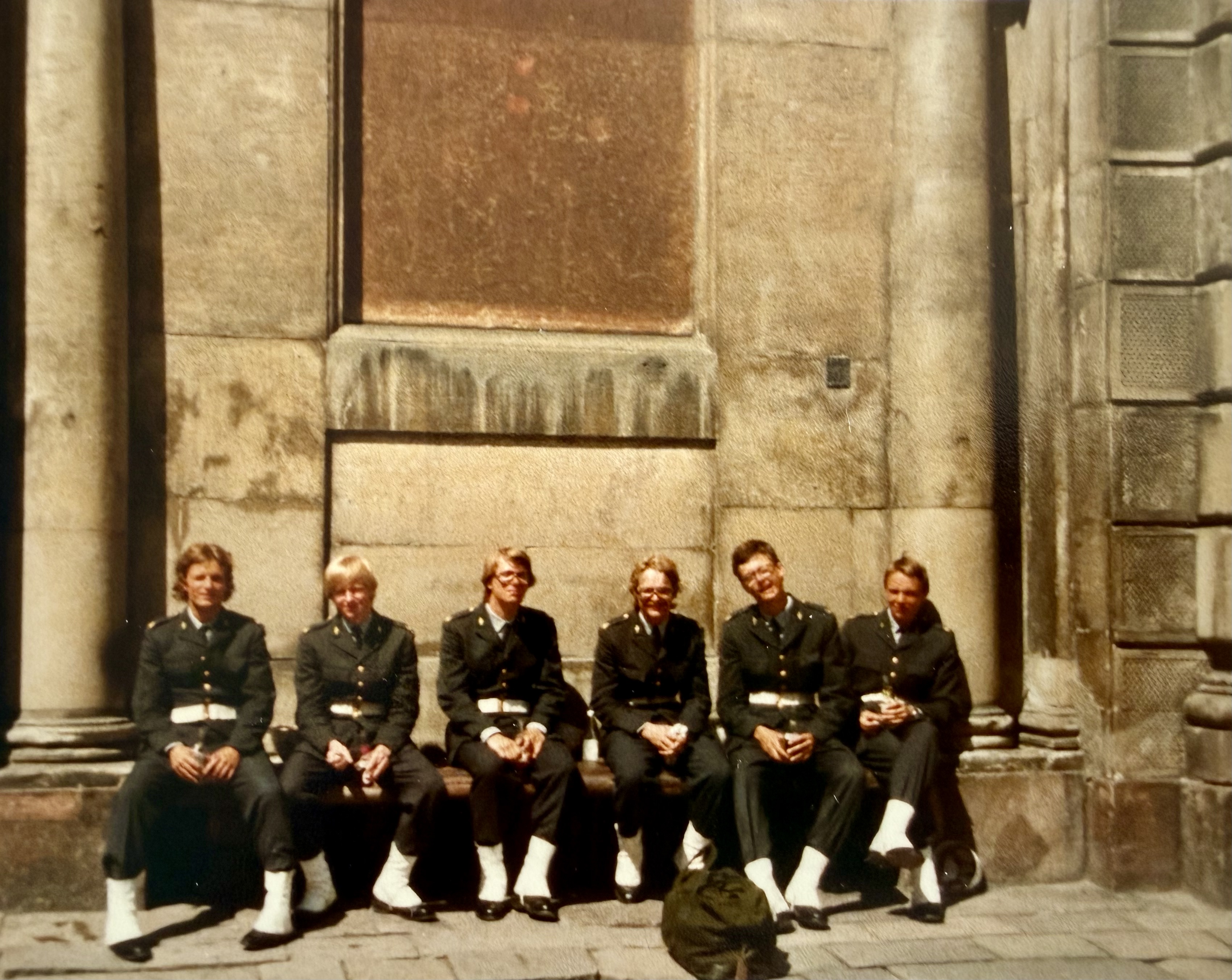
Changing guard at palace in snowstormGuards at the palace Midsommer 1979
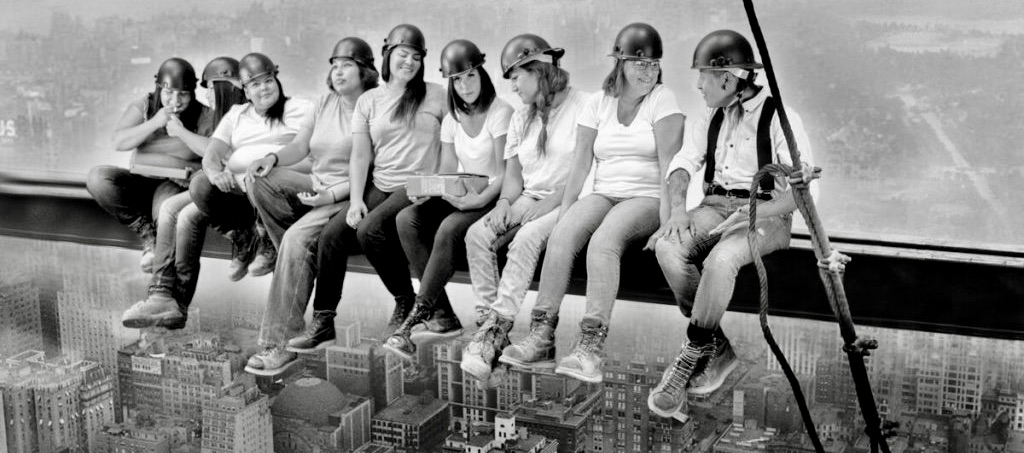
Opening Up the Building and Construction Trades to Women
Indigenous women in Ironworkers Local 725, Canada. Photo: Lightframe
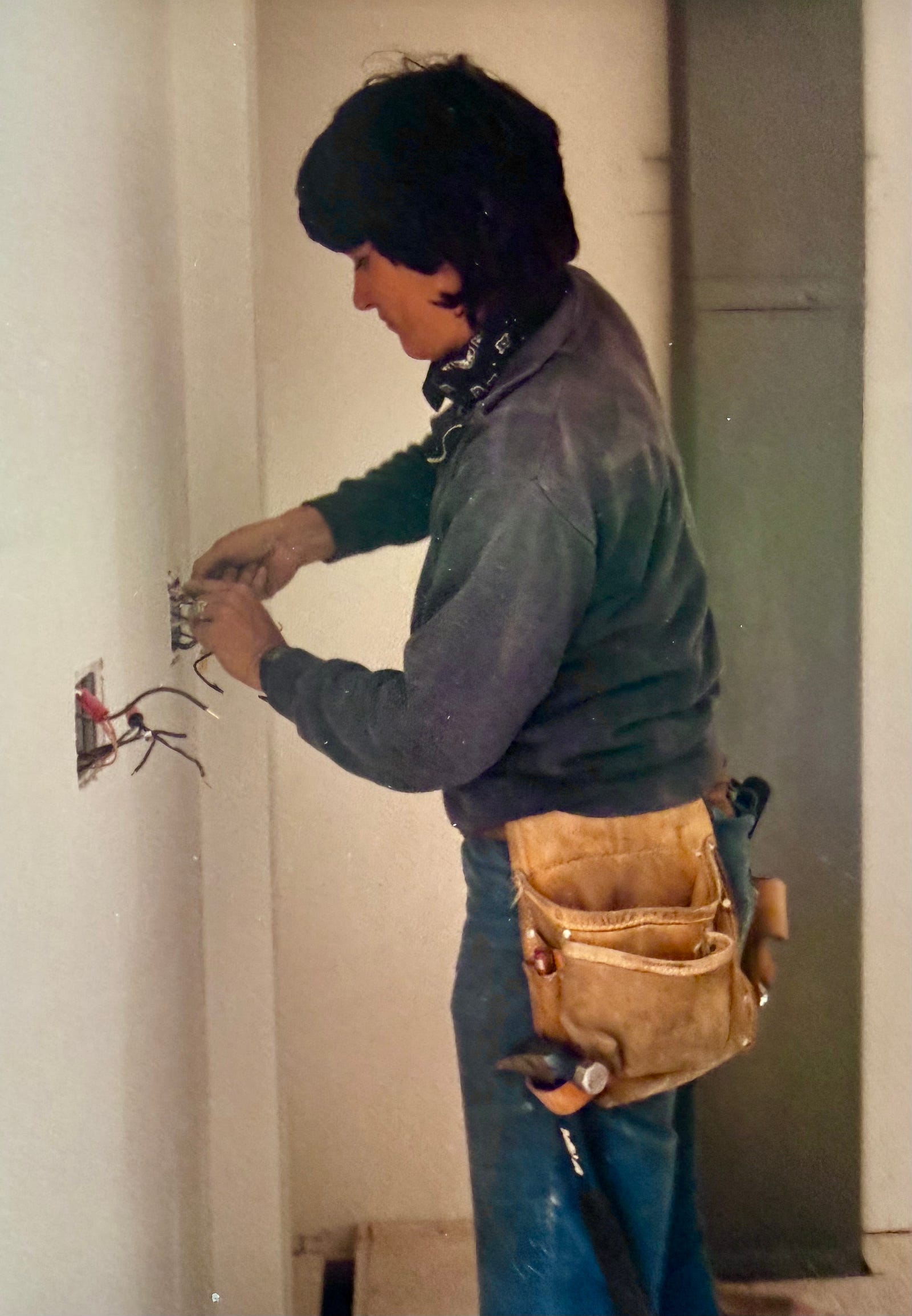
The Club for the Deaf’s attic on Valencia Street reeked of scorched timber. Char and blackened beams swallowed the light; soot clung to everything. We crawled, backs bent low, balancing on sheets of plywood stretched across the ceiling joists. As electricians rewiring the place after a fire, we worked while thunderous punk music rattled below — the deaf crowd savoring the music through their feet.
It was just one of many electrical jobs Cheryl Parker and I did together.
Cheryl on a Wonder Woman Electric job
Cheryl belonged to Sonoma County and the San Francisco Bay Area in a way that was both rooted and radical. She came from land and labor, and she spent her life insisting that women — especially lesbians — had a right to both. I knew her as a close friend, a sister tradeswoman, and a fellow building inspector. Our lives overlapped on jobsites, in lesbian bars, and in the long conversations that happen when you are trying to make a life where none has been laid out for you.
I first met Cheryl when she was working at Mare Island Naval Shipyard. She was already doing skilled electrical work there, and she was also helping to raise two daughters with her lover. That combination — determination on the job and deep commitment to chosen family — was classic Cheryl. She was grounded, political without posturing, and absolutely unwilling to shrink herself.
We later worked together through Wonder Woman Electric on several jobs. At lesbian bars in San Francisco, while everyone else was dancing, Cheryl and I would be off to the side talking about electrical work — arguing over grounding, circuitry, and the strange logic of systems hidden behind walls. No one wanted to sit with us. We didn’t care.
Cheryl came out of an Italian American family deeply tied to Northern California agriculture. Her grandparents emigrated from northern Italy, homesteading land outside Cloverdale. Her father was a fruit tramp who met her mother, Irene Gianoli, while picking fruit. Cheryl grew up in Cloverdale, one of three children. She had been a high school cheerleader and a member of the riding club, but she was never ornamental. Strength came naturally to her.
In the early 1970s, Cheryl entered the political and cultural ferment of the Bay Area. At City College of San Francisco, she met Joan MacQuarrie in a women’s history class. They became lovers and political partners, asking a question that would shape the rest of their lives:
How could women make a living wage without a college degree?
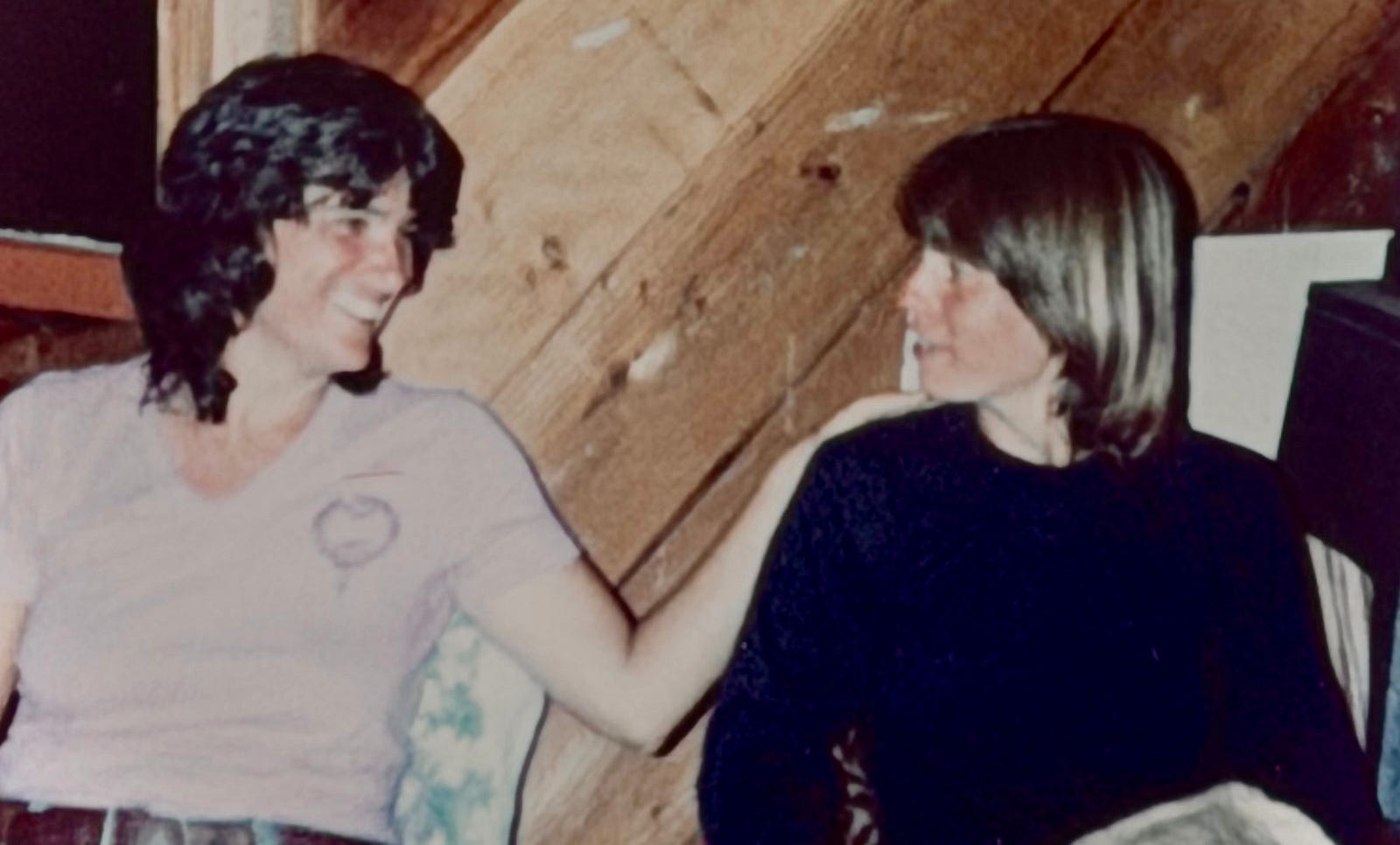
Cheryl (L) and Joan plotting revolution
That question led them straight into the building trades — places where women were barely tolerated. Cheryl went on to be a leader in the Tradeswomen Movement, organizing to bring more women into the construction trades and jobs that women had not been allowed to do.
In 1972, Cheryl became the first woman cabinetmaker in Local 550, hauling ninety-pound doors. She later became the first woman to enter the electrical apprenticeship at Mare Island, working in confined, dangerous spaces including nuclear submarines.
Cheryl went on to own her own business, teach at the Center for Employment Training in Santa Rosa, and receive Sonoma County’s Tradeswoman of the Year award. But her real legacy was collective. She was a founding member of Women United for Apprenticeship, and she fought — loudly and publicly — for enforceable standards to get women into union trades. When apprenticeship officials claimed women couldn’t do the work, Cheryl, a tall woman, stood over them with the authority of someone who already was.
Her path also led to many firsts in public service. Cheryl became the first female building inspector in Richmond, then the first senior female building inspector in Oakland, and later the first supervising female building inspector in San Leandro. In Richmond she led the city’s comparable worth campaign, bringing feminist labor politics directly into municipal government. In the late-1980s, we founded a network of women inspectors, the FBI — Female Building Inspectors — mentoring others who were just beginning to cross barriers we had already broken.
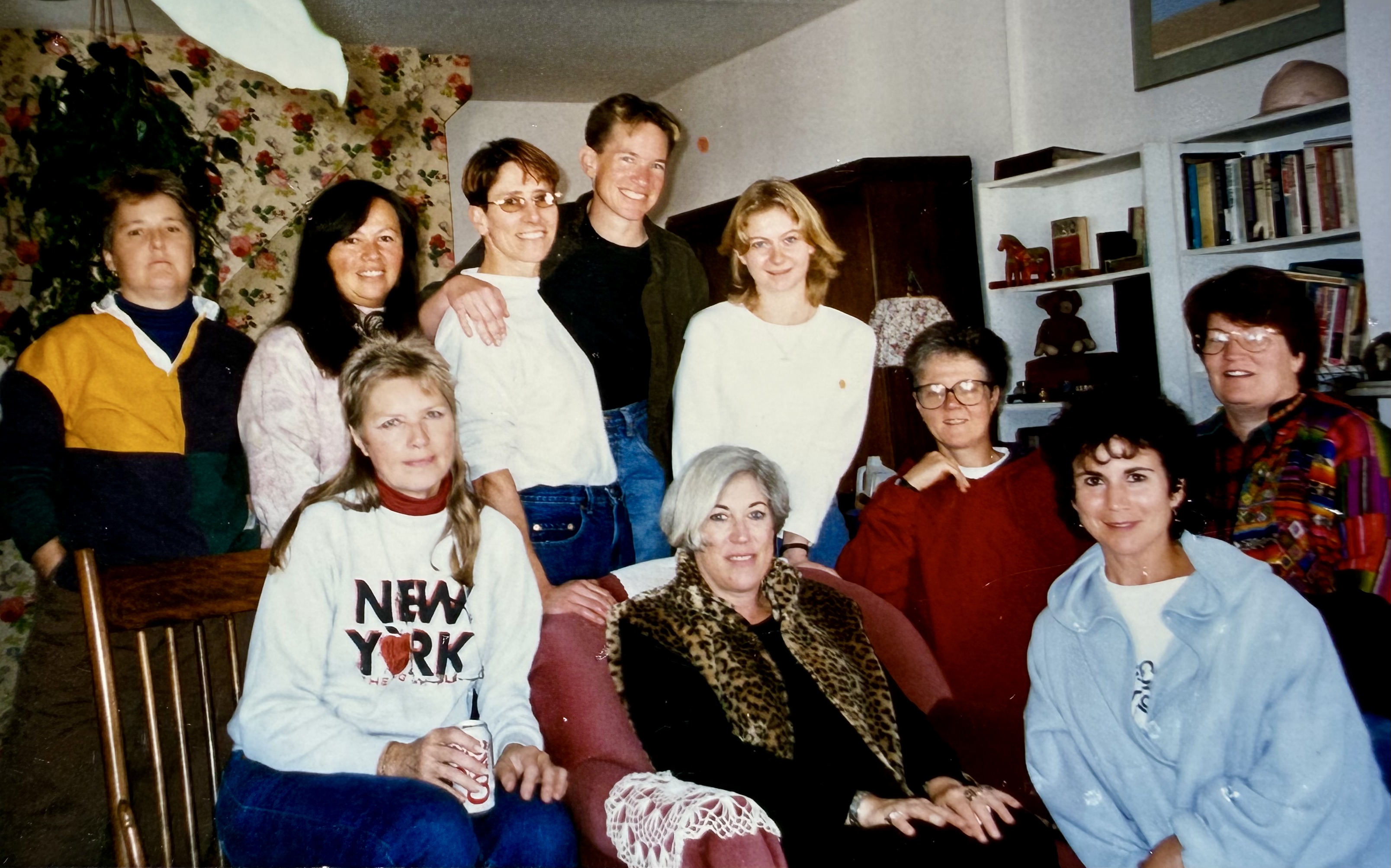
Female Building Inspectors after Cheryl’s time
Cheryl lived openly as a lesbian, embedded in women’s and lesbian communities, from tradeswomen groups to the Oakland-Berkeley Women’s Union. She argued about everything. Friends said she should have been a lawyer. In 1986, at 38, she gave birth to her son Tyson, and he became another fierce center of her life. I got to be her birth coach, an amazing experience.
Tradeswomen Inc. started in 1979. The nonprofit is still going strong.
Cheryl Parker died of ovarian cancer on July 9, 1992, at the age of 44.
Visiting my friend as she was dying and sick from chemo, I repeated an old chestnut, that I’d prefer to die quickly of a heart attack rather than suffer. She said something profound: “Don’t be so sure. Just think of all the love I’ve received and all the love I’ve been able to give as I’m dying.” Cheryl lived just nine months from her diagnosis to her death. Much love flowed in all directions and my view of death was transfigured.
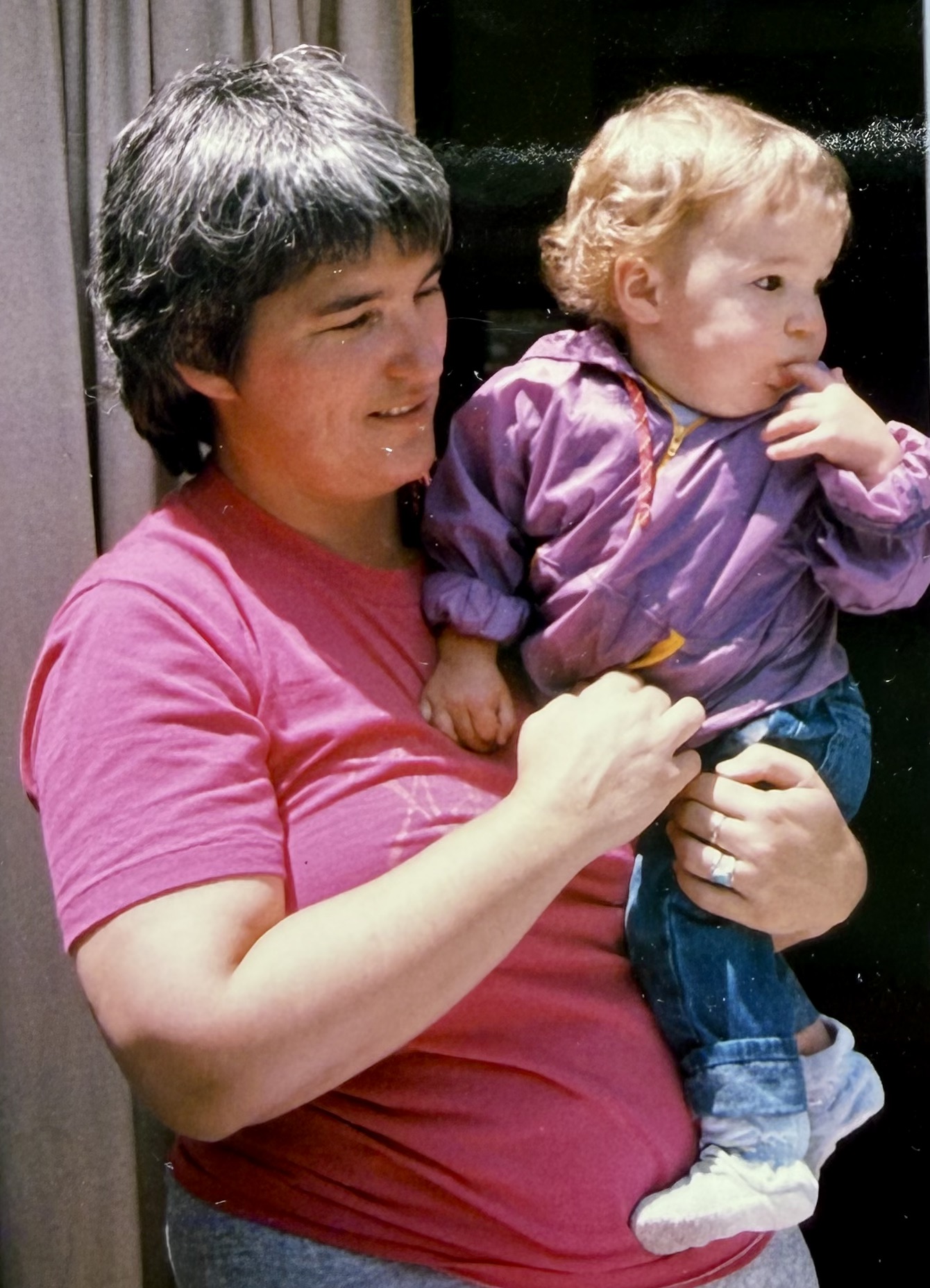
Cheryl with her son Tyson
Cheryl understood something early that many still resist: solidarity has to be built and no one breaks barriers alone. I carry her with me — in the work, in the arguments, in the memory of two women at a bar talking about grounding while the music played on.
Cheryl helped make a path where there wasn’t one before. I was lucky to walk part of it with her.
A Reader Helped Find More Infomation About the Clubmobiler
My Mother and Audie Murphy Ch. 109
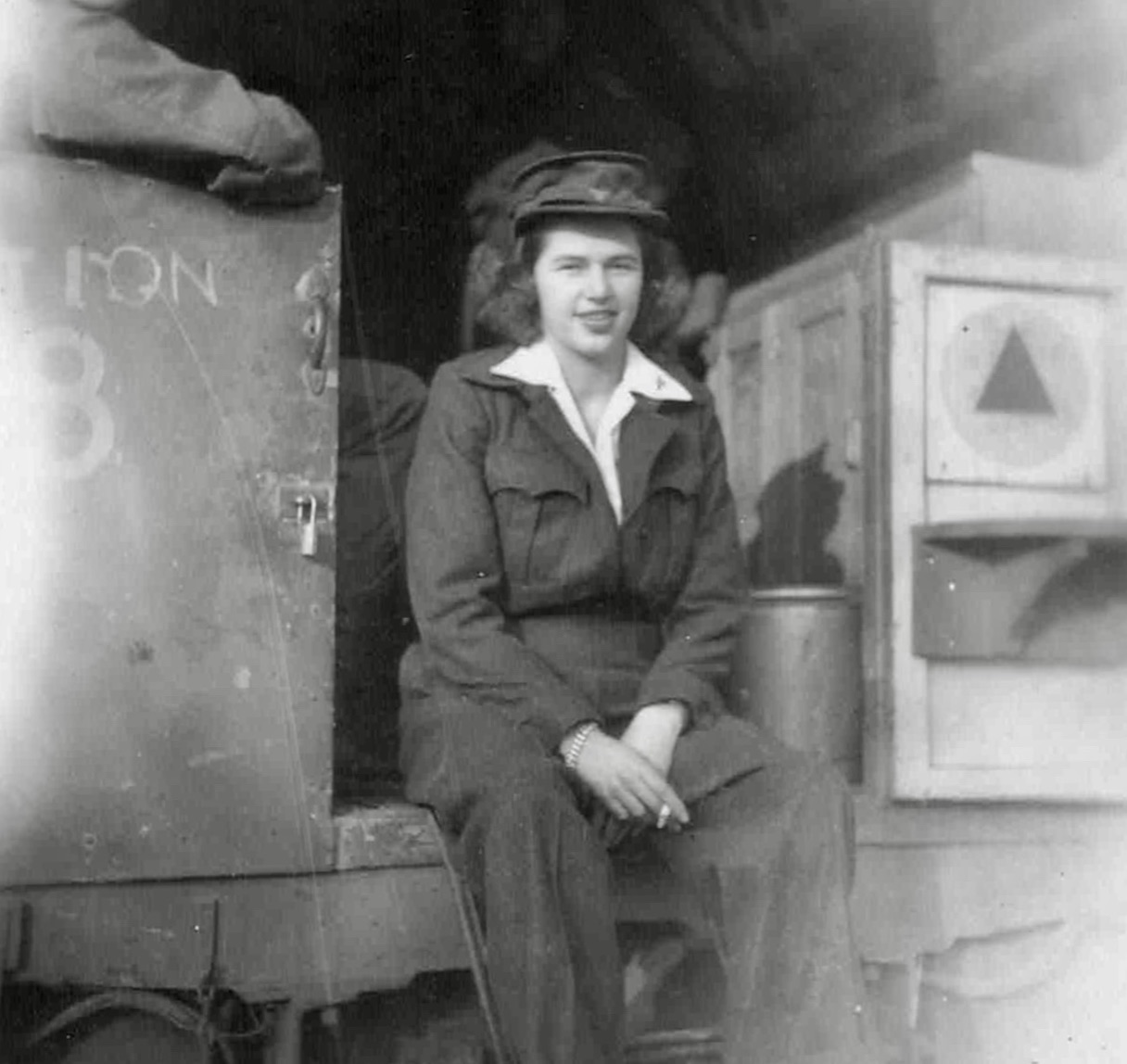
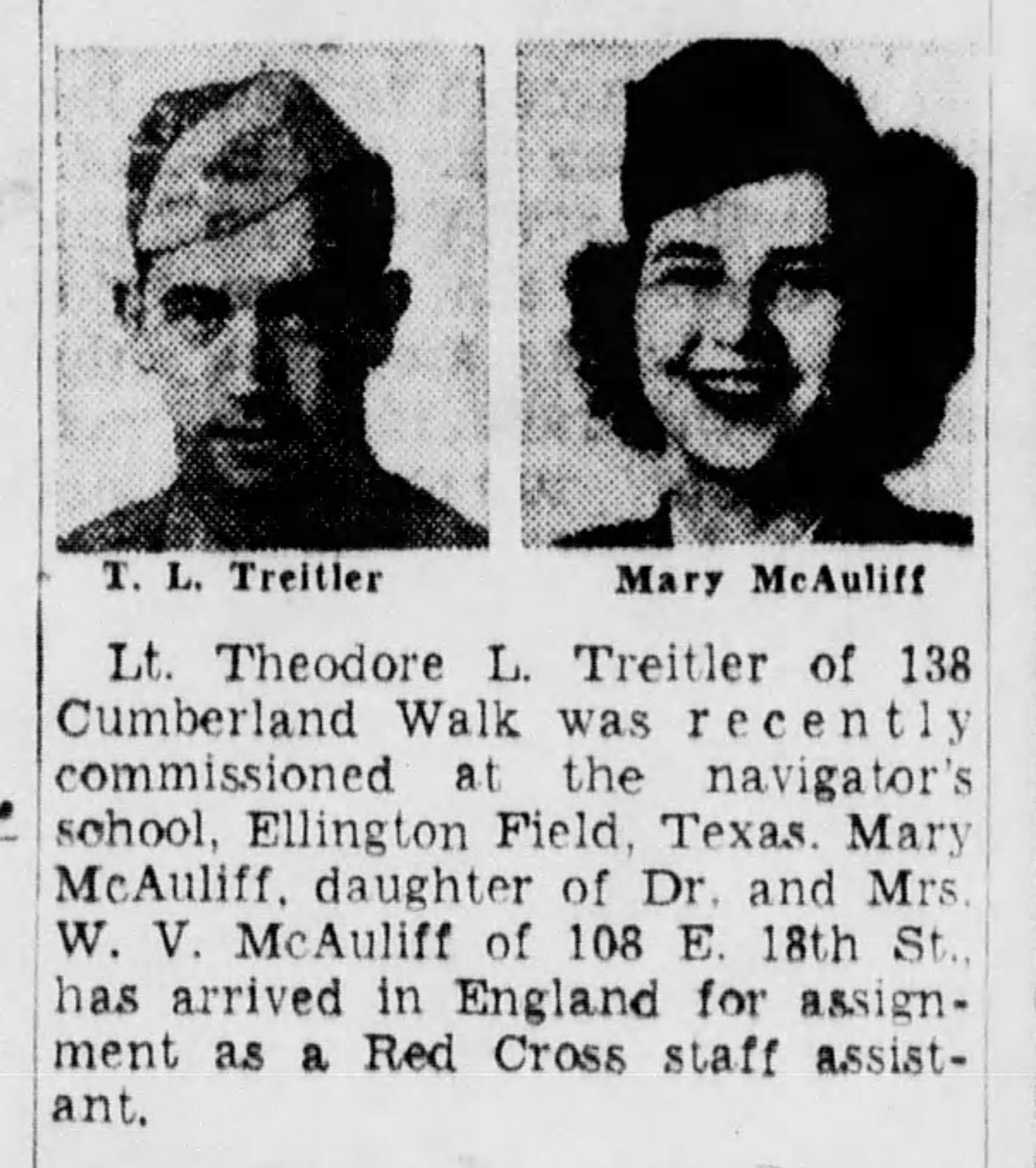
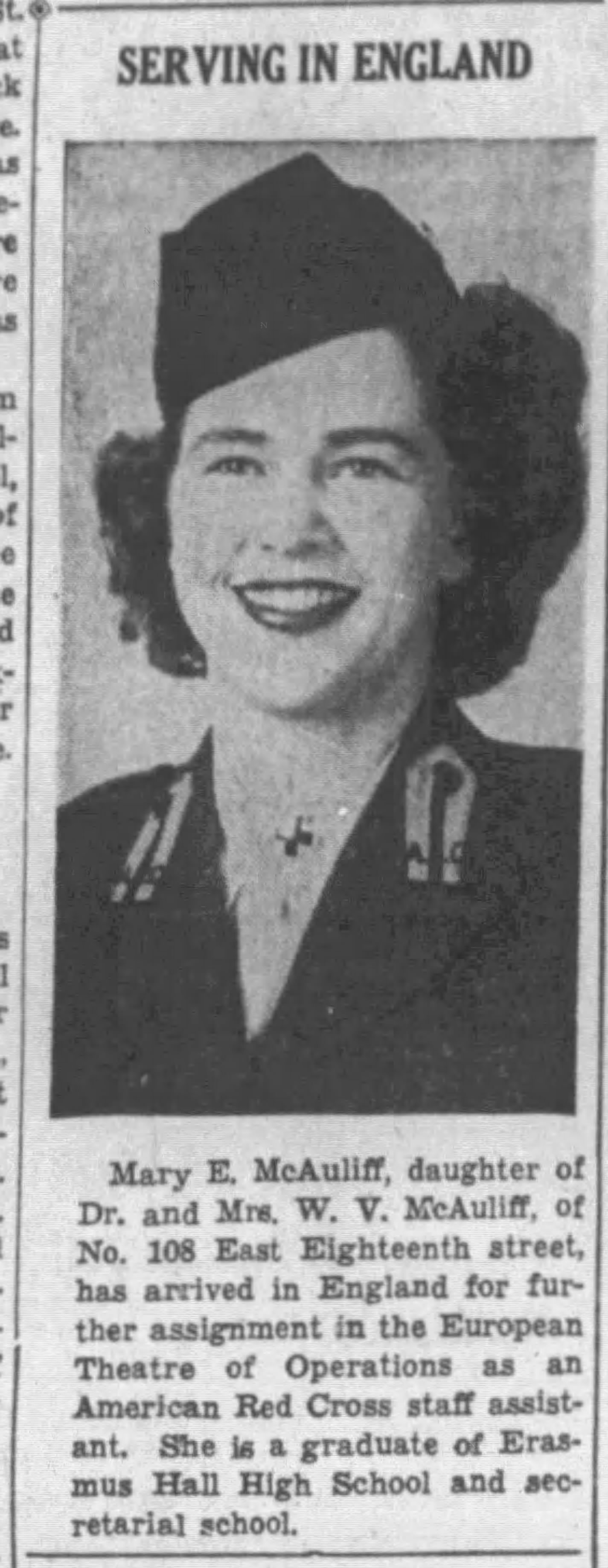
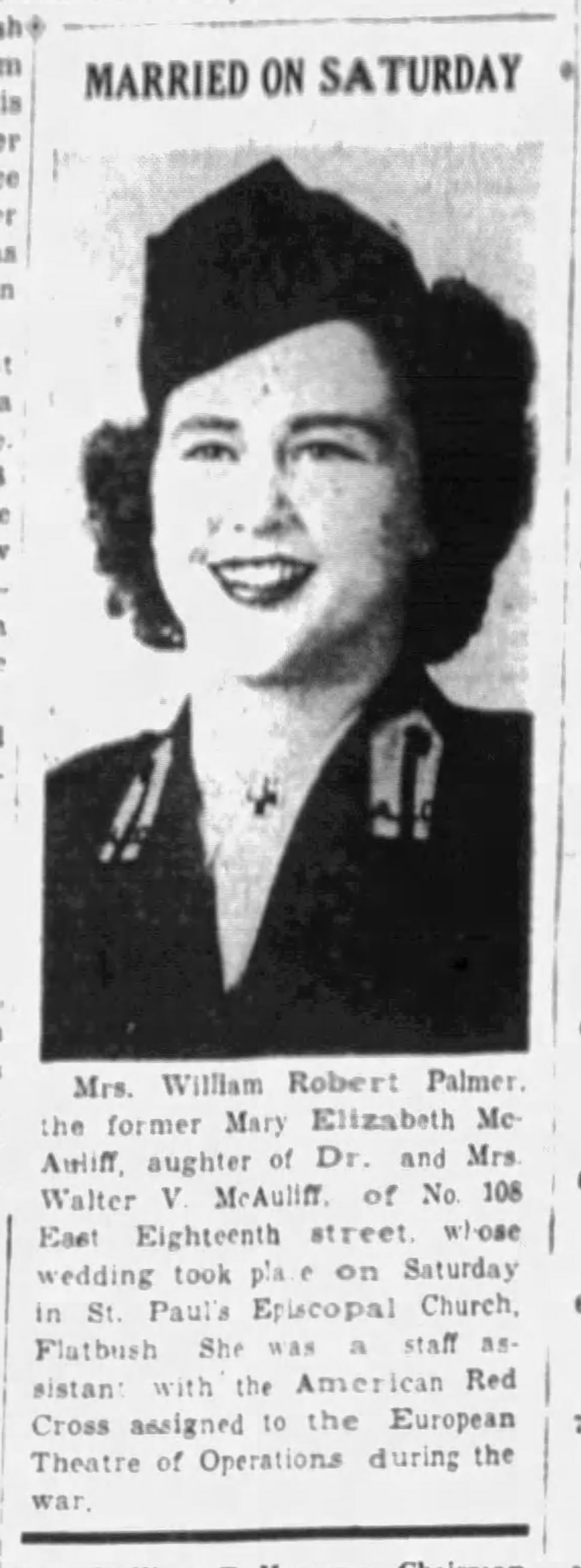
Mary McAuliff joined Captain Flo’s clubmobile crew at the end of 1945. Aside from the pictures in Flo’s album, I could find no information about her. Then a reader from Asturias, Spain reached out with more particulars. He sent some pictures and news stories, and also details about his research.
Mary McAuliff in the clubmobile. Photo: Flo Wick
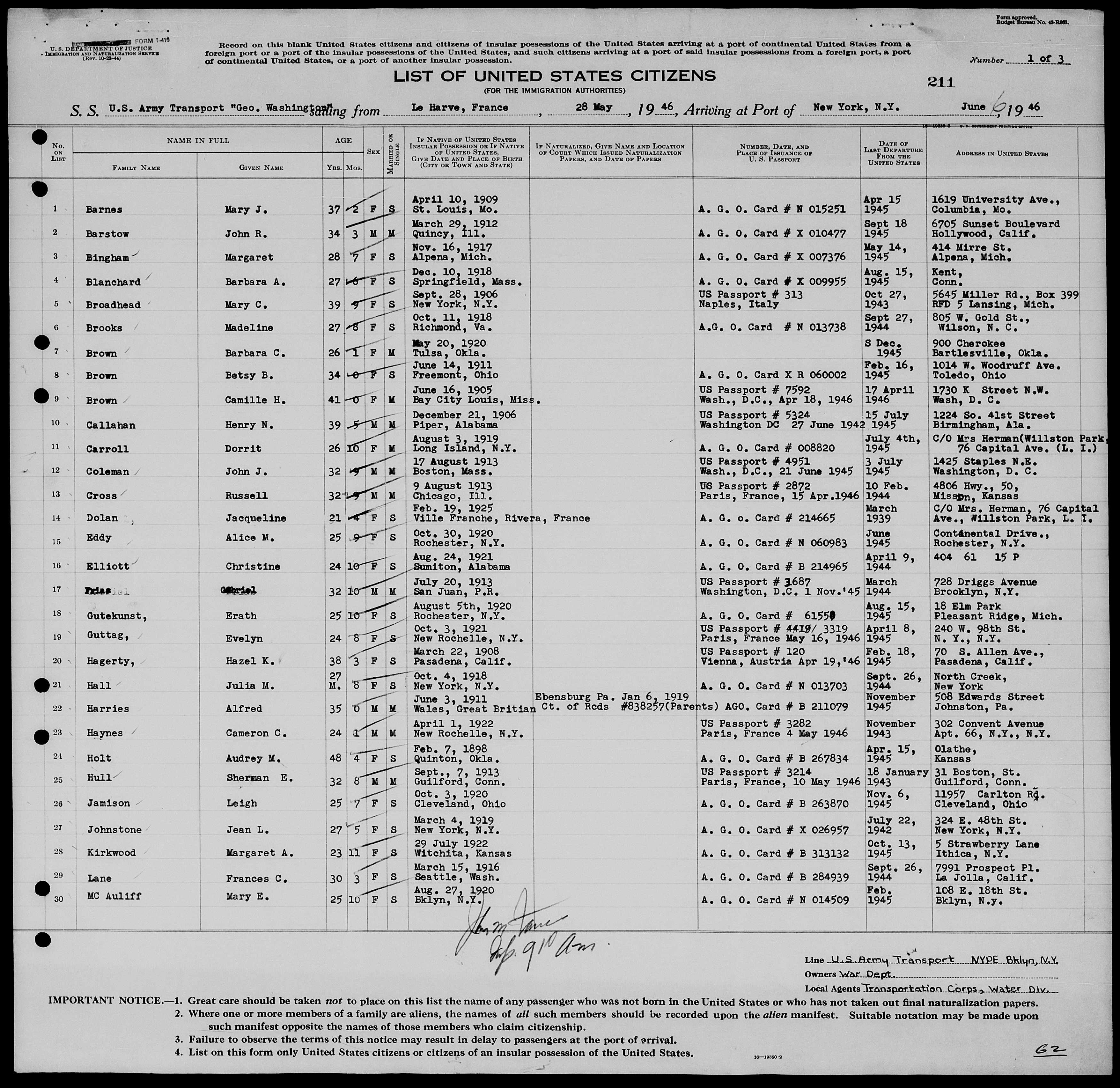
Mary McAuliff, born August 27, 1920, was from Brooklyn, New York. Her father was a doctor. She had departed for England in February, 1945. She sailed back to the U.S. from Le Havre, France arriving May 28, 1946. She was married in 1947 to William Robert Palmer at St. Paul’s Episcopal Church in Flatbush. They had two daughters. William died in 1959. Mary died at 99 in 2019.
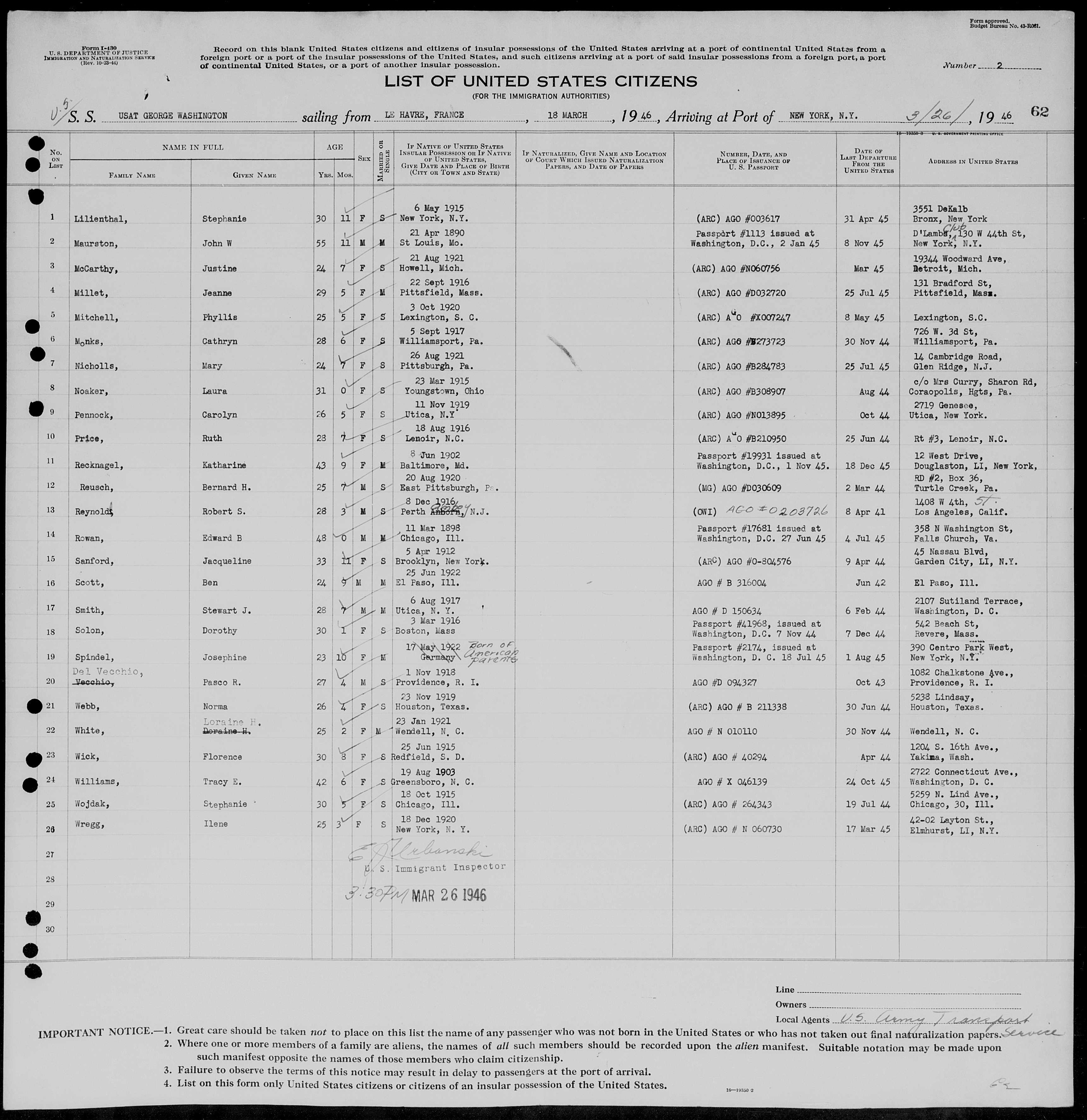
Most clubmobile and WWII American Red Cross archives were destroyed in a fire. The only accessible list of clubmobilers is in the book The ARC in the Storm, by Marjorie Lee Morgan, but the book does not include all the women. I learned that the best way to find the clubmobilers not listed in the book is from ships manifests. Here are the passenger lists that included Mary and Flo.
Mary’s is the last name on the list, which tells date of birth and addressHere is the passenger list from Flo’s ship. She is fourth from bottom