Flo Boards the USAT George Washington at port of Le Havre
Chapter 115 My Mother and Audie Murphy
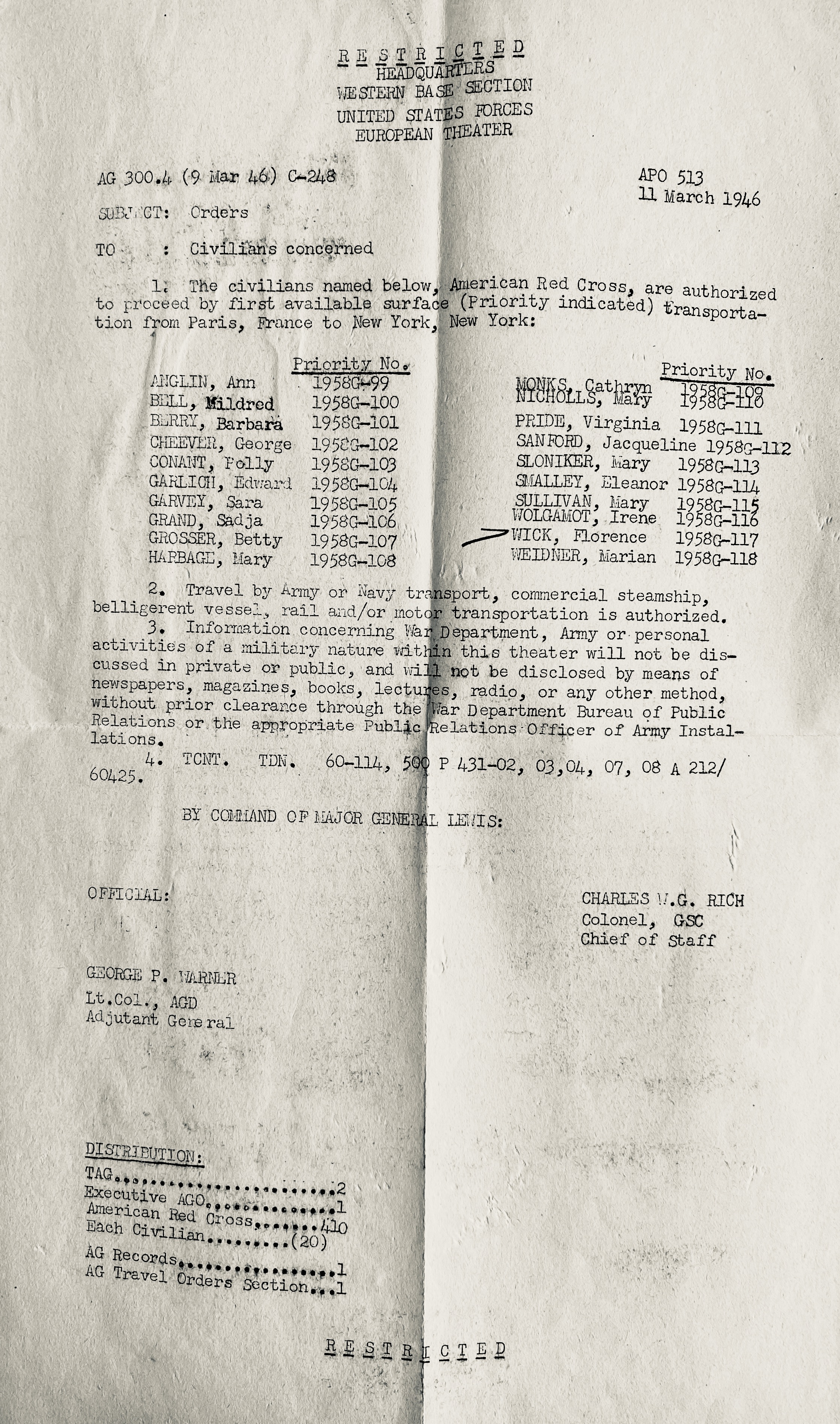
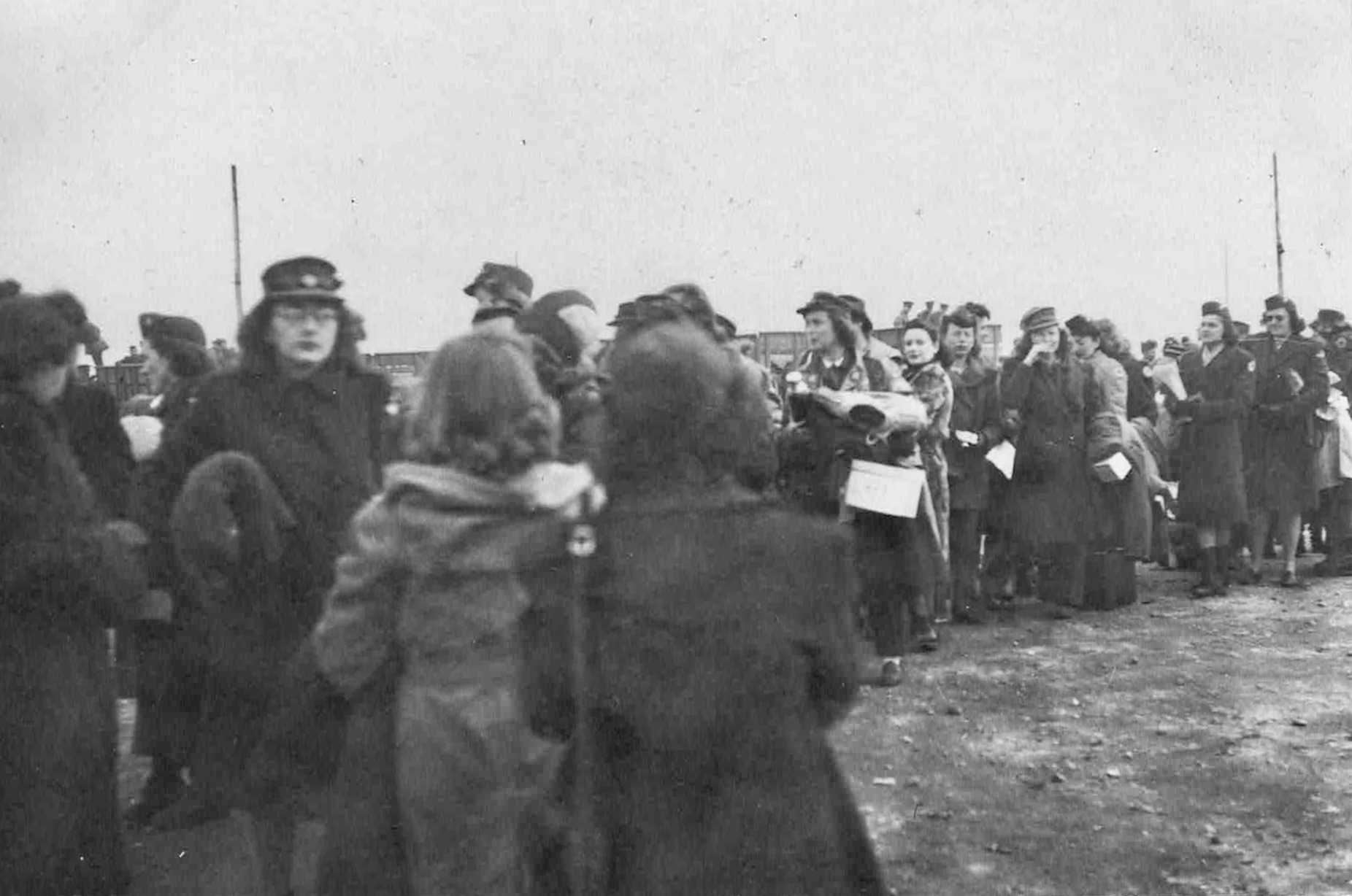
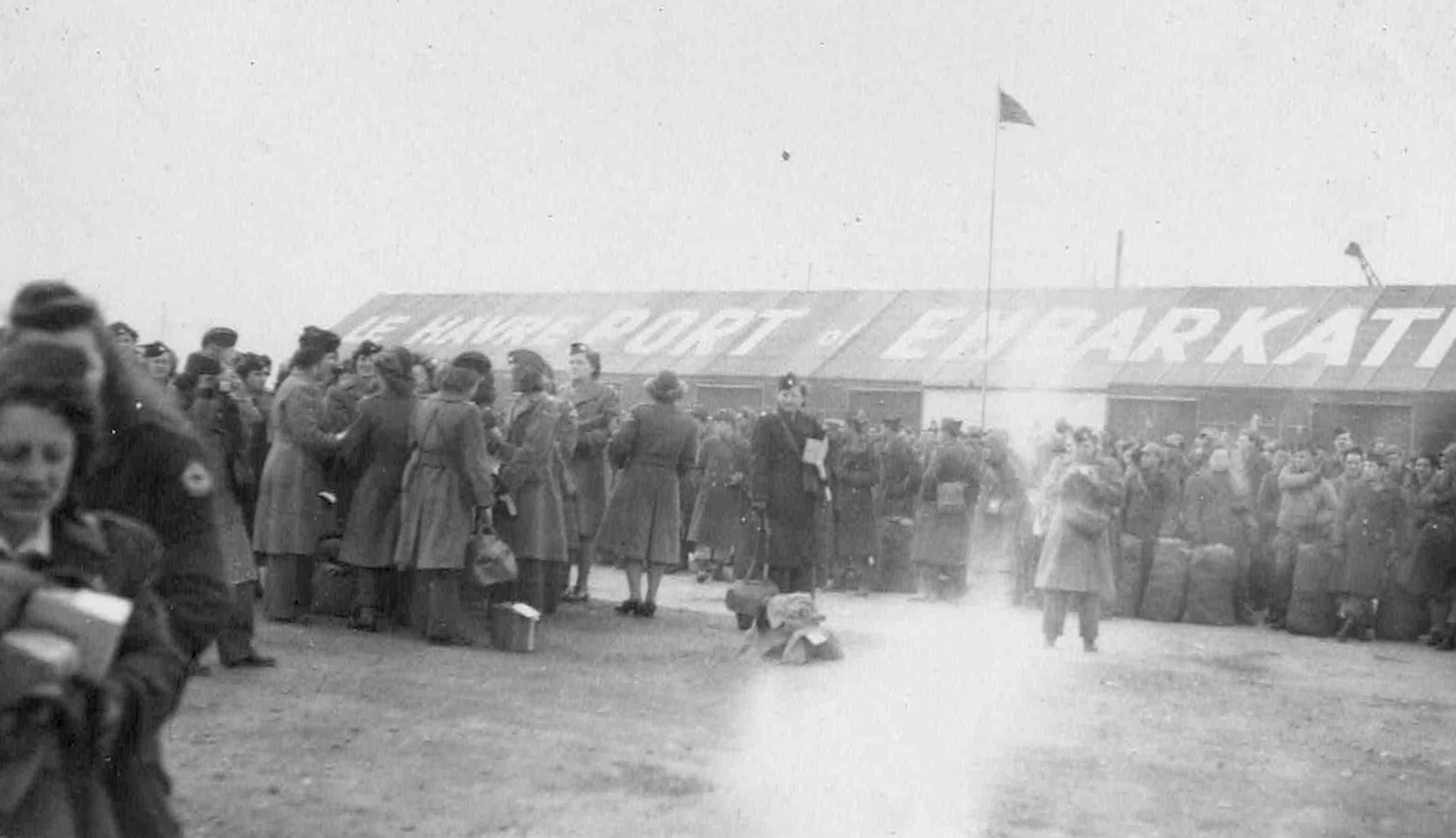
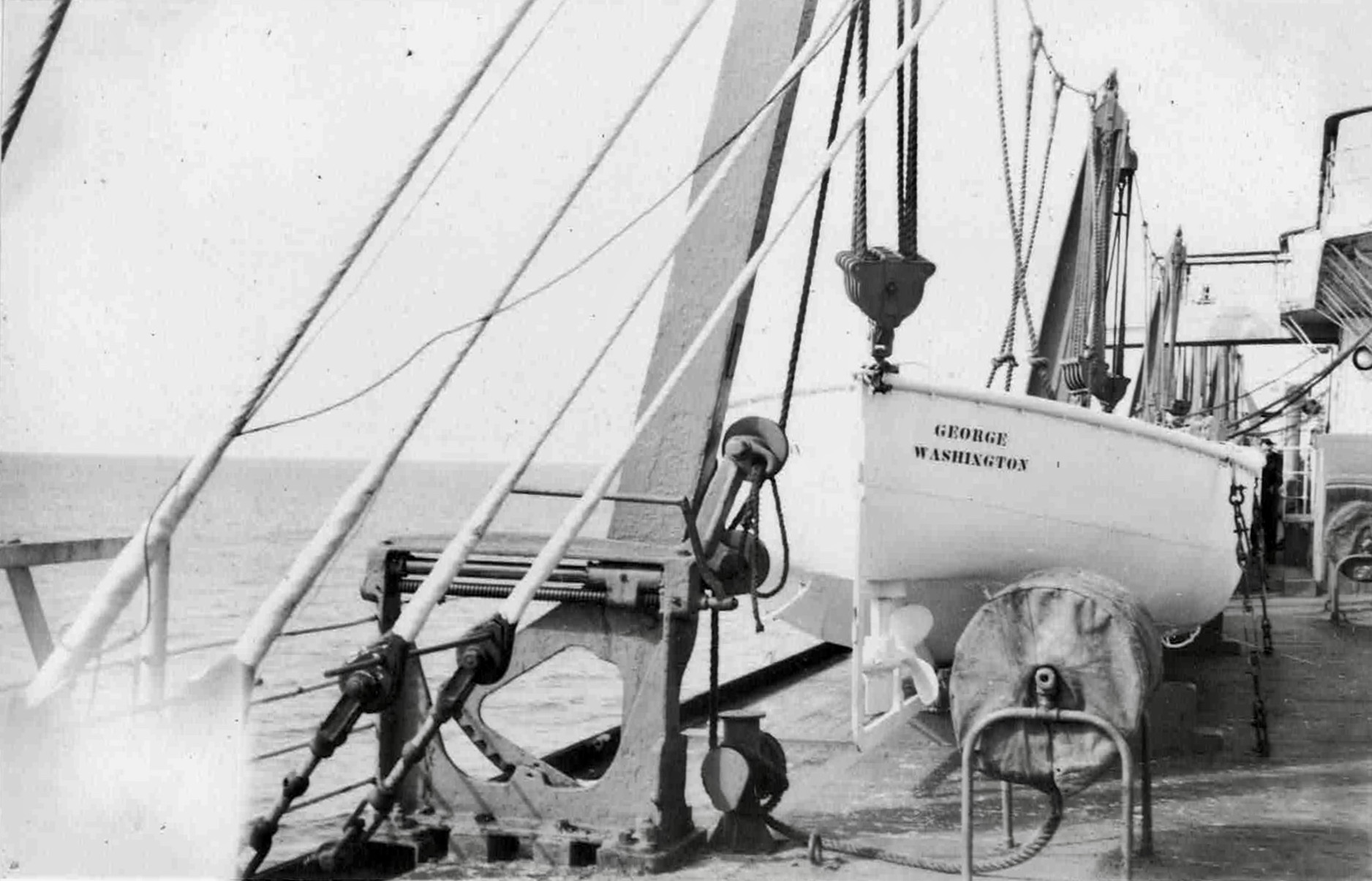
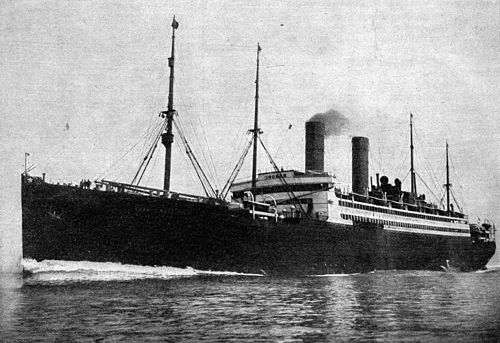
Flo and her cohort of Red Cross workers and G.I.s boarded the USAT George Washington at the port of Le Havre, France for the trip to New York. The ship was commissioned by the US Navy for troop transport in both the first and second world wars.
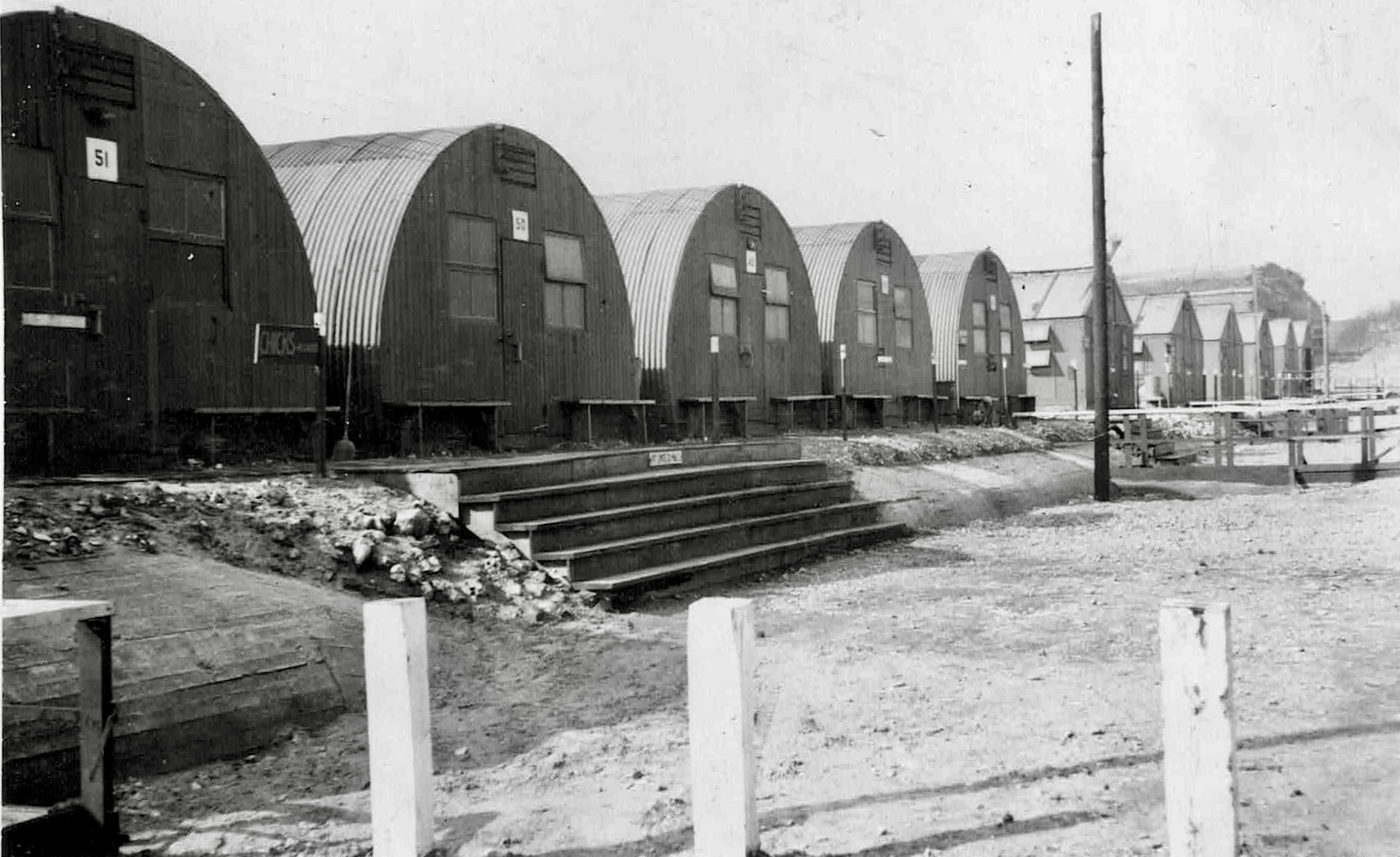
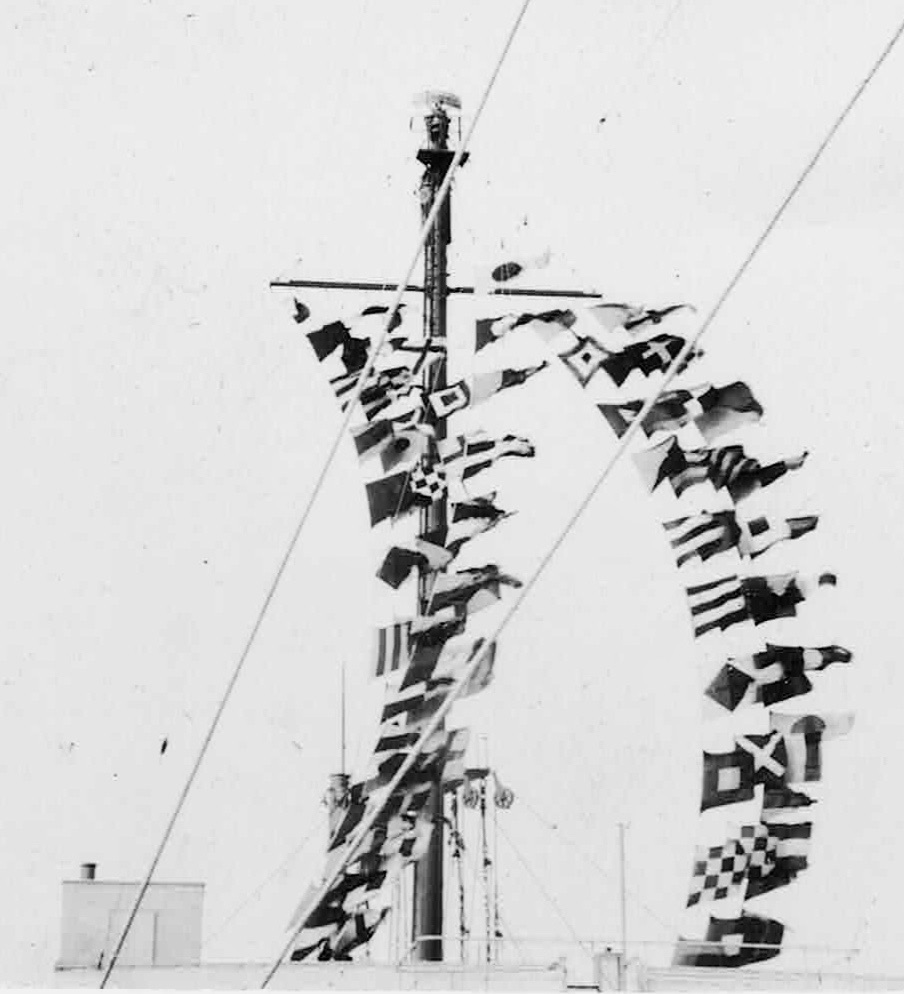
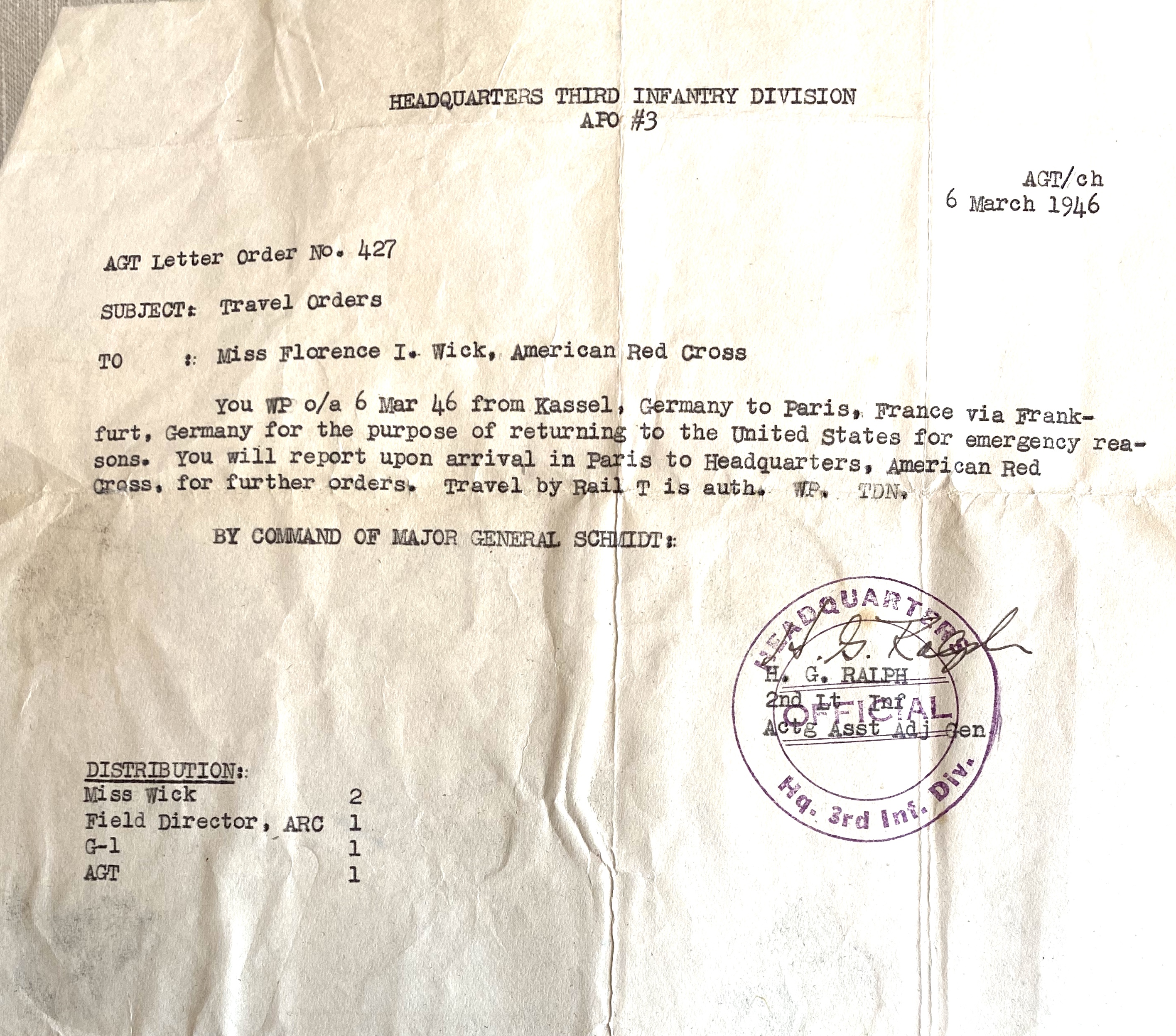
Orders. Flo was hoping to accompany her friend Janet Tyson on the ship home but it appears they missed each other. Flo wanted to visit relatives in Sweden first.Waiting to board the ship homeAt the port of Le Havre where most US ships departed fromLifeboat on the USAT George Washington“Nissen huts at Le Havre”Many flags. Photos by Flo Wick
An ocean liner built in 1908 for the Bremen-based North German Lloyd, at that time the George Washington was the largest German-built steamship and the third-largest ship in the world. Built to emphasize comfort over speed, she was sumptuously appointed in her first-class passenger areas and could carry a total of 2,900 passengers. Intended for Bremen to New York passenger service, the ship was named after the first president of the United States as a way to make the ship more appealing to immigrants, who then made up the majority of transatlantic passengers and believed formalities on arrival would be easier on a ship with an American name. After a fire, the ship was sold for scrap in 1951.
Chapter 114: Continuing the story of My Mother and Audie Murphy
On March 6, 1946, my mother, Florence Wick, received travel orders to go to Paris from Kassel Germany by rail for the purpose of returning to the U.S. She had been in Europe almost two years working as a Red Cross “donut girl.” She must have been delighted to be going home, and also to have the opportunity to visit Paris one last time. It would indeed be the last time she saw Paris.
Travel orders March 6, 1946
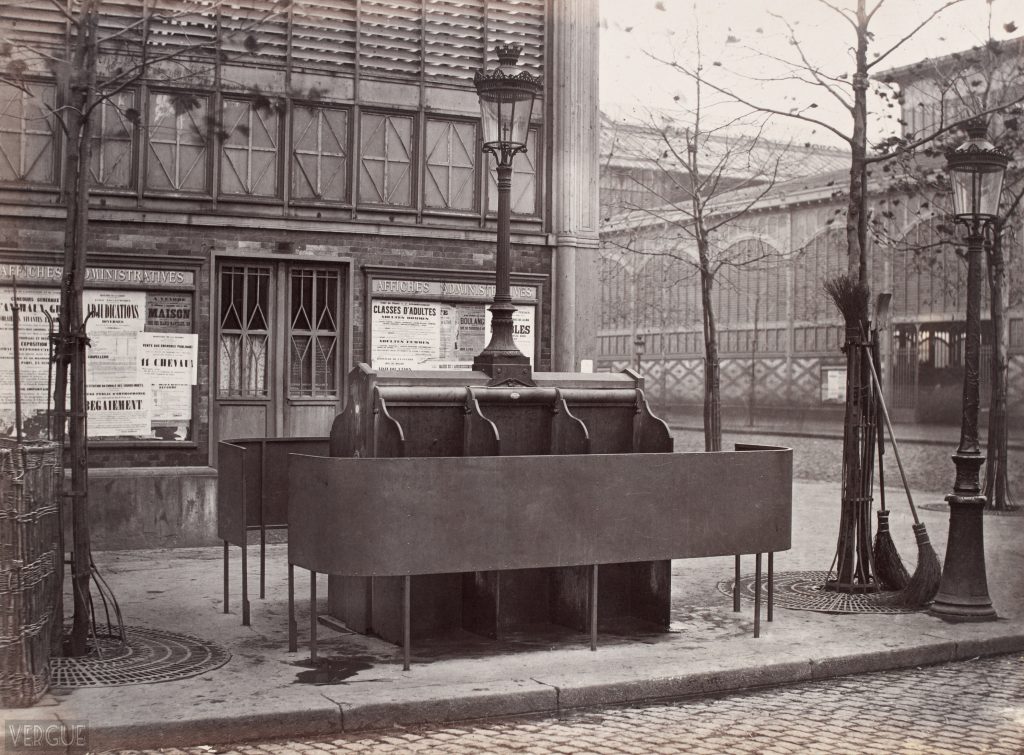
This is what as a child I remember Flo telling me about Paris. The fragrance on the overcrowded trams overwhelmed; people doused themselves with perfume to cover body odor. The public urinals were everywhere, except they were only for men. There was no place for women to relieve themselves. What were women supposed to do? she wondered.
One of the ubiquitous pissoirs. Photo: The Guardian
In the Louvre she got up close enough to the Mona Lisa to see that the painting was surprisingly small and covered with tiny cracks. She also said the only French most American soldiers learned was coucher avec moi, or “sleep with me”, probably asked as a question. But in general she was smitten with the romantic city.
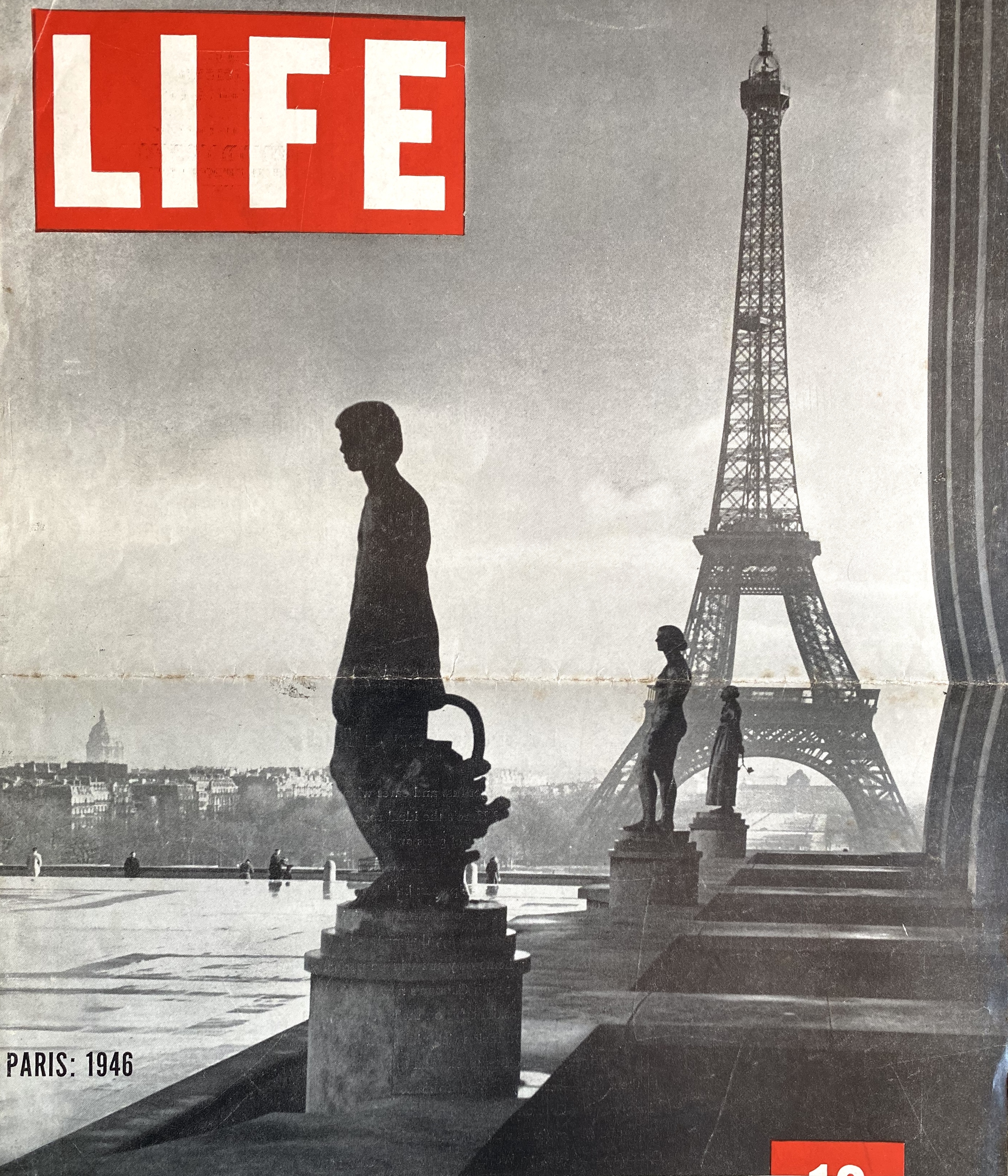
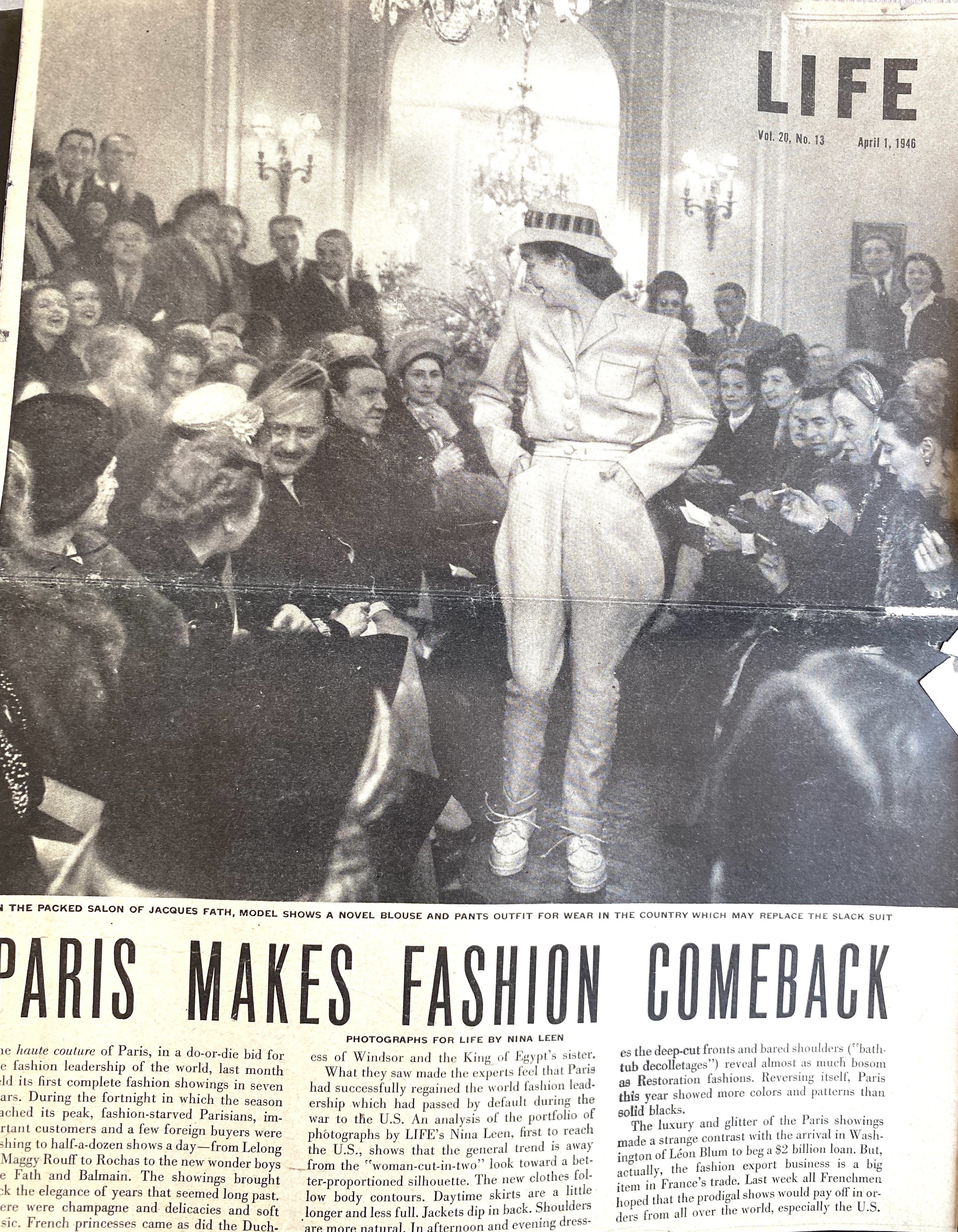
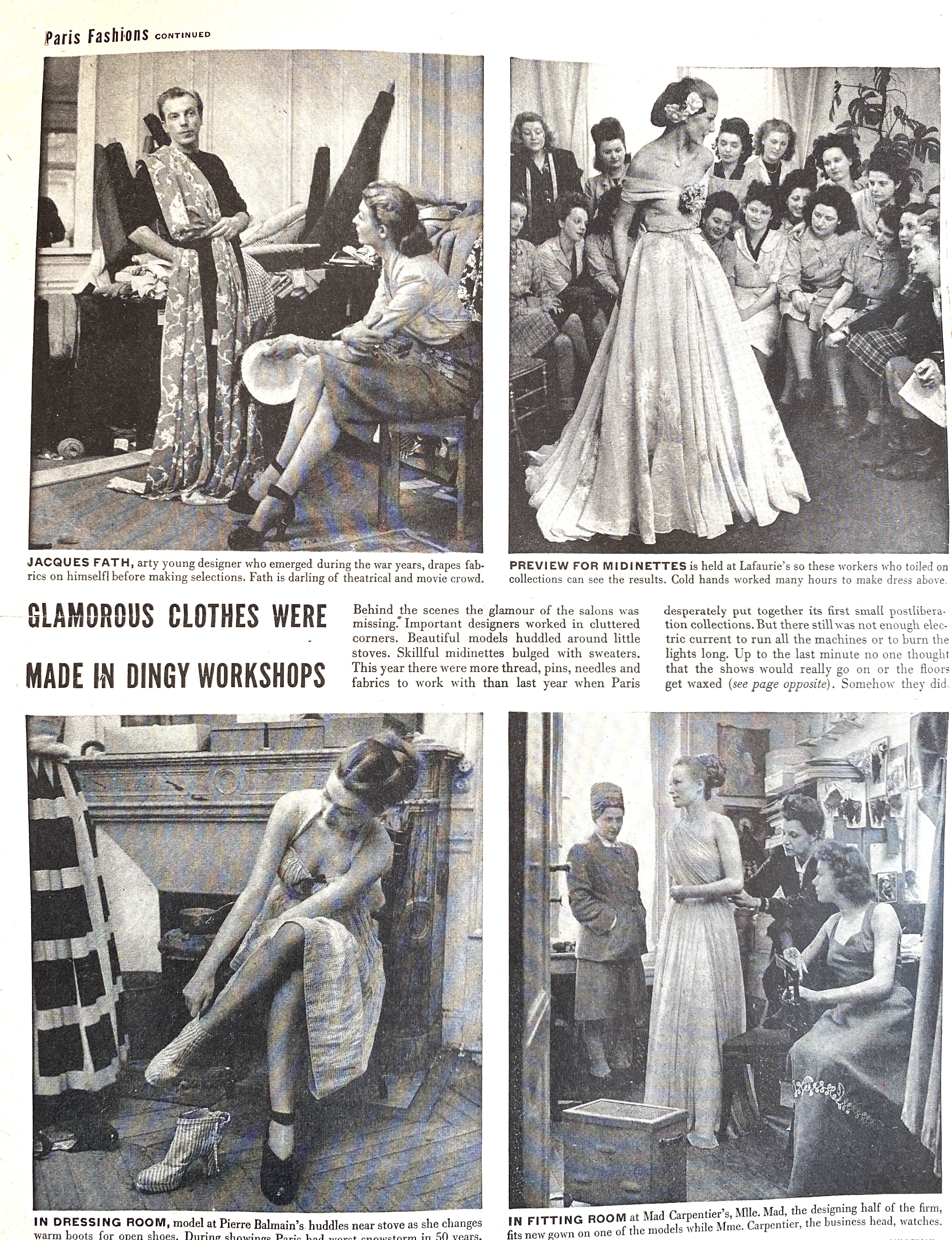
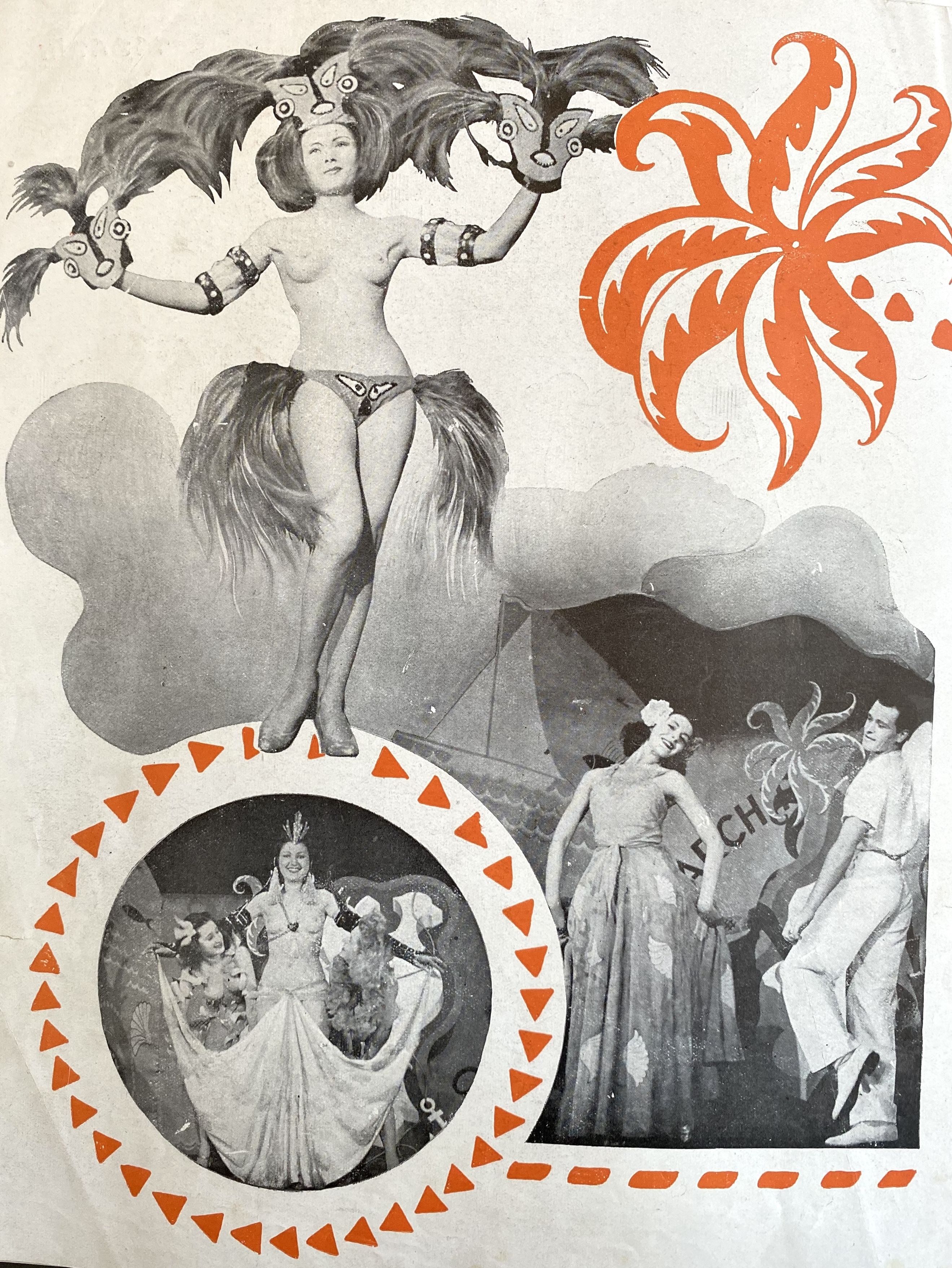
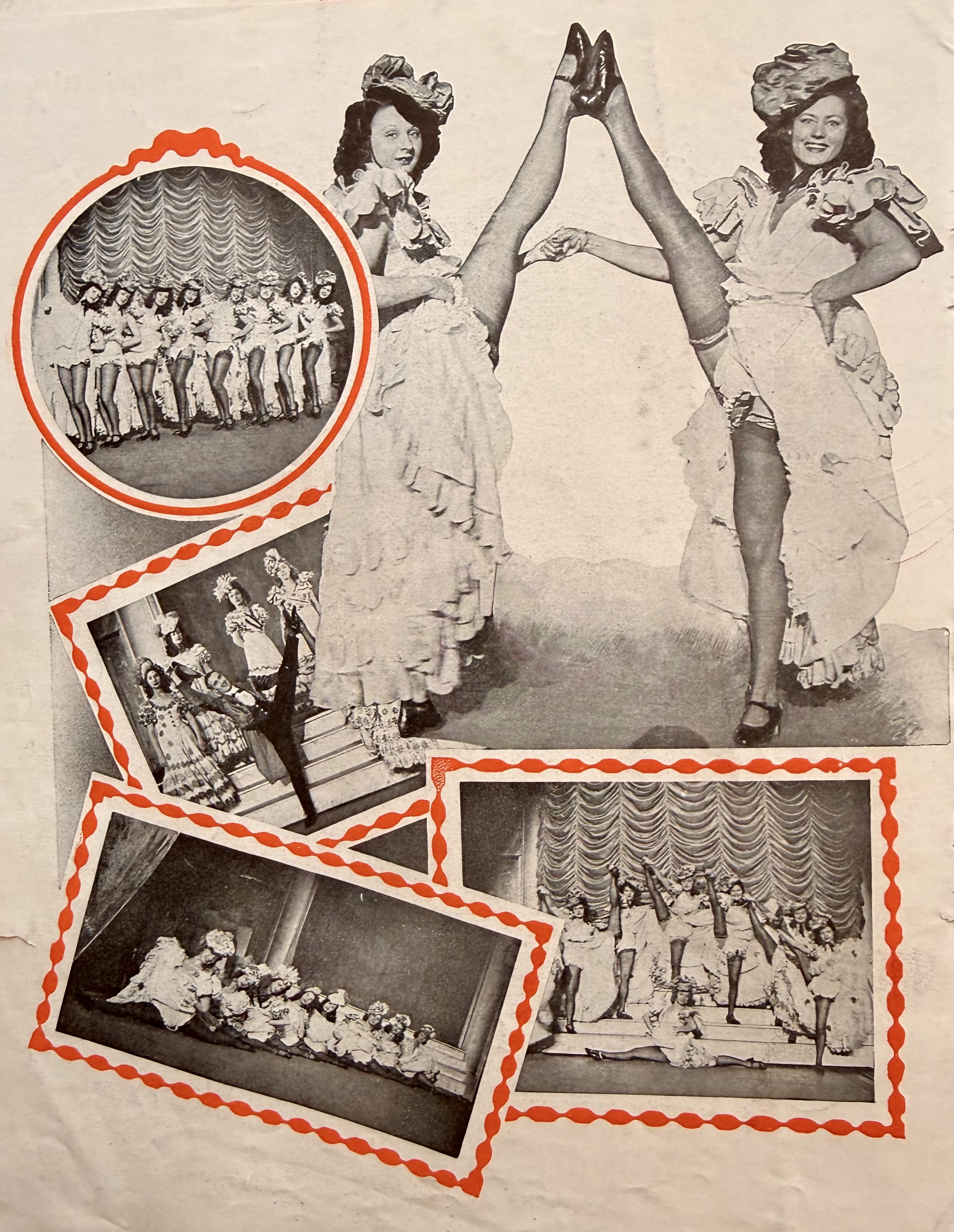
She went to the Moulin Rouge and Tabarin where women danced bare-breasted. She visited famous museums. She saw fashion shows. And she recorded it all in her WWII album. She included pages from LIFE magazine’s feature about post-war Paris.
Paris was occupied by Nazi Germany from June 14, 1940, until its liberation on August 25, 1944. The occupation was marked by strict regulations, food rationing, and significant hardships for the civilian population, including the persecution of Jews.
Despite the oppressive conditions, a network of resistance groups emerged, engaging in acts of defiance against the occupiers. The liberation of Paris began on August 19, 1944, with an uprising led by the French Resistance and the Communist Party, culminating in the city’s liberation by Allied forces on August 25, 1944. This marked a significant turning point in the war and the end of the Nazi regime’s control over the city. To read more, I recommend the book The Liberation of Paris by Jean Edward Smith.
It Belongs Also to Parisians: Photographs for LIFE by Edward Clark Quoting from LIFE:“Paris, the grand courtesan of cities, is all things to all men, and this may be one reason why American soldiers and Parisians have been getting along so badly since World War II. The G.I. grew up in a generation when Paris to most Americans was a cheerful bawd: the Paris of Maxim‘s, the Ritz bar, the Moulin Rouge, the Scheherezade, and Boeuf sur le Toit, the Folies Bergéres, long-haired Montparnasse, feelthy pictures, the Quatz’ Arts Ball, and the Sphinx. To the young man who had seen this Paris in pictures who had read about it in Fitzgerald and Hemmingway, who had overheard wise conversations between his father and his uncle Tom, the Paris in which he found himself these last two winters was a grim and depressing disappointment. He found people who were cold, hungry, confused and tired–above all tired–who were too busy keeping themselves alive to bother much about entertaining him, who, because they were proud and sensitive to the shame through which their country had passed, resented his slurs and his swagger. And the G.I., in turn, felt cheated. Where was the Paris he had heard about? Where were the naked women?”
Paris was the capital of the fashion world. The industry started to come back to life in 1945 after the war. There was one fashion show but too little fabric. Then in 1946 the shows were bigger and better with a wider choice of fabrics. Flo attended several fashion shows and included stories about them in her album. It’s interesting to learn about the fashion industry scene right after the war. Paris was worried that it might move to the U.S. where it had moved during the German occupation.
Paris Makes Fashion Comeback
Quoting from LIFE magazine:“The haute couture of Paris, in a do or die bid for fashion leadership of the world, last month held its first complete fashion showings in seven years. During the fortnight in which the season reached its peak fashion, starved Parisians, important customers and a few foreign buyers were dashing to half a dozen shows a day from Lelong to Maggy Rouff to Rochas to the new wonder boys like Fath and Balmain.
The showings brought back the elegance of years that seemed long past. There were champagne and delicacies and soft music. French princesses came as did the Duchess of Windsor and the King of Egypt’s sister. What they saw made the experts feel that Paris had successfully regained the world fashioned leadership, which had passed by default during the war to the U.S. An analysis of the portfolio of photographs by LIFE‘s Nina Leen, first to reach the U.S., shows that the general trend is away from the “woman-cut-in-two” look toward a better proportioned silhouette. The new clothes follow body contours. Daytime skirts are a little longer and less full. Jackets dip in back. Shoulders are more natural. In afternoon and evening dresses the deep-cut fronts and bared shoulders (“bathtub decolletages”) reveal almost as much bosom as Restoration fashions. Reversing itself, Paris this year showed more colors and patterns than solid blacks. The luxury and glitter of the Paris showings made a strange contrast with the arrival in Washington of Léon Blum to beg a $2 billion loan. But, actually, the fashion export business is a big item in France’s trade. Last week all Frenchmen hoped that the prodigal shows would pay off in orders from all over the world, especially the U.S.”
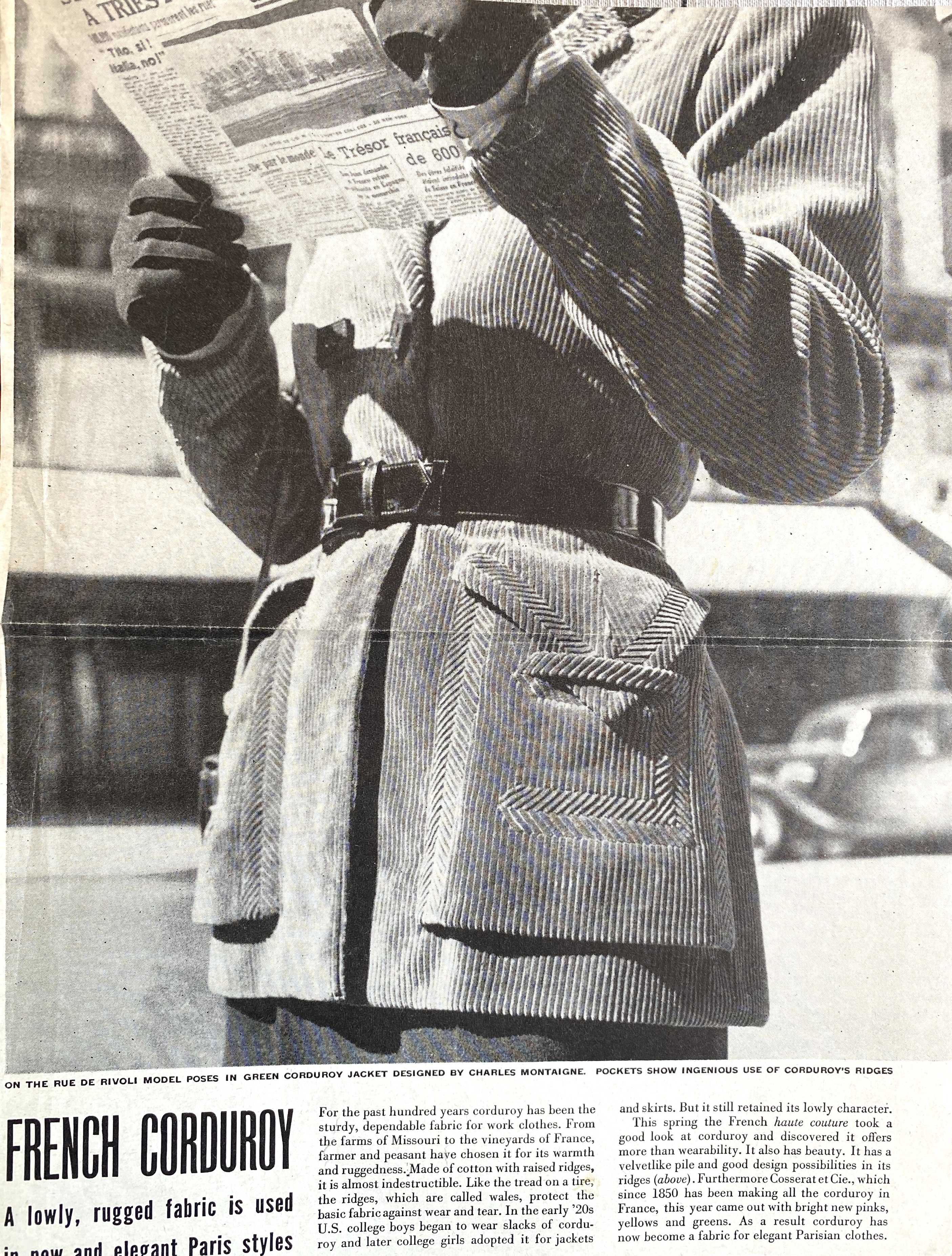
Corduroy: A lowly, rugged fabric is used in new and elegant Paris styles
From LIFE:“For the past hundred years corduroy has been the sturdy, dependable fabric for work clothes. From the farms of Missouri to the vineyards of France, farmer and peasant have chosen it for its warmth and ruggedness. Made of cotton with raised ridges, it is almost indestructible. Like the tread on a tire, the ridges, which are called wales, protect the basic fabric against wear and tear. In the early 20s U.S. college boys began to wear slacks of corduroy and later college girls adopted it for jackets and skirts. But it retained its lowly character.
This spring the French haute couture took a good look at corduroy and discovered it offers more than wearability. It also has beauty. It has a velvetlike pile and good design possibilities in its ridges. Furthermore Cosserat et Cie., which since 1850 has been making all the corduroy in France, this year came out with bright new pinks, yellows and greens. As a result corduroy has now become a fabric for elegant Parisian clothes.”
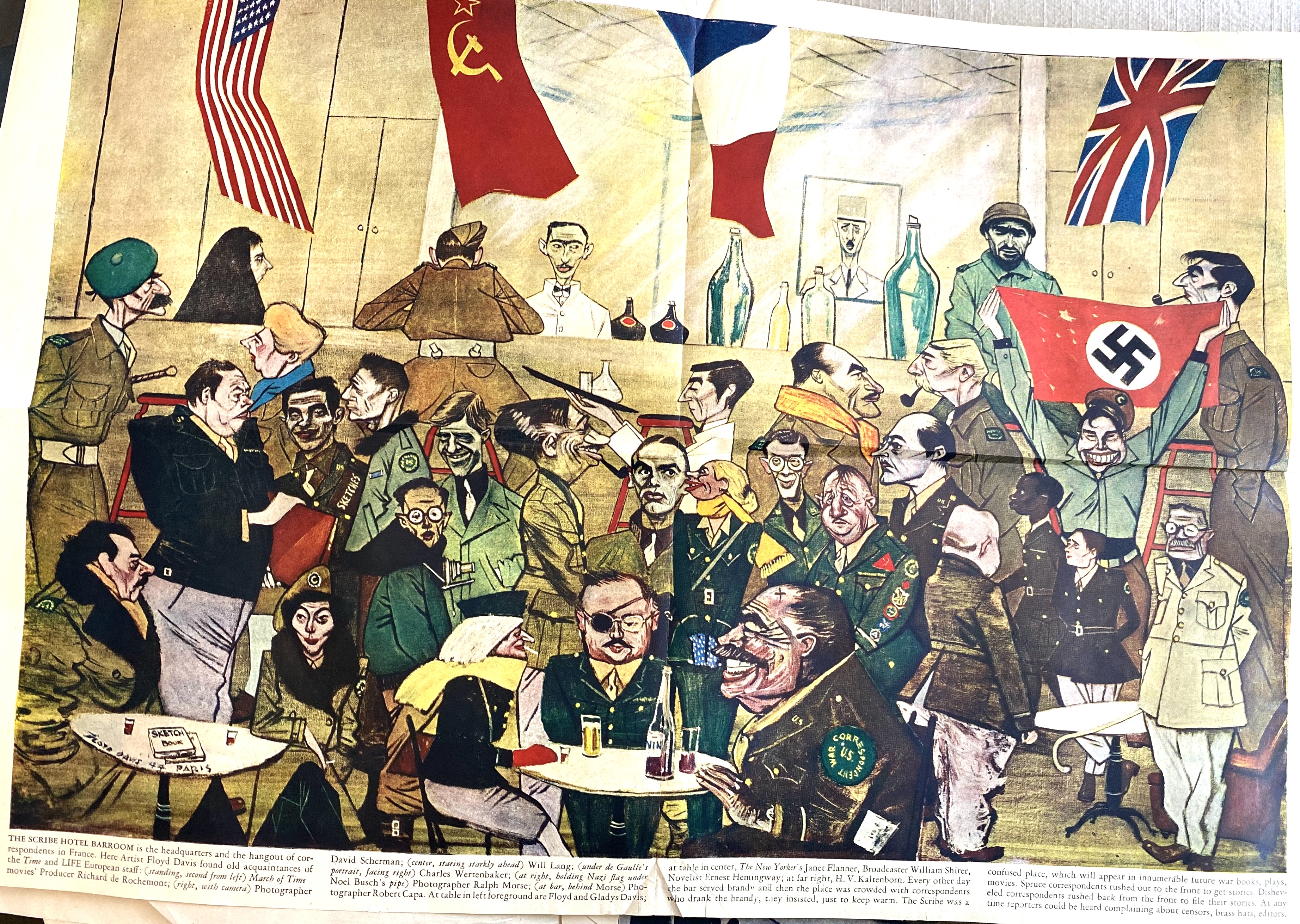
Where the correspondents hung out
From the LIFE caption:The Scribe Hotel barroom is the headquarters and the hangout of correspondents in France. Here artist Floyd Davis found old acquaintances of the Time and LIFE European staff. At the table in center the New Yorker’s Janet Flanner, broadcaster William Shirer, and novelist Ernest Hemingway. Every other day, the bar served brandy, and then the place was crowded with correspondents who drank the brandy, they insisted, just to keep warm. Correspondents rushed out to the front to get stories. Disheveled correspondents rushed back from the front to file their stories. At any time, reporters could be heard complaining about sensors, brass hats, editors.
For the past year and a half, I’ve been tracing the life of my mother, Florence Wick, her service as a Red Cross clubmobiler, and her improbable intersection with the war hero Audie Murphy. Flo made a huge scrapbook after the war and I’ve been using that and her war diary to tell the story. I’m also telling Audie Murphy’s story using his autobiography To Hell and Back.
I’m pausing now to catch my breath, but the story is far from over.
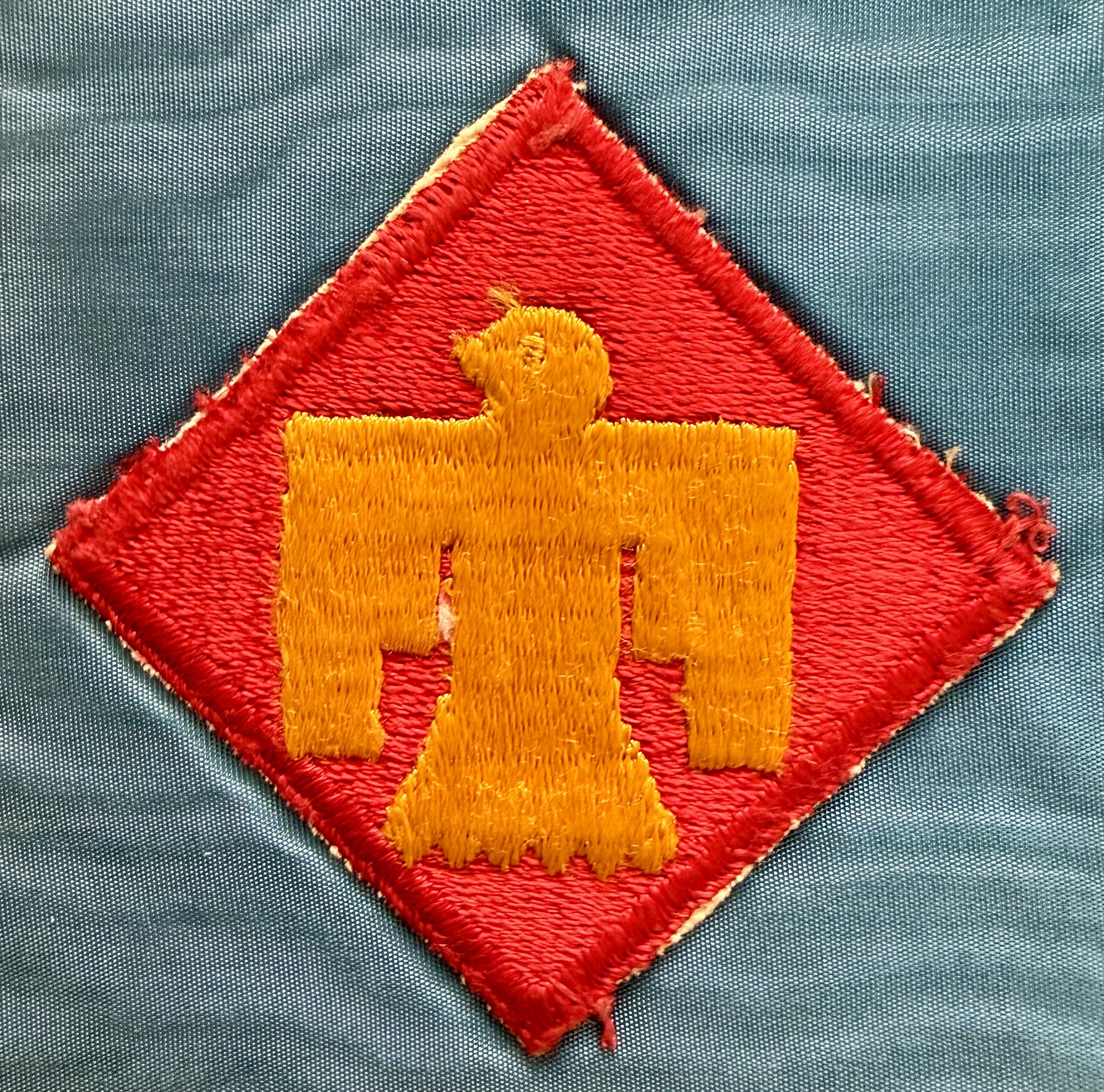
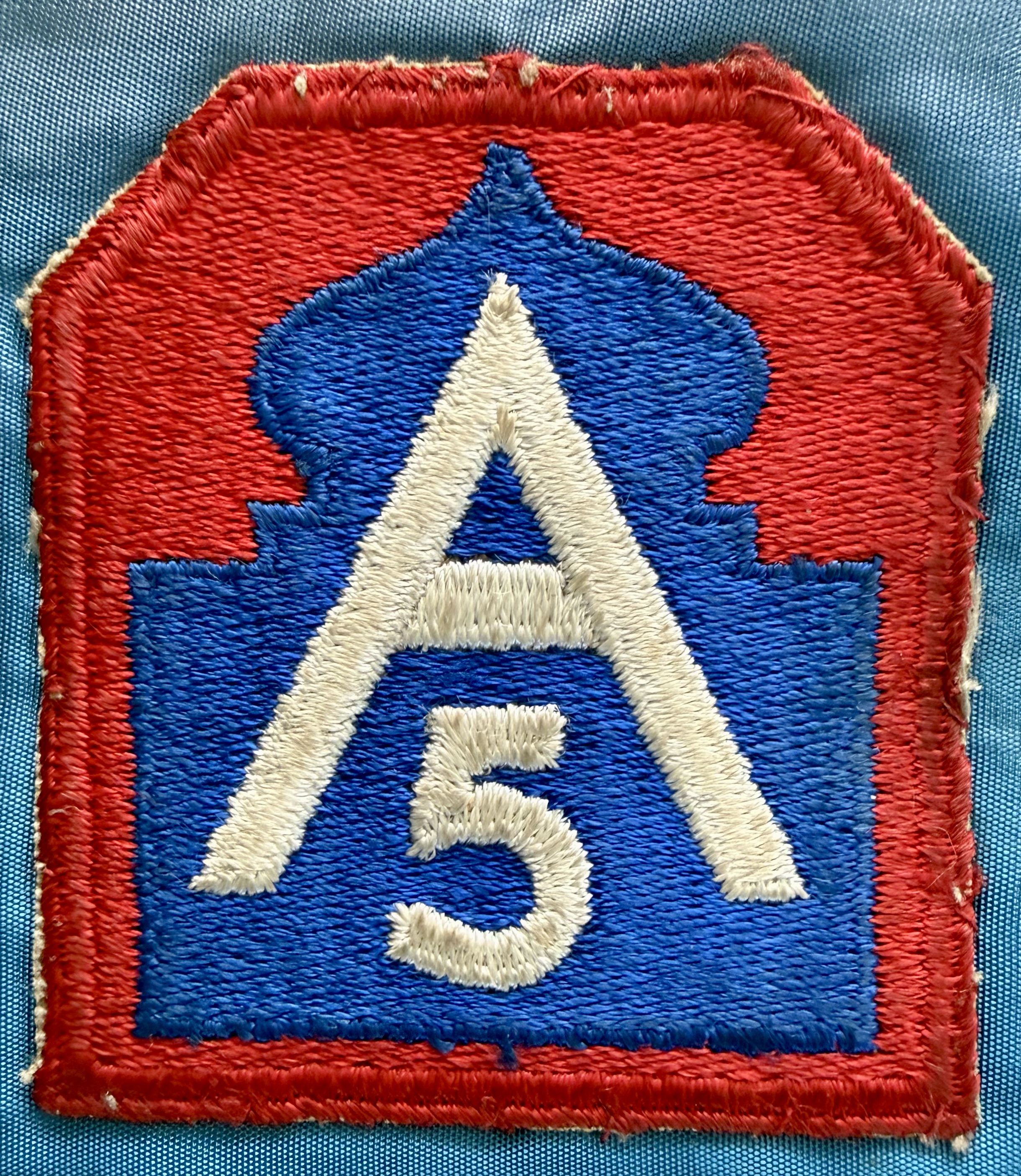
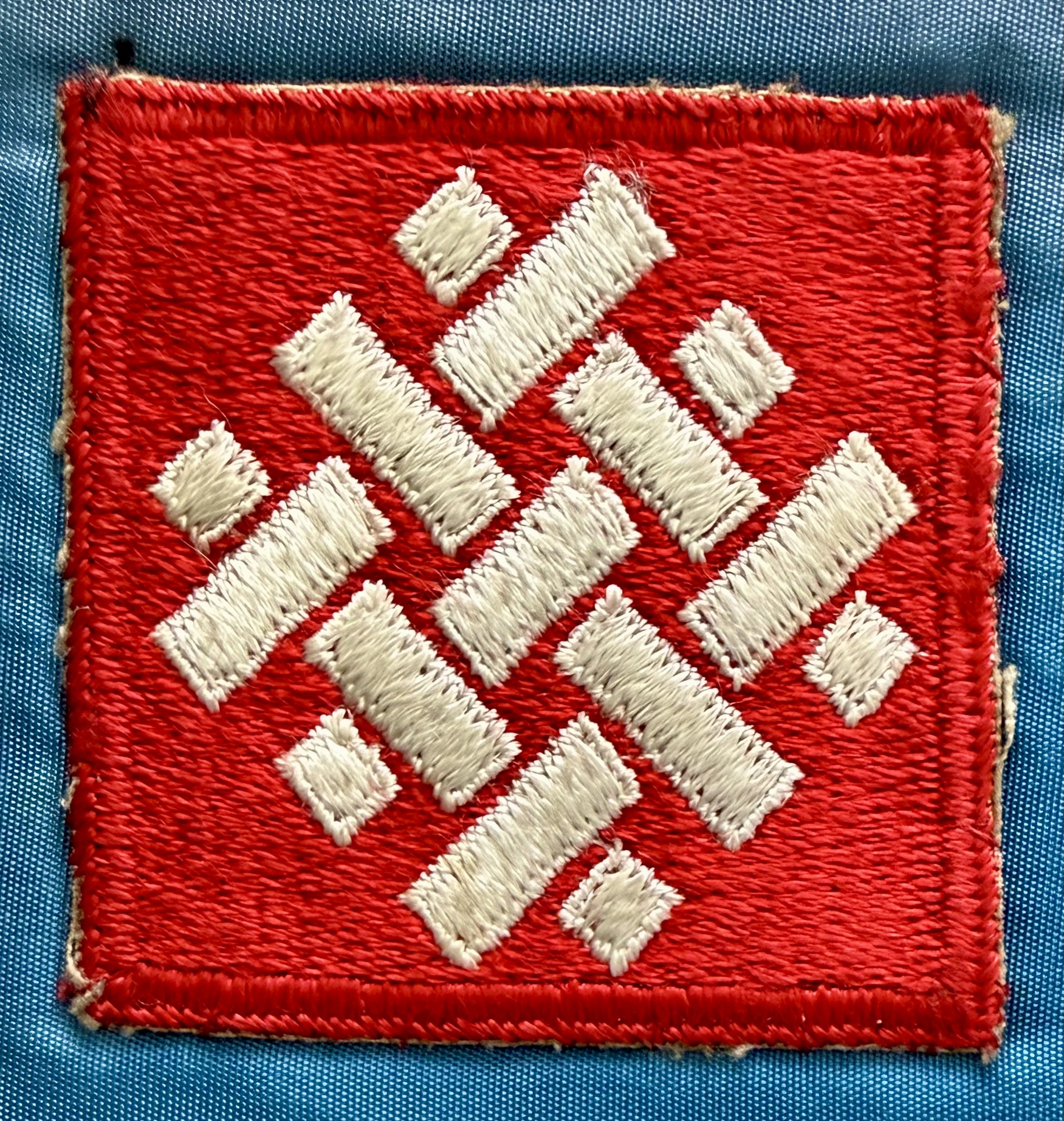
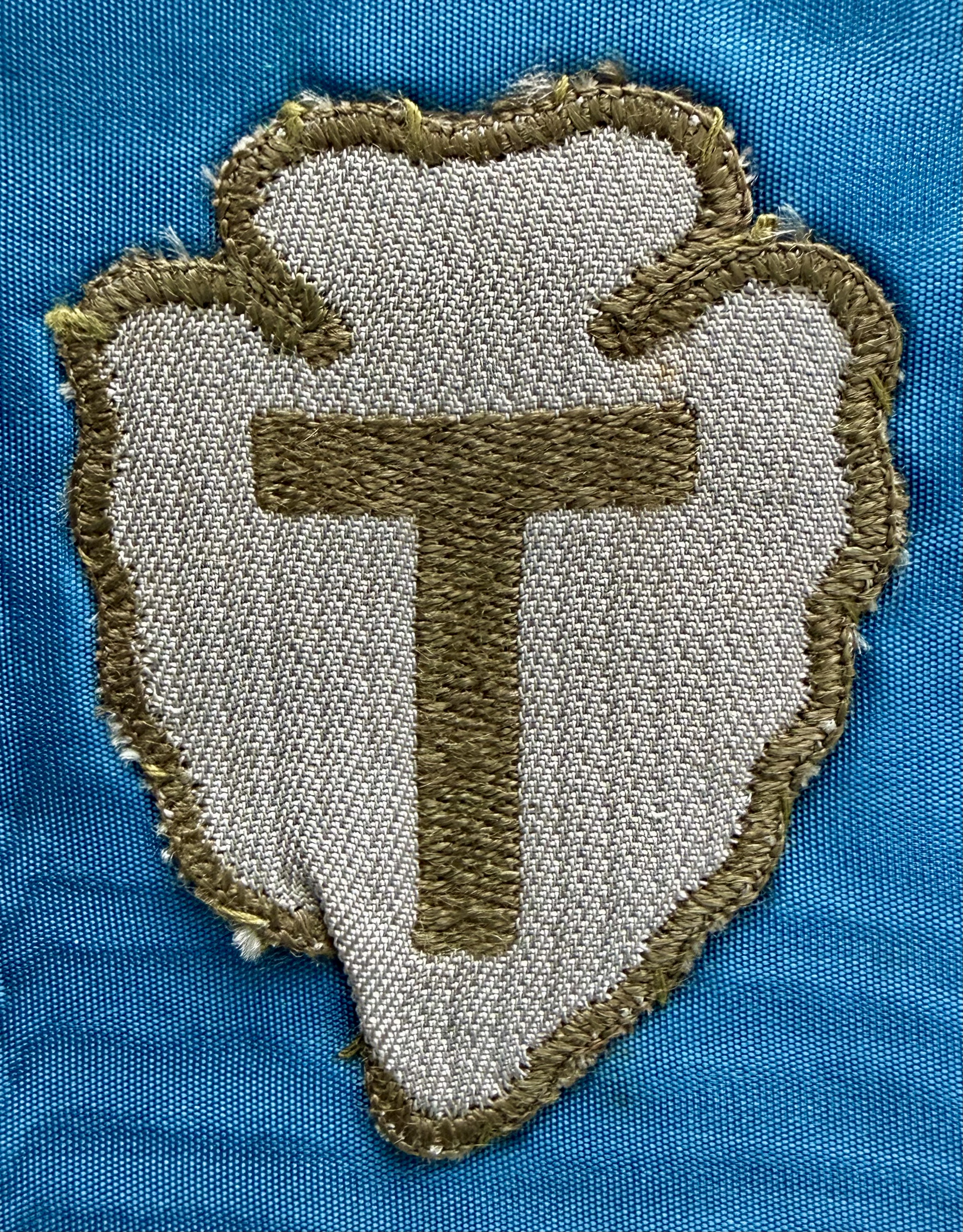
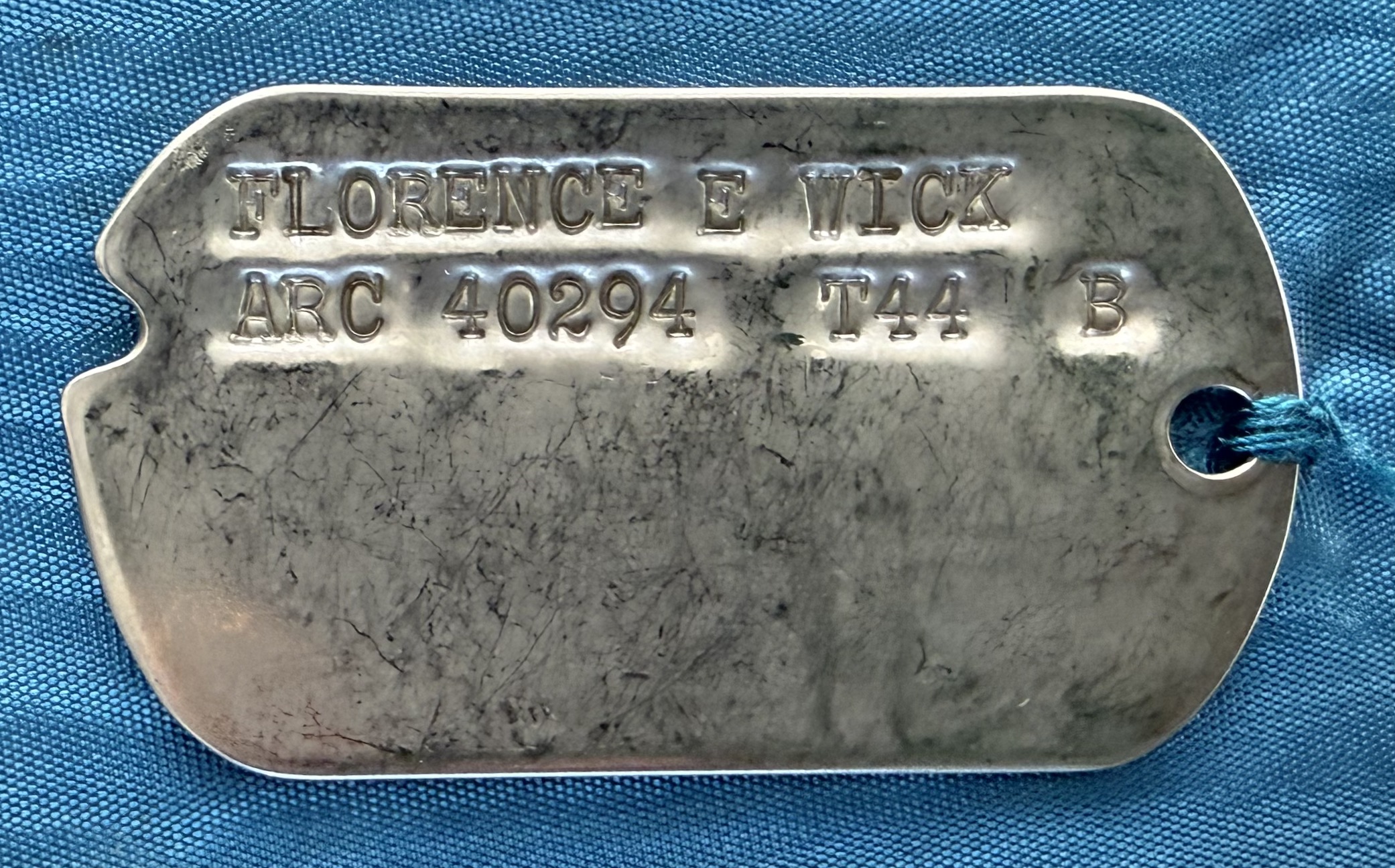
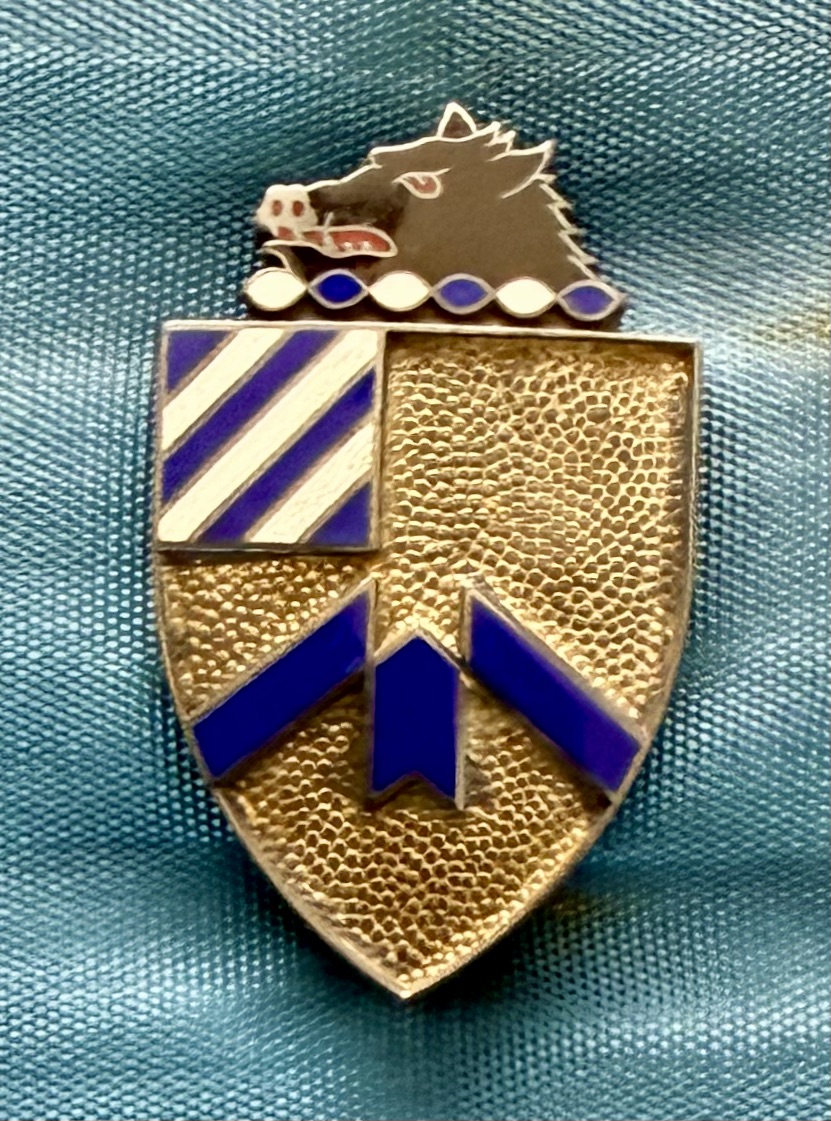
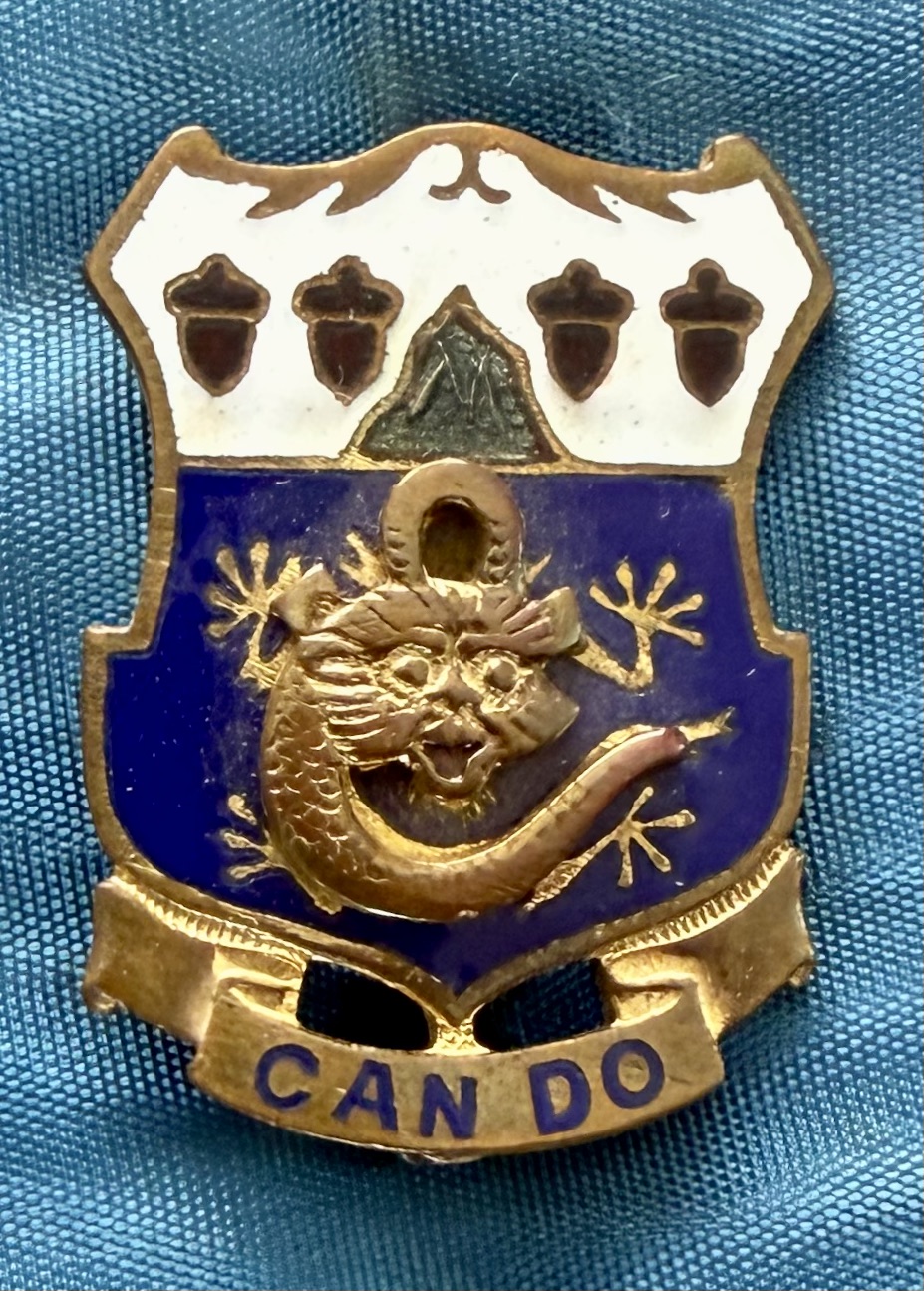
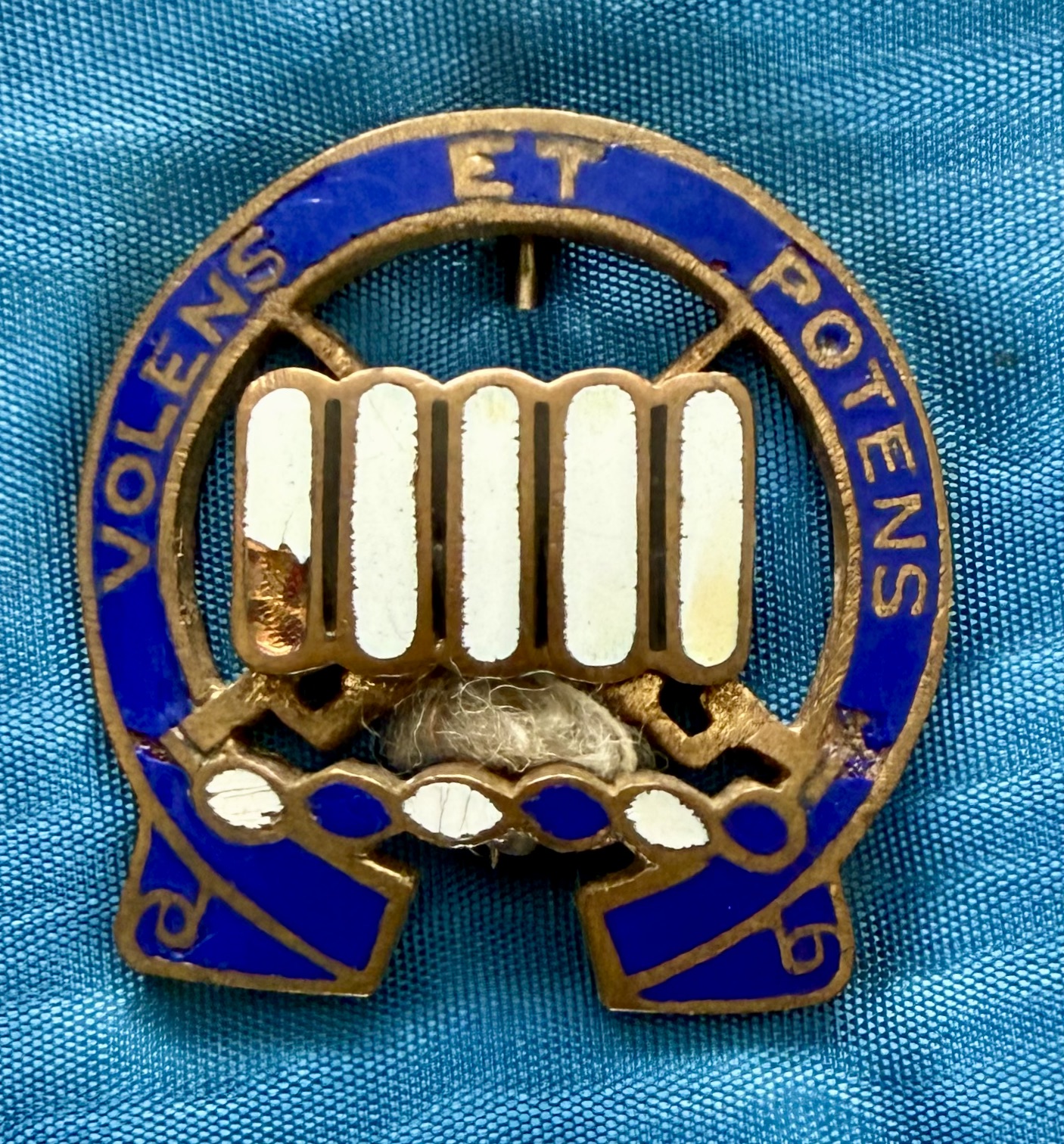
45th Infantry Div. patch5th Army patch10th mountain division.Tenth Corps patchFlo’s dog tag30th Infantry insignia15th Infantry badge7th inf Reg. Wiling and Able
Patches and insignia of some of the combat groups Flo served with, along with her dogtag, tacked onto the inside covers of her scrapbook
To recap:
In May 1944, Flo joined the American Red Cross Clubmobile program and sailed for Naples on a hospital ship. A month later, she stood in the streets of Rome as it was liberated, alongside General Mark Clark. By high summer, she was at an army camp near Pozzuoli, leading a four-woman crew, serving doughnuts and coffee to soldiers on the brink of the invasion of southern France.
By late August, they were in France, chasing a front that refused to hold still. Somewhere in that rush, Flo fell in love—with a lieutenant named Gene. They planned to marry in October. A mortar shell ended that future before it began.
Winter came hard—1944 into ’45—frigid, dangerous, unrelenting. Flo and her crew followed the Third Infantry Division through France, often within earshot of the guns. It was here she handed coffee and doughnuts to a young soldier named Audie Murphy—not yet a legend, but already carrying the weight of one.
He would become the most decorated American soldier of World War II. Flo, meanwhile, captured something just as lasting: she took the only photograph of Murphy at a field awards ceremony. The photo became a famous icon.
In January, the division crossed the Rhine and drove into Germany. Flo kept working—serving men rotating through rest camps, offering small comforts in a landscape torn apart. At the war’s end, she witnessed the liberation of Dachau concentration camp and Berchtesgaden, Hitler’s alpine retreat.
She stayed on through the occupation, stationed in Austria and Germany. When she could, she traveled—Switzerland, England, German cities and towns, Brussels, Copenhagen, Paris—brief glimpses of a world trying to knit itself back together. She ended her stay with a visit to relatives in Sweden.
And that’s where we are now.
There is still much to tell. Flo’s scrapbook is bursting with post-war miscellany. How did Flo and Audie adjust to peacetime back in the USA? How did the war affect them and those who fought in combat? How did Audie Murphy become a movie star?
I’ll come back to the rest—after a little rest of my own.
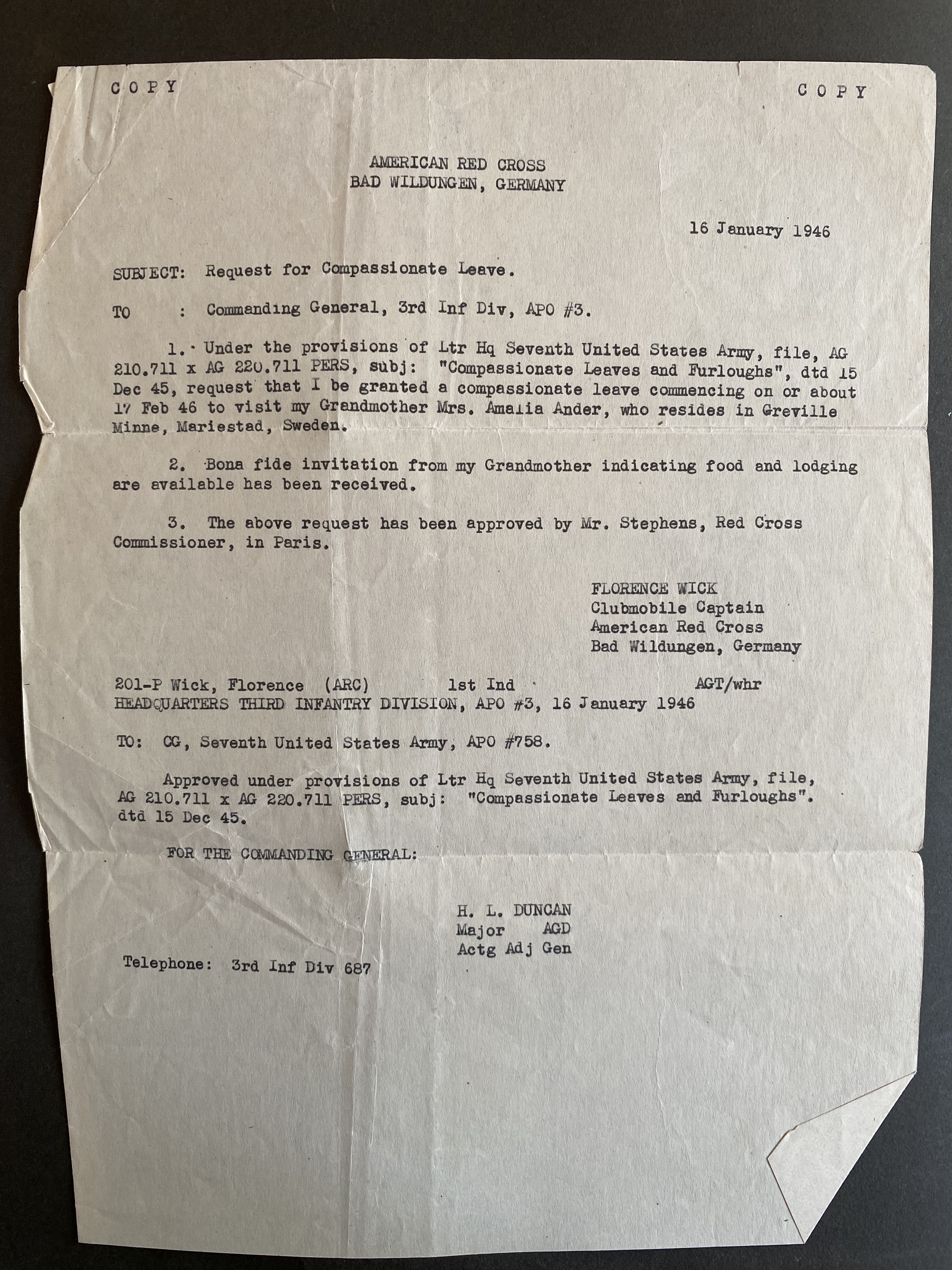
Flo Requests Compassionate Leave to Visit Relatives
My Mother and Audie Murphy Ch. 110
Sweden maintained official neutrality in the war but made pragmatic concessions to Nazi Germany—exporting crucial materials and allowing troop transits to occupied Norway and Finland—while also expanding its military, sheltering thousands of Jewish and political refugees, training Norwegian resistance fighters, and sharing intelligence with the Allies. As the war turned, Sweden steadily curtailed cooperation and nearly ended trade with Germany by late 1944. Historians debate this legacy: some see pragmatic neutrality that preserved independence and enabled humanitarian acts; others criticize compromises that prioritized economic interests over moral responsibility.
Flo and I traveled to Sweden and Norway in 1979, and we visited all the Swedish relatives still living that Flo saw in 1946. We saw Flo’s mother Gerda’s birthplace, and the towns Flo had visited. From talking to Norwegians I got the feeling then that they had not yet forgiven the Swedes for cooperating with the Nazis during their five-year occupation of Norway. In 1979 there were still those, like my mother, who remembered the war. Perhaps the younger generations no longer hold a grudge.
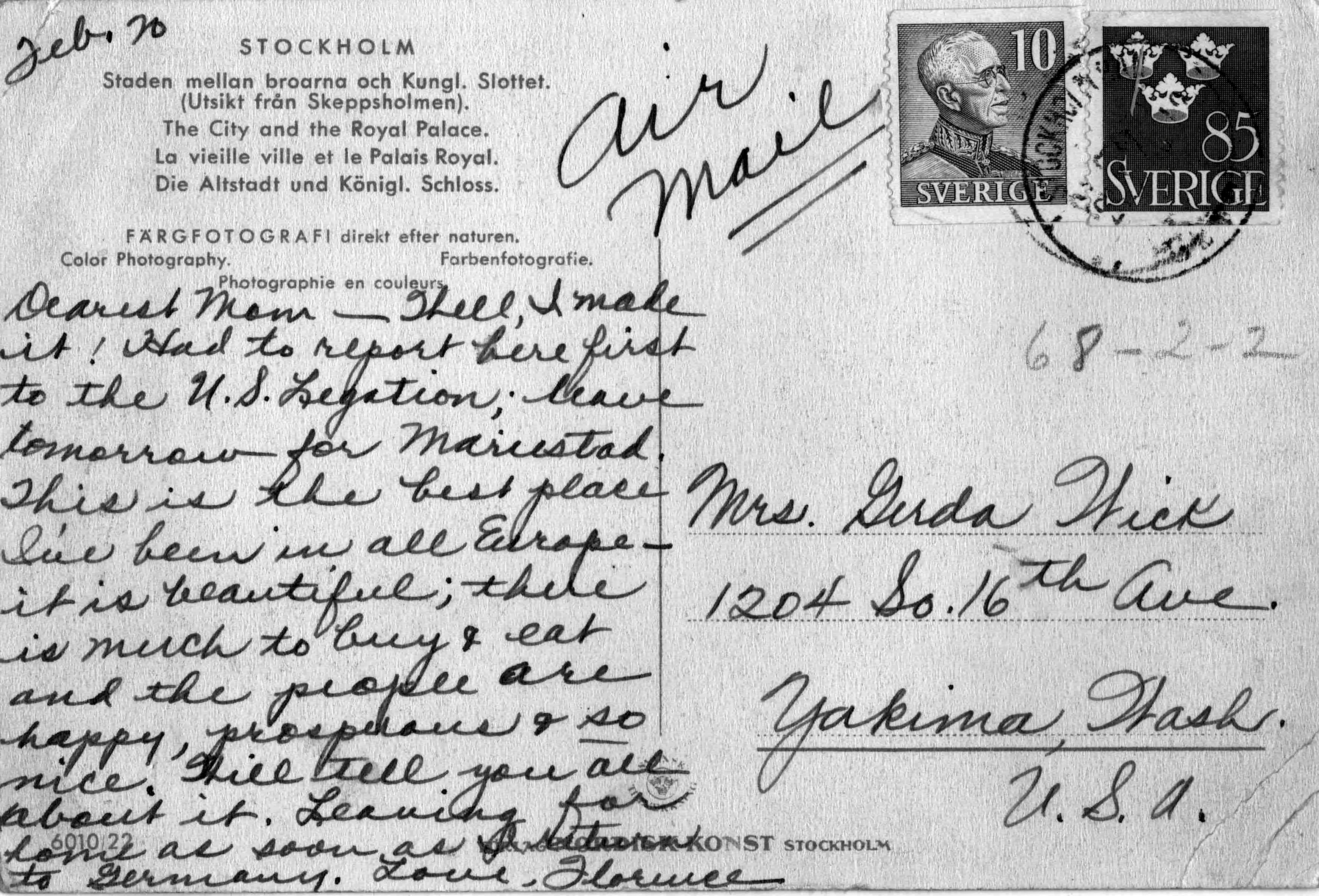
Request for Compassionate Leave“This is the best place I’ve been in all Europe,” wrote Flo
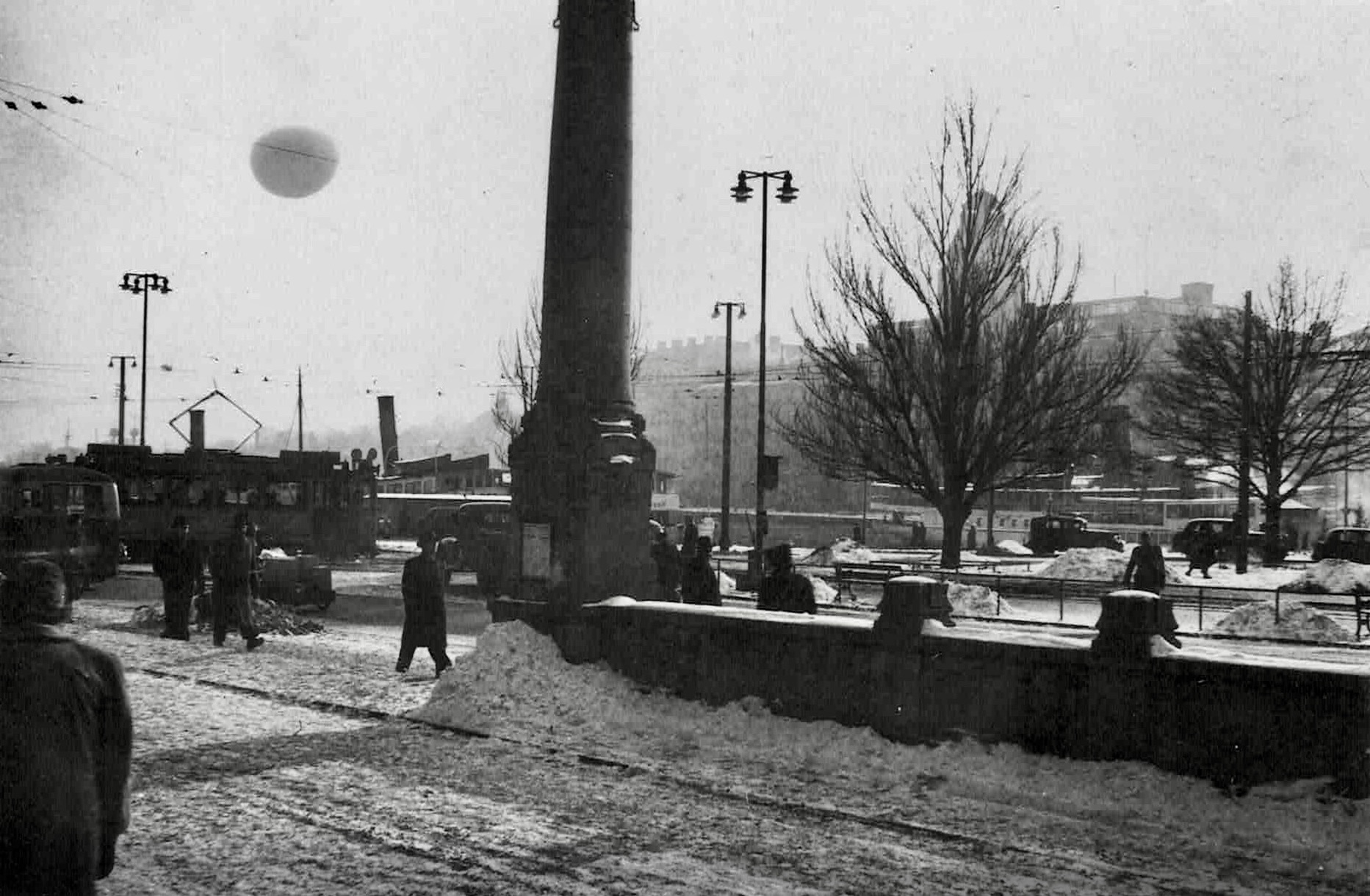
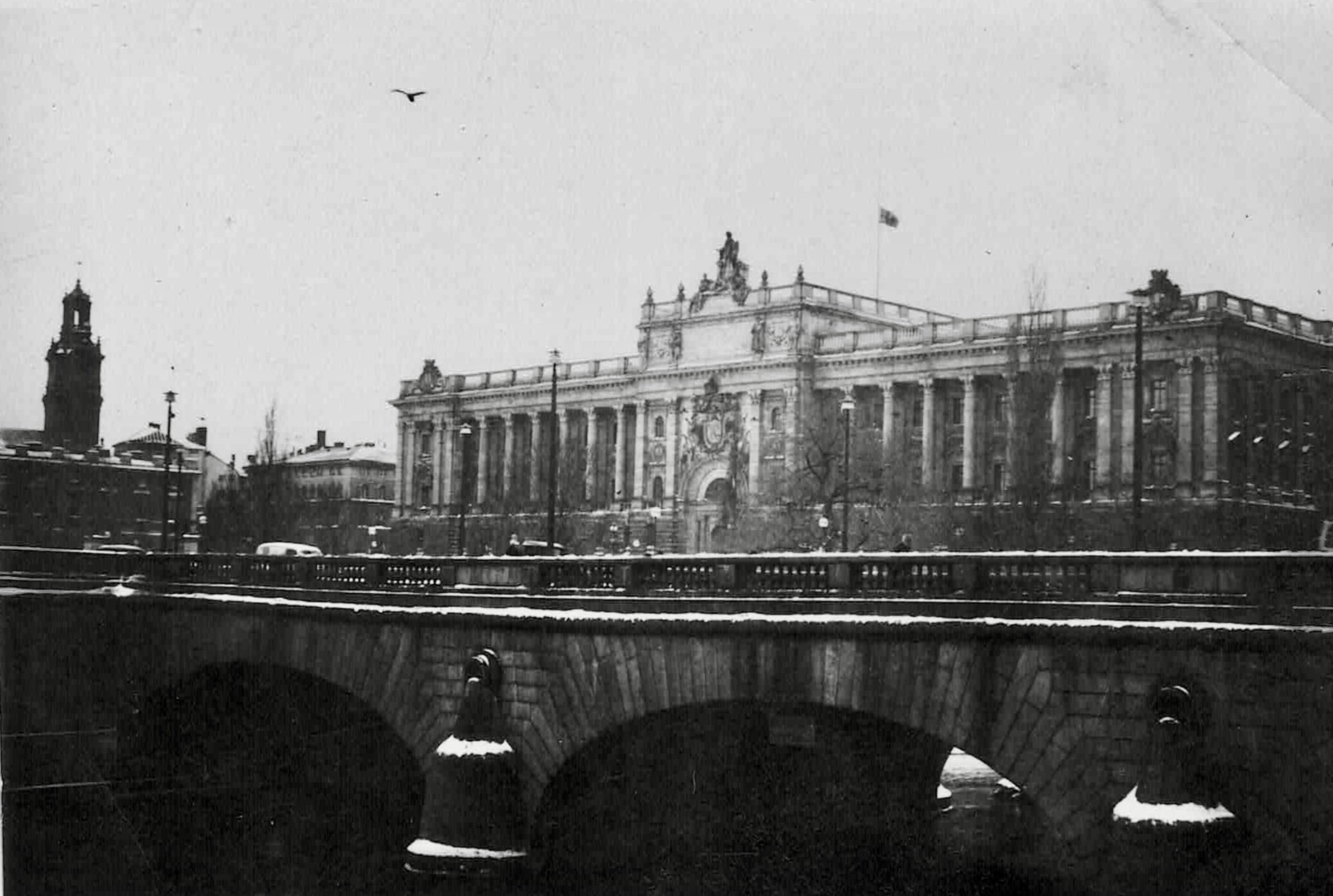
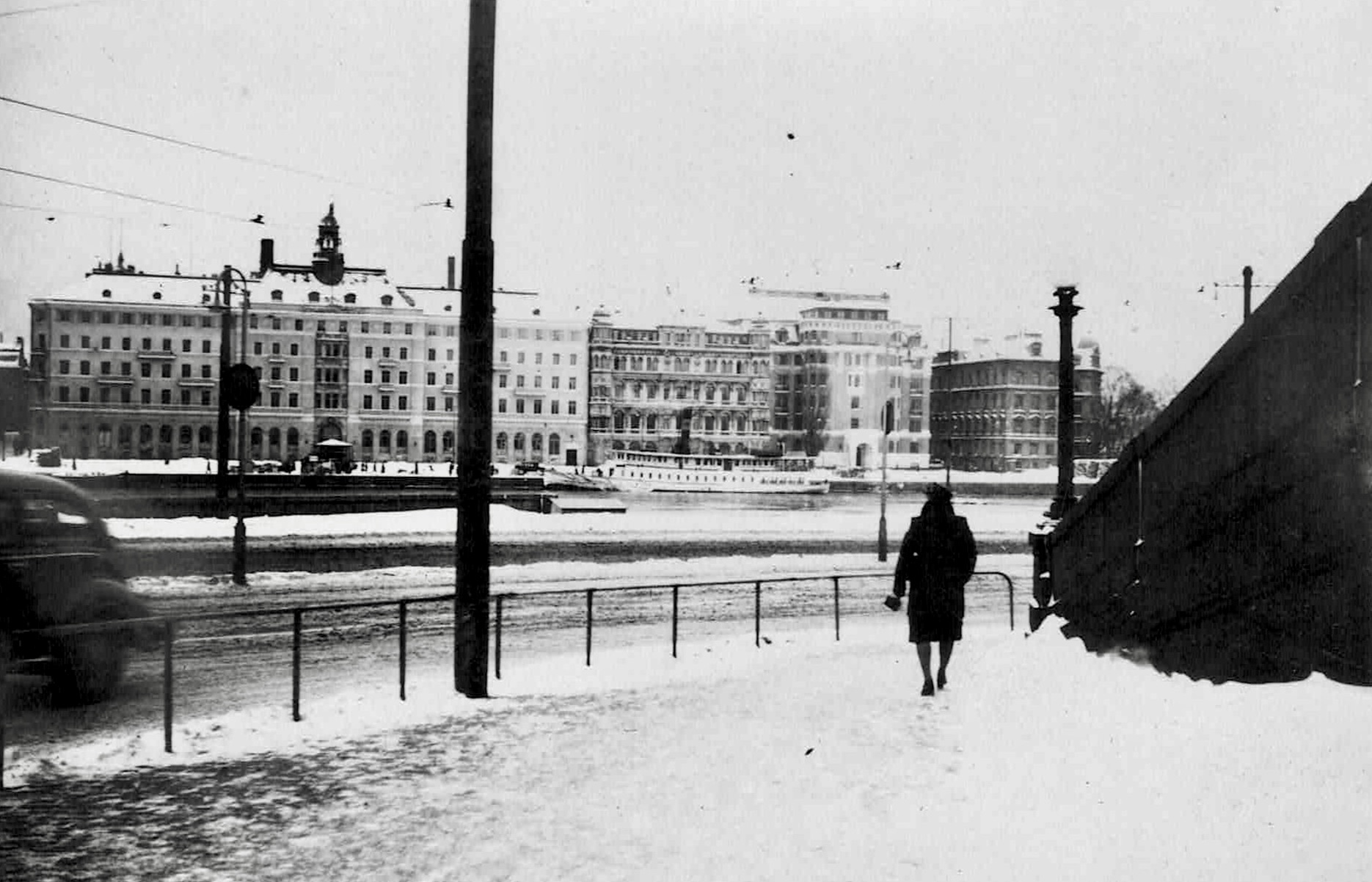
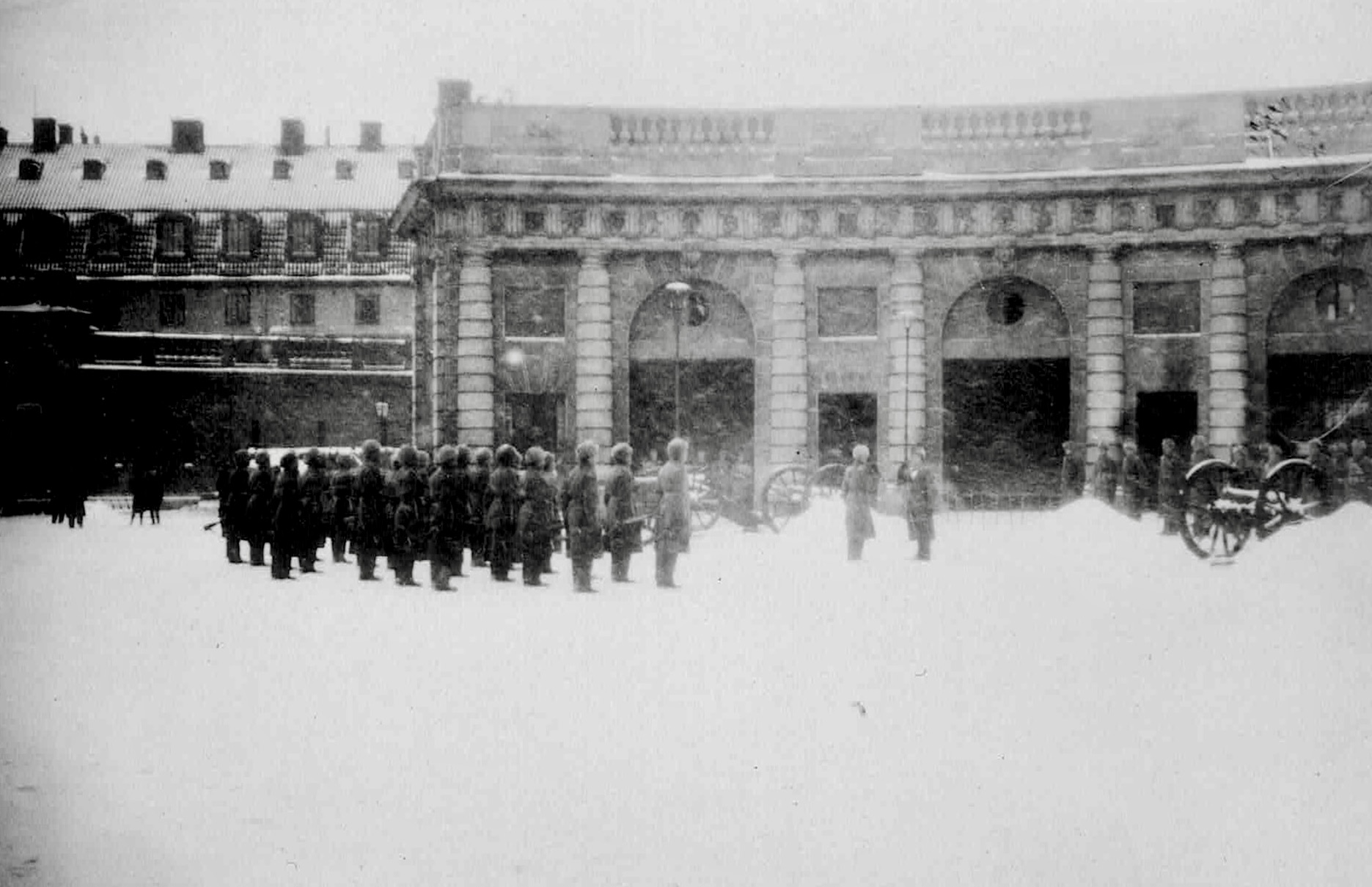
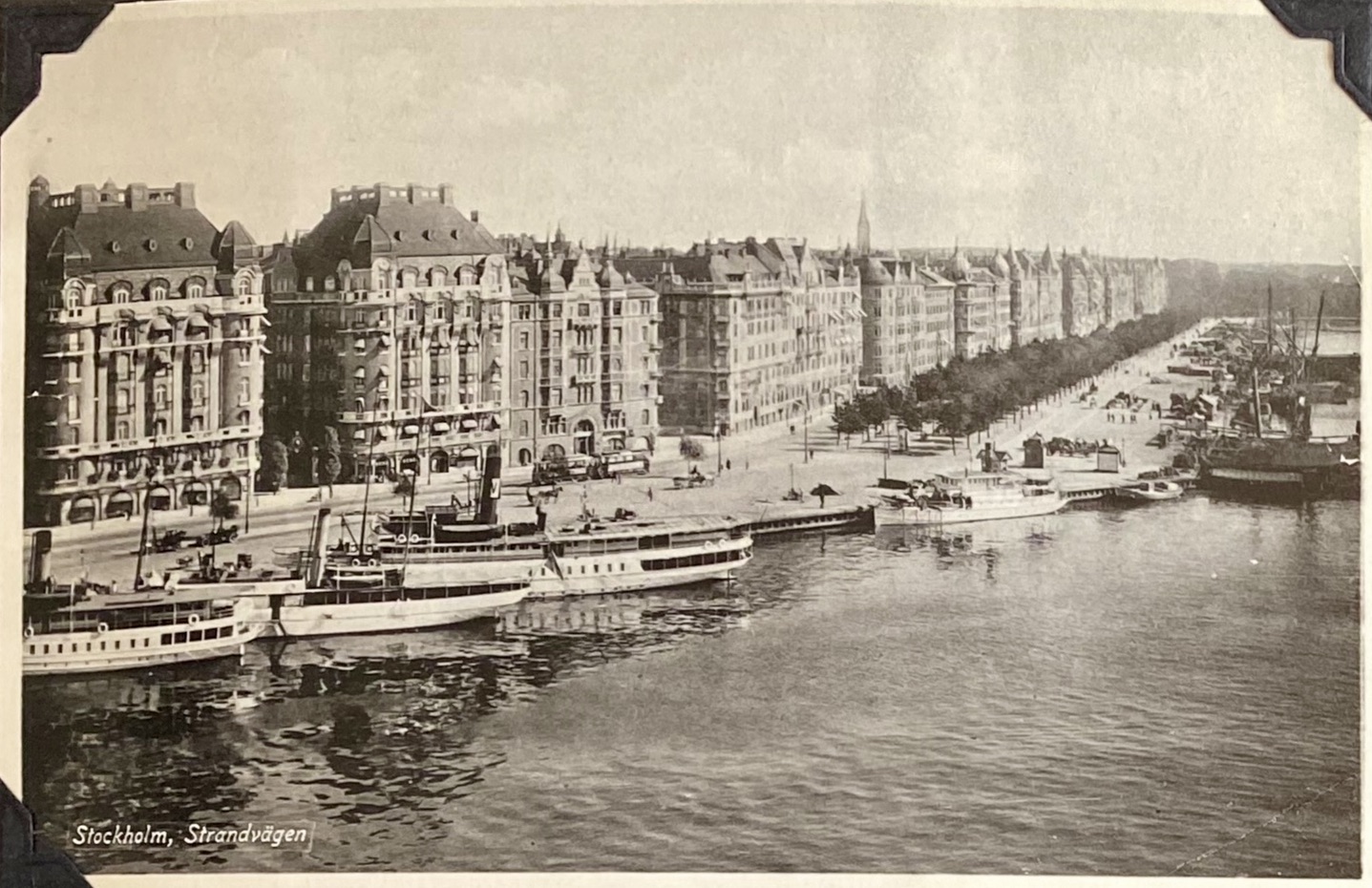
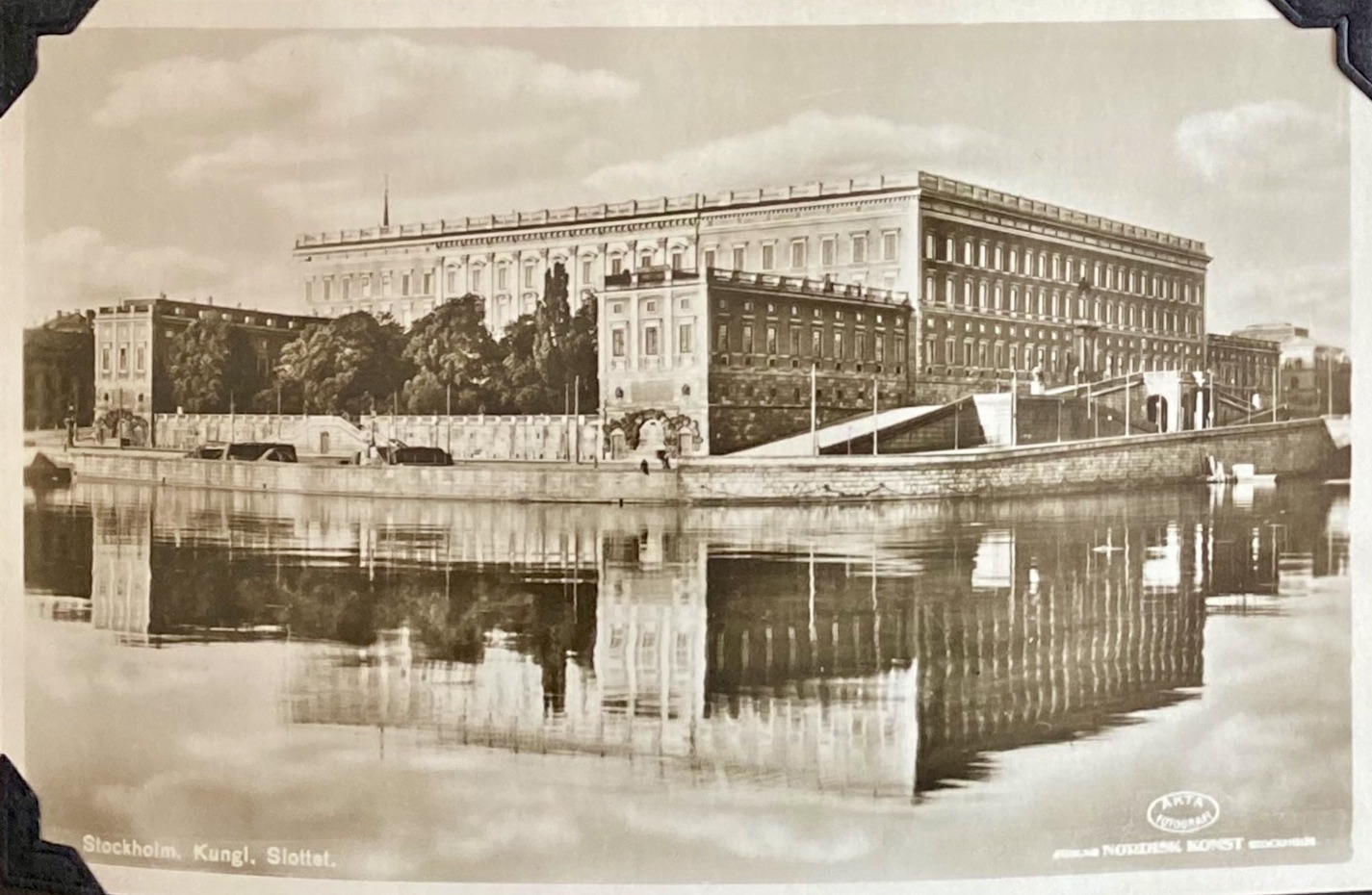
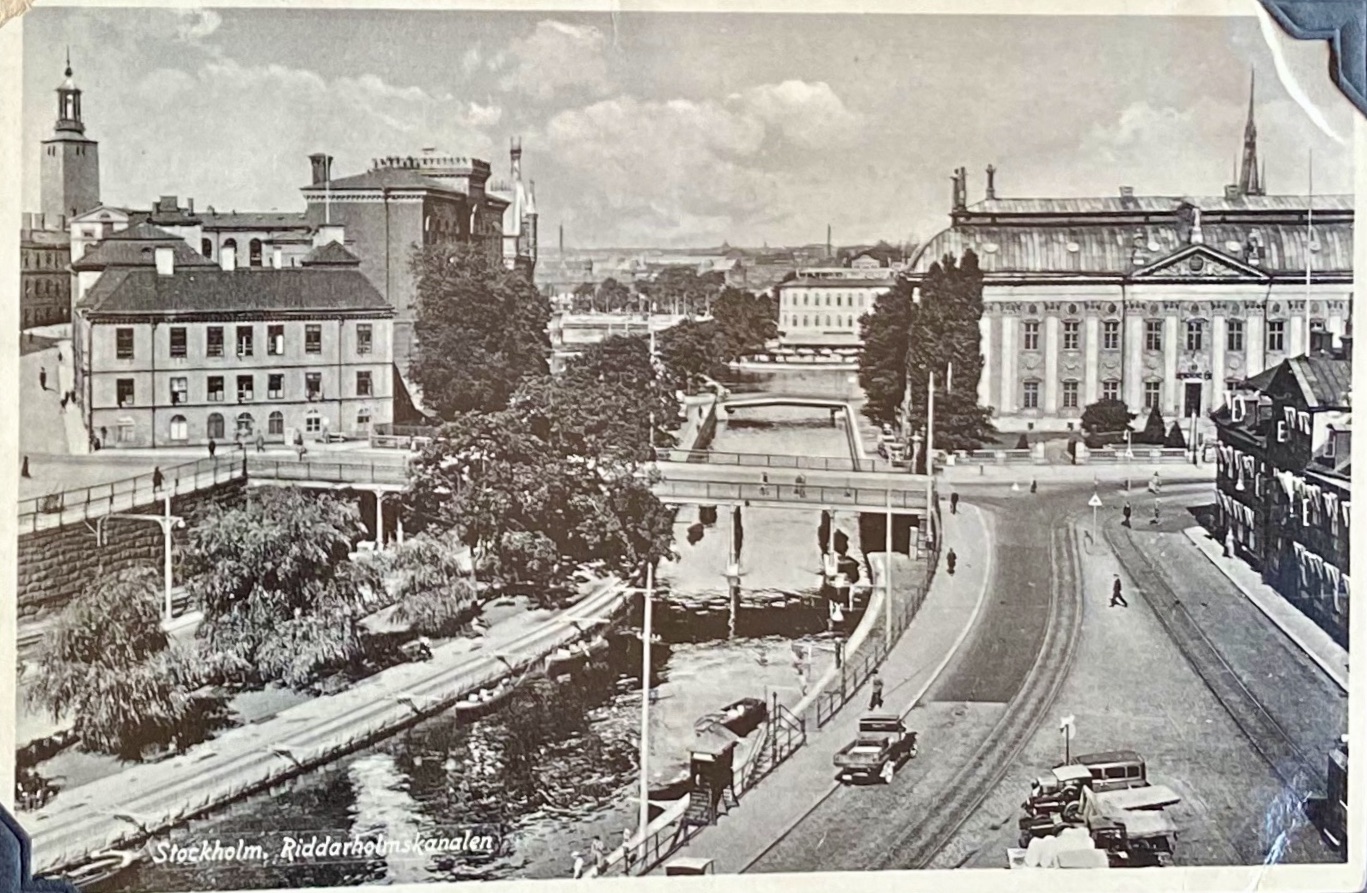
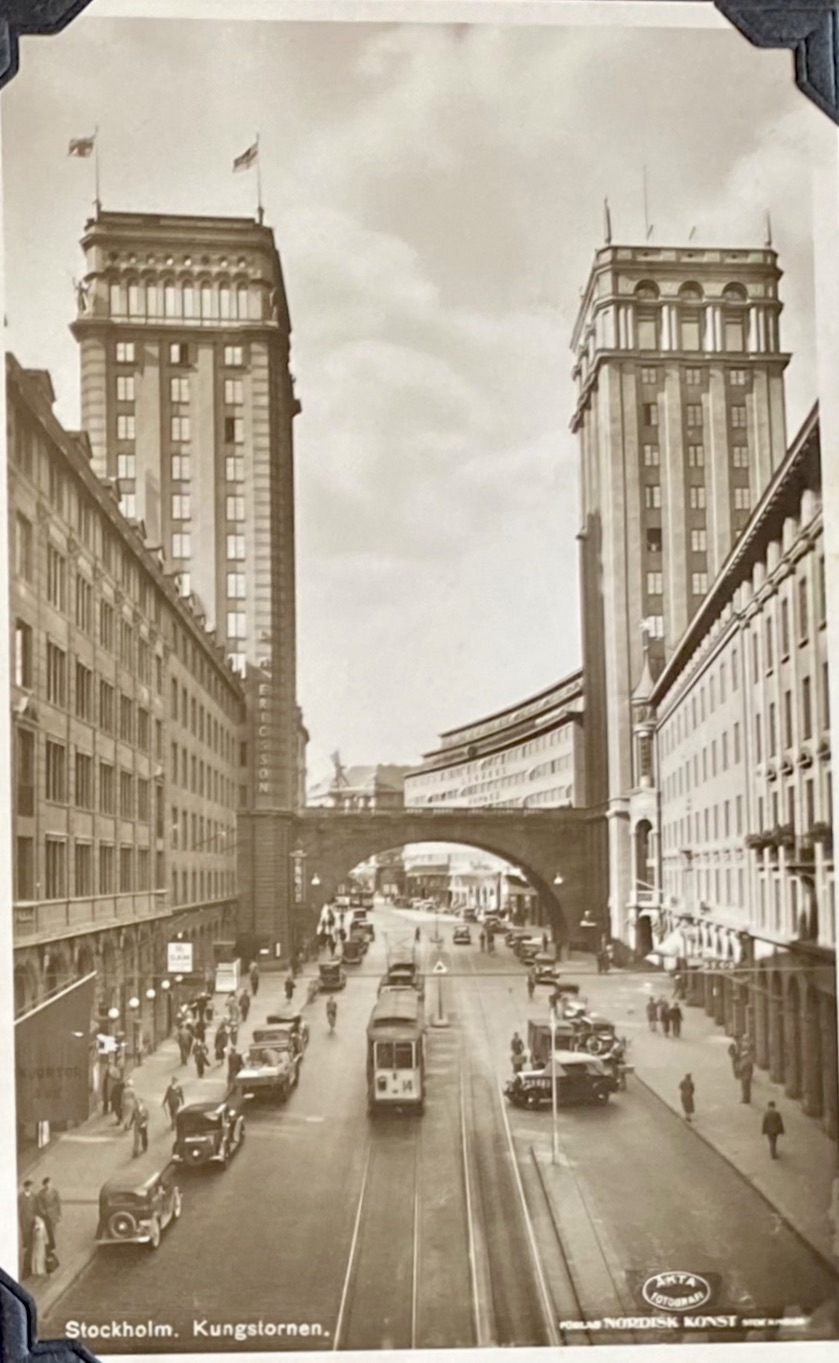
Flo’s Photos of StockholmFebruary 1946
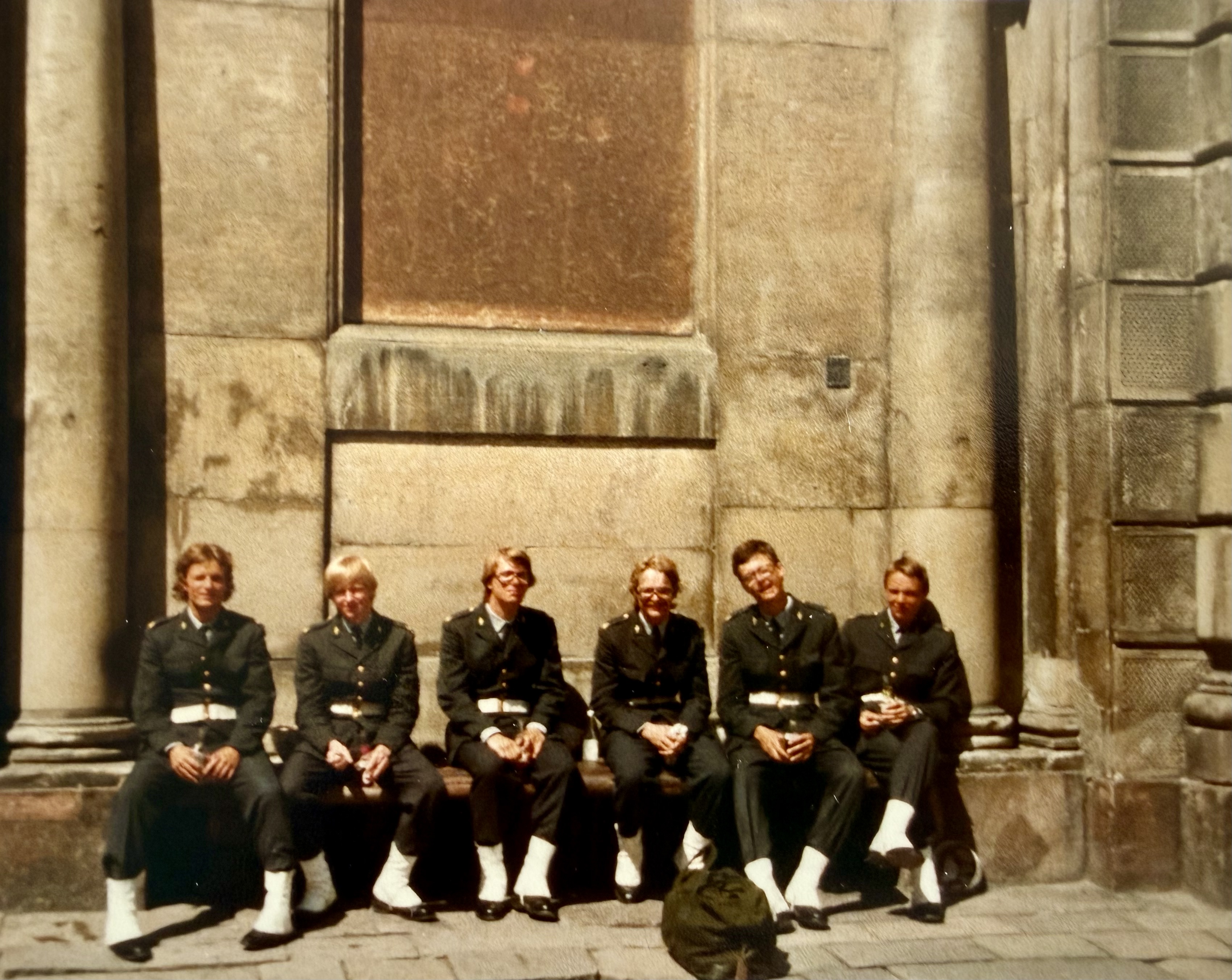
Changing guard at palace in snowstormGuards at the palace Midsommer 1979
A Reader Helped Find More Infomation About the Clubmobiler
My Mother and Audie Murphy Ch. 109
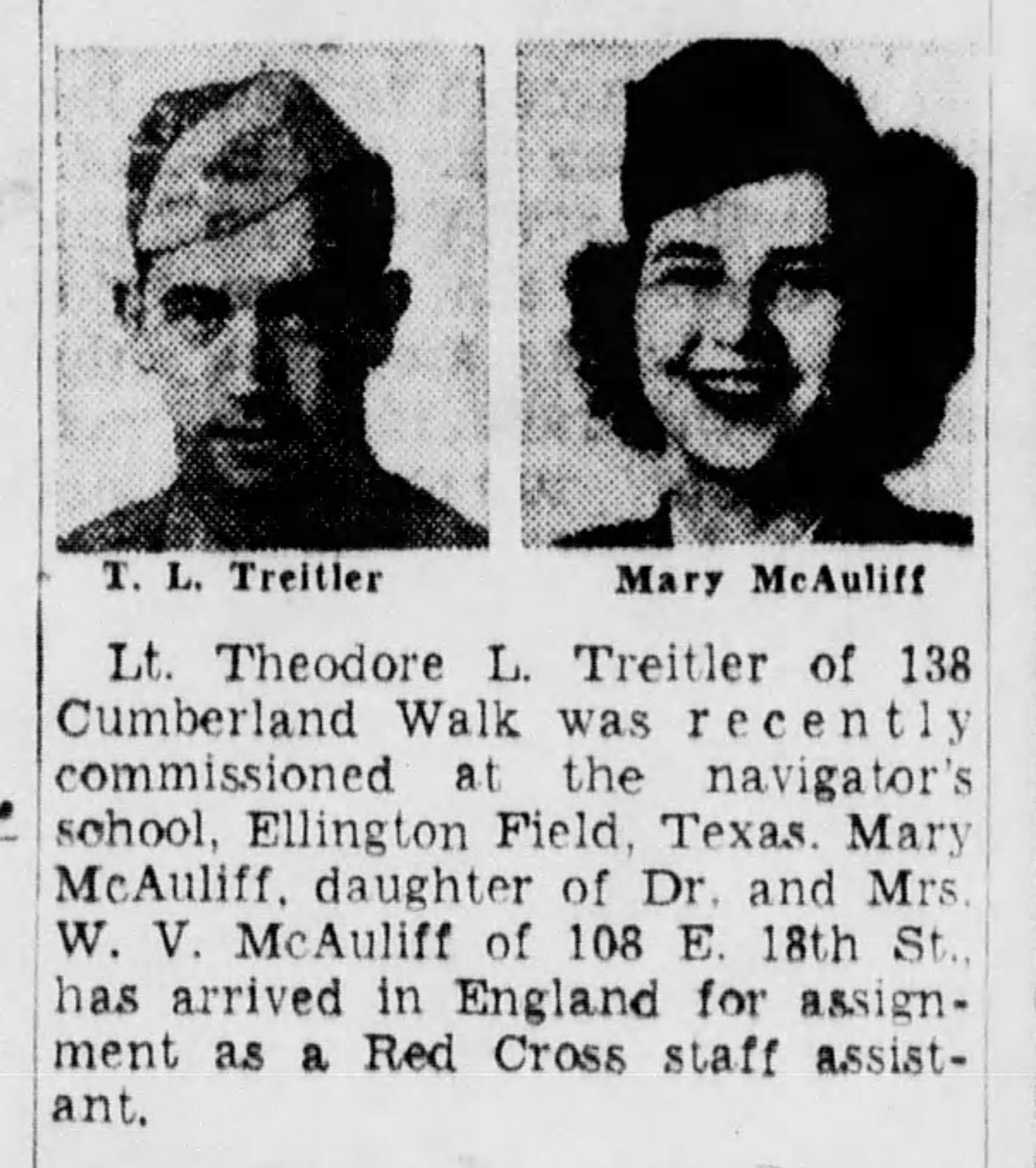
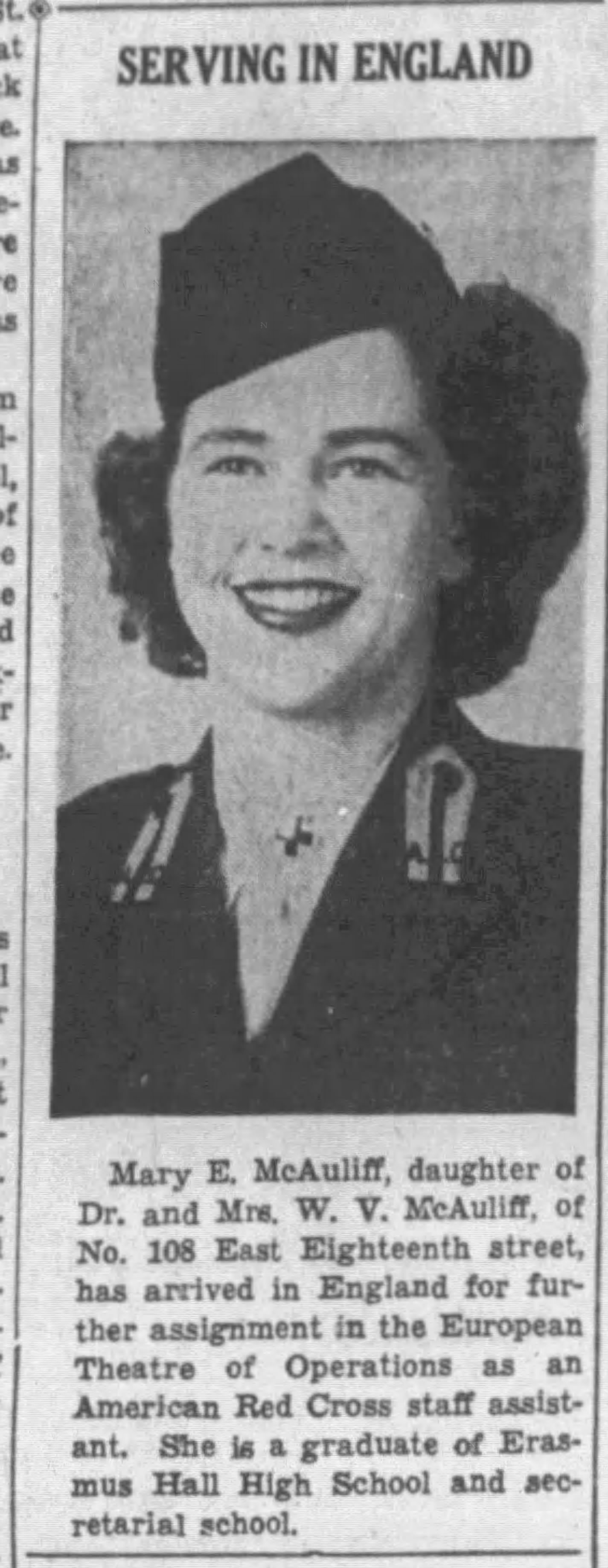
Mary McAuliff joined Captain Flo’s clubmobile crew at the end of 1945. Aside from the pictures in Flo’s album, I could find no information about her. Then a reader from Asturias, Spain reached out with more particulars. He sent some pictures and news stories, and also details about his research.
Mary McAuliff in the clubmobile. Photo: Flo Wick
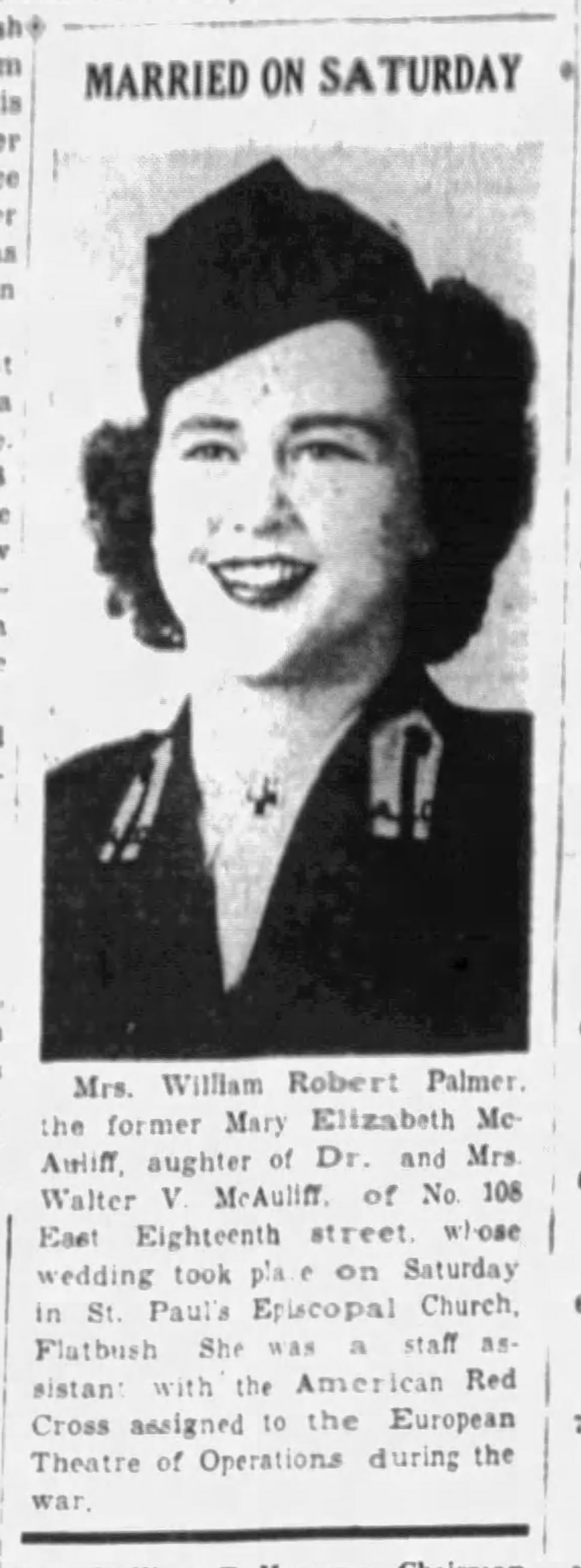
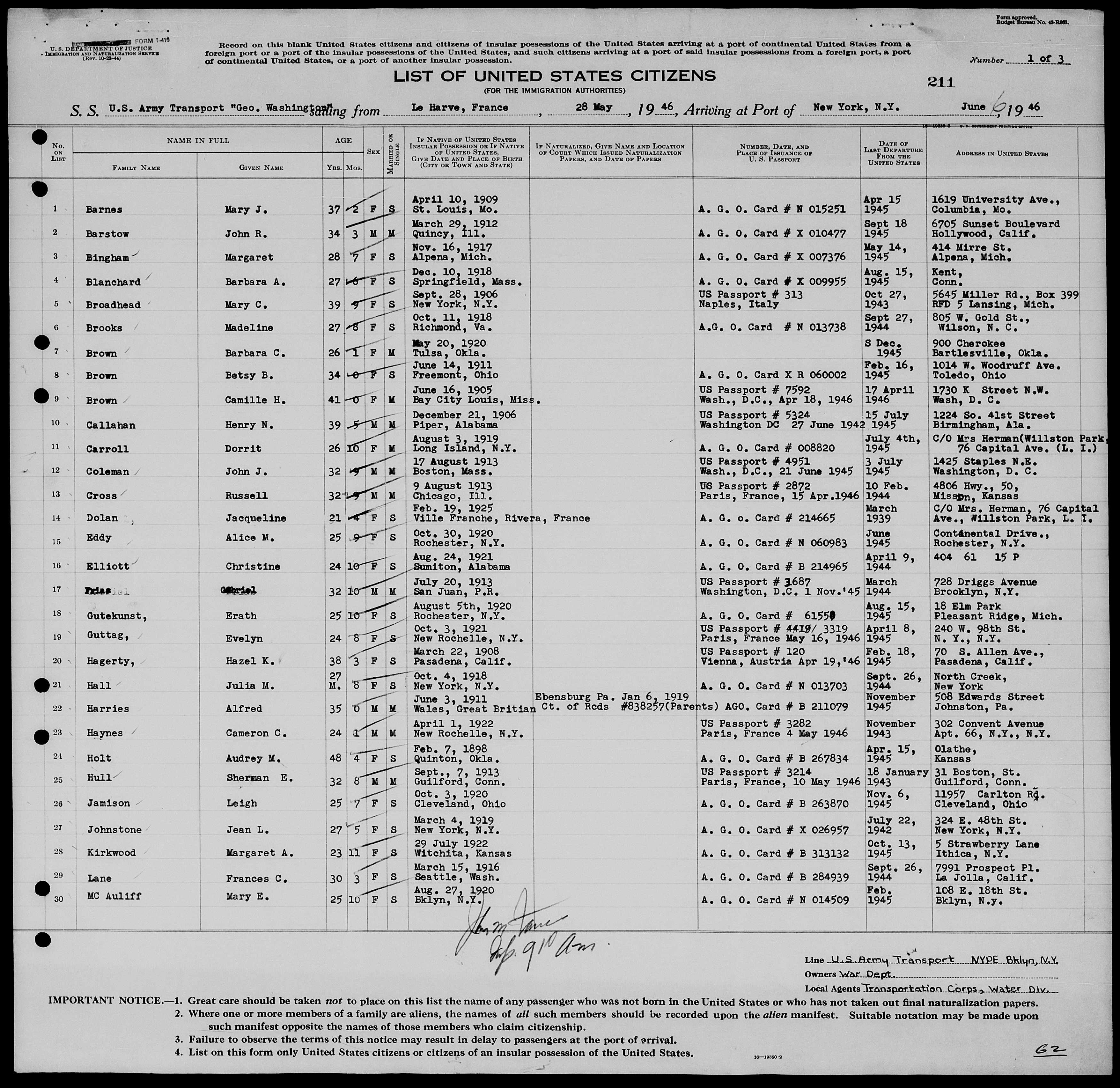
Mary McAuliff, born August 27, 1920, was from Brooklyn, New York. Her father was a doctor. She had departed for England in February, 1945. She sailed back to the U.S. from Le Havre, France arriving May 28, 1946. She was married in 1947 to William Robert Palmer at St. Paul’s Episcopal Church in Flatbush. They had two daughters. William died in 1959. Mary died at 99 in 2019.
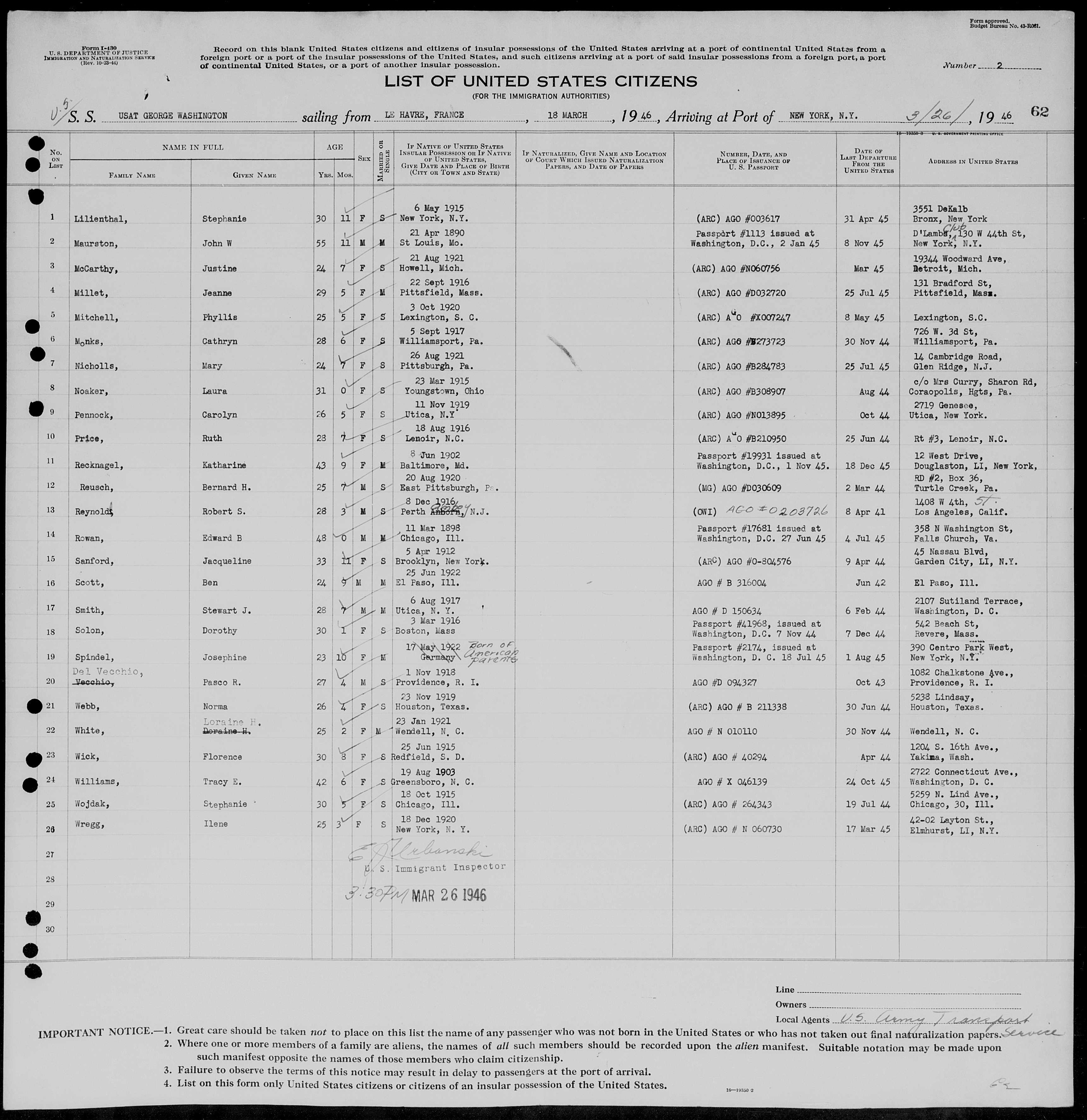
Most clubmobile and WWII American Red Cross archives were destroyed in a fire. The only accessible list of clubmobilers is in the book The ARC in the Storm, by Marjorie Lee Morgan, but the book does not include all the women. I learned that the best way to find the clubmobilers not listed in the book is from ships manifests. Here are the passenger lists that included Mary and Flo.
Mary’s is the last name on the list, which tells date of birth and addressHere is the passenger list from Flo’s ship. She is fourth from bottom
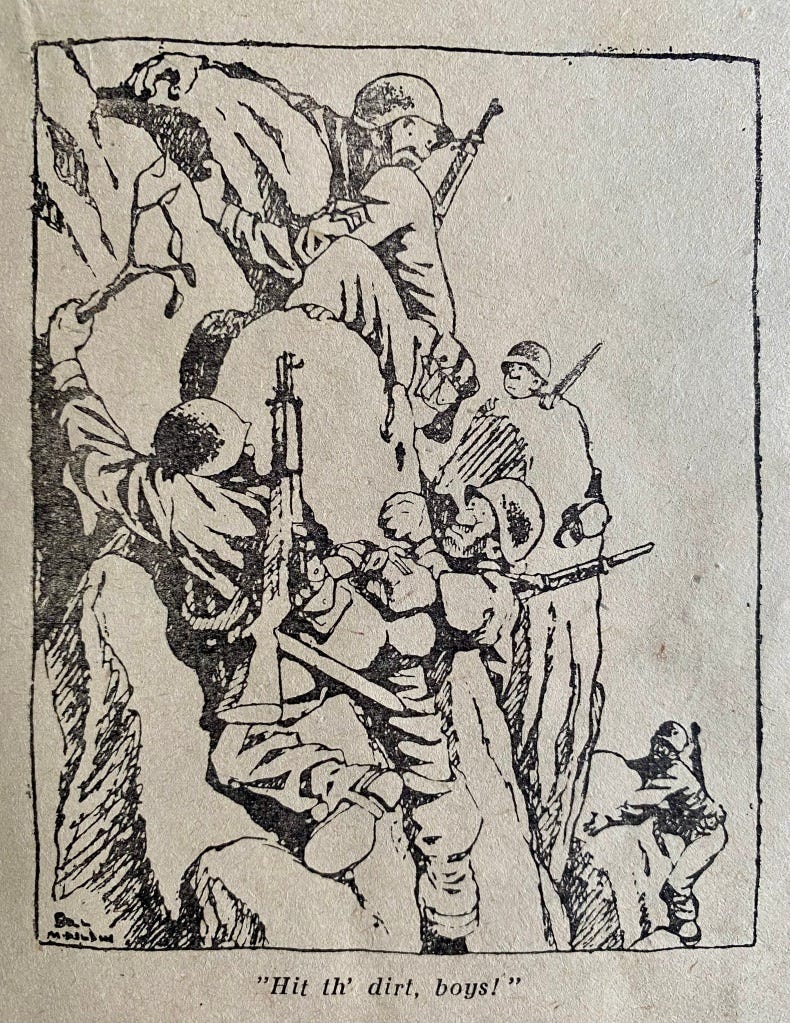
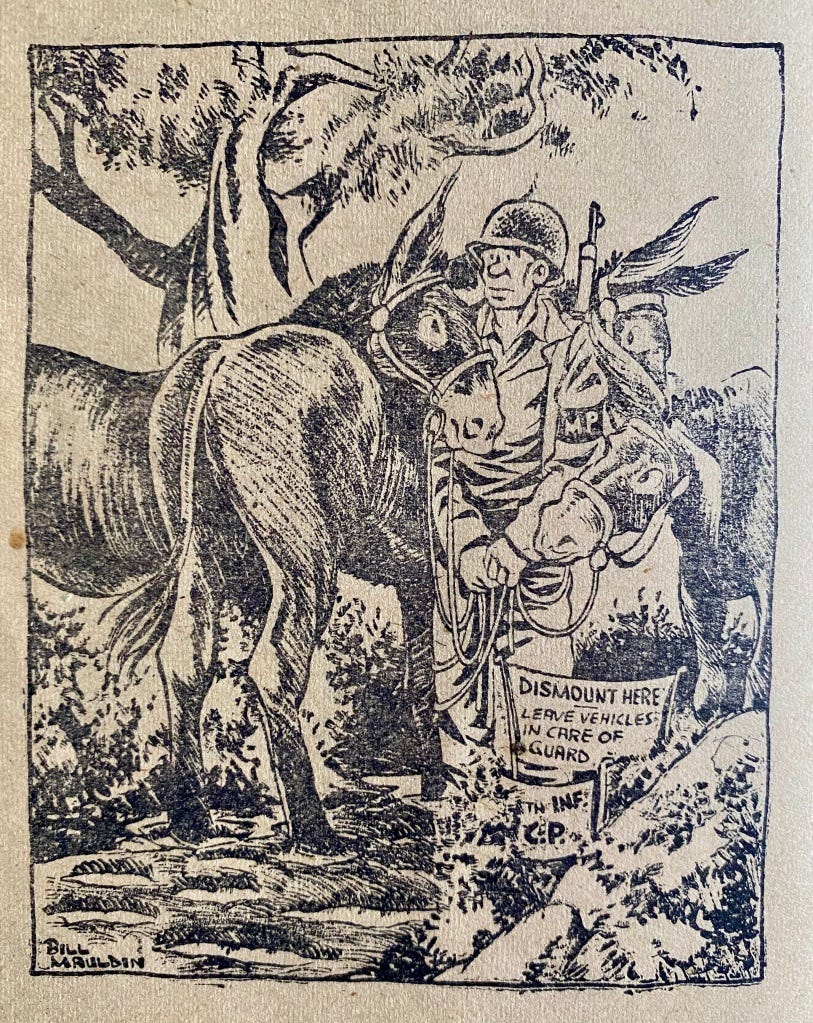
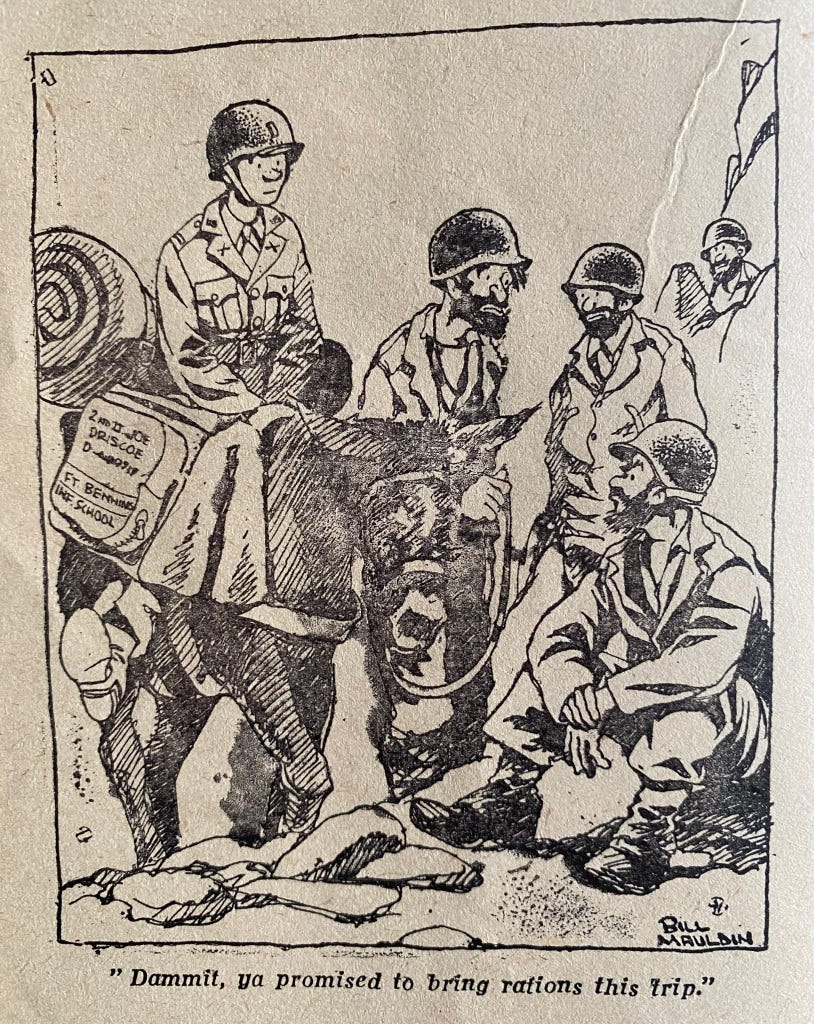
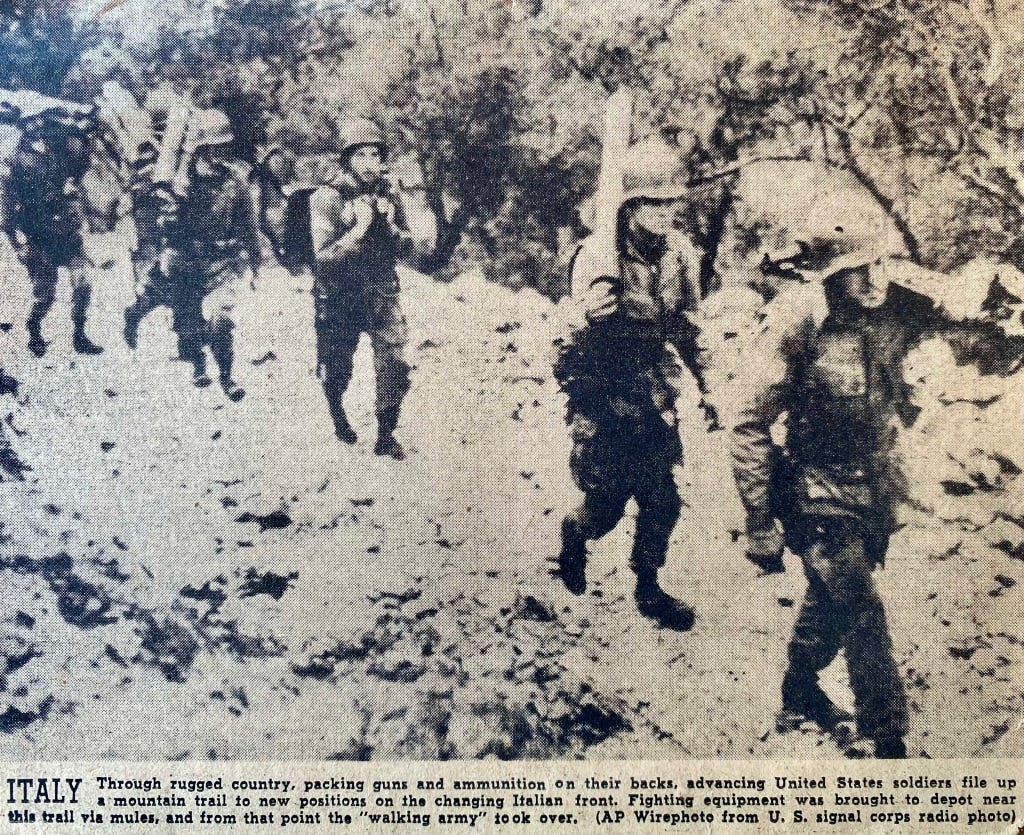
The town of Mignano sits trapped between steep, craggy peaks, their sheer faces scarred by war. The Nazis are dug in, their defenses embedded in the rock like stubborn roots. The strategy is clear — avoid the town and strike straight at the mountains surrounding it. But the terrain is merciless. Cliffs rise like walls, gorges cut deep into the earth, and even surefooted pack mules often slip, falling to their deaths. When the animals fail, the soldiers must take over, crawling on hands and knees, dragging supplies through mud that swallows boots whole.
Bill Mauldin (1921–2003) — Pulitzer Prize-winning cartoonist famous for his WWII characters, Willie and Joe, depicted the hardships of American soldiers with grit and humor.
On a reconnaissance mission, Audie Murphy and his squad find themselves stranded on the side of a mountain above Mignano. They walk straight toward a German tank, so expertly camouflaged that they miss it. As the snout of the cannon is lowered at them, they run like hell for a clump of bushes. One soldier breaks his leg in the rush. They drag him into a ditch and lose the tank.
Several assaults on nearby Mount Rotondo are pushed back. Lines are confused by enemy fire. Murphy mistakes a Nazi patrol for allies. When he realizes his mistake, he starts firing. Now the enemy knows where they are. With no choice, they scramble up the rocks, reaching an abandoned quarry where they settle in for the night.
At dawn, they ambush a Nazi patrol. The fight is brutal and quick, but the cost is high. Three German soldiers lay dying.
Mauldin drew six cartoons a week during the war. He was only 23 when awarded the Pulizer Prize.
“The wounded must be got under cover. The peculiar ethics of war condone our riddling the bodies with lead. But then they were soldiers. (The machine gun) transformed them into human beings again; and the rules say that we cannot leave them unprotected against a barrage of their own artillery,” Murphy wrote.
Murphy’s squad is forced to stay with them, listening to their labored breaths as a cold mountain rain washes over the quarry.
“When dawn breaks, two of the Germans are dead. Their eyes stare glassily. Their mouths are open and the old man’s swollen tongue protrudes between his teeth,” Murphy wrote.
For three days artillery rains down, death echoing off the cliffs. The men remain trapped.
On the third day, the third German dies. In the light of the moon that night “the faces of the dead seem green and unearthly. That is bad for morale, as it makes a man reflect on what his own life may come to.”
After the war, Mauldin became a political cartoonist, advocating civil liberties. He also appeared in John Huston’s film The Red Badge of Courage (1951) starring with Audie Murphy.
Murphy is near breaking. “My eyeballs burn, my bones ache; and my muscles twitch in exhaustion. Oh, to sleep and never awaken. The war is without beginning, without end. It goes on forever.”
Then, at last, the sound they have been waiting for — American artillery. The shells scream through the air, bursting against the rocks like salvation.
“If there is one thing a dogface loves, it is artillery — his own.”
American Red Cross workers, too, must contend with mountains and mud.
From a Life Magazine story pasted in Flo’s album
On Christmas Day, 1943, high in the rain-drenched peaks, a soldier huddles in his foxhole, staring at a can of C-rations — his holiday meal. Then, out of the swirling mist, she appears. Isabella Hughes of Baltimore, a Red Cross clubmobile worker, crouches on the lip of his trench, one hand gripping a box of doughnuts, the other holding a steaming pot of coffee. The soldier blinks, then exclaims, “Good Lord, sweetheart! What in hell are you doing here?”
Isabella Hughes was one of the first ARC workers to get to Italy, in 1943. She would later join Flo’s clubmobile crew in Naples.
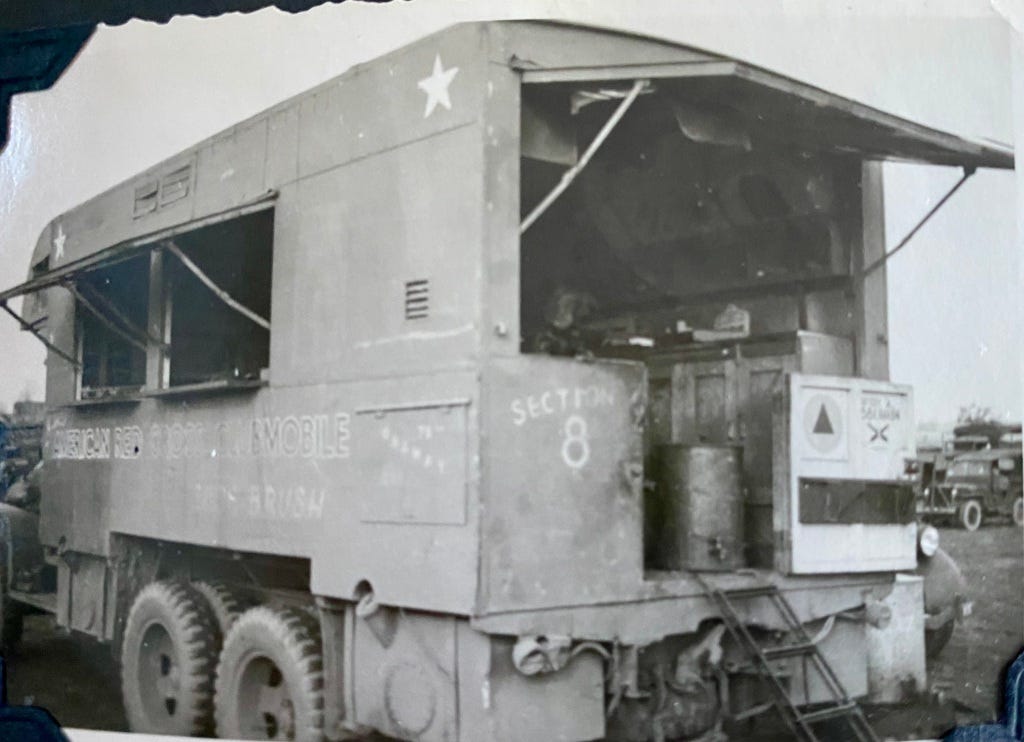
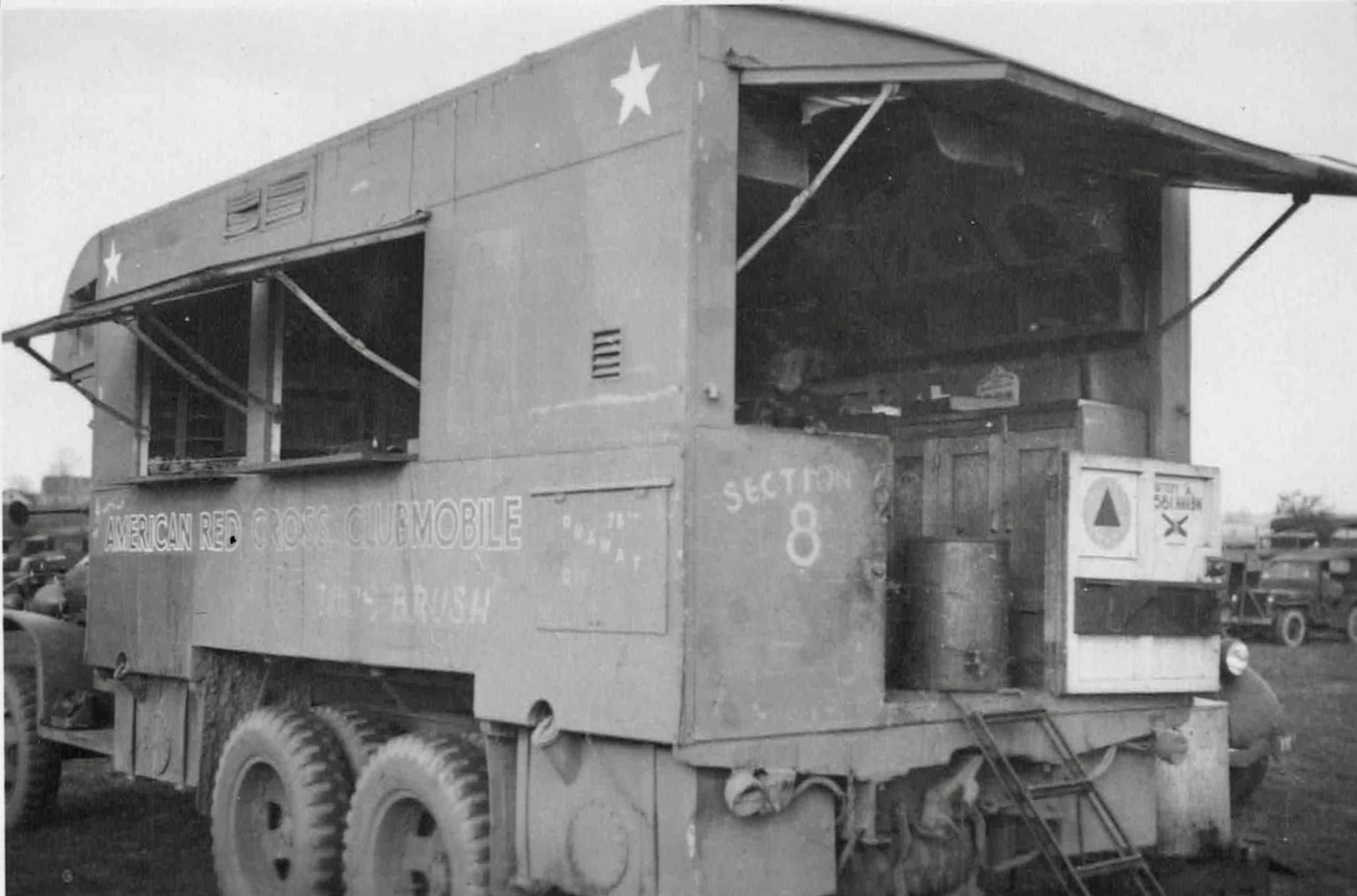
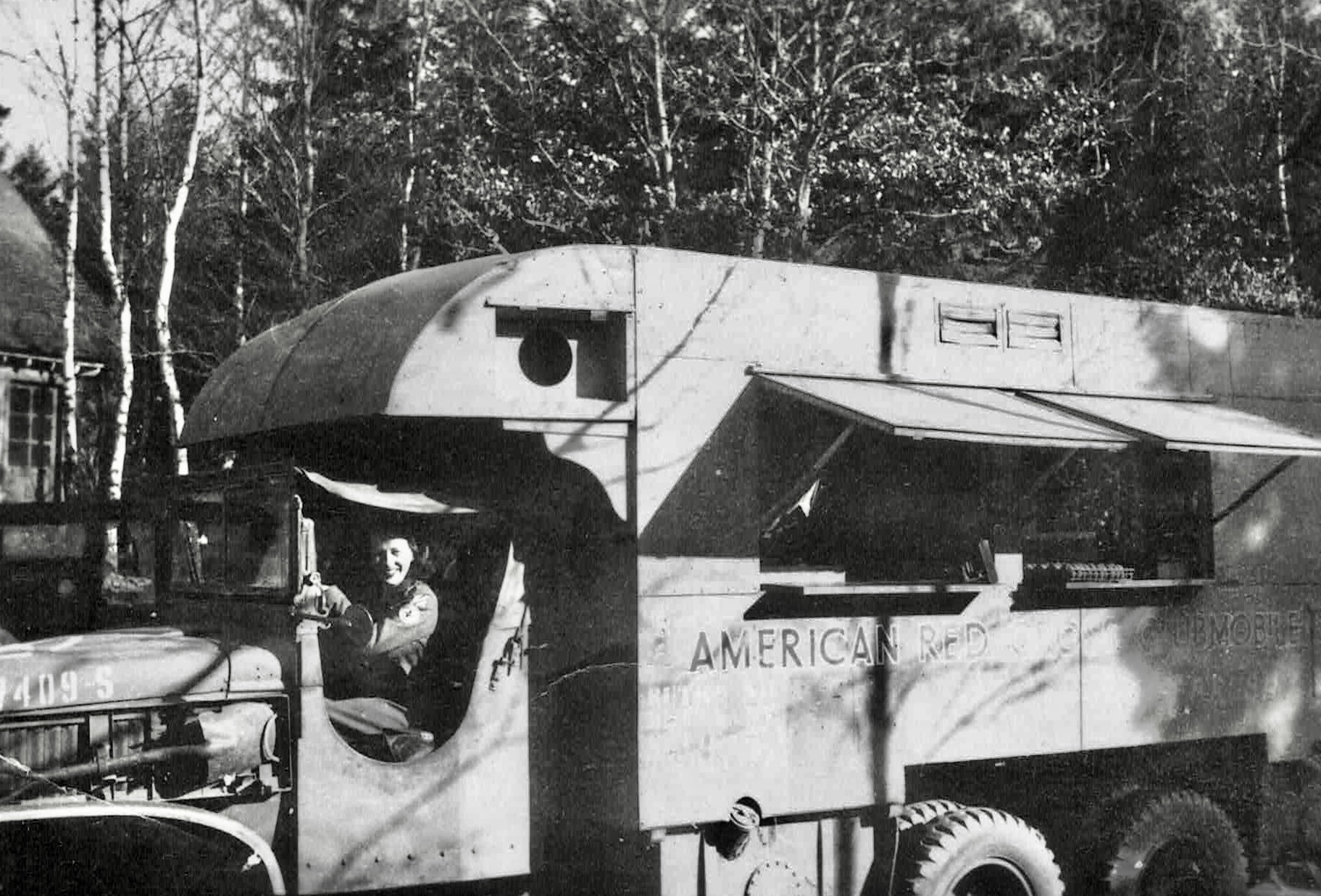
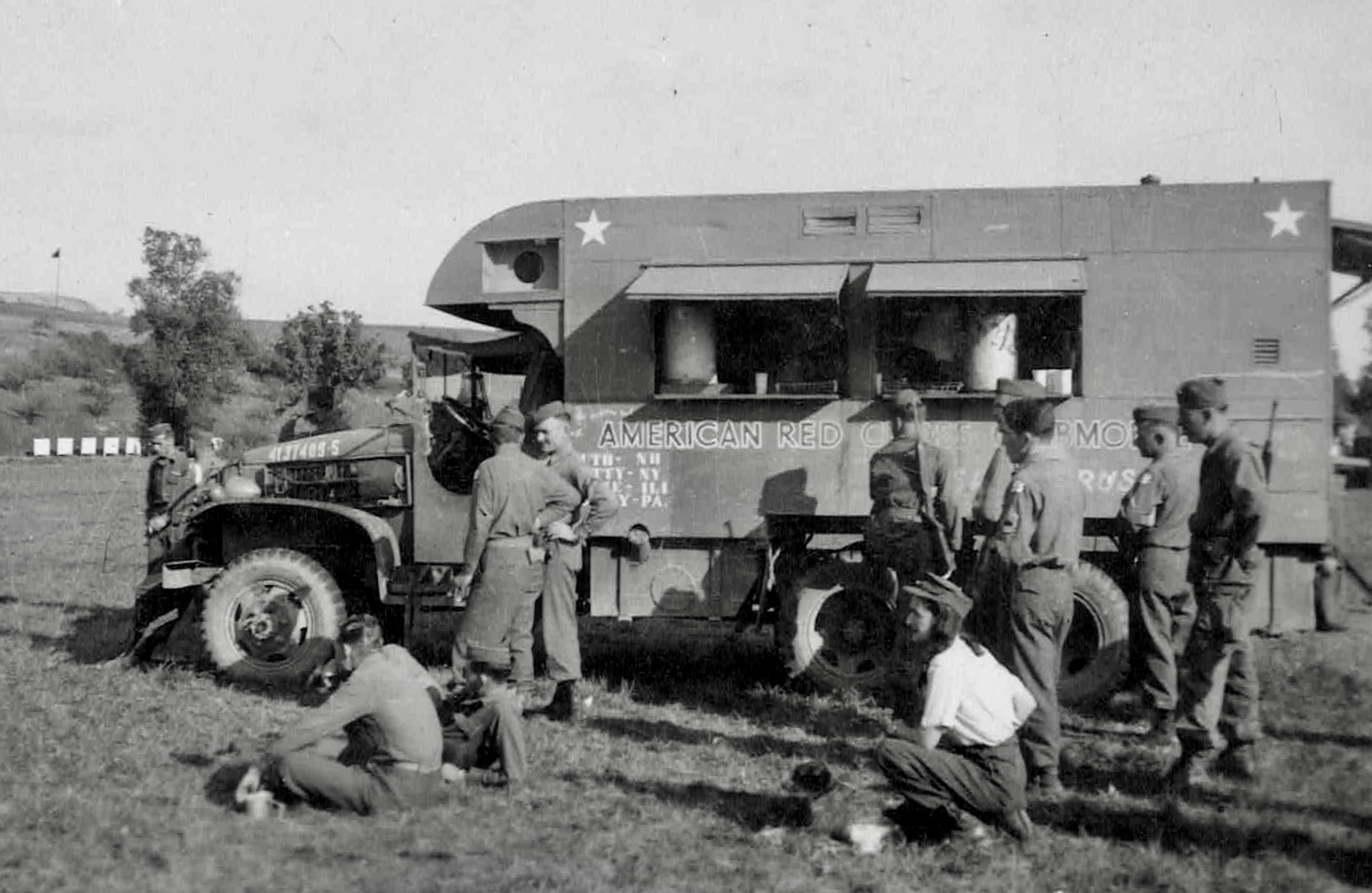
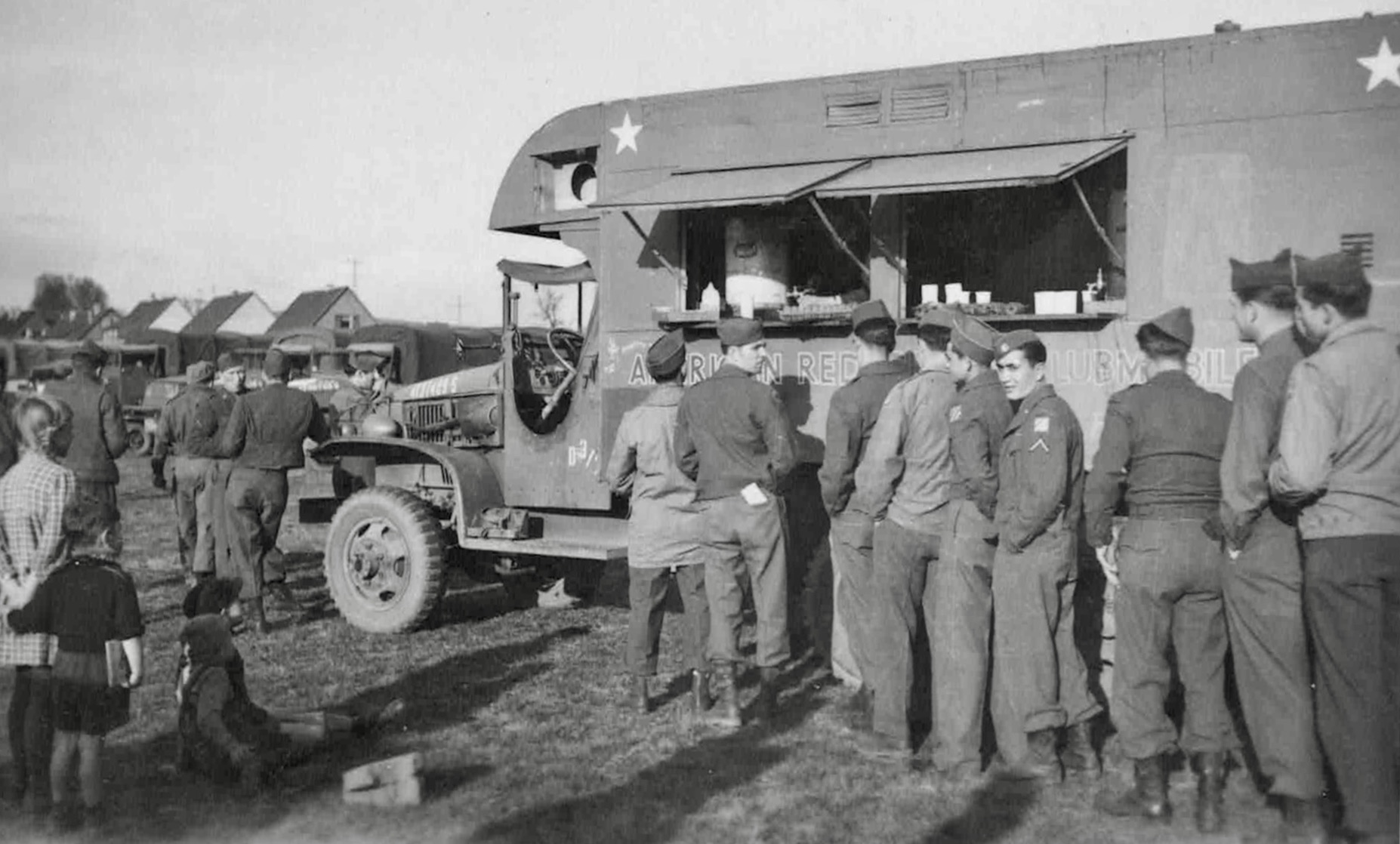
The clubmobile was a two and a half ton Dodge truck fitted with a kitchen and windows. Workers sometimes slept in it or under it.
Italy’s roads, slick with rain and churned to sludge, are brutal even for military transport. The clubmobile — a sturdy machine — proves no match for the mountains. When roads vanish into goat trails, the Red Cross workers adapt. They take the Army’s weapons carriers, pushing higher, until even those fail. Then come the donkeys and mules.
Two clubmobile workers, Margaret Decker of Towaco, New Jersey, and Gladys Currie of Greenwich, Connecticut, volunteer for an impossible task: deliver coffee and doughnuts to a unit stationed atop a remote peak. No road leads there — only a narrow mule track winding up the mountain’s spine. The Army offers them transport, if they’re willing to ride donkeys up the perilous slope. They accept without hesitation.
The climb is slow, the air thin. Their donkeys pick careful steps along the treacherous trail. The doughnuts are packed onto a mule. At last, they reach the summit. The men are waiting — shaved, cleaned — their arrival announced on the camp bulletin board like the coming of long-lost friends. As the ARC workers pour coffee, the soldiers form a circle around them, an island of warmth in the cold mountain war. Mortars shriek in the distance. Shells thunder through the valleys below. But for a moment, they all pause, talk, and remember something beyond the battle.
Their bravery does not go unnoticed. When the U.S. Army Rangers commend Lois N. Berney of Fallon, Nevada — a clubmobile worker once secretary to Harry Hopkins — it is understood that the honor belongs to all of them. From General Mark W. Clark down to the last rifleman, the Army recognizes the Red Cross women not just for their courage, but for bringing something human to the inhuman mountains.
From Audie Murphy’s autobiography, “To Hell and Back,” and from “At His Side–The Story of The American Red Cross Overseas in WWII” by George Korson
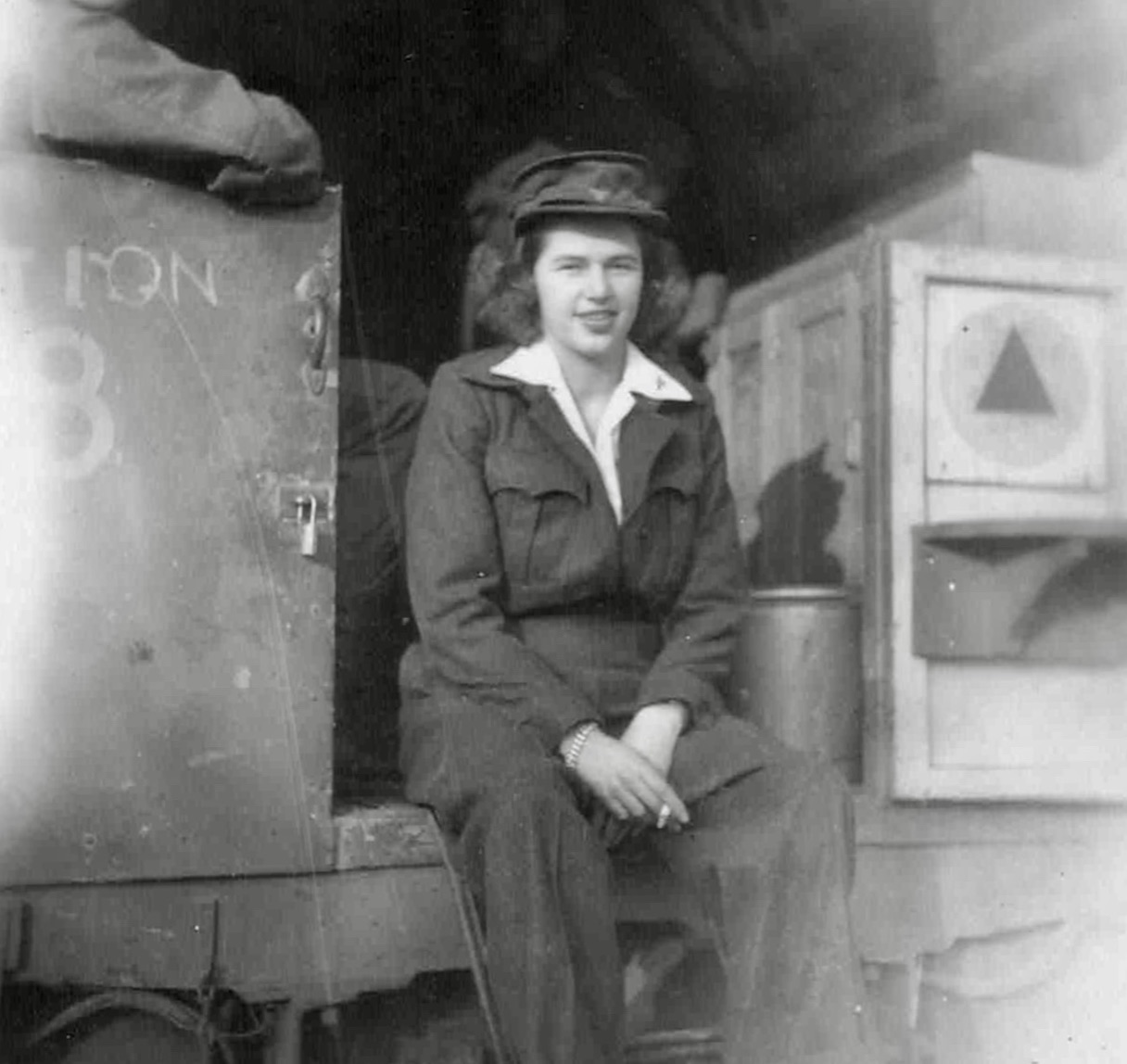
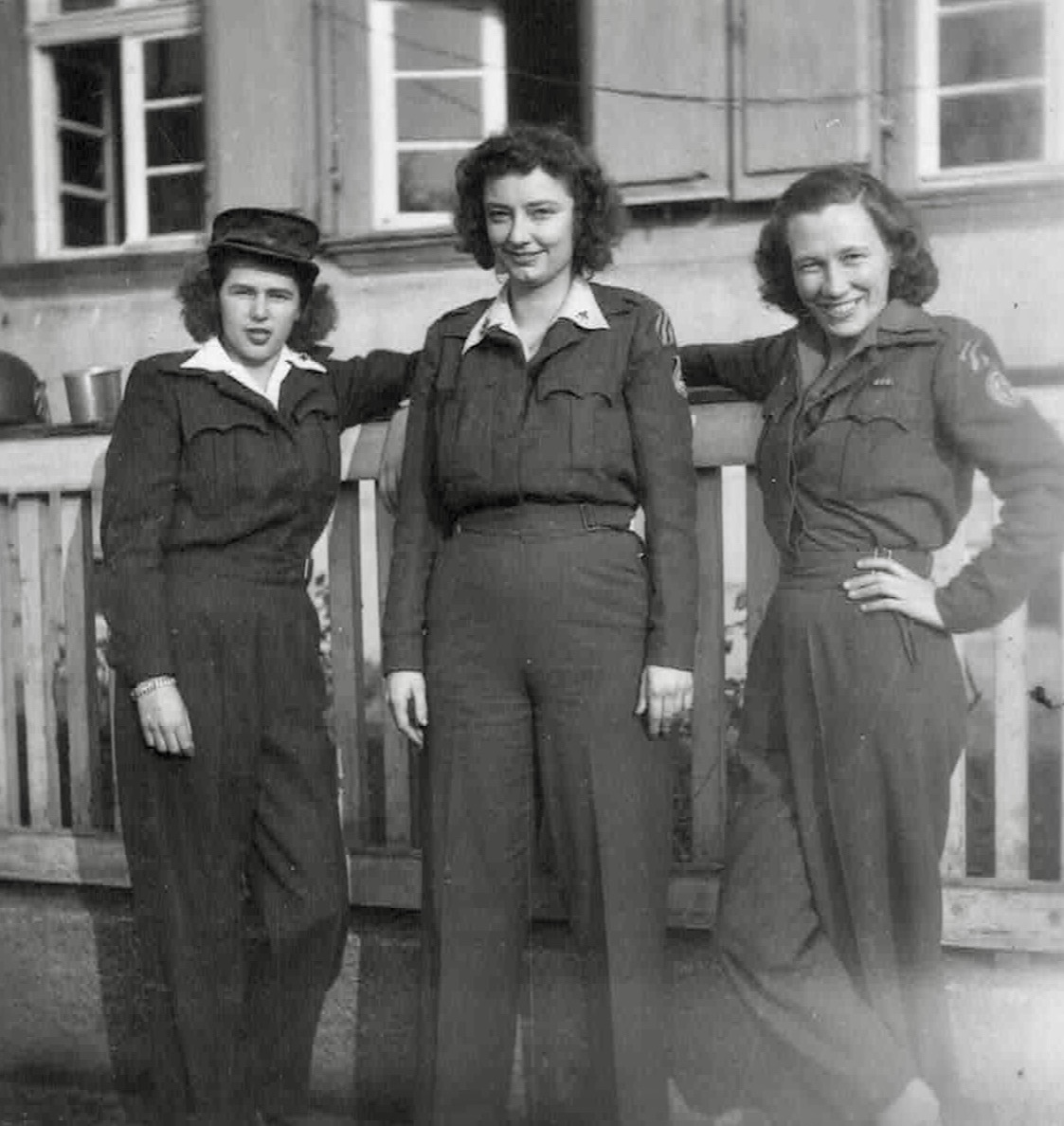
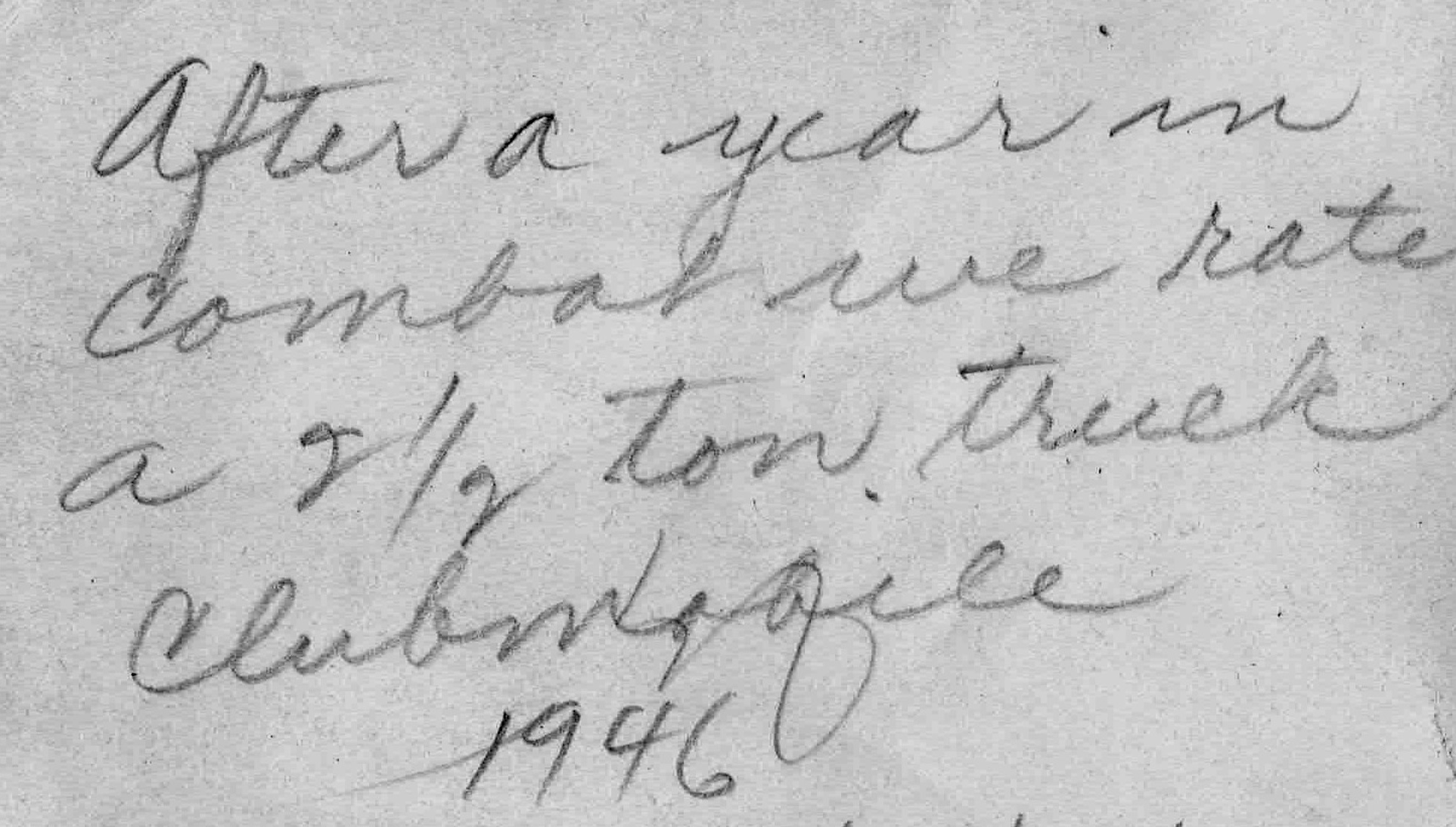
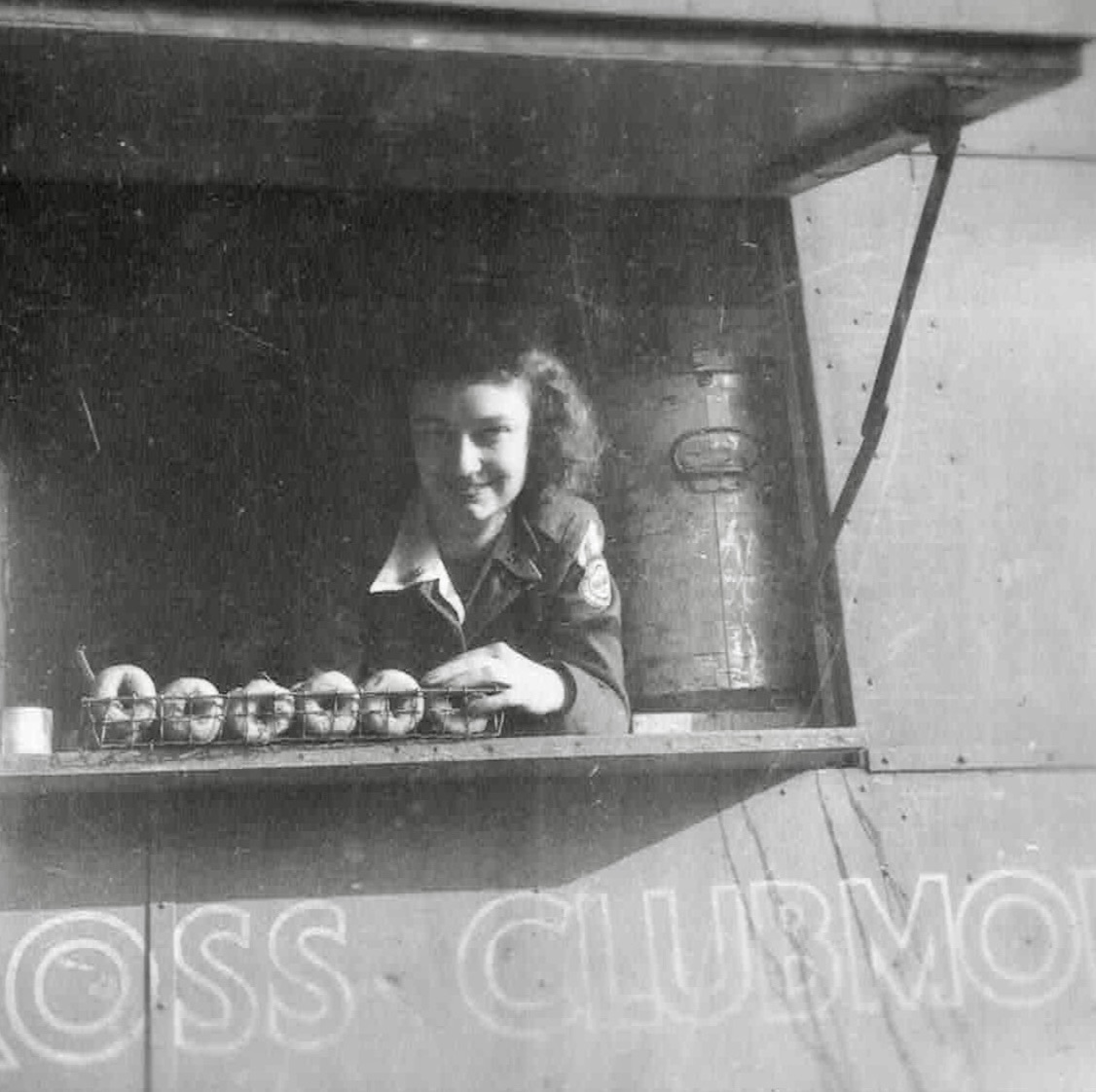
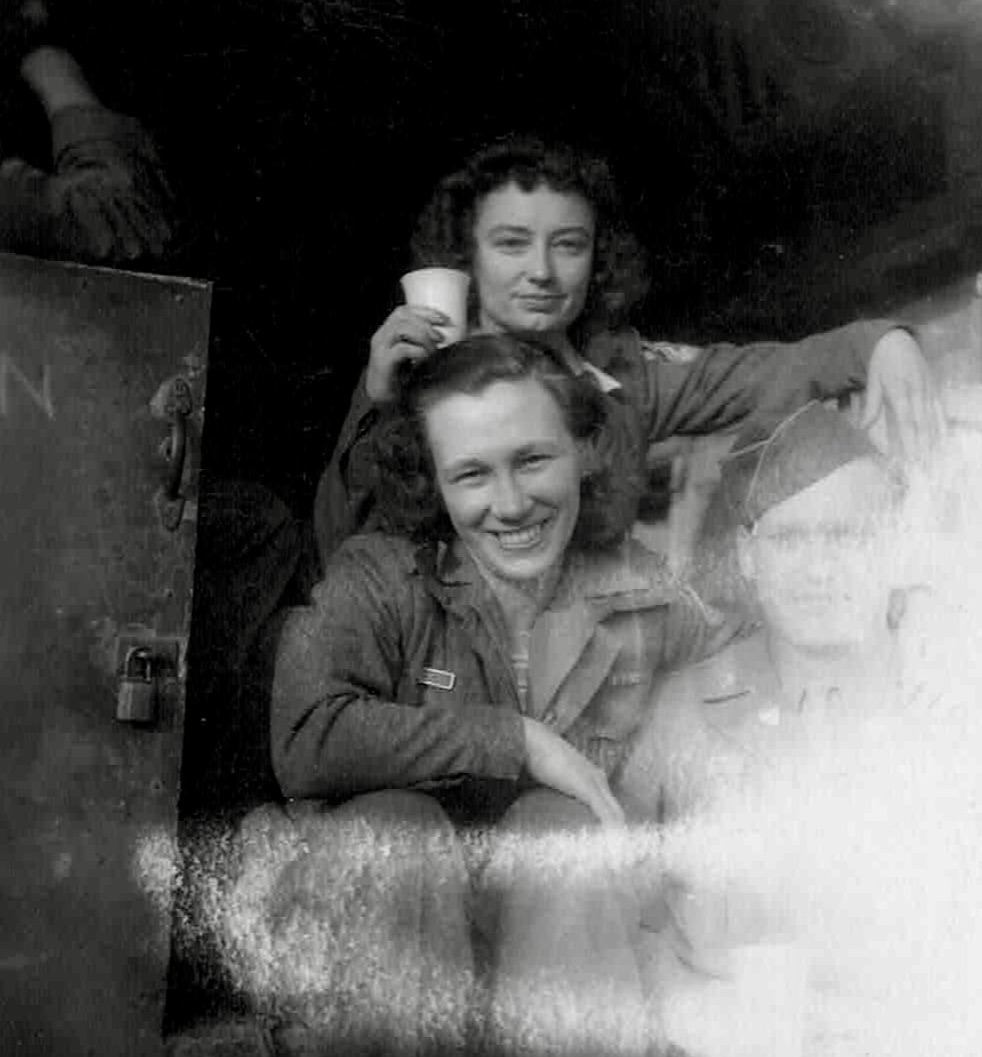
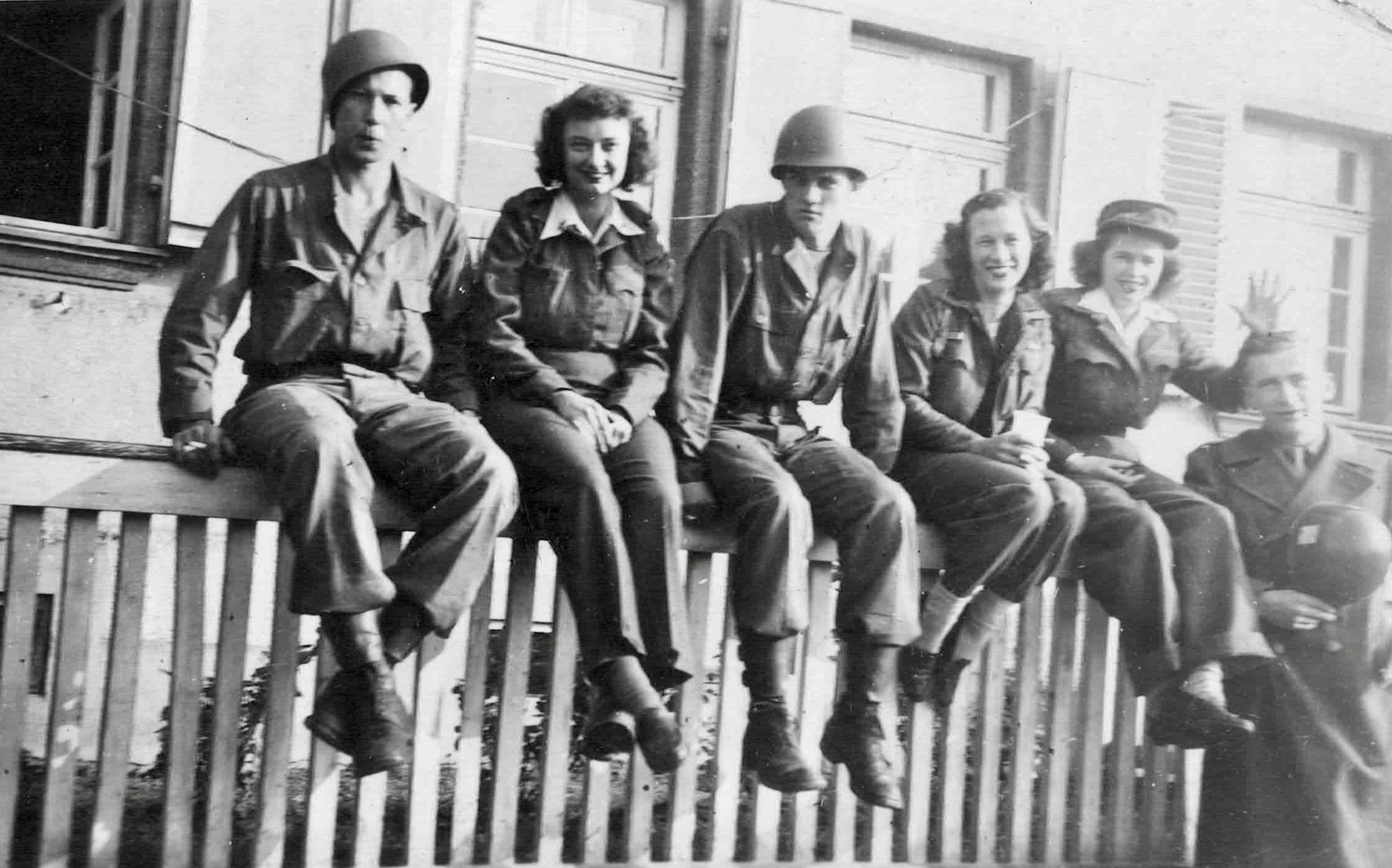
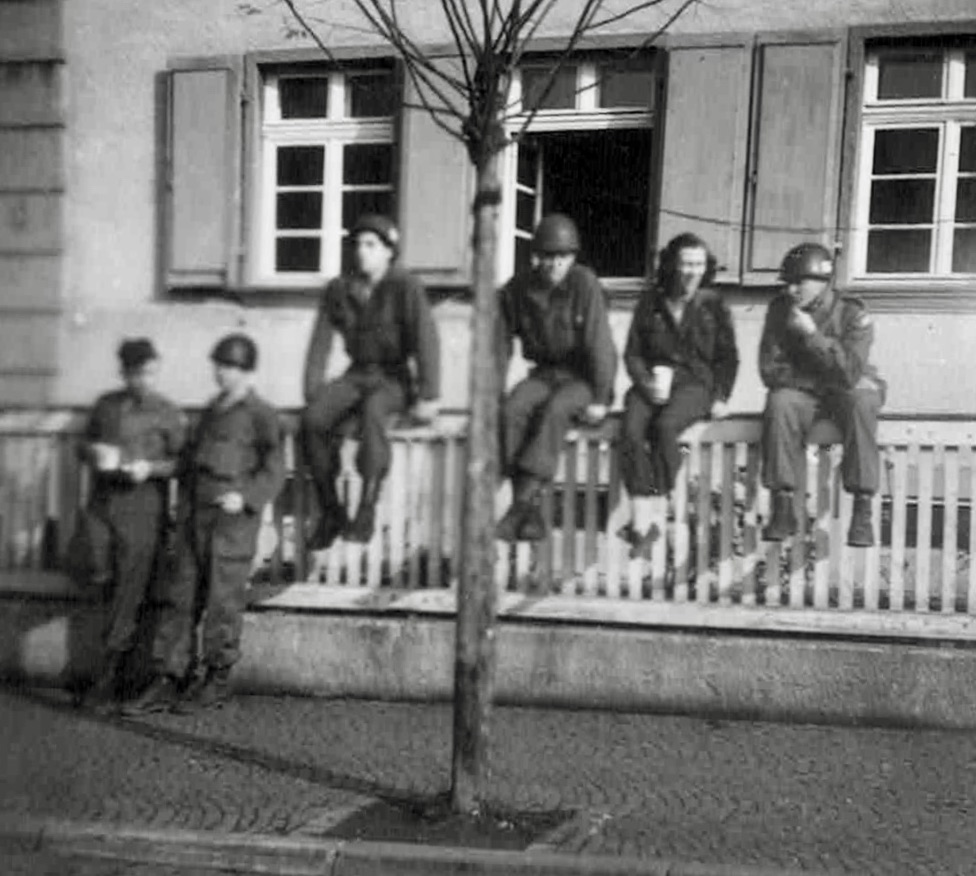
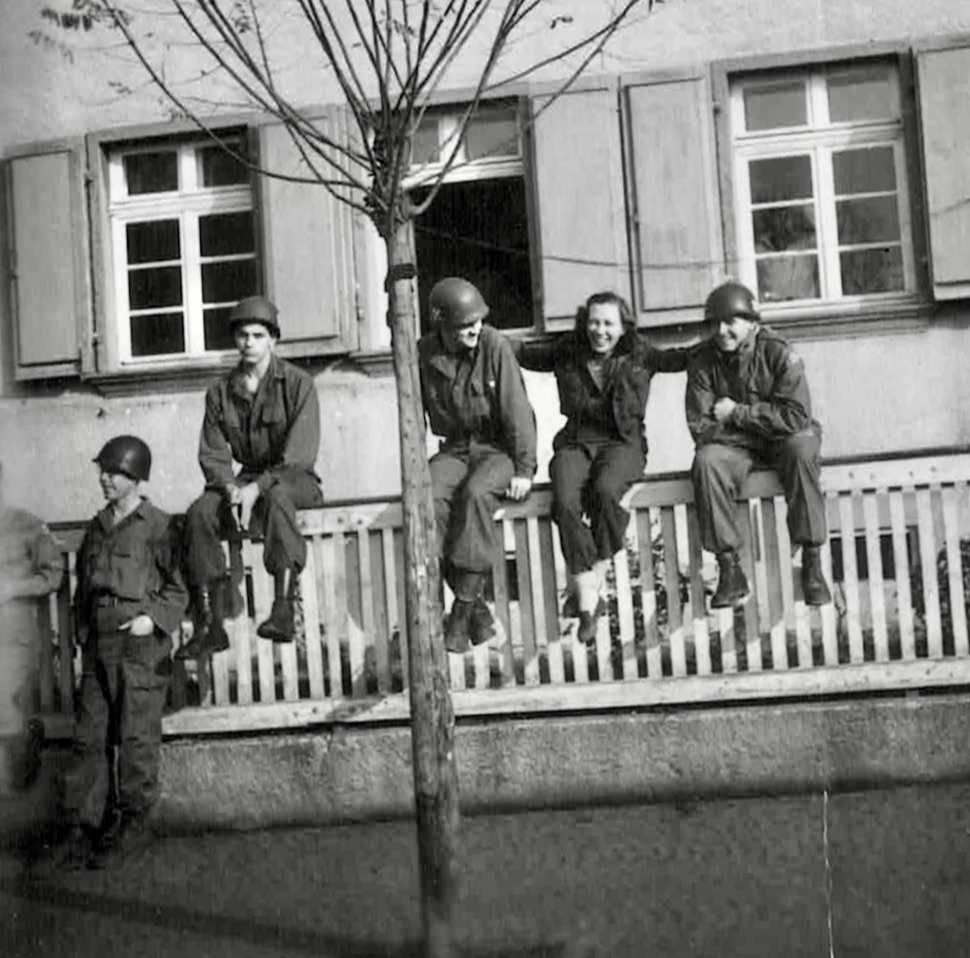
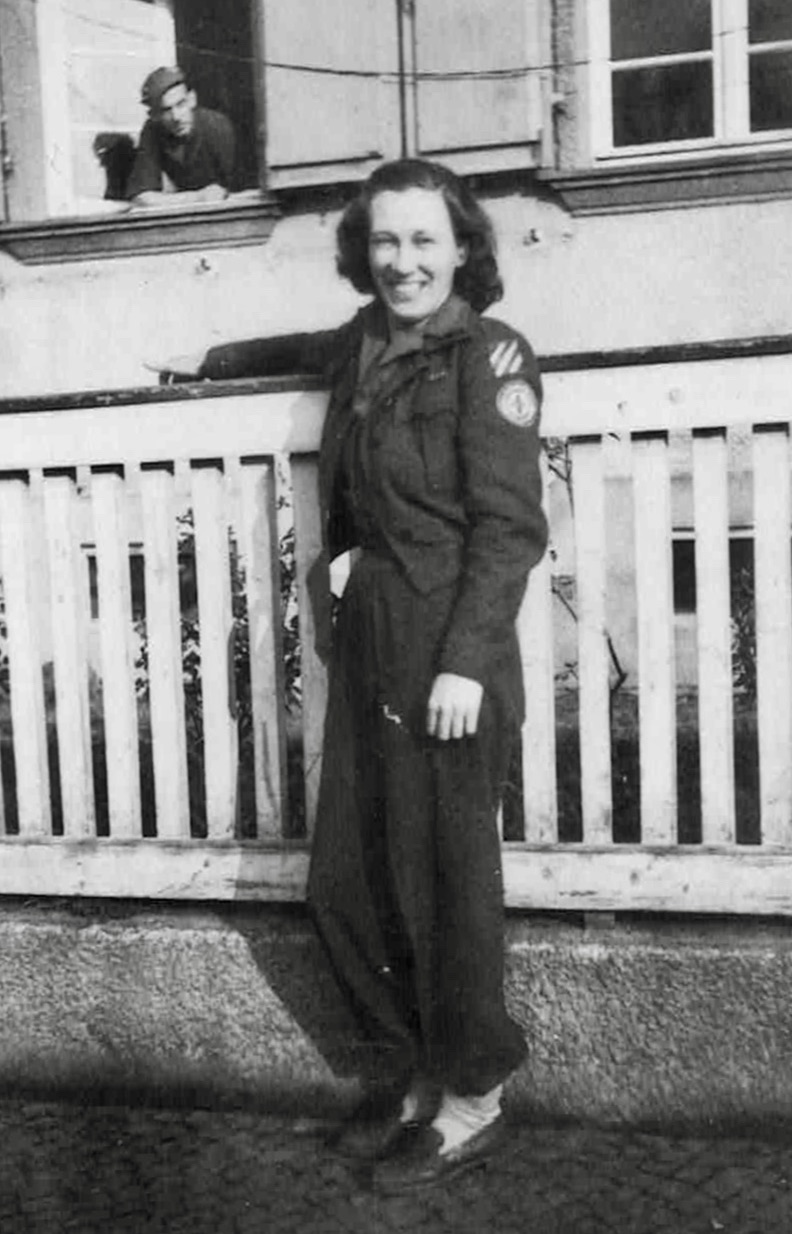
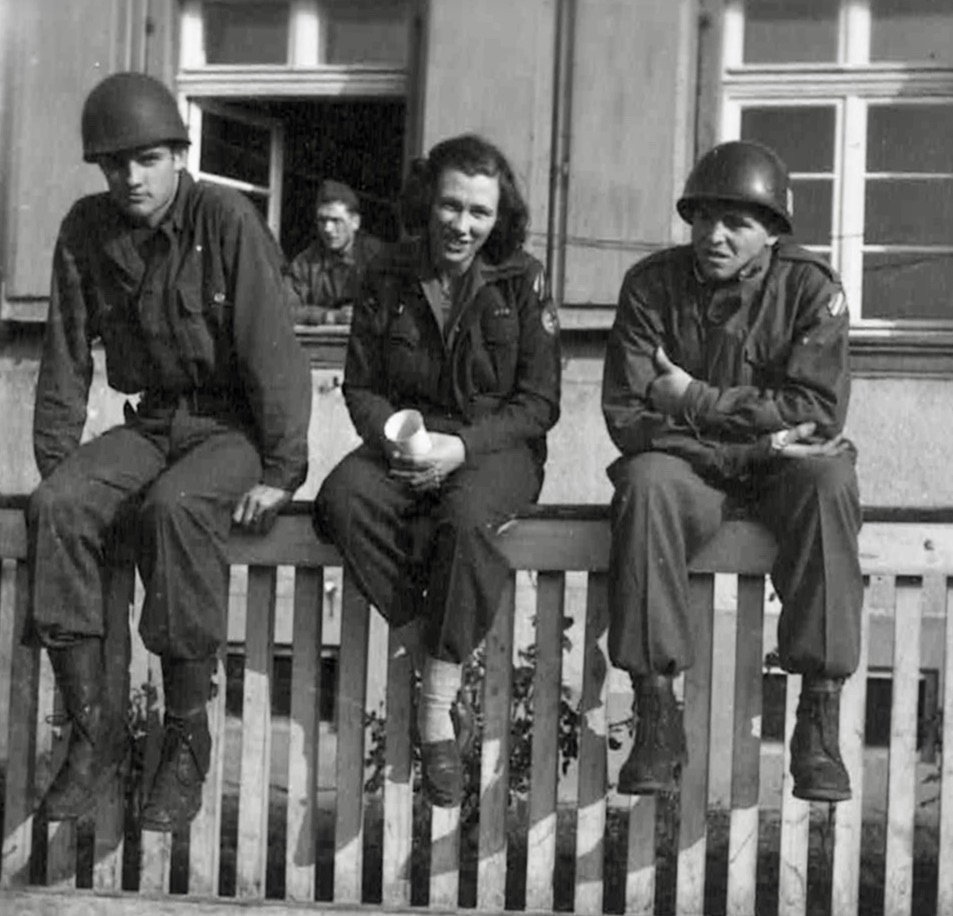
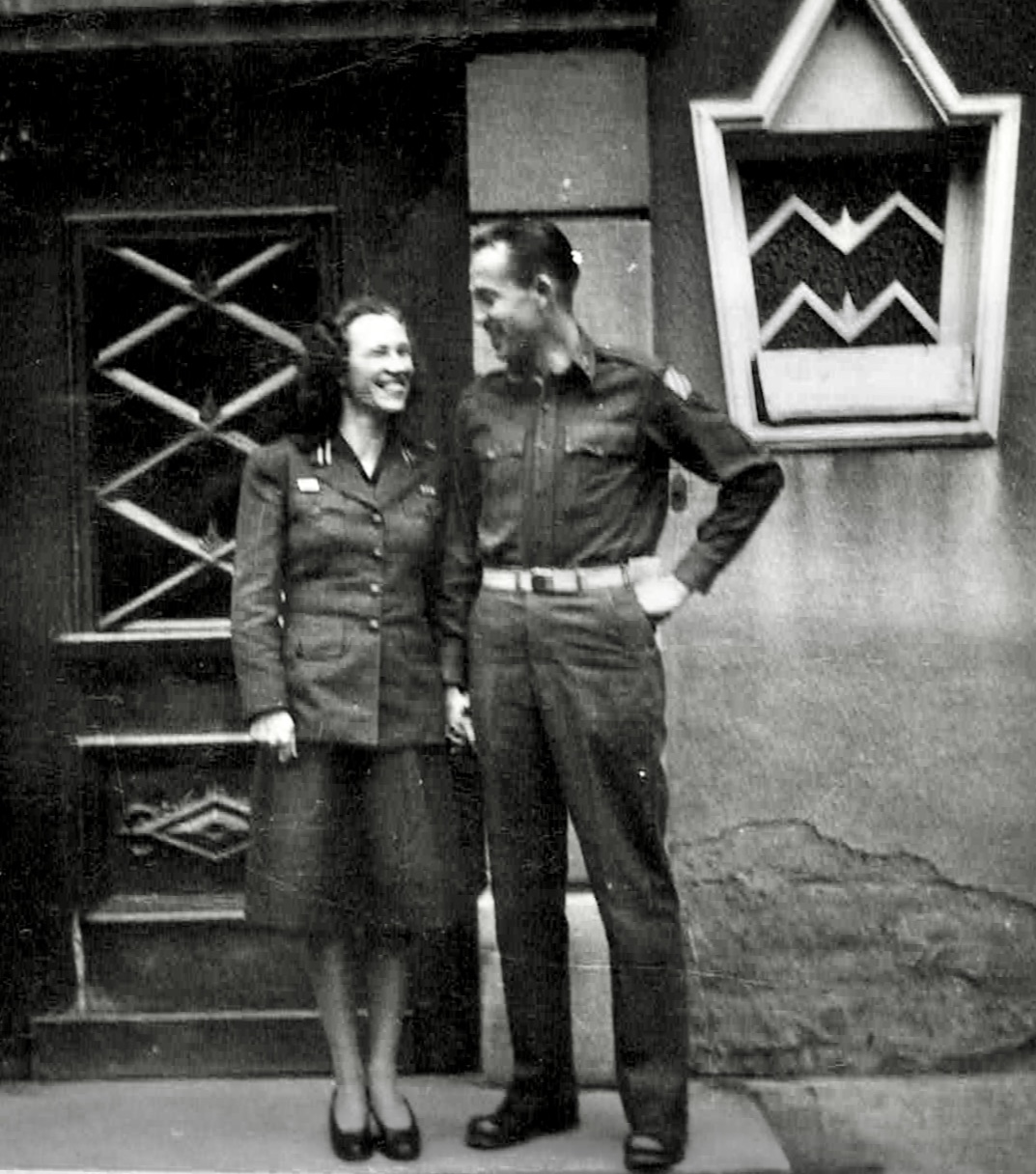
The clubmobile crew of Mary McAuliffe, Janet Potts and Florence Wick in occupied Borgen, Germany. The women are now allowed to wear pants and have been issued handsome uniforms. After having to scrounge vehicles to deliver donuts throughout 1944 and 45, the crew finally got its own clubmobile, the SageBrush. It had been attached to the 70th Infantry Division.Flo’s note on the back of the pictureReady for business in the SageBrushJanet poses with donuts in the new/used clubmobileServing coffee and donuts in what looks like a break in an archery or shooting competitionWorking during halftime at an army football gameFlo and Janet Mary McAuliff joined the crew in late 1945. She had probably served with another crew, but I can’t find more information about her. She doesn’t appear in “The Arc in the Storm,” the one book that lists the clubmobile women, but neither do most of the others who joined the North Africa/Italy campaign.Mary, Janet, FloWith “C” Company 3oth Infantry at Borken GermanyFlo and “her boys”I’ve no idea why the soldiers are wearing helmets in these pictures. The war was long over.
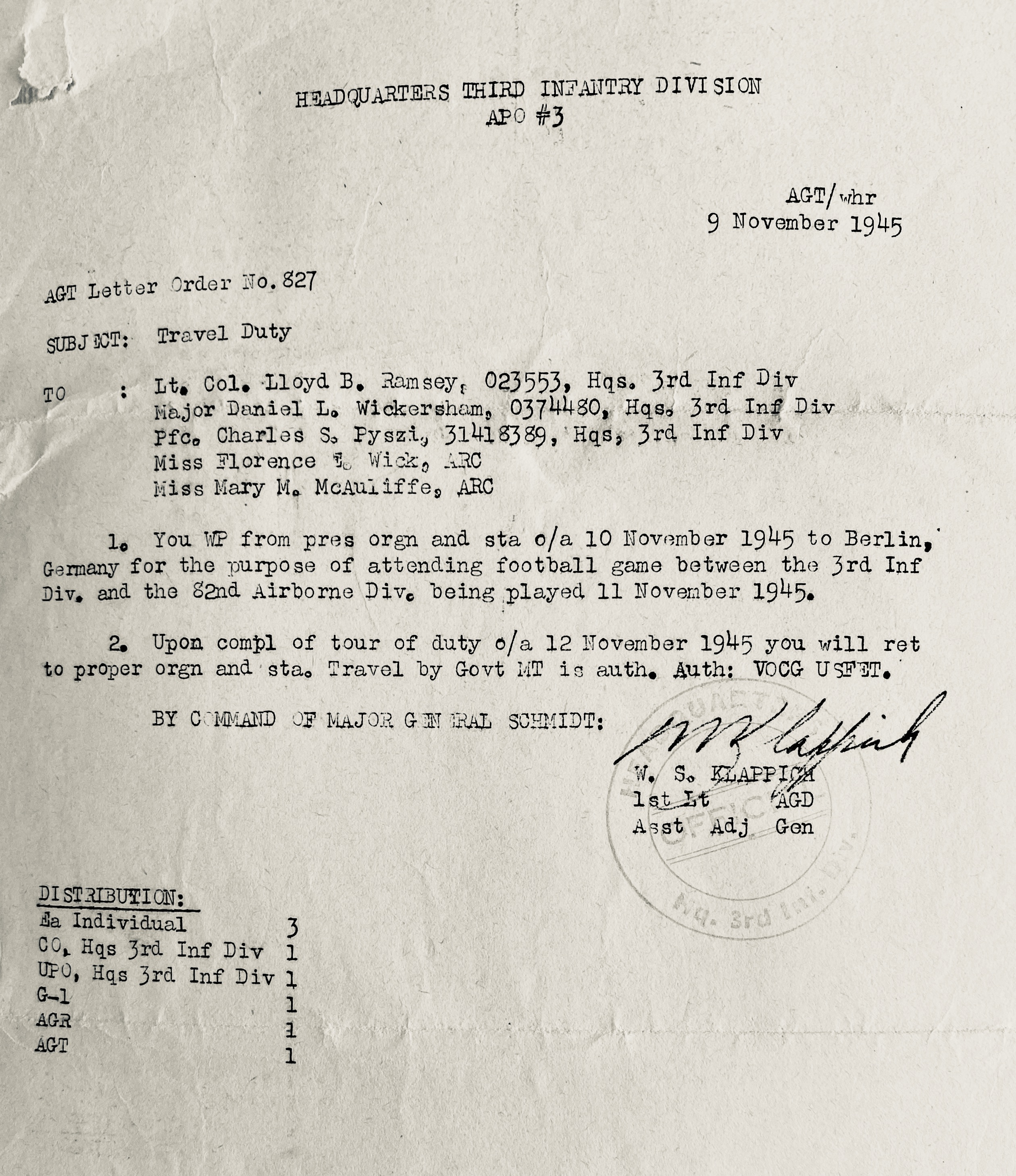
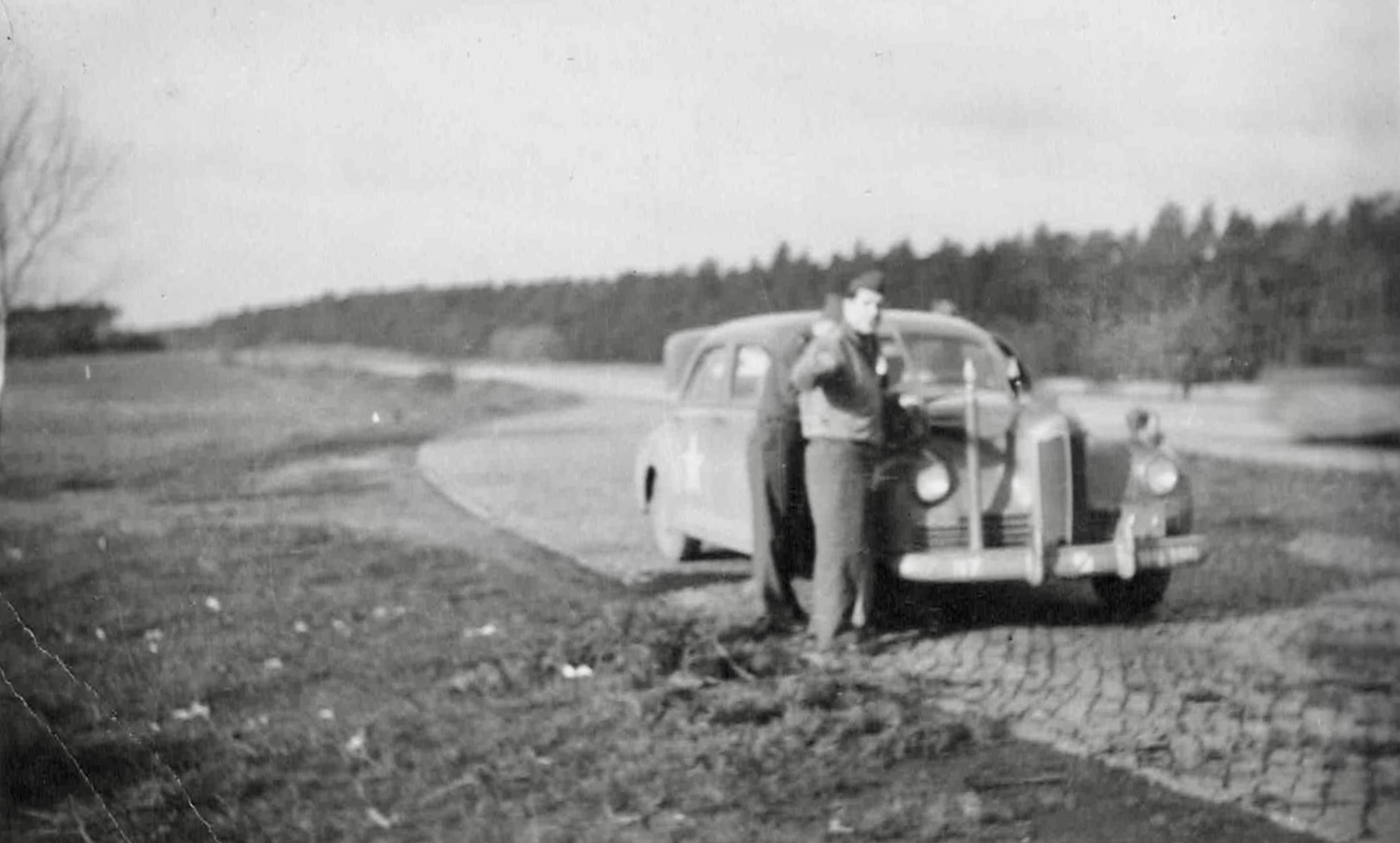
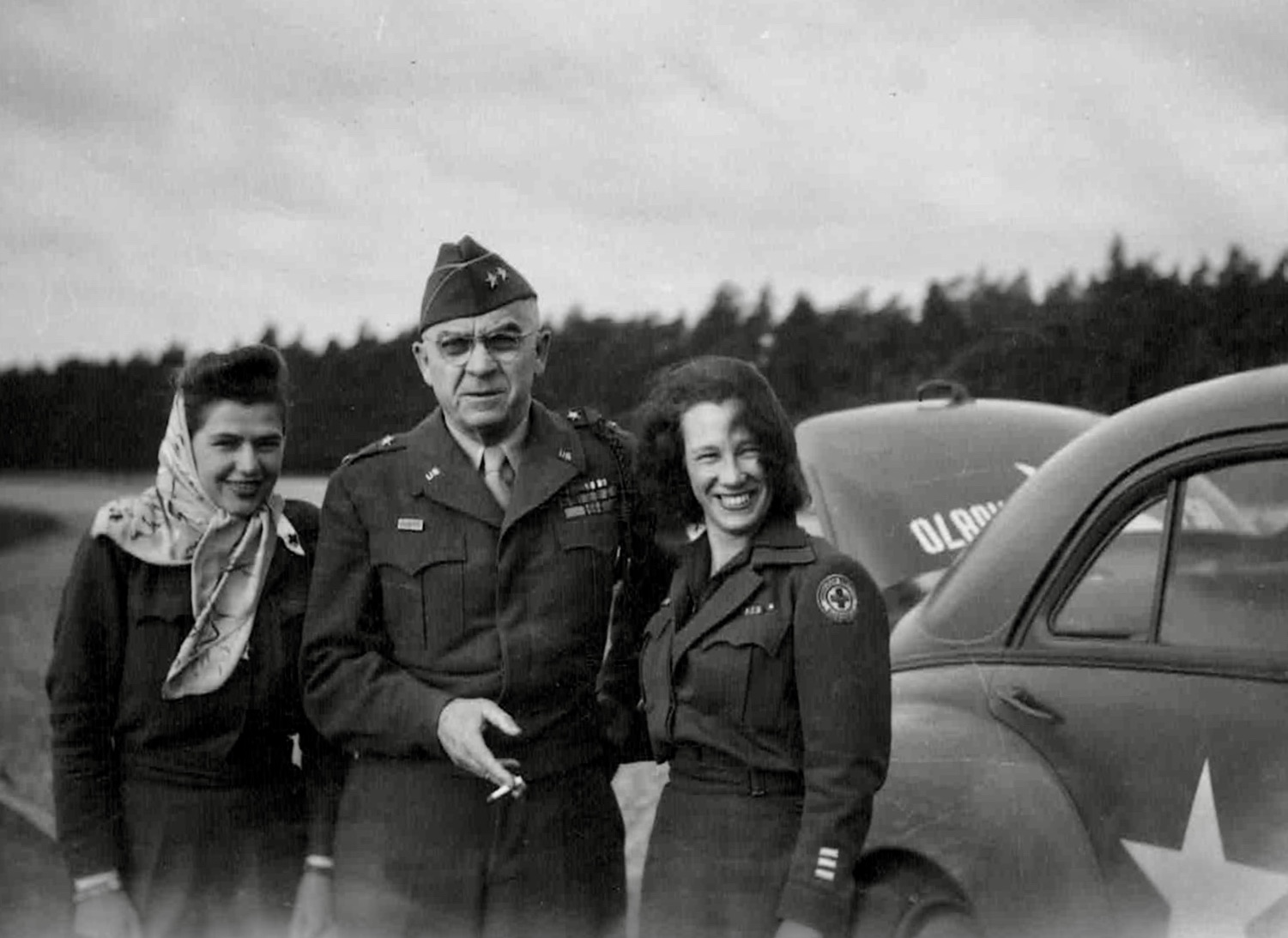
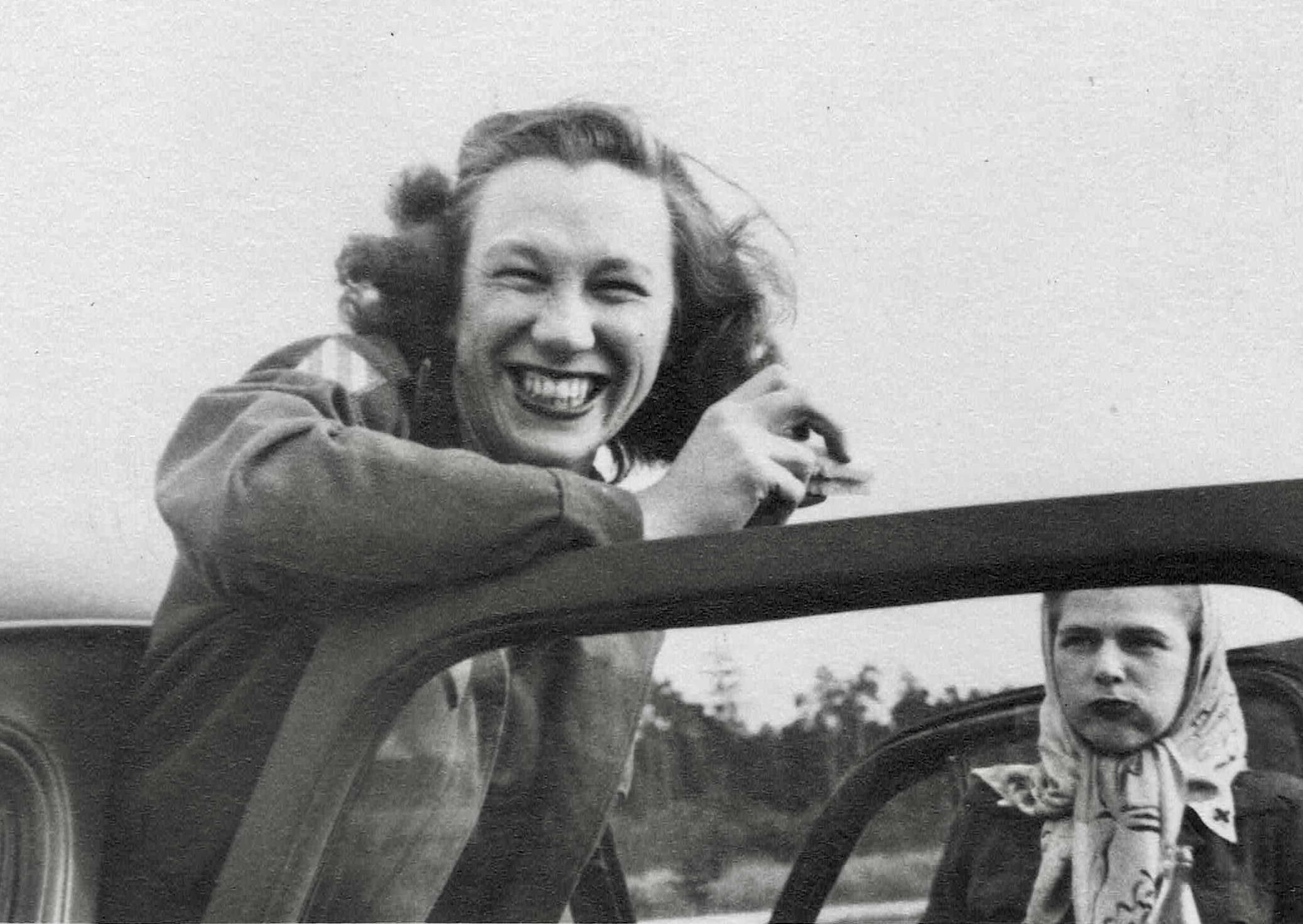
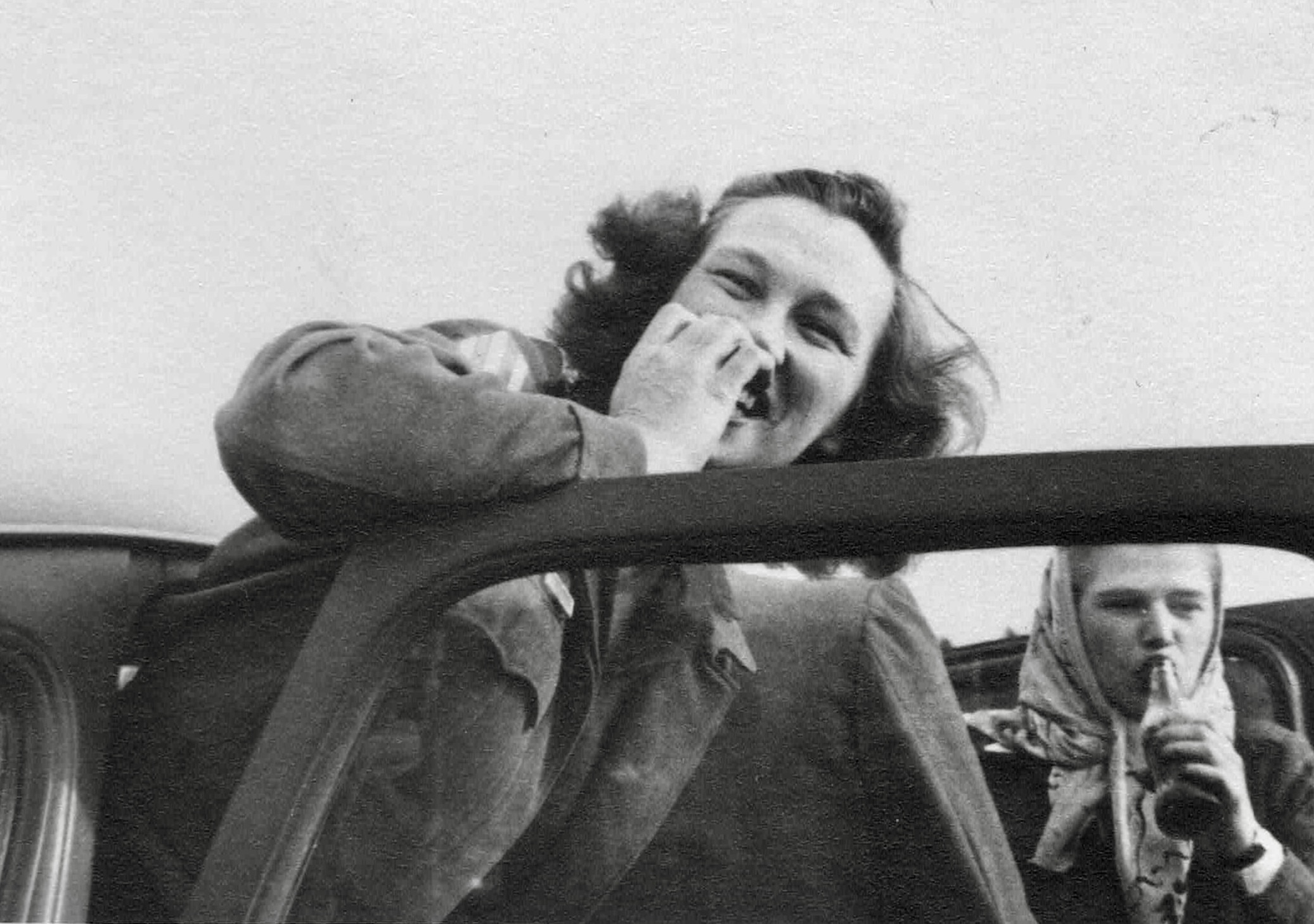
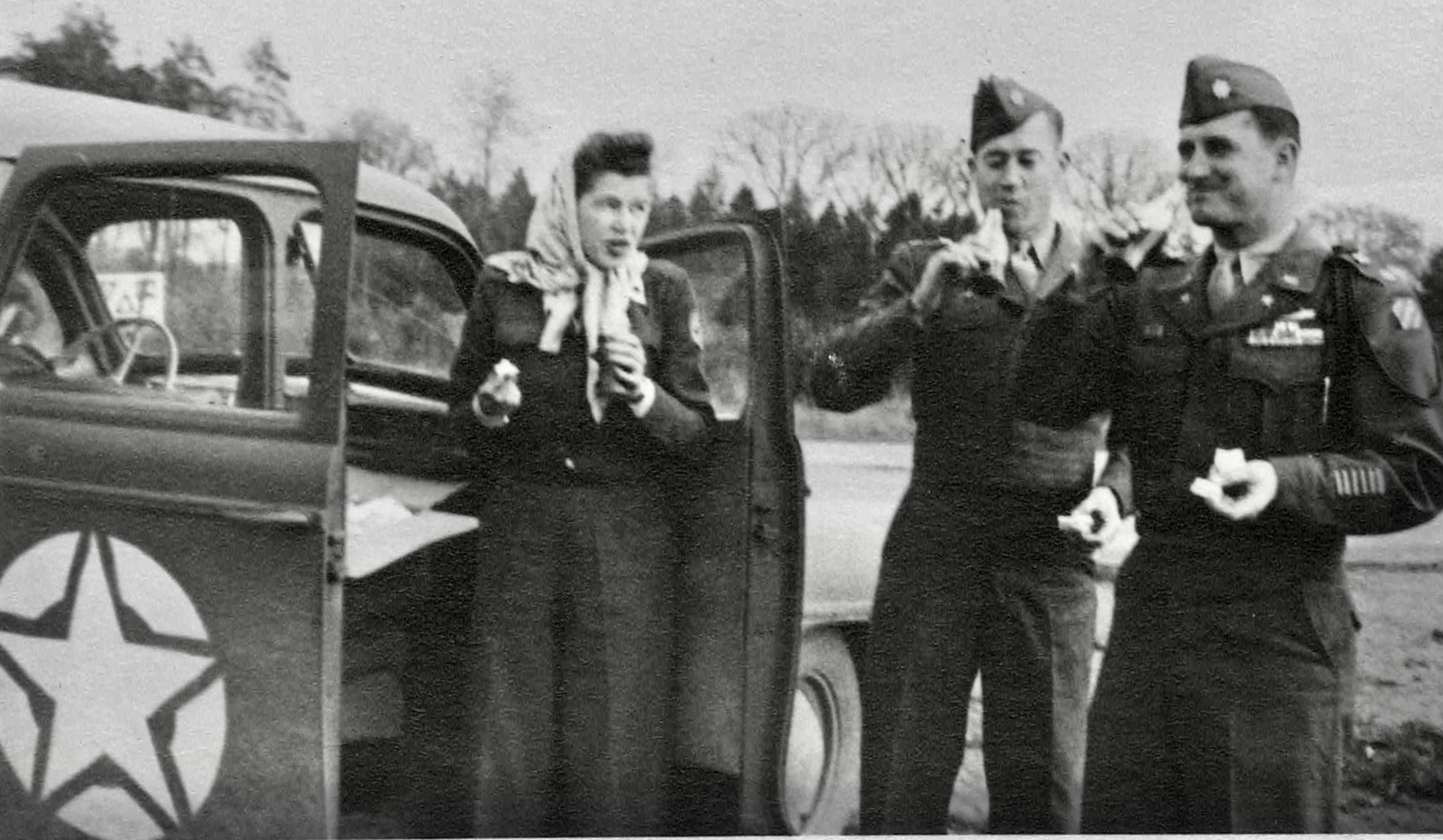
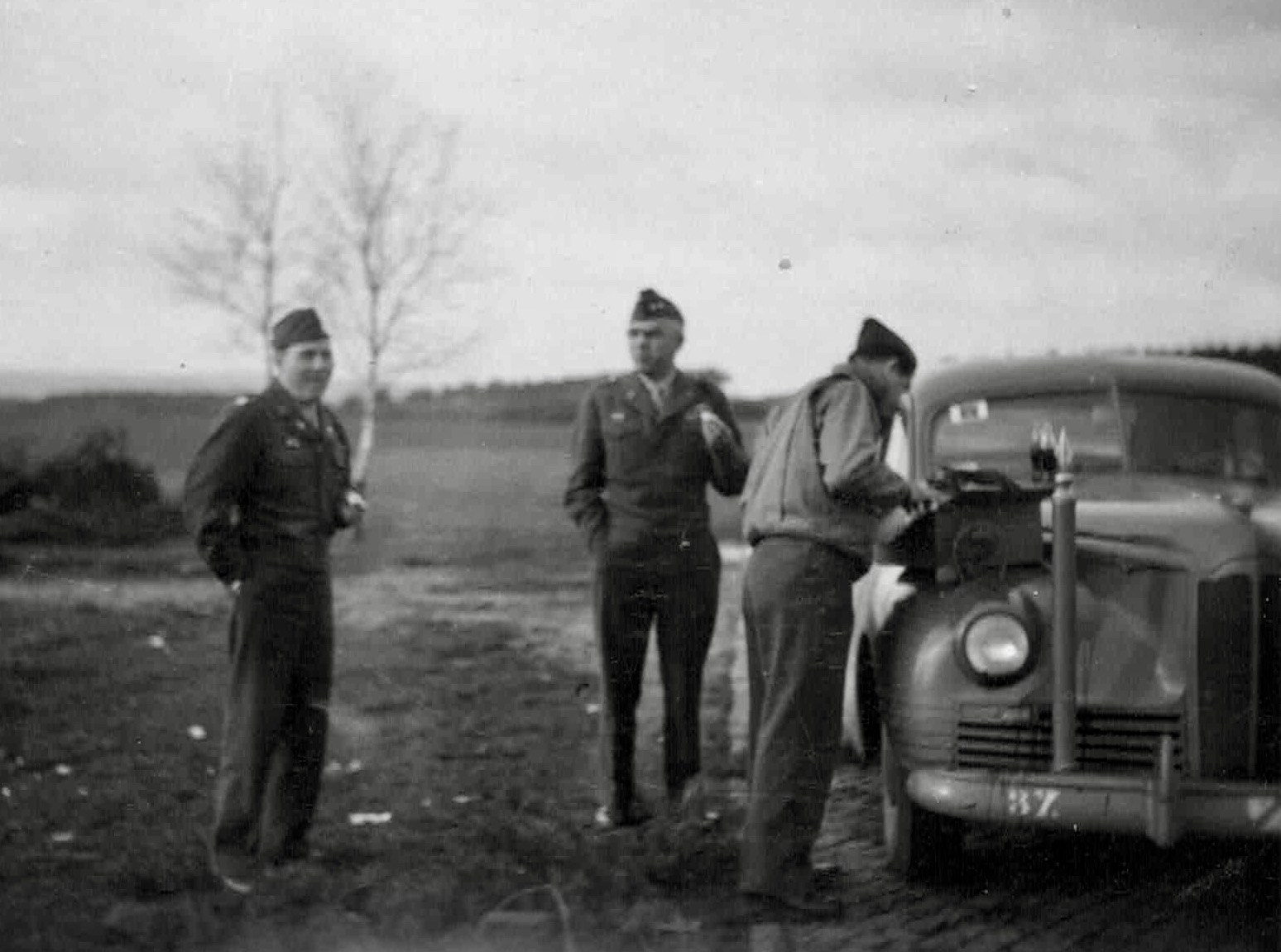
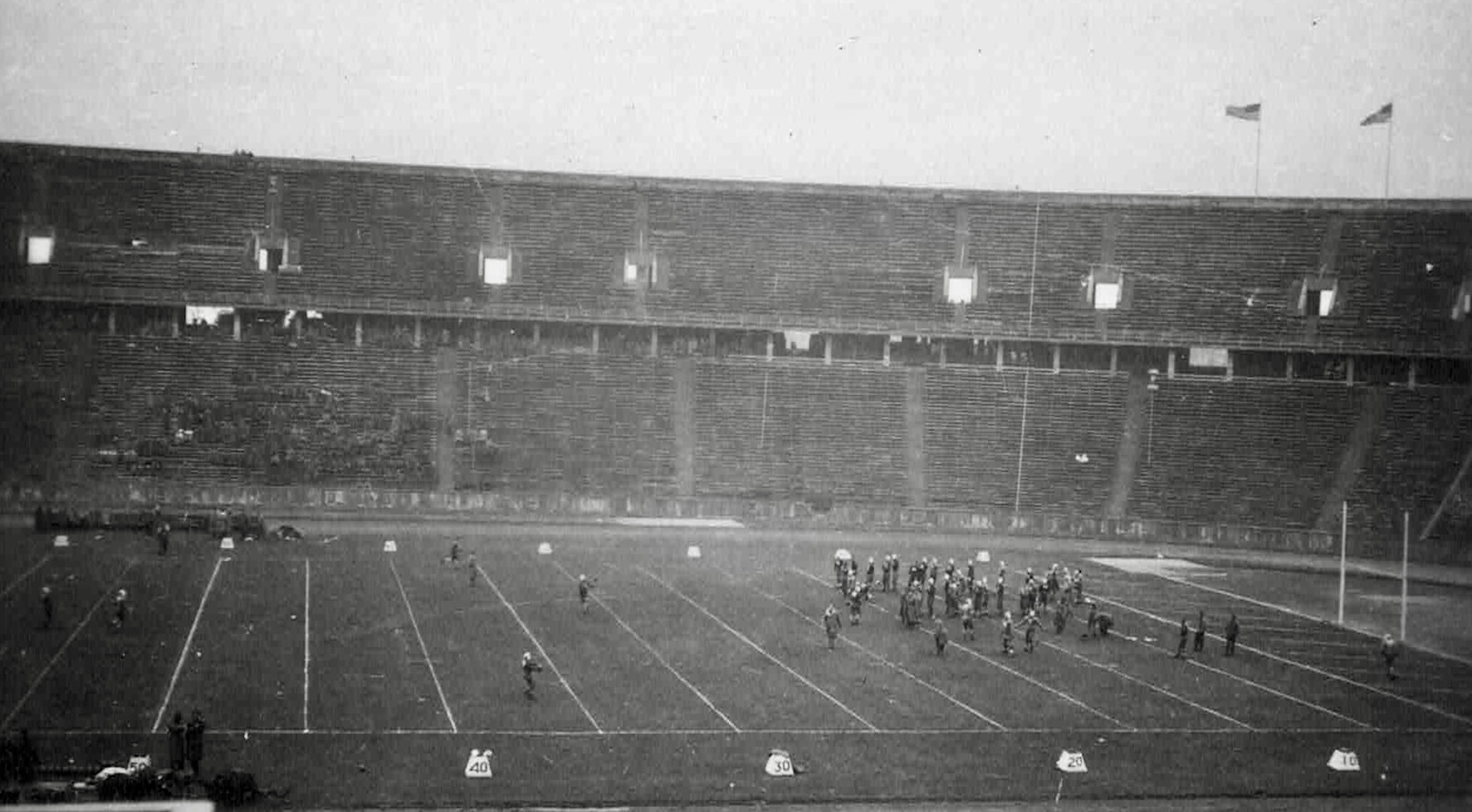
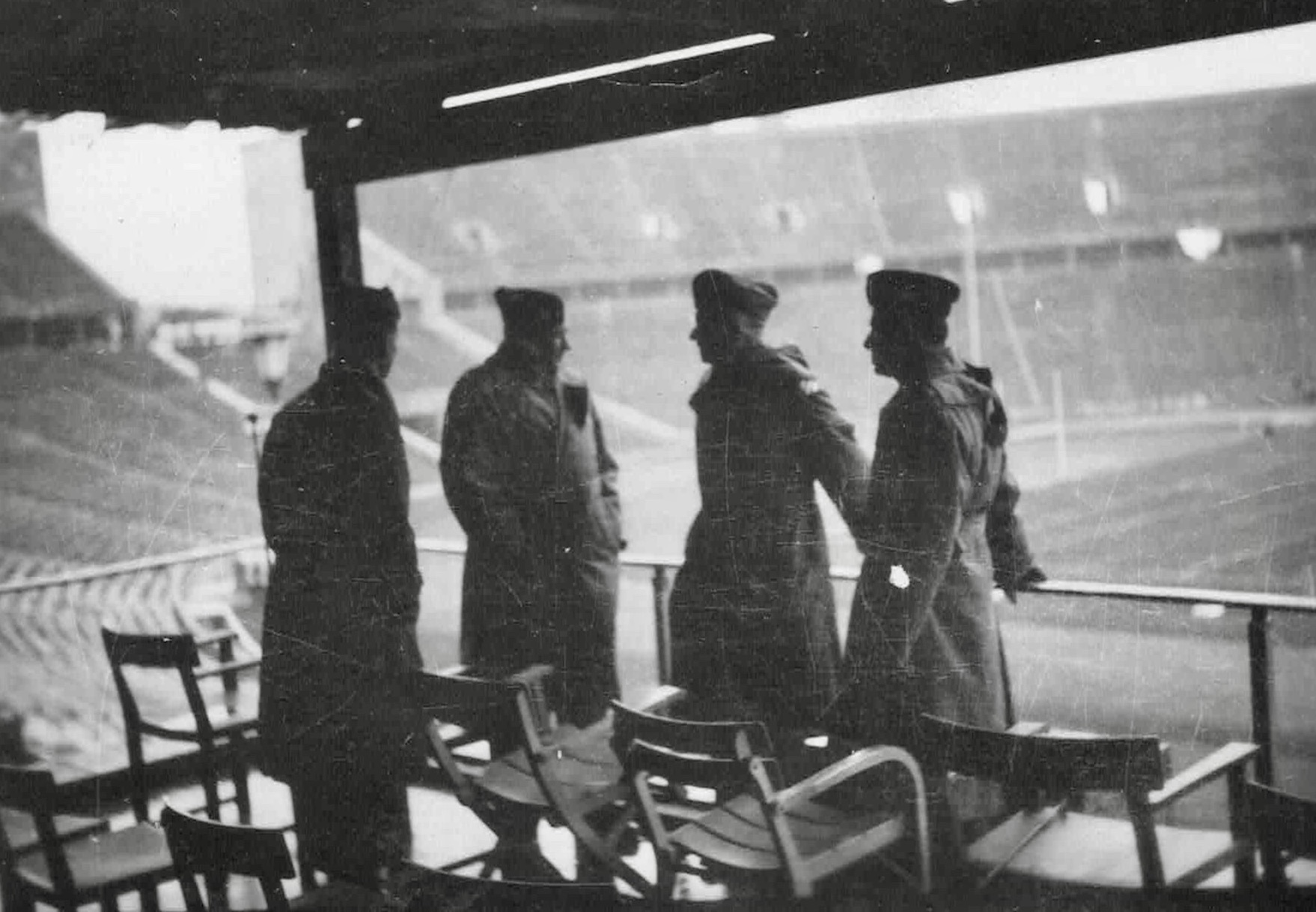
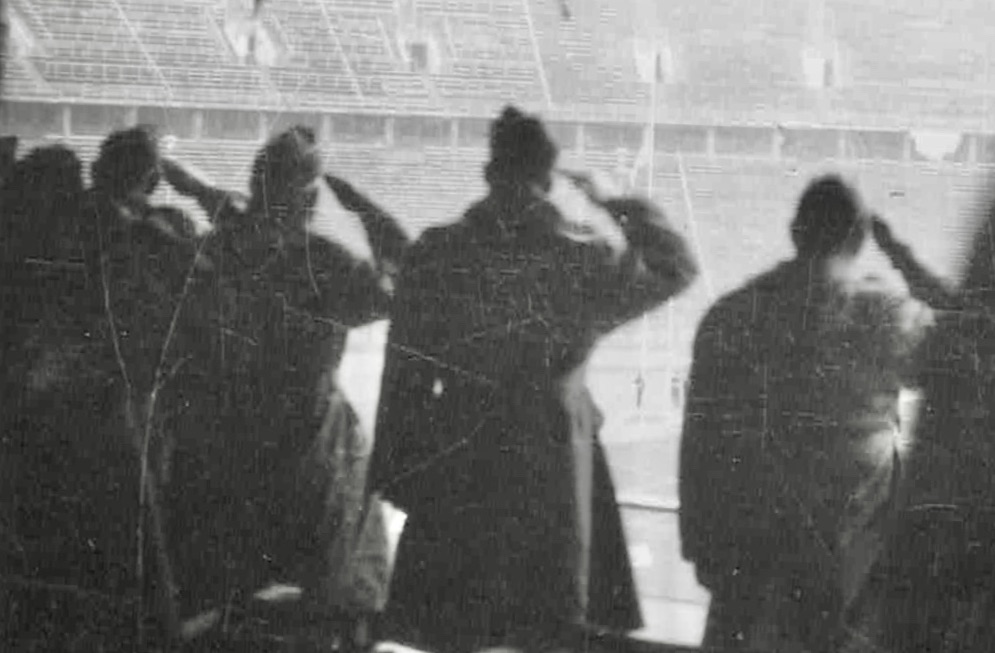
By command of Gen. Schmidt permission to attend a football game in BerlinLove the car. Mary McAuliffe, ARC; Gen. Schmidt; Flo WickHaving a little snack before taking off. Flo and MaryNo fair getting photographed while eating!Mary McAuliffe, Major Wickersham, Lt. Col. RamseyGen. Schmidt saw them off.The Third Division played the 82nd Airborne at Hitler’s Olympic stadium Nov. 11, 1945.The brass section Attention! The gigantic stadium, built for the 1936 Olympics, survived the bombings.
Witzenhausen, Germany, lay within the American occupation zone near the border with the Soviet zone, making it strategically important for intelligence and personnel transfers. In 1945, U.S. forces used the town during Operation Paperclip to evacuate German rocket scientists, including Wernher von Braun, from Bleicherode to prevent their capture by advancing Soviet troops, underscoring Witzenhausen’s role in the emerging Cold War. The town became a U.S. Army garrison, with military bases integrated into local life, a pattern seen across West Germany. This long American presence left lasting marks on language, consumer culture, and infrastructure, making Witzenhausen a microcosm of the broader U.S. occupation experience.
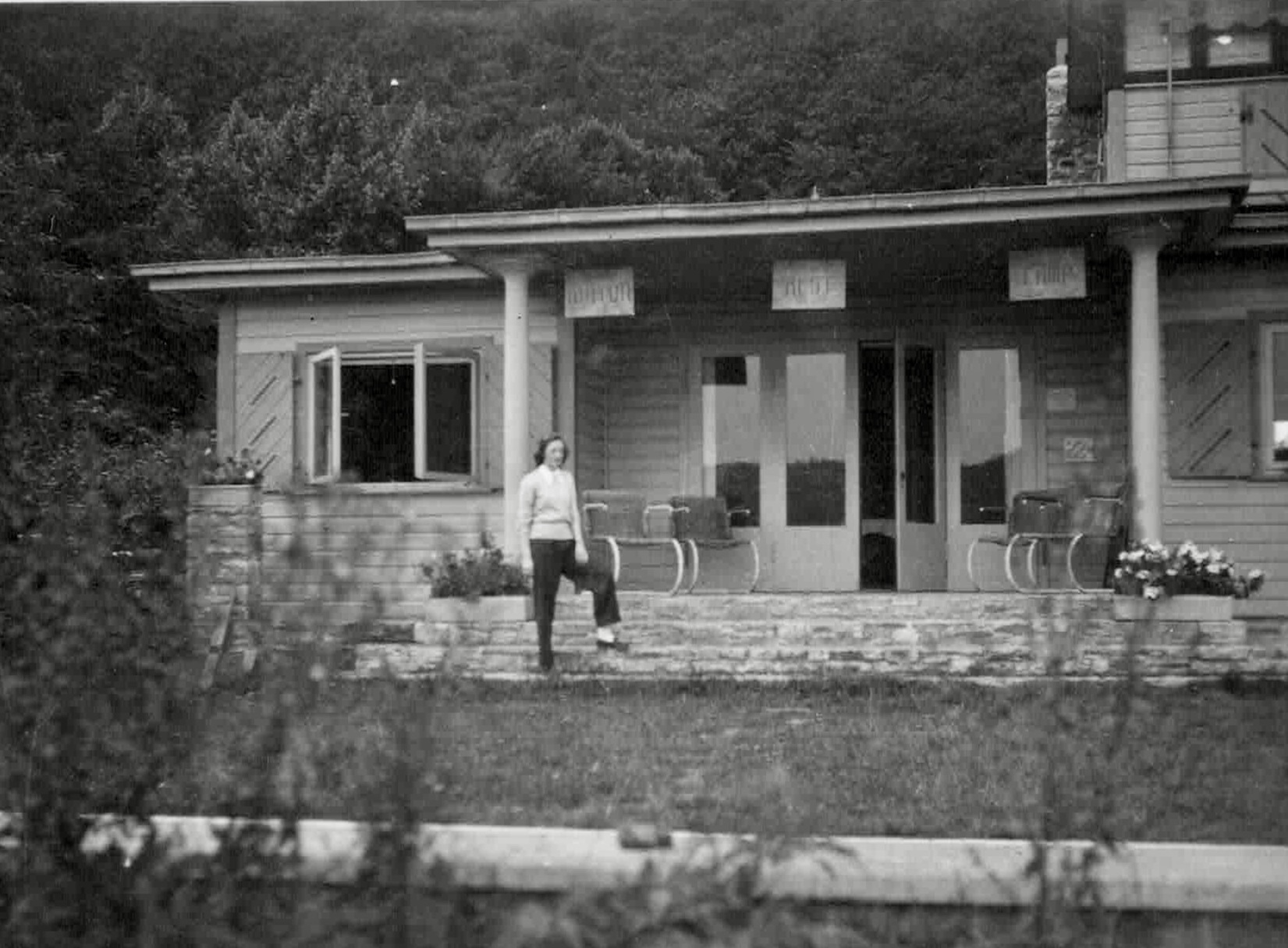
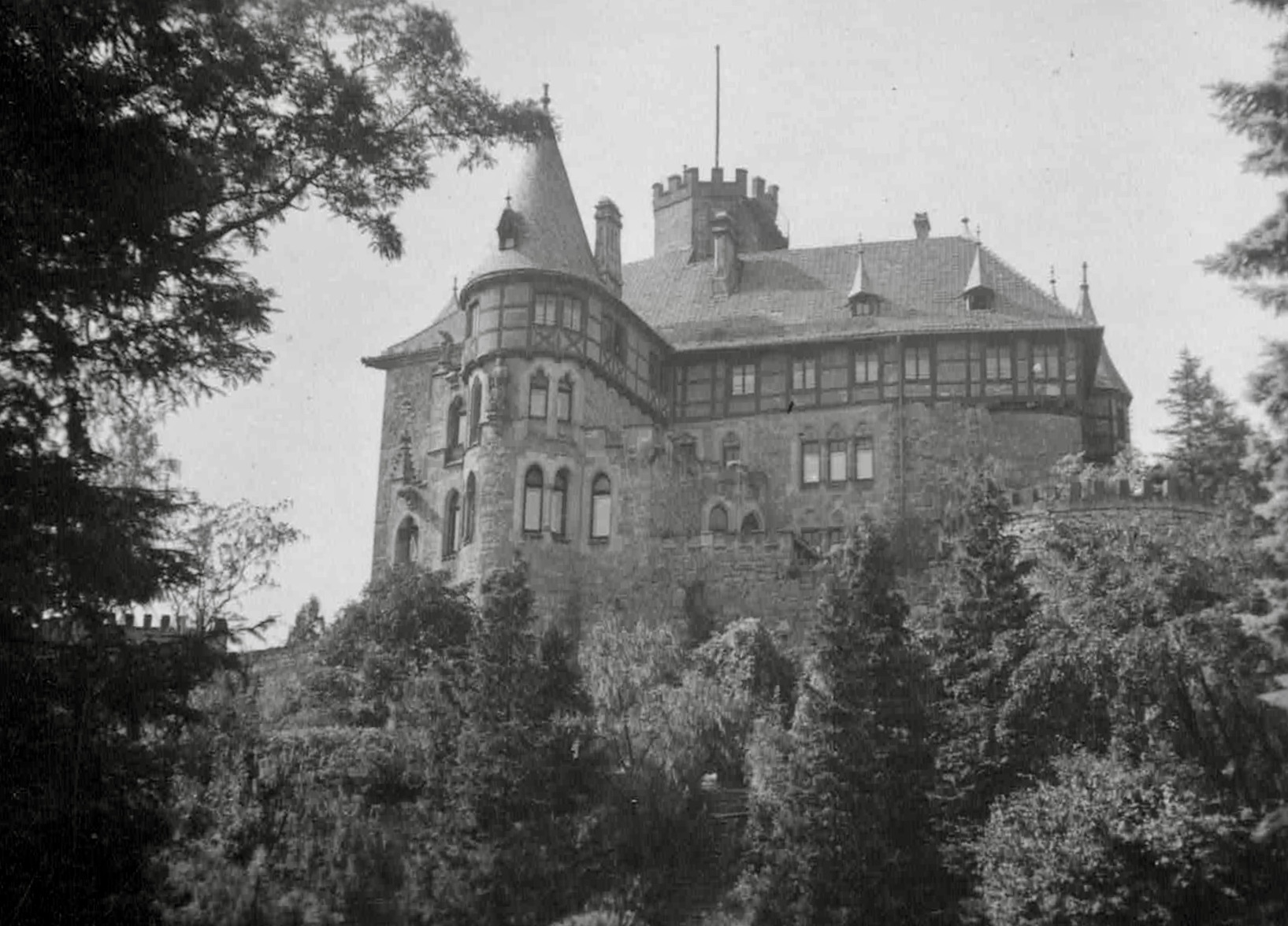
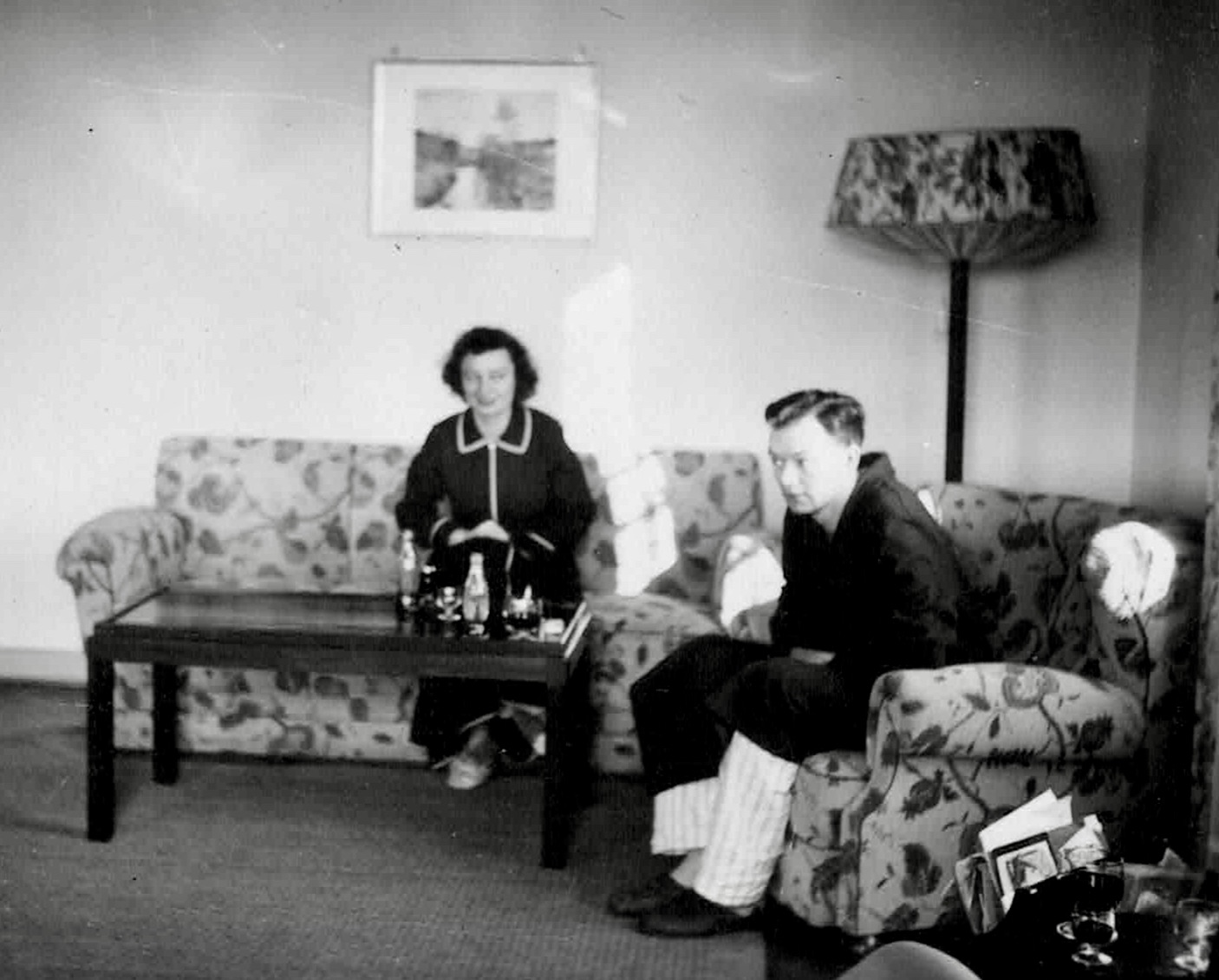
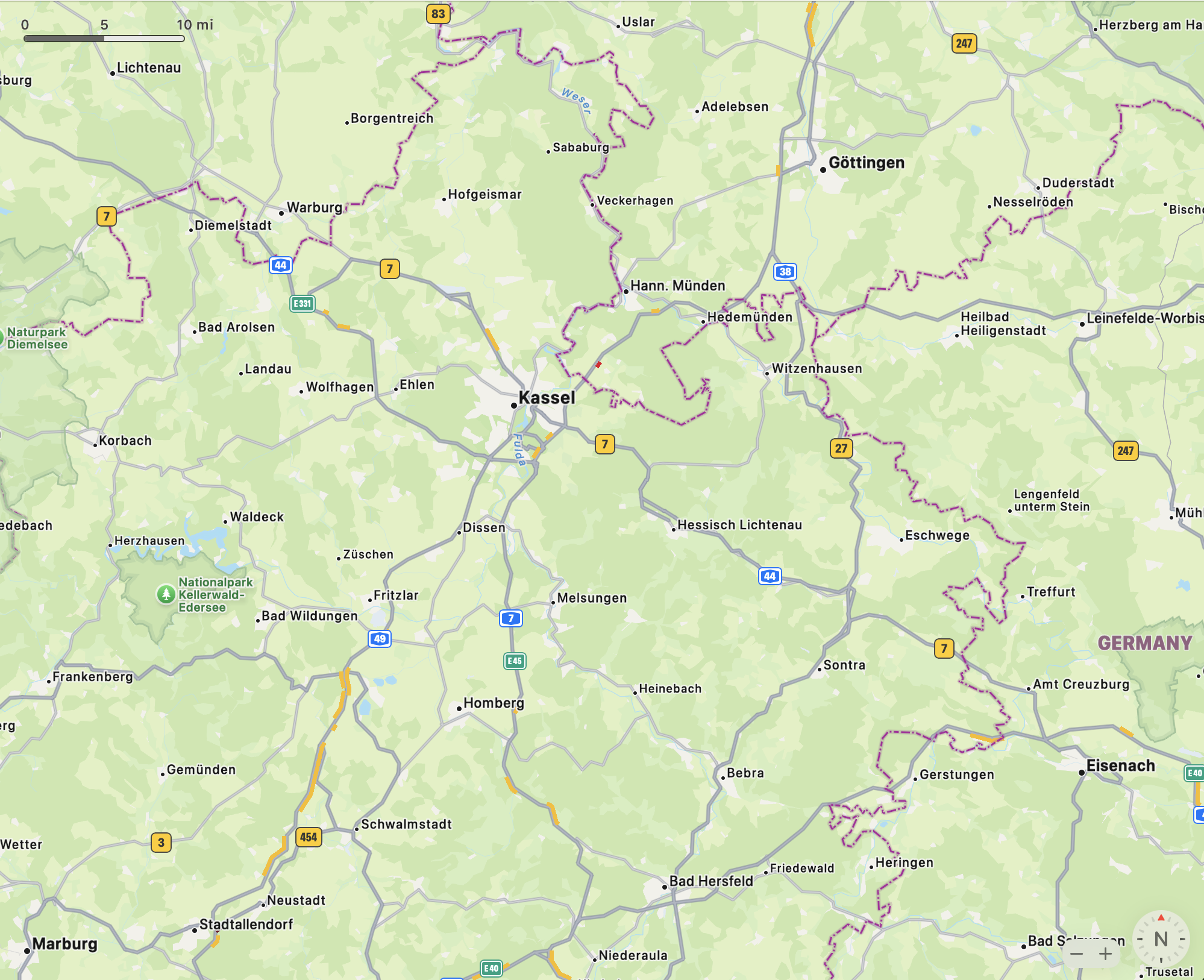
Janet and Flo visited a beach house on Lake Edersee occupied by the 3rd Signal Co.Janet PottsBerlepsch castleJanet and Jens Jenson in their living quarters at Witzenhausen Thanksgiving, 1945. They weren’t yet married, but apparently the Army and ARC no longer cared.At Janet and Jens’s home with Lt. Gerry Mehuron 3rd Bn. 3oth Thanksgiving Day. New boyfriend?With Major Wickersham, a friend from Flo’s hometown, Yakima, WALocating these places on Apple maps helps me. Lake Edersee on the left, Witzerhausen to the right of Kassel, Bad Wildungen where Flo was stationed is to the right of Lake Edersee. All were within the American occupation zone in Hesse.
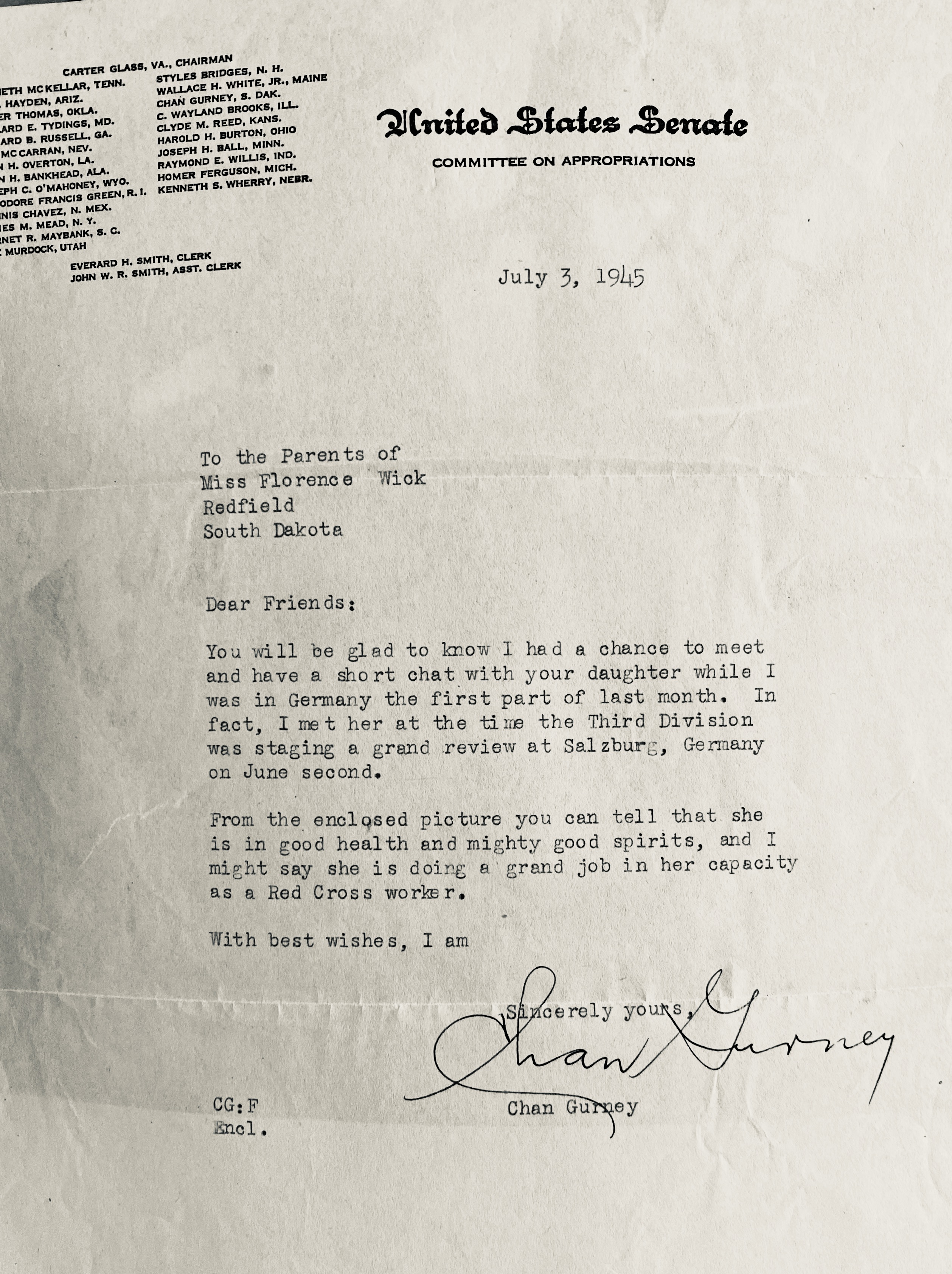
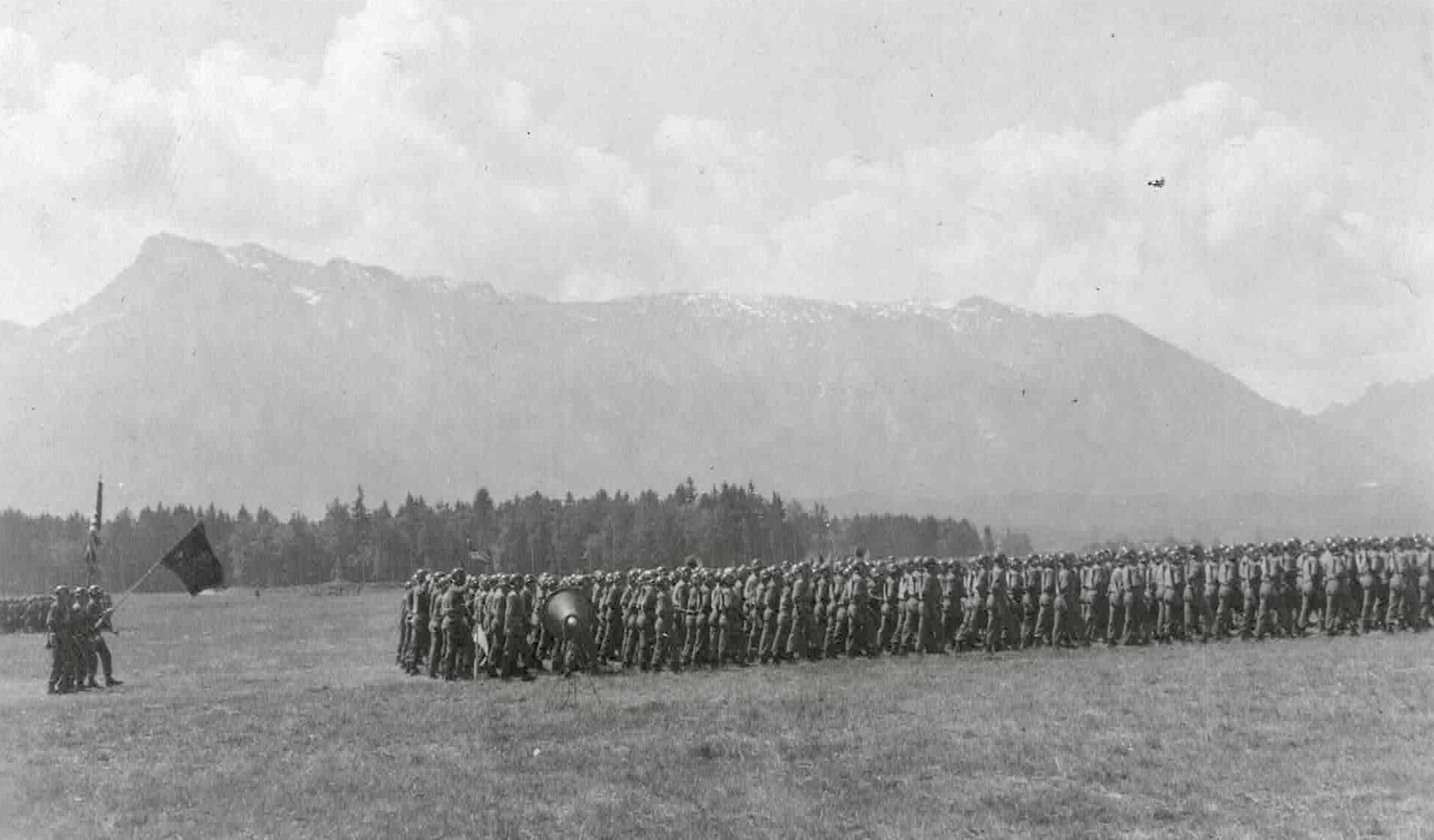
On June 2, 1945, the Third Infantry Division assembled for a division-wide review in Salzburg, their ranks drawn up before their headquarters. Flo was there with her clubmobile crew, Liz Elliott and Janet Potts, watching as Seventh Army commander General Alexander Patch presented decorations and commendations. A Congressional delegation stood in review alongside Secretary of War Robert P. Patterson, among them South Dakota Senator Chan Gurney, the first chairman of the Senate Committee on Armed Forces.
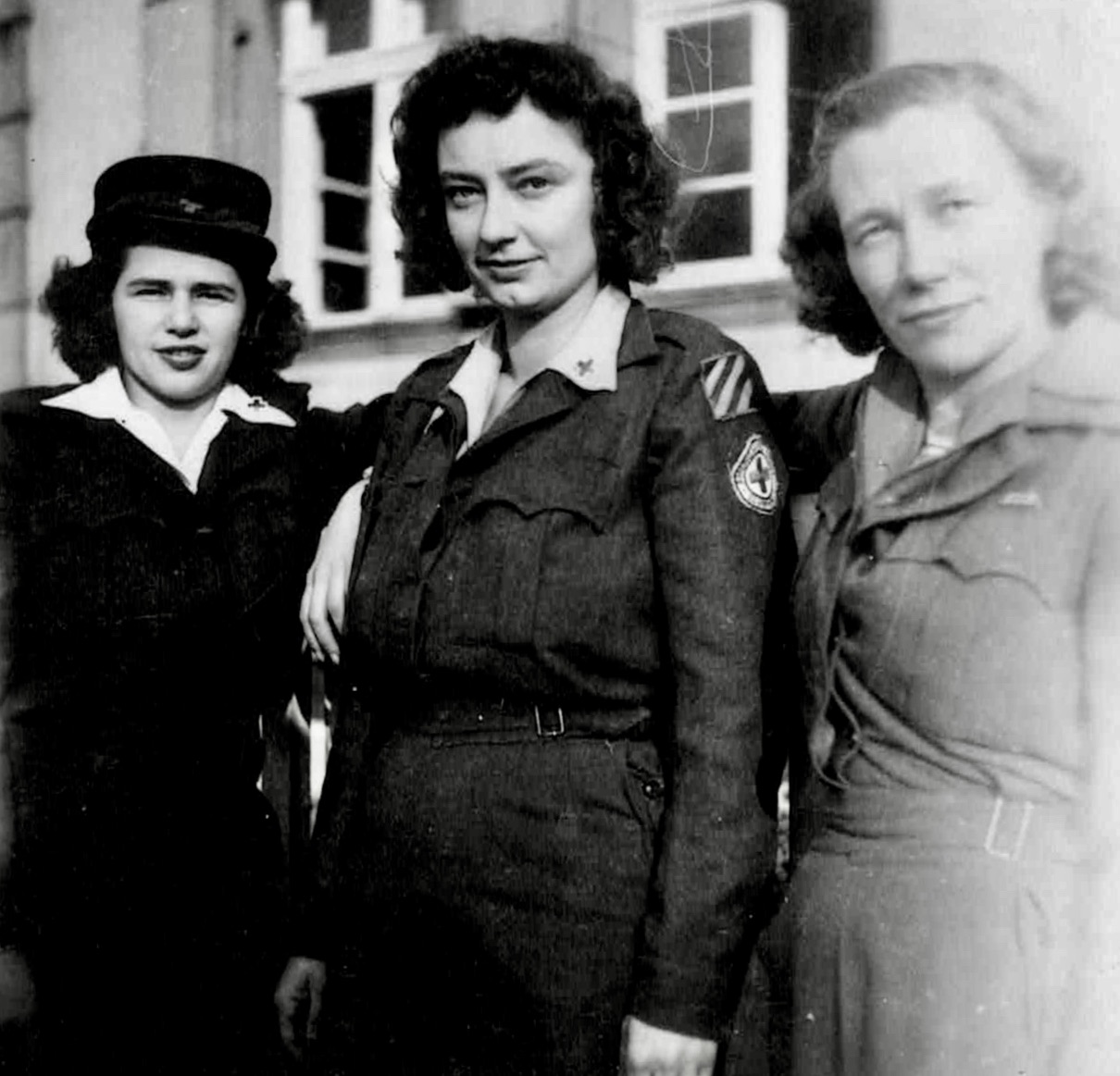
June 2, 1945. This is the last picture of the three Red Cross clubmobilers together–Janet Potts, Flo Wick and Liz Elliott. Fritzie Hoaglund never returned to the crew after having been hospitalized.
That day, Lieutenant Audie Murphy of B Company, 15th Regiment, received the Medal of Honor and the Legion of Merit in front of his entire division. Five other Third Division soldiers were awarded the Distinguished Service Cross and the Silver Star, their citations read aloud to the troops who had fought across Europe and now stood at attention in peacetime formation.
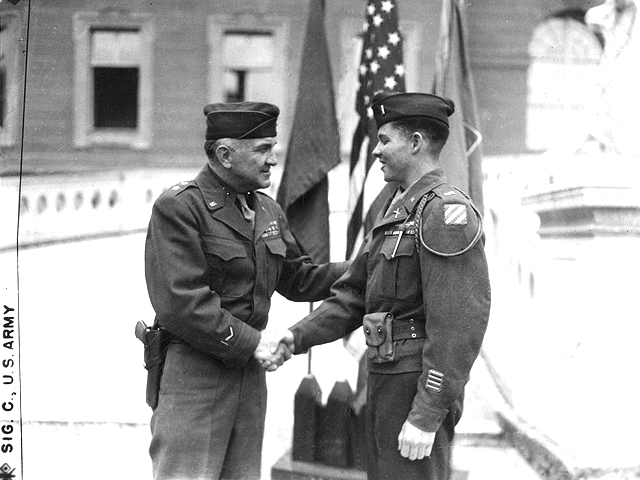
Gen. O’Daniel shakes the hand of 1st Lt. Audie Murphy of B Company, 15th Regiment, 3rd Division. Murphy received the Medal of Honor and the Legion of Merit on June 2, 1945 in front of his entire division in Salzburg, Austria. Photo: Dogface soldier collection
The ceremony took place at a site heavy with layered history. Built in 1700 as a Baroque summer residence for the Prince-Archbishops of Salzburg, the palace later became a Nazi showpiece where Hitler hosted Axis leaders and stored looted art as the Reich collapsed. Captured by the U.S. Third Infantry Division in May 1945, it was repurposed as headquarters of the American Occupation Authority during the decade-long U.S. presence in Salzburg, before eventually becoming a casino.
Gen. J. W. O’Daniel 3rd Div. Commander; Flo Wick, ARC; Gen Alex Patch 7th Army commander. June 1945. Schloss Klessheim SalzburgA delegation of the US Congress witnessed the Audie Murphy ceremony. Chan Gurney, South Dakota, the first chairman of the US senate committee on Armed Services, is seen here with Flo.Letter from Sen. Gurney to Flo’s parents. He thought they were South Dakota constituents. Flo was born in Redfiled, SD, but the family hadn’t lived there since she was a baby. They lived in Yakima, WA. Her father had died in 1938.On June 2, 1945 the 3rd Division staged a grand review at Schloss Klessheim.Soldiers march past the reviewing stand. photos from Flo’s album