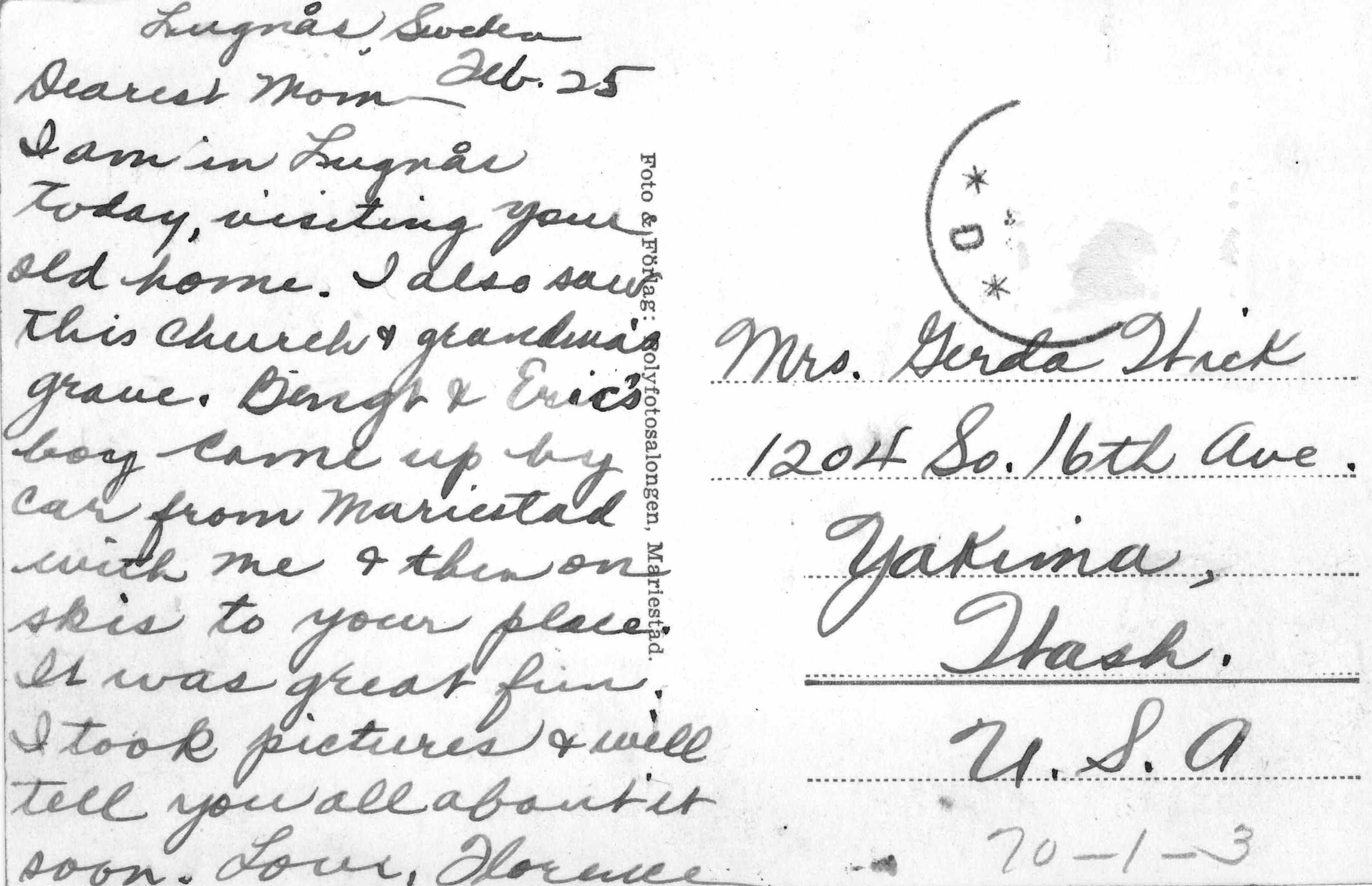
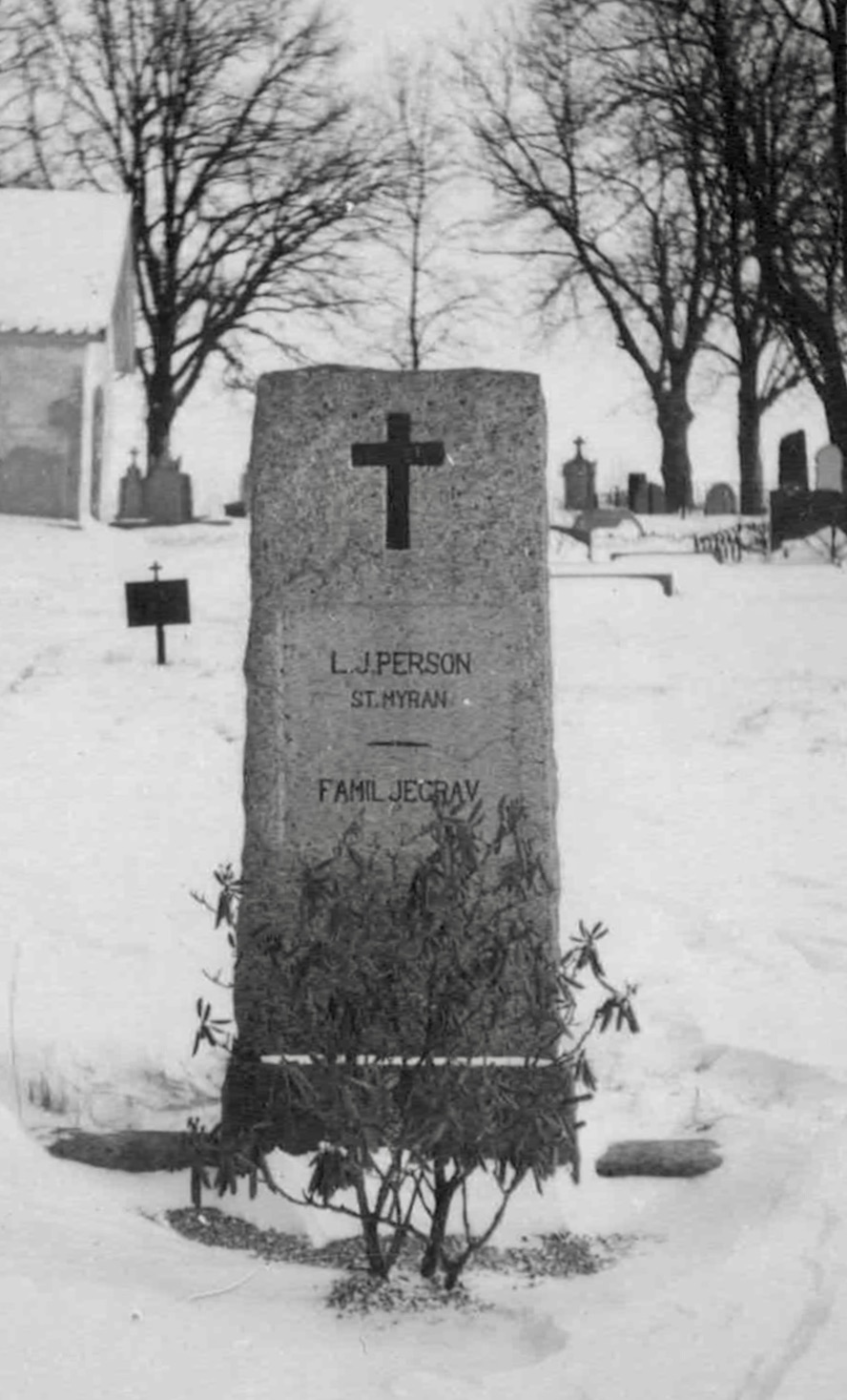
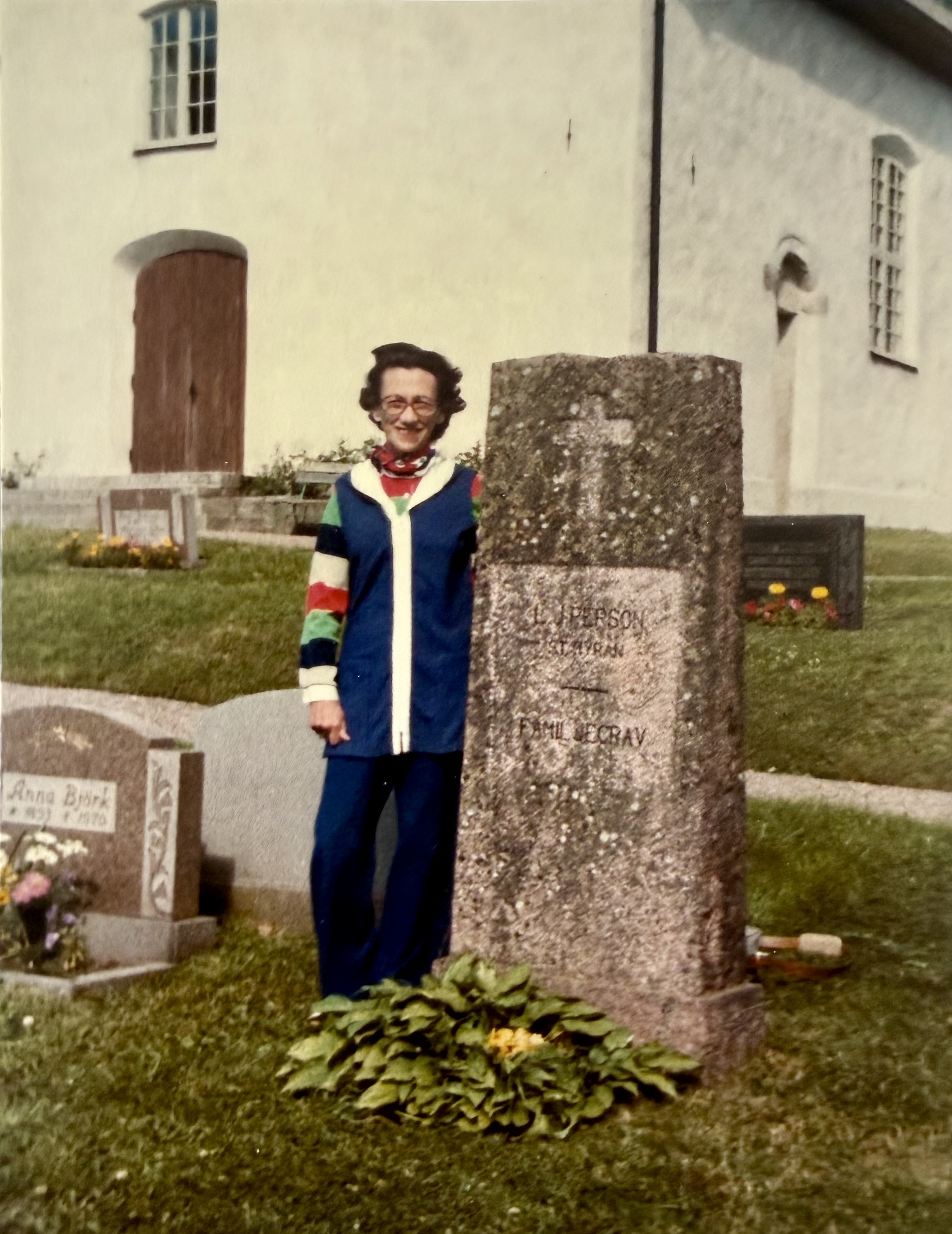
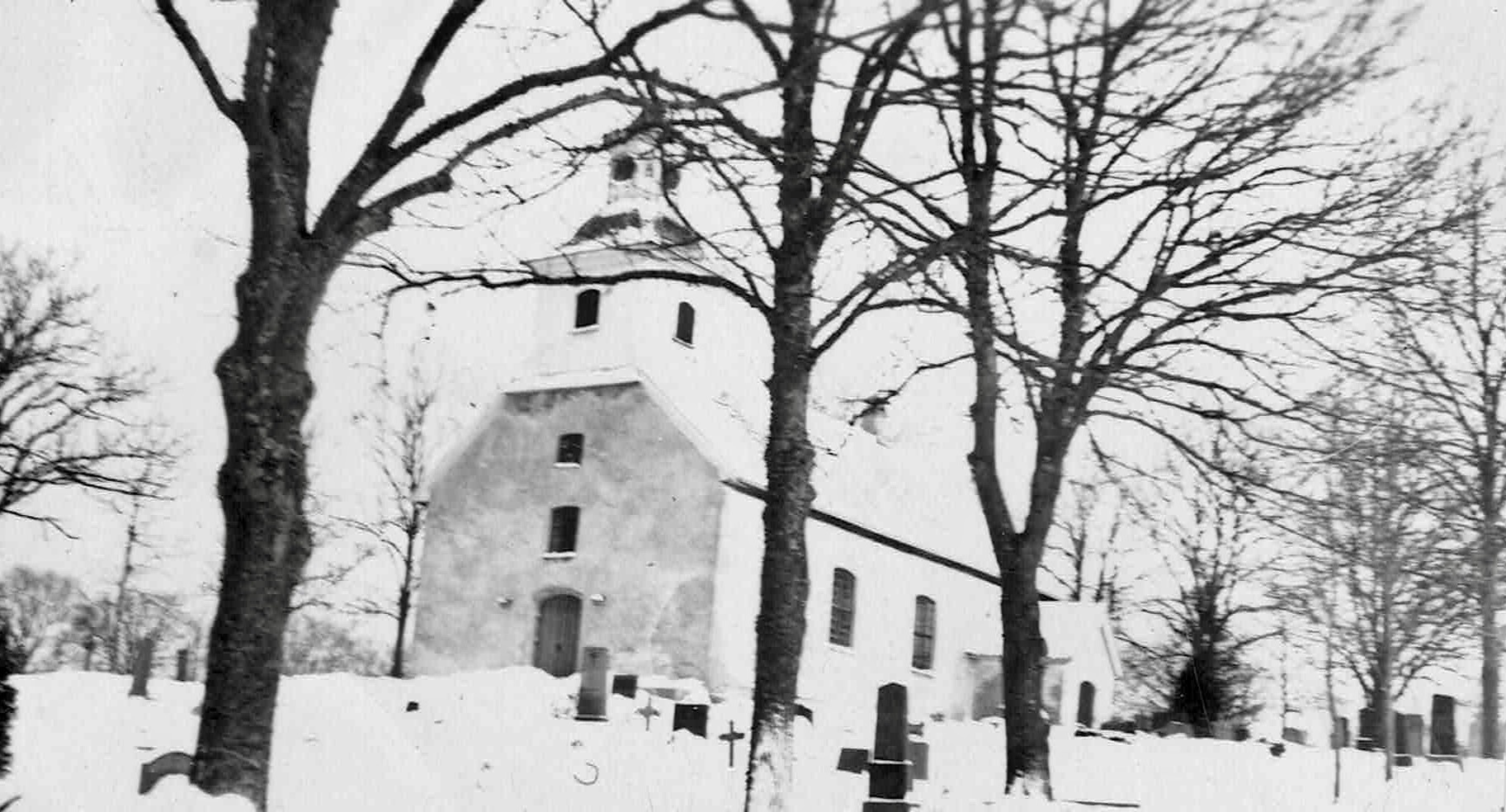
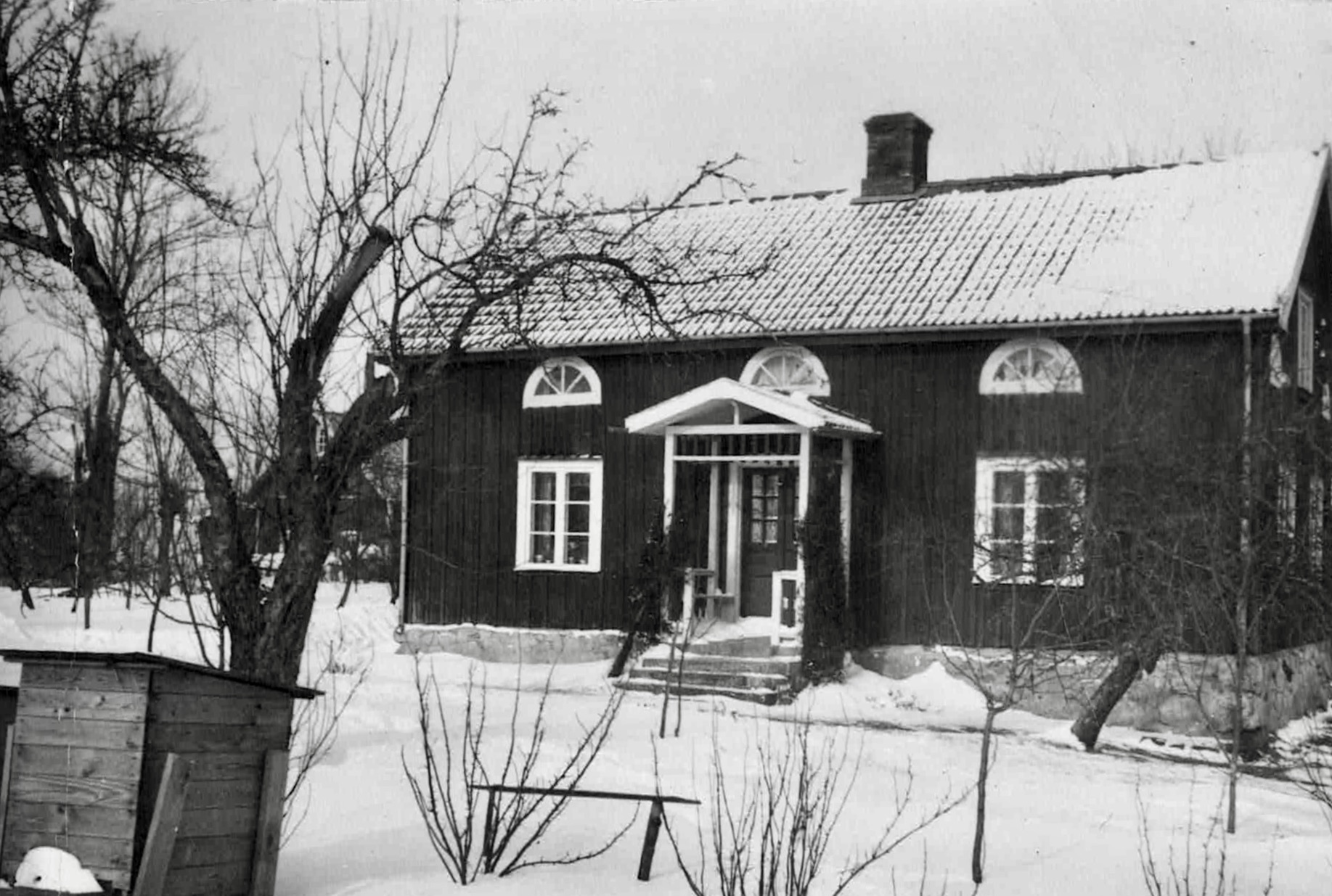
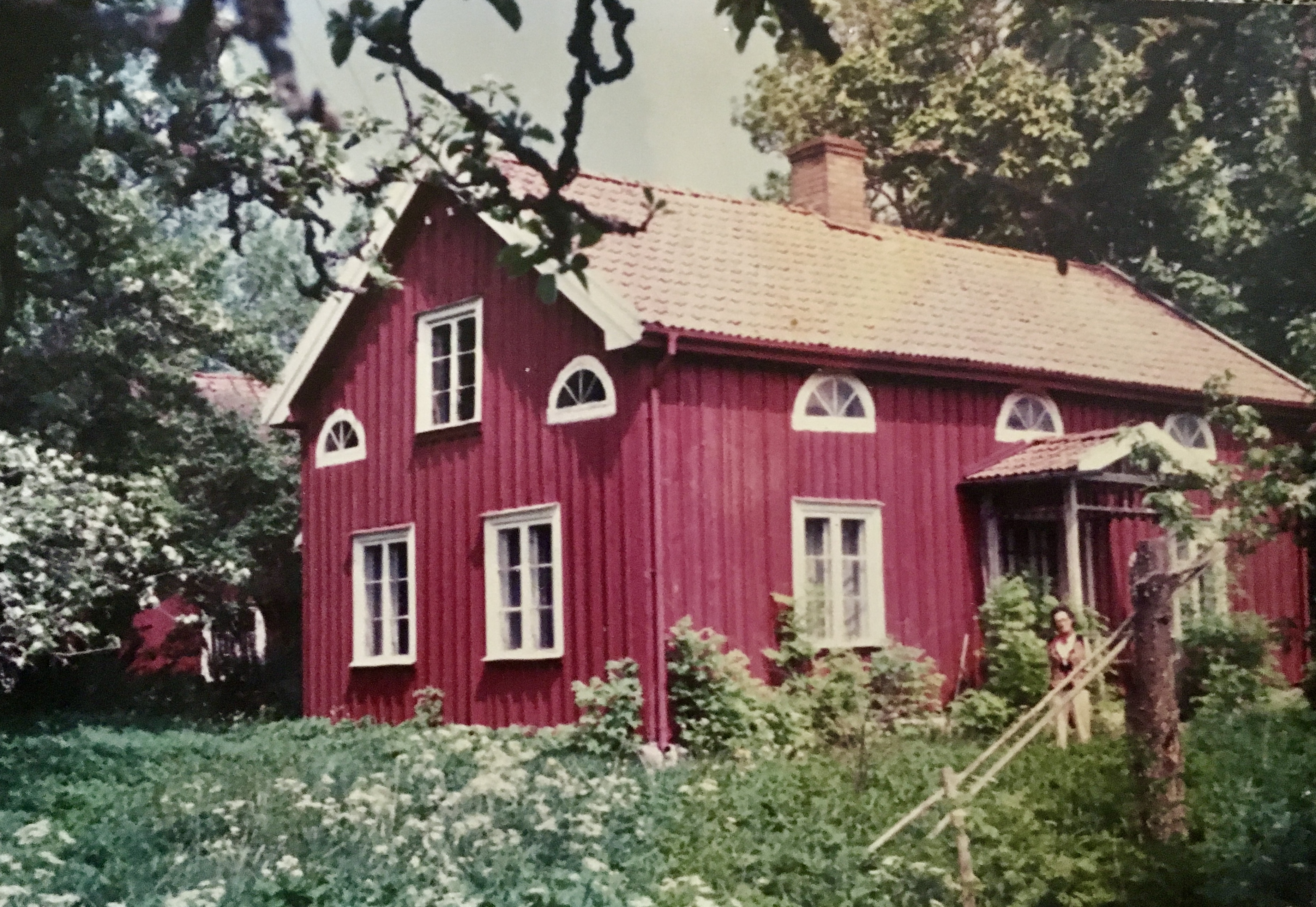
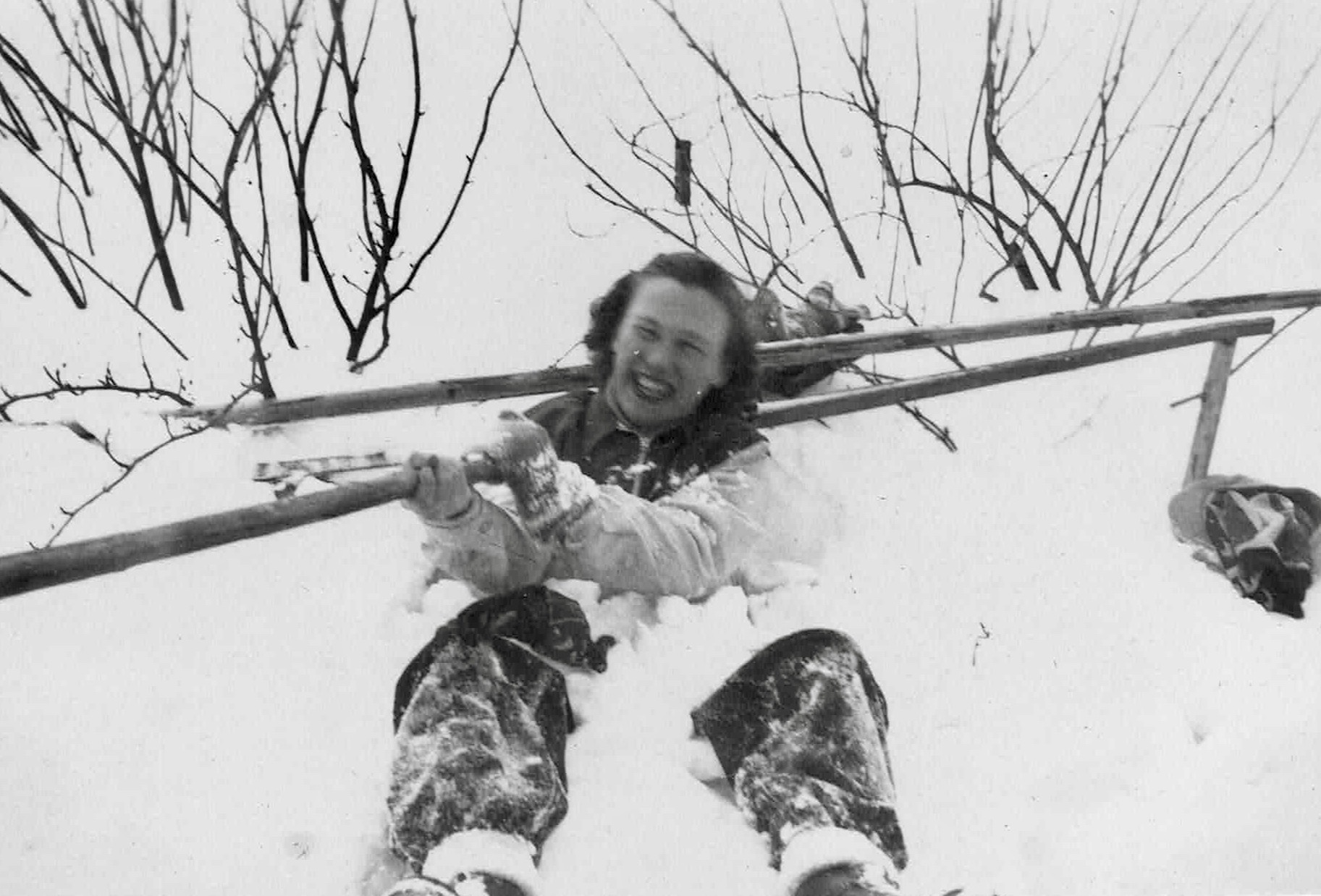
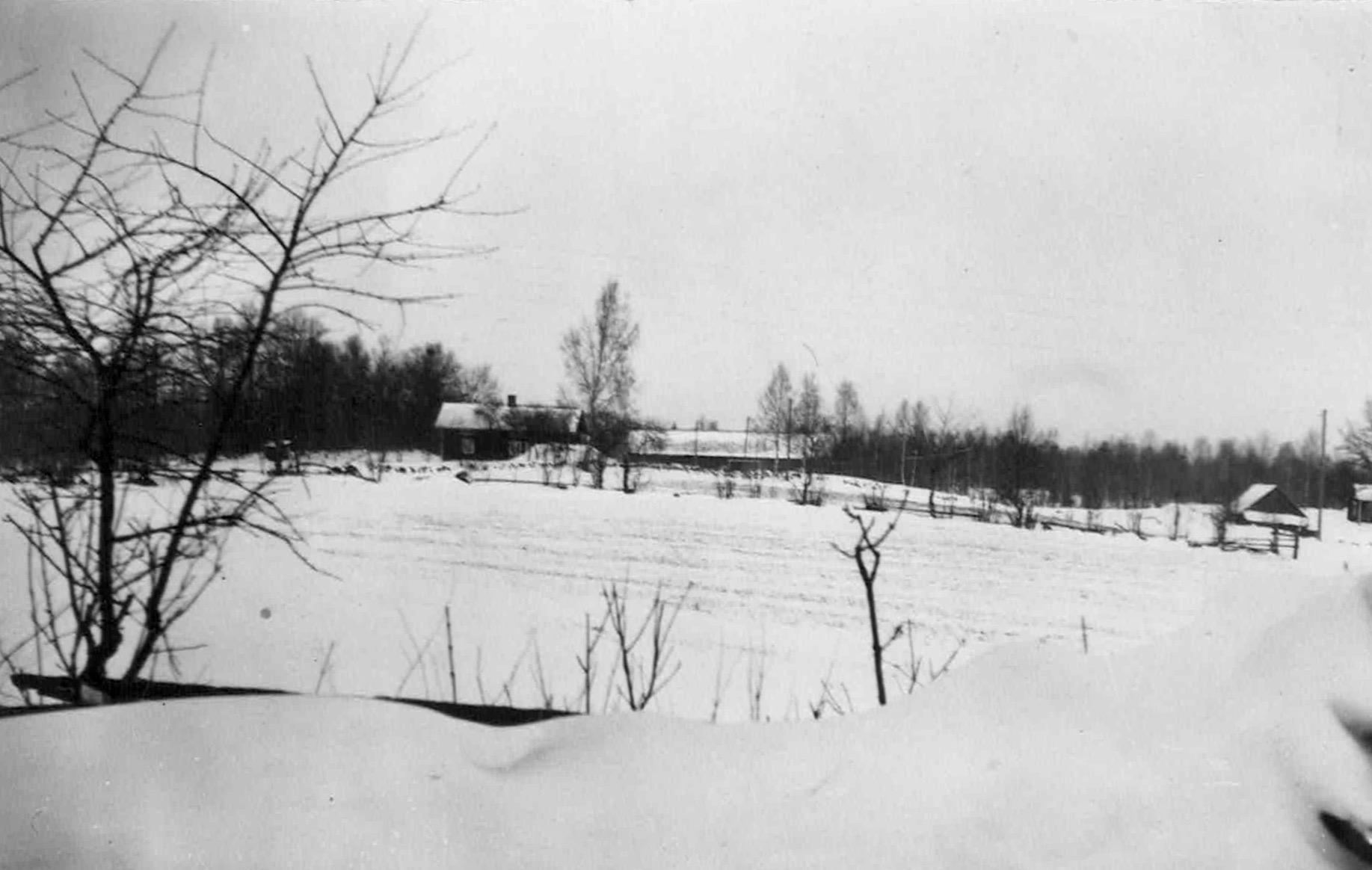
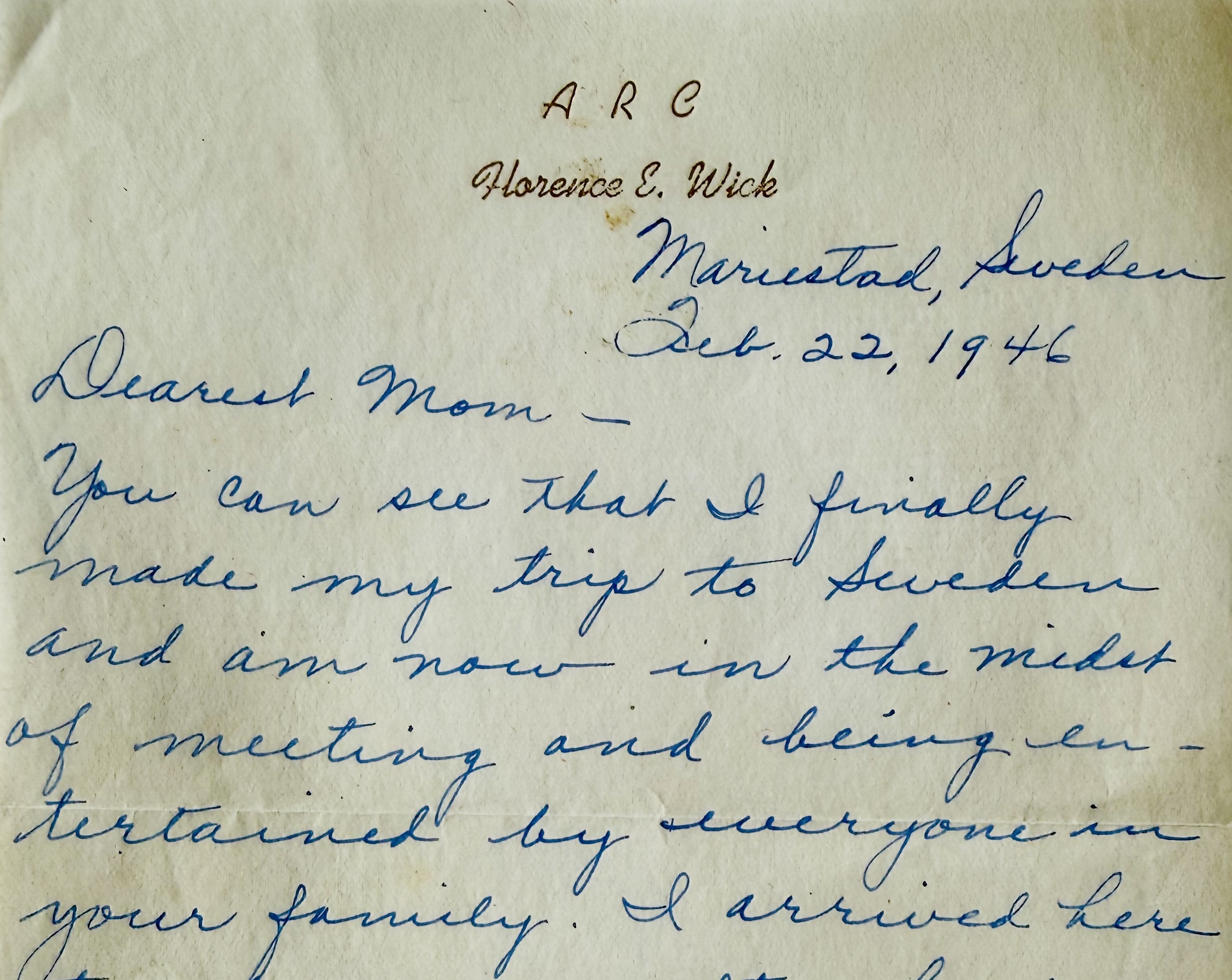
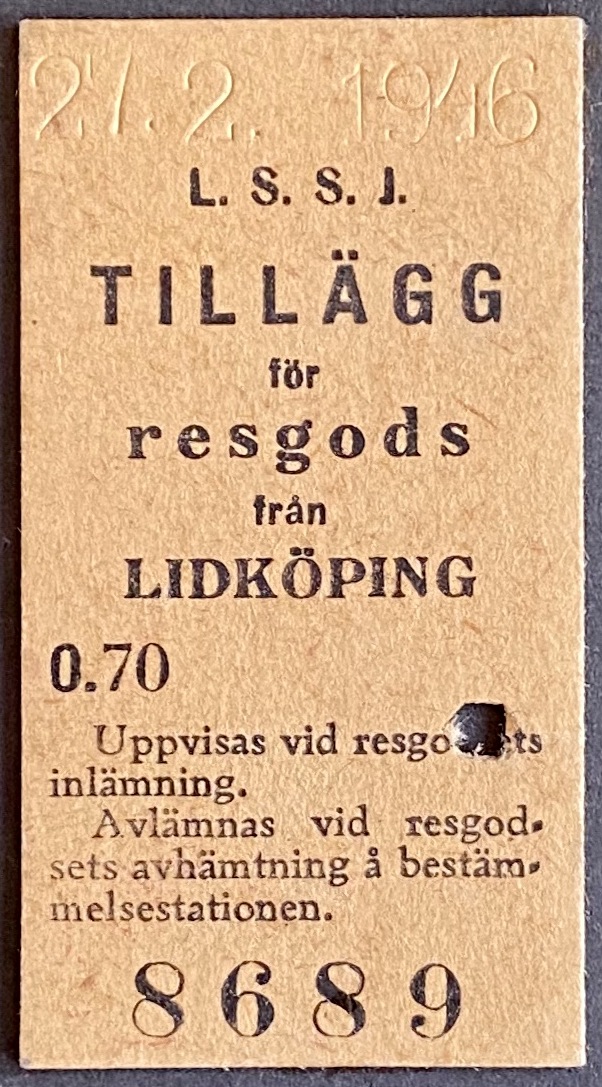
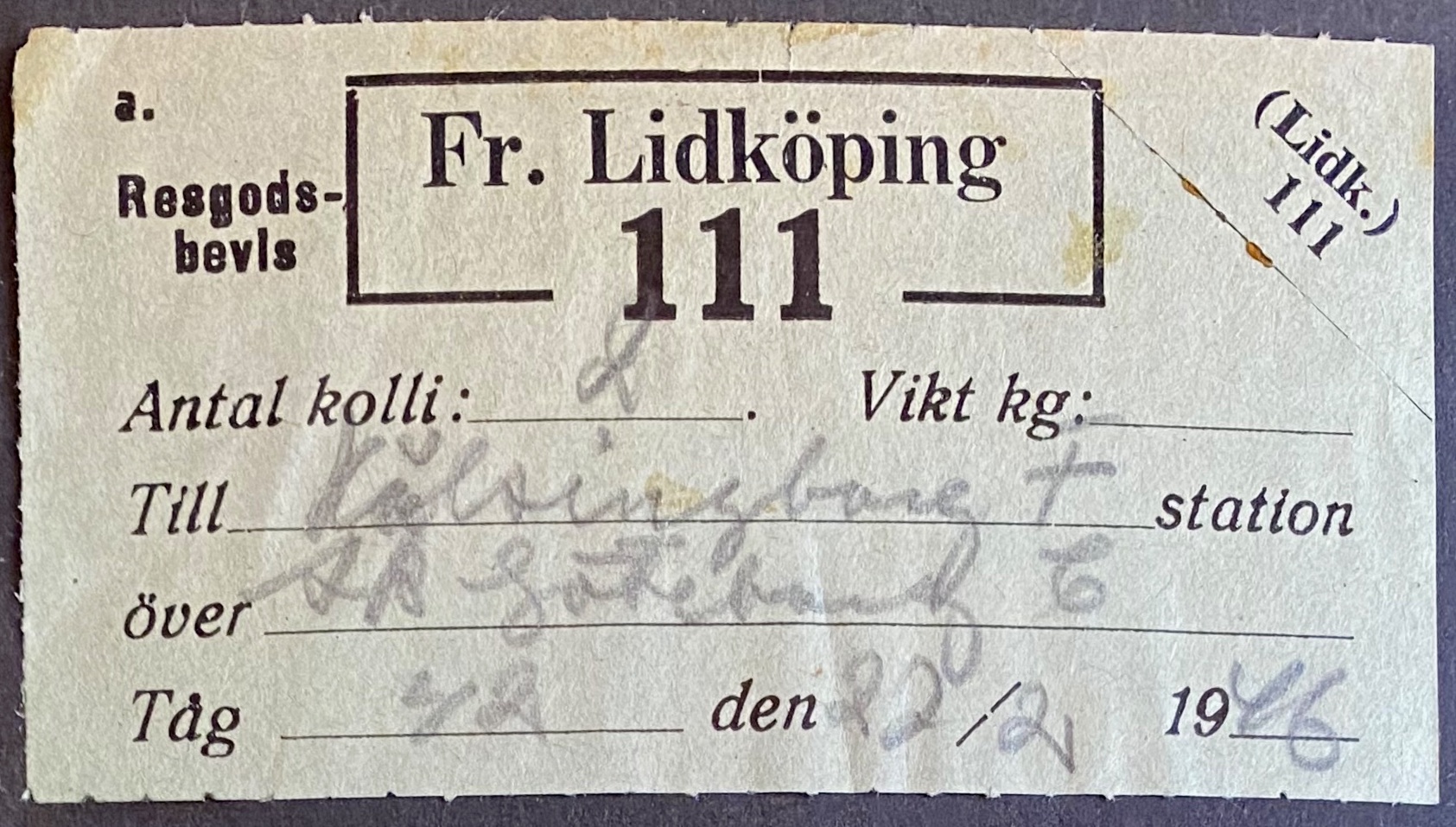
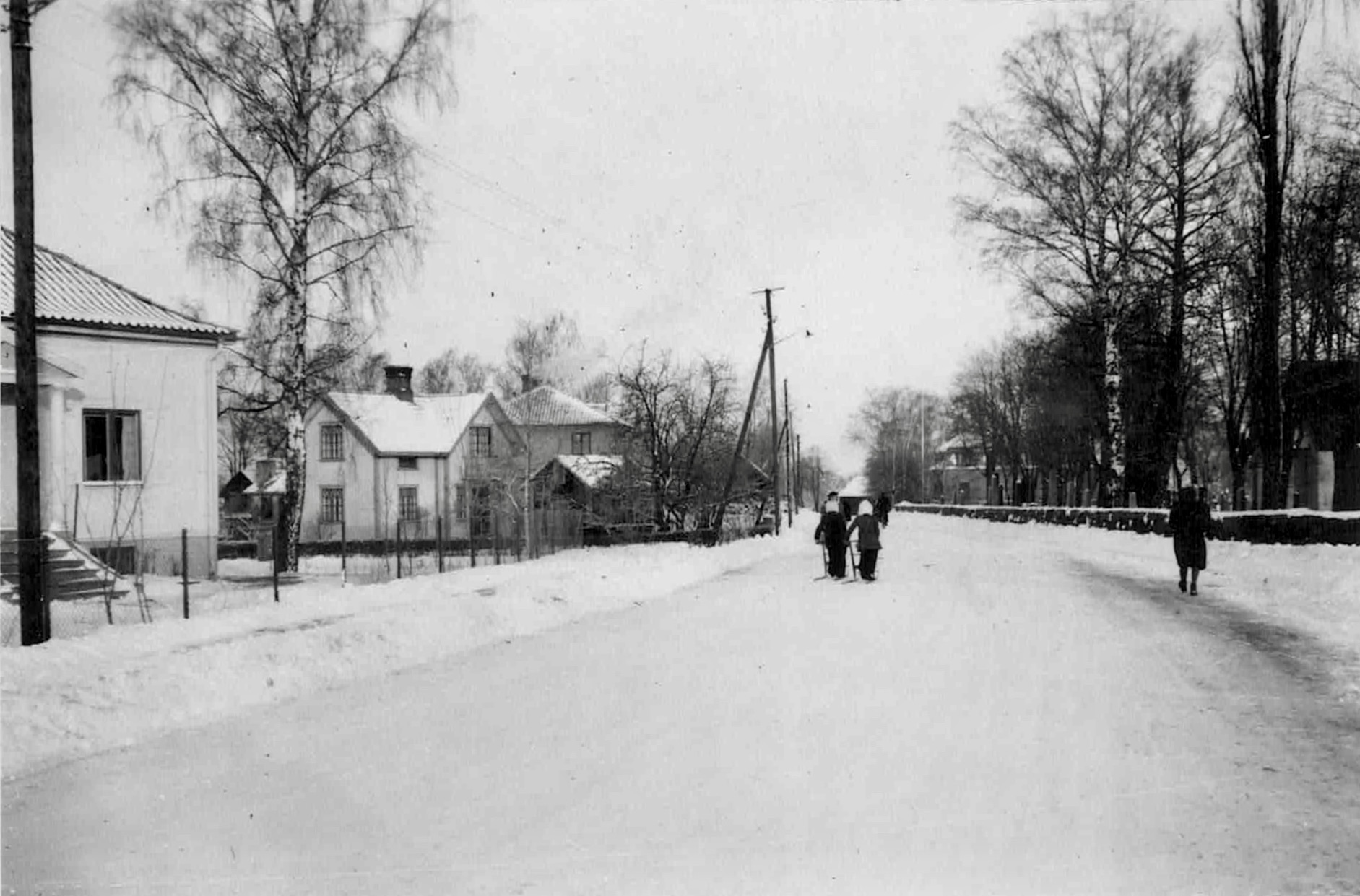
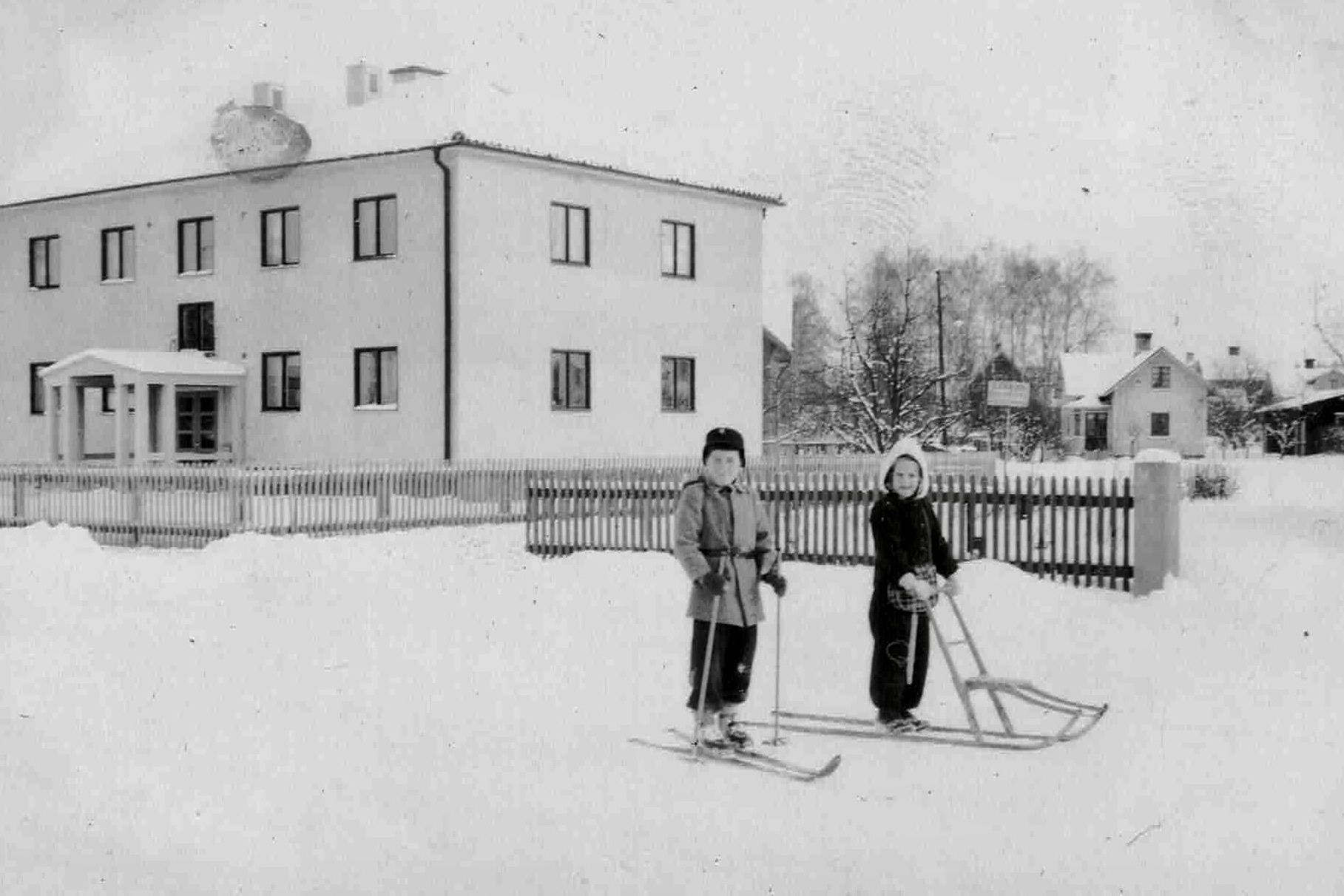
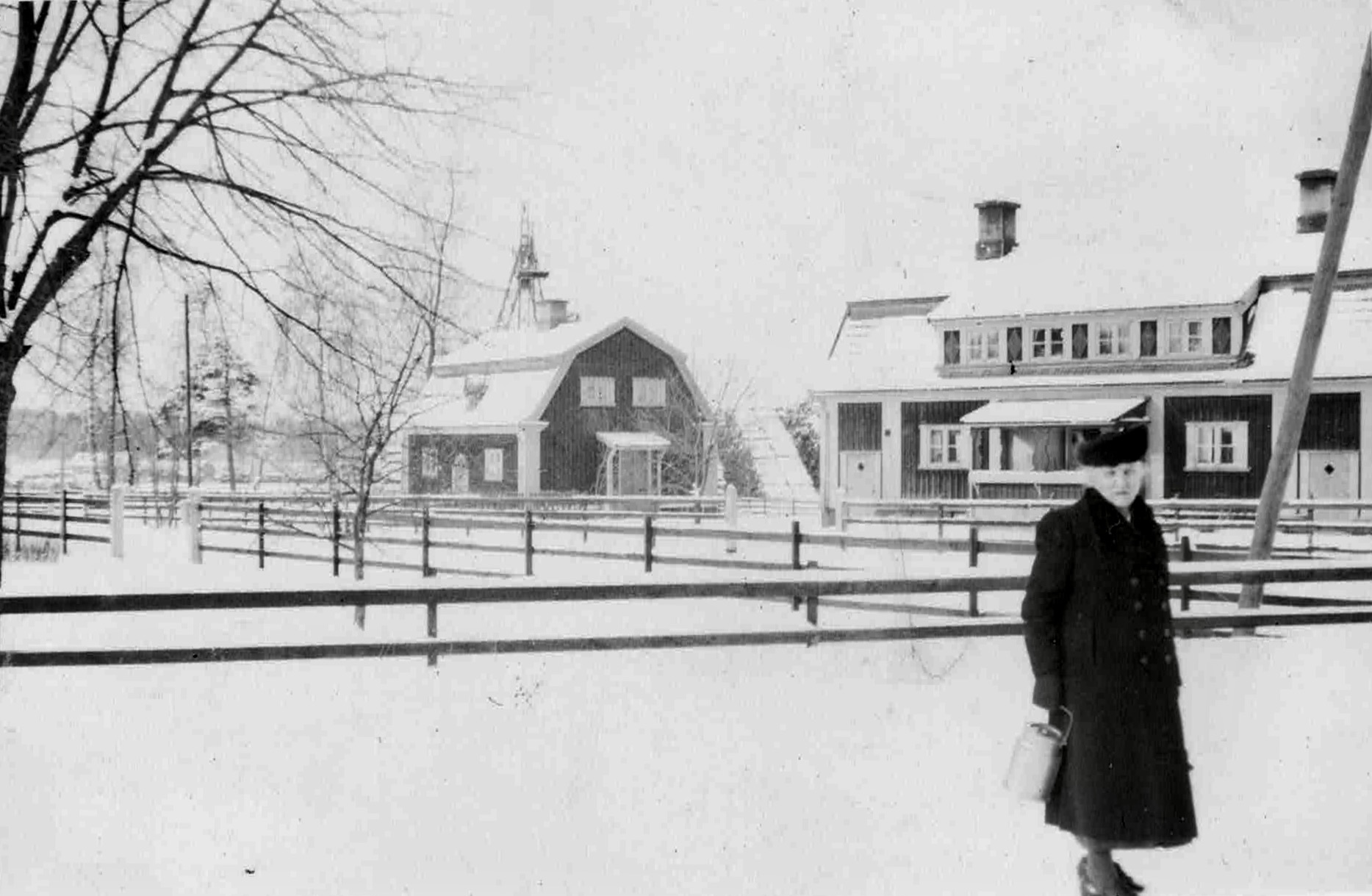
Flo got leave to visit Swedish relatives in Feb 1946. She and I returned in 1979. The family grave at LugnåsWe visited it in 1979.Church and cemetery at Lugnås. The church was built in the 12th century.Grandma’s family home at Stora MyranIt was still there when we visited in 1979.“Skiing (?) in Lugnås”The farm at Stora Myran
Lidköping
Flo visited cousin Karin in Lidköping and we saw her again in 1979. She was a lesbian who adopted her younger caregiver. They traveled the world together.
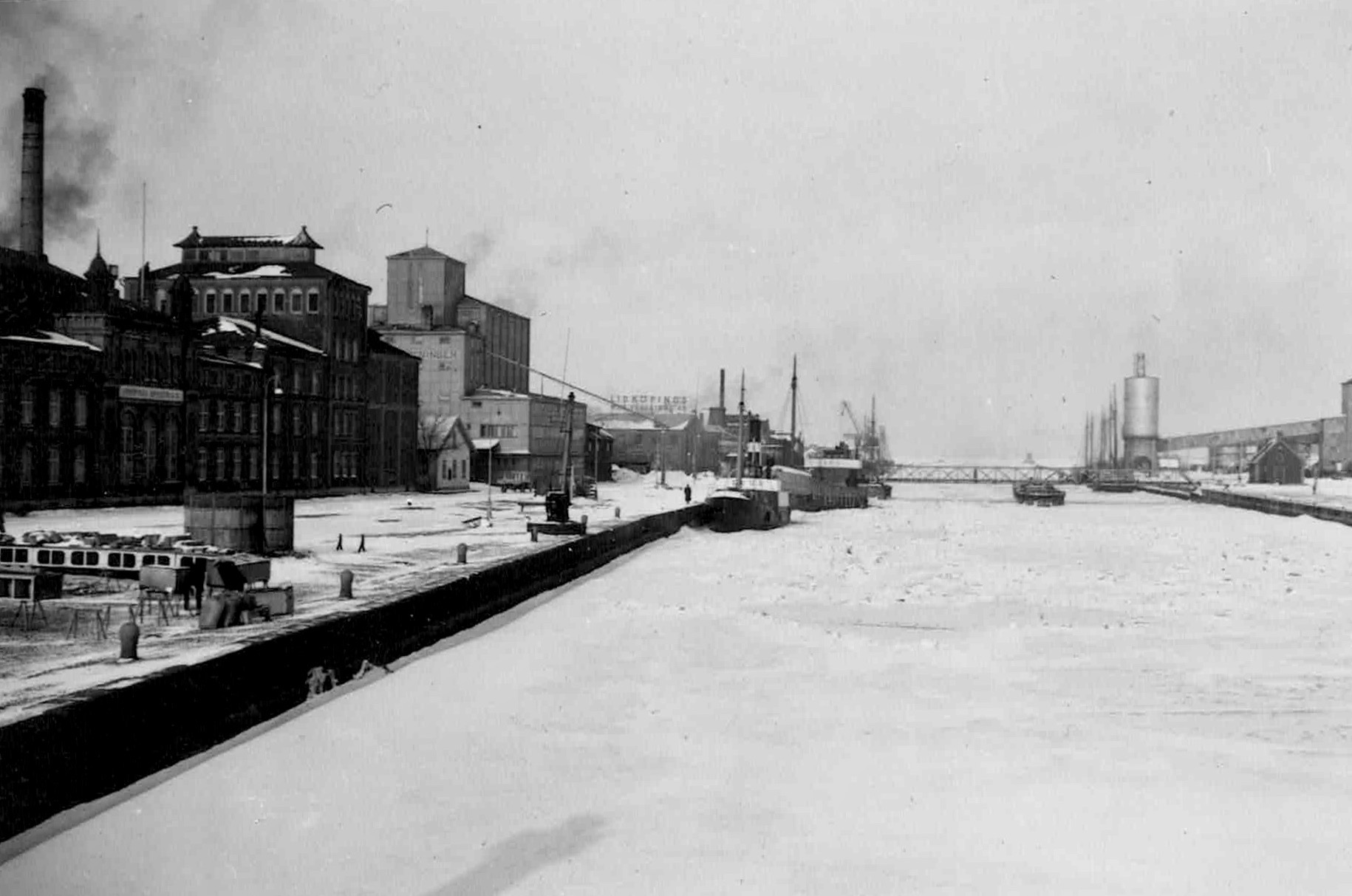
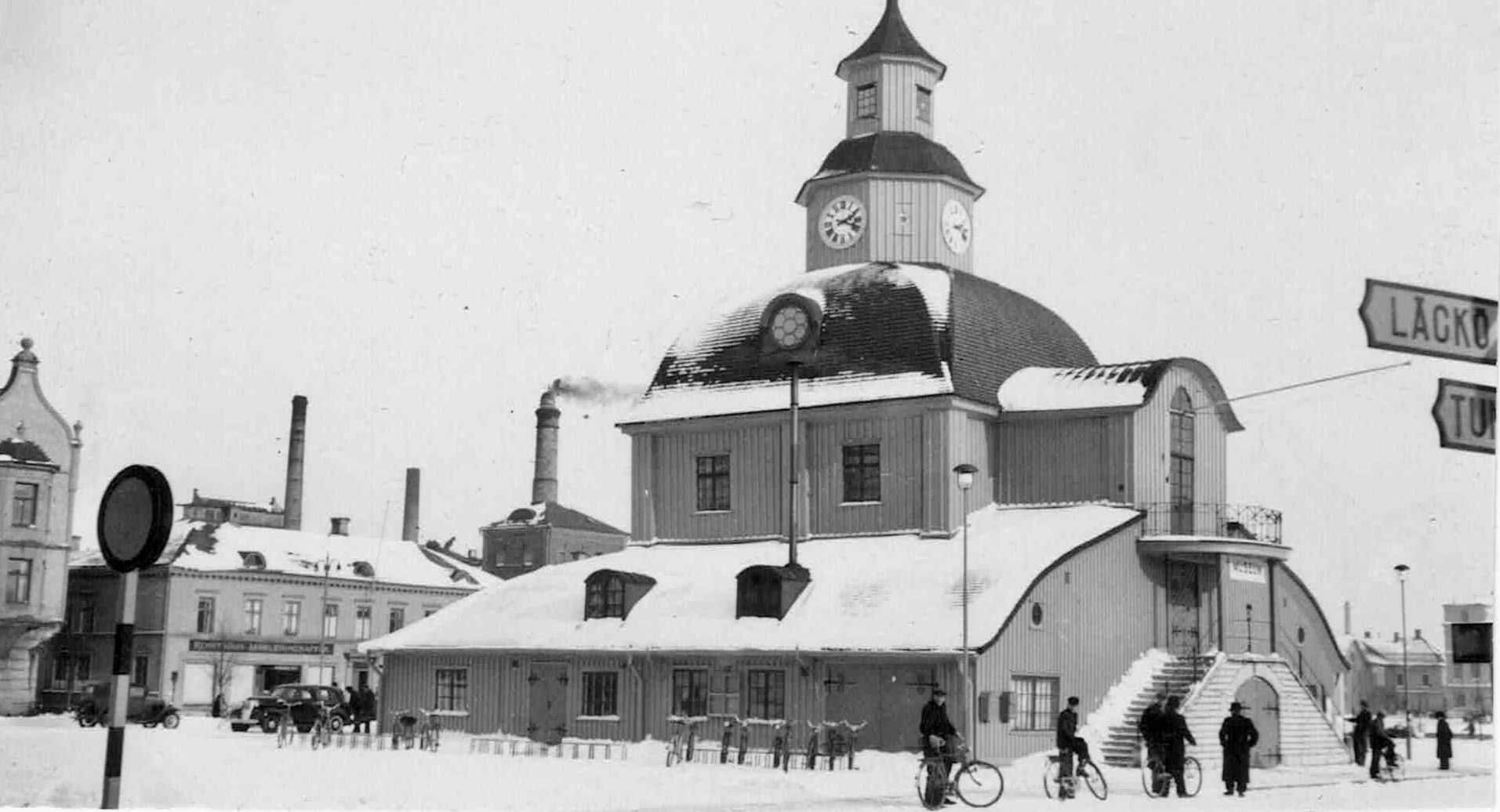
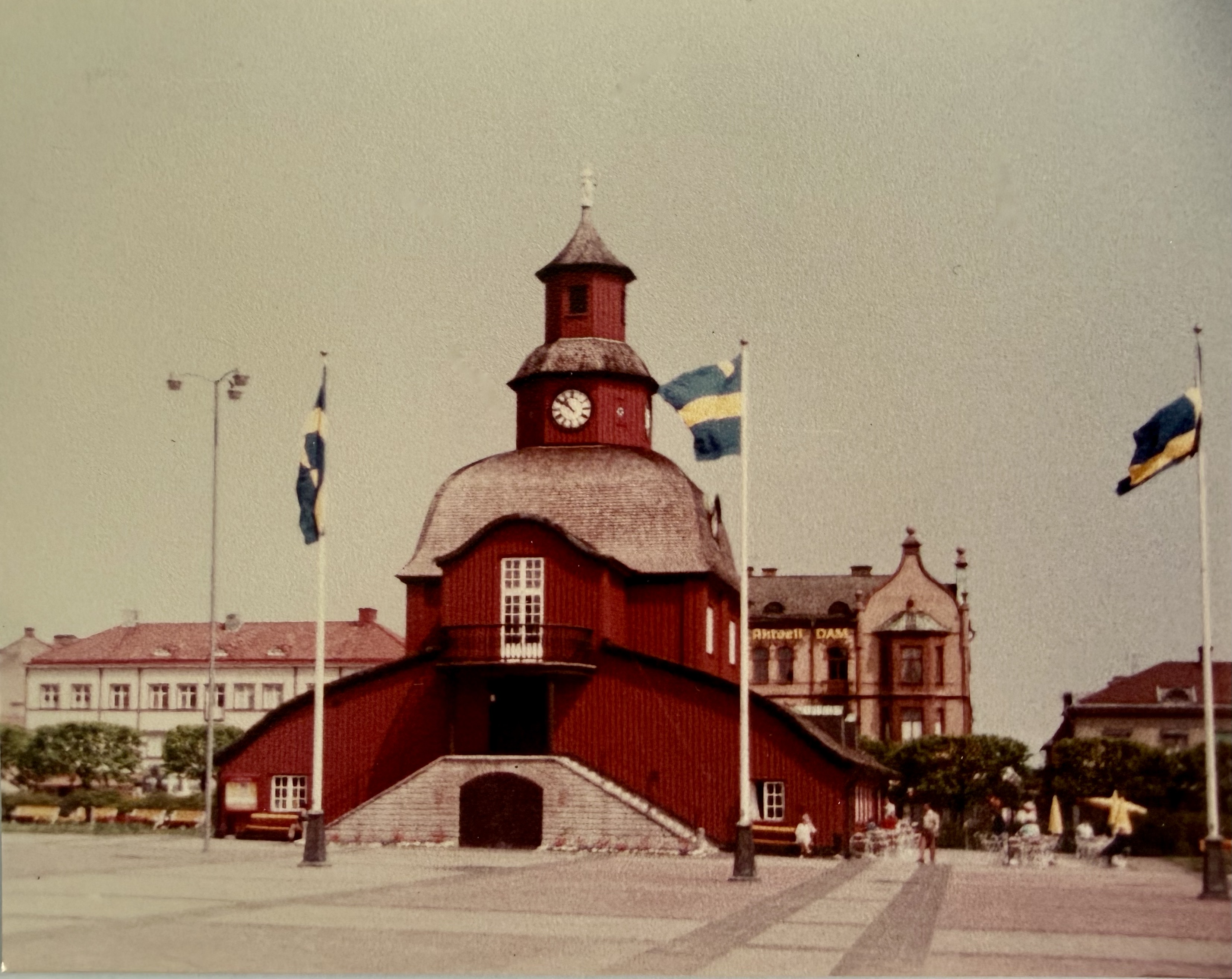
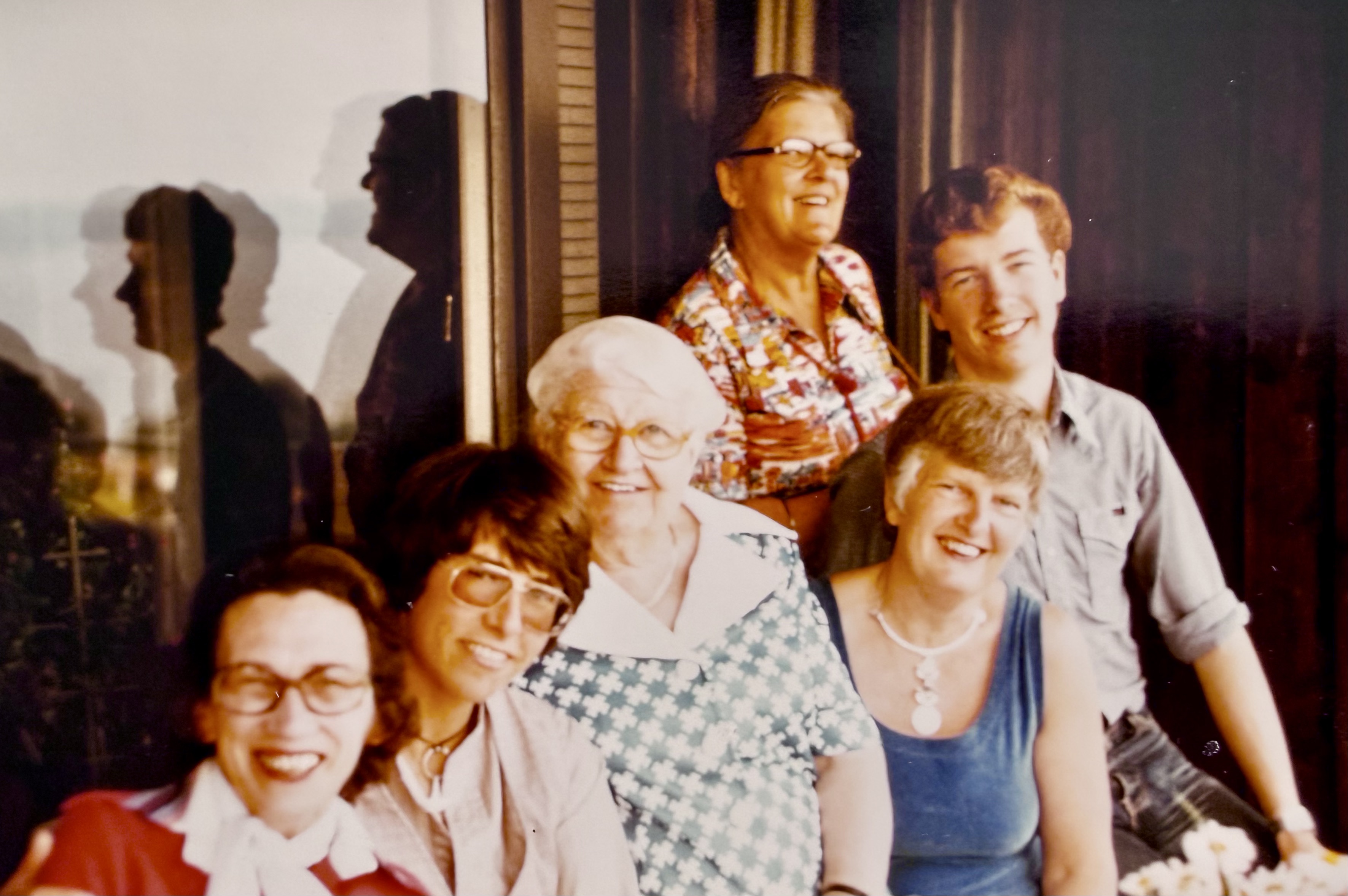
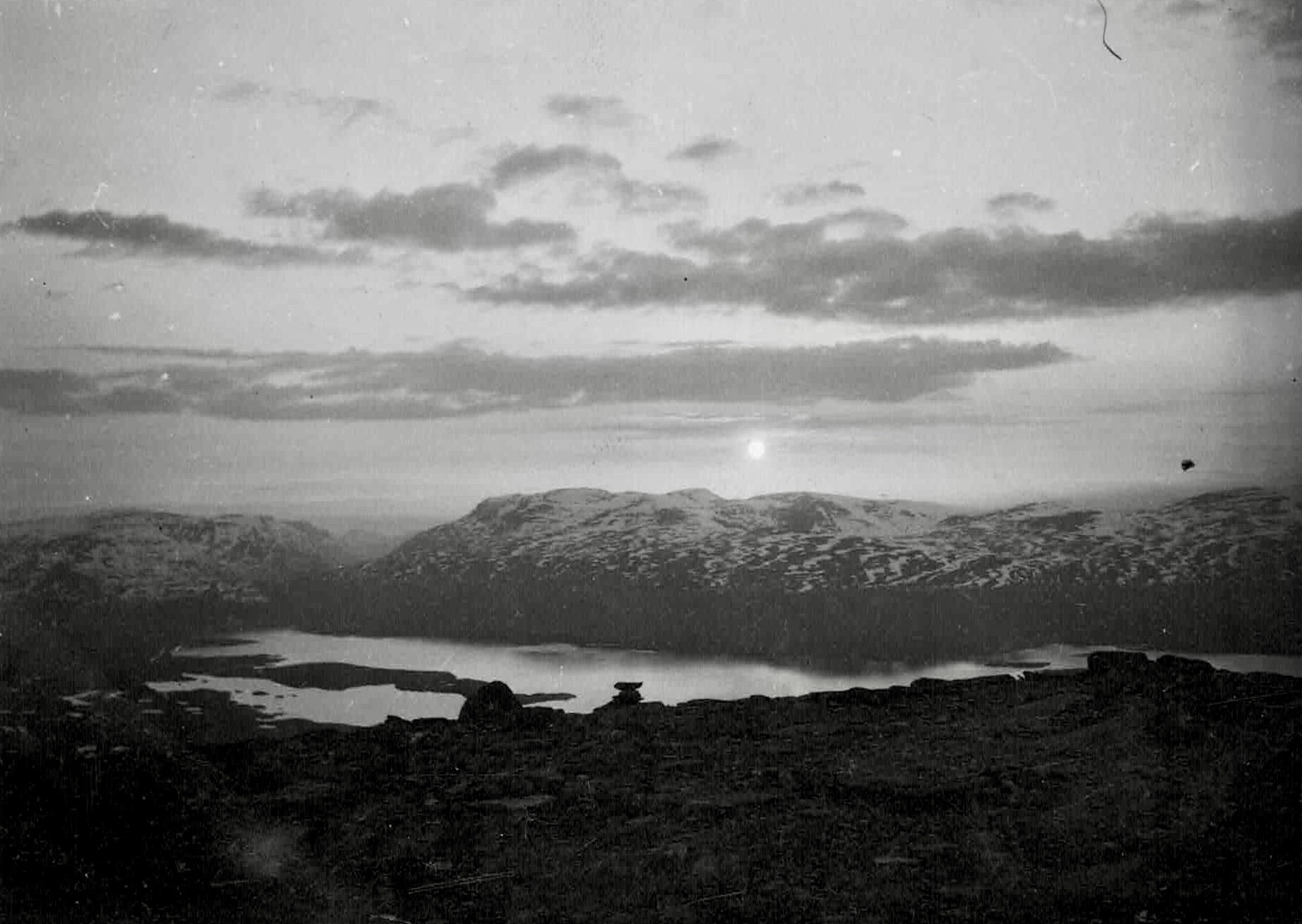
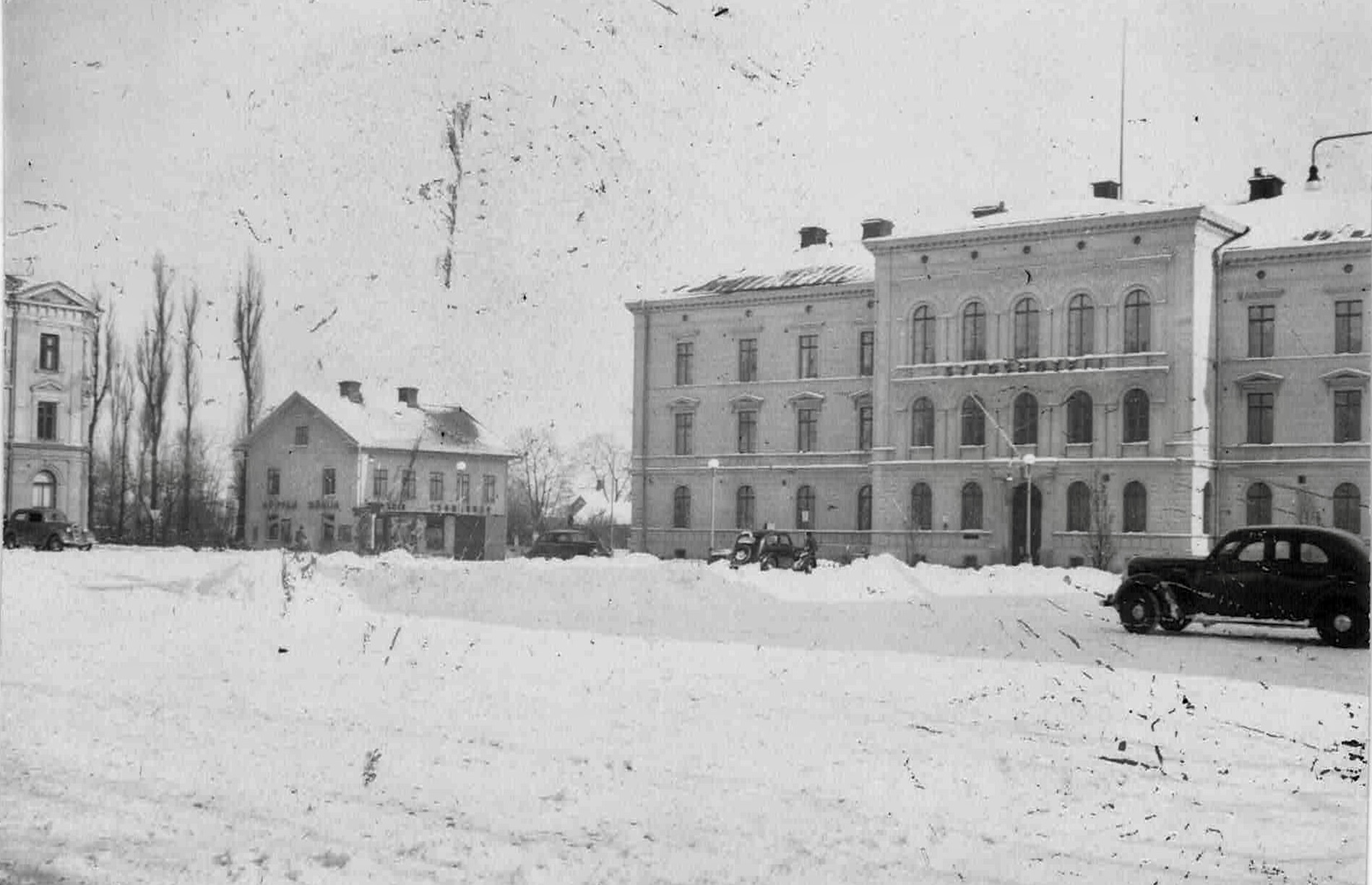
Vener Canal, LidköpingTown square Lidköping. “500 years old in 1946”Still there 1979. Smokestacks are gone.Flo and I with her first cousins Greta and Elizabeth, Ingebritt and son“Land of the midnight sun”
Our Swedish relatives live near the southern shores of the two great lakes, Vänern and Vättern. Our grandmother, Gerda, grew up on a farm called Stora Myran, near the village of Lugnås.
Gerda’s father, Lars Persson (d: 1910) was first married to Sara Jonsdotter, who died in 1871. His second wife was Sara Nyberg (d: 1924). Altogether they had 16 children, and you can see why I have trouble keeping track of them all. Some died and most, including Gerda, emigrated to the US. Two daughters, Julia and Amalia, stayed in Sweden.
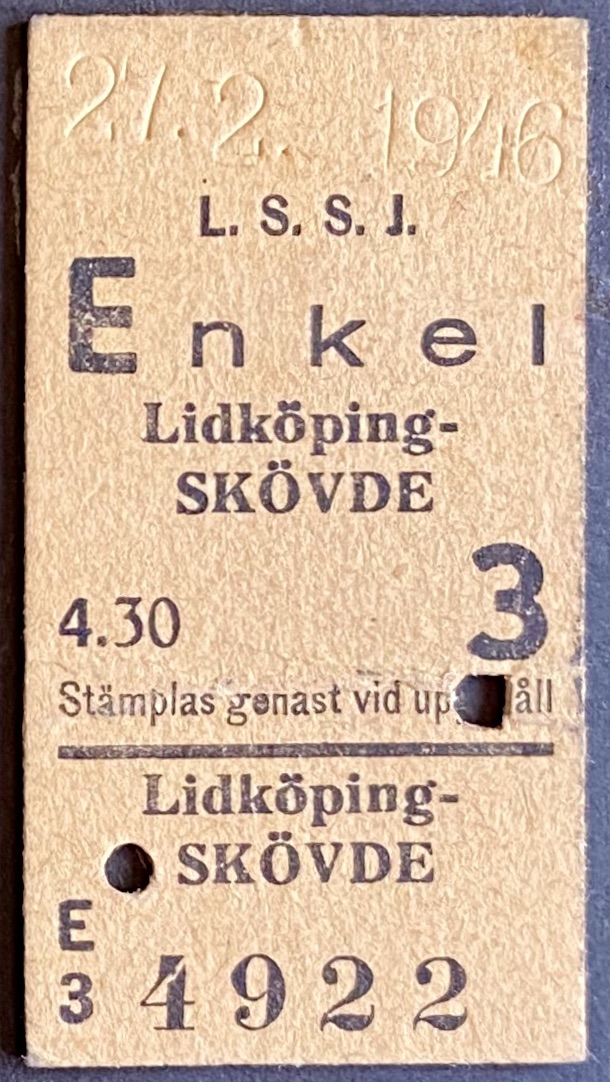
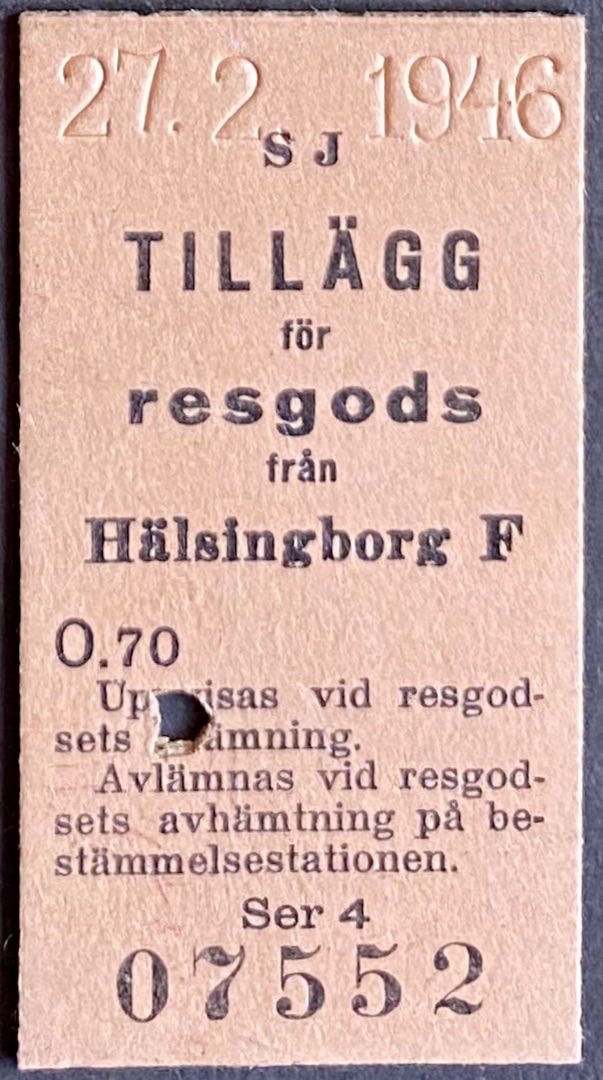
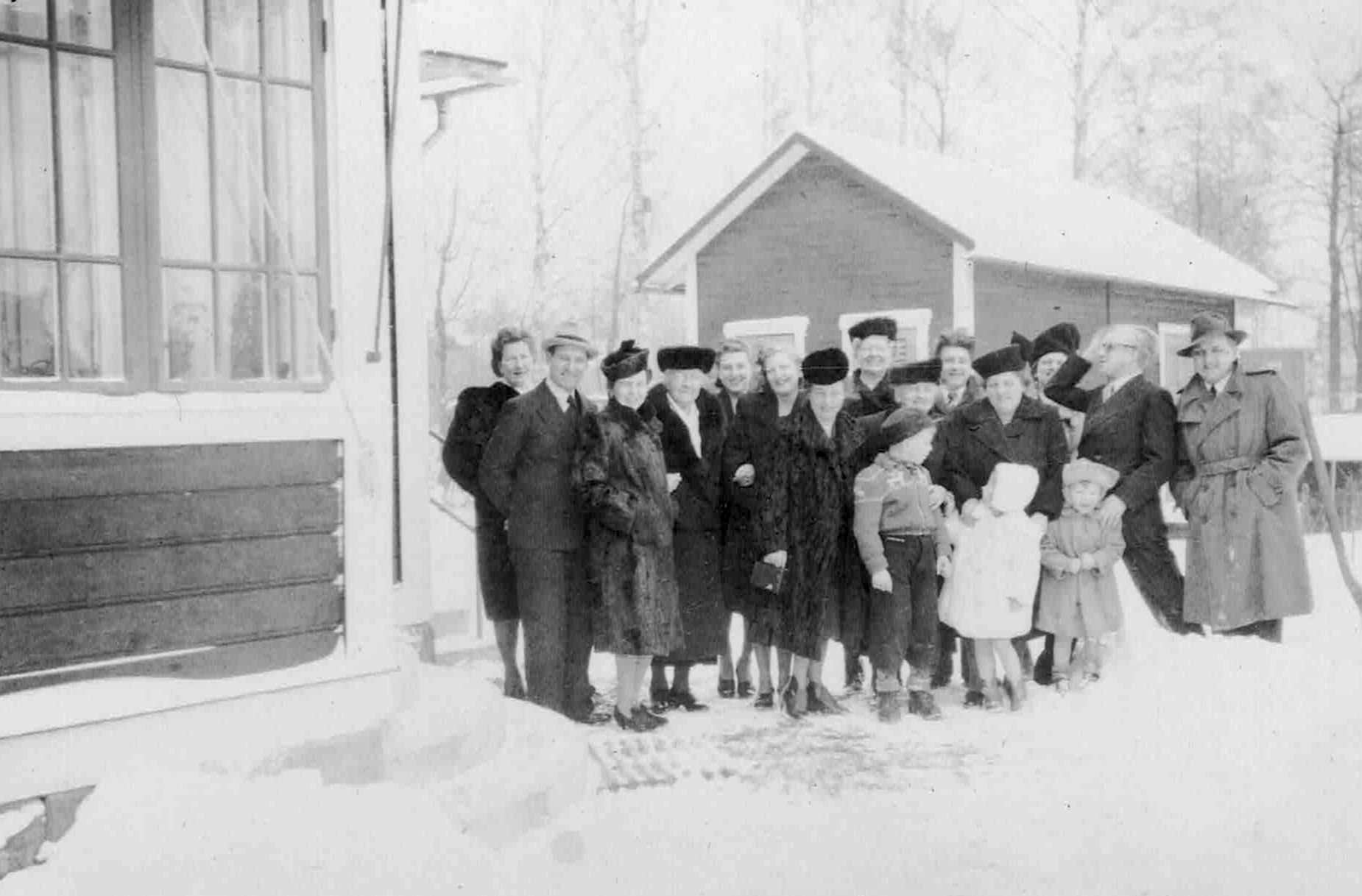
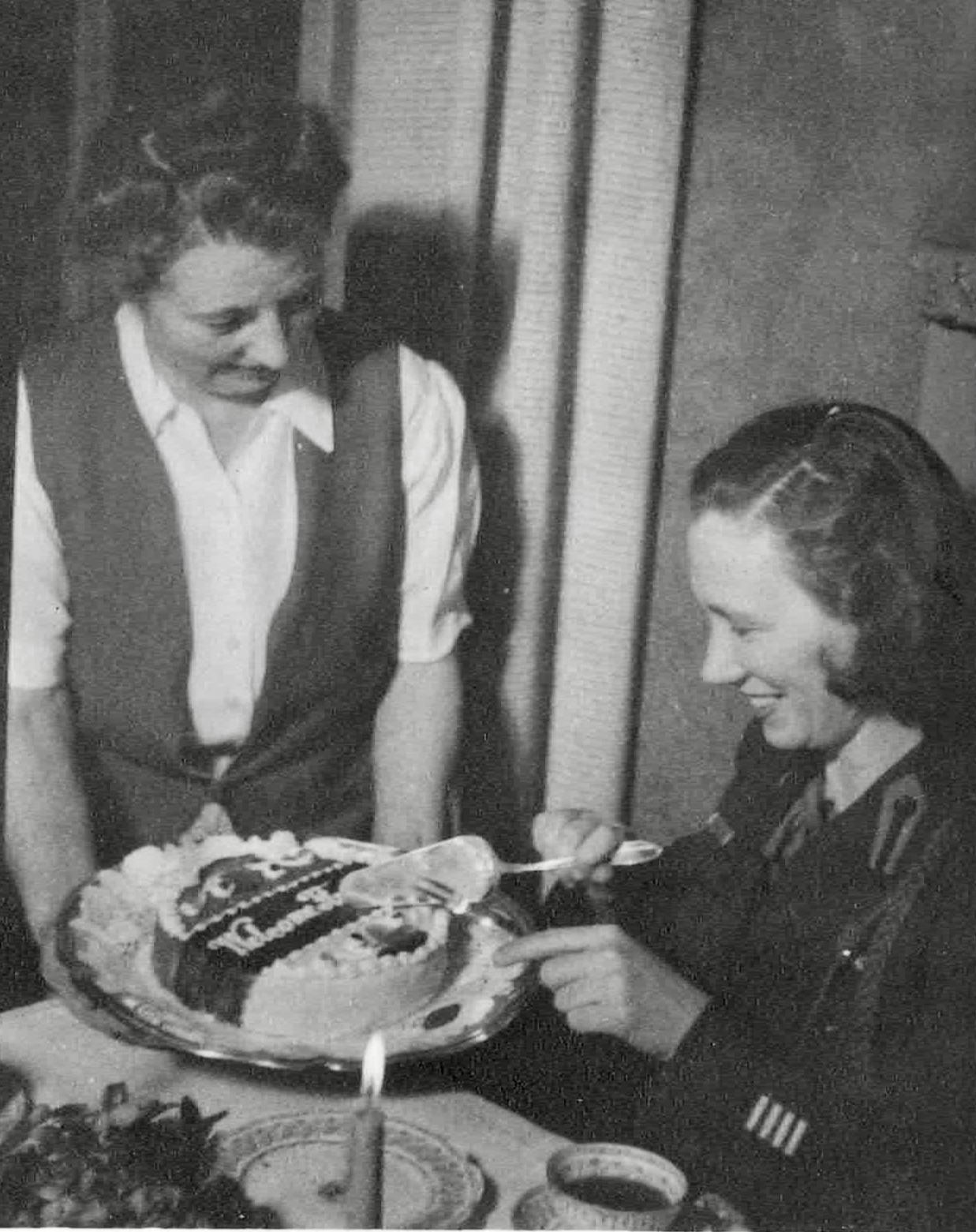
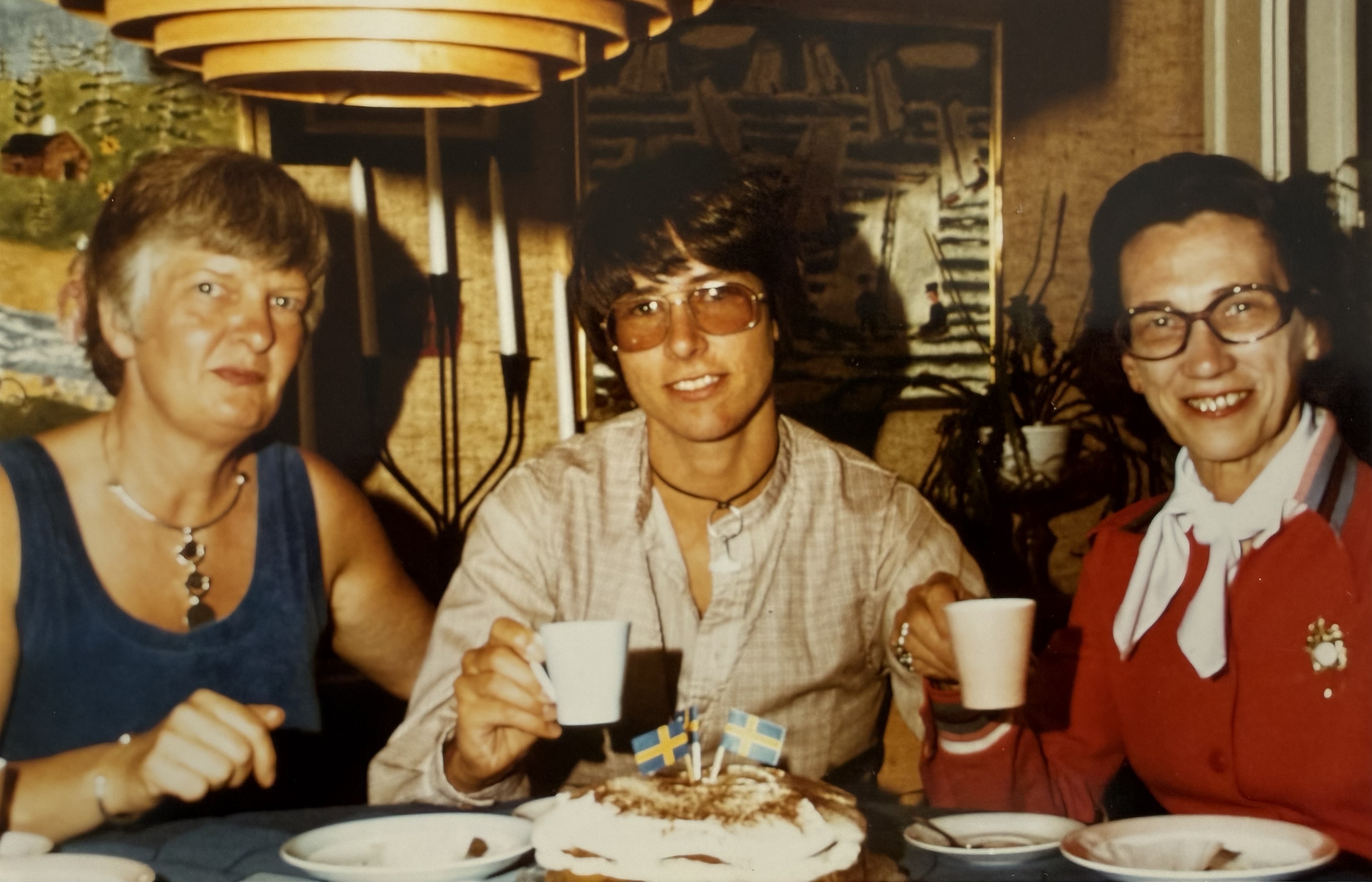
Luggage tags from Flo’s travels in SwedenThe Swedes gathered in Mariestad to welcome FloFlo captioned these pictures “Mariestad, Sweden (Aunt Amalia’s home)”. This is where she stayed while visiting the relatives.Sometimes they traveled by ski. Cool contraption to replace poles, maybe like training wheels?Aunt Amalia (I think), one of the two daughters who did not emigrateCousin Britta threw a party and made a cake that says Welcome FlorenceCake and coffee reprise. Cousin Ingabritt, Molly and Flo visiting in Jönköping, 1979. Flo died four years later in 1983.
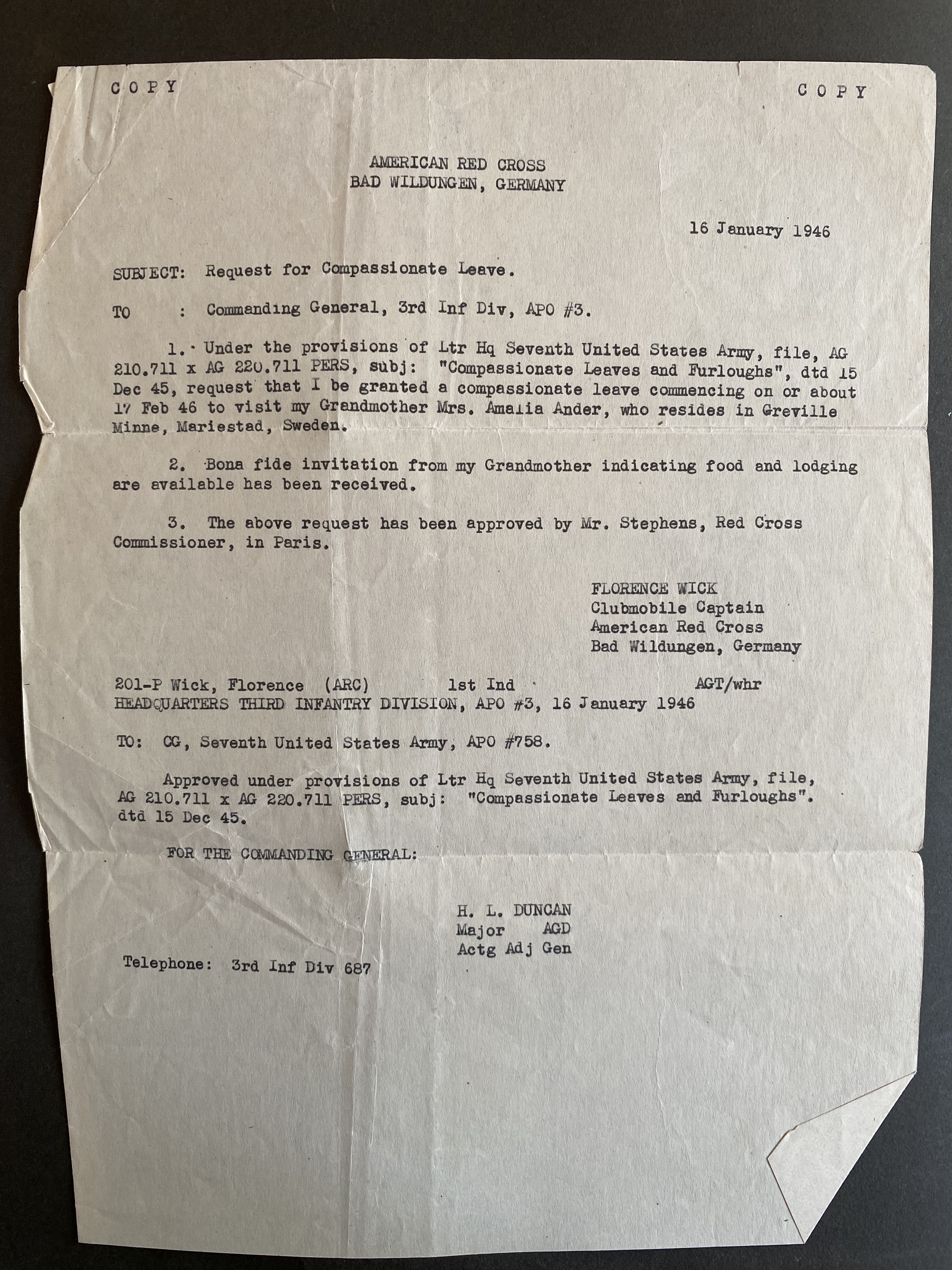
Flo Requests Compassionate Leave to Visit Relatives
My Mother and Audie Murphy Ch. 110
Sweden maintained official neutrality in the war but made pragmatic concessions to Nazi Germany—exporting crucial materials and allowing troop transits to occupied Norway and Finland—while also expanding its military, sheltering thousands of Jewish and political refugees, training Norwegian resistance fighters, and sharing intelligence with the Allies. As the war turned, Sweden steadily curtailed cooperation and nearly ended trade with Germany by late 1944. Historians debate this legacy: some see pragmatic neutrality that preserved independence and enabled humanitarian acts; others criticize compromises that prioritized economic interests over moral responsibility.
Flo and I traveled to Sweden and Norway in 1979, and we visited all the Swedish relatives still living that Flo saw in 1946. We saw Flo’s mother Gerda’s birthplace, and the towns Flo had visited. From talking to Norwegians I got the feeling then that they had not yet forgiven the Swedes for cooperating with the Nazis during their five-year occupation of Norway. In 1979 there were still those, like my mother, who remembered the war. Perhaps the younger generations no longer hold a grudge.
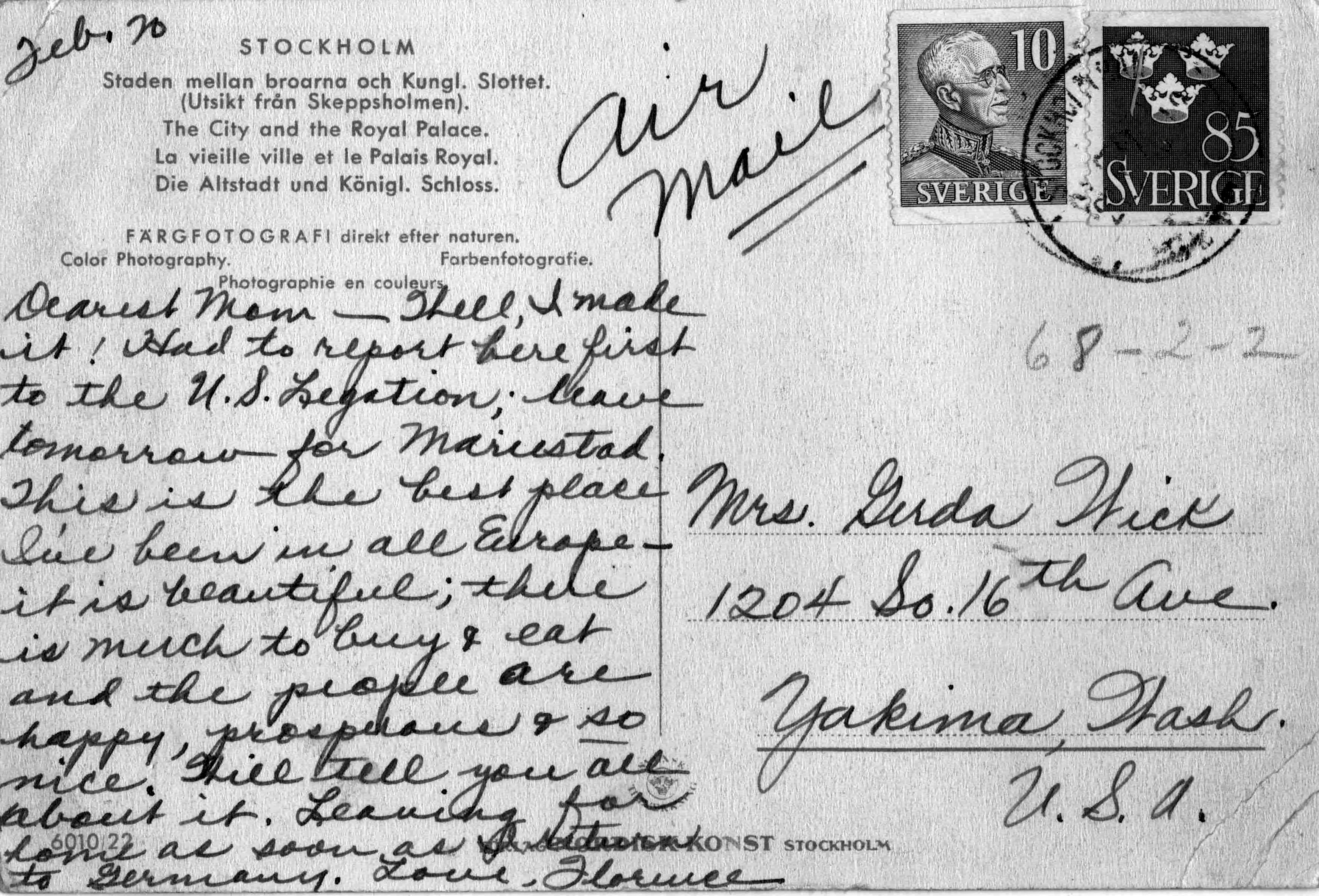
Request for Compassionate Leave“This is the best place I’ve been in all Europe,” wrote Flo
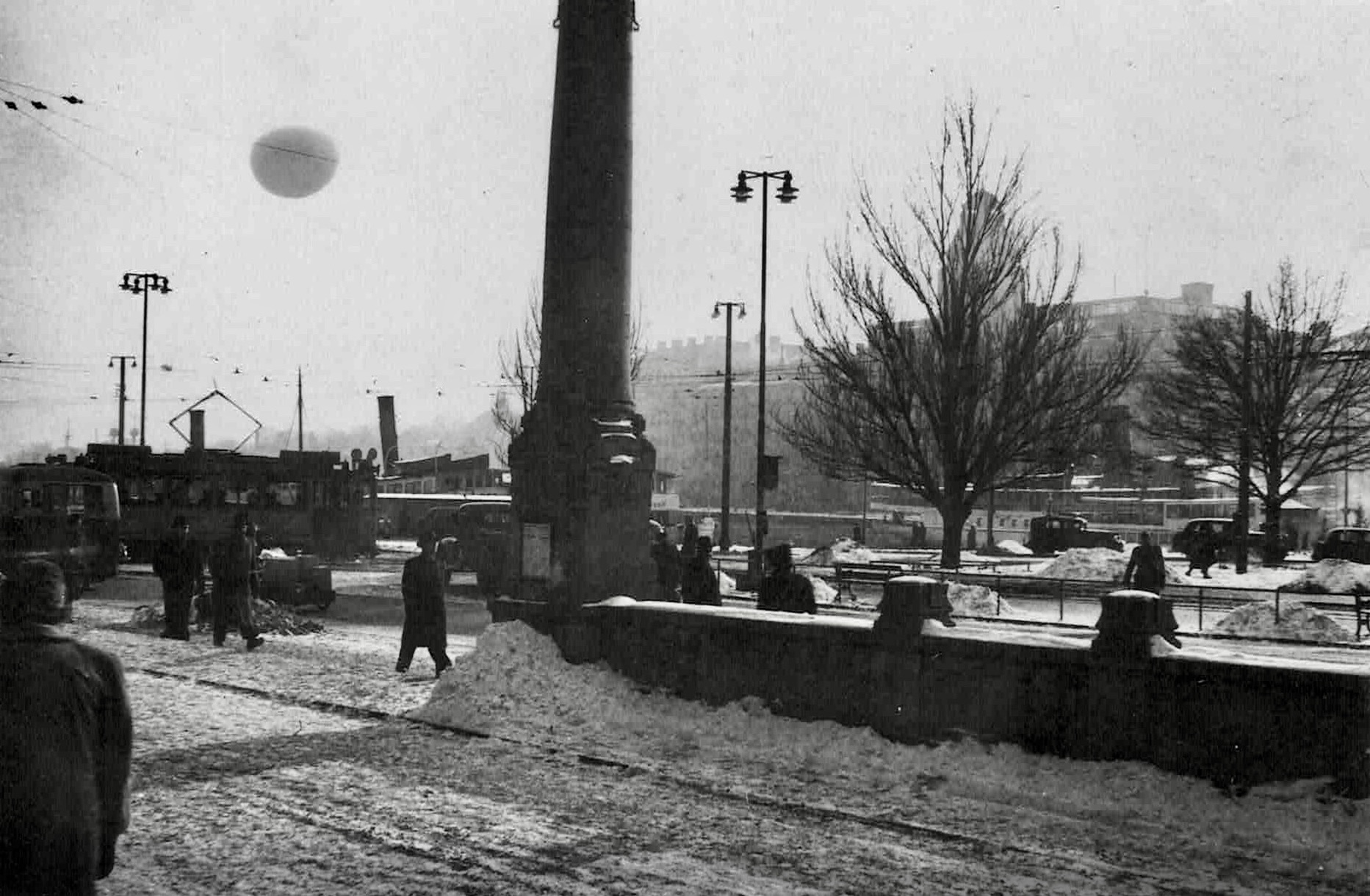
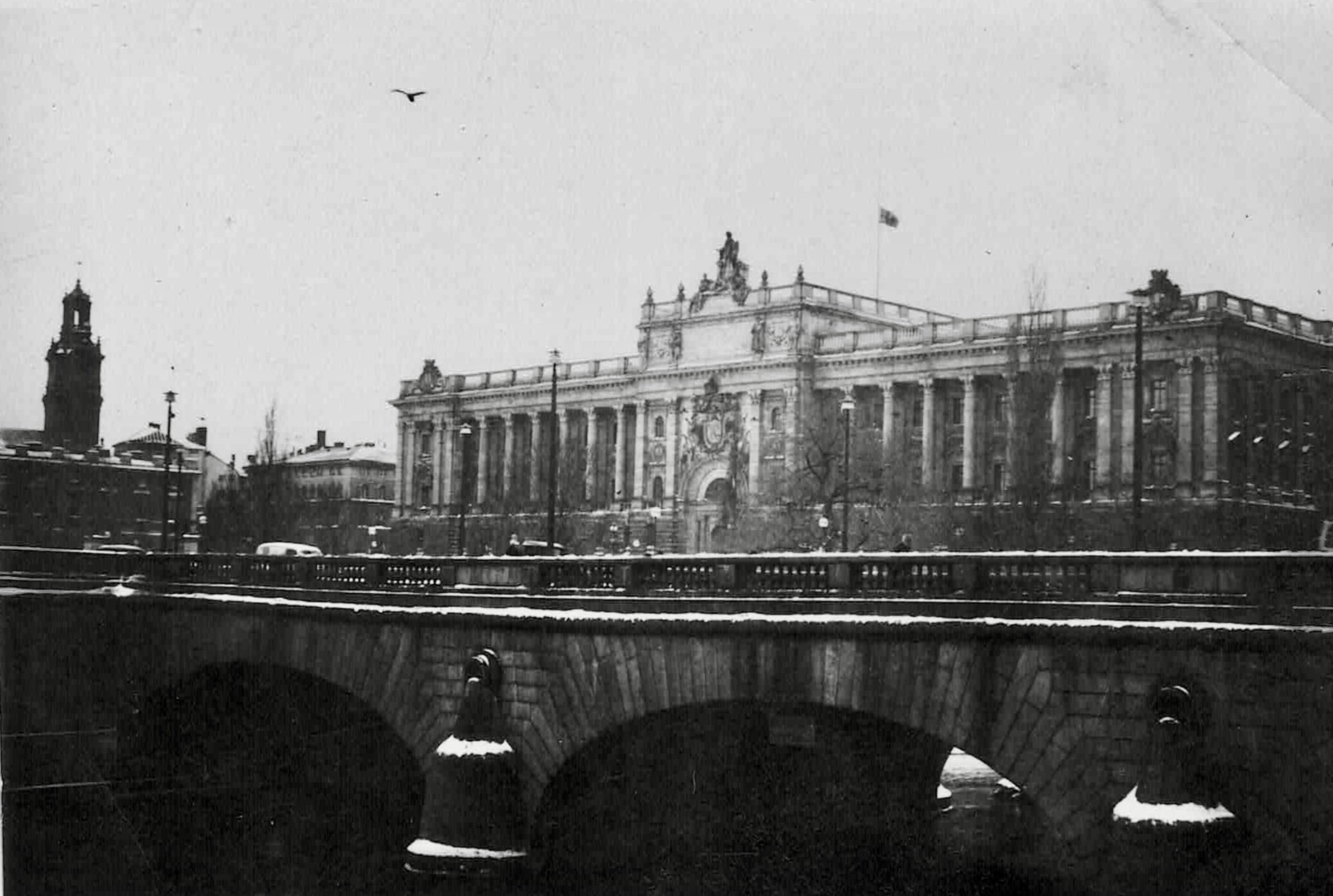
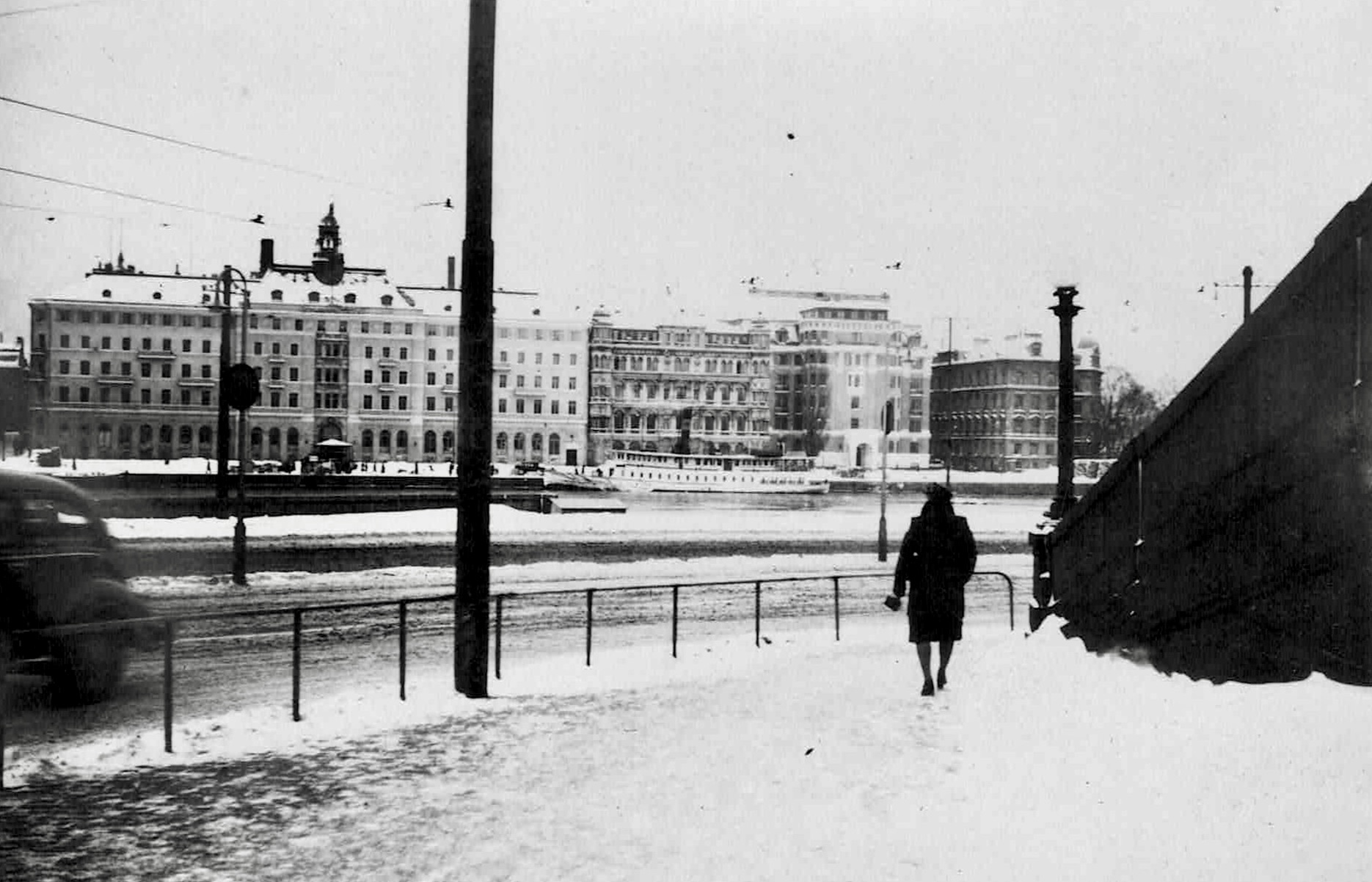
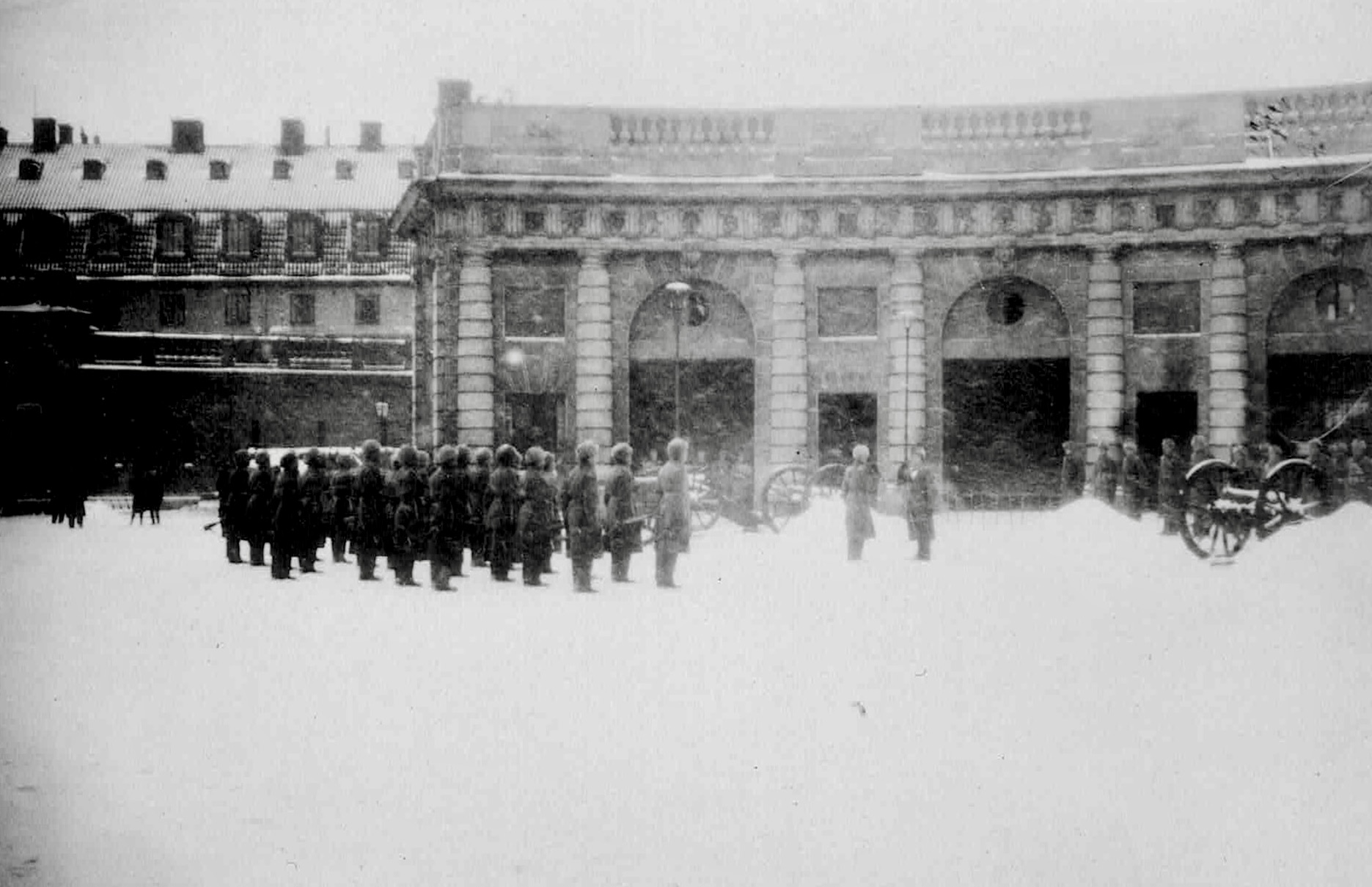
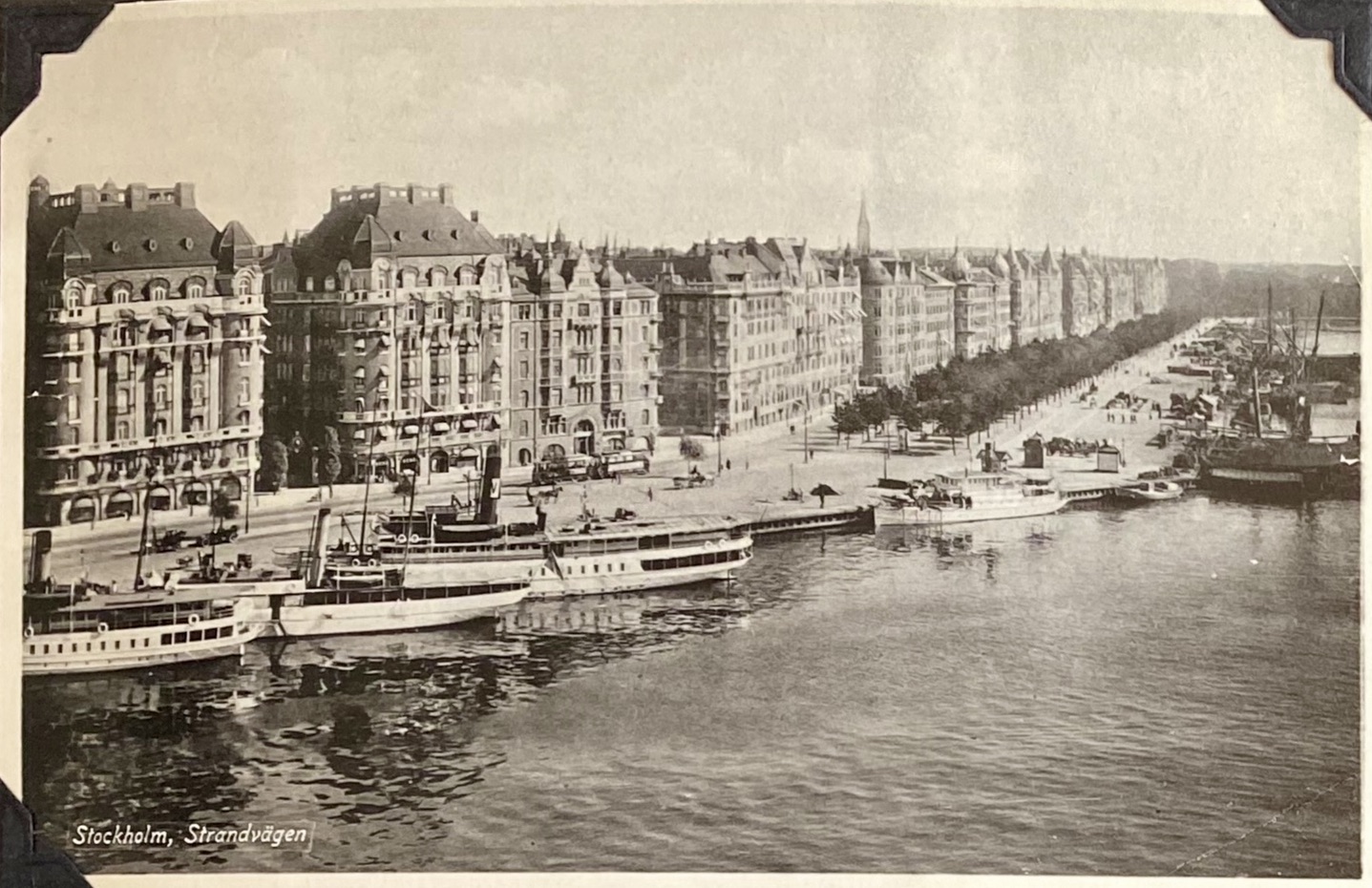
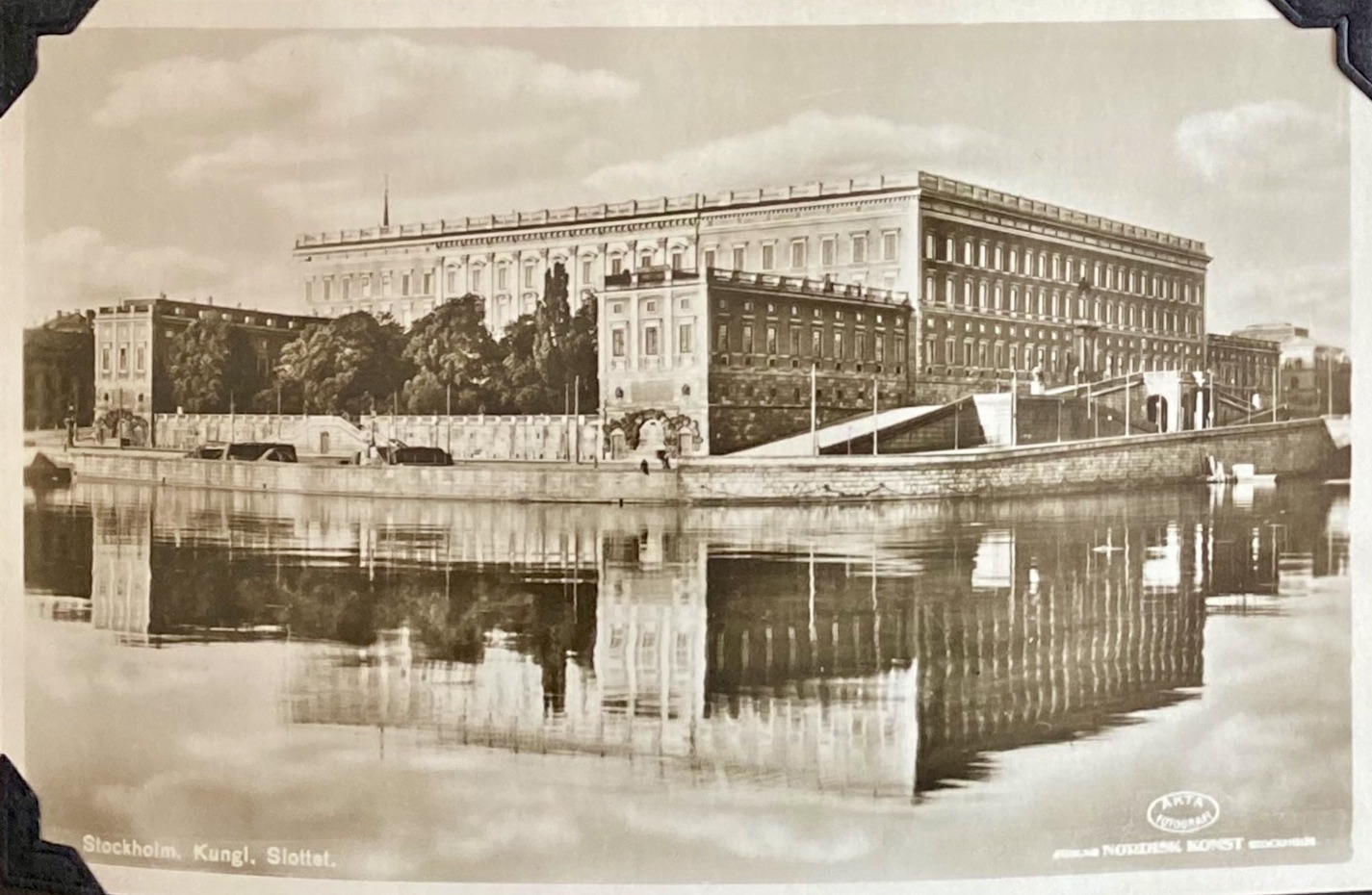
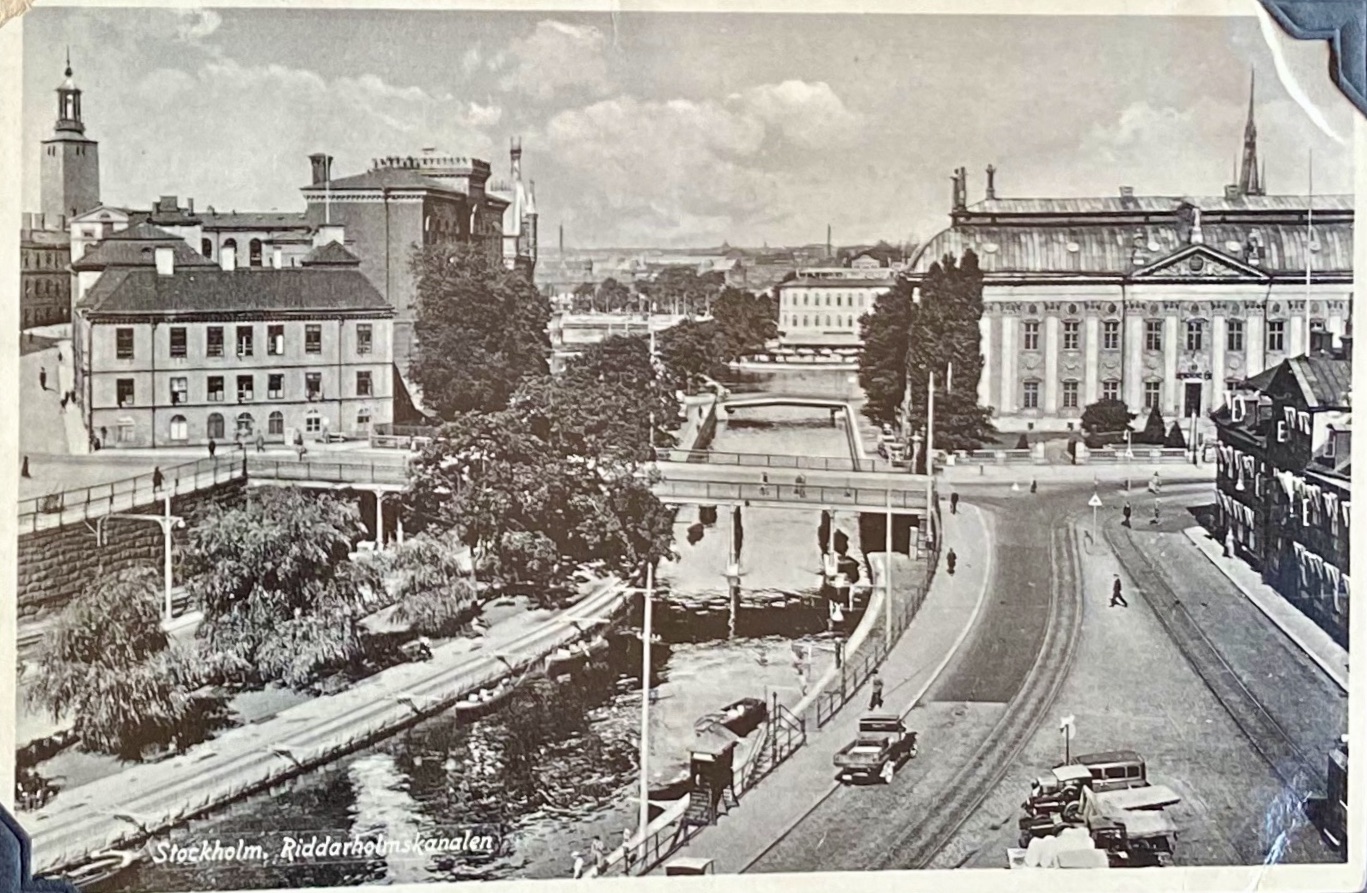
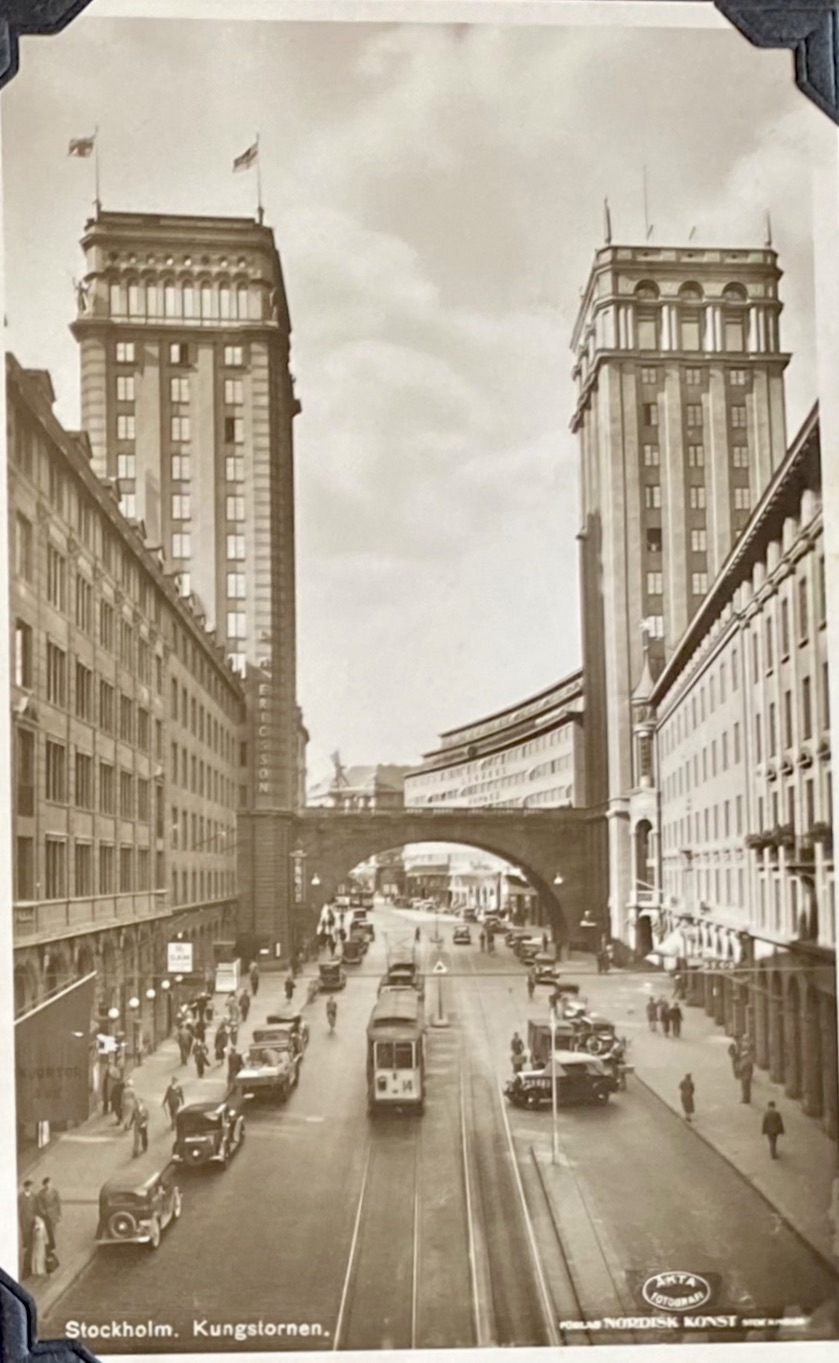
Flo’s Photos of StockholmFebruary 1946
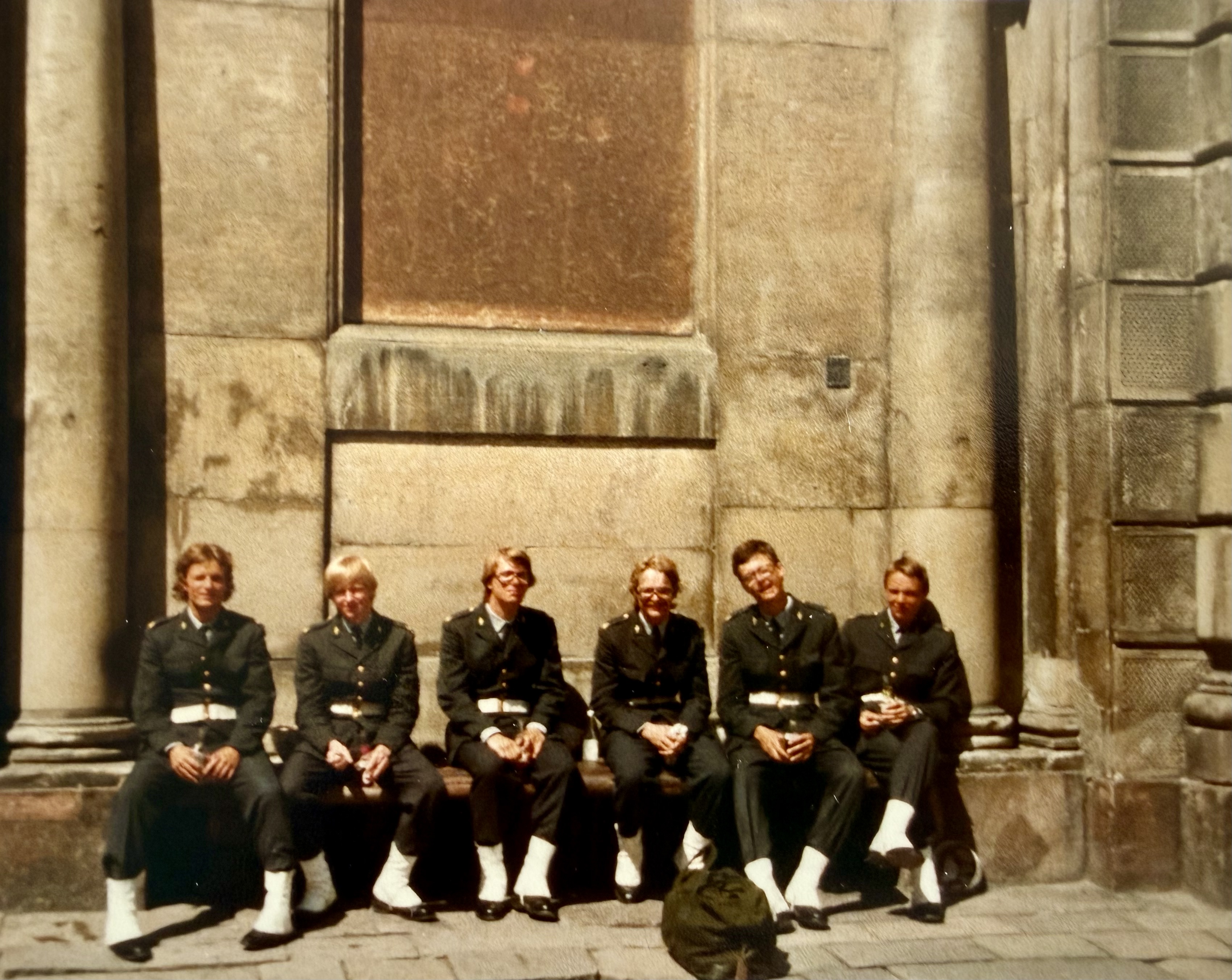
Changing guard at palace in snowstormGuards at the palace Midsommer 1979