
Flo and comrades get a look at the German capital
My Mother and Audie Murphy Ch. 97
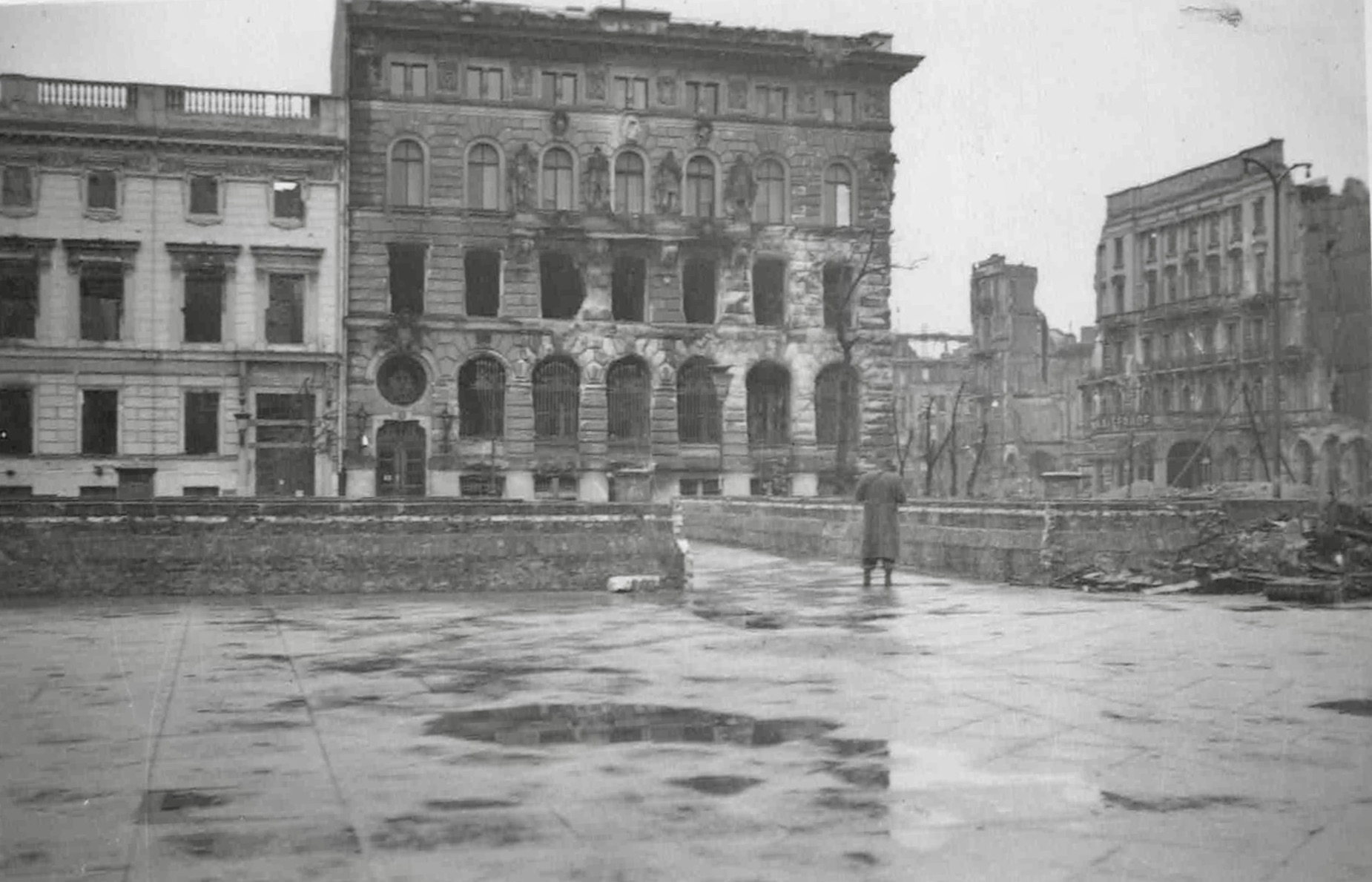
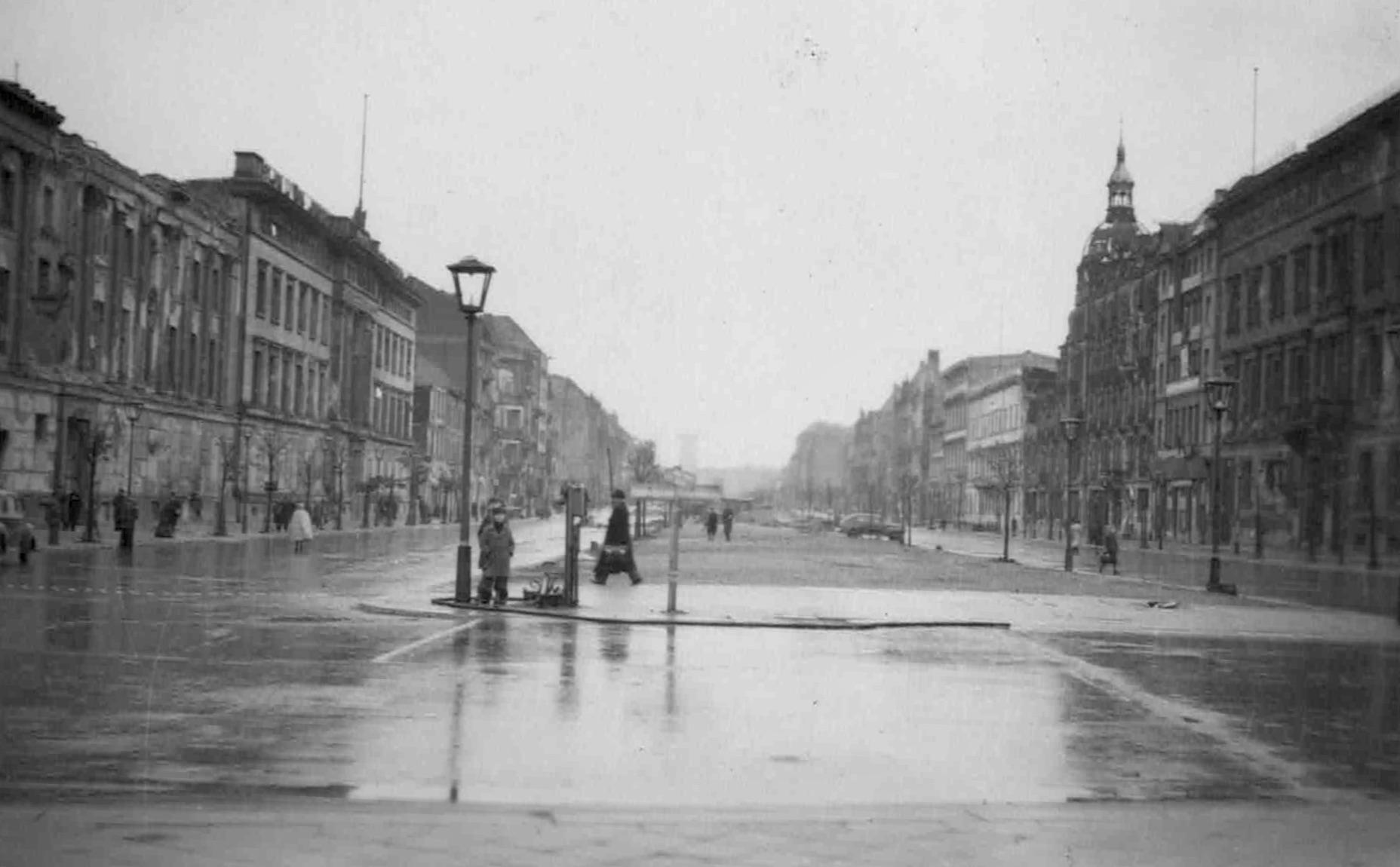
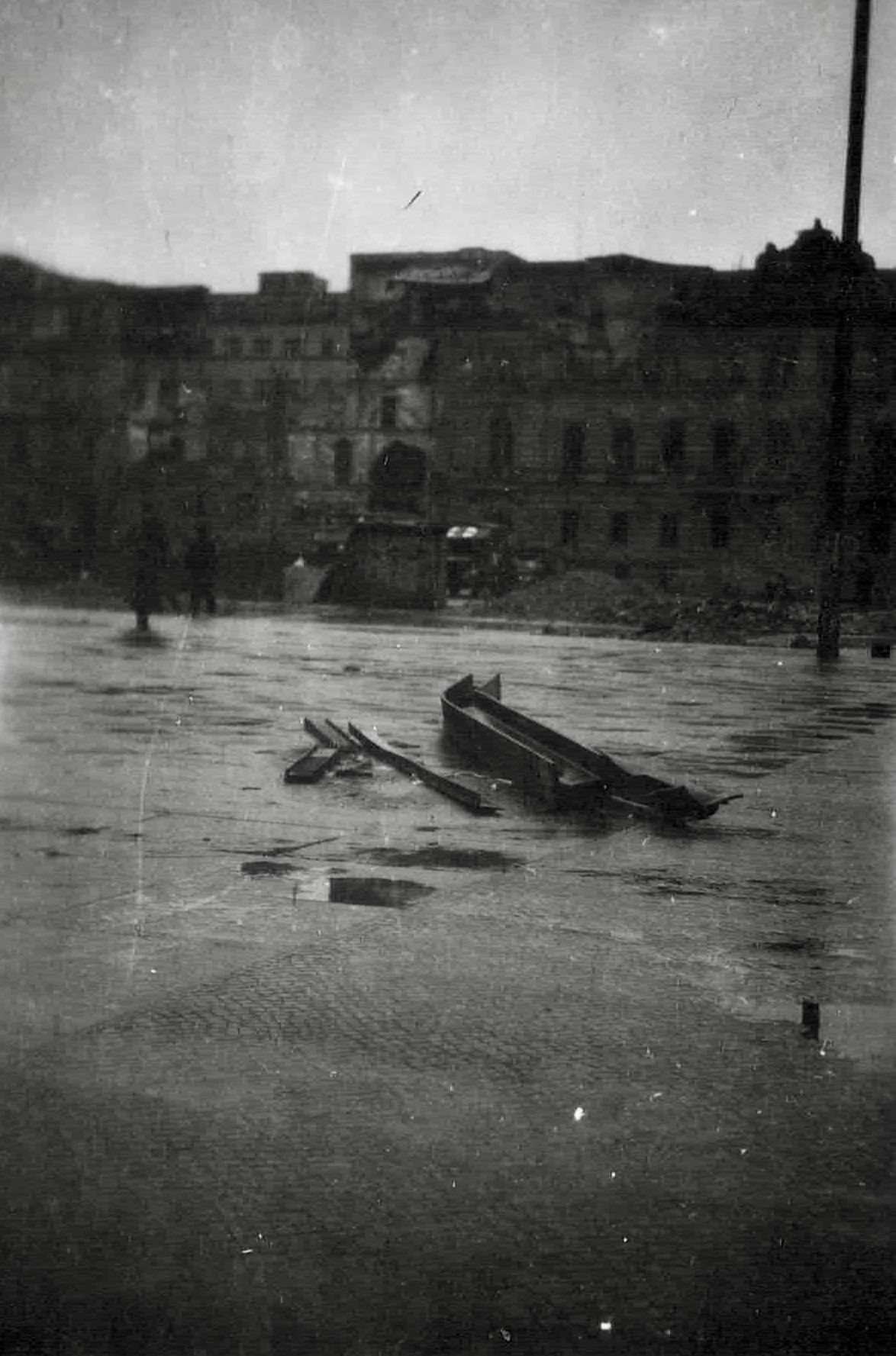
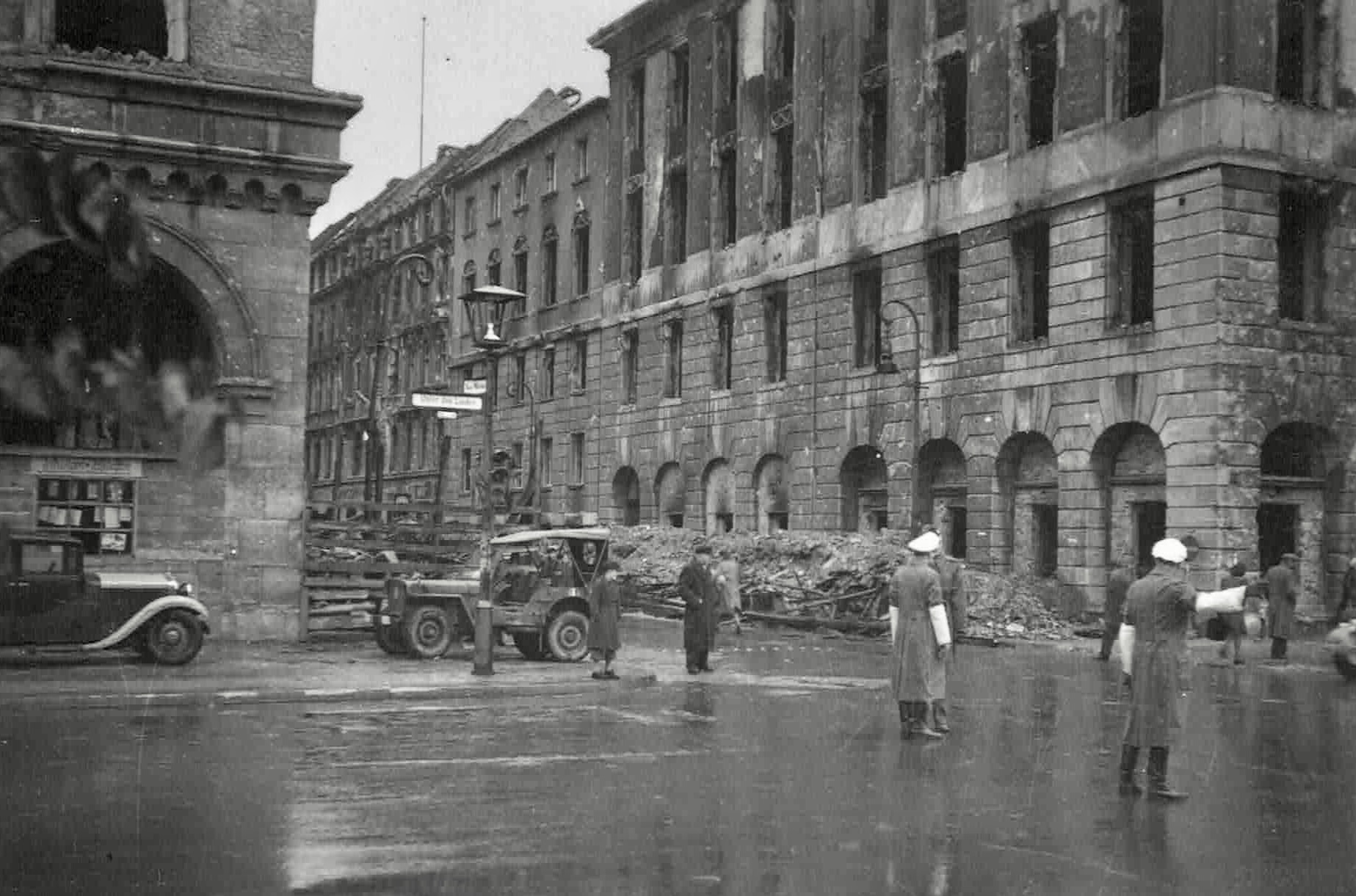
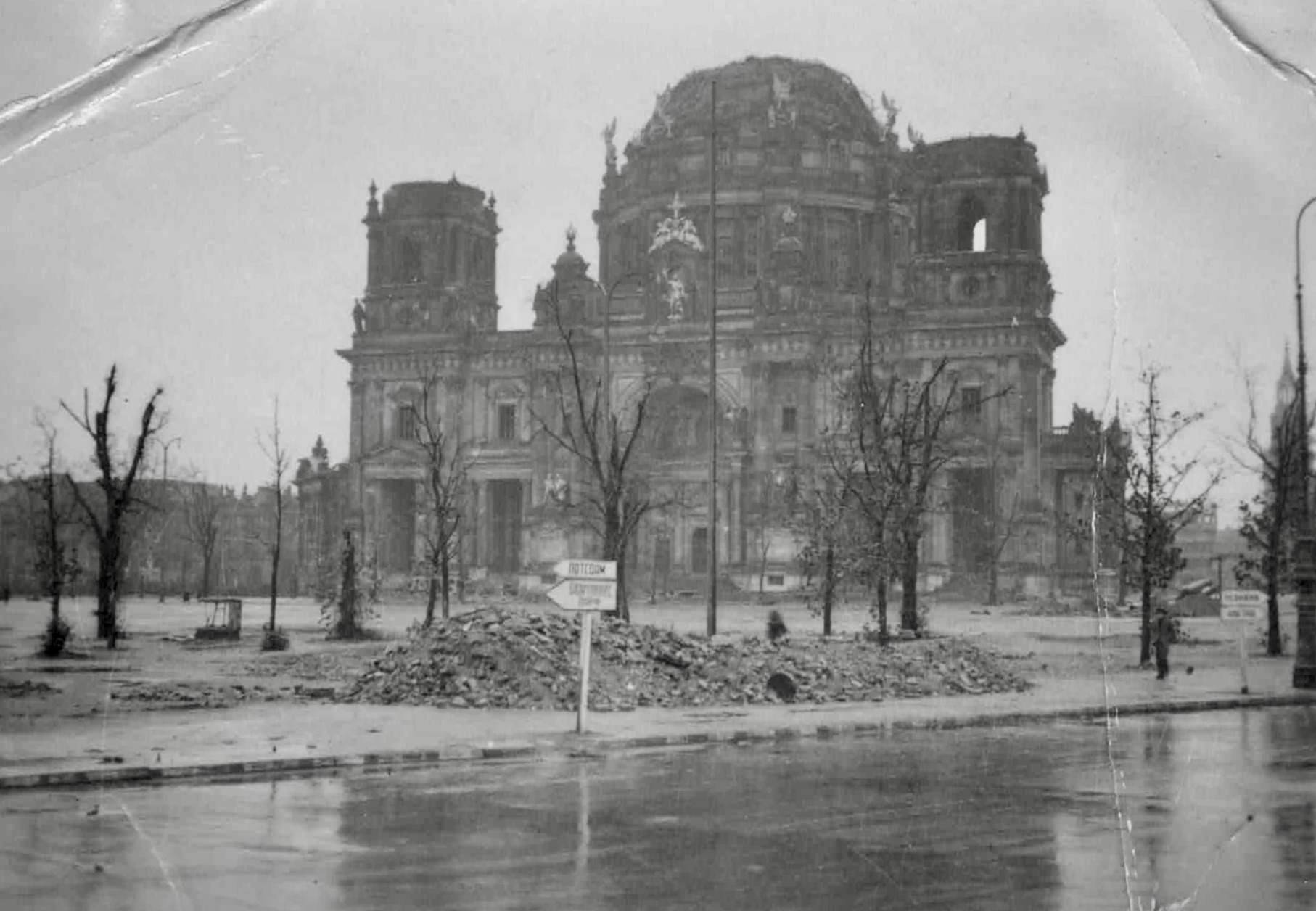
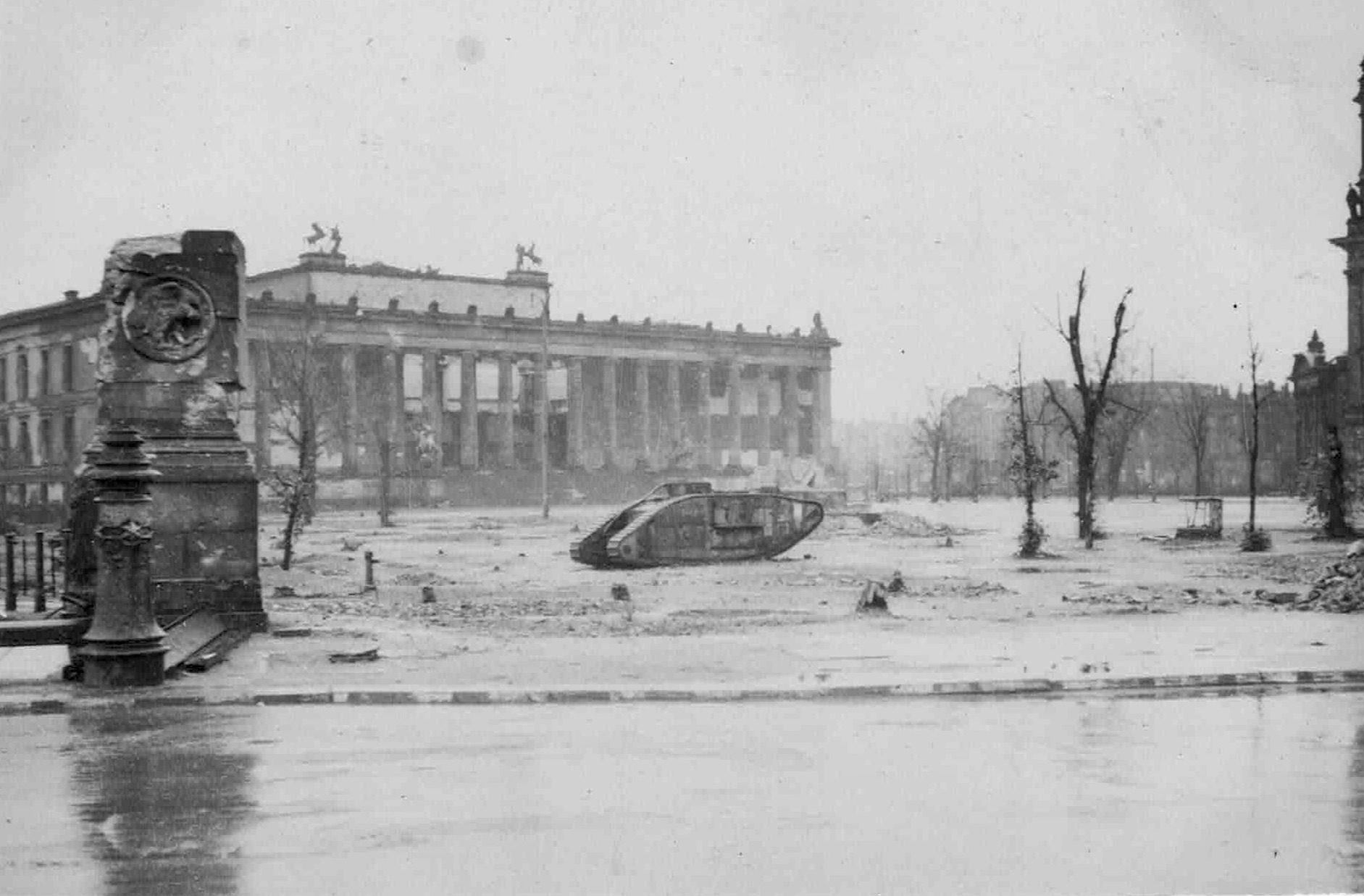
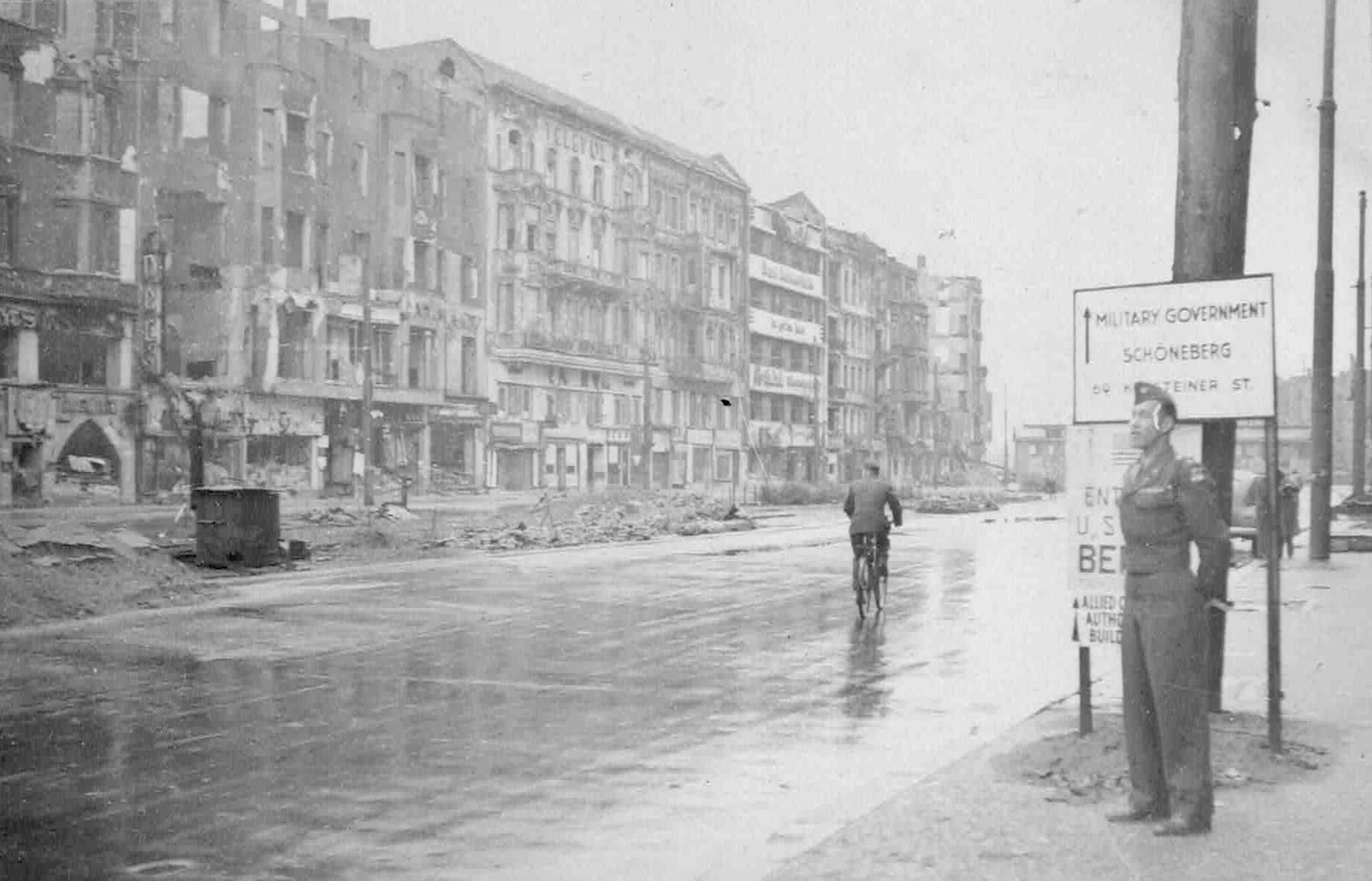
By the end of World War II, Berlin was no longer a city so much as a vast field of ruins. After enduring 363 air raids and a final, catastrophic ground assault, the German capital lay shattered—famously described by its own residents as a heap of rubble. Street by street, block by block, the urban fabric had been torn apart, leaving behind a landscape of collapsed buildings, twisted steel, and drifting ash.
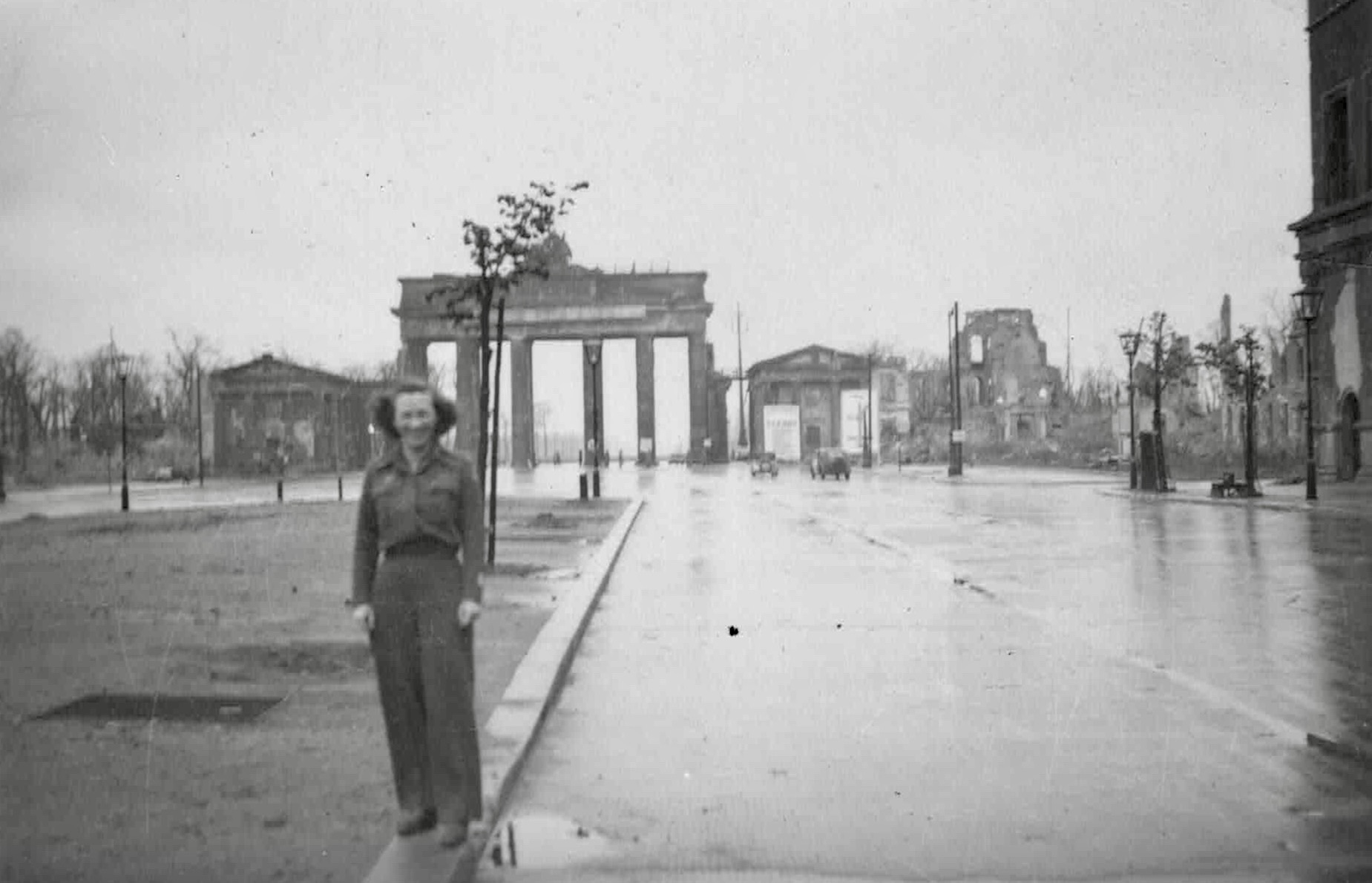
Nearly 80 percent of Berlin’s city center had been destroyed. Across the wider metropolis, some 600,000 apartments were reduced to dust and broken brick. Infrastructure collapsed alongside homes: in the final days of fighting, 128 of the city’s 226 bridges were blown apart, a quarter of the subway system was deliberately flooded, and running water, electricity, and rail transport virtually ceased to function. Iconic landmarks suffered the same fate as ordinary neighborhoods. The Reichstag and Brandenburg Gate were battered by artillery and close-quarters combat, while along the grand boulevard Unter den Linden, only 16 of its 64 buildings remained standing.
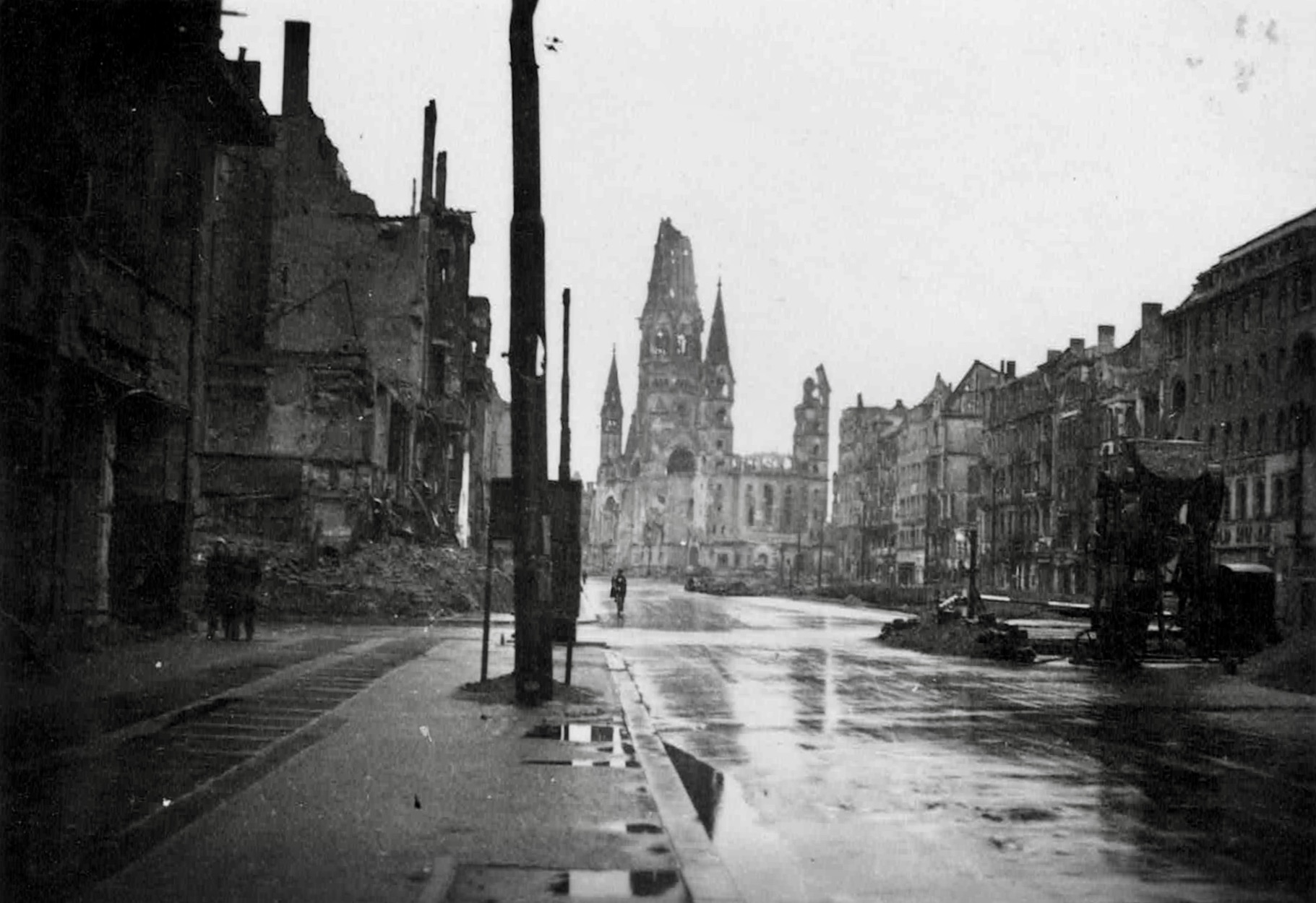
The human cost was staggering. Civilian deaths from bombing raids alone are estimated at between 20,000 and 50,000. During the final Battle of Berlin, another 125,000 civilians are believed to have died amid the chaos of street fighting, shelling, and firestorms. At least 450,000 people were left homeless, and the city’s population collapsed from 4.3 million in 1939 to just 2.8 million by the war’s end—a mass exodus of refugees, evacuees, and the dead.
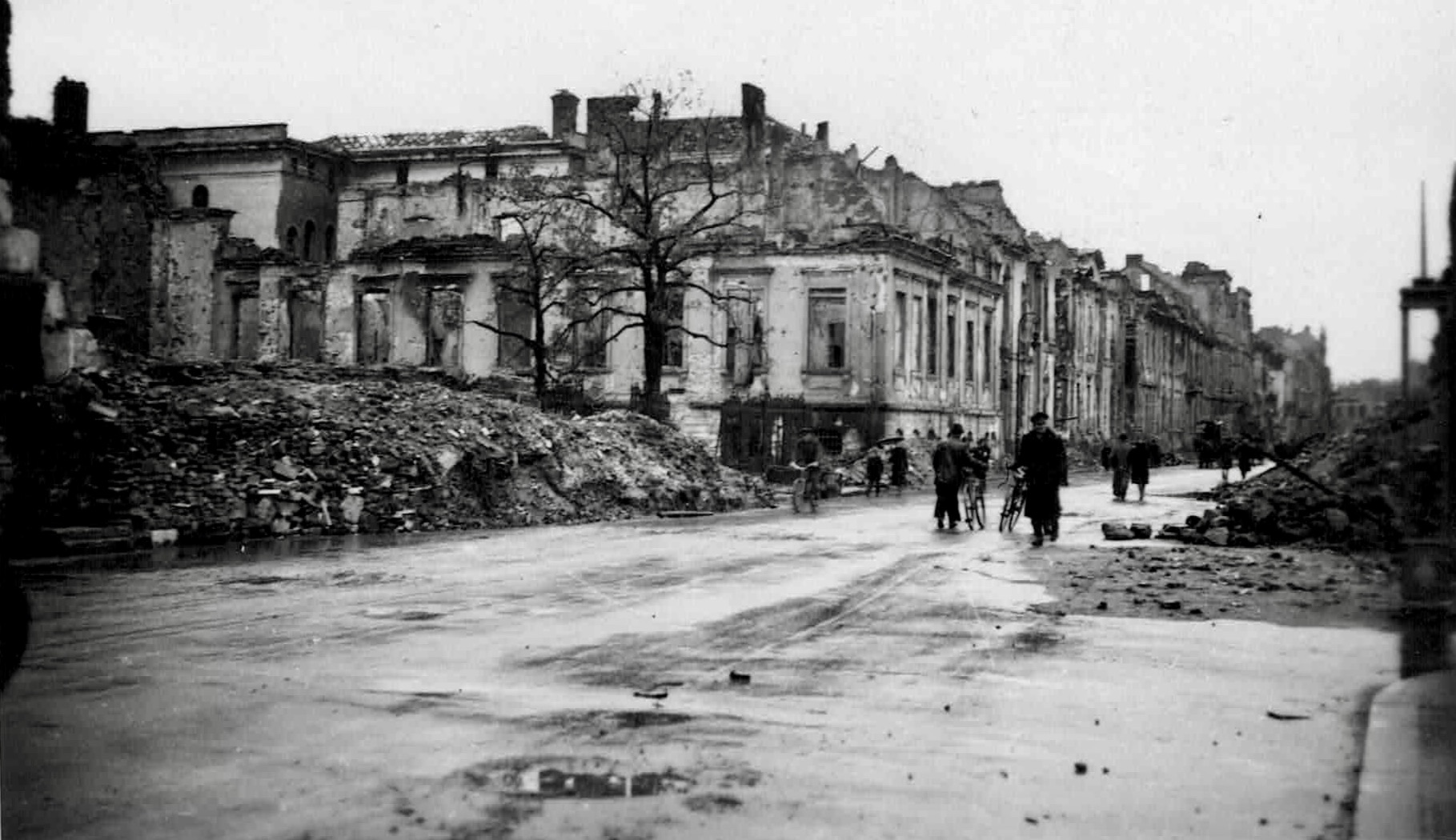
Unlike many cities that later erased the physical traces of war, Berlin chose to preserve parts of its devastation as visible memory. Bullet holes and shrapnel scars still mark walls in districts like Mitte and Charlottenburg. The shattered spire of the Kaiser Wilhelm Memorial Church stands deliberately unrepaired, a permanent anti-war monument rising from the city center. Elsewhere, mountains of rubble were piled into artificial hills—Teufelsberg and Volkspark Humboldthain—turning the wreckage of war into silent landmarks.
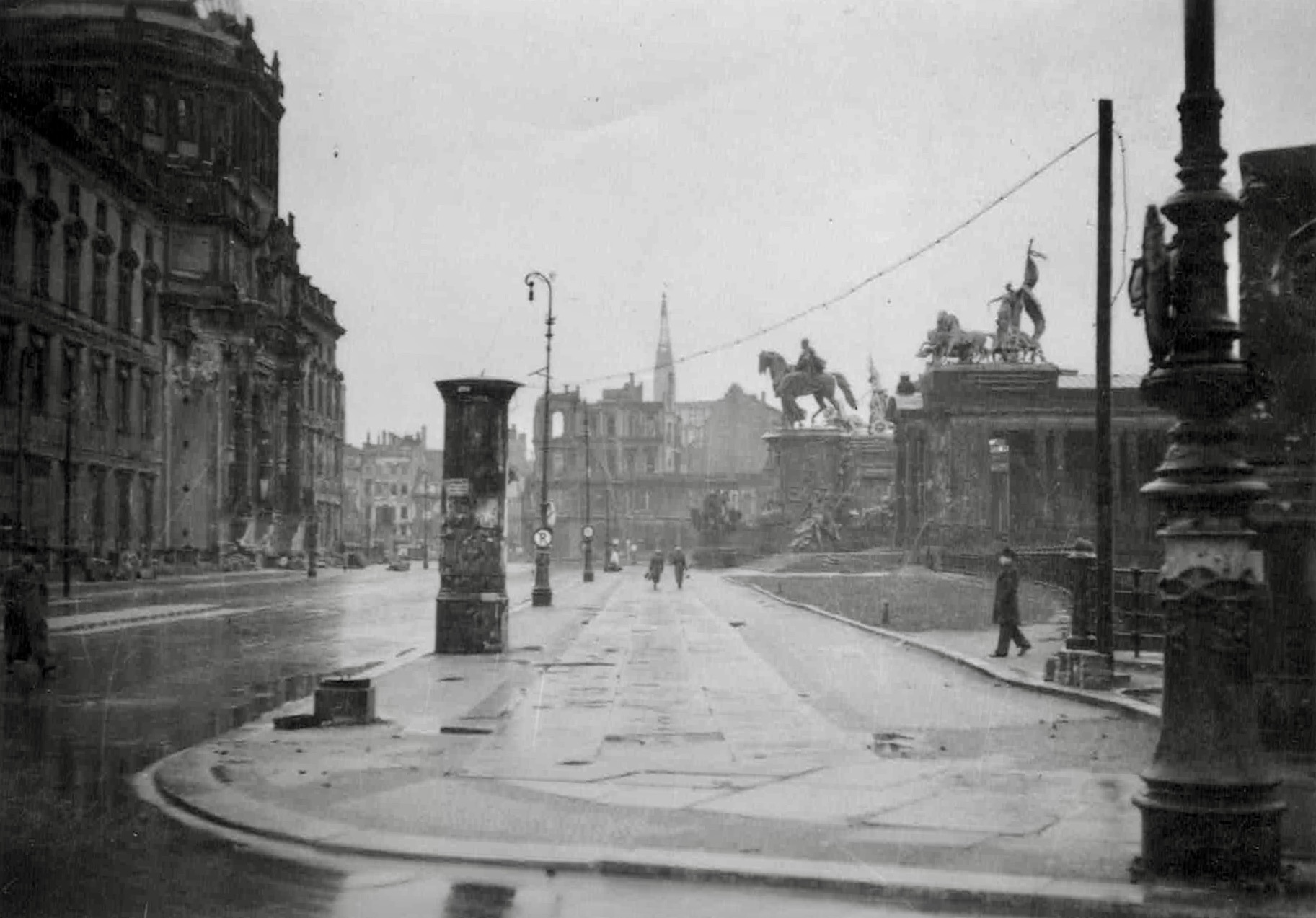
These images of destruction are not only records of ruin. They are reminders of the scale of collapse, the human suffering beneath the debris, and the deliberate choice to remember, rather than forget, what war reduced Berlin to in 1945.
Ch. 98: https://mollymartin.blog/2026/02/23/parachute-regiment-throws-a-party/


That’s a nice set of photographs. The last one is intriguing because I don’t think I’ve seen that location before. I’ll tell you where the others are if you want.
LikeLiked by 1 person
Yes, that would be great. Flo gave us clues with her captions in the album and I have reproduced them.
LikeLike
1. The Brandenburg Gate (Brandenburger Tor), looking west from the west end of Unter den Linden.
2. The Emperor Wilhelm Memorial Church (Kaiser-Wilhelm-Gedächtniskirche), looking northwest from Tauentzienstrasse near Nuernberger Strasse.
3. The Old Imperial Chancellery (Alte Reichskanzlei) in Wilhelmstrasse, looking northwest from the northwest corner of Wilhelmplatz.
4. The Palace (Schloß) (left) and the Emperor Wilhelm National Memorial (Nationaldenkmal-Kaiser-Wilhelm I) (right) in Schlossfreiheit, looking southeast from the southern corner of the Lustgarten
5. The northeast corner of Wilhelmplatz and Mohrenstrasse, looking east. On the right is the ruined Hotel Kaiserhof. The building in the centre still exists.
6. Unter den Linden, looking east from its junction with Wilhelmstrasse. This was taken from roughly the same position as no. 1 but looking in the opposite direction. A little while earlier, this was where a giant picture of Stalin was put up.
7. The Old Commandant’s House (Alte Kommandantur) in Unter den Linden, looking southwest from the northwest end of the Palace Bridge (Schloßbrücke). The picture isn’t very clear and I could be mistaken with this one. This is close to the standpoint of no. 4.
8. The corner of Neue Wilhelmstrasse and Unter den Linden, looking northeast. The building on the right is the old Haus Schulte. This is roughly the same position as 1 and 6.
9. The Cathedral (Dom), looking northeast from the southwest corner of the Lustgarten. Near 4 and 7.
10. The Old Museum (Altes Museum), looking north from the east end of the Palace Bridge (Schloßbrücke). The tank (a British Mark IV or V) was war booty. It was one of a pair, on display at Smolensk, brought to Berlin, probably for the “Workers’ Paradise Exhibition”. It was not used in combat but its partner was destroyed, probably by Soviet artillery fire. See 4, 7 and 9.
11. Tauentzienstrasse, looking east from near the corner of Nuernberger Strasse. You can just make out Wittenbergplatz underground station behind the sentry. Opposite direction from no. 2.
LikeLiked by 1 person
Thank you!
LikeLike
sorry failed to give my name on the previous comment.
LikeLike