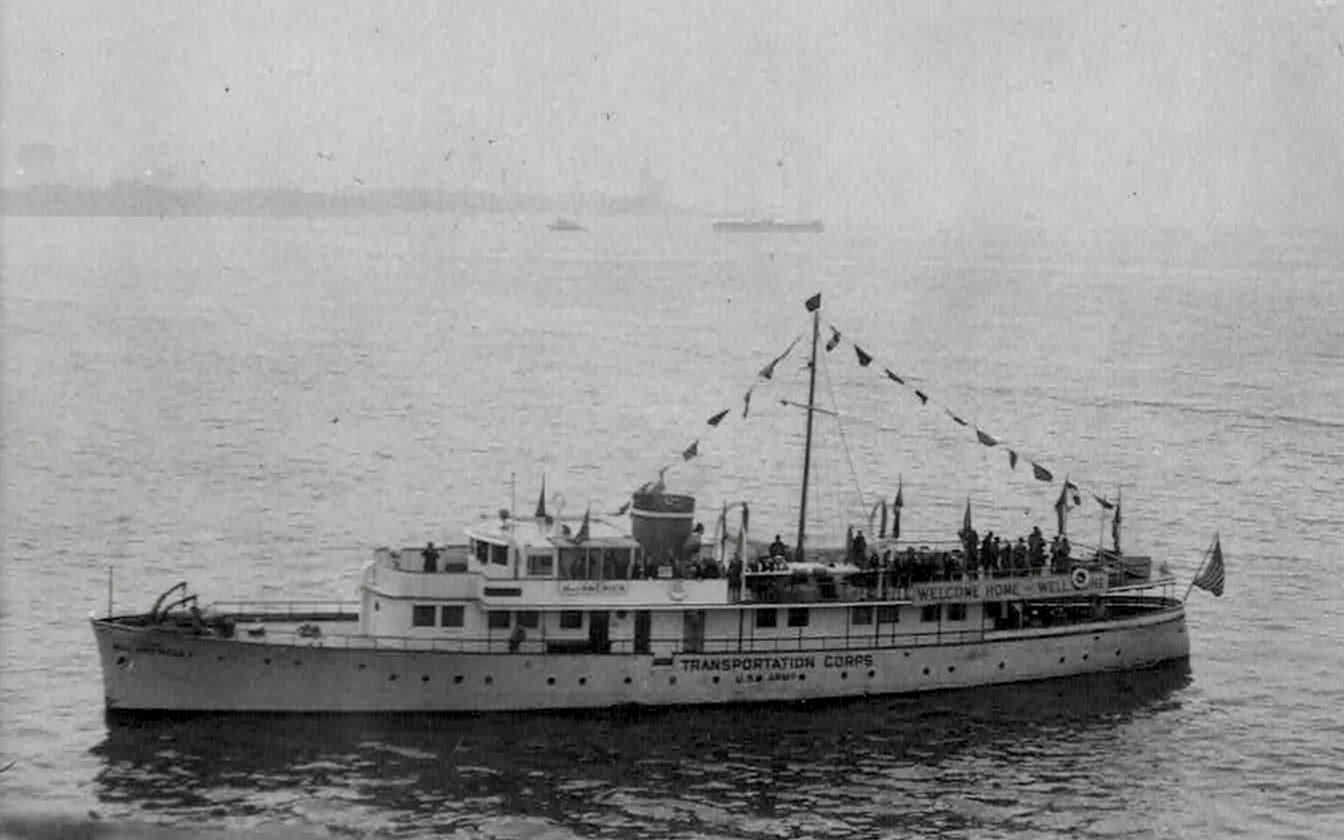
On the Ship, Sailing into NY Harbor

Chapter 116 My Mother and Audie Murphy

Seeing Liberty: What Does the Statue Symbolize?

In Sweden, afternoon coffee is a daily ritual, and my grandmother Gerda carried the tradition with her to America. We often joined her at her tiny house in Yakima and later at her apartment in a senior housing complex across from the Presbyterian church.

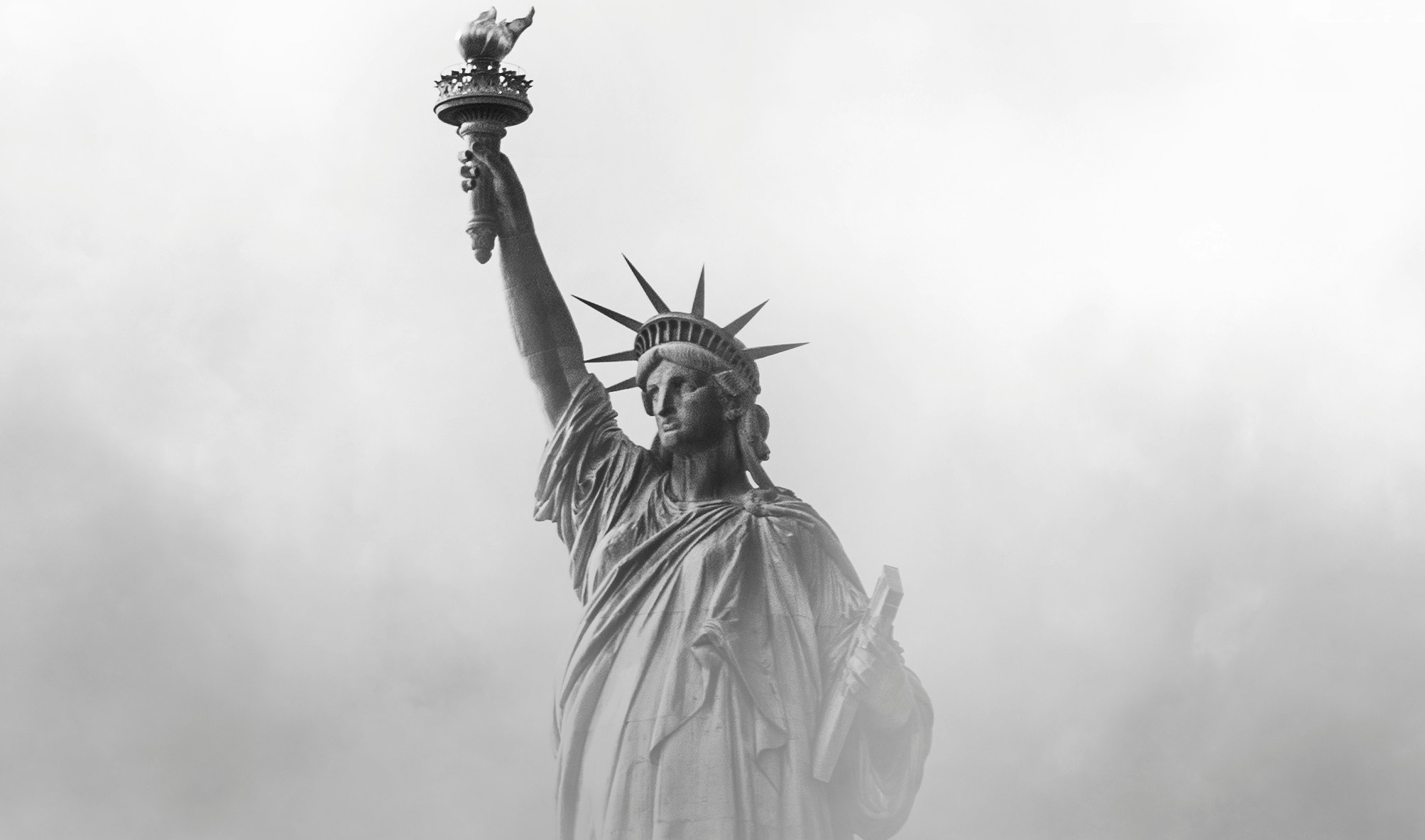
As Grandma arranged homemade butter cookies on her little table and poured coffee into delicate cups, she reminisced about sailing into New York Harbor and seeing the Statue of Liberty for the first time in 1905. She had been herded toward the line marked Aliens. The statue, rising above the harbor, filled her with emotion. Forty-four years later, after returning from a visit to Sweden, she saw it again. This time she joined the line marked American Citizens.

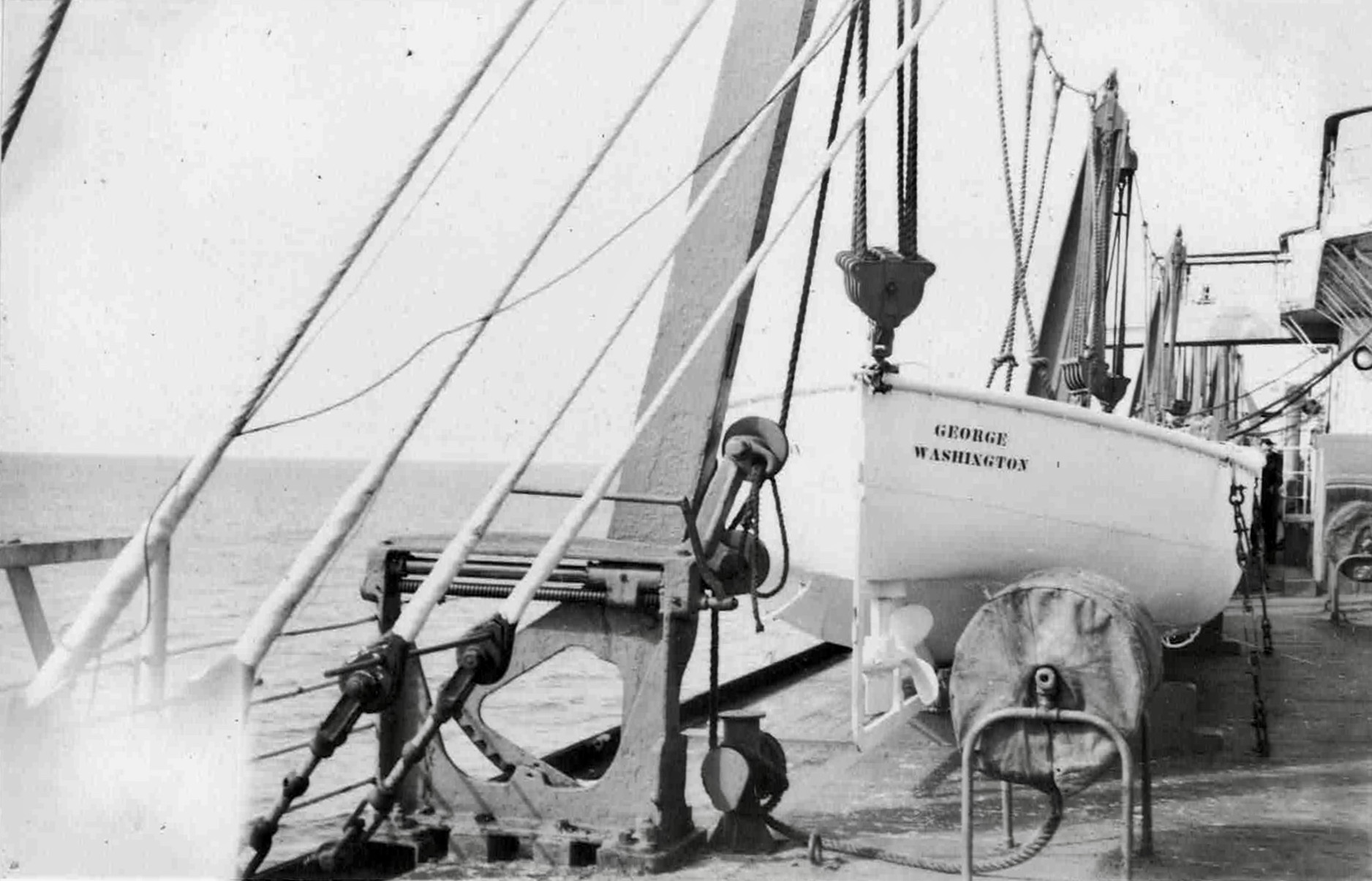
Flo on the deck of the USAT George Washington crossing the Atlantic

For Gerda, the Statue of Liberty symbolized America’s welcome to immigrants.

“I could only think, This time I’m a citizen,” she said, tears welling in her eyes.

My mother, Flo, sailed into New York Harbor in 1946 as she returned from Europe after the war. For her, the statue carried different memories. It reminded her of enormous loss—her fiancé and many friends had been killed—but also of pride. She and her generation had fought fascism and prevailed.

“When I saw the Statue of Liberty, I thought about all the people who died in that war,” Flo said. “The Americans were fighting for democracy.”

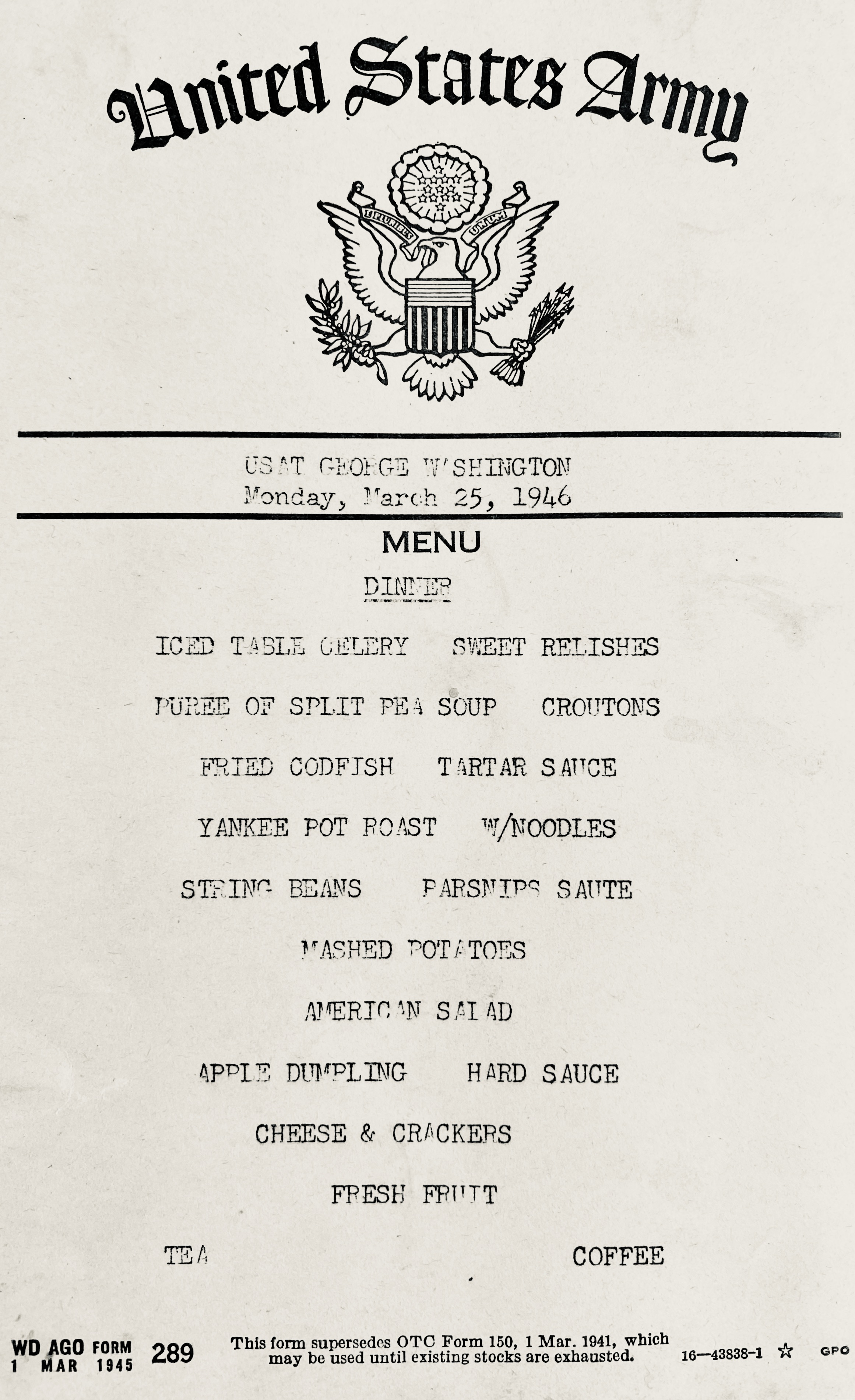
Ship dinner menu for March 25, 1946

Her face crumpled. A tear rolled down her cheek. Soon both my mother and grandmother were crying. To me, it seemed almost hysterical.

Flo loved history and liked to imagine the future.

“Maybe by the turn of the twenty-first century,” she sniffled, “war will be history.”

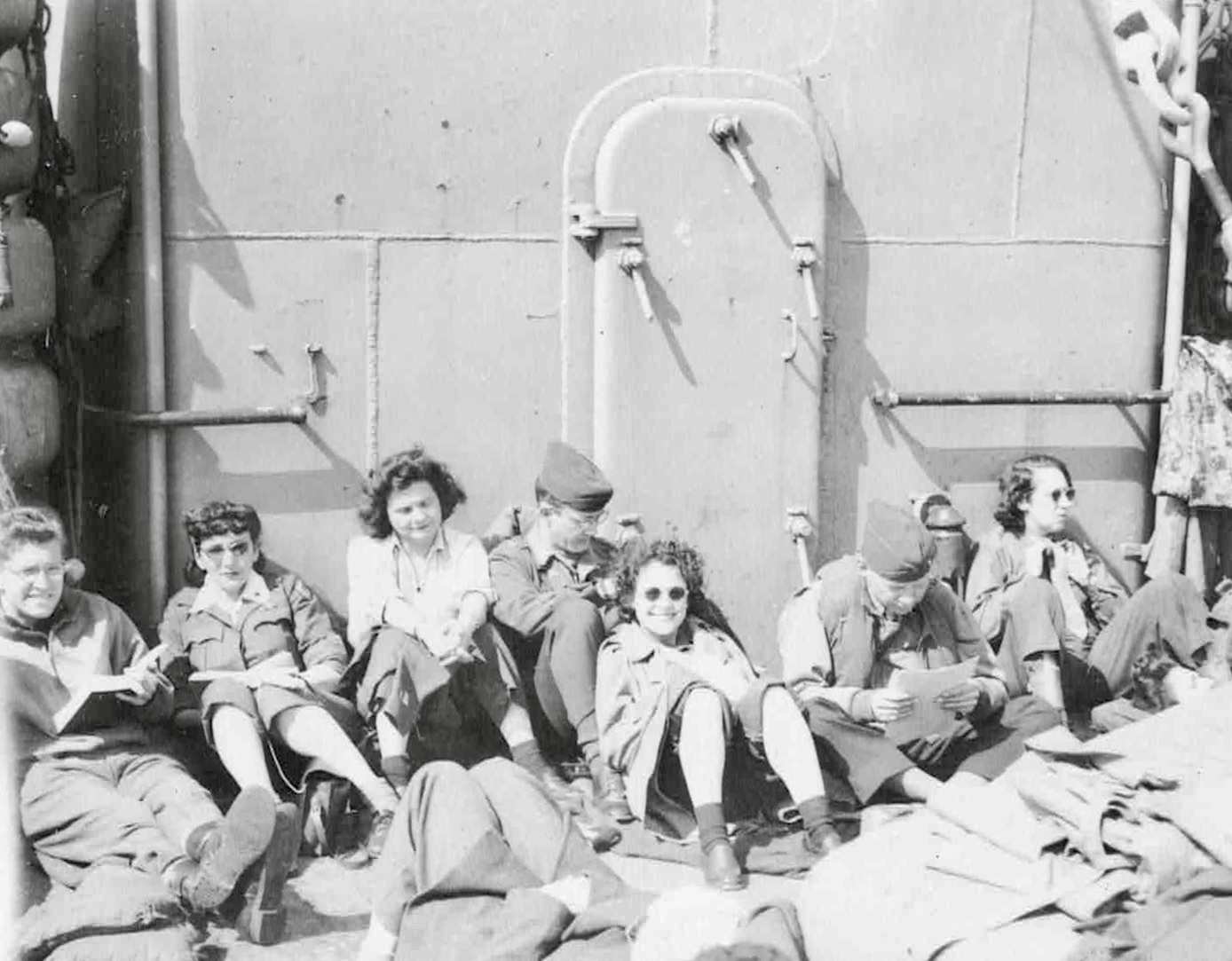
Lounging on deck. It took the Geo Washington about ten days to sail from France to NYC

Both women were unabashed patriots. Flo flew the American flag every Fourth of July, though by the early 1970s she had also become deeply troubled by America’s conduct in Vietnam. Gerda proudly displayed both the American flag and the blue-and-yellow Swedish flag in her home. She liked to say that she had voted in every election open to women since becoming a citizen.

I was not a flag waver. I was a flag burner—metaphorically. I never actually set fire to a flag, but my brother and I once cut up an American flag to sew a shirt. It was illegal then; today it might pass as a right-wing fashion statement. To me the flag represented a country whose foreign policy included overthrowing democratically elected governments, assassinating foreign leaders, and installing compliant dictators.

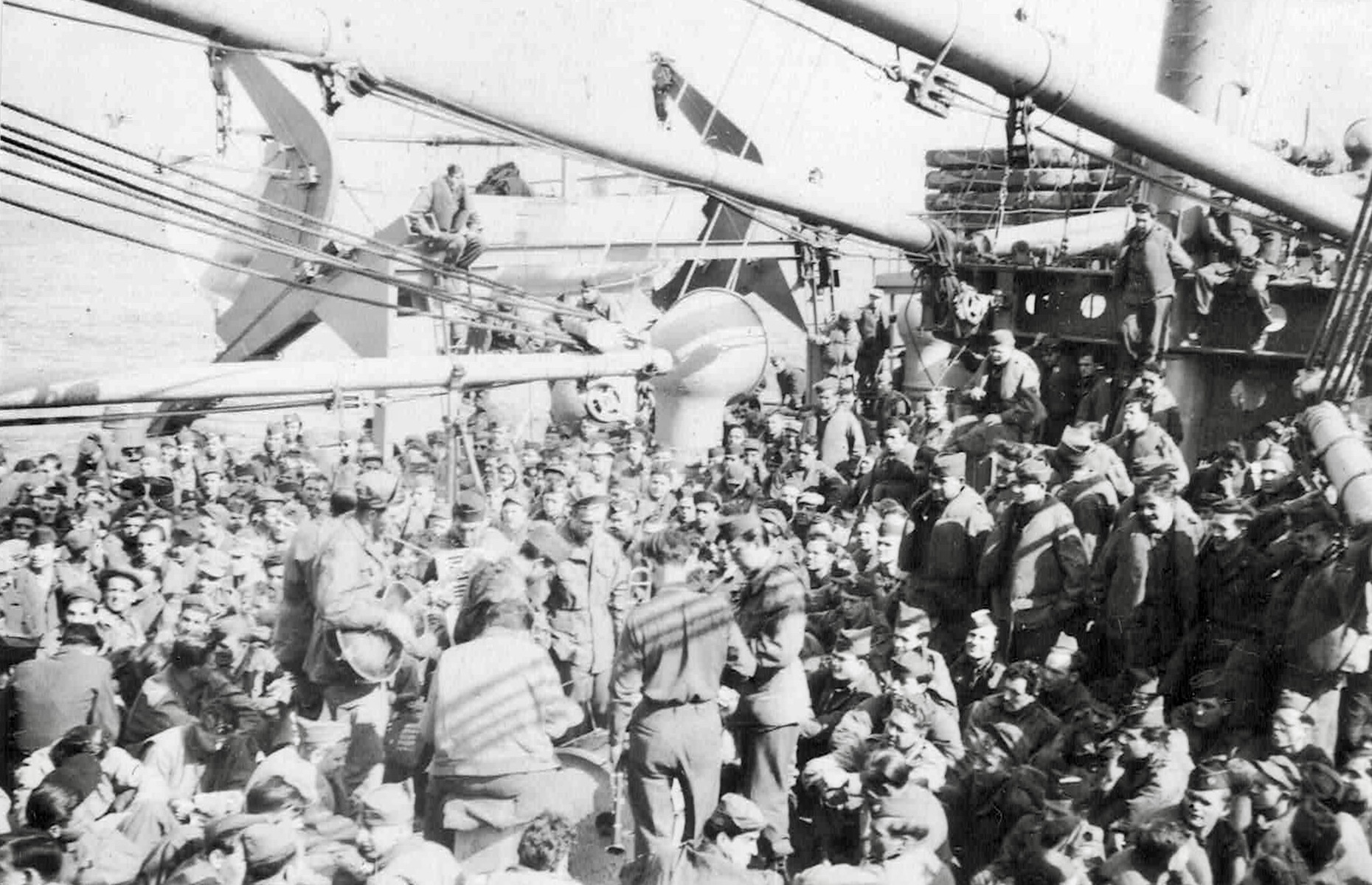
A musician entertains the crowd of GIs on deck

I had never seen my grandmother cry before, but I had often seen my mother cry, usually over war. During the Vietnam War she would call me in tears, saying her generation had failed to end war and now the responsibility belonged to mine. She carried the suffering of the world on her shoulders.

I vowed never to be like her. I wouldn’t cry. Crying was weakness—or so the culture taught me. Men didn’t cry, and men held the power. I wanted to be like them.

That afternoon, what struck me as sentimental nostalgia repelled me. I had never sailed into New York Harbor and never would. When I looked at the Statue of Liberty, I didn’t see freedom. I saw the thousands of Southeast Asians killed in a war my country was waging, the millions of tons of bombs dropped on civilians, villages burned, children scarred by napalm.

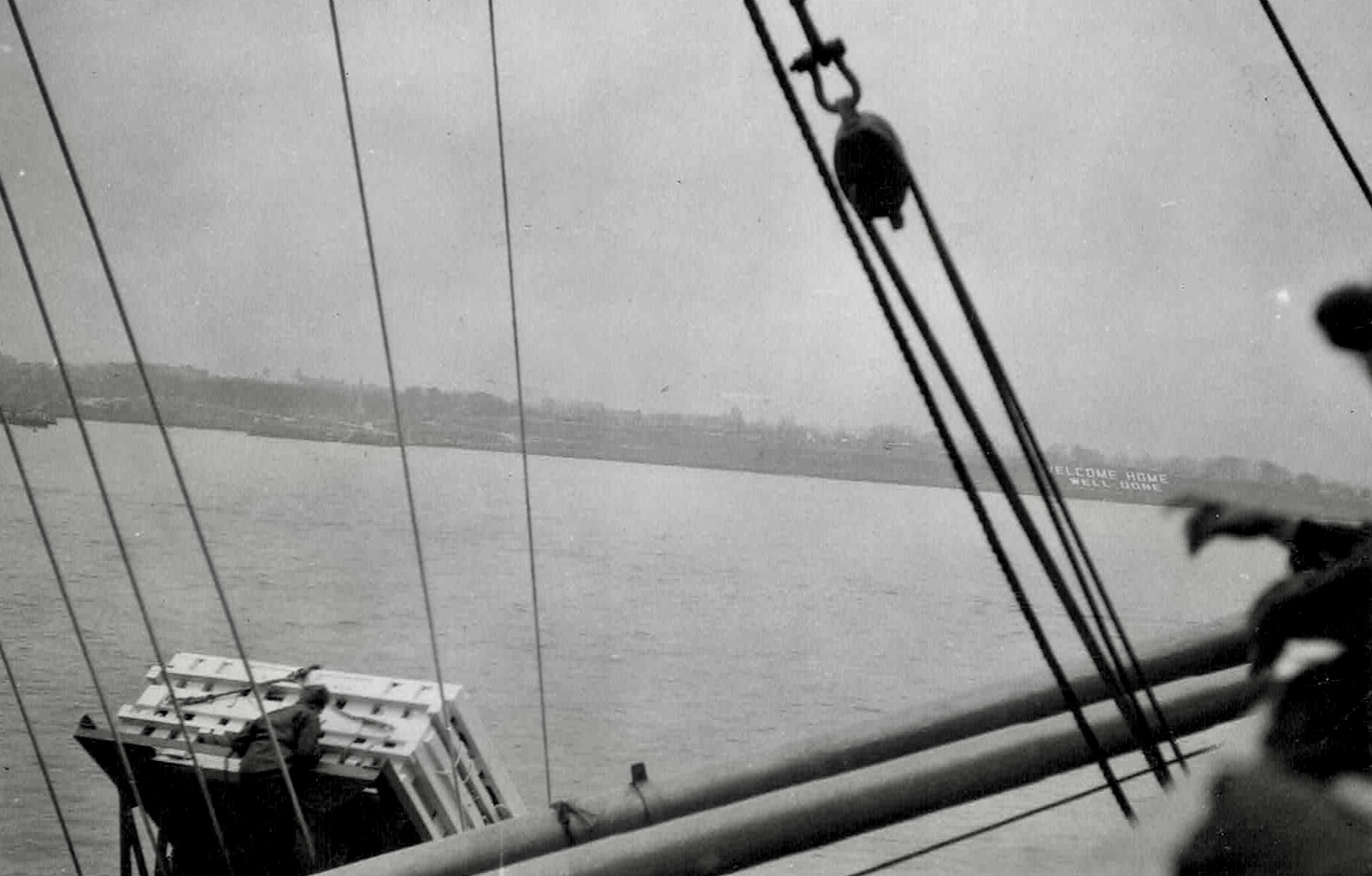
A finger points to the sign on shore reading “Welcome Home. Well Done.”

Years later, I began to wonder whether my mother’s extraordinary empathy exacted a physical toll. She was repeatedly hospitalized with severe asthma attacks. The disease eventually killed her at seventy.

Later still, I came to believe that Flo had probably returned from the war with what we now recognize as PTSD. The government had little interest in acknowledging psychological trauma, even among combat veterans, much less civilian war workers like my mother.

In NY harbor the Transportation Corps sign reads “Welcome Home.”

Like so many Boomers, I had grown up with a parent emotionally wounded by war.

At the time, though, I understood none of that.

All I felt was embarrassment at her tears.

The Statue of Liberty had meant hope to my grandmother, sacrifice to my mother, and hypocrisy to me. It took me a while to understand that all three meanings could be true at once.

Now, when I see the statue and read the Emma Lazarus poem, I’m the one who’s crying. I still cry for the people we kill in endless needless wars, for the immigrats we imprison, murder and deport, and I cry for our democracy and all that we have lost.

Photo by Tom Coe on Unsplash
The famous inscription mounted inside the statue

To start at the beginning of this story: https://mollymartin.blog/2024/11/04/my-mother-and-audie-murphy/

Crossed Off

Welcome to the Face Plant Club

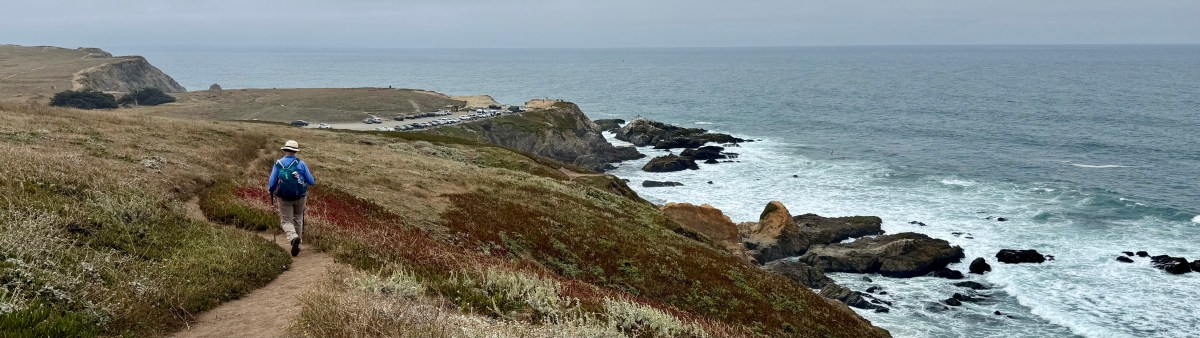
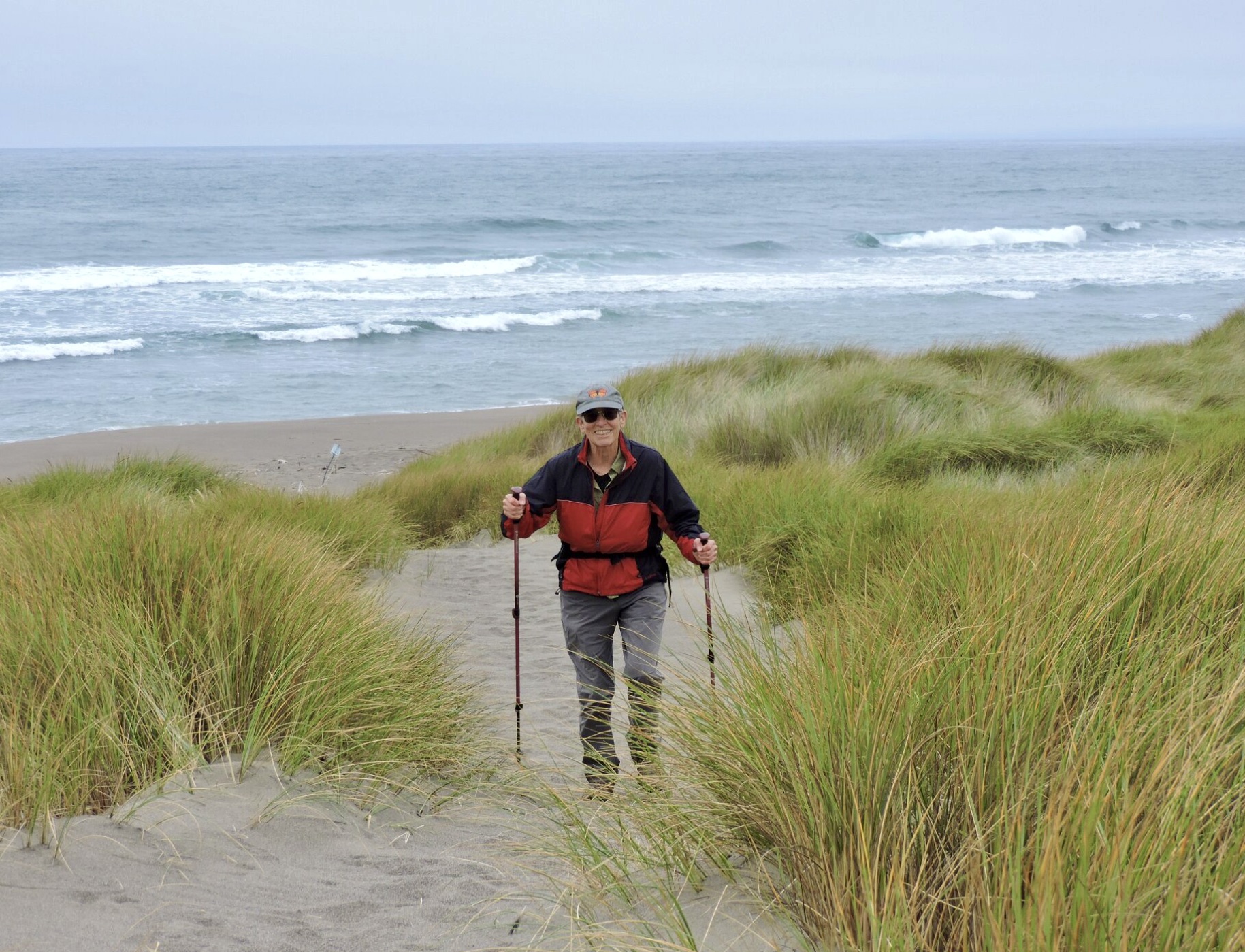
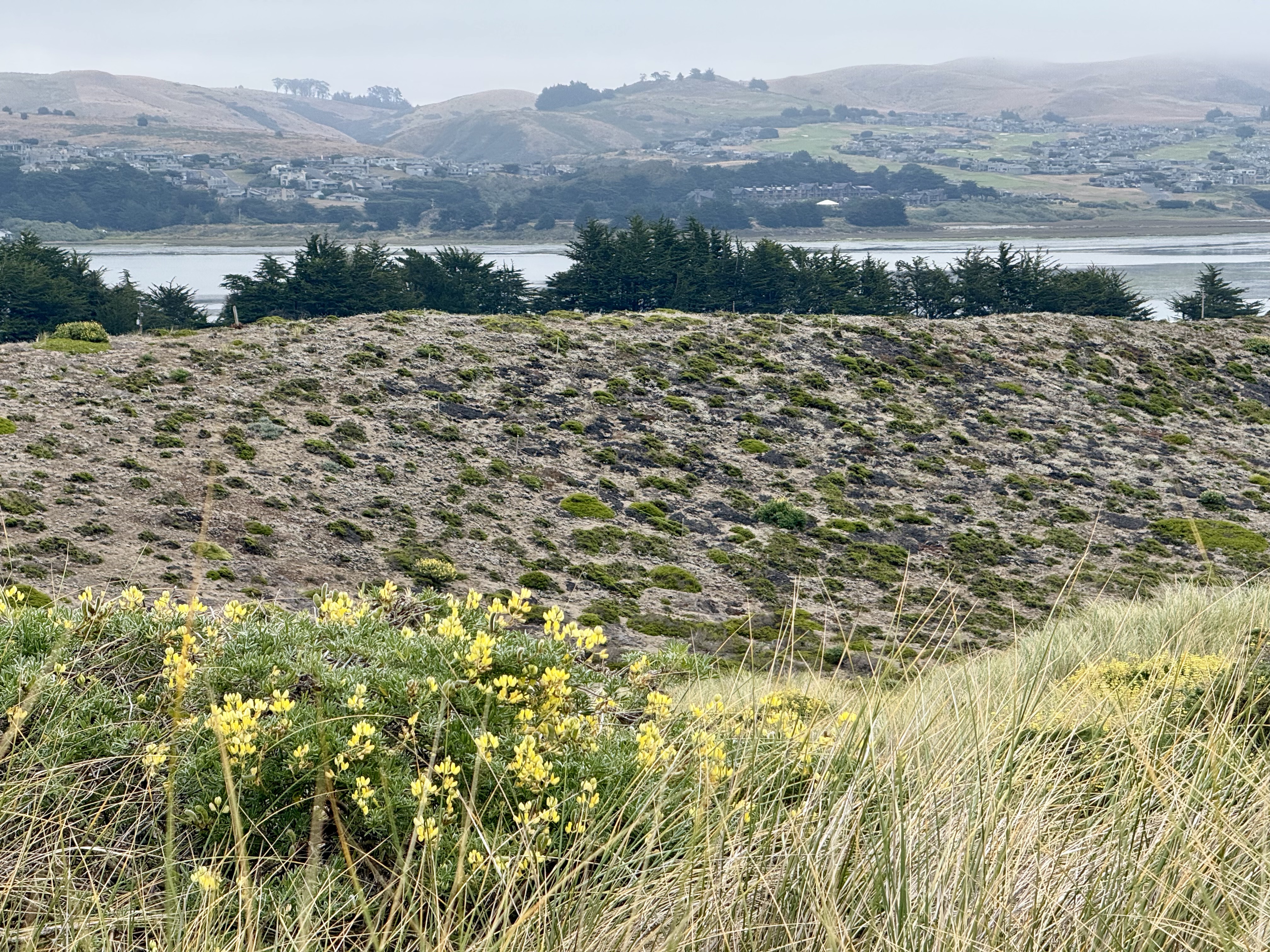
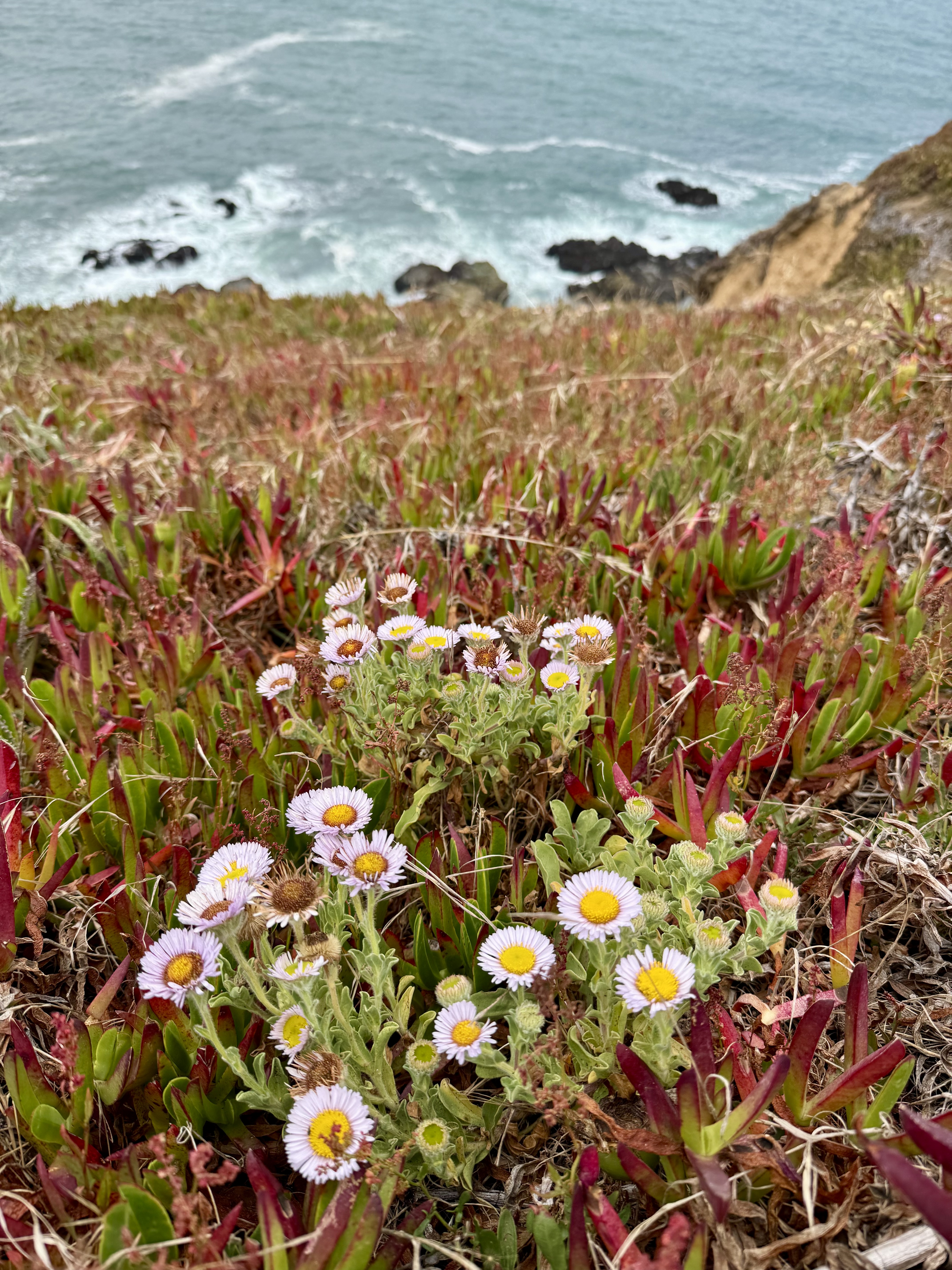
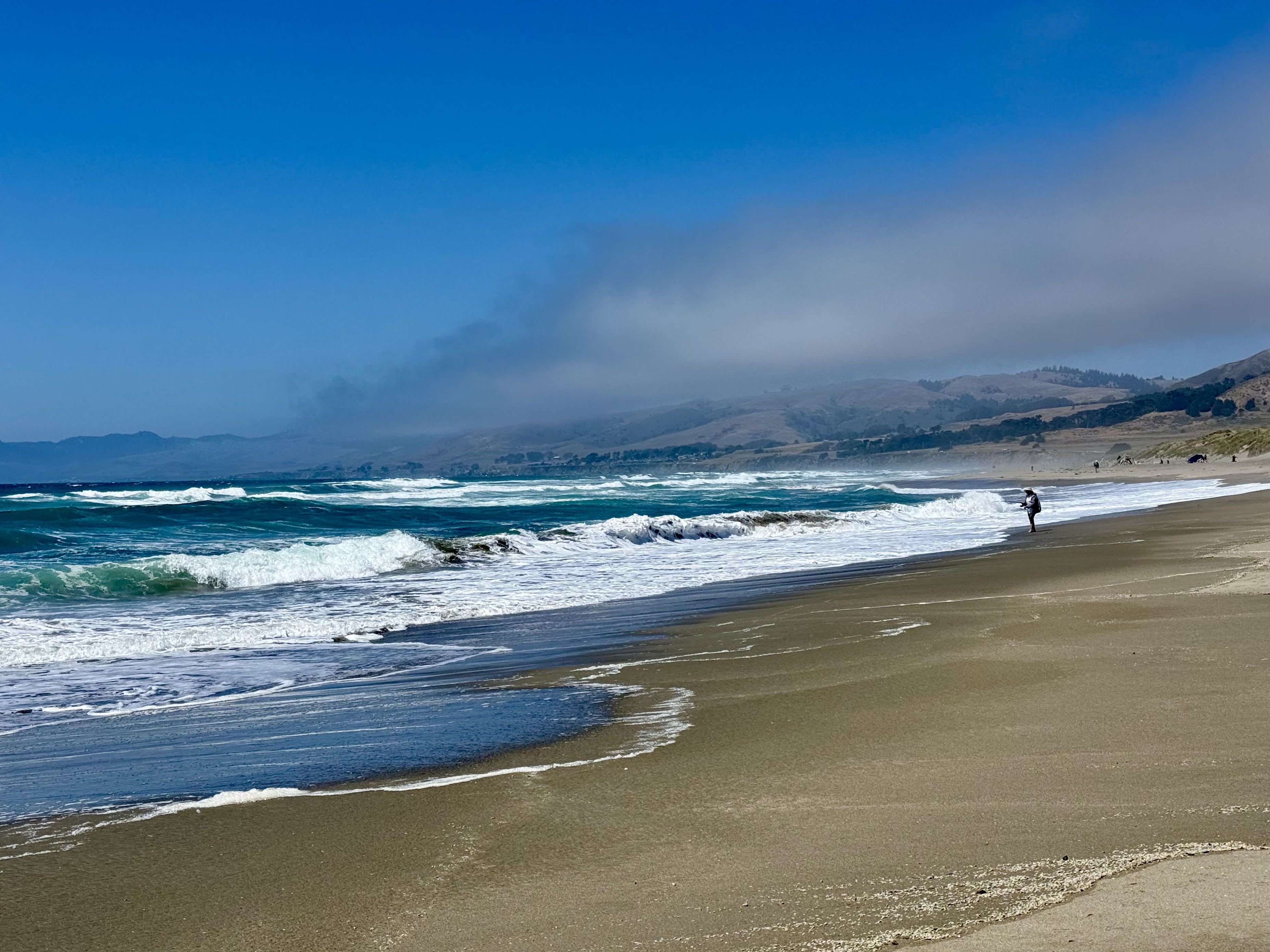
I’m illustrating this essay with pictures of a hike this week across the Bodega Dunes to Bodega Head.  This is a unique ecosystem with cool native plants. Photo of me by Joe Tenn.

It was humiliating.

A friend texted and asked if she could come over to talk about the horse-packing trip we were planning. I assumed she wanted to discuss food, gear, or transportation. She had already added me to the group, and I was thrilled at the thought of getting back into the Sierra backcountry.

Instead, she came to ask me to withdraw.

She explained that she thought I represented a falling hazard. What if I fell and injured myself? What if the group had to call in a helicopter? I would ruin the trip, she said, and she would spend the entire week worrying about me.

Our native cobweb thistle with yellow sand verbena

I sat there stunned. I couldn’t believe this was how she saw me.

It couldn’t have been easy for her to come to my house and have this conversation. We aren’t close friends, but we’re neighbors who hike with the same club. She wasn’t trying to be cruel. She was trying to prevent what she imagined could become a disaster.

True, I’d taken a bad fall stepping onto my deck a couple of months earlier and injured my ankle. I blame thick-soled flip-flops. Years before, I’d tripped over a root and landed flat on my face during a hike. My companions shrugged it off. “Welcome to the face-plant club,” they said. “It happens to all of us.”

Since then I’ve become a much more careful hiker. I switched to two trekking poles. I stop before taking a picture or removing a jacket instead of trying to multitask. I’ve even taken classes on how to fall safely. Every setback has taught me something.

My friend asked what I was doing to recover from my ankle injury. Had I added balance exercises to my daily routine? Did I do squats? Stand on one foot while brushing my teeth?

As if, after living seventy-seven years, I had somehow never heard this advice.

The yellow bush lupine was in bloom. Looking across Bodega Bay at the town of Bodega.

The irony is that I walk really well. I hike several miles almost every day with different hiking groups. Sonoma County is filled with wonderful trails through state and county parks and protected open spaces, and I rarely miss a chance to explore them. The longest hike on this Sierra trip would have been seven miles—a distance I cover routinely.

What I can’t do anymore is backpack. After two back surgeries, I know I can’t carry a heavy pack for days. That’s why this horse-packing trip appealed to me so much. The horses would carry the gear, leaving me free to hike.

I told her I wasn’t ready to resign from the trip. I felt strong and capable.

Coast paintbrush

At first I was angry that she’d invited me and then, in effect, uninvited me. But as my anger faded, I began wondering how she had come to see me this way. As I write this, I realize I played a part in creating the image she has of me.

Among my hiking friends—especially the women my age—we talk openly about our health. Who’s taking Fosamax? Who opted for the Reclast infusion? (I did both). We compare bone scans, surgeries, aches, and physical therapy.

I’ve talked about my osteoporosis diagnosis and my back surgeries. At one point I joked, “It seems like my spine is crumbling.”

More recently, though, a bone-density scan upgraded me from severe osteoporosis to osteopenia. Had my doctor exaggerated my diagnosis to persuade me to take medication?

Perhaps I’d spent too much time talking about what was wrong with me and not enough time showing people everything that was still right.

Native beach aster and invasive ice plant. Volunteers are working at removing the ice plant.

The next day I texted my friend and withdrew.

What changed my mind wasn’t that I’d suddenly decided she was right. It was that I realized her anxiety would poison the trip for both of us. Even if I hiked every mile without incident, she’d spend the week worrying, and I’d spend it wondering whether every stumble or awkward step was confirming her fears.

That wouldn’t be much fun for either of us.

I’m deeply disappointed not to be going into the Sierra backcountry. More painful still is the realization that perhaps I’ll never get there again. Growing older means slowly crossing things off the list of what you can still do. Sometimes you choose to cross them off. Sometimes someone else does it for you.
Russian thistle with native bumble bee and yellow lupine

After I’d withdrawn, I wrote to her:

“I think what makes me saddest is that somehow I’ve made you think I’m an unsafe, incompetent hiker who is likely to ruin a trip. I don’t see myself that way, and I don’t think others do either. I only ask that you not promote that image of me to the other hikers. If you need an explanation for why I didn’t come, you can simply mention my ankle injury.”

She replied, “I’m feeling your sadness and feeling sad too. I appreciate your generosity in letting go. I do tend to be a worrier sometimes. Hard to say whether my worry or your optimism was more accurate.”

On the way back hiking up Salmon Creek Beach we encountered fishers.

I’ve thought a lot about what happened.

What we tell people about ourselves shapes how they see us. Repeated often enough, stories about our illnesses and injuries can become our identity in someone else’s mind.

There is a difference between acknowledging our limitations and allowing them to define us.

I don’t intend to pretend I’m younger than I am. My back has been operated on twice. My bones aren’t what they once were. I have fallen.

But I’m also someone who hikes almost every day, who loves being outdoors, and who still thinks of herself as capable.

Maybe the lesson isn’t to stop talking about my health.

Maybe it’s to make sure that’s not the only story I tell.

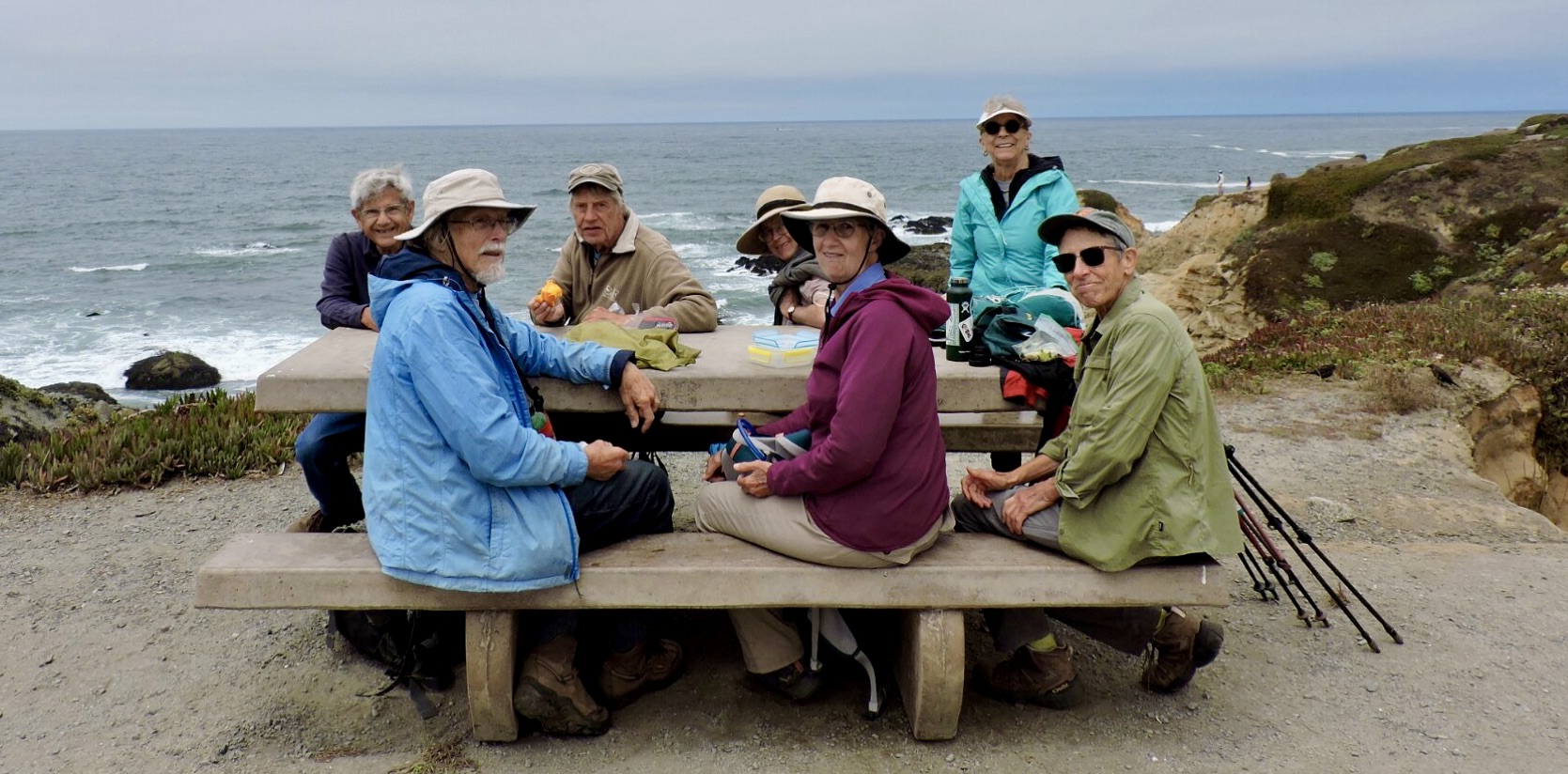
Lunch at Bodega Head with my hiking buddies. 7.3 miles out and back.

Going Home After 2 Years in Europe

Flo Boards the USAT George Washington at port of Le Havre

Chapter 115 My Mother and Audie Murphy

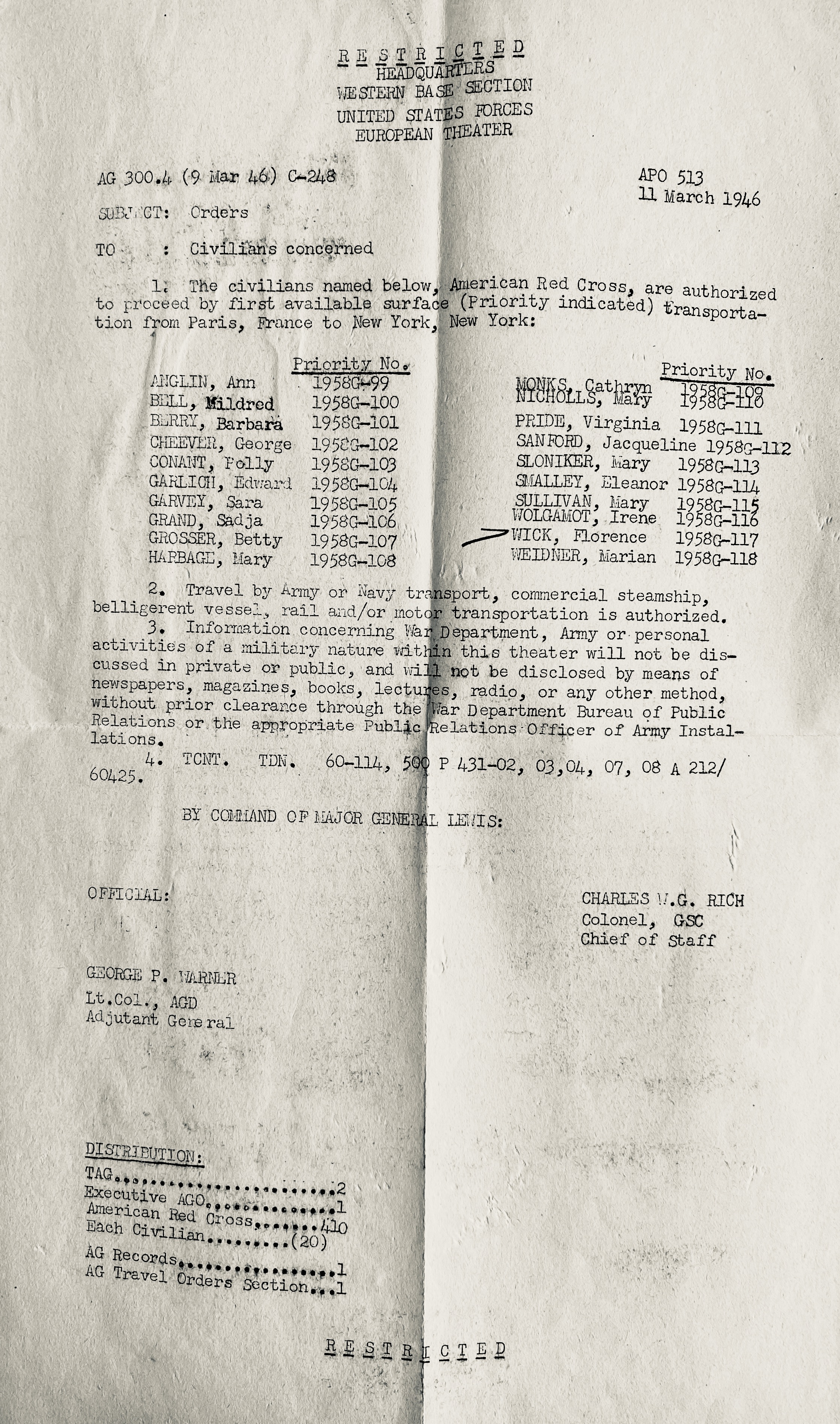
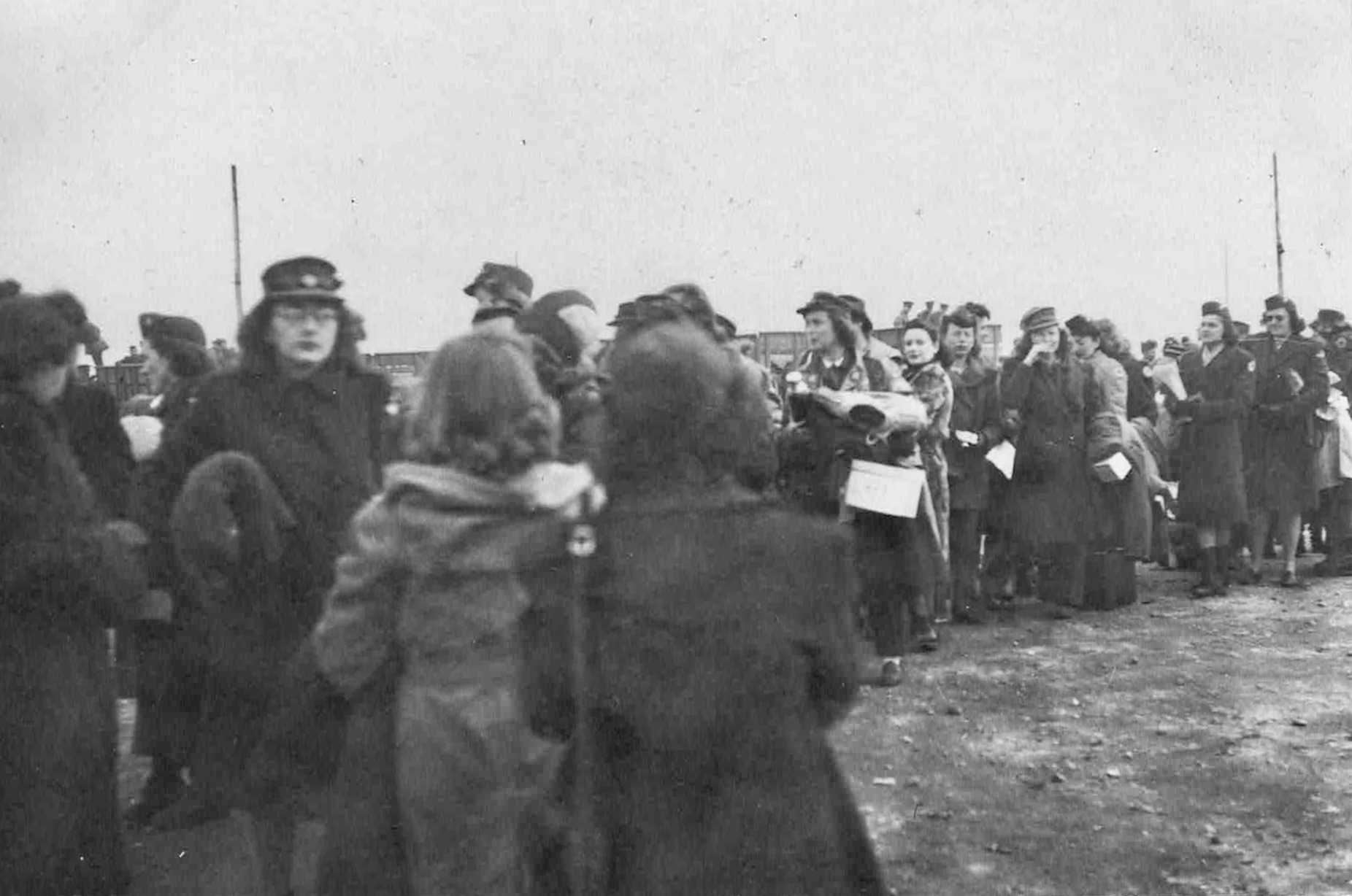
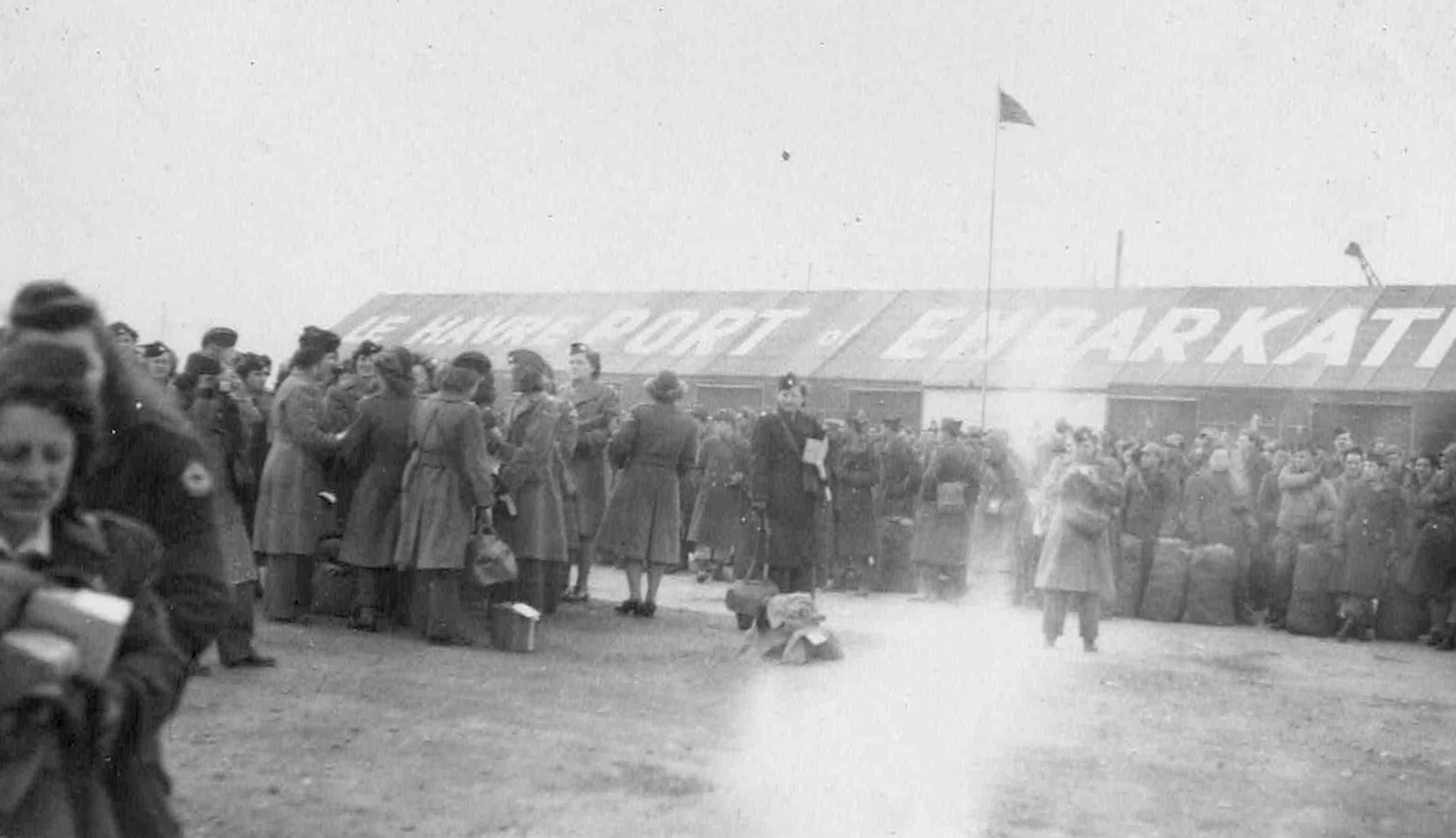
Flo and her cohort of Red Cross workers and G.I.s boarded the USAT George Washington at the port of Le Havre, France for the trip to New York. The ship was commissioned by the US Navy for troop transport in both the first and second world wars. 

Orders. Flo was hoping to accompany her friend Janet Tyson on the ship home but it appears they missed each other. Flo wanted to visit relatives in Sweden first.
Waiting to board the ship home
At the port of Le Havre where most US ships departed from
Lifeboat on the USAT George Washington
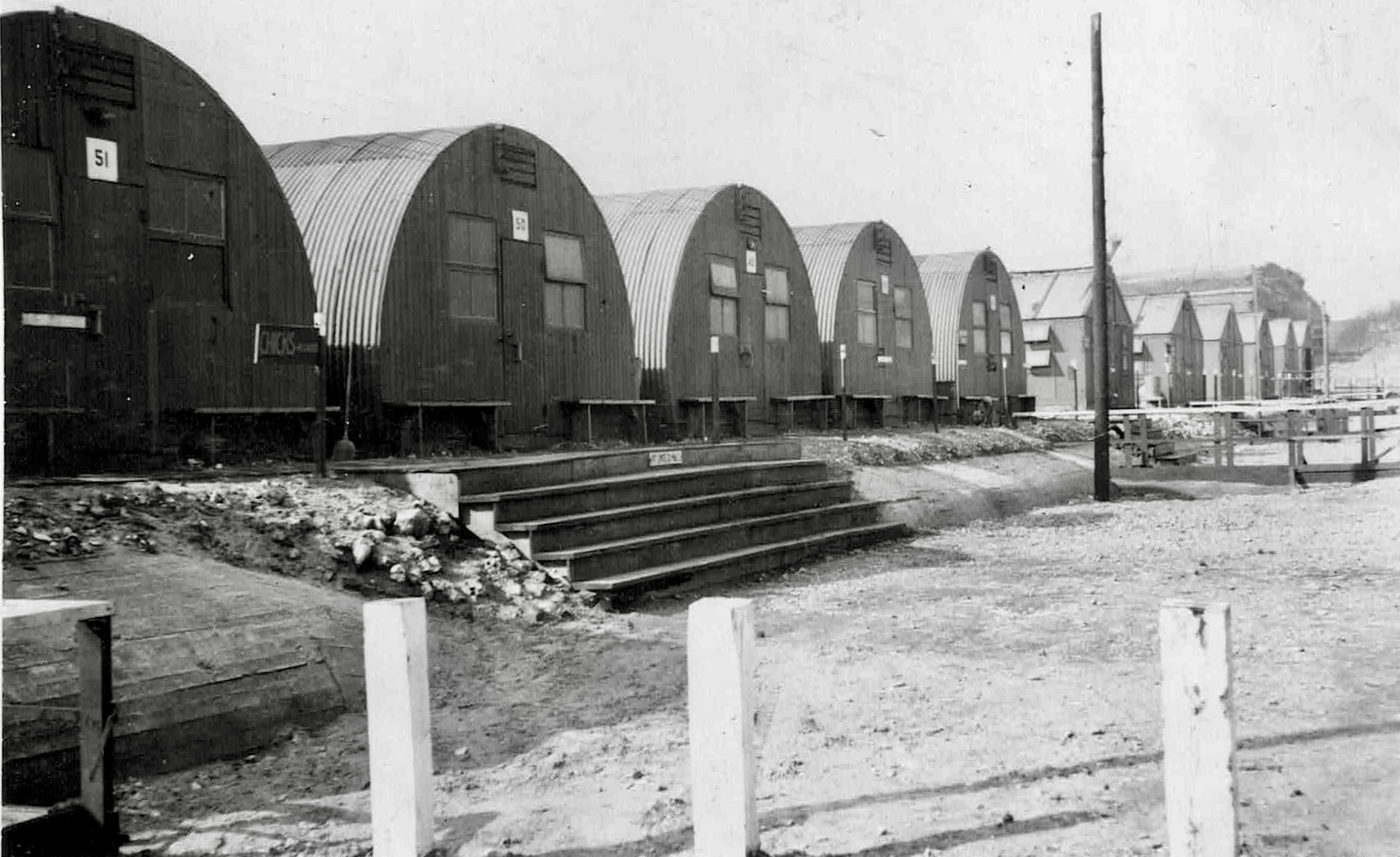
“Nissen huts at Le Havre”
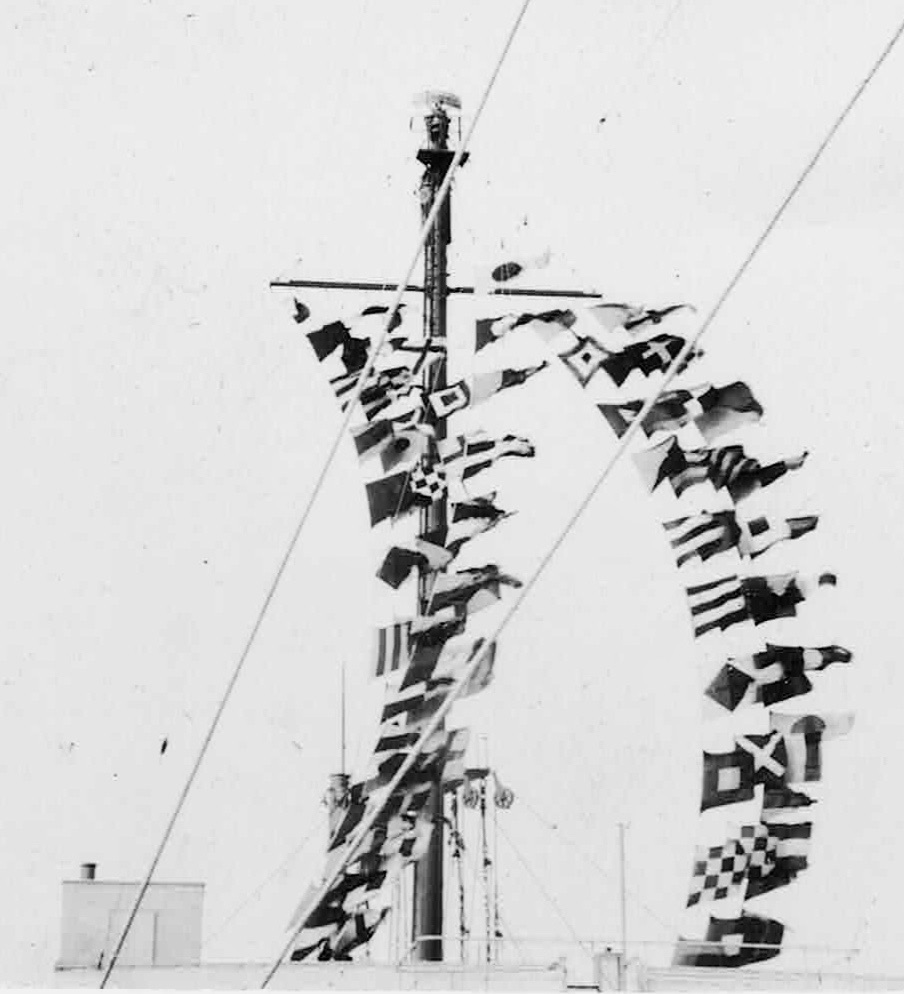
Many flags. Photos by Flo Wick

An ocean liner built in 1908 for the Bremen-based North German Lloyd, at that time the George Washington was the largest German-built steamship and the third-largest ship in the world. Built to emphasize comfort over speed, she was sumptuously appointed in her first-class passenger areas and could carry a total of 2,900 passengers. Intended for Bremen to New York passenger service, the ship was named after the first president of the United States as a way to make the ship more appealing to immigrants, who then made up the majority of transatlantic passengers and believed formalities on arrival would be easier on a ship with an American name. After a fire, the ship was sold for scrap in 1951.

USAT George Washington. Photo: NavSource

Flo in Paris for One Last Visit

She saw topless dancers, fashion shows, museums

Chapter 114: Continuing the story of My Mother and Audie Murphy

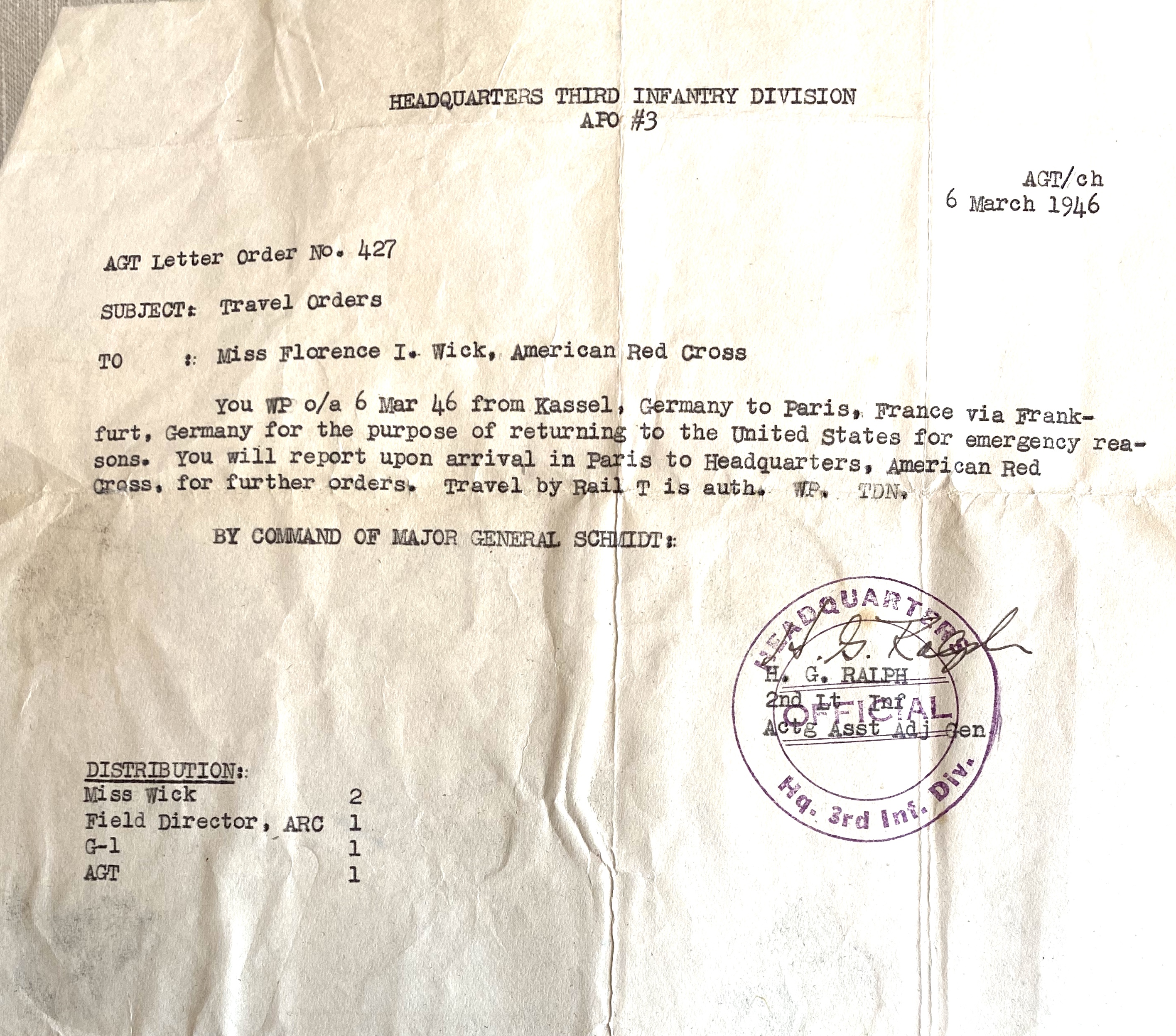
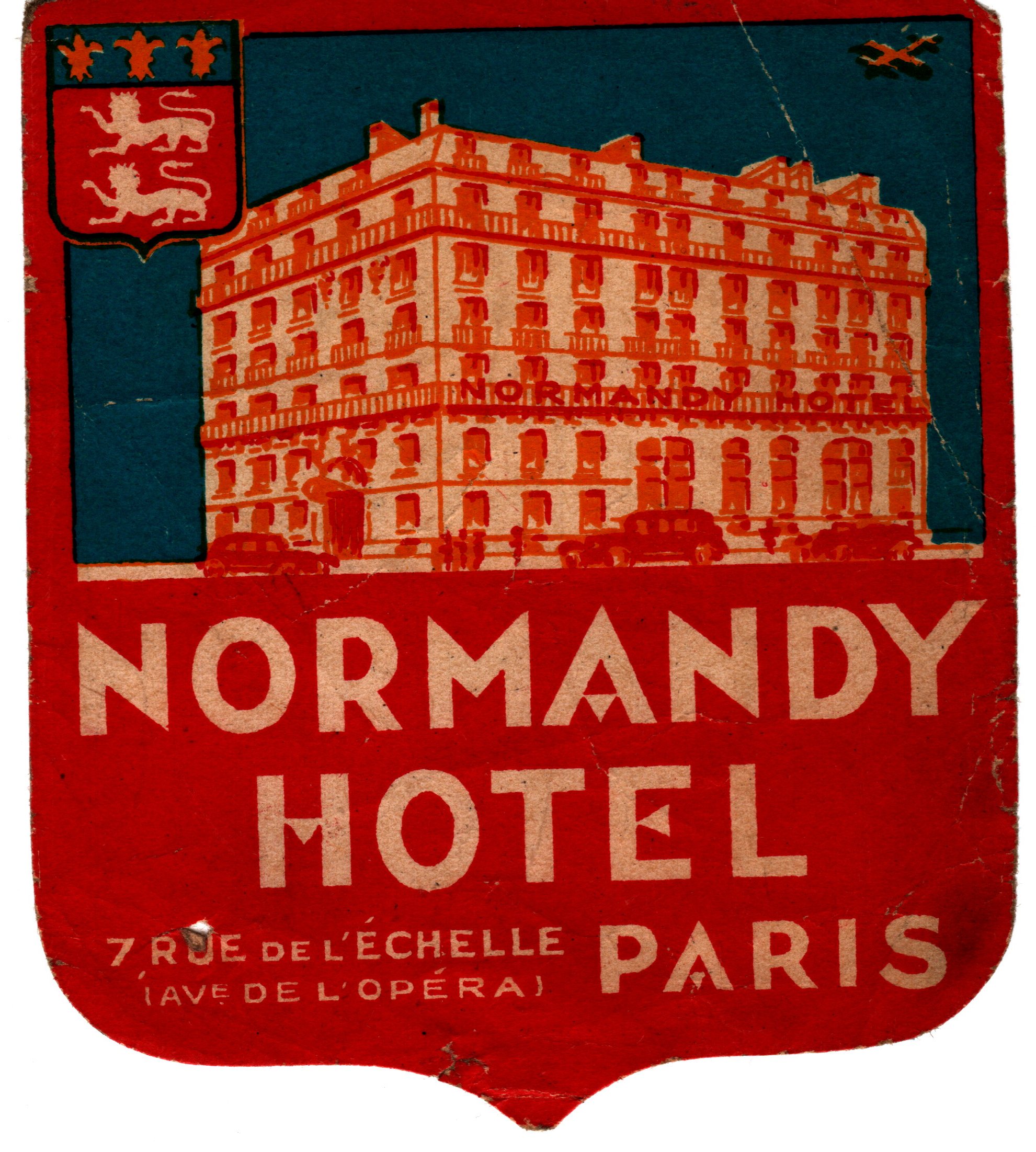
On March 6, 1946, my mother, Florence Wick, received travel orders to go to Paris from Kassel Germany by rail for the purpose of returning to the U.S. She had been in Europe almost two years working as a Red Cross “donut girl.” She must have been delighted to be going home, and also to have the opportunity to visit Paris one last time. It would indeed be the last time she saw Paris.

Travel orders March 6, 1946

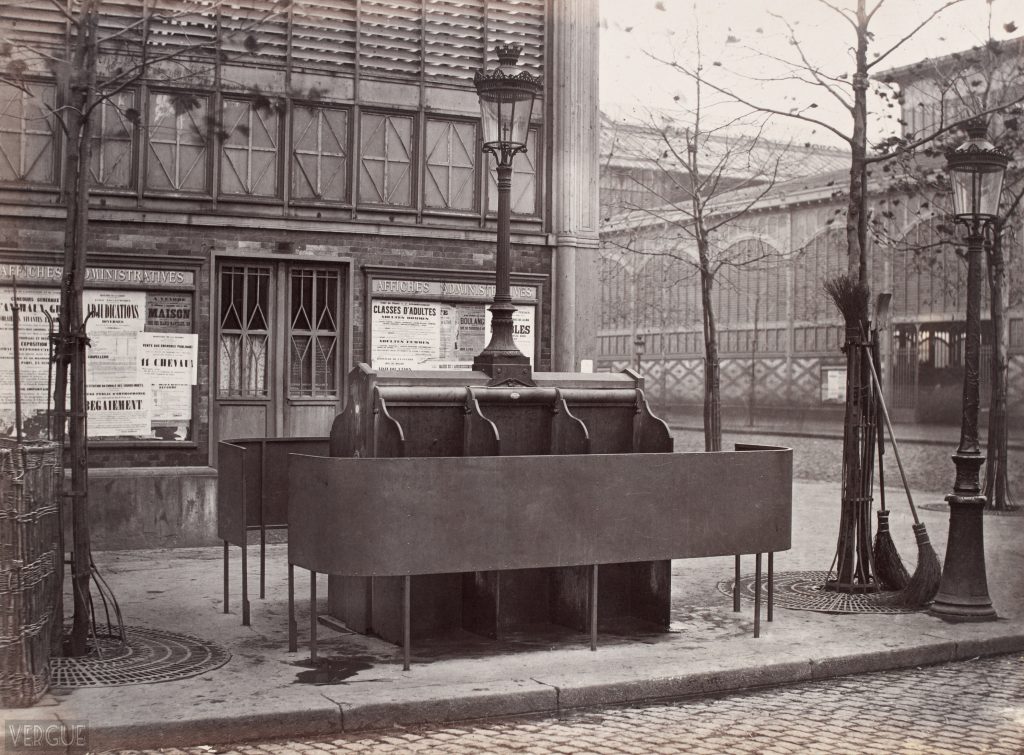
This is what as a child I remember Flo telling me about Paris. The fragrance on the overcrowded trams overwhelmed; people doused themselves with perfume to cover body odor. The public urinals were everywhere, except they were only for men. There was no place for women to relieve themselves. What were women supposed to do? she wondered.

One of the ubiquitous pissoirs. Photo: The Guardian

In the Louvre she got up close enough to the Mona Lisa to see that the painting was surprisingly small and covered with tiny cracks. She also said the only French most American soldiers learned was coucher avec moi, or “sleep with me”, probably asked as a question. But in general she was smitten with the romantic city.

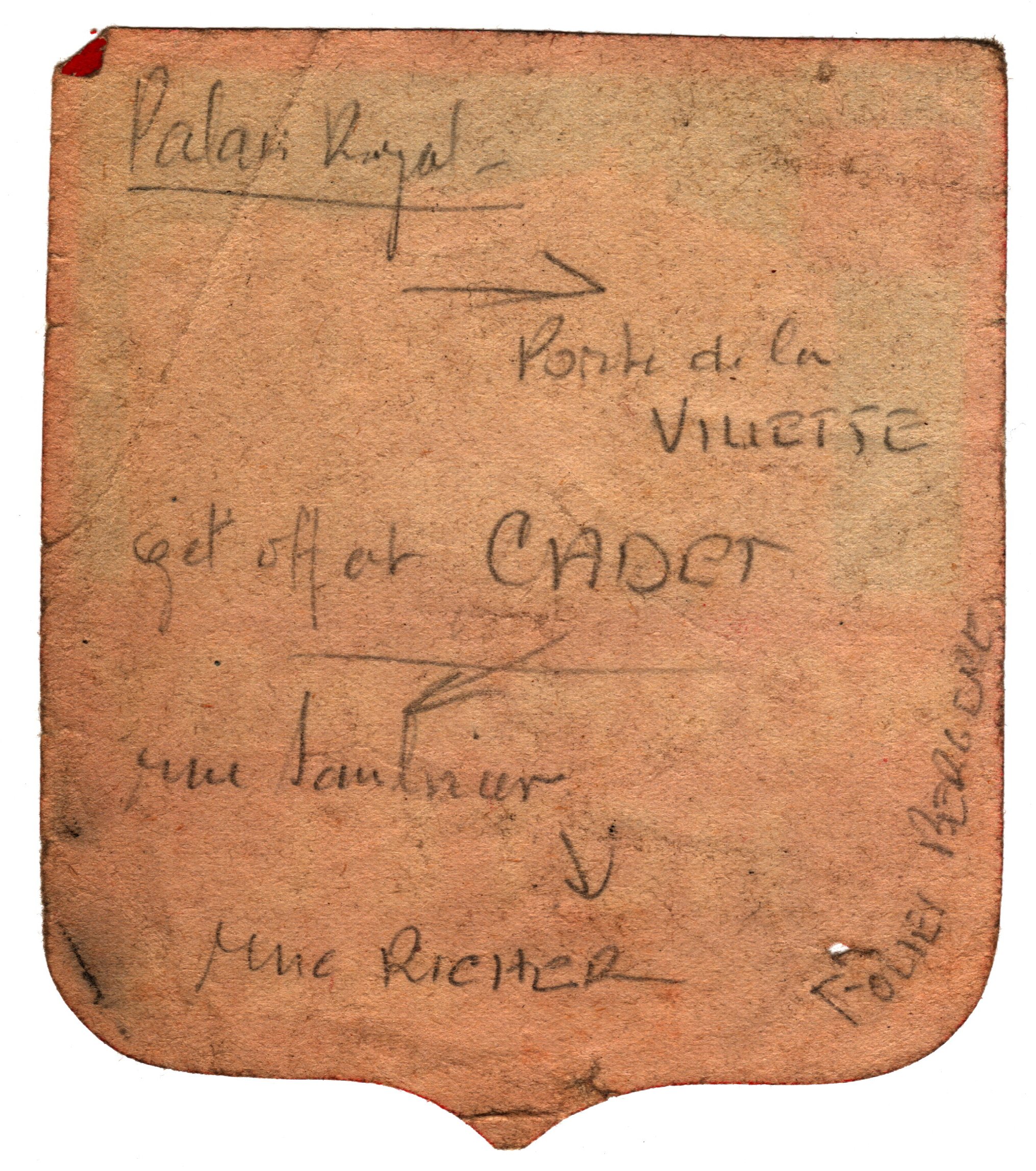
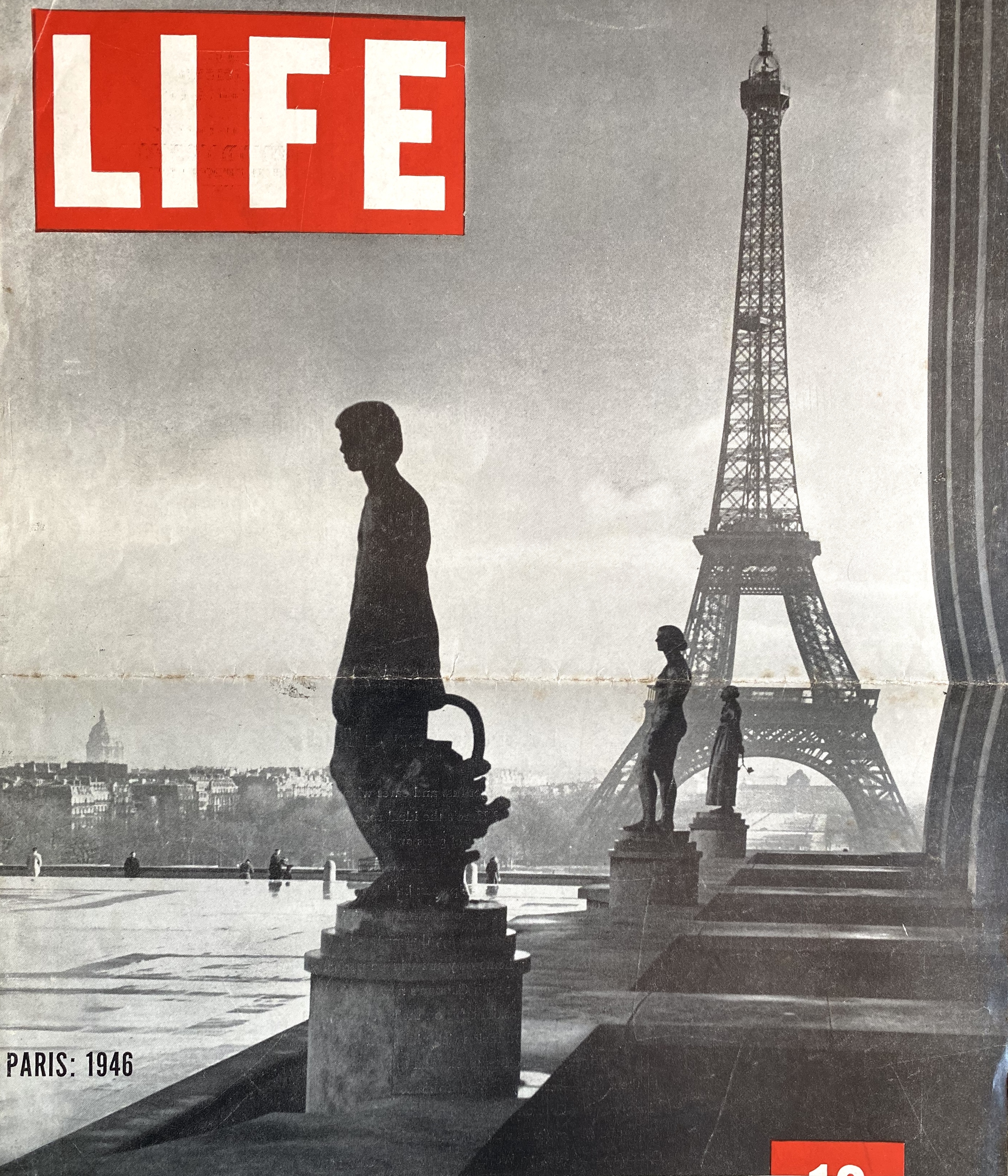
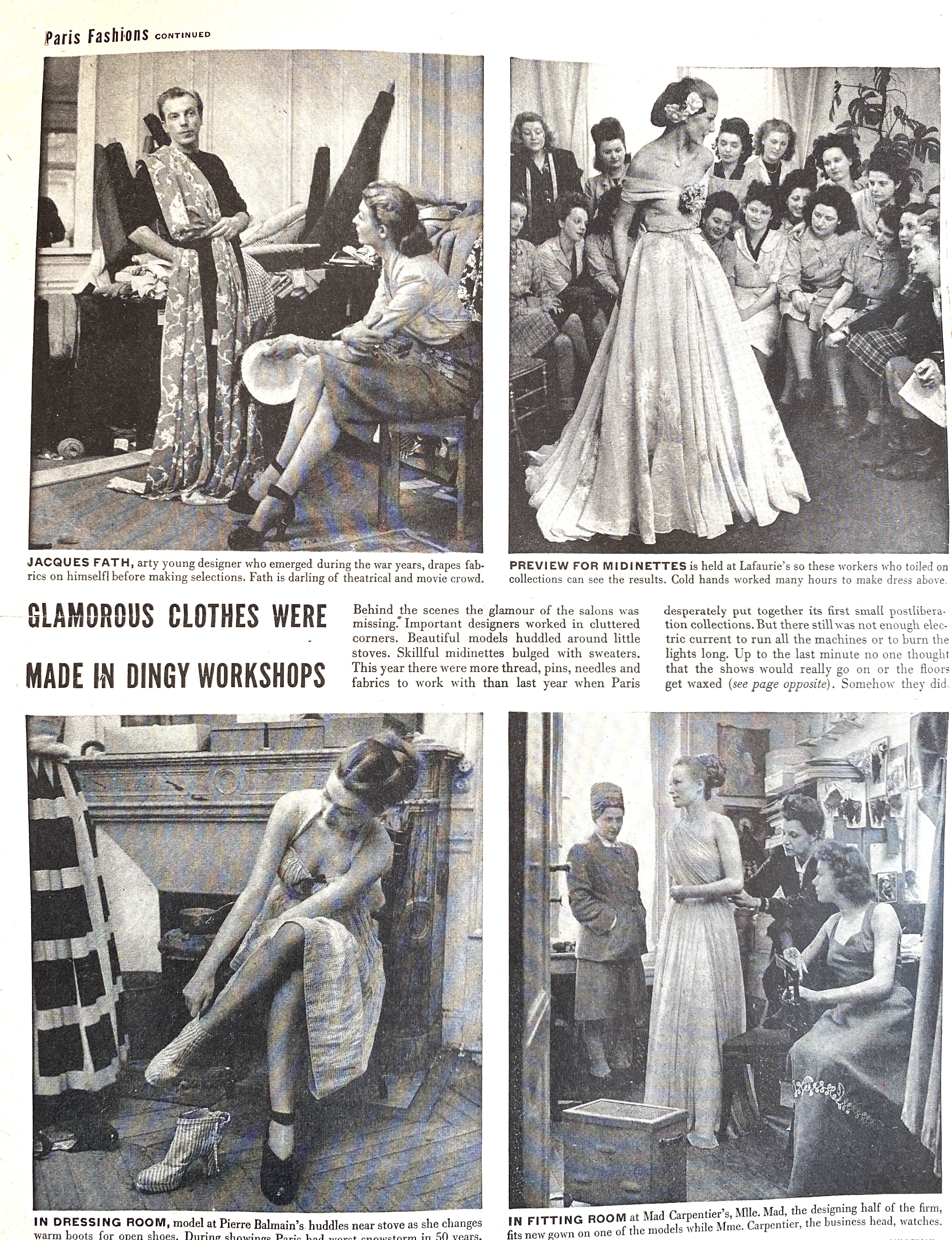
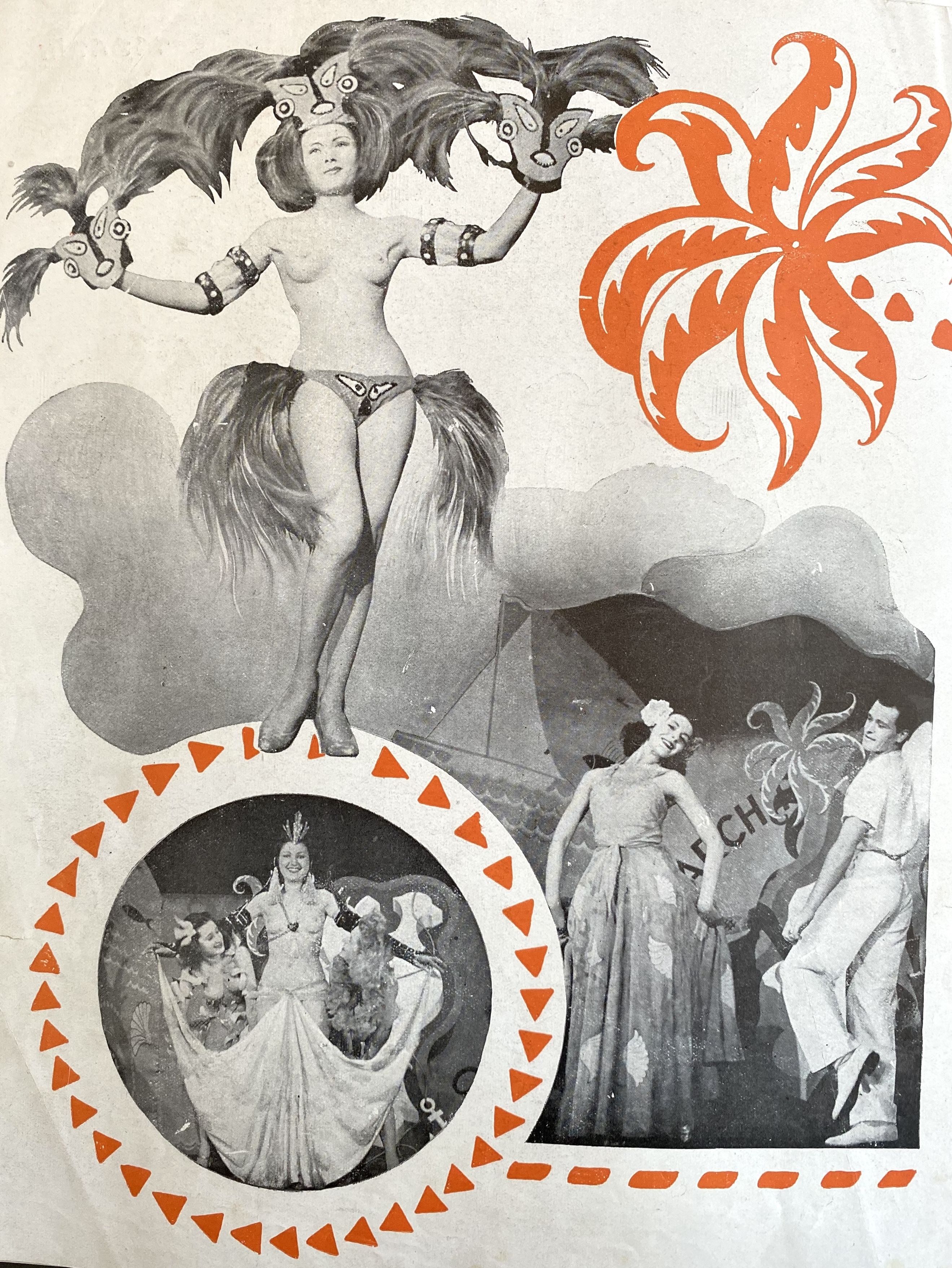
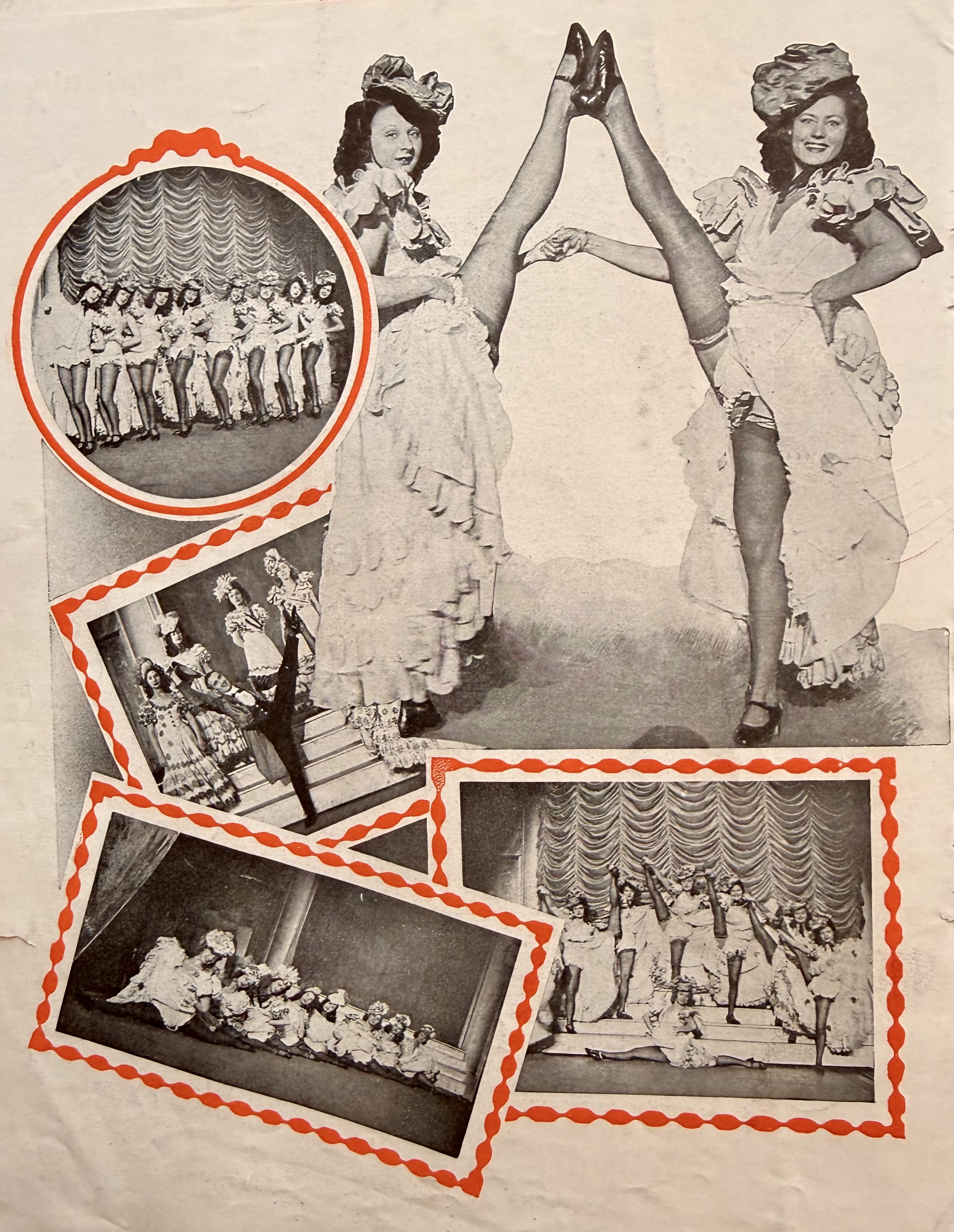
She went to the Moulin Rouge and Tabarin where women danced bare-breasted. She visited famous museums. She saw fashion shows. And she recorded it all in her WWII album.  She included pages from LIFE magazine’s feature about post-war Paris.

Paris was occupied by Nazi Germany from June 14, 1940, until its liberation on August 25, 1944. The occupation was marked by strict regulations, food rationing, and significant hardships for the civilian population, including the persecution of Jews.

Despite the oppressive conditions, a network of resistance groups emerged, engaging in acts of defiance against the occupiers. The liberation of Paris began on August 19, 1944, with an uprising led by the French Resistance and the Communist Party, culminating in the city’s liberation by Allied forces on August 25, 1944. This marked a significant turning point in the war and the end of the Nazi regime’s control over the city. To read more, I recommend the book The Liberation of Paris by Jean Edward Smith.

It Belongs Also to Parisians: Photographs for LIFE by Edward Clark
Quoting from LIFE: “Paris, the grand courtesan of cities, is all things to all men, and this may be one reason why American soldiers and Parisians have been getting along so badly since World War II. The G.I. grew up in a generation when Paris to most Americans was a cheerful bawd: the Paris of Maxim‘s, the Ritz bar, the Moulin Rouge, the Scheherezade, and Boeuf sur le Toit, the Folies Bergéres, long-haired Montparnasse, feelthy pictures, the Quatz’ Arts Ball, and the Sphinx. To the young man who had seen this Paris in pictures who had read about it in Fitzgerald and Hemmingway, who had overheard wise conversations between his father and his uncle Tom, the Paris in which he found himself these last two winters was a grim and depressing disappointment. He found people who were cold, hungry, confused and tired–above all tired–who were too busy keeping themselves alive to bother much about entertaining him, who, because they were proud and sensitive to the shame through which their country had passed, resented his slurs and his swagger. And the G.I., in turn, felt cheated. Where was the Paris he had heard about? Where were the naked women?”

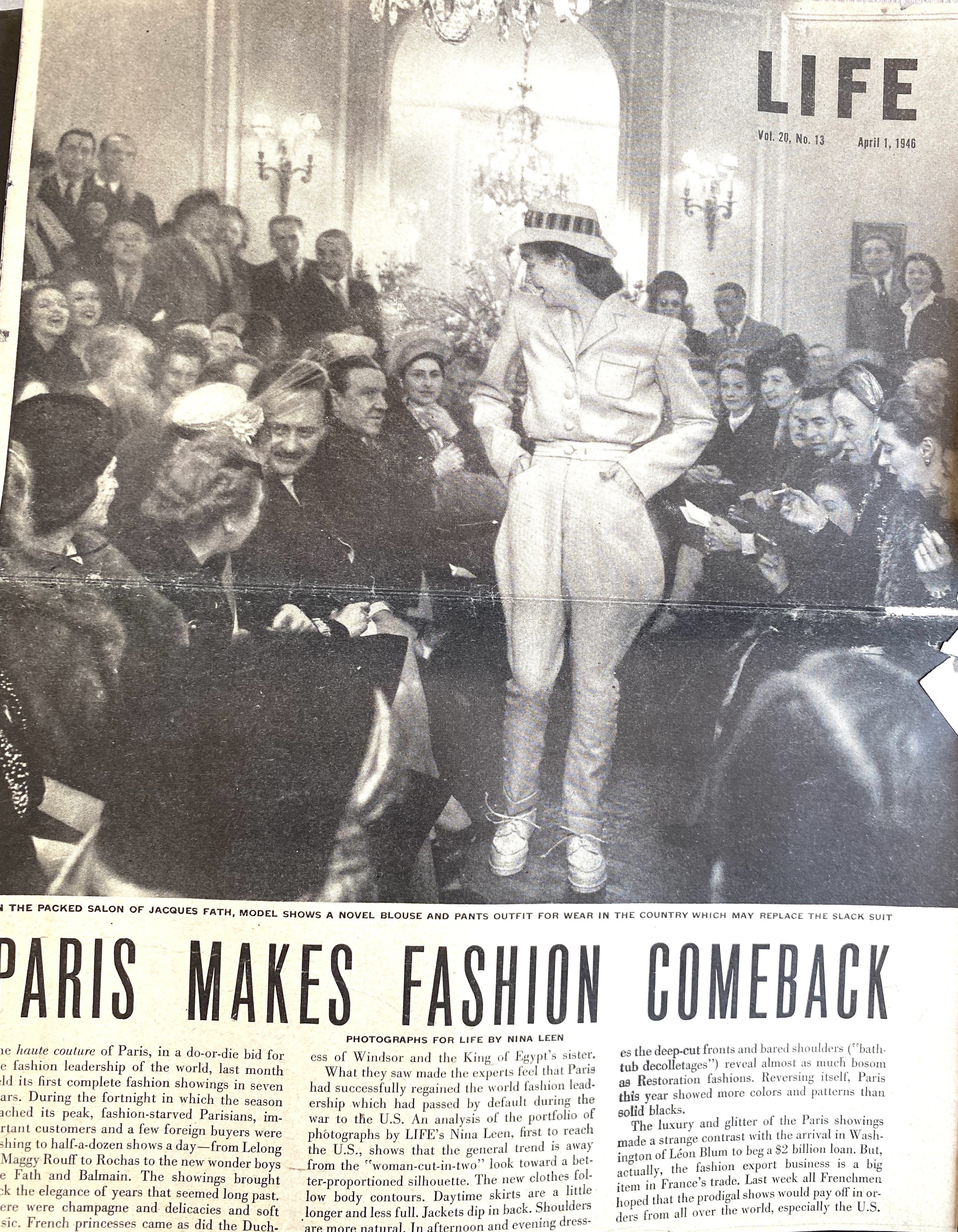
Paris was the capital of the fashion world. The industry started to come back to life in 1945 after the war. There was one fashion show but too little fabric. Then in 1946 the shows were bigger and better with a wider choice of fabrics. Flo attended several fashion shows and included stories about them in her album. It’s interesting to learn about the fashion industry scene right after the war. Paris was worried that it might move to the U.S. where it had moved during the German occupation.

Paris Makes Fashion Comeback

Quoting from LIFE magazine: “The haute couture of Paris, in a do or die bid for fashion leadership of the world, last month held its first complete fashion showings in seven years. During the fortnight in which the season reached its peak fashion, starved Parisians, important customers and a few foreign buyers were dashing to half a dozen shows a day from Lelong to Maggy Rouff to Rochas to the new wonder boys like Fath and Balmain. 

The showings brought back the elegance of years that seemed long past. There were champagne and delicacies and soft music. French princesses came as did the Duchess of Windsor and the King of Egypt’s sister. What they saw made the experts feel that Paris had successfully regained the world fashioned leadership, which had passed by default during the war to the U.S. An analysis of the portfolio of photographs by LIFE‘s Nina Leen, first to reach the U.S., shows that the general trend is away from the “woman-cut-in-two” look toward a better proportioned silhouette. The new clothes follow body contours. Daytime skirts are a little longer and less full. Jackets dip in back. Shoulders are more natural. In afternoon and evening dresses the deep-cut fronts and bared shoulders (“bathtub decolletages”) reveal almost as much bosom as Restoration fashions. Reversing itself, Paris this year showed more colors and patterns than solid blacks. The luxury and glitter of the Paris showings made a strange contrast with the arrival in Washington of Léon Blum to beg a $2 billion loan. But, actually, the fashion export business is a big item in France’s trade. Last week all Frenchmen hoped that the prodigal shows would pay off in orders from all over the world, especially the U.S.”

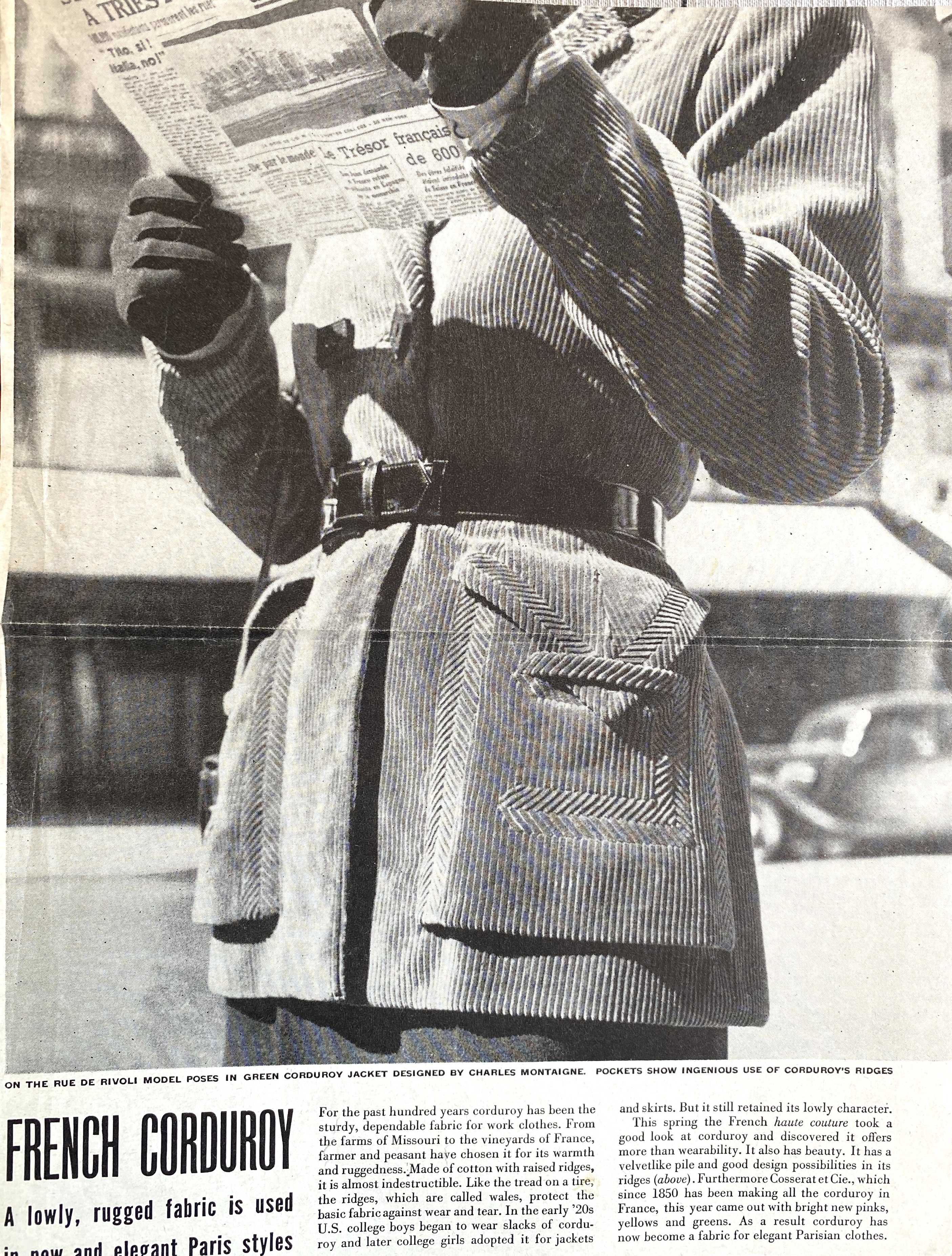
Corduroy: A lowly, rugged fabric is used in new and elegant Paris styles

From LIFE: “For the past hundred years corduroy has been the sturdy, dependable fabric for work clothes. From the farms of Missouri to the vineyards of France, farmer and peasant have chosen it for its warmth and ruggedness. Made of cotton with raised ridges, it is almost indestructible. Like the tread on a tire, the ridges, which are called wales, protect the basic fabric against wear and tear. In the early 20s U.S. college boys began to wear slacks of corduroy and later college girls adopted it for jackets and skirts. But it retained its lowly character. 

This spring the French haute couture took a good look at corduroy and discovered it offers more than wearability. It also has beauty. It has a velvetlike pile and good design possibilities in its ridges. Furthermore Cosserat et Cie., which since 1850 has been making all the corduroy in France, this year came out with bright new pinks, yellows and greens. As a result corduroy has now become a fabric for elegant Parisian clothes.”

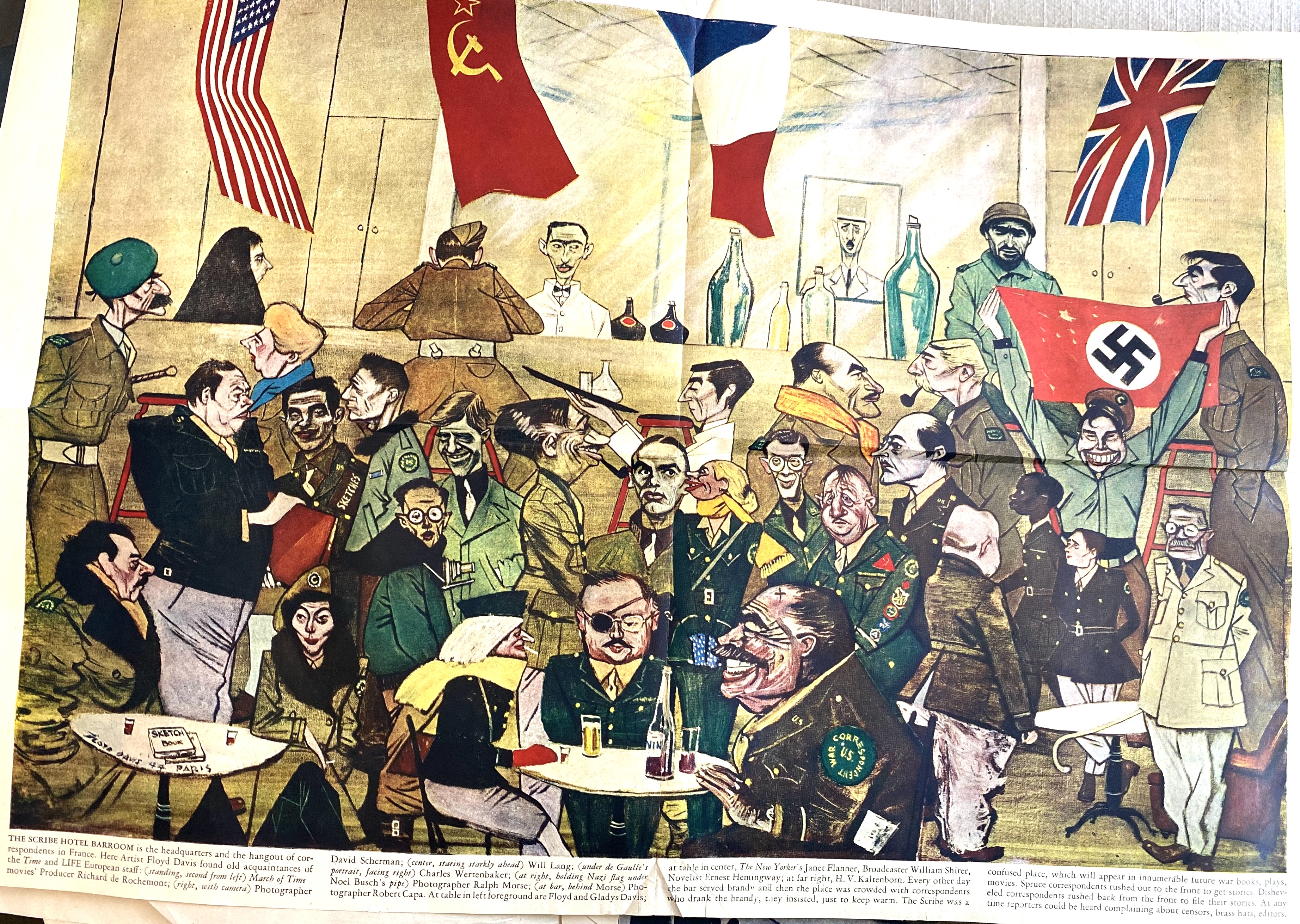
Where the correspondents hung out

From the LIFE caption: The Scribe Hotel barroom is the headquarters and the hangout of correspondents in France. Here artist Floyd Davis found old acquaintances of the Time and LIFE European staff. At the table in center the New Yorker’s Janet Flanner, broadcaster William Shirer, and novelist Ernest Hemingway. Every other day, the bar served brandy, and then the place was crowded with correspondents who drank the brandy, they insisted, just to keep warm. Correspondents rushed out to the front to get stories. Disheveled correspondents rushed back from the front to file their stories. At any time, reporters could be heard complaining about sensors, brass hats, editors.

Where the naked women were

From the Tabarin playbill saved by Flo

To start at the beginning Chapter One: https://mollymartin.blog/2024/11/04/my-mother-and-audie-murphy/