The Fuchsia Jacket

Countering Dyke Wardrobe Anxiety

No one has ever praised me for my fashion sense. In the 60s and 70s it didn’t matter. Lesbians all wore pretty much the same thing–jeans and T shirts. I bought my flannel shirts at JC Penney in the boys’ department, boys size 18. I worked construction and so I could wear the same outfits for work and play. For lesbian dress up events I bought a used tuxedo. But straight affairs like weddings left me perplexed as I surveyed my closet.

I didn’t have a thing to wear. 

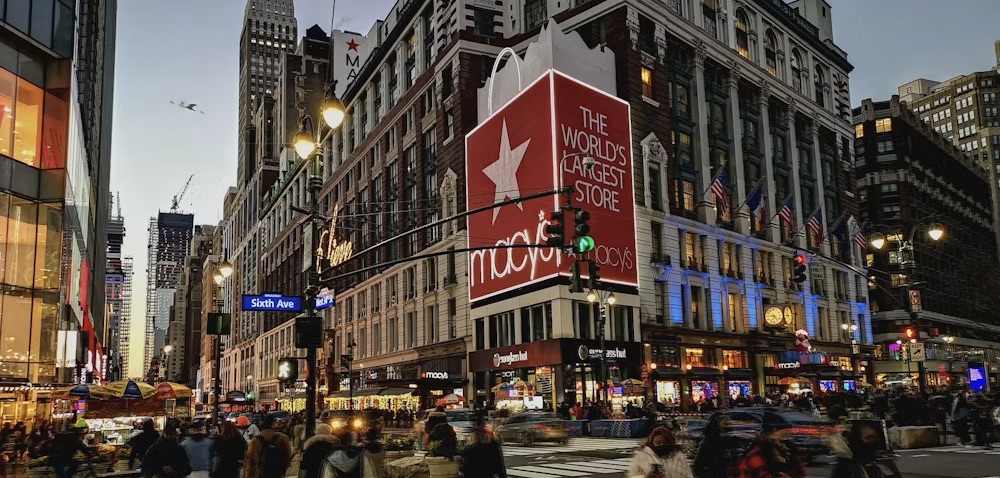
By the 1980s I felt the need for something a little dressier. I enlisted my friend Joan and her tailor girlfriend Lucy to help me. They accompanied me to Macy’s in downtown San Francisco to buy what my father might describe as a sport coat. Something you would wear with slacks of a different color. 
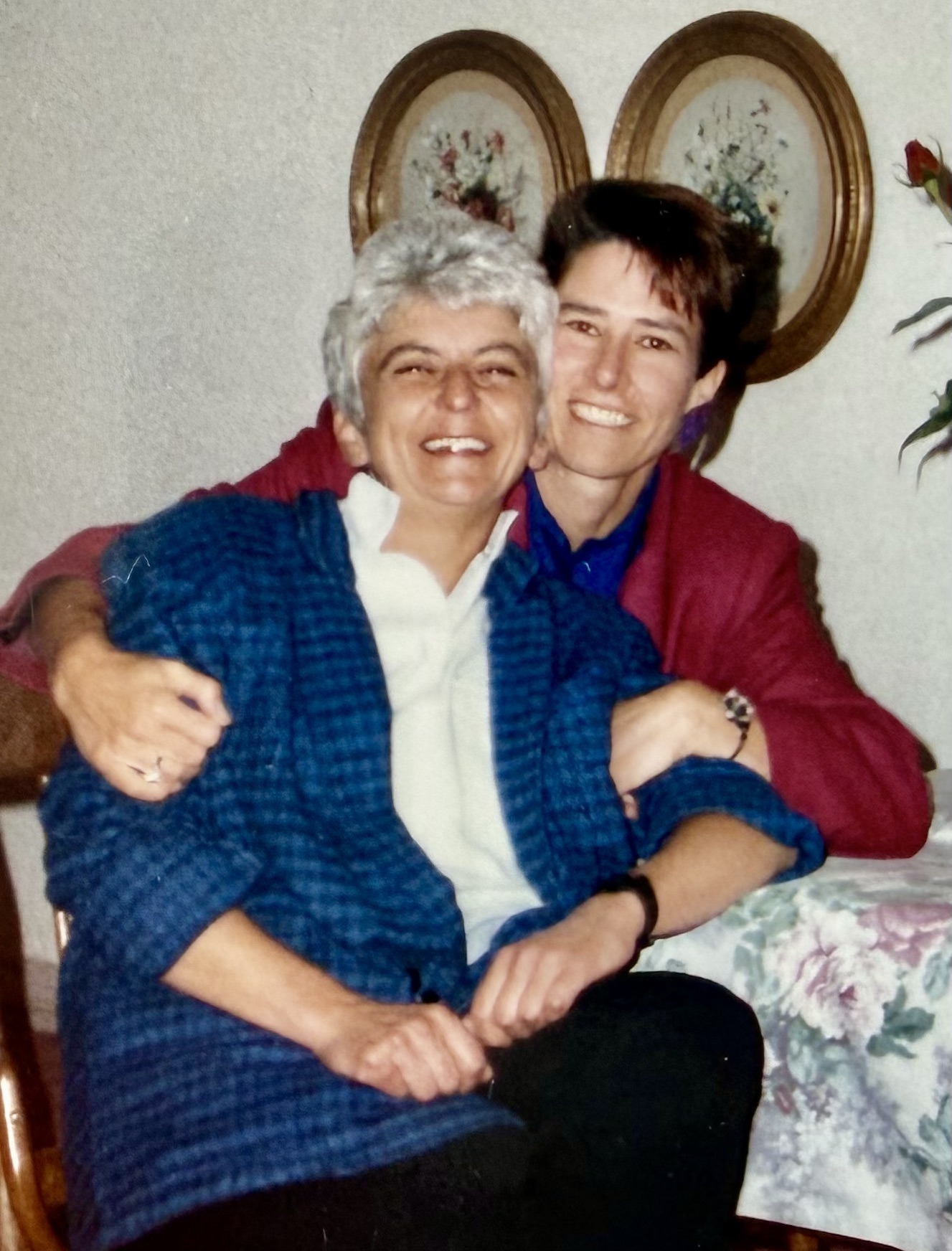
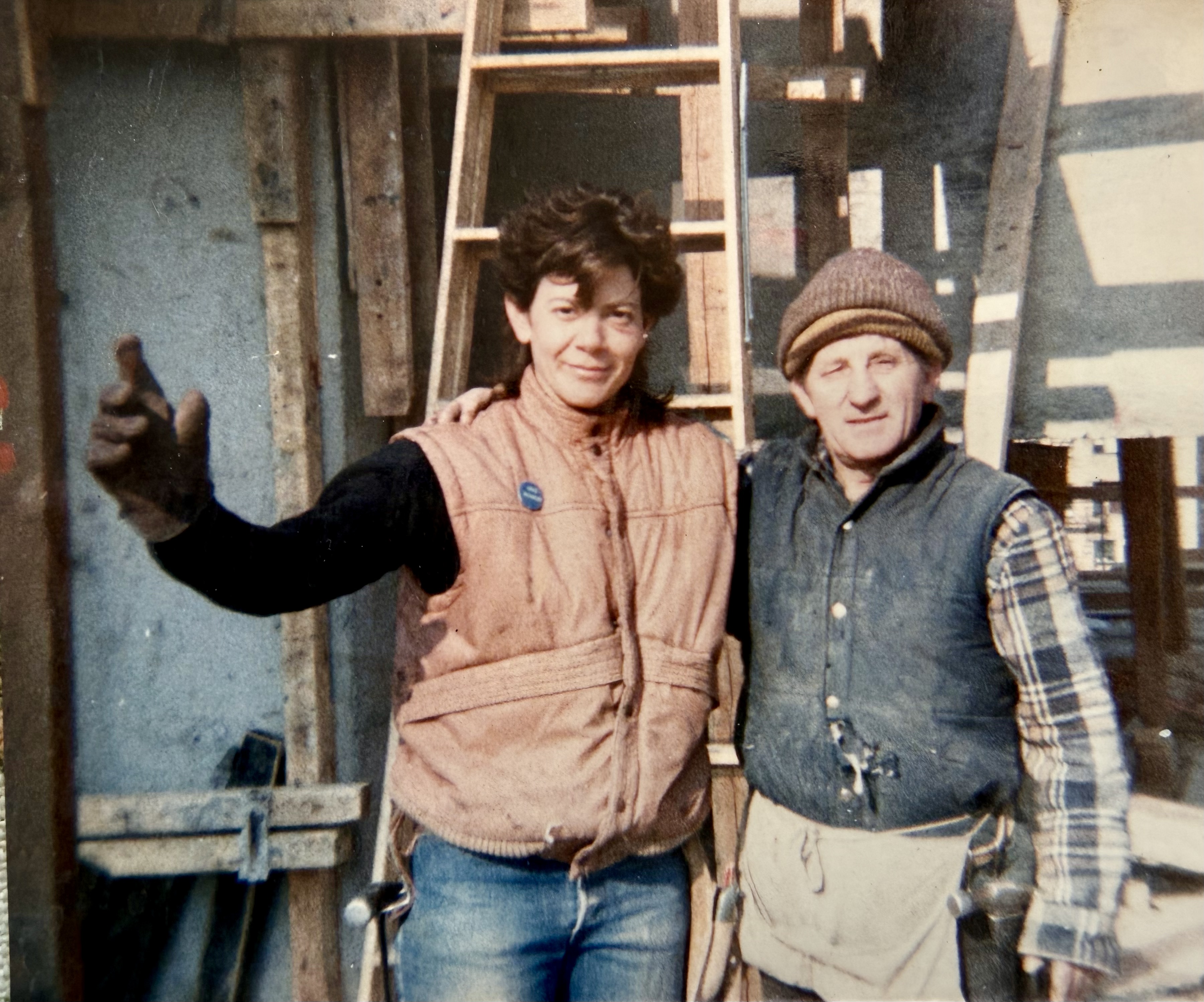
With my girlfriend Pat Cull, wearing the fuchsia jacket

One of the highlights of my week used to be looking through the Macy’s ad in the Sunday Chronicle. It wasn’t a catalog, more like a magazine, even bigger than the Sunday New York Times Magazine. There, in gorgeous color photographs, were all the things we desired–clothes, kitchen appliances, leather furniture, gadgets. You had to go to the Sears catalog for tools, and I drooled over those pictures too. My collective houses had little by way of possessions–furniture found on the street, 2X4 and plywood beds, brick and board bookcases, tables refashioned from electrical spools, mismatched kitchen utensils and dishes from Goodwill. We lusted after the new, even if we dared not admit it to our politically correct circle of friends.

Department stores both excited and overwhelmed me. I loved the window and in-store displays even more than the color pictures. Macy’s was the best, not so hoity toity that you felt unwelcome, but still very classy. Macy’s had signed me up for my very first credit card at a time when most credit cards were still restricted to men. I was as loyal as a customer with little money could be. But I was overwhelmed by the number of departments and choices. I invariably narrowed them down by only shopping the sale racks, usually in the far back of each department. In fact, I could never bring myself to pay full price for anything, so I usually never got beyond them.

Now it was time to use my credit card to buy something new. At Macy’s, Lucy steered me toward the Misses section and we each began perusing a different rack. Cutting edge fashion in the 80s featured big boxy jackets and oversized shirts with padded shoulders. I thought the style would look great on me. Lucy was the one who found the jacket, boxy and big, size 12. It was bright fuchsia. Should I buy it? Would it be a good wardrobe investment? Both women encouraged me. And, while Joan was a sister construction worker, Lucy was a clothes person. I took her advice.

My jacket was well received in San Francisco. I stood out in a crowd of colorful outfits, but I fit in. Fuchsia became my favorite color, and my color consultant, Lucy, said it best complemented my pink white girl complexion.

My travels as a tradeswoman organizer and author took me to New York several times in the 80s. I would stay with carpenter Barbara Trees who lived in a converted warehouse near the tip of Manhattan. The apartment took up part of a floor of the high-rise warehouse—one big room. Residents had filed suit when the owner sought to evict them. They won and were able to stay in the building. Remodeled plumbing necessitated climbing a couple of steps to get to the shower and toilet.
Carpenter Barbara Trees with a coworker

On my first trip to New York I was tasked with meeting with the Ms. Foundation to ask for funding for the tradeswoman organization I was working with. Barbara was out of town but she left a key and I stayed in her loft alone, so I had no one to ask for fashion advice. She was also a construction worker, so she may not have helped that much.

Fashion anxiety overtook me. What does a clueless West Coast dyke wear to a meeting in NYC? I didn’t know anyone in New York, but I had the phone number of the writer and activist Sarah Schulman. She put my mind at ease, advising me that all would be ok no matter what I wore. 

The morning of my appointment I slipped on black shoes and slacks, then topped off the outfit with my fuchsia jacket. In Barbara’s mirror I looked fabulous. Locking the many locks on her door, I rode the elevator to the street and walked out into a sea of people on a sun shiny Manhattan day. Wall Street traders in black suits, ladies walking little dogs–everyone was wearing black. Suddenly it seemed like every single pair of eyes turned toward me and my fuchsia jacket. I began walking purposefully toward the subway and I got a couple of blocks before I had to turn around. I couldn’t do it. I went back to Barbara’s and changed into a black leather jacket I had worn on the plane.

We didn’t get the money. Would we have gotten it if I’d been able to wear the fuchsia jacket?

Epilogue

Barbara Trees was so traumatized by the 9-11 attack that she moved away from New York City. We lost touch after that.

Sarah Schulman joined the faculty of Northwestern University in Illinois in 2016. Her writing has centered on queer life and AIDS activism in NYC. Her latest book is The Fantasy and Necessity of Solidarity. In search of activist guidance I actually bought her tome Let the Record Show: A Political History of ACT UP New York, 1987-1993written using interviews as part of the ACT UP Oral History Project.

Macy’s photo by Vladan Raznatovic on Unsplash

Audie Murphy After the War

A Timeline of His Post-War Life

My Mother and Audie Murphy Chapter 119

He was a war hero—THE most decorated hero of World War Two—and that was his epithet, even as he became a Hollywood movie star with more than 40 movies to his credit.

What no one, and especially the US military, wanted to talk about was the degradation of his life because of post-traumatic stress disorder (PTSD) and, I would argue, chronic traumatic encephalopathy (CTE). Audie Murphy survived the war but not his invisible injuries.

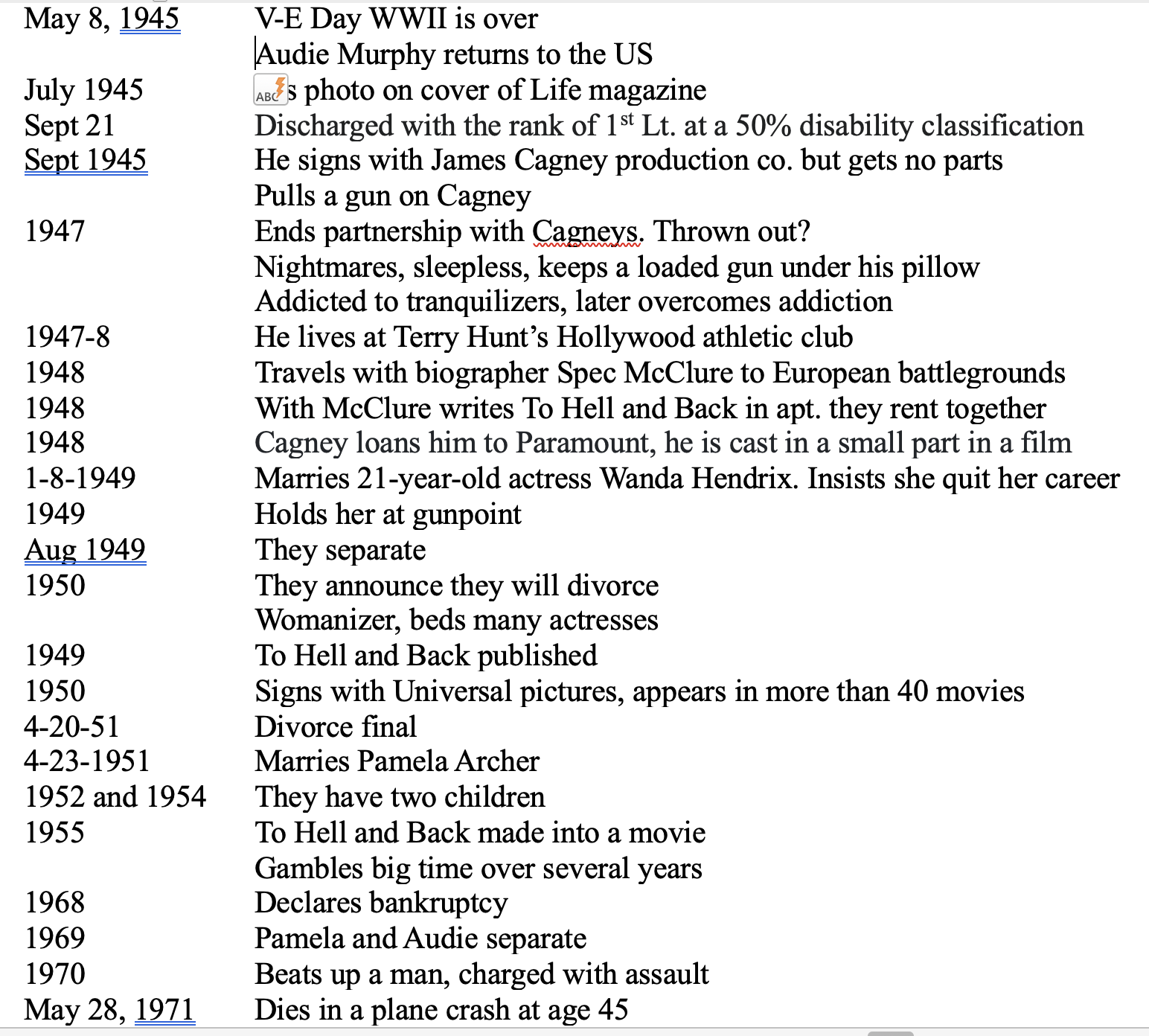
To understand Audie Murphy’s post-war life, I’ve created a timeline that will help me explore the details in future posts.

Audie Murphy Post-War Timeline

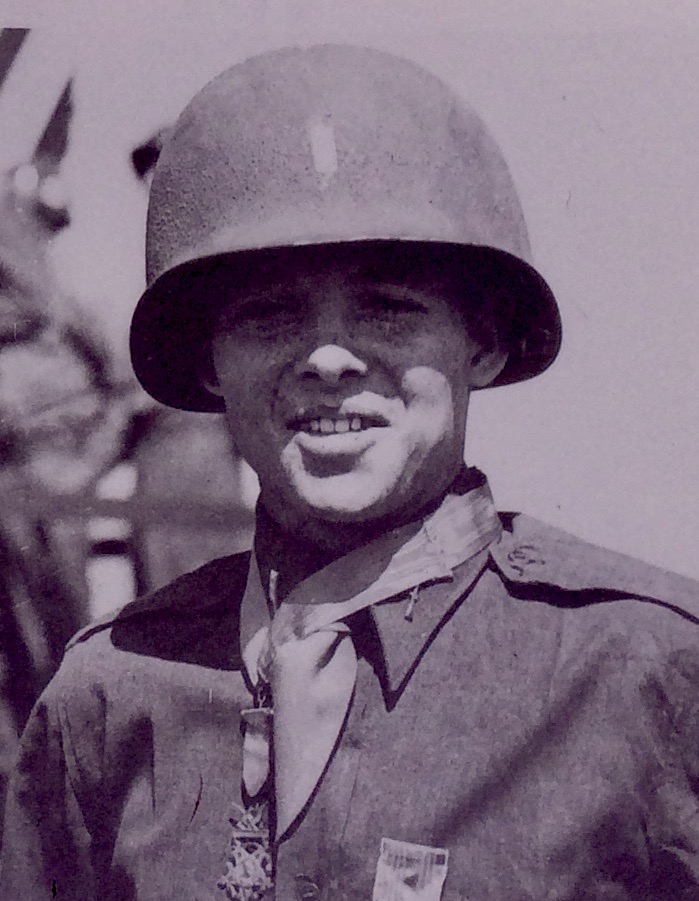
My mother Flo’s famous picture of Audie when he was awarded the Congressional Medal of Honor in the field May 12, 1945

Chapter 120: https://mollymartin.blog/2026/09/01/back-home-depression-takes-over/

Flo Back Home in Yakima

My Mother and Audie Murphy Chapter 118

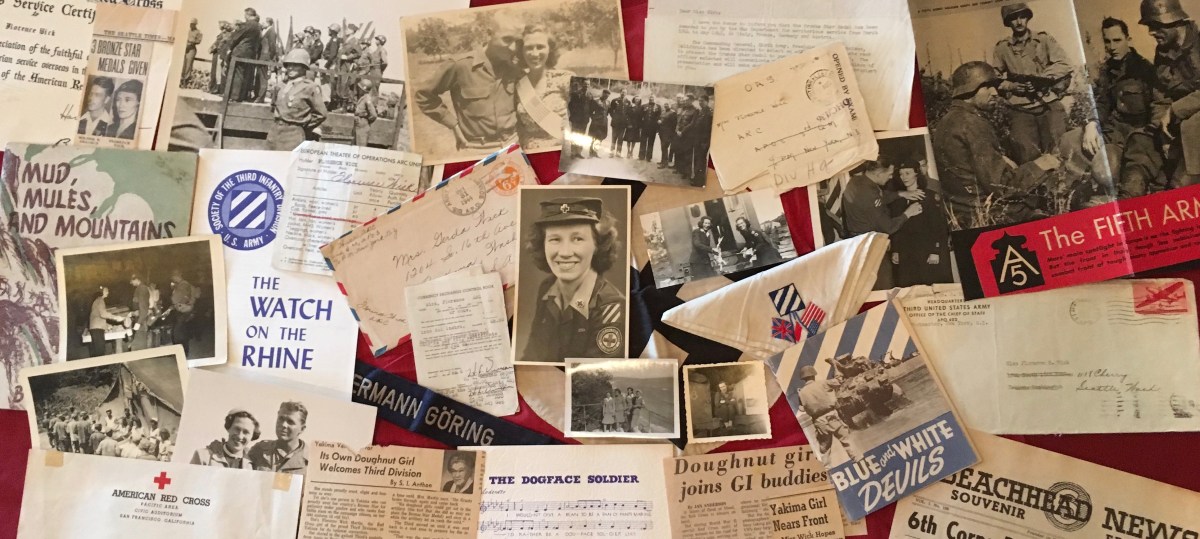
On this page of her album Flo attached icons from Northwest and United Airlines, pictures of herself and her mother at their home in Yakima and several newspaper articles. 

We Think Spokane is where Our Parents Met

Our parents told us kids that they met in the Spokane airport. They said Flo was ill and Carroll, our dad, helped her. But we never learned when this happened. My theory is that it was in April, 1946 when Flo flew back from Washington DC where she had been debriefed by the Red Cross. The United Airlines map on this page shows the flight going to Spokane, where she must have had to transfer to Northwest Airlines for the final leg to Yakima. Flo and Carroll carried on their relationship in Seattle where she moved in the fall of 1946. She worked for the publisher of the Seattle Times as a secretary. He worked at a gas station which was on her way as she walked to work. They married in November, 1947 and moved to Yakima.

The page from Flo’s album

Here are some excerpts and quotes from the news stories. It’s interesting that all the newspaper stories refer to Flo as a girl. One of the second wave feminist movement’s demands was that media stop infantilizing women. She was 32 when she returned from Europe.

Awarded the French Fourragère

“One Yakima girl is entitled to wear the fourragère awarded by France for distinguished service by an army unit. Miss Florence Wick as one of the four Red Cross girls attached to the Third Division was officially given the right to wear the coveted fourragère in full uniform. Certainly no one who knows of Miss Wick‘s work, which often led her to the firing line, will doubt in the least her right to the emblem of honor. Her friends are certain she was as gallant a soldier as any of her brothers in arms.”

Surprised at American Apathy

“Miss Florence Wick, who recently returned from overseas Red Cross service, is back home after a short stay in Seattle. Miss Wick is following the news of overseas needs with great interest but has no great faith of permanent peace in Europe under present conditions. She is, also, somewhat surprised at the seeming apathy with which world affairs are considered by most persons.”

Visited Families

She visited the town of Walla Walla to see the parents of two men that she was stationed with in Germany. (The men) are stationed at Bad Wildungen, and are expected to remain in Germany until late summer.

She Spoke Publicly About the War

She spoke to the Lions Club luncheon in the Commercial Hotel about “the combat history of the third infantry division that had the most casualties and fought the most battles. She celebrated the fall of Rome from a Roman villa amidst flabbergasted and excited Italians and VE day in the Salzburg Castle, where Hitler and Mussolini met near Brunner Pass. Describing the food situation on the continent as tragic when she left six weeks ago, Miss Wick told of people starving and of shelves bare of bread, soap, fat, oils, and sweets. The only food available, she said, was through the black market with a good meal costing $25 in Paris. Sweden and Belgium seem to have plenty, she pointed out, but the remainder of Europe is starving.”

She Stopped in DC to be Cleared

“She arrived Tuesday in New York. She telephoned her mother that she will go to Washington DC to be cleared by the Red Cross before leaving for her home here. She visited relatives in Sweden. 20 relatives from different parts of Sweden attended a reunion upon her arrival.”

Yakima Girl Returns With Four Battle Stars on Dress 

“Miss Wick served in artillery range during Vosges mountains fight. The slender vivacious, former Yakima business girl was one of four Red Cross workers who drove a clubmobile and served coffee and as many as 6000 donuts a day to weary dog faces and artillery men. They were with the rear echelon, lived in tents and were able to pack, take down their tents and move in 20 minutes when the army was on the go. Six GIs, battle fatigue cases, made the donuts which the four girls distributed.” 

The Only Division with a Presidential Citation

“We have lots of mosts in our division,” says Miss Wick, whose pride in the division is tremendous. “We even had the most casualties.” She added that is to be expected because the units were in some of the toughest fighting. “We were the only infantry division to have a presidential citation for the whole division.”

On V-E Day Sadness Mixed with Rejoicing

Miss Wick says (V-E Day) was quite exciting, of course, but “I don’t believe there was one person there who wasn’t thinking of the ones who weren’t there, the ones who made the victory possible. There was sadness mixed with rejoicing.”

What Was Germany Fighting For?

“’The German people had so much more than the other people in Europe, it made the Americans wonder what the Germans were fighting for.’ The Yakima girl says she earnestly believes all the Germans should be held morally responsible for the war. They certainly do not feel this, she says. They think they are just unfortunate to have lost the war. Miss Wick visited Dachau prison and Landsberg, where the Jewish concentration camp was and says stories of these horrors are not exaggerated.

“Switzerland and her mother‘s native Sweden, which Miss Wick visited on leave after hostility ceased, she found peaceful and beautiful, strangely so after the rubble and ruin of Italy, Germany, and France and the damage in England from the blitz.
“Among Miss Wick‘s most interesting souvenirs is a Gestapo camera, a machine about 2 1/2 inches long and an inch high and an inch wide. She has not yet decided upon her future plans although she could go either to Europe or the Pacific area with the war department if she wishes.”

Chapter 119: https://mollymartin.blog/2026/08/15/audie-murphy-after-the-war/

Catching Some Culture in NYC

My Mother and Audie Murphy chapter 117

Flo saw shows and friends in the Big Apple

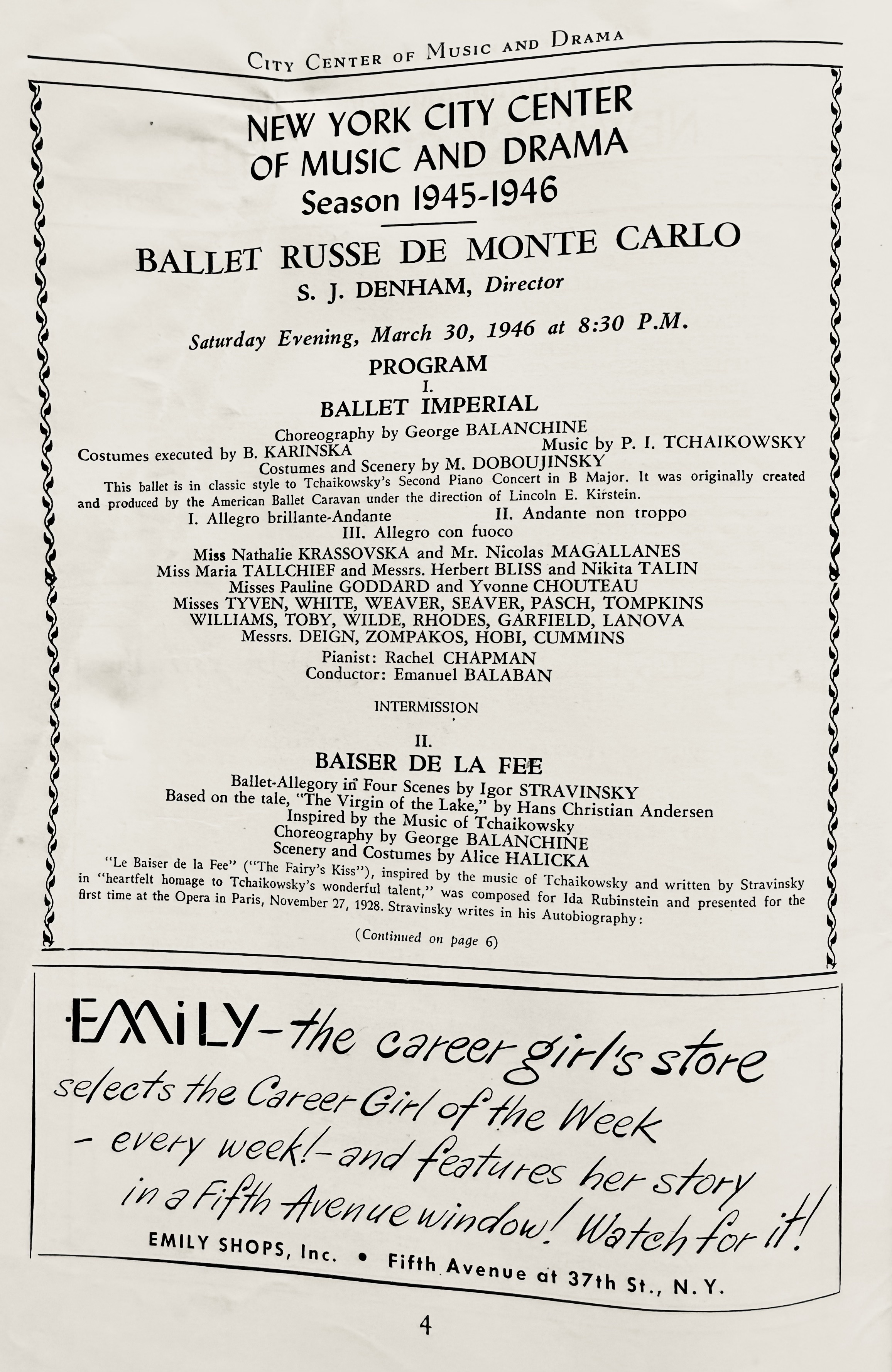
Flo sailed into New York City at the end of March 1946, and she partook of as much culture as she could in a few short days. She saved the playbills from several shows. She heard music at Carnegie Hall, saw the Ballet Russe de Monte Carlo at the City Center of Music and Drama, and caught a play at the Cort on Broadway.

She connected with a friend, Dr. Edward Dunlap, who was starting his medical practice at New York Hospital, and she included his announcement, a picture of the hospital, and a picture of him. He could have been someone she knew during the war, but there are no other pictures or mentions of him in the album.

Dr. Eddie, his announcement, and the New York Hospital on East 68th Street.

Did she see her lesbian girlfriend, Edna Lauterbach, while in New York? Probably, but there’s no mention of “Eddie.” They had seen a show together when Flo visited in 1941, so it’s likely they reconnected — or maybe their friendship had ended by this time. Edna was definitely smitten with Flo, and I can imagine that Flo may have felt uncomfortable in the situation. I wrote about their relationship after discovering love letters from Eddie saved in another scrapbook. https://mollymartin.blog/2016/09/03/my-mothers-lesbian-affair/

Chapter 118: https://mollymartin.blog/2026/08/08/flo-back-home-in-yakima/