Contributions to International Law
My Mother and Audie Murphy Chapter 124
This is the 80th Anniversary of the Trials’ End
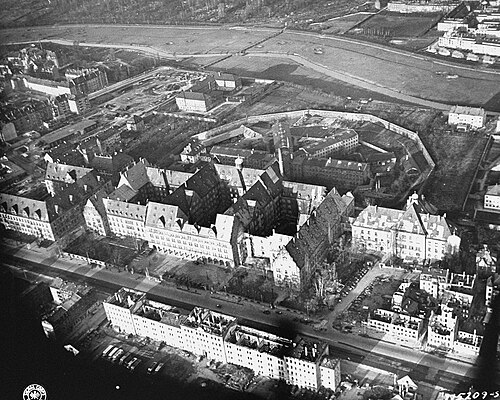
On October 1, 1946, the Nuremberg Trials concluded after nearly a year of unprecedented legal proceedings, marking a watershed moment in the history of international law. Eight decades later, this landmark tribunal stands as the cornerstone upon which modern international justice has been built. The trials represented humanity’s first comprehensive attempt to hold individuals accountable for crimes against peace, war crimes, and crimes against humanity—establishing principles and precedents that would ultimately lead to the creation of the International Criminal Court (ICC) and a fundamentally transformed approach to global accountability.
The Context and Necessity of Nuremberg
Following World War II’s devastation, the victorious Allied powers faced an unprecedented challenge: how to address the systematic atrocities perpetrated by Nazi Germany. The Holocaust had claimed six million Jewish lives, alongside millions of others. War crimes, slave labor, and crimes against humanity had been committed on a staggering scale. Traditional warfare had rendered conventional military tribunals insufficient for addressing these crimes. The Allies recognized that justice required an entirely new legal framework—one that transcended national boundaries and established that individuals, regardless of their official position or nationality, could be held accountable for mass atrocities.

The four major Allied powers—the United States, Soviet Union, United Kingdom, and France—convened in Nuremberg, Germany, to conduct trials of 24 high-ranking Nazi officials, including Hermann Göring, Rudolf Hess, and Joachim von Ribbentrop. The trials lasted nearly a year, from November 1945 to October 1, 1946. Of the 22 primary defendants, 12 were sentenced to death by hanging, three received life imprisonment, and four received shorter prison terms, while three were acquitted.
Revolutionary Legal Principles
The Nuremberg Trials established several revolutionary legal principles that reshaped international law. First, they affirmed that individuals could be prosecuted for crimes against humanity even when those acts were technically “legal” under their own government’s laws. This principle directly challenged the notion of absolute state sovereignty and asserted that certain human rights transcend national jurisdiction.
Second, the trials established that “following orders” was not a valid defense for committing atrocities. The trials also introduced the concept of “crimes against peace”—the planning and waging of aggressive war—as a prosecutable offense under international law.
Third, the trials demonstrated that rigorous legal procedures, transparent evidence presentation, and the right to defense could coexist with accountability for mass atrocities.
The Path to the International Criminal Court
The principles established at Nuremberg reverberated through subsequent decades of international legal development. The Universal Declaration of Human Rights (1948), adopted just two years after the trials concluded, embodied many Nuremberg principles in its assertion of universal human rights. The Genocide Convention (1948) similarly codified international liability for mass atrocities.
However, the Cold War froze the development of permanent international criminal institutions for nearly fifty years. It was not until the 1990s that the world revisited Nuremberg’s legacy. The atrocities in the former Yugoslavia and Rwanda prompted the United Nations Security Council to establish the International Criminal Tribunal for the former Yugoslavia (ICTY) and the International Criminal Tribunal for Rwanda (ICTR)—modern successors to Nuremberg’s model.
These tribunals paved the way for the establishment of the International Criminal Court in 2002, which represented the realization of Nuremberg’s foundational promise: a permanent international institution dedicated to prosecuting individuals for the gravest crimes of international concern.
Americans Mostly Just Wanted to Move On
The gravity of the proceedings captured the public imagination, spawning films and documentaries that sought to dramatize the struggle between law and tyranny. One of the most notable cultural connections was Marlene Dietrich. She volunteered her time and resources to support the war effort and later used her global platform to champion the memory of the victims, ensuring the horrors documented at Nuremberg were not forgotten by the postwar generation. She performed in the 1961 film Judgment at Nuremberg.
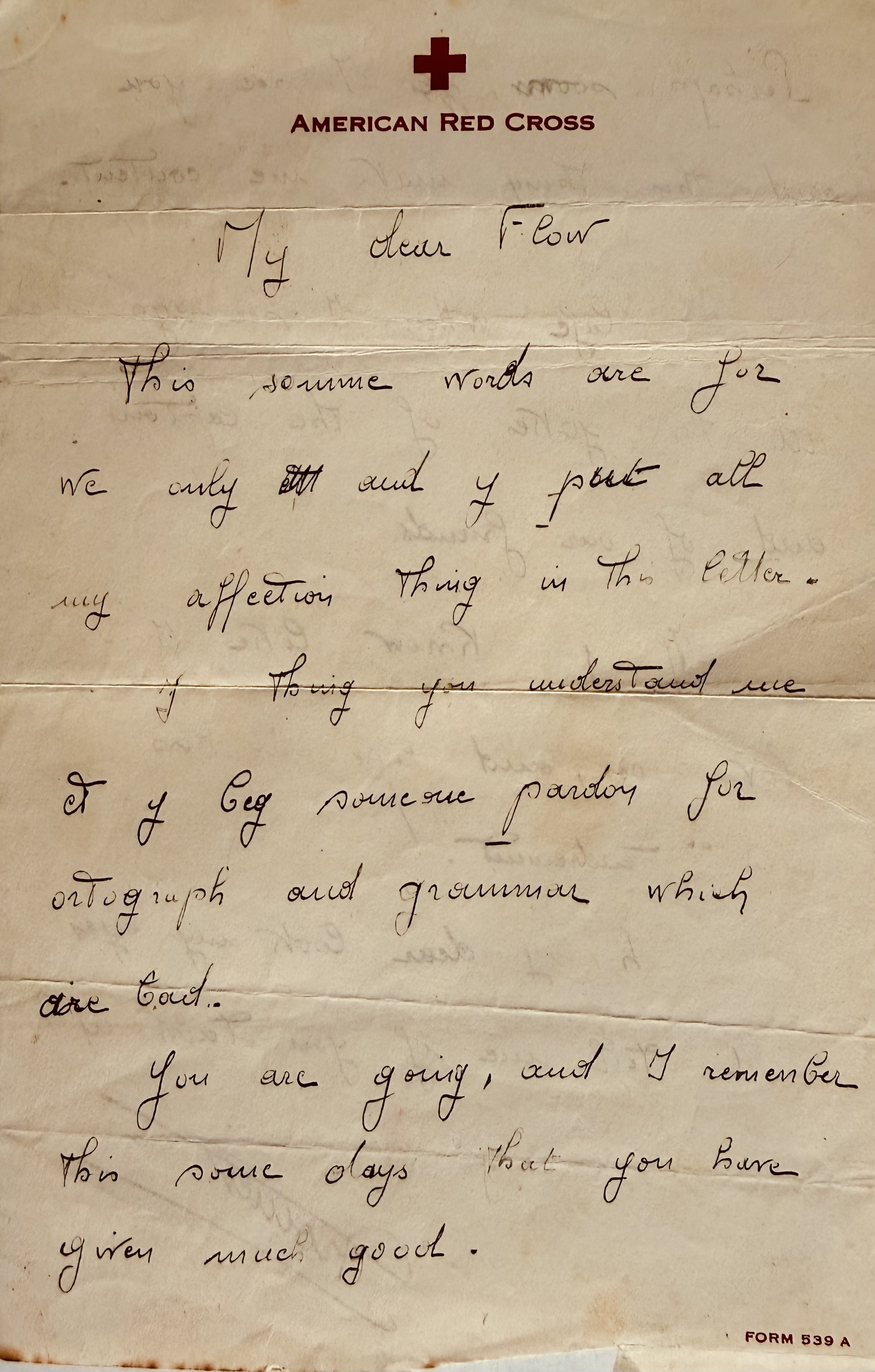
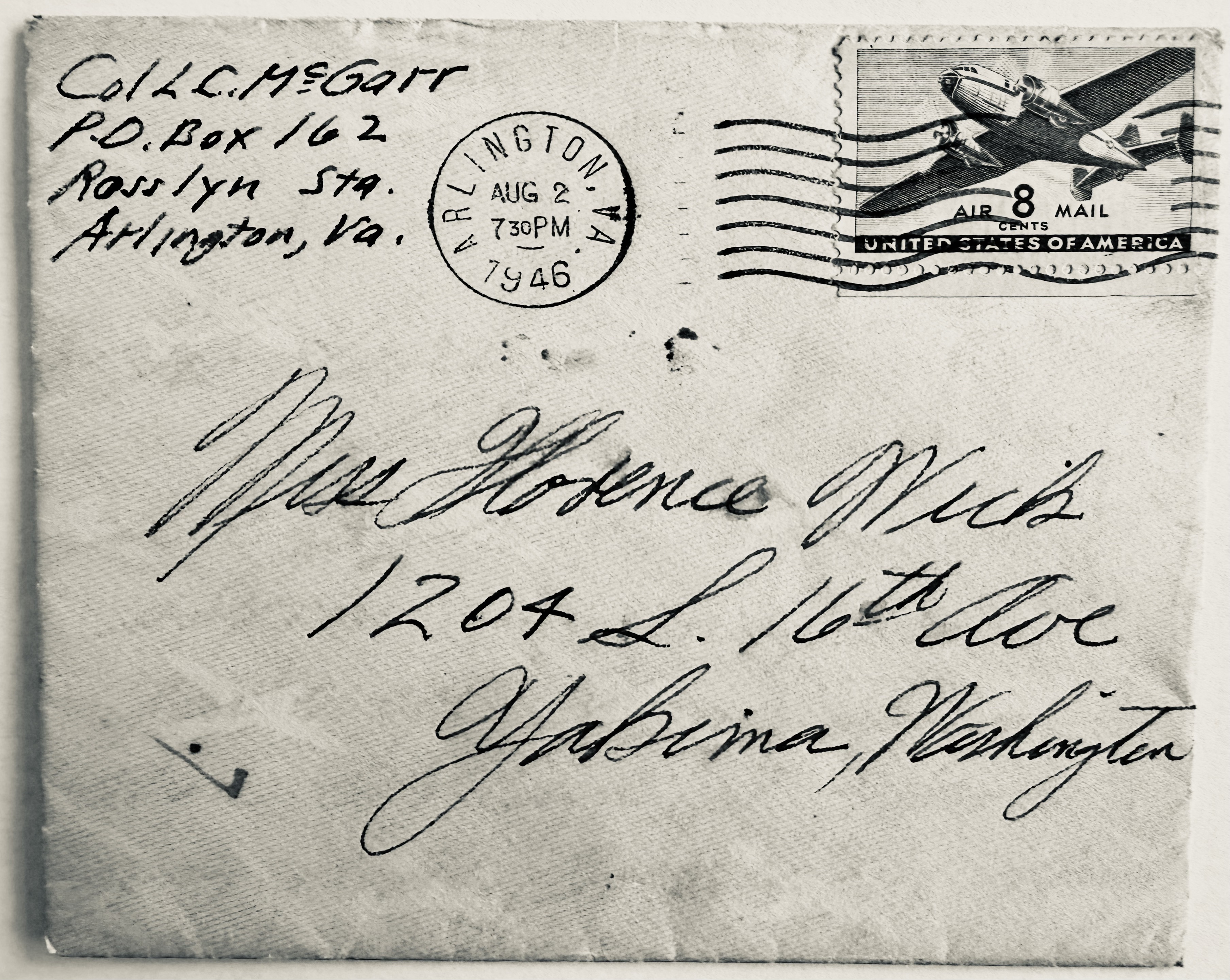
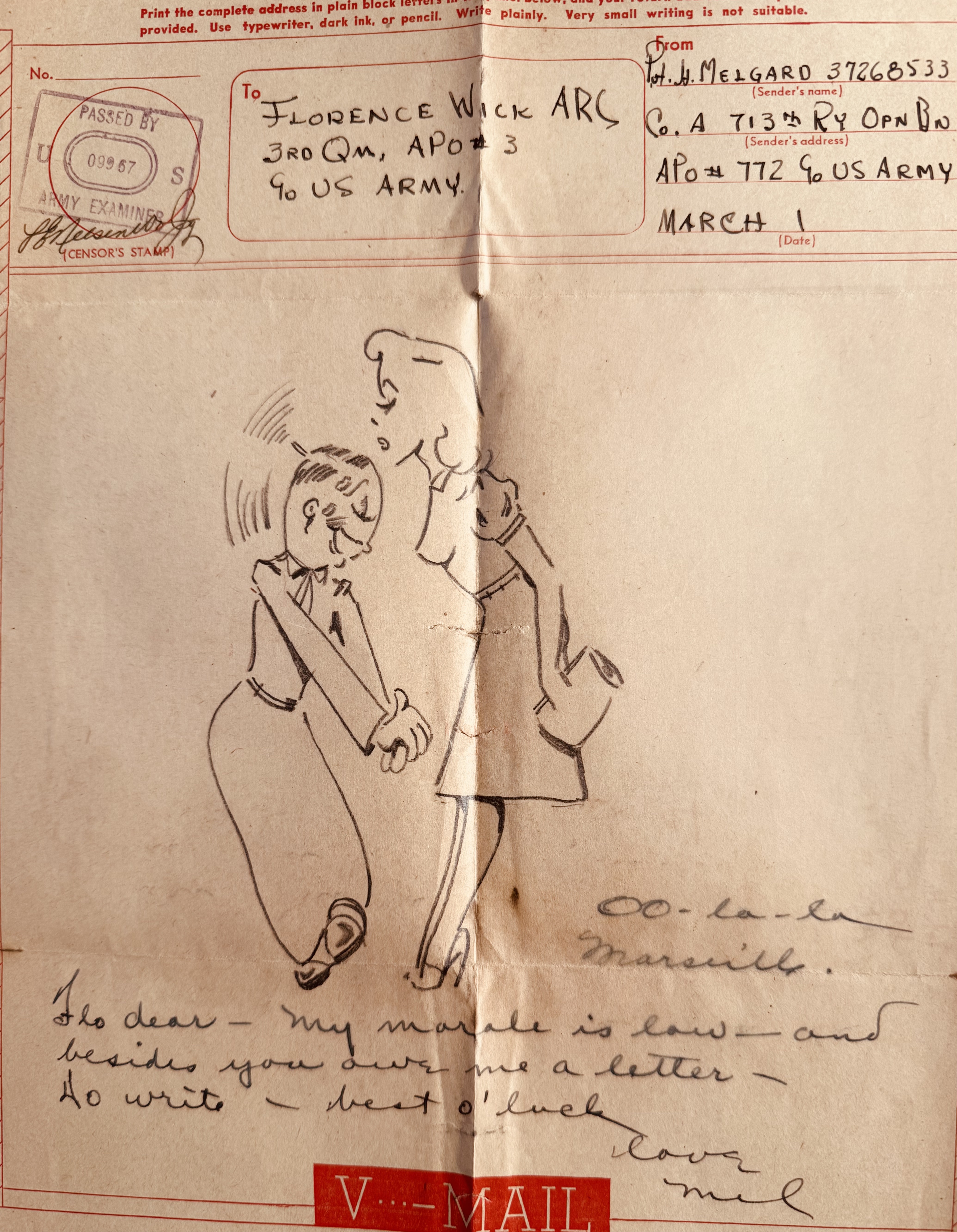
While my mother, Florence Wick, didn’t include information about the trials in her WWII album, she paid close attention to them and the outcome. The idea of “organized justice” appealed to her, but she felt the trials did not go far enough and should have targeted more German perpetrators.
In the US, despite the historical importance of the trials, there was a powerful countervailing current of “war fatigue.” By 1946, millions of GIs were returning home, and the American economy was shifting back to peacetime production. While most Americans cared that the leaders were punished, there was a palpable eagerness to close the chapter on the war and look toward the future.