Santa Rosa’s Own Harvest Festival at Bayer Farm
My Regular Pagan Holiday Post
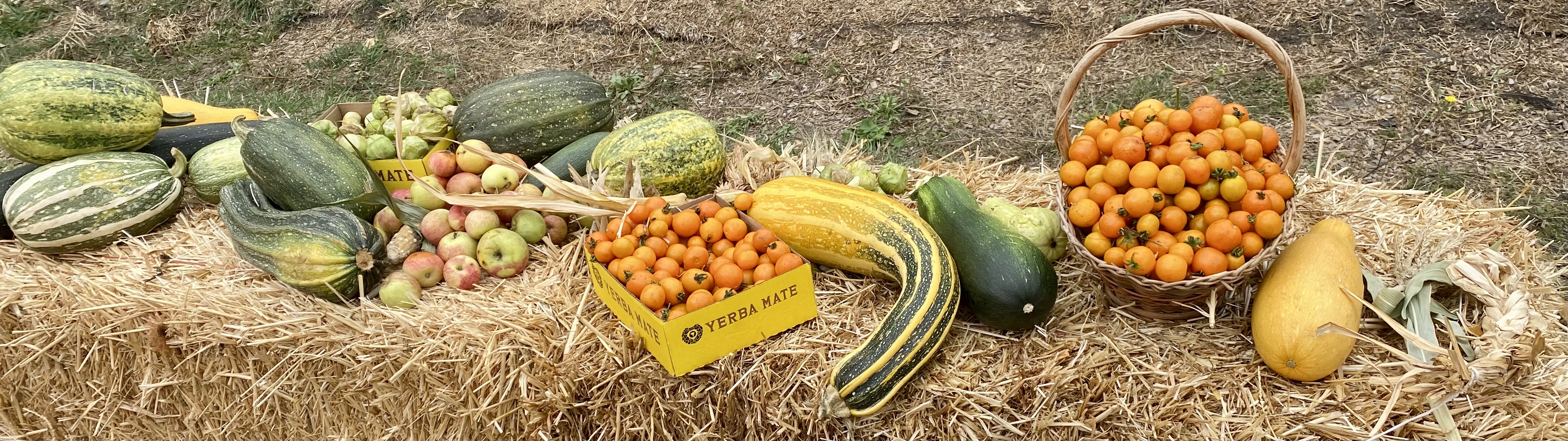
As the northern hemisphere tilts away from the sun this September, the autumn equinox arrives to signal a timeless transition. For centuries, cultures across the north have marked this shift with harvest festivals, and in Santa Rosa, this tradition finds a vibrant, modern home in the Festival de la Cosecha. Celebrating its 19th year, the festival is more than just a seasonal gathering; it is a living testament to the persistence of local environmentalists and land-planning activists who fought to ensure that nature and community could thrive amidst urban growth.
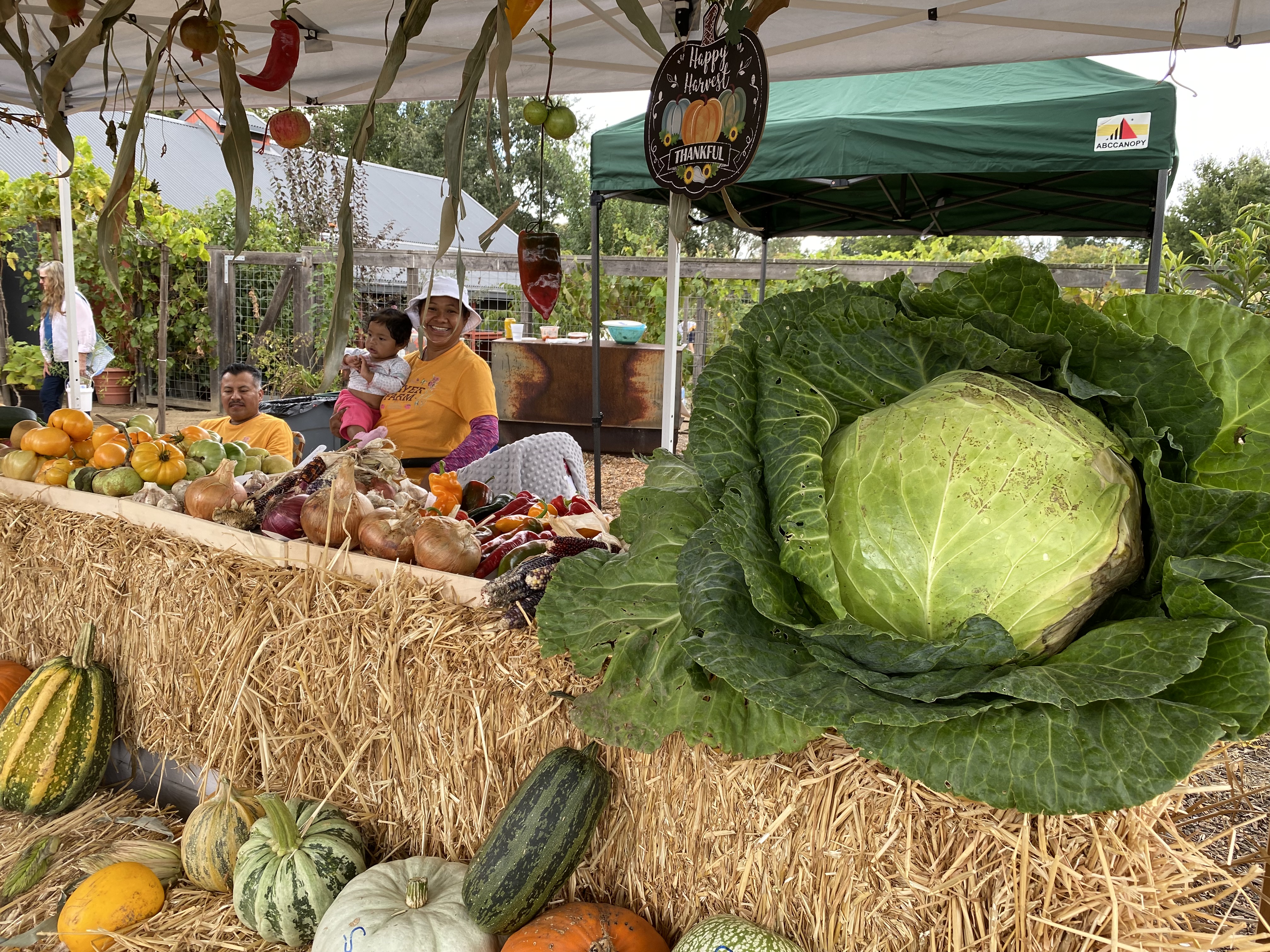
The heart of the celebration is Bayer Farm, a five-acre city park that stands as a victory of equitable urban planning. For a century, the surrounding Roseland neighborhood existed as an unincorporated pocket, an island of mostly Latinx working-class residents surrounded by the city. Historical records suggest that Santa Rosa’s ruling elite and political machine hesitated to annex the area, fearing that incorporating Roseland would introduce a wave of new voters who might shift the municipal balance of power. Consequently, the residents of Roseland were denied the basic infrastructure—sewers, fire protection, and parks—that the rest of the city enjoyed.
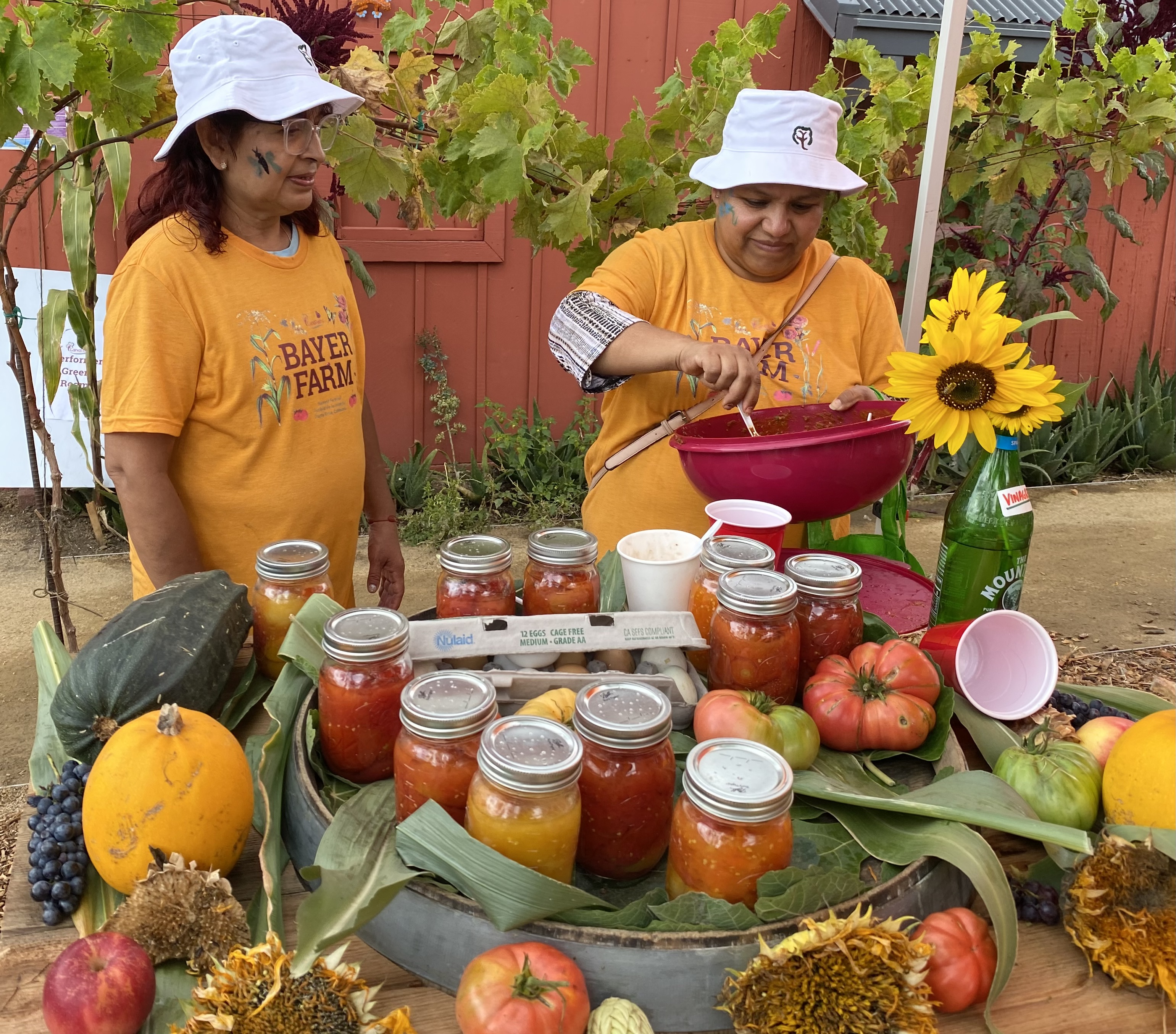
The creation of Bayer Farm broke this cycle of neglect. Born from a unique partnership between the City of Santa Rosa, LandPaths, and the Sonoma County Agricultural Preservation and Open Space District (Ag + Open Space), the farm embodies a vision of healing and equitable access to nature. It provides a sanctuary of greenery and cultural celebration right in the heart of a neighborhood that was long overlooked.
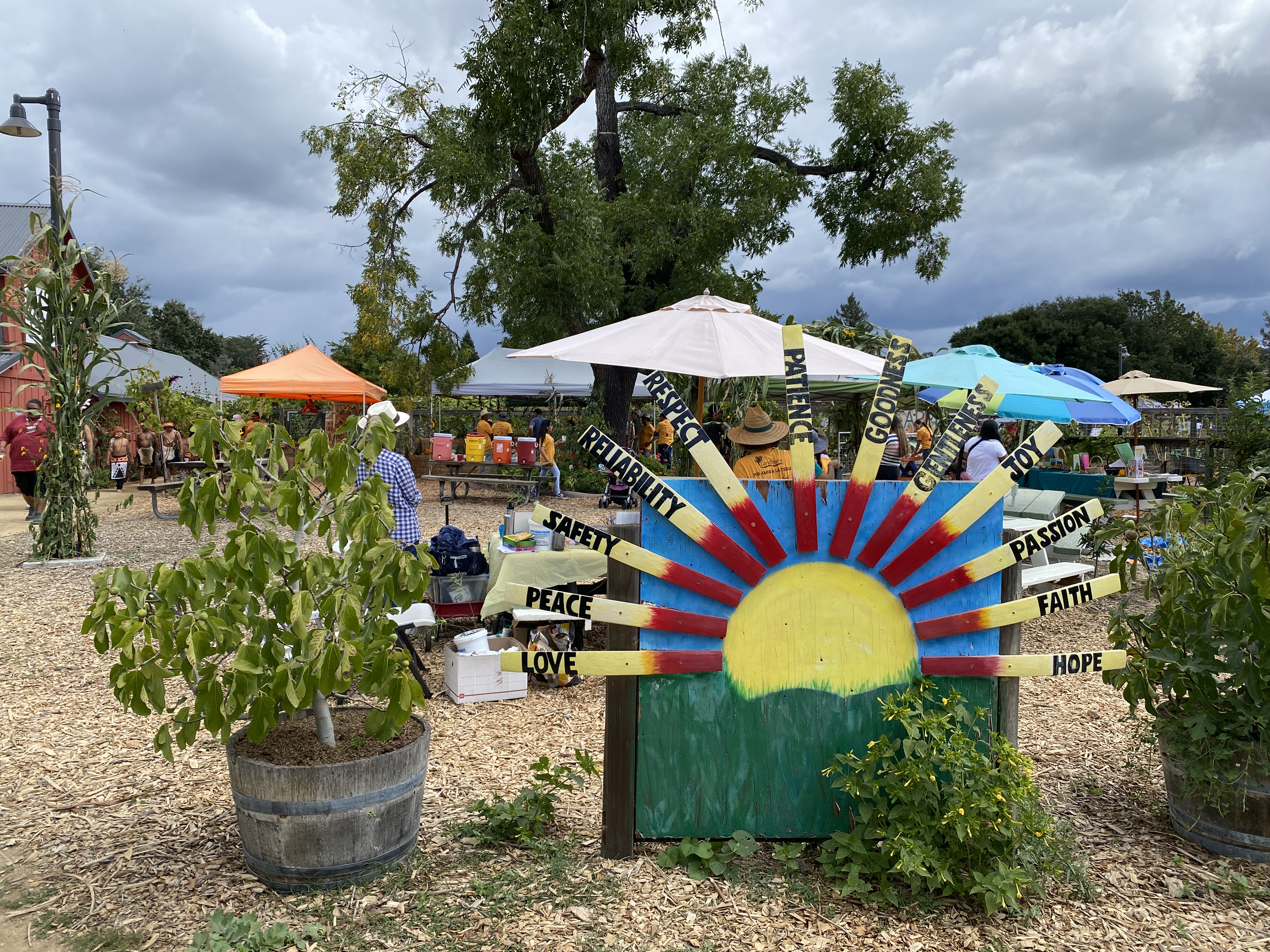
The existence of this sanctuary is rooted in a legacy of activism. In 1990, citizens voted to establish Ag + Open Space to combat unchecked urban sprawl and protect the region’s rural identity. Through a strategic blend of grants, conservation easements, and a quarter-cent sales tax, the District works with landowners to keep the land undeveloped. This effort has permanently protected over 127,000 acres of forests, oak woodlands, working ranches, and critical waterways. By shifting the region away from a path of development and toward a model of sustainable coexistence, these activists created the very landscapes that we local residents now hike and cherish daily.
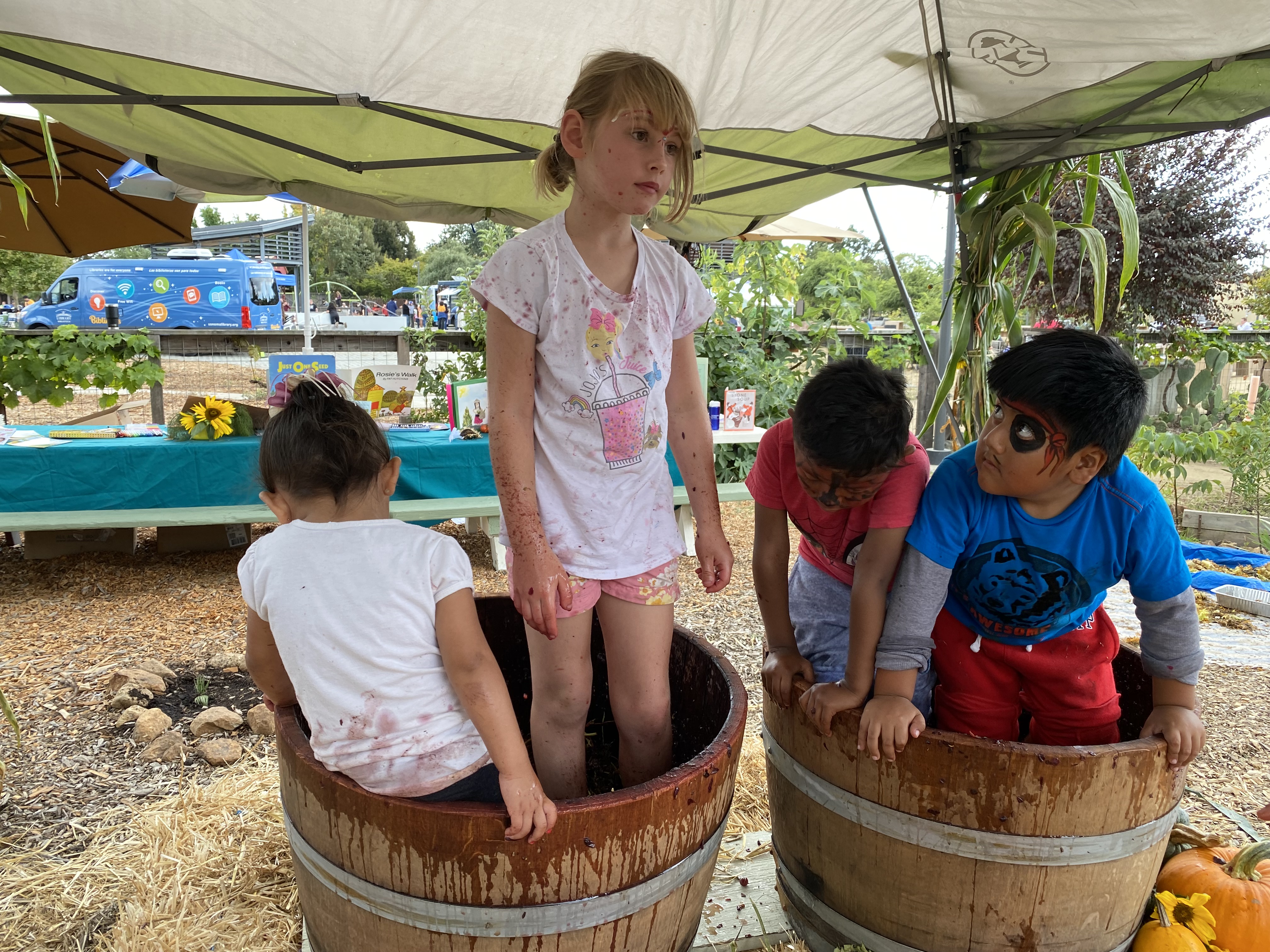
Complementing this preservation is the work of LandPaths, an organization that has spent 30 years fostering a love of the land. By managing Bayer Farm and leading creative outings in both English and Spanish, LandPaths ensures that nature’s inspiration is accessible to everyone, regardless of their background. Through nature camps and community-led stewardship, they turn the act of conservation into a shared community experience.
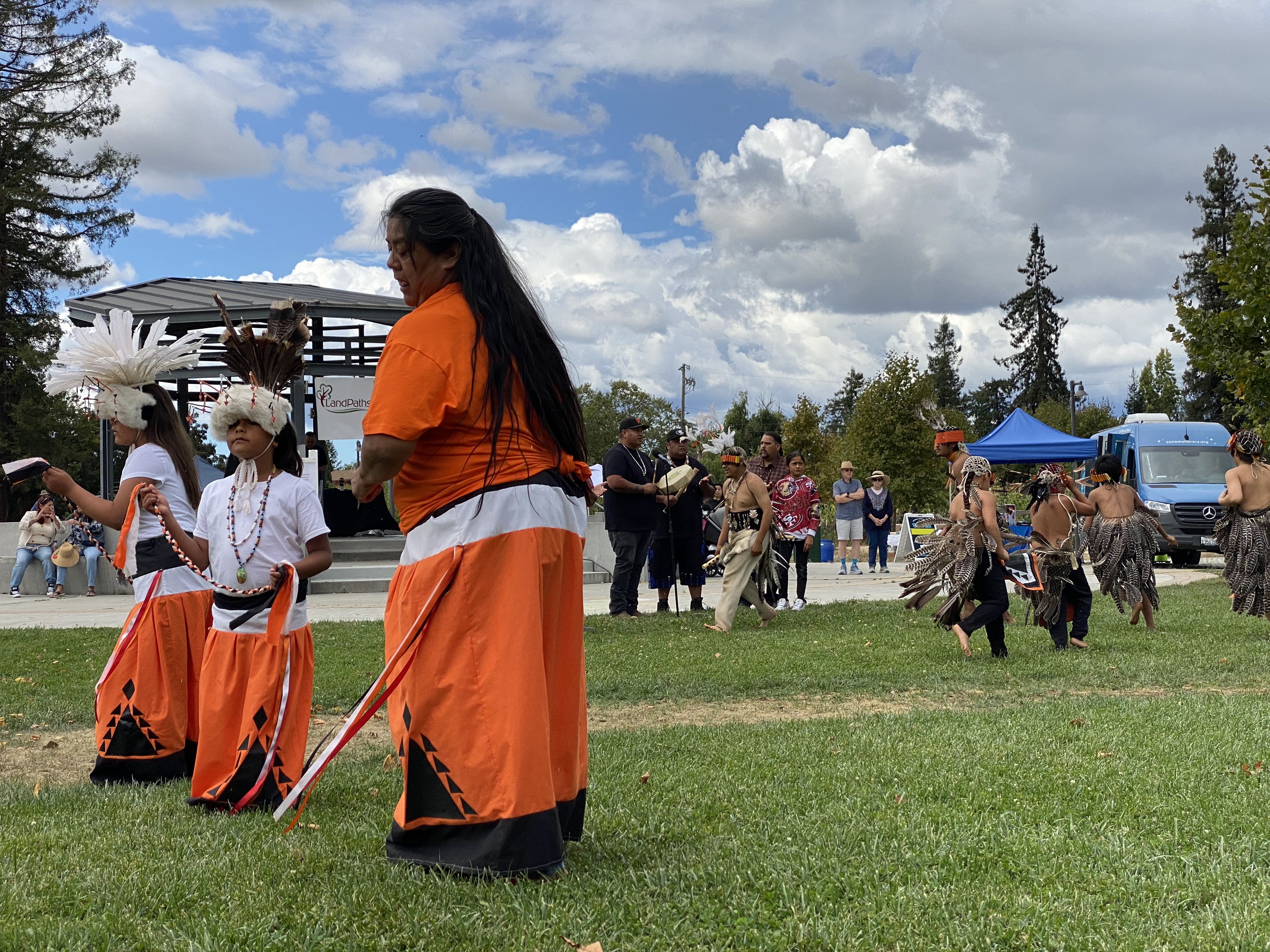
On September 26, from 10 a.m. to 2 p.m., the Festival de la Cosecha brings this history to life. The air fills with the sounds of the Sonoma County Pomo Dancers and Danza Xantotl, while visitors engage in herbal medicine workshops, cooking demonstrations, and spirited salsa competitions. Between browsing community booths and picking out pumpkins and fresh vegetables, guests gather to recognize the land and the stewards—past and present—who fought to save it. In the laughter and abundance of the festival, Santa Rosa celebrates not just the harvest of the earth, but the harvest of a long-term commitment to justice, ecology, and community.
Bayer Farm is located on the ancestral homeland of the Southern Pomo people.


Looks so delicious. And here’s a snippet from the Salmon Celebration in Coos Bay on Sunday….


>
LikeLiked by 1 person
the snippet from the salmon celebration didnt come through. would you please send it email.
LikeLike
Is that gigantic cabbage real? Or AI?
LikeLiked by 1 person
It was real! No AI was used in these photos.
LikeLike
Very good; beautiful photos! Great food! Leo
LikeLiked by 1 person
What a great thing to let us know about! And that evening, Sept 26, there is this event in Sebastopol: https://www.sebarts.org/classes-lectures/honoring-labor-with-song
LikeLiked by 1 person
My friend Betsy sings with that group. They are great!
LikeLike