
Bravery on the Battlefield Doesn’t Make an Actor
My Mother and Audie Murphy Chapter 121
In July 1946, James Cagney spotted the face of war hero Audie Murphy on the cover of Life magazine. To Cagney and his brother William, who ran their own production company, the twenty-year-old was a striking find—a “cute” kid with the kind of look that sells tickets. They signed him, brought him to Hollywood, and installed him in James’s guest house.
The arrangement was fraught from the start. One stormy night, Cagney went to check on Murphy, who was battling chronic nightmares. In a flash of combat-reflex, Murphy pulled a loaded Luger on Cagney. James managed to talk him down, but the encounter served as a visceral reminder that Murphy had brought the war home with him.
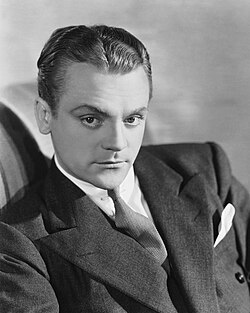
Despite the Cagneys’ efforts to school him in acting and dancing, Murphy never landed a role in their films. By 1947, he was released from his contract, reportedly following a disagreement with William Cagney.
Speculation regarding their fallout persists. Some argue Murphy simply lacked the craft; indeed, Murphy once admitted, “I’m working under a great handicap… no talent.” For Cagney, a devotee of the actor’s art, this was the crux of the issue. He maintained a sacred line between heroism and performance. “The man’s a hero,” Cagney once remarked, “but being brave on the battlefield doesn’t make you a master of the stage or screen.”
Cagney believed true acting required a soul-deep emotional truth that medals could not buy. He viewed the industry’s trend of casting “manufactured stars” as a betrayal of the profession. In private, he was blunter, noting that Murphy’s delivery sounded rehearsed and lacked authenticity. This wasn’t born of animosity—Cagney deeply respected Murphy’s service, admitting he could never match the soldier’s courage in Europe—but of a principled fury. He loathed that Hollywood was trading artistry for easy profit, using fame as a substitute for talent.
This divide represented two different Americas: one celebrating the patriotic icon, the other defending the sanctity of art. Their unspoken friction became a commentary on a timeless Hollywood dilemma: is stardom earned through craft or bestowed through fame?
While they maintained a distant acquaintance after the contract ended, Cagney recognized that Murphy had never truly left the war behind; he simply treated every role as a new battlefield. Behind the angelic face lived a ticking time bomb. Some theorists suggest the Cagneys eventually let him go simply out of fear—a theory that requires little explanation. Ultimately, Cagney likely intended to protect and mentor Murphy, but found the task of bridging the gap between a soldier’s trauma and an actor’s truth to be overwhelming.
Chapter 122: https://mollymartin.blog/2026/09/10/still-in-the-occupied-zone/


I had no idea about any of this! Thanks for telling the story and making both of those men more real.
LikeLiked by 1 person