Audie Murphy Becomes a Movie Star

He Meets His Biographer at the Gym

My Mother and Audie Murphy Chapter 127

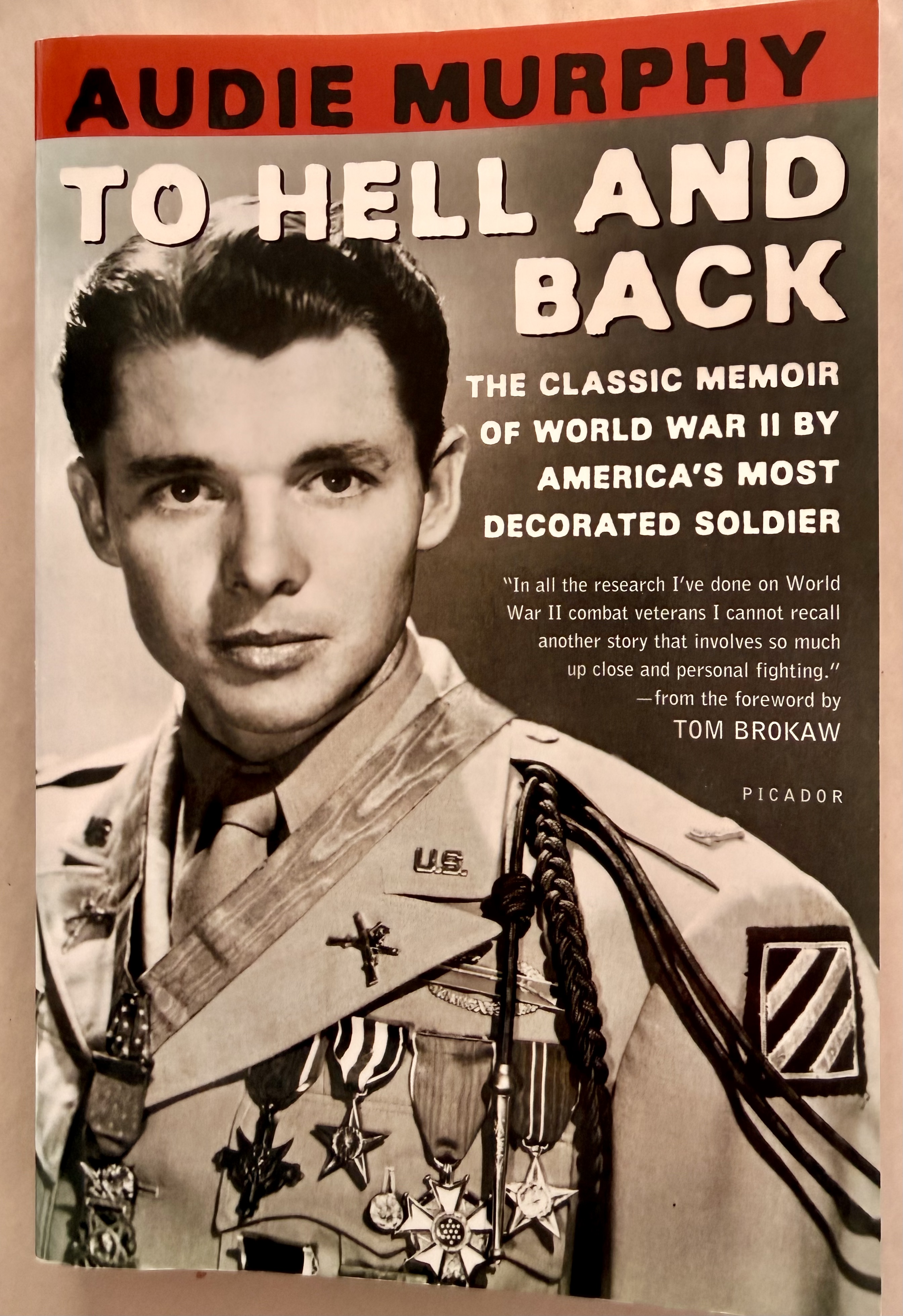
In Hollywood, Audie Murphy trained at Terry Hunt’s gym, where he boxed with competitive  fighters. After the Cagney brothers let him go, he moved into the gym and lived there, sleeping on the floor and mingling with the actors and producers who worked out there. It was there that he met David “Spec” McClure, who worked for the gossip columnist Hedda Hopper. McClure befriended Murphy and helped him land his first acting roles.

McClure, a war veteran who had served with the U.S. Army Signal Corps, saw promise in Murphy and believed his story could make a great book and films. He proposed that they collaborate on a memoir of Murphy’s war years. To make the account accurate, the two traveled to France in 1948 and retraced 1,500 miles of battlefields so Murphy could recall the specifics of his experiences. The trip could not have been easy. Murphy had to relive the war in detail and repeat those memories to McClure, and he was struggling with the psychological aftermath of his service, which often strained his relationships. Reliving a trauma can be therapeutic, but it can also reinforce PTSD symptoms and cause retraumatization. The outcome likely depended on how the exposure was handled. Neither man wrote about the trip, so how it affected Murphy is hard to know. Back in Los Angeles, the two rented an apartment and wrote To Hell and Back, which was published in 1949 and became an instant bestseller.
When Murphy returned from the war, he had bought a house in Farmersville, Texas, for his sister Corinne’s family, hoping to reunite his orphaned siblings. The arrangement collapsed under the strain. Unable to support them while his acting career stalled, Murphy placed his brother Joe at the Variety Clubs Boys Ranch near Copperas Cove, Texas, and sent his sister Nadene to live with his brother Buck.

The Variety Clubs was financing a film called Bad Boy to draw attention to its work with troubled children. Many in the industry doubted Murphy’s ability because he had no acting experience. However, the film’s backers refused to fund the project unless Allied Artists gave Murphy the lead role. His strong performance finally drew Hollywood’s attention, and Universal signed him to a seven-year studio contract. His career as a movie star had begun.

In 1949, Murphy married actress Wanda Hendrix, who co-starred with him in the movie Sierra. He was still plagued by depression, chronic insomnia, war nightmares, night terrors, and vomiting. He slept in the garage, where he could keep the lights on, and kept a gun under his pillow. Hendrix later reported that he once held her at gunpoint. They separated after only a few months, and their divorce was finalized in 1951. Four days later, he married Pamela Opal Lee Archer, a former airline stewardess, with whom he had two sons. They stayed together until 1971.
Why Did the Cagneys Dump Murphy?

Bravery on the Battlefield Doesn’t Make an Actor

My Mother and Audie Murphy Chapter 121

In July 1946, James Cagney spotted the face of war hero Audie Murphy on the cover of Life magazine. To Cagney and his brother William, who ran their own production company, the twenty-year-old was a striking find—a “cute” kid with the kind of look that sells tickets. They signed him, brought him to Hollywood, and installed him in James’s guest house.

The arrangement was fraught from the start. One stormy night, Cagney went to check on Murphy, who was battling chronic nightmares. In a flash of combat-reflex, Murphy pulled a loaded Luger on Cagney. James managed to talk him down, but the encounter served as a visceral reminder that Murphy had brought the war home with him.

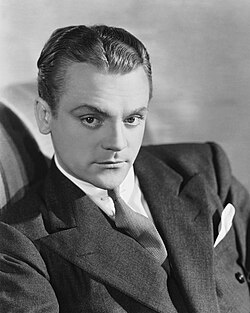
James Cagney. Photo: Creative Commons Public Domain

Despite the Cagneys’ efforts to school him in acting and dancing, Murphy never landed a role in their films. By 1947, he was released from his contract, reportedly following a disagreement with William Cagney.

Speculation regarding their fallout persists. Some argue Murphy simply lacked the craft; indeed, Murphy once admitted, “I’m working under a great handicap… no talent.” For Cagney, a devotee of the actor’s art, this was the crux of the issue. He maintained a sacred line between heroism and performance. “The man’s a hero,” Cagney once remarked, “but being brave on the battlefield doesn’t make you a master of the stage or screen.”

Cagney believed true acting required a soul-deep emotional truth that medals could not buy. He viewed the industry’s trend of casting “manufactured stars” as a betrayal of the profession. In private, he was blunter, noting that Murphy’s delivery sounded rehearsed and lacked authenticity. This wasn’t born of animosity—Cagney deeply respected Murphy’s service, admitting he could never match the soldier’s courage in Europe—but of a principled fury. He loathed that Hollywood was trading artistry for easy profit, using fame as a substitute for talent.

This divide represented two different Americas: one celebrating the patriotic icon, the other defending the sanctity of art. Their unspoken friction became a commentary on a timeless Hollywood dilemma: is stardom earned through craft or bestowed through fame?

While they maintained a distant acquaintance after the contract ended, Cagney recognized that Murphy had never truly left the war behind; he simply treated every role as a new battlefield. Behind the angelic face lived a ticking time bomb. Some theorists suggest the Cagneys eventually let him go simply out of fear—a theory that requires little explanation. Ultimately, Cagney likely intended to protect and mentor Murphy, but found the task of bridging the gap between a soldier’s trauma and an actor’s truth to be overwhelming.

Chapter 122: https://mollymartin.blog/2026/09/10/still-in-the-occupied-zone/