
Chapter 116 My Mother and Audie Murphy
Seeing Liberty: What Does the Statue Symbolize?
In Sweden, afternoon coffee is a daily ritual, and my grandmother Gerda carried the tradition with her to America. We often joined her at her tiny house in Yakima and later at her apartment in a senior housing complex across from the Presbyterian church.
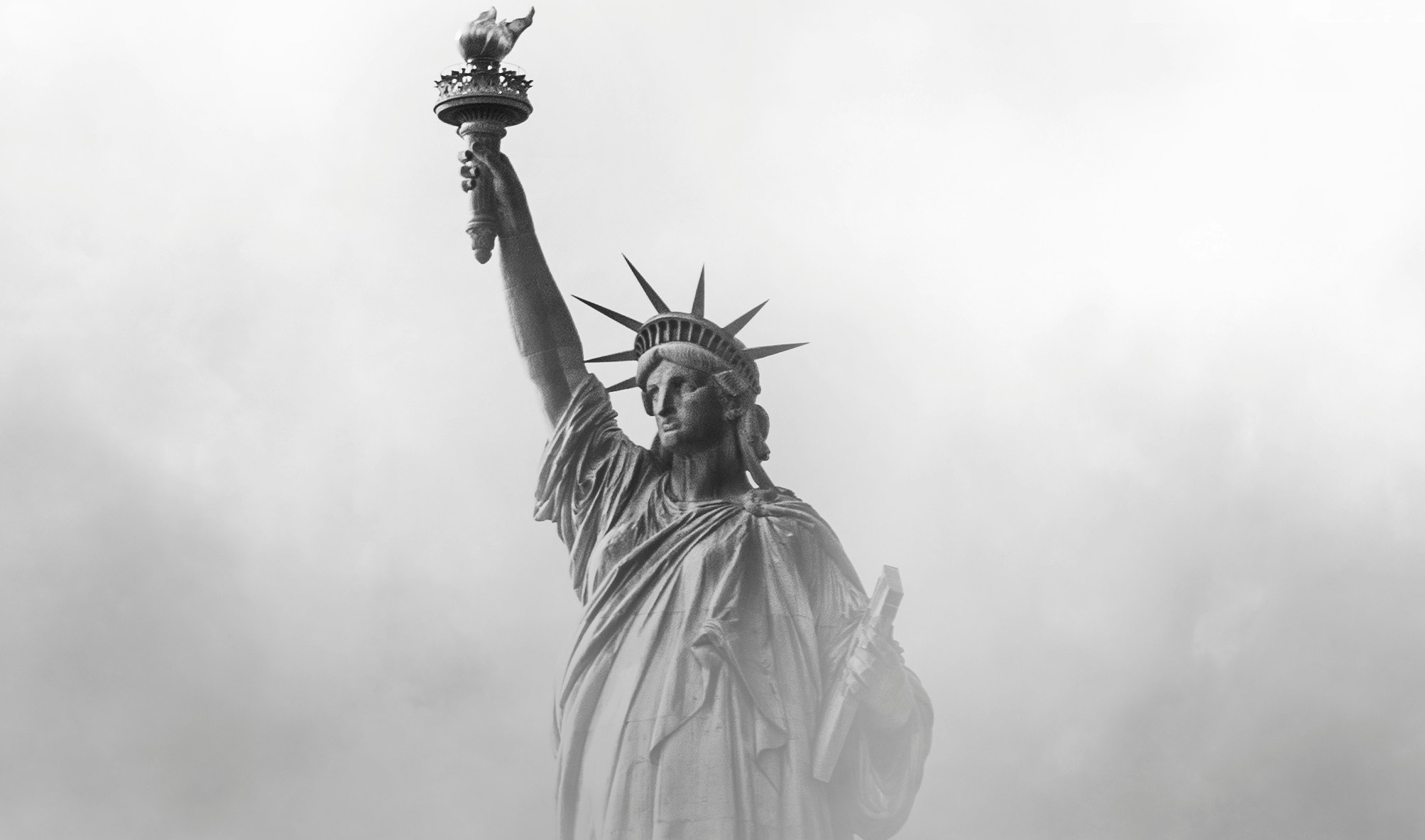
As Grandma arranged homemade butter cookies on her little table and poured coffee into delicate cups, she reminisced about sailing into New York Harbor and seeing the Statue of Liberty for the first time in 1905. She had been herded toward the line marked Aliens. The statue, rising above the harbor, filled her with emotion. Forty-four years later, after returning from a visit to Sweden, she saw it again. This time she joined the line marked American Citizens.

For Gerda, the Statue of Liberty symbolized America’s welcome to immigrants.
“I could only think, This time I’m a citizen,” she said, tears welling in her eyes.
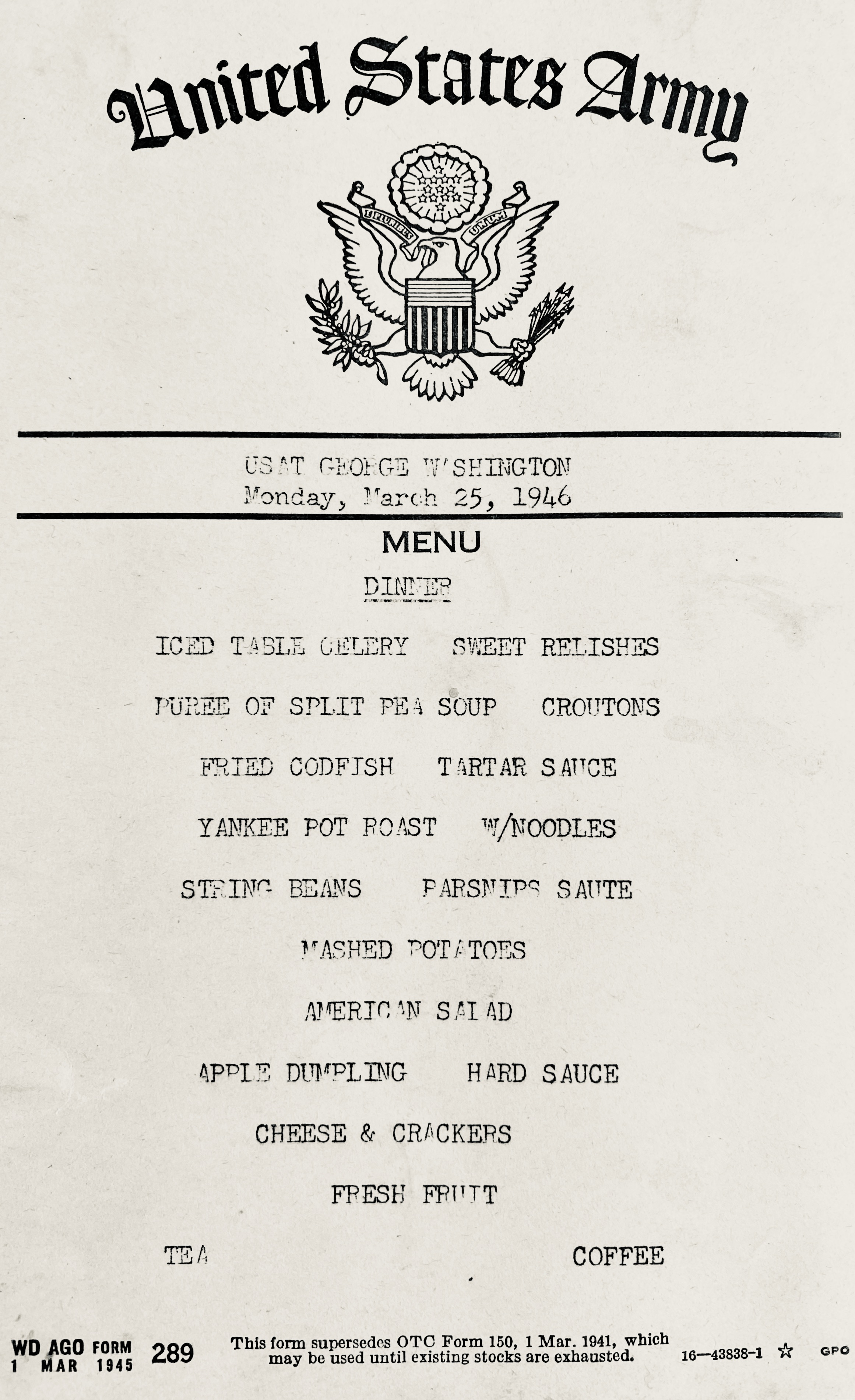
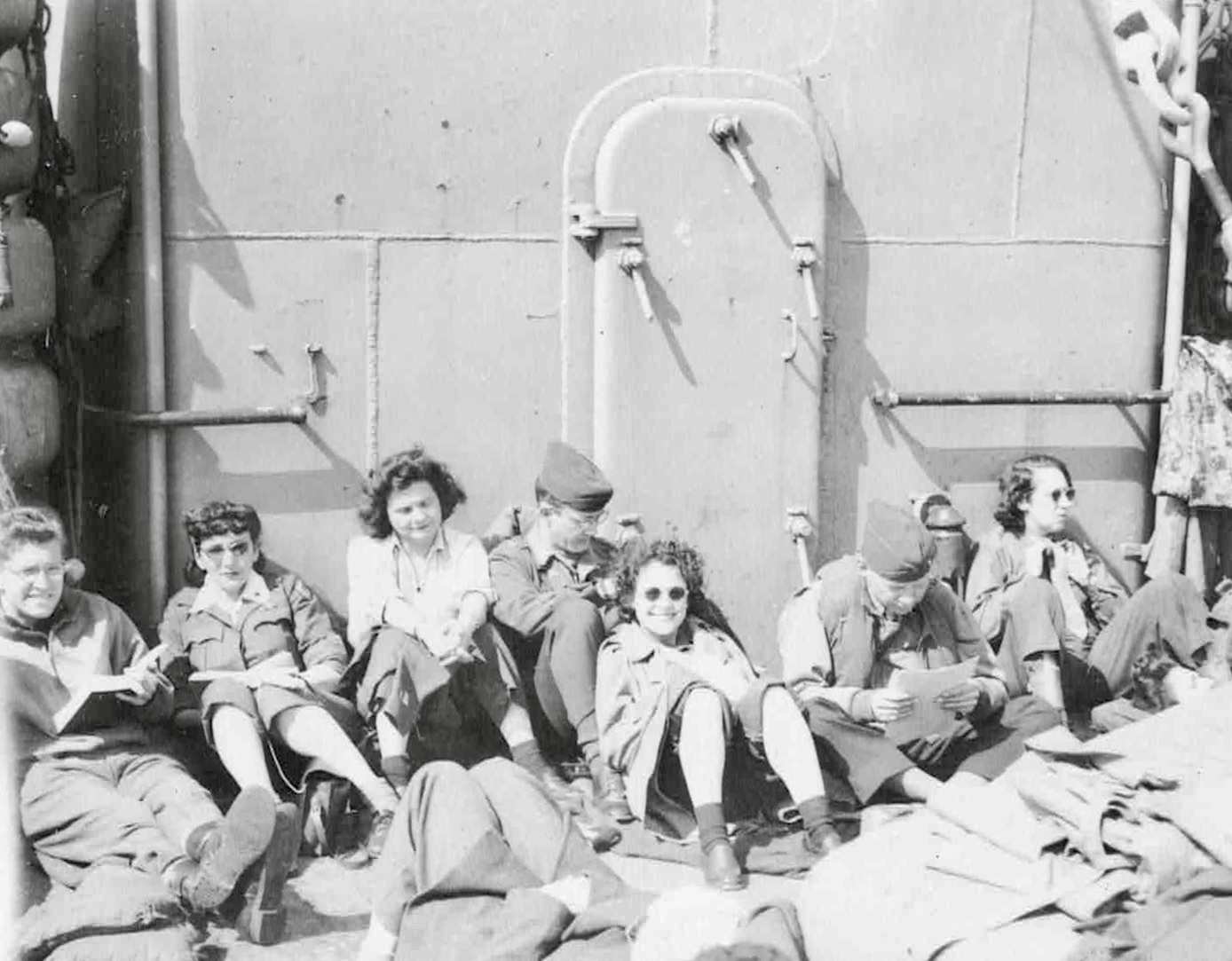
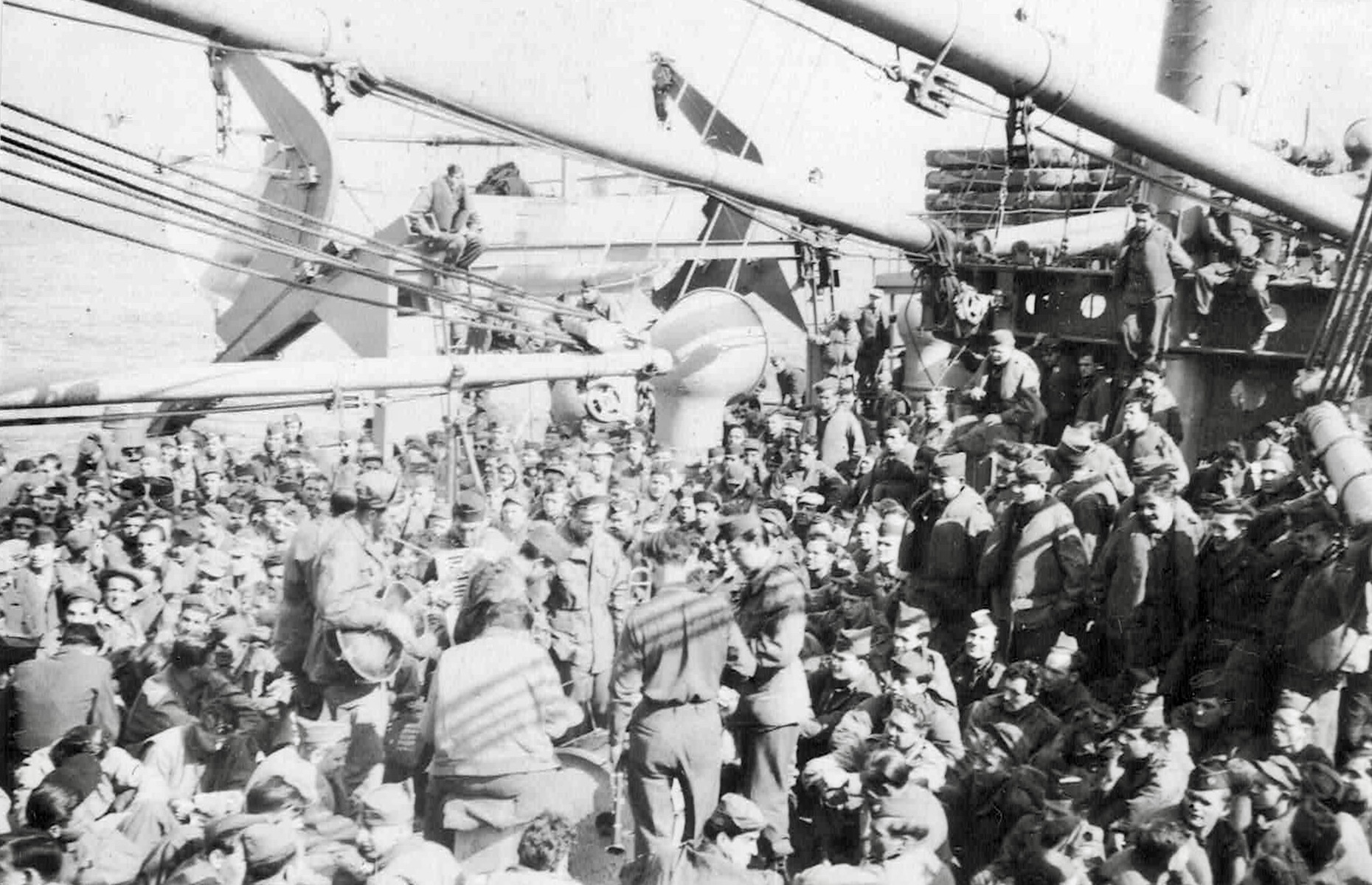
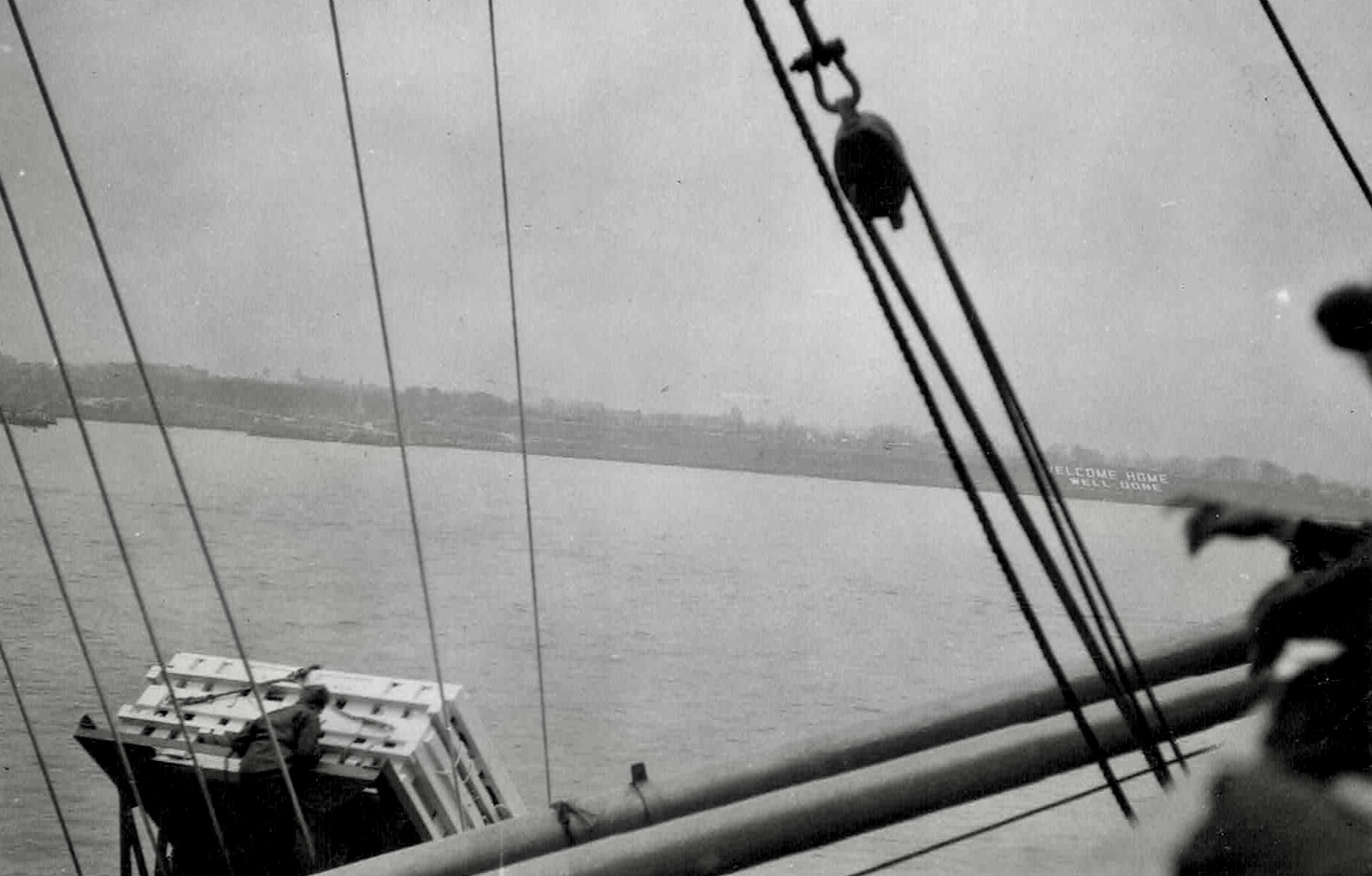
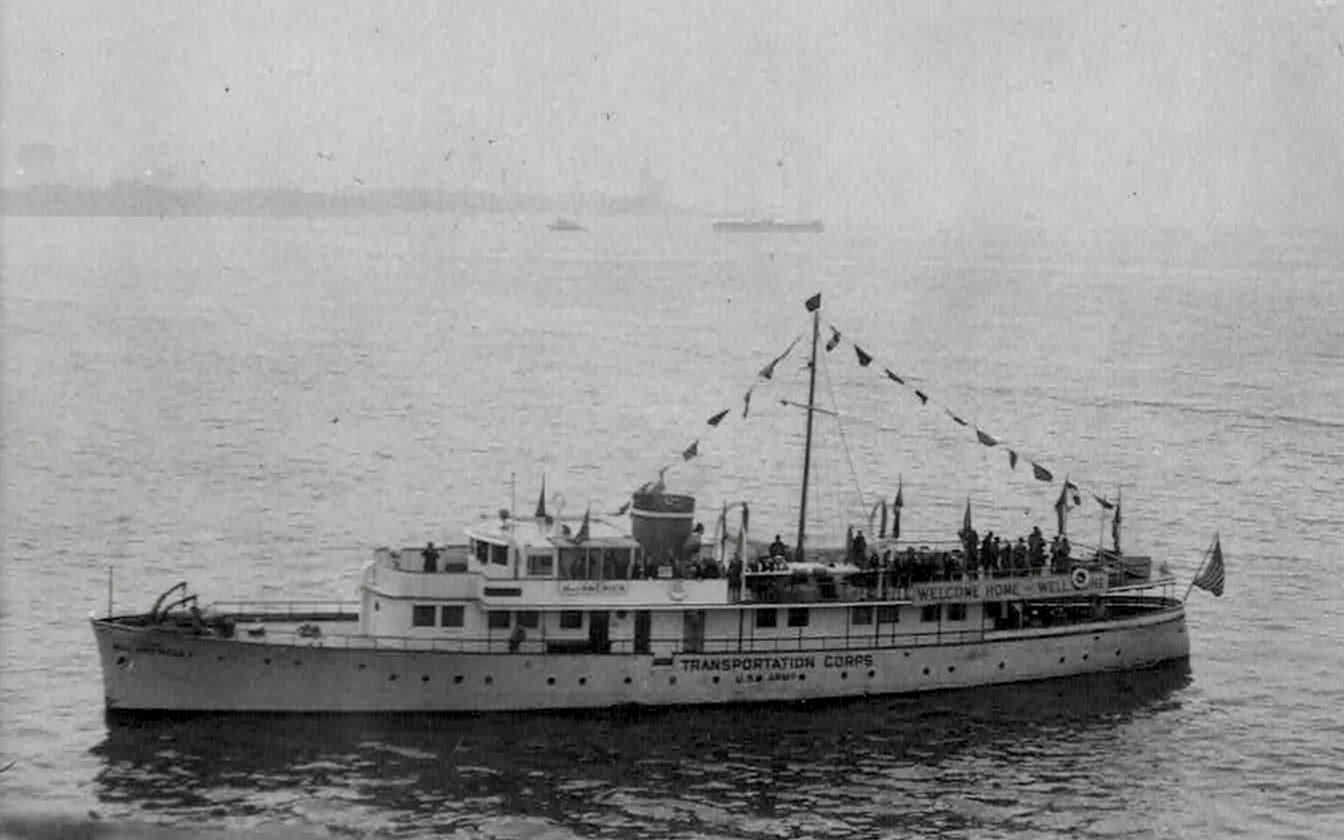
My mother, Flo, sailed into New York Harbor in 1946 as she returned from Europe after the war. For her, the statue carried different memories. It reminded her of enormous loss—her fiancé and many friends had been killed—but also of pride. She and her generation had fought fascism and prevailed.
“When I saw the Statue of Liberty, I thought about all the people who died in that war,” Flo said. “The Americans were fighting for democracy.”
Her face crumpled. A tear rolled down her cheek. Soon both my mother and grandmother were crying. To me, it seemed almost hysterical.
Flo loved history and liked to imagine the future.
“Maybe by the turn of the twenty-first century,” she sniffled, “war will be history.”
Both women were unabashed patriots. Flo flew the American flag every Fourth of July, though by the early 1970s she had also become deeply troubled by America’s conduct in Vietnam. Gerda proudly displayed both the American flag and the blue-and-yellow Swedish flag in her home. She liked to say that she had voted in every election open to women since becoming a citizen.
I was not a flag waver. I was a flag burner—metaphorically. I never actually set fire to a flag, but my brother and I once cut up an American flag to sew a shirt. It was illegal then; today it might pass as a right-wing fashion statement. To me the flag represented a country whose foreign policy included overthrowing democratically elected governments, assassinating foreign leaders, and installing compliant dictators.
I had never seen my grandmother cry before, but I had often seen my mother cry, usually over war. During the Vietnam War she would call me in tears, saying her generation had failed to end war and now the responsibility belonged to mine. She carried the suffering of the world on her shoulders.
I vowed never to be like her. I wouldn’t cry. Crying was weakness—or so the culture taught me. Men didn’t cry, and men held the power. I wanted to be like them.
That afternoon, what struck me as sentimental nostalgia repelled me. I had never sailed into New York Harbor and never would. When I looked at the Statue of Liberty, I didn’t see freedom. I saw the thousands of Southeast Asians killed in a war my country was waging, the millions of tons of bombs dropped on civilians, villages burned, children scarred by napalm.
Years later, I began to wonder whether my mother’s extraordinary empathy exacted a physical toll. She was repeatedly hospitalized with severe asthma attacks. The disease eventually killed her at seventy.
Later still, I came to believe that Flo had probably returned from the war with what we now recognize as PTSD. The government had little interest in acknowledging psychological trauma, even among combat veterans, much less civilian war workers like my mother.
Like so many Boomers, I had grown up with a parent emotionally wounded by war.
At the time, though, I understood none of that.
All I felt was embarrassment at her tears.
The Statue of Liberty had meant hope to my grandmother, sacrifice to my mother, and hypocrisy to me. It took me a while to understand that all three meanings could be true at once.
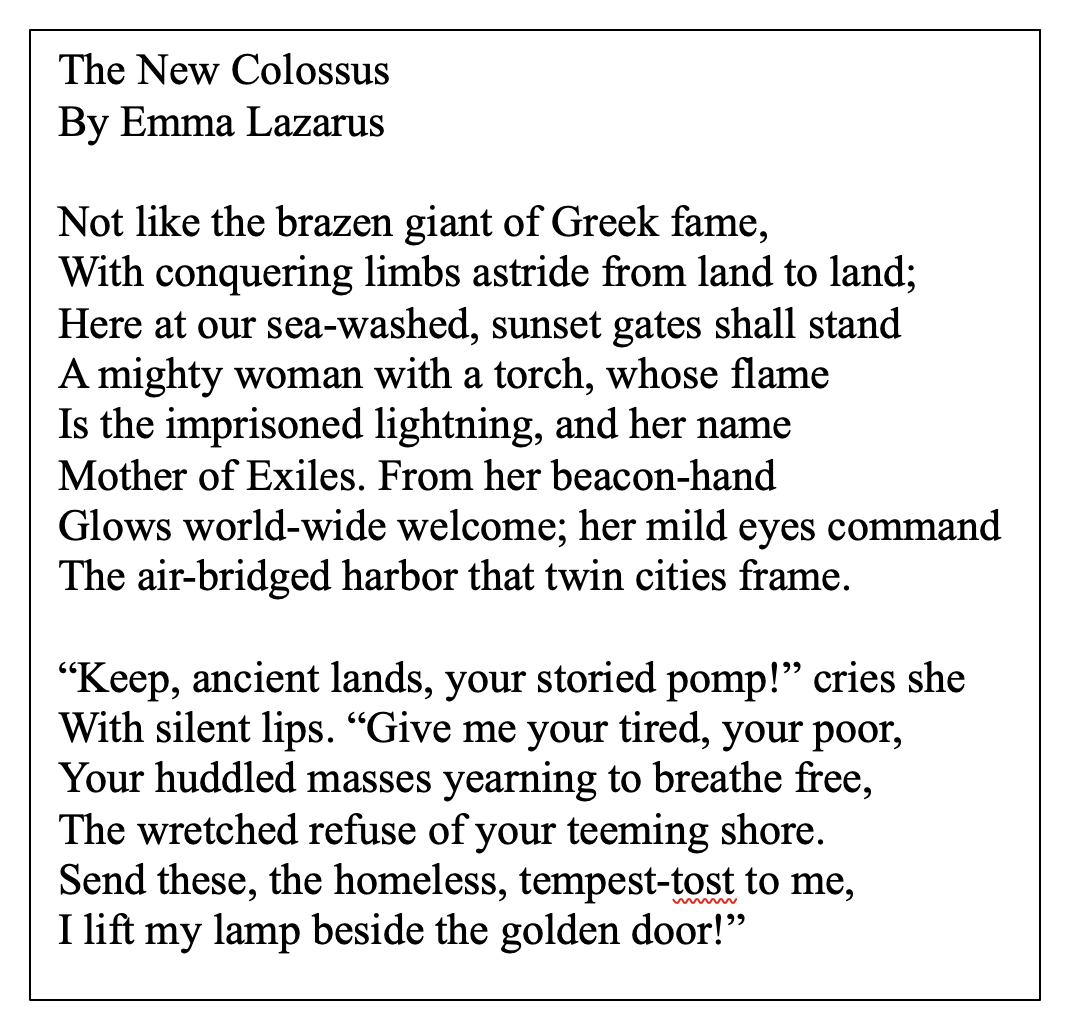
Now, when I see the statue and read the Emma Lazarus poem, I’m the one who’s crying. I still cry for the people we kill in endless needless wars, for the immigrats we imprison, murder and deport, and I cry for our democracy and all that we have lost.
To start at the beginning of this story: https://mollymartin.blog/2024/11/04/my-mother-and-audie-murphy/
Chapter 117: https://mollymartin.blog/2026/08/02/catching-some-culture-in-nyc/


Very moving Molly!
LikeLiked by 1 person
Molly, this is so beautiful. Thank you for sharing. ❤️ Brigid
LikeLiked by 1 person
I like the juxtaposition of the 3 generations and how we have viewed liberty and democracy over the past 100 years. Our grandmother and mother tended to downplay the long, ugly truth of American history (tho Flo came around). Contrast this to the recent view of those who have drunk too much of the kool-aid that immigrants are raping and killing when in fact it is the US president and his ICE henchmen who are the child rapists and killers. Sorry, just had to say that.
So Sis, Is this a wrap? You did a fabulous job of recreating Flo’s antifa story. Very proud of you and our mom.
Don
don.orr.martin@gmail.com 611 – 1288 Marinaside Crescent, Vancouver, BC Canada V6Z2W5 On the unceded territories of the Musqueam, Squamish, and Tsleil-Waututh Nations 360-353-2138
LikeLiked by 1 person
Thanks Bro! Not a wrap. There is much more. Flo tucked a lot of post war ephemera into that album. But I do think this is the start of a new chapter. I have some research to do!
LikeLike
Fabulous. Once again.
LikeLike
It’s Betsy Brown. I don’t know why anonymous…
LikeLiked by 1 person
Thanks Betsy! Hey I’ve just been rewatching the movie Reds. I’d forgotten it’s about the journalist Louise Bryant and the Russian revolution. (Also Jack Reed). Diane Keaton, Jack Nicholson and Warren Beatty. History!
LikeLike