
She saw topless dancers, fashion shows, museums
Chapter 114: Continuing the story of My Mother and Audie Murphy
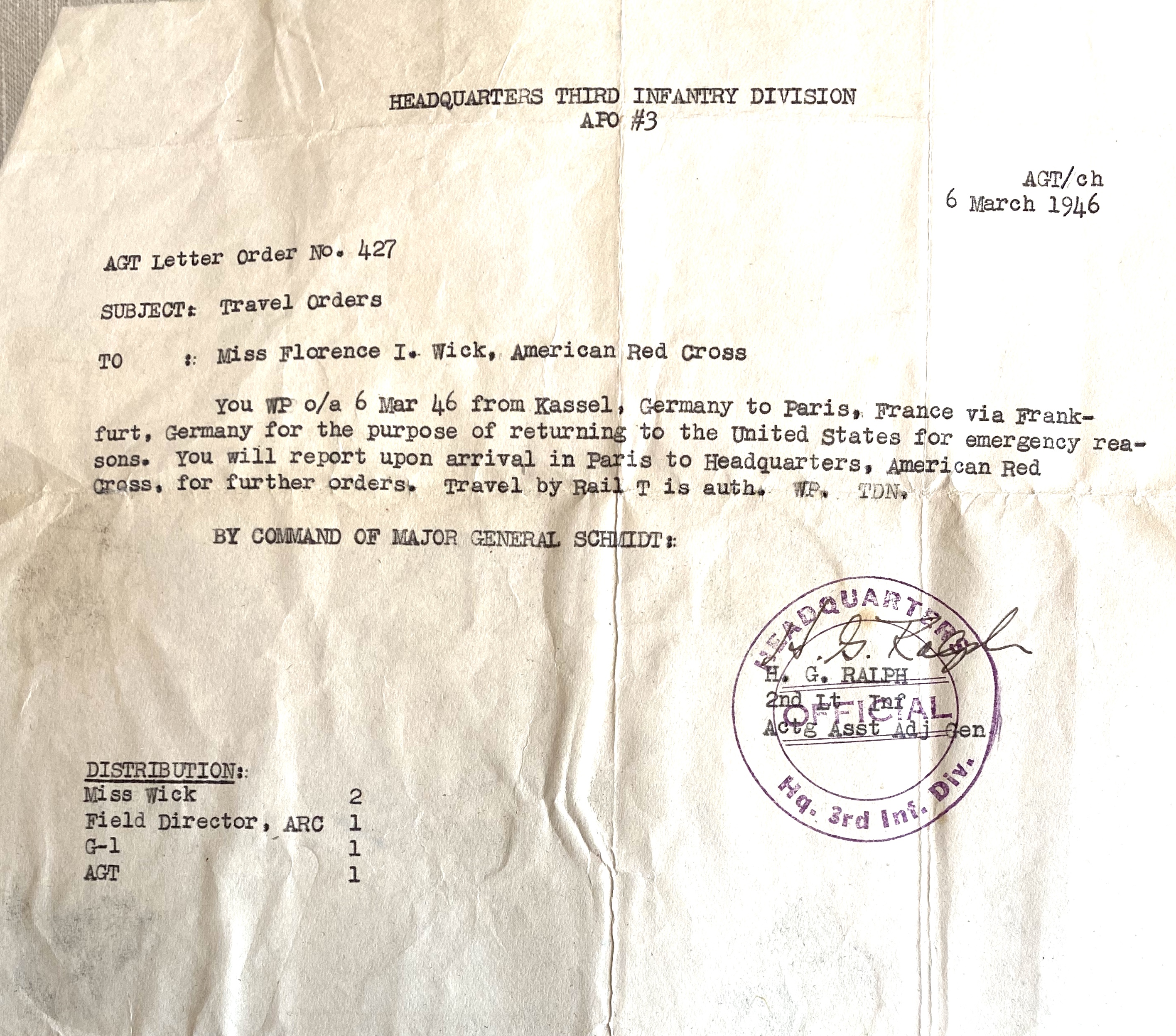
On March 6, 1946, my mother, Florence Wick, received travel orders to go to Paris from Kassel Germany by rail for the purpose of returning to the U.S. She had been in Europe almost two years working as a Red Cross “donut girl.” She must have been delighted to be going home, and also to have the opportunity to visit Paris one last time. It would indeed be the last time she saw Paris.
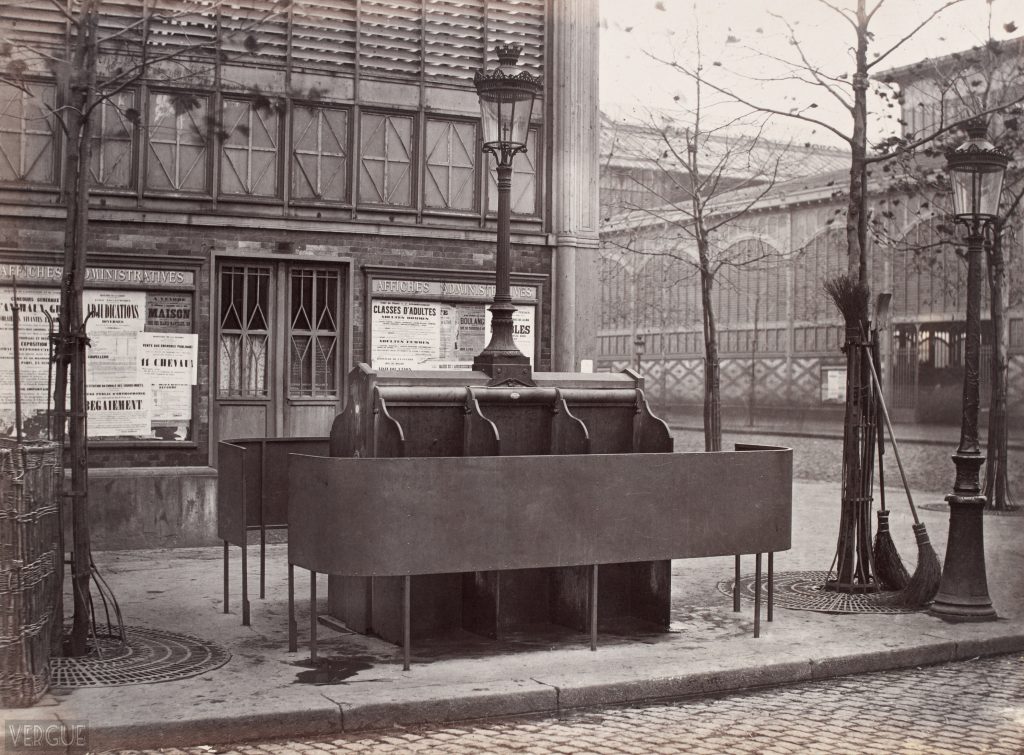
This is what as a child I remember Flo telling me about Paris. The fragrance on the overcrowded trams overwhelmed; people doused themselves with perfume to cover body odor. The public urinals were everywhere, except they were only for men. There was no place for women to relieve themselves. What were women supposed to do? she wondered.
In the Louvre she got up close enough to the Mona Lisa to see that the painting was surprisingly small and covered with tiny cracks. She also said the only French most American soldiers learned was coucher avec moi, or “sleep with me”, probably asked as a question. But in general she was smitten with the romantic city.
She went to the Moulin Rouge and Tabarin where women danced bare-breasted. She visited famous museums. She saw fashion shows. And she recorded it all in her WWII album. She included pages from LIFE magazine’s feature about post-war Paris.
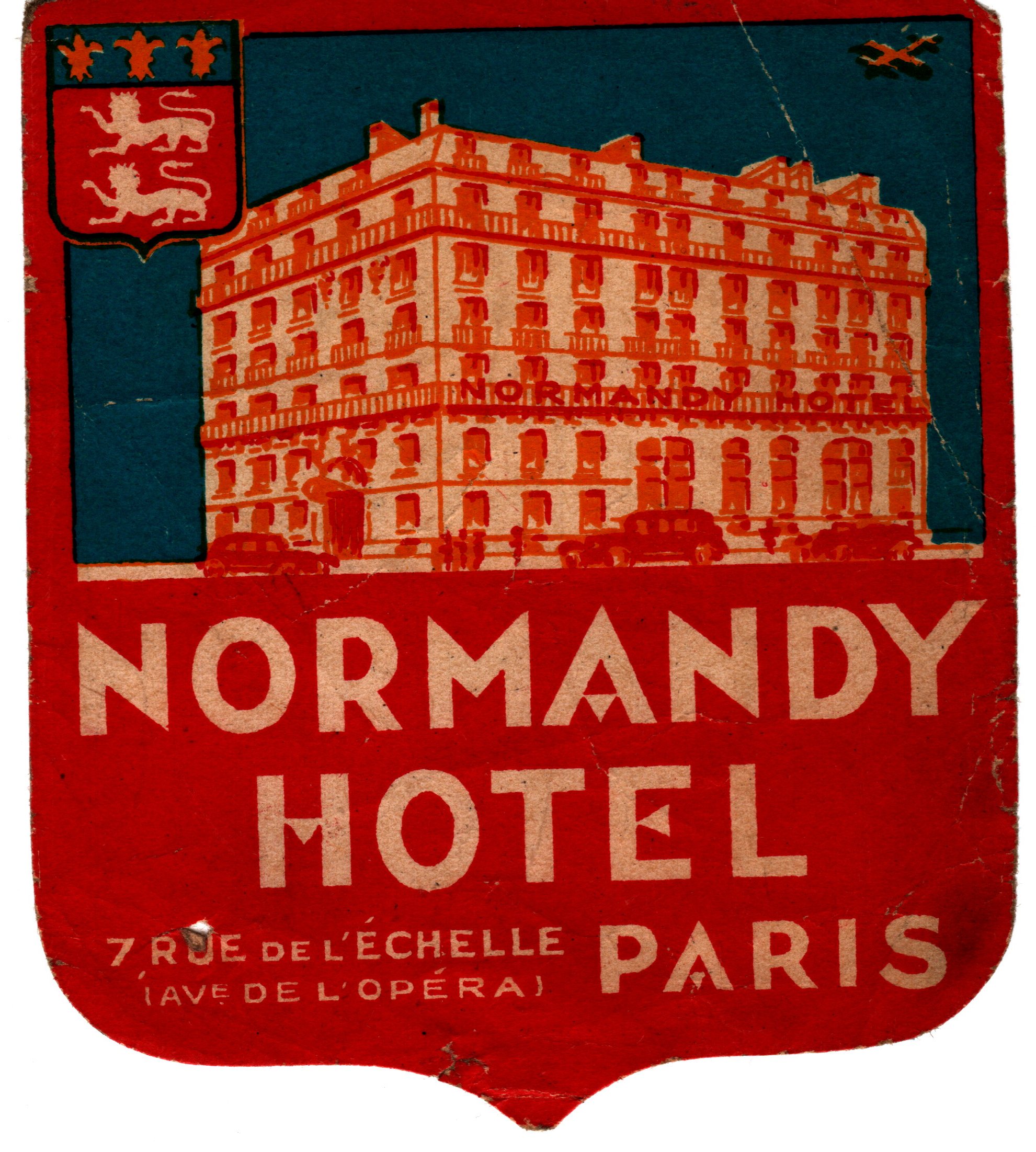
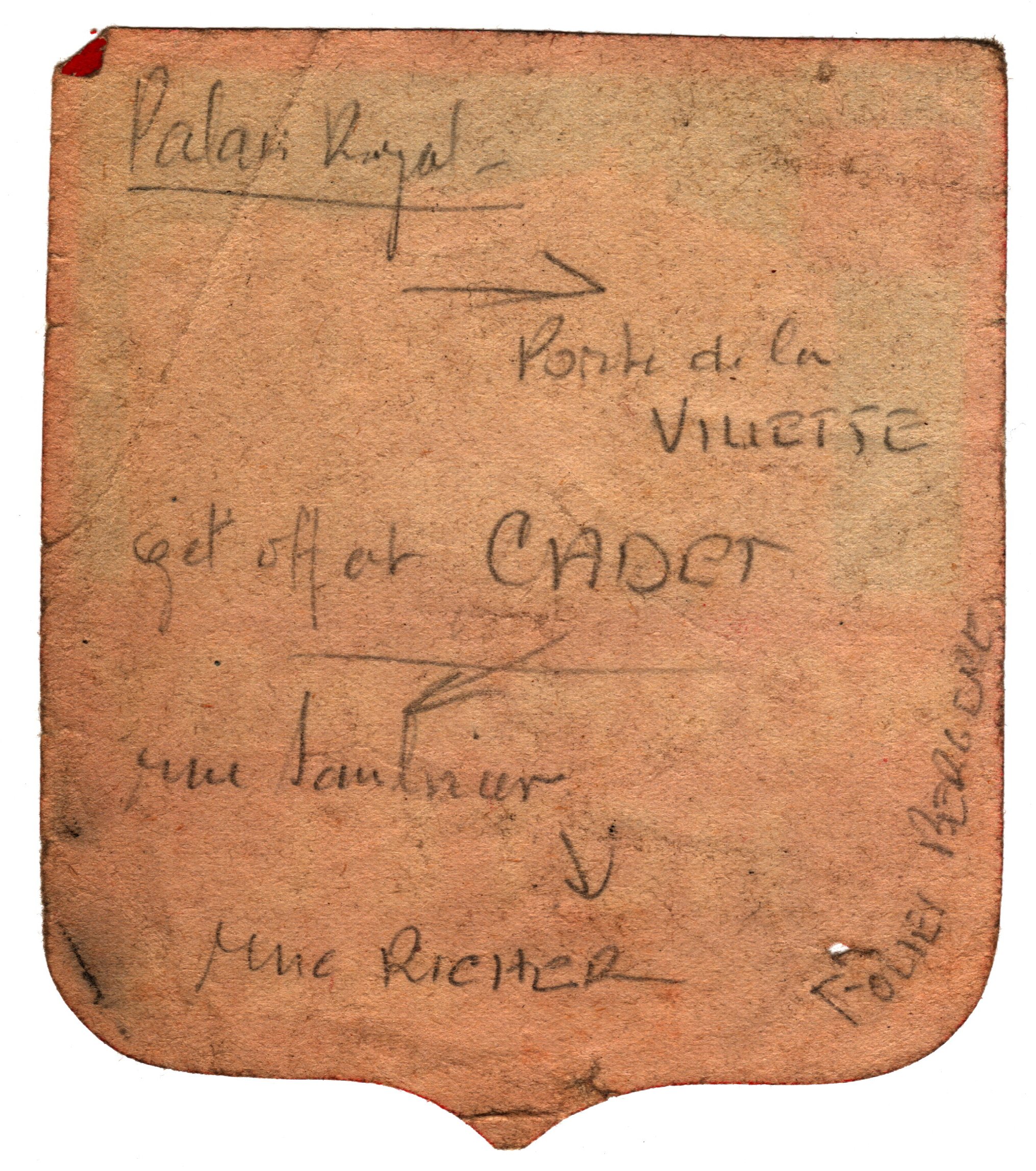
Paris was occupied by Nazi Germany from June 14, 1940, until its liberation on August 25, 1944. The occupation was marked by strict regulations, food rationing, and significant hardships for the civilian population, including the persecution of Jews.
Despite the oppressive conditions, a network of resistance groups emerged, engaging in acts of defiance against the occupiers. The liberation of Paris began on August 19, 1944, with an uprising led by the French Resistance and the Communist Party, culminating in the city’s liberation by Allied forces on August 25, 1944. This marked a significant turning point in the war and the end of the Nazi regime’s control over the city. To read more, I recommend the book The Liberation of Paris by Jean Edward Smith.
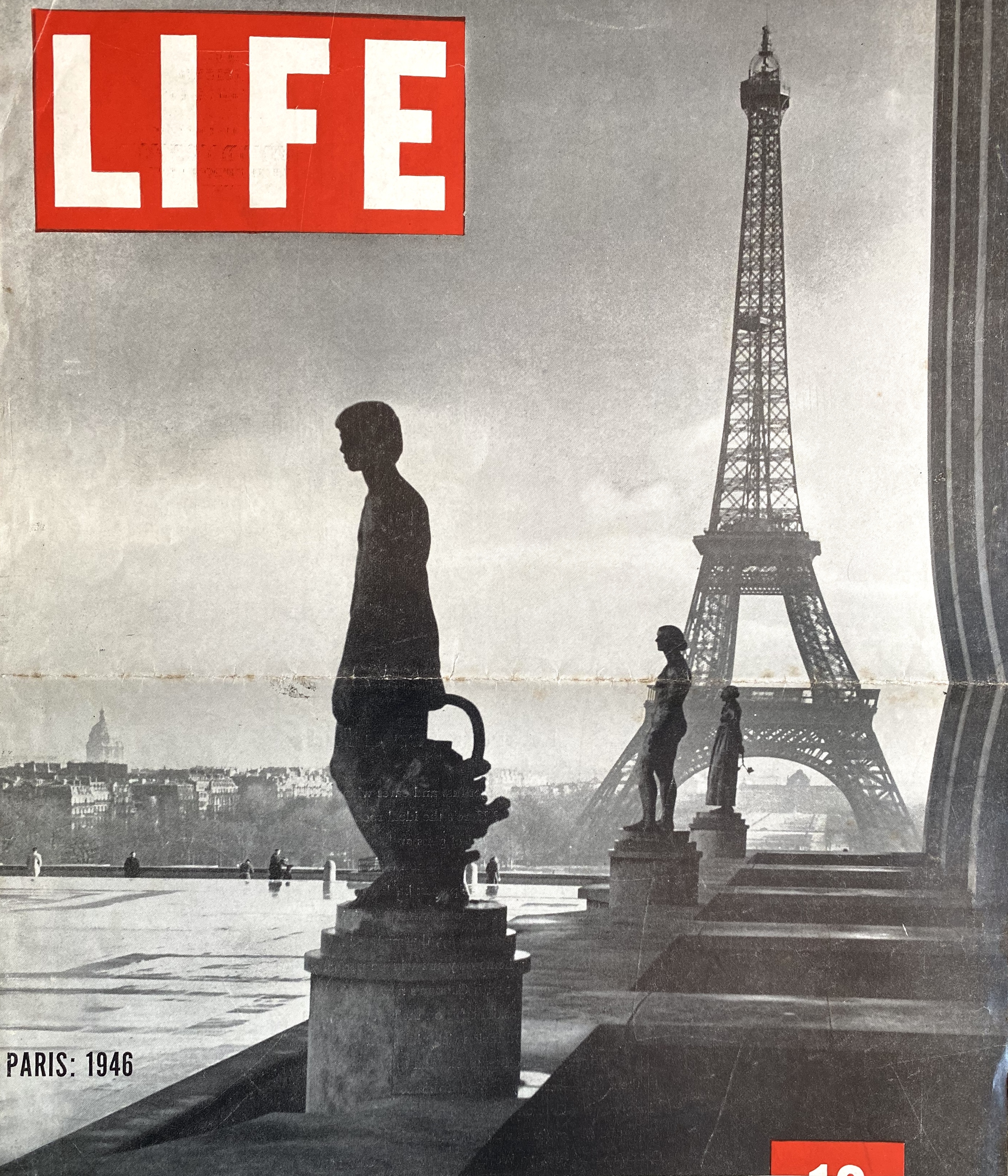
It Belongs Also to Parisians: Photographs for LIFE by Edward Clark
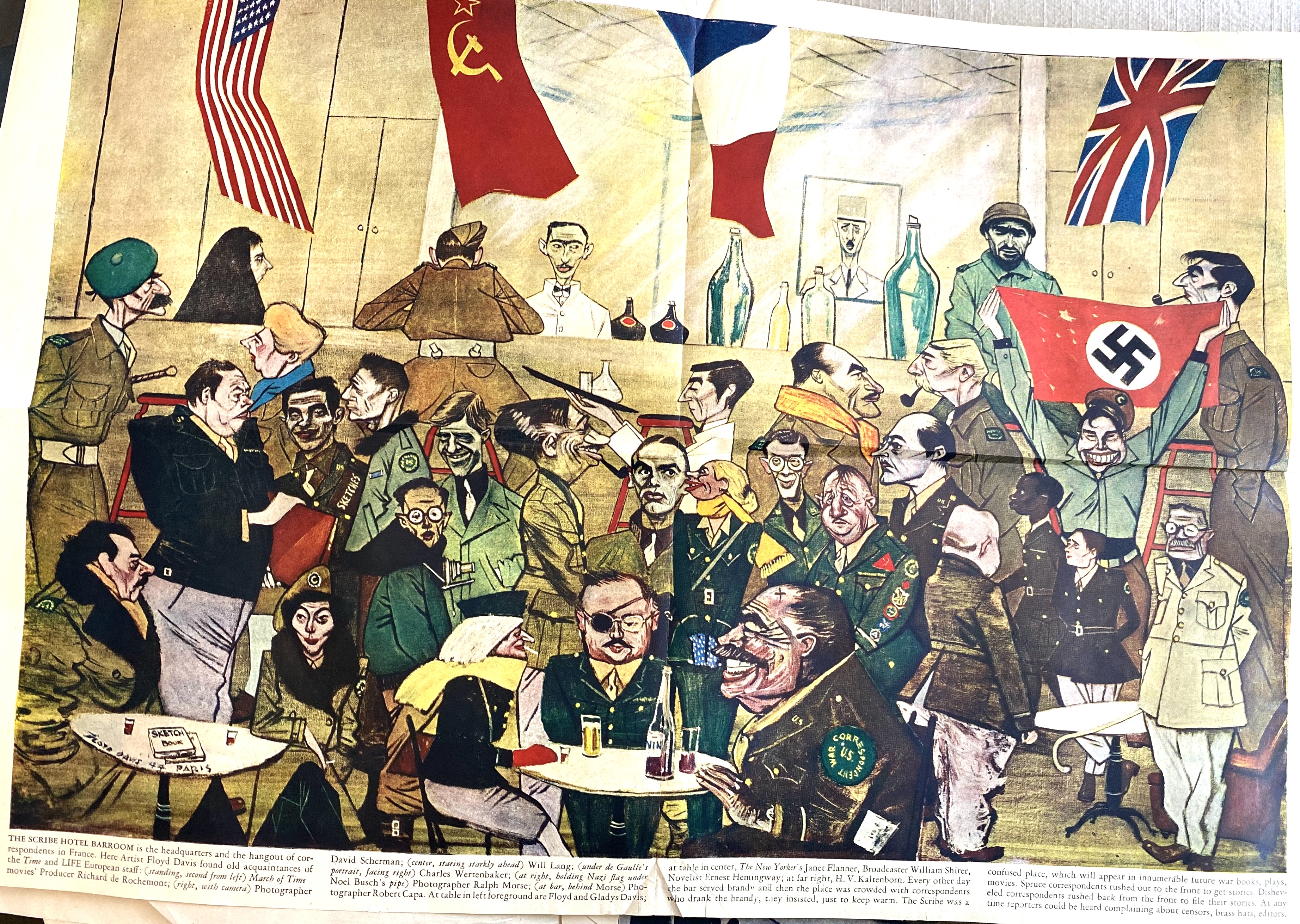
Quoting from LIFE: “Paris, the grand courtesan of cities, is all things to all men, and this may be one reason why American soldiers and Parisians have been getting along so badly since World War II. The G.I. grew up in a generation when Paris to most Americans was a cheerful bawd: the Paris of Maxim‘s, the Ritz bar, the Moulin Rouge, the Scheherezade, and Boeuf sur le Toit, the Folies Bergéres, long-haired Montparnasse, feelthy pictures, the Quatz’ Arts Ball, and the Sphinx. To the young man who had seen this Paris in pictures who had read about it in Fitzgerald and Hemmingway, who had overheard wise conversations between his father and his uncle Tom, the Paris in which he found himself these last two winters was a grim and depressing disappointment. He found people who were cold, hungry, confused and tired–above all tired–who were too busy keeping themselves alive to bother much about entertaining him, who, because they were proud and sensitive to the shame through which their country had passed, resented his slurs and his swagger. And the G.I., in turn, felt cheated. Where was the Paris he had heard about? Where were the naked women?”
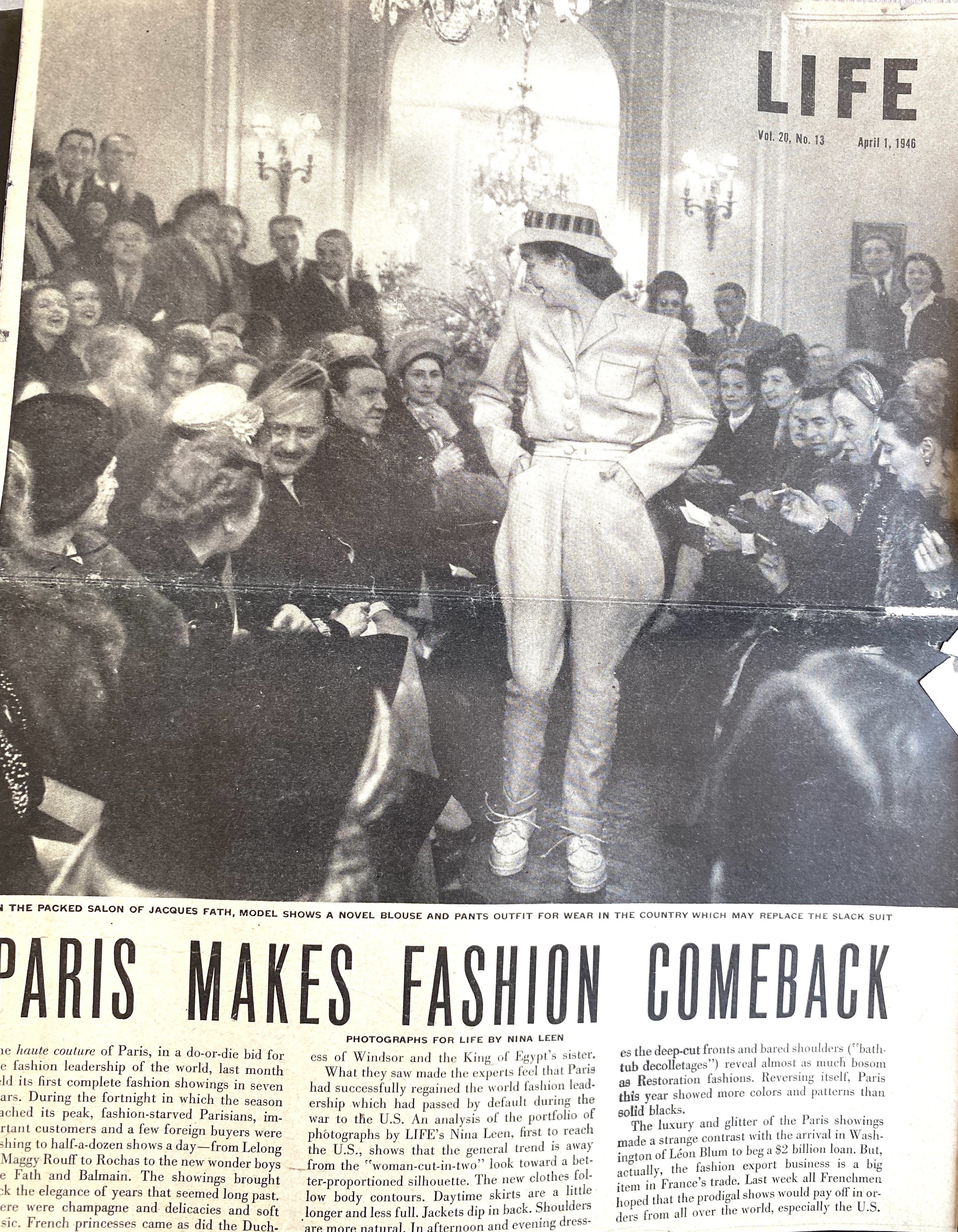
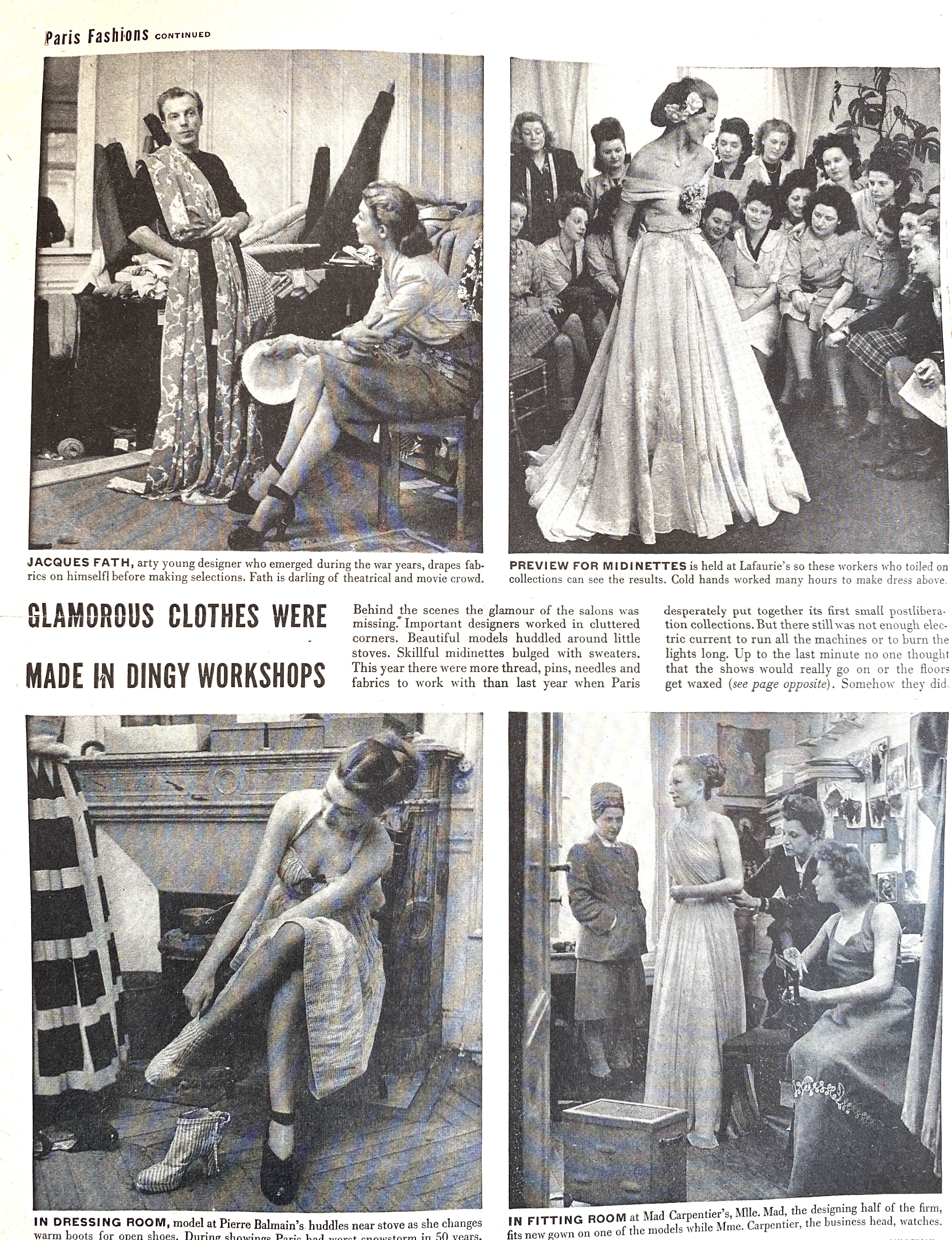
Paris was the capital of the fashion world. The industry started to come back to life in 1945 after the war. There was one fashion show but too little fabric. Then in 1946 the shows were bigger and better with a wider choice of fabrics. Flo attended several fashion shows and included stories about them in her album. It’s interesting to learn about the fashion industry scene right after the war. Paris was worried that it might move to the U.S. where it had moved during the German occupation.
Paris Makes Fashion Comeback
Quoting from LIFE magazine: “The haute couture of Paris, in a do or die bid for fashion leadership of the world, last month held its first complete fashion showings in seven years. During the fortnight in which the season reached its peak fashion, starved Parisians, important customers and a few foreign buyers were dashing to half a dozen shows a day from Lelong to Maggy Rouff to Rochas to the new wonder boys like Fath and Balmain.
The showings brought back the elegance of years that seemed long past. There were champagne and delicacies and soft music. French princesses came as did the Duchess of Windsor and the King of Egypt’s sister. What they saw made the experts feel that Paris had successfully regained the world fashioned leadership, which had passed by default during the war to the U.S. An analysis of the portfolio of photographs by LIFE‘s Nina Leen, first to reach the U.S., shows that the general trend is away from the “woman-cut-in-two” look toward a better proportioned silhouette. The new clothes follow body contours. Daytime skirts are a little longer and less full. Jackets dip in back. Shoulders are more natural. In afternoon and evening dresses the deep-cut fronts and bared shoulders (“bathtub decolletages”) reveal almost as much bosom as Restoration fashions. Reversing itself, Paris this year showed more colors and patterns than solid blacks. The luxury and glitter of the Paris showings made a strange contrast with the arrival in Washington of Léon Blum to beg a $2 billion loan. But, actually, the fashion export business is a big item in France’s trade. Last week all Frenchmen hoped that the prodigal shows would pay off in orders from all over the world, especially the U.S.”
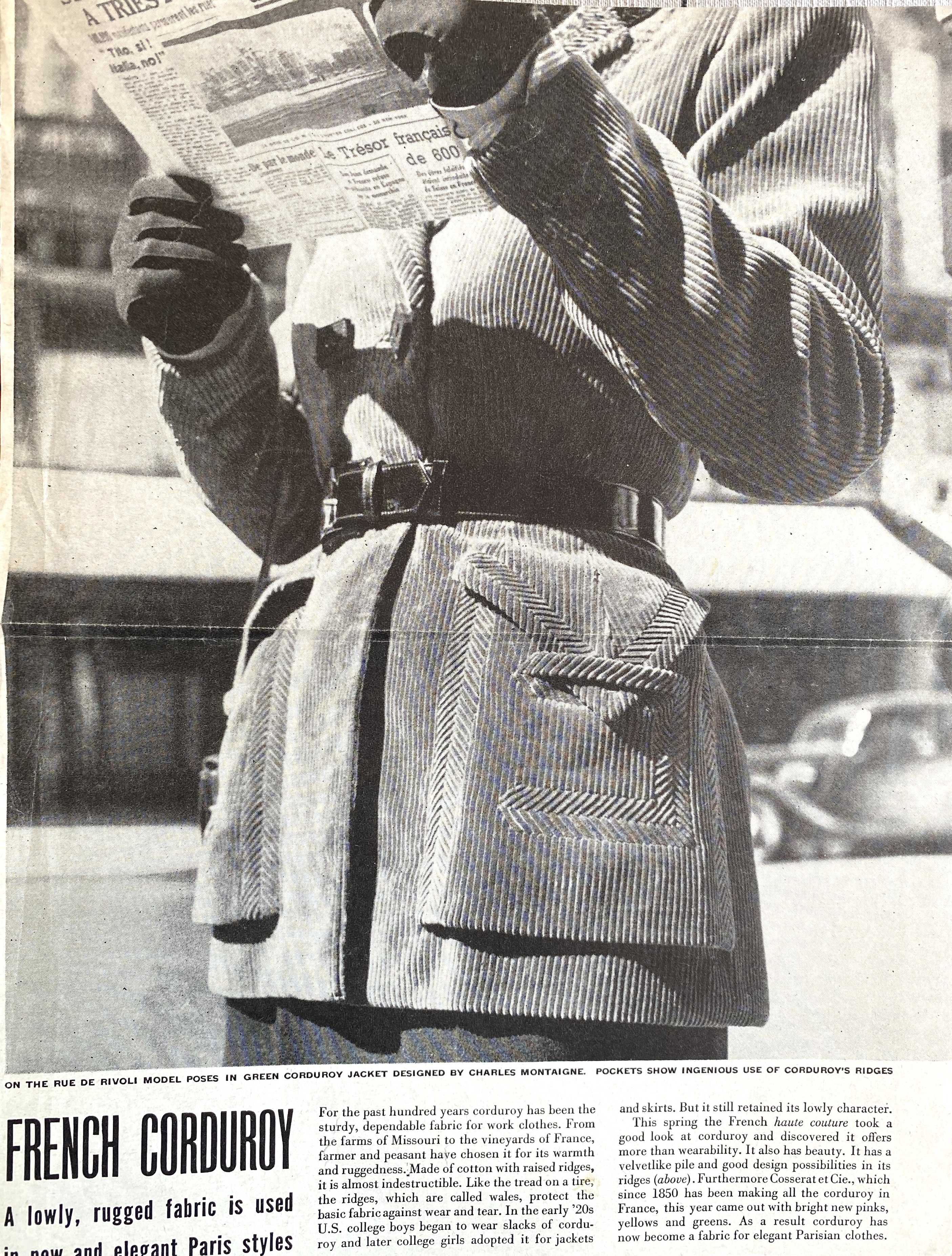
Corduroy: A lowly, rugged fabric is used in new and elegant Paris styles
From LIFE: “For the past hundred years corduroy has been the sturdy, dependable fabric for work clothes. From the farms of Missouri to the vineyards of France, farmer and peasant have chosen it for its warmth and ruggedness. Made of cotton with raised ridges, it is almost indestructible. Like the tread on a tire, the ridges, which are called wales, protect the basic fabric against wear and tear. In the early 20s U.S. college boys began to wear slacks of corduroy and later college girls adopted it for jackets and skirts. But it retained its lowly character.
This spring the French haute couture took a good look at corduroy and discovered it offers more than wearability. It also has beauty. It has a velvetlike pile and good design possibilities in its ridges. Furthermore Cosserat et Cie., which since 1850 has been making all the corduroy in France, this year came out with bright new pinks, yellows and greens. As a result corduroy has now become a fabric for elegant Parisian clothes.”
Where the correspondents hung out
Where the naked women were
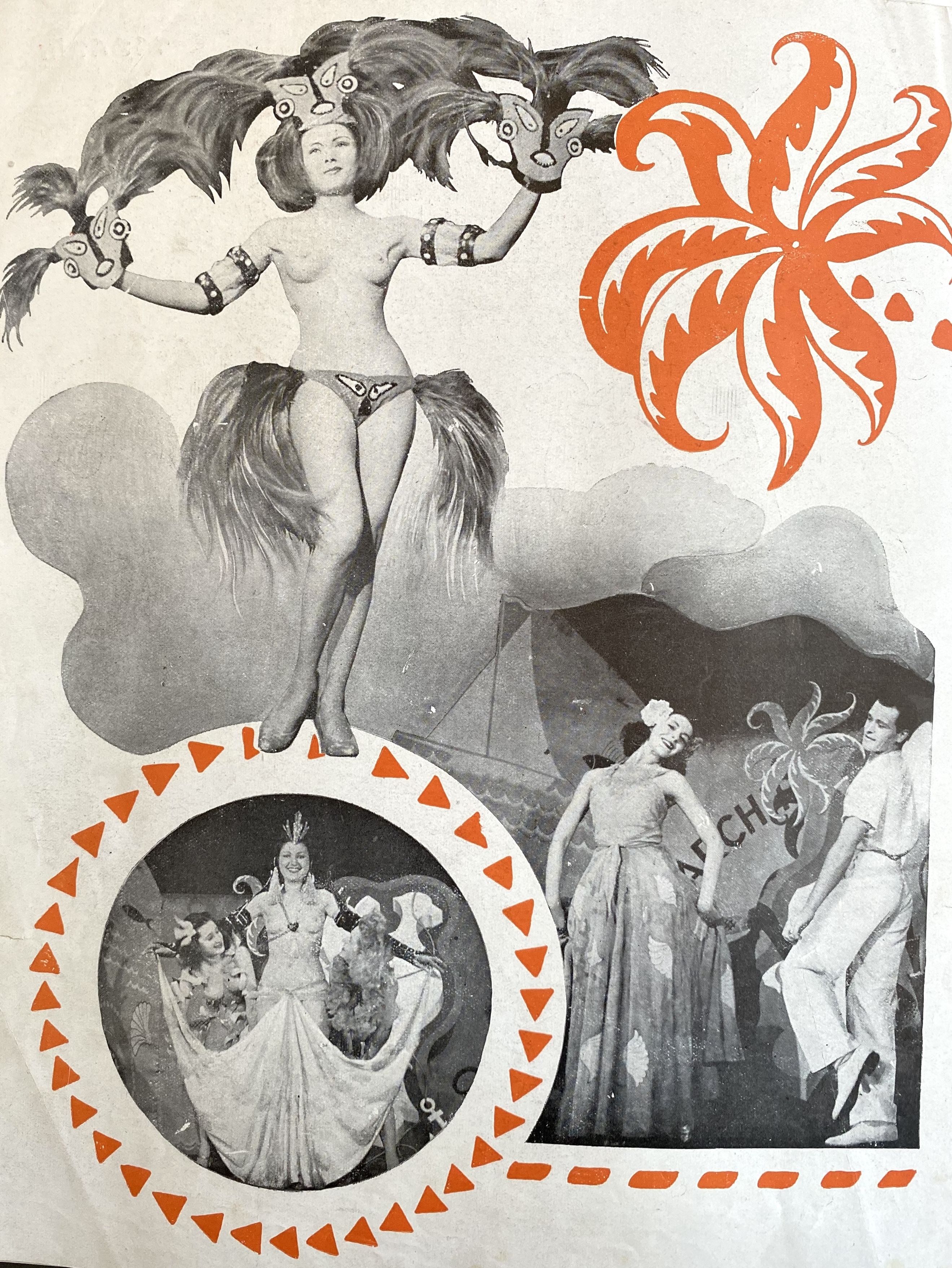
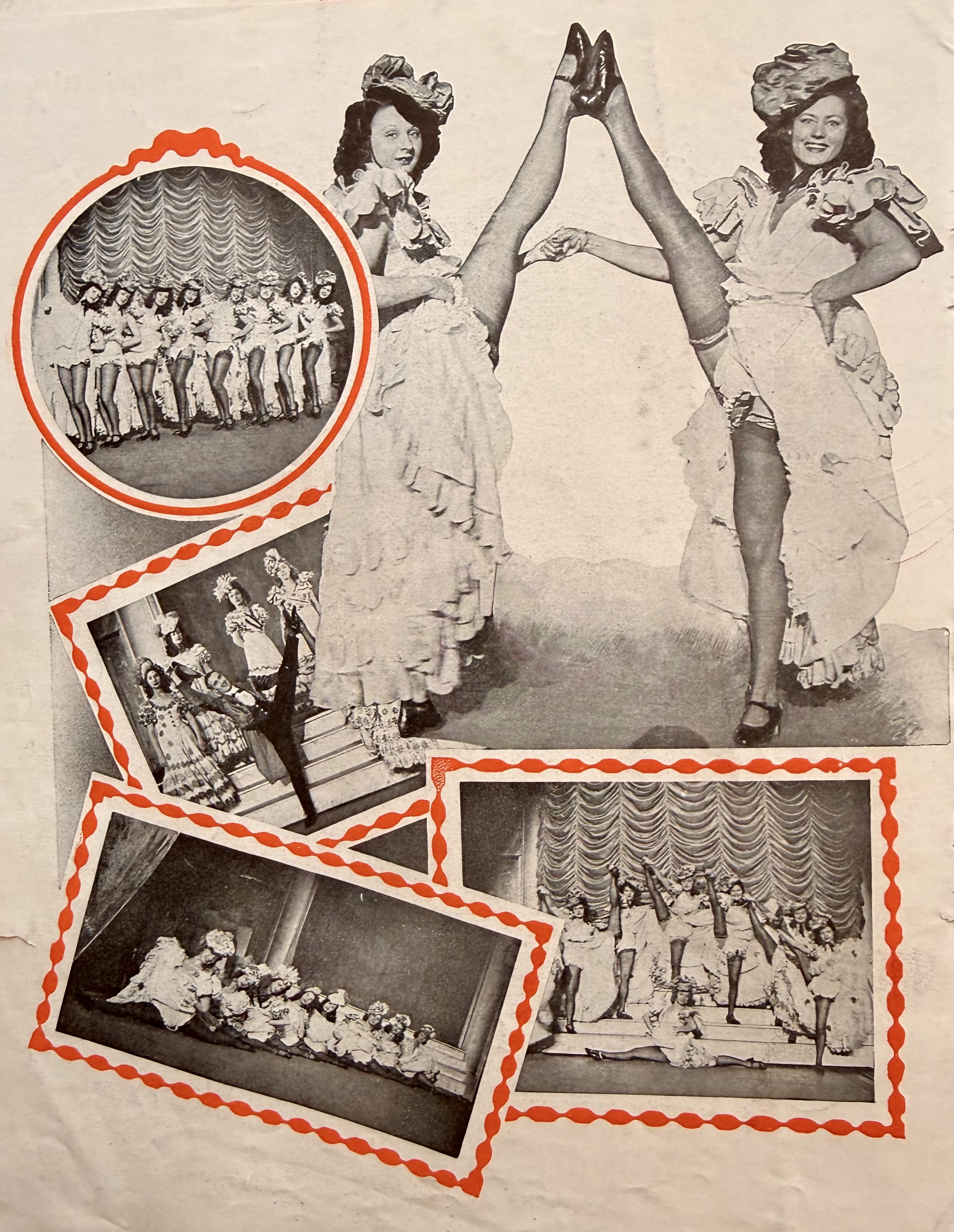
From the Tabarin playbill saved by Flo
To start at the beginning Chapter One: https://mollymartin.blog/2024/11/04/my-mother-and-audie-murphy/
Chapter 115: https://mollymartin.blog/2026/07/07/going-home-after-2-years-in-europe/


One thought on “Flo in Paris for One Last Visit”