How Can Women Make a Living Wage Without a College Degree?
Opening Up the Building and Construction Trades to Women

Indigenous women in Ironworkers Local 725, Canada. Photo: Lightframe

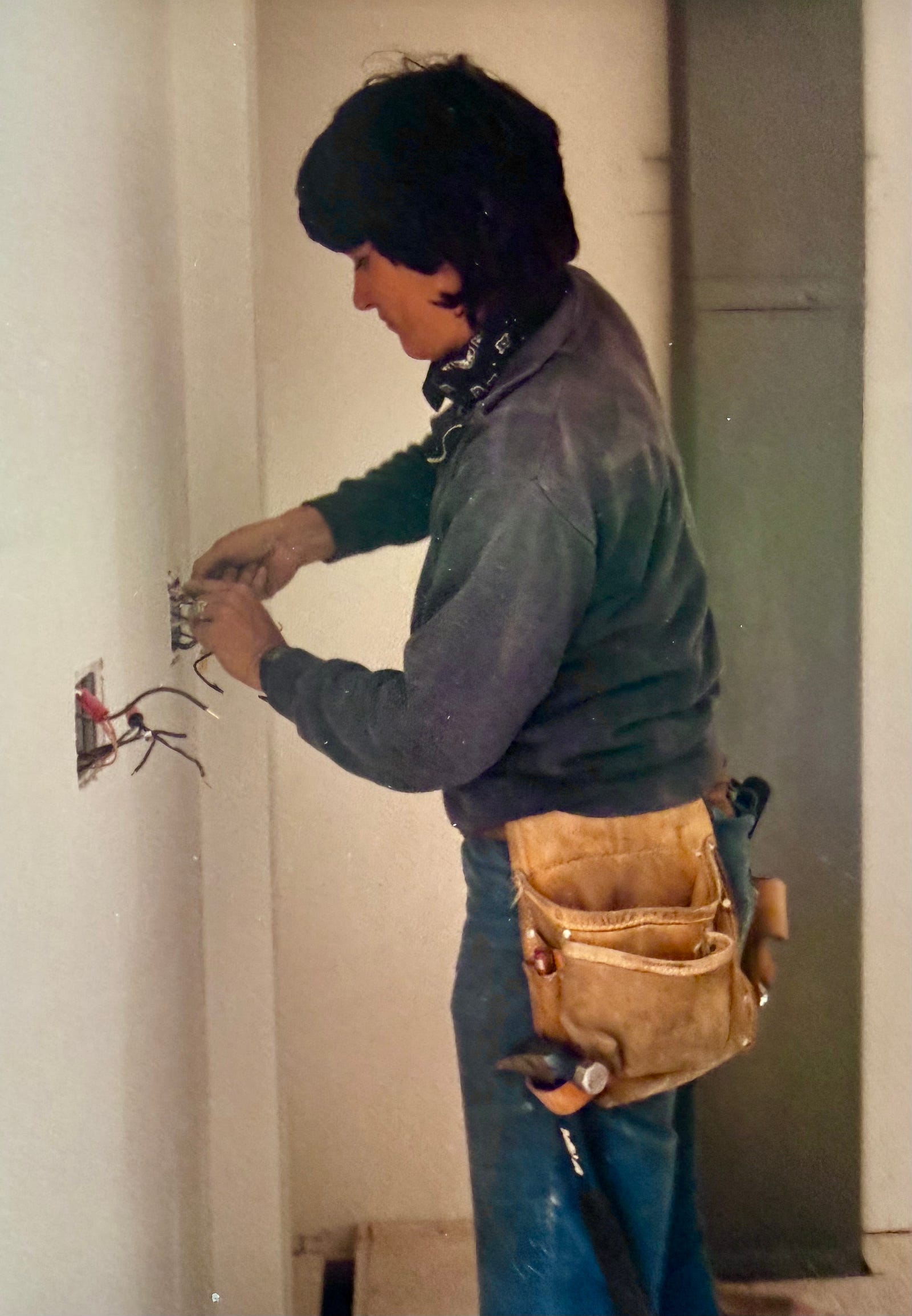
The Club for the Deaf’s attic on Valencia Street reeked of scorched timber. Char and blackened beams swallowed the light; soot clung to everything. We crawled, backs bent low, balancing on sheets of plywood stretched across the ceiling joists. As electricians rewiring the place after a fire, we worked while thunderous punk music rattled below — the deaf crowd savoring the music through their feet.

It was just one of many electrical jobs Cheryl Parker and I did together.

Cheryl on a Wonder Woman Electric job

Cheryl belonged to Sonoma County and the San Francisco Bay Area in a way that was both rooted and radical. She came from land and labor, and she spent her life insisting that women — especially lesbians — had a right to both. I knew her as a close friend, a sister tradeswoman, and a fellow building inspector. Our lives overlapped on jobsites, in lesbian bars, and in the long conversations that happen when you are trying to make a life where none has been laid out for you.

I first met Cheryl when she was working at Mare Island Naval Shipyard. She was already doing skilled electrical work there, and she was also helping to raise two daughters with her lover. That combination — determination on the job and deep commitment to chosen family — was classic Cheryl. She was grounded, political without posturing, and absolutely unwilling to shrink herself.

We later worked together through Wonder Woman Electric on several jobs. At lesbian bars in San Francisco, while everyone else was dancing, Cheryl and I would be off to the side talking about electrical work — arguing over grounding, circuitry, and the strange logic of systems hidden behind walls. No one wanted to sit with us. We didn’t care.

Cheryl came out of an Italian American family deeply tied to Northern California agriculture. Her grandparents emigrated from northern Italy, homesteading land outside Cloverdale. Her father was a fruit tramp who met her mother, Irene Gianoli, while picking fruit. Cheryl grew up in Cloverdale, one of three children. She had been a high school cheerleader and a member of the riding club, but she was never ornamental. Strength came naturally to her.

In the early 1970s, Cheryl entered the political and cultural ferment of the Bay Area. At City College of San Francisco, she met Joan MacQuarrie in a women’s history class. They became lovers and political partners, asking a question that would shape the rest of their lives:

How could women make a living wage without a college degree?
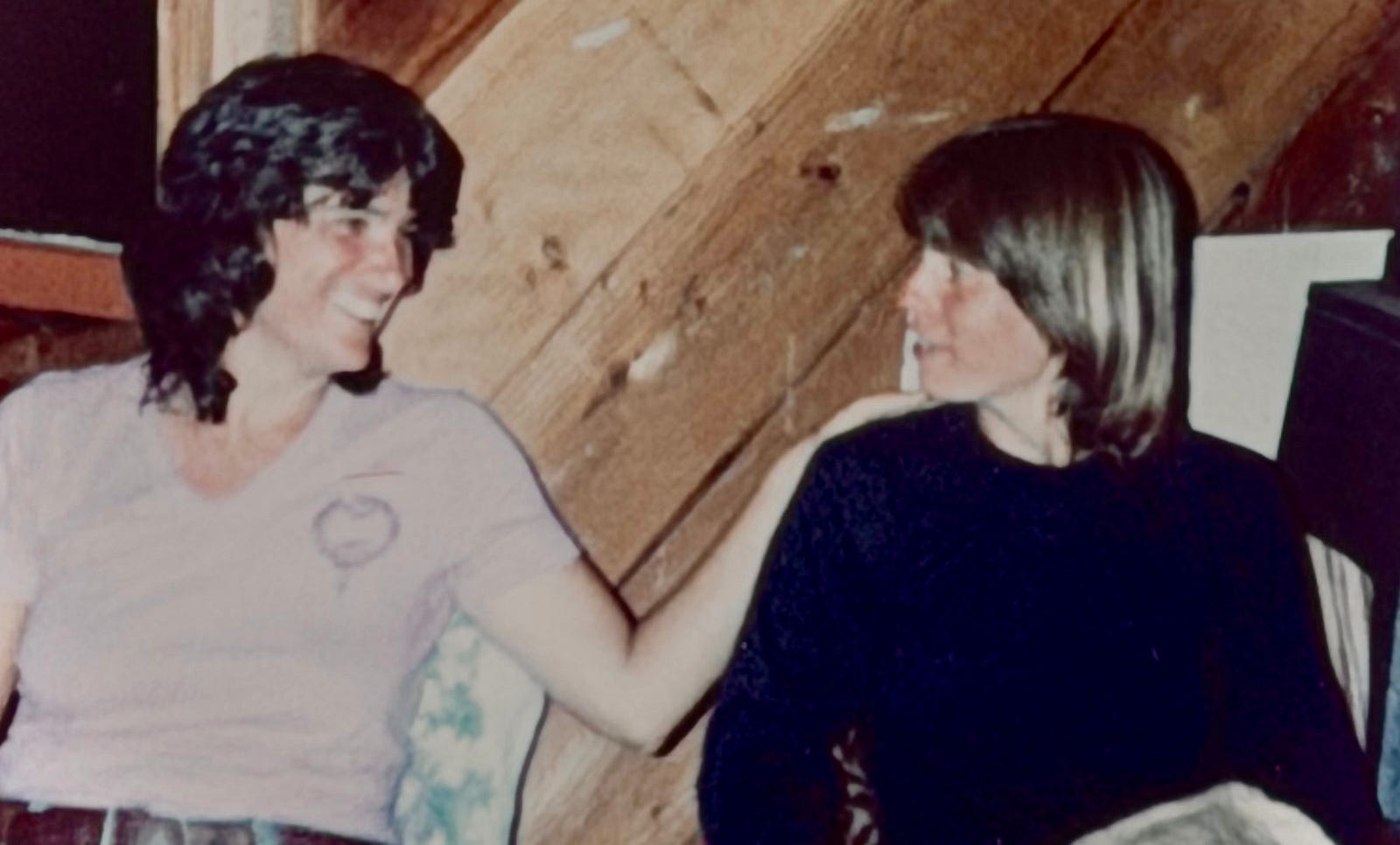
Cheryl (L) and Joan plotting revolution

That question led them straight into the building trades — places where women were barely tolerated. Cheryl went on to be a leader in the Tradeswomen Movement, organizing to bring more women into the construction trades and jobs that women had not been allowed to do.

In 1972, Cheryl became the first woman cabinetmaker in Local 550, hauling ninety-pound doors. She later became the first woman to enter the electrical apprenticeship at Mare Island, working in confined, dangerous spaces including nuclear submarines.

Cheryl went on to own her own business, teach at the Center for Employment Training in Santa Rosa, and receive Sonoma County’s Tradeswoman of the Year award. But her real legacy was collective. She was a founding member of Women United for Apprenticeship, and she fought — loudly and publicly — for enforceable standards to get women into union trades. When apprenticeship officials claimed women couldn’t do the work, Cheryl, a tall woman, stood over them with the authority of someone who already was.

Her path also led to many firsts in public service. Cheryl became the first female building inspector in Richmond, then the first senior female building inspector in Oakland, and later the first supervising female building inspector in San Leandro. In Richmond she led the city’s comparable worth campaign, bringing feminist labor politics directly into municipal government. In the late-1980s, we founded a network of women inspectors, the FBI — Female Building Inspectors — mentoring others who were just beginning to cross barriers we had already broken.

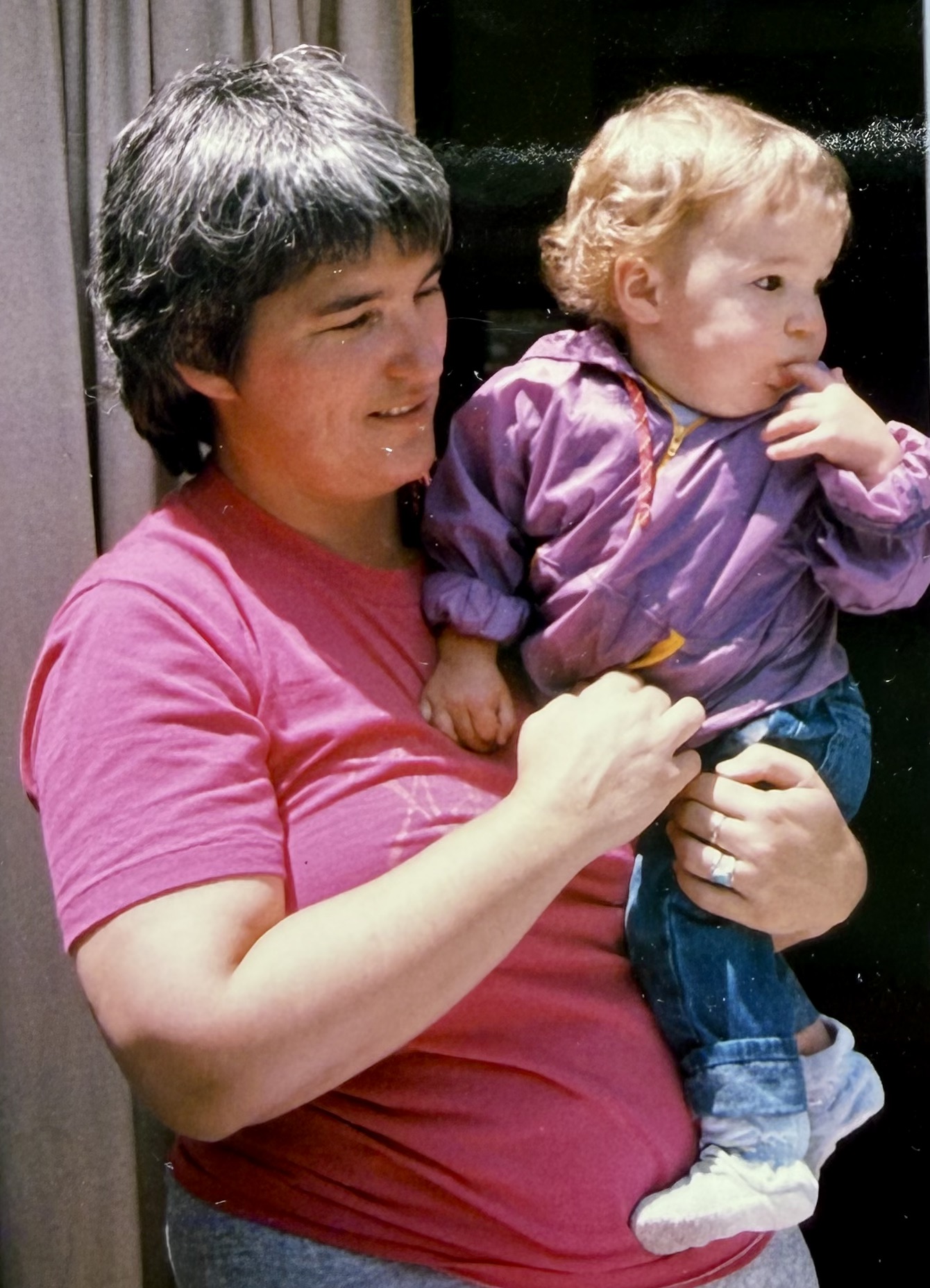
Cheryl lived openly as a lesbian, embedded in women’s and lesbian communities, from tradeswomen groups to the Oakland-Berkeley Women’s Union. She argued about everything. Friends said she should have been a lawyer. In 1986, at 38, she gave birth to her son Tyson, and he became another fierce center of her life. I got to be her birth coach, an amazing experience.

We started Tradeswomen Inc. in 1979. The nonprofit is still going strong.

Cheryl Parker died of ovarian cancer on July 9, 1992, at the age of 44.

Visiting my friend as she was dying and sick from chemo, I repeated an old chestnut, that I’d prefer to die quickly of a heart attack rather than suffer. She said something profound: “Don’t be so sure. Just think of all the love I’ve received and all the love I’ve been able to give as I’m dying.” Cheryl lived just nine months from her diagnosis to her death. Much love flowed in all directions and my view of death was transfigured.

Cheryl understood something early that many still resist: solidarity has to be built and no one breaks barriers alone. I carry her with me — in the work, in the arguments, in the memory of two women at a bar talking about grounding while the music played on.

Cheryl helped make a path where there wasn’t one before. I was lucky to walk part of it with her.

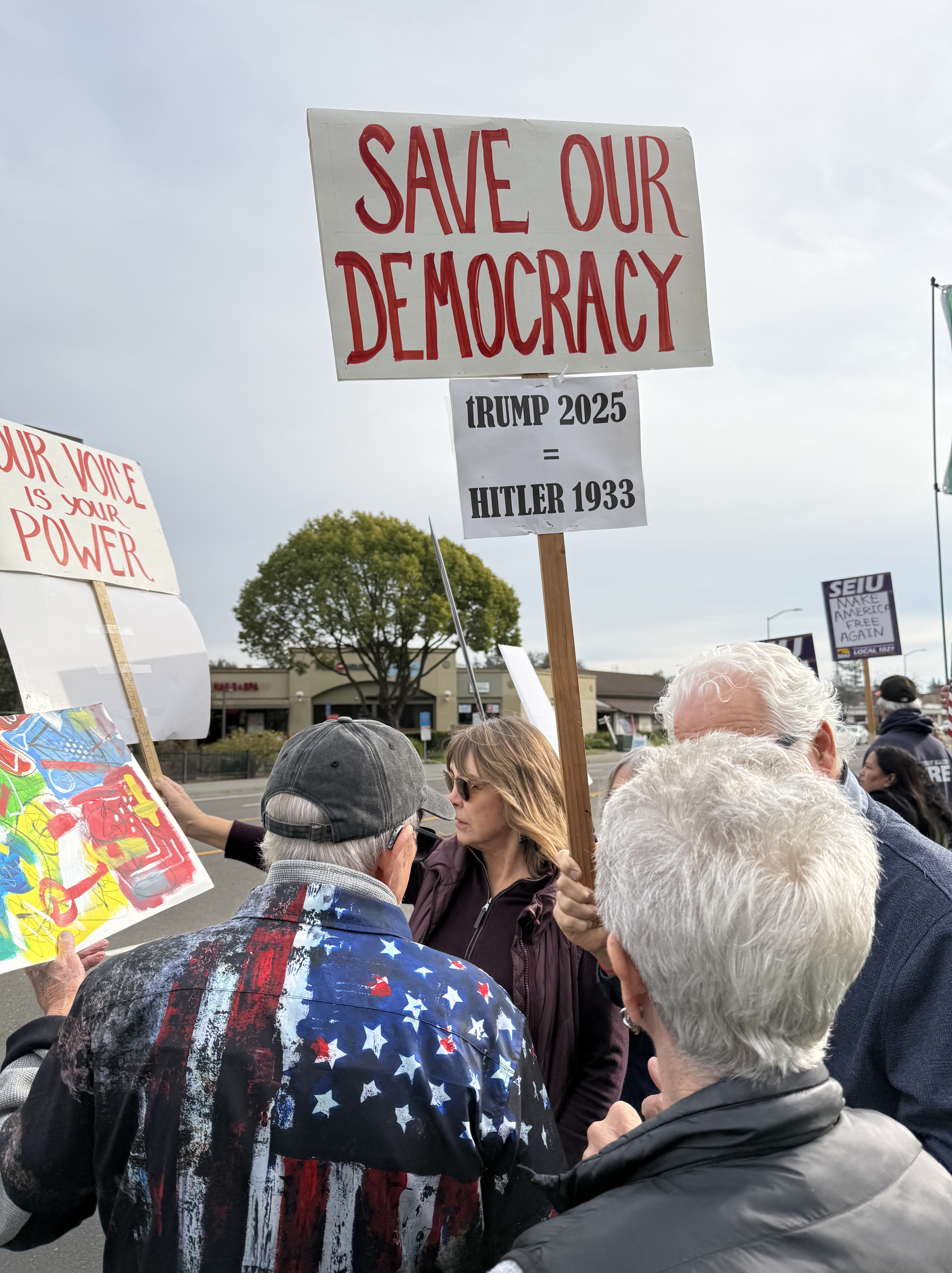
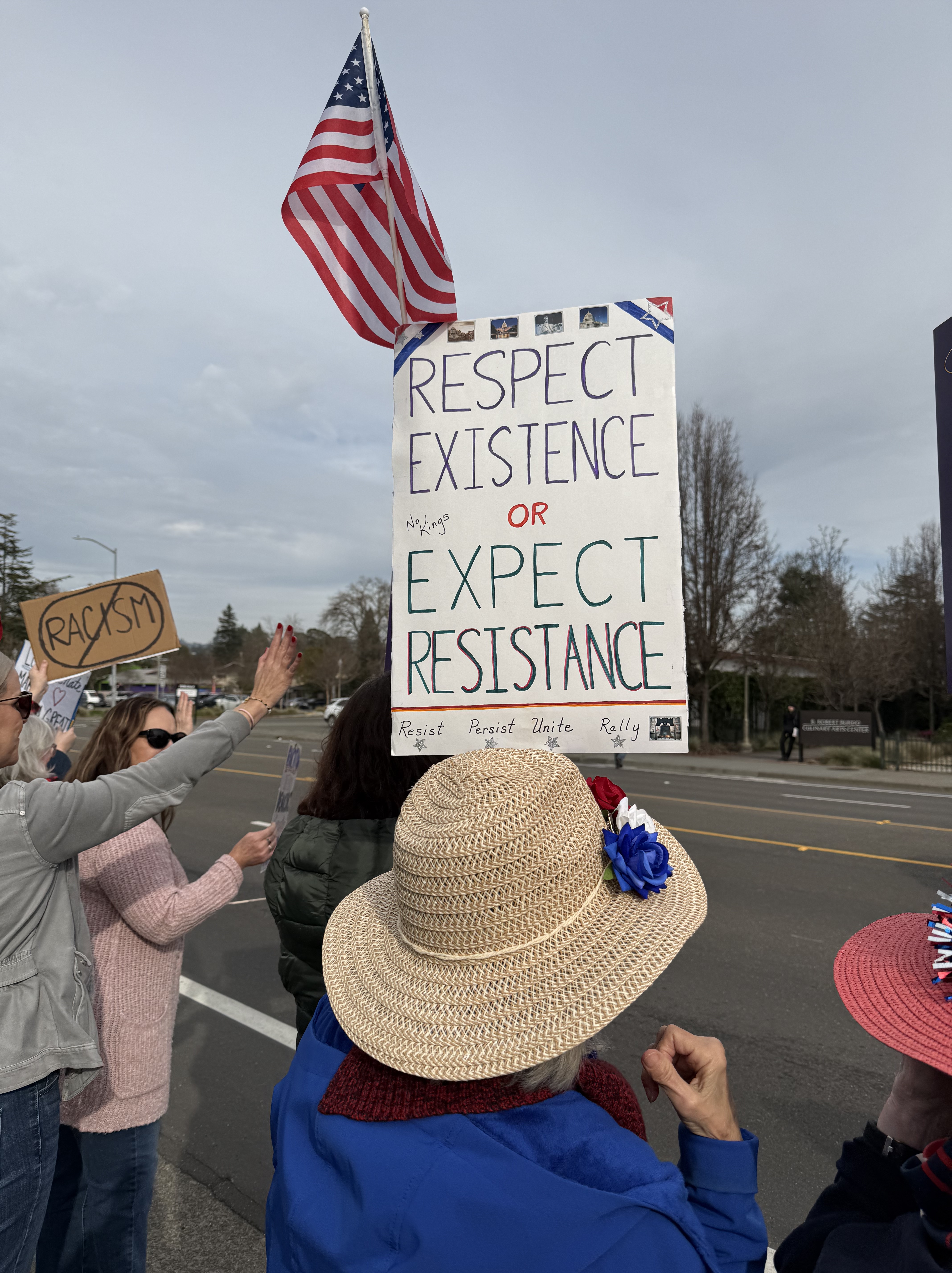
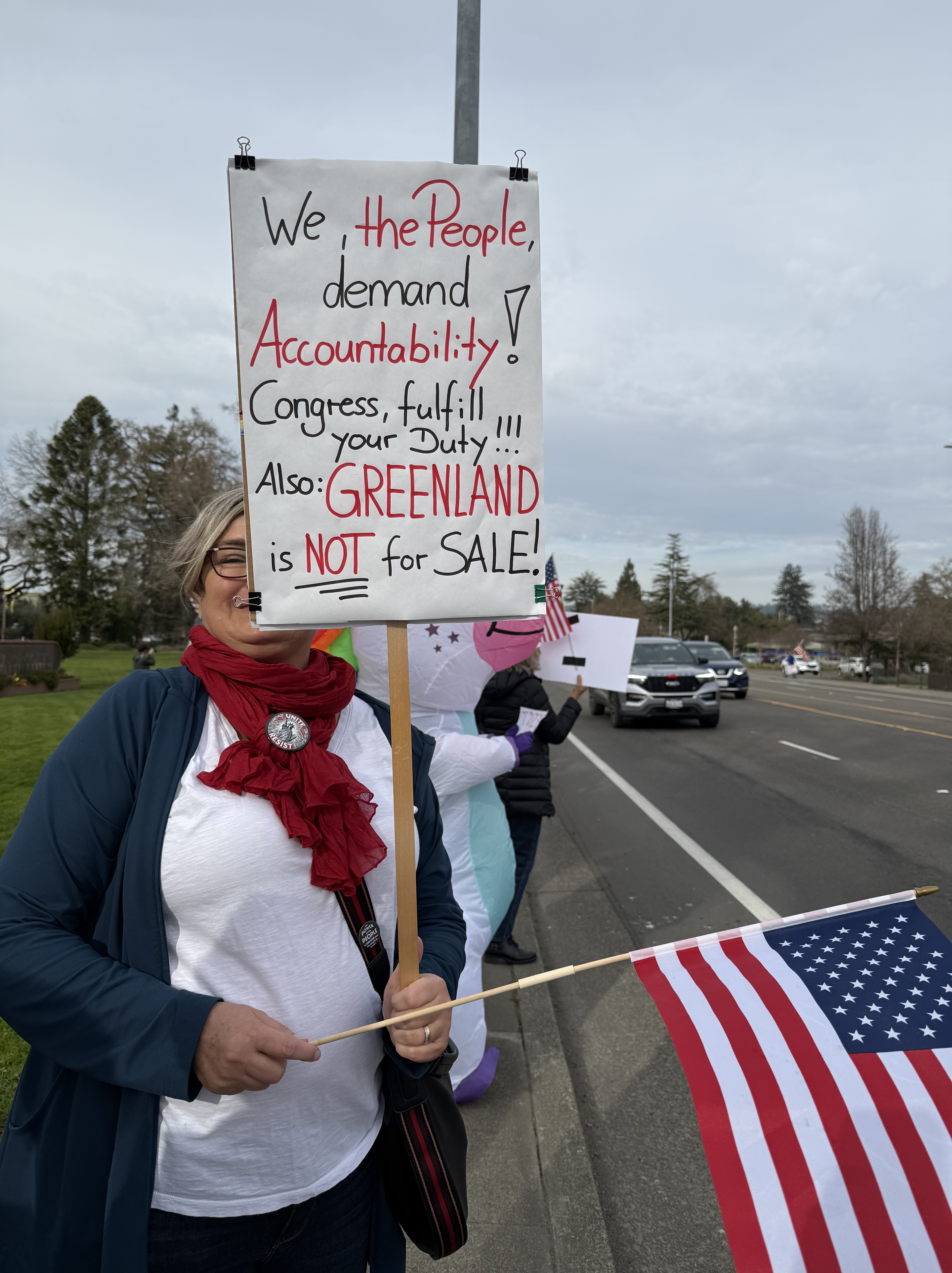
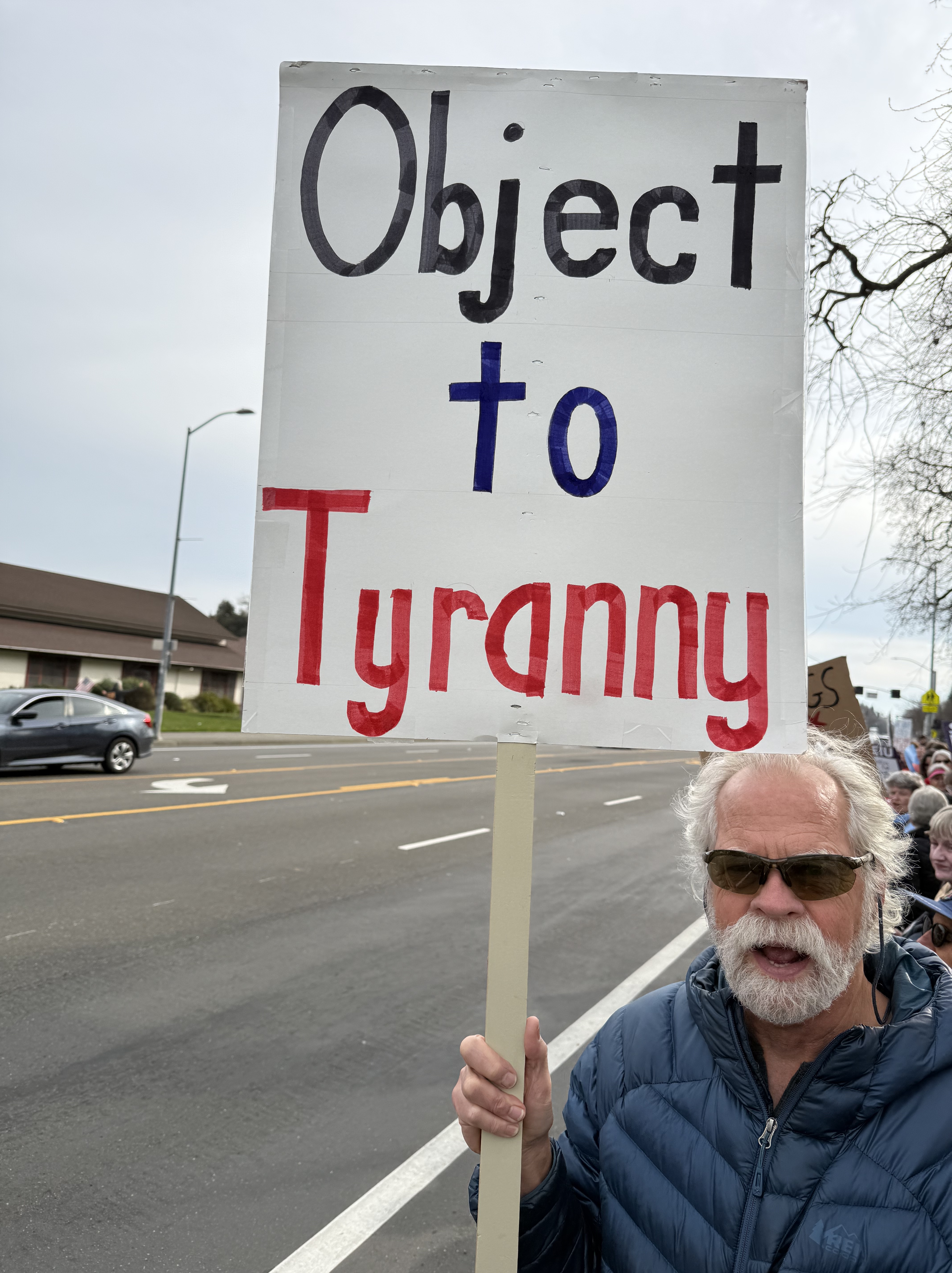
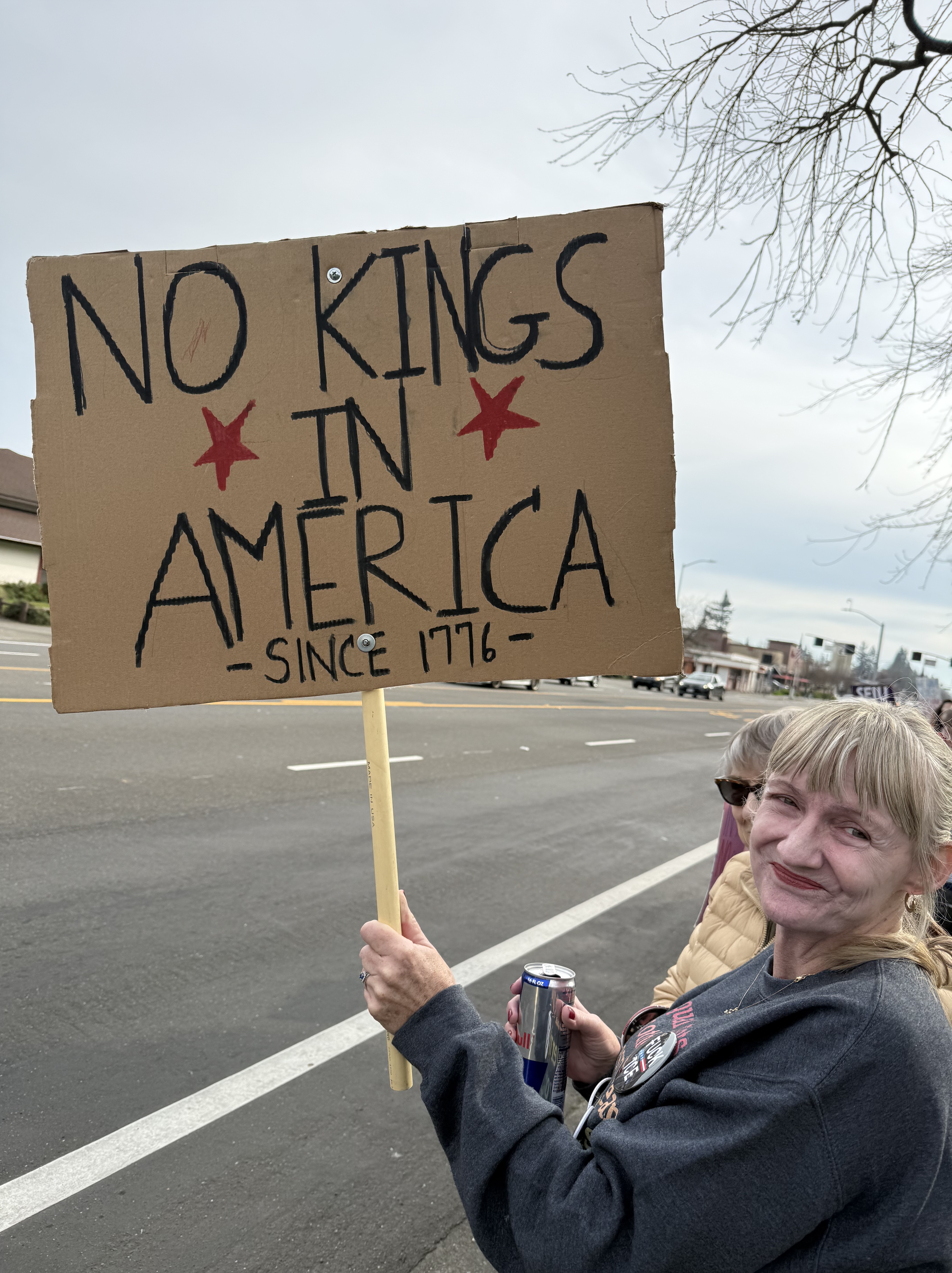
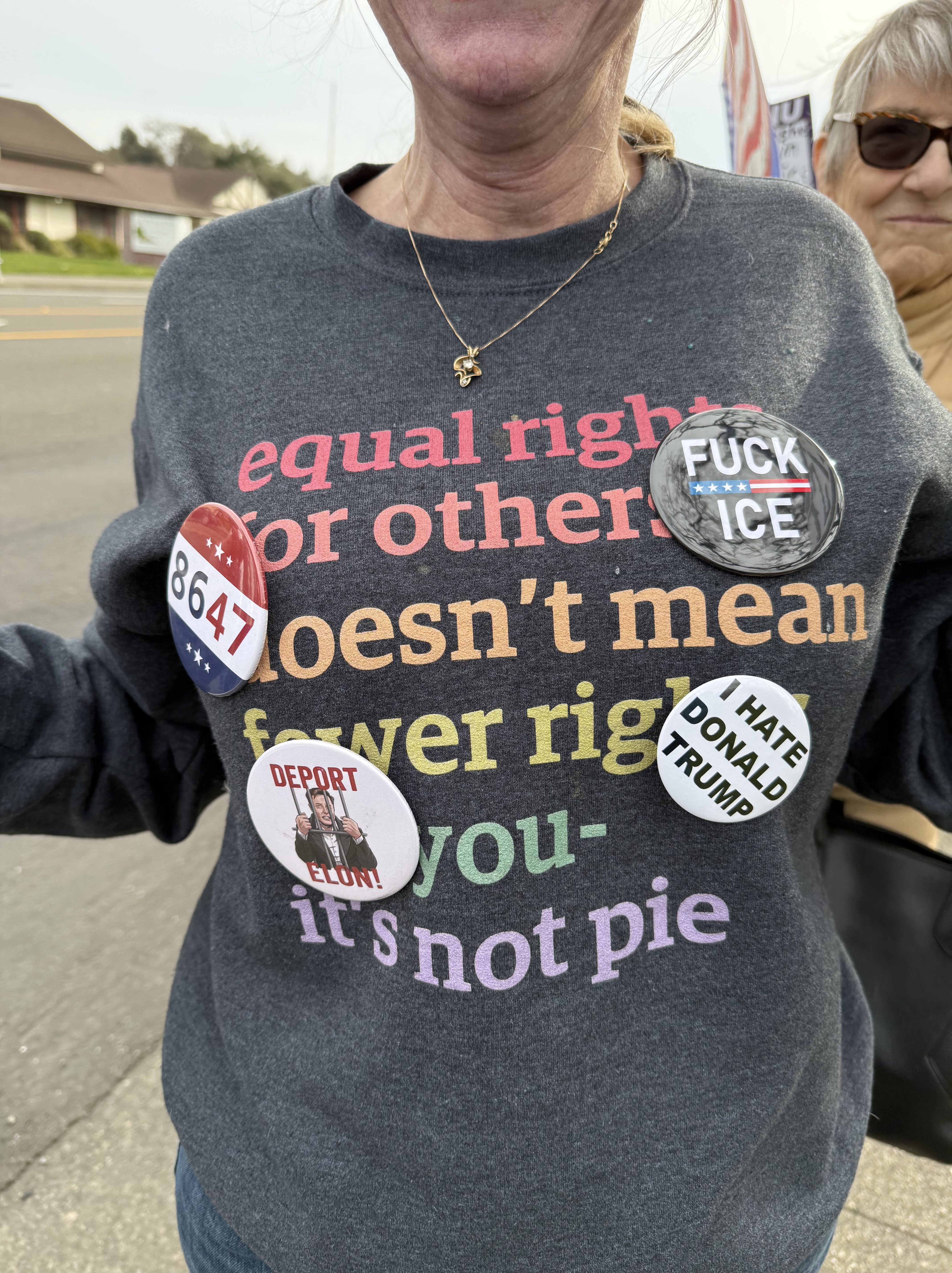
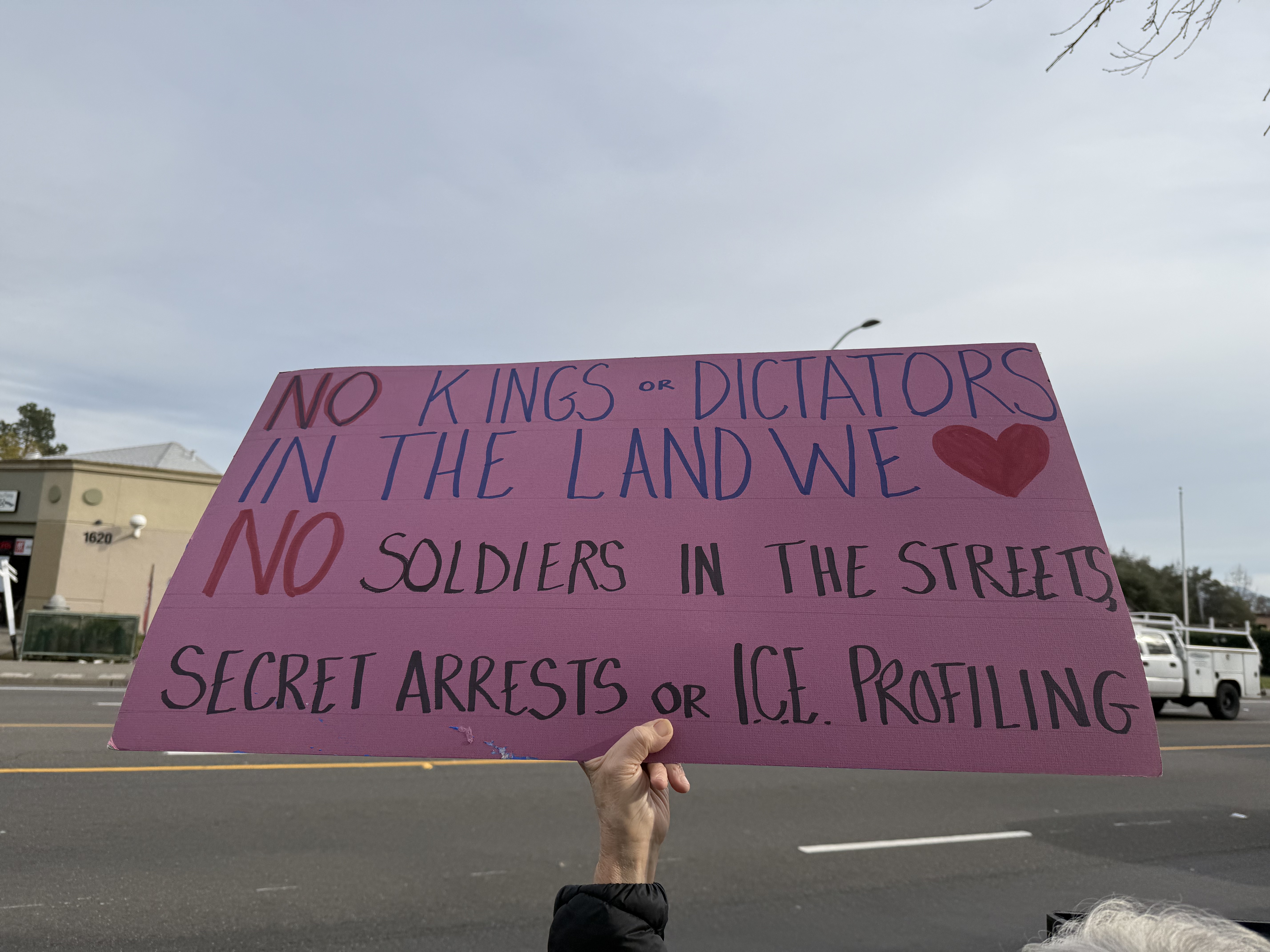
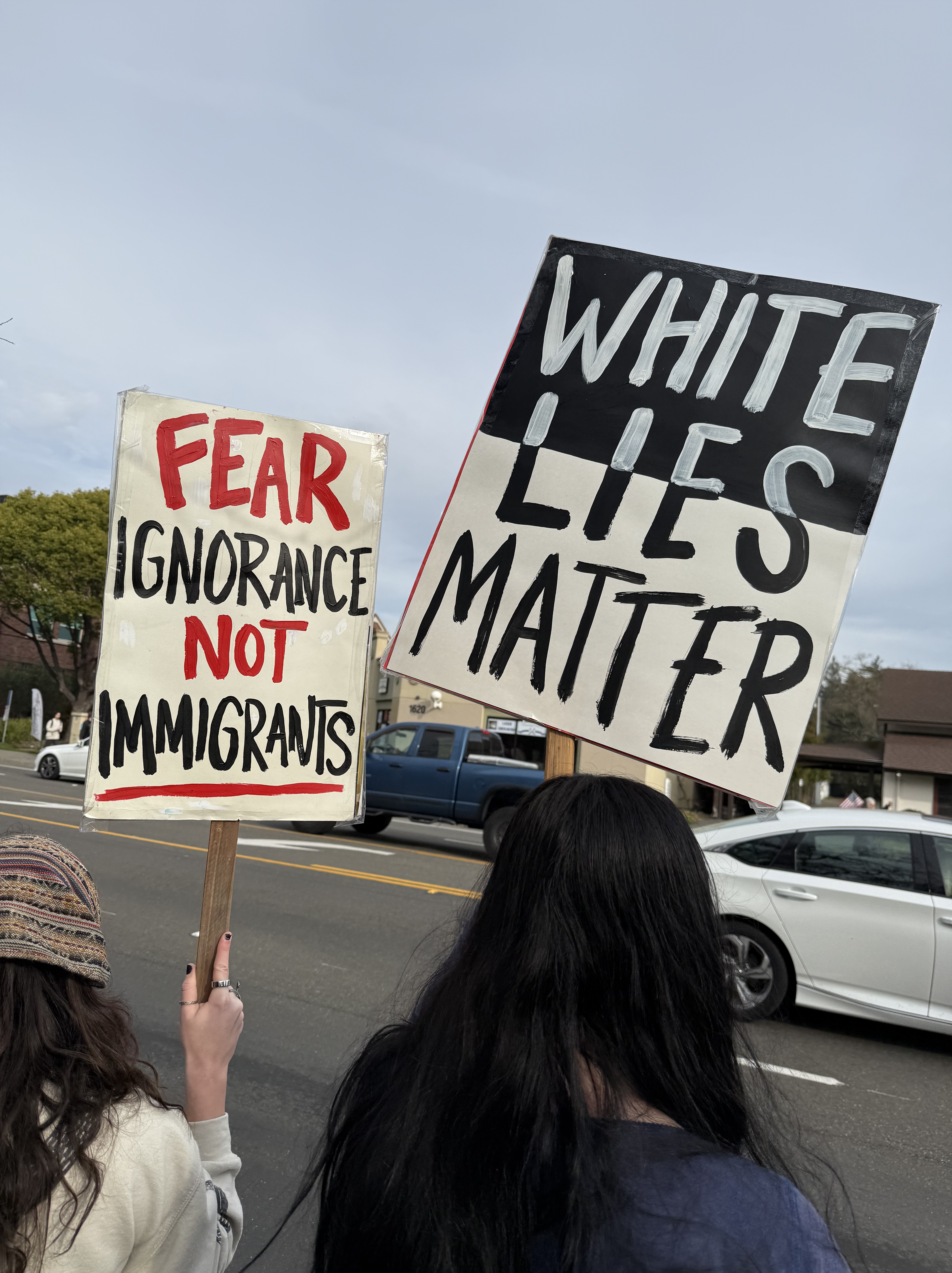
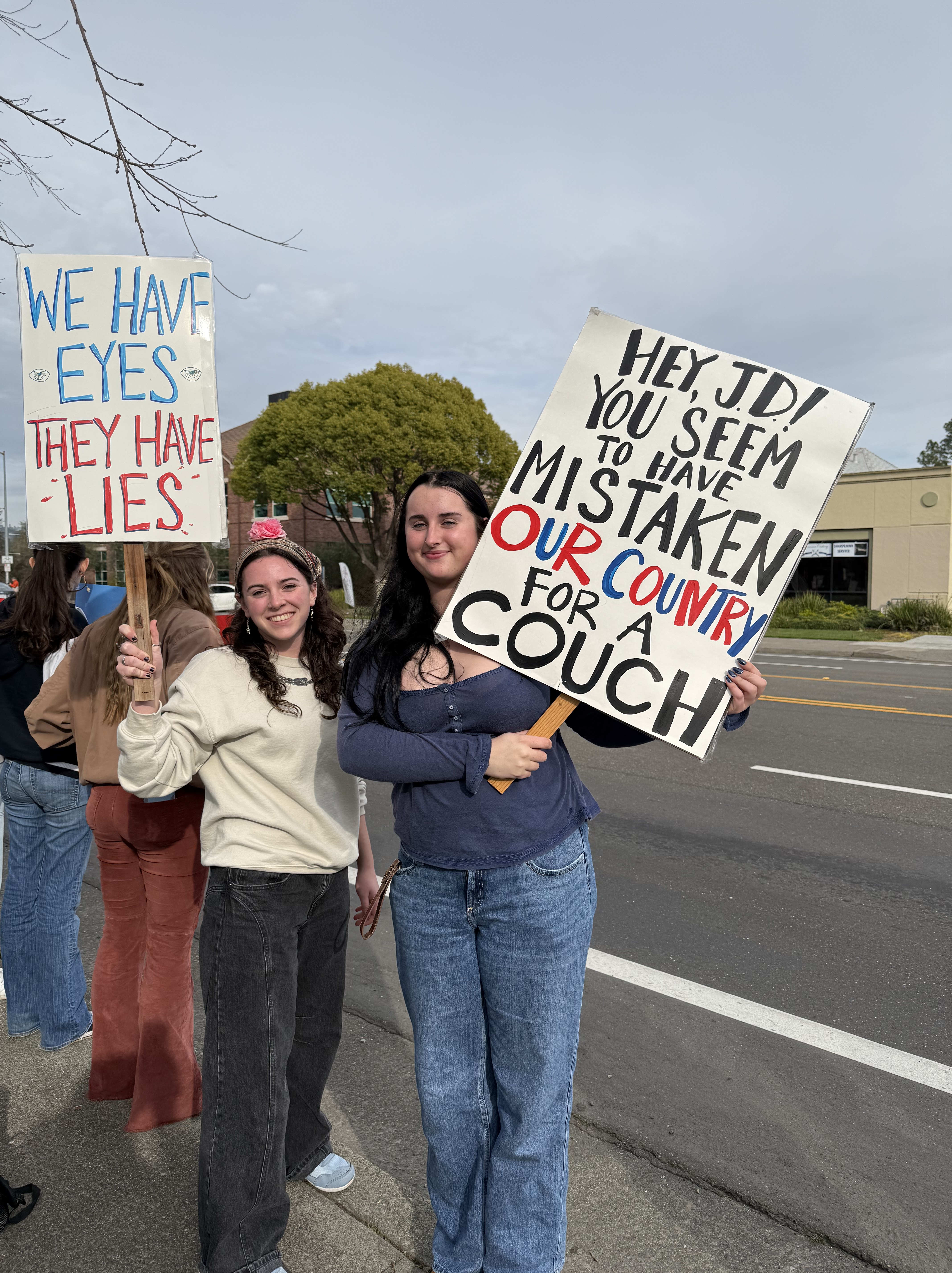
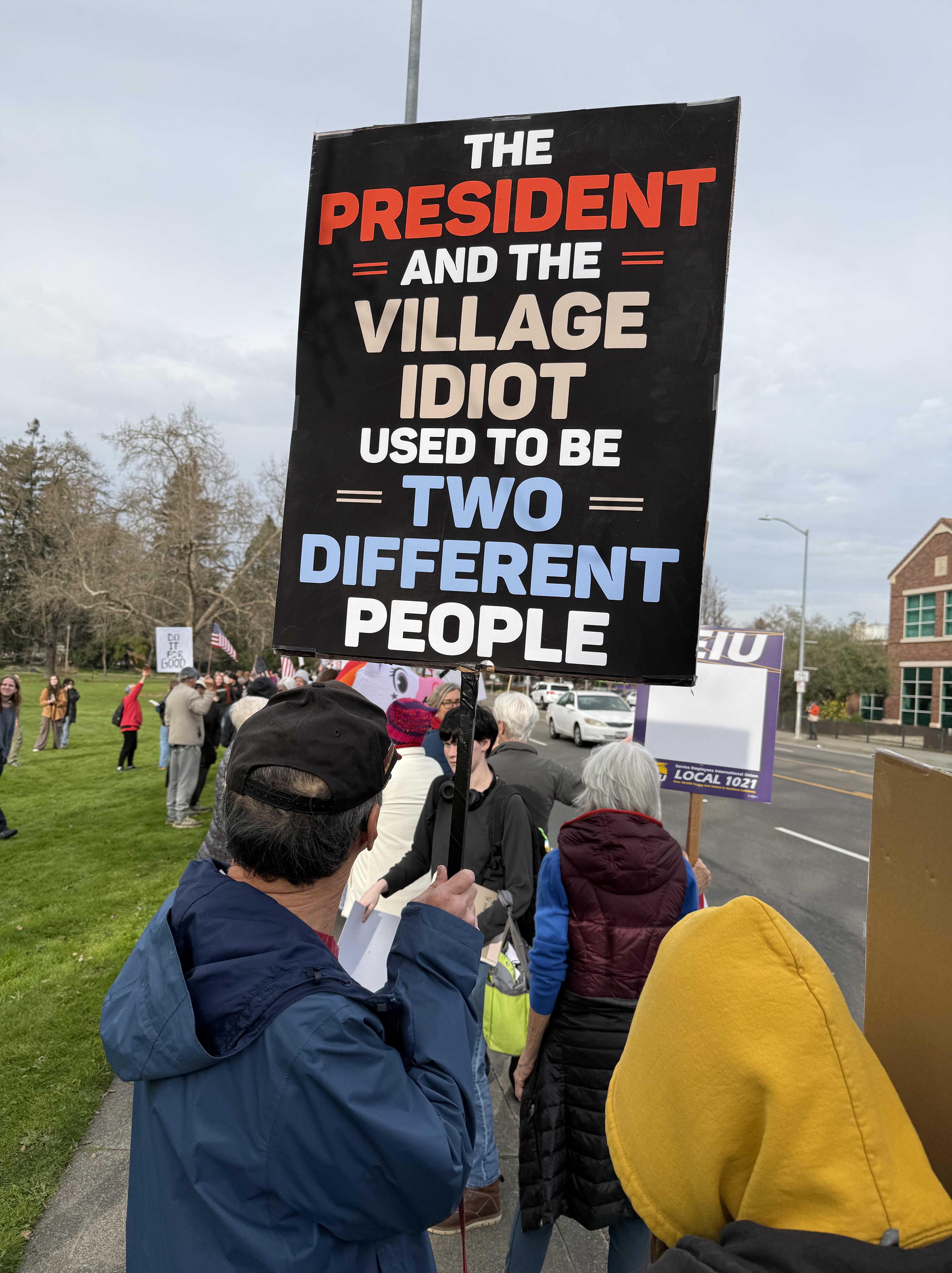
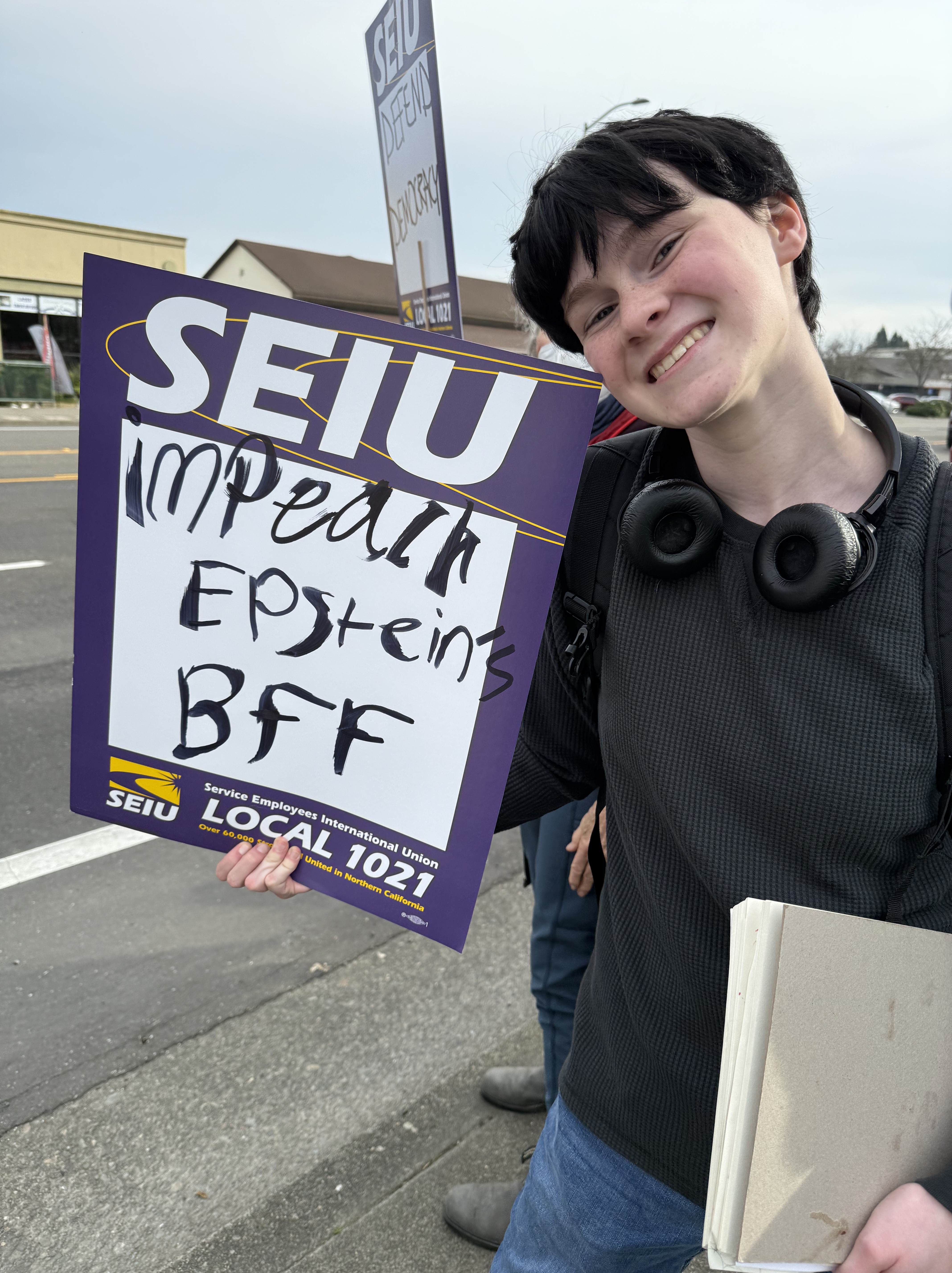
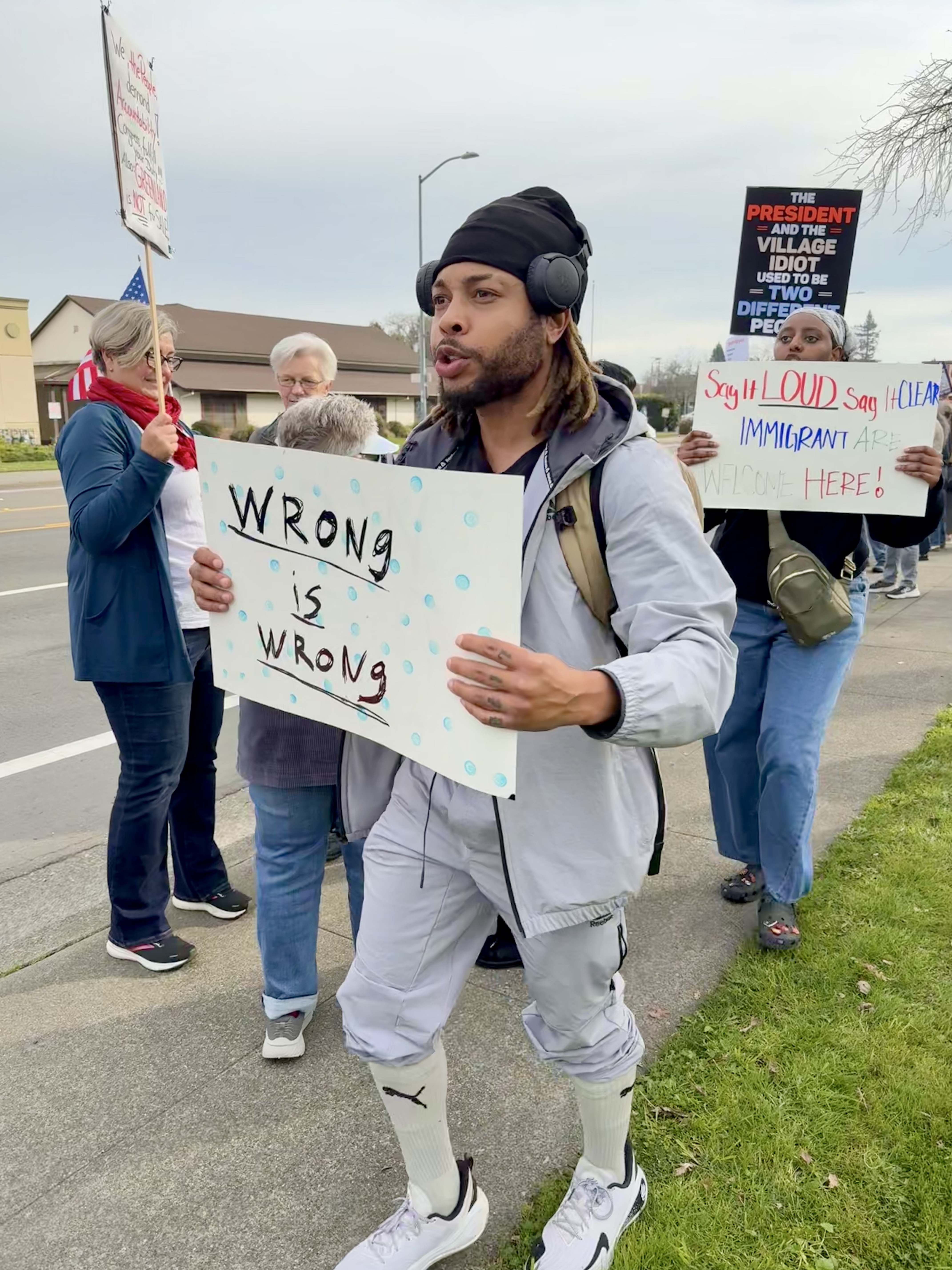
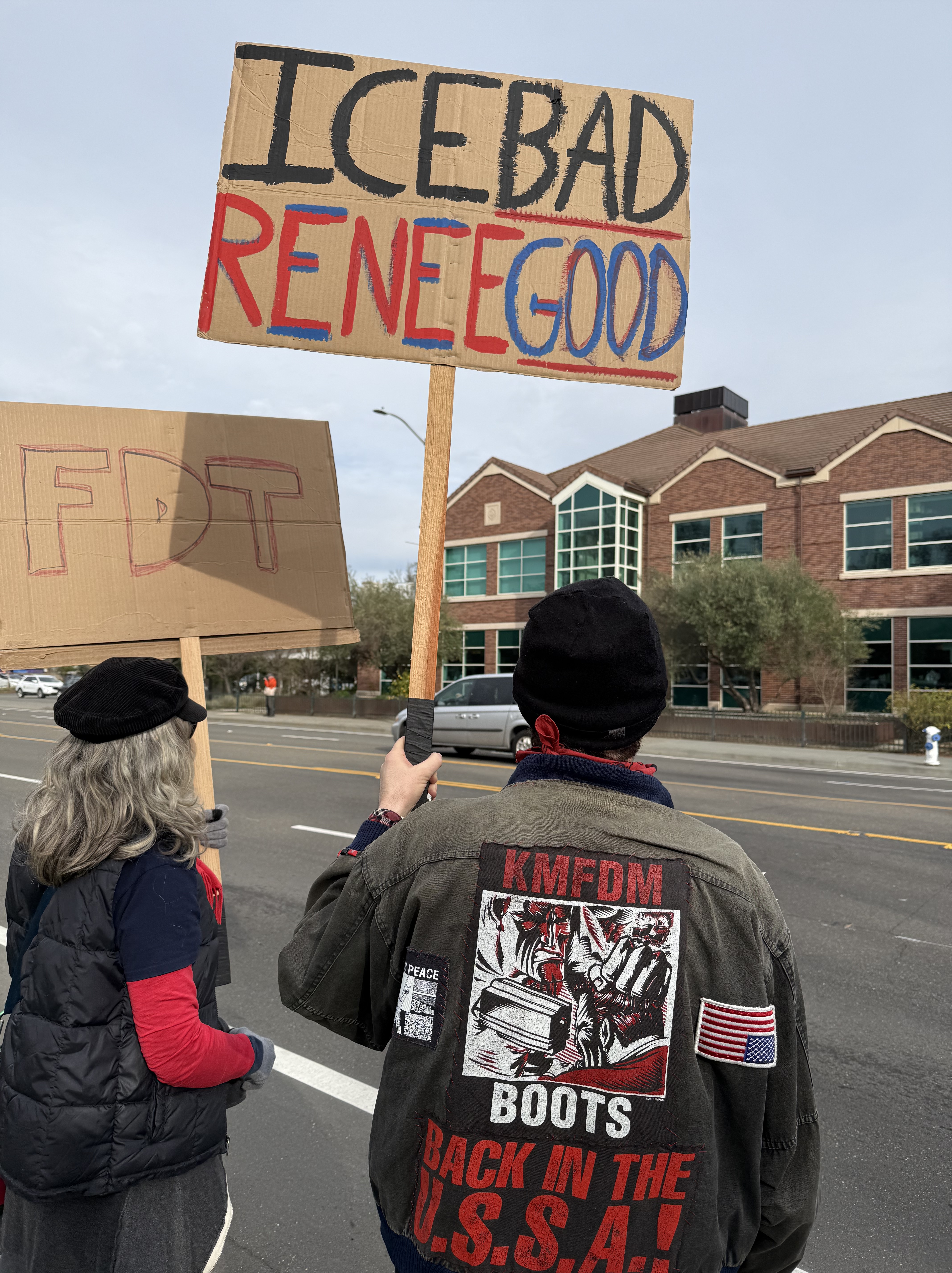
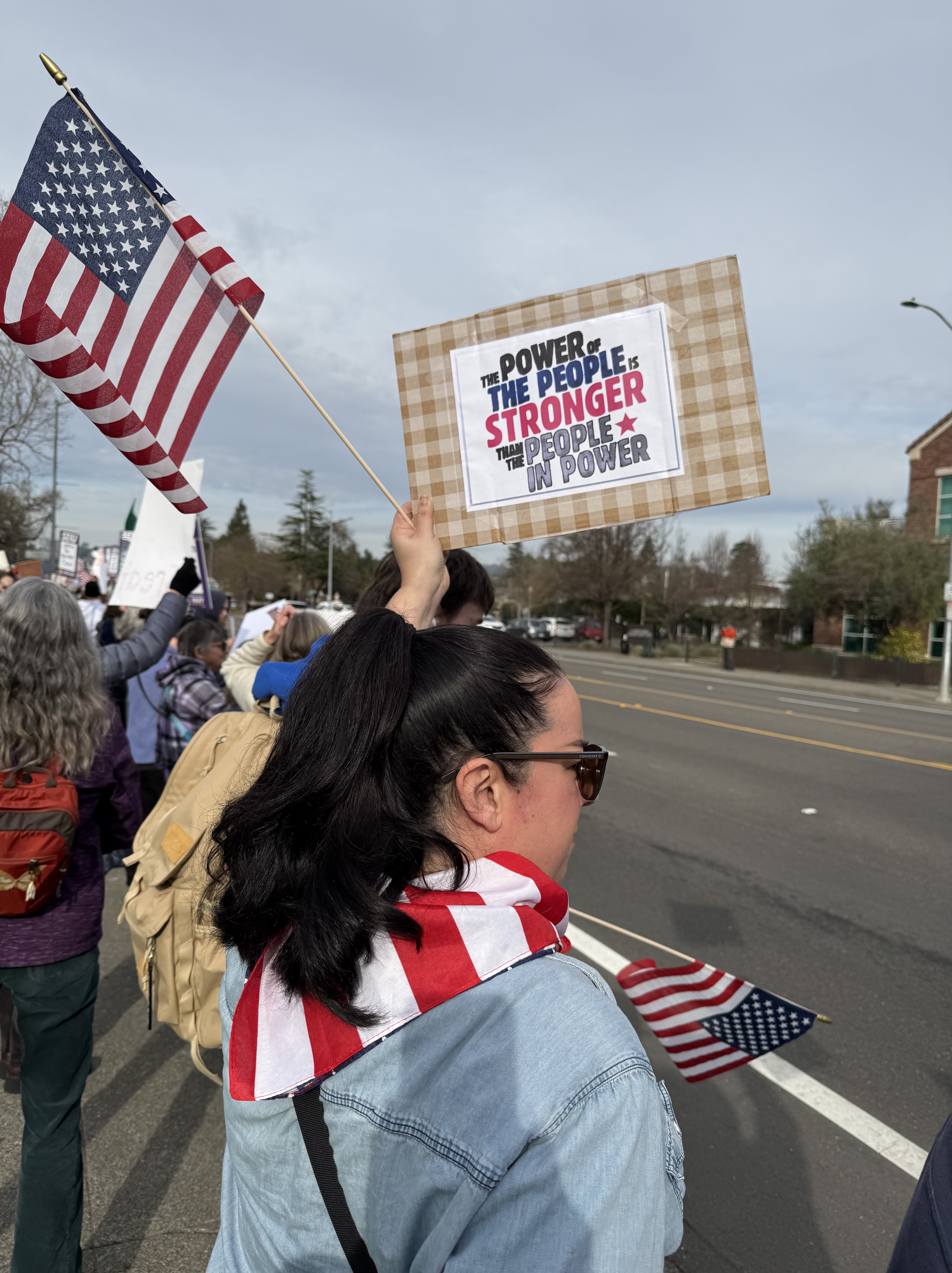
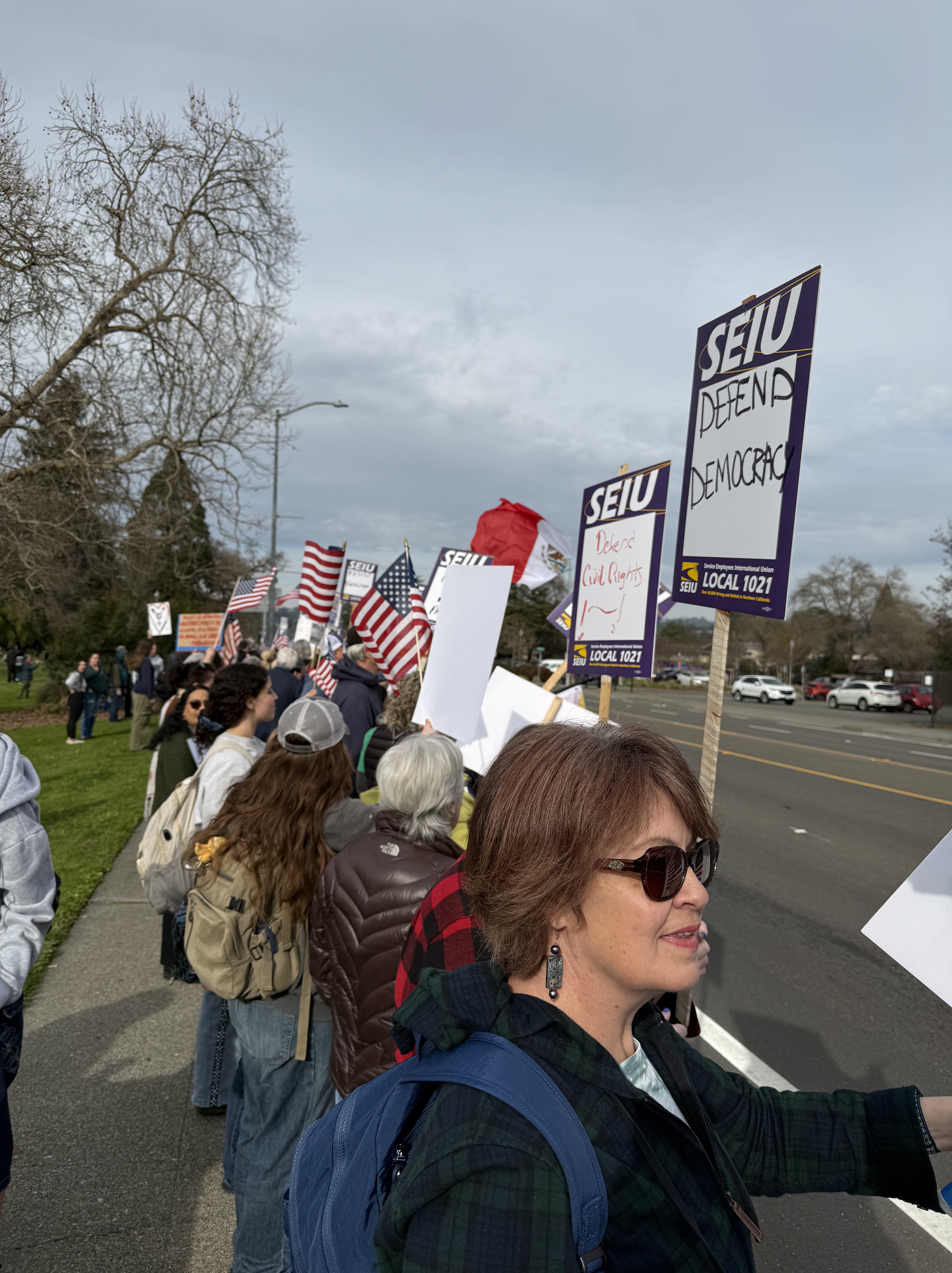
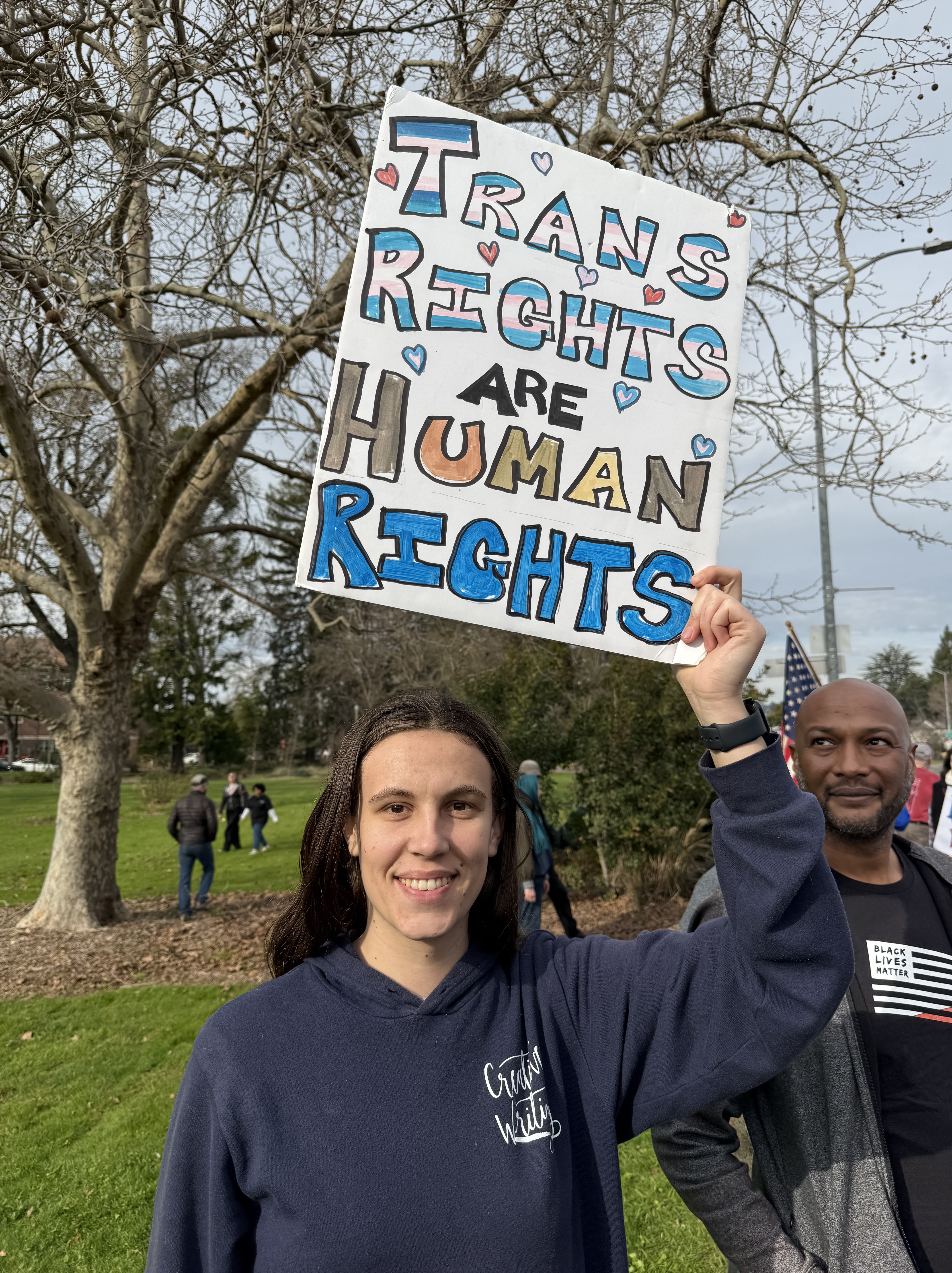
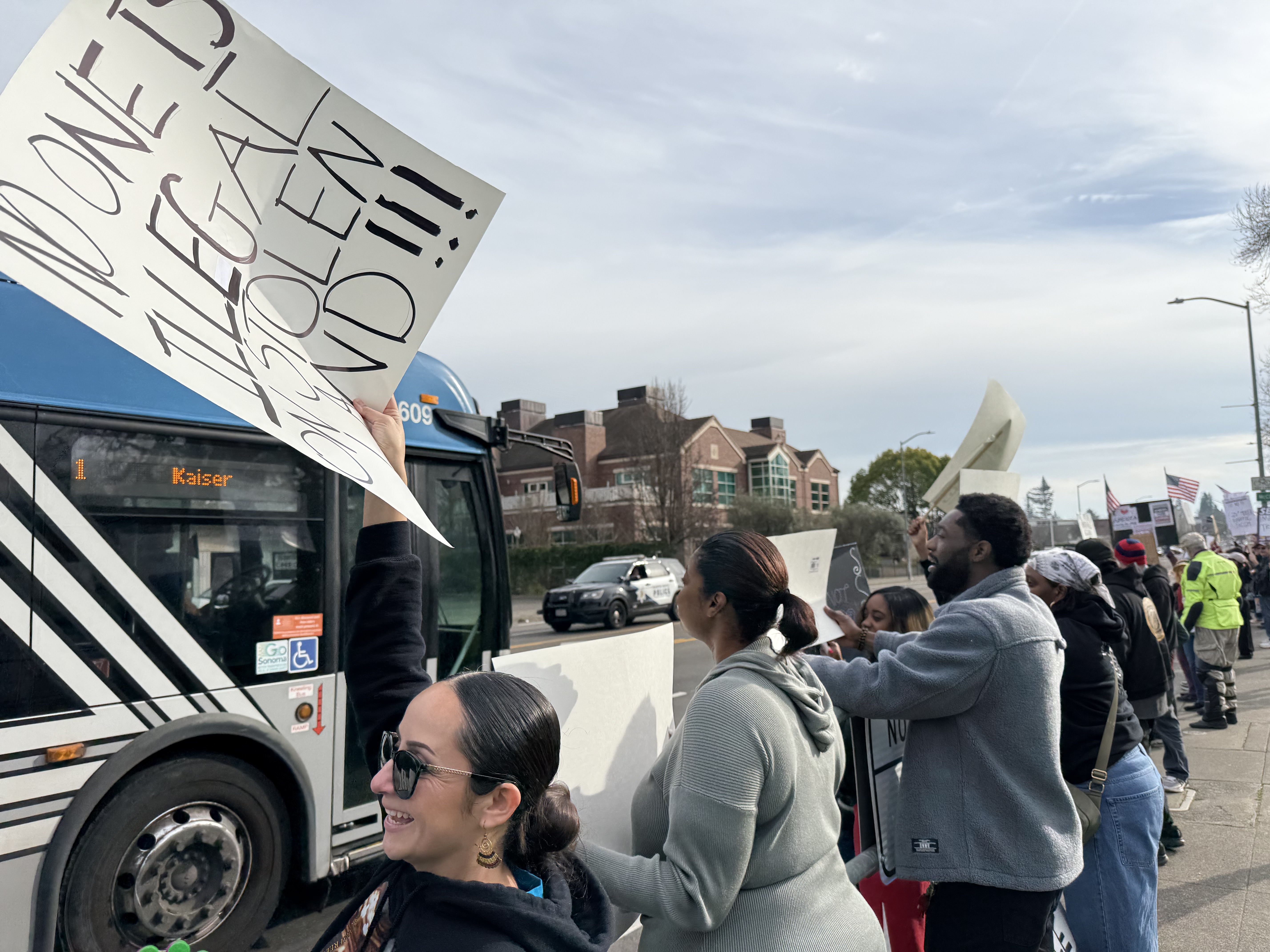
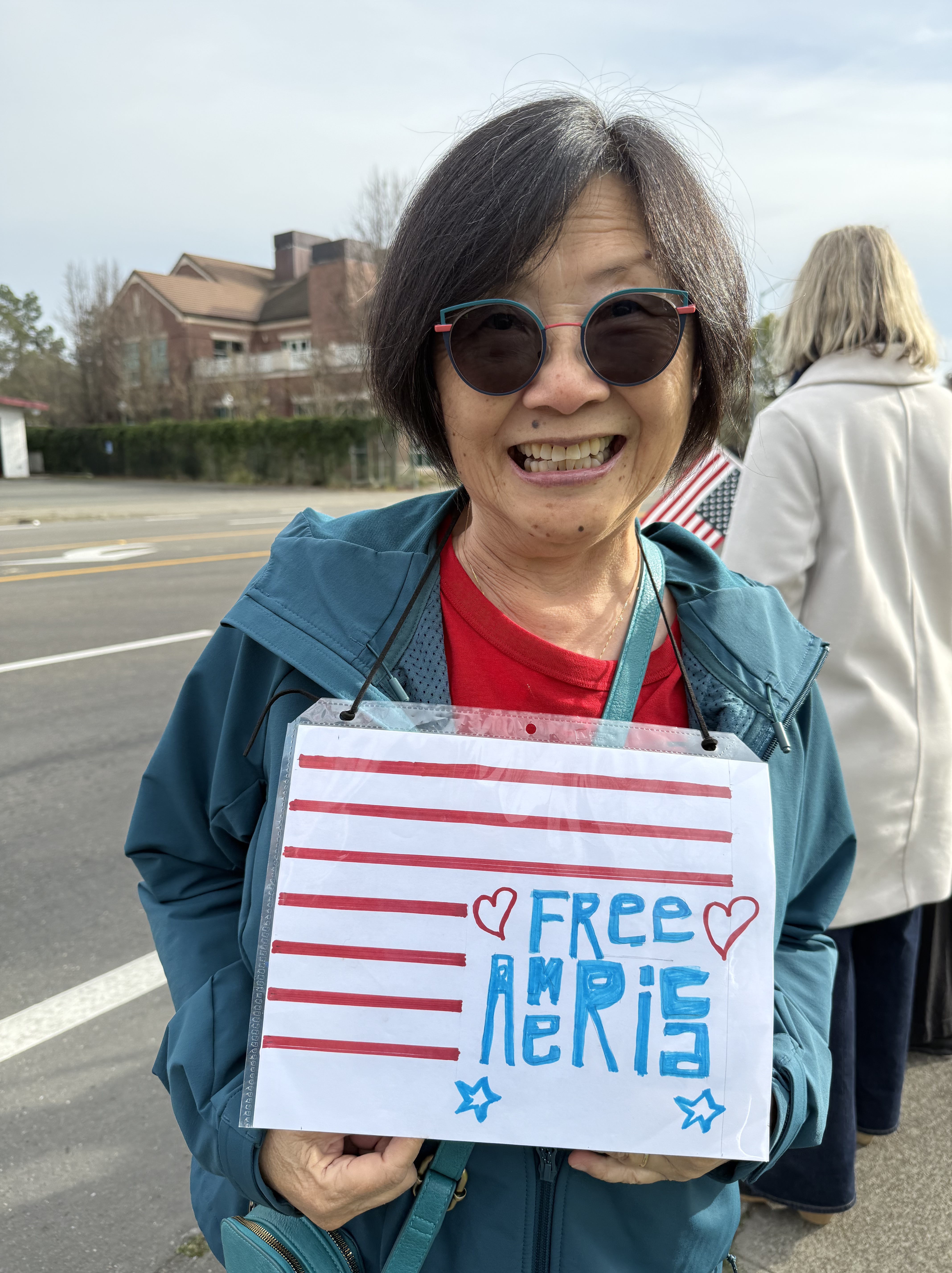
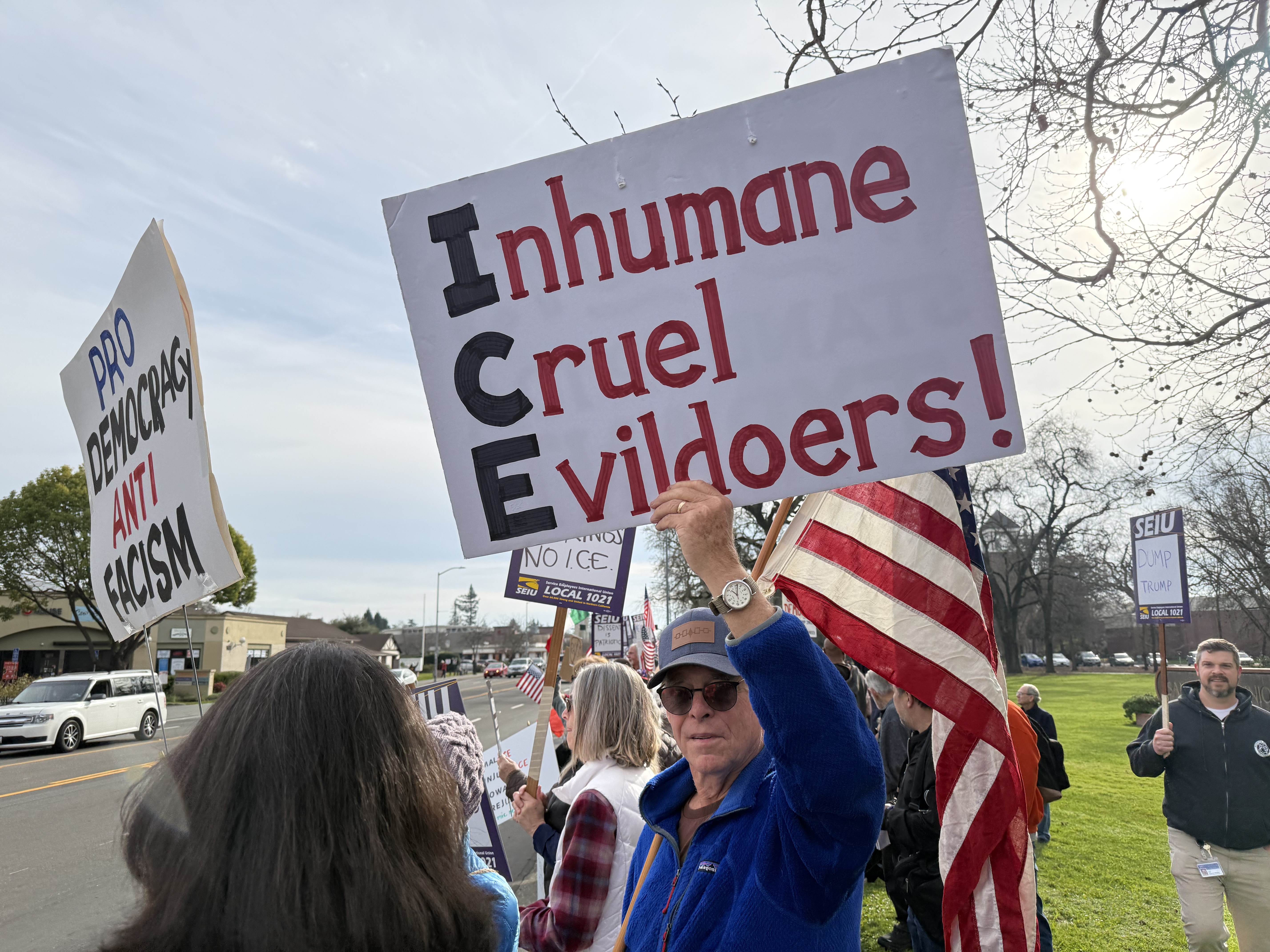
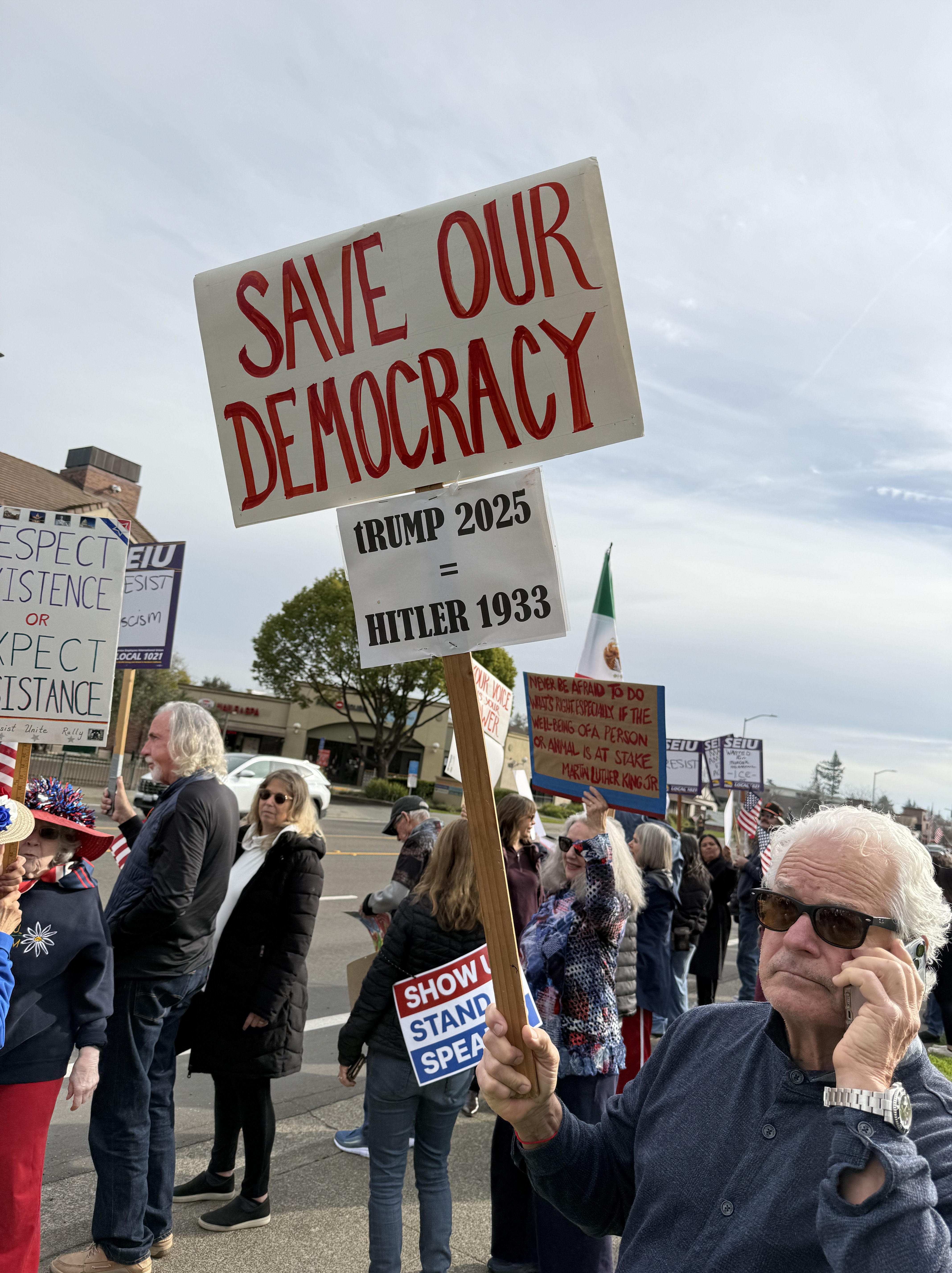
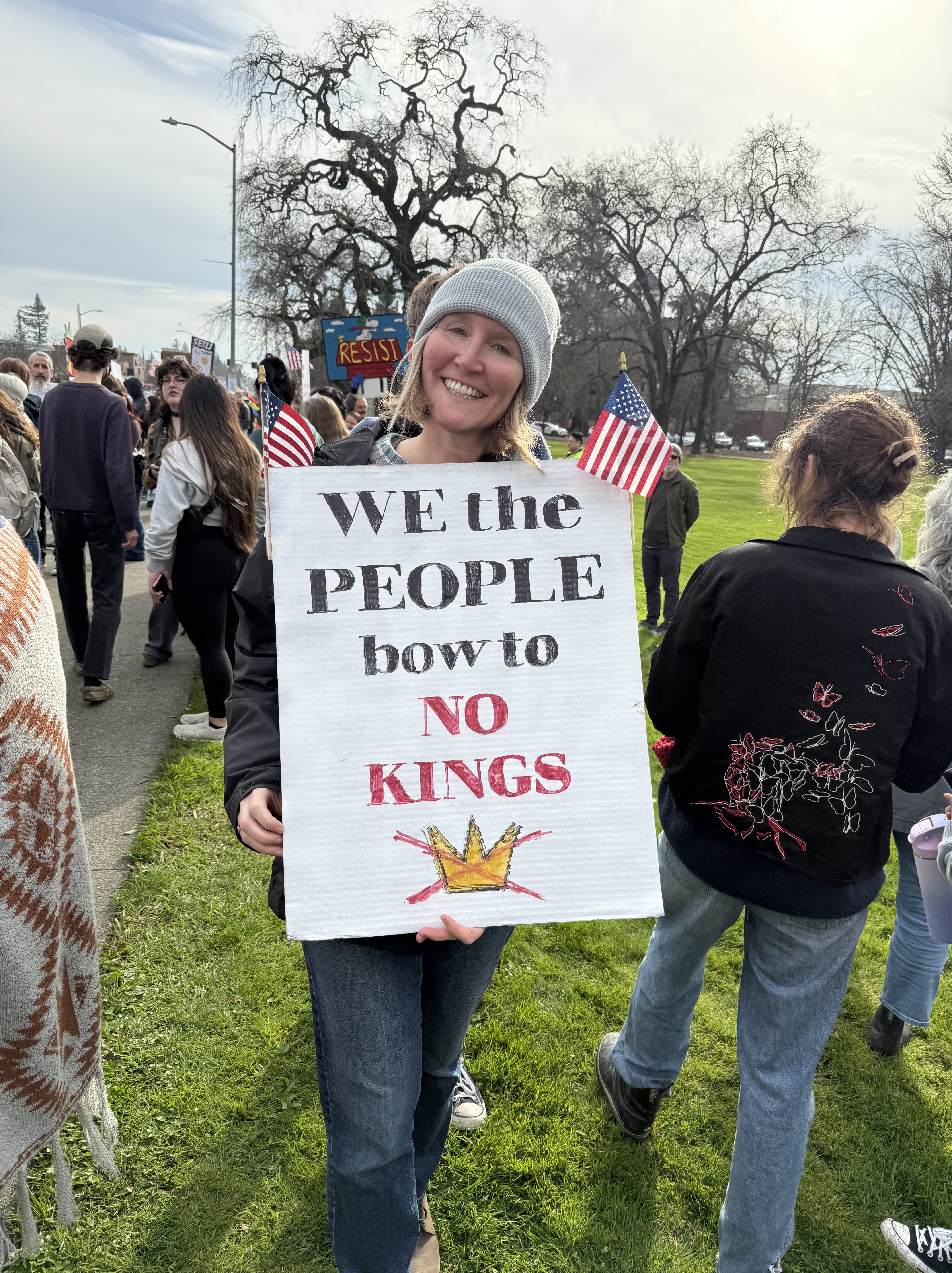
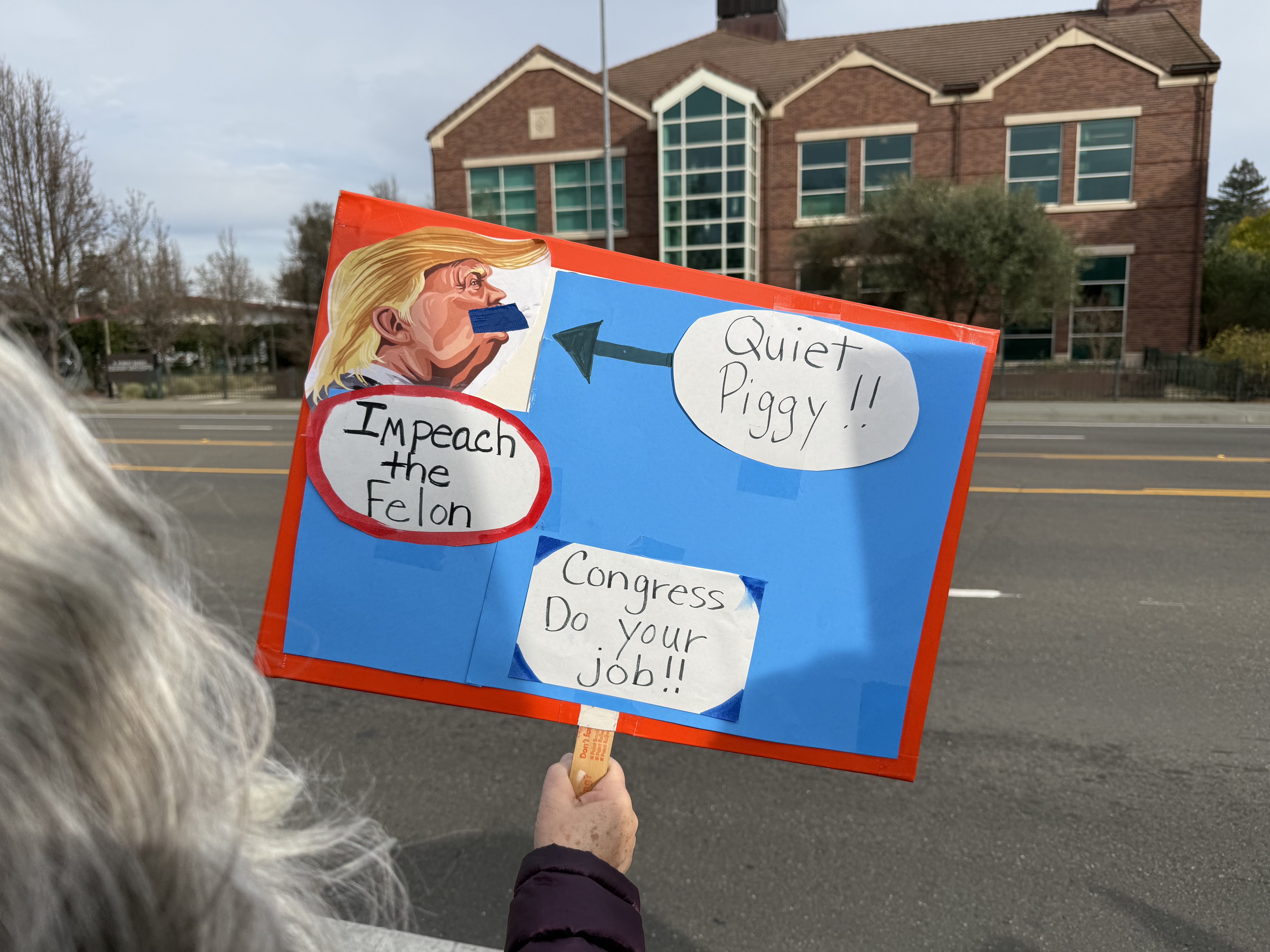
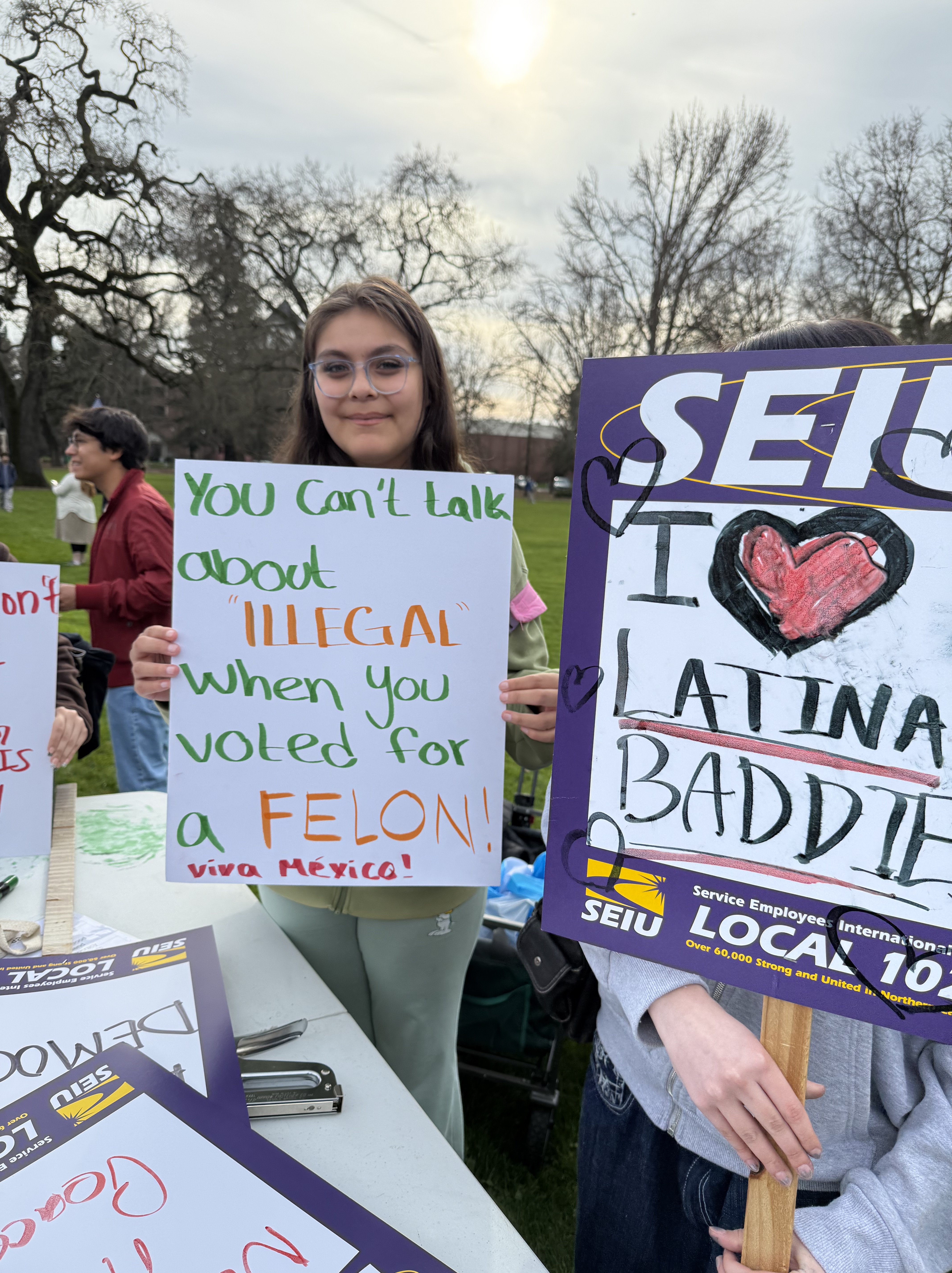
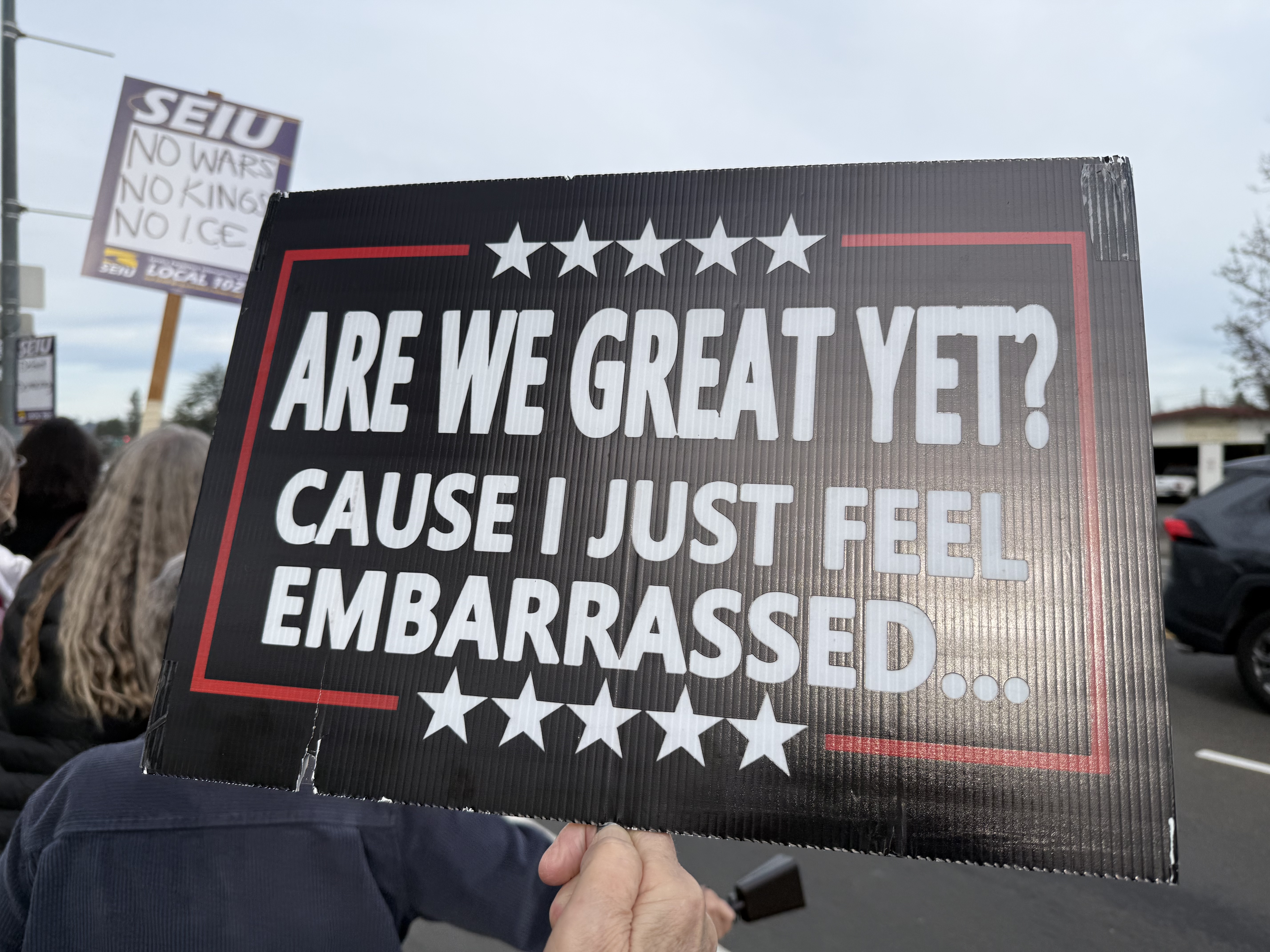
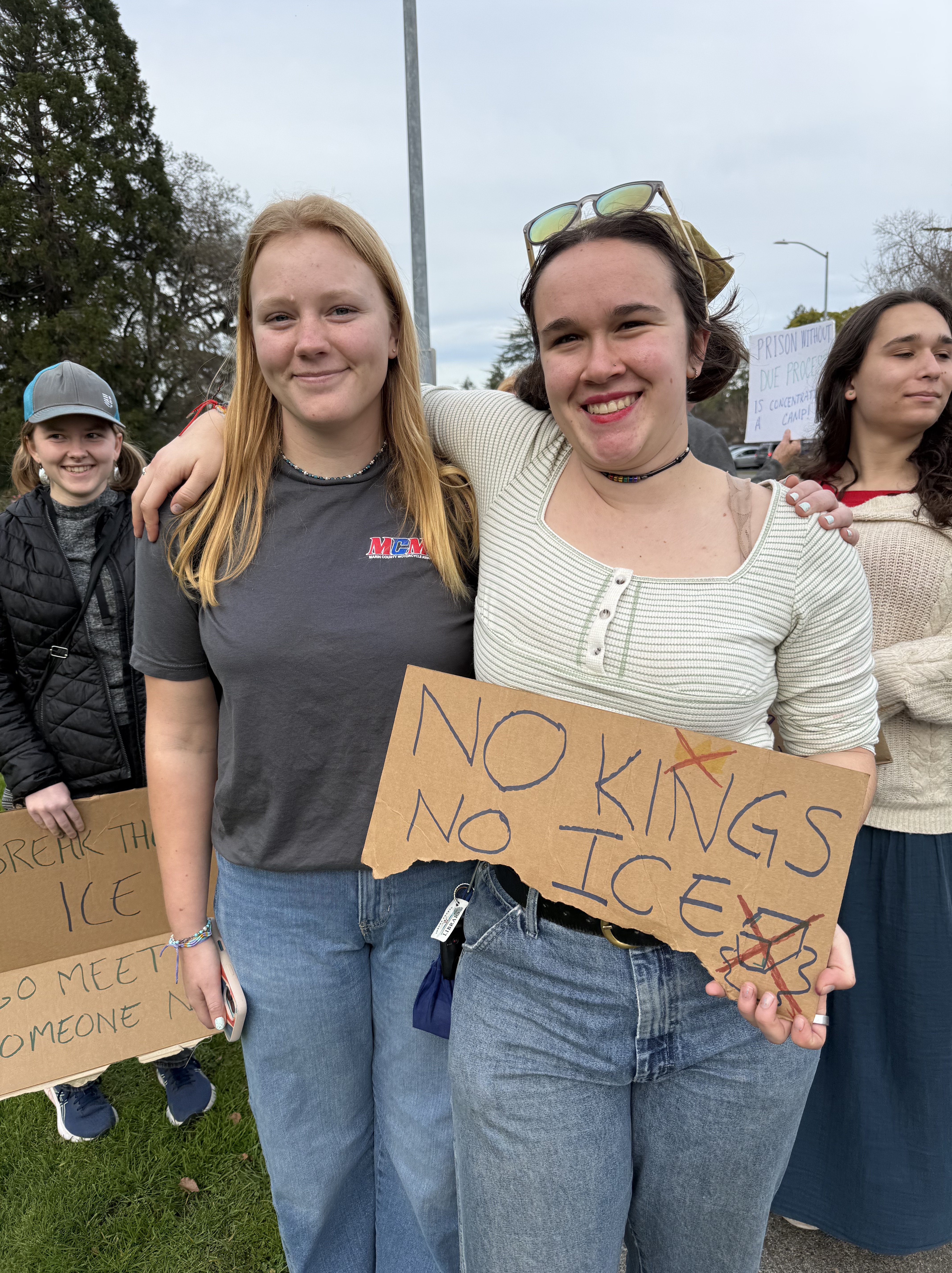
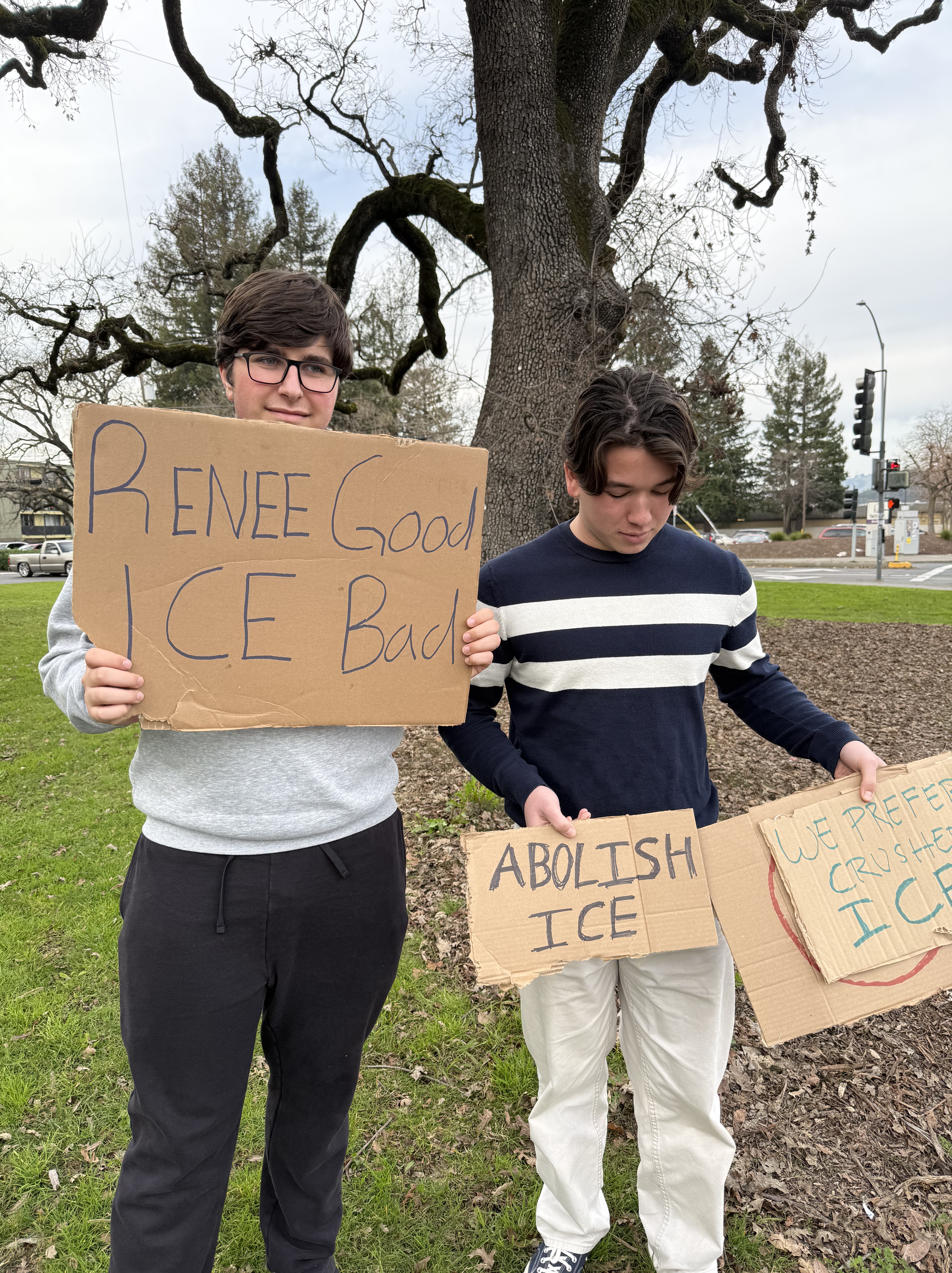
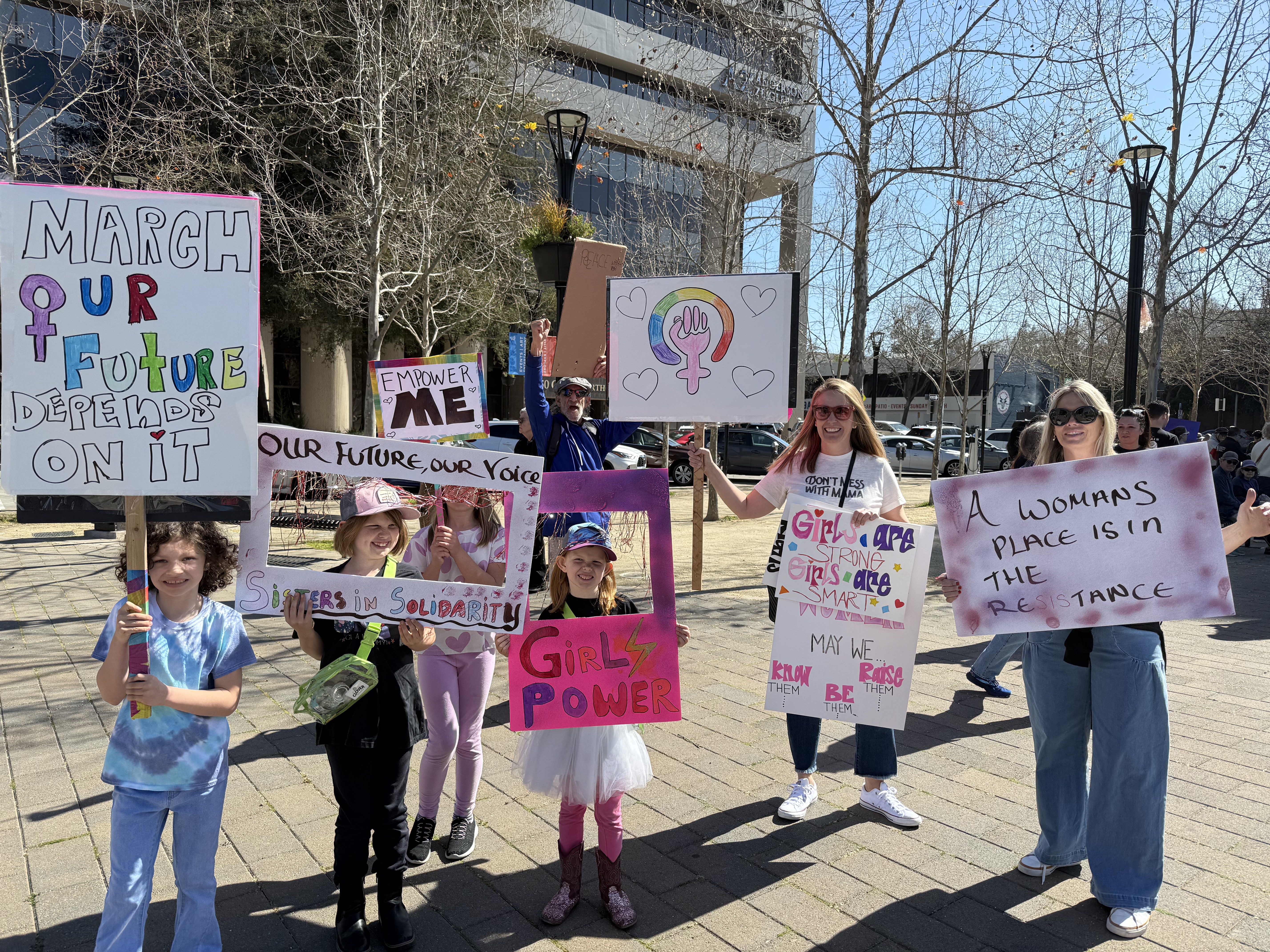
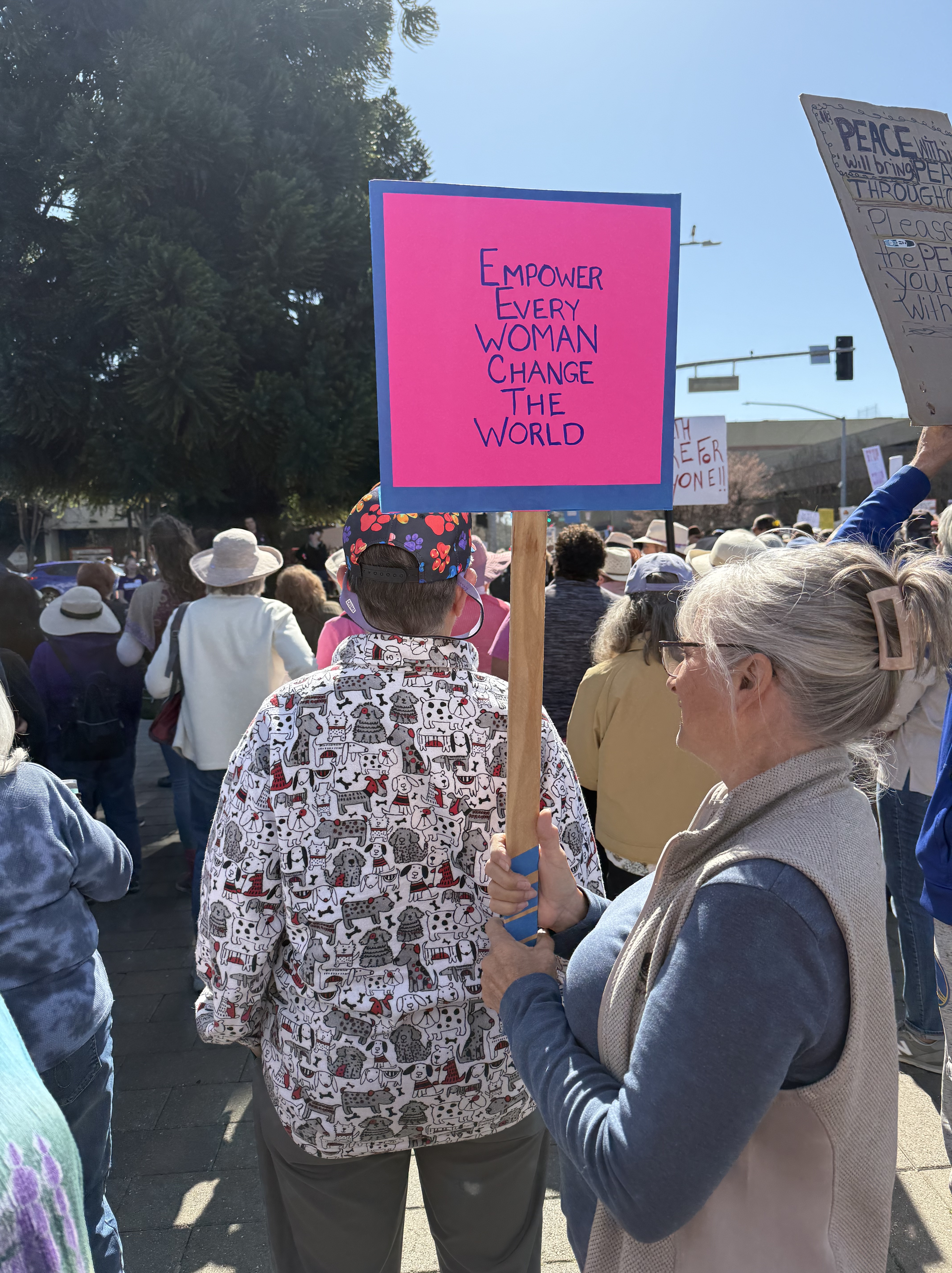
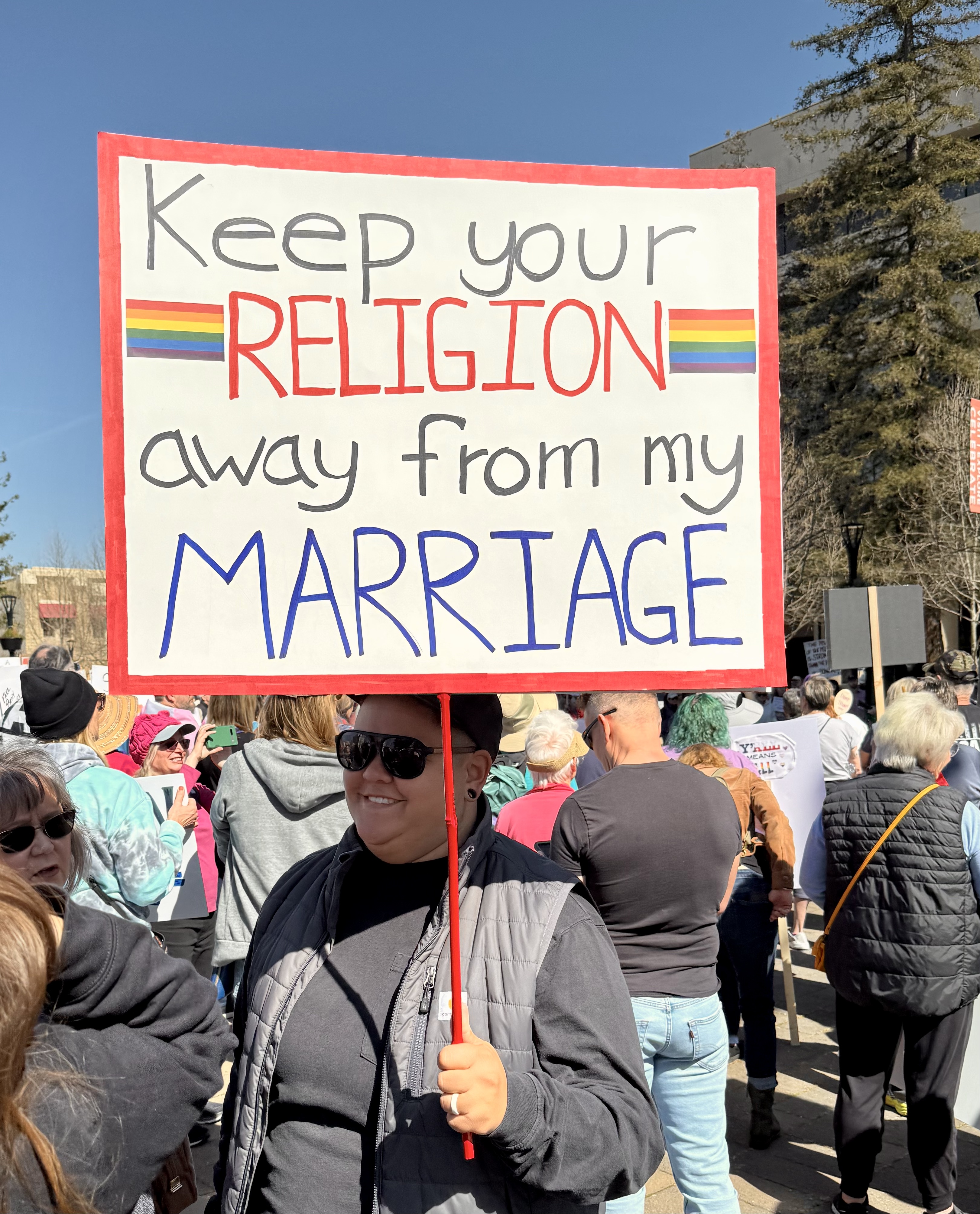
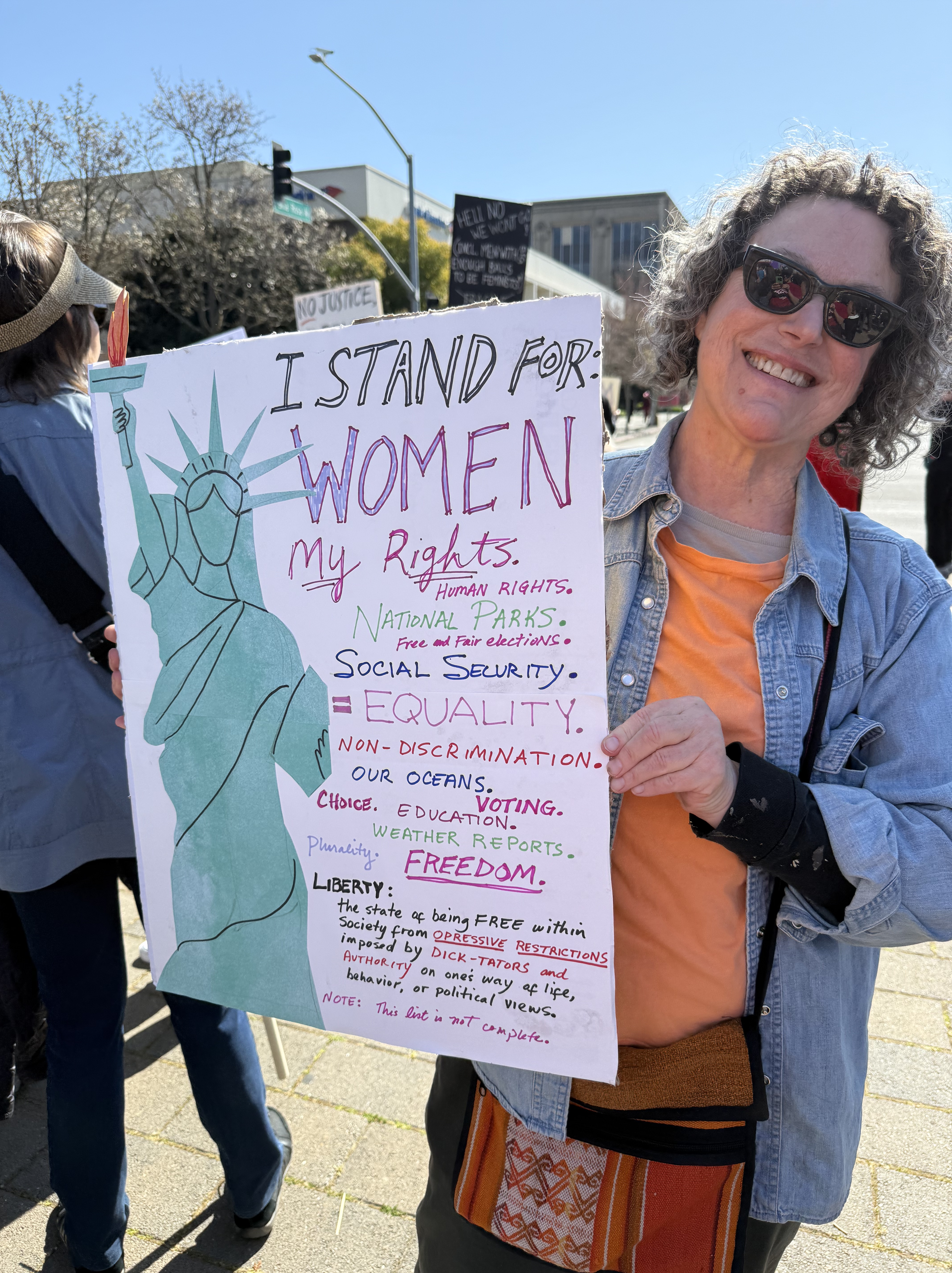
Free America Walkout Jan. 20, 2026

With Santa Rosa Women’s March and SEIU Local 2021

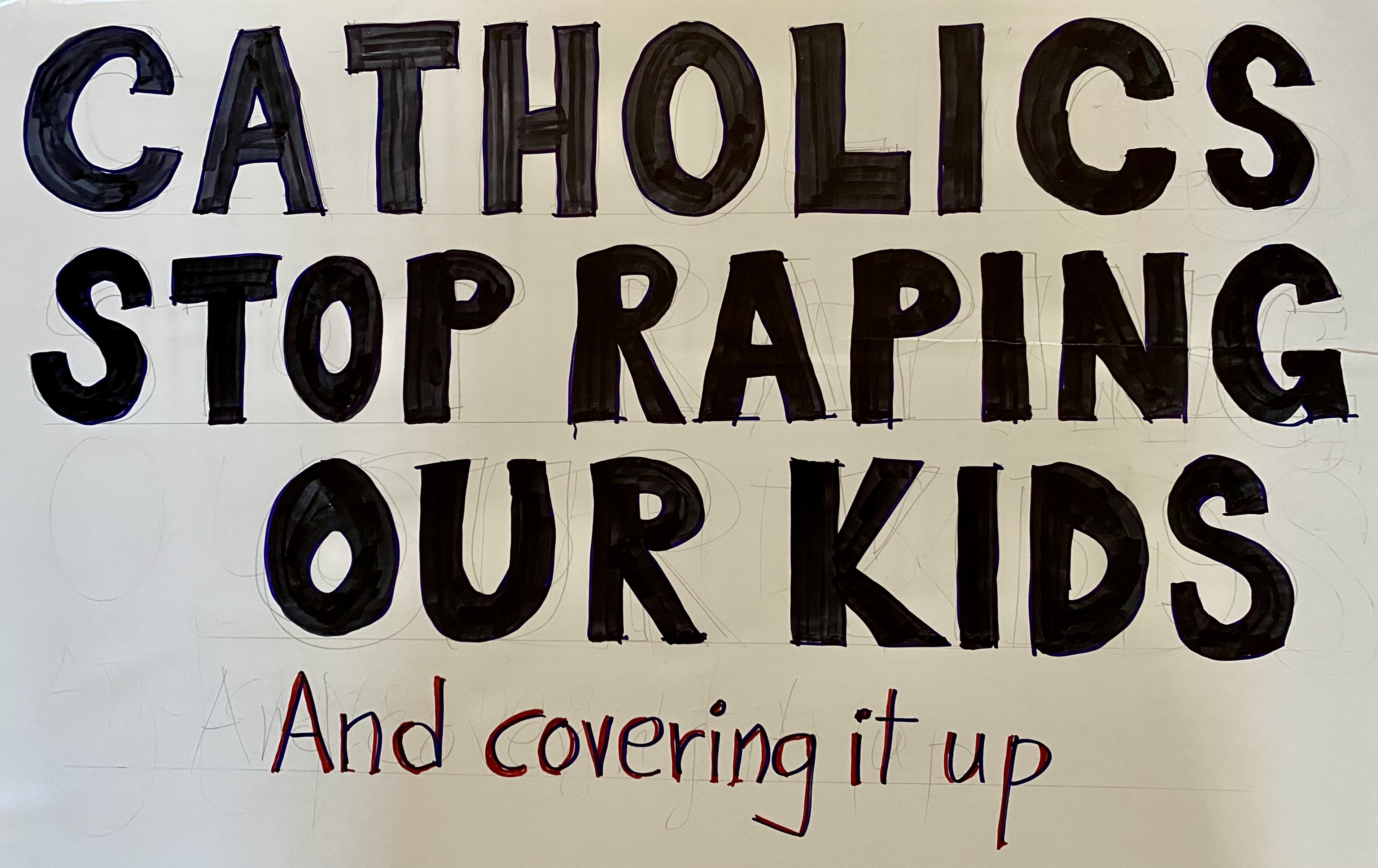
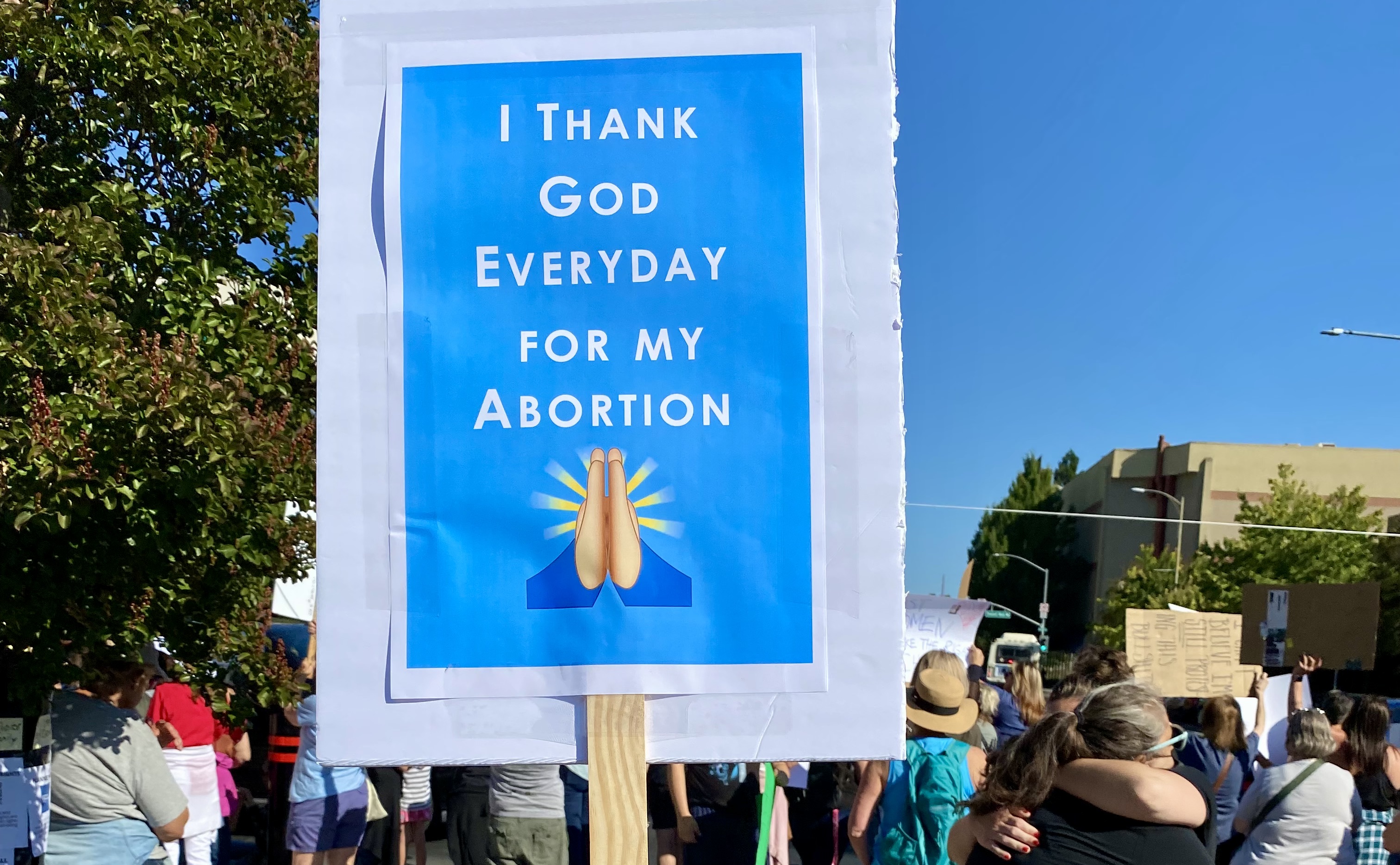
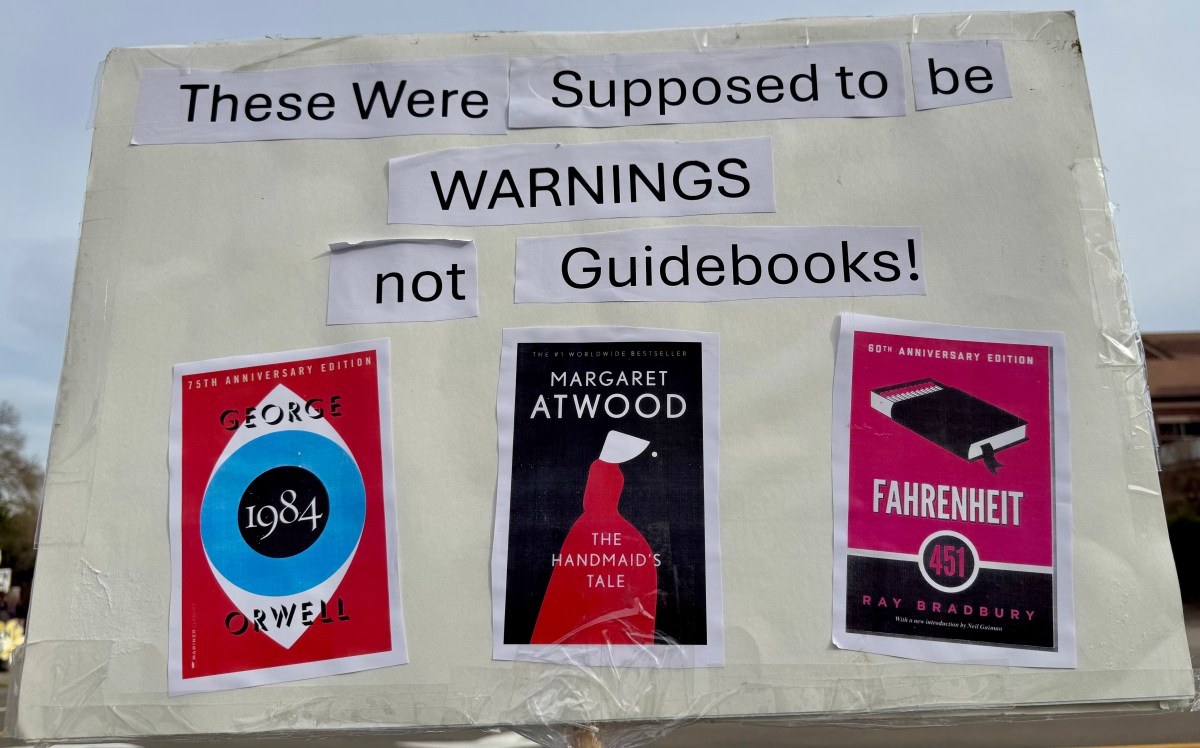
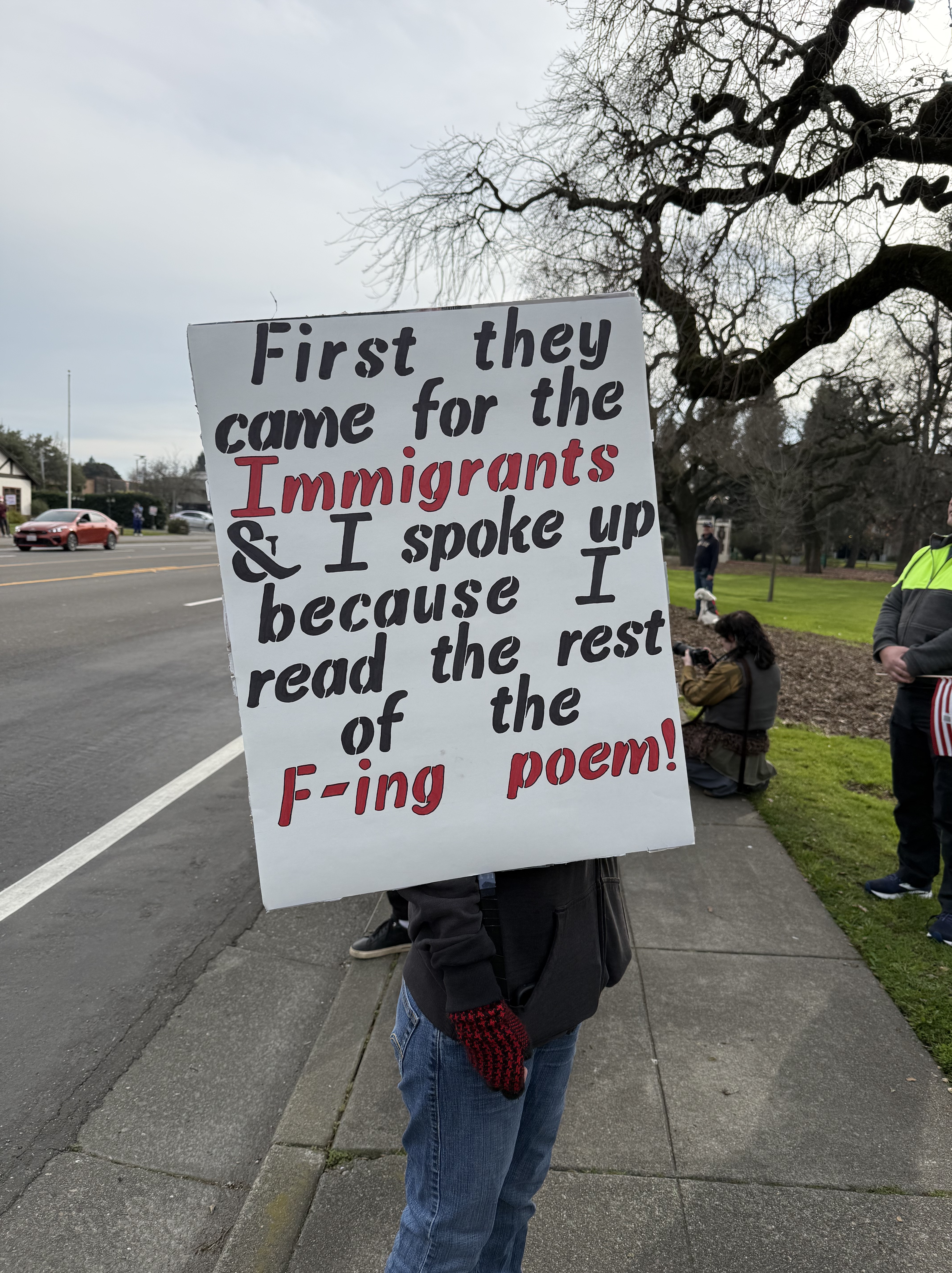
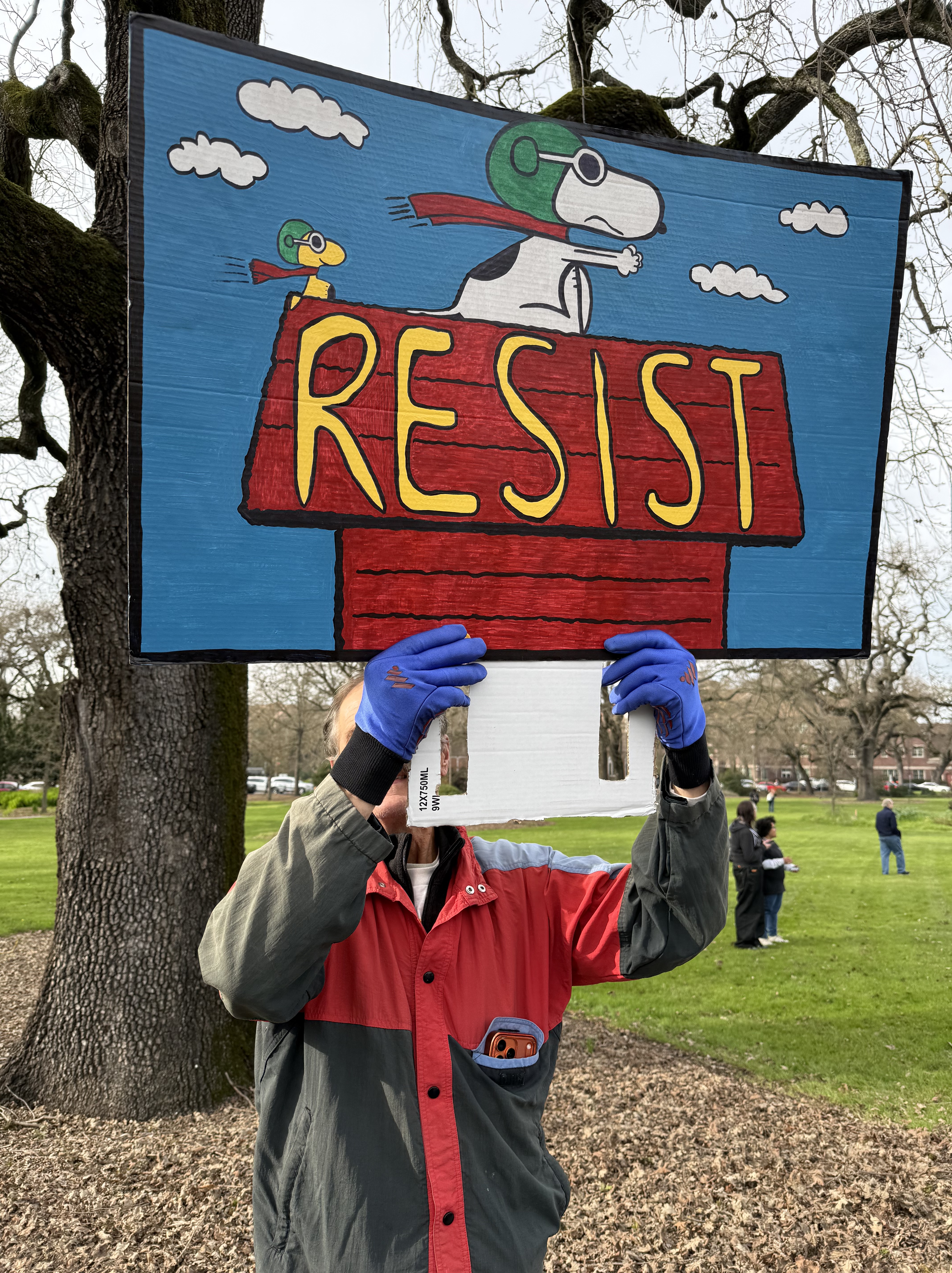
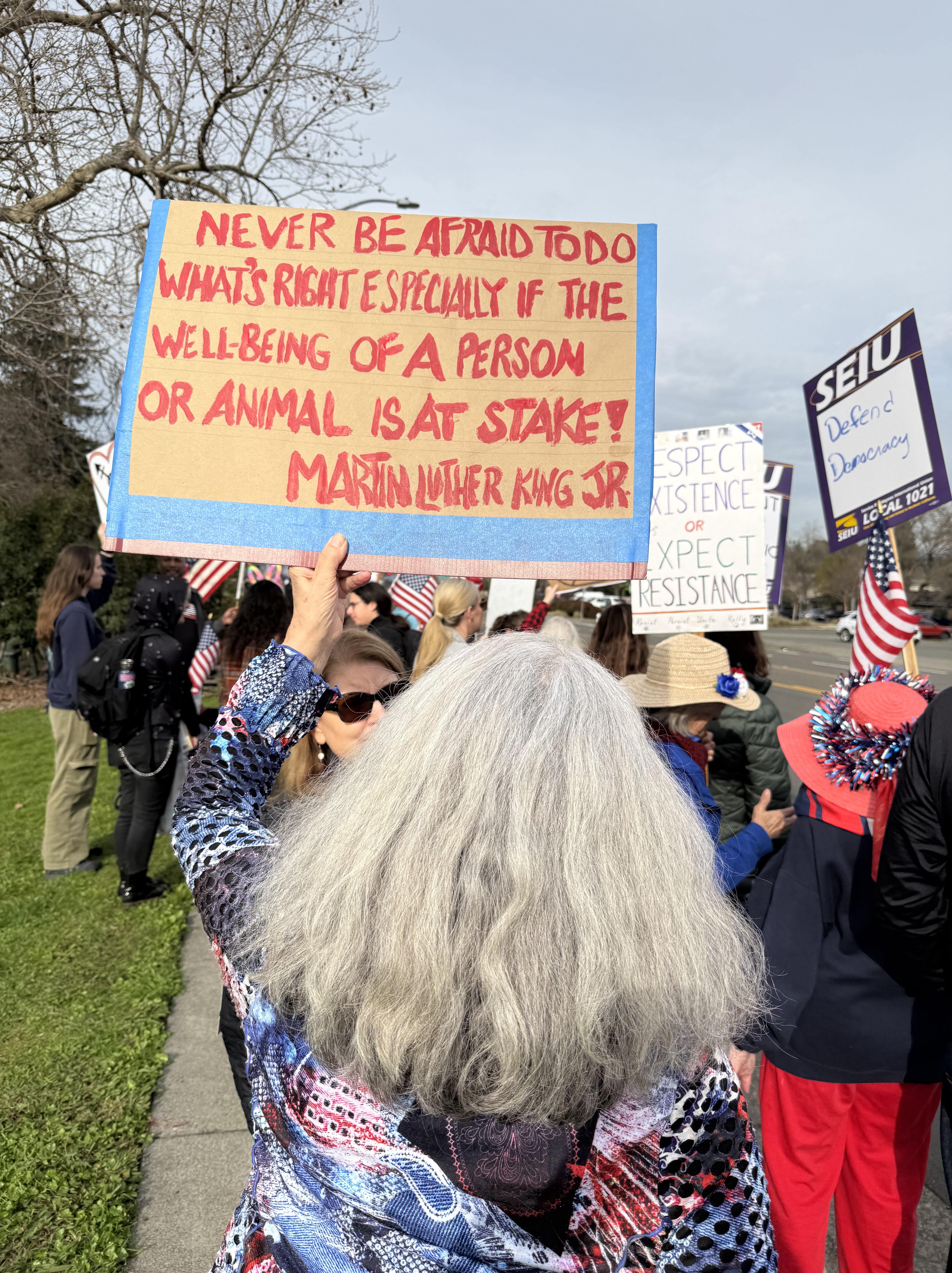
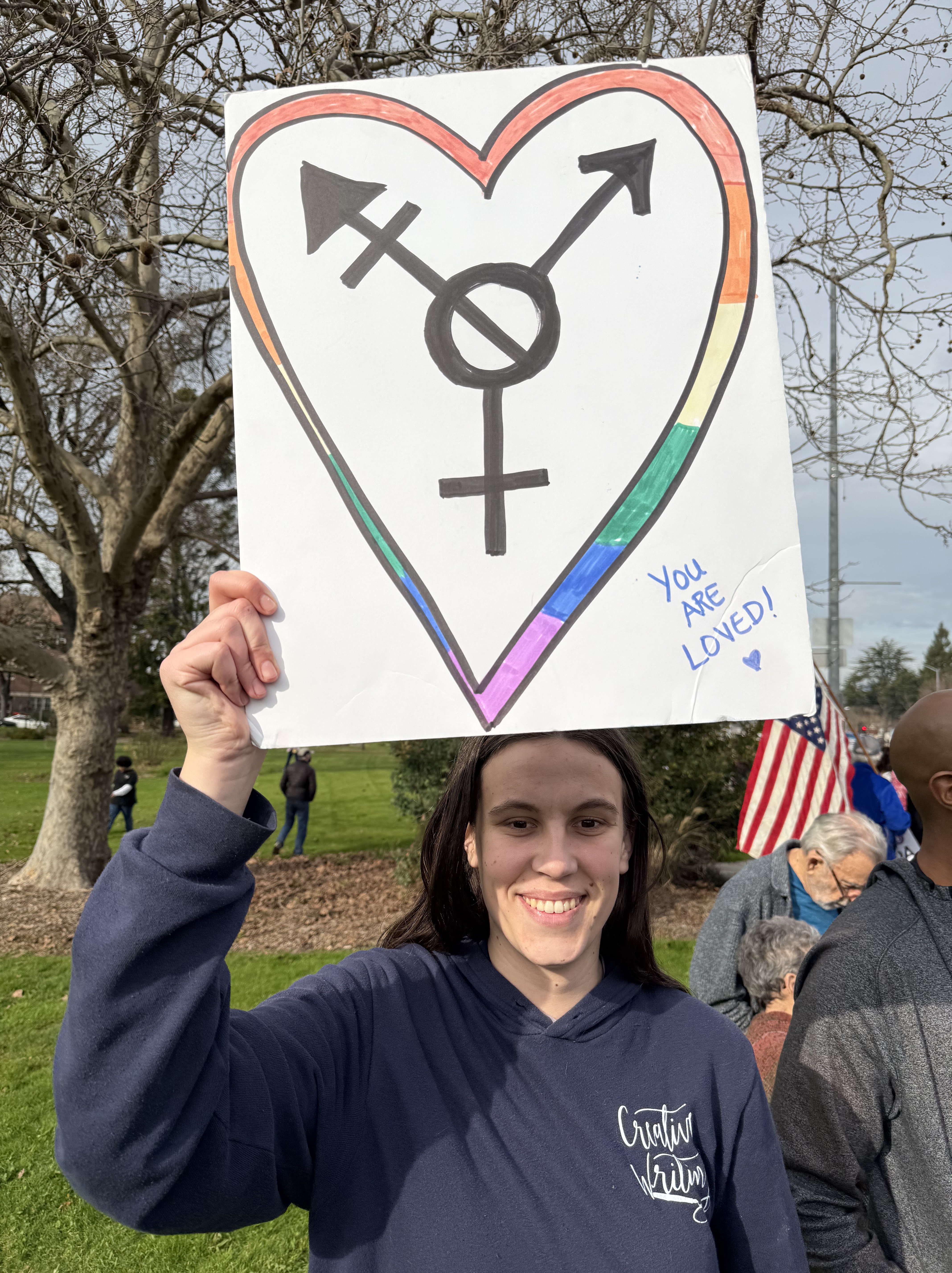
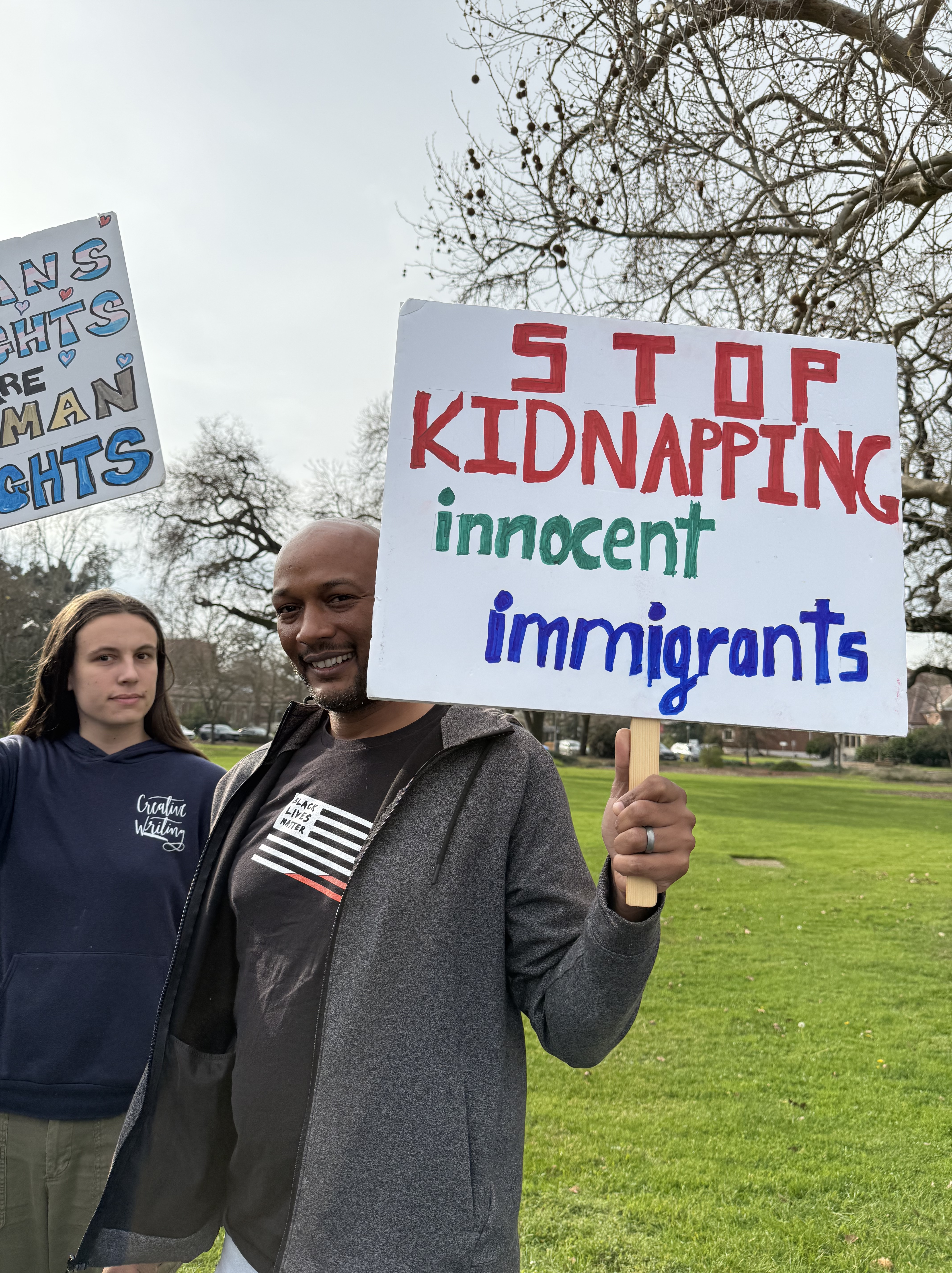
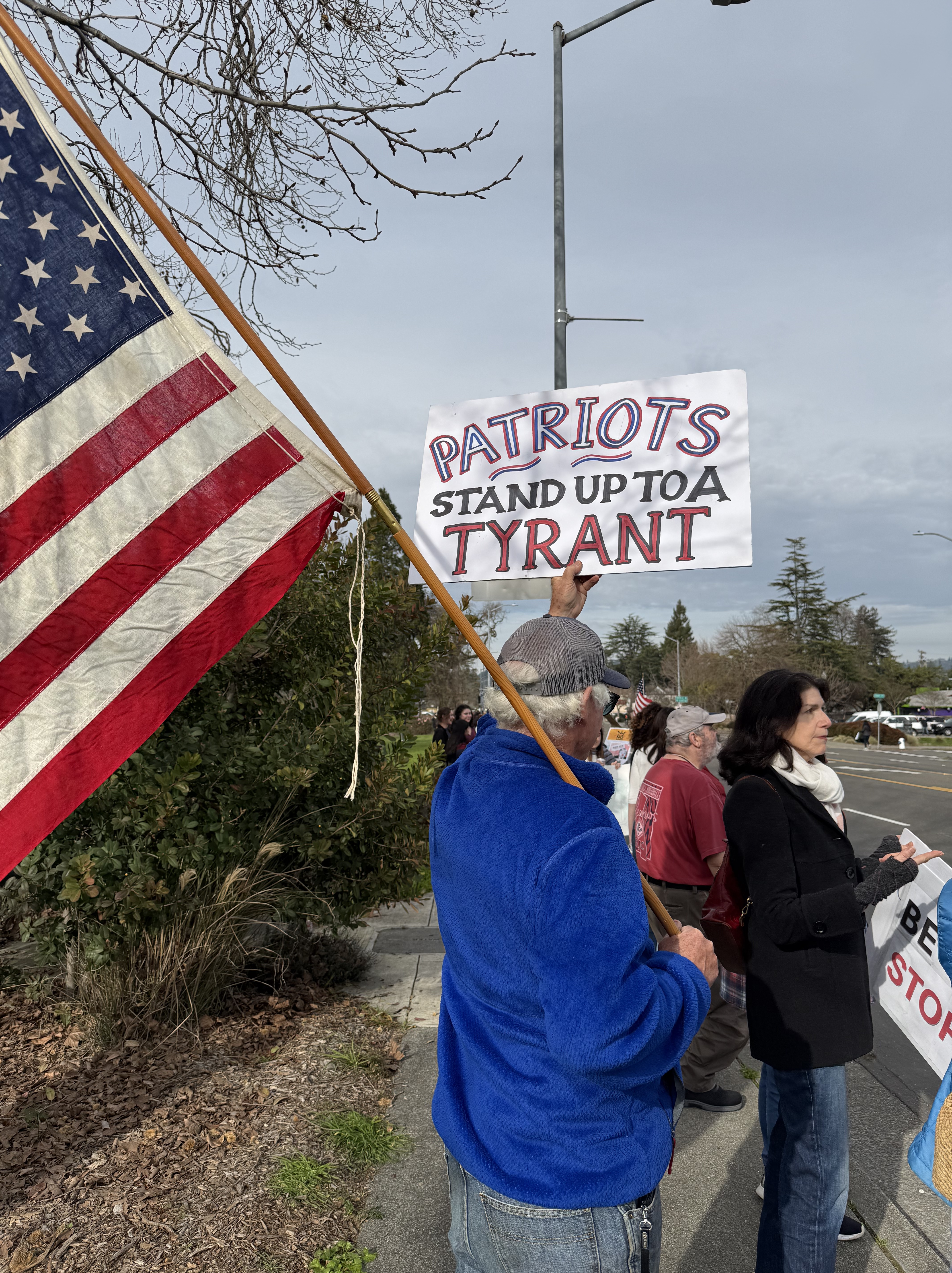
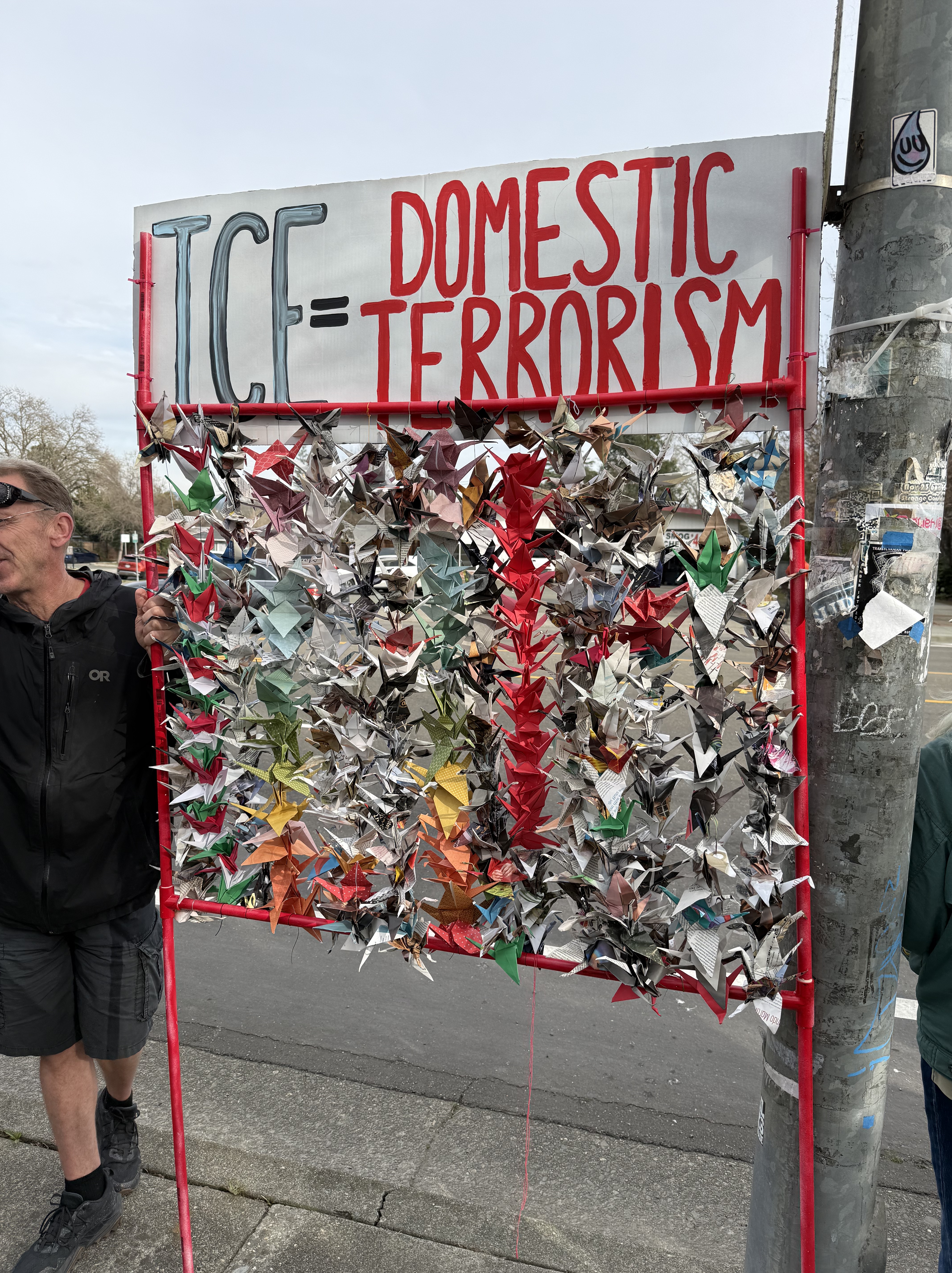
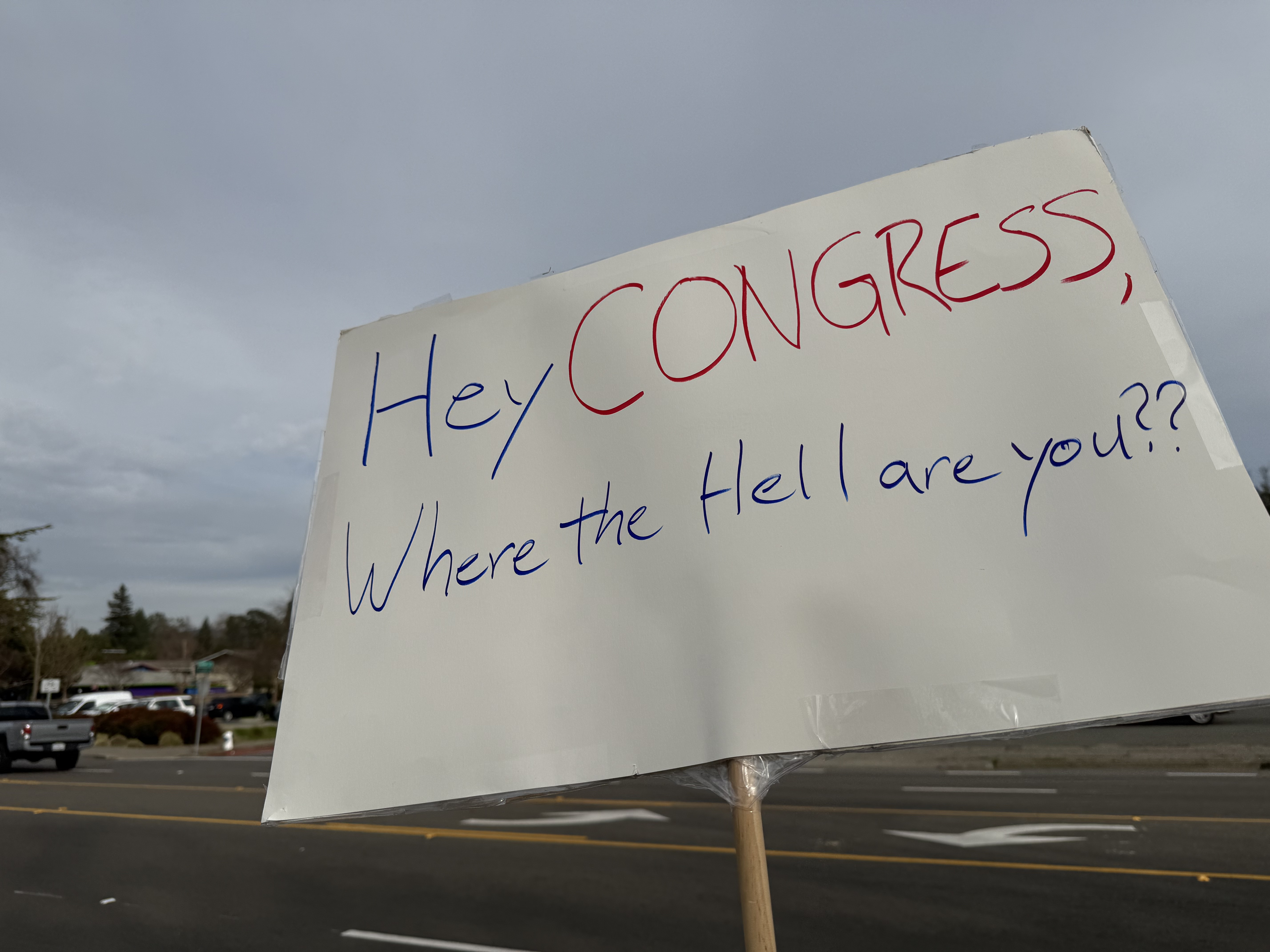
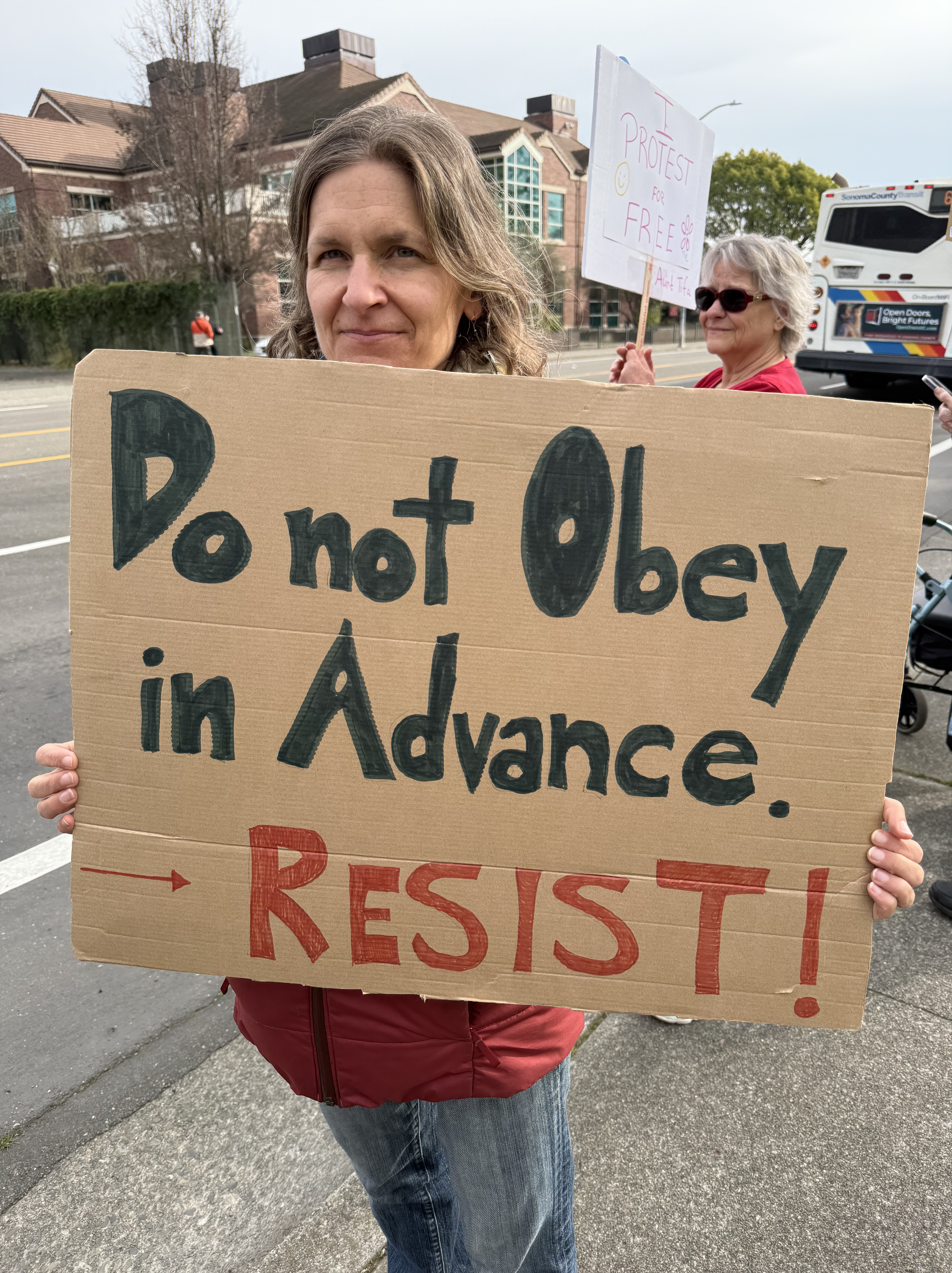
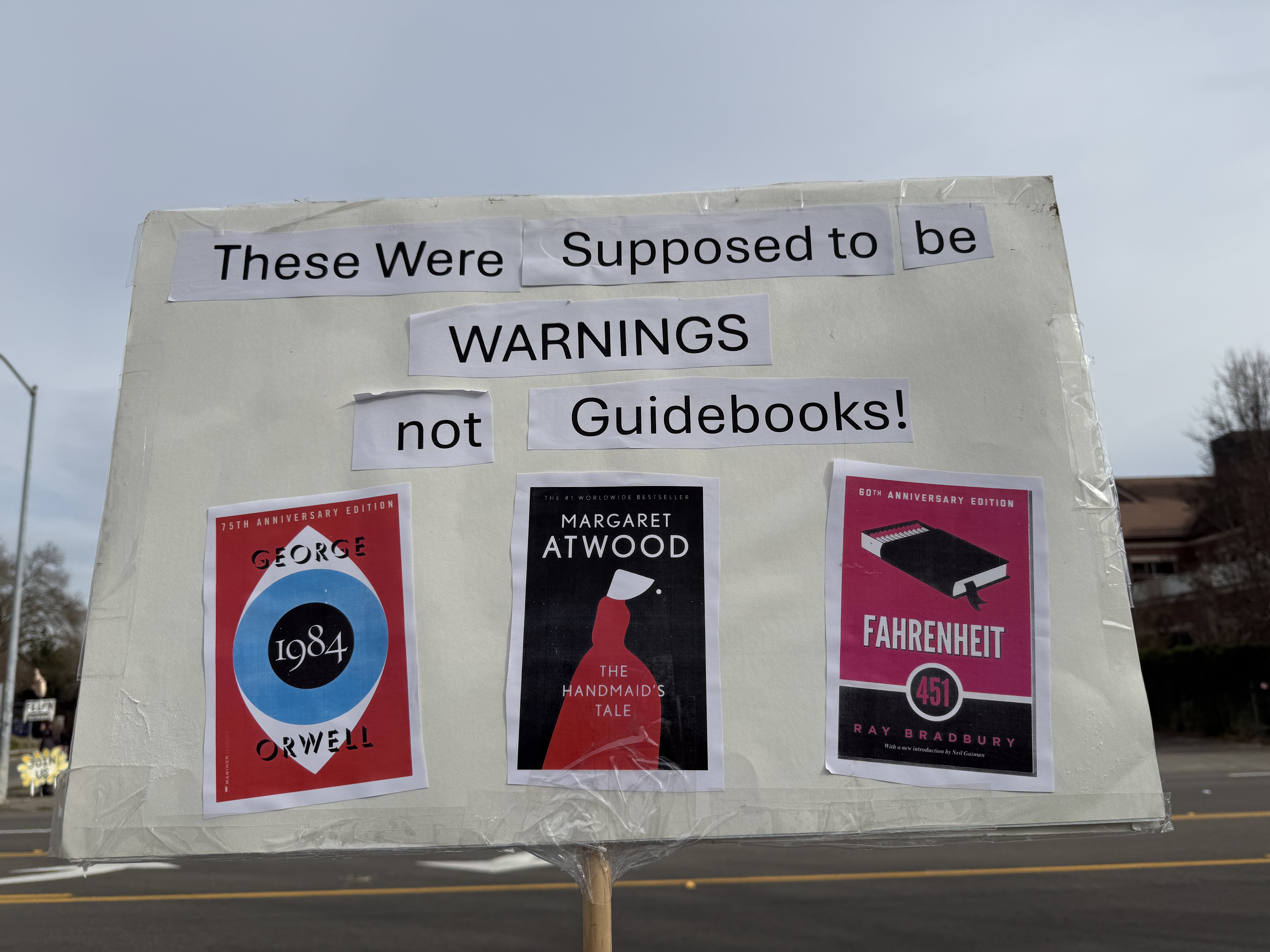
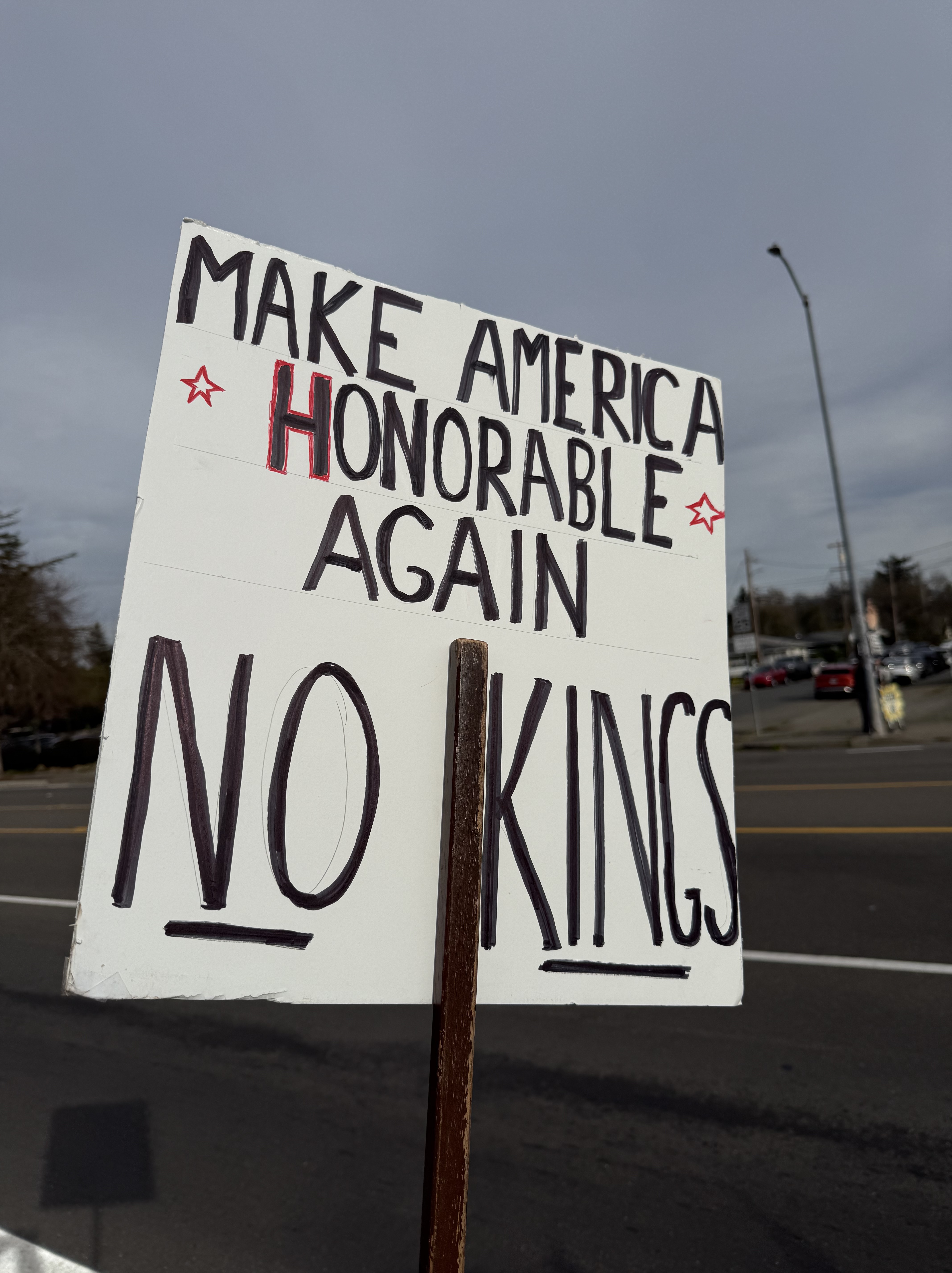
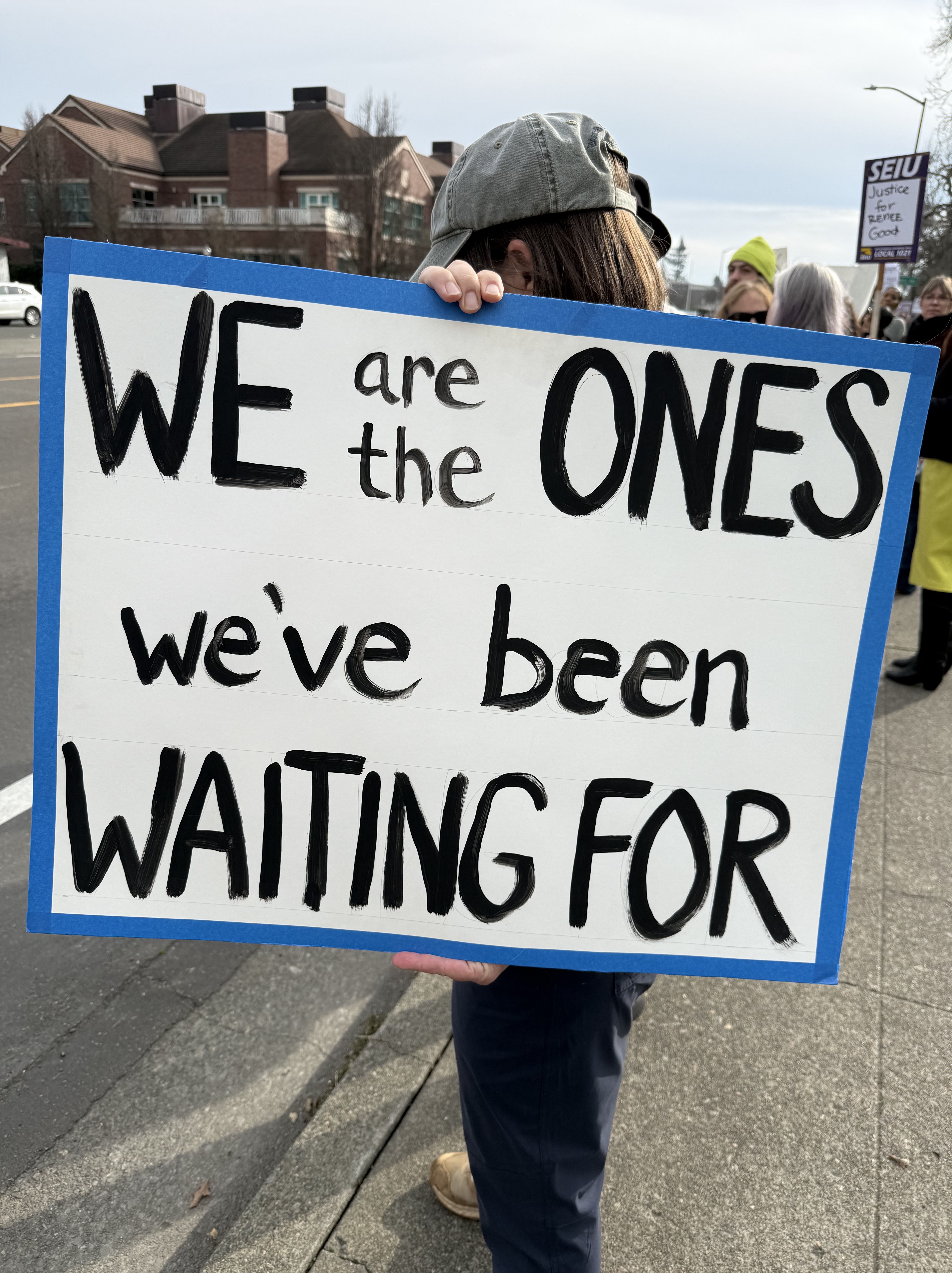
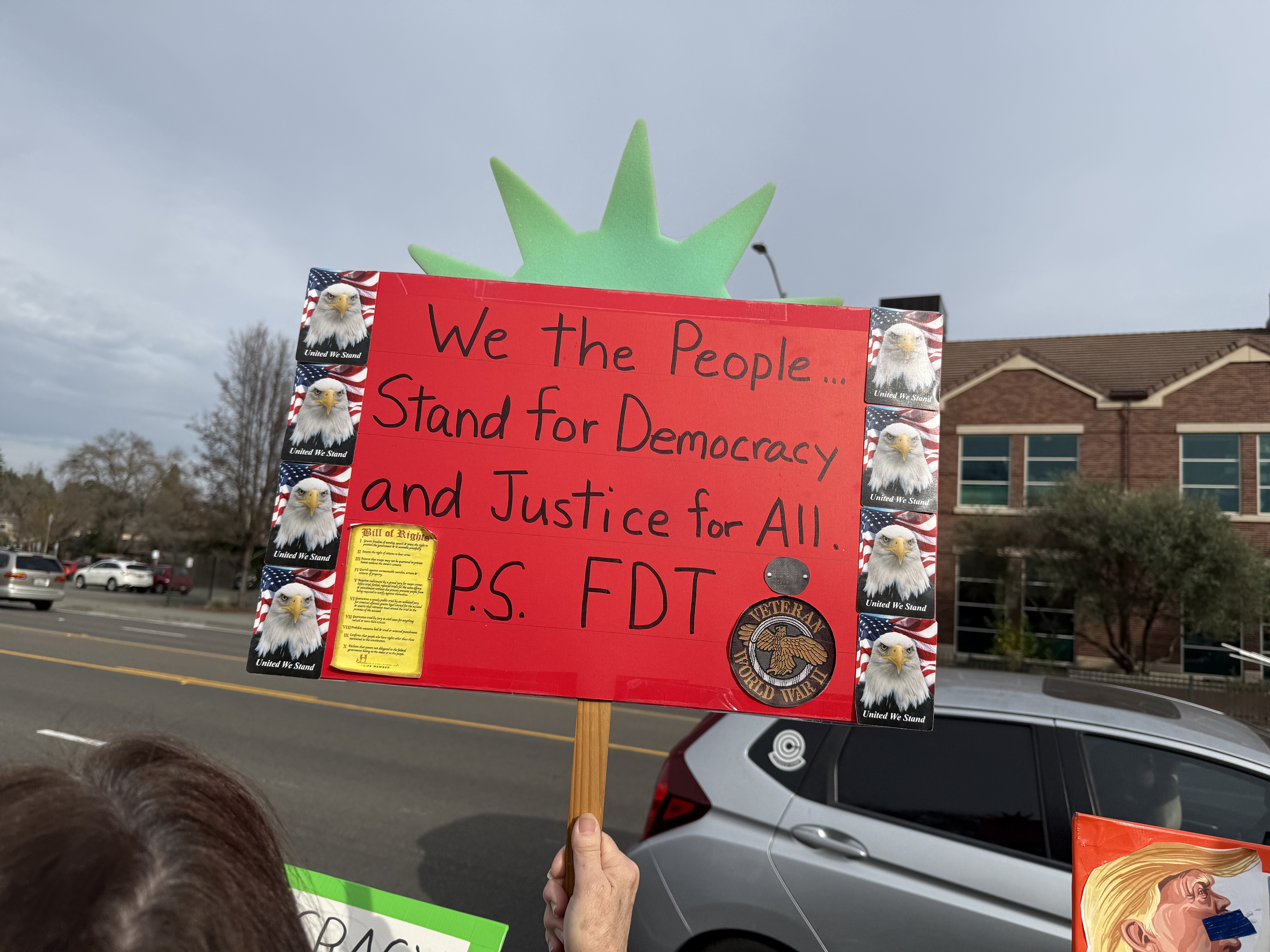
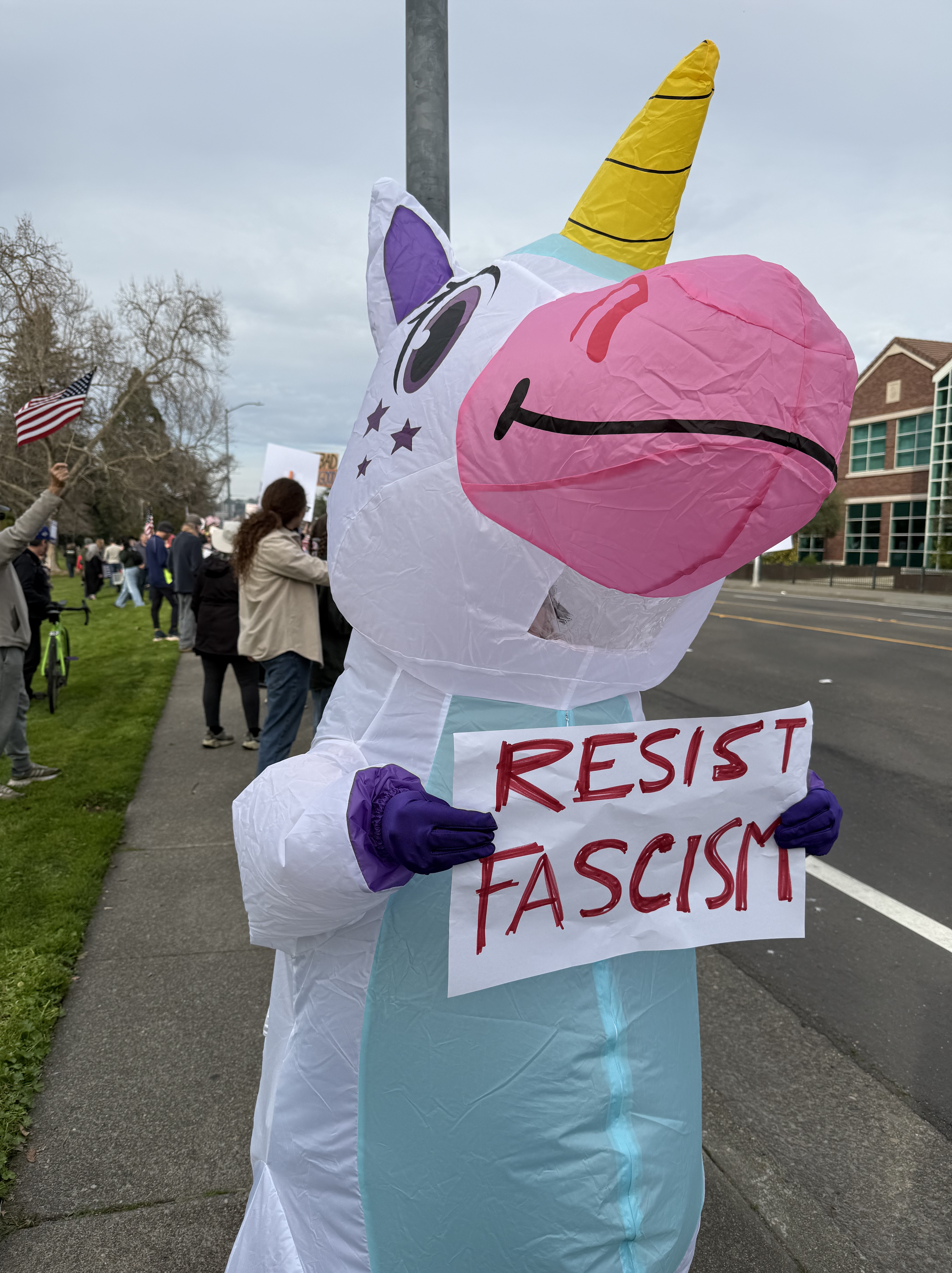
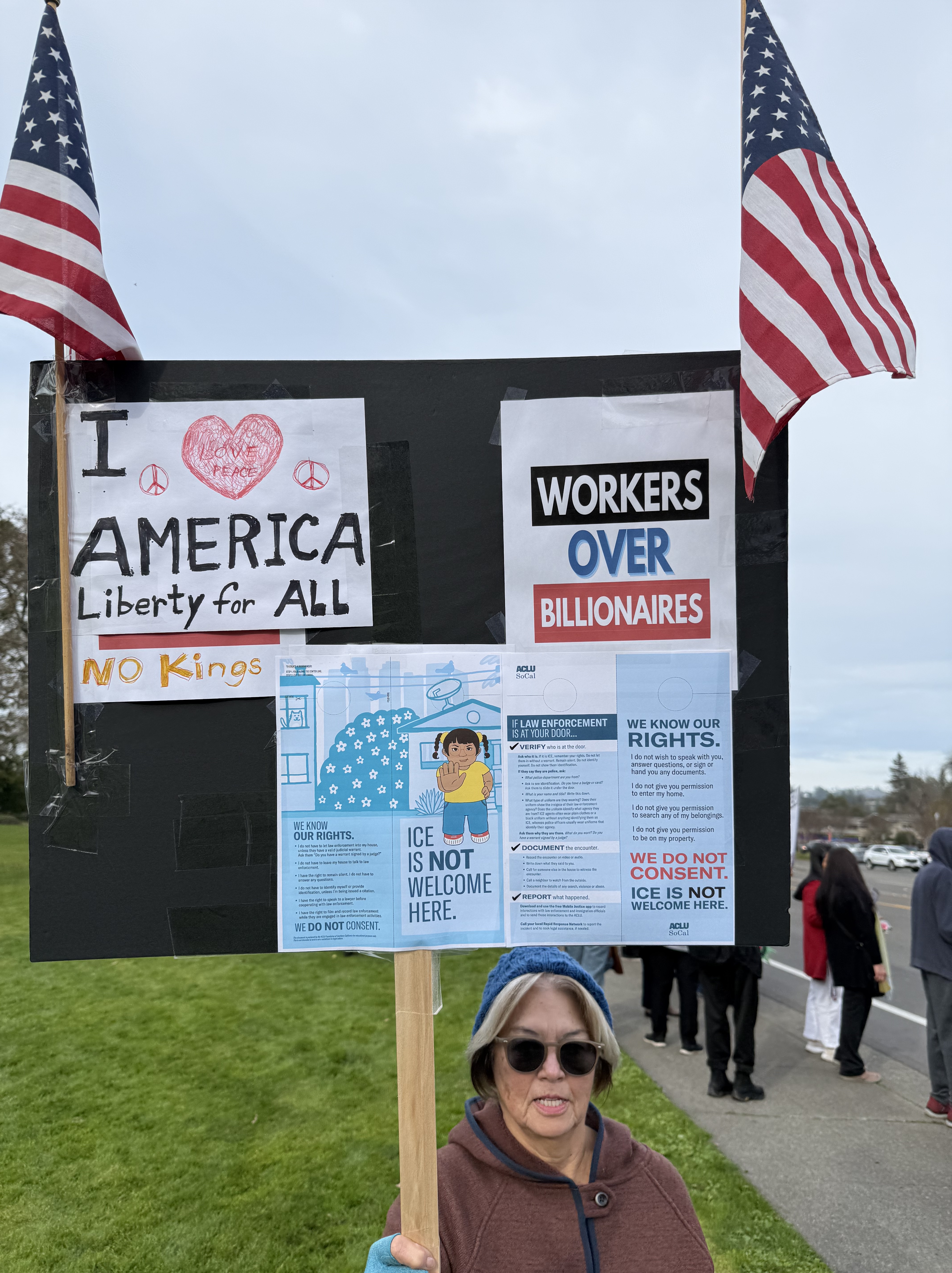
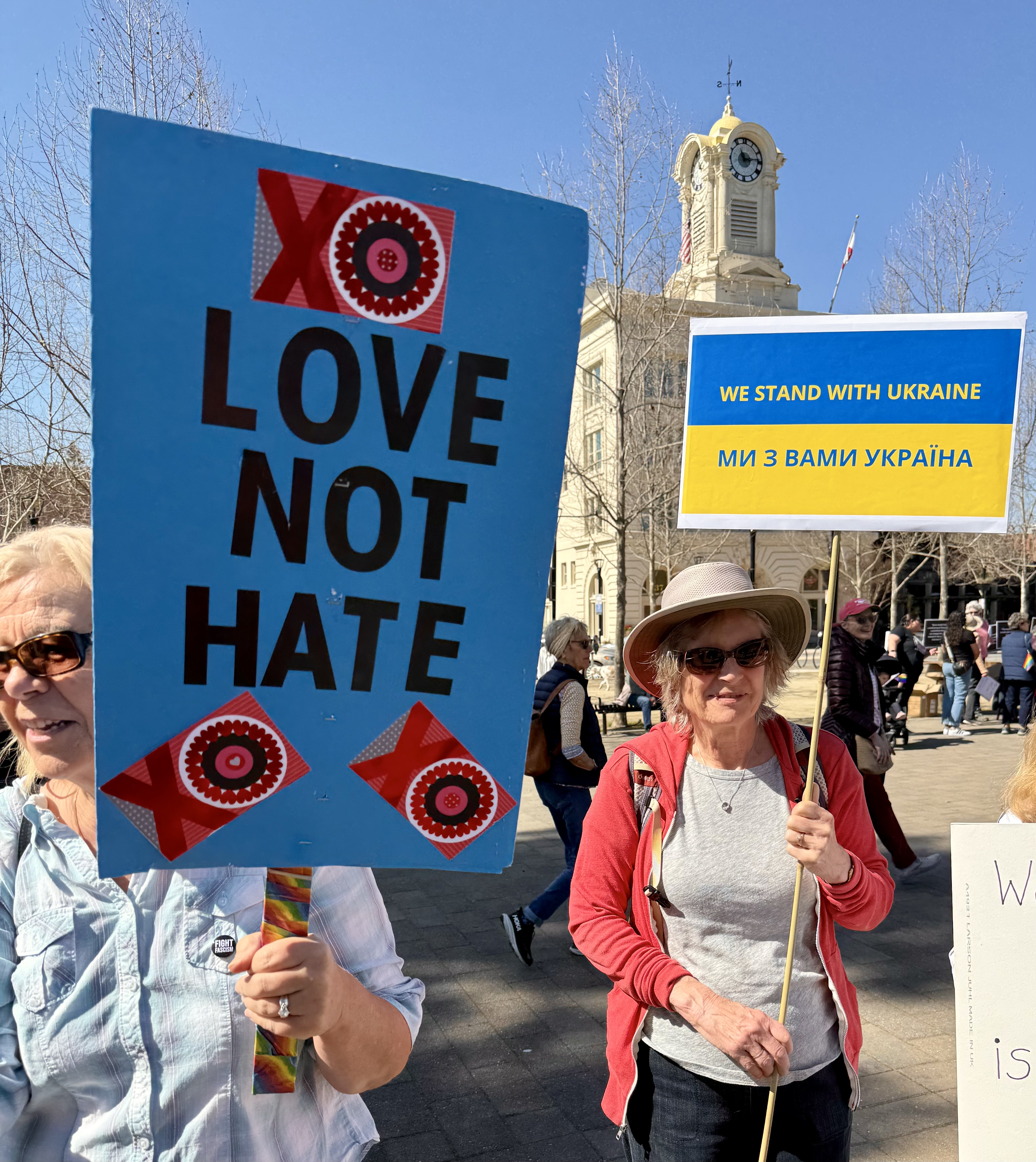
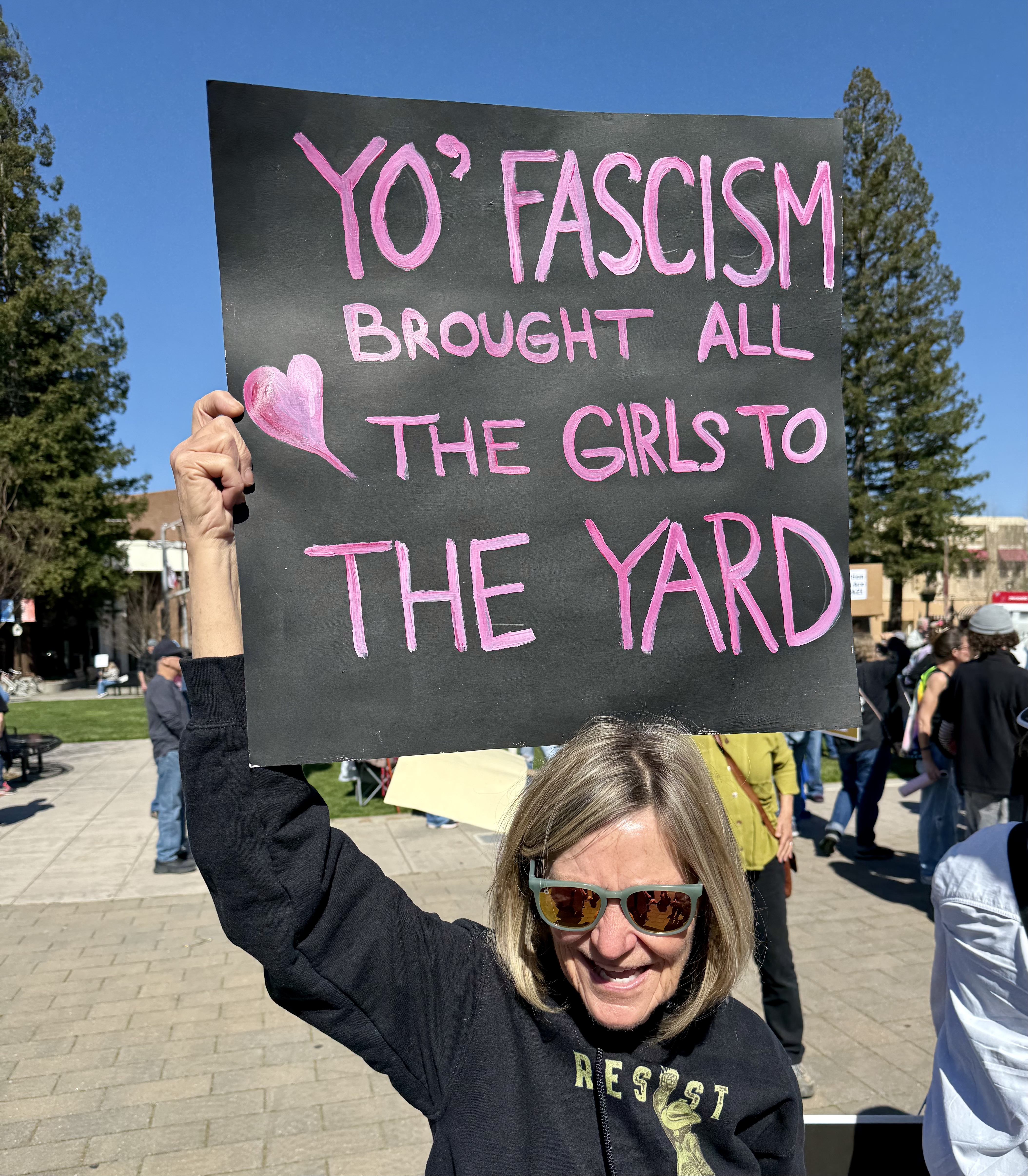
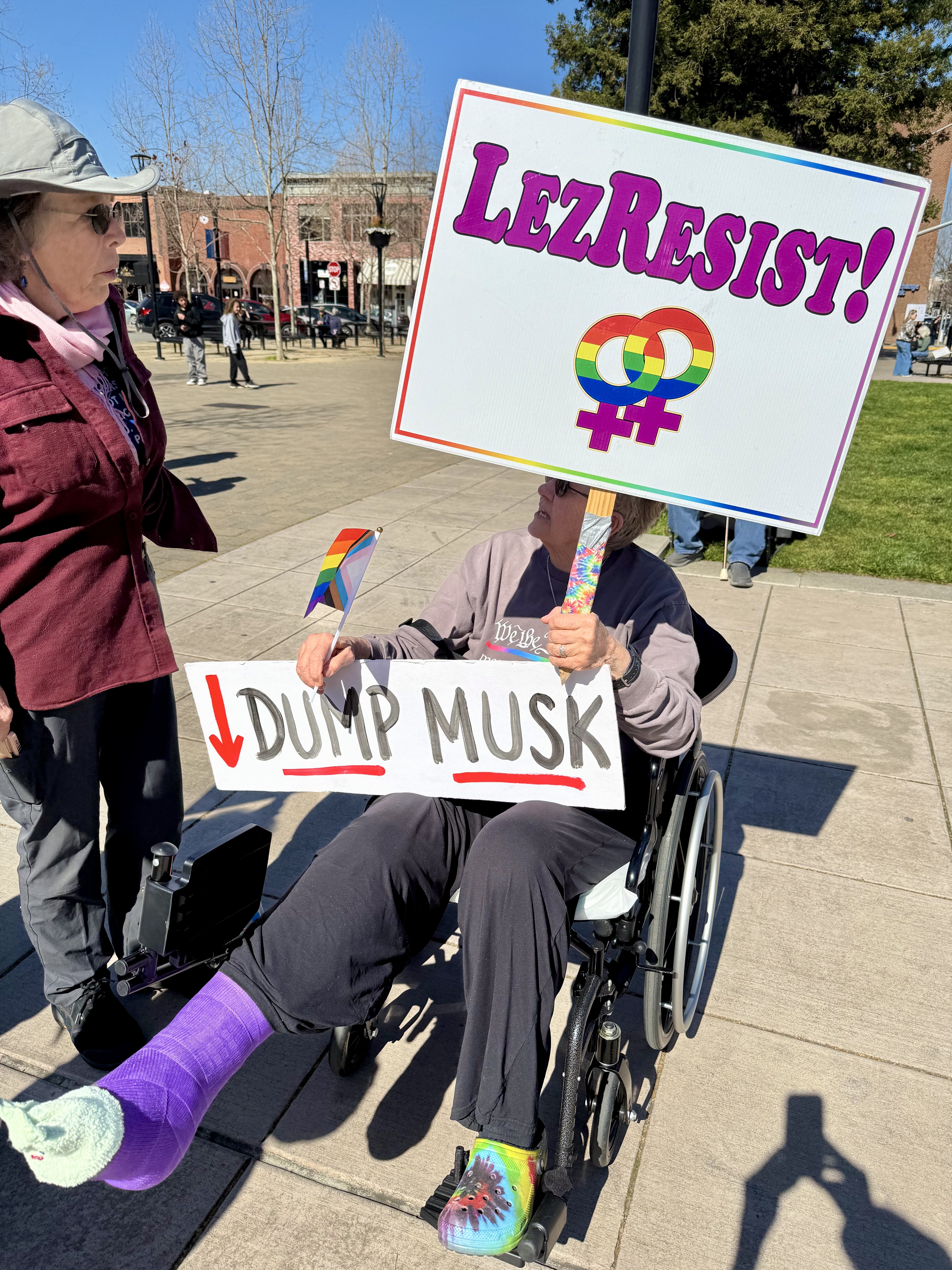
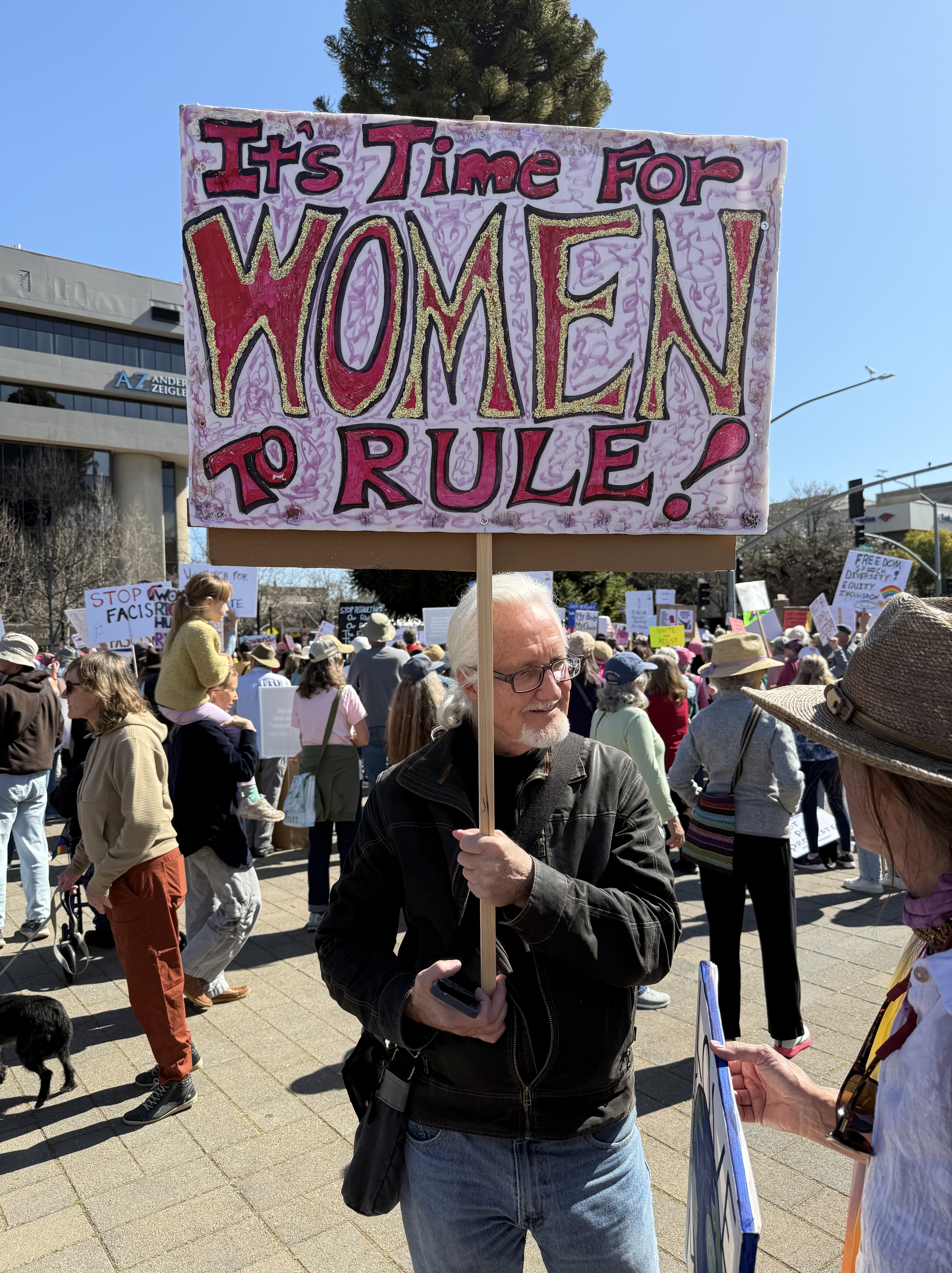
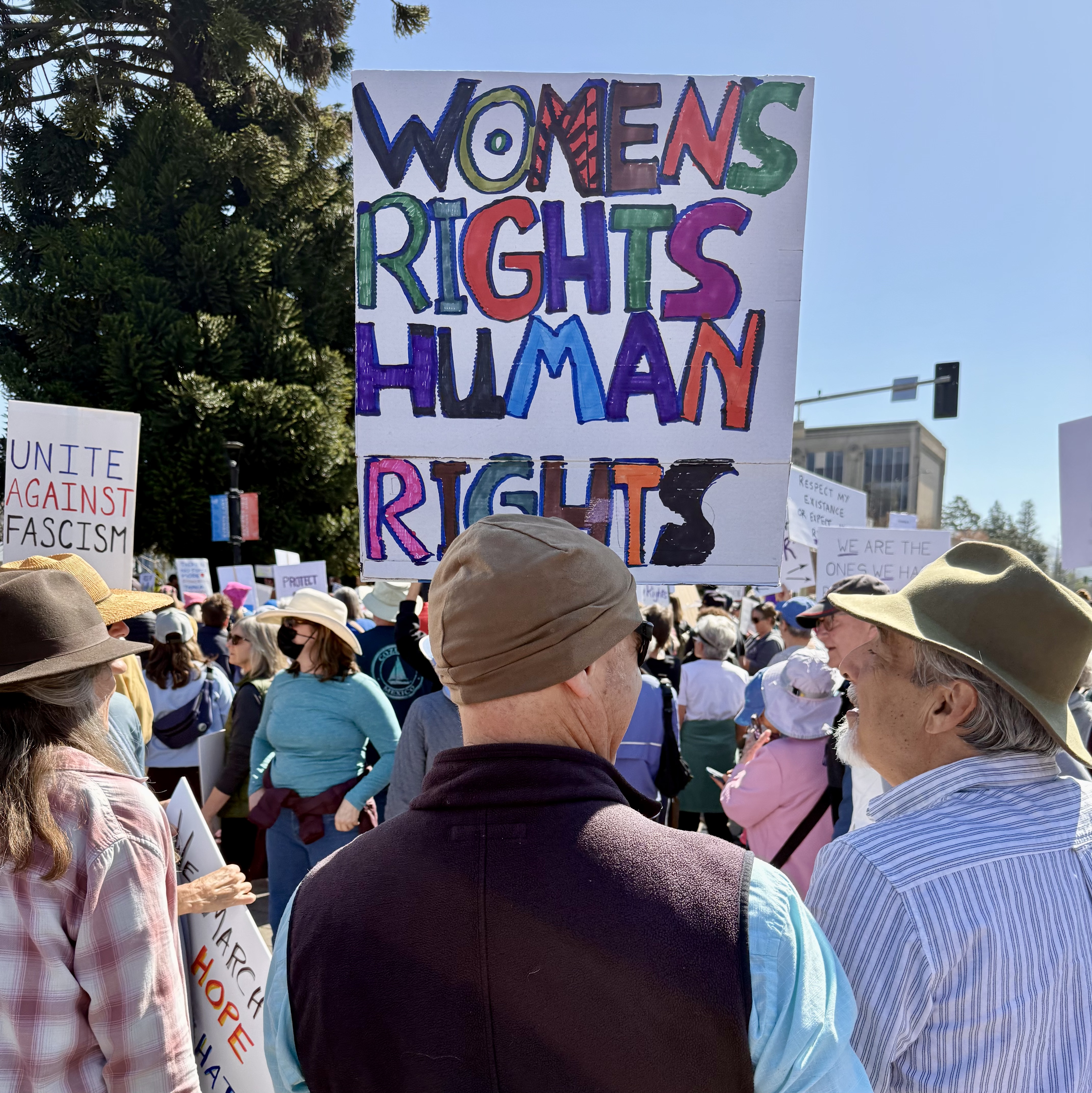
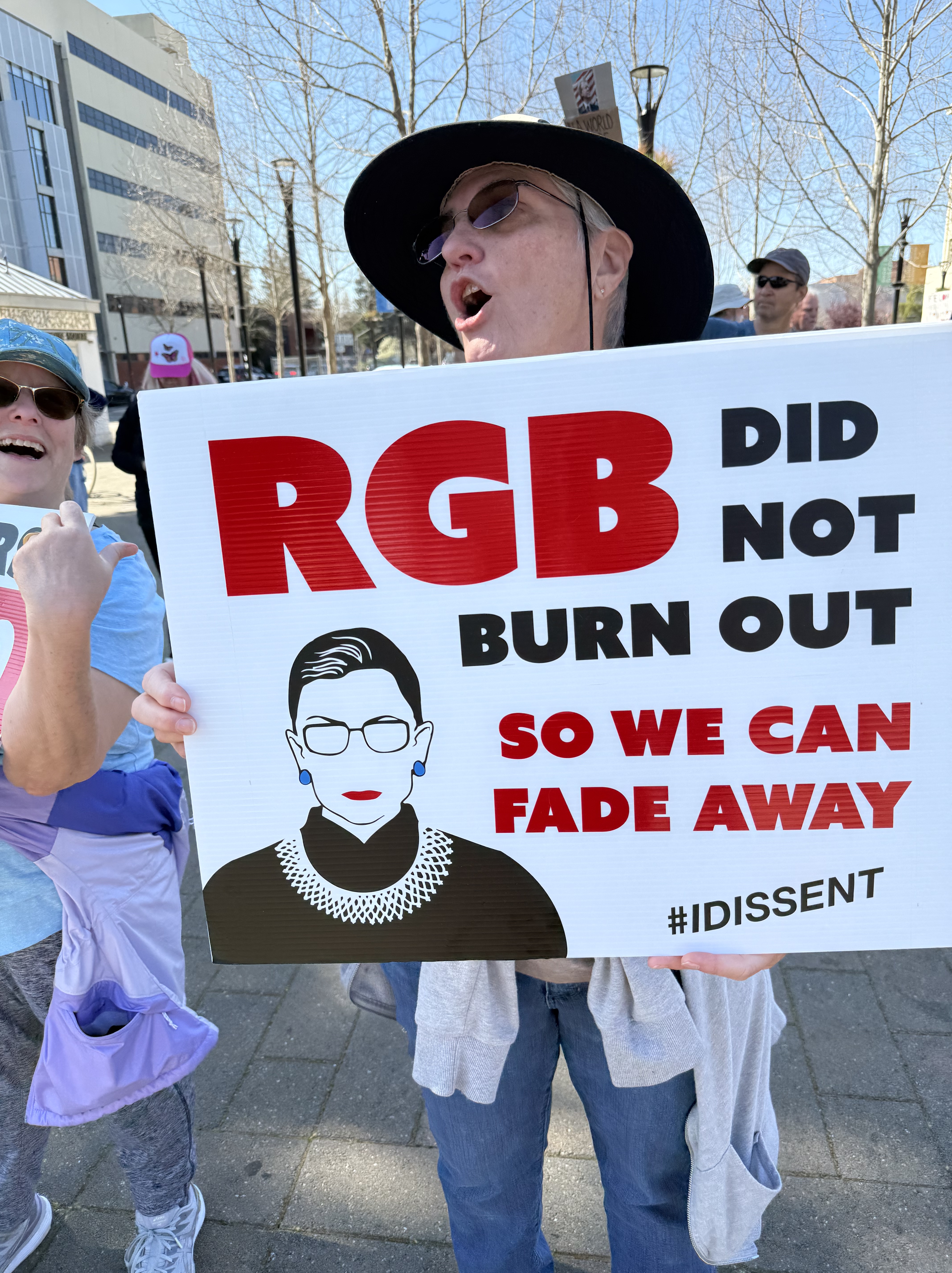
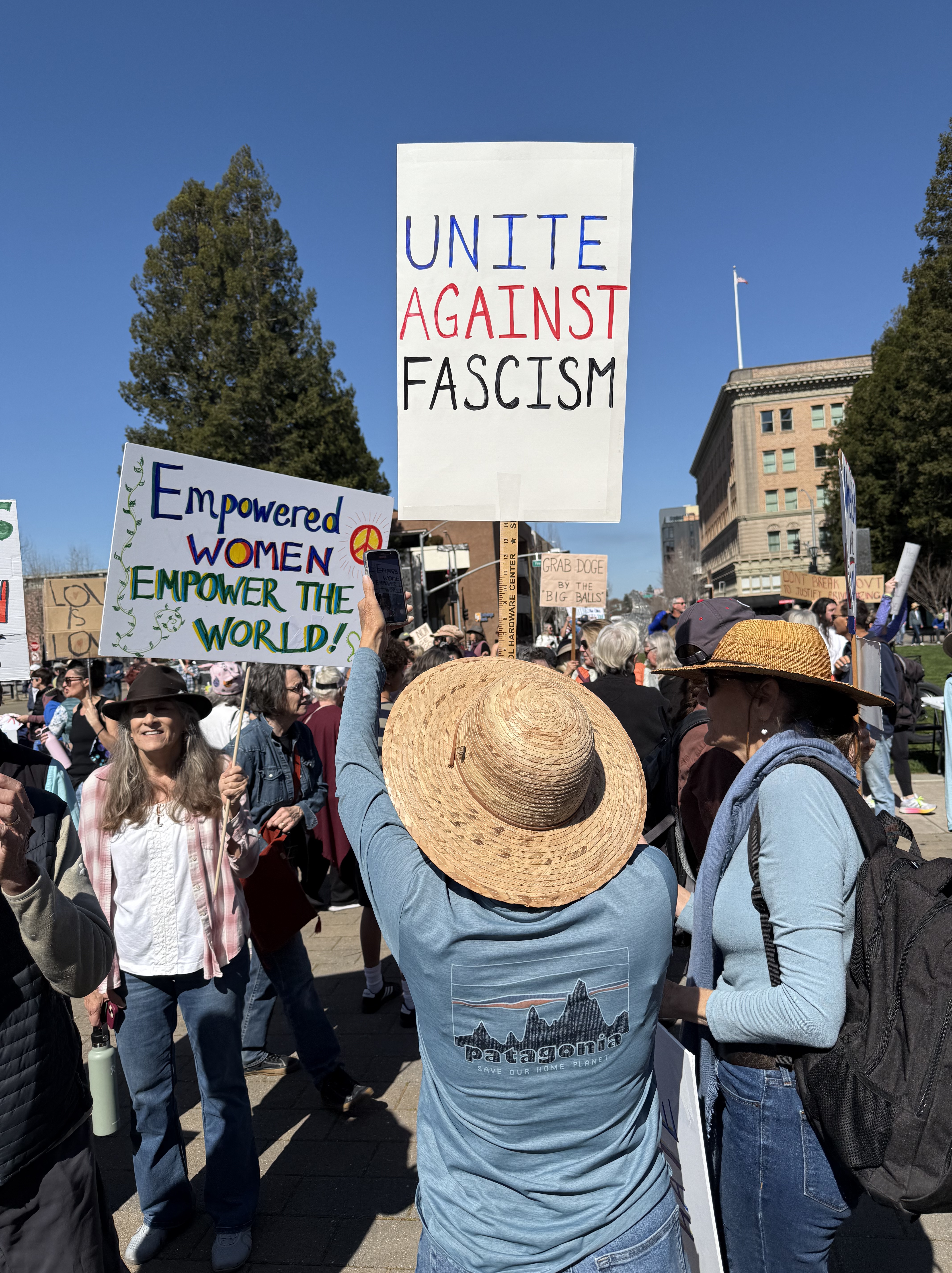
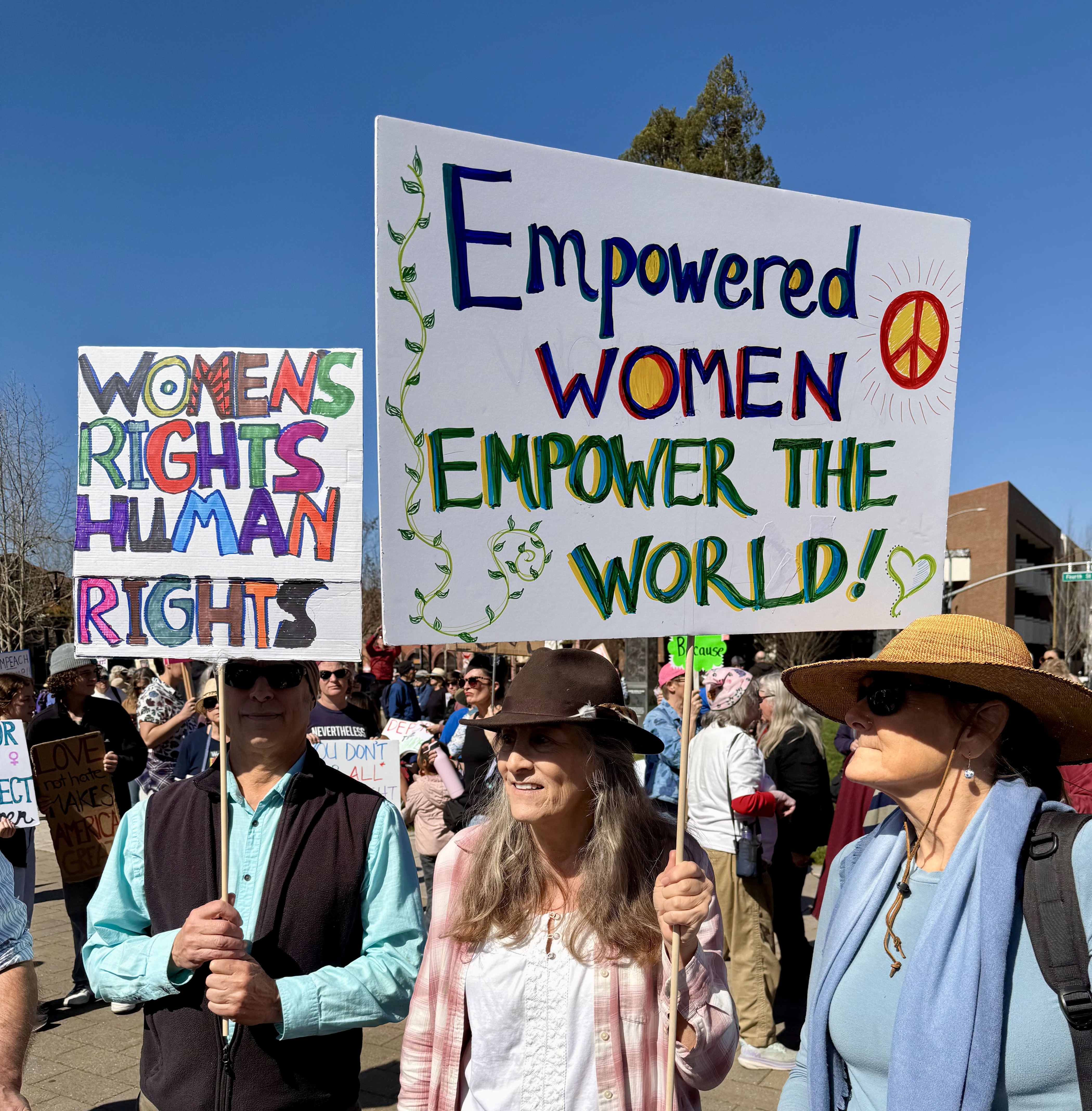
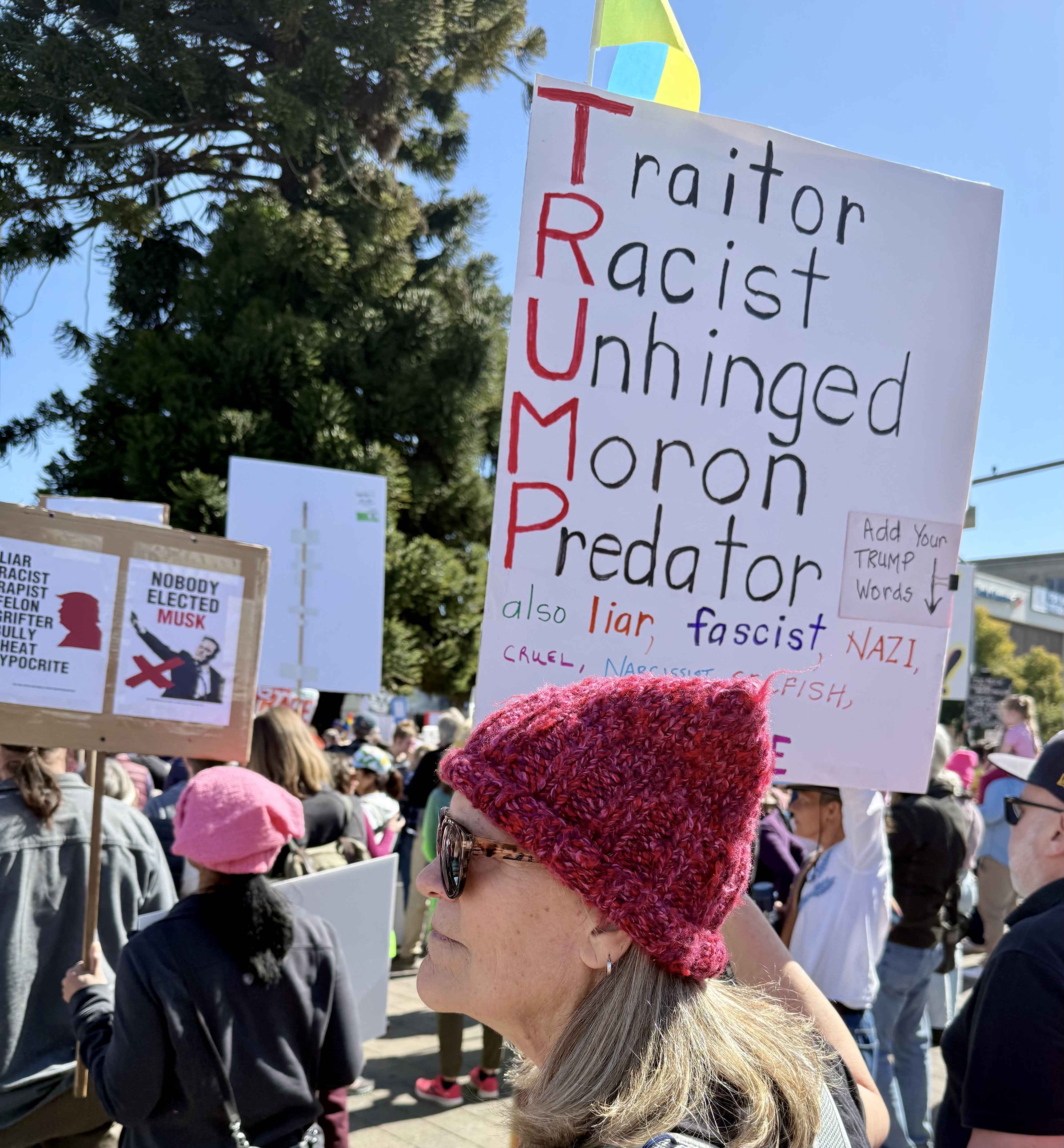
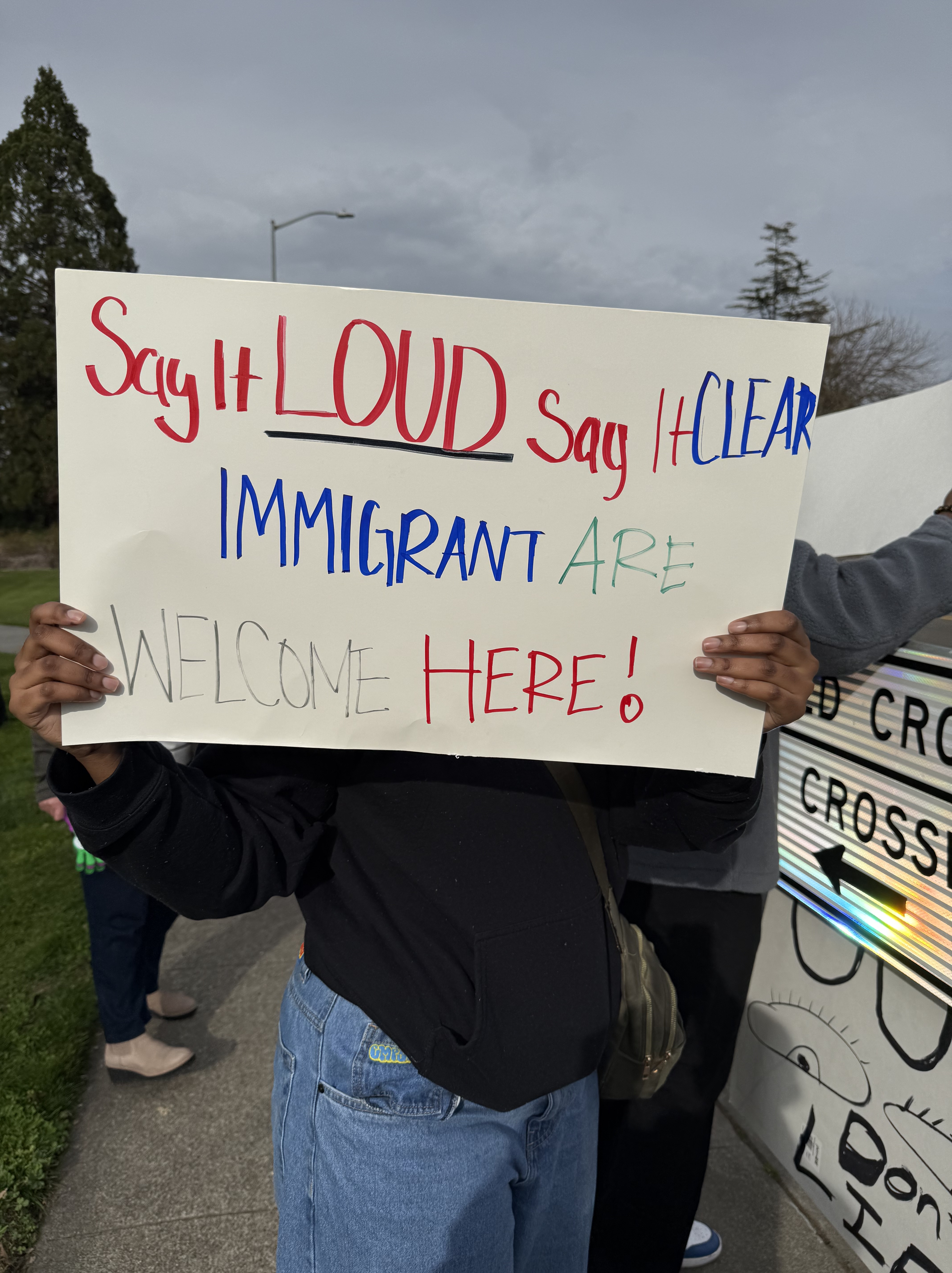
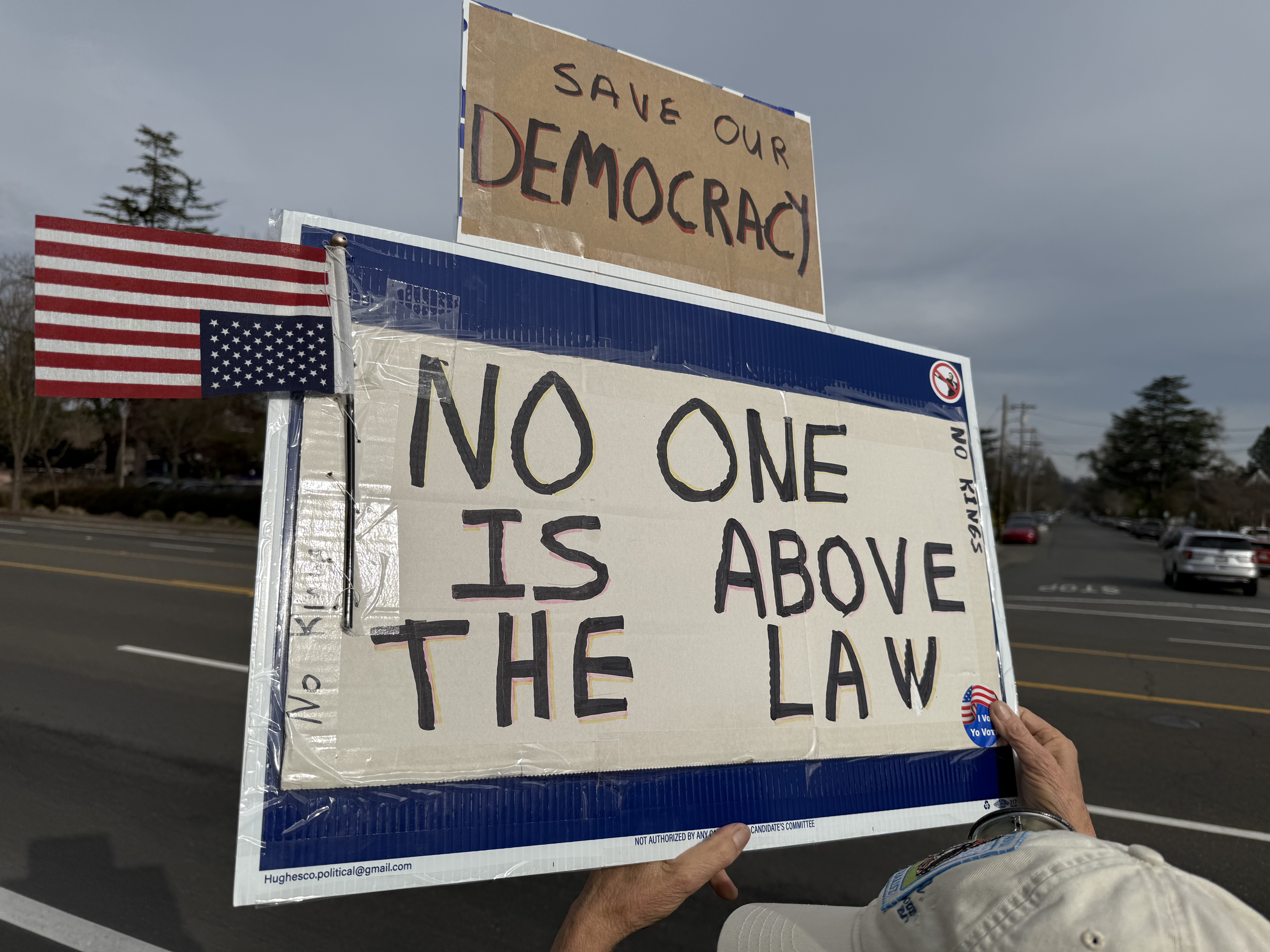
Folks Get Creative With Their Signs

Canada Union Responds to Murder

The Canadian labor movement is ahead of the US in recognition of the issue of workplace violence, because of the Dec 6, 1989 Montreal Massacre of 14 women who were murdered that day at Ecole Polytechnique by a man who didn’t think women should be engineering students. There was a struggle then to get the Canadian Labour Council to recognize the issue, but the victory has carried forward. 

IBEW Canada Statement Mourning the Loss of Amber Czech and Condemning Violence in the Workplace

Toronto, ON – November 17, 2025

Today, International Brotherhood of Electrical Workers (IBEW) Canada International Vice President Russ Shewchuk issued the following statement:

“IBEW Canada mourns the loss of 20-year-old welder Amber Czech, who was brutally attacked and killed at her workplace in Minnesota. We extend our deepest condolences to Amber’s family, friends, fellow workers and her community.

“Although Amber was not a member of the IBEW or affiliated Building Trades Unions (NABTU/CBTU), what happened to her should never happen to anyone—anywhere. And while this tragedy occurred in the U.S., the loss is deeply felt across our union community in Canada. It’s a stark reminder of the work we must keep doing to ensure such senseless acts never happen again.

“Violence has no place on our job sites, in our offices, or in our union. We owe it to Amber, and to every worker who has been harmed or threatened, to build safe, respectful, and inclusive working environments, free of violence and cruelty.

“IBEW Canada stands with all who advocate for ending gender-based violence, and all violence in the workplace. We commit to ongoing training, conversation and action that promote equity and dignity for all workers.”

###

Media Contact: Shaina Hardie, shaina_hardie@ibew.org

The International Brotherhood of Electrical Workers (IBEW) represents approximately 70,000 members in Canada and 873,000 members and retirees in North America who work in a wide variety of fields, including construction, utilities, manufacturing, telecommunications, broadcasting, railroads and government. For more information, visit IBEWcanada.ca or IBEW.org

It’s time for our US labor unions to condemn workplace violence and do something about it.

Tradeswoman Killer Indicted

Indictment means possible life term for man accused of killing co-worker in Wright County workshop

One major labor organization noted that “violence like this rarely comes out of nowhere. It often follows a buildup that women in the trades know by heart.” 

By Paul Walsh

The Minnesota Star Tribune

DECEMBER 8, 2025 AT 10:41AM

Amber Czech

The man accused of killing a co-worker last month with a hammer in a Wright County workshop now faces a charge of first-degree murder and a potential life prison sentence in a slaying that drew outcry by advocacy groups for women in the trades.

A grand jury heard the case last week against David Bruce DeLong, 40, of Watkins, Minn., and indicted him on a charge of first-degree premeditated murder in connection with the attack in Cokato that killed 20-year-old Amber Mary Czech of Hutchinson, Minn.

The bludgeoning occurred on Nov. 11 at Advanced Process Technologies, which makes equipment used in food processing.

County Attorney Brian Lutes said the first-degree count carries a mandatory sentence of life in prison without parole. DeLong also faces a second-degree murder charge.

DeLong remains jailed in lieu of $2 million bail ahead of a court appearance Monday. The Minnesota Star Tribune has reached out to his attorney for a response to the allegations.

An online fundraising campaign started to cover funeral expenses noted that “Amber was a hardworking welder who took great pride in her craft and dreamed of building a bright future through her work. Her witty personality, positive attitude, and beautiful smile touched everyone who knew her.”

Numerous labor organizations decried the workplace killing of Czech, including the International Association of Sheet Metal, Air, Rail and Transportation Workers (SMART), with 230,000 members in North America.

“While not a SMART member … this tragedy is reverberating across the trades community and far beyond,” read a statement from the organization. “So many tradeswomen and gender-diverse workers are carrying the weight of this news.”

SMART went on to point out that “violence like this rarely comes out of nowhere. It often follows a buildup that women in the trades know by heart: harassment shrugged off, bullying tolerated, intimidation minimized, warning signs dismissed, fear of backlash, comments ignored, jokes explained away, the stares of resentment, and behaviors everyone chooses not to see until they can no longer look away.”

The Laborers’ International Union of North America (LIUNA), which counts 500,000 workers across many industries among its ranks, said in a statement, “When a young tradeswoman’s future is so violently crushed, we must look to the criminal justice system to do its job — but as brothers and sisters in the construction trades we must also do much, much more. … We must not only condemn the violence that took Czech’s life but also the attitudes and behavior that normalize an atmosphere of fear for too many construction craftswomen.”

According to the complaint:

David Bruce DeLong (Wright County jail)

Around 6 a.m., a caller to 911 said Czech was bleeding heavily from a blow to the head, and there was a bloody sledgehammer on the floor nearby. Emergency medical responders arrived and declared her dead at the scene.

A sheriff’s deputy identified DeLong as the suspected attacker. DeLong said to a man at the business “something to the effect of, ‘I hit her with your hammer. She is by your toolbox. She is gone,’” the complaint read.

Sheriff’s deputies reviewed surveillance video inside the business and saw DeLong walk from his workstation to Czech’s, grab a sledgehammer and swing it. The victim was out of view of the camera.

DeLong’s swings indicated that he targeted her once while she was standing and four more times after she fell to the floor.

After his arrest, DeLong confessed to killing Czech. He said he didn’t like her and had been “planning to kill [her] for some time,” the complaint continued.

She was Bludgeoned to Death with a Sledge Hammer on the Job

Say Her Name: Amber Czech

https://19thnews.org/2025/11/amber-czech-welder-murder-tradeswomen-demand-action/

Tradeswomen Organize for Job Safety

She was not the first. I wrote about the murder of another tradeswoman in 2017: https://mollymartin.blog/2024/06/27/a-sisters-murder-sparks-action/

Black Women to the Rescue

The 6888th Battalion cleaned up the mail mess

My Mother and Audie Murphy Ch. 43

In October 1944, after her fiancé Gene was killed, Flo had trouble reaching her mother. The wartime mail system was broken.

This wasn’t just a personal problem—it was widespread. Soldiers on the battlefield were not receiving letters and packages from home. Mail, the lifeline of morale, was piling up undelivered. The men risking their lives for democracy weren’t hearing from their families, and the silence was taking a serious toll.

Flo had noticed the problem early. In letters and diary entries beginning in May 1944, shortly after arriving in Italy, she often mentioned that no mail had come. She didn’t complain—Flo wasn’t a complainer—but she noted it again and again. Others were more vocal. Across the war front, soldiers and Red Cross workers alike were frustrated and bitter. What began as a logistical issue had grown into a morale crisis.

The Army didn’t officially acknowledge the scale of the problem until 1945—by then, millions of letters and packages were sitting in European warehouses, unopened and unsorted.

Then came the 6888th.

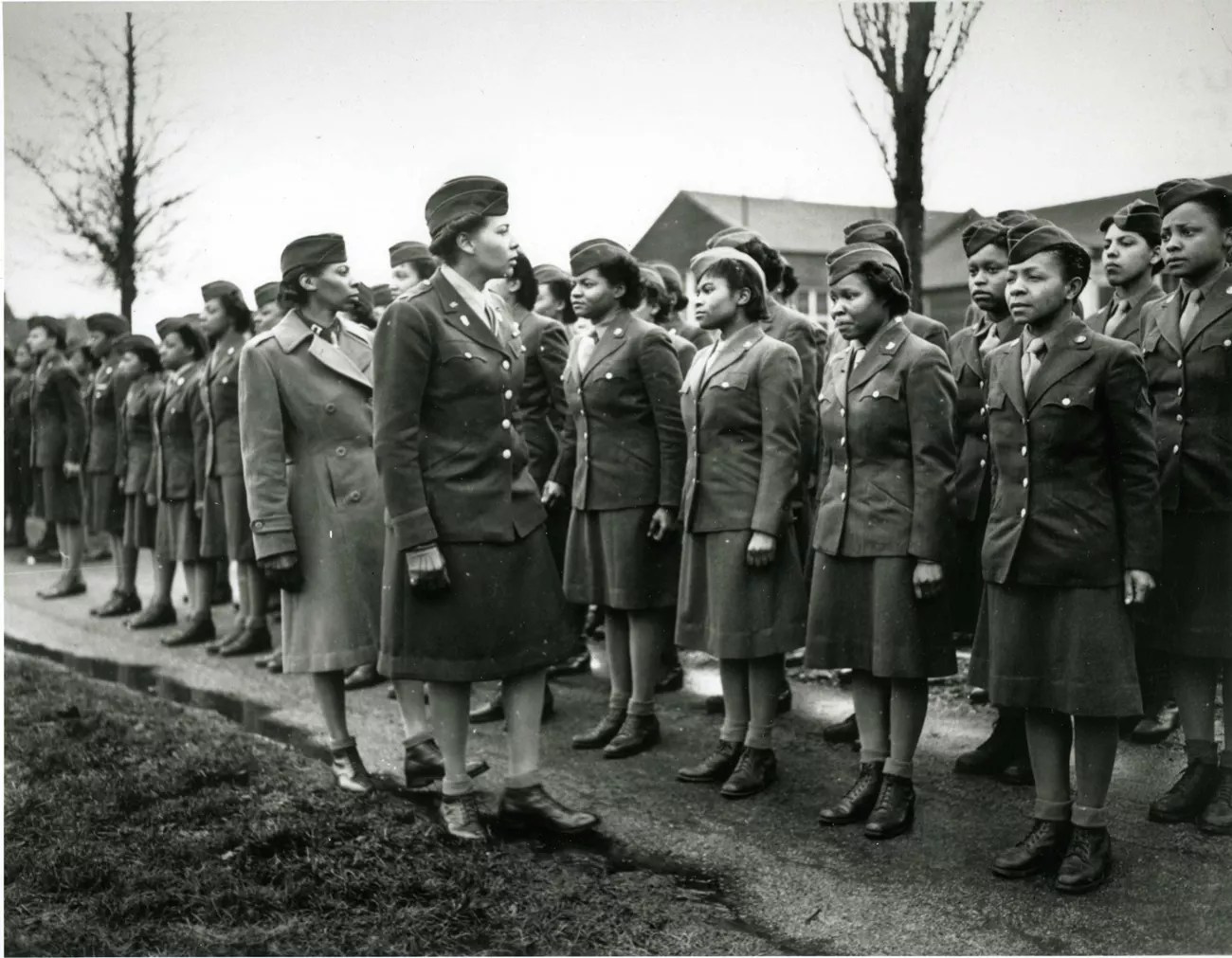
Major Charity E. Adams and Captain Mary Kearney inspect members of the 6888th Central Postal Directory Battalion in England on February 15, 1945. Photo: National Archives

The 6888th Central Postal Directory Battalion—known as the “Six Triple Eight”—was a groundbreaking, all-Black, multi-ethnic unit of the Women’s Army Corps (WAC), led by Major Charity Adams. It was the only Black WAC unit to serve overseas during the war.

Their mission: clear the massive backlog of undelivered mail under grueling conditions and extreme time pressure. They worked in unheated warehouses, with rats nesting among the mailbags, and under constant scrutiny from a military establishment rife with racism and sexism. But they got the job done—sorting and forwarding millions of pieces of mail in record time.

Their work restored something vital: connection. And morale.

The 6888th wouldn’t have existed without the efforts of civil rights leaders. In 1944, Mary McLeod Bethune lobbied First Lady Eleanor Roosevelt to support the deployment of Black women in meaningful overseas roles. Black newspapers across the country demanded that these women be given real responsibility and not sidelined. Eventually, the Army relented.

The women of the 6888th made their mark. Many would later say they were treated with more dignity by Europeans than they had ever experienced in the United States.

If you haven’t seen the Netflix movie The Six Triple Eight, it’s well worth your time.


Back in October 1944, the broken mail system meant heartbreak and silence for Flo. How long did it take for her disconsolate letter to reach her mother? Gerda telegrammed back on November 14—more than two weeks after Gene had died.

Gerda’s radiogram was sent November 14, likely just after she received Flo’s letter.

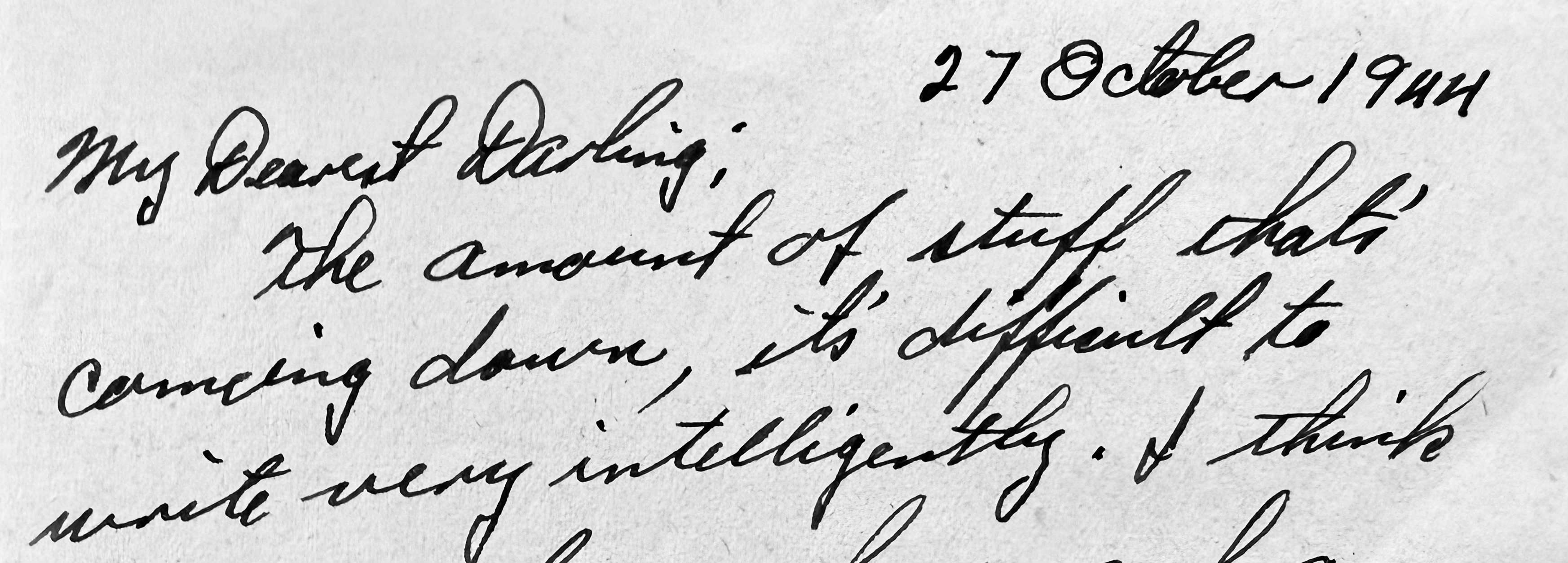
When did Flo receive Gene’s final letters? She saved the ones he wrote on October 24 and 27, but it seems likely she didn’t get them until after he was gone. He died on October 28, killed by a mortar shell. That same day, Flo wrote in her diary, “Mail from home today.” She didn’t mention anything from Gene.

In his last letters, Gene wrote about his army buddies. He worried about his little sister wanting to marry. He dreamed of peace, and of a life with Flo in the Northwest:

“Back there where the country is rugged and beautiful. Where you can breathe fresh, free air; and fish and hunt to your heart’s content. You know honey, a place where we don’t have to sleep in the mud and cold, and where the shrapnel doesn’t buzz around your ears playing the Purple Heart Blues.”

Even in the chaos of war, he tried to stay lighthearted:

“I’m writing on my knees with a candle supplying the light. I hope you are able to read it. My spelling isn’t improving very much; but with the aid of a dictionary I may improve or at least make my writing legible.”

He hoped Flo had managed a trip to Paris, and that she’d seen her sister and brother-in-law stationed there. He looked forward to getting married:

“Honey I haven’t heard from home on the ring situation yet, but I expect to before long. When I do, I shall let you know right away. I’m hoping we can make it so by xmas, if not before.”

But his letters also reflected the danger he was in:

“It’s very difficult to write a letter on one’s knees, as you probably already know. Ducking shrapnel and trying to write just don’t mix. I do manage to wash and brush my teeth most every day.”

“It’s too ‘hot’ for you to be here. I’ve got some real stories to tell you when I see you next—if I’m not too exhausted. You don’t know how close you’ve been to—I hadn’t better tell you.”

Gene’s voice comes through with vivid clarity, even across 80 years and a broken mail system. 

Gene’s letter was posted the day he was killed

That words eventually reached soldiers in the field and their families back home is thanks, in part, to the quiet heroism of the 6888th—who made sure love letters, grief, and hope could still find their way through a war.

Ch. 44: https://mollymartin.blog/2025/08/02/born-in-oregon-buried-in-france/

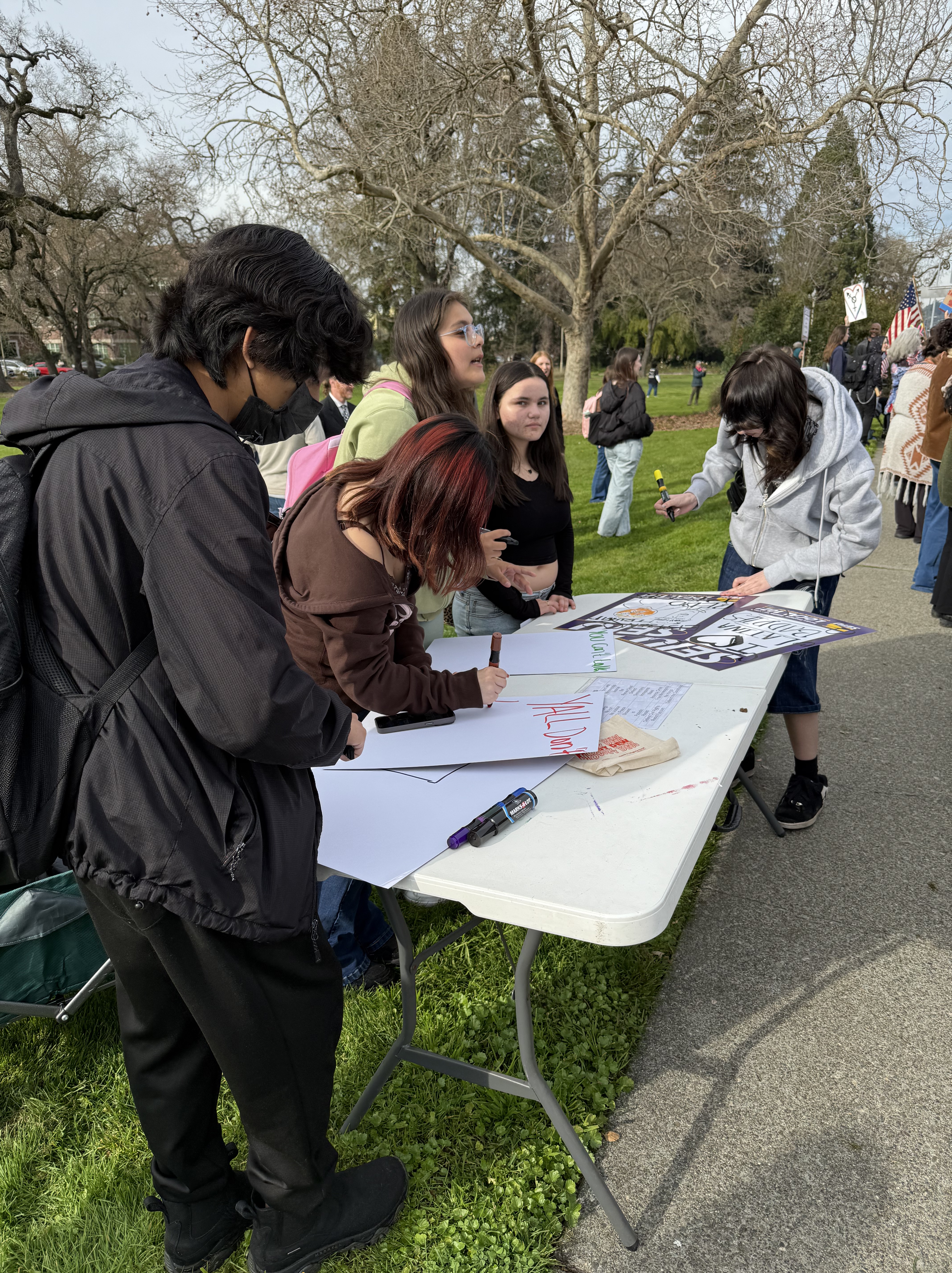
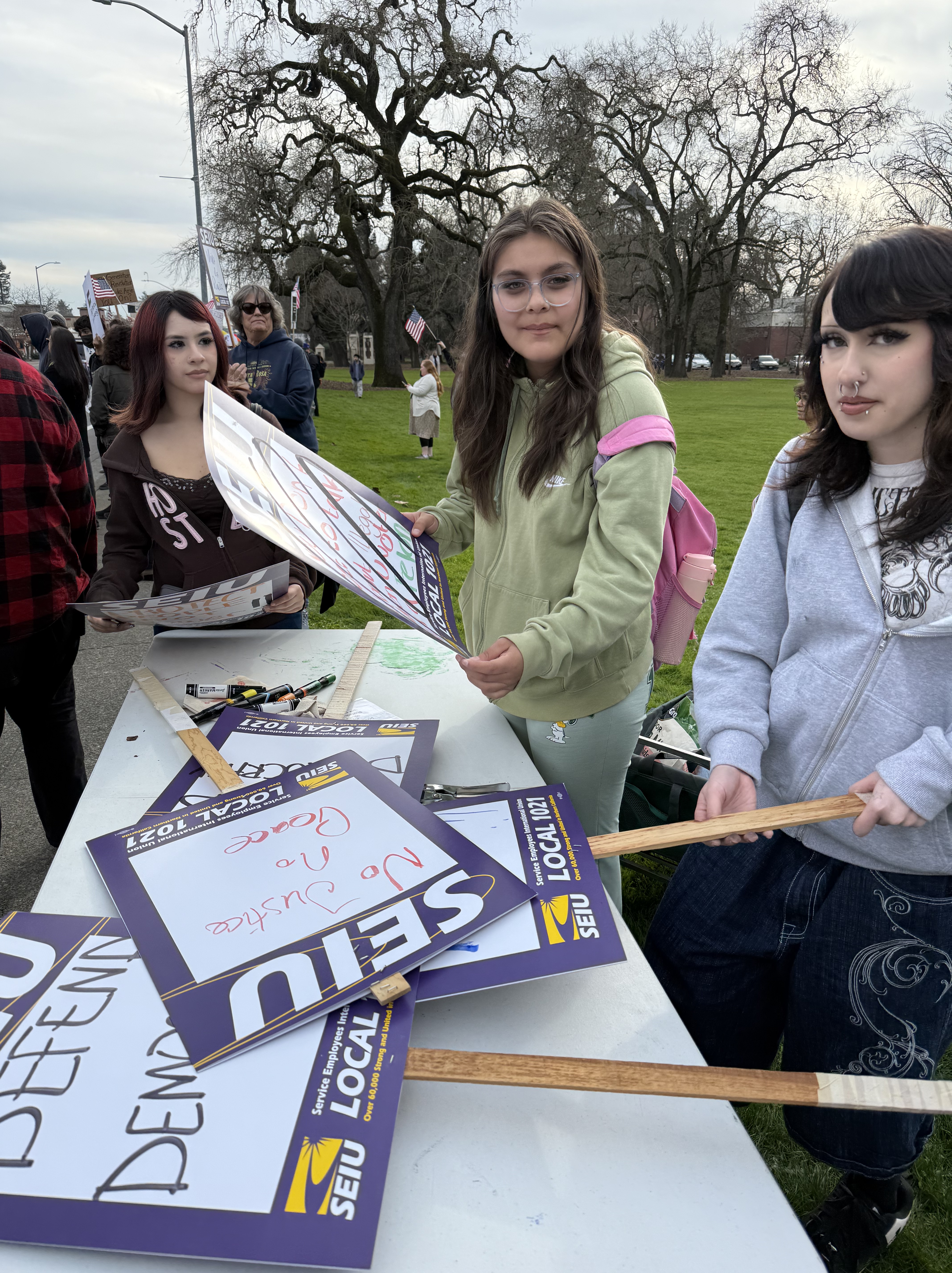
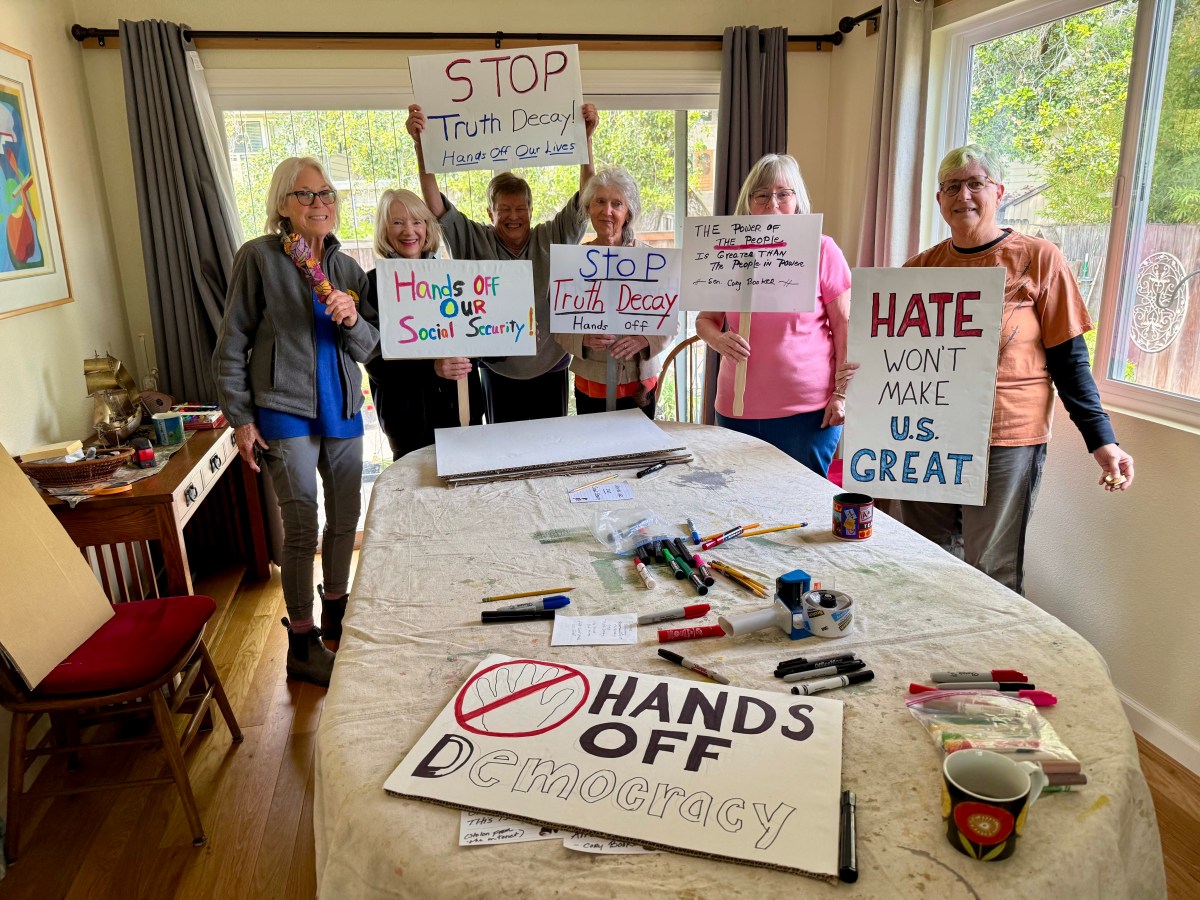
Sign Making Party Santa Rosa

Neighbors Getting Ready for the Big Demonstration Saturday