I was inspired looking at old pictures
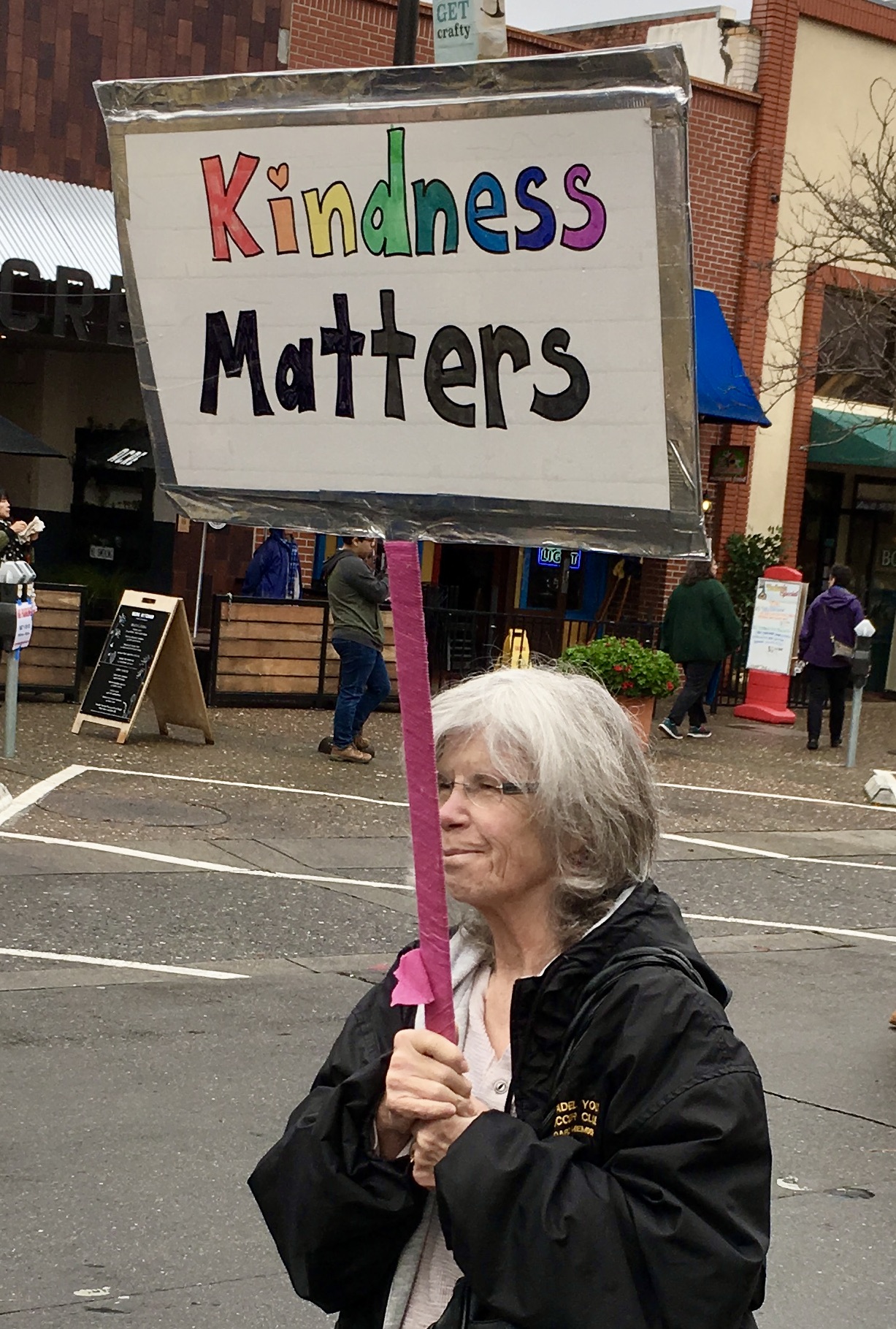
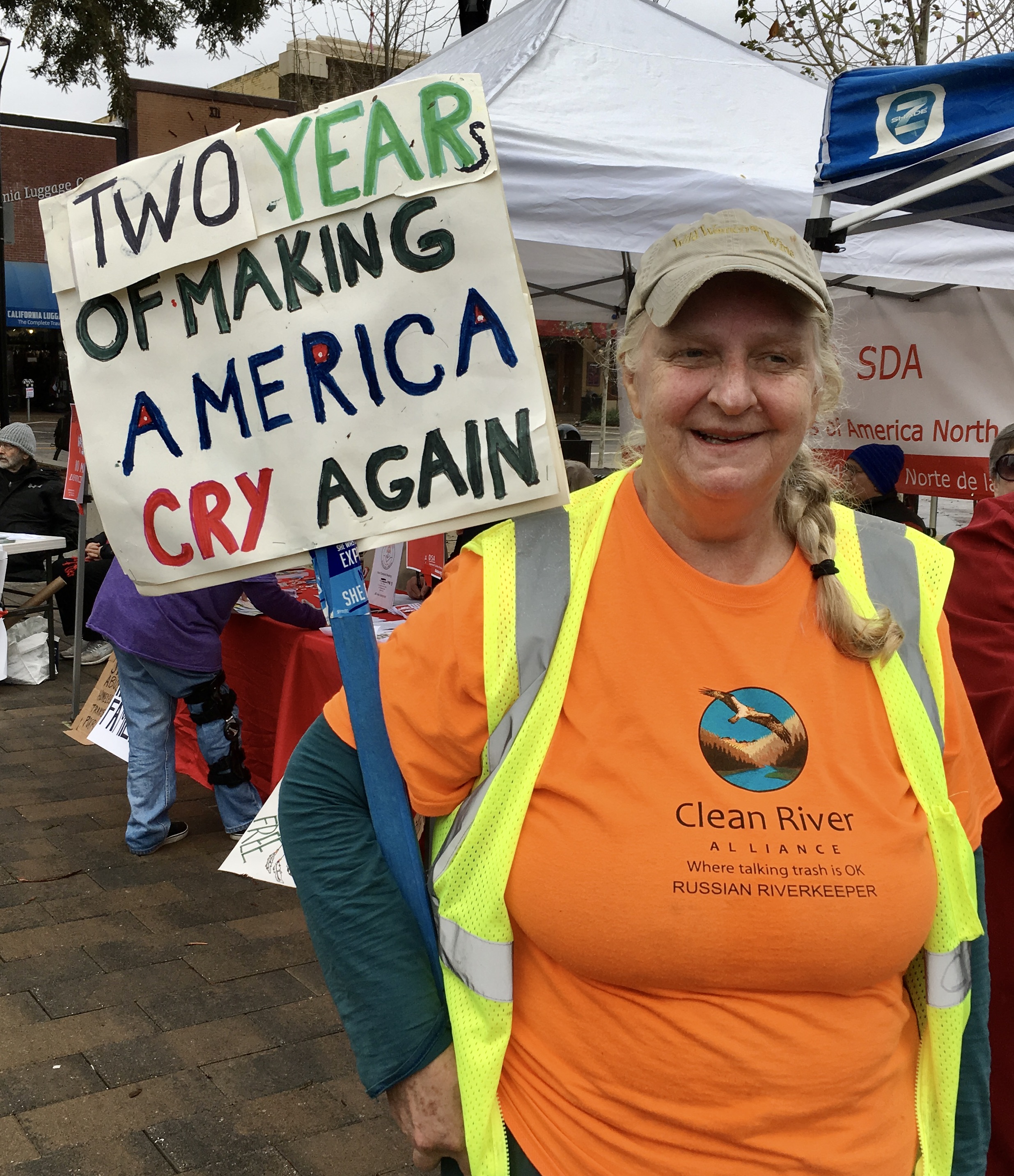
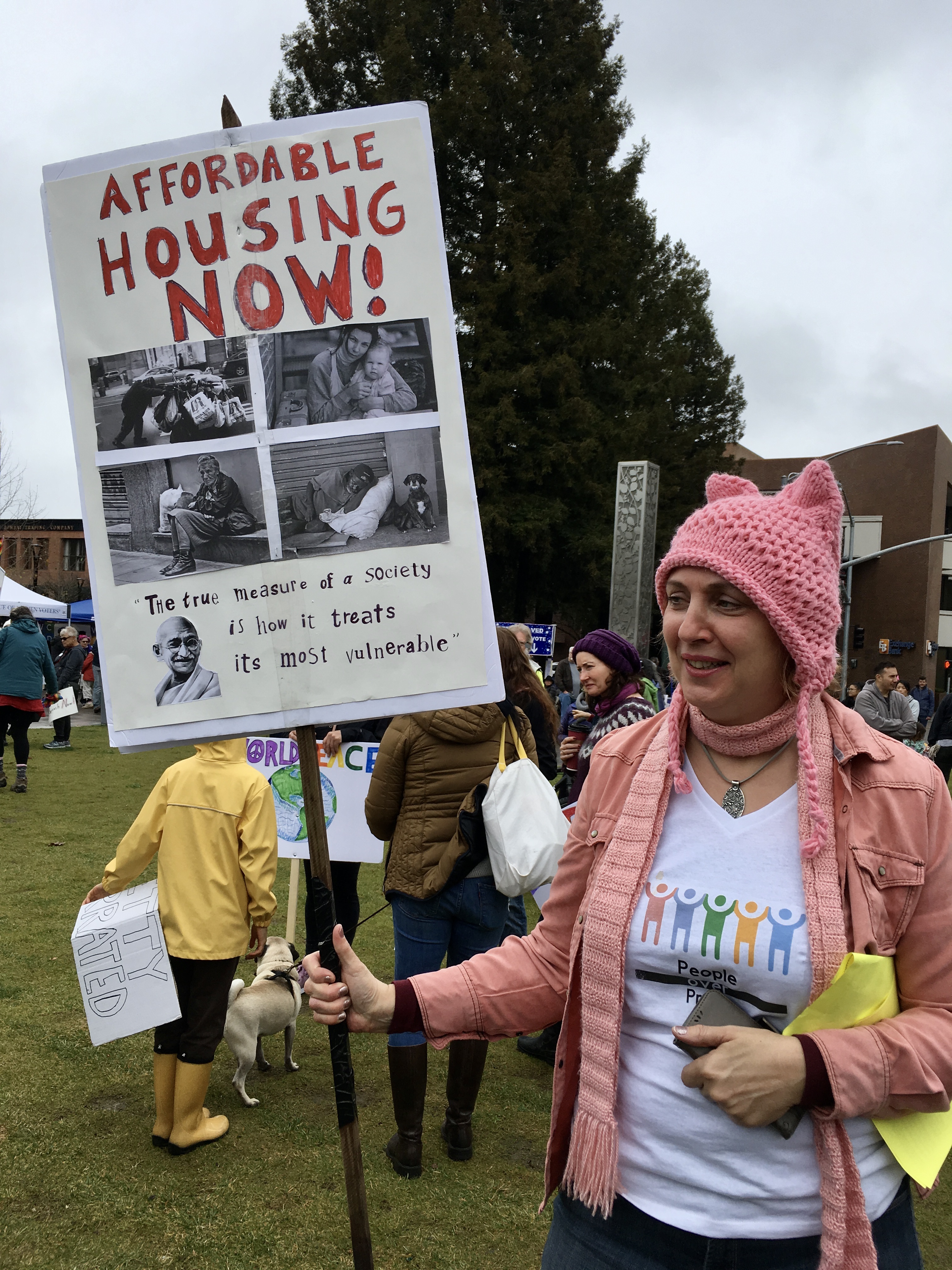







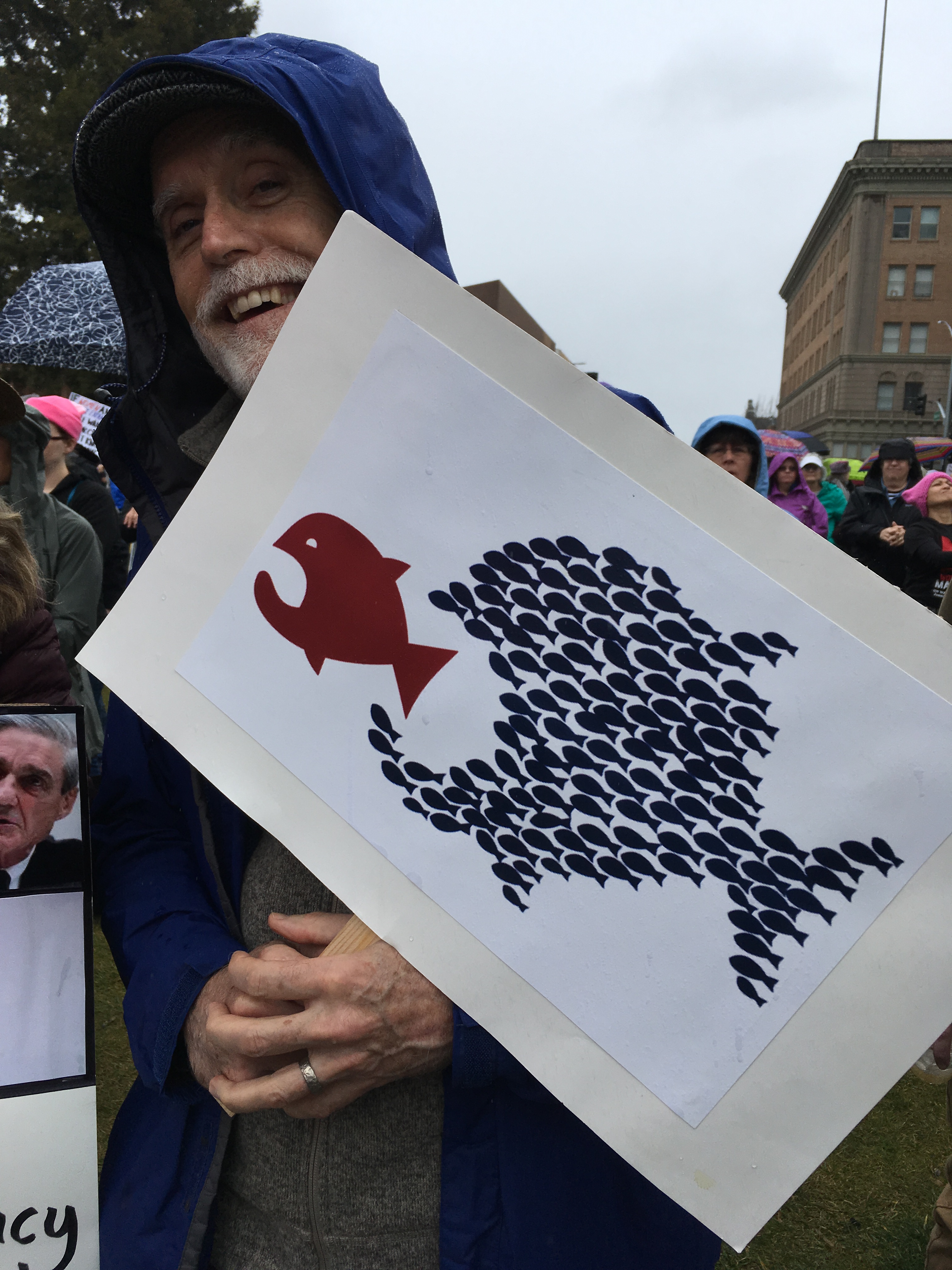
I was inspired looking at old pictures
I was inspired looking through old photos




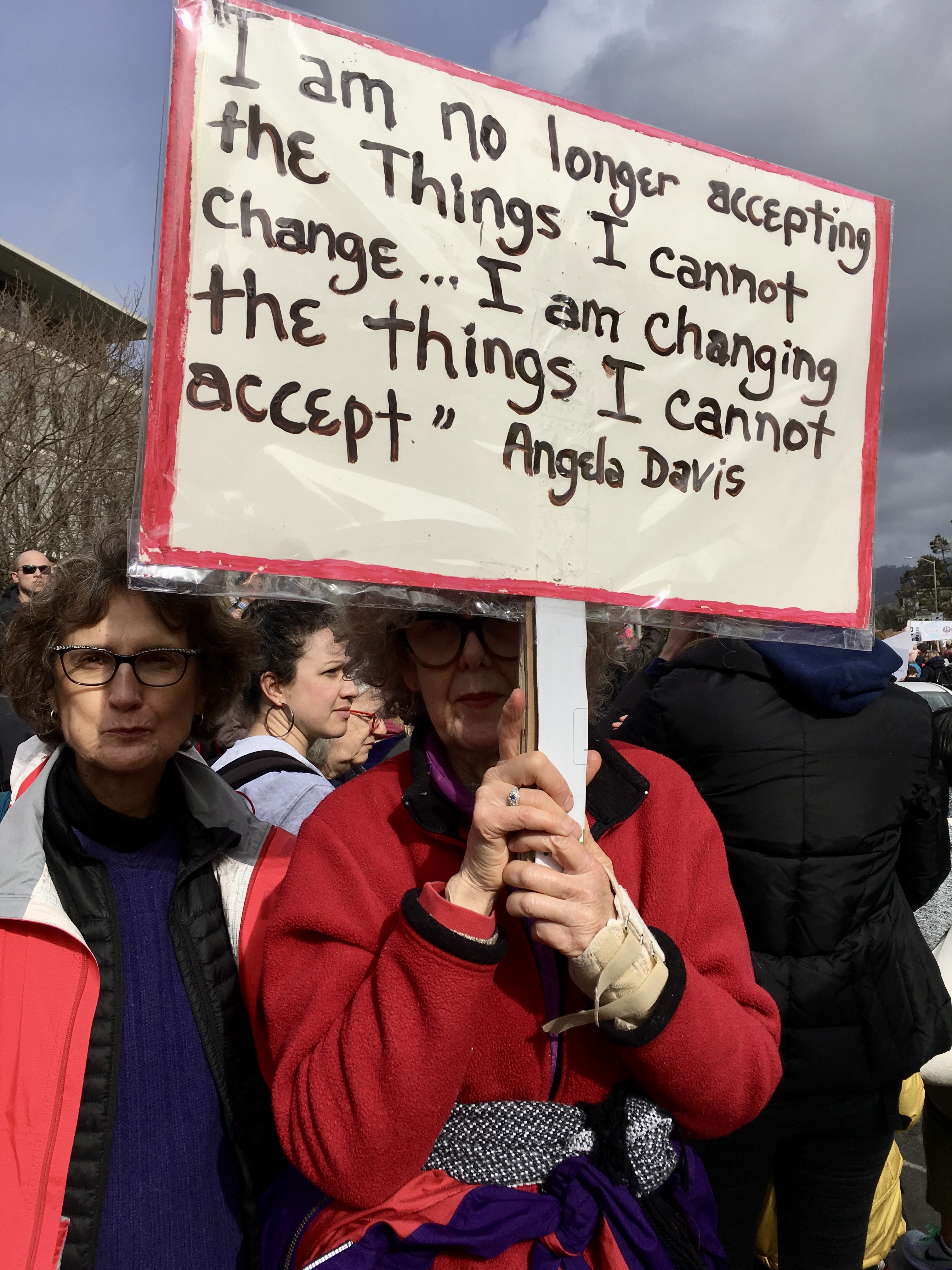


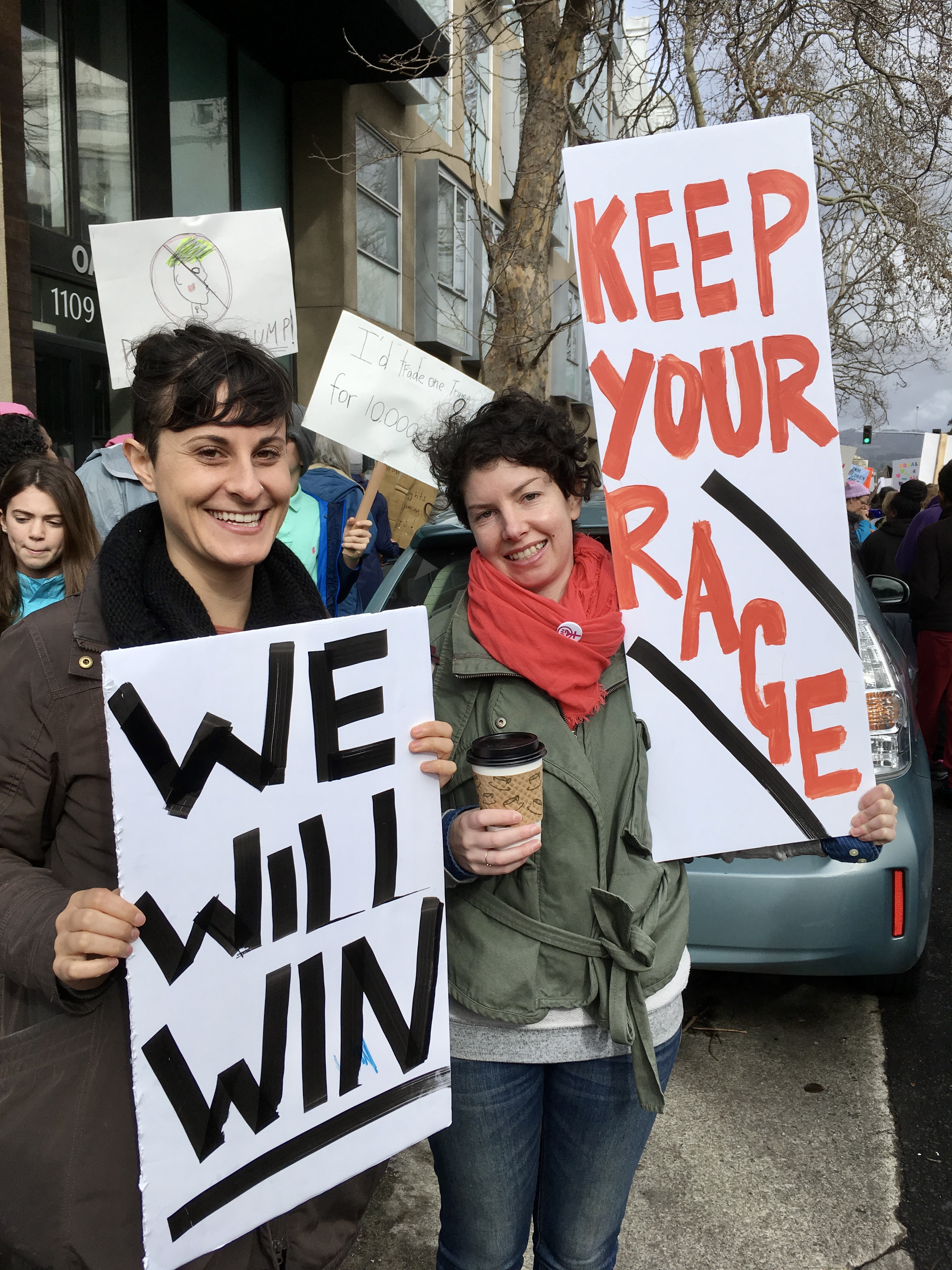

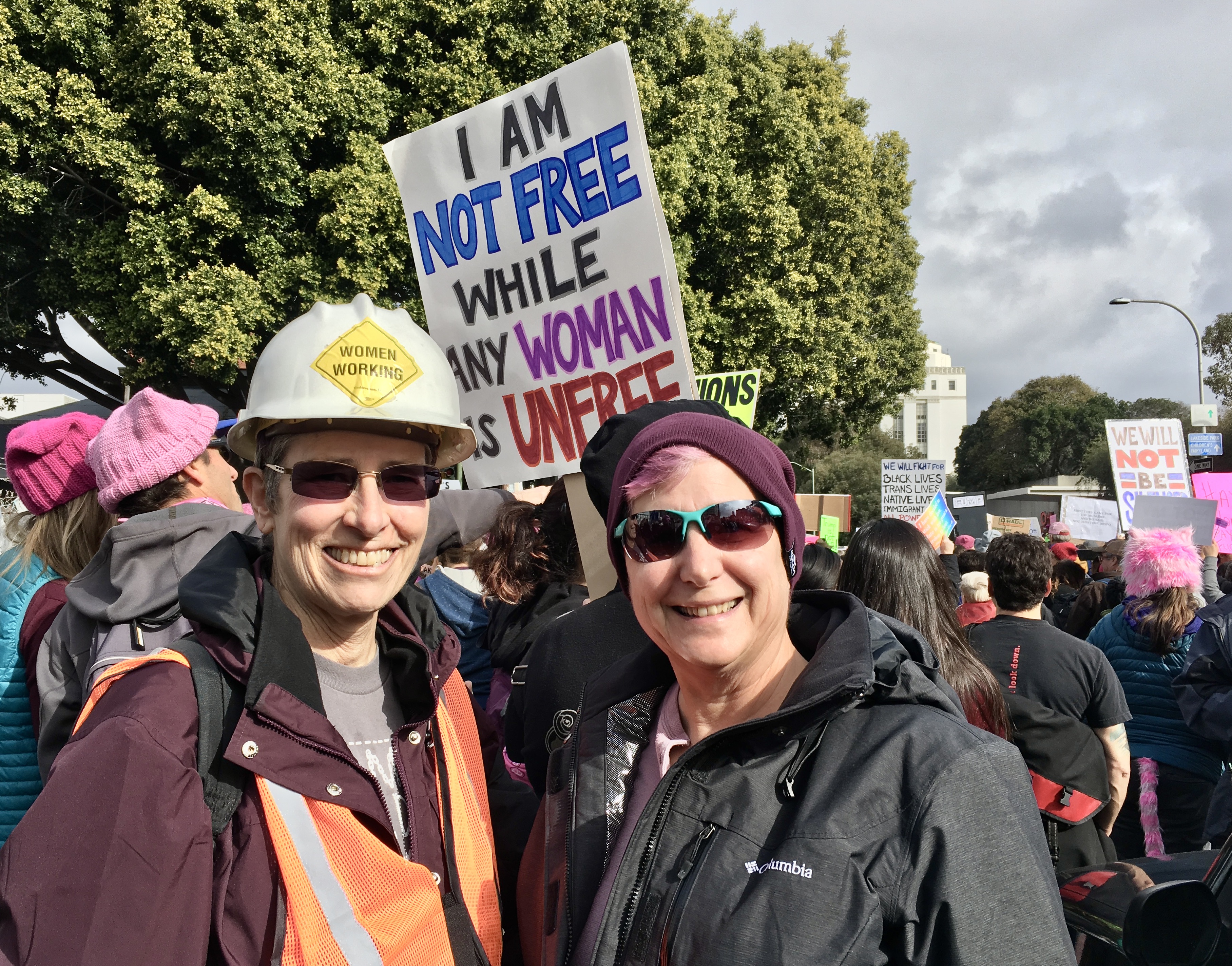


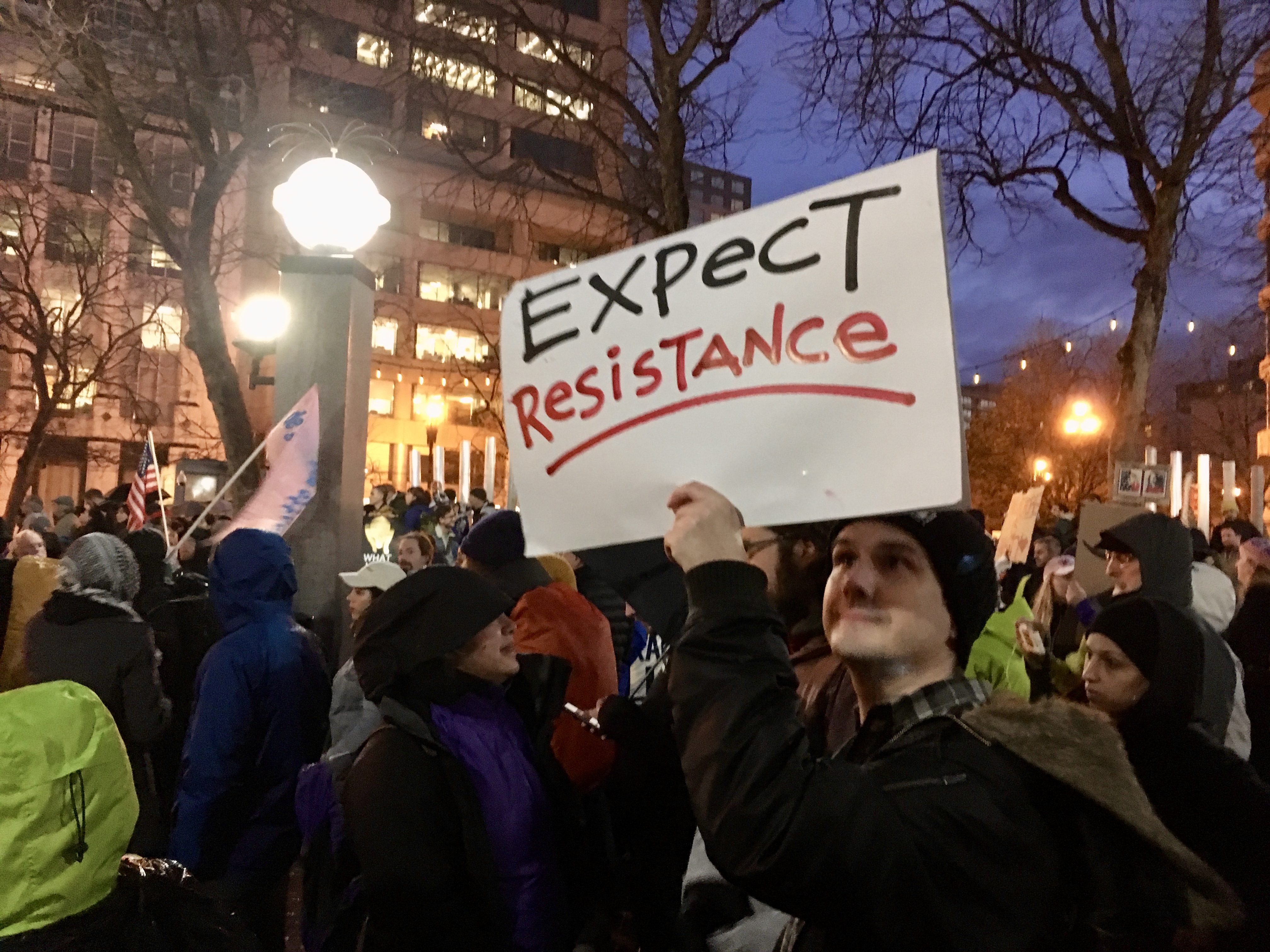





The Black Freedom Movement and Tradeswomen History
I want to take us back in time and imagine a world, a culture, in which job categories were firmly divided between MEN and WOMEN. Women were restricted to pink collar jobs that paid too little to raise a family on or even to live without a man’s support. Even doing the same jobs, women were legally paid less than men. Married women were not allowed to work outside the home. Single women who found jobs as teachers or secretaries were fired as soon as they married. Black people were only allowed to work as laborers or house cleaners.
This was the world we fought to change.
Tradeswomen who have jobs today must thank Black workers who began the fight for jobs and justice.
The Black Freedom Movement has advocated for workplace equity since the end of the Civil War.
The movement gained power during and after WWII. A. Philip Randolph headed the sleeping car porters union, the leading Black trade union in the US. In 1940 he threatened to march on Washington with ten thousand demonstrators if the government did not act to end job discrimination in federal war contracts. FDR capitulated and signed executive order 8802, the first presidential order to benefit Blacks since reconstruction. It outlawed discrimination by companies and unions engaged in war work on government contracts. This executive order marked the start of affirmative action.
The fight to desegregate the workforce continued.
In the early 1960s in the San Francisco Bay Area, protesters organized successful picket campaigns against businesses that refused to hire Blacks, including the Palace hotel, car dealerships and Mel’s Drive-In. Many of the protesters were white students at UC Berkeley.
In August 1963, the march on Washington brought 200,000 people to the capitol to protest racial discrimination and show support for civil rights legislation. The civil rights act of 1964, signed into law by President Johnson, is the legal structure that women and POC have used to put nondiscrimination into practice.
But change did not come quickly or easily.
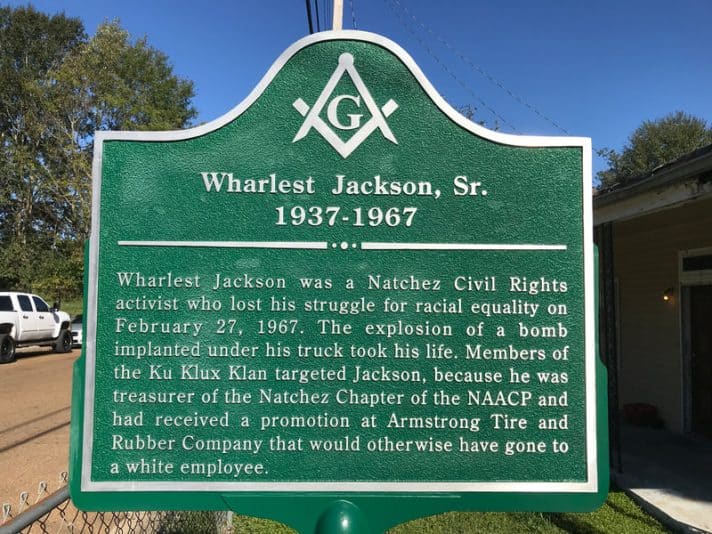
Black workers at a tire plant in Natchez Mississippi were organizing to desegregate jobs. The CIO, Congress of Industrial Organizations, supported them in this fight. In 1967, three years after the civil rights act became law, a Black man, Wharlest Jackson, who had won a promotion to a previously “white” job in the tire plant, was murdered by the KKK. They blew up his truck as he was driving home from work. No one was ever arrested or prosecuted for this crime.
Wharlest Jackson was the father of five. His wife, Exerlina, was among those arrested for peacefully insisting on equal treatment during a boycott of the town of Natchez’s white businesses. She was sent to Parchman penitentiary.
Jackson was just one of many who died for our right to be treated equally at work.
Tradeswomen are part of the feminist, civil rights and union movements. We continue to seek allies because we are few.
Discrimination has not ended, but, because of decades of organizing, our work lives have improved. We owe much to the Black workers who sought equity in employment for decades before us.
Photo: the Zinn Education Project
Book review
Thick Skin: Field Notes from a Sister in the Brotherhood by Hilary Peach, Anvil Press, 2022
A woman navigating the challenges of the male workplace makes a good story and Hilary Peach does the genre proud in her new book, Thick Skin. A Canadian from BC, Peach writes of working for twenty years as a boilermaker on big projects in Canada and the U.S. She has worked at coal fired power plants, the tar sands in Alberta, pulp mills, gas plants, shipyards—big industrial power generating companies of all kinds, often staying in their company towns.
I enjoy reading about the work people do, especially hard dirty jobs like construction. In this book Peach tells us about the world of boilermakers, a subculture all its own. She describes the often difficult working conditions while she schools the reader about the intricacies and art of welding.
Most stories center on the men she works with, the psychopaths as well as the nice guys.
She encounters sexism and discrimination regularly as might be expected as the only woman among hundreds of men. But Peach always finds humor in the stories and often had me laughing out loud. Tradeswomen who go through the same challenges in our workplaces will delight in her creative comebacks and her various inventive ways of responding to harassment.
“How do we know it’s sexual harassment?” asks an apprentice.
“Just stop talking about your penises. That’s 80 percent of it,” say the women in the break room.
I loved this book. It’s well written and an engaging read with truly general appeal. And, of course, it reminds me of my own experience working construction.
Electricians, too, have a subculture of travelers, boomers, tramps, journeyworkers—those who travel around to different jobs—and my sisters and I used to dream of traveling. We thought it would be the greatest thing—that is until we heard from others who were on the road, mostly because they couldn’t get work in their own union locals. Sandy said she had to wear so many layers of clothes working in the Boston winter that her arms stuck straight out at her sides. Barbara of NYC told about burning refuse in high rises to keep warm and to help the concrete set, risking the hazards of smoke inhalation. Betsy complained of the Texas heat and miles of smelly porty potties.
Maybe we didn’t want to travel after all.
Hilary Peach does it for two decades—driving hundreds of miles, often in the driving rain or snow, to get to a job. Staying in work camps whose last century accommodations have been condemned and then reopened without remodel. Working 12 hour shifts happy for the overtime, working nights, working in cramped quarters in the freezing cold and boiling hot.
As the hard hat sticker says, “If you can’t stand the heat get the fuck out of the boiler.”
Peach does indeed develop a thick skin. A favorite maxim, repeated often:
“You don’t bleed in the shark pool.”
Later, as more women begin to come on to the jobs, they tell her conditions have improved. She writes, “When other women were on the job it made a remarkable difference. One other woman and you are no longer the freak, the anomaly. You have an ally. Three or more, and everything changes. We can no longer be isolated and targeted in the same way…Someone has to organize a second bathroom.”
Thank you Hilary Peach for making women look good out there and for paving the way for more women to enter this industry. A published poet, she’s now working on a novel. As boilermakers say at the end of a job, “See you on the next one.”
Molly Martin is a retired electrician whose latest book, Wonder Woman Electric to the Rescue, is available on Amazon and Kindle.
To order Thick Skin: https://www.anvilpress.com/books/thick-skin-field-notes-from-a-sister-in-the-brotherhood
The letter:
With all due respect, with incidents like Proud Boy types storming the San Lorenzo library because a trans lady storyteller was holding story hour, to the latest murder of a Black man, Jason Walker, by the police with no consequences (what a surprise, not) the continuous denial from white people about the disgusting racism that has this country in its grip, mostly due to white people afraid to face the truth about America and content with it, as they talk a good game, but that’s as far as it goes. They fail to act every time. It’s with pain and disgust that I look at this country and its racism. Evil flourishes when good people do nothing. Evil is flourishing because white people have no real desire to fight against racism. Before you offer me weak words of platitude, don’t. Actions speak louder than words. If folks are not part of the solution, they are part of the problem. It is evident by the racists parked in our federal govt., yet another murder of a Black man by the racist police with no consequences that most whites are ok with how things are because it doesn’t personally affect them. As a Black woman with a Black son, I am filled with anxiety and fear every time I have to go outside. I shouldn’t have to live this way, but I do.
So, that’s all I got but it is enough to keep me angry.Fucking angry,
Carol
When my friend Carol sent me this letter, I didn’t know how to respond except to tell her I heard her anger and that she was right. Later, she called me to say it was hurting her own health to hold on to so much anger. She told me that she’s been working with a couple community organizations to reach out to neighbors to discuss the issue of racism, but her white neighbors just don’t want to hear it. They are avoiding her now because she suggested getting together to watch a video about racism.
She wrote:
I invited my white “friends” to take the time to watch small 15 minute videos that anyone can access on you tube. It was not so much them not being willing to watch a short film, but the total lack of compassion or empathy of the ordeals black people have suffered since being brought to this country involuntarily and still continue today.
I am trying so hard not to stay pissed off, but every time I hear about another shooting of an unarmed Black man by the police, I just want to scream. Nothing is changing because most white people (I know, a sweeping generalization) don’t see a need for it…I can’t rest knowing that this country is not yet ready to face its past and make America a better place. It seems I am always in the “minority” when expressing my viewpoint and or perspective.
So, thank you for all you do, but we need way more people who think like you before we can move forward.
Carol lives near the San Lorenzo library, which was attacked by Proud Boys during a drag queen story hour. She walked right up to them and asked them what they were doing. They told her they were there to protect children and suggested she join them. Didn’t she want children to be protected?
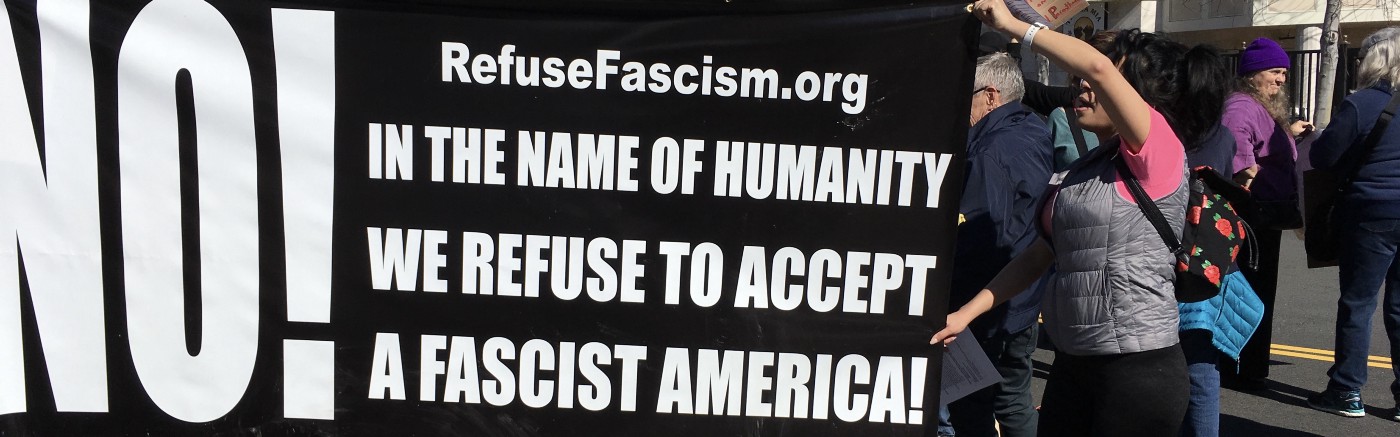
I watched the PBS series, The U.S. and the Holocaust, and I’m seeing undeniable parallels to Hitler’s Nazis. They demonized a population–the Jews–just as our own right wing demonizes trans people, gay people, immigrants, Blacks, people of color and Jews. They produced reams of propaganda spouting lies that the general population was oh-so-quick to believe. Then they started restricting their rights and destroying their property, humiliating and beating them and sending them to concentration camps along with other targeted groups — homosexuals, gypsies, communists.
Many of us wonder if the Proud Boys and their ilk are turning into the new SS, Hitler’s paramilitary, responsible for terrorizing and killing millions. It happened recently at the First Christian Church in Katy, Texas.
Texas Christians Terrorize Church Supporting Transgender Christians
The organizer, who calls herself a Christian fascist, tweeted, “Let’s start rounding up people who participate in Pride events.”
We are all being demonized and we must hang together to reject fascism or we will hang separately.
Like Carol, I abhor racism and also feel powerless to do anything about it. The very least I can do is publish her words with the hope that it will help white people to understand and sympathize.
Al and I first met when I walked into the open door at Summit pump station. He was kneeling on the concrete floor painting one of the pump motors that supply water to the city of San Francisco. When he saw my figure standing in the doorway he jumped back, like I was there to assault him. That gave me a little jolt of power—that a man might be startled by me. Yeah, I thought to myself, I’m a big strong woman and men flinch at the sight of my form. But there was a safety issue. The pump stations are situated in remote parts of the city. And I wasn’t supposed to be there. Or, in reality, no one knew where I was at any particular moment. As the one electrician responsible for all the stations, I kept my own schedule, responding sometimes to complaints or work orders and sometimes just checking to make sure the electrical equipment was working.
“Hey,” he said, squinting at me in the sun glaring through the open door. “Who are you?”
“I’m the electrician. Who are you?” I answered. But I knew he was a stationary engineer. Painting motors is part of their job.
The corps of engineers worked out of the Lake Merced pump station where they reported to the chief engineer, Joe. I thought I’d met all of them at one or another pump station. But Al was a retiree just filling in for a coworker who was in rehab. I figured he was about three decades older than me, a small redhead still with a good bit of hair left. He reminded me of a leprechaun—little and cute. We liked each other immediately and over the course of a few months we became friends. Not the kind of friends who see each other outside of work. But we would share personal information that we might not share with others.
There was one other engineer I was tight with, Jesus, and he would sometimes meet up with me and Al at lunch break. Jesus was transitioning from male to female and had been taking hormones for a few months. He had saved up enough money for the operation and was in the process of scheduling it. Al told me Jesus had announced to their fellow engineers that he now wanted to be called Rosa.
“How did they react?” I asked, thinking that must have taken some courage.
“They looked at their hands and didn’t say anything,” he said. “Just some snickering.” Knowing that he was planning to transition, his coworkers had ignored Jesus and refused to talk to him. Now that he was Rosa, the treatment would be no different.
Jesus told me he had known he was really female from the time he was a child in Mexico. A generally happy person with a positive attitude, Rosa was positively delighted to finally be female, to be herself. I thought she radiated serenity.
I wish I could say the transition was seamless for me, that I found it easy to switch from Jesus to Rosa, but I found it difficult. I had gotten to know this person as Jesus and now it was like I was having to start all over again. The pronoun thing confounded me. Back in the day we feminists had pushed to rid the English language of male and female pronouns, but the idea never took hold. I dearly wished for those genderless pronouns whenever I screwed up, but Rosa was forgiving.
I was suspicious of most of the men at work. Let’s just say they didn’t welcome me, the lone female, into the fold. I tried to give them as little information about myself as possible, assuming it would be used against me. I knew that I could not be friends with these men. But I had begun to feel differently about Al and Jesus.
I learned that Al was married to a French woman, that they had no children. I learned that he had been around the world as a seaman. Like many of the engineers, Al had learned his trade in the Merchant Marines. I knew some things about the Merchant Marines—that the celebrated San Francisco Communist Bill Bailey had been one and that he was not the only commie. I knew that the mariners had performed a vital service in World War II, risking their lives to supply materiel to the fronts. I knew that, while they weren’t part of the military, the merchant navy had suffered a higher casualty rate than any branch of the military. Their boats were always being torpedoed. Then, after the war, they were attacked and denied any benefits because they were all branded as communists, which of course most of them were not. They were just civilian patriots willing to risk their lives to protect the lives of others.
I knew enough to gain some trust with Al before asking but I had to ask, “Were you a Communist?”
All I got was a wry smile, enough to let me know I should stop asking questions.
But that was enough for me. I call myself a communist with a small c, more of a new leftist. I’m always delighted to meet up with the old commies, for whom I have great regard. They don’t always want to admit past affiliations. Most of the Reds were disheartened by knowledge of Stalin’s murderous legacy. Many were hounded for years by Hoover’s FBI. Jobs were lost and lives ruined.
Now it was 1985, the depths of Reaganism, which made all of us minorities jumpy and skittish and gave our detractors permission to be openly hostile. The AIDS epidemic was ravaging San Francisco’s gay men’s community while Reagan refused to even acknowledge the disease. Women—feminists–had come under attack along with anyone who didn’t fit into the back-to-the-fifties scenario. Immigrants, transgender people and communists too. Maybe that’s why the three of us gathered, just to know we weren’t alone.
Jesus, now Rosa, had begun presenting as female, letting her hair grow and wearing women’s clothes. But she didn’t really look that different than before. We all wore work clothes. My work outfit consisted of boots, canvas work pants, a T-shirt with a flannel shirt over the top, and when it was cold a wool-lined vest or jean jacket. A hard hat was not required on this maintenance job and I didn’t have to wear a tool belt. I carried my hand tools in a leather tool bag. And I drove a truck painted Water Department colors, Kelly green and white, in which I carried wire, pipe, benders and all the other tools and material I might need. Rosa, when dressed in work clothes, looked like me.

Rosa was the first transgender person I got close to, but I was not completely naïve. Ire had been raised in the tradeswomen community when we learned of a transgender female carpenter in our midst. She had transitioned after working as an already skilled male carpenter. She was getting work while we were frozen out because we were women. The contractor got to count her as an affirmative action hire. It didn’t seem fair. Then there was a continuing dustup in the lesbian community about a transgender sound engineer who worked for Olivia Records, the women’s music company. She had been trained while still male. We women wanted to do everything ourselves, but we didn’t have the skills because we couldn’t access the training. It’s possible that when the engineer, Sandy Stone, was hired, there were no other female sound engineers. Some lesbians were quick to attack the individual, but most of us understood that our real enemy was the system that discriminated against women.
At lunch one day Al told us some war stories. He said he had survived a torpedo attack where some seamen had died. I tried to imagine his life on those ships. I’d heard the gay historian Allan Berube’s lecture and slide show about sailors and soldiers during the war. They were all having sex with each other, especially the sailors. I knew Al wasn’t gay but I suspected he’d participated in gay sex.
I had allowed myself to relax a little with Al and Jesus. I came out to them. We talked politics. We all hated Reagan. I had started to feel comfortable with these guys.
Then one day while Al and I worked together he confessed that his wife no longer wanted to have sex with him and he was super horny. Did I want to have sex with him? It wasn’t as if men at work had not come on to me before. This was the typical way they did it; they would complain about their wives and that would be the opening. But I was shocked to hear this from my friend Al. I’d been solidly in the friend category I thought. Suddenly I was in the gal toy category. Or was it the whore category? Weird.
I said, “Al you know I’m gay. I’m not attracted to men.” Which wasn’t entirely true. I’d lived much of my life as a practicing heterosexual.
“Well, maybe you have friends who might want to have sex with me,” he said. And for a moment I actually considered the question. I definitely had horny friends. But who might want to have sex with Al? What would his personal ad look like? “65-year-old leprechaun seeks sex with any female. Age not important. Nothing else important.”
Then I was grossed out thinking my friend Al wanted me to pimp out my women friends. Then I was disappointed that our friendship was not what I had thought it was.
“So you only have sex with women?” Al asked.
“Well yeah. That’s what being a lesbian means. Maybe I’m not as sexually fluid as you. I know what y’all did on those ships.”
No response except that wry smile again.
That interaction changed my relationship with Al, but he may not have even noticed. Like many men he lacked a certain amount of sensitivity. On the other hand, his size and his politics—his minority status in the world of men—engendered more empathy than most.
So now I started thinking Al was like all the other guys. I stopped feeling so safe around him. Not that he might attack me. No, I was pretty sure I could take him in a fight. I was bigger and I practiced karate. It was more that he didn’t value me, didn’t see who I really was, and so might not understand the need for discretion. I did know that just because someone is or was a Communist does not mean they are not sexist as hell.
For a while I didn’t cross paths with Rosa. I still saw Al out in the field and he would fill me in on Rosa’s transition. The surgery had gone well and Rosa was back at work. She was happy, even as her coworkers continued to give her the cold shoulder.
“I’m having trouble re-learning Jesus’s name,” I confessed. “I’m just not good at it. I get all confused with the pronouns and I keep saying him instead of her.”
This time Al’s response was sharp and I realized he must be doing his best to protect Rosa from harassment by the other engineers.
“She is Rosa now,” he said, “and you’ve got to call her by her name.”
It was an admonishment and I took it seriously. Al was worldly wise and maybe had known other transgender people. He knew how to be an ally. Could I really be learning something from this old white guy?
I guess everybody’s got something to teach.
“I don’t get it,” I said. “Why would you want to be a woman? We are discriminated against. The men we work with hate us. We get paid less. Why choose that?”
Jesus thought for a moment. “When I get in the shower and look down at my penis, I hate it. I feel like it shouldn’t be there.”
We were standing out in the corporation yard, away from our coworkers in the shops.
Jesus and I had worked together at the San Francisco Water Department for a couple of years and I was glad we’d become close enough for me to ask such a personal question. I was starting to get it.
But I was skeptical. “Jesus, you grew up with male privilege. How do you know what it will be like?”
“I know because I’ve already lived as a woman,” he said. “For three years.”
Jesus is a stationary engineer. His job is to maintain the pump stations for the San Francisco Water Department. I’m the electrician whose job is to maintain the electrical components of the system. We work out of a corporation yard in the industrial southeast part of the city. Each of us works alone but we often encounter each other out in the field at the pump stations. In a world of macho plumbers and engineers we gravitate to each other, more because we are different than because we are the same. We are both outcasts and we both must live within the dominant paradigm: a sexist and racist work culture with coworkers who believe we don’t belong there. It’s their territory.
It’s 1983. I’m a temporary worker with no benefits. I could be fired at any time with no recourse. I feel like I have to prove myself every day. I’m not out of the closet at work and I worry that this information might lead to a layoff.
The men think they can talk to me about Jesus. I wonder if they talk to him about me, but I think he is even more of an outsider than I am, transgender and Mexican. I’m a white lesbian and usually the only female. When you’re a double or triple minority you can never be sure why you are targeted for harassment.
“Is he gay?” They ask me. And I must try to explain transgender to these dickheads.
I know Jesus endures discrimination and harassment. The men he works with simply refuse to talk to him. They pretend he’s not there. I know from experience that this form of harassment takes a toll. It’s a way to get you to leave and it often works.
Despite all this Jesus appears to be the happiest person in the yard. He’s always singing or humming to himself and he has cemented a stereotype in my mind of Mexicans as people who smile through adversity. Yeah, I know that’s politically incorrect. I know that not all Mexicans are happy. Still, my brain forms stereotypes without my permission and I figure it’s best to acknowledge it, at least to myself. Jesus sets a good example for me. I tend to react to sexism and homophobia with anger. I can’t express it and so I walk around with the anger inside. And I take it home with me.
One day I’m assigned to work at the Lake Merced pump station in the southwest part of the city. That’s where the huge water supply pipes come in from the city’s Hetch Hetchy reservoir in the Sierra Nevada mountains. The pump motors here are 100 HP and they run on 4600 volts. (The highest voltage supplied to our homes is 220 volts.) The switchgear supplying the motors hums in a giant metal cabinet.
I’m the only electrician and it’s my job to maintain this equipment. But I’ve never been trained on high voltage. The union didn’t let women into its apprenticeship program and so I’ve learned the basics in a federal job training program and from experience. I easily passed the civil service test for electrician but I’ve never worked on more than 480 volt systems.
When the chief engineer orders me to diagnose a problem in the switchgear, I do my best to appear competent. In troubleshooting, the first step is to test. I pull out my trusty tester, a little black box with two wire leads and touch the leads to the live switchgear.
Electricians reading this will know what happens next–my tester is only rated for 1000 volts.
With an ear splitting bang the tester blows up and I’m thrown backward, landing on my butt on the concrete floor.
Jesus, the engineer on duty, rushes over, looking alarmed. “Are you ok?” He asks.
“I’m ok I’m ok,” I say. It’s the first thing we always say after a disaster, even if not true. The loud blast affected my hearing. It sounds like we’re under water.
I could have been killed. I could have been killed. Joe, the chief engineer, knows this. He has seen the explosion and he makes a quick exit, better to not be part of this.
The first emotion I register is embarrassment. I should have used the pole tester, rated for this purpose, but it’s a tool I’d never used before. I know I represent my gender to these men and my worth and work will determine their stereotypical view of women in their workplace. Their ideas of working with women will be based on me, until other females come along. My huge blunder will make all women look bad.
I’m embarrassed and I’m shaken, one minute regretting my mistake and the next thinking I could be dead. I could be dead. Stupid stupid stupid.
Jesus leads me into the chief engineer’s office where I try to recover, crouching in a corner on the floor, hugging my knees to alleviate the shaking. I could be dead. I could be dead.Jesus stays with me for moral support. And that’s when he tells me his story.
He grew up in Mexico City where he learned the trade of stationary engineer, maintaining the systems in big buildings. Then he migrated to San Francisco, became a U.S. citizen and got a job working as an engineer for another city department. That’s when he first decided to transition from male to female. He was living as a female, taking hormones and contemplating surgery when he was in a serious car accident. After time in the hospital he decided to go back to being male. That was several years earlier. In his present job he has always been male, but word got around and his coworkers know he once presented as female.
But he’s not happy as male. This is not who he really is. He’s thinking again about transitioning. He’s saving money for the operation and figures it will cost about $10,000.
“I want to tell you something I’ve never told anyone at work,” I say. “I’m gay.” And with that a sense of relief fills me. I’m no longer alone here.
Jesus nods. “I thought so,” he says, “but thanks for telling me.”
This admission makes me feel I can ask him anything without offending him.
“So are you attracted to men or women? If you transition will you be a lesbian?”
“I’m attracted to women,” he says. “Gender is different from sexual attraction.”
“I know,” I say. “I don’t want to be a man, but I sure would like some of that male privilege.”
Jesus tells me he has gone to meetings of trans groups in the city, but he never feels like he belongs anywhere. He has no community.
To me this is tragic. I depend on my lesbian and tradeswomen communities to survive as an outsider.
“What was it like for you being a woman in the trades?” I ask.
“They assume a man knows everything,” he says. “That’s challenging, because of course we don’t. But we have to act like we do. It can lead to unsafe behavior. We’re all supposed to be cowboys.
“They assume a woman knows nothing. That has its own drawbacks. They refuse to pass on knowledge. They take your tools away and don’t want to let you do anything.”
The last thing I want to be is a woman who knows nothing. Nor do I want to out macho the boys, to act like I know something when I don’t. Doing that has nearly killed me.
Jesus would never say it. He’s too polite and gentlemanly. But I understand his point–stop acting like a dick.
Ch. 2: https://mollymartin.blog/2021/04/05/call-her-by-her-name/