
The 3rd Division gets credit and Flo was there
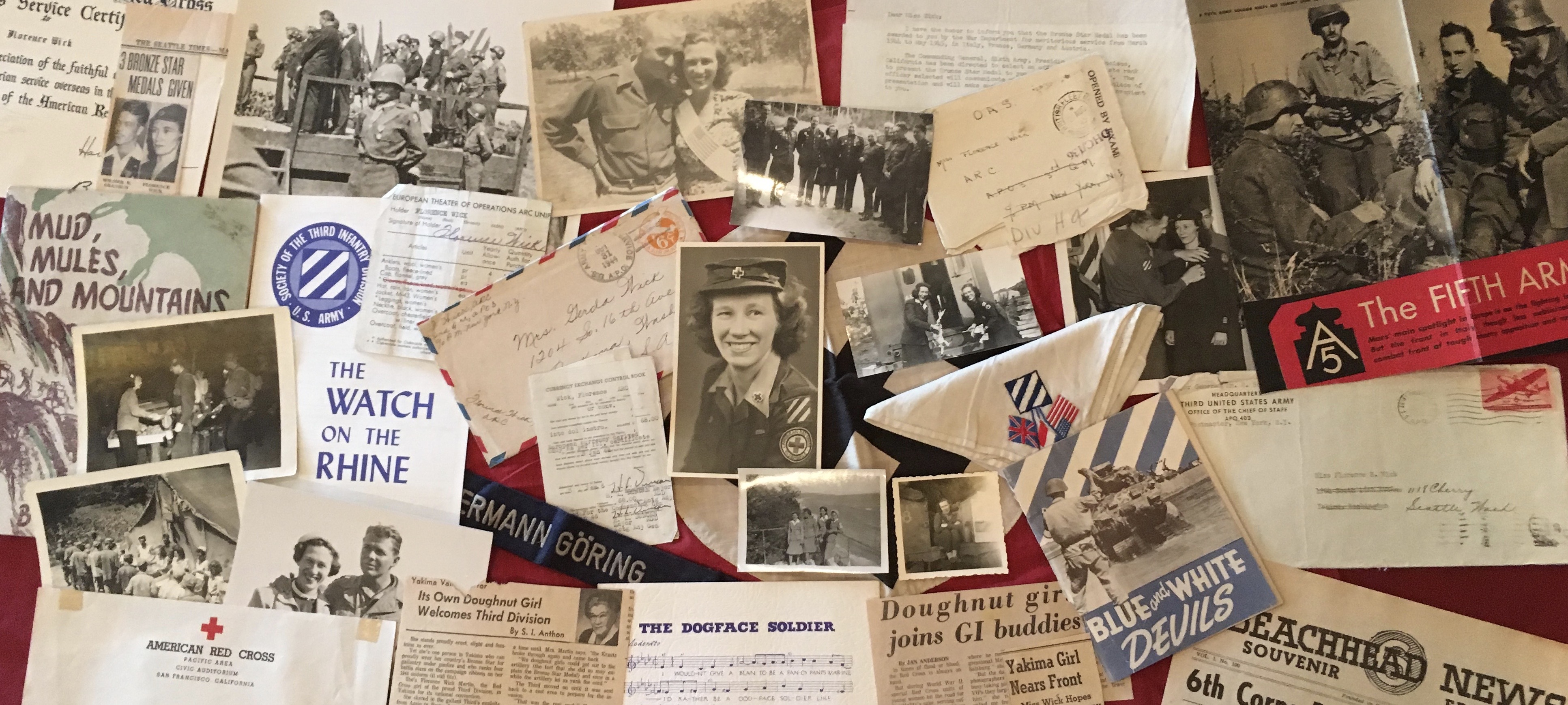
My Mother and Audie Murphy Ch. 70
There is still debate over which Allied unit can claim credit for capturing Berchtesgaden in May 1945. The most reliable historical accounts indicate that the 3rd Infantry Division, specifically the 7th Infantry Regiment, commanded by Maj. Gen. John “Iron Mike” O’Daniel, reached the town on May 4, 1945, and accepted its surrender without resistance. They were the first American combat troops to enter the town itself.
However, popular history has sometimes credited the 101st Airborne Division’s Easy Company—made famous by Stephen Ambrose’s Band of Brothers—with the “liberation” of Berchtesgaden. Easy Company did arrive on May 5, the day after the 3rd Division. Their presence, and the power of their postwar memoirs, contributed to the widely repeated but inaccurate claim that they captured the town.
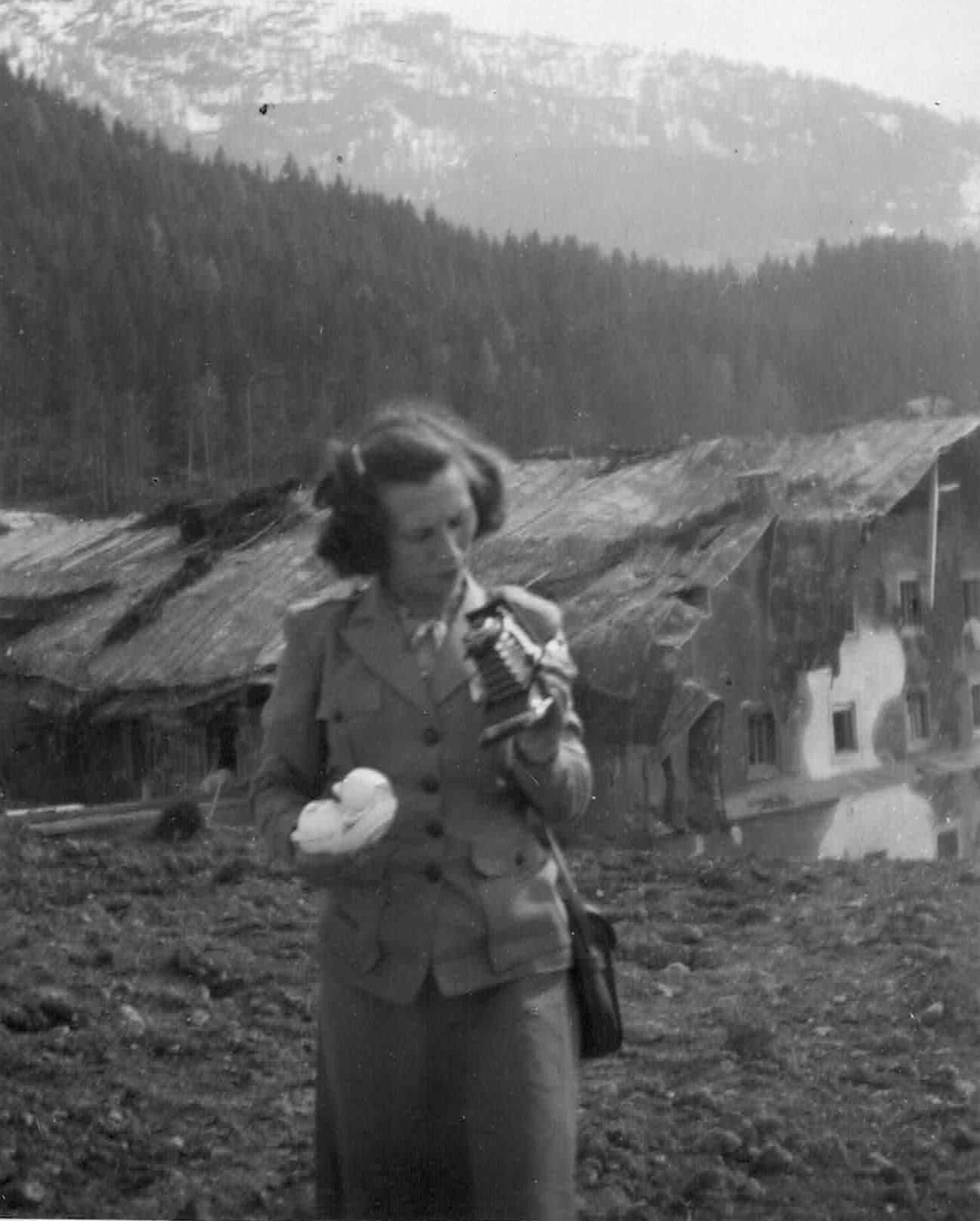
Complicating matters further, elements of the French 2nd Armored Division, advancing from the south, also reached the Obersalzberg at nearly the same time. French armored troops were already present at the SS guardhouse near the entrance to the Obersalzberg complex when the Americans arrived on May 4. So while the 3rd Infantry Division is generally recognized as having taken Berchtesgaden, the French made the first approach to the mountain enclave.
What is clear is that Flo arrived very shortly after the area had fallen to Allied forces, when the military presence was still active and the ruins still fresh.


Berchtesgaden and the Obersalzberg Complex
Berchtesgaden, in the Bavarian Alps, served as Hitler’s alpine headquarters and a central site of Nazi state power. The Obersalzberg complex above the town contained residences, administrative buildings, and security installations used by Adolf Hitler and other high-ranking Nazi leaders, including Martin Bormann and Hermann Göring.
Key components included:
• The Berghof: Hitler’s primary residence, significantly damaged in a massive Allied bombing raid on April 25, 1945.
• The Eagle’s Nest (Kehlsteinhaus): A mountaintop chalet and diplomatic reception site, built for Hitler’s 50th birthday.
• SS Barracks and Guard Posts: Securing the restricted zone around the leadership compound.
• Underground Bunker System: An extensive network of tunnels, shelters, offices, and storage areas designed to protect leadership during air raids and potential last-stand scenarios.
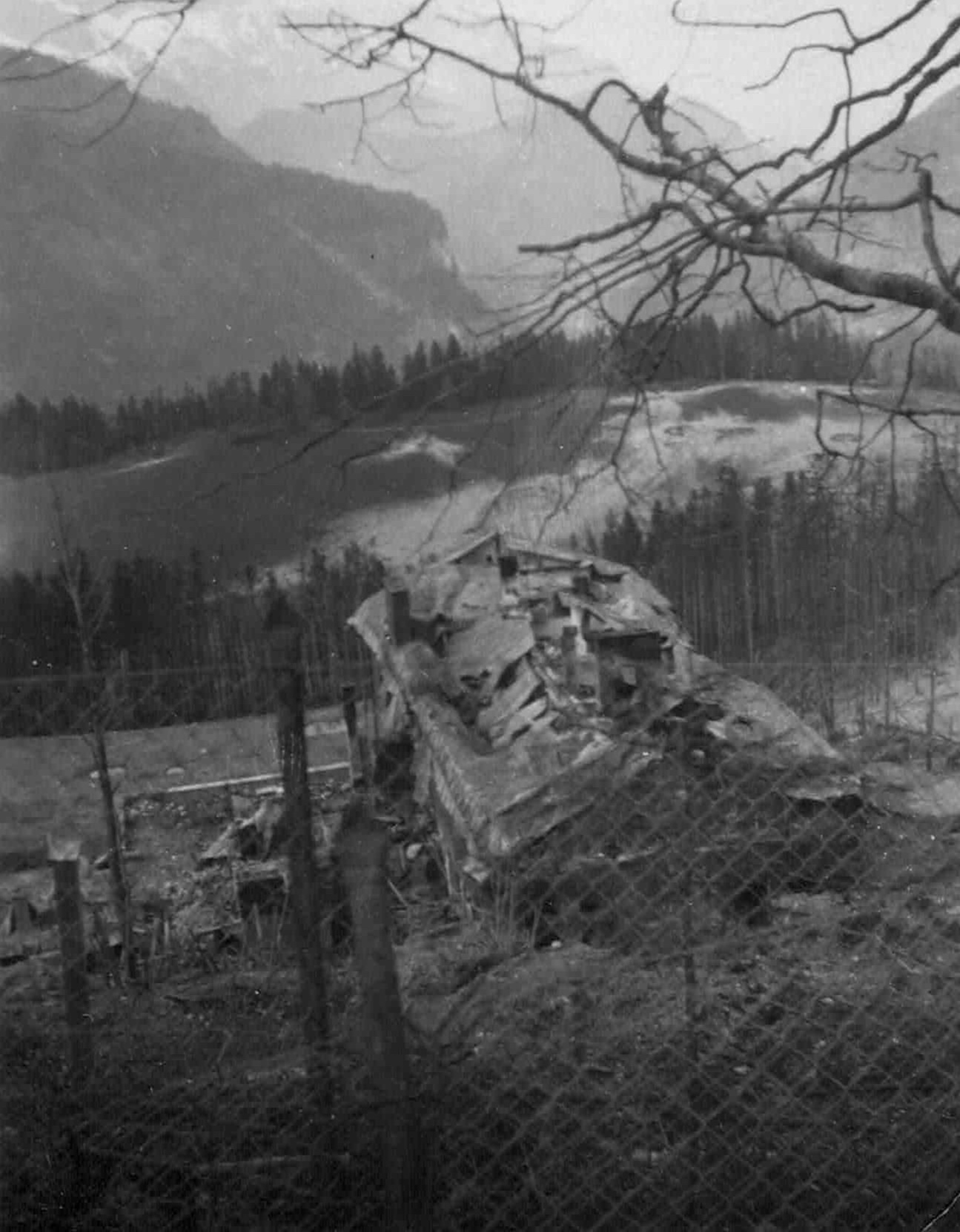
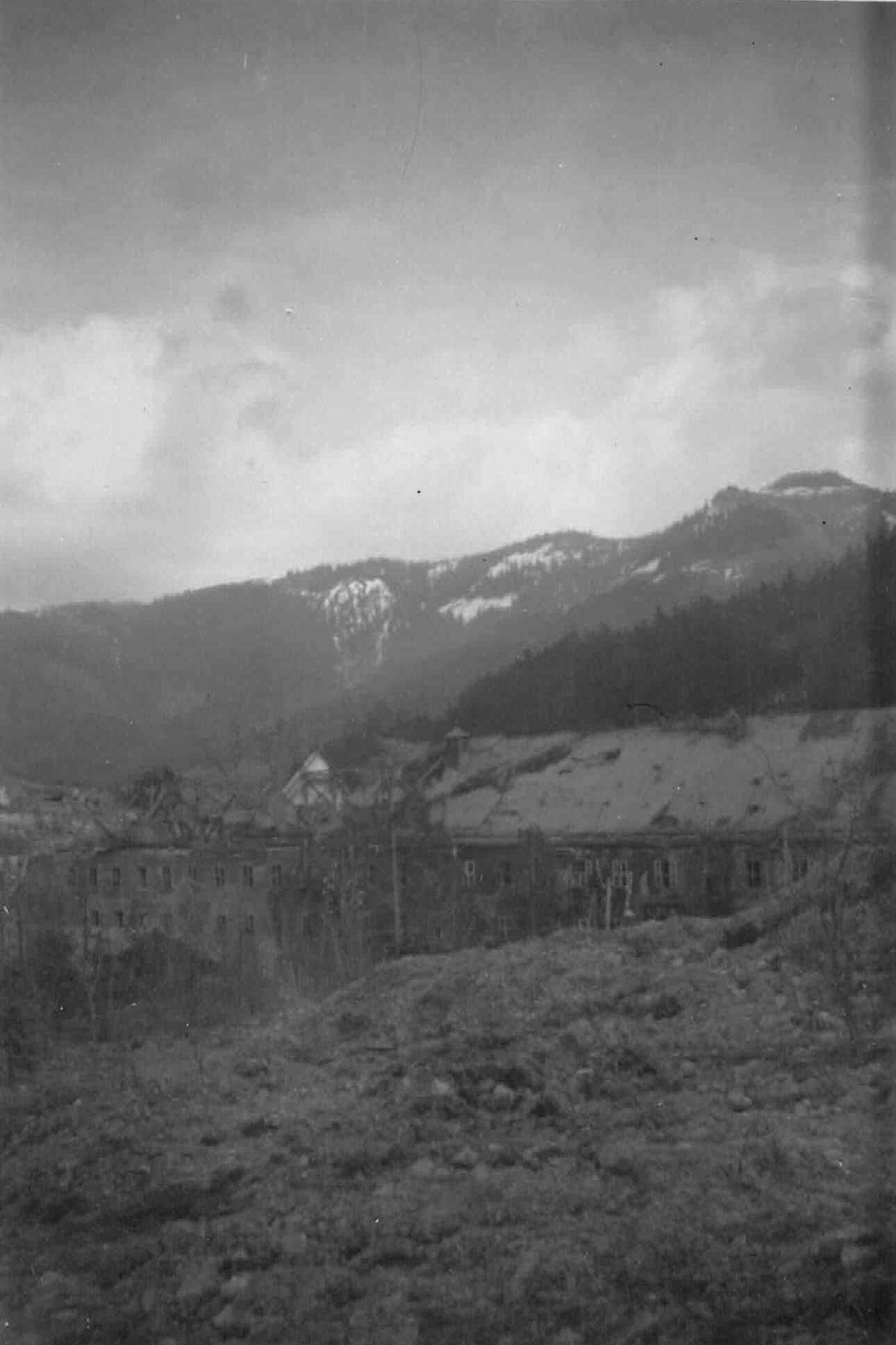

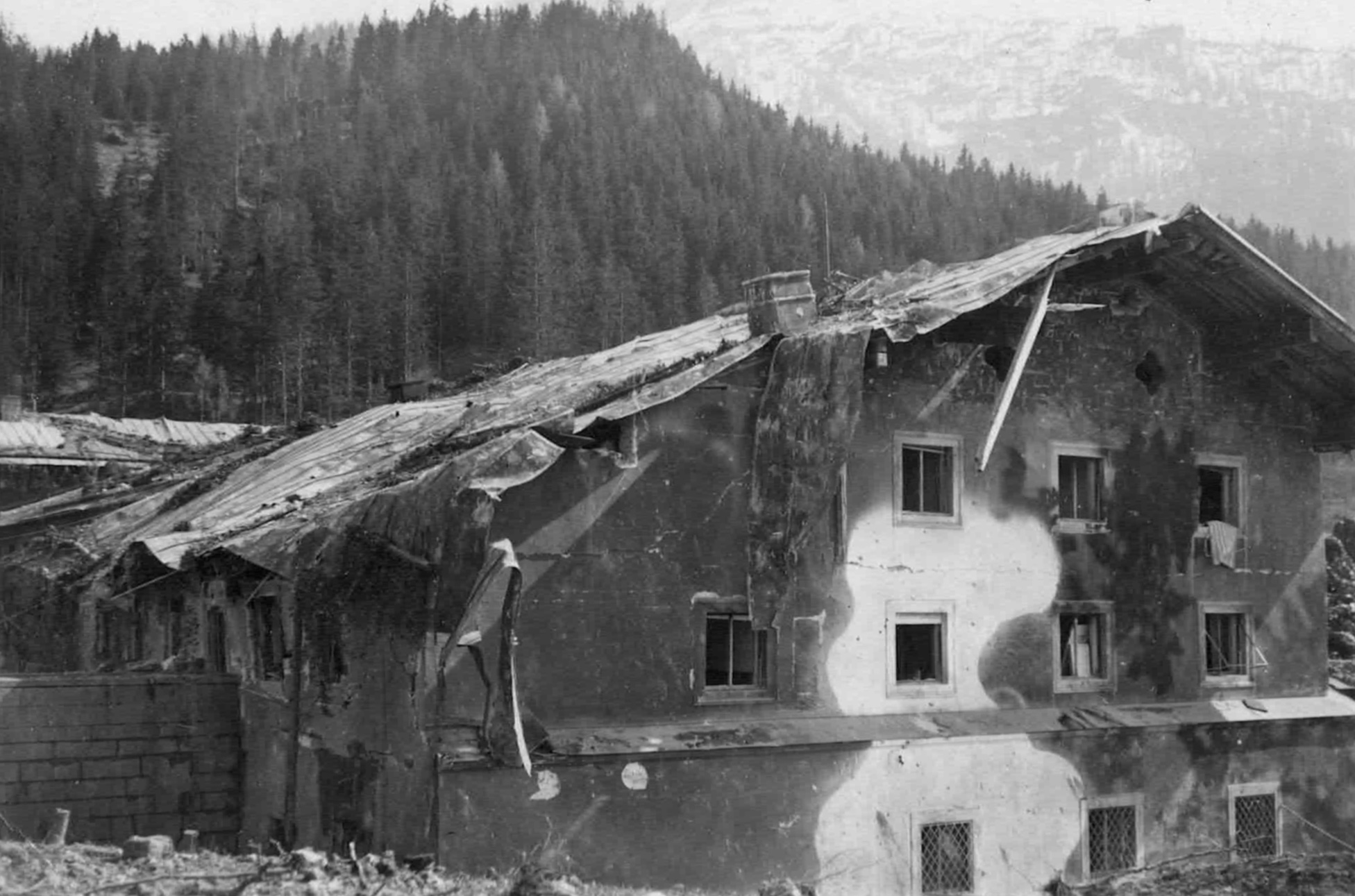
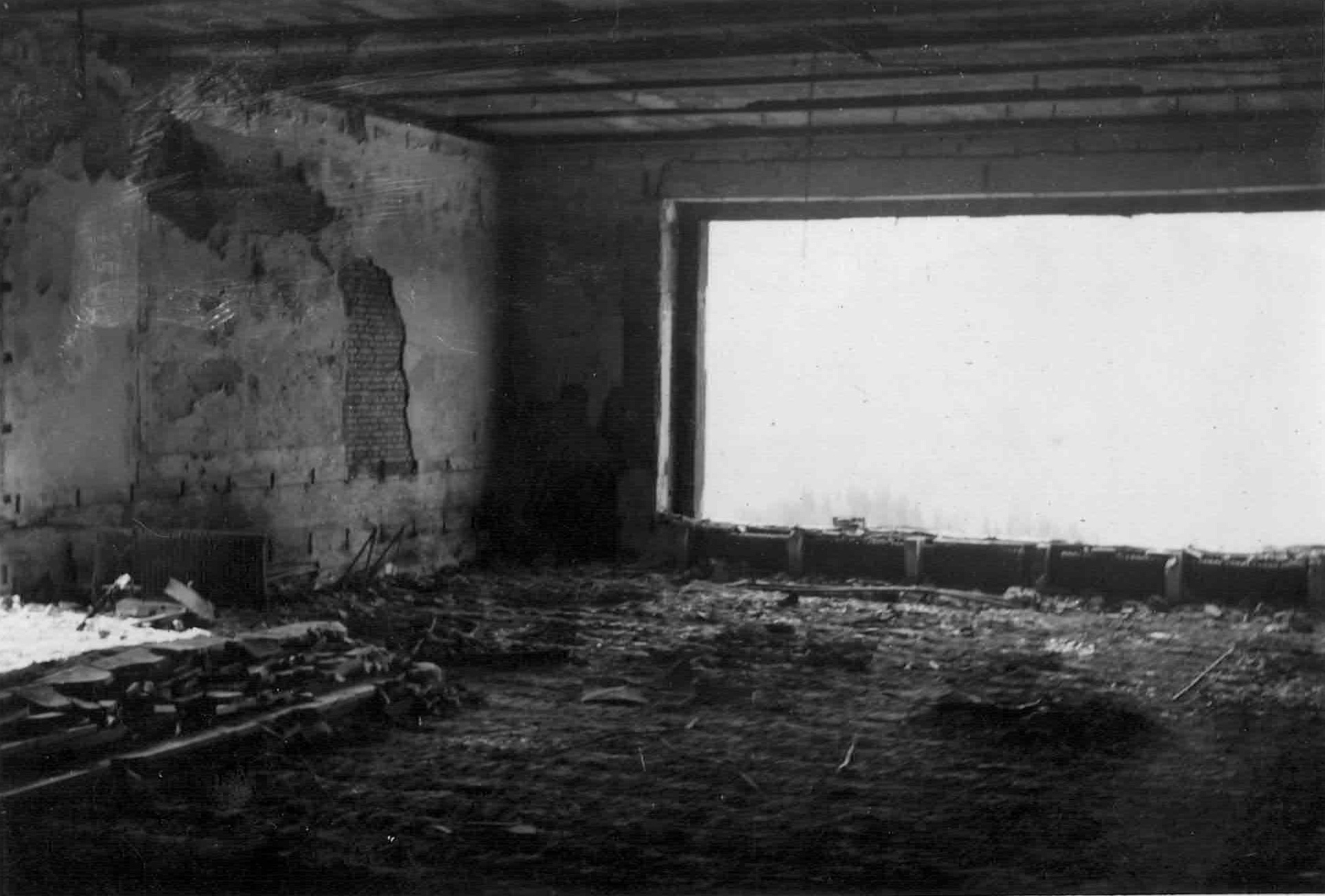
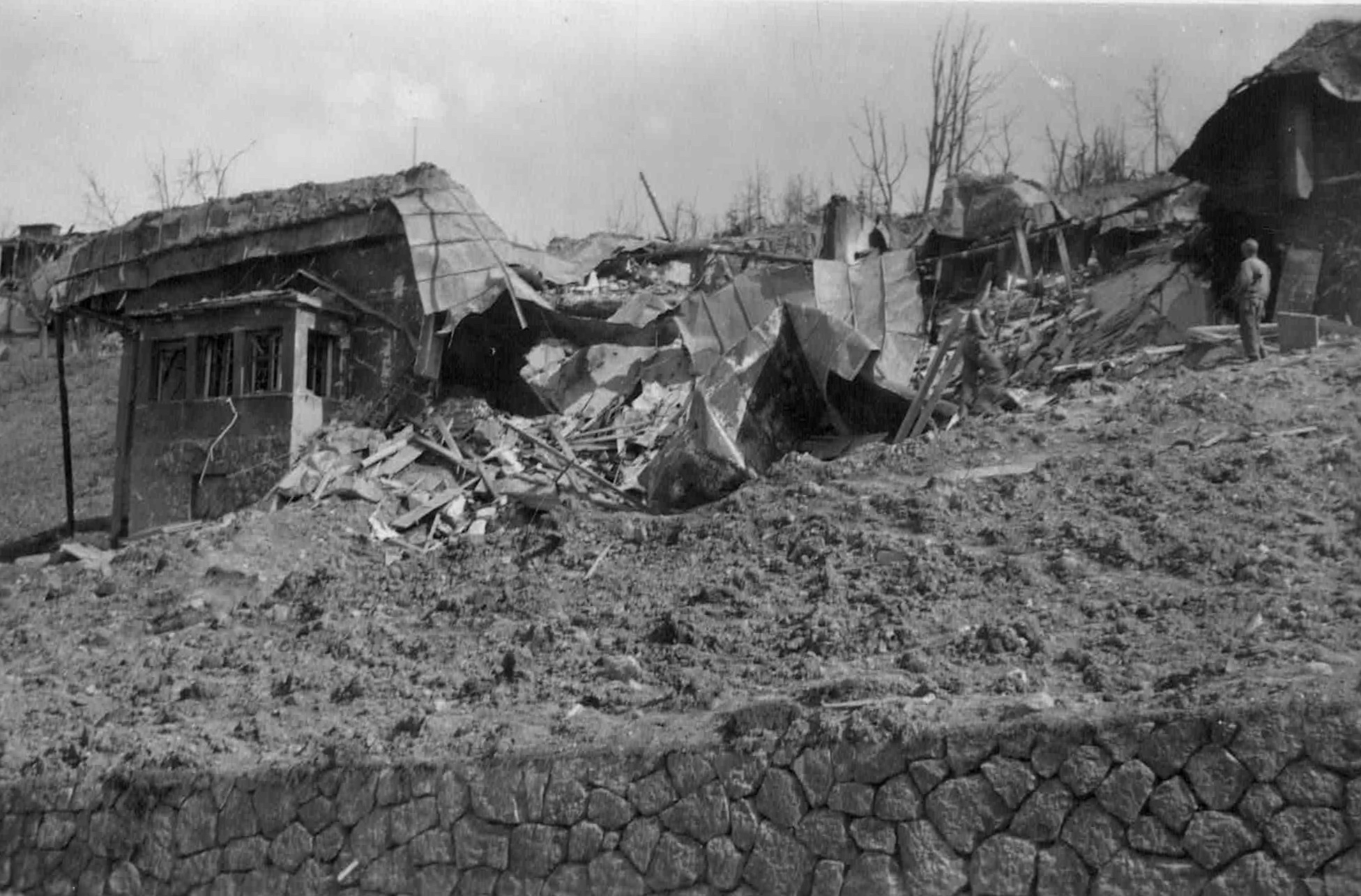


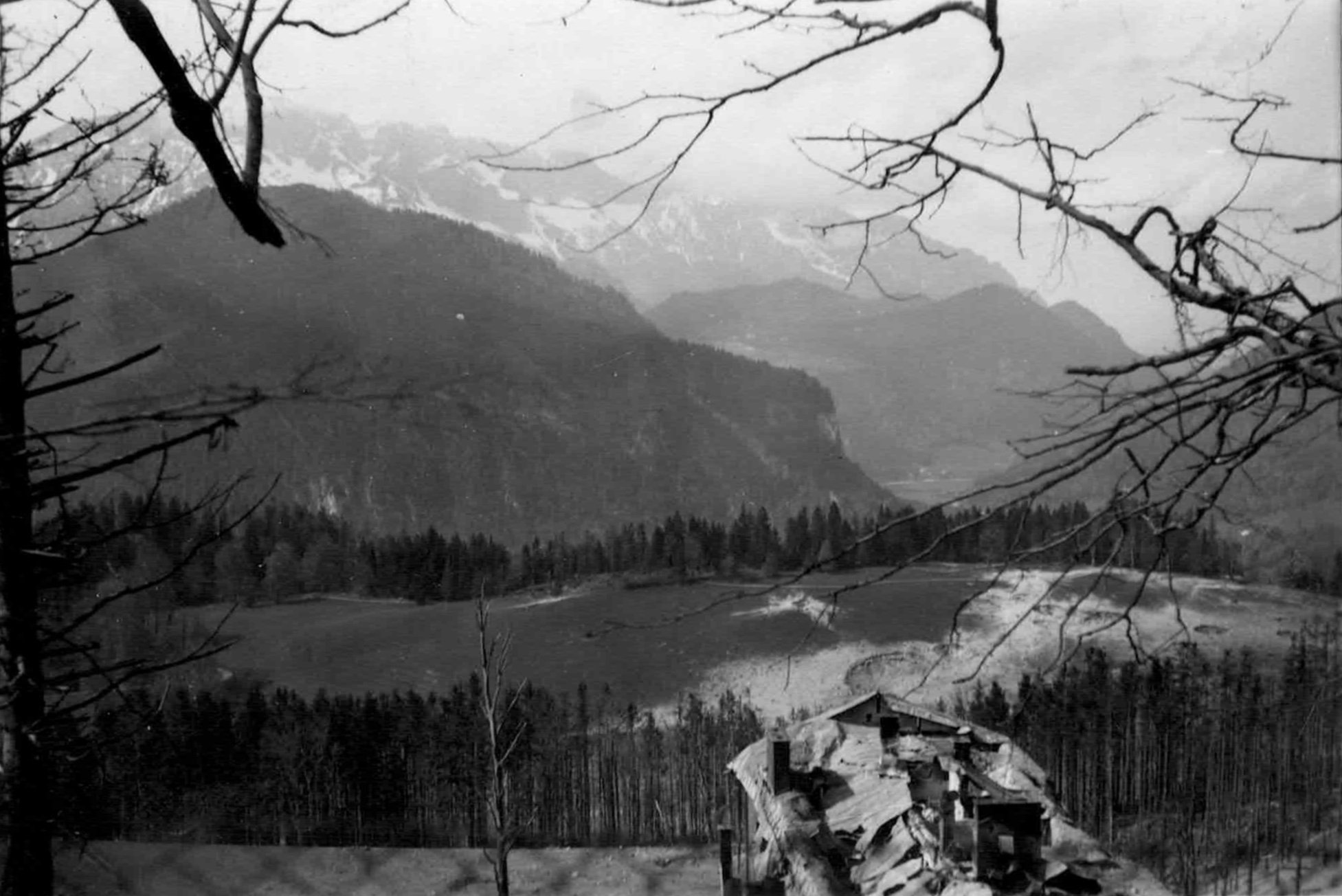
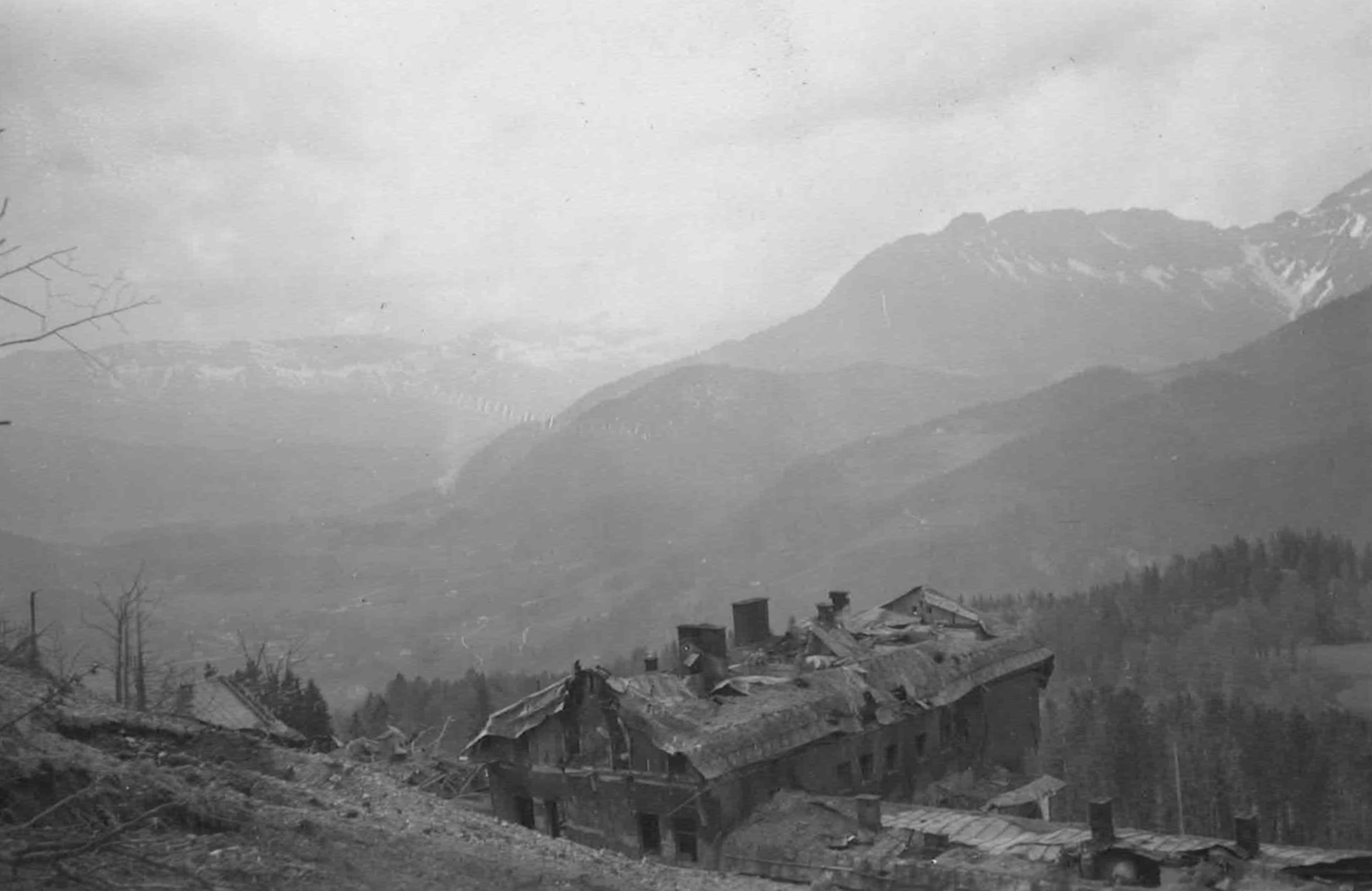
We think this is where Flo found or was given Hermann Göring’s armband and a Nazi flag that she saved in her album.

Current status: Much of the Obersalzberg complex was demolished after the war. Today, the site is home to the Dokumentationszentrum Obersalzberg, a research and educational museum focused on the history of Nazism and the regime’s use of the mountain retreat. The Eagle’s Nest still stands and is now a tourist site with panoramic views and a restaurant. The surviving bunker tunnels are accessible through the documentation center.
Ch. 71: https://mollymartin.blog/2025/11/15/ve-day-may-8-1945/
 tradeswomn musings