
Denazification and Cultural Revival
My Mother and Audie Murphy Ch. 75
More than 33,000 people in the province of Salzburg, including almost 13,000 in the provincial capital, had to register as former members of the NSDAP (National Socialist German Workers’ Party) or one of its organizations after the fall of the Nazi regime. Through the process known as denazification, the Austrian state sought to hold these people accountable and punish them, sometimes severely. However, the vast majority of those registered were considered denazified by the end of 1947 and escaped punishment. The US occupation authorities interned high-ranking functionaries of the Nazi system in Camp Marcus W. Orr, commonly known as Lager Glasenbach.

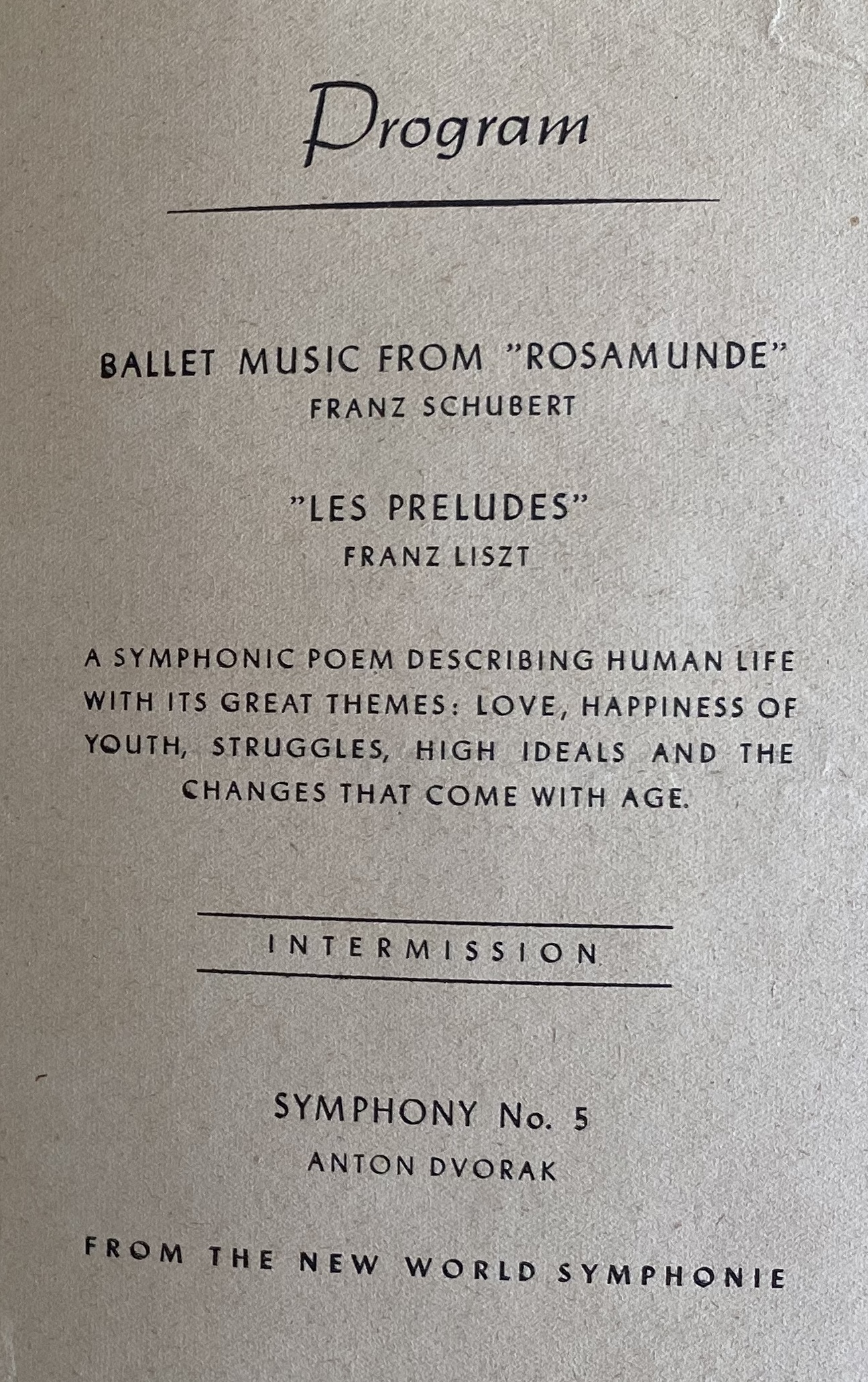
Flo and her cohort got to hear the Salzburg Festival Orchestra in concert
The denazification of Salzburg‘s cultural and art scene was one of the main concerns of US occupation policy. This also included the removal of over 2,000 books with National Socialist content from the holdings of the municipal library in Schloss Mirabell, which was able to resume its post-war service at the beginning of June 1945. Civilians were once again able to watch films in the cinema from July 1945. In the same month, the first public concert after the end of the war took place in the Great Hall of the Mozarteum and in September 1945. A performance was shown for the first time in the Salzburg State Theatre, which had been requisitioned by US forces.
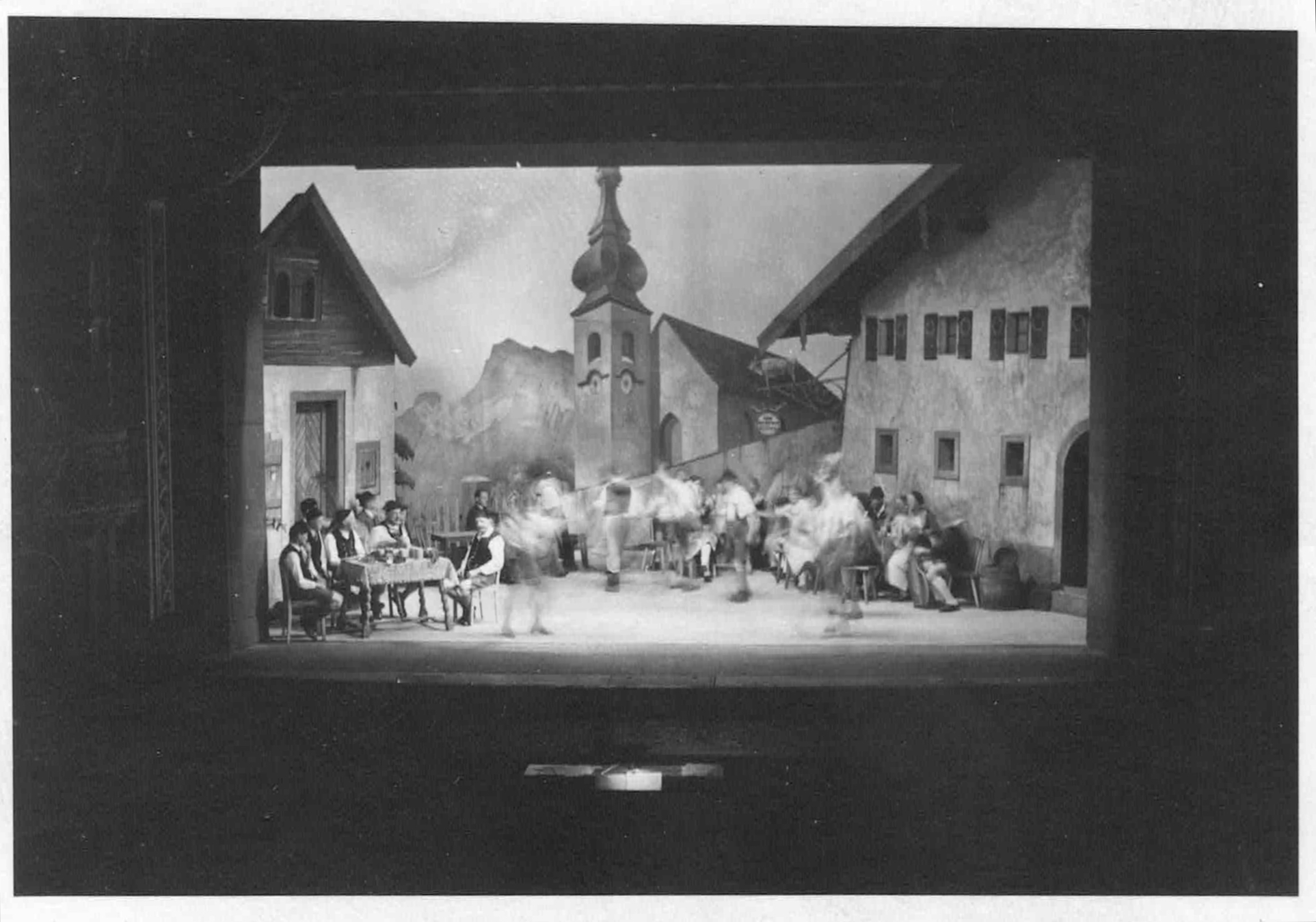

Margot Hielscher (1919-2017) was a German singer and film actress. She appeared in over fifty films between 1939 and 1994. She was chosen to represent Germany at the Eurovision Song Contest in 1957 and 1958.
Salzburg Festival
The US occupation authorities saw the Salzburg Festival as a central element in the reconstruction of Austrian identity. They lobbied hard to ensure that the Festival could take place again just a few months after the end of the war, although a large number of artists with Nazi backgrounds were not allowed to perform. Works by Austrian authors and composers dominated the program of the Festival, which began on August 12, 1945 with an opening evening featuring pieces by Wolfgang Amadeus Mozart, Johann Strauss, and Franz Lehár. Concerts were performed until September 1, including six ‘Österreichische Abende’ (‘Austrian evenings’) and two concerts of religious music. (From STADT-SALZBURG.AT The City of Salzburg in 1945.)
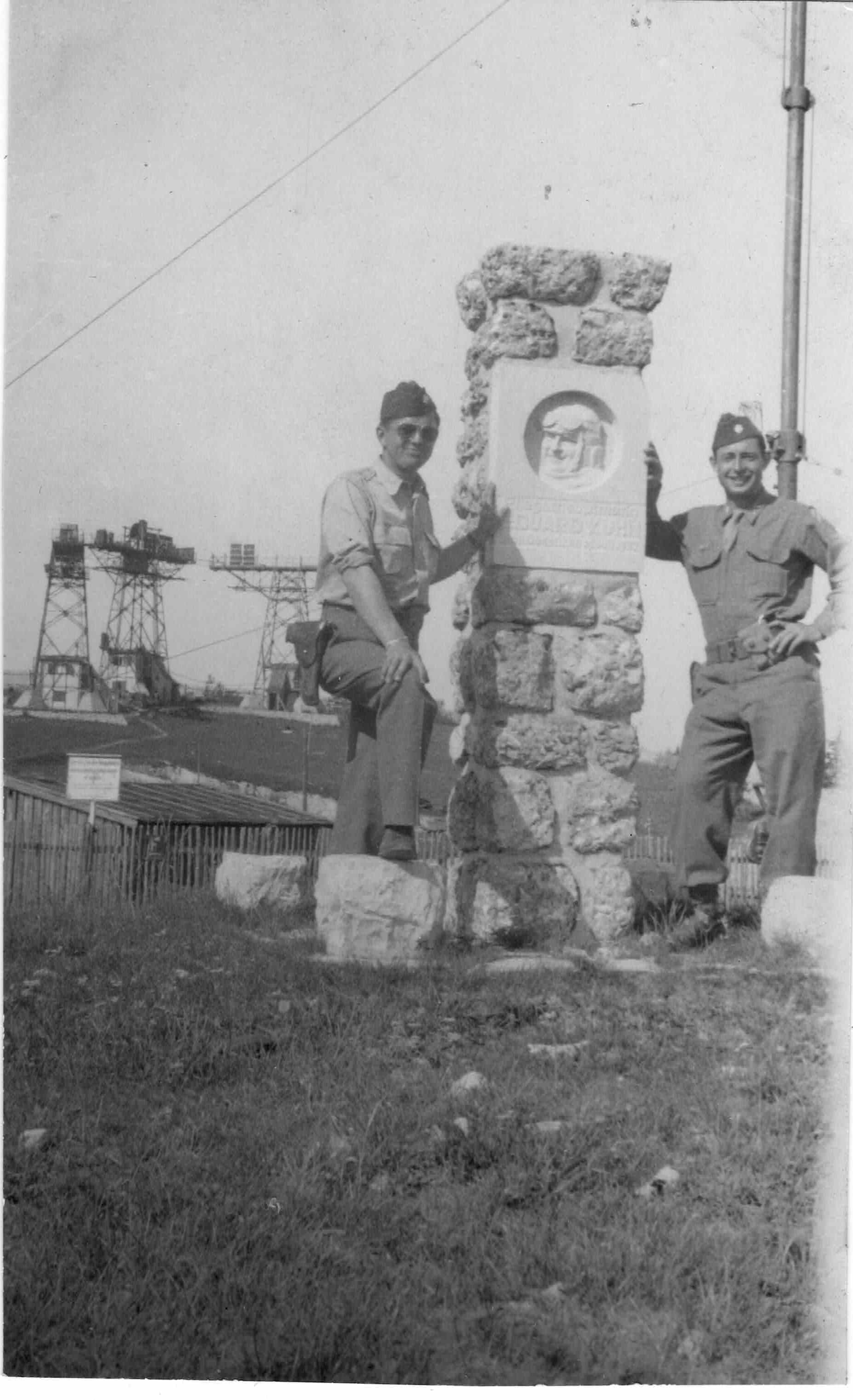
In and Around Salzburg



Ch. 76: https://mollymartin.blog/2025/12/04/birthday-party-june-25-1945/
 tradeswomn musings