
ARC women provided support to the men–and each other
My Mother and Audie Murphy Ch. 19
Summer 1944. Surrounded by thousands of men, the women of the American Red Cross (ARC) held their own. They got along well with the soldiers—it was their job to lift spirits, provide comfort, and remind the men of home.

In this overwhelmingly male environment, having three other women in their squad of Clubmobilers offered not just companionship, but a deep sense of mutual recognition. Over time, they grew as close as sisters while serving alongside the Third Infantry Division.
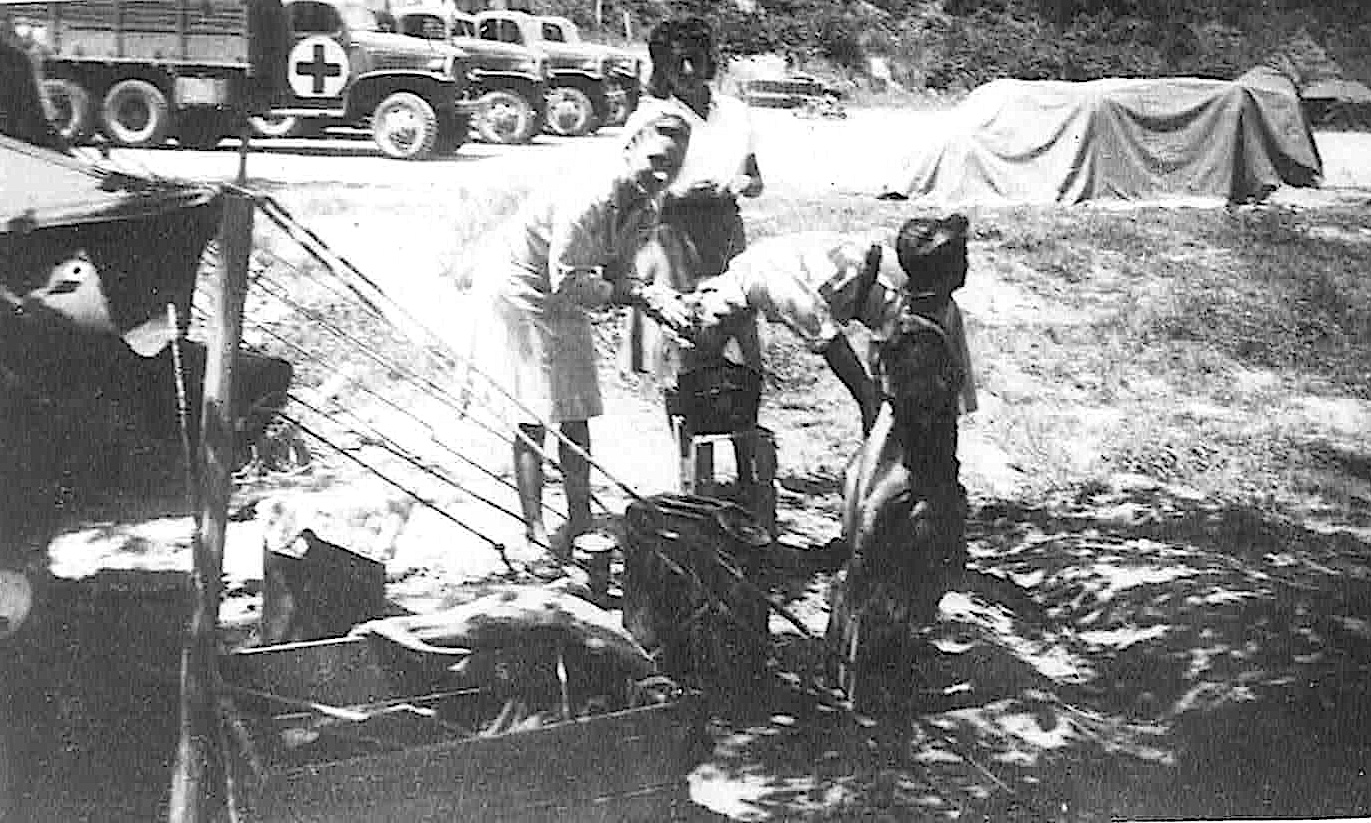
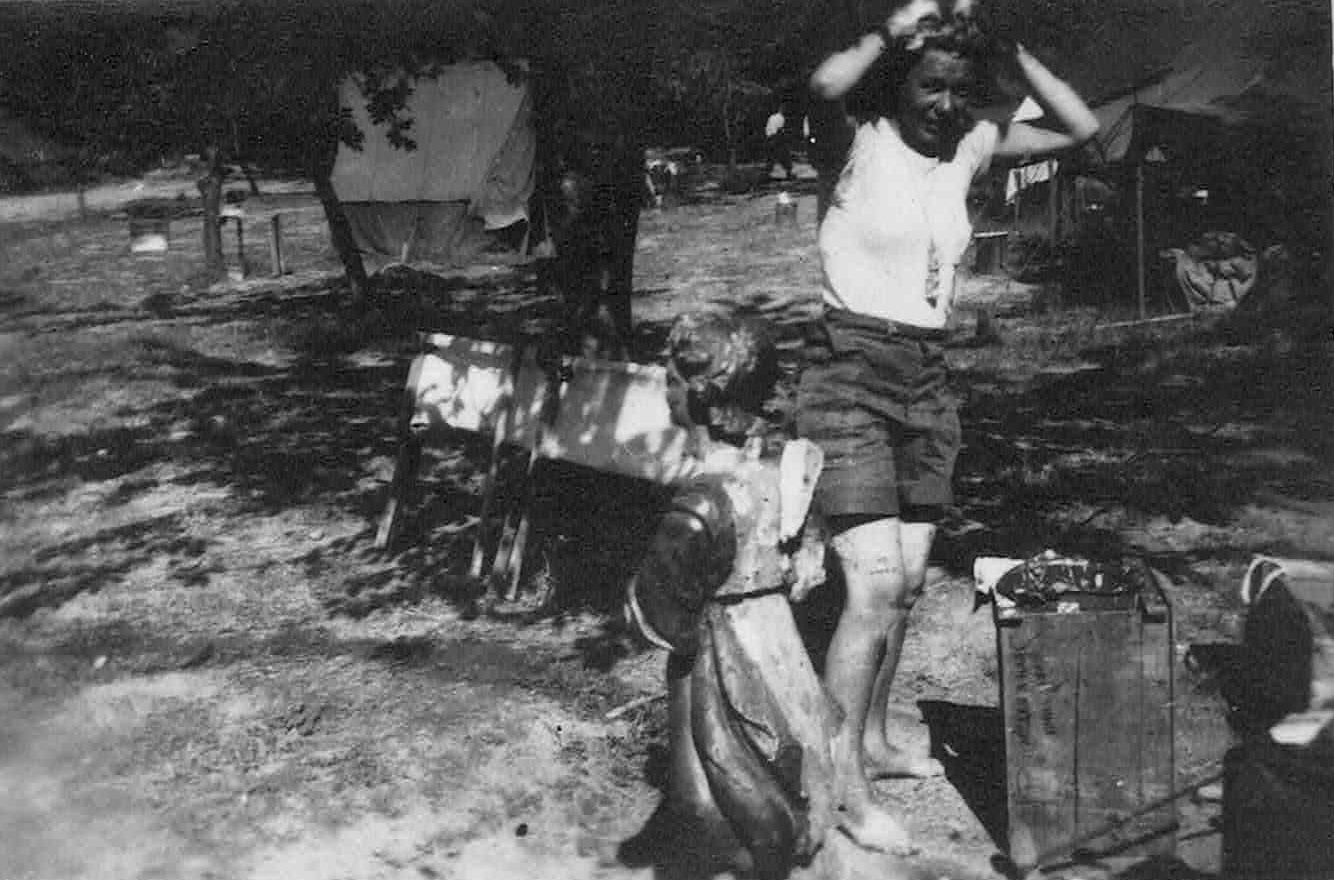
Clubmobile women faced the strain and dangers of war with minimal training and little psychological preparation. Yet they were expected—and depended upon—to boost the morale of men fresh from the front. To endure these demands and perform their duties, they relied deeply on one another. Their camaraderie grew not only from shared experiences, but also from their unique position as noncombatants and women in a war zone.

They shared tents, washed their hair in army helmets, and leaned on each other in moments of grief—mourning the loss of friends and fiancés who died on the front lines. They were a sisterhood in every sense, traveling together during leave and supporting each other through the toughest of times.
The original squad of four included:
Florence “Flo” Wick
Dorothy “Dottie” Shands
Elizabeth “Liz” Elliott
Isabella “Jingles” Hughes
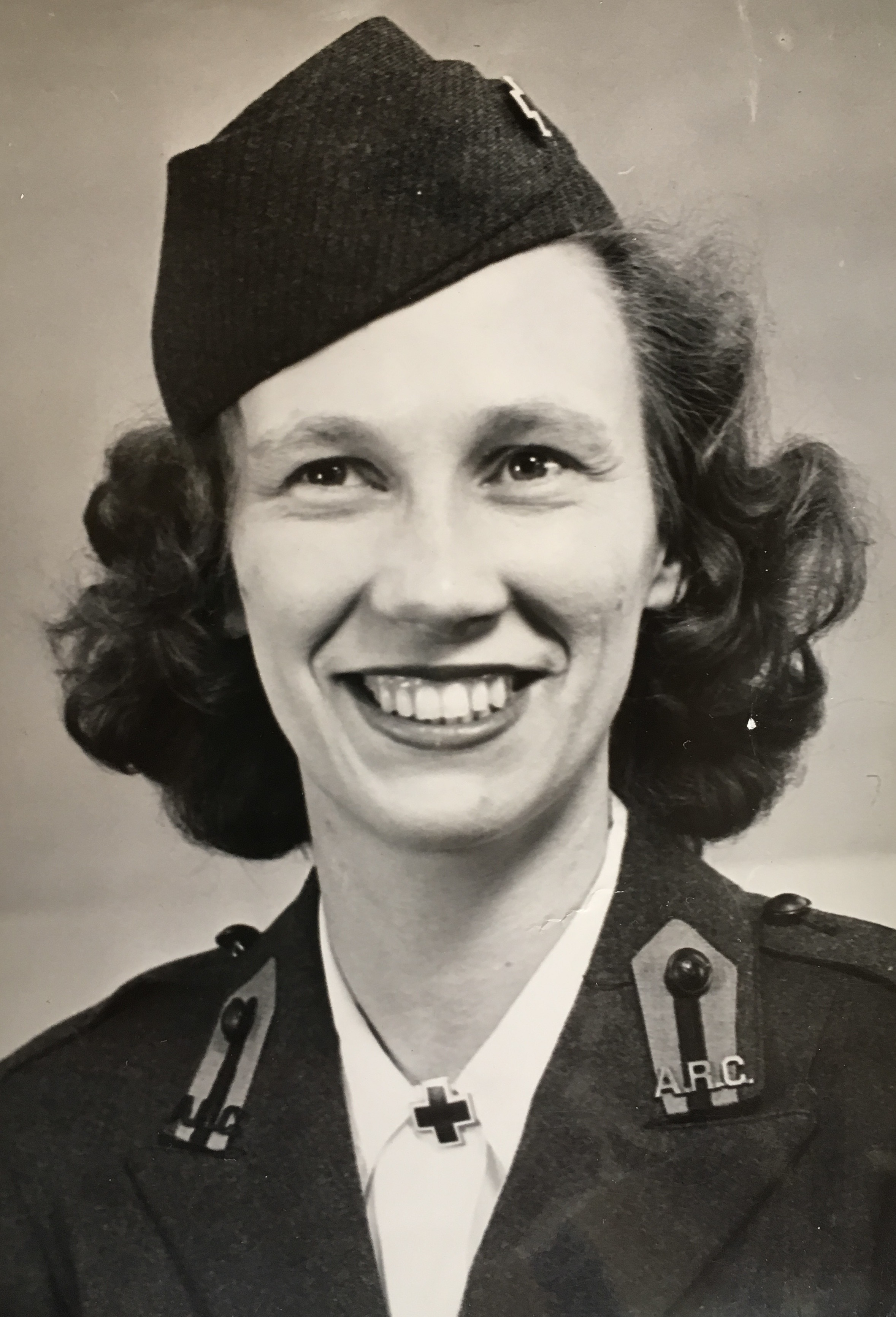
At 30, my mother, Florence Wick “Flo”, was the oldest of the group and served as the squad’s captain.

Elizabeth “Liz” Elliott was the one Clubmobiler who stayed with Flo from their early days in Naples all the way into Germany. Liz was the artist who drew pictures of the ARC women’s experience like the one above. Though she lived in New York City, she was originally born in New Mexico. Dottie and Jingles were later reassigned to different stations across Europe.
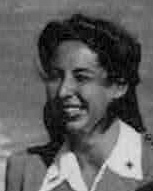
Dorothy “Dottie” Shands, born in Greenville, Mississippi, graduated from Baylor University in 1940. Her maternal grandmother had been the first woman legislator in her Mississippi county and a suffragist; her paternal grandfather served as Governor of Mississippi. After the war, Dottie worked as a secretary in Washington, D.C. for Representative Will Whittington. During the conflict, she served two and a half years with the Red Cross, beginning in North Africa and following the Third Division through Sicily, Italy, France, and Germany. She broke her leg in Sicily but remained with her team—a testament to her grit. Like Flo, she came from a small town, and her community followed her wartime service with great pride.

Isabella “Jingles” Hughes, from Baltimore, reached the front in North Africa in July 1943, following the troops into Sicily and then Italy. She was delivering donuts before Flo even set sail for Naples.
Though their lives were often at risk—and some ARC workers were killed during the war—these four survived to return home. The sisterhood they formed was essential to their physical and emotional survival.
Ch. 20: https://mollymartin.blog/2025/04/11/dance-with-all-but-dont-fall/

 tradeswomn musings
What a remarkable group of women! You must be proud of all your mother accomplished during WWII. She was quite a lady! Thanks again for sharing these stories.
Minerva
>
LikeLiked by 1 person