Heated Rivalry has got me thinking about the gym among other things
Watching Heated Rivalry, a series about gay hockey players, stirred up memories of my own athletic life. I competed in the Olympics too—the Gay Olympics. Well, we couldn’t call them that after we lost the right to the name in court, so they became the Gay Games. Alliterative. Less grand. Same spirit.
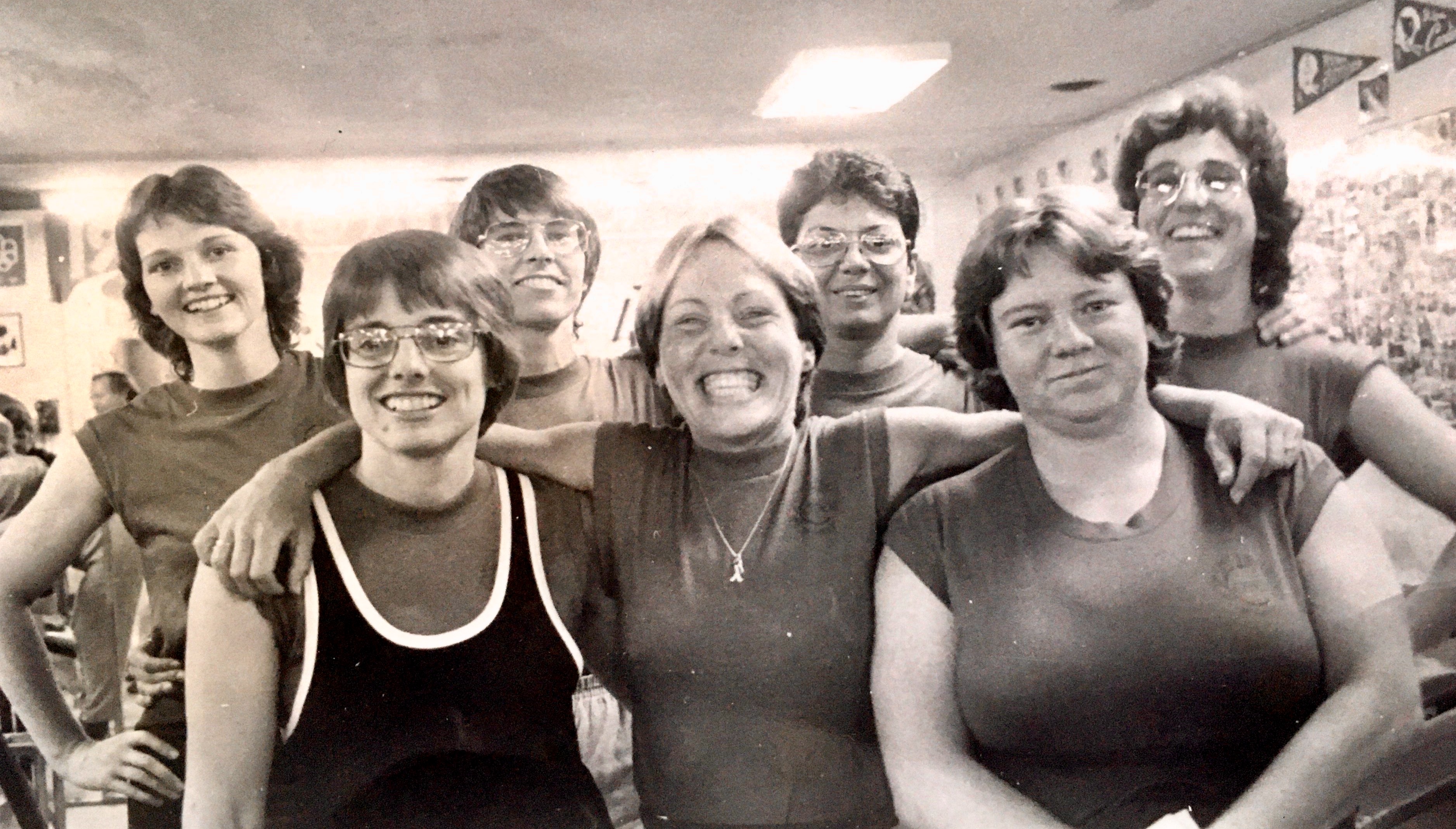
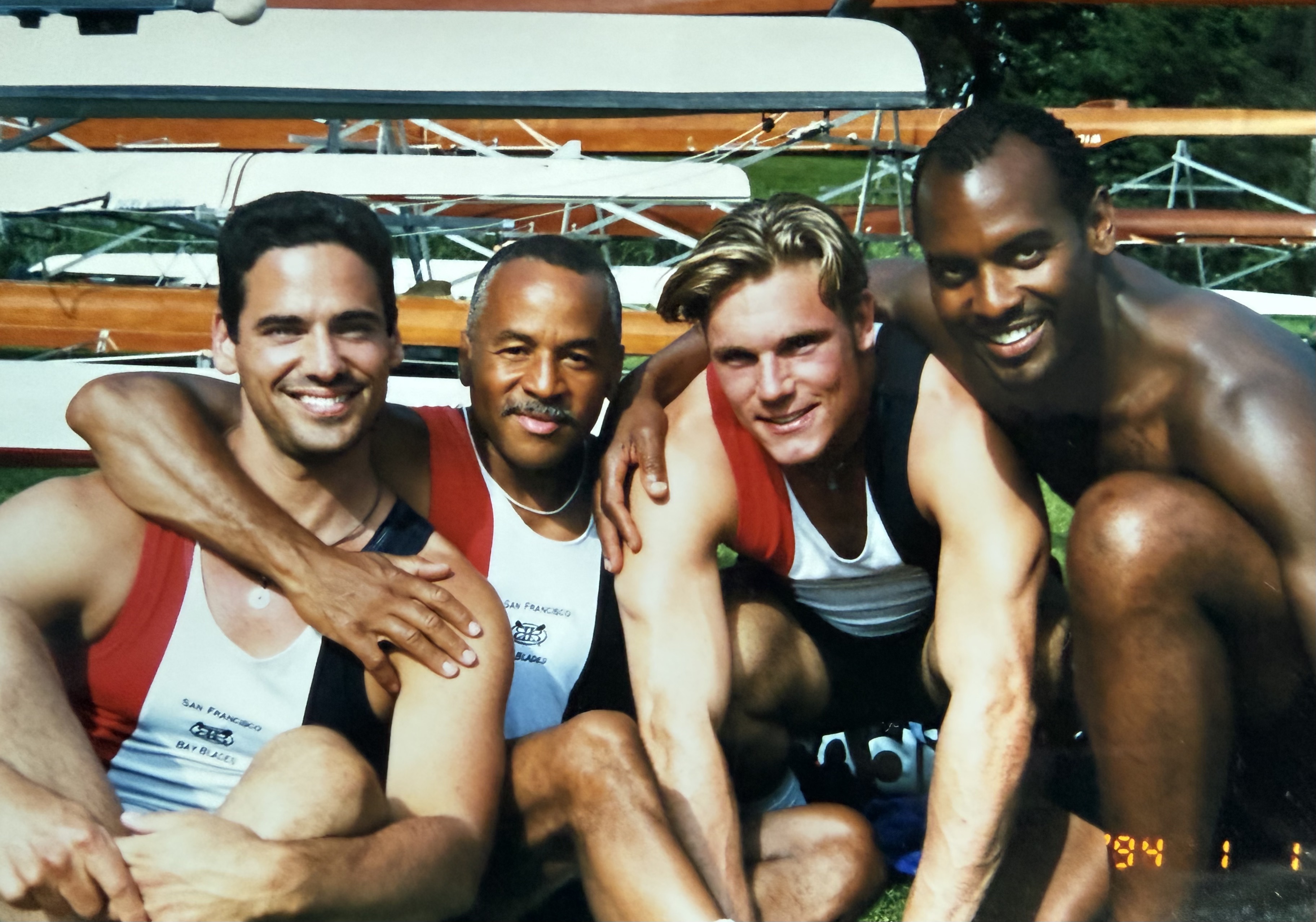
At the Gay Games in different years, I was a powerlifter, a wrestler, and a rower. But more than that, I was part of something new. The Gay Games didn’t just raise the aspirations of queer athletes; they lifted up women’s sports in ways the mainstream world hadn’t yet imagined. Women had never competed in powerlifting at the Olympics before women competed in the Gay Games. When my small crew of gym-going lesbians formed a team to compete in the first Gay Games in 1982, we were pioneers. Women’s powerlifting wouldn’t enter the official Olympics until 2000, at the Sydney Games. We were nearly two decades ahead of the curve. Of course it was us lesbians.
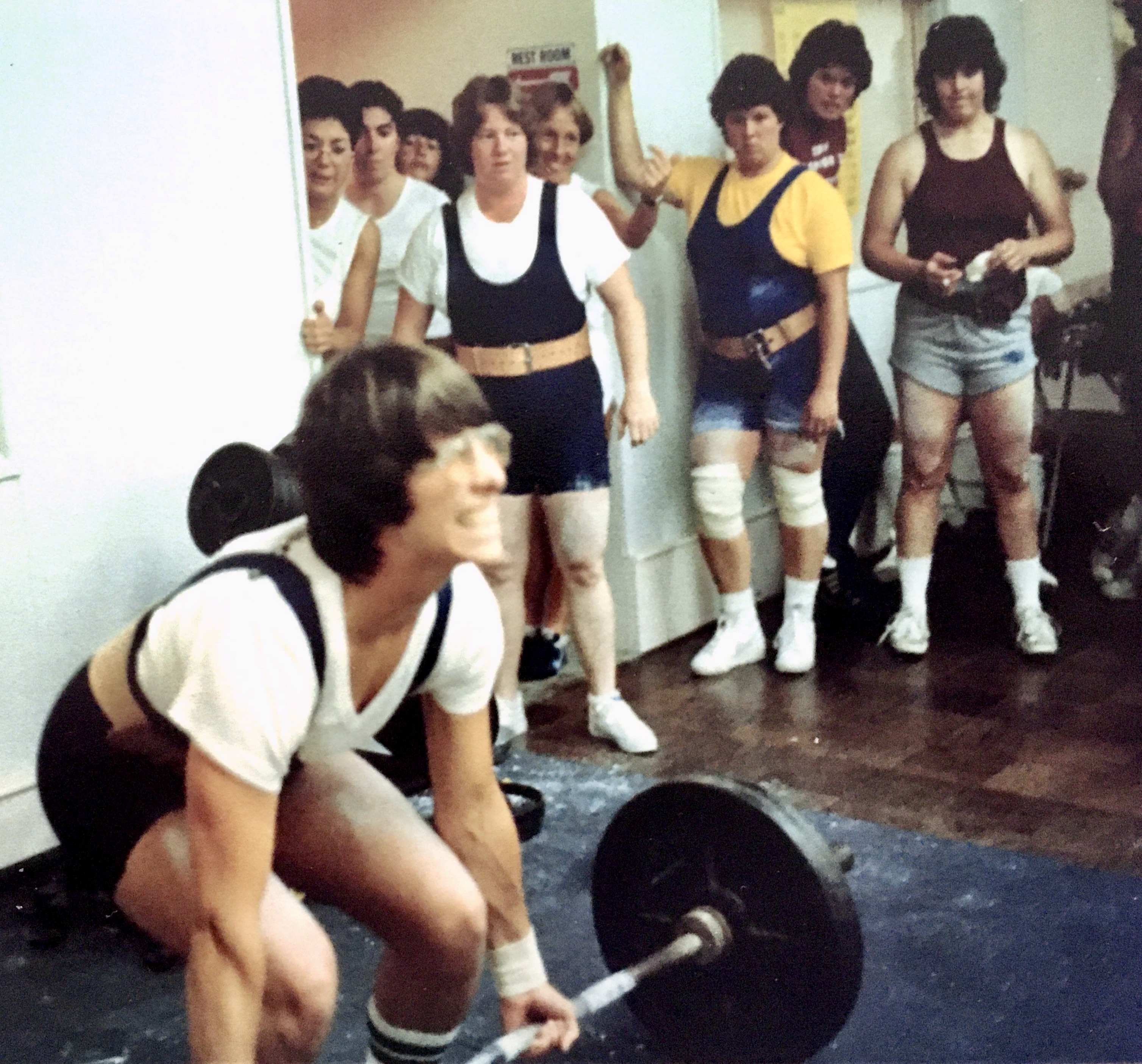
My journey into weightlifting began in San Francisco in the mid-1970s, when I was working construction and needed to get stronger. I don’t remember exactly how the idea came to me—women simply didn’t lift weights back then—but I started going to the gym with my friend Jill for moral support. At first, we trained at the Sports Palace in the Mission, which had been an all-men gym. They didn’t even have a women’s changing room or bathroom. The owner tacked up a sheet of plywood in the corner so we could change behind it.
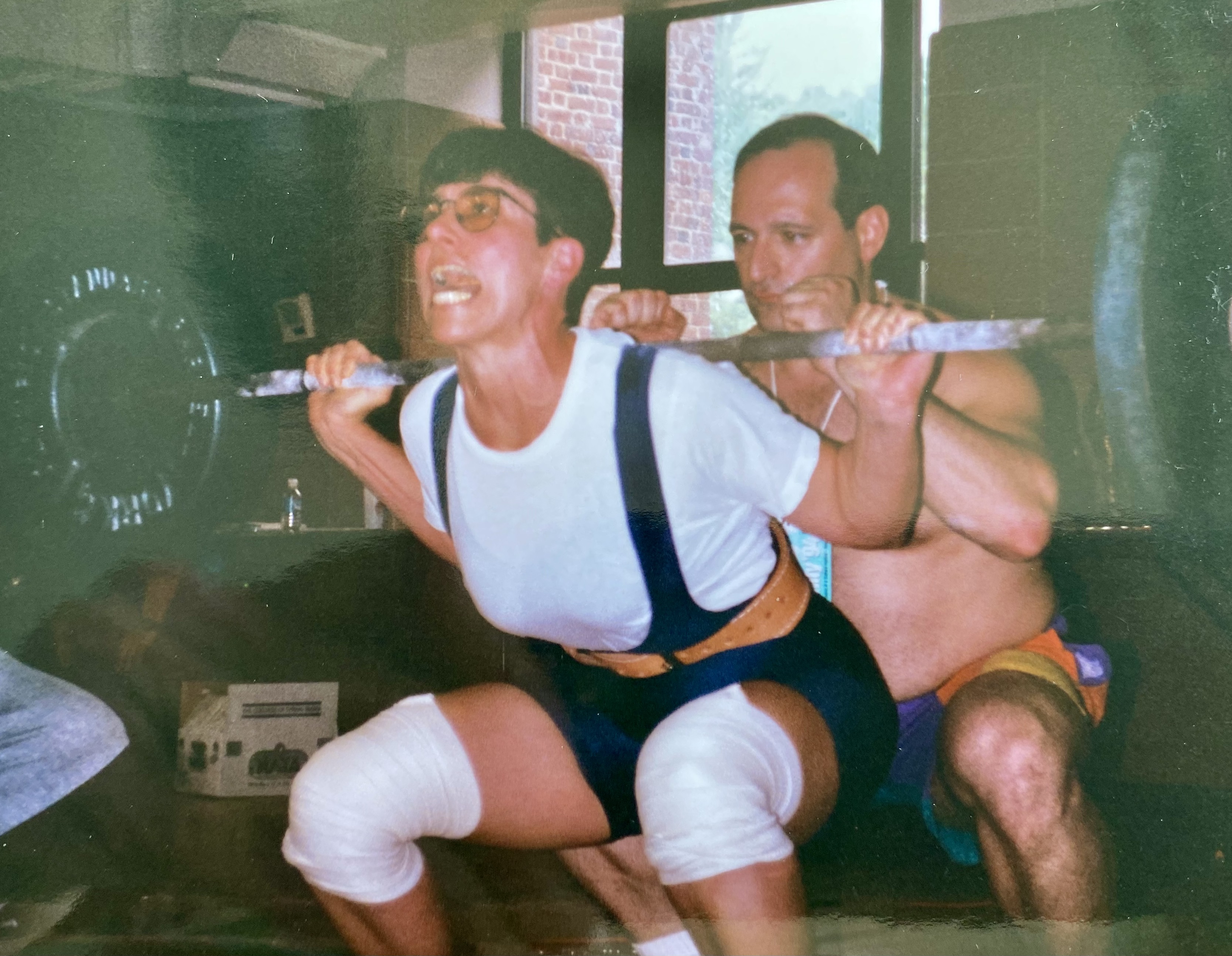
The men didn’t exactly welcome us. They didn’t like the sound of women’s voices, or having to share equipment, or having us “work in” on their sets and move their heavy weights. So when Betty Doza opened the Women’s Gym in 1979, in a storefront next to the Swedish American Hall on Market Street, I crossed over immediately.
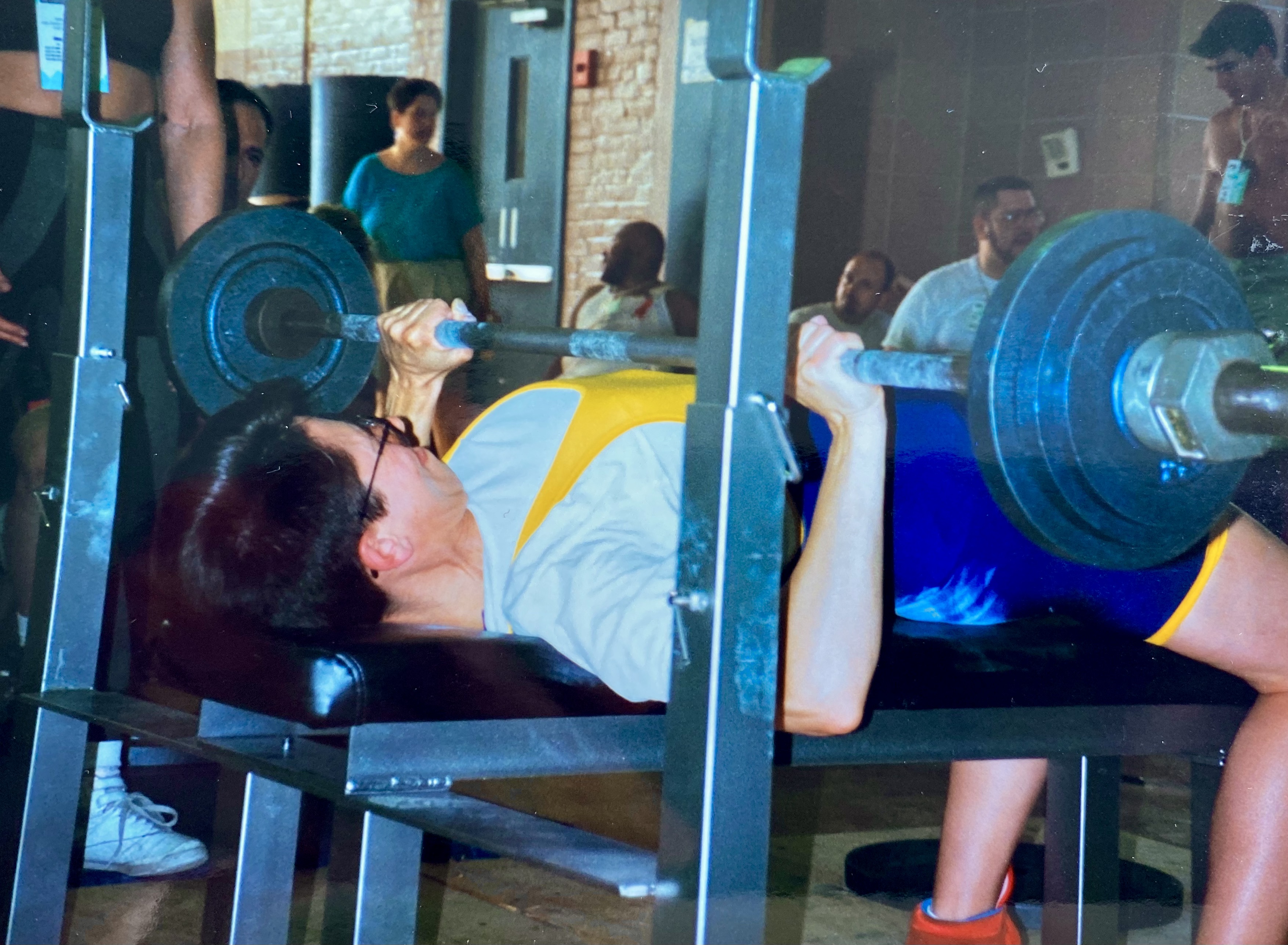
The Women’s Gym had shiny new machines upstairs, but the real action was in the basement where the serious lifters gathered. Until then, I had only learned the three Olympic power lifts—bench press, squat, and deadlift—because those were the only lifts women were officially allowed to compete in. But downstairs, women were doing the clean and jerk and the snatch. These were lifts we’d been banned from performing, so we taught each other proper form. Coaching was essential. Done wrong, those lifts could seriously injure you. It felt like sneaking gin in a Prohibition-era speakeasy—dangerous, forbidden, intoxicating.
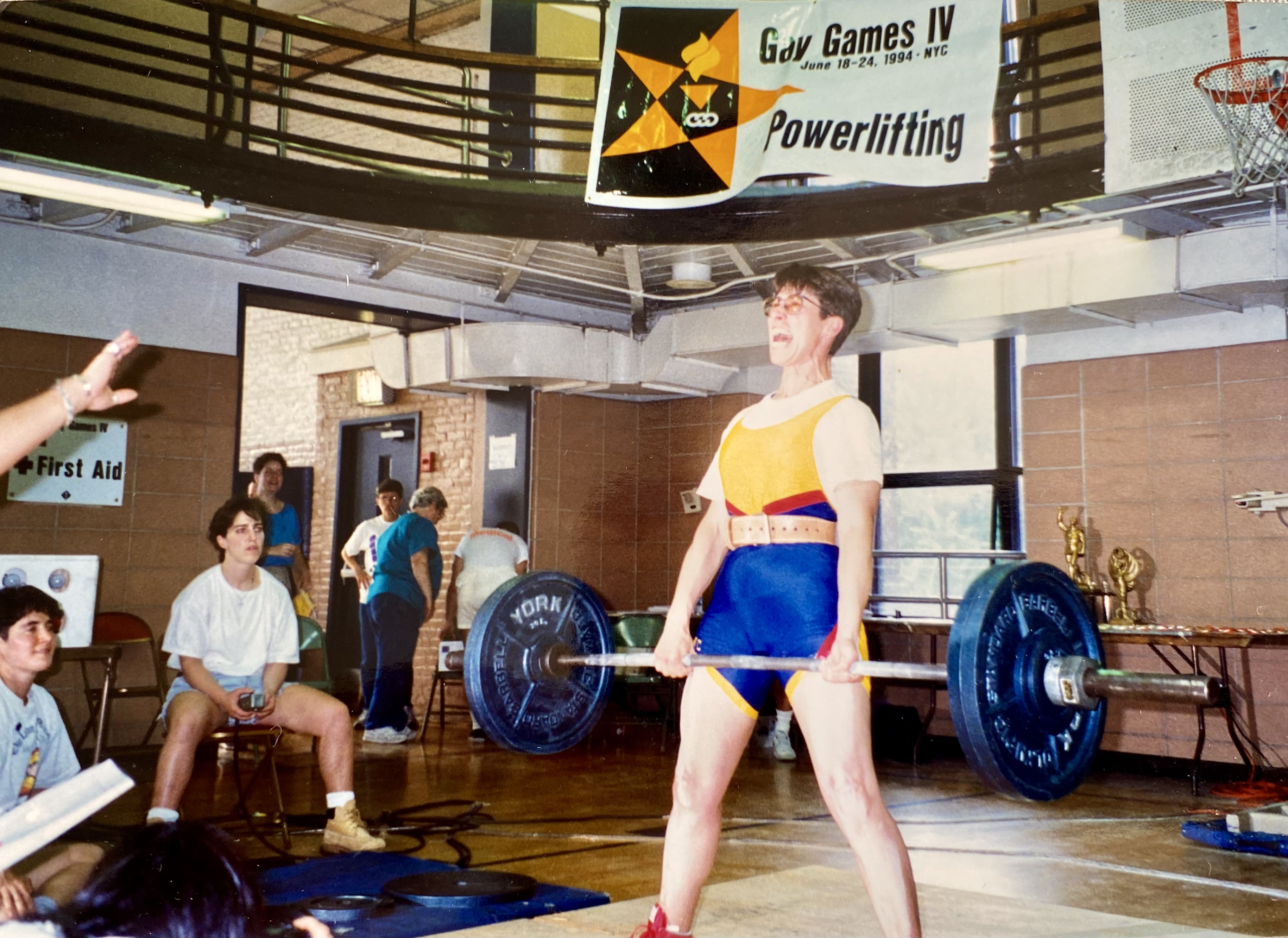
The Women’s Gym became a training ground for women who wanted to be firefighters, cops, and competitive athletes. There are two very different branches of weightlifting: bodybuilding and powerlifting. Bodybuilding is about appearance—sculpted, ripped muscles, thinness, aesthetics. Powerlifting is about strength: how much weight you can move in three lifts. You can be fat and be a powerlifter. That distinction mattered.
I competed in the 148-pound class, usually weighing about 144, and spent my time trying to gain weight. Every pound meant more leverage, more power. While other women obsessed over dieting, I complained that I couldn’t put weight on. They thought I was strange.
After workouts, we crossed Market Street to Leticia’s, a gay Mexican restaurant, for margaritas and nachos. We were strong, and we knew it. We were powerful. We were a team. There were about ten of us training together for the 1982 Gay Games in San Francisco. I’ve forgotten most of their names now, but I remember the feeling: solidarity, purpose, pride.
The 1982 Gay Games may have been among the first major powerlifting competitions for women anywhere. That year marked the beginning of what would become an international movement. We didn’t really care about medals—we were just thrilled to compete, to exist publicly as strong queer women. But I did come home with gold, besting a woman from the Netherlands.
Twelve years later, in 1994, I competed again as a powerlifter at the Gay Games in New York City. I was lifting more than I had in ’82, but the field had changed completely. The women I competed against were world-class athletes, capable of lifting three times my best numbers. Women’s powerlifting had exploded!
The Women’s Gym didn’t survive. Men sued, claiming discrimination, and eventually won. But for a few glorious years, it was a sanctuary—a place where women could build strength, community, and defiance. The Gay Games and the Women’s Gym together cracked open a door that could never again be closed.
We weren’t just training our bodies. We were reshaping what women, and especially queer women, were allowed to be.
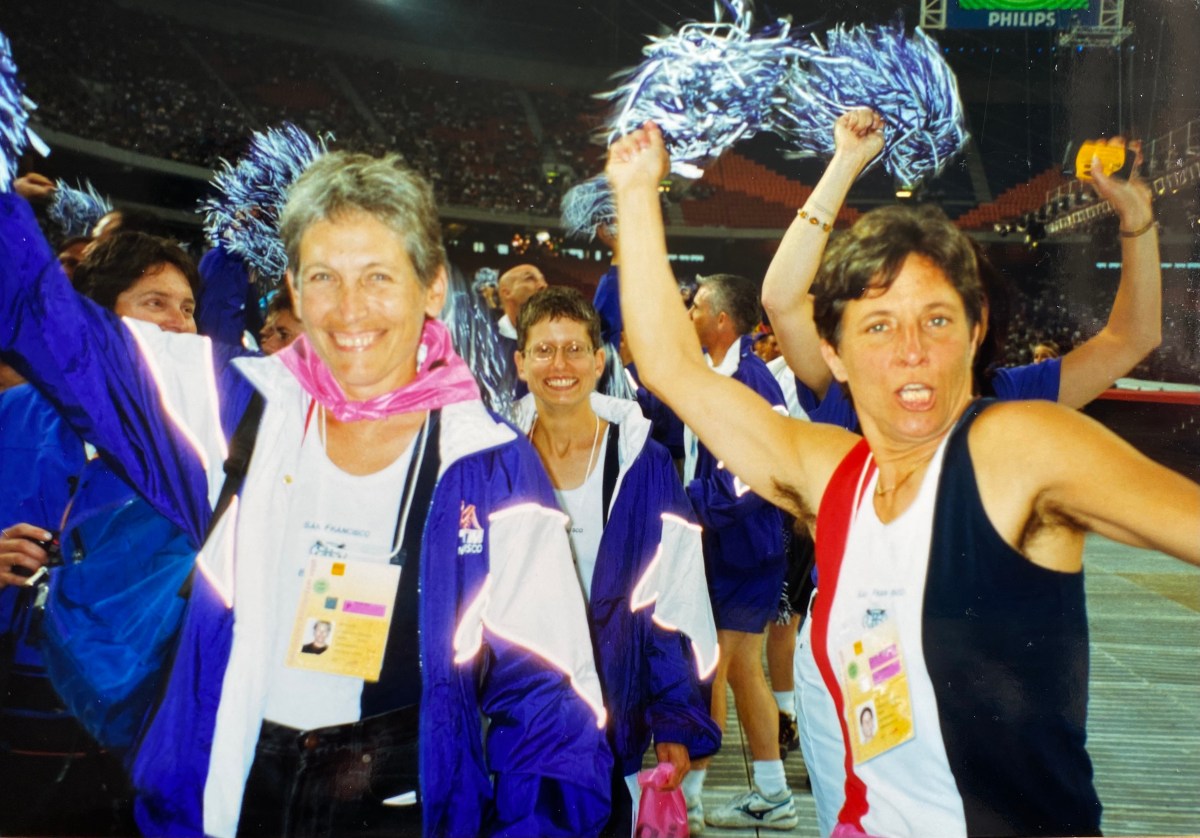
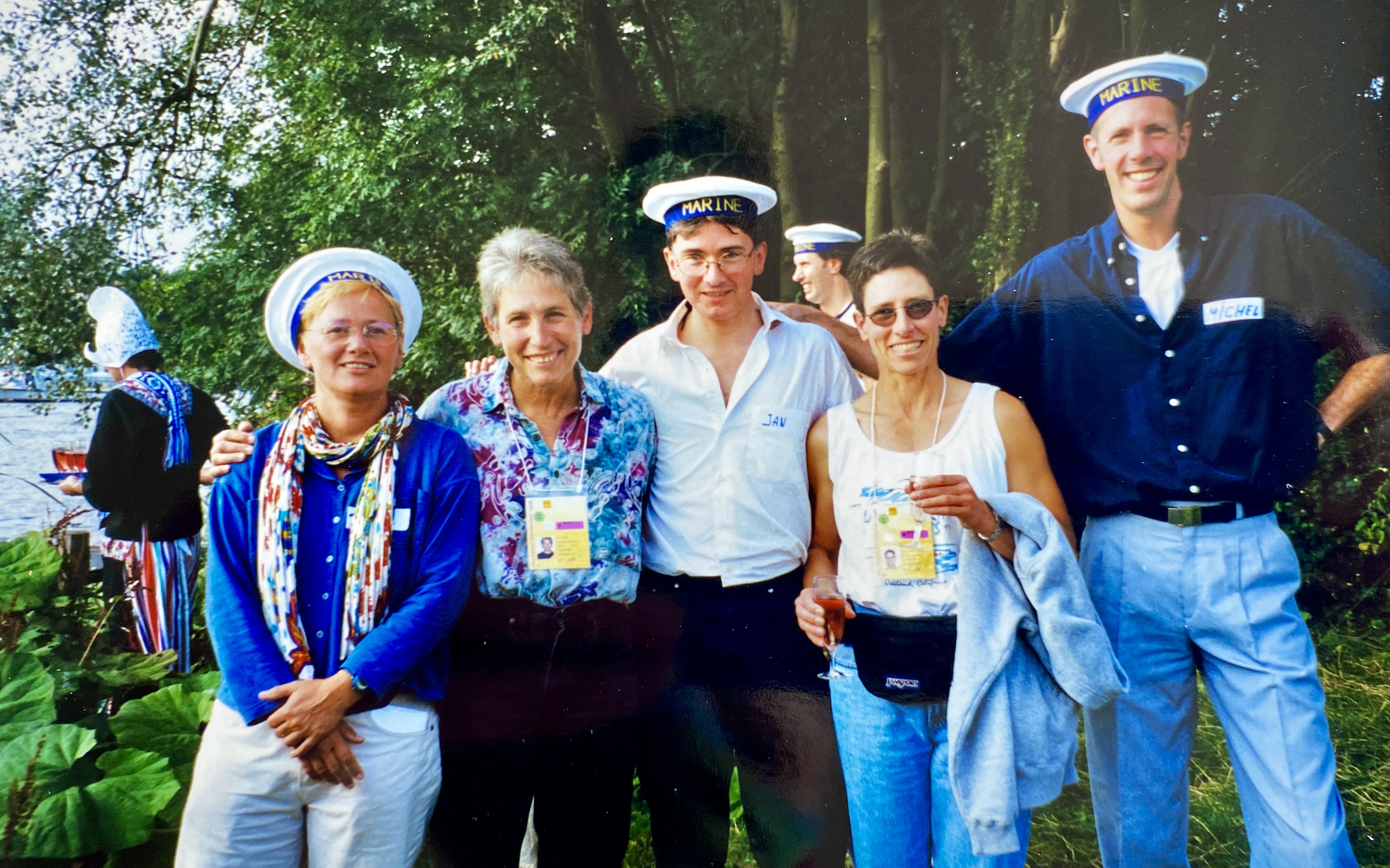
- In the top picture, marching into the stadium are Nancy Stoller (L) and Helen Vozenilek of the Bay Blades rowing team. Amsterdam 1998.

 tradeswomn musings
Great trip down memory lane, Mol.
I should dig up a photo of my Seattle women’s soccer teams in the Gay Games from the early 1990s. All the teams marched into the stadium (maybe Kezar?) and we were welcomed by Mayor Dianne Feinstein.
>
LikeLiked by 1 person
Yes you should dig up that photo! You had an awesome soccer team. I think that was the 1986 games in SF. Marching into the stadium with all the international teams was such a high! And of course queers had the best uniforms.
LikeLike