Austria During American Occupation

The Geműtlichkeit was riddled by flashes of bitterness

Ch. 88 My Mother and Audie Murphy

Flo pasted this page from an English language newspaper in her album. The story gives more details about what it was like for Americans and Austrians alike during the occupation. It mentions that the Red Cross had a club in the Mirabell casino in Salzburg and it’s a good bet Flo spent time there. She may have had to work serving coffee and donuts there.

Ice cream and jitterbugging

(In Vienna the Army) set up replicas of US drugstores where GI’s could take their Austrian girls for a soda (daily ice cream consumption of the US army and friends in Vienna now runs to 60,000 scoops.) Among venerable establishments, Broadwayish nightclubs sprouted. Racily named Esquire, Zebra, and Heideho, they offered in neat, cultural synthesis US style jazz and Viennese style wine instead of hard liquor.

Better than Vienna, GI’s liked Salzburg with its mossy stone and patinated copper. The Red Cross had moved into the Mirabell casino and the GI’s listened to symphony concerts in the Mirabell castle’s gardens. Then, oblivious to the echoes of Mozart’s minuets, they jitterbugged in the old, staid Hotel Pitter….
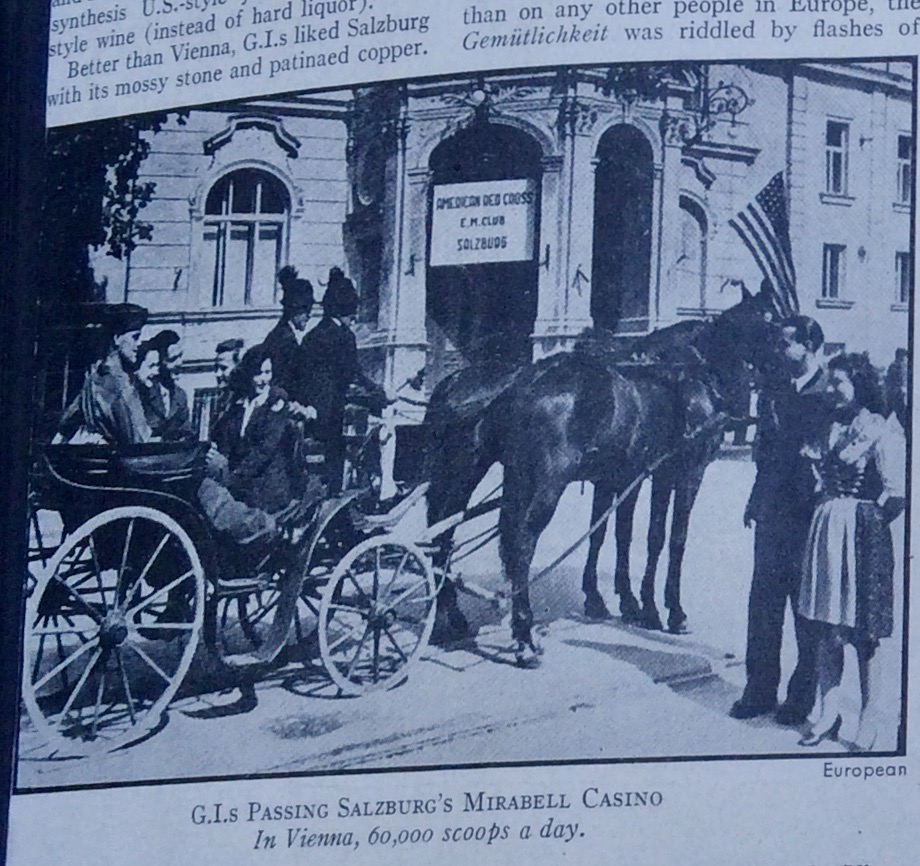
The Red Cross club at the Mirabell casino in Salzburg

Nearby, built directly against the rough mountainside, was the Festspielhaus, through whose cavernous yard had boomed the theatrical damnation of Dr. Faust. The GI metamorphosis had turned it into a movie house nostalgically named the Roxy. And around Salzburg’s Bierjodelgasse (beer-yodel street) GI’s noisily scouted for beer gardens.

The favorite outdoor sport was chamois hunting in the mountains hovering over the city–where the game poacher has always been a highly respected member of society, and where one of Austria’s most important bits of national philosophy originated: If you hadn’t climbed up you wouldn’t have fallen down.

Krauts and cokes

Although Americans had made a better impression on Austrians than any other people in Europe, the Geműtlichkeit (good feeling) was riddled by flashes of bitterness. Usually broad minded, the Viennese grew jealous, called girls who fraternized with the chocolate-bearing GI’s “chocoladies.” The sprinkling (5%) of combat veterans among US troops called the Austrians just plain krauts only softer.

Last month soldiers in the US zone were booked for 32 assaults, 5 rapes, 3 disorderly conducts, and one house breaking. Cracked an MP officer: “Now that we’re getting quantity supplies of Coca-Cola maybe our boys will get back to behaving.” But most GI’s in Austria already had passing marks for behavior; and many were living up to their orientation slogan, “Soldier, you are helping Austria.” The first crop of Austrian babies fathered by helpful GI’s is sizable.

Ch. 89: https://mollymartin.blog/2026/01/18/report-on-the-occupation/
Birthday Party June 25, 1945

Flo Celebrates with Chris Chaney, Janet and Jens

My Mother and Audie Murphy Ch. 76

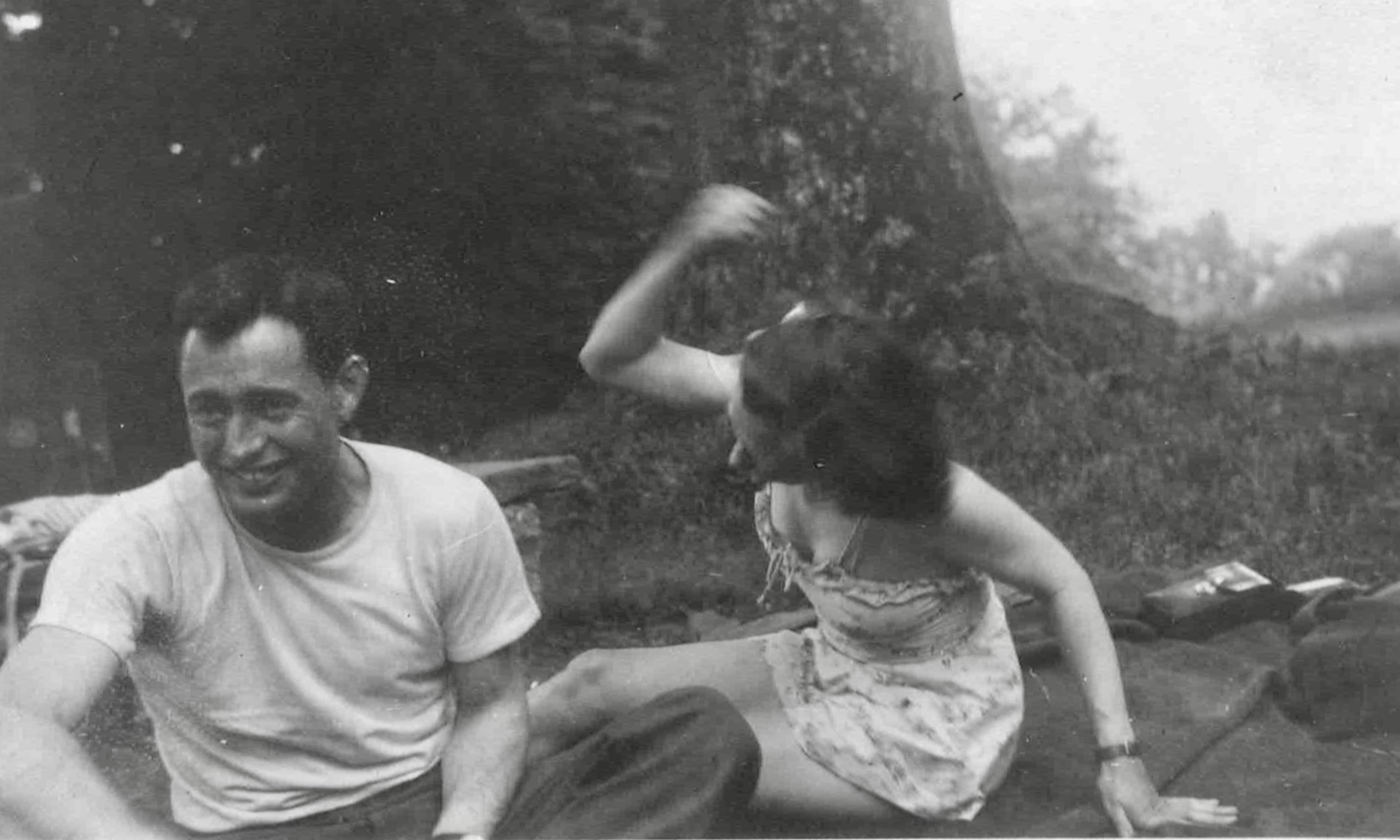
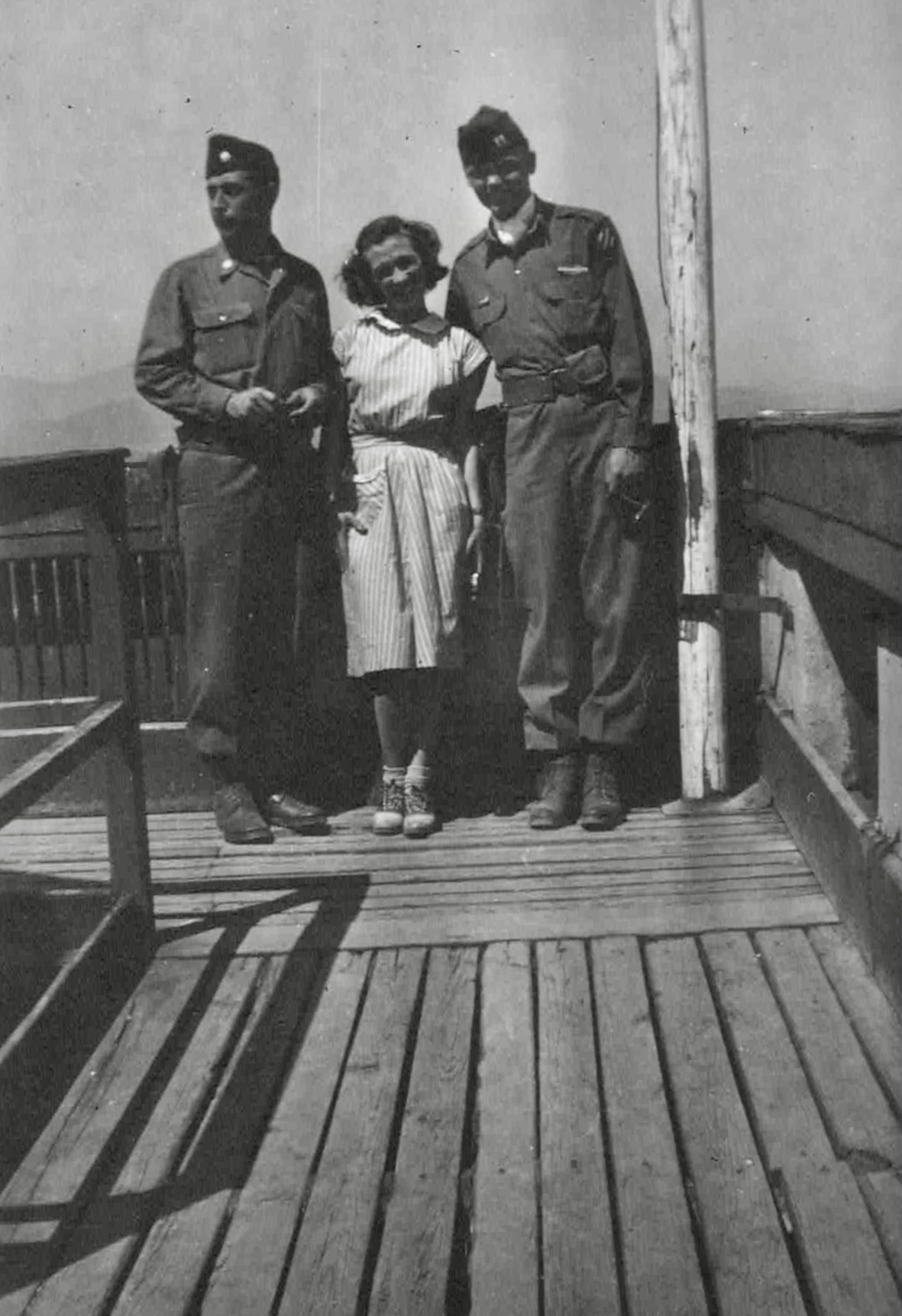
On June 25, 1945, Flo turned thirty-two, and her friends gathered to give her a proper birthday celebration. She spent the day with her clubmobile partner, Janet Potts, along with Janet’s boyfriend, Capt. Lloyd (Jens) Jenson, and Flo’s own boyfriend, Lt. Col. Chris Chaney. All four arrived in uniform as they wandered through the fortress castle that served as headquarters for the 15th Infantry above Salzburg. The women wore their Red Cross-issued dresses; the men their Army greens. They teased one another, snapped photographs in the grand corridors, and convinced Flo to pose in the old stocks for a laugh.

Later, they changed into civilian clothes and headed out for a picnic. Indoors, there was a birthday cake, and they captured more pictures—two couples who looked close, relaxed, and hopeful in the early summer after the war’s end.

These became the last images, and the last mention, of Flo’s relationship with Chris Chaney. The photographs made them seem comfortably paired, and although Janet and Jens eventually married, Flo and Chris did not stay together. She kept no letters from him after the war.

What became of him remained unclear. The two had talked about traveling to Paris and England, plans that never materialized. Most likely, he received an early chance to go home and took it. As a highly decorated officer with a Silver Star, he would have been near the front of the line for repatriation. Flo’s life moved forward, and whatever they had envisioned together faded with the summer.

Flo posing in the ancient stocks
Flo on her 32nd birthday
Janet and Jens at the picnic
What did Chris do to deserve this?
Or this?
Celebrating war’s end
Third Infantry Division buddies
Happy Birthday Flo
There was even a birthday cake

Ch. 77: https://mollymartin.blog/2025/12/12/3rd-division-salzburg-rodeo/

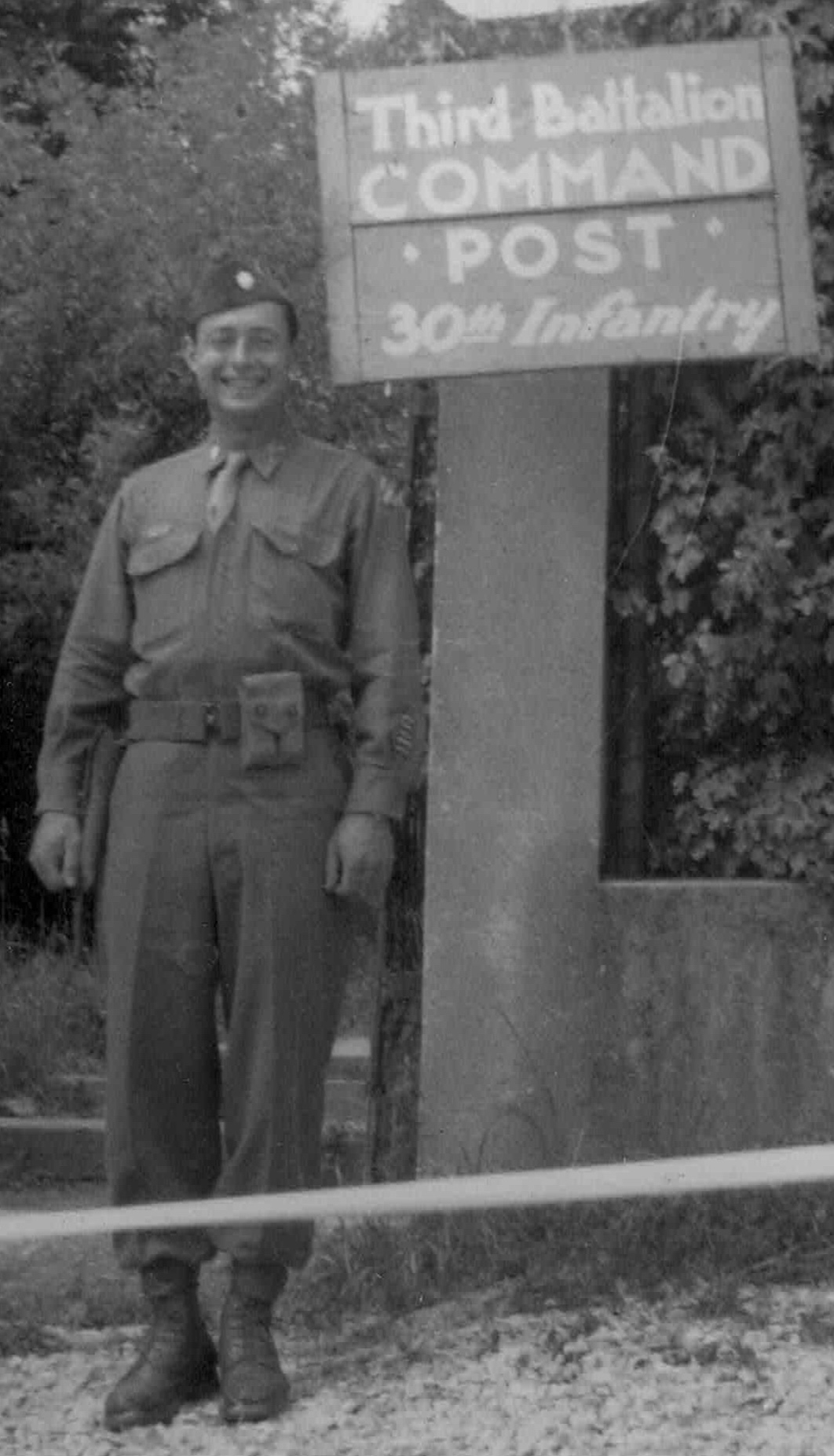
With the 30th Infantry in Salzburg

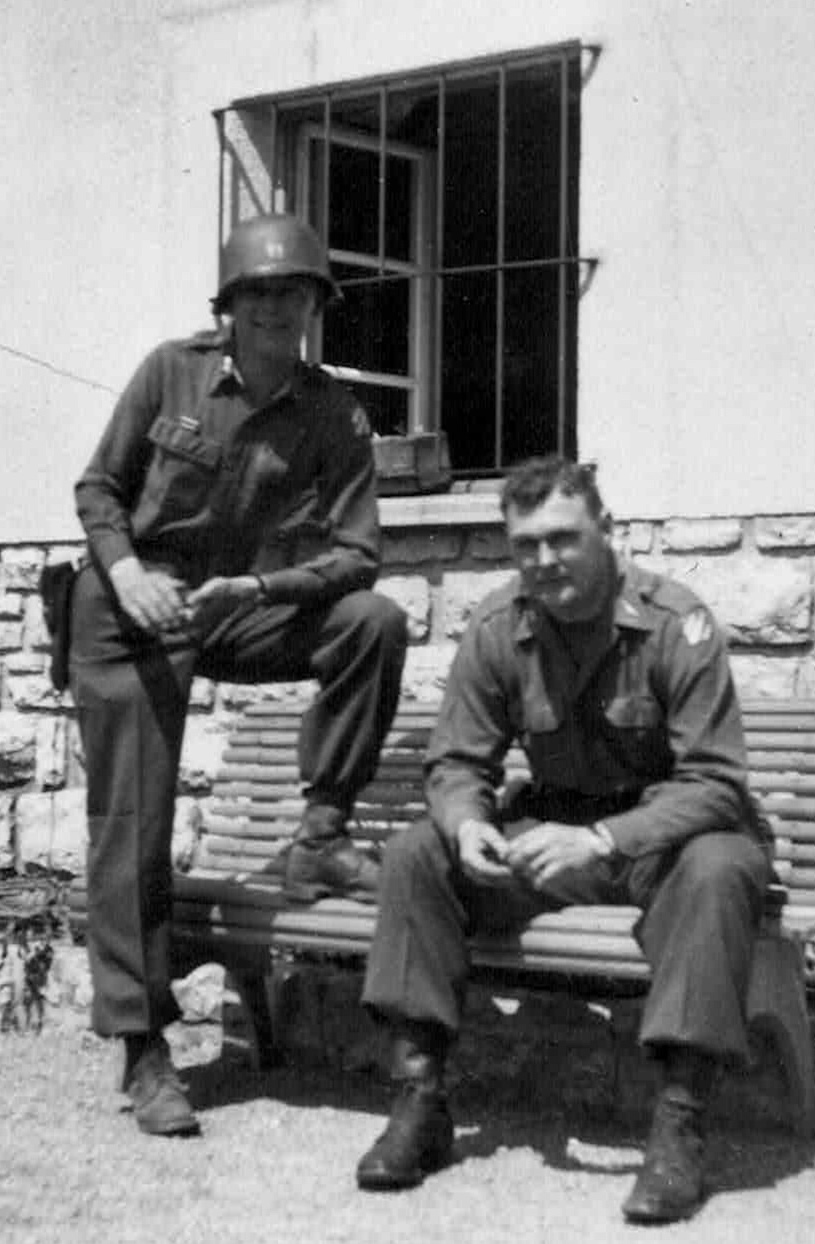
Pictures of Officers at the 3rd Battalion Headquarters

My Mother and Audie Murphy Ch. 69

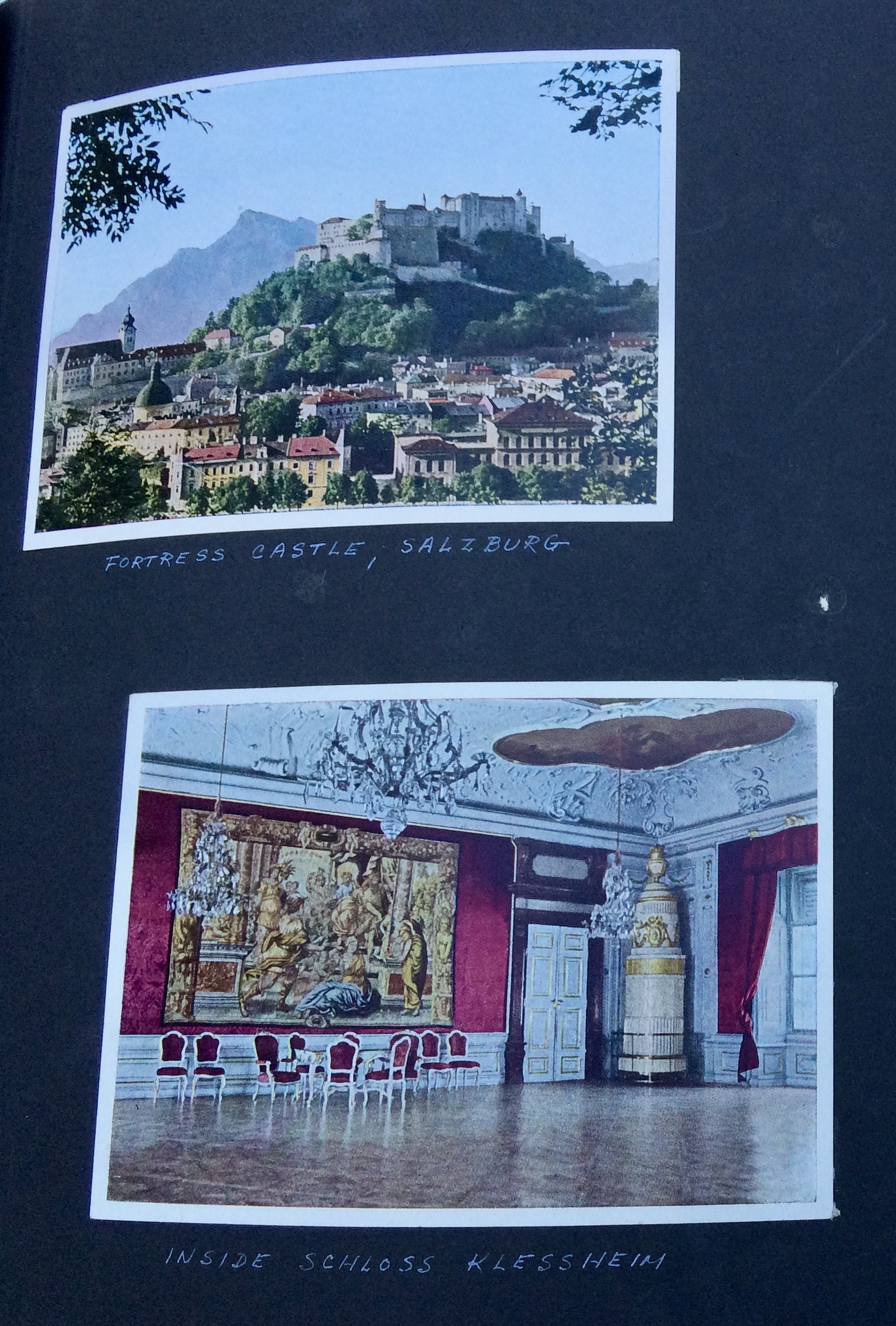
Photos from Flo’s album. Schloss Klessheim served as 3rd Division HQ in Salzburg. Salzburg was occupied for ten years by American forces. It was the central HQ of the American Occupation Authority.
3rd Bn staff Salzburg

Also on this page of the album is a damaged picture of Flo and Capt. McFalls who became a friend and corresponded with Flo after the war.

Ch. 70: https://mollymartin.blog/2025/11/11/who-liberated-berchtesgaden/

Around Munich and Salzburg

My Mother and Audie Murphy Ch. 69

April 1945. In Germany the four clubmobilers finally got their own clubmobile, a two-and-a-half-ton GMC truck. Flo was very proud that she could drive it. The vehicle must have required some modification for the women. At five foot two, it’s a wonder that Flo could reach the pedals. The clubmobilers were tasked with driving around to rest camps serving donuts. They managed to get over the border into Austria for some sightseeing. Photos are from Flo’s album.

Autobahn near Munich

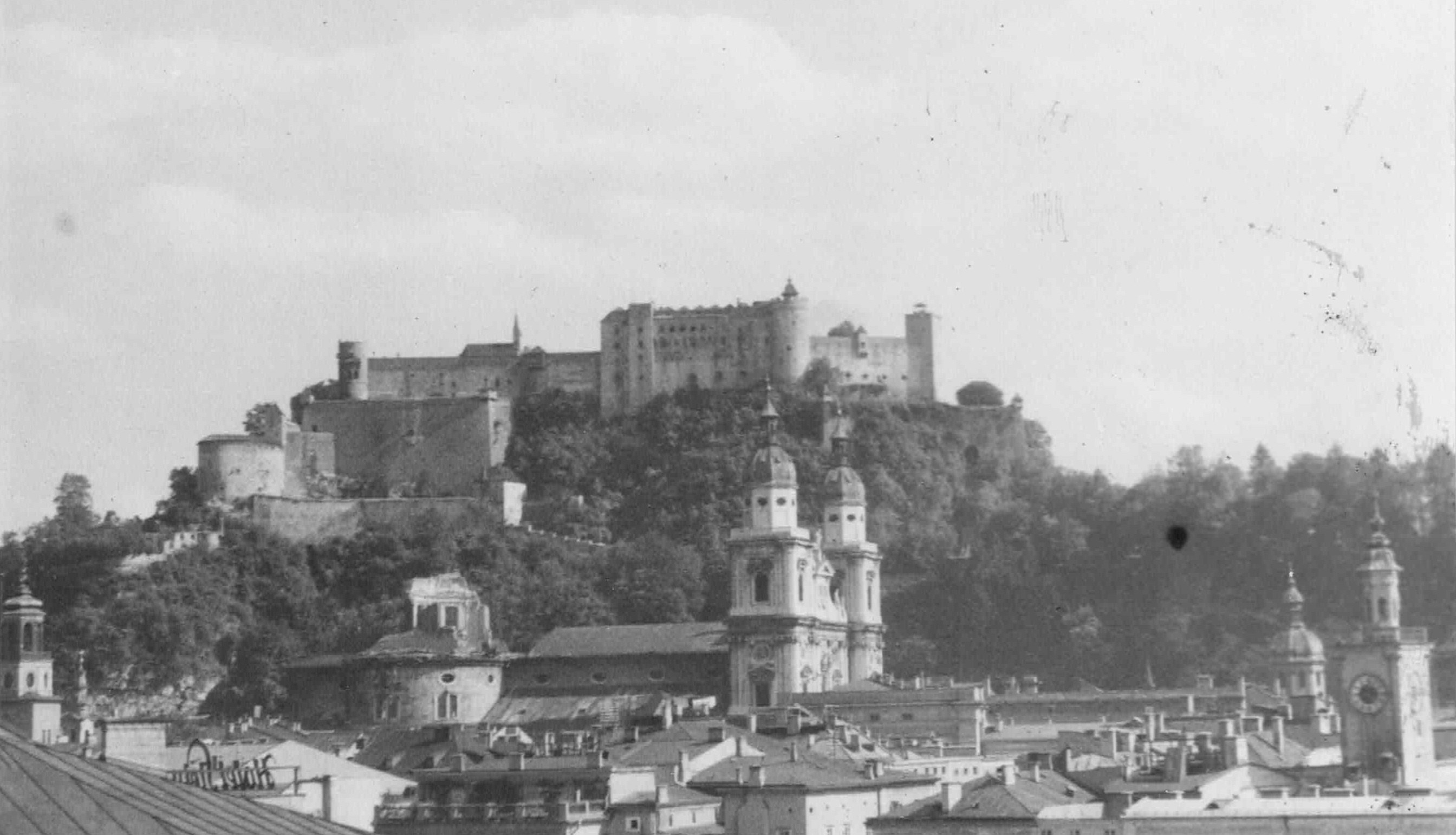
The medieval fortess castle, Salzburg Austria

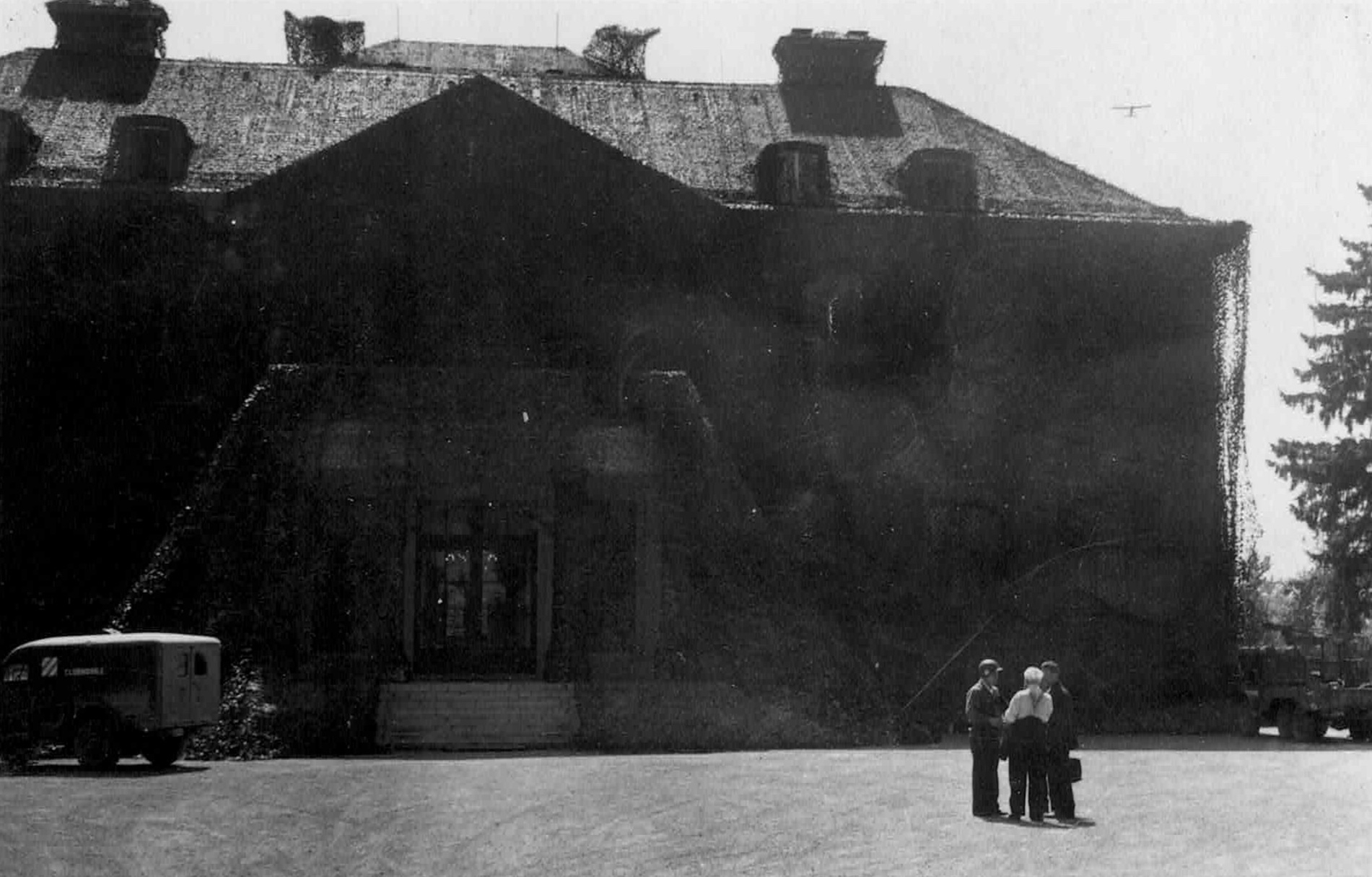
Schloss Klessheim, a baroque palace near Salzburg built 1700, became 3rd Division headquarters.

“Kraut prisoners near Munich”

“In QM area with Dr. Minerva”

Schloss Klessheim was shrouded in camouflage to hide anti-aircraft guns and defensive positions when 3rd Division forces captured it on May 4, 1945. It was described as “Hitler’s guesthouse for visiting foreign plenipotentiaries.

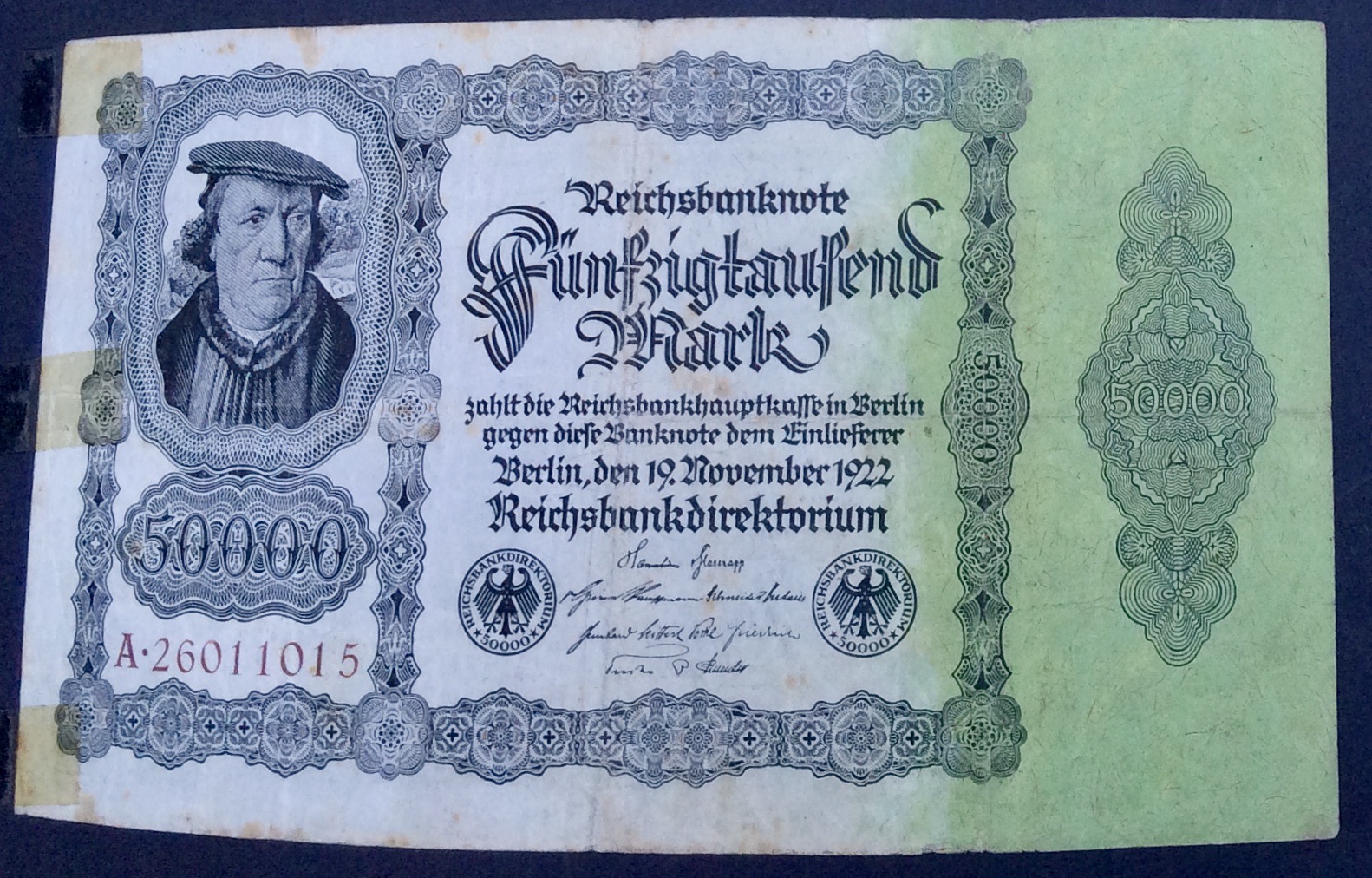
Old money

Ch. 70: https://mollymartin.blog/2025/11/03/the-liberation-of-dachau/