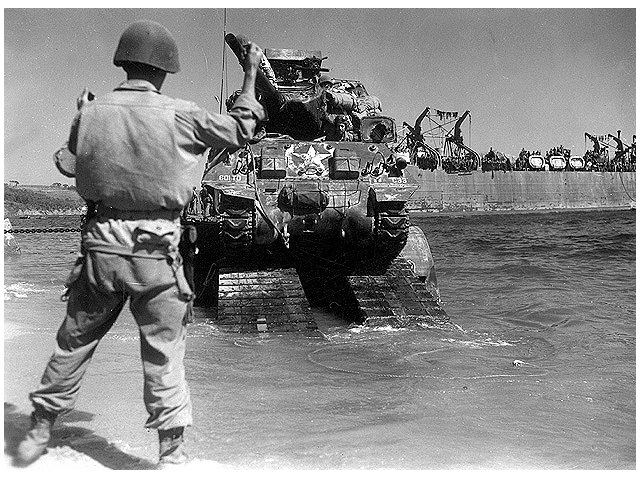
Mortar Attack!

We crash into Besançon and fight until morning

My Mother and Audie Murphy Ch. 30

September 5, 1944. From Murphy’s autobiography To Hell and Back:

In a short while they are back in the thick of battle. The forward units knife through German lines, leaving pockets of resistance for the mopping-up crews. The noise of combat rises from every direction.

The swift advance has drained their energy and their supplies. Hungry and exhausted, they collapse along a roadside to wait for orders. Artillery thunders over their heads. They lie on their backs, listening to the shells crash forward into the hills.

Murphy and his crew seize an opportunity when a German supply truck rattles into view. They ambush it and find it loaded with bread and cognac. For a brief, stolen moment they eat, drink, and sing, the battle seeming almost far away.

The town of Besancon from its citadel. You can see the bombed bridges. Photo: Dogface soldiers.org

That night they crash into Besançon and fight until morning. Within a few days the city is secured, and once again the pursuit of the retreating Germans begins.

Murphy’s platoon brings up the rear when a roadblock stops the company. Mortar shells begin peppering the earth. Murphy pauses to speak to a small group of soldiers, several of them nervously pale replacements, waiting for the fire to ease.

Nearly killed by a mortar shell

A mortar shell drops in almost without sound. It is practically under Murphy’s boots before he registers its arrival. He has just enough time to think, This is it, before the blast knocks him unconscious.

When he comes to, he is sitting beside a crater with the shattered remains of a carbine in his hands. His head throbs, his eyes burn, and he cannot hear. The acrid, greasy taste of burned powder coats his tongue.

FFI fighters. Photo: NARA

He runs his hands down his legs, methodically checking. Both limbs are there. But the heel of his right shoe is gone, and his fingers come away sticky with blood.

A voice filters dimly into his fogged brain: “Are you all right, Sergeant?” He wipes the tears from his stinging eyes and looks around. The sergeant who spoke and the young recruit beside him are dead. Three others are wounded. All had been farther from the shell than he was.

When a mortar detonates on contact with the ground, its fragments shoot upward and outward in a cone. Murphy had been standing close to the base of that cone and caught only the lightest edge of the fragmentation. Had he been three feet farther away, he knows he would not be alive.

During World War II, concussions resulting from mortar attacks were a significant source of traumatic brain injury (TBI). Soldiers experienced symptoms like headaches, dizziness, poor concentration, and memory problems following exposure to blasts, even without visible head injuries. The term “shell shock” was originally used in WWI to describe these symptoms, but was later replaced with terms like “post-concussion neurosis” in WWII. Head injuries from mortars contributed to a significant percentage of medically treated wounds during the war. 

Murphy spends a few days in the hospital, not because of his brain injury, but because his foot was wounded. Then he’s back in the lines.

Ch.31: https://mollymartin.blog/2025/06/04/evidence-of-nazi-war-crimes/

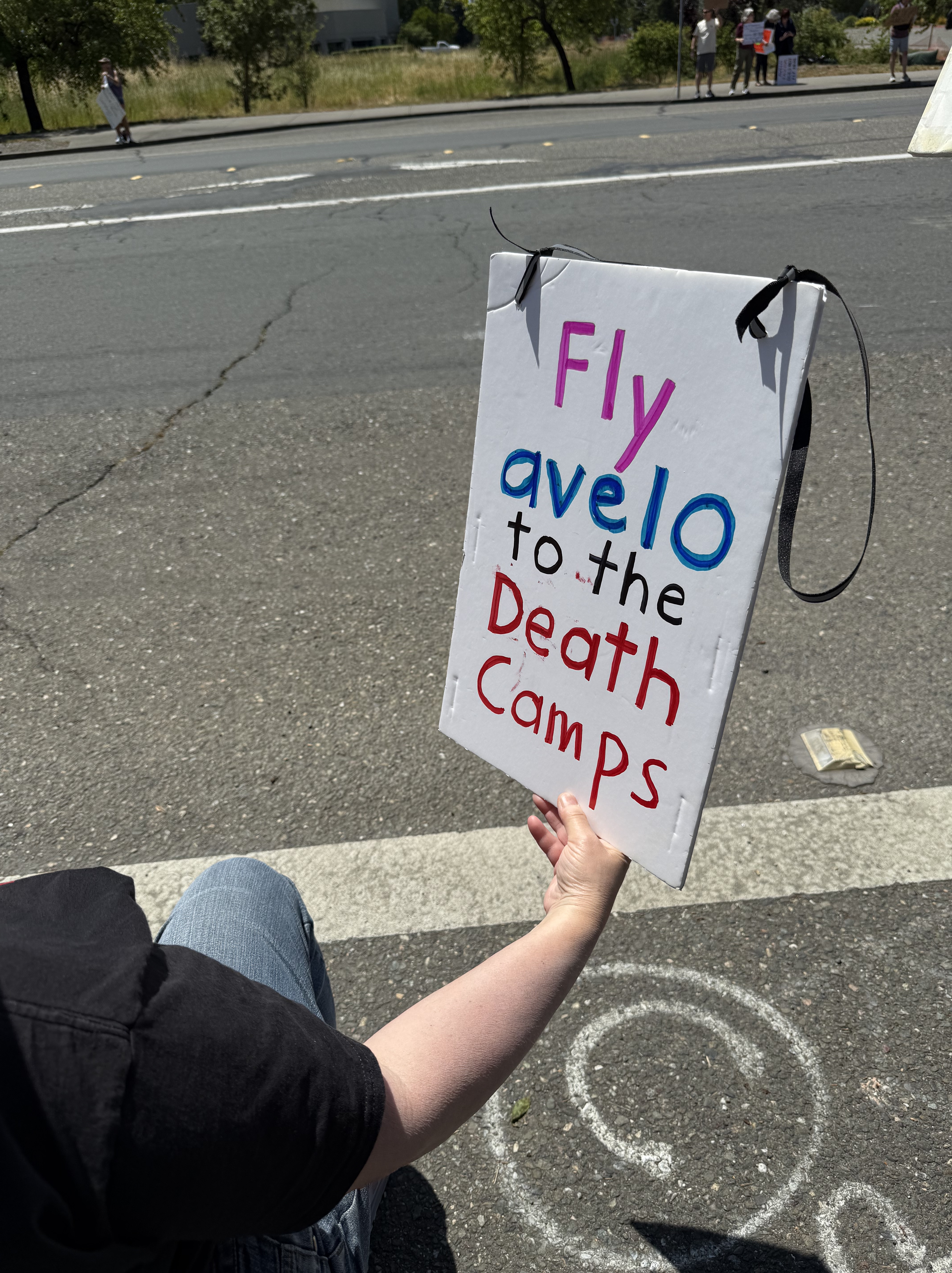
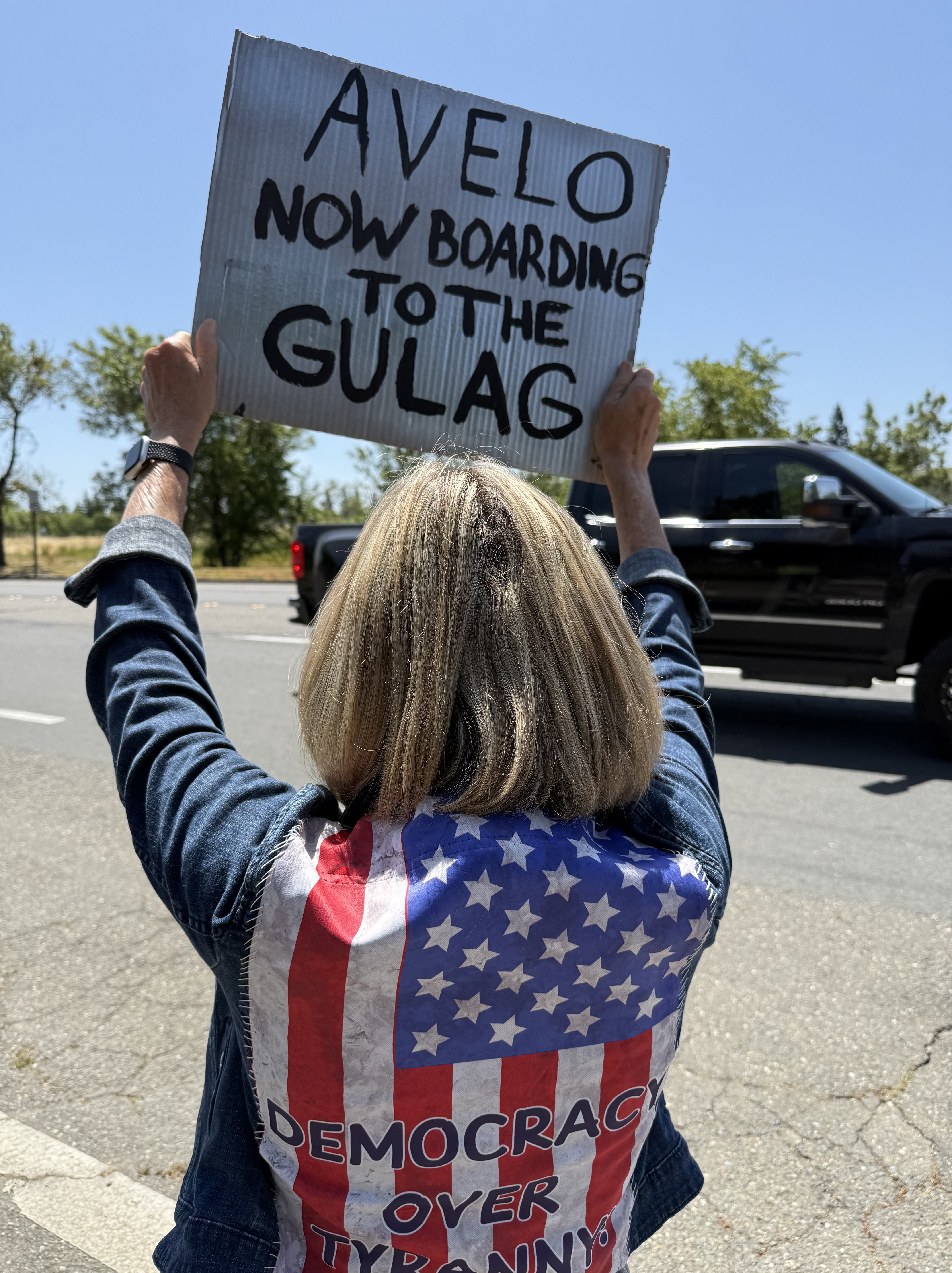
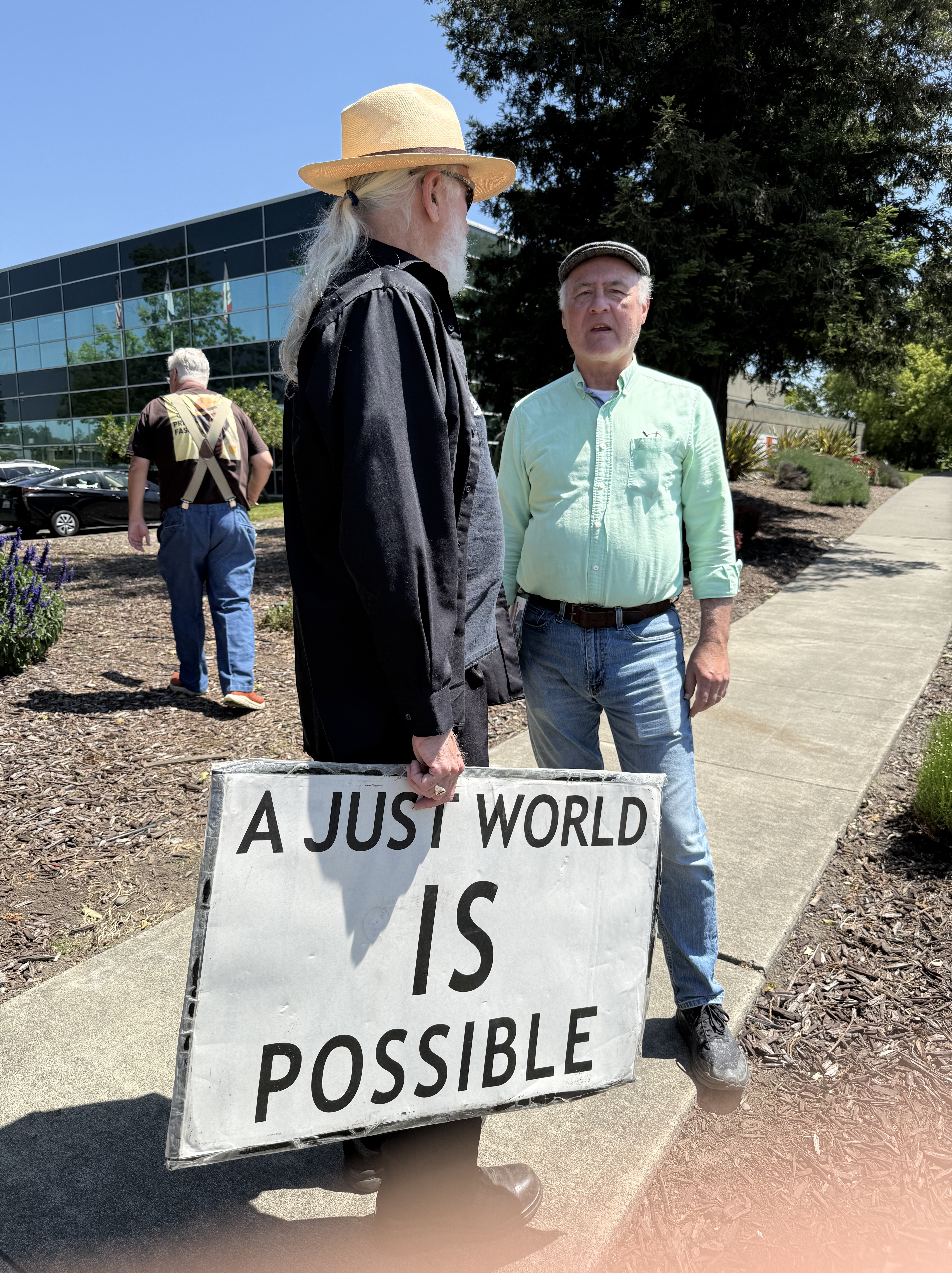
Avelo Airline Protest

Sunday May 25, Santa Rosa CA

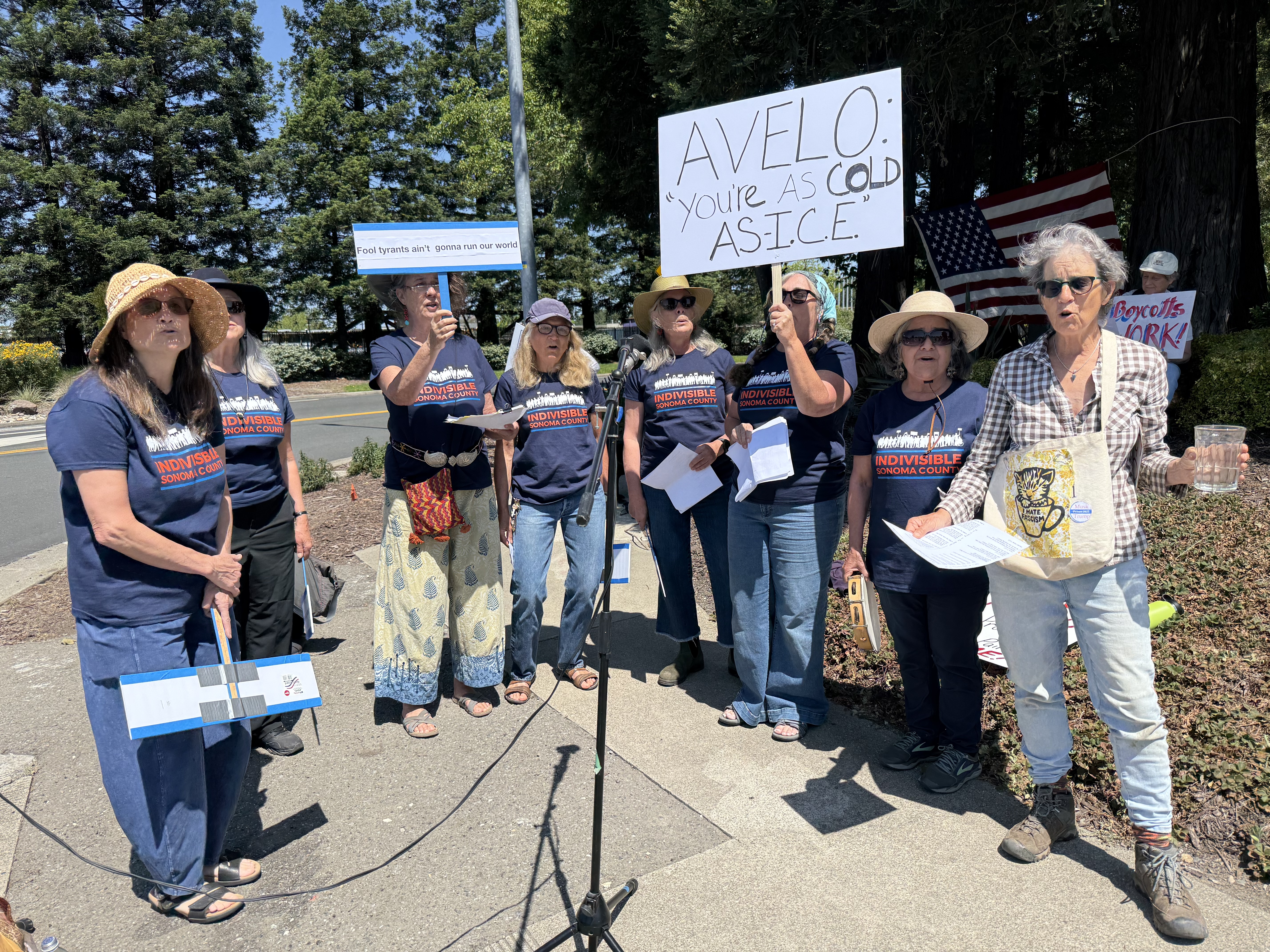
I had such a good time at the protest today. Met some wonderful people and I got to sing old protest songs with the Indivisible singers.

Avelo Airlines has accepted a $150 million contract to operate deportation flights, aiding in the illegal removal of individuals without their right to a fair hearing or due process. This is not only inhumane but a direct violation of our Constitution.

We’re calling for a full boycott of Avelo Airlines and organizing a weekly protest at our local airport. For more information and to join us: https://www.mobilize.us/mobilize/event/779651/
The Red Cross Lands in France

In a letter home, Flo tells of arrival

My Mother and Audie Murphy ch. 29

Late August, 1944. Support staff, including the American Red Cross women, were required to wait till the end of August to follow the troops into Southern France. They sailed from Italy on the USS Joseph T. Dickman, the same ship that had carried many of the men, landing on the same beach near St. Tropez. The ARC women attached to the Third Infantry Division were the first to reach France.

They were billeted for a week in a small town, Aix-en-Provence, where they stayed in what Flo called “a quaint but comfortable hotel.” 

Aix-en-Provence. Pictures of the “quaint” hotel where they stayed, on right.

Flo’s letter home was published in the local Yakima newspaper:

Word From Florence Wick

Mrs. Gerda Wick, mother of Florence Wick, who is serving with the ARC in France has received a very interesting letter from her daughter. Florence writes:

“We came to France by boat. There were about 25 of us clubmobile girls, and we are waiting now in a lovely, quiet little southern French town until we can rejoin our various divisions. We landed in the same fashion as our troops had done previously, although, of course, we had the advantage of not being under fire.

“This part of southern France reminds me of Washington. There are fine trees and mountains and lovely valley gardens. The people are very nice, clean and polite. Their own soldiers are fighting as well as the civilians, and the spirit is wonderful.

“The war is moving so fast that we cannot keep up with it ourselves. When we can rejoin our units is unknown, but we miss them badly and want to get up there as soon as possible. Meanwhile, we are staying in a quaint but comfortable hotel, and enjoying white sheets and soft mattresses.

“The French can even make army K rations taste different, and their table service is wonderful. A separate plate for everything, and interesting sauces camouflaging our corned beef, Spam, etc. Their interior fighting forces, such as civilians underground, etc. have done a wonderful job and “fighting French” means just what it says.

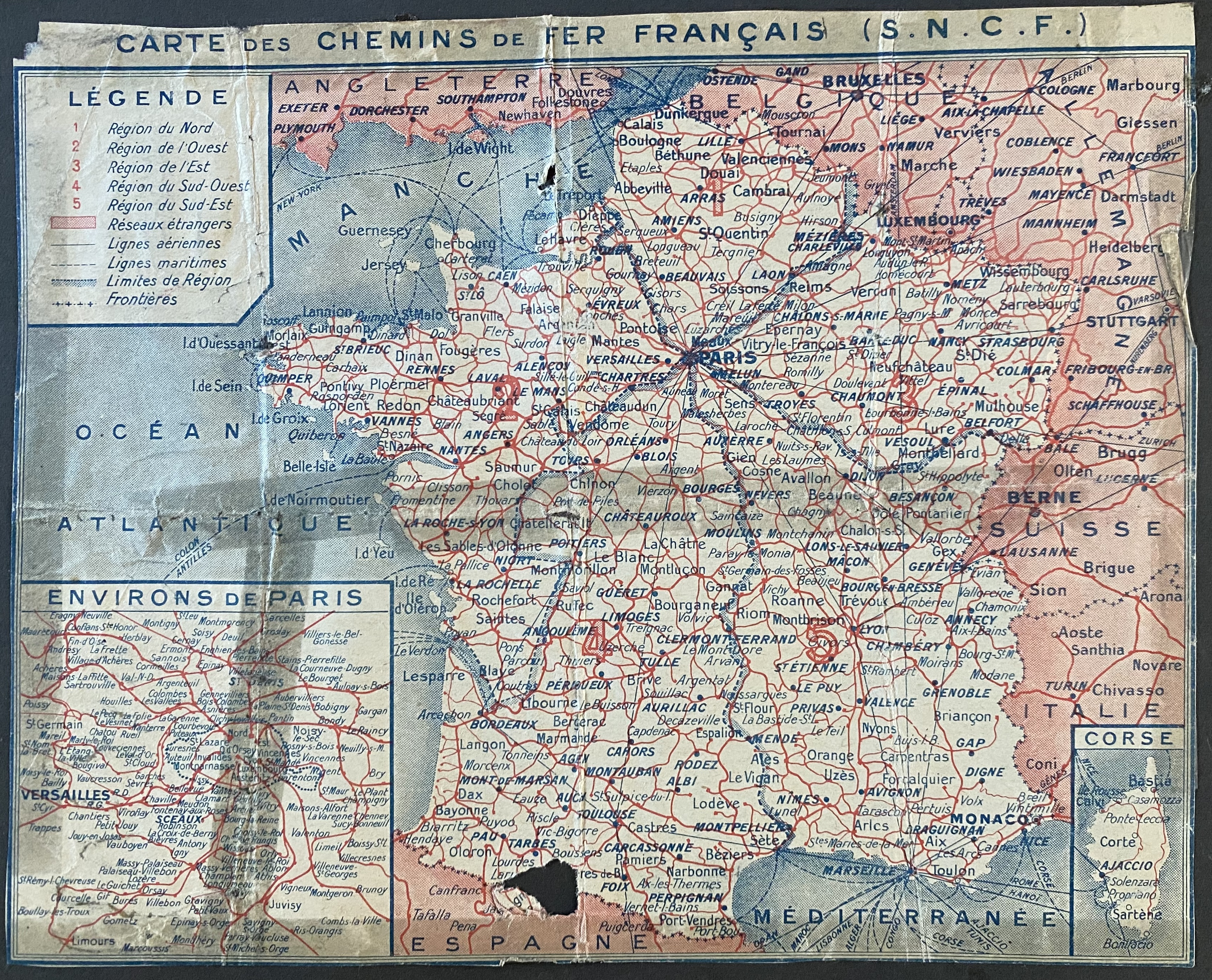
Flo’s road map of France was put to good use by ARC clubmobilers

“The fruit here is very good—all varieties of melons, excellent tomatoes which they can fix a dozen different ways, and grapes.

“The thing that makes these French towns so different from ours is the complete lack of frame buildings. Everything is stone or stucco with tile roofs. That was true in Italy also. France is unbelievably clean and peaceful looking. There are, of course, smashed buildings, burned up and overturned Jerry equipment and shells lying around here and there to remind one of war, but they don’t seem real, somehow.

“The clubmobile girls were the first ARC girls in France and we are quite thrilled by it all particularly as there are hundreds who want to get over here and must stay on in Italy for a time.

“Please greet everyone for me.”

Ch.30: https://mollymartin.blog/2025/05/30/mortar-attack/

Nazis Trapped at Montelimar

Dead and Dying Include Hundreds of Horses

My Mother and Audie Murphy Ch. 28

Late August, 1944. From Murphy’s autobiography To Hell and Back:

Smarting under the wrongs and indignities endured during the years of German occupation, members of the French underground emerge from hiding and strike. Entire towns are already liberated by the FFI—the French Forces of the Interior—waiting only for the Americans to arrive. The Maquis join the advancing troops as guides, offering information on enemy strongholds and hidden defenses.

Advancing on Montelimar. Photo: Dogface soldiers collection

The German dead lie buried in abandoned foxholes, hastily covered with the same soil they once held in captivity. When it rains, their boots stick grotesquely from the mud.

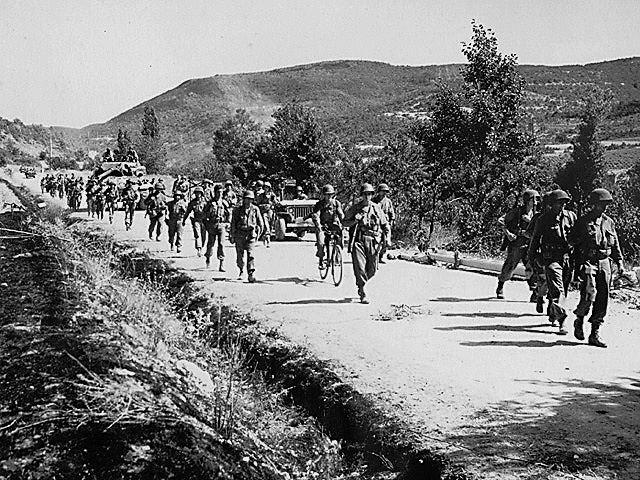
Meanwhile, the Third Army drives relentlessly across middle France. When contact is made, the Germans in a vast section of the country will be caught in a trap. For three days the Americans move forward in trucks, meeting only scattered resistance—roadblocks, ambushes, and small pockets of determined defenders. After the slow, grinding months in Italy, this rapid advance feels almost unreal.

The men are exhilarated. Nothing lifts a soldier’s morale like progress. They have long believed that the only road home lies through the Siegfried Line, and every mile up the Rhône Valley feels like another mile closer to America.

The Germans react unpredictably. In one place, twenty thousand surrender to a single American platoon. In another, a few dozen fight with desperate ferocity, clawing for every inch of ground.

Wreckage of the German retreat. Photo: Dogface soldiers collection

By August 23, 1944, the swift, circling maneuvers of divisional units have trapped a large enemy force at Montélimar, a key communications hub. The Germans would gladly abandon the town if only they could escape north. As the American ring closes around them, they counterattack fiercely—an entire regiment hurling itself against Murphy’s battalion. Artillery and mortar fire break the assault, holding the line amid smoke and shattered trees.

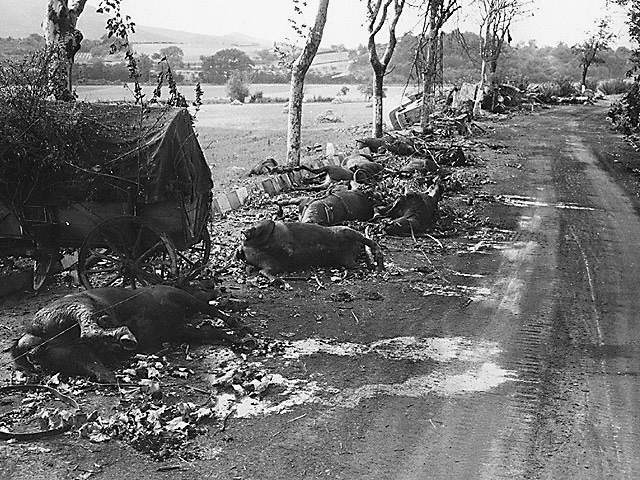
On the outskirts of Montélimar, a massive German convoy is caught by American guns. In their panic to flee, the vehicles jam the road two and three abreast. Artillery zeroes in, and the destruction defies belief.

Hundreds of horses, evidently stolen from French farmers, lie among the wreckage. They stand or fall with torn flesh, gazing at the soldiers with unblinking, bewildered eyes, whinnying softly as life drains from them. The men, hardened by years of battle, find themselves strangely shaken. They are used to the sight of dead and wounded men, but these suffering animals stir something deeper, a sorrow for innocence trapped in the machinery of war.

Horses were among the dead. Photo: Dogface soldiers collection

One of Murphy’s men, a Texan, gently approaches a horse and shoots him behind the ear.

“I’ve known horses all my life,” he says, “and there’s not one dirty, mean thing about them. They’re too decent to blast each other’s guts out like we’re doing. Makes you ashamed to belong to the human race.”

Ch.29: https://mollymartin.blog/2025/05/25/red-cross-lands-in-france/

Boycott Avelo Airline!

We Protest Every Sunday in Santa Rosa CA

The airline has contracted with the tRump administration to fly people who have been arrested without due process to deportation prisons.

This week we were serenaded by a women’s Balkan choir, Gradina. They wrote protest songs and handed out the lyrics so we could sing along. I met teachers, a librarian, a retired labor organizer and nurses. All good people who care about democracy and the rule of law.

Flo and Her Crew Sail to France

She reunites with her fiance Gene on Red Beach

My Mother and Audie Murphy Ch. 27

August 26-30, 1944

Finally, the time had come for the American Red Cross workers to follow the boys to France. Flo wrote in her diary:

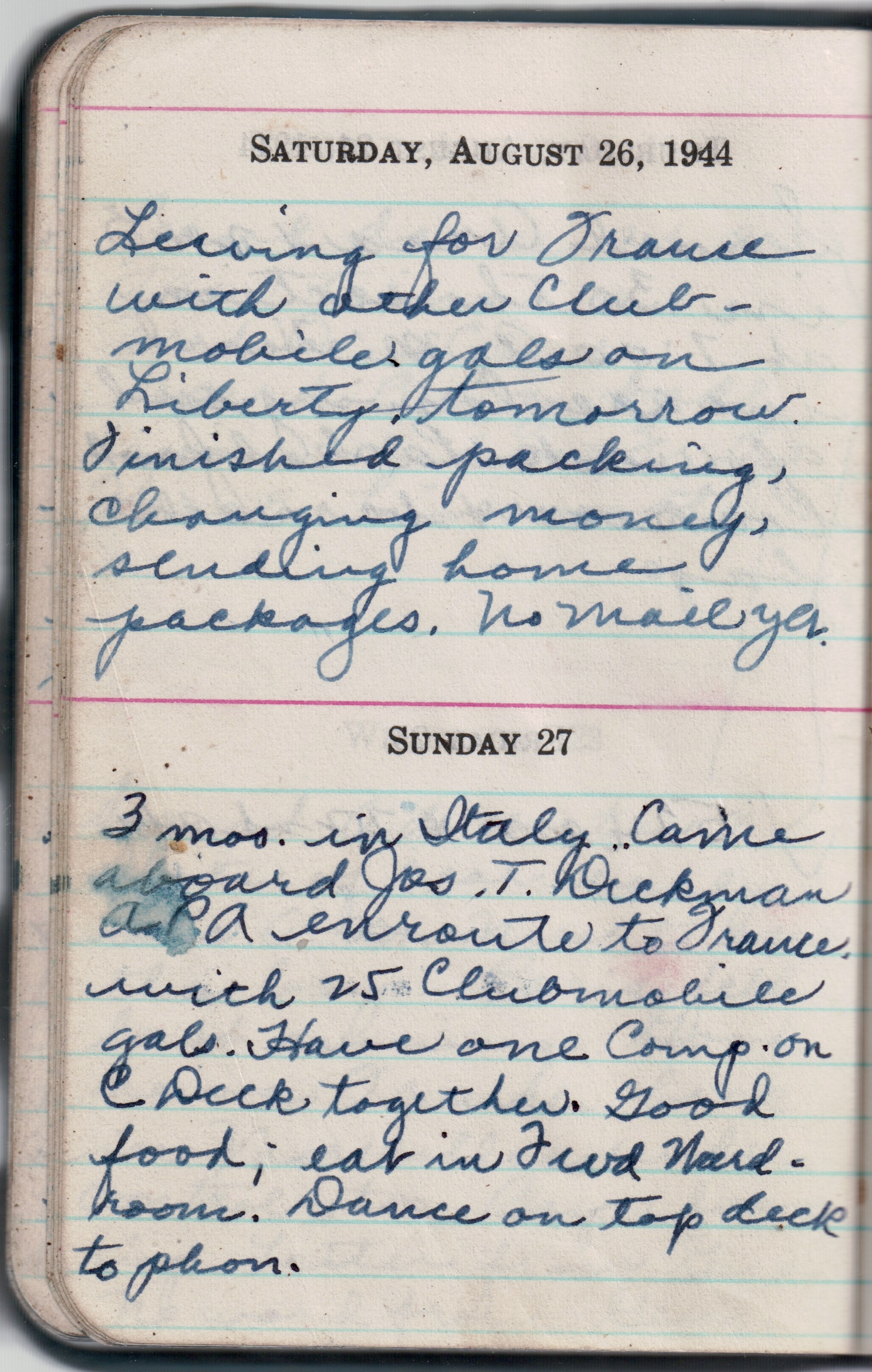
Saturday, August 26, “Leaving for France with other clubmobile gals on Liberty tomorrow. Finished packing, changing money, sending home packages. No mail yet.”

Sunday, August 27

“3 mos. In Italy. Came aboard Jos. T. Dickman APA enroute to France with 25 clubmobile gals. Have one comp. on C deck together. Good food. Dance on top deck with phon.”

August 28

“On board ship. Fun with Lt. Scharff. Dancing in moonlight on deck. Very hot in compartment.”

USS Joseph T. Dickman

August 29

“Still on ship—last day. No dance while at sea. Spent time with Lt. Scharff.”

(I don’t know who Lt. Scharff was. Flo did correspond with friends after the war, but there’s no indication she ever saw or corresponded with Lt. Scharff again.)

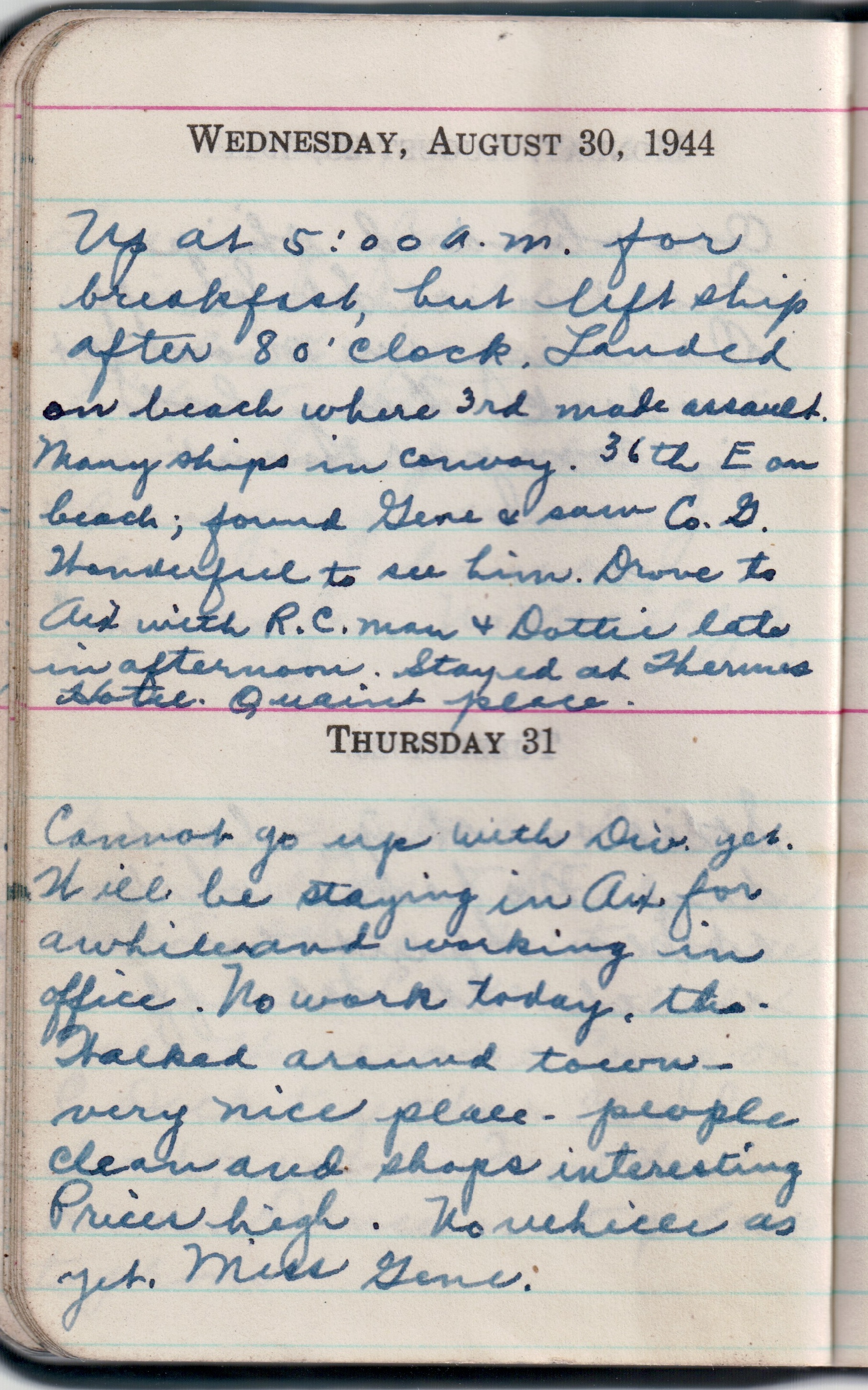
Wednesday August 30

Up at 5:00 a.m. for breakfast, but left ship after 8 o’clock. Landed on beach where 3rd made assault. Many ships in convoy. 36th E on beach; found Gene & saw Co. G. Wonderful to see him. Drove to Aix (Aix-en-Provence) with R.C. man & Dottie late in afternoon. Stayed at Thermes Hotel. Quaint place.

August 31

Cannot go up with Div. yet. Will be staying in Aix for a while and working in office. No work today, tho. Walked around town—very nice place—people clean and shops interesting. Prices high. No vehicles as yet. Miss Gene.

Sunday September 3

Down to Red Beach to see about car. Saw Gene.

September 4

With 36 E

36 E is the 36th Engineers, Flo’s fiancé, Gene’s unit. 

Ch. 28: https://mollymartin.blog/?p=4065

A Demon Enters My Body

His best friend dies: Murph loses his cool

Ch. 26 My Mother and Audie Murphy

D-Day in Southern France. August 15, 1944

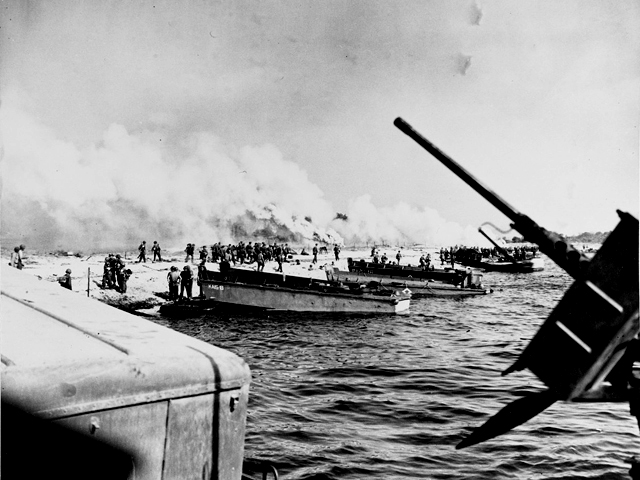
They jump from the landing craft and wade through the swirling surf. From the hills above, German guns begin to crack. Shells burst among them. Medics move instantly, sleeves rolled, already tending to the fallen.

An explosion erupts on the left. When the smoke clears, the remains of a soldier lie scattered—he has stepped on a mine. A medic kneels beside him briefly, then signals to the litter bearers that there is nothing to carry.

Ahead lies a strip of scrub and tangled grass. The men advance toward it with cautious, deliberate steps, as though walking on eggshells. The entire beach is mined, every footstep a gamble.

Landing at Red Beach. Photo: Dogface soldiers collection

They reach the edge of a green meadow. Beyond it stretch vineyards and scattered farmhouses, each one potentially harboring an unseen gun crew. Murphy drops into a drainage ditch and pushes forward, mud sucking at his boots as he moves.

They kill two Germans and capture six.

The thin shell of resistance at the beachhead collapses quickly, and the company advances inland. Three wooded hills rise to their right. From the center hill, a concrete pillbox juts outward, its cannon angled toward the beach. Intelligence marks this hill as a major strongpoint, and Murphy’s company receives the order to neutralize it.

Under a punishing sun, the men climb in sweat-soaked uniforms. Murphy’s platoon leads, and he brings up the rear. Suddenly automatic fire sweeps down from the hill.

Murphy’s two comrades are killed. He is alone and the Germans have discovered his position.

Then Murphy engages in acts of heroism that earn him one of his many medals. He duels with the enemy until his ammunition is exhausted. Then he seizes a machine gun and rakes the foxholes. Still under fire, he is joined by a comrade, his best buddy in the squad.

The surviving Germans wave a white cloth in surrender. Murphy’s friend rises casually from cover, believing the danger has passed. A hidden machine gun opens at once. He topples backward into the hole, barely whispering Murphy’s name before dying. Murphy freezes in shock, caught between the bodies of his friend and the Germans he has killed.

He checks for a pulse. There is none. He calls for medics, but the hill roars with gunfire. No one can reach him.

Grief and disbelief overwhelm him. He refuses to accept the death. With quiet, deliberate care, he lifts his friend from the hole and lays him beneath a cork tree, as though fresh air alone might restore life. How he avoids being shot while doing this remains inexplicable.

Map of the invasion. Photo: NARA

A machine gun shifts toward him. Murphy reacts instantly, diving back into the hole, throwing a grenade, and then rushing forward. The grenade has done its work. Both German gunners are dead. Murphy takes their weapon, checks it, and begins climbing the hill again.

He wrote: “I remember the experience as I do a nightmare. A demon seems to have entered my body. My brain is coldly alert and logical. I do not think of the danger to myself. My whole being is concentrated on killing. Later the men pinned down in the vineyard tell me that I shout pleas and curses at them because they do not come up and join me.”

He reaches the gun crew responsible and kills them before they even know he is there. He keeps firing until their bodies stop moving.

Resistance on the hill collapses. The company advances and reorganizes on the crest. Murphy stands apart, trembling, stunned by the sudden weakness that overtakes him. When the company moves on, he returns alone to his friend’s body.

He gathers his personal effects, looks once more at the photograph of the little girl with pigtails, then places the pack beneath his friend’s head like a pillow. He sits beside him and weeps without restraint.

As time passes, the rage drains away. The enemy becomes again simply the enemy—not monsters, not personal. The war resumes its relentless form: a series of brutal tasks carried out by flesh and will. Murphy accepts this, as he has every day since the war began.

And he rises, wipes his face, and walks back over the hill to rejoin the company.

Quotes are from From Murphy’s autobiography To Hell and Back

Ch. 27: https://mollymartin.blog/2025/05/15/flo-and-her-crew-sail-to-france/

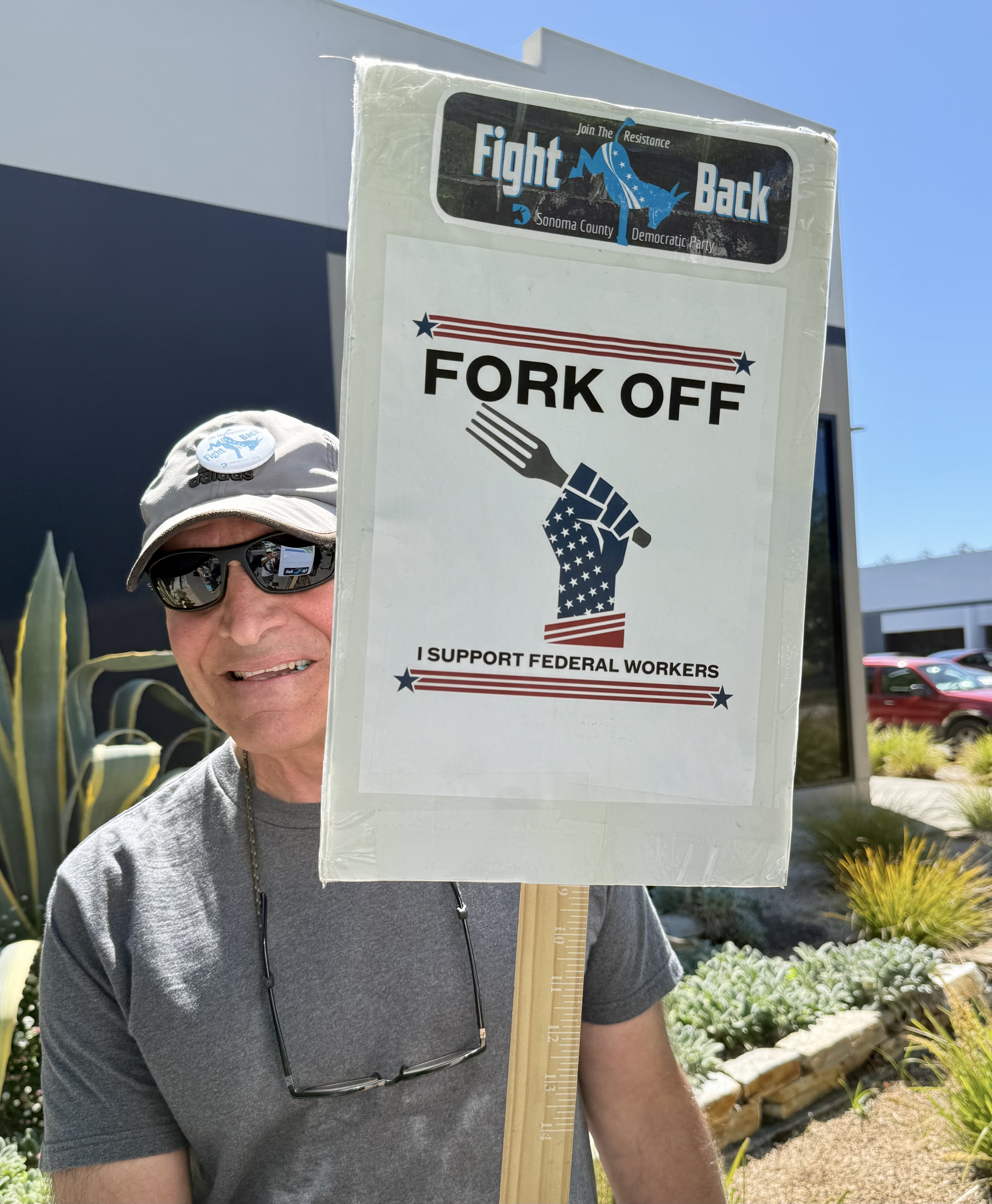
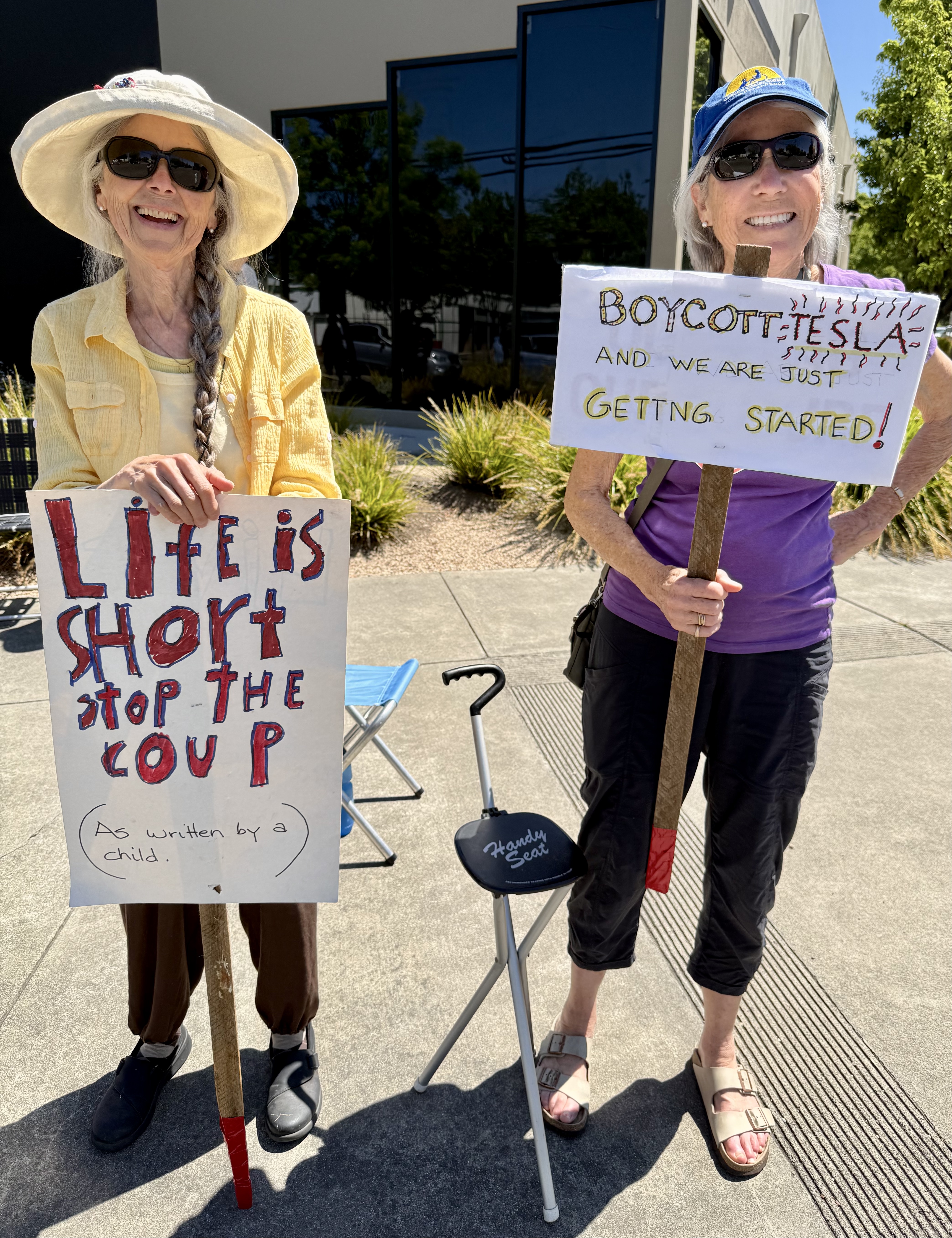
Weekly Protest at Tesla Santa Rosa

May 10, 2025 Lots of honks from folks driving by

Ready to Leave Poor Italy

In a letter home, Flo writes of the strain of waiting

My Mother and Audie Murphy Ch. 25

August 24, 1944. “We are in the process of waiting right now and it is very much of a strain, particularly since “our boys” are fighting and we worry so much about them. War is hell when you “sweat out” an invasion and it becomes pretty grim when you hear that someone you knew well and liked a great deal has been wounded or killed. We hope to be with them before too long. 

“I have just started to comprehend Italian and will soon have to struggle with French, but I’m sure I’ll like it much better.

“I’ve gained at least 5 pounds, I am nut brown from outdoor life and feel excellent. The last two days I’ve had a sore throat and am now horse as a crow, but fine otherwise. 

“Paris fell last evening. No word from Gene,” wrote Flo in her diary August 23.

“My “Love life” is taking time off, too, as the boyfriend is having a little argument with the Jerries right now. I hope he will “come back” but there is always the tragic possibility that he won’t, along with hundreds of others. 

“The war advances are encouraging, though to us, not as encouraging as to the folks back home. I am afraid it will still be quite some time, but about that no one can tell for sure.

“It is as hot here as it must be at home in August. We didn’t mind it when we were in the country, but in the city it is very enervating and we notice it considerably. 

“I love my job and I am fond of my coworkers, so I’ve never been sorry I came over. In fact, I feel as if I’ve really been doing something. 

“Waiting around is hard, but we have even a bigger job ahead of us, as well as new scenes and new adventures.

“I will be just as glad to leave Italy – it has been fun here, but the people are very disillusioning– their whole standard of living is so far, far below what I expected and they seem to have no leaders, no particular ambition or initiative. Like much of Europe now, it is dirty and poor. We have very little to do with the natives and I am more often pitying them than not, but that is wearing. The poor children – there is no health standard and very little good food – the next generation will really suffer. 

“Ruth (her sister), If you get a chance, please tell Mom to send me some combs – long ones. They have nothing but cheap short ones in the PX here and I’m destitute. Some Italian stole my two pair of dress shoes, so I’m completely dependent on those horrible black oxfords. Only one package has reached me from home as yet.” 

Ch. 26: https://mollymartin.blog/2025/05/12/3rd-divisions-first-day-in-france/

Operation Dragoon: The Landing

Audie Murphy recalled landing on French soil

My Mother and Audie Murphy Ch. 24

August 15, 1944. From Murphy’s autobiography To Hell and Back:

Audie Murphy later described the landing in southern France in his autobiography To Hell and Back. He recalled that, technically, the operation was considered perfect. The assault had been calculated to the smallest detail, every movement coordinated so that the effort unfolded with the smooth precision of a machine.

Compared to earlier invasions, resistance here was light. Weeks before, Allied forces had already broken out of Normandy and were cutting through northern France like a flood bursting through a levee. On the eastern front, the Russians were hammering the German armies. Overhead, American bombers were grinding German cities to rubble. Murphy likened Germany’s situation to that of a man hiding in a stolen house, frantically running between front and back doors as justice pounded from both sides—only to realize too late that another force was now rising up through the cellar. His regiment, Murphy observed, was that third force.

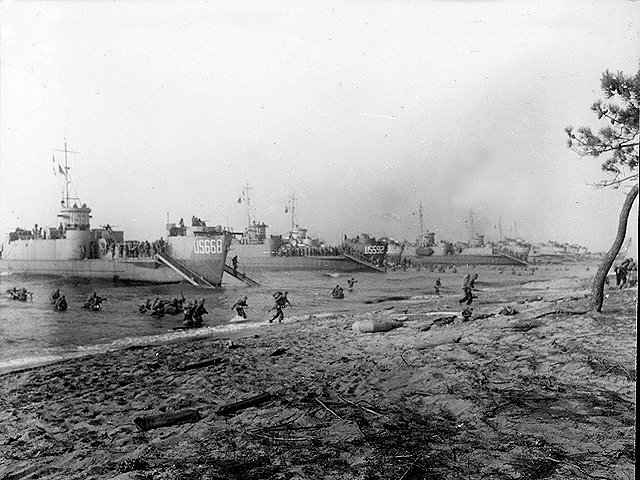
Landing craft on D-Day August 15. More than 90,000 amphibious and 9,000 airborne troops participated in the initial two-day southern France landings. Photo: NARA

Yet the men in the landing craft knew nothing of this sweeping strategic picture. They saw only the edge of the boat, the immediate shoreline, and the moment that lay before them. Their first objective was a narrow, harmless-looking strip of sand called “Yellow Beach.” It was early morning in mid-August; a thin mist hovered above the flat fields beyond the shore, and beyond that, quiet green hills rose inland.

Photo: Dogface soldiers collection

The bay between St. Tropez and Cavalaire was crowded with the familiar pattern of an amphibious assault. Battleships had already given the coastline a thorough pounding and now drifted silently in the background. Rocket craft followed, launching volleys that hissed through the air like schools of strange metallic fish, exploding mines and shredding barbed wire while rattling the nerves of the Germans waiting on shore.

Photo: Dogface soldiers collection

Under this barrage, scores of landing boats churned forward. Murphy stood in one of them, gripped again by that old, stomach-knotting fear that always came before action. Around him, his men crouched like miserable, soaked cats. Some were seasick; others sat glassy-eyed, lost in the kind of inward withdrawal that came just before battle.

And then, in the midst of dread, Murphy felt the absurdity of the moment. Here they were—small, cold, wet men—thrust into a riddle vast as the sky. He laughed, as he often did when confronted with the enormity of life and death.

Photo: Dogface soldiers collection

As the boats drew nearer, Murphy tried to rally his men by urging them to sing. They weren’t interested. But singing had long been a way soldiers kept fear in check, anger in rhythm, and marching in step. The Third Division even had its own song—Dogface Soldier—written in 1942 by two of its own, Sgt. Bert Gold and Lt. Ken Hart, both from Long Beach, New York. The division commander, Lucian Truscott, liked it so much he made it official. Third Division soldiers sang it, marched to it, and danced to it.

Years later, in 1955, when Murphy played himself in the film To Hell and Back, the song made its public debut. It became one of the most well-known songs of the war, celebrating not heroes of legend, but the ordinary infantryman—the “dogface” soldier who carried the rifle, slogged the mud, and shouldered the daily weight of the war.

The lyrics—simple, proud, and rough-edged—captured exactly who they were:

I Wouldn’t Give A Bean
To Be A Fancy Pants Marine
I’d Rather Be A
Dog Face Soldier Like I Am

I Wouldn’t Trade My Old OD’s
For All The Navy’s Dungarees
For I’m The Walking Pride
Of Uncle Sam

On Army Posters That I Read
It Says “Be All That You Can”
So They’re Tearing Me Down
To Build Me Over Again

I’m just a Dogface Soldier, 
With a rifle on my shoulder, 
And I eat a Kraut for breakfast every day. 

So Feed Me Ammunition
Keep Me In the Third Division
Your DogFace Soldier’s A-Okay

Ch. 25: https://mollymartin.blog/2025/05/07/ready-to-leave-poor-italy/