
She “spent more time at the front lines than Gen. Eisenhower”
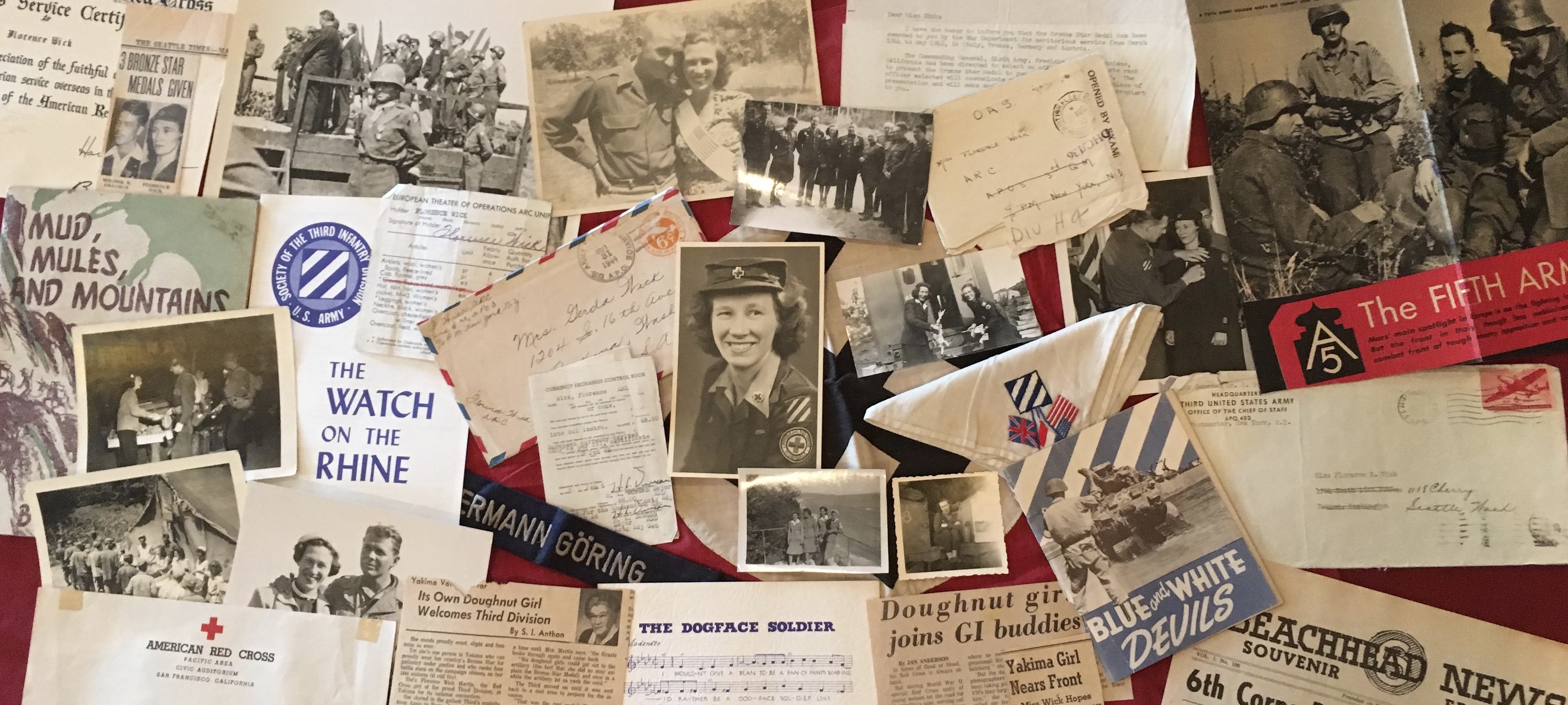
My Mother and Audie Murphy Ch. 64
April 1945. Marlene Dietrich was a huge movie star. Flo was star struck and delighted to meet her when she visited soldiers and the clubmobile crew in a field somewhere in southern Germany.
Dietrich was also a WWII hero. She became an active participant in the American war effort after renouncing her German citizenship and refusing to cooperate with the Nazi regime. She sold war bonds, raised significant funds for the troops, and performed hundreds of morale-boosting shows for Allied soldiers—often close to the front lines—through her USO tours.
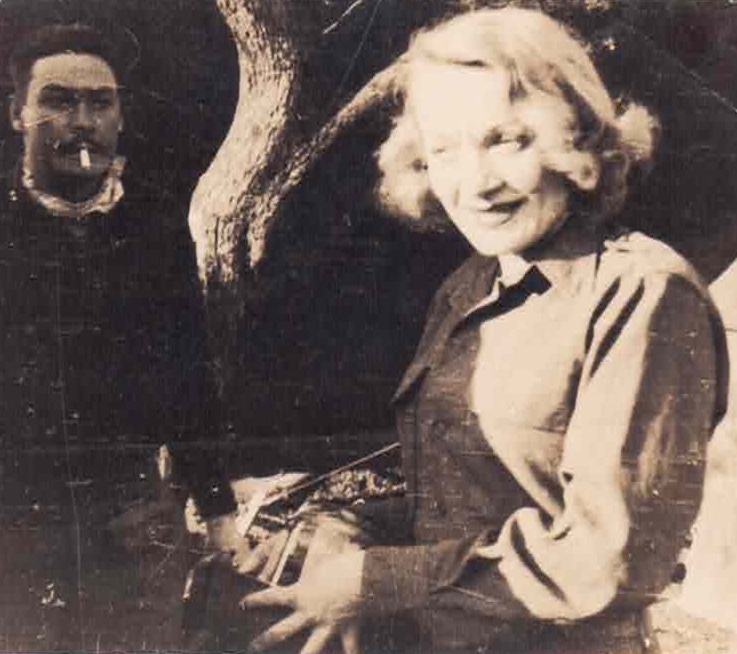

Flo wrote: “Marlene up front. We took her picture. The GIs took ours.“
Dietrich was a humanitarian. She housed German and French exiles, provided financial support, and advocated for their American citizenship. In the late 1930s, she co-founded a fund with Billy Wilder and several other exiles to help Jews and dissidents escape from Germany. In 1937, she placed her entire $450,000 salary from Knight Without Armor into escrow to assist refugees. Two years later, in 1939, she became an American citizen and formally renounced her German nationality.
After the U.S. entered World War II in December 1941, Dietrich was among the first public figures to help sell war bonds. From January 1942 through September 1943, she toured the United States, and was reported to have sold more war bonds than any other Hollywood star.

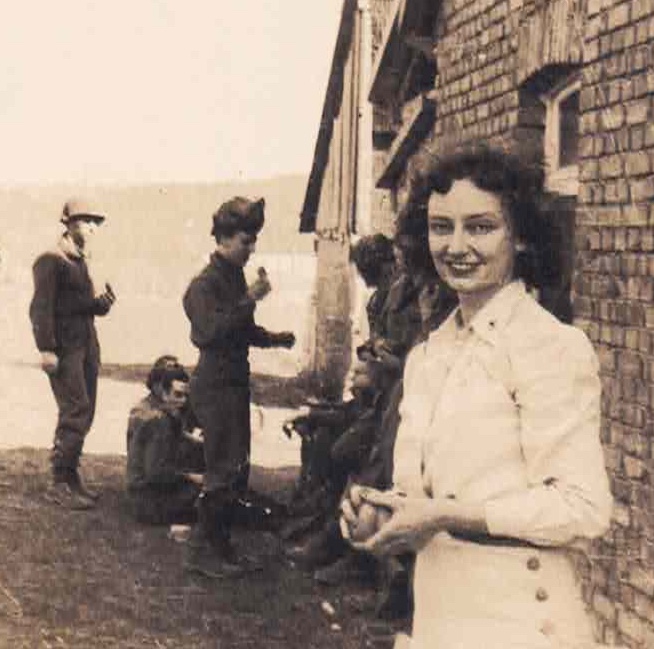
“Danube River (It ain’t blue)”
During two extended USO tours in 1944 and 1945, Dietrich performed for Allied troops in Algeria, Italy, the United Kingdom, France, and the Netherlands, and later entered Germany with Generals James M. Gavin and George S. Patton. When asked why she risked being so close to the front lines, she simply replied, “aus Anstand”—“out of decency.” Billy Wilder later remarked that she had spent more time at the front than General Dwight D. Eisenhower.


In 1944, the Morale Operations Branch of the OSS launched the “Musak Project,” a series of musical propaganda broadcasts designed to weaken enemy morale. Dietrich recorded several German-language songs for the project, including “Lili Marleen,” a tune beloved by soldiers on both sides of the conflict.
Dietrich’s return to West Germany in 1960 for a concert tour was met with a mixed reception. Despite negative press, bomb threats, and protests from those who considered her a traitor, her performances drew large crowds. In Berlin, demonstrators shouted, “Marlene, go home!” Yet she also received warm support from others, including Berlin Mayor Willy Brandt, who, like Dietrich, had opposed the Nazis and lived in exile during their rule. Emotionally drained by the hostility she faced, Dietrich vowed never to return to West Germany—though she was warmly welcomed in East Germany.

Her contributions earned her numerous honors, including the American Presidential Medal of Freedom and the French Legion of Honour. For her efforts to improve morale among troops and aid those displaced by the war, she received additional honors from the United States, France, Belgium, and Israel.
More photos from this page in Flo’s album
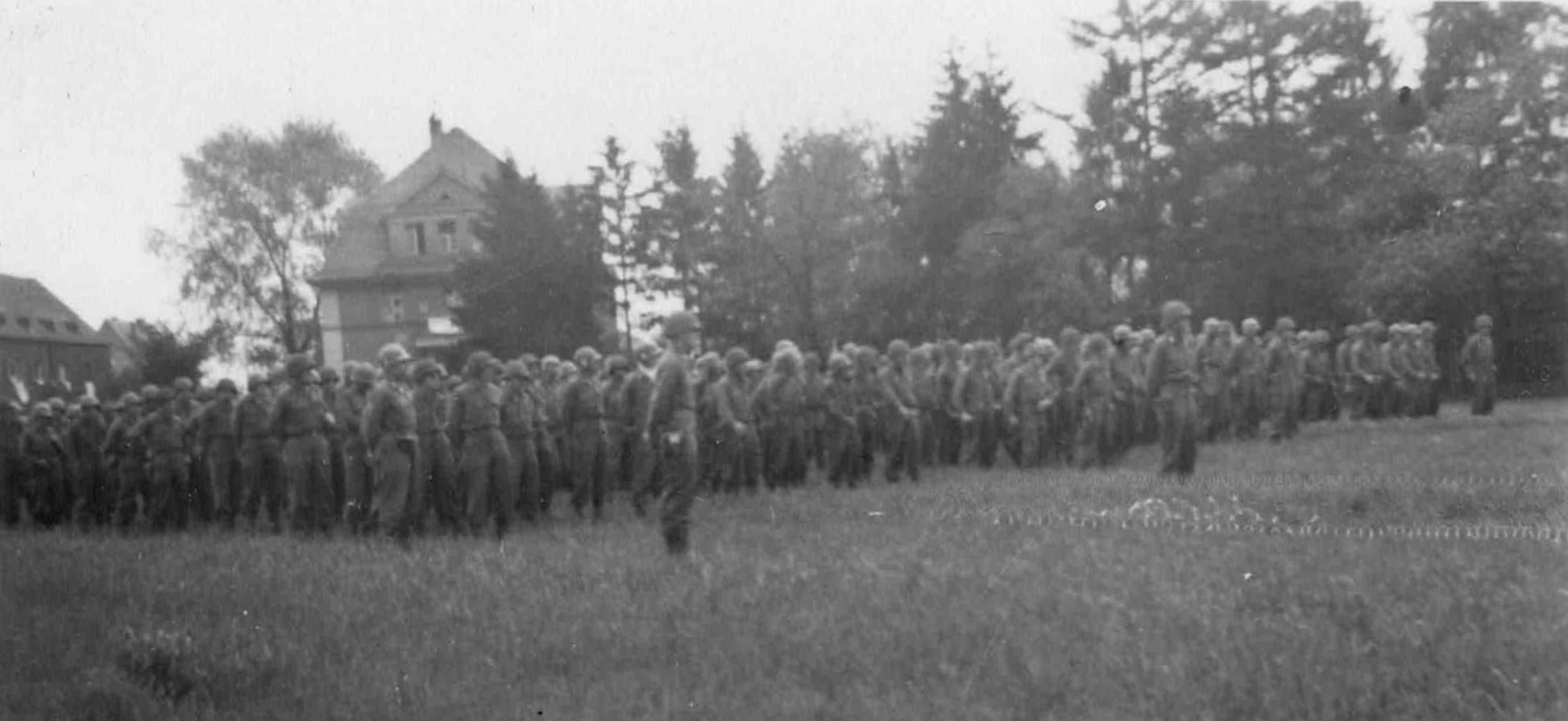

30th Infantry Regimental Review

Captured Kraut plane

Nurnberg burning. Photos from Flo’s album
Ch. 65: https://mollymartin.blog/2025/10/25/nurnberg-burning/

 tradeswomn musings
Yes, I was disappointed to find out the blue Danube was not blue…..I’m such a believer
for anything you tell me……………..d
LikeLiked by 1 person
Dietrich was a good actress; I did not know what a patriot she was during the war, and that she sold more more war bonds than any other actor. Quite a feat! Thank you again for sharing all these wonderful stories from your mother’s past. You are so blessed to have all this information. Minerva
>
LikeLiked by 1 person