Matariki: New Zealand’s Solstice Celebration

My Regular Pagan Holiday Post

Summer (and Winter) Solstice will be June 20, 2025

For years, these pagan holiday letters have followed the rhythm of the Northern Hemisphere. So it’s about time we turned our gaze south. What is the summer solstice for us in the north is, of course, the winter solstice down under.

In Aotearoa (the Māori name for New Zealand, often translated as “Land of the Long White Cloud”), the winter solstice is marked by Matariki, a celebration that signals the Māori New Year. In 2022, Matariki was officially recognized as New Zealand’s first indigenous national holiday — a milestone in honoring the traditions of the land’s first people.

Rooted in ancient Māori astronomy and storytelling, Matariki revolves around the reappearance of a small but powerful star cluster in the early morning sky — known in Māori as Matariki, and in Western astronomy as the Pleiades or the Seven Sisters. Its rising marks a time of renewal, remembrance, and reconnection — with ancestors, the earth, and each other.

The date of Matariki shifts slightly each year, determined by both the lunar calendar and careful observation of the stars. Māori astronomers and iwi (tribal) experts consult mātauranga Māori — traditional Māori knowledge systems — to ensure the timing reflects ancestral wisdom. In precolonial times, the clarity and brightness of each star helped forecast the year’s weather, harvest, and overall wellbeing.

Unlike the linear passage of time in the Gregorian calendar, Māori time is circular — woven from moon phases, tides, seasons, and stars. Matariki is not just a new year, but a return point. A moment to pause, reflect on what has been, and plan how to move forward in harmony with the natural world.

At the heart of Matariki is kaitiakitanga — the ethic of guardianship. It’s the understanding that humans are not owners of the earth, but caretakers. We are part of the land, sea, and sky, and we carry the responsibility to protect and sustain them.

When Matariki rises just before dawn, it opens a space for both grief and celebration: to mourn those who’ve passed, give thanks for what we have, and set intentions for the year ahead. It reminds us of the interconnectedness of whānau(family), whakapapa (genealogy), and whenua (land).

The name Matariki is often translated as “the eyes of the chief,” from mata (eyes) and ariki (chief). According to one well-known Māori legend, the stars are the eyes of Tāwhirimātea, the god of winds and weather. In grief over the separation of his parents — Ranginui (Sky Father) and Papatūānuku (Earth Mother) — Tāwhirimātea tore out his own eyes and cast them into the heavens.

In a world that often values speed over stillness, Matariki offers a different rhythm. It’s a celestial breath — a reminder that time moves in cycles. That rest and reflection are just as important as action. That the sky still holds stories if we remember to look up.

The 9 Stars of Matariki

Each star in the Matariki cluster has its own role and significance:

  1. Matariki – Health and wellbeing
  2. Tupuānuku – Food from the earth
  3. Tupuārangi – Food from the sky (birds, fruits)
  4. Waitī – Freshwater and the life within it
  5. Waitā – The ocean and saltwater life
  6. Waipuna-ā-Rangi – Rain and weather patterns
  7. Ururangi – Winds and the atmosphere
  8. Pōhutukawa – Remembrance of those who have passed
  9. Hiwa-i-te-Rangi – Aspirations, goals, and wishes for the future

For Māori, these stars are not just celestial objects — they are guardians. They watch over the land, sea, and sky, and in doing so, remind us of our responsibility to them.

As global conversations about climate change and sustainability grow more urgent, the values of Matariki — care, reverence, reflection, and renewal — feel especially resonant. It’s a time to return to what matters, to honor the past, and to move forward in a way that honors both our roots and our shared future on this earth.

North Bay Rising

In Santa Rosa and across the North Bay, we’re mad as hell—and we’ve taken to the streets. From the Hands Off! protest in April that brought 5,000 people to downtown Santa Rosa, to thousands more mobilizing in surrounding towns, resistance to the rise of fascism in the U.S. is fierce and growing.
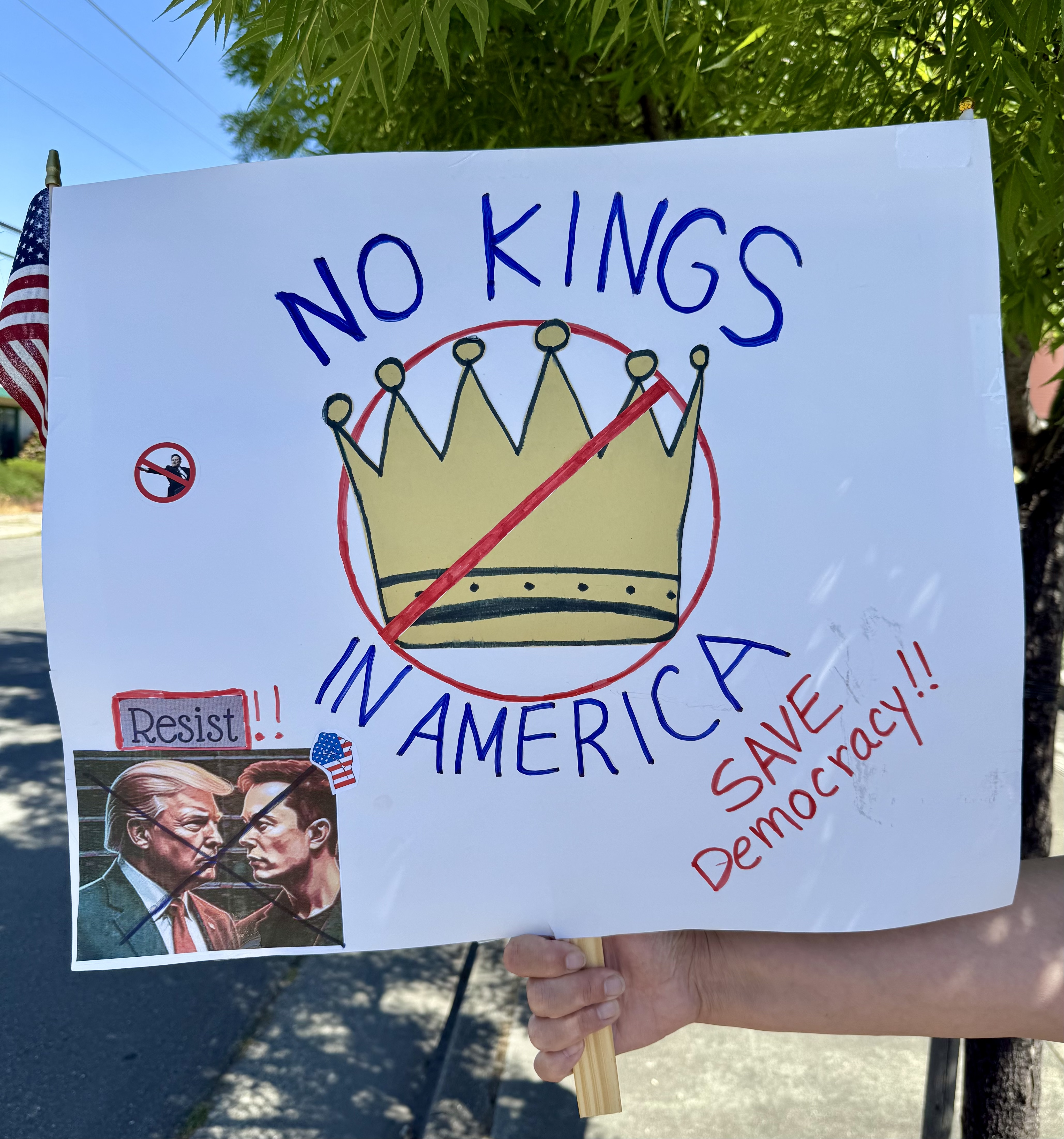
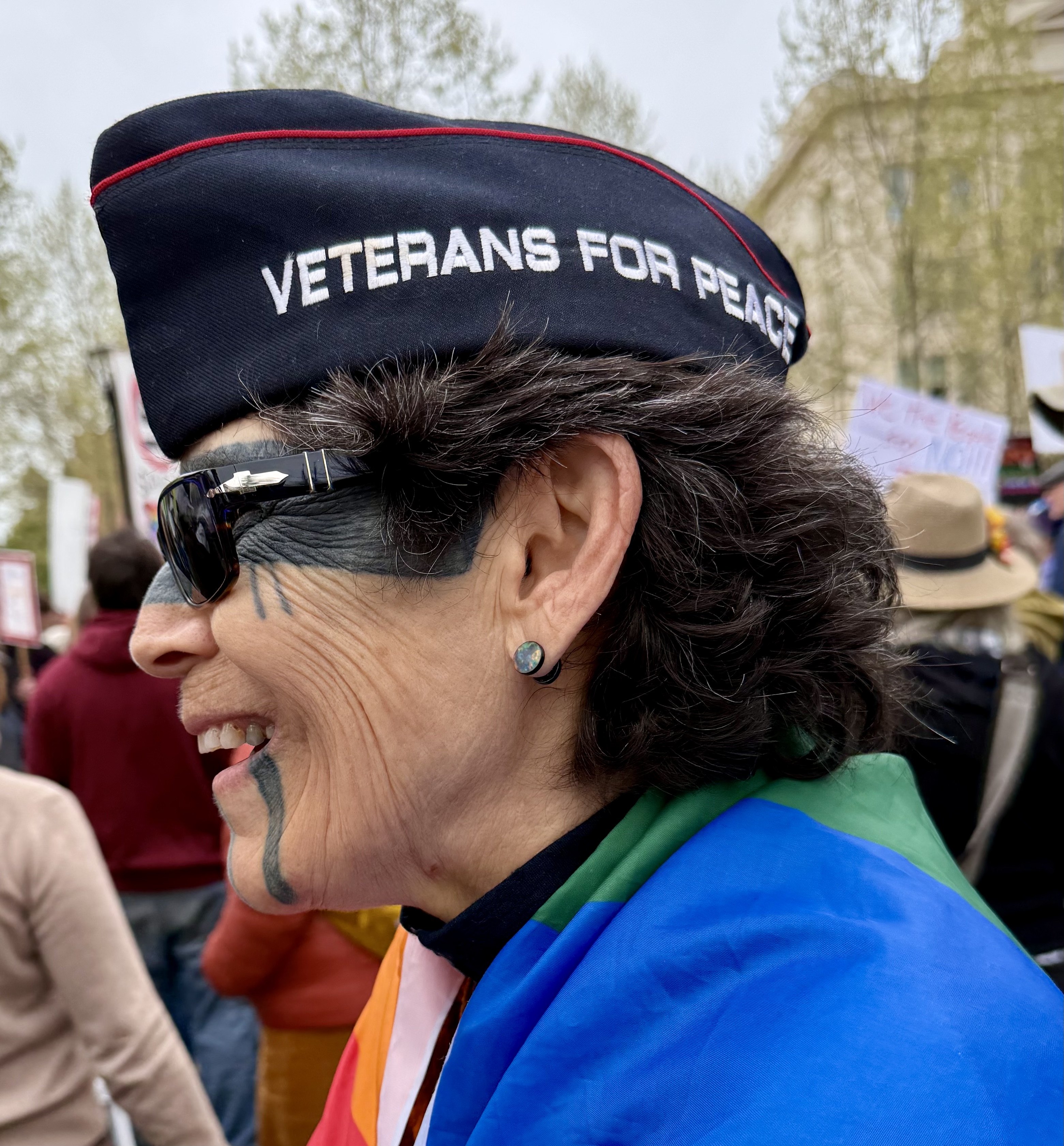
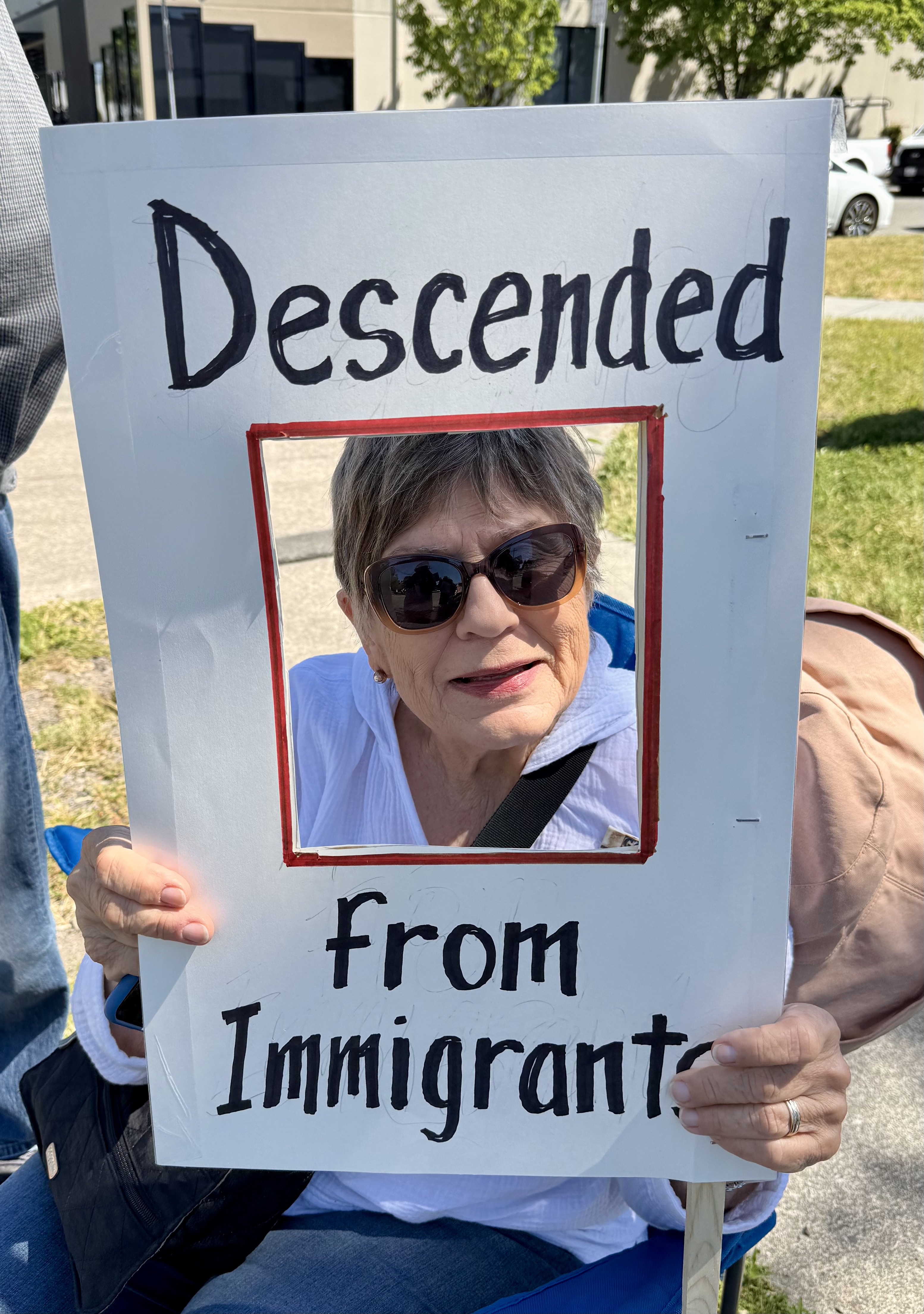
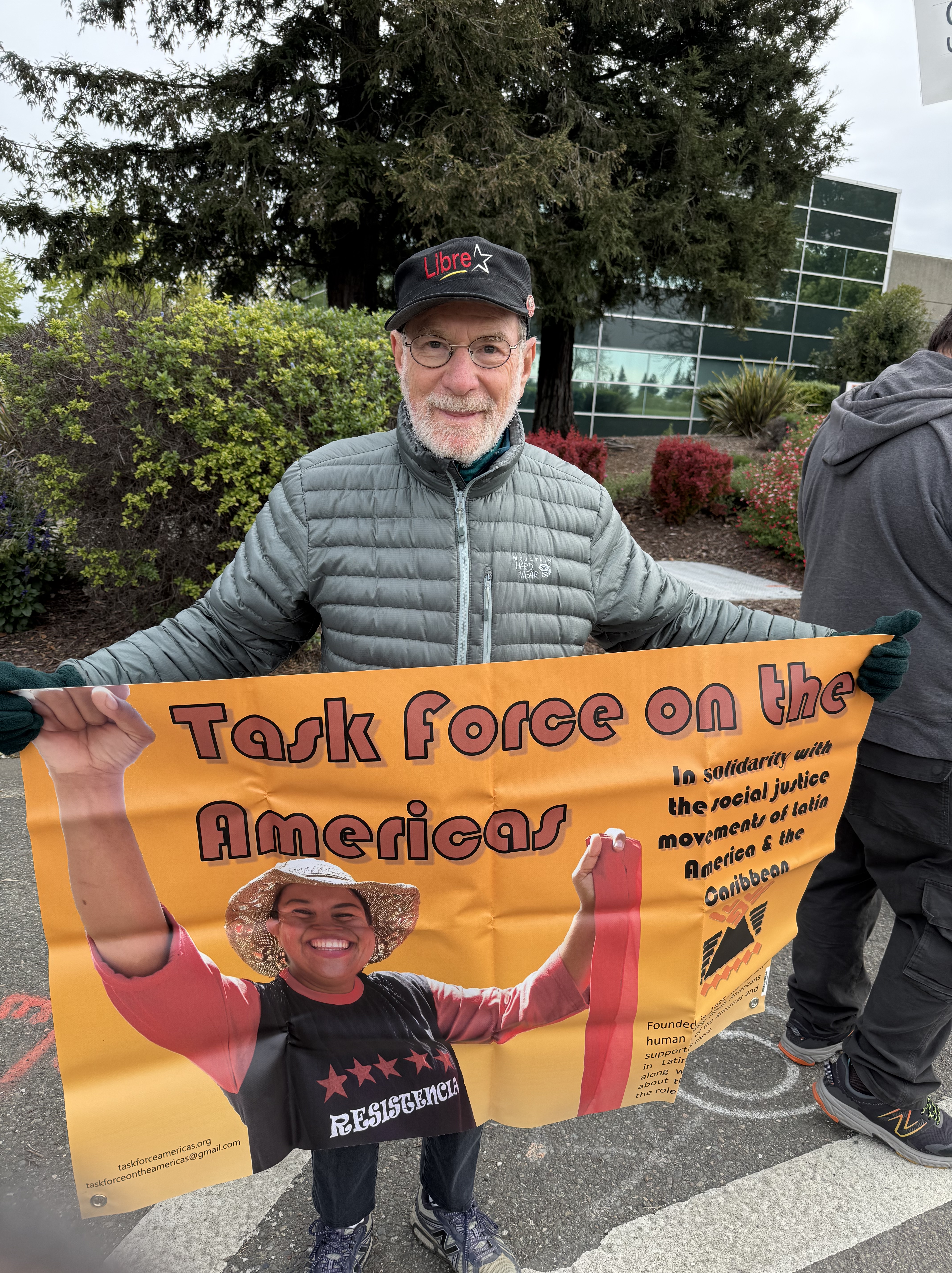
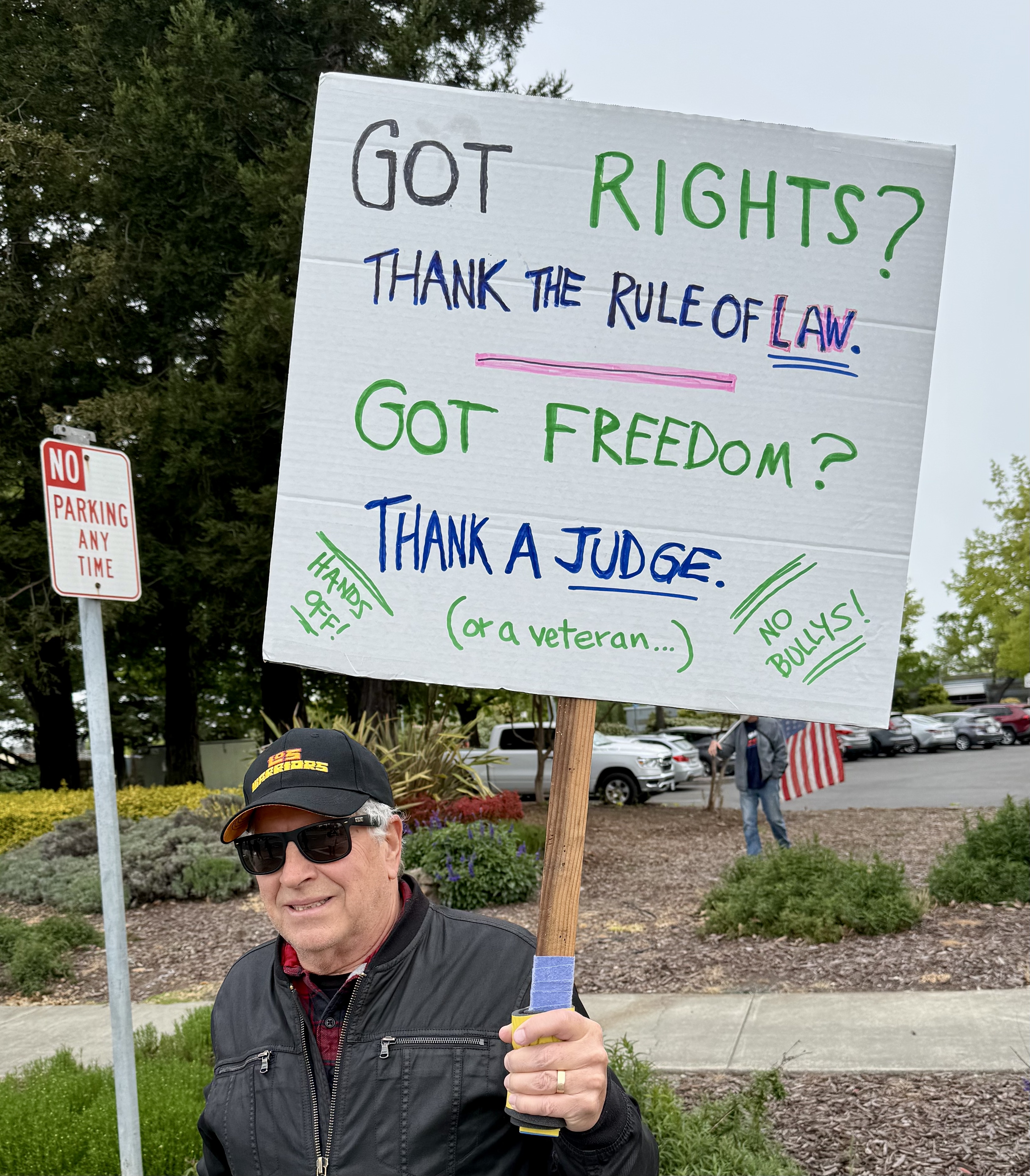
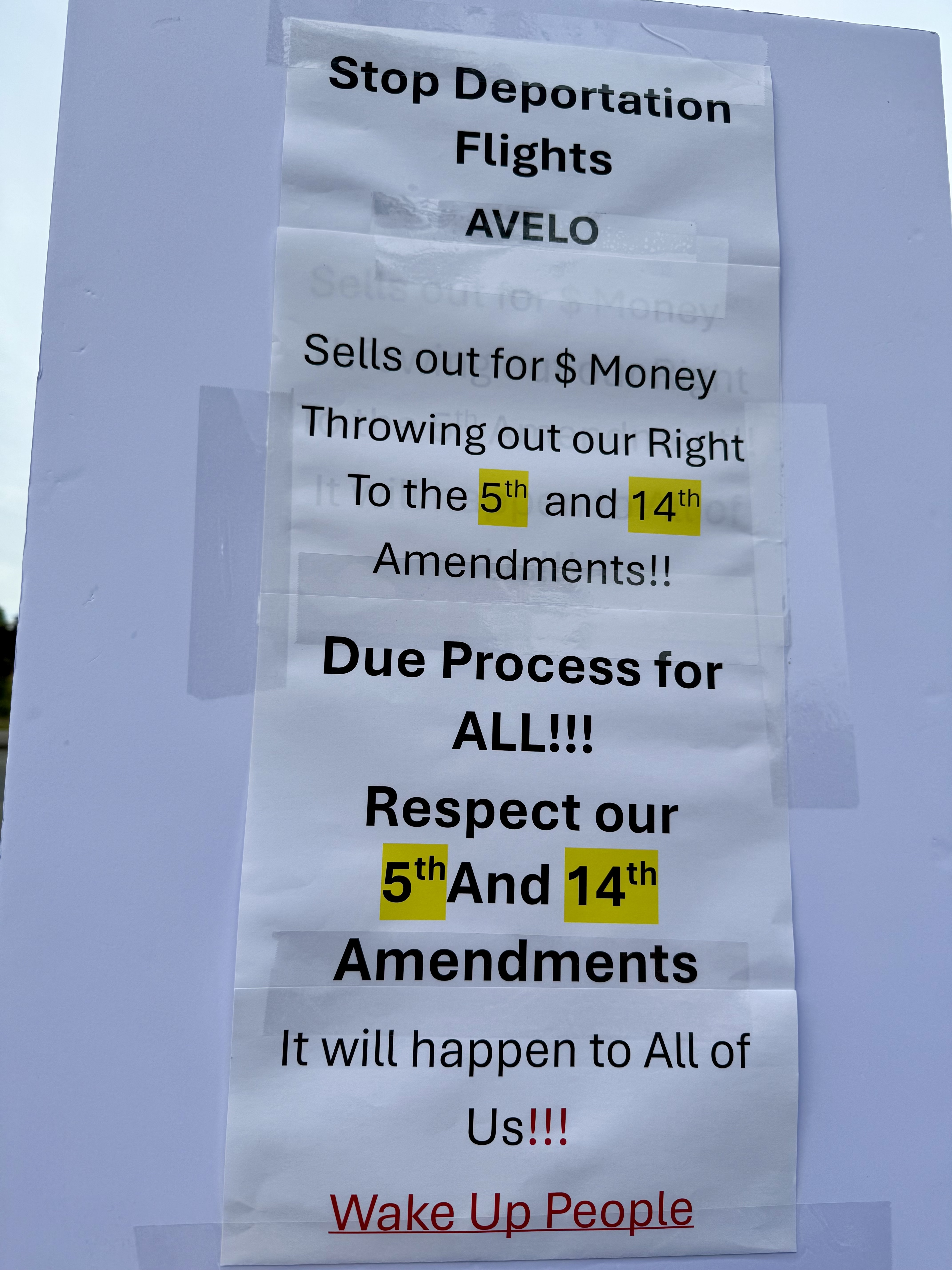
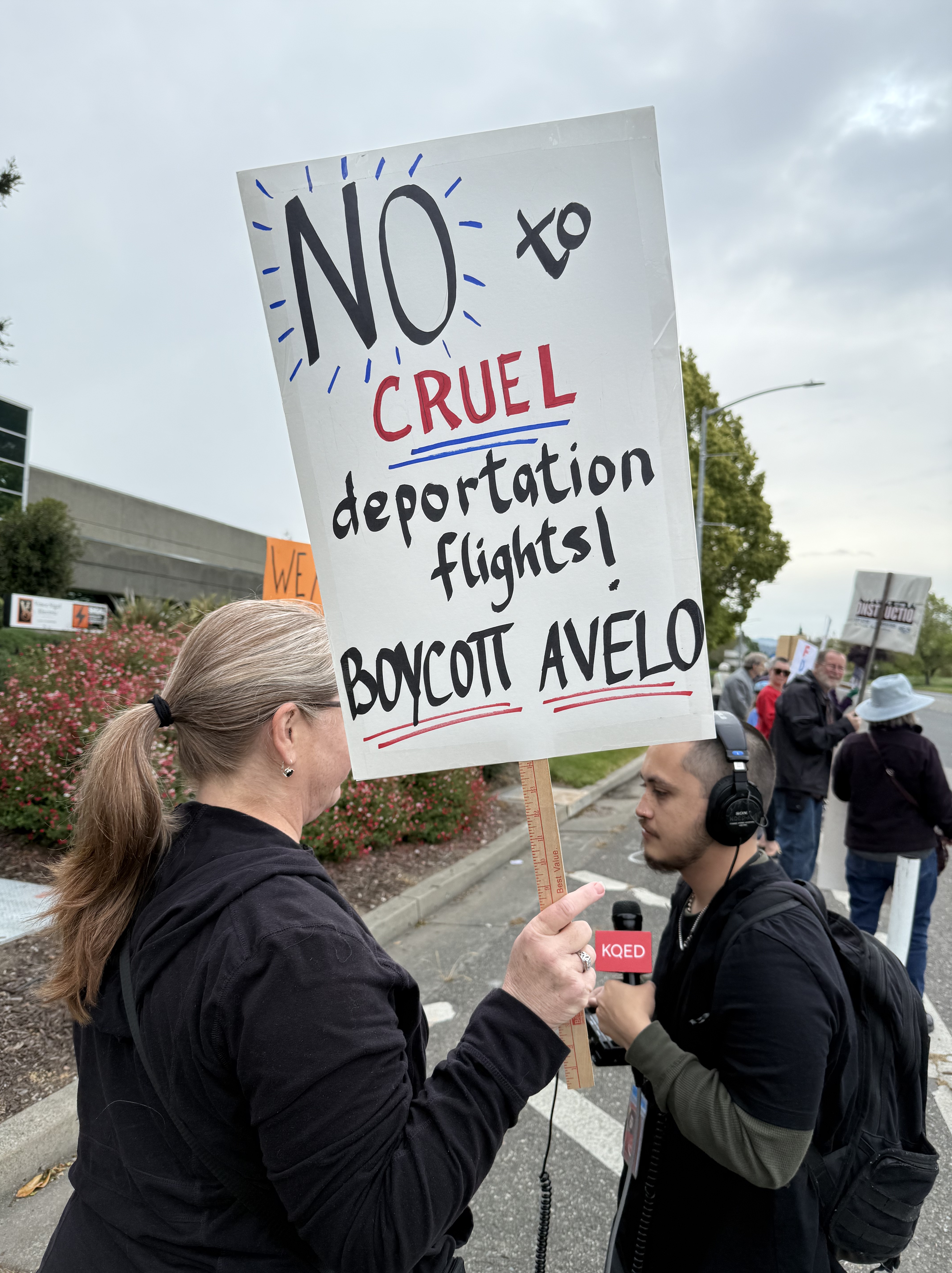
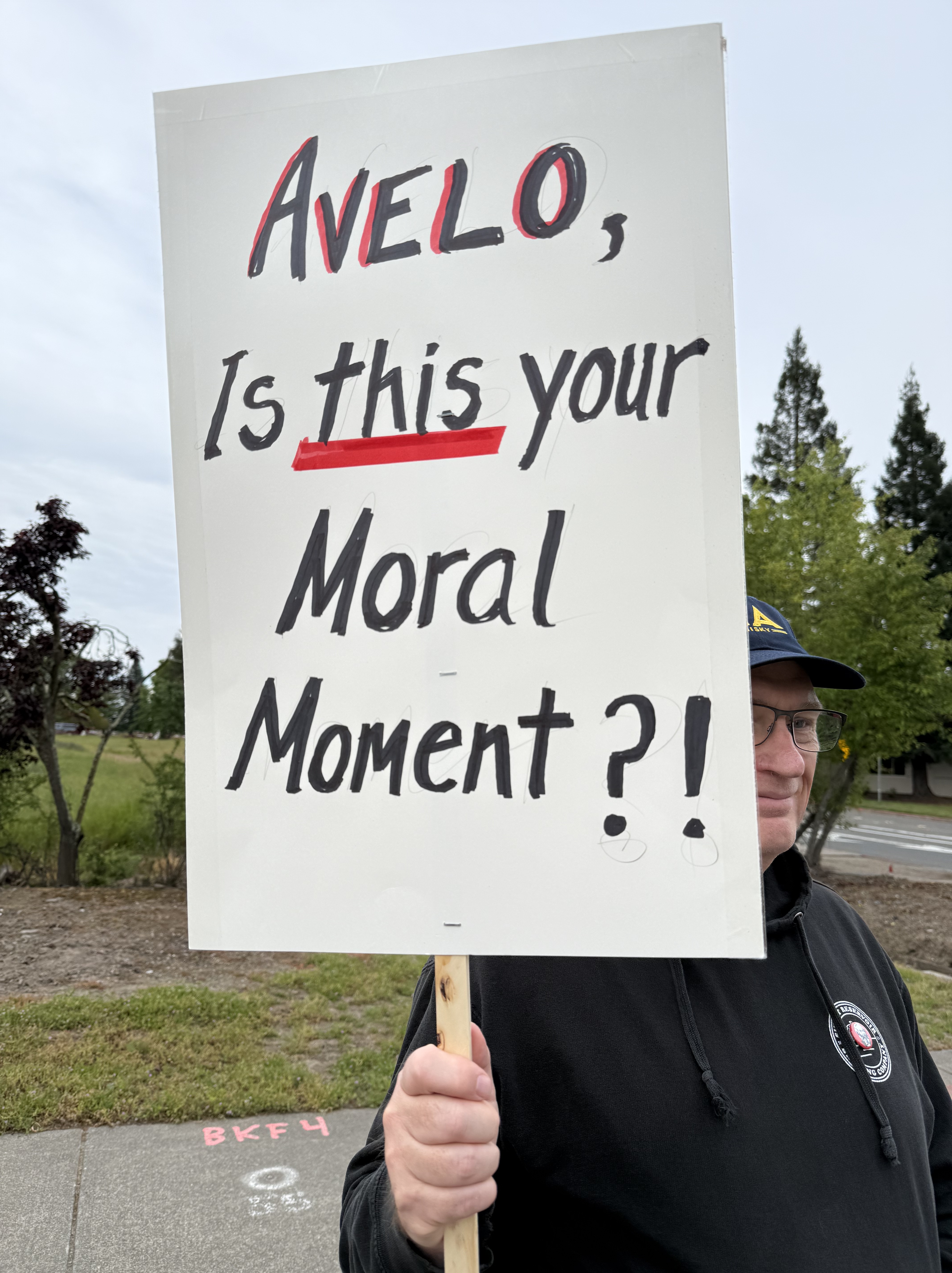
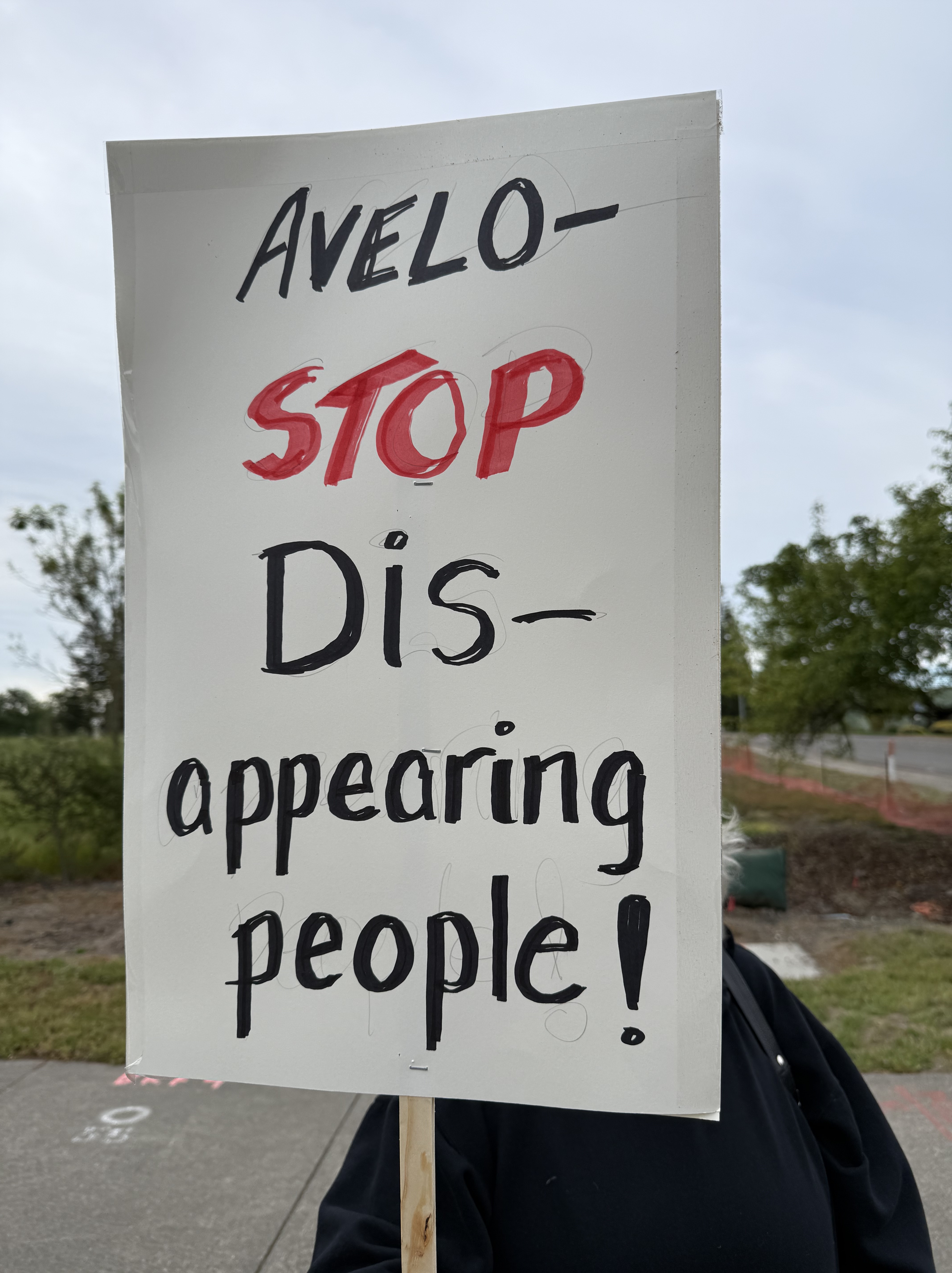
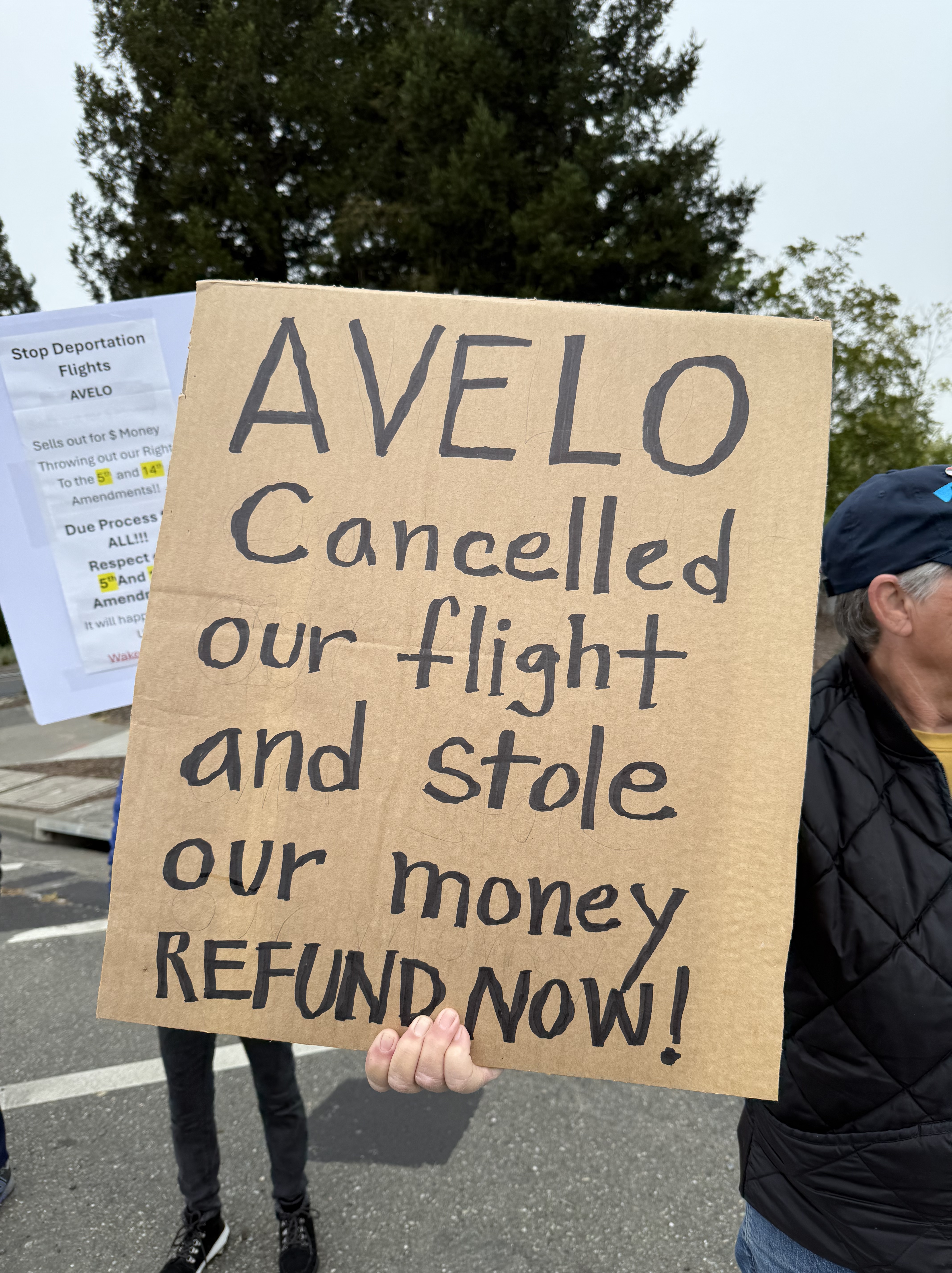
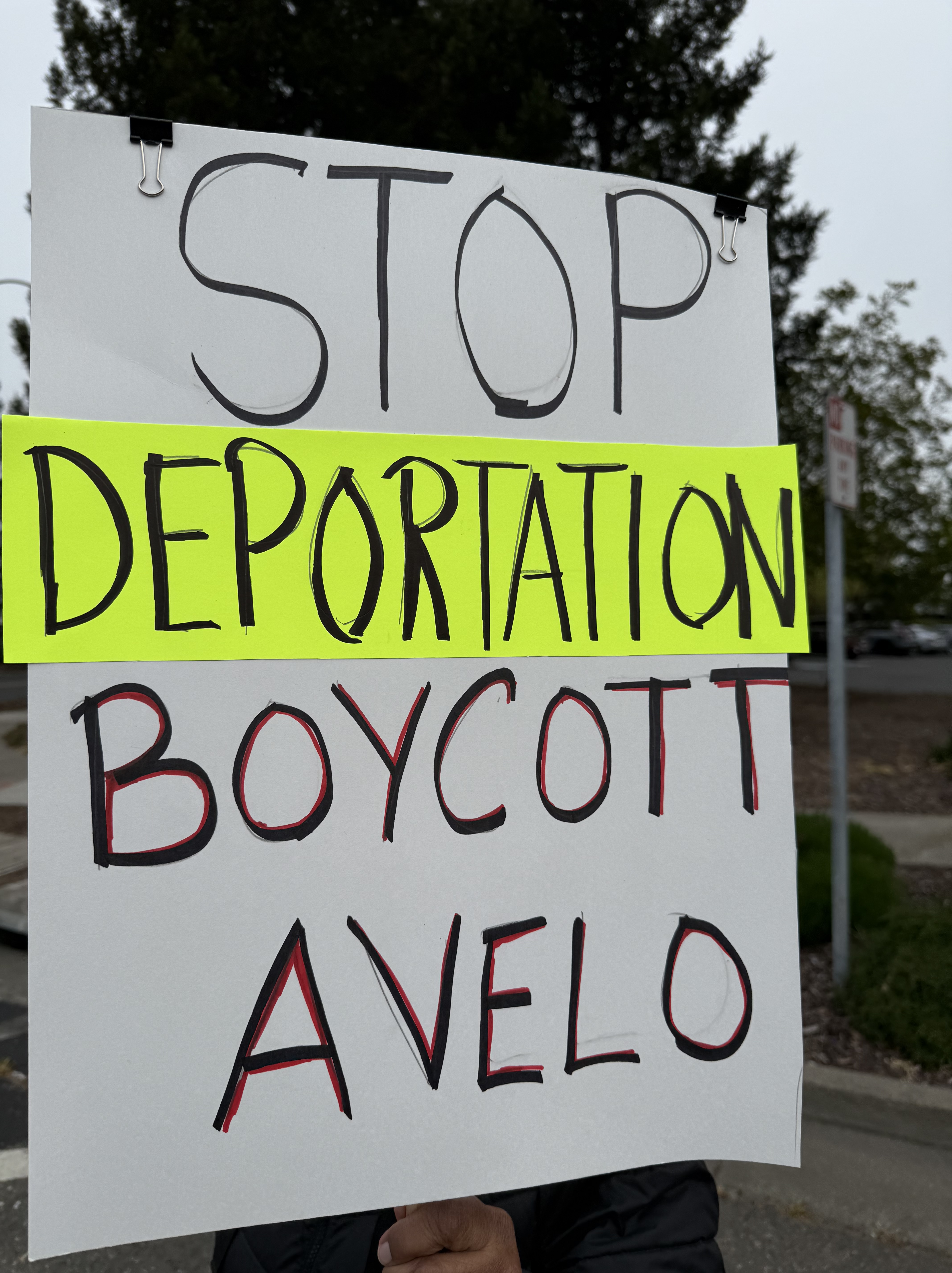
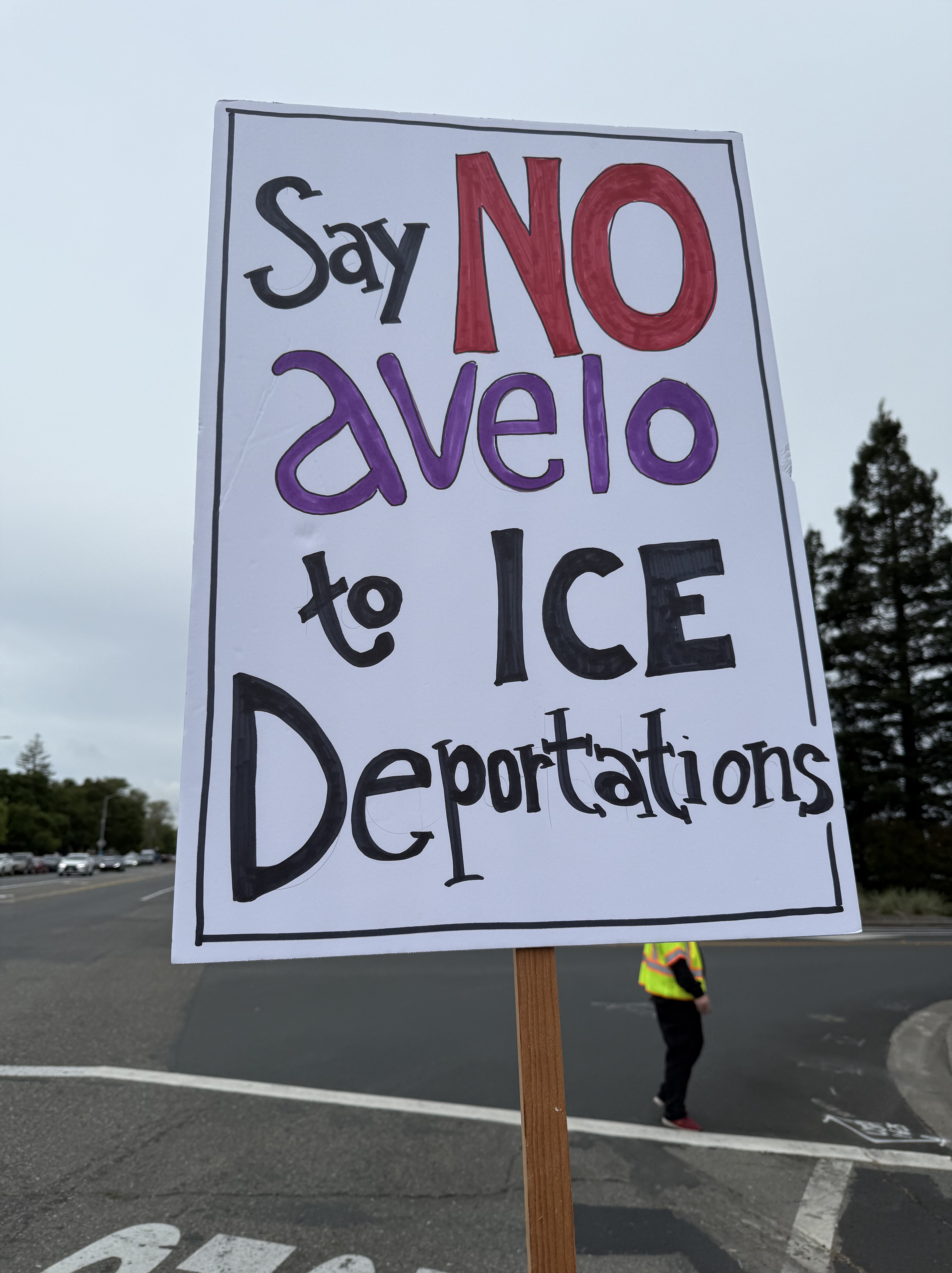
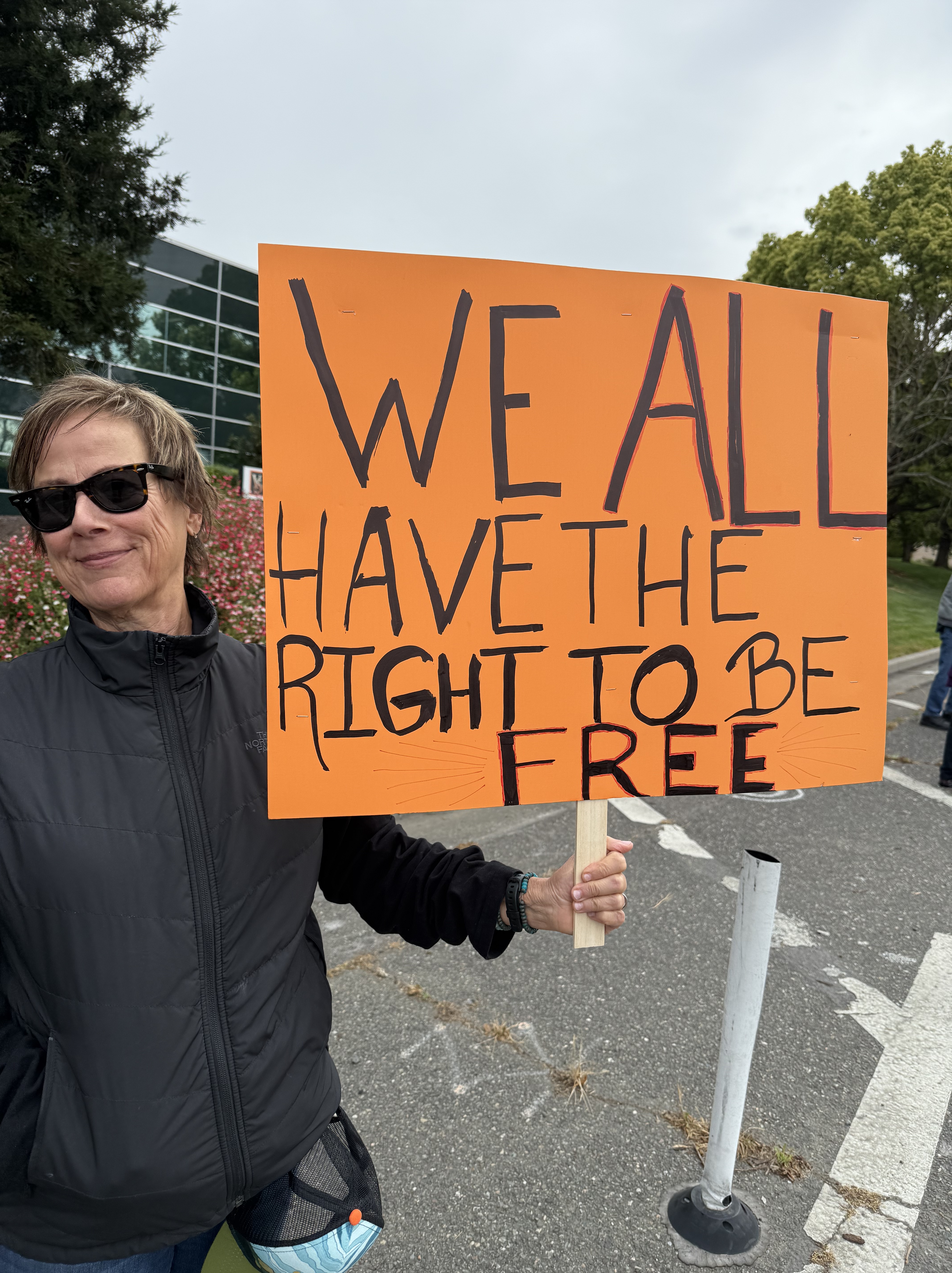
Some of the signs from our protests

Here in Sonoma County, protests are a near-daily occurrence. Demonstrators are targeting a wide range of issues: U.S. complicity in the genocide of Palestinians, Avelo Airline’s role in deportation flights, Elon Musk’s attacks on federal institutions like Social Security and Medicare/Medicaid, the gutting of the Veterans Administration, the criminalization of immigrants, assaults on free speech, and—by us tradeswomen—the dismantling of affirmative action and DEI initiatives.

The Palestinian community and its allies have been gathering every Sunday at the Santa Rosa town square since October 2023.

Weekly actions include:

  • ThursdaysWe the People protest in Petaluma.
  • Fridays: Veteran-focused rallies protesting VA budget cuts.
  • Fridays/SaturdaysPetalumans Saving Democracy actions.
  • SaturdaysTesla Takedown at the Santa Rosa showroom, and a vigil for Palestine in Petaluma.
  • Sundays: Protest at the Santa Rosa Airport against Avelo Airlines, and a Stand with Palestine demonstration in town.
  • TuesdaysResist and Reform in Sebastopol.
  • Ongoing: In Cotati, a weekly Resist Fascism picket line.

In Sonoma Plaza, there’s a weekly vigil to resist Trump. Sebastopol hosts a Gaza solidarity vigil, along with Sitting for Survival, an environmental justice action.

Beyond the regular schedule, spontaneous and planned actions continue:

  • A march to raise awareness of missing and murdered Indigenous women.
  • In Windsor, women-led organizing for immigrant rights.
  • A multi-faith rally at the town square on April 16.
  • Protest musicians and singers are coming together to strengthen the movement with art.

Trump’s goons are jailing citizens, and fear runs deep, especially among the undocumented and documented Latinx population—who make up roughly a third of Santa Rosa. But fear hasn’t silenced them. They continue to show up and speak out.

I’ve joined the North Bay Rapid Response Network, which mobilizes to defend our immigrant neighbors from ICE raids.

Meanwhile, our school systems are in crisis. Sonoma State University is slashing classes and programs in the name of austerity. Students and faculty are fighting back with protests, including a Gaza sit-in that nearly resulted in a breakthrough agreement with the administration.

Between all this, Holly and I made it to the Santa Rosa Rose Parade. The high school bands looked and sounded great—spirited and proud. Then, our Gay Day here on May 31, while clouded by conflict about participation by cops, still celebrated us queers.

And soon, I’ll hit the road heading to Yellowstone with a friend. On June 14, we’ll join protesting park rangers in Jackson, Wyoming as part of the No Kings! national day of action—a protest coordinated by Indivisible and partners taking place in hundreds of cities across the country. 

On the Solstice, June 20 in the Northern Hemisphere, we expect to be in Winnemucca, Nevada, on the way home.

Happy Solstice to all—Winter and Summer!

Photo of the Pleiades: Digitized Sky Survey

Avelo Airlines Out of Sonoma County

Citizens object to deportation flights

April 26, 2025

Hundreds of angry Sonoma County citizens line the road to Charles Schulz airport in Santa Rosa CA to protest Avelo Airlines contracting with ICE to conduct deportation flights. The airline is also ripping off customers by cancelling our flights and refusing to refund our money. They stole $518 from us.

Queering Lunar New Year

My regular pagan holiday letter

Dear Friends,

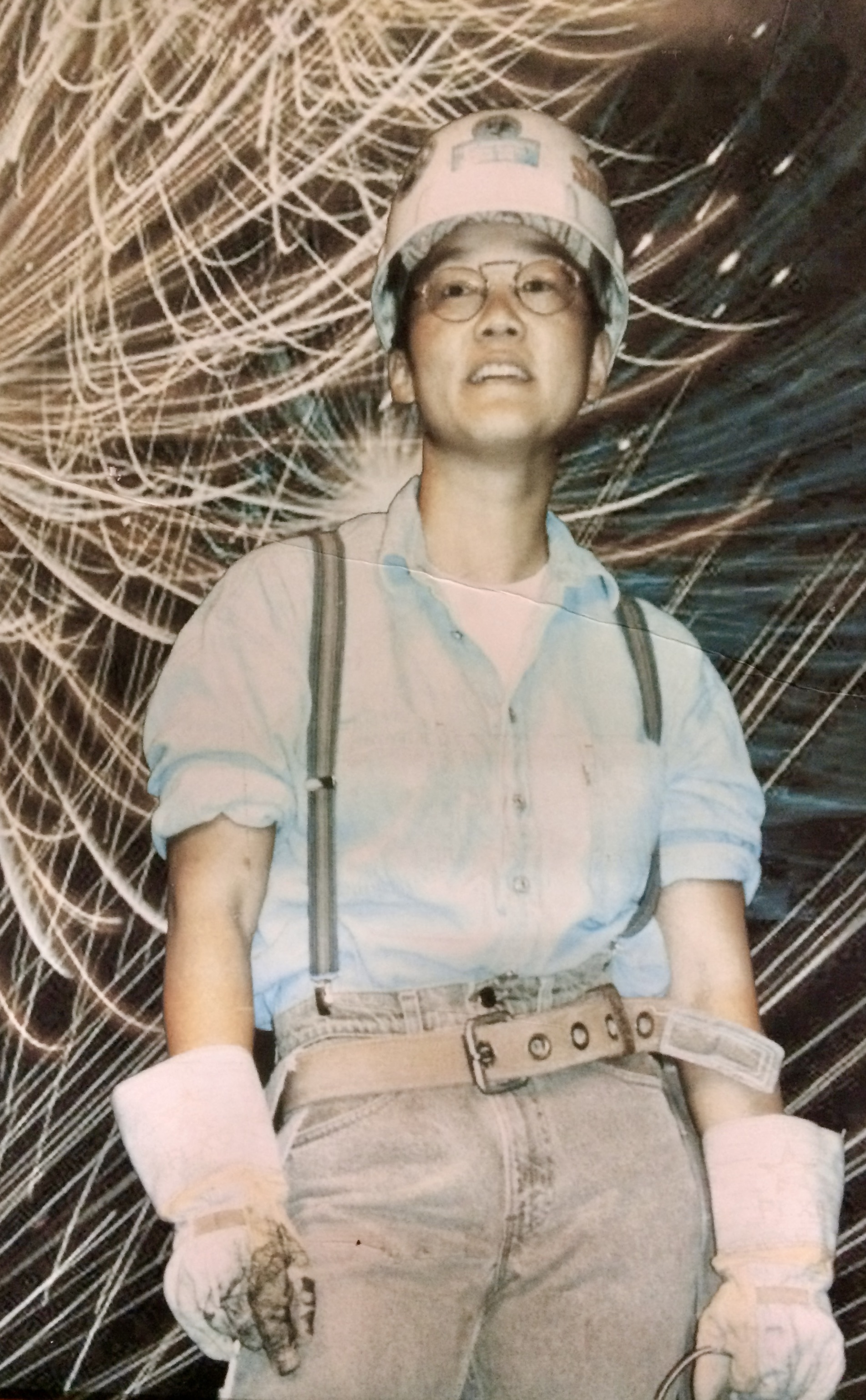
Ah, the legendary red envelope – a festive pocket-sized surprise filled with cash, making it rain luck on New Year’s Day. My memory holds onto that one special red packet, a gift from my friend MeiBeck, a tradeswoman sister, and an ironworker extraordinaire. 

Inside? A crisp two-dollar bill, because we’re both as queer as a two-dollar bill. With that red envelope, MeiBeck queered Chinese New Year, and confirmed me as a member of her fabulous queer family!

We were among millions of people celebrating the Lunar New Year, a serious party among East and Southeast Asian cultures–Chinese, Vietnamese, Korean, and more. The celebration can be traced back 4000 years.

Lunar New Year begins on the date of the second new moon after the winter solstice, which usually occurs December 21. This means that the first day of the Lunar New Year can take place anytime between January 21 and February 20. This year, the year of the dragon, the celebration kicks off on February 10. Forget one-day celebrations; this shindig lasts for 15 days, rocking the lunar party until the moon is full, at the lantern festival on the last day.

At Lunar New Year we celebrate the end of winter and the start of spring. Traditionally, New Year’s is all about family, ancestor honoring, feasting, dancing dragons, lanterns and of course fireworks! China traditionally marks Lunar New Year and other holidays with loud firecrackers to rid families and businesses of bad luck.

We all know that the Chinese invented fireworks. As the story goes, around 800 CE, an alchemist mixed sulfur, charcoal, and potassium nitrate (a food preservative) hoping to find the secret to eternal life. Instead, the mixture caught on fire, and gunpowder was born! When the powder was packed into bamboo or paper tubes and lit on fire, history had its first fireworks.

According to legend, the centuries-old New Year’s tradition was started to scare off demons. Fireworks helped drive away the mythological nian, a fierce lionlike beast that rose from the sea each New Year’s Day to feast on Chinese villagers and their livestock. Nian disliked loud noises and the color red, so villagers posted red signs on their doors and lit firecrackers. The ritual is still performed to ward off evil spirits.

My friend MeiBeck in her ironworker gear. Photo edit by Lyn Shimizu

I caught a double dose of airport fireworks during a long layover in Beijing—both landing pre-dawn and taking off that night. It was awesome! But that was before China’s state media cast the practice as an environmental faux pas, an air polluting indulgence. The state now urges families to use flowers and electronic substitutes instead.

Hundreds of Chinese cities have banned or restricted the use of pyrotechnics since 2018. Beijing extended a downtown fireworks ban across the entire city in 2022, allowing it to record its cleanest air on record since the monitoring of hazardous PM2.5 particles began in 2013.

Major Chinese cities organized official displays to ring in 2023. But across the country, members of the public celebrated China’s first post-COVID New Year by disregarding the ban. Social media images showed people shooting fireworks from the backs of mopeds and through car windows.

San Francisco, where I lived for 40+ years, has a large Asian population, and the Lunar New Year still paints the town red. Many neighborhoods are bustling in the lead up to the new year. The whole city celebrates. Last year San Francisco’s Chinatown had a five-hour long pyrotechnic display. 

San Francisco boasts the biggest Chinese New Year parade outside of Asia–a tradition since the gold rush days. And it’s not a solo act; every town around the Bay Area has its own Lunar New Year spectacle. We Sonoma County residents have a menu of celebrations to choose from.

Lunar New Year coincides with the pagan holiday Imbolc, heralding the start of spring. Here in northern California, February feels like the real New Year’s kickoff. Signs of spring are everywhere – blossoming trees, early flowers showing off. In December, as a solstice ritual, I planted hyacinths and tulips in our drought tolerant front yard. These bulbs do their thing in rainy spring, no watering needed. They will soon bloom. Right now, in the midst of an atmospheric river of rain, our daffodils are in full bloom.

While we won’t be setting off fireworks, there are many parts of this celebration we like to adopt.

In China everyone takes the first day of Lunar New Year off work. I wish I’d known this when I was still working. For retirees, I guess it’s a day to do whatever we feel like (much like every other day).

There is lots of feasting and we can totally get into that. I look forward to eating Chinese, Vietnamese and Korean food!

In the week before the new year, cleaning house takes priority, sweeping away any ill fortune and making way for incoming good luck. The Goddess of the Garage beckons us for a spring cleaning extravaganza.

And we will not forget the household deities traditionally honored at New Years–a nod to the Kitchen Witch and a shout-out to the Garden Goddess. It’s time to get the garden ready for spring planting.

This year I’m following MeiBeck’s example and queering the tradition of the red envelope. I found envelopes, Chinese lanterns and new year’s candy at the World Market. Now I just have to find $2 bills. There aren’t many in circulation but the U.S. government mint still prints them. I’ll give them to friends who, like me, are queer as a two-dollar bill.

However you celebrate, we wish you a Happy New Year.

Love, Molly (and Holly)

Queers and Allies Stand Up to Bullies

Sonoma County Libraries Under Attack

Education Initiatives Librarian Rachel Icaza (she/her/hers) speaks about partnering with schools at the Sonoma County Library Commission meeting

As LGBTQ people and their families in states like Florida pack their bags to move to nondiscriminatory states like California, those of us who live in the Golden State brace ourselves for an onslaught of anti-queer violence during gay month. Yes, we’re worried about becoming targets of violence, but that hasn’t meant that we’ve gone back into our closets. Gay celebrations here in Sonoma County have been more robust than ever.

On June 3, Santa Rosa hosted its biggest Sonoma County gay pride march ever. This year the haters didn’t show up, but they have been targeting our libraries and drag queen (and drag king!) story hours.

Sonoma county has a large organized gay community and our presence has had an impact on the culture here. The library is a fine example of a community institution successfully reaching out to all its patrons, including queers.

With 13 branches around our far-flung mostly rural county, the library system, in their words, “…makes an effort to be inclusive of all the different ethnic and identity groups in our communities. Programming has included drag story hours, LGBTQI teen groups and activities, Here+Queer the Sonoma County LGBTQI Archives.”

After a recent library commission meeting where vocal detractors made public comments, displayed signs, and stated that they intend to protest queer programming, the library let supporters know how we could help. They made it clear that if we wished to counter-demonstrate, we must practice nonviolence. They also suggested we could write letters to the commission. Here is what I wrote:

Dear Sonoma County Library Commission,

I’m writing to thank you for including queer books and queer programming at our Sonoma County libraries. I see books by and about LGBTQ people prominently displayed, including my own book with queer content, Wonder Woman Electric to the Rescue. 

I’m a lesbian feminist who came of age in an era when books about lesbians and gays were exceedingly hard to find. Publishers and printers refused to print the books we wrote and so we started our own publishing and printing businesses. And we started our own bookstores because our libraries did not have our books.

I now use the library to check out audio books (thank you!), and so I no longer buy many books. But I had to buy Gender Queer by our own Sonoma county writer Maia Kobabe, the most banned book in the country today. I’m proud that my local library carries it.

Sincerely and Queerly,

Molly Martin

Queers and our allies are standing up to the bullies and book burners. A recent protest, originally organized by members of a private Facebook group called Sonoma County Parents Stand Up for Our Kids, ballooned when 130 counterprotesters arrived in support of Drag Story Hour. The local newspaper reported that, “Counterprotesters from Amor Para Todos, Petaluma Pride, Unitarian Universalists of Petaluma and others held signs and waved LGBTQ+ Pride flags peacefully next to five protesters from the Facebook group.” There was no threat of violence.

When asked how it felt to be in the midst of the national dialogue, Ray Holley, communications manager for Sonoma County Library said, “Democracy is messy and it’s complicated. And the free public library is such a good example of that. Libraries are for everyone. Not every book in the library is for every patron, but every patron is going to find a book in the library.ʺ

Now we have learned that the church that organized the anti-drag protests, Victory Outreach of Santa Rosa, has been granted $400,000 under the California State Nonprofit Security Grant Program, which “helps places of worship better defend themselves against violent attacks and hate crimes.” Another local grant recipient, Calvary Chapel The Rock, is also accused of anti-LGBTQ sentiments. 

Jason Newman, a Petaluma marriage and family therapist who is gay, says there is no justification for the state helping these churches, which he called hate groups. More deserving recipients of this state money might be the LGBTQ groups being attacked by these religious cults.

Feel the same? Want to let the State know? Here’s what I found online. The state office is the California Office of Emergency Services. This is the best email I found (I don’t think they want emails):  GMD@caloes.ca.gov

The phone number is 916-845-8510. I was able to leave a message.

Who We Kill

Sonoma County Sheriff Election

Dear Readers,

Votes are still being counted but it’s clear now that the regressive forces of the police and sheriff unions and right wing organizations who have rallied against police oversight have won the June 7 sheriff election. The killing of 13-year-old And Lopez by a sheriff deputy in 2013 and the subsequent promotion of the killer caused people to rise up and demand an end to the militarization of local police. In Santa Rosa we saw large protests demanding change after the killing of George Floyd. This election is a setback but we won’t stop working for police oversight in Sonoma County. Here’s my letter to the editor that the local newspaper, which endorsed the apparent winner, declined to print.

Dear Editor:

Just as the killing of George Floyd is the symbol of police department disfunction in Minneapolis, the murder of Andy Lopez symbolizes disfunction in Santa Rosa’s sheriff department. The candidates for sheriff Eddie Engram and Dave Edmonds both represent the sickness in the department’s culture that supports the killing of civilians and the promotion of the killers as necessary to protect us. These insiders, crusading against badly needed police oversight, have made the Santa Rosa sheriff department an embarrassment. Our only hope of changing the culture is to elect Carl Tennenbaum, derided as the “outsider.”

Lunasa Greetings

Dear Friends,

Lunasa or Lammas is the first of three fall Celtic harvest holidays, celebrated on August 1. It marks the halfway point between summer solstice and fall equinox. Amidst the joys of harvest, this year Lunasa brings with it anxiety. We worry about fire and toxic smoke, about covid, about drought.

As we move into harvest season this year a historic drought confronts us in the West, with Sonoma County at the crux of the crisis. The city is asking citizens to cut back water use 20 percent and we have exceeded that. Lawns are turning brown all over town. Now at the end of July two major water sources, Lake Mendocino and Lake Sonoma, are dangerously low.

Fires burn throughout the state. The smoke hasn’t reached us yet, but East Coast cities are suffering from the smoke of over 50 major fires burning across 10 western states. The smoke caught up with us in Sacramento while visiting Holly’s brother this week. The air had been fine when we woke up, but smoke from the Dixie fire rolled in fast, creating that familiar orange sun and low visibility. We donned our masks and headed for home where the air quality was still good. But there’s no reason to think we will be spared here in Santa Rosa.

They live in the neighborhood

Our Sonoma County harvest festival season will be again impacted by covid. This year the Gravenstein Apple Fair is being reimagined as a benefit concert. We bought tickets with the hope that we’ll feel comfortable wearing masks in a crowd. The Sonoma County fair is happening in reduced form but they cut out our favorite part—the hall of flowers. You can still go on rides at the midway and eat fair food but I think we’ll skip it this year. Maybe we will get to the Sonoma County Harvest Fair scheduled for October

The delta variant is more virulent and more contagious. This virus has affected me more personally than before. The 42-year-old son of a friend is in the hospital on a ventilator dying. We have gotten word that his lungs have been too damaged to survive. He and his wife just adopted a baby. He was not anti-vax, just suspicious enough to put off getting vaccinated. His family and friends are devastated.

Travel plans have again been cancelled. Holly and I had planned a trip around the South but that’s now the last place we want to go—where the fewest have been vaccinated and numbers of covid infections and deaths are rising. Though we have been vaccinated we are learning that we could still be carriers.

In my summer solstice missive I told about newborn fawns and a fire in the neighborhood. Here’s an update on both. About the fire I must issue a correction. I wrote that it was started when someone threw a cigarette onto a yard that had just been landscaped with bark. It turns out that rumor was false. The fire was started when PG&E’s electric lines hit against each other in the wind, causing sparks that ignited the bark. The power company came out and put plastic insulators around the wires, an easy fix.

The fawns have been seen around the neighborhood. They live here in the place they were born. But sadly I’ve just heard of an epidemic among deer that is killing fawns. Someone posted on Nextdoor that three fawns had perished in her yard. The disease is a virus that had a big outbreak in the mid-90s among deer and came back again last year. The California Department of Fish and Wildlife has confirmed outbreaks of cervid adenovirus 1 —CdAdV-1 — as the cause. Deer fawns are at greatest risk, with high rates of mortality following infection. Yearlings and adult deer are more resistant but deaths do occur in those age groups. The virus is not known to affect people, pets or domestic livestock. Anyone who observes a deer exhibiting symptoms, or encountering a deer that has died from unknown causes, can submit the information to CDFW through the department’s online mortality reporting system.

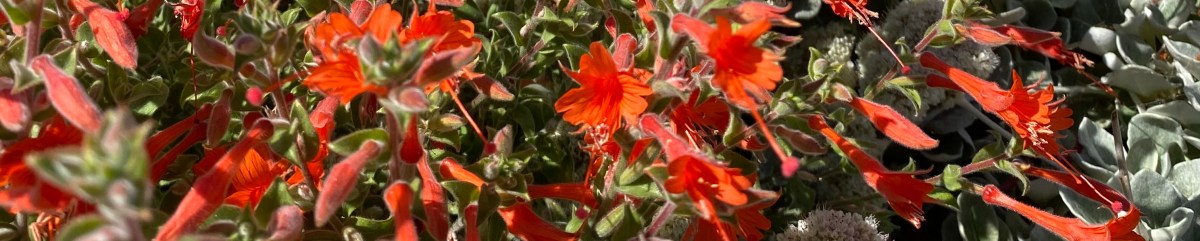
Despite all this worrying, we are doing well. Our garden, while not as lush as last year, is surviving on less water. Holly has planted dry land natives like Epilobium, yarrow, buckwheat and verbena and they look great right now. 

Sending big virtual hugs to you all.

Love, Molly (and Holly)