Prelude to Another Grim Winter

Which of us will be alive when the new leaves return

My Mother and Audie Murphy Ch. 35

Late September, 1944. Murphy has been wounded in a mortar attack. From his autobiography To Hell and Back:

After a few days in the hospital, Murphy gets a new pair of shoes and returns to the lines. It is late September, and drizzly rains sweep over the hilly, wooded country they are moving through. Keeping warm at night has already become a problem.

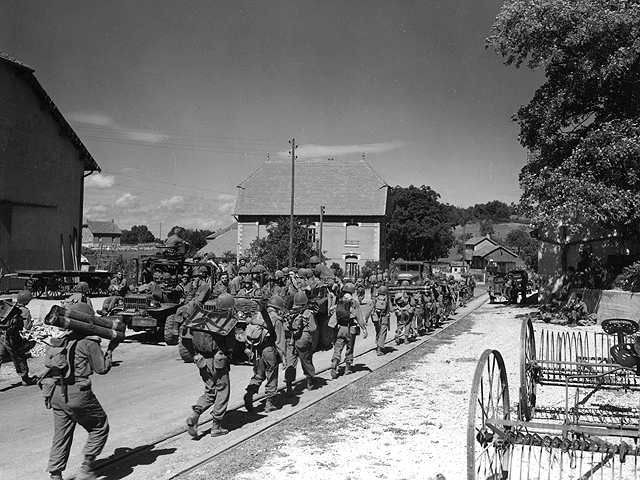
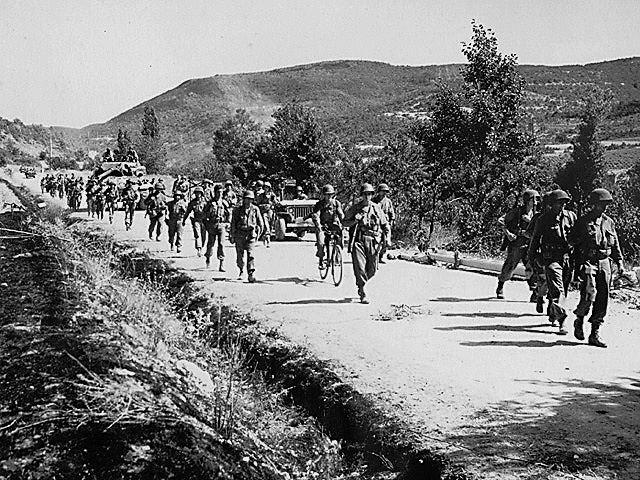
Foot soldiers marching through a French town. Photo: Dogface soldiers collection

The leaves have begun to turn. Gold and red flare sharply against the dark evergreens, and the camouflage crews start mixing new paint to match the changing colors of the forest. It is the prelude to another long, grim winter.

The men plod up the wet roads doggedly, each one wondering, however vaguely, who among them will still be alive when new leaves return to the trees. The Germans fall back stubbornly but steadily. Yet each day their resistance stiffens, their retreats shorten. As the enemy forces withdraw toward the fortified positions of the Vosges Mountains, they lash back with fierce counterattacks. Murphy’s regiment is on the threshold of some of its hardest fighting of the war.

One morning, as a chilled, misty dawn spreads across the landscape, the men wait for the signal to assault a hill known only by a number. Artillery pounds the ridge in a steady barrage. They lie on their backs, shivering in the growing gray light.

Tank destroyers of the 601st TD Battalion move through Lons-le-Saunier in pursuit of the retreating enemy. Photo: Dogface soldiers collection.

Near Murphy, a sergeant checks a .50-caliber machine gun set in a deep, round emplacement ringed with sandbags. The weapon, stationary for now, will cover the advance, and if needed, the retreat. Satisfied with the gun’s readiness, the sergeant leans back on his elbows. Drops of water cling to his mop of wavy black hair. He is an extraordinarily handsome man, with fine features and broad shoulders—exactly the sort a Hollywood producer might cast as a soldier. Among the troops, a man like that is instantly labeled a lady-killer.

A cannon booms from the rear. The men hear its projectile flutter through the air with an odd, hesitant wobble, as if reluctant to plow into the cold earth. To experienced ears, that sound signals a defective shell—one that might explode anywhere. Murphy shouts for his men to get down and hits the dirt just before the crash comes.

The blast feels as though it lands directly on top of them. When silence follows, he mentally checks each part of his body for the burning sting of a wound. Finding none, he rises to his feet. The new men shakily pat their clothing, searching for blood. He knows the feeling well—only the uninitiated are shocked that a shell could land so close without killing everyone in its path.

Photo: Dogface Soldiers collection

Murphy glances toward the machine-gun pit. The sergeant still reclines where he was, but another soldier is twisting a tourniquet around his leg. The sergeant’s left foot has been sheared off neatly above the shoe top. His face shows no panic, no pain. He lights a cigarette with steady hands and draws calmly on it.

Then his eyes close, his face tightens, and the pain finally hits.

Ch.36: https://mollymartin.blog/2025/06/29/slinging-donuts-in-french-towns/

Flo and Liz a Crew of Two

Where are they now? A recap

My Mother and Audie Murphy Ch. 34

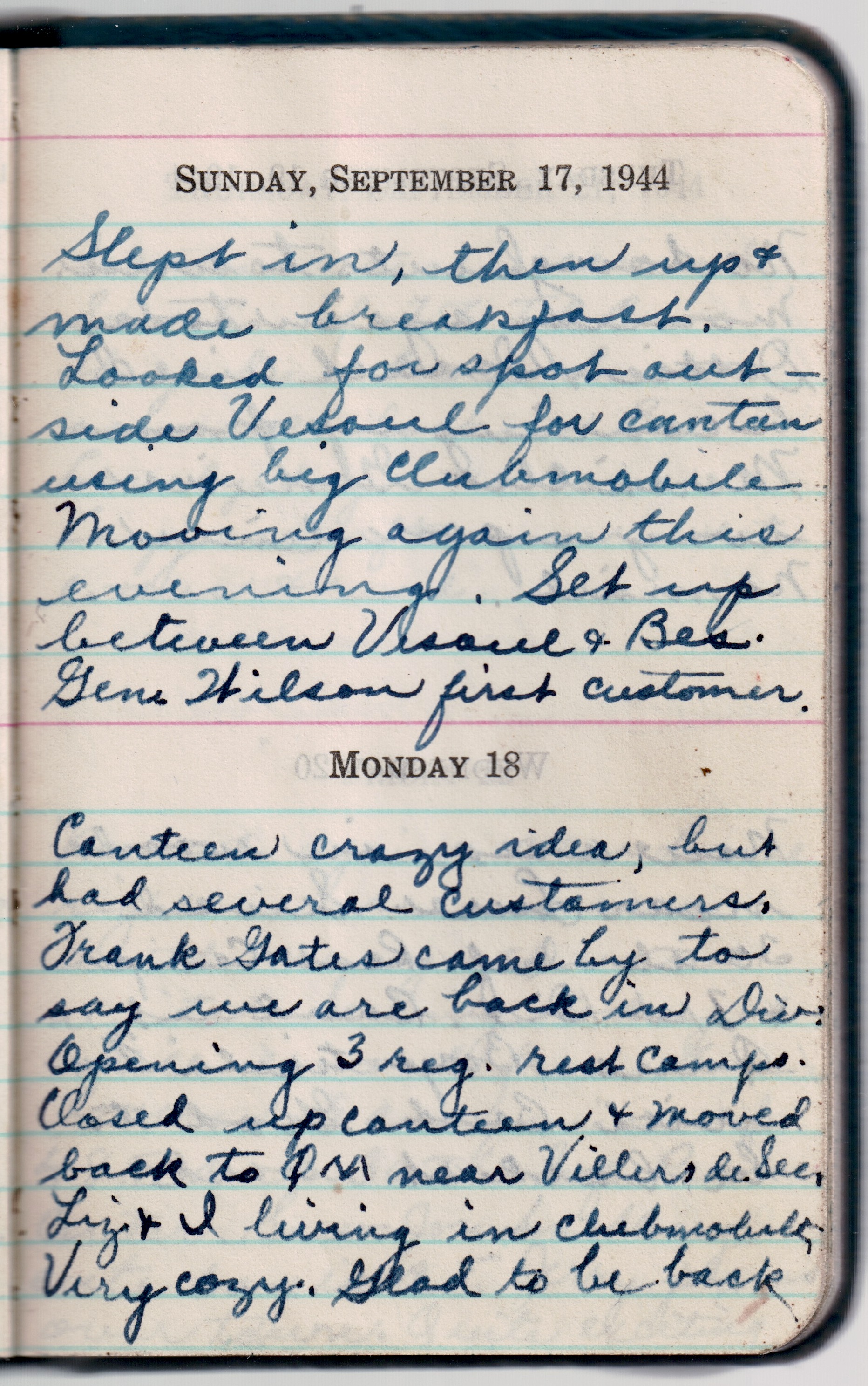
After living in tents for the summer of 1944 at a training camp for the Third Infantry Division in Italy, the American Red Cross clubmobile workers made it to France. They scrambled to catch up with the fast moving war and their boys in the front lines. 

Flo (my mother, Florence Wick) and her coworker Liz Elliott traveled north from southern France trying to get to a place where they could go back to work serving donuts and coffee to the troops.

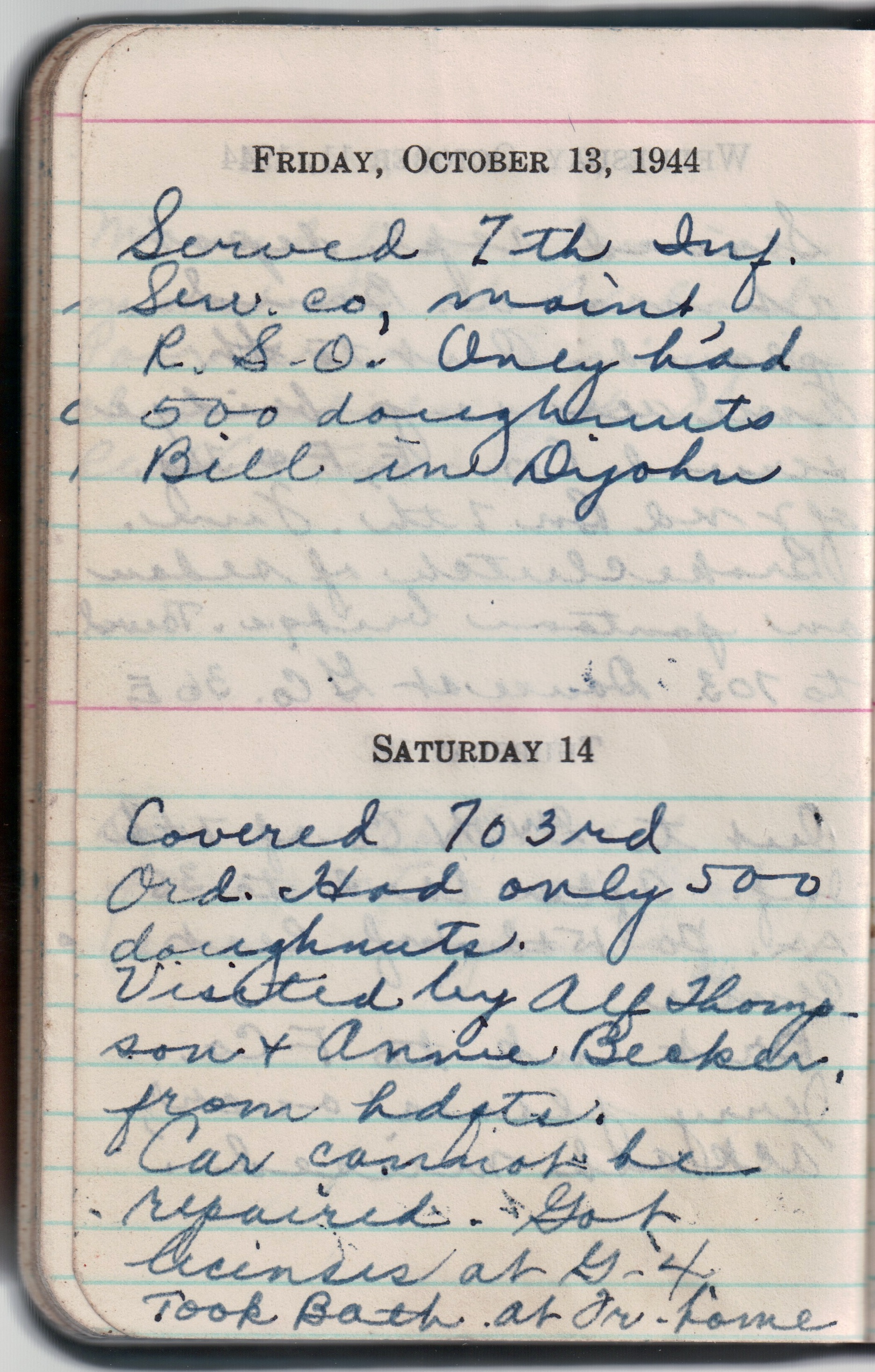
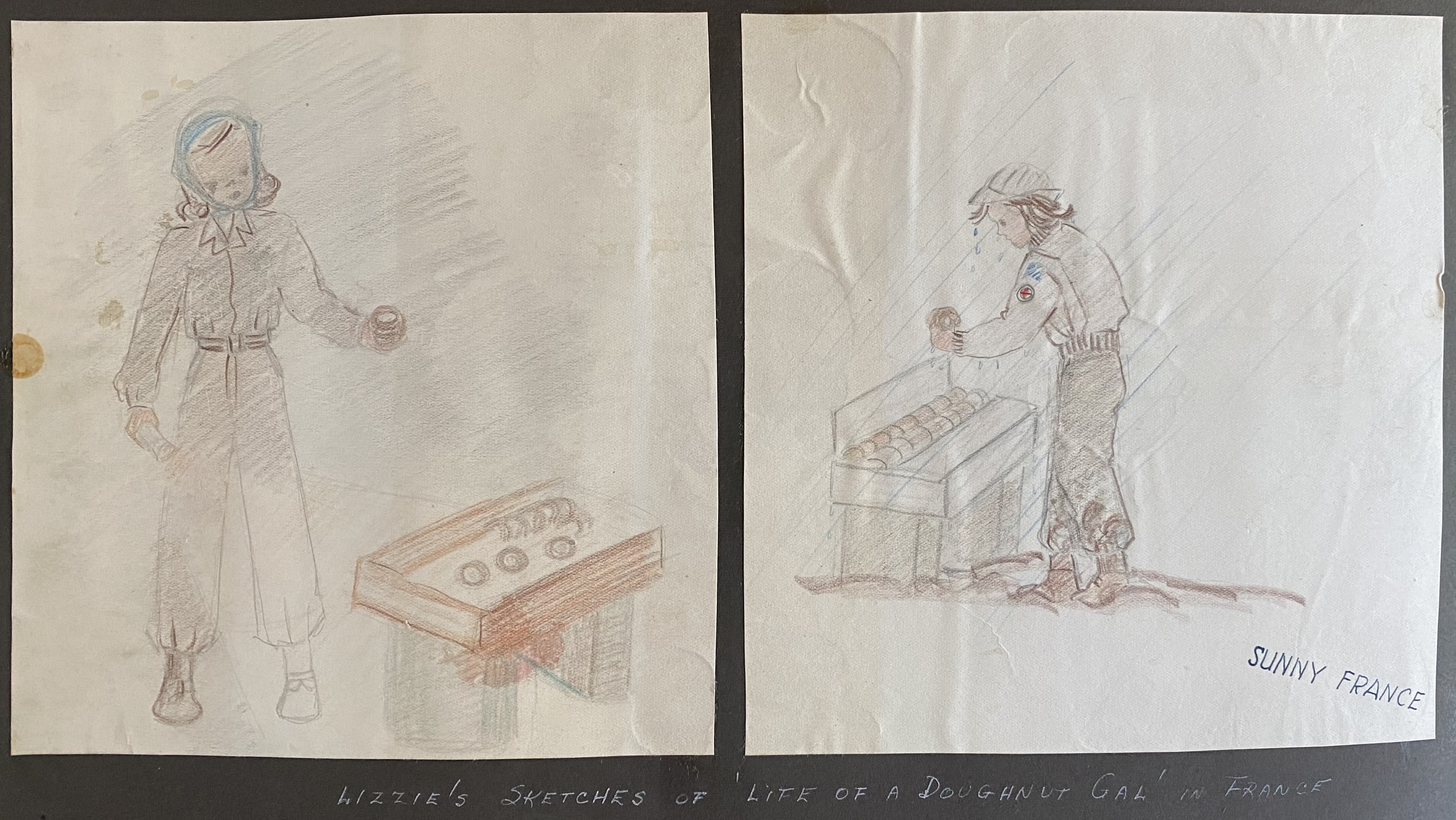
Flo captioned this “Lizzie’s sketches of ‘Life of a Donut Gal in France’

They had been a crew of four, but Isabella Hughes and Dottie Shands stayed in Marseille. They expect to join Flo and Liz, but for the time being Flo and Liz are a crew of two living mostly in the clubmobile. Frequent rain has turned roads and fields to muddy sludge.

Liz and Flo and the clubmobile they lived in

They were originally assigned to the Third Division, but after a major evicted them, they moved in with the 6th Corps artillery unit near Vesoul for a time. Then they were allowed back in to the division as three regimental rest camps were opened. 

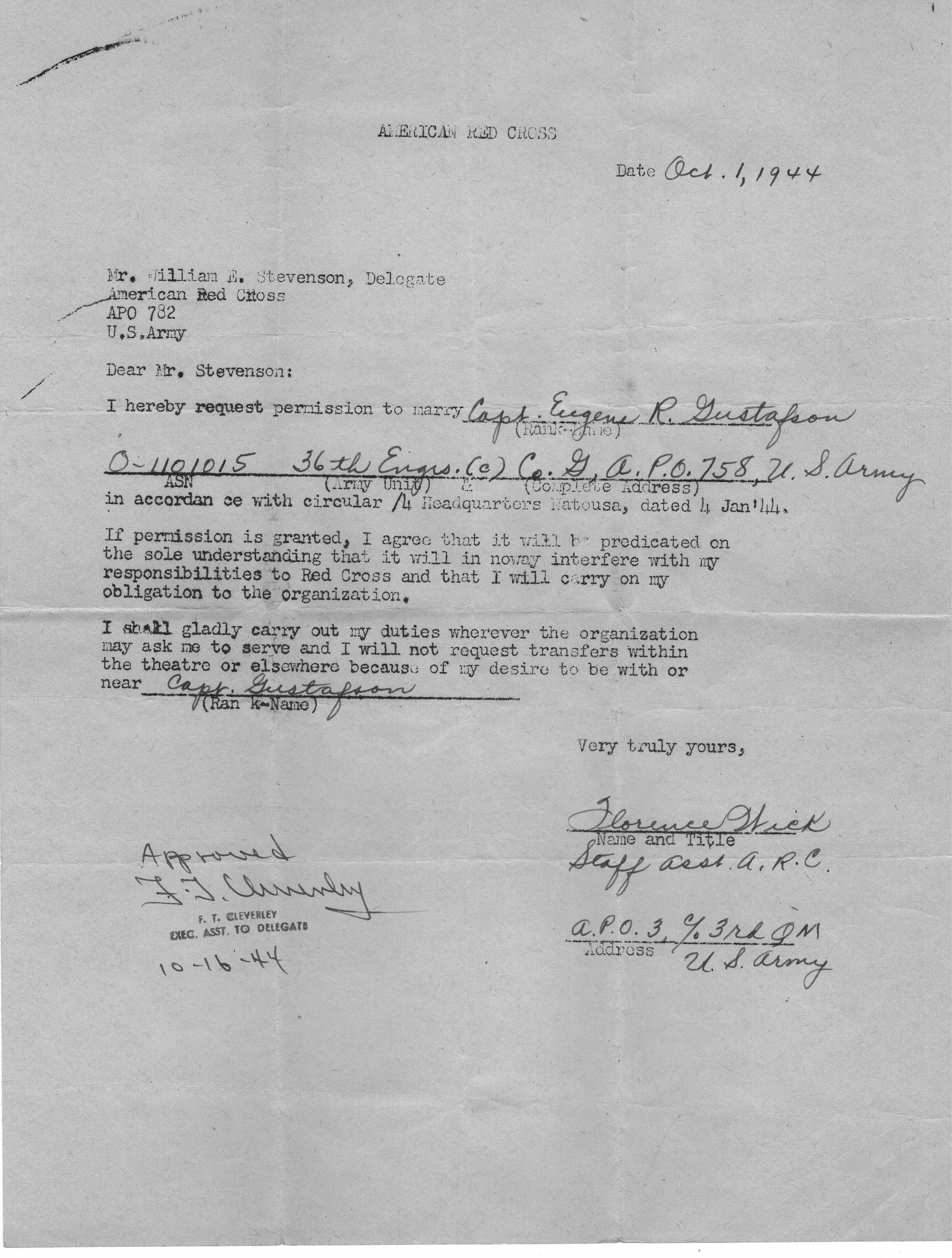
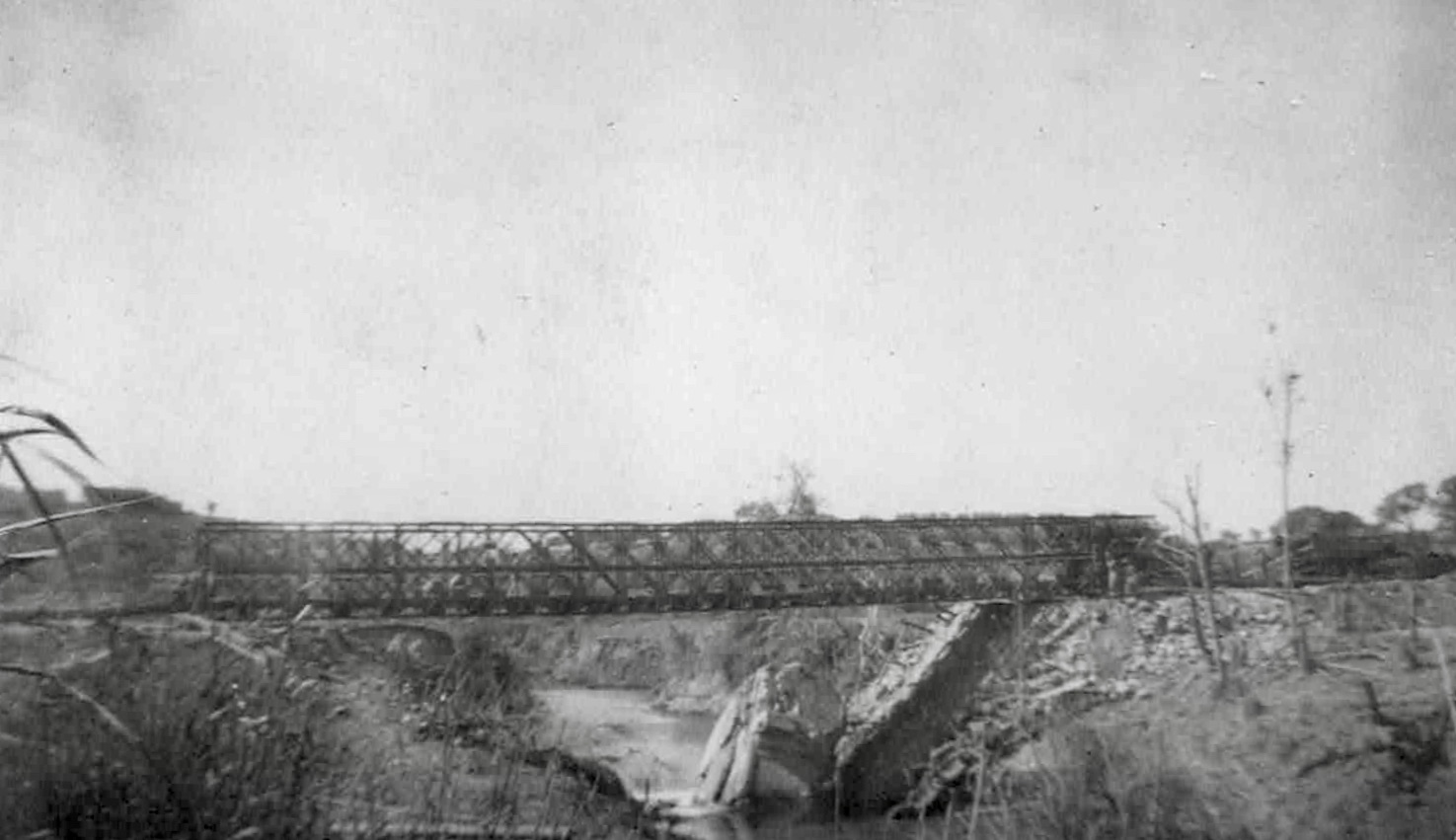
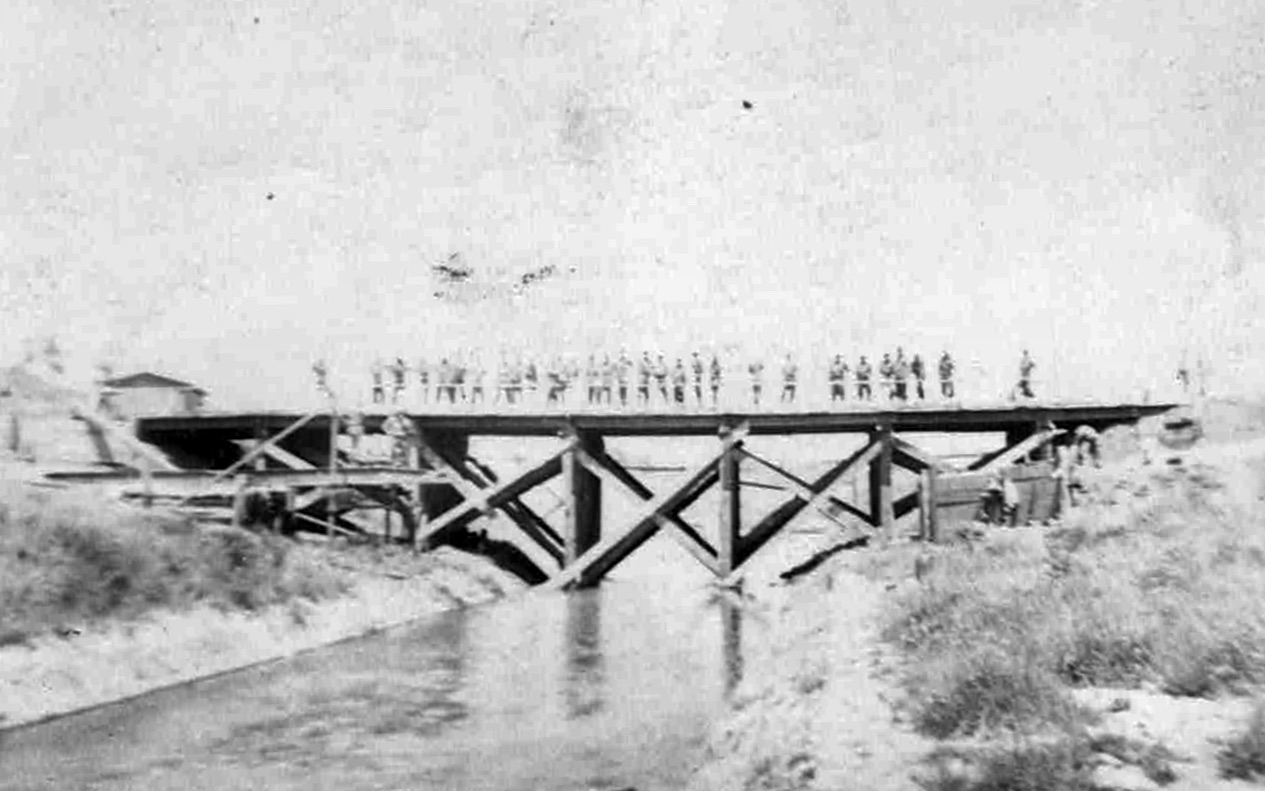
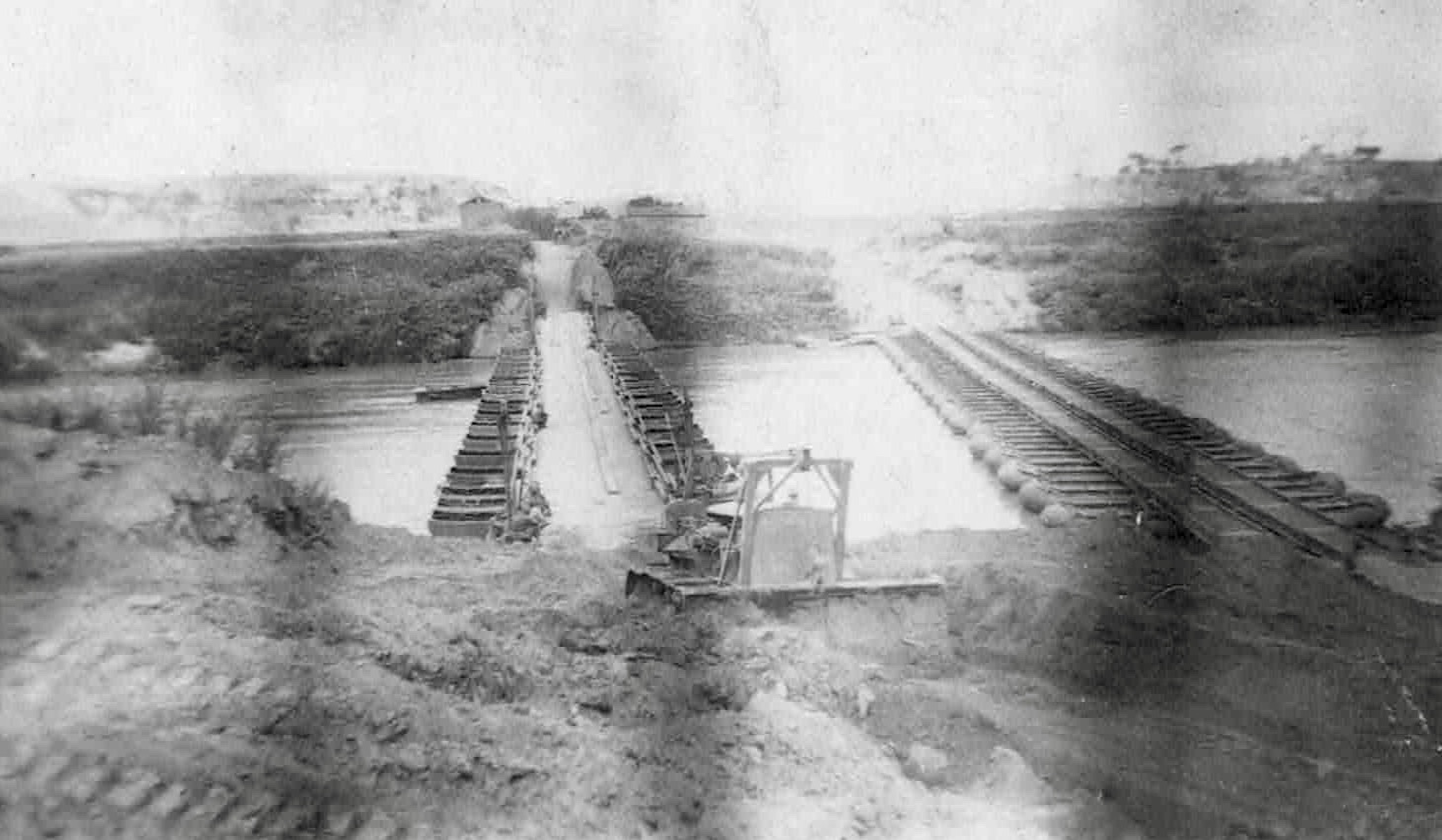
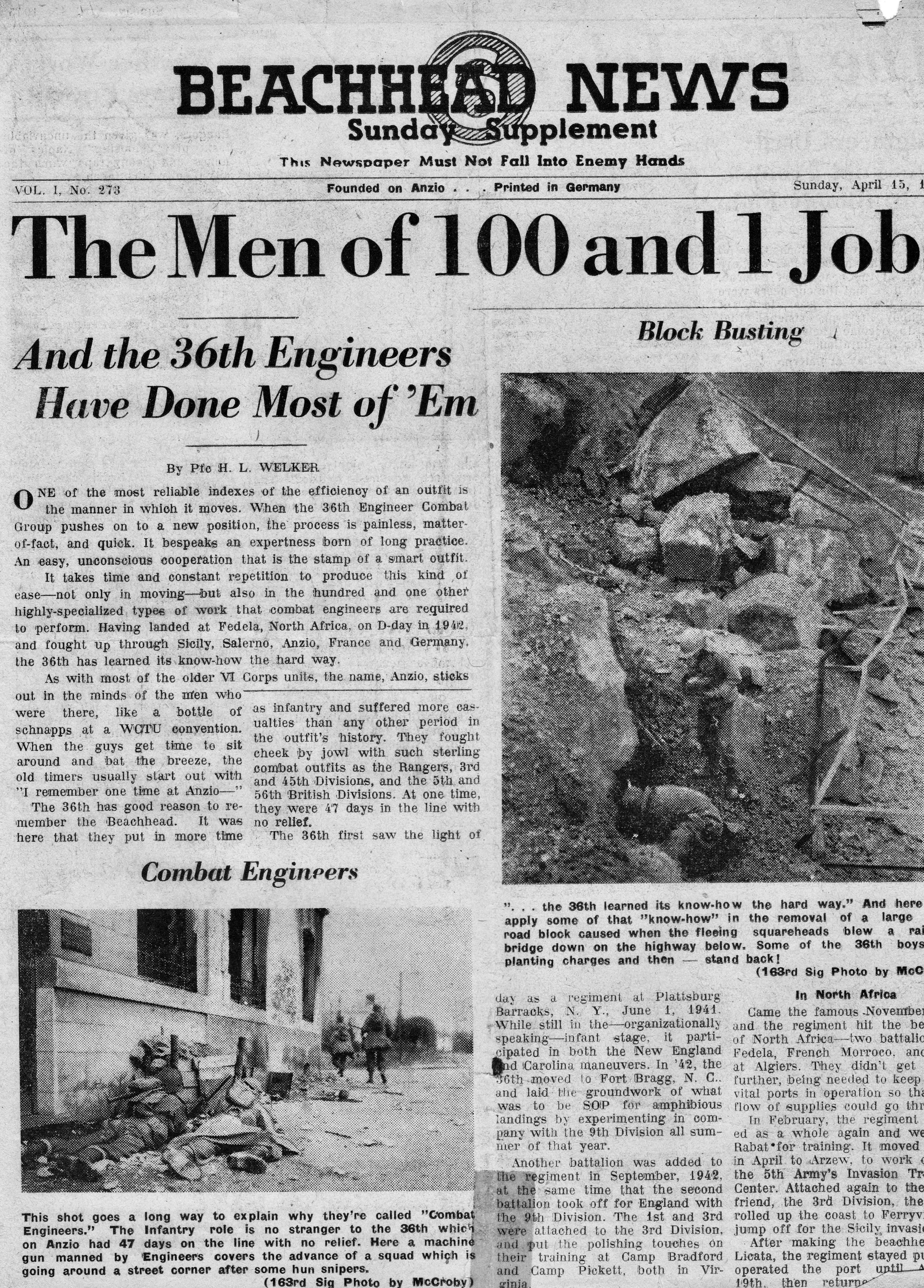
Flo has met up with her fiancé Gene several times and she corresponds with him through the APO mail, although she complains often in her diary of “no mail.” He is with the 36th Engineers, the crew that rebuilds bombed out bridges and roads. But they are also forced into combat when foot soldiers are needed.

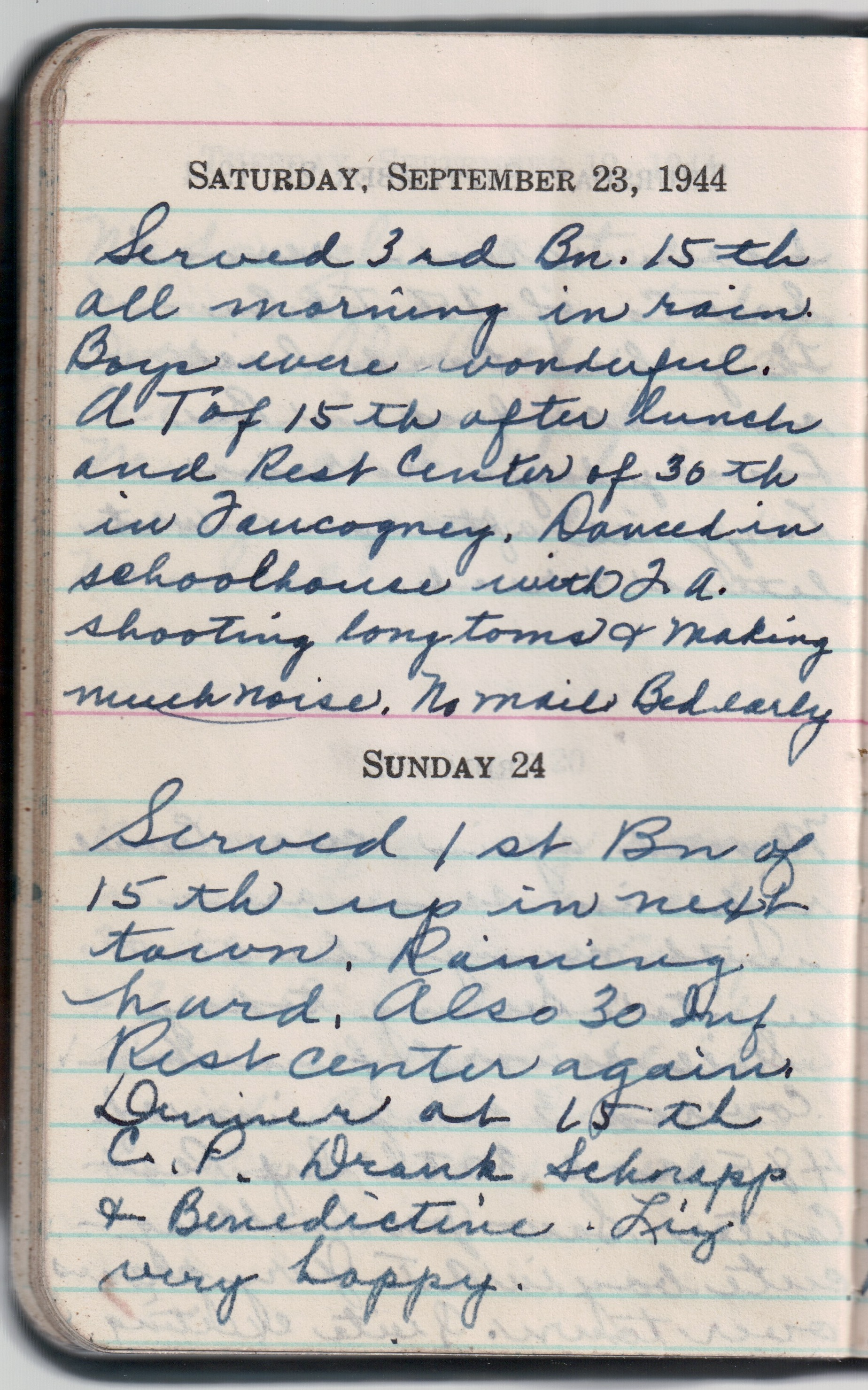
September 19-24 Flo’s diary (pinch out to read)

“Good to be back at work,” wrote Flo in her diary, after the Red Cross women had been allowed back into the Third Division.

“Gene way up on lines. No mail.”

“Served 30th Inf. Rest camp & 3rd Div band. Boys tired. Fun with band.”

Flo working in the field

On Sept. 21 she wrote, “ Served co. of 756 tank Bn. They had hard luck—several lost in Bn.”

Sept. 22: “Served in same area with many other div. Still no word from Gene. Jerry planes over town. Quite exciting.”

Sept. 24: “Served 1st Bn of 15th up in next town. Raining hard…dinner at 15th C.P.”

This is Audie Murphy’s unit and must be where they met. He remembered Flo served him donuts somewhere in France.

Ch. 35: https://mollymartin.blog/2025/06/24/prelude-to-another-grim-winter/

Return to Ch. 1: https://mollymartin.blog/2024/11/04/my-mother-and-audie-murphy/

Mortar Attack!

We crash into Besançon and fight until morning

My Mother and Audie Murphy Ch. 30

September 5, 1944. From Murphy’s autobiography To Hell and Back:

In a short while they are back in the thick of battle. The forward units knife through German lines, leaving pockets of resistance for the mopping-up crews. The noise of combat rises from every direction.

The swift advance has drained their energy and their supplies. Hungry and exhausted, they collapse along a roadside to wait for orders. Artillery thunders over their heads. They lie on their backs, listening to the shells crash forward into the hills.

Murphy and his crew seize an opportunity when a German supply truck rattles into view. They ambush it and find it loaded with bread and cognac. For a brief, stolen moment they eat, drink, and sing, the battle seeming almost far away.

The town of Besancon from its citadel. You can see the bombed bridges. Photo: Dogface soldiers.org

That night they crash into Besançon and fight until morning. Within a few days the city is secured, and once again the pursuit of the retreating Germans begins.

Murphy’s platoon brings up the rear when a roadblock stops the company. Mortar shells begin peppering the earth. Murphy pauses to speak to a small group of soldiers, several of them nervously pale replacements, waiting for the fire to ease.

Nearly killed by a mortar shell

A mortar shell drops in almost without sound. It is practically under Murphy’s boots before he registers its arrival. He has just enough time to think, This is it, before the blast knocks him unconscious.

When he comes to, he is sitting beside a crater with the shattered remains of a carbine in his hands. His head throbs, his eyes burn, and he cannot hear. The acrid, greasy taste of burned powder coats his tongue.

FFI fighters. Photo: NARA

He runs his hands down his legs, methodically checking. Both limbs are there. But the heel of his right shoe is gone, and his fingers come away sticky with blood.

A voice filters dimly into his fogged brain: “Are you all right, Sergeant?” He wipes the tears from his stinging eyes and looks around. The sergeant who spoke and the young recruit beside him are dead. Three others are wounded. All had been farther from the shell than he was.

When a mortar detonates on contact with the ground, its fragments shoot upward and outward in a cone. Murphy had been standing close to the base of that cone and caught only the lightest edge of the fragmentation. Had he been three feet farther away, he knows he would not be alive.

During World War II, concussions resulting from mortar attacks were a significant source of traumatic brain injury (TBI). Soldiers experienced symptoms like headaches, dizziness, poor concentration, and memory problems following exposure to blasts, even without visible head injuries. The term “shell shock” was originally used in WWI to describe these symptoms, but was later replaced with terms like “post-concussion neurosis” in WWII. Head injuries from mortars contributed to a significant percentage of medically treated wounds during the war. 

Murphy spends a few days in the hospital, not because of his brain injury, but because his foot was wounded. Then he’s back in the lines.

Ch.31: https://mollymartin.blog/2025/06/04/evidence-of-nazi-war-crimes/

Nazis Trapped at Montelimar

Dead and Dying Include Hundreds of Horses

My Mother and Audie Murphy Ch. 28

Late August, 1944. From Murphy’s autobiography To Hell and Back:

Smarting under the wrongs and indignities endured during the years of German occupation, members of the French underground emerge from hiding and strike. Entire towns are already liberated by the FFI—the French Forces of the Interior—waiting only for the Americans to arrive. The Maquis join the advancing troops as guides, offering information on enemy strongholds and hidden defenses.

Advancing on Montelimar. Photo: Dogface soldiers collection

The German dead lie buried in abandoned foxholes, hastily covered with the same soil they once held in captivity. When it rains, their boots stick grotesquely from the mud.

Meanwhile, the Third Army drives relentlessly across middle France. When contact is made, the Germans in a vast section of the country will be caught in a trap. For three days the Americans move forward in trucks, meeting only scattered resistance—roadblocks, ambushes, and small pockets of determined defenders. After the slow, grinding months in Italy, this rapid advance feels almost unreal.

The men are exhilarated. Nothing lifts a soldier’s morale like progress. They have long believed that the only road home lies through the Siegfried Line, and every mile up the Rhône Valley feels like another mile closer to America.

The Germans react unpredictably. In one place, twenty thousand surrender to a single American platoon. In another, a few dozen fight with desperate ferocity, clawing for every inch of ground.

Wreckage of the German retreat. Photo: Dogface soldiers collection

By August 23, 1944, the swift, circling maneuvers of divisional units have trapped a large enemy force at Montélimar, a key communications hub. The Germans would gladly abandon the town if only they could escape north. As the American ring closes around them, they counterattack fiercely—an entire regiment hurling itself against Murphy’s battalion. Artillery and mortar fire break the assault, holding the line amid smoke and shattered trees.

On the outskirts of Montélimar, a massive German convoy is caught by American guns. In their panic to flee, the vehicles jam the road two and three abreast. Artillery zeroes in, and the destruction defies belief.

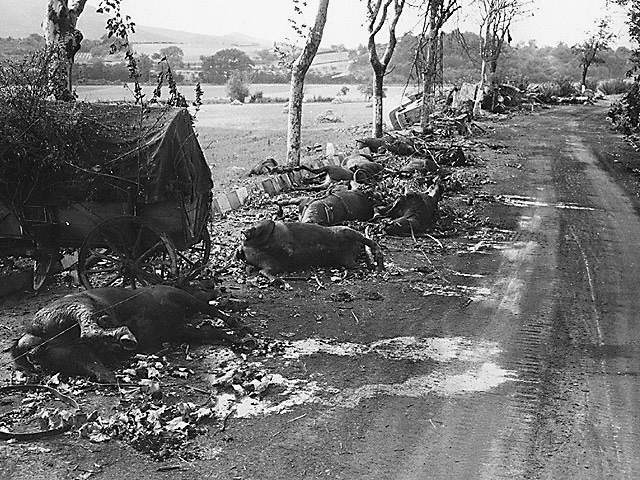
Hundreds of horses, evidently stolen from French farmers, lie among the wreckage. They stand or fall with torn flesh, gazing at the soldiers with unblinking, bewildered eyes, whinnying softly as life drains from them. The men, hardened by years of battle, find themselves strangely shaken. They are used to the sight of dead and wounded men, but these suffering animals stir something deeper, a sorrow for innocence trapped in the machinery of war.

Horses were among the dead. Photo: Dogface soldiers collection

One of Murphy’s men, a Texan, gently approaches a horse and shoots him behind the ear.

“I’ve known horses all my life,” he says, “and there’s not one dirty, mean thing about them. They’re too decent to blast each other’s guts out like we’re doing. Makes you ashamed to belong to the human race.”

Ch.29: https://mollymartin.blog/2025/05/25/red-cross-lands-in-france/

A Demon Enters My Body

His best friend dies: Murph loses his cool

Ch. 26 My Mother and Audie Murphy

D-Day in Southern France. August 15, 1944

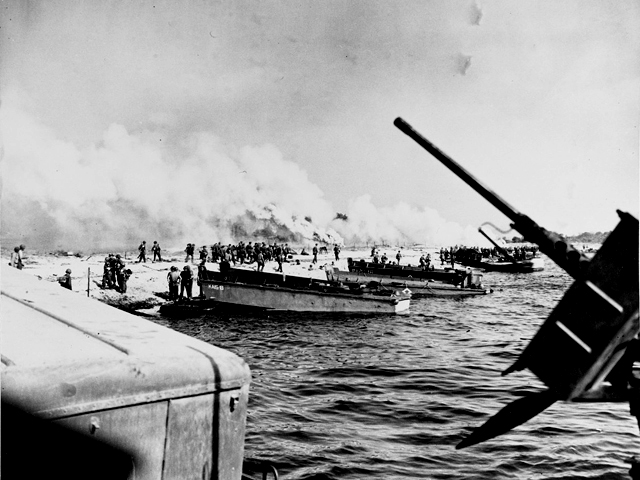
They jump from the landing craft and wade through the swirling surf. From the hills above, German guns begin to crack. Shells burst among them. Medics move instantly, sleeves rolled, already tending to the fallen.

An explosion erupts on the left. When the smoke clears, the remains of a soldier lie scattered—he has stepped on a mine. A medic kneels beside him briefly, then signals to the litter bearers that there is nothing to carry.

Ahead lies a strip of scrub and tangled grass. The men advance toward it with cautious, deliberate steps, as though walking on eggshells. The entire beach is mined, every footstep a gamble.

Landing at Red Beach. Photo: Dogface soldiers collection

They reach the edge of a green meadow. Beyond it stretch vineyards and scattered farmhouses, each one potentially harboring an unseen gun crew. Murphy drops into a drainage ditch and pushes forward, mud sucking at his boots as he moves.

They kill two Germans and capture six.

The thin shell of resistance at the beachhead collapses quickly, and the company advances inland. Three wooded hills rise to their right. From the center hill, a concrete pillbox juts outward, its cannon angled toward the beach. Intelligence marks this hill as a major strongpoint, and Murphy’s company receives the order to neutralize it.

Under a punishing sun, the men climb in sweat-soaked uniforms. Murphy’s platoon leads, and he brings up the rear. Suddenly automatic fire sweeps down from the hill.

Murphy’s two comrades are killed. He is alone and the Germans have discovered his position.

Then Murphy engages in acts of heroism that earn him one of his many medals. He duels with the enemy until his ammunition is exhausted. Then he seizes a machine gun and rakes the foxholes. Still under fire, he is joined by a comrade, his best buddy in the squad.

The surviving Germans wave a white cloth in surrender. Murphy’s friend rises casually from cover, believing the danger has passed. A hidden machine gun opens at once. He topples backward into the hole, barely whispering Murphy’s name before dying. Murphy freezes in shock, caught between the bodies of his friend and the Germans he has killed.

He checks for a pulse. There is none. He calls for medics, but the hill roars with gunfire. No one can reach him.

Grief and disbelief overwhelm him. He refuses to accept the death. With quiet, deliberate care, he lifts his friend from the hole and lays him beneath a cork tree, as though fresh air alone might restore life. How he avoids being shot while doing this remains inexplicable.

Map of the invasion. Photo: NARA

A machine gun shifts toward him. Murphy reacts instantly, diving back into the hole, throwing a grenade, and then rushing forward. The grenade has done its work. Both German gunners are dead. Murphy takes their weapon, checks it, and begins climbing the hill again.

He wrote: “I remember the experience as I do a nightmare. A demon seems to have entered my body. My brain is coldly alert and logical. I do not think of the danger to myself. My whole being is concentrated on killing. Later the men pinned down in the vineyard tell me that I shout pleas and curses at them because they do not come up and join me.”

He reaches the gun crew responsible and kills them before they even know he is there. He keeps firing until their bodies stop moving.

Resistance on the hill collapses. The company advances and reorganizes on the crest. Murphy stands apart, trembling, stunned by the sudden weakness that overtakes him. When the company moves on, he returns alone to his friend’s body.

He gathers his personal effects, looks once more at the photograph of the little girl with pigtails, then places the pack beneath his friend’s head like a pillow. He sits beside him and weeps without restraint.

As time passes, the rage drains away. The enemy becomes again simply the enemy—not monsters, not personal. The war resumes its relentless form: a series of brutal tasks carried out by flesh and will. Murphy accepts this, as he has every day since the war began.

And he rises, wipes his face, and walks back over the hill to rejoin the company.

Quotes are from From Murphy’s autobiography To Hell and Back

Ch. 27: https://mollymartin.blog/2025/05/15/flo-and-her-crew-sail-to-france/

Operation Dragoon: The Landing

Audie Murphy recalled landing on French soil

My Mother and Audie Murphy Ch. 24

August 15, 1944. From Murphy’s autobiography To Hell and Back:

Audie Murphy later described the landing in southern France in his autobiography To Hell and Back. He recalled that, technically, the operation was considered perfect. The assault had been calculated to the smallest detail, every movement coordinated so that the effort unfolded with the smooth precision of a machine.

Compared to earlier invasions, resistance here was light. Weeks before, Allied forces had already broken out of Normandy and were cutting through northern France like a flood bursting through a levee. On the eastern front, the Russians were hammering the German armies. Overhead, American bombers were grinding German cities to rubble. Murphy likened Germany’s situation to that of a man hiding in a stolen house, frantically running between front and back doors as justice pounded from both sides—only to realize too late that another force was now rising up through the cellar. His regiment, Murphy observed, was that third force.

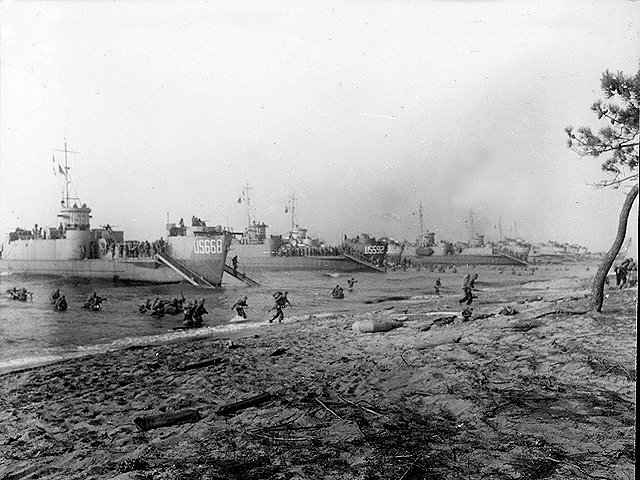
Landing craft on D-Day August 15. More than 90,000 amphibious and 9,000 airborne troops participated in the initial two-day southern France landings. Photo: NARA

Yet the men in the landing craft knew nothing of this sweeping strategic picture. They saw only the edge of the boat, the immediate shoreline, and the moment that lay before them. Their first objective was a narrow, harmless-looking strip of sand called “Yellow Beach.” It was early morning in mid-August; a thin mist hovered above the flat fields beyond the shore, and beyond that, quiet green hills rose inland.

Photo: Dogface soldiers collection

The bay between St. Tropez and Cavalaire was crowded with the familiar pattern of an amphibious assault. Battleships had already given the coastline a thorough pounding and now drifted silently in the background. Rocket craft followed, launching volleys that hissed through the air like schools of strange metallic fish, exploding mines and shredding barbed wire while rattling the nerves of the Germans waiting on shore.

Photo: Dogface soldiers collection

Under this barrage, scores of landing boats churned forward. Murphy stood in one of them, gripped again by that old, stomach-knotting fear that always came before action. Around him, his men crouched like miserable, soaked cats. Some were seasick; others sat glassy-eyed, lost in the kind of inward withdrawal that came just before battle.

And then, in the midst of dread, Murphy felt the absurdity of the moment. Here they were—small, cold, wet men—thrust into a riddle vast as the sky. He laughed, as he often did when confronted with the enormity of life and death.

Photo: Dogface soldiers collection

As the boats drew nearer, Murphy tried to rally his men by urging them to sing. They weren’t interested. But singing had long been a way soldiers kept fear in check, anger in rhythm, and marching in step. The Third Division even had its own song—Dogface Soldier—written in 1942 by two of its own, Sgt. Bert Gold and Lt. Ken Hart, both from Long Beach, New York. The division commander, Lucian Truscott, liked it so much he made it official. Third Division soldiers sang it, marched to it, and danced to it.

Years later, in 1955, when Murphy played himself in the film To Hell and Back, the song made its public debut. It became one of the most well-known songs of the war, celebrating not heroes of legend, but the ordinary infantryman—the “dogface” soldier who carried the rifle, slogged the mud, and shouldered the daily weight of the war.

The lyrics—simple, proud, and rough-edged—captured exactly who they were:

I Wouldn’t Give A Bean
To Be A Fancy Pants Marine
I’d Rather Be A
Dog Face Soldier Like I Am

I Wouldn’t Trade My Old OD’s
For All The Navy’s Dungarees
For I’m The Walking Pride
Of Uncle Sam

On Army Posters That I Read
It Says “Be All That You Can”
So They’re Tearing Me Down
To Build Me Over Again

I’m just a Dogface Soldier, 
With a rifle on my shoulder, 
And I eat a Kraut for breakfast every day. 

So Feed Me Ammunition
Keep Me In the Third Division
Your DogFace Soldier’s A-Okay

Ch. 25: https://mollymartin.blog/2025/05/07/ready-to-leave-poor-italy/

Goodbye to the Boys

Chapter 22: My Mother and Audie Murphy

August, 1944. Operation Dragoon—the Allied invasion of Southern France—had been debated for months. Originally, it was supposed to launch alongside the more famous Operation Overlord, the Normandy invasion on June 6, 1944. But the top brass couldn’t agree. Resources were stretched thin, and priorities clashed. Was it wise to open a second front in France? Could they even pull it off?

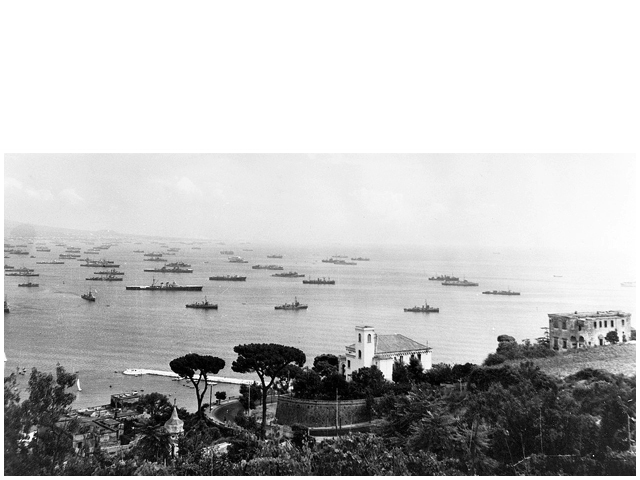
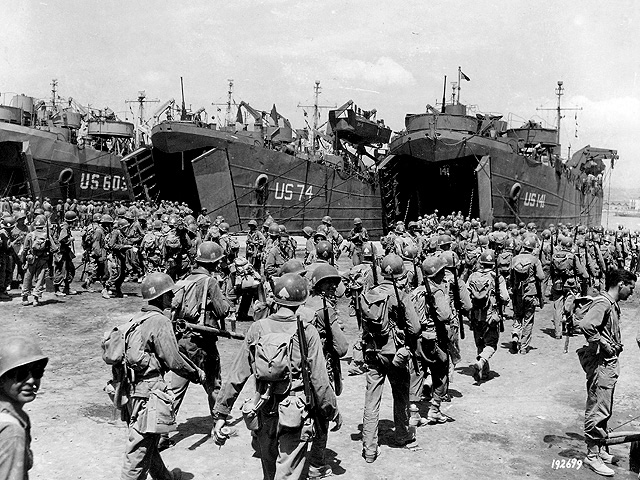
Part of the Operation Dragoon invasion fleet anchored off Naples. Photo: NARA

Meanwhile, thousands of young men trained on the sunbaked beaches near Naples, waiting for orders that never seemed to come. Tension hung heavy in the air. They practiced amphibious landings again and again, sand grinding into their boots and rifles, minds on the fight ahead—or trying not to think about it at all.

By August, the go-ahead finally came. Operation Dragoon would launch on August 15, with landings near St. Tropez. The plan: storm the beaches, push inland, liberate Marseille, and link up with the northern forces. It would be a massive undertaking, one that might finally break the German grip on Southern France.

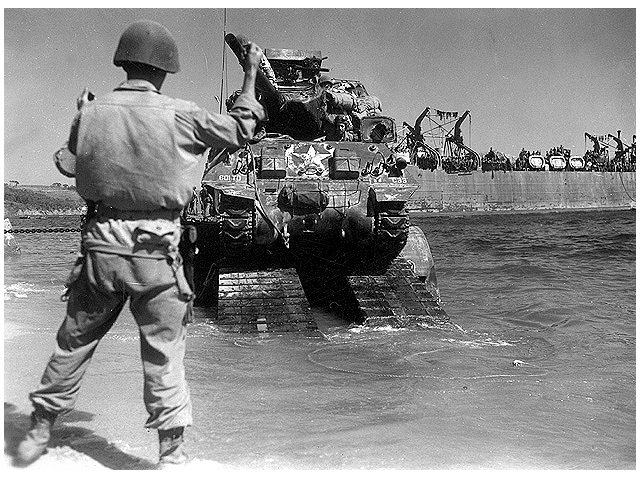
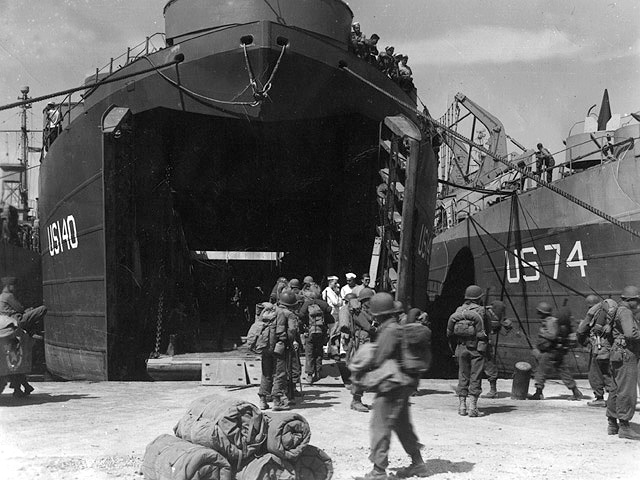
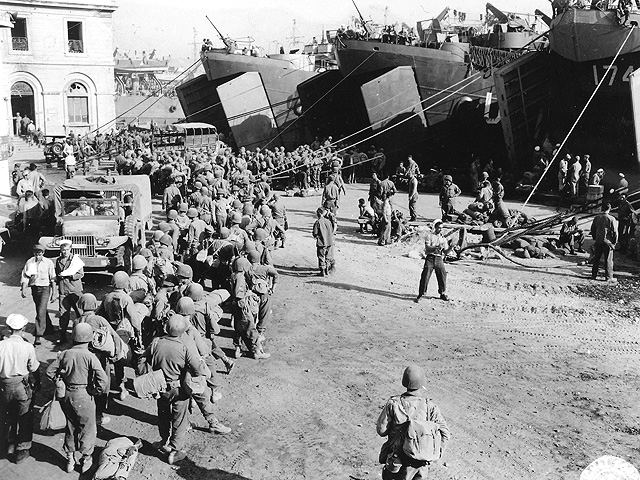
In the ports around Naples, everything sprang into motion. Soldiers, tanks, trucks, jeeps, crates of ammunition and rations—all were loaded onto the towering LSTs (Landing Ship, Tank). The docks were a blur of noise and movement. Beneath the logistical precision, though, was something quieter, more personal: goodbye.

Loading the LSTs

The Red Cross women were there, as they always were—on the edges of history, offering comfort, coffee, and smiles to boys about to disappear into war.

On Monday, August 7, Flo wrote in her diary:  

“Served 3rd Div. leaving from Baia. Said goodbye to Stonie, Rick & Miles & part of 36E. Last date with Gene. Went to beach. Hated to say goodbye. Love him in spite of resolve.” 

The day before, Flo had written in her diary, “Decided I want to marry Gene.” He was now her fiancé, and they were parting ways, perhaps for the last time.

The next day, August 8, she wrote:  

“On beach at Nisida. Mostly Infantry—7th & 30th. Saw Gus, Buzz and all the rest of 1st Bn. Hot & dirty. Worked from 7 a.m. to 7 p.m.”  

What a gigantic operation! Photo: NARA

Twelve-hour shifts, in the heat and dust, trying to give each man a sense that someone saw him, that someone cared. How do you say goodbye to that many young men, most of them barely more than boys? How do you smile through it, knowing many might never come back?

When the last ships pulled out, the docks were quiet. The women packed up their things, broke camp, and moved into Naples near headquarters. Flo wrote:  

“Much baggage. Helped 45th girls at Pozzuoli. Also 36th Div. leaving there. Very hot, busy and tired. LST ensign gave me dozen eggs. Exhausted after days of saying goodbye to thousands of boys en route for invasion.”  

Photo: NARA

Now they waited. The invasion was set for August 15. First, the troops would land. Then they’d have to fight their way inland, clear the Germans, secure the roads. Only then would Flo and the other ARC staff be allowed to follow, to bring comfort once again to the weary, wounded, and grieving.

In the silence of the following days, Flo thought of Gene. And of Stonie, Rick, and Miles. And of the thousands of names she never knew—just faces, voices, laughter fading down the gangplank.

Ch. 23: https://mollymartin.blog/2025/04/27/on-leave-sorrento-and-capri/

In the Tent City Near Pozzuoli Italy

My Mother and Audie Murphy ch. 18

Pozzuoli, Italy—In the sweltering summer of 1944, the 3rd Infantry Division assembled near this small resort town, joining the 36th and 45th Divisions in preparation for a high-stakes amphibious invasion of southern France. These battle-hardened troops, fresh from the grueling Anzio campaign and the march to Rome, were now under the Seventh Army’s command, sharpening their combat readiness for the next major offensive.

Among them was an unassuming but vital group—Flo and her clubmobile squad—who arrived in June to serve the men a taste of home: fresh donuts and hot coffee. Stationed in a sprawling tent city, these women had to get creative without a clubmobile truck, the specially outfitted vehicle designed for donut-making on the go. Instead, they improvised, scrounging up transportation and setting up makeshift field canteens in the dusty camps where soldiers could grab a sweet treat before heading back to drills. They were assisted by “donut boys,” soldiers who manned the donut machine in a tent kitchen.

Flo meticulously recorded her daily work in a diary that read like a military log, listing the units she and her team served, often during the darkest hours of the night. Her notes mentioned names that would later be etched in history: the 1st Battalion of the 30th Infantry Regiment, the 441st Co. A+B, the 9th Field Artillery, the 36th Combat Engineers. On one occasion, on July 16, she may have even handed a donut to a young soldier named Audie Murphy—the future war hero and Hollywood star—though she dryly noted the day as “quite dull.” Murphy, in his autobiography, recalled the 1st Bn. 15th completing amphibious training earlier in the year, which likely explains their limited encounters at Pozzuoli.

One entry stood out: service to the 442nd Ack Ack (Anti-Aircraft Battalion), part of the legendary segregated Japanese American 442nd Regimental Combat Team. These soldiers, despite facing discrimination at home, were training for a mission that would cement their reputation as one of the most decorated units in U.S. military history.

Flo’s diary (pinch out to read)

Photographs from this period, many taken by the 3rd Signal Company, capture Flo and her fellow workers hard at work. These combat photographers, who had joined the division at Anzio, developed and printed their images in a darkroom trailer, documenting the war in vivid, unfiltered detail. Their images offer a rare glimpse into the everyday moments behind the front lines. For more see dogfacesoldier.org, a website dedicated to their photos and the 3rd Division.

Ch. 19: https://mollymartin.blog/2025/04/05/a-sisterhood-on-the-front-lines/

Foot soldiers in Rome

Infantrymen’s time in Rome is no triumph

My Mother and Audie Murphy ch. 16

June, 1944. From Murphy’s autobiography, To Hell and Back:

There is no triumph in Rome. The city is only another objective along an endless road of war. During the long, bitter months on the Anzio beachhead, the men dreamed of entering Rome in celebration. They imagined drinking, swaggering through its streets, losing themselves in indulgence and release. But when the city finally falls and they do enter, the feeling is nothing like victory. They pitch their tents in a public park and sleep with a depth that borders on collapse, waiting for something like life to return to their bodies.

They move through Rome like ghosts. The grand architecture and ancient monuments hold no power to lift the heart. Murphy feels as if he has been briefly spared from death, but the sparing brings no relief. Joy is impossible until the war is truly over. On the streets, surrounded by civilians, he feels lonelier than he did in the mud and gun smoke of the front. The men know others are still fighting to the north, and their thoughts remain with them.

As the front lines move forward, rear-echelon troops flood into the city. Their clean uniforms and easy laughter provoke an irrational resentment. The infantry still carry the smell of mud, cordite, smoke, and decay. They look at the rested, polished soldiers and feel a gulf that cannot be crossed.

One night, the resentment turns into a brawl. Murphy and his men clash with a group of air corps troops in a café. Chairs break, glass shatters, and bodies slam across tables until the military police arrive and shut it down. The MPs warn them not to return.

Day by day, Rome becomes less meaningful. The men begin drifting back to camp earlier, choosing their own company over the city. They gather in small groups as dusk settles, sharing bottles of wine. The songs they sing together come from home, from childhood, from a world untouched by war. The singing softens something inside them—feelings that have been buried beneath survival. The tenderness is temporary. It disappears the moment the order comes to shoulder their weapons and move again.

They leave Rome for another training ground, not knowing what operation lies ahead. Rumor fills the silence, but certainty is impossible.

Their next destination is the coast of southern France. 

Ch. 17: https://mollymartin.blog/2025/03/25/playbill-from-irving-berlins-show/

Anzio: Advance, retreat, repeat

Fear is moving up with us. Fear is right there beside you.

My Mother and Audie Murphy Ch. 14

Audie Murphy’s autobiography To Hell and Back was shaped in collaboration with David McClure, a Hollywood writer who served in the Army Signal Corps and knows firsthand the shock of war. The book centers on the ordinary infantrymen of the Third Division, capturing their humor, fatalism, and endurance. In the battle scenes, the tone sharpens. At Anzio, Murphy describes the brutal churn of attack and counterattack in a landscape where the ground itself seems to resist survival.

“Anzio Annie” was a massive World War II German rail gun, used to bombard US and British forces during the 1944 Anzio landings. It was one of the largest land-based cannons ever built. It fired shells that weighed 550 pounds. Image: NARA

“Light trembles in the east. To our left, an artillery dual is growing fiercer. We hear the crack and thunder of our own guns; the whine and crash of incoming German shells. (A soldier) stands in his chest deep foxhole and leans with his elbows on the bank. He studies the eastern horizon and shakes his head in mock ecstasy. “Gee!” says he, “another beautiful day.”

By afternoon, the order comes: attack!

“Fear is moving up with us. It always does. In the heat of battle it may go away. Sometimes it vanishes in a blind, red range that comes when you see a friend fall. Then again, you get so tired that you become indifferent. But when you are moving into combat, why try fooling yourself. Fear is right there beside you….

“I am well acquainted with fear. It strikes first in the stomach, coming like the disemboweling hand that is thrust into the carcass of a chicken. I feel now as though icy fingers have reached into my mid-parts and twisted the intestines into knots….”

Hidden in a railway tunnel, the Anzio Annie guns started firing at the Anzio beachhead in February and were not discovered until May. Image from Flo’s album

Speech dies away as they approach the enemy line. Artillery fire slackens, and the men check their weapons one last time. Scouts creep forward. Everyone waits for the first eruption.

“This is the worst moment. Just ahead the enemy waits silently. It will be far better when the guns open up. The nerves will relax; the heart, stop its thumping. The brain will turn to animal cunning. The job lies directly before us: destroy and survive.” 

The scouts signal them on. Just as they inch forward, two hidden flakwagon guns open fire. One scout is hit squarely in the chest; his upper body disintegrates in an instant. The 20 mm shells, designed for aircraft, are used here against men, each strike exploding on impact. There is no time to think; the entire landscape erupts with automatic fire. Branches shear off the trees overhead. Bullets pitch into the earth. Two men in the open scramble for the shelter of a small rise, but the gunner finds his range. They collapse, still at last.

Annie’s threat was physical, but also psychological. The troops lived in constant fear of the next shell whose passage was compared to a freight train passing overhead. It could blast a whole big enough to swallow a jeep. Image from Flo’s album

The scouts signal them on. Just as they inch forward, two hidden flakwagon guns open fire. One scout is hit squarely in the chest; his upper body disintegrates in an instant. The 20 mm shells, designed for aircraft, are used here against men, each strike exploding on impact. There is no time to think; the entire landscape erupts with automatic fire. Branches shear off the trees overhead. Bullets pitch into the earth. Two men in the open scramble for the shelter of a small rise, but the gunner finds his range. They collapse, still at last.

A massive shell shrieks overhead and Murphy dives into a roadside ditch. The blast lifts him, knocks him senseless, then dumps him back into the mud. When he crawls forward to check the man beside him, the soldier lies dead with no visible wound—killed by pure concussion. Murphy marks the body for the burial team, driving the bayonet into the bank and tying a strip of white cloth to its tip.

German artillery intensifies. The earth becomes a furnace of shrapnel and fire. Limbs and fragments of bodies fall back to the ground with the dirt. Night offers no rest. The foxholes are cold, wet, and shallow. Rumors spread that the entire front has been forced back. The men are told they will attack again in the morning.

Exhausted and hollow-eyed, they rise. The numbness of survival replaces fear. When the order comes, they move like machines. German artillery meets them immediately, and the men spread across open fields, advancing from one shell crater to the next. Medics, unarmed and clearly marked, fall beside the wounded they are trying to save. The cycle continues: advance, retreat, advance, retreat. After three days, not a single yard of ground has been gained.

There were two of these guns. Once they were captured, soldiers climbed on them “like game hunters who had bagged two rogue elephants.” Image from Flo’s album.

This was the story of Anzio. The Allies made the first amphibious landing on the beachhead on January 22, 1944 and the battle didn’t officially end until the liberation of Rome June 4, 1944.

The 3rd Infantry Division suffered over 900 casualties in one day of combat at Anzio. This was the highest number of casualties suffered by any US division in a single day during the war. The Allies sustained 40,000 casualties at Anzio.

The battle leaves no one unchanged. Anzio becomes not just a place, but a memory carved in mud, smoke, concussion, and loss—the memory of men who advance, fall, rise again, and return to the line because there is no choice except forward.

Flo captioned this picture “Kraut graves.” The Nazis sustained 43,000 casualties at Anzio.

Quotes are from Audie Murphy’s autobiography, To Hell and Back

Ch. 15: https://mollymartin.blog/2025/03/16/rome-is-liberated-by-allies/