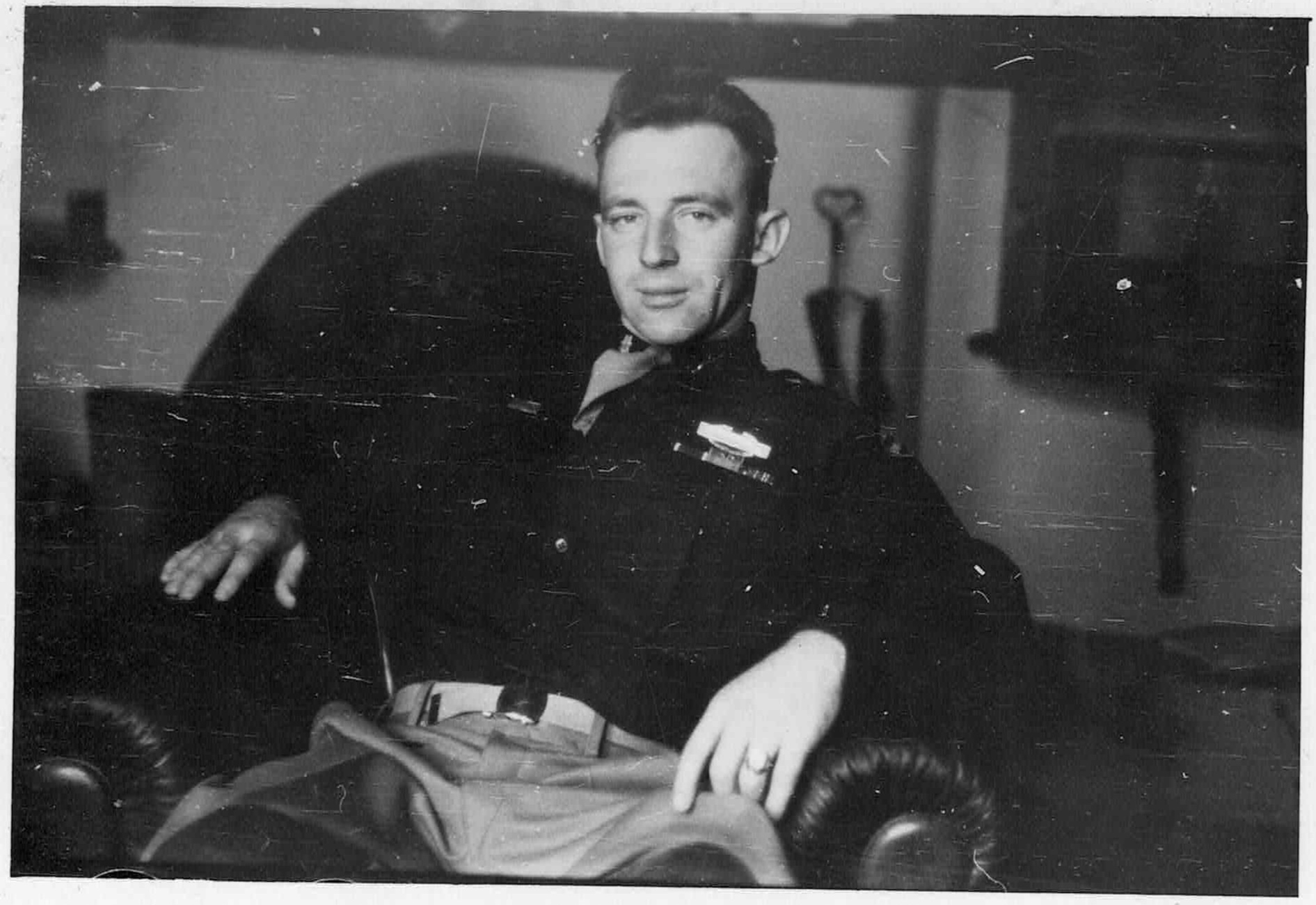
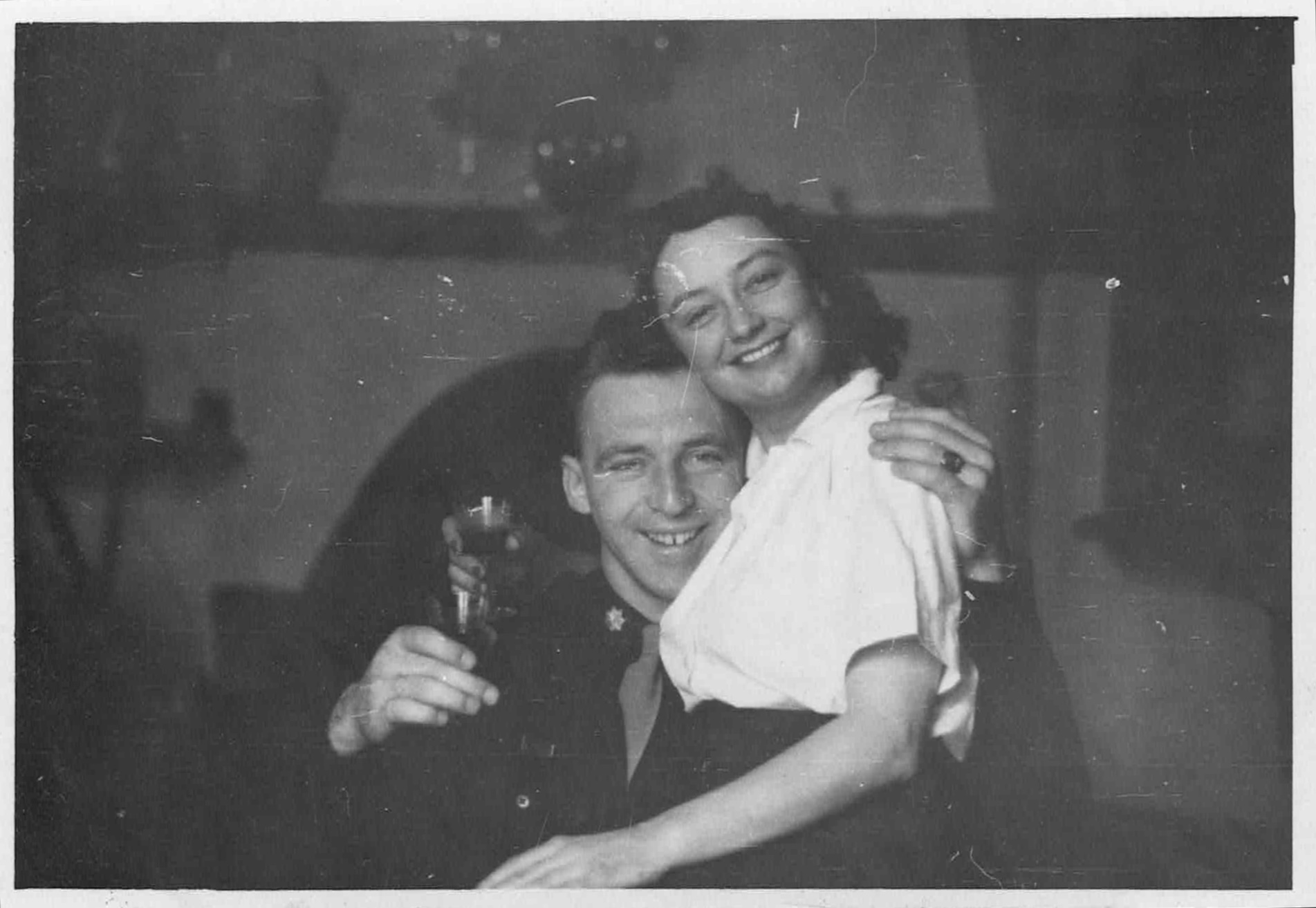
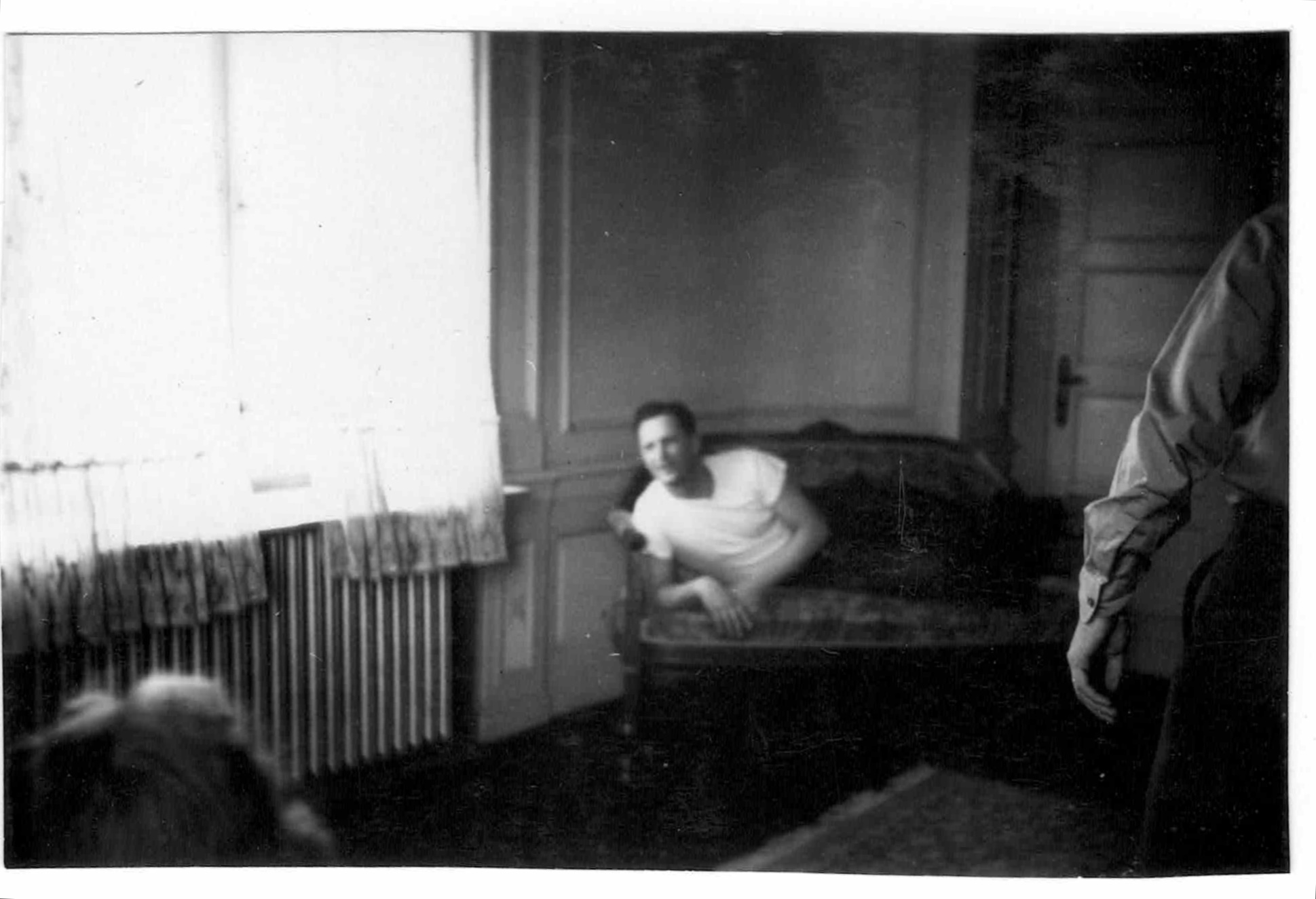
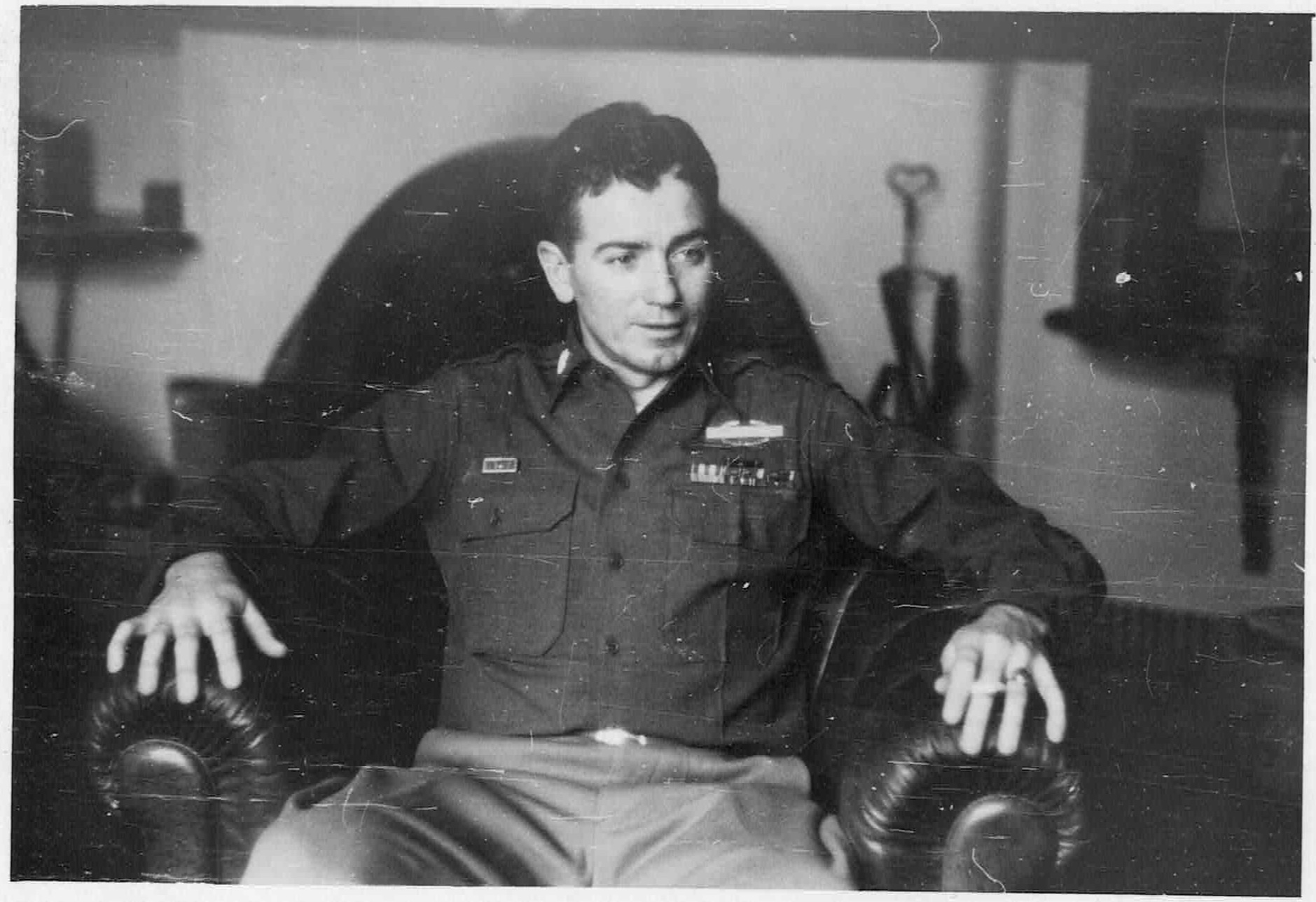
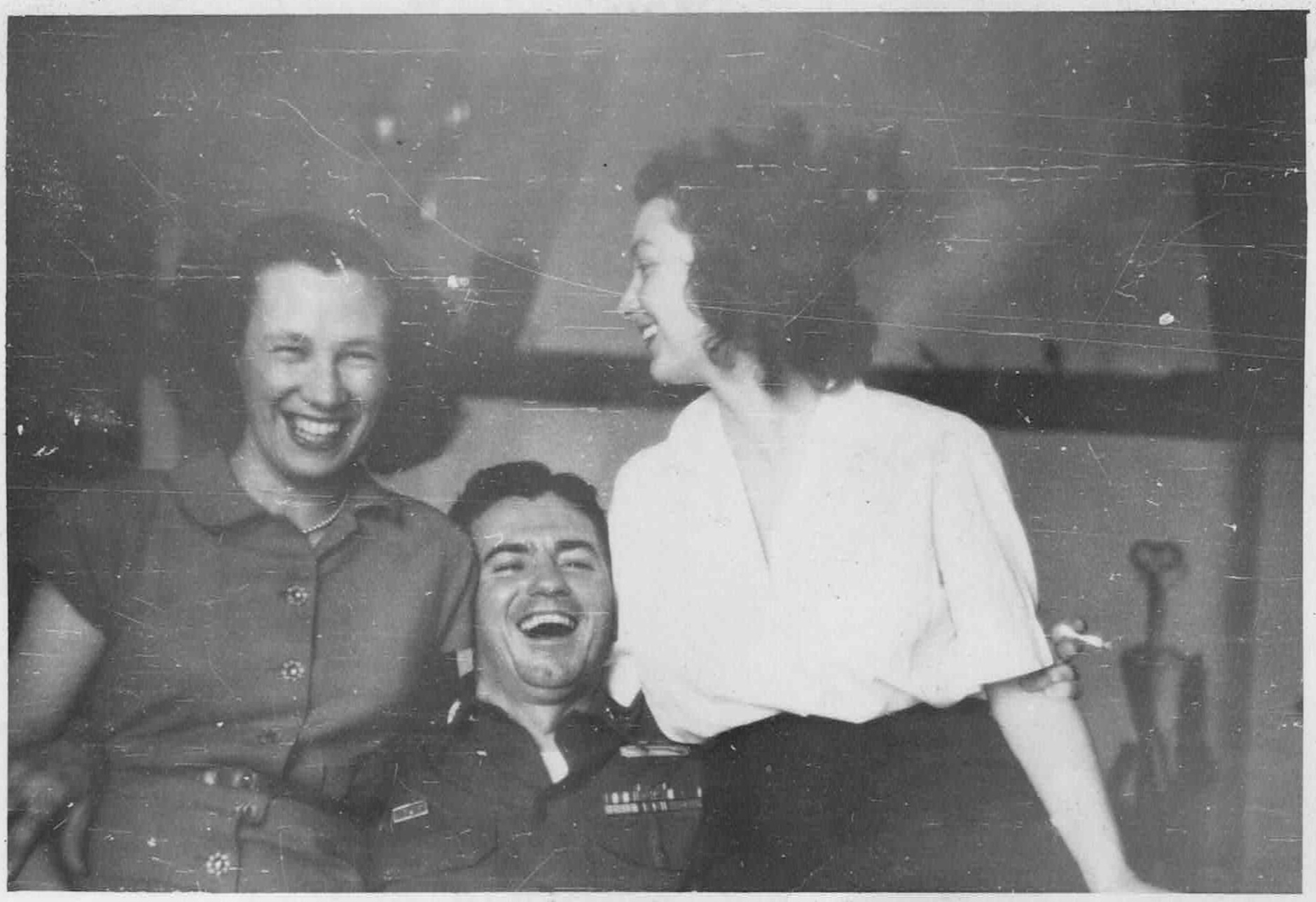
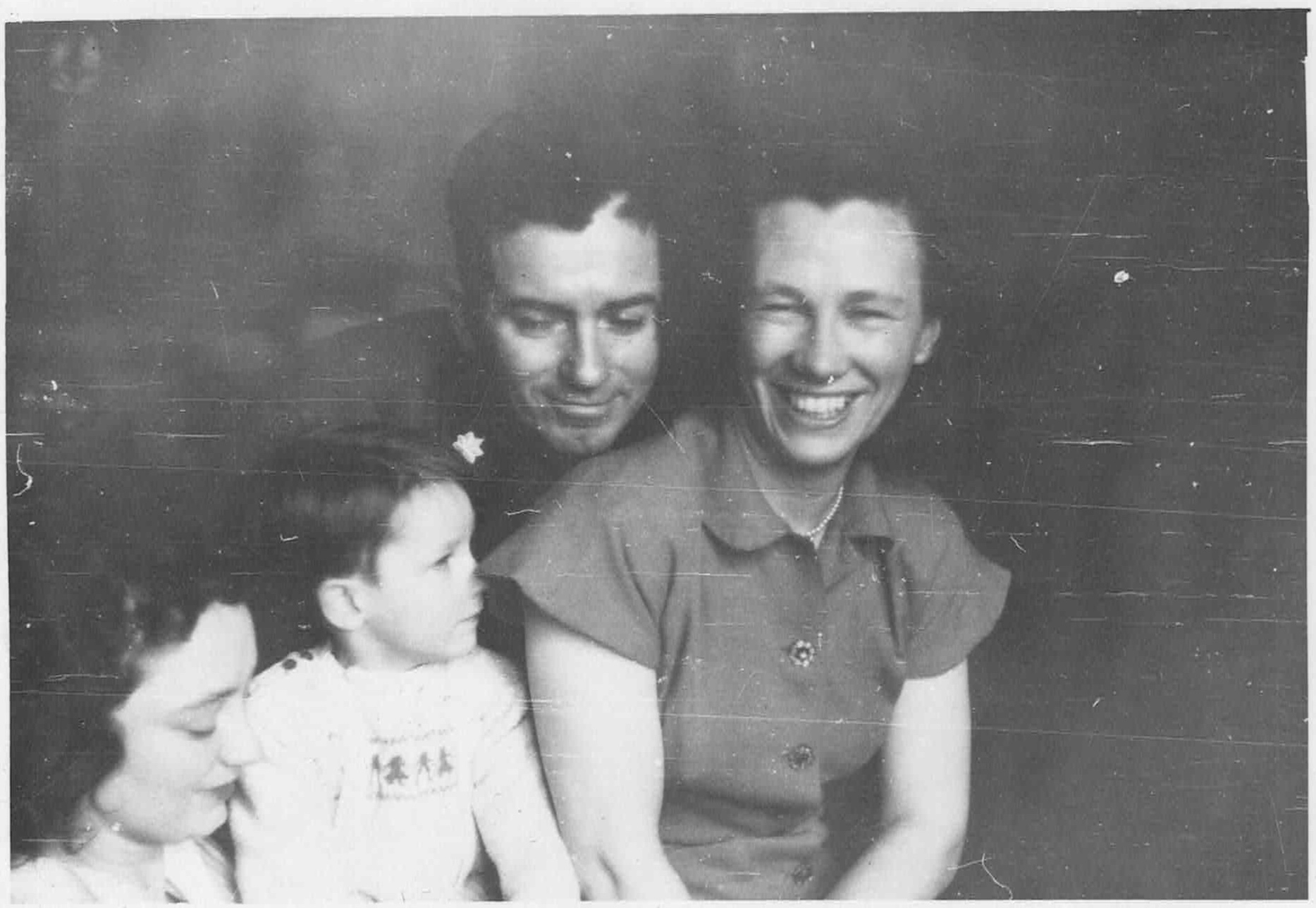
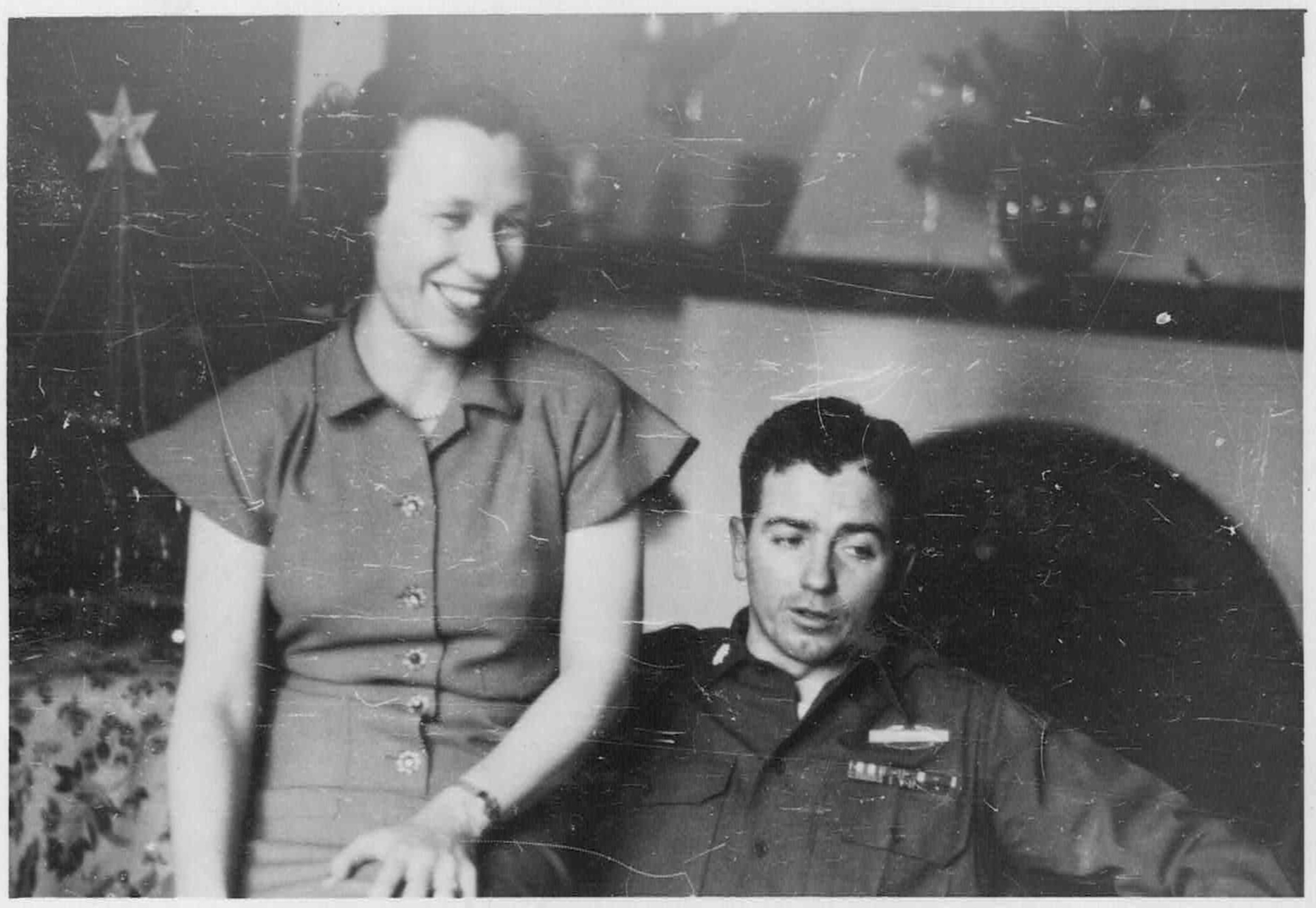
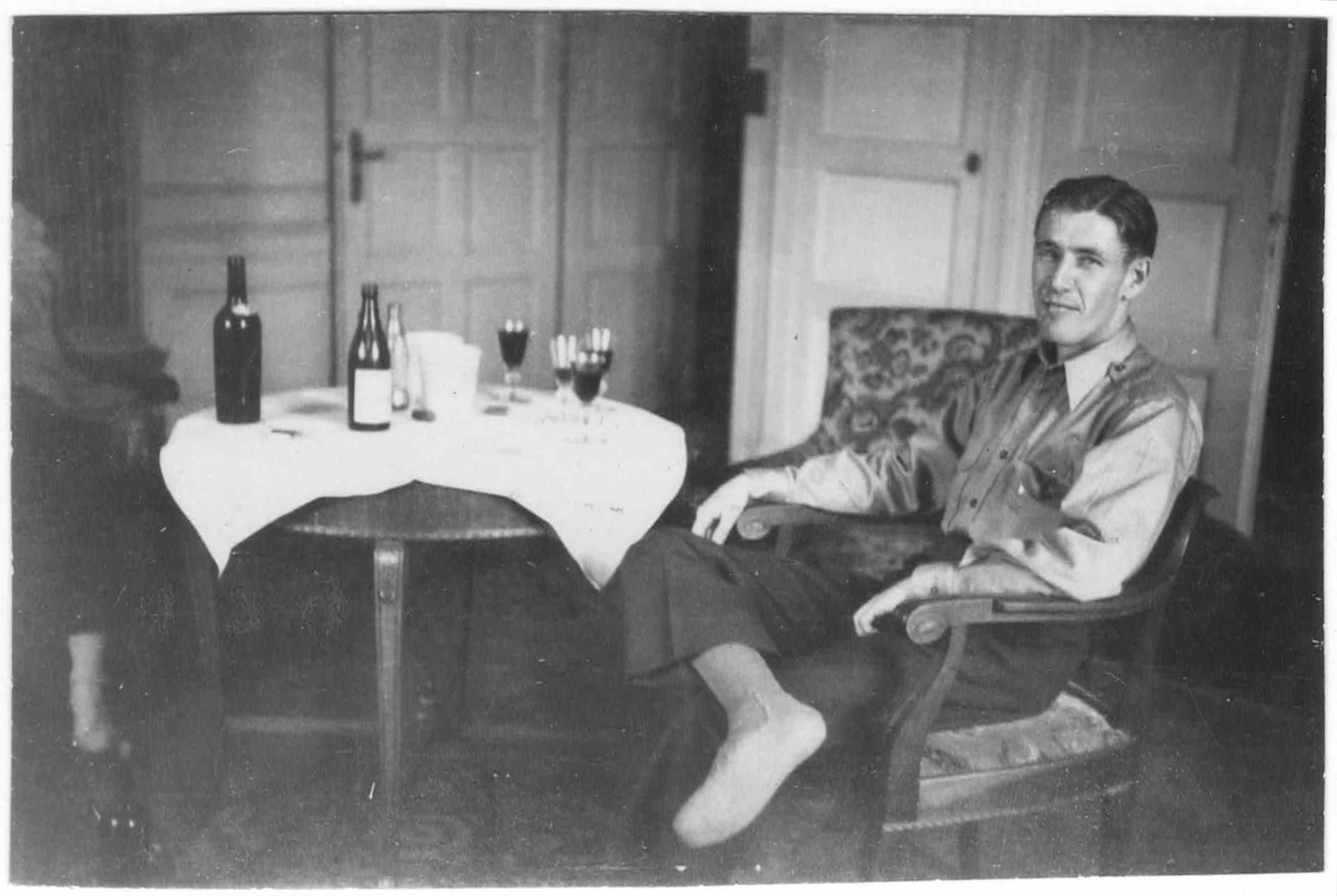
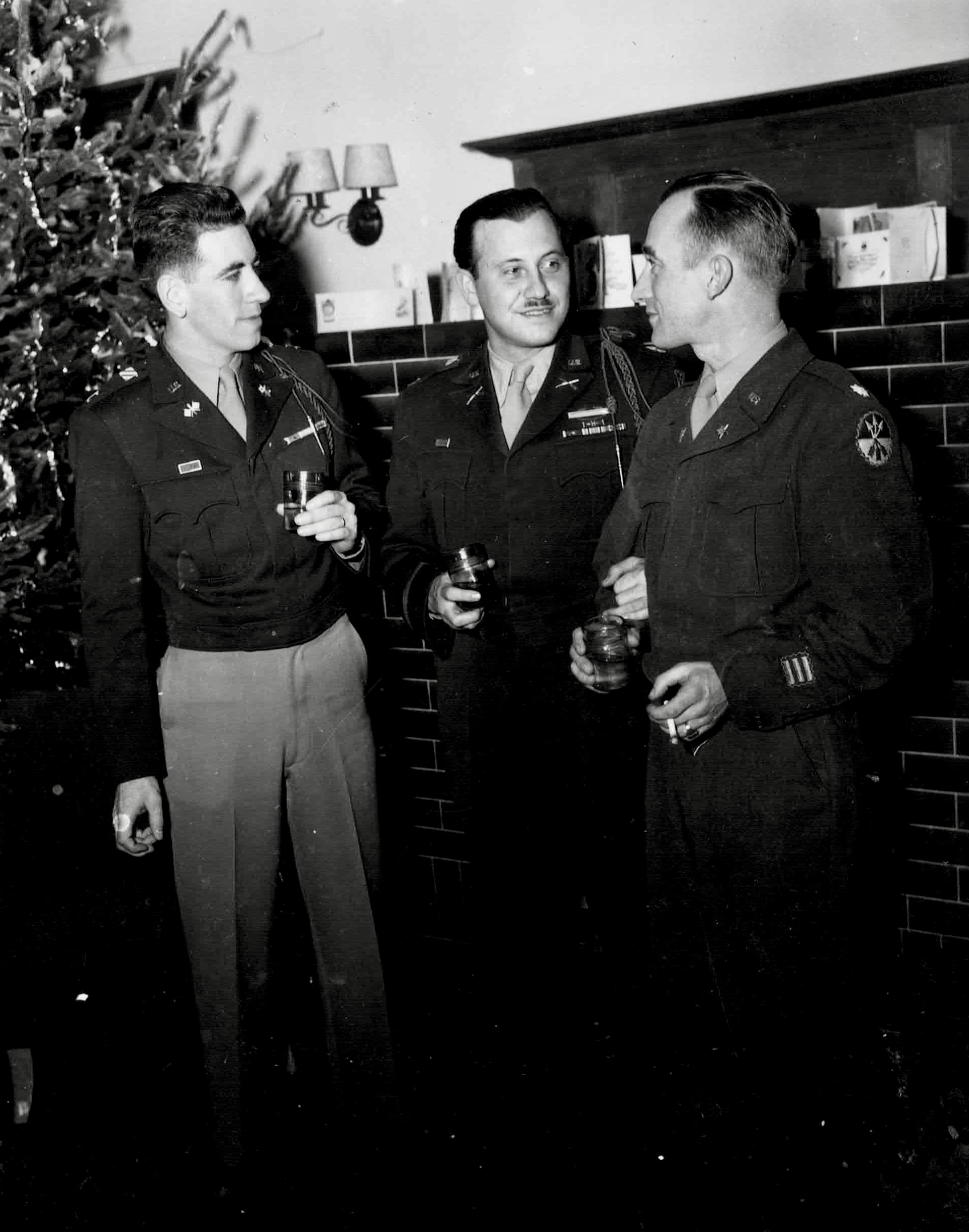
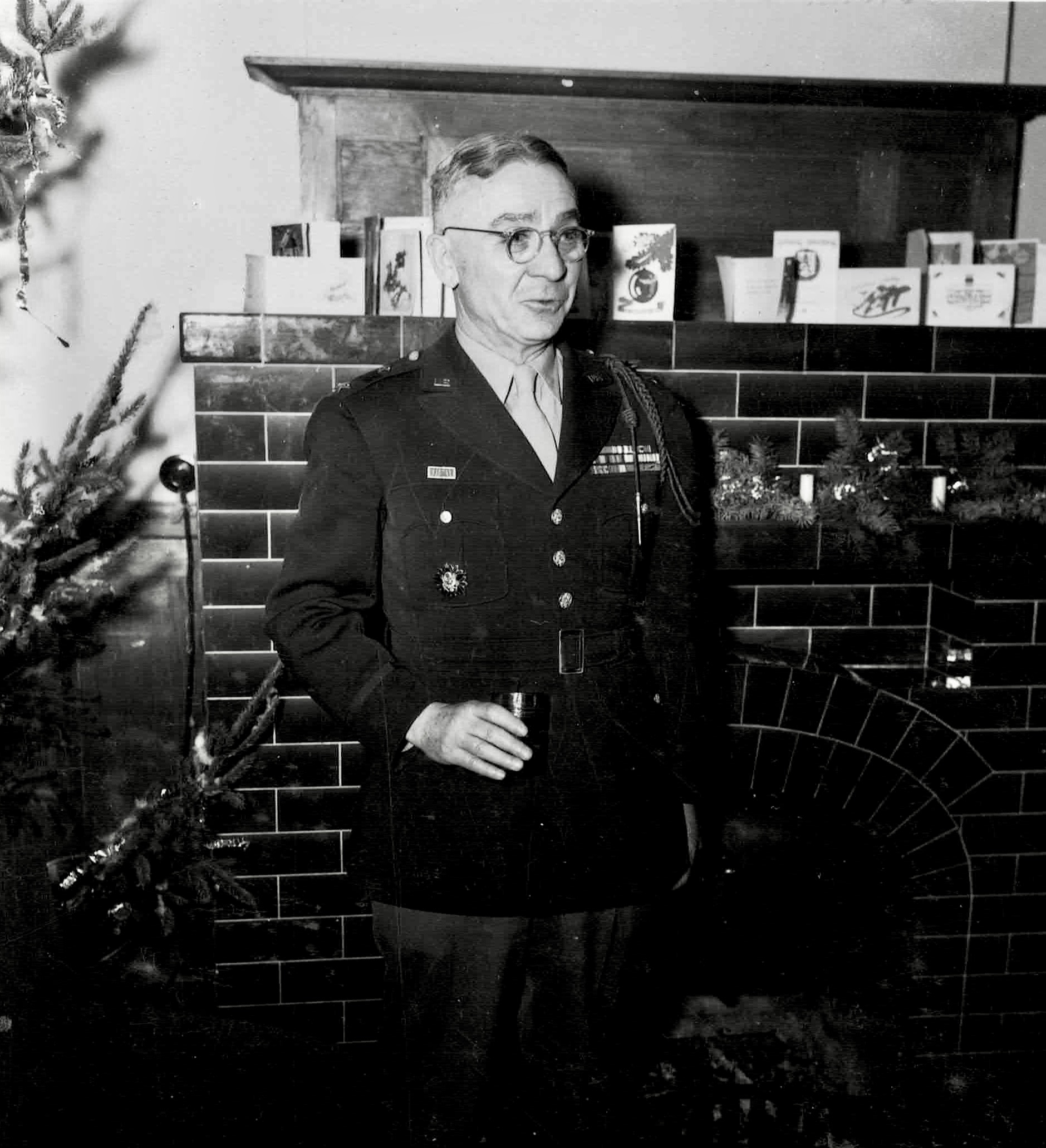
Flo did a good job of identifying the people in pictures on this page in her album relaxing at the 7th Infantry house. I’ve no idea where the child came from.
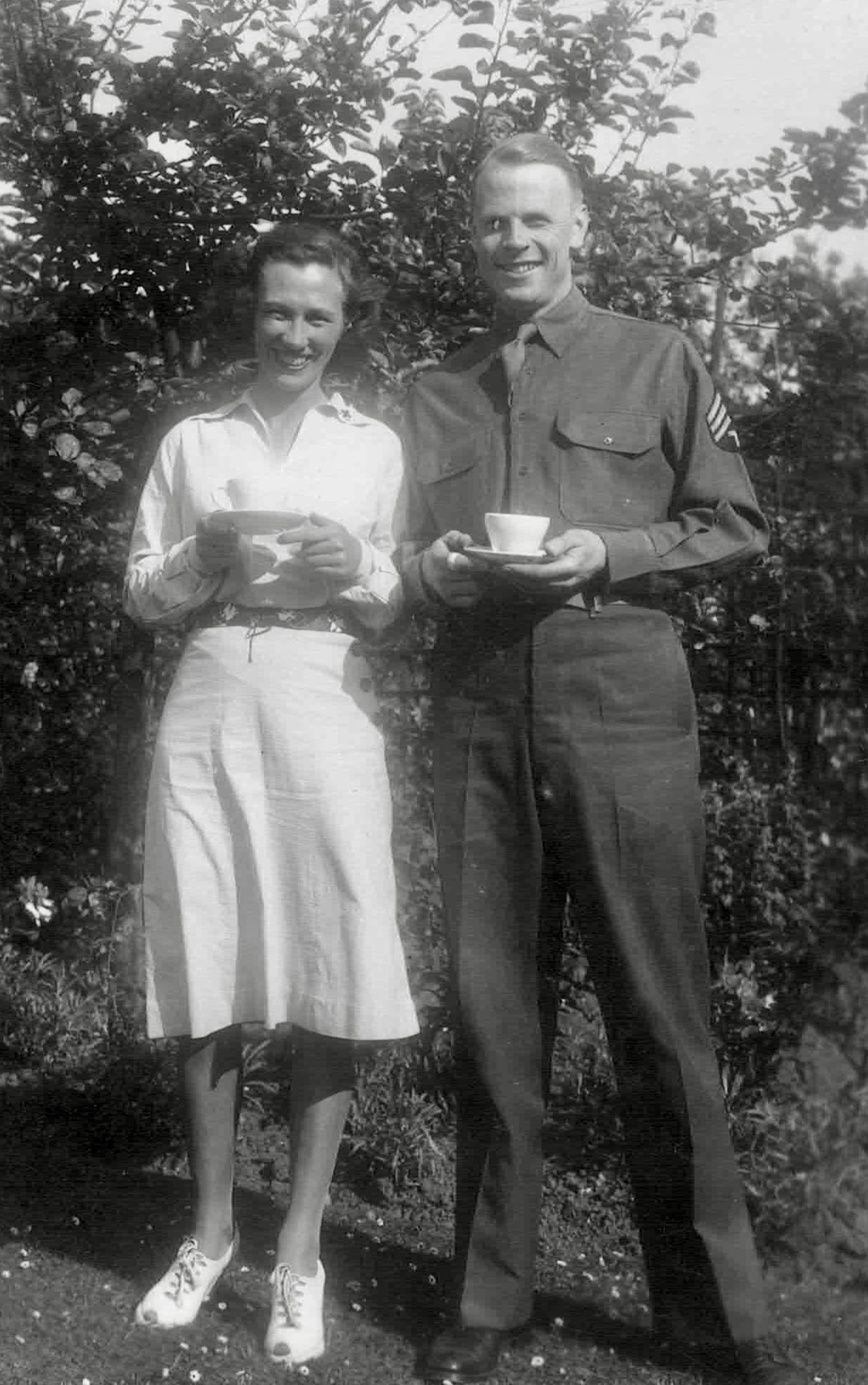
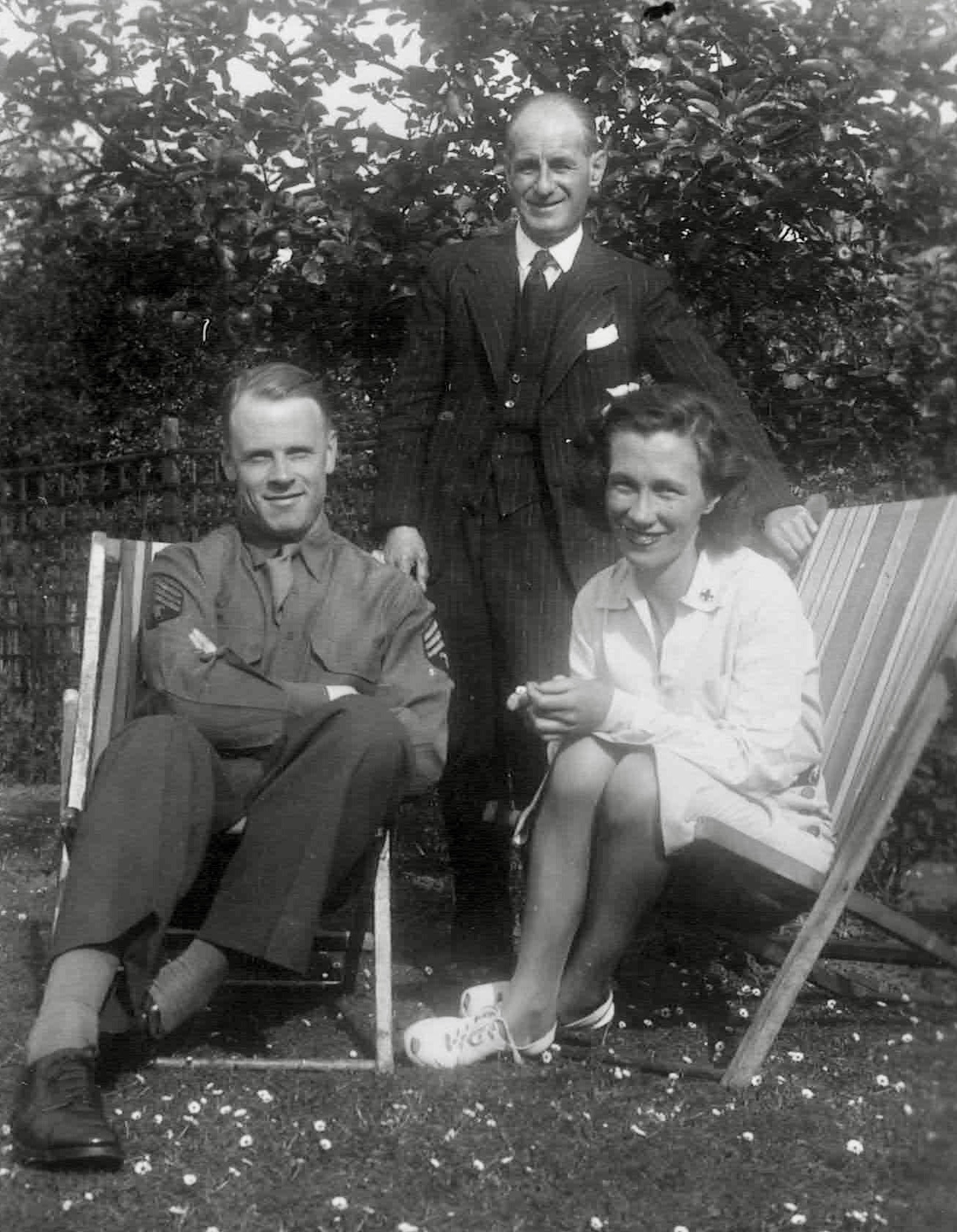
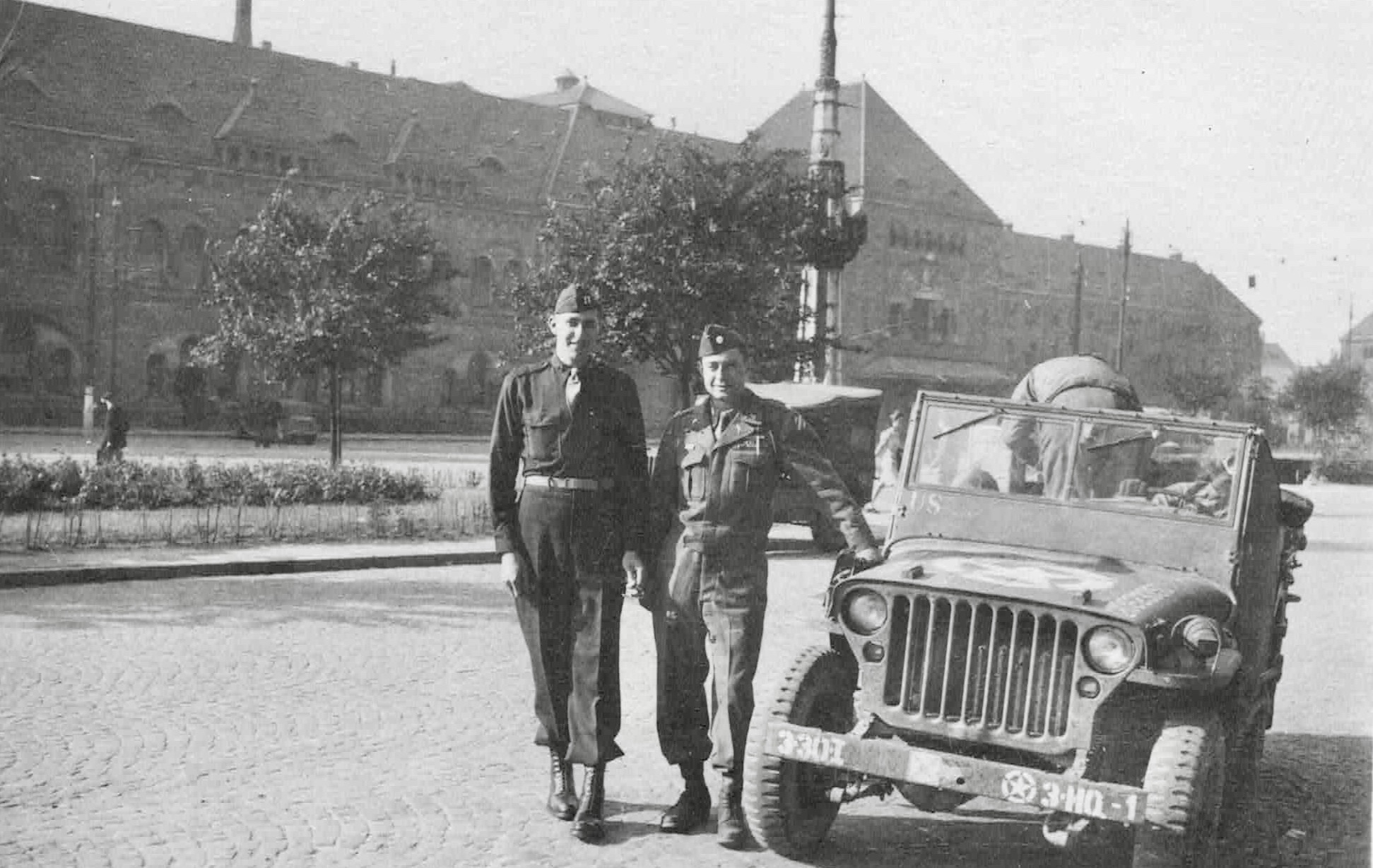
Maj. Win Whall (Kent WA)Jens and JanetLt. Col (CP) RamseyMaj. Kenneth WallaceWhose child is this?Flo and Maj. WallaceLt. Col. Ralph Flynn, 3rd Div, 7th Inf.
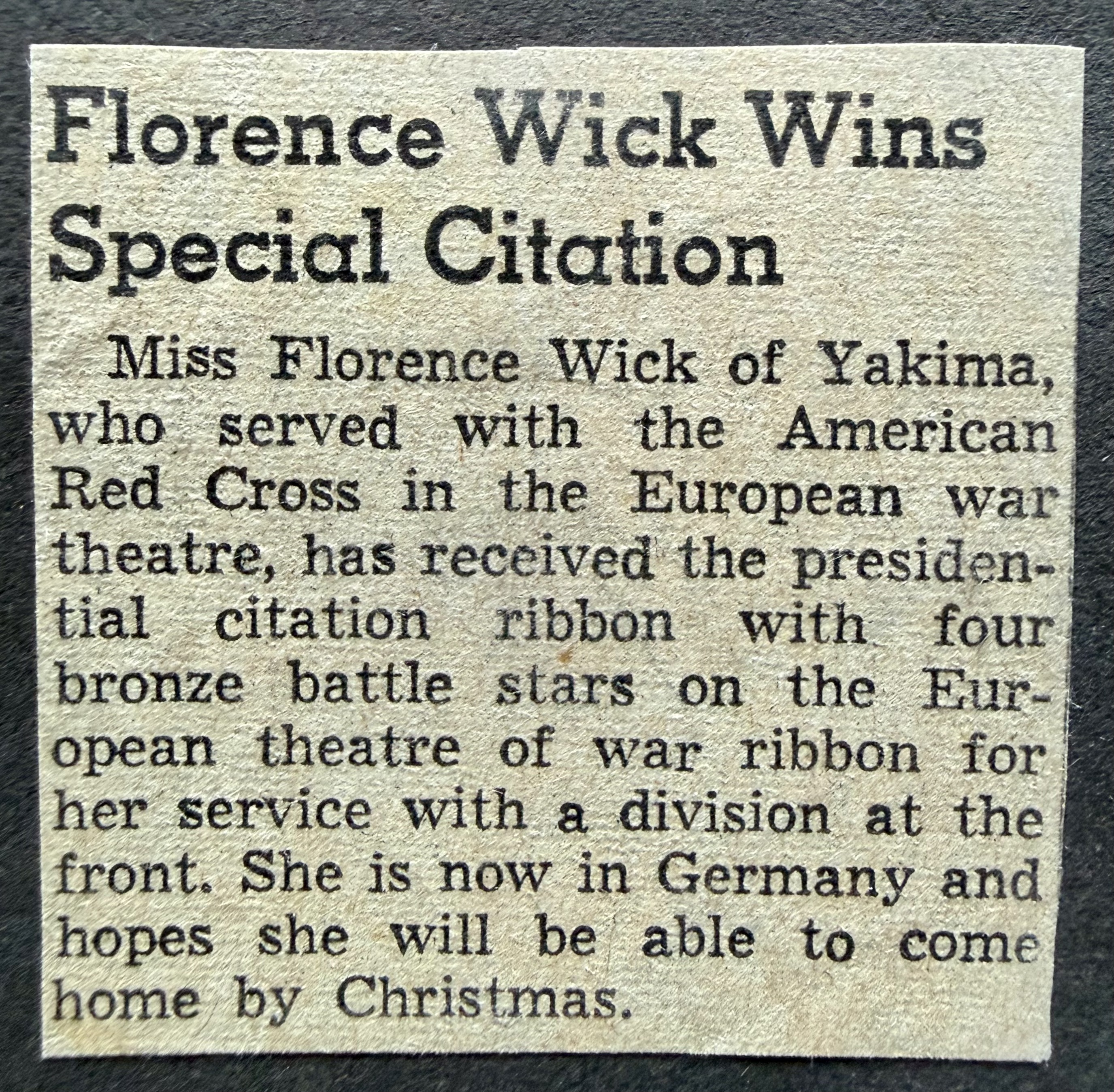
Flo pasted some ephemera on this page which includes a newspaper story about her receipt of an award. Flo was later awarded a bronze star. This is an award called a service star. The story reads: Miss Florence Wick of Yakima, who served with the American Red Cross in the European war theatre, has received the presidential citation ribbon with four bronze battle stars on the European theatre of war ribbon for her service with a division at the front. She is now in Germany and hopes she will be able to come home by Christmas.
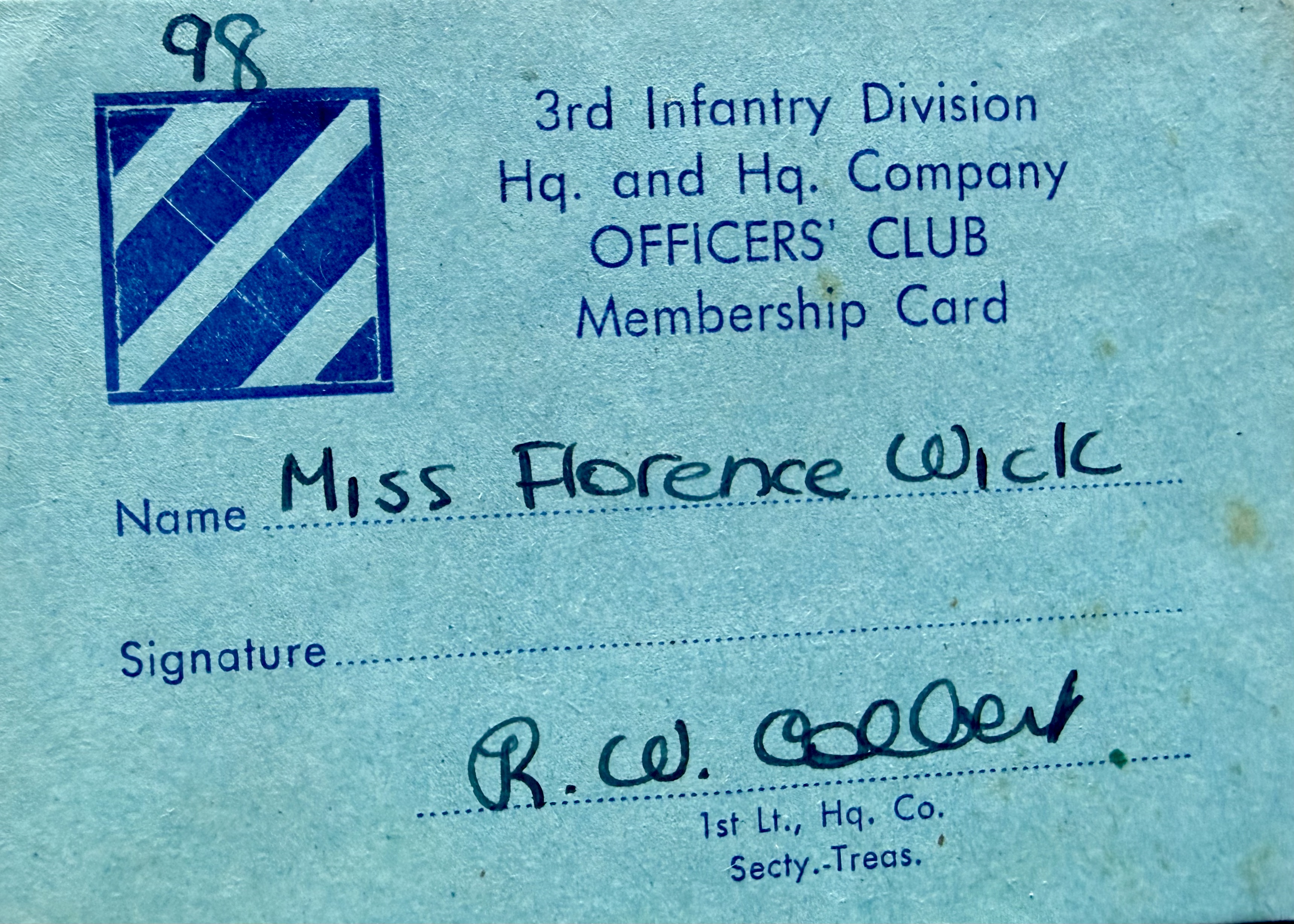
Flo’s 3rd Div. officers club membership card
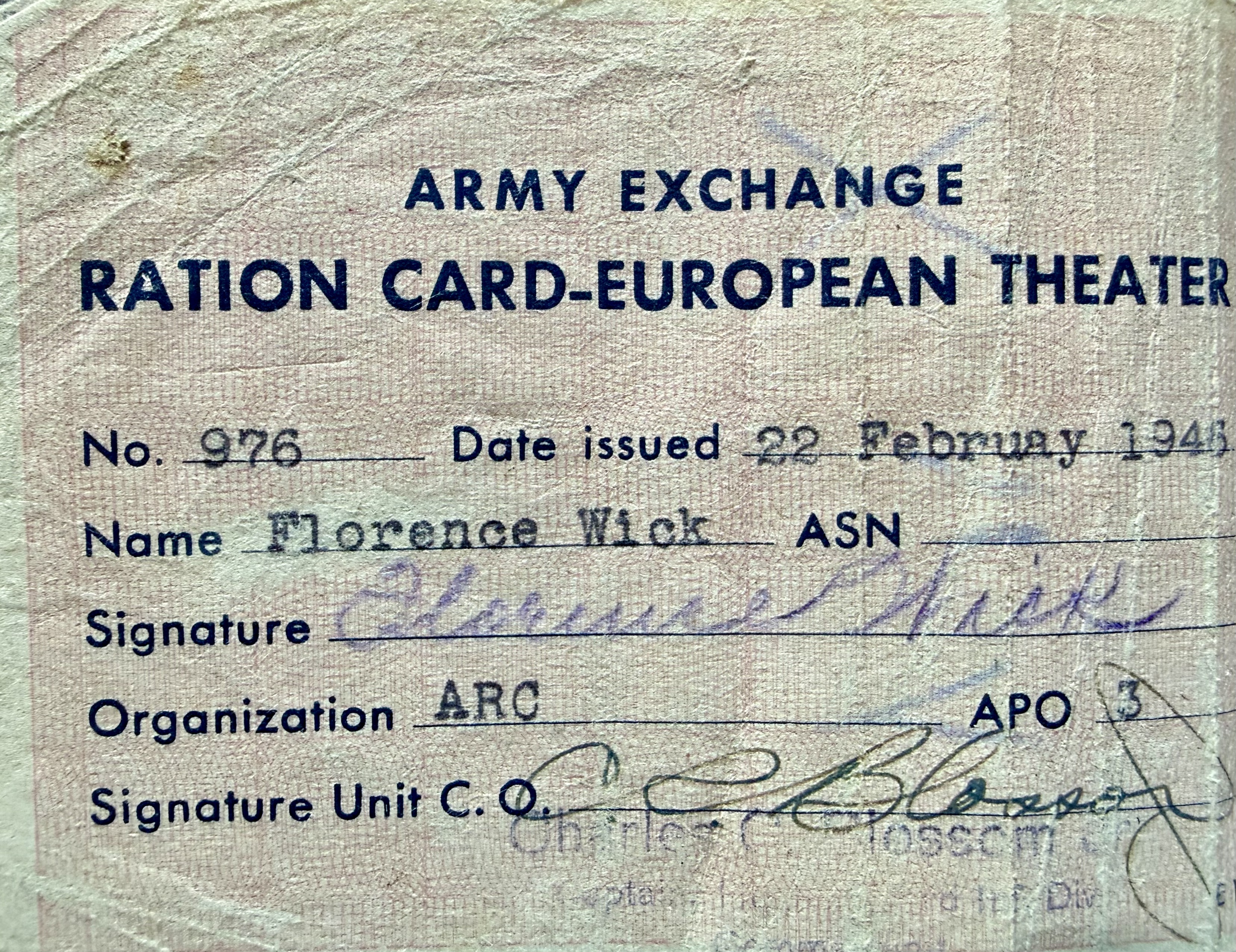
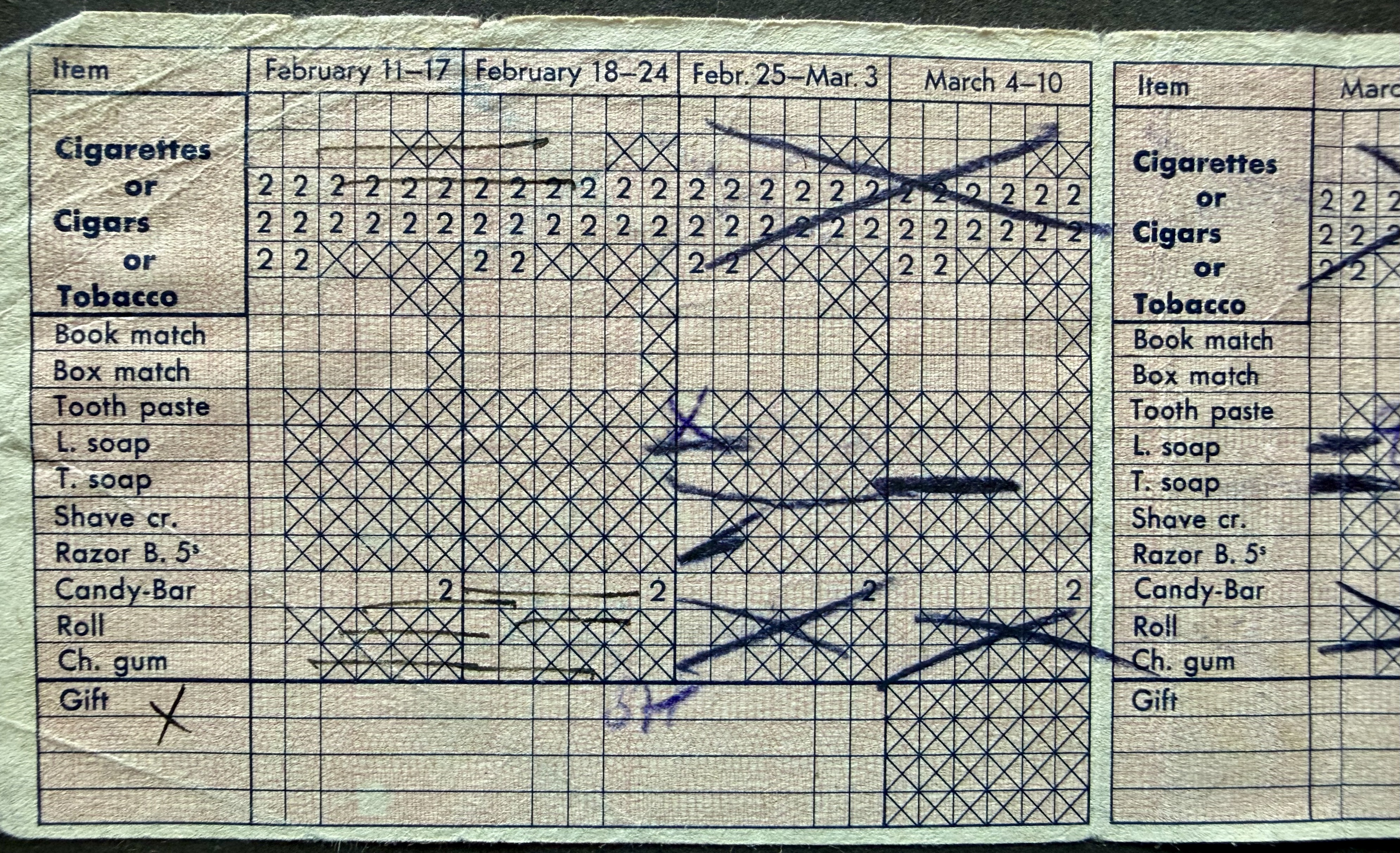
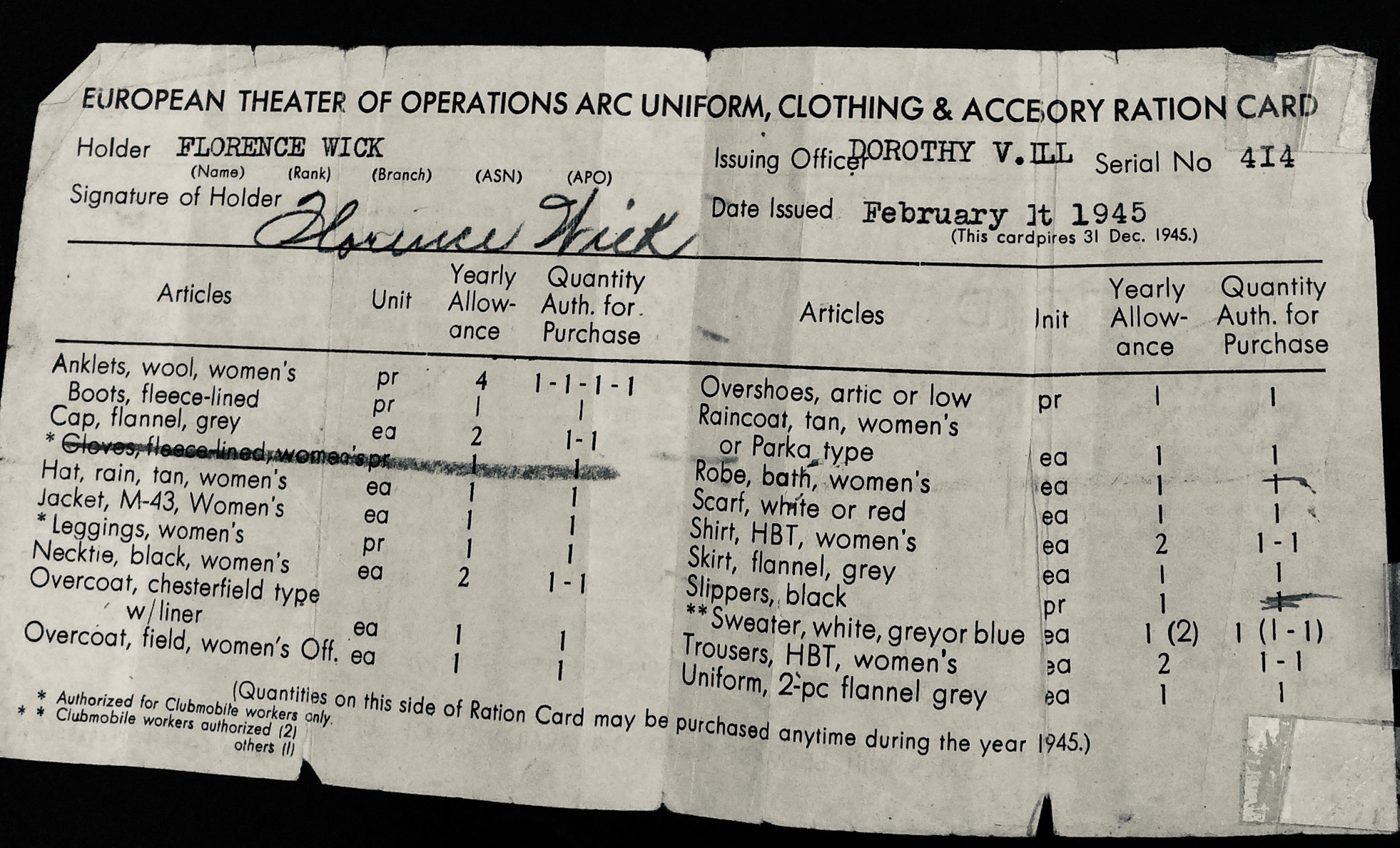
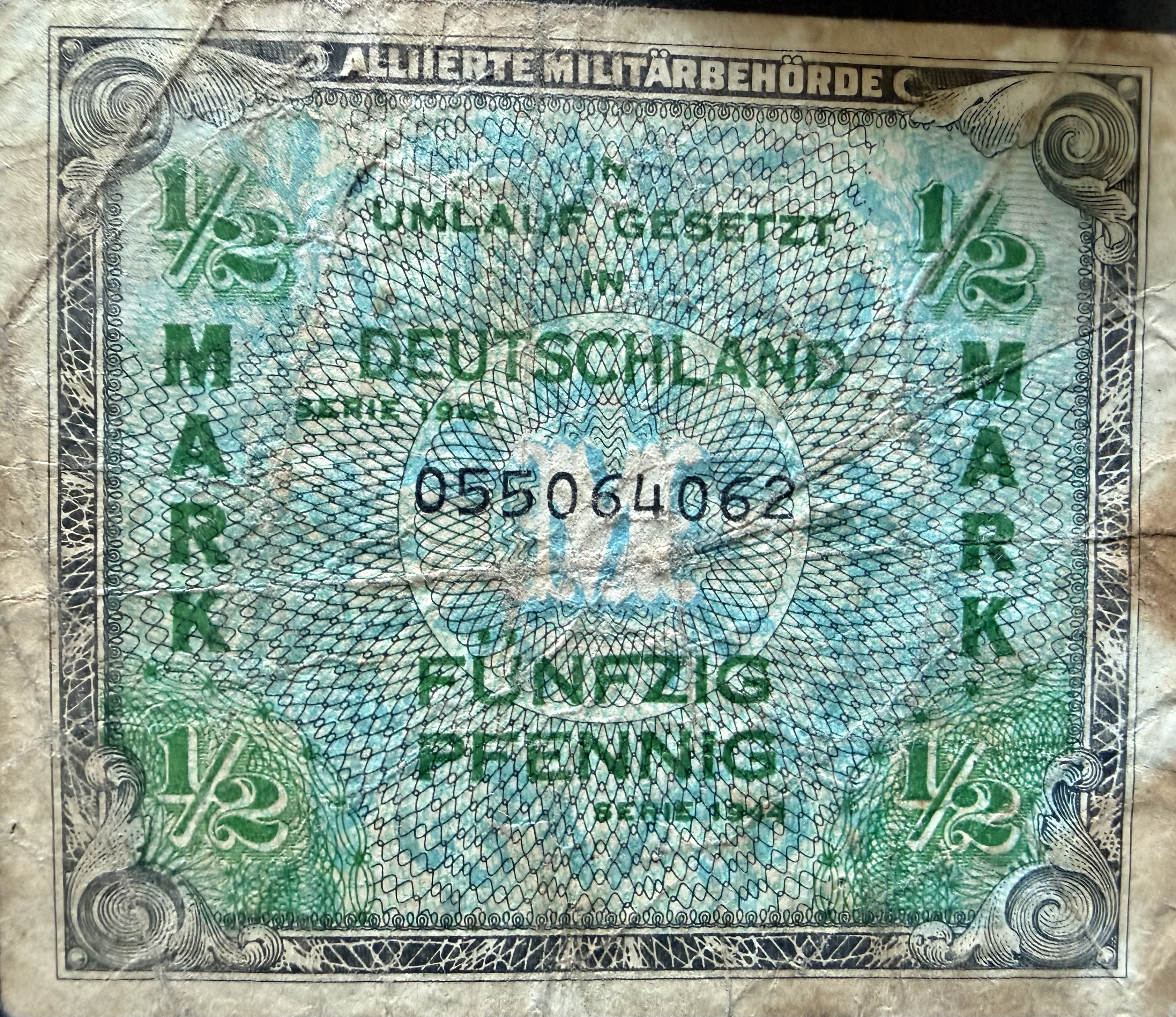
Army exchange ration cardWhat’s the difference between L. soap and T. soap?In February 1945 the clubmobilers were issued new uniformsThis currency was issued by the Allied Military Government during the occupation, replacing the German Reichsmark. It was used for transactions in the occupied zones of Germany and was a part of the effort to stabilize the economy and control inflation after the collapse of the Nazi regime. Fünfzig Pfennig means fifty pfennigs in German. AI says this type of currency is collectible and significant in the context of post-war German history.
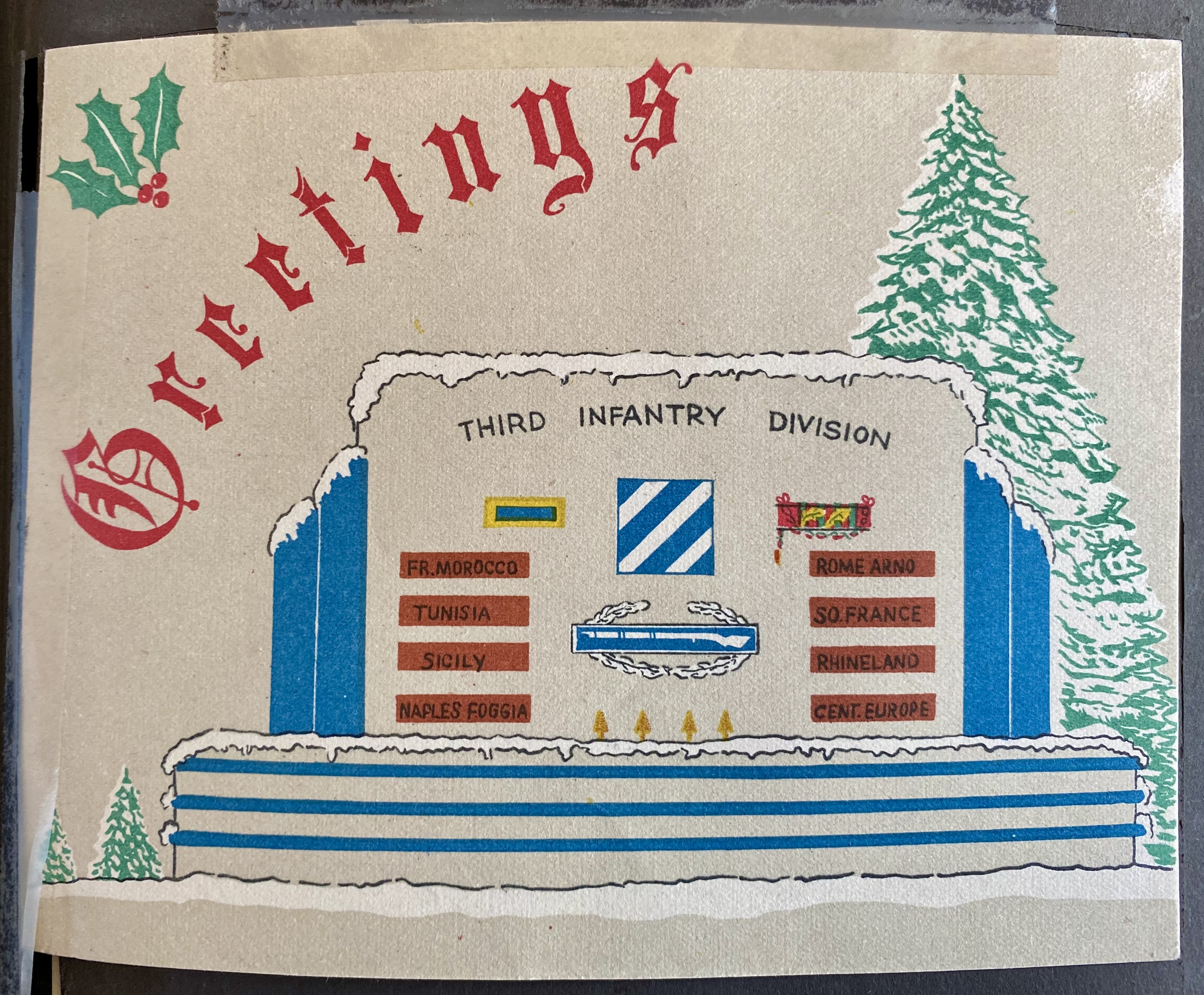
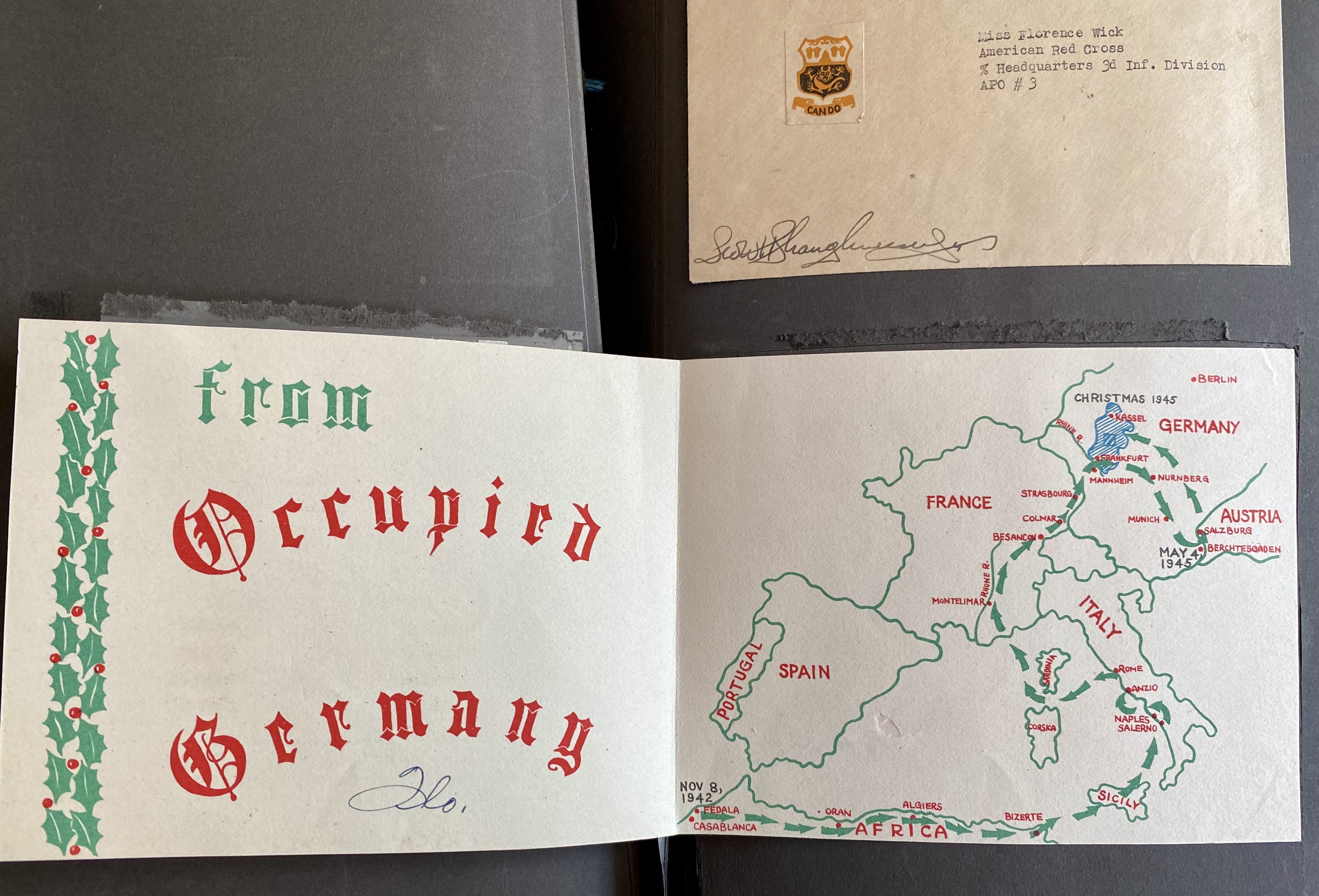
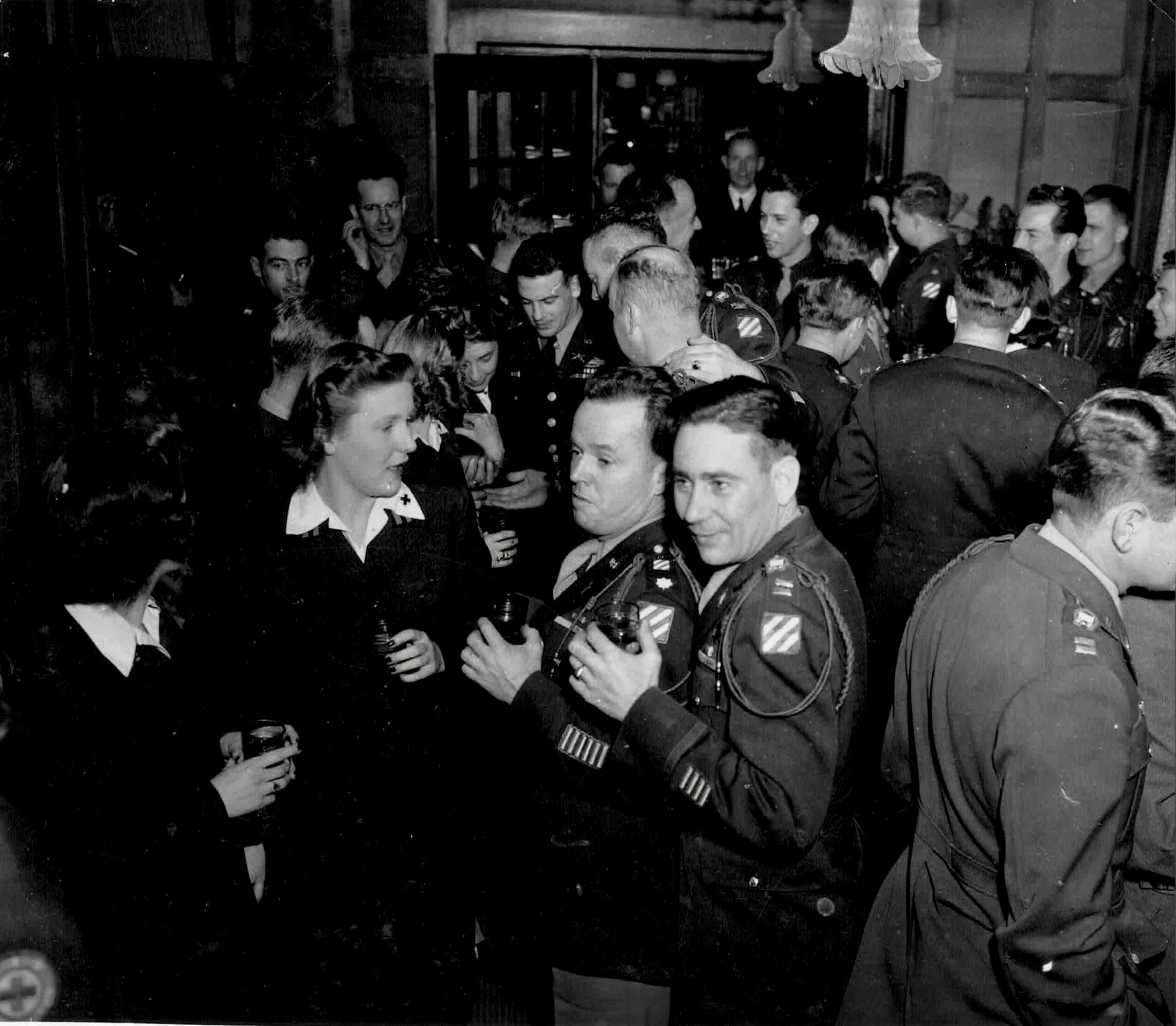
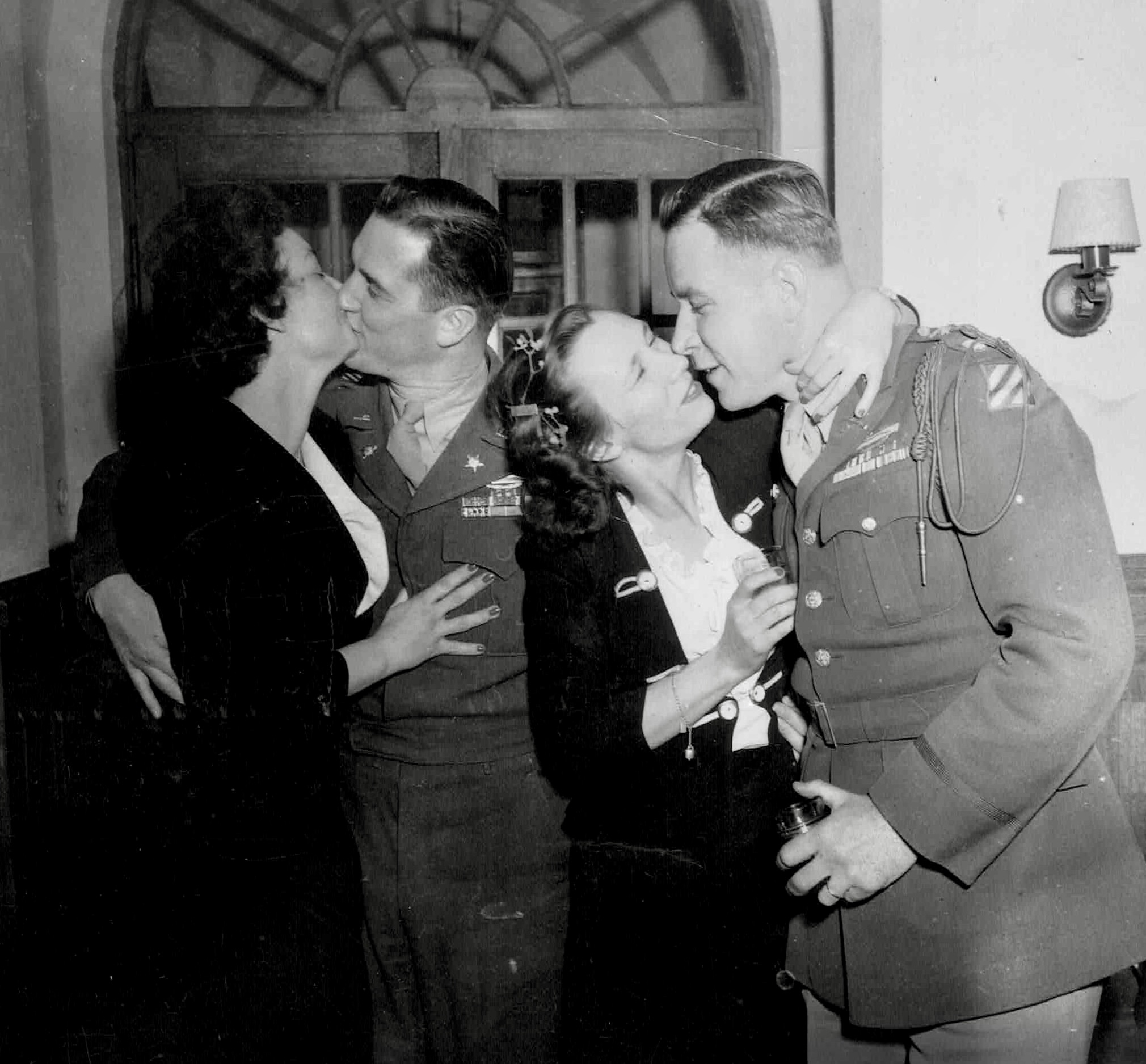
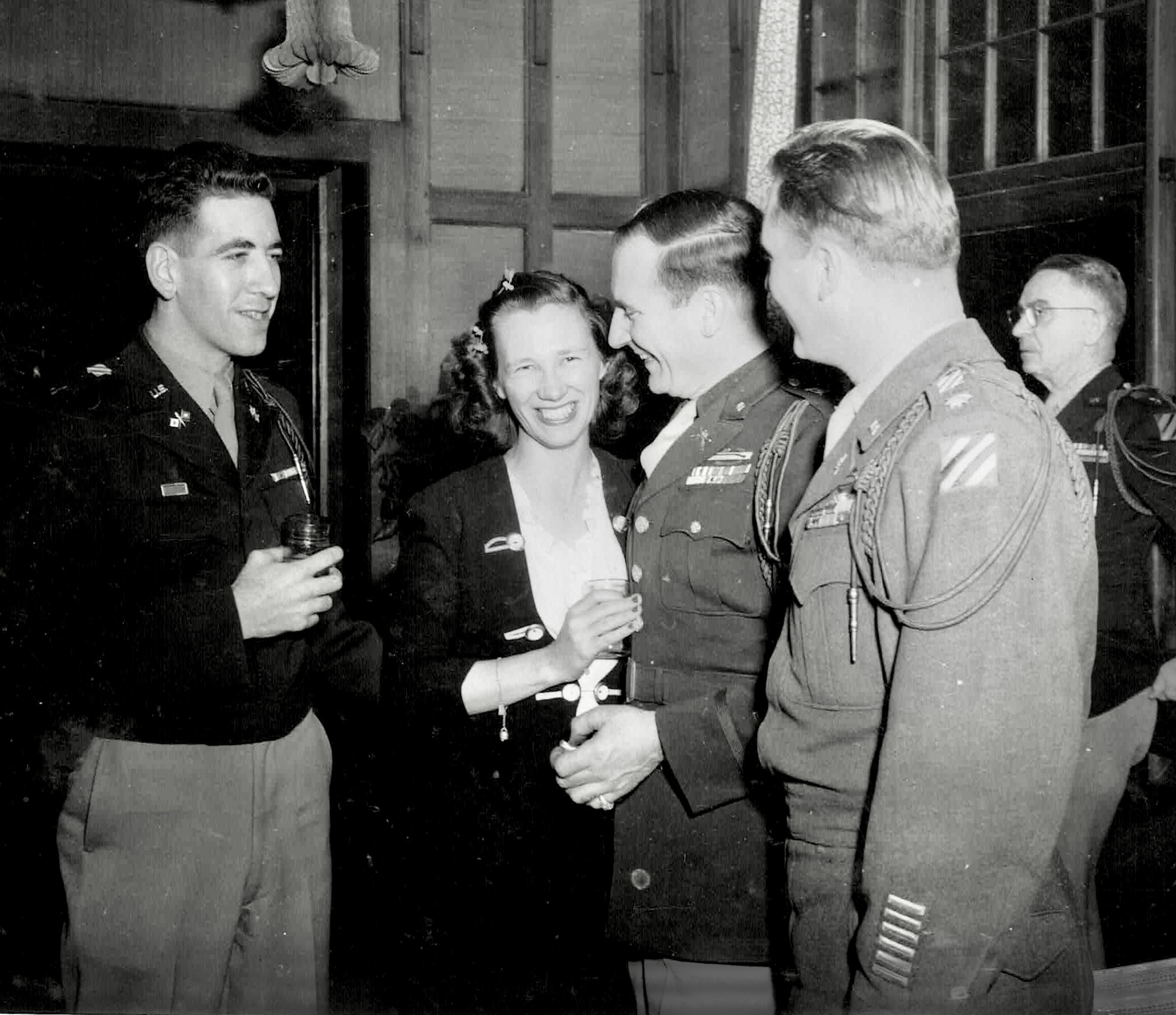
Gen. Schmidt’s New Year’s party celebrates Third Division
My Mother and Audie Murphy Ch. 99
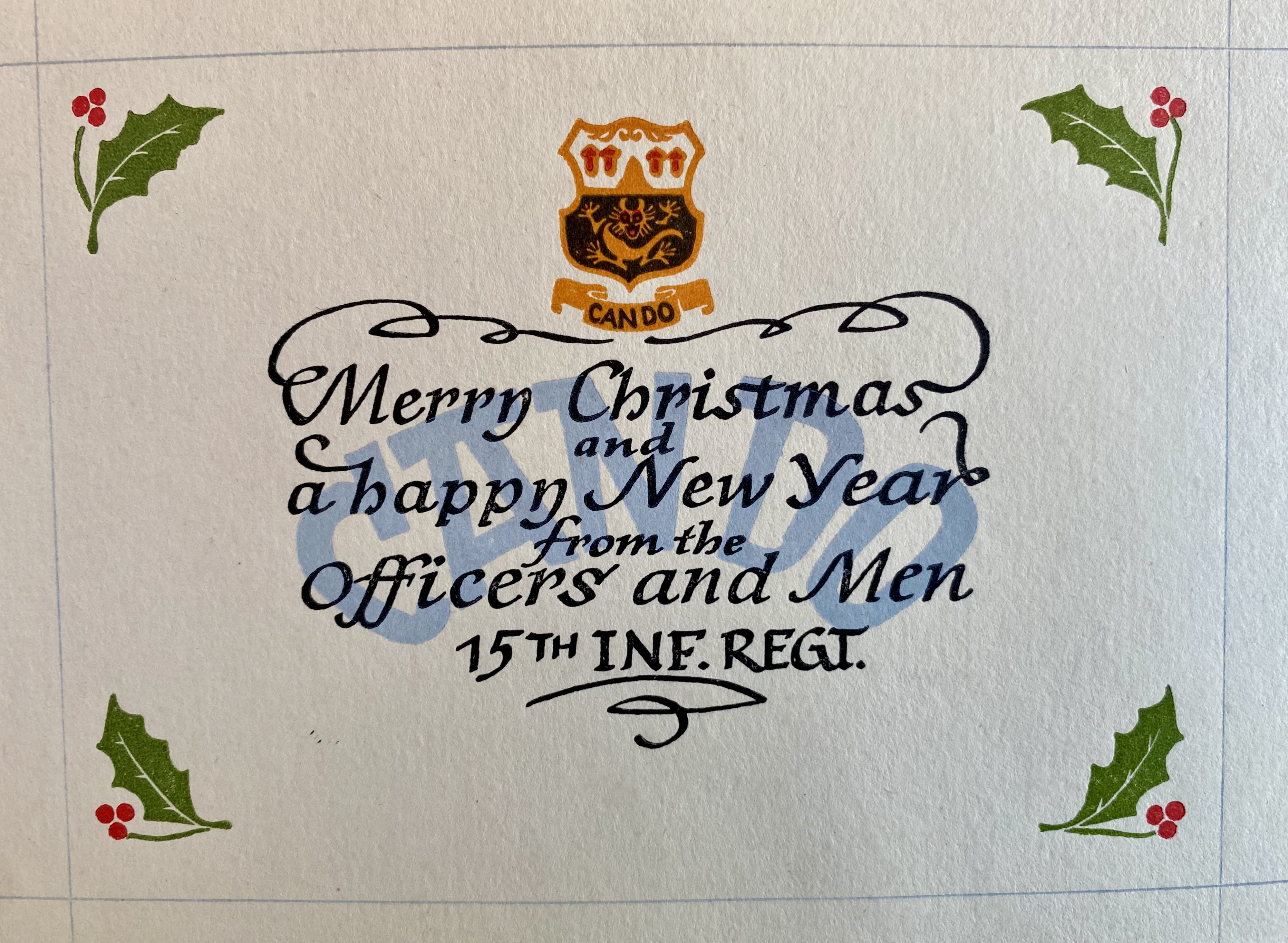
The card shows the route of the 3rd Division from Africa to GermanyThird Infantry Division New Year’s partyFlo captioned this “Blackmail material”Flo didn’t ID these guysGeneral Schmidt hosted the party Christmas ‘C’ company 30th Infantry
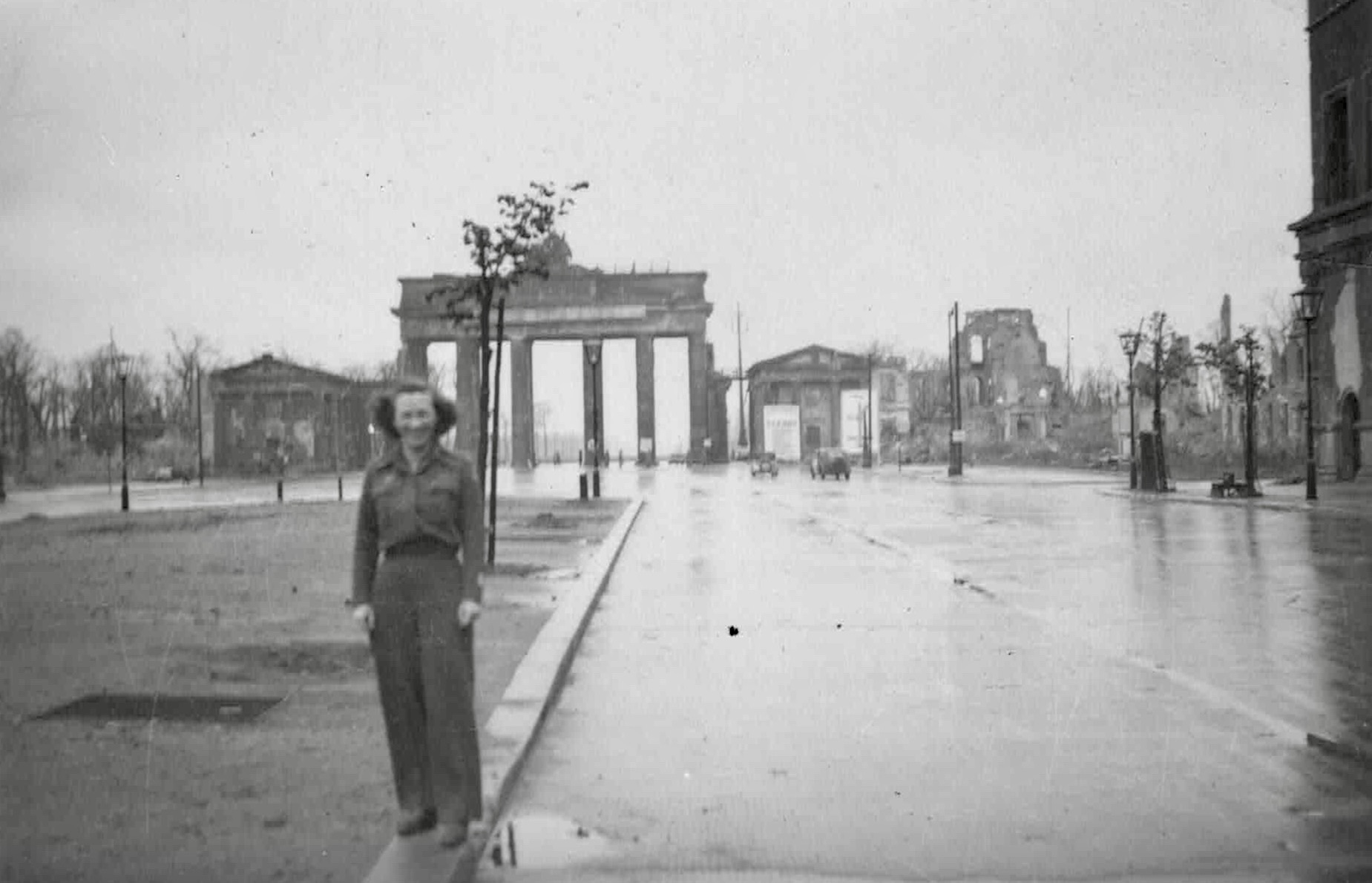
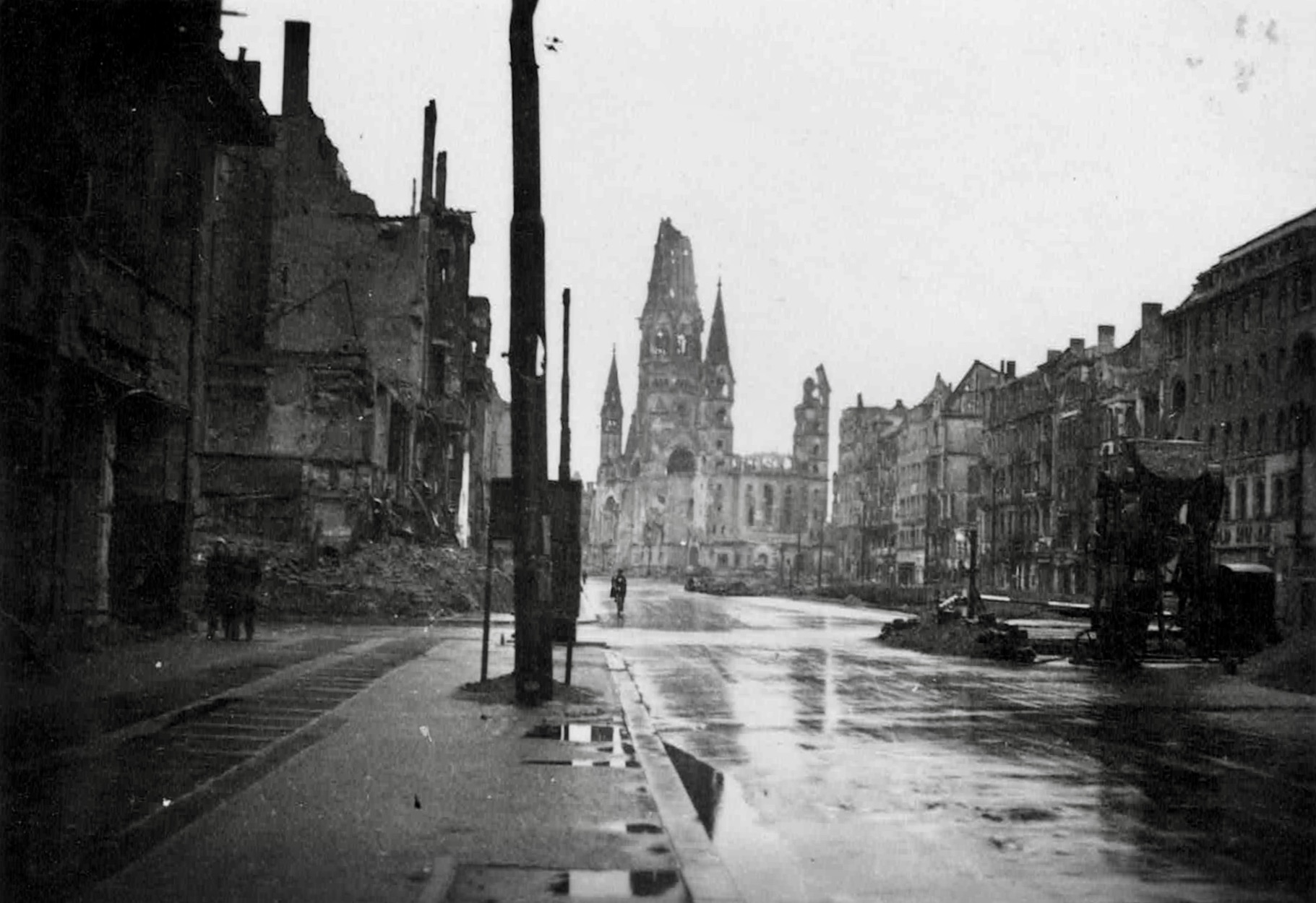
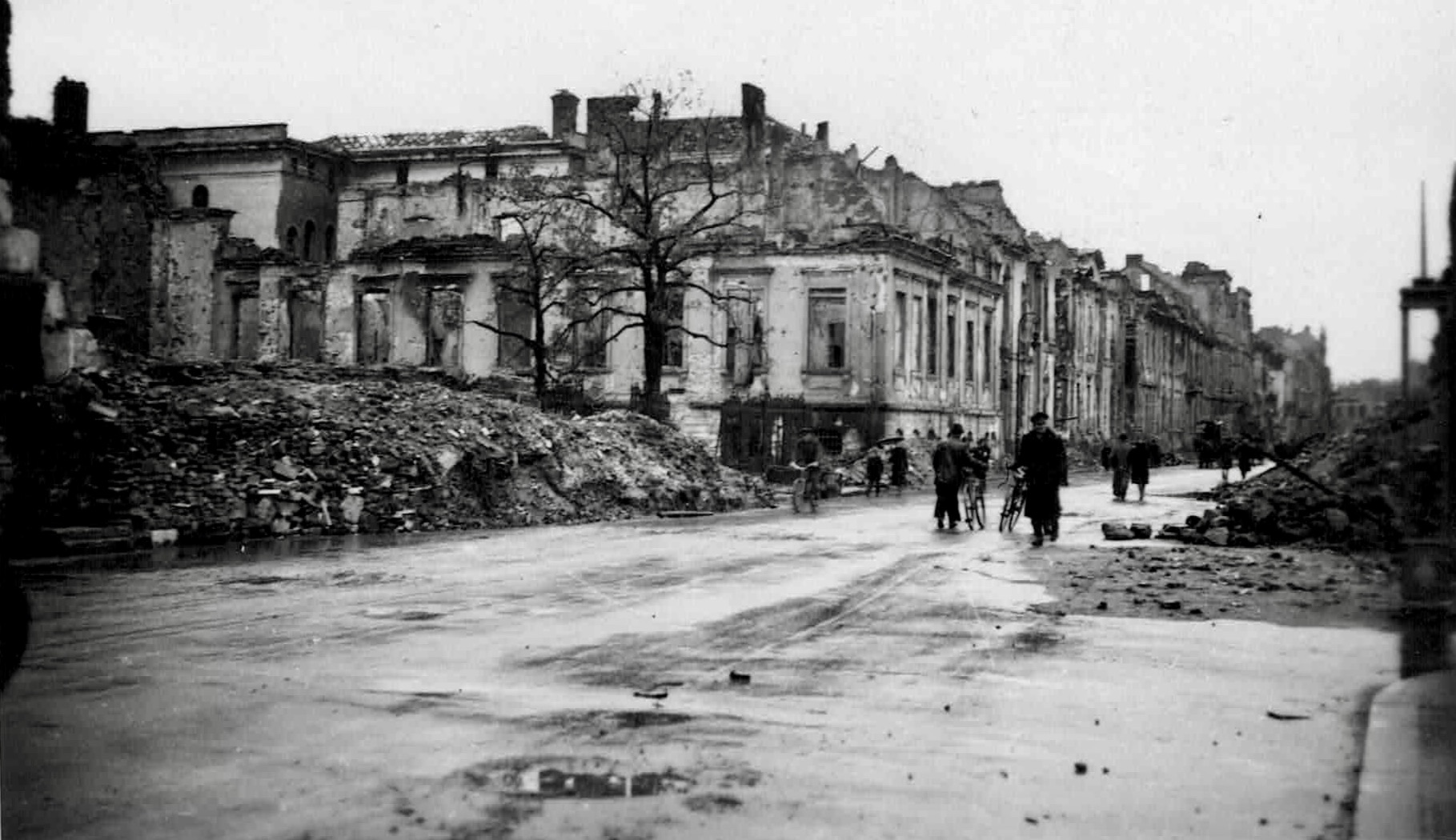
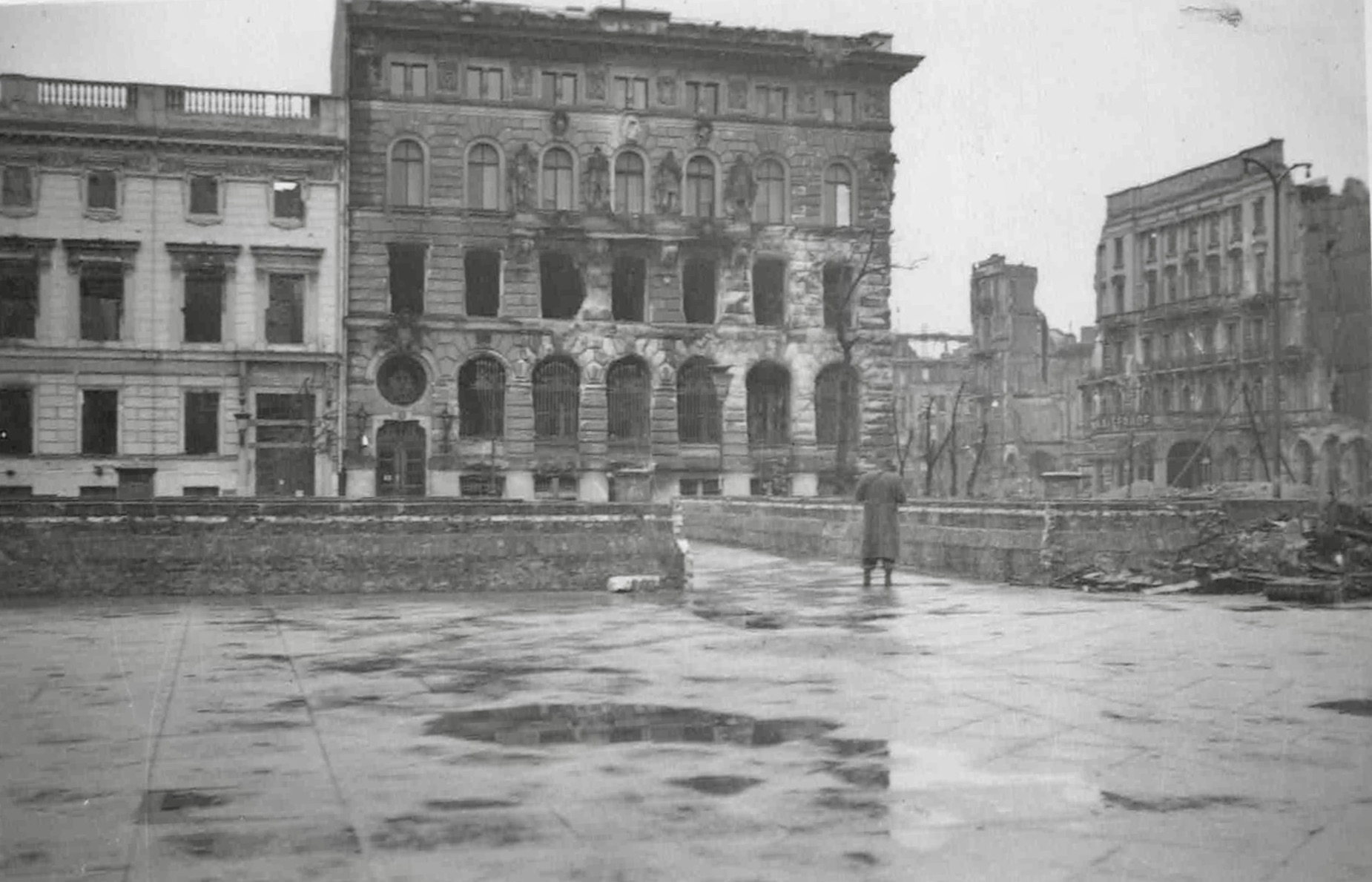
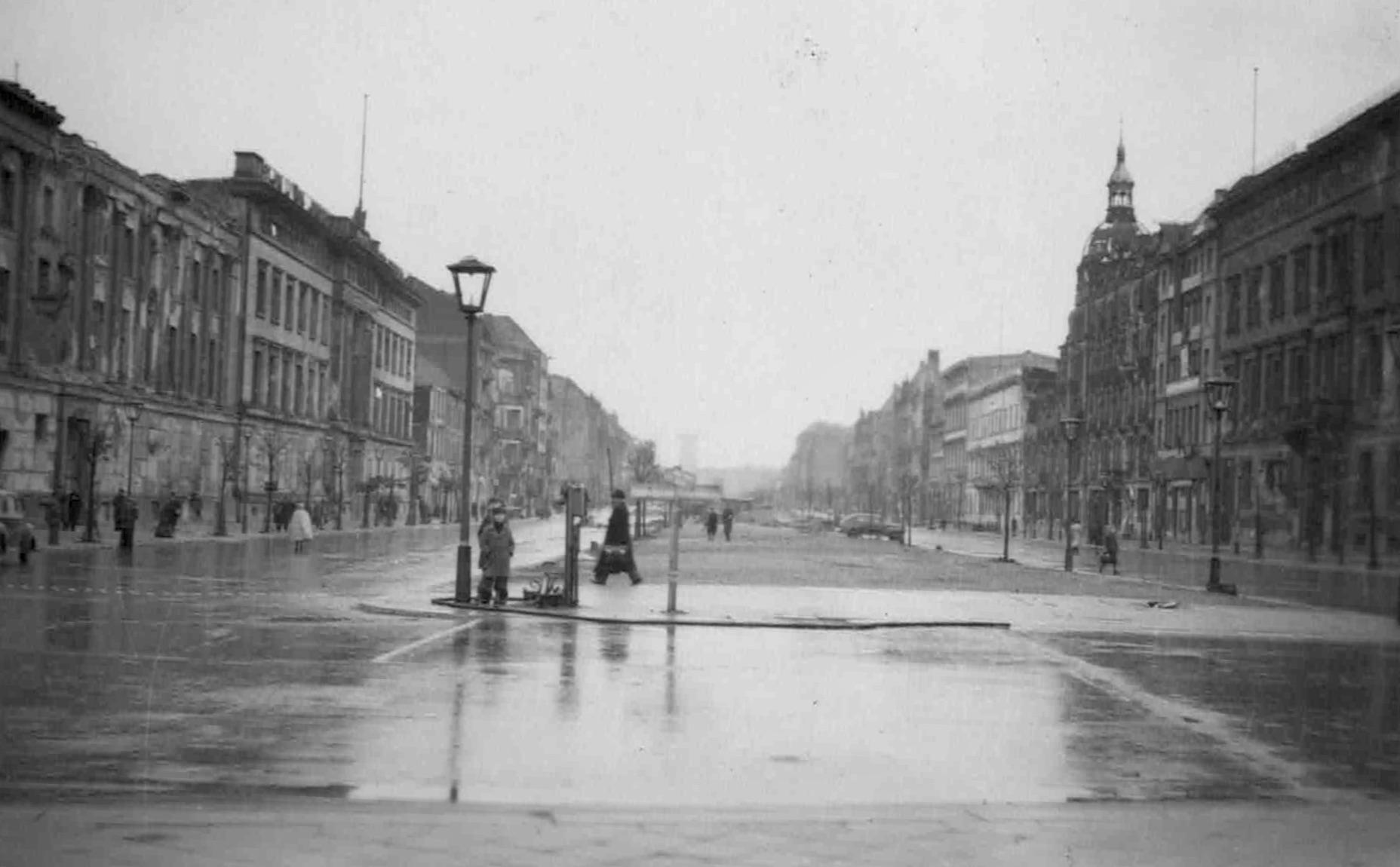
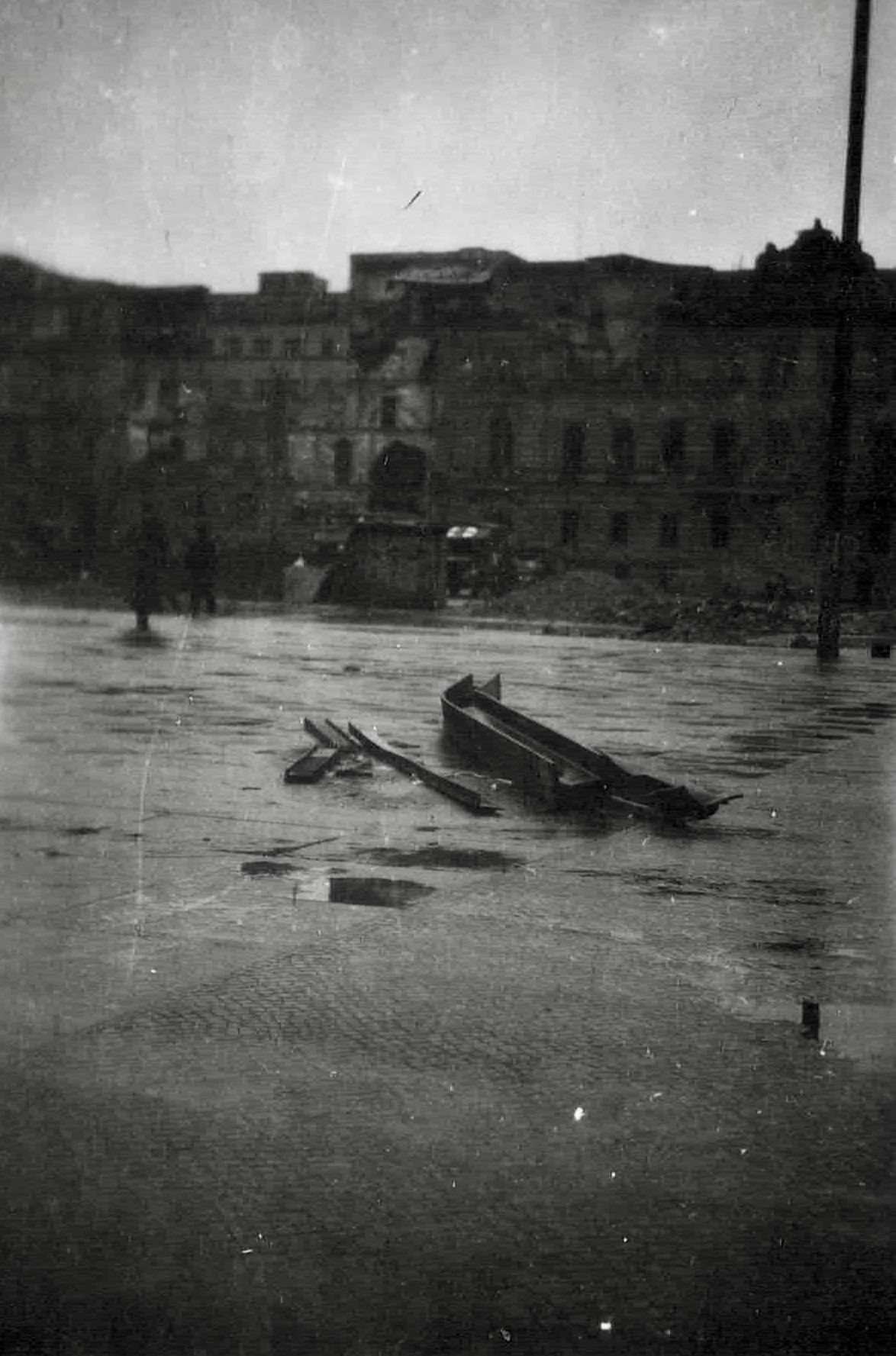
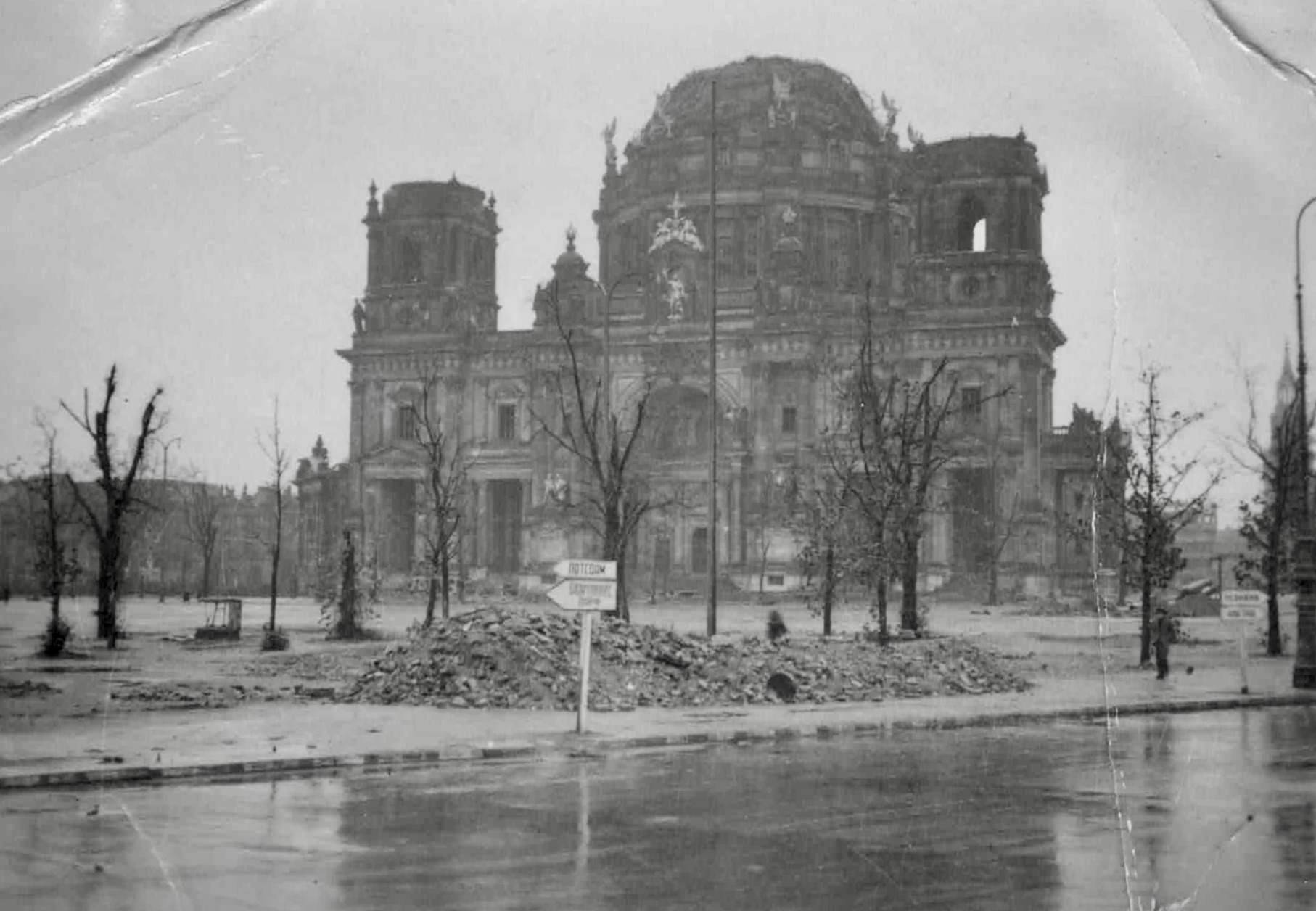
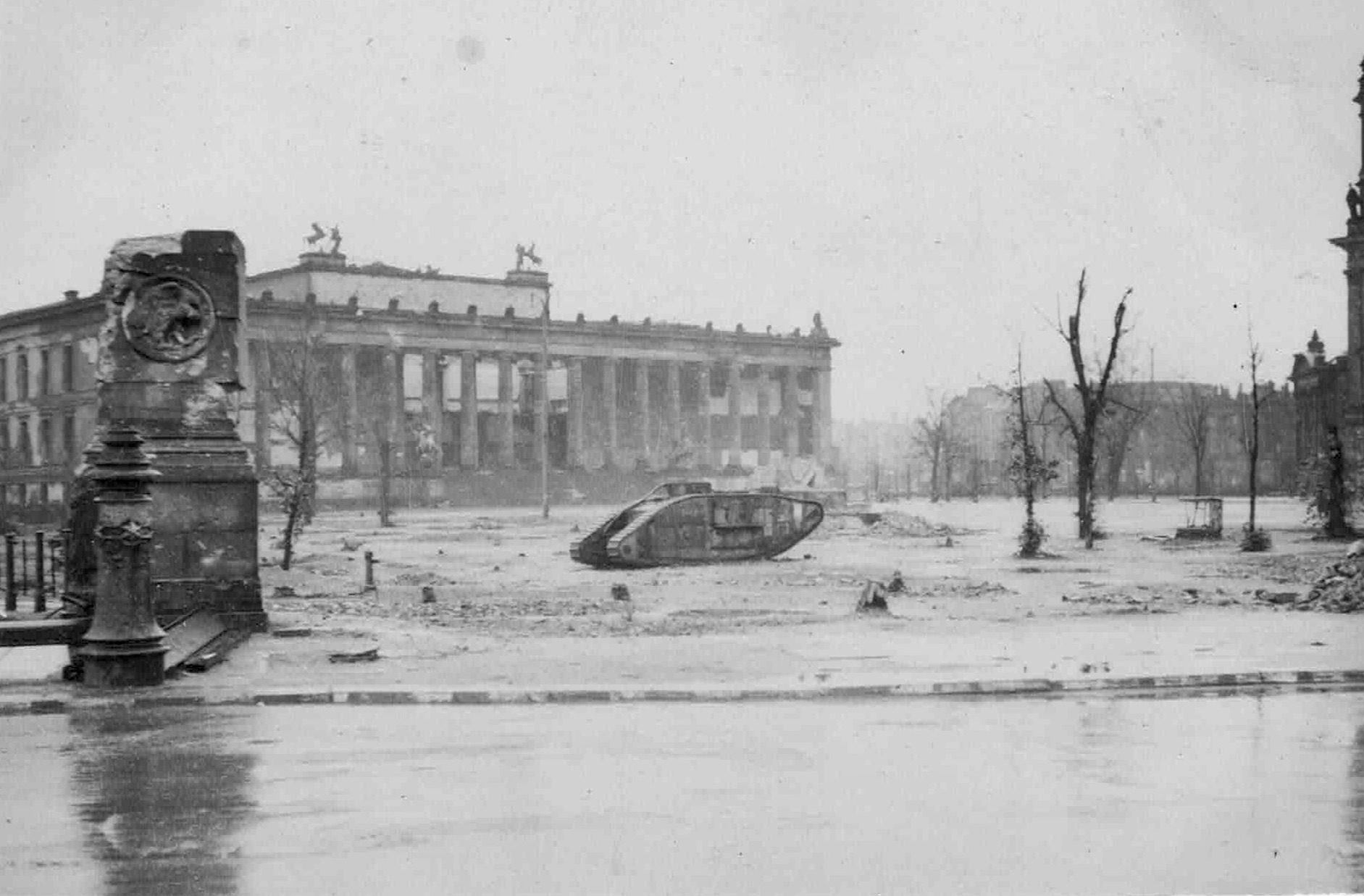
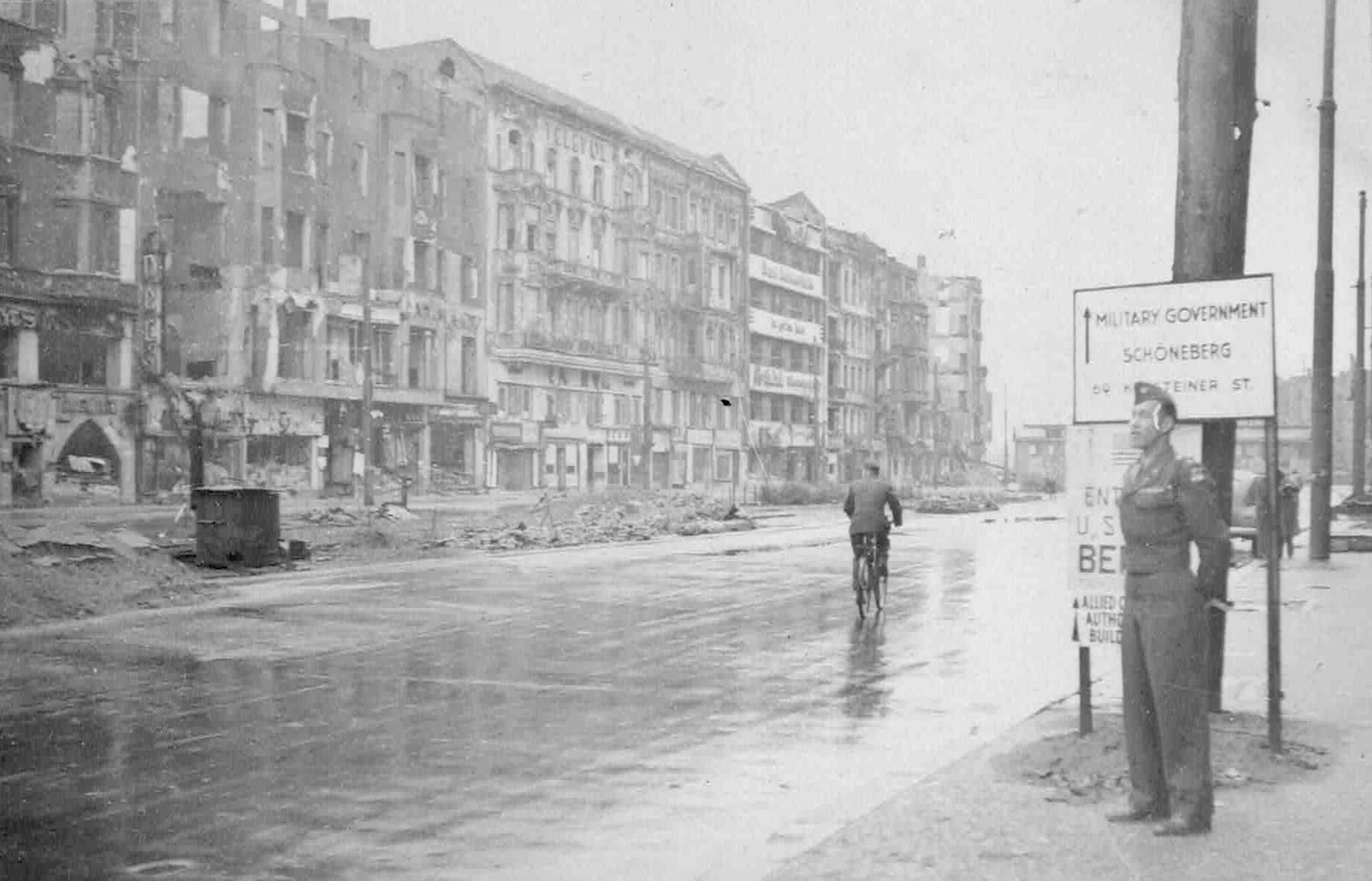
By the end of World War II, Berlin was no longer a city so much as a vast field of ruins. After enduring 363 air raids and a final, catastrophic ground assault, the German capital lay shattered—famously described by its own residents as a heap of rubble. Street by street, block by block, the urban fabric had been torn apart, leaving behind a landscape of collapsed buildings, twisted steel, and drifting ash.
Flo at the Brandenburg Gate, built in 1791. It would soon be incorporated into the Berlin Wall, dividing the city into East and West sectors during the Cold War.
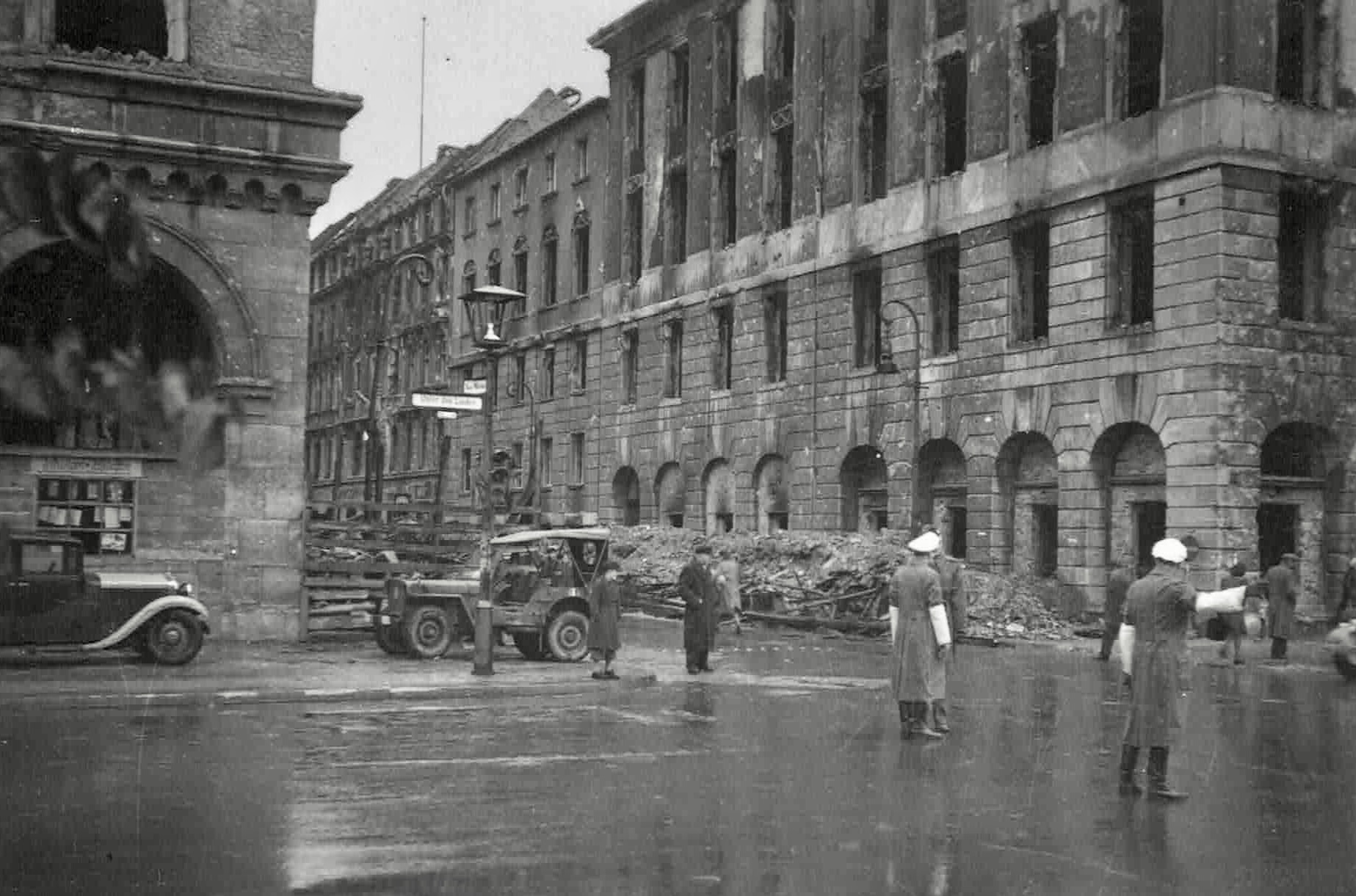
Nearly 80 percent of Berlin’s city center had been destroyed. Across the wider metropolis, some 600,000 apartments were reduced to dust and broken brick. Infrastructure collapsed alongside homes: in the final days of fighting, 128 of the city’s 226 bridges were blown apart, a quarter of the subway system was deliberately flooded, and running water, electricity, and rail transport virtually ceased to function. Iconic landmarks suffered the same fate as ordinary neighborhoods. The Reichstag and Brandenburg Gate were battered by artillery and close-quarters combat, while along the grand boulevard Unter den Linden, only 16 of its 64 buildings remained standing.
Kaiser Wilhelm Memorial Church and the city center
The human cost was staggering. Civilian deaths from bombing raids alone are estimated at between 20,000 and 50,000. During the final Battle of Berlin, another 125,000 civilians are believed to have died amid the chaos of street fighting, shelling, and firestorms. At least 450,000 people were left homeless, and the city’s population collapsed from 4.3 million in 1939 to just 2.8 million by the war’s end—a mass exodus of refugees, evacuees, and the dead.
All photos from Flo’s album
Unlike many cities that later erased the physical traces of war, Berlin chose to preserve parts of its devastation as visible memory. Bullet holes and shrapnel scars still mark walls in districts like Mitte and Charlottenburg. The shattered spire of the Kaiser Wilhelm Memorial Church stands deliberately unrepaired, a permanent anti-war monument rising from the city center. Elsewhere, mountains of rubble were piled into artificial hills—Teufelsberg and Volkspark Humboldthain—turning the wreckage of war into silent landmarks.
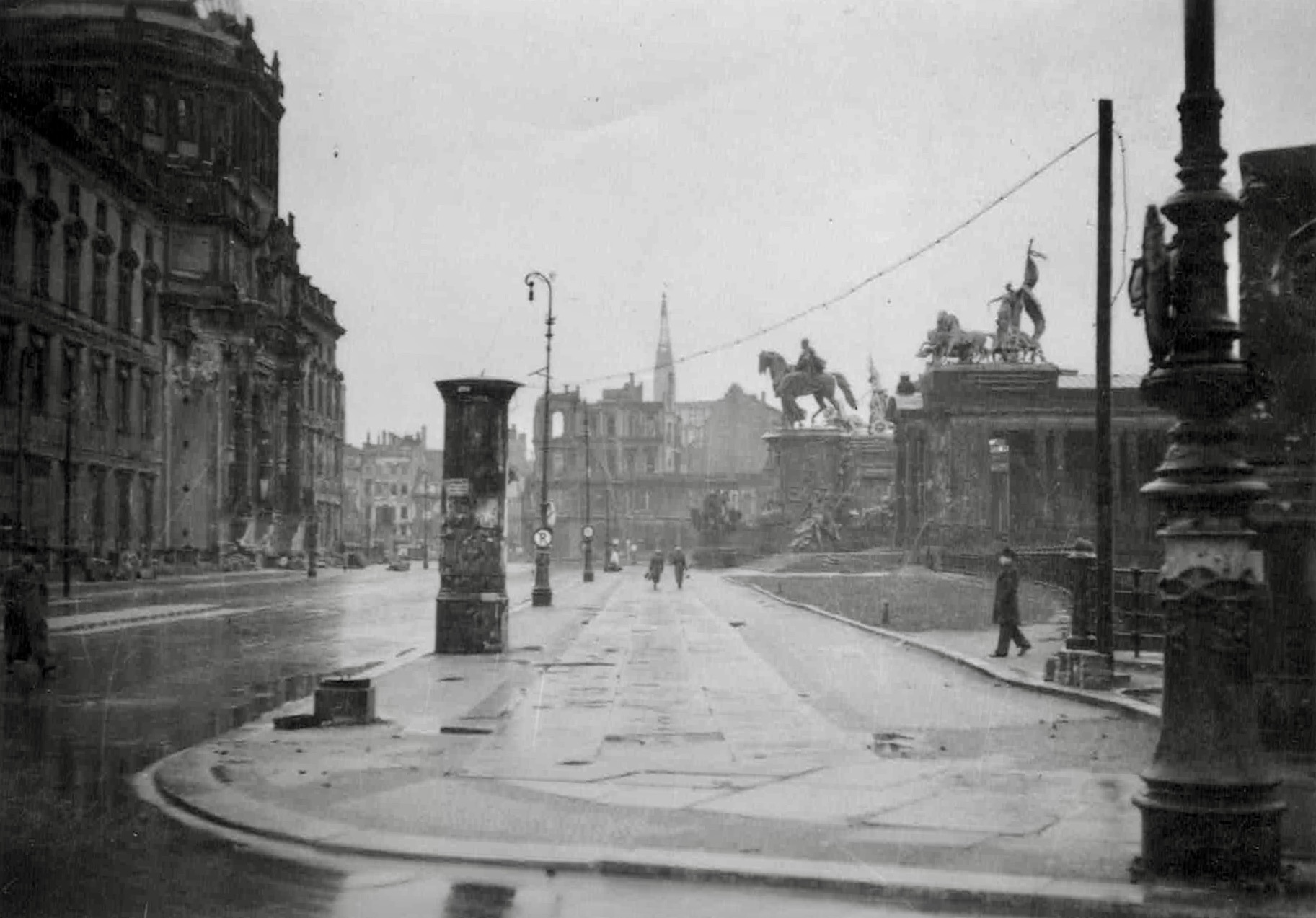
Some monuments survived
These images of destruction are not only records of ruin. They are reminders of the scale of collapse, the human suffering beneath the debris, and the deliberate choice to remember, rather than forget, what war reduced Berlin to in 1945.
The grand boulevard of Unter den LindenThe Berlin CathedralMajor Dan Wickersham in the US zone
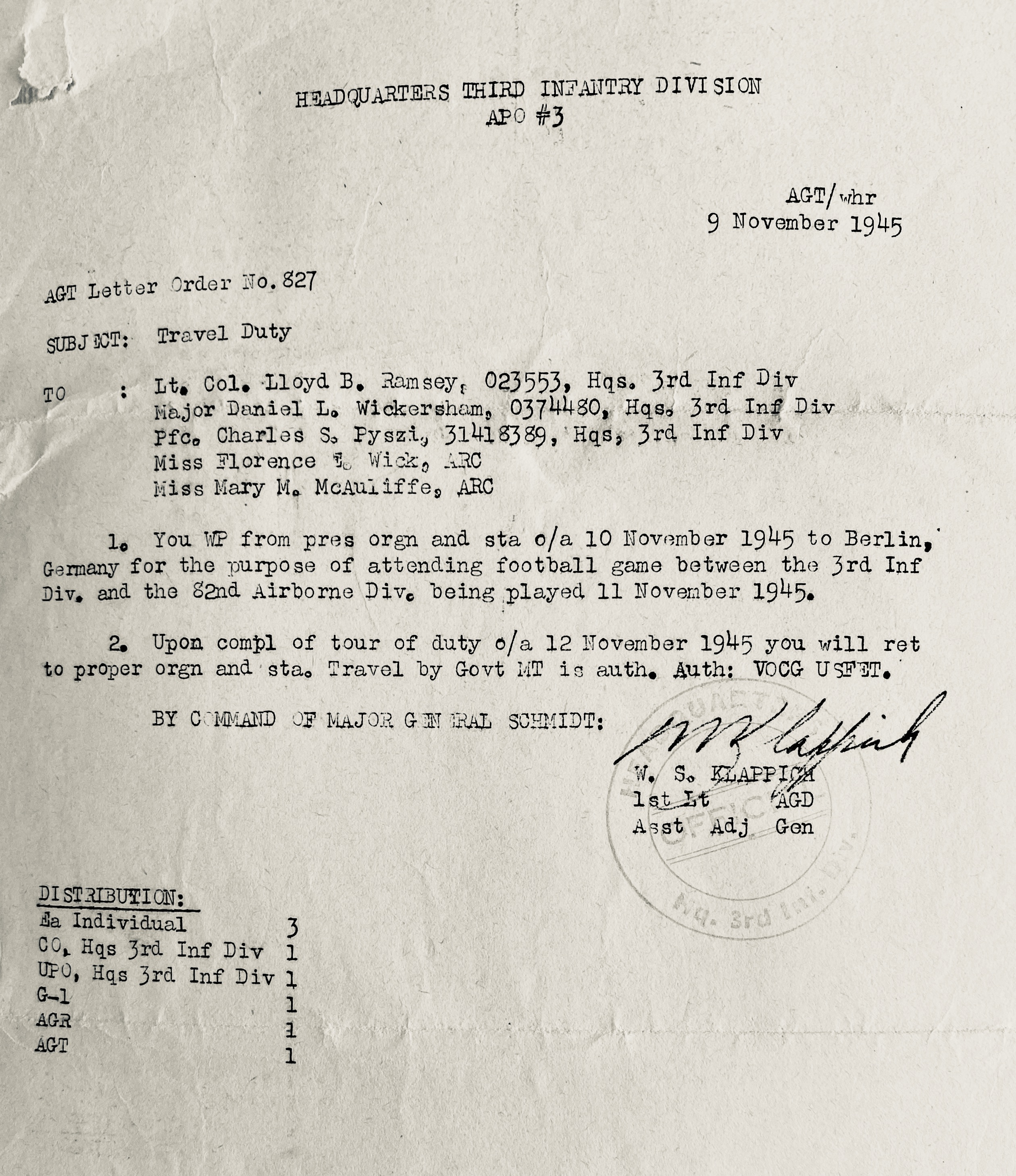
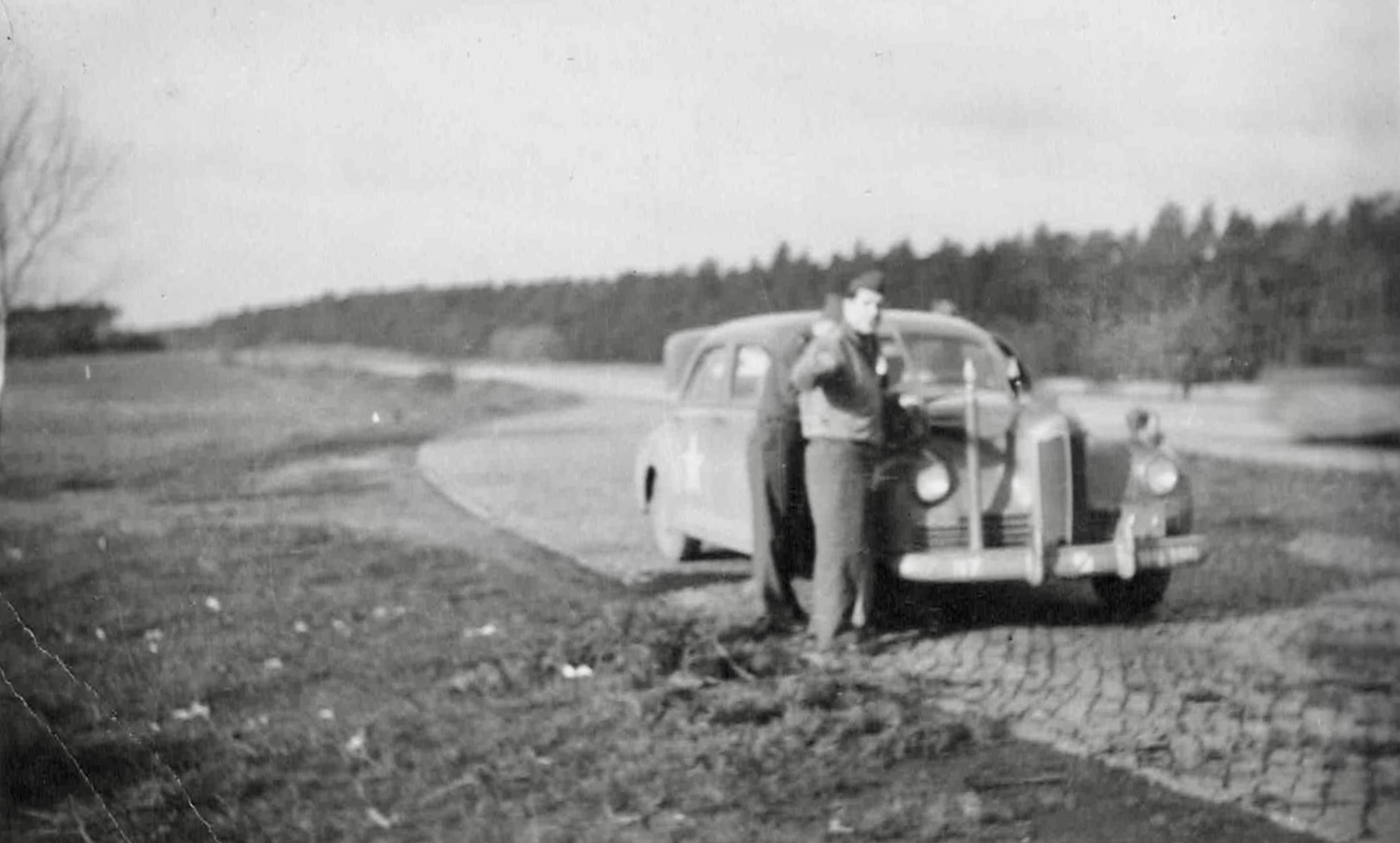
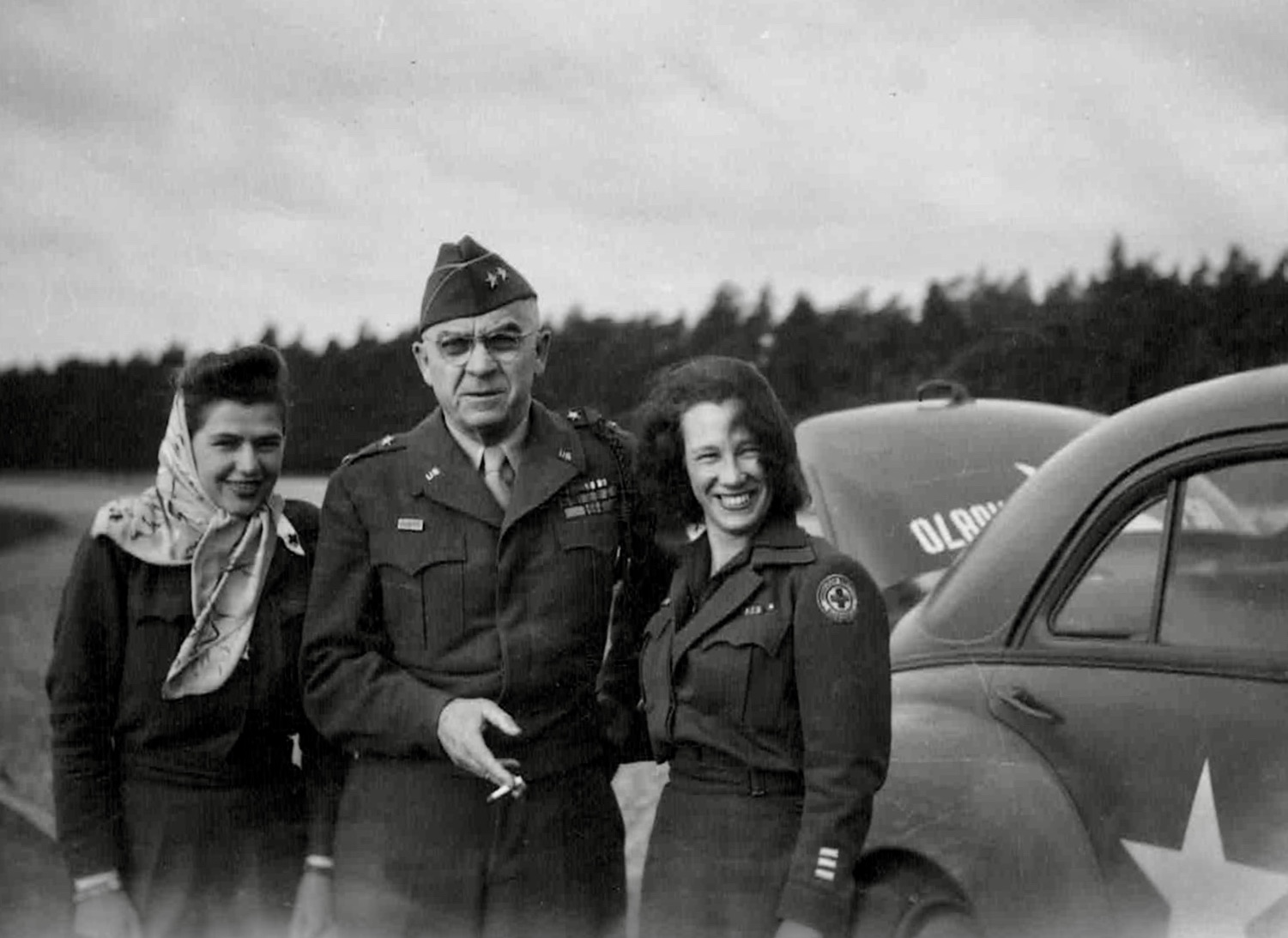
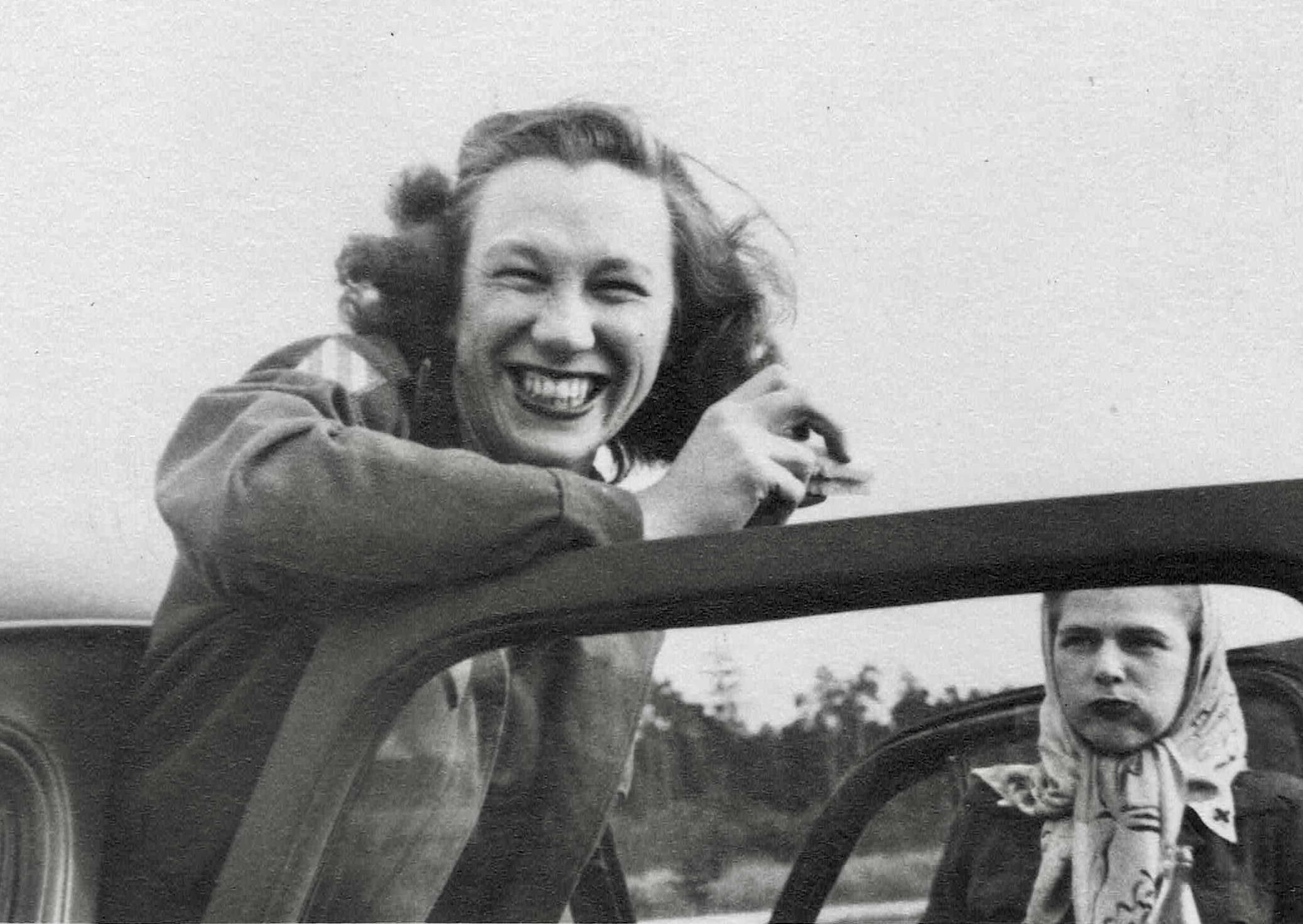
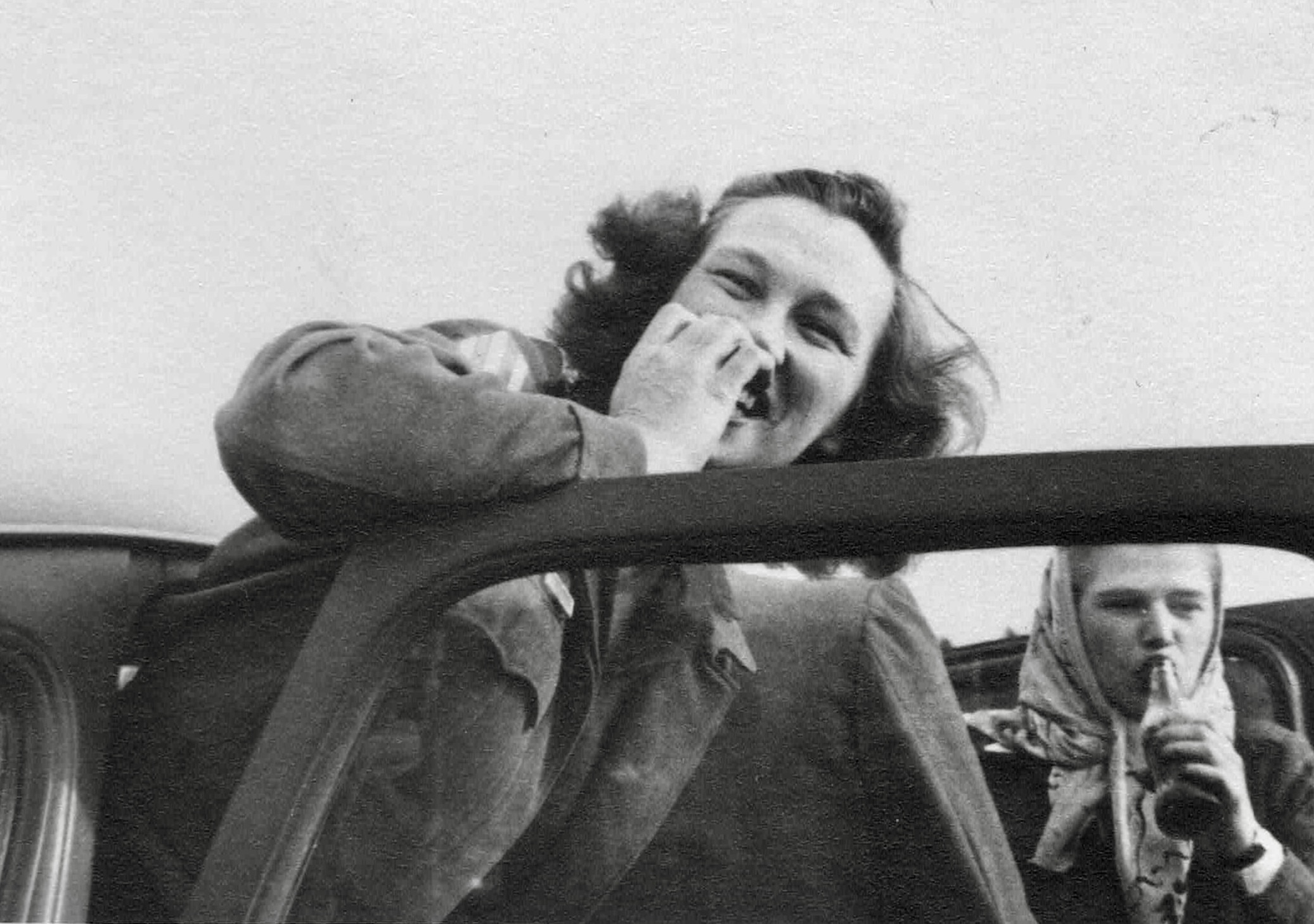
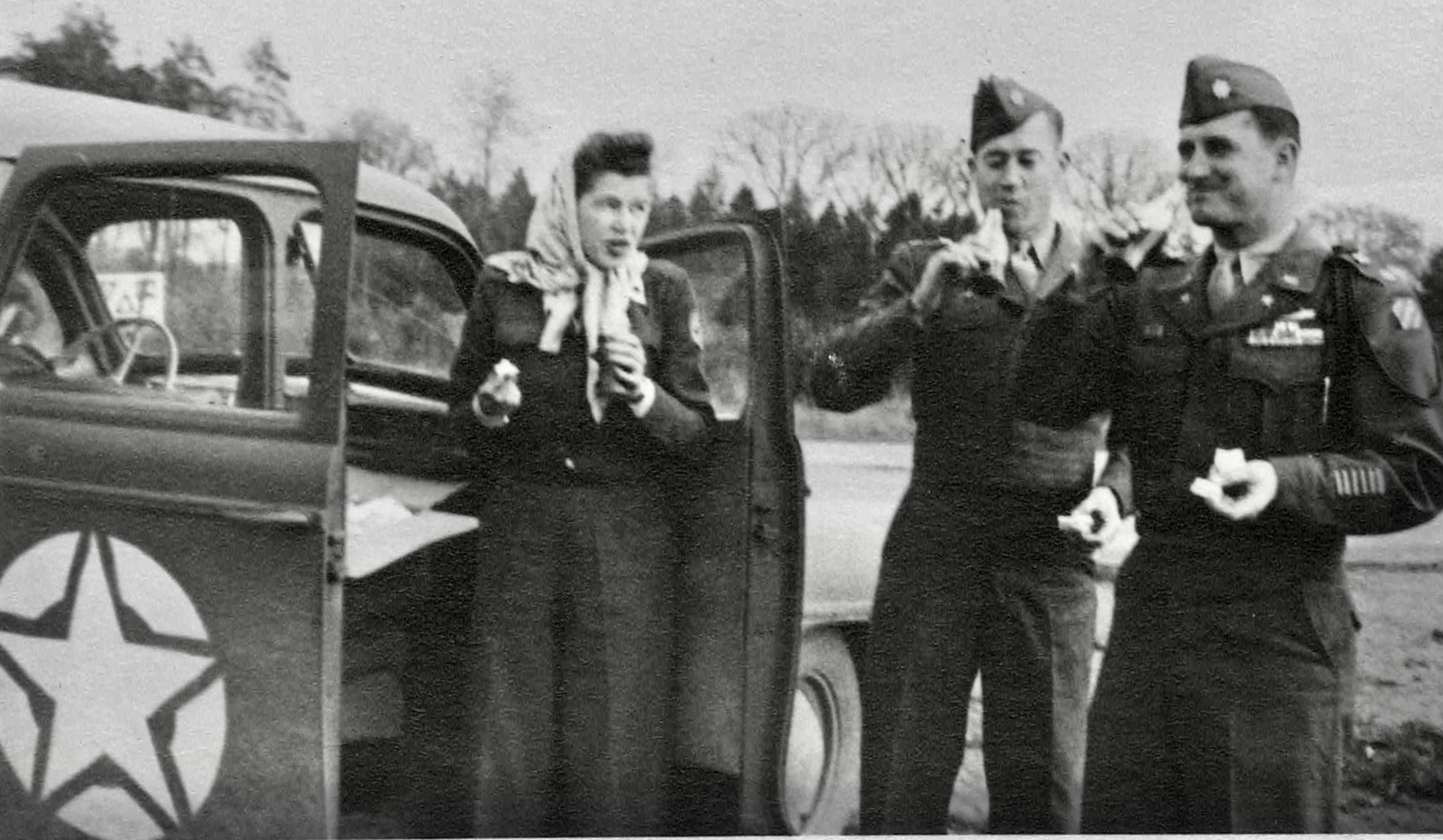
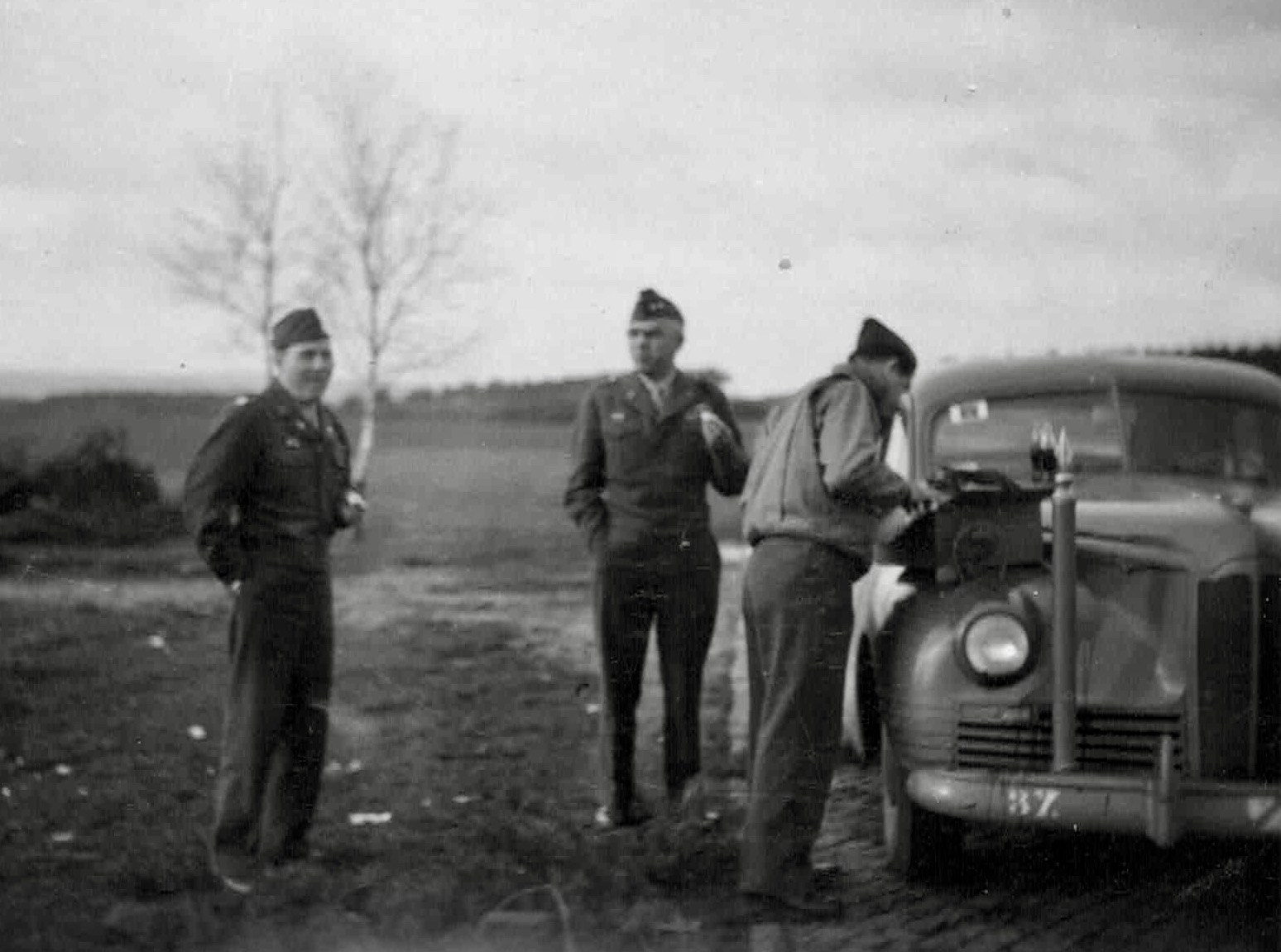
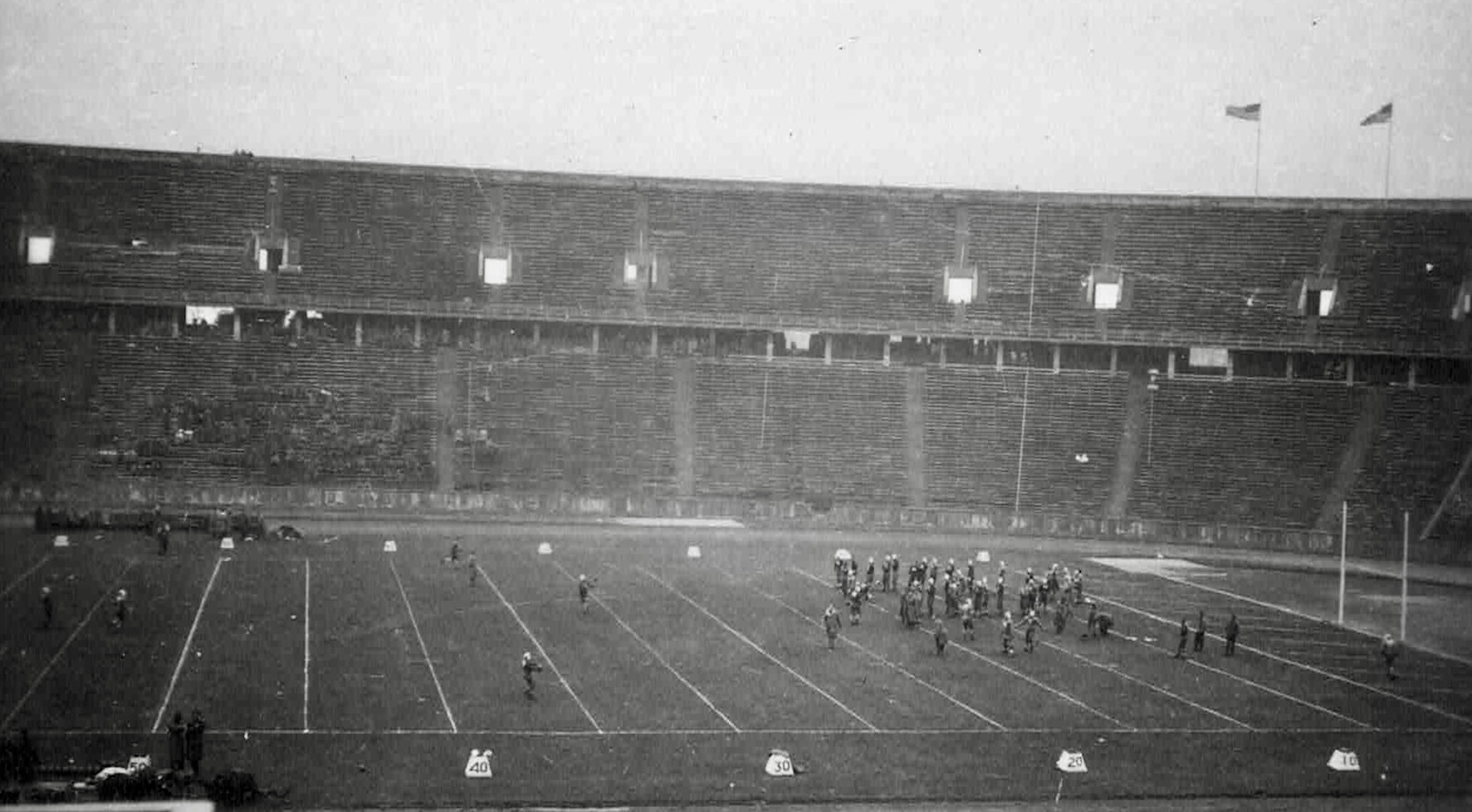
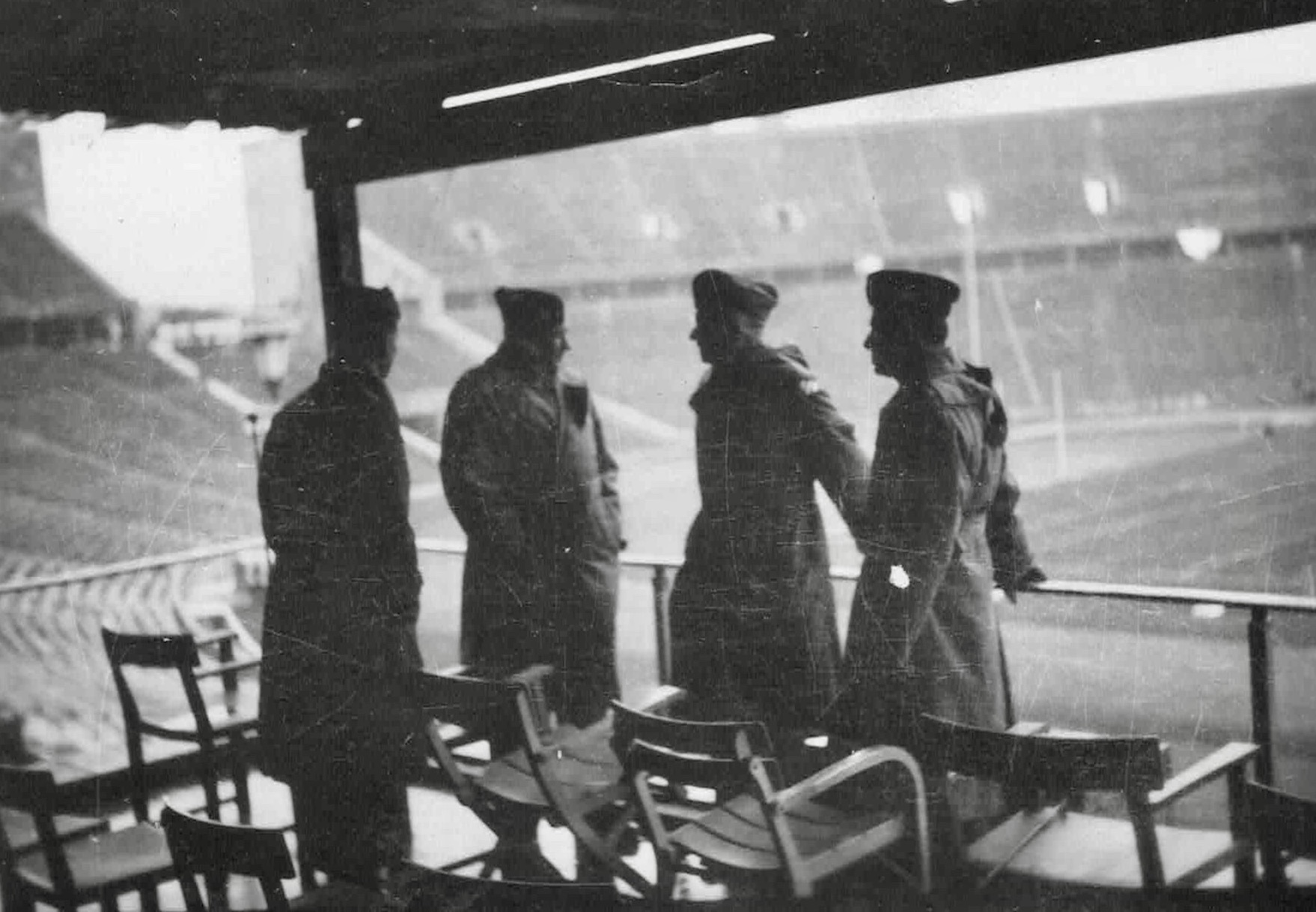
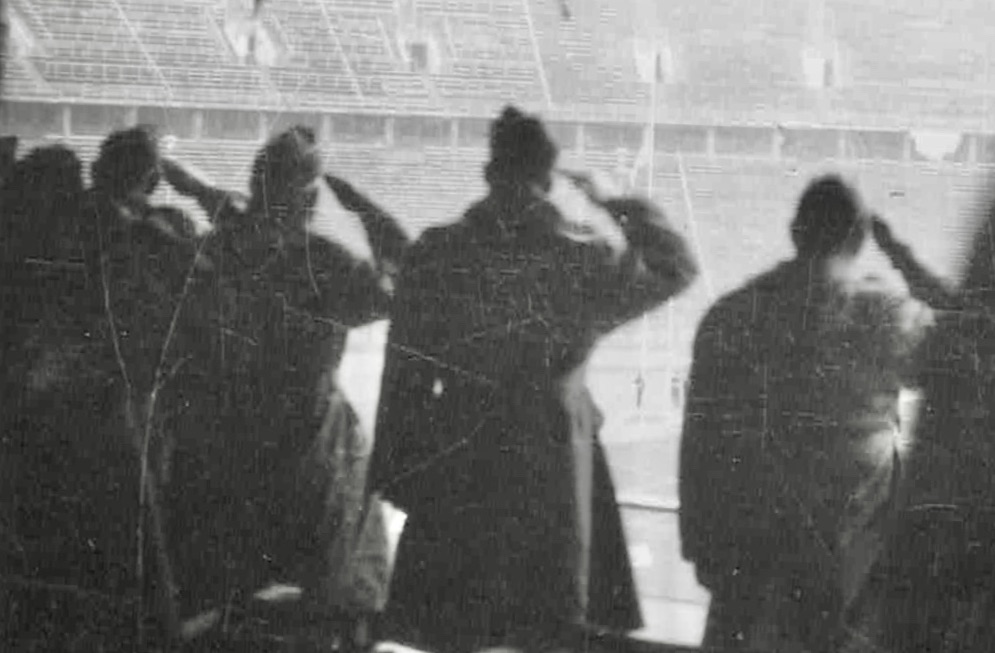
By command of Gen. Schmidt permission to attend a football game in BerlinLove the car. Mary McAuliffe, ARC; Gen. Schmidt; Flo WickHaving a little snack before taking off. Flo and MaryNo fair getting photographed while eating!Mary McAuliffe, Major Wickersham, Lt. Col. RamseyGen. Schmidt saw them off.The Third Division played the 82nd Airborne at Hitler’s Olympic stadium Nov. 11, 1945.The brass section Attention! The gigantic stadium, built for the 1936 Olympics, survived the bombings.
The agreementmarked a territorial change in the occupied zones
My Mother and Audie Murphy Ch. 93
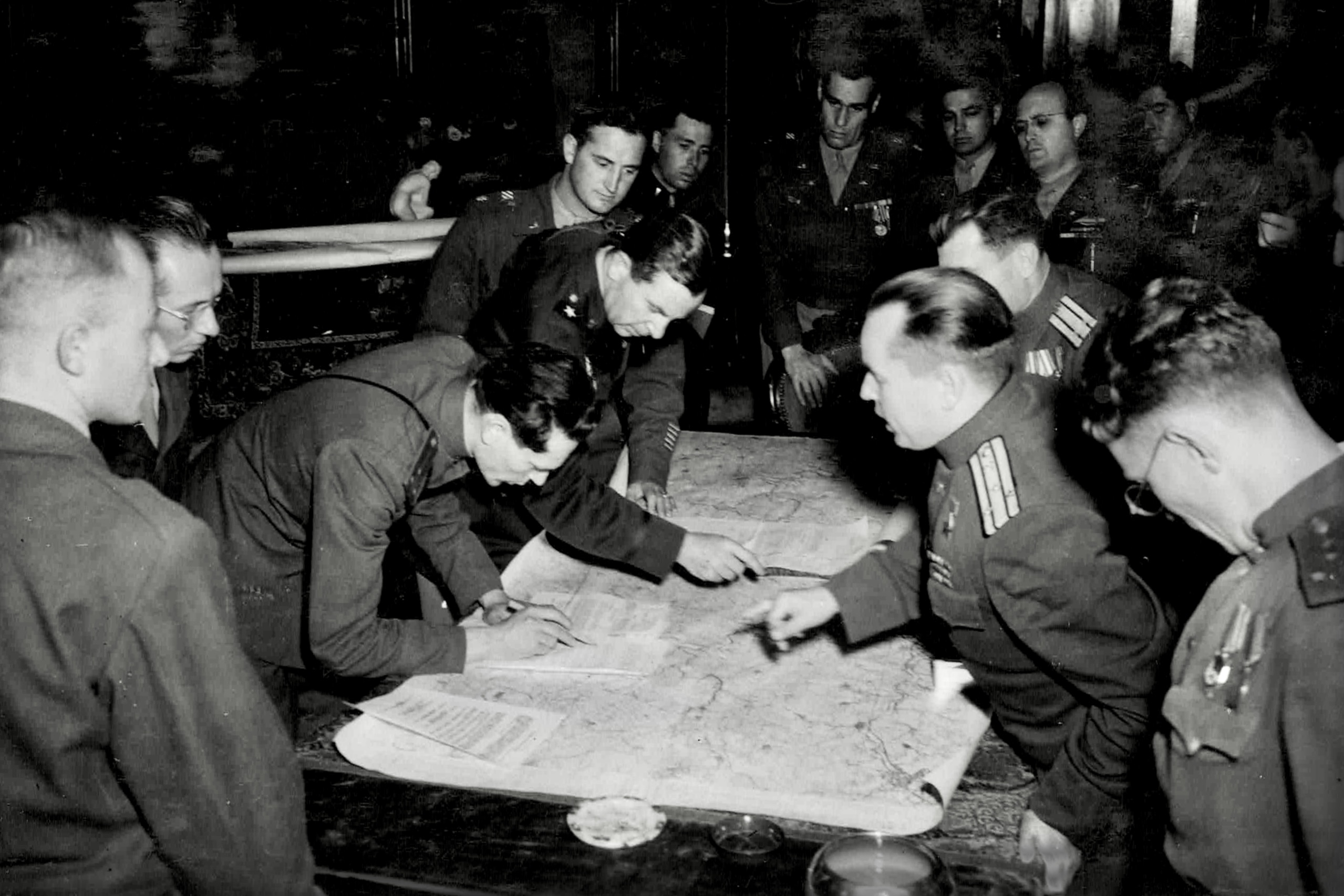
The meeting took place at the Russian and American liaison headquarters in Wanfried.
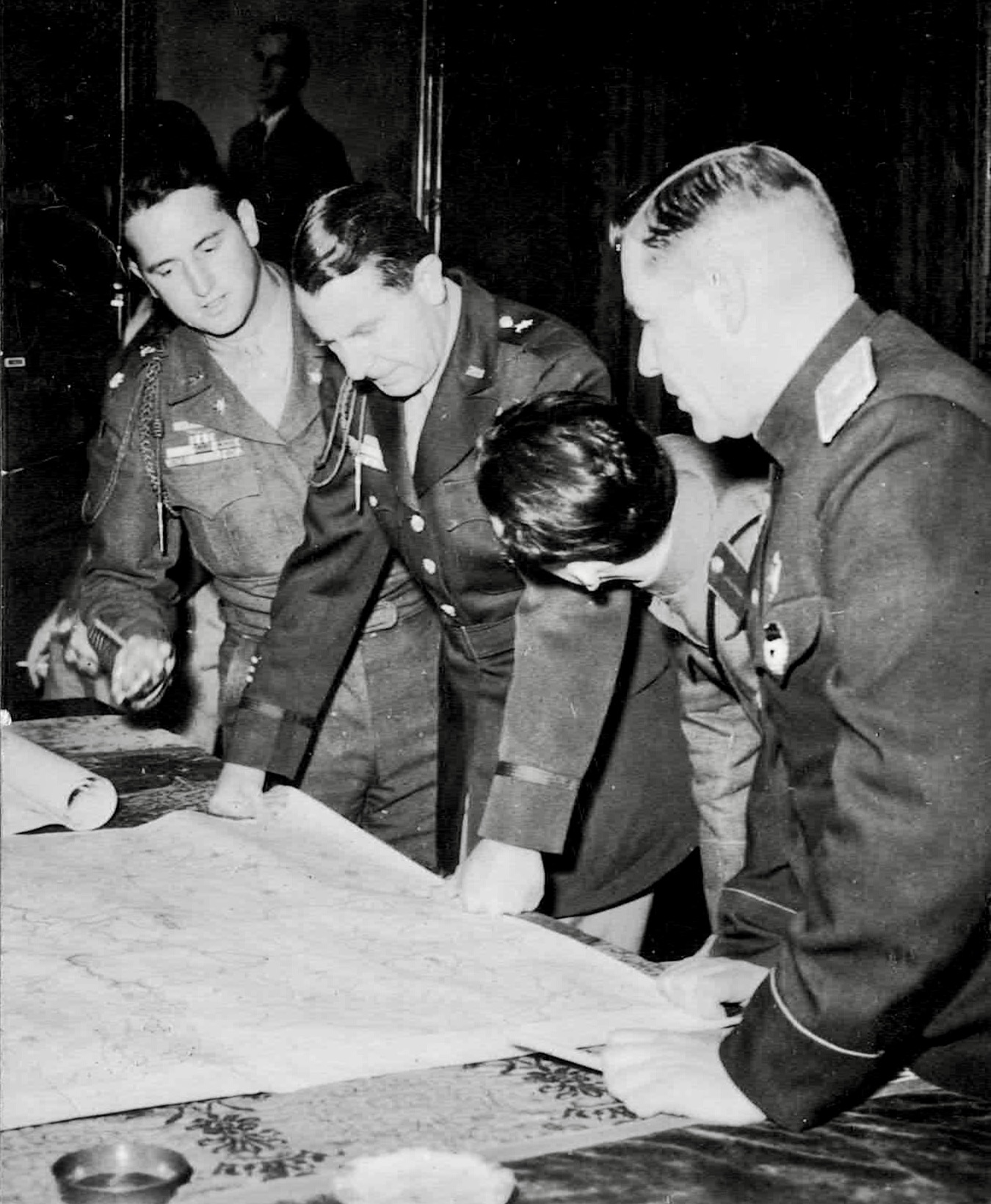
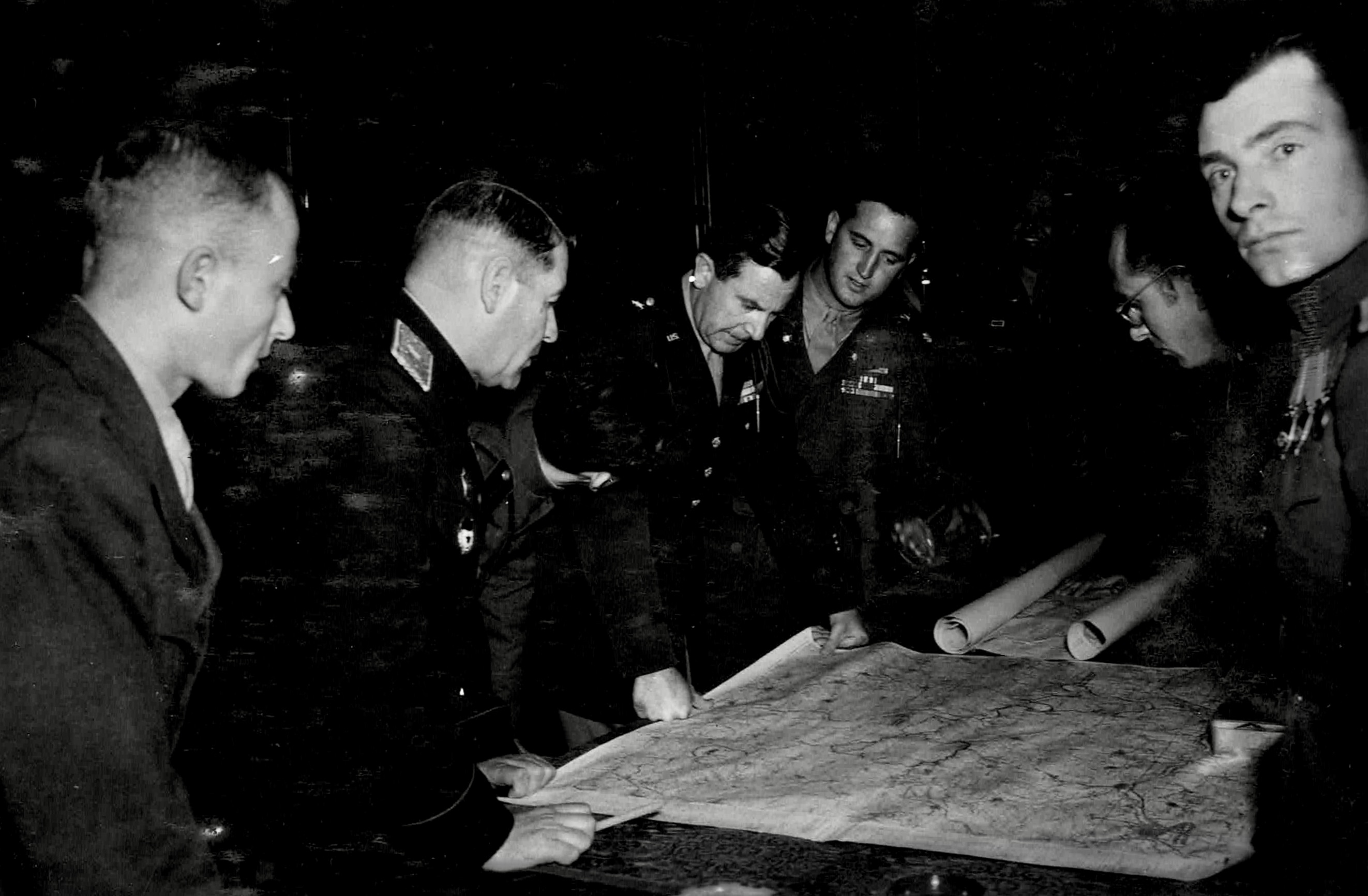
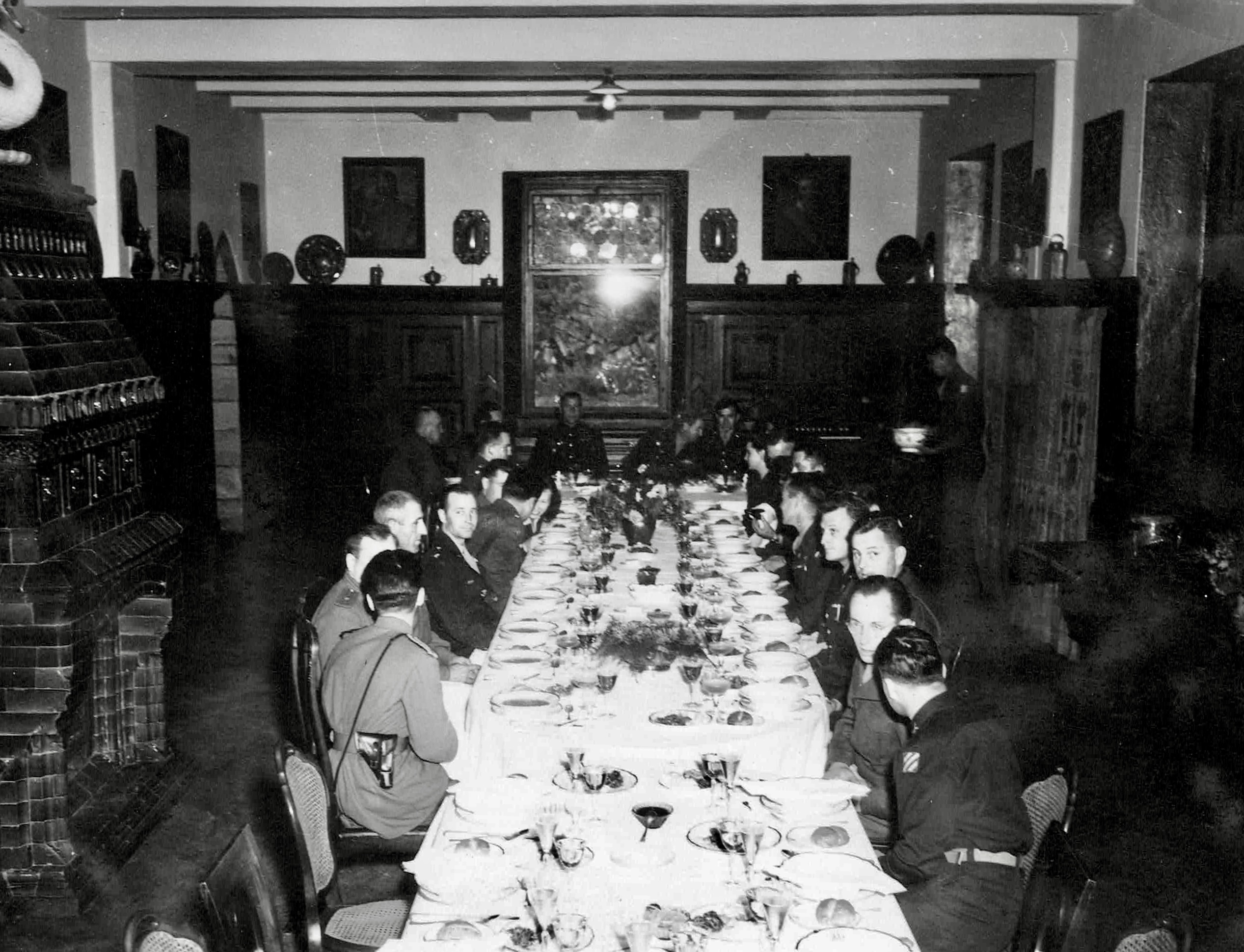
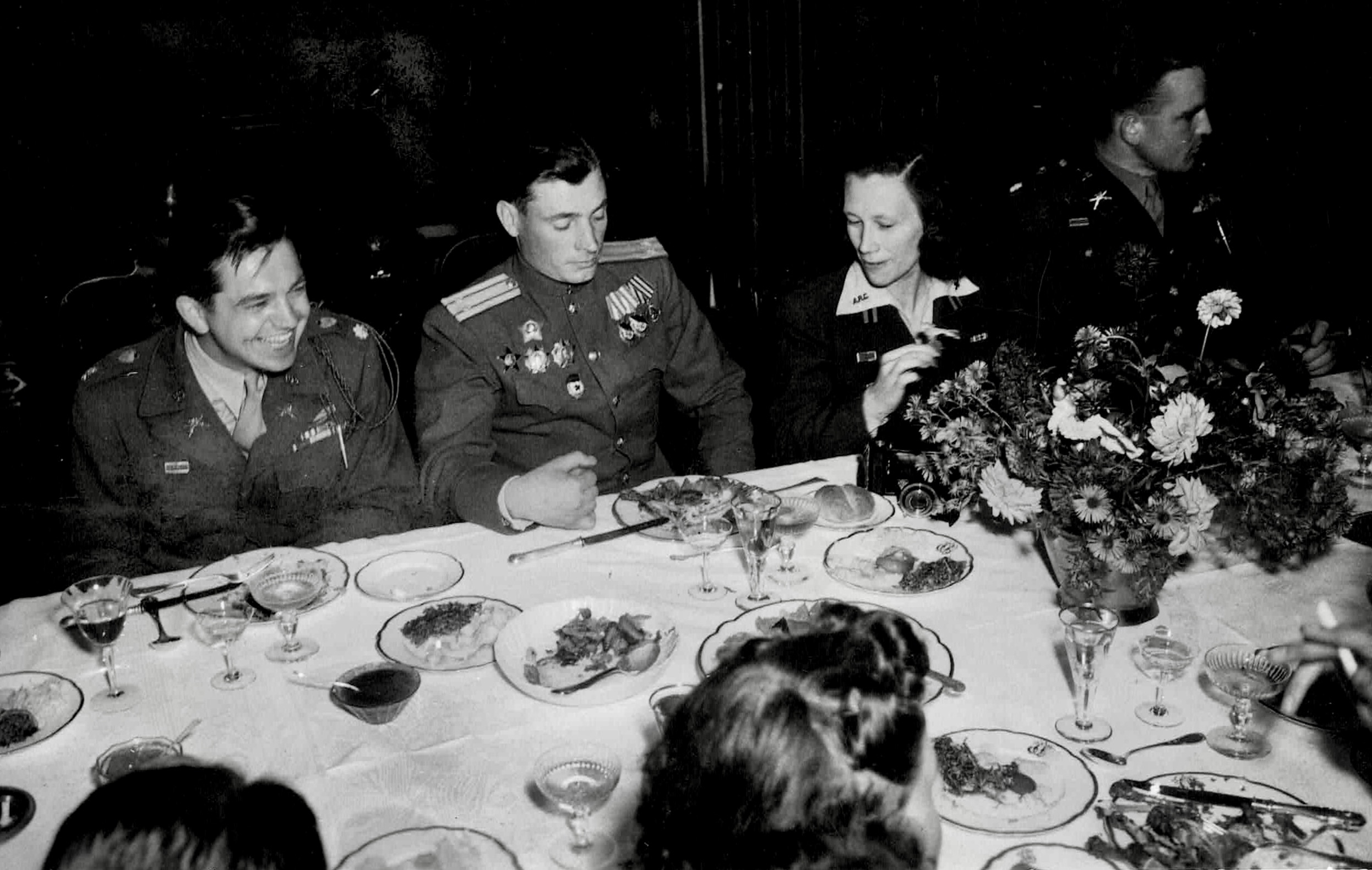
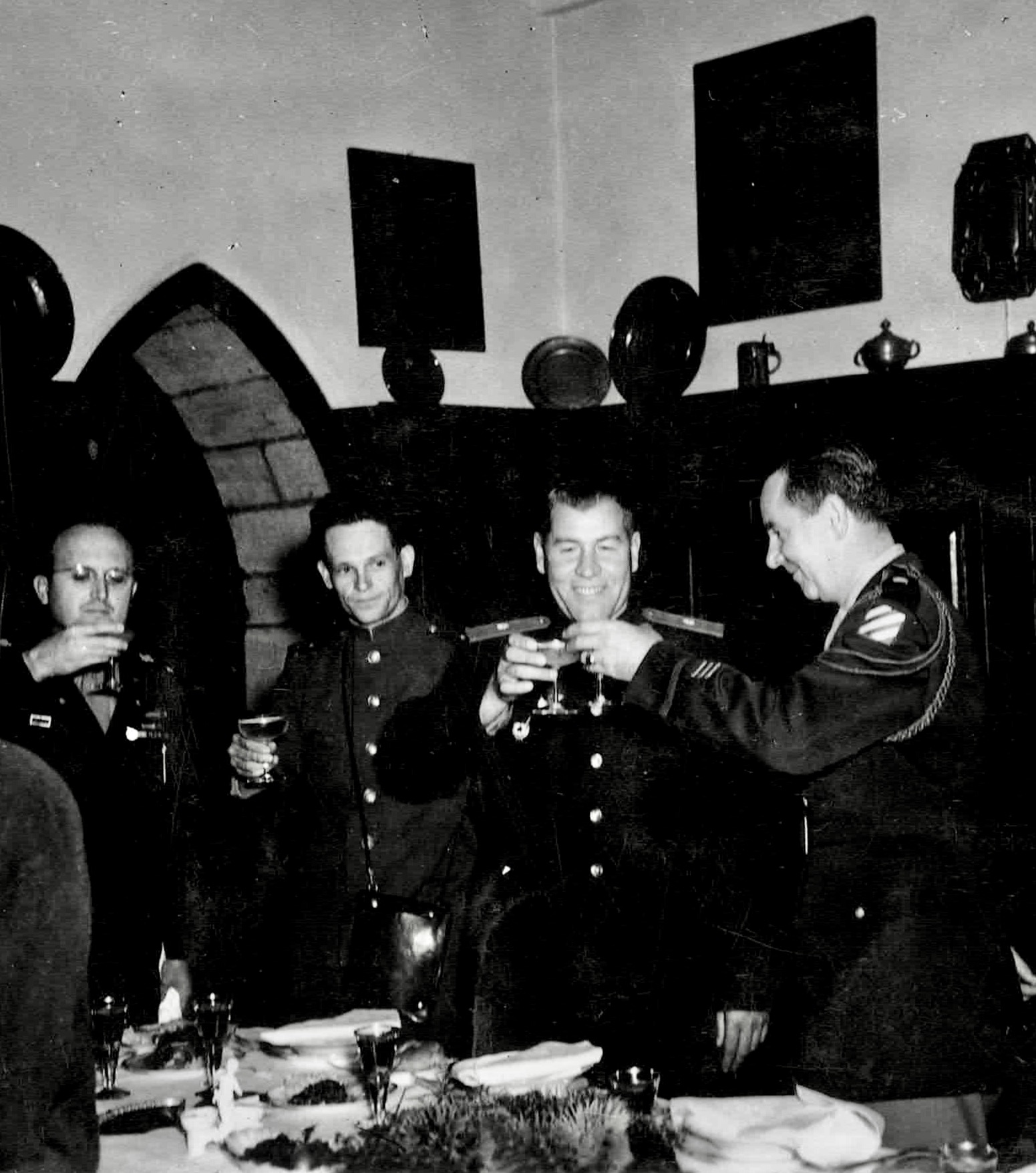
Flo attended the historic Russian–American conference in Wanfried, Germany, where the Wanfried Agreement was signed on September 17, 1945. The agreement was a post–World War II territorial exchange between U.S. and Soviet occupation authorities, finalized in English and Russian, to resolve a logistical problem along the Bebra–Göttingen railway. A roughly 2.7-mile stretch of this crucial rail line briefly crossed into the Soviet zone near Wanfried, disrupting traffic vital to U.S. connections between southern Germany and the American-controlled port of Bremerhaven. To secure uninterrupted U.S. control of the line, two villages in Soviet-occupied Thuringia were exchanged for five villages in American-occupied Hesse. The agreement, informally known as the “Whisky-Vodka Line,” stands out as a rare, peaceful, and highly localized negotiation between the two superpowers in the tense early months of the occupation.
Figuring out the new borders between occupations zonesFlo’s head sticks out on the left. It looks like there was one other female at the table. At least one participant wore a gun to lunch.Flo sitting next to Russian regimental CO. Col. Michael Paschchenko. Flo told me she had a big crush on this handsome guy but neither spoke the other’s language.Agreement signed! Russian general and Gen. Sexton toast.
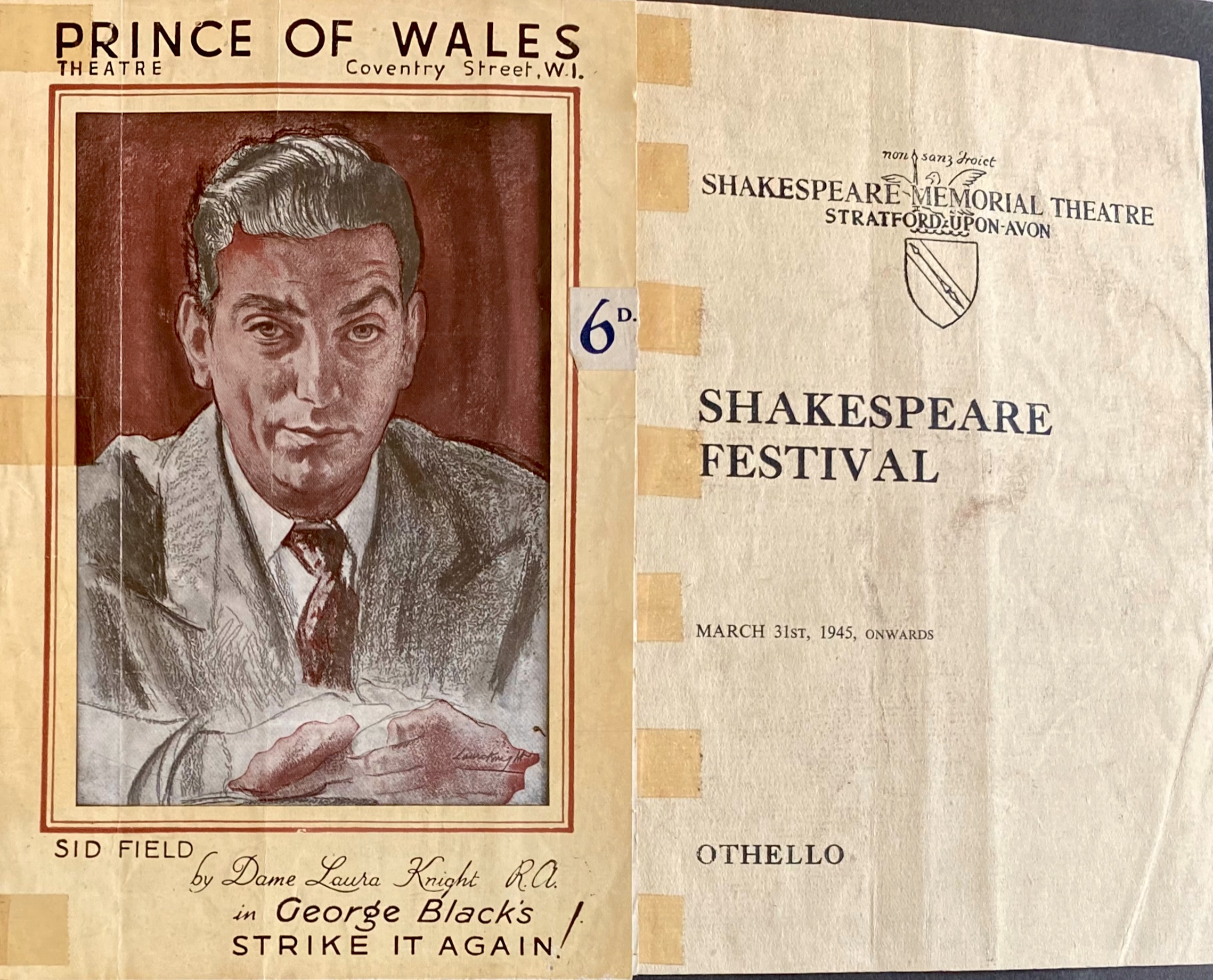
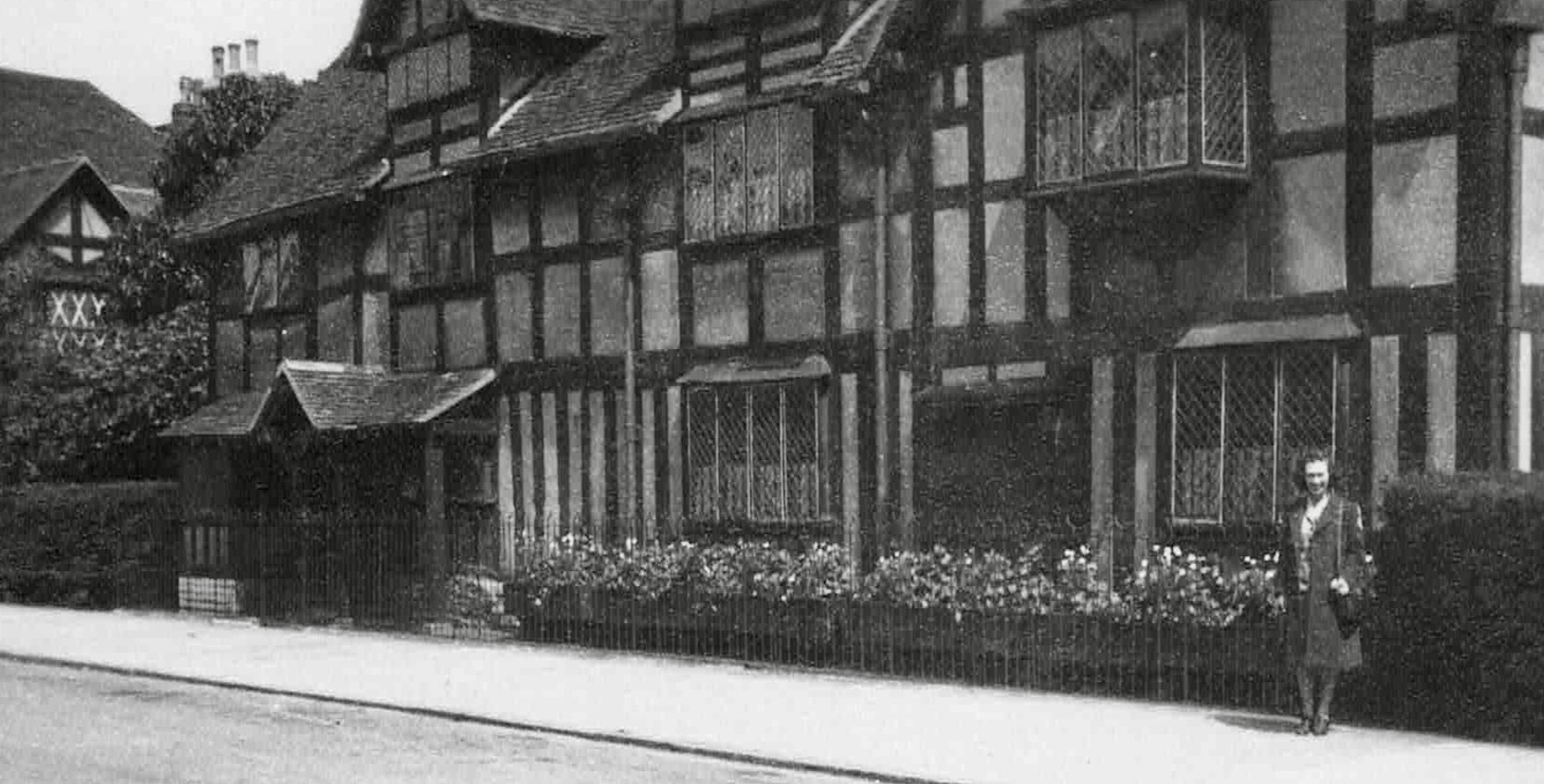
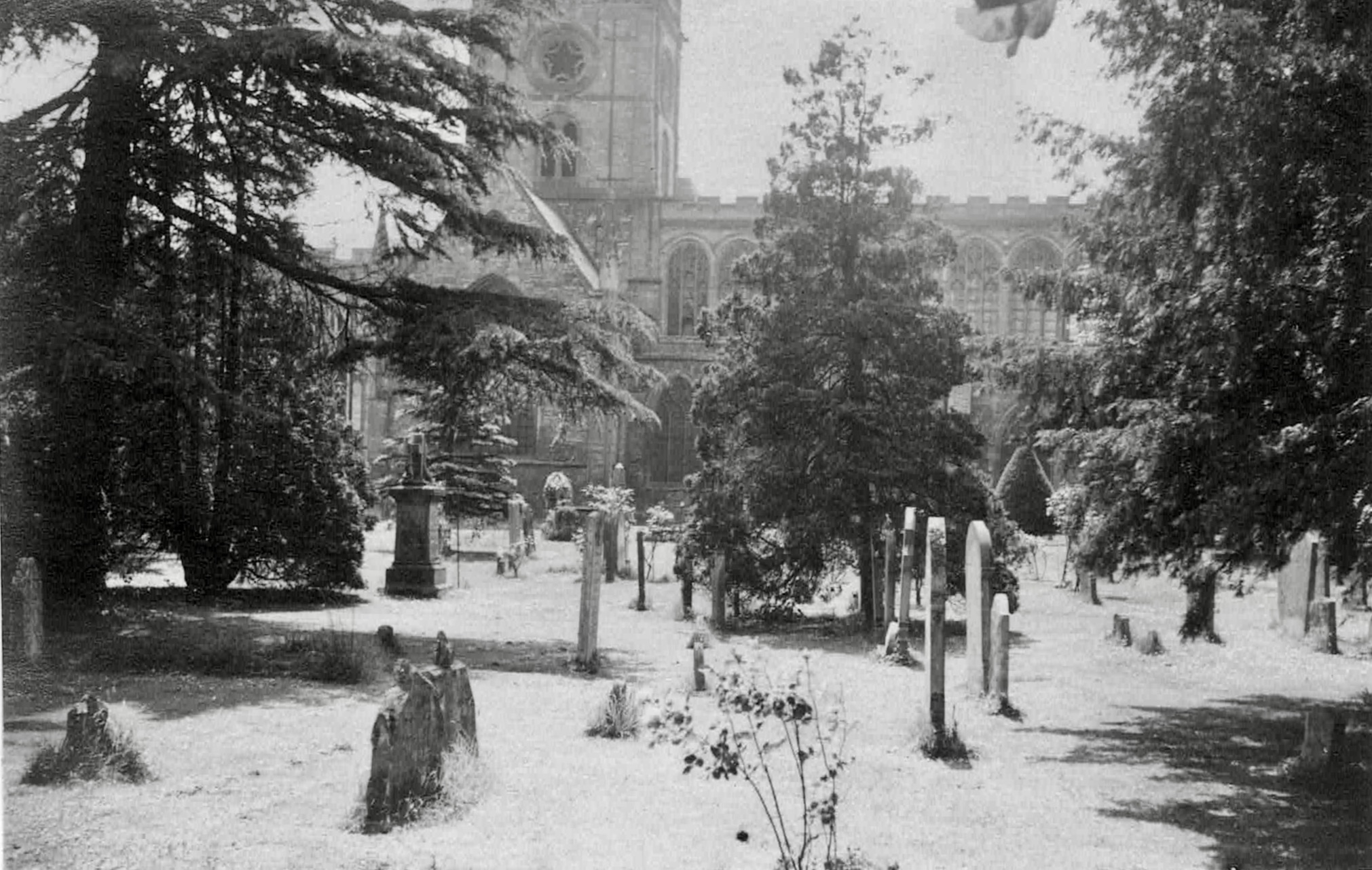
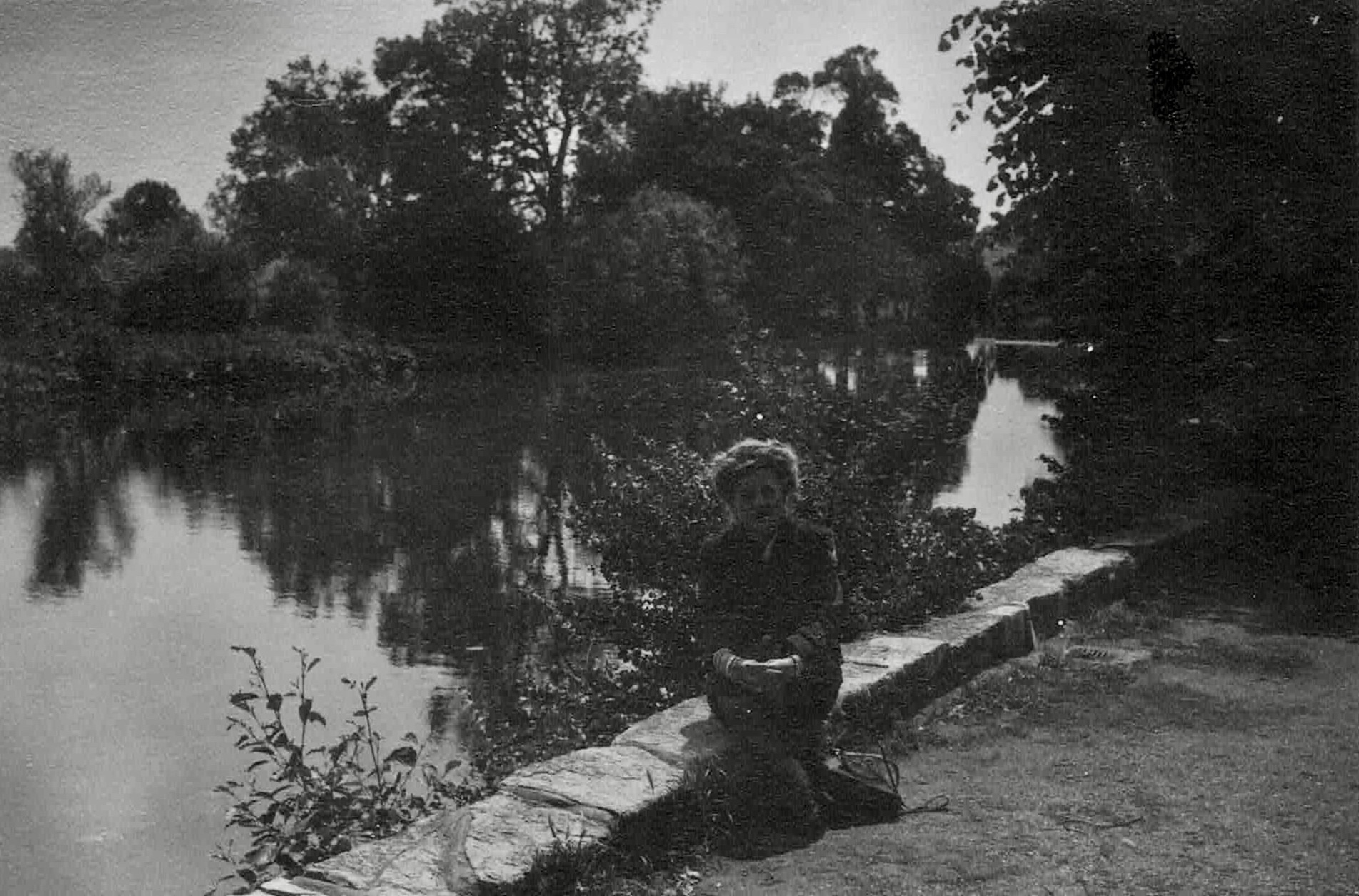
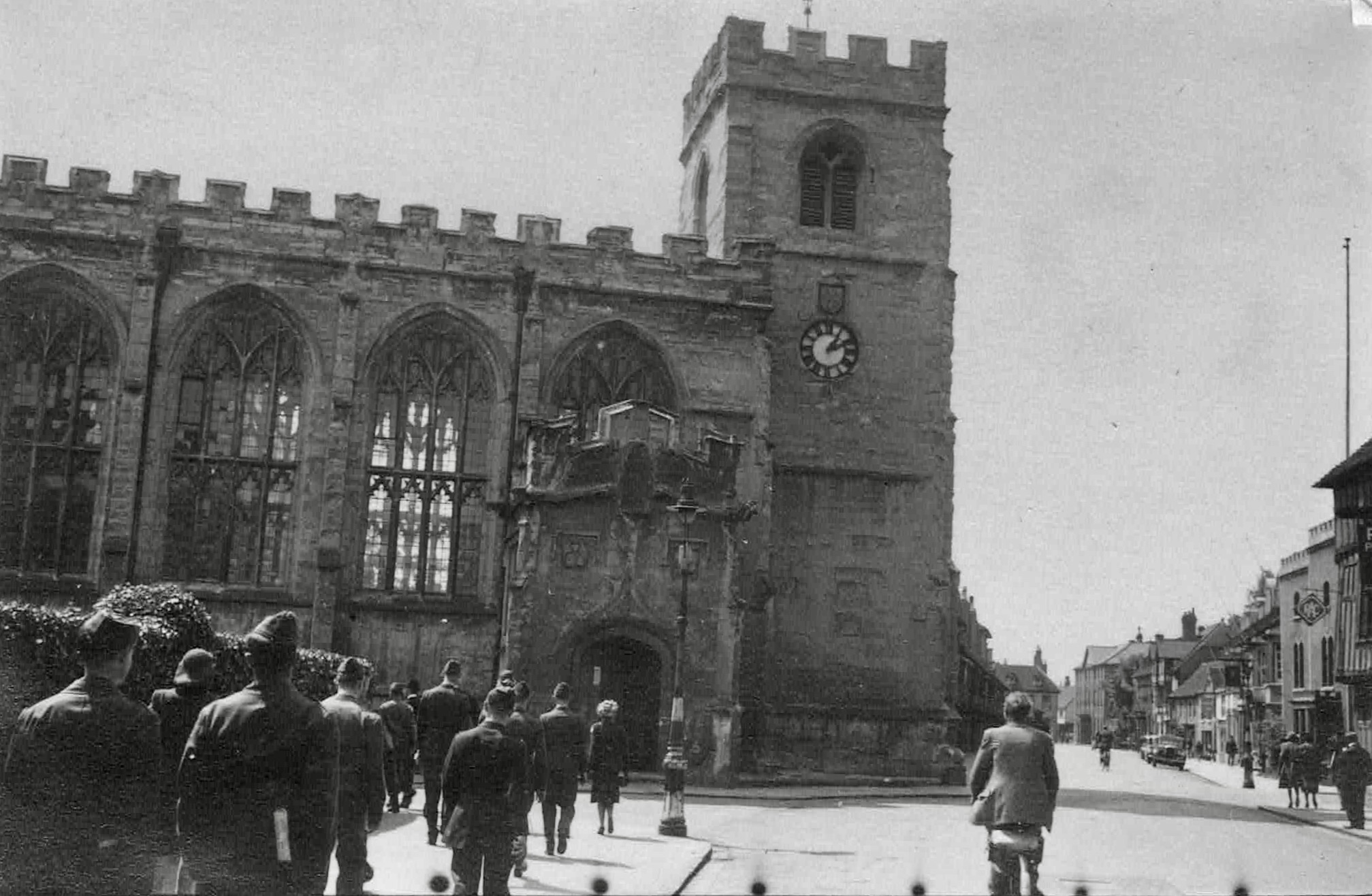
Stratford-upon-Avon, as we all know, is the 16th-century birthplace and burial place of William Shakespeare. The medieval market town in England’s West Midlands is about 100 miles northwest of London. The Royal Shakespeare Company still performs his plays in the Royal Shakespeare Theatre and adjacent Swan Theatre on the banks of the River Avon. Flo visited in mid-June, 1945.
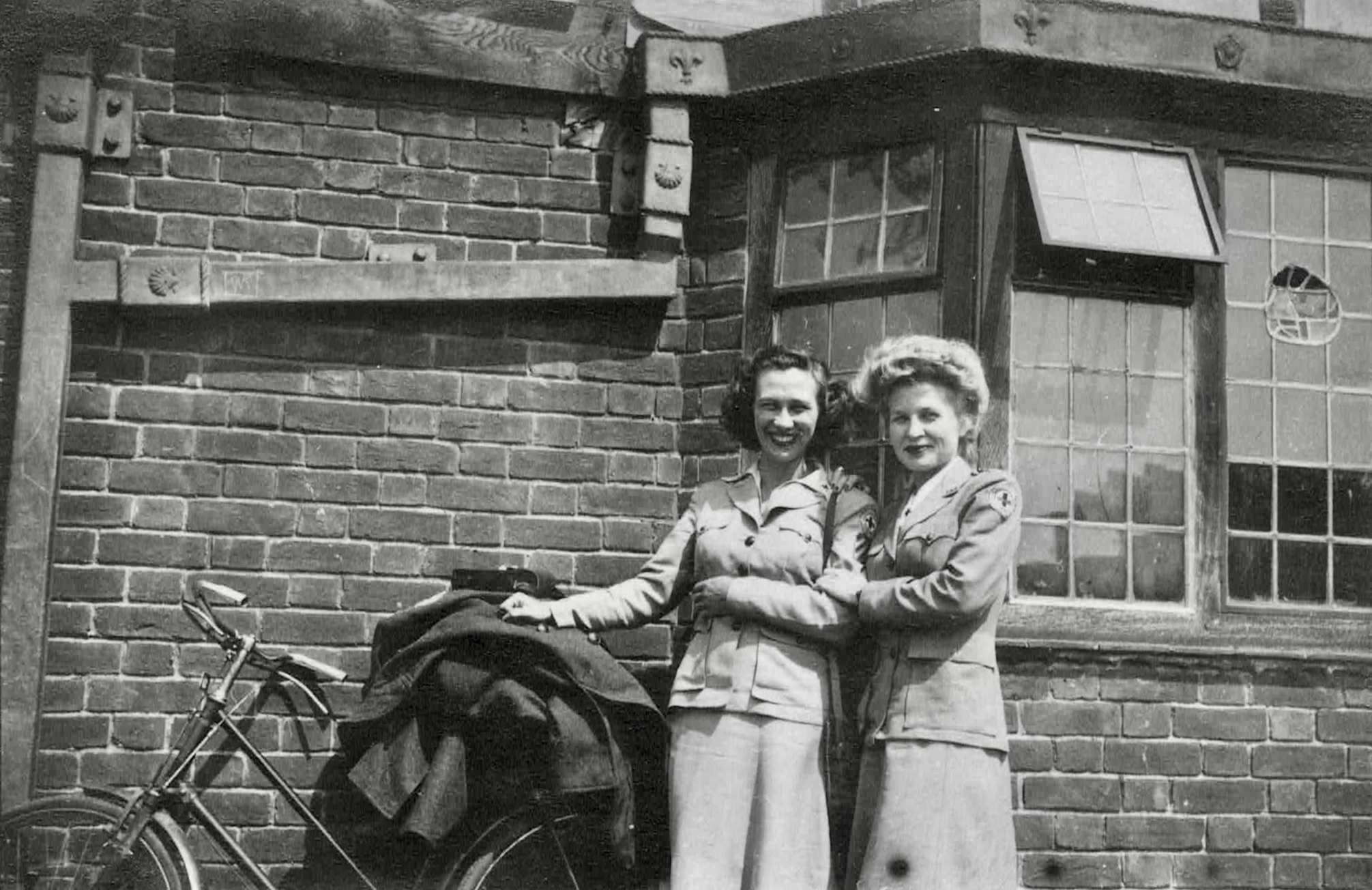
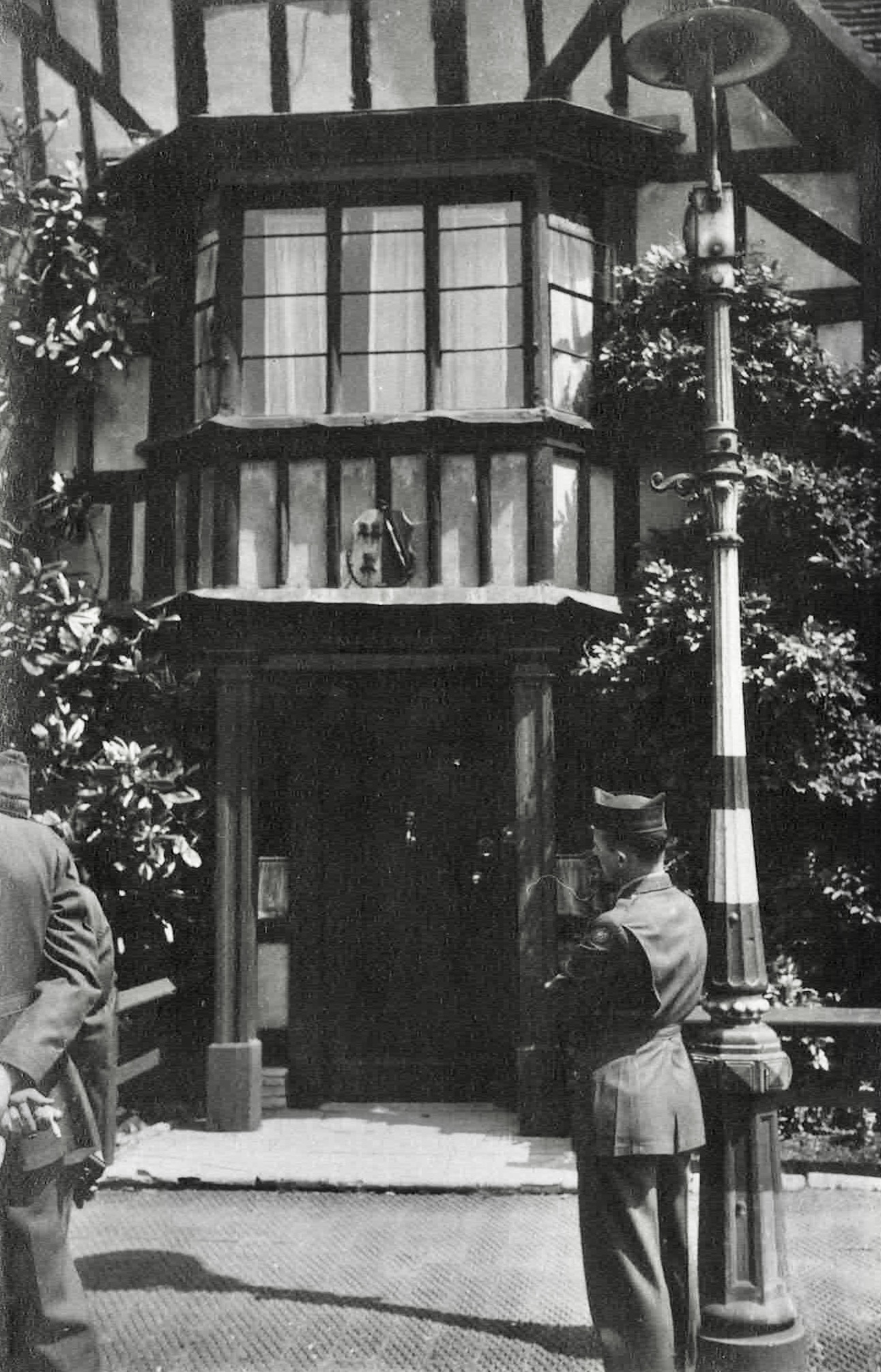
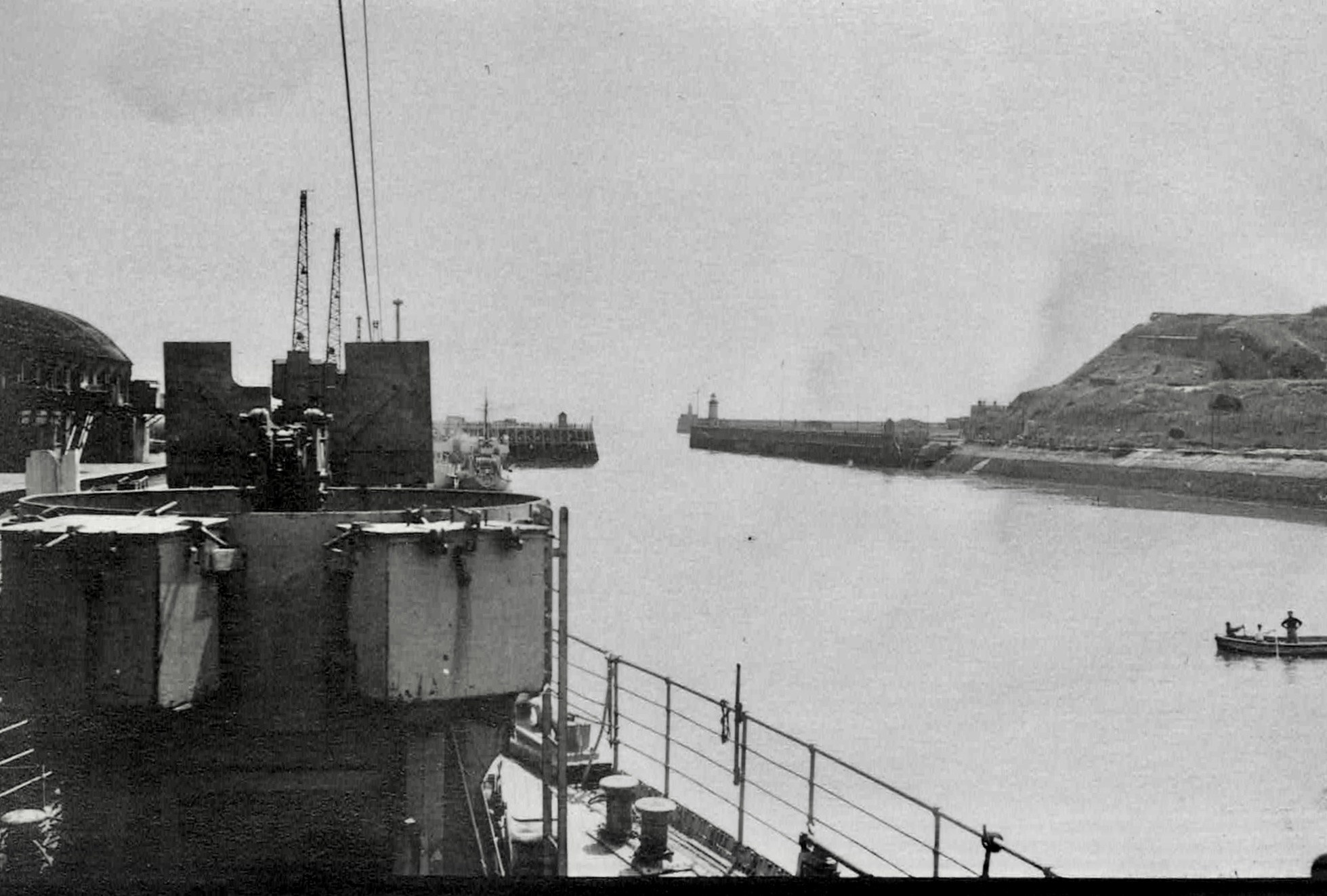
She attended the Shakespeare FestivalStratford-on-Avon Red Cross club. Photos from Flo’s albumShakespeare’s houseFlo didn’t identify this woman, her host at the Red Cross clubSailing back to the Continent. Leaving England for Dieppe at the end of the week-long leave.
Stratford-upon-Avon had faced the threat and effects of the Blitz through scattered incidents and as a sanctuary, rather than being a central target for sustained bombing like larger industrial or military centers. During the war the town provided refuge, with people from heavily bombed areas like Birmingham coming to Stratford for quiet and respite from the relentless night raids.
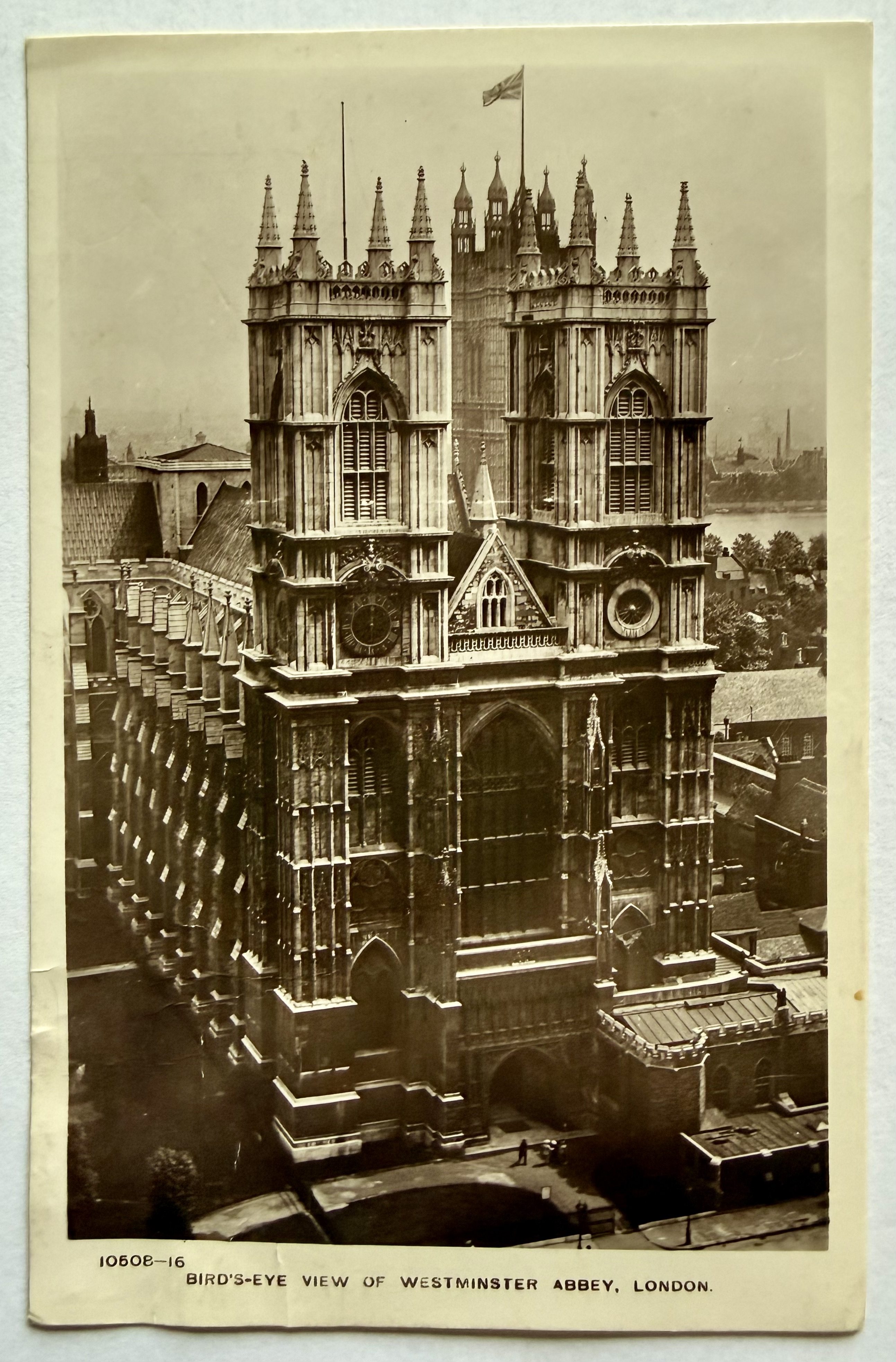
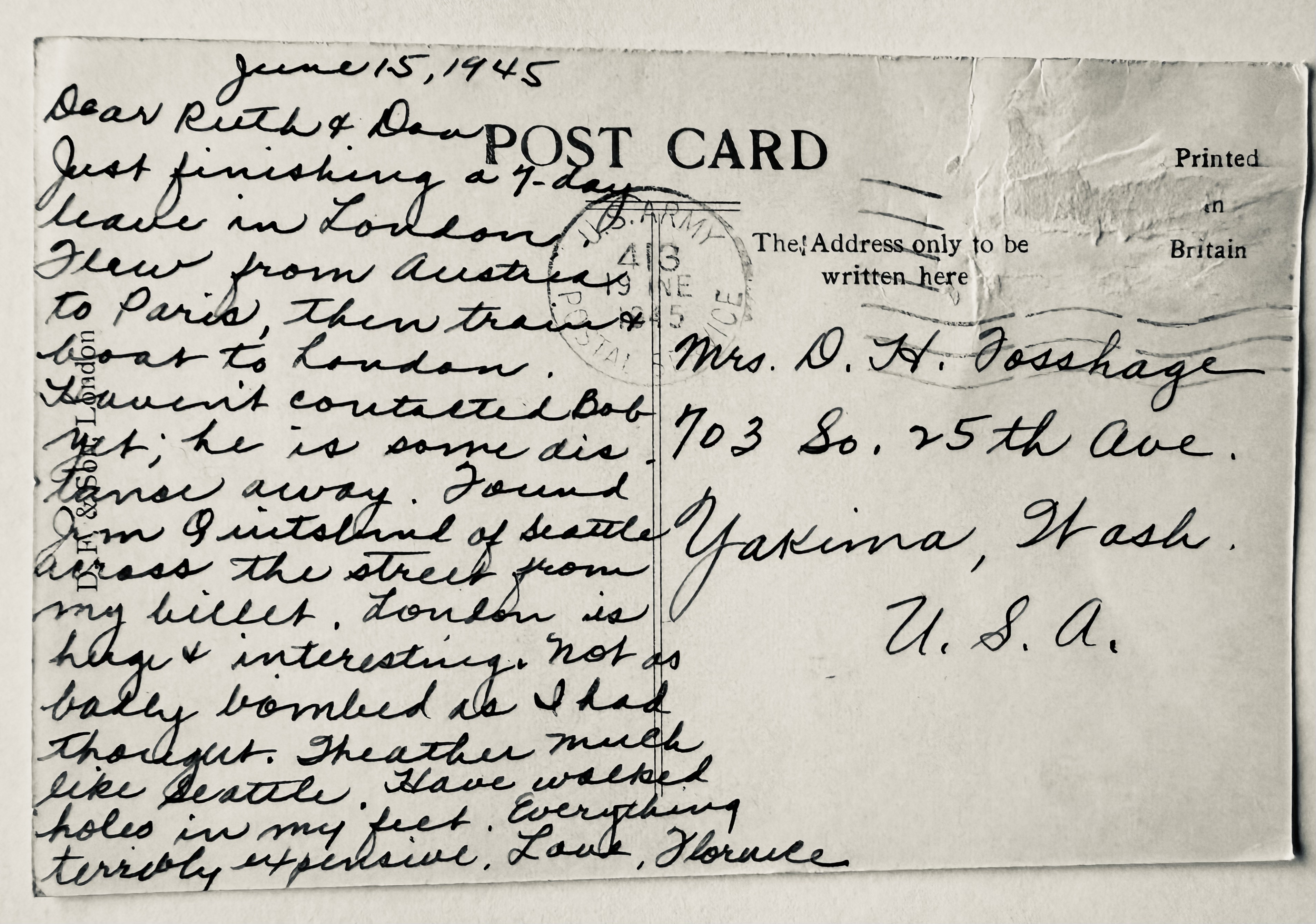
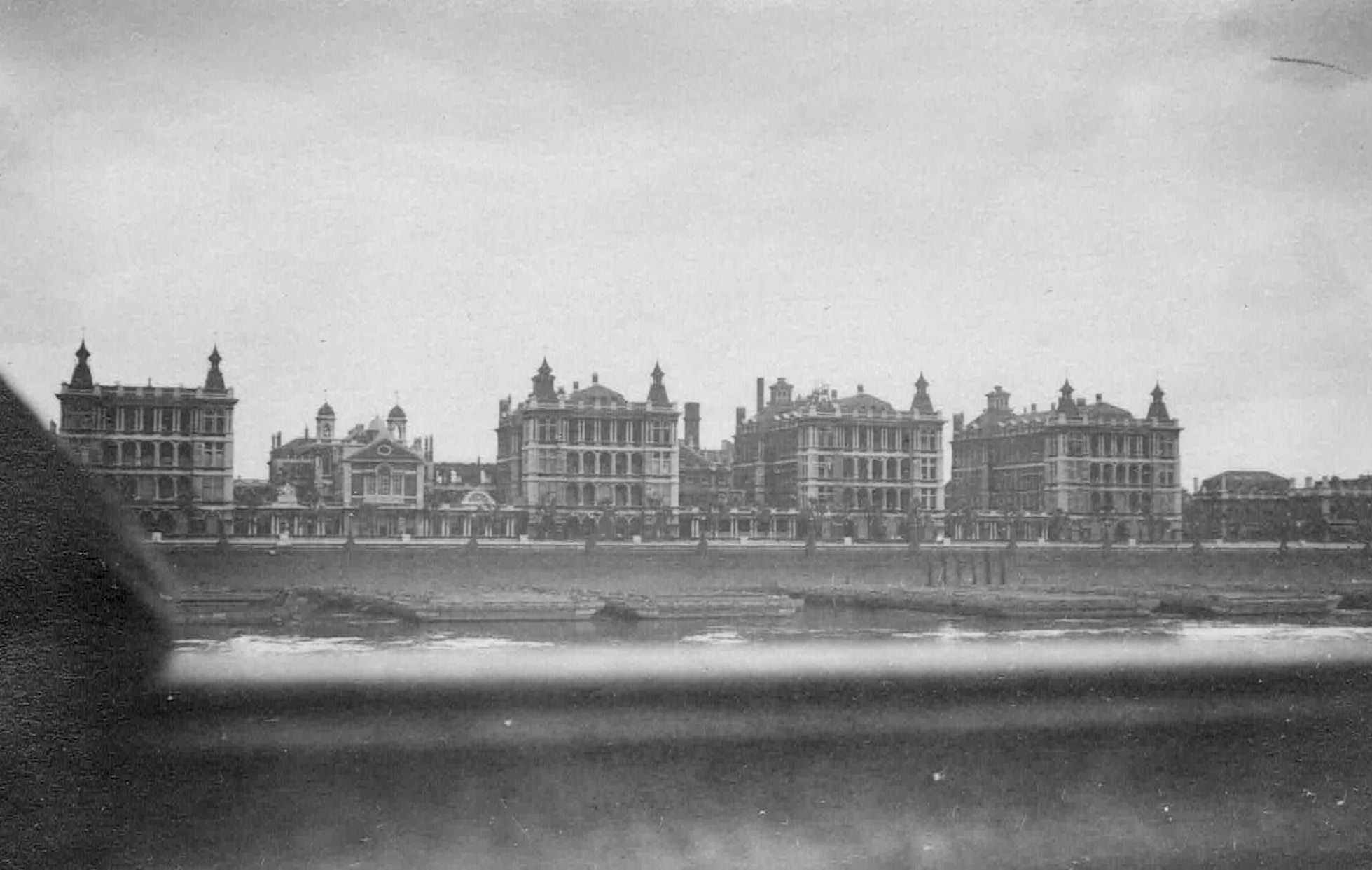
Flo arrived in London in June, 1945 for a seven-day leave. In a postcard to her family Flo wrote:
“London is huge and interesting. Not as badly bombed as I had thought. Weather much like Seattle. Have walked holes in my feet. Everything terribly expensive.”
She ran into a friend from Seattle, Jim Quitslund, who was staying across the street from her billet.
With Jim Quitslund, the Army friend from Seattle, billeted across the street in London.
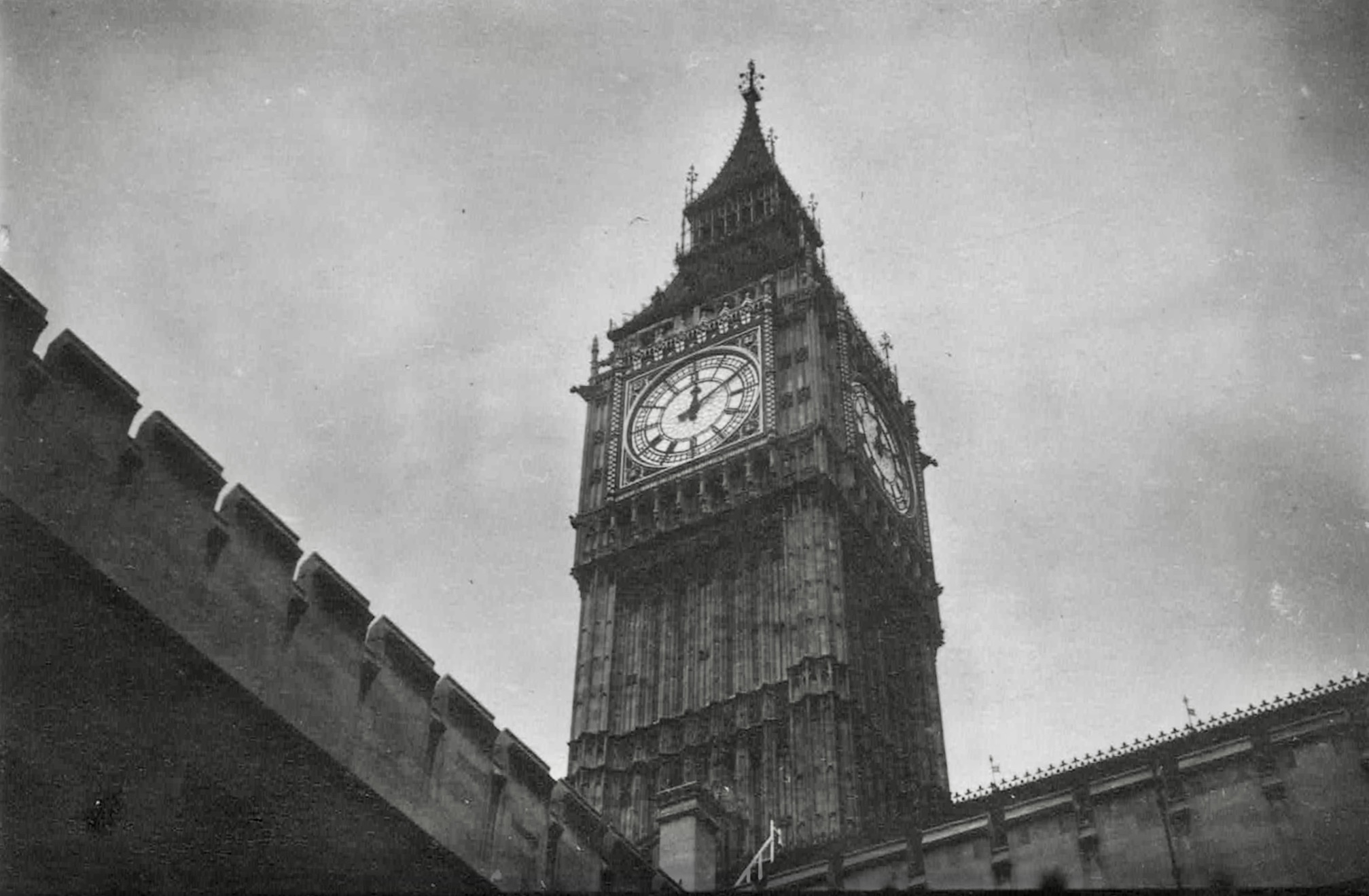
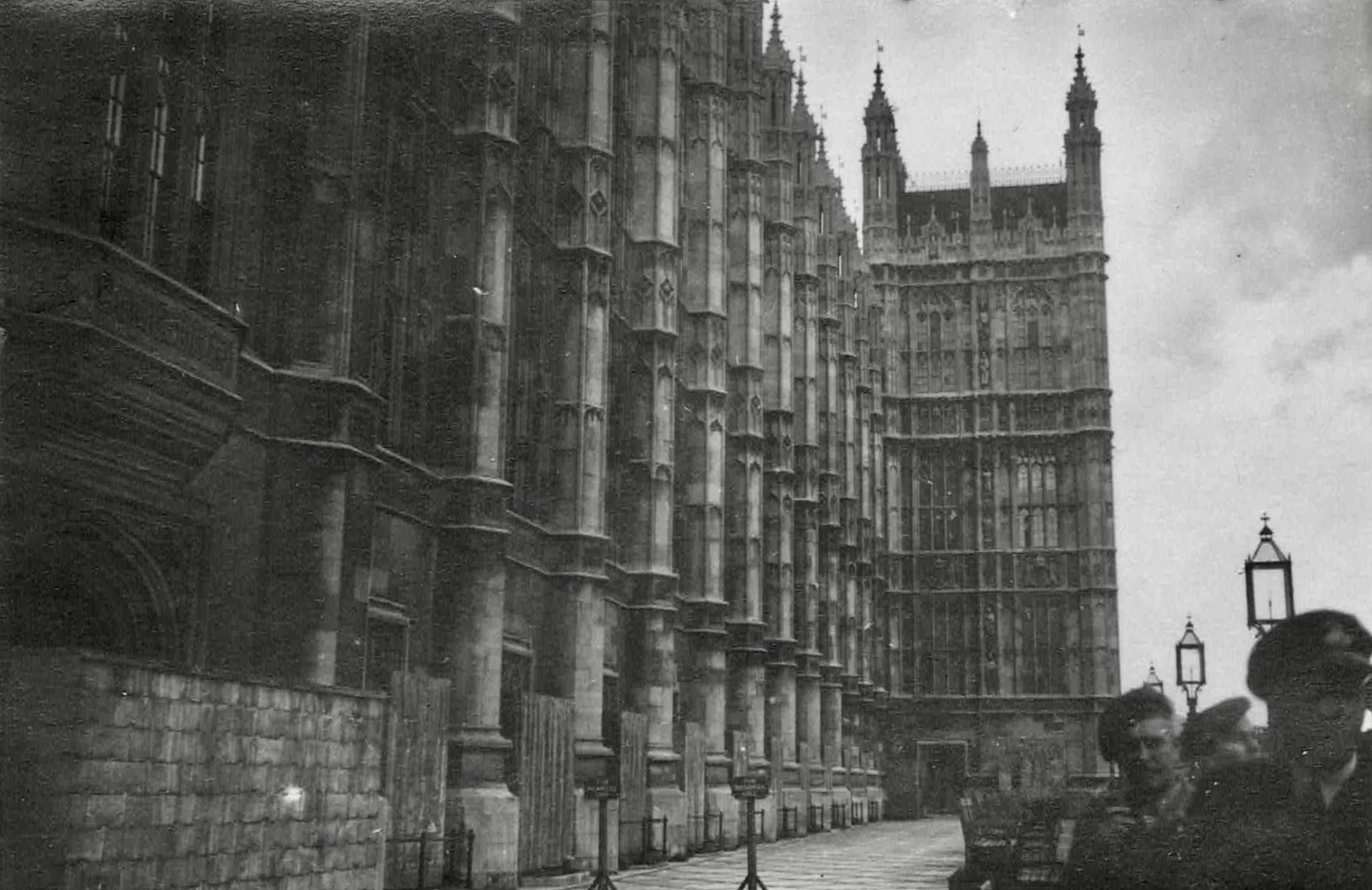
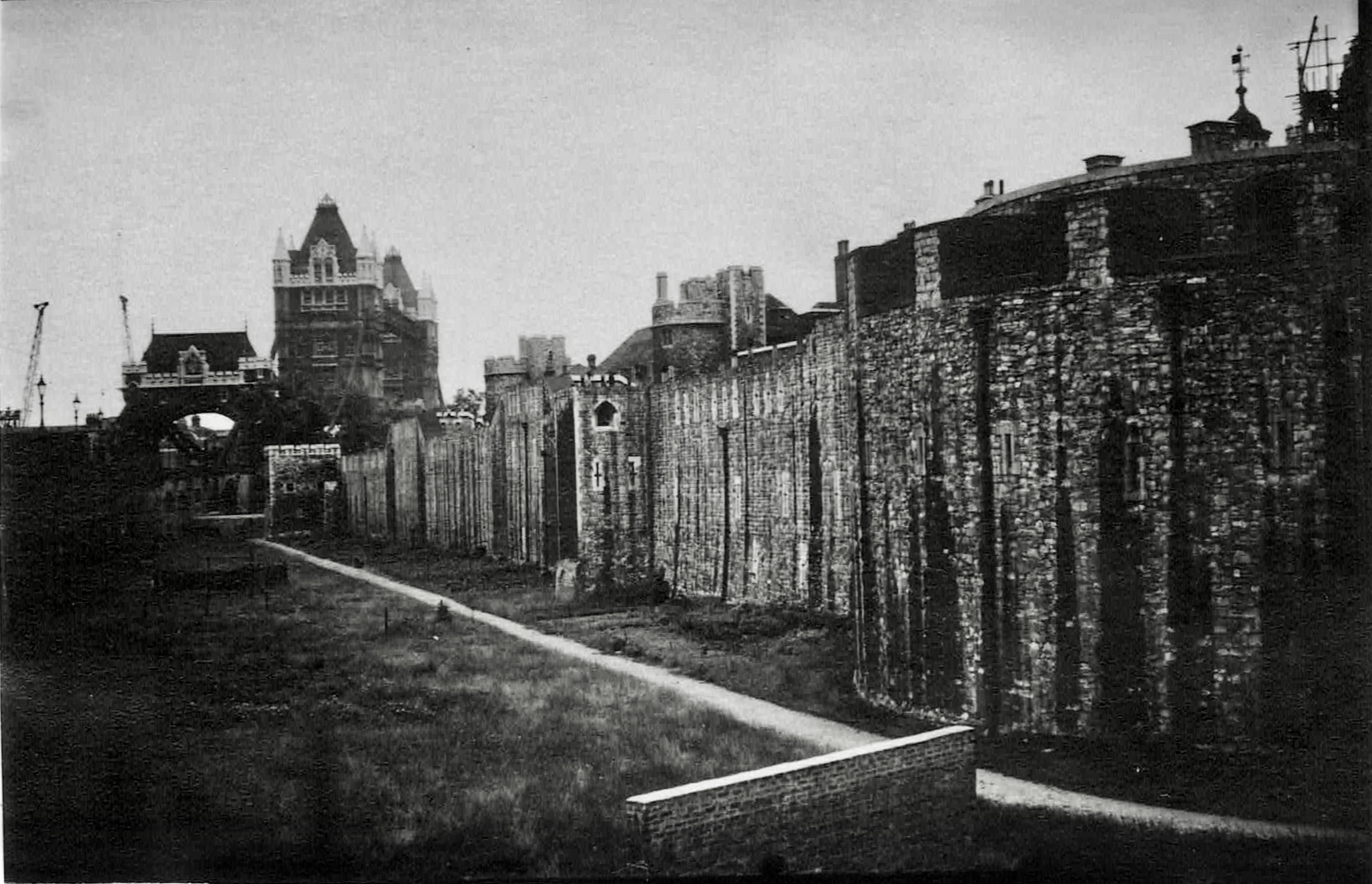
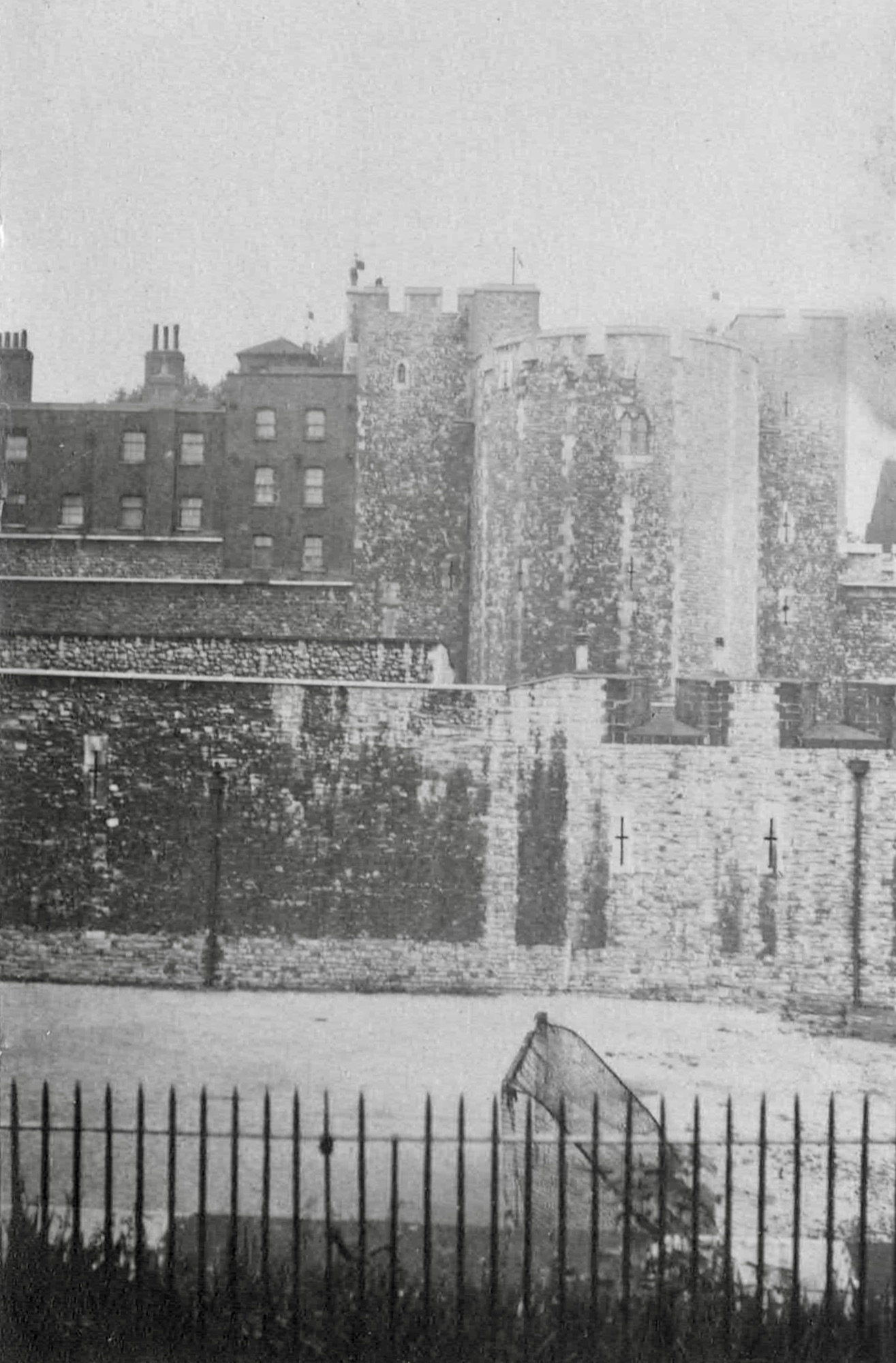
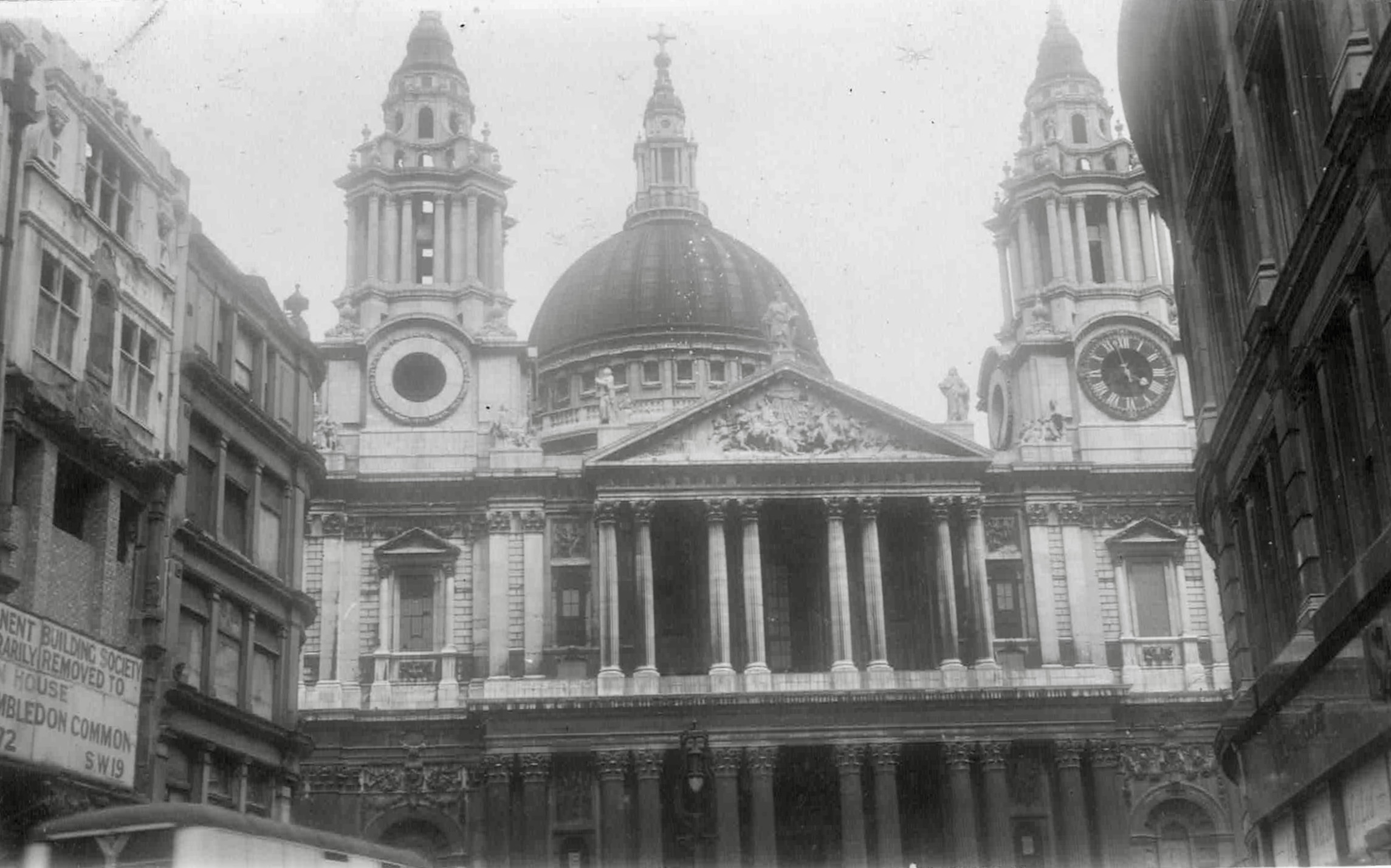
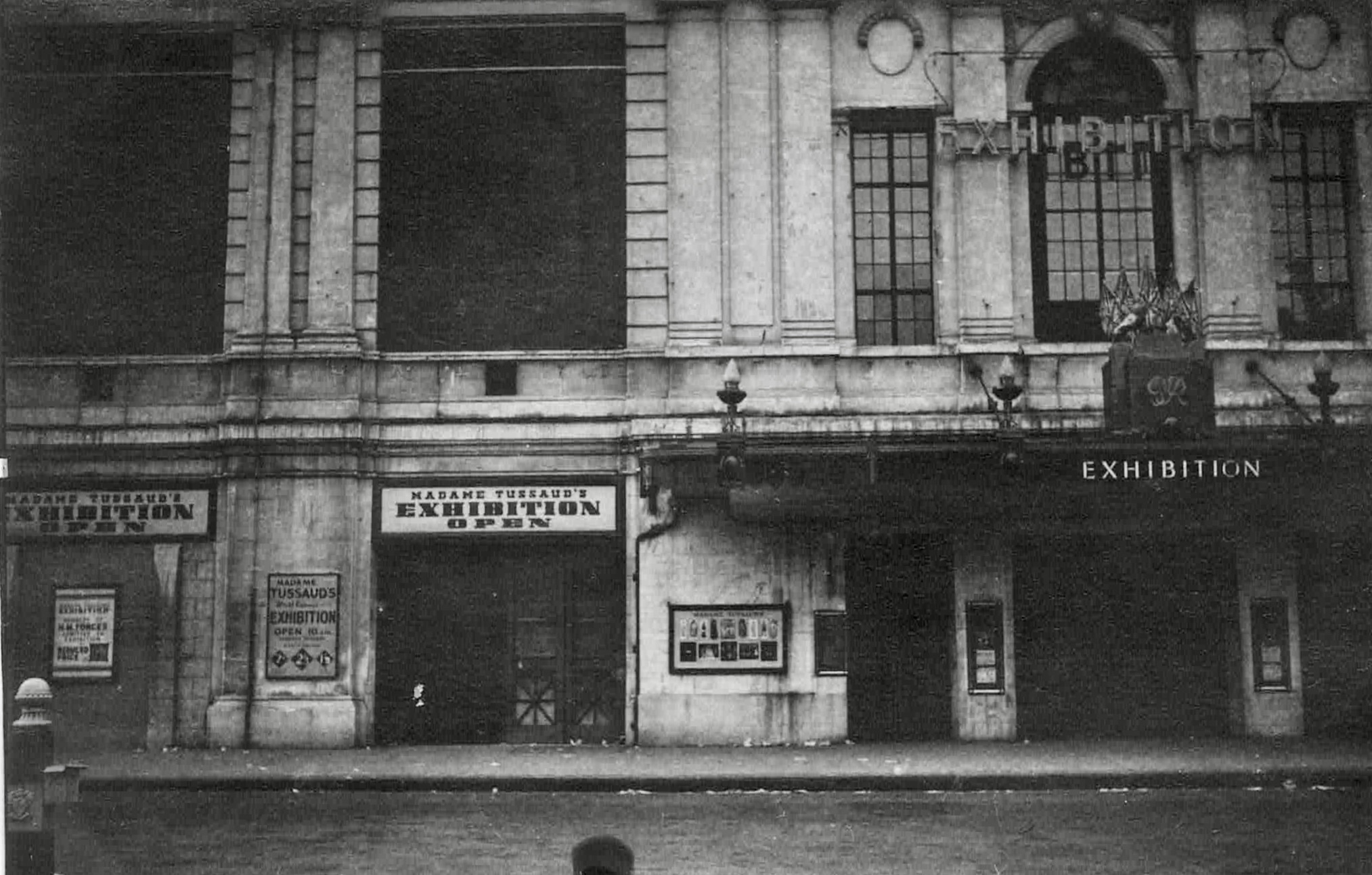
Big Ben. Photos by Flo WickParliamentTower of LondonTower of LondonSt. Paul’s CathedralThe wax museumGovernment buildings seen from across the Thames
The Blitz focused on London
Starting on September 7, 1940, London faced 57 straight nights of bombing by Nazi Germany, part of a concentrated eight-month campaign known as the Blitz.
Flo wrote that the bombing damage was not as bad as she had thought, but she may not have made it to the East End, which sustained the most bombing. The Luftwaffe raids were aimed at disrupting the British economy by targeting docks, warehouses, and industrial areas. The damage was devastating, characterized by massive fires, widespread destruction of working-class housing, and high civilian casualties there.
An estimated 18,688 civilians in London were killed during the war, 1.5 million were made homeless. 3.5 million homes and 9 million square feet of office space were destroyed or damaged.
When Germany surrendered on May 8, 1945, the U.S. Army in Europe suddenly had to shift from fighting to occupying a defeated nation. More than two million soldiers now had to be sorted into three paths: those who would stay in Germany as an occupation force, those who would be sent to the Pacific for the expected invasion of Japan, and those who would finally go home. Because the Army had more men than it needed for occupation and redeployment, it also had to begin discharging veterans fairly and quickly.
General George C. Marshall had foreseen this challenge. Drawing on hard lessons from the chaotic demobilization after World War I, he ordered the Special Planning Division in 1943 to craft a method that would release soldiers on an individual basis rather than by entire units. With divisions in Europe filled with late-war replacements, unit-based demobilization was impossible—and delay risked unrest among idle troops.
After gathering input from commanders worldwide, the army created the Adjusted Service Rating Score, universally known to GIs as the point system. It offered an objective way to determine who went home first. Points were awarded for time in service, time overseas, combat campaigns, decorations, wounds, and dependent children:
1 point per month in the Army
+1 point per month overseas
5 points per campaign
5 points per decoration for merit or valor
5 points per Purple Heart
12 points per dependent child (up to three)
This system became the backbone of America’s demobilization in Europe.
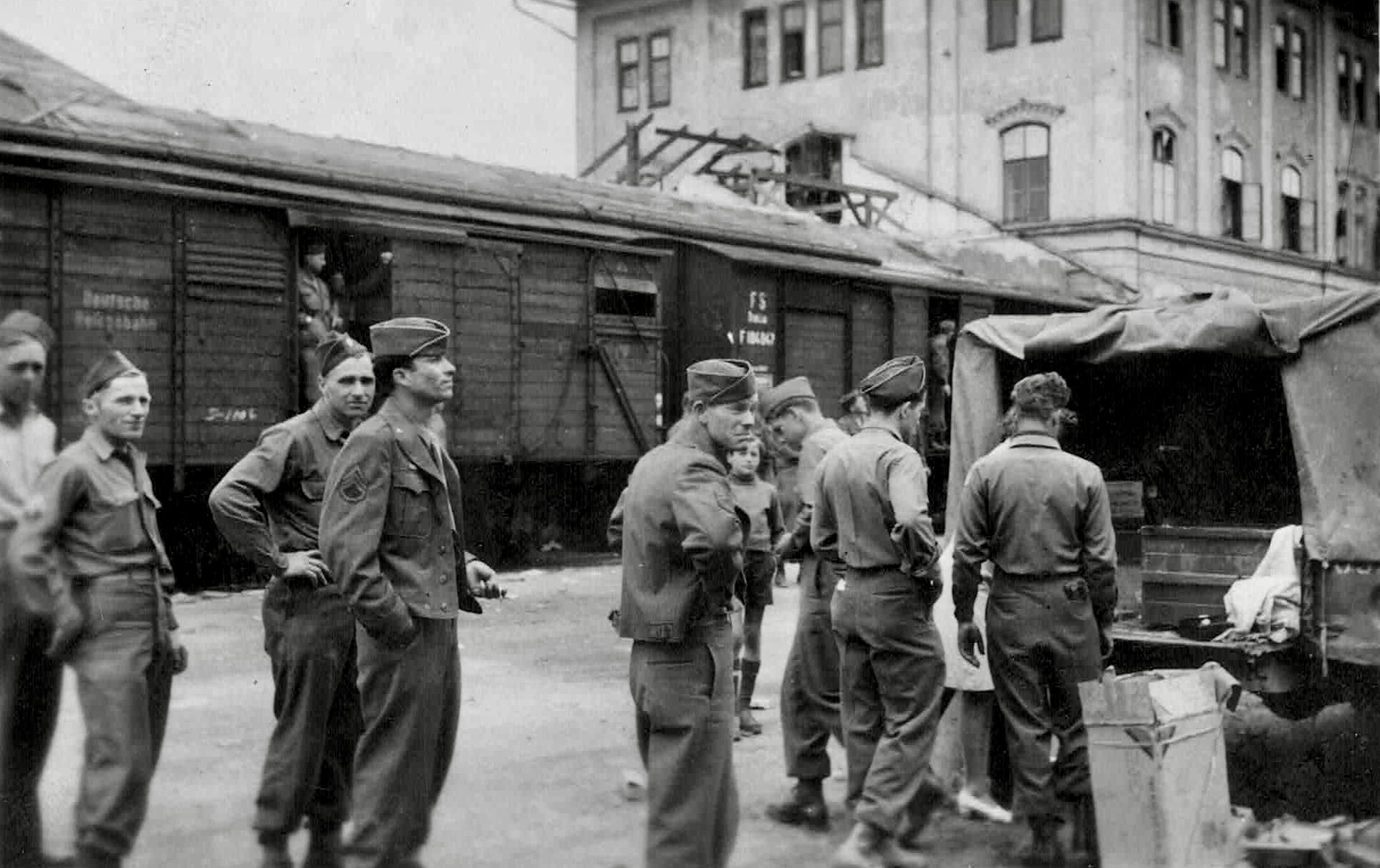
Janet and Flo hand out the last donuts to soldiers as they board the train for homeSalzburg train station. Photos from Flo’s album
Flo stayed on in Europe until March, 1946, and I had assumed she signed up to serve in the Red Cross during the occupation. But I think she was just as anxious to return home as all the other American soldiers and staff–she just couldn’t get out any sooner. It’s not clear whether Red Cross workers received points, or whether they even fell under the rating score system.
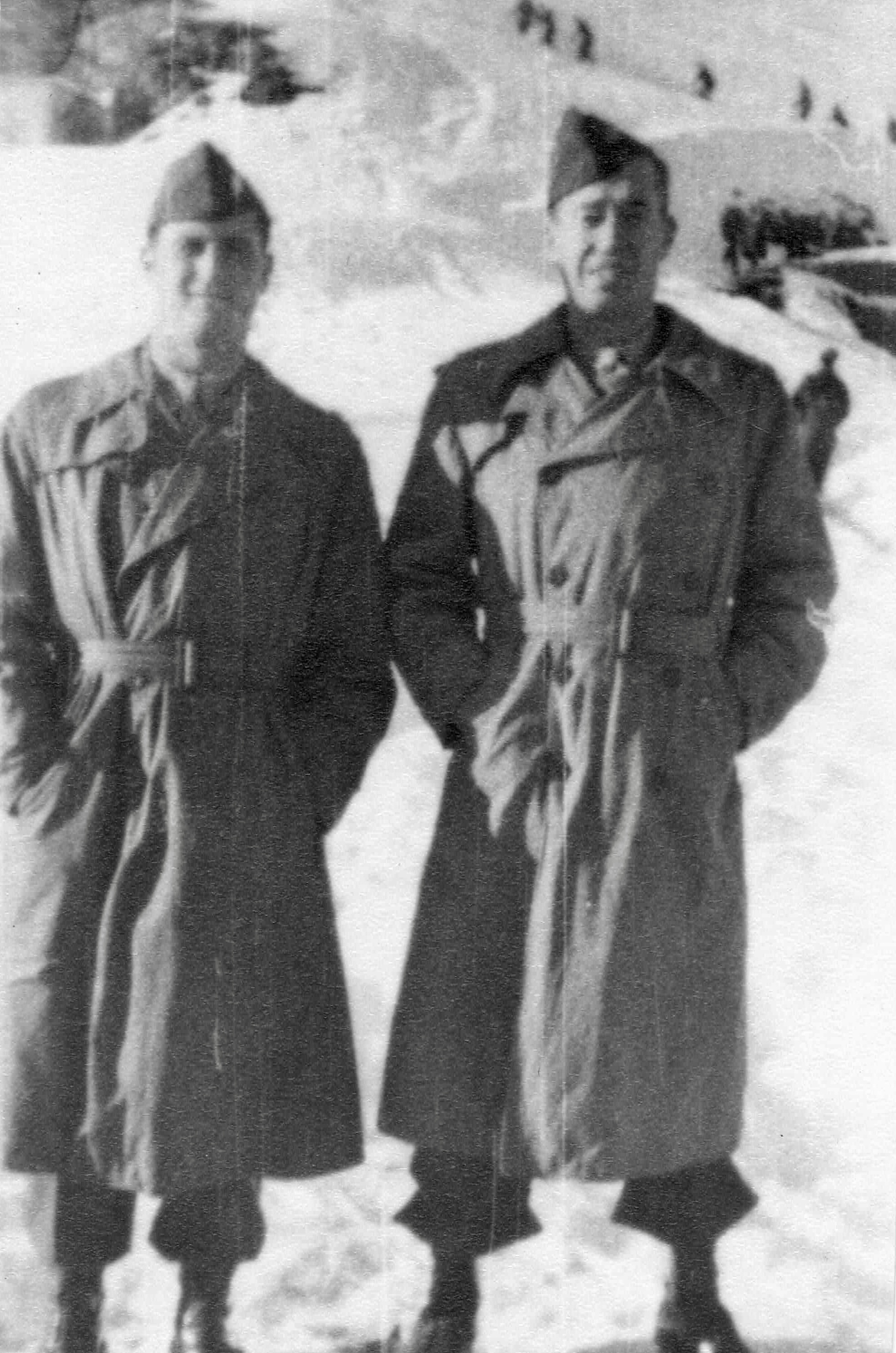
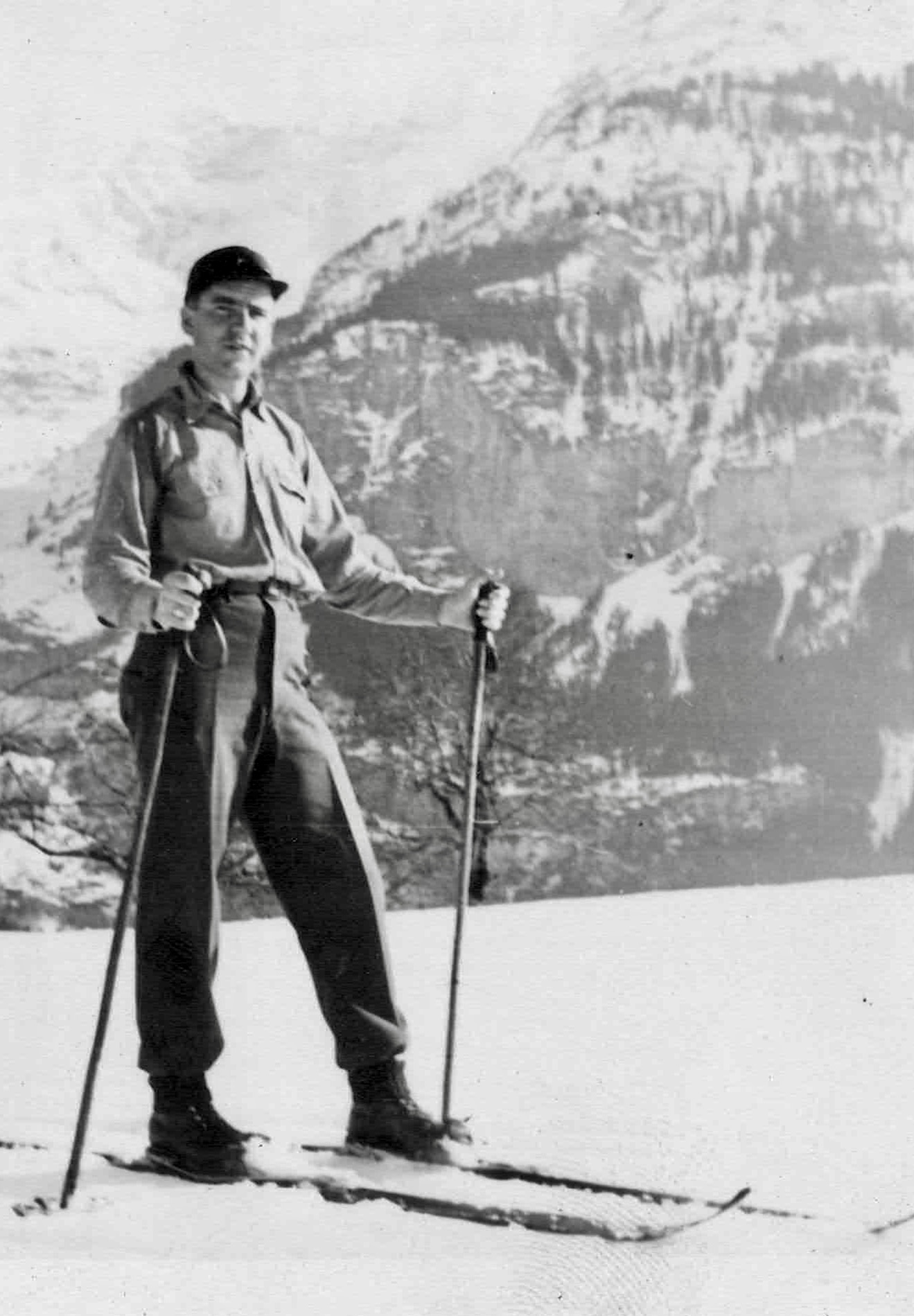
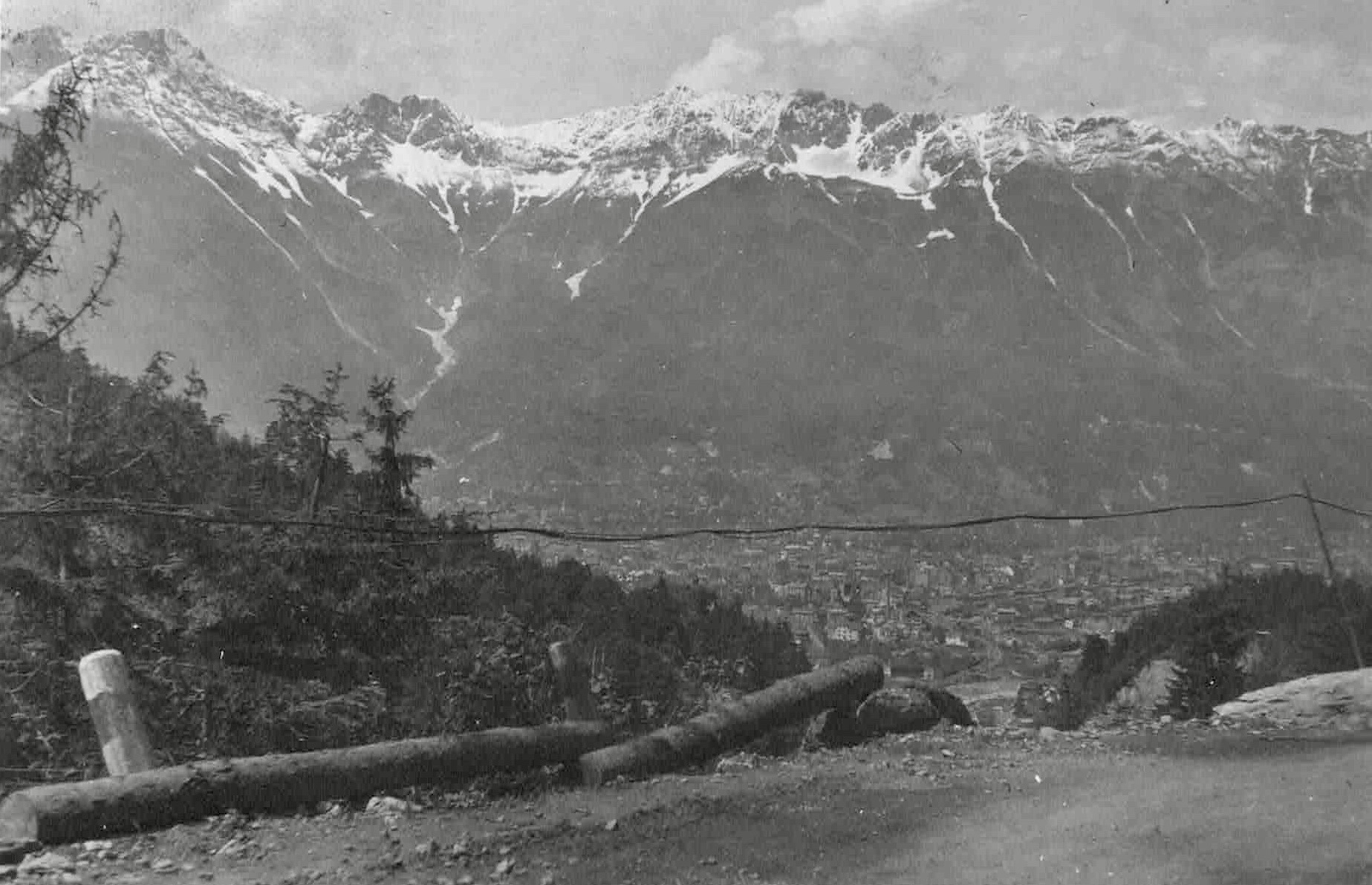
Flo stood at the border and looked across the Alps into Austria
My Mother and Audie MurphyCh. 77
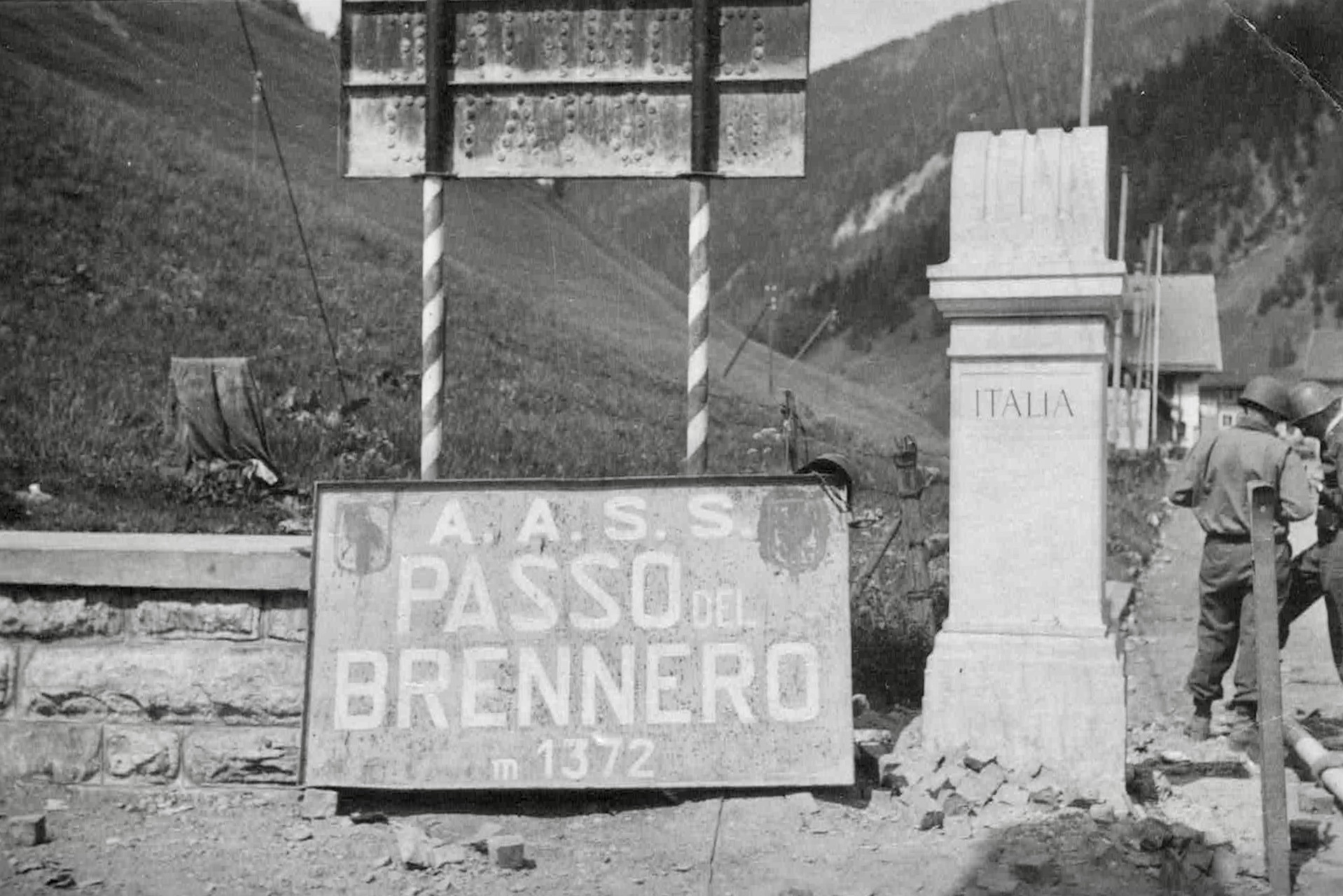
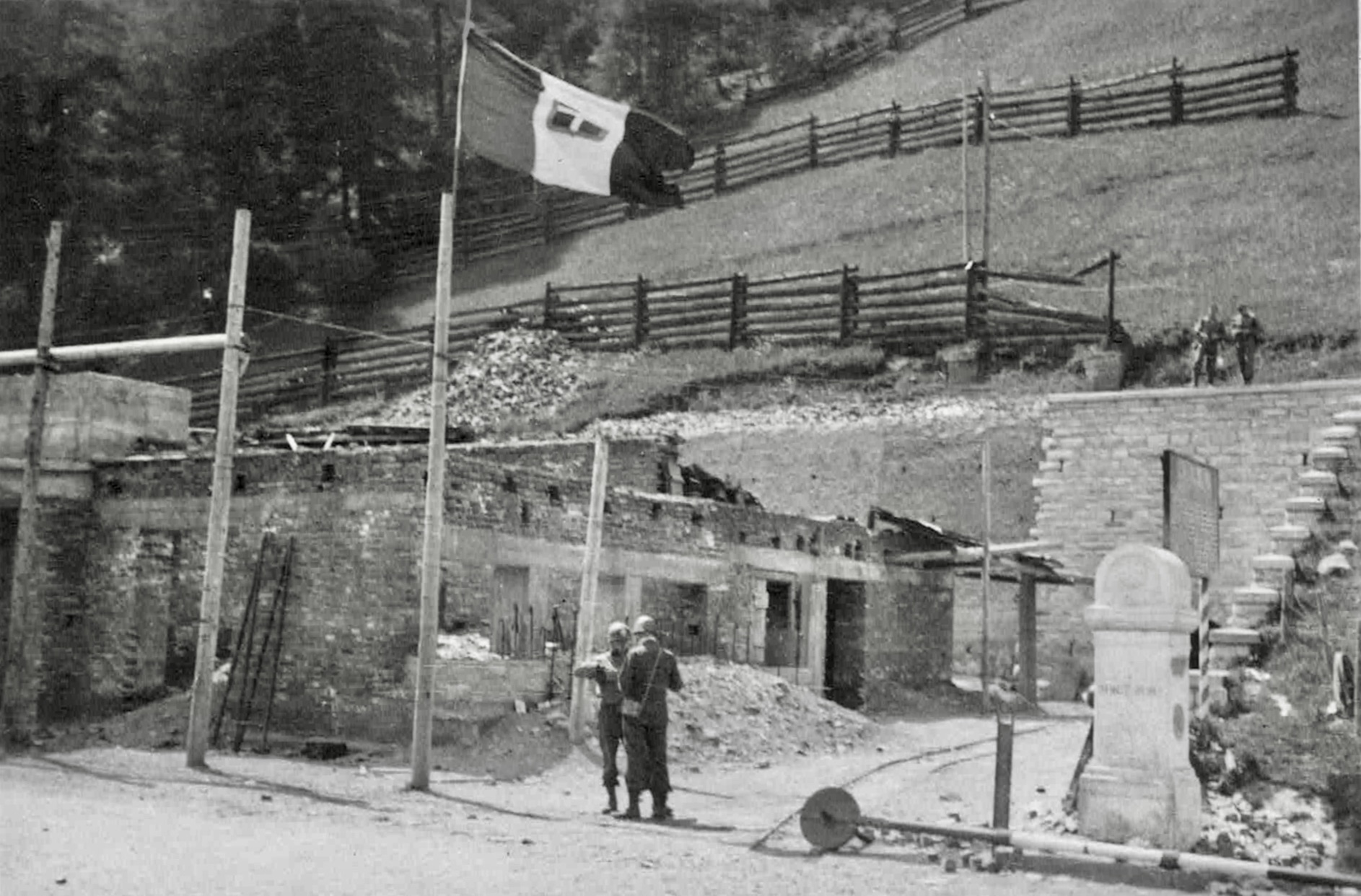
In May, 1945, just after the end of the war, Flo must have been excited to summit the Brenner Pass and see into Austria. Brenner Pass has long been a strategic gateway through the Alps, and its role intensified during World War II. After Germany annexed Austria in March 1938, the pass suddenly lay deep inside Hitler’s expanding Reich. Two years later, on 18 March 1940, Hitler and Mussolini met there to reaffirm their Pact of Steel.
When Italy signed an armistice with the Allies in 1943, Germany moved quickly to seize the pass and push the border with Mussolini’s new puppet regime far to the south. By 1945, American troops occupied the area, and the pass was returned to Italy once the war ended. In the chaotic aftermath, Brenner Pass also became one of the escape routes, part of the “ratlines” used by fleeing Nazi leaders. After the war, the pass once again marked the border between Italy and the newly independent Republic of Austria.
The sign shows the hard road from Salerno to AustriaSeen from the other sideGreat views from up there!







 tradeswomn musings