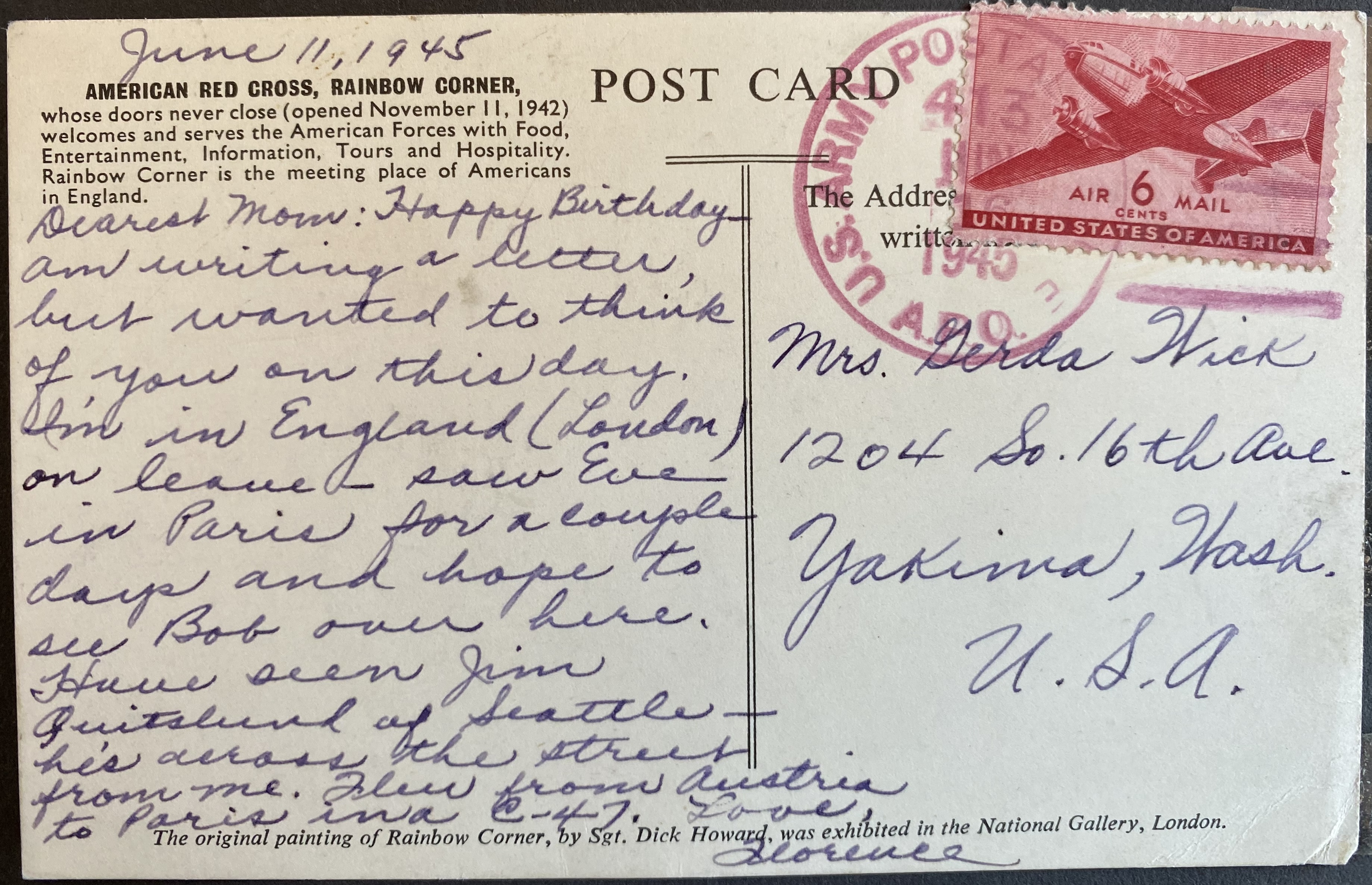
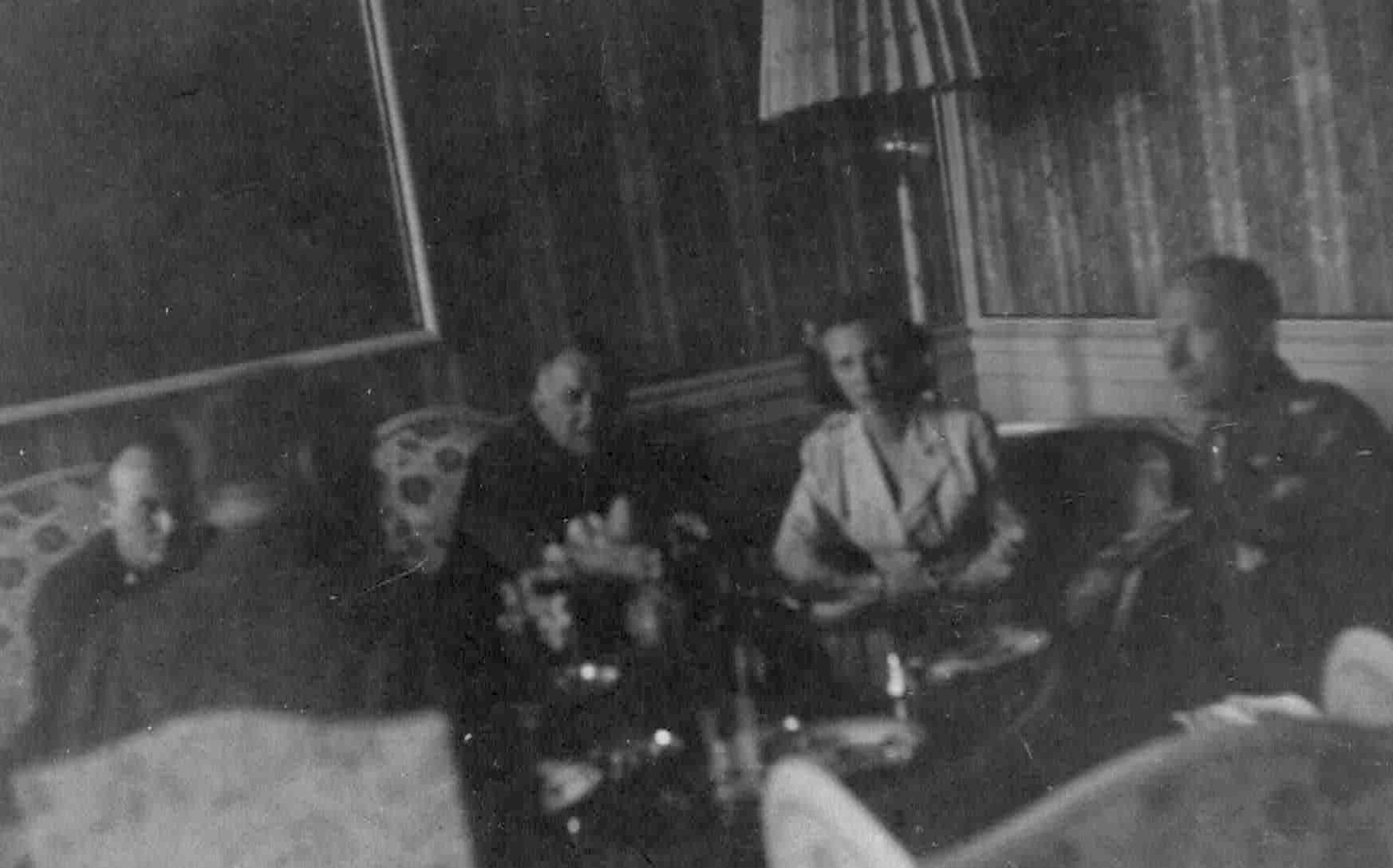
In June Flo got a seven-day leave to travel to the UK. In a postcard dated June 11, 1945 she wrote her mother that she flew from Austria to Paris on a C-47. On the plane she photographed “kraut generals, fellow passengers en route to prison.”
Flo stopped in Paris for a couple of days to visit her sister Eve who was still working as a nurse at an army hospital there. Then she traveled to London by boat.
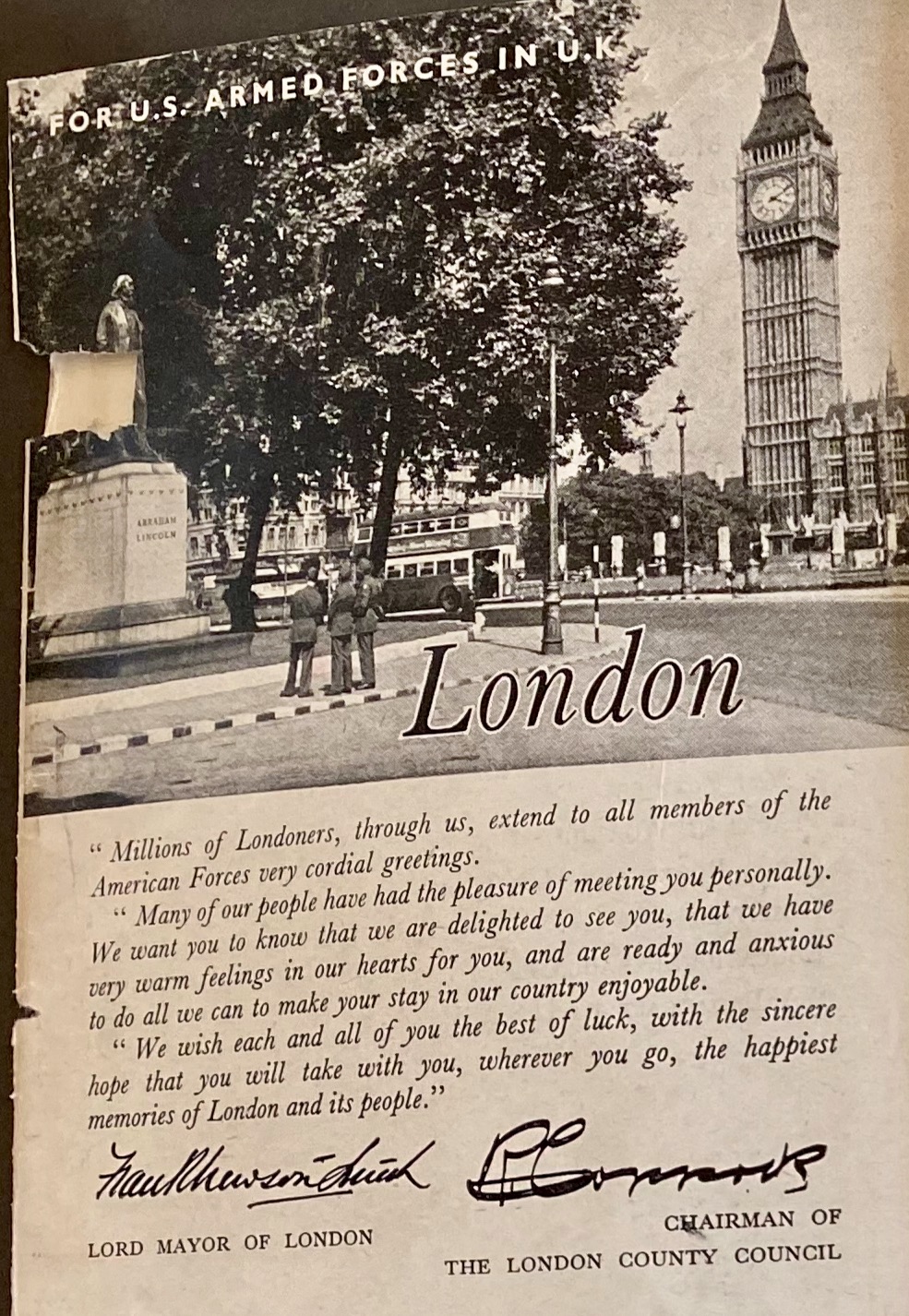
On the C-47, Flo captioned this picture “Kraut generals, fellow passengers en route to prison.”Flo’s postcard to her mother on her birthday. Bob is Flo’s sister Eve’s husband, also in the military and stationed in England.Flo’s sister, Eve, with the C.O. of the 203rd general hospital in Paris.Flo and her sister Eve who worked as a nurse at the 203rd general hospital in ParisLondon welcomes the US Armed ForcesFrom the postcard back: American Red Cross Rainbow Corner, whose doors never close (opened Nov. 11, 1942) welcomes and serves the American Forces with food, entertainment, information, tours and hospitality. Rainbow Corner is the meeting place of Americans in England.
Red Cross Service Clubs
During WWII in England, the American Red Cross ran numerous “Service Clubs” and “Aeroclubs,” like the famous Rainbow Corner Club in London, serving millions of GIs with food, lodging, and recreation, with numbers constantly changing as troops arrived and departed, but focusing on large operations near bases.
London was the biggest city in the world
At the beginning of the war in 1939, London was the largest city in the world, with 8.2 million inhabitants. It was the capital not just for the United Kingdom, but for the entire British Empire. London was central to the British war effort.
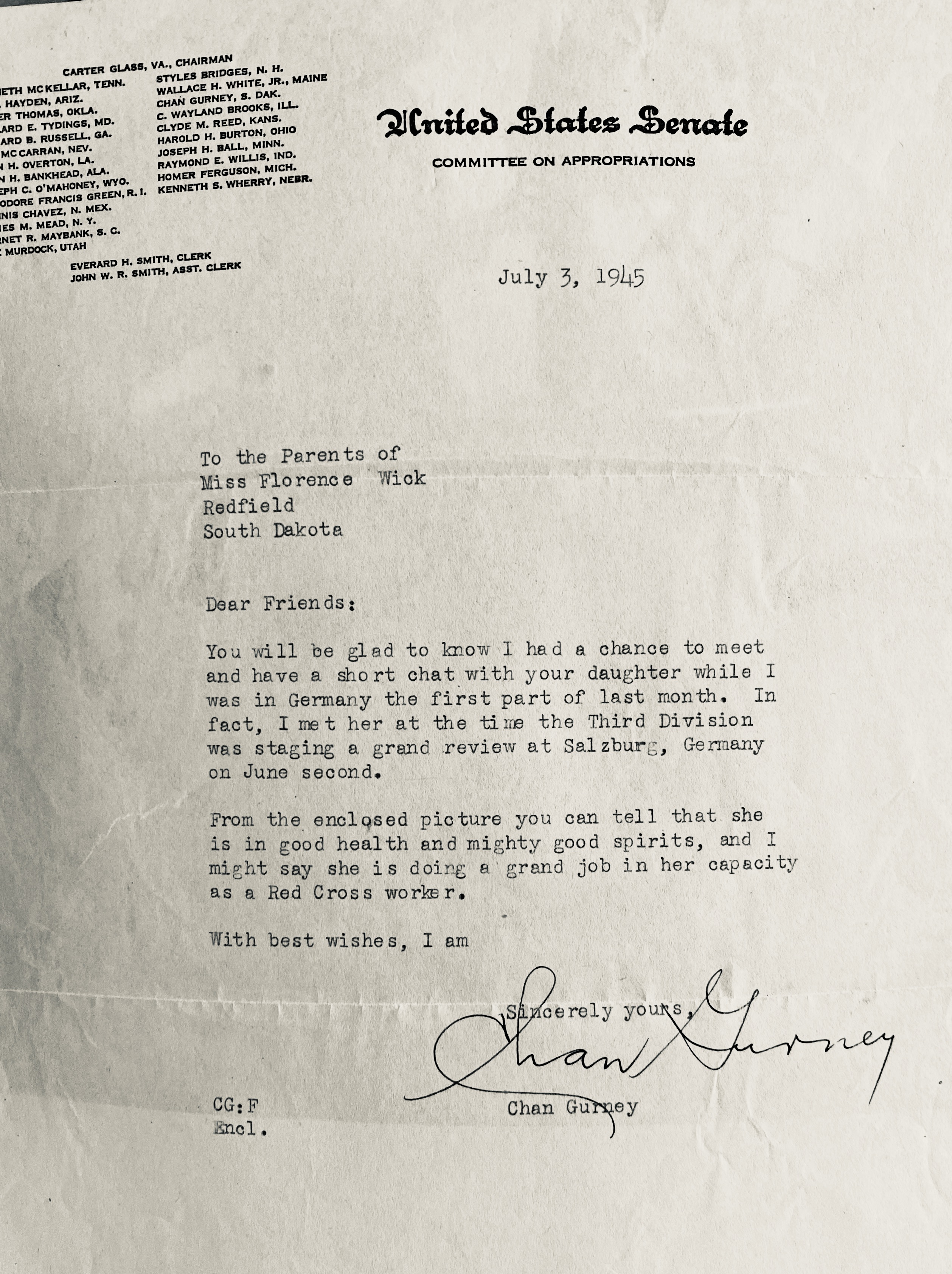
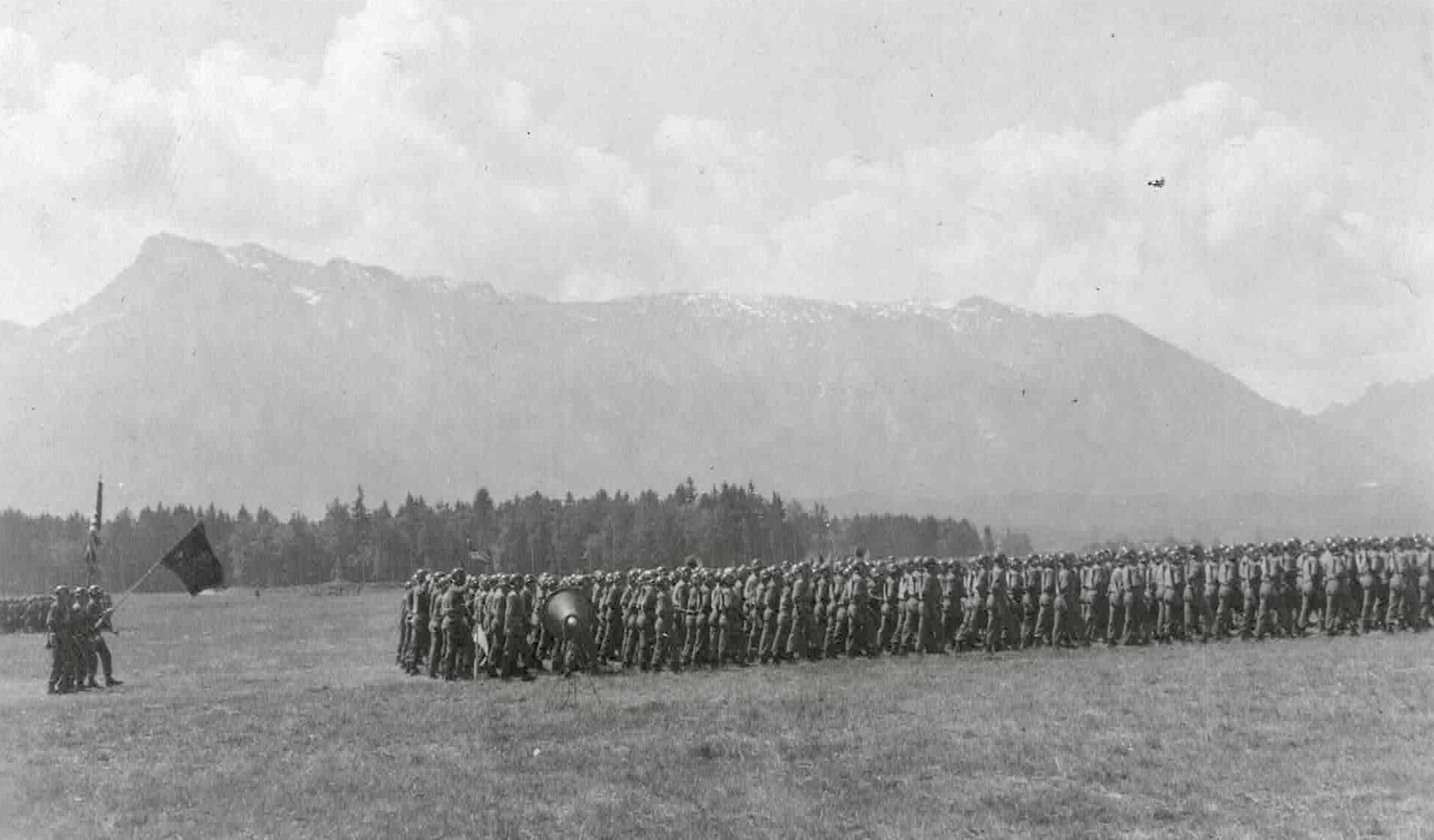
On June 2, 1945, the Third Infantry Division assembled for a division-wide review in Salzburg, their ranks drawn up before their headquarters. Flo was there with her clubmobile crew, Liz Elliott and Janet Potts, watching as Seventh Army commander General Alexander Patch presented decorations and commendations. A Congressional delegation stood in review alongside Secretary of War Robert P. Patterson, among them South Dakota Senator Chan Gurney, the first chairman of the Senate Committee on Armed Forces.
June 2, 1945. This is the last picture of the three Red Cross clubmobilers together–Janet Potts, Flo Wick and Liz Elliott. Fritzie Hoaglund never returned to the crew after having been hospitalized.
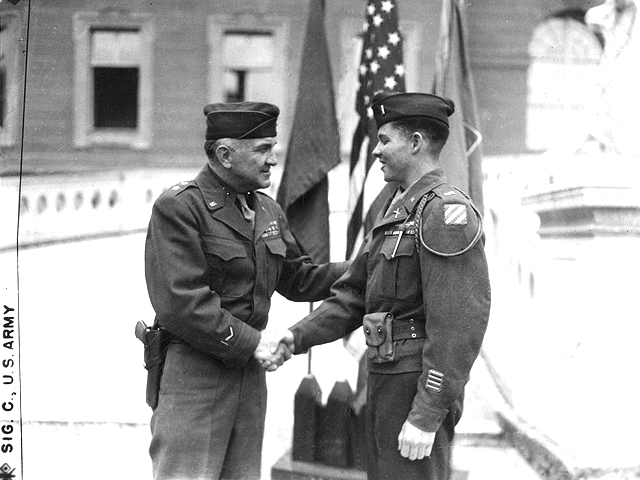
That day, Lieutenant Audie Murphy of B Company, 15th Regiment, received the Medal of Honor and the Legion of Merit in front of his entire division. Five other Third Division soldiers were awarded the Distinguished Service Cross and the Silver Star, their citations read aloud to the troops who had fought across Europe and now stood at attention in peacetime formation.
Gen. O’Daniel shakes the hand of 1st Lt. Audie Murphy of B Company, 15th Regiment, 3rd Division. Murphy received the Medal of Honor and the Legion of Merit on June 2, 1945 in front of his entire division in Salzburg, Austria. Photo: Dogface soldier collection
The ceremony took place at a site heavy with layered history. Built in 1700 as a Baroque summer residence for the Prince-Archbishops of Salzburg, the palace later became a Nazi showpiece where Hitler hosted Axis leaders and stored looted art as the Reich collapsed. Captured by the U.S. Third Infantry Division in May 1945, it was repurposed as headquarters of the American Occupation Authority during the decade-long U.S. presence in Salzburg, before eventually becoming a casino.
Gen. J. W. O’Daniel 3rd Div. Commander; Flo Wick, ARC; Gen Alex Patch 7th Army commander. June 1945. Schloss Klessheim SalzburgA delegation of the US Congress witnessed the Audie Murphy ceremony. Chan Gurney, South Dakota, the first chairman of the US senate committee on Armed Services, is seen here with Flo.Letter from Sen. Gurney to Flo’s parents. He thought they were South Dakota constituents. Flo was born in Redfiled, SD, but the family hadn’t lived there since she was a baby. They lived in Yakima, WA. Her father had died in 1938.On June 2, 1945 the 3rd Division staged a grand review at Schloss Klessheim.Soldiers march past the reviewing stand. photos from Flo’s album
When Germany surrendered on May 8, 1945, the U.S. Army in Europe suddenly had to shift from fighting to occupying a defeated nation. More than two million soldiers now had to be sorted into three paths: those who would stay in Germany as an occupation force, those who would be sent to the Pacific for the expected invasion of Japan, and those who would finally go home. Because the Army had more men than it needed for occupation and redeployment, it also had to begin discharging veterans fairly and quickly.
General George C. Marshall had foreseen this challenge. Drawing on hard lessons from the chaotic demobilization after World War I, he ordered the Special Planning Division in 1943 to craft a method that would release soldiers on an individual basis rather than by entire units. With divisions in Europe filled with late-war replacements, unit-based demobilization was impossible—and delay risked unrest among idle troops.
After gathering input from commanders worldwide, the army created the Adjusted Service Rating Score, universally known to GIs as the point system. It offered an objective way to determine who went home first. Points were awarded for time in service, time overseas, combat campaigns, decorations, wounds, and dependent children:
1 point per month in the Army
+1 point per month overseas
5 points per campaign
5 points per decoration for merit or valor
5 points per Purple Heart
12 points per dependent child (up to three)
This system became the backbone of America’s demobilization in Europe.
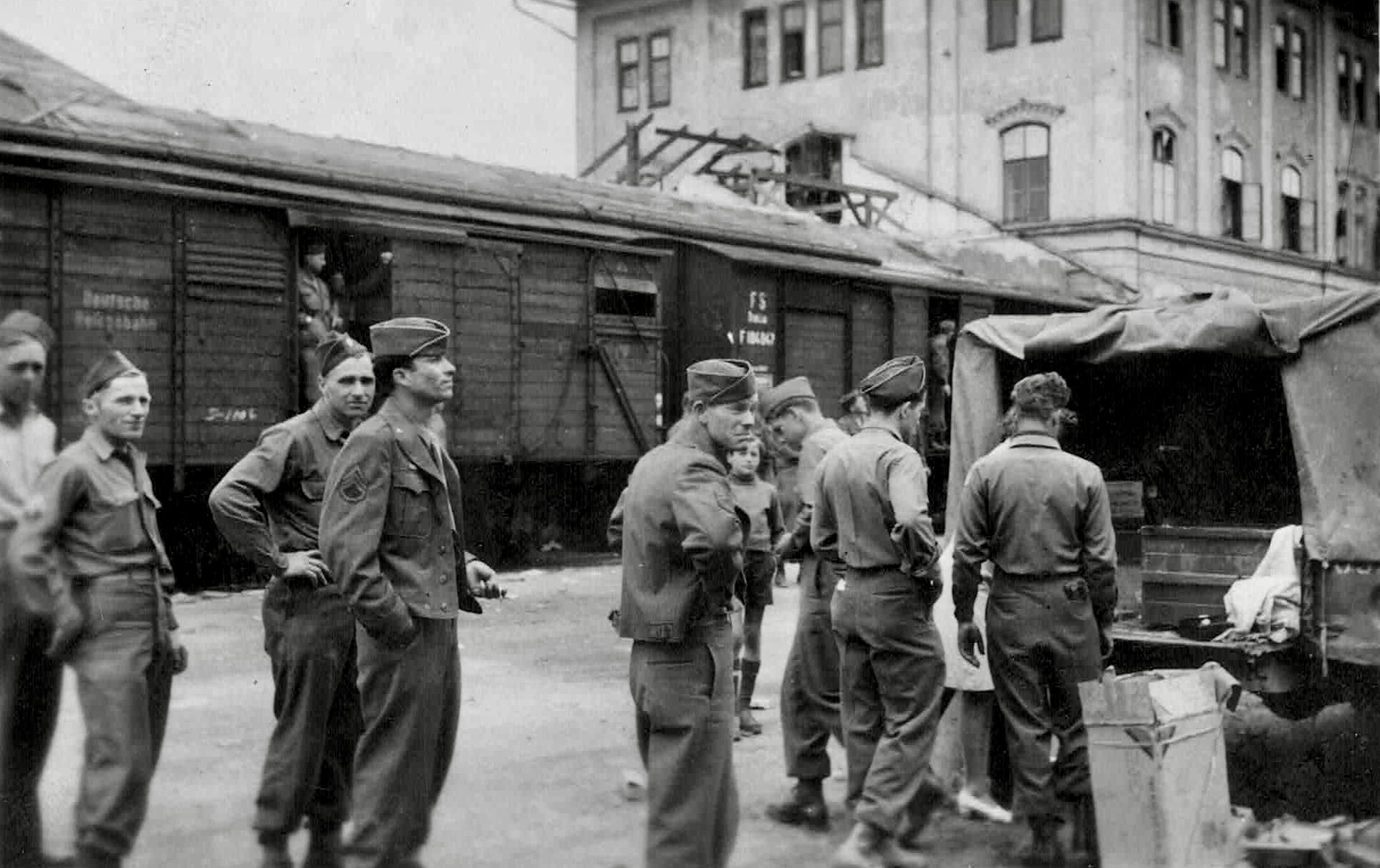
Janet and Flo hand out the last donuts to soldiers as they board the train for homeSalzburg train station. Photos from Flo’s album
Flo stayed on in Europe until March, 1946, and I had assumed she signed up to serve in the Red Cross during the occupation. But I think she was just as anxious to return home as all the other American soldiers and staff–she just couldn’t get out any sooner. It’s not clear whether Red Cross workers received points, or whether they even fell under the rating score system.
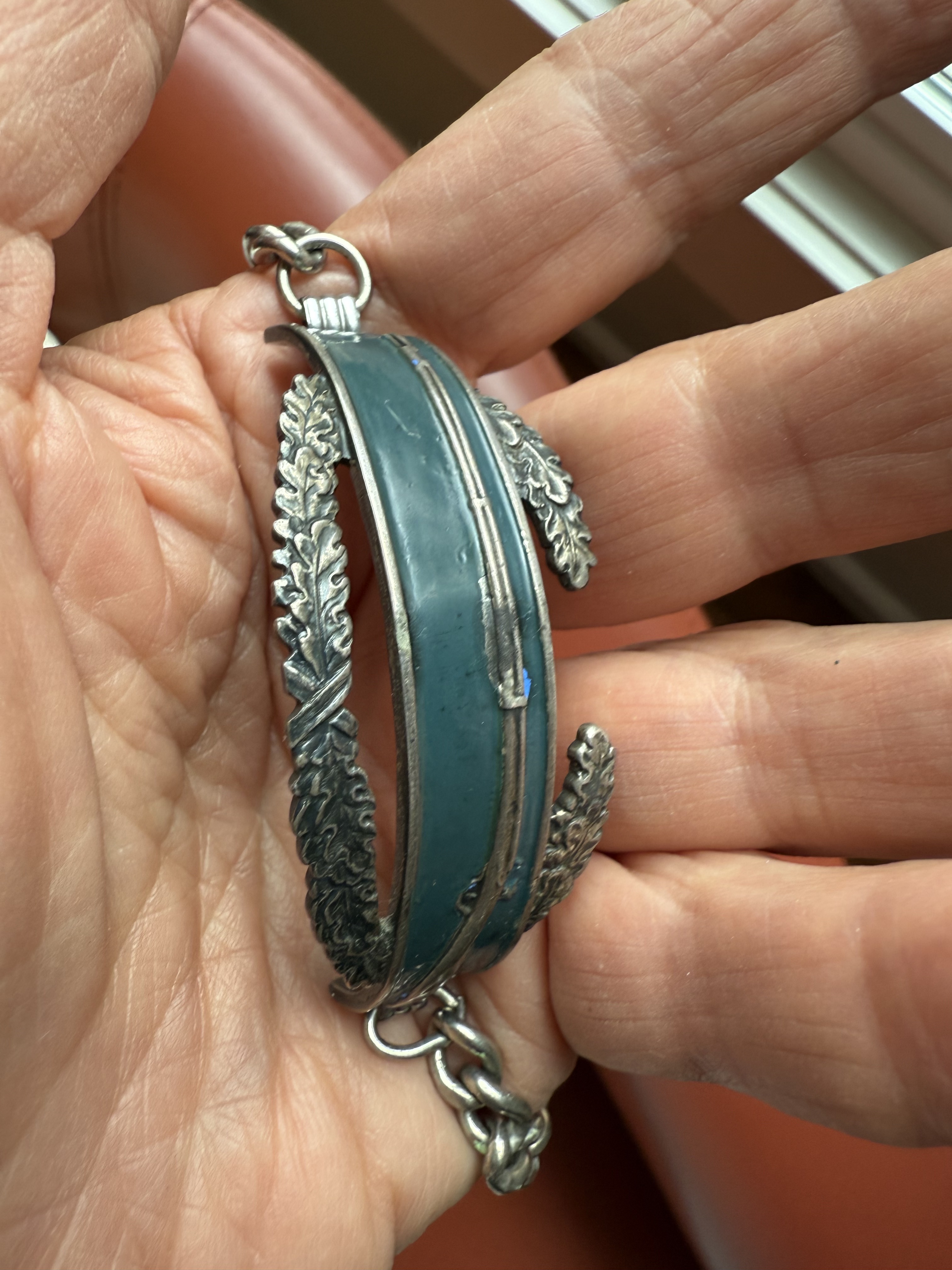
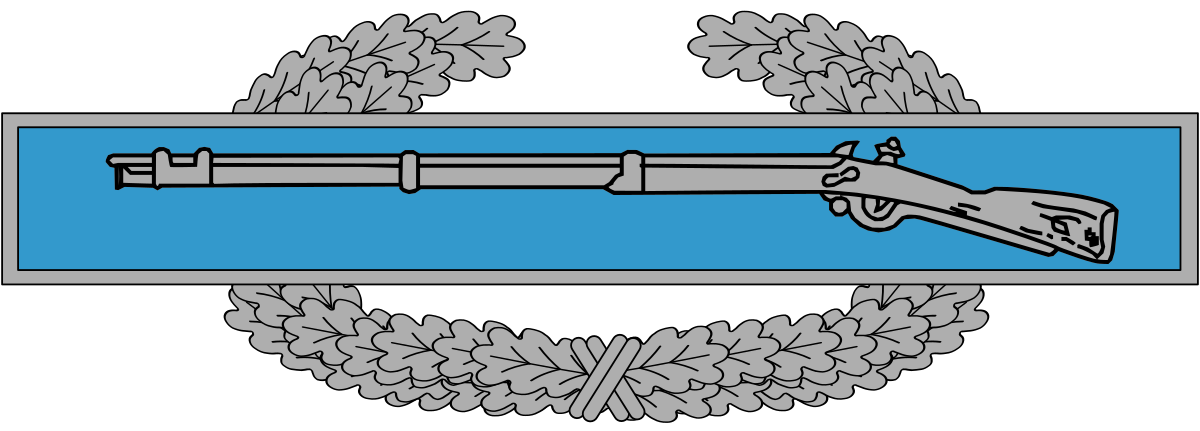
After her death, in Flo’s jewelry box I found a bracelet made from a Combat Infantryman Badge. The badge is a U.S. Army decoration awarded to infantrymen and Special Forces soldiers, colonel rank and below, who fought in active ground combat after December, 1941. The same badge appears here on the dance invitation. I imagine it had been awarded to Flo’s fiancé, Gene Gustafson, and that she had it fashioned into a bracelet she could wear.
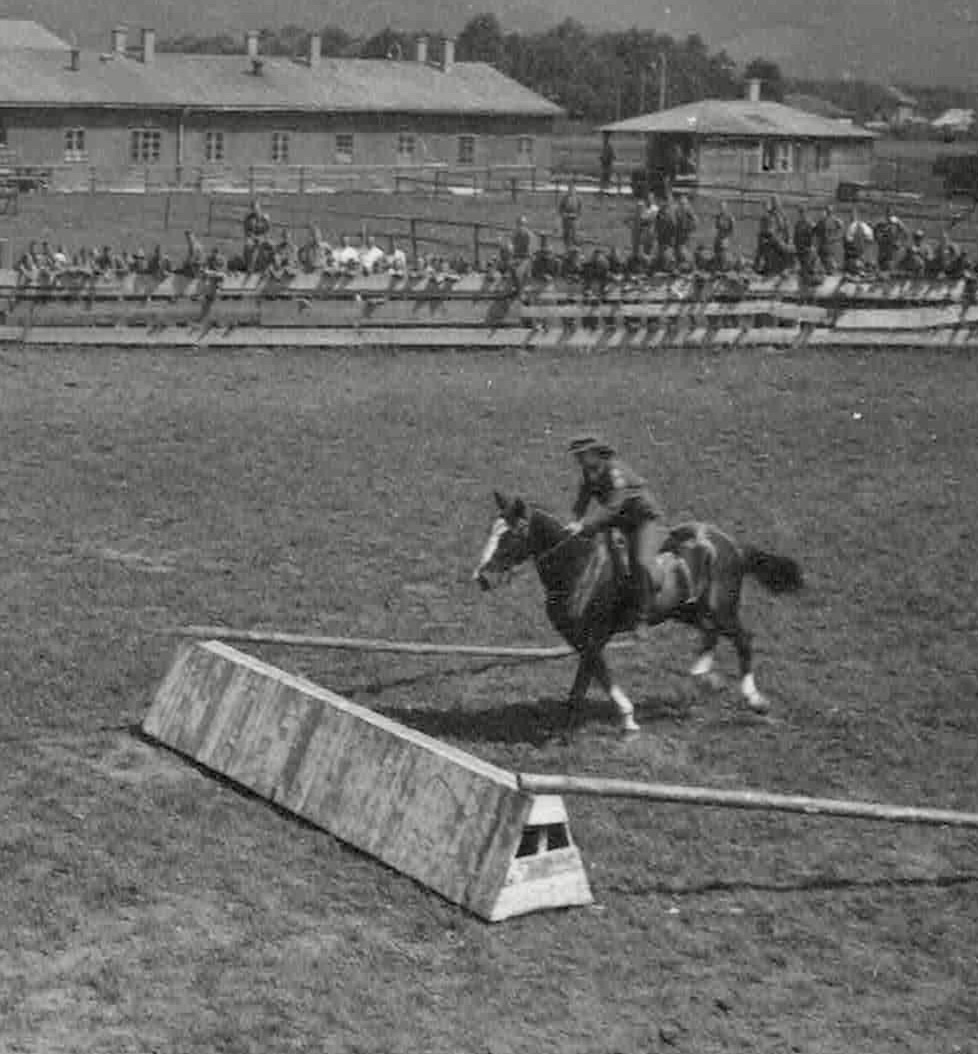
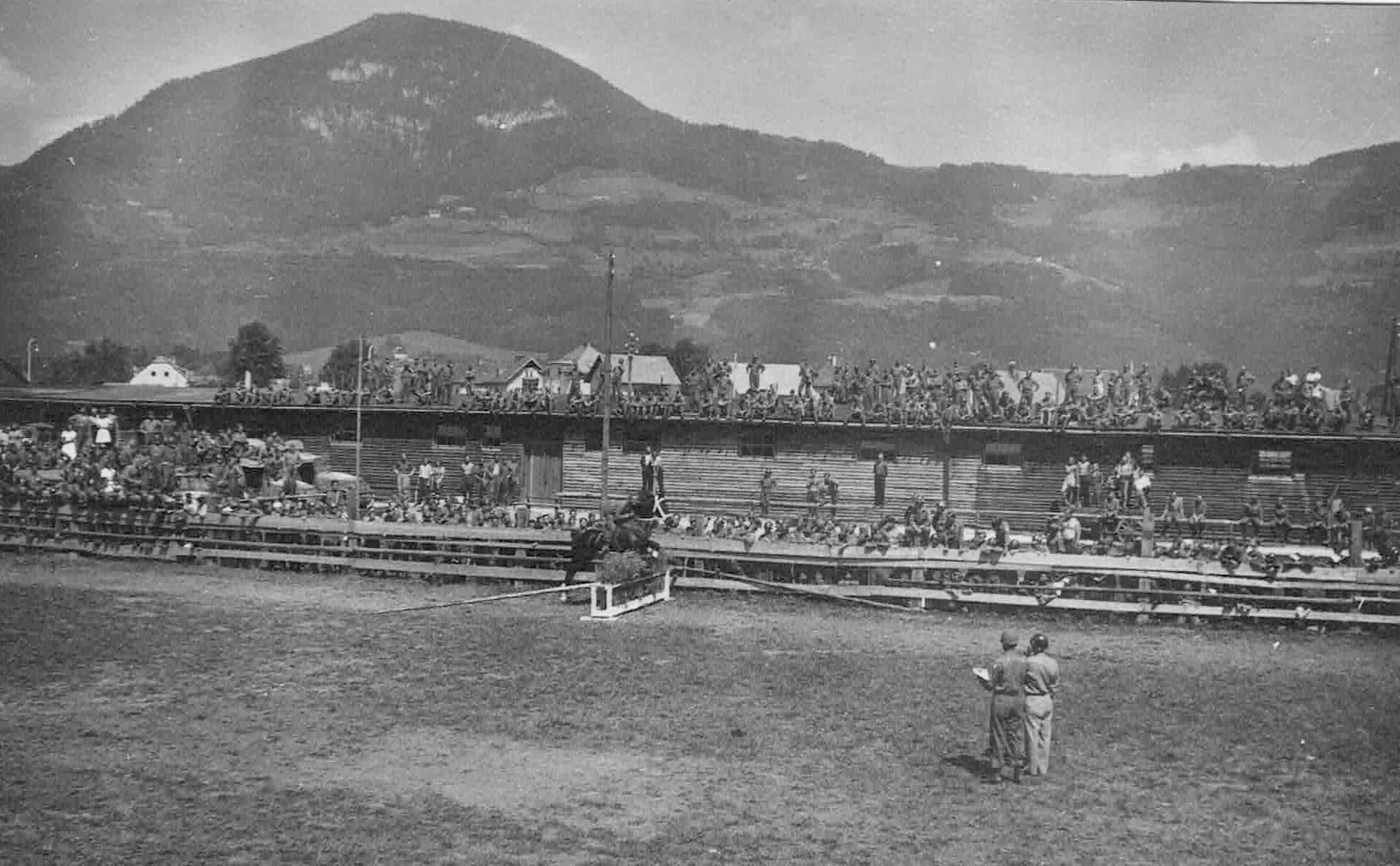
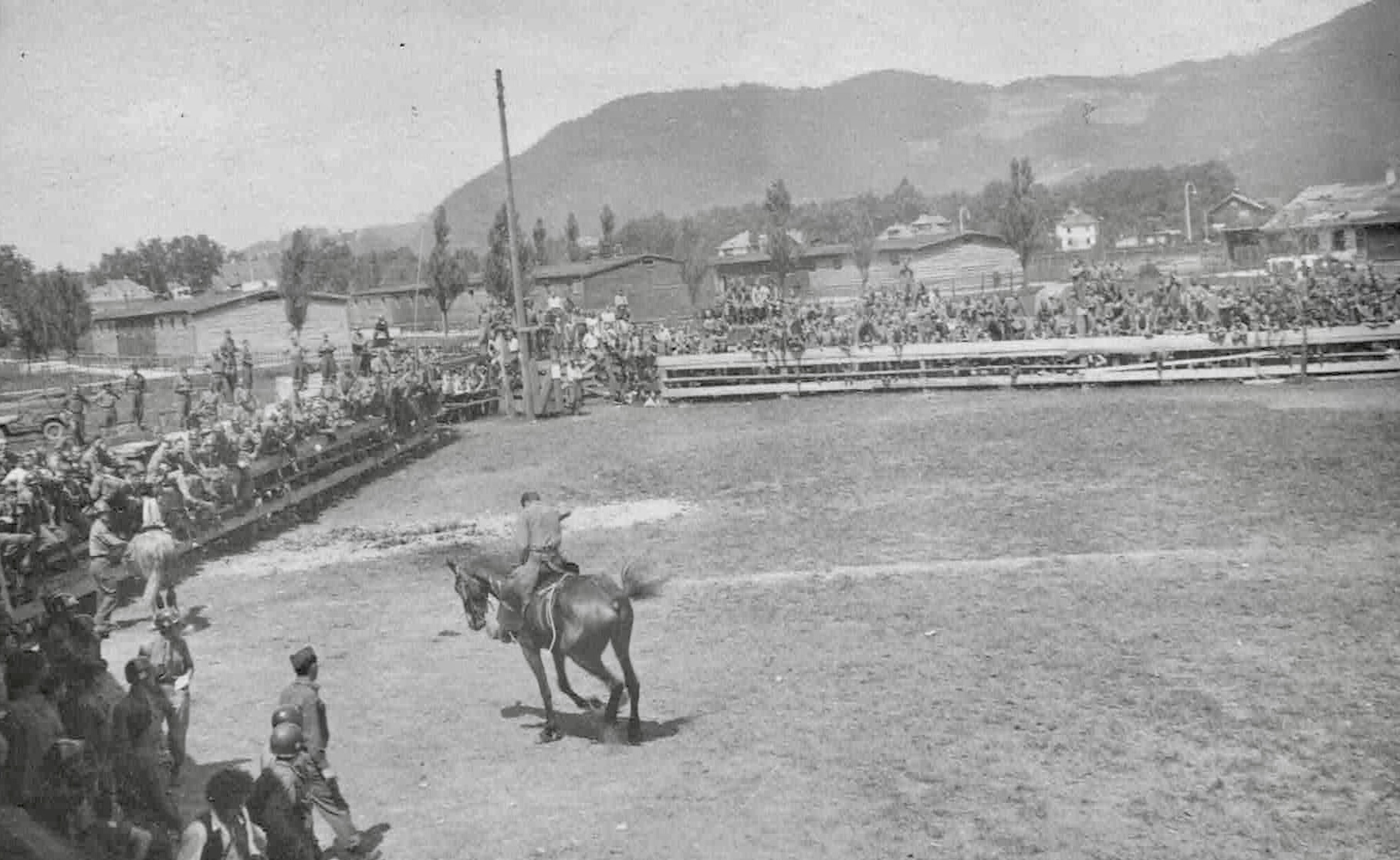
For almost ten weeks—from May 4 to July 13, 1945—the 3rd Division enjoyed a rare stretch of life without combat in and around Salzburg. To help soldiers shift from warfighting to occupation duty, the army quickly organized a full slate of sports and recreation. The Salzburg rodeo that Flo photographed was likely one of those morale-boosting events.
Clubmobiler Janet Potts, already an experienced equestrian with competition miles behind her, took part in the show. Even so, jumping with an unfamiliar horse must have been a challenge. And the horses themselves raise questions: where did they come from? Were they seized from a high-ranking Nazi officer? Whatever their origin, they were striking animals—well trained, elegant, and responsive. One photo even seems to show an American soldier riding a dressage horse, completing the unlikely tableau of a rodeo in postwar Salzburg.
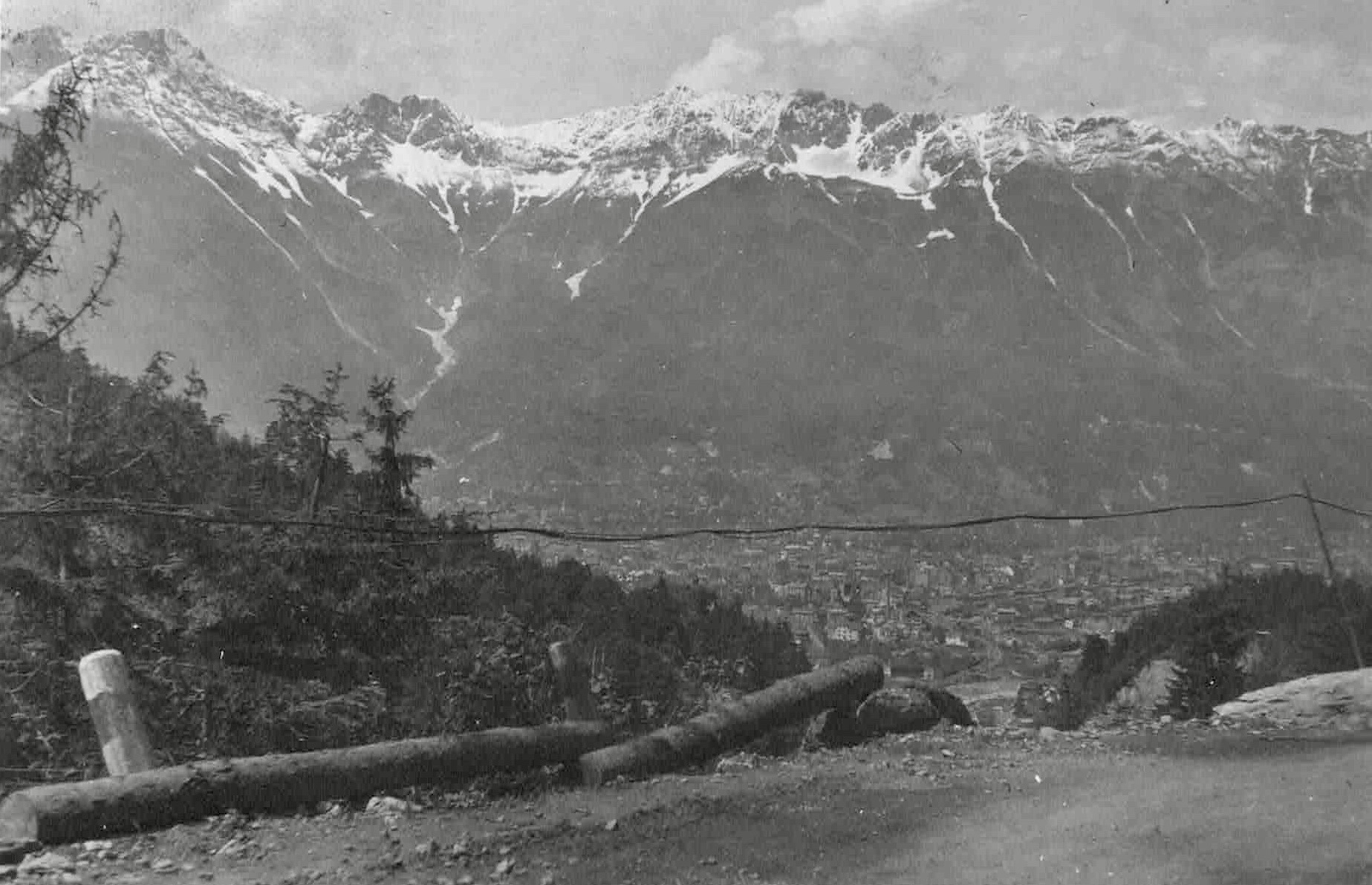
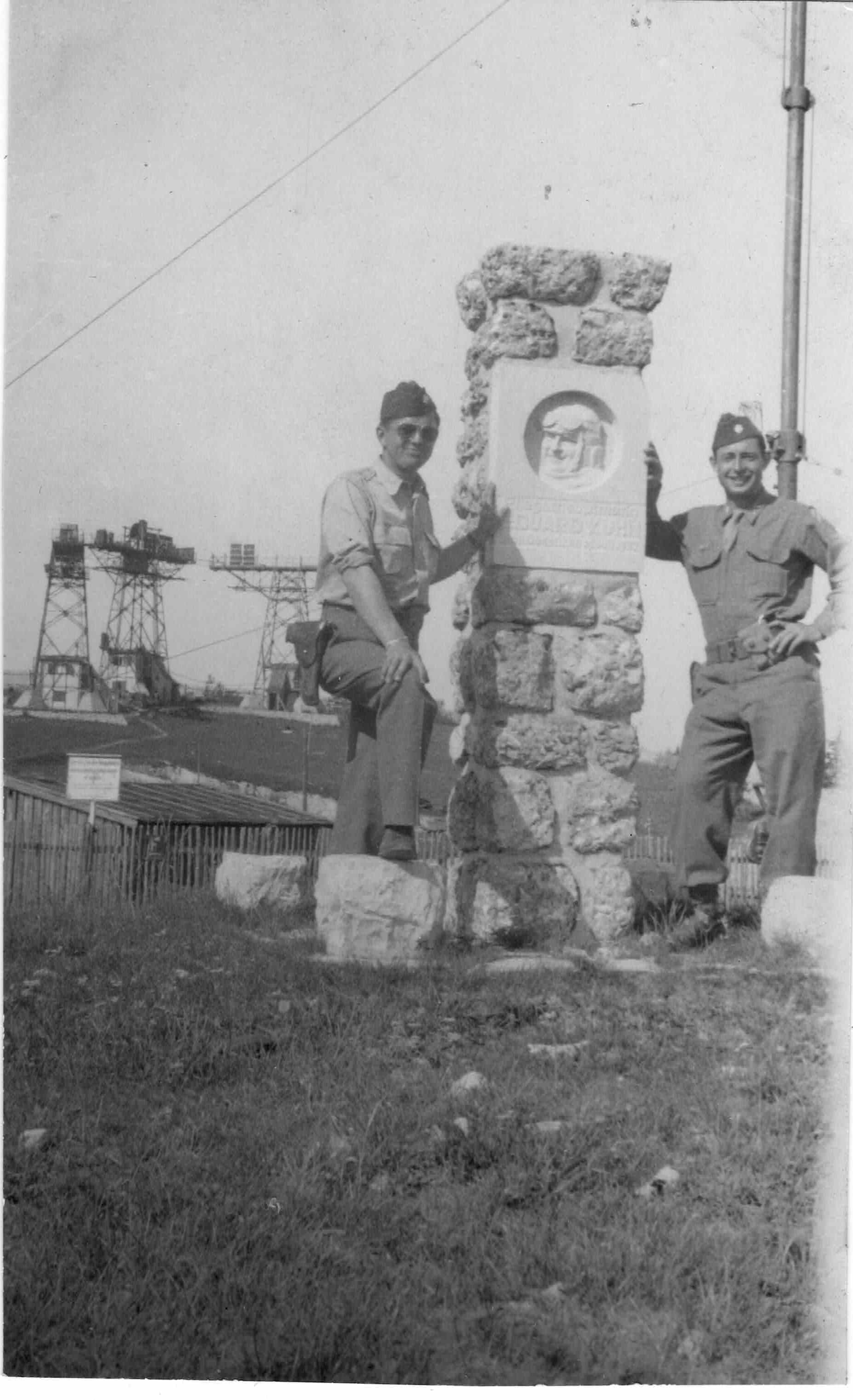
Flo stood at the border and looked across the Alps into Austria
My Mother and Audie MurphyCh. 77
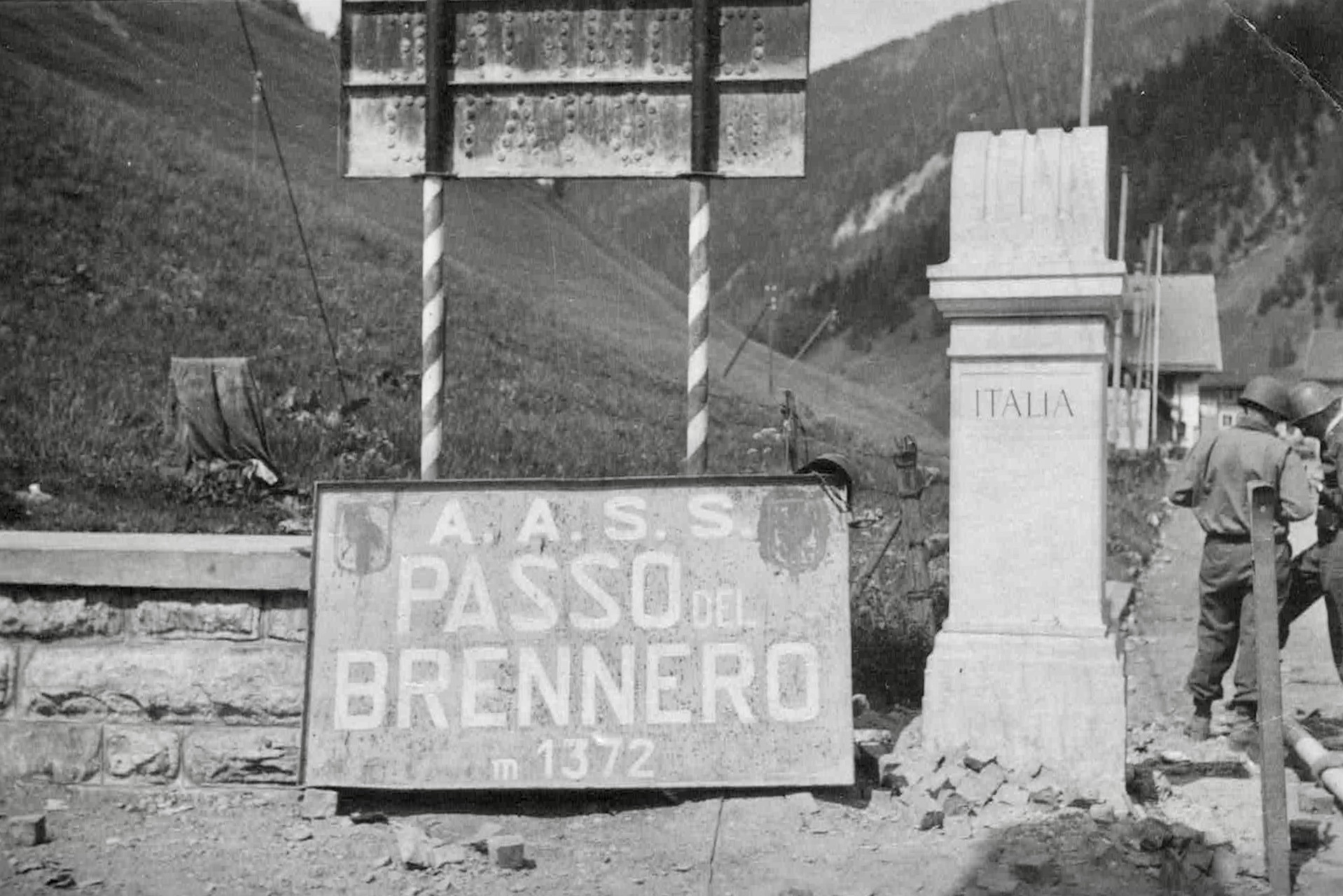
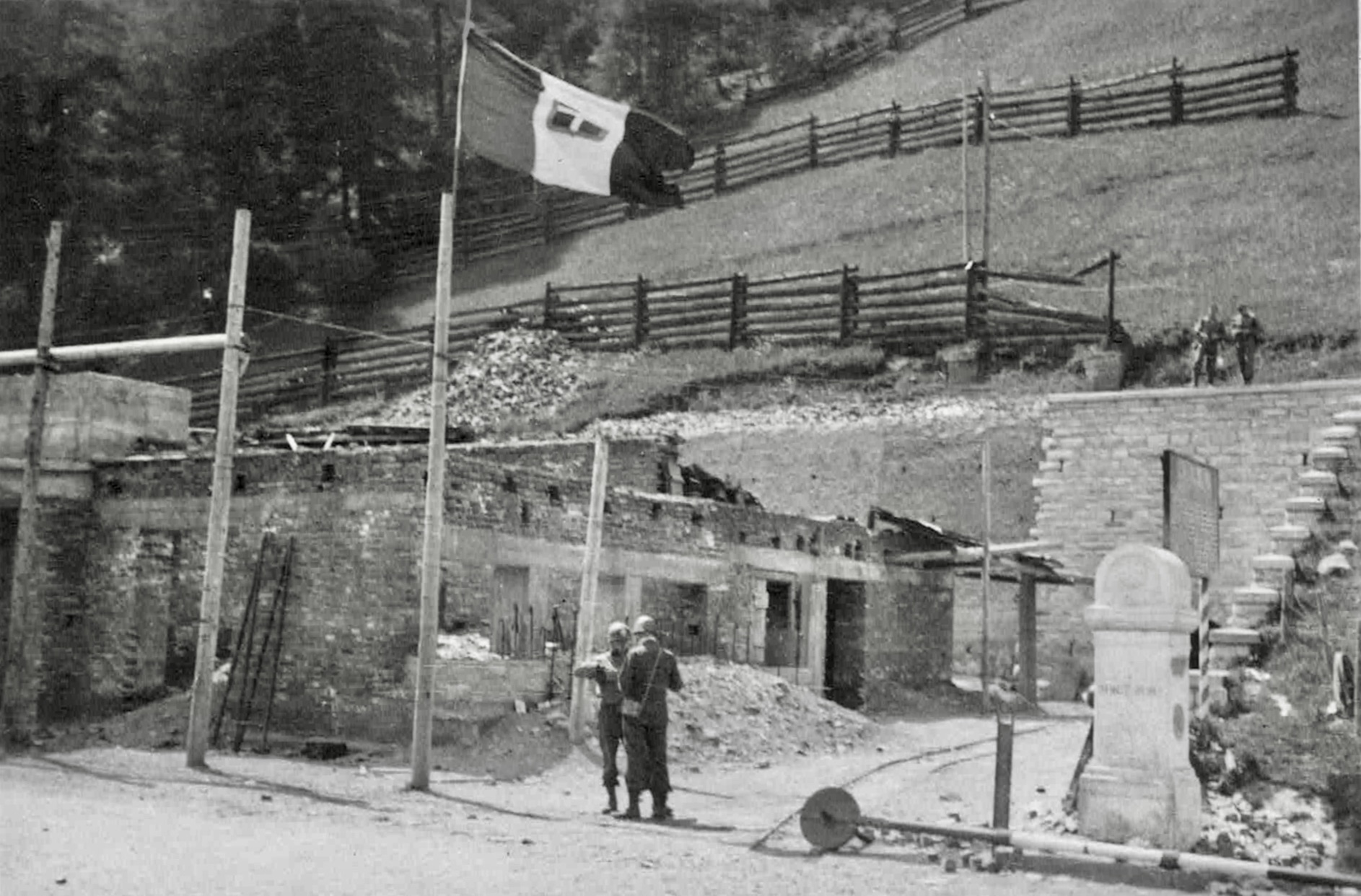
In May, 1945, just after the end of the war, Flo must have been excited to summit the Brenner Pass and see into Austria. Brenner Pass has long been a strategic gateway through the Alps, and its role intensified during World War II. After Germany annexed Austria in March 1938, the pass suddenly lay deep inside Hitler’s expanding Reich. Two years later, on 18 March 1940, Hitler and Mussolini met there to reaffirm their Pact of Steel.
When Italy signed an armistice with the Allies in 1943, Germany moved quickly to seize the pass and push the border with Mussolini’s new puppet regime far to the south. By 1945, American troops occupied the area, and the pass was returned to Italy once the war ended. In the chaotic aftermath, Brenner Pass also became one of the escape routes, part of the “ratlines” used by fleeing Nazi leaders. After the war, the pass once again marked the border between Italy and the newly independent Republic of Austria.
The sign shows the hard road from Salerno to AustriaSeen from the other sideGreat views from up there!
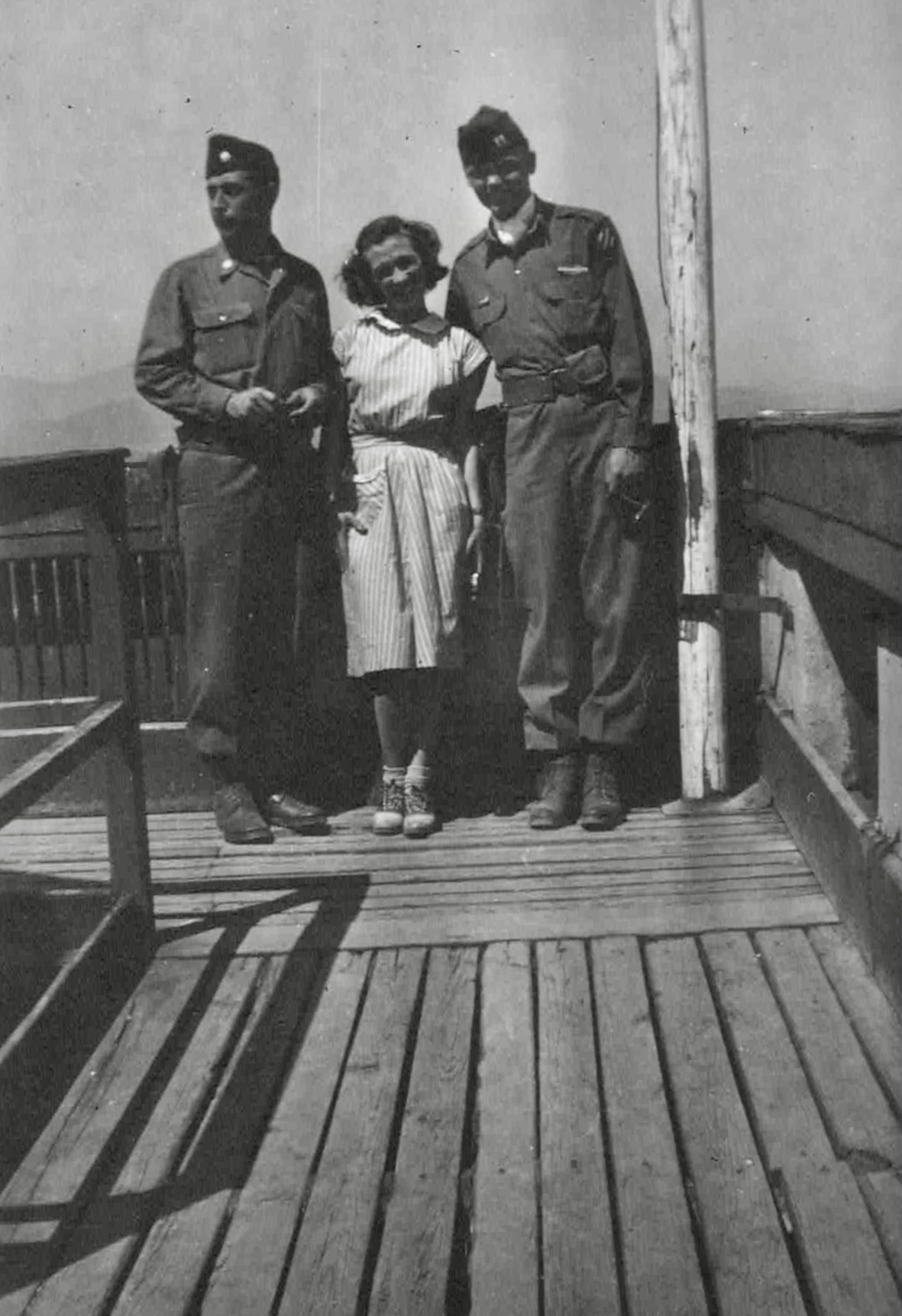
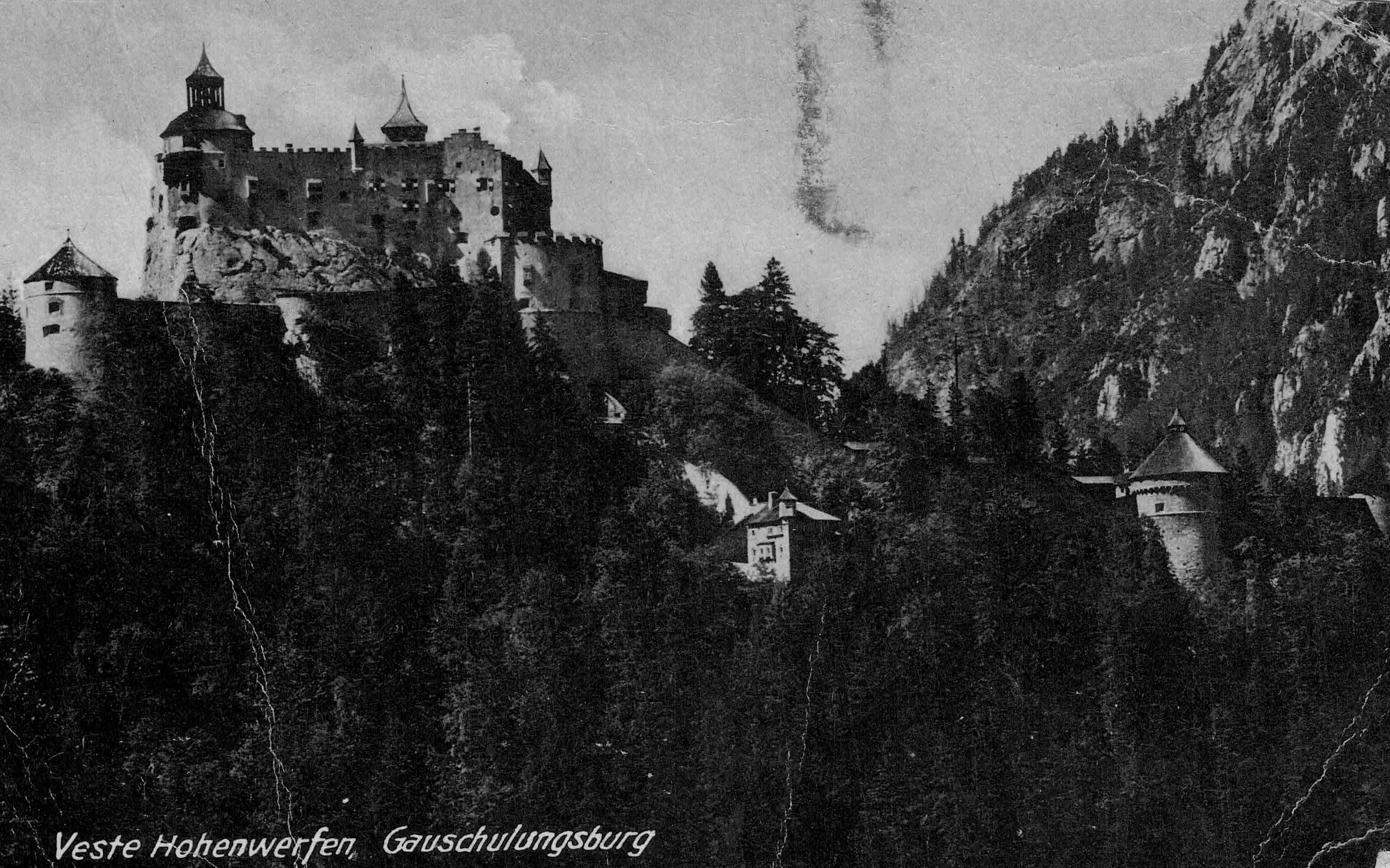
On June 25, 1945, Flo turned thirty-two, and her friends gathered to give her a proper birthday celebration. She spent the day with her clubmobile partner, Janet Potts, along with Janet’s boyfriend, Capt. Lloyd (Jens) Jenson, and Flo’s own boyfriend, Lt. Col. Chris Chaney. All four arrived in uniform as they wandered through the fortress castle that served as headquarters for the 15th Infantry above Salzburg. The women wore their Red Cross-issued dresses; the men their Army greens. They teased one another, snapped photographs in the grand corridors, and convinced Flo to pose in the old stocks for a laugh.
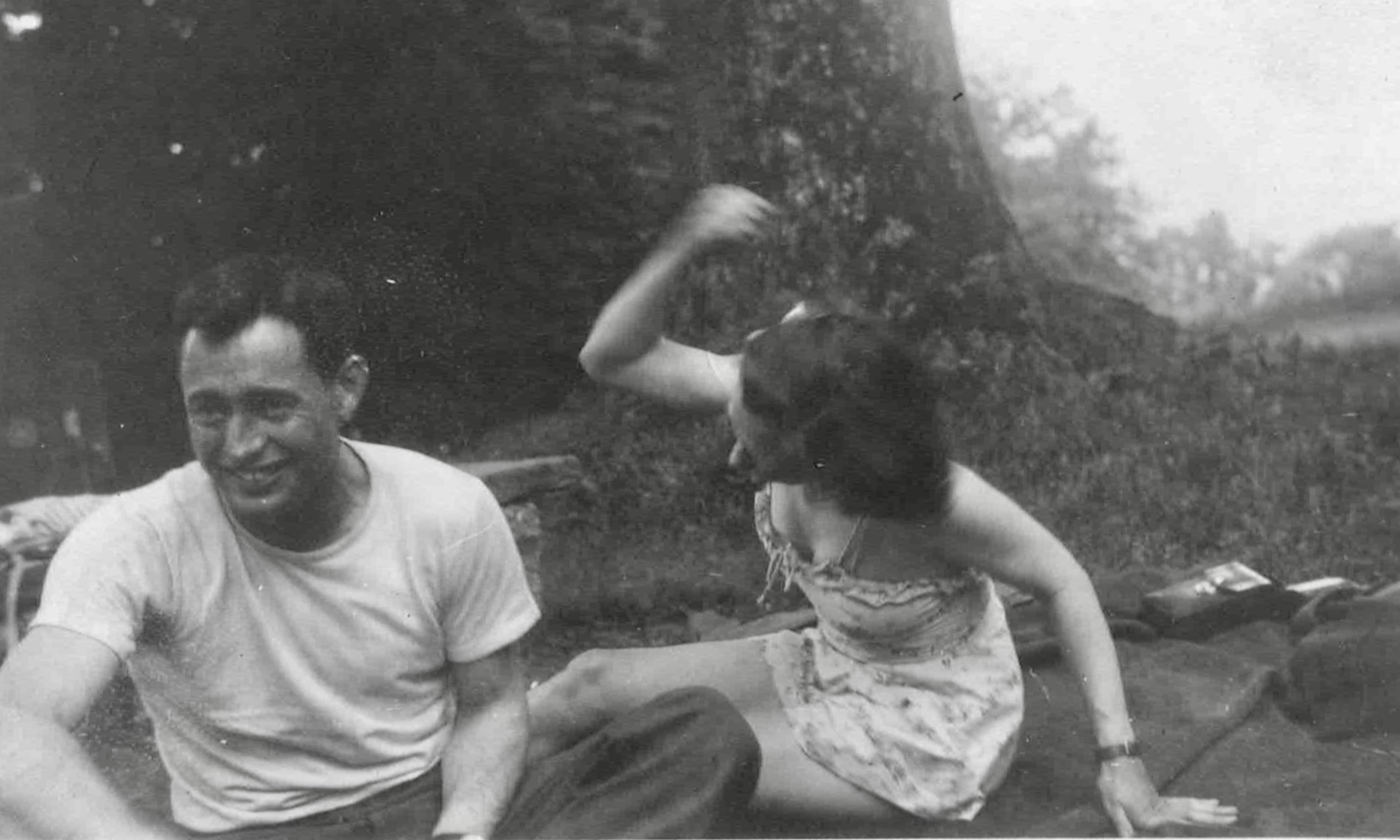
Later, they changed into civilian clothes and headed out for a picnic. Indoors, there was a birthday cake, and they captured more pictures—two couples who looked close, relaxed, and hopeful in the early summer after the war’s end.
These became the last images, and the last mention, of Flo’s relationship with Chris Chaney. The photographs made them seem comfortably paired, and although Janet and Jens eventually married, Flo and Chris did not stay together. She kept no letters from him after the war.
What became of him remained unclear. The two had talked about traveling to Paris and England, plans that never materialized. Most likely, he received an early chance to go home and took it. As a highly decorated officer with a Silver Star, he would have been near the front of the line for repatriation. Flo’s life moved forward, and whatever they had envisioned together faded with the summer.
Flo, Chris and JensJanet and JensRailroad tracks leading down from the fortressFlo posing in the ancient stocksFlo on her 32nd birthdayJanet and Jens at the picnicWhat did Chris do to deserve this?Or this?Celebrating war’s endThird Infantry Division buddiesHappy Birthday FloThere was even a birthday cake
More than 33,000 people in the province of Salzburg, including almost 13,000 in the provincial capital, had to register as former members of the NSDAP (National Socialist German Workers’ Party) or one of its organizations after the fall of the Nazi regime. Through the process known as denazification, the Austrian state sought to hold these people accountable and punish them, sometimes severely. However, the vast majority of those registered were considered denazified by the end of 1947 and escaped punishment. The US occupation authorities interned high-ranking functionaries of the Nazi system in Camp Marcus W. Orr, commonly known as Lager Glasenbach.
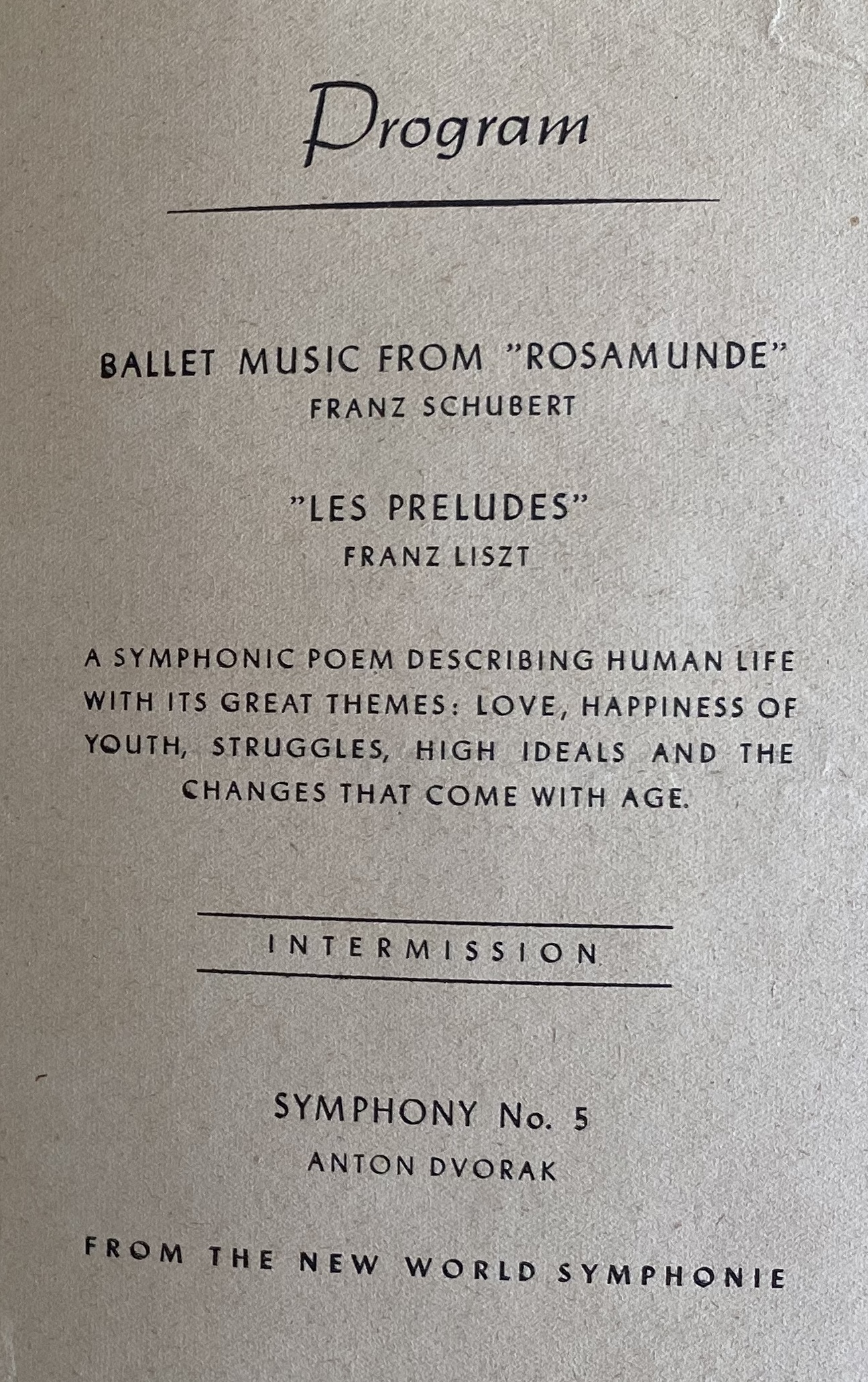
Flo and her cohort got to hear the Salzburg Festival Orchestra in concert
The denazification of Salzburg‘s cultural and art scene was one of the main concerns of US occupation policy. This also included the removal of over 2,000 books with National Socialist content from the holdings of the municipal library in Schloss Mirabell, which was able to resume its post-war service at the beginning of June 1945. Civilians were once again able to watch films in the cinema from July 1945. In the same month, the first public concert after the end of the war took place in the Great Hall of the Mozarteum and in September 1945. A performance was shown for the first time in the Salzburg State Theatre, which had been requisitioned by US forces.
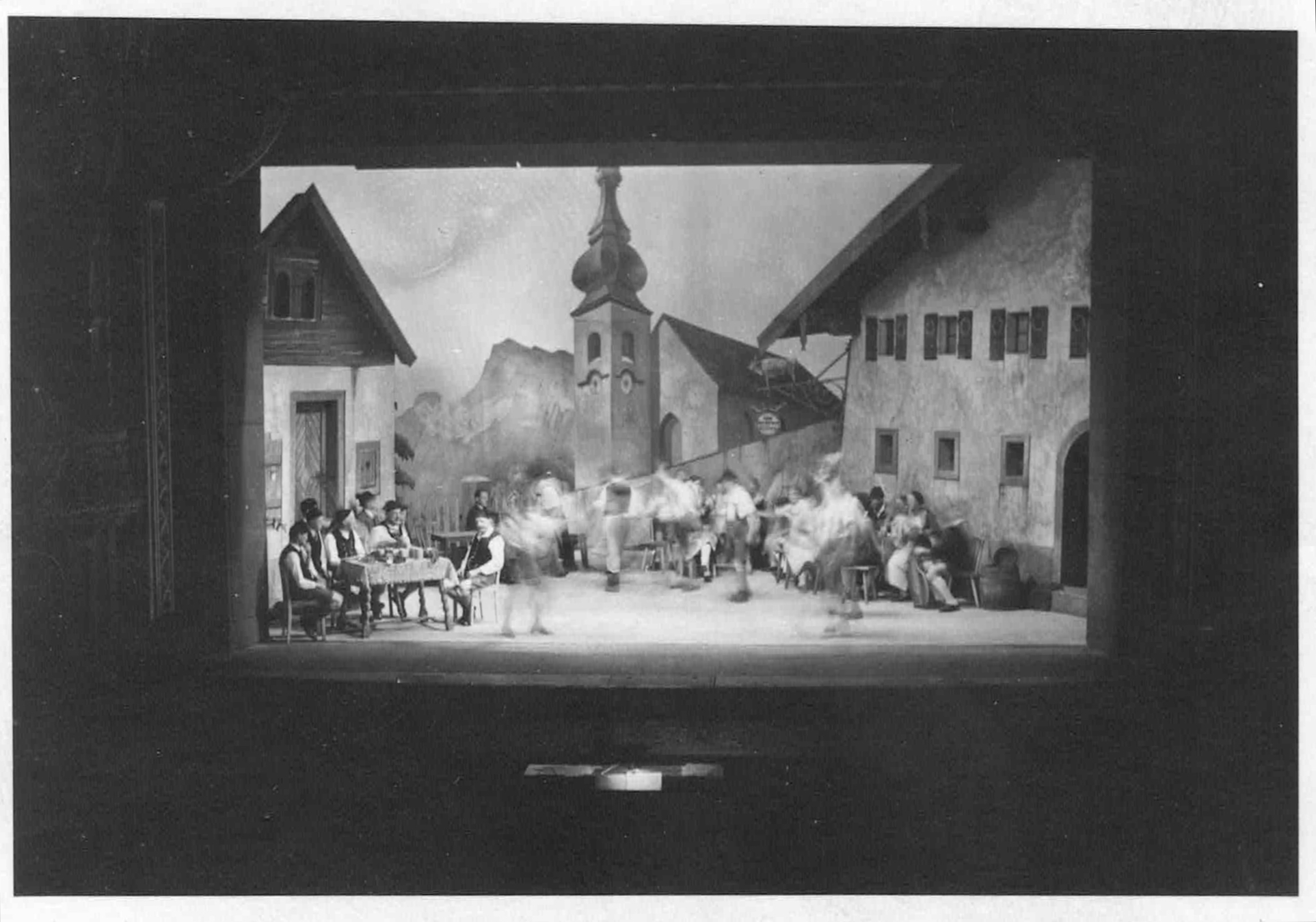
Bavarian dancers at the Salzburg Theater. Photos: Flo WickFlo got to know Margot Hielscher, a famous German actress. Here she is performing at the Salzburg Theater.
Margot Hielscher (1919-2017) was a German singer and film actress. She appeared in over fifty films between 1939 and 1994. She was chosen to represent Germany at the Eurovision Song Contest in 1957 and 1958.
Salzburg Festival
The US occupation authorities saw the Salzburg Festival as a central element in the reconstruction of Austrian identity. They lobbied hard to ensure that the Festival could take place again just a few months after the end of the war, although a large number of artists with Nazi backgrounds were not allowed to perform. Works by Austrian authors and composers dominated the program of the Festival, which began on August 12, 1945 with an opening evening featuring pieces by Wolfgang Amadeus Mozart, Johann Strauss, and Franz Lehár. Concerts were performed until September 1, including six ‘Österreichische Abende’ (‘Austrian evenings’) and two concerts of religious music. (From STADT-SALZBURG.AT The City of Salzburg in 1945.)
In and Around Salzburg
Clubmobilers serving the 15th Infantry in the Bavarian Alps15th Infantry anti-tank companyMajor Noser and Lt. Col Chaney at kraut radar station above Salzburg, Lt. Col. Chaney
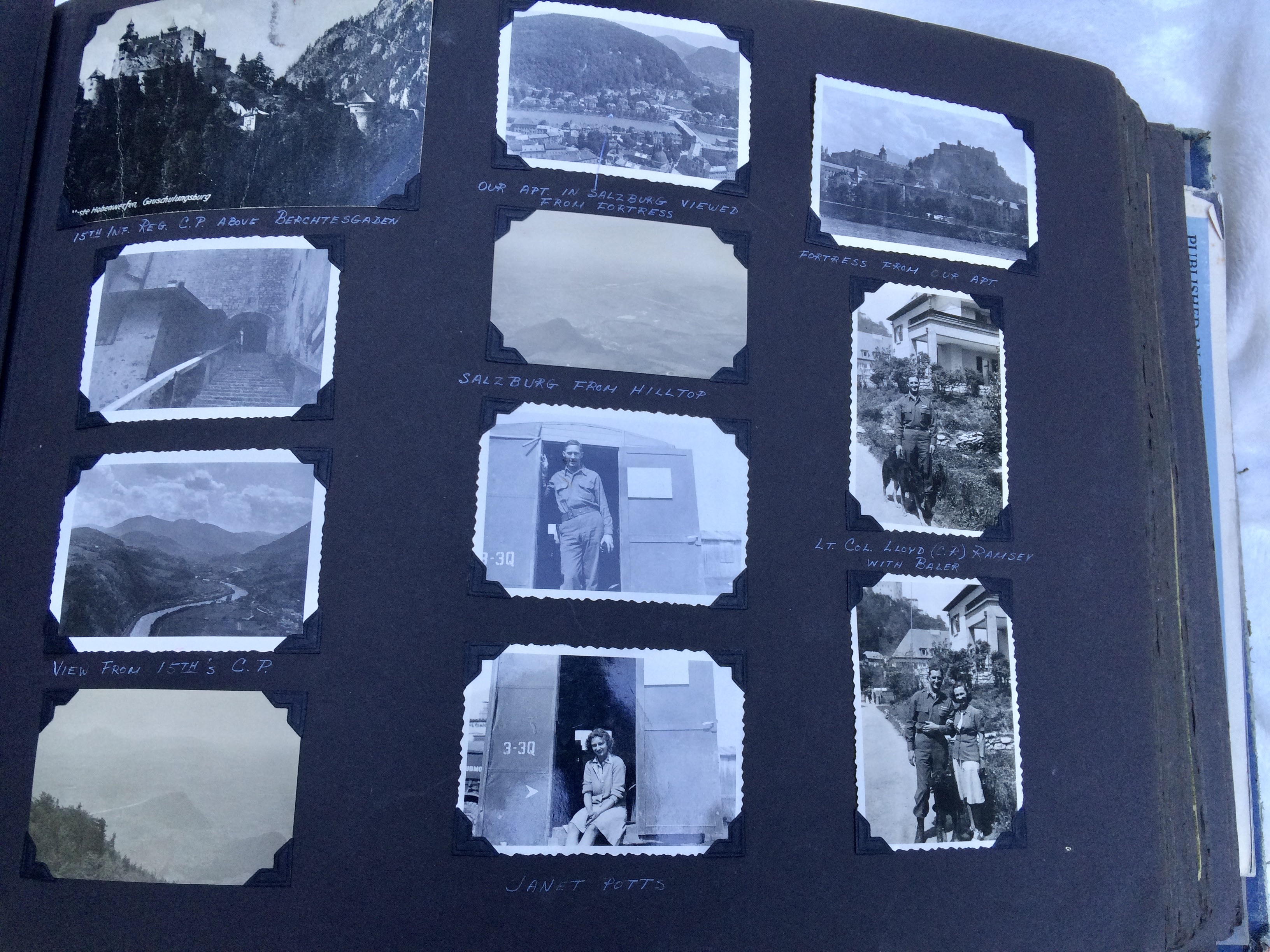
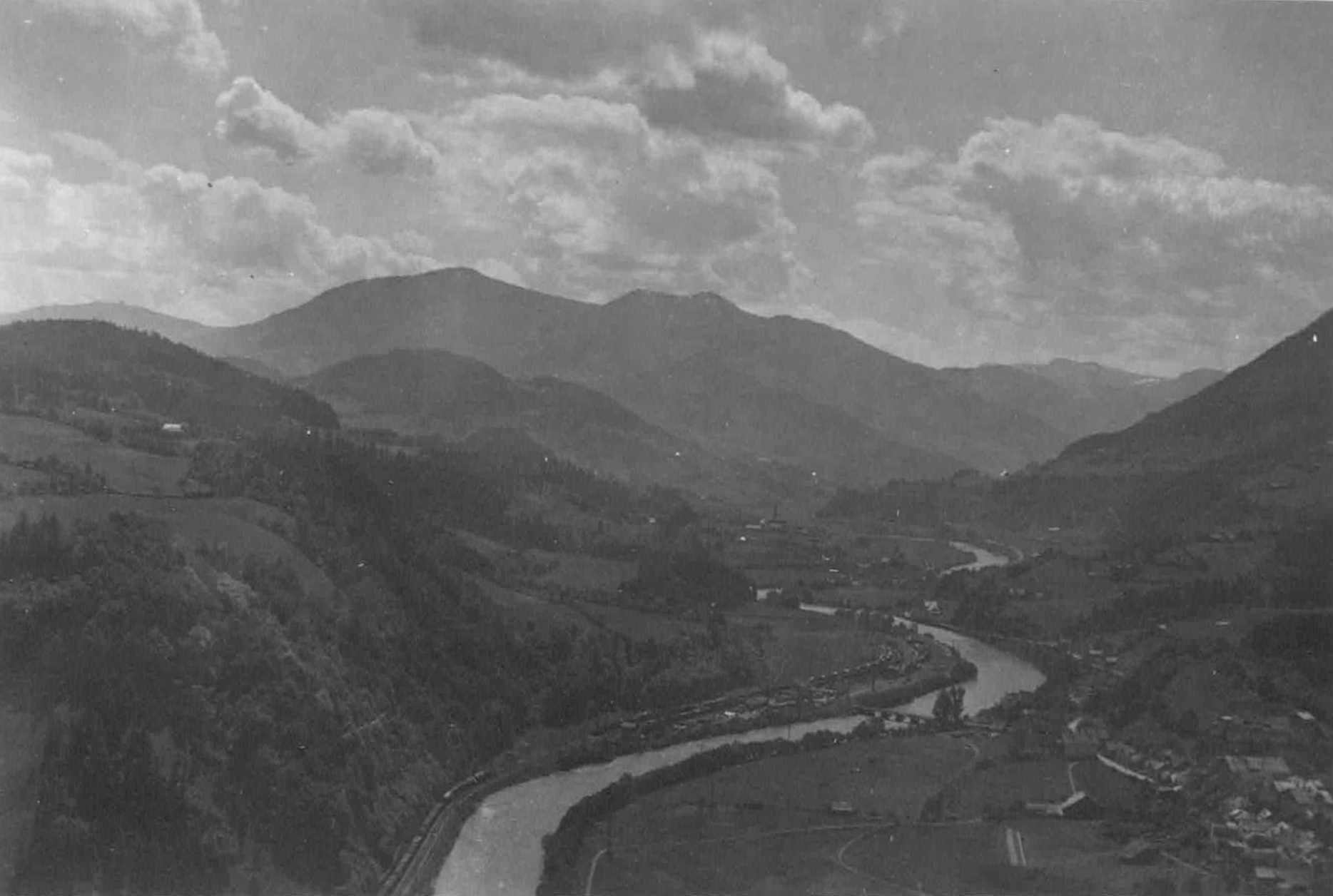
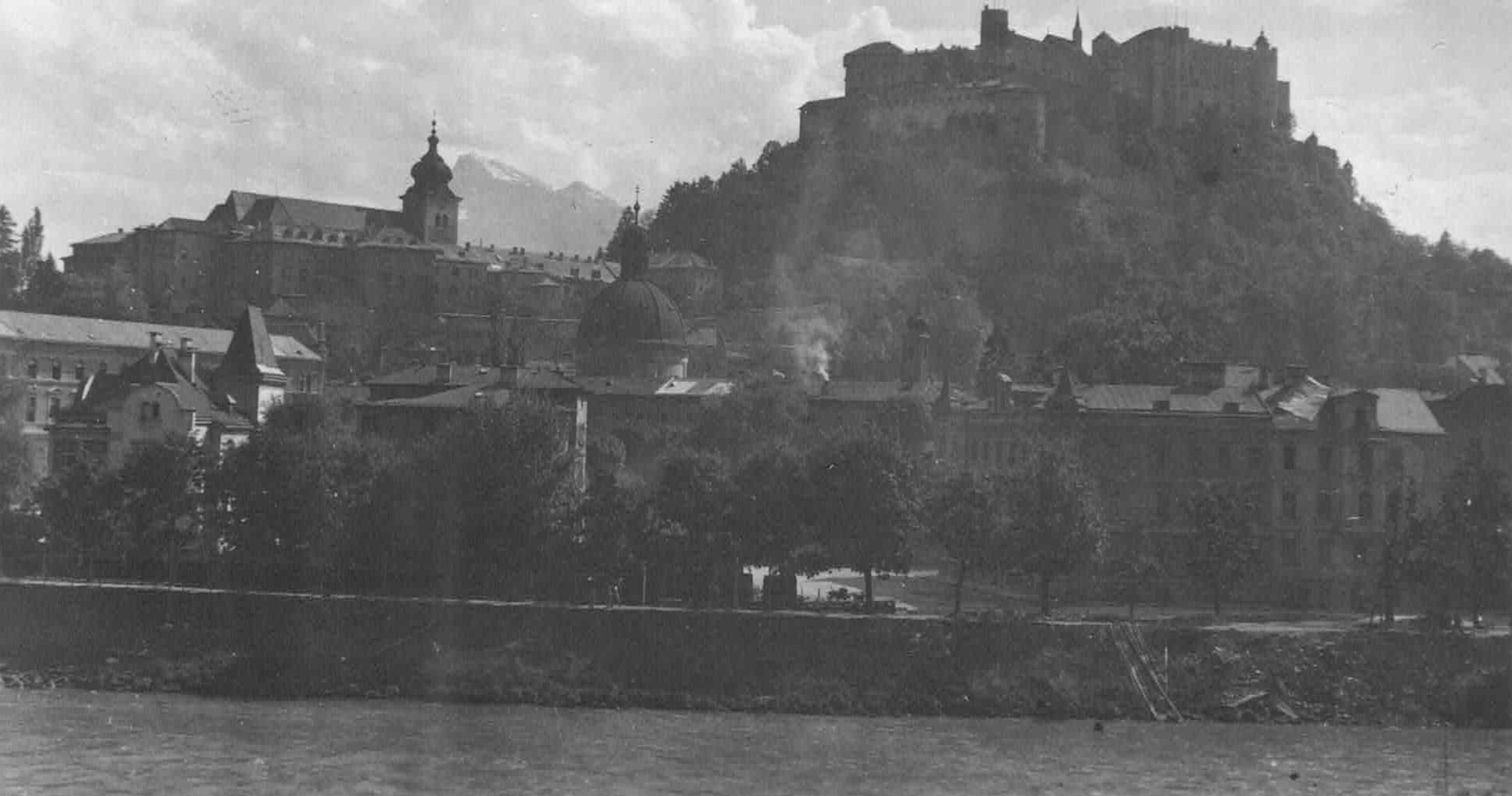
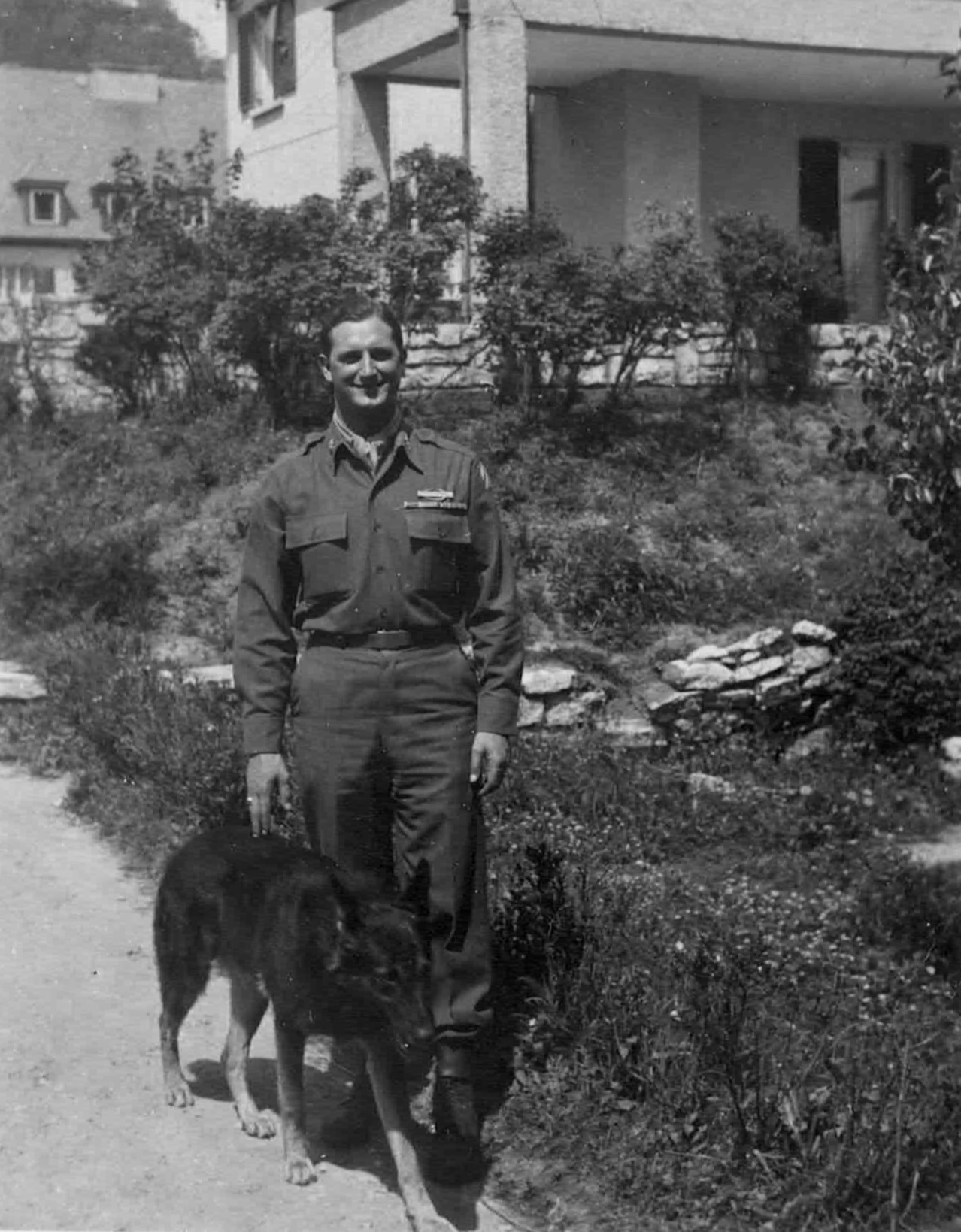
In May 1945 the clubmobilers settled in an apartment in Salzburg. They were attached to the 15th Infantry Regiment which had taken over a fortress above Hitler’s ruined mountain headquarters at Berchestgaden as their command post. Flo’s photos on this page in her album show scenes of Salzburg, the fortress and the surrounding hills, her sister clubmobiler Janet Potts and Lt. Col. Lloyd (C.P.) Ramsey with dog Baler. In a picture taken from the fortress, Flo drew an arrow pointing to the women’s apartment.
Salzburg, with a population of 36,000, had suffered heavy damage in the war: Allied bombs destroyed nearly half the city and killed 550 people. Much of its Baroque center survived, but rebuilding loomed large.
On May 5, 1945, Salzburg surrendered to advancing U.S. forces without a fight. Many residents greeted the Americans as liberators, relieved that 5½ years of war were finally ending—even if it meant accepting defeat. But the U.S. Army arrived as an occupying power as well. For years, no major political, cultural, administrative, or economic decision could be made without its approval.
Postwar life was marked by severe shortages, especially housing and food. More than 1,000 buildings had already been damaged or destroyed in the 1944–45 bombings, and the U.S. occupiers requisitioned many remaining properties for their own use.
The fortressFlo drew an arrow to the apartment (on the river near the center).Photo taken from the fortressThe fortress command post taken from the apartmentJanet Potts in the clubmobileLt. Col. Ramsey with Flo and Baler
At the end of the European war, a reporter interviewed the clubmobilers and filed this story, probably for an army publication like Stars and Stripes. It offers a clear summary of some of their toughest challenges and adds details we might not have known. We learn that the women once entered a town still held by the Germans and had to make a quick retreat, and that there were days when the boys refused to leave their foxholes for donuts because the shelling was too intense. The story describes the “Doggie Rest Camp,” where two men at a time were allowed to leave their positions long enough to grab donuts and wash up. And we learn that the clubmobilers visited army hospitals—with donuts of course.
Donut Gals Have Close Calls in Work
“Donuts for supper!” That’s the cry now, but at one time these same donuts had to be brought many miles over all sorts of situations. Then the cry was, “Donuts in the rations tonight!”
The Third Division Red Cross Clubmobile with its four occupants are as well known as the donuts, coffee, and cigarettes they bring. The “girls” have experienced many close escapes during their tour of duty with the division which dates back to the Italian days.
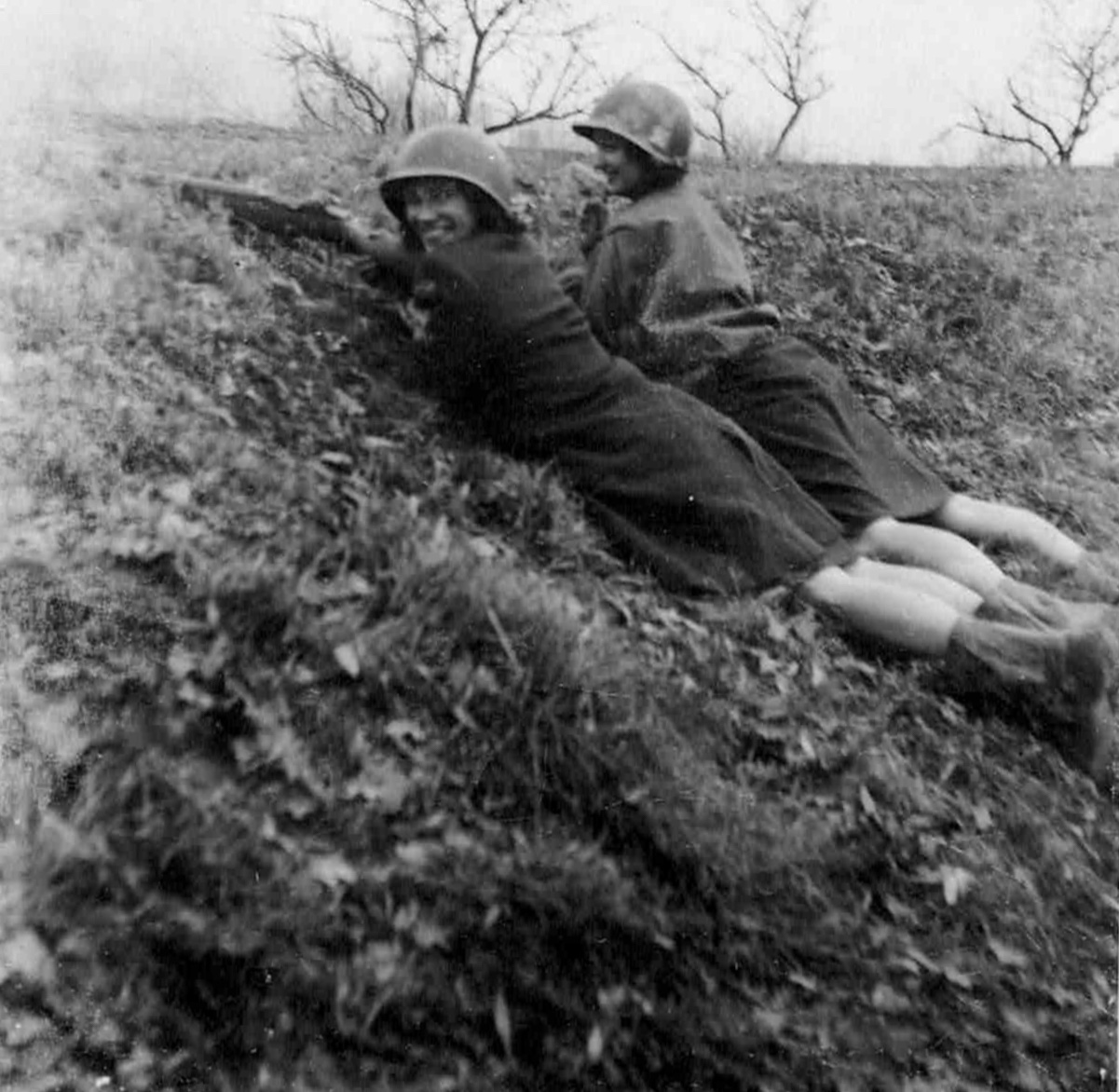
In the Colmar Pocket outside of Neuf-Brisach they volunteered to go on patrol on the Rhine with an artillery and mortar F.O. (field operations) party. “We all had a case of scratched knees, mud casts, and aching muscles after that,” said Miss Florence Wick, Yakima, Wash.
Flo and Janet near Neuf-Brisach
Still another time after they had sweated out the ride to the battalion CP (command post) the men refused to come out of their holes for donuts because of the heavy shelling.
Visit Kraut Town
It was during this trip while darting in and out of the smoke screen, that they went into a town that was ominously quiet. Recognizing the symptoms, they hastily parted company with the place. That afternoon they found out the town had just fallen.
When the Seventh was in Beblenheim, Alsace, the girls visited and fed a novel, so-called, “Doggie Rest Camp.” There two men at a time came in from their positions for a few minutes each to wash up, and put themselves in shape. They also visited the mortar OP (observation post), and threw a smoke screen from the sand-bagged position.
“The boys used to accuse us of always coming when they were moving out,” said Miss Janet Potts, NYC. “They were always on the move anyway!” chimed in Miss Elizabeth Elliot, NYC.
During the lightning dash through Southern France the girls really roughed it. They had no cover at all, and had to crawl under the tarpaulin that they used to cover the donut machine.
Visit Hospitals
After the Meurthe River crossing they went back to the hospital carrying their usual good cheer and inseparable trays of round, brown donuts with them, to see the men whose luck had not held out.
At one time they were confronted with mile after mile of mountains to accommodate the men, but they never missed once. Ask some of the “boys” as they call them—the proof is in the eating and they do mean donuts.
The quartet is not now up to combat strength as Miss “Fritzie” Haugland, Berkeley, Calif. Is hospitalized, but her three running mates are doing a fine job.
It is now possible to set a schedule and keep it without first having to wonder if the men will be there when they arrive. The next line that forms at the well known Clubmobile will get their donuts from the same smiling girls that brought them up under all the conditions imaginable before V-Day. They are just what their patch proclaims—part of the outfit.































 tradeswomn musings