Opening Up the Building and Construction Trades to Women
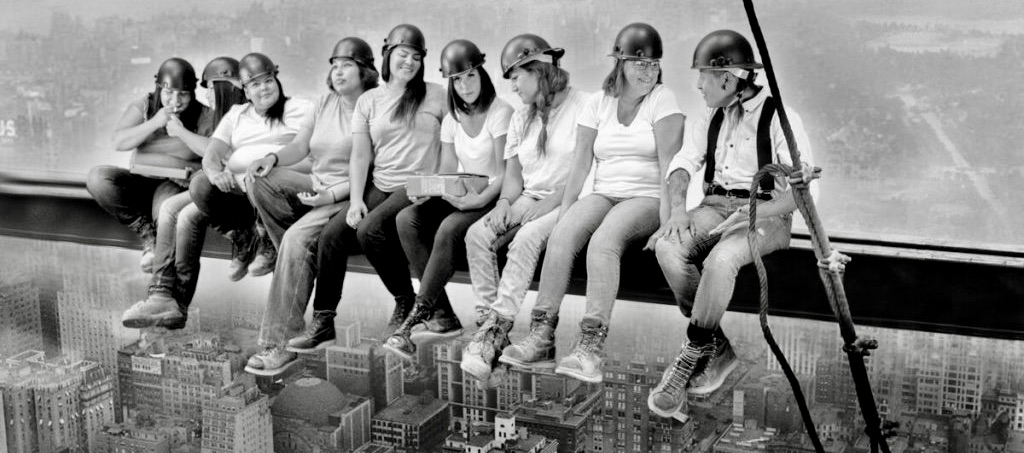
The Club for the Deaf’s attic on Valencia Street reeked of scorched timber. Char and blackened beams swallowed the light; soot clung to everything. We crawled, backs bent low, balancing on sheets of plywood stretched across the ceiling joists. As electricians rewiring the place after a fire, we worked while thunderous punk music rattled below — the deaf crowd savoring the music through their feet.
It was just one of many electrical jobs Cheryl Parker and I did together.
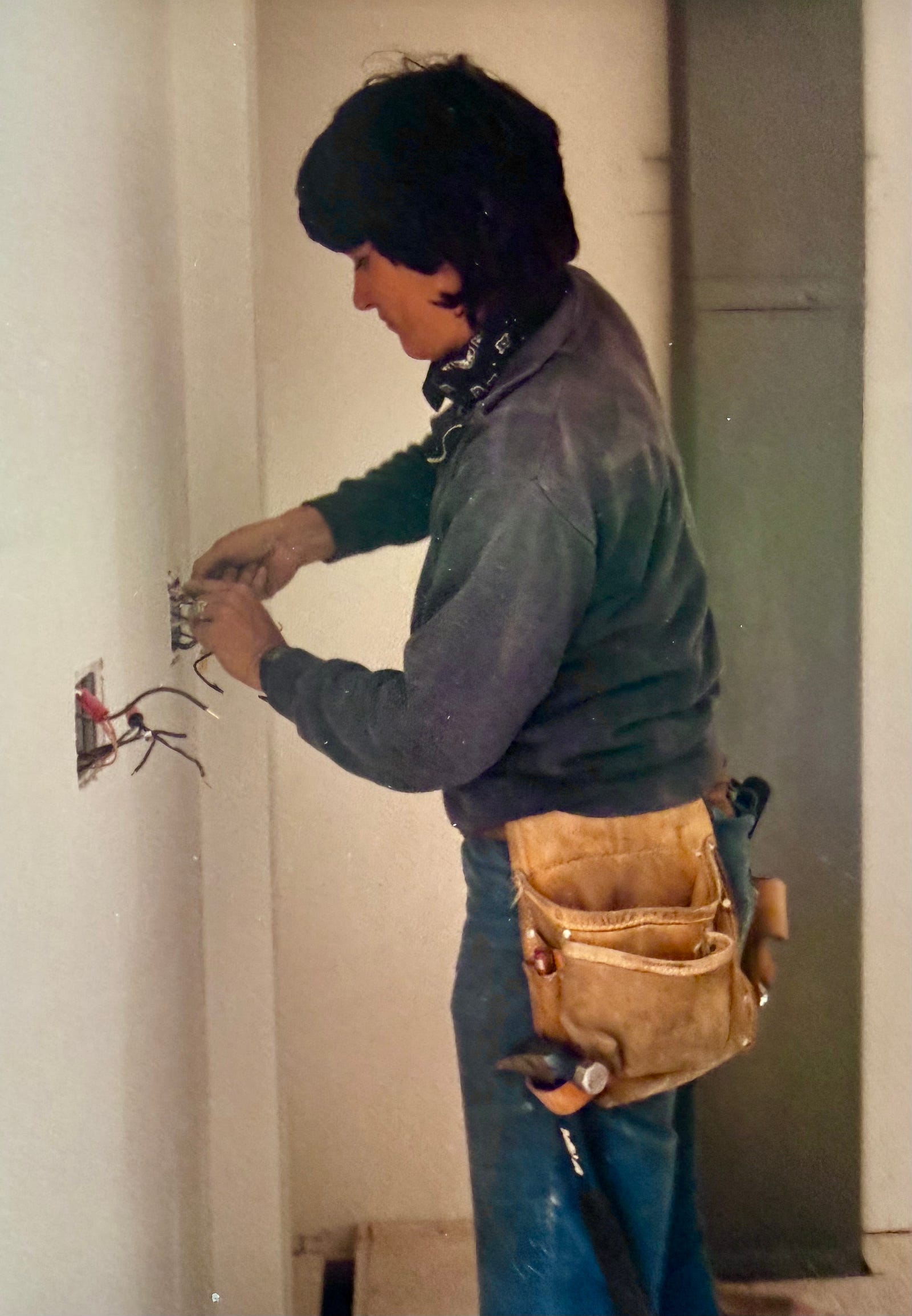
Cheryl belonged to Sonoma County and the San Francisco Bay Area in a way that was both rooted and radical. She came from land and labor, and she spent her life insisting that women — especially lesbians — had a right to both. I knew her as a close friend, a sister tradeswoman, and a fellow building inspector. Our lives overlapped on jobsites, in lesbian bars, and in the long conversations that happen when you are trying to make a life where none has been laid out for you.
I first met Cheryl when she was working at Mare Island Naval Shipyard. She was already doing skilled electrical work there, and she was also helping to raise two daughters with her lover. That combination — determination on the job and deep commitment to chosen family — was classic Cheryl. She was grounded, political without posturing, and absolutely unwilling to shrink herself.
We later worked together through Wonder Woman Electric on several jobs. At lesbian bars in San Francisco, while everyone else was dancing, Cheryl and I would be off to the side talking about electrical work — arguing over grounding, circuitry, and the strange logic of systems hidden behind walls. No one wanted to sit with us. We didn’t care.
Cheryl came out of an Italian American family deeply tied to Northern California agriculture. Her grandparents emigrated from northern Italy, homesteading land outside Cloverdale. Her father was a fruit tramp who met her mother, Irene Gianoli, while picking fruit. Cheryl grew up in Cloverdale, one of three children. She had been a high school cheerleader and a member of the riding club, but she was never ornamental. Strength came naturally to her.
In the early 1970s, Cheryl entered the political and cultural ferment of the Bay Area. At City College of San Francisco, she met Joan MacQuarrie in a women’s history class. They became lovers and political partners, asking a question that would shape the rest of their lives:
How could women make a living wage without a college degree?
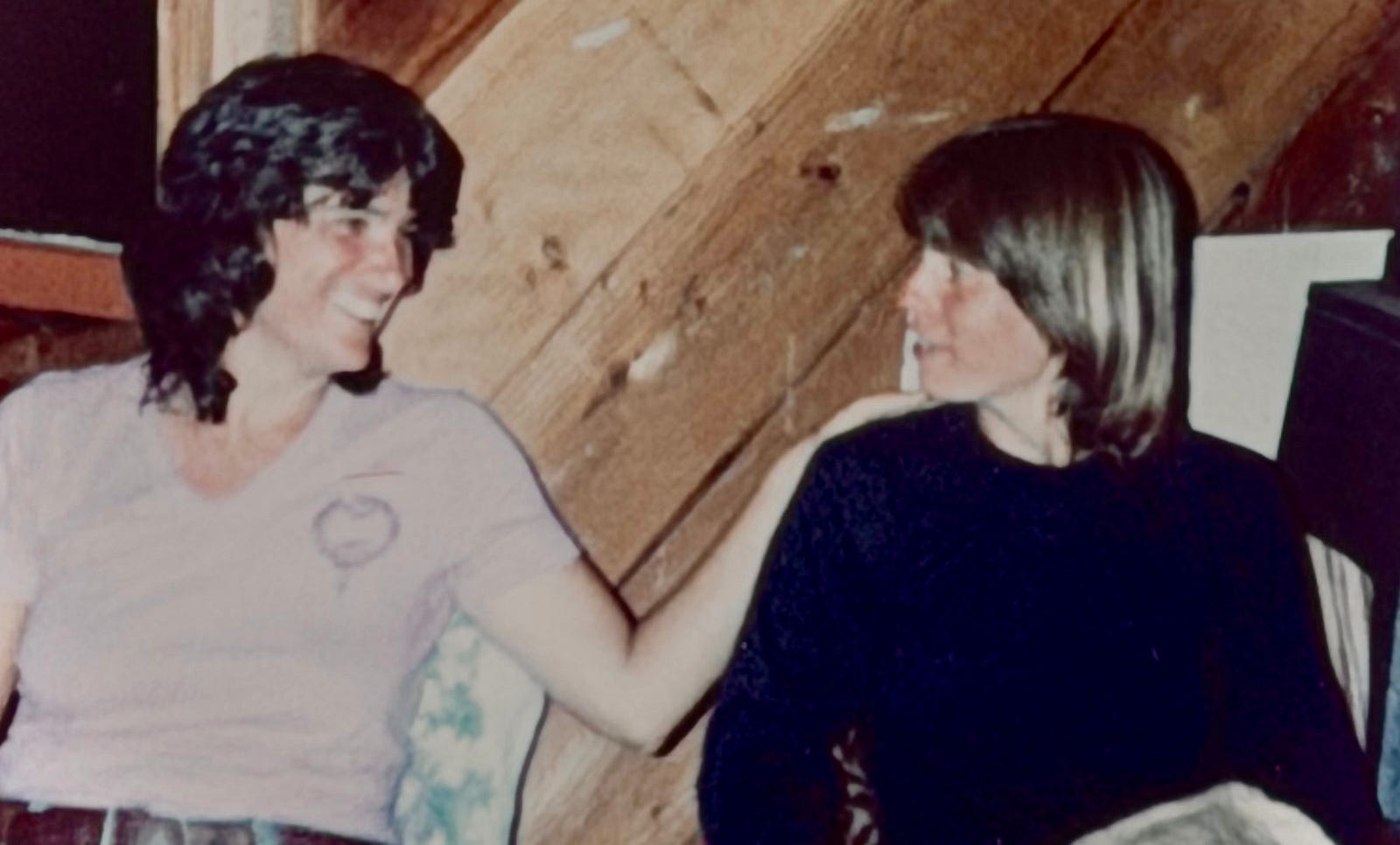
That question led them straight into the building trades — places where women were barely tolerated. Cheryl went on to be a leader in the Tradeswomen Movement, organizing to bring more women into the construction trades and jobs that women had not been allowed to do.
In 1972, Cheryl became the first woman cabinetmaker in Local 550, hauling ninety-pound doors. She later became the first woman to enter the electrical apprenticeship at Mare Island, working in confined, dangerous spaces including nuclear submarines.
Cheryl went on to own her own business, teach at the Center for Employment Training in Santa Rosa, and receive Sonoma County’s Tradeswoman of the Year award. But her real legacy was collective. She was a founding member of Women United for Apprenticeship, and she fought — loudly and publicly — for enforceable standards to get women into union trades. When apprenticeship officials claimed women couldn’t do the work, Cheryl, a tall woman, stood over them with the authority of someone who already was.
Her path also led to many firsts in public service. Cheryl became the first female building inspector in Richmond, then the first senior female building inspector in Oakland, and later the first supervising female building inspector in San Leandro. In Richmond she led the city’s comparable worth campaign, bringing feminist labor politics directly into municipal government. In the late-1980s, we founded a network of women inspectors, the FBI — Female Building Inspectors — mentoring others who were just beginning to cross barriers we had already broken.
Cheryl lived openly as a lesbian, embedded in women’s and lesbian communities, from tradeswomen groups to the Oakland-Berkeley Women’s Union. She argued about everything. Friends said she should have been a lawyer. In 1986, at 38, she gave birth to her son Tyson, and he became another fierce center of her life. I got to be her birth coach, an amazing experience.
Cheryl Parker died of ovarian cancer on July 9, 1992, at the age of 44.
Visiting my friend as she was dying and sick from chemo, I repeated an old chestnut, that I’d prefer to die quickly of a heart attack rather than suffer. She said something profound: “Don’t be so sure. Just think of all the love I’ve received and all the love I’ve been able to give as I’m dying.” Cheryl lived just nine months from her diagnosis to her death. Much love flowed in all directions and my view of death was transfigured.
Cheryl understood something early that many still resist: solidarity has to be built and no one breaks barriers alone. I carry her with me — in the work, in the arguments, in the memory of two women at a bar talking about grounding while the music played on.
Cheryl helped make a path where there wasn’t one before. I was lucky to walk part of it with her.

 tradeswomn musings