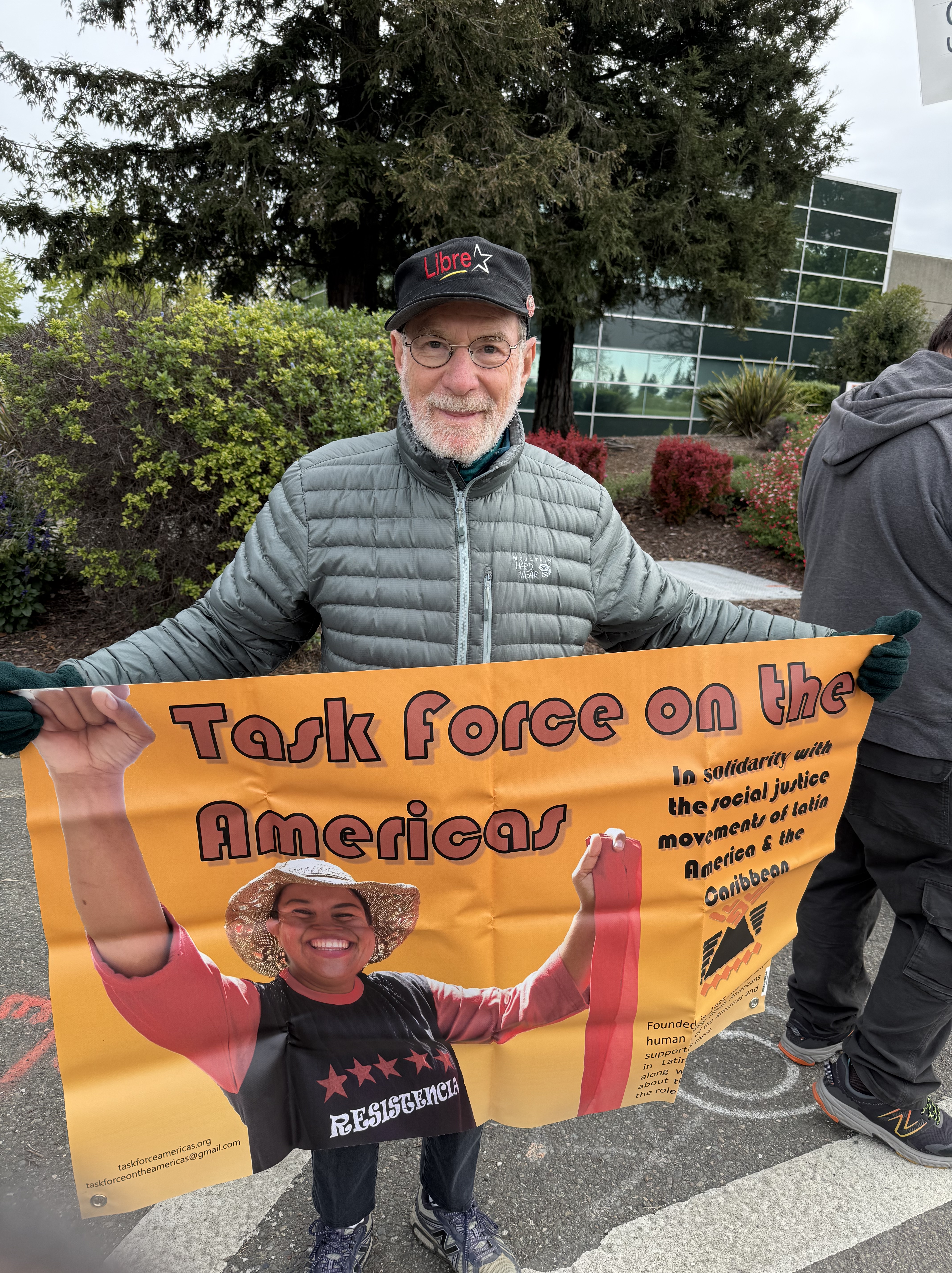
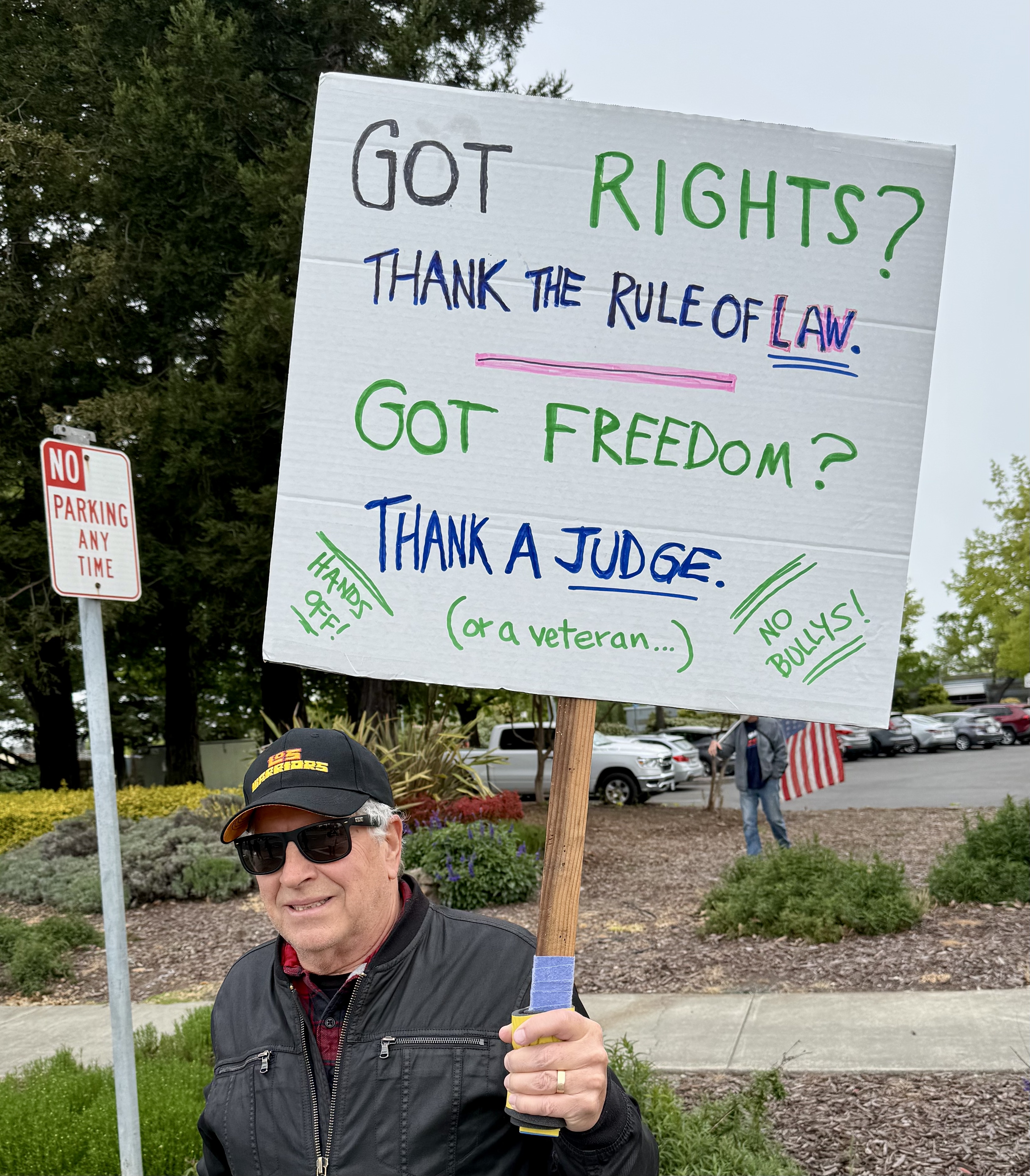
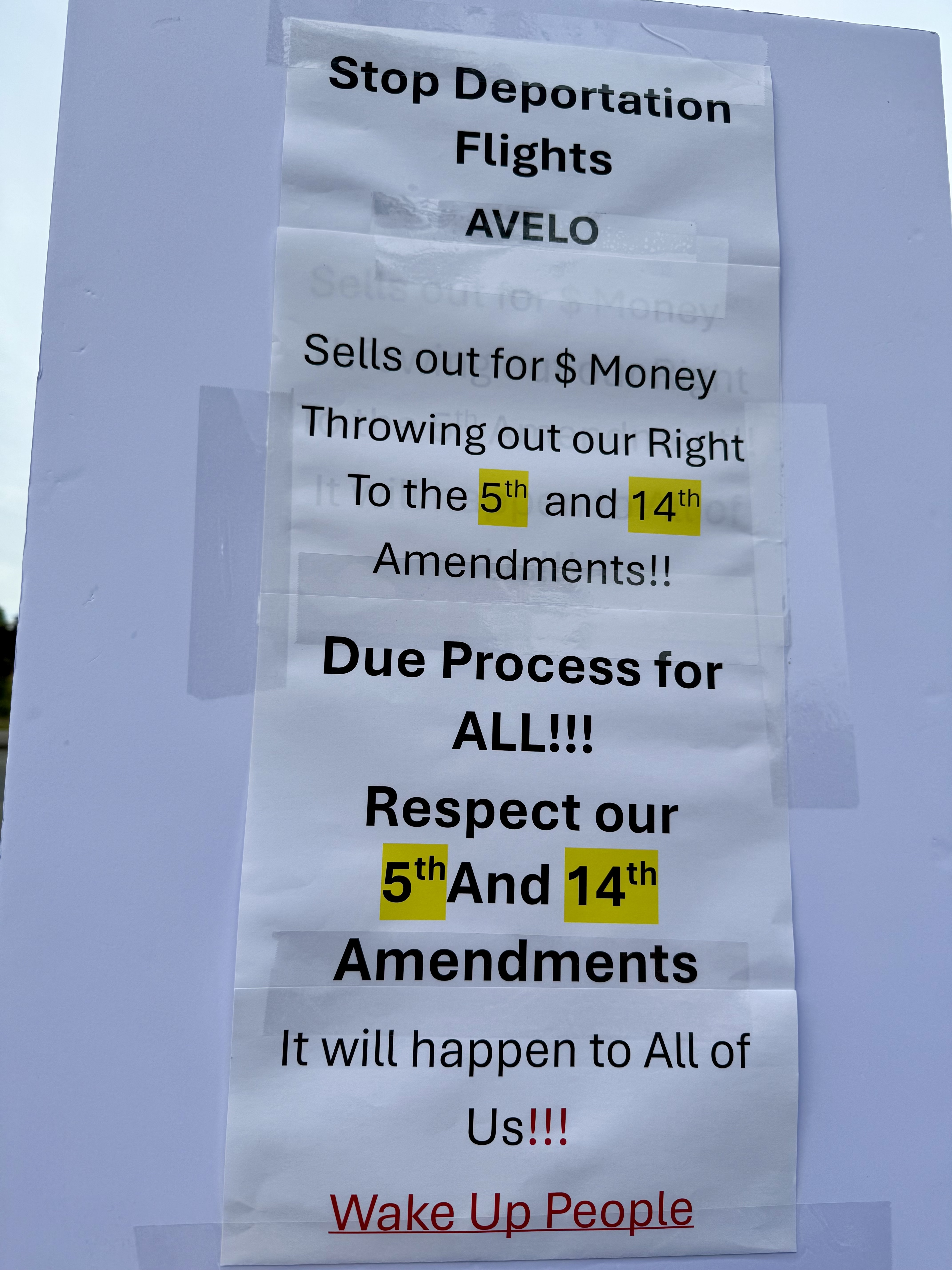
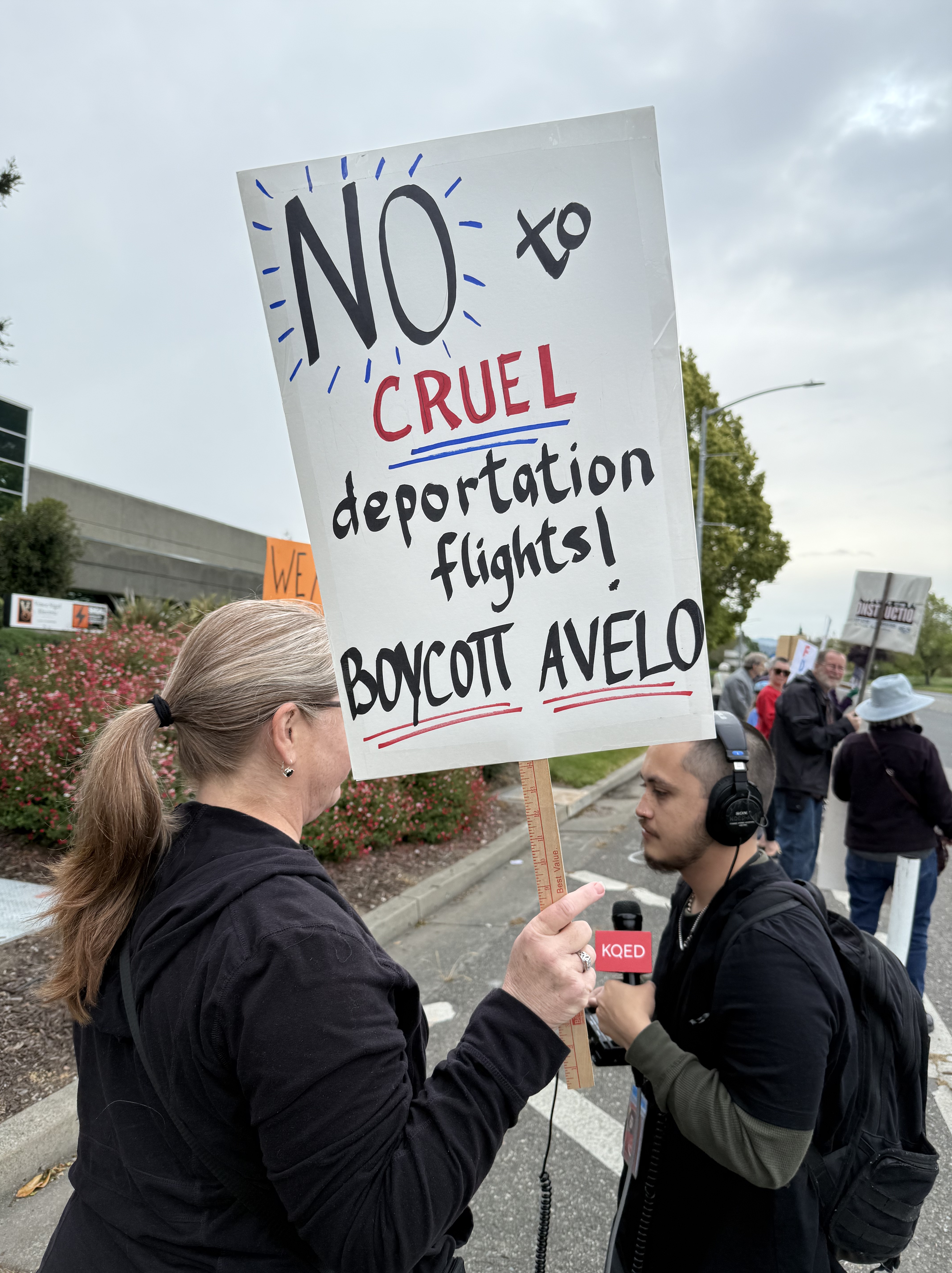
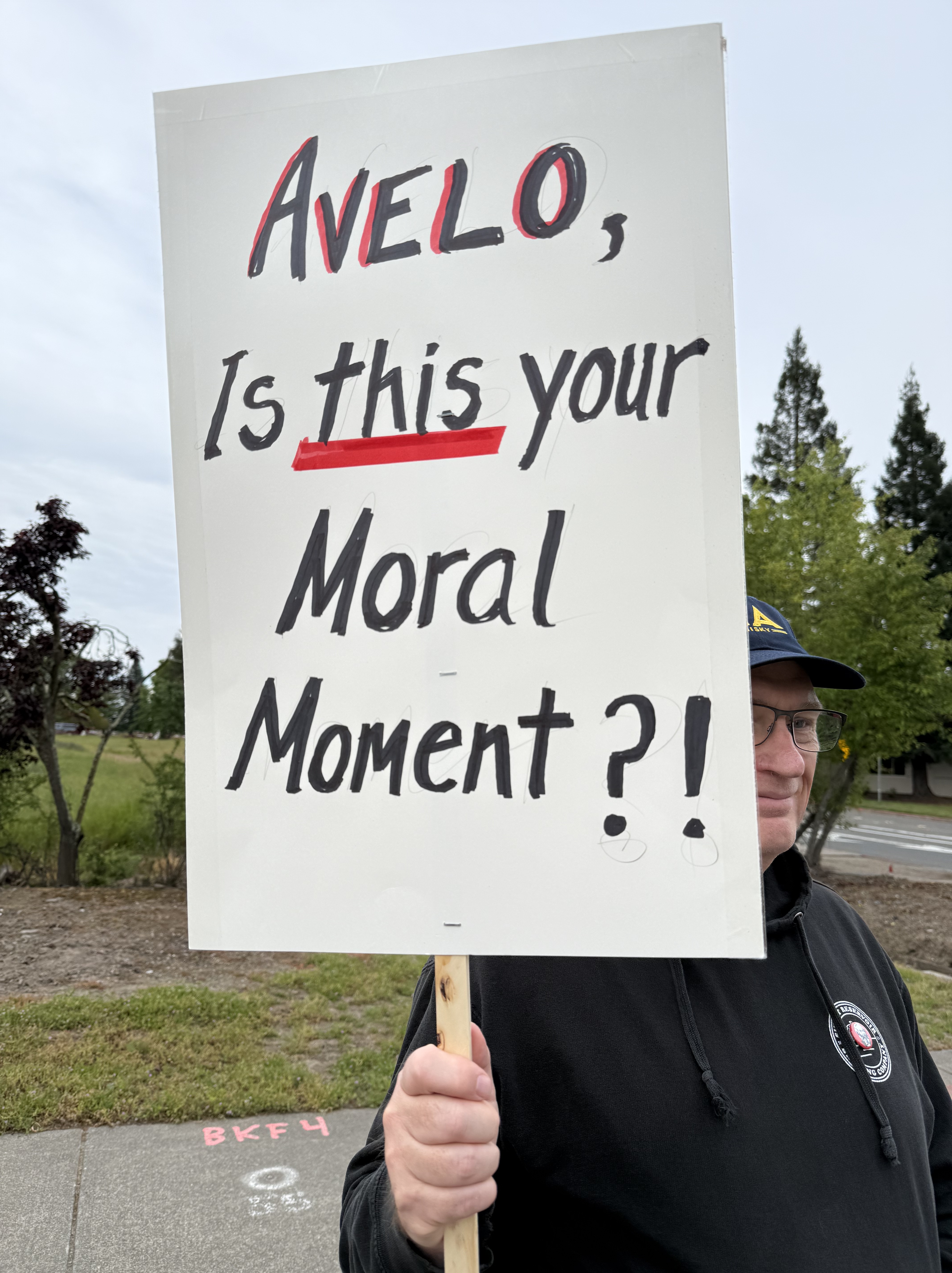
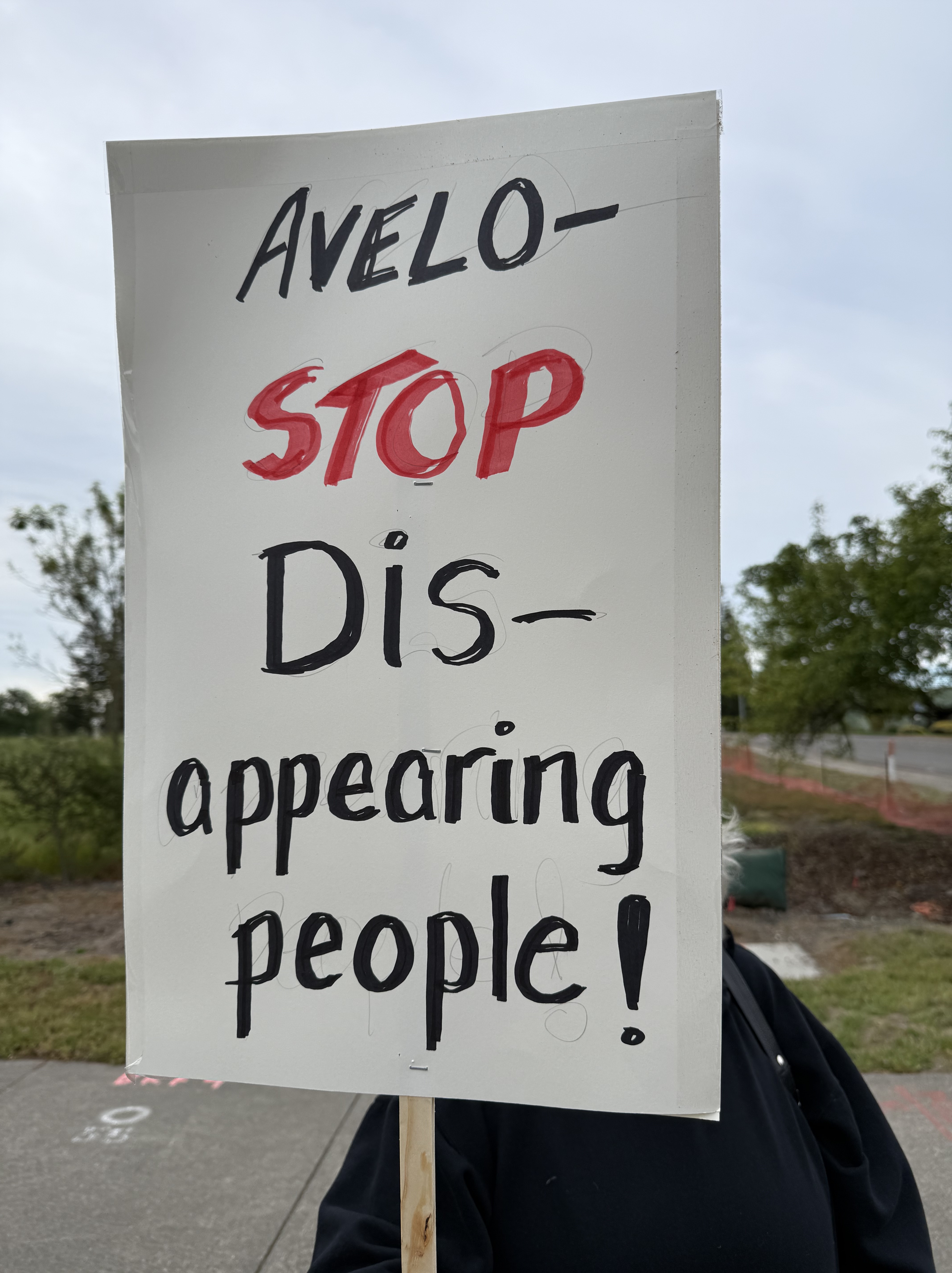
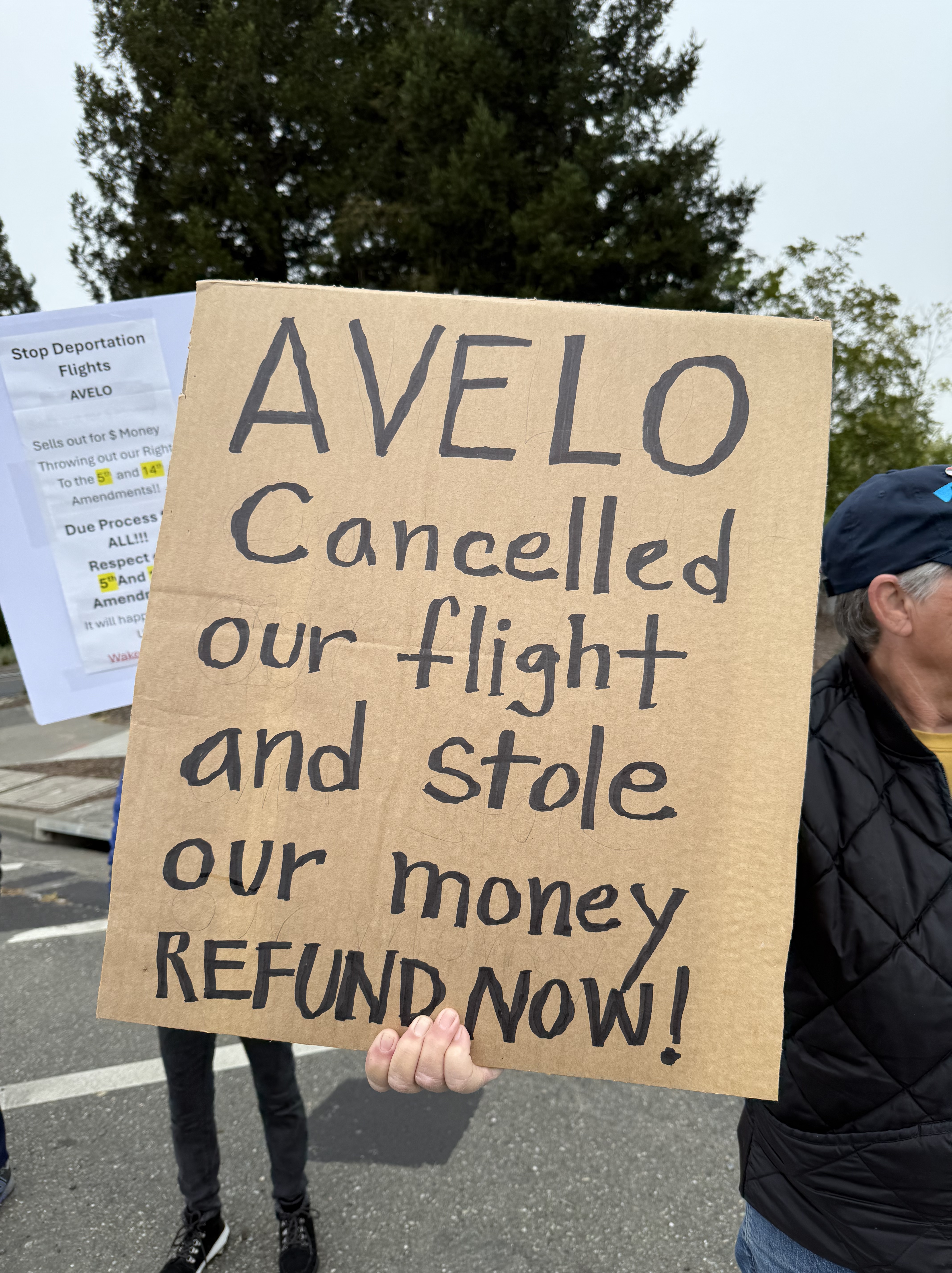
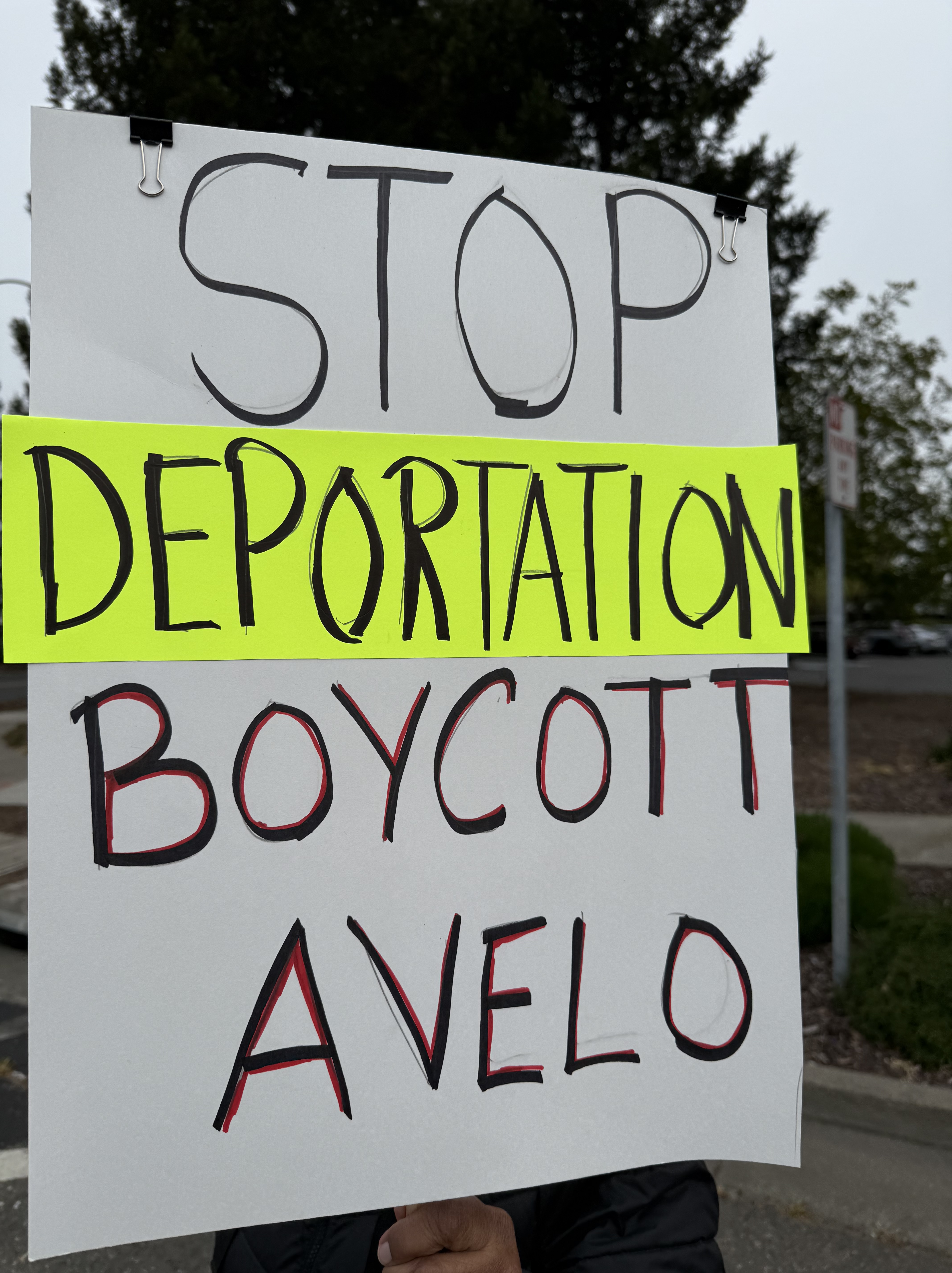
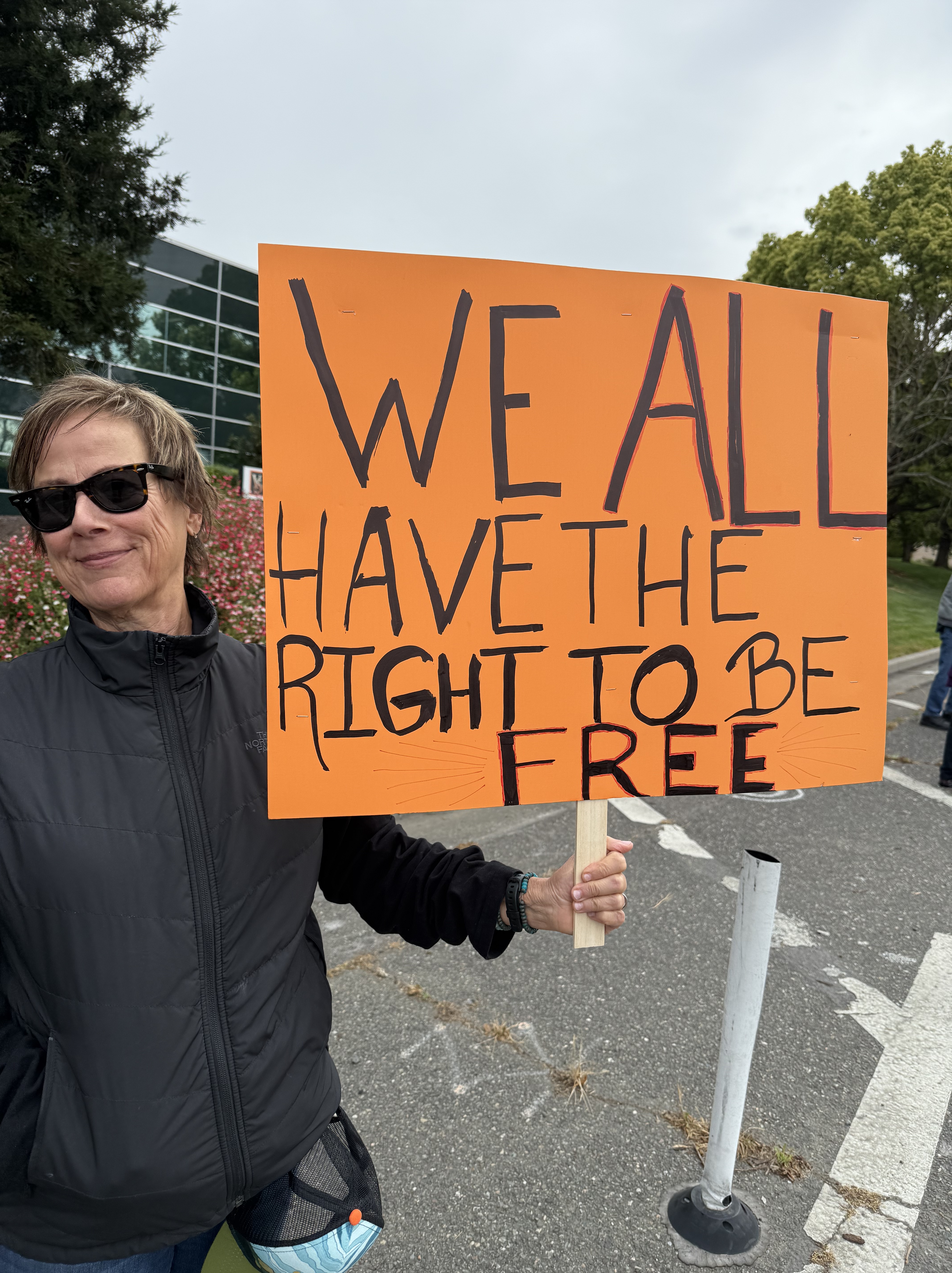
Hundreds of angry Sonoma County citizens line the road to Charles Schulz airport in Santa Rosa CA to protest Avelo Airlines contracting with ICE to conduct deportation flights. The airline is also ripping off customers by cancelling our flights and refusing to refund our money. They stole $518 from us.
Fear is moving up with us. Fear is right there beside you.
My Mother and Audie Murphy Ch. 14
Audie Murphy’s autobiography To Hell and Back was shaped in collaboration with David McClure, a Hollywood writer who served in the Army Signal Corps and knows firsthand the shock of war. The book centers on the ordinary infantrymen of the Third Division, capturing their humor, fatalism, and endurance. In the battle scenes, the tone sharpens. At Anzio, Murphy describes the brutal churn of attack and counterattack in a landscape where the ground itself seems to resist survival.
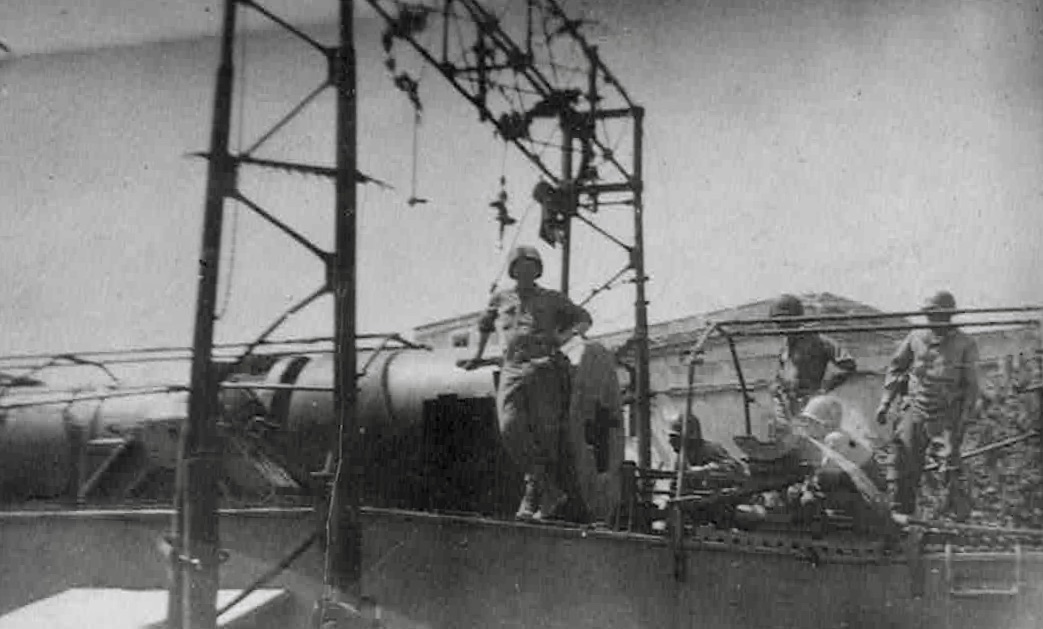
“Anzio Annie” was a massive World War II German rail gun, used to bombard US and British forces during the 1944 Anzio landings.It was one of the largest land-based cannons ever built. It fired shells that weighed 550 pounds. Image: NARA
“Light trembles in the east. To our left, an artillery dual is growing fiercer. We hear the crack and thunder of our own guns; the whine and crash of incoming German shells. (A soldier) stands in his chest deep foxhole and leans with his elbows on the bank. He studies the eastern horizon and shakes his head in mock ecstasy. “Gee!” says he, “another beautiful day.”
By afternoon, the order comes: attack!
“Fear is moving up with us. It always does. In the heat of battle it may go away. Sometimes it vanishes in a blind, red range that comes when you see a friend fall. Then again, you get so tired that you become indifferent. But when you are moving into combat, why try fooling yourself. Fear is right there beside you….
“I am well acquainted with fear. It strikes first in the stomach, coming like the disemboweling hand that is thrust into the carcass of a chicken. I feel now as though icy fingers have reached into my mid-parts and twisted the intestines into knots….”
Hidden in a railway tunnel, the Anzio Annie guns started firing at the Anzio beachhead in February and were not discovered until May. Image from Flo’s album
Speech dies away as they approach the enemy line. Artillery fire slackens, and the men check their weapons one last time. Scouts creep forward. Everyone waits for the first eruption.
“This is the worst moment. Just ahead the enemy waits silently. It will be far better when the guns open up. The nerves will relax; the heart, stop its thumping. The brain will turn to animal cunning. The job lies directly before us: destroy and survive.”
The scouts signal them on. Just as they inch forward, two hidden flakwagon guns open fire. One scout is hit squarely in the chest; his upper body disintegrates in an instant. The 20 mm shells, designed for aircraft, are used here against men, each strike exploding on impact. There is no time to think; the entire landscape erupts with automatic fire. Branches shear off the trees overhead. Bullets pitch into the earth. Two men in the open scramble for the shelter of a small rise, but the gunner finds his range. They collapse, still at last.
Annie’s threat was physical, but also psychological. The troops lived in constant fear of the next shell whose passage was compared to a freight train passing overhead. It could blast a whole big enough to swallow a jeep.Image from Flo’s album
The scouts signal them on. Just as they inch forward, two hidden flakwagon guns open fire. One scout is hit squarely in the chest; his upper body disintegrates in an instant. The 20 mm shells, designed for aircraft, are used here against men, each strike exploding on impact. There is no time to think; the entire landscape erupts with automatic fire. Branches shear off the trees overhead. Bullets pitch into the earth. Two men in the open scramble for the shelter of a small rise, but the gunner finds his range. They collapse, still at last.
A massive shell shrieks overhead and Murphy dives into a roadside ditch. The blast lifts him, knocks him senseless, then dumps him back into the mud. When he crawls forward to check the man beside him, the soldier lies dead with no visible wound—killed by pure concussion. Murphy marks the body for the burial team, driving the bayonet into the bank and tying a strip of white cloth to its tip.
German artillery intensifies. The earth becomes a furnace of shrapnel and fire. Limbs and fragments of bodies fall back to the ground with the dirt. Night offers no rest. The foxholes are cold, wet, and shallow. Rumors spread that the entire front has been forced back. The men are told they will attack again in the morning.
Exhausted and hollow-eyed, they rise. The numbness of survival replaces fear. When the order comes, they move like machines. German artillery meets them immediately, and the men spread across open fields, advancing from one shell crater to the next. Medics, unarmed and clearly marked, fall beside the wounded they are trying to save. The cycle continues: advance, retreat, advance, retreat. After three days, not a single yard of ground has been gained.
There were two of these guns. Once they were captured, soldiers climbed on them “like game hunters who had bagged two rogue elephants.” Image from Flo’s album.
This was the story of Anzio. The Allies made the first amphibious landing on the beachhead on January 22, 1944 and the battle didn’t officially end until the liberation of Rome June 4, 1944.
The 3rd Infantry Division suffered over 900 casualties in one day of combat at Anzio. This was the highest number of casualties suffered by any US division in a single day during the war. The Allies sustained 40,000 casualties at Anzio.
The battle leaves no one unchanged. Anzio becomes not just a place, but a memory carved in mud, smoke, concussion, and loss—the memory of men who advance, fall, rise again, and return to the line because there is no choice except forward.
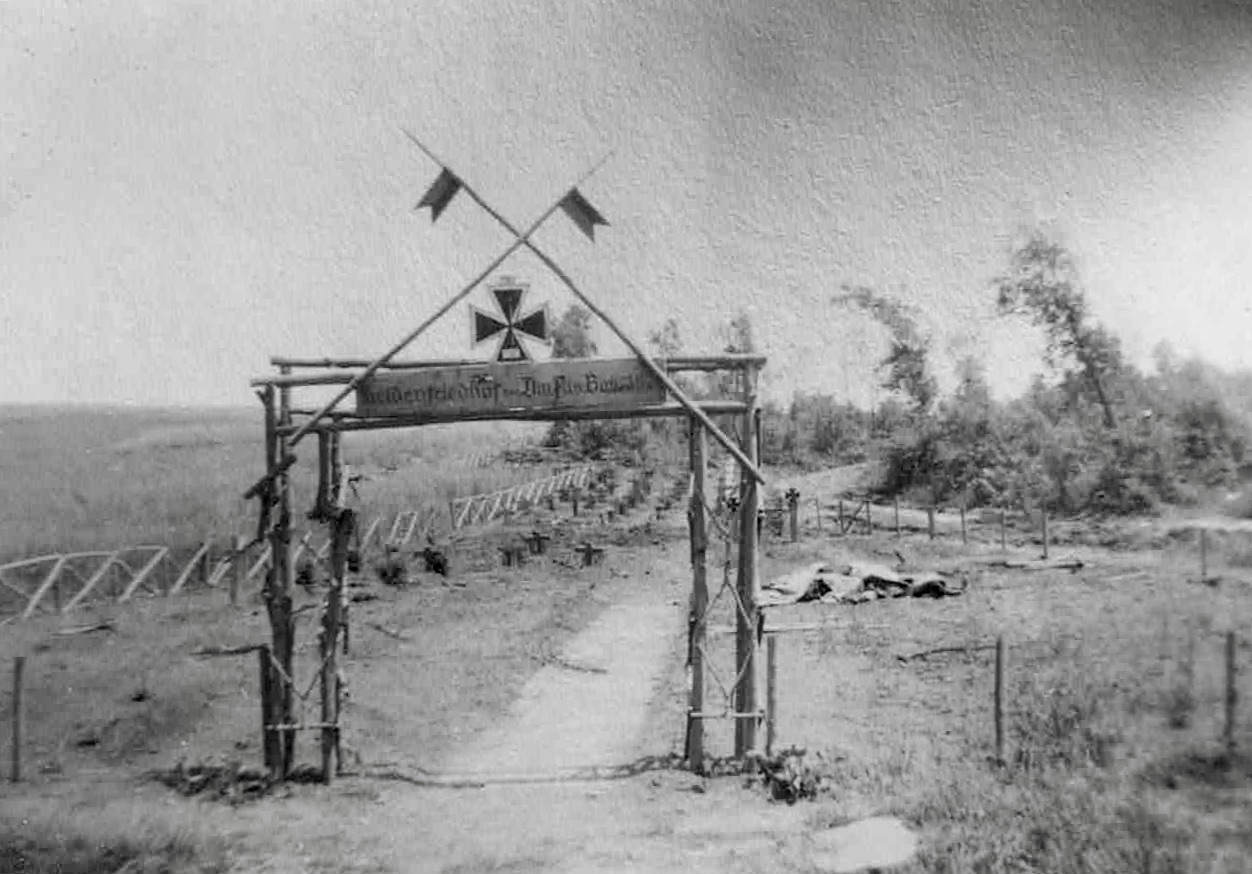
Flo captioned this picture “Kraut graves.” The Nazis sustained 43,000 casualties at Anzio.
Quotes are from Audie Murphy’s autobiography, To Hell and Back
Malaria returns and Murphy confronts “Old Army” authority
My Mother and Audie Murphy ch. 12
January 1944. The squad is engaged in simulated combat. For three days they storm a dummy beachhead. They leap from landing craft and, falling, crawling, and firing, advance upon assigned objectives. Then the maneuvers end abruptly. The men are placed on strict alert, confined to the company area, and given one day of rest except for a final inspection of equipment. They recognize the signs. Everyone whispers “tomorrow.” Chaplains hold services. Letters are written with particular care. Still, no one knows the destination.
Murphy is sick again with malaria. Refusing to complain, worried that it will seem he’s trying to avoid combat, he’s finally turned in by a man in his squad. With a temperature of 105, he’s sent to a hospital in Naples.
Then, after less than a week in hospital, Murphy is among a boatload of replacements headed for Anzio. Murphy can’t wait to rejoin his squad. He has missed the first several days of the Anzio attack.
From a Life Magazine story in Flo’s album
Ignoring orders to stay in camp, he walks toward the front. In a farmhouse where the command post has been set up, he learns that several men in his squad have been killed or maimed. Just as he feared, the Nazis have devastated his group, soldiers who have become like family after surviving the hell of war together.
At divisional headquarters, Murphy encounters the old hierarchy of the Army. A regular army sergeant, irritated by the informality of wartime soldiers, confronts him and orders him to unload his pack for a work detail. Murphy refuses. The sergeant threatens discipline; Murphy tells him to come find him at the front if he wants to press the issue. Slinging his carbine over his shoulder, he turns and heads up the road marked with the blue diamond of his regiment.
Americans at home depended on Life Magazine for news of the war.
That night, on the way to Cisterna, Murphy leads another reconnaissance patrol behind enemy lines. They discover that the Germans are moving tanks in–an ominous sign.
He reports to the lieutenant’s dugout. The lieutenant sits in a deep muddy hole, the roof made of poles, grass, and sod. Water seeps in from the sides. Bandoleers of cartridges and a case of grenades lie stacked in the corner. He looks as though he has not slept in days.
This, now, is home. A foxhole. Mud, cold, and the sound of artillery. The front line stretches ahead into darkness, and there is no certainty of what tomorrow will bring—only that tomorrow is coming.
Autumn, 1943. After many weeks on the front lines, Audie Murphy and his squad are given a reprieve.
Crawling with filth and exhausted to the bone, they are pulled out of the lines in mid-November. The valley below is now clear of the enemy; Mount Lungo has fallen. From its heights, they look toward Cassino. The war drags north, its roar receding into the distance. Burial squads already move across the slopes, searching for the bodies of men who have received their final order to go forward.
As the squad makes its way on foot down a shell-torn road, the relief is almost intoxicating. Despite the lateness of the season, the day is bright and mild. A breeze whispers through the trees, and the solid earth beneath their boots feels strangely kind. The simple rhythm of marching renews their spirits. They look at one another with foolish affection, aware that they have been handed back life.
They are transferred to a camp with tents and two full meals a day. Orders soon come down: amphibious training at a beachhead near Naples. Discipline tightens, and day and night they drill against an unseen enemy. Fully armed, they wade through surf up to their hips and crawl belly-down through marshes, their clothes crusted with salt and mud.
Bombing of Naples
None of the troops know what the training will lead to. Rumors fly. Are they being prepared for an assault on southern France, to be sent to England for a cross-channel D-Day, for assault on some new beachhead? The dogface soldiers are always strangers to the plan.
The mood darkens. Many are certain they are being prepared for slaughter. Tempers fray, and old comrades come to blows over small provocations.
Murphy’s squad gets overnight passes to Naples.
Poor Naples. The city endures relentless bombing raids from 1940 into 1944. While under German control, the Allies bombard it continuously—first the French, then the British, and finally American bombers. Italy surrenders to the Allies on September 8, 1943, but the Germans refuse to relinquish their hold, murdering civilians and those who resist the ongoing occupation.
Then, the citizens of Naples rise up against the Nazi forces. They successfully disrupt German plans to deport Neapolitans en masse to work camps, destroy the city, and block the Allies from securing a strategic foothold. A spontaneous insurrection erupts, and despite limited weapons and organization, the Neapolitans force the German troops to retreat just before Allied forces arrive.
This dramatic rebellion is later depicted in Nanni Loy’s 1962 film “The Four Days of Naples”, which earns Oscar nominations for Best Foreign Film and Best Screenplay.
Even after Naples falls to British and American forces on October 1, 1943, the bombing continues. The Germans respond with a scorched-earth campaign, destroying communication and transportation networks, water and power grids, and mining buildings. They burn the state archives of Naples and the national library, sink ships in the harbor, and leave devastation in their wake. Within a week of its capture, however, the Allies manage to reopen the port, restoring vital access to the city.
On the night that Murphy and his squad rest and recreate in Naples, there is an air raid. Murphy doesn’t drink or smoke, but his men get drunk, and one gets rolled by a hooker, returning to camp without his coat, gear and money. Murphy is set up with a date, but he sleeps through it and the air raid as well.
Winter settles over Naples. The clock strikes three. Light from a low January sun creeps along stone walls and rooftops. The war is still close enough to feel—but for the moment, Murphy and his men live, rest, and wait for whatever comes next.
From Life Magazine October 18, 1943
“Last week Italy’s autumn rain was soaking the plain of Campania. It dripped on the date and peach trees, on vineyards heavy with unharvested grapes, and on the rich bottom lands north of Naples. It trickled down the necks of British and American soldiers slogging across the marshes toward the Volturno river and chilled the Germans, dug into foxholes across the river, in the shadow of Mount Massico. Somewhere in that area in the rain, the Germans would try to halt the relentless Allied advance. If they failed, the road to Rome would be open.
Behind the lines, Naples, slowly and painfully returned to normal. But the wounds of battle would not be healed for many months. The city was still practically without water, gas or electricity. In one terrible explosion on October 7, more than 100 civilians were killed when a delayed-action German mine destroyed the post office. Hungry, homeless children wandered the streets, and there was no medicine in the hospitals. German demolition squads have made a shambles of the waterfront. Shops were looted, the telephone building blown up, the University fired, and the tourist hotels ruined by Nazi troops before their retreat.”
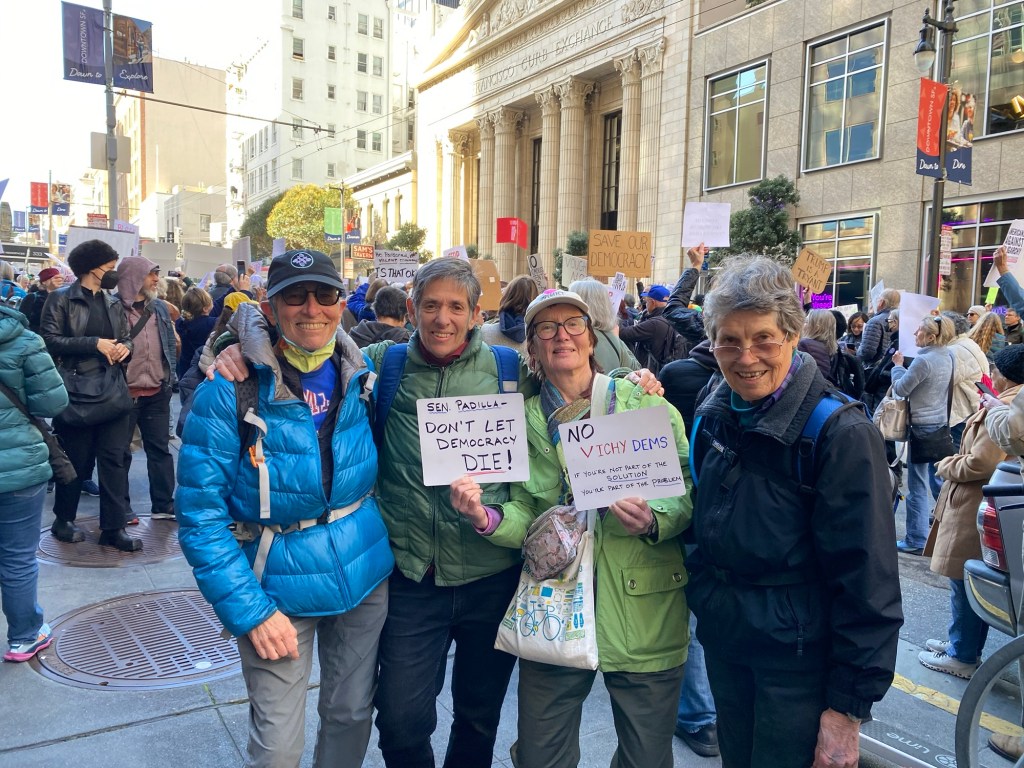
This letter from a friend helps explain why I’m angry
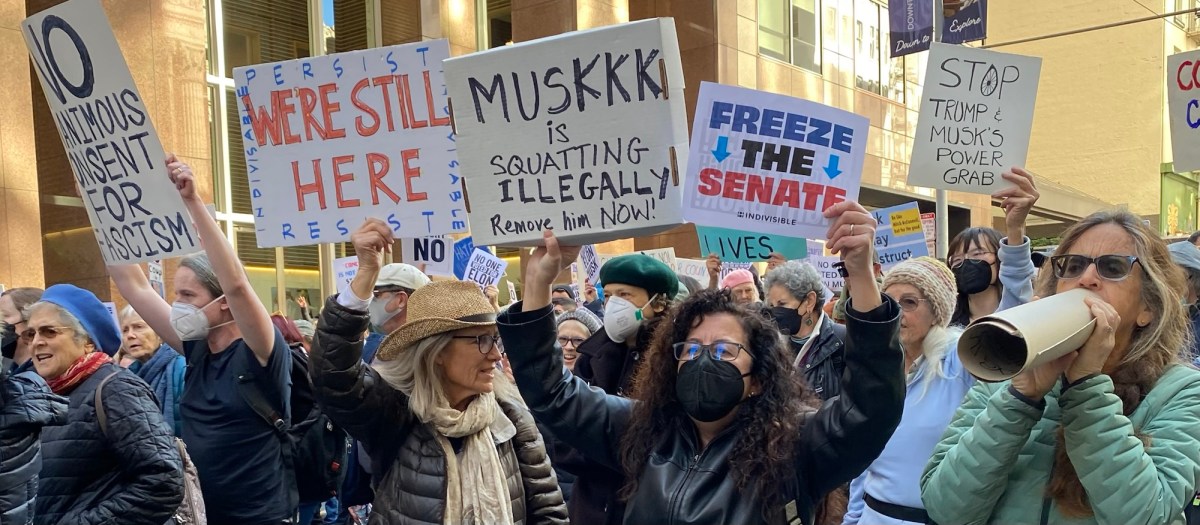
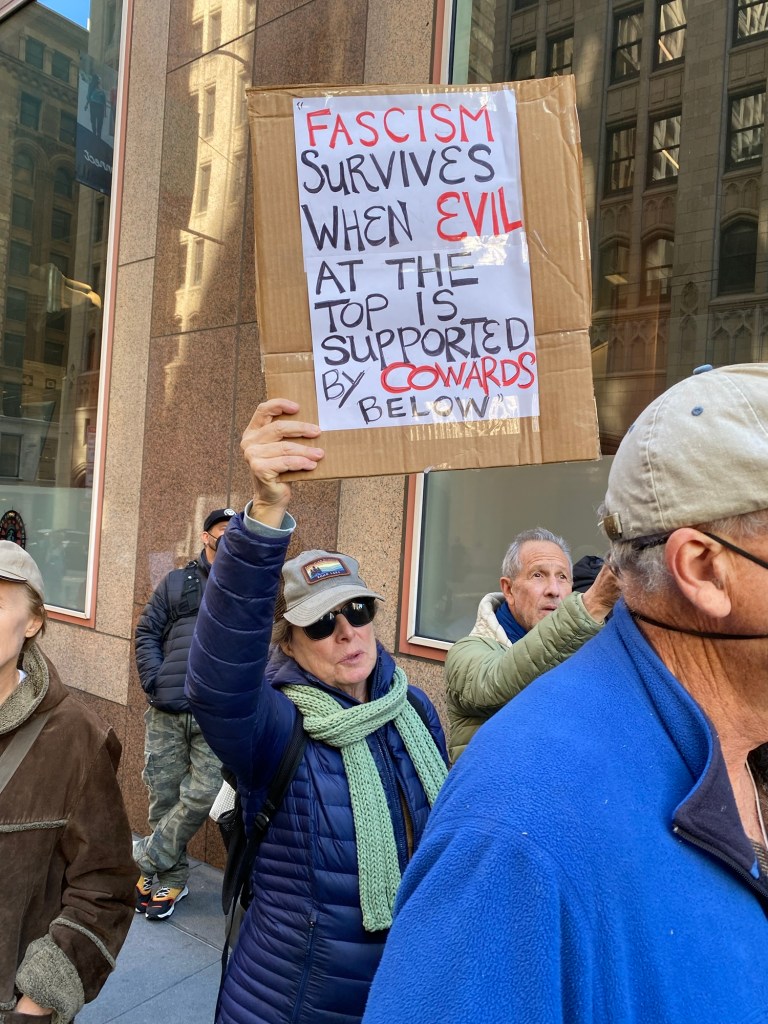
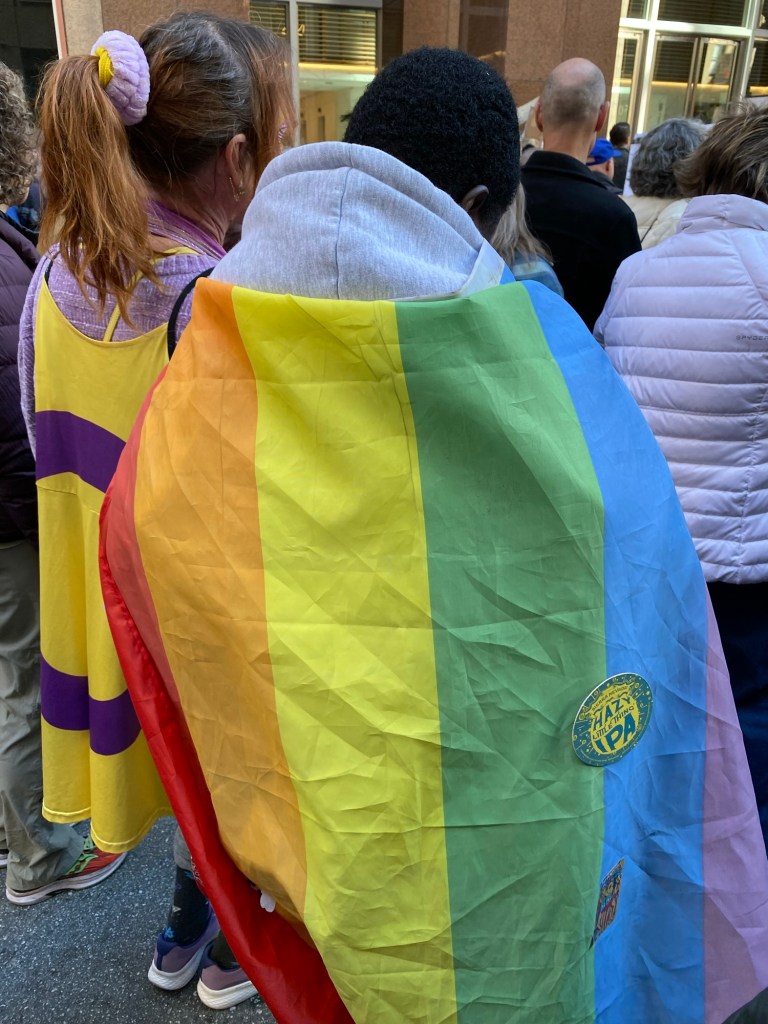
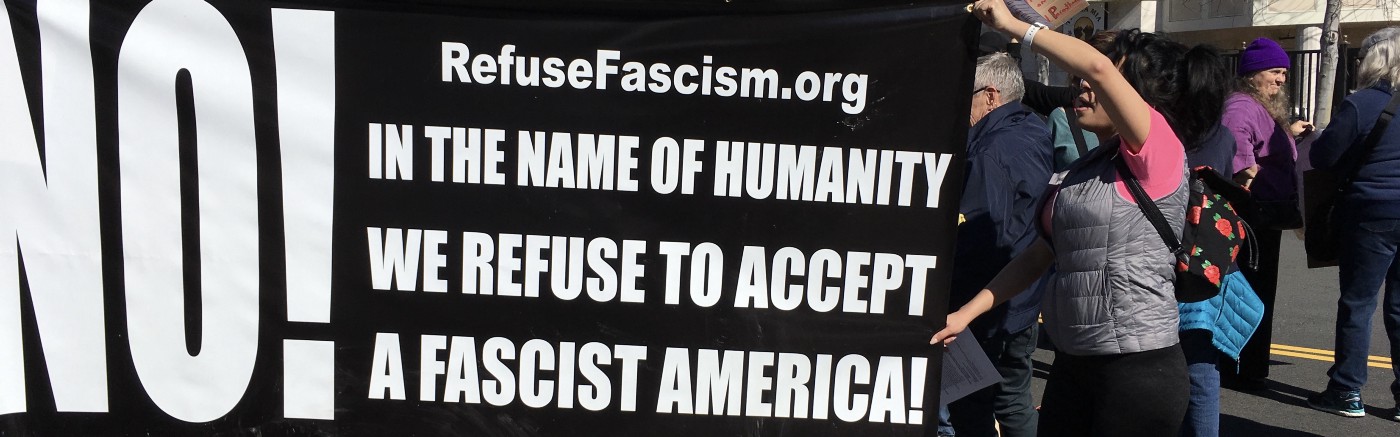
My photo taken at a San Francisco march
The letter:
With all due respect, with incidents like Proud Boy types storming the San Lorenzo library because a trans lady storyteller was holding story hour, to the latest murder of a Black man, Jason Walker, by the police with no consequences (what a surprise, not) the continuous denial from white people about the disgusting racism that has this country in its grip, mostly due to white people afraid to face the truth about America and content with it, as they talk a good game, but that’s as far as it goes. They fail to act every time. It’s with pain and disgust that I look at this country and its racism. Evil flourishes when good people do nothing. Evil is flourishing because white people have no real desire to fight against racism. Before you offer me weak words of platitude, don’t. Actions speak louder than words. If folks are not part of the solution, they are part of the problem. It is evident by the racists parked in our federal govt., yet another murder of a Black man by the racist police with no consequences that most whites are ok with how things are because it doesn’t personally affect them. As a Black woman with a Black son, I am filled with anxiety and fear every time I have to go outside. I shouldn’t have to live this way, but I do. So, that’s all I got but it is enough to keep me angry.
Fucking angry,
Carol
When my friend Carol sent me this letter, I didn’t know how to respond except to tell her I heard her anger and that she was right. Later, she called me to say it was hurting her own health to hold on to so much anger. She told me that she’s been working with a couple community organizations to reach out to neighbors to discuss the issue of racism, but her white neighbors just don’t want to hear it. They are avoiding her now because she suggested getting together to watch a video about racism.
She wrote:
I invited my white “friends” to take the time to watch small 15 minute videos that anyone can access on you tube. It was not so much them not being willing to watch a short film, but the total lack of compassion or empathy of the ordeals black people have suffered since being brought to this country involuntarily and still continue today.
I am trying so hard not to stay pissed off, but every time I hear about another shooting of an unarmed Black man by the police, I just want to scream. Nothing is changing because most white people (I know, a sweeping generalization) don’t see a need for it…I can’t rest knowing that this country is not yet ready to face its past and make America a better place. It seems I am always in the “minority” when expressing my viewpoint and or perspective.
So, thank you for all you do, but we need way more people who think like you before we can move forward.
Carol lives near the San Lorenzo library, which was attacked by Proud Boys during a drag queen story hour. She walked right up to them and asked them what they were doing. They told her they were there to protect children and suggested she join them. Didn’t she want children to be protected?
I watched the PBS series, The U.S. and the Holocaust, and I’m seeing undeniable parallels to Hitler’s Nazis. They demonized a population–the Jews–just as our own right wing demonizes trans people, gay people, immigrants, Blacks, people of color and Jews. They produced reams of propaganda spouting lies that the general population was oh-so-quick to believe. Then they started restricting their rights and destroying their property, humiliating and beating them and sending them to concentration camps along with other targeted groups — homosexuals, gypsies, communists.
Many of us wonder if the Proud Boys and their ilk are turning into the new SS, Hitler’s paramilitary, responsible for terrorizing and killing millions. It happened recently at the First Christian Church in Katy, Texas.
The organizer, who calls herself a Christian fascist, tweeted, “Let’s start rounding up people who participate in Pride events.”
We are all being demonized and we must hang together to reject fascism or we will hang separately.
Like Carol, I abhor racism and also feel powerless to do anything about it. The very least I can do is publish her words with the hope that it will help white people to understand and sympathize.











































 tradeswomn musings