Racism and Fascism Target Us All: Gay, Trans, Cis, Straight

This letter from a friend helps explain why I’m angry

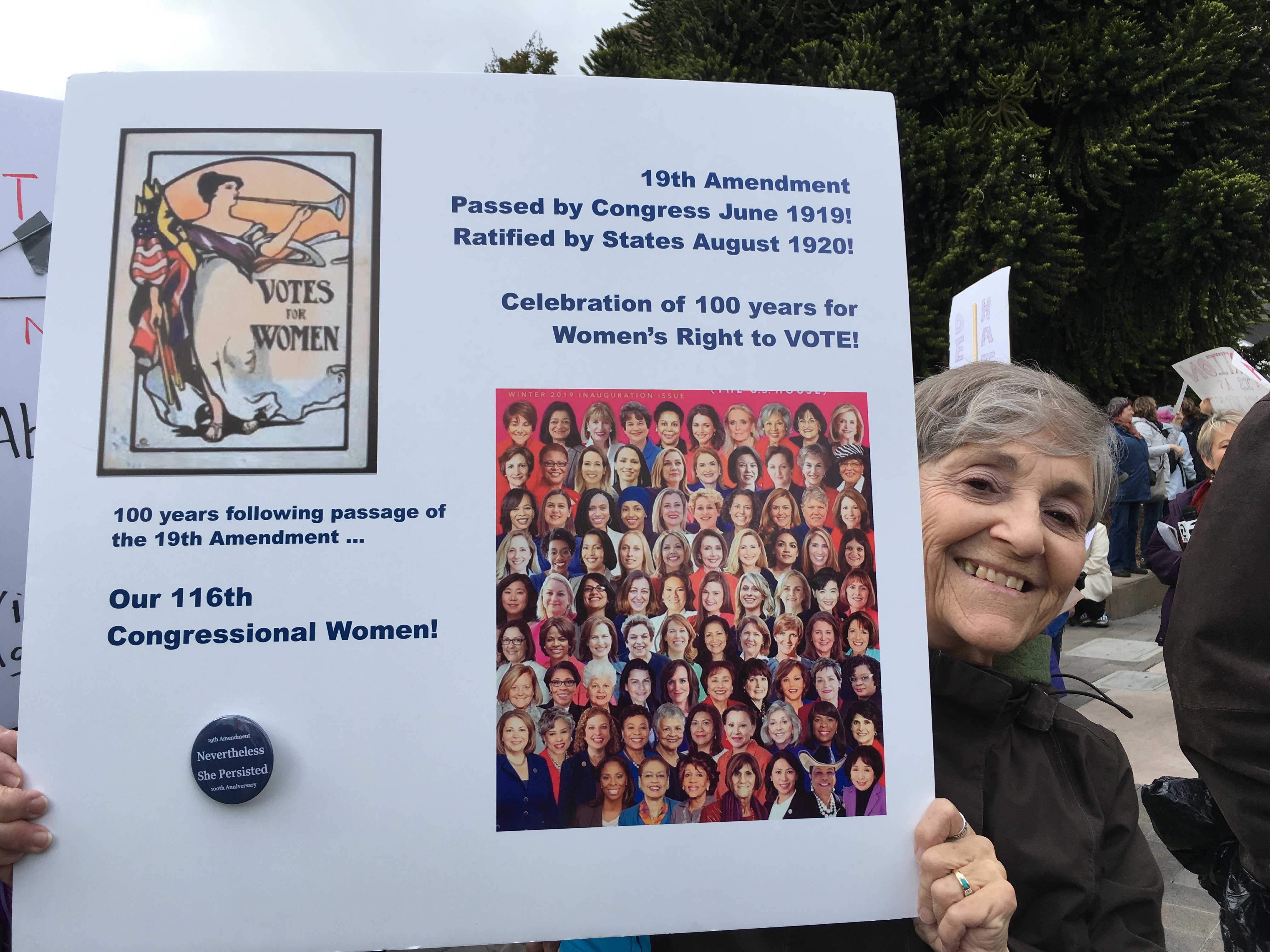
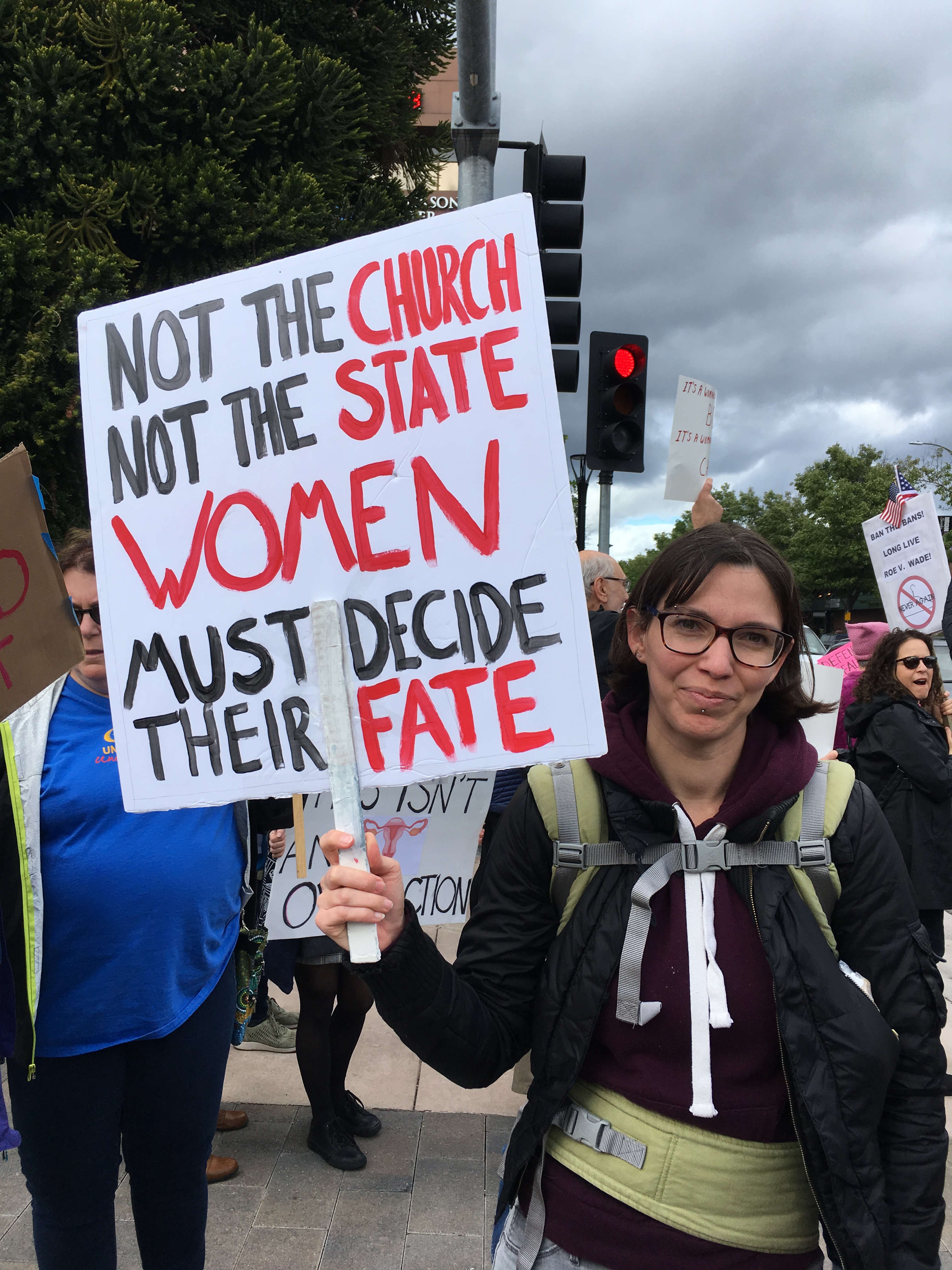
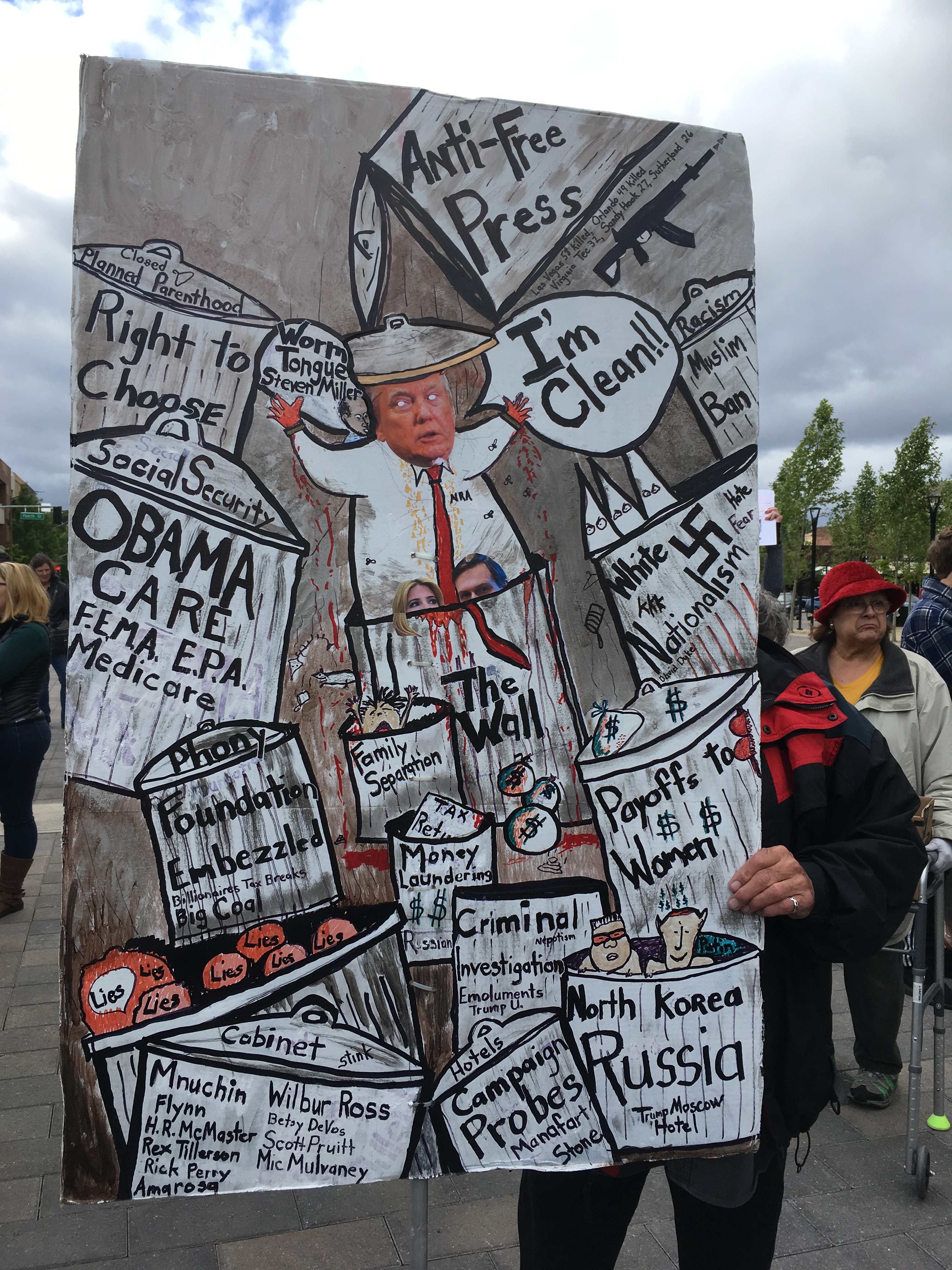
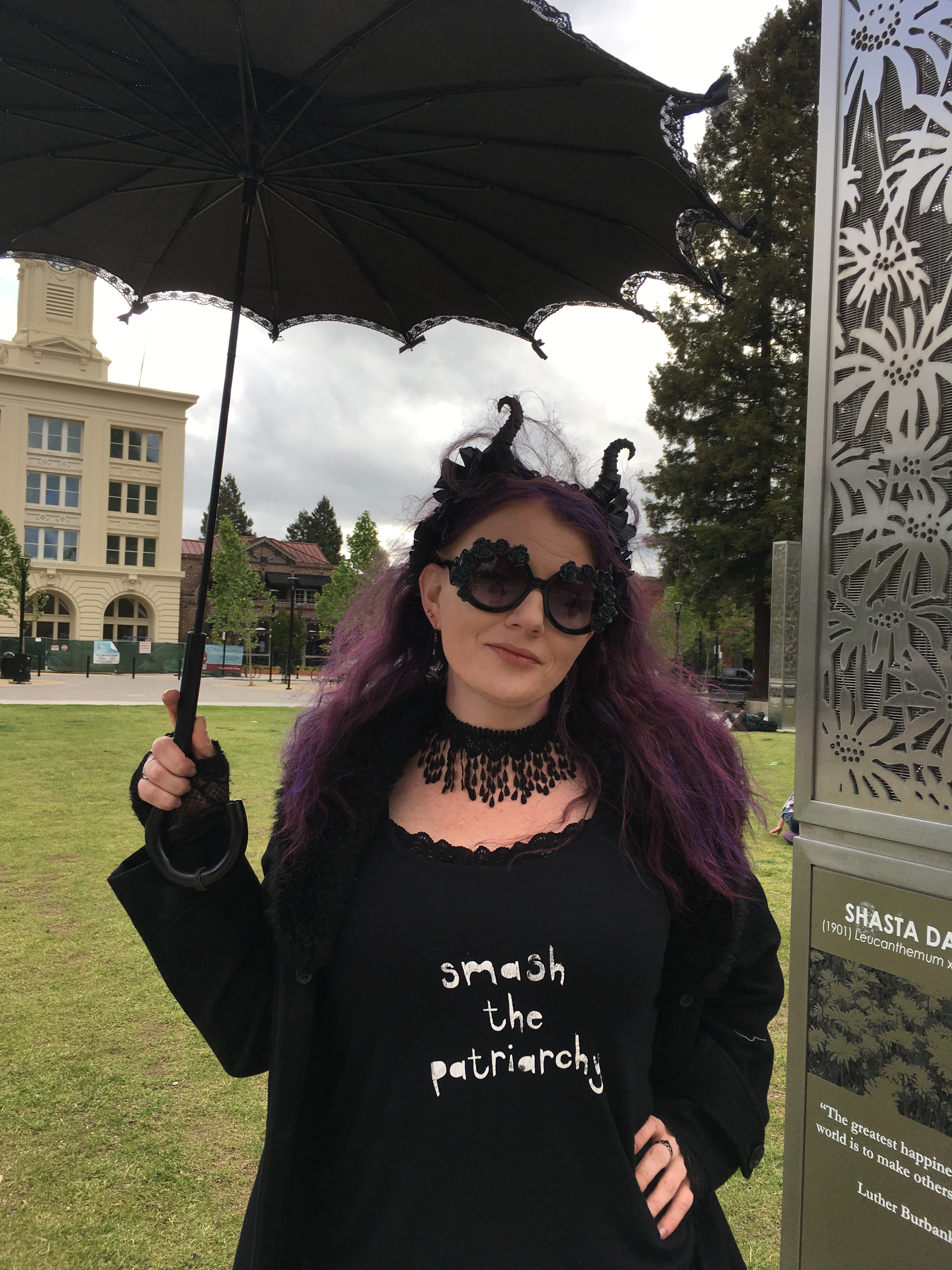
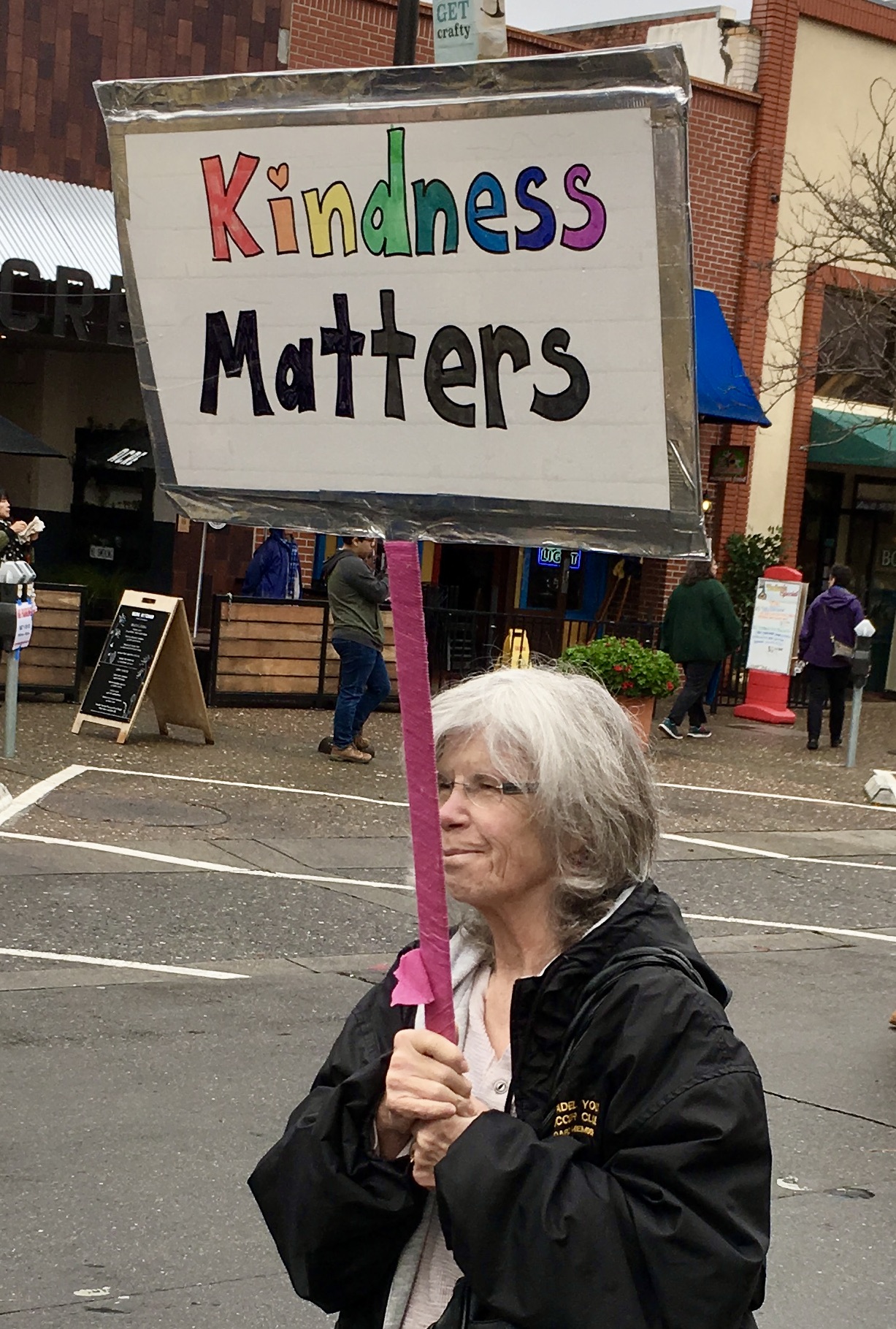
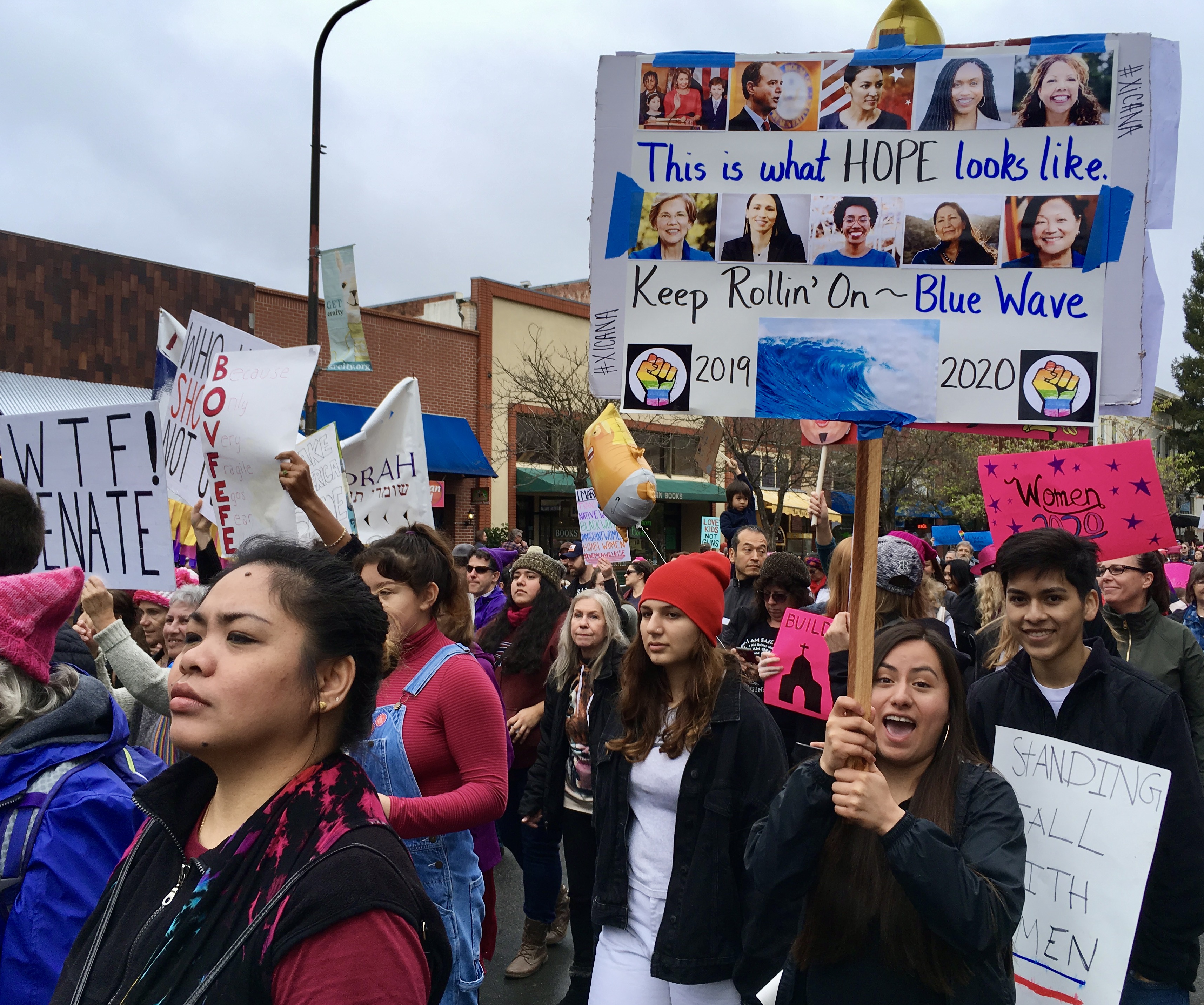
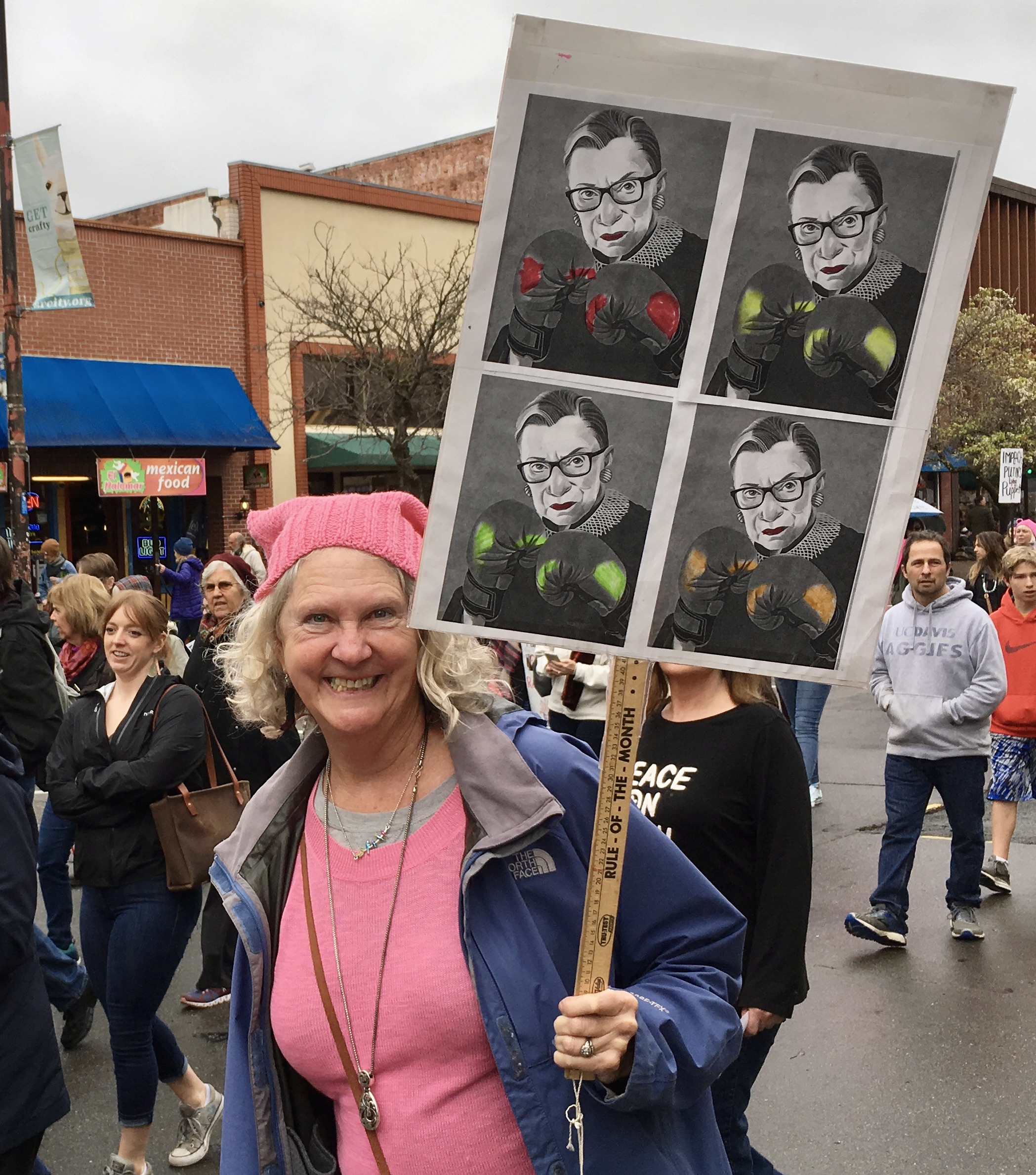
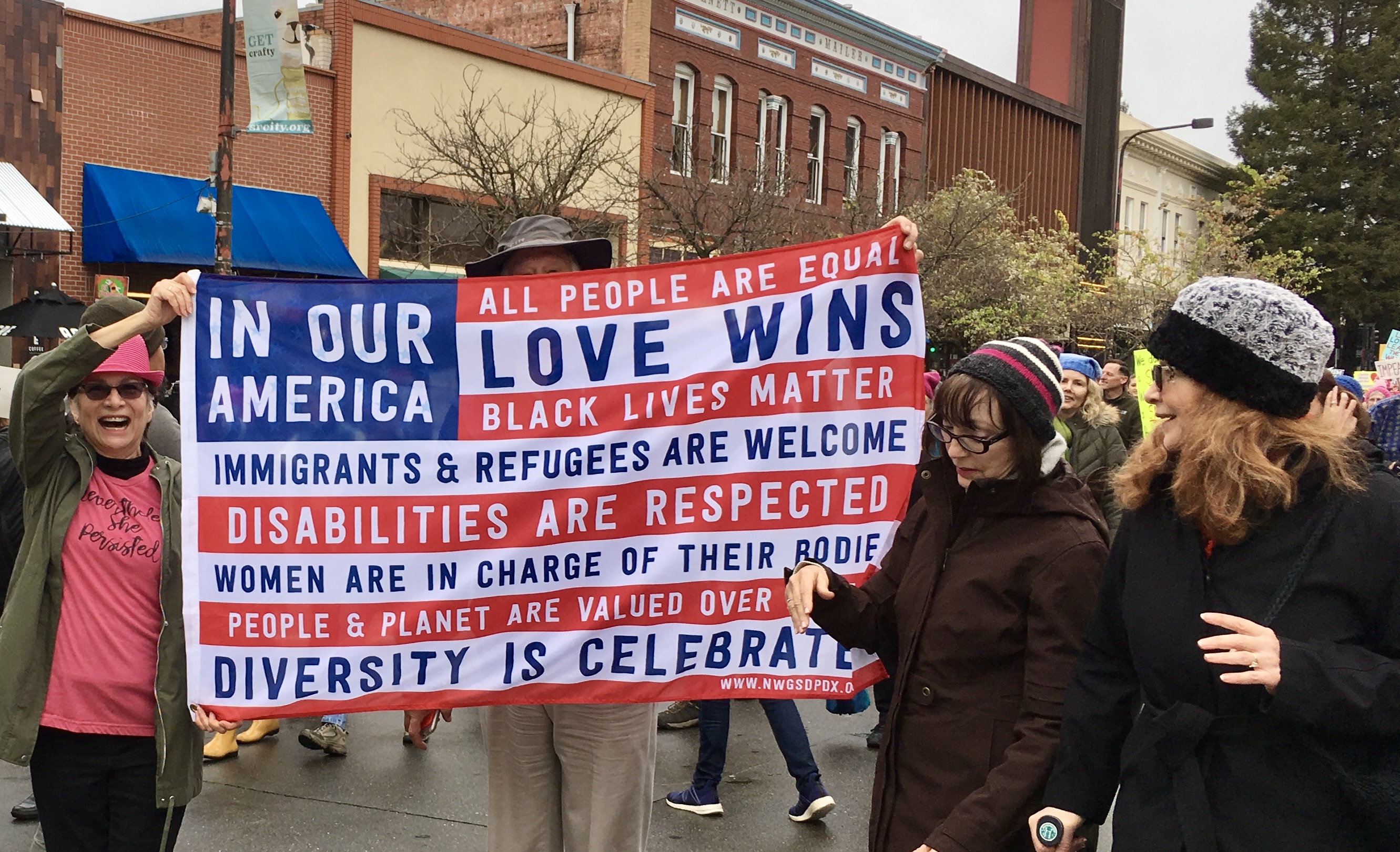
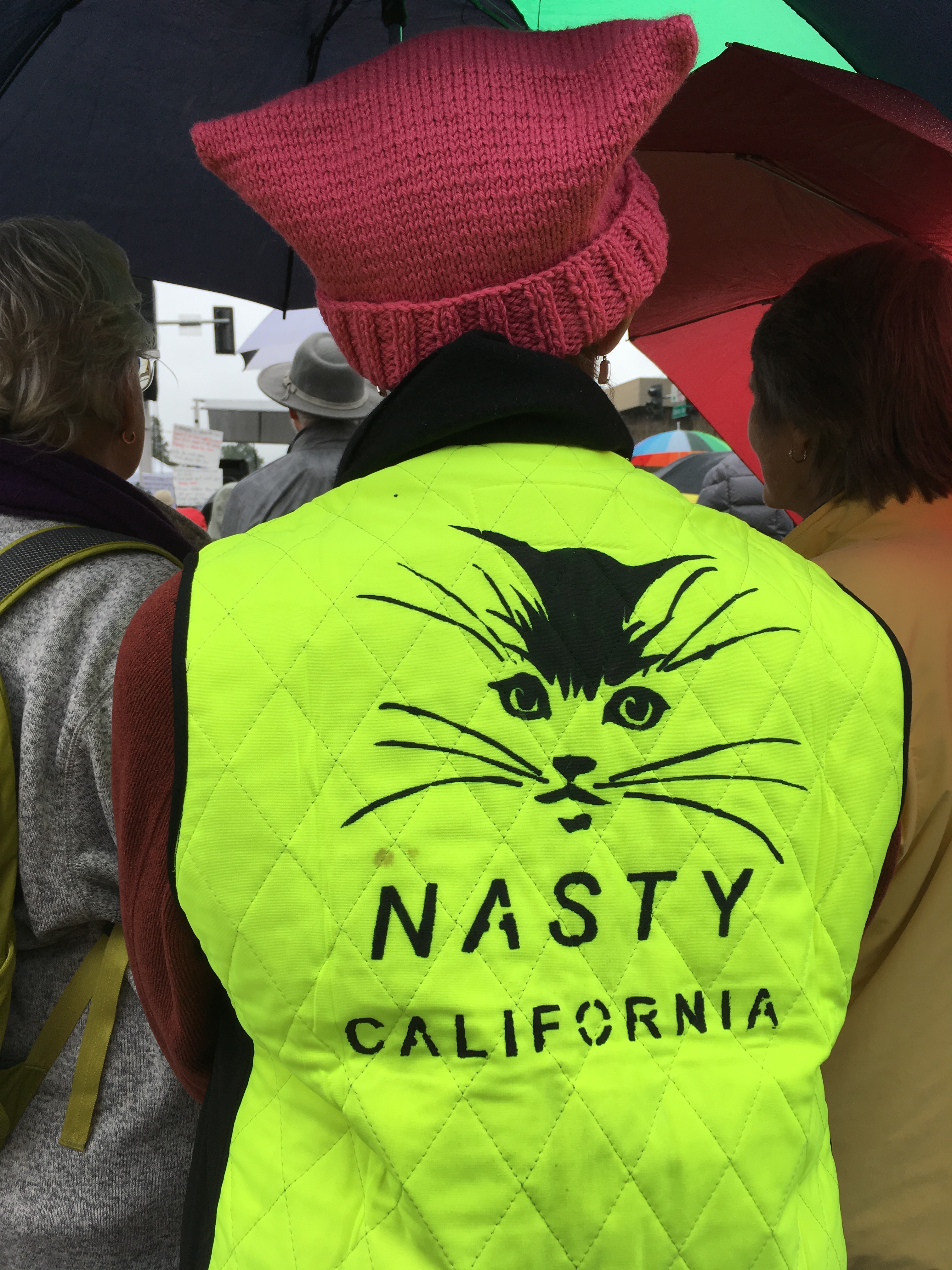
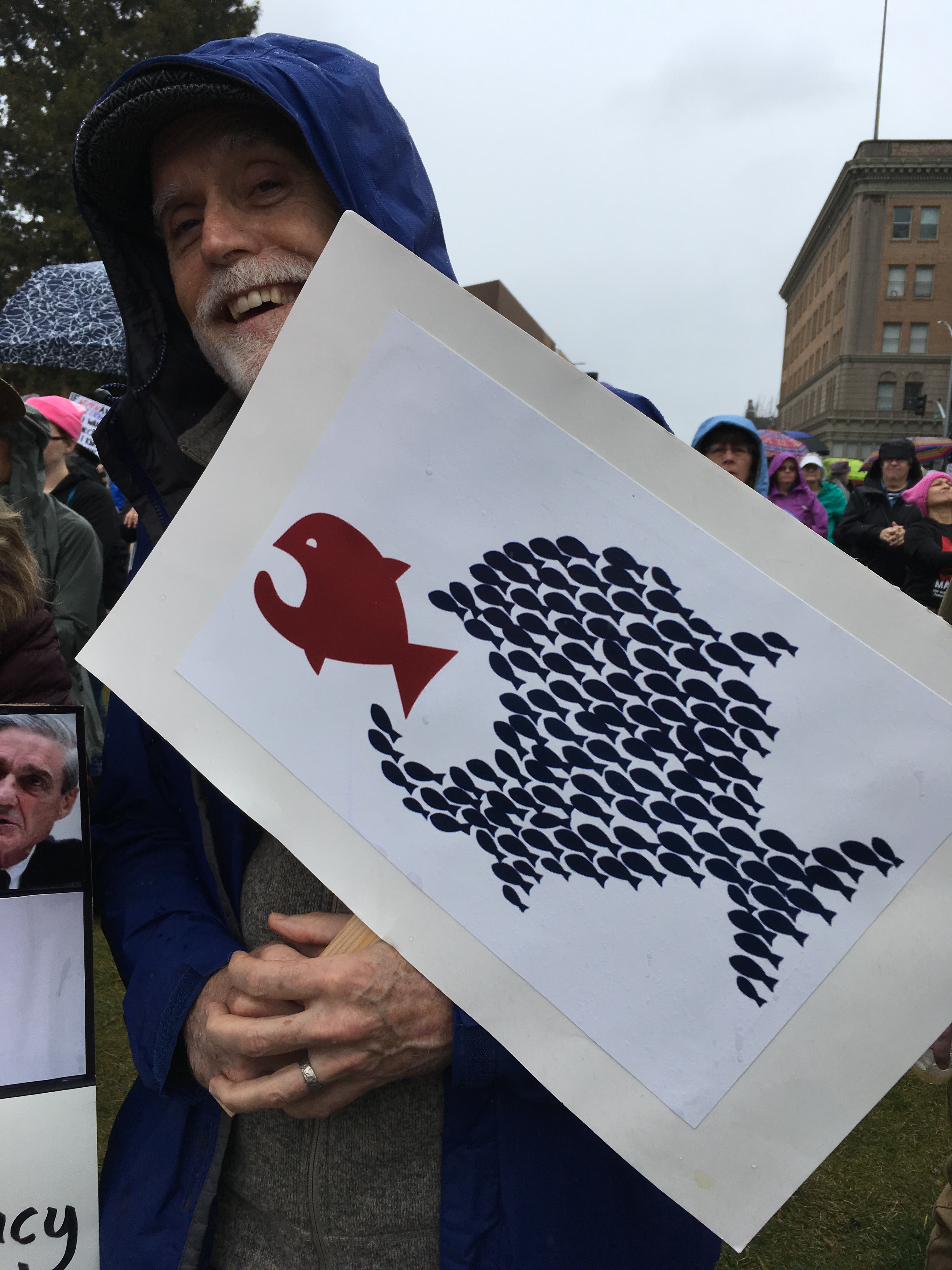
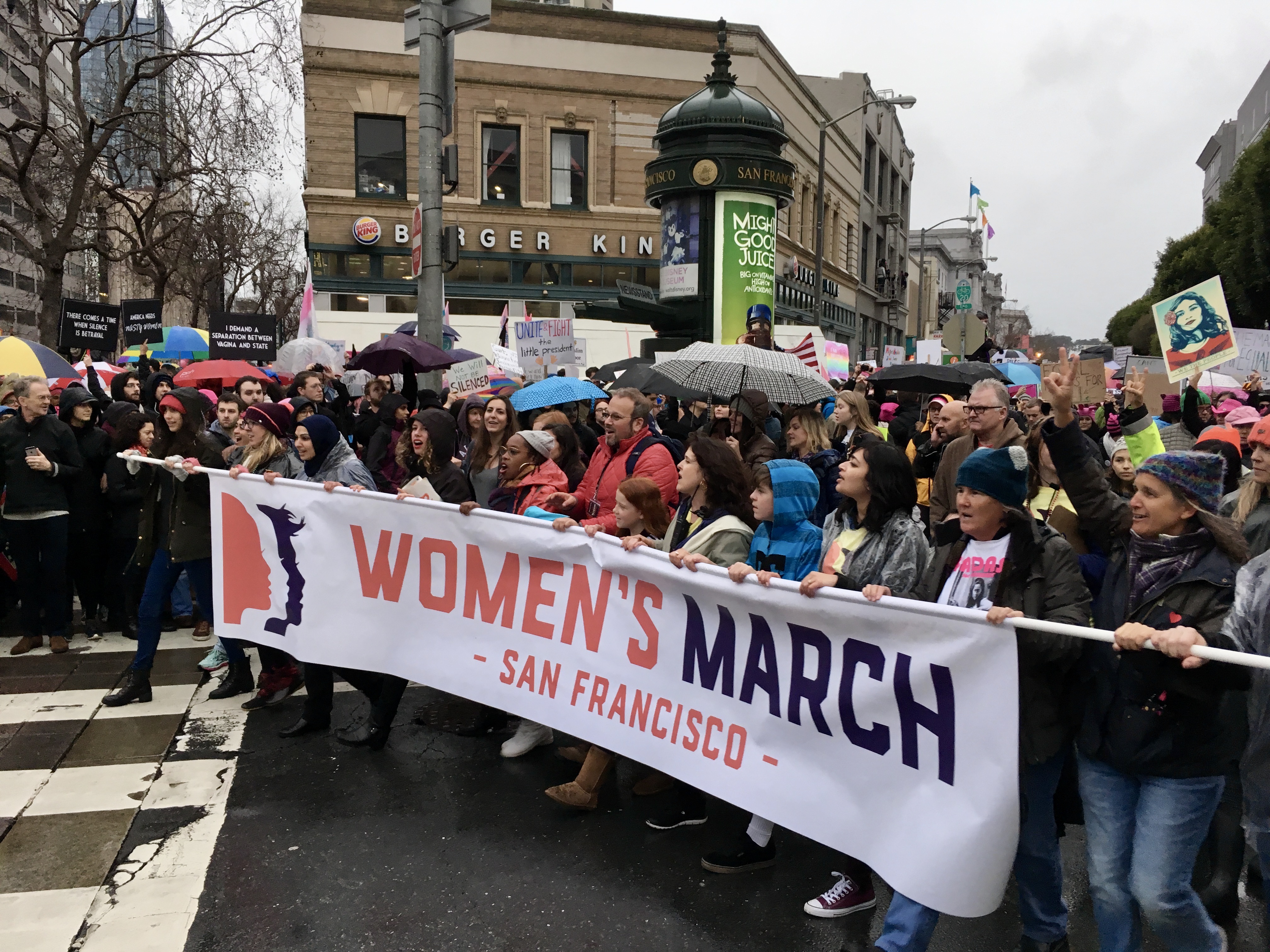
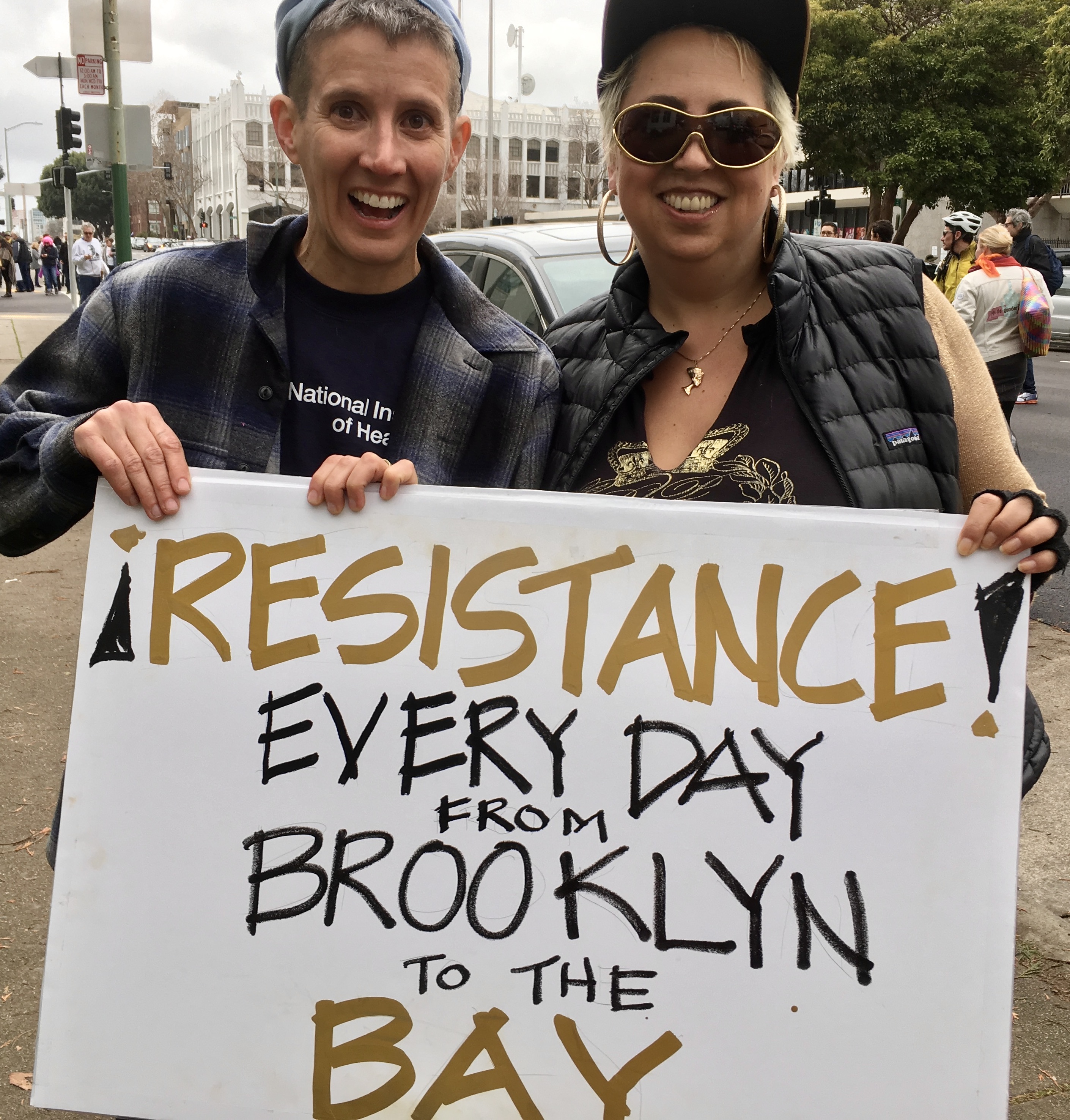
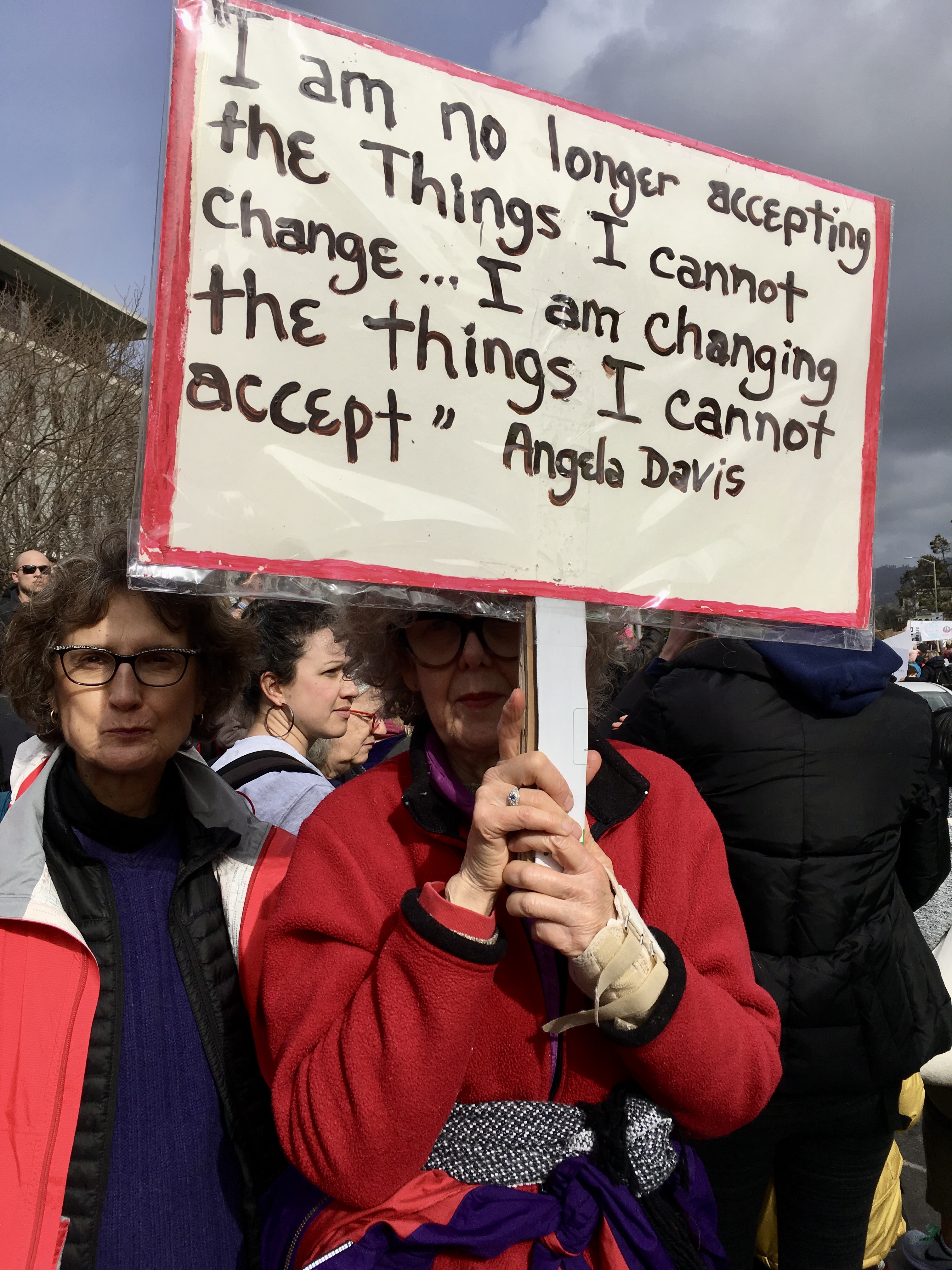
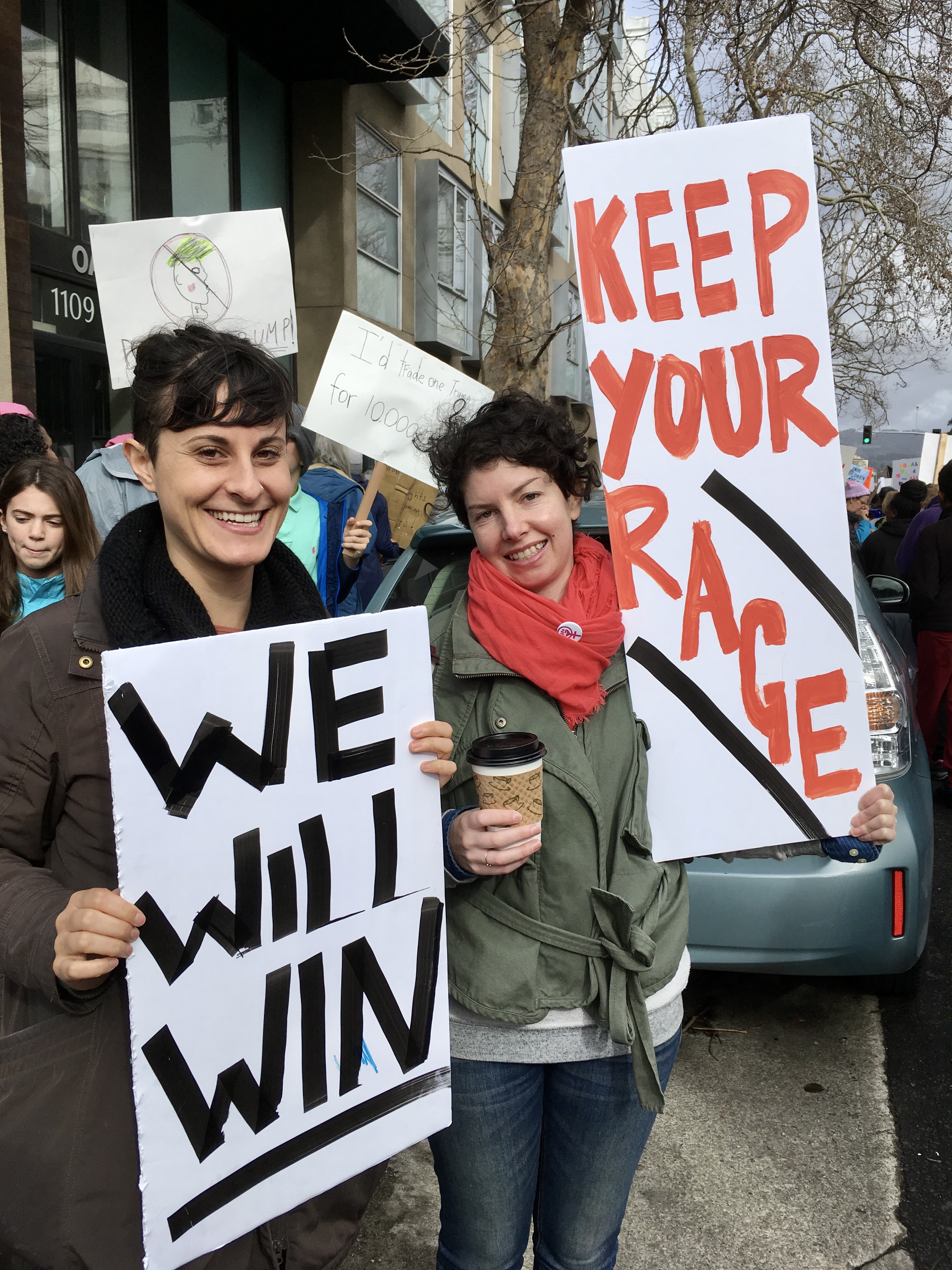
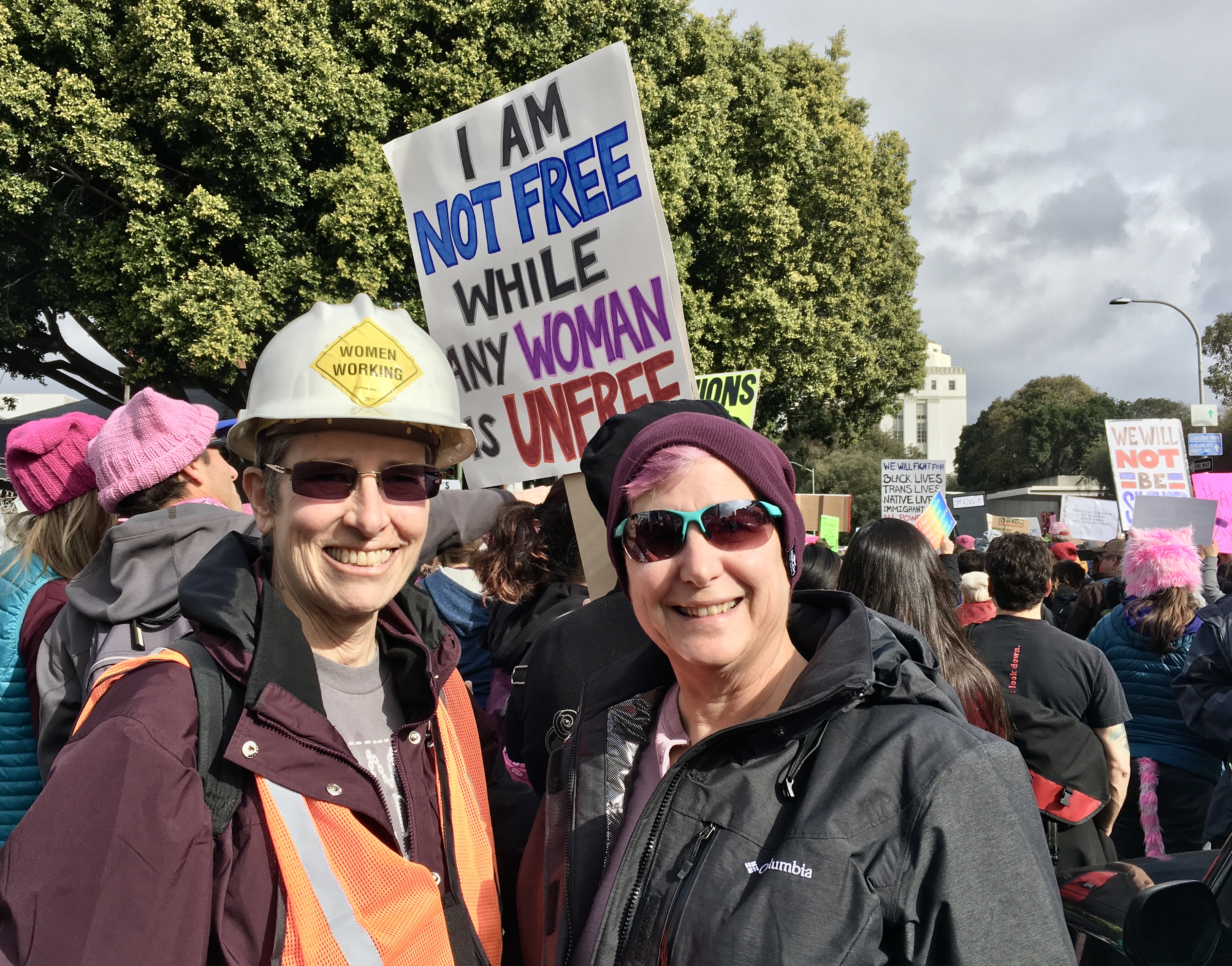
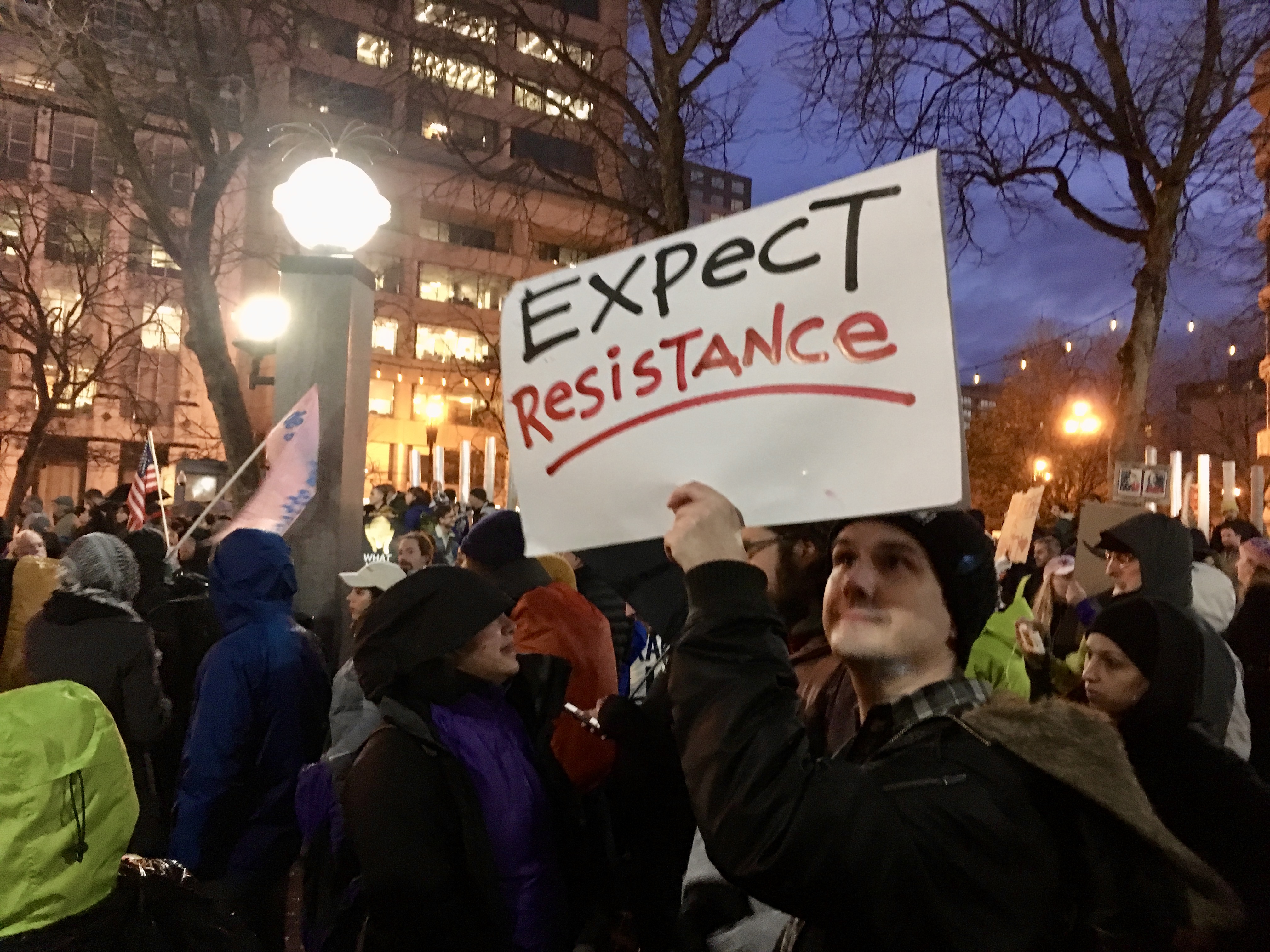
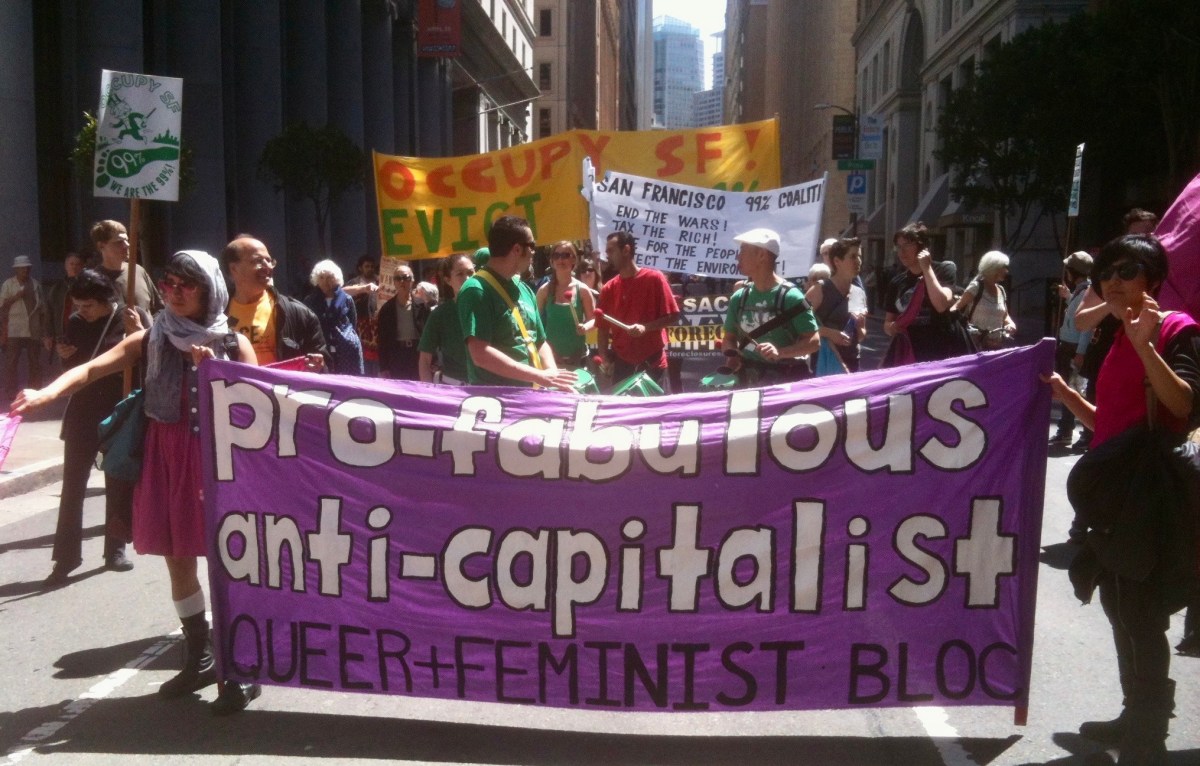
My photo taken at a San Francisco march

The letter:

With all due respect, with incidents like Proud Boy types storming the San Lorenzo library because a trans lady storyteller was holding story hour, to the latest murder of a Black man, Jason Walker, by the police with no consequences (what a surprise, not) the continuous denial from white people about the disgusting racism that has this country in its grip, mostly due to white people afraid to face the truth about America and content with it, as they talk a good game, but that’s as far as it goes. They fail to act every time. It’s with pain and disgust that I look at this country and its racism. Evil flourishes when good people do nothing. Evil is flourishing because white people have no real desire to fight against racism. Before you offer me weak words of platitude, don’t. Actions speak louder than words. If folks are not part of the solution, they are part of the problem. It is evident by the racists parked in our federal govt., yet another murder of a Black man by the racist police with no consequences that most whites are ok with how things are because it doesn’t personally affect them. As a Black woman with a Black son, I am filled with anxiety and fear every time I have to go outside. I shouldn’t have to live this way, but I do.
So, that’s all I got but it is enough to keep me angry.

Fucking angry,

Carol

When my friend Carol sent me this letter, I didn’t know how to respond except to tell her I heard her anger and that she was right. Later, she called me to say it was hurting her own health to hold on to so much anger. She told me that she’s been working with a couple community organizations to reach out to neighbors to discuss the issue of racism, but her white neighbors just don’t want to hear it. They are avoiding her now because she suggested getting together to watch a video about racism.

She wrote:

I invited my white “friends” to take the time to watch small 15 minute videos that anyone can access on you tube. It was not so much them not being willing to watch a short film, but the total lack of compassion or empathy of the ordeals black people have suffered since being brought to this country involuntarily and still continue today.

I am trying so hard not to stay pissed off, but every time I hear about another shooting of an unarmed Black man by the police, I just want to scream. Nothing is changing because most white people (I know, a sweeping generalization) don’t see a need for it…I can’t rest knowing that this country is not yet ready to face its past and make America a better place. It seems I am always in the “minority” when expressing my viewpoint and or perspective.

So, thank you for all you do, but we need way more people who think like you before we can move forward.

Carol lives near the San Lorenzo library, which was attacked by Proud Boys during a drag queen story hour. She walked right up to them and asked them what they were doing. They told her they were there to protect children and suggested she join them. Didn’t she want children to be protected?

I watched the PBS series, The U.S. and the Holocaust, and I’m seeing undeniable parallels to Hitler’s Nazis. They demonized a population–the Jews–just as our own right wing demonizes trans people, gay people, immigrants, Blacks, people of color and Jews. They produced reams of propaganda spouting lies that the general population was oh-so-quick to believe. Then they started restricting their rights and destroying their property, humiliating and beating them and sending them to concentration camps along with other targeted groups — homosexuals, gypsies, communists.

Many of us wonder if the Proud Boys and their ilk are turning into the new SS, Hitler’s paramilitary, responsible for terrorizing and killing millions. It happened recently at the First Christian Church in Katy, Texas.

Texas Christians Terrorize Church Supporting Transgender Christians

The organizer, who calls herself a Christian fascist, tweeted, “Let’s start rounding up people who participate in Pride events.”

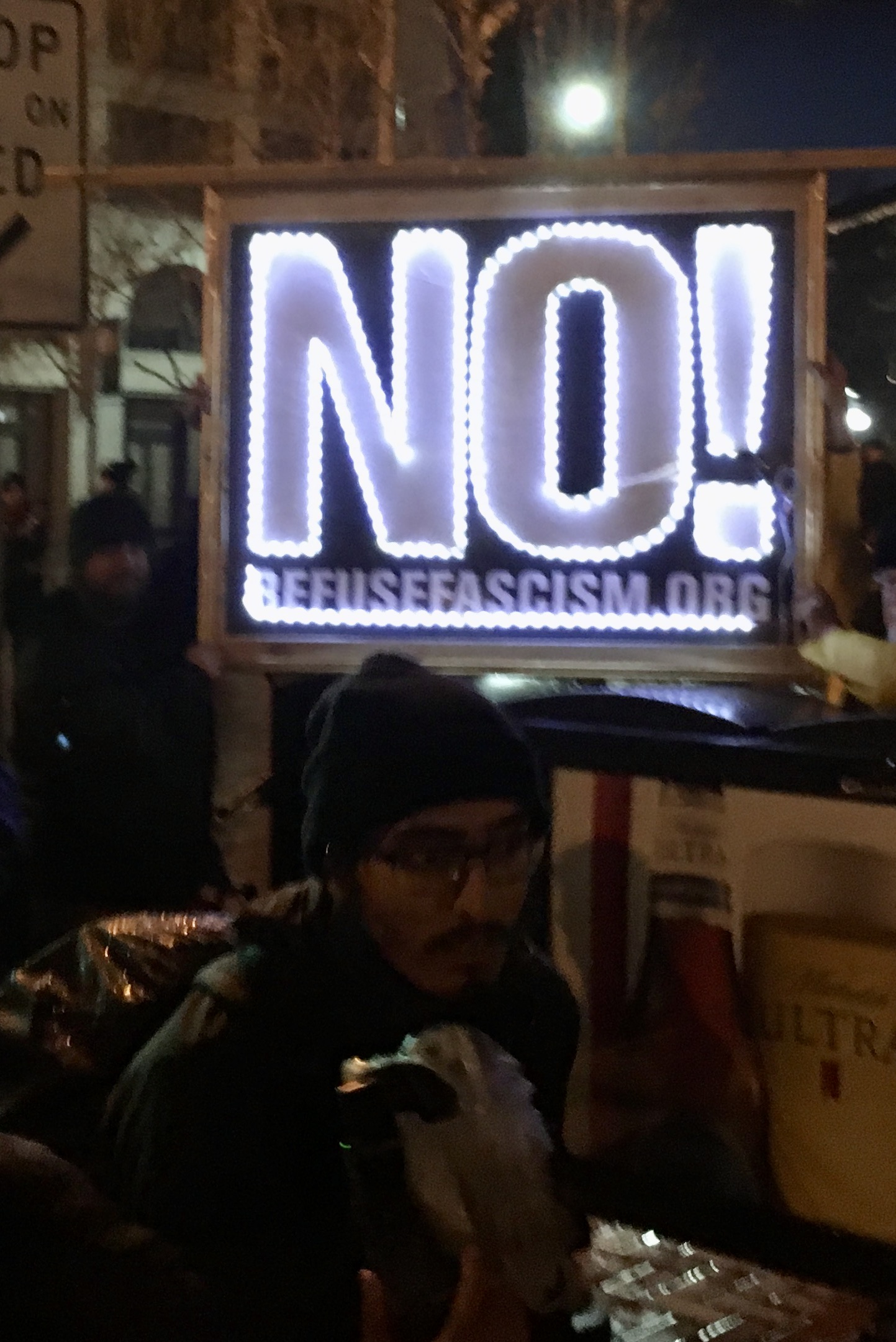
We are all being demonized and we must hang together to reject fascism or we will hang separately.

Like Carol, I abhor racism and also feel powerless to do anything about it. The very least I can do is publish her words with the hope that it will help white people to understand and sympathize.

Solstice Came Early This Year

Winter Solstice 2022

My Regular Pagan Holiday Missive

Years ago my wife Holly and I invented a solstice ritual we named the Twelve Days of Solstice, starting on the solstice, December 21, and ending with New Year’s day. We made up our own daily rituals and customs, observing the natural world and the changing of the seasons.

Our invention was aimed at supplanting the christian holiday. We are both ex-christians, she tortured by a more evangelical denomination than me by my pale protestant presbyterian sect.

My antipathy has been mostly aimed toward catholicism, a particularly misogynist, patriarchal, racist, and homophobic cult whose latest endeavor is covering up its sexual abuse of children. It is only the most powerful example of christian horror, but there are many more worldwide who hide behind religion to perpetrate evil.

We want no part of this and so we eschew the trappings of christian holidays. However, we do feel the need for tradition and ritual in our lives and so must invent our own. This year in the wake of a worldwide fascist assault on democracy I was feeling a bit depressed in mid-November and sought holiday solace. 

“Let’s start celebrating solstice early!” I entreated.

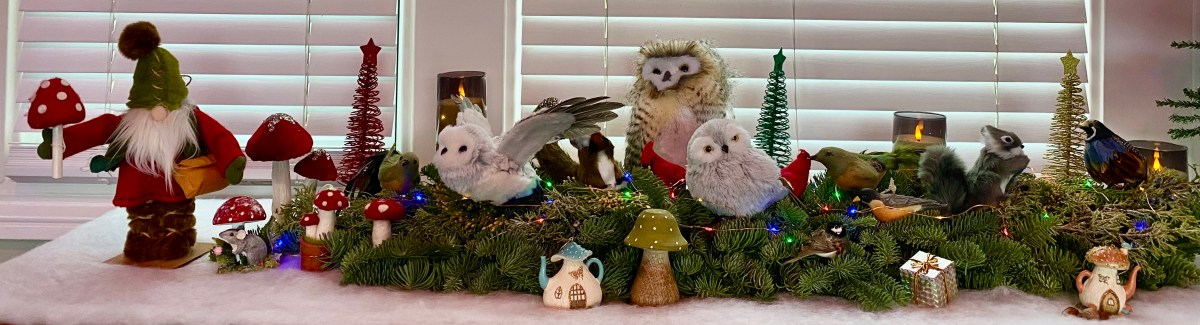
The festive custom of tree decorating is not owned by the christians. It was stolen from pagan religions and so I feel very good about reclaiming this pagan tradition. The term pagan was historically used by christians to refer to everyone not christian, so it includes all of us non-christians.

I checked around and there were no trees nor boughs to be bought until the day after Thanksgiving. So, after considering and rejecting cutting our own, on the morning of November 25th we drove directly to Grandma’s tree farm a few miles out in the country. People had already stormed the farm, a magical place with a huge old barn decorated to the rafters for the season. There was hot chocolate waiting, a flocking room, a real antique sleigh for kids to play on and all the ornaments and boughs and trees of every size. 

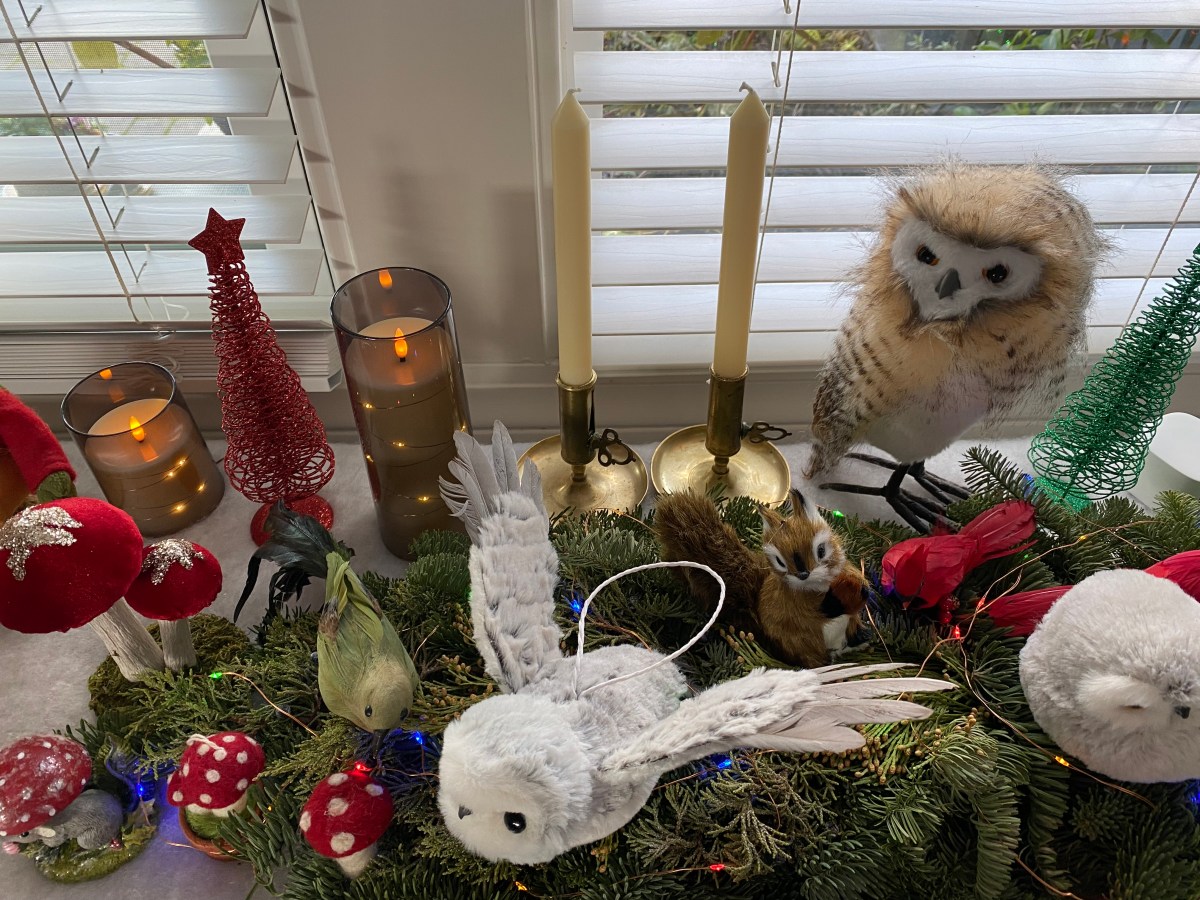
We bought evergreen boughs for the mantle, adorable bird decorations and, of course, a tree, cut and carried by an agile worker who told me he has a landscape company in other seasons.

For the next couple of days we decorated the tree, taking all the time we felt like because why should we be in a hurry? One point of invention is to overcome all the obligations that make this holiday stressful. Like shopping. We are made to feel like we will be responsible for the U.S. economy failing if we don’t spend tons of money. Retailers depend on this holiday to bring in 40 percent of their annual revenue, an unsustainable economic program that bankrupts the poor and does not fit well with our effort to consume less.

With a much longer holiday schedule than usual, we were designing rituals for a month of celebrating instead of just the 12 days of solstice. Ok but no pressure. Instead, I decided to just appreciate the revelatory events that happened to me daily.

Nov. 24 As I planted 40 daffodils in the front yard, I thought bulb planting must be added to our annual constellation of solstice rituals.

Nov. 30 It froze! Contemplating the Japanese concept of Wabi-Sabi, we acknowledged the wilting of the big flowers in our yard. The tree dahlia, which at nearly 20 feet tall had only just started blooming, died. And the huge marigold that had appeared late in the fall, maybe from a wildflower mix, froze. We appreciate that nothing is truly perfect or permanent.

Dec. 1 Then it stormed! We got an inch of rain. We invoked Tefnut, the Egyptian goddess of rain and moisture, responsible for maintaining life, as we watched the bright leaves fall from the trees.

Dec. 3 As I picked the first oranges from our tree and made juice, I called in Demeter, the Greek goddess of agriculture and the harvest. When her daughter Persephone returns to Hades each winter, the plants die, only to be reborn when she returns in spring. The orange, one plant that the gods apparently overlooked, produces fruit all winter.

Dec. 7 I’m witness to a supernatural event at 5am while I soak in the hot tub. The sheet metal cap on the chimney glows with an amazingly bright light. I feel this is like seeing the virgin Mary on a slice of toast–positively spiritual. The cap continues to glow and I wonder what the universe is trying to tell me. It was so bright I couldn’t imagine what the light source could be. Could the light be coming from inside the house? Of course, it was the setting full moon shining at a direct angle, but so otherworldly that I wanted to take a picture to let someone else in on my religious experience. Who would believe me? Will I be the Cassandra of Hylandia?

I can find no goddess of chimneys nor sheet metal nor chimney caps, so I’ll have to decide whether to check in with one of many goddesses of the hearth. Or perhaps the moon was communicating with me through the chimney cap, in which case I can consult any number of moon goddesses like Selene, the Greek personification of the moon.

The universe is definitely talking to me.

Dec. 8 We spent a lovely couple of hours walking at the ocean with Holly’s brother and wife and afterward I happily consumed the sacred molluscs, oysters. Is there a seafood goddess? Maybe not exactly, but Venus, the Roman goddess of love and beauty, was born in an oyster so she knew something about them.

Then on our way back from the ocean we hit only green lights on Guerneville Road. A total miracle! I didn’t even have to invoke Asphalta, the goddess of roads and highways, because I know that she is watching over us, especially when we look for parking. We recite the prayer “Hail Asphalta full of grace, help me find a parking place.” Then we rub the sacred crystals which are pieces of asphalt adorned with the yellow line, enclosed in an orange bag that hangs from the car’s mirror. Asphalta’s priestesses are the flag women of the highways. The goddess was invented by my friend Morgan Grey for a book called Found Goddesses and so fits right in with our effort to invent rituals.

Finding the sacred in my everyday life has definitely improved my spirits. It’s worked so well that I might have to continue this practice for the rest of the year.

Happy solstice my friends, however you choose to celebrate it.

OTTERS Thank President Carter

For the past several years I’ve been meeting on zoom with a group of old women trades workers and organizers as we discuss and record our collective history. We call ourselves the OTTERS (Old Tradeswomen Talking Eating and Remembering Shit). Since the 1970s we have fought to open jobs for women and minorities that had been closed to us, like construction work. Affirmative action was our issue and for a short time during Jimmy Carter’s administration, we had support from the federal government. Our fortunes reversed after the election of Reagan, whose labor policies were crafted to push women out of the workforce and back into the kitchen. Our vision of employment equity became much harder to realize, but we didn’t stop. We’ve created training programs and tradeswomen organizations that have opened opportunities for women all over the U.S. We wanted to thank President Carter for his part in the success of our movement, so we wrote him a letter.

The Honorable Jimmy Carter
The Carter Center
453 Freedom Parkway NE
Atlanta, GA 30307

Dear President Carter,

We are writing to thank you for supporting Affirmative Action and Equal Employment Laws while you were in the White House and beyond. More importantly, we want to thank you for enforcing those laws. It made a difference for us and so many other women who were able to enter the construction trades because of your commitment. 

We are a group of older tradeswomen from around the country. We have come together to share stories, remember old times, and to document our history. 

We are the OTTERS. Old Tradeswomen Talking, Eating and Remembering Sh#*. 

During several of our meetings we were trying to figure out when and what was the ‘watershed’ moment when we began working together. We had been working in our respective states but then something happened. You may wonder what it was that brought us together and allowed us to begin meeting and working on a national level to reach out to women and Black, Indigenous, and People of Color (BIPOC) for training in trade and technical jobs.

We agreed it was, in large part, due to you and your administration’s commitment to equality. Enforcing the laws and ensuring those enforcement agencies were properly funded and staffed.

Many of our OTTERS members started Tradeswomen organizations that provide pre-apprenticeship training for women and find partnering with Habitat for Humanity a wonderful experience for our students. Many of us are still engaged in advocacy and still working toward a more diverse workforce. You continue to be an inspiration to all of us. Thank you. 

Yours in Equity, 

Lisa Diehl, West Virginia

United Brotherhood of Carpenters 7 years

Co-Chair 2nd National Tradeswomen Conference

Non-Traditional Advocacy 30 years

Founder, West Virginia Women Work

Dr. Lynn Shaw, California 

Miner/Steelworker/Longshoreworker/Electrician: 25 years 

Founder of WINTER, Women in Non-Traditional Employment Roles Los Angeles

Ronnie Sandler, New Hampshire

First woman in any of the building trades in Michigan 1976 

Carpenter and contractor for 12 years

First woman to work highway construction in the state of New Hampshire

Designed and ran trades training programs for women Michigan, Vermont, and New Hampshire

On site compliance officer for Maine Department of Transportation 3 major bridge projects

Nettie Dokes, Washington

International Brotherhood of Electrical Workers Line worker 30+ years

First African American woman Line worker (high voltage electrician) in US 

Seattle Women in Trades Executive Board 25+ years

Pre-apprenticeship instructor 15 years

President and CEO of Workforce Alchemist-a consulting firm for Women in Construction 5 years

Connie Ashbrook, Oregon

Elevator Constructor 17 years

Founder and Executive Director (retired) Oregon Tradeswomen Network

Dale McCormick, Maine

First woman Journeyman in US Carpenters Union, 51 years

Founder and Executive Director of Women Unlimited Maine

Northeast Women in Transportation

Elly Spicer, New York

United Brotherhood of Carpenters New York City, 35 years

Apprenticeship Training Director 3 years

Kathy Augustine, Ohio

Computer Systems Electronics Technician 15 years

Executive Director (retired) Hard Hatted Women, Cleveland 16 years

Kipp Dawson, Pennsylvania

Coal Miner 13 years

Public School teacher 23 years

Coal Miner and Activist in United Mineworkers of America 13 years

Coal Employment Project- Coal Mining Women Support Team since 1979

Betty Jean Hall, Florida

Executive Director & General Counsel

Coal Employment Project- Coal Mining Women Support Team 1977-1988

Lauren Sugerman, Illinois

Elevator Constructor 6 years

Founding Executive Director of Chicago Women in Trades 23 years

Founder and Director of the National Center for Women’s Equity in Apprenticeship and Employment 

Marge Wood, Wisconsin

Plumber 12 years

United Association UA union member 35 years, Madison

Apprenticeship Consultant, WI Technical College System 24 years

Molly Martin, California

Electrician 14 years

Electrical Inspector 10 years

Founder of Tradeswomen Inc., San Francisco

Who Put the We in Halloween?

My Regular Pagan Holiday Greeting

Dear Friends,

Halloween might be the one pagan holiday that neither the Romans nor the catholic church could suppress or usurp, even after centuries of trying.

The Celt holiday of Samhain (pronounced sow-in) celebrated the end of summer and the start of winter. Celts believed that on the night of October 31 the ghosts of the dead returned to earth. People lit sacred bonfires and wore costumes to ward off ghosts. In some places, people doused their hearth fires on Samhain night; then each family solemnly re-lit its hearth from the communal bonfire, thus bonding the community together. 

The Celts lived 2000 years ago in what later became Ireland, the UK and northern France. The 400-year occupation by the Romans left some cultural traditions. At Feralia the Romans commemorated the passing of the dead. And the festival of Pomona, the Roman goddess of fruit and trees whose symbol is the apple, was held November 1. In Celtic mythology, apples were strongly associated with the Otherworld and immortality.

Then the christians invaded. Over the centuries, a couple of popes made the effort to subsume the pagan holiday under a new Christian one on November 2, All Souls Day. As with other pagan holidays, it is widely understood that the church was attempting to replace the Celtic festival of the dead with a related, church-sanctioned holiday.

But the old customs associated with Samhain never died out entirely. Instead, the first night of Samhain, October 31, became All Hallows Day Evening, the night before the saints were venerated. That name eventually morphed into Halloween. One of the rituals adopted from the Celts waspumpkin carving, which held religious significance. The jack-o-lantern custom consisted of placing fire—which imitates the good magic of the sun—inside a hollowed out vegetable (usually a turnip), representing the harvest. The hope was that the good magic would help to preserve the harvested food through the dark half of the year, until the next growing season could replenish the community’s food stocks.

The practice of trick-or-treating began as the Celtic custom of giving token bits of the harvest to spirits wandering outside of houses on the evening of Samhain to placate them and prevent them from doing destructive things to the harvest or to homes.

Centuries later, Halloween customs were brought to the U.S. by immigrants from Ireland, Scotland and other ancient homelands of the Celts. That’s when pumpkins took over from turnips to make jack-o-lanterns, a modern advancement.

Here in Santa Rosa, Holly and I have invented new rituals and customs for Samhain.

The blessing of the flip flops During the changing of the footwear we remove our flip flops and put them away for the winter after kissing them and telling them we appreciate their hard work of protecting our feet all summer. Then we don our winter slippers.

The beanie and toque resurrection We bring down the box of winter hats, scarves and gloves from the top shelf of the closet where they have patiently waited all summer. 

The moving of the deck furniture All summer the outdoor couch has sat in the shade where we could be comfortable even on hot days. At this time of year we move the couch to a sunny spot on the deck near the house. The ceremony consists of grabbing the couch, saying one two three up and carefully carrying it to its new place.

The building of the ofrenda Our little Dia de los Muertos altar sits on the fireplace mantle where we assemble pictures and clay figurines of friends and family who have died. We are reminded that many cultures remember their dead at this time of year.

The planting of the peas, the harvesting of persimmons and pomegranates October is the time to plant sugar snap peas so we can eat them right off the vine in Spring. We also plant cover crops and colorful flowers like violas and pansies to keep us smiling through the winter. My favorite fall salad is made with persimmons, pomegranates, pecans and pears with a citrus dressing (I call it the P salad).

Wishing you, your pods and families a happy Halloween. 

Equinox and the Middle Way

My Regular Pagan Holiday post

Dear Friends,

I’m writing this during a gentle rainstorm that has elicited delight among denizens here in Santa Rosa. Our weather station says it has brought a little less than an inch of rain. We are humbled when we think of raging floods elsewhere in the world but of course what we worry about at this time of the year is fire. Word is that the rain has dampened our biggest California fire, the Mosquito Fire, which has burned 75,000 acres in the Sierra foothills and is now 35 percent contained. This rain may not put an end to fire season, but we hope, as the fall equinox approaches, it marks the beginning of the end. This year the autumn equinox takes place on September 22, when the sun crosses the equator making night and day of equal length in all parts of the earth. 

In Japan the equinox symbolizes the middle way between the seasons. This week will mark the start of Higan, a seven-day Buddhist celebration and national holiday in Japan during the fall and spring equinoxes. The origin of the holiday dates from Emperor Shomu in the 8th century. Higan means the “other shore” and refers to the spirits of the dead reaching Nirvana. It is a time to remember the dead by visiting, cleaning, and decorating their graves. The red spider lily signals shūbun, the arrival of fall. 

Buddhist psychology is neither a path of denial nor of affirmation. It shows us the paradox of the universe, within and beyond the opposites. It teaches us to be in the world but not of the world. This realization is called the middle way.

If we seek happiness purely through indulgence, we are not free. If we fight against ourselves and reject the world, we are not free. It is the middle path that brings freedom. This is a universal truth discovered by all those who awaken.

The middle way describes the middle ground between attachment and aversion, between being and non-being, between form and emptiness, between free will and determinism. The more we delve into the middle way the more deeply we come to rest between the play of opposites.

When we discover the middle path, we neither remove ourselves from the world nor get lost in it. We can be with all our experience in its complexity, with our own exact thoughts and feelings and drama. We learn to embrace tension, paradox, change. Instead of seeking resolution, waiting for the chord at the end of a song, we let ourselves open and relax in the middle. In the middle we discover that the world is workable. From the book The Wise Heart by Jack Kornfield

Here in Sonoma County at fall equinox we celebrate the end of those super hot days of summer. There was a day in August when we set a heat record of 115 degrees here. 

We may still get some 90 degree days, but the withering heat is behind us and the cold of winter is yet to come. No more flex alerts! We look forward to enjoying the outdoors in this mild season.

Native aster

Like all Californians we are conserving water during an ongoing drought. Our vegetable garden is not as robust and productive as in wetter years, but native plants thrive. Favorites include native Epilobium in bright reds and pinks, eriogonum (wild buckwheat), and a purple native aster given to us by a neighbor, still blooming happily without water! Birds of all feathers converge on our garden to eat the seeds of spent wildflower blooms.

Wishing you a tranquil equinox.

Love, Molly (and Holly)

My Mother’s Lesbian Affair

Chapter 6 My Brother Finds Pictures

Group photo at the 1937 conference. Is that Eddie leaning against Flo (center)

Lately I’ve been walking around with my head in the 1930s.

I’ve been thinking about my mother  and what her life was like as a young person. Mom was born in 1913 and graduated high school in 1929. She came of age in the 1930s. Born in 1949, I came of age in the 1960s. They were two very different worlds.

I thought I’d gone through all the evidence we’d found of our mother’s dalliance with another woman. Love letters we discovered revealed attempts at seduction, but there was nothing to prove that they had been lovers. 

Then my brother called me. “I found pictures!” he said.

In an envelope in a forgotten file cabinet, Don found a slew of photos of my mother and her friends in the 1930s. Some were clearly pictures of the YWCA meetings in 1937 and 38 where our mother, Flo, met and roomed with her lesbian admirer, Edna Lauterbach (Eddie). Maybe Eddie is in the pictures! Of course Eddie is in the pictures! 

I’m posting some of the pictures here and I hope readers will weigh in. I think these photos are from the 1937 conference where Flo and Eddie first met in Chicago. I’m pretty sure Eddie is in one of these photos, but which one is she? Here is what we know: Flo was 24 and Eddie was 37 in 1937. I know from the census records that Eddie’s father was ethnically German. I would love to know what she looked like.

Flo on the left. Are her two handsome companions a lesbian couple?

The photos show groups of women, many with their arms around each other, hands on legs or shoulders. My mother had her hands on several of them. These women seem way more physically affectionate with each other than my generation of female friends ever were in public. Were they all lovers? 

In her seminal book Surpassing the Love of Men: Romantic Friendship and Love between Women from the Renaissance to the Present, Lillian Faderman posits that women in “Boston marriages” and “romantic couples” did not necessarily have sex. She writes that “romantic friendships” between women were accepted in the Western world up until WWI. After that, as women’s status in the culture changed, these friendships started to become less accepted. Today girls and women are not encouraged to hold hands in public or to enter into romantic friendships, presumably because they might turn lesbian. Today if there’s not a sexual component, we don’t take the relationship seriously. But Faderman argues that in the past these relationships were as serious as those between men and women. 

By the 1930s American culture was changing, but close physical friendships between women were still more accepted than they were in my youth. My mother couldn’t understand why my generation was so focused on co-ed activities. She told me she had much more fun with her girlfriends than she did with boys. Mom maintained life-long friendships with women. She even named me, her only daughter, after her best girlfriend. 

Flo and an unidentified girlfriend

Society was much more permissive by the time I was coming up than it was when Mom came of age. By the late 1960s, sex had become a hot topic. We thought about and experimented with sex all the time. For one thing, we had the birth control pill. For another thing, we had women’s and gay liberation. In three decades, our culture had changed. Women were now free agents. But women were no longer free to be so physically affectionate with each other in public.

From the moment we discovered the love letters, my question has been: Did Flo and Eddie have sex? From Eddie’s letters we know that she was crushed out on Flo. If any of Flo’s letters to Eddie existed it might be easier to determine how she was feeling. But even then we might not know whether they engaged in sex. Faderman uncovered letters throughout history in which women in nonsexual romantic friendships declared undying love for one another.

It’s not as if sex wasn’t going on. There were definitely lesbians involved in the YWCA, unions, and progressive organizations in the 1930s. Eleanor Roosevelt’s inner circle included women in Boston marriages, and Eleanor herself carried on a closeted affair with her press attache, Lorena Hickok. We know from their resurrected letters that they were deeply in love with each other, but there is no evidence that their relationship had a sexual component. 

Flo (left front) with hands on two others

By the 1960s, physical closeness between women had become suspect. I have a lesbian cousin, Sandy, who is ten years older than I. That’s a whole generation in the gay universe. I’ve depended on Sandy to school me about her older gay generation. She was closeted. She worked for the YWCA in Seattle in 1963 and told me there were many dykes there. They all knew each other and they were all closeted. You had to be if you wanted to keep your job. Sandy had affairs with a couple of them. They did not feel so free to show affection in public as my mother’s generation of women did. They worried about being outed.

My guess is Eddie knew what she was doing when she wooed Flo in 1938. She wanted a lover. But, at least in the beginning, I believe Flo was oblivious. I believe she thought Eddie just wanted to be friends. Eddie may have been the first lesbian she encountered in her life. She was probably shocked when Eddie came out to her.

Eddie was a good romancer. She managed to lure Flo to New York City from Yakima, Washington in 1941. She bought Flo gifts, took her out to dinner and the theater, and squired her around the city. And that is when I imagine Eddie came out to her and declared her love. At least, had I been in Eddie’s shoes, that’s what I would have done.

1937 group photo. Can you spot the lesbians?

A small town gal, Flo was pretty green when she first met Eddie at the YWCA conference in Chicago. She may not have even known what the word lesbian meant. By the time they met up in New York, Flo was no longer so young or naïve. She was 28 and had traveled to cities across the U.S.

I just had an epiphany. What if I’m culturally biased?

I see now that I’ve been evaluating my mother’s generation through the lens of my own. My generation thinks the word lover describes people who have genital sex. Maybe I need to redefine the term lover. Perhaps we should expand the definition of lover to include what Faderman calls “romantic friendships.”

My mother and her friends were activists in women’s organizations who enjoyed working and playing together. Maybe being lovers then was not all about sex. If we expand our notion, then we can imagine a culture in which physical affection extended to all. It’s fun to contemplate an army of female lovers. 

Maybe for women like my mother the defining factor in a relationship was not sex. Maybe there’s a third choice: romantic friendship. Maybe I should stop asking whether they had sex. Maybe I should start with love.

Chapter 1: https://mollymartin.blog/2016/09/03/my-mothers-lesbian-affair/

Who Was My Mother’s Lesbian Admirer?

She came of age in New York City in the 1920s

Did My Mother Have an Affair With a Woman? Chapter 4

Flo (L) in the 1920s

After I discovered love letters from a woman to my mother in an old scrapbook from the 1930s, I endeavored to find out as much as I could about my mother’s admirer, Eddie. Who was she and what was her story?

Over a couple of years my brother Don and I uncovered some answers. A big breakthrough came when we discovered her last name in a letter stuffed in another scrapbook. Once we had that we looked her up in census records where we learned more details. She was Edna Lauterbach, born in 1900. She lived in Brooklyn with her family including two sisters. She worked in advertising and she was active in the Business and Professional Women’s group within the YWCA. She had encountered my mother, Florence Wick, at conferences in Chicago and Columbus in 1937 and 38 where they roomed together.

From one of Eddie’s letters

The letters convinced me that Eddie was at least a self-acknowledged lesbian who had a serious crush on my mother. There is so much more I want to know about her. Did she remain a closeted lesbian all her life? Was she part of a lesbian subculture? No doubt the environs of New York City afforded more possibilities than those of smaller towns. We know that, as in Berlin, gay culture flourished in the 1920s in New York City, the epicenter of the “Pansy Craze” and the accompanying “Sapphic Craze.” Eddie came of age at a time when gay and lesbian characters were featured in pulp novels, stage plays, radio songs and (before the Hays Code) in movies. Born at the cusp of the 20th century, she would have been just the right age to experience this flowering of gay culture in New York.

Did she frequent the lesbian and gay gathering places in Manhattan during the 20s and 30s? We know Eddie worked in advertising, though the census doesn’t tell us which firm she worked for. But we can assume she traveled daily from her home in Brooklyn to her work in Manhattan. My mother, Flo, was a small town gal from Yakima, Washington. But I imagine Eddie, who grew up in New York, to be far more citified and sophisticated. Maybe she taught my mom some things.

Did she know Eve Adams, the notorious lesbian café owner who was arrested in 1926, jailed, and later deported, and sent to Auschwitz where she was murdered? Eve Adams is a Jewish radical lesbian foremother, but I had never heard of her until I read her biography by the gay historian Jonathan Ned Katz. The New York Times recently included her obit in its Overlooked No More obituary section and she was profiled in the New Yorker. 

Eve Adams (a taken name alluding to Adam and Eve) was friends with anarchists Emma Goldman, Alexander Berkman and Ben Reitman. In New York she mingled with the likes of Margaret Sanger and Elizabeth Gurley Flynn. Adams came to the US in 1912 and spent four years hitchhiking around the country before settling in New York. I learned from Katz’s book that one of the places she visited was my hometown of Yakima. What drew her there at the height of the nativist backlash in 1922? I’m still trying to find out.

In 1925 Eve Adams published the first American book with lesbian in the title, Lesbian Love. In that year she opened a café in Greenwich Village called Eve’s Hangout, which became a destination for New York’s bohemian contingent. 

Did Eddie visit Eve’s Hangout? I bet she knew about the place. She may have been afraid to visit, especially after Eve was arrested in 1926 by an undercover policewoman for “disorderly conduct,” a charge that referred to her alleged sexual advances and for having written an “obscene” book. But if I had been in New York in 1925 you can bet I would have checked out Eve’s Hangout.

Gay culture flourished in the Roaring Twenties in New York. Then in the 30s with the Great Depression and the end of Prohibition, a backlash began and gay culture went underground. By the time Flo and Eddie met in Chicago in 1937 you were taking a chance going into a gay gathering place, if you could even find one. I speculate that Eddie’s two sisters may also have been lesbians. The 1940 census finds them all still single in their 30s and still living in the family apartment on 88th Street in Brooklyn. I bet Eddie and her sisters had fun together in New York. Flo traveled to New York to visit Eddie in 1941 and, whether or not she met the family, I know she met one of the sisters, Gertrude. The three women saw a Broadway play together, the antifascist play by Lillian Hellman, Watch on the Rhine.

Was Eddie involved in the blooming lesbian feminist culture in the 1970s? She would have been 70 in 1970, but there were plenty of older women who joined the feminist movement, including my mother. Did Eddie continue to be active in the YWCA? The YW may not have harbored anarchists, but my mother and Eddie did rub shoulders with a progressive element who wanted to change the world. J. Edgar Hoover and the FBI went after activists in the YW, calling them communists, but the attacks never stuck, maybe because of the Christian in the name or because they were allied with wives of industrialists. Researching the YW for this series, I am impressed with all the organization accomplished, and the stance it took against racism, even in its early years. It is a fascinating history, yet to be compiled into a book. I believe my mother’s progressive anti-racist politics were formed in the YW, and my own world view benefitted from activism in the organization.

The YW was at the forefront of the most critical social movements including women’s empowerment and civil rights. The activism of Flo and Eddie set the stage for my generation’s second wave of feminism and our gay rights movement.

I thought I had reached the end of my Eddie research and speculation. But now my brother has unearthed a batch of photos of our mother and her YW pals. We’ve been able to place them at the conferences in Chicago and Columbus. So in a final chapter of this story I’ll ask readers to weigh in on the possibilities.

To be continued.

Chapter 5: https://mollymartin.blog/2022/08/04/my-mothers-lesbian-affair-2/

Dancing at Lughnasa

My Regular Pagan Holiday Post

I first learned of the August Celtic harvest festival, Lughnasa, from the play Dancing at Lughnasa. Written by the “Irish Chekhov” Brian Friel and first produced in Ireland in 1990, the play examines the cultural war between the catholic church and the old pagan religions it sought to destroy. Did destroy. 

Set in County Donegal in 1936, the tale is told by the boy, Michael, of the summer when the family life carefully constructed by his mother and her four sisters begins to disintegrate. Their only brother, Uncle Jack, returns from 25 years in Africa, where he was sent to practice colonialism as a catholic priest, and has gone native. Supposed to be a “visible saint, exemplar of ideal piety in a sea of persistent savagery,” he responds more to the drumming and fires of the pagan celebrations than to catholic doctrine. When the local priest learns of Jack’s pagan “conversion,” he fires Kate, the oldest sister and the only one of the five sisters with a paying job, from the school where she teaches. Two other sisters made some money knitting gloves until a glove factory opens nearby. Then the family, already dirt poor, suddenly has no income, destroyed by the church, patriarchy and capitalism in concert.

Our pollinator garden

The movie version, made in 1998, starring Meryl Streep as the conventional Kate and the Irish actor Michael Gambon as befuddled Uncle Jack is well worth watching. If you require car crashes or murders or automatic weapons, you will be disappointed. But these actors do a fine job portraying this resourceful proud Irish family in a beautiful rural setting.

A newly acquired wireless radio works on and off and provides a musical background to the family’s drama. We hear popular Western songs of the day, but it’s only when Irish music begins to play that the five sisters’ feet set to tapping and they dance with wild abandon, even priggish Kate, proving there’s still some pagan left in the Irish culture. 

Michael’s father, absent for 18 months, returns on a motorbike but does not intend to stay. He plans to join the International Brigades to fight for democracy in the Spanish Civil War. Uncle Jack asks if the catholic church is for the dictator Franco. Yes, says Gerry Evans, the father. “They would be,” answers Jack. 

Young Gerry says the war will probably be over by Christmas. Old Jack replies, “They say that about all wars.”

Says Kate, “It’s a sad day for Ireland when we send off our boys to fight for godless communism.”

Fr. Jack says he has been called away from the church to “the god of light, god of music.” He hints at his homosexuality when asked by Michael to whom he sings. With a nostalgic expression, he says it is his African houseboy. Jack has been given a feathered baroque helmet by an African priest. Colorful and magisterial, with its tall red and white feathers, it could be a piece of African regalia. But it is a remnant of British imperialism. The hat, reminiscent of a prop from a Gilbert and Sullivan opera, has made its way from the British imperial army to Africa and back again. Ironic because the Irish themselves were slaves to English colonialism.

In the movie, on the night of Lughnasa, fires can be seen burning in the “black hills” of Donegal where bits of the old religions are still practiced. People gather to drink, dance, and jump the fire. From Fr. Jack we learn of the African goddess, Opis (pronounced Opee), the great chthonian goddess of the earth. The Chthonian deities are the manifestations of the Great Goddess, like Gaia or Ge. Jack explains to the family how the Ugandans celebrate the harvest festival. August is the time of the new yam and the sweet cassava. “The Africans cut and anoint the new yam and pass it around. They light fires and paint their faces and they dance and dance and lose all sense of time.” It is easy to see why Jack has renounced repressive catholicism for a freer earth-based religious experience.

Medicinal yarrow

Here in Santa Rosa there is good reason to celebrate the harvest this Lughnasa. Strawberries are at their peak and Holly has planted enough this year to have fruit every morning. The corn is as high as a Columbian mammoth’s eye (they were taller than elephants). We have just harvested the last of the peaches and Gravenstein apples. Eggplant, peppers, tomatoes, beans and cukes are happening. Figs are having a good year. Holly has harvested her herbs and is mixing up the medicine. Flower and pollinator gardens buzz with bees. Even as we strive to conserve water, our garden is happy.

I probably won’t paint my face (ok, maybe my hair) and I certainly won’t light any fires, but you may find me dancing around our garden on Lughnasa on the first day of August.

Fire photo by Meritt Thomas on Unsplash

Sirius and the Summer Solstice

My Regular Pagan Holiday Post

Osama Elsayed on Unsplash

Summer solstice 2022

I think of summer solstice as the start of the dry season here in NoCal, but in ancient Egypt it presaged the start of the wet season when the Nile River began to flood.

Nile Valley civilizations acknowledged and celebrated the solstice, when the sun reached its highest point in the Northern Hemisphere, as the most important day of the year marking the African new year.  


Celebrations commemorated the longest day of Ra, the sun god, as well as the rising of the star Sirius, which heralded the Nile flooding and divine blessings on the land of Egypt. 

The ancient Egyptians recognized the importance of Sirius (one of the stars of the constellation Canis Major) as the brightest star in the sky, as well as the birthplace of the goddess Isis. They called this star Sopdet. The celebrations for new year’s day began at dawn when Sirius appeared on the horizon as the shining morning star emerging from the darkness of the underworld. 

Goddesses were involved too. The great triad of goddesses, Isis, Hathor and Nut, was intimately connected with this “divine rebirthing” of Egypt each year, as depicted in detail on the walls of Dendera Temple in upper Egypt, built by Cleopatra.  Traditional beliefs held that Isis was mourning her dead husband, Asar (Osiris), and that her tears made the Nile rise. 

 
This festival is one of the oldest in Egyptian history, celebrated from archaic times all the way through to the Roman occupation of Egypt. Ancient Egyptians aligned the Great Pyramids so that the sun, when viewed from the Sphinx, sets precisely between two of the pyramids on the summer solstice. Here on my block we stand out in the street to watch the sun set over the Coast Mountain range. 

How will I be celebrating the solstice? Well, my weather app says it’s forecast to be 100 degrees here in Santa Rosa on Tuesday June 21, so my daily walk will have to be early in the morning. After the longest day of summer solstice, the days will gradually get shorter until the winter solstice and the shortest day of the year. Some part of me is looking forward to shorter, cooler days, longer nights and the coming of winter. Now we just have to get through fire season.

Wishing you all a fire and flood-free solstice.

Love, Molly (and Holly)

Who We Kill

Sonoma County Sheriff Election

Dear Readers,

Votes are still being counted but it’s clear now that the regressive forces of the police and sheriff unions and right wing organizations who have rallied against police oversight have won the June 7 sheriff election. The killing of 13-year-old And Lopez by a sheriff deputy in 2013 and the subsequent promotion of the killer caused people to rise up and demand an end to the militarization of local police. In Santa Rosa we saw large protests demanding change after the killing of George Floyd. This election is a setback but we won’t stop working for police oversight in Sonoma County. Here’s my letter to the editor that the local newspaper, which endorsed the apparent winner, declined to print.

Dear Editor:

Just as the killing of George Floyd is the symbol of police department disfunction in Minneapolis, the murder of Andy Lopez symbolizes disfunction in Santa Rosa’s sheriff department. The candidates for sheriff Eddie Engram and Dave Edmonds both represent the sickness in the department’s culture that supports the killing of civilians and the promotion of the killers as necessary to protect us. These insiders, crusading against badly needed police oversight, have made the Santa Rosa sheriff department an embarrassment. Our only hope of changing the culture is to elect Carl Tennenbaum, derided as the “outsider.”