Canada Union Responds to Murder

The Canadian labor movement is ahead of the US in recognition of the issue of workplace violence, because of the Dec 6, 1989 Montreal Massacre of 14 women who were murdered that day at Ecole Polytechnique by a man who didn’t think women should be engineering students. There was a struggle then to get the Canadian Labour Council to recognize the issue, but the victory has carried forward. 

IBEW Canada Statement Mourning the Loss of Amber Czech and Condemning Violence in the Workplace

Toronto, ON – November 17, 2025

Today, International Brotherhood of Electrical Workers (IBEW) Canada International Vice President Russ Shewchuk issued the following statement:

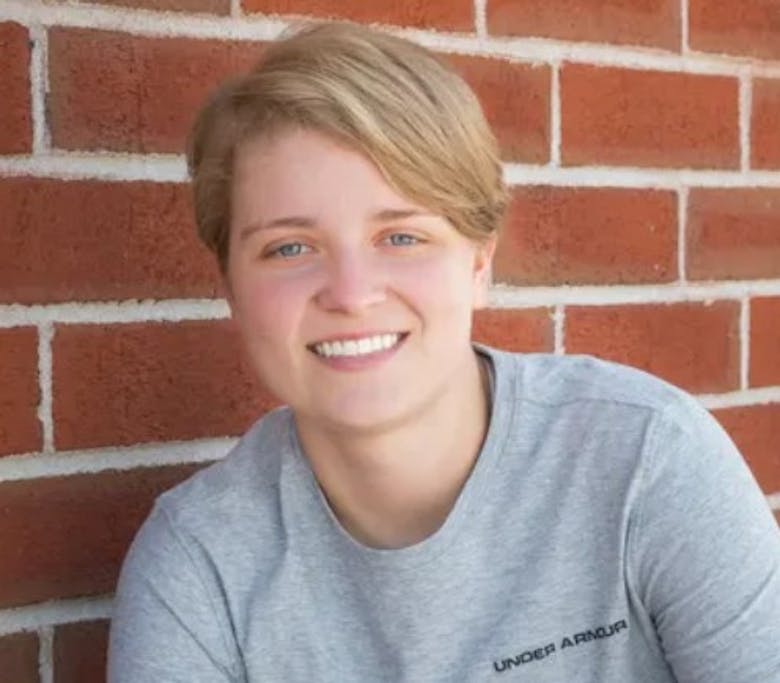
“IBEW Canada mourns the loss of 20-year-old welder Amber Czech, who was brutally attacked and killed at her workplace in Minnesota. We extend our deepest condolences to Amber’s family, friends, fellow workers and her community.

“Although Amber was not a member of the IBEW or affiliated Building Trades Unions (NABTU/CBTU), what happened to her should never happen to anyone—anywhere. And while this tragedy occurred in the U.S., the loss is deeply felt across our union community in Canada. It’s a stark reminder of the work we must keep doing to ensure such senseless acts never happen again.

“Violence has no place on our job sites, in our offices, or in our union. We owe it to Amber, and to every worker who has been harmed or threatened, to build safe, respectful, and inclusive working environments, free of violence and cruelty.

“IBEW Canada stands with all who advocate for ending gender-based violence, and all violence in the workplace. We commit to ongoing training, conversation and action that promote equity and dignity for all workers.”

###

Media Contact: Shaina Hardie, shaina_hardie@ibew.org

The International Brotherhood of Electrical Workers (IBEW) represents approximately 70,000 members in Canada and 873,000 members and retirees in North America who work in a wide variety of fields, including construction, utilities, manufacturing, telecommunications, broadcasting, railroads and government. For more information, visit IBEWcanada.ca or IBEW.org

It’s time for our US labor unions to condemn workplace violence and do something about it.
Countering Trump’s Threats to Labor

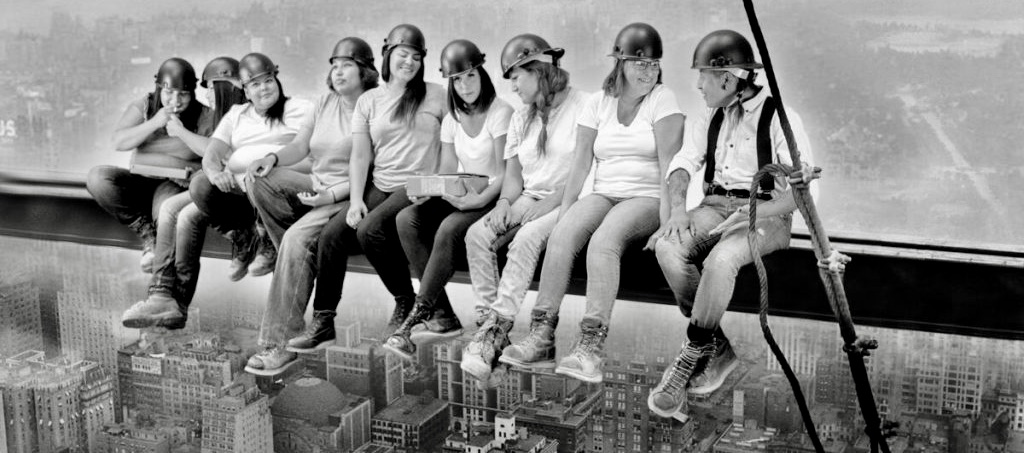
Indigenous women in Ironworkers Local 725, Canada. Photo: Lightframe

Tradeswomen Reject Union’s Capitulation

Tradeswomn Inc. is a nonprofit I helped found in 1979. Still going strong, the organization helps women find jobs in the union construction trades. Here’s the text of a speech I gave October 30, 2025 at Tradeswomen’s annual fundraising event.

Sisters, we’ve come a long way.

When we first started Tradeswomen Inc., we had one goal:
to improve the lives of women — especially women heading households —by opening doors to good, high-paying union jobs.

It took us decades to be accepted by our unions.
Decades of proving ourselves on the job, standing our ground, demanding a seat at the table.

And now — by and large — we’re there.
We are leaders. Business agents. Organizers. Stewards.
We have changed the face of the labor movement.

But sisters, we are living in a dangerous time.

Our own federal government is attacking the labor movement.
And we cannot look away.

We all know that Donald Trump is gunning for unions.
Project 2025 is his blueprint — a plan to dismantle workers’ rights and roll back decades of progress.

Let me tell you some of what’s in that plan.

It would roll back affirmative action, regulations we worked so hard to secure,
Allow states to ban unions in the private sector,
Make it easier for corporations to fire workers who organize,
And even let employers toss out unions that already have contracts in place.

It would eliminate overtime protections,
Ignore the minimum wage,
End merit-based hiring in government so Trump can pack the system with loyalists,
And — unbelievably — it would weaken child labor protections.

Sisters and brothers, this is not reform.
It’s revenge on working people.

And yet, too many union members still vote against their own interests.
Why? Because propaganda works.
Because we are being lied to — by the media, by politicians, by billionaires who want to divide us.

That means our unions must do more than just bargain wages.
We must educate. Engage. Empower.
Because the fight ahead isn’t just about contracts 
It’s about truth.

We women have proven ourselves to be strong union members — and strong union leaders.

We’ve built solidarity.
We’ve organized.
We’ve made our unions more inclusive and more reflective of the real working class.

And now it’s time for our unions to stand with us.

Many of our building trades unions have stood up to Trump, and to anyone who would divide working people.

But one union — the Carpenters — has turned its back on us.

The Carpenters leadership has disbanded Sisters in the Brotherhood, the women’s caucus that so many of us fought to build. 

They have withdrawn support from the Tradeswomen Build Nations Conference, the largest gathering of union tradeswomen in the world.
They’ve withdrawn support for women’s, Black, Latino, and LGBTQ caucuses claiming they’re “complying” with Trump’s executive orders.

That’s not compliance.
That’s capitulation.

But the rank and file aren’t standing for it.

Across the country, Carpenters locals are rising up,
passing resolutions to restore Sisters in the Brotherhood
and to support Tradeswomen Build Nations.

Because they know:
You don’t build solidarity by silencing your own. And our movement — this movement — is built on inclusion, not fear.

While the Carpenters’ leadership retreats, others are stepping up.

The Painters sent their largest-ever delegation — nearly 400 women —to Tradeswomen Build Nations this year. 

The Sheet Metal Workers are fighting the deportation of apprentice Kilmar Abrego Garcia.
The Electricians union is launching new caucuses, organizing immigrant defense committees, and they are saying loud and clear:

Every worker means every worker.

Over a century ago, the IWW — the Wobblies — said it best:

“An injury to one is an injury to all.”

That’s the spirit of the labor movement we believe in —and the one we will keep alive.

Our unions are some of the only institutions left with real power to stand up to the fascist agenda of Trump and his allies.

We have to use that power — boldly, collectively, fearlessly.

Because this fight is about more than paychecks.
It’s about democracy.
It’s about equality.
It’s about whether working people — all working people — will have a voice in this country.

Sisters and brothers, we’ve built this movement with our hands,
our sweat,
and our solidarity.

Now — it’s time to defend it. Together.
Solidarity forever!

Celebrating May Day

Demand for the eight-hour day inspires a world-wide holiday

My regular pagan holiday post

No one ever knew who threw the bomb that killed a cop during a peaceful rally. Then the police opened fire, killing seven more of their own and several bystanders. 

But the Powers That Be said someone had to pay. They arrested eight men and charged them with conspiracy. 

The accused, immigrants and anarchists, became convenient scapegoats in a city gripped by fear and suspicion. The mainstream media fanned the flames of anti-immigrant hysteria with sensationalized tales and outright lies.

As the trial unfolded, prejudice tainted the proceedings. The judge’s bias was palpable, and jurors were selected for their predispositions. Despite a glaring lack of evidence, the men were convicted.

Four were hanged. One committed suicide in prison. Others were given long sentences. 

The progressive governor, burdened by the knowledge of their innocence, commuted the sentences of the surviving men. Then he faced the wrath of voters who, swayed by fear and misinformation, ousted him from office in a bitter electoral battle.

It happened in Chicago in 1886, but to me it reads like today’s news. Except for the bomb. Our modern methods of murder are far more sophisticated.

Could history repeat itself in a modern age? 

I worry. The specter of prejudice still haunts our land, immigrants demonized, and dissent silenced. The media—mainstream and social–wields its influence with impunity, shaping public opinion with biased narratives and sensationalism. 

Meanwhile, our judiciary does not even try to conceal its corruption. The militarization of police forces and the epidemic of police violence create more distrust in those pledged to keep us safe. We won’t forget the killing of a 13-year-old boy, Andy Lopez, in Santa Rosa at the hands of a deputy sheriff.

So, yeah. It seems little human evolution has taken place since 1886.

At that 1886 Chicago rally, workers had agitated for the eight-hour work day, a movement then brutally crushed by employers with the help of federal, state and local police forces. With its leaders executed and imprisoned, the Chicago labor movement’s head was cut off. Labor lost that battle, but eventually won the war for the eight-hour day. Their slogan, written in a song of the time, was “Eight hours for work, eight hours for sleep, eight hours for what we will.”

The eight defendants were all thinking and articulate men, but the one I find most interesting is the one man who was not an immigrant, Albert Parsons. Born in Alabama in 1848, he traced his ancestry back to English colonists in 1632. Some ancestors fought in the American revolution.

Parsons moved to Texas and fought for the Confederacy during the Civil War. Then he realized he had fought for the wrong side. He called the war “the slaveholders’ rebellion.” 

He became a Republican, supporting Reconstruction efforts and running for office, making enemies of his former comrades and the KKK. Then he joined the socialist movement, eventually denouncing electoral politics and joining the anarchists and the labor movement. 

His marriage to Lucy Parsons (Gonzales), a Black woman, defied the norms of a society steeped in prejudice, and her activism would become legendary in its own right. As she led the campaign to win a new trial, one Chicago official called her “more dangerous than a thousand rioters.” 

Albert Parsons saw the connections between slavery and capitalism. He said: “My enemies in the southern states consisted of those who oppressed the black slave. My enemies in the north are among those who would perpetuate the slavery of the wage workers.”

What made Albert Parsons switch sides? I think it was working with previously enslaved people after the war and at the start of Reconstruction. He began to see things from their point of view. 

The Haymarket Affair, as the events in Chicago came to be called, inspired May Day, or International Workers Day, as a labor holiday in countries around the world on May 1. It was never a national holiday in the US because of ourgovernment’s resistance to encouraging worldwide working-class unity. But workers in the US celebrate May Day anyway, and it will be marked again this year in cities across the country.

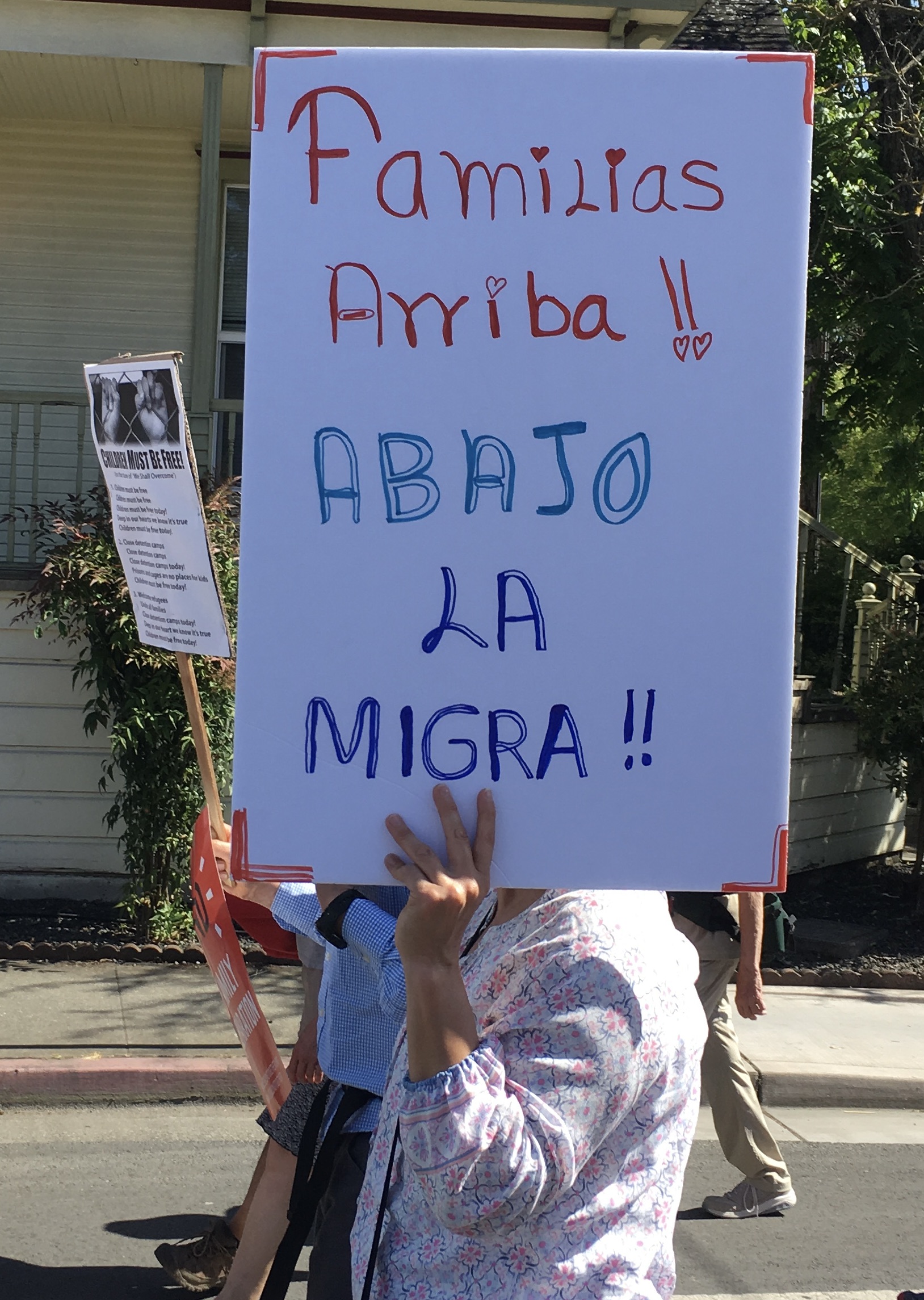
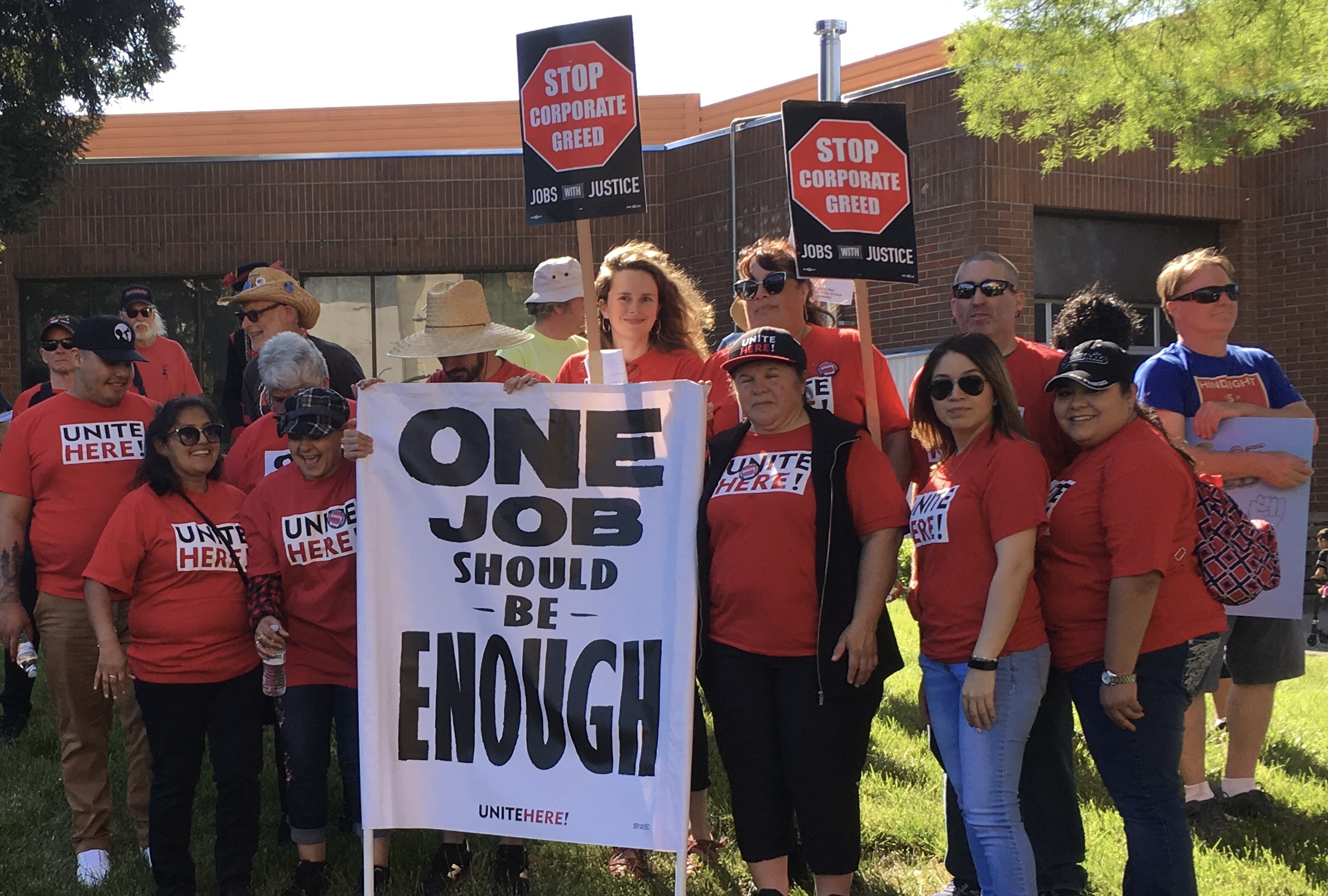
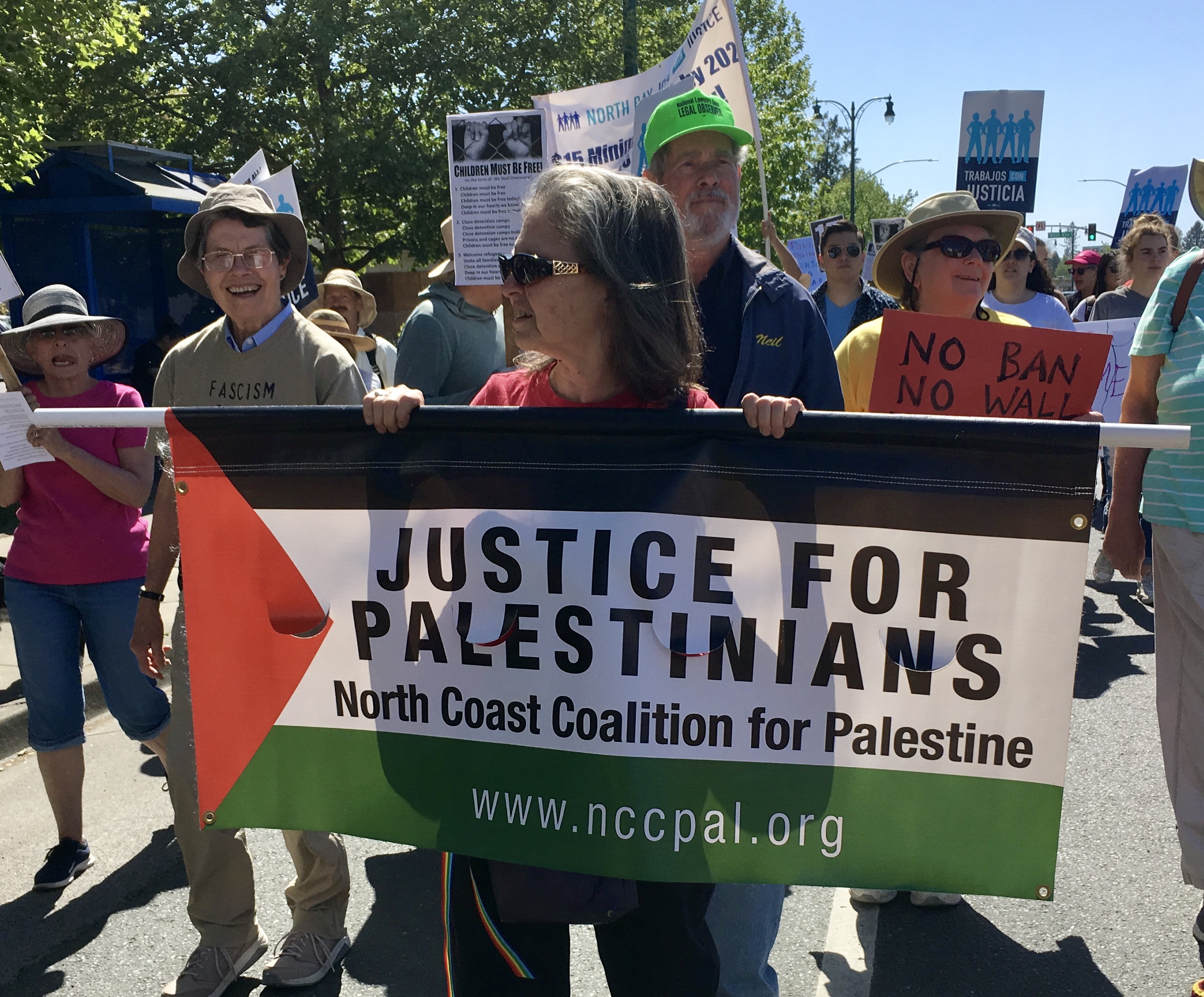
Photos are from the 2019 Santa Rosa May Day march

California Labor Councils are planning actions up and down the state. This year’s May Day actions are about solidarity across sectors as workers push for higher wages, stronger contracts, the right to join a union, and fight back against corporate greed.

Here in Sonoma County on May 1 we will be marching for “Immigrant Rights Are Human Rights” starting at the county sheriff’s office. Marchers will demand that the Sonoma County Board of Supervisors proactively advocate for a Path To Citizenship policy in Congress and also support a county ordinance which would prohibit any collaboration or information sharing between the Sonoma County Sheriff and Immigration Customs Enforcement (ICE).

The Haymarket Affair was a seminal moment in the struggle for workers’ rights. The martyrs of that turbulent era—Albert Parsons, August Spies, George Engel, and Adolph Fischer—must not be forgotten. Their legacy endures, inspiring movements for social justice and workers’ rights around the world. 

The Haymarket martyrs memorial and Lucy Parson’s grave at Forest Hill cemetery in Chicago

A happy Beltane and a revolutionary May Day to all!

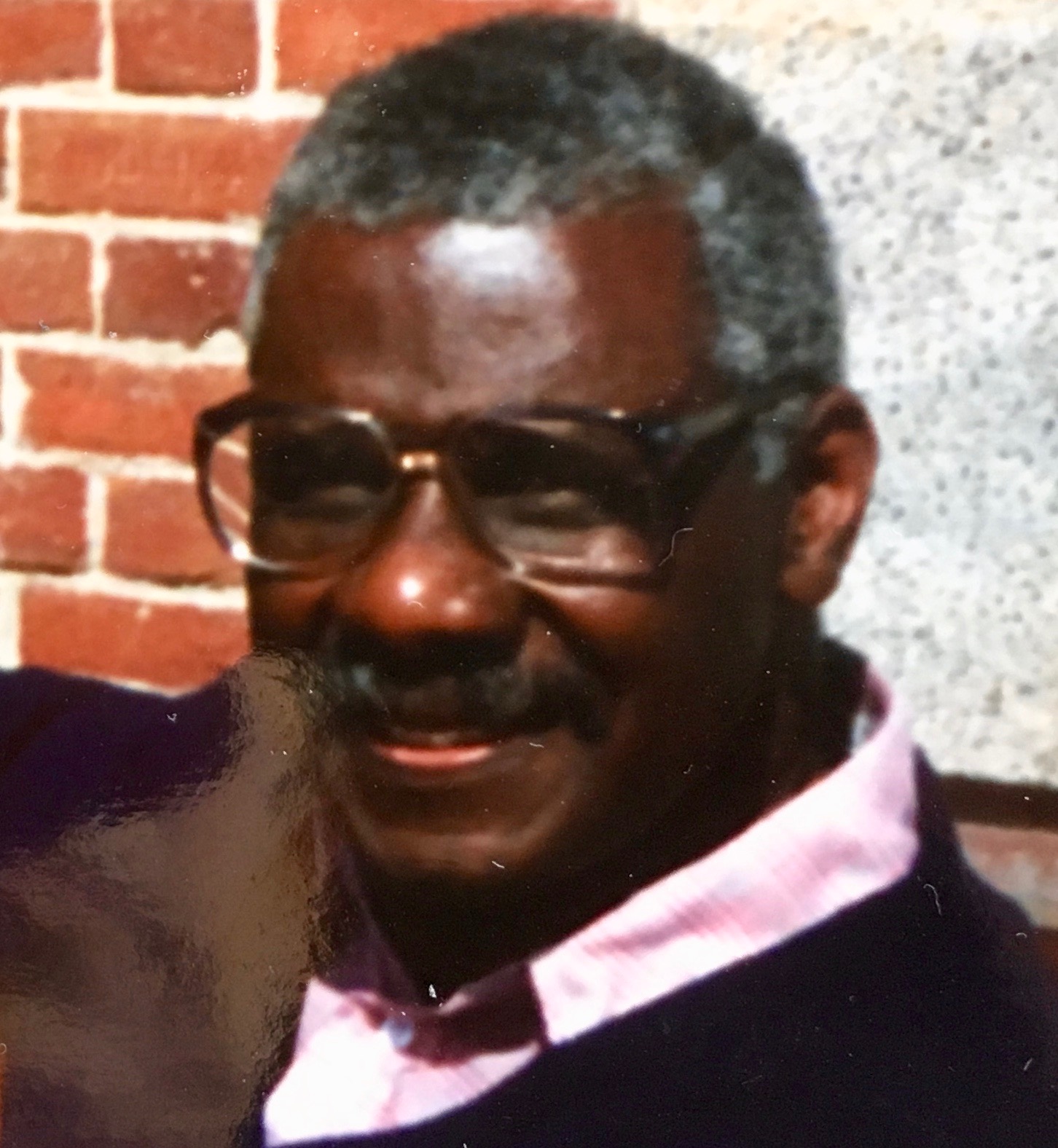
Chuck Cannon 1927-2016

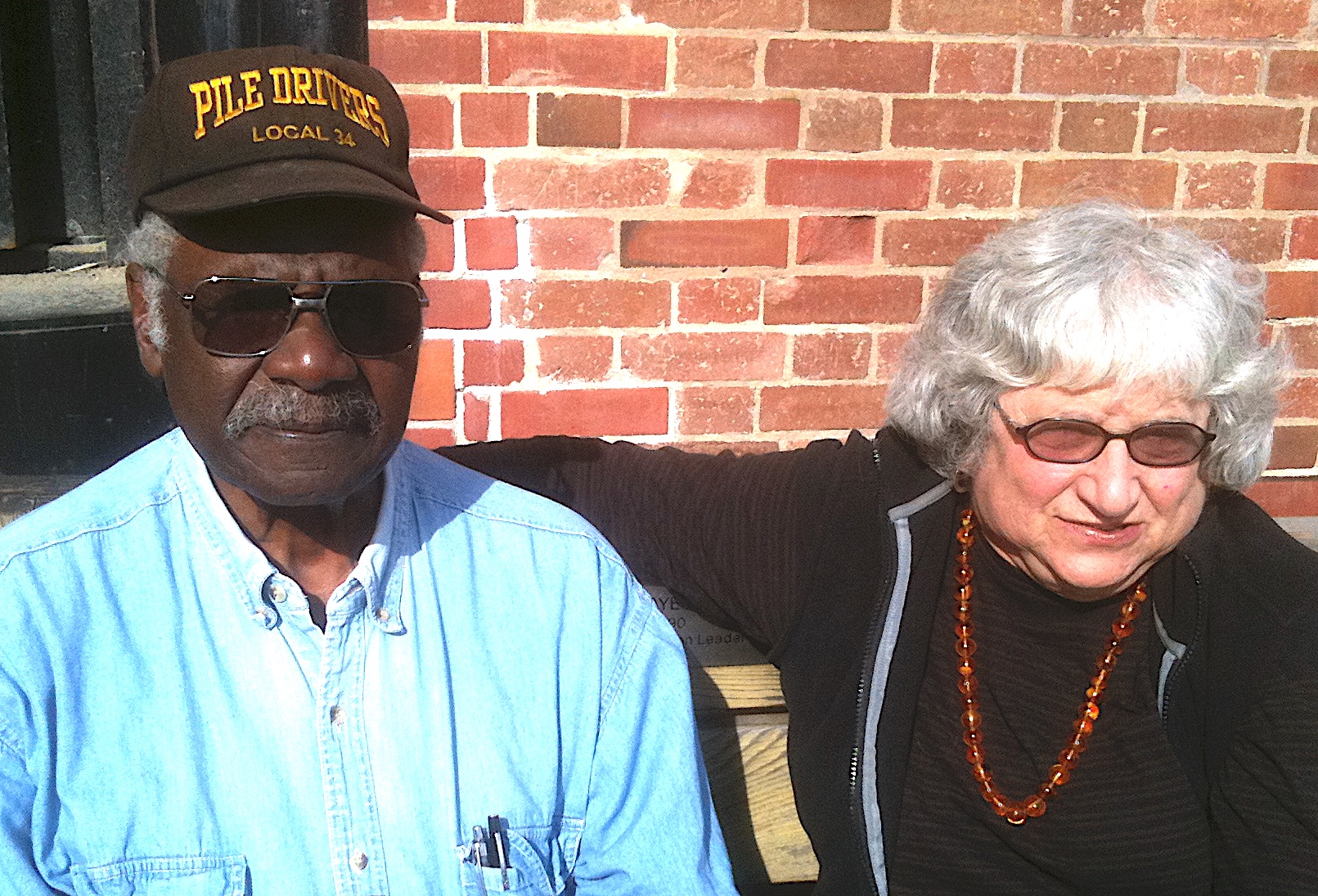
img_9430Chuck and I bonded on a walk of the Fort Point Gang along San Francisco’s waterfront. The Gang was remembering dead communists and labor leaders whose names are inscribed on wooden benches at Fort Point, and also observing May Day, the workers’ holiday commemorating the birth of the eight-hour-day. We fell into an easy pace and Chuck told me he was a retired piledriver and carpenter. I learned that Chuck was a long-time member of the Piledrivers Union Local 34. I’m a retired electrician and so we talked about construction work. Chuck was the only black person in the group of old Reds. He, along with many in the Gang, had been a member of the Communist Party USA. Along with most of his comrades, Chuck left the party, but the FBI kept on surveilling him for years.
gangbenches
Some of the Gang on the commemorative benches at Fort Point

It was my first walk with the Gang. I’d been angling for an invitation to join and was delighted to be invited by a friend I’d known in the labor movement. It had really been started as a walking group, a way to get some exercise, by the seaman Bill Bailey and some of his pals. Since sometime in the 70s, the group had been meeting every Thursday near the St. Francis Yacht Club and walking to Fort Point and back, a distance of about four miles. Afterward we would adjourn for lunch at the Seal Rock Inn near Land’s End.

Chuck Cannon grew up in a small all-black community, Lake Como, in Fort Worth, Texas, and some years ago he started a blog about his hometown. By his account it was a wonderful childhood in a place where everybody knew everybody, although racism loomed large. He told me about hunting rabbits and squirrels and recalled vivid memories of the Texas prairie. He named the blog “ Warm Prairie Wind.”

chuckyvonne
Chuck and Yvonne

In 2010, soon after we met, Chuck fell from a ladder while working on his house, breaking his right leg when it got stuck between the rungs. He was 82 then and never fully recovered. Over the years Chuck had remodeled the family’s 1910 Craftsman-style home, upgrading bathrooms, kitchen, bedrooms, building a basement garage and driveway and adding a deck off the kitchen. He was a handy guy with a full shop in the basement. And he didn’t let his poorly healed leg stop him. He rebuilt the deck, rigging it so he didn’t have to get on a ladder to do the work.

But by the time I came along, he and everyone else were too old and slow to make the whole walk with the Gang. By the time he died, at the end of 2016, he had not been walking far but, at 89, he kept walking. His wife of 64 years, Yvonne, a remarkable poet, would always be with him on the walks and I feel so lucky to have become friends with her as well. Yvonne became my writing teacher when I joined her group at a local senior center. Yvonne and Chuck raised three daughters together and found acceptance as a bi-racial couple in their Inner Richmond District neighborhood.

gangsealrock
Lunch at the Seal Rock Inn

The deaths of the members of the Fort Point Gang mark the end of an era. The old commies represent a generation of people who sacrificed much in the service of justice and equality. They inspire me to fight the good fight.

Song: Sister in the Brotherhood

Along with my musical wife, Holly, I wrote a song. It will be included in an upcoming performance piece about women and work by Director Pat Wynne for our Rockin’ Solidarity Labor Chorus.

Sister in the Brotherhood

When I was a girl my mother said to me

When you’re grown what do you want to be

For choices I had only three

Teacher nurse or secretary


Typing and shorthand had paid mom’s rent

So I learned secretarial skills

I didn’t really get what that meant

Till I had to pay my bills


They made me wear pumps and pantyhose

To apply as a Kelly Girl clerk

I still only made minimum wage

Filing faster only got me more work


Chorus

I wanna be in the Brotherhood

Where I can build something and the pay is good

I’ll have a trade and I’ll have it made


I answered an ad for cocktail waitress

But they were hiring topless dancers

When the man who was hiring looked at my chest

He said you’ve got the answers


No experience necessary

You did not earn a thing

They said you could make 50 bucks a night

From tips stuffed in your g-string


I applied for a job in the construction trades

They said can you type, I said yes

I learned never to give that answer again

Cause you just get stuck behind a desk

Chorus

(Spoken)

I was too fat to be a stewardess

Too angry to be a waitress

Too allergic for hairdressing

Too messy for housecleaning

Hated kids too much to be a teacher

Typed too slow to be a secretary

Wasn’t into helping people

As a therapist or a nurse

Not social enough for social work

What could I do!


I finally got into the Brotherhood

Where I can build something and the pay is good

I’ve got a trade and I’ve got it made


Now in the morning I hop out of bed

Pull on my Carhartts and boots

Just stick that hard hat on my head

Forget the business suits


No more pushing papers around

And not creating a thing

Now I can proudly say I built that

When I look at a building


I finally got into the Brotherhood

But when I had to pay my dues

I wrote my check to the Sisterhood

And my check was never refused


(Spoken)

The International Sisterhood of Electrical Workers

Has a nice ring to it