"If you don't know where you come from, you don't know where you're going." Sister Addie Wyatt
Author: Molly Martin
I'm a long-time tradeswoman activist, retired electrician and electrical inspector. I live in Santa Rosa, CA. molly-martin.com. I also share a travel blog with my wife Holly: travelswithmoho.wordpress.com.
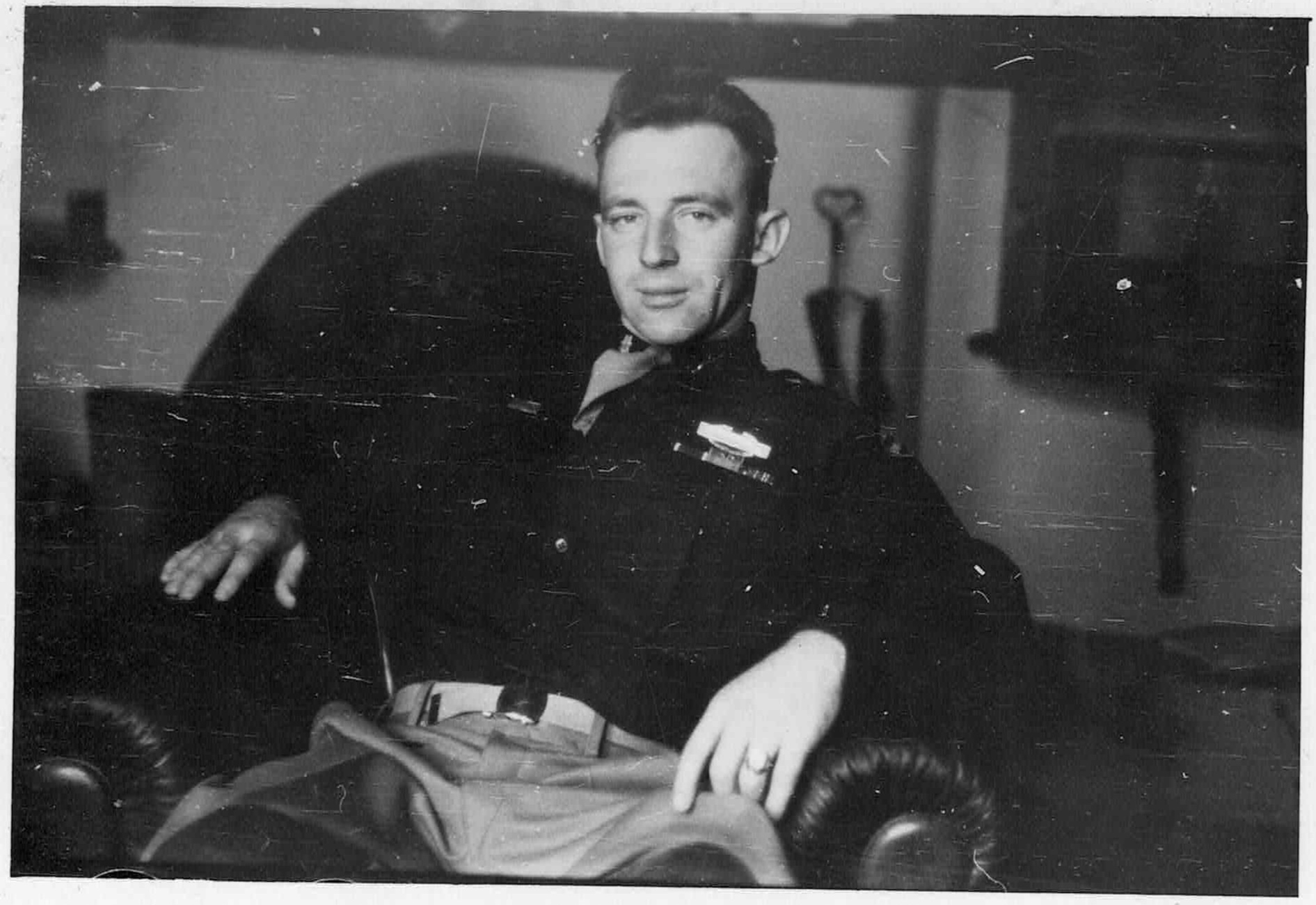
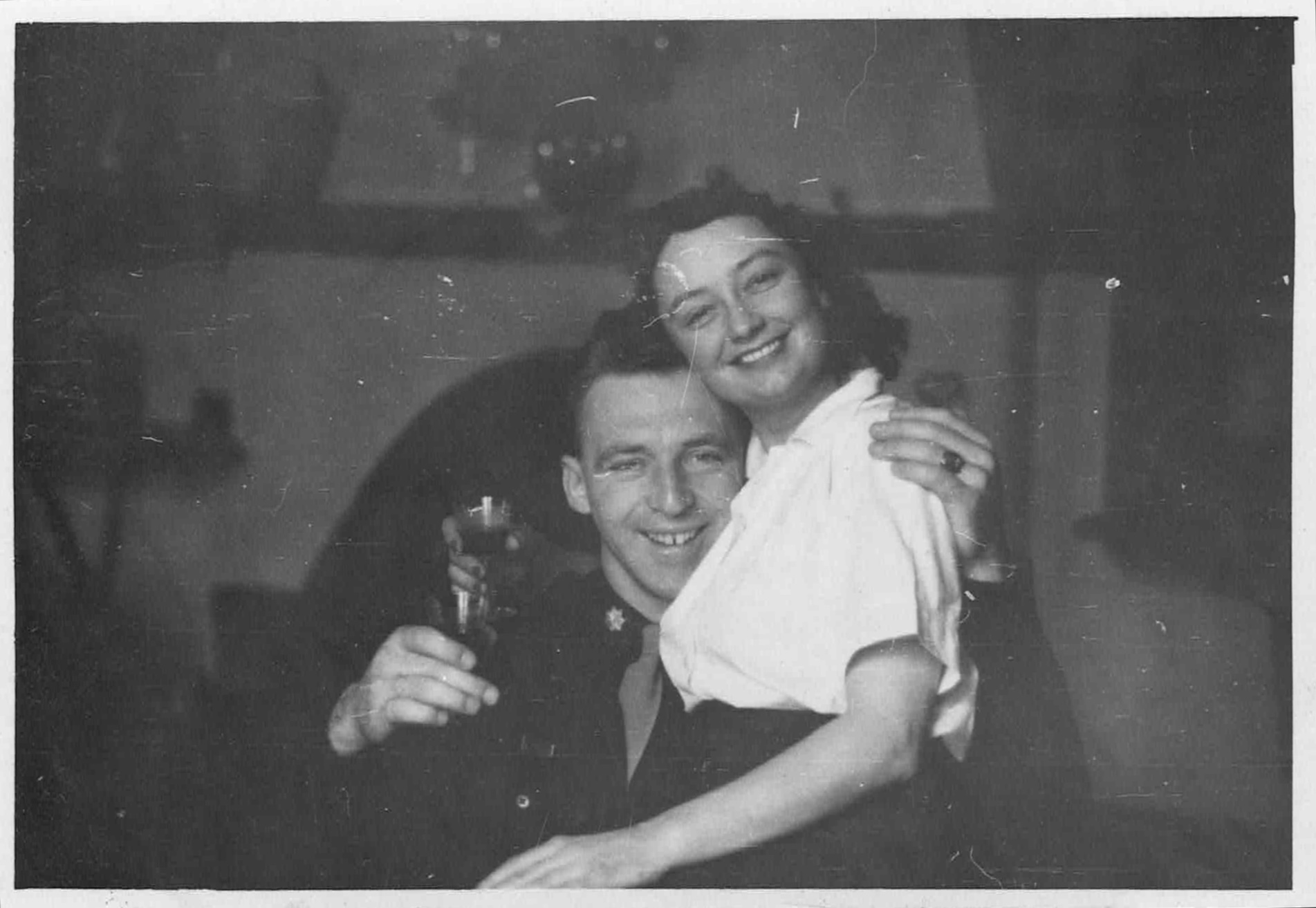
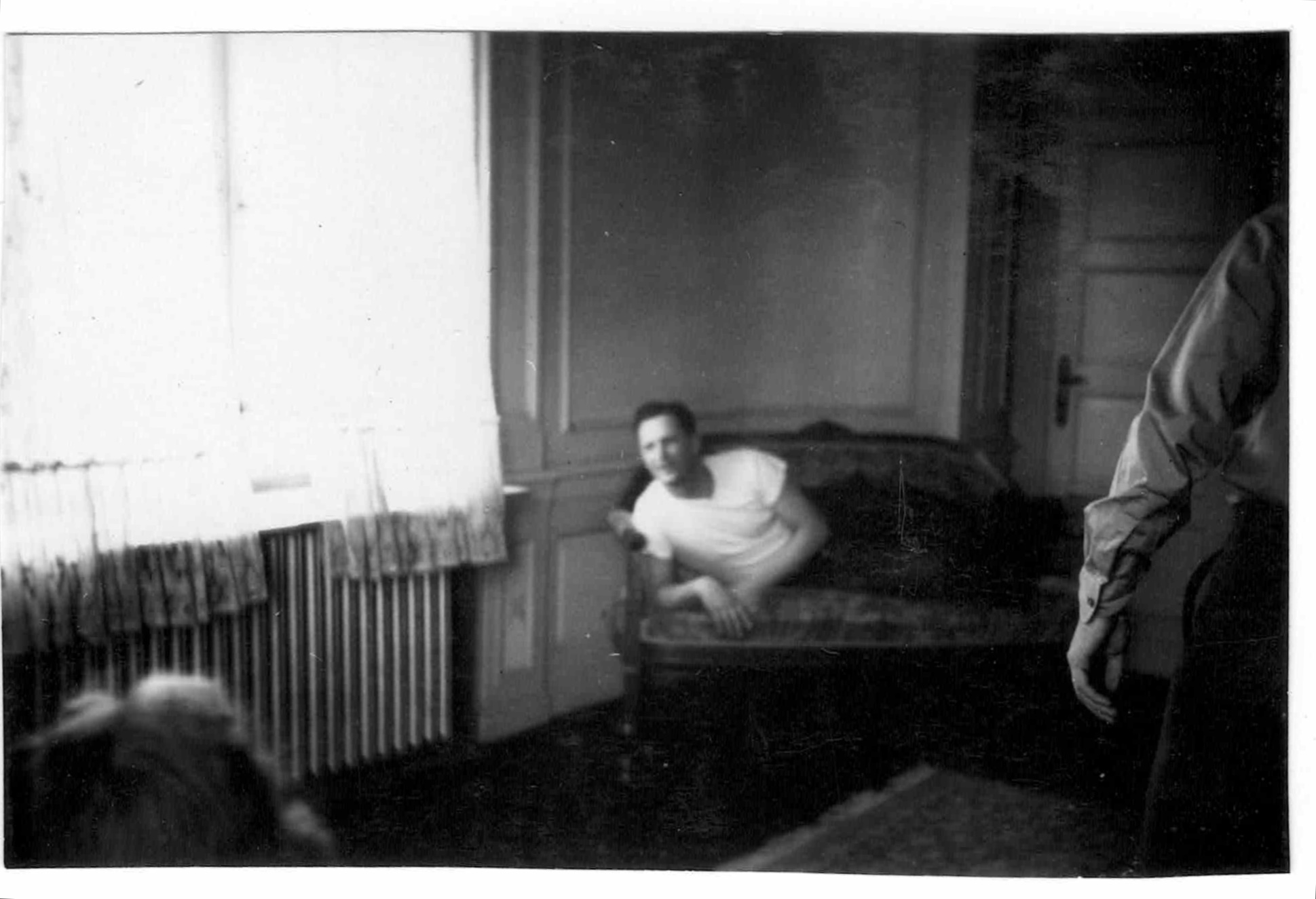
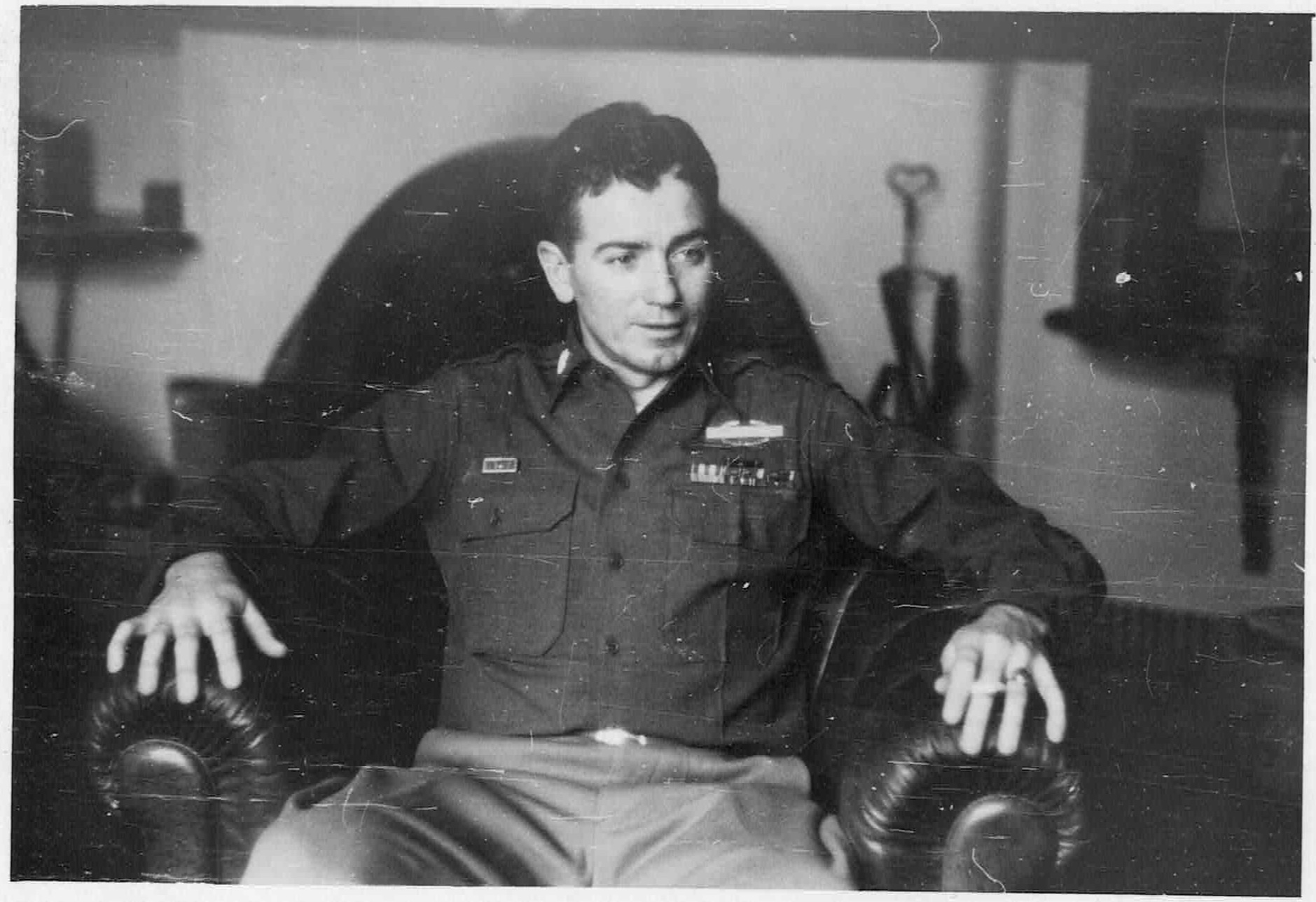
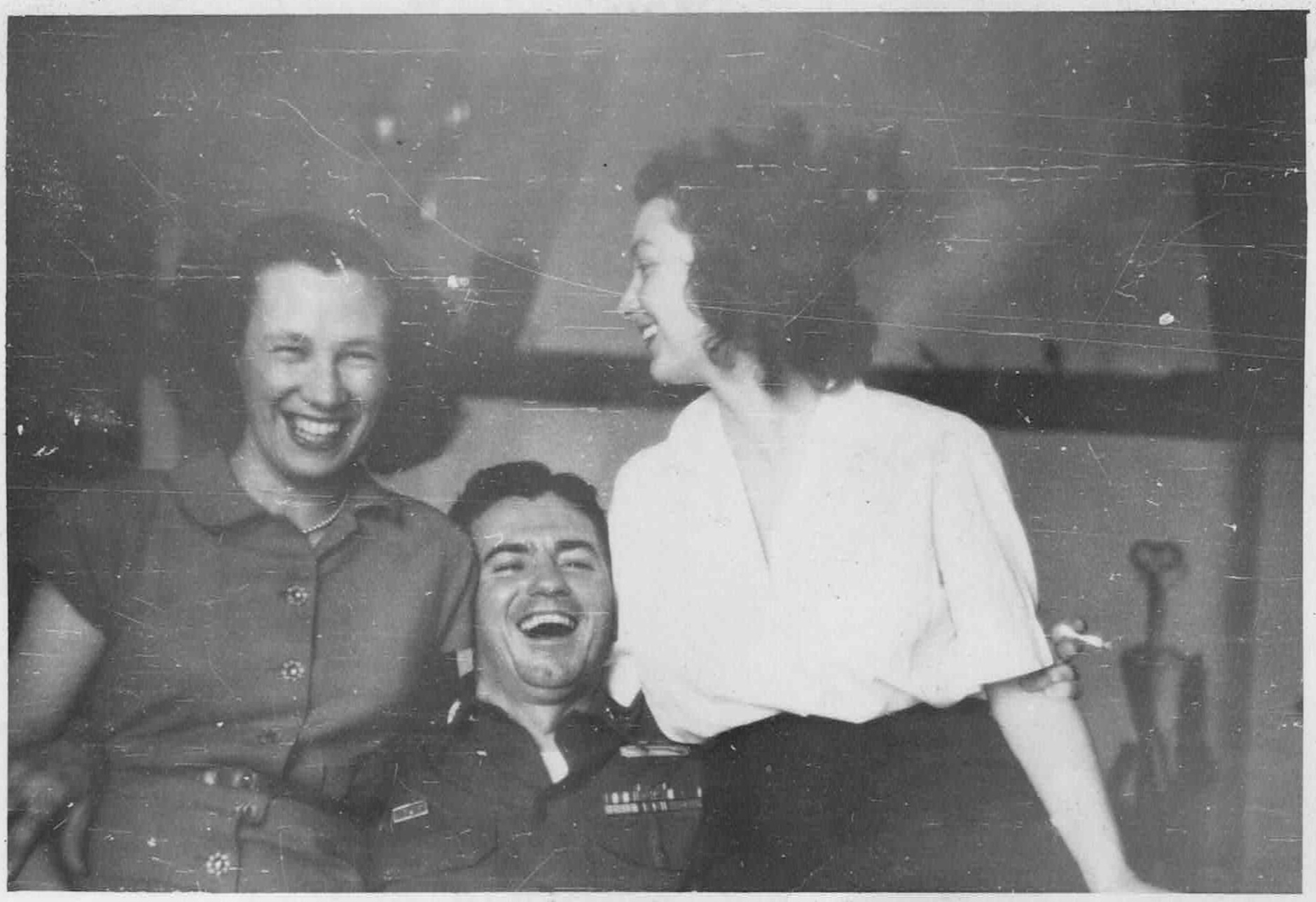
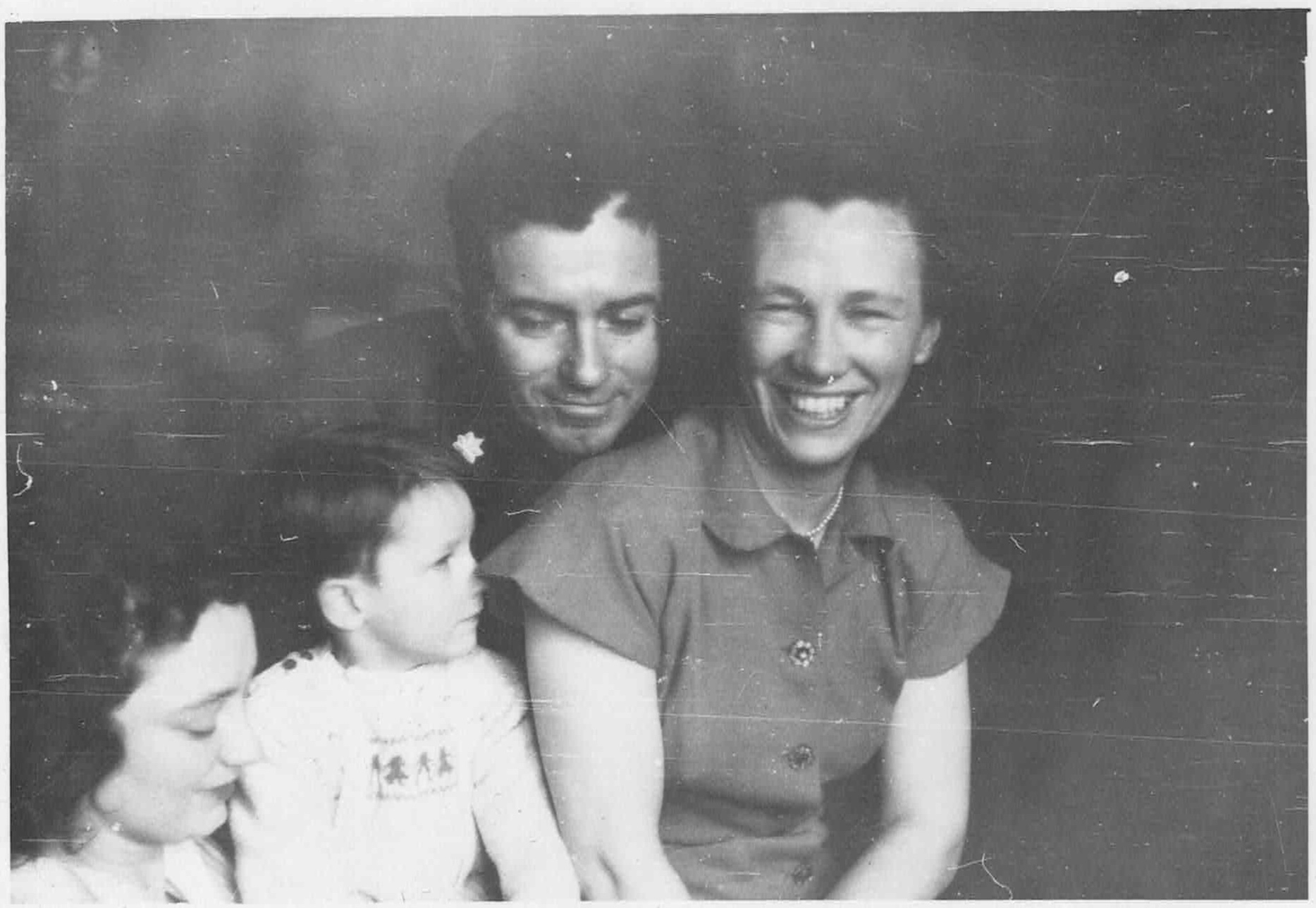
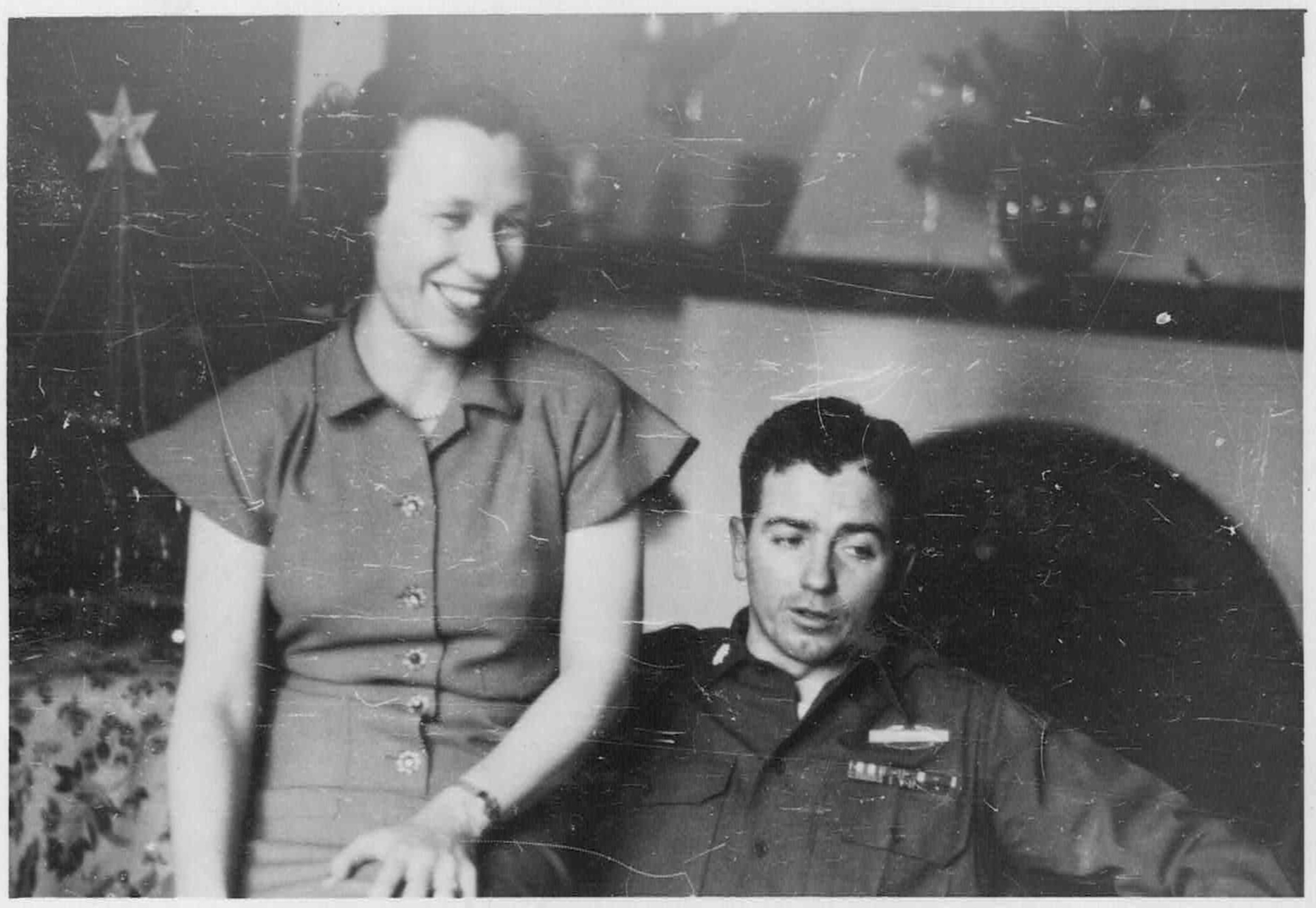
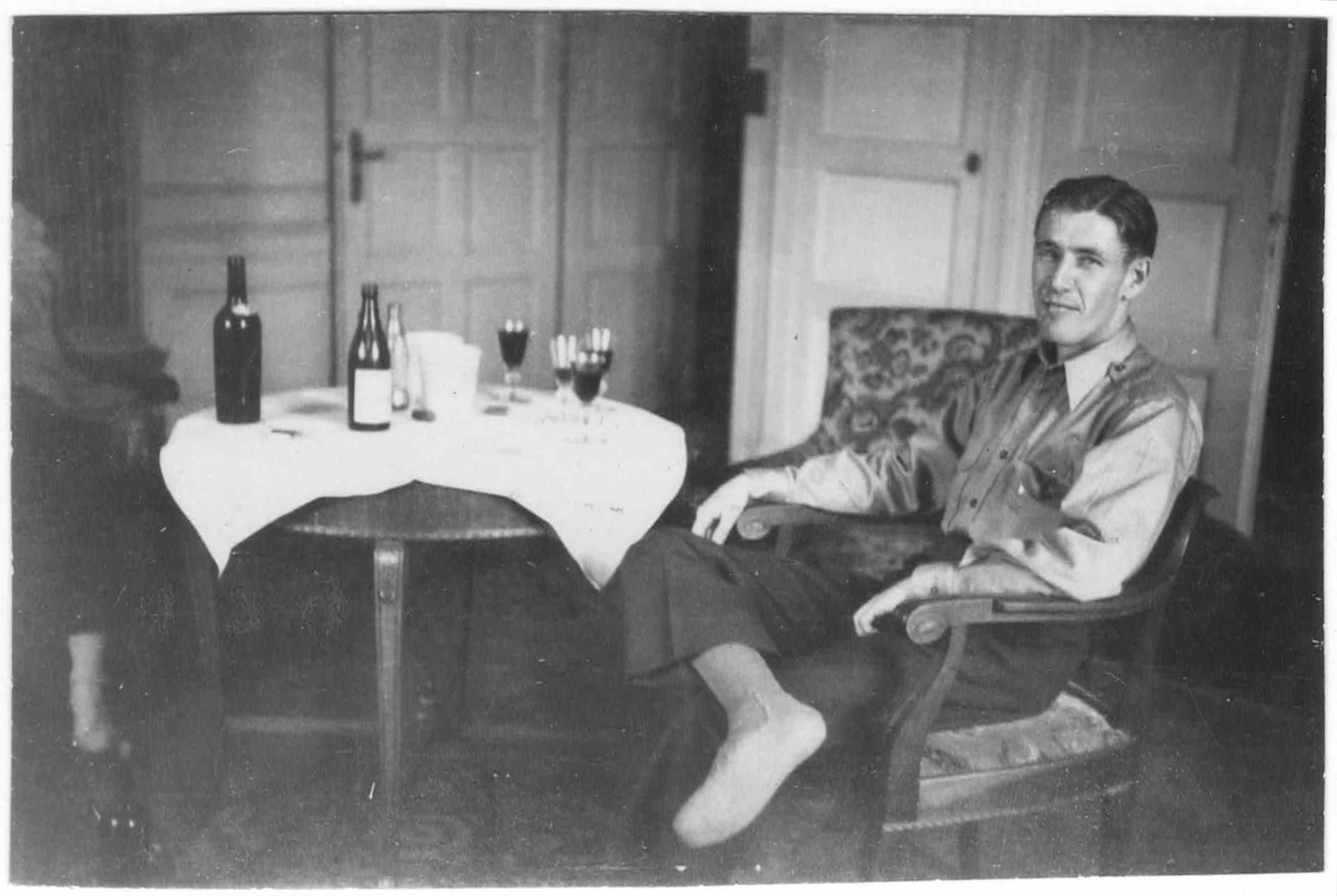
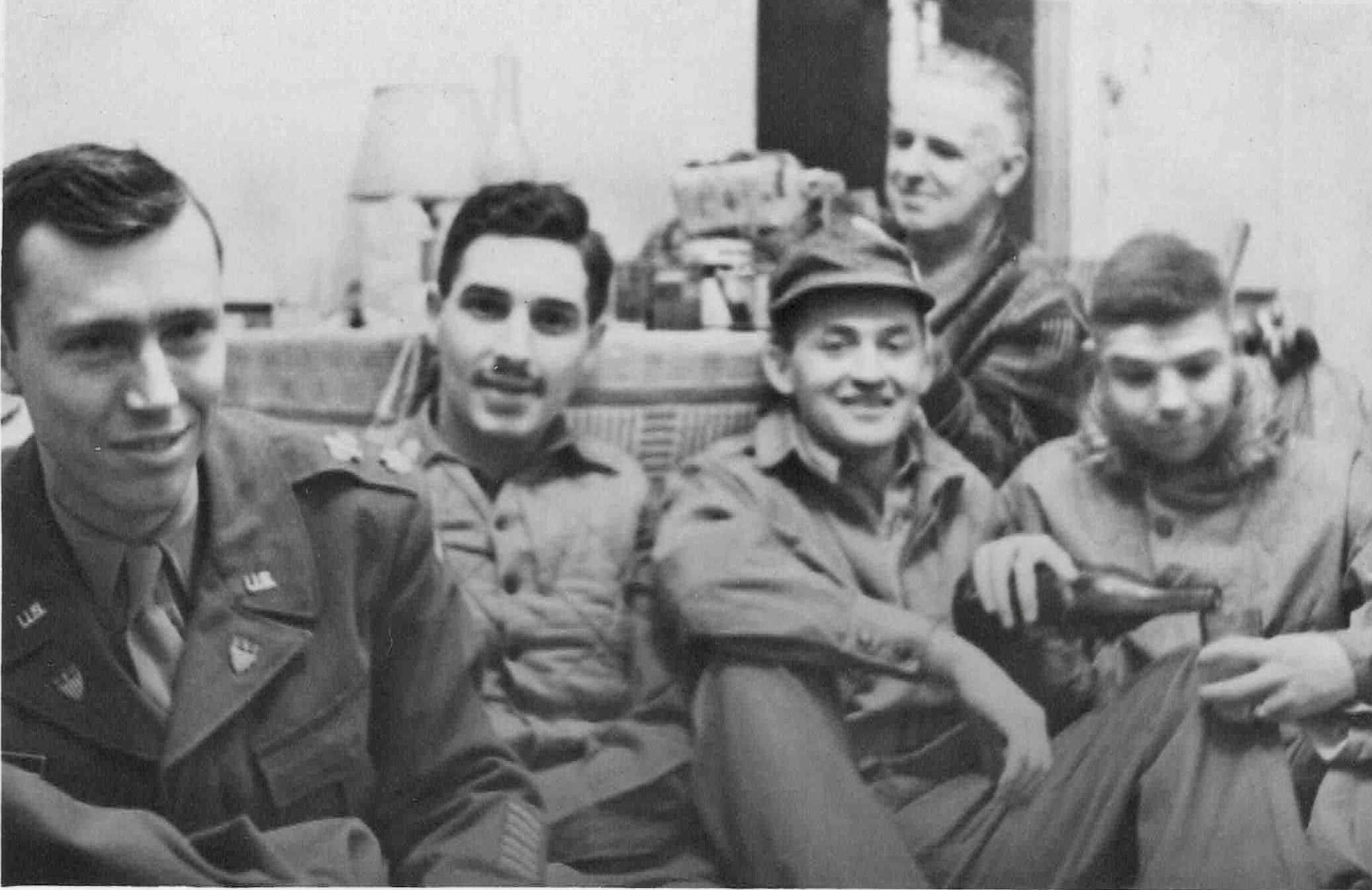
Flo did a good job of identifying the people in pictures on this page in her album relaxing at the 7th Infantry house. I’ve no idea where the child came from.
Maj. Win Whall (Kent WA)Jens and JanetLt. Col (CP) RamseyMaj. Kenneth WallaceWhose child is this?Flo and Maj. WallaceLt. Col. Ralph Flynn, 3rd Div, 7th Inf.
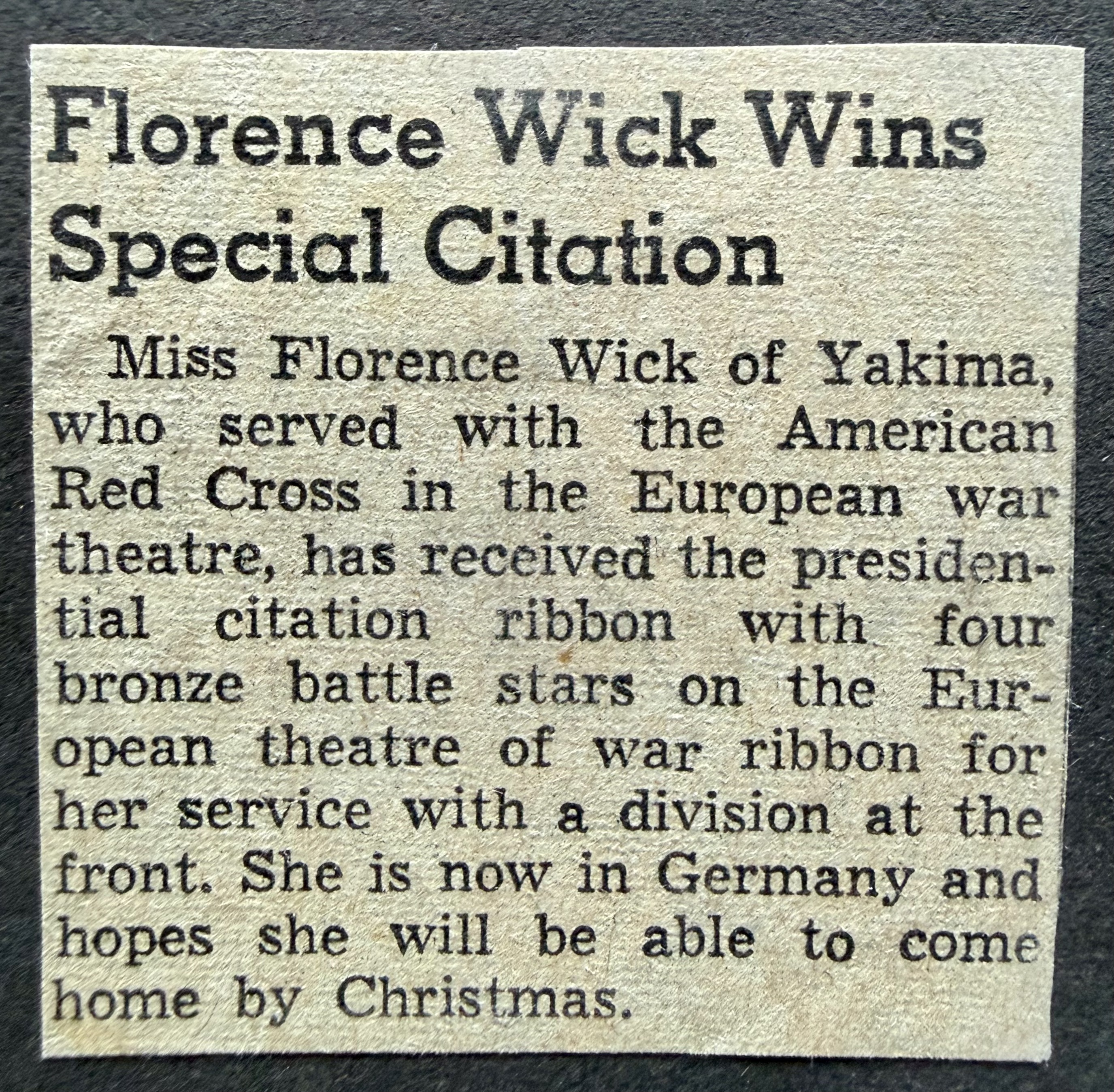
Flo pasted some ephemera on this page which includes a newspaper story about her receipt of an award. Flo was later awarded a bronze star. This is an award called a service star. The story reads: Miss Florence Wick of Yakima, who served with the American Red Cross in the European war theatre, has received the presidential citation ribbon with four bronze battle stars on the European theatre of war ribbon for her service with a division at the front. She is now in Germany and hopes she will be able to come home by Christmas.
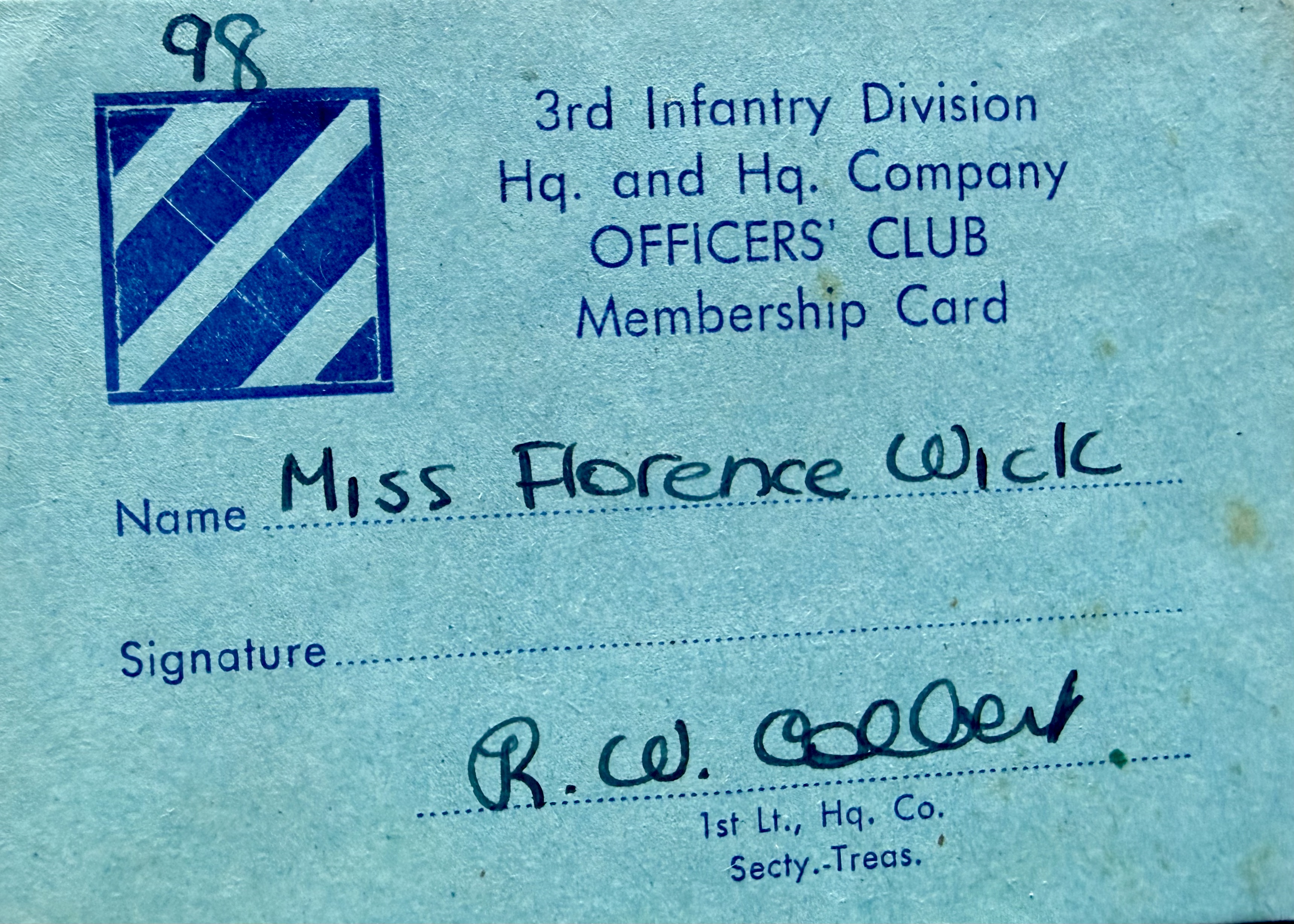
Flo’s 3rd Div. officers club membership card
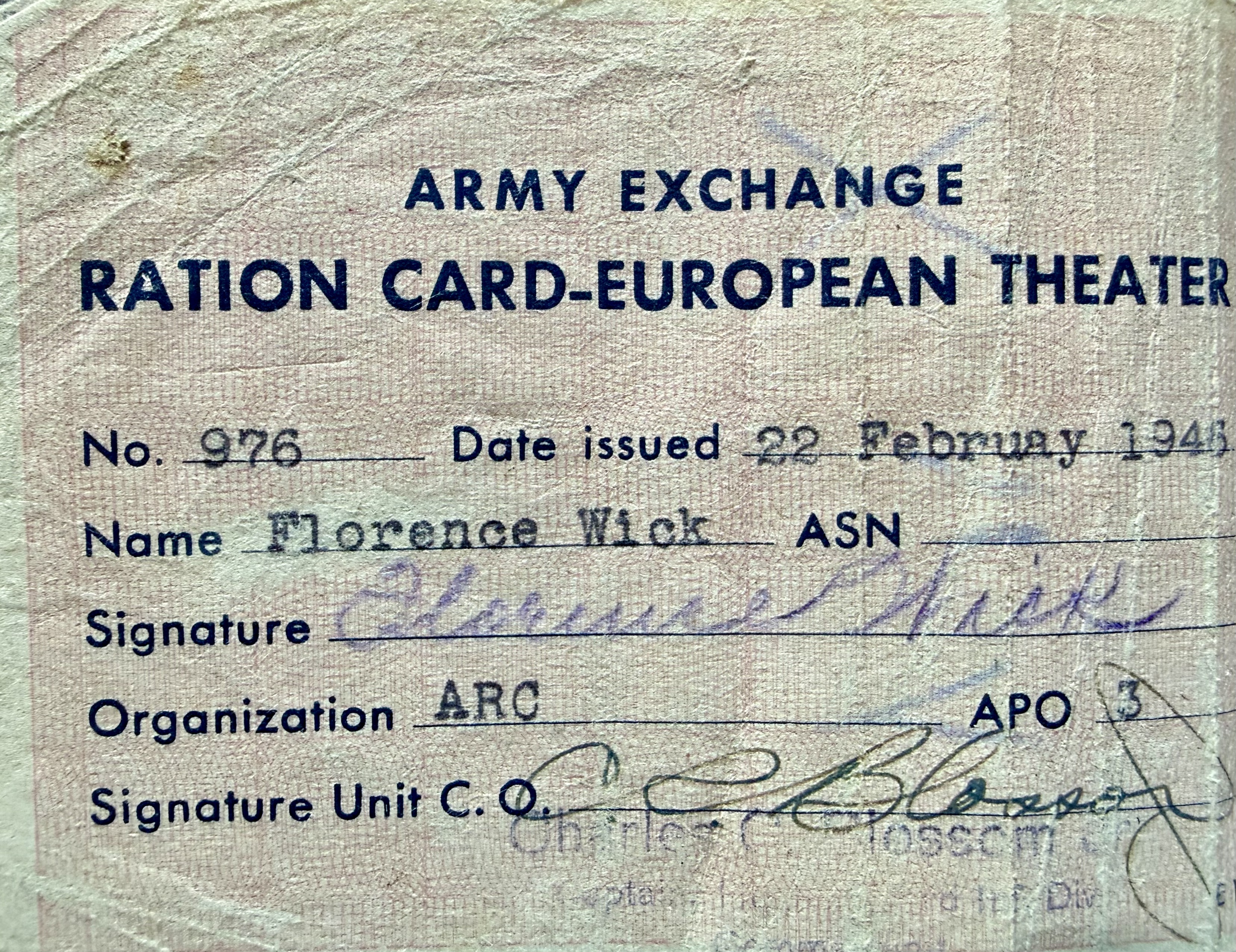
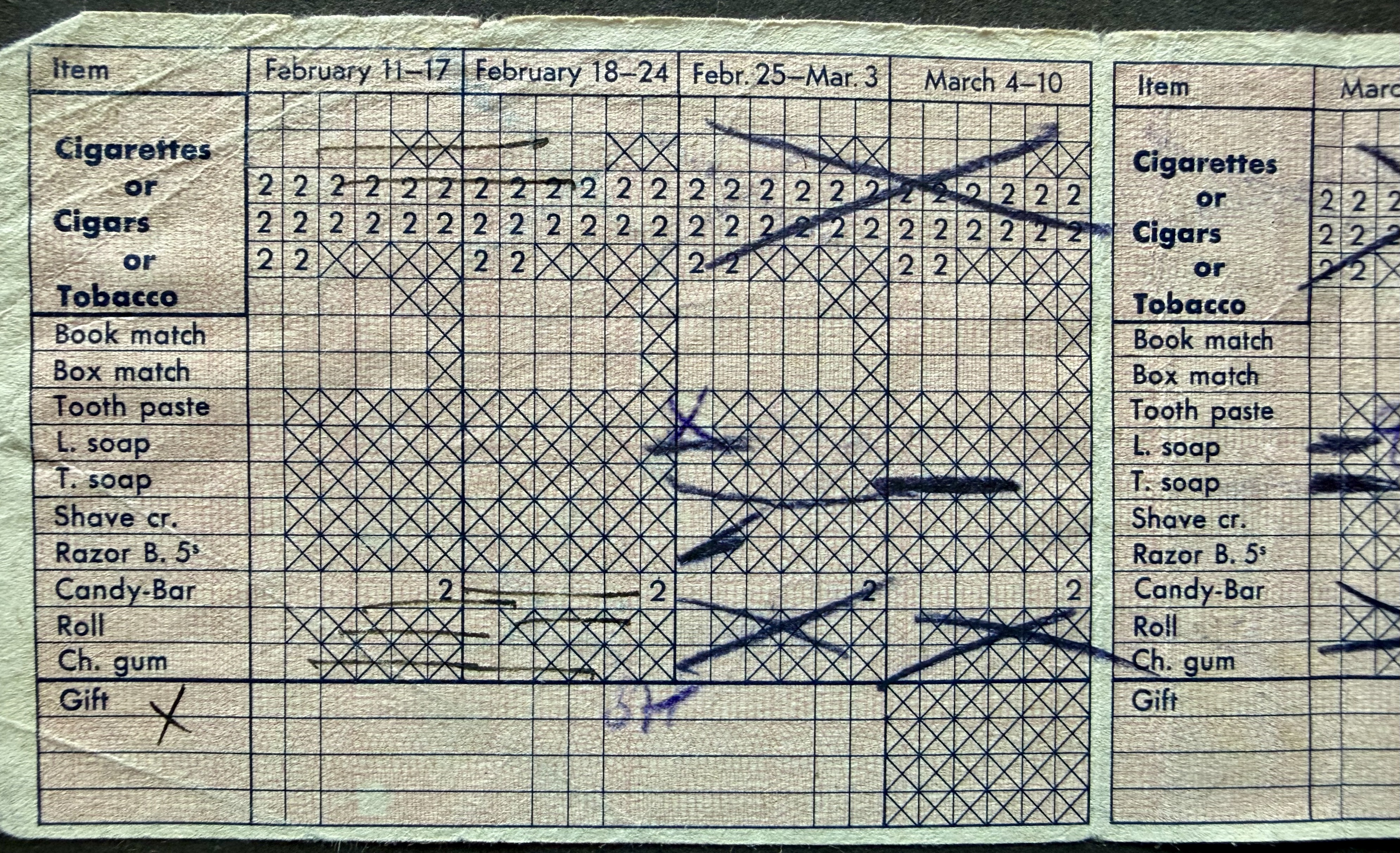
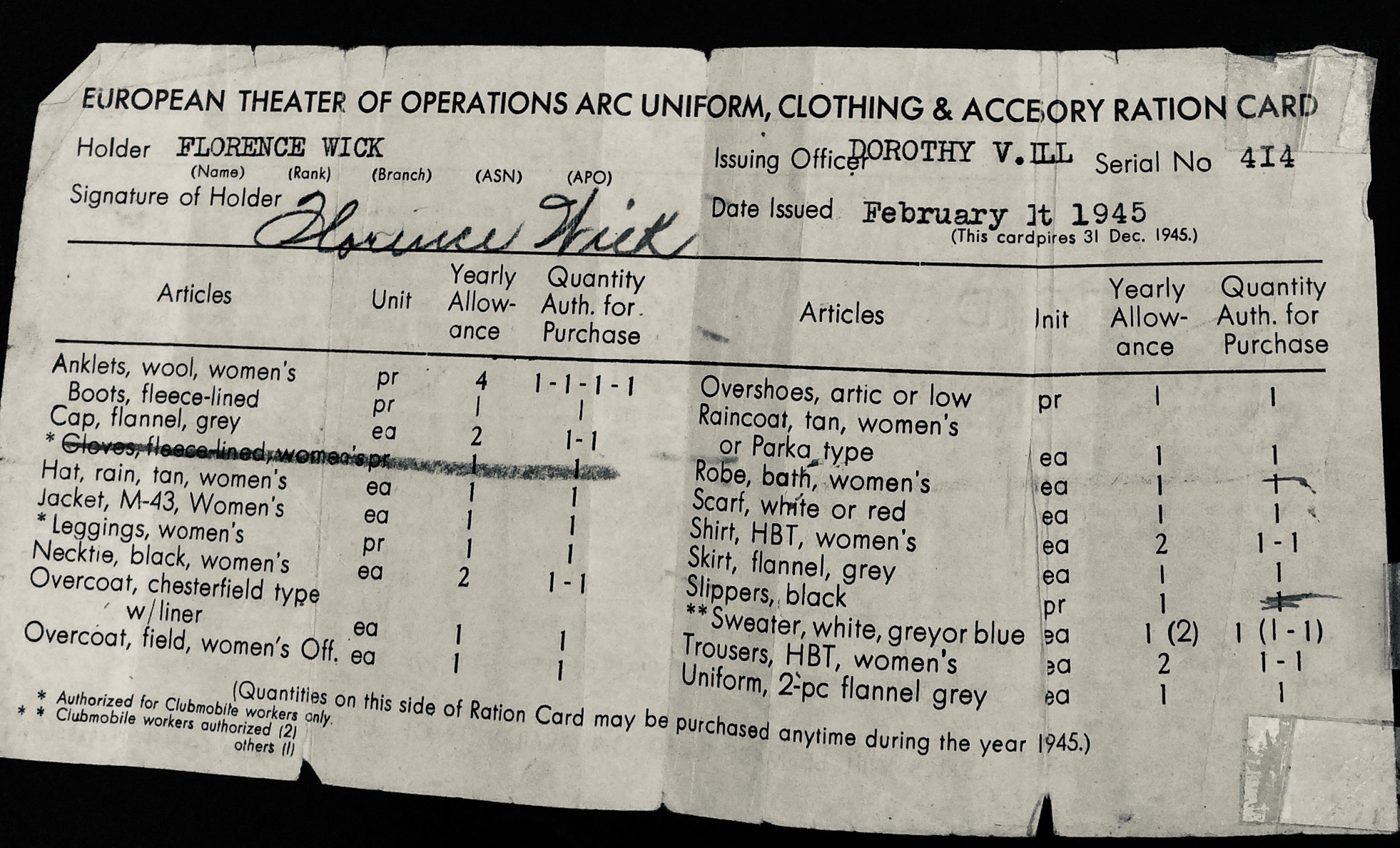
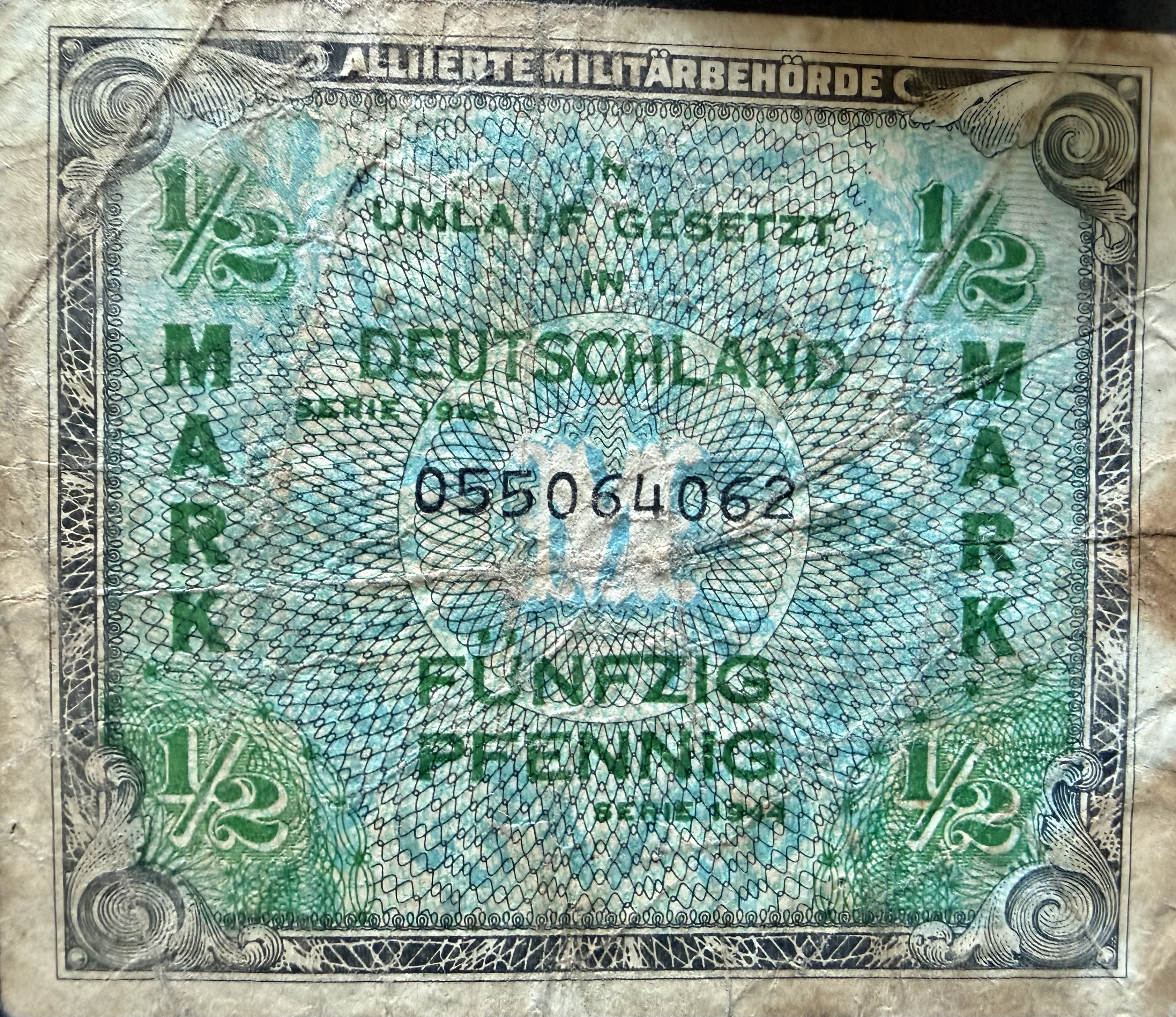
Army exchange ration cardWhat’s the difference between L. soap and T. soap?In February 1945 the clubmobilers were issued new uniformsThis currency was issued by the Allied Military Government during the occupation, replacing the German Reichsmark. It was used for transactions in the occupied zones of Germany and was a part of the effort to stabilize the economy and control inflation after the collapse of the Nazi regime. Fünfzig Pfennig means fifty pfennigs in German. AI says this type of currency is collectible and significant in the context of post-war German history.
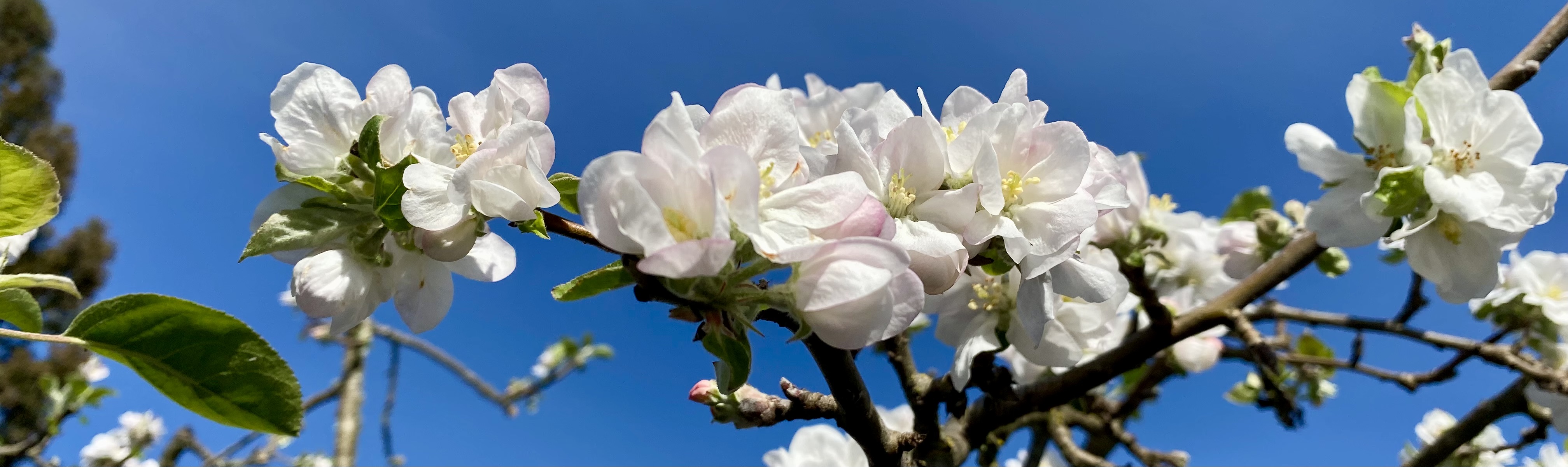
Each spring, near the Vernal Equinox, my family practiced a ritual that felt both ordinary and divine. We piled into the car and drove the back roads, wandering through orchards to admire the blossoming trees. In an agricultural town in the 1950s, perhaps many families did something similar. To us it marked the true arrival of Spring.
Yakima, Washington is on the dry eastern side of the Cascade mountain range, and from certain places in the valley you can glimpse two great peaks rising in white brilliance above the brown, sagebrushy foothills. The Indigenous peoples named the mountain we call Rainier Tahoma, which means “the mother of waters.” The Native name for Mt. Adams is Pahto. Closer in, foothill ridges encircle the valley: Ahtanum Ridge, Rattlesnake Hills, Horse Heaven Hills.
Our annual blossom pilgrimages would take us south to the Lower Valley where the trees bloomed earlier. To reach it from the town of Yakima, you drive through a narrow gap in the Rattlesnake Hills at Union Gap, where a massive basalt landslide is now slowly creeping south at a foot and a half per week. Drive fast and don’t look up.
From there, the road winds along the Yakima River past Wapato, Toppenish, and Buena—locally pronounced Byoo-enna. I didn’t realize until adulthood that the word is Spanish. Originally, the place had been called Konewock, a Native word meaning a lush, green marshy place. But when the railroad needed a station name, it became Buena.
The Yakama Indian Reservation borders the Lower Valley towns and stretches west toward Mount Adams. On the reservation stand the remains of Fort Simcoe, where U.S. soldiers were stationed during the Indian wars of the 1850s—a quiet, uneasy reminder of deeper histories layered beneath the orchards.
Yakima was home to vast orchards of apples and pears, along with stone fruits—peaches, cherries, apricots. In the spring the valley was a quilt of flowering trees, fragrant and luminous. But, in my childhood, change was already underway. Like the orchards here in Sonoma County today, many of Yakima’s were already being razed to make room for postwar housing developments and, later, vineyards.
The new ranch-style house we moved into in 1951 stood on land that had been a cherry orchard. The developers left one tall cherry tree in the front yard of each house on the block. I climbed every one of them. Across the street, an apple orchard remained, and bi-planes flew overhead, trailing clouds of DDT and other pesticides.
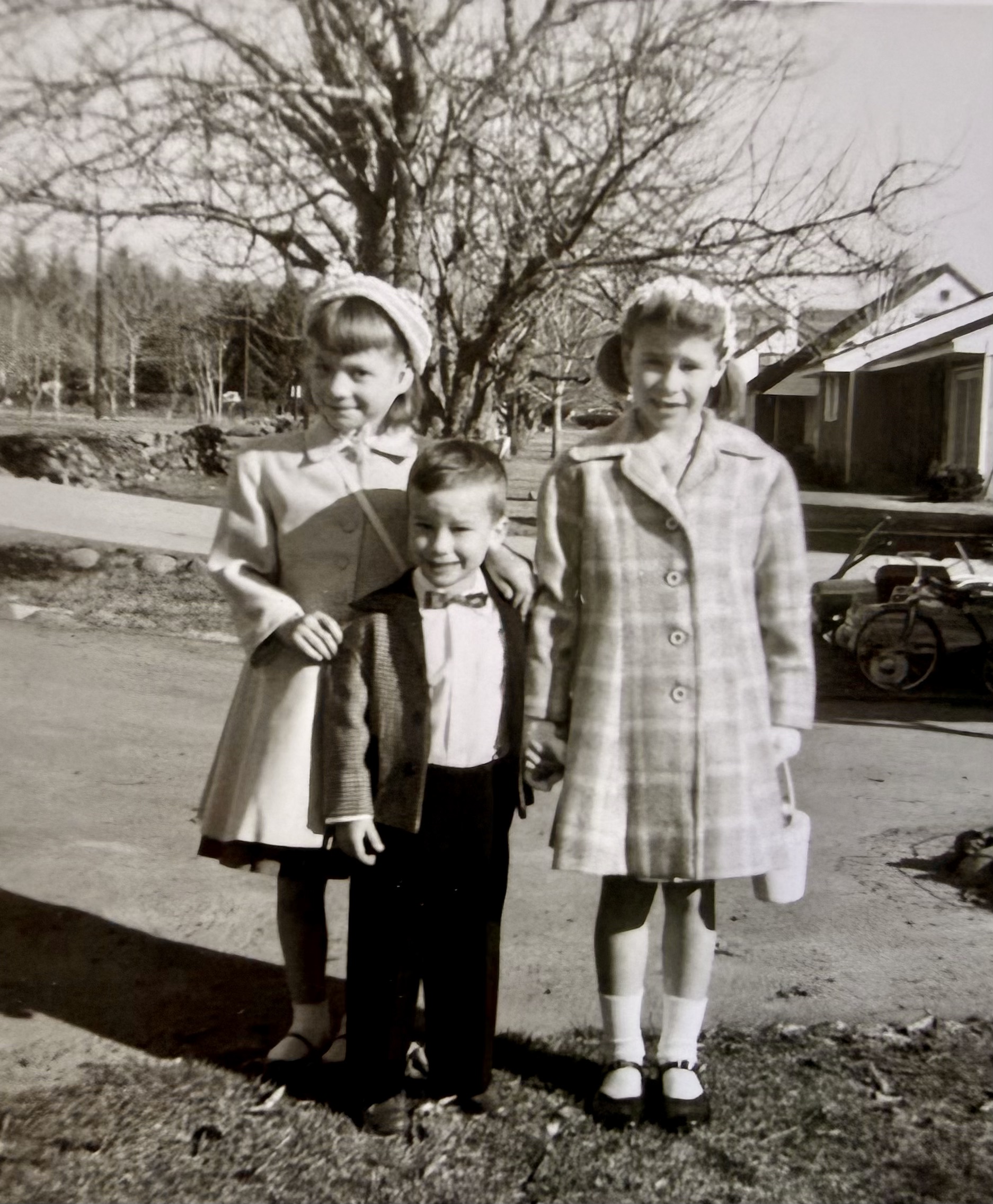
There is the row of cherry trees behind me (R), brother Don and a neighbor. I couldn’t find any blossom pictures and at Easter in 1955 the cherries hadn’t yet bloomed.
When I was a kid, Yakima was a town of about 40,000, with a lively downtown. Women wore hats and gloves to go shopping. Store windows gleamed, sidewalks buzzed, and the town felt cohesive, self-contained. Then, in the 1970s, the first shopping mall arrived, and everything shifted. Downtown slowly hollowed out.
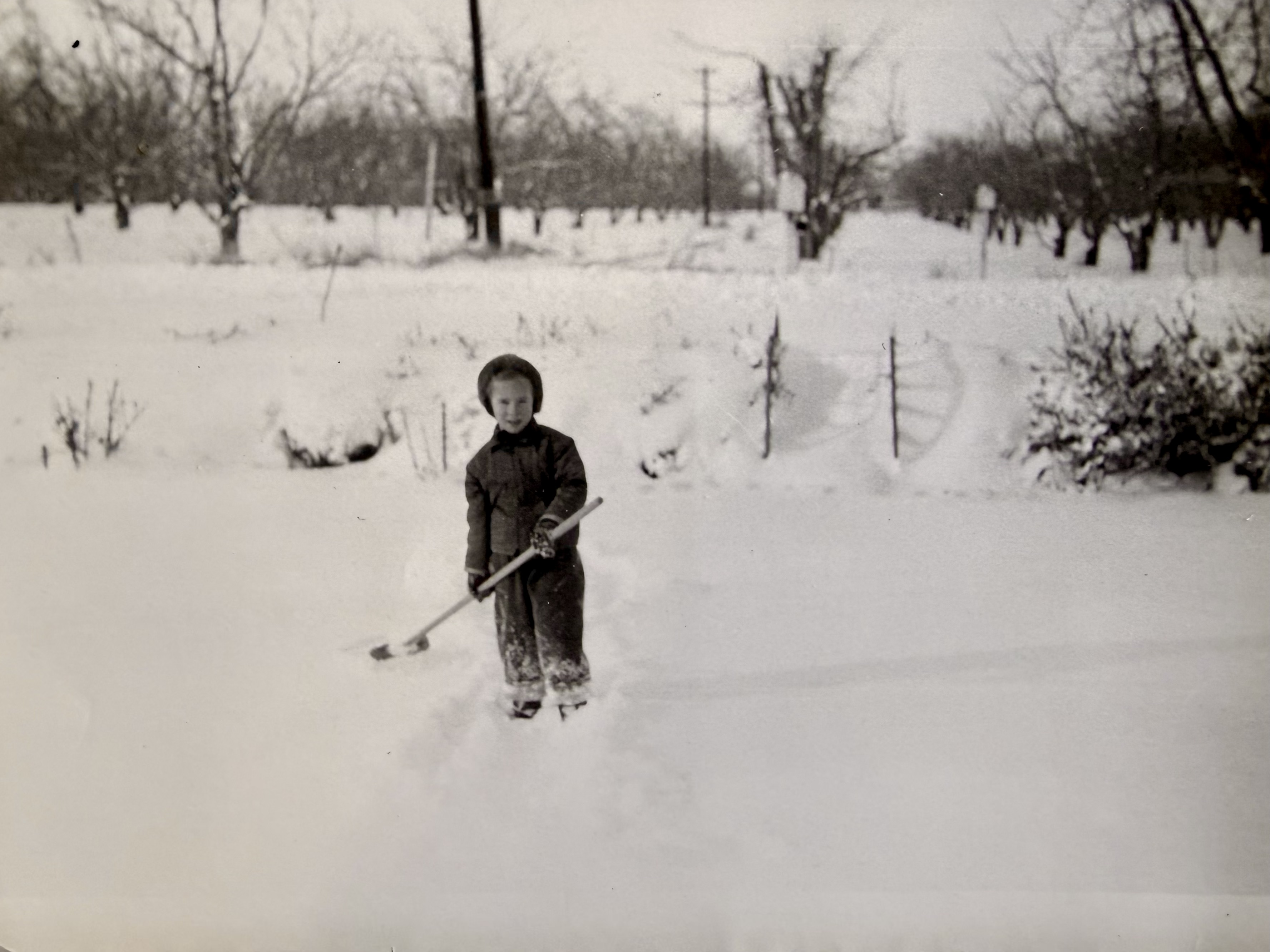
Behind me is the across-the-street apple orchard.
Now the population of Yakima is getting close to 100,000. Farmers still grow hops, and there are still fruit trees—mostly apples—but vineyards have been steadily taking over. There is less blossom-peeping now; grapes, after all, have no blossoms.
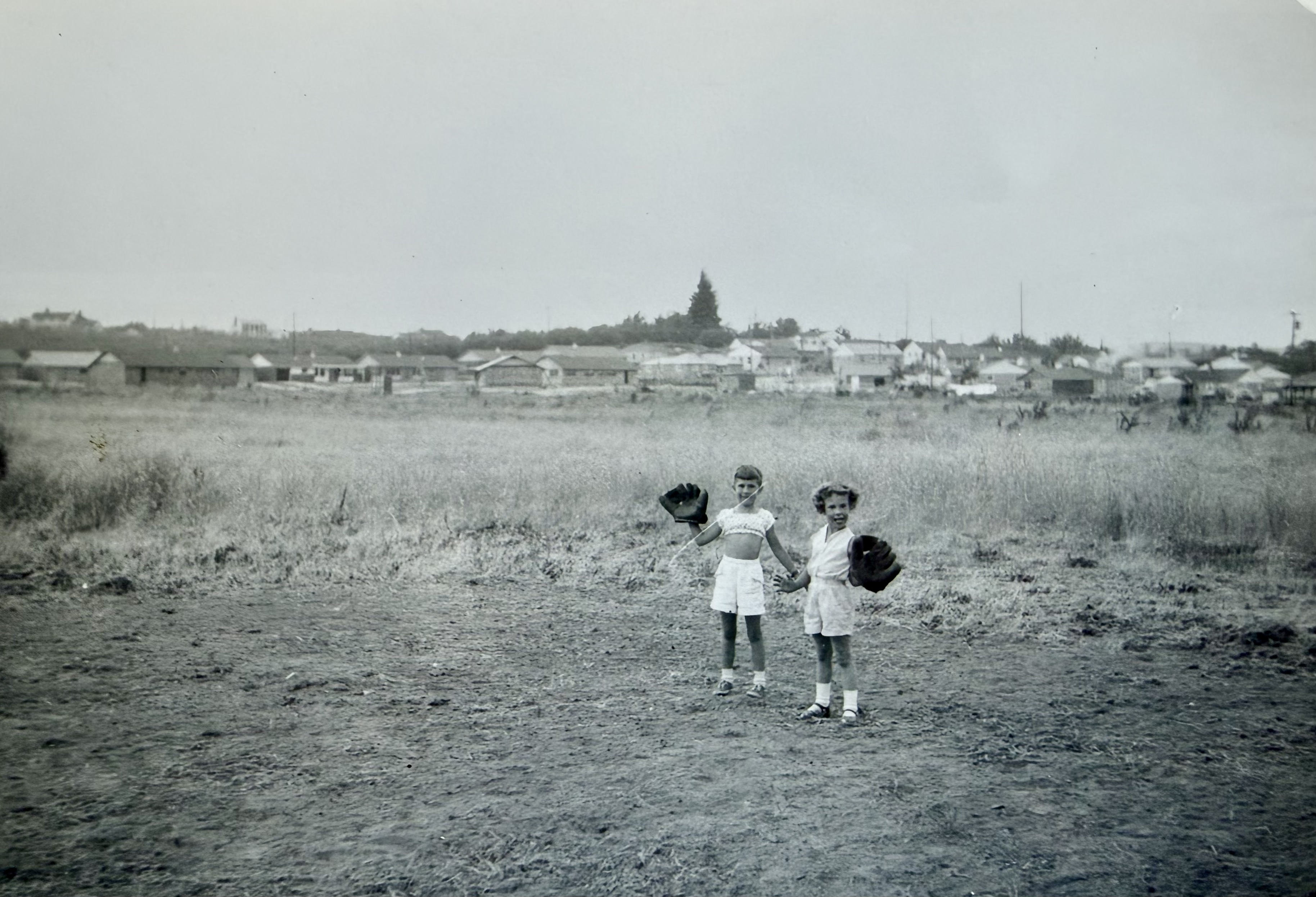
Me (R) and friend. From the back yard we can see development encroaching and a few trees left.
But we still participate in the ritual of spring blossom peeping. Holly and I have planted a little orchard of cherry, plum and peach trees in our back yard. We have a magical orange, and lemon and apple trees hang over our neighbors’ fences. Plus, in our town of Santa Rosa there are magnolias, redbuds, dogwood and ornamental fruit trees, enough to inspire a months’-long Spring ritual right in our neighborhood.
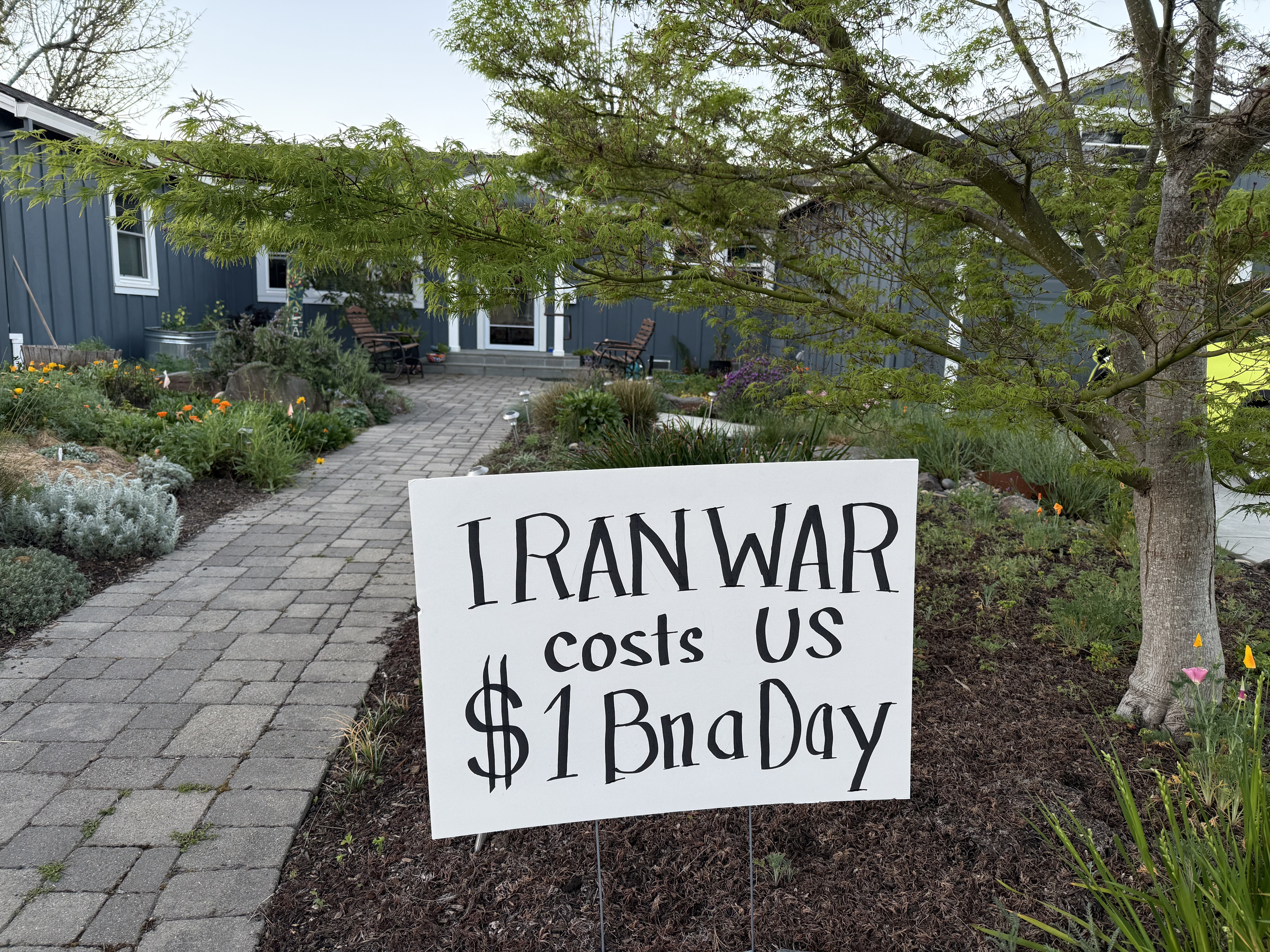
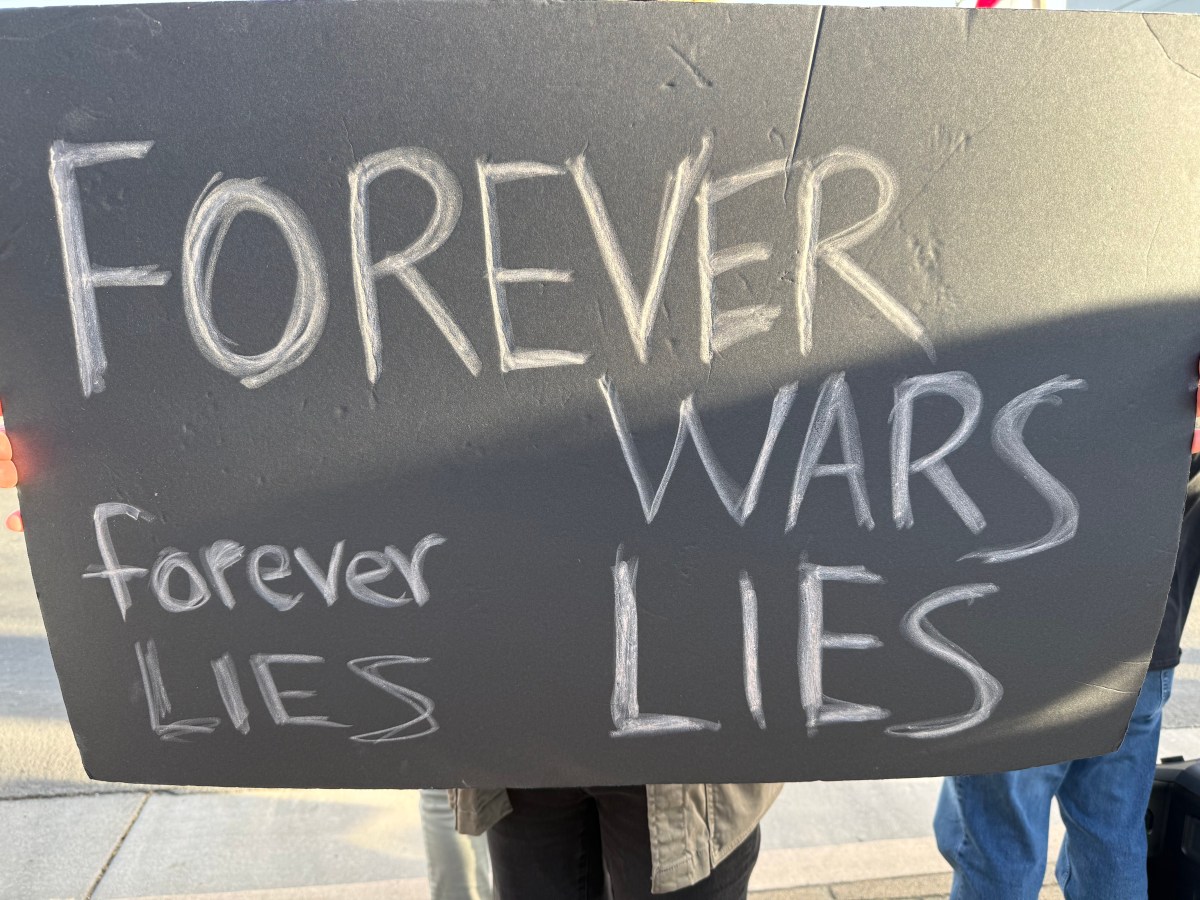
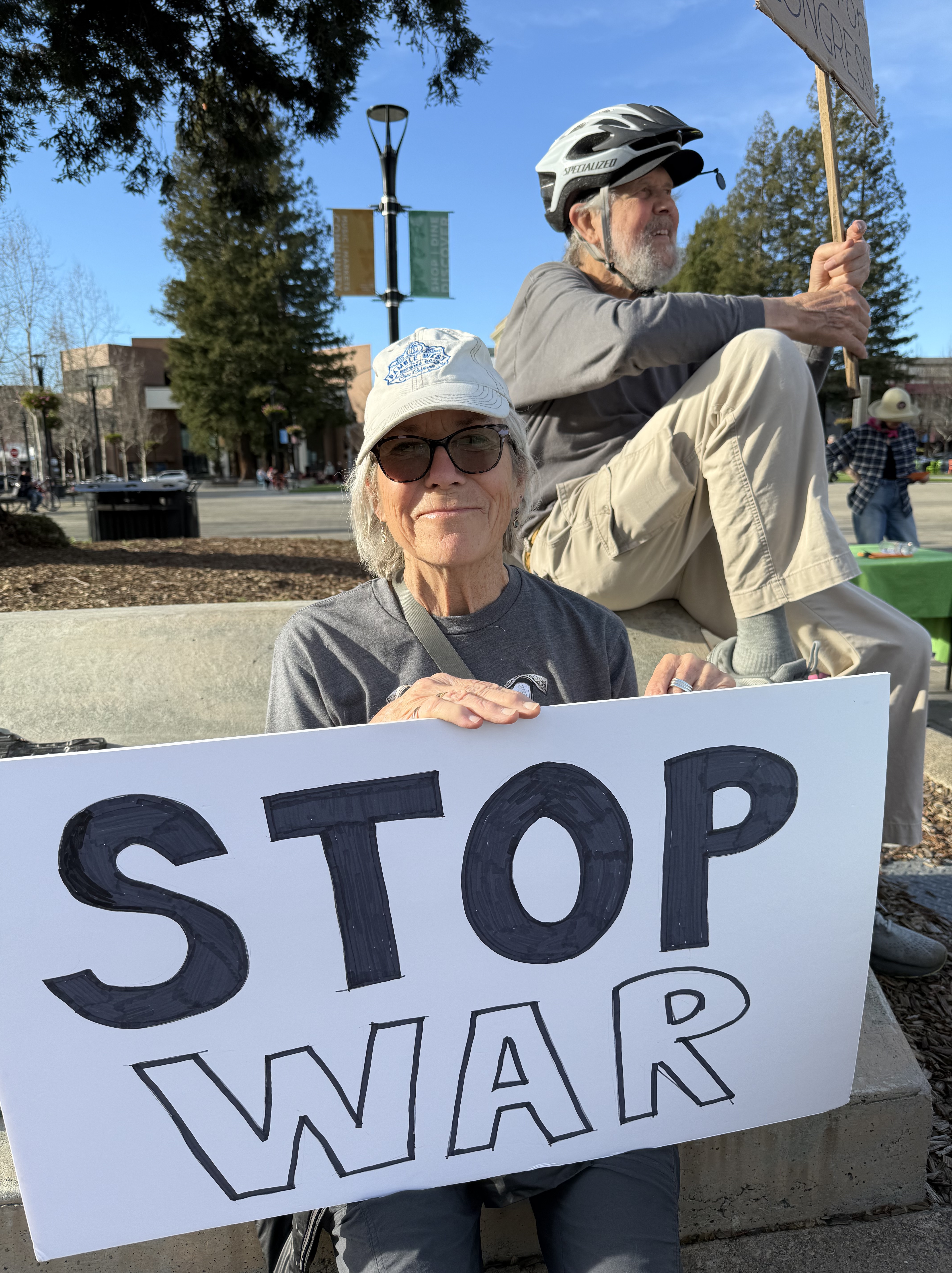
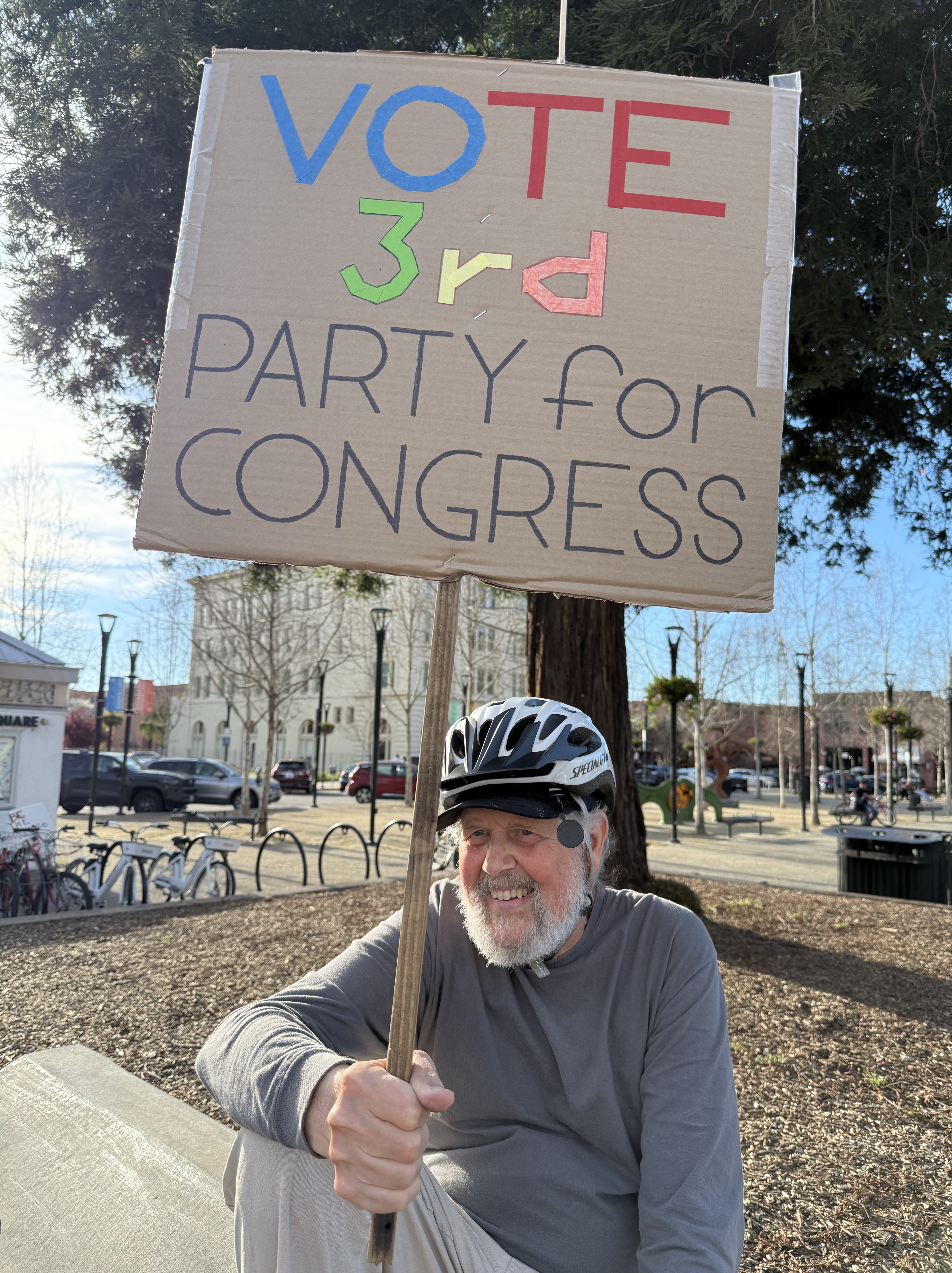
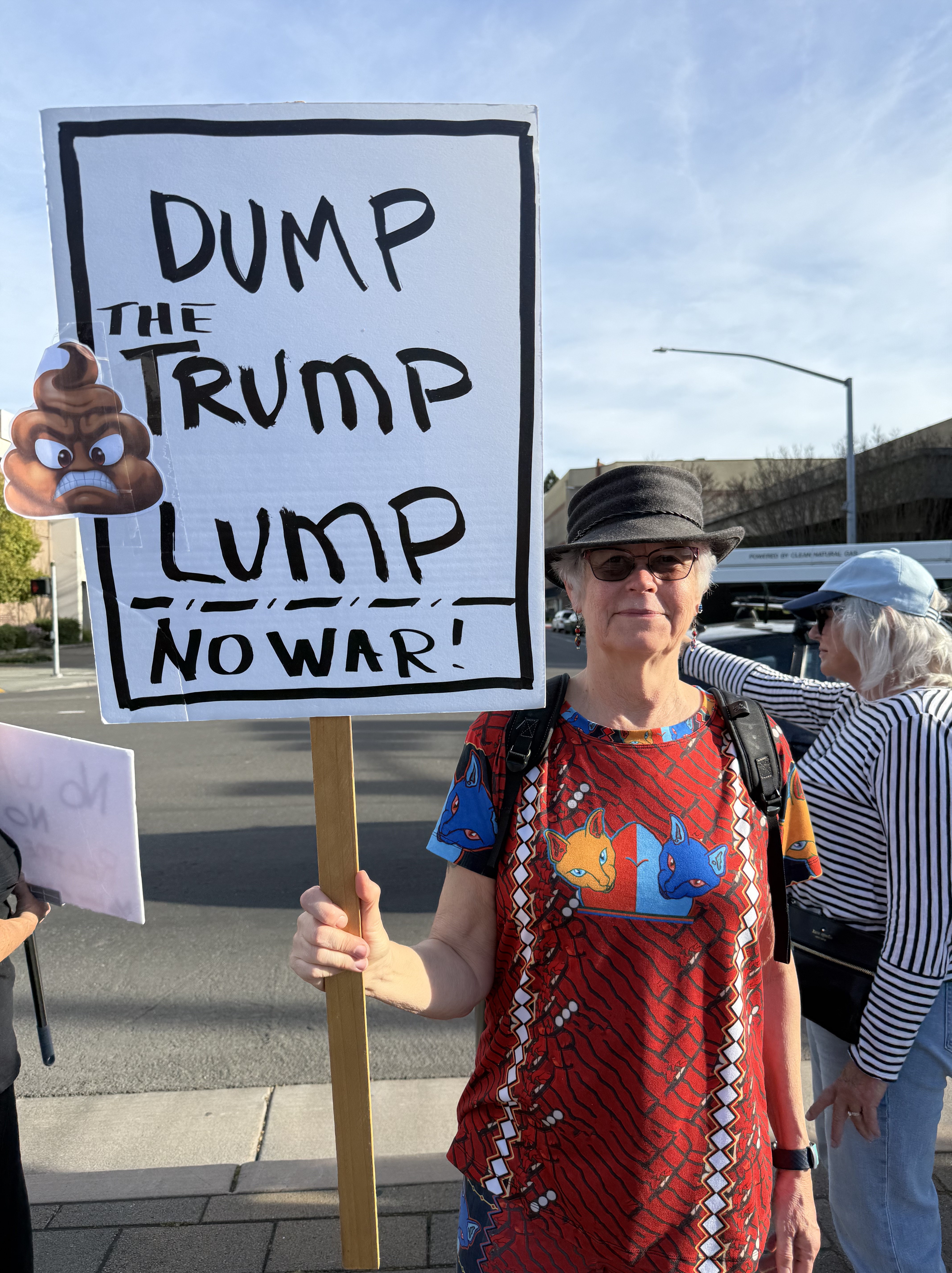
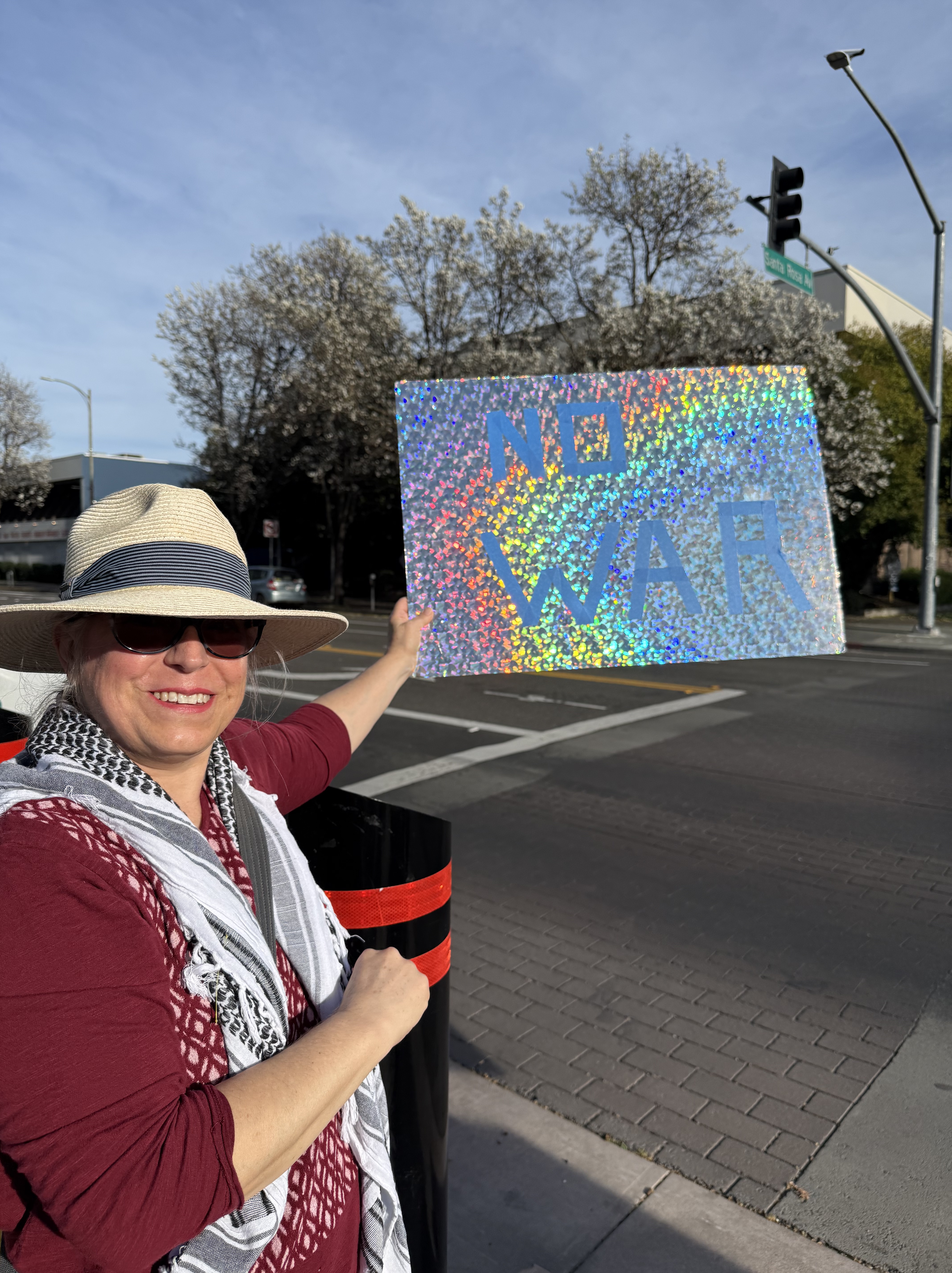
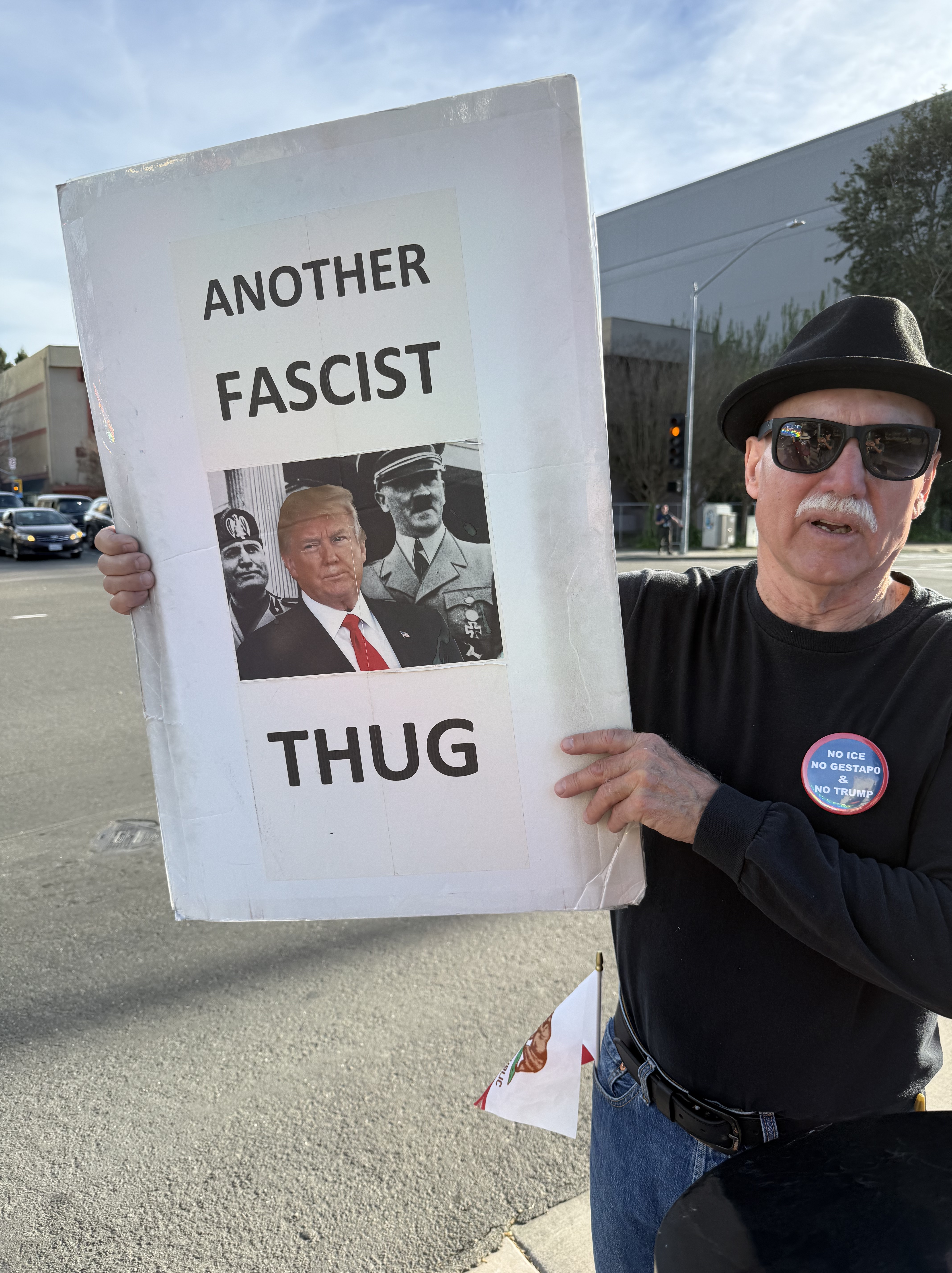
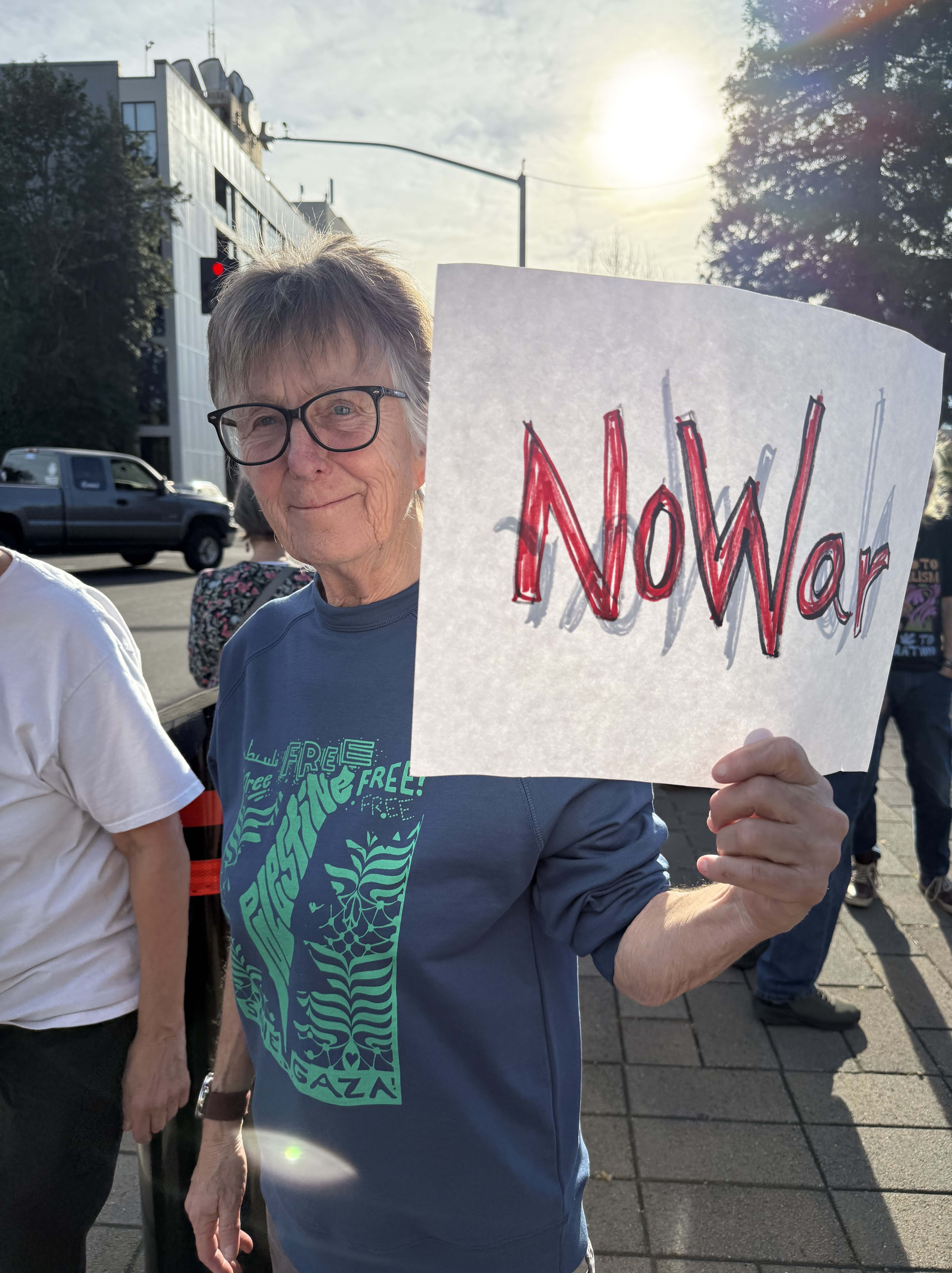
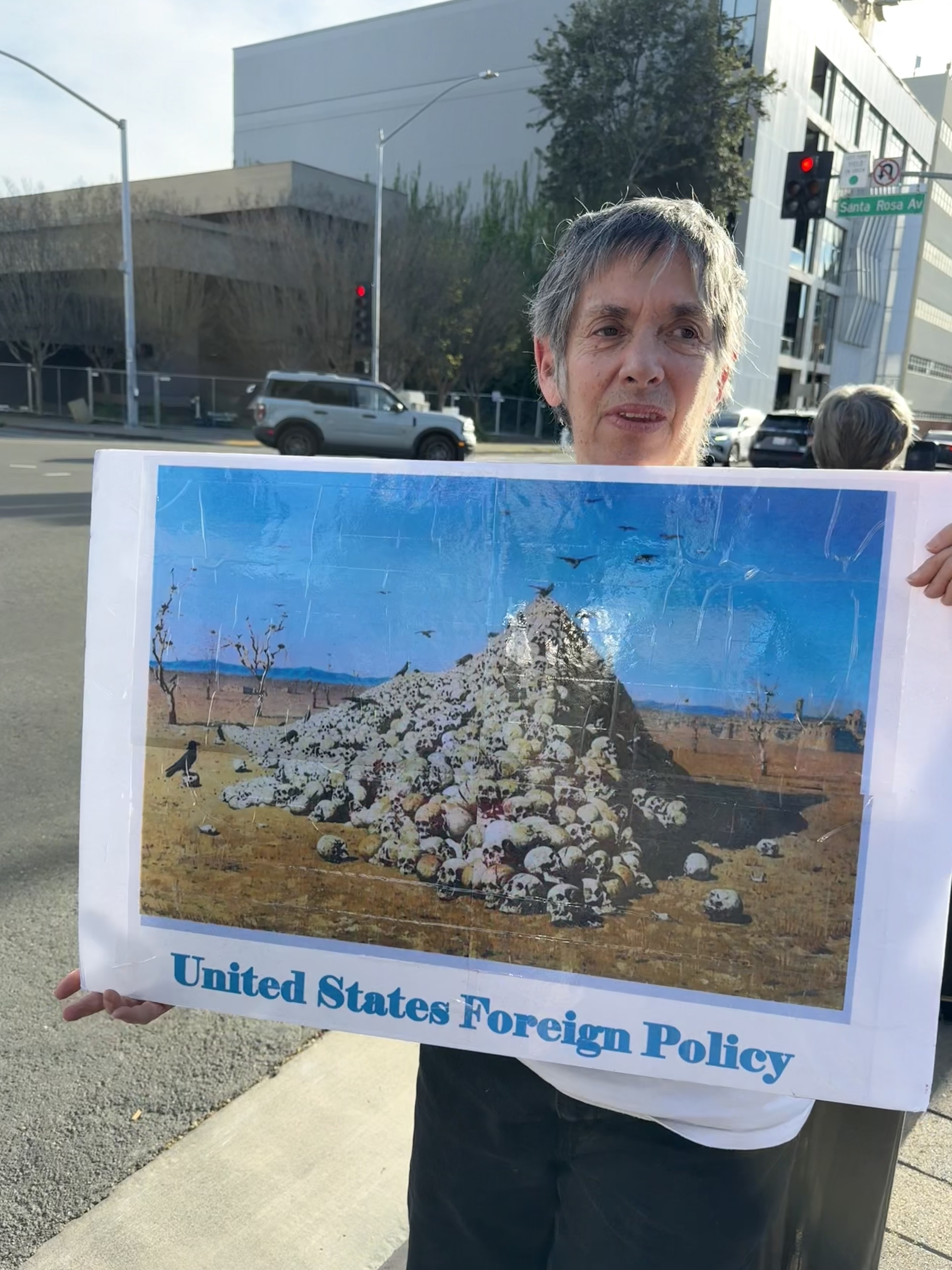
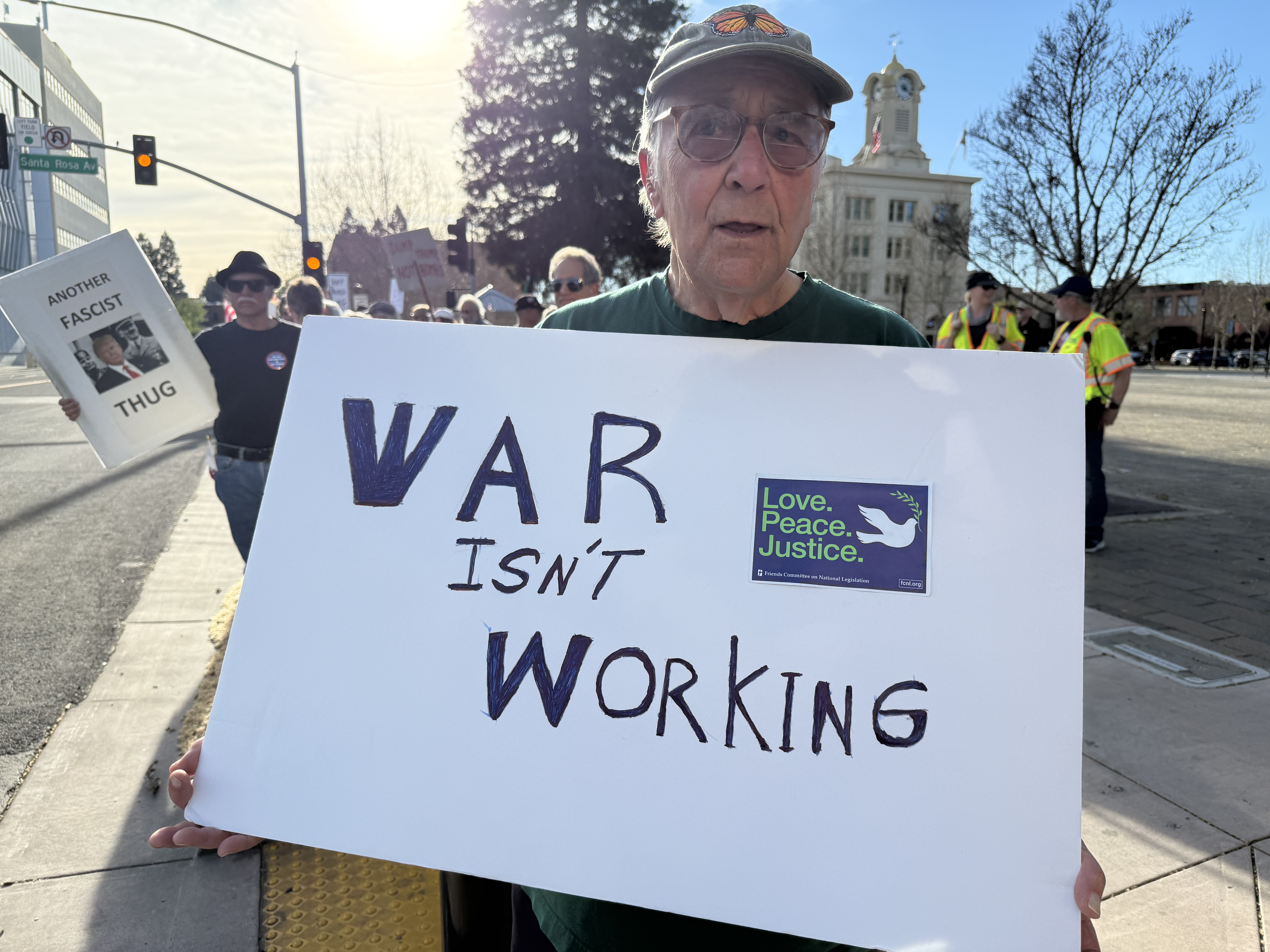
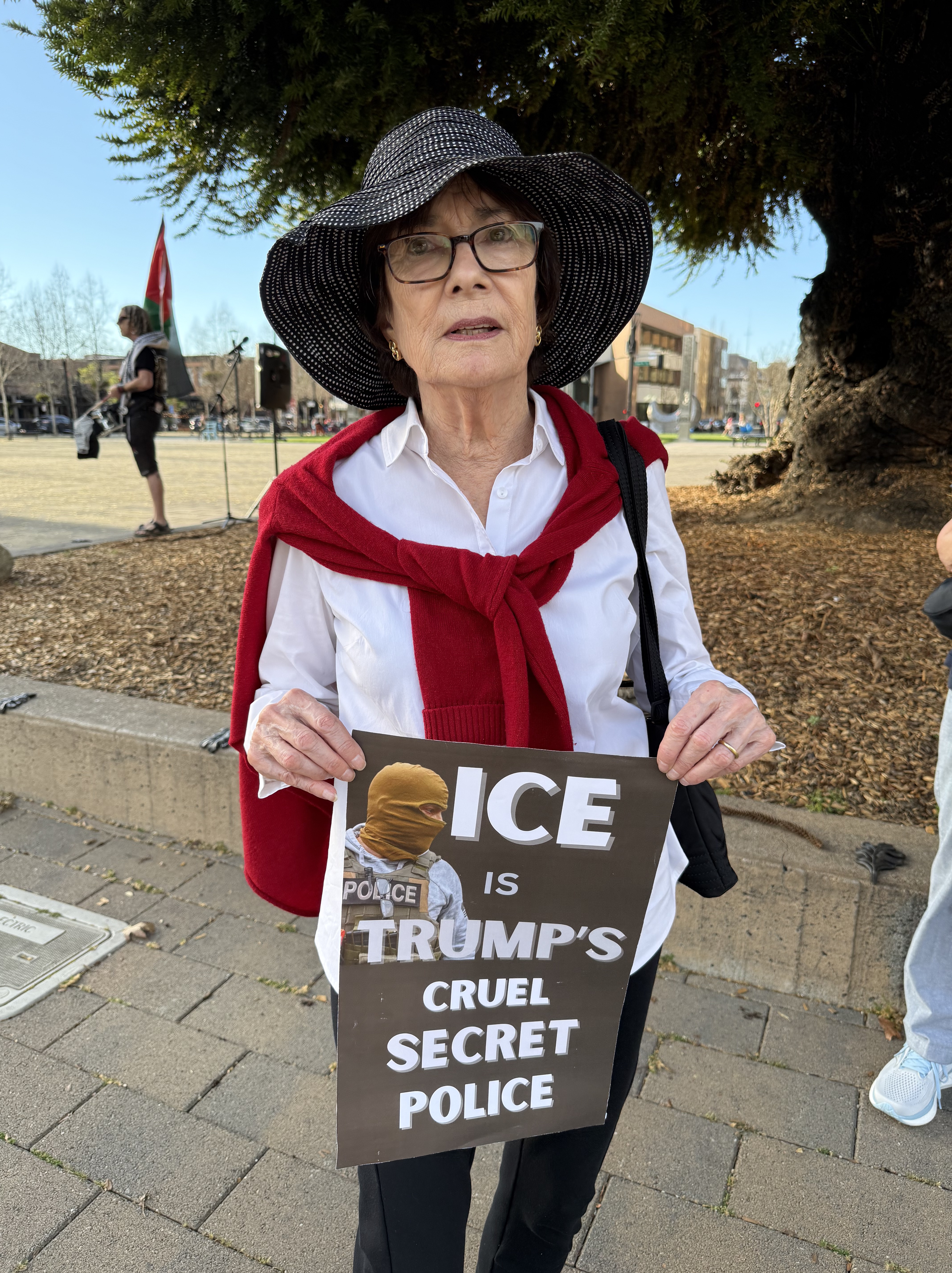
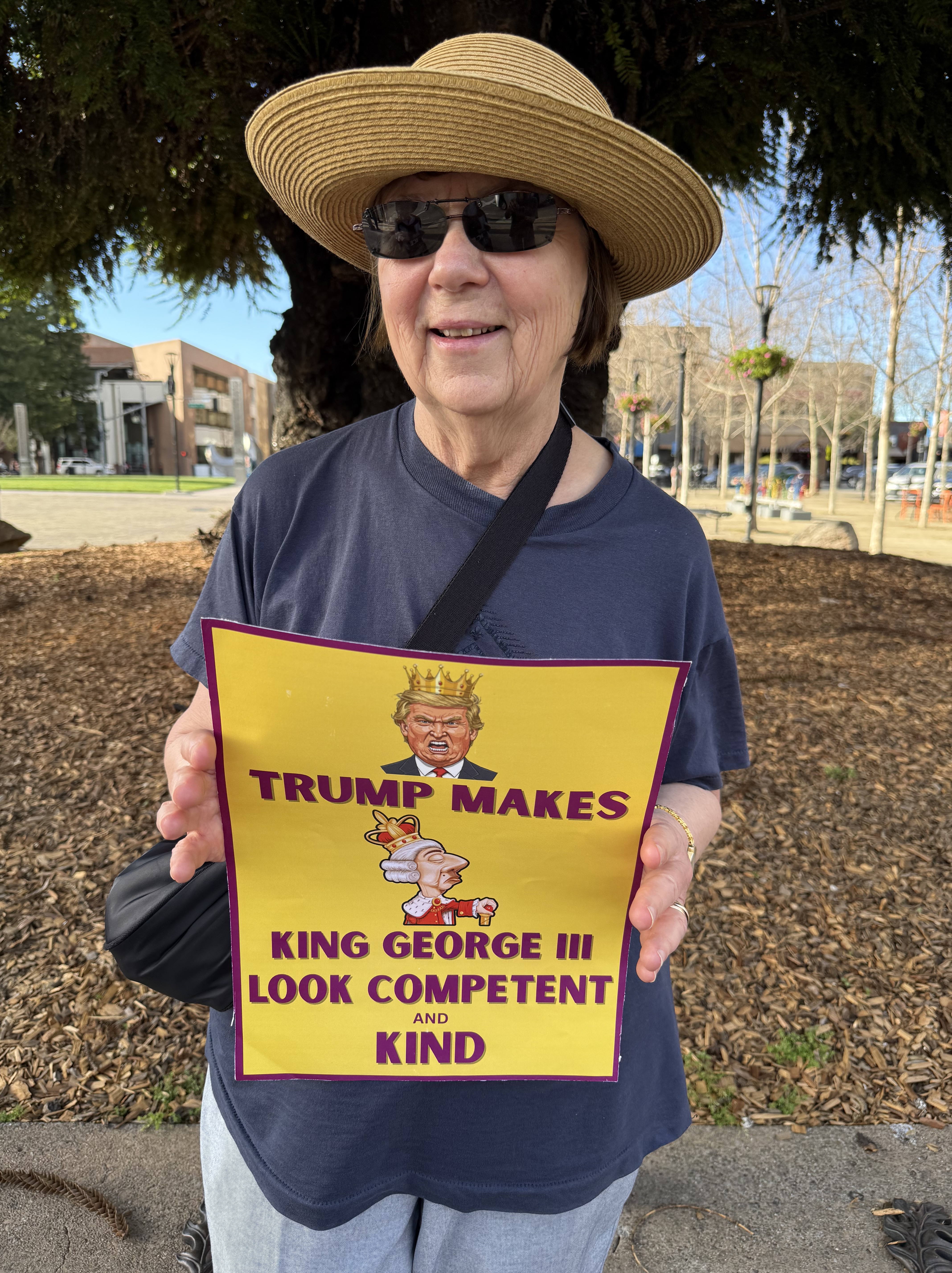
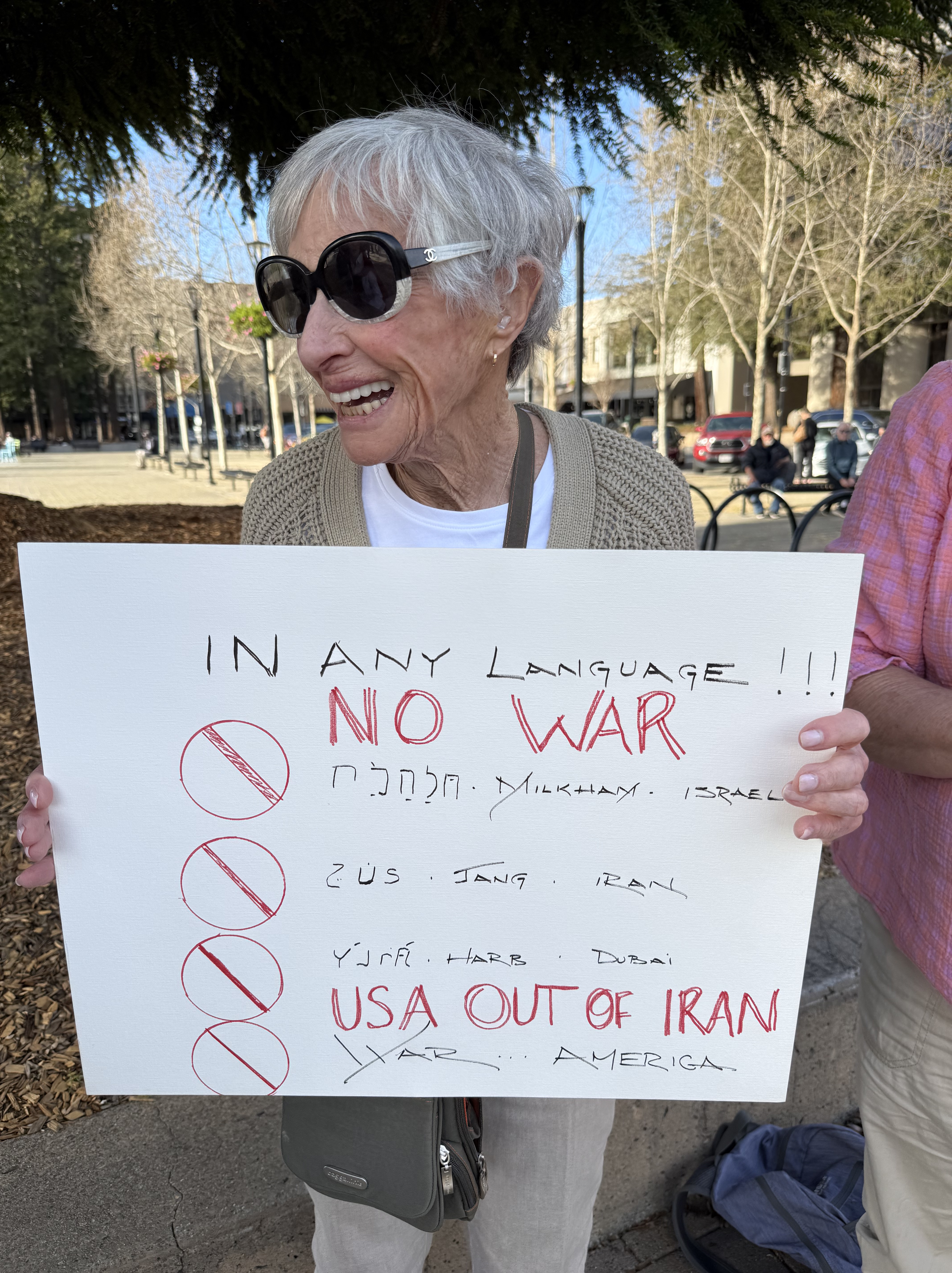
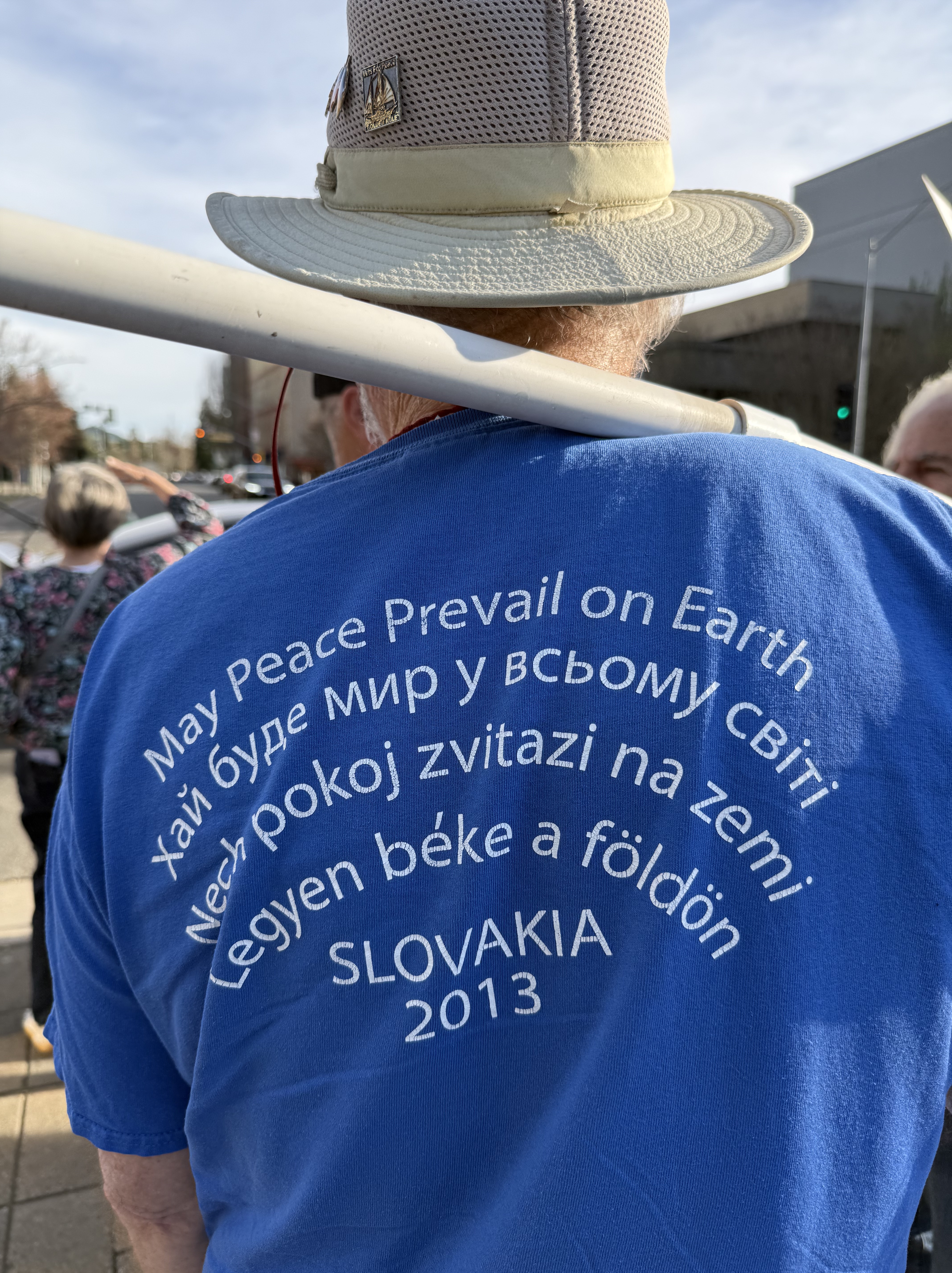
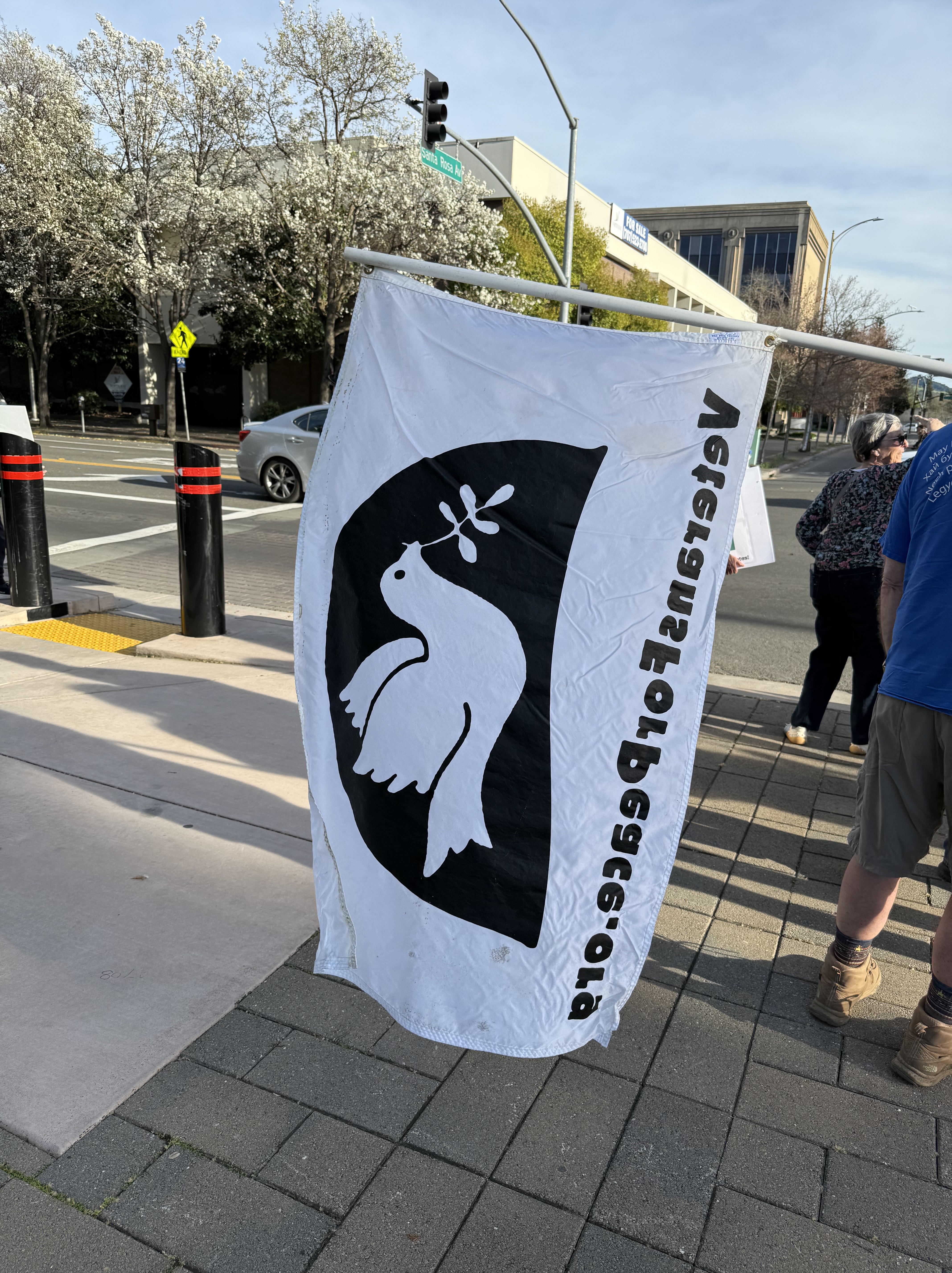
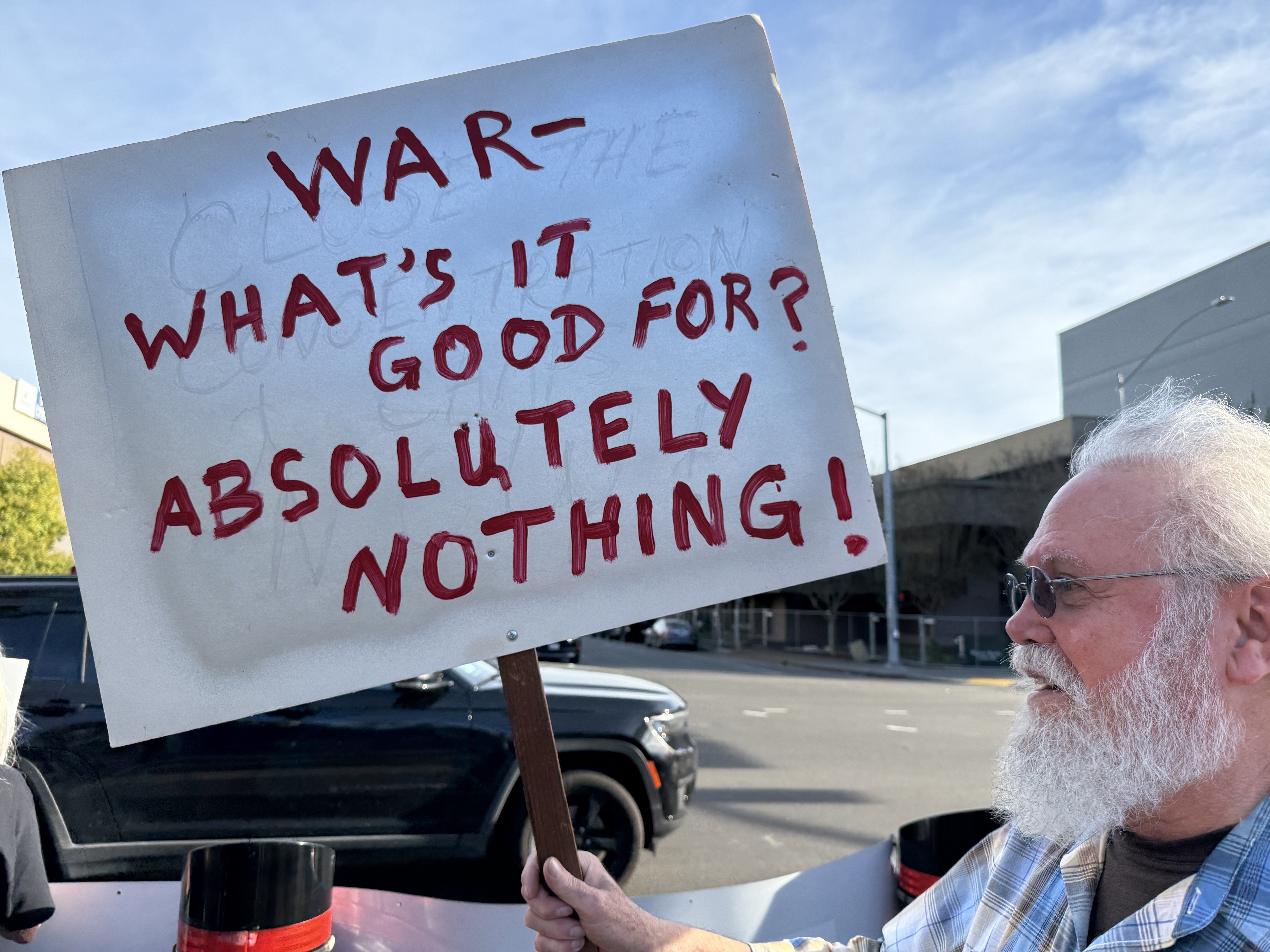
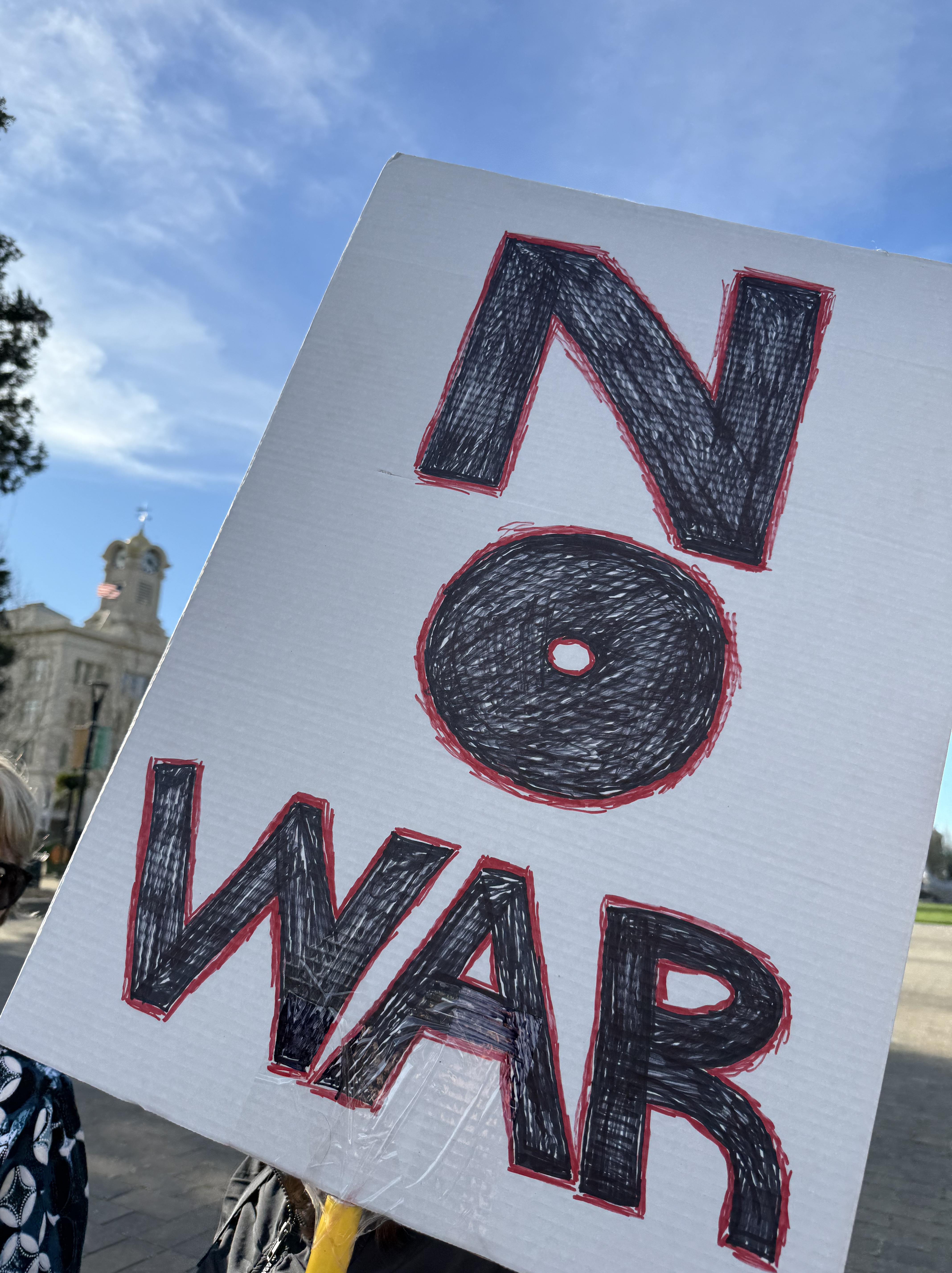
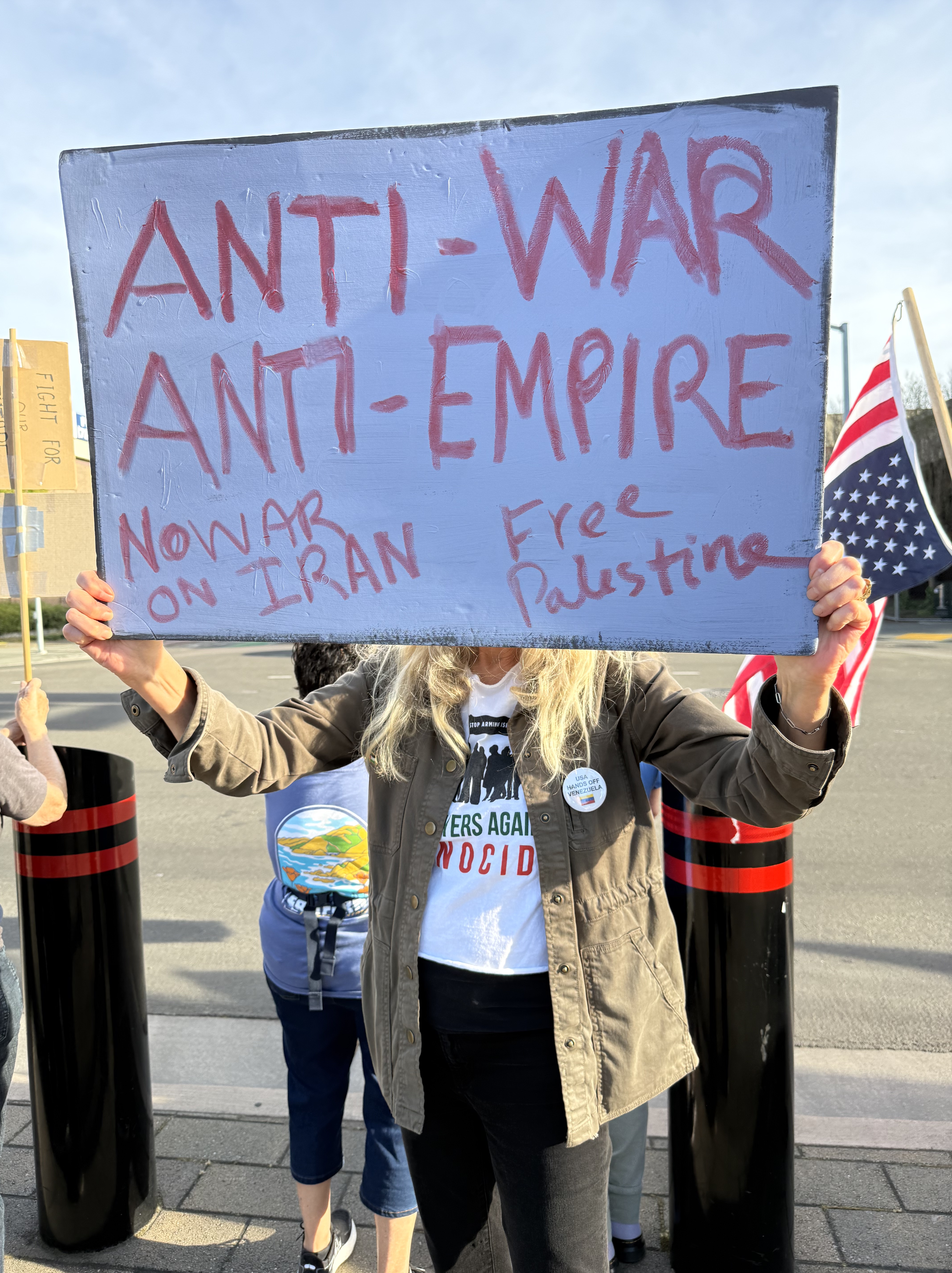
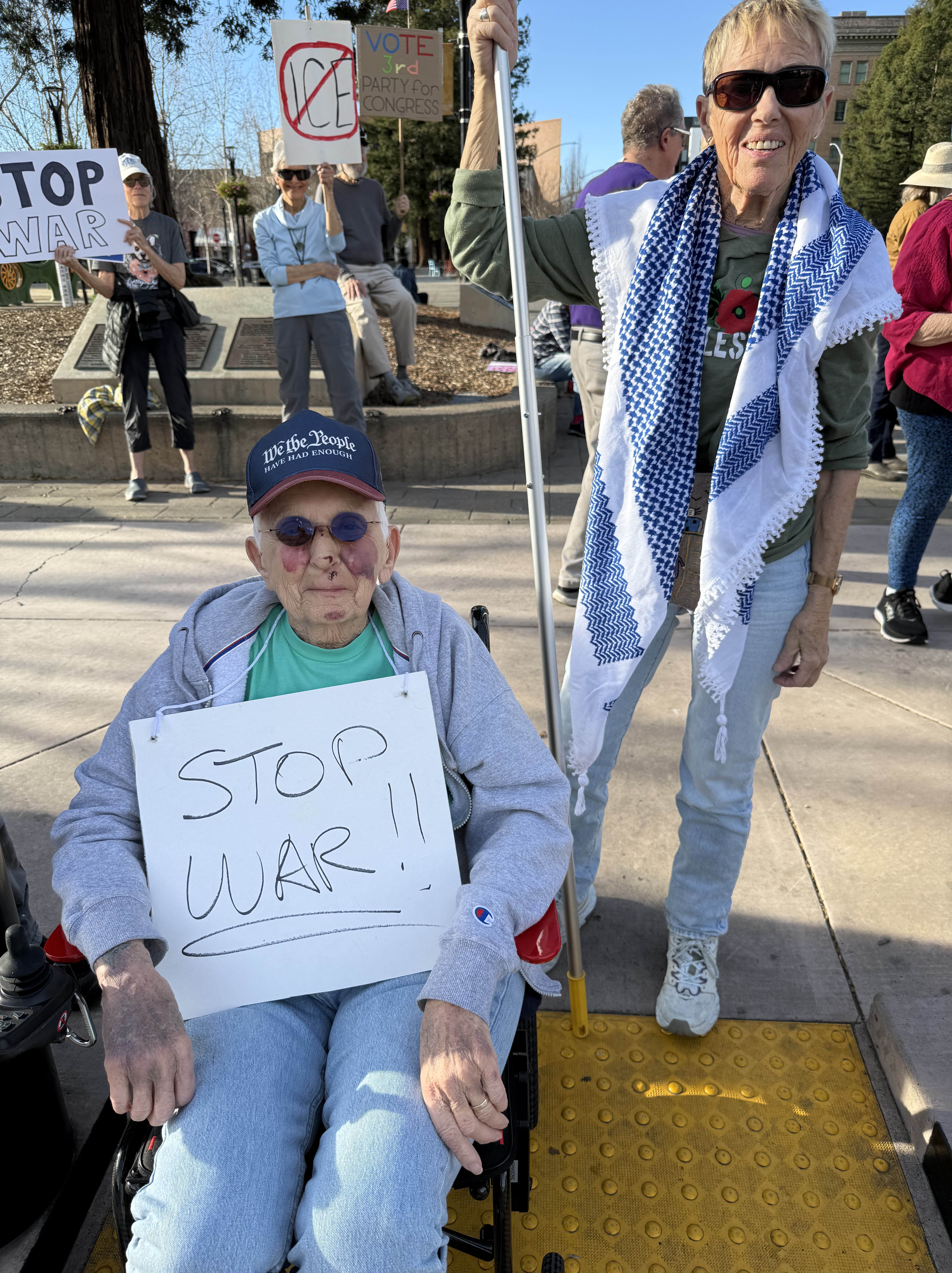
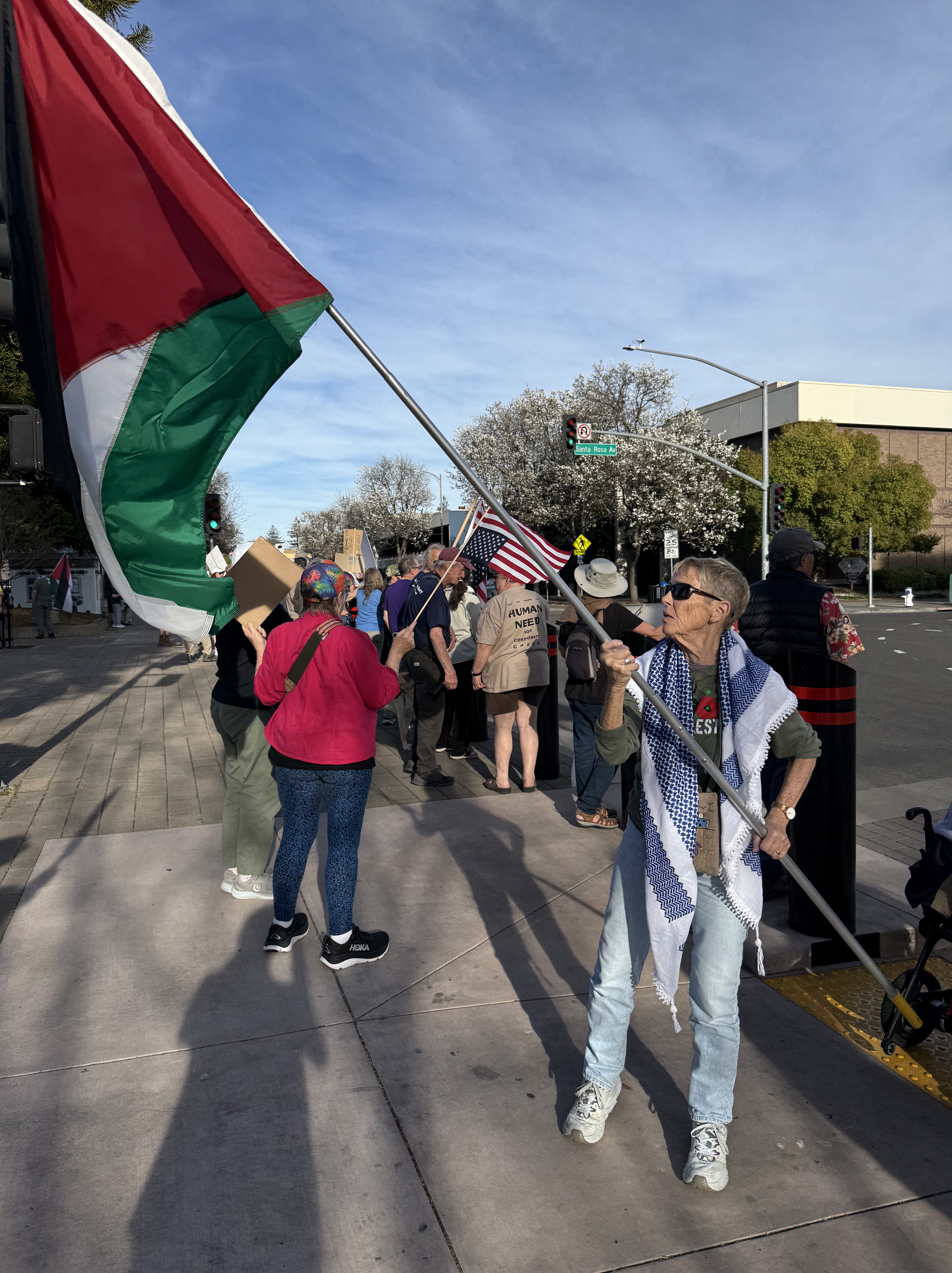
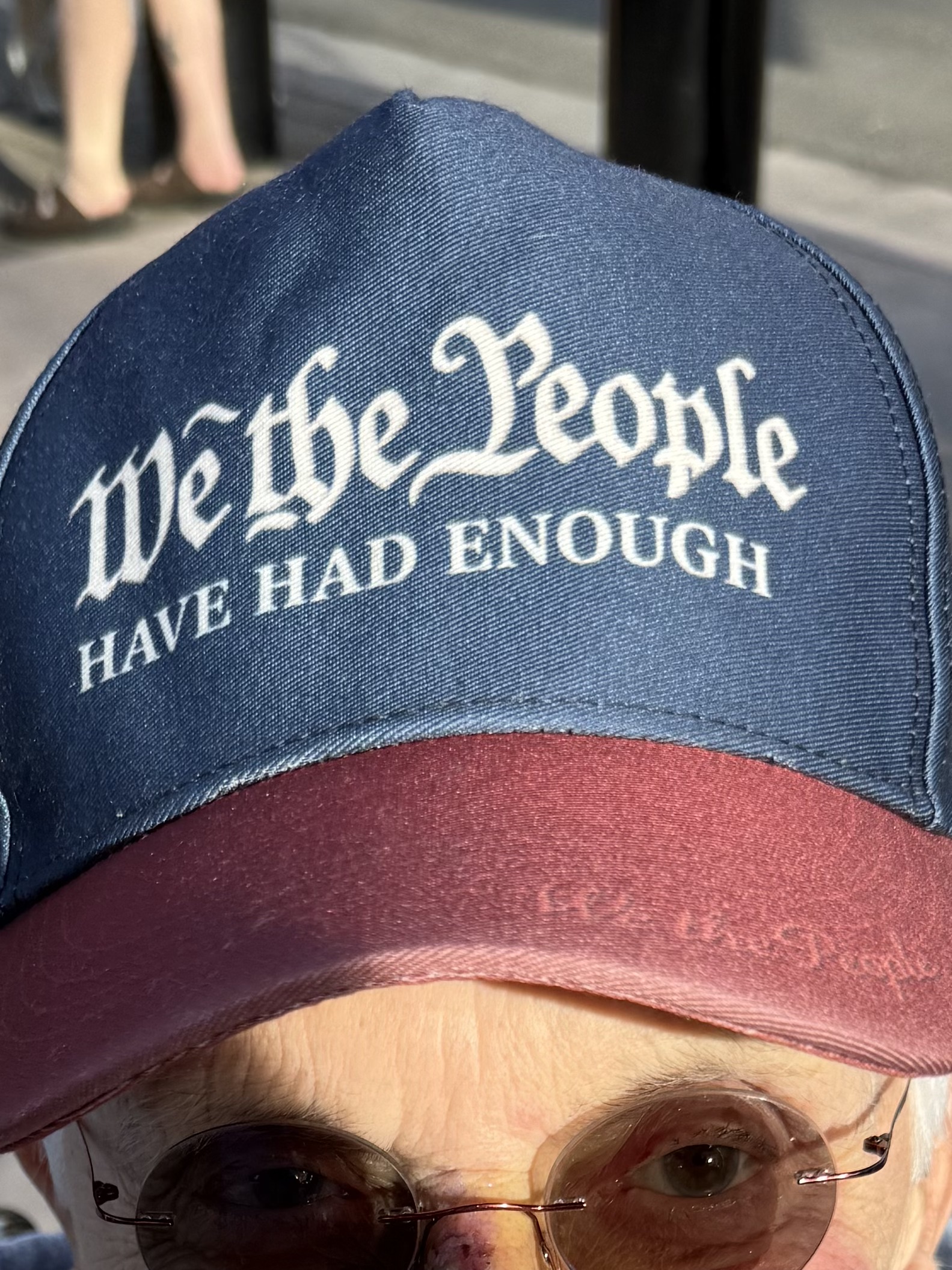
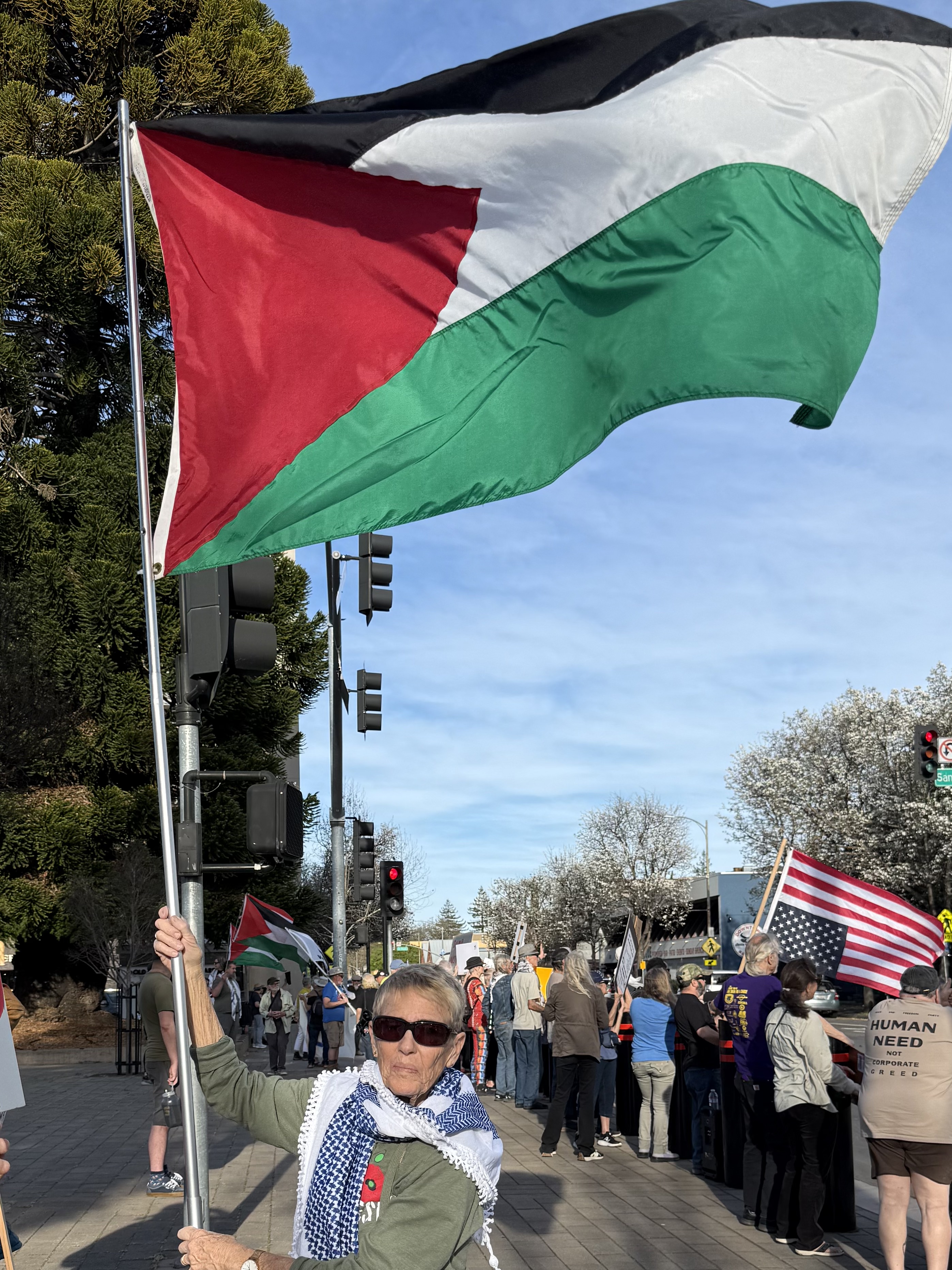
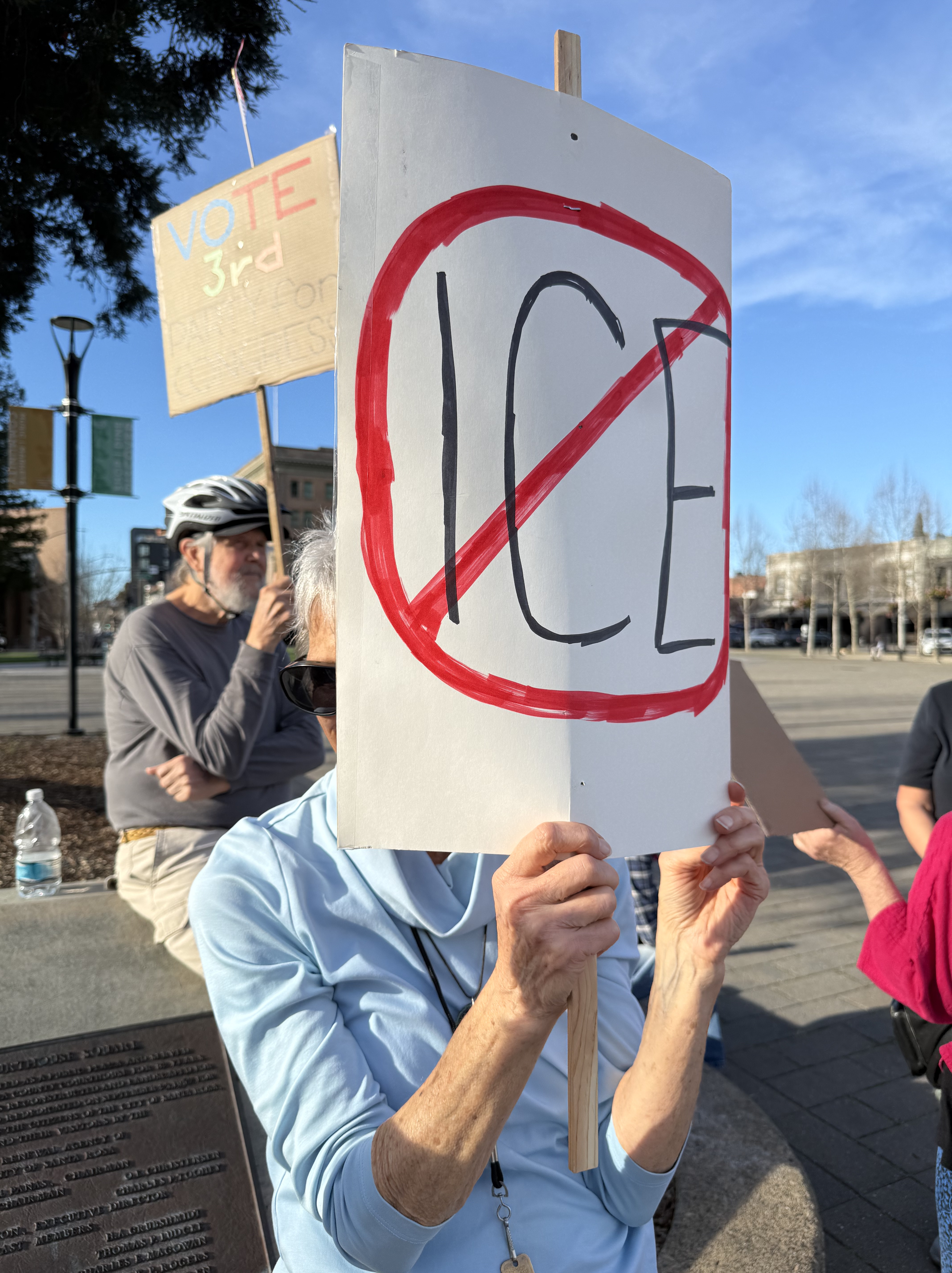
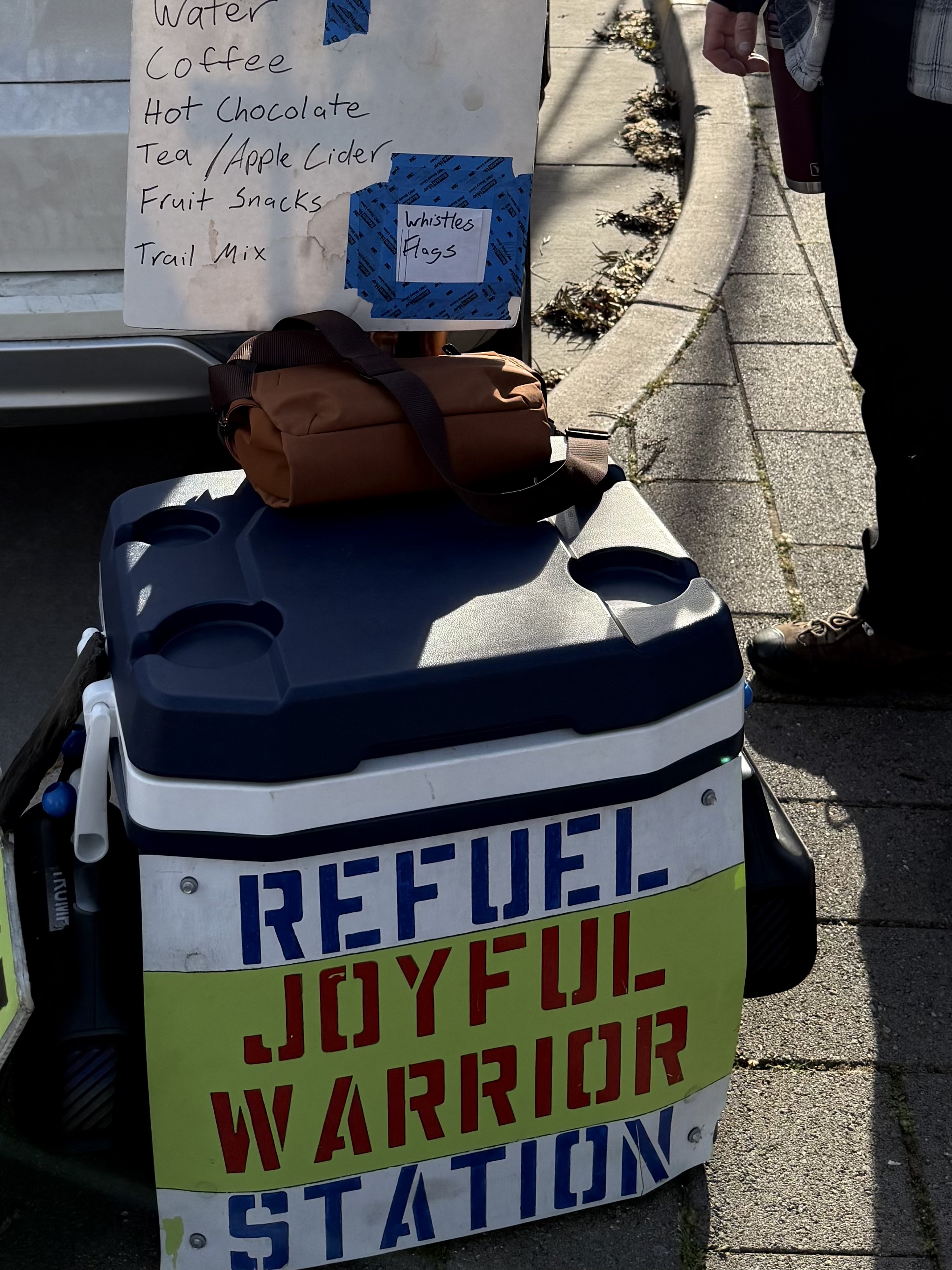
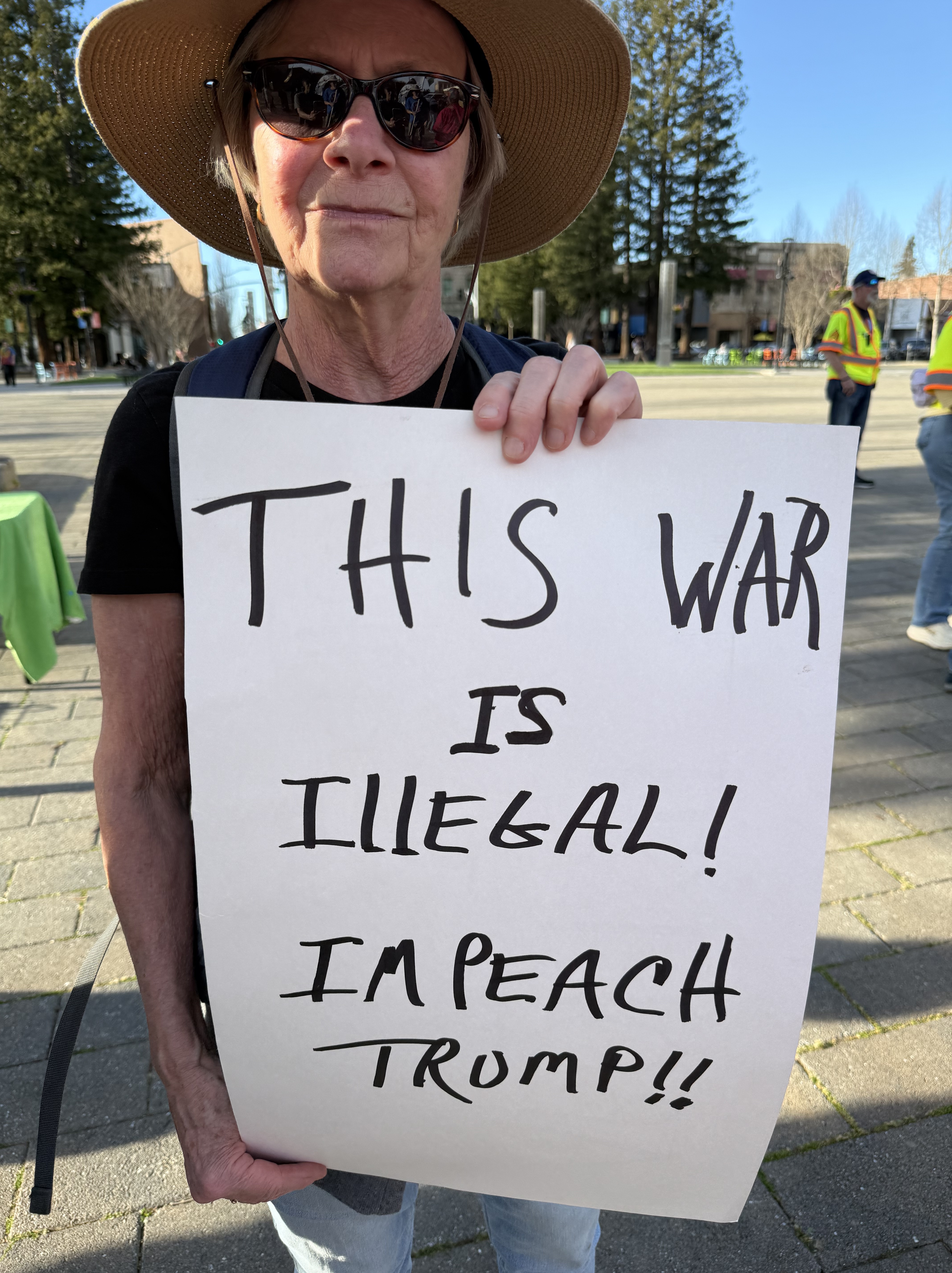
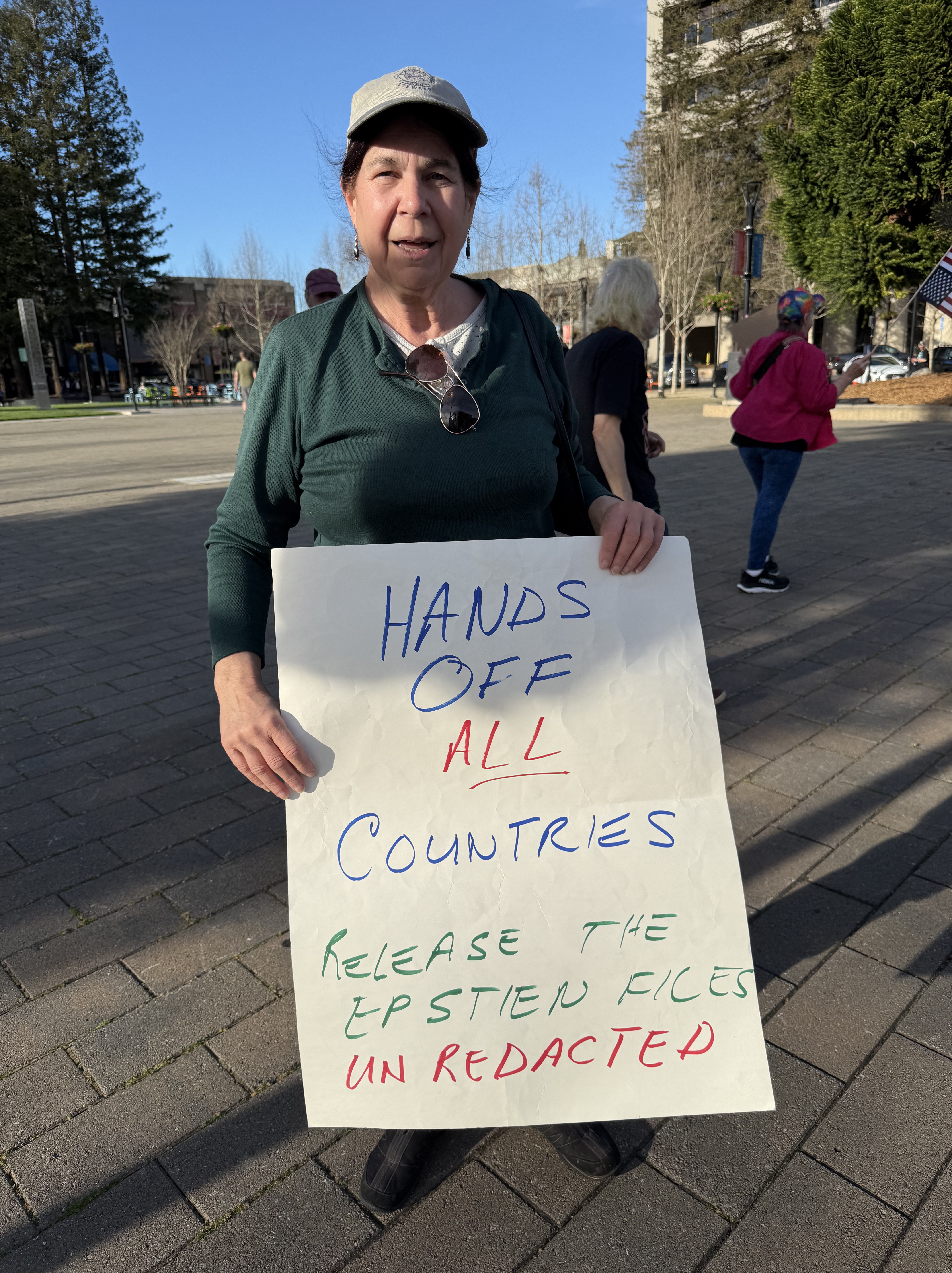
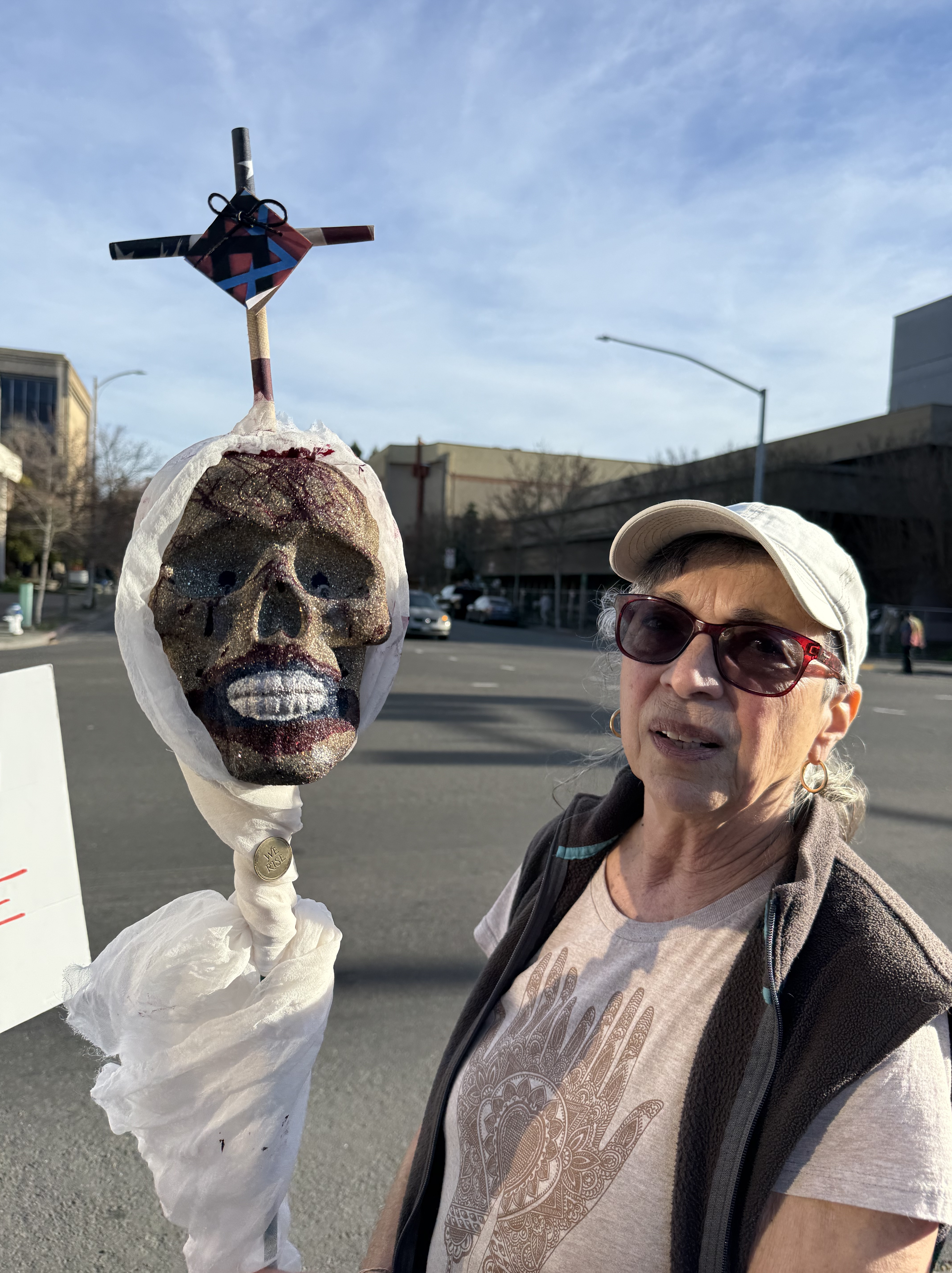
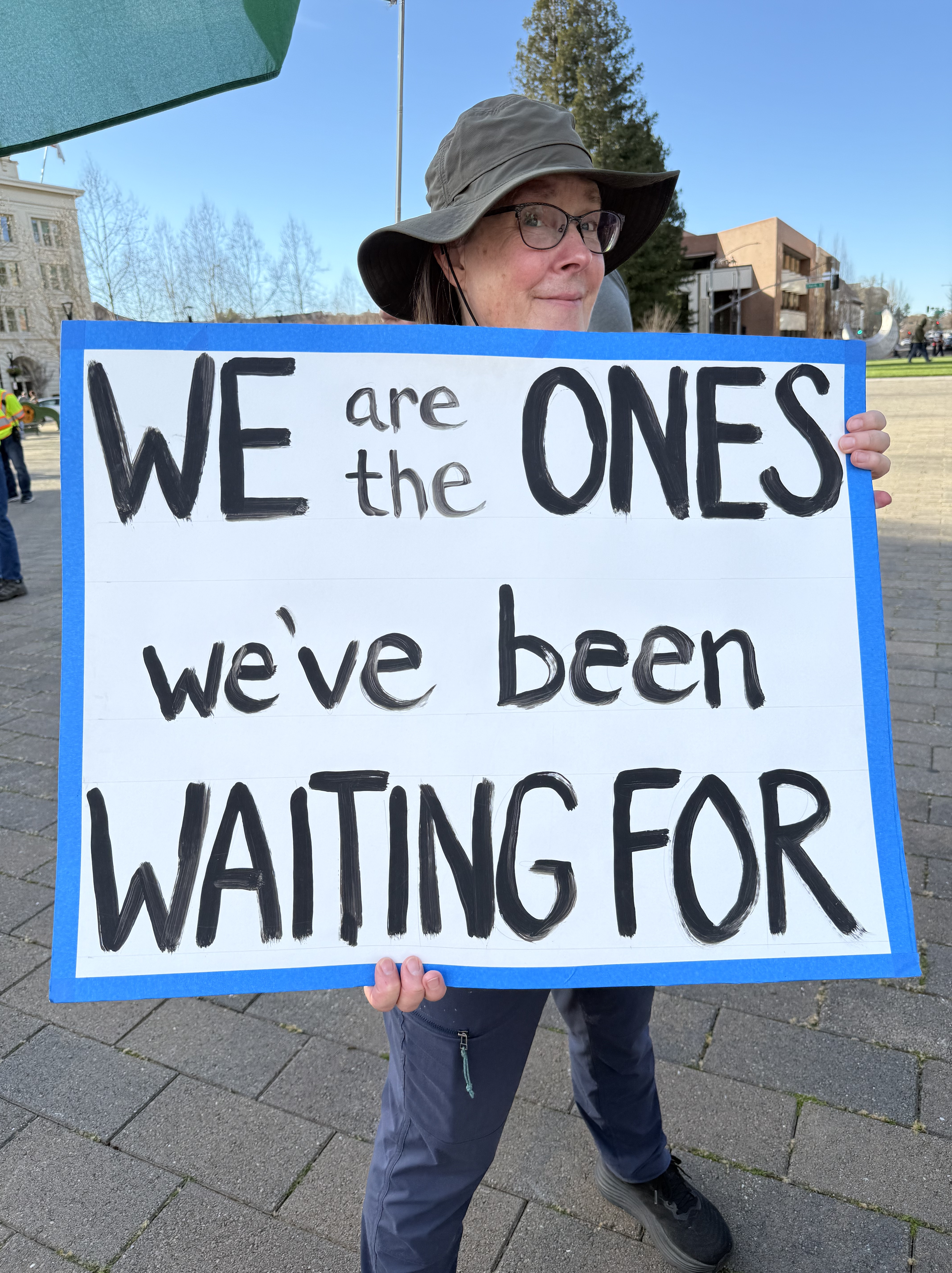
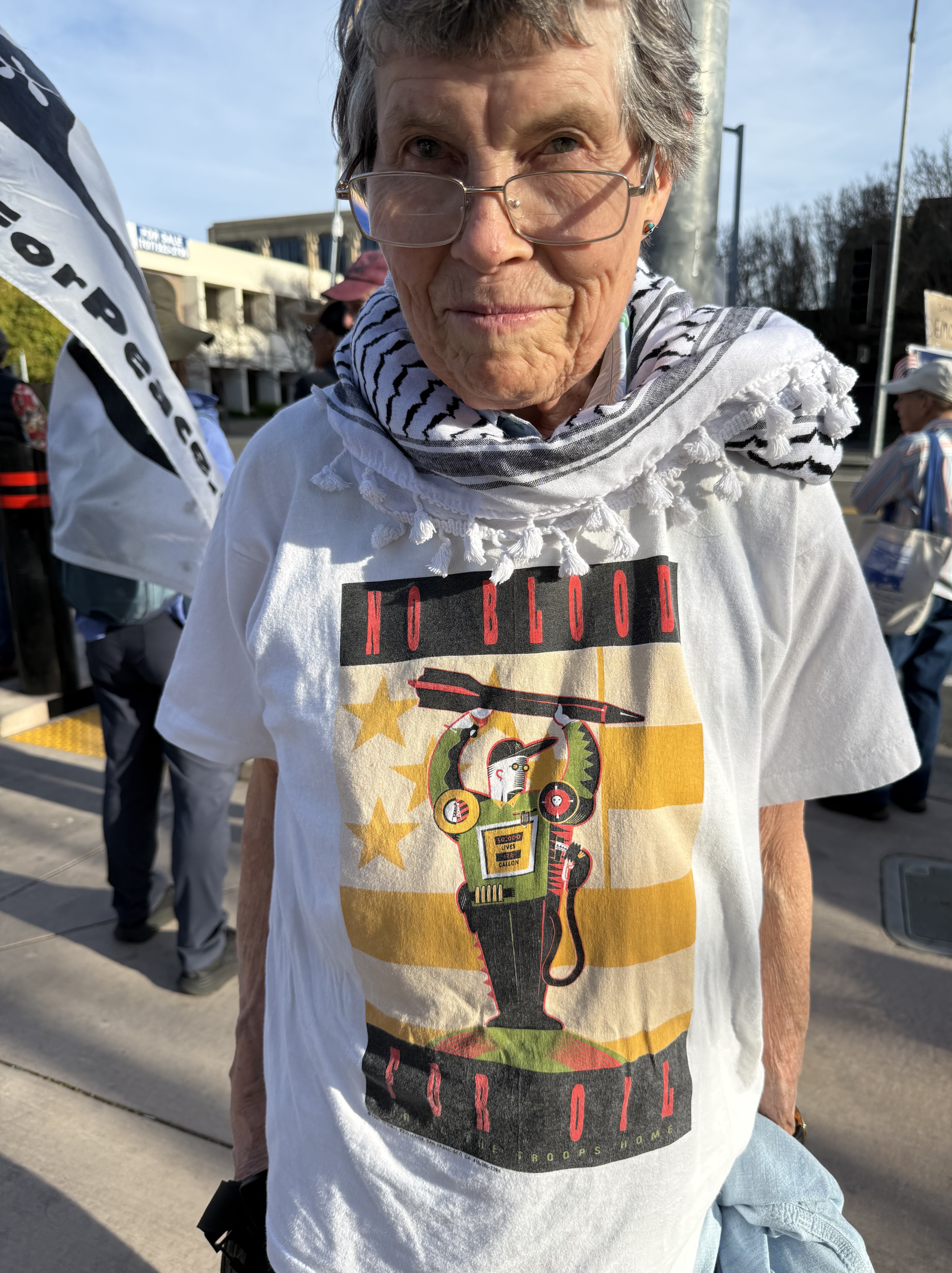
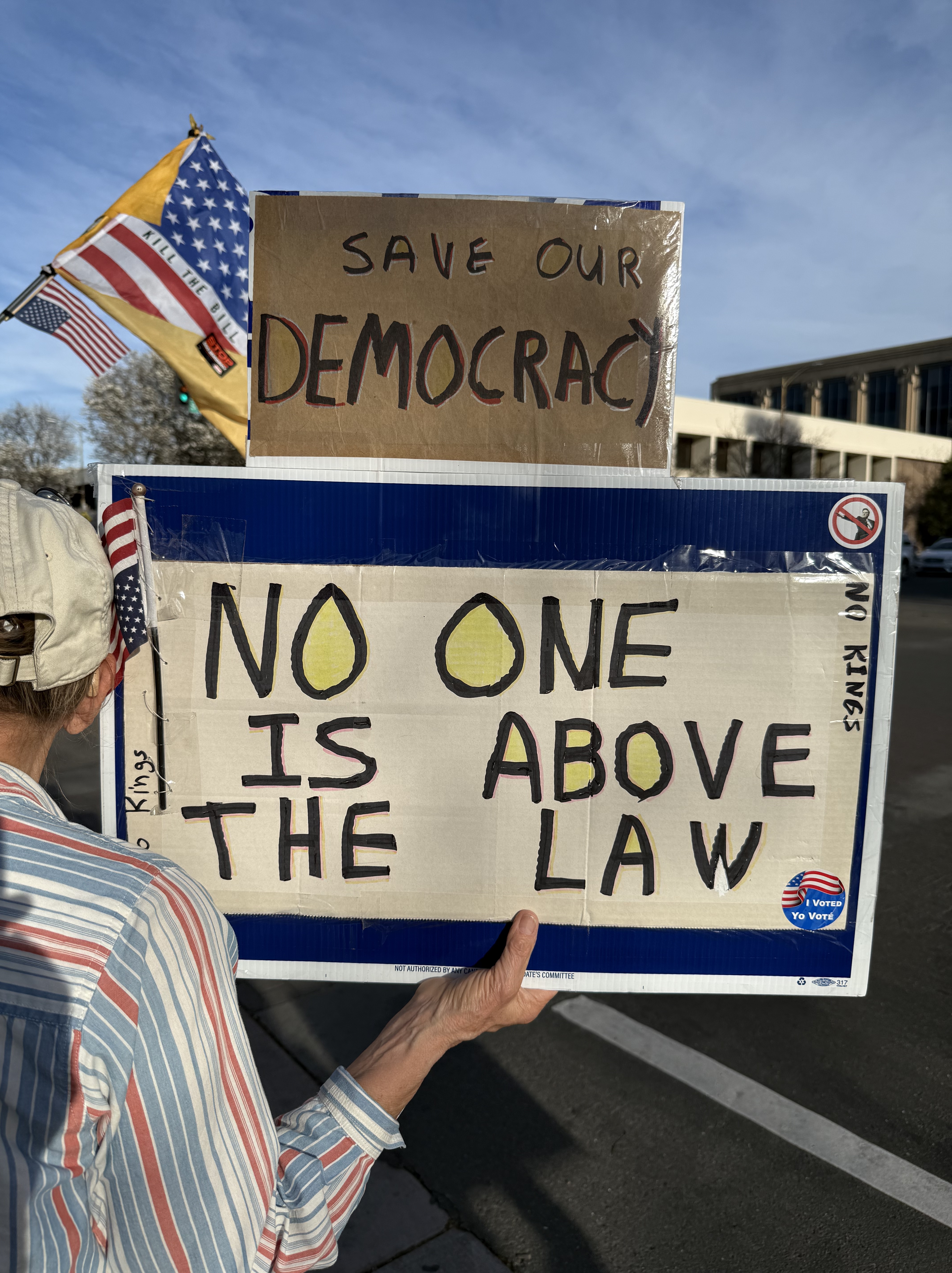
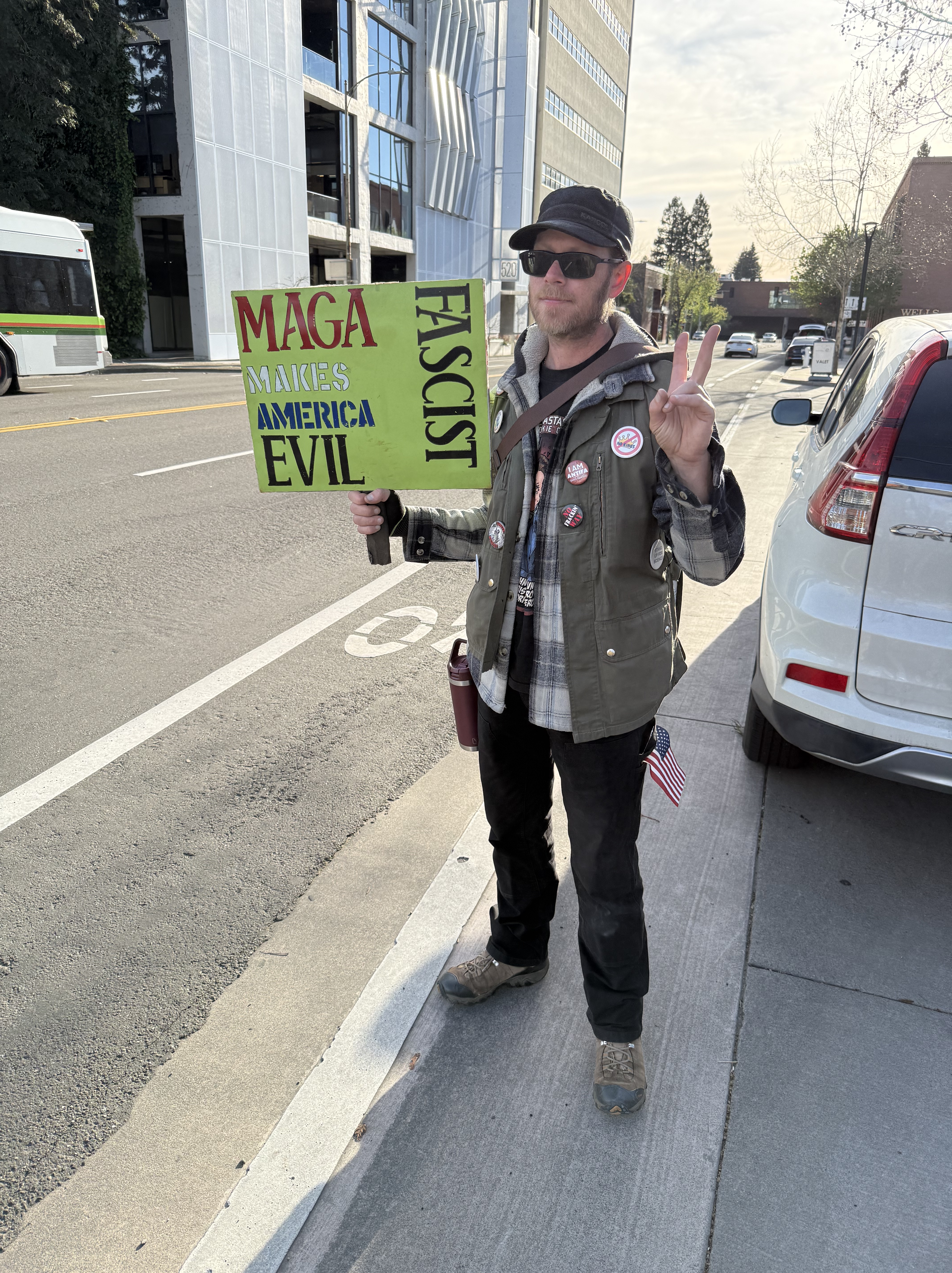
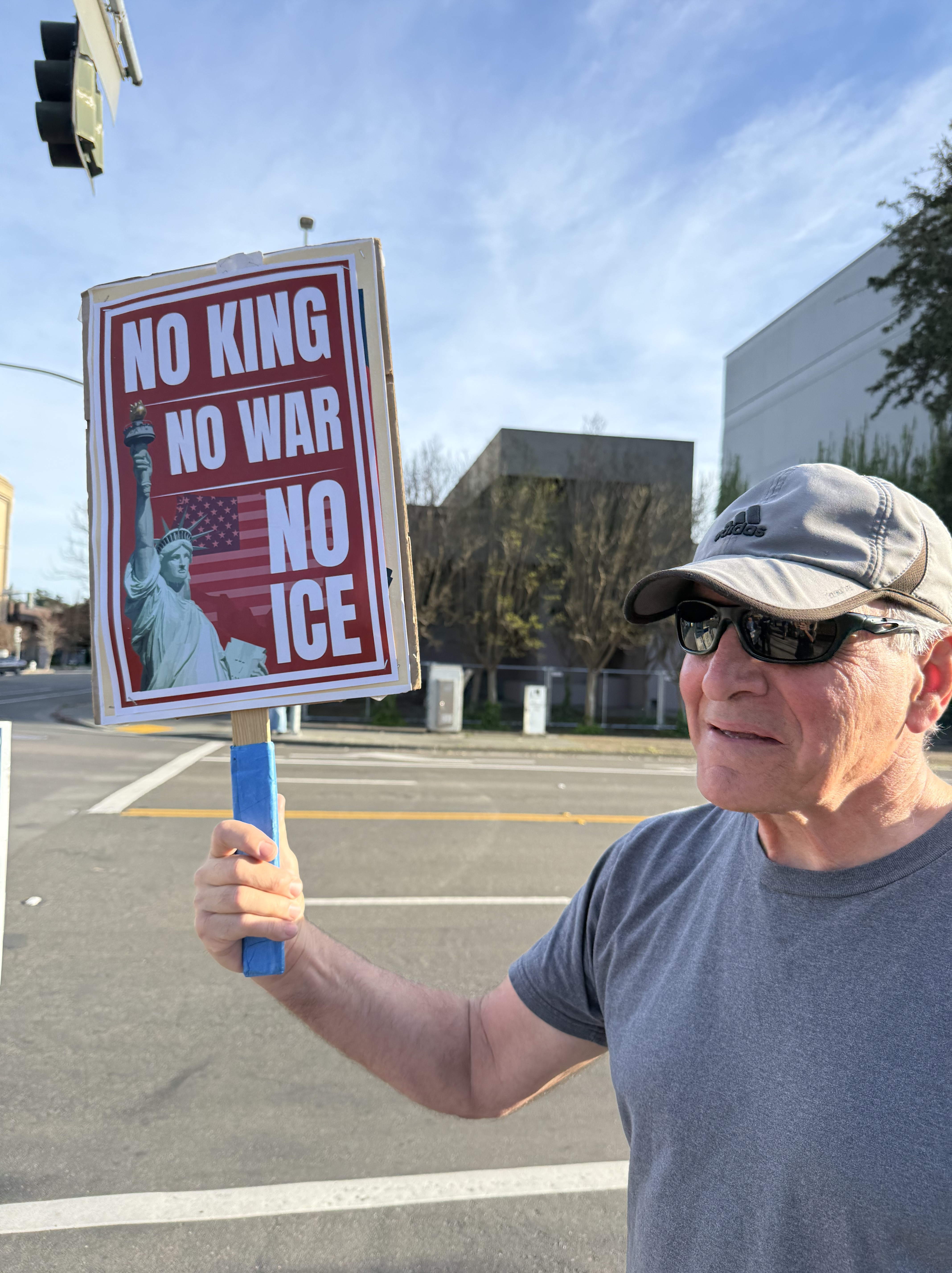
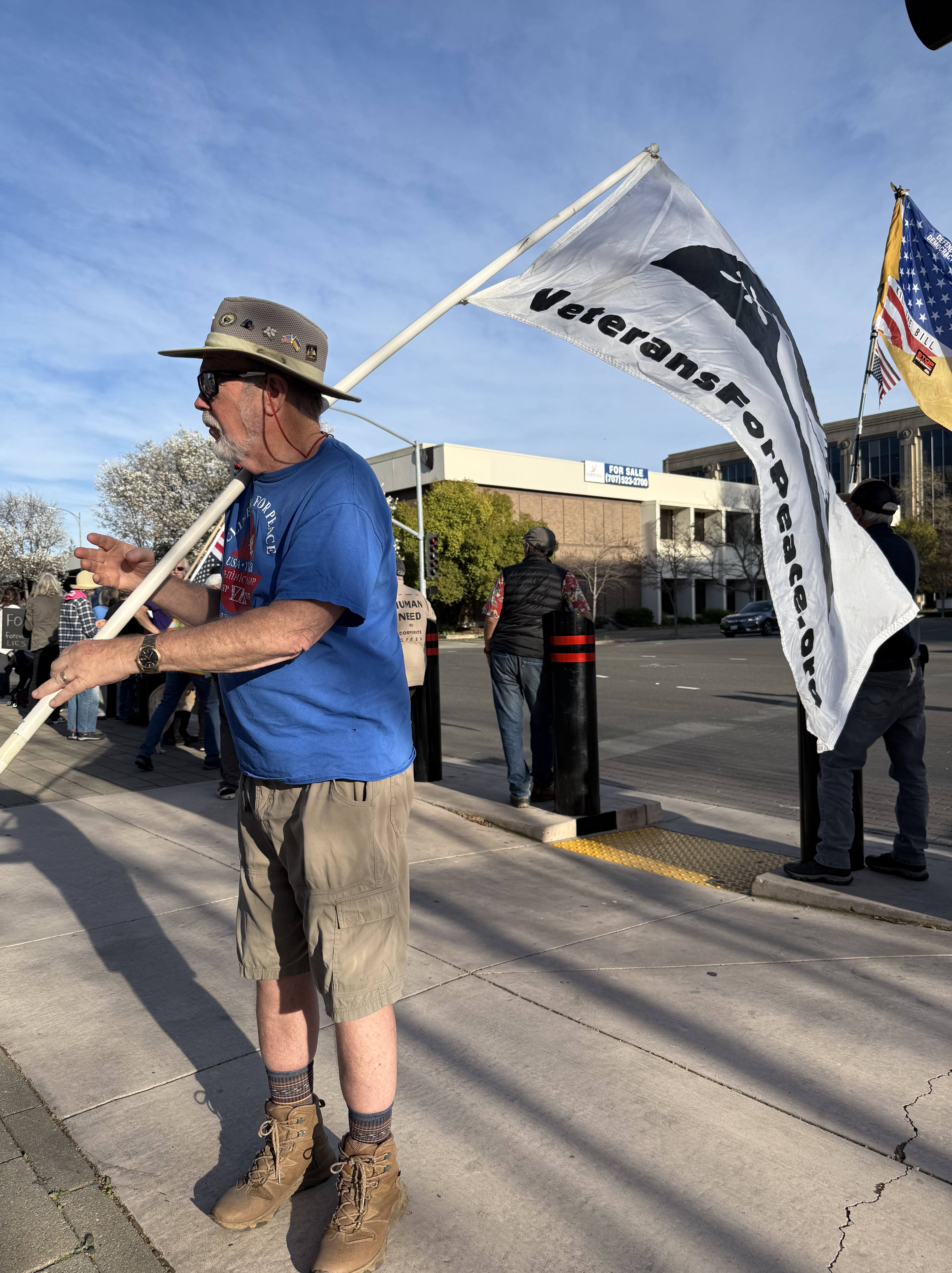
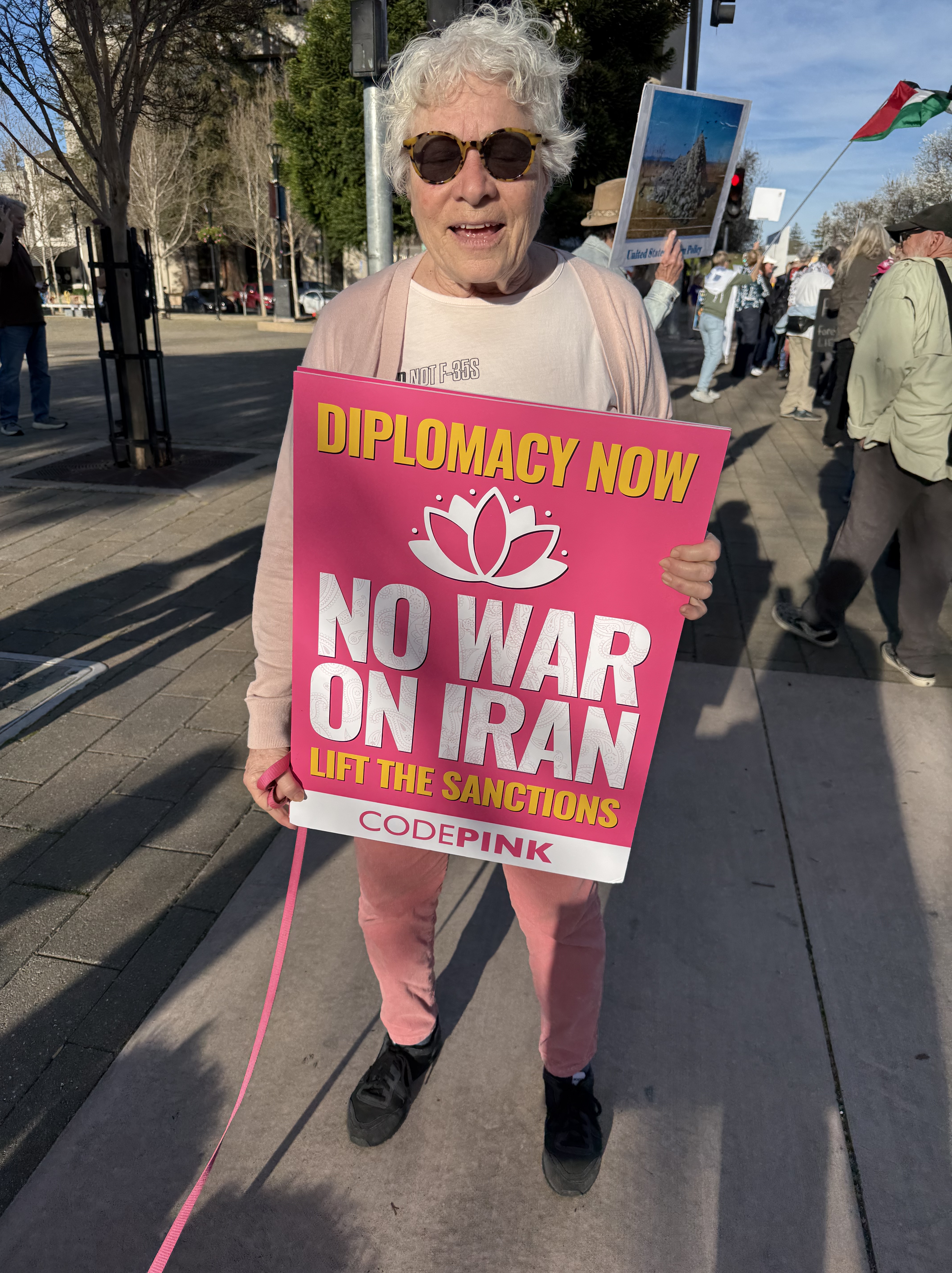
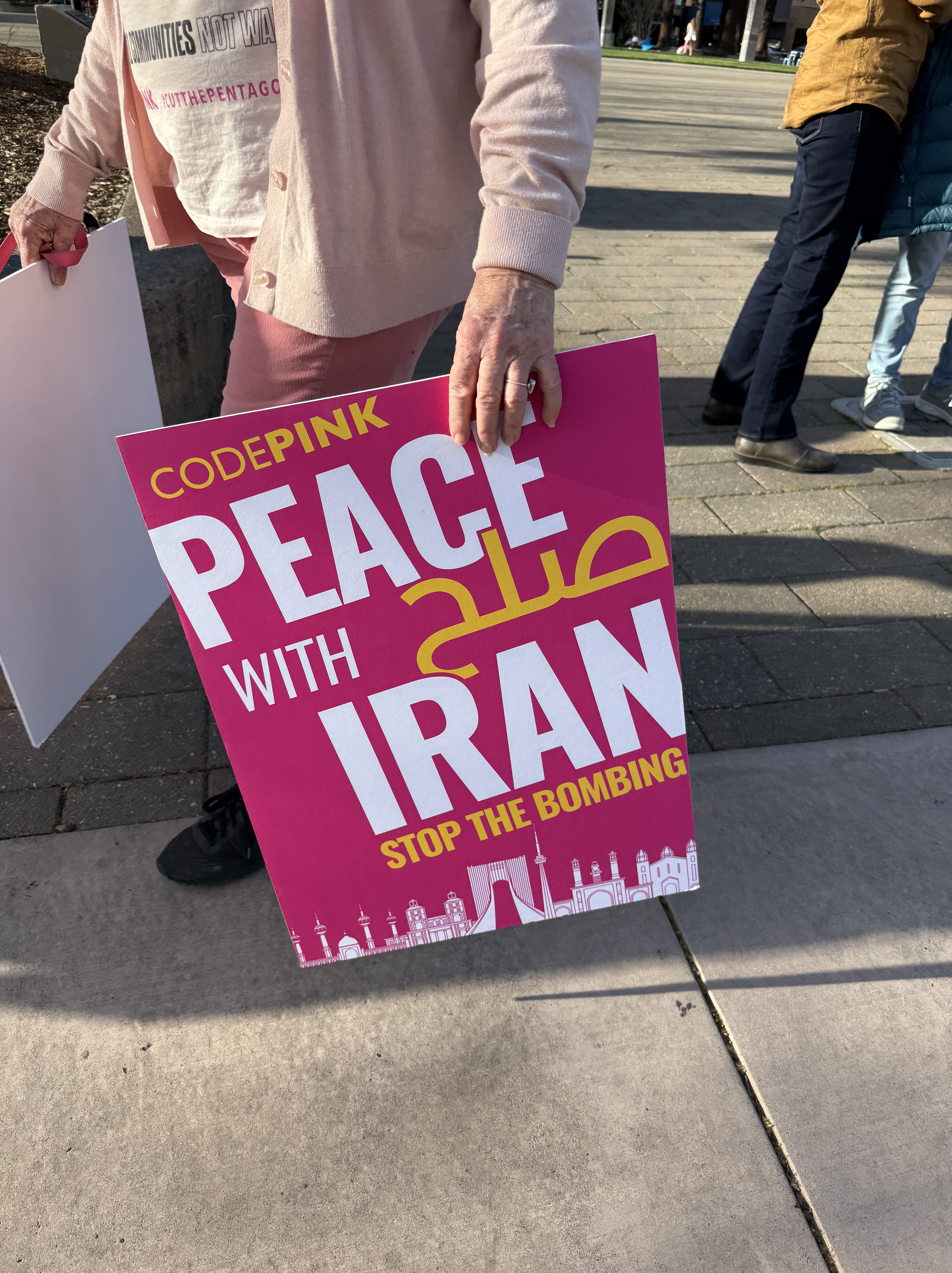
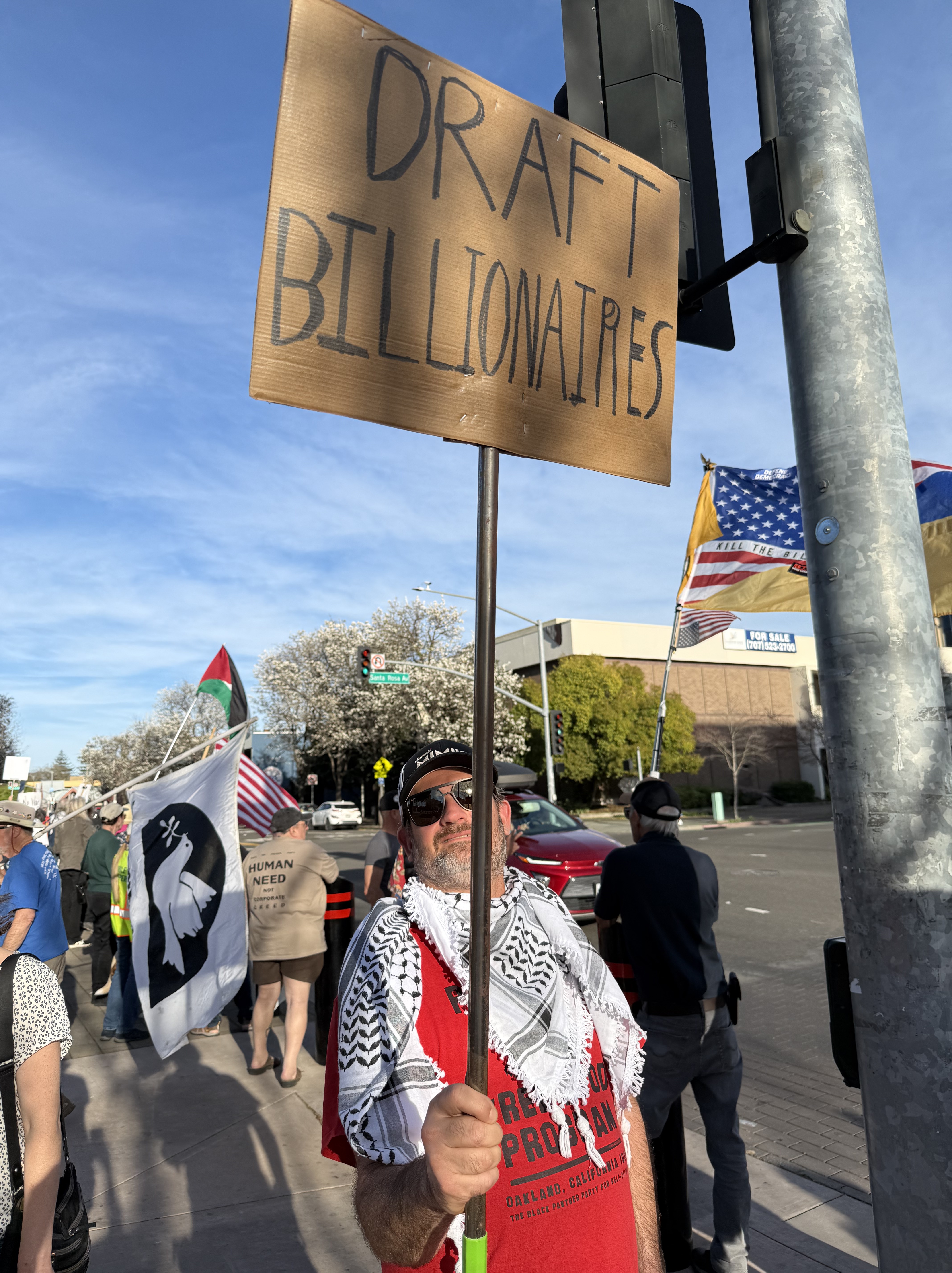
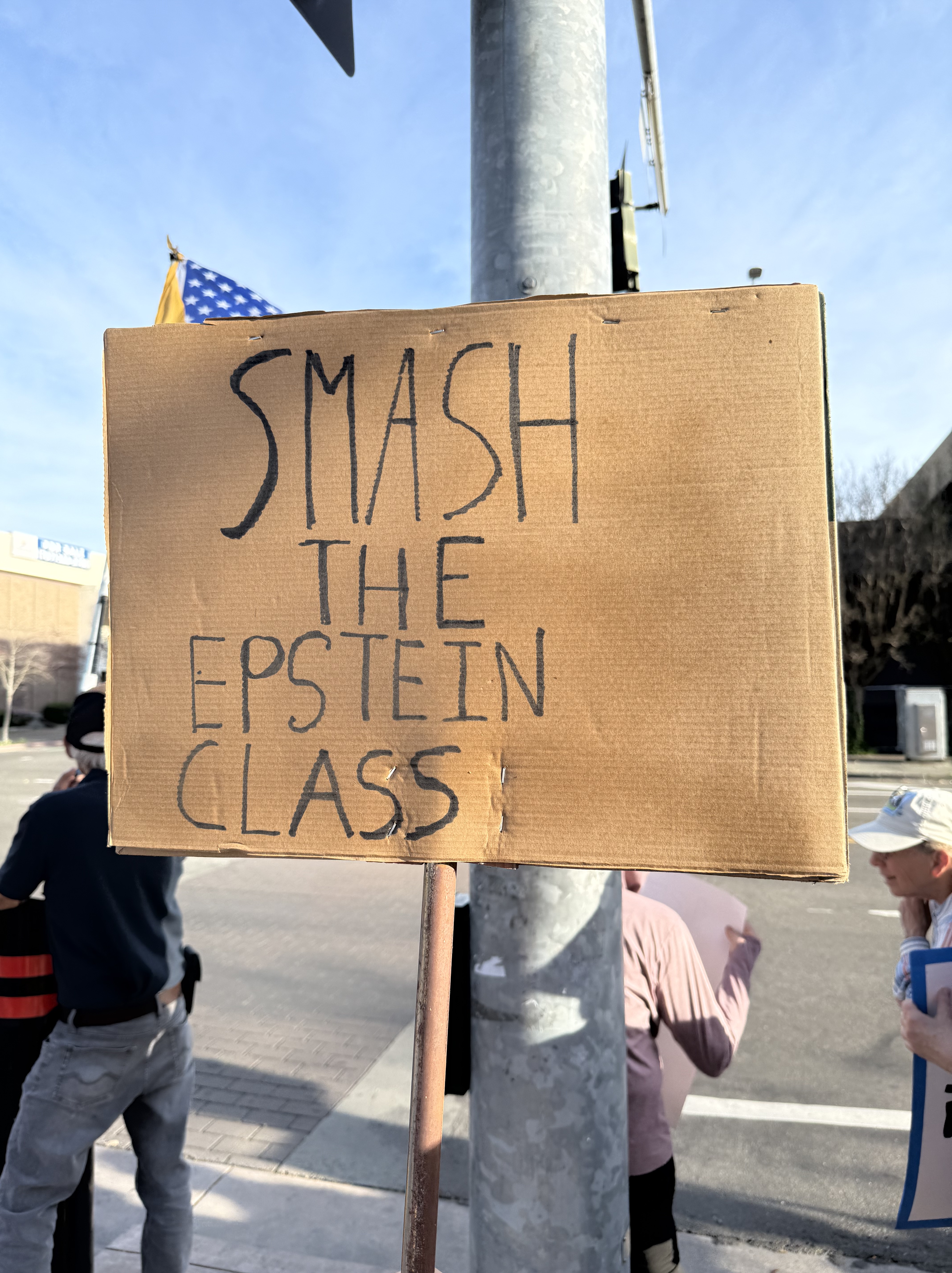
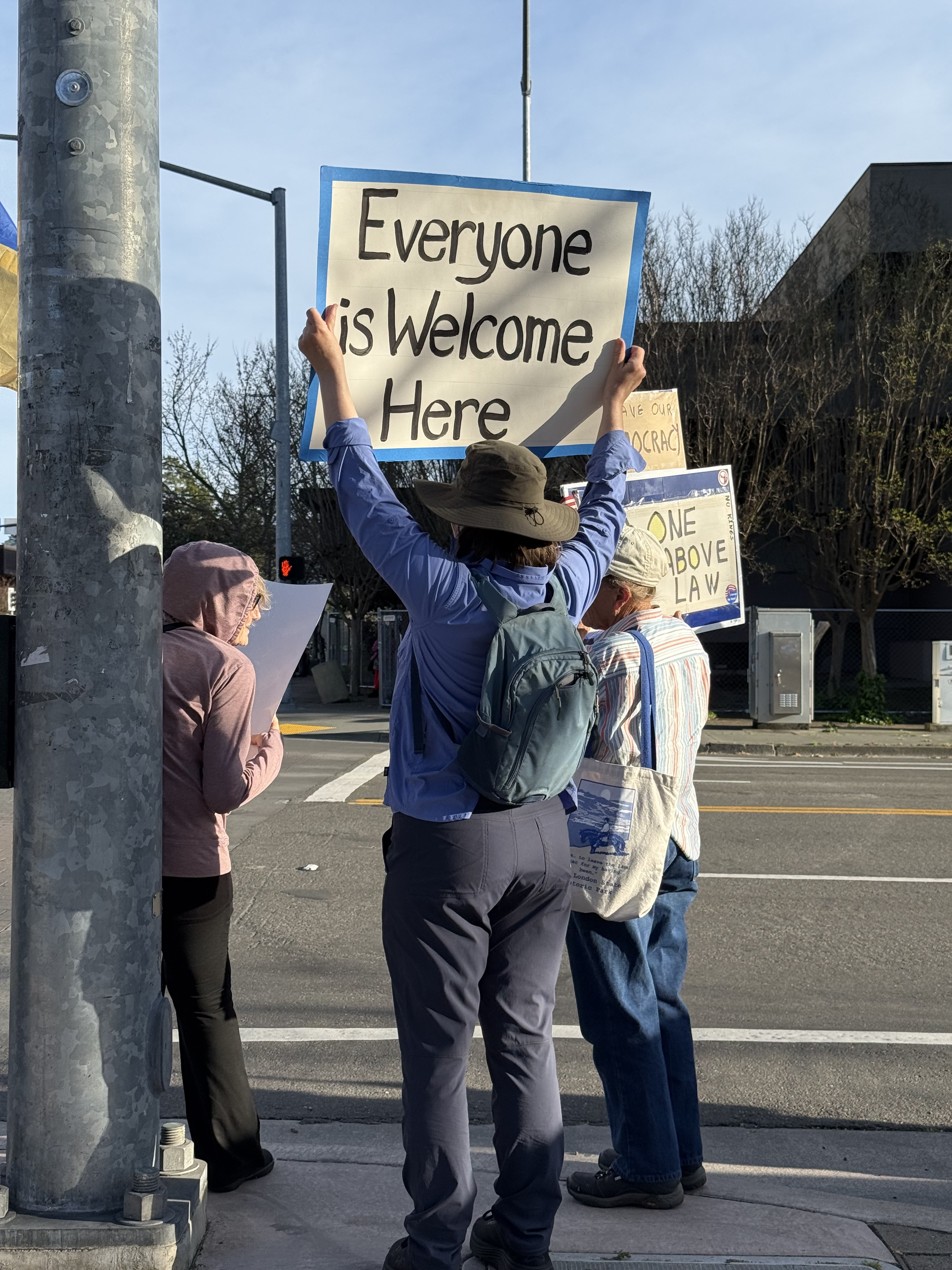
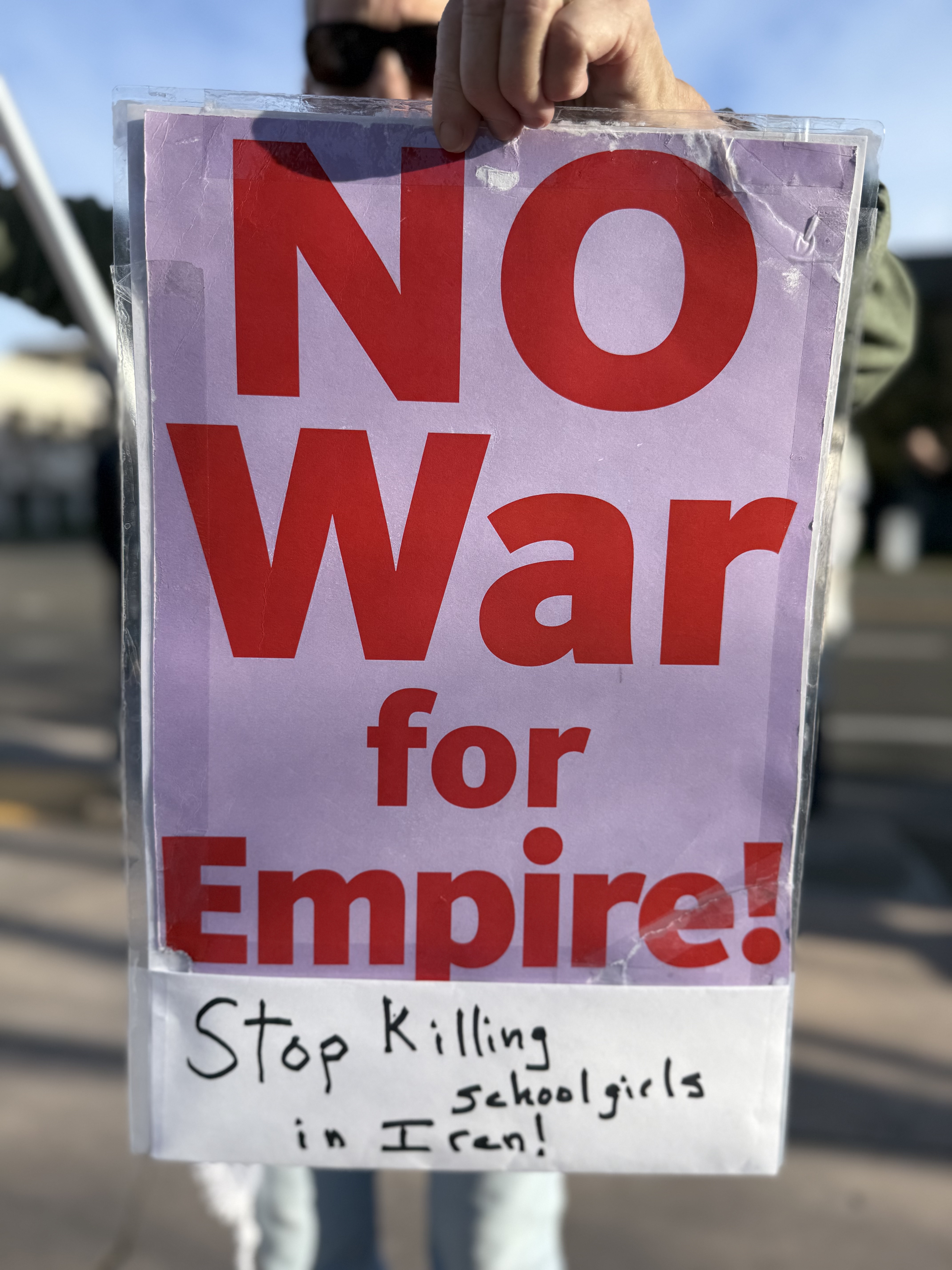
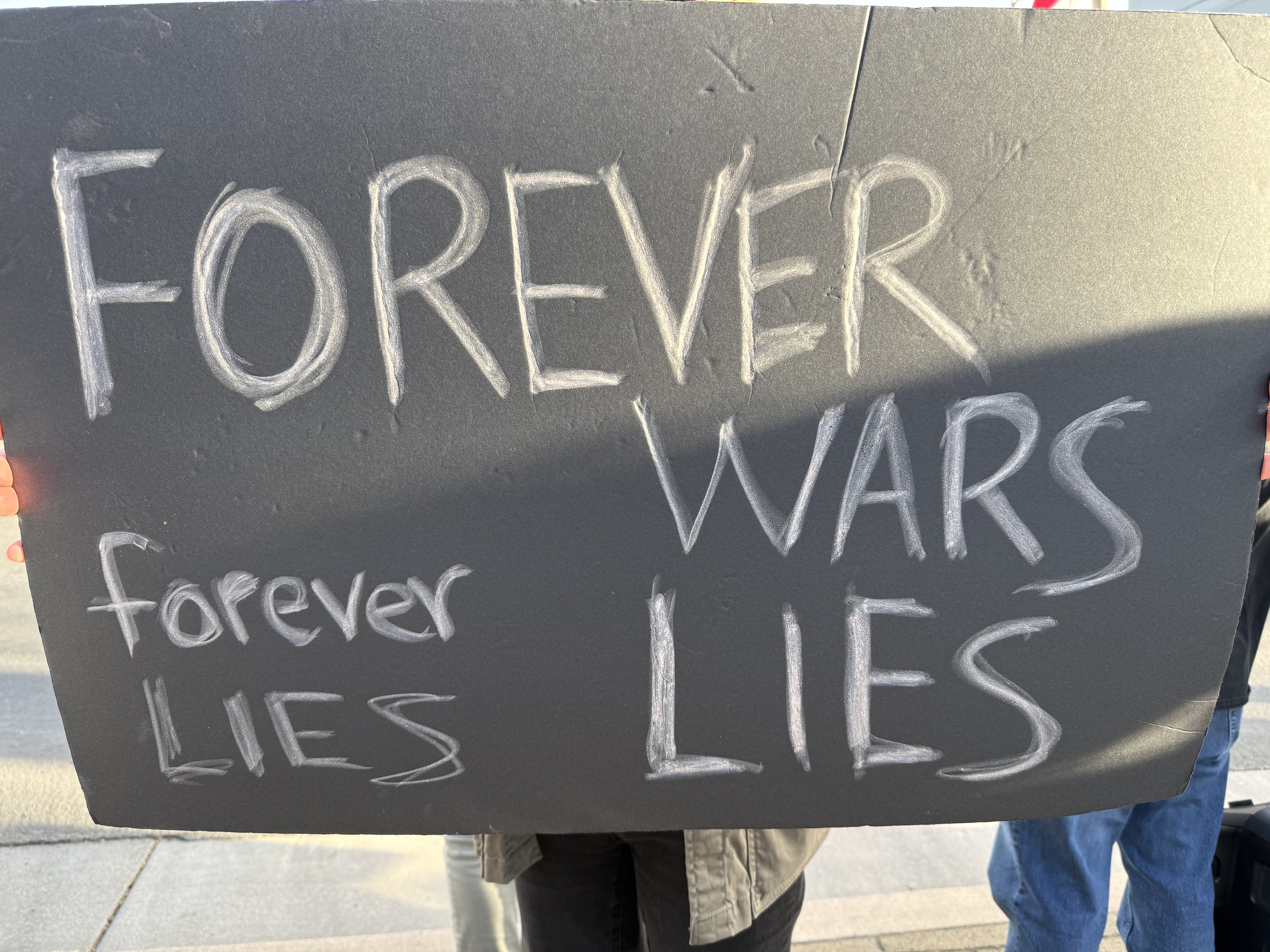
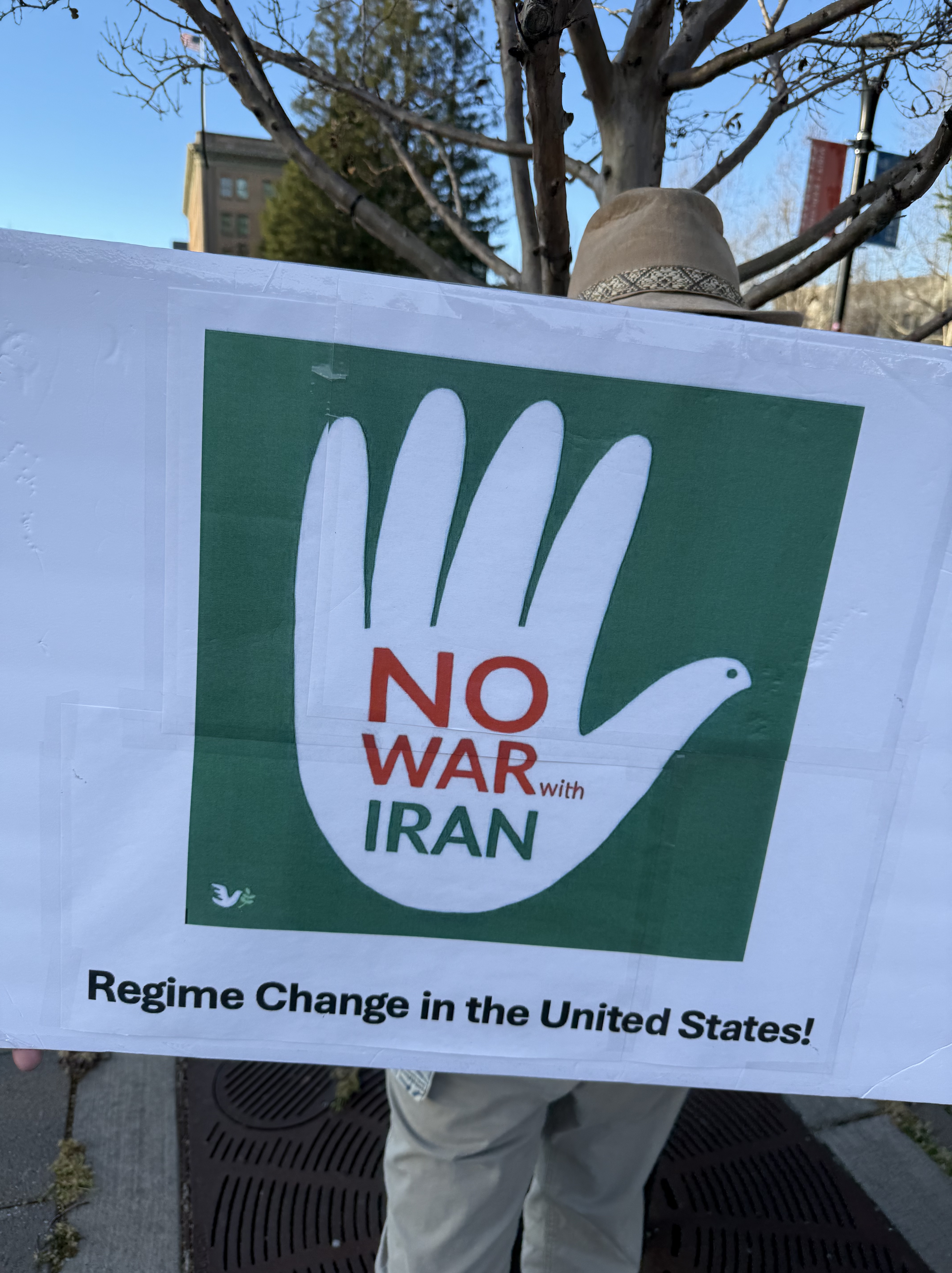
On March 28 we will be marching with our neighbors in the No Kings march and rally here in Santa Rosa, but every little town in Sonoma County will be hosting a No Kings event. We haven’t yet seen a big uptick in ICE arrests here, but the government’s anti-immigrant project is nevertheless creating chaos in the agricultural community. Our sheriff still has not responded to community demands that he not work with ICE and people feel that they are under siege. We are determined to protect and defend our immigrant neighbors.
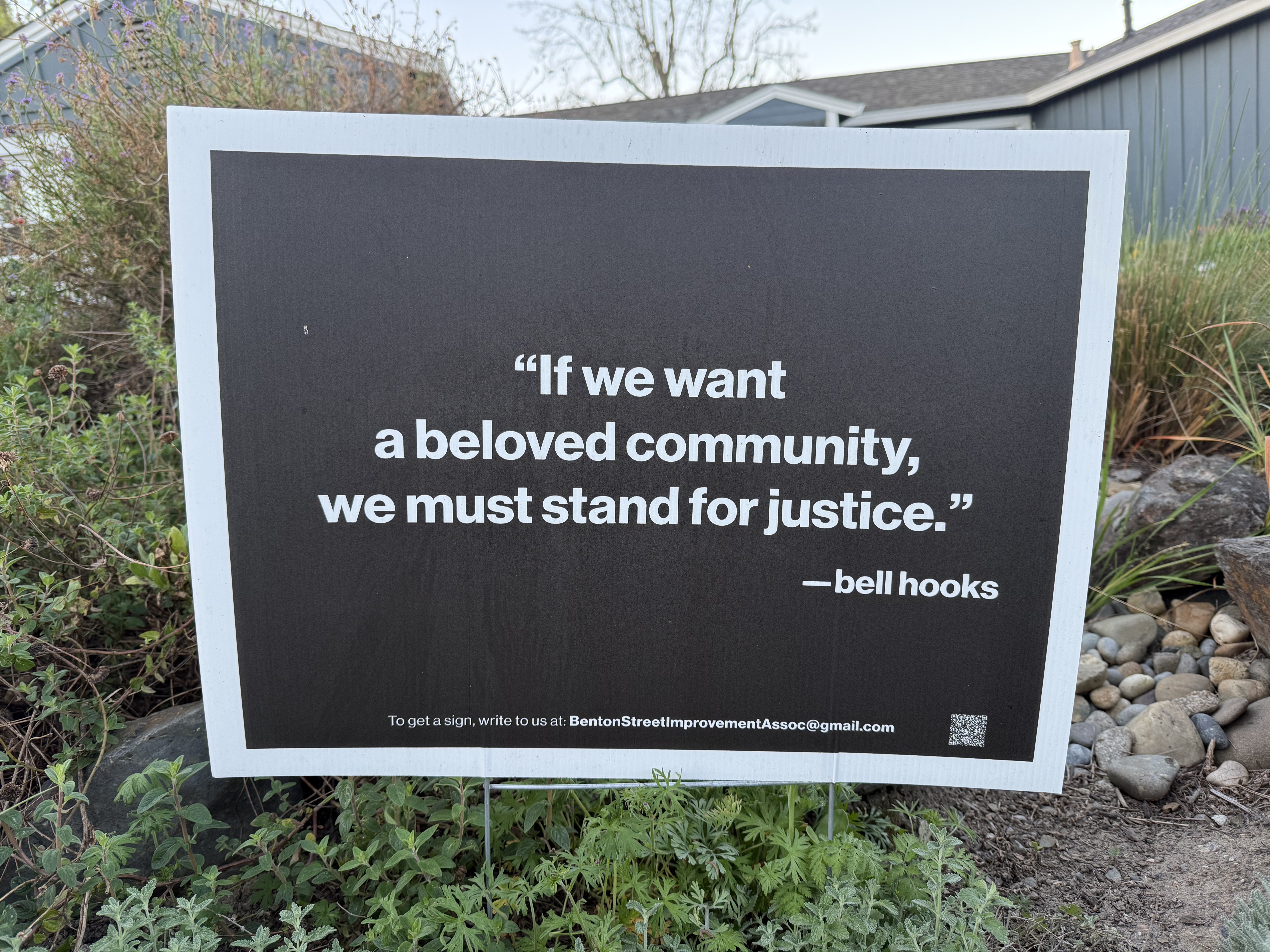
My No Kings sign posted in our front yardFour women in my neighborhood had these signs made, with quotes from luminaries that promote kindness and justice. Now they are posted in front yards all over town.
Happy Spring blossom peeping and protesting to all!
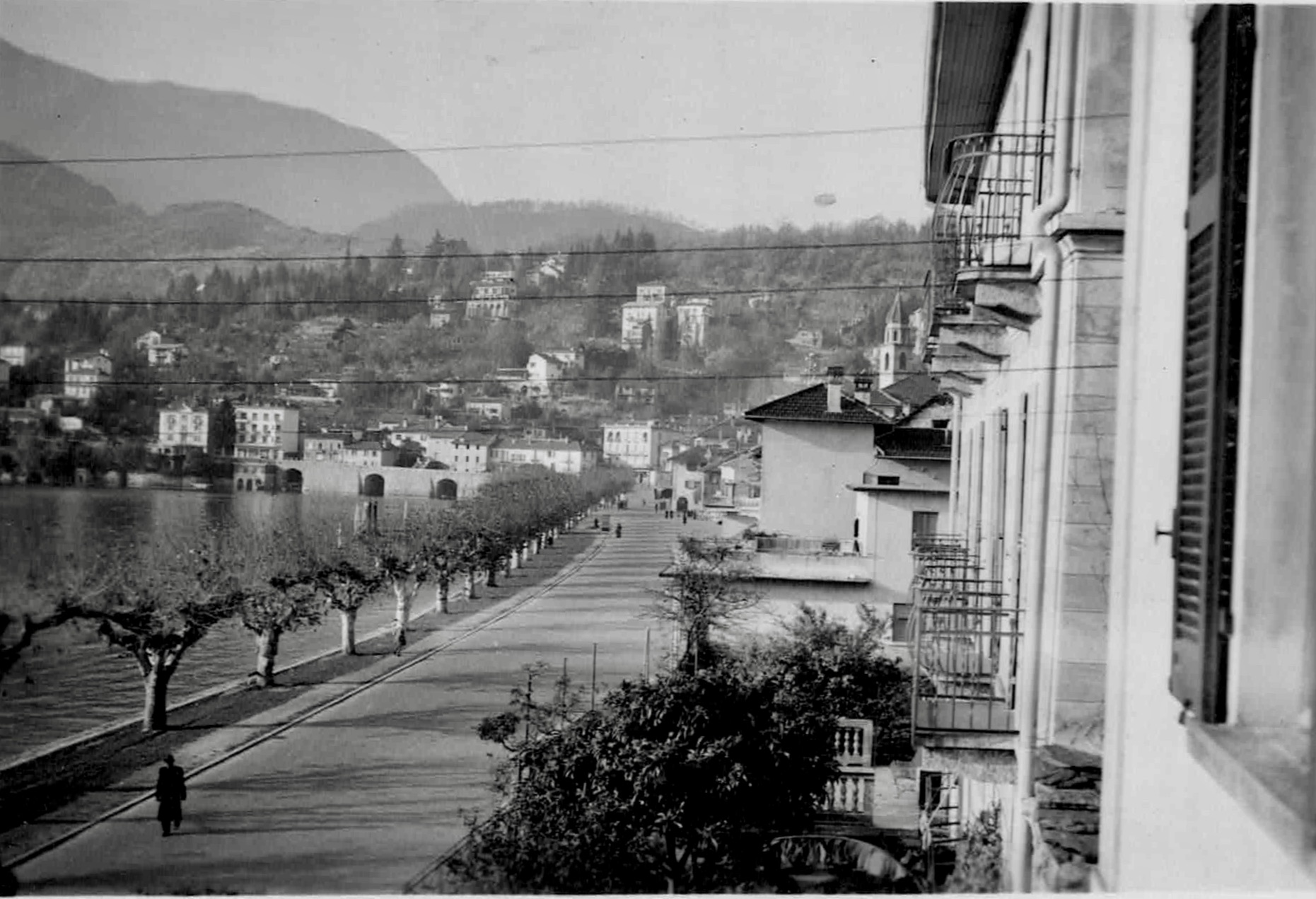
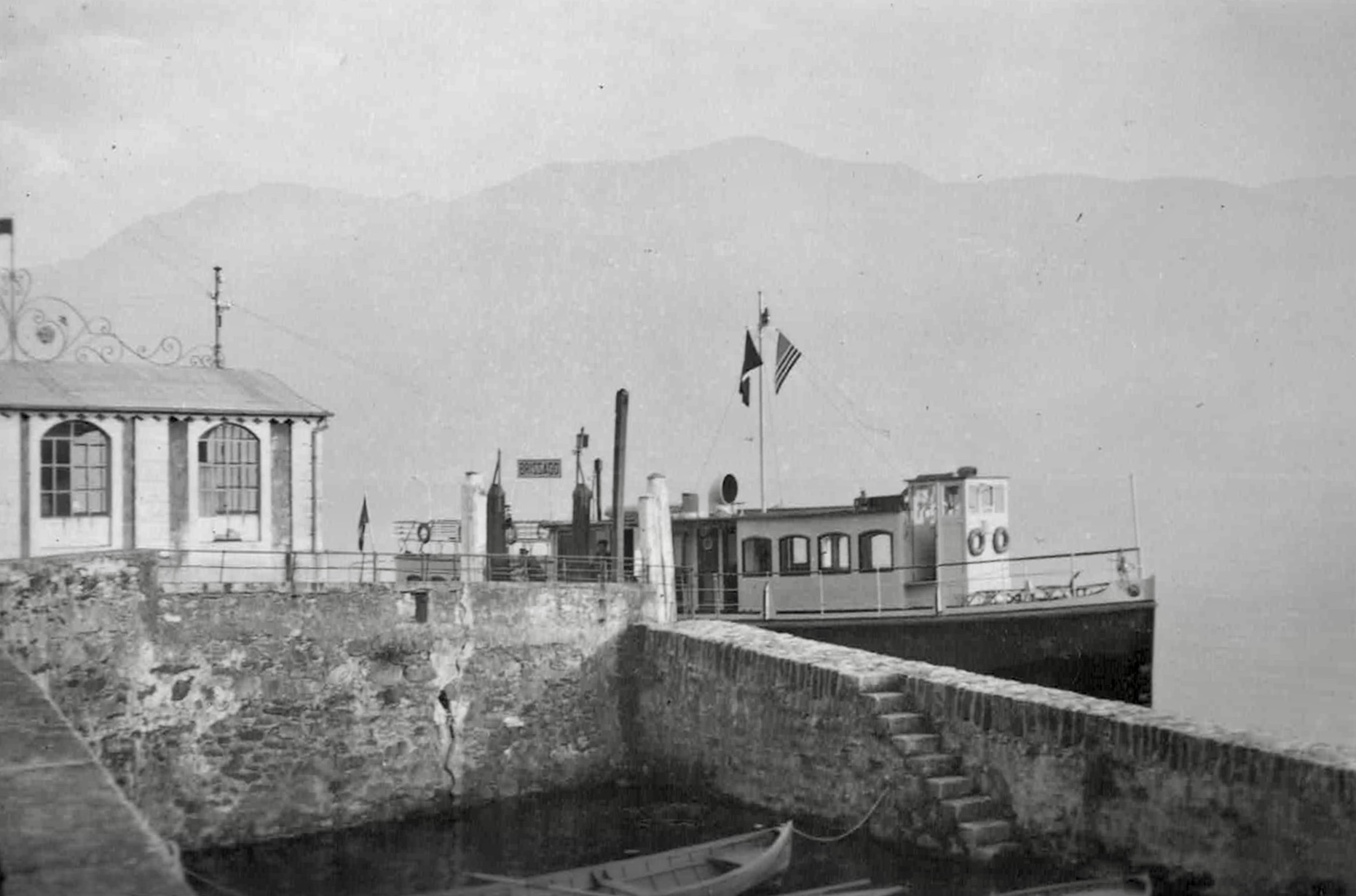
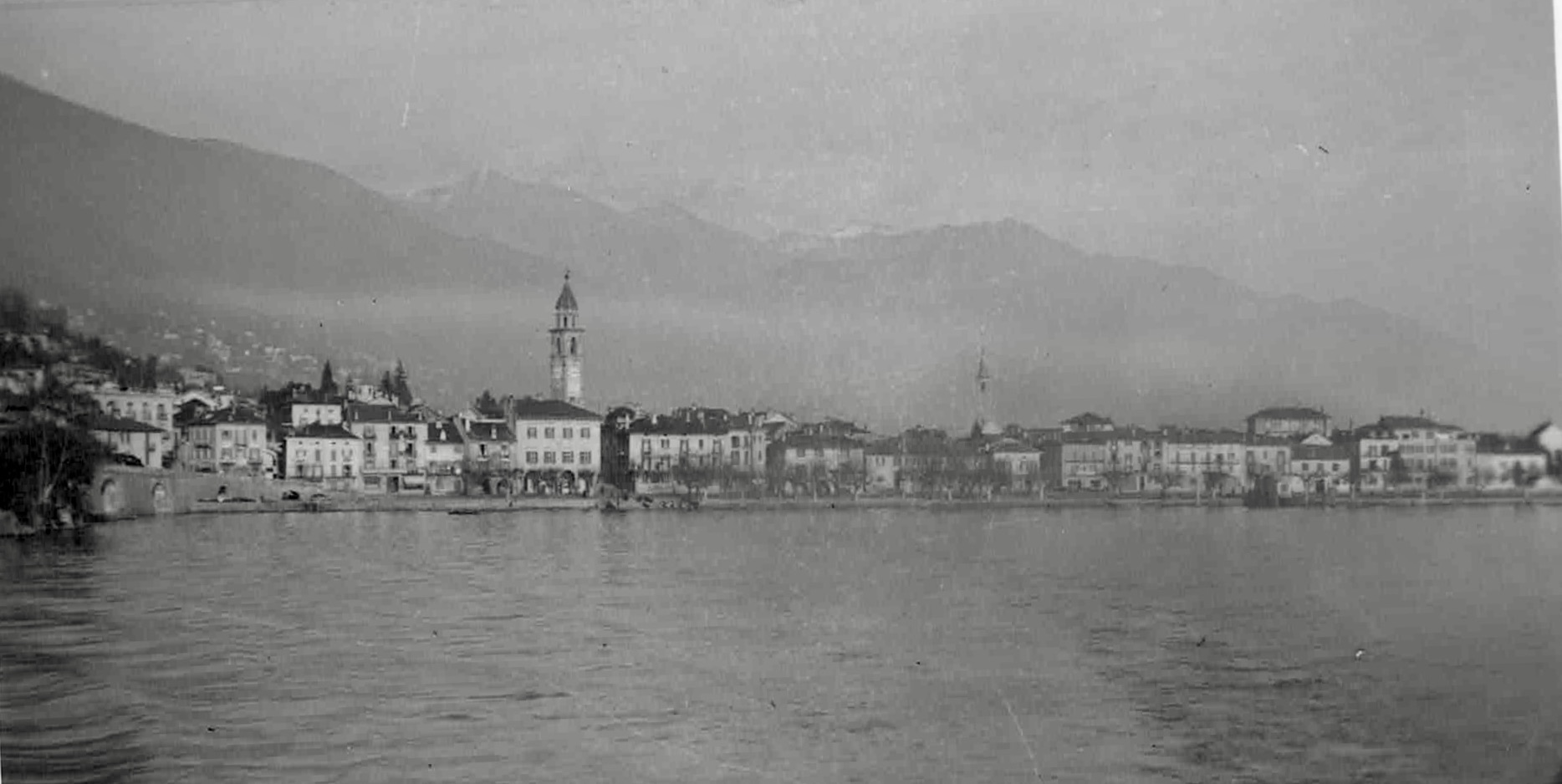
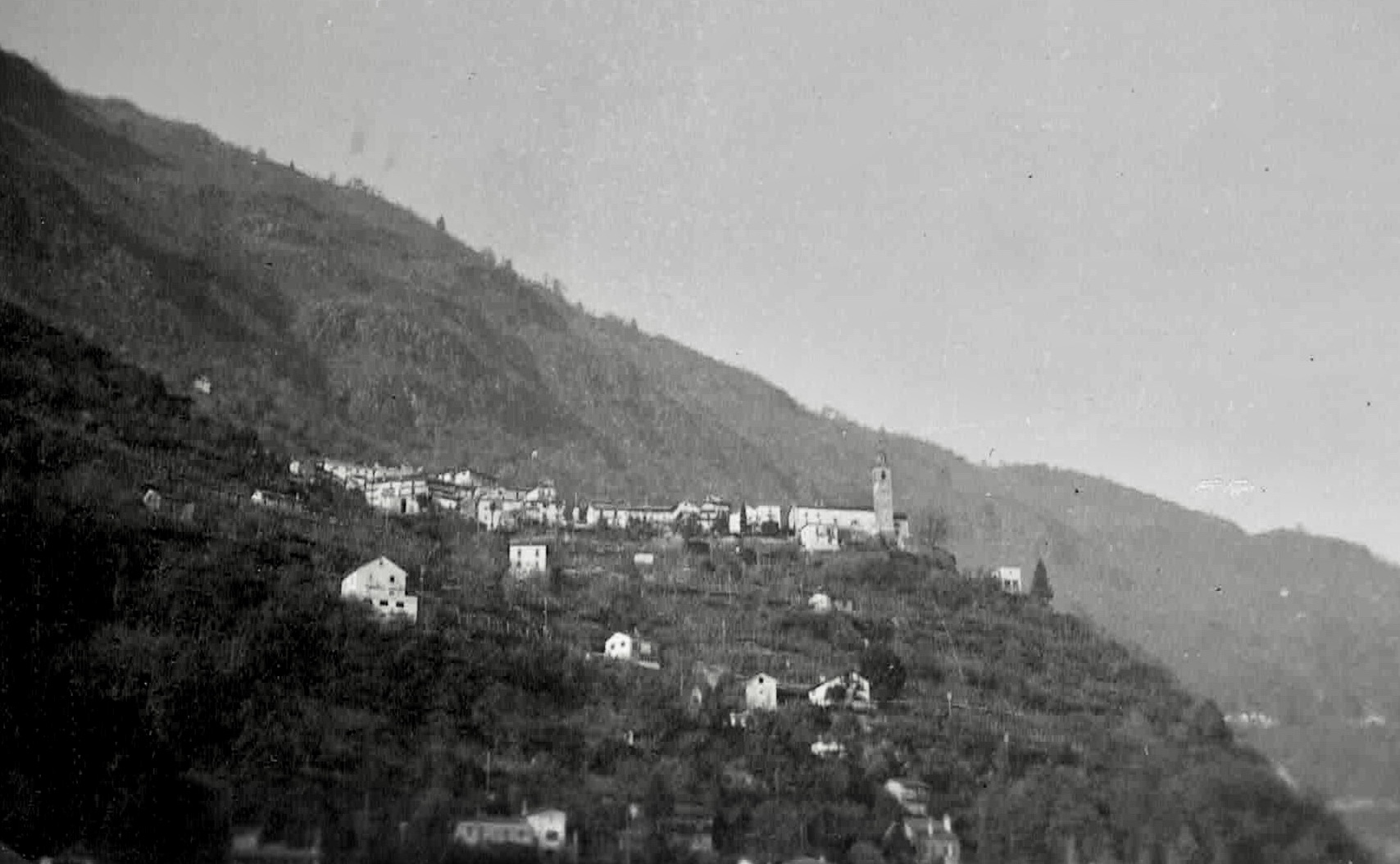
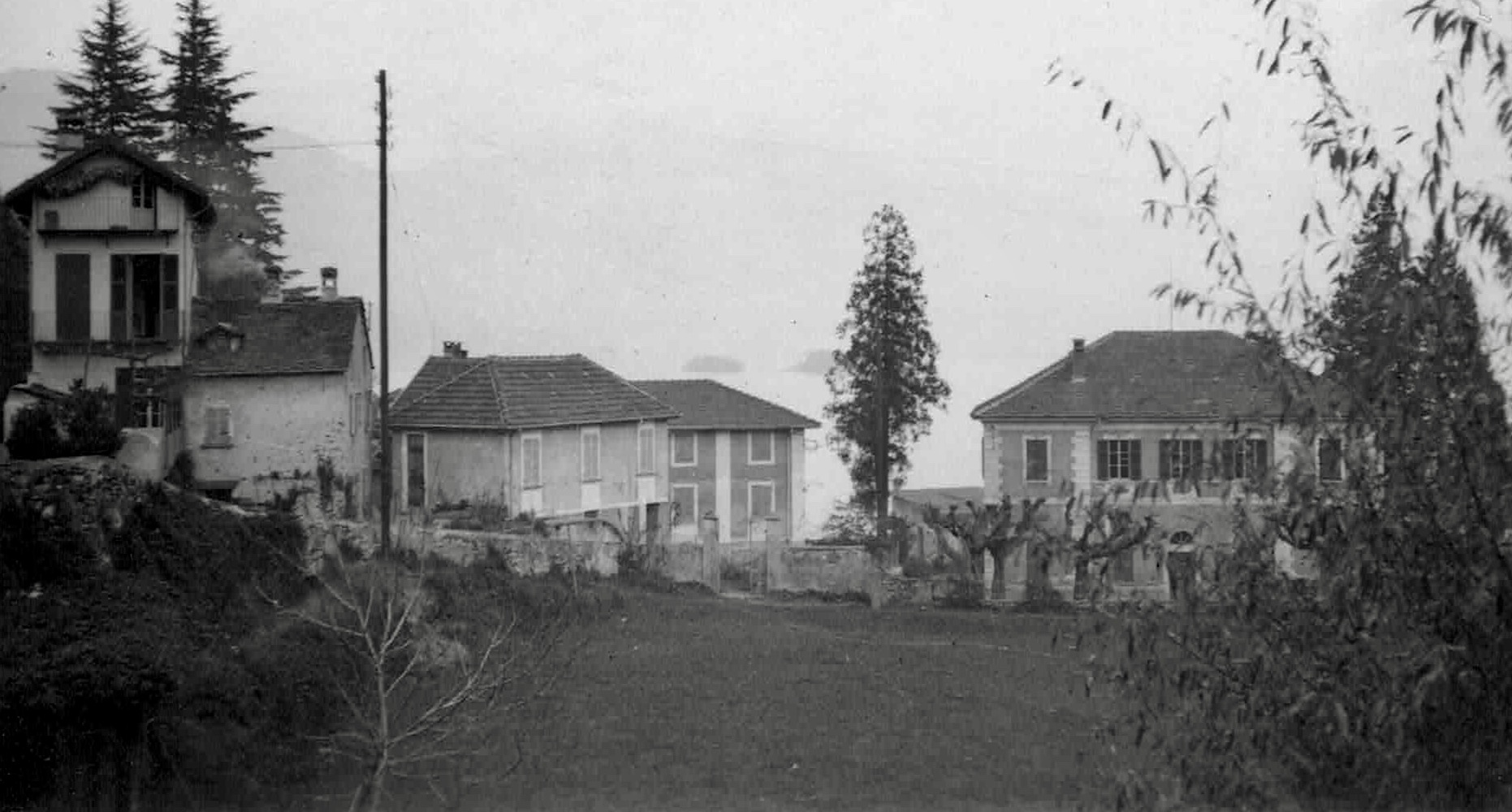
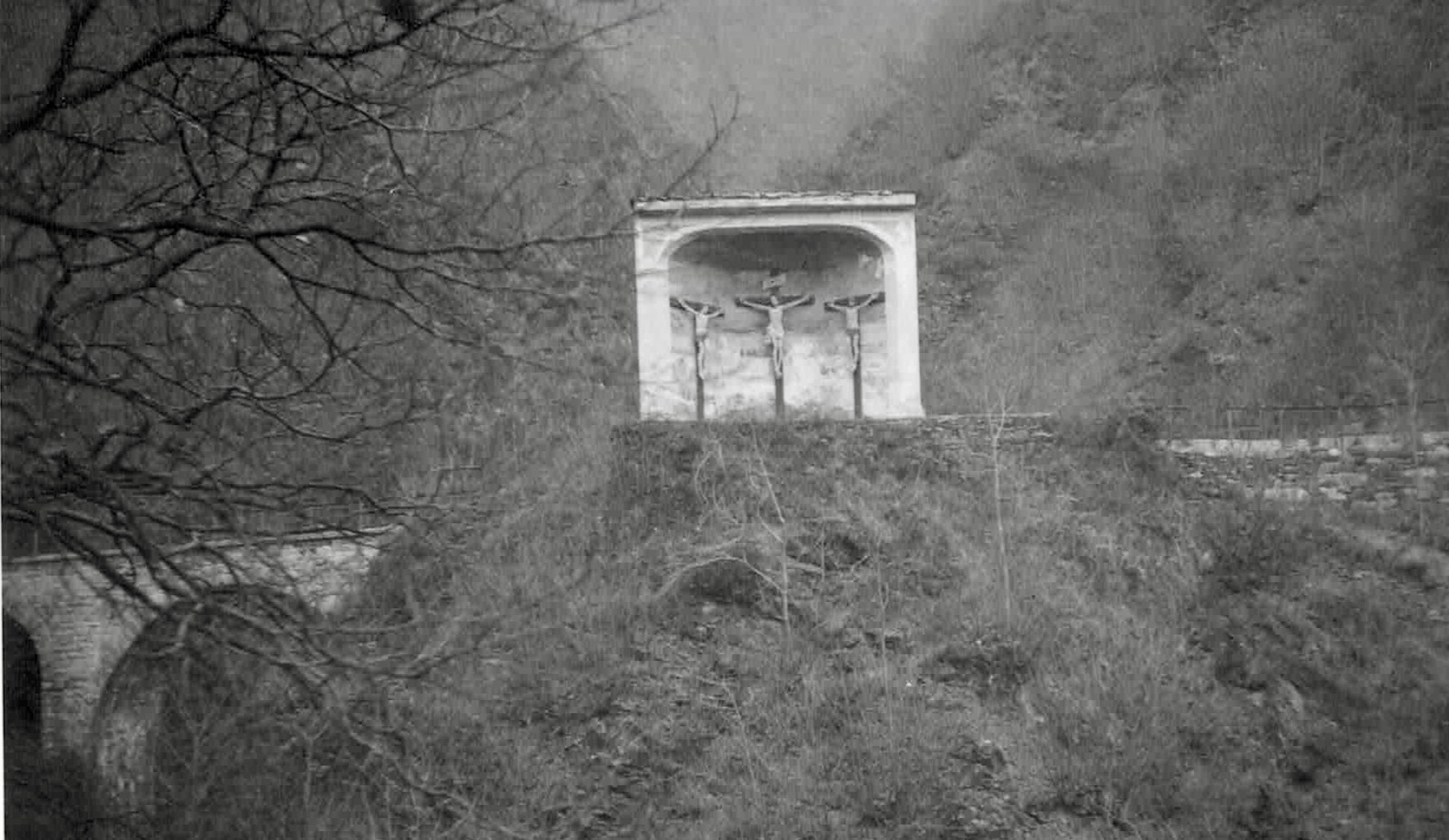
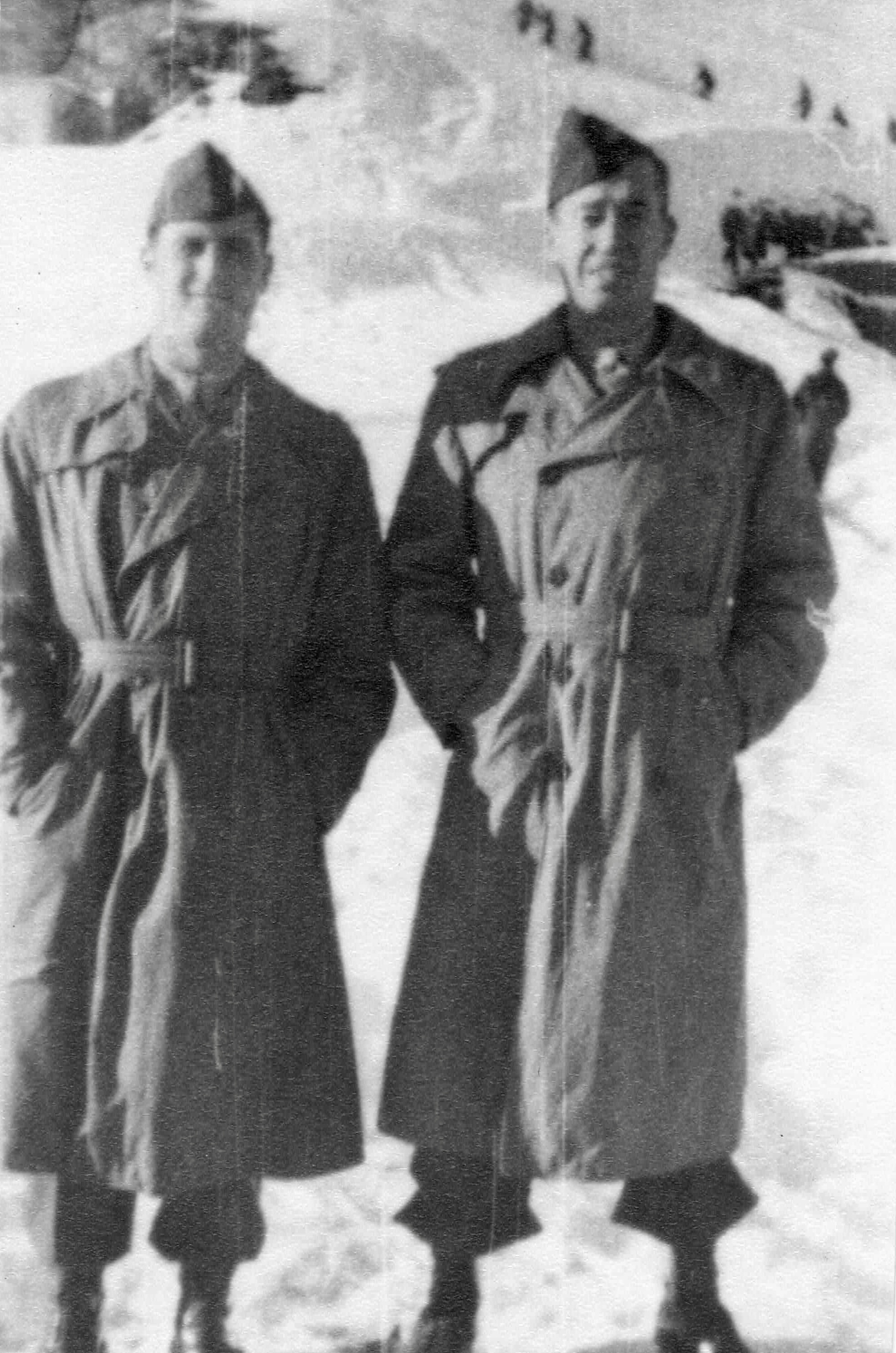
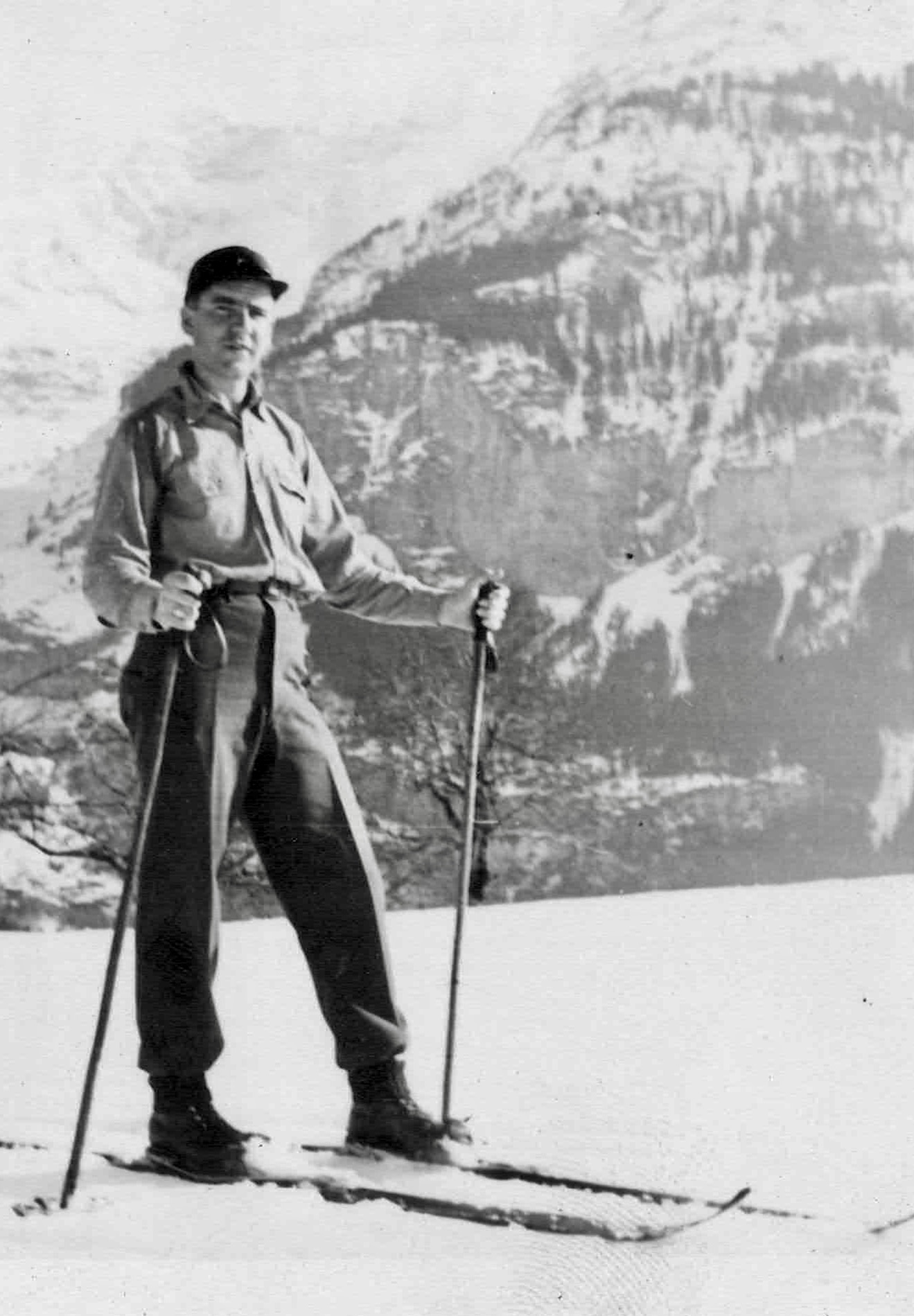
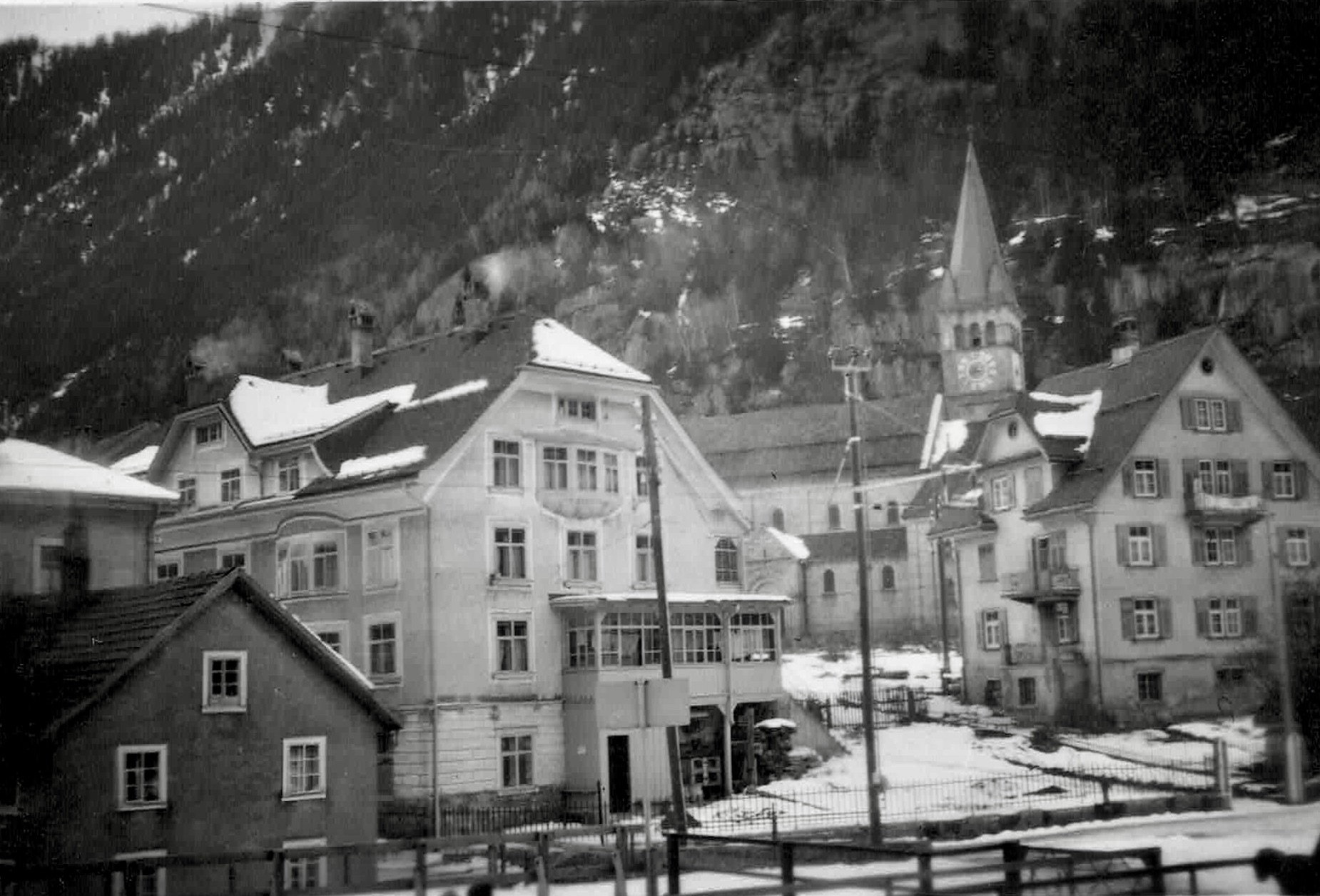
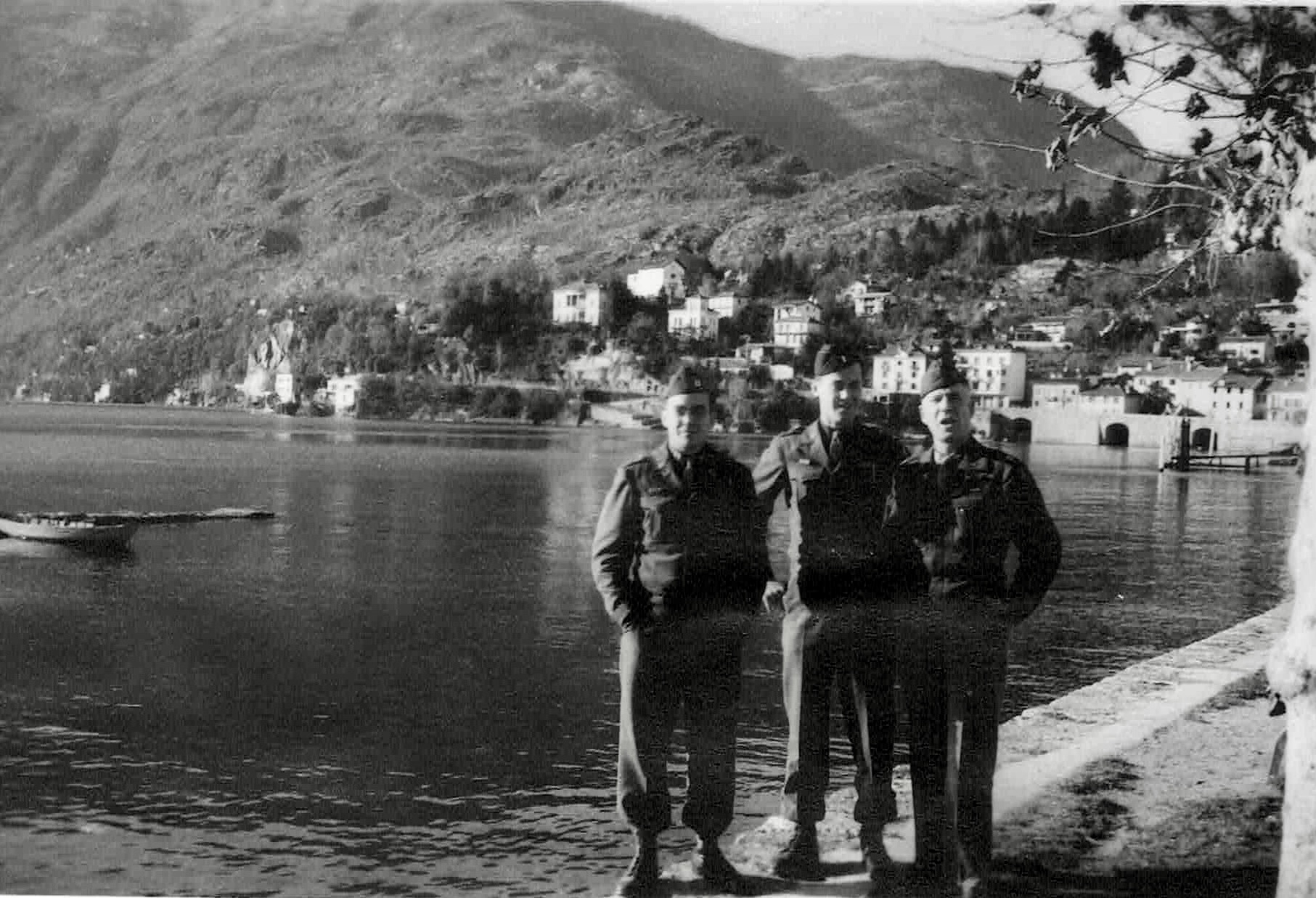
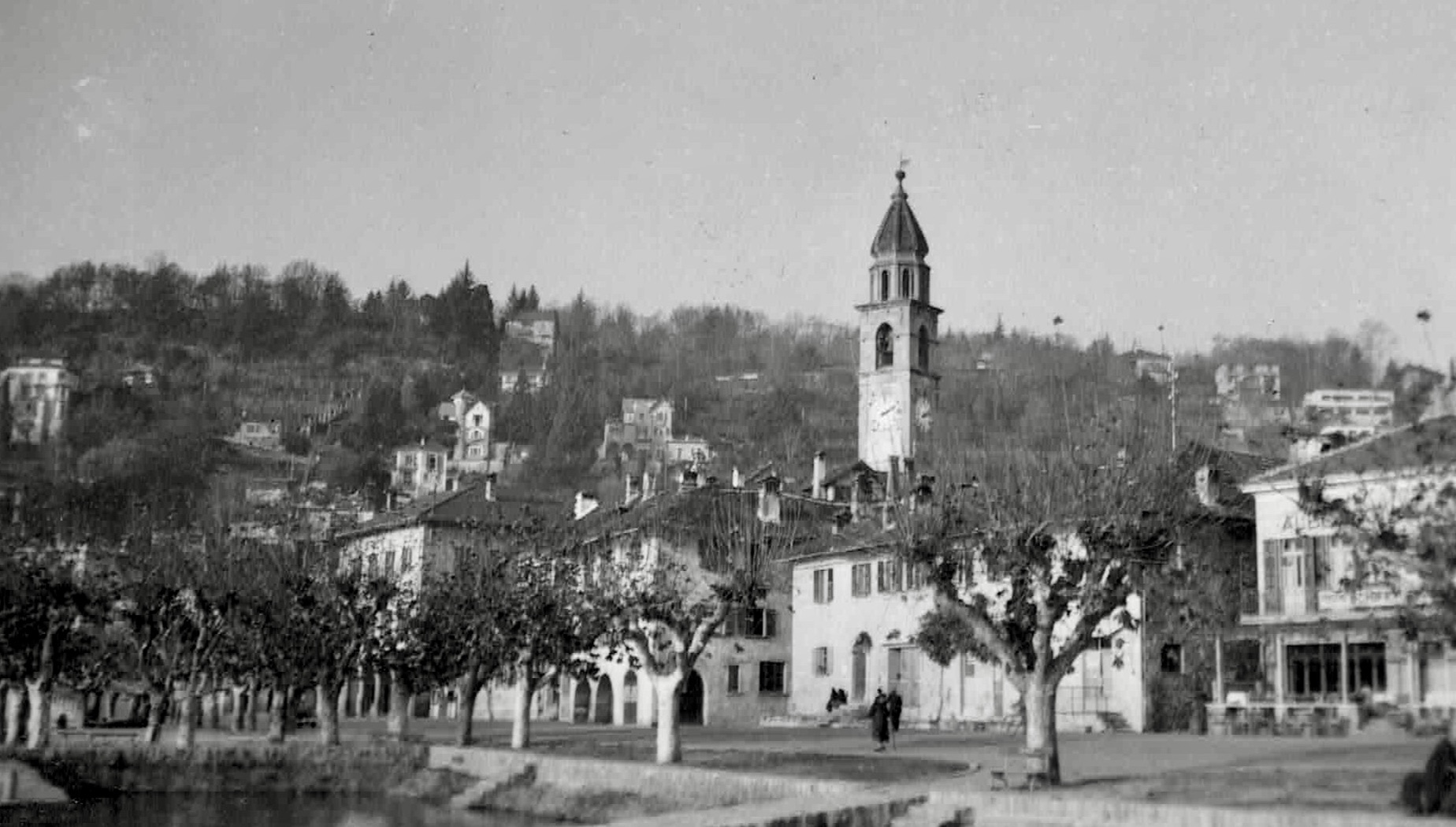
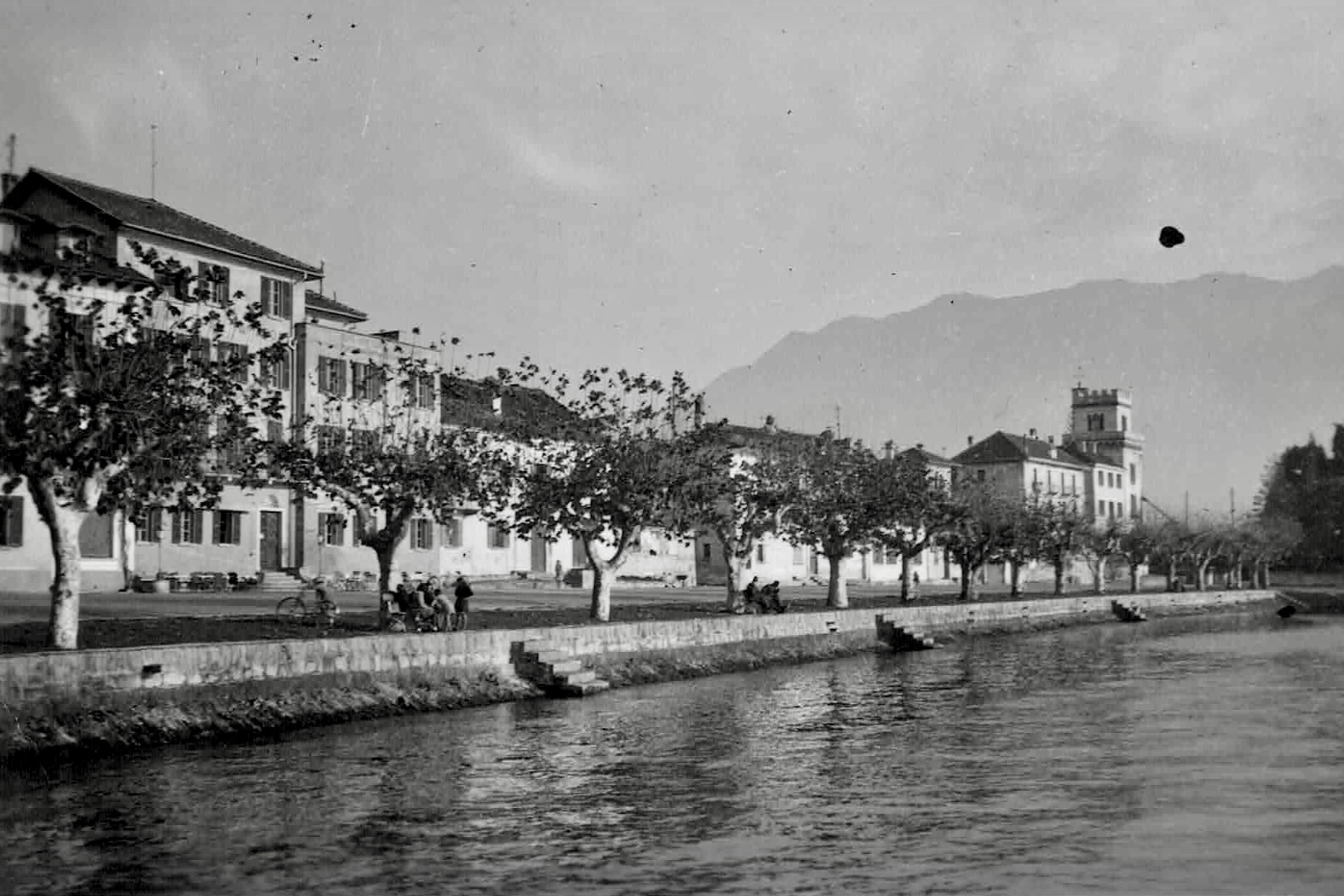
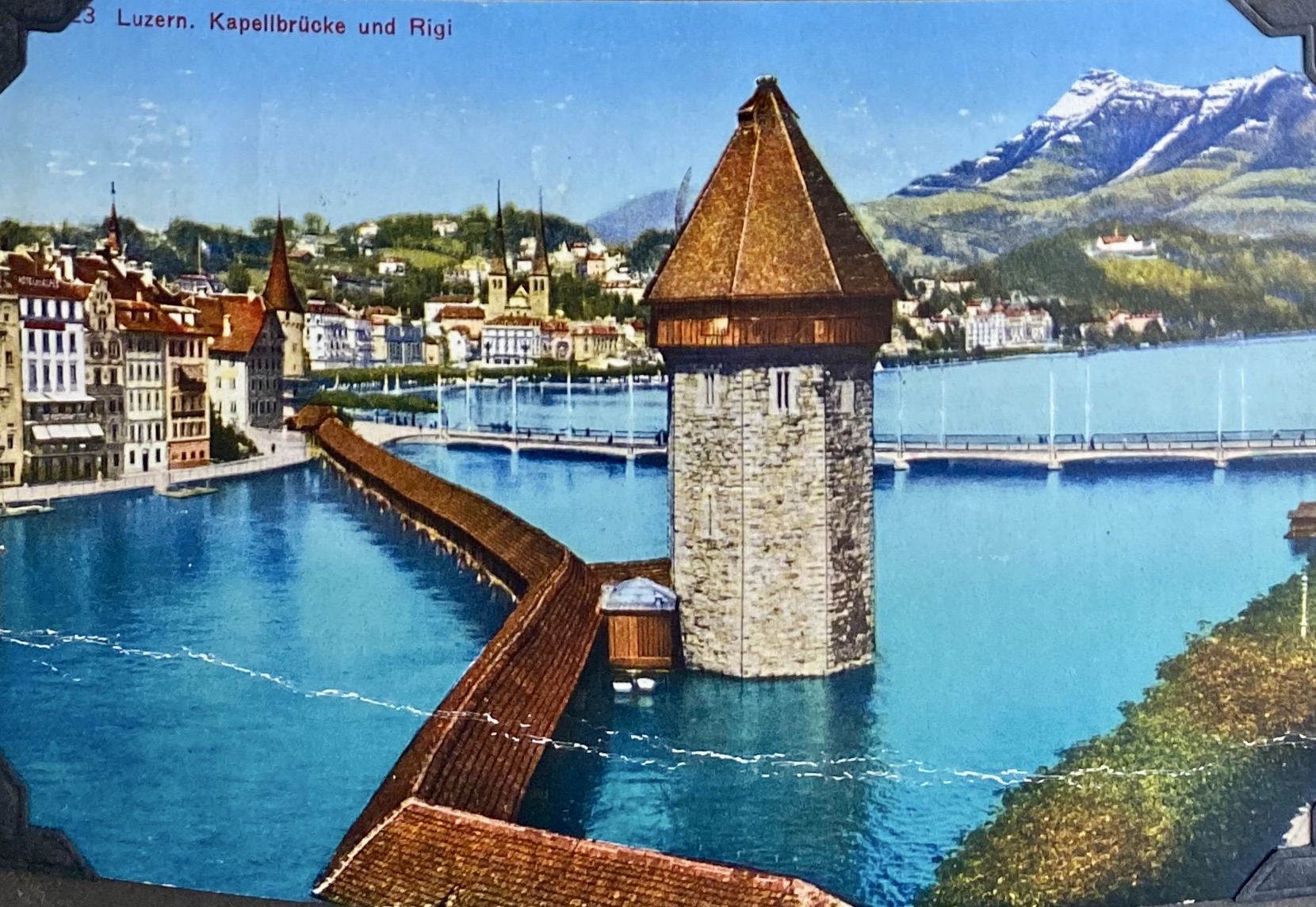
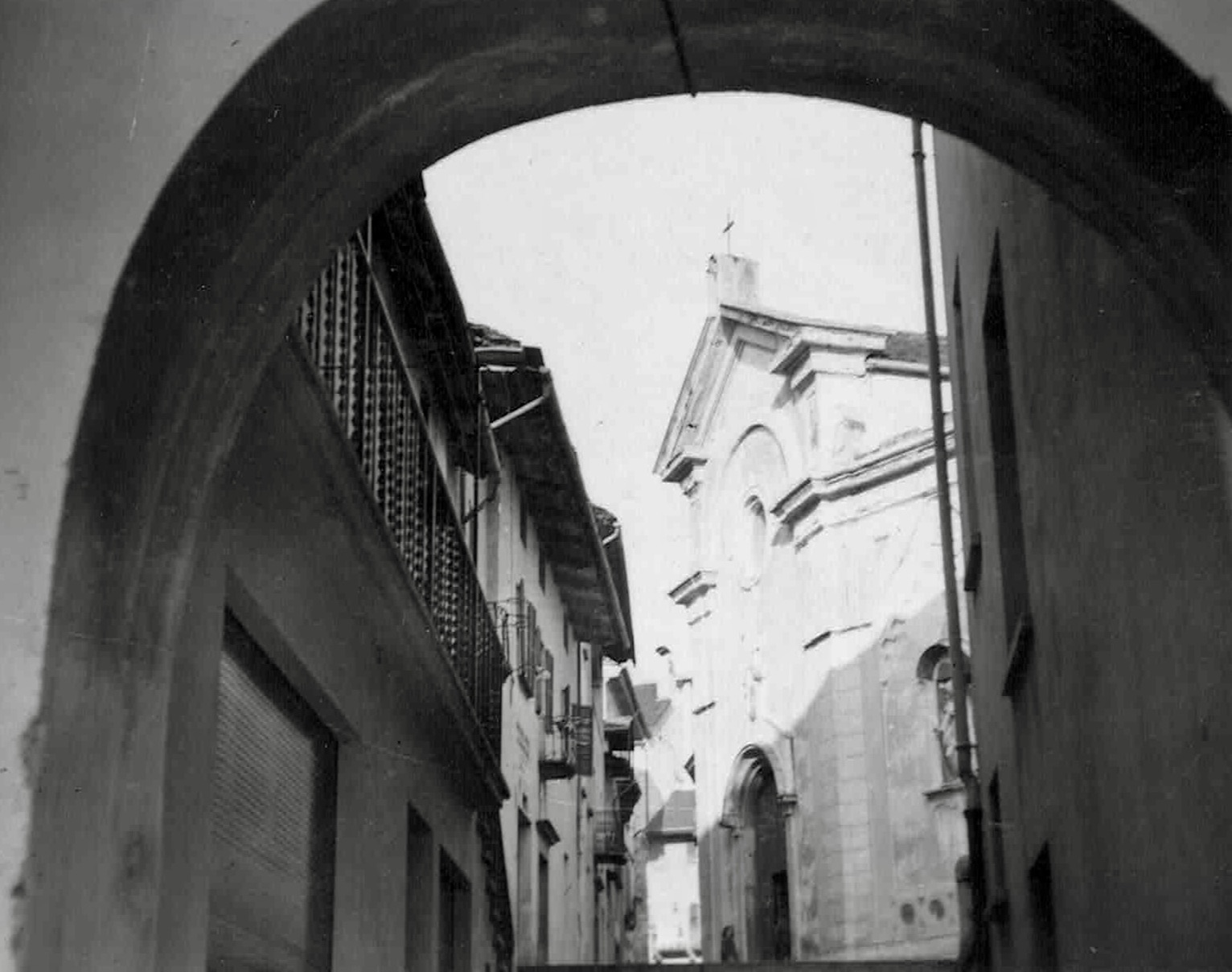
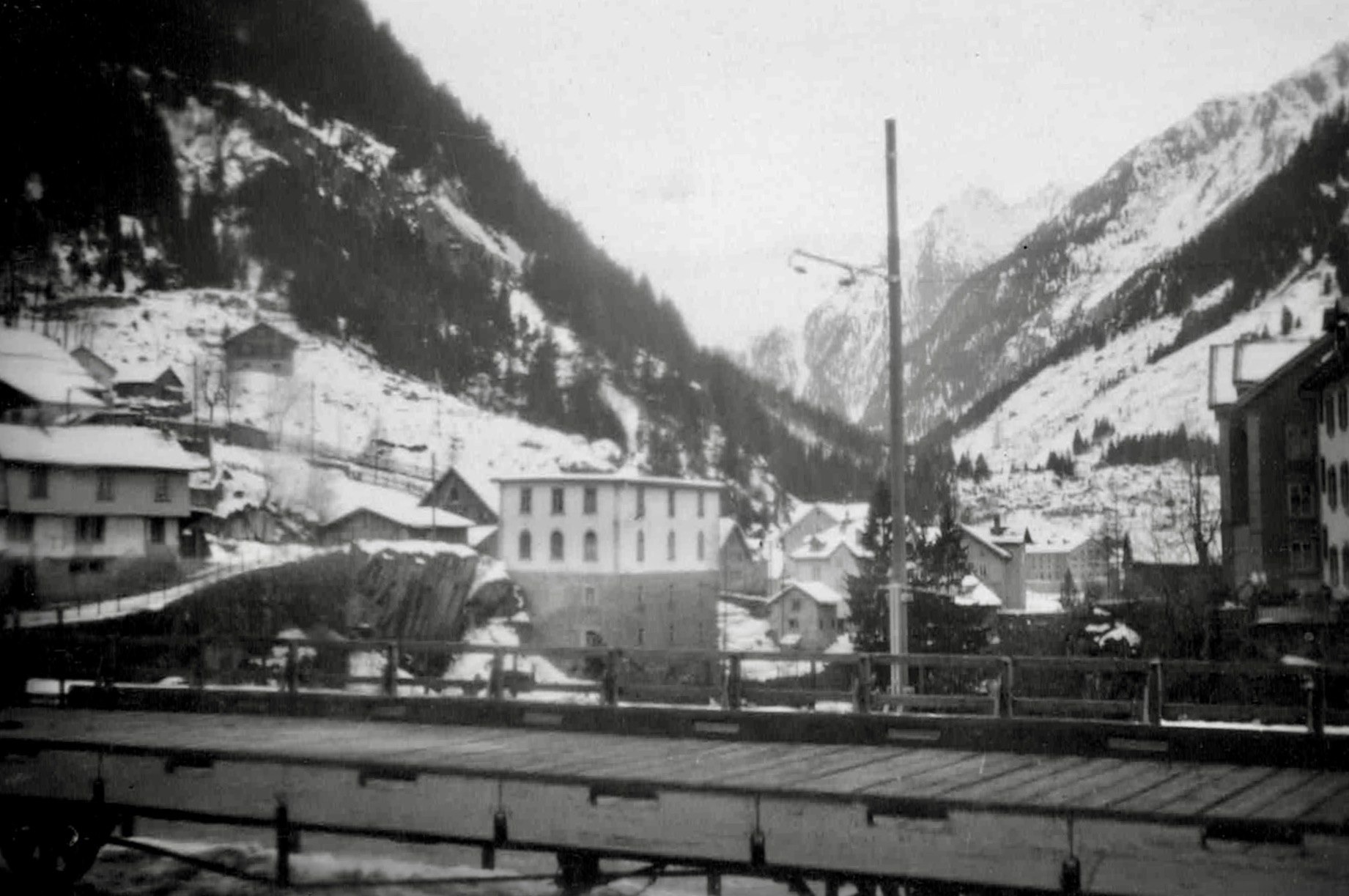
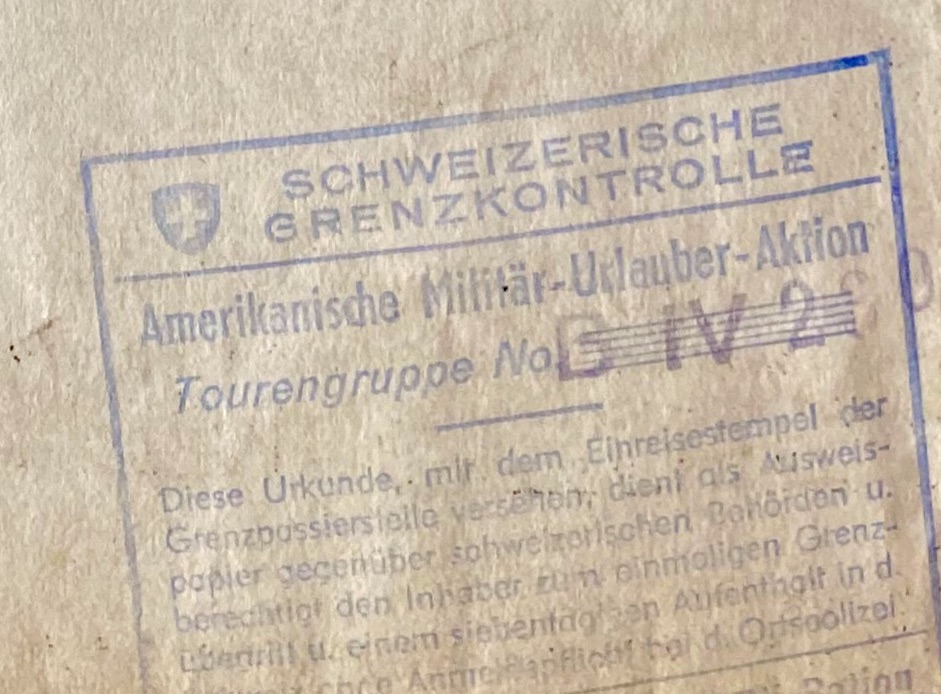
At the end of the year Flo scored a leave to Switzerland. She didn’t give enough detail on this page of her album to tell if she was traveling alone or with someone but it seems she was traveling alone.
Famously neutral during the war, the Swiss managed to pull it off, never being bombed or invaded. Switzerland had entered the war determined to remain neutral yet fully prepared to defend itself. In August 1939, days before Germany invaded Poland, the Swiss government mobilized its military, signaling that neutrality would be backed by force. Surrounded by Axis powers, Switzerland relied on its rugged geography, fortified defenses, and a vigilant air force to deter invasion. Swiss pilots even engaged German aircraft that violated their airspace, shooting down eleven while losing only three of their own. At the same time, the country became a refuge for some of those fleeing the conflict and a hub of quiet diplomacy, hosting negotiations and humanitarian efforts that underscored its role as a neutral intermediary.
Swiss businesses continued to trade with Germany, a reality that later raised ethical questions about the limits of neutrality, while the government struggled to preserve independence under constant pressure. Public sentiment, however, strongly opposed Nazism, fueling what became known as “spiritual defense”—a shared cultural and moral commitment to protect Swiss democracy against totalitarianism. Through military readiness, diplomatic maneuvering, and civic resolve, Switzerland managed to navigate the war’s dangers and emerge with its sovereignty intact.
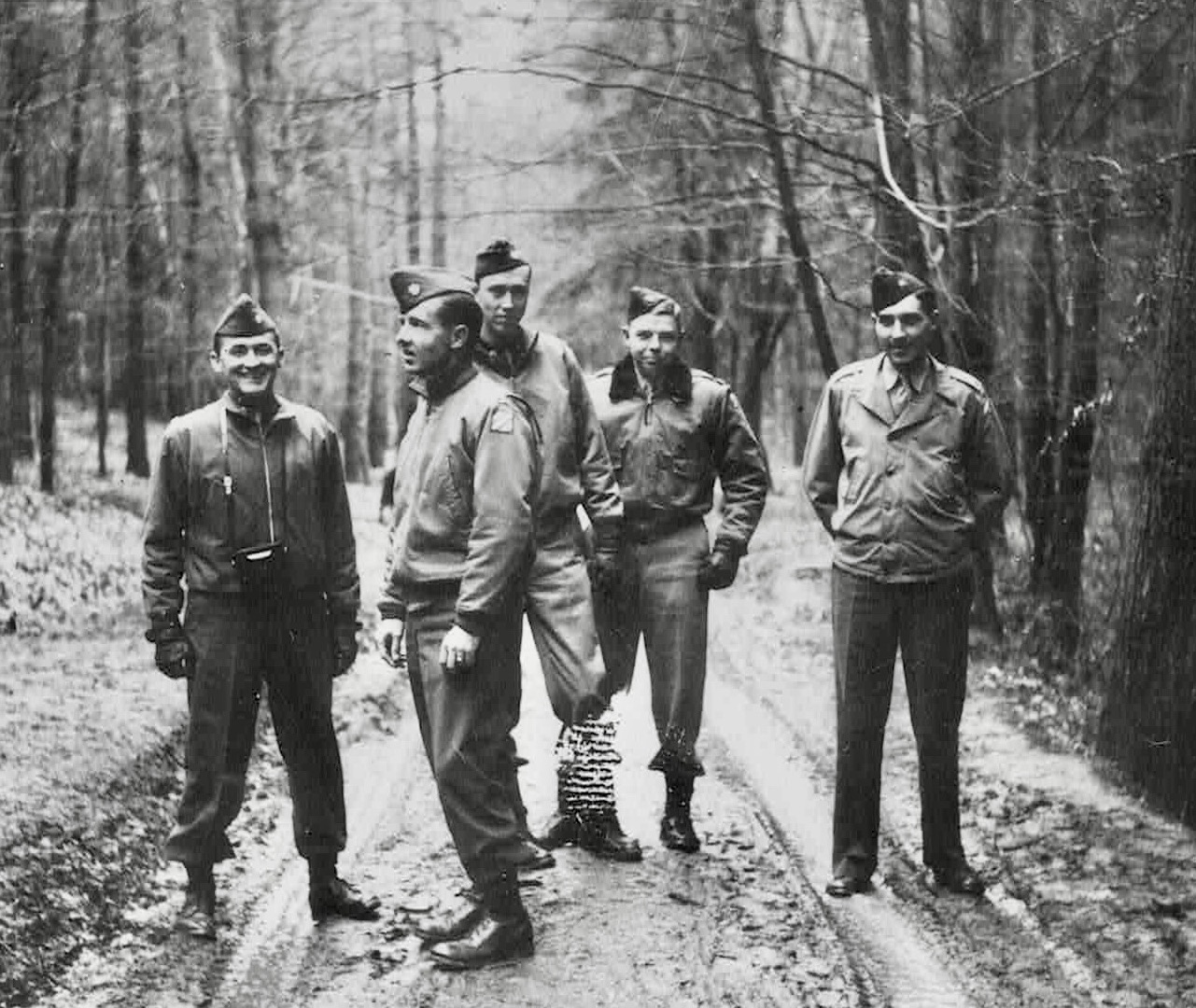
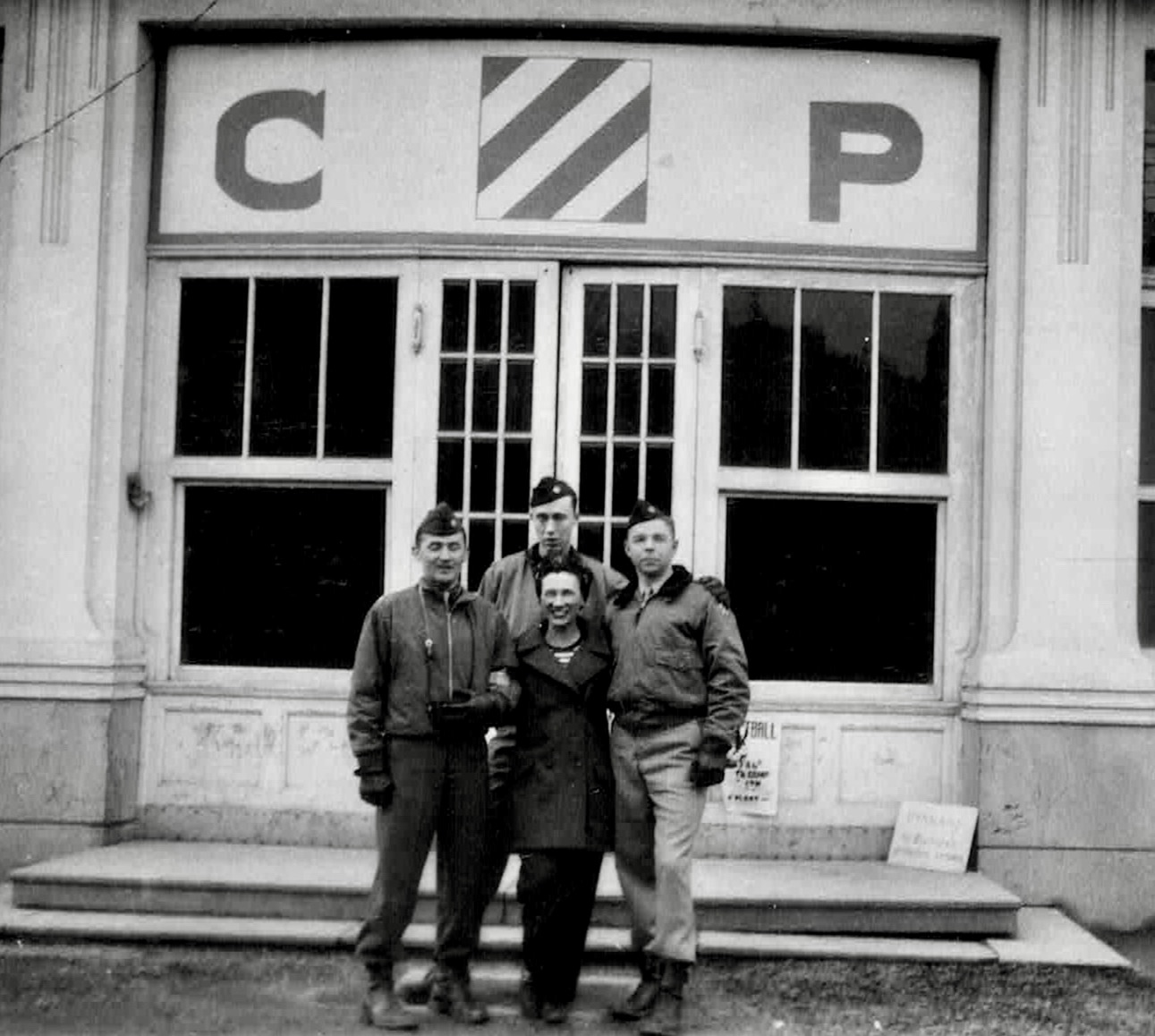
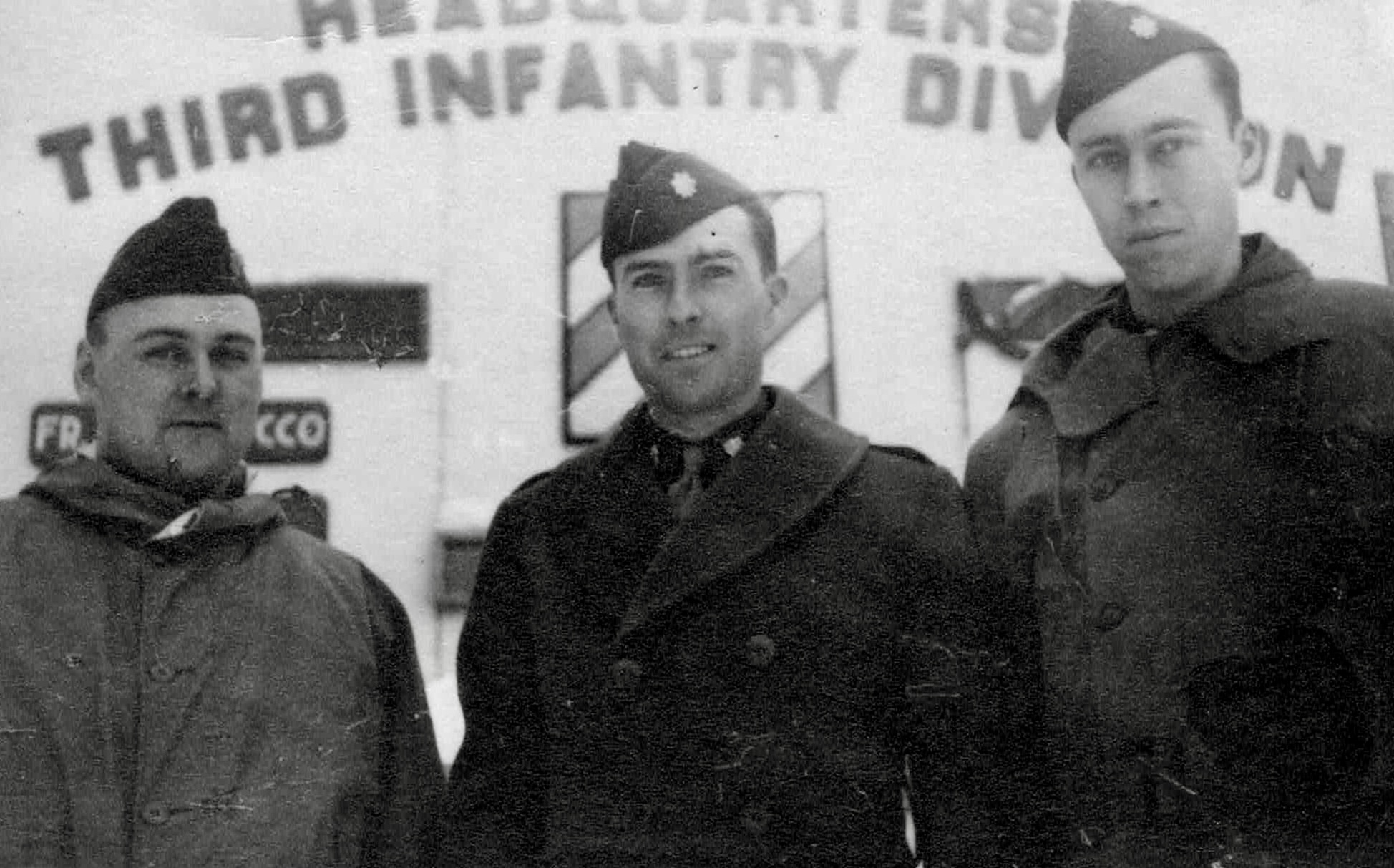
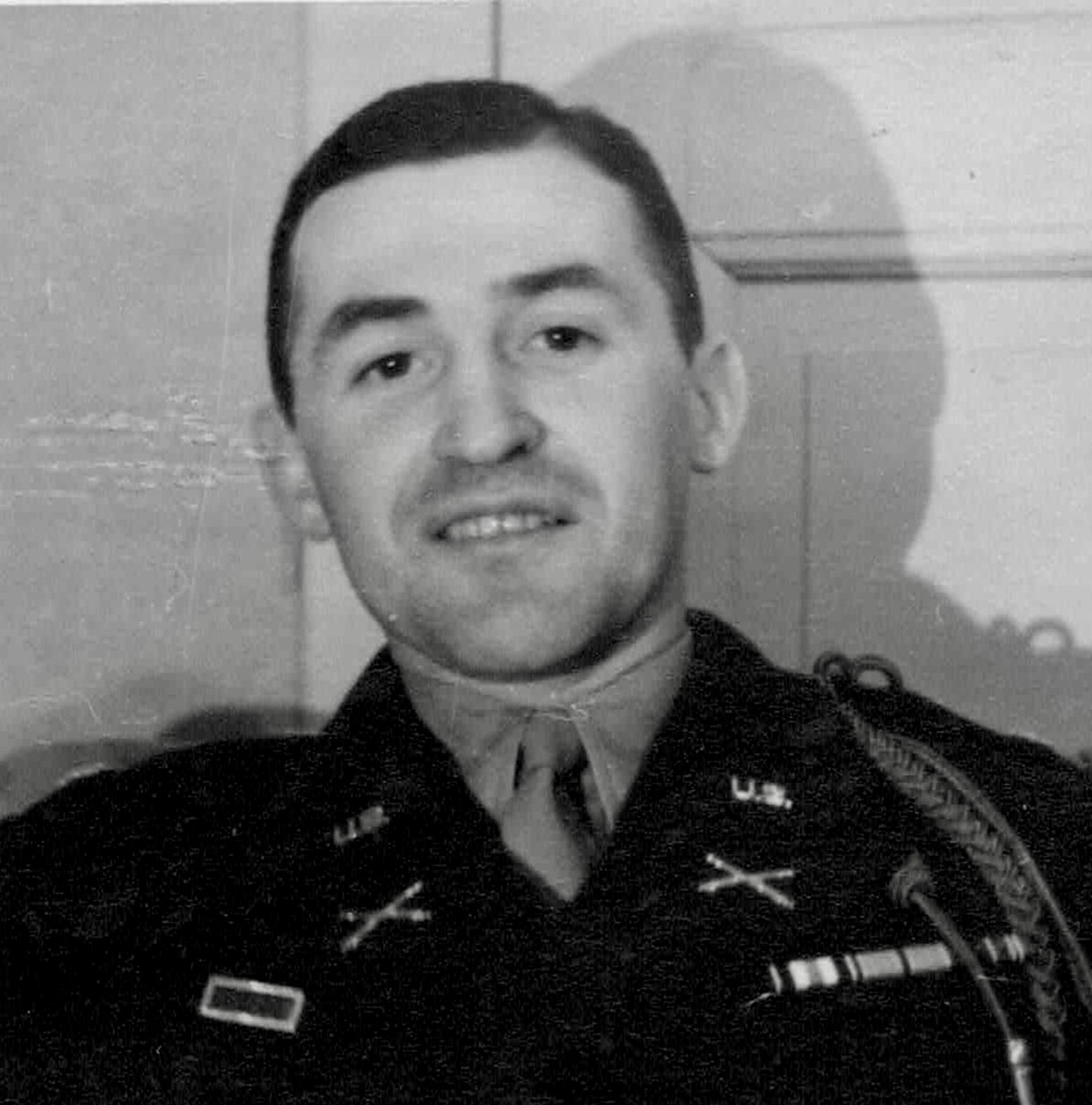
Flo photographed some of her coworkers and visitors at the CP
My Mother and Audie Murphy Ch. 102
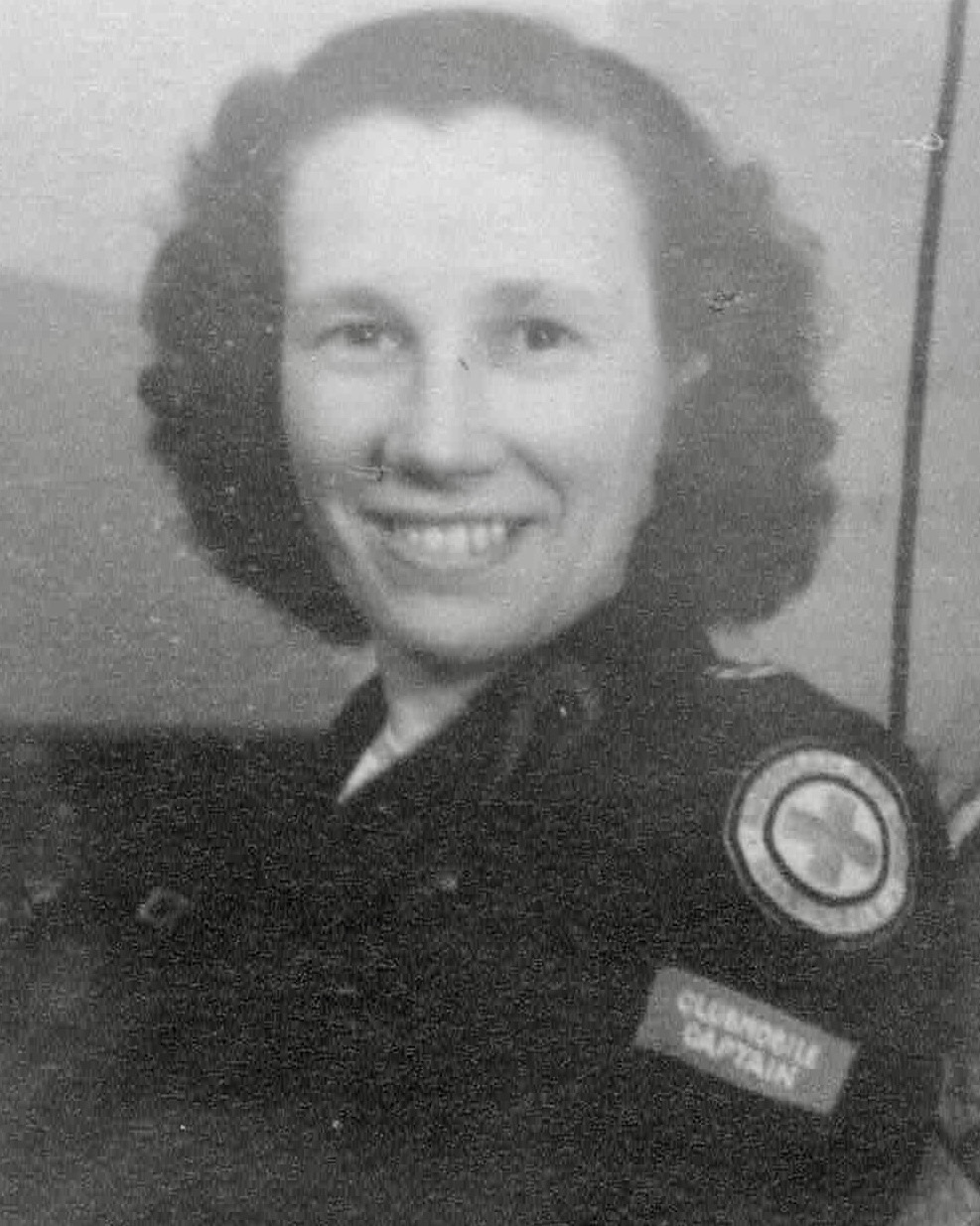
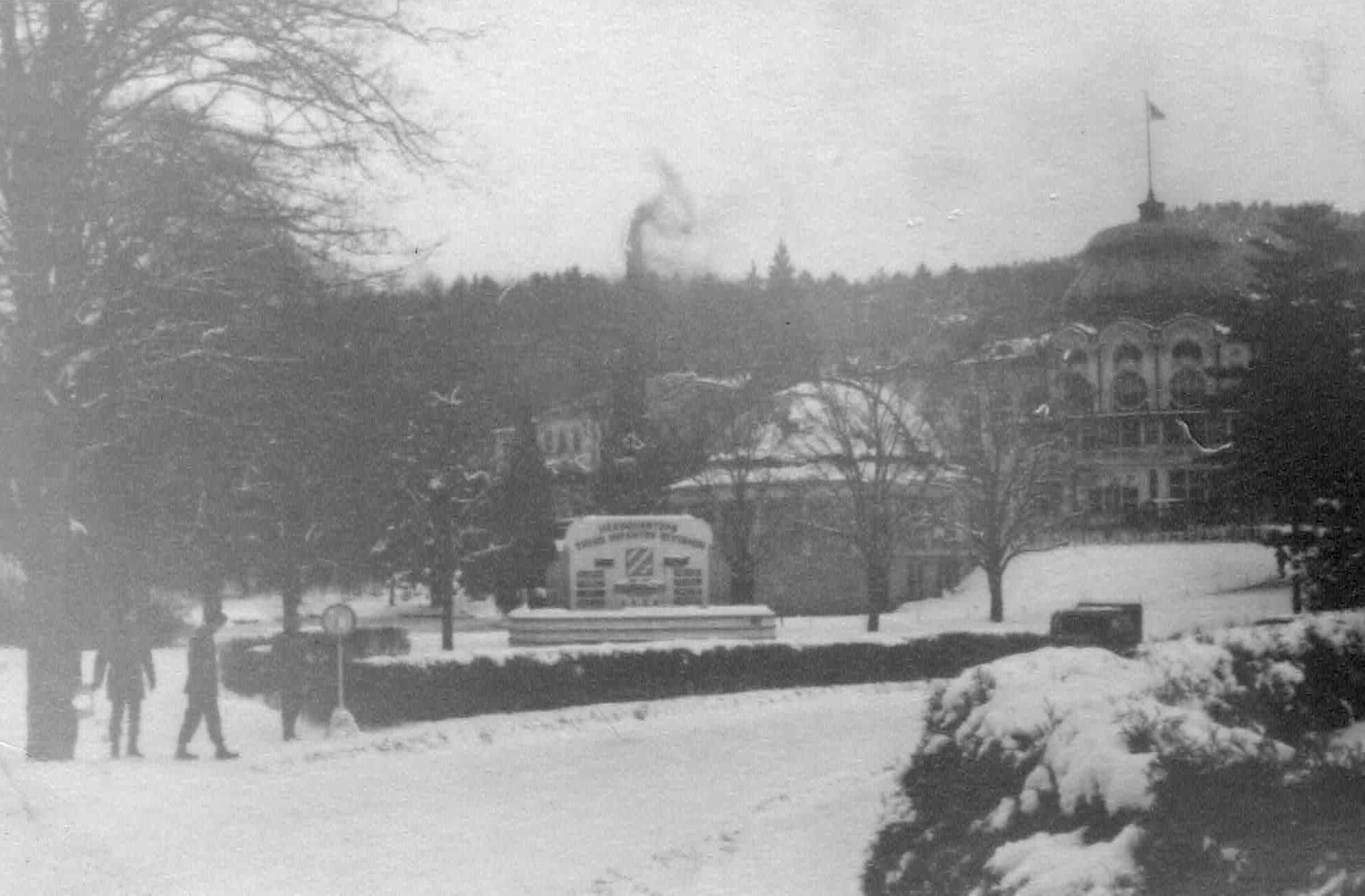
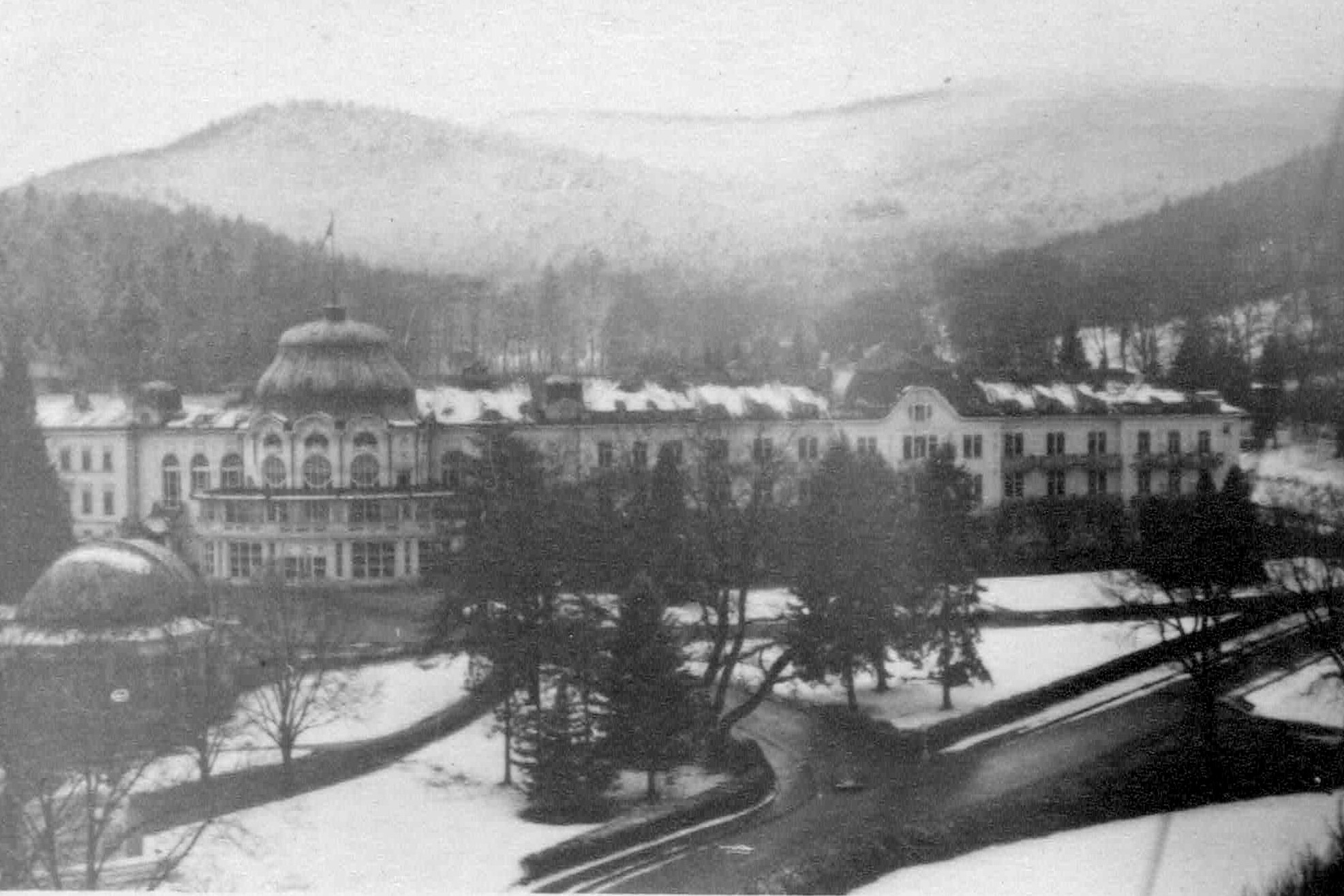
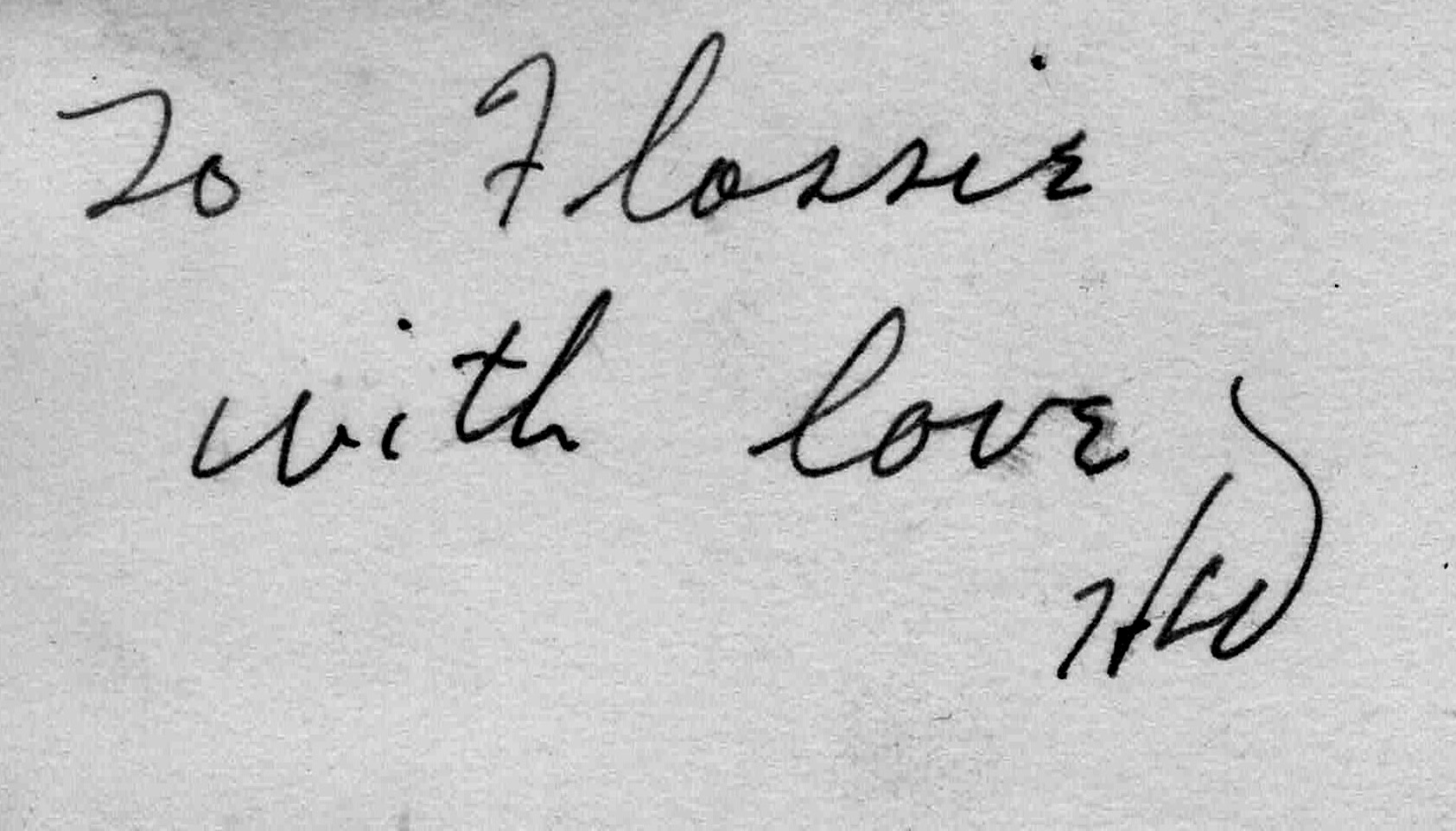
German actress Margot HillscherWith Gen. SchmidtI love this picture of Flo in uniform. There are the Red Cross and Clubmobile Captain patches on her shoulder. She looks happy.Maj. Carey, Col. Drain, Maj. Duncan, Maj. Royce, Maj. SchutThe “Mad Majors” with FloMaj. Perkins, Maj. Dwan, Maj. DuncanThe “Mad Majors” at easeMajor CareyLt. Leland NelsonThird Division CP, Bad Hotel, Bad WildungenMaj. Duncan AGWritten on the back of the picture of Major Duncan. But who is HW?
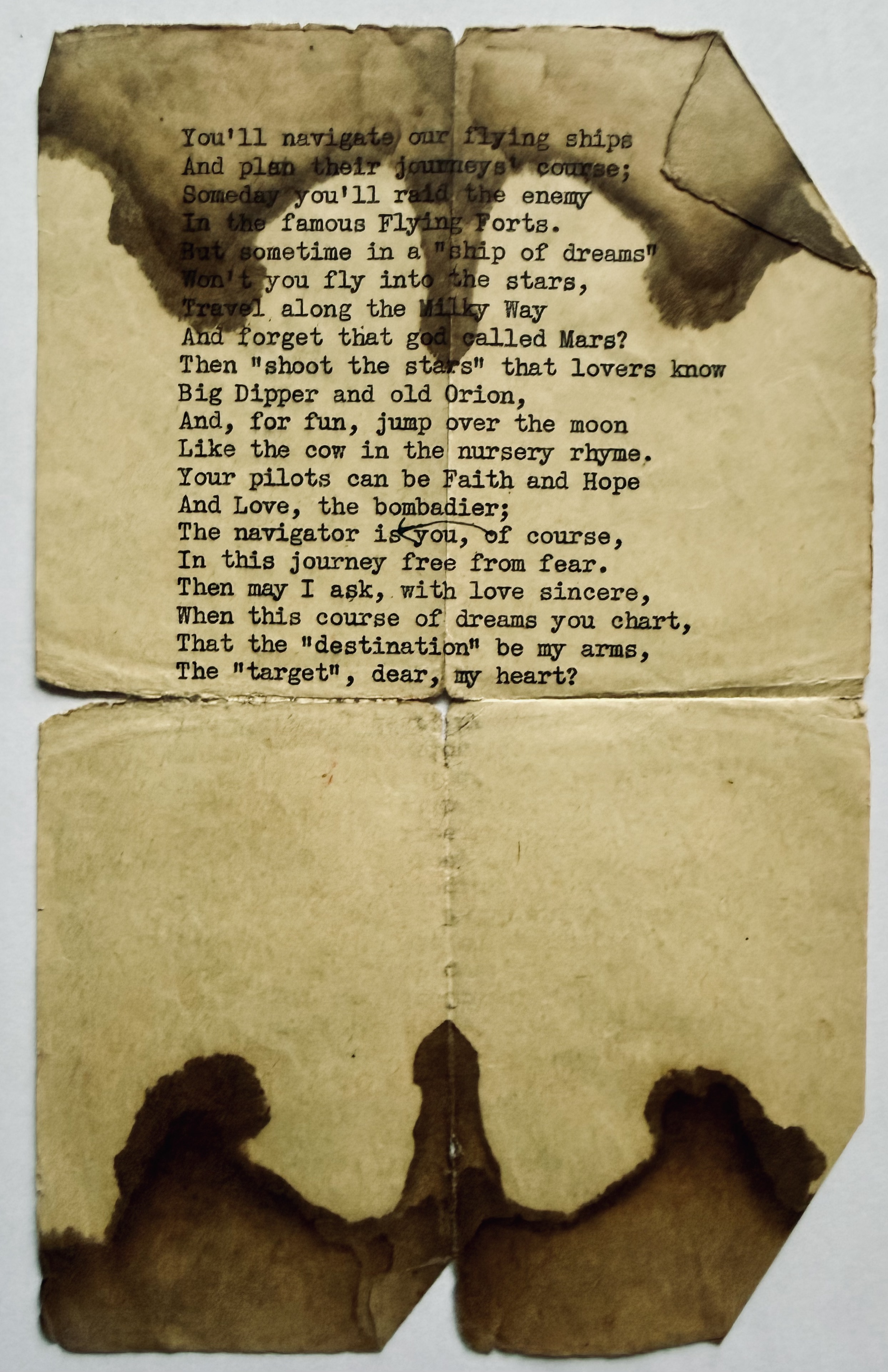
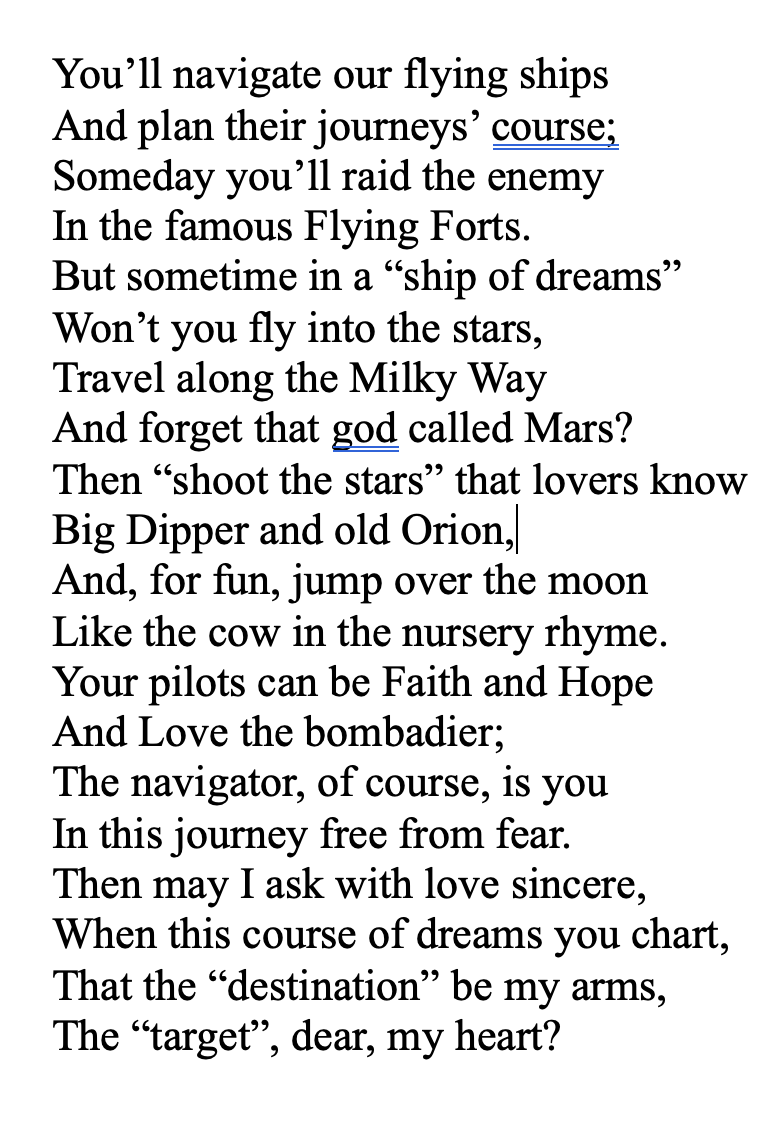
This poem, written on a small slip of paper, fell out of Flo’s album, and I can’t be sure where she meant to place it. I believe she wrote it herself: she made a correction in the text, and I could find no reference to it anywhere else. The poem is addressed to a flyer, yet none of her Third Division friends–nor her fiancé–were flyers. So who was she writing to? I found one possible clue in a letter she wrote to her sister Ruth in August 1944:
“When I returned from Sorrento, Ruth, I found some tragic news awaiting me. A letter I had written Johnny on July 19 was returned to me and on the envelope in red ink was written “accidentally killed in training flight July 15, 1944 near NY.” I simply can’t believe he is dead – he was so alive and so anxious to get over here and do his part. He had had nothing but bad luck since getting into the air Corps. His last letter told me he was just recuperating from pneumonia – common due to flying in sub zero altitudes. It is easier to “take” over here than it would have been at home because you develop a different philosophy, but it is hard nevertheless. His poor mother – both sons killed in airplanes!”
The poem implies that Johnny was more than just a friend. But Flo never told me about him and I can find no other reference to him in her papers. The poem must have been enclosed in her returned letter.
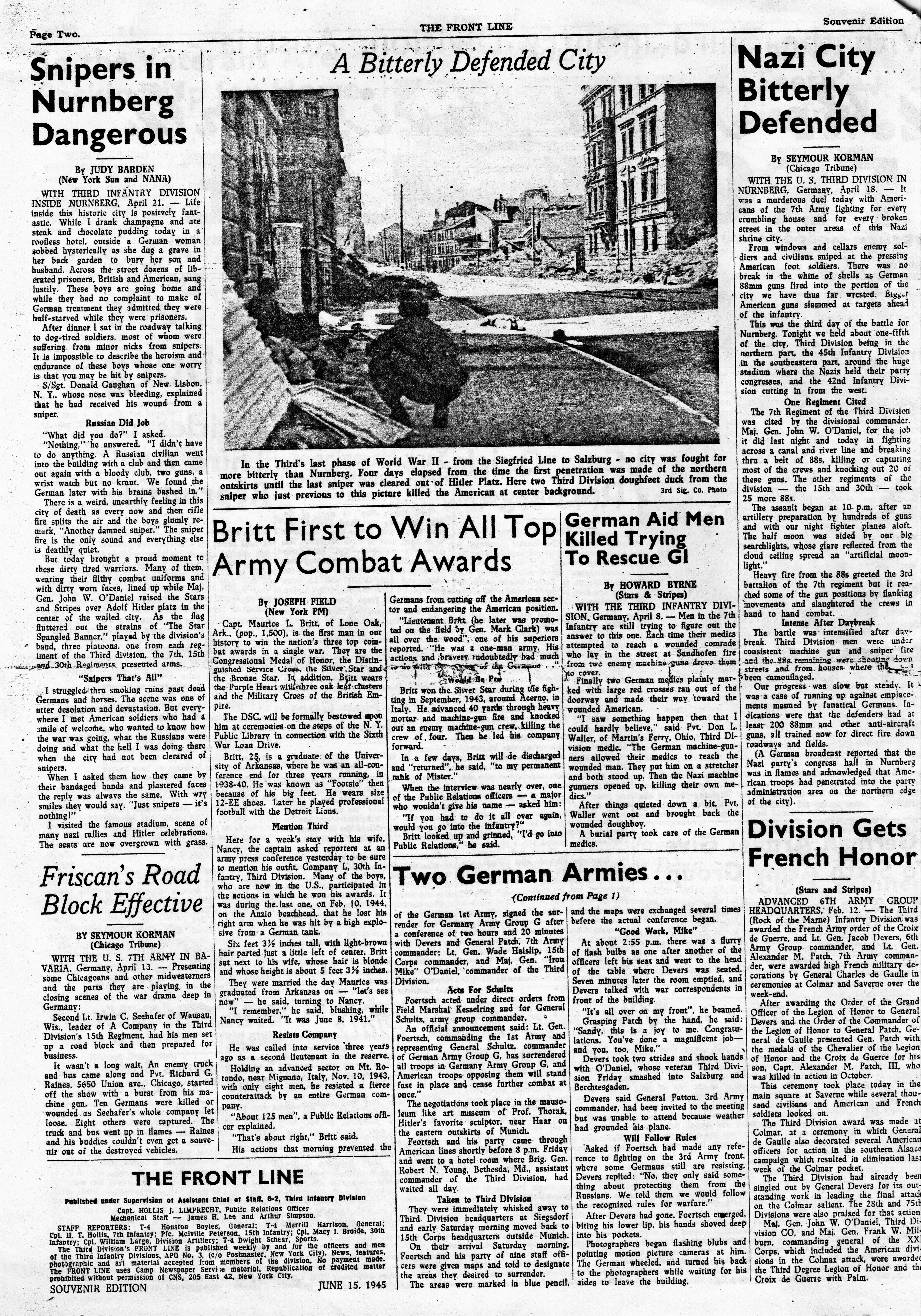
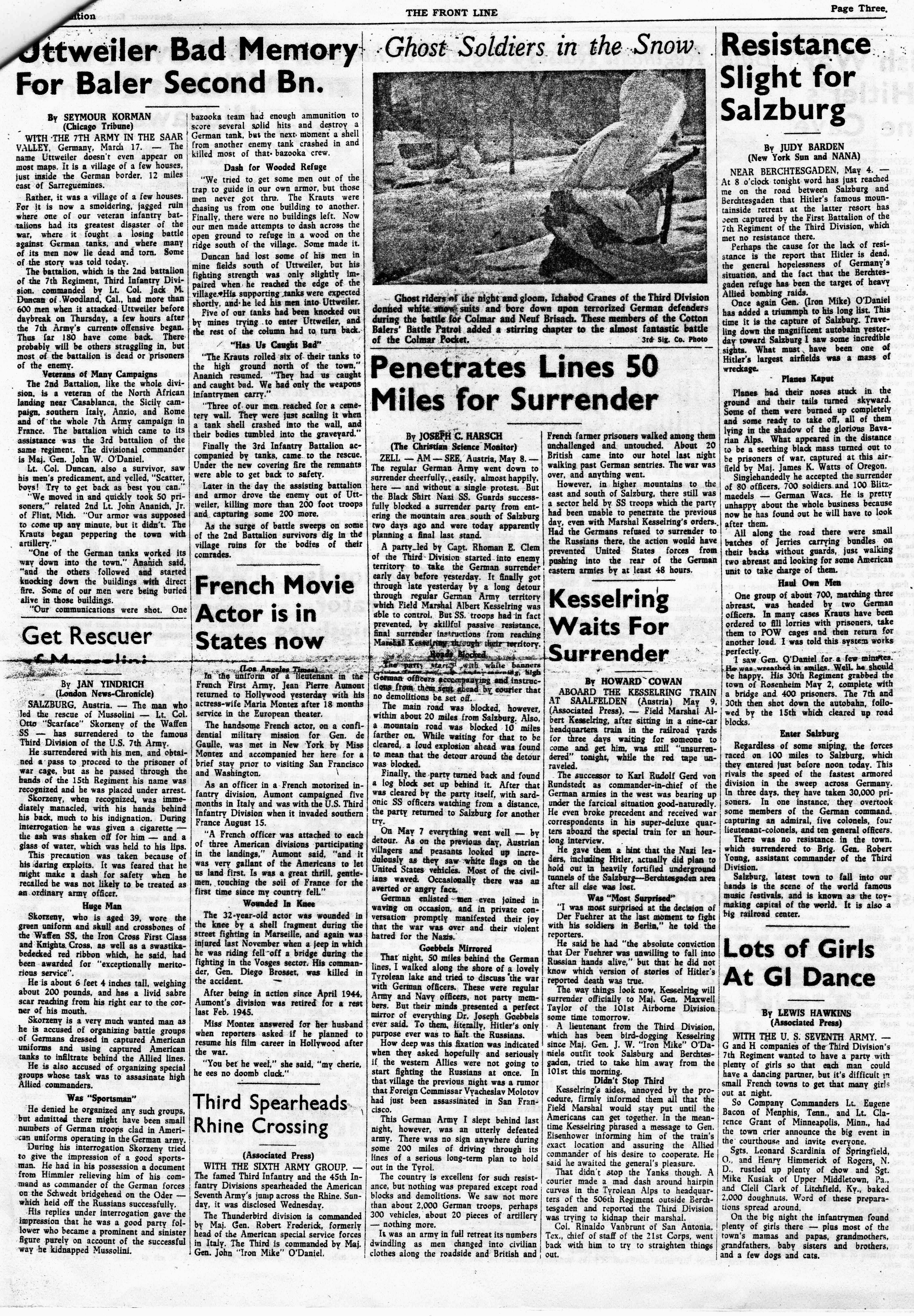
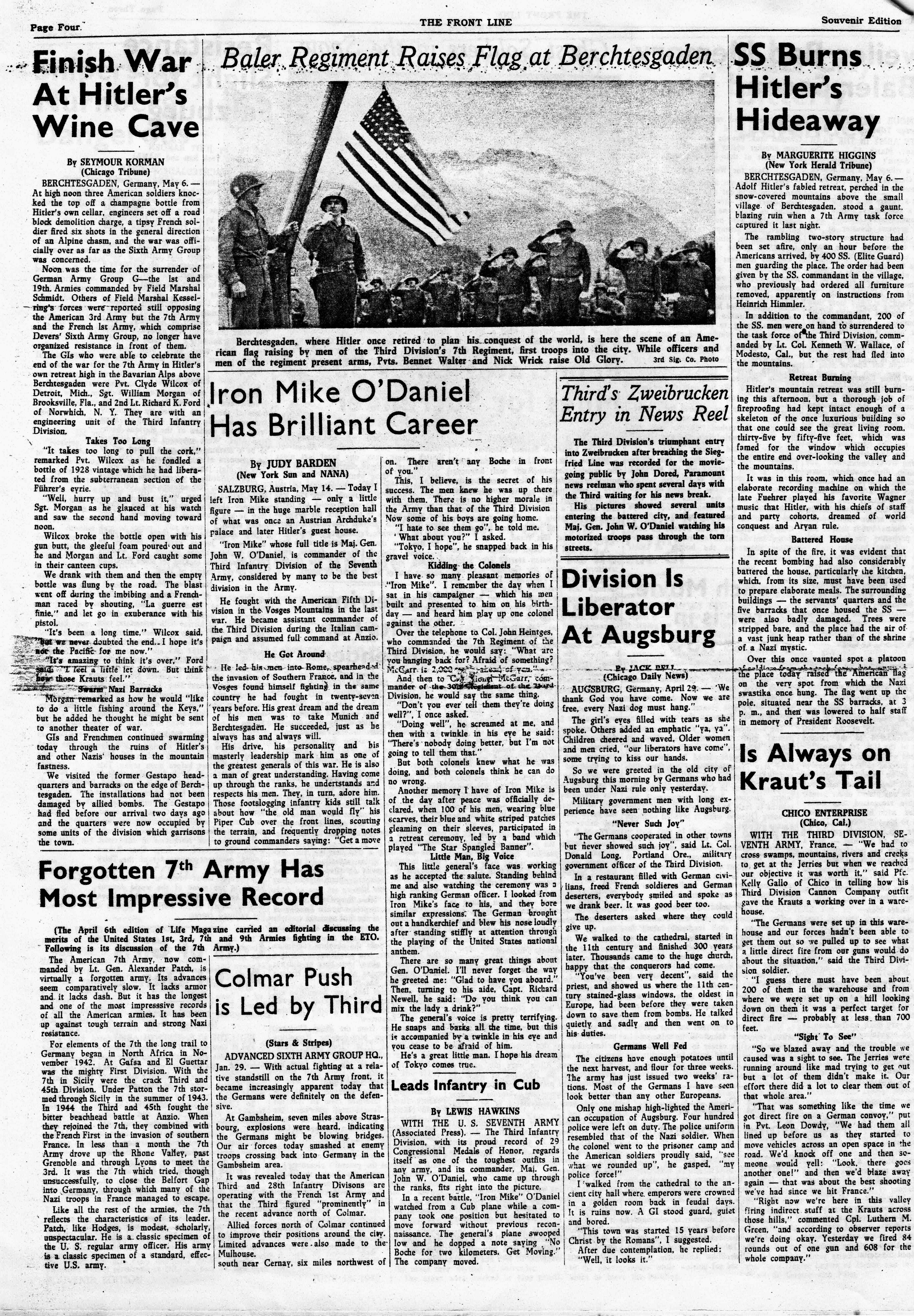
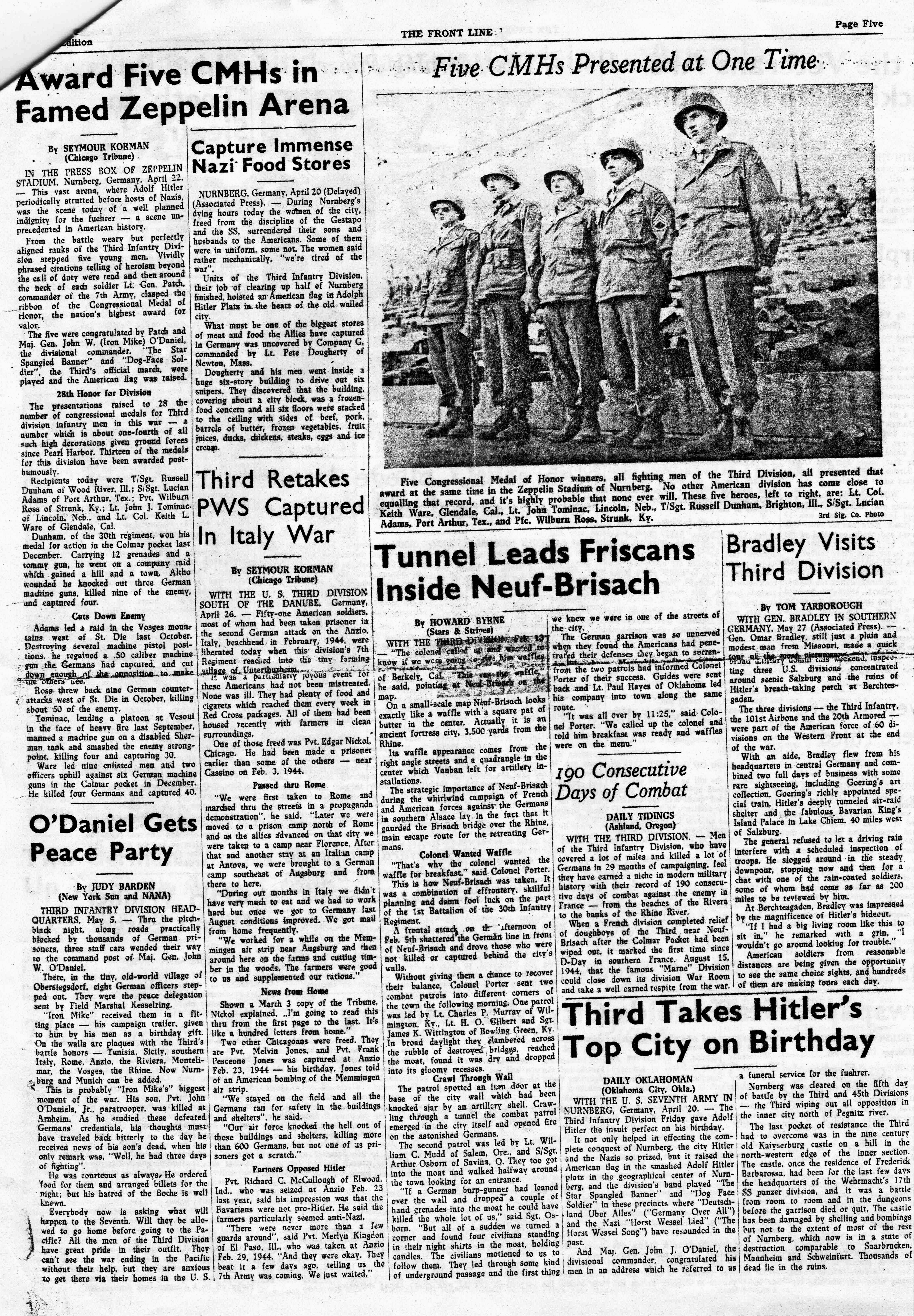
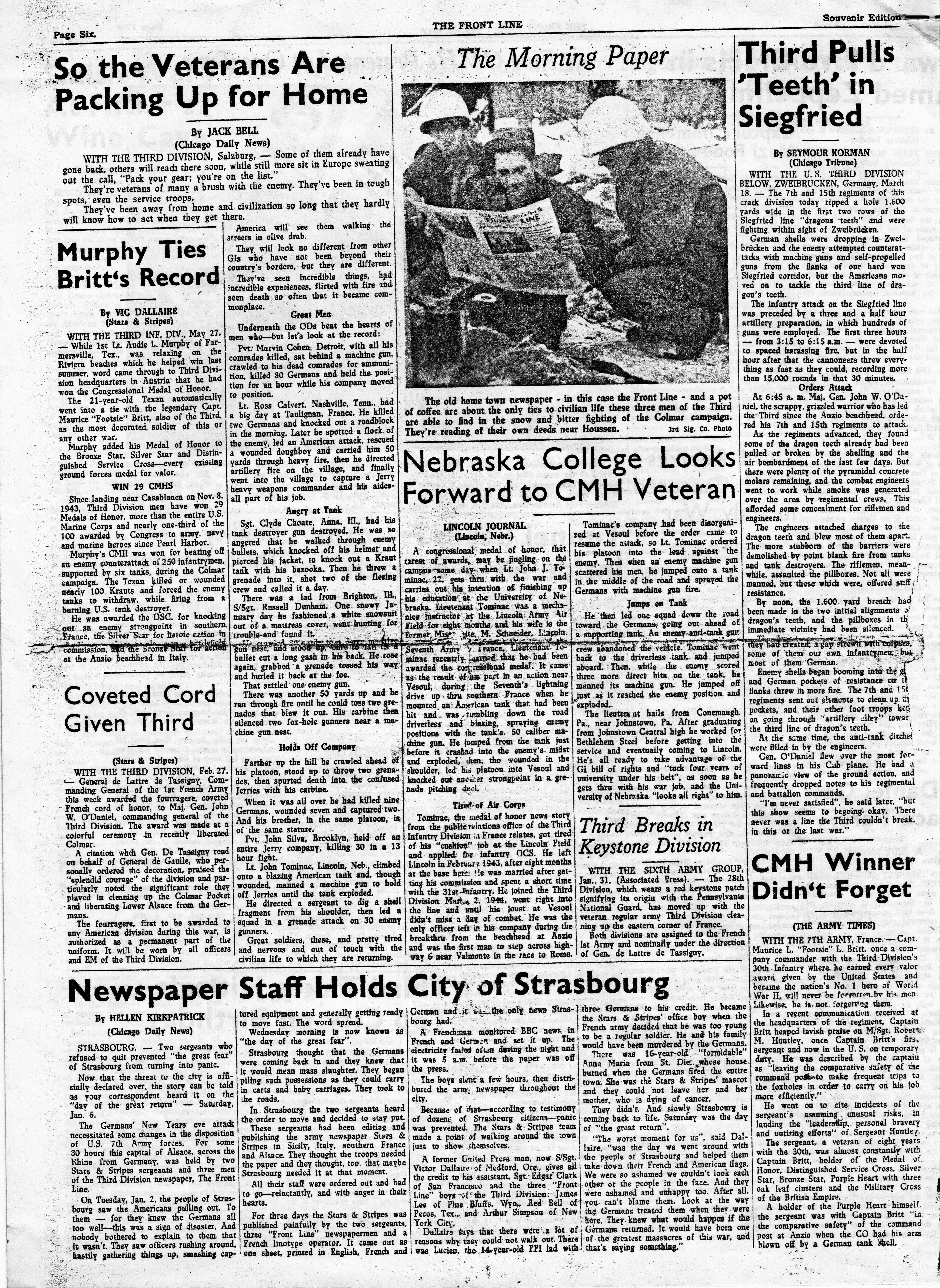
3rd Division souvenir paper tells history of the division
My Mother and Audie Murphy Ch. 100
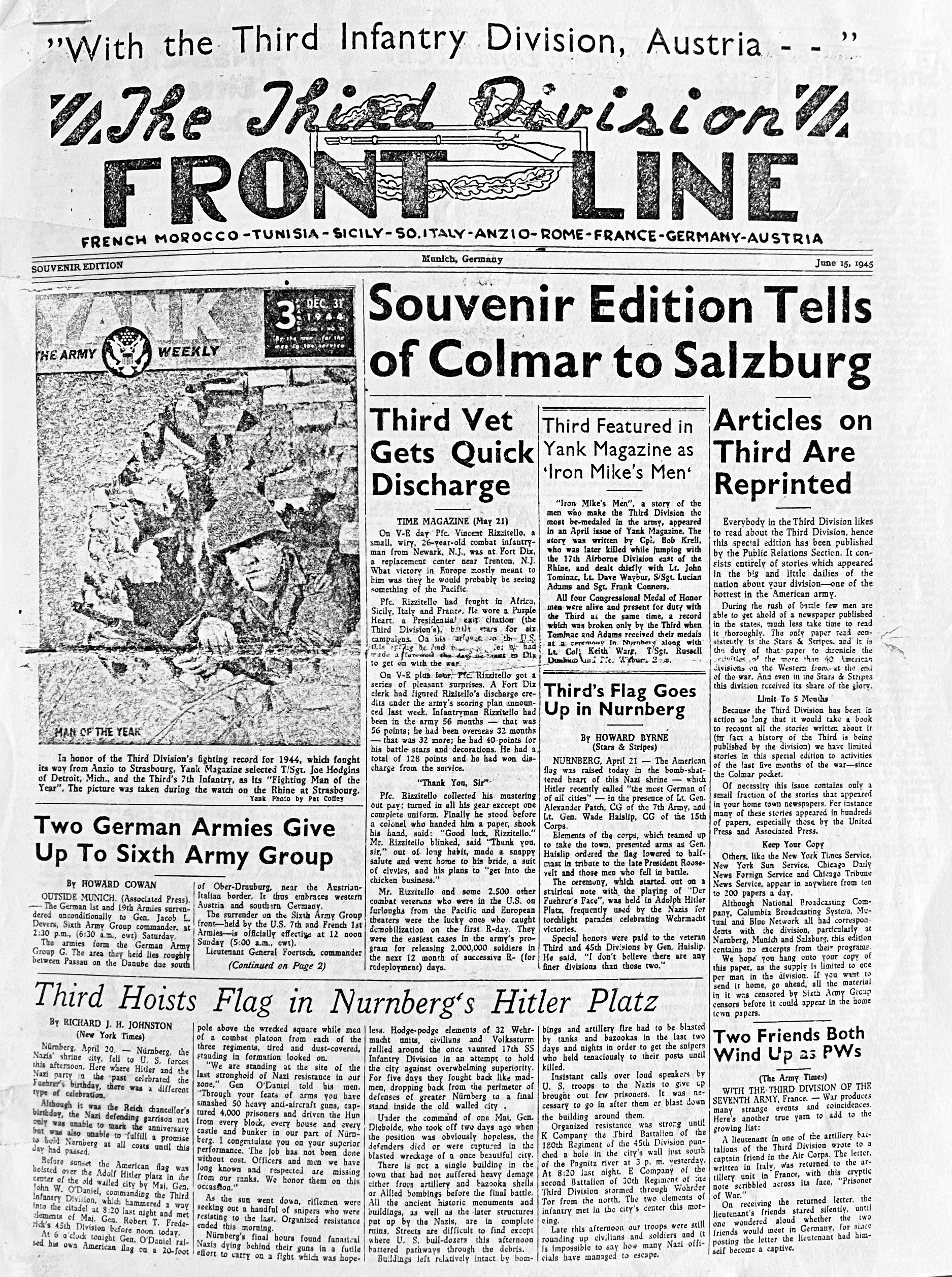
Don’t throw this away! admonishes the Front Line newspaper of their post-war special edition. Flo didn’t throw it away. She saved it and tucked it into her album. The issue consists entirely of stories which appeared in the big and little dailies of the nation about the Third Division.
From the introduction: “During the rush of battle few men were able to get a hold of a newspaper published in the states, much less take time to read it thoroughly….Hence, this special edition.
“We hope you hang on to your copy as the supply is limited to one per man. If you want to send it home, go ahead. All the material in it was censored by Sixth Army Group censors before it could appear in the home town papers.”
The Front Line is the official newspaper of the Third Infantry Division. In the interest of archiving, I’m posting the whole six-page paper. You can read it by pinching out the image.
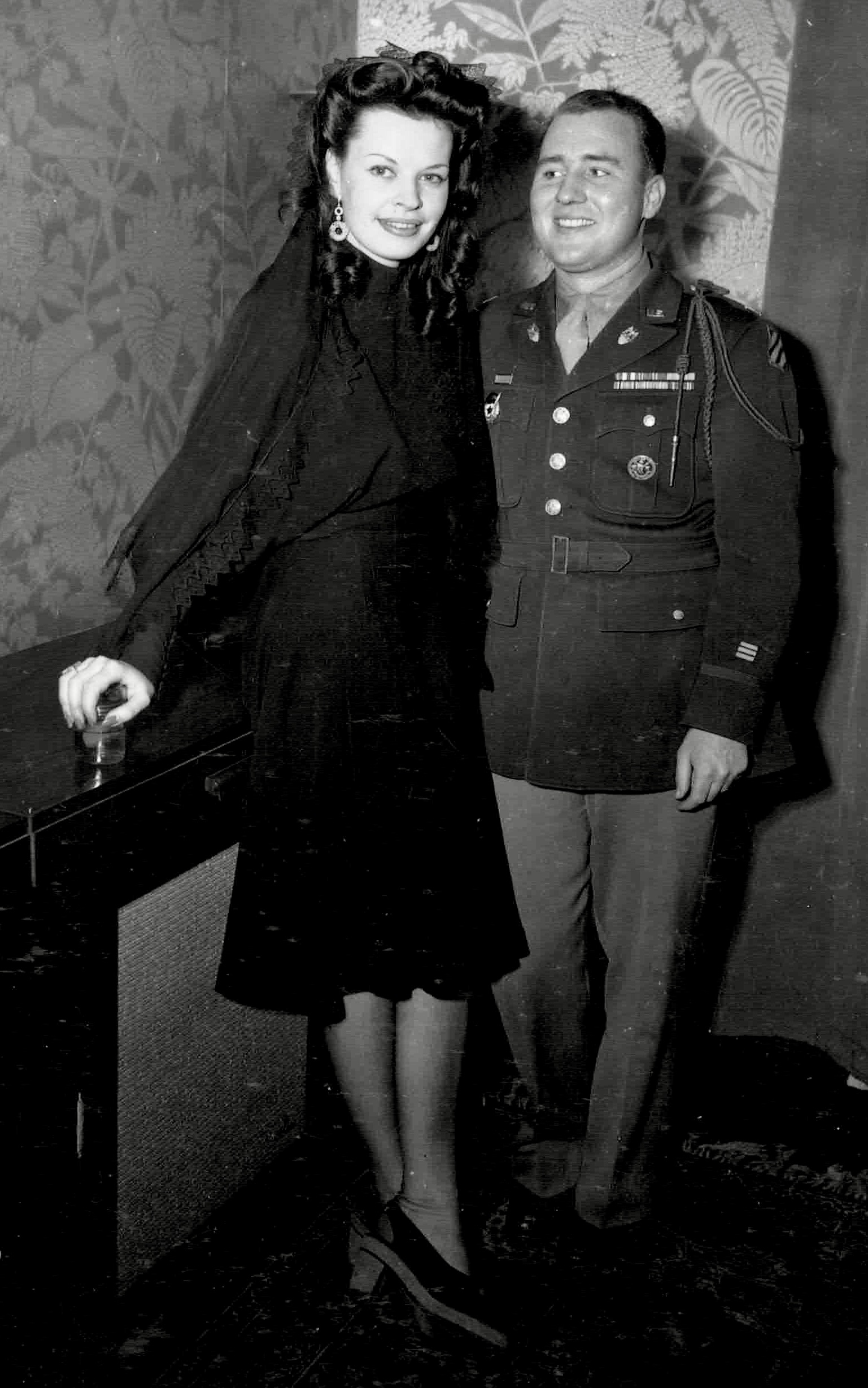
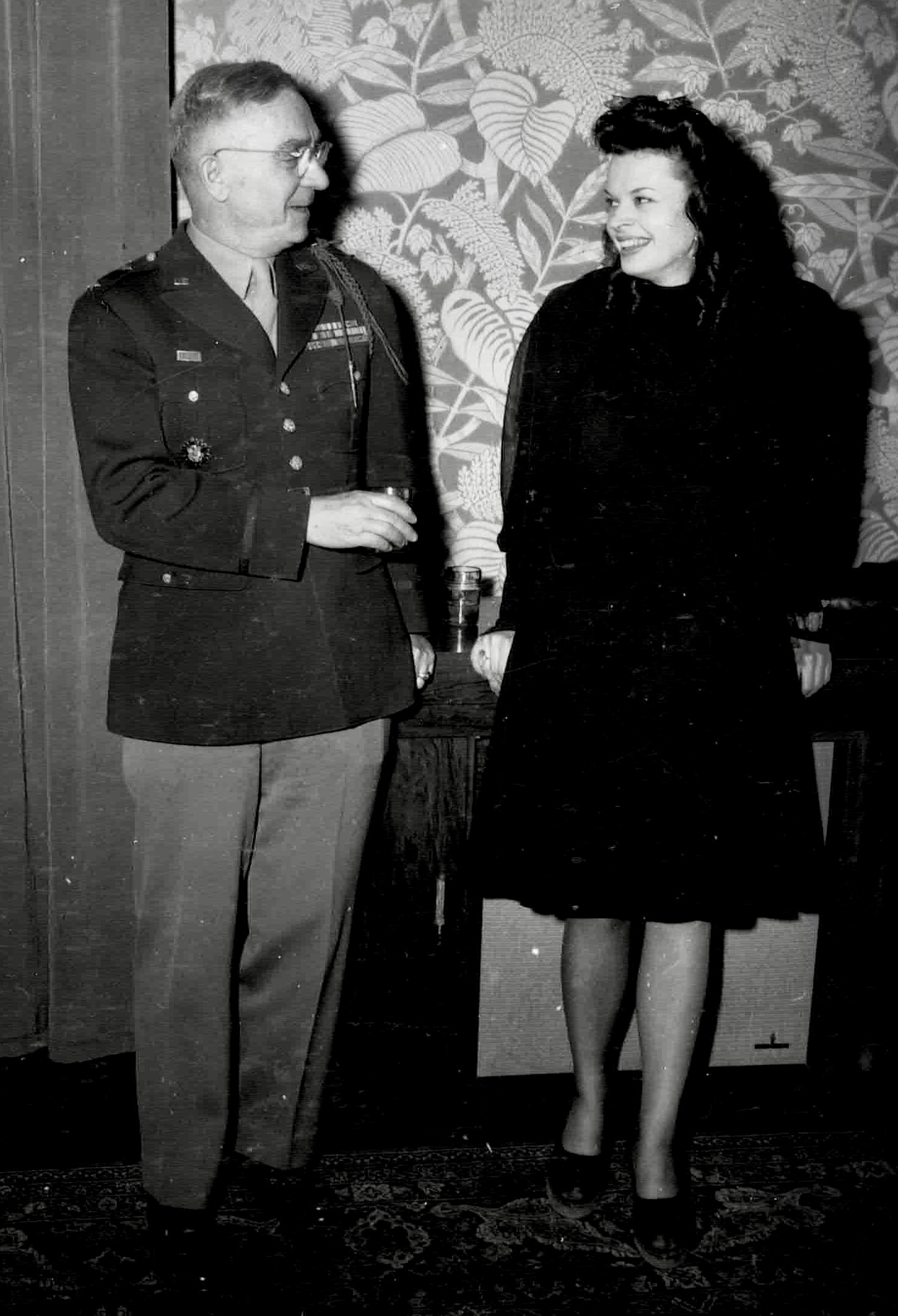
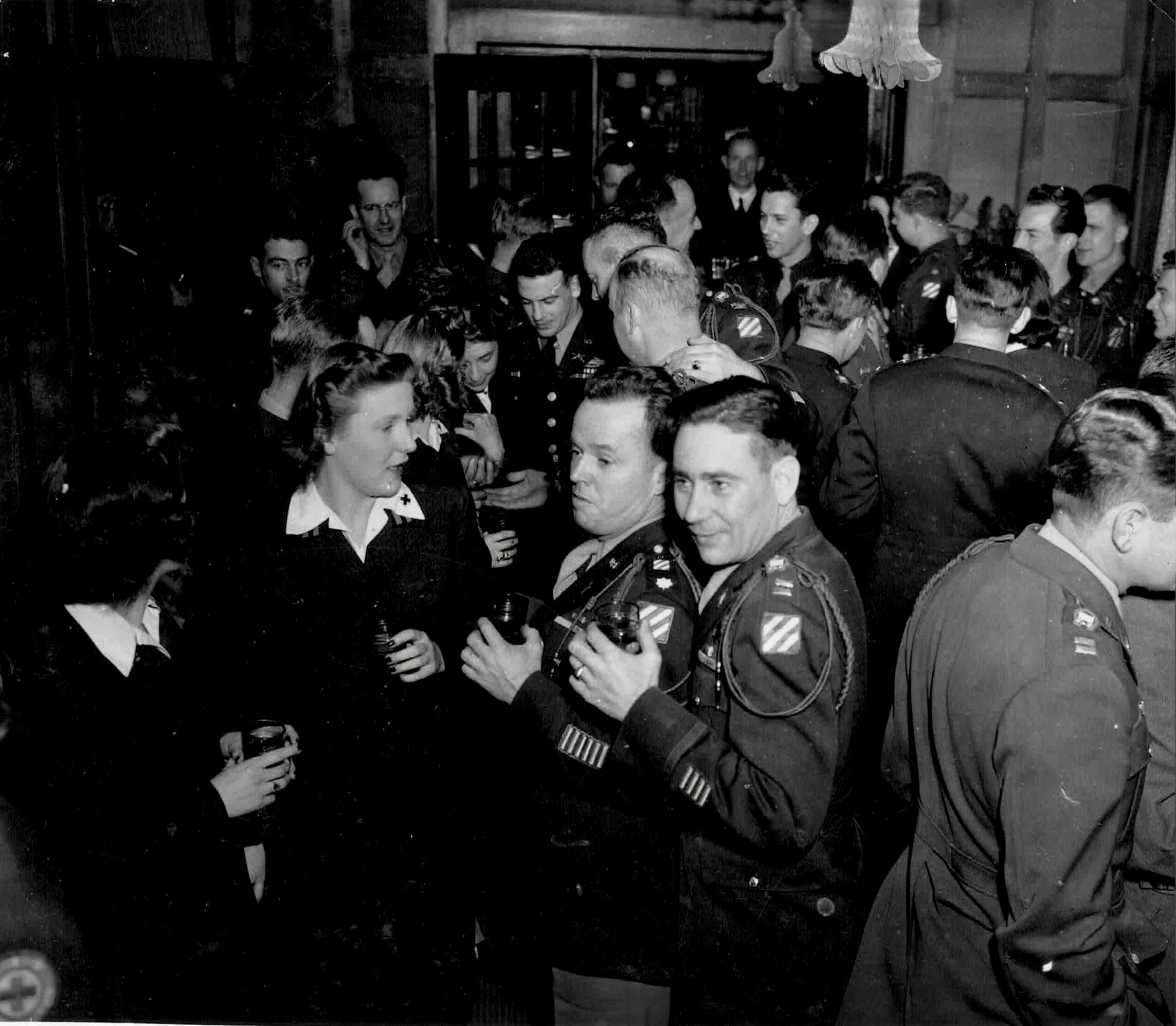
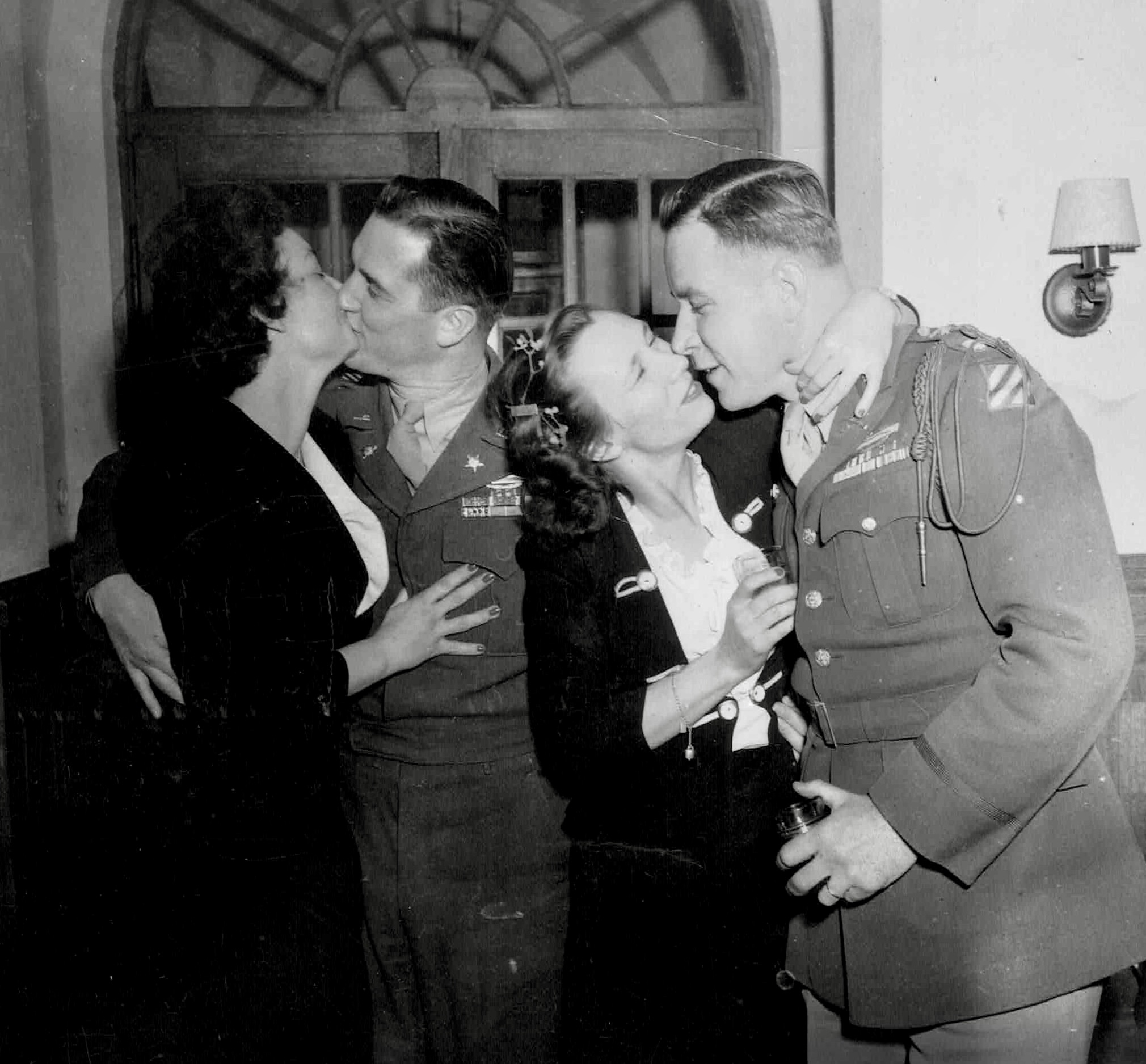
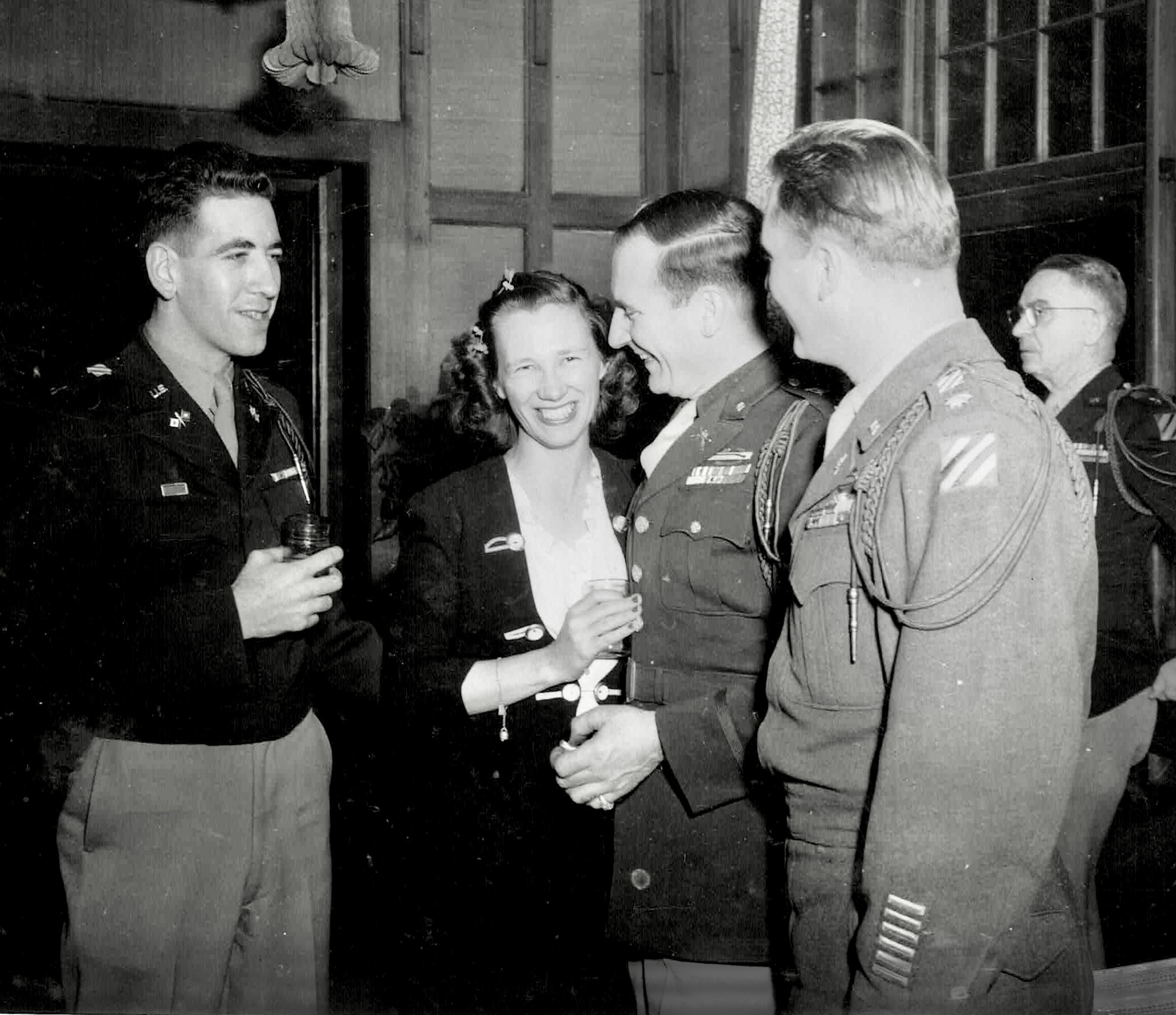
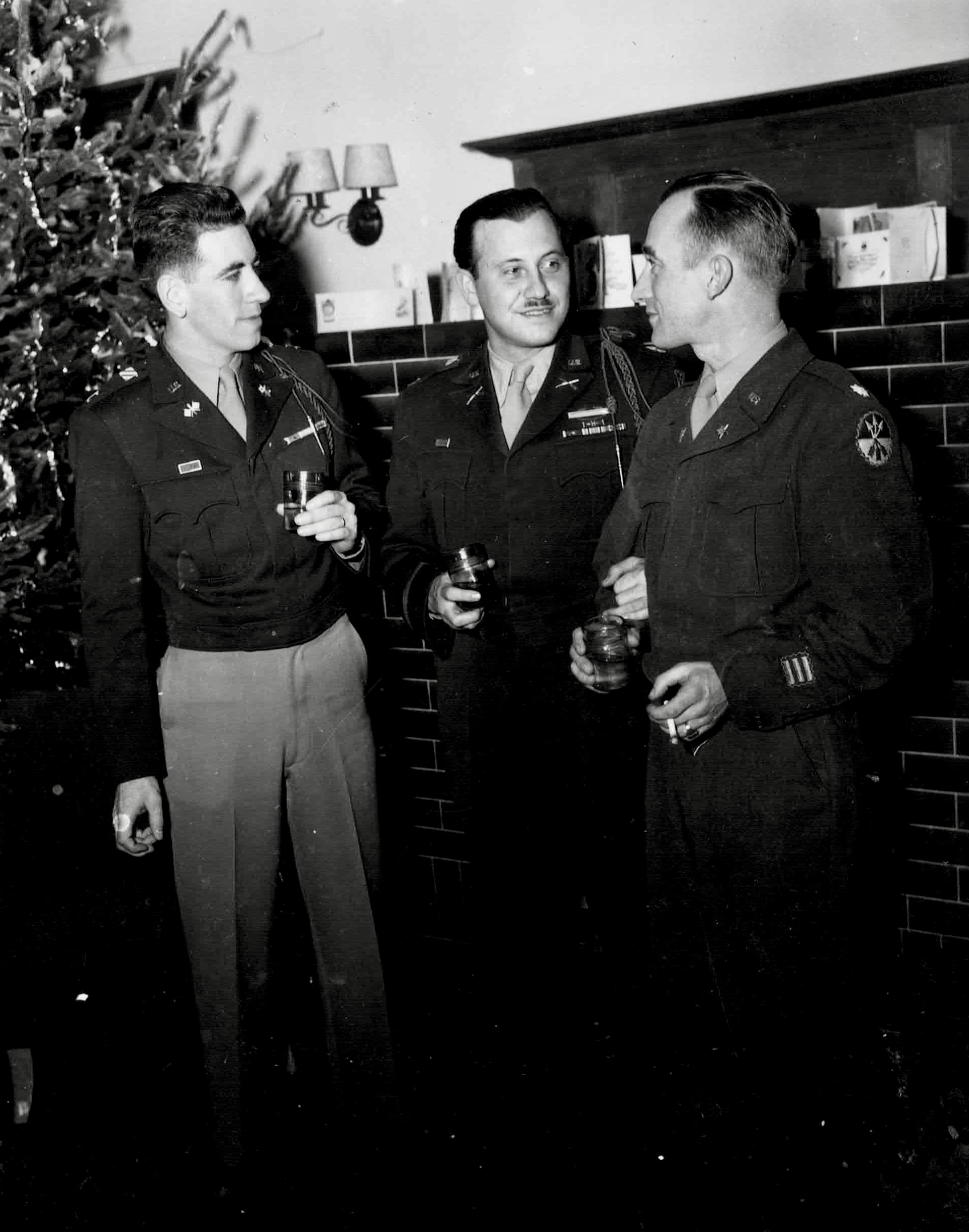
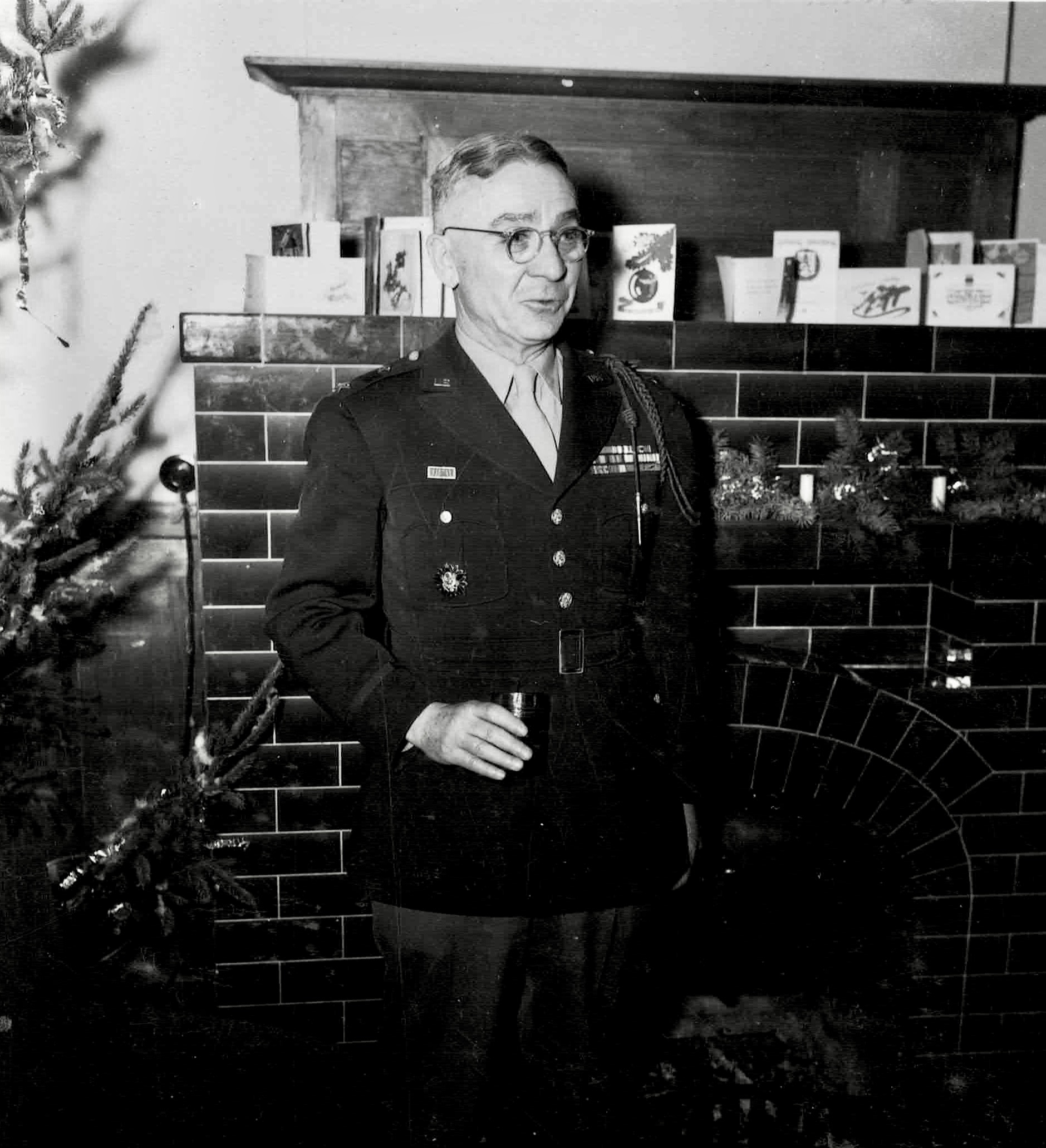
Gen. Schmidt’s New Year’s party celebrates Third Division
My Mother and Audie Murphy Ch. 99
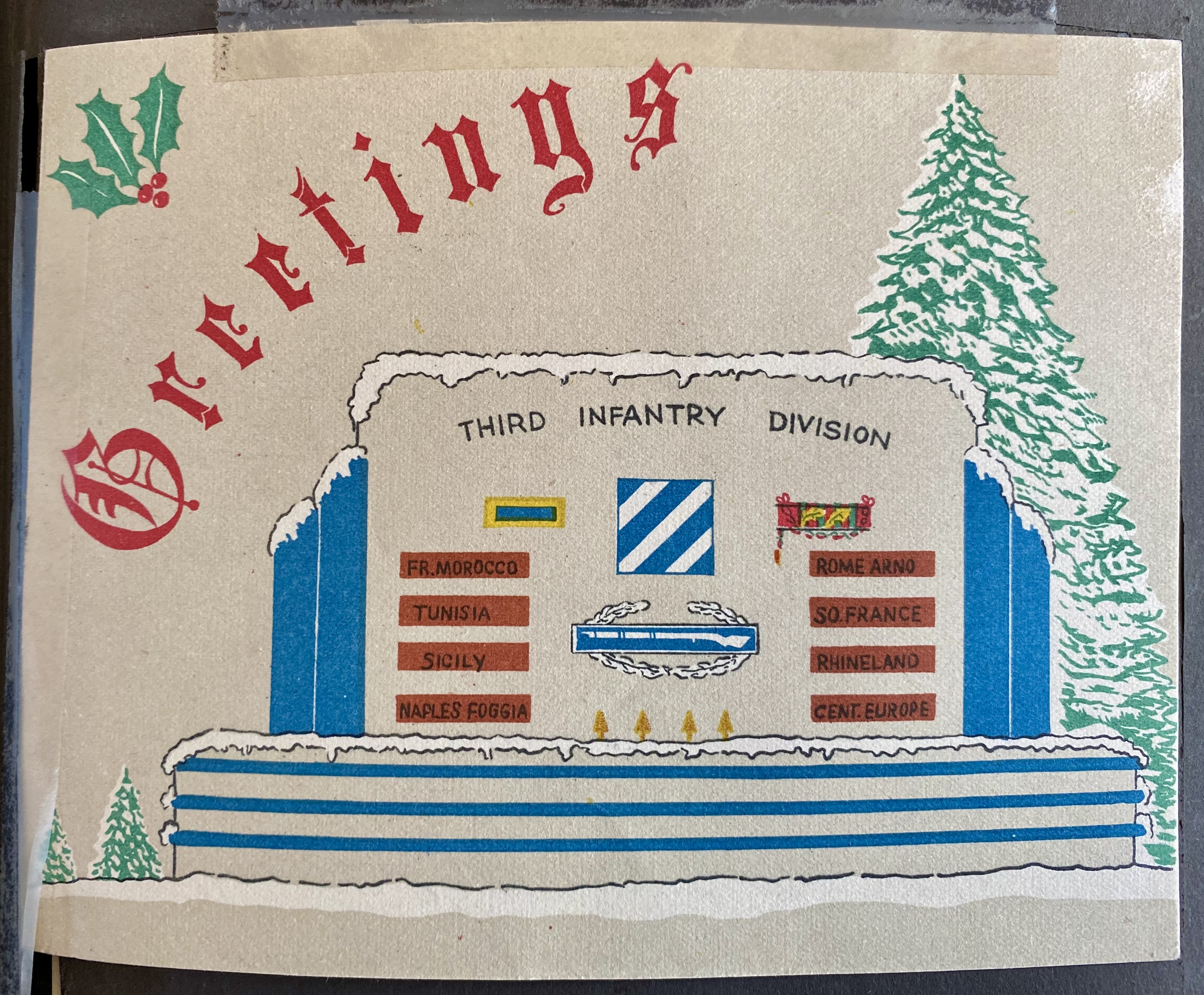
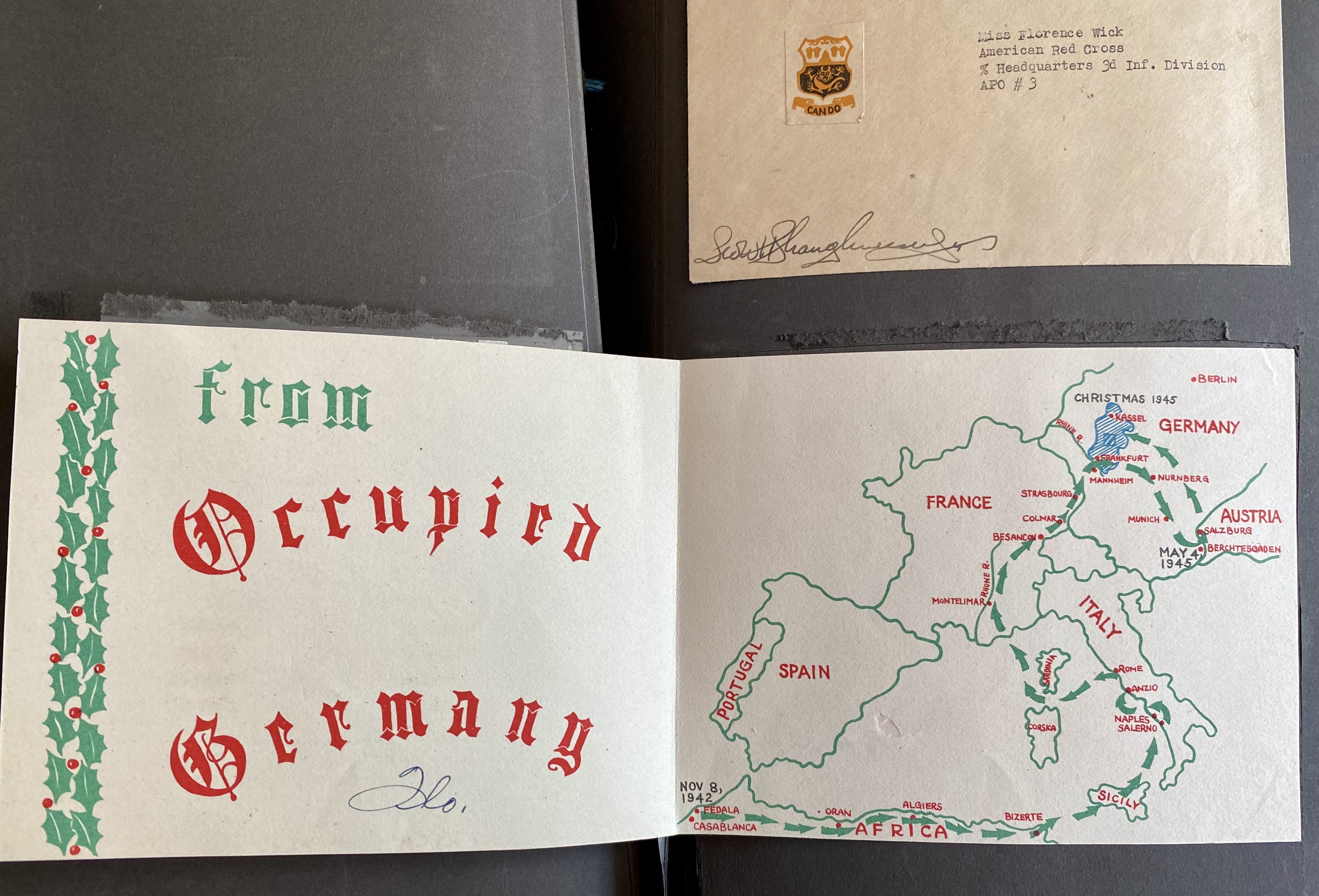
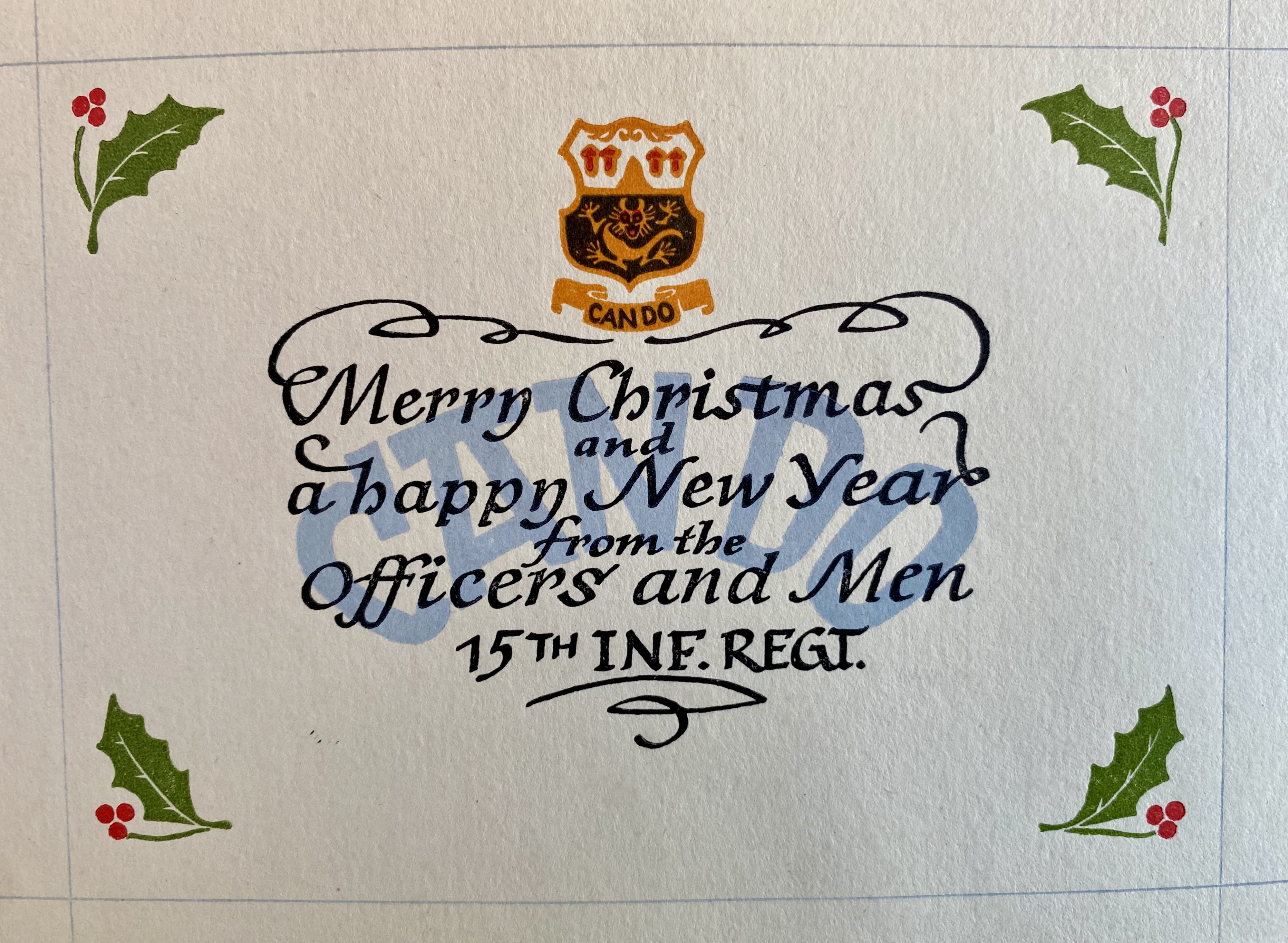
The card shows the route of the 3rd Division from Africa to GermanyThird Infantry Division New Year’s partyFlo captioned this “Blackmail material”Flo didn’t ID these guysGeneral Schmidt hosted the party Christmas ‘C’ company 30th Infantry
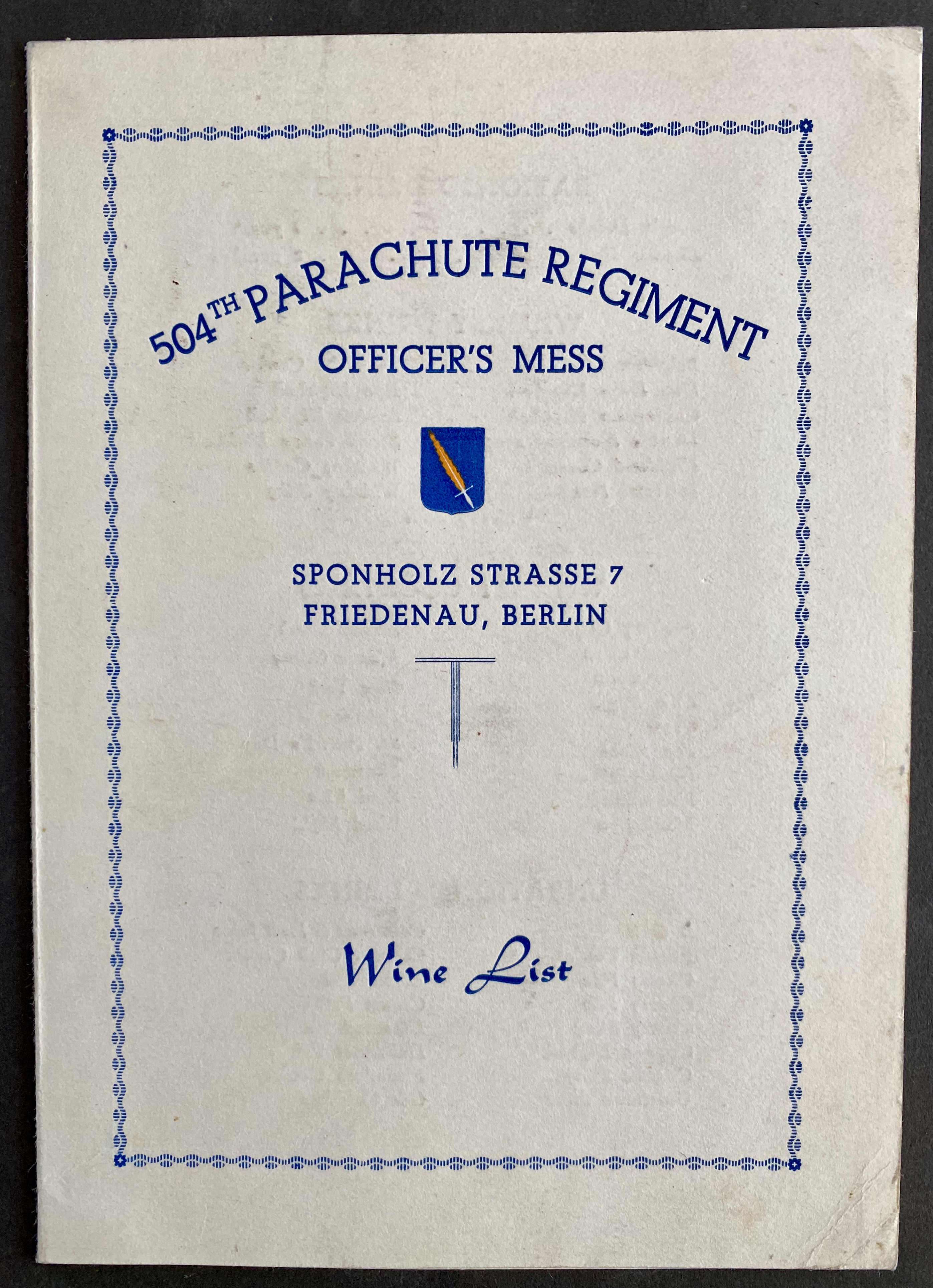
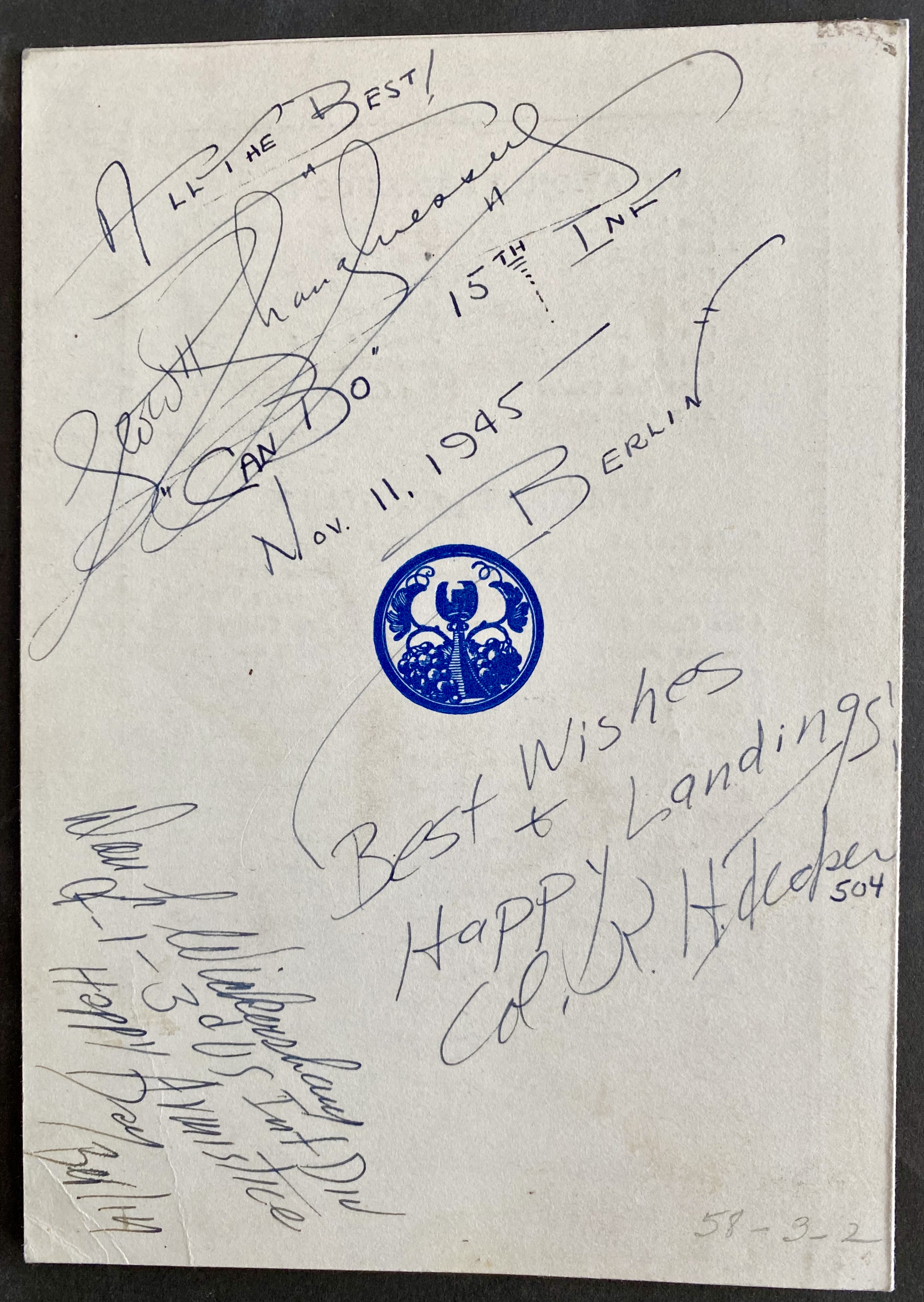
While they were in Berlin for the football game between the Third Division and the 82nd Airborne, Flo and her comrades were invited to a party hosted by the 504th Parachute Regiment. To celebrate Armistice Day in occupied Berlin must have been especially poignant so soon after the end of this second world war.
Flo saved the wine list which listed no wine, but more cocktails than I knew existed. I recognize a few—Manhattan, Martini, Gin Fizz—but not most. I wonder if modern bartenders are still making any of these drinks. The list notes that champagne and beer are available, but there is no mention of wine, at least on this page. Maybe Americans were just not partial to wine in the year 1945.











 tradeswomn musings