
Flo meets up with some GI buddies on their Swiss leave
My Mother and Audie Murpy Ch. 104
Ch. 105: https://mollymartin.blog/2026/03/19/at-the-7th-infantry-house/
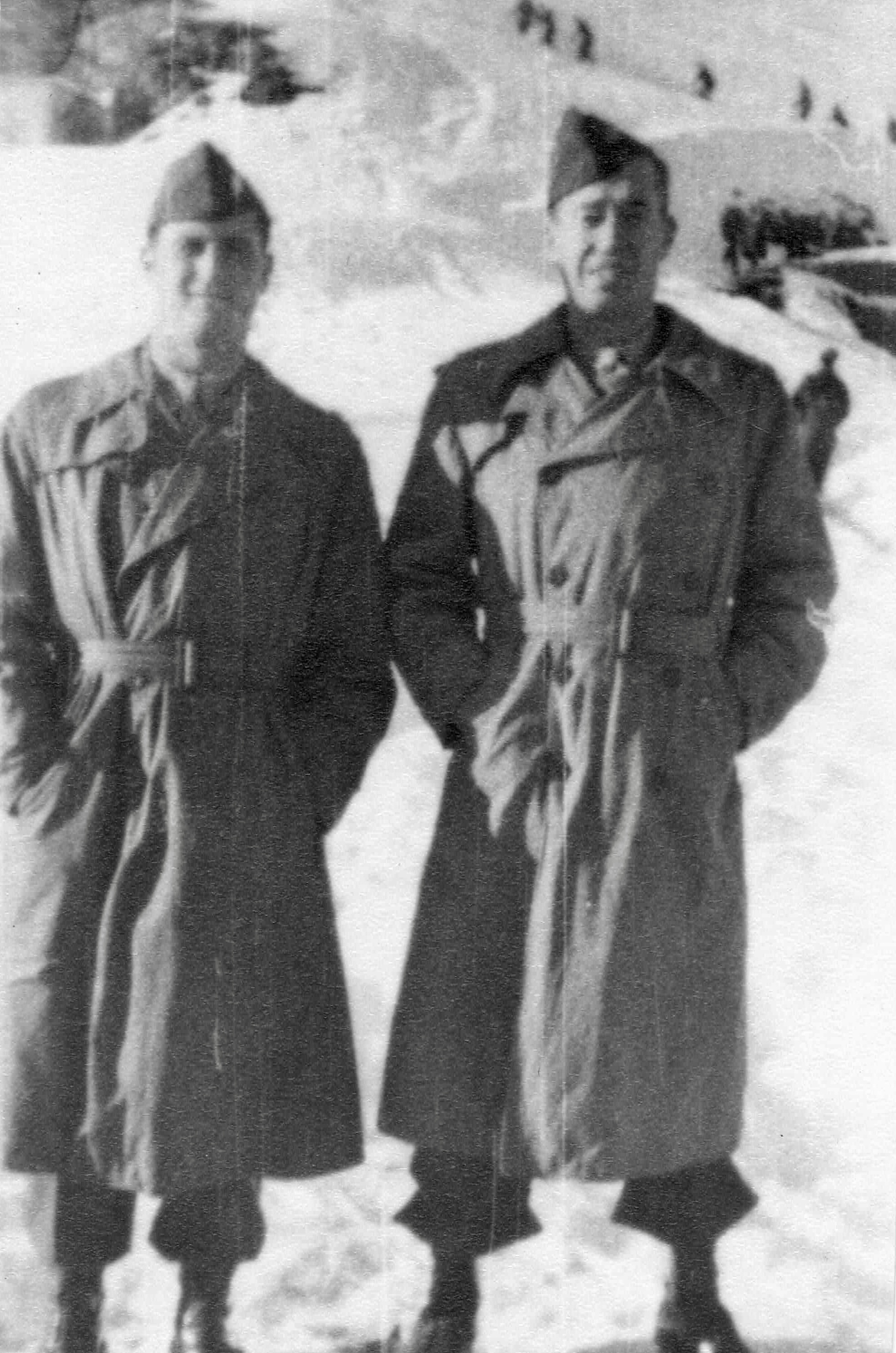
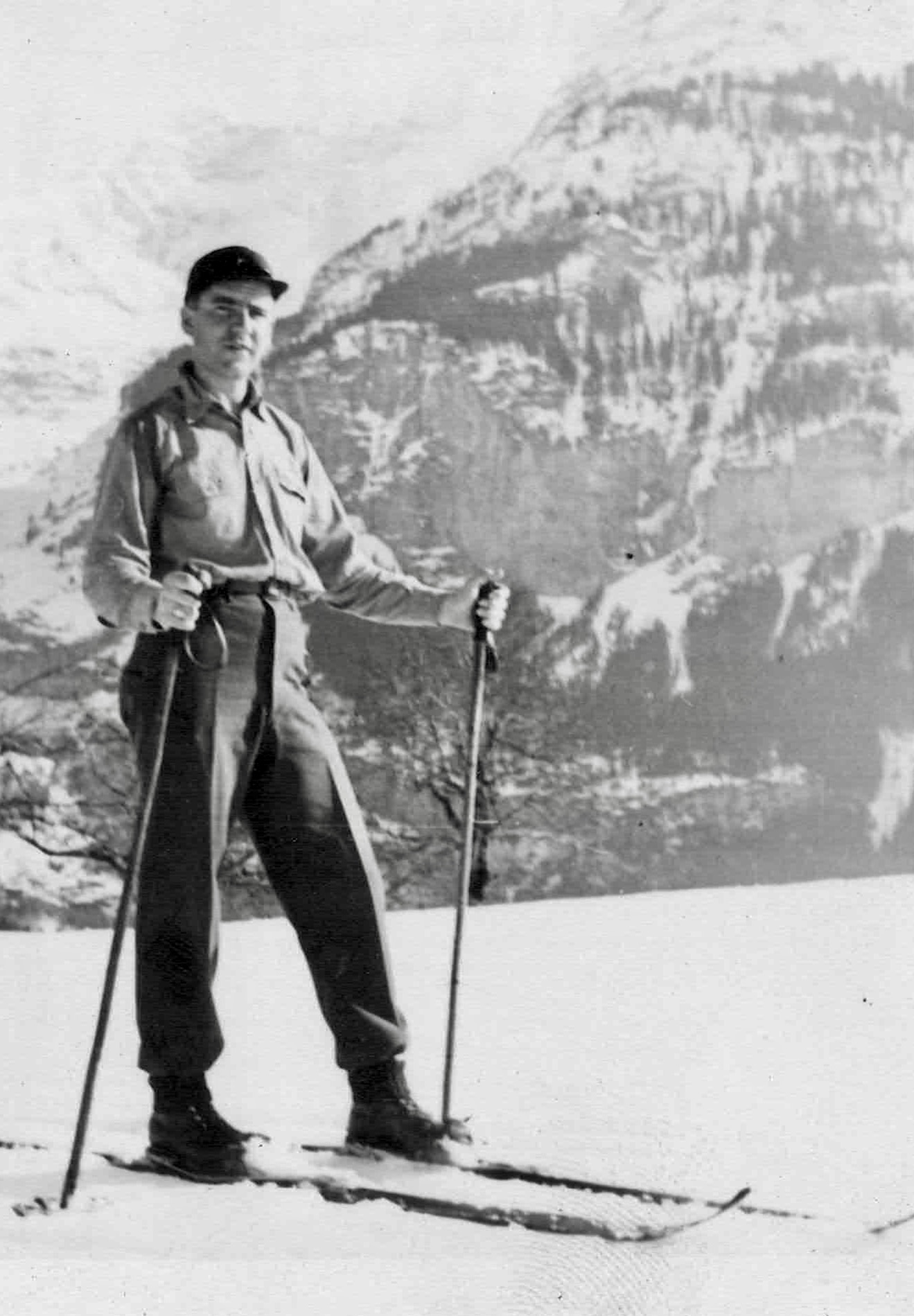
Flo meets up with some GI buddies on their Swiss leave
My Mother and Audie Murpy Ch. 104
Ch. 105: https://mollymartin.blog/2026/03/19/at-the-7th-infantry-house/
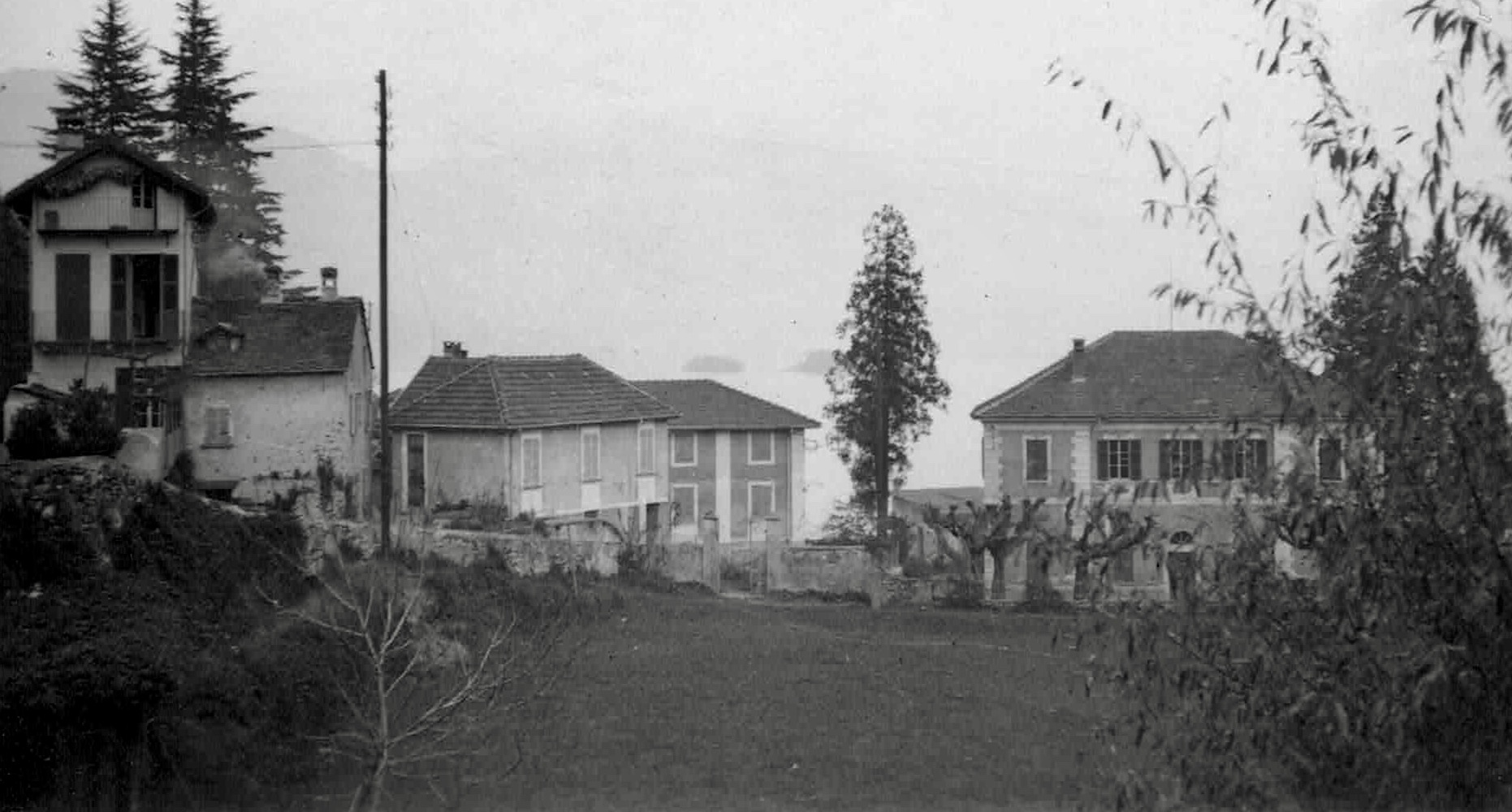
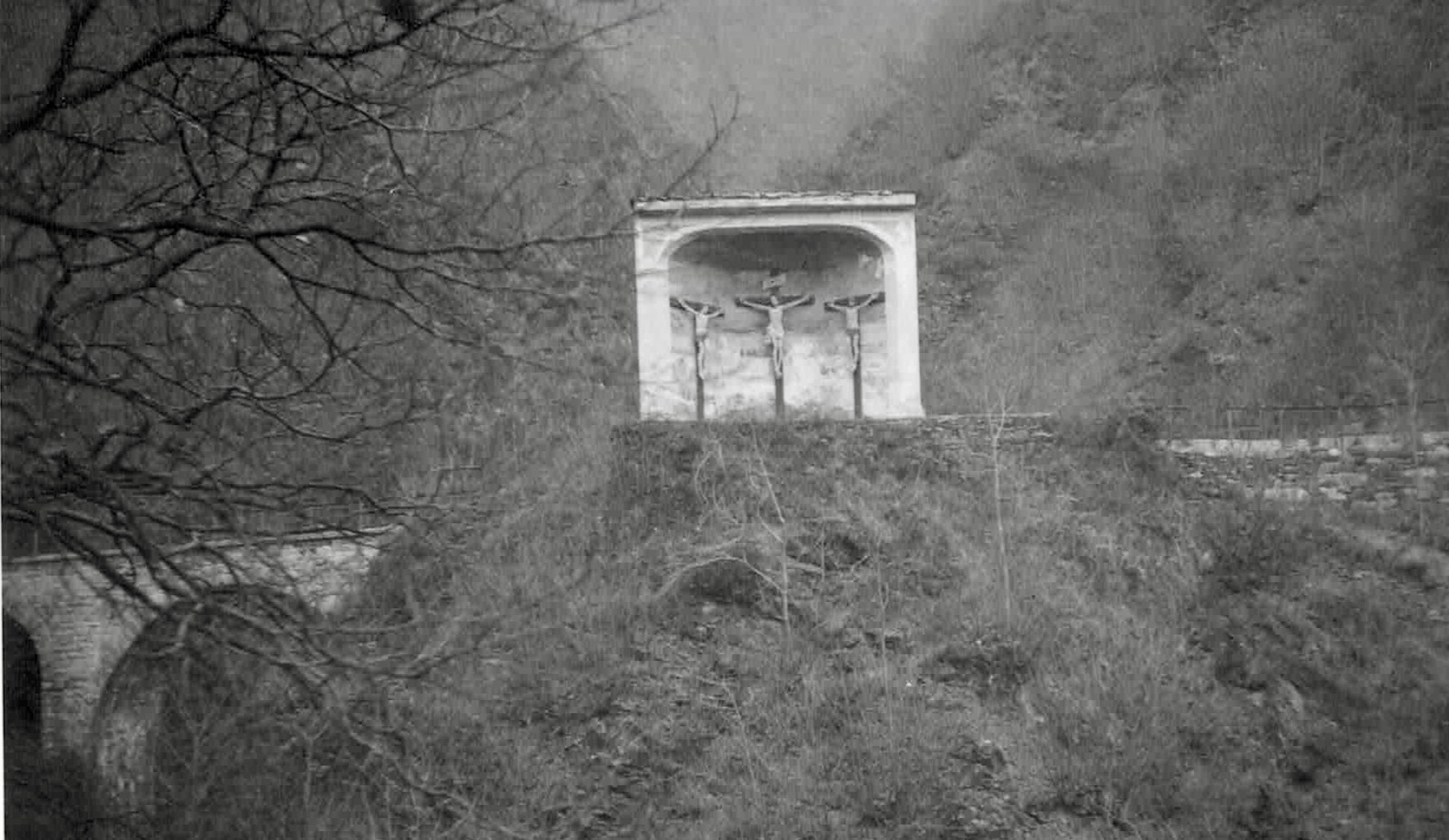
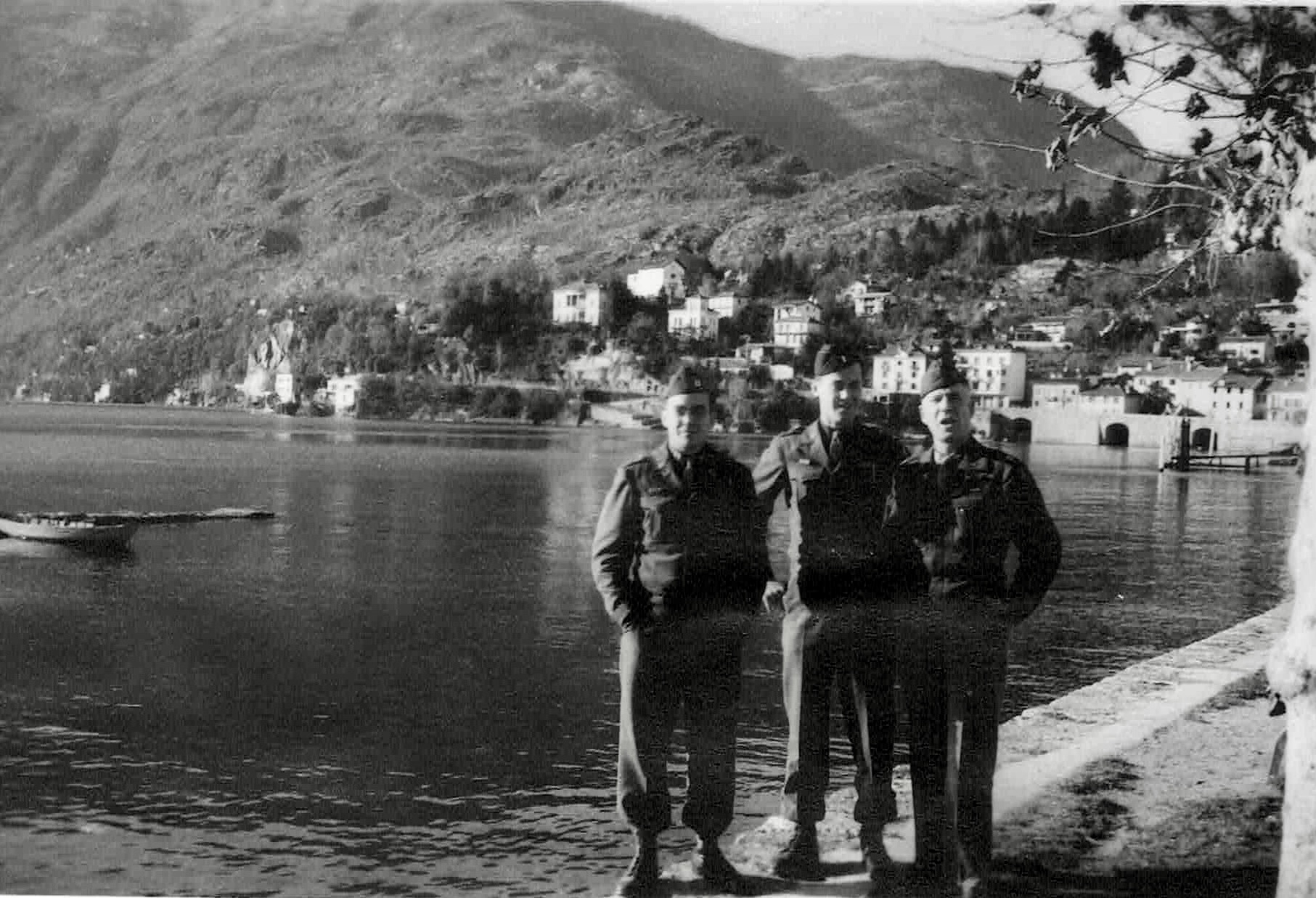
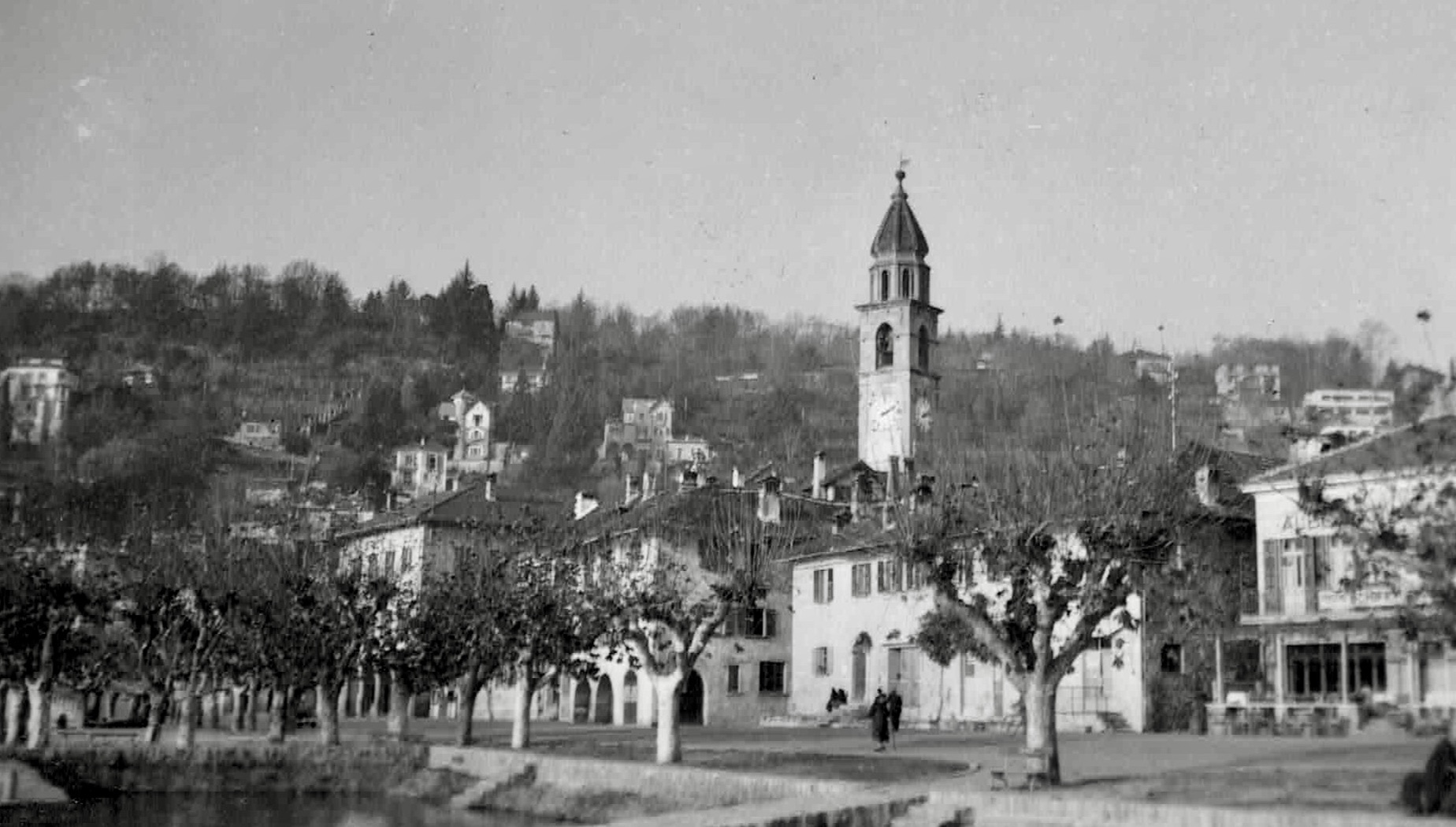
Near Locarno, Switzerland
My Mother and Audie Murphy Ch. 103
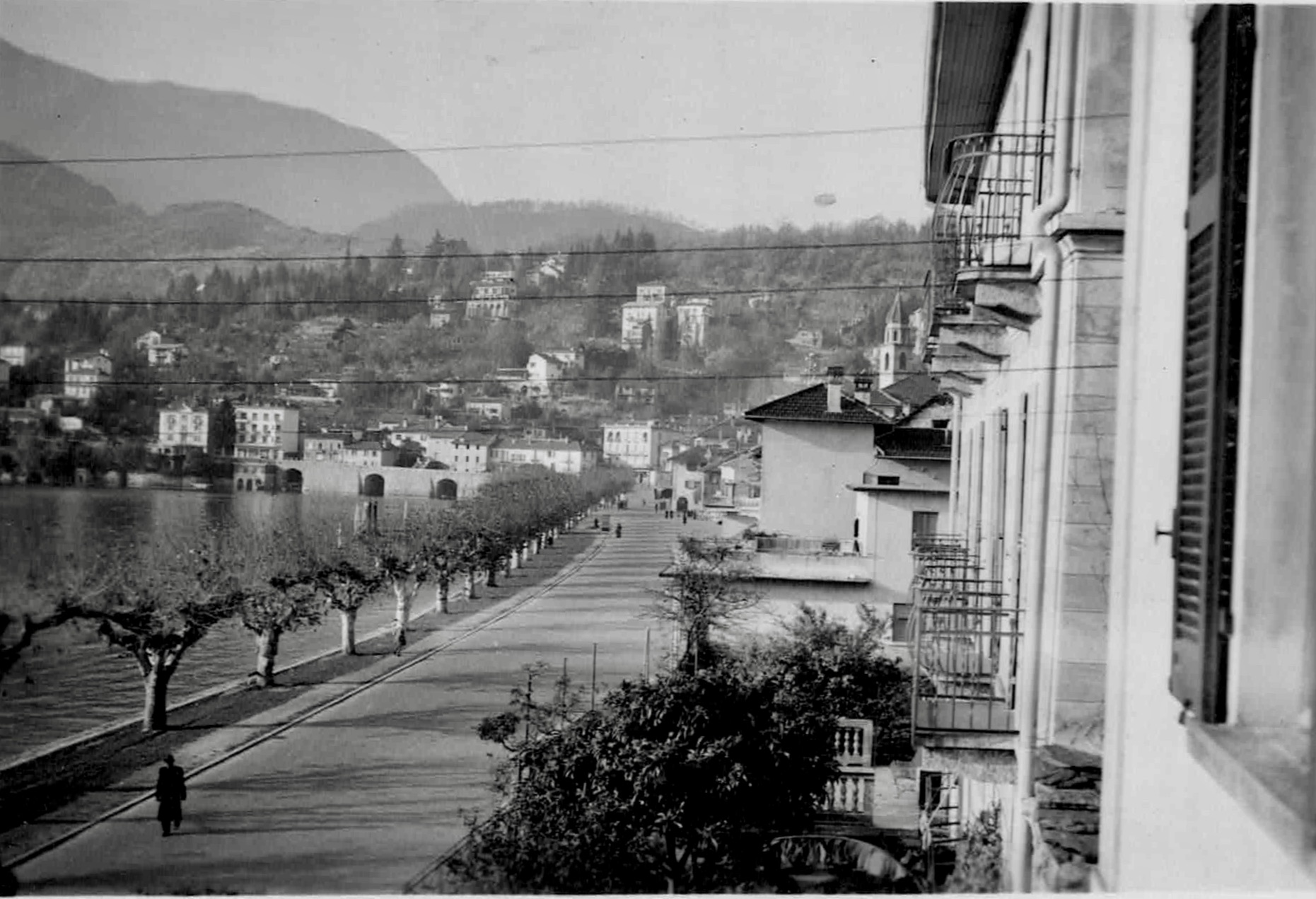
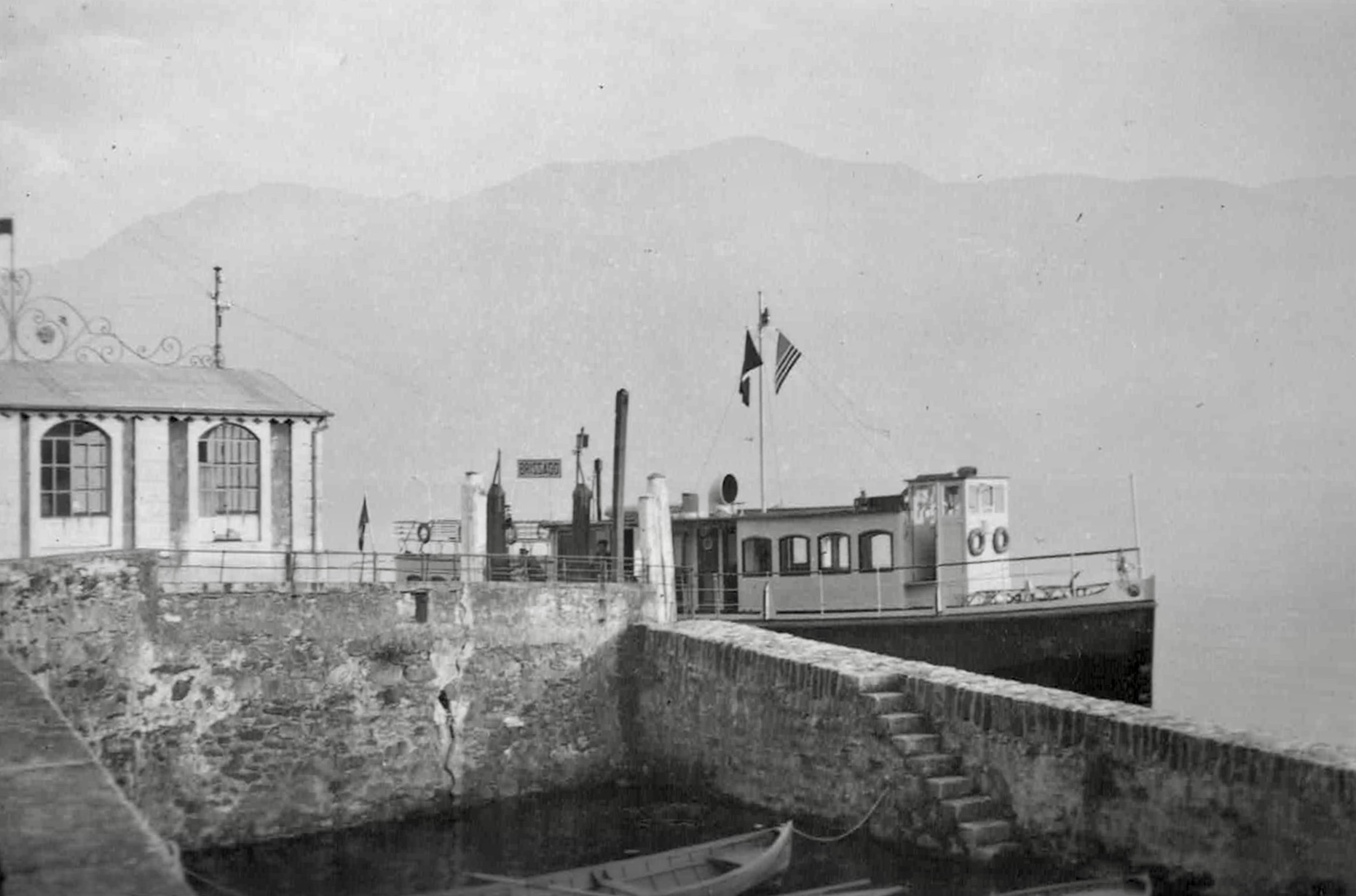
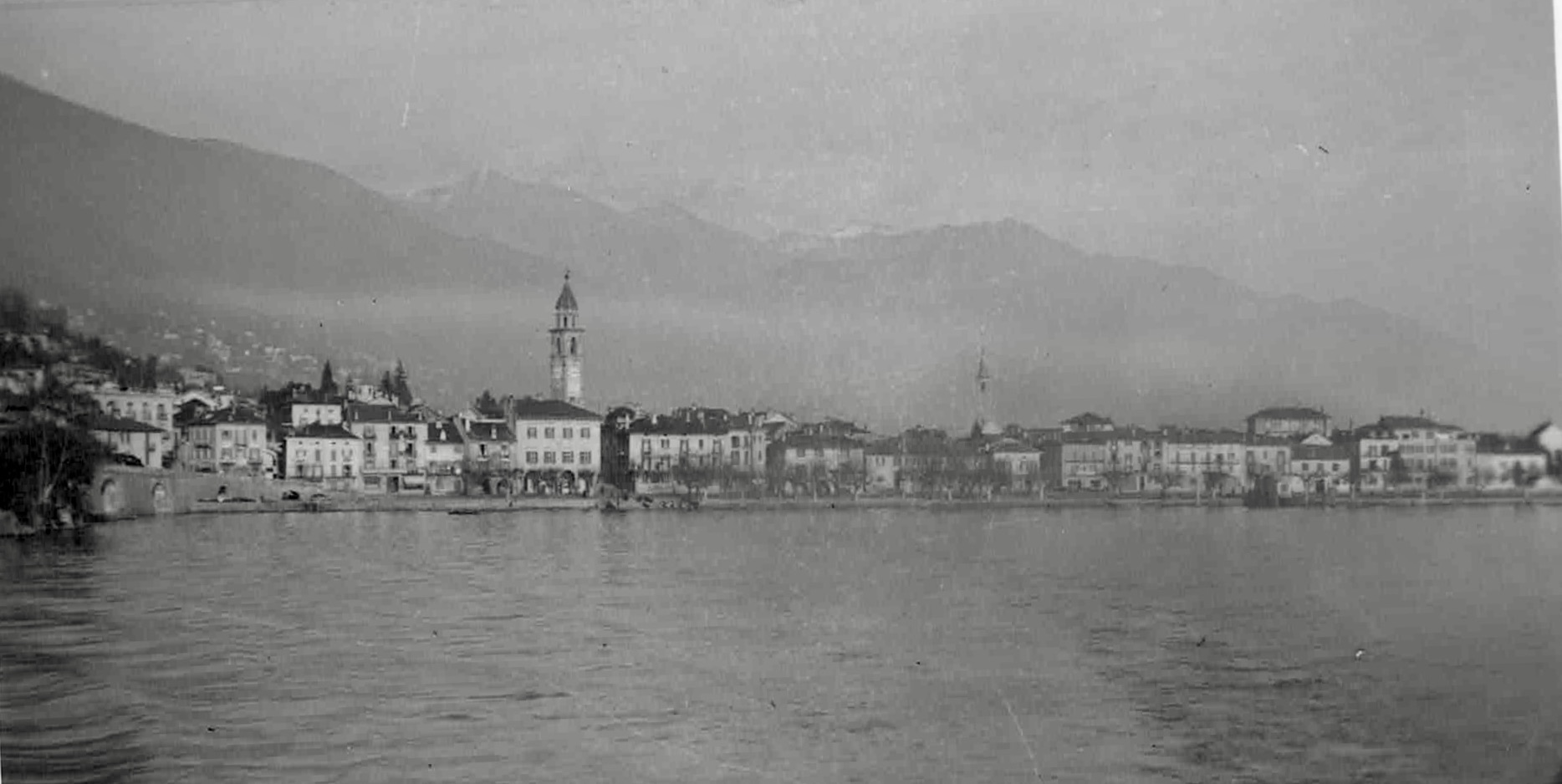
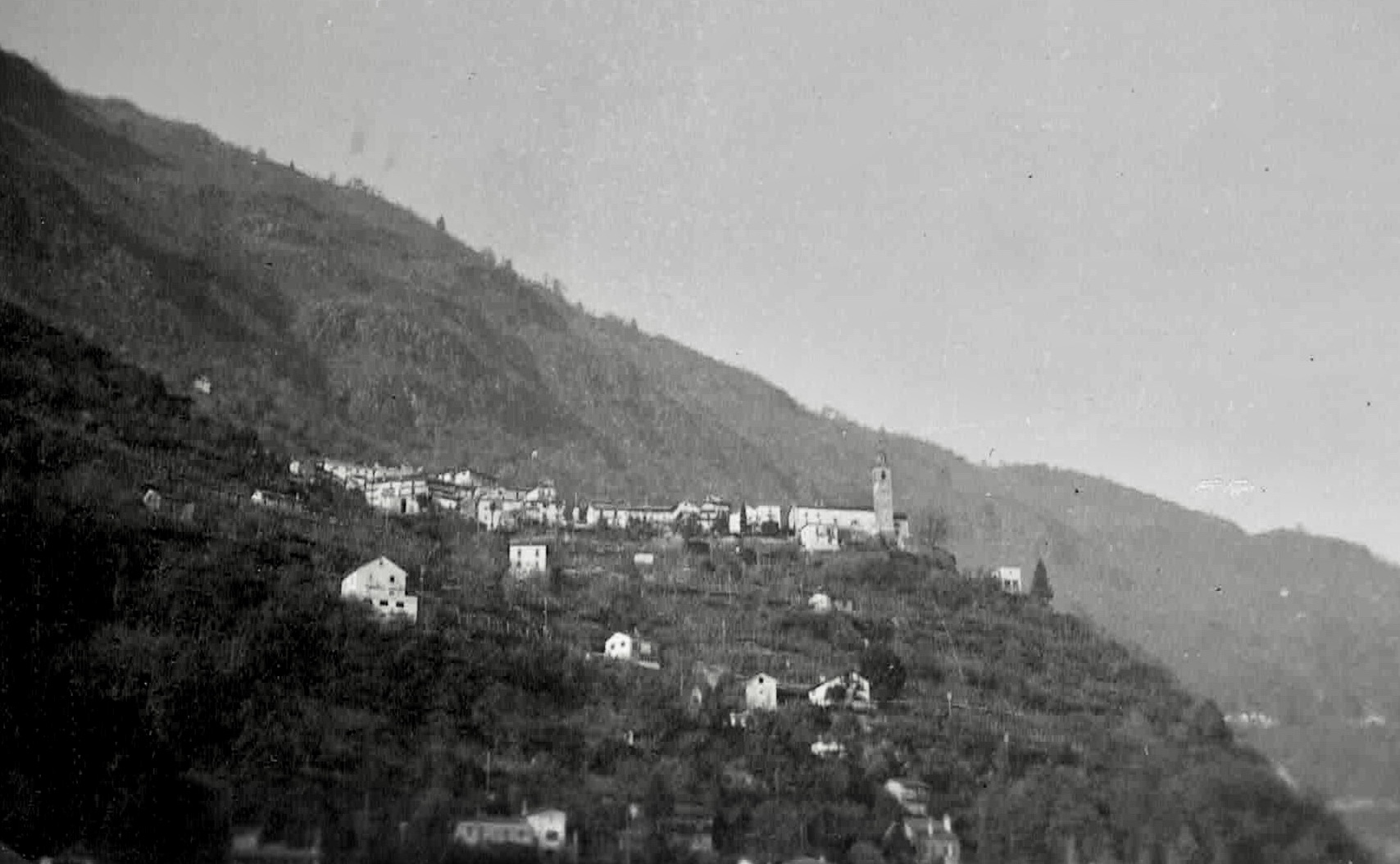
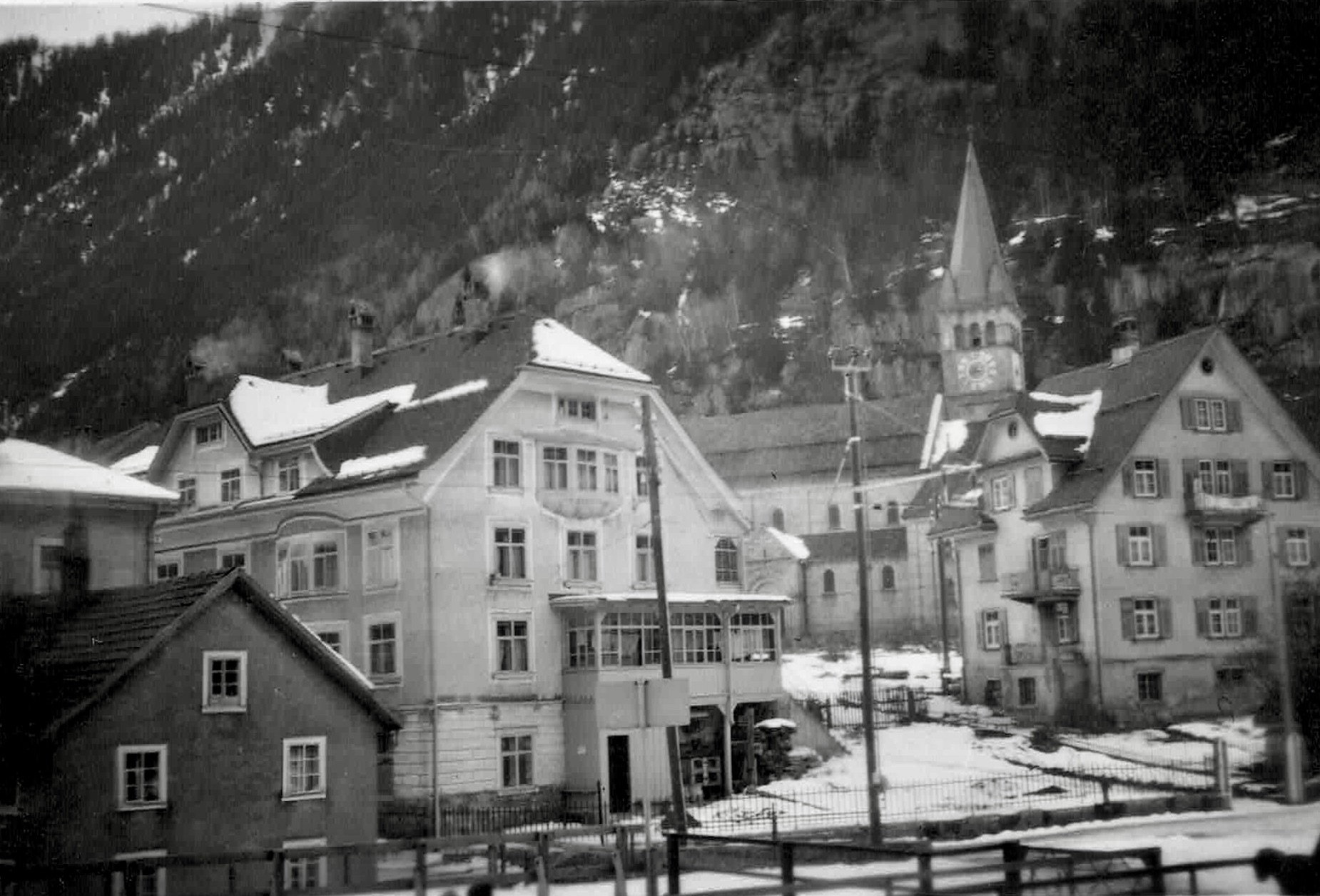
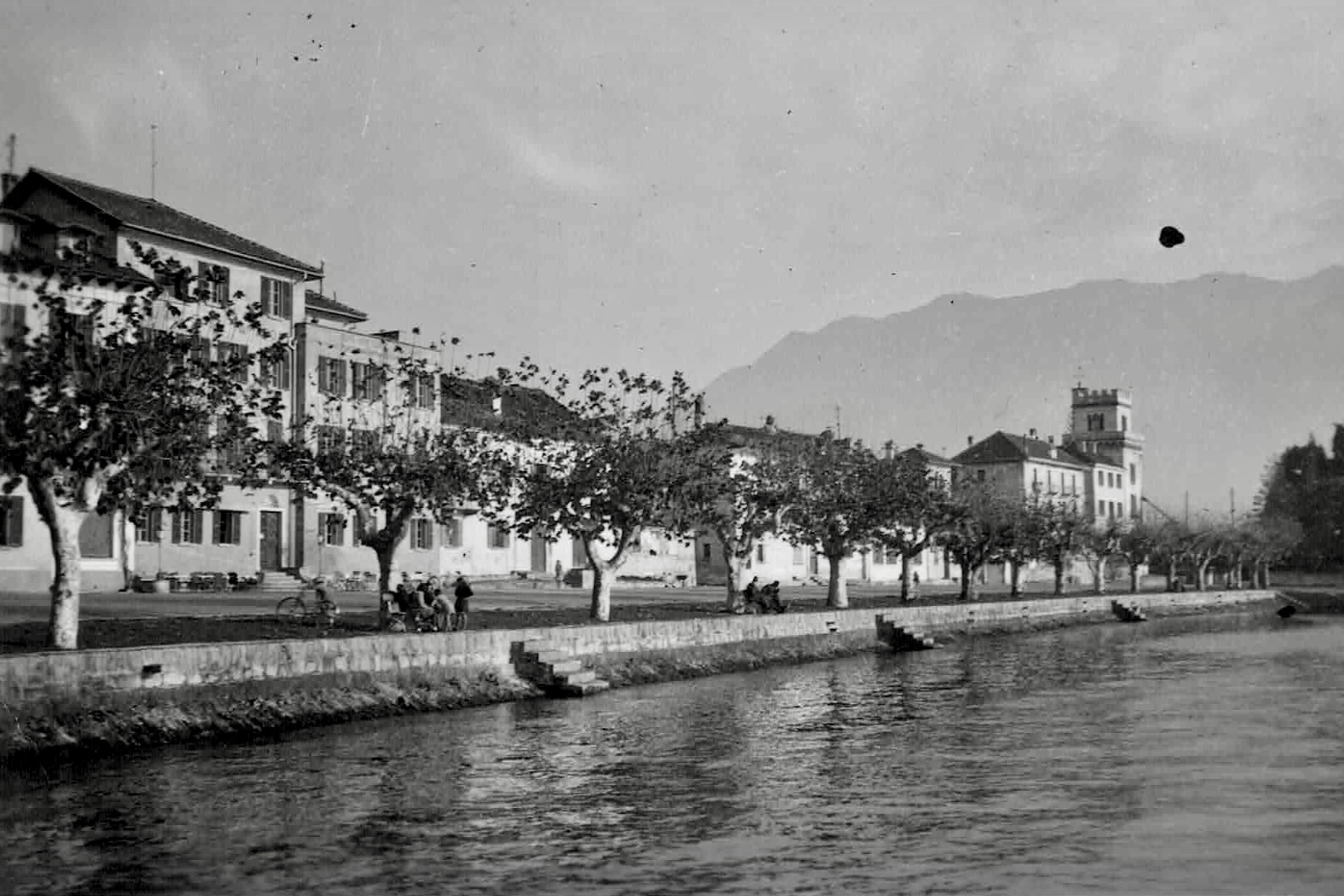
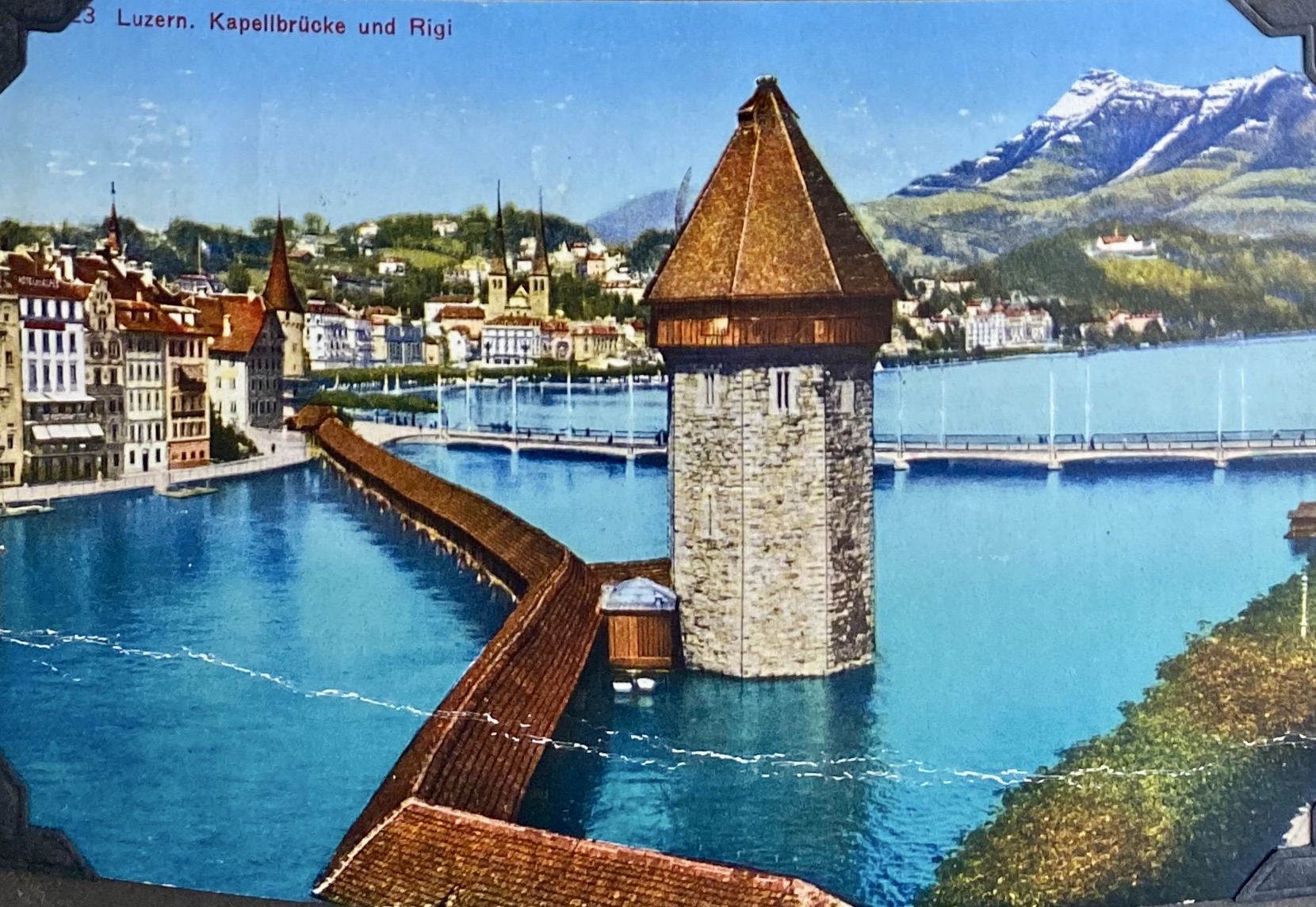
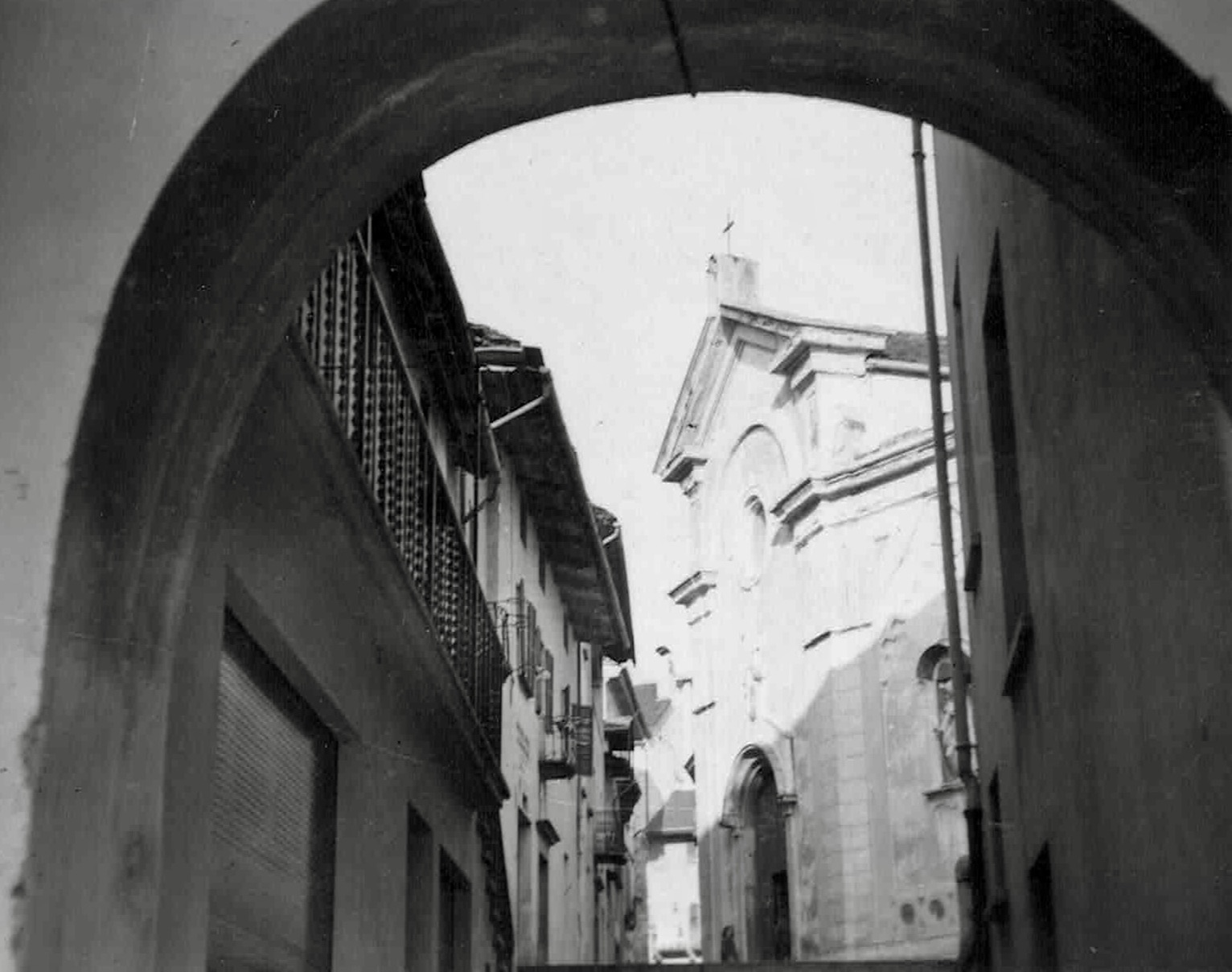
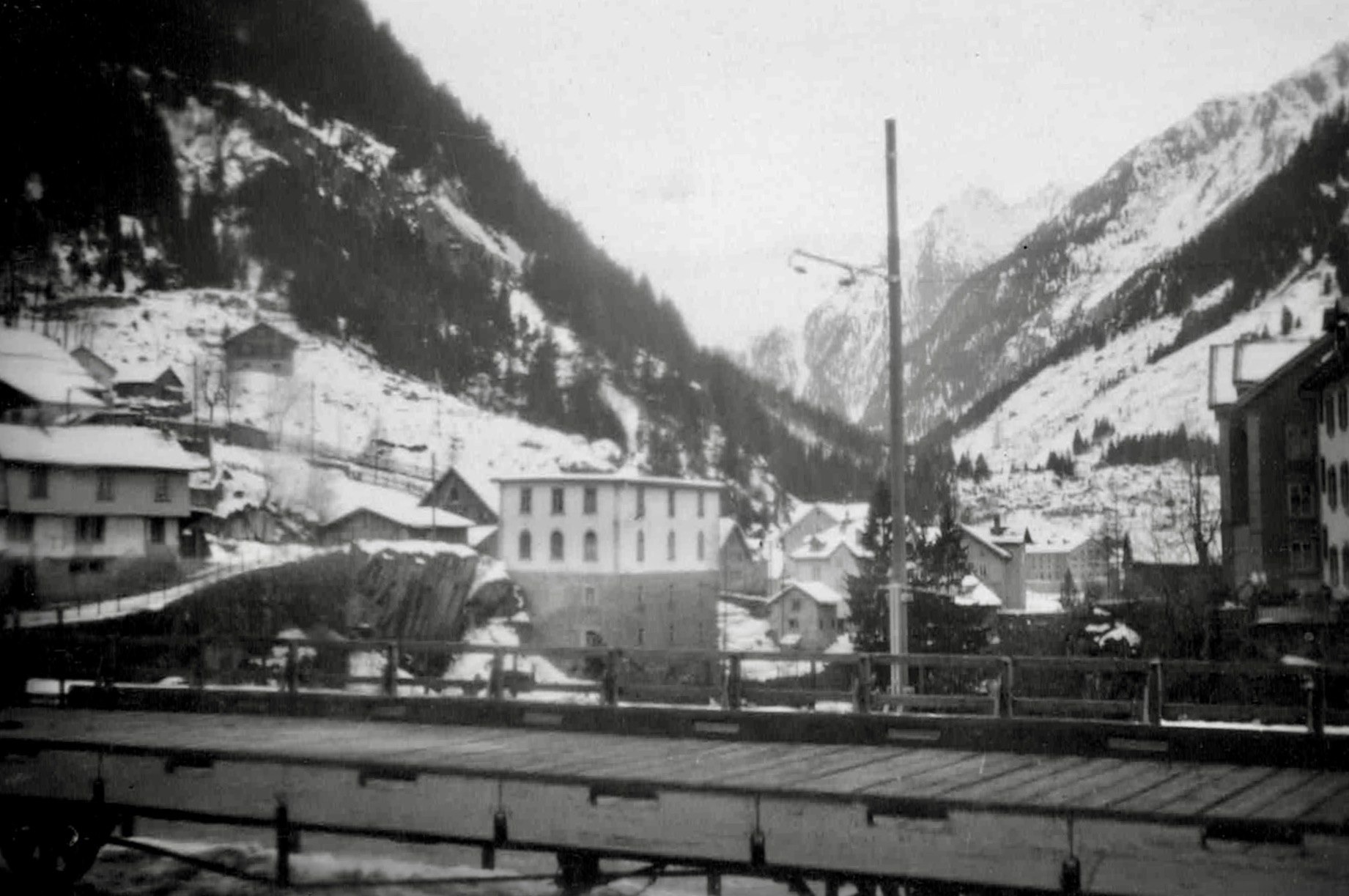
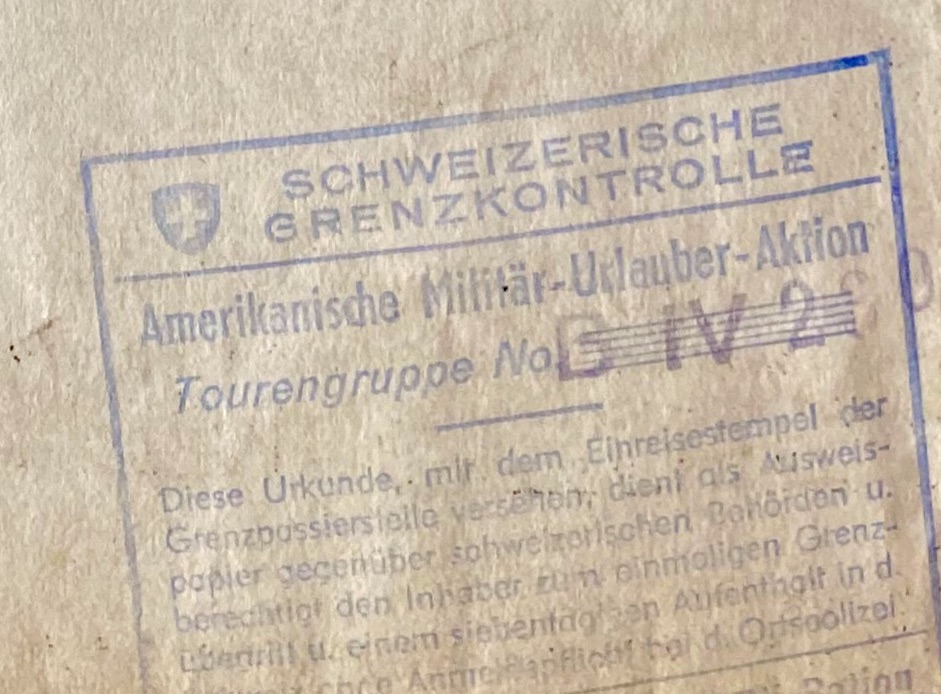
At the end of the year Flo scored a leave to Switzerland. She didn’t give enough detail on this page of her album to tell if she was traveling alone or with someone but it seems she was traveling alone.
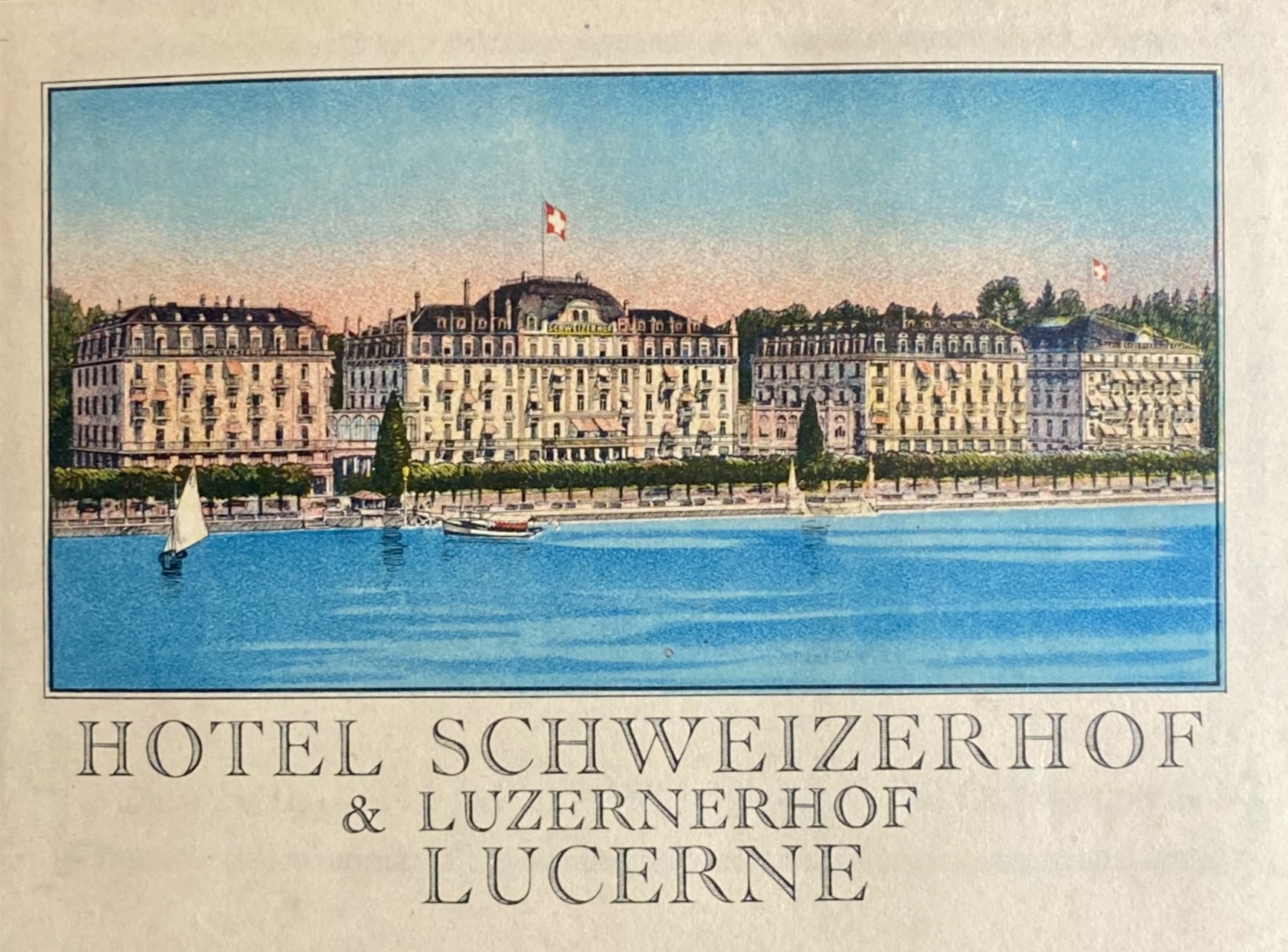
Famously neutral during the war, the Swiss managed to pull it off, never being bombed or invaded. Switzerland had entered the war determined to remain neutral yet fully prepared to defend itself. In August 1939, days before Germany invaded Poland, the Swiss government mobilized its military, signaling that neutrality would be backed by force. Surrounded by Axis powers, Switzerland relied on its rugged geography, fortified defenses, and a vigilant air force to deter invasion. Swiss pilots even engaged German aircraft that violated their airspace, shooting down eleven while losing only three of their own. At the same time, the country became a refuge for some of those fleeing the conflict and a hub of quiet diplomacy, hosting negotiations and humanitarian efforts that underscored its role as a neutral intermediary.
Swiss businesses continued to trade with Germany, a reality that later raised ethical questions about the limits of neutrality, while the government struggled to preserve independence under constant pressure. Public sentiment, however, strongly opposed Nazism, fueling what became known as “spiritual defense”—a shared cultural and moral commitment to protect Swiss democracy against totalitarianism. Through military readiness, diplomatic maneuvering, and civic resolve, Switzerland managed to navigate the war’s dangers and emerge with its sovereignty intact.
Ch. 104: https://mollymartin.blog/2026/03/17/traveling-in-switzerland/
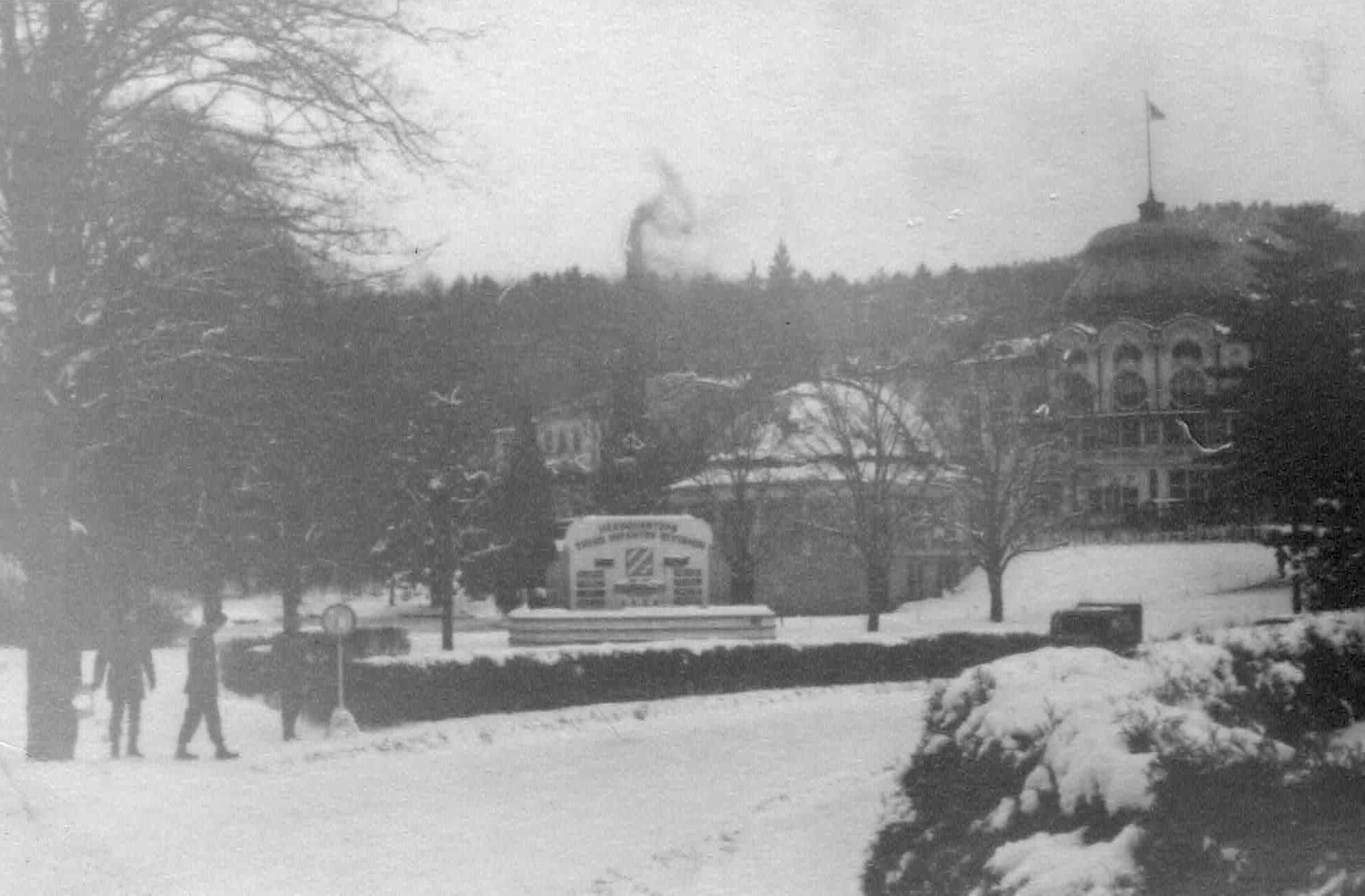
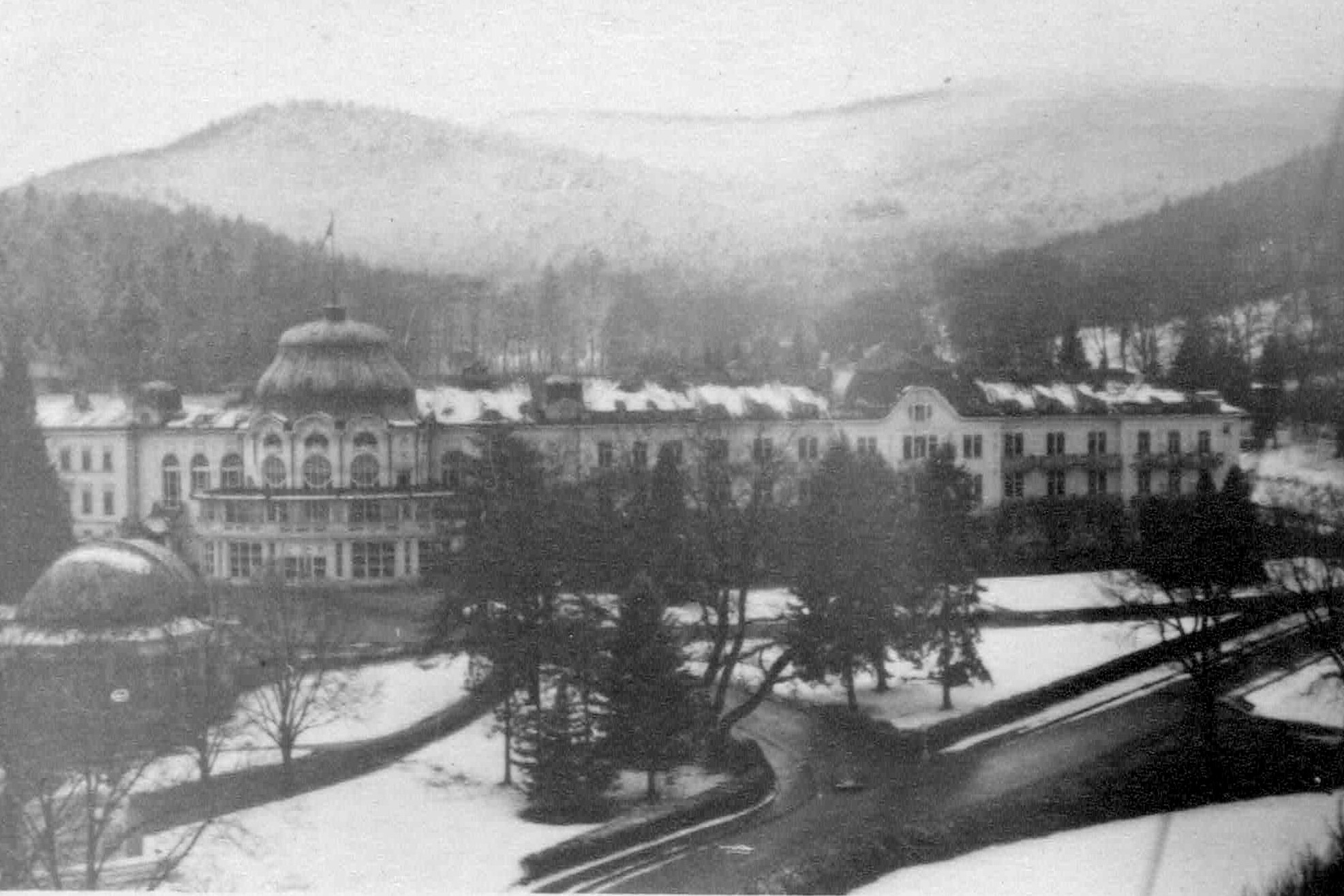
Bad Hotel, Bad Wildungen
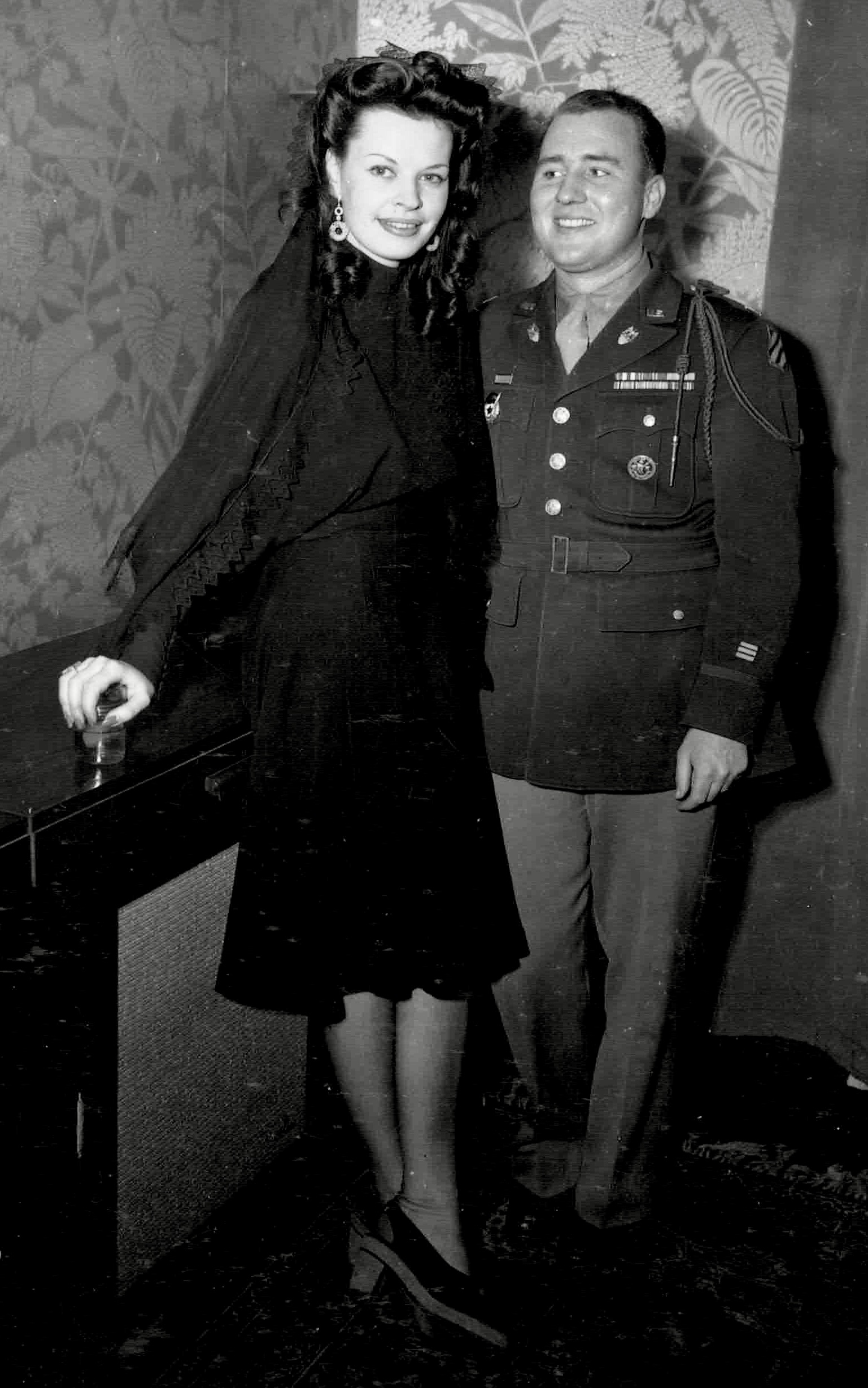
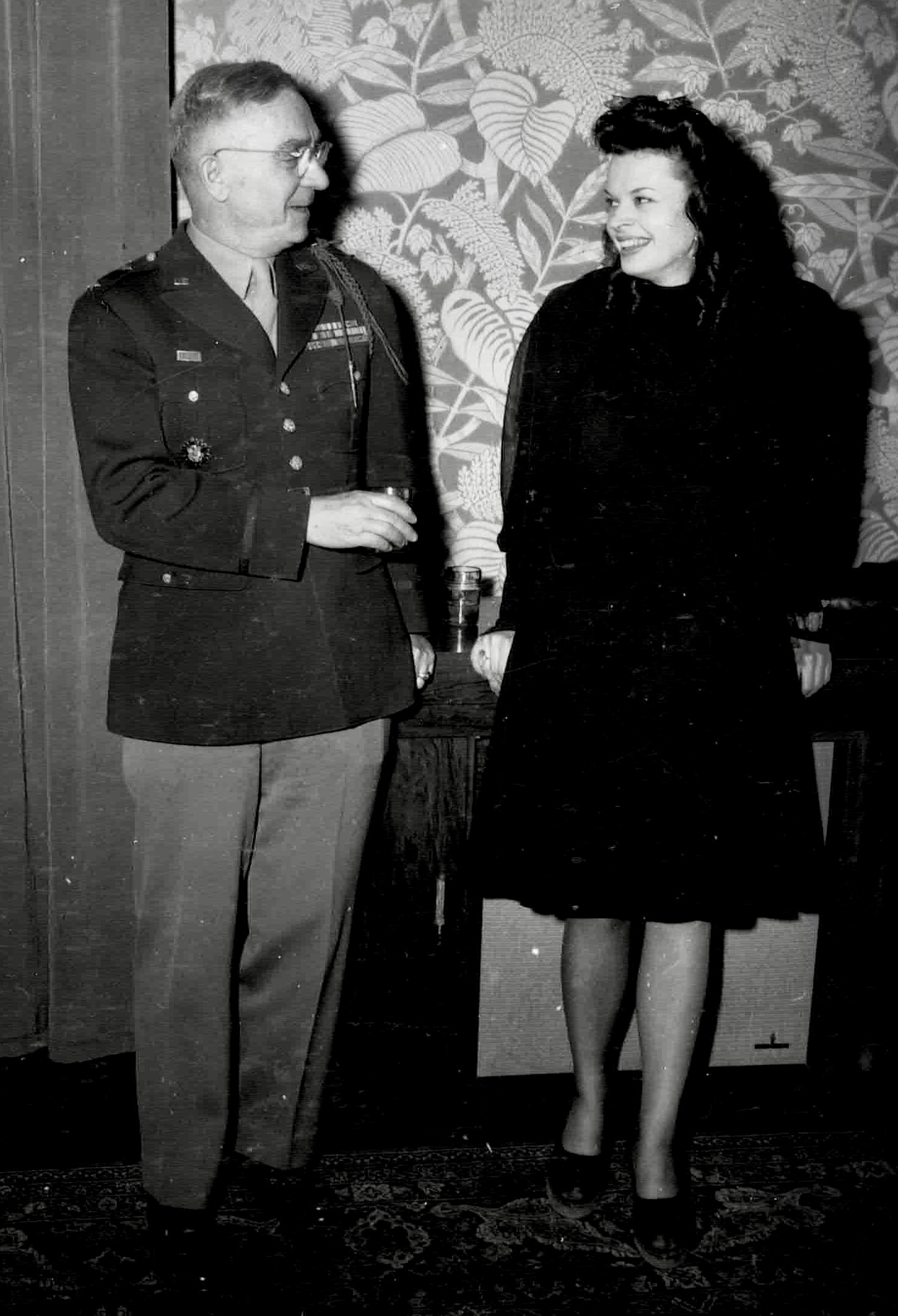
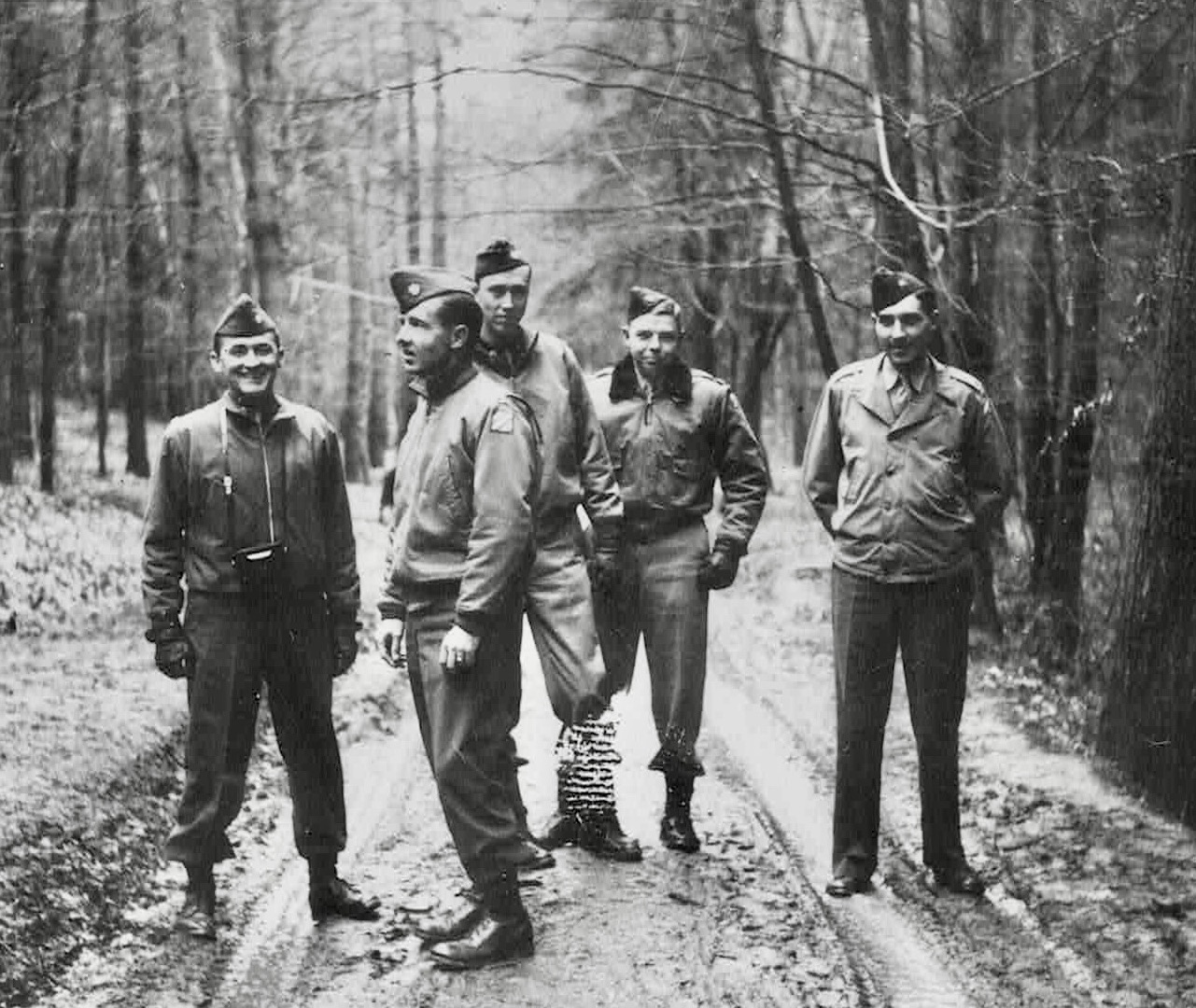
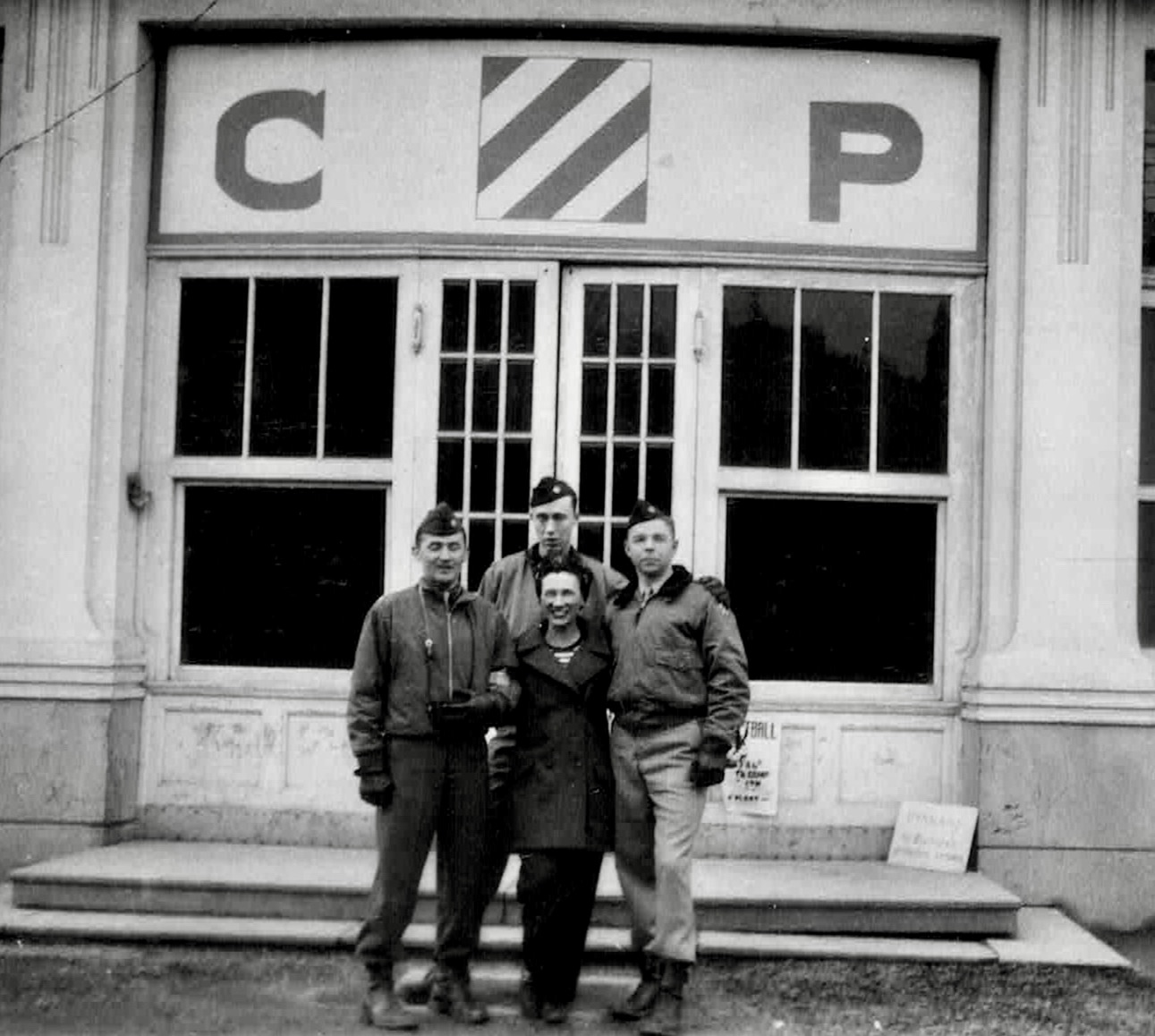
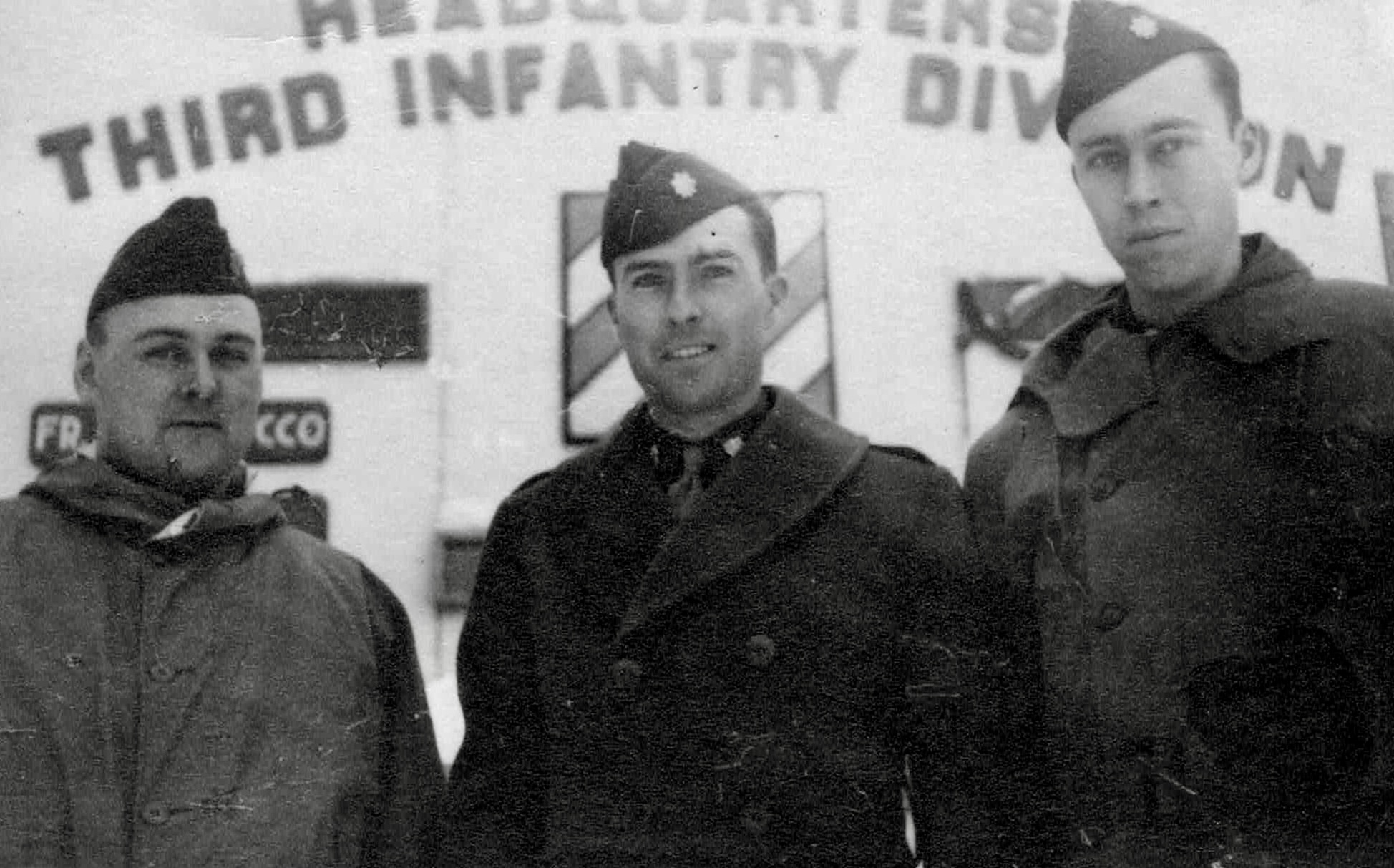
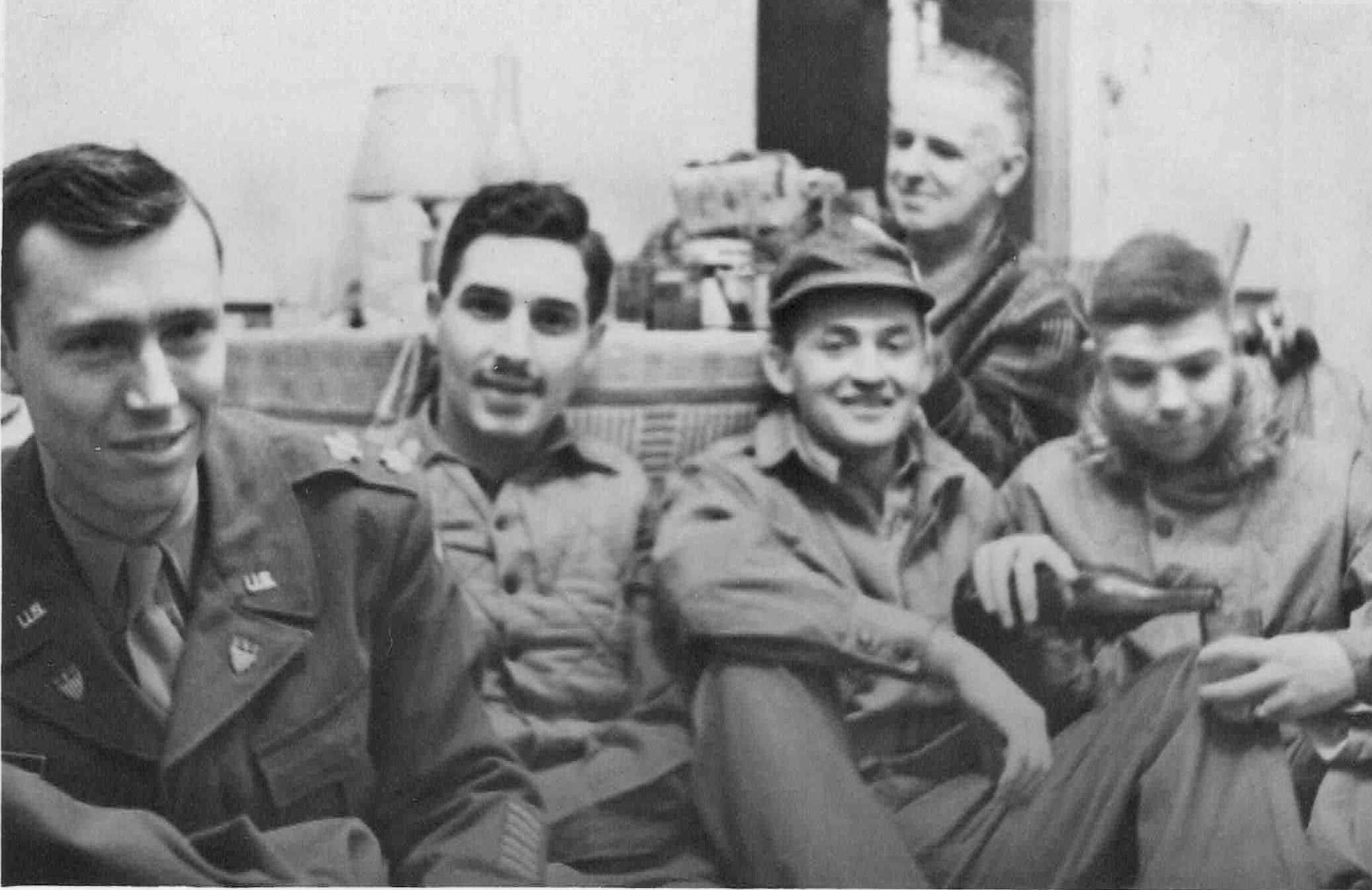
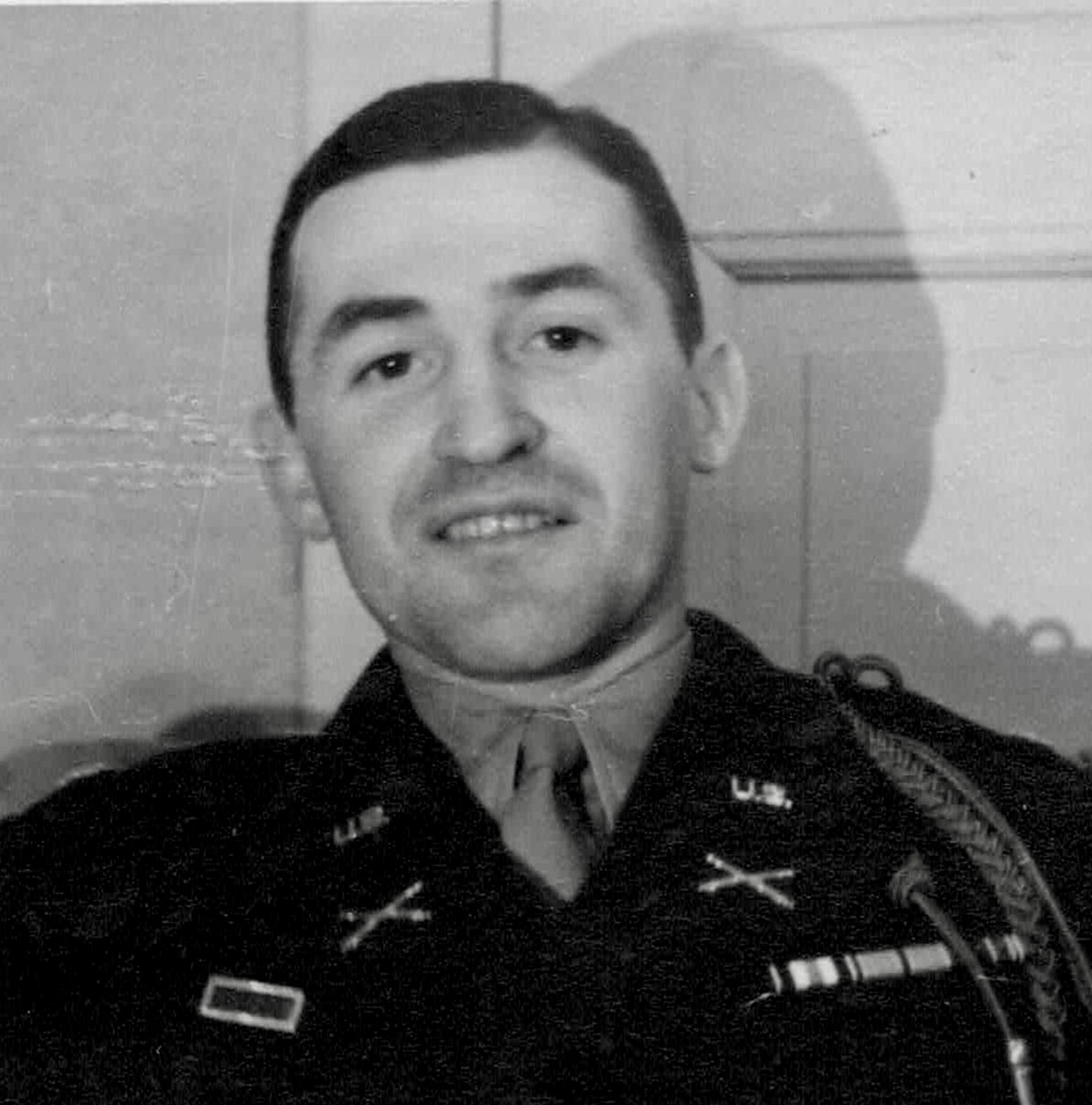
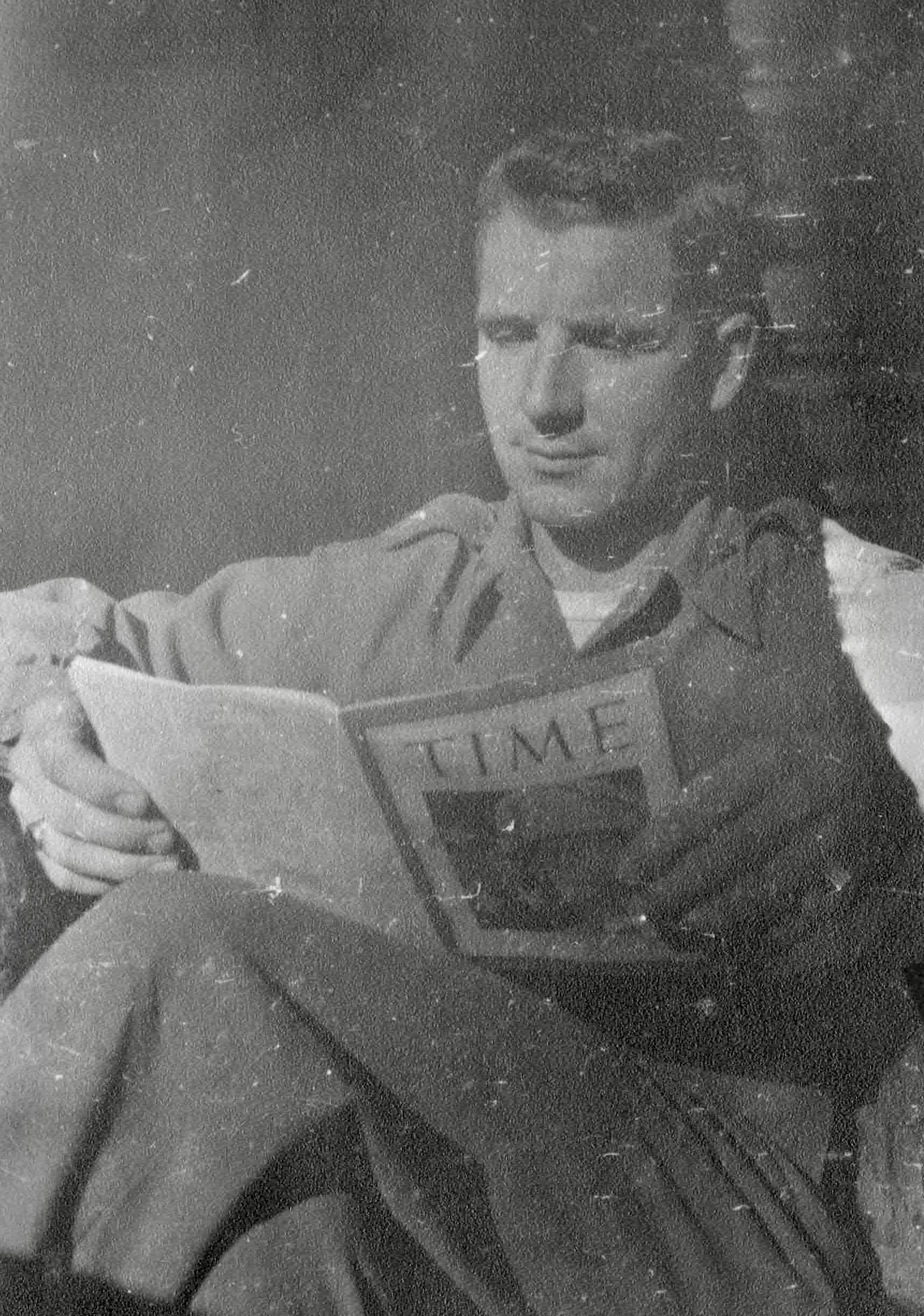
Flo photographed some of her coworkers and visitors at the CP
My Mother and Audie Murphy Ch. 102
Ch. 103: https://mollymartin.blog/2026/03/15/swiss-leave-december-1945/
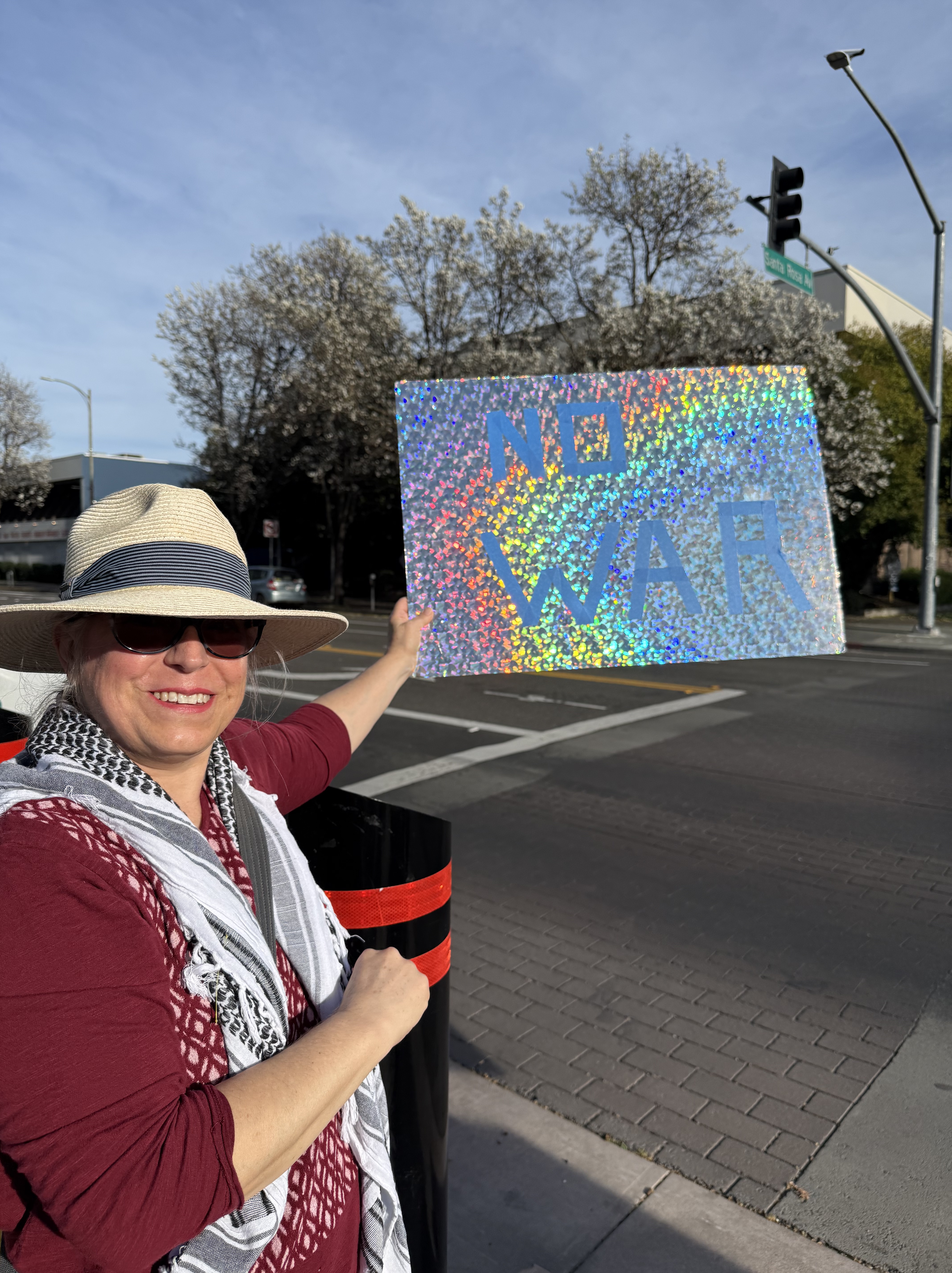
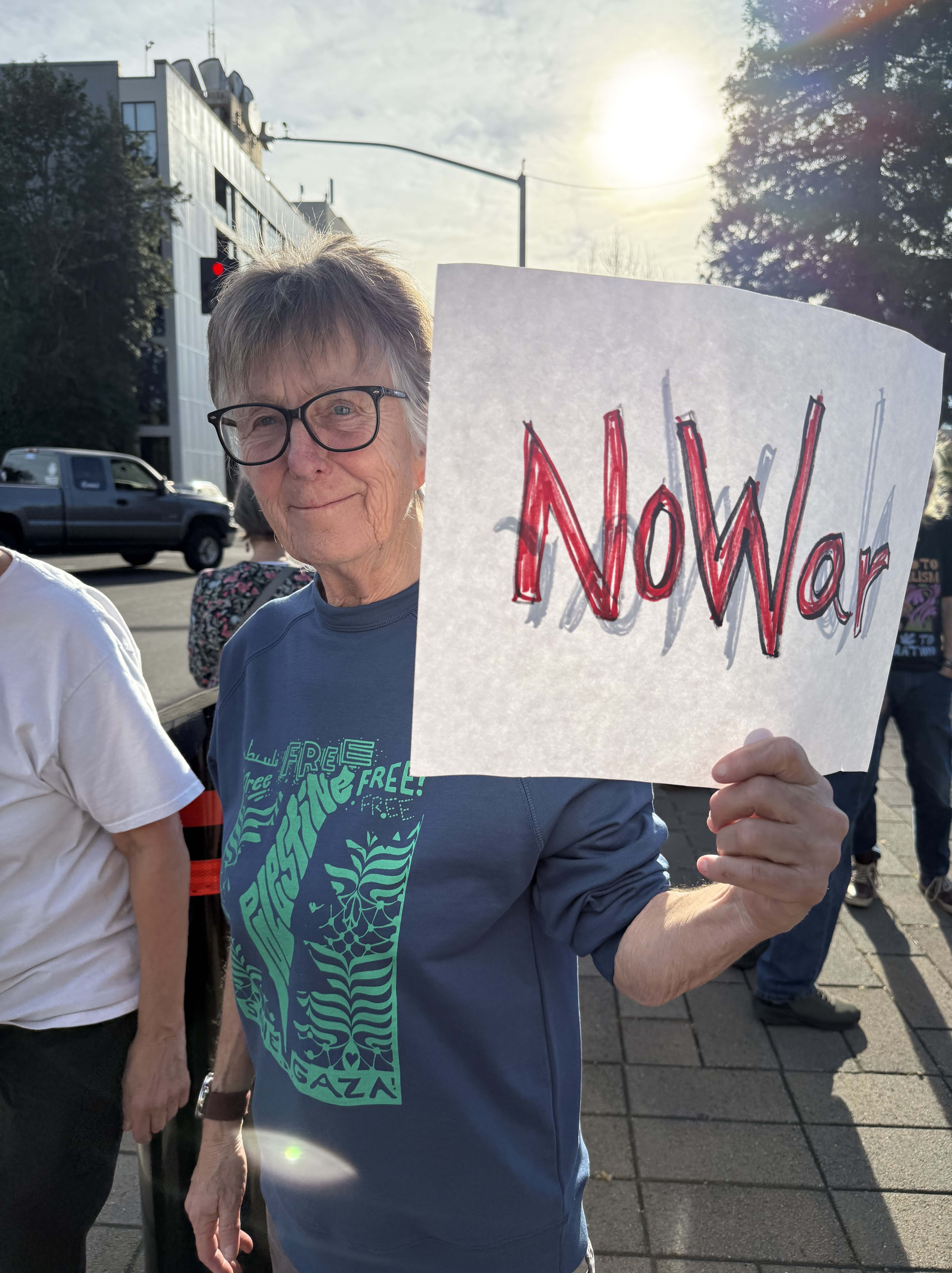
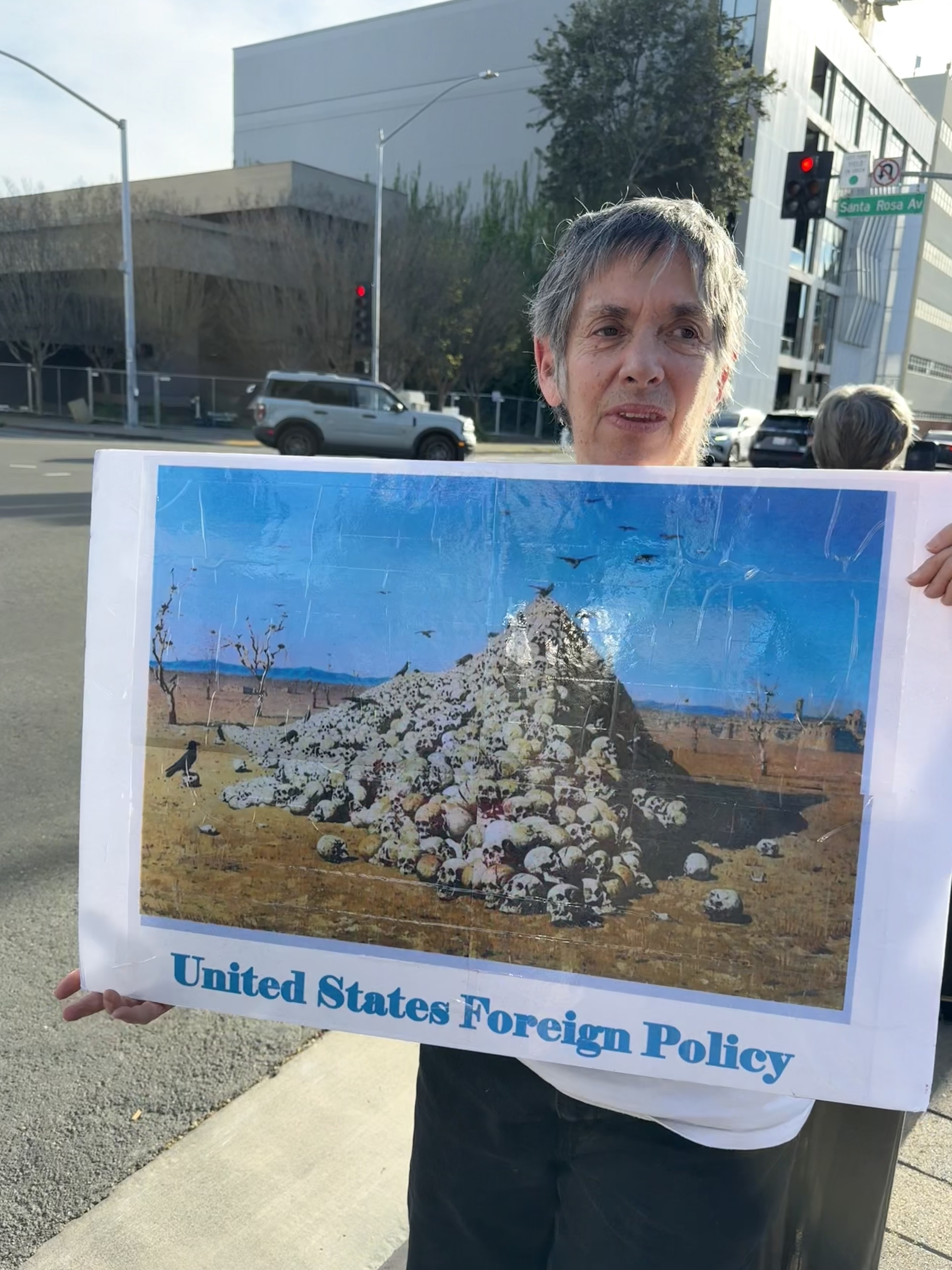
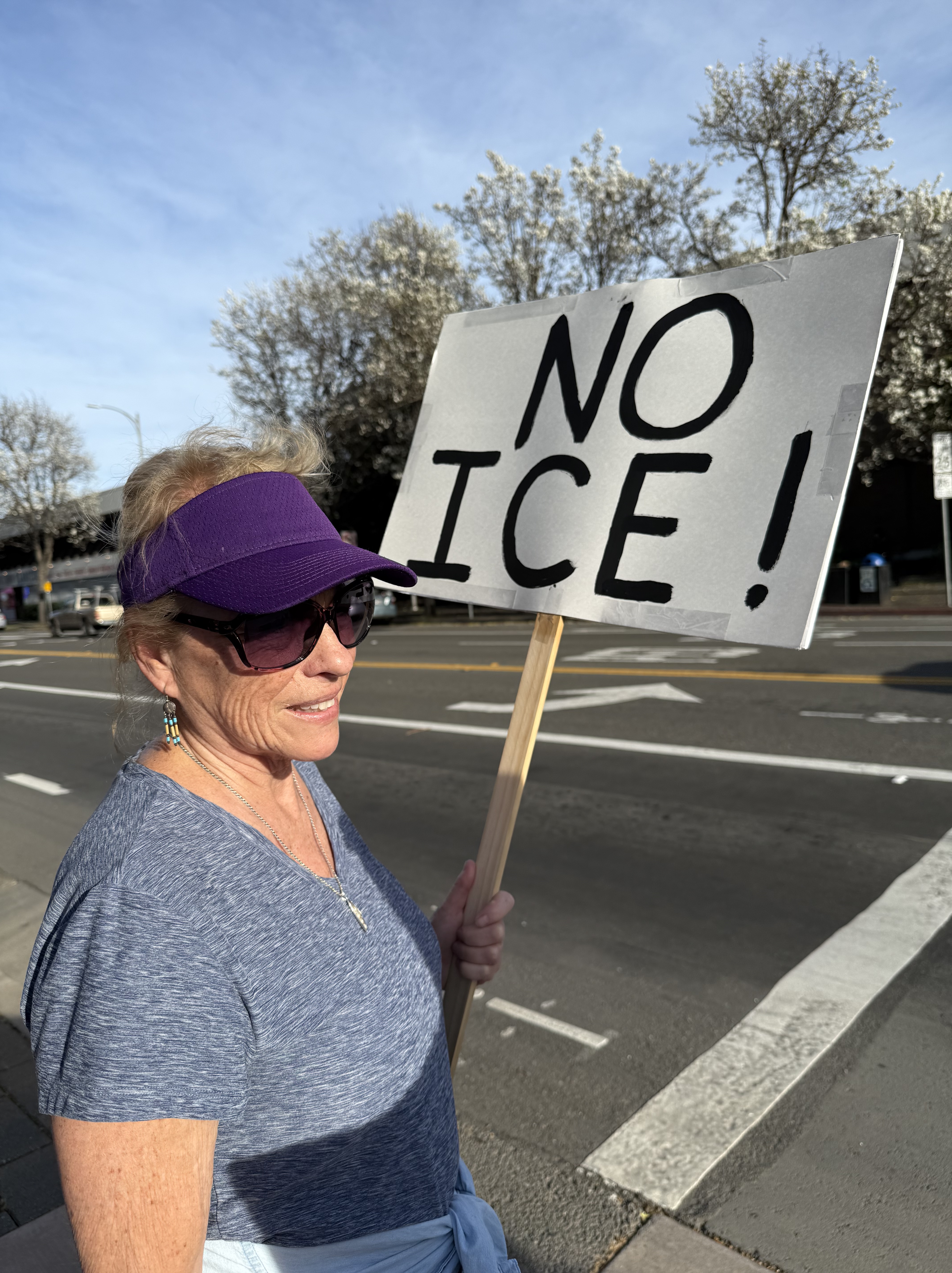
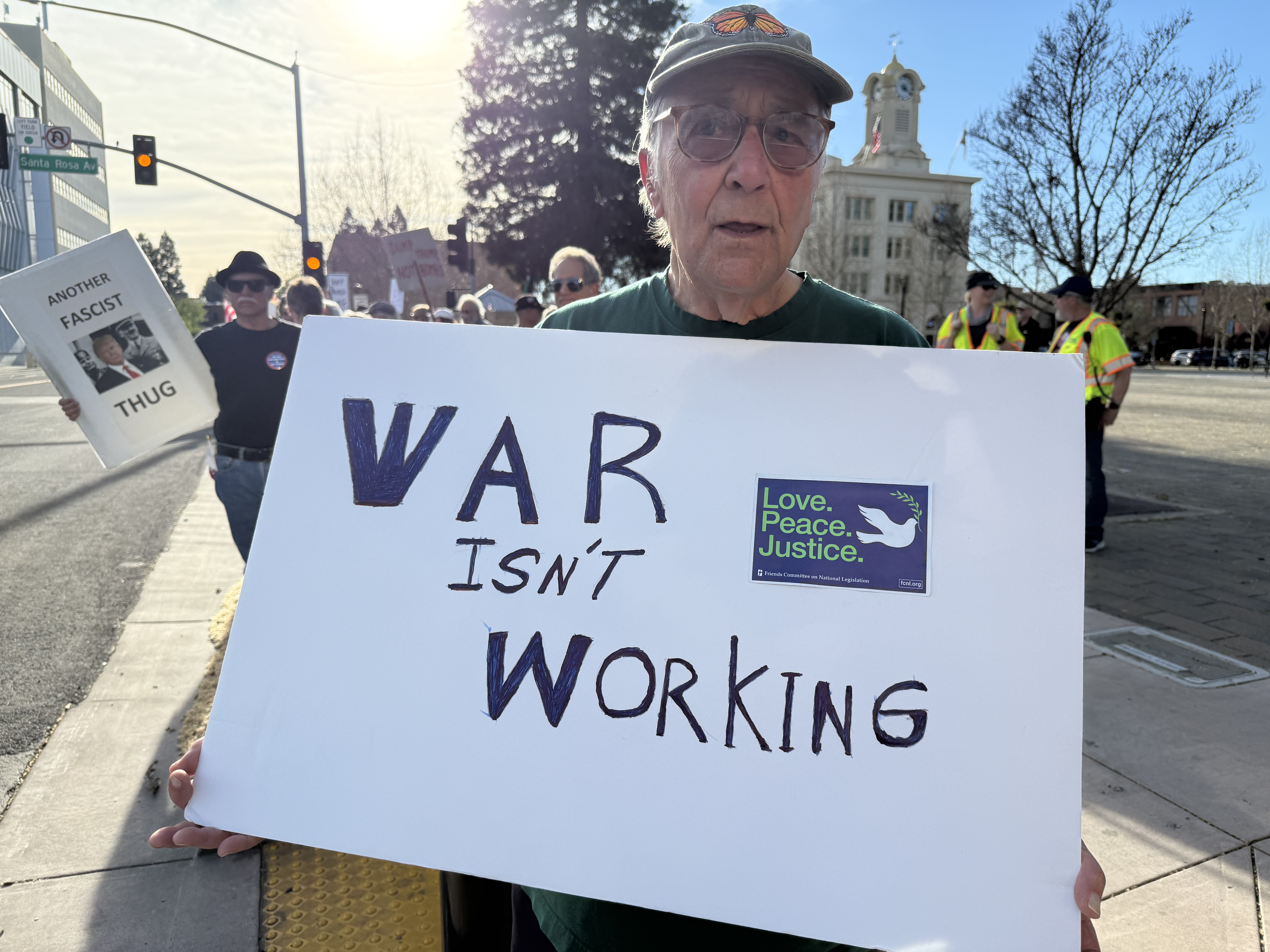
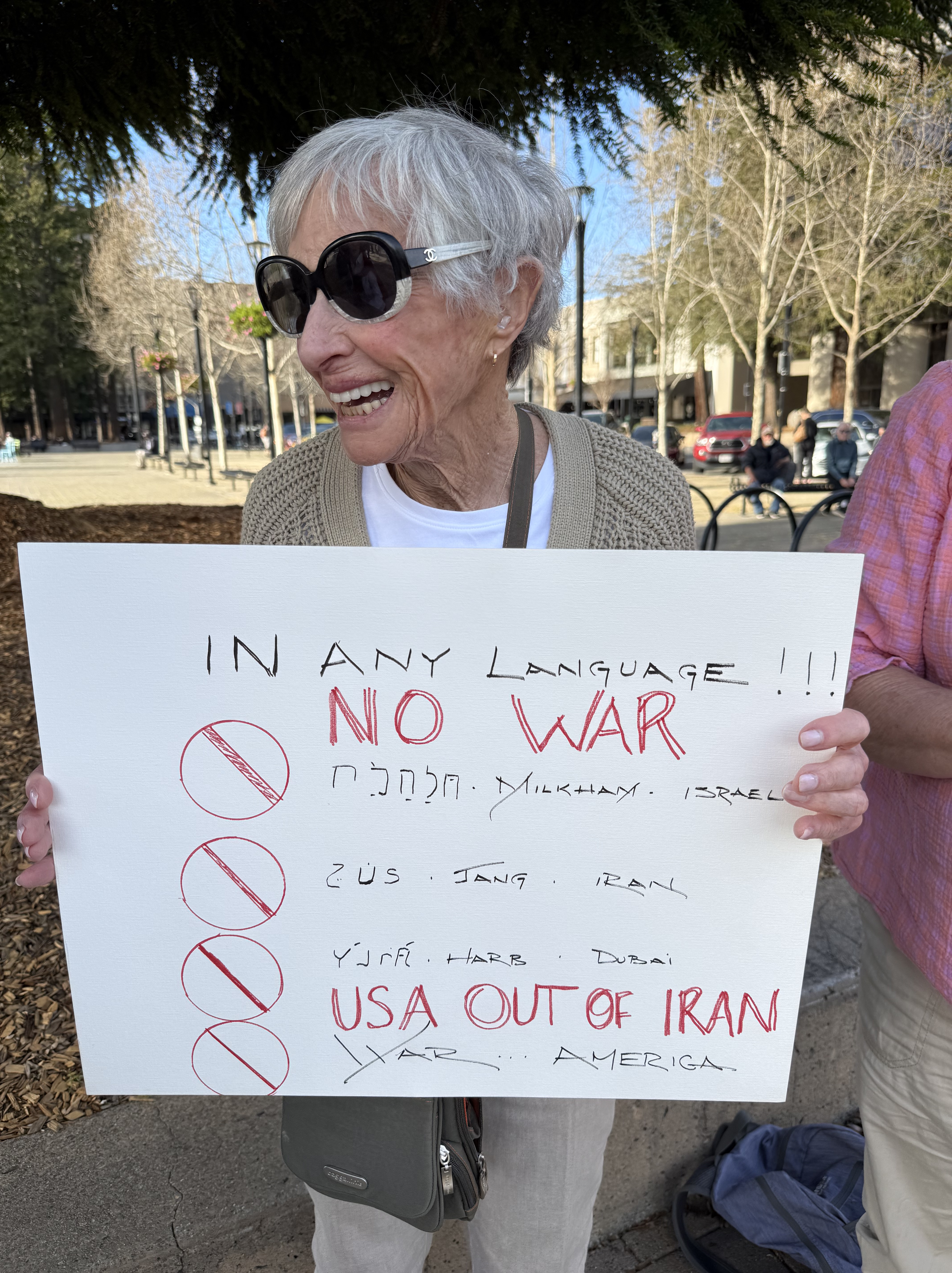
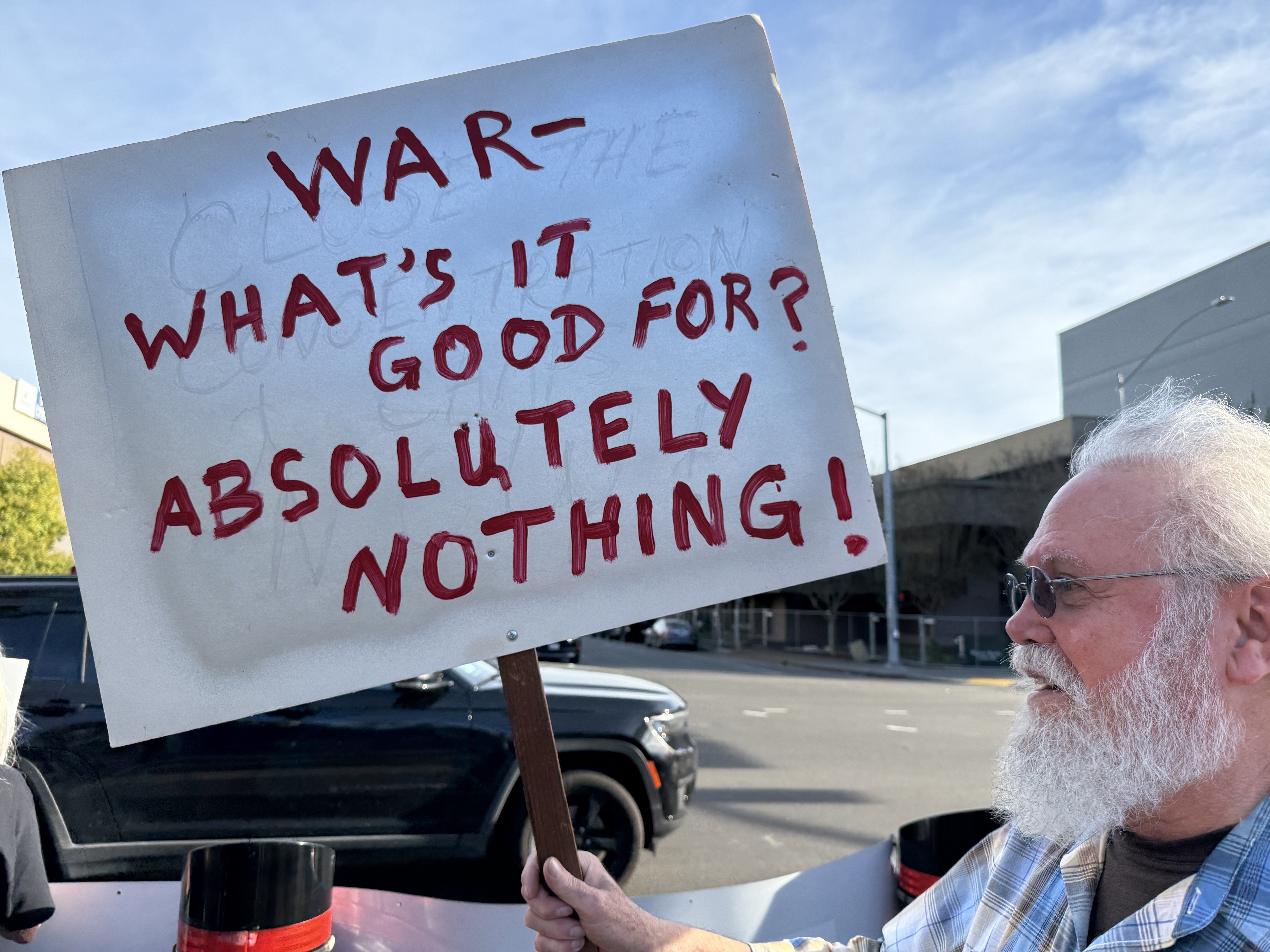
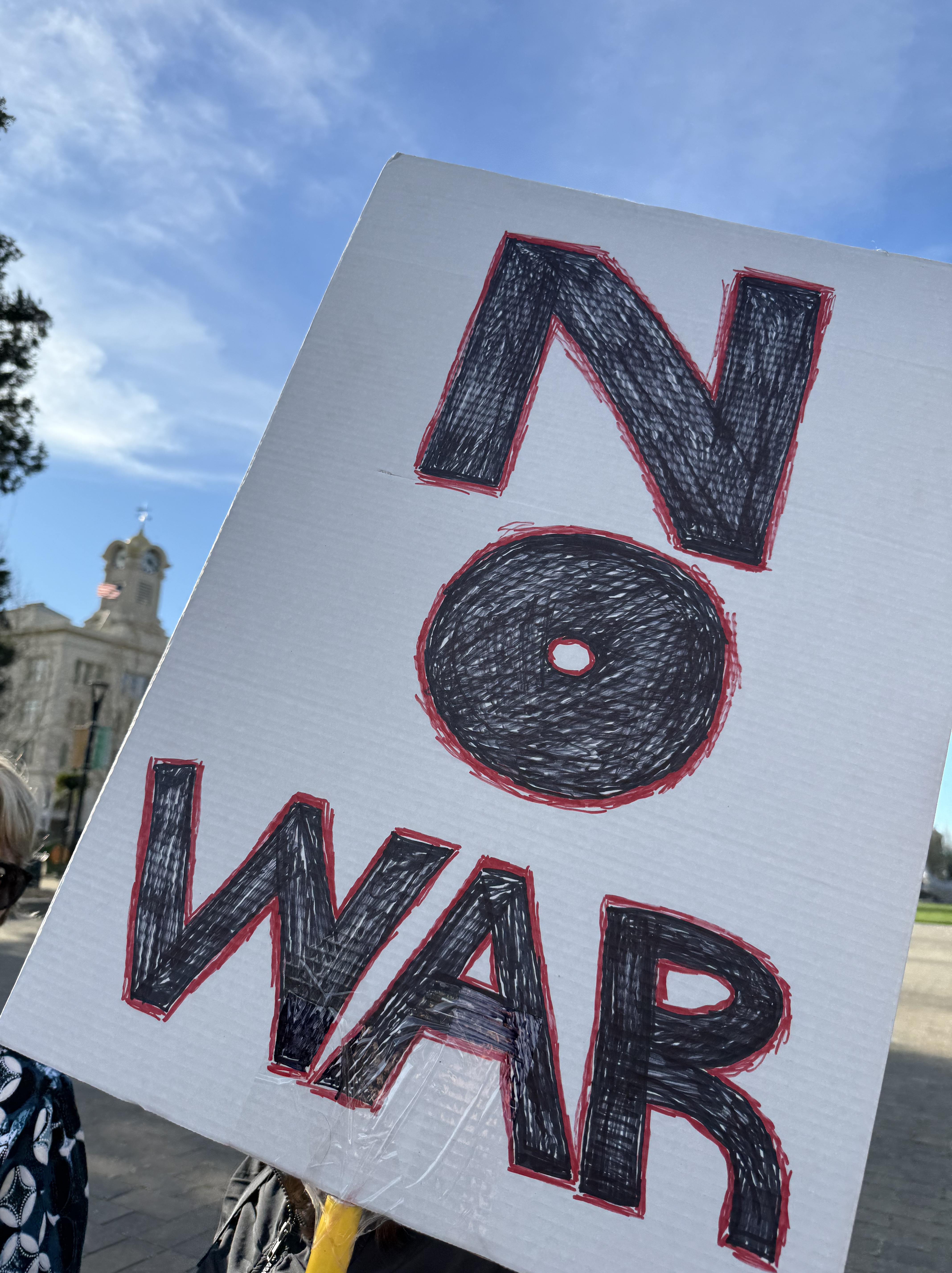
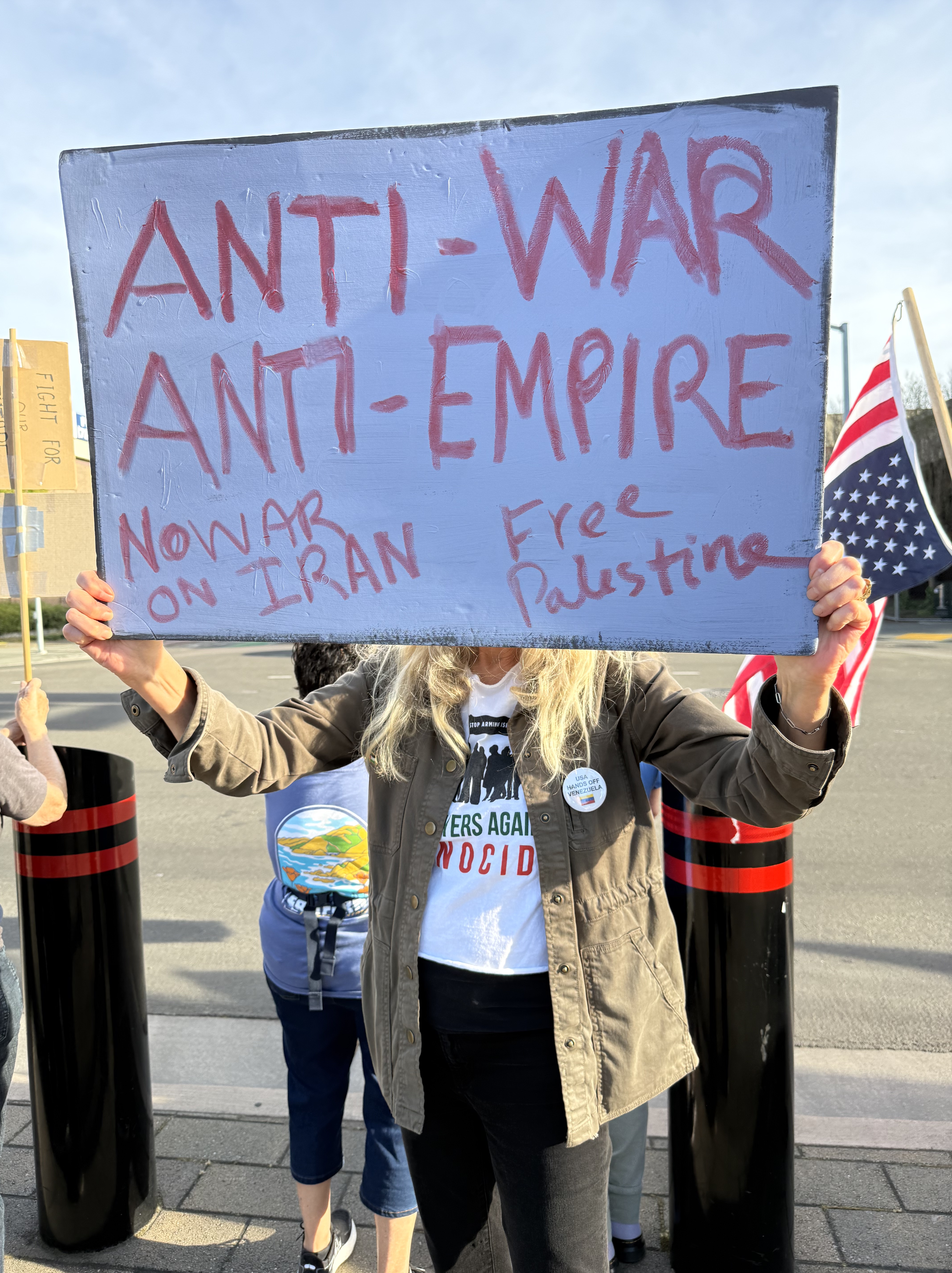
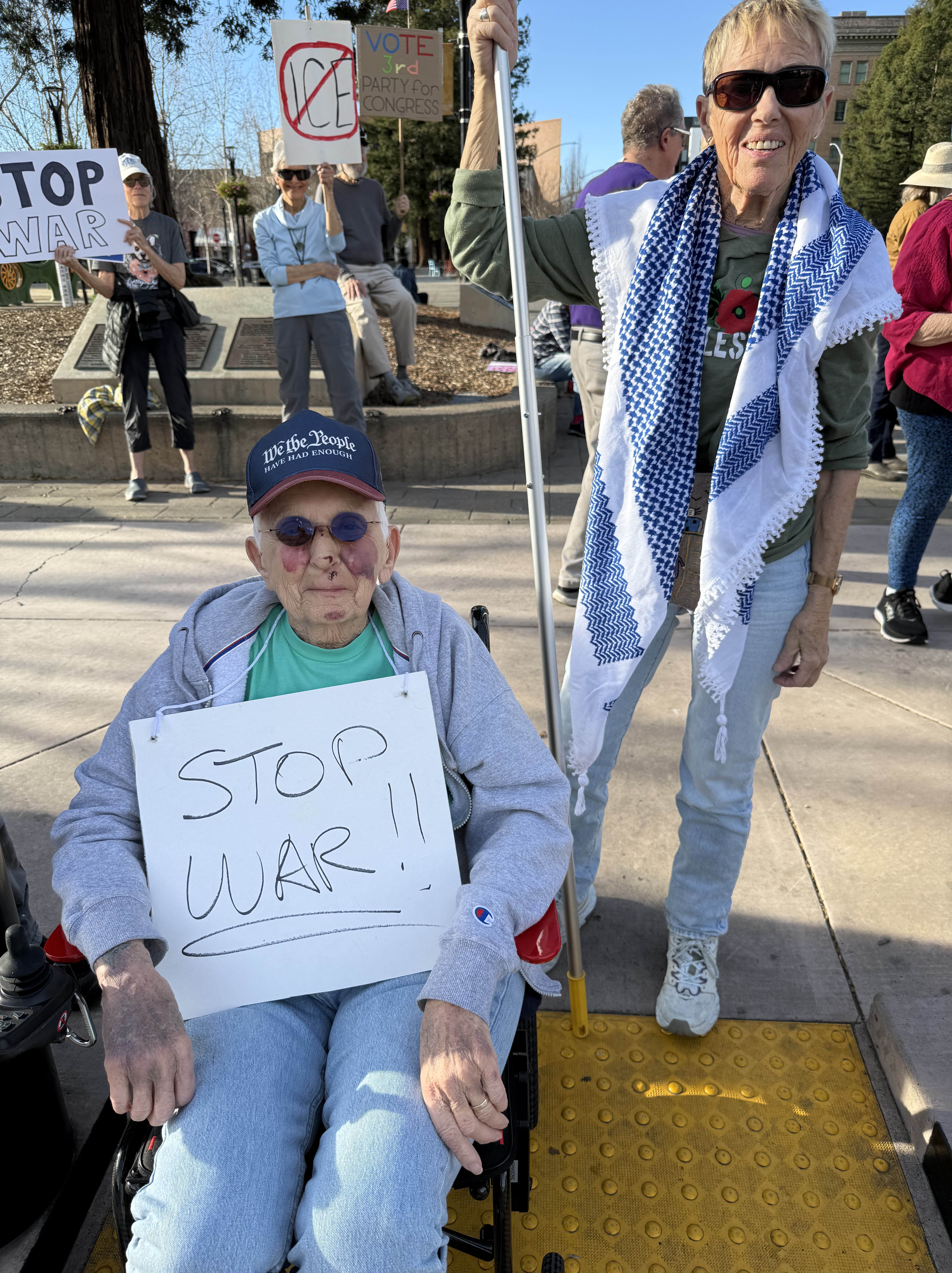
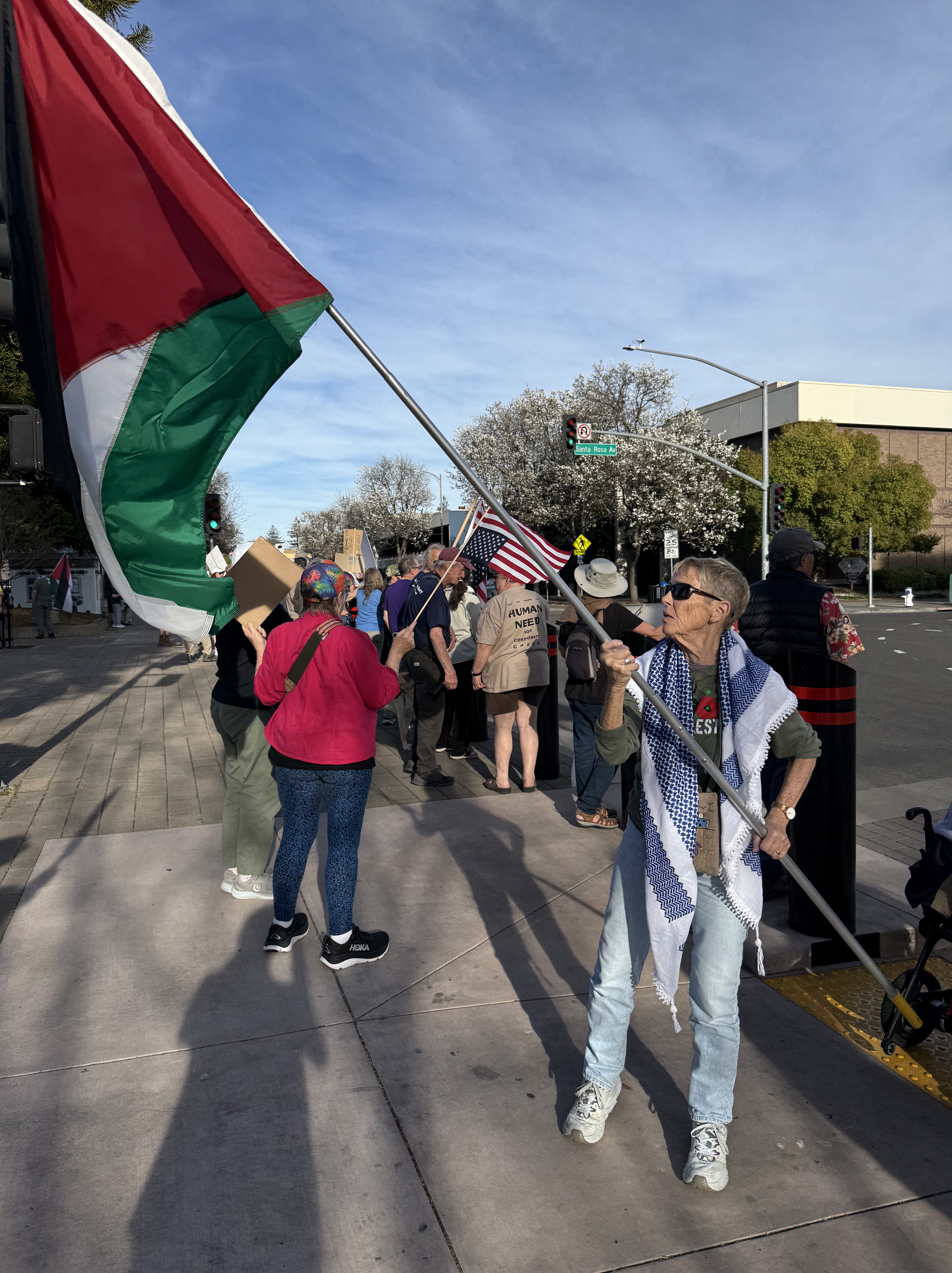
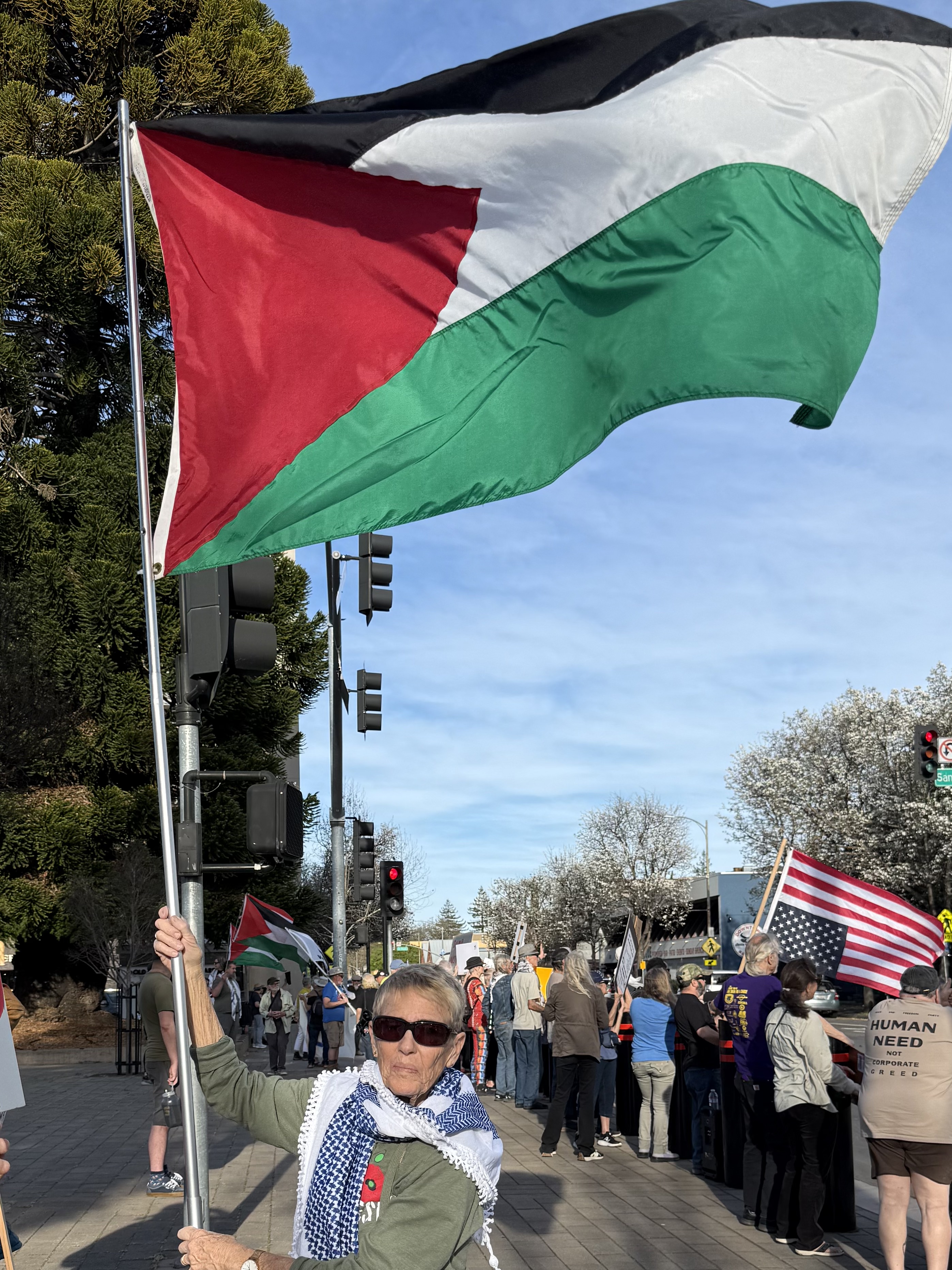
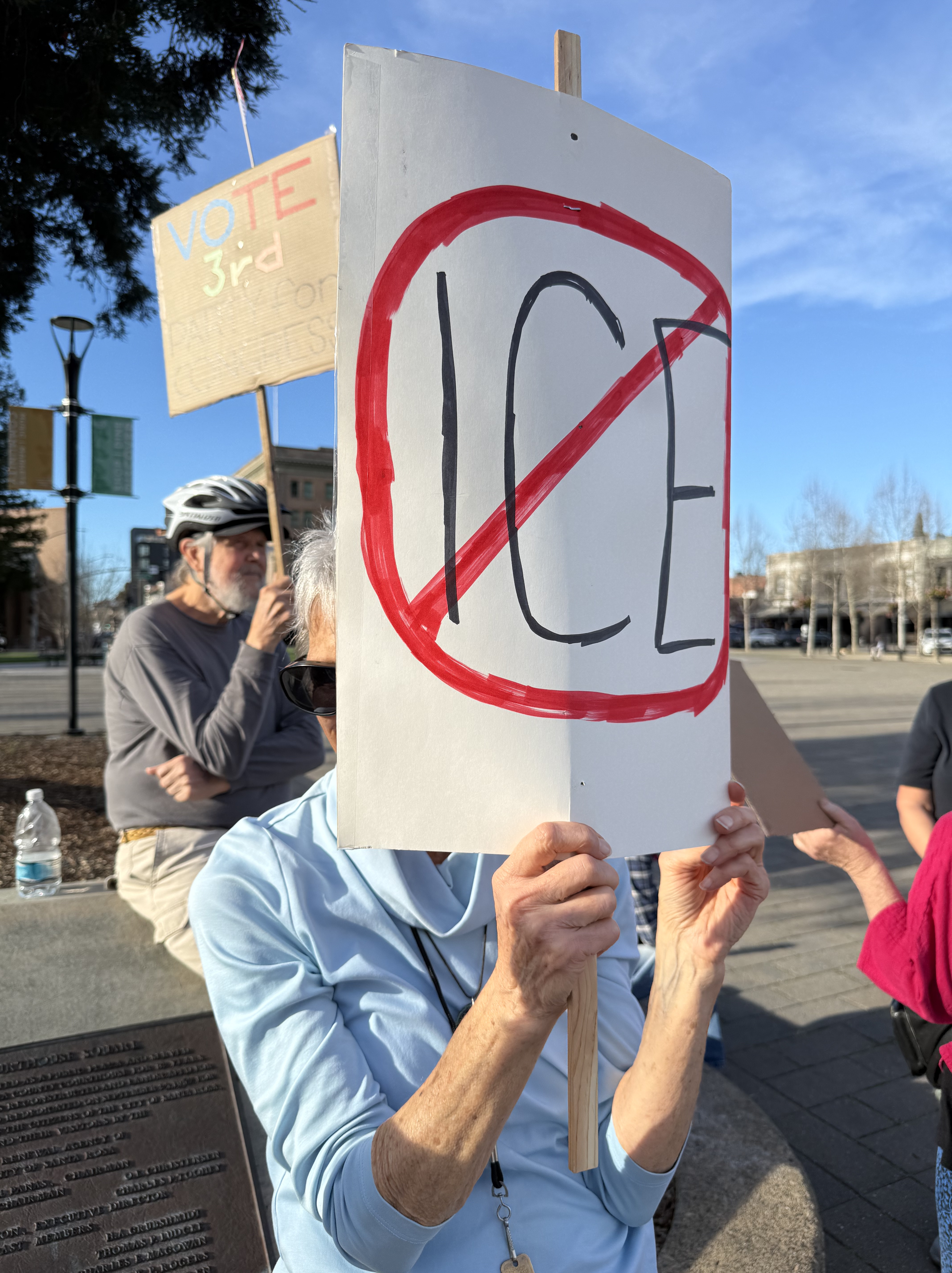
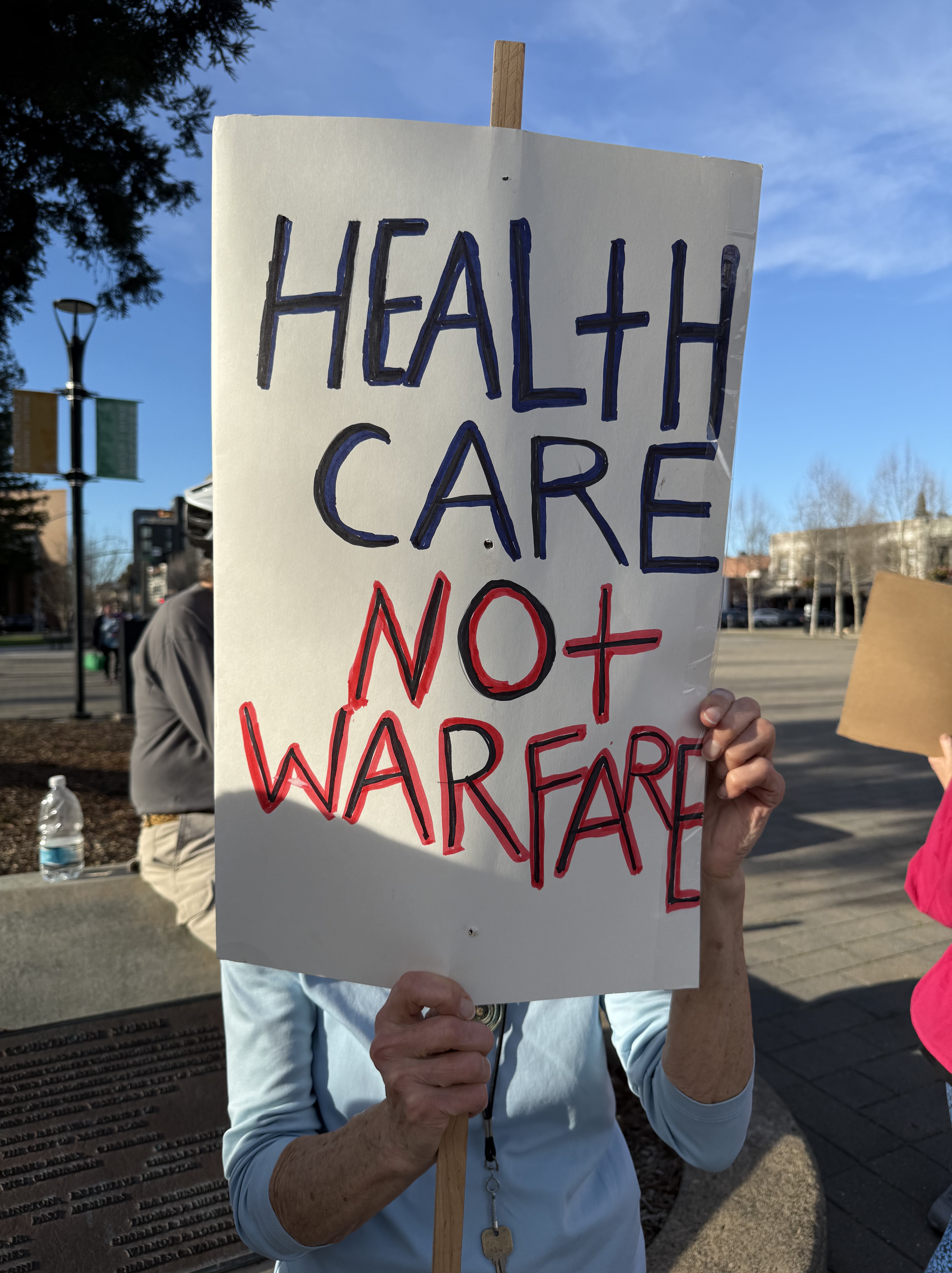
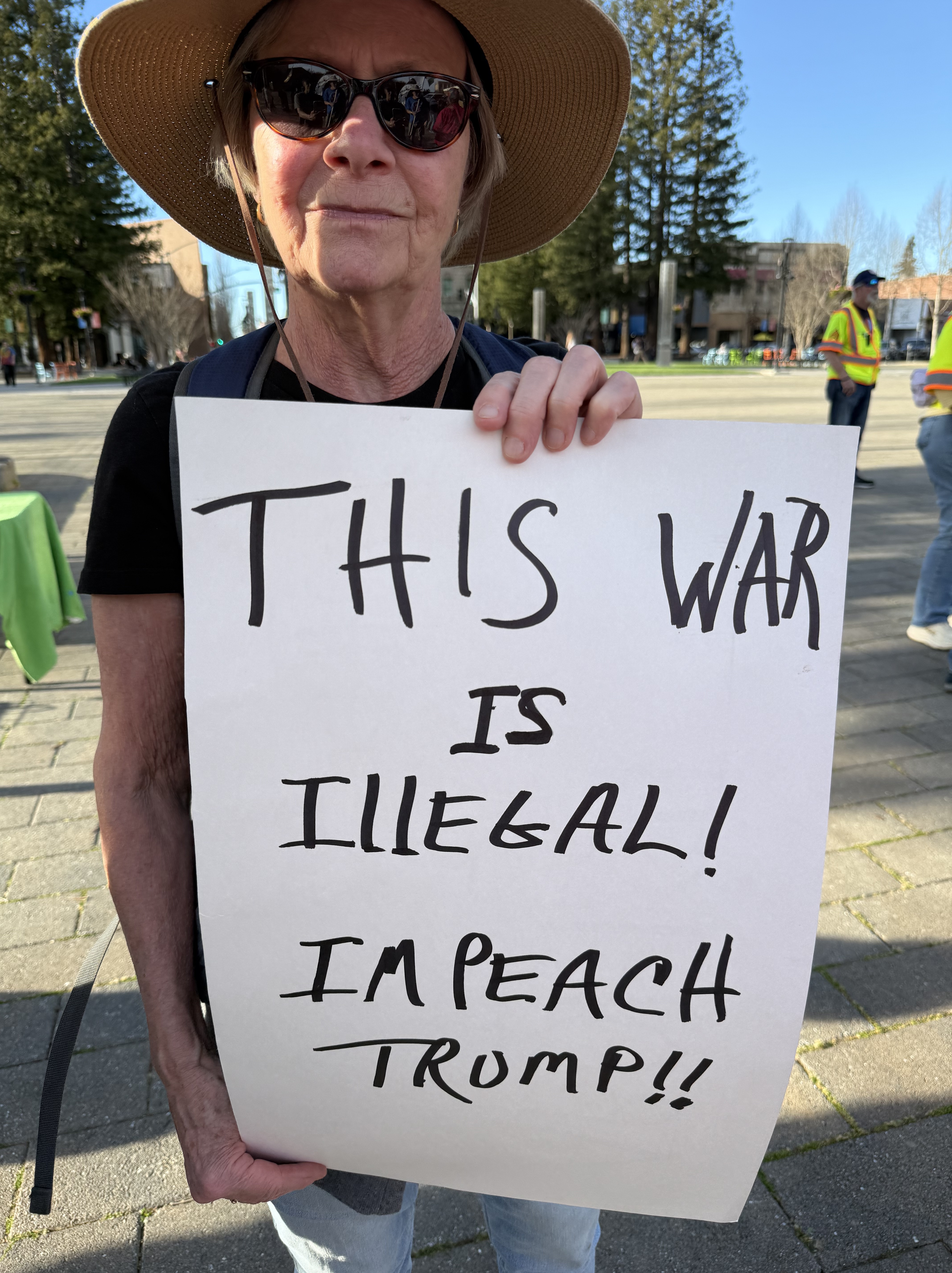
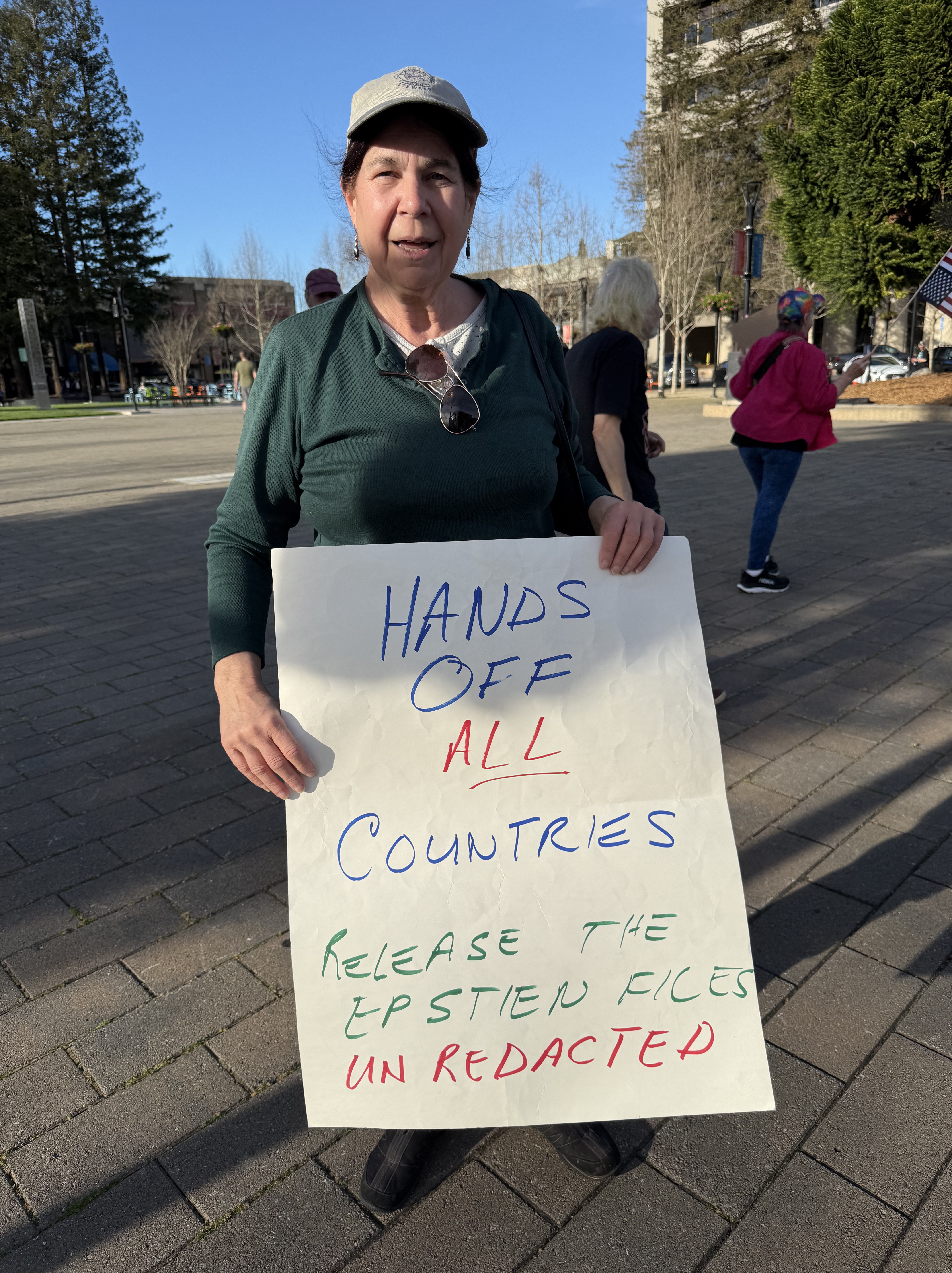
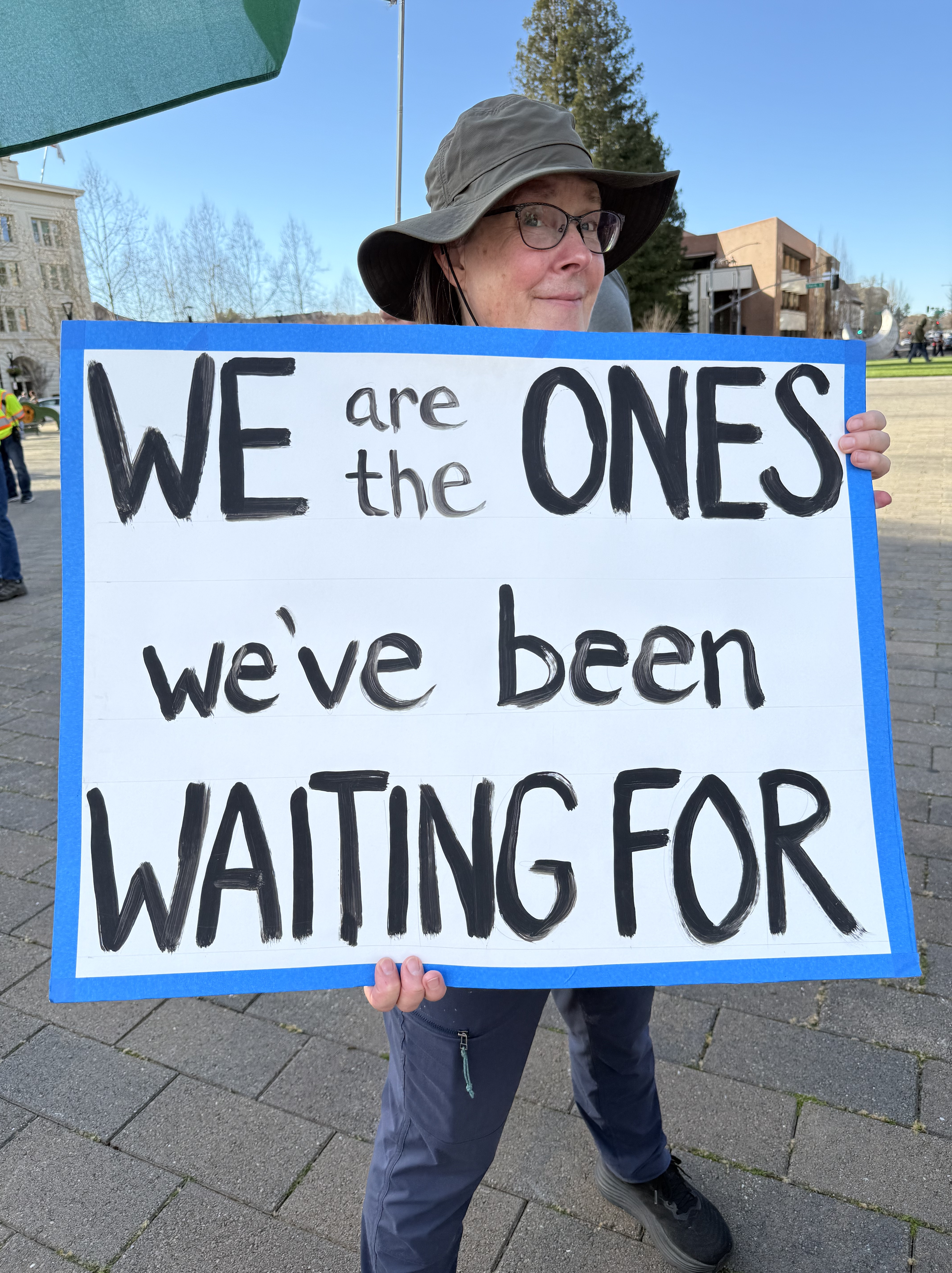
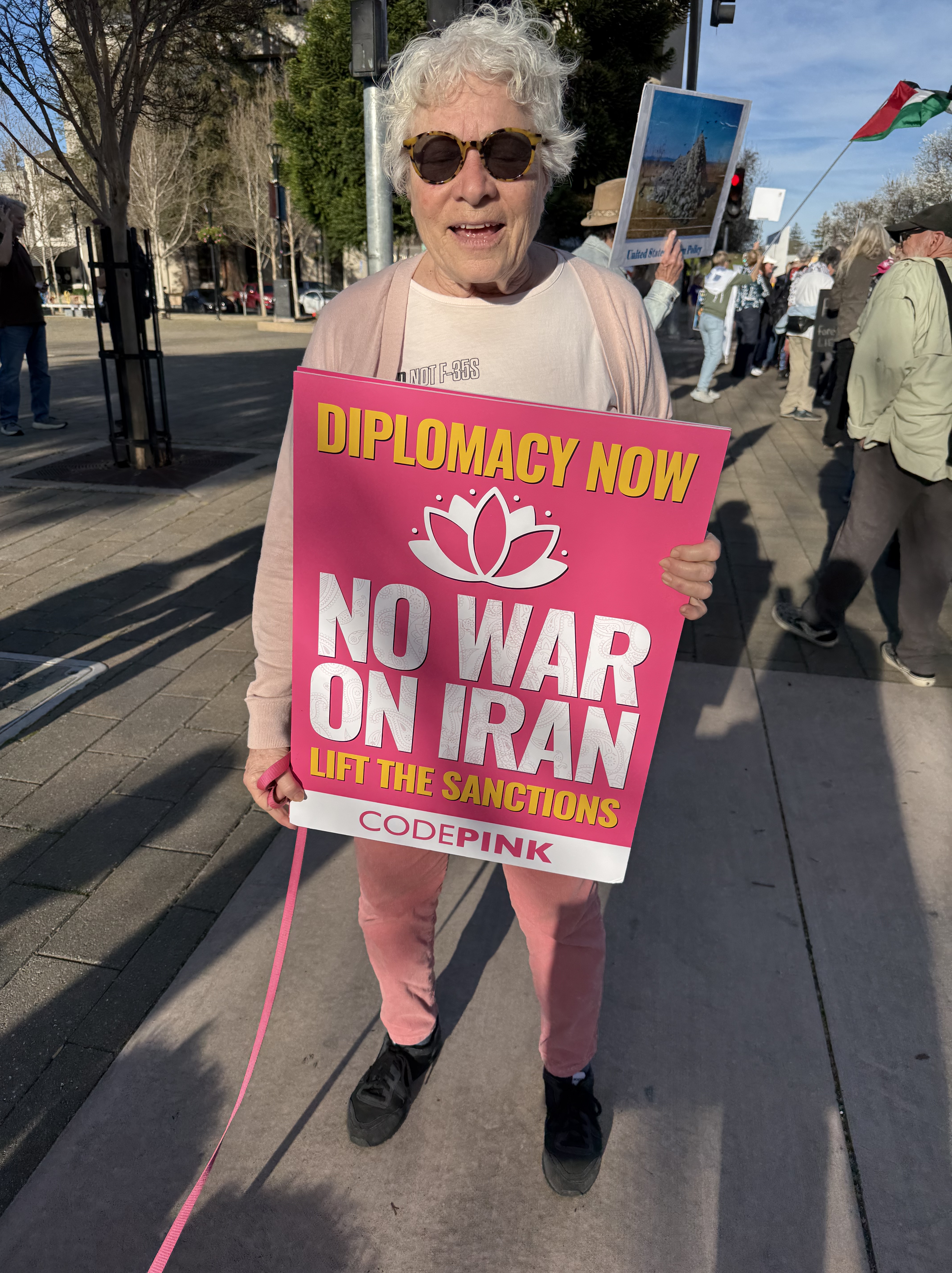
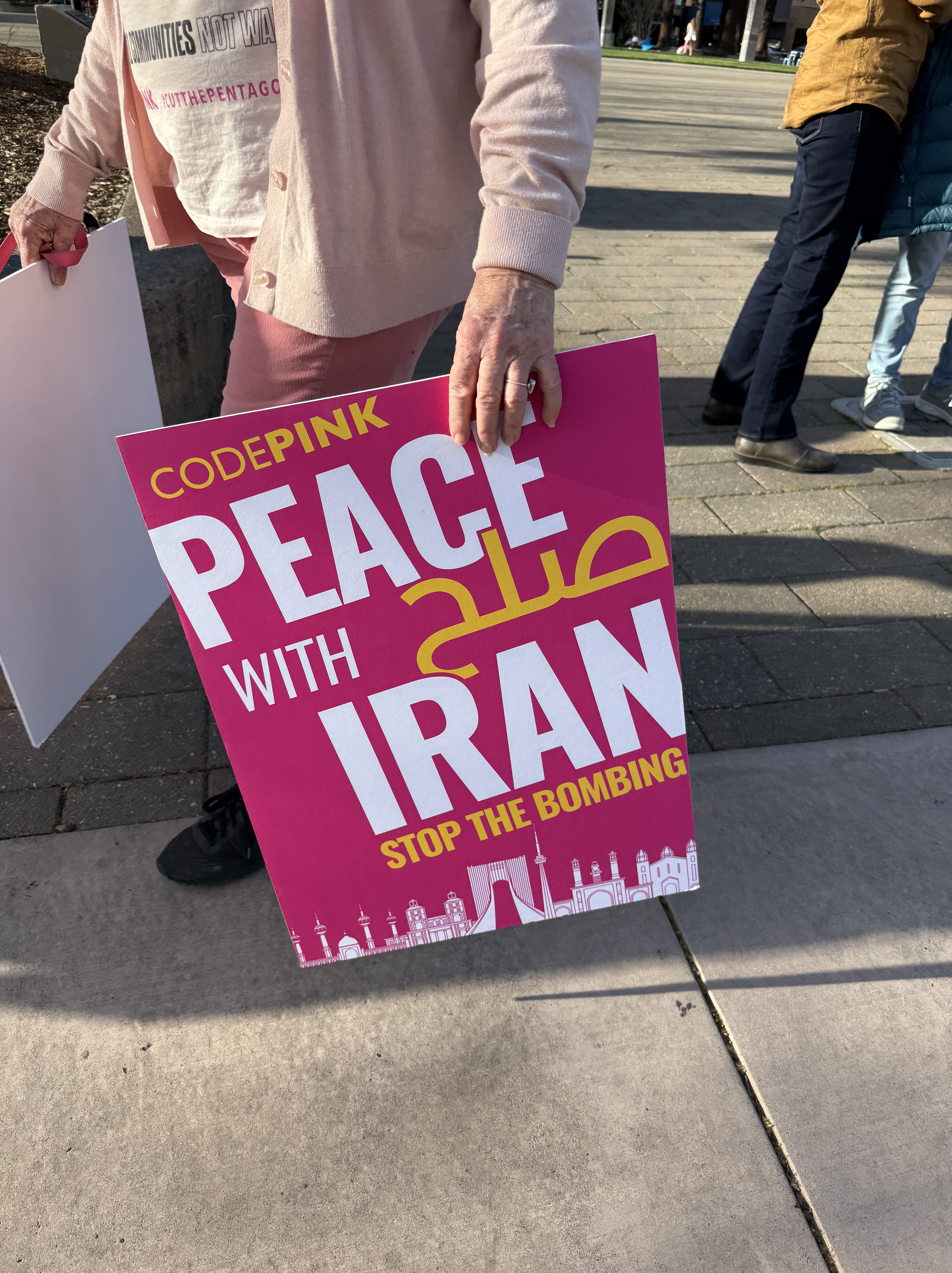
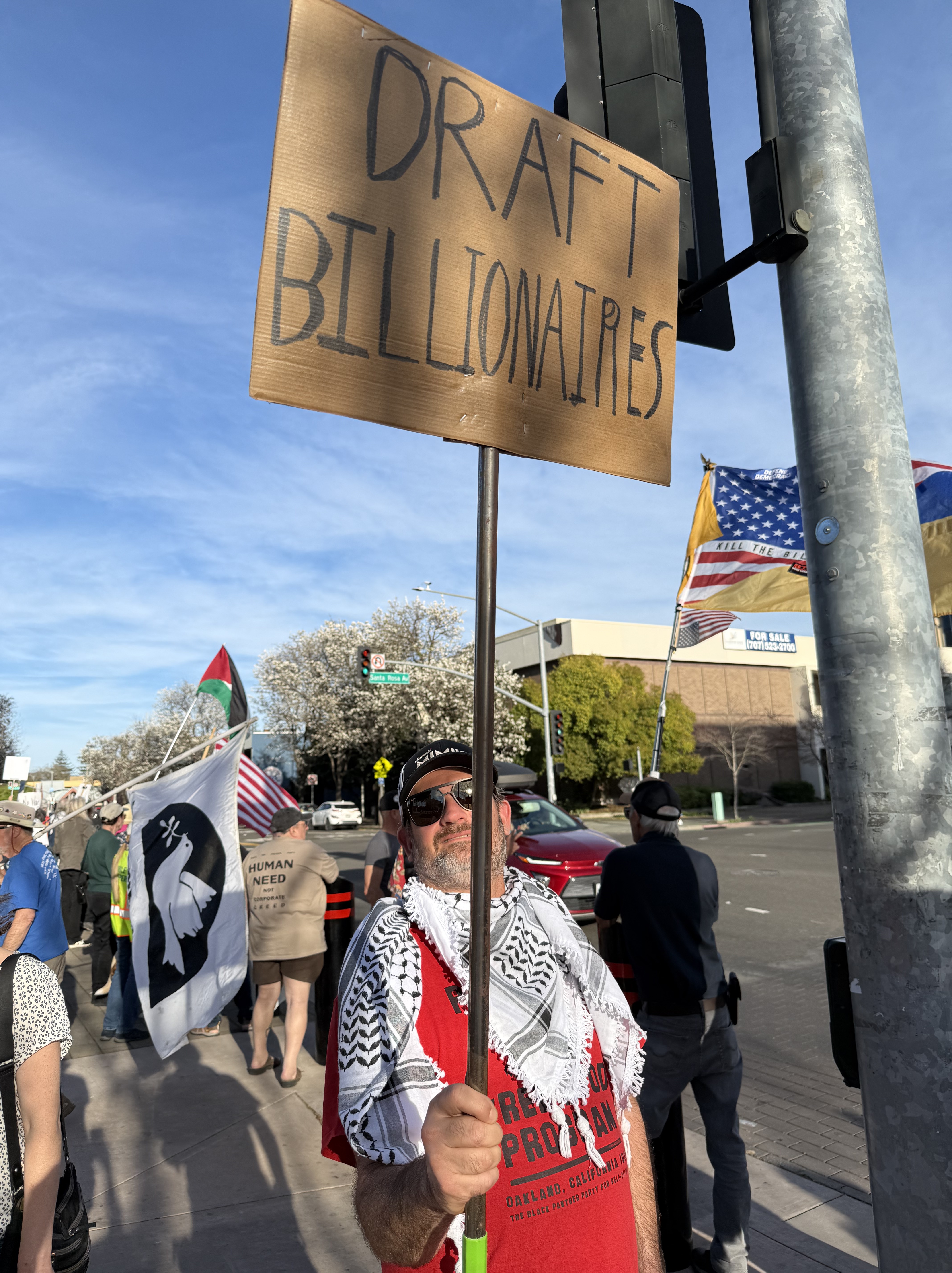
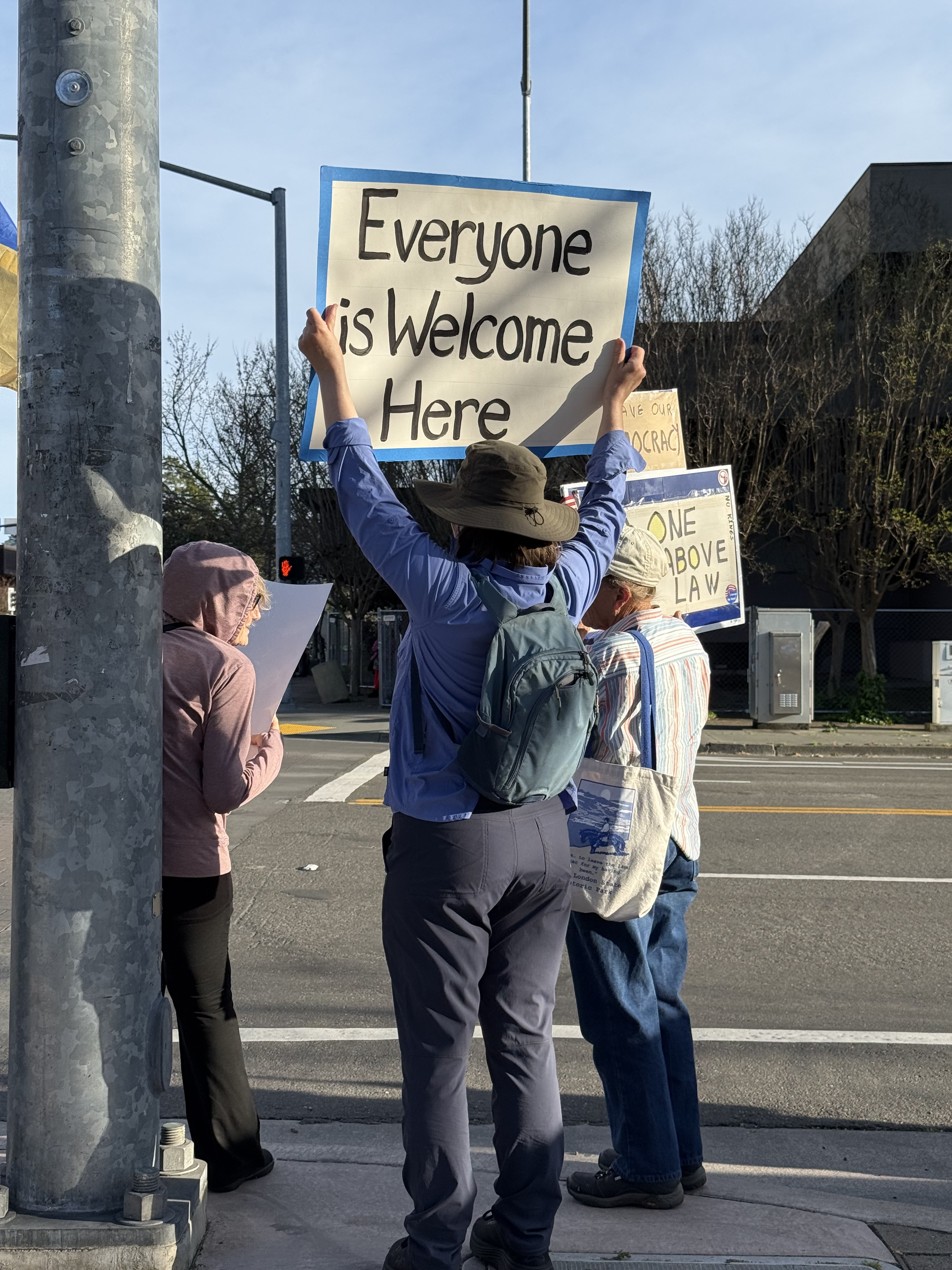
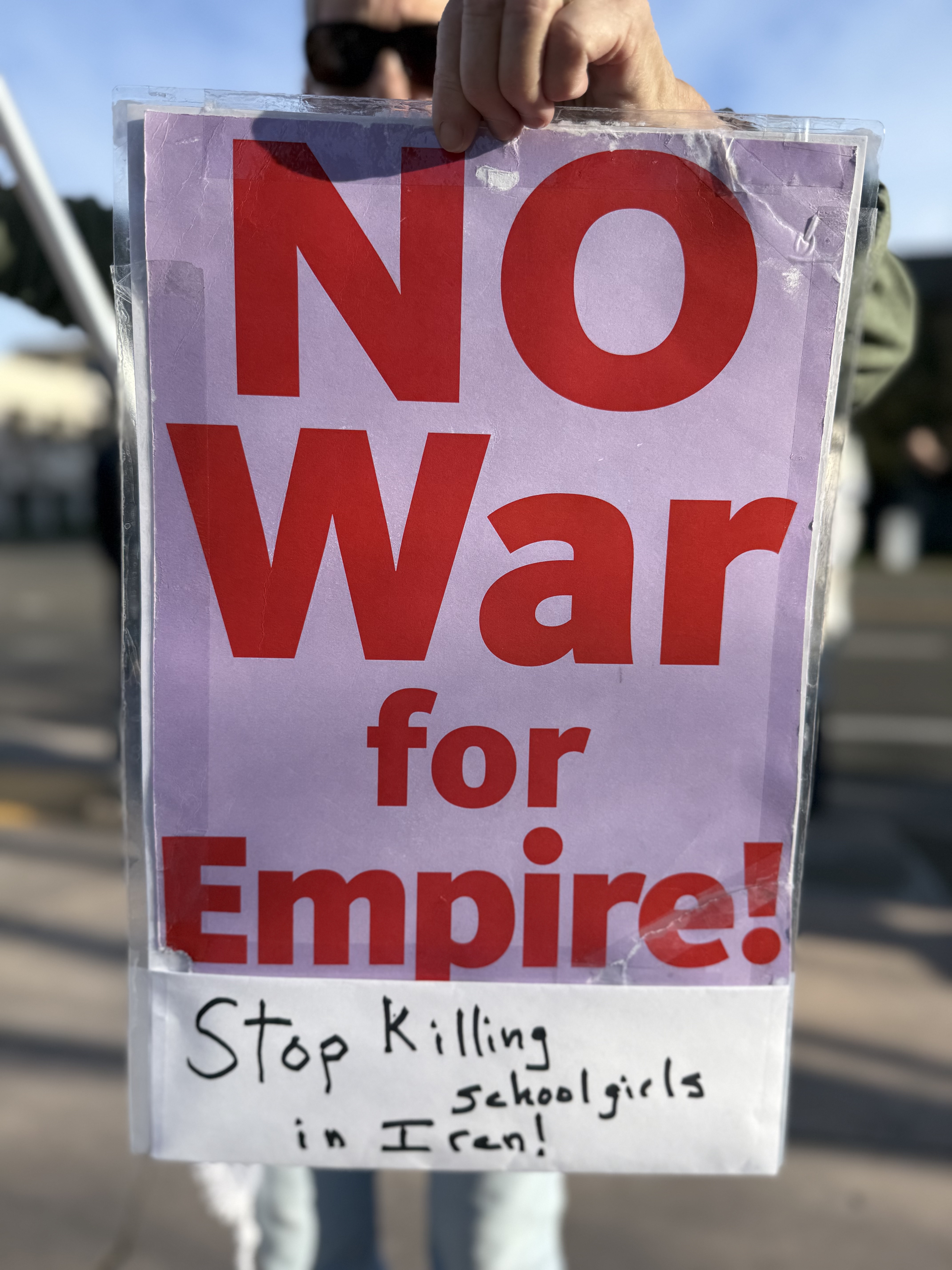
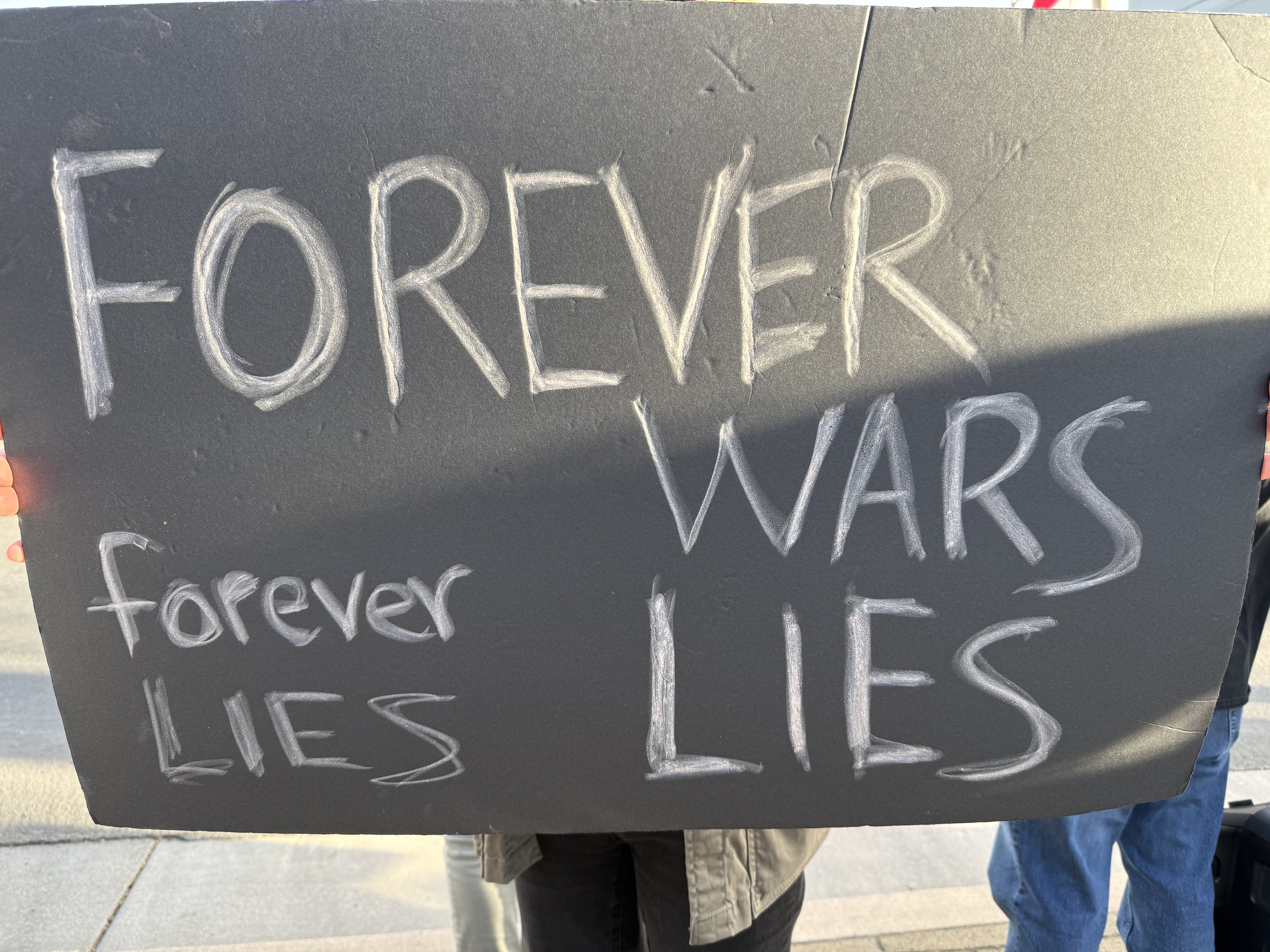
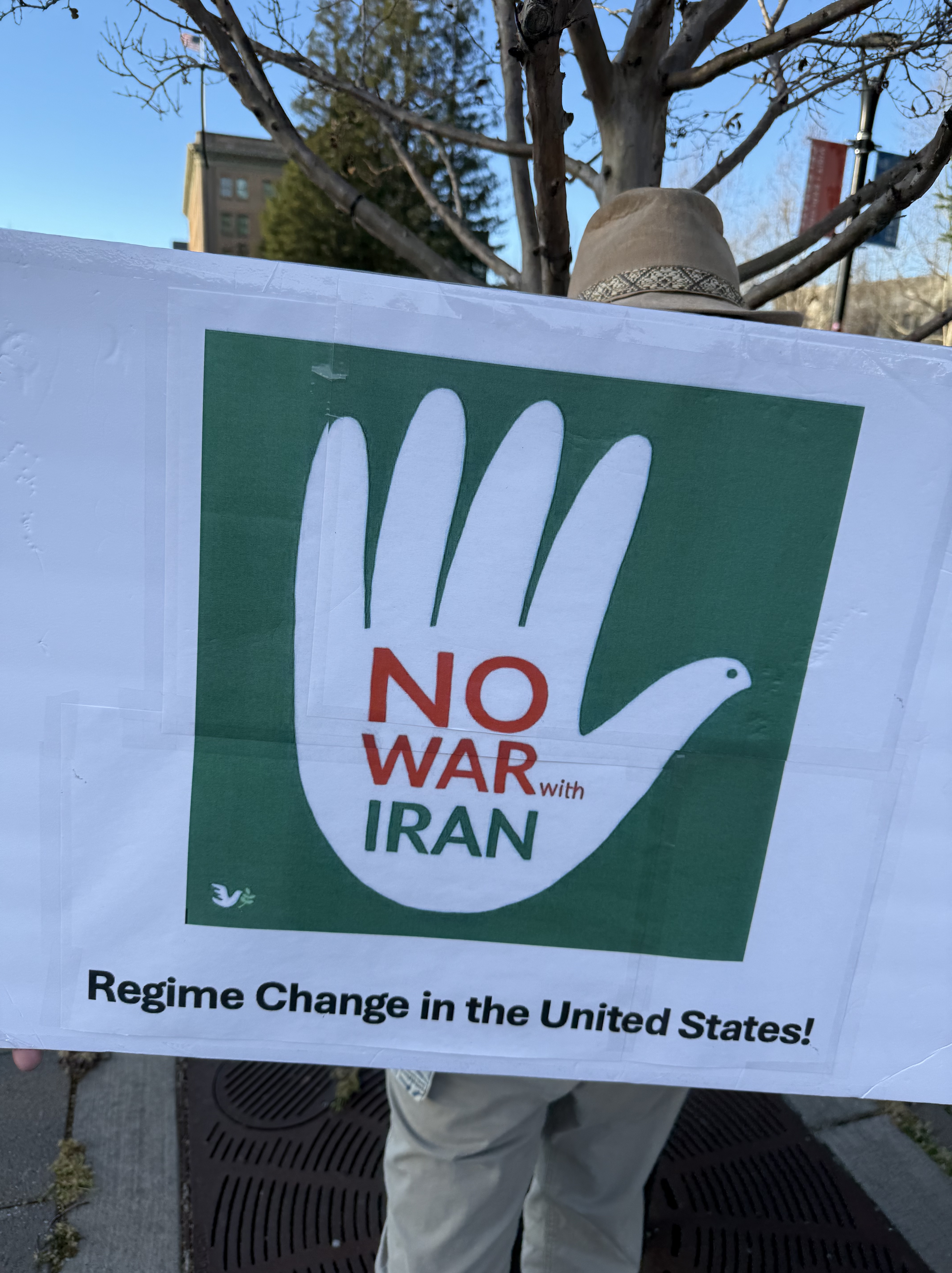
Protest March 7, 2026 Santa Rosa











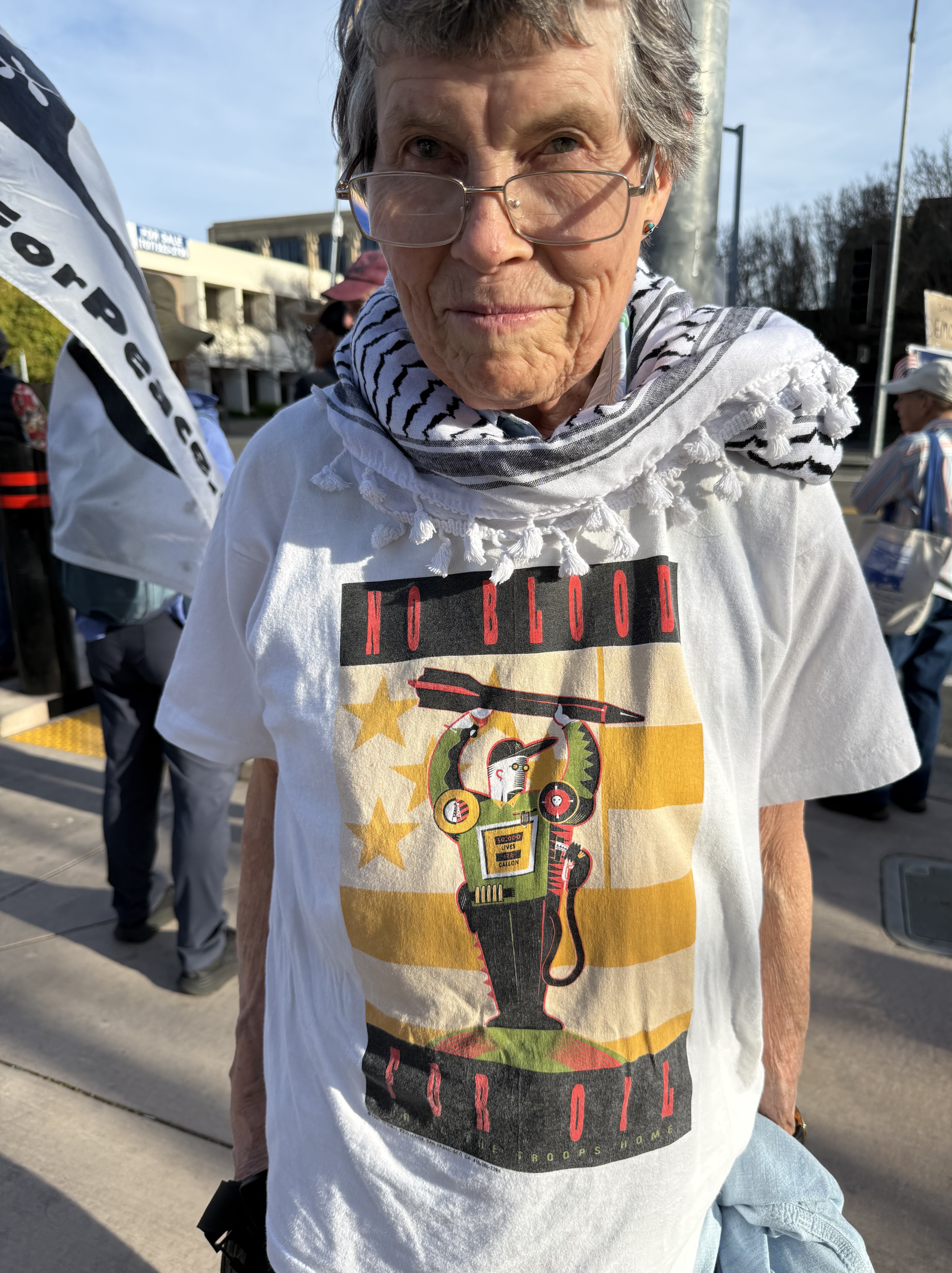
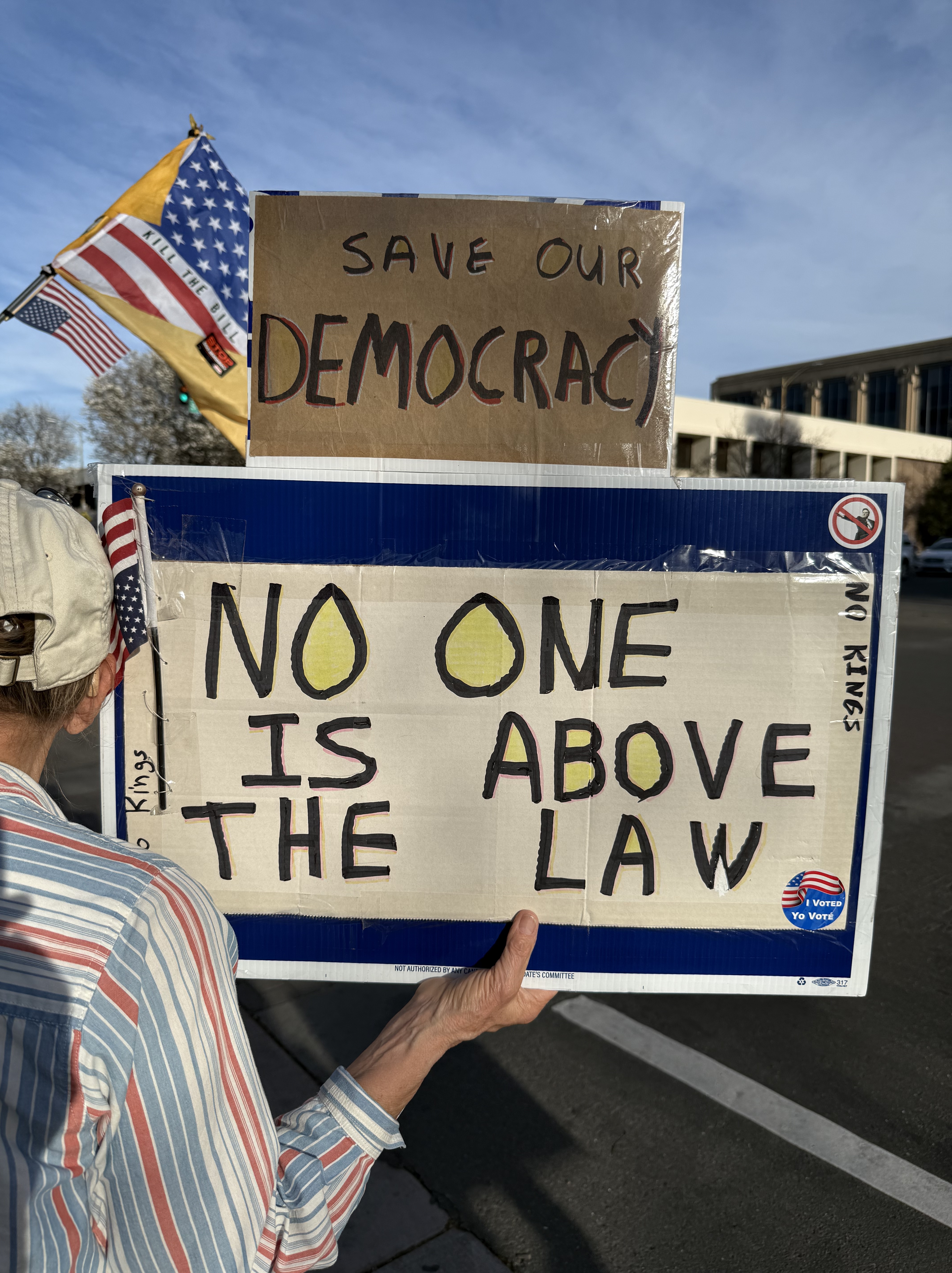

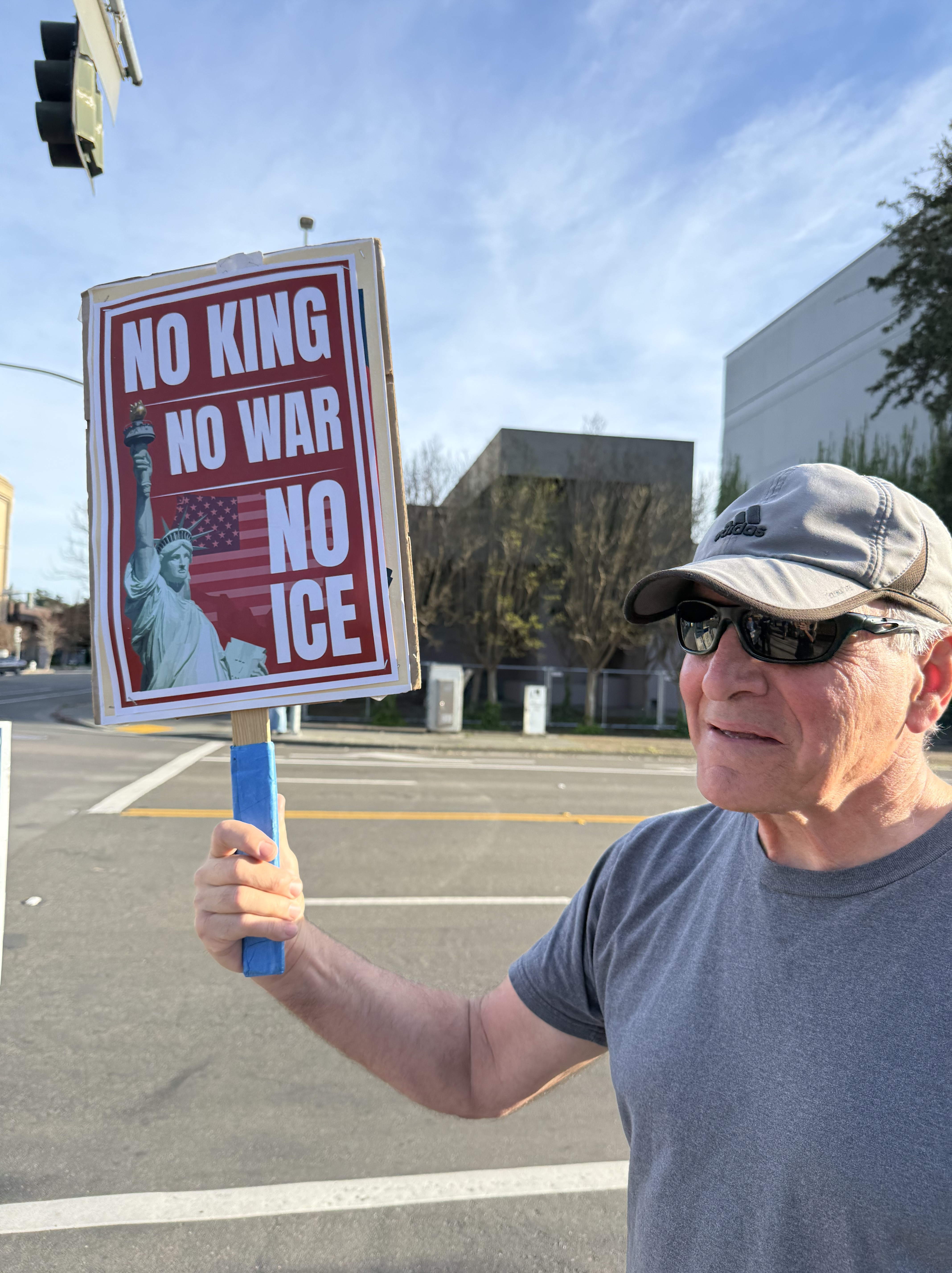
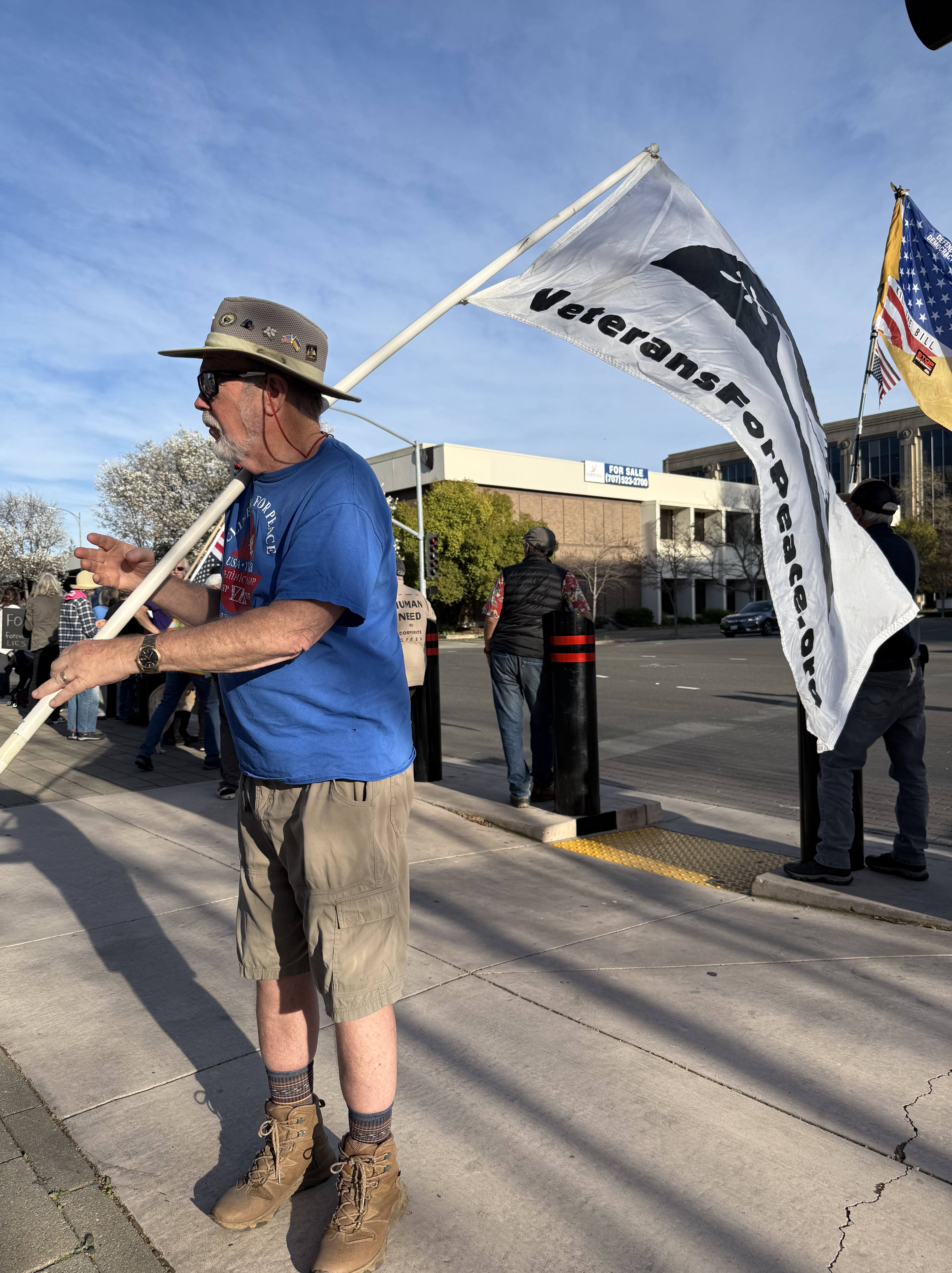

But who was Flo’s intended recipient?
My Mother and Audie Murphy Ch. 101
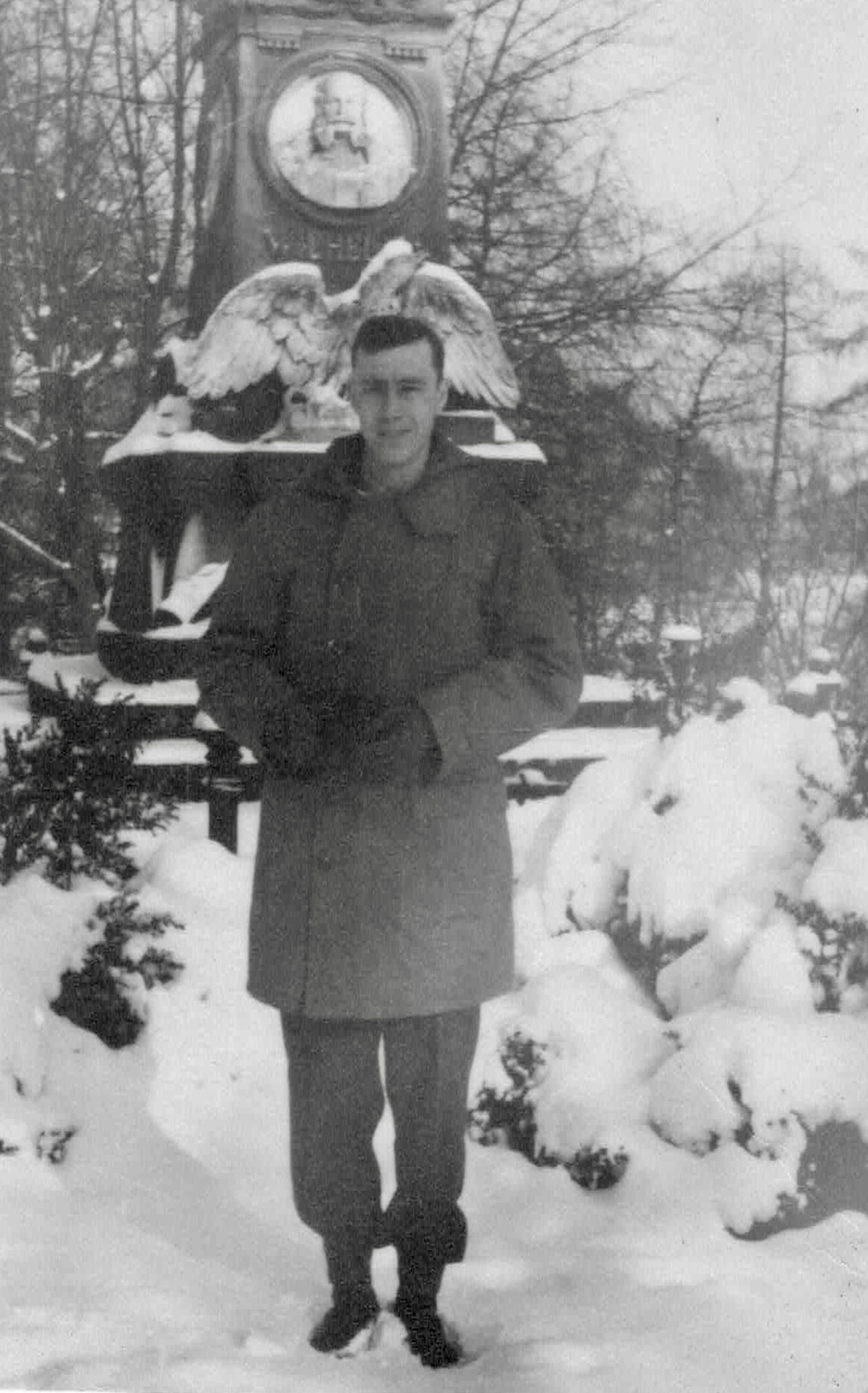
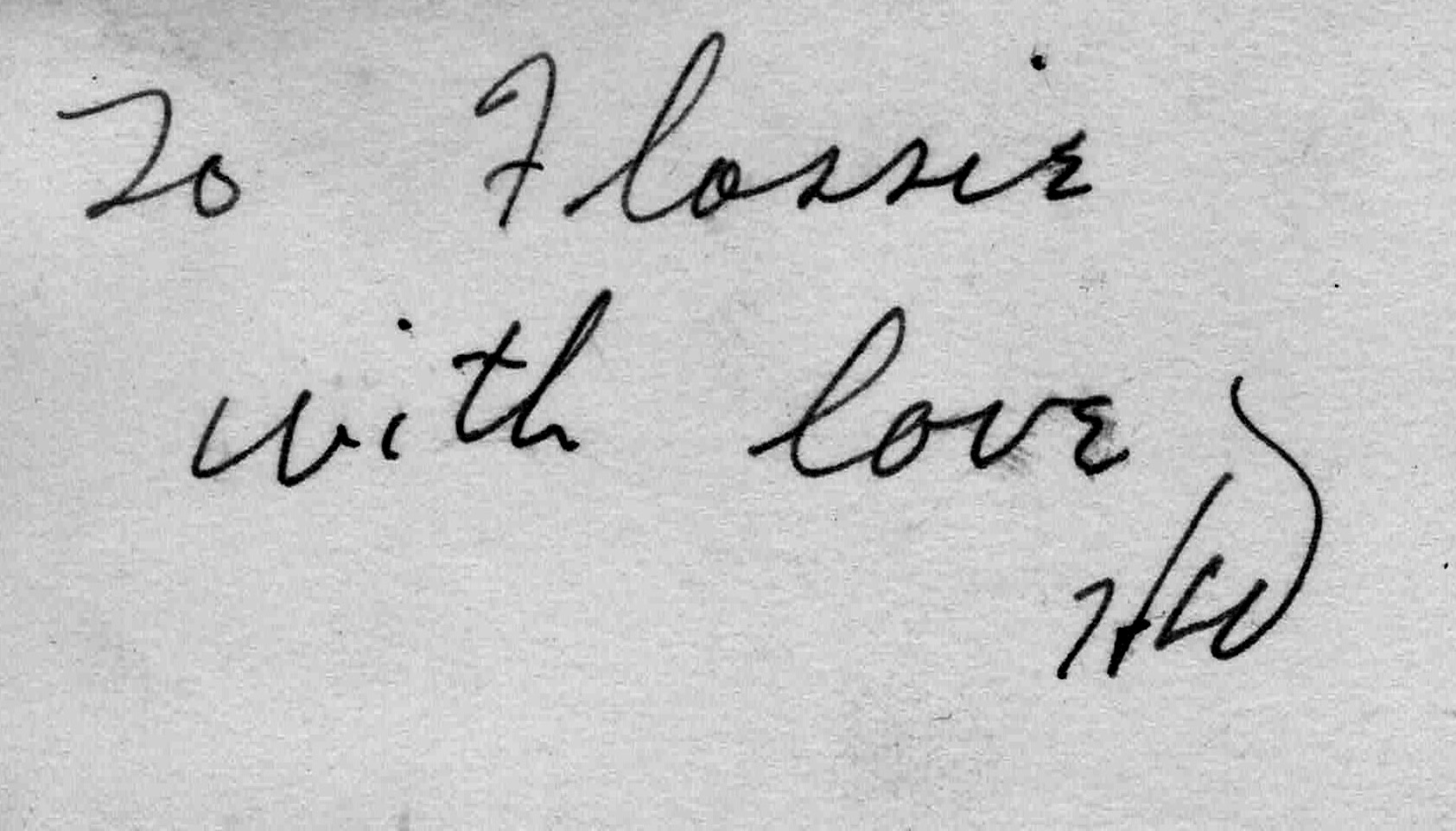
This poem, written on a small slip of paper, fell out of Flo’s album, and I can’t be sure where she meant to place it. I believe she wrote it herself: she made a correction in the text, and I could find no reference to it anywhere else. The poem is addressed to a flyer, yet none of her Third Division friends–nor her fiancé–were flyers. So who was she writing to? I found one possible clue in a letter she wrote to her sister Ruth in August 1944:
“When I returned from Sorrento, Ruth, I found some tragic news awaiting me. A letter I had written Johnny on July 19 was returned to me and on the envelope in red ink was written “accidentally killed in training flight July 15, 1944 near NY.” I simply can’t believe he is dead – he was so alive and so anxious to get over here and do his part. He had had nothing but bad luck since getting into the air Corps. His last letter told me he was just recuperating from pneumonia – common due to flying in sub zero altitudes. It is easier to “take” over here than it would have been at home because you develop a different philosophy, but it is hard nevertheless. His poor mother – both sons killed in airplanes!”
The poem implies that Johnny was more than just a friend. But Flo never told me about him and I can find no other reference to him in her papers. The poem must have been enclosed in her returned letter.
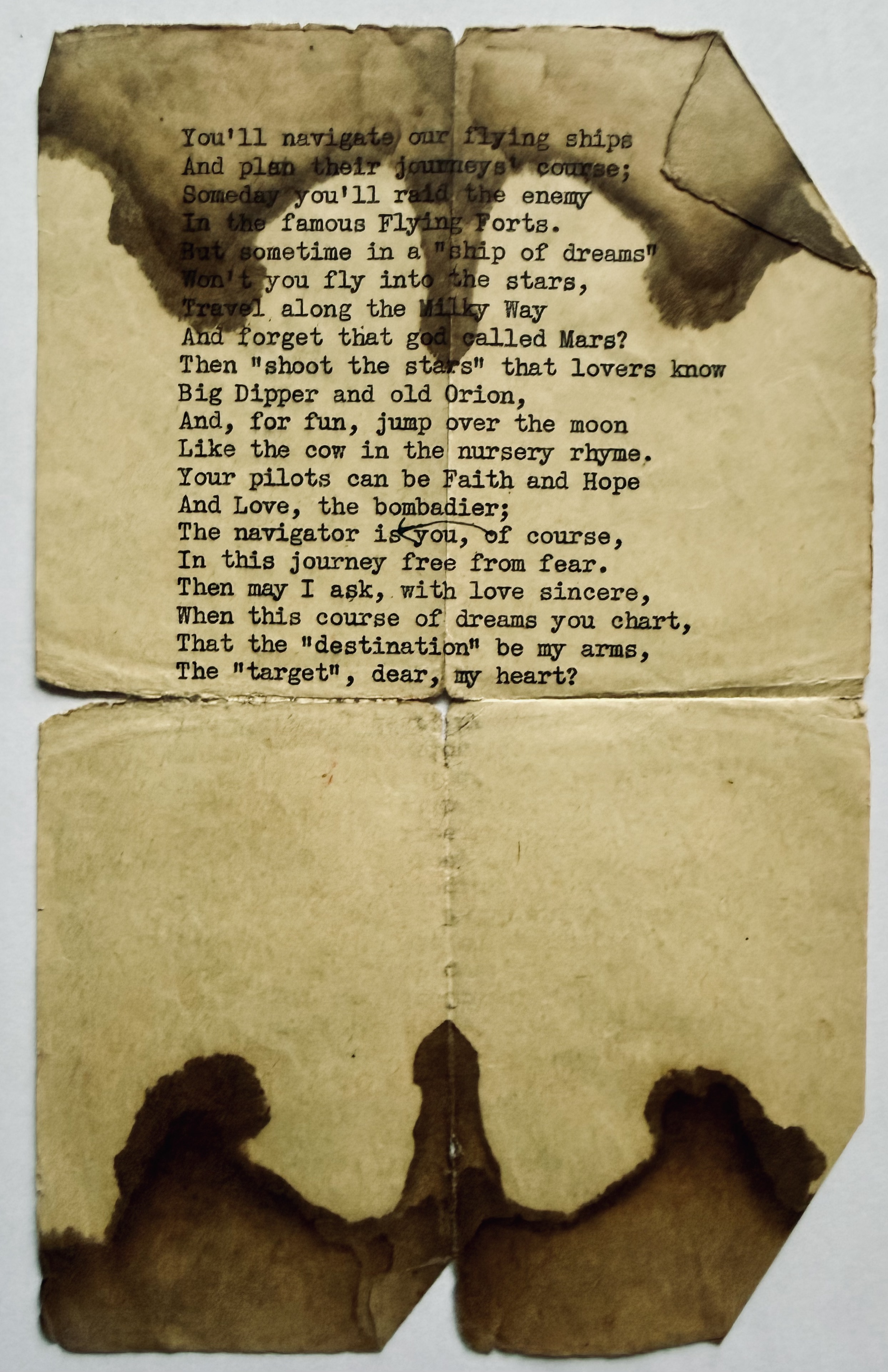
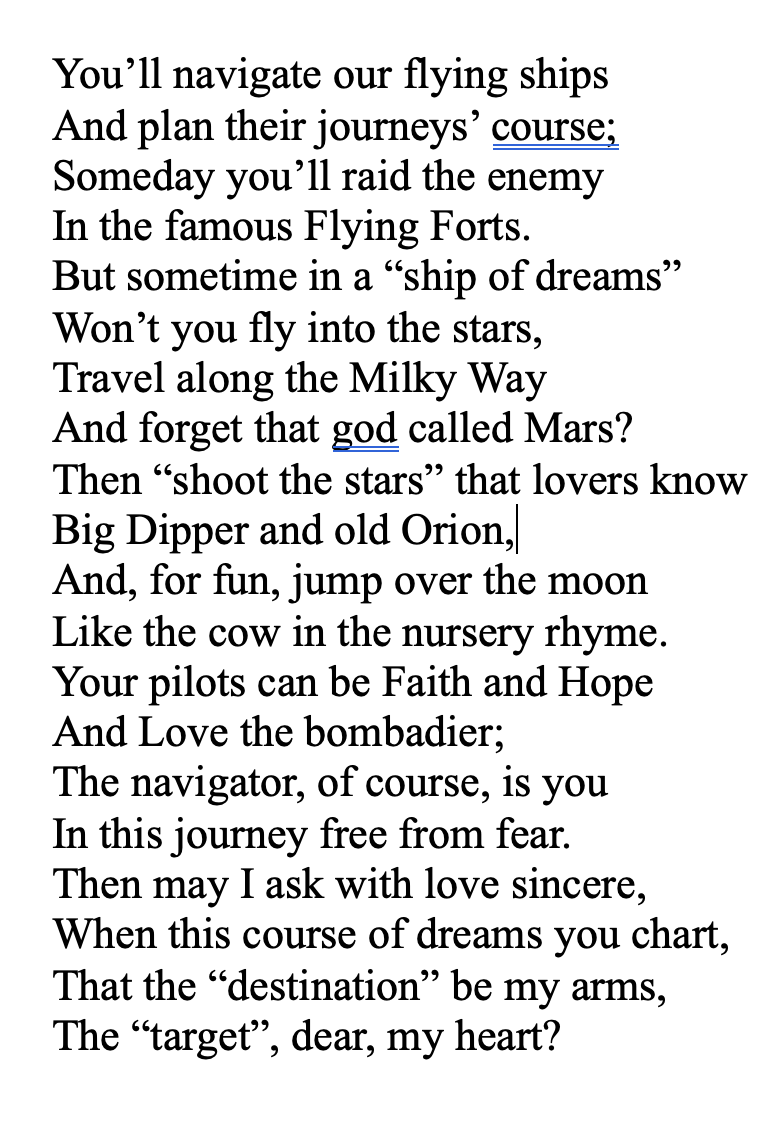
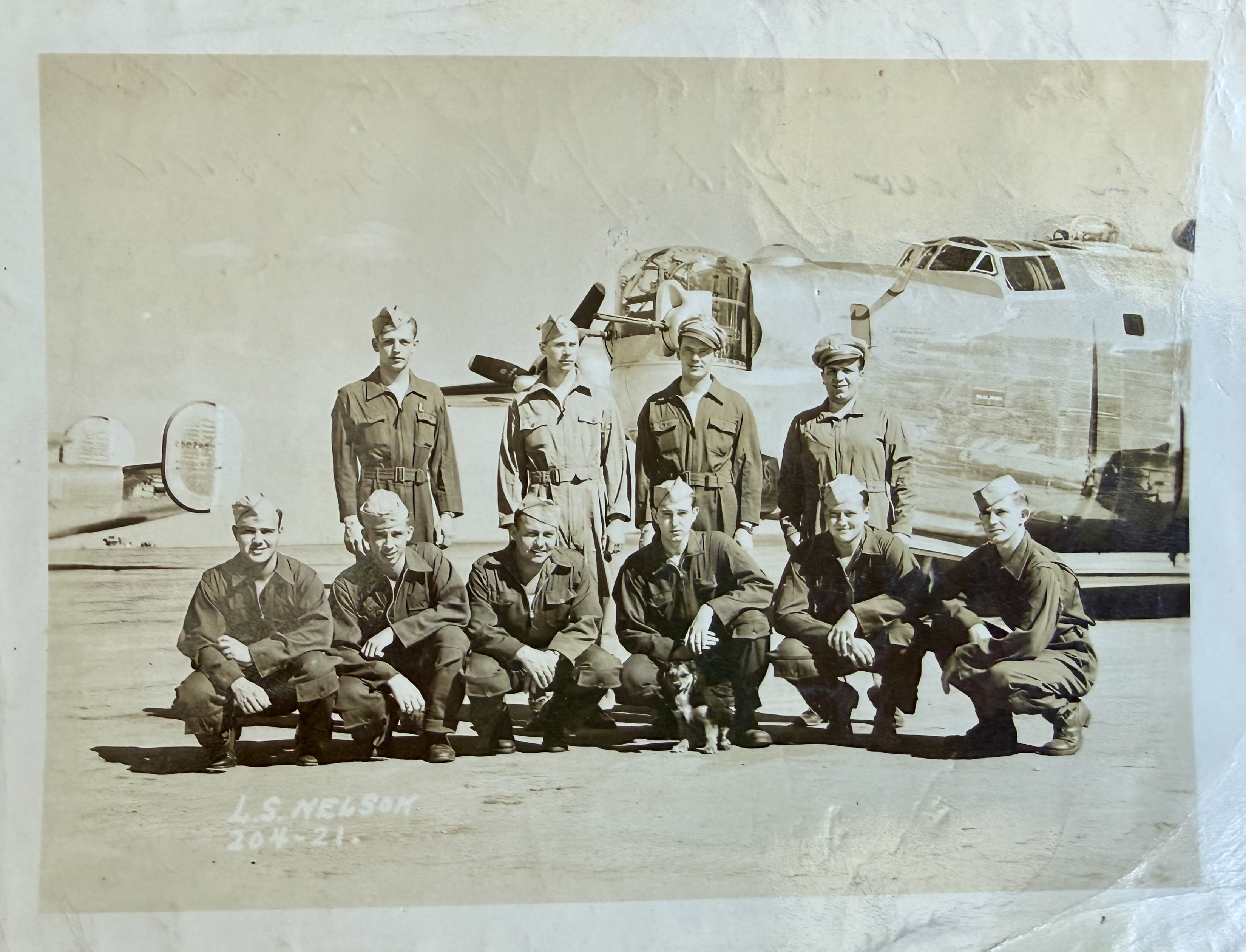
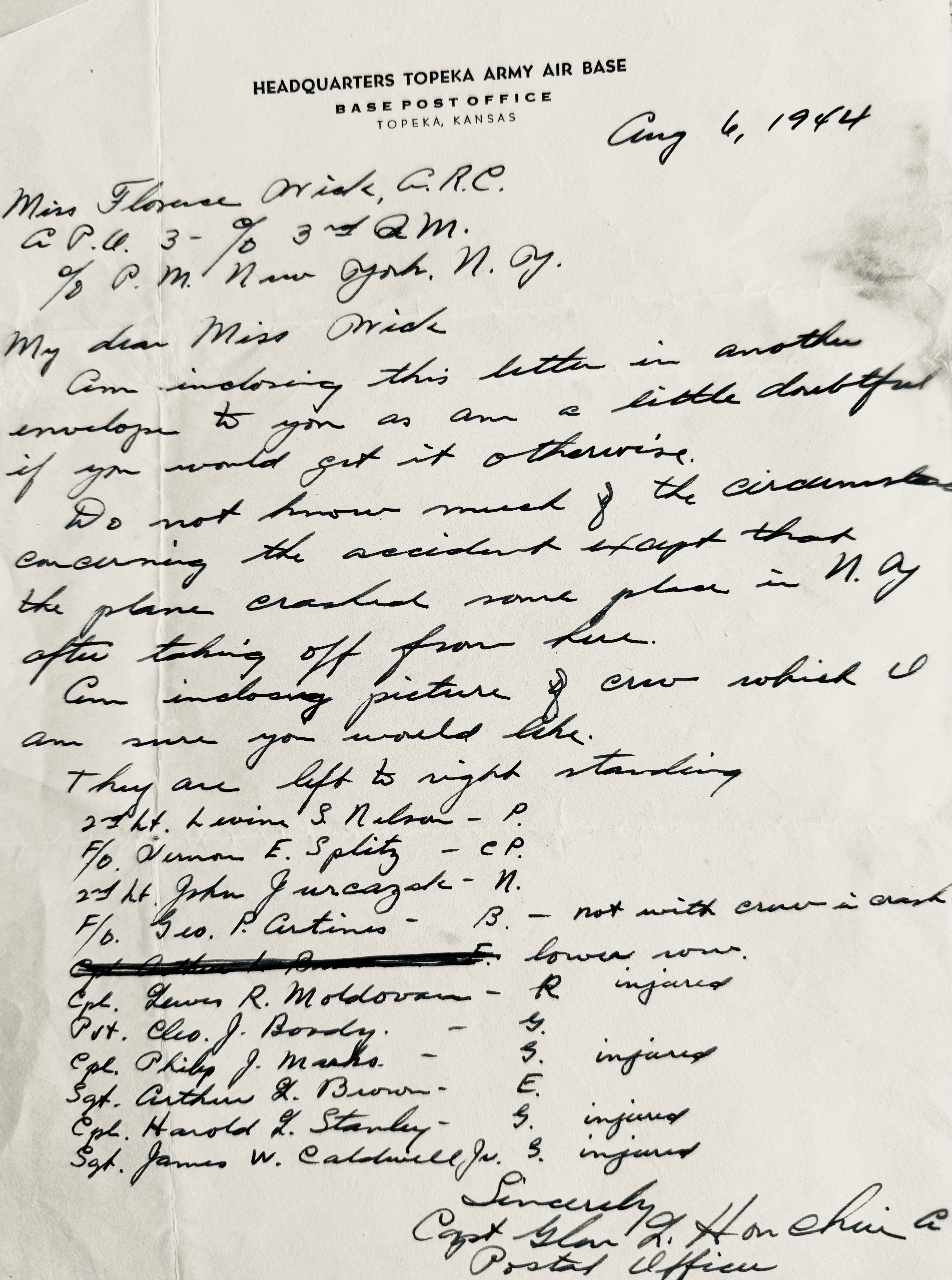
Going through Flo’s cache of letters I found some more information about this plane crash–a letter from the postal officer at Topeka Army Air Base. It says the plane had taken off from there and crashed in New York. The whole crew was killed and he included a picture of the crew and a list of crew members. There is only one whose name matches: 2nd Lt. John Jurcazak, but we couldn’t find any connection to Flo’s hometown, Yakima. She clearly knew him well and knew his mother, so Johnnie may refer to one of the other crew members.
Ch. 102: https://mollymartin.blog/2026/03/11/at-the-3rd-div-command-post/
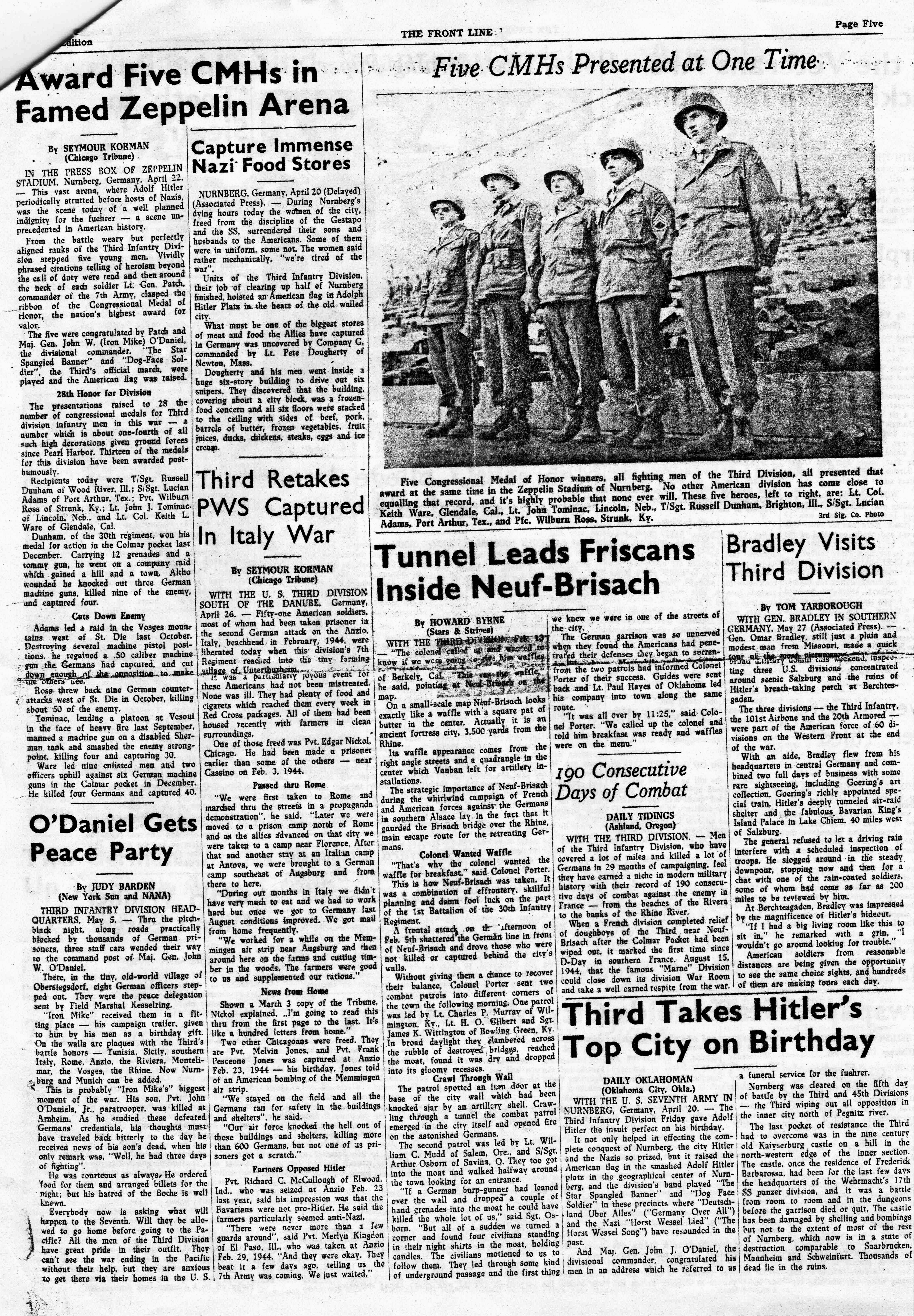
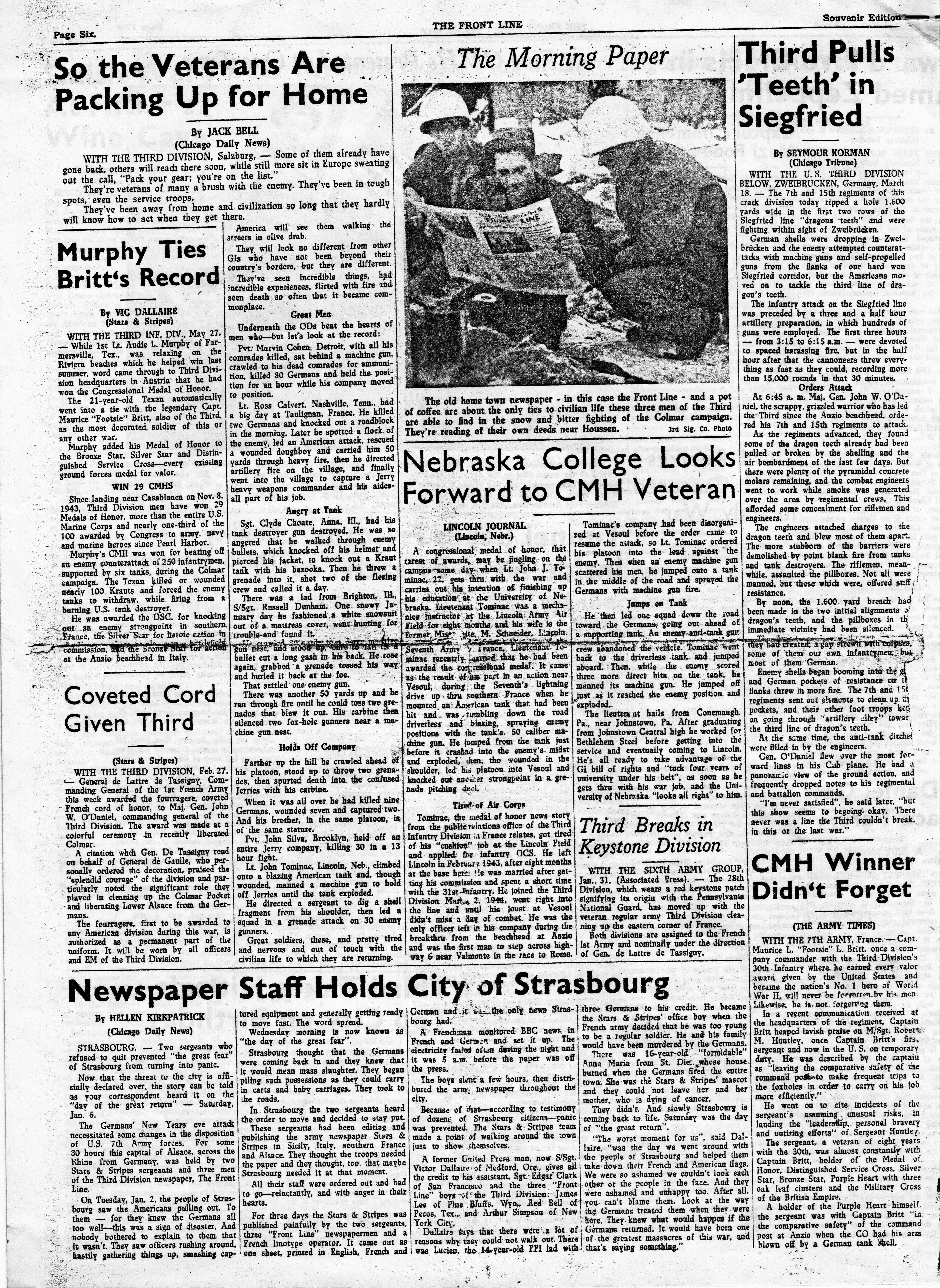
3rd Division souvenir paper tells history of the division
My Mother and Audie Murphy Ch. 100
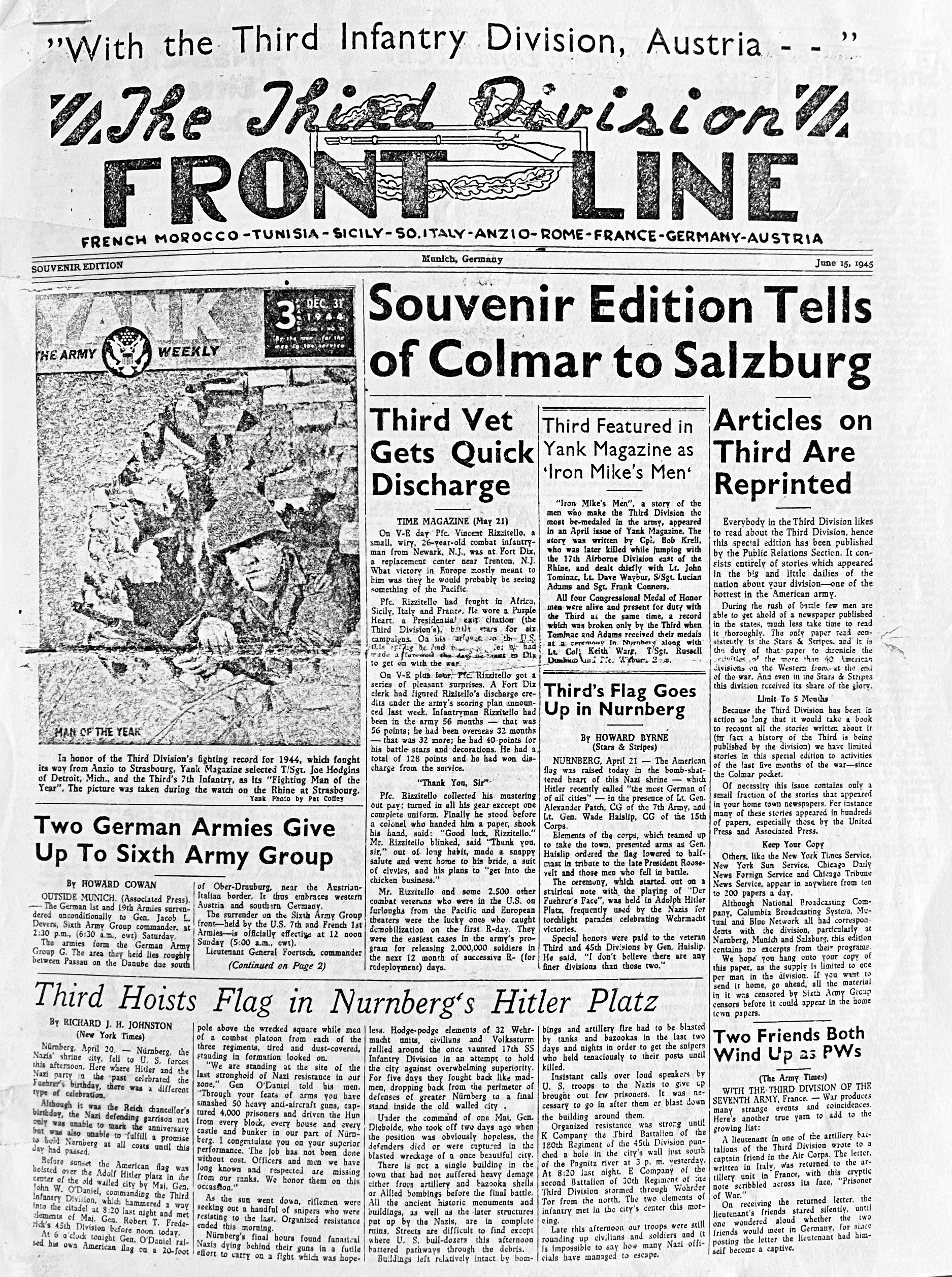
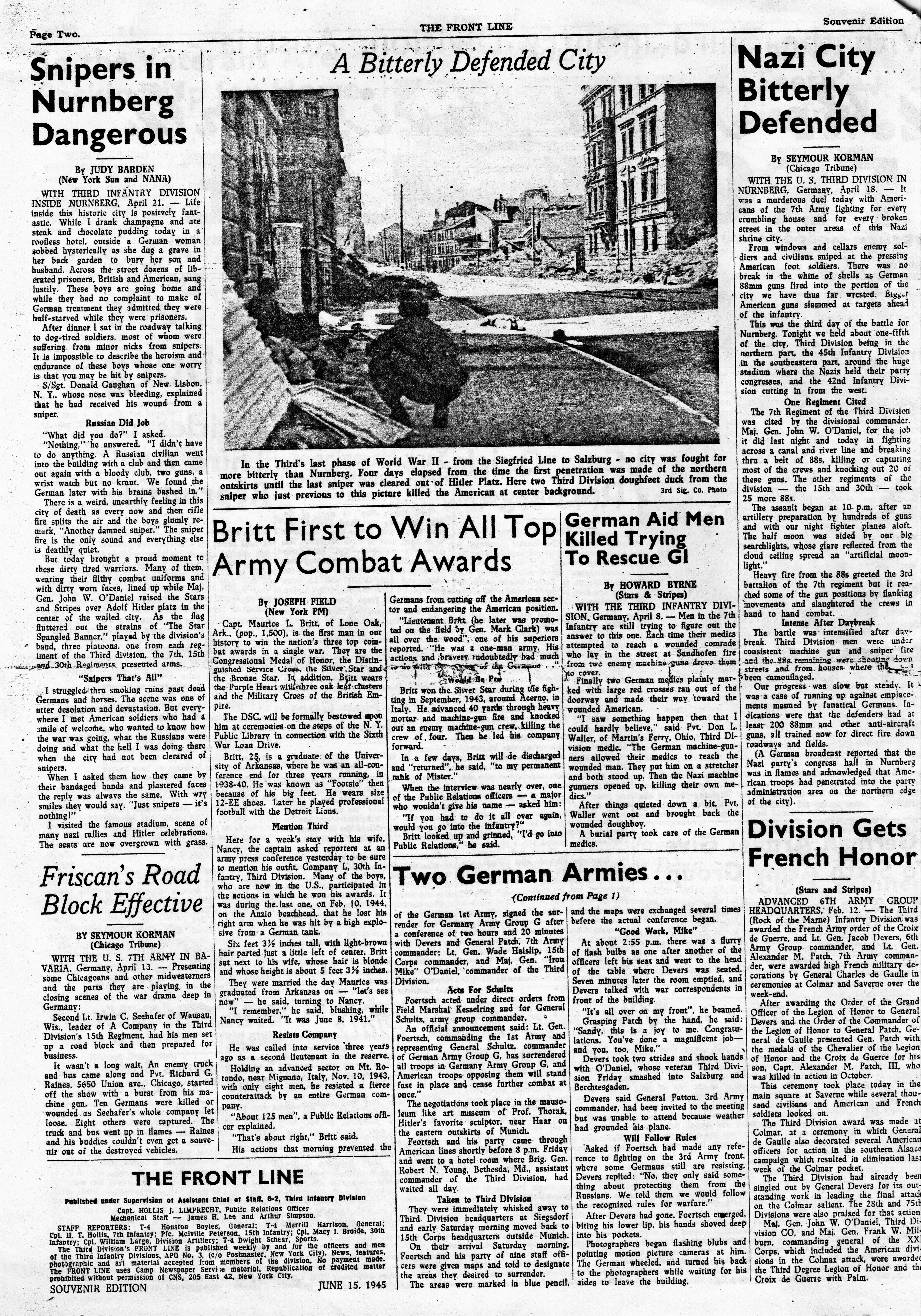
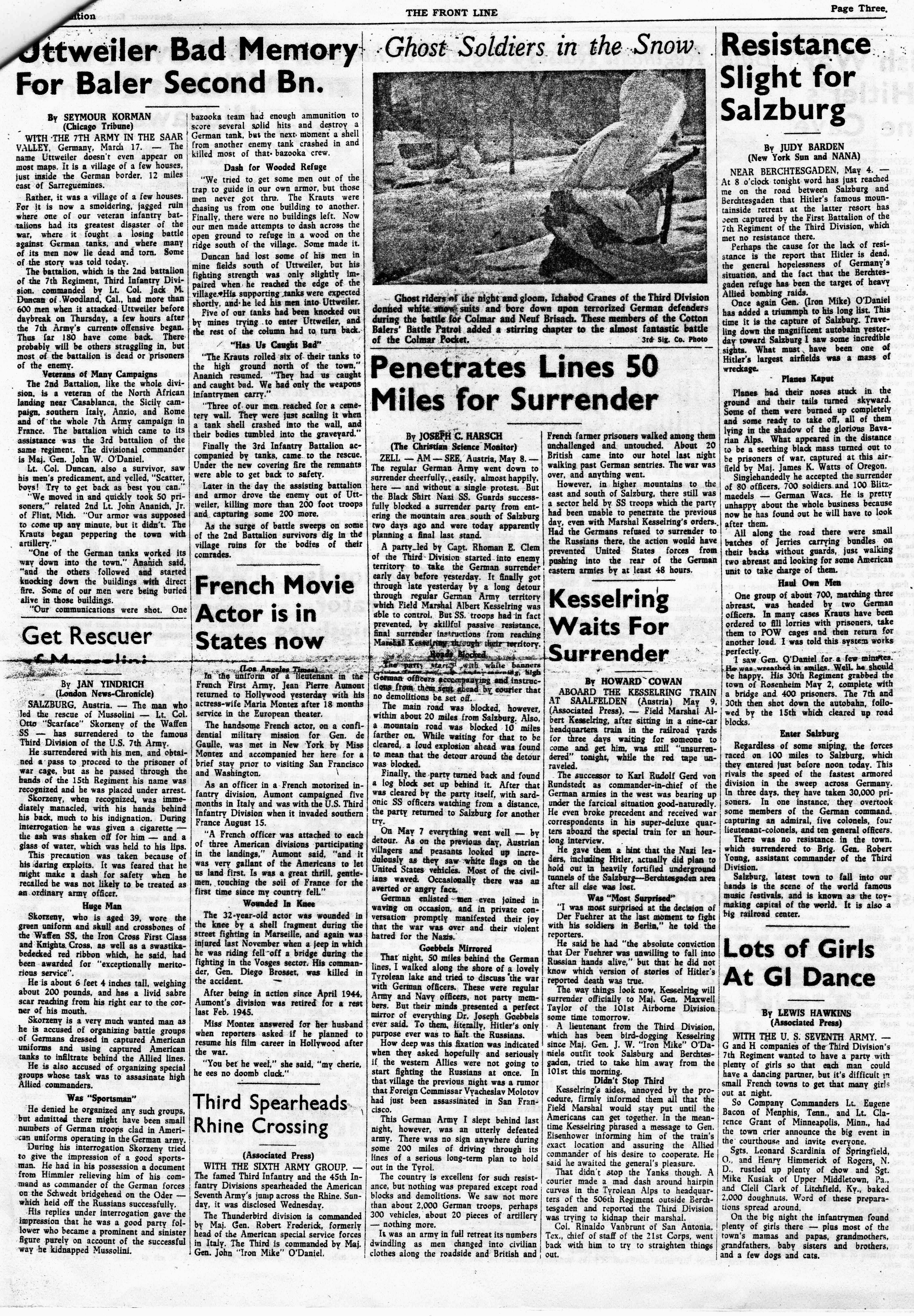
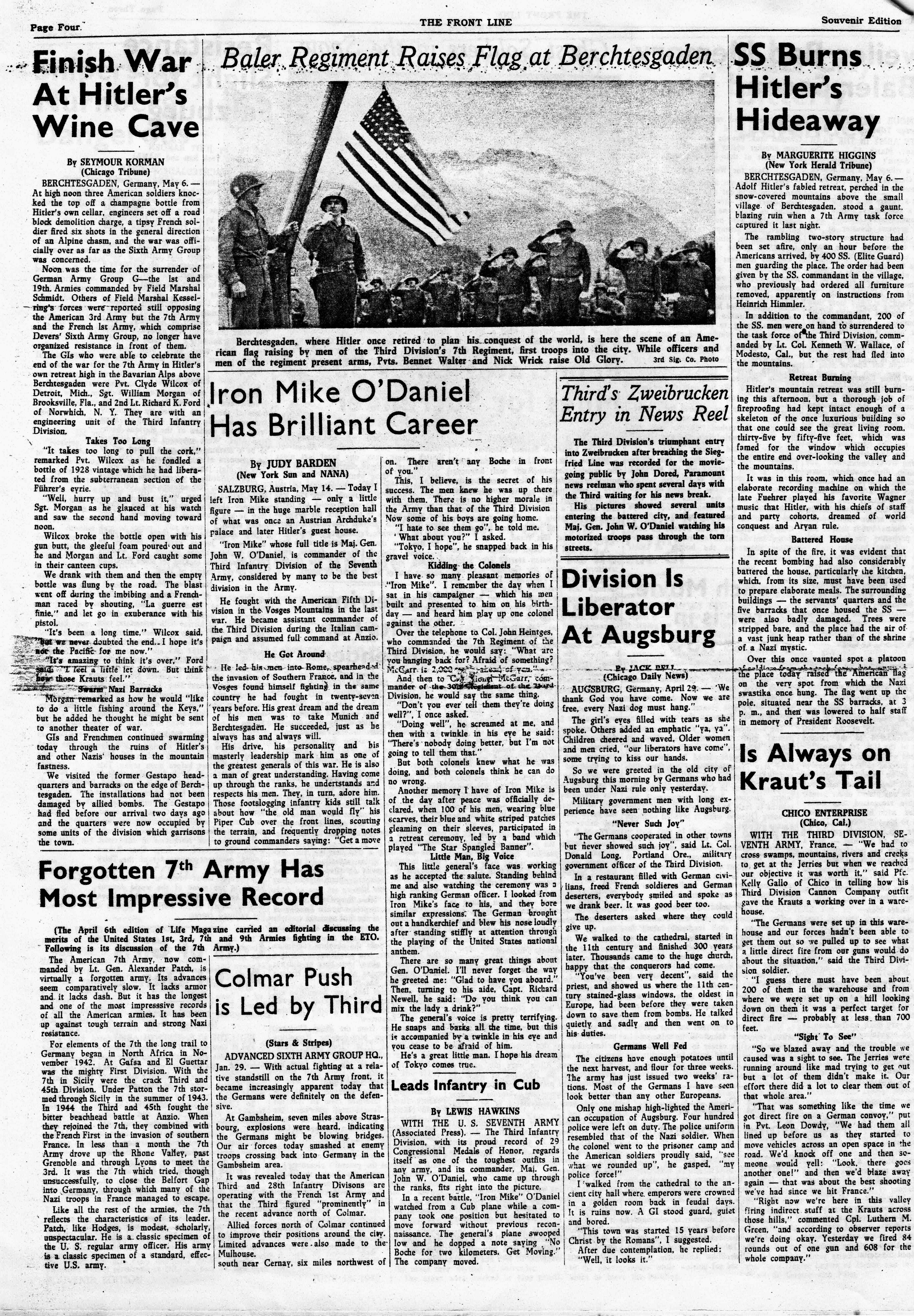
Don’t throw this away! admonishes the Front Line newspaper of their post-war special edition. Flo didn’t throw it away. She saved it and tucked it into her album. The issue consists entirely of stories which appeared in the big and little dailies of the nation about the Third Division.
From the introduction: “During the rush of battle few men were able to get a hold of a newspaper published in the states, much less take time to read it thoroughly….Hence, this special edition.
“We hope you hang on to your copy as the supply is limited to one per man. If you want to send it home, go ahead. All the material in it was censored by Sixth Army Group censors before it could appear in the home town papers.”
The Front Line is the official newspaper of the Third Infantry Division. In the interest of archiving, I’m posting the whole six-page paper. You can read it by pinching out the image.
Ch. 101: https://mollymartin.blog/2026/03/07/a-sweet-love-poem-to-a-flyer/
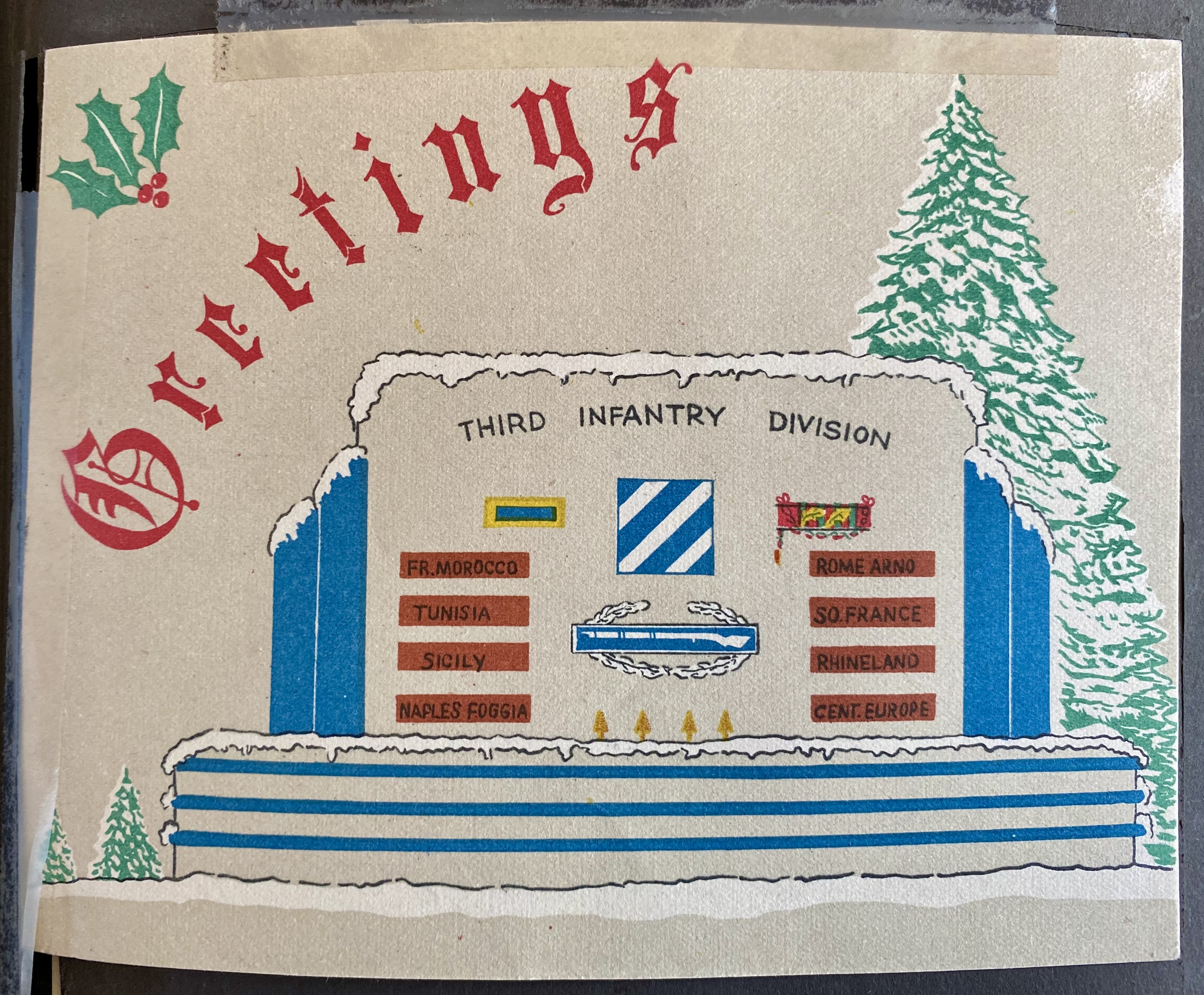
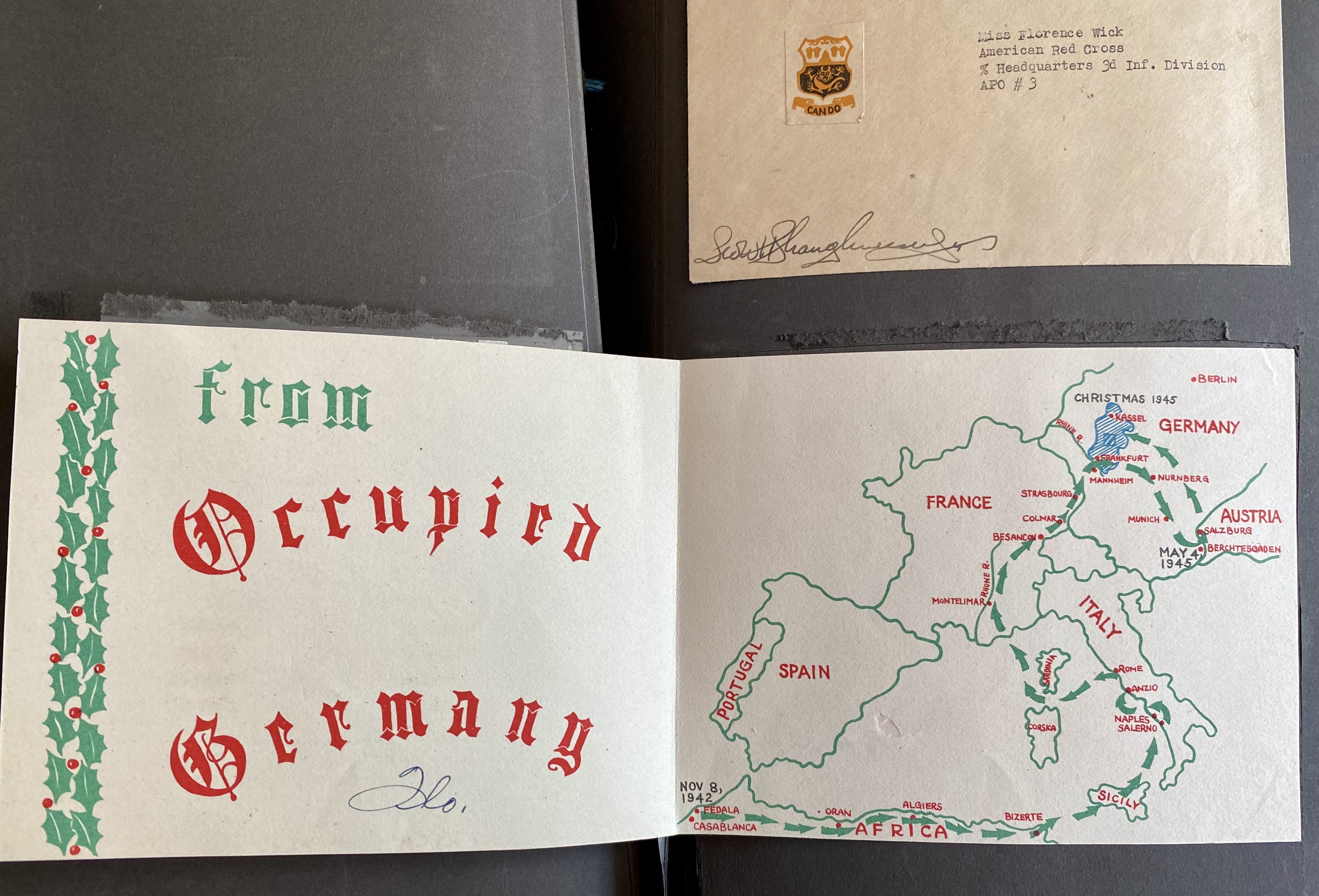
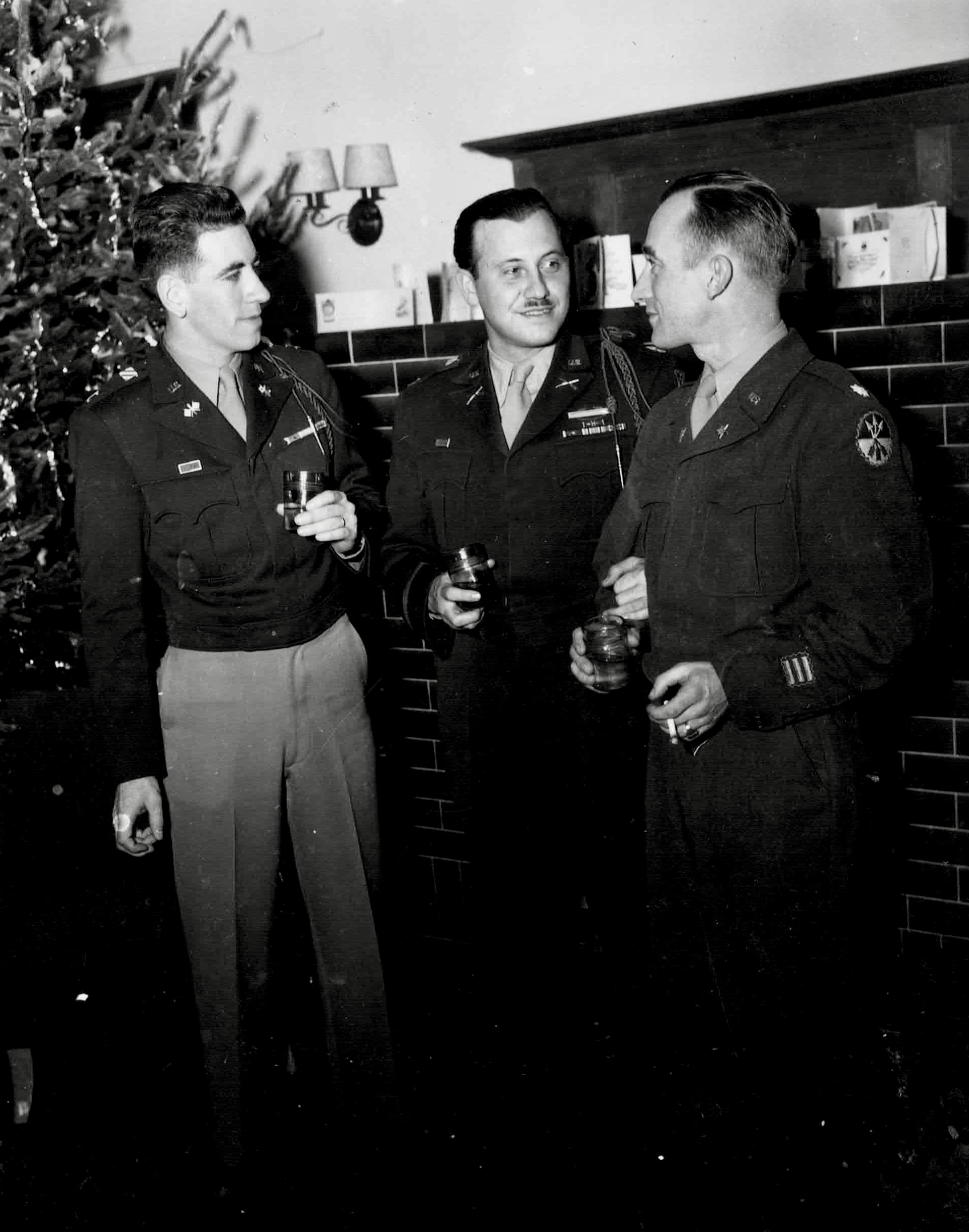
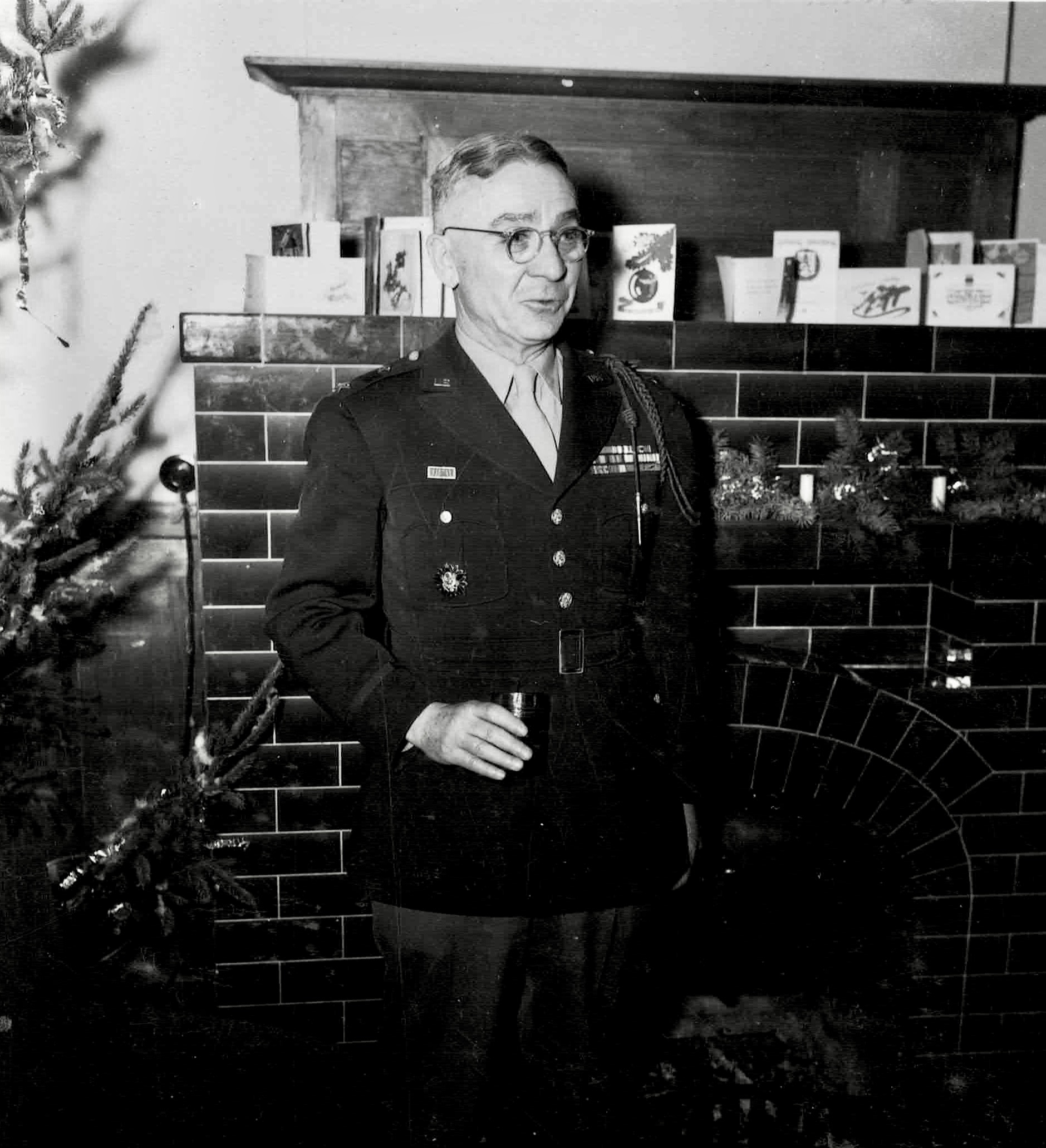
Gen. Schmidt’s New Year’s party celebrates Third Division
My Mother and Audie Murphy Ch. 99
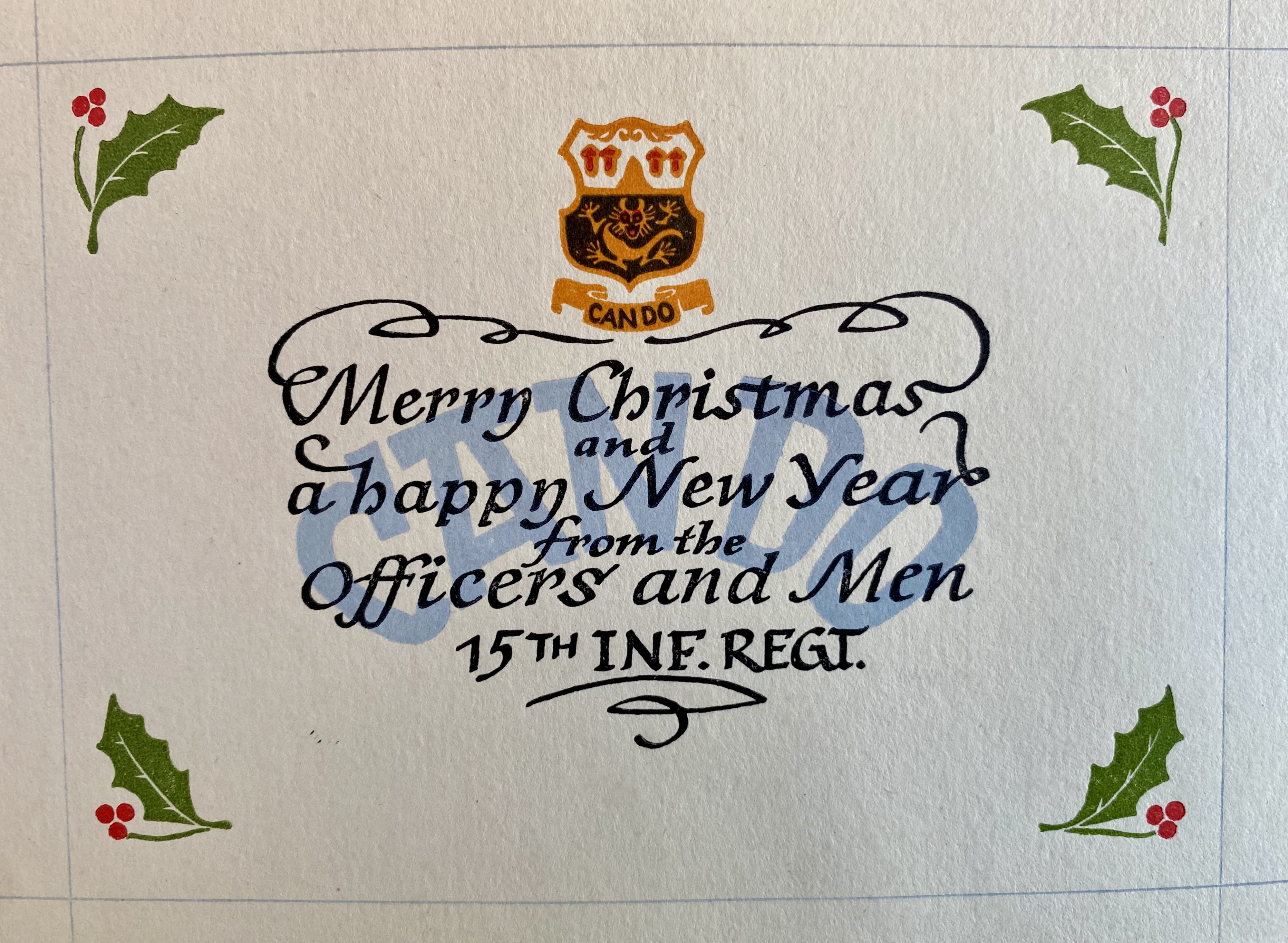
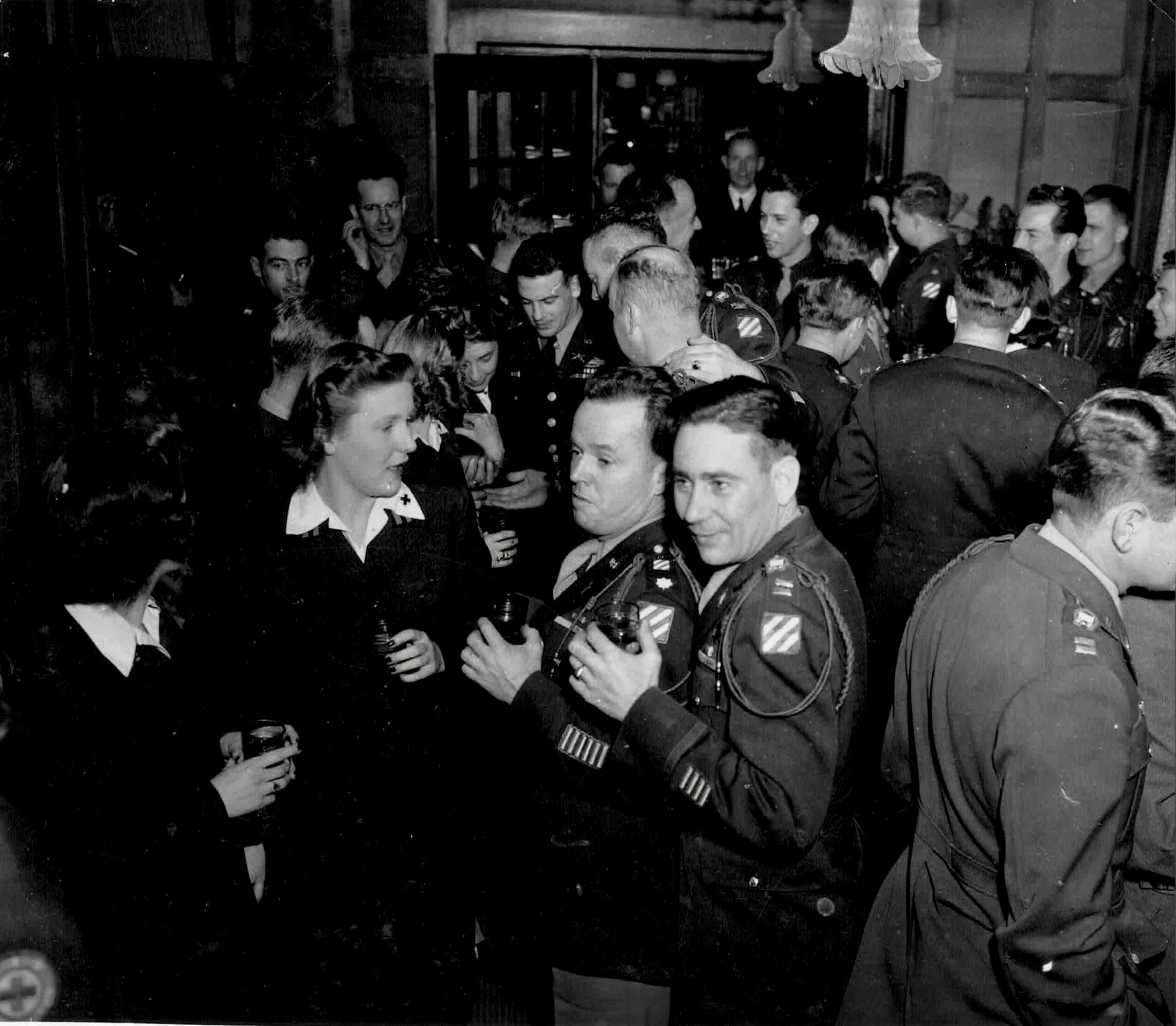
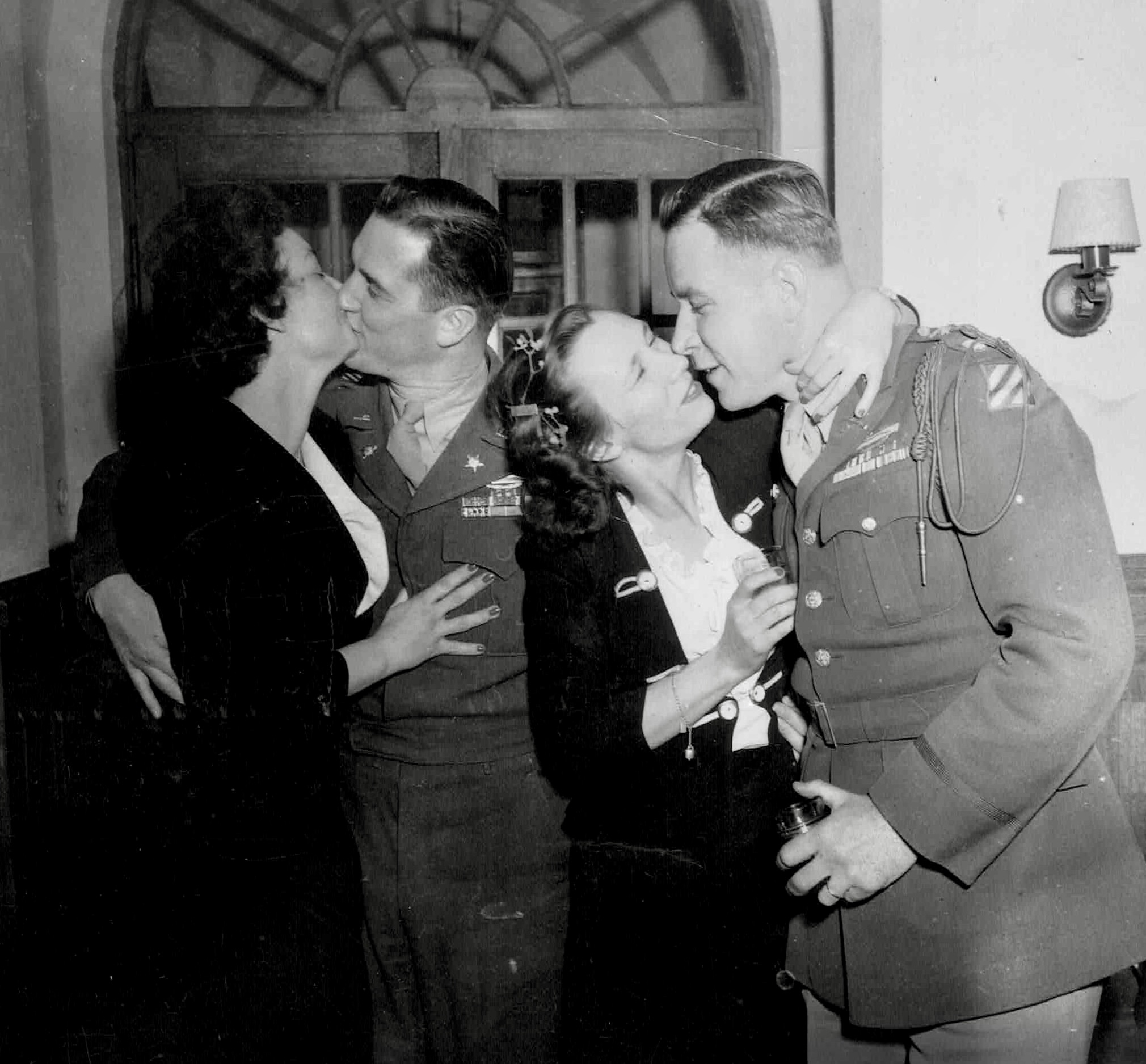
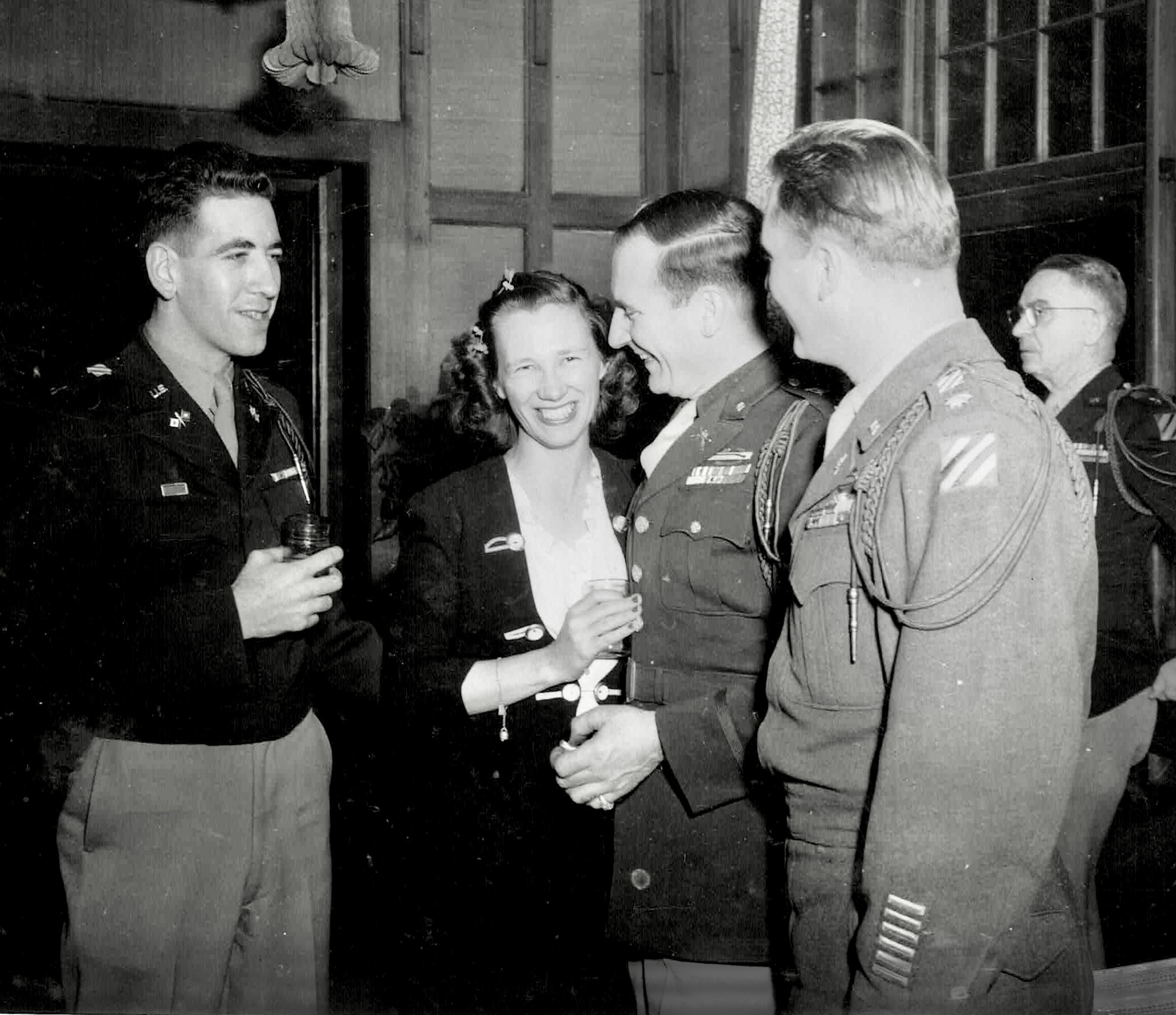
Ch. 100: https://mollymartin.blog/2026/03/03/front-line-publishes-special-edition/
They celebrate Armistice Day in occupied Berlin
My Mother and Audie Murphy Ch. 98
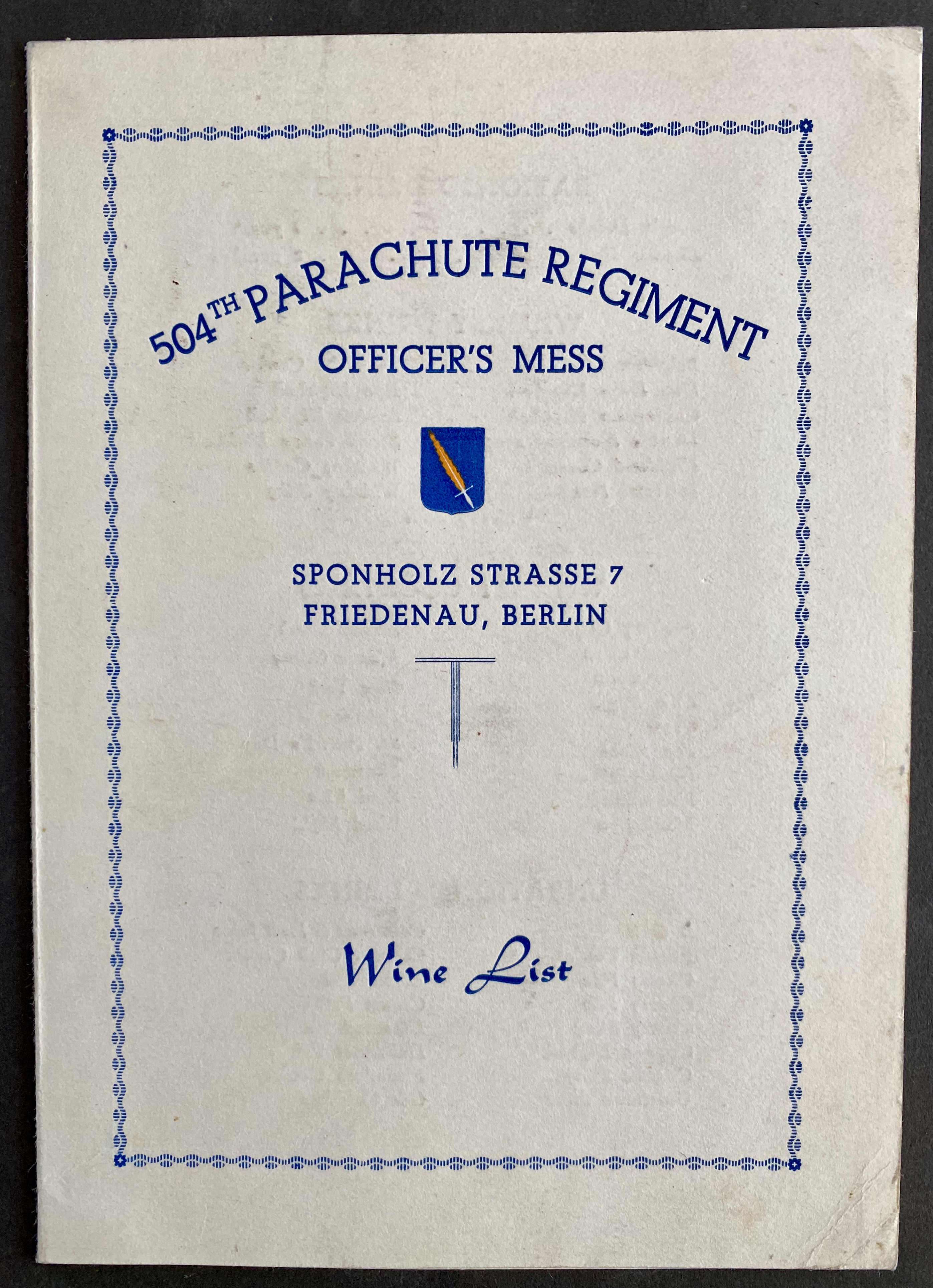
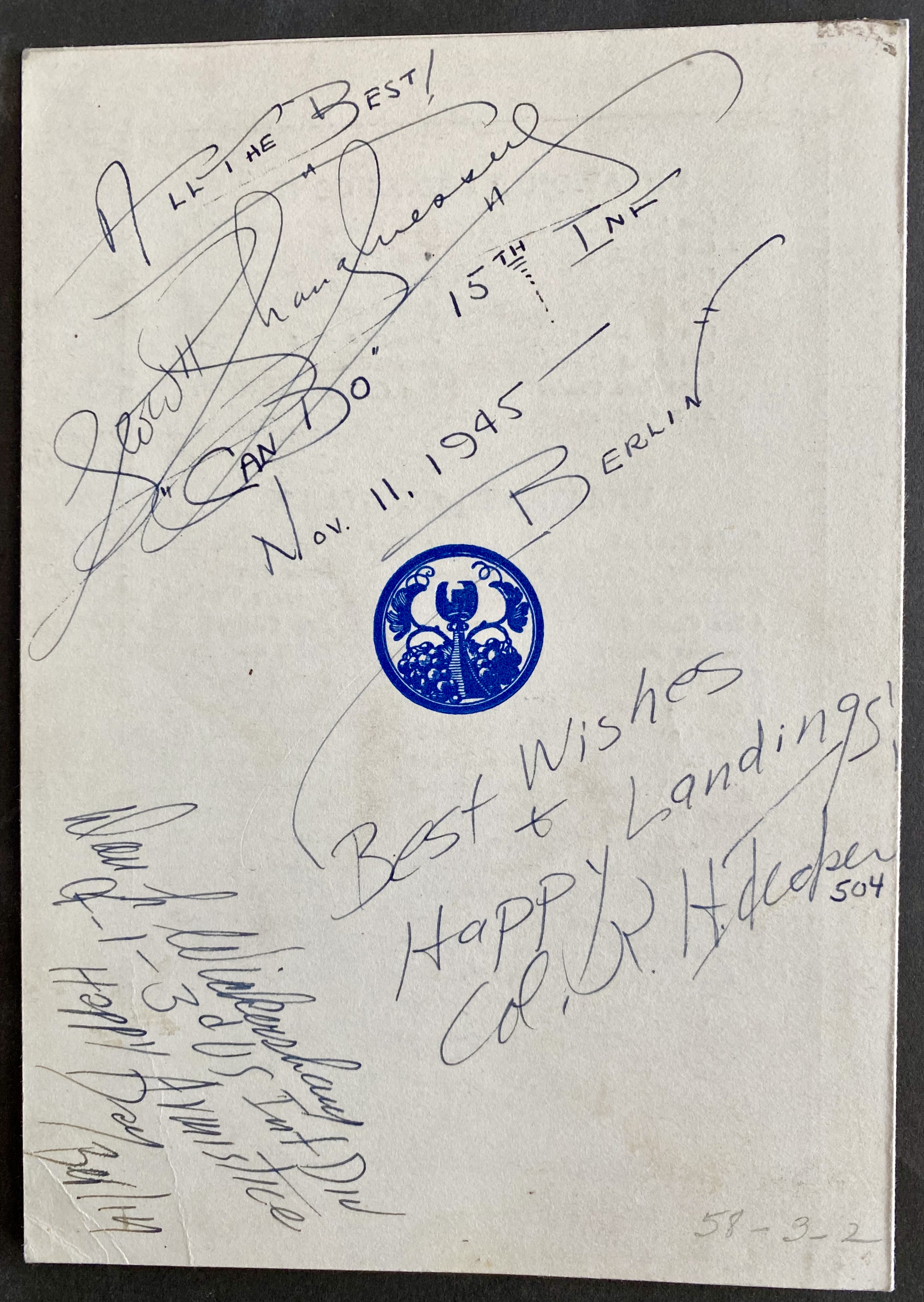
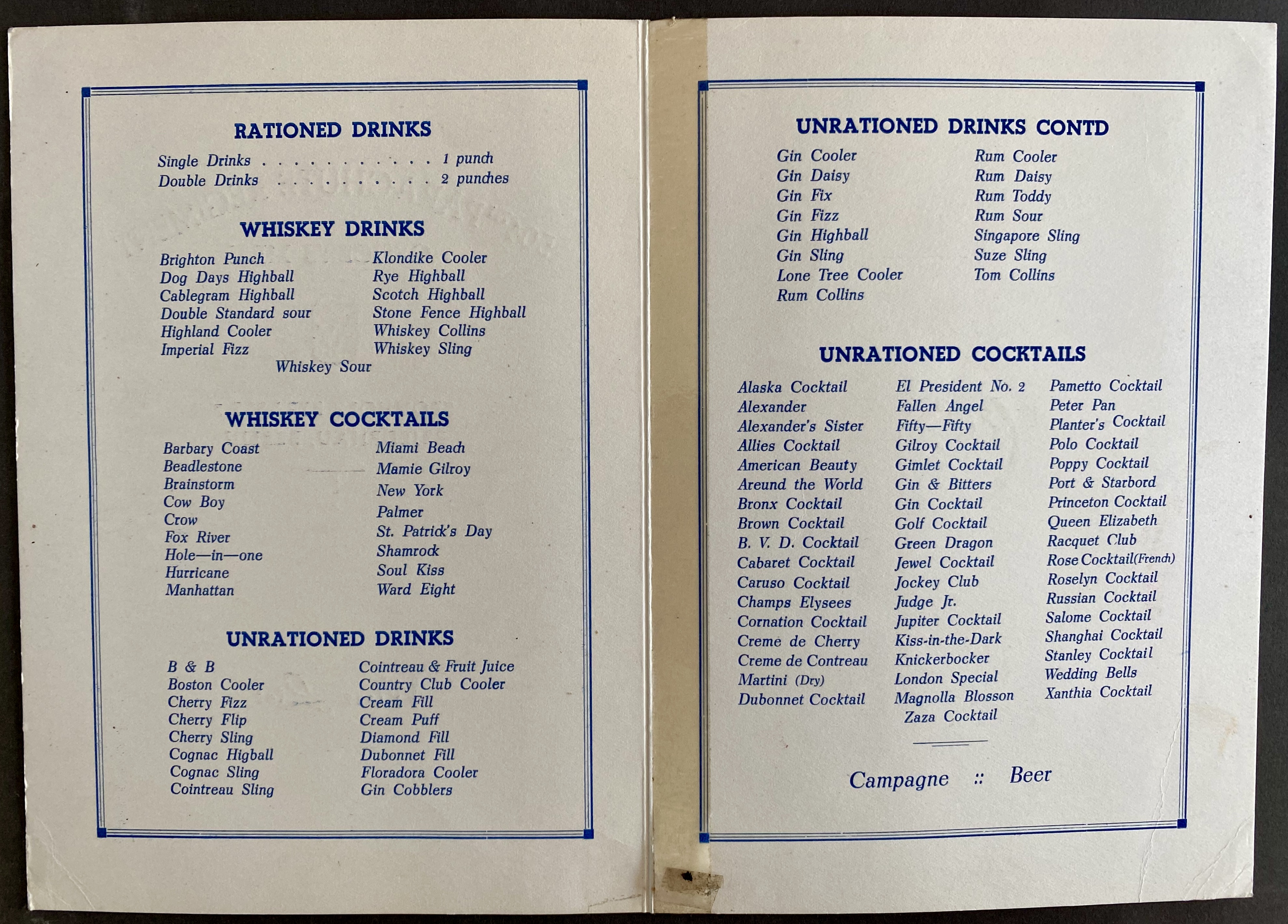
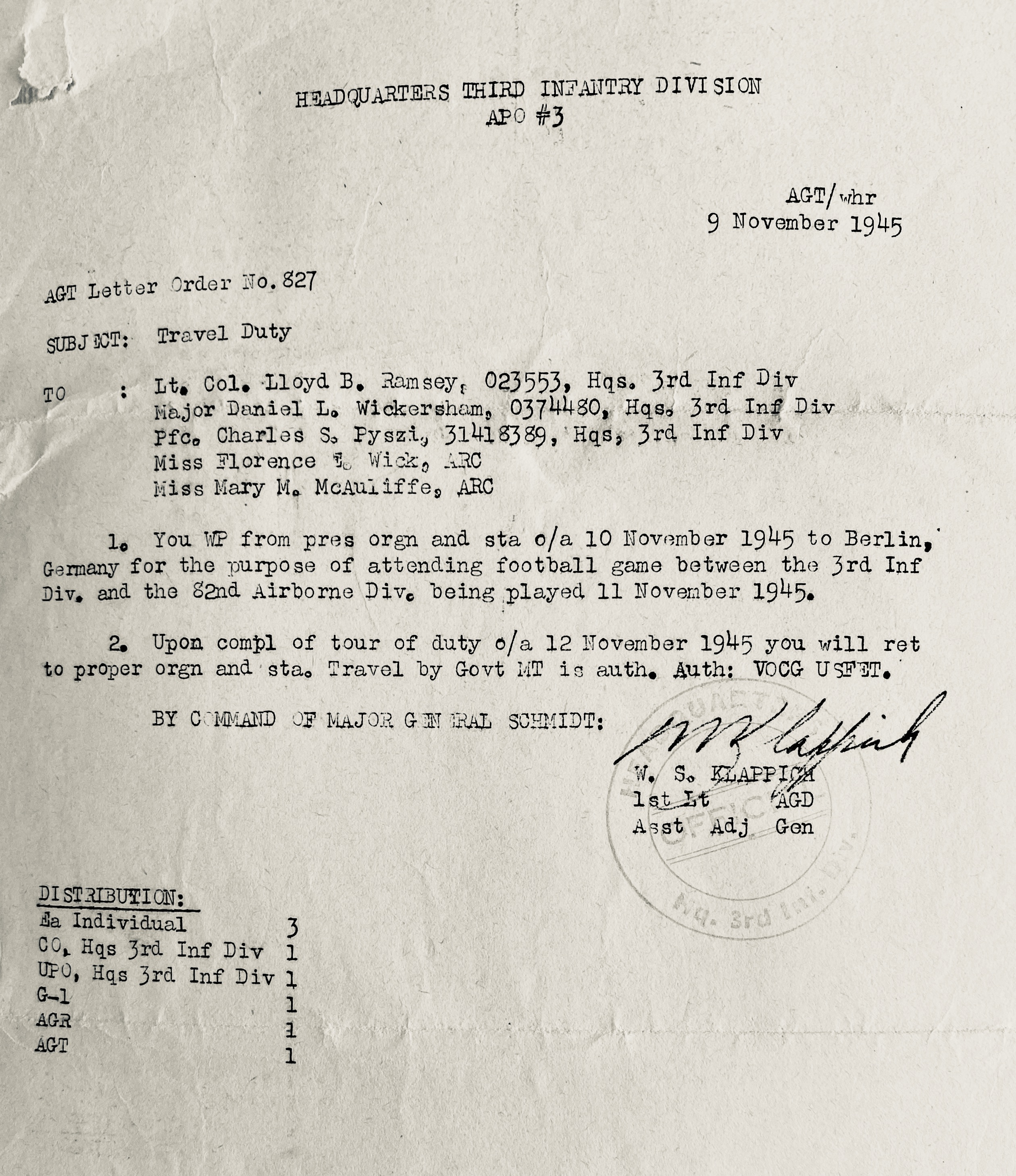
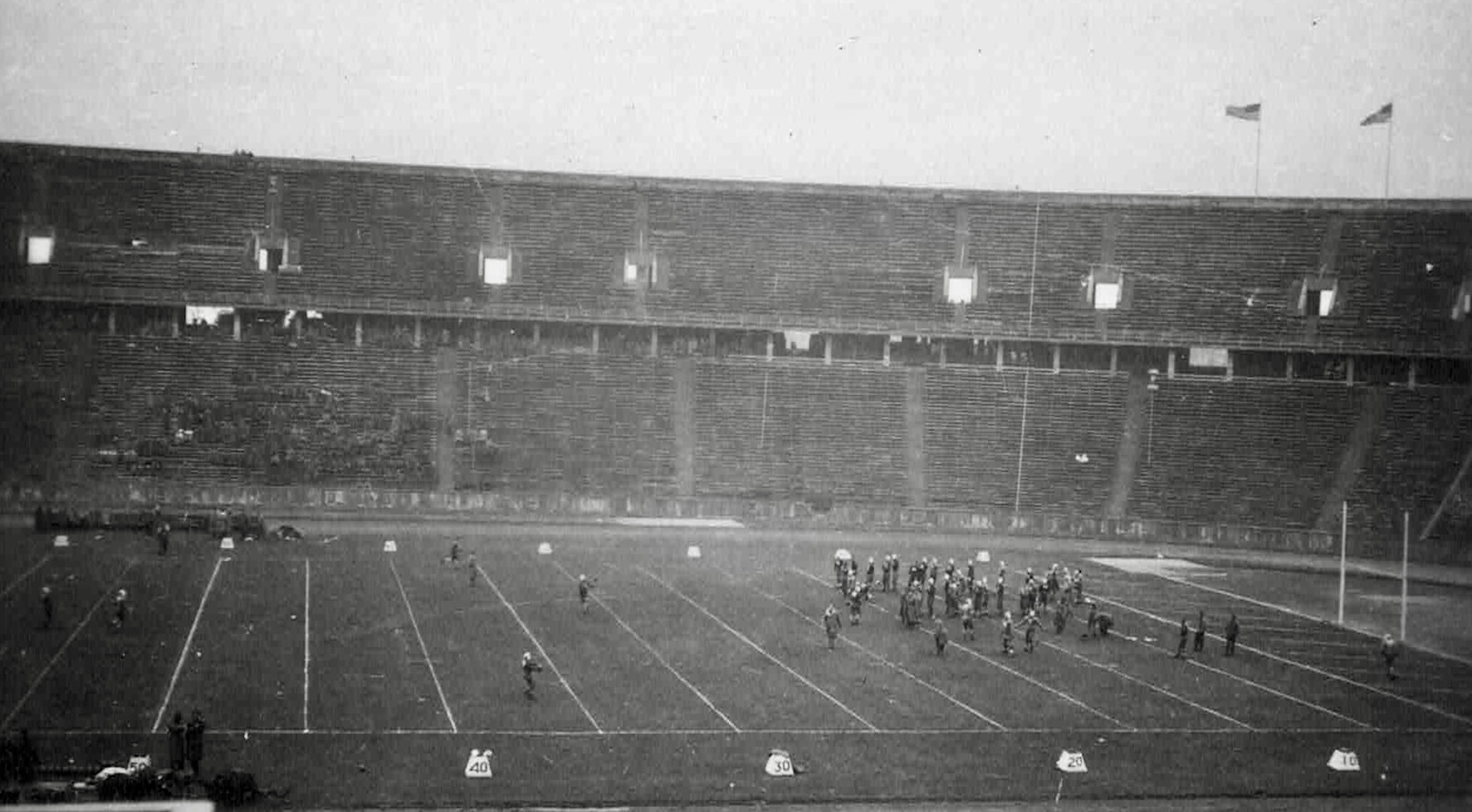
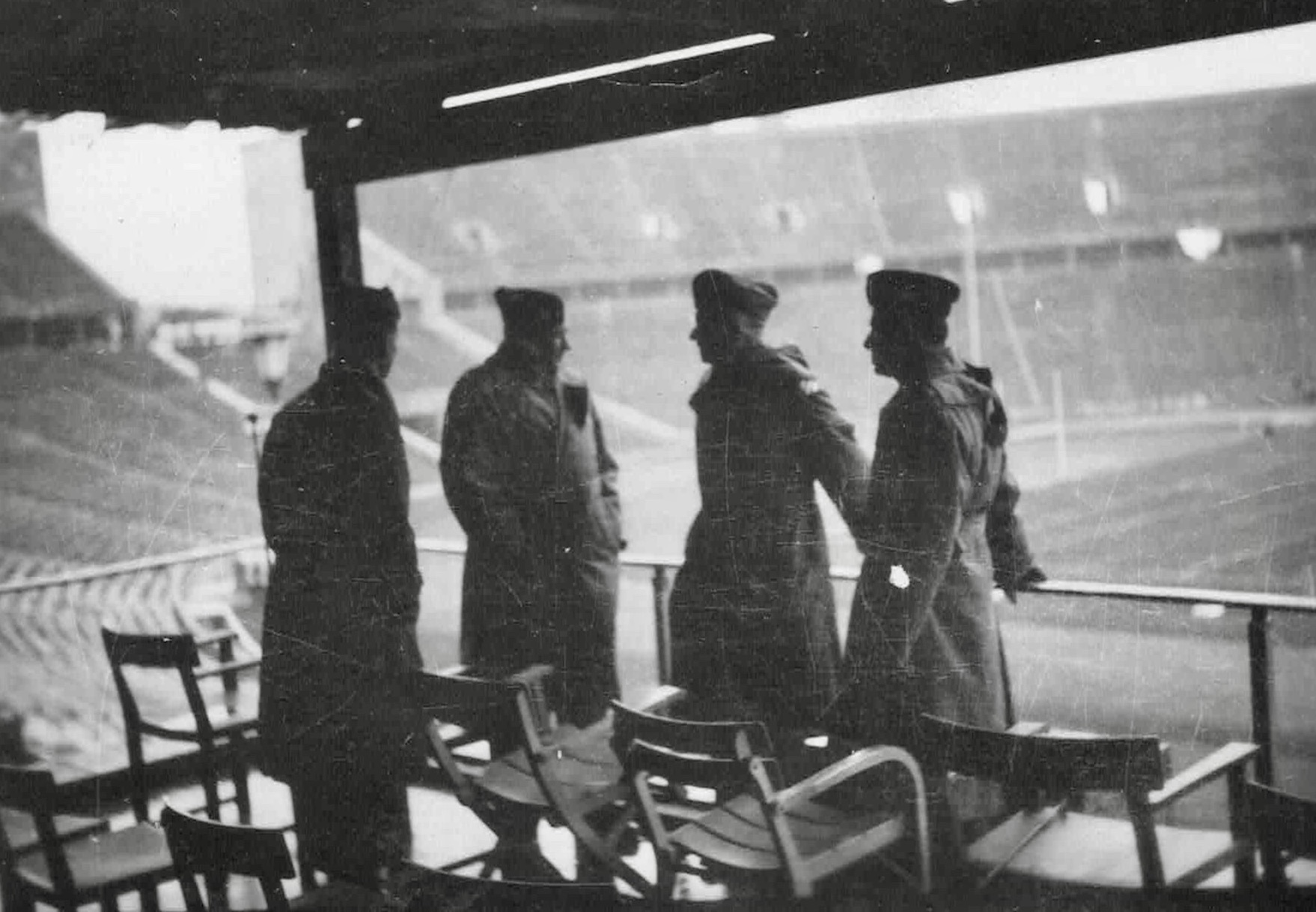
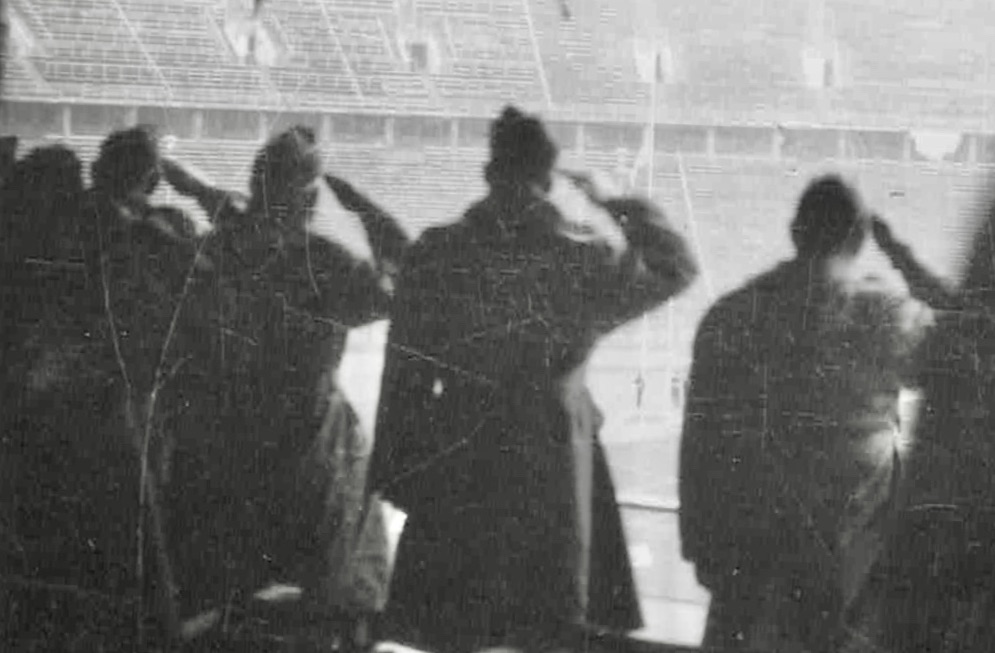
While they were in Berlin for the football game between the Third Division and the 82nd Airborne, Flo and her comrades were invited to a party hosted by the 504th Parachute Regiment. To celebrate Armistice Day in occupied Berlin must have been especially poignant so soon after the end of this second world war.
Flo saved the wine list which listed no wine, but more cocktails than I knew existed. I recognize a few—Manhattan, Martini, Gin Fizz—but not most. I wonder if modern bartenders are still making any of these drinks. The list notes that champagne and beer are available, but there is no mention of wine, at least on this page. Maybe Americans were just not partial to wine in the year 1945.
Ch. 99: https://mollymartin.blog/2026/02/27/christmas-new-years-1945/
Flo and comrades get a look at the German capital
My Mother and Audie Murphy Ch. 97
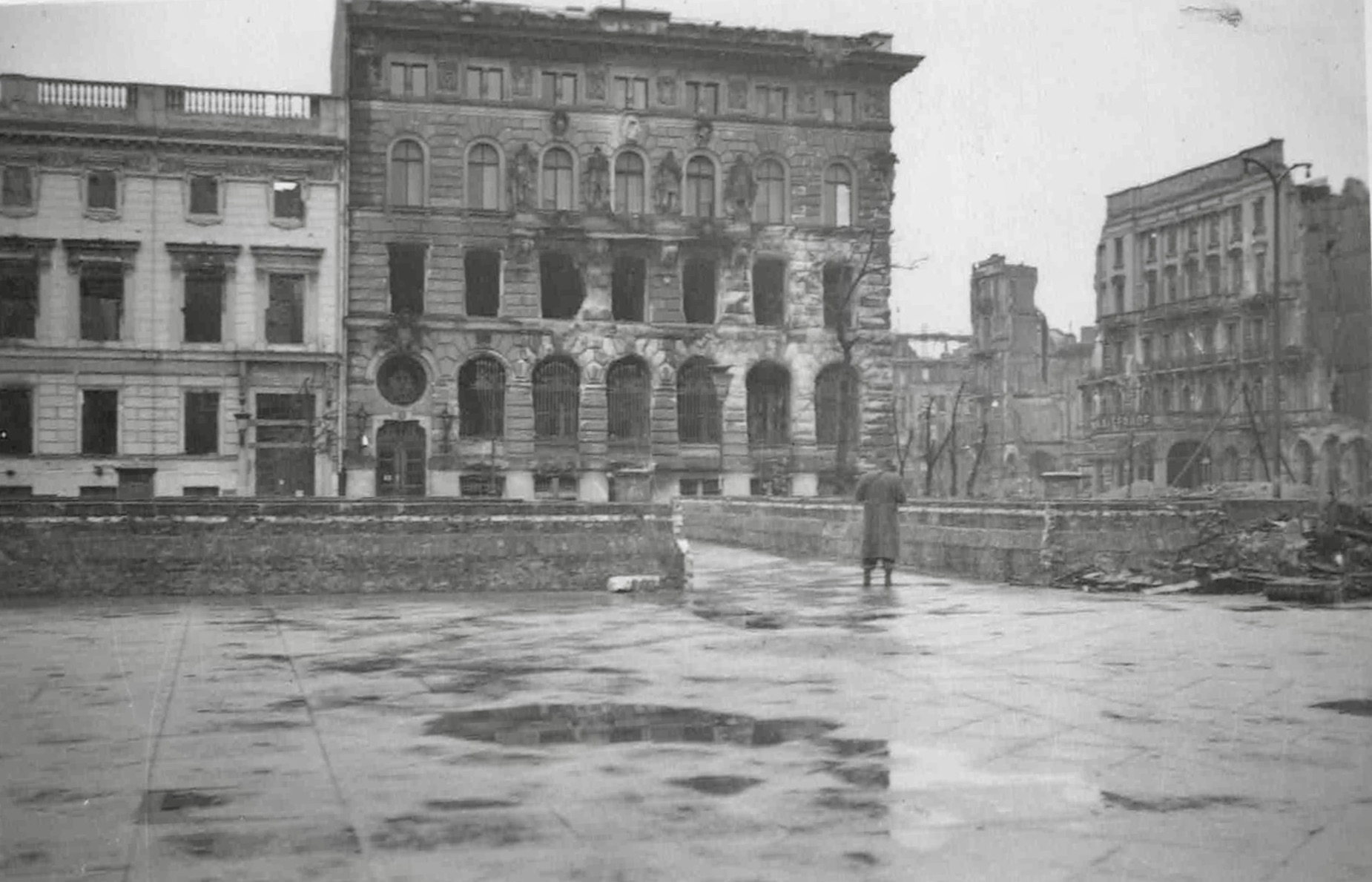
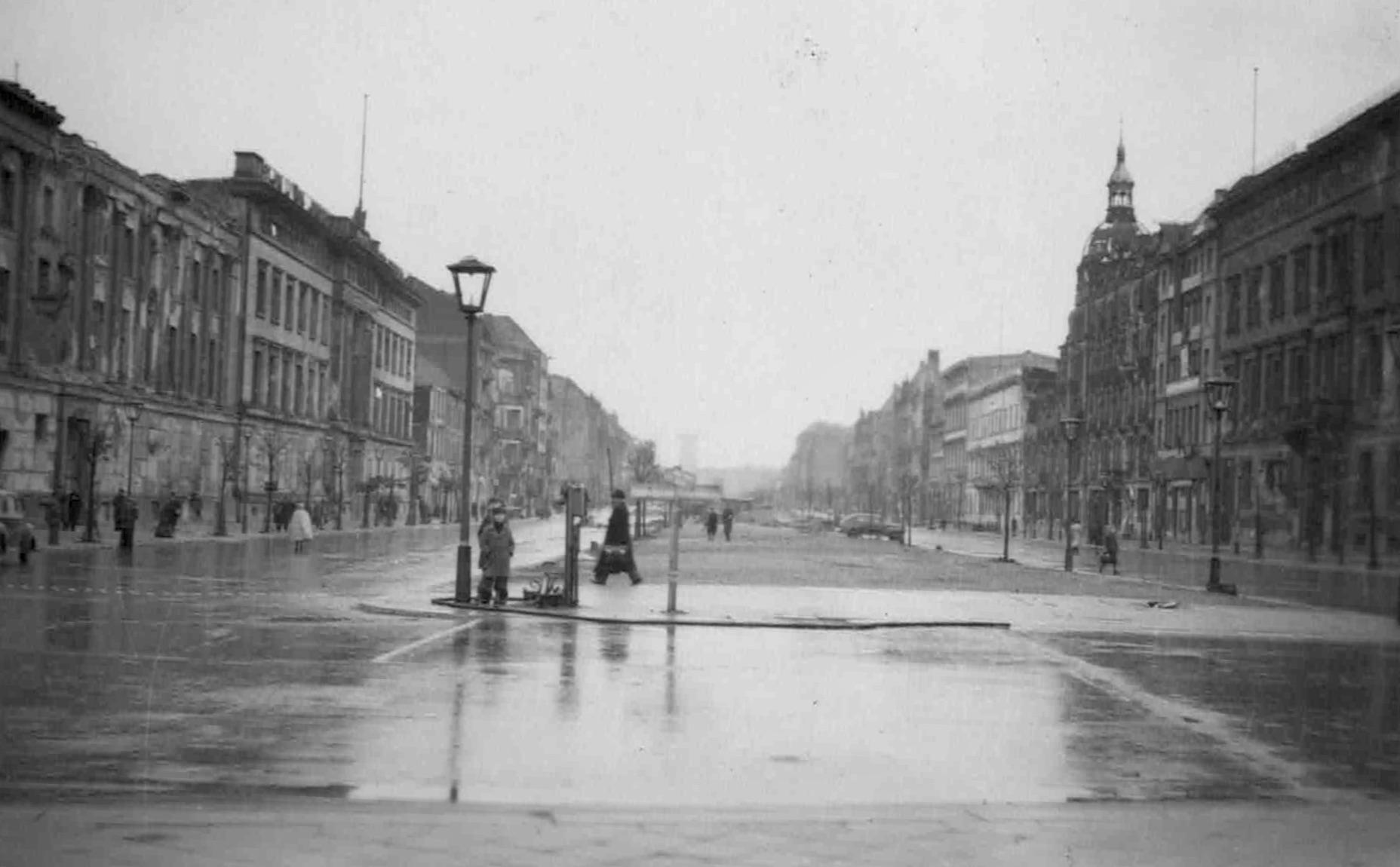
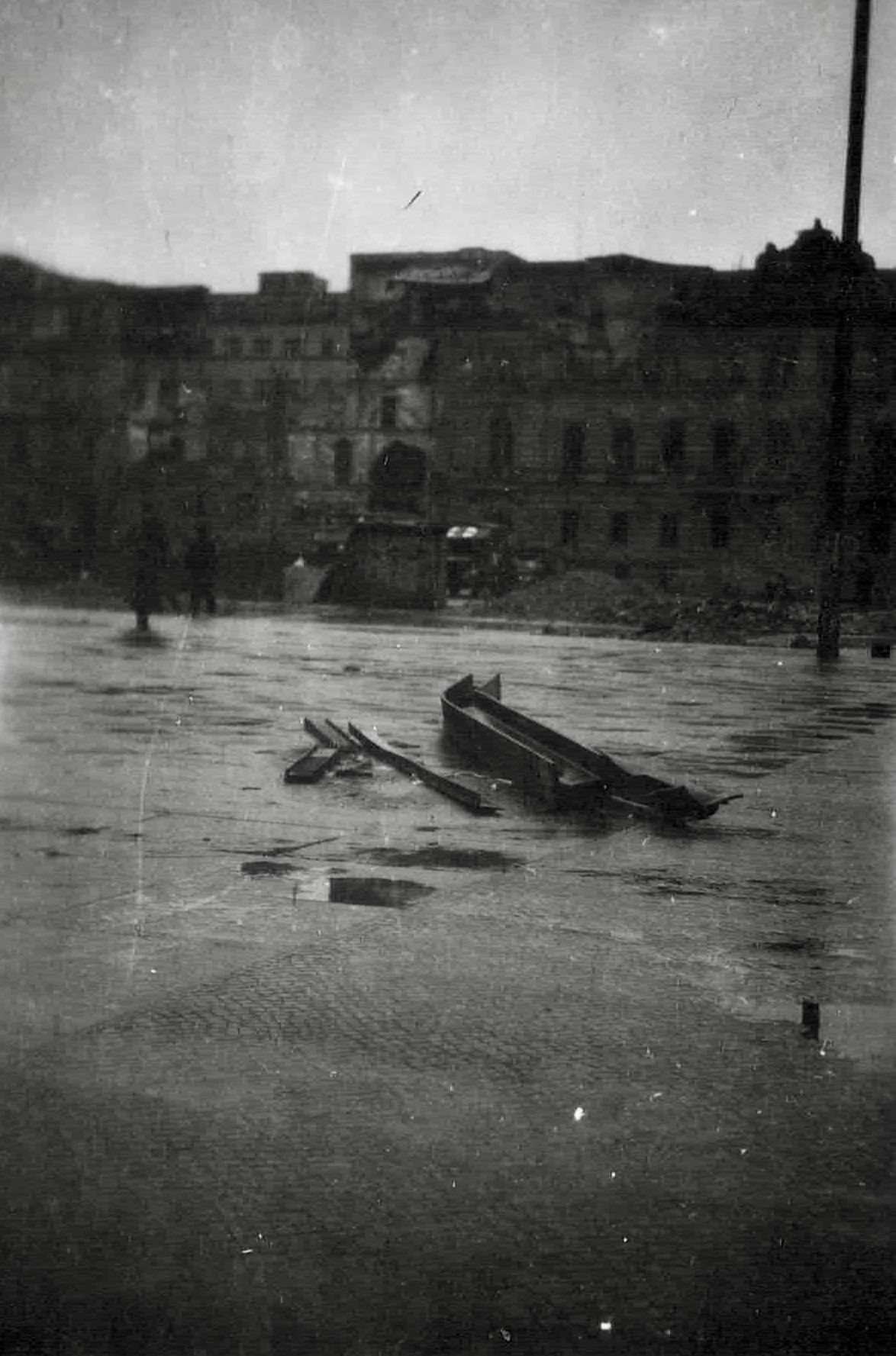
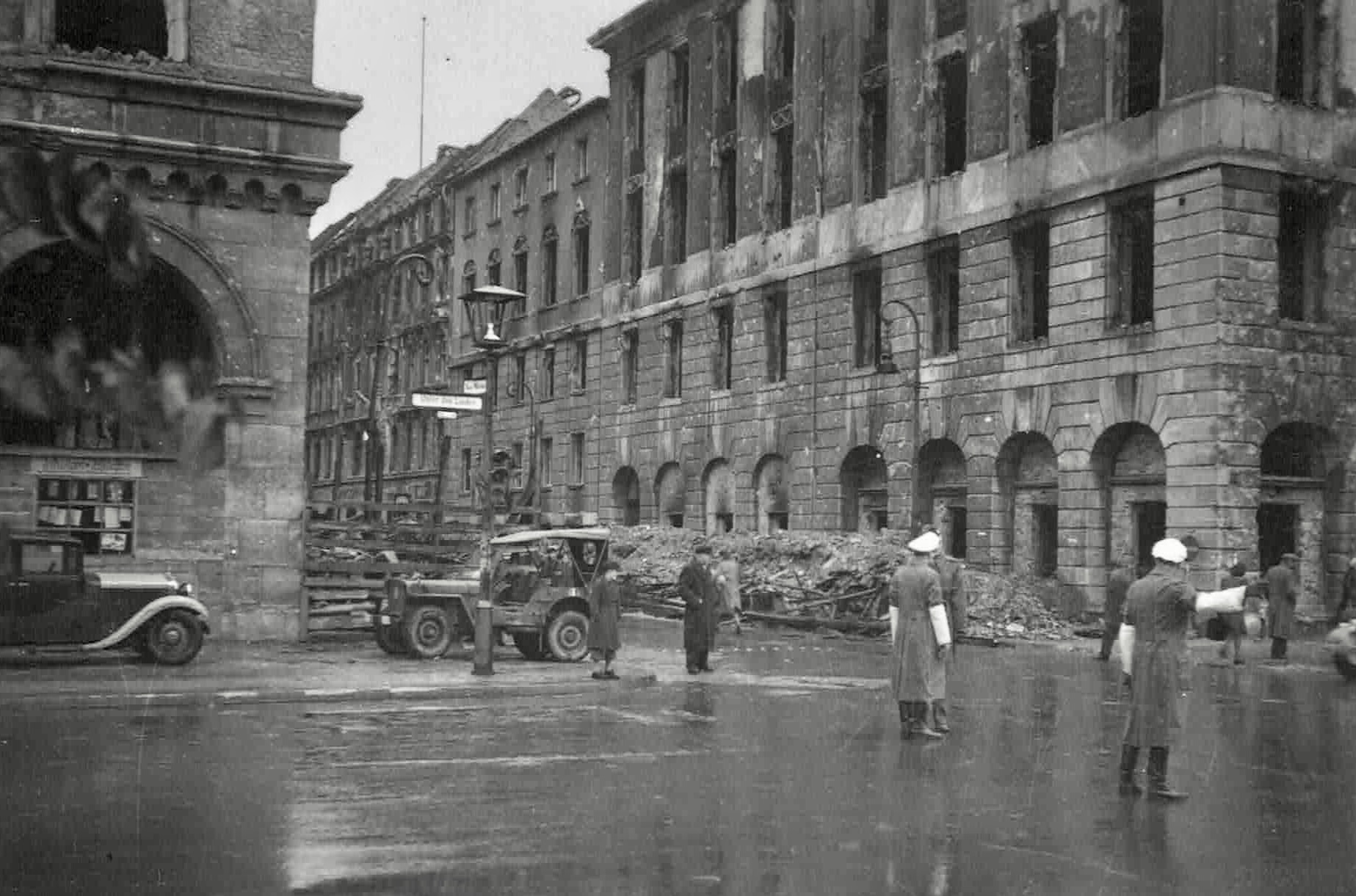
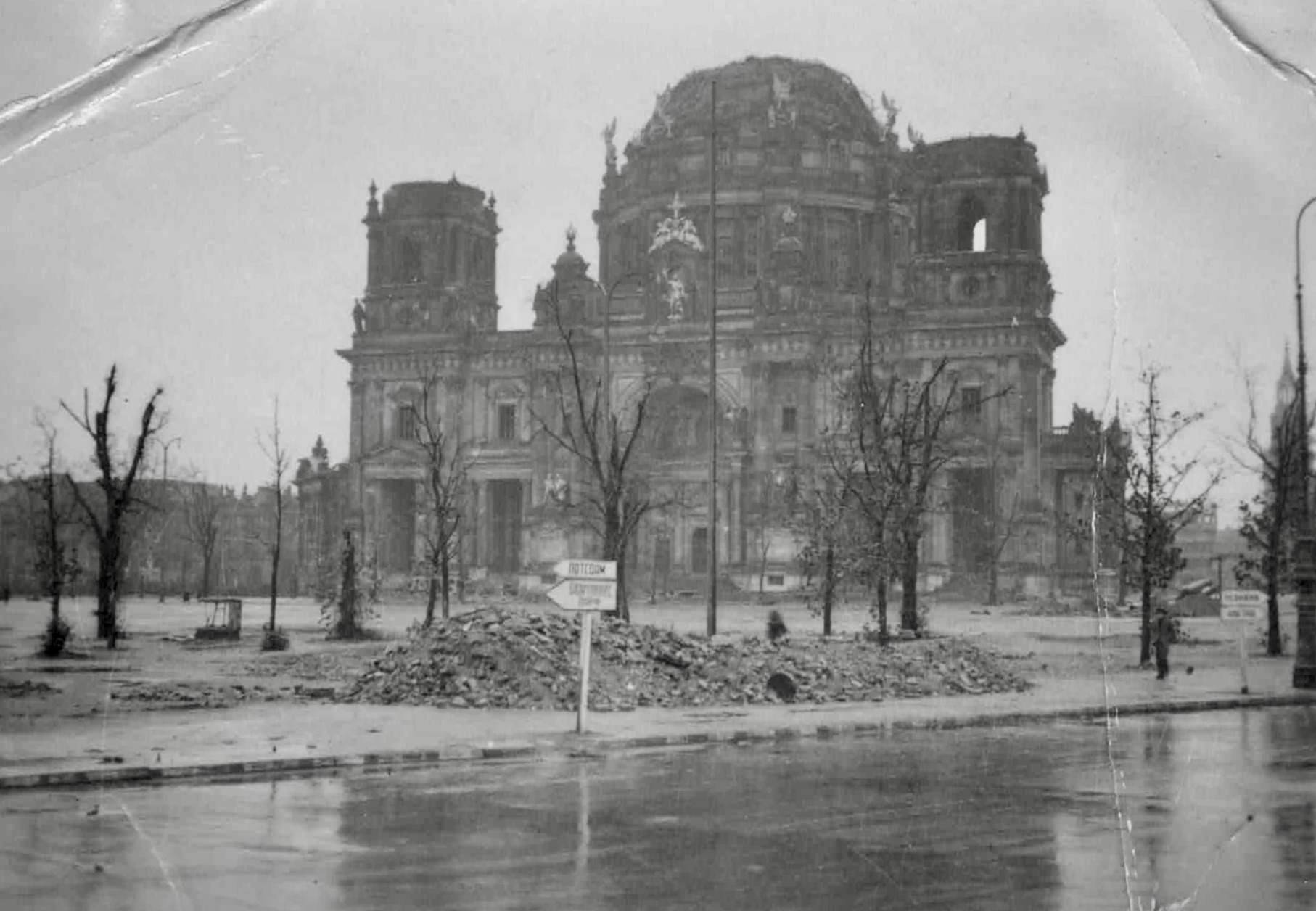
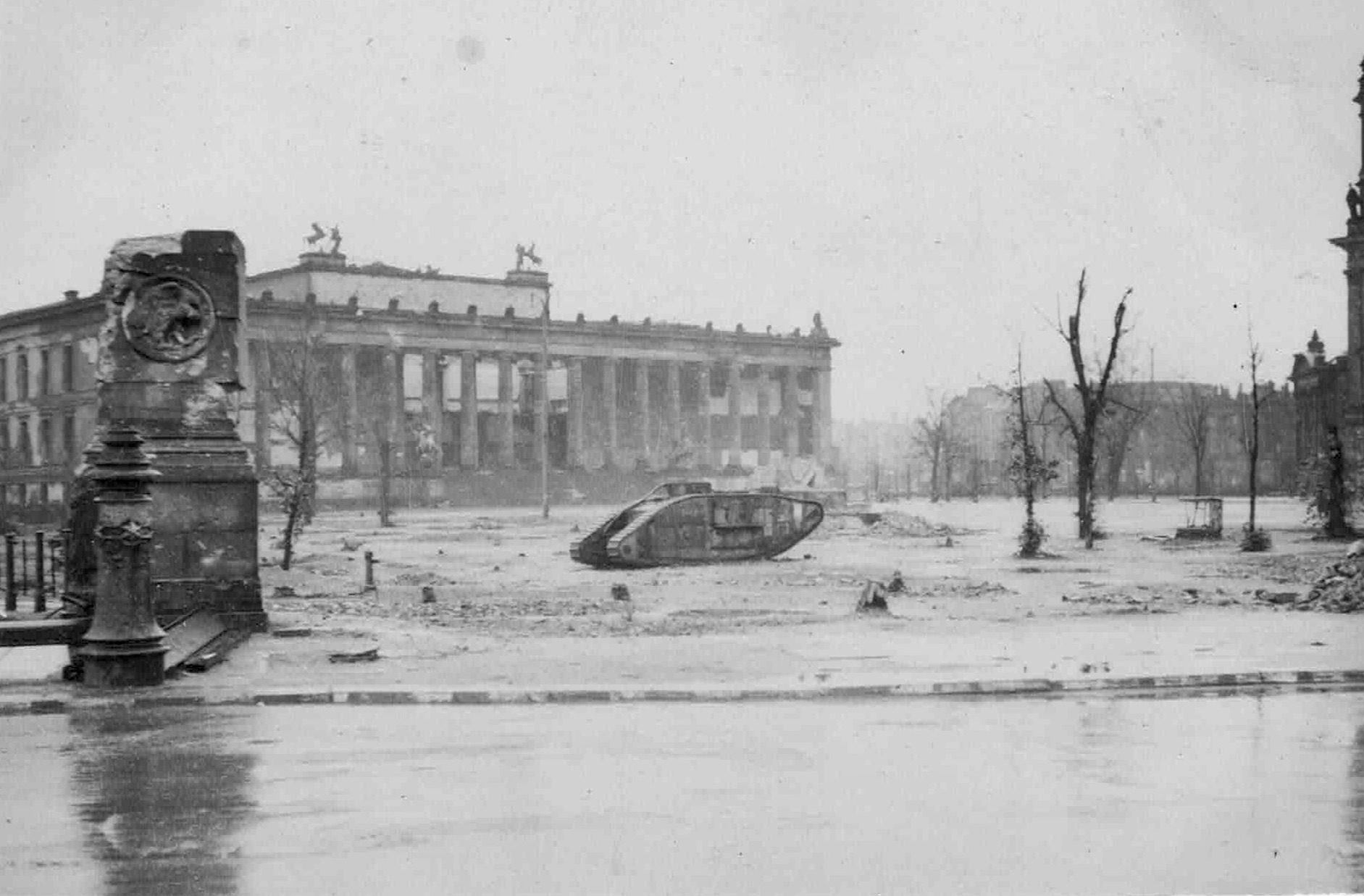
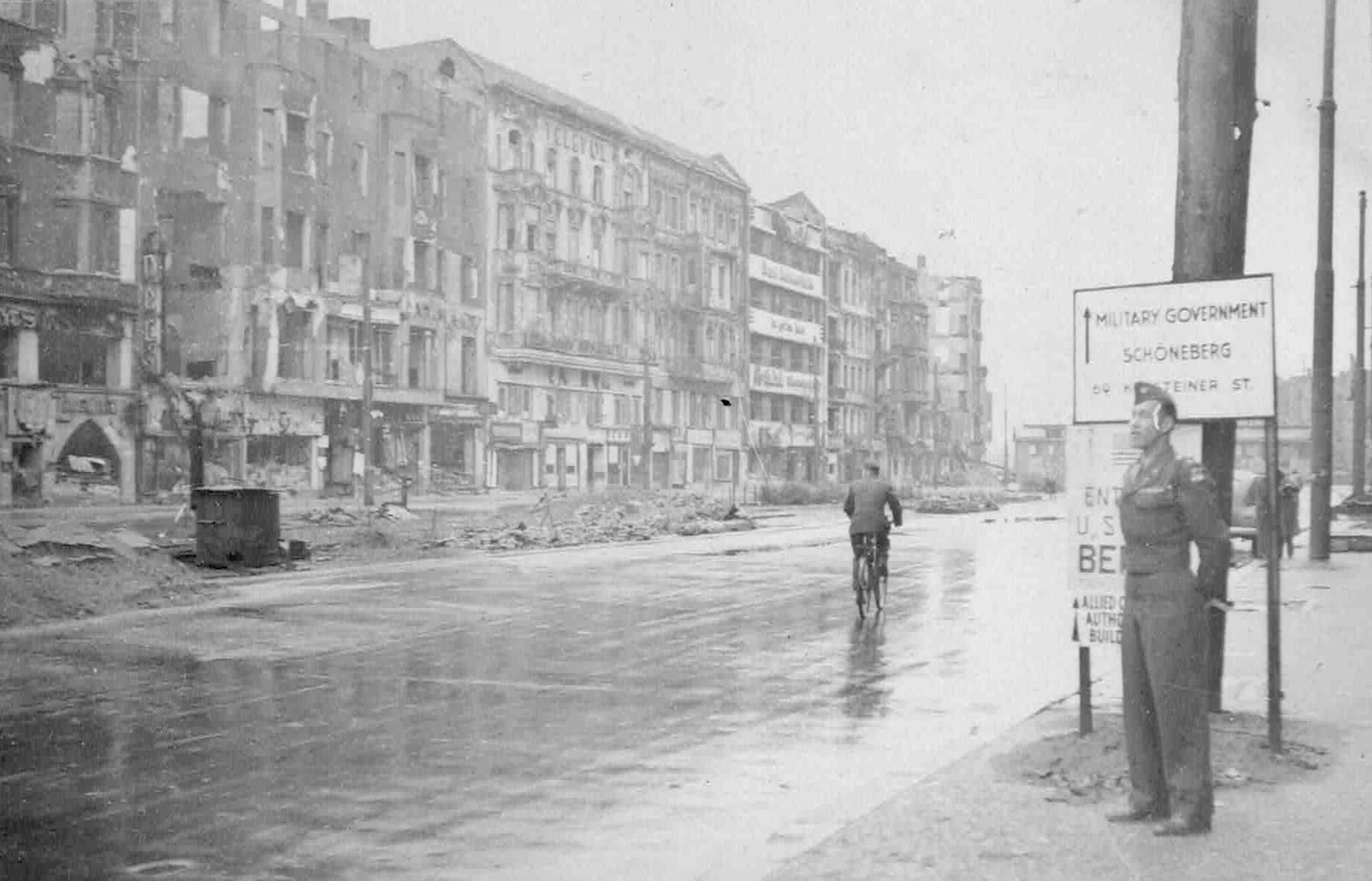
By the end of World War II, Berlin was no longer a city so much as a vast field of ruins. After enduring 363 air raids and a final, catastrophic ground assault, the German capital lay shattered—famously described by its own residents as a heap of rubble. Street by street, block by block, the urban fabric had been torn apart, leaving behind a landscape of collapsed buildings, twisted steel, and drifting ash.
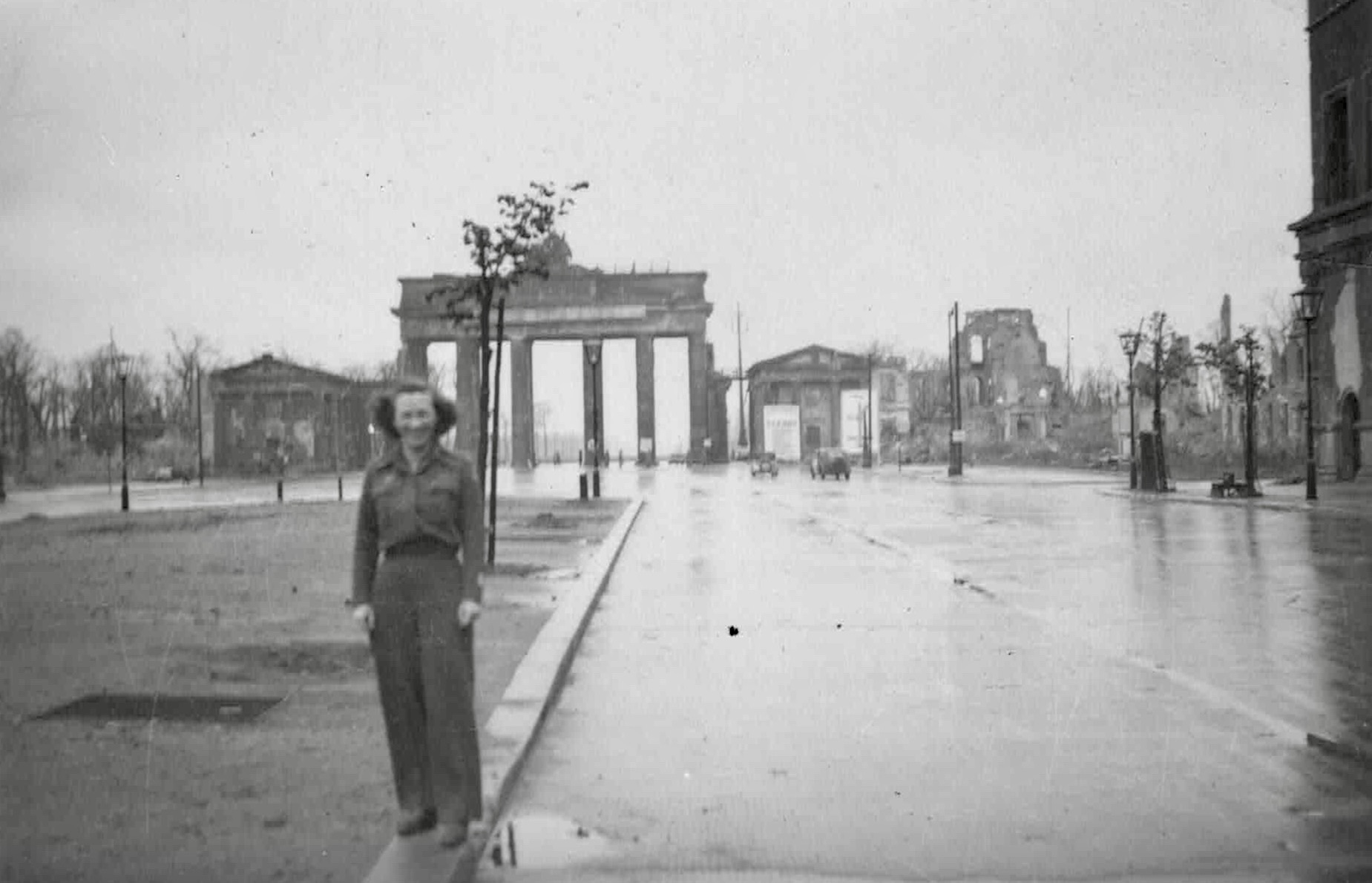
Nearly 80 percent of Berlin’s city center had been destroyed. Across the wider metropolis, some 600,000 apartments were reduced to dust and broken brick. Infrastructure collapsed alongside homes: in the final days of fighting, 128 of the city’s 226 bridges were blown apart, a quarter of the subway system was deliberately flooded, and running water, electricity, and rail transport virtually ceased to function. Iconic landmarks suffered the same fate as ordinary neighborhoods. The Reichstag and Brandenburg Gate were battered by artillery and close-quarters combat, while along the grand boulevard Unter den Linden, only 16 of its 64 buildings remained standing.
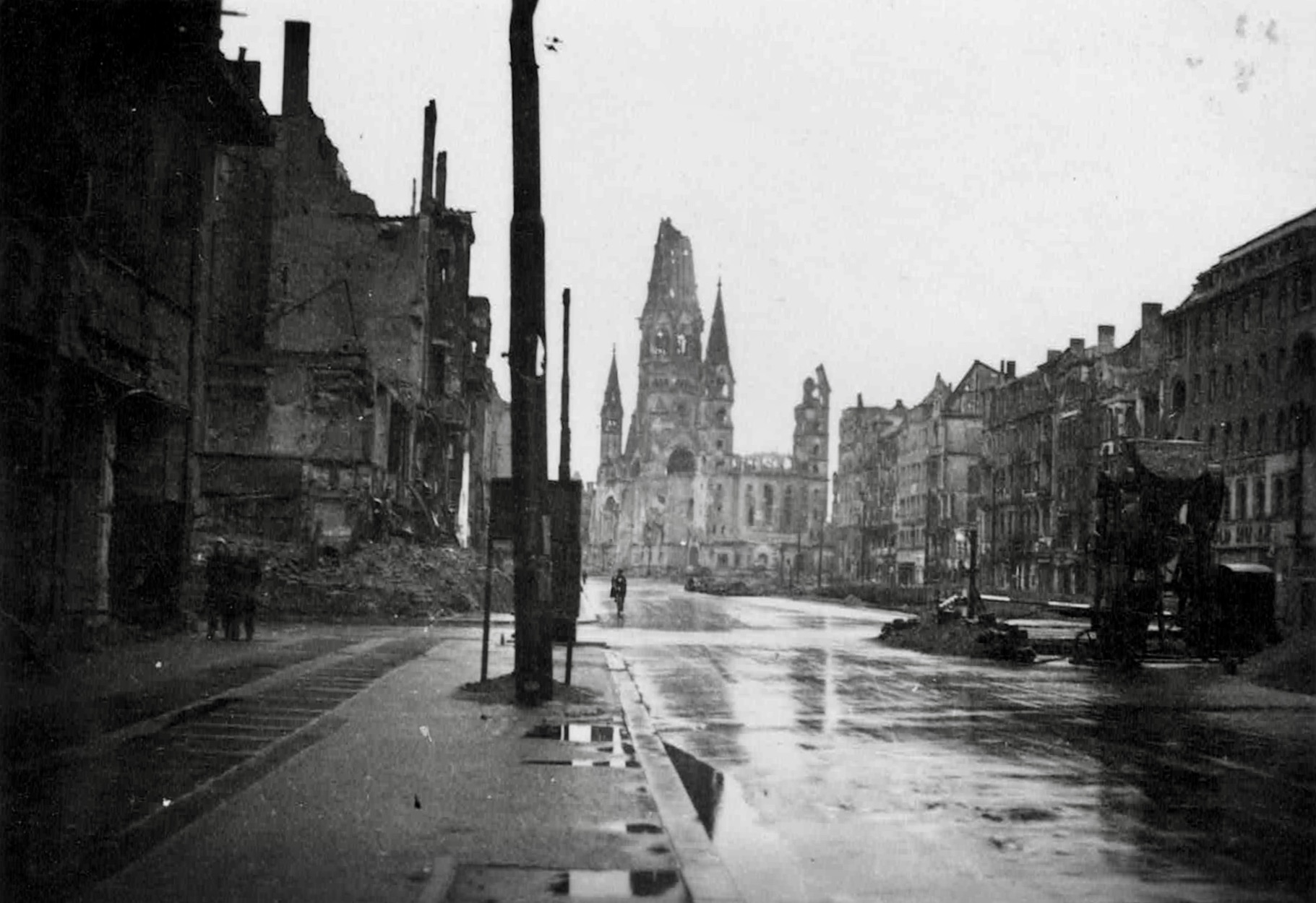
The human cost was staggering. Civilian deaths from bombing raids alone are estimated at between 20,000 and 50,000. During the final Battle of Berlin, another 125,000 civilians are believed to have died amid the chaos of street fighting, shelling, and firestorms. At least 450,000 people were left homeless, and the city’s population collapsed from 4.3 million in 1939 to just 2.8 million by the war’s end—a mass exodus of refugees, evacuees, and the dead.
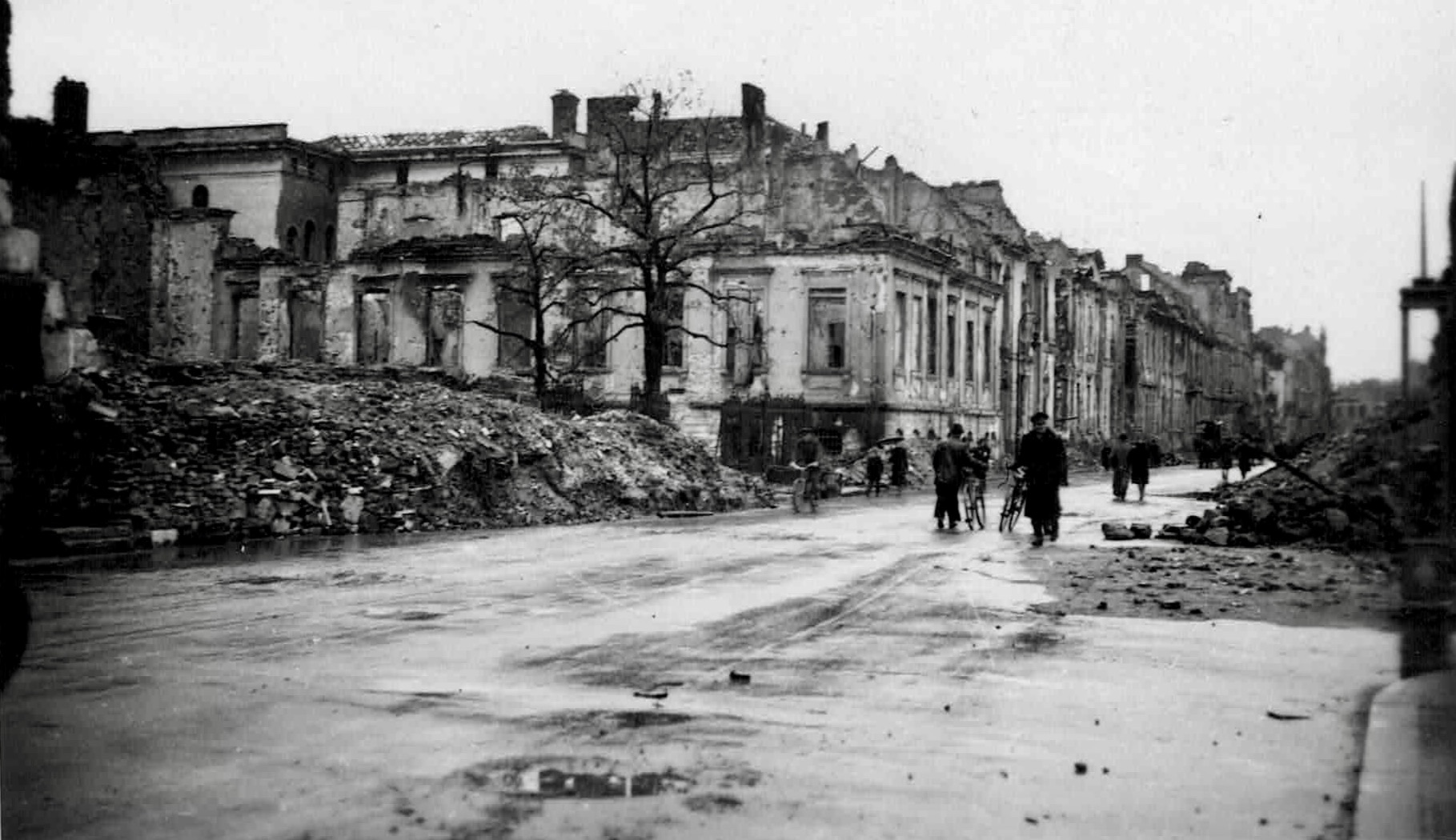
Unlike many cities that later erased the physical traces of war, Berlin chose to preserve parts of its devastation as visible memory. Bullet holes and shrapnel scars still mark walls in districts like Mitte and Charlottenburg. The shattered spire of the Kaiser Wilhelm Memorial Church stands deliberately unrepaired, a permanent anti-war monument rising from the city center. Elsewhere, mountains of rubble were piled into artificial hills—Teufelsberg and Volkspark Humboldthain—turning the wreckage of war into silent landmarks.
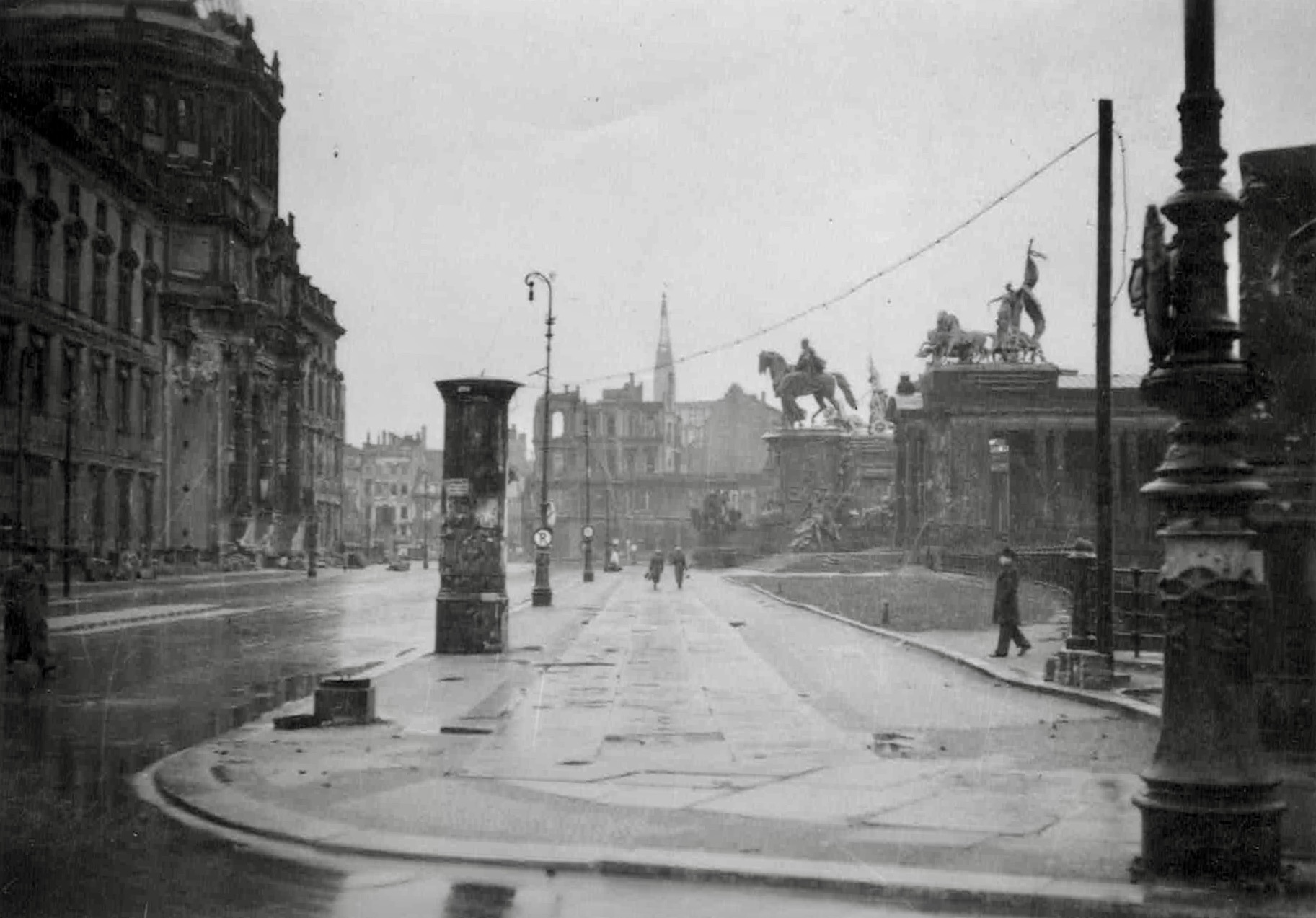
These images of destruction are not only records of ruin. They are reminders of the scale of collapse, the human suffering beneath the debris, and the deliberate choice to remember, rather than forget, what war reduced Berlin to in 1945.
Ch. 98: https://mollymartin.blog/2026/02/23/parachute-regiment-throws-a-party/
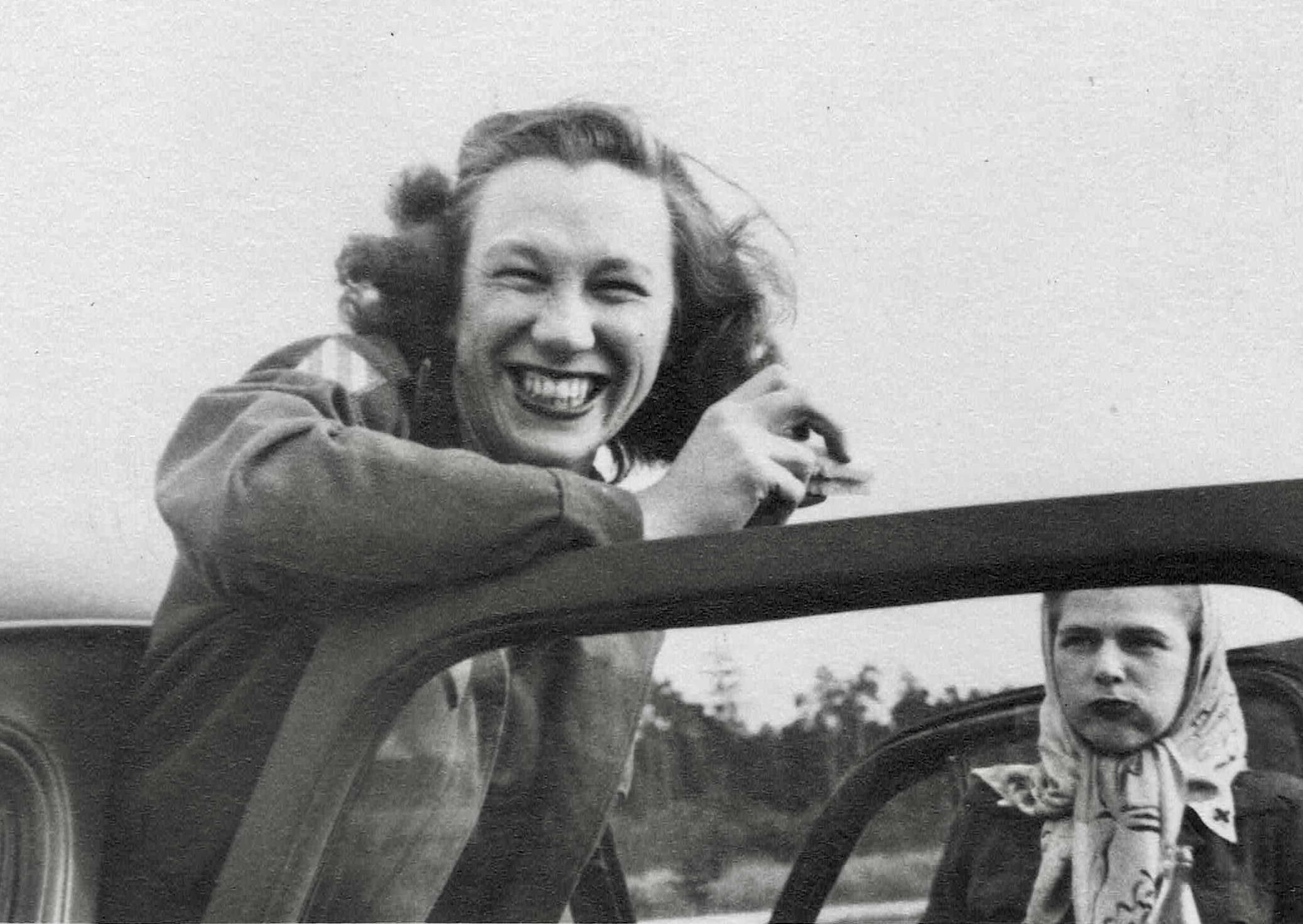
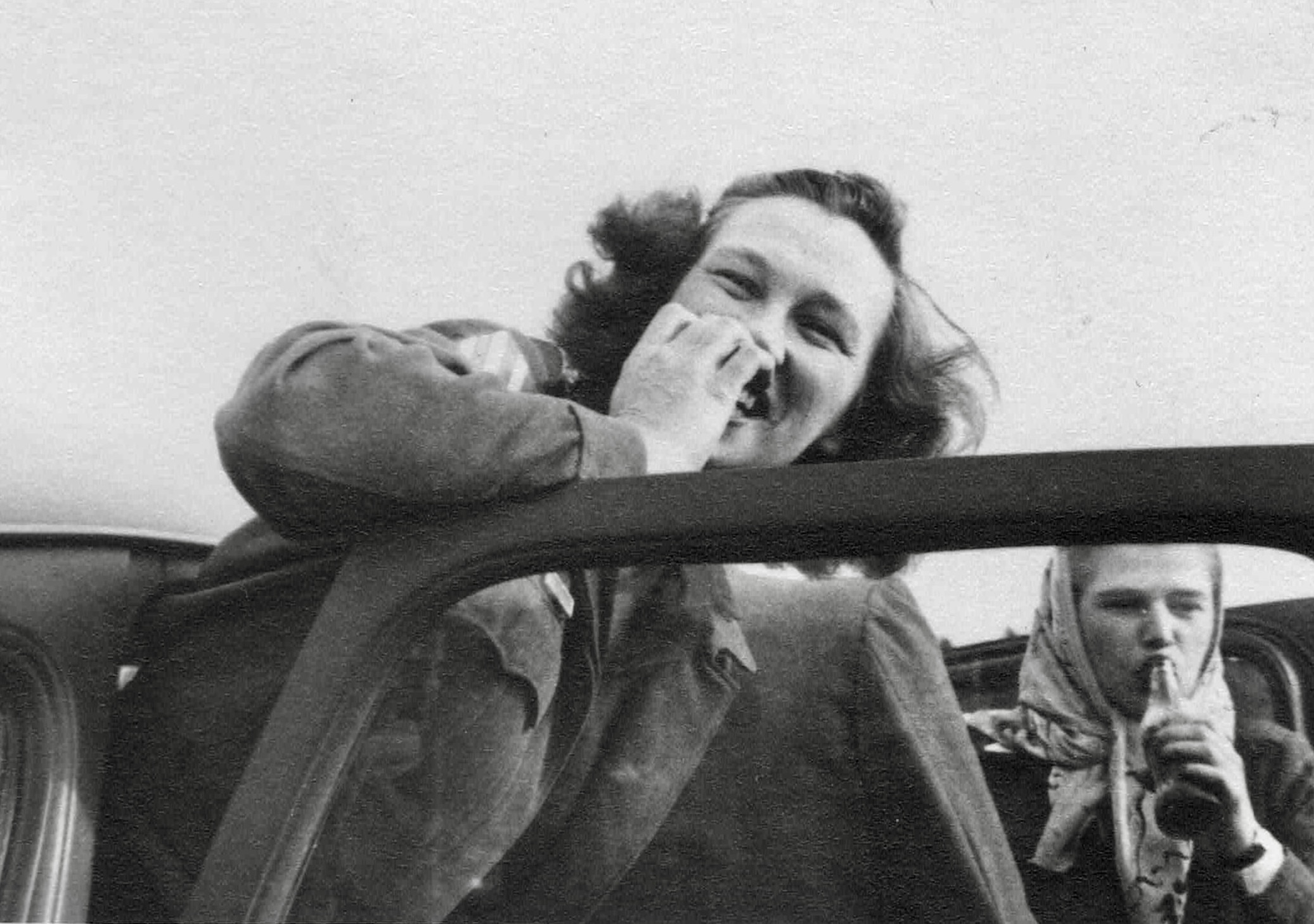
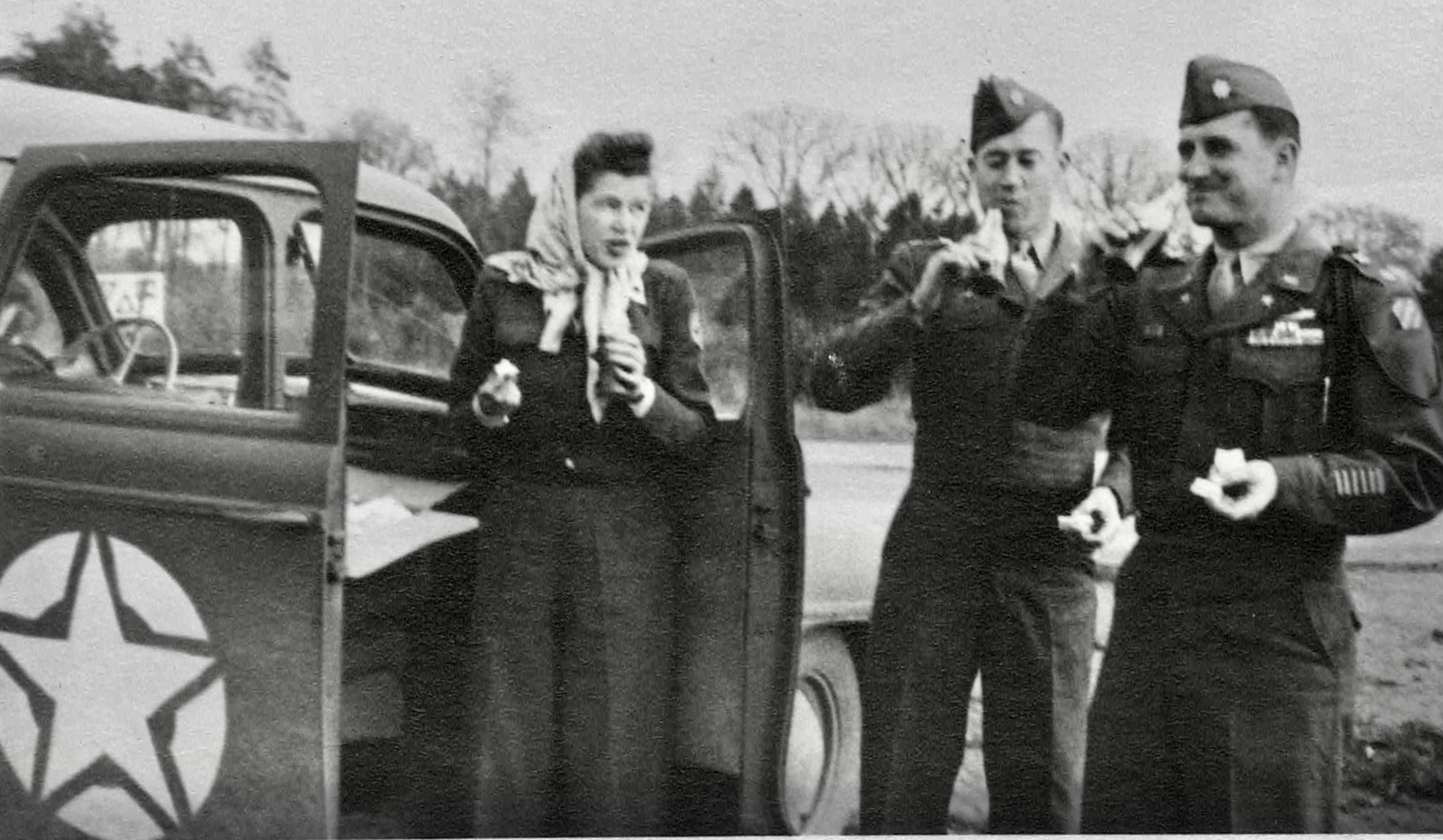
Mary McAuliffe Joins the ARC Crew
My Mother and Audie Murphy Ch. 96
Ch. 97: https://mollymartin.blog/2026/02/19/images-of-war-torn-berlin/
 tradeswomn musings