After the 3rd Crosses the Rhine

“Force used tyranically is our common enemy”

My Mother and Audie Murphy Ch. 62

In To Hell and Back, Murphy tells of the last days of the war.

After the crossing of the Rhine, the dike seems to crumble, and a flood of men and equipment pours into Germany. Even the most fanatical Nazis must sense that the game is over, yet they still deceive the population with promises that resistance will bring a negotiated peace rather than unconditional surrender. If they still want war, the Americans give it to them. With victory in sight, they do not soften. Artillery levels sections of towns; flames lick across burning buildings. Infantry and armor prowl rubble-strewn streets, and blood flows needlessly through the gutters.

A column of German prisoners is escorted by 3rd Division soldiers after their capture in Nuremberg, Germany. The fight for the city from April 17-20, 1945 was a tough one for the 3rd Division including mines, booby traps, Panzerfaust, snipers and futile counterattacks. Photo: Dogface Soldier

As the battle lines roll forward, windows drip with white flags. Any house without the mark of surrender receives no polite warning; soldiers rake its windows with machine-gun fire to correct the oversight. The tactic works.

Murphy is transferred to liaison duty, serving as the contact man between the division’s units. Near Munich, he enters a prison camp with his gun drawn and comes face-to-face with a German guard. The prisoners insist the man is a “good joe.” Murphy hears the phrase and thinks bitterly, Maybe he is. But I cannot see men anymore—I see only uniforms. He holsters his pistol.

The German mumbles something and stumbles toward a set of steps.

There is something pathetically human about his odd, hobbled walk…. Perhaps it is the knowledge that we carry in our hearts that nobody ultimately wins. Somewhere we all go down. Force used tyrannically is our common enemy. Why align ourselves with it in whatever shape or fashion.

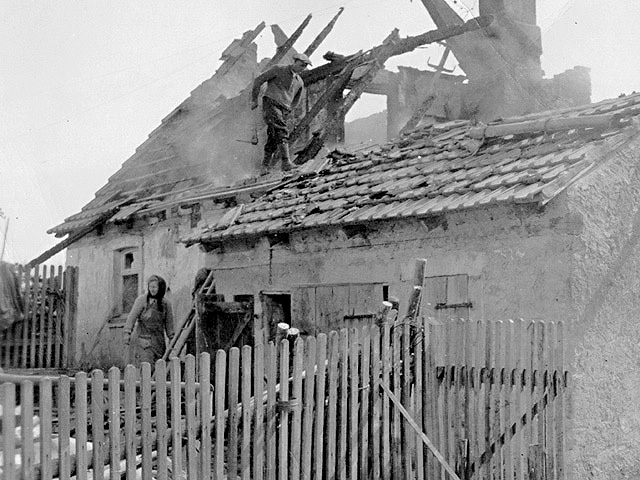
A man and woman inspect their damaged home in Neuheusen east of Bamberg. Photo: Dogface

Then comes the great picture of mass defeat, the most overwhelming sight of the war. It appears in the bent figures of old women poking through ruins for some miserable relic of the past; in the shamed, darting eyes of the beaten; in the faces of little boys who watch the triumphant columns with fear and fascination. Above all, it appears in the thousands of dusty, exhausted soldiers streaming toward the stockades. Their feet clump wearily, mechanically, hopelessly along the seemingly endless road of war. They move as haggard gray masses in which the individual has no life and no meaning. It is impossible now to see in these men the fierce power that made them fight like demons out of hell only a few months before.

Ch. 63: https://mollymartin.blog/2025/10/17/we-were-once-all-antifascists/

Hand-to-Hand Combat at Cleurie Quarry

“It looms like the King’s Mountain in the Revolutionary War.”

My Mother and Audie Murphy Ch. 37

Early October, 1944. Murphy is now the last one standing of his original unit. The Third Division is driving into the Vosges mountain chain, which is the chief obstacle lying between the Allies and the Rhine. From his autobiography To Hell and Back:

Rain, cold, and the threat of early snow slow the advance. The terrain favors the Germans: dense forests hide snipers and machine guns, and the enemy holds the steep slopes with artillery, mortars, and night patrols that slip into American lines. Murphy keeps his bayonet sharp and close.

Their next objective is a quarry near Cleurie. On the map it is small, but in battle it dominates the road ahead. Set high on a near-vertical slope, protected by tunnels and covered by interlocking machine-gun fire, it is ordered held to the last German. Repeated American assaults fail, and the regiment digs in while command searches for a new plan. At night the lines are so close that Murphy hears enemy voices in the dark. Burned out and emotionally spent, he avoids forming new friendships; he thinks only of keeping his remaining men alive.

The German’s fortified position at the Cleurie quarry controlled the region. Photo: Dogface soldiers

One gray morning the battalion commander and his executive officer visit the front to see what is stopping the advance. They select four men to guide them up the hillside. Restless and unable to sleep, Murphy grabs grenades and a carbine and follows.

As he rounds a boulder, two German grenades explode and a machine gun opens up. The ambush is poorly planned: the Germans strike the enlisted men first, giving the officers time to roll into a shallow depression. Concentrating on killing the officers, the attackers fail to guard their flank.

German prisoners of war file out of the quarry after their defeat. Photo: Dogface soldiers collection

Murphy steps out from behind a rock. The gunner swings his weapon toward him, but the barrel catches on a branch and the burst goes wide. Murphy throws a grenade and fires. Two Germans fall before the grenade even detonates. He tosses two more grenades, killing or disabling most of the ambushers. A squat German tries to flee, waddling downhill. Murphy hesitates—he looks absurd, almost comical—but the man is armed. Murphy fires and drops him.

Murphy safeties his carbine and turns to the battalion commander, who remains cool as the October morning. Brushing dirt from his uniform, the officer says, “Those grenades aren’t a bad idea. Next time I’ll bring my own.”

A howitzer crew in action. Photo: Dogface soldiers collection

“We pick up our wounded and start down the hill. A single feeling possesses me. It is one of complete and utter weariness.” 

Ch. 38: https://mollymartin.blog/2025/07/09/what-do-combat-engineers-do/

Evidence of Nazi War Crimes Mounts

Catching up with the Third Division

My Mother and Audie Murphy Ch. 31

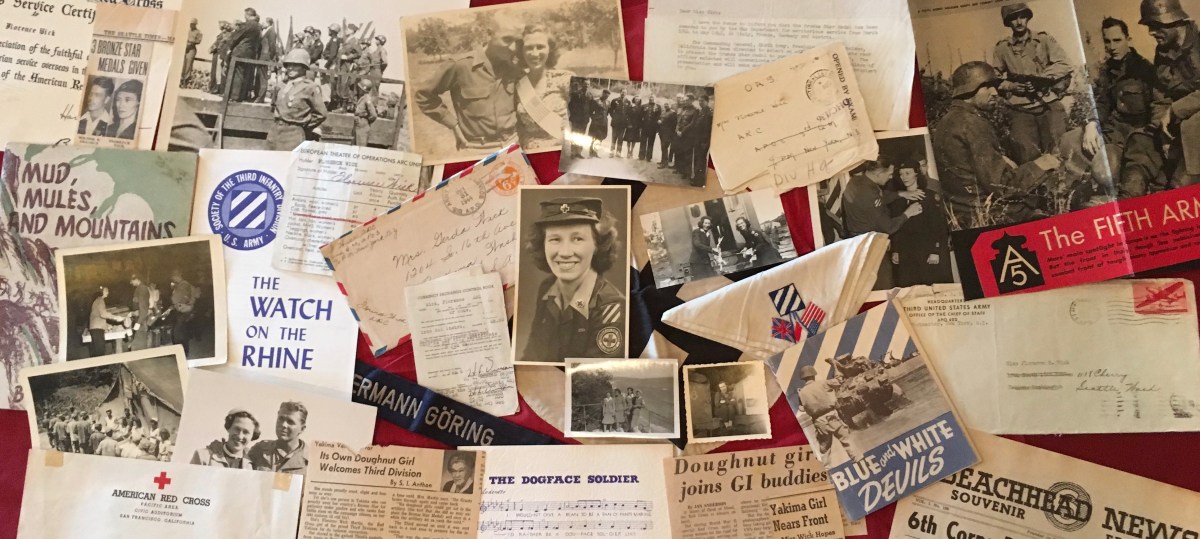
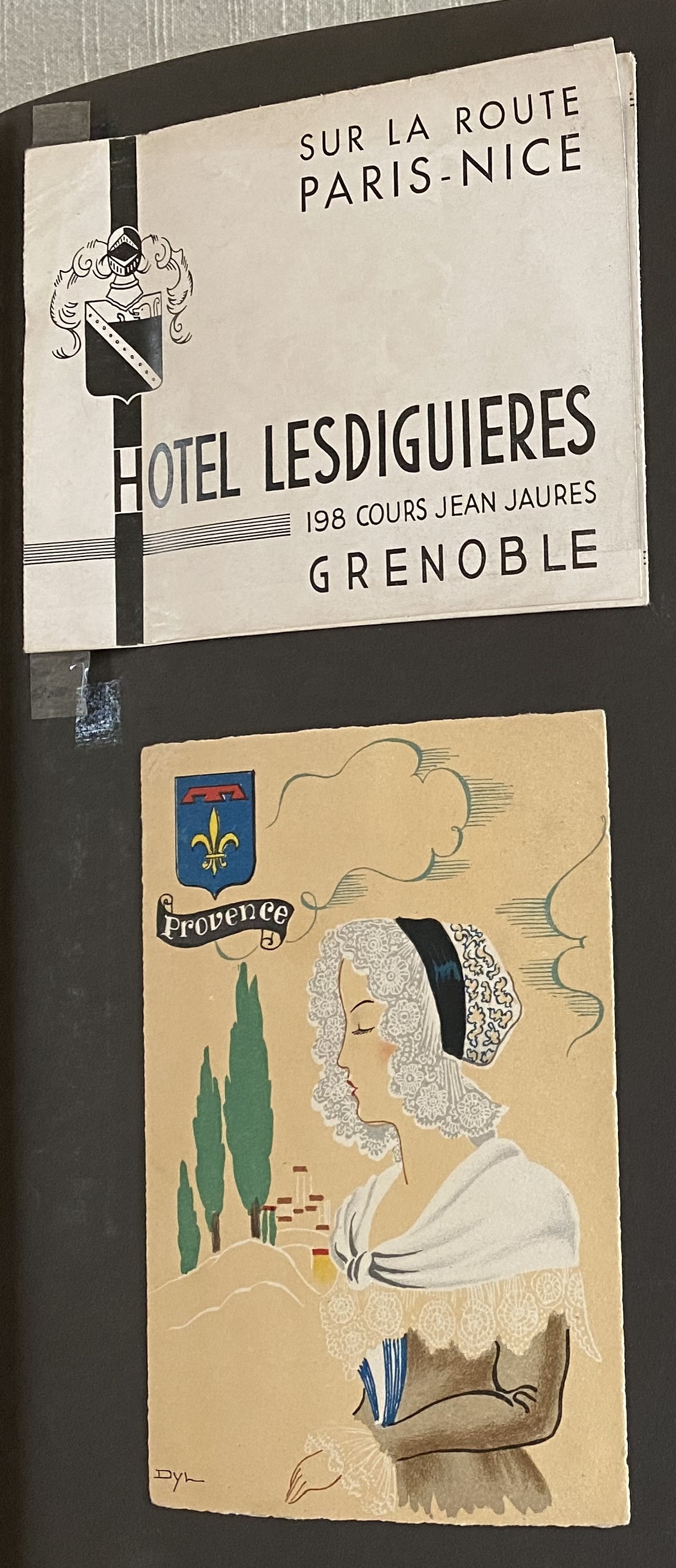
September 8, 1944. After several days in the small town of Aix-en-Provence, the Red Cross crew drove north in an effort to catch up to the Third Division. They stopped in Grenoble where they stayed for a night in what Flo called, “a lovely hotel, taken by 7th Army.” She noted: “Boy from Ballard (A Seattle neighborhood) gave me cinnamon rolls.” She described Grenoble as “lovely and modern—very mountainous.”

Flo also pasted on this page of her album a newspaper story quoting Sgt. Louis Roberts about Nazi brutality endured by the French. Sgt. Roberts must be a Yakima native. From the Yakima Herald:

Atrocities Are Reported

Sgt. Roberts Avers France Bled White

Sgt. Louis Roberts who has been staying recently with a French family, has thus been able to get a better understanding of condition in France than most of the Americans and has the added advantage of speaking the language.

“It is hard to fathom how Germany bled France of resources,” he says. “From one little sector each month the people had to send 13 ½ tons of shoes, 10,000 head of cattle, tons of butter, milk, wood and other things plus a monthly payment of five million francs. It is incredible how much a small region could ever supply so much. These people have been thrifty and economical enough to endure this war.

“Being deprived of food and clothing did not bother the French so much as the brutal measures the Germans took. Often children had to suffer the loss of limbs so parents would take pity on them and disclose vital information about the F.F.I. (French Forces of the Interior. The French resistance) One town north of here was taken by the F.F.I. The Germans warned the patriots that if one shot were fired after 11 o’clock they would retaliate. The warning was not heeded and the Germans retook the town and set all the houses afire along the main street.

“Numerous incidents are constantly told about how the Germans would shoot our wounded prisoners. Women would cover the bodies of dead aviators or allied soldiers with flowers which would be scattered by the Germans who were on guard. If some persons would linger over the body of one of our soldiers to pray they would be driven away at the point of bayonets.

“These French are very sorry, indeed, that all of us cannot understand the language. Each of them has some grewsome story to tell, not necessarily how they suffered but how the rest, or all of France, has to suffer. I have seen results of such brutality and I feel even more sorry for the French still in German territory. I could write a book on what I have heard and seen.

Yesterday I went to mass—a special mass for the liberation of the town. The church was beautifully decorated with numerous flags and stretched out up over the altar was a huge banner ‘Honor and Glory to the Americans.’ The choir and music were also beautiful. It was like Easter at home.”

Sgt. Roberts and Miss Florence Wick, Yakima Red Cross worker, are in the same town and see each other at times. He adds that “even though people are bombed out of their homes they are most happy to be liberated.”

Ch.32: https://mollymartin.blog/2025/06/09/catching-up-to-the-3rd-division/

Matariki: New Zealand’s Solstice Celebration

My Regular Pagan Holiday Post

Summer (and Winter) Solstice will be June 20, 2025

For years, these pagan holiday letters have followed the rhythm of the Northern Hemisphere. So it’s about time we turned our gaze south. What is the summer solstice for us in the north is, of course, the winter solstice down under.

In Aotearoa (the Māori name for New Zealand, often translated as “Land of the Long White Cloud”), the winter solstice is marked by Matariki, a celebration that signals the Māori New Year. In 2022, Matariki was officially recognized as New Zealand’s first indigenous national holiday — a milestone in honoring the traditions of the land’s first people.

Rooted in ancient Māori astronomy and storytelling, Matariki revolves around the reappearance of a small but powerful star cluster in the early morning sky — known in Māori as Matariki, and in Western astronomy as the Pleiades or the Seven Sisters. Its rising marks a time of renewal, remembrance, and reconnection — with ancestors, the earth, and each other.

The date of Matariki shifts slightly each year, determined by both the lunar calendar and careful observation of the stars. Māori astronomers and iwi (tribal) experts consult mātauranga Māori — traditional Māori knowledge systems — to ensure the timing reflects ancestral wisdom. In precolonial times, the clarity and brightness of each star helped forecast the year’s weather, harvest, and overall wellbeing.

Unlike the linear passage of time in the Gregorian calendar, Māori time is circular — woven from moon phases, tides, seasons, and stars. Matariki is not just a new year, but a return point. A moment to pause, reflect on what has been, and plan how to move forward in harmony with the natural world.

At the heart of Matariki is kaitiakitanga — the ethic of guardianship. It’s the understanding that humans are not owners of the earth, but caretakers. We are part of the land, sea, and sky, and we carry the responsibility to protect and sustain them.

When Matariki rises just before dawn, it opens a space for both grief and celebration: to mourn those who’ve passed, give thanks for what we have, and set intentions for the year ahead. It reminds us of the interconnectedness of whānau(family), whakapapa (genealogy), and whenua (land).

The name Matariki is often translated as “the eyes of the chief,” from mata (eyes) and ariki (chief). According to one well-known Māori legend, the stars are the eyes of Tāwhirimātea, the god of winds and weather. In grief over the separation of his parents — Ranginui (Sky Father) and Papatūānuku (Earth Mother) — Tāwhirimātea tore out his own eyes and cast them into the heavens.

In a world that often values speed over stillness, Matariki offers a different rhythm. It’s a celestial breath — a reminder that time moves in cycles. That rest and reflection are just as important as action. That the sky still holds stories if we remember to look up.

The 9 Stars of Matariki

Each star in the Matariki cluster has its own role and significance:

  1. Matariki – Health and wellbeing
  2. Tupuānuku – Food from the earth
  3. Tupuārangi – Food from the sky (birds, fruits)
  4. Waitī – Freshwater and the life within it
  5. Waitā – The ocean and saltwater life
  6. Waipuna-ā-Rangi – Rain and weather patterns
  7. Ururangi – Winds and the atmosphere
  8. Pōhutukawa – Remembrance of those who have passed
  9. Hiwa-i-te-Rangi – Aspirations, goals, and wishes for the future

For Māori, these stars are not just celestial objects — they are guardians. They watch over the land, sea, and sky, and in doing so, remind us of our responsibility to them.

As global conversations about climate change and sustainability grow more urgent, the values of Matariki — care, reverence, reflection, and renewal — feel especially resonant. It’s a time to return to what matters, to honor the past, and to move forward in a way that honors both our roots and our shared future on this earth.

North Bay Rising

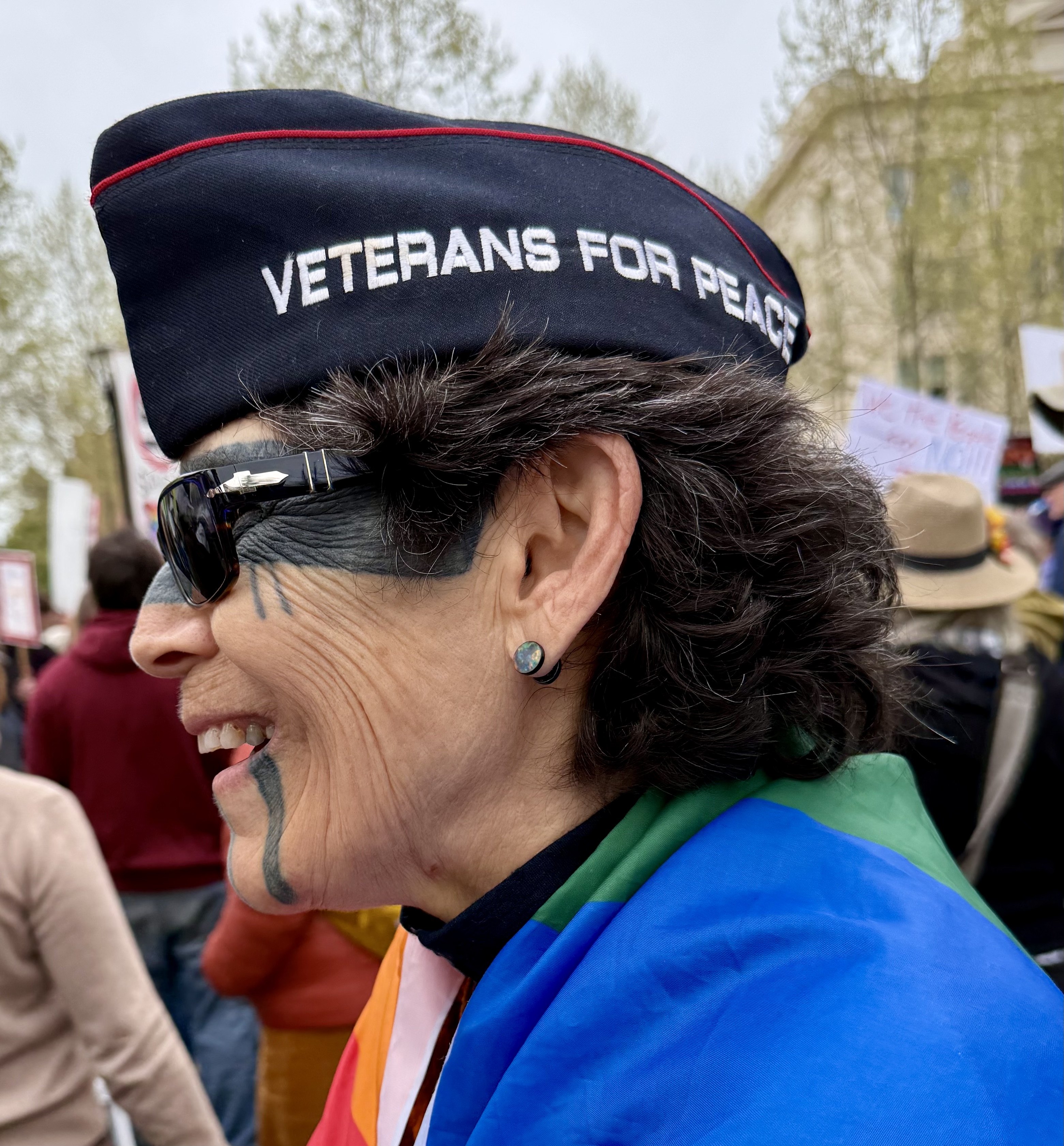
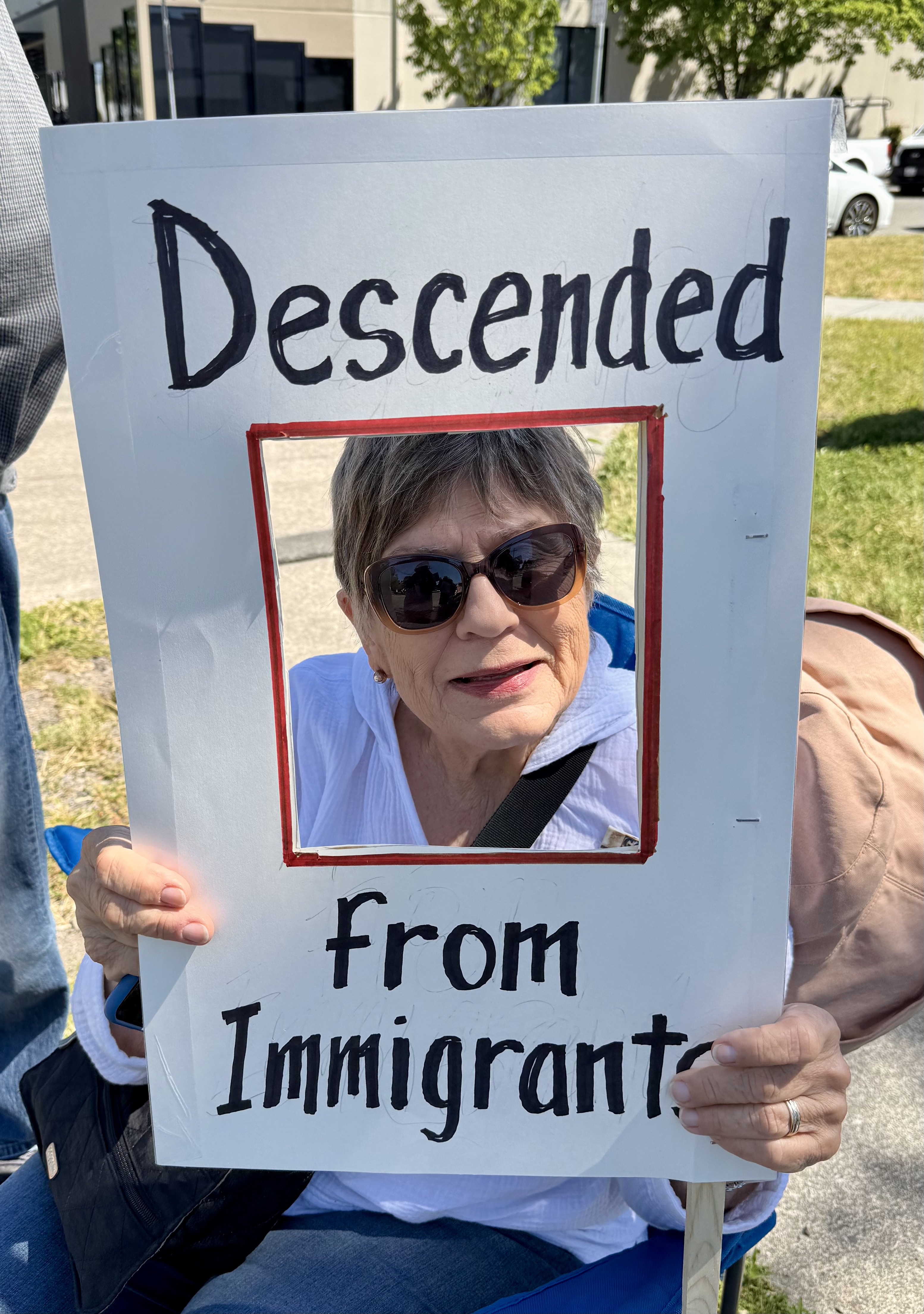
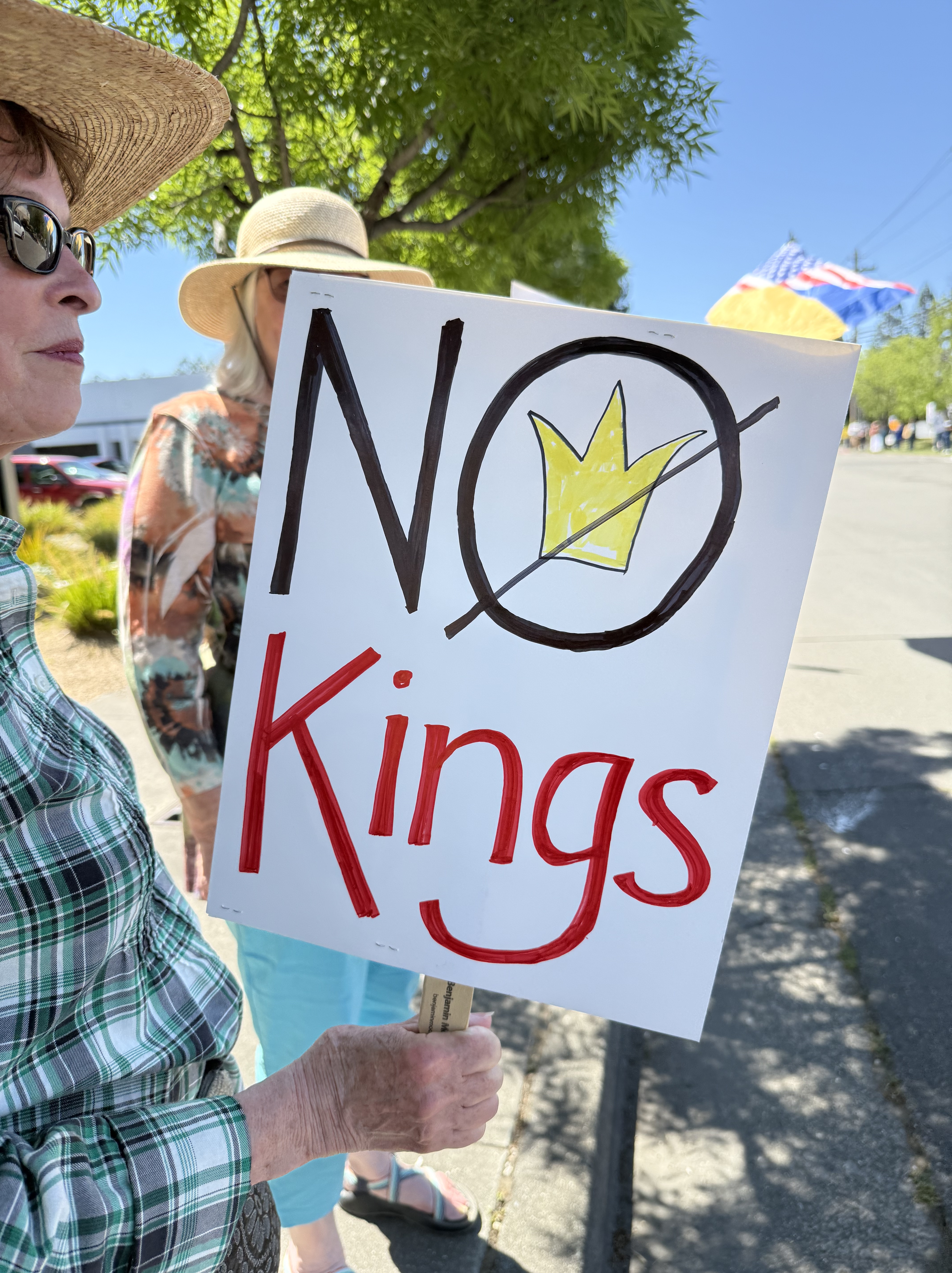
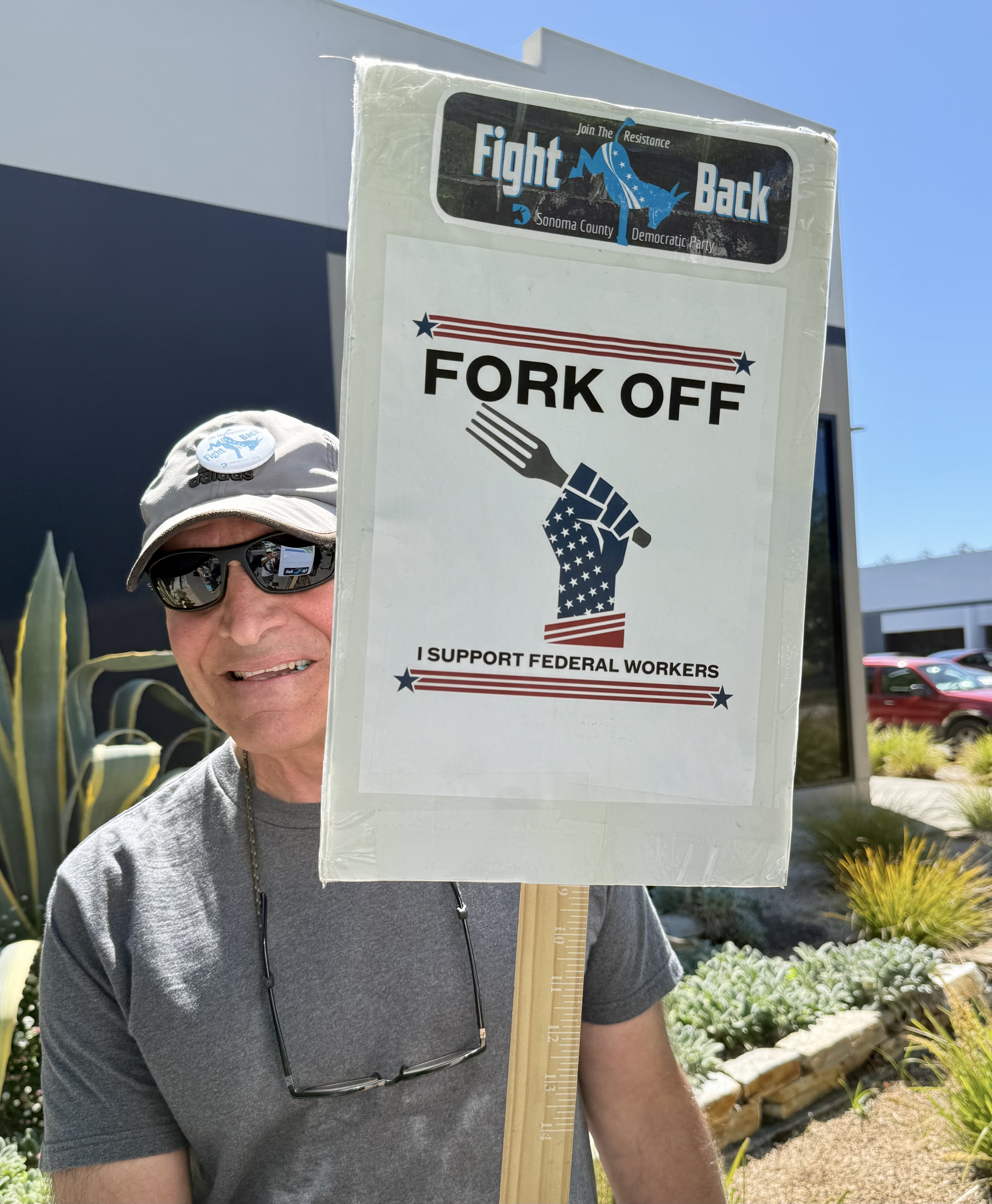
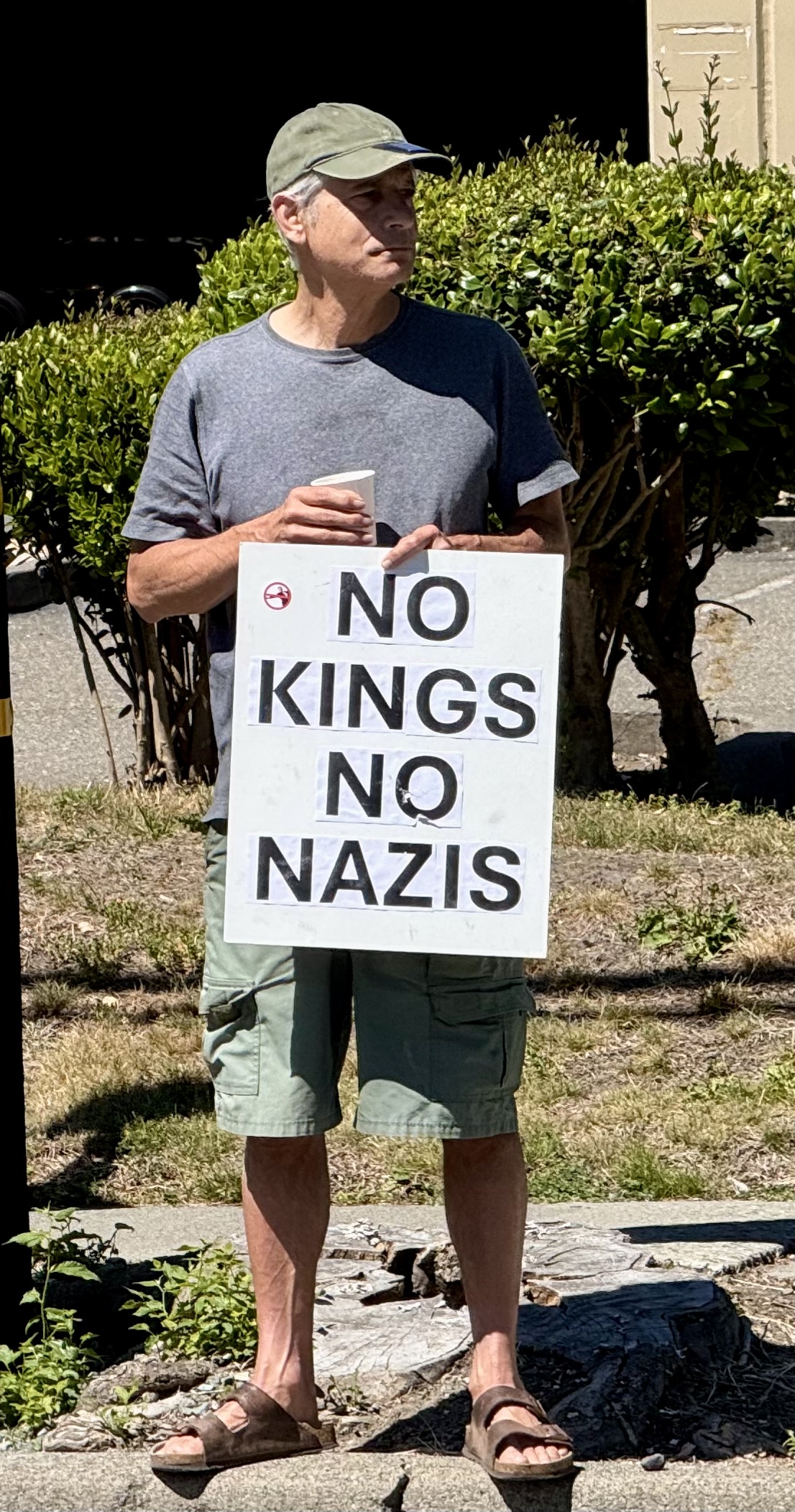
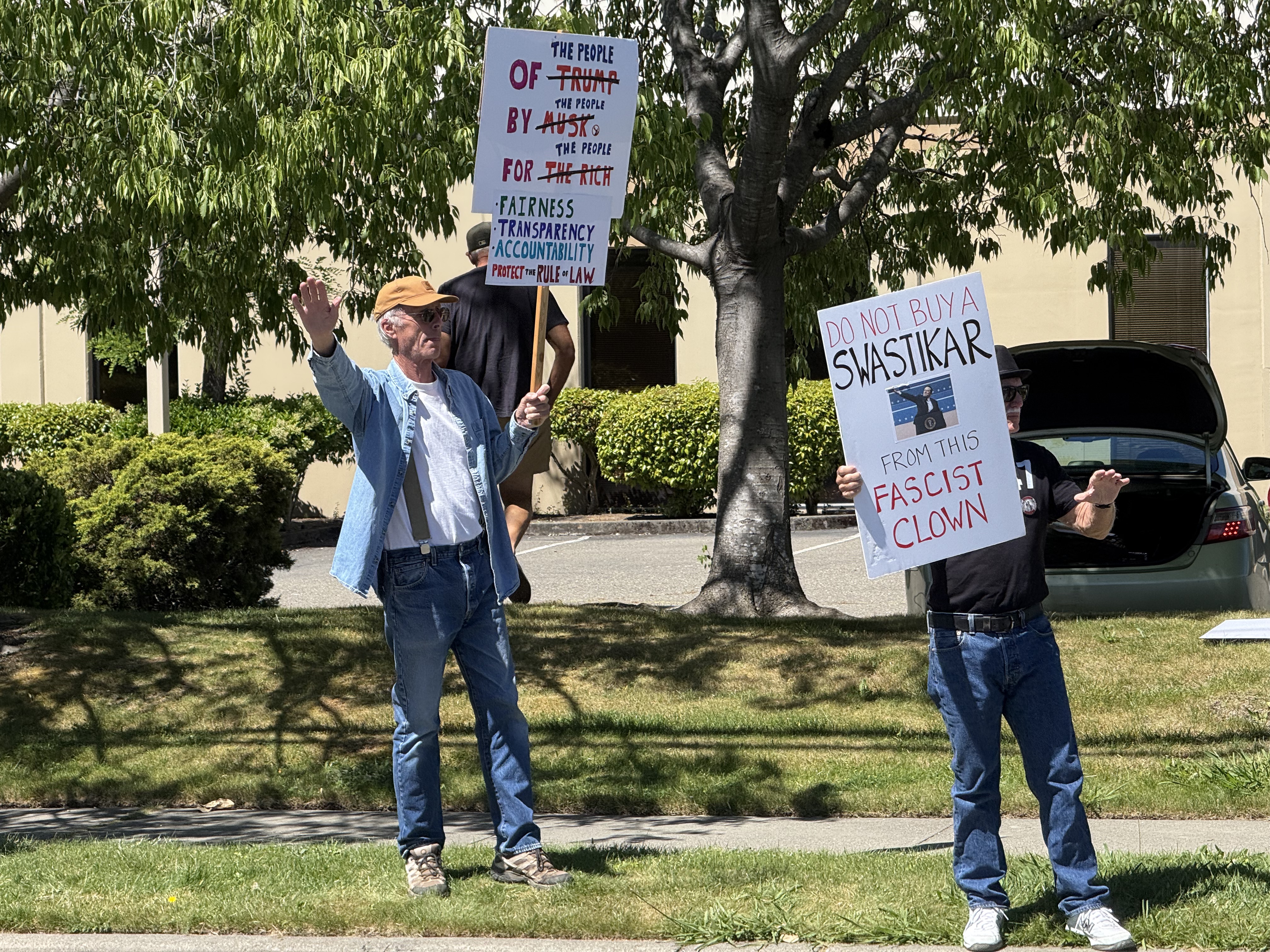
In Santa Rosa and across the North Bay, we’re mad as hell—and we’ve taken to the streets. From the Hands Off! protest in April that brought 5,000 people to downtown Santa Rosa, to thousands more mobilizing in surrounding towns, resistance to the rise of fascism in the U.S. is fierce and growing.

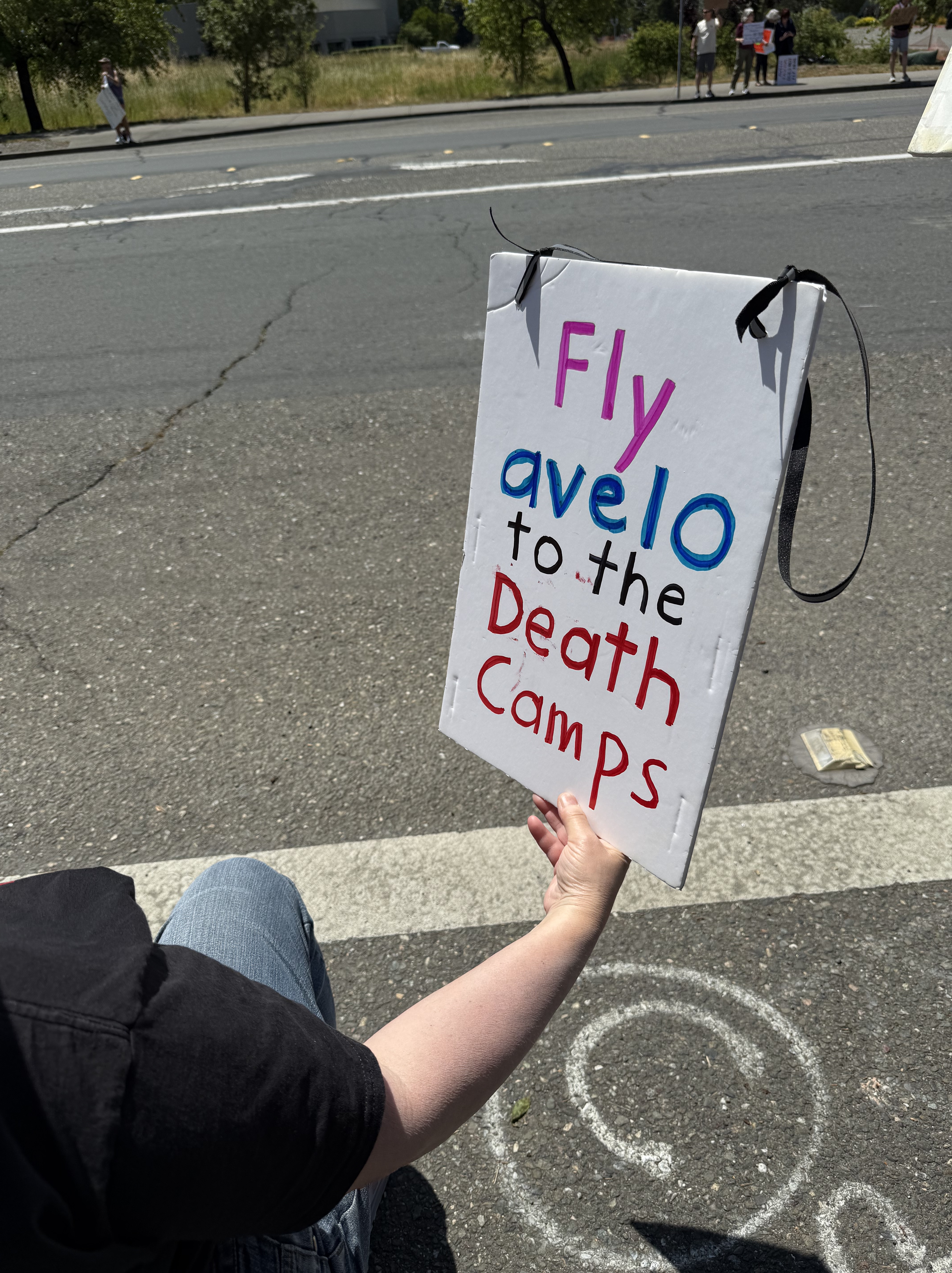
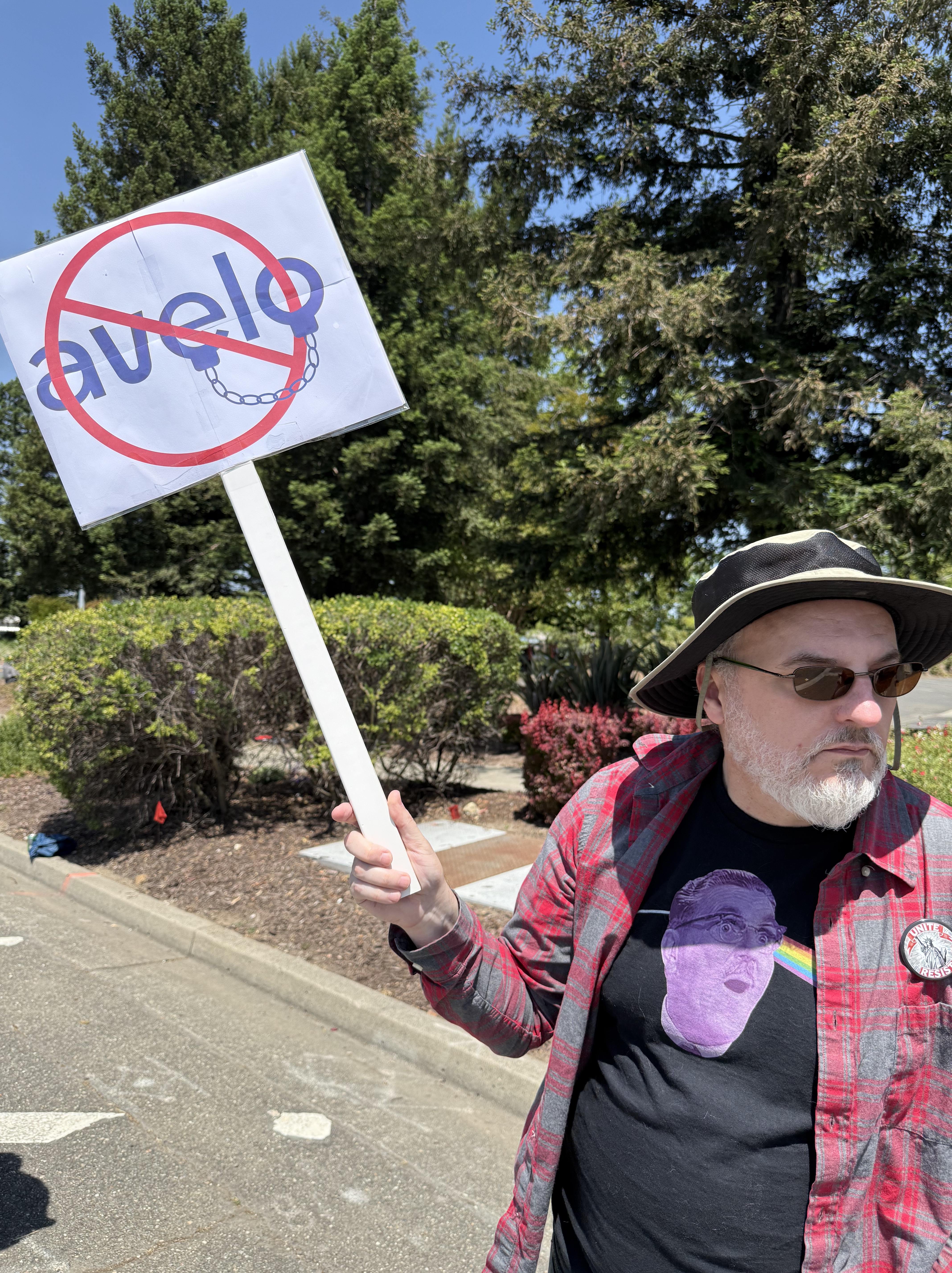
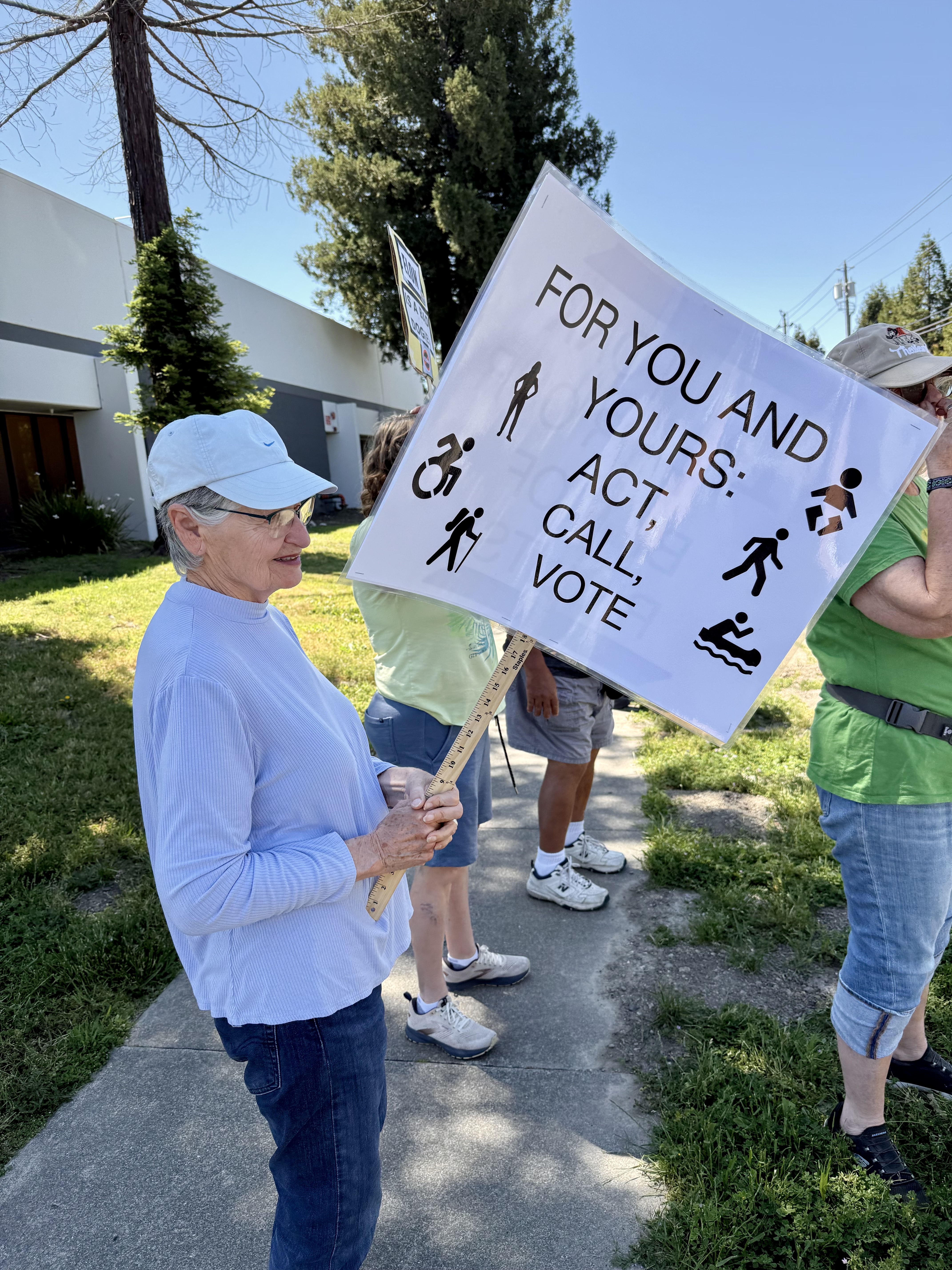
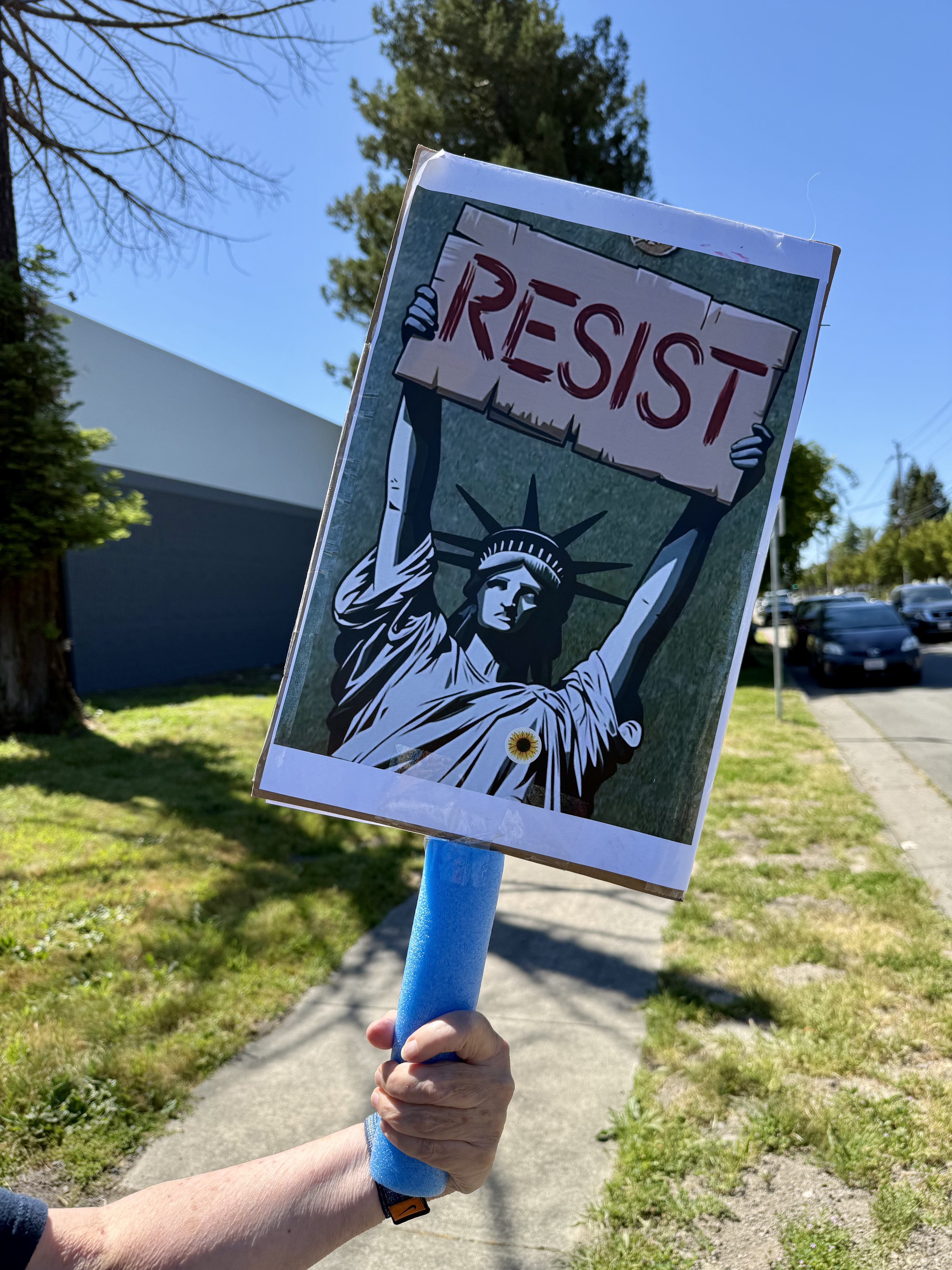
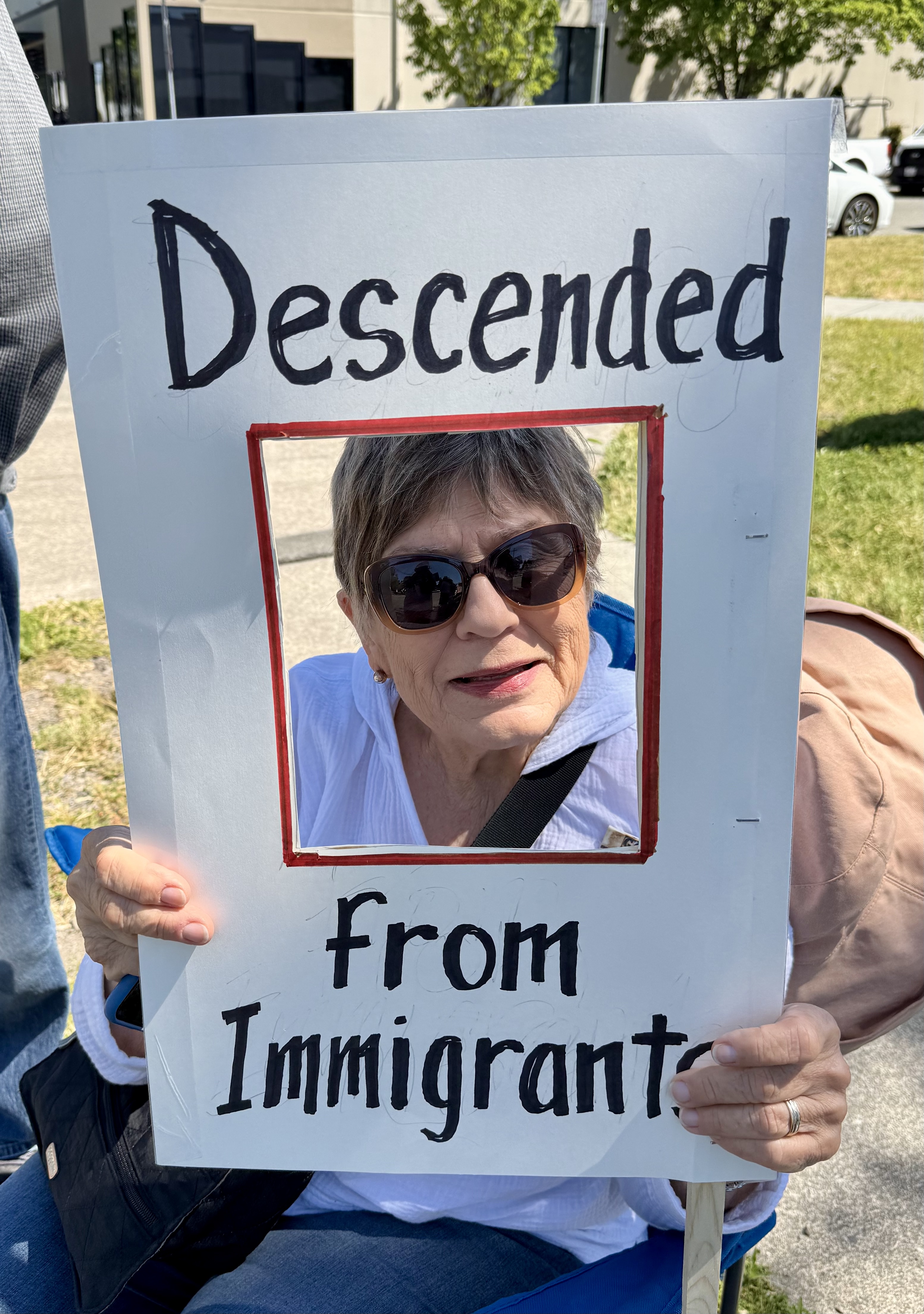
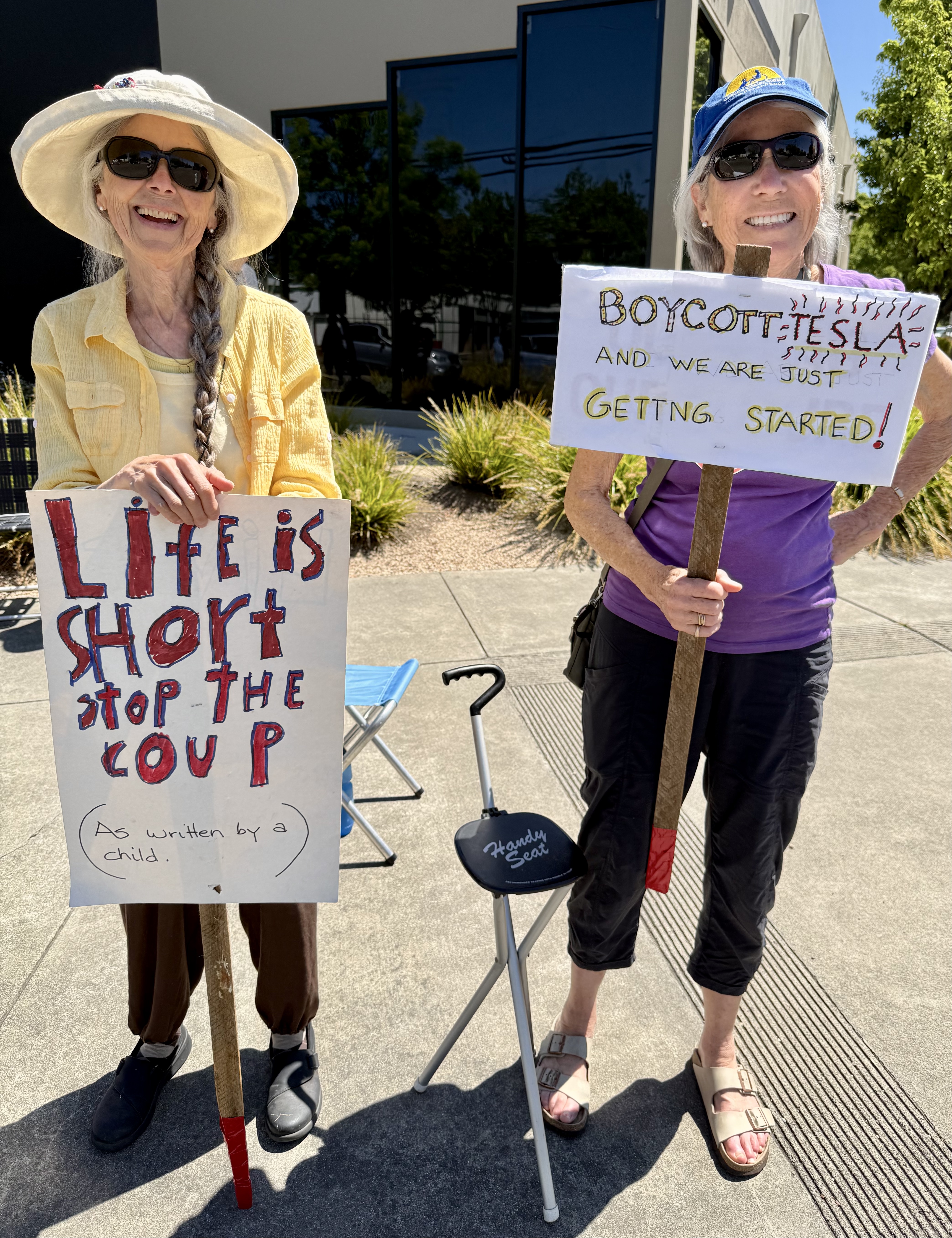
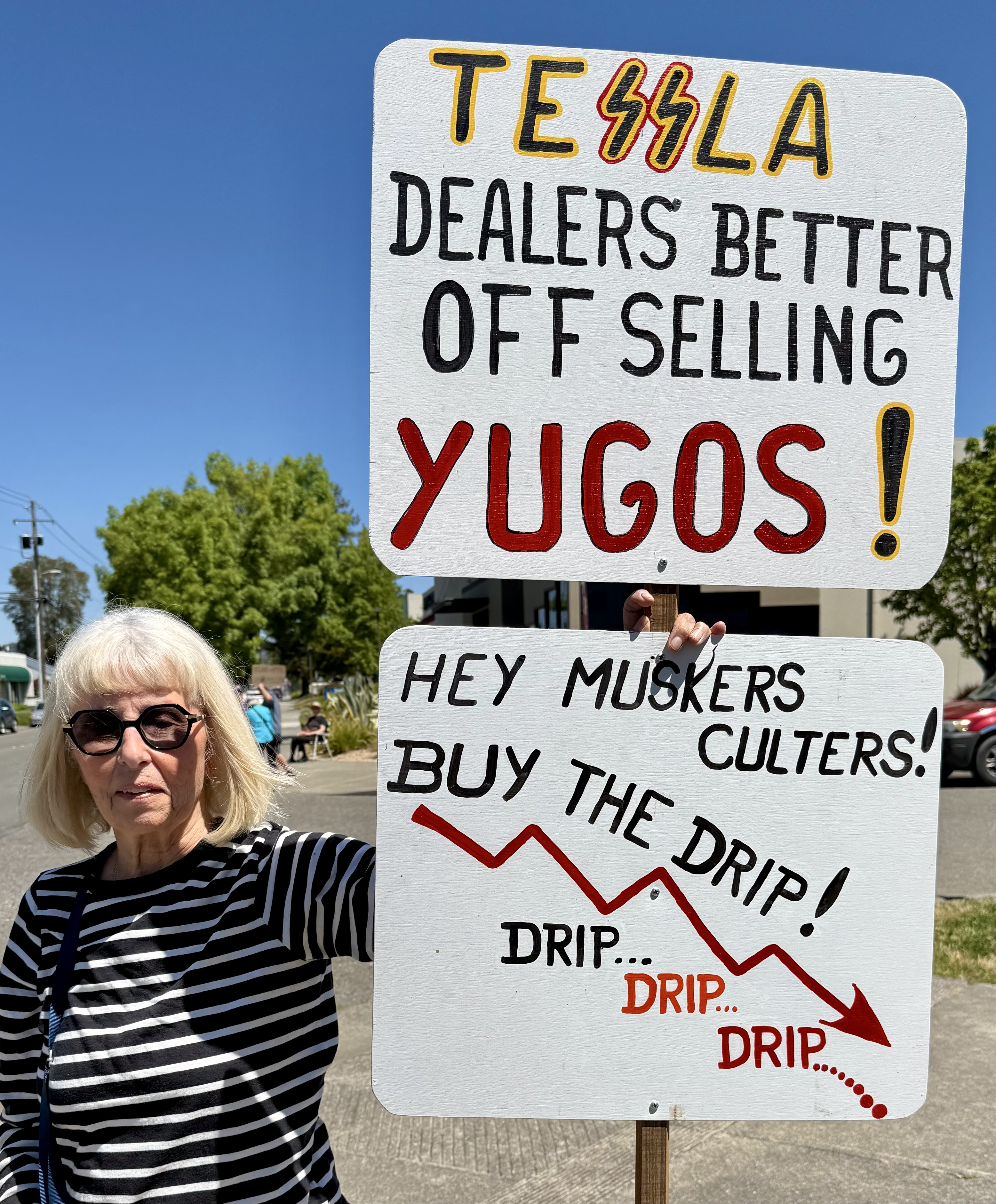
Some of the signs from our protests

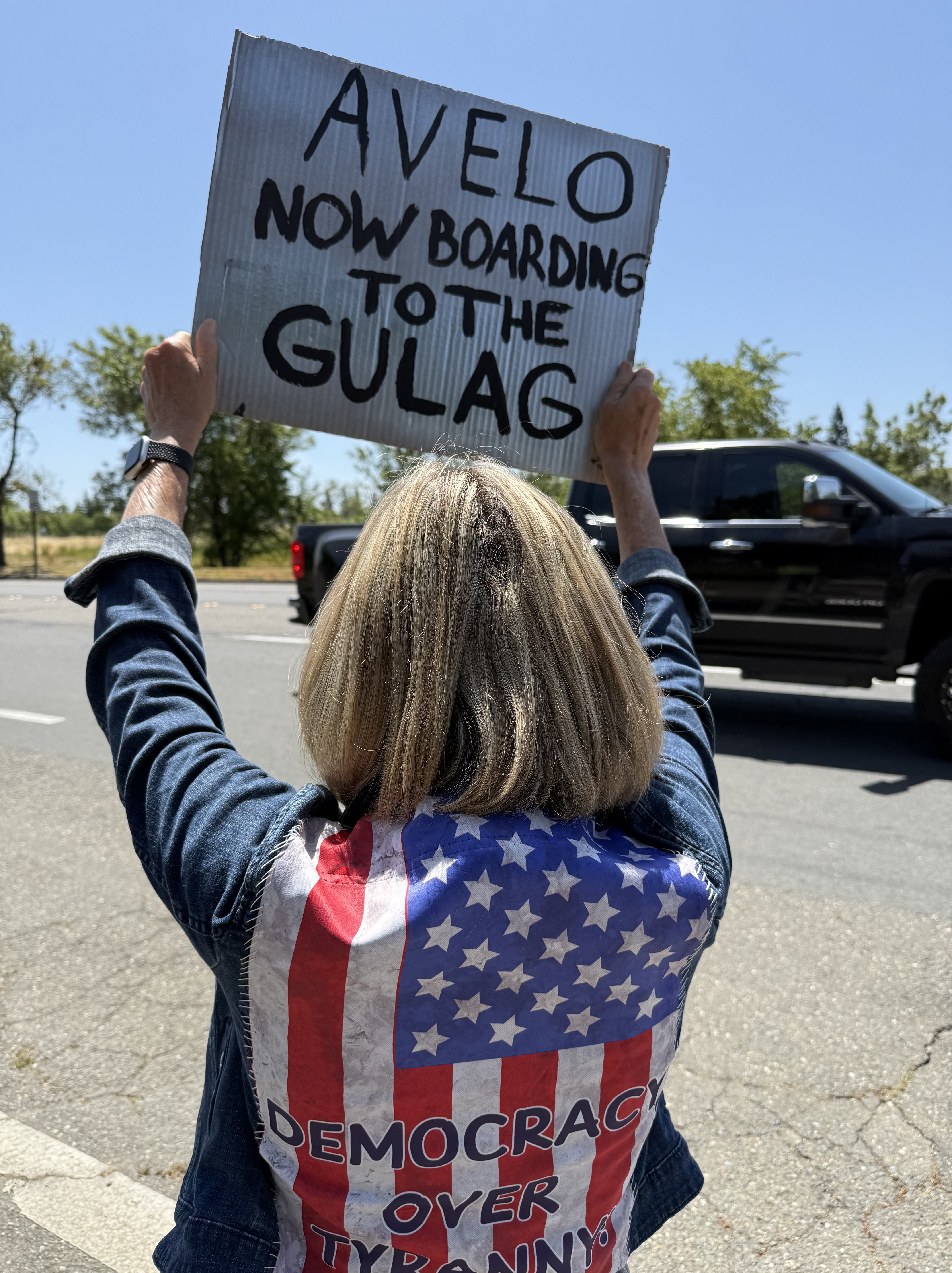
Here in Sonoma County, protests are a near-daily occurrence. Demonstrators are targeting a wide range of issues: U.S. complicity in the genocide of Palestinians, Avelo Airline’s role in deportation flights, Elon Musk’s attacks on federal institutions like Social Security and Medicare/Medicaid, the gutting of the Veterans Administration, the criminalization of immigrants, assaults on free speech, and—by us tradeswomen—the dismantling of affirmative action and DEI initiatives.

The Palestinian community and its allies have been gathering every Sunday at the Santa Rosa town square since October 2023.

Weekly actions include:

  • ThursdaysWe the People protest in Petaluma.
  • Fridays: Veteran-focused rallies protesting VA budget cuts.
  • Fridays/SaturdaysPetalumans Saving Democracy actions.
  • SaturdaysTesla Takedown at the Santa Rosa showroom, and a vigil for Palestine in Petaluma.
  • Sundays: Protest at the Santa Rosa Airport against Avelo Airlines, and a Stand with Palestine demonstration in town.
  • TuesdaysResist and Reform in Sebastopol.
  • Ongoing: In Cotati, a weekly Resist Fascism picket line.

In Sonoma Plaza, there’s a weekly vigil to resist Trump. Sebastopol hosts a Gaza solidarity vigil, along with Sitting for Survival, an environmental justice action.

Beyond the regular schedule, spontaneous and planned actions continue:

  • A march to raise awareness of missing and murdered Indigenous women.
  • In Windsor, women-led organizing for immigrant rights.
  • A multi-faith rally at the town square on April 16.
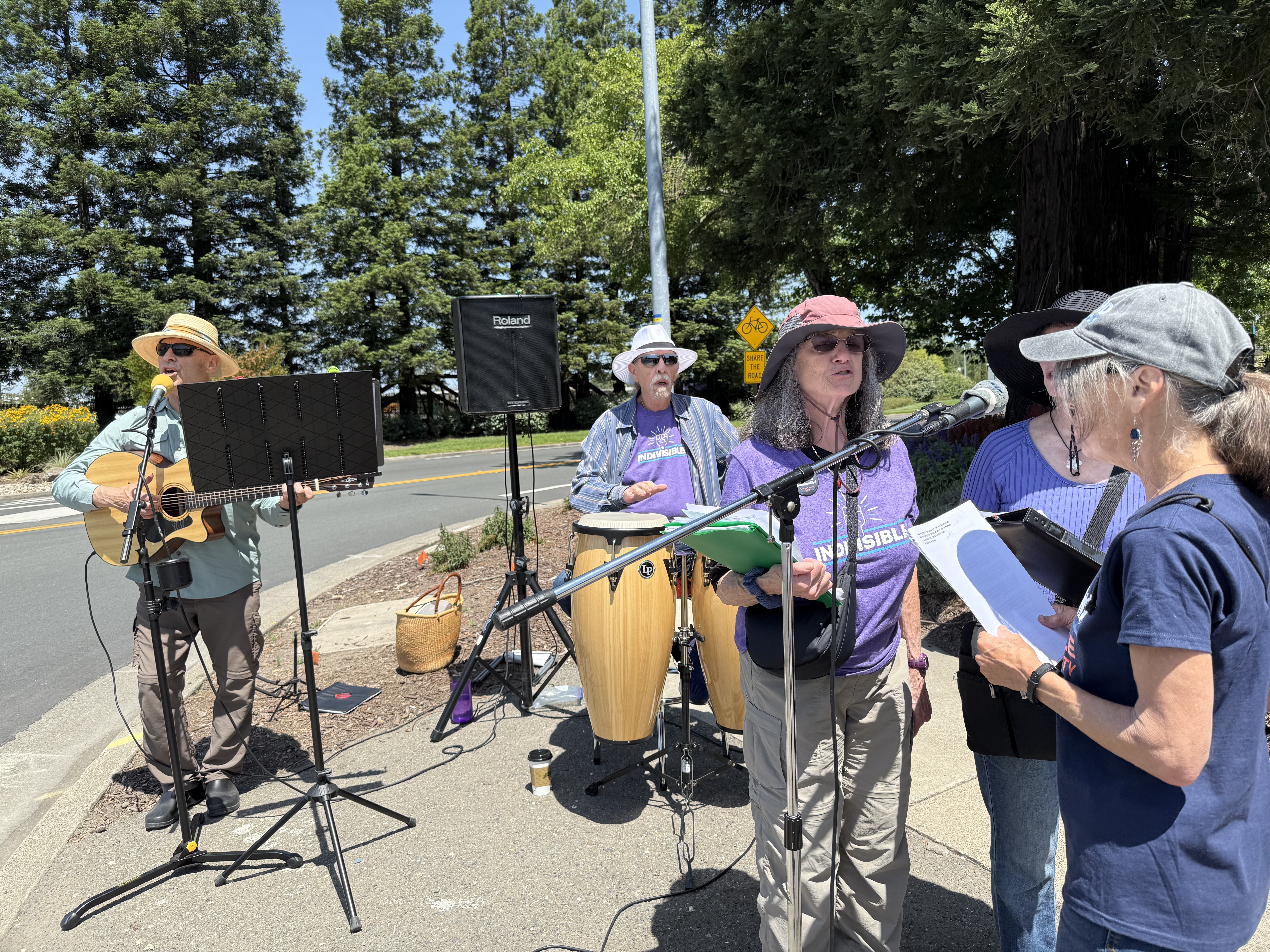
  • Protest musicians and singers are coming together to strengthen the movement with art.

Trump’s goons are jailing citizens, and fear runs deep, especially among the undocumented and documented Latinx population—who make up roughly a third of Santa Rosa. But fear hasn’t silenced them. They continue to show up and speak out.

I’ve joined the North Bay Rapid Response Network, which mobilizes to defend our immigrant neighbors from ICE raids.

Meanwhile, our school systems are in crisis. Sonoma State University is slashing classes and programs in the name of austerity. Students and faculty are fighting back with protests, including a Gaza sit-in that nearly resulted in a breakthrough agreement with the administration.

Between all this, Holly and I made it to the Santa Rosa Rose Parade. The high school bands looked and sounded great—spirited and proud. Then, our Gay Day here on May 31, while clouded by conflict about participation by cops, still celebrated us queers.

And soon, I’ll hit the road heading to Yellowstone with a friend. On June 14, we’ll join protesting park rangers in Jackson, Wyoming as part of the No Kings! national day of action—a protest coordinated by Indivisible and partners taking place in hundreds of cities across the country. 

On the Solstice, June 20 in the Northern Hemisphere, we expect to be in Winnemucca, Nevada, on the way home.

Happy Solstice to all—Winter and Summer!

Photo of the Pleiades: Digitized Sky Survey

Mortar Attack!

We crash into Besançon and fight until morning

My Mother and Audie Murphy Ch. 30

September 5, 1944. From Murphy’s autobiography To Hell and Back:

In a short while they are back in the thick of battle. The forward units knife through German lines, leaving pockets of resistance for the mopping-up crews. The noise of combat rises from every direction.

The swift advance has drained their energy and their supplies. Hungry and exhausted, they collapse along a roadside to wait for orders. Artillery thunders over their heads. They lie on their backs, listening to the shells crash forward into the hills.

Murphy and his crew seize an opportunity when a German supply truck rattles into view. They ambush it and find it loaded with bread and cognac. For a brief, stolen moment they eat, drink, and sing, the battle seeming almost far away.

The town of Besancon from its citadel. You can see the bombed bridges. Photo: Dogface soldiers.org

That night they crash into Besançon and fight until morning. Within a few days the city is secured, and once again the pursuit of the retreating Germans begins.

Murphy’s platoon brings up the rear when a roadblock stops the company. Mortar shells begin peppering the earth. Murphy pauses to speak to a small group of soldiers, several of them nervously pale replacements, waiting for the fire to ease.

Nearly killed by a mortar shell

A mortar shell drops in almost without sound. It is practically under Murphy’s boots before he registers its arrival. He has just enough time to think, This is it, before the blast knocks him unconscious.

When he comes to, he is sitting beside a crater with the shattered remains of a carbine in his hands. His head throbs, his eyes burn, and he cannot hear. The acrid, greasy taste of burned powder coats his tongue.

FFI fighters. Photo: NARA

He runs his hands down his legs, methodically checking. Both limbs are there. But the heel of his right shoe is gone, and his fingers come away sticky with blood.

A voice filters dimly into his fogged brain: “Are you all right, Sergeant?” He wipes the tears from his stinging eyes and looks around. The sergeant who spoke and the young recruit beside him are dead. Three others are wounded. All had been farther from the shell than he was.

When a mortar detonates on contact with the ground, its fragments shoot upward and outward in a cone. Murphy had been standing close to the base of that cone and caught only the lightest edge of the fragmentation. Had he been three feet farther away, he knows he would not be alive.

During World War II, concussions resulting from mortar attacks were a significant source of traumatic brain injury (TBI). Soldiers experienced symptoms like headaches, dizziness, poor concentration, and memory problems following exposure to blasts, even without visible head injuries. The term “shell shock” was originally used in WWI to describe these symptoms, but was later replaced with terms like “post-concussion neurosis” in WWII. Head injuries from mortars contributed to a significant percentage of medically treated wounds during the war. 

Murphy spends a few days in the hospital, not because of his brain injury, but because his foot was wounded. Then he’s back in the lines.

Ch.31: https://mollymartin.blog/2025/06/04/evidence-of-nazi-war-crimes/

Avelo Airline Protest

Sunday May 25, Santa Rosa CA

I had such a good time at the protest today. Met some wonderful people and I got to sing old protest songs with the Indivisible singers.

Avelo Airlines has accepted a $150 million contract to operate deportation flights, aiding in the illegal removal of individuals without their right to a fair hearing or due process. This is not only inhumane but a direct violation of our Constitution.

We’re calling for a full boycott of Avelo Airlines and organizing a weekly protest at our local airport. For more information and to join us: https://www.mobilize.us/mobilize/event/779651/

Nazis Trapped at Montelimar

Dead and Dying Include Hundreds of Horses

My Mother and Audie Murphy Ch. 28

Late August, 1944. From Murphy’s autobiography To Hell and Back:

Smarting under the wrongs and indignities endured during the years of German occupation, members of the French underground emerge from hiding and strike. Entire towns are already liberated by the FFI—the French Forces of the Interior—waiting only for the Americans to arrive. The Maquis join the advancing troops as guides, offering information on enemy strongholds and hidden defenses.

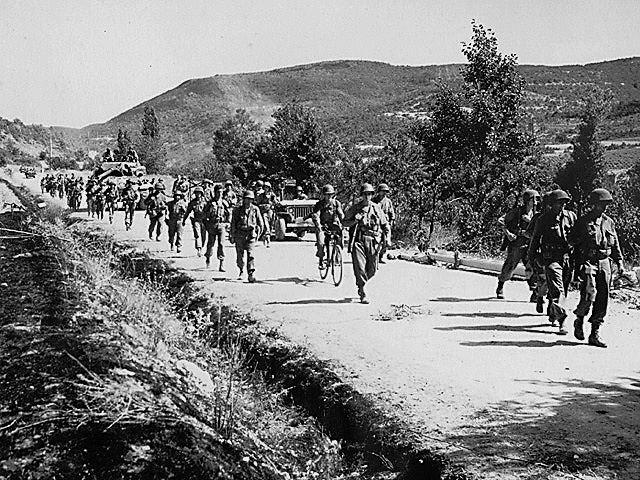
Advancing on Montelimar. Photo: Dogface soldiers collection

The German dead lie buried in abandoned foxholes, hastily covered with the same soil they once held in captivity. When it rains, their boots stick grotesquely from the mud.

Meanwhile, the Third Army drives relentlessly across middle France. When contact is made, the Germans in a vast section of the country will be caught in a trap. For three days the Americans move forward in trucks, meeting only scattered resistance—roadblocks, ambushes, and small pockets of determined defenders. After the slow, grinding months in Italy, this rapid advance feels almost unreal.

The men are exhilarated. Nothing lifts a soldier’s morale like progress. They have long believed that the only road home lies through the Siegfried Line, and every mile up the Rhône Valley feels like another mile closer to America.

The Germans react unpredictably. In one place, twenty thousand surrender to a single American platoon. In another, a few dozen fight with desperate ferocity, clawing for every inch of ground.

Wreckage of the German retreat. Photo: Dogface soldiers collection

By August 23, 1944, the swift, circling maneuvers of divisional units have trapped a large enemy force at Montélimar, a key communications hub. The Germans would gladly abandon the town if only they could escape north. As the American ring closes around them, they counterattack fiercely—an entire regiment hurling itself against Murphy’s battalion. Artillery and mortar fire break the assault, holding the line amid smoke and shattered trees.

On the outskirts of Montélimar, a massive German convoy is caught by American guns. In their panic to flee, the vehicles jam the road two and three abreast. Artillery zeroes in, and the destruction defies belief.

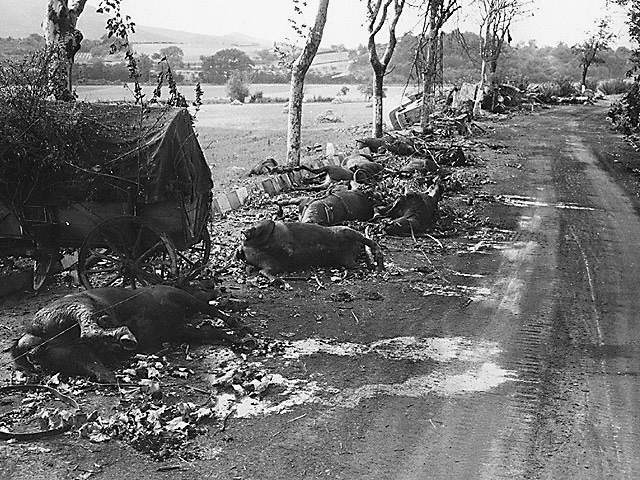
Hundreds of horses, evidently stolen from French farmers, lie among the wreckage. They stand or fall with torn flesh, gazing at the soldiers with unblinking, bewildered eyes, whinnying softly as life drains from them. The men, hardened by years of battle, find themselves strangely shaken. They are used to the sight of dead and wounded men, but these suffering animals stir something deeper, a sorrow for innocence trapped in the machinery of war.

Horses were among the dead. Photo: Dogface soldiers collection

One of Murphy’s men, a Texan, gently approaches a horse and shoots him behind the ear.

“I’ve known horses all my life,” he says, “and there’s not one dirty, mean thing about them. They’re too decent to blast each other’s guts out like we’re doing. Makes you ashamed to belong to the human race.”

Ch.29: https://mollymartin.blog/2025/05/25/red-cross-lands-in-france/

A Demon Enters My Body

His best friend dies: Murph loses his cool

Ch. 26 My Mother and Audie Murphy

D-Day in Southern France. August 15, 1944

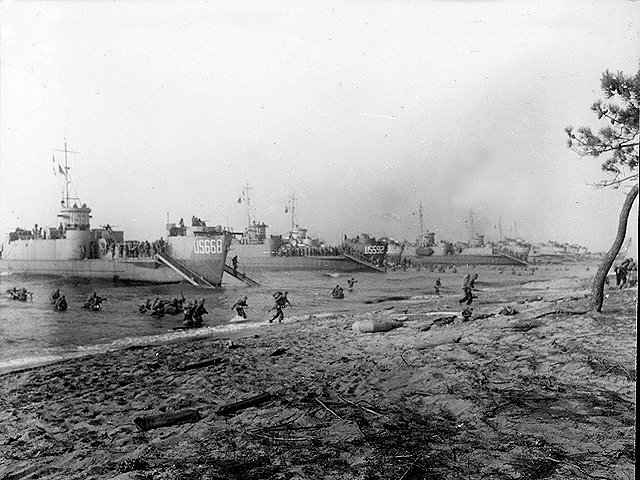
They jump from the landing craft and wade through the swirling surf. From the hills above, German guns begin to crack. Shells burst among them. Medics move instantly, sleeves rolled, already tending to the fallen.

An explosion erupts on the left. When the smoke clears, the remains of a soldier lie scattered—he has stepped on a mine. A medic kneels beside him briefly, then signals to the litter bearers that there is nothing to carry.

Ahead lies a strip of scrub and tangled grass. The men advance toward it with cautious, deliberate steps, as though walking on eggshells. The entire beach is mined, every footstep a gamble.

Landing at Red Beach. Photo: Dogface soldiers collection

They reach the edge of a green meadow. Beyond it stretch vineyards and scattered farmhouses, each one potentially harboring an unseen gun crew. Murphy drops into a drainage ditch and pushes forward, mud sucking at his boots as he moves.

They kill two Germans and capture six.

The thin shell of resistance at the beachhead collapses quickly, and the company advances inland. Three wooded hills rise to their right. From the center hill, a concrete pillbox juts outward, its cannon angled toward the beach. Intelligence marks this hill as a major strongpoint, and Murphy’s company receives the order to neutralize it.

Under a punishing sun, the men climb in sweat-soaked uniforms. Murphy’s platoon leads, and he brings up the rear. Suddenly automatic fire sweeps down from the hill.

Murphy’s two comrades are killed. He is alone and the Germans have discovered his position.

Then Murphy engages in acts of heroism that earn him one of his many medals. He duels with the enemy until his ammunition is exhausted. Then he seizes a machine gun and rakes the foxholes. Still under fire, he is joined by a comrade, his best buddy in the squad.

The surviving Germans wave a white cloth in surrender. Murphy’s friend rises casually from cover, believing the danger has passed. A hidden machine gun opens at once. He topples backward into the hole, barely whispering Murphy’s name before dying. Murphy freezes in shock, caught between the bodies of his friend and the Germans he has killed.

He checks for a pulse. There is none. He calls for medics, but the hill roars with gunfire. No one can reach him.

Grief and disbelief overwhelm him. He refuses to accept the death. With quiet, deliberate care, he lifts his friend from the hole and lays him beneath a cork tree, as though fresh air alone might restore life. How he avoids being shot while doing this remains inexplicable.

Map of the invasion. Photo: NARA

A machine gun shifts toward him. Murphy reacts instantly, diving back into the hole, throwing a grenade, and then rushing forward. The grenade has done its work. Both German gunners are dead. Murphy takes their weapon, checks it, and begins climbing the hill again.

He wrote: “I remember the experience as I do a nightmare. A demon seems to have entered my body. My brain is coldly alert and logical. I do not think of the danger to myself. My whole being is concentrated on killing. Later the men pinned down in the vineyard tell me that I shout pleas and curses at them because they do not come up and join me.”

He reaches the gun crew responsible and kills them before they even know he is there. He keeps firing until their bodies stop moving.

Resistance on the hill collapses. The company advances and reorganizes on the crest. Murphy stands apart, trembling, stunned by the sudden weakness that overtakes him. When the company moves on, he returns alone to his friend’s body.

He gathers his personal effects, looks once more at the photograph of the little girl with pigtails, then places the pack beneath his friend’s head like a pillow. He sits beside him and weeps without restraint.

As time passes, the rage drains away. The enemy becomes again simply the enemy—not monsters, not personal. The war resumes its relentless form: a series of brutal tasks carried out by flesh and will. Murphy accepts this, as he has every day since the war began.

And he rises, wipes his face, and walks back over the hill to rejoin the company.

Quotes are from From Murphy’s autobiography To Hell and Back

Ch. 27: https://mollymartin.blog/2025/05/15/flo-and-her-crew-sail-to-france/

Weekly Protest at Tesla Santa Rosa

May 10, 2025 Lots of honks from folks driving by

Avelo Airlines Out of Sonoma County

Citizens object to deportation flights

April 26, 2025

Hundreds of angry Sonoma County citizens line the road to Charles Schulz airport in Santa Rosa CA to protest Avelo Airlines contracting with ICE to conduct deportation flights. The airline is also ripping off customers by cancelling our flights and refusing to refund our money. They stole $518 from us.