Great Balls of Fire Rise from the Water

My Regular Pagan Holiday Post
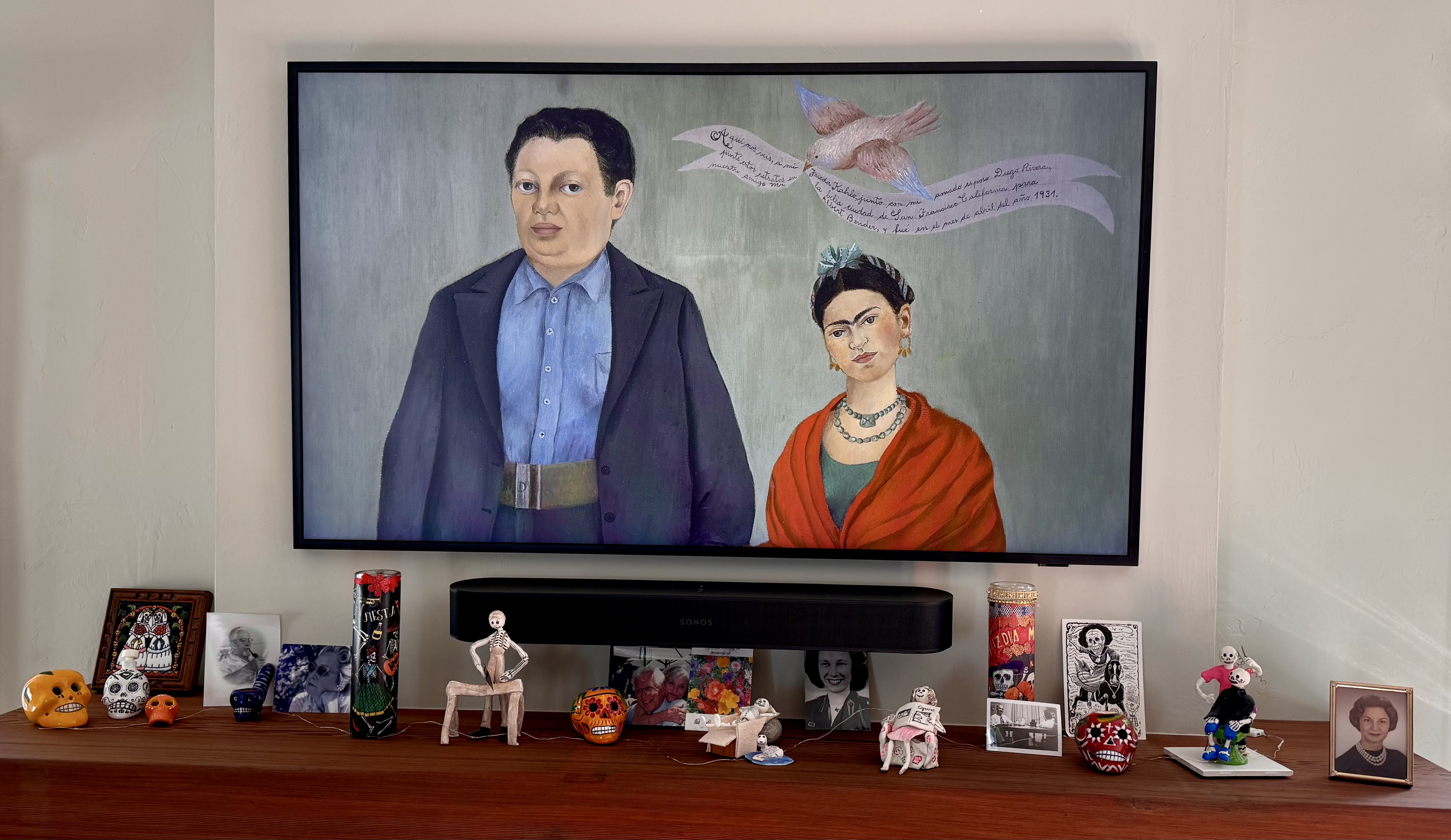
Our Day of the Dead ofrenda. Photo by author

The Naga Fireball Festival

While the north celebrates the pagan harvest holiday of Samhain and the Day of the Dead, people in Southeast Asia gather for the Naga Fireball Festival along the Mekong River.

The festival centers on a mysterious phenomenon where hundreds, or even thousands, of glowing red fireballs rise from the water. These spheres vary in size and can reach heights of 100 meters before disappearing. It is an incredible occurrence that remains unexplained.

The Mekong River separates Thailand from Laos, and locals believe the river is home to the Naga, a mythical creature and higher being. The Naga protects the river and the rural communities along its shores. Every year, near the end of the Buddhist Rains Retreat, these fireballs—ranging from small sparkles to large spheres of fire—burst from the water and soar into the sky. Also known as the Mekong lights, the phenomenon is viewed by locals as the Naga’s blessing.

The fireballs typically appear on the night of Wan Ok Phansa at the end of Vassa in late October. These sightings have been reported over a 250 km (160 mi) stretch of the Mekong, centered around Phon Phisai. While primarily associated with the river, fireballs have also been seen rising from smaller lakes and ponds in the region. This light phenomenon is hundreds of years old and is the centerpiece of the Phayanak Festival. Part of me hopes a scientific explanation is never found.

We Celebrate Día de los Muertos
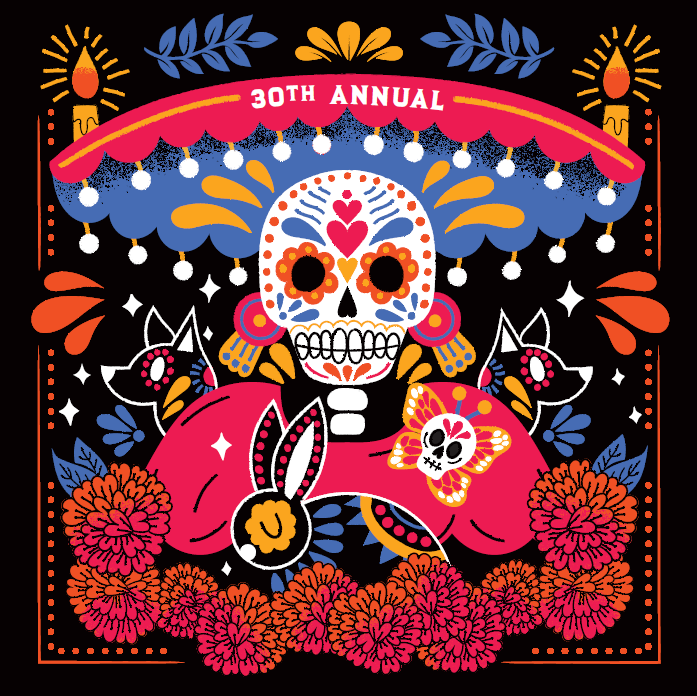
Poster for the museum’s Day of the Dead exhibition

Here in Sonoma County, we celebrate Día de los Muertos (Day of the Dead) with marigolds (cempasúchil) and ofrendas (home altars), and with public celebrations held in every city. We recently visited the Museum of Sonoma County’s 30th Annual Día de Muertos exhibition, which features altars and artwork created by hundreds of students, artists, altaristas, and community members. The exhibition runs until November 29.

Also at the museum until November 8 is an exhibition celebrating the 50th anniversary of Christo and Jeanne-Claude’s monumental Running Fence. This temporary art installation stretched 24.5 miles through Sonoma and Marin Counties and became a world-famous, iconic part of North Bay culture and history.
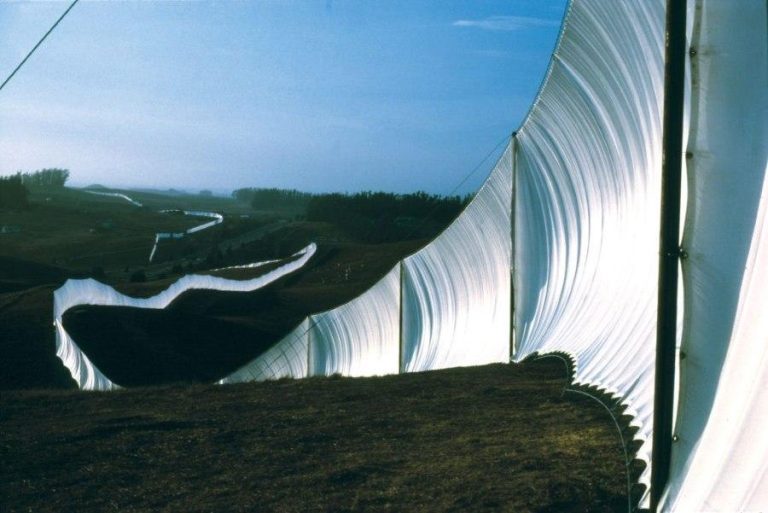
Photo: Museum of Sonoma County

My wife Holly grew up in Santa Rosa and remembers visiting the Running Fence with her family. While her mother was among those who thought the project was silly, Holly found it pretty cool as a high schooler. Now, it seems everyone agrees it was cool.

We Thank Mexican Culture for Day of the Dead

My Regular Pagan Holiday Post

Day of the Dead, Dia de los Muertos, has become one of my favorite holidays. Credit should go to the influence of Mexican culture.

I couldn’t remember when I first started celebrating Day of the Dead, at this time of the year when the veil between the lands of the living and the dead thins and we celebrate the lives of our ancestors and others who have died. I asked friends and family when we first learned of this holiday. No one could really remember. It just seeped into American culture when we weren’t looking.

Now the holiday is a cross-cultural experience. Though it originated in Mexico, it is commonly celebrated worldwide, especially throughout Latin America. Day of the Dead is a joyful celebration of life and death that originated thousands of years ago among Aztec, Toltec and other Nahua people. They believed that death is a cyclical part of life and that when someone died, they would go to the Land of the Dead. This tradition differs vastly from Halloween in its life-affirming tone and its rejection of death as a finality. In a modern culture whose chief way of responding to death is denial, the addition of this celebration to American life seems much needed.

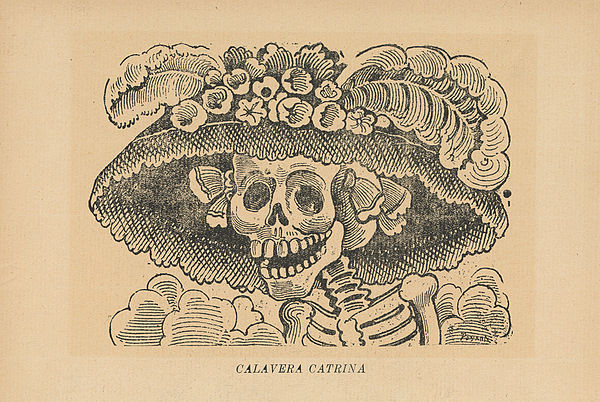
Posada illustration

I was lucky to live in San Francisco where Rene Yanez and Ralph Maradiaga had launched our local version of the celebration in 1972. Day of the Dead evolved into a gigantic procession up 24th Street, the Latinx district, on November 2. The Mission Cultural Center would sponsor events and we gathered to erect altars, or ofrendas. My Old Lesbians group one year made a beautiful altar for our friend Tita Caldwell, who had been active in our Occupy Bernal organization in 2012. San Franciscans gather at Garfield Square Park (perhaps we should rename it Frida Kahlo Park) to walk through the park and view the altars. Rene describes the history here: https://www.foundsf.org/index.php?title=Day_of_the_Dead. In the interview Rene refers to Posada (Jose Guadelupe Posada Aguilar), the Mexican artist who created illustrations of la calavera catrina that have become ubiquitous symbols of this holiday.

Now I live in Sonoma County where we have many options for celebrating Day of the Dead. Our Sonoma County Museum and our art district have exhibits. The town of Petaluma sponsors events all month, ending with a candlelight procession at the fairgrounds that has been going for 19 years. This year the town of Windsor is sponsoring its 6th annual event. Every town now has one. These events are led by Mexican and Latinx people, who make up the largest ethnic group in Santa Rosa at around 30 percent of the population. 

October is Latinx Heritage Month. This month we also remember the murder by a deputy sheriff of 13-year-old Andy Lopez October 22, 2013. Andy was walking in his neighborhood when sheriffs spotted him carrying a toy gun. Erick Gelhaus fired eight shots that killed the boy. No charges were filed against the shooter, he returned to work and was later promoted before retiring. A civil suit filed by Andy’s parents resulted in a $3 million settlement. 

Sadly, Andy’s murder has defined the relationship between the Sonoma County Sheriff’s Department and its citizens, especially the Latinx population. In the seven years since the shooting, people have staged multiple protests, organized to build a park at the site of the shooting and pressured the county for more police accountability. This year we met at Andy’s Unity Park in the Latinx neighborhood of Roseland to remember Andy. 

Our fireplace mantel ofrenda

Holly and I celebrate this season by making clay catrina sculptures for our ofrenda on the fireplace mantle and telling stories about our friends and family who have died. I like to walk by our altar and commune with the figure of my mother who is sitting in an armchair reading Esquire (from a 1940s picture). Holly’s dad sits in a recliner nearby and her dog Mattie lies at his feet.

What do I say to Mom? She was a news junkie who kept a close watch on world events. She liked to imagine what the world would be like in 50 years. I tell her if she were alive today she absolutely would not believe it.

Sending big virtual hugs to all.