My Regular Pagan Holiday Post
Summer Solstice (Litha) takes place this year on June 21
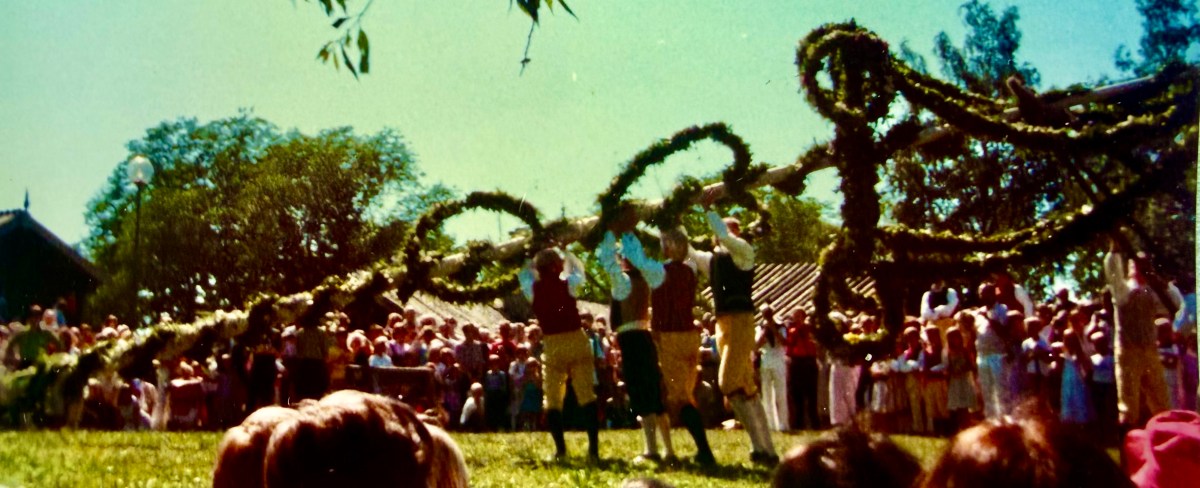
The pagan Scandinavian summer solstice festival, like winter solstice, was appropriated by christians. But, unlike christmas, the takeover never really stuck. They tried to turn midsummer into a birthday party for John the Baptist. Bonfires that once warded off evil spirits and celebrated the sun’s strength became “St. John’s fires,” but the essential ritual survived unchanged. As they did in pre-christian Viking times, Swedes, Norwegians and Danes continue to make flower wreaths, dance around the maypole, sing, eat, drink and light giant bonfires.
I identify as Swedish because of my grandmother Gerda, who instilled our family’s culture. My grandfather Bernt was Norwegian, so we absorbed some of that tradition too.
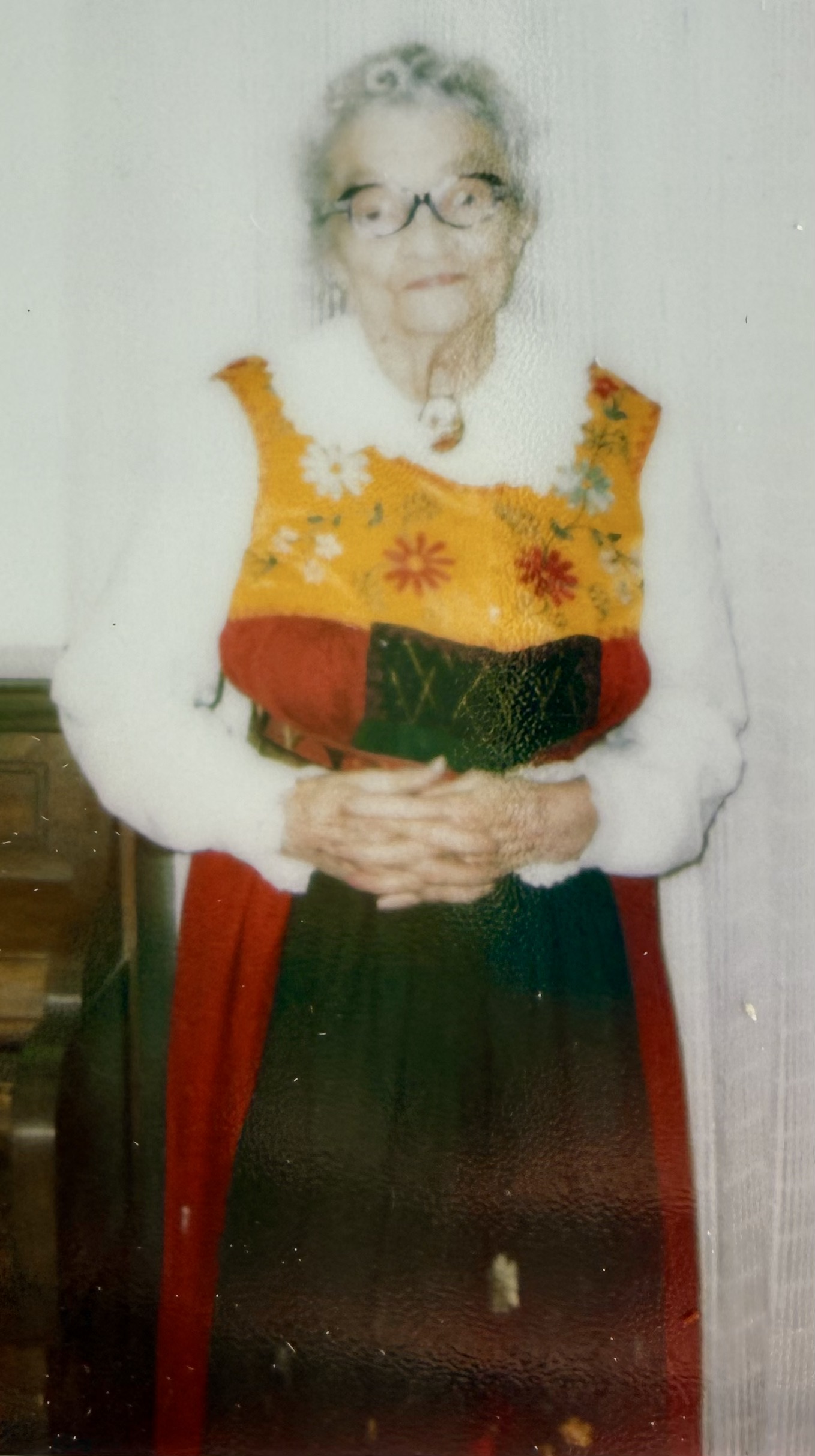
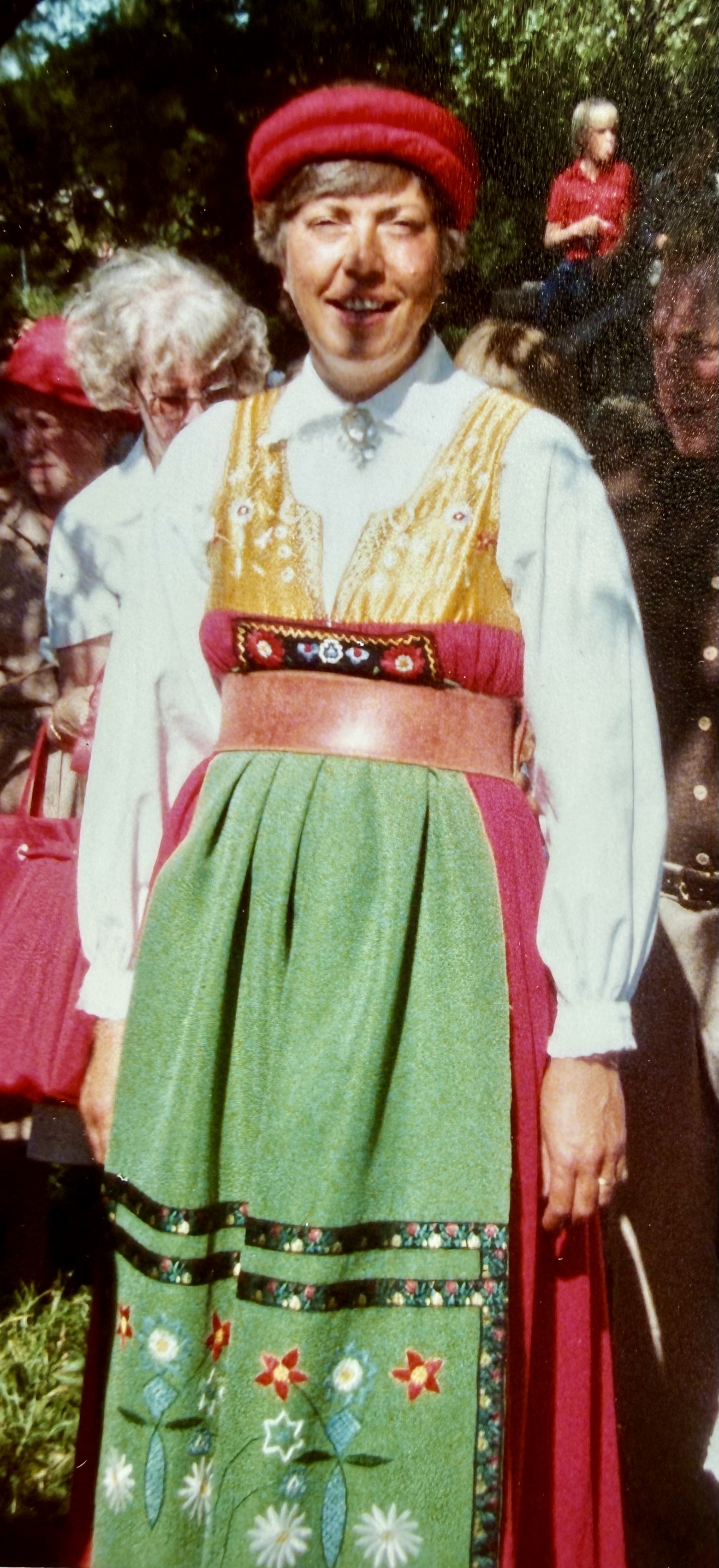
Growing up in Yakima, Washington, we simply picnicked and ate outdoors all summer, perhaps an American substitute for the ritual. But my brother remembers our mother, who was born at Midsommer, hosting parties in June with a maypole for us kids to wind ribbons around. She had never been to a Midsomer festival, but her Scandinavian parents had impressed upon her the importance of this holiday.
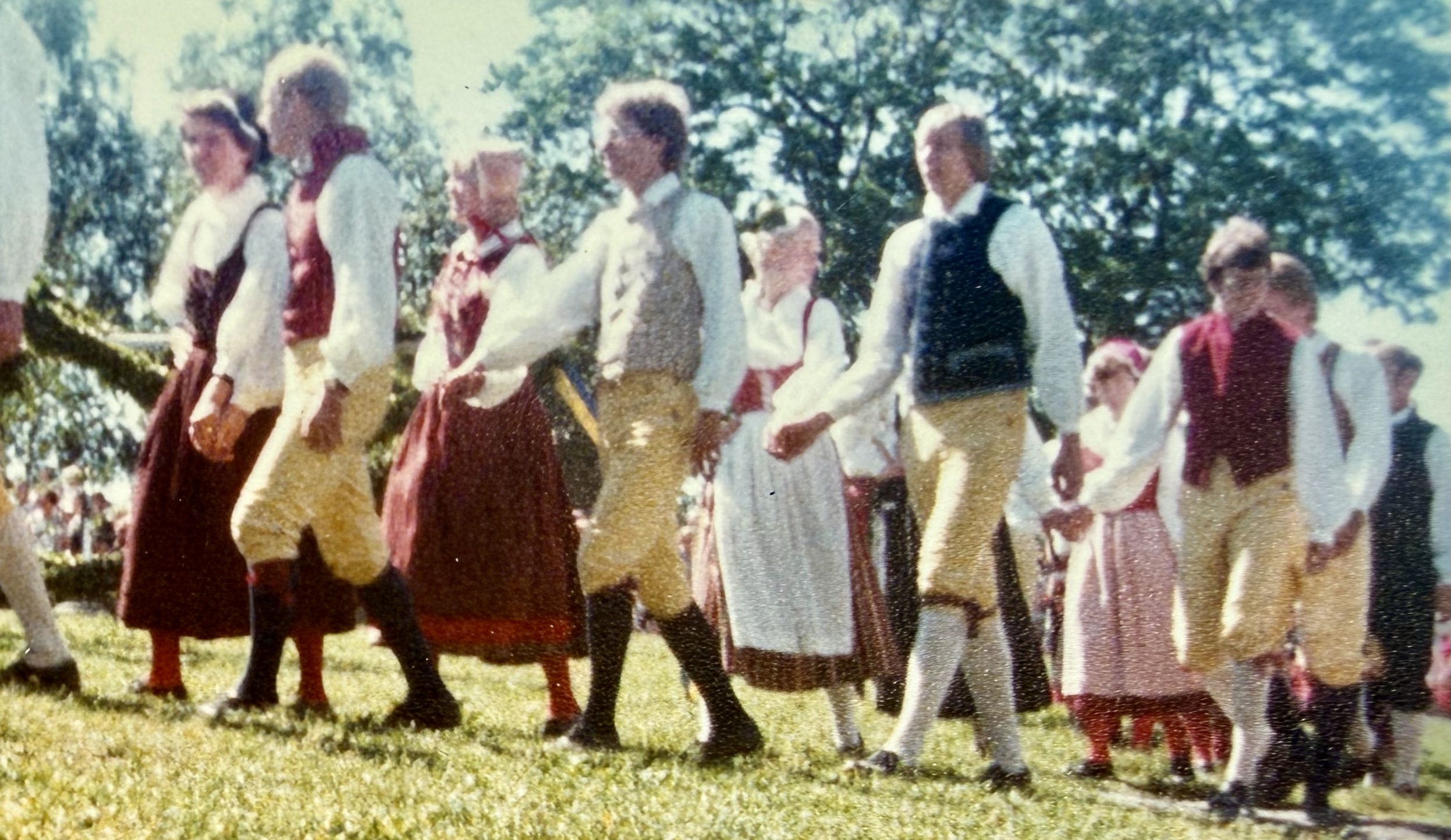
Swedes gather at big communal and family events. Norwegians build fires. Oslo’s most dramatic public showcase occurs at Sukkerbiten, the sauna wharves on the fjord, where massive burning displays light the water. The Slinningsbålet in Ålesund ranks among the world’s tallest bonfires—a striking coastal tradition. In some places a figure is built and then burned. Think Burning Man.
This year, we’ll mark the solstice on June 21 at Sonoma County’s first dyke march—marching, singing, eating, and drinking. Living in a fire-prone region, we’ll celebrate without bonfires, but the spirit of communal gathering remains.
Skål!
Love, Molly and Holly

