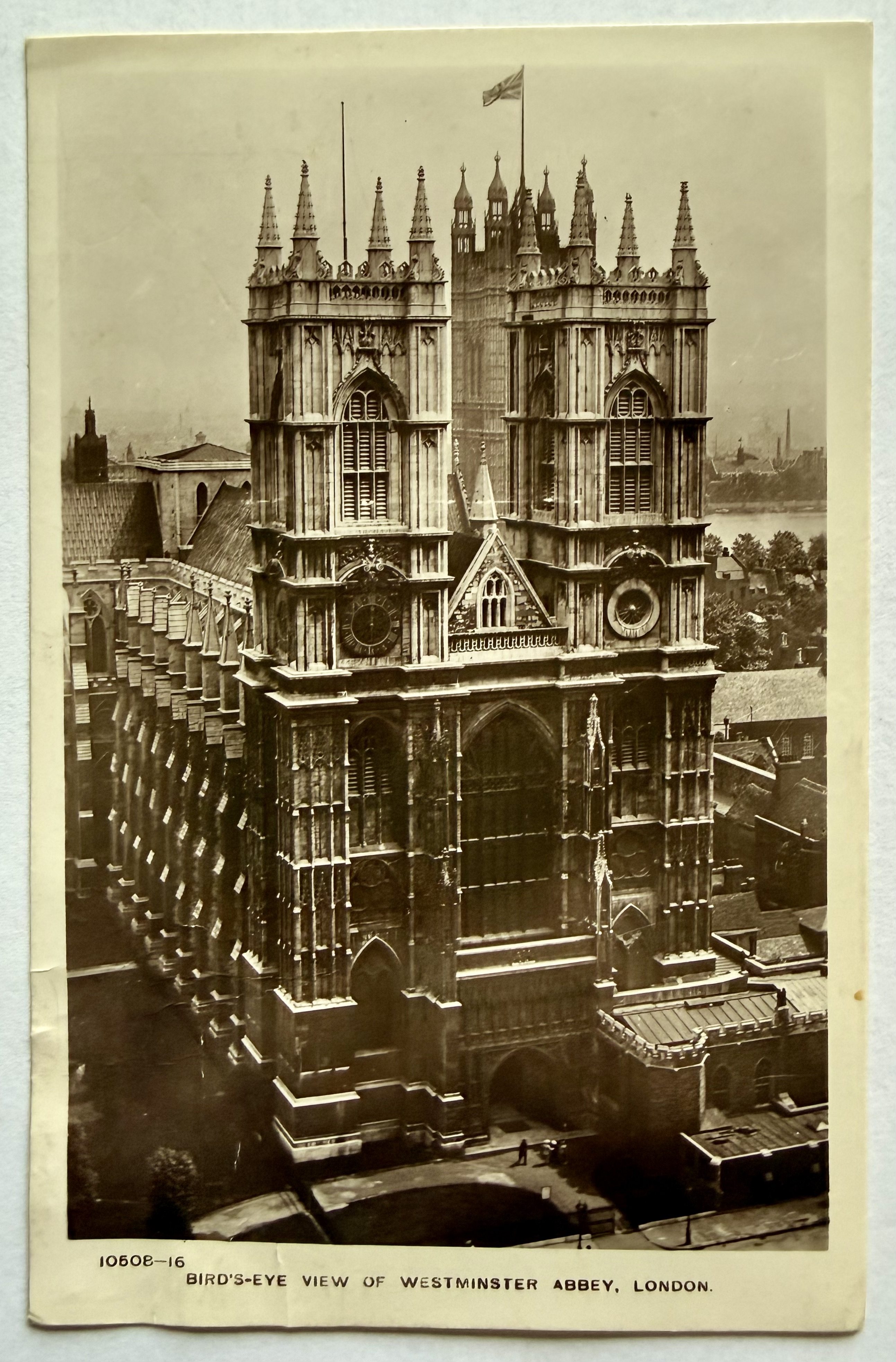
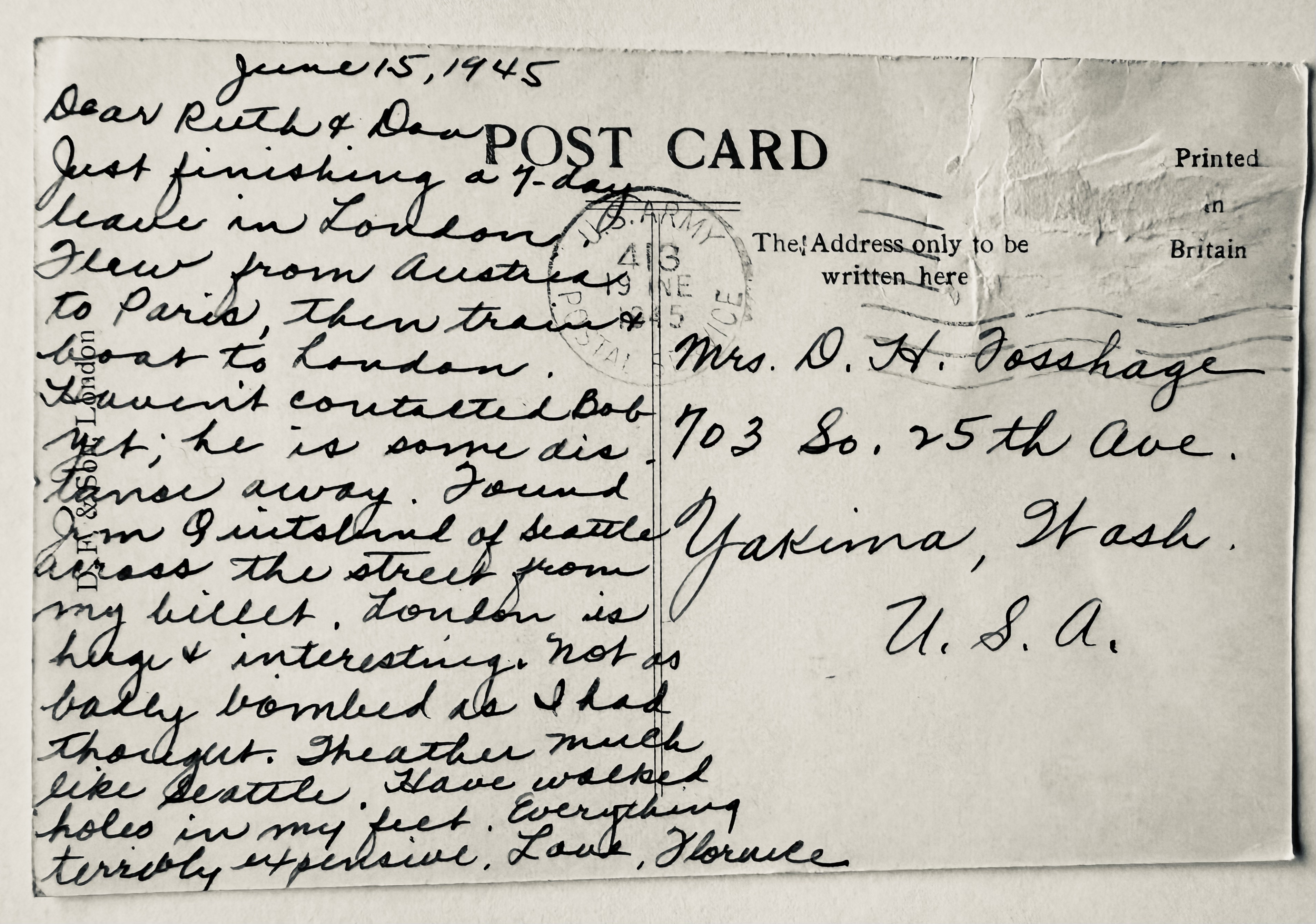
Flo arrived in London in June, 1945 for a seven-day leave. In a postcard to her family Flo wrote:
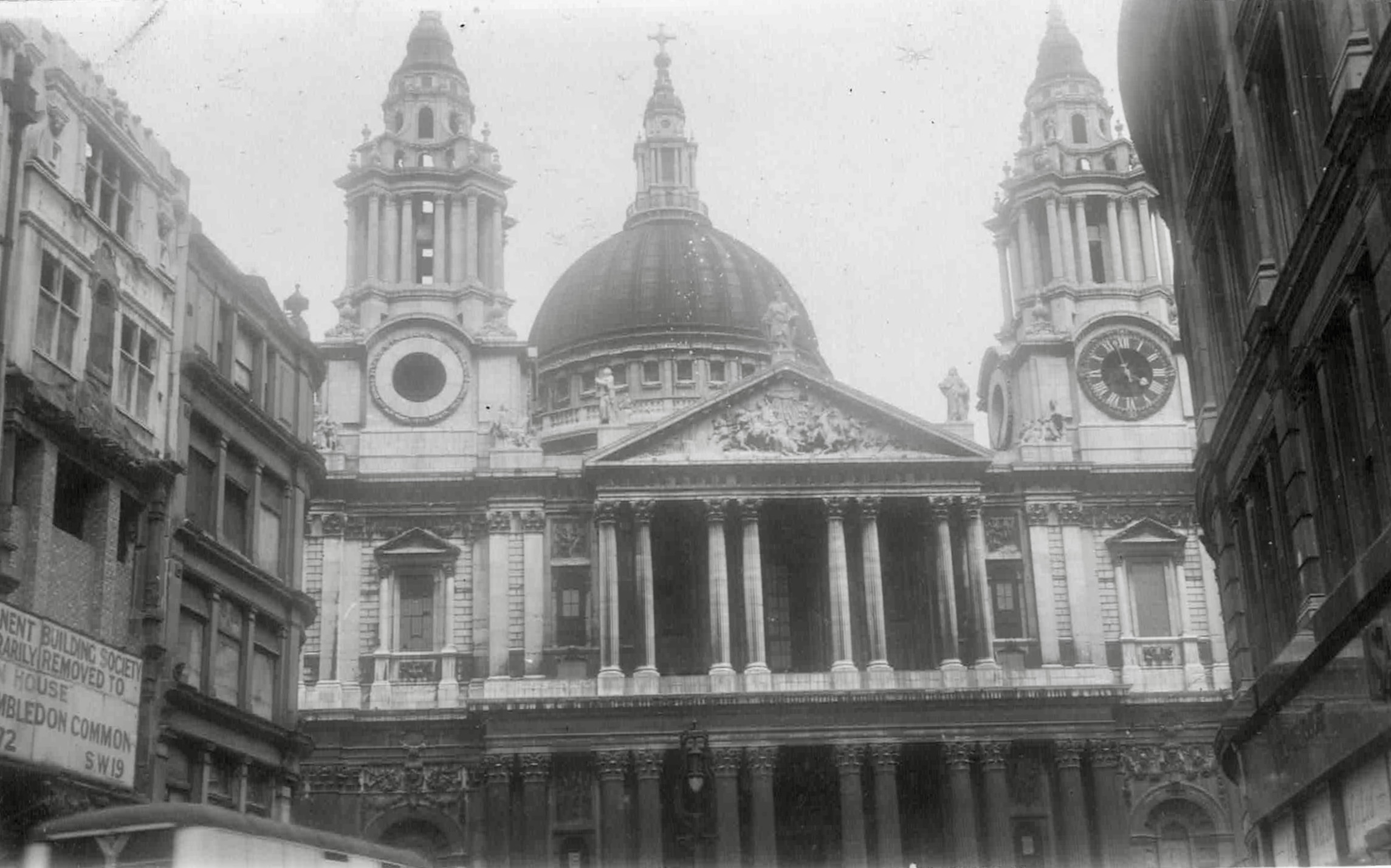
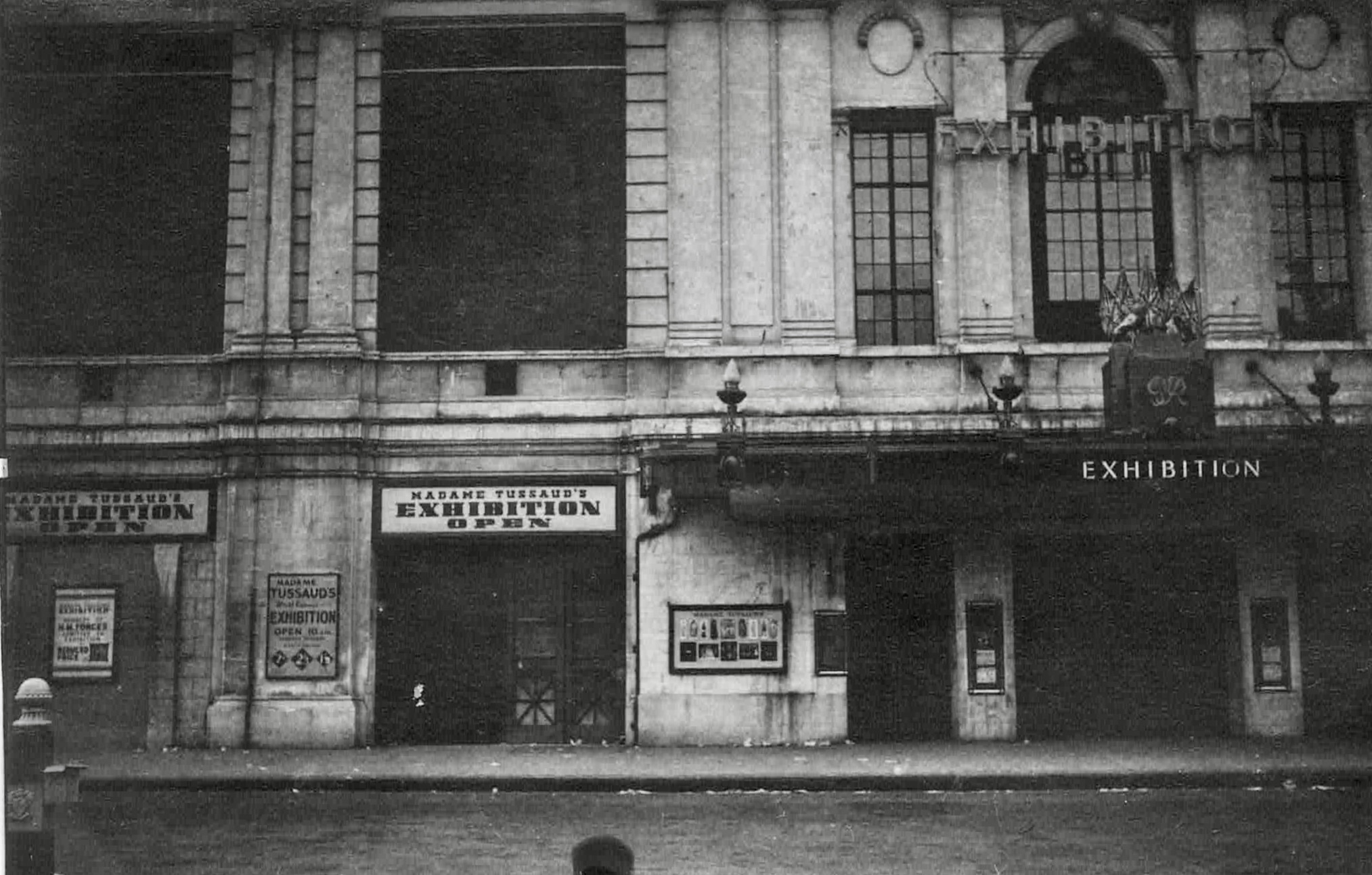
“London is huge and interesting. Not as badly bombed as I had thought. Weather much like Seattle. Have walked holes in my feet. Everything terribly expensive.”
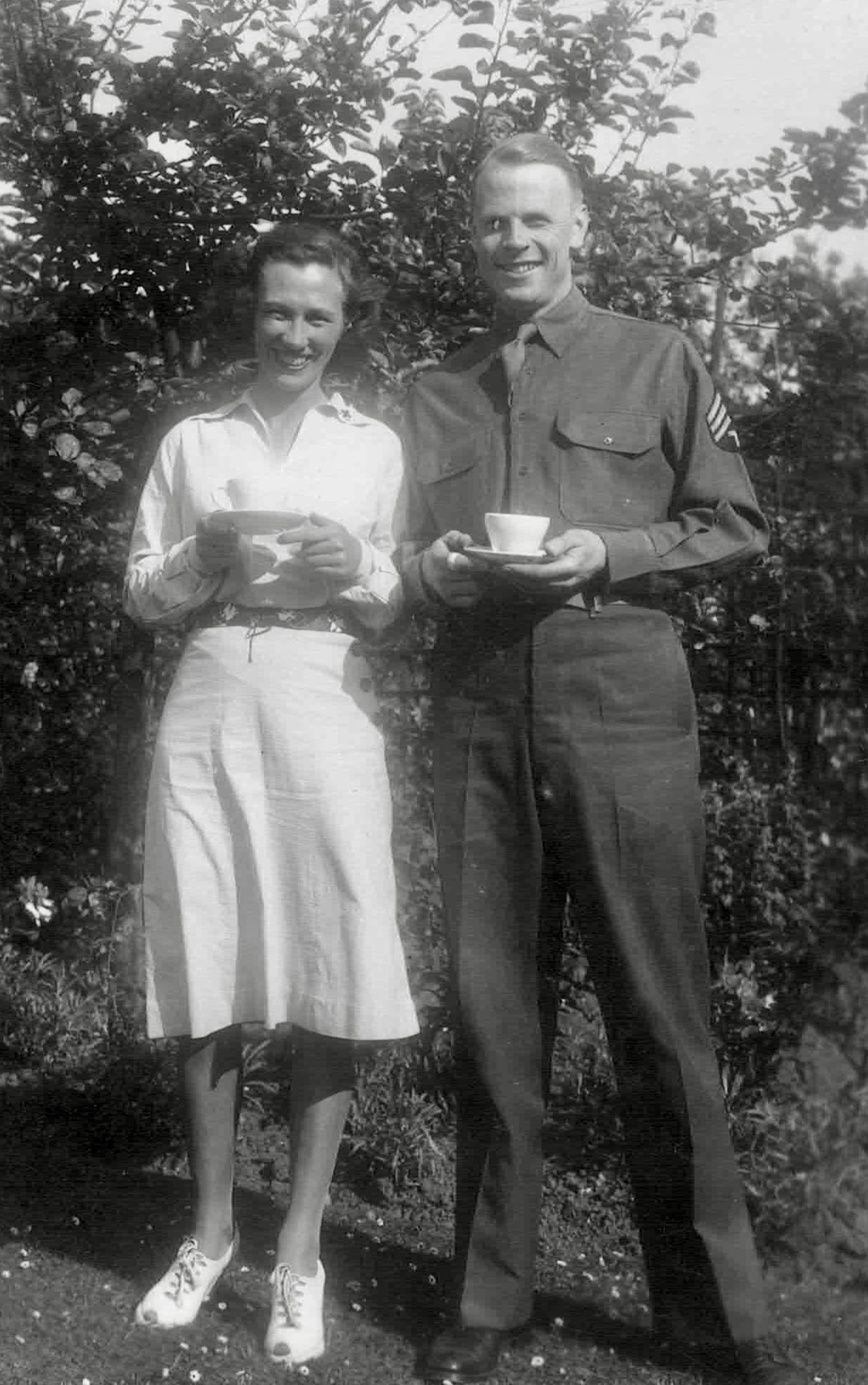
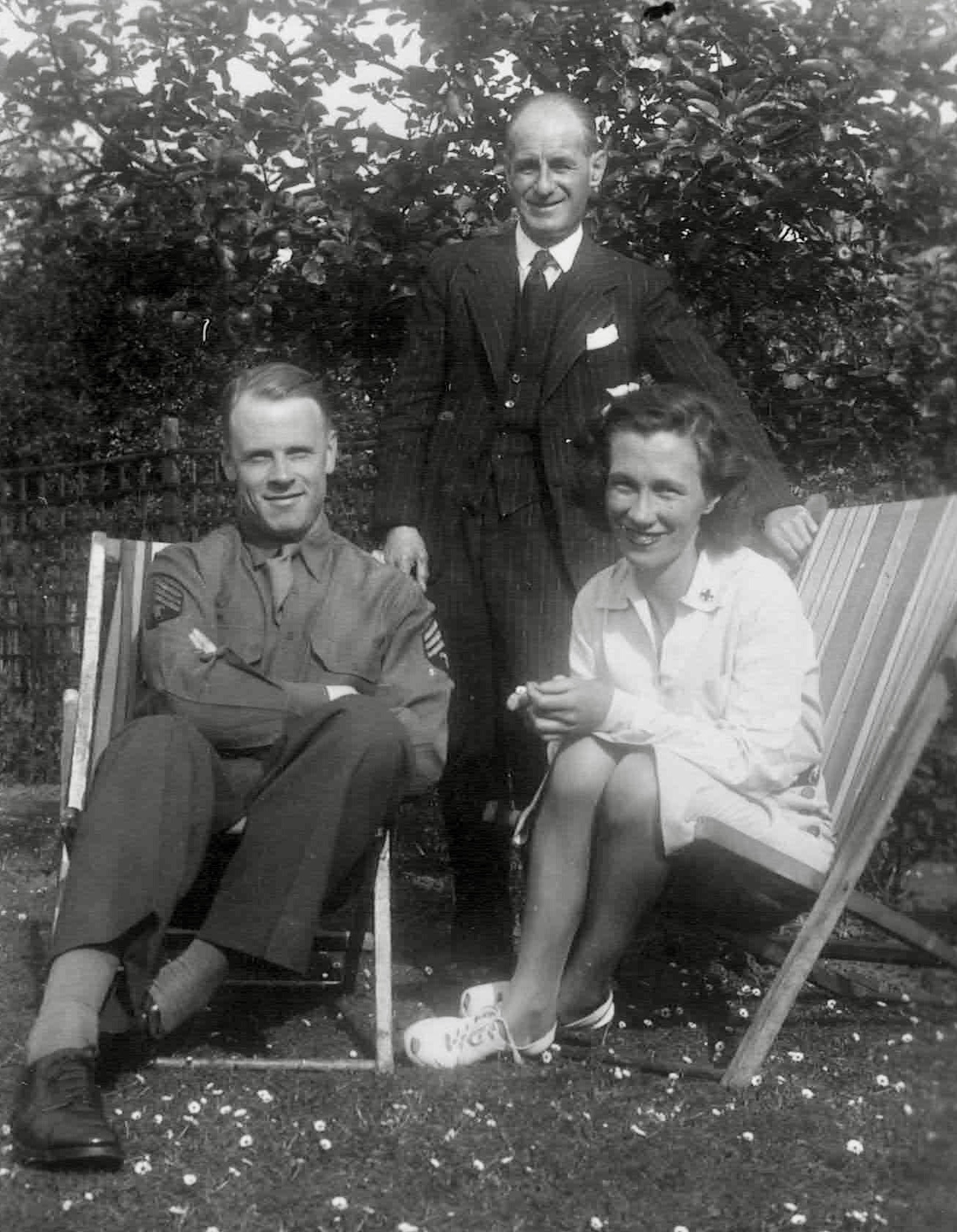
She ran into a friend from Seattle, Jim Quitslund, who was staying across the street from her billet.
With Jim Quitslund, the Army friend from Seattle, billeted across the street in London.
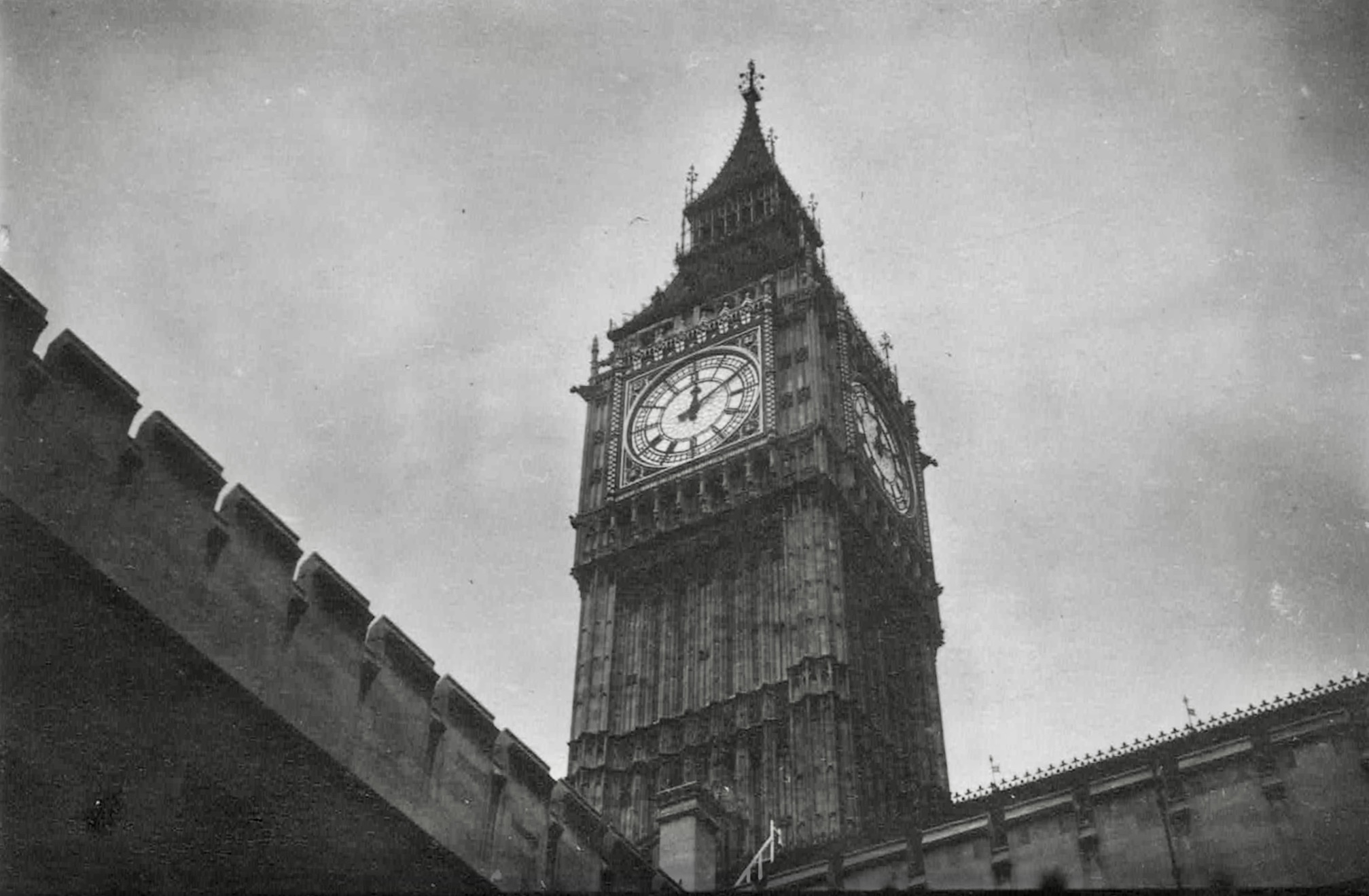
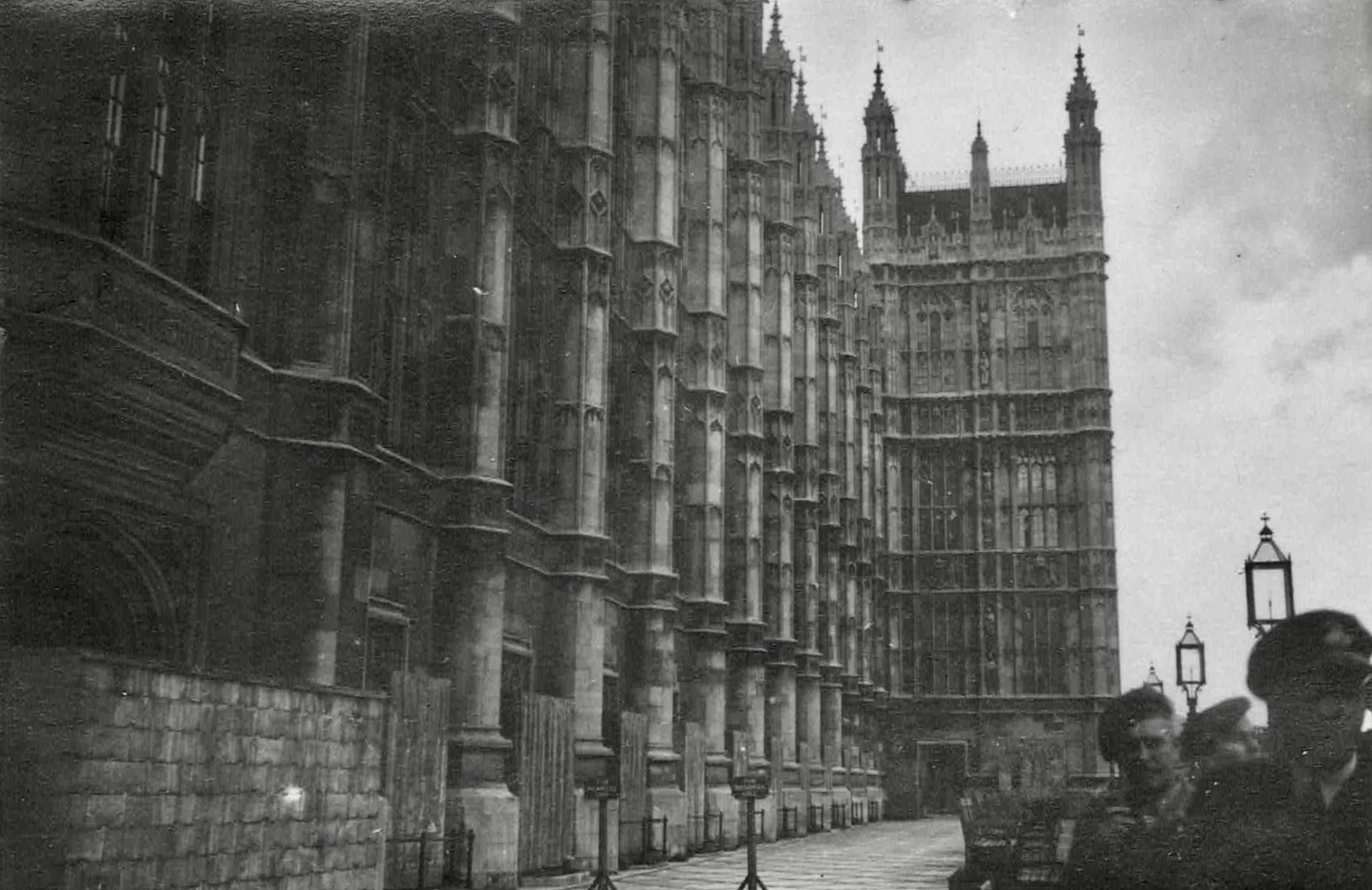
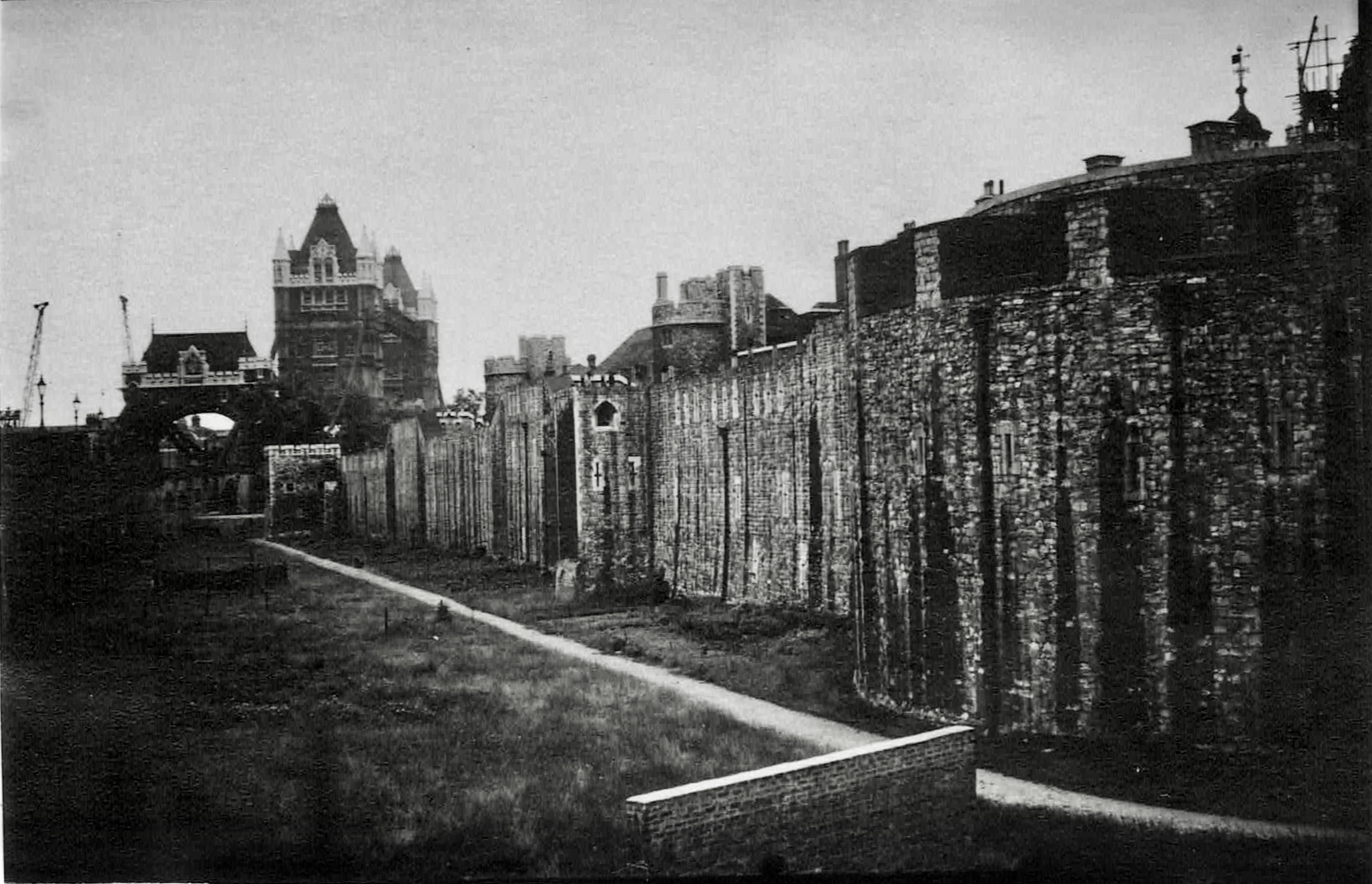
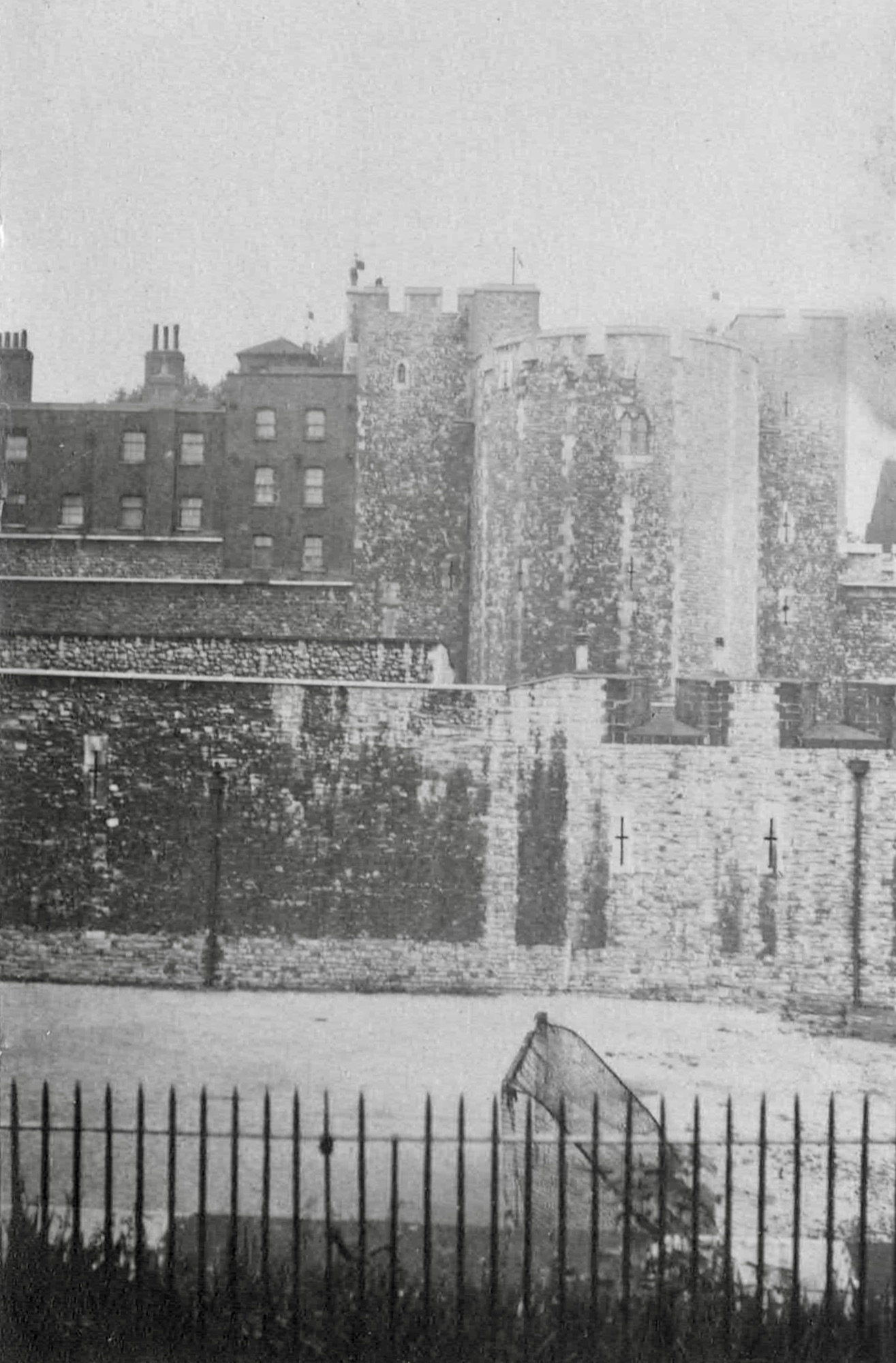
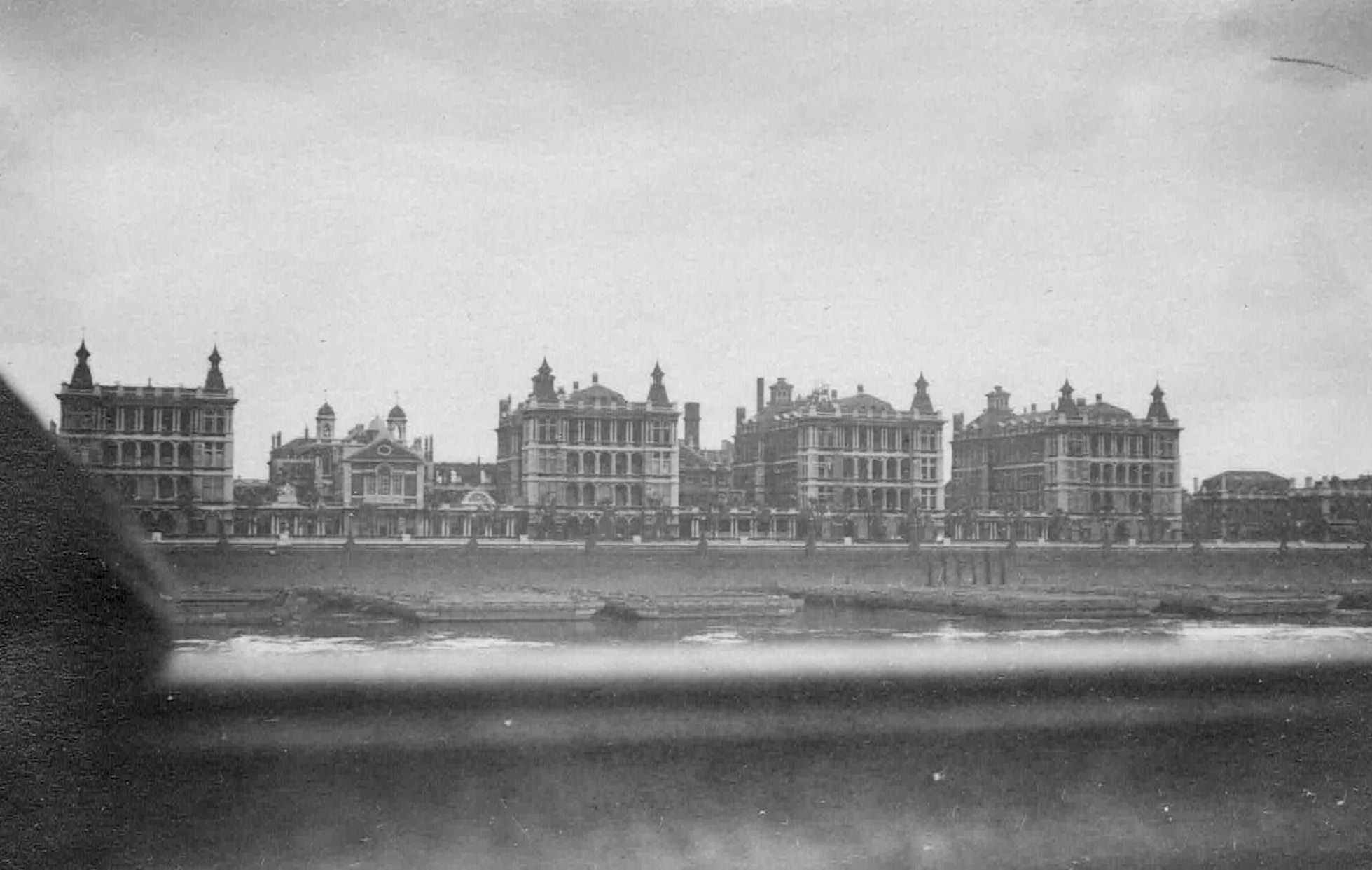
Big Ben. Photos by Flo WickParliamentTower of LondonTower of LondonSt. Paul’s CathedralThe wax museumGovernment buildings seen from across the Thames
The Blitz focused on London
Starting on September 7, 1940, London faced 57 straight nights of bombing by Nazi Germany, part of a concentrated eight-month campaign known as the Blitz.
Flo wrote that the bombing damage was not as bad as she had thought, but she may not have made it to the East End, which sustained the most bombing. The Luftwaffe raids were aimed at disrupting the British economy by targeting docks, warehouses, and industrial areas. The damage was devastating, characterized by massive fires, widespread destruction of working-class housing, and high civilian casualties there.
An estimated 18,688 civilians in London were killed during the war, 1.5 million were made homeless. 3.5 million homes and 9 million square feet of office space were destroyed or damaged.
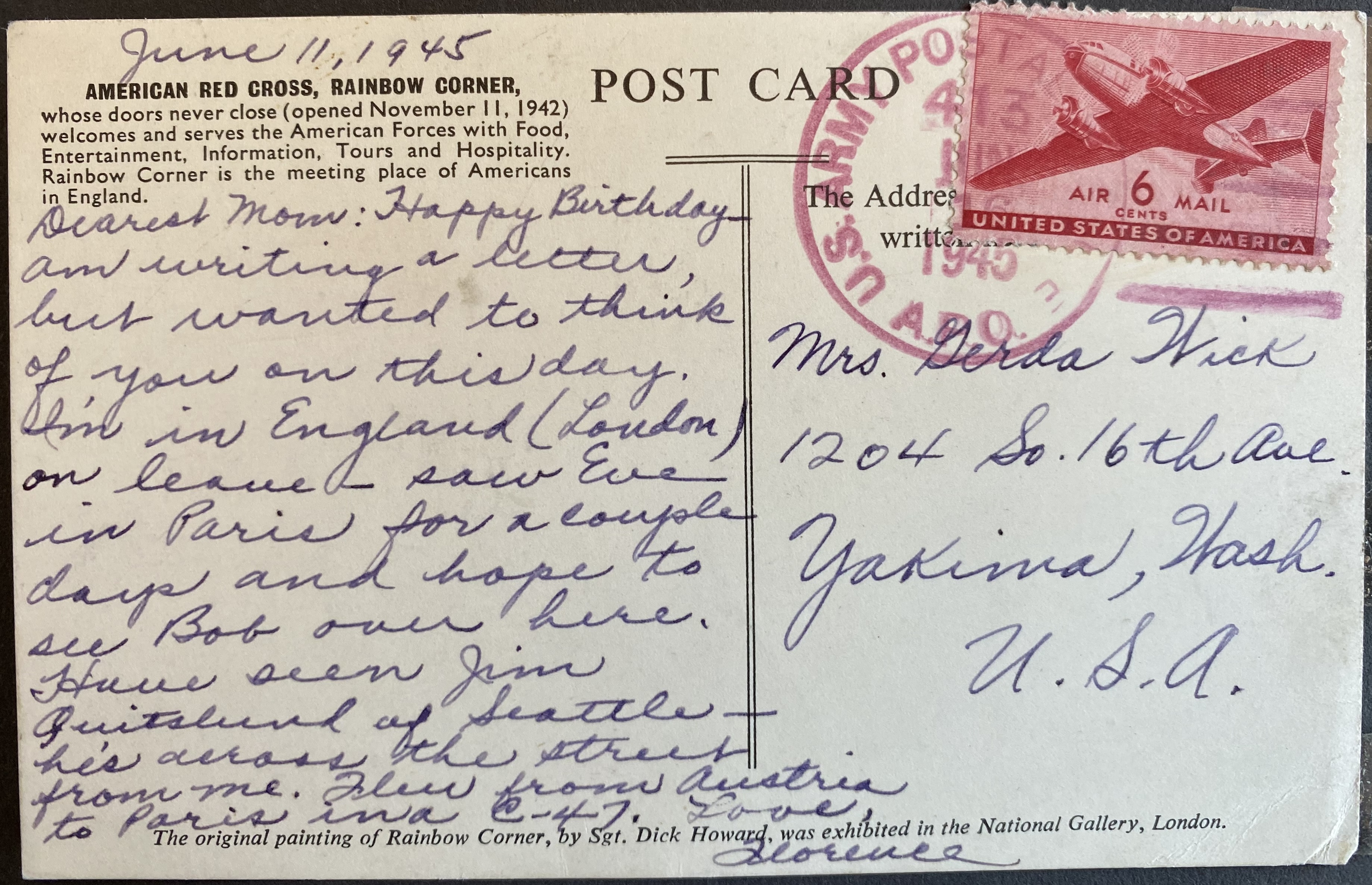
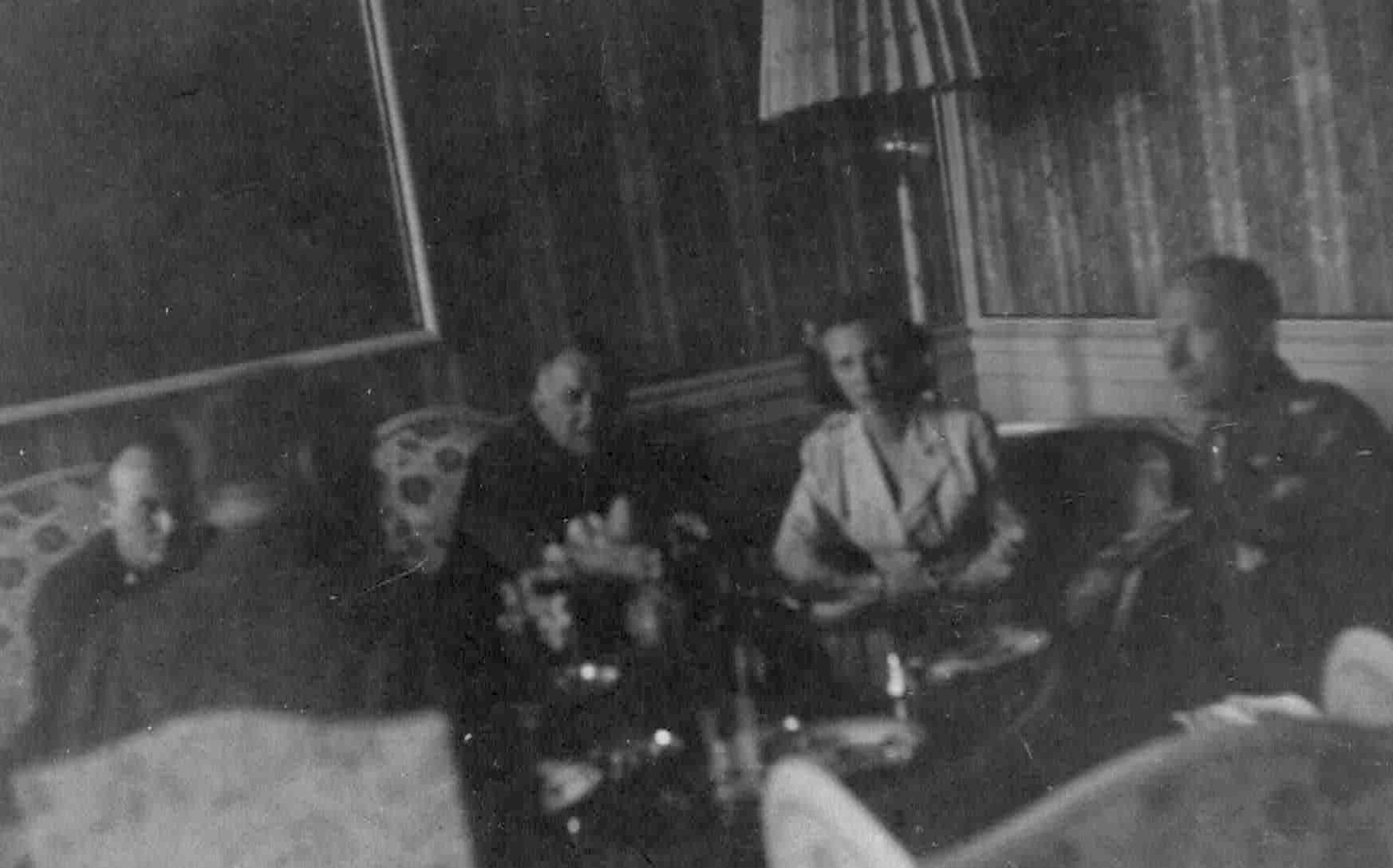
In June Flo got a seven-day leave to travel to the UK. In a postcard dated June 11, 1945 she wrote her mother that she flew from Austria to Paris on a C-47. On the plane she photographed “kraut generals, fellow passengers en route to prison.”
Flo stopped in Paris for a couple of days to visit her sister Eve who was still working as a nurse at an army hospital there. Then she traveled to London by boat.
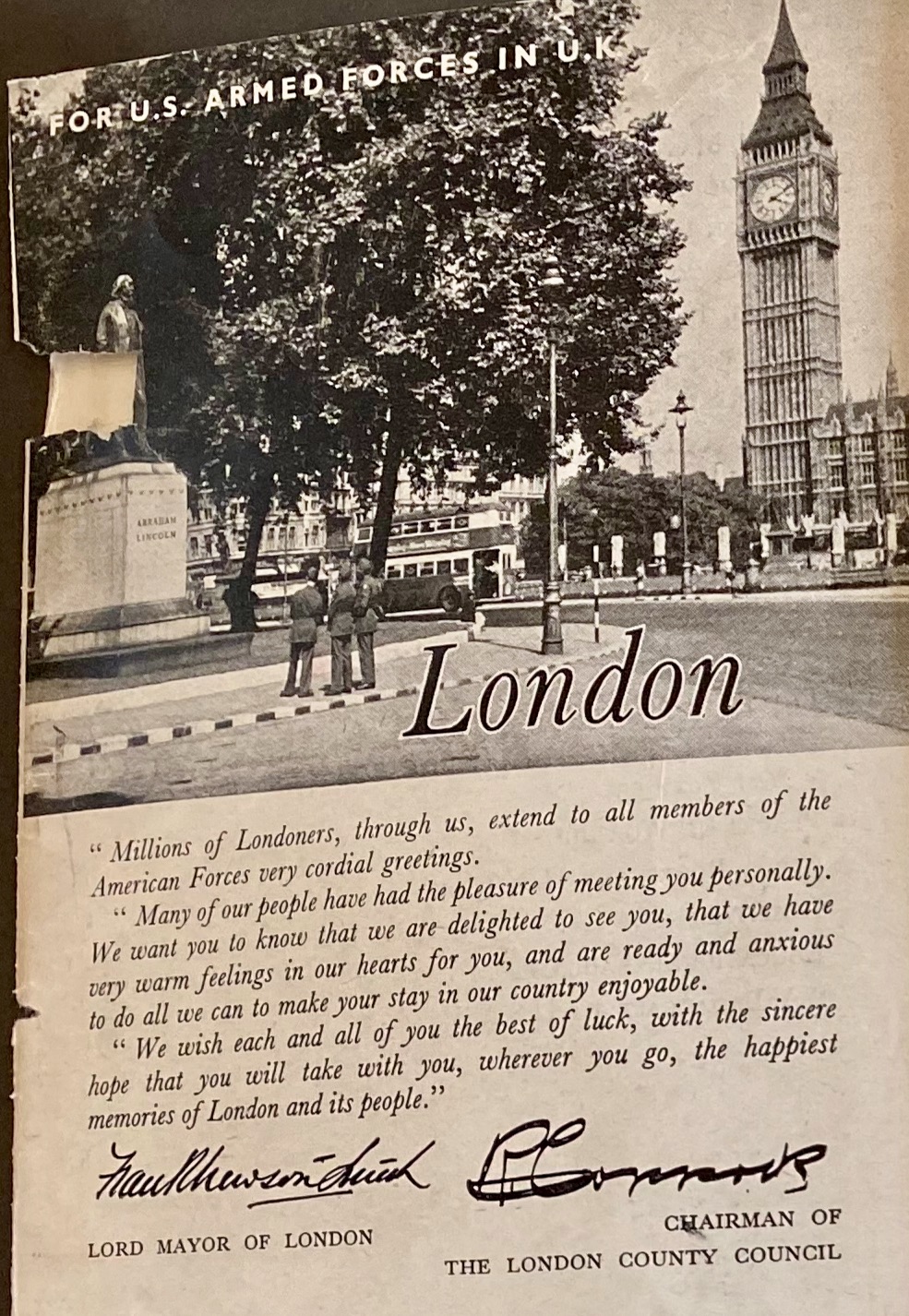
On the C-47, Flo captioned this picture “Kraut generals, fellow passengers en route to prison.”Flo’s postcard to her mother on her birthday. Bob is Flo’s sister Eve’s husband, also in the military and stationed in England.Flo’s sister, Eve, with the C.O. of the 203rd general hospital in Paris.Flo and her sister Eve who worked as a nurse at the 203rd general hospital in ParisLondon welcomes the US Armed ForcesFrom the postcard back: American Red Cross Rainbow Corner, whose doors never close (opened Nov. 11, 1942) welcomes and serves the American Forces with food, entertainment, information, tours and hospitality. Rainbow Corner is the meeting place of Americans in England.
Red Cross Service Clubs
During WWII in England, the American Red Cross ran numerous “Service Clubs” and “Aeroclubs,” like the famous Rainbow Corner Club in London, serving millions of GIs with food, lodging, and recreation, with numbers constantly changing as troops arrived and departed, but focusing on large operations near bases.
London was the biggest city in the world
At the beginning of the war in 1939, London was the largest city in the world, with 8.2 million inhabitants. It was the capital not just for the United Kingdom, but for the entire British Empire. London was central to the British war effort.
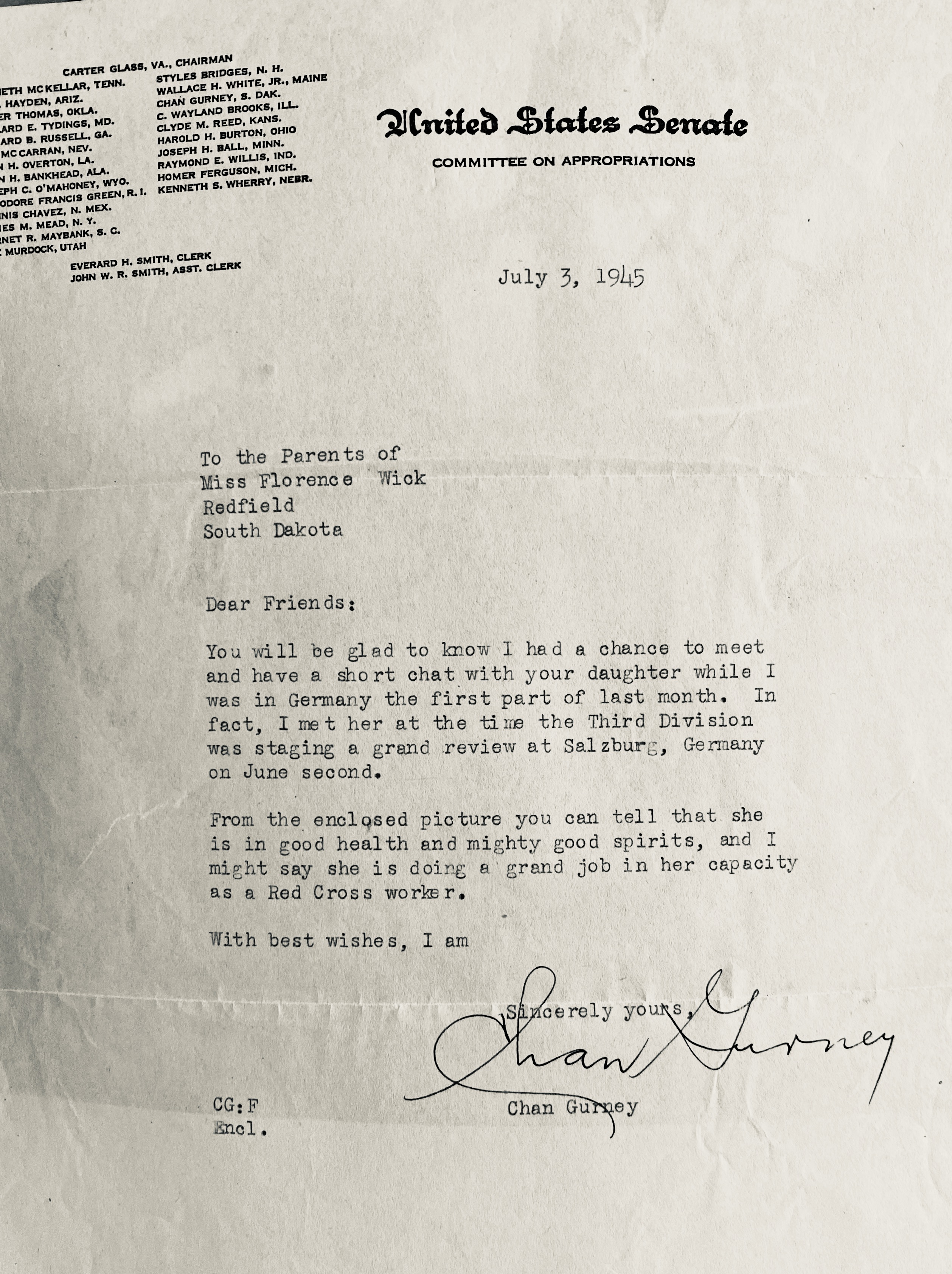
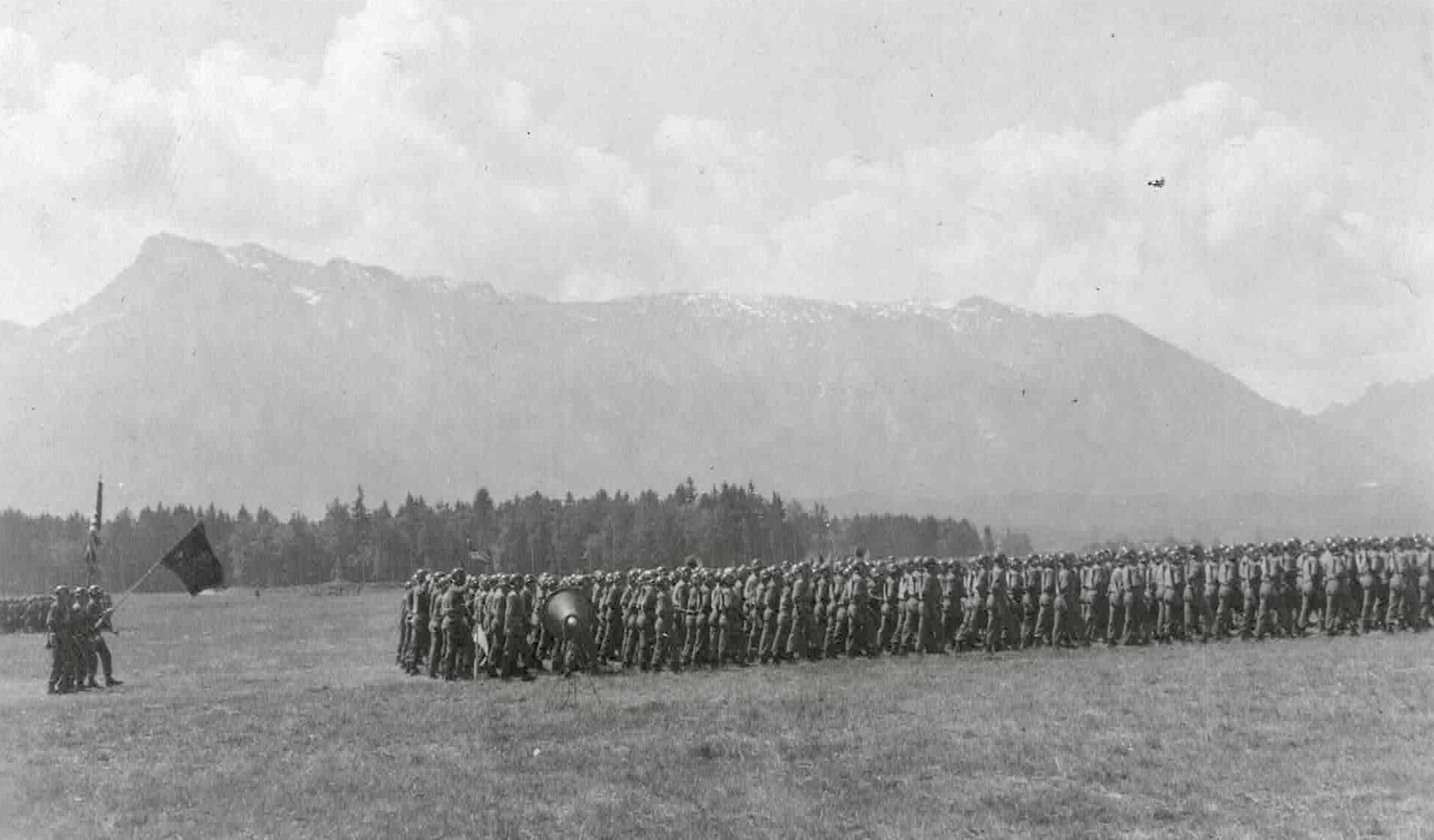
On June 2, 1945, the Third Infantry Division assembled for a division-wide review in Salzburg, their ranks drawn up before their headquarters. Flo was there with her clubmobile crew, Liz Elliott and Janet Potts, watching as Seventh Army commander General Alexander Patch presented decorations and commendations. A Congressional delegation stood in review alongside Secretary of War Robert P. Patterson, among them South Dakota Senator Chan Gurney, the first chairman of the Senate Committee on Armed Forces.
June 2, 1945. This is the last picture of the three Red Cross clubmobilers together–Janet Potts, Flo Wick and Liz Elliott. Fritzie Hoaglund never returned to the crew after having been hospitalized.
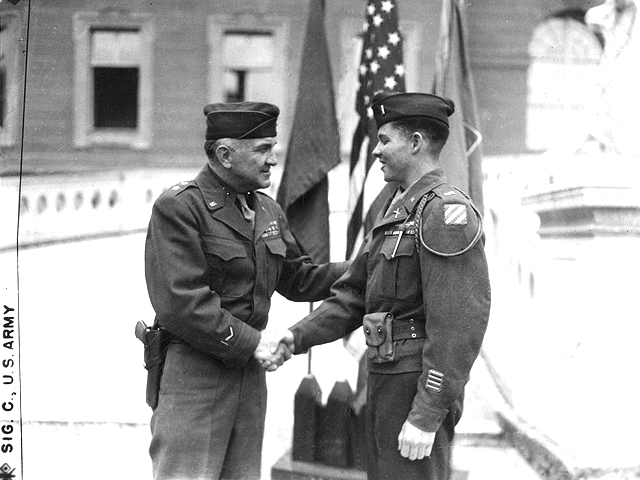
That day, Lieutenant Audie Murphy of B Company, 15th Regiment, received the Medal of Honor and the Legion of Merit in front of his entire division. Five other Third Division soldiers were awarded the Distinguished Service Cross and the Silver Star, their citations read aloud to the troops who had fought across Europe and now stood at attention in peacetime formation.
Gen. O’Daniel shakes the hand of 1st Lt. Audie Murphy of B Company, 15th Regiment, 3rd Division. Murphy received the Medal of Honor and the Legion of Merit on June 2, 1945 in front of his entire division in Salzburg, Austria. Photo: Dogface soldier collection
The ceremony took place at a site heavy with layered history. Built in 1700 as a Baroque summer residence for the Prince-Archbishops of Salzburg, the palace later became a Nazi showpiece where Hitler hosted Axis leaders and stored looted art as the Reich collapsed. Captured by the U.S. Third Infantry Division in May 1945, it was repurposed as headquarters of the American Occupation Authority during the decade-long U.S. presence in Salzburg, before eventually becoming a casino.
Gen. J. W. O’Daniel 3rd Div. Commander; Flo Wick, ARC; Gen Alex Patch 7th Army commander. June 1945. Schloss Klessheim SalzburgA delegation of the US Congress witnessed the Audie Murphy ceremony. Chan Gurney, South Dakota, the first chairman of the US senate committee on Armed Services, is seen here with Flo.Letter from Sen. Gurney to Flo’s parents. He thought they were South Dakota constituents. Flo was born in Redfiled, SD, but the family hadn’t lived there since she was a baby. They lived in Yakima, WA. Her father had died in 1938.On June 2, 1945 the 3rd Division staged a grand review at Schloss Klessheim.Soldiers march past the reviewing stand. photos from Flo’s album
When Germany surrendered on May 8, 1945, the U.S. Army in Europe suddenly had to shift from fighting to occupying a defeated nation. More than two million soldiers now had to be sorted into three paths: those who would stay in Germany as an occupation force, those who would be sent to the Pacific for the expected invasion of Japan, and those who would finally go home. Because the Army had more men than it needed for occupation and redeployment, it also had to begin discharging veterans fairly and quickly.
General George C. Marshall had foreseen this challenge. Drawing on hard lessons from the chaotic demobilization after World War I, he ordered the Special Planning Division in 1943 to craft a method that would release soldiers on an individual basis rather than by entire units. With divisions in Europe filled with late-war replacements, unit-based demobilization was impossible—and delay risked unrest among idle troops.
After gathering input from commanders worldwide, the army created the Adjusted Service Rating Score, universally known to GIs as the point system. It offered an objective way to determine who went home first. Points were awarded for time in service, time overseas, combat campaigns, decorations, wounds, and dependent children:
1 point per month in the Army
+1 point per month overseas
5 points per campaign
5 points per decoration for merit or valor
5 points per Purple Heart
12 points per dependent child (up to three)
This system became the backbone of America’s demobilization in Europe.
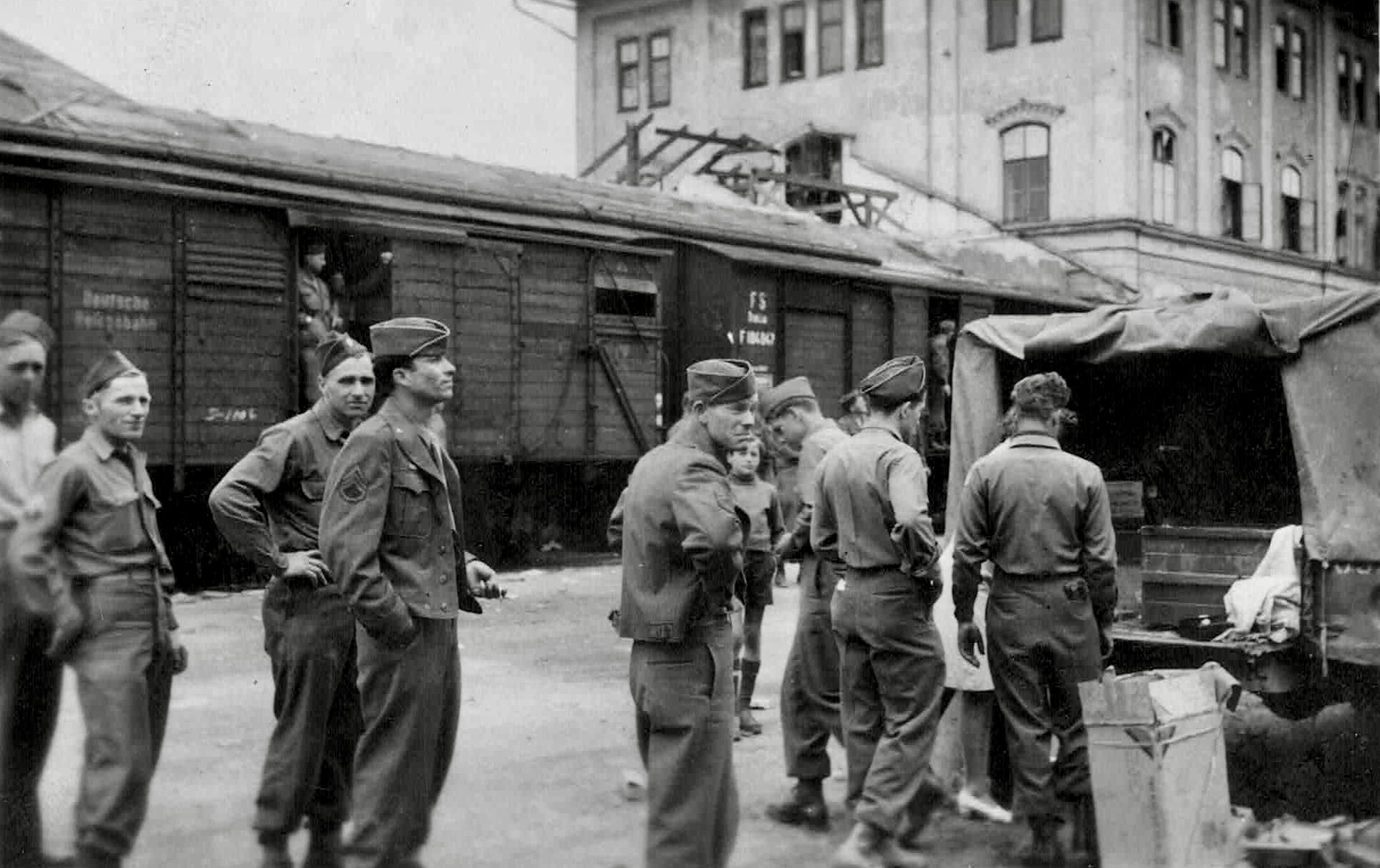
Janet and Flo hand out the last donuts to soldiers as they board the train for homeSalzburg train station. Photos from Flo’s album
Flo stayed on in Europe until March, 1946, and I had assumed she signed up to serve in the Red Cross during the occupation. But I think she was just as anxious to return home as all the other American soldiers and staff–she just couldn’t get out any sooner. It’s not clear whether Red Cross workers received points, or whether they even fell under the rating score system.
On Soyal Native Americans marked the shortest day of the year
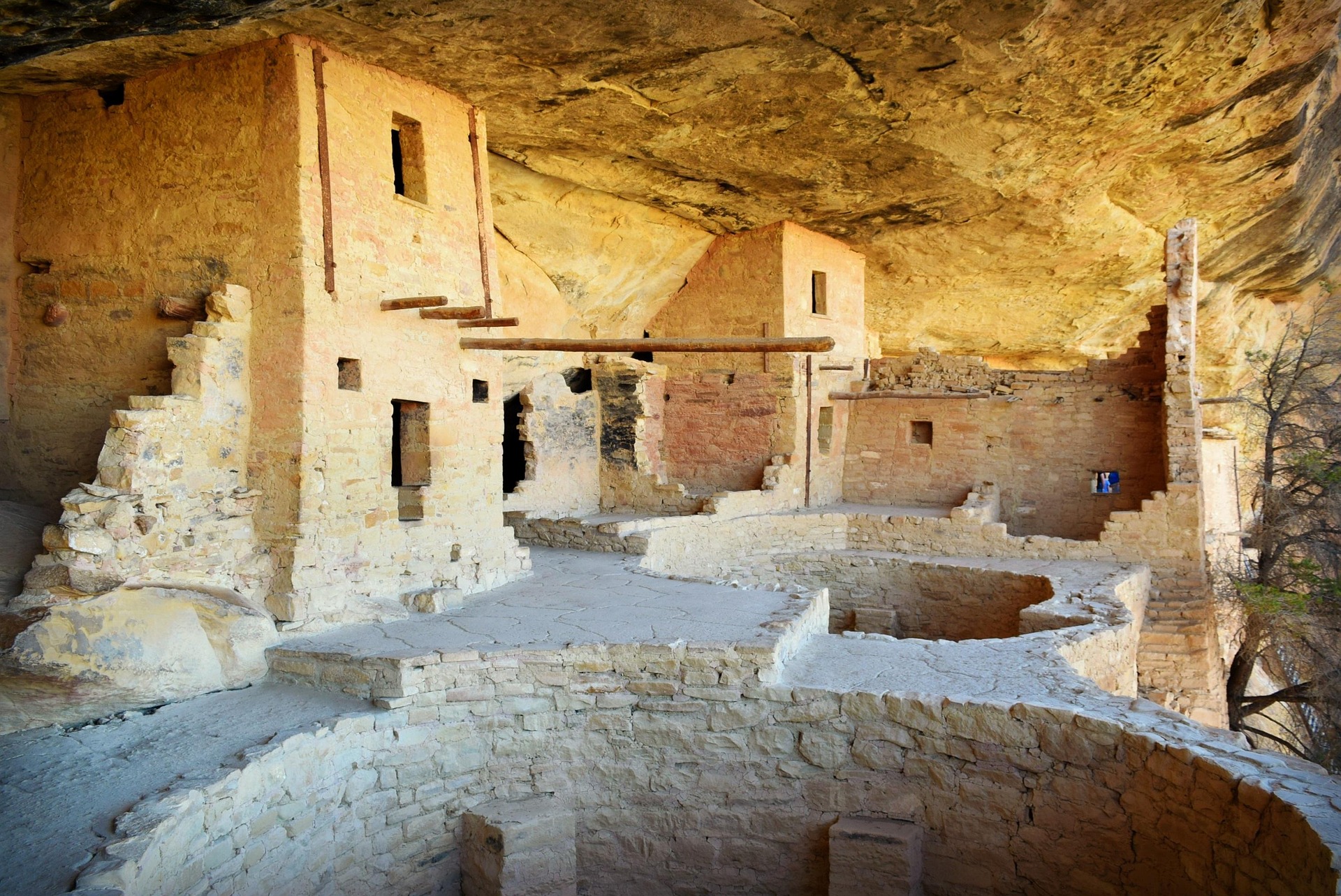
Cliff Palace in Mesa Verde National Park, Colorado. Photo by Judson McCranie. (CC BY-SA 3.0) It is believed that ancestors to the Hopi built and lived in Cliff Palace from about 1200 to 1300 C.E.
My Regular Pagan Holiday Post: Winter Solstice
My queer family chooses to forgo holidays shaped by a christian tradition steeped in homophobia and misogyny—a church that has long covered up sexual abuse against children and parishioners while scapegoating queer people. Recent comments by Pope Francis only underline this contradiction, reaffirming the catholic church’s ban on ordaining gay men and punishing and defrocking priests who question that policy or support what it calls “gay culture.”
So we create our own rituals instead—queer, chosen-family–centered traditions. We look to other cultures for inspiration, especially pagan and pre-christian practices that honor the natural world and community rather than dogma.
We can learn much from Native Americans that might help us through what is shaping up to be a particularly dark period in our history and present.
Soyal: Winter Solstice and Renewal
On the winter solstice, Hopi and Zuni peoples perform a ceremony with the intention of achieving unity and strengthening community. Soyal is held on the shortest day of the year. It marks the symbolic return of the sun, the turning of the seasonal wheel, and the beginning of a new spiritual cycle. Soyal is a time of purification, prayer, and renewal, when the community prepares itself—spiritually and socially—for the year ahead.
In the days before Soyal, families create pahos, prayer sticks made with feathers and plant fibers, which are used to bless homes, animals, fields, and the wider world. Sacred underground chambers, called kivas, are ritually opened to mark the beginning of the kachina season. The kachinas are understood as spiritual messengers who carry prayers for rain, health, balance, and right living. Songs, dances, offerings, and storytelling strengthen community bonds and pass ethical teachings from elders to children.
Soyal also dramatizes the struggle between darkness and light. Through symbolic dances and ritual objects, such as shields representing the sun and effigies symbolizing destructive forces, the community enacts the tension between chaos and order, drought and rain, winter and warmth. The message is not that darkness must be destroyed, but that it must be faced, respected, and brought back into balance.
The solstice itself becomes a sacred pause: a moment when time feels suspended and people are invited to examine their lives. It is a season for letting go of harmful habits, reconciling conflicts, offering forgiveness, and setting intentions rooted in responsibility rather than personal gain. Gifts are exchanged not as possessions, but as blessings and goodwill.
Creating Our Own Rituals
Soyal reminds us that human life is meant to move in natural cycles, not endless acceleration. Rest is not weakness; it is a form of wisdom. Renewal begins with humility, gratitude, and shared responsibility. Personal healing is inseparable from the health of the community and the land.
The enduring spiritual mission expressed through Soyal is the same across Hopi villages: to promote and achieve the unity of everything in the universe.
While that vast unity may be beyond our vision, we, too, seek to strengthen our community and mark the return of light. At winter solstice, we gather ourselves and our loved ones, shaping rituals that keep us connected to one another and to the slow turning of the year. We invite friends to help us trim our solstice tree, contribute to the local food bank, have neighbors over for hot chocolate, read poetry and stories aloud, bake cannabis edibles, host impromptu living room dance parties, cook savory soups, plant flower bulbs. With neighbors, we make signs and join street protests to raise our voices against fascism. We look for the sacred in everyday life.
The Canadian labor movement is ahead of the US in recognition of the issue of workplace violence, because of the Dec 6, 1989 Montreal Massacre of 14 women who were murdered that day at Ecole Polytechnique by a man who didn’t think women should be engineering students. There was a struggle then to get the Canadian Labour Council to recognize the issue, but the victory has carried forward.
IBEW Canada Statement Mourning the Loss of Amber Czech and Condemning Violence in the Workplace
Toronto, ON – November 17, 2025
Today, International Brotherhood of Electrical Workers (IBEW) Canada International Vice President Russ Shewchuk issued the following statement:
“IBEW Canada mourns the loss of 20-year-old welder Amber Czech, who was brutally attacked and killed at her workplace in Minnesota. We extend our deepest condolences to Amber’s family, friends, fellow workers and her community.
“Although Amber was not a member of the IBEW or affiliated Building Trades Unions (NABTU/CBTU), what happened to her should never happen to anyone—anywhere. And while this tragedy occurred in the U.S., the loss is deeply felt across our union community in Canada. It’s a stark reminder of the work we must keep doing to ensure such senseless acts never happen again.
“Violence has no place on our job sites, in our offices, or in our union. We owe it to Amber, and to every worker who has been harmed or threatened, to build safe, respectful, and inclusive working environments, free of violence and cruelty.
“IBEW Canada stands with all who advocate for ending gender-based violence, and all violence in the workplace. We commit to ongoing training, conversation and action that promote equity and dignity for all workers.”
The International Brotherhood of Electrical Workers (IBEW) represents approximately 70,000 members in Canada and 873,000 members and retirees in North America who work in a wide variety of fields, including construction, utilities, manufacturing, telecommunications, broadcasting, railroads and government. For more information, visitIBEWcanada.ca or IBEW.org
It’s time for our US labor unions to condemn workplace violenceand do something about it.
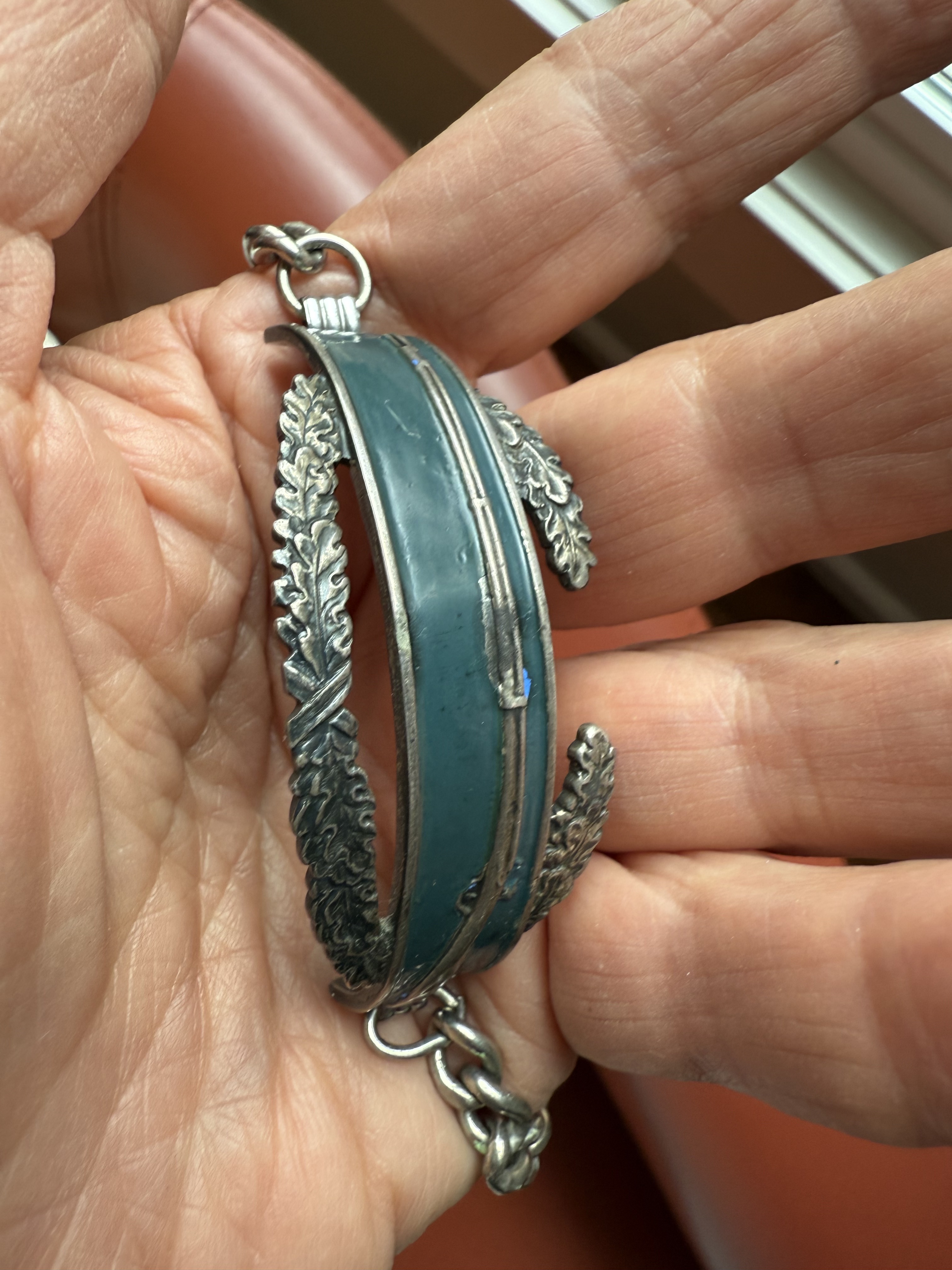
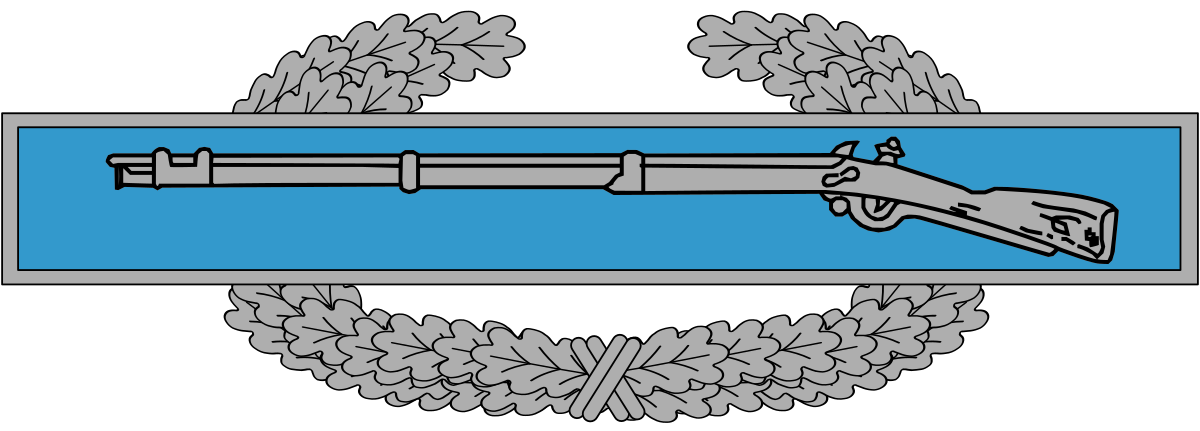
After her death, in Flo’s jewelry box I found a bracelet made from a Combat Infantryman Badge. The badge is a U.S. Army decoration awarded to infantrymen and Special Forces soldiers, colonel rank and below, who fought in active ground combat after December, 1941. The same badge appears here on the dance invitation. I imagine it had been awarded to Flo’s fiancé, Gene Gustafson, and that she had it fashioned into a bracelet she could wear.
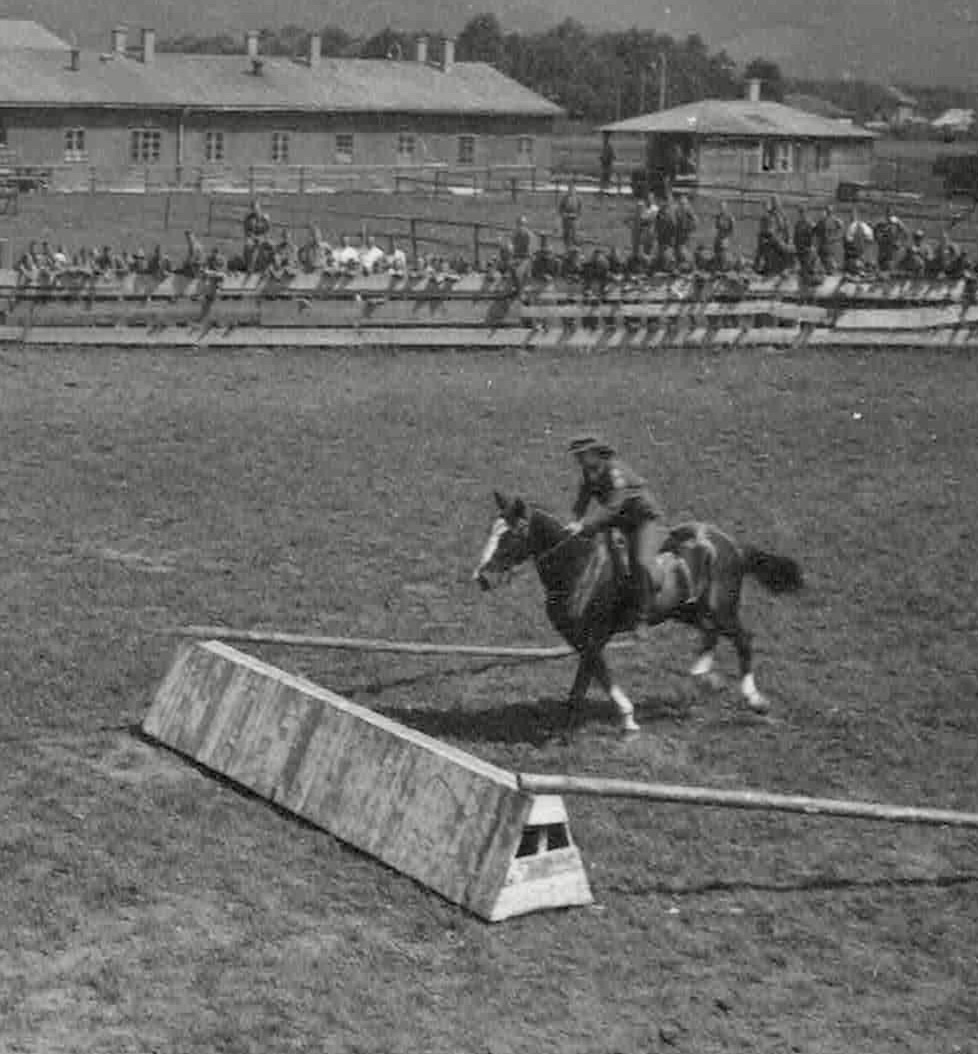
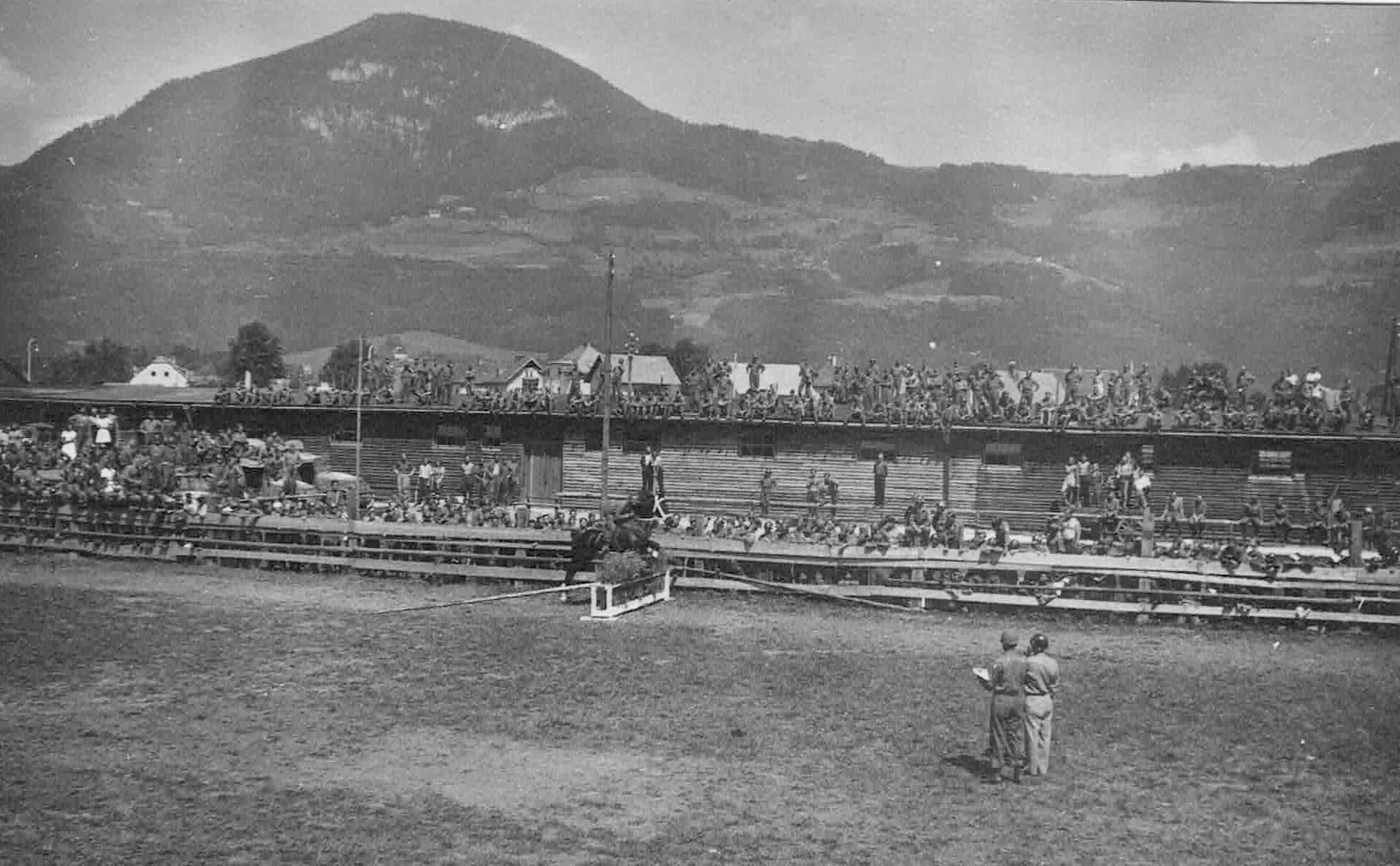
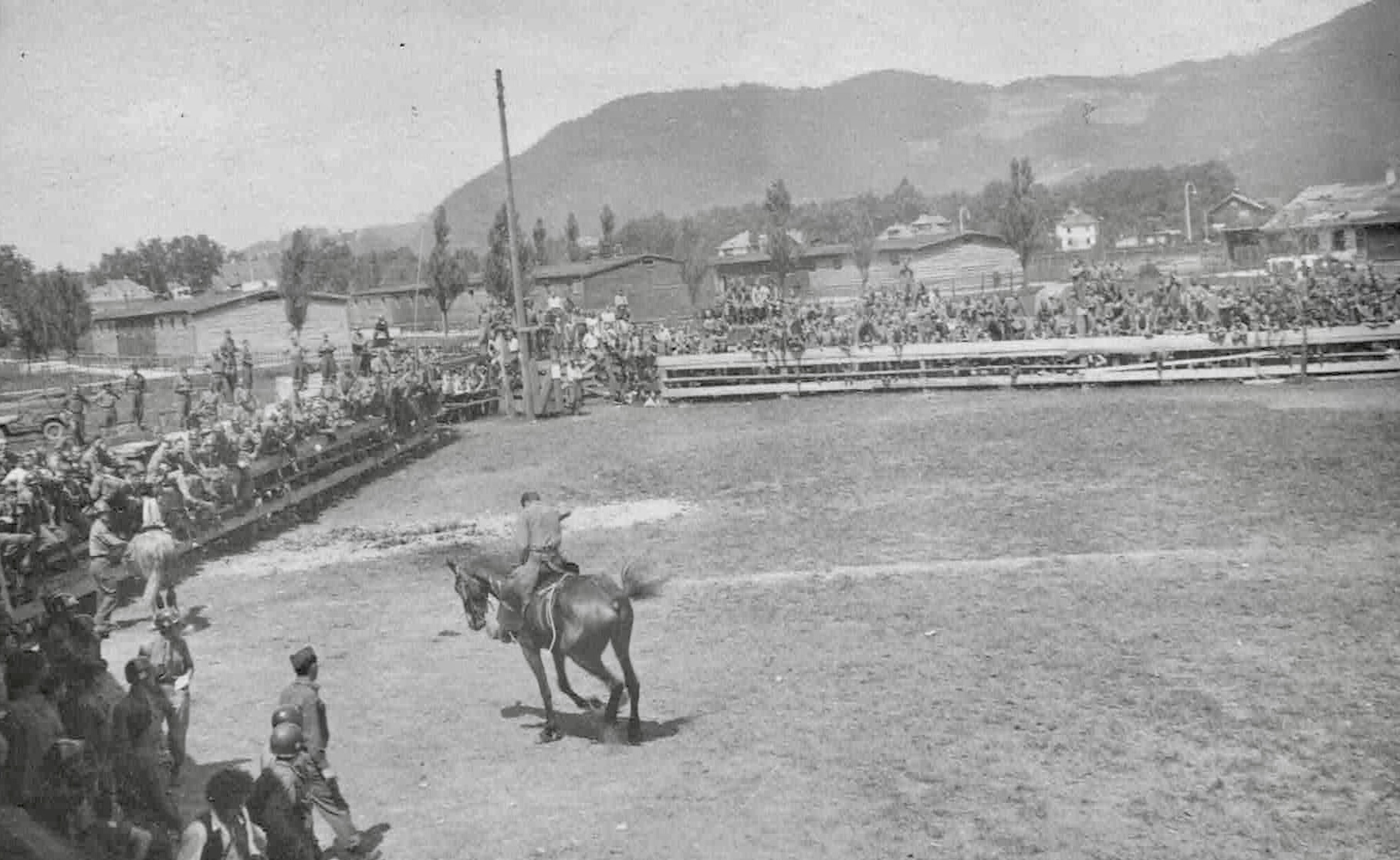
For almost ten weeks—from May 4 to July 13, 1945—the 3rd Division enjoyed a rare stretch of life without combat in and around Salzburg. To help soldiers shift from warfighting to occupation duty, the army quickly organized a full slate of sports and recreation. The Salzburg rodeo that Flo photographed was likely one of those morale-boosting events.
Clubmobiler Janet Potts, already an experienced equestrian with competition miles behind her, took part in the show. Even so, jumping with an unfamiliar horse must have been a challenge. And the horses themselves raise questions: where did they come from? Were they seized from a high-ranking Nazi officer? Whatever their origin, they were striking animals—well trained, elegant, and responsive. One photo even seems to show an American soldier riding a dressage horse, completing the unlikely tableau of a rodeo in postwar Salzburg.
Indictment means possible life term for man accused of killing co-worker in Wright County workshop
One major labor organization noted that “violence like this rarely comes out of nowhere. It often follows a buildup that women in the trades know by heart.”
The man accused of killing a co-worker last month with a hammer in a Wright County workshop now faces a charge of first-degree murder and a potential life prison sentence in a slaying that drew outcry by advocacy groups for women in the trades.
A grand jury heard the case last week against David Bruce DeLong, 40, of Watkins, Minn., and indicted him on a charge of first-degree premeditated murder in connection with the attack in Cokato that killed 20-year-old Amber Mary Czech of Hutchinson, Minn.
The bludgeoning occurred on Nov. 11 at Advanced Process Technologies, which makes equipment used in food processing.
County Attorney Brian Lutes said the first-degree count carries a mandatory sentence of life in prison without parole. DeLong also faces a second-degree murder charge.
DeLong remains jailed in lieu of $2 million bail ahead of a court appearance Monday. The Minnesota Star Tribune has reached out to his attorney for a response to the allegations.
An online fundraising campaign started to cover funeral expenses noted that “Amber was a hardworking welder who took great pride in her craft and dreamed of building a bright future through her work. Her witty personality, positive attitude, and beautiful smile touched everyone who knew her.”
Numerous labor organizations decried the workplace killing of Czech, including the International Association of Sheet Metal, Air, Rail and Transportation Workers (SMART), with 230,000 members in North America.
“While not a SMART member … this tragedy is reverberating across the trades community and far beyond,” read a statement from the organization. “So many tradeswomen and gender-diverse workers are carrying the weight of this news.”
SMART went on to point out that “violence like this rarely comes out of nowhere. It often follows a buildup that women in the trades know by heart: harassment shrugged off, bullying tolerated, intimidation minimized, warning signs dismissed, fear of backlash, comments ignored, jokes explained away, the stares of resentment, and behaviors everyone chooses not to see until they can no longer look away.”
The Laborers’ International Union of North America (LIUNA), which counts 500,000 workers across many industries among its ranks, said in a statement, “When a young tradeswoman’s future is so violently crushed, we must look to the criminal justice system to do its job — but as brothers and sisters in the construction trades we must also do much, much more. … We must not only condemn the violence that took Czech’s life but also the attitudes and behavior that normalize an atmosphere of fear for too many construction craftswomen.”
Around 6 a.m., a caller to 911 said Czech was bleeding heavily from a blow to the head, and there was a bloody sledgehammer on the floor nearby. Emergency medical responders arrived and declared her dead at the scene.
A sheriff’s deputy identified DeLong as the suspected attacker. DeLong said to a man at the business “something to the effect of, ‘I hit her with your hammer. She is by your toolbox. She is gone,’” the complaint read.
Sheriff’s deputies reviewed surveillance video inside the business and saw DeLong walk from his workstation to Czech’s, grab a sledgehammer and swing it. The victim was out of view of the camera.
DeLong’s swings indicated that he targeted her once while she was standing and four more times after she fell to the floor.
After his arrest, DeLong confessed to killing Czech. He said he didn’t like her and had been “planning to kill [her] for some time,” the complaint continued.
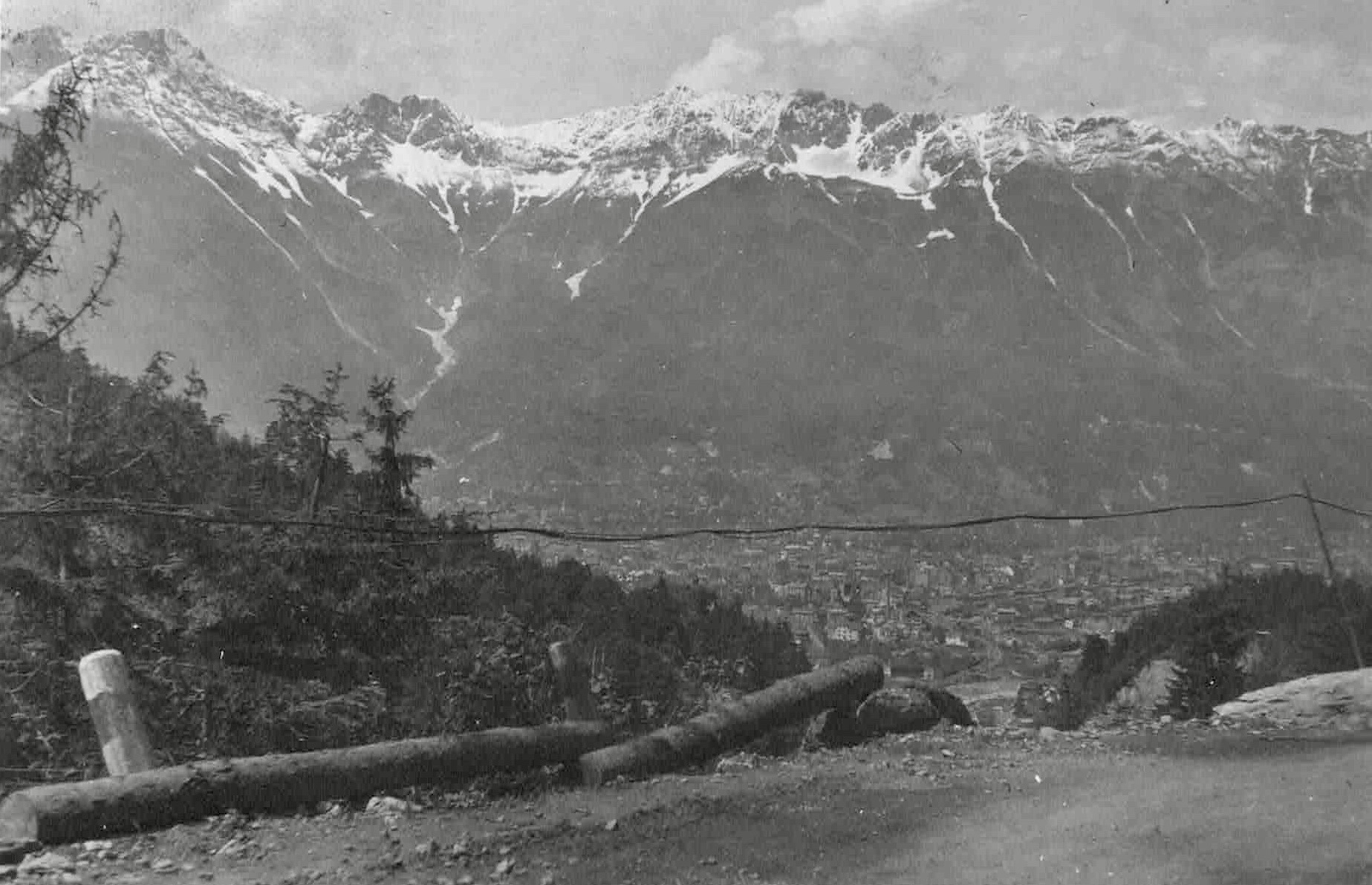
Flo stood at the border and looked across the Alps into Austria
My Mother and Audie MurphyCh. 77
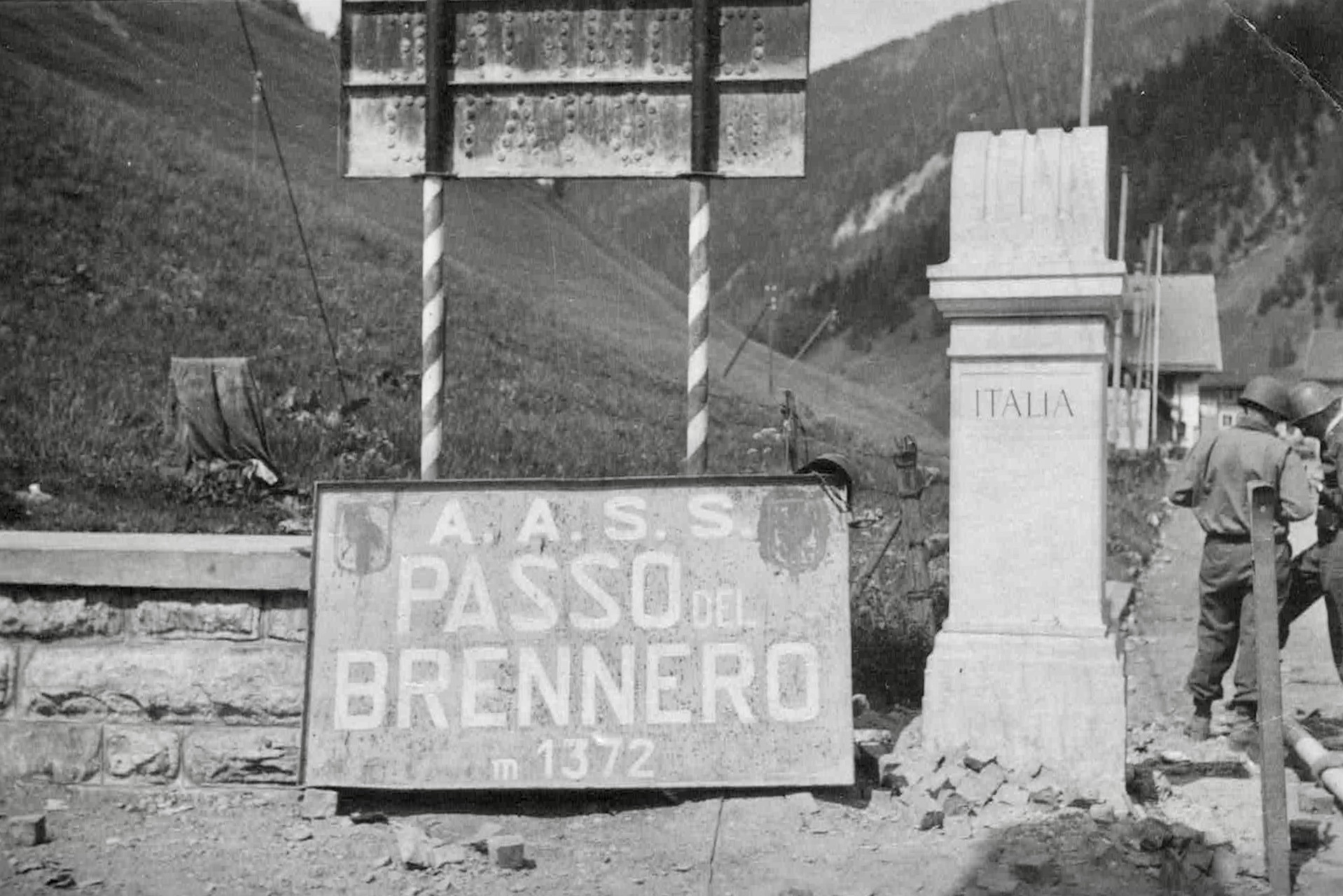
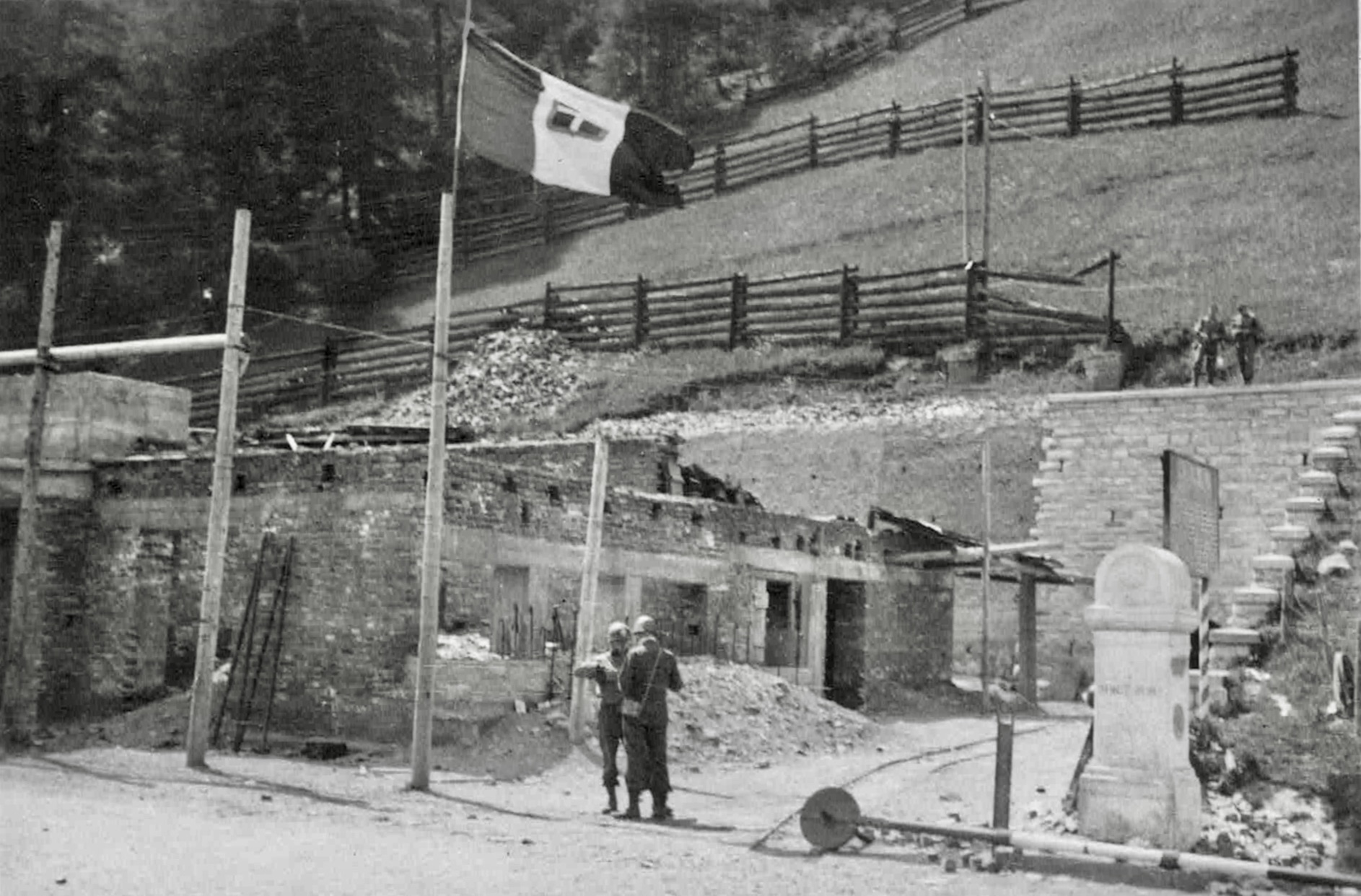
In May, 1945, just after the end of the war, Flo must have been excited to summit the Brenner Pass and see into Austria. Brenner Pass has long been a strategic gateway through the Alps, and its role intensified during World War II. After Germany annexed Austria in March 1938, the pass suddenly lay deep inside Hitler’s expanding Reich. Two years later, on 18 March 1940, Hitler and Mussolini met there to reaffirm their Pact of Steel.
When Italy signed an armistice with the Allies in 1943, Germany moved quickly to seize the pass and push the border with Mussolini’s new puppet regime far to the south. By 1945, American troops occupied the area, and the pass was returned to Italy once the war ended. In the chaotic aftermath, Brenner Pass also became one of the escape routes, part of the “ratlines” used by fleeing Nazi leaders. After the war, the pass once again marked the border between Italy and the newly independent Republic of Austria.
The sign shows the hard road from Salerno to AustriaSeen from the other sideGreat views from up there!





















 tradeswomn musings