Nuns Take the Castro

When sing-along movies became a big thing in the early 2000s they would sell out little-used movie houses. People dressed in theme costumes waited in long lines with their kids to get in at venues all over the country. In San Francisco the place to sing along with musicals was and still is the Castro Theater, the 1920s-era movie theater in the heart of the gay district. What could be better than flaunting your clever musical movie costume on Castro Street?

It helped if you knew all the words to all the songs. My girlfriend Barb, a survivor of Catholic schools whose first love had always been nuns, knew all the words to all the songs in “The Sound of Music” and when it came to the Castro she insisted we go as nuns. I was game but, having grown up Protestant, clueless.

My only experience with nun habits prior to our adventure had been the Sisters of Perpetual Indulgence. The Sisters, a group of flamboyant gay men, formed in the 1970s partly as an antidote to the anti-gay misogynistic backward teachings of the Catholic church. They dress in outrageous nun costumes and worked hard to make the AIDS crisis visible when it was ignored by the powers that be. I love the Sisters, still a presence in San Francisco and especially the Castro. It was at a Sisters event in the early 80s called Holy Daze (including a mix of religious cults) where I learned about the plagues of Egypt and how to counteract the curses by declaring feh! and flipping wine at one another until you are covered with wine. Our plagues were things like union busting and Reaganomics. On the stage was set a long table with 12 “apostles” including The Cosmic Lady who we would see in the Mission handing out flyers with a picture of the Milky Way and an arrow with the slogan “You Are Here.”

Barb took charge of the costumes, which she announced would reflect the Catholic order of her hometown in southern Indiana, the nuns who were her teachers in Catholic schools. Her own aunt had taken the veil and so Barb knew exactly what the wimples, scapulars and associated habit parts looked like. No Sisters of Perpetual Indulgence influence here with elaborate headpieces and drag queen makeup. We would look like the real thing, authentic representatives of the Order of St. Benedict from the convent on the hill in Ferdinand, Indiana.

I was dispatched to second-hand stores in the Mission to pick up long-sleeved black dresses to serve as tunics or robes. That was the easy part. On a stormy Saturday we assembled material to create the wimples, veils and coifs. Barb, a crafty gal who was always good at making things, dove into the project with great zeal. Perhaps she was finally realizing a long-held dream: some part of her had always wanted to be a nun, or at least to be seduced by one. My own part in this play was becoming clearer.

We worked all day on the project and when it was finished we were delighted with the results. Modeling the habit put me in touch with its medieval origins. The wimple covered my ears and blocked my hearing, cloistering me from the world.

On the day of the sing-along we got dressed early so we could show our friend Pat (also an ex-Catholic) our new personas. The final touch—black leather combat boots, just visible below the long tunics. In the spirit of both the Sisters of Perpetual Indulgence and the Sisters of St. Benedict we chose our names as brides of Christ. I was Sister Mary Mollybolt (in reference to my tradeswoman background) and Barb was Sister Barbwire. As it turned out, we should have reversed our names, as I was to be the bad nun and she the good. An important part of my costume was the wooden ruler I carried, slapping it on my palm menacingly. Barb couldn’t stop laughing; she was so delighted to finally be a nun.

Bad nun good nun
Bad nun good nun

Pat took our picture before we tripped over to the Castro. We made a great team, and I wondered if nuns teamed up in pairs the way cops do to interrogate or dispense punishment. I was getting into my role as the bad nun.

The Castro District is a place where adults can show up in just about any costume and not cause so much as a second look. Even on days when nothing special is happening, the Castro can feel like Halloween. We felt right at home strolling the street as nuns, along with others dressed as characters in the “Sound of Music”—the children dressed in curtains, even a mountain range.

We had arrived with plenty of time to eat dinner and so dropped in to a local eatery. The other patrons seemed shocked by our presence. We thought it was obvious that we were fake nuns. After all, the combat boots were visible elements. And this was the Castro. But our nun costumes sent some of the Catholics at this place back to their trauma-filled childhoods. They were really disturbed by my ruler. As we stood waiting for a table, people began approaching us and telling us stories of their encounters with the nuns and the Catholic Church. One woman recalled being hit with such a ruler as a kid. We became a means for these people to talk about the trauma they’d suffered at the hands of the Catholic Church. They had to tell us their stories. A man recalled his abusive Catholic education in Germany. They couldn’t stop. I was fascinated. We had become conduits for their emotions.

The scandal of priests’ child abuse in the Catholic Church had been ongoing and the Boston Globe would break the big story about child sexual abuse in the Boston archdiocese shortly after our foray into the Castro as nuns. But we got a sense of the underlying culture that night. Nuns are a powerful representation of the Catholic Church and abuse it dealt to its parishioners. Folks felt that they had to confess to us—dressed as nuns—their stories of abuse.

The sing-along was all that we’d imagined. We got to belt out How Do You Solve a Problem Like Maria? and all the other songs. We didn’t enter the costume contest. Compared to all the other imaginative costumes, the abundant nuns were rather boring. The mountain range consisting of nine mountains won a prize. We had great fun, but the most memorable part of my night as a nun turned out to be our inadvertent unleashing of traumatic memories among the people we encountered.

My Mother’s Lesbian Affair

FloHSgrad
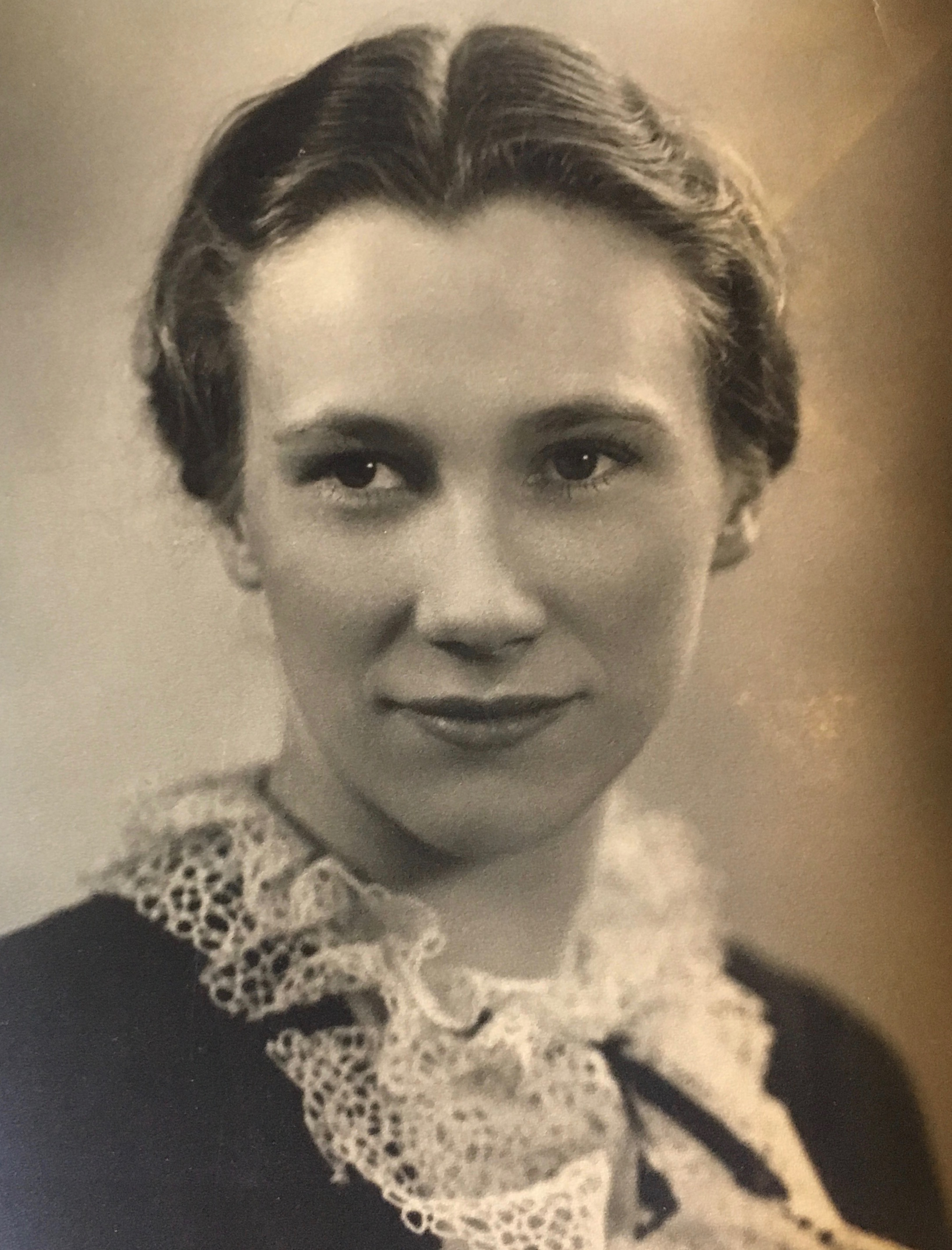
Flo in about 1930

Chapter One

Rummaging through my mom’s scrapbooks from the 1930s I came across a packet of letters, a rare find. My mother saved minutiae from her life: bridge tallies, restaurant menus, cocktail napkins, greeting cards, dance cards, wedding invitations. But she saved almost no personal letters, although I know she wrote and received troves of them.

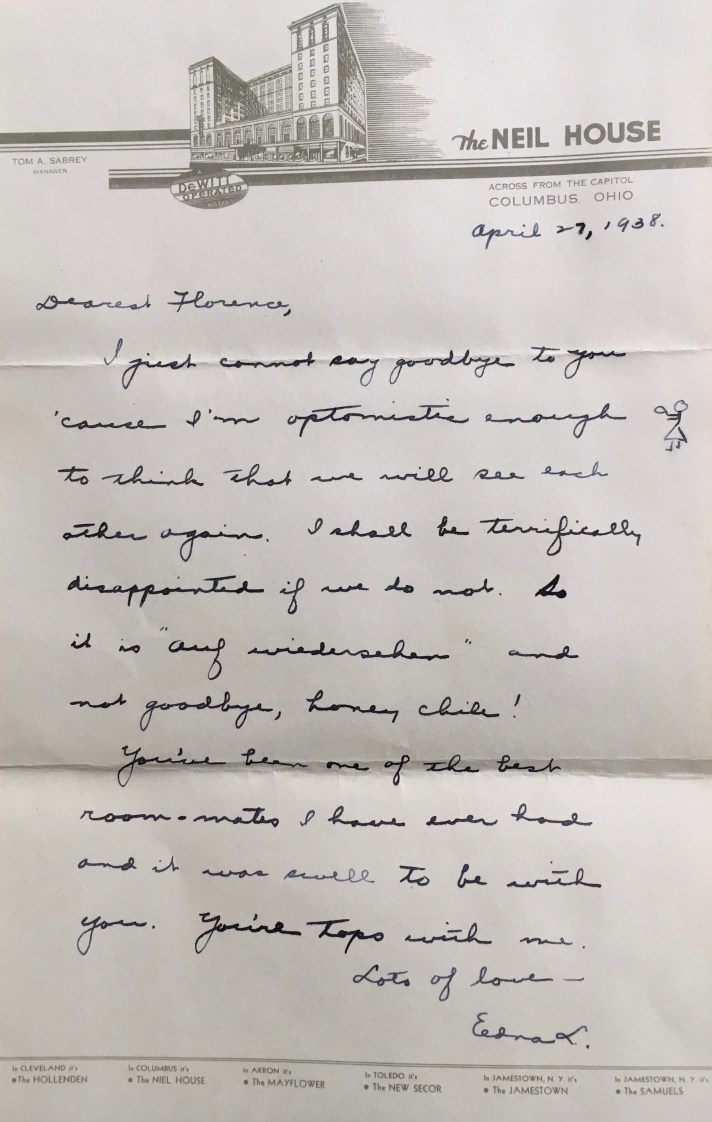
OpenFriSatSunThe envelopes are all addressed to Miss Florence Wick and marked on the outside: “Via the usual route,” “To be read on Friday,” “To be read on Saturday” and “To be read on Sunday.” Carefully opening the tattered envelopes, I found hand-written notes on stationery from the Neil House Hotel in Columbus, Ohio. They looked to me like love notes—from a woman named Edna L.

Florence, darlin’—

Haven’t we had fun with meetings and parties and “baths” and rushin’ ‘round! And what am I going to do without you when you are gone? You will just have to come to New York sometime soon so we can share some other experiences….

Love and a hug—Edna L.

What did she mean “baths”? OMGoddess! I had to call my brother Don immediately.

“Flo had an affair with a woman! I have proof!” I blurted. Perhaps I could have approached the delivery of this information differently, building up to the climax with more suspense. My brother’s lack of excitement revealed my failure.

“You’re making up things again.” He could have added, “just like Dad.” Our father was an accomplished teller of tales, amusing but not to be believed.

My wife Holly was equally suspicious. I hadn’t realized I’d built such a reputation for exaggeration. No one believed me. I just had to revel in my discovery alone.

ELtrainI delved further, looking for more information about Edna L. I read the letters over. Edna sometimes signed her name Eddie or Edie, but she never included her last name. I love that she called herself Eddie, a definite lesbian cue. She illustrated the notes with endearing stick figure drawings. From the letters I learned that Eddie and Flo had roomed together at the national YWCA council meeting in Columbus. Eddie had written the notes during their time together and given them to Flo to be opened each day on the train ride home to Washington State. How romantic!

I read through all the accompanying articles and programs about the national YWCA council meetings that Flo had attended in Chicago and Columbus in 1937 and 1938, but I couldn’t find any mention of Eddie. I looked at every picture in the two scrapbooks. Flo had devoted two pages of one scrapbook to pictures of a woman who had died, kind of a shrine. The pictures show Flo and the friend on a camping trip in the mountains. The woman’s death photo, showing her body lying on a coffin-like bed, is in an envelope pasted in the scrapbook, but there is not a single clue as to who she was. I pulled up the photos to see if there was anything written on the reverse side. Nothing.

camping
With the friend who died

The woman in the photos looked rather morose. Could the dead woman be Eddie? Did Eddie kill herself after Flo spurned her advances? Reading the letters, I can see she was clearly smitten, but there’s no indication that Flo felt the same. I let my imagination run wild. My poor mother! She must have felt terrible guilt. No wonder she left no clues about the identity of the dead woman.

She is still a mystery

My brother seemed slightly more interested in this new theory and he agreed to help me research the dead woman’s identity. We found one clue in a picture that decisively ties the dead woman to Flo’s hometown Biz-Pro group, and from her letters we know that Eddie was from New York, so I had to abandon my romantic story about Eddie. However, I’m holding onto the suicide theory until we can identify the dead woman. I can totally see how my adorable young mother might have inspired unrequited love.

Chapter 2 Looking for my mother’s lover: https://mollymartin.blog/2016/11/22/looking-for-my-mothers-lover/

The Last Survivor Was a Lesbian

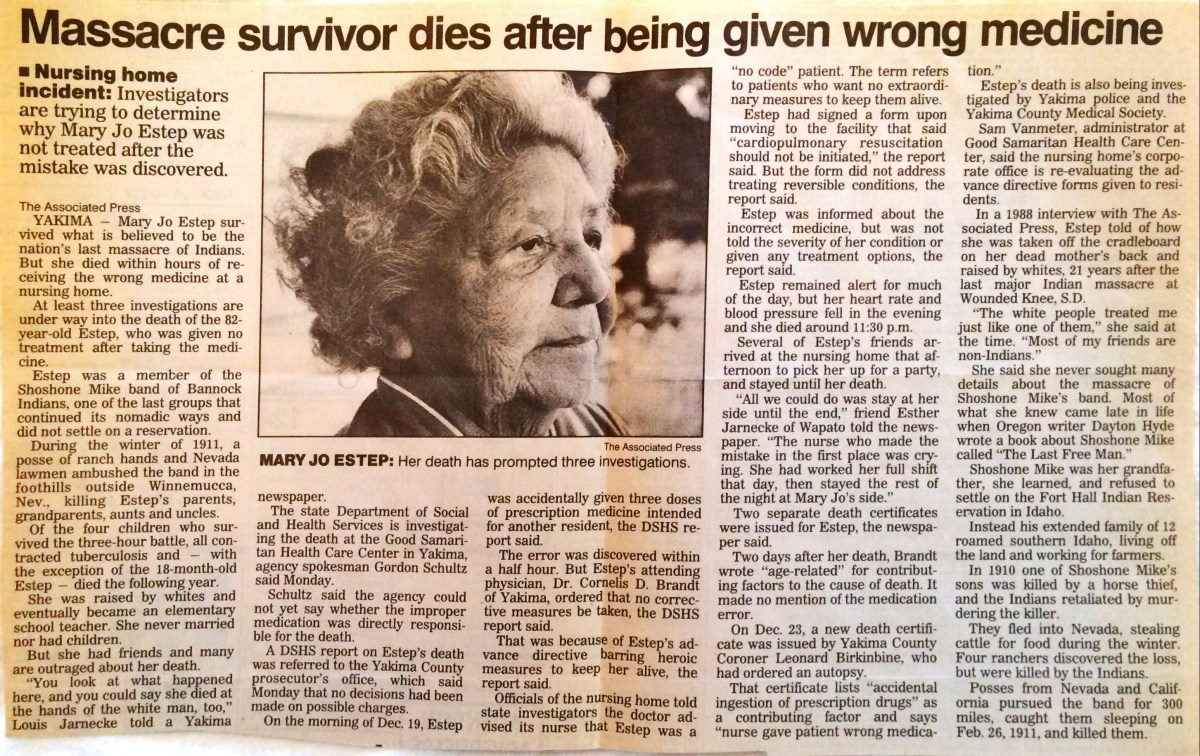
You could say that she died at the hands of the white man too

The posse didn’t wait to start shooting as they drove their horses down into the wash where the Indians slept in their camp. The reward had been promised whether they were brought in dead or alive. It was easier to kill them all.

On a cold February day in the Nevada hinterlands, a battle raged for three hours, pitting 13 Indians with few guns and little ammunition against 19 well-armed vigilantes. The women defended themselves and their children with spears and arrows. The little children threw rocks at the invaders.

One of the whites was killed as he advanced when a girl held up her skirts and flashed her genitals, smiling and moving forward in a weaving dance. As the white man stared in astonishment, she dropped down and her brother shot him with the one bullet left in his gun.

The youngest baby was in a cradleboard on her mother’s back when her 19-year-old mother was shot and killed. Her head fell back into the snowy mud. The marauders heard the baby crying and retrieved her along with three other children who had run into the sagebrush.

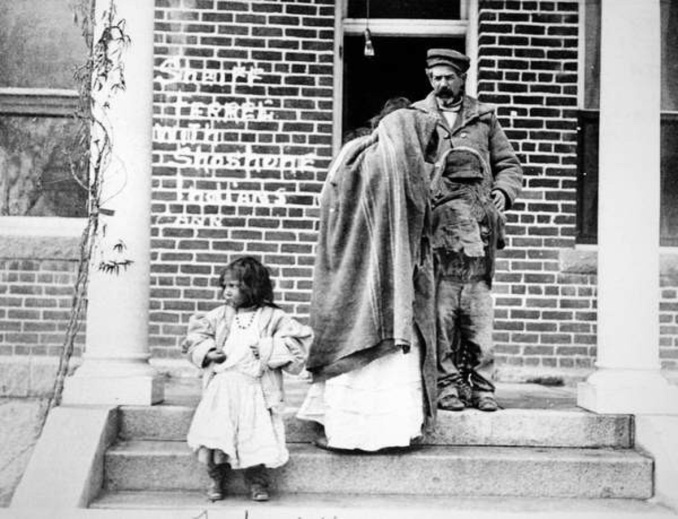
sheriffchasferrel-w-survivors-battlek-creek-rg-j200pc
The four children were put in jail after capture. Mary Jo is a baby held by her aunt here.

That baby grew up to be Mary Jo Estep, the last surviving Indian of the last Indian massacre in 1911, a woman I would meet many years later.

She was one of four children who survived the massacre, but the other three died the following year of tuberculosis. Mary Jo was about 18 months old when the posse ambushed the remnants of her tribe. Her grandfather, “Shoshone Mike,” had led the band across 300 miles of western desert in northern Nevada and California after refusing to go to a reservation.

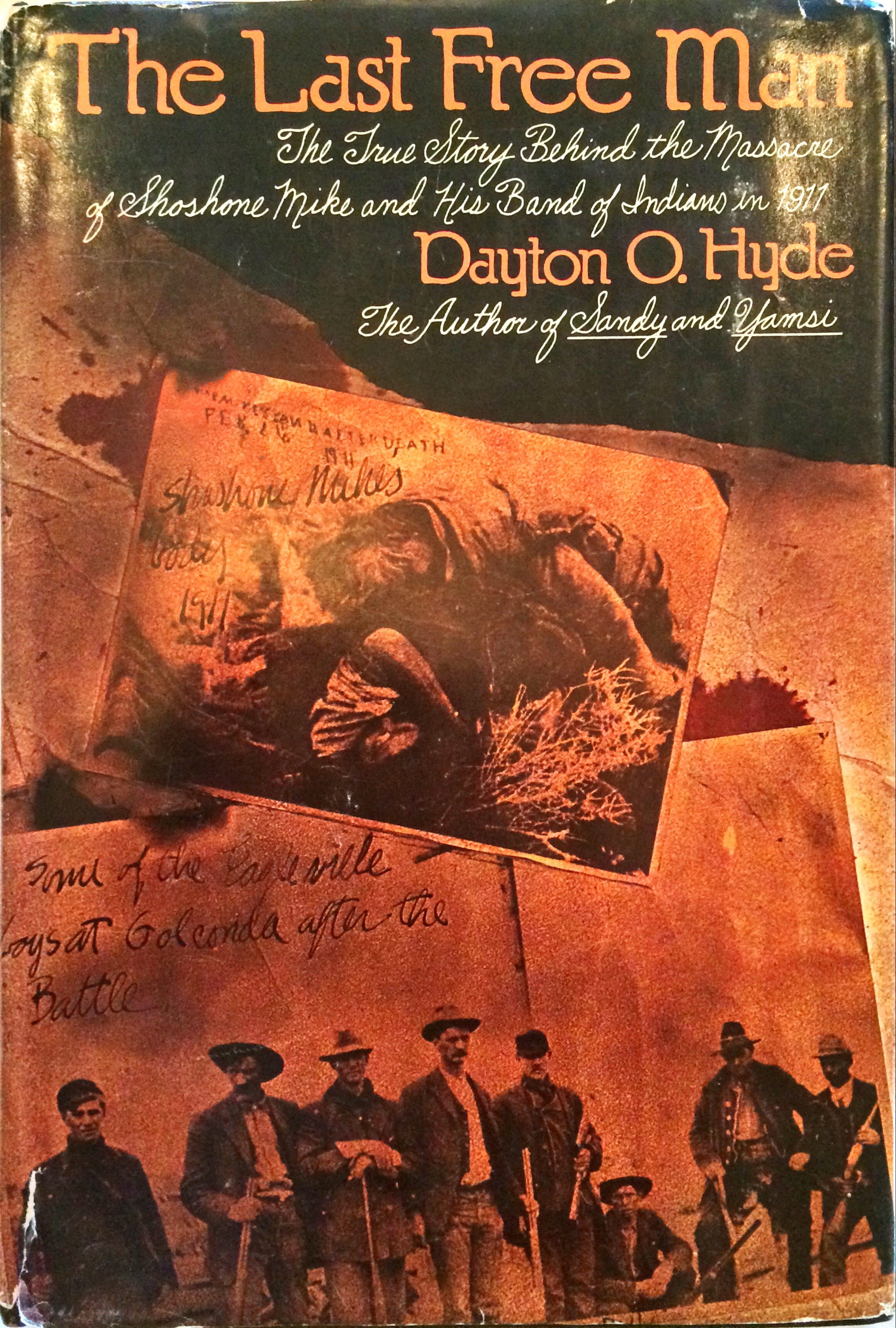
Mary Jo knew little of this and did not remember it. When, in 1973, the Oregon writer Dayton O. Hyde wrote a book about her grandfather and the massacre, he speculated that the children might still be living. He learned of Mary Jo and then agonized about how to approach her and tell her the story of the massacre.

In 1911 Indians had no rights and were not considered human. White men could get away with killing Indians with impunity. It was easy to blame crimes on Indians, and that is what happened to Shoshone Mike. A cattle rustling gang whose leader was the son of a prominent judge blamed their crimes on Mike. A vigilante group formed with eyes on the reward money. Federal marshals also were after Mike and posses began roaming the desert in northern Nevada looking for him.

Mike and his extended family evaded the posses for a year. But the winter of 1911 was the worst in a long time and, starving and tired, they were forced to camp in an unprotected spot where they were discovered.

The surviving children were taken to the jail in the nearest town and eventually moved to an Indian school. The murdered Indians’ bodies were never properly buried.

Until Hyde wrote the book it was still said that Shoshone Mike had committed crimes and the killing of his family was justified. Mike’s crime was that he wanted to live the nomadic life he had grown up with, camping every winter for 30 years on Rock Creek in southern Idaho and then moving to higher country for the summer season. The white man’s fences, sheep and cattle, mining waste, and development made his family’s lifestyle more and more difficult.

Hyde had been obsessed with the story of Shoshone Mike and his research included interviews with people who still remembered the massacre 60 years later. He traveled the route taken by Mike and his family, even collecting remaining bones of the Indians and reburying them.

Writing the book, he set the story straight. Mike and his family were innocent of the crimes whites accused them of. The murderers were never brought to justice; they were hailed as heroes by people in the surrounding towns. Hyde also uncovered evidence that Mike was Bannock, not Shoshone. His wife, Jennie, was Ute.

When she learned the story, Mary Jo’s first reaction was to discount it. “Most of my friends are non-Indians. I was raised in the white world,” she said.

Later she became a local celebrity of sorts in my hometown of Yakima, Washington, giving interviews and speaking to groups who wanted to hear her unique story.

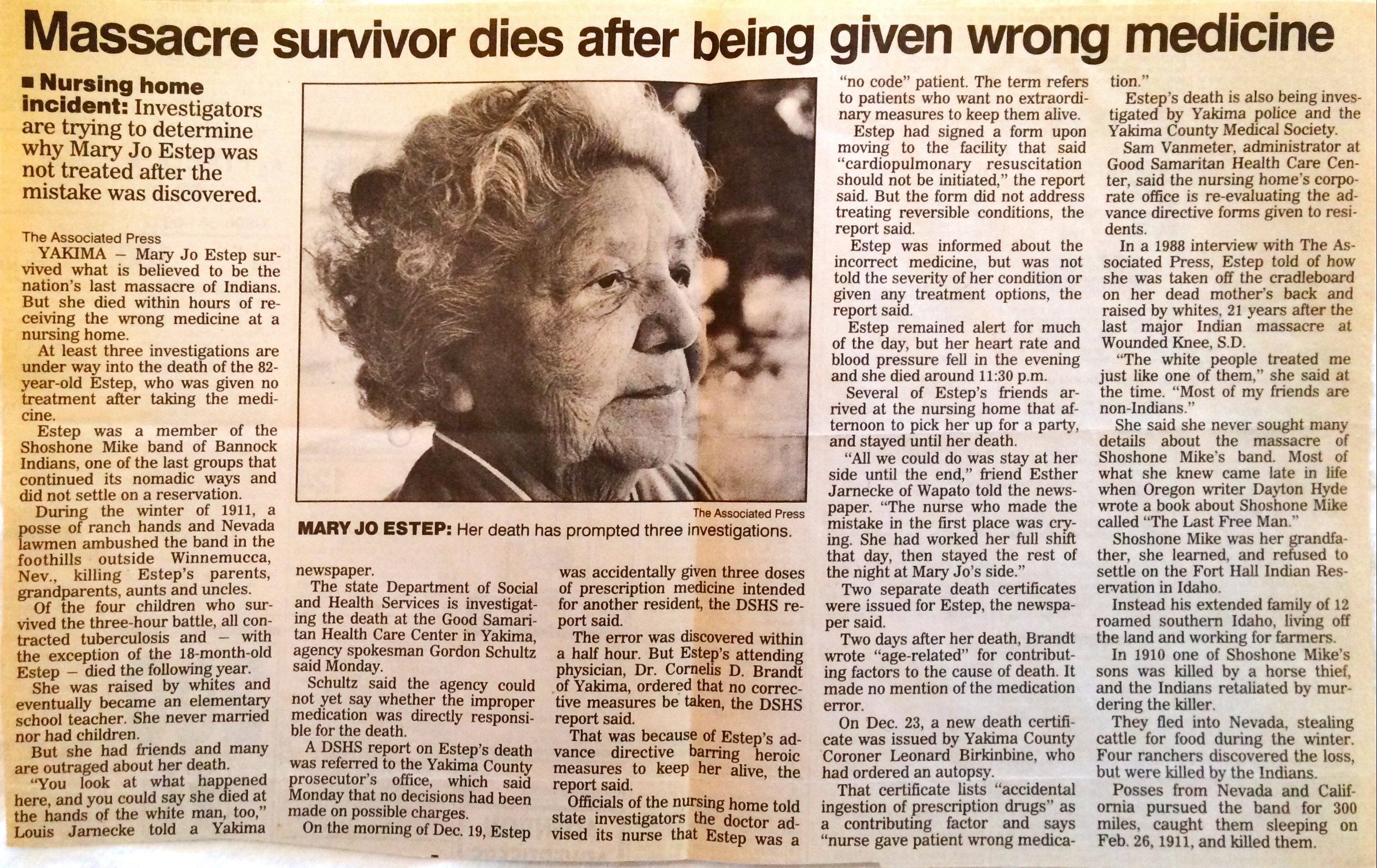
Mary Jo Estep was raised by the family of the Fort Hall Indian reservation superintendent. She graduated from Central Washington College with a degree in music and spent 40 years teaching school before retiring in 1974. At the age of 82 in 1992, Mary Jo died in a nursing home because a nurse had given her the wrong medication and hospital staff determined that her non-resuscitate directive meant that they could not help her. The effects of the overdose could have been easily reversed. She took several hours to die and in that time her friends, who had come to pick her up for a party, surrounded and comforted her, but could not move the doctors to save her life.Office Lens 20160625-143648

“You look at what happened to her, and you could say that she died at the hands of the white man too,” said Louis Jarnecke, one of her friends.

I still have the newspaper article telling of Mary Jo’s death, and the book written about her grandfather, The Last Free Man. What they don’t say is that Mary Jo Estep was a lesbian. She lived with her “long-time companion” Ruth Sweany for more than 50 years on Summitview Avenue in Yakima.

My mother, Florence Martin, with the chapbook

I met Mary Jo and Ruth through my mother who had organized a seniors’ writing group in Yakima. My mom was interested in the history of our part of the world and she encouraged old people to tell and write their stories. She worked for the senior center there and for a time she produced a local TV program in which she interviewed old-timers and recorded their histories. The women told me they were part of a group called “Living Historians,” and laughed saying, “At least we’re still living!”

In 1980, my brother Don and his press, Hard Rain Printing Collective, printed a chapbook that includes the writing of all three: Mary Jo, Ruth, and my mother Florence Martin. Mary Jo’s only piece in the chapbook chronicles an incident from her childhood of an old man who is lost and then found the next day by neighbors. Two of the published entries are by my mother. Ruth Sweany has four; three are poems, but the fourth is a prose piece that describes her life with Mary Jo, particularly when their friend Mabel comes to visit on Fridays. I think the friend must be Mabel George, another writer published in the chapbook.

A photo in the archive Yakima Memory from the Yakima Herald-Republic newspaper shows Mabel George (born January 8, 1899) at the piano, and another entry is titled Mabel George Children’s Songs from 78 records, 1947. So Mabel was a musician and songwriter.

Ruth’s story never mentions Mary Jo, but clearly the “we” in the piece refers to Ruth and Mary Jo as a couple. It’s about the fun they have when their friend Mabel visits. They listen to music (a critique of modern loud disco music follows), they read poetry and plays to each other. They also write and produce plays, calling themselves “The Carload Players.” Ruth writes that they even produced a couple of plays before an audience. This makes me wish their papers had been archived but I can find no evidence that they were saved.

These women rejoiced in each other’s company. Ruth writes: “So our Fridays are always cheerful. Why not? We are doing things we enjoy, in a congenial group. After one of Mabel’s visits the world stops going to the dogs and the sunshine comes out a little brighter.”

Mary Jo died November 19, 1992. Ruth died November 28, nine days later. They were both buried in the Terrace Heights cemetery in Yakima. They chose identical gravestones.

Ruth and Mary Jo carved out their own woman-centered culture in the hostile environment of Eastern Washington before the advent of the modern women’s movement and lesbian pride. Living lightly on the cultural landscape served them well.

http://www.reviewjournal.com/news/shoshone-mike-s-story-endures-after-century

The Bowels of a Cruise Ship

Rainbow
Our cruise ship, the Westerdam, with a visiting rainbow

My wife Holly and I just returned from a cruise to the Caribbean. I know, it seems like a pretty bourgeois activity, but this was a lesbian cruise with Olivia, a company that commandeers whole ships so lesbians can commune with each other, be ourselves and be out. Our ship, the Westerdam of Holland Line (owned by Carnival Cruise Lines), is one of the “balcony-laden floating condominiums” with stories of ocean-view staterooms. Cruise ships don’t have to be as seaworthy or built as strongly as ocean liners, which actually sail across oceans. Cruise ships sail in and out of the same port, and about a third of all cruises leave and return to ports in Florida, as did ours. I was ecstatic to be sailing with 1900 lesbians and figured there were probably many tradeswomen sisters among us.

We Meet a Sister Electrician

One day at breakfast Holly overheard a woman talking about her work as an electrician. Finally, another tradeswoman! We joined her table immediately. Her name is Stephanie Jackson, she’s from Mobile, Alabama, and she works maintenance at a steel plant in the hot dip section where steel is dipped in zinc. She’s the only woman in her trade working there. She said she was married and having trouble paying bills when she got a job at a power plant through an affirmative action program. After working there for several years and training men who would then be promoted while she was denied journey status, she decided to look for work elsewhere (that power plant was later destroyed by Hurricane Katrina). She worked construction for several years—not her cup of tea—and then got the maintenance job at the steel plant. I was thankful my wife is good at eavesdropping.

I’d asked to meet with the chief stationary engineer and had received a formal confirmation note on Holland stationery, sealed and signed by the International Guest Relations Associate. Stephanie came with me to meet the engineer. He is Dutch from Rotterdam. Most of the crew is Philippine and Malaysian. We started in the control room where we asked general questions about the ship. It was built in 2004 in Italy, where most of these cruise ships are built. These ships are also built in a few other places in the world, but none are built in the U.S. and none are built in the Netherlands. Too expensive, said our engineer. Some of the new ships will hold over 6000 passengers, but Holland ships are smaller. The Westerdam is built for a maximum of 2,200 passengers. The crew numbers about 800.

We Get to See the Guts of the Ship

Then we started down the metal stairs, Stephanie and I uttering exclamations of wonder periodically. Whoa! First we visited the shops: upholstery, carpentry, electrical, machine. These were the cleanest shops I had ever seen. The ship has a crew of eight electricians, with two people just charged with changing light bulbs. Lighting is slowly being changed over from incandescent and fluorescent to LED and new ships are manufactured with LED systems. Next we saw the bakery where bakers were weighing dough and prepping rolls for baking. Stephanie asked if she could take their picture and I could tell they had big smiles under their masks. The ovens and equipment are all electric, generated from the diesel engines and transformed down to 120/230 VAC. We saw the storerooms and staging area for deliveries. There are rooms for everything, including a florist’s refrigerator, which doubles as a morgue and must be emptied if someone on the ship dies. Presumably all the unrefrigerated flowers are then used to make a funeral wreath. Or maybe the remaining living passengers all get extra bouquets.

Engines, Transformers, Scrubbers

The electrical system and most of the other systems work like a big building except everything is way more efficient. We saw the engine rooms where 11,000VDC is generated. Then it’s transformed to 960VAC 3 phase. I didn’t take notes, so may be misremembering some of these numbers, but they were voltages neither of us electricians had ever worked with. The ship has four generators, plus an emergency generator, and five big transformers. There are two kinds of diesel used; the heavy diesel is used while out to sea, but it’s essentially refined on the ship using centrifugal force! One kind of fuel is heated and the other is cooled and the equipment doesn’t always react well to that changeover, which occurs with regularity. Because of a California law (thank you CA!), the diesel products of combustion must be scrubbed before being put into the air, so scrubbers were added after this ship was built. We also saw a jet engine, which is used only in Alaska because the Alaska law requires that zero smoke be emitted. However, even though it doesn’t make smoke, the engine is twice as polluting and the fuel is much more expensive. It’s quite beautiful to look at though. The Azipod propulsion system developed in Finland automatically guides the ship.

What Happens to My Poop?

The HVAC system is enormous and also super efficient. Heat exchangers create condensation, which is then pumped to the laundry. And the ship makes its own potable water from seawater, which is compressed, heated and then condensed! I can testify it tastes fine. U.S. health regulations require the addition of a small amount of chlorine. Then we got to the vacuum toilet system. When you flush, a powerful vacuum pump sucks up the contents of the toilet. Don’t flush while you are still sitting! We are cautioned not to put anything but paper and the waste from our bodies into the toilets or they will get backed up. Then a plumber will have to fish out the thing or push it further into the system where it is retrieved. Other waste can’t be left in the system because the ship treats its effluent with digestive bacteria. The effluent can be dumped in the ocean only when it reaches a high level of refinement. There are three levels, and three distances from shore that it can be dumped. (We are always level A, says the engineer proudly). The treated water that results is clean enough to drink, but there’s a rather unappetizing smell so we are not required to drink it. Whew! Other waste on the ship is recycled and we visited the garbage center where workers were dumping the contents of our wastebaskets onto a stainless steel table, sorting every bit of our garbage. Food waste is ground up and dumped in the ocean. Plastic is compacted and taken ashore. Paper is shredded and burned on ship. So remember, some worker must handle whatever disgusting thing you dump in the trash.

Every Day Something Breaks

There were so many systems I fear I’m forgetting them. I was surprised to learn that even large complicated maintenance projects take place at sea. But since cruise lines operate their ships 52 weeks a year in order not to lose money, maintenance must take place at sea. Every day something breaks, said the engineer. On this day technicians were designing a system to reduce problems from changing the two types of diesel fuel. We learned that the Westerdam will be in dry-dock next year and then will sail a different route.

Holly and I had a fine time at sea and now we’re very happy to be back on solid land (we both got a bit seasick). I loved meeting so many interesting women, but meeting Stephanie, another electrical geek, and touring the guts of the ship with the chief engineer was the highlight of the cruise for me. I hope to connect up with her again at the Women Building Nations Conference in Chicago April 28-May 1.

I’ll be posting more about the cruise on our travel blog: travelswithmoho.wordpress.com.

Was Emily Carr a Dyke?

CarrDog
Emily Carr and adored dog

My answer is a resounding yes. I just read Klee Wyck, the Indian stories, and Growing Pains, her posthumously published autobiography, and was sorry I ever picked up my phone to read that fictionalized bio by Susan Vreeland. She invents pieces of the Canadian artist’s life, as if it wasn’t interesting enough. She invents love interests–men of course–and I’ve come to believe that Vreeland is trying to argue that Emily was not a lesbian. Which makes me even more certain she was.

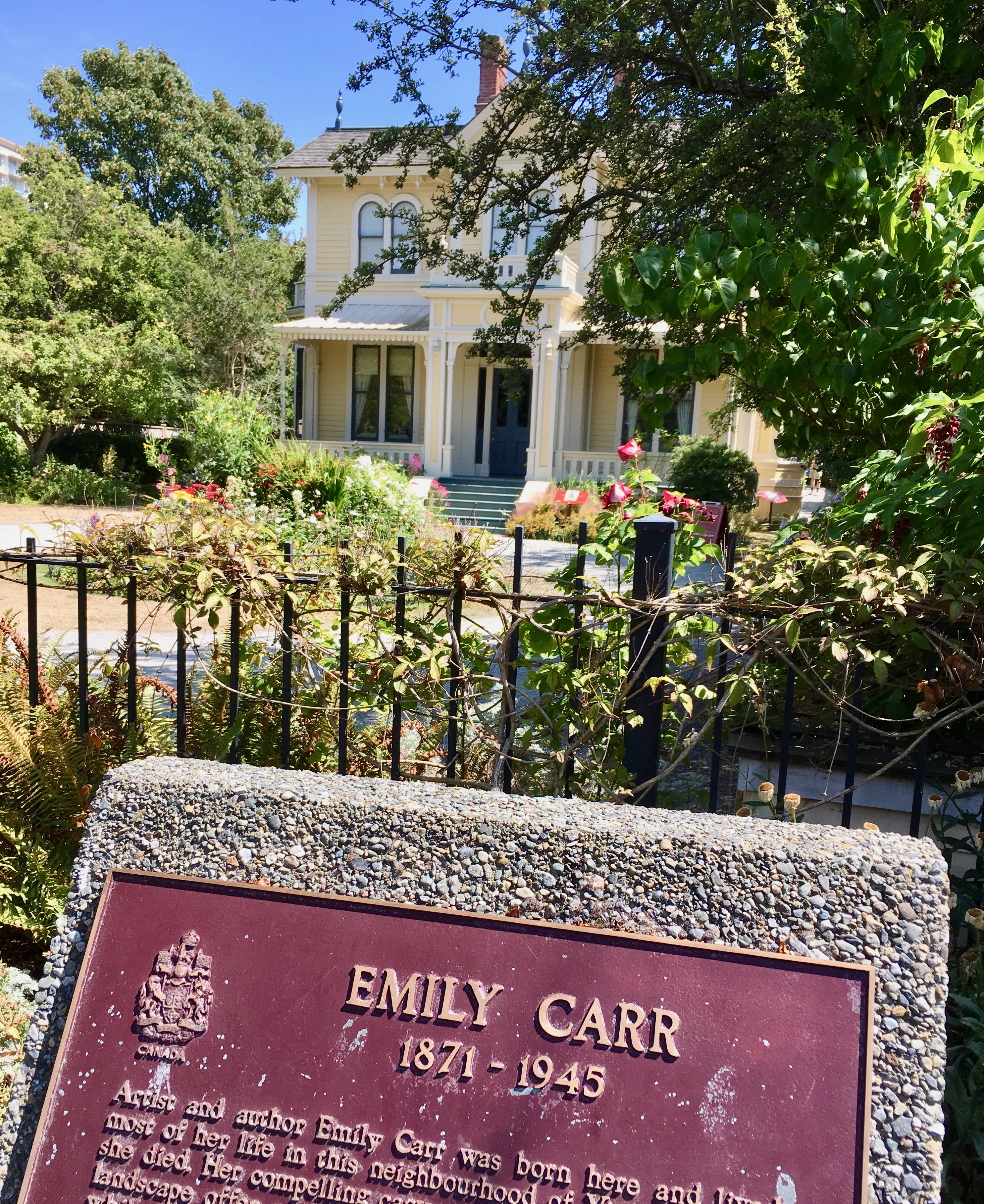
The lovely Victorian house where Carr lived in Victoria has been restored.

Here’s the thing: It’s possible that Emily never had sex with anybody. I think there may have been many Victorian women like her. She recognized that marriage would ruin her life as an artist, and sex outside marriage for women wasn’t possible. If you did it you certainly wouldn’t admit it to anyone, and certainly not write about it. She does mention a love interest in one sentence of the autobiography, but that’s it. She had many very close female friends. Emily did have male suitors, all spurned. At least one didn’t go quietly, but she persisted in rejection. Making art was her first love.

But I don’t think lesbianism is only defined by who one sleeps with. Even if she never had sex with a woman, I still think she was a dyke. Look at the pictures of her! She cut off her hair and wore comfortable clothes. One photo I found shows her in the doorway of her trailer house with a couple of other female friends lounging around outside. I have never learned who they are. Who buys a trailer shack and roams around in the woods? Lesbians!

EmilyCarrTrailer
Emily in her trailer with pets and friends

And the pets! There was a monkey, birds of all descriptions, and always several dogs. Who adopts and communes with animals? Lesbians!

Emily was an iconoclast. She was an Indian lover, perhaps because she felt herself to be an outcast too. Her family and the sister who controlled the family after her parents died were the worst kind of religious nuts. She was proud of thumbing her nose at them whenever she got a chance. The British ruling class of her hometown of Victoria reviled her art until she became famous in the East near the end of her life.

Then there was that 18-month stay in the sanitarium in East Anglia. No diagnosis was ever mentioned, except that she was anemic. In the sanitarium she was not permitted to paint. It was thought that she had overworked herself. She consoled herself by raising songbirds. The reader cannot help but wonder at the real reason for such confinement.

CarrPets
Emily and menagerie

I did enjoy her books and learned that she became a writer when her health failed and she wasn’t able to paint as she had. I’m so glad she wrote these books. I checked them out of the San Francisco public library–first editions from the 1940s, with thick paper and color reproductions of some of her paintings. I loved holding them in my hands and thinking of all the other hands that had held them since before I was born!

Whatever her sexuality, Emily Carr is a lesbian-feminist icon. She was driven to make art at a time when women were discouraged from doing much of anything. There is no need to invent male suitors to make her life interesting. She was a fascinating person all on her own.


Finding Wonder Women in the Tenderloin

My story, Wonder Women, posted on this blog on 9-18-15, which takes place in a Tenderloin cross dressers’ bar, is based on true events. But I couldn’t remember exactly where the bar was, and I couldn’t remember the name of the bar. So uncovering the facts required some sleuthing.

I needed to find an old-timer who had been there. So I set about describing this gritty watering hole, as best I could remember, to every old codger gay guy I knew. Nobody could remember having been there, or maybe they just weren’t talking.

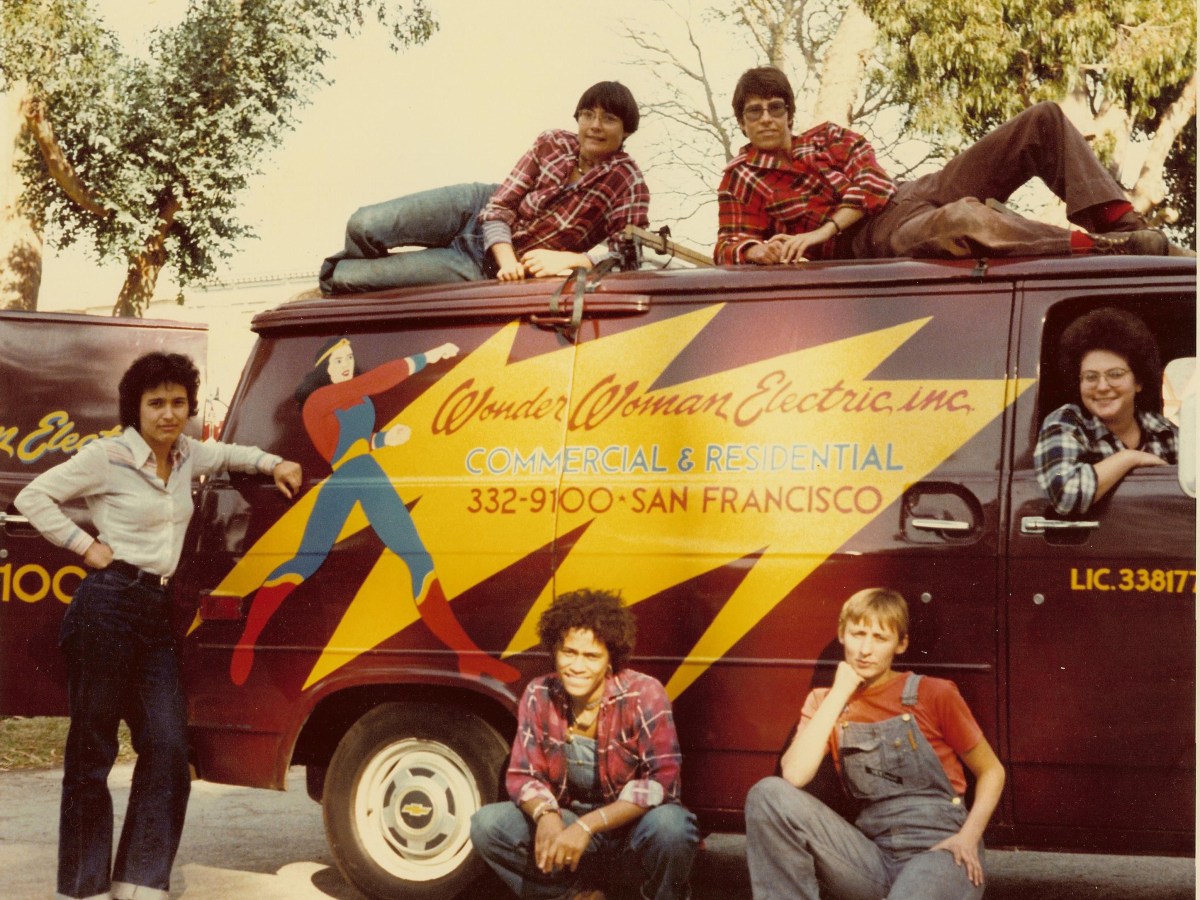
I had a vague memory that the bar was associated with Charlotte Coleman, who owned a number of gay bars in San Francisco from the 1950s through the 1990s. During the 1970s Wonder Woman Electric worked on the electrical systems in many of her bars as well as in her home in Noe Valley. I learned that Charlotte, in her 90s, lived in an assisted living institution in Vallejo. Then I was lucky to meet an old friend of hers serendipitously. Roberta, in her 80s, regularly visited Charlotte and offered to drive me there to meet her.

In the meantime, I discovered a website, Lost Gay Bars of SF, with a map made by a guy named Mike Stabile that shows the locations of gay bars in San Francisco from the 1960s through the 1980s. I needed the name of the bar or the address to use this resource. I was stuck. But Mike responded to my questions in a Facebook message. He thought the bar might be Aunt Charlie’s Lounge on Turk Street, still there, perhaps the very last of the old Tenderloin gay bars. I googled Aunt Charlie’s and found an informative web page with interviews of some of the old timers. http://www.auntcharlieslounge.com. Could this be the bar I was searching for? It looked just as seedy as I remembered. And Aunt Charlie’s still has drag shows! I had to go there.

By the time I could arrange to meet Charlotte, her health had deteriorated and new visitors were no longer welcomed. But I did get Roberta on the phone and described the bar to her. Sure, she said, she remembered that bar. It was called the Blue and Gold and it was on Turk Street. It was a black and white bar, she said, meaning it was racially integrated. It was Charlotte’s most notorious bar, site of nearly nightly fights and disturbances. “They broke the toilet regularly.” But the Blue and Gold made far more money than any other bar, Roberta remembered.

BlueGold
Site of the old Blue and Gold

Blue and Gold! I had the name! I had the street! Now I could use the Lost Bars map to locate the bar. I quickly found the address: 136 Turk. The description on the website said the piano bar opened in 1947 and closed in 1993. The Blue and Gold had been right across the street from Aunt Charlie’s Lounge.

I chose a Saturday afternoon for a visit to Aunt Charlie’s, knowing that I’d be unlikely to stay up late enough to hit the drag show. The one hundred block of Turk Street still rates high on the funky list. But the bar’s regulars and bartenders welcomed us two old dykes and were happy to talk about the old days. Barry, who had tended bar at Charlie’s for decades, remembered the Blue and Gold, as well as dozens of other neighborhood gay bars, all closed. The building’s exterior had been covered in blue and gold tile, he said. (Nobody knows what the colors meant in 1947. A hangout for Cal alumni?) It has been painted over recently and it now houses the SF City Impact Rescue Mission. I noticed that the address is now 140, not 136, Turk.

Feeling in a historical mood, we strolled the couple of blocks over to the new Tenderloin Museum, housed in the historic Cadillac Hotel. There we learned about the rich history of the Tenderloin neighborhood, including the gay and transgender scene in the 1960s. The Compton Cafeteria riot in 1966, “one of the first demonstrations against transgender and transsexual violence in San Francisco,” took place right up the street from the Blue and Gold. It was a fitting completion of my magical history tour. Tenderloinmuseum.org.


Wonder Woman Electric to the Rescue

My first close-up encounter with drag queens took place in a Tenderloin bar when I worked as an electrician for Wonder Woman Electric in the late 1970s.

An all-female collective of electricians, we did mostly residential work. But our regular commercial accounts included some of the multitude of San Francisco gay bars. Each of the bars catered to a particular subculture in the larger gay community. Lesbians had a few bars and coffee houses. But bars for gay men proliferated. There were bars geared toward disco queens, the leather crowd, the sweater gays, uniform wearers, beach bunnies, cross dressers, fairies, bathing beauties–really more than I could even imagine.

One day in the middle of the week I was called to a hole-in-the-wall bar in the Tenderloin. When I finally found a place to park the Wonder Woman van, it was blocks away and I had to lug heavy tool bags through streets lined with junkies and drunks. This was the bad part of town.

I found the address on Turk Street, a nondescript brick front building. The door was locked, but I saw a discreet push-button near it. I pushed it and after a moment a beautiful young man, far more femme than I, greeted me. He wore matching coral pedal pushers, cardigan and mules with little heels. He did not look pleased to see me.

“I’m the electrician,” I said hopefully. “Ok,” he said, looking me over. Then his perfectly lipsticked mouth curled into a little smile. “Come with me. We’ve been waiting for you.”

A small town girl who’d only lived in San Francisco for a year or so, I had just barely come out as a lesbian and had little experience with drag queens, transsexuals or transvestites, especially not the big city kind.

Stepping from the gray Tenderloin street into that little bar was like entering the Harry Potter toy store at Christmas. Lights and colored decorations hung from the low ceiling. Glitter littered the grungy floor.

I was surprised to see a good number of patrons at the bar in the early part of the day. Some sat at the bar, some at tables, but all looked fabulous. Most were men dressed in women’s clothing. Some dressed as over-the-top made-up drag queens, but most looked more like the gals from the office across the street, dressed in low heels and conservative skirts and blouses. I thought I overheard one of them say “fish” which was pretty funny considering I was the butchest thing in the room, wearing a flannel shirt, jeans and work boots.

The bartender looked like a tough sailor just off the boat who’d thrown on a shoulder-length blonde wig and serious makeup—several shades of eye shadow and bright red lips outlined beyond their natural borders. He worked the bar in a tasteful tailored Donna Reed housedress, popped collar and pearls, and ran the joint with cutting sarcasm. I felt like I was encountering the Wizard of Oz and had to keep myself from jumping back like Dorothy did when she and her three cohorts first encountered him. A person could not help being intimidated.

“Here’s what we need,” he directed me. “I don’t want the patrons to use the bathroom without my permission. They get in there, lock the door and stay. And, honey, we all know what they do in there.” I could only speculate. Drugs? Sex? Probably both. Lesbians had been known to use the bathrooms in our bars for such purposes. Where else could a couple go? And if they were quick about it and others didn’t have to wait too long, we were usually forgiving.

The bartender continued, “I want to be able to push a button right here under the bar to unlock the bathroom door when someone wants to use it. Can you set that up?”

This drag queen was also a Control Queen! I looked around the room at the disapproving patrons. I was going to be responsible for limiting their bathroom privileges. I was already the villain and I hadn’t even done anything yet. But I was certainly capable of installing a push button and door lock. It would be all low voltage, so I’d just have to put in a transformer and run low voltage cable. I wouldn’t need to run pipe or install junction boxes. “I can do that,” I said.

I got to work, planning the job. Could I run the low voltage cable under the floor? Yes, said the bartender. There was a full basement. The beautiful young man ushered me down to the basement, a dank, spiderwebby space with a hundred years of grime on every surface. I had to figure out where to drill through the floor to run wires from the bar to the door lock. The job took me up and down the stairs and back to the van to retrieve materials. I focused on my work and I was relieved that the patrons went back to drinking and dishing.

Finally the job was finished. I emerged from the basement coated in its crud, looking more than ever like a construction worker.

“Let’s test it,” I said. I gave a nod to the bartender who pushed the button. The door buzzed open and, with a flourish, a patron entered the bathroom. It worked! Like electricians everywhere, I always got a thrill when I flipped the switch and my masterpiece (no matter how small) performed as intended. But I didn’t usually have an audience.

These patrons understood drama far better than I. The dramatic moment of the day was all mine. It was as if I were making my big entrance, walking down the runway, head held high. They had all been watching closely and when the door opened, they let out a big cheer.

I bowed to the applause.

Wedding: A Story About Family and Queer Fashion

“Jesus Christ, it’s 1979. Why do they need to get married? They’ve been living together for five years. No one in the family disapproves. Why do people feel compelled to have the state sanction their relationships?” Don let me rave. Neither of us could answer these rhetorical questions. He couldn’t have been any less enthusiastic about our brother Tim’s wedding than I was. We knew that neither of us would ever have a family wedding with all the attendant fussing, well-wishing, presents and cultural sanction, not that either of us would want one.

“You don’t suppose there’s any way we can get out of going,” he said in a resigned tone.

I considered this. Our attendance seemed like a small price to pay to avoid the disapprobation that surely would result from our absence. “We can stay in the background. At least we’re not being asked to be bridesmaids.”

I could hear my brother sigh on the other end of the phone. “To be a bridesmaid,” he said, “has always been a great fantasy of mine.”

“I see what you mean. If I could be best man, I could rent a tuxedo. Fuck! What will I wear?” Don was silent, and I knew he wasn’t worrying about what I’d be wearing.

“Don, if you’re thinking about wearing a dress, just forget it right now. This is not the big city or some trendy college community. This is cowboy country. You’ll get the shit kicked out of you.”

When we said goodbye, I wasn’t entirely sure I’d convinced him, and I wondered how my outrageous brother managed to stay alive without me as his constant bodyguard. He insistently challenged assumptions about dress and gender, which was a dangerous thing at a time when the moral majority felt its grasp on the reins of cultural definitions slipping.

The truth was, just by being my natural self, people—both children and adults—were always confronting me about the nature of my gender. They would yell out of windows or from cars as I walked by, “Are you a boy or a girl?” Or I would be mistaken for a gay man. “Faggot!” they would yell, and speed off before I could correct them: “You idiot! I’m a dyke!”

I had learned that knowledge of gender is extremely important to people. They need this information before they know anything else about you. And once they get you pegged, to be surprised makes them inexplicably angry. All their assumptions are suddenly being challenged. It’s like you’ve called into question some intensely personal assumptions about who they are in the world.

I figured the problem wasn’t me, but how people expected women to look and act. To be feminine required performing unnatural acts—shaving one’s body hair, wearing sticky make-up and carefully coiffed hair, being quiet, wearing odd clothes and uncomfortable shoes, walking with short picky strides. I had practiced these ritual gestures at one time, but the feminist movement had released me. I was free and I was never going back now.

images-3
An example of what women were expected to wear in the 1970s. Hot pants were required for many waitress jobs.

Unfortunately, my freedom from convention left me completely unprepared to dress for Tim’s wedding. I had no dress-up clothes. As a matter of principle I’d stopped wearing dresses in 1970. Since then the contents of my closet had been recycled from thrift stores. As a working electrician in those days of butch dykedom, I could just wash my flannel shirts and jeans and wear them to the bar. No one I knew ever got dressed up, and if they attended weddings, they never told me. So what does a nonconforming, revolutionary lesbian wear to a heterosexual wedding?

At the airport I searched the Nordic crowd of Seattleites for Don’s dark head. I never knew what to expect. He’d been a hippie with a thick ponytail and full beard last time I’d seen him, but personas changed from year to year. He was not at the gate and I wandered until I heard my name called from a waiting area.

Then I saw him, relaxing back into one of the lounge chairs like a queen, newly clean-shaven and wearing giant turquoise butterfly earrings, a flowing scarf wrapped around his shoulder-length hair, tied in back. “I thought it was time to relinquish my male privilege,” he smiled.

In the short 150 miles or so between Don’s home at the foot of the Olympic Peninsula to Yakima, the land cracks and dries up like the edges of those Janis Joplin posters you rehang in each new collective house. Snoqualmie Pass takes you from a rich, dripping, evergreen rain forest over the snow-capped Cascades, past ski resorts and the shorn heads of clear-cut hills in to the Kittitas Valley, flat pasture dotted with Black Angus cattle.

Up over the Manashtash Ridge, a new freeway replaced the winding two-lane road along the Yakima River. Beyond irrigation, only sagebrush–ubiquitous in the valley–flourishes. From the west side of the ridge you can see the town of Ellensburg surrounded by the patchwork of pastures, ground crops and brown earth, and above that the sharp white peaks of the Wenatchee Range. As you continue east, your nose dries up and your hair electrifies, the sky turns intense blue and if there are clouds they look like puffs of bleached cotton. Then, just before the Yakima Valley appears below, if you look to the south, you see the round, white tip of Mt. Adams peering over those dusty brown hills, incongruous.

On that March day the chill air cracked and the sagebrush cast bright shadows on patches of snow as Don drove the Subaru down into the valley past big cattle ranches and their animals with thick winter coats, then smaller farms, past apple and pear orchards just starting to bud.

Our mother, Flo, rushed out to meet us as we pulled into the gravel driveway. She was dressed in her usual polyester pantsuit in bright colors. We hugged her thin frame in turn. Then, as she stood back to look at him, she brushed my brother’s hair away from his face. “Don, I wish you would do something with your hair.” (He had diplomatically removed the scarf.)

Don frowned. “Oh, Mom.”

I thought Don’s hair was beautiful—thick and dark and curly. I’d always wished I had inherited that head of hair from our mother. I might be wearing mine in the same long style. Instead, I wore my straight brown hair short, lately in the shag style Jane Fonda popularized in the movie Klute.

“Ok, you guys, come on in,” she said, “I want you to see the new solar addition Tim put on the house.”

Flo was never much of a housekeeper, but she was a genius at making this century-old farmhouse feel like home. We had bought the run-down five-acre place when I was ten, and remodeled it ourselves. Flo had filled it with antiques she’d collected from junk stores before they were called antiques and priced to match. She always had to show us her new finds.

We visited for a while, then went out to say hello to our younger brothers Tim and Terry, whose four-wheel drive pickups were parked further up the driveway. My parents’ place, which sat down in a hollow, had several outbuildings, all painted Swedish red with white trim like the house. The big old barn had been converted to a garage. Next to it was the chicken house surrounded by its chicken-wire pen. On the other side of the garage was the three-stall horse barn on which I’d painted a stylized picture of a horse years ago. Between them was what we called the doghouse, a rectangular structure that was once a container crate. Someone had given it to my father years ago, and he set it on a slab and cut a door in it saying he’d have a place to go when he was in trouble with Flo. Over the years we’d fixed it up into a nice little apartment with electricity and running water and windows. All of us had used it at one time or another to get away from the house. I’d stayed there on summers home from college. For the past several years Tim and Diana had lived there together.

Tim answered the door, a tall, solid figure with a sparse beard and lanky brown hair. “Hey, how the fuck are you?” he said. We passed hugs around. “I’ve got some great pot this year. We’re just drying out a little.” He pointed to the toaster oven. “Smoke a joint?”

Don smiled. This was what he’d been waiting for. Yakima’s hot dry summers are perfect for growing pot. Tim and Terry grew fine pot when it didn’t get harvested prematurely in the middle of the night by one of their delinquent friends. One year they threw seeds around the farm indiscriminately and plants came up everywhere. One or two flourished in the middle of the gravel driveway.

We threw ourselves on the old foldout sofa. Terry passed out beers.

“So, what’s the plan,” I said to Diana. What family events are we signed up for?”

My girlfriends are giving me a shower tomorrow,” she said. “The wedding’s on Saturday. It will be fun, you guys. We’ll have dinner at the grange hall afterward, and Tim’s friend Duane plays in a band. We can all dance. Tim’s been taking dancing lessons.” Diana was a dancer and a ballet teacher. I don’t believe Tim had ever danced in his life or wanted to.

“What are you wearing,” I asked.

Diana waltzed over to the closet and pulled out a plain white dress that was made interesting by the triangular pieces of green hanging like stalactites from the hem. It reminded me of a costume I’d seen in a performance of Peter Pan. “I made it myself,” she beamed.

“It’s beautiful,” Don and I exclaimed in unison. We looked at Tim.

“Bought a suit,” he shrugged.

“It’s very handsome,” said Diana, replacing the dress in the closet and pulling out a blue suit. “We had trouble getting it to fit in the shoulders. He’s so wide.”

Tim sucked at the joint and then smiled sheepishly.

“Now don’t worry,” Diana said, “You’re going to look great.”

“I have to go shopping,” I said.

The next day my mother and I set out to find me a wedding outfit. Together we slogged through the department stores of my hometown, reliving painful memories of past shopping trips. I had never liked girls’ clothes, and could only be induced to wear a style my mother called “tailored.” Absolutely no frills or puckers. She’d understood. She’d never liked frilly clothes either. But she was five three and slender. I was five eight, and until my twenties, decidedly plump. More often than not, when I found the rare piece of clothing that suited me, it didn’t come in my size. This had always mystified me. I knew there were plenty of other big-boned gals like me, but the people who designed clothes hadn’t discovered us yet.

images-1
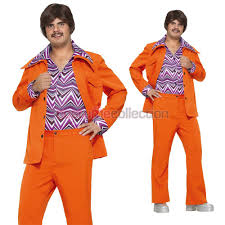
Remember the polyester big-collared shirts and beltless pants?

Sears was filled with nothing but polyester. Pants with no pockets and elastic waistbands. Over the years I’d developed a clothing checklist. I preferred natural fibers, and I wouldn’t wear pants if they had no back pockets. “Don’t be silly,” my mother said.

I was indignant. “I intend to wear these pants more than one time,” I reasoned. “Where will I put my wallet?”

At Montgomery Wards I insisted on starting in the men’s department. I liked the color of a greenish suit on the display and convinced the clerk to let me try it on in the men’s dressing room even though I knew what would happen. Those seventies-style men’s pants were not made for my body. In the size that fit comfortably on my thighs, the waist was inches too big. These were not the kind of pants you could cinch up with a wide belt. They were the kind with the self-belt made of the fabric to fit a man’s waist exactly. When I emerged from the dressing room my mother was not impressed. “Oh, Molly,” was all she said. I knew she was right. I felt like a used car salesman.

We arrived at the Bon Marche irritated and frustrated. The Bon Marche is the Macy’s of Yakima, WA—clothes to aspire to. My attention span for shopping had always been short. And we had never shopped at the Bon when I was a kid. It was out of our price range.

I began to sift through racks of Misses slacks while Flo checked to see whether all the suits had skirts. Suddenly there it was. A rack of pants with back pockets. I was so happy it took me a minute to discover that the pockets were only half-pockets, not really big enough for a wallet. Why they do that I’ll never understand. “Fuck, do they think putting regular-sized pockets in would cause us to grow penises?” I asked my mother.

“Why must you use that word,” she scowled. “Try them on.”

The pants did fit me better than the men’s. I actually liked how they looked, even though I was still pissed about the pockets. “I hate giving money to a clothing industry that refuses to meet my needs,” I said. But I was ready to compromise. I knew I’d never find anything better.

My mother returned with a navy polyester jacket, size 12. Women’s jackets are always too tight in the shoulders or too loose around my waist, but this one wasn’t bad. Before I could complain, she said, “I’ll buy you the jacket.”

Later she asked what shoes I’d be wearing. “Don’t worry,” I said, “I brought my Frye boots.”

Flo insisted I come to the shower, even though the boys didn’t have to. It was just as inane as I’d imagined. Diana was obliged to ooh and aah politely over every gift, no matter how useless. My mother had anticipated that I’d come to this heterosexual event empty-handed and resentful, so she’d bought a present from me. I was as surprised as Diana to discover I’d given her a set of wine glasses with their own rack. Flo never said a word about it.

The day of the wedding I was still searching for an appropriate shirt to wear with my new outfit. My father’s closet had always served me well in the past. We’re about the same size and he has short arms for a man. Whenever I’d visit, he’d send me away with several of his old shirts, which I’d wear with tails out over jeans until they began to fray right at the spots where my ample breasts stuck out the farthest. I found a tasteful light blue number with a faint check. I was looking for a tie when Don breezed into the bedroom. He was wearing bright pink pants and a purple jacket, a pink polo shirt and platform shoes. He sashayed over to the dresser, pulled back his flowing hair and began putting dangly earrings in his pierced ears.

Flo was right on his heels, and she closed the door behind her. “Don,” she wheedled, “I don’t ask you for many things, but I’m asking you not to wear those earrings.”

“Flo, stop making such a big deal out of it,” he said in that artificially low voice he uses when he’s annoyed. “I’m wearing the earrings.”

My mother looked like she might cry. I wished I could make her feel better but I was sworn to defend my brother. “I don’t understand why you must make things so hard for me,” she said. She threw up her hands and walked out.

Before the end of the evening when I felt compelled to admonish my drunken father to stop copping feels off the female guests, he had said to me that he thought I looked “sharp” in his shirt and tie.

Later, when we were dancing, I felt the only wardrobe mistake I’d made was not to wear a bra. I hadn’t thought pointy breasts would really go with my outfit, so I wore an undershirt and let the breasts seek their natural level, about halfway to my waist. But jumping around with no support was painful. Don and I were especially popular on the dance floor, in direct proportion to the amount of alcohol consumed by the wedding guests. I never lacked a partner. All the women loved me.

images-6