Jackie Jones: A Life in Music

She was a lesbian who played in San Francisco 1952-2020

Found in Jackie’s cluttered house

She was an old-time dyke, although I never heard her use that word, nor the word lesbian to describe herself. She did call herself kiki, meaning neither butch nor femme. She may have called herself a character. I know the rest of us did.

Jackie Jones told me music saved her life. Music was certainly the theme of her life.

I first encountered Jackie at the Alemany Farmers Market in San Francisco where she played music every Saturday. She was a one-woman band playing the saw and a selection of hand-made instruments along with a dancing cat that she manipulated with her foot. 

Jackie at the farmers market. Photos by author

She made the cat contraption out of plywood, springs, bike parts and wire. She painted the cat lavender with a sparkly G-string and stars where nipples would be. The cat had articulated limbs so Jackie could make it tap dance while the arms swung around. She recorded her own back up music and played it on a portable tape deck. She only played music from the 1920’s, songs like Bicycle Built for Two, Bye Bye Blues, and The Charleston.

Kids loved the dancing cat and always wanted to touch it so Jackie invented ways to discourage them. She talked about glueing a tack on the top of the cat’s head to pop their balloons. She wasn’t fond of kids, and when the kids moved on and we got close she would change song lyrics to bawdy and gay themes.

She rewrote the words to “Wait till the Sun Shines Nellie.” Her version went “Wait till your son turns nelly, and the neighbors start to talk.” The last line was “Gay is grand!”

Jackie always wore the same clothes—a John Deere trucker’s cap, a blue plaid shirt and jeans. Her front teeth were gone and she had false teeth that fit badly, which she only wore when in public. 

Jackie lived in our neighborhood of Bernal Heights, but even though my lover and I invited her to dinner at our house, she never would let us into her house. She was an admitted hoarder. 

Jackie owned two houses side by side on Manchester street, bought at a time when Bernal Heights housing was cheap. She lived in one and rented out the other, one of several on that street only 12-and-a-half-feet wide (most lots are 25 feet wide). 

From Pensacola to New Orleans

Born in 1926, Jackie grew up in Florida, graduating from high school in 1944.

She said, “I remember in Pensacola listening to music with the Black maid that my mother hired. She would dance around with the broom to Ella Fitzgerald singing “A Tisket a Tasket,” then be back to ‘yes maam’ and sweeping when Mom came back.” 

Jackie loved music from an early age and yearned to play it, but her parents scoffed and refused to pay for an instrument or lessons. Undaunted, Jackie saved her 35 cent-a-week allowance until she accumulated enough to buy an accordion from the Navy Exchange store. She spent hours in her room, teaching herself to play. 

Jackie in her little house

After WWII, Jackie left home and moved to New Orleans. Living in the French Quarter, she held various day jobs to earn her $20 a month rent. At night, she would beg bands to let her sit in, just to get experience. 

Jackie’s first paid gig was $3 a night, playing her accordion for eight hours straight with a country band. She learned other instruments–guitar, then drums and vibraphone. By the late 1940s, she was supporting herself as a working musician, entertaining at bars, strip clubs and dances throughout New Orleans.

Her Journey West

In 1952, Jackie drove her 1948 woody station wagon west, coming first to Los Angeles, where she didn’t last long. She said, “Where I came from in New Orleans, people see you on the street and say ‘Hi! How are you.’ In LA, you say Hi, they just about call the cops on you.” 

After six weeks in LA she couldn’t take any more of the place so she headed up north to San Francisco. There the people were friendly, they didn’t all look alike, folks were helpful, there were lots of bohemians, and she was able to get a job quickly. She never went back to LA.

Rubbing shoulders with the Beats 

Jackie loved San Francisco but had problems finding permanent housing. Landlords did not want to rent to lady musicians, particularly the kind that wore pants and rode a motor scooter. 

She bounced from rooming house to residential hotel, from day job (taxi driver, assembly-line worker) to music job (guitar at the Town Pump bar, accordion at the 1954 opening of San Francisco International Airport). 

Fosters Cafeteria, downstairs from where she lived at Polk and Sutter, was open 24 hours and the bohemians hung out there. She met Alan Ginsberg and other Beats there. She became friends with ruth weiss (poet, performer, playwright and artist) when ruth worked the bar at the Wildside (a lesbian bar) in North Beach. Ruth traveled with Jack Kerouac and read her poetry around Europe and the US.

Fosters cafeteria 1956. Photo: Open SF History (wnp14.12640; Courtesy of a Private Collector)

In her spare time, Jackie attended City College of SF and SF State College, graduating with a physical science degree in 1962.  In 1964, desperate for a steady paycheck, she became a mail sorter at Rincon Annex Post Office and worked there for 10 years. 

But Jackie never stopped making music, working with anyone who’d hire her. She played accordion at the city’s Russian festivals and Columbus Day celebrations. She played drums for the Cockettes’ midnight shows and Kimo Cochran’s Polynesian dancing. 

She played country guitar at Bay Area military bases with Faye Wayne and her Rhythm Roundup Girls, and Lady of Spain on the accordion at the Fairmont Hotel with a Latin trio. Dressed as a witch, she played Halloween gigs at the Randall Jr. Museum at an annual party for kids. Later in life she was asked to contribute her homemade music to a show at the San Francisco Museum of Modern Art. 

Early lesbian culture

Jackie felt she never fit in the lesbian communities of New Orleans or San Francisco. She told me she thought the dykes in New Orleans in the 1950s fell into two groups: the fighters and truck driver type, and the professionals who needed to protect their reputations; they wore dresses and were in the closet. Jackie didn’t fit into either of those categories. 

Lesbian bars didn’t hold much appeal. In those days in San Francisco women couldn’t get served if they wore jeans. They’d throw you out, she said. She never went to the lesbian bar the Paper Doll (San Francisco’s first lesbian bar, owned by Charlotte Coleman). “You’d see women wearing skirts, holding hands going in there. They were snotty to me. There was another lesbian bar called Peg’s Place. They had a room in the back and there was a little window in the wall where somebody watched you to make sure you weren’t touching,” she said. 

She was a maker

House parties were no better. One Halloween the well-known San Francisco bar owner Ricki Streiker threw a party where all the dykes wore dresses and were not in costume. Jackie came in drag with a mustache. Drag had not yet caught on and she wasn’t invited back.

The only person Jackie had liked at that party was Pat Bond, the out lesbian actor who  wrote and performed one-woman plays. She went home one night with Pat. They didn’t have sex; they talked all night instead. “I liked her mind,” said Jackie.

Jackie never had a long-term relationship. She had a lot of “bed friends.” I asked if that was the same as fuck buddies. Yes, she said. She would go on “sex binges” but there weren’t all those diseases out there then, she said.

“I went to the bohemian places where you had artists and a mix of interesting people. I liked the Black Cat best,” she said. “Gene Krupa came in once to the Black Cat, also Carson McCullers. Then the bar became gay when José Sarria (an early San Francisco drag queen) started his shows. I once played a show with José as his drummer. He was a nice guy. The music thing opened doors for me,” she said. “That’s why I like San Francisco.”

José Sarria performing at the Back Cat in 1958 |from José Sarria Papers| Courtesy of GLBT Historical Society

Later Jackie’s trademark instrument was a carpenter’s saw that she rubbed with a violin bow. One time Jackie came over to visit. We had several hand saws hanging in our garage/shop. Jackie pulled each out and tried it. “This one will make a good instrument,” she declared. She offered to teach us how to play the saw and we both tried. But playing the saw is hard! 

Aging in place

In 2013 Jackie fell in her house, breaking her ankle and knee. But rather than call 911 and risk the fire department whisking her away to some rehab place that might never let her go back, she called some friends. She knew that if anyone from the city saw her house—the lair of a hoarder—they’d never let her back in. So, instead her friends helped her get over the back fence and into her smaller house, which was then empty of tenants.

The 12-and-a-half-foot-wide house was a studio up a flight of stairs in its original condition but otherwise in pretty good shape. The little house had two big advantages: it was not full of junk. Also, friends were now invited to visit. 

When I’d visit Jackie, we would talk about musical instruments and how she made them, keys for different types of music, and what the lyrics to a song really meant. She would tell me about old time musicians she admired.

Jackie followed the careers of the Duncan sisters, Rosetta and Vivian Duncan. Rosetta was a lesbian. The white girls had a vaudeville act called Topsy and Eva that they created in 1923 about a white child and a Black child with Rosetta in blackface. It was a musical comedy derived from the novel Uncle Tom’s Cabin. 

“Once I was in a show with Vivian who played Little Eva,” said Jackie. “She played the piano, sang and did comedy.” The show was a takeoff on the movie All About Eve. Charles Pierce played the part of the actress. It was at California Hall (where the infamous 1965 gay New Year’s ball took place). “I love that I can look back on doing these things,” she said. 

One of Jackie’s favorite entertainers was Hadda Brooks, who ended up playing for gay audiences as she got older. “That’s My Desire” was her big number. Billed as “Queen of the Boogie,” the vocalist, pianist and composer was big in the 1940s and 50s, then made a comeback in the 90s.

We talked about death. Jackie wondered what will happen to her stuff when she dies. I was finally allowed to go into Jackie’s big house when she asked if I could help her clear it out. Every room was crammed full of junk—old computers, musical instruments, paper, clothes. There were machines that I couldn’t identify.

She had 12 guitars–none complete, some banjos, three accordions, electronics. She had 25 turntables because she was afraid she wouldn’t be able to get the needles. She kept dozens of instruments that she hoped to fix someday, inventing new musical instruments, experimenting with new sounds. She would scour the salvage yard and hardware stores for parts for her inventions and I was sent on trips to her favorite hardware store for particular screws and parts. Jackie didn’t want to get rid of anything because, she said, she might need it for something she was making or inventing. Having to let go of anything was so painful for her that the house never did get cleaned out.

We talked about the old days before gay liberation. Jackie didn’t have a partner, but she was was lucky to have the love and attention of her good friend Pauline, a sister musician who helped and supported her for 30 years.

Pauline wrote: “Jackie has always had a wary streak, not wanting folks to know all her business. I think it goes back to those ugly days in the 1940s and 1950s when she saw that being outed as gay could mean being arrested, having your name in the paper, losing your job, your residence, your family, etc. 

“I’d say some of that fear still prevails. We recently had a fill-in caregiver who Jackie later told me asked her all these prying, straight-lady questions about her background: Why did Jackie never marry? Why doesn’t Jackie have her own family to look after her instead of this friend, Pauline? Didn’t Jackie ever want to have kids? Jackie gave the lady some bland answers but she wasn’t going tell her, “I’m gay. I wasn’t interested in husbands, kids and marriage.” 

“Hell, Jackie didn’t tell her own family she was gay, they just thought she was weird, eccentric, and bohemian, and that was bad enough. In the 1940s, when her brother-in-law heard that Jackie was living in the French Quarter and working as a musician there, he told his wife to break off contact with Jackie because ‘We don’t associate with those kinds of people.’ 

“Why isn’t your family looking after you, Jackie? Because they were bigoted, small minded, homophobic assholes. Why don’t you want to tell people you’re gay, Jackie? Because there are still a lot of bigoted, small minded, homophobic assholes out there.

“Jackie has great survival instincts and is still following them. She is very proud of the fact that she never got arrested on a morals charge (or any other charge) back when plenty of her gay and lesbian friends were being pulled out of bars and thrown into paddy wagons.”

Jackie gave me banjo lessons. Photo of Molly by Barb Schultheis

Jackie never had to go to a nursing home. She lived with caretakers in the little house till she died in 2020 at the age of 93. Her friend Pauline was there when she died.

From the invitation to Jackie’s memorial: “Friends and neighbors of Jackie are invited to attend and celebrate Jackie. Per Jackie’s instructions, this is NOT to be a religious event but a party. All musicians are asked to bring their instruments so we can remember Jackie musically. By Jackie’s specific request, NO religious music of any kind is to be played. However, we welcome jazz, standards from the 20s and 30s, Latin, country-western, and any other music that swings.”

Jackie Jones was someone who discovered her passion, music, at an early age, and she never lost her love and enthusiasm for it. Music was the focus of her life: performing it, listening to it, collecting sheet music and instruments, arranging it, practicing it, recording it. Jackie had lovers but never had any girlfriends. That’s because she had found her great, all-consuming love…music.

The Liberation of Dachau

Clubmobilers are some of the first to see the camp

My Mother and Audie Murphy Ch. 68

The Dachau concentration camp near Munich was liberated by the US Army on April 29, 1945. There is no page in Flo’s album dedicated to Dachau, but the Red Cross women were there. Flo didn’t talk about the Holocaust, possibly because she thought no one would believe her.

In the 1970s she organized a writers group at the Yakima Senior Center where she worked. The group published a chapbook, Leaves of Sage, in which two of her stories appear. Then she was finally able to write about her experience. Here is her story.

Holocaust 1945

By Florence Martin

The long struggle to free the world of Hitler and his horrors was coming to an end; it was 1945 and Munich had fallen. The US Army’s famous Third Infantry Division, which had pursued the Nazis relentlessly through North Africa, Sicily, Italy and southern France into central Germany itself, had figured prominently in the capture of Munich and the liberation of the infamous concentration camp at Dachau. Armed with captured Zeiss-Ikon cameras, the four Red Cross Clubmobile gals, attached to the Third Division since Anzio in Italy, were eager to shoot scenes of the city which had been a Nazi stronghold and of the concentration camp prisoners, some of whom could still walk away from this 20th century torture chamber.

Photo: Dogface Soldiers Collection

We had not reckoned with the results of the swiftness of the Allied attack which had prevented the Nazi jailers from destroying the evidence of their hideous and unspeakable atrocities to Semitic citizens of Germany whose only crime was being a despised JEW. Left behind were literally stacks of human bodies–piled up like so much cord wood–only skin covering their skeletons. A year on the battlefields of Italy, France and Germany had toughened us to these sights of violence and death, and we almost calmly focused cameras on the neatly stacked corpses. I had snapped several views and was focusing on the bottom “layer” when I caught the movement of a human hand through the camera’s viewfinder. Thinking that my imagination was playing tricks on me, I moved closer to the subject, only to confirm that some of the skeletons did indeed still contain life and that several arms and legs were still moving. Sickened and horrified, my sudden scream brought the others running toward me.

Although there was still some movement, it was, of course, too late to resuscitate or rescue anyone. With revulsion we left the whole hellish scene. Later as I retched in a nearby ditch, I wondered how many potential Mendelsohns and Einsteins were there among those wretched skeletons, and if, perhaps, the great Goethe might be turning in his grave about this modern and depraved Mephistopheles, Adolf Hitler, and what he had done to Goethe’s Germany. 

Hitler died April 30, 1945. Photo: Dogface Soldier

Postscript: this is a true experience; The pictures that were taken that day were somehow conveniently lost in development in a German photoshop–only these shots among several rolls of film were missing, and it was not until television elaborated the Holocaust more than 30 years later that my personal experience could be proved. 

Ch. 69: https://mollymartin.blog/2025/11/07/with-the-30th-infantry-in-salzburg/

Countering Trump’s Threats to Labor

Indigenous women in Ironworkers Local 725, Canada. Photo: Lightframe

Tradeswomen Reject Union’s Capitulation

Tradeswomn Inc. is a nonprofit I helped found in 1979. Still going strong, the organization helps women find jobs in the union construction trades. Here’s the text of a speech I gave October 30, 2025 at Tradeswomen’s annual fundraising event.

Sisters, we’ve come a long way.

When we first started Tradeswomen Inc., we had one goal:
to improve the lives of women — especially women heading households —by opening doors to good, high-paying union jobs.

It took us decades to be accepted by our unions.
Decades of proving ourselves on the job, standing our ground, demanding a seat at the table.

And now — by and large — we’re there.
We are leaders. Business agents. Organizers. Stewards.
We have changed the face of the labor movement.

But sisters, we are living in a dangerous time.

Our own federal government is attacking the labor movement.
And we cannot look away.

We all know that Donald Trump is gunning for unions.
Project 2025 is his blueprint — a plan to dismantle workers’ rights and roll back decades of progress.

Let me tell you some of what’s in that plan.

It would roll back affirmative action, regulations we worked so hard to secure,
Allow states to ban unions in the private sector,
Make it easier for corporations to fire workers who organize,
And even let employers toss out unions that already have contracts in place.

It would eliminate overtime protections,
Ignore the minimum wage,
End merit-based hiring in government so Trump can pack the system with loyalists,
And — unbelievably — it would weaken child labor protections.

Sisters and brothers, this is not reform.
It’s revenge on working people.

And yet, too many union members still vote against their own interests.
Why? Because propaganda works.
Because we are being lied to — by the media, by politicians, by billionaires who want to divide us.

That means our unions must do more than just bargain wages.
We must educate. Engage. Empower.
Because the fight ahead isn’t just about contracts 
It’s about truth.

We women have proven ourselves to be strong union members — and strong union leaders.

We’ve built solidarity.
We’ve organized.
We’ve made our unions more inclusive and more reflective of the real working class.

And now it’s time for our unions to stand with us.

Many of our building trades unions have stood up to Trump, and to anyone who would divide working people.

But one union — the Carpenters — has turned its back on us.

The Carpenters leadership has disbanded Sisters in the Brotherhood, the women’s caucus that so many of us fought to build. 

They have withdrawn support from the Tradeswomen Build Nations Conference, the largest gathering of union tradeswomen in the world.
They’ve withdrawn support for women’s, Black, Latino, and LGBTQ caucuses claiming they’re “complying” with Trump’s executive orders.

That’s not compliance.
That’s capitulation.

But the rank and file aren’t standing for it.

Across the country, Carpenters locals are rising up,
passing resolutions to restore Sisters in the Brotherhood
and to support Tradeswomen Build Nations.

Because they know:
You don’t build solidarity by silencing your own. And our movement — this movement — is built on inclusion, not fear.

While the Carpenters’ leadership retreats, others are stepping up.

The Painters sent their largest-ever delegation — nearly 400 women —to Tradeswomen Build Nations this year. 

The Sheet Metal Workers are fighting the deportation of apprentice Kilmar Abrego Garcia.
The Electricians union is launching new caucuses, organizing immigrant defense committees, and they are saying loud and clear:

Every worker means every worker.

Over a century ago, the IWW — the Wobblies — said it best:

“An injury to one is an injury to all.”

That’s the spirit of the labor movement we believe in —and the one we will keep alive.

Our unions are some of the only institutions left with real power to stand up to the fascist agenda of Trump and his allies.

We have to use that power — boldly, collectively, fearlessly.

Because this fight is about more than paychecks.
It’s about democracy.
It’s about equality.
It’s about whether working people — all working people — will have a voice in this country.

Sisters and brothers, we’ve built this movement with our hands,
our sweat,
and our solidarity.

Now — it’s time to defend it. Together.
Solidarity forever!

Is It Winter Yet?

My Regular Pagan Holiday Post: Samhain, November 1

When does winter begin?

Is it October, when we pick the last tomatoes to let them ripen indoors?
November 1, Samhain, when daylight thins and the world folds in on itself?
December 1, when the record-keepers say it does?
Or December 21, when the Earth leans furthest from the sun?

There are many ways to mark the turning.

In Northern California winter starts when the moss wakes up and fungus emerges

The Astronomers’ Winter

Astronomical winter begins with the solstice, that celestial pause when the sun halts its slow descent and begins its long climb back toward spring.

It happens around December 21, though never on exactly the same day—
Earth wobbles a little in its orbit, as if uncertain.

The oak’s witchy branches show themselves

The Meteorologists’ Winter

The meteorologists keep tidier books.
For them, winter starts on December 1 and ends with February—
three even months of cold data,
meant for graphs and records.

The forest breathes a sigh of relief as rainy season begins

The Ecologists’ Winter

Ecologists, meanwhile, listen to the ground.
They call this time hibernal—the season of rest.

Their calendar has six seasons, each following the pulse of life itself:

Prevernal – the first stirring, buds swelling, birds returning
Vernal – full spring, leafing and nesting
Estival – the height of summer
Serotinal – late summer’s slow ripening
Autumnal – the fall of leaves and the long migration
Hibernal – the stillness of sleep

The Gardener’s Winter

Gardeners go by the Persephone Period. It starts when there are less than ten hours of daylight in a day, causing plant growth to slow down or stop. Employed to plan crops, insuring plants have time to get a head start before winter harvesting or overwintering.

Other Ways of Knowing

Elsewhere, the world names winter differently.

In the Hindu and Bengali calendars, there is Hemanta, the cooling air,
and Shishira, the deep chill that follows.

The Noongar people of Western Australia read their six seasons
in wind, rain, and blooming trees—
a rhythm that moves with the land, not the clock.

The Cree of the far north know six seasons as well:
the breaking and freezing of ice,
the coming and going of warmth.

And pagans, watchers of the sun’s dance,
divide the year into eight—
by solstices, equinoxes, and the cross quarter days between.

Rain revives forest streams

The Truest Beginning

So when does winter begin?
Perhaps it starts in a feeling—
the first evening you reach for a blanket
and feel the world grow still.

Winter begins when the Earth draws inward—
and so do we.

Photos are mine taken in open spaces near my home

Fighters Honored at Zeppelin Stadium

How can these people be loyal to such a leader?

My Mother and Audie Murphy Ch. 66

Flo’s letter home was published in her hometown newspaper, the Yakima Republic.

Miss Wick in Germany: Sees Yanks Parade in Hitler Center

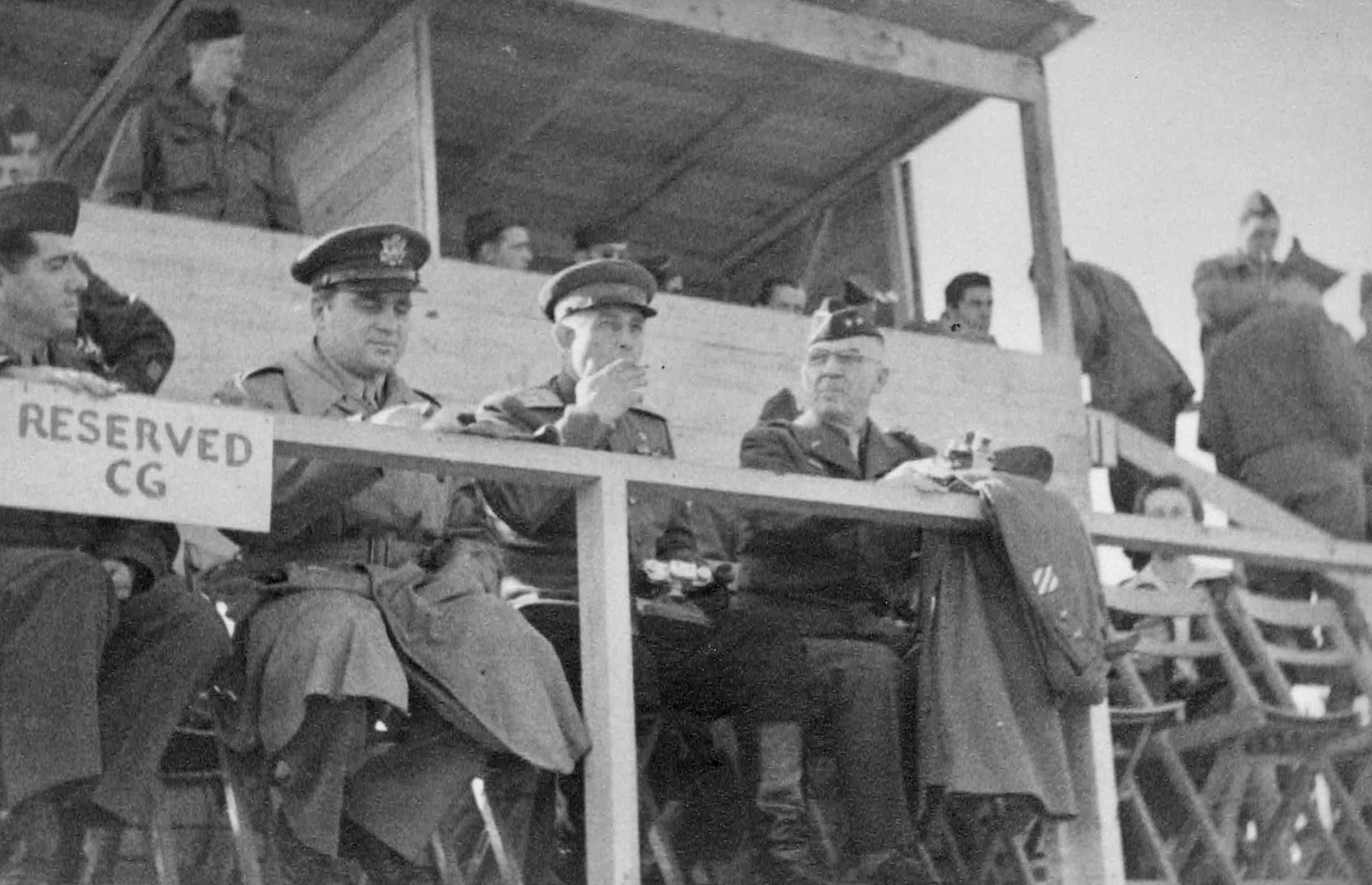
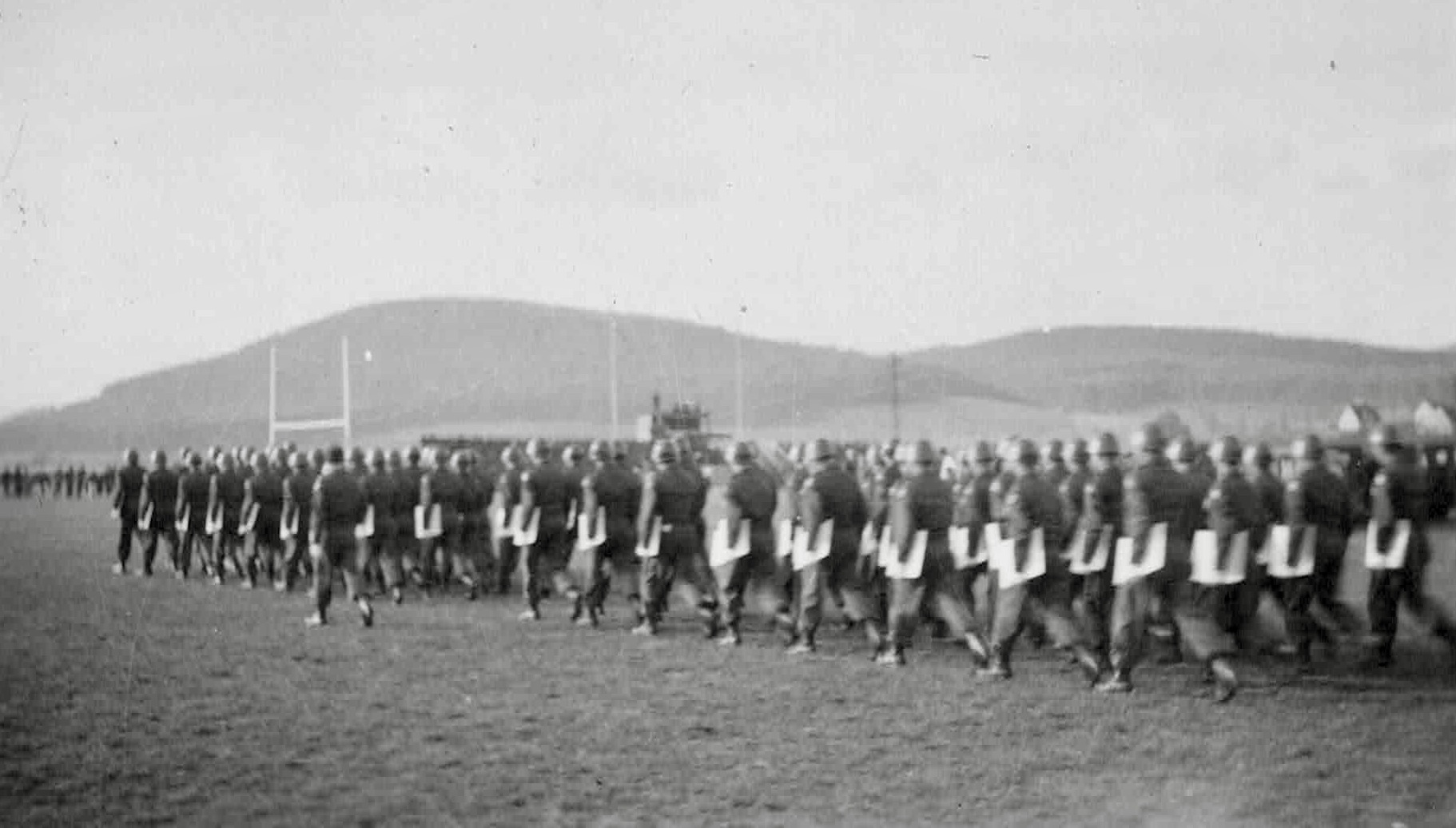
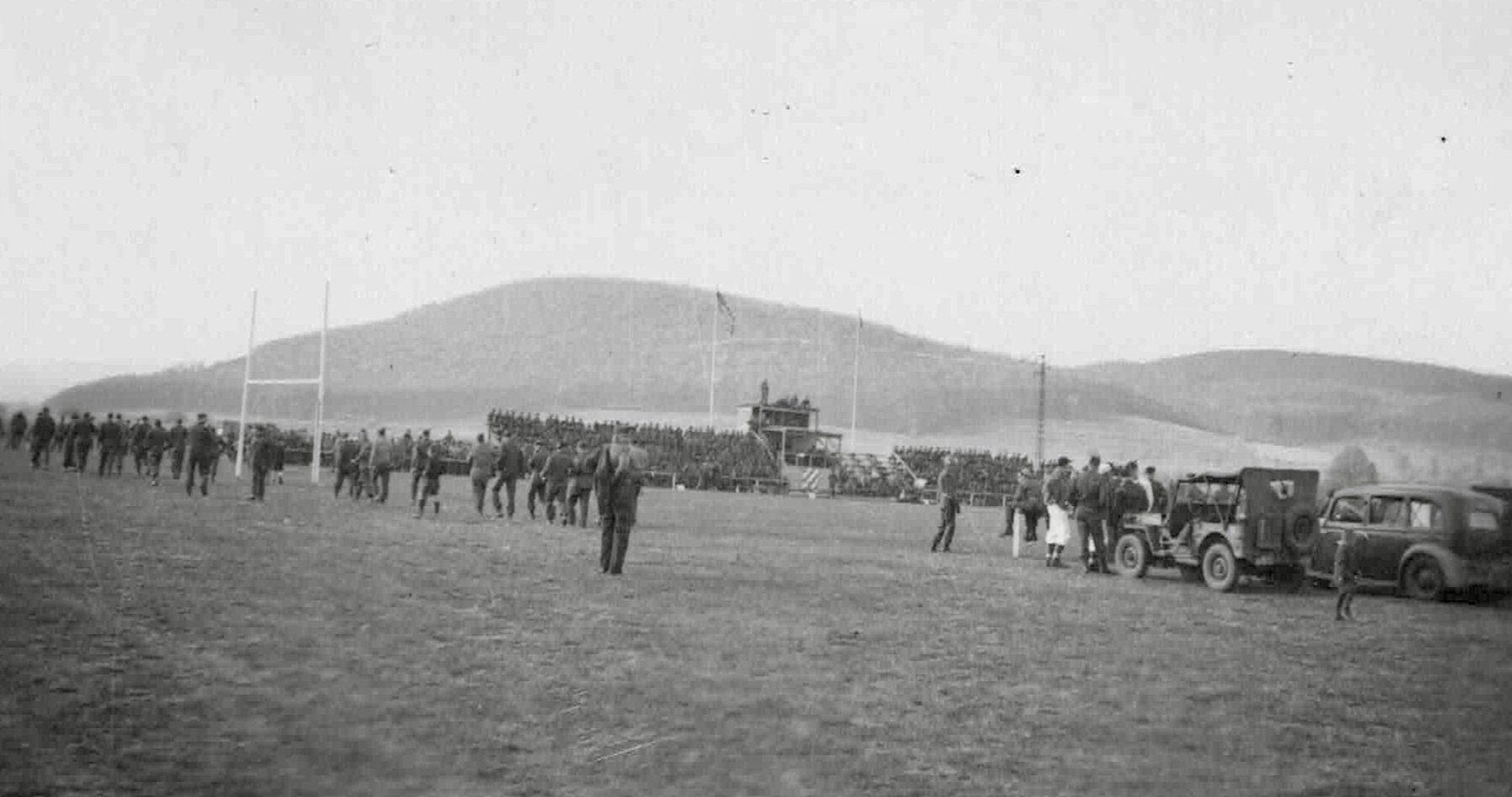
Parades in Hitler’s former stamping ground and presentation of congressional medals to brave American boys in a big Nazi stadium formerly ornamented with swastika flags, are among the sites witnessed by Miss Florence Wick, who is with the American Red Cross in Germany.

“General Patch presented five congressional medals of honor in the exact spot where Hitler used to ‘sell’ his theories to the Germans,” Miss Wick writes her mother, Mrs. Gerda Wick. “I have seen one of the biggest and most famous of Nazi cities in complete ruin. We drove in jeeps down streets which air corps and artillery have reduced to rubble.

War Messy

“War is a mess and how these people can be loyal to a leader who led them into it and brought about such destruction is more than I can understand. It is really something to drive through town after town and see white flags flying from windows.”

Hitler’s Zeppelin Stadium. Photo: Flo Wick

The doughnut business continues good, Miss Wick wrote three weeks ago. The Red Cross workers had been steadily on the move but serving doughnuts all of the time. Germany is beautiful now, especially in the places where the fruit trees bloom and everything is neat and clean, she says. Mail is slow when Red Cross workers, like the soldiers, are on the move. The weather was so warm they were wearing spring cotton uniforms, Miss Wick said.

“The cotton dresses are so welcome because I get tired of uniforms and can wear the dresses after work and when I go out or have company,” Miss Wick commented upon receiving some clothes from home. “We have to do our own laundry and it is a task with no conveniences, but cotton clothes make it simpler.”

Stars and stripes raised above the swastika at Zeppelin stadium. Photo: Flo Wick

Women Find Home

Most of the time the Red Cross workers have been living in tents although Miss Wick and her roommate found a room in an empty German house on their last move and were enjoying the comforts of a regular dwelling.

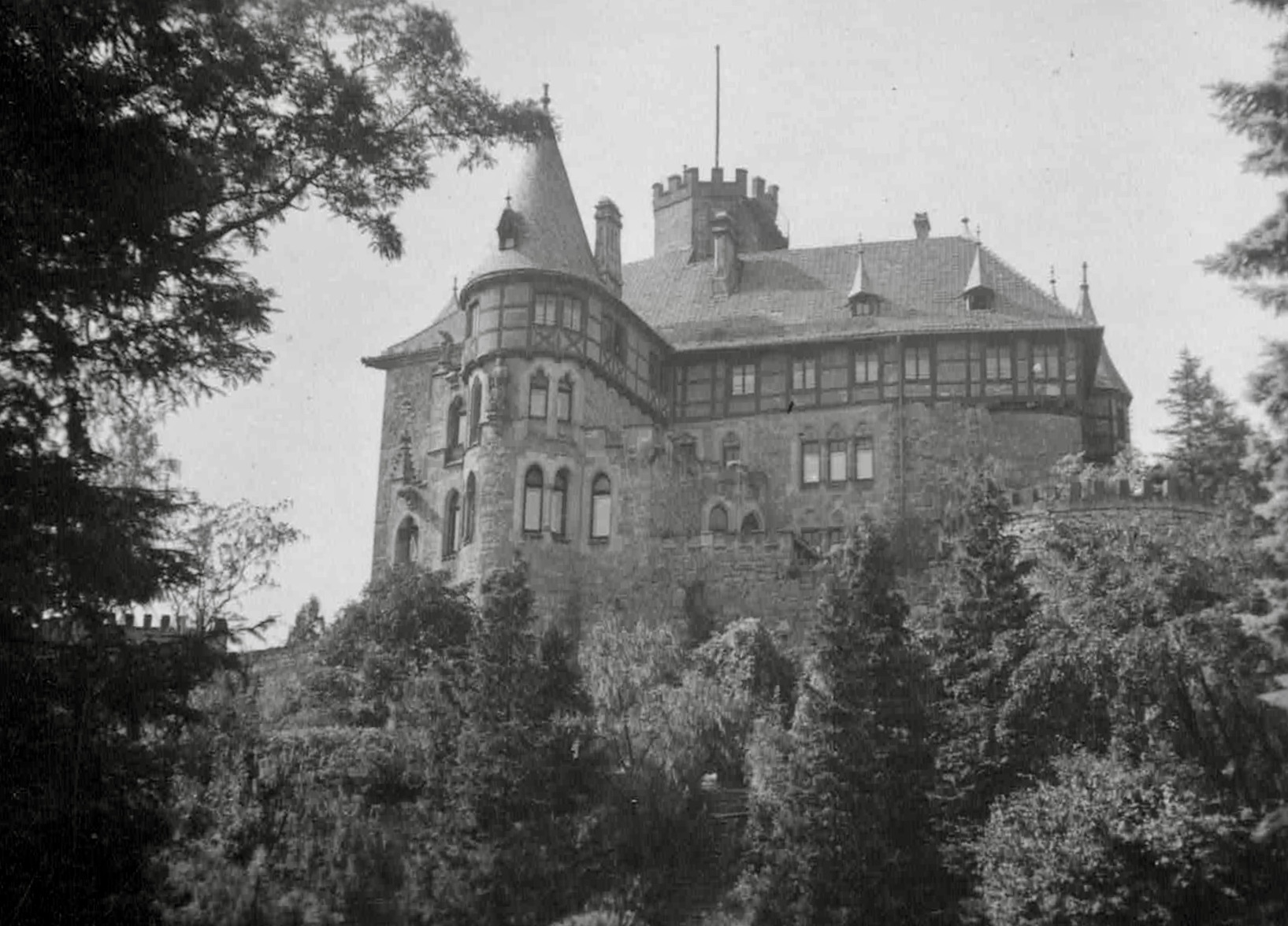
We have lovely days in between showers and the countryside is beautiful. We had a picnic in a patch of woods just below an old castle the other evening. We marveled that we were eating fried chicken and hard boiled eggs on a picnic in the woods of southern Germany.”

Ch. 67: https://mollymartin.blog/2025/10/29/around-munich-and-salzburg/

A Visit from Marlene Dietrich

She “spent more time at the front lines than Gen. Eisenhower”

My Mother and Audie Murphy Ch. 64

April 1945. Marlene Dietrich was a huge movie star. Flo was star struck and delighted to meet her when she visited soldiers and the clubmobile crew in a field somewhere in southern Germany.

Dietrich was also a WWII hero. She became an active participant in the American war effort after renouncing her German citizenship and refusing to cooperate with the Nazi regime. She sold war bonds, raised significant funds for the troops, and performed hundreds of morale-boosting shows for Allied soldiers—often close to the front lines—through her USO tours. 

Flo wrote: “Marlene up front. We took her picture. The GIs took ours.

Dietrich was a humanitarian. She housed German and French exiles, provided financial support, and advocated for their American citizenship. In the late 1930s, she co-founded a fund with Billy Wilder and several other exiles to help Jews and dissidents escape from Germany. In 1937, she placed her entire $450,000 salary from Knight Without Armor into escrow to assist refugees. Two years later, in 1939, she became an American citizen and formally renounced her German nationality.

After the U.S. entered World War II in December 1941, Dietrich was among the first public figures to help sell war bonds. From January 1942 through September 1943, she toured the United States, and was reported to have sold more war bonds than any other Hollywood star.

“Danube River (It ain’t blue)”

During two extended USO tours in 1944 and 1945, Dietrich performed for Allied troops in Algeria, Italy, the United Kingdom, France, and the Netherlands, and later entered Germany with Generals James M. Gavin and George S. Patton. When asked why she risked being so close to the front lines, she simply replied, “aus Anstand”—“out of decency.” Billy Wilder later remarked that she had spent more time at the front than General Dwight D. Eisenhower.

In 1944, the Morale Operations Branch of the OSS launched the “Musak Project,” a series of musical propaganda broadcasts designed to weaken enemy morale. Dietrich recorded several German-language songs for the project, including “Lili Marleen,” a tune beloved by soldiers on both sides of the conflict.

Dietrich’s return to West Germany in 1960 for a concert tour was met with a mixed reception. Despite negative press, bomb threats, and protests from those who considered her a traitor, her performances drew large crowds. In Berlin, demonstrators shouted, “Marlene, go home!” Yet she also received warm support from others, including Berlin Mayor Willy Brandt, who, like Dietrich, had opposed the Nazis and lived in exile during their rule. Emotionally drained by the hostility she faced, Dietrich vowed never to return to West Germany—though she was warmly welcomed in East Germany.

Her contributions earned her numerous honors, including the American Presidential Medal of Freedom and the French Legion of Honour. For her efforts to improve morale among troops and aid those displaced by the war, she received additional honors from the United States, France, Belgium, and Israel. 

More photos from this page in Flo’s album

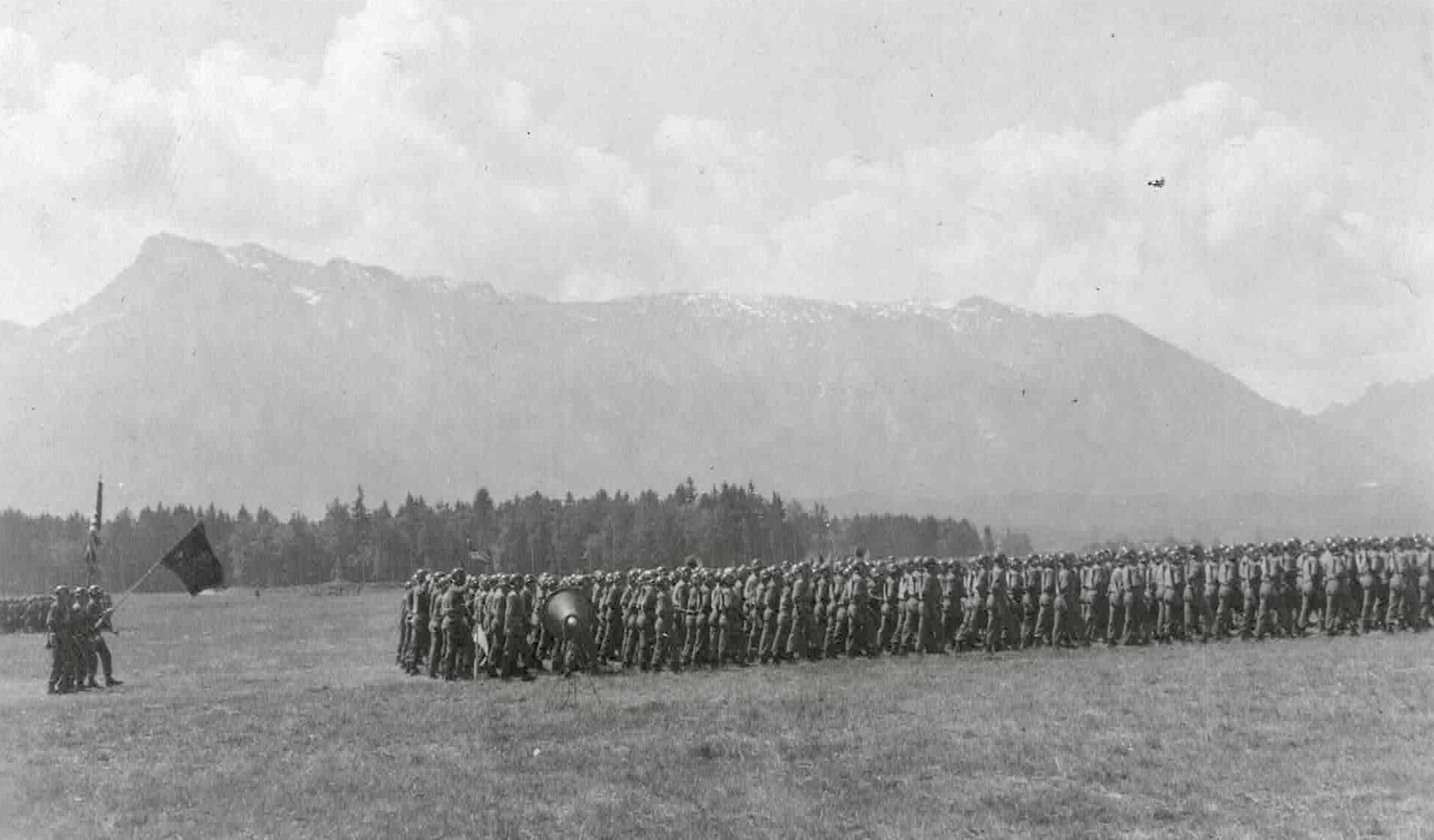
30th Infantry Regimental Review

Captured Kraut plane

Nurnberg burning

Ch. 65: https://mollymartin.blog/2025/10/25/nurnberg-burning/

All the Best Fields in Germany

Fritzie has a soldier boyfriend!

My Mother and Audie Murphy Ch. 61

Flo titled this page of her album “With the Q.M. in all the best fields in Germany.

The Quartermaster Corps was responsible for supplying the essentials—food, clothing, and equipment—to soldiers on the front lines. They ran supply depots, managed transportation networks, and made sure the troops had what they needed to keep operations moving.

This page of the album is packed with photos. What do they reveal on closer look?

Spring has arrived in 1945. The grass is green again, and Flo is wearing her summer uniform in one picture.
Fritzie has a soldier boyfriend—or maybe a husband—named Bill!
Even though the crew has its own clubmobile, they still rely on a team of “donut boys” to do the actual frying. These clubmobilers may never have had to cook donuts themselves. Which kind of makes sense; they gave out thousands of donuts daily and needed a whole crew to make them.
Flo got to relieve a patrol—she’s still in the regulation Red Cross skirt.
The dog, T.D., remains a star attraction.
The group has been able to get into German towns.
The pictures suggest that the women are camped here with the Q.M. They’re back to living in tents—or maybe sleeping in their clubmobile again.

Ch. 62: https://mollymartin.blog/2025/10/13/after-the-3rd-crosses-the-rhine/

The Evolution of PTSD

The Brass Didn’t Buy It

My Mother and Audie Murphy Ch. 60

Everyone knew about General George Patton’s infamous “slapping incidents,” when he physically attacked two soldiers under his command at hospital evacuation centers in August 1943. The episodes became international news — two among several erratic outbursts that may have led to his eventual removal as commander of the Seventh Army in Europe.

A woman sifts through the rubble of her home in Steinach. In the first half of April, 1945, the allies moved quickly through German towns, many already destroyed by bombing. photos: Dogface Soldier.

The men Patton slapped had been diagnosed with “exhaustion” and “psychoneurosis,” terms then used for what we now recognize as post-traumatic stress disorder (PTSD). During the First World War, it was called “shell shock.”

Patton didn’t believe in shell shock.

Steinach saw a fierce battle on April 7 before the Nazis retreated. Photo: Dogface Soldier collection

In a directive issued to his commanders, he explicitly forbade “battle fatigue” in the Seventh Army:

It has come to my attention that a very small number of soldiers are going to the hospital on the pretext that they are nervously incapable of combat. Such men are cowards and bring discredit on the army and disgrace to their comrades, whom they heartlessly leave to endure the dangers of battle while they, themselves, use the hospital as a means of escape. You will take measures to see that such cases are not sent to the hospital but dealt with in their units. Those who are not willing to fight will be tried by court-martial for cowardice in the face of the enemy.
— Patton directive to the Seventh Army, August 5, 1943

At the time, the Army Medical Department was beginning to study what would later be classified as PTSD, but most of the officer corps still regarded it as cowardice.

The devastation in Lohr was mostly caused by American artillery. Photo: Dogface Soldier collection

Audie Murphy, who saw more front-line combat than almost any other American soldier, witnessed many such breakdowns. As the war dragged on and he watched more men “crack up,” his own understanding and empathy evolved. The first episode he describes in To Hell and Back is met with derision from his men — and from himself:

“Olsen is the first to crack up. He throws his arms around the company commander, crying hysterically, ‘I can’t take any more.’ The harassed captain tries to calm him, but Olsen will not stop bawling. So he is sent to the rear, and we watch him go with hatred in our eyes.
‘If I ever throw a whingding like that, shoot me,’ says Kerrigan.
‘Gladly,’ I reply. ‘In North Africa I thought he was one tough boy.’
‘Yeah, he threw his weight around plenty.’
‘He seemed to be everything the War Department was looking for. He was my idea of a real soldier. Then one night that little Italian, Corrego, came in drunk; and Olsen beat him up.’
‘He should have been shot right then.’”

Lohr saw heavy fighting as allies advanced on April 3. Photo: Dogface Soldier collection.

Later, Murphy watches another man lose his senses and die as a result:

“Staggering with weariness and snarling like wolves, we meet the Germans again… We slip within 200 yards of their lines before they turn the full force of their weapons upon us. Obviously, they intend our complete annihilation.
Under the furious punishment, a man a few yards from me cracks up. He begins with a weeping jag; then, yelling insanely, he rises to his feet and charges straight toward the German lines. A sniper drills him through the head; and a burp gun slashes his body as he falls.”

Poppenlaur displayed flags made from any white fabric that could be found. Photo: Dogface Soldier.

Near the end of the war, Murphy’s tone shifts. He shows compassion and understanding when a soldier named Anders returns to the front, determined to stay with his comrades despite his shattered nerves:

“Before we have had time to regroup for instructions, the shells fall into our midst. Eight men are knocked out; and Anders cracks up. It is not his fault. He has courage to spare, but body and nerves have taken all they can stand. He has heard one explosion too many; seen one too many die.
As we check the dead and wounded, his voice goes thick. I grab him by the shoulder. He shudders and begins to shake violently.
‘What’s the matter?’
‘I’ve gone all to pieces.’
‘Stay here and wait for the medics. You shouldn’t have come back up.’
‘N-n-no. No. No.’
‘You’re no good in that shape.’
‘I’ll come out of it.’
‘The hell you will. You can’t let the men see you in that condition.’
‘I’ll be quiet. I won’t say anything.’
‘You’re going to tell it to the doctor.’
‘If you think so, maybe I should. Maybe I should.’
He rejoins us the next day. I curse him heartily, but he only grins. When we come under heavy artillery fire, that grin is quickly erased. His nerves collapse again… Whether or not he knows or wants it, he is through. Finished. This time when I send him to the rear, I also send the colonel word to keep him there.”

Photo: Wikipedia

Murphy himself suffered from PTSD for the rest of his life. After the war, he spoke publicly about it and tried to alert the Army to its dangers — but at the time, the brass didn’t want to hear it.

Meanwhile, during the war, doctors at an airbase hospital in Arizona began recognizing and treating PTSD with compassion rather than punishment or electroshock. Their pioneering work inspired the 1963 film Captain Newman, M.D., starring Gregory Peck, Tony Curtis, Angie Dickinson, Bobby Darin, and other notables. Five stars from me.

Ch. 61: https://mollymartin.blog/2025/10/09/all-the-best-fields-in-germany/

Clubmobiling in Germany

The ARC crew finally gets its own truck

My Mother and Audie Murphy Ch. 59

March 1945. The clubmobile was a two-and-a-half-ton GMC truck outfitted with coffee and donut-making equipment, and side windows that opened into a makeshift canteen—something like the taco trucks we see in cities today.

Scores of these trucks rolled onto Omaha Beach in July 1944, just weeks after the D-Day landings in France, each assigned to a crew of four American Red Cross (ARC) women. Their mission was to follow the troops, serving donuts, coffee, and good cheer to the men coming off the front lines.

The ARC women who landed in Italy, including my mother, Flo Wick, traveled with the armies north through southern France and all the way to the Rhine. But until they crossed into Germany, Flo’s crew had no clubmobile of their own. They improvised, scrounging whatever vehicles they could find to deliver donuts to soldiers.

Flo and Janet with TC loving their new truck

On this page of her album, Flo posted the first pictures of clubmobiling in Germany. Here, at last, they were issued their own truck—nearly a year into their service overseas.

The photos hint at a trade-off: the women may have had to endure some “good-natured” groping in exchange for their vehicle. Flo names “Lamour Harrigan” of the 7th Infantry Service Company as the man with his arms locked tightly around her. She is laughing in the photo, but the other women’s faces tell another story. Liz looks distinctly unhappy, while Fritzie, in trousers and an army jacket, seems to be sidestepping unwanted attention.
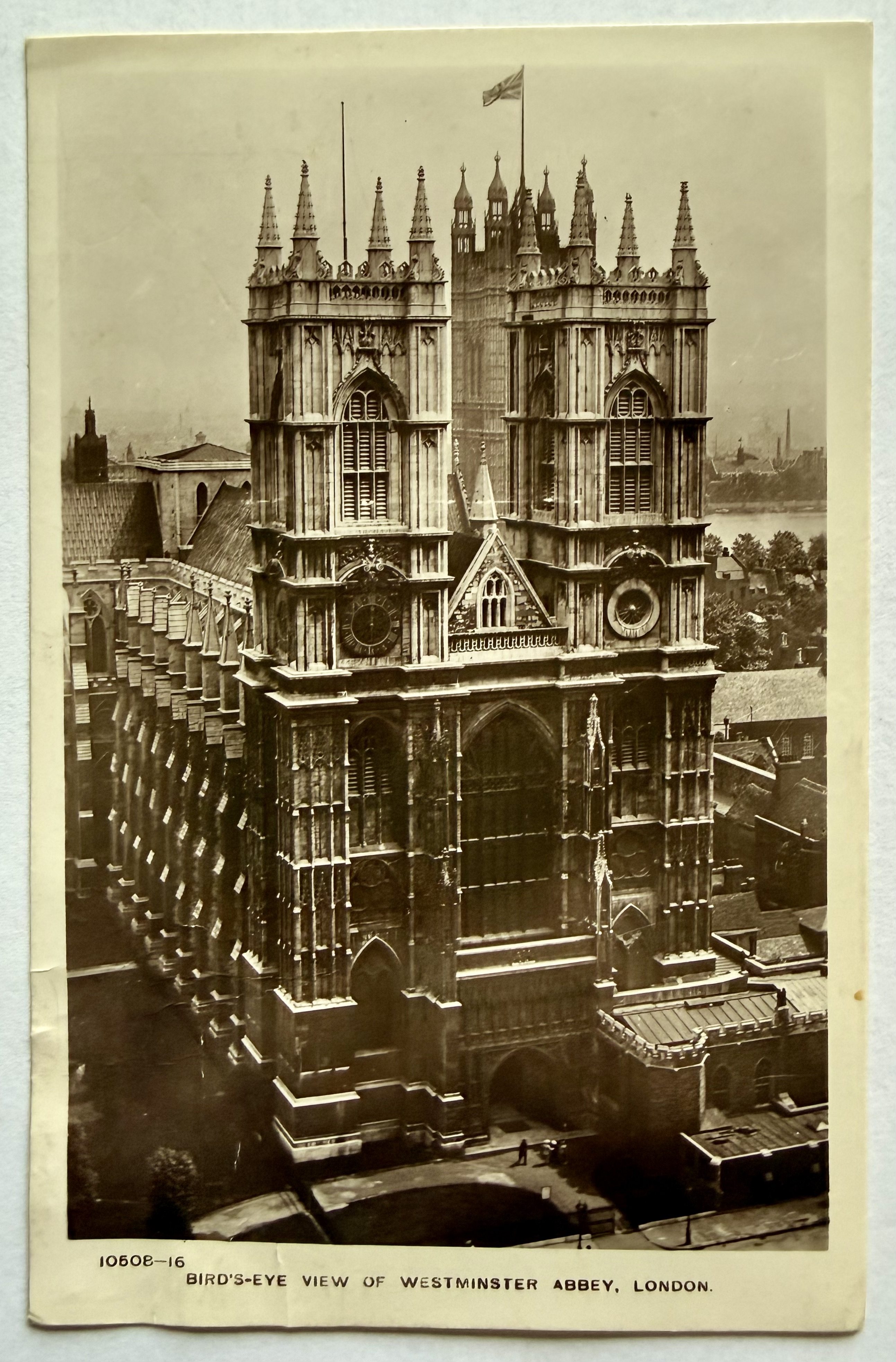
Flo herself is captured dancing in the mud. On the back of the photo she wrote: “Markelsheim, Germany. Jitterbugging in the mud—March 1945. Note the big galoshes. Sad days.”

So she did learn to jitterbug after all. But the note carries a weight. There were plenty of reasons to feel sad—her fiancé, Gene, had been killed, and so many others were dying still. Yet she put on a brave face. Must smile.

Interestingly, on the same album page, Flo pasted a picture of her boyfriend, Lt. Col. Chris Chaney. Perhaps it was her way of making clear she wasn’t romantically tied to any of the men in those muddy, grinning snapshots.

Janet and the crew’s dog, TC. That’s Liz sitting on the Clubmobile’s hood.

The ARC crew’s adopted dog, TC, had been with them since they landed in France (TC is short for something, but I can’t remember what). They all doted on him, but from these pictures it appears he took to Janet more than the others. His presence offered moral and emotional support to both the women and soldiers.

The clubmobile crew: Flo, Janet, Liz, Fritzie

Ch. 60: https://mollymartin.blog/2025/10/05/the-evolution-of-ptsd/

Flo and Janet Shoot Guns

ARC Women the Only American Females to Shoot in WWII

My Mother and Audie Murphy Ch. 54

The page from Flo’s album

American women were strictly forbidden from shooting guns during WWII or serving in any combat position. The WACs, the Women’s Army Corps, were disparaged because Americans thought they would be too close to war and women should be protected from war. The ARC women flew under the radar because they were referred to as volunteers (even though it was a paying job), and as “girls” and because they primarily worked as nurses. Their carefully crafted image was as noncombatant helpers of soldiers, humanitarian aid workers, not fighters.

the American Red Cross worked hard to establish these women as safe and non-threatening to the social norms of the time. In so doing, it allowed them to gain access to battle and combat to an extent no American women had before. 

The Allies and Germany had lost such extensive manpower during the First World War that women were allowed much more active military roles in the Second World War. Unlike American women, Soviet women were fighters on the front lines of the war.

“Janet and our jeep”

As it turned out, the ARC clubmobilers may have been the only American women in the war who actually shot guns. They were closer to the front lines of the war than any other women.

They also experienced many close escapes during their tour of duty with the Third Division.

Flo and her comrades got the chance to shoot in the freezing winter of 1944-45, during some of the hardest fighting of the war. In the Colmar Pocket outside of Neuf-Brisach they volunteered to go on patrol on the Rhine with an artillery and mortar FO (field operations) party. They also visited the mortar OP (observation post) and threw a smoke screen from the sand-bagged position.

Because the clubmobilers saw the soldiers and worked with them daily, the women were seen as part of the team. The men wanted to show them what it was like on the front line and the women wanted to be part of the action. Their comrades showed the women how to shoot.

Photos of her from that day show she was wearing the ARC regulation uniform—a skirt—while lying in a trench aiming a rifle.

“Ostheim, Alsace”

I don’t know whether Flo had ever shot a gun, but she was part of a hunting and fishing culture in the Northwest, so she may have. I have a picture of her posing with a deer carcass and holding a rifle taken after the war.

Flo was quoted in a newspaper article: “We all had a case of scratched knees, mud casts, and aching muscles after that.”

Still another time after they had sweated out the ride to the battalion CP (command post) the men refused to come out of their holes for donuts because of the heavy shelling.

It was during this trip while darting in and out of the smoke screen, that they went into a town that was ominously quiet. Recognizing the symptoms, they hastily left the place. That afternoon they found out the town had just fallen. It had been occupied by the Krauts during their visit.

When the Seventh Regiment was in Beblenheim, Alsace, the clubmobilers visited and fed a novel, so-called, “Doggie Rest Camp.” There two men at a time came in from their positions for a few minutes each to wash up, and put themselves in shape. 

“Colmar”

According to the newspaper report, “The quartet is not now up to combat strength as Miss “Fritzie” Haugland, Berkeley, Calif. is hospitalized, but her three running mates are doing a fine job…. They are just what their patch proclaims—part of the outfit.”

The letter from another admirer Flo pasted on this page

Letters from Third Division friends confirm that the clubmobilers’ exploits were dangerous and put them in the line of fire. 

On Jan 31, 1945, Lt. Col.Chaney wrote: Please don’t be as reckless as you have been, and stay out of range of shell fire.

Sincerely, Chaney

On March 5, 1945, Mel wrote: 

Yes, I can well imagine your time is not your own, particularly when the Div. is getting their well-earned respite from the 88’s. Your own “combat time” was hardly a surprise to me. To me, you were the type that would do such a thing, just for the hell of it! Stick to your donuts, honey, and let others do the OP shift—I’d hate to lose such a good letter writer so soon—believe me!

After the war Larry Lattimore wrote:

Oh yes, Agolsheim, did you know that was the second big attack in which I had acted in the capacity of C.O.? Golly! But after things finally quieted down, I enjoyed that little town. That was the first time we ever had any fun on the Rhine River. About that big white goose—we did cook it, we did eat it, and it was good! Do wish Col. Chaney had let you stay long enough to have some. Do you remember that little courtyard in front of my C.P.? About 15 minutes after you left, three 120 MM mortar shells landed in the center of that courtyard. Lucky no one was hurt but those shells sure shot hell out of our rations. I shudder to think what would have happened had those shells come in while you were still there. C’est la Guerre!
To return to Chapter 1: https://mollymartin.blog/2024/11/04/my-mother-and-audie-murphy/

Ch. 55: https://mollymartin.blog/2025/09/15/lt-david-waybur-honored/