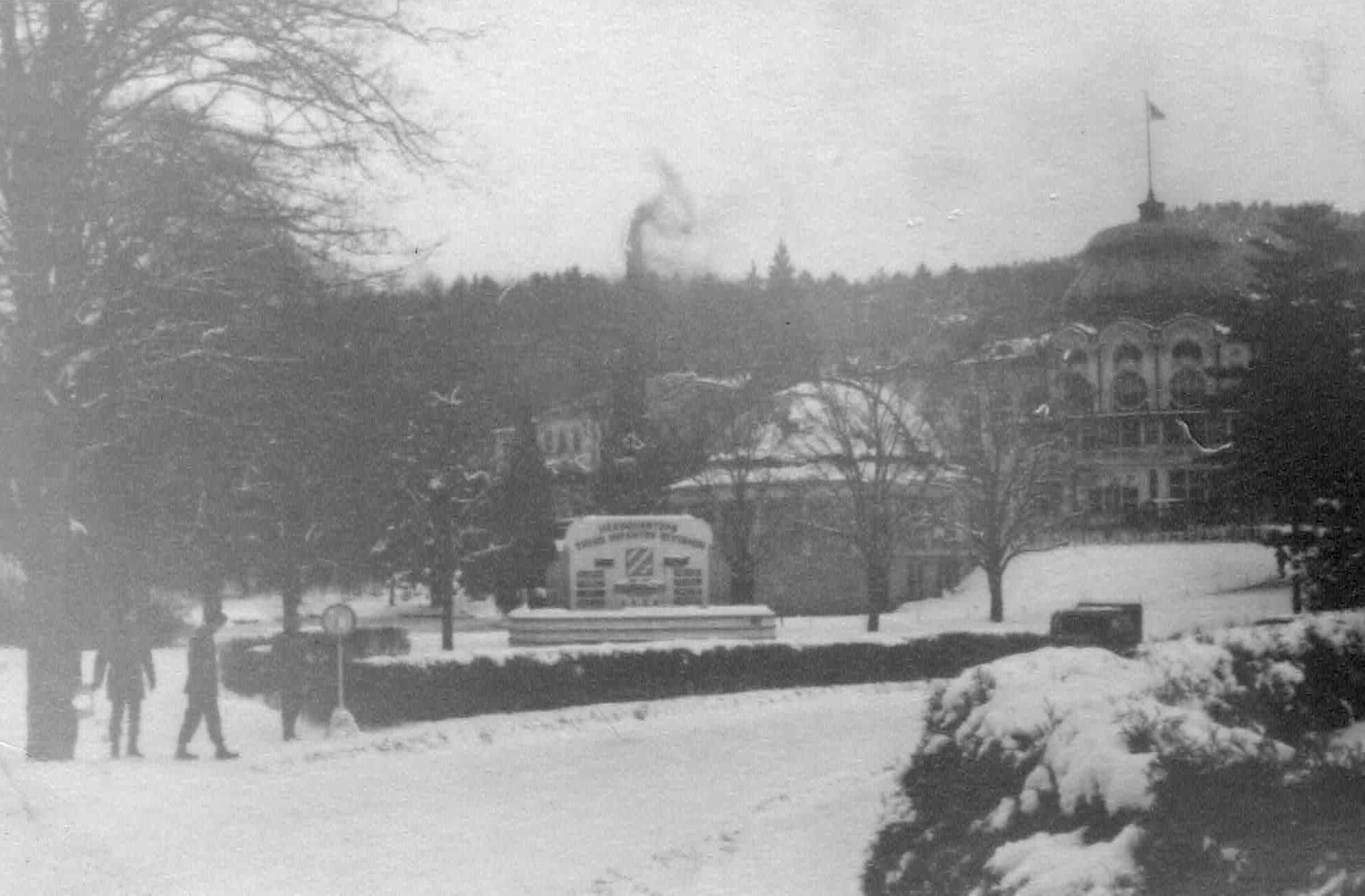
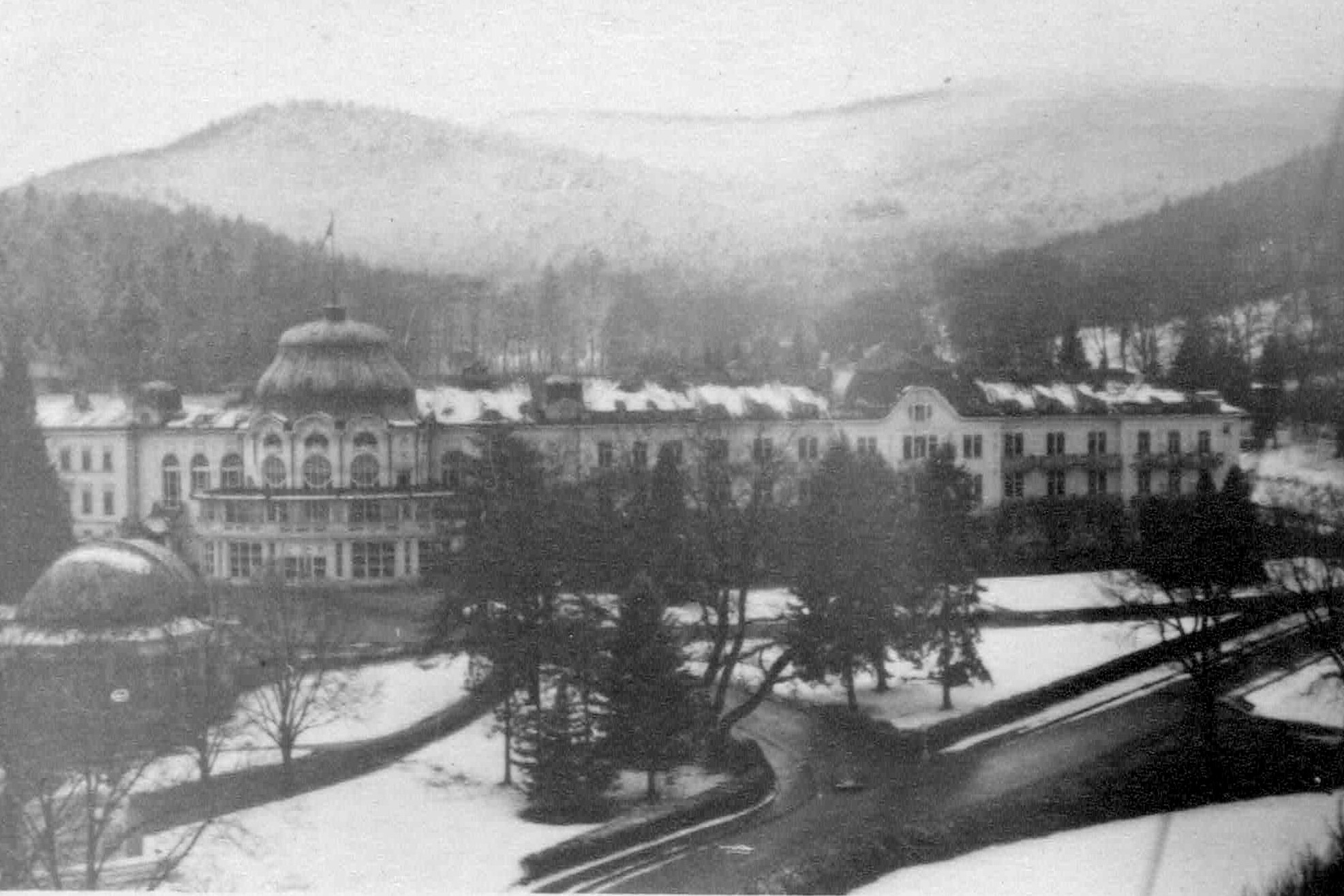
Bad Hotel, Bad Wildungen
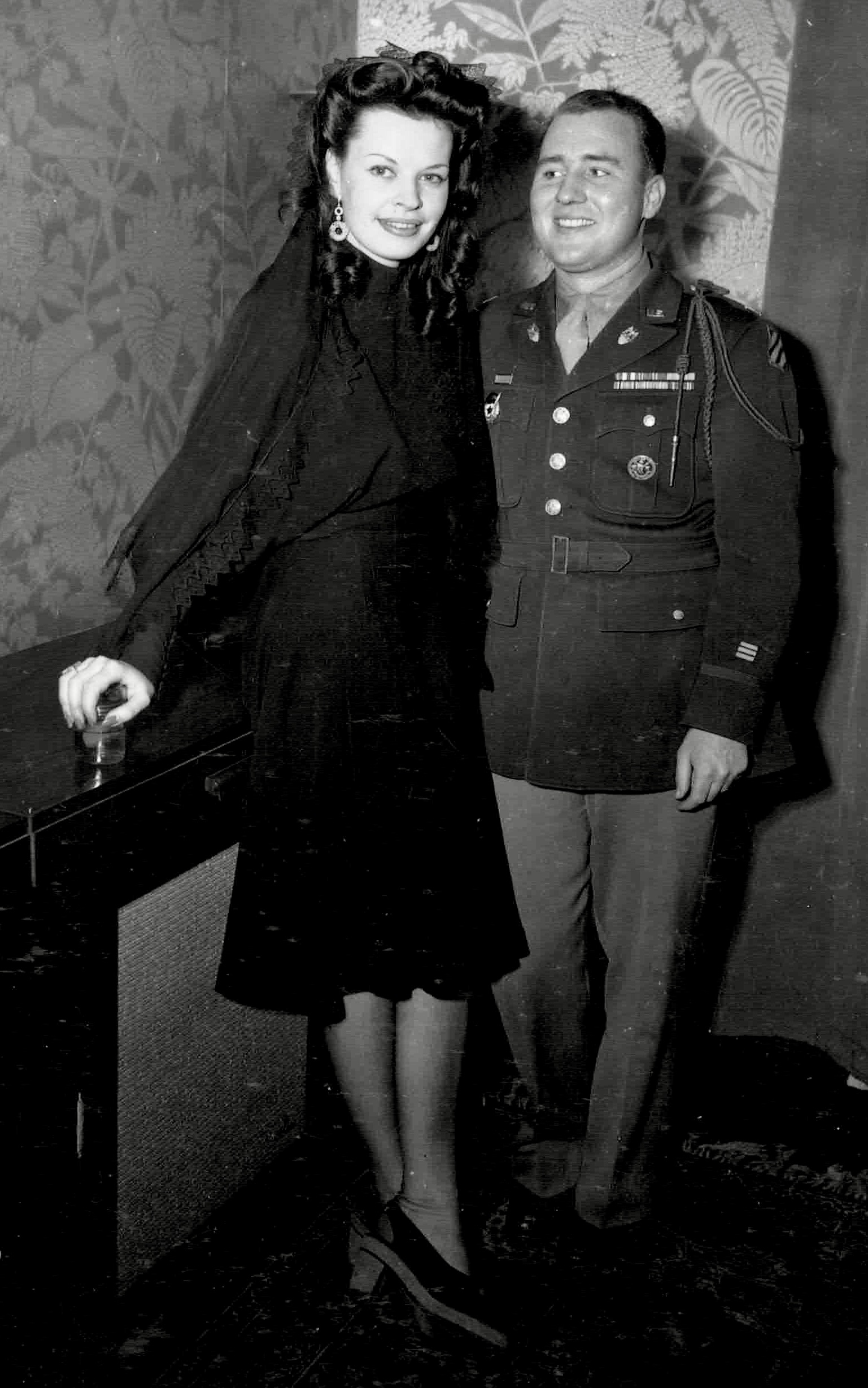
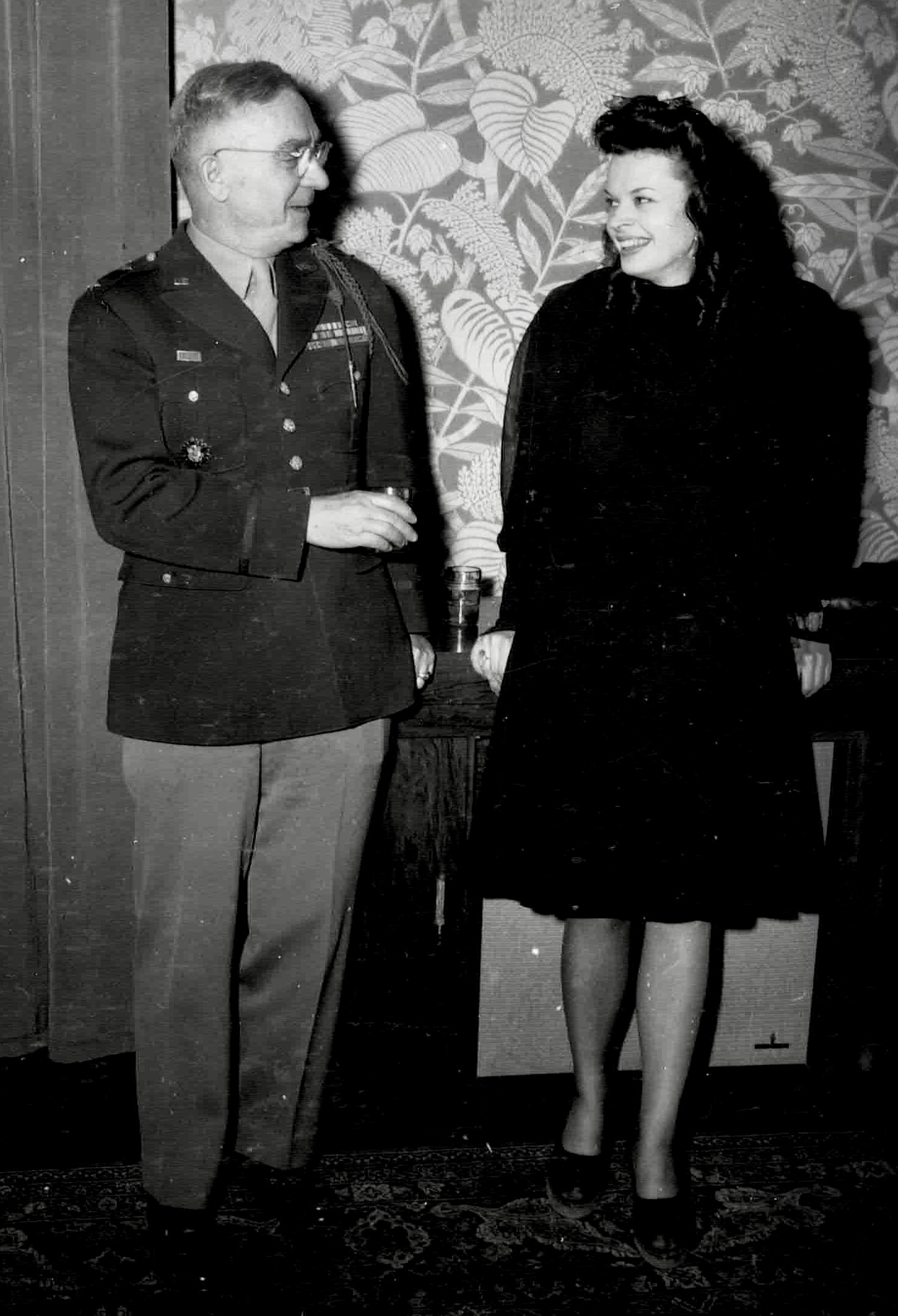
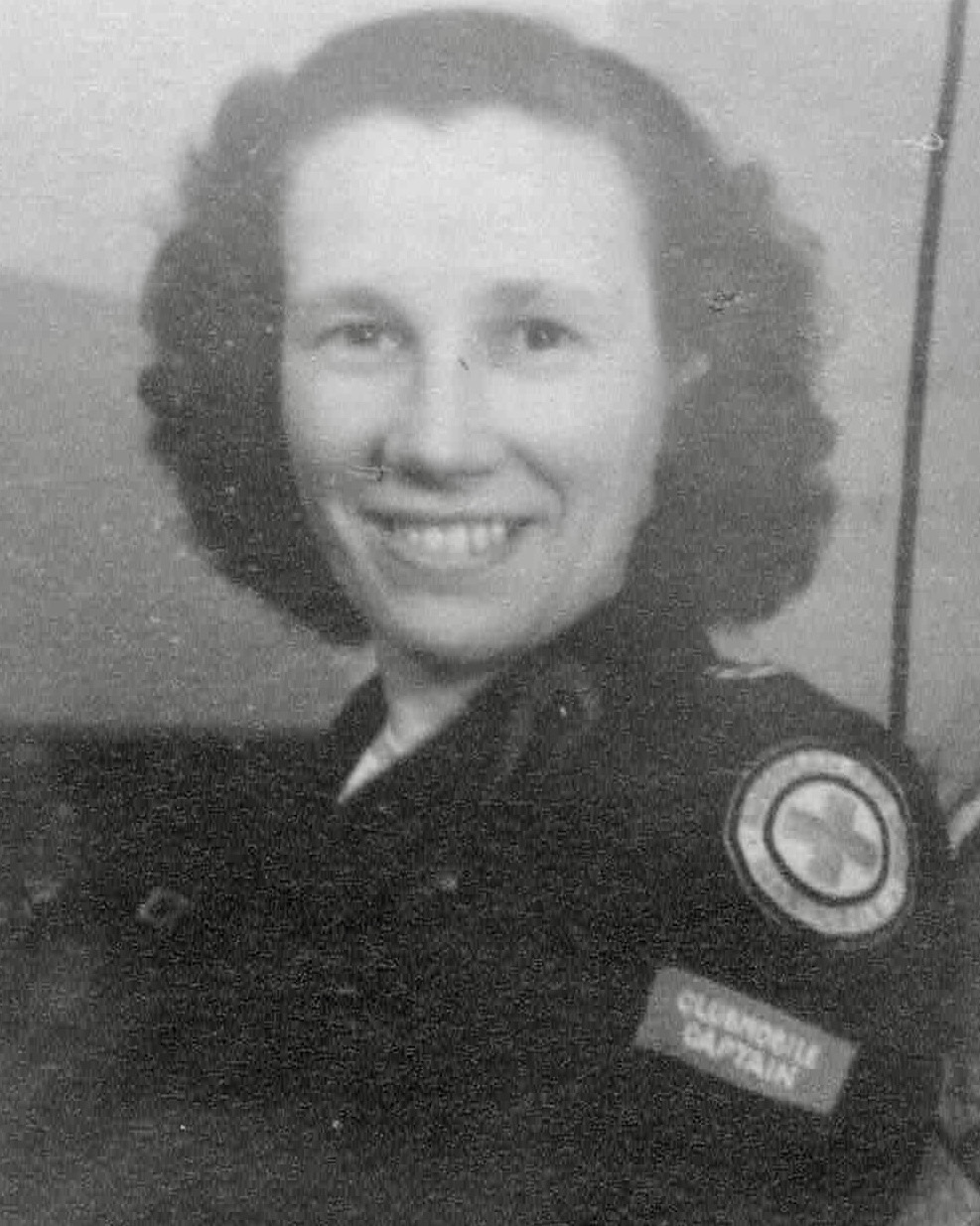
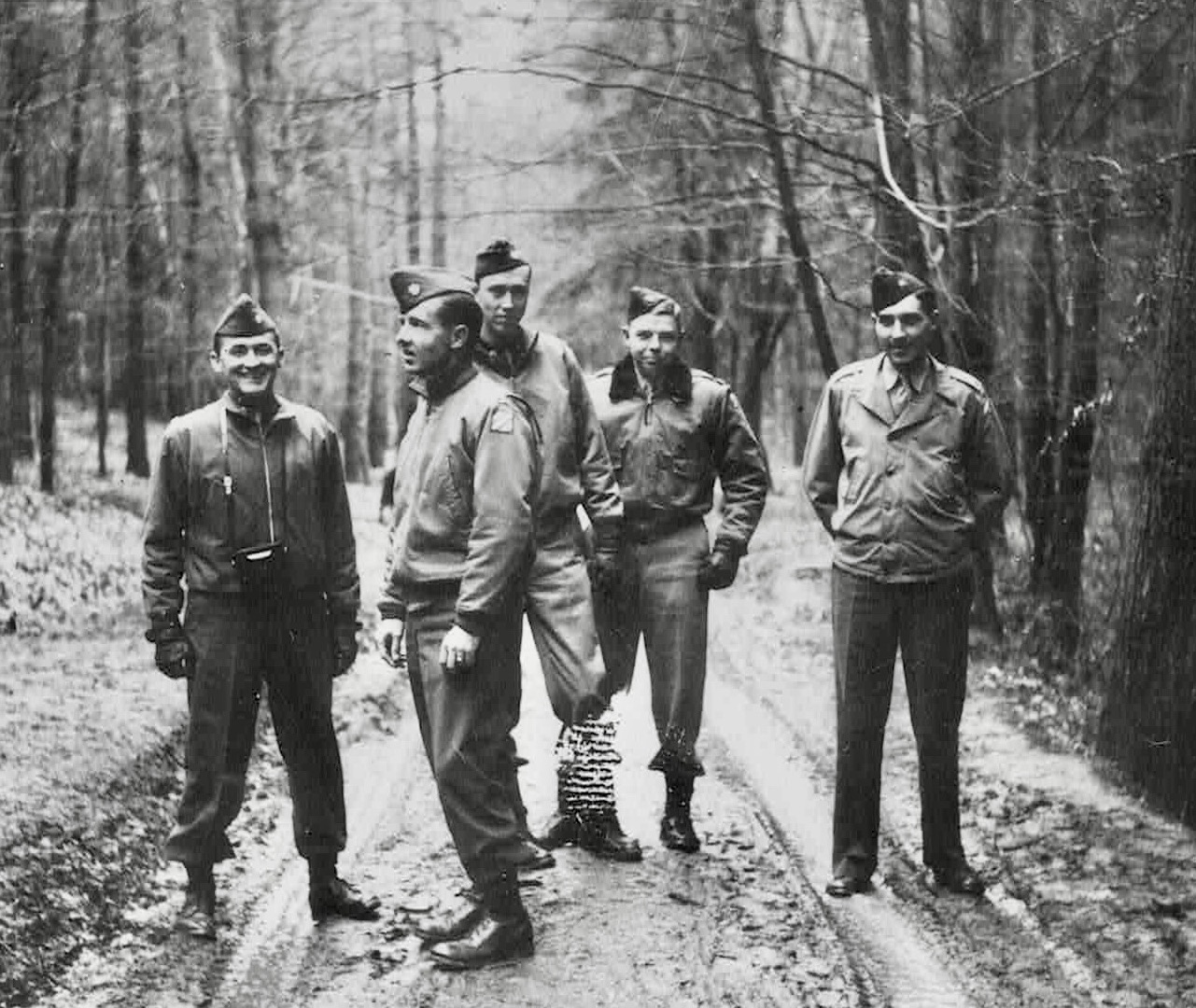
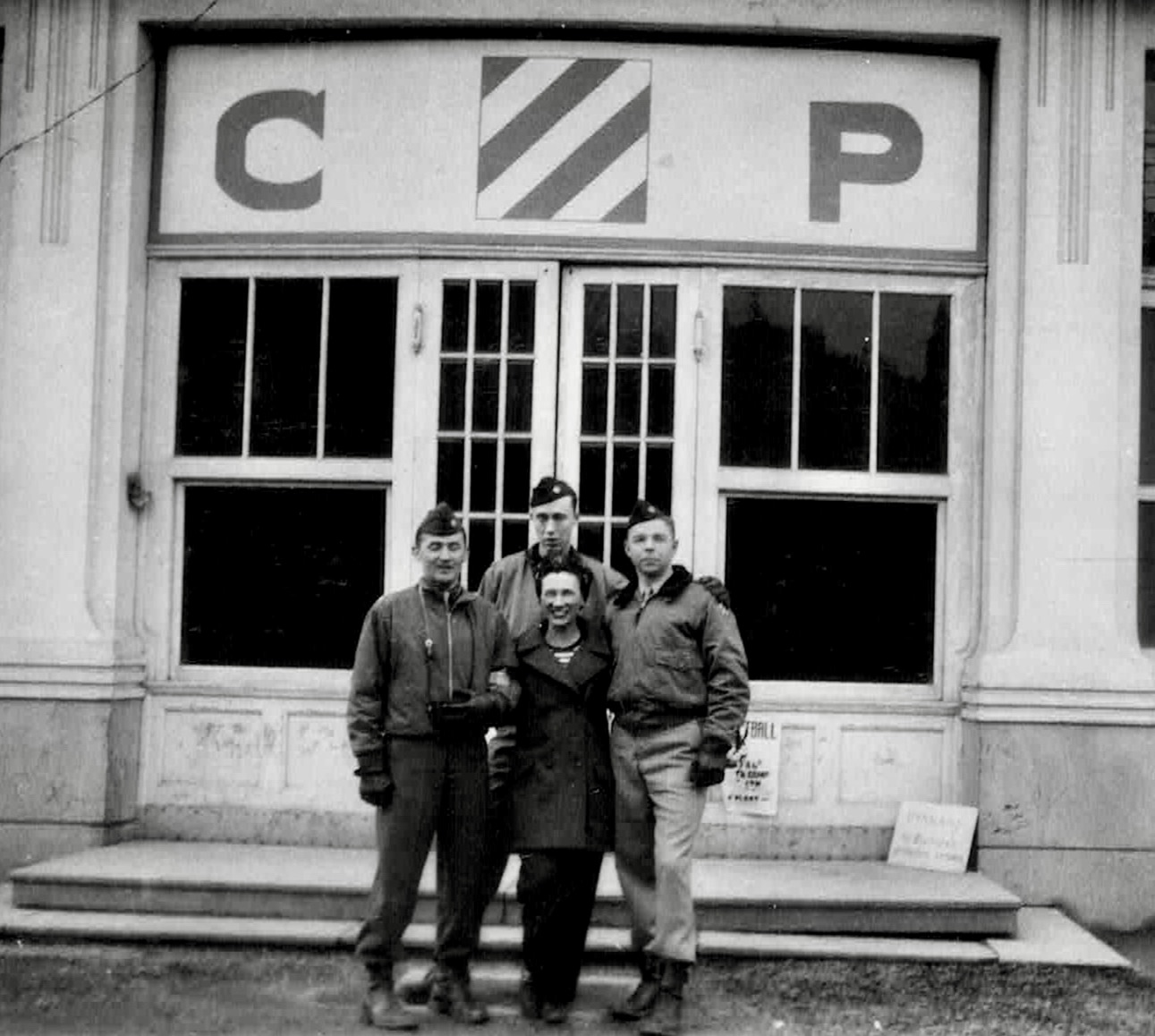
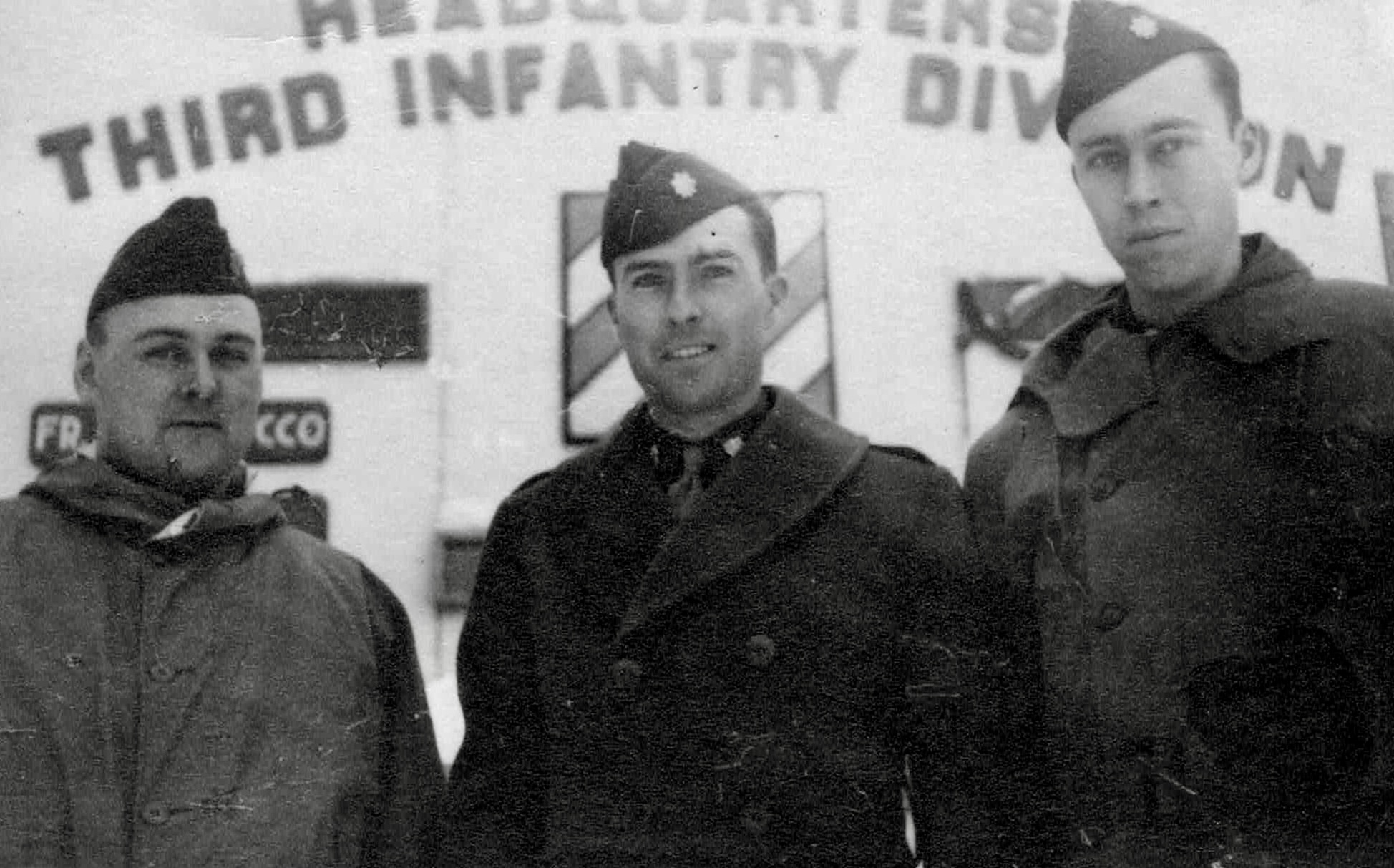
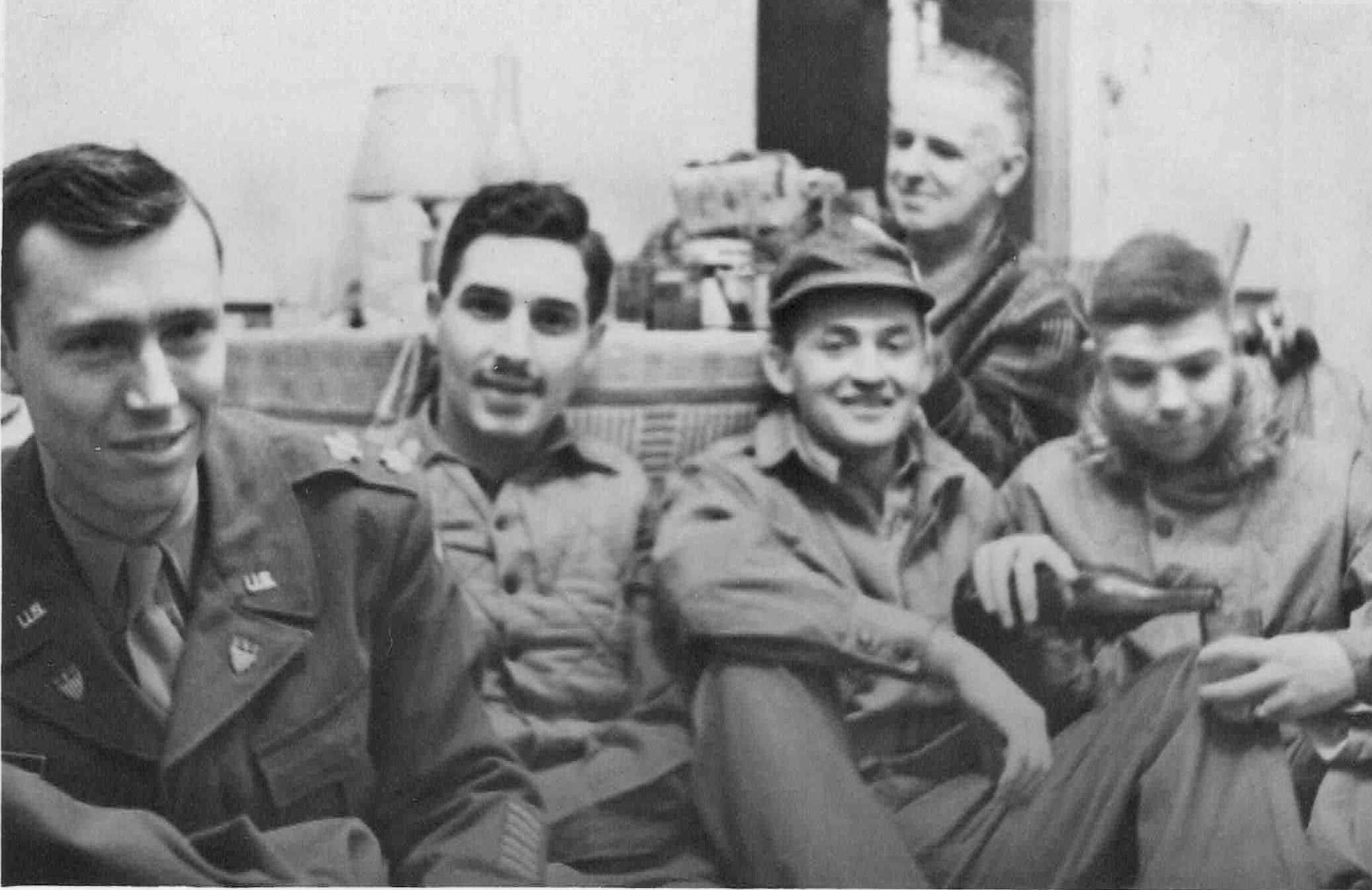
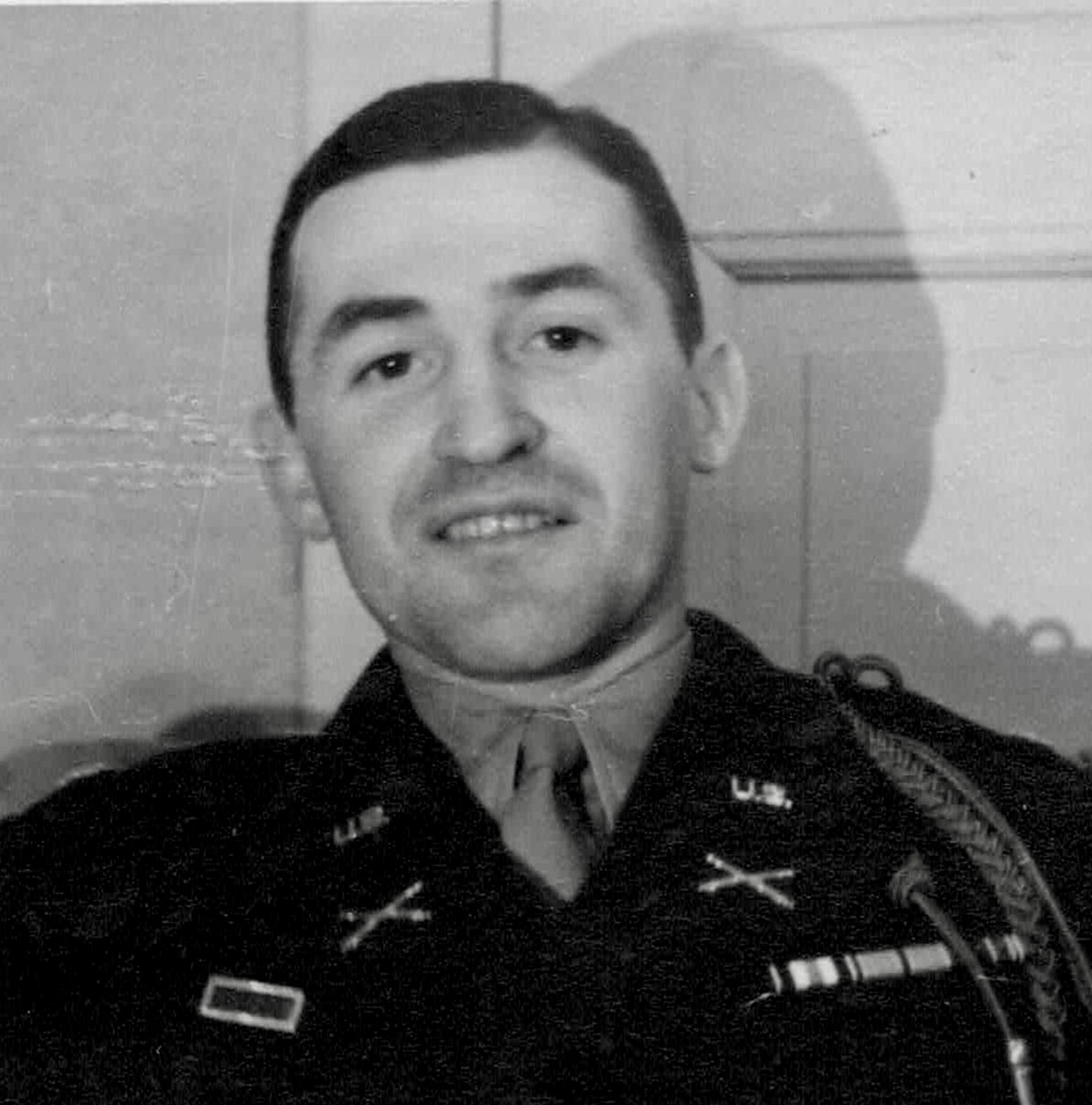
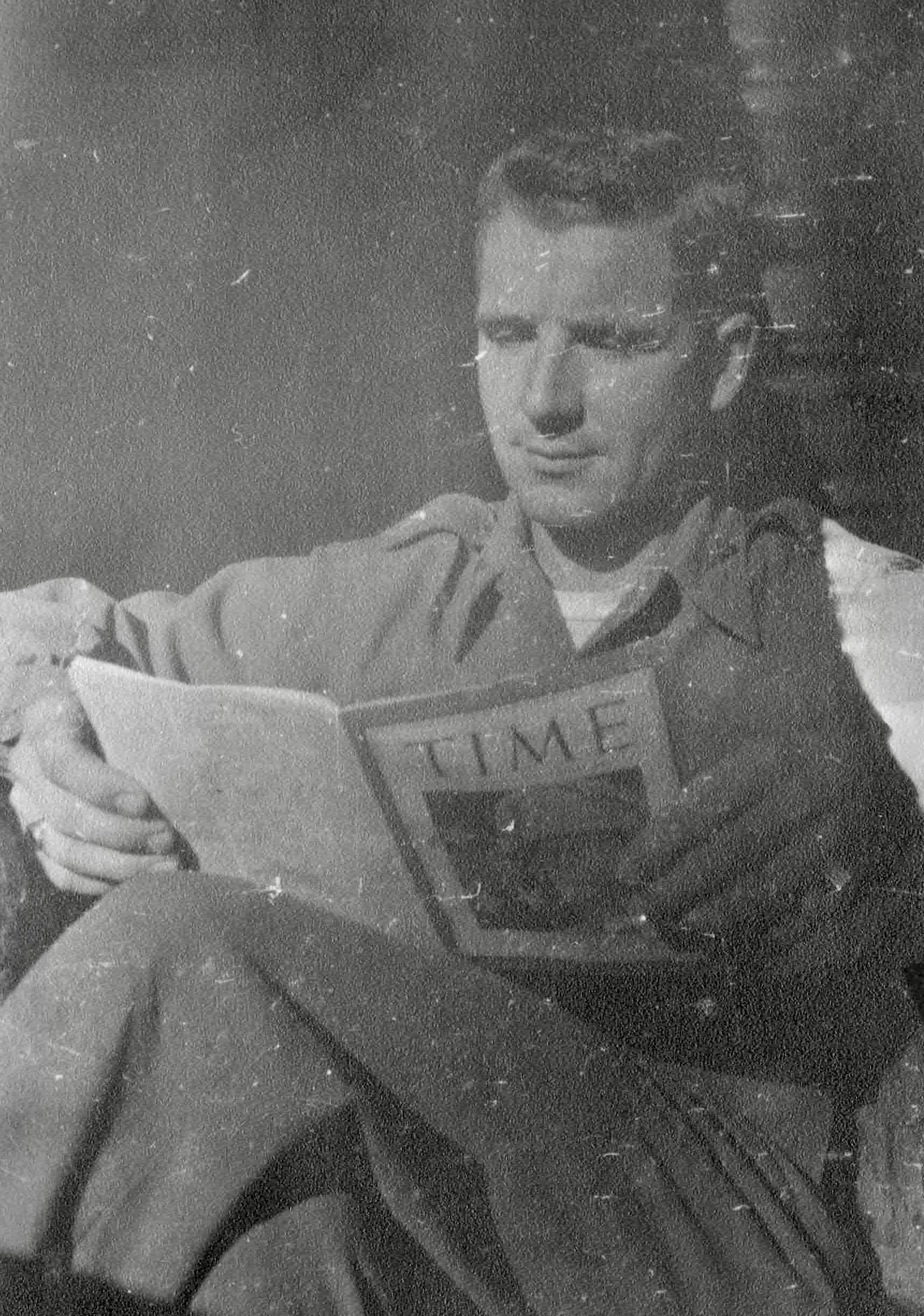
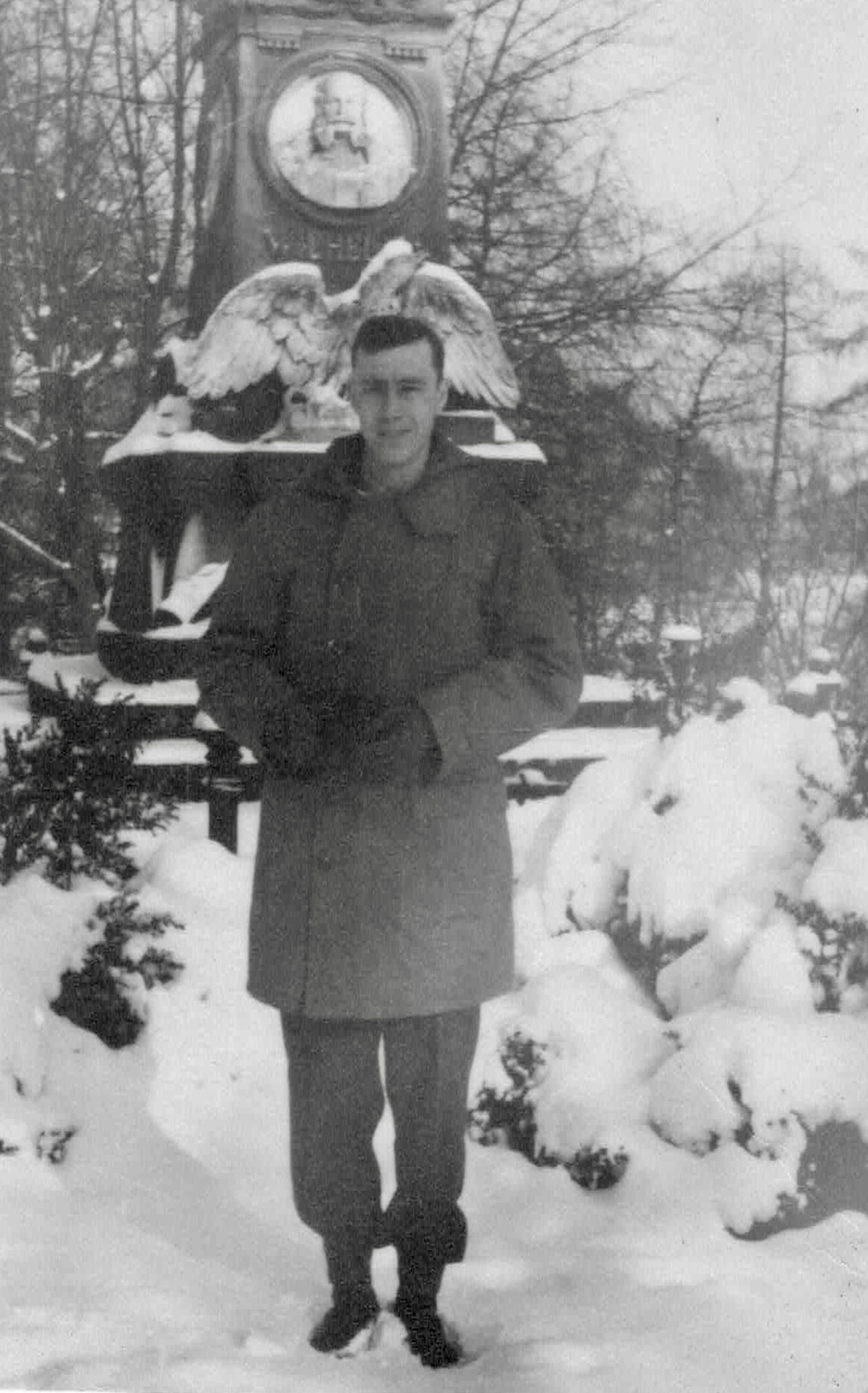
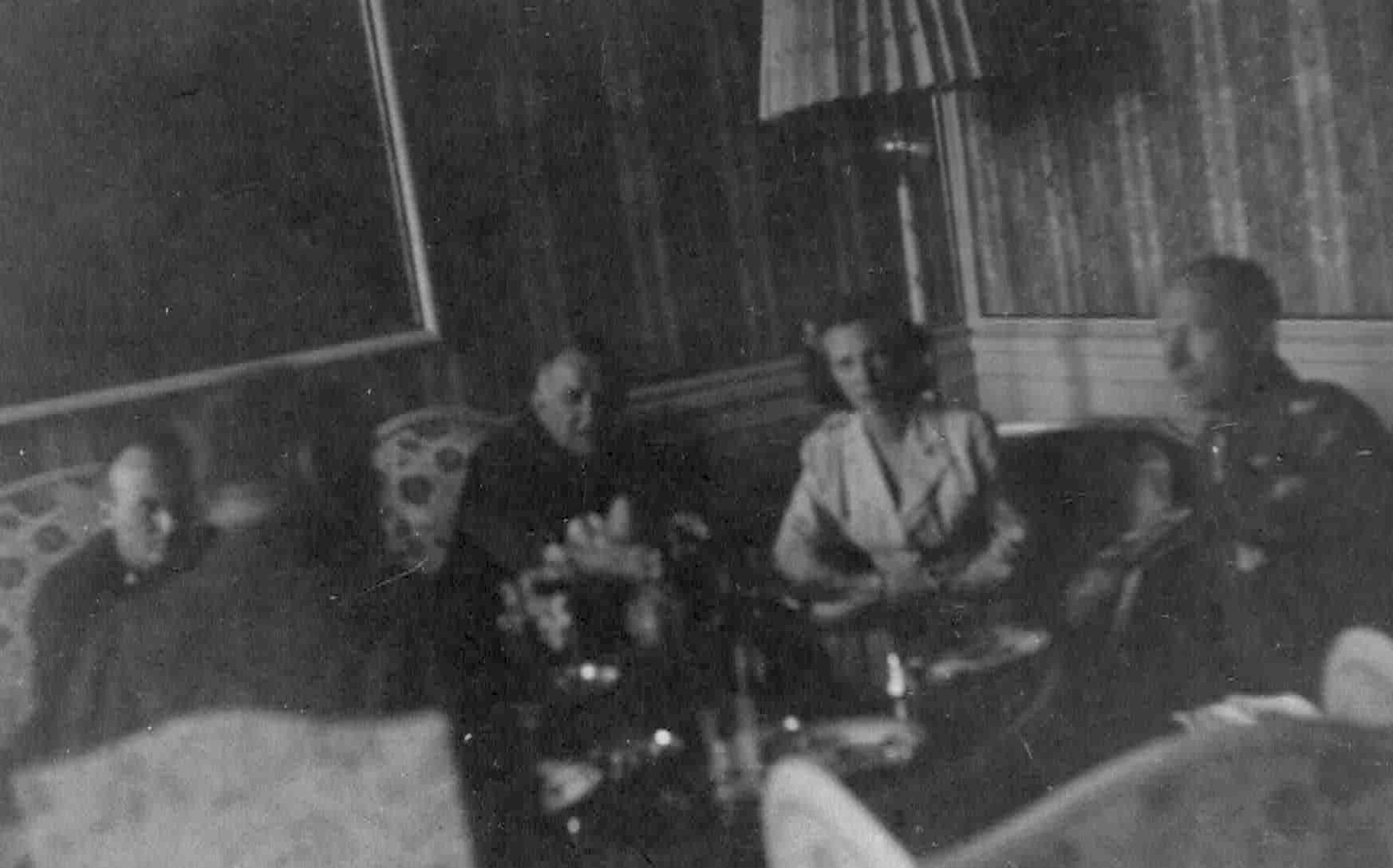
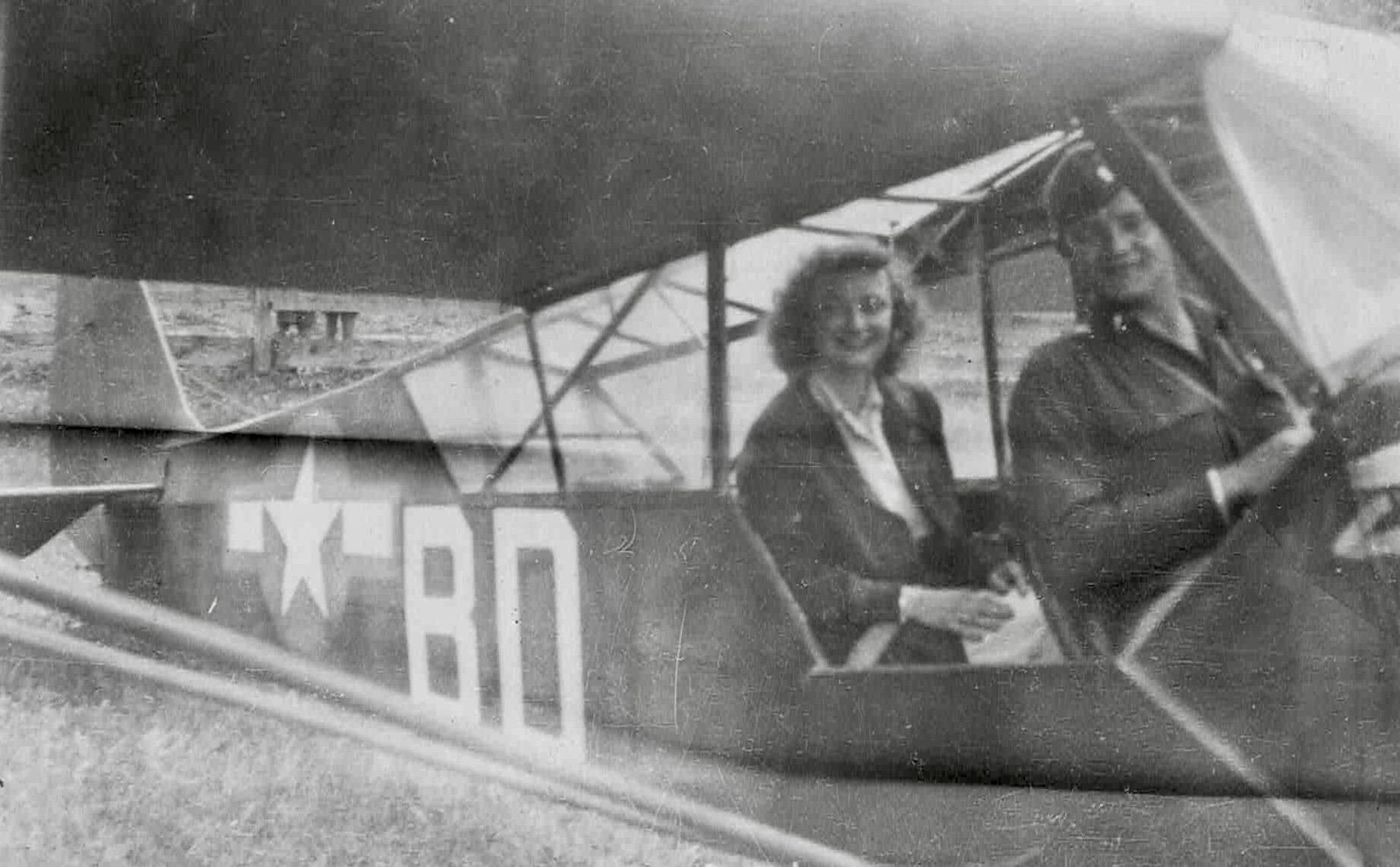
Flo photographed some of her coworkers and visitors at the CP
My Mother and Audie Murphy Ch. 102
Ch. 103: https://mollymartin.blog/2026/03/15/swiss-leave-december-1945/
Bad Hotel, Bad Wildungen
Flo photographed some of her coworkers and visitors at the CP
My Mother and Audie Murphy Ch. 102
Ch. 103: https://mollymartin.blog/2026/03/15/swiss-leave-december-1945/
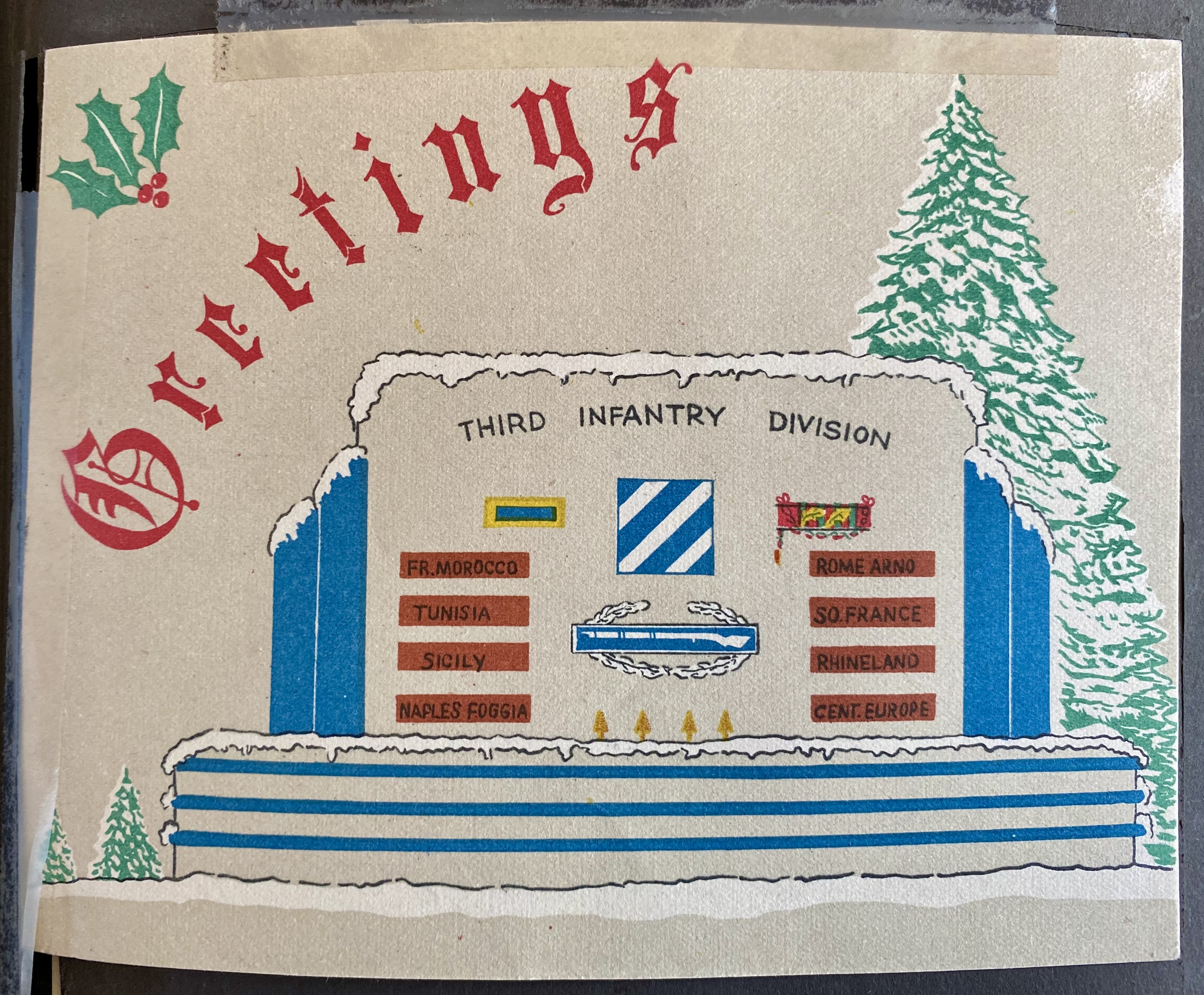
3rd Division souvenir paper tells history of the division
My Mother and Audie Murphy Ch. 100
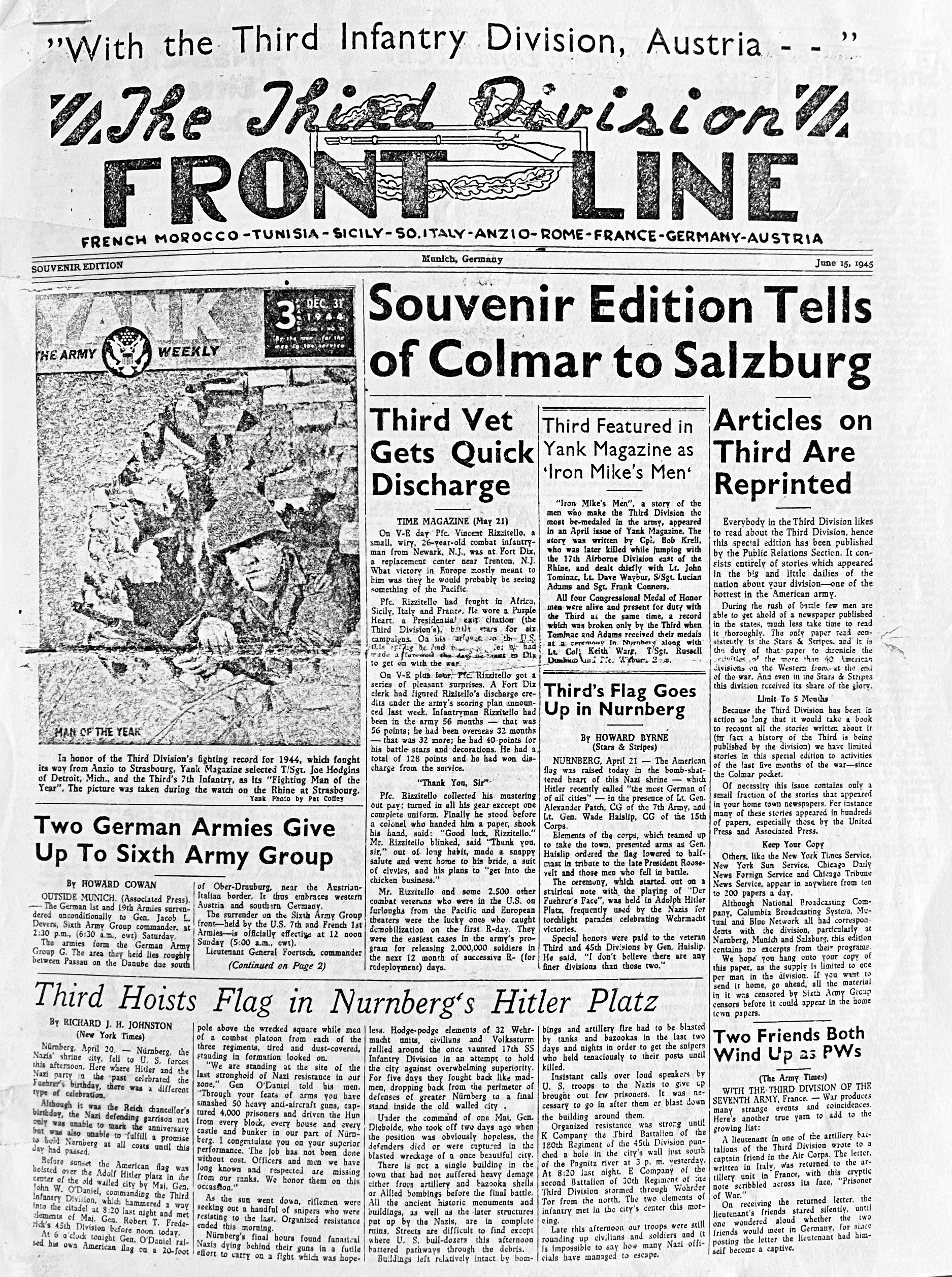
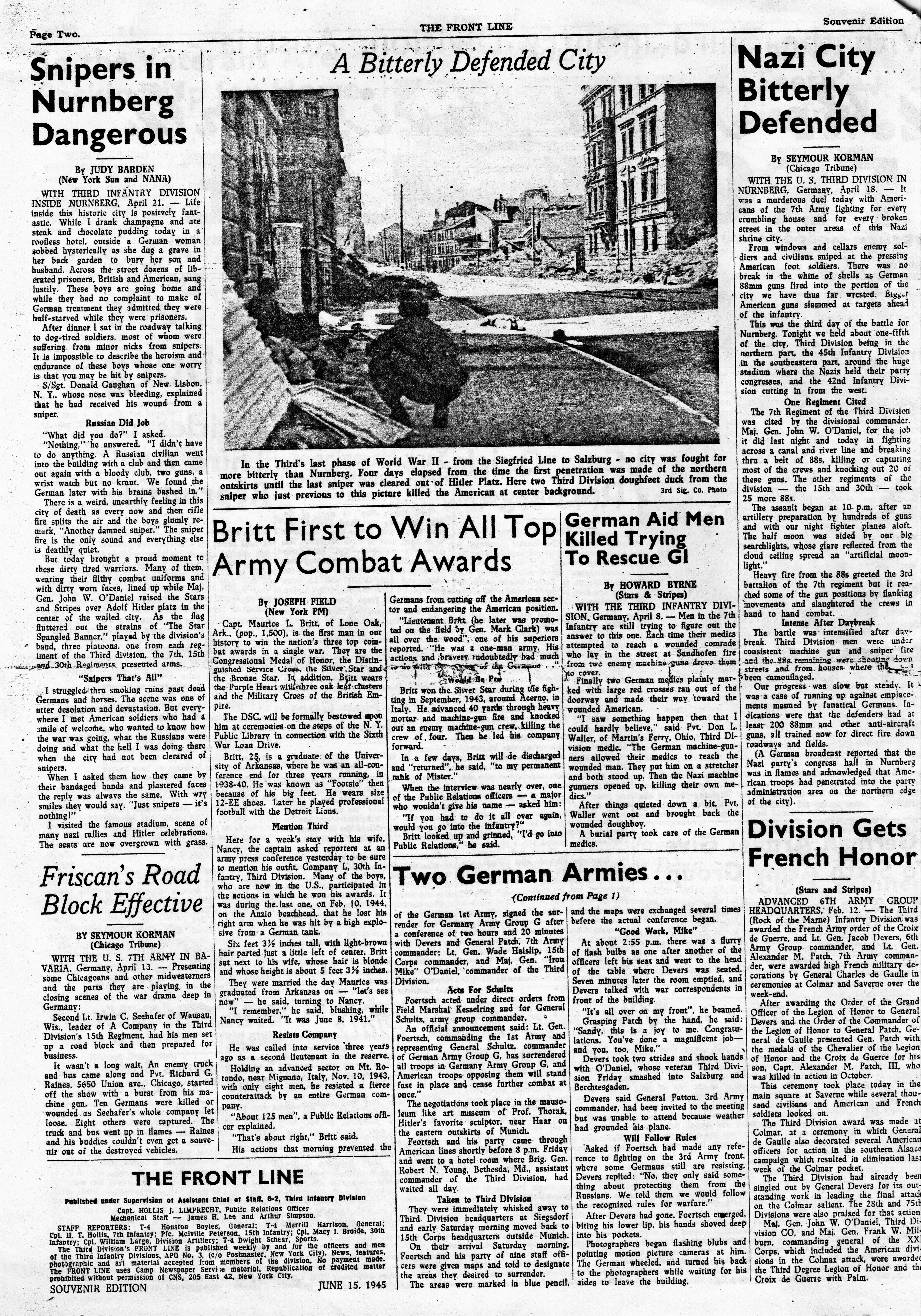
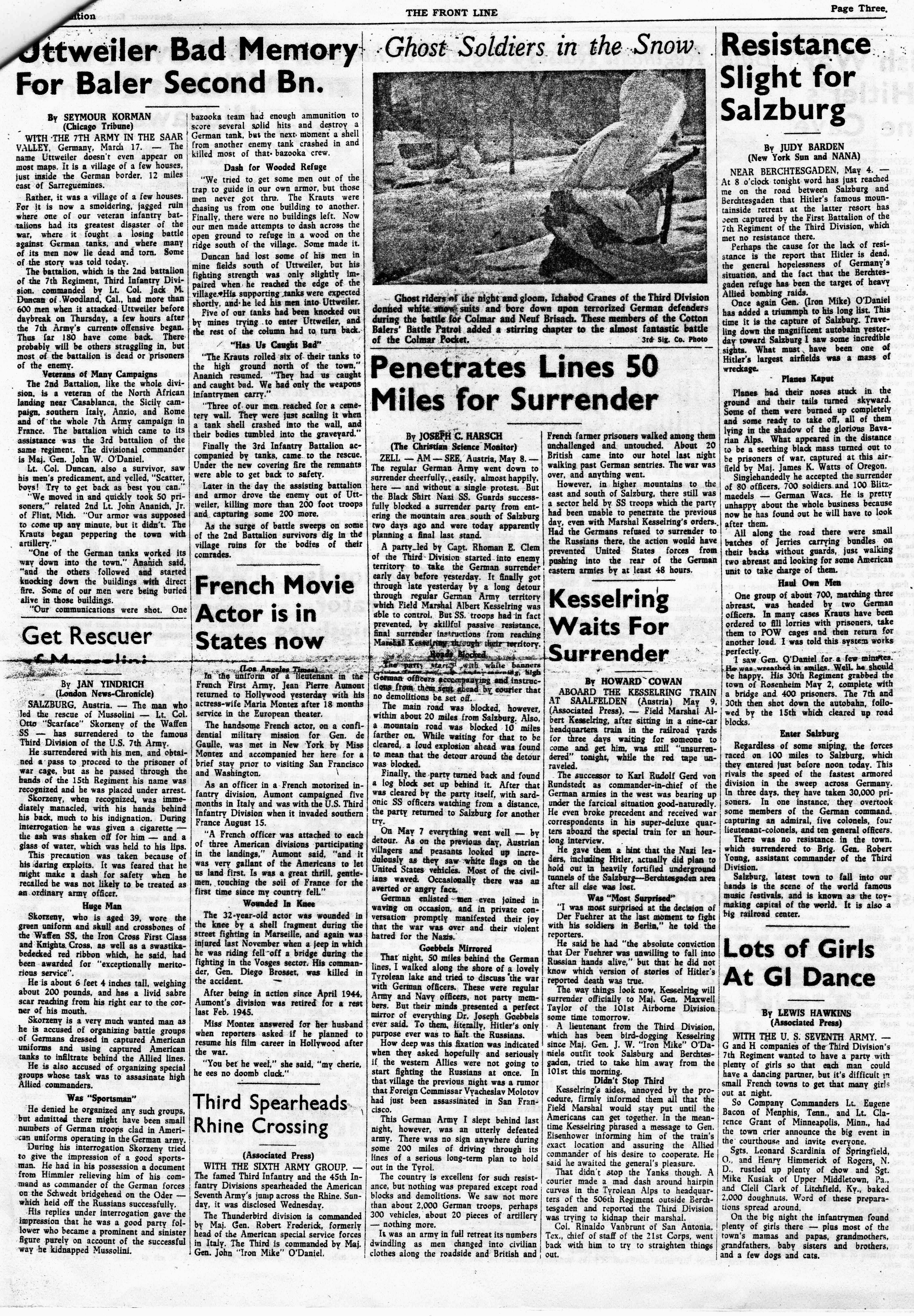
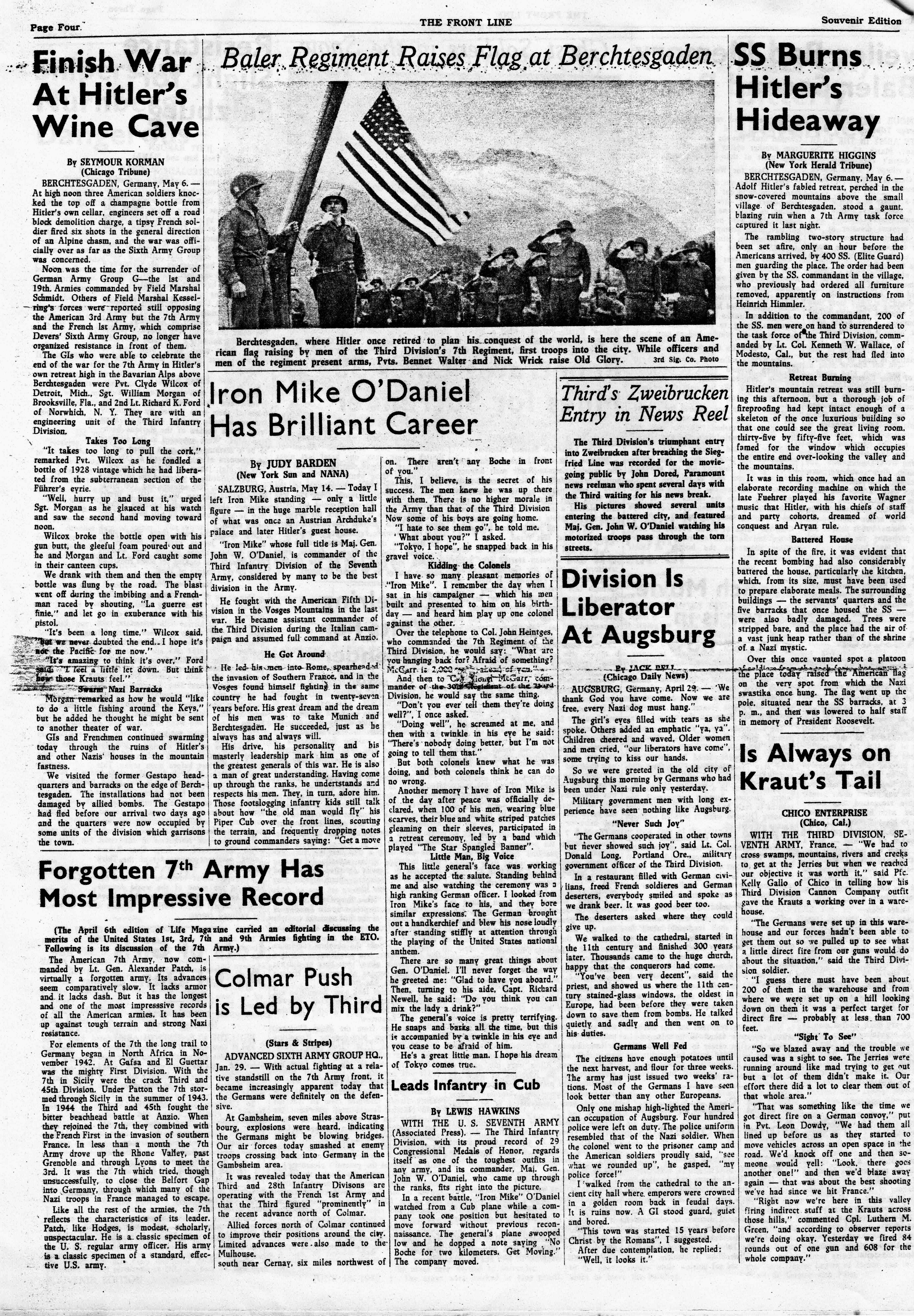
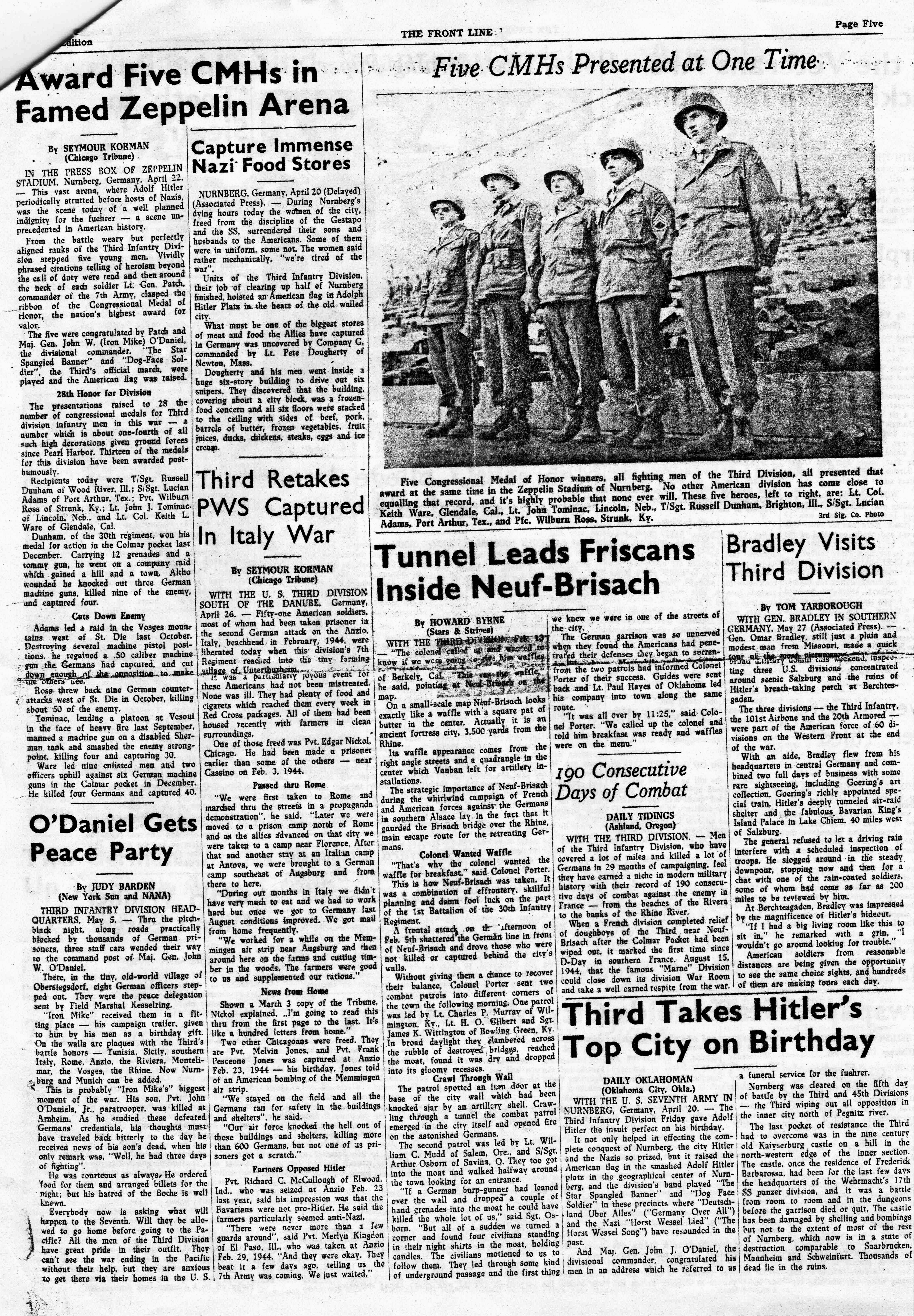
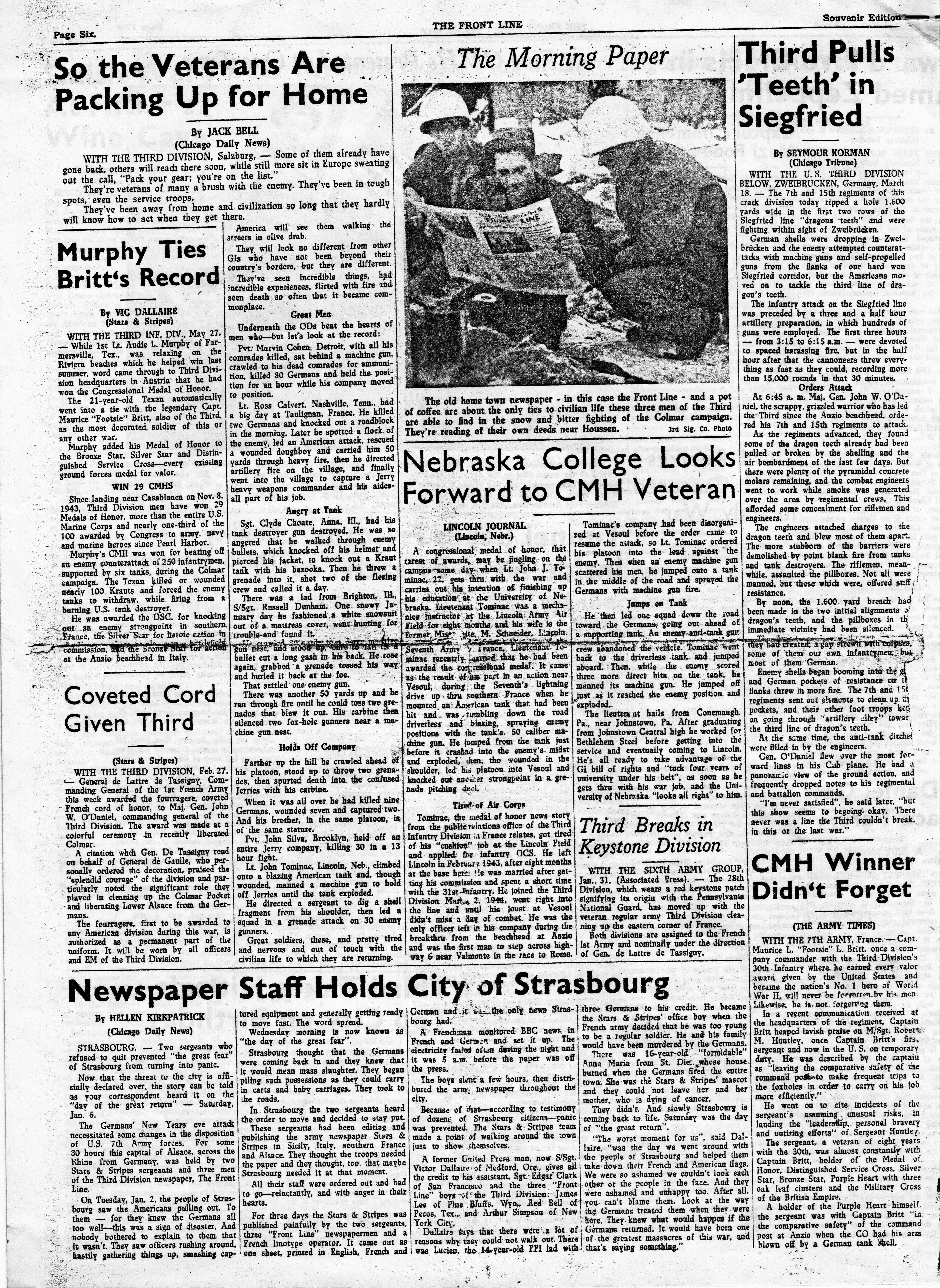
Don’t throw this away! admonishes the Front Line newspaper of their post-war special edition. Flo didn’t throw it away. She saved it and tucked it into her album. The issue consists entirely of stories which appeared in the big and little dailies of the nation about the Third Division.
From the introduction: “During the rush of battle few men were able to get a hold of a newspaper published in the states, much less take time to read it thoroughly….Hence, this special edition.
“We hope you hang on to your copy as the supply is limited to one per man. If you want to send it home, go ahead. All the material in it was censored by Sixth Army Group censors before it could appear in the home town papers.”
The Front Line is the official newspaper of the Third Infantry Division. In the interest of archiving, I’m posting the whole six-page paper. You can read it by pinching out the image.
Ch. 101: https://mollymartin.blog/2026/03/07/a-sweet-love-poem-to-a-flyer/
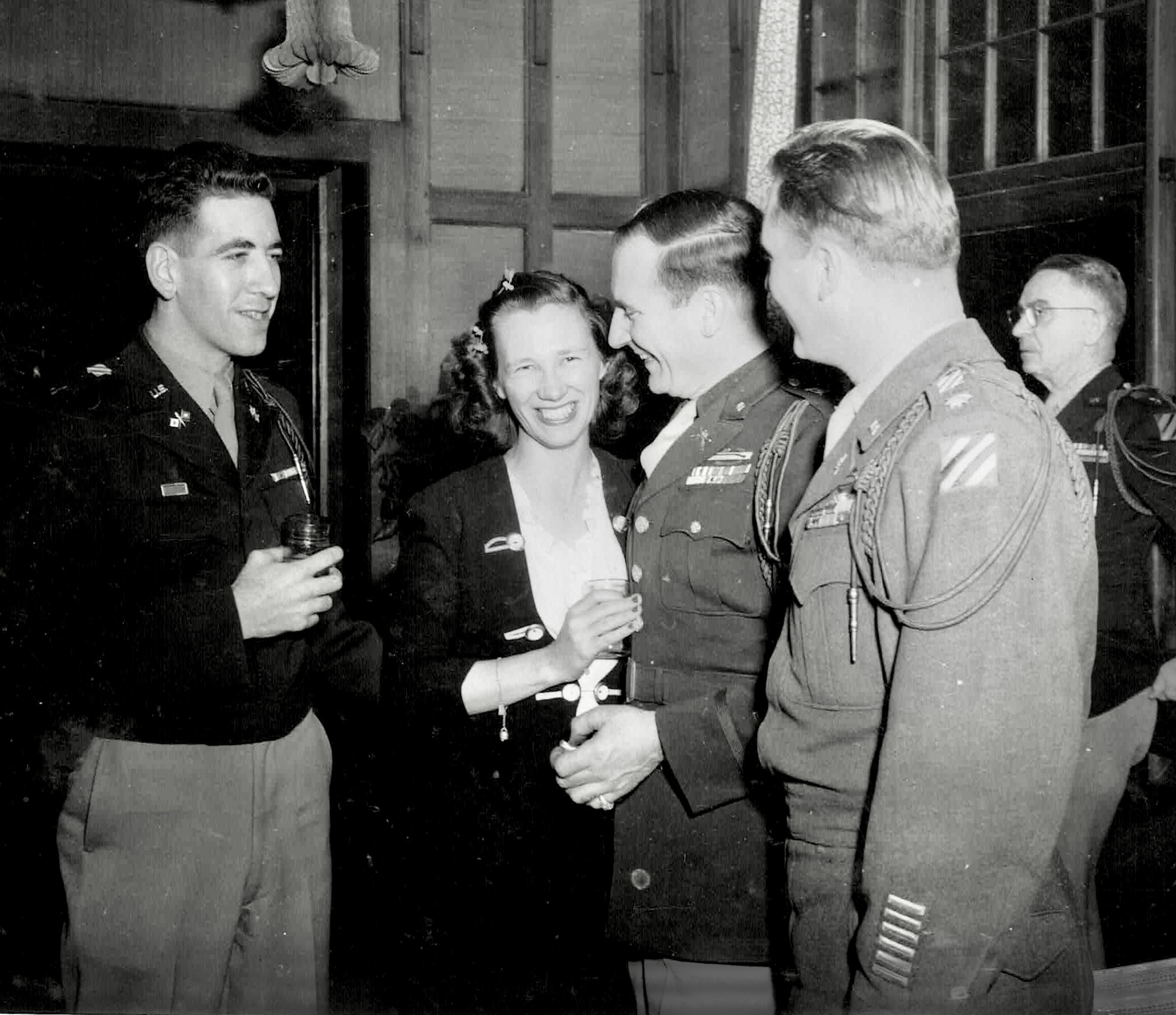
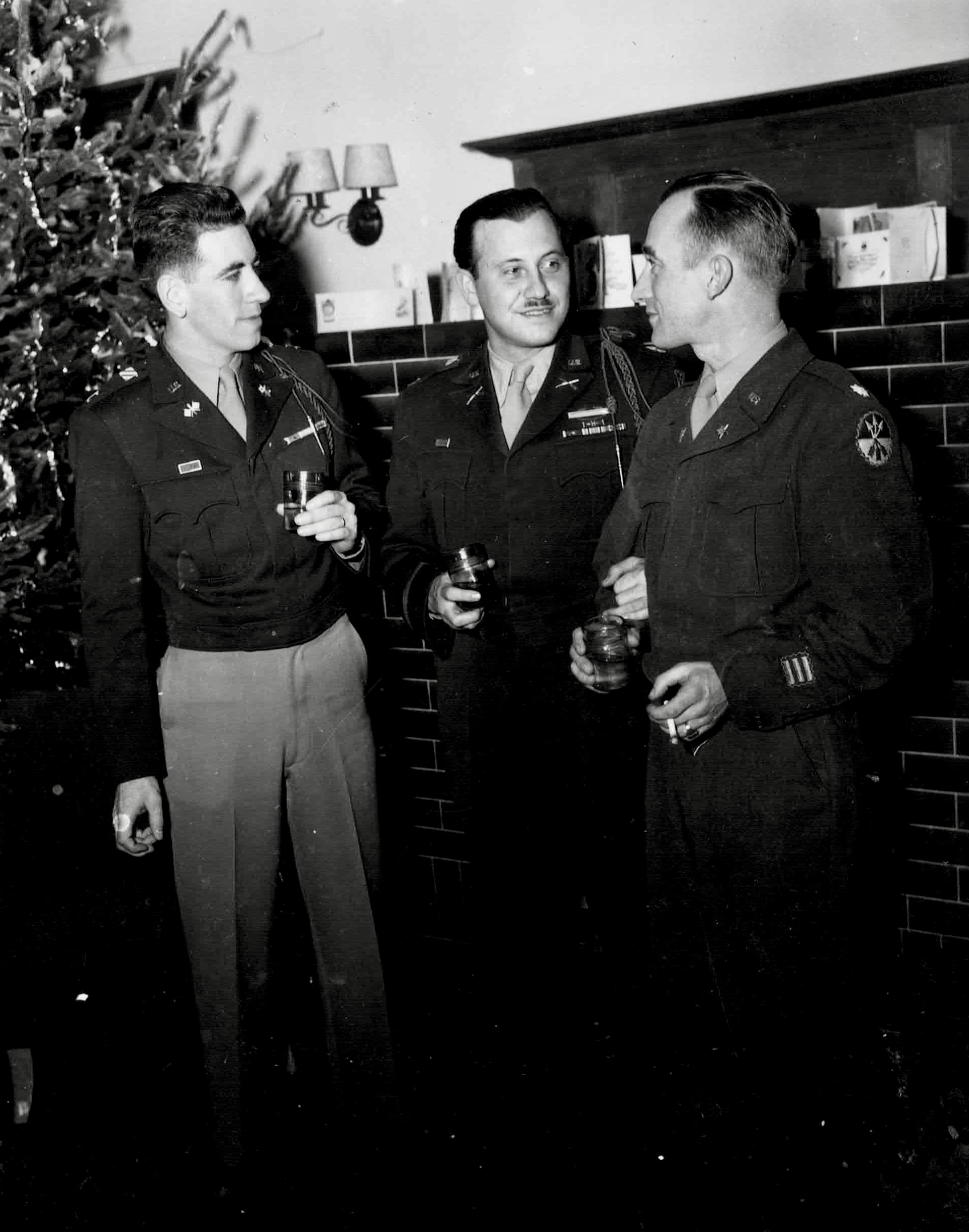
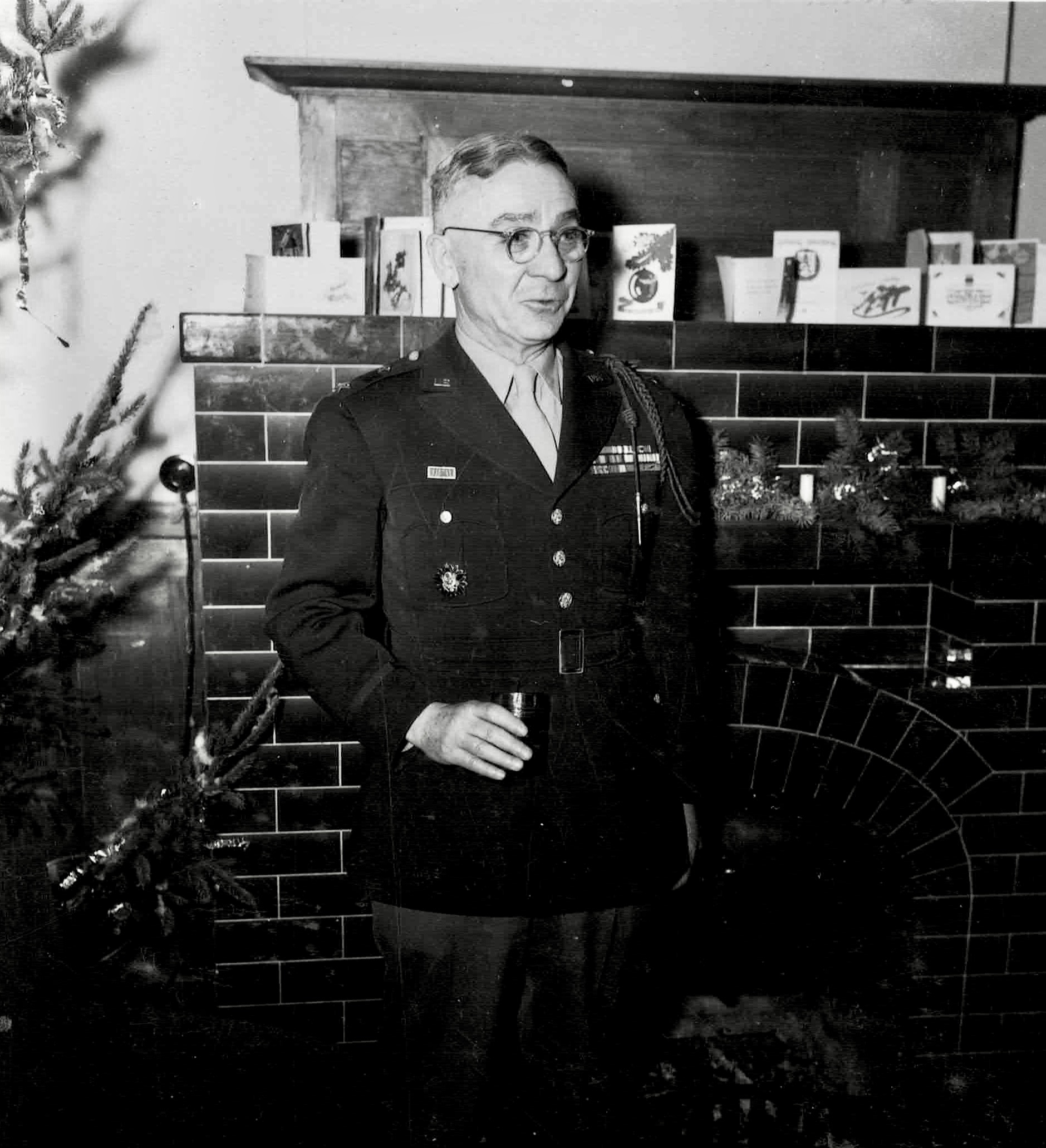
Gen. Schmidt’s New Year’s party celebrates Third Division
My Mother and Audie Murphy Ch. 99
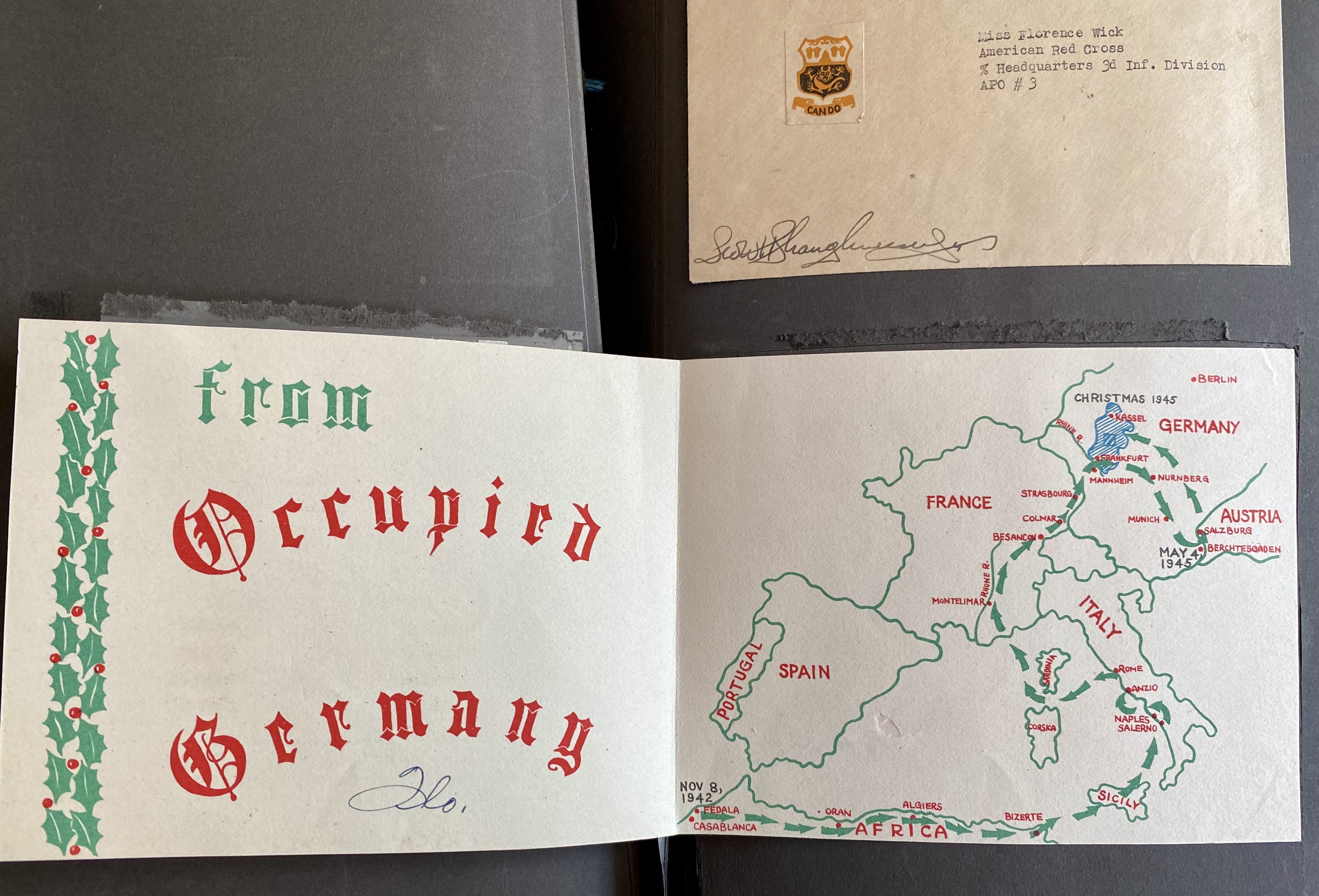
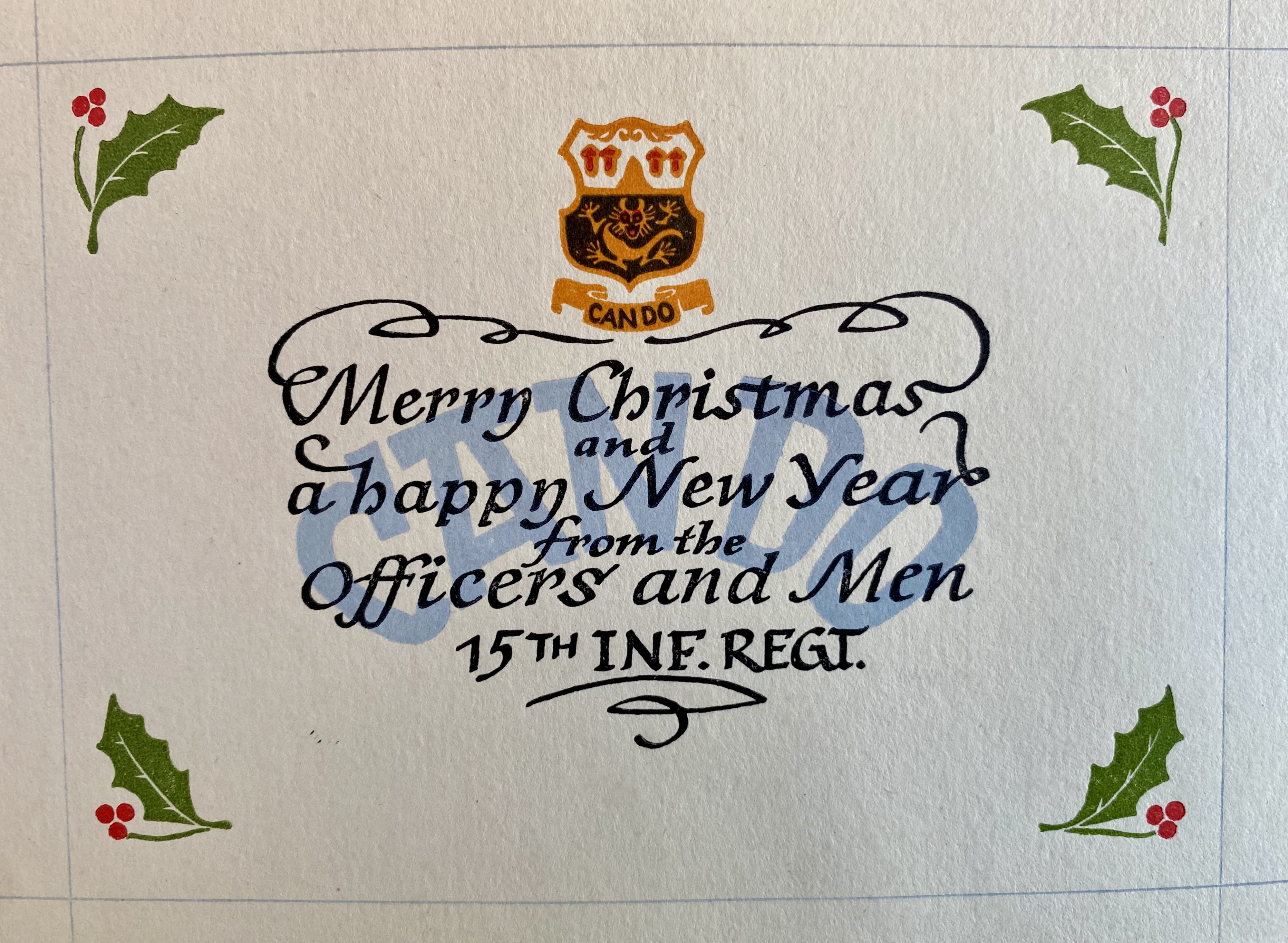
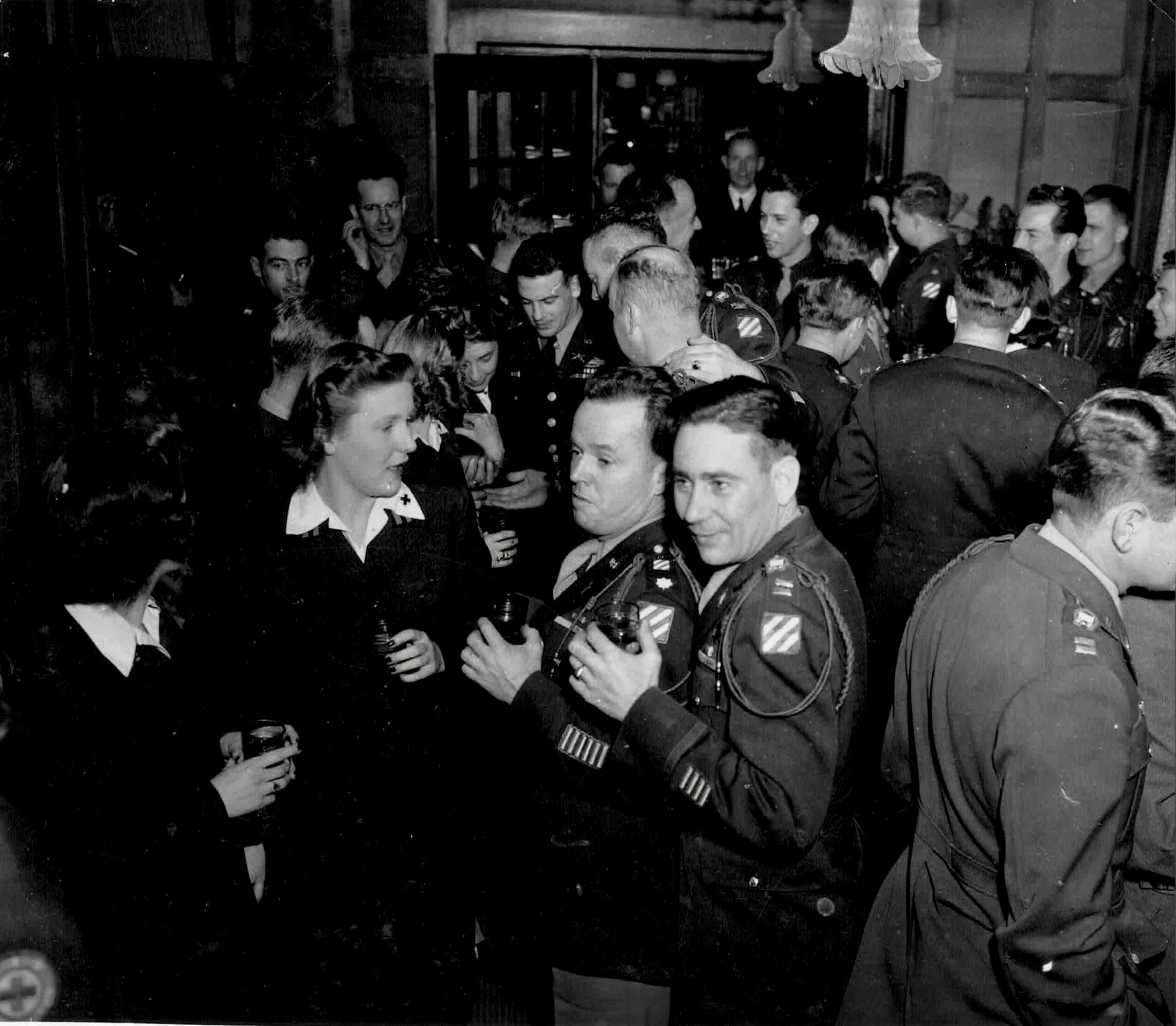
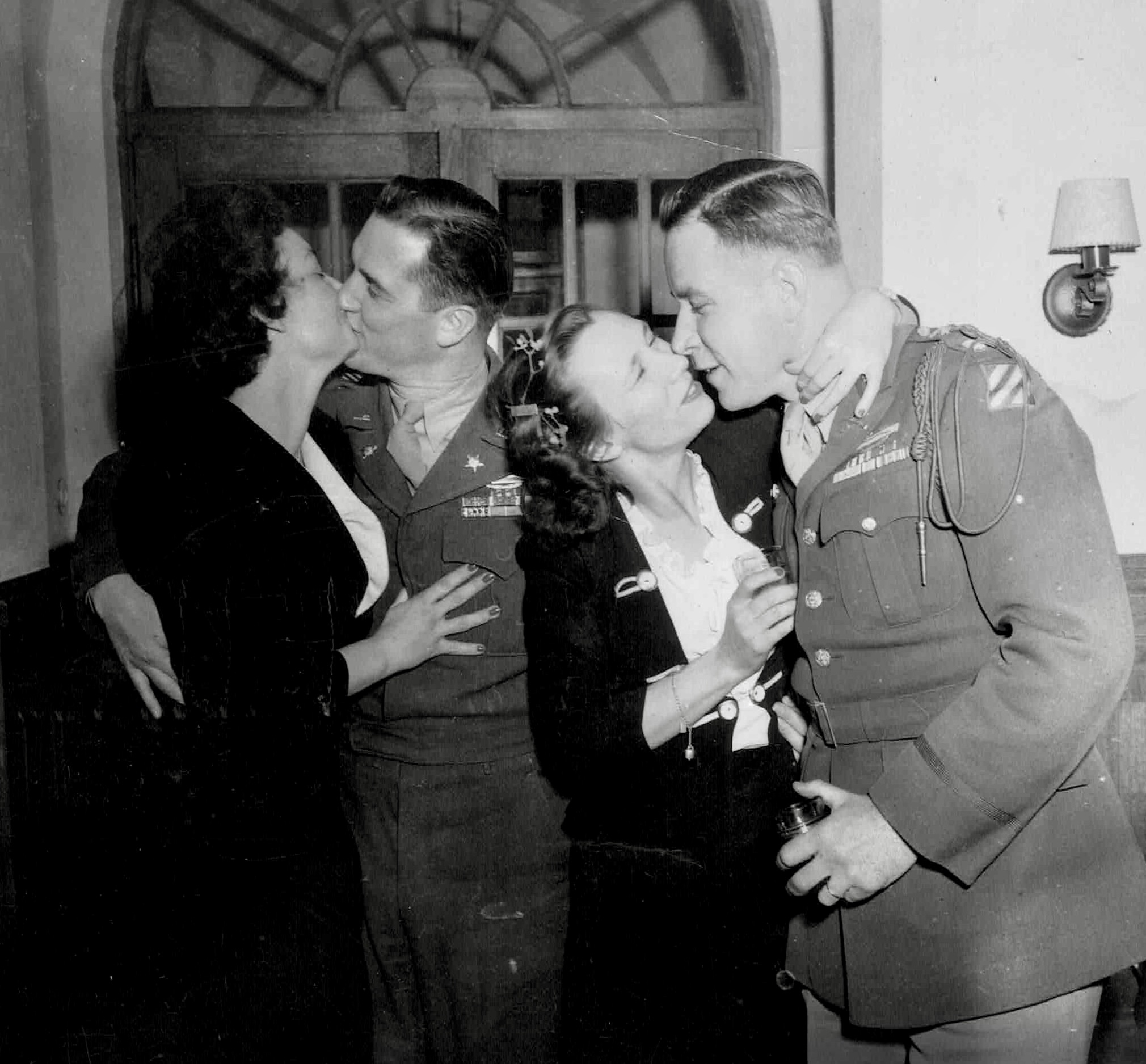
Ch. 100: https://mollymartin.blog/2026/03/03/front-line-publishes-special-edition/
They celebrate Armistice Day in occupied Berlin
My Mother and Audie Murphy Ch. 98
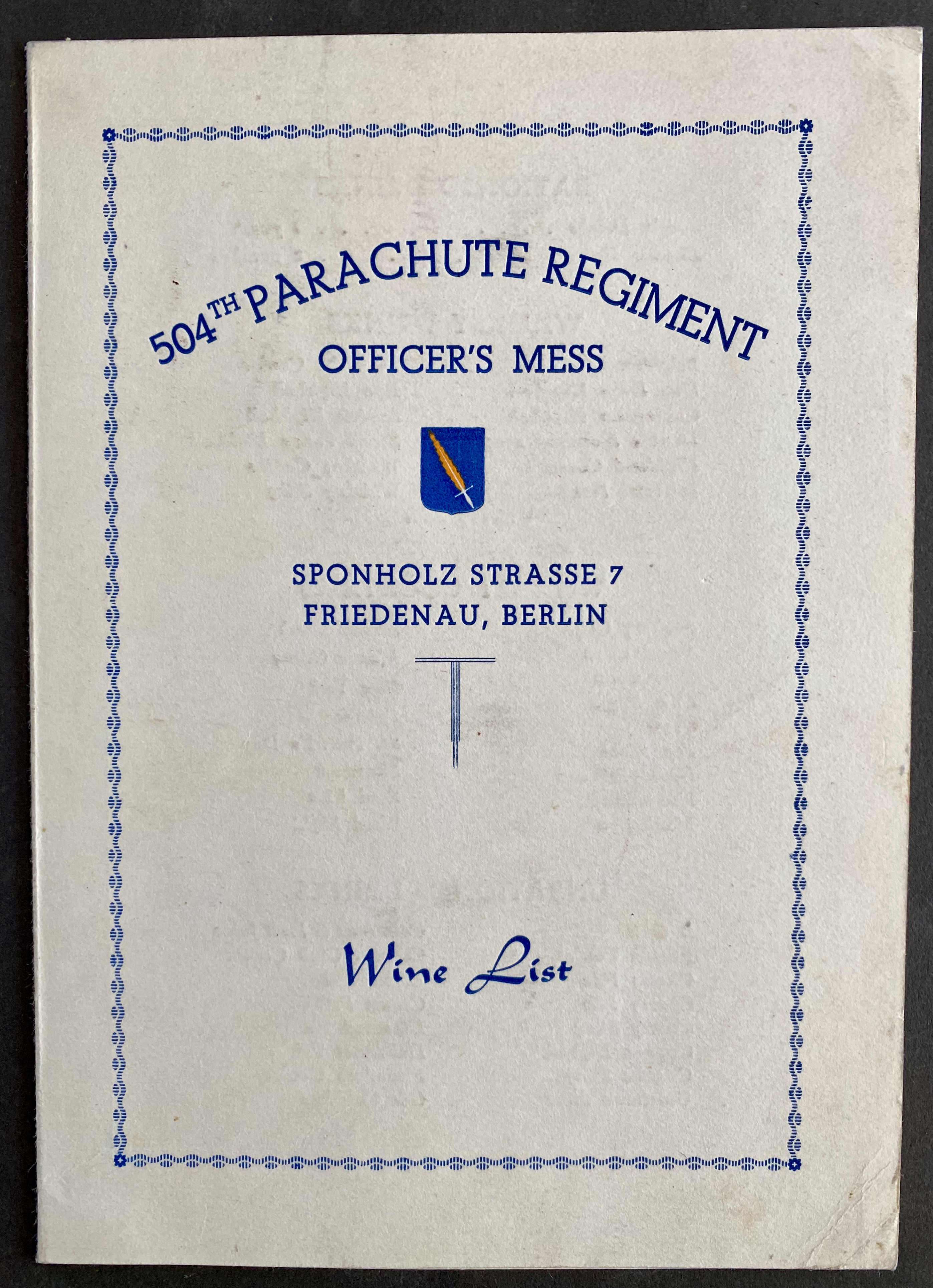
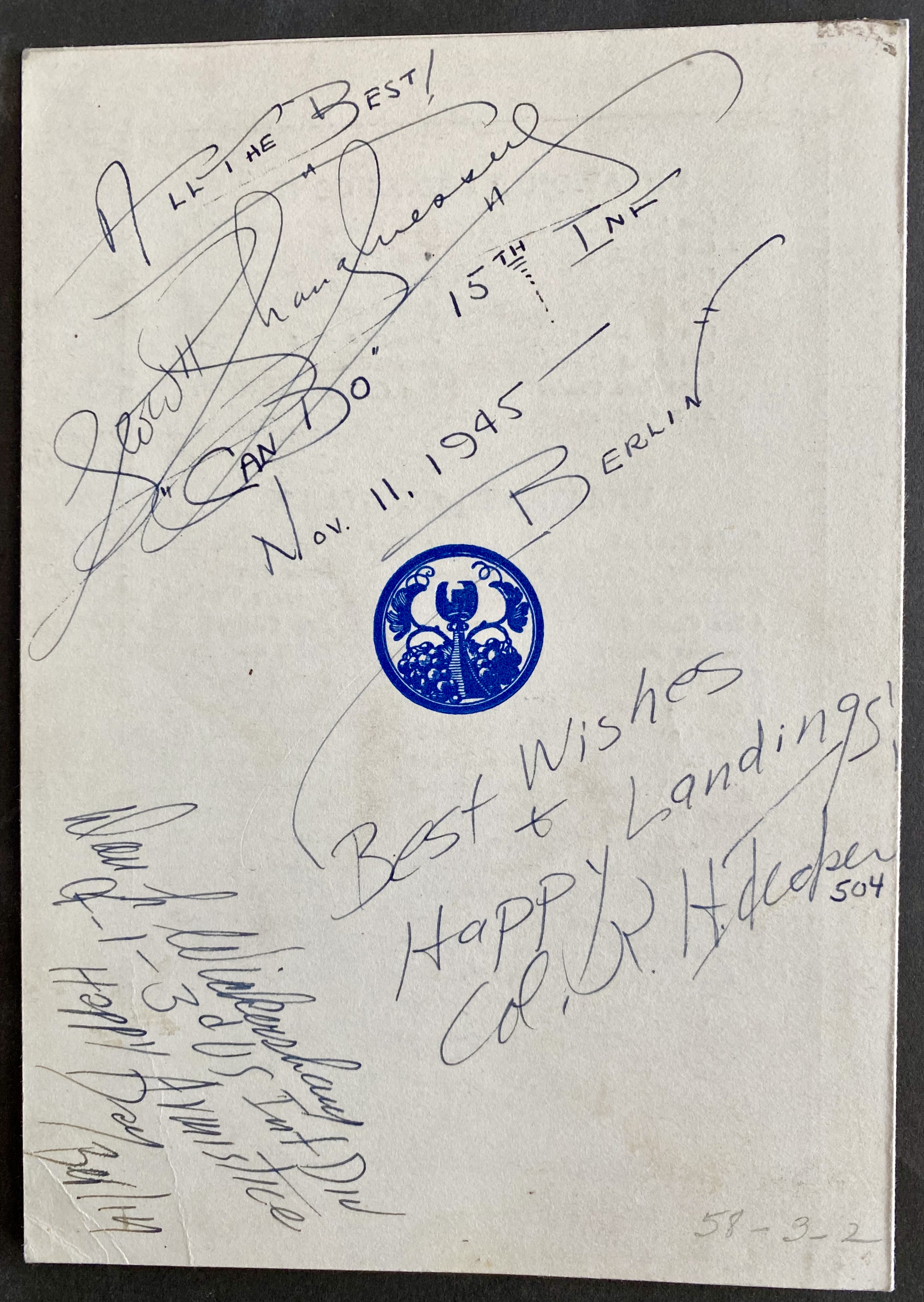
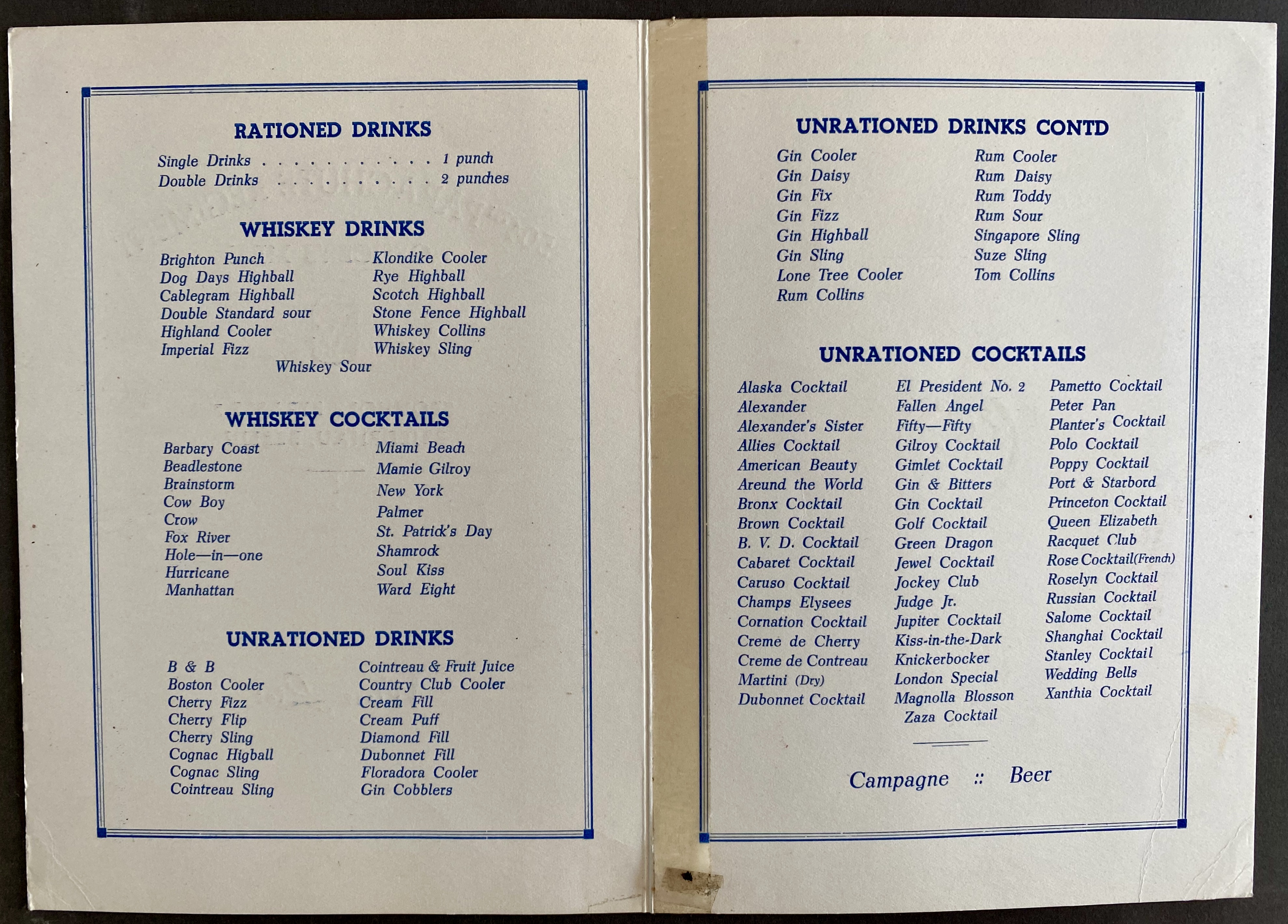
While they were in Berlin for the football game between the Third Division and the 82nd Airborne, Flo and her comrades were invited to a party hosted by the 504th Parachute Regiment. To celebrate Armistice Day in occupied Berlin must have been especially poignant so soon after the end of this second world war.
Flo saved the wine list which listed no wine, but more cocktails than I knew existed. I recognize a few—Manhattan, Martini, Gin Fizz—but not most. I wonder if modern bartenders are still making any of these drinks. The list notes that champagne and beer are available, but there is no mention of wine, at least on this page. Maybe Americans were just not partial to wine in the year 1945.
Ch. 99: https://mollymartin.blog/2026/02/27/christmas-new-years-1945/
Introduces the war hero to Hollywood
My Mother and Audie Murphy Ch. 95
James Cagney plays the unlikely role of talent scout in 1945 when a photograph on the cover of Life magazine stops him cold: Audie Murphy, the boyish Texan just discharged from the Army and celebrated as the most decorated American soldier of World War II. Impressed by Murphy’s heroism and screen presence, Cagney invites him to Los Angeles and signs him to his production company, determined to help turn a war hero into a movie star.
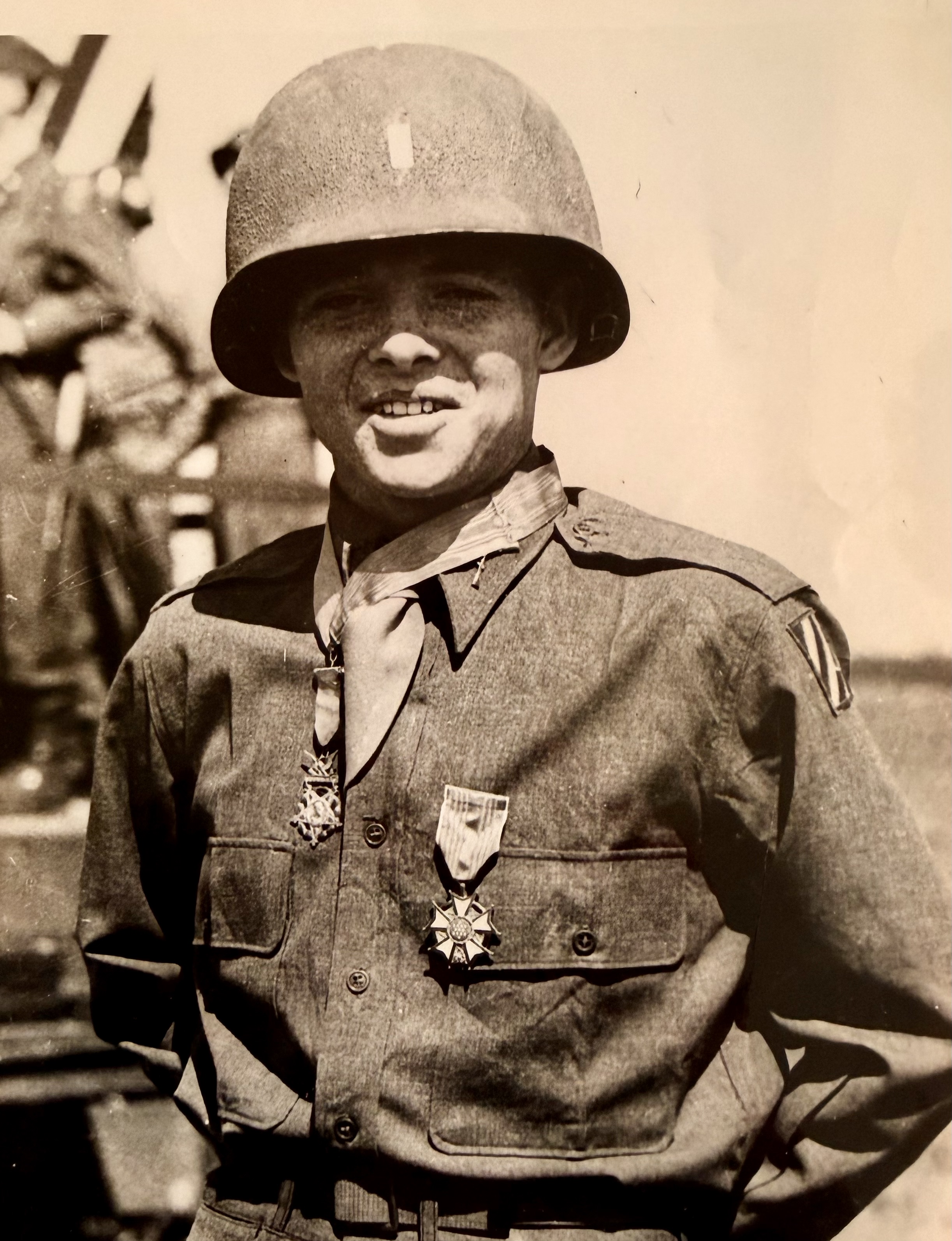
Cagney pays for Murphy’s acting, voice, and dance lessons and offers guidance during his first years in Hollywood. But despite the investment and publicity, the arrangement fails to deliver actual film roles. The problem is not personal between Cagney and Murphy, but business. In 1947, a contractual dispute and personal friction with Cagney’s brother and producing partner, William, brings the deal to a quiet end.
The collapse of the Cagney contract leaves Murphy stranded—broke, living on his military pension, sleeping in a gym, and carrying the unspoken weight of wartime trauma. Yet the door Cagney had opened does not fully close. Forced to make his own way, Murphy rebuilds his career from scratch and ultimately appears in more than forty films, mostly Westerns, forging a hard-won Hollywood life that echos the endurance that had first drawn Cagney’s attention.
Ch. 96: https://mollymartin.blog/2026/02/15/to-berlin-for-a-football-game/
The agreement marked a territorial change in the occupied zones
My Mother and Audie Murphy Ch. 93
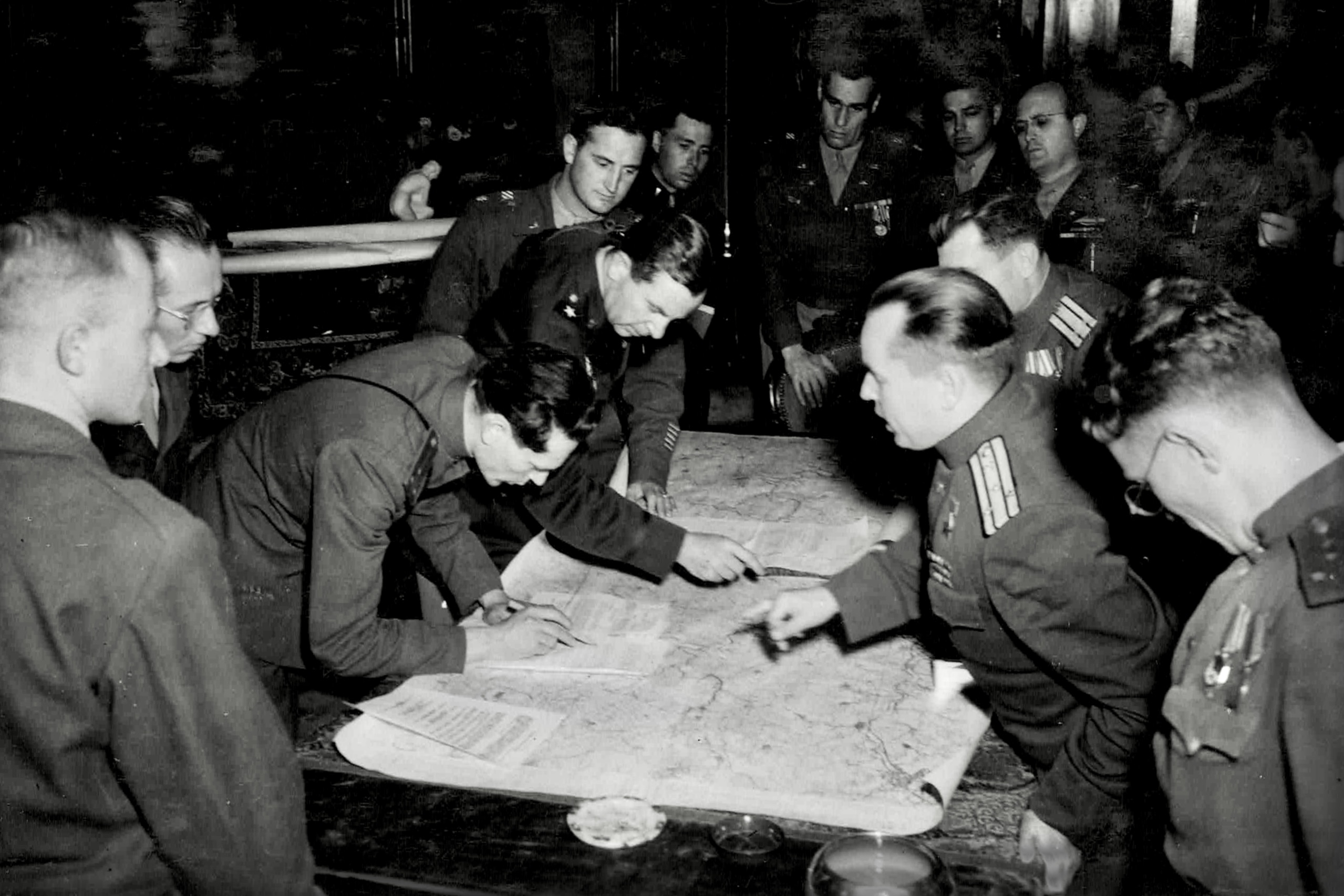
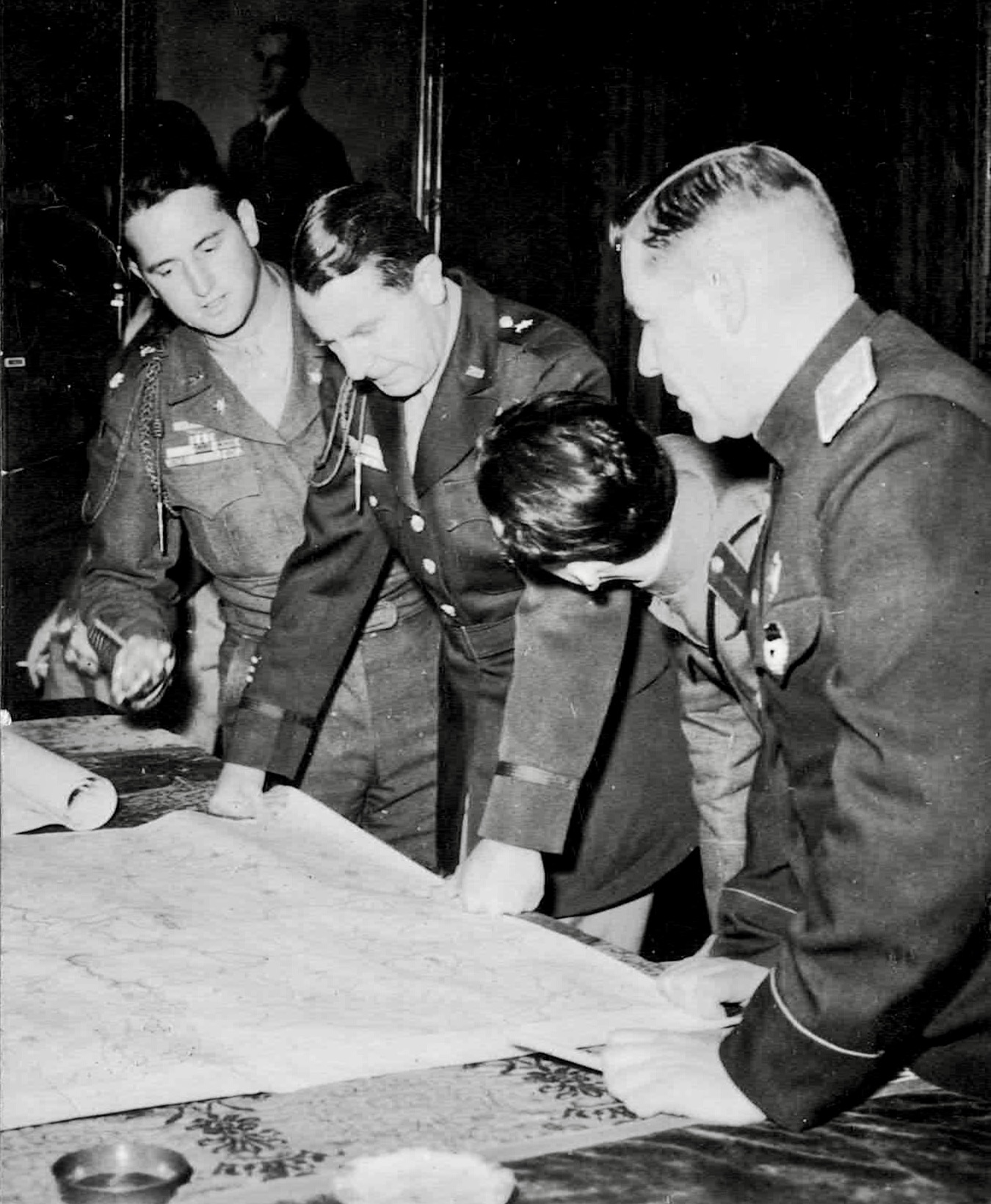
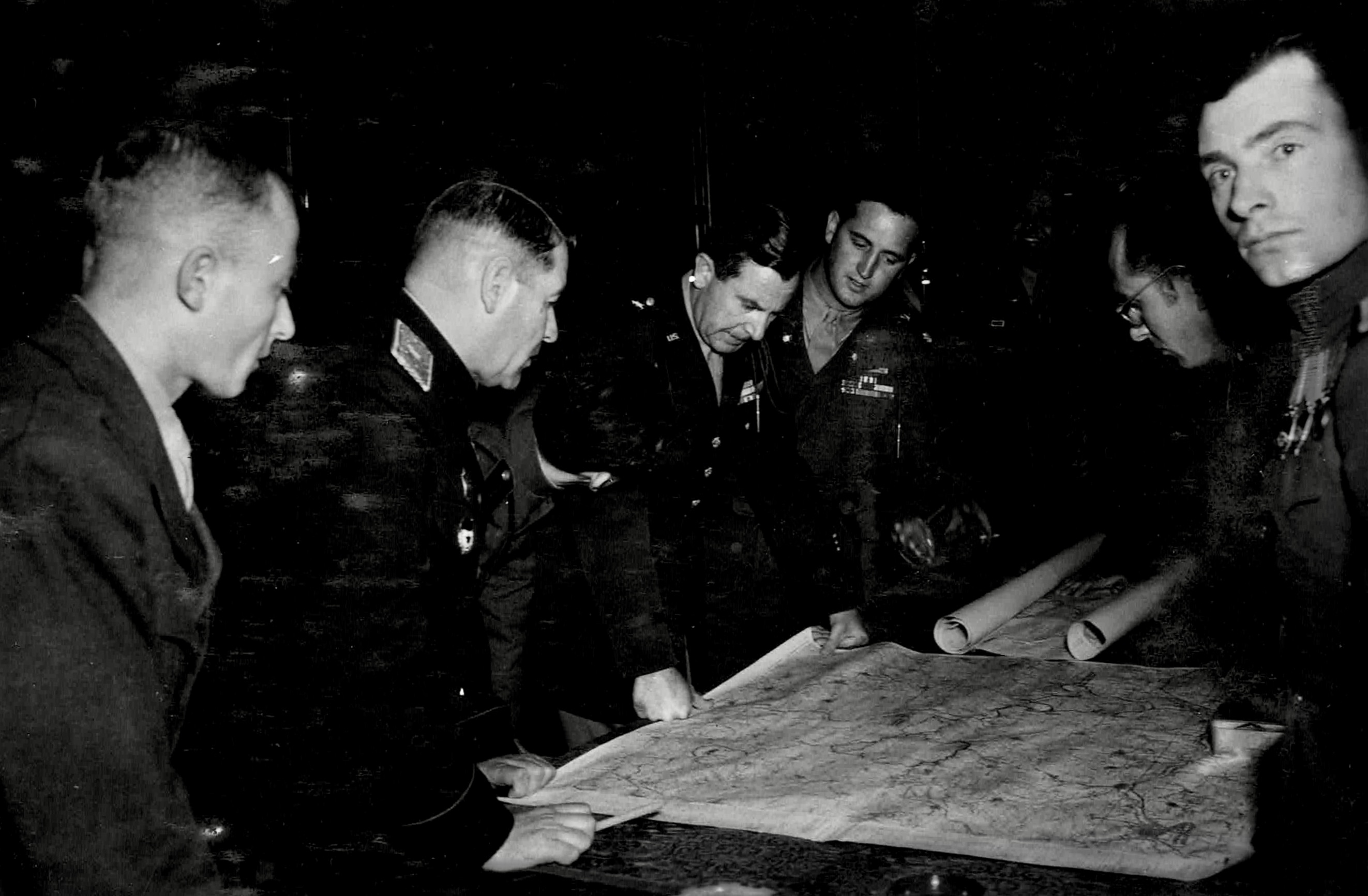
Flo attended the historic Russian–American conference in Wanfried, Germany, where the Wanfried Agreement was signed on September 17, 1945. The agreement was a post–World War II territorial exchange between U.S. and Soviet occupation authorities, finalized in English and Russian, to resolve a logistical problem along the Bebra–Göttingen railway. A roughly 2.7-mile stretch of this crucial rail line briefly crossed into the Soviet zone near Wanfried, disrupting traffic vital to U.S. connections between southern Germany and the American-controlled port of Bremerhaven. To secure uninterrupted U.S. control of the line, two villages in Soviet-occupied Thuringia were exchanged for five villages in American-occupied Hesse. The agreement, informally known as the “Whisky-Vodka Line,” stands out as a rare, peaceful, and highly localized negotiation between the two superpowers in the tense early months of the occupation.
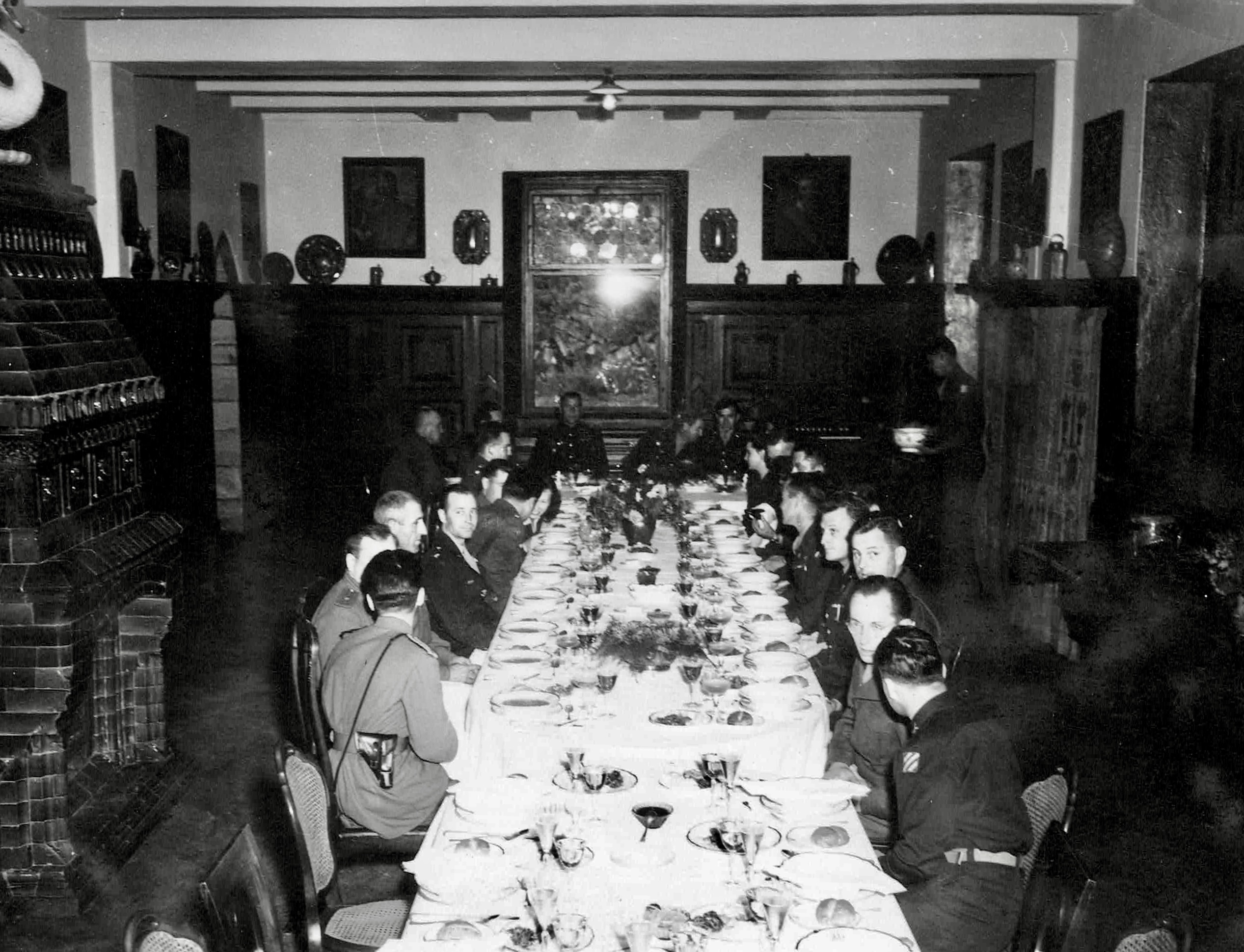
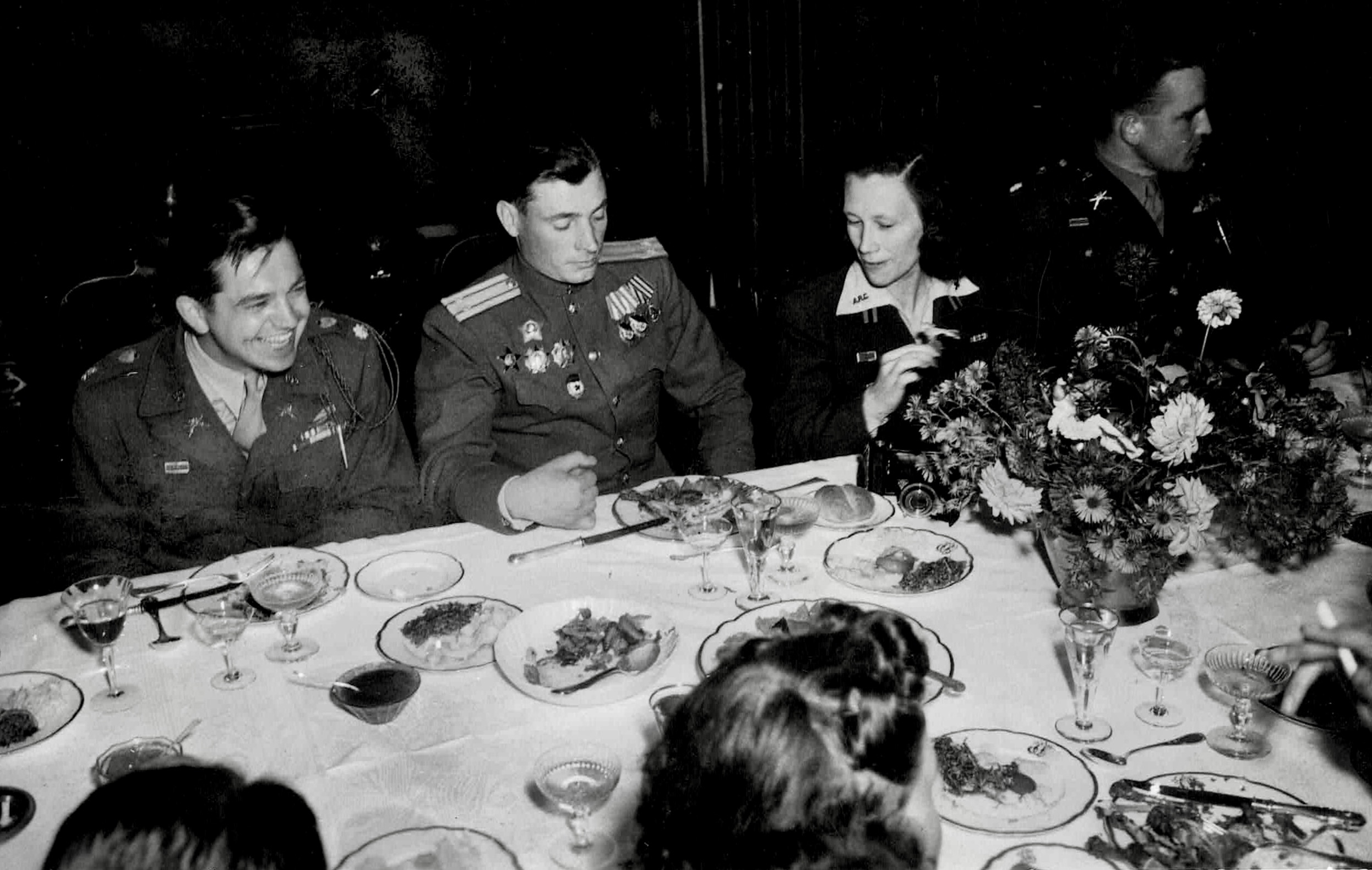
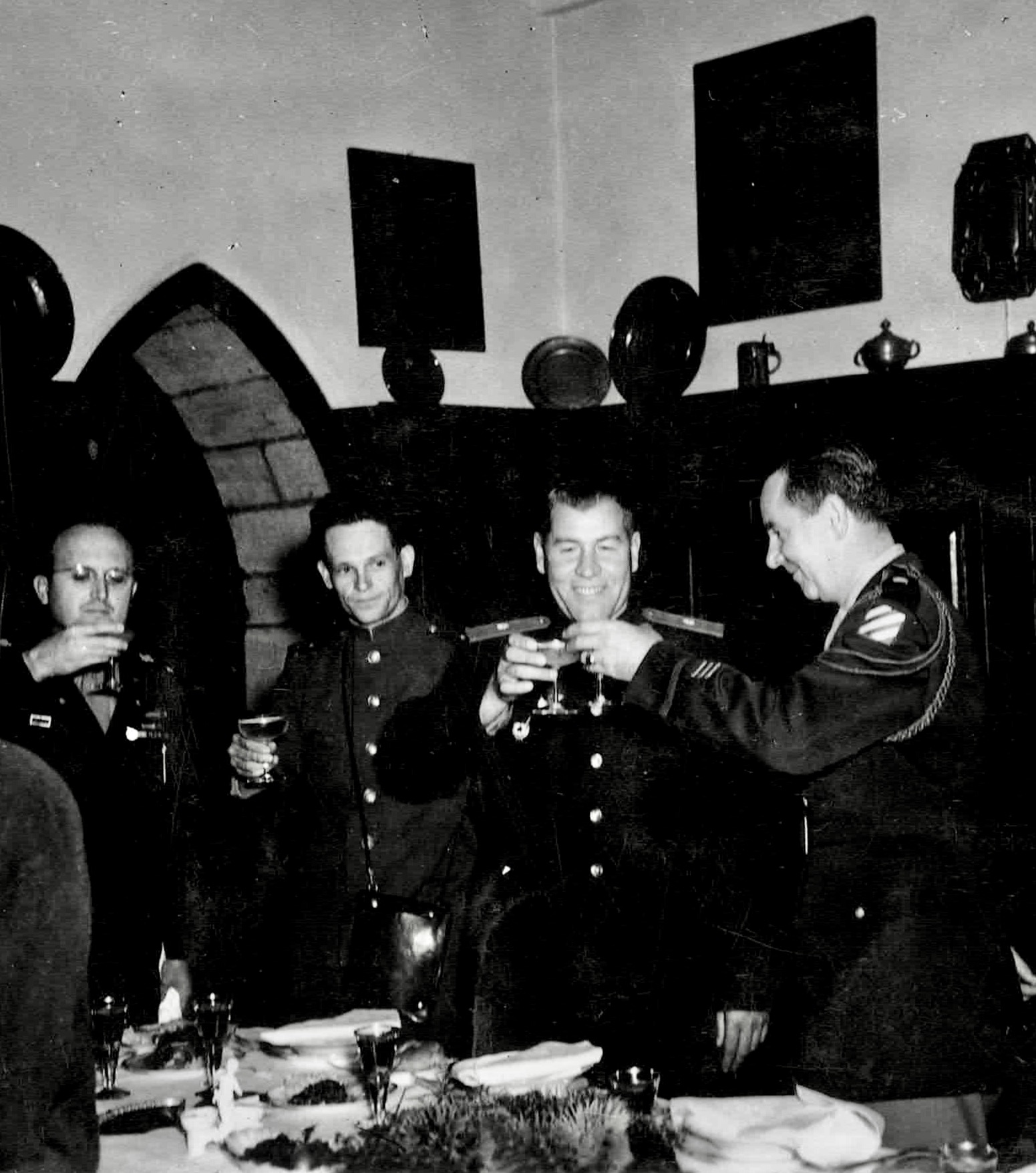
Ch. 94: https://mollymartin.blog/2026/02/07/english-americans-russians-party/
Third Division vs. 29th
Ch. 91 My Mother and Audie Murphy
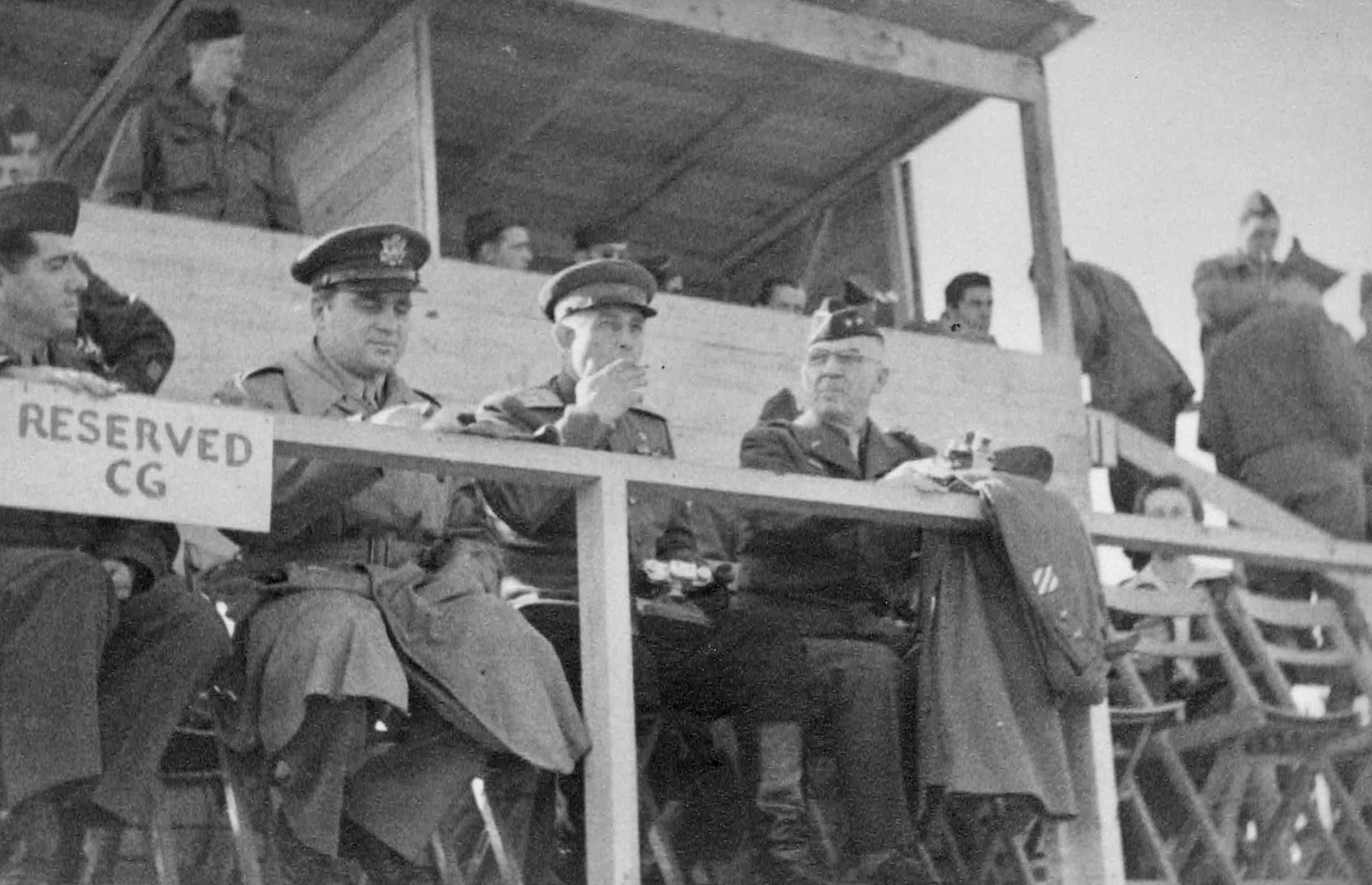
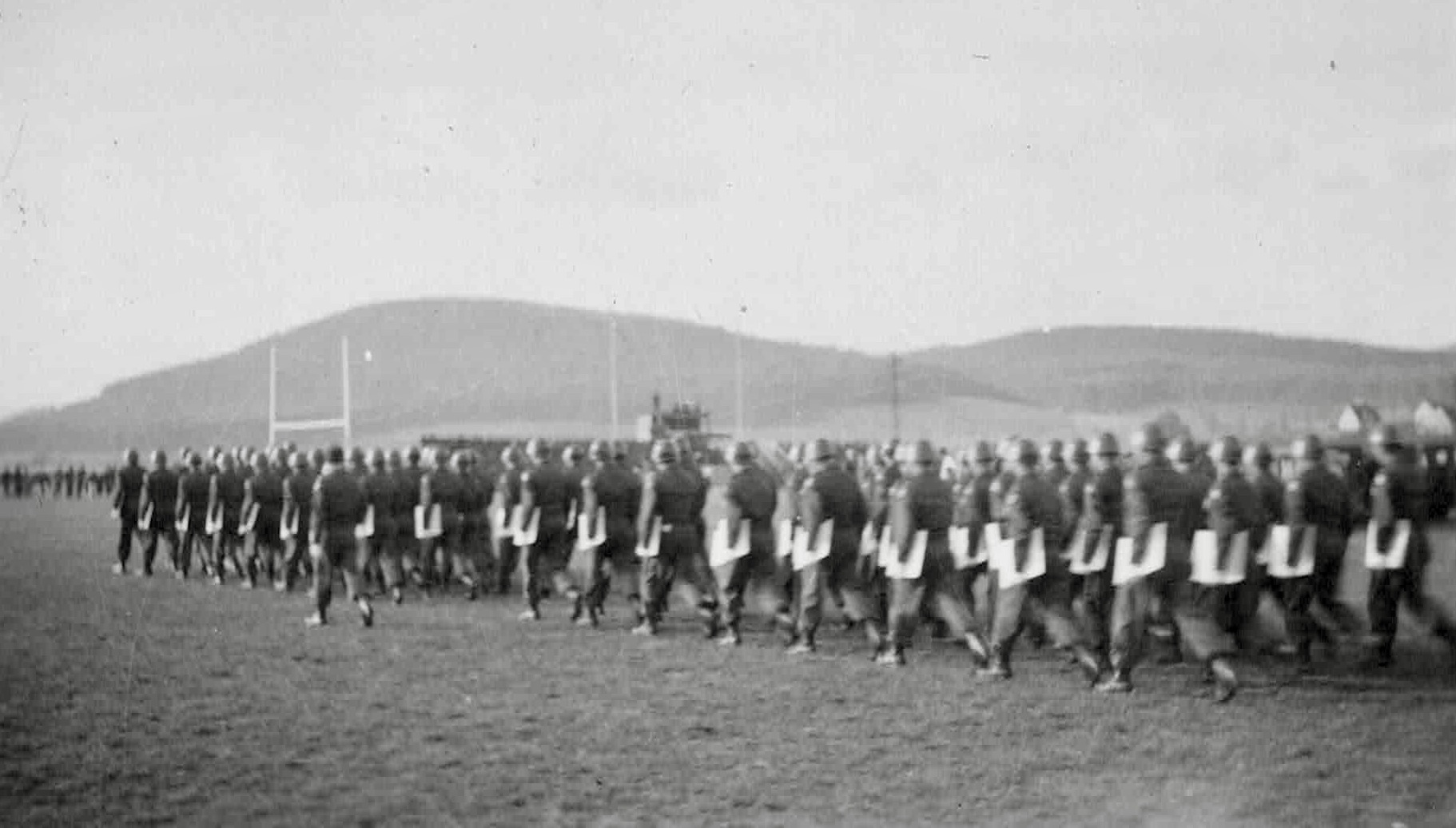
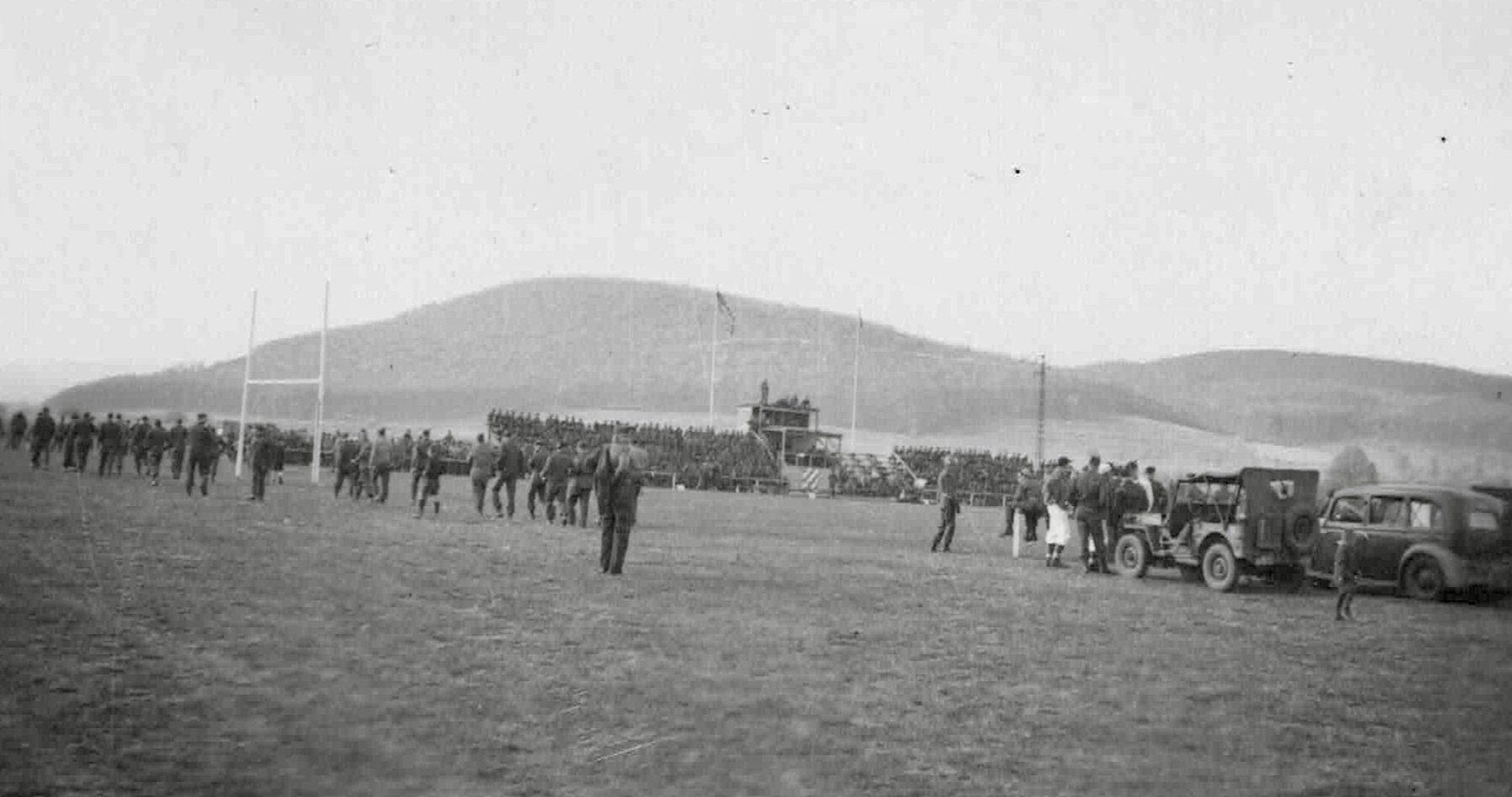
The football games were part of a sports program organized to occupy restless American and Canadian troops awaiting discharge. In August 1945, the U.S. Army had staged the “GI Olympics” in Nuremberg, with high-ranking Russian observers in attendance. Events included a baseball game played in the former Hitler Youth Stadium—an unmistakably symbolic reclaiming of Nazi space. That same day, news of Japan’s surrender crackled over the loudspeakers, unleashing a roar that seemed to lift the roof as GIs tossed caps, coats, and red-white-and-blue programs into the air, hugging, kissing, and celebrating the war’s end. The festivities continued into the night with performances by Hal McIntyre at the amphitheater and Bob Hope at the Opera House, drawing thousands of cheering troops in a city freshly transformed from fascist spectacle to victorious release.
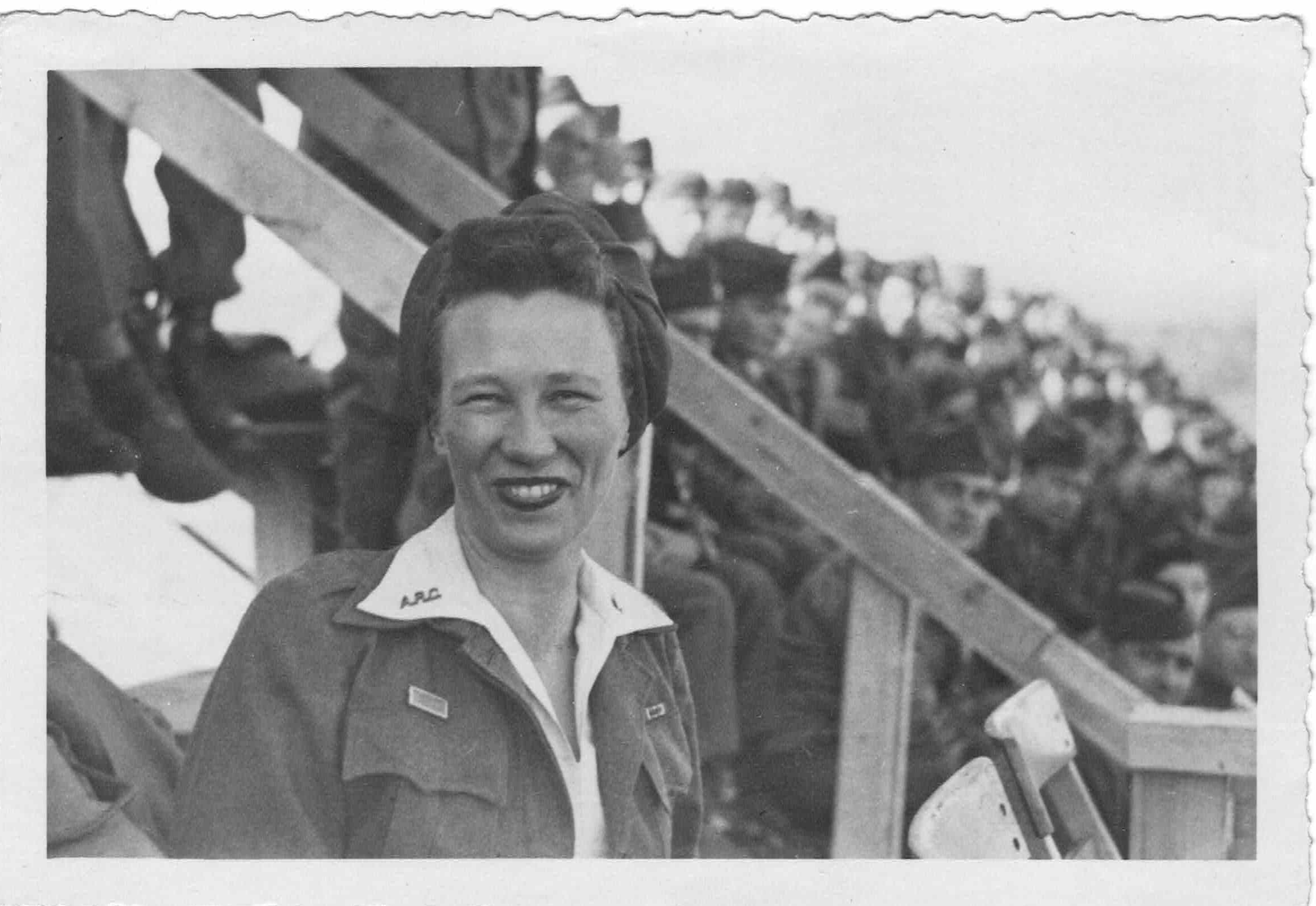
Ch. 92: https://mollymartin.blog/2026/01/30/around-witzenhausen-autumn-1945/
Audie Murphy Honored
My Mother and Audie Murphy Ch. 82
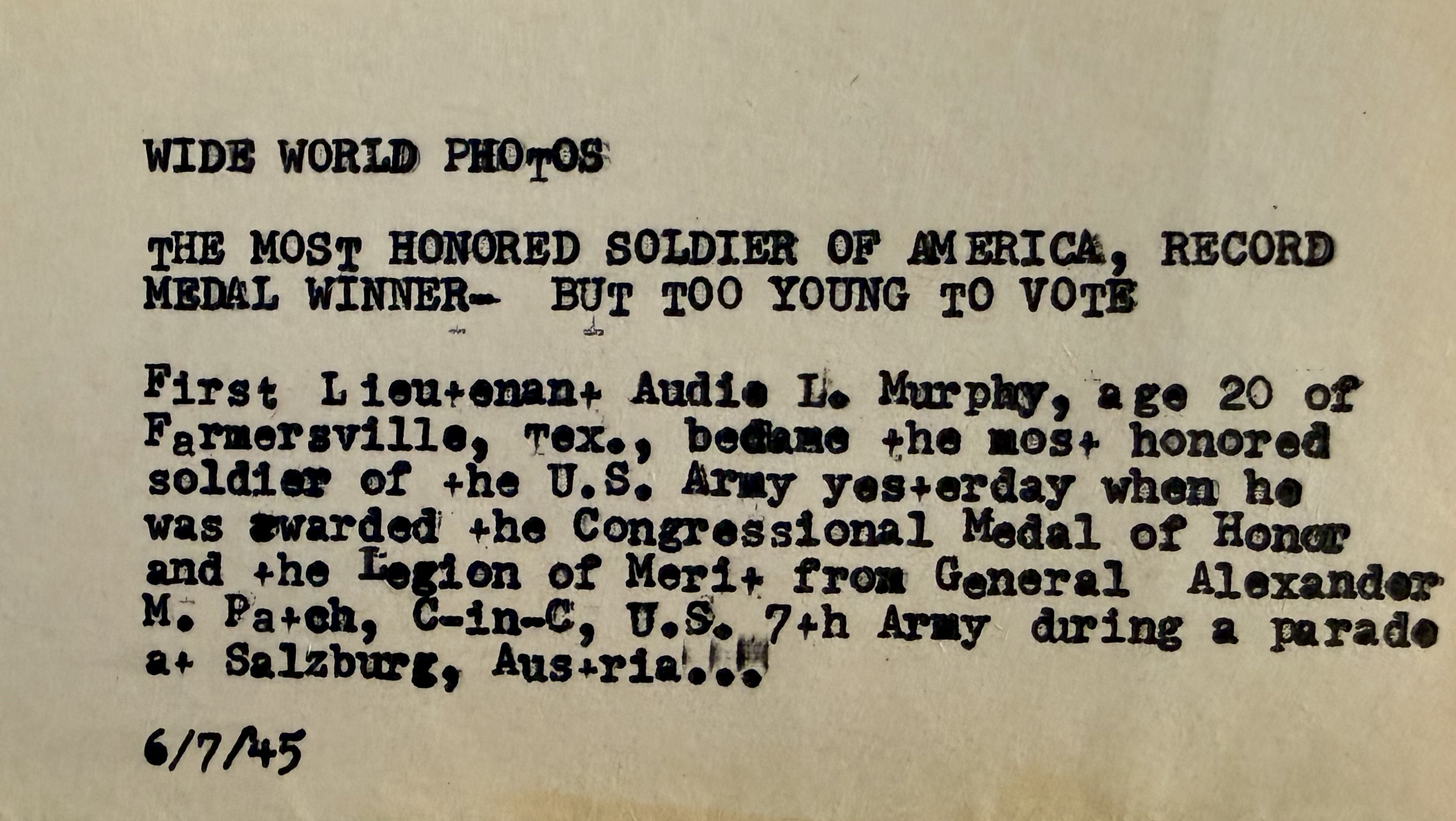
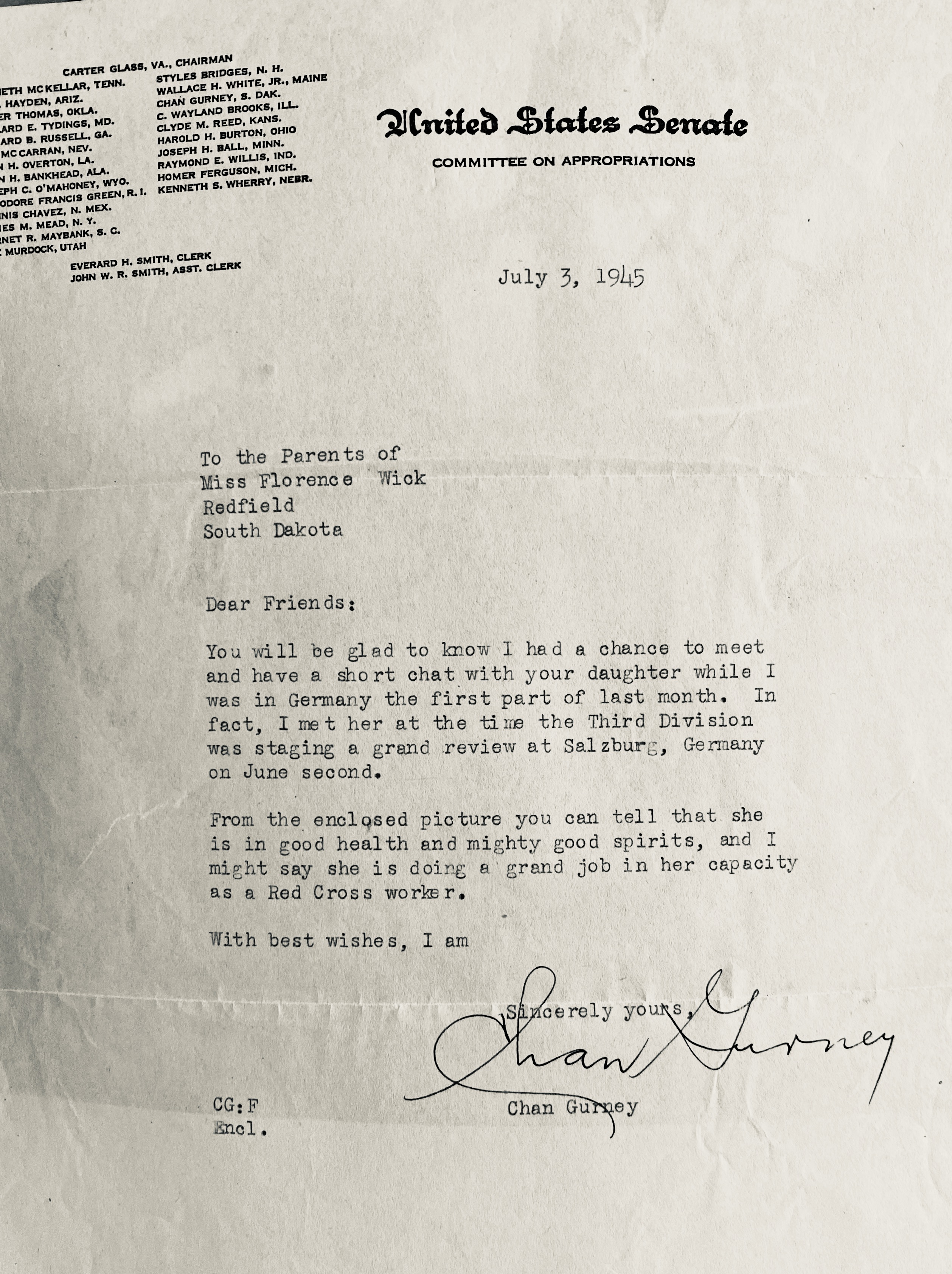
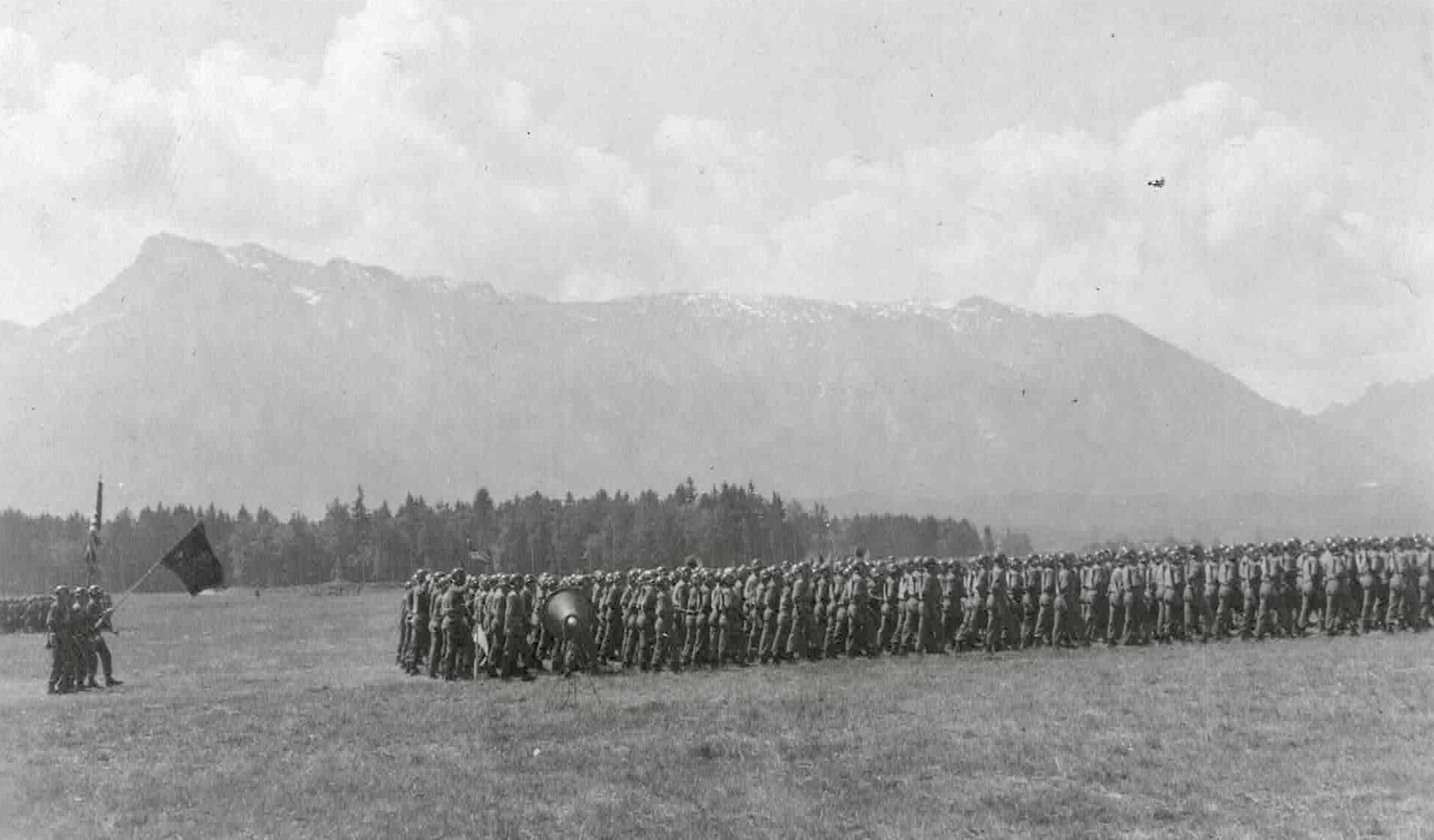
On June 2, 1945, the Third Infantry Division assembled for a division-wide review in Salzburg, their ranks drawn up before their headquarters. Flo was there with her clubmobile crew, Liz Elliott and Janet Potts, watching as Seventh Army commander General Alexander Patch presented decorations and commendations. A Congressional delegation stood in review alongside Secretary of War Robert P. Patterson, among them South Dakota Senator Chan Gurney, the first chairman of the Senate Committee on Armed Forces.

That day, Lieutenant Audie Murphy of B Company, 15th Regiment, received the Medal of Honor and the Legion of Merit in front of his entire division. Five other Third Division soldiers were awarded the Distinguished Service Cross and the Silver Star, their citations read aloud to the troops who had fought across Europe and now stood at attention in peacetime formation.
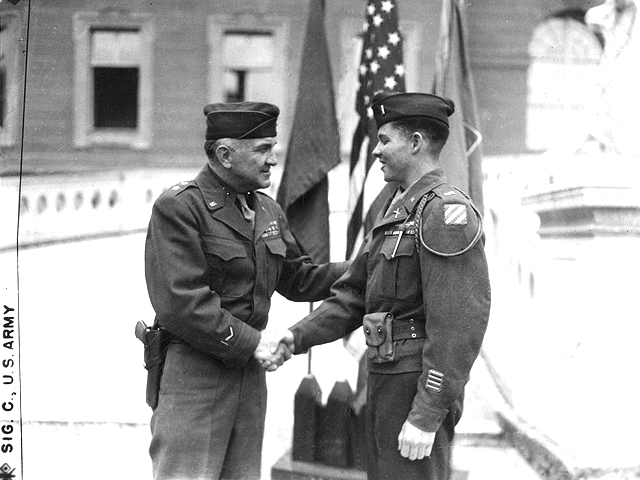
The ceremony took place at a site heavy with layered history. Built in 1700 as a Baroque summer residence for the Prince-Archbishops of Salzburg, the palace later became a Nazi showpiece where Hitler hosted Axis leaders and stored looted art as the Reich collapsed. Captured by the U.S. Third Infantry Division in May 1945, it was repurposed as headquarters of the American Occupation Authority during the decade-long U.S. presence in Salzburg, before eventually becoming a casino.


Red Cross women were expected to attend
My Mother and Audie Murphy Ch. 79


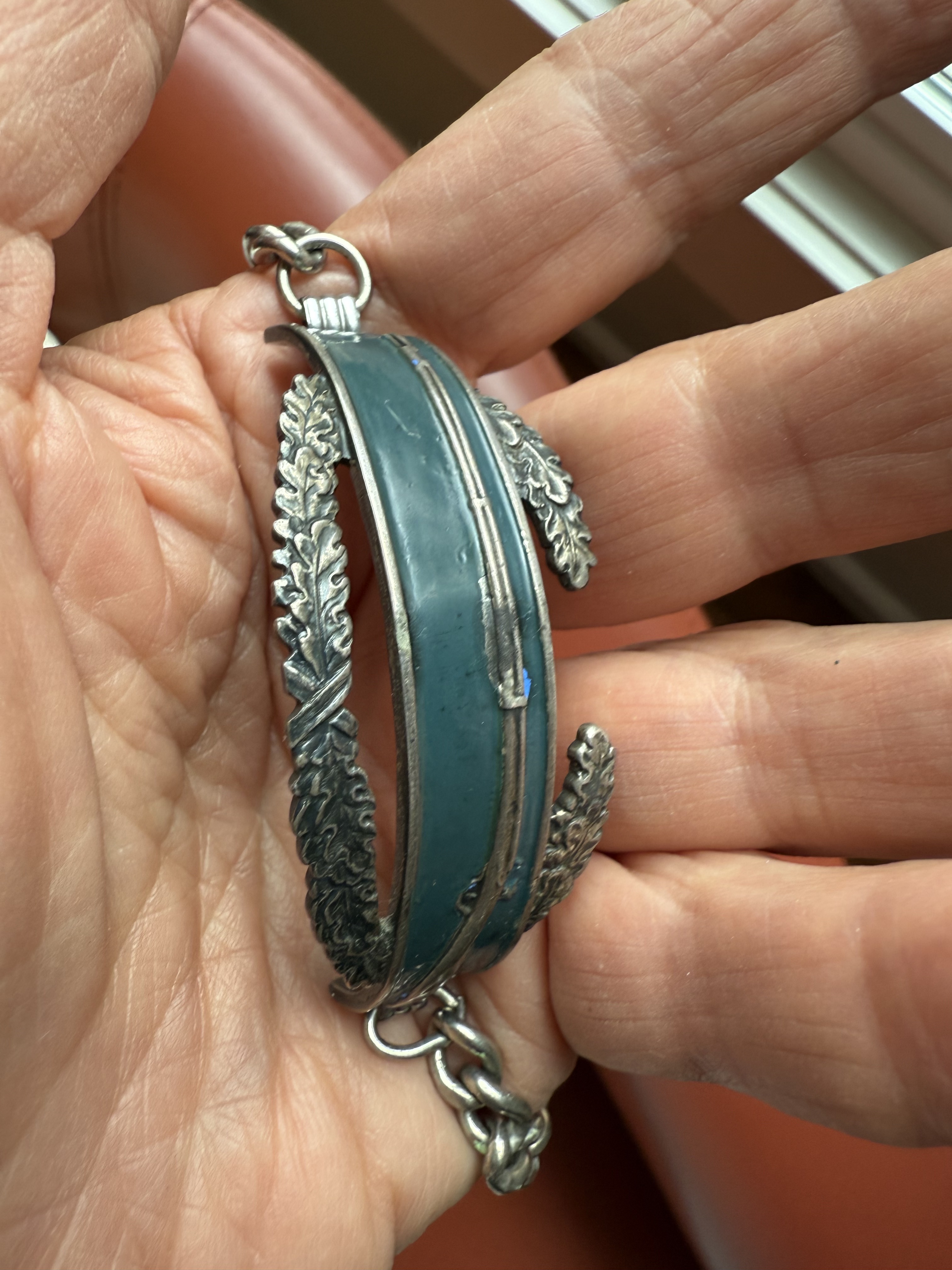
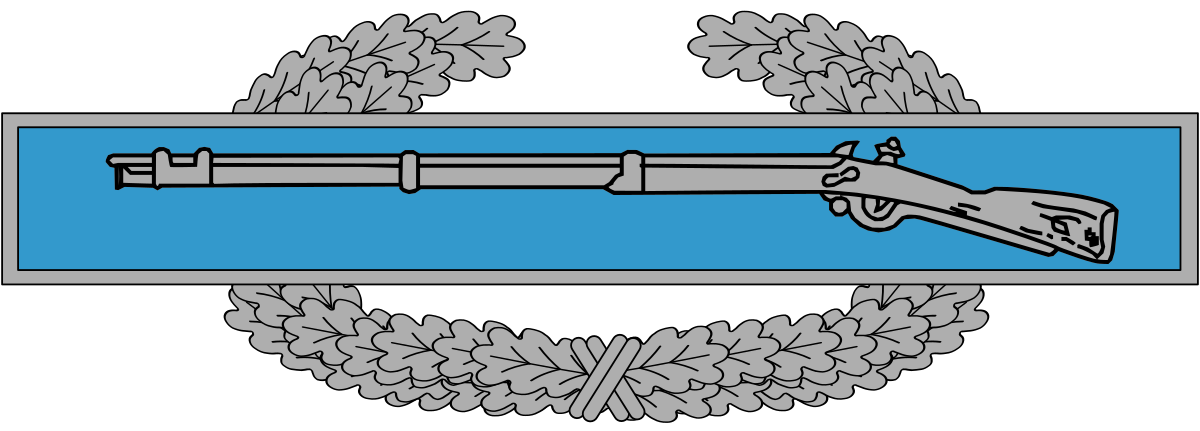
After her death, in Flo’s jewelry box I found a bracelet made from a Combat Infantryman Badge. The badge is a U.S. Army decoration awarded to infantrymen and Special Forces soldiers, colonel rank and below, who fought in active ground combat after December, 1941. The same badge appears here on the dance invitation. I imagine it had been awarded to Flo’s fiancé, Gene Gustafson, and that she had it fashioned into a bracelet she could wear.
Ch. 80: https://mollymartin.blog/2025/12/16/goodbye-to-the-high-pointers/
Janet Competes in Equestrian Jumping
My Mother and Audie Murphy Ch. 78
For almost ten weeks—from May 4 to July 13, 1945—the 3rd Division enjoyed a rare stretch of life without combat in and around Salzburg. To help soldiers shift from warfighting to occupation duty, the army quickly organized a full slate of sports and recreation. The Salzburg rodeo that Flo photographed was likely one of those morale-boosting events.
Clubmobiler Janet Potts, already an experienced equestrian with competition miles behind her, took part in the show. Even so, jumping with an unfamiliar horse must have been a challenge. And the horses themselves raise questions: where did they come from? Were they seized from a high-ranking Nazi officer? Whatever their origin, they were striking animals—well trained, elegant, and responsive. One photo even seems to show an American soldier riding a dressage horse, completing the unlikely tableau of a rodeo in postwar Salzburg.
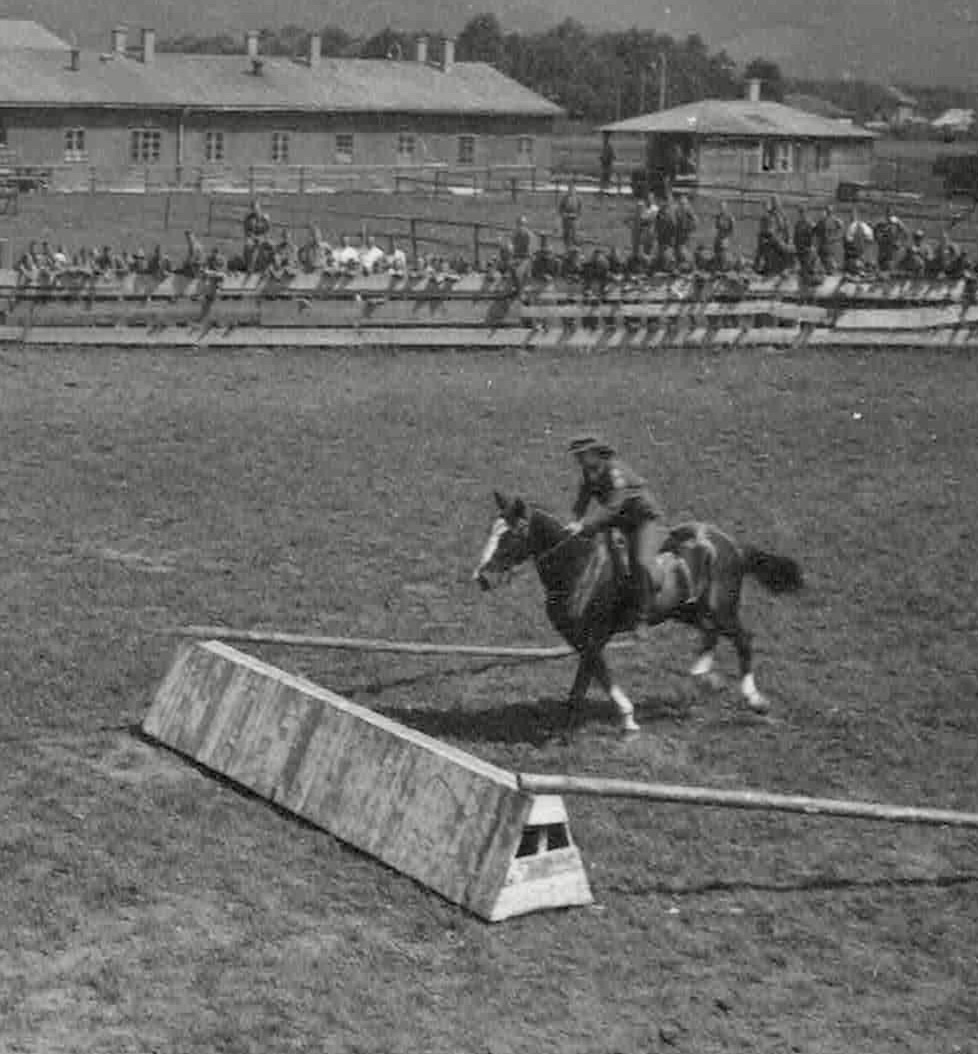

Flo captioned these pictures “Janet Jumps”
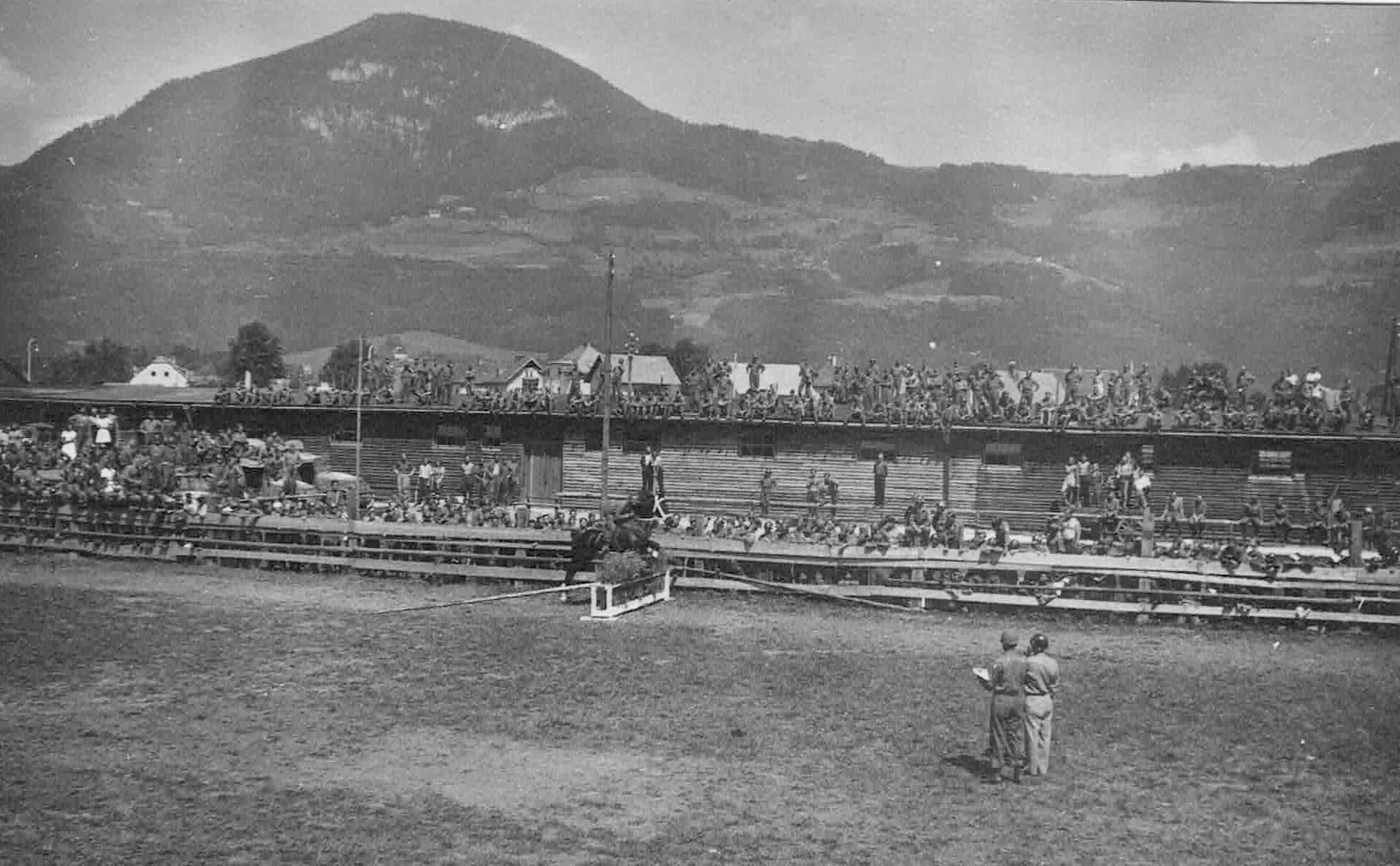


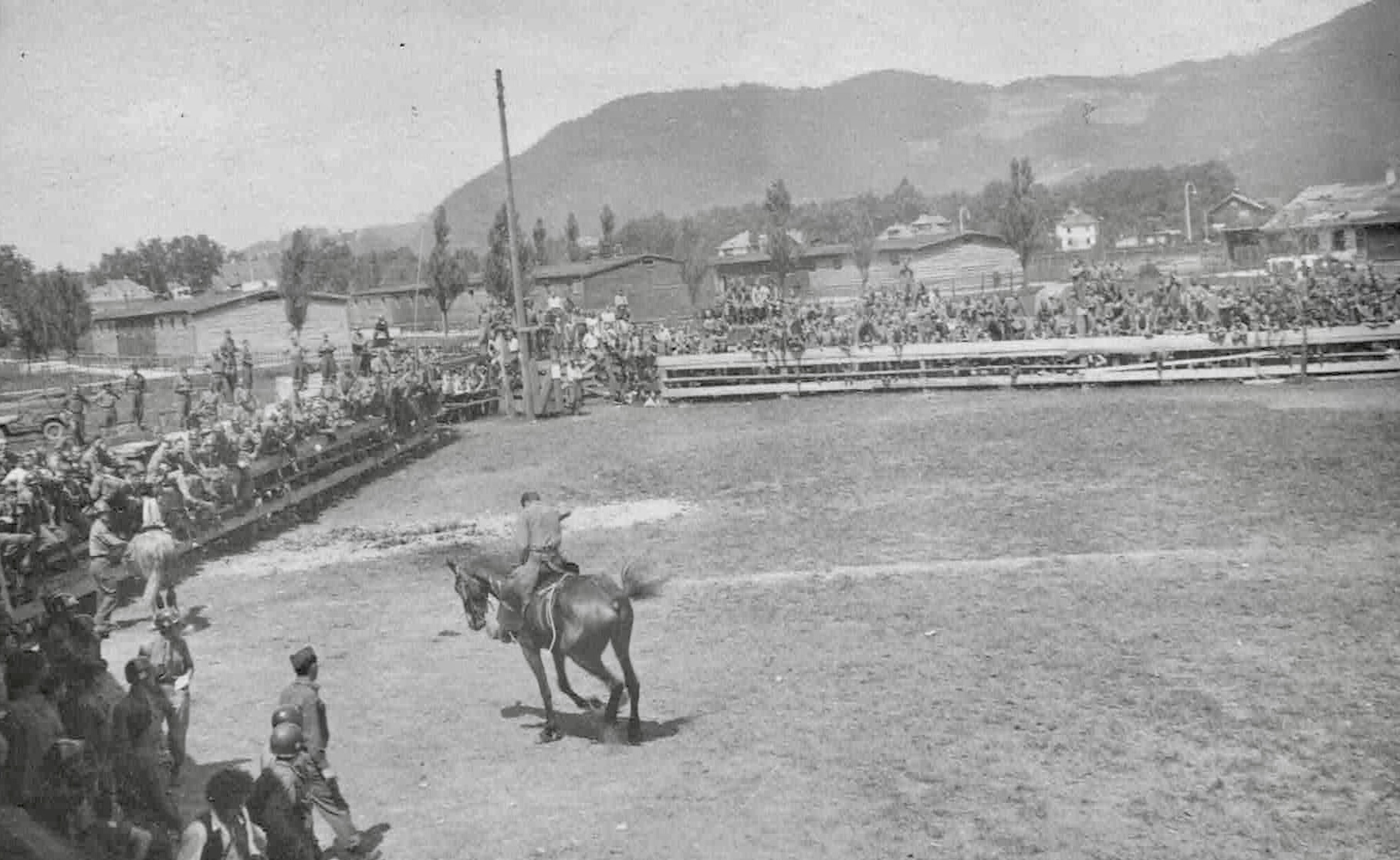

Waiting to go into the ring
Ch. 79: https://mollymartin.blog/2025/12/14/invitations-to-parties/


