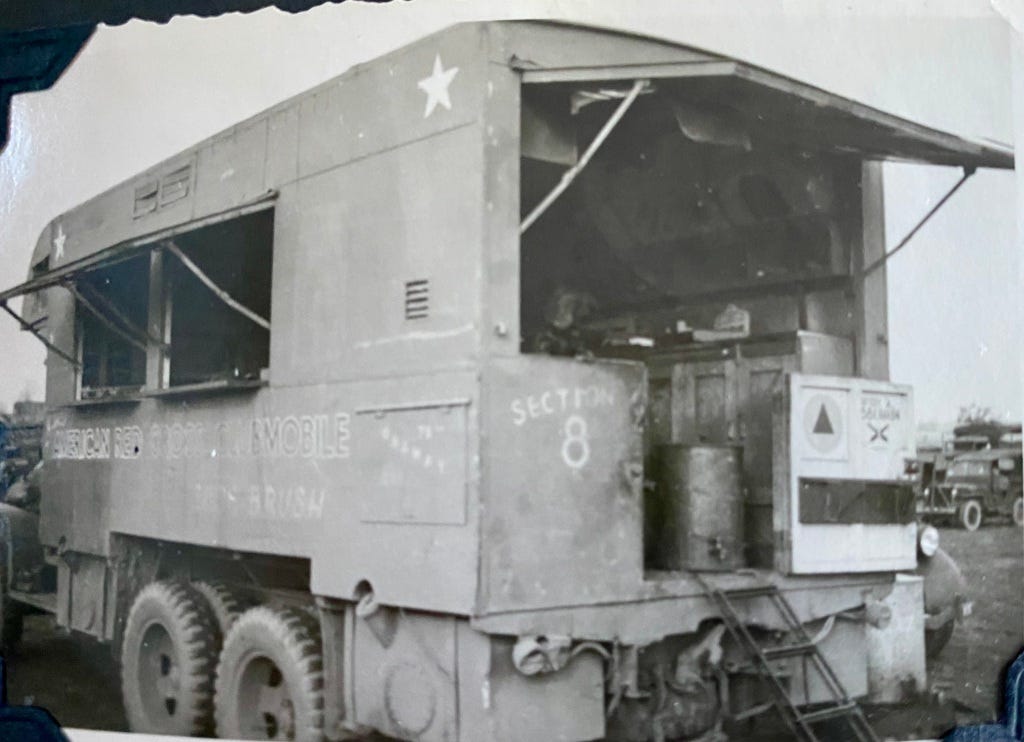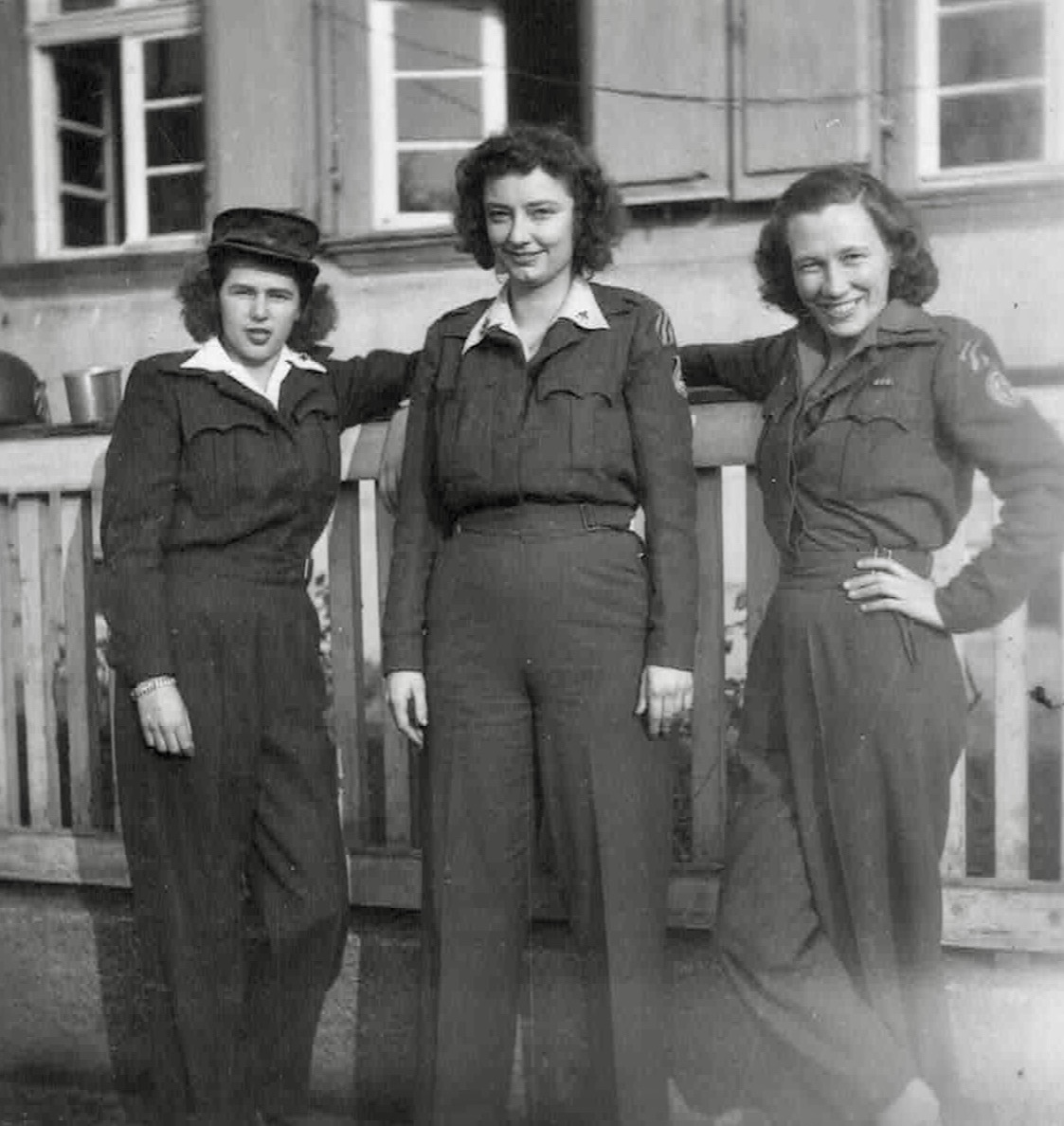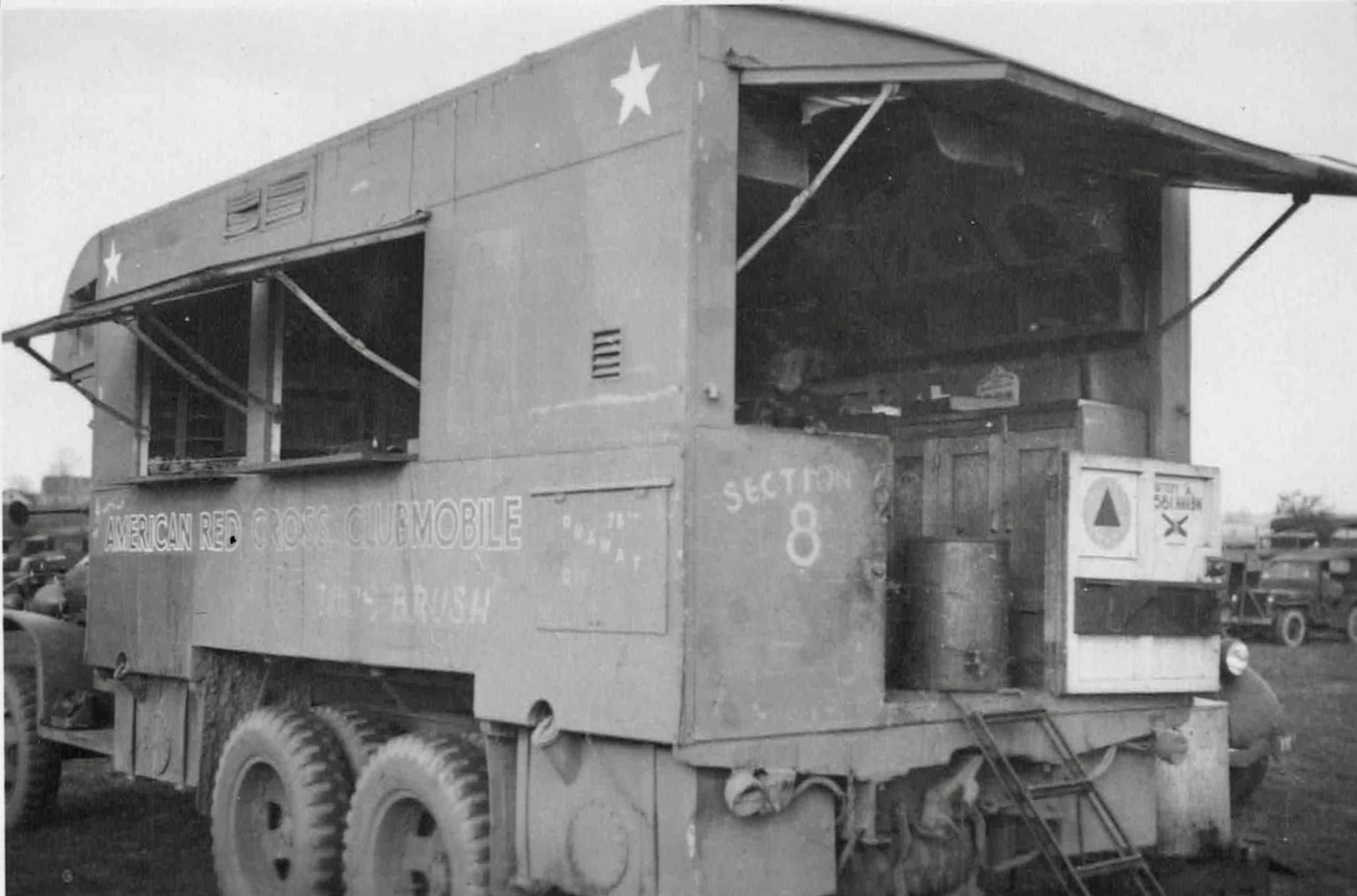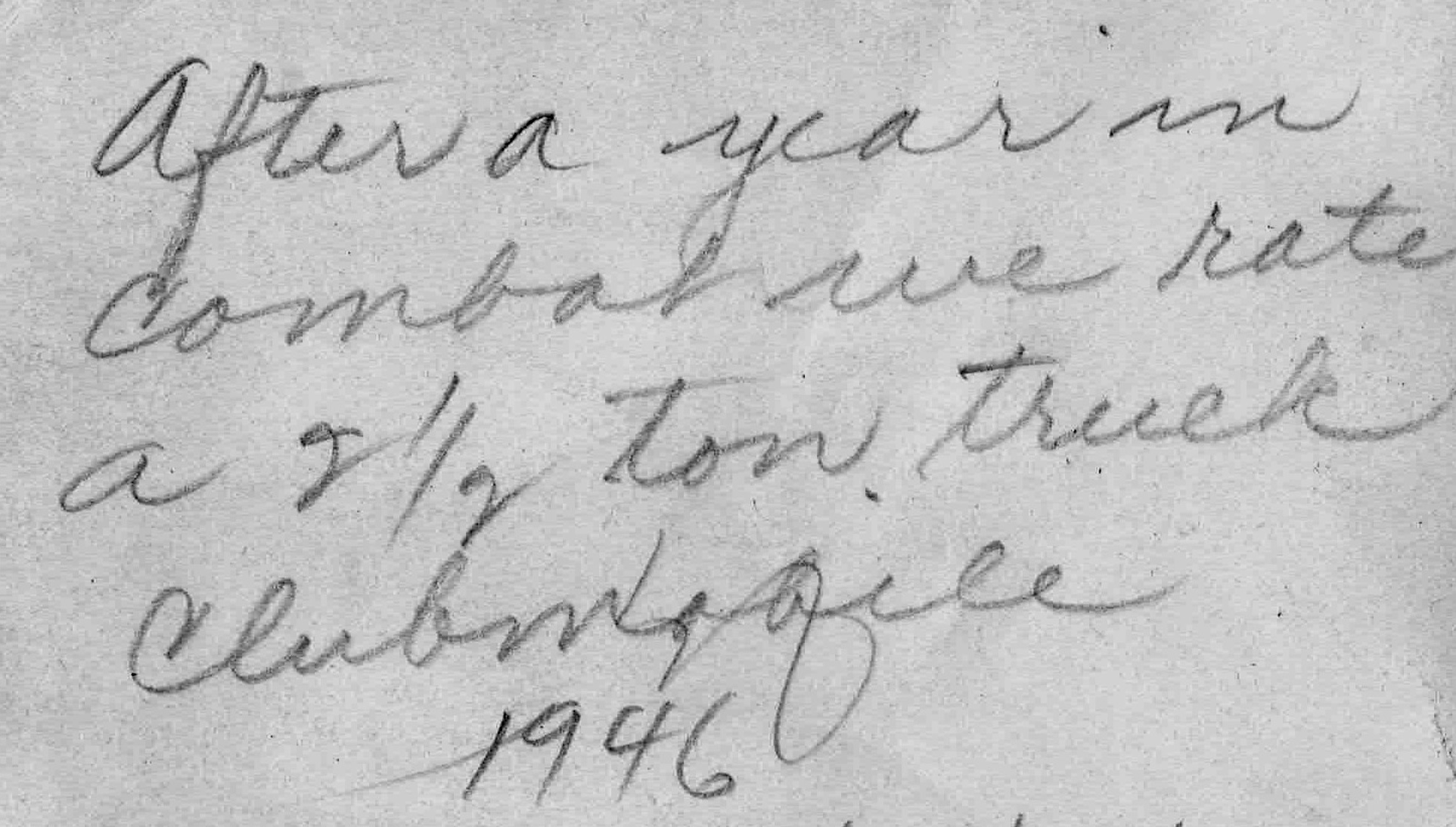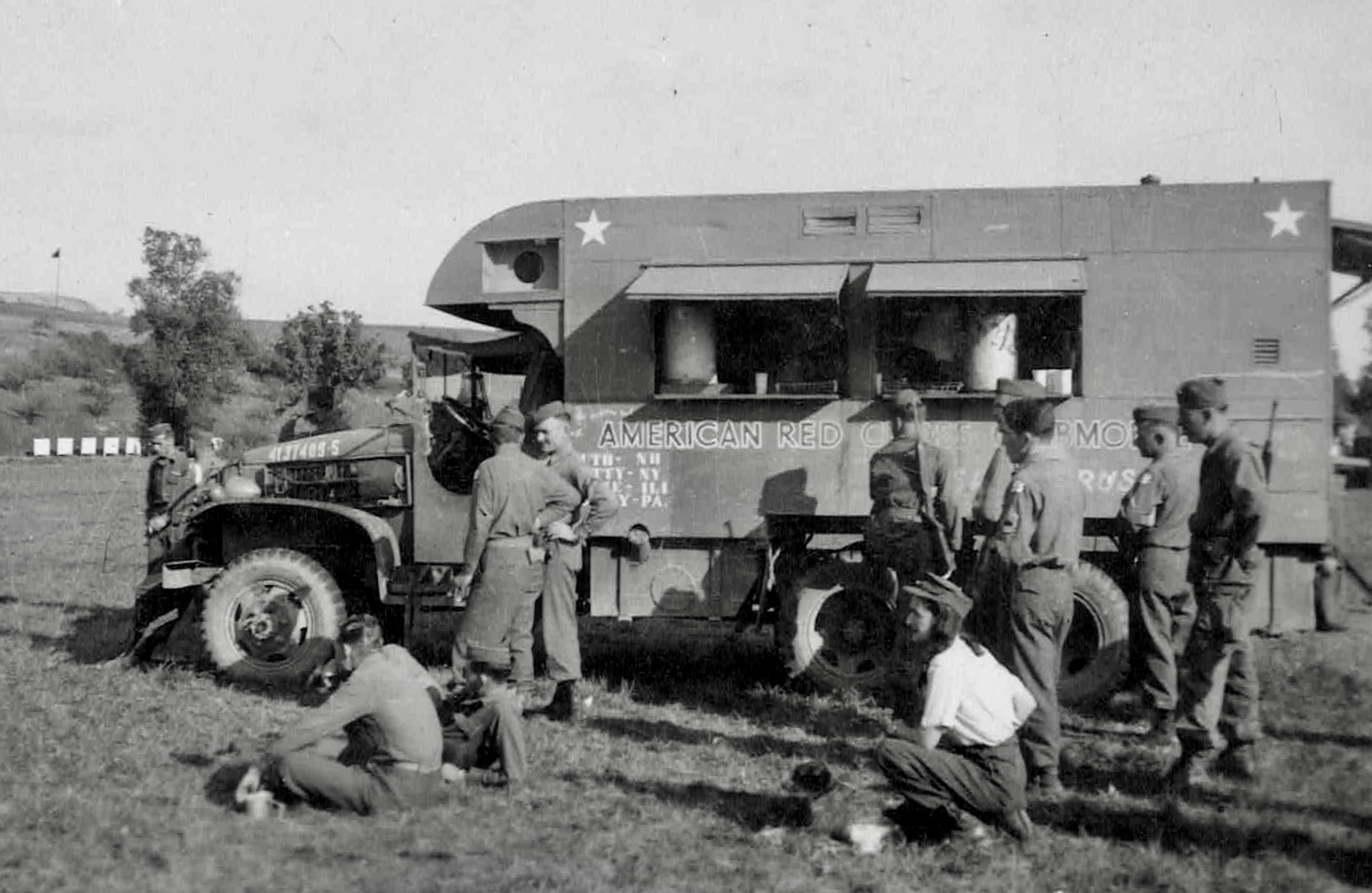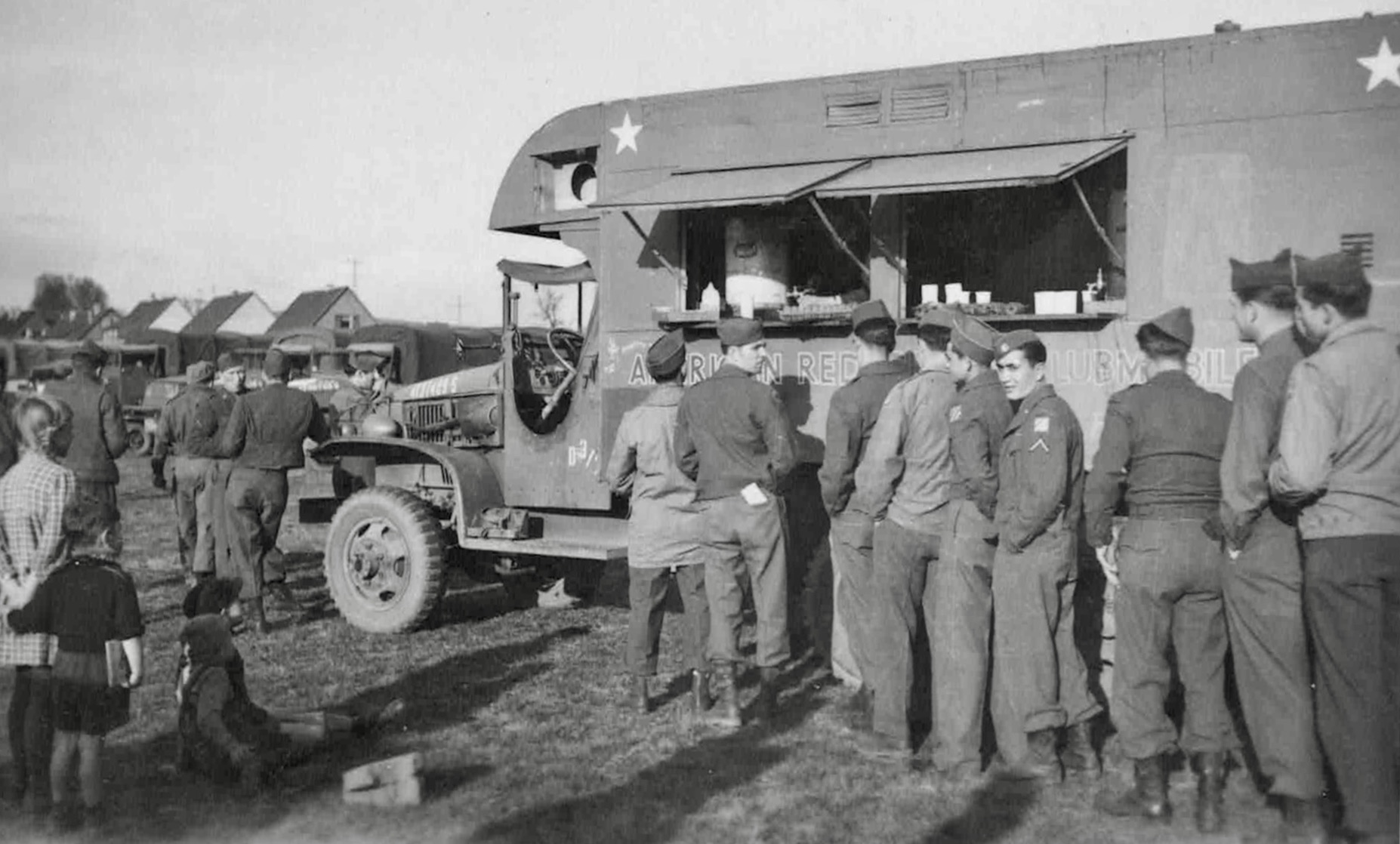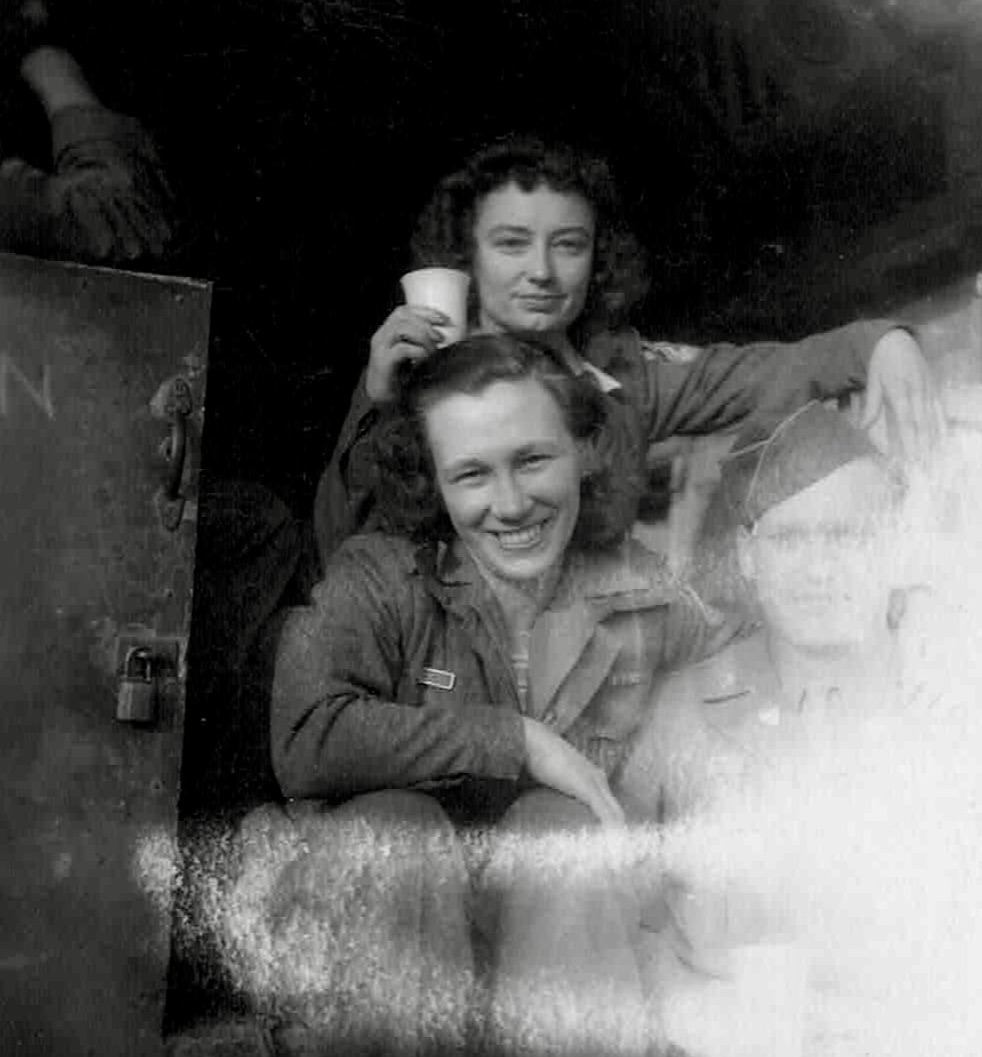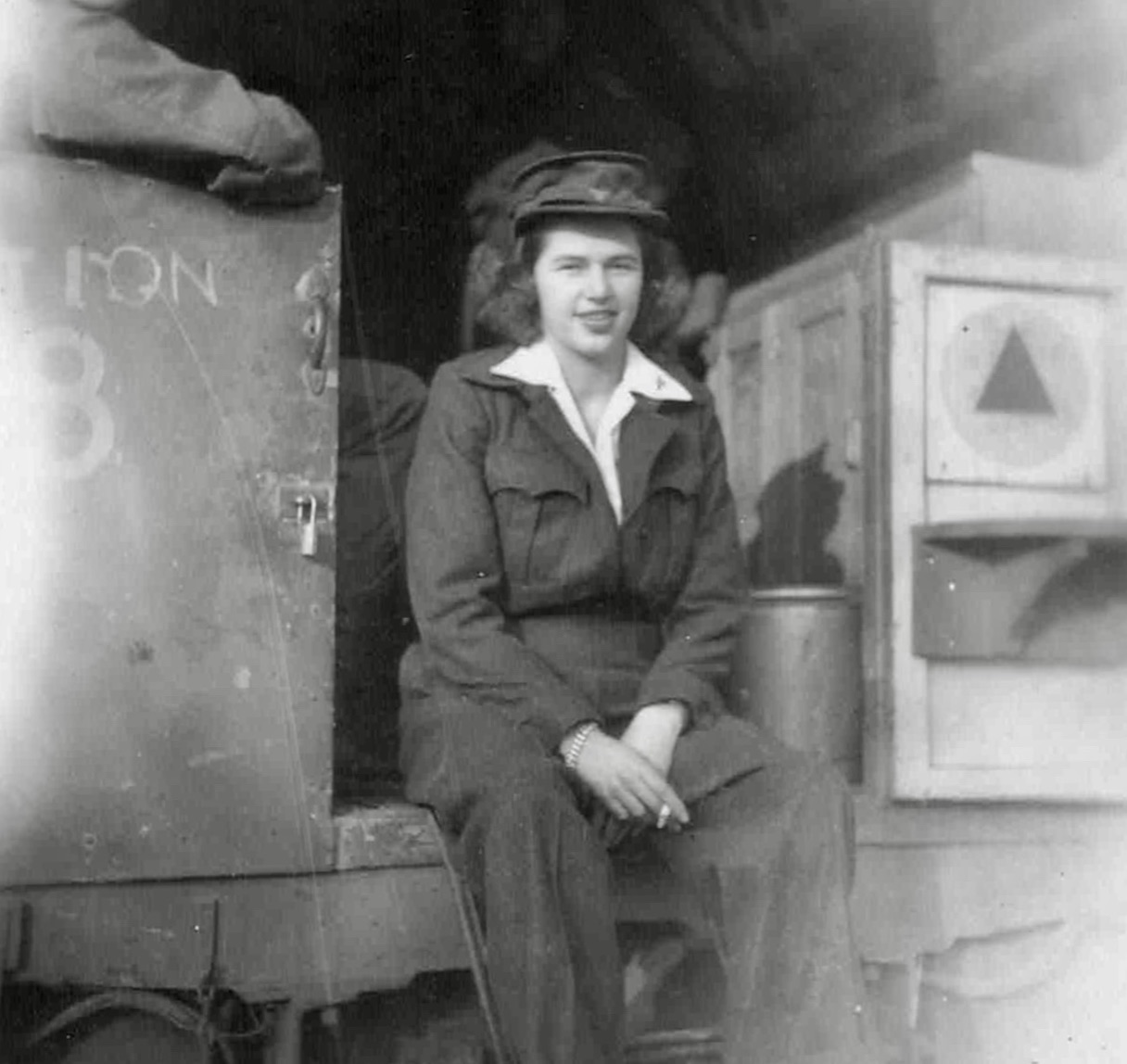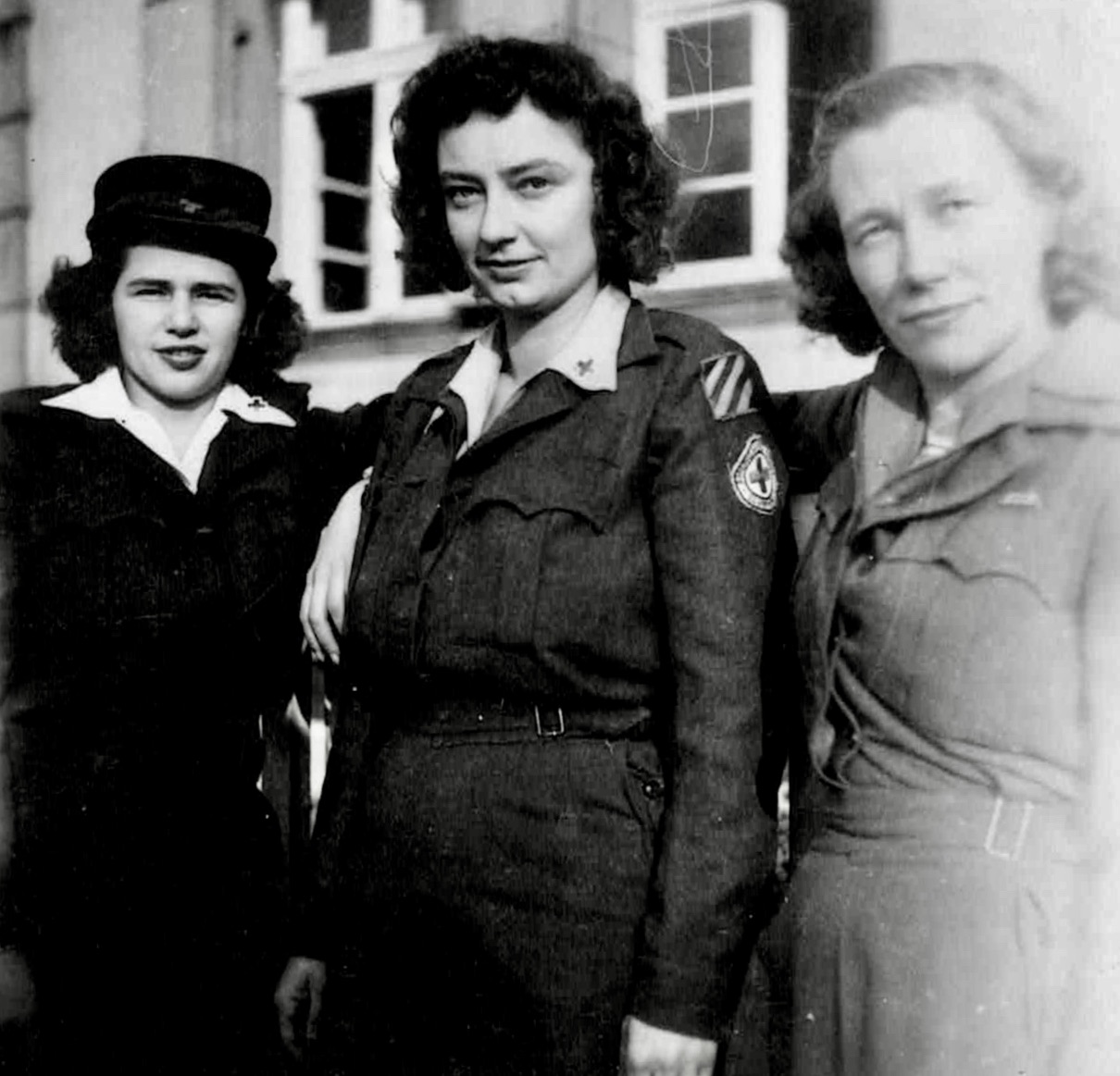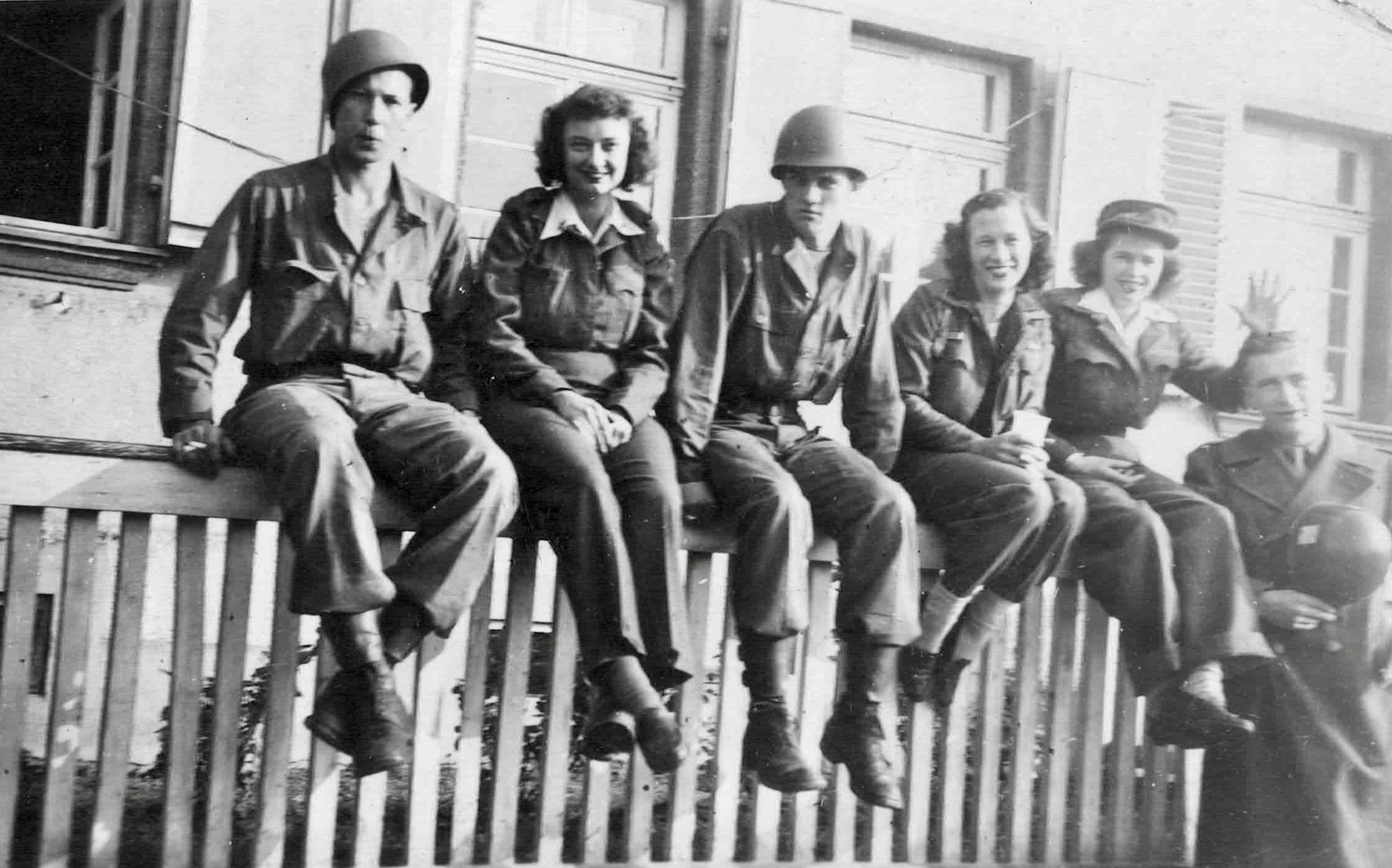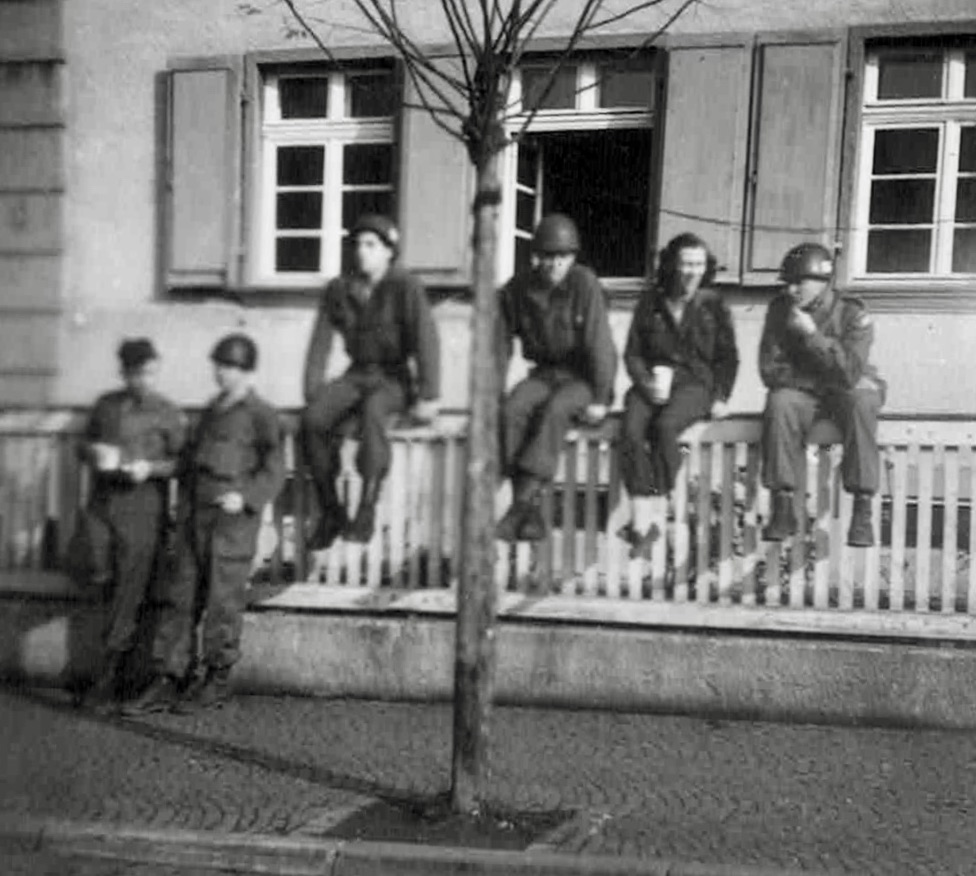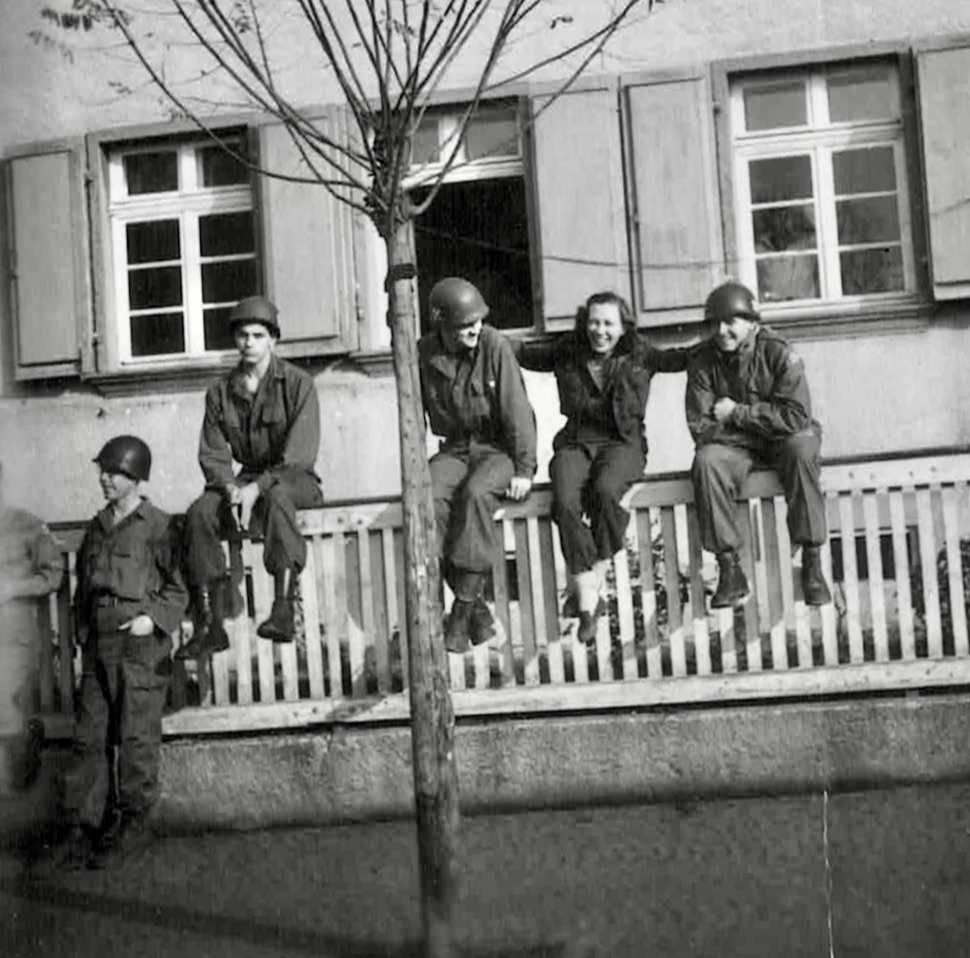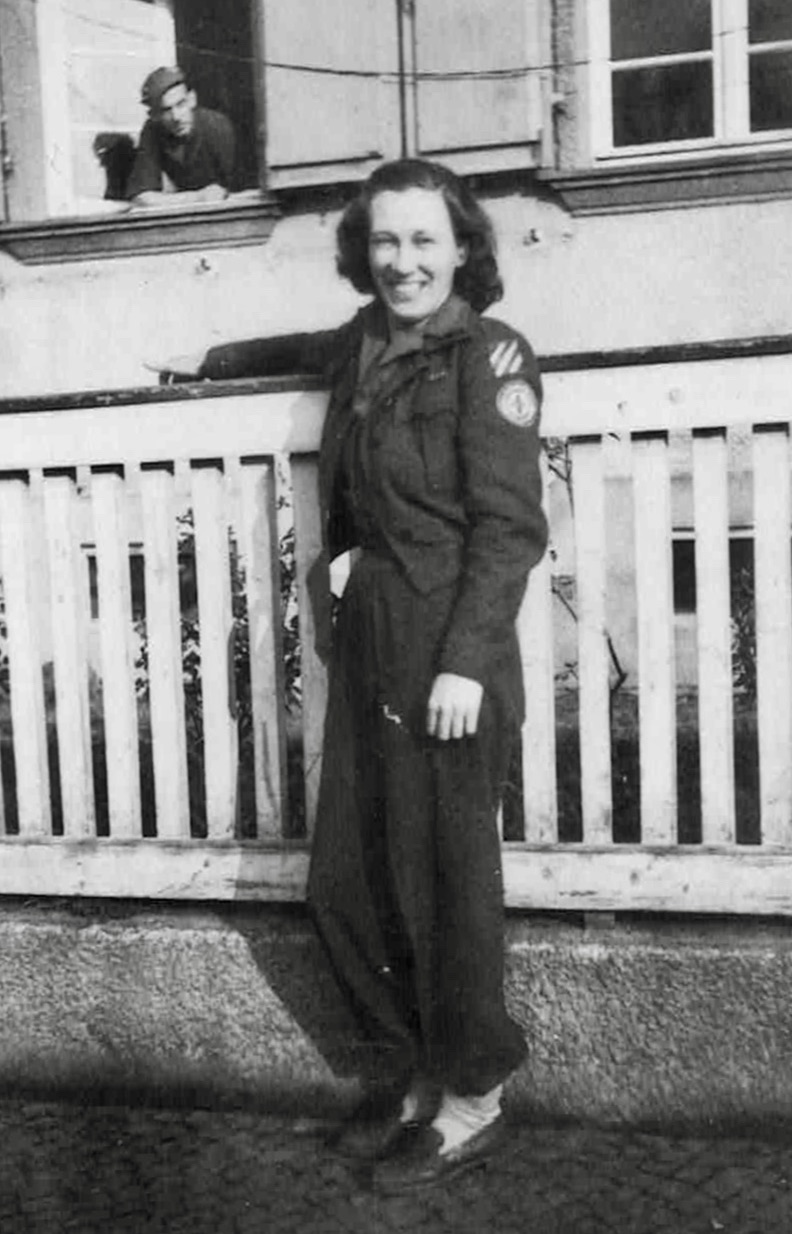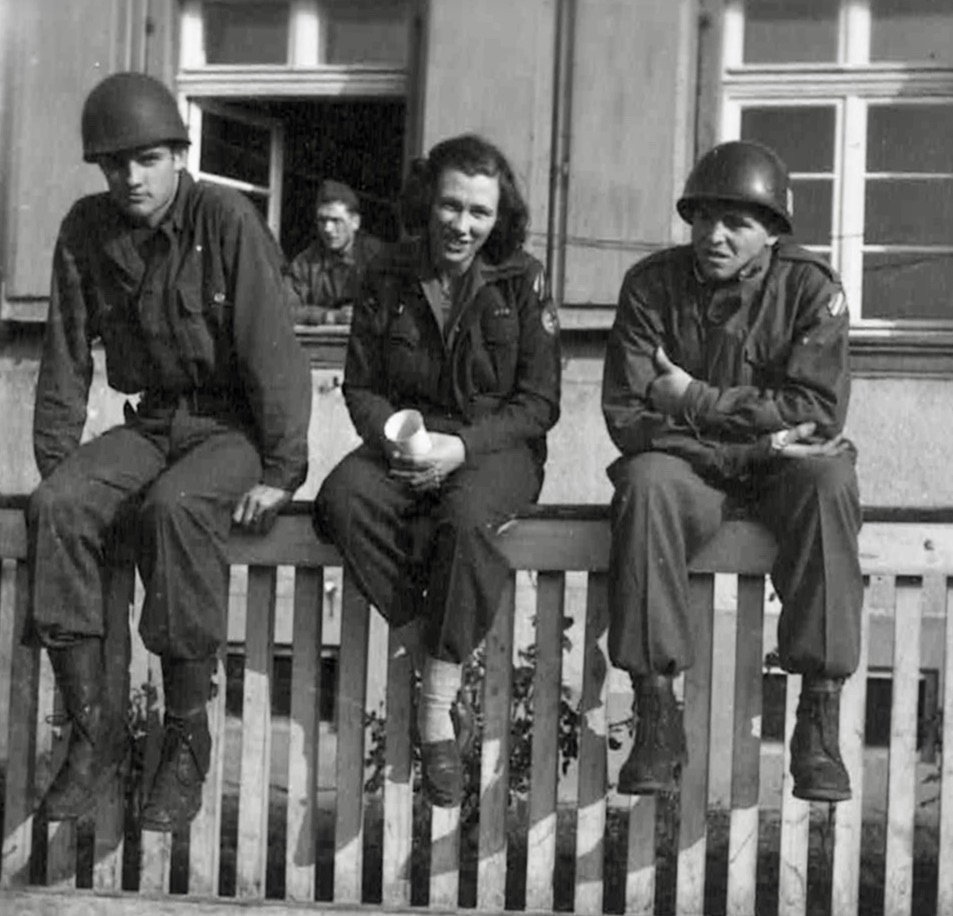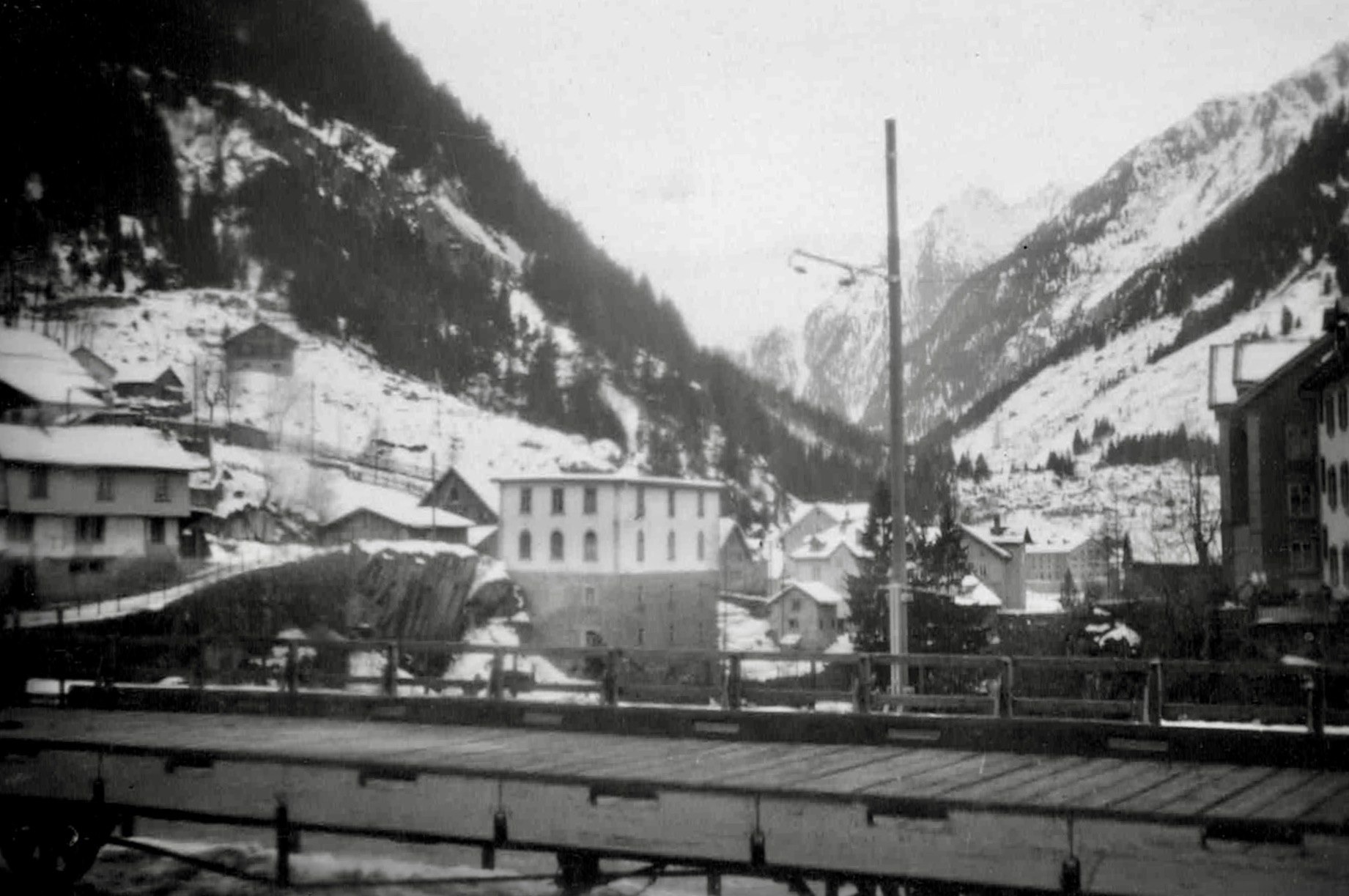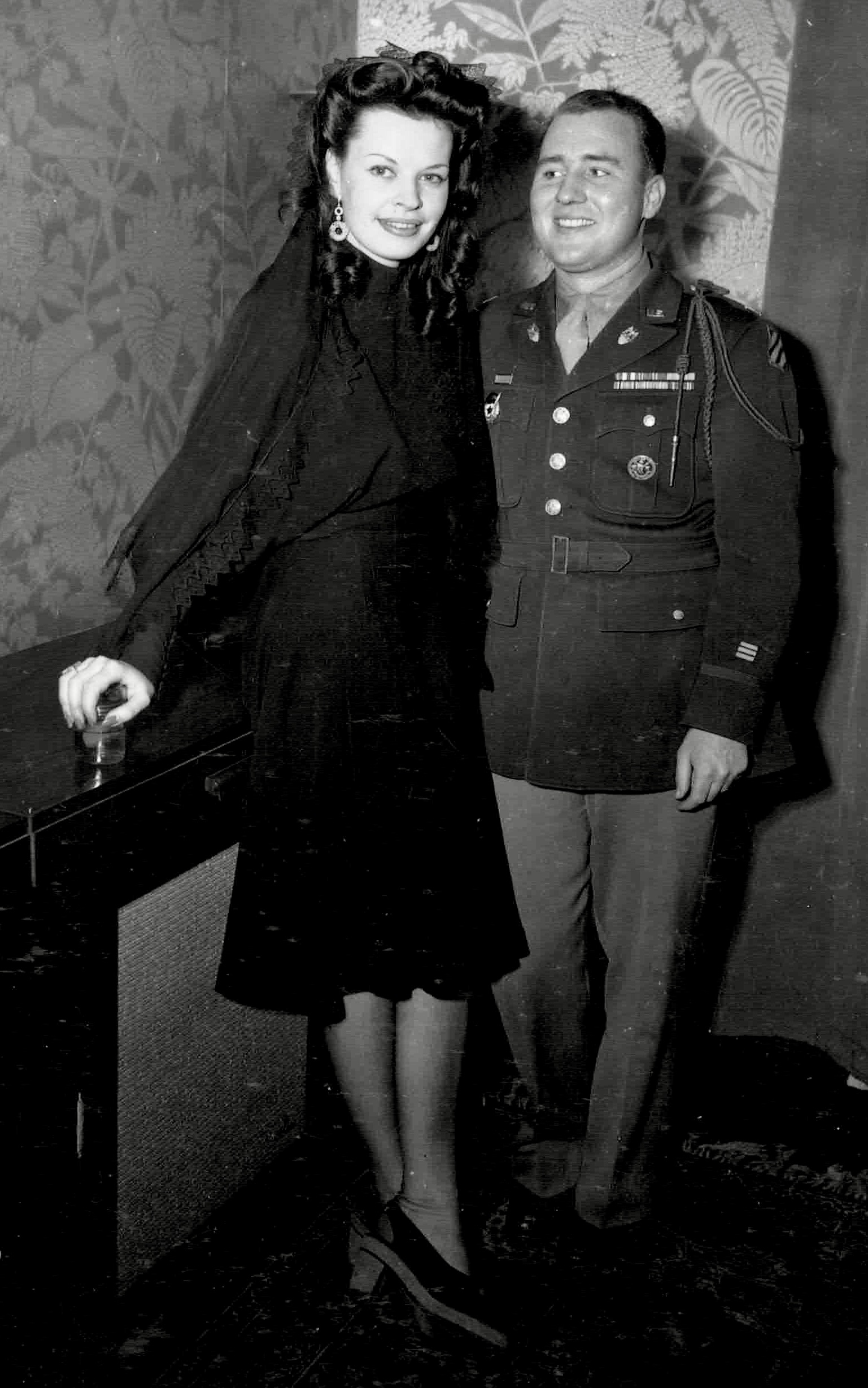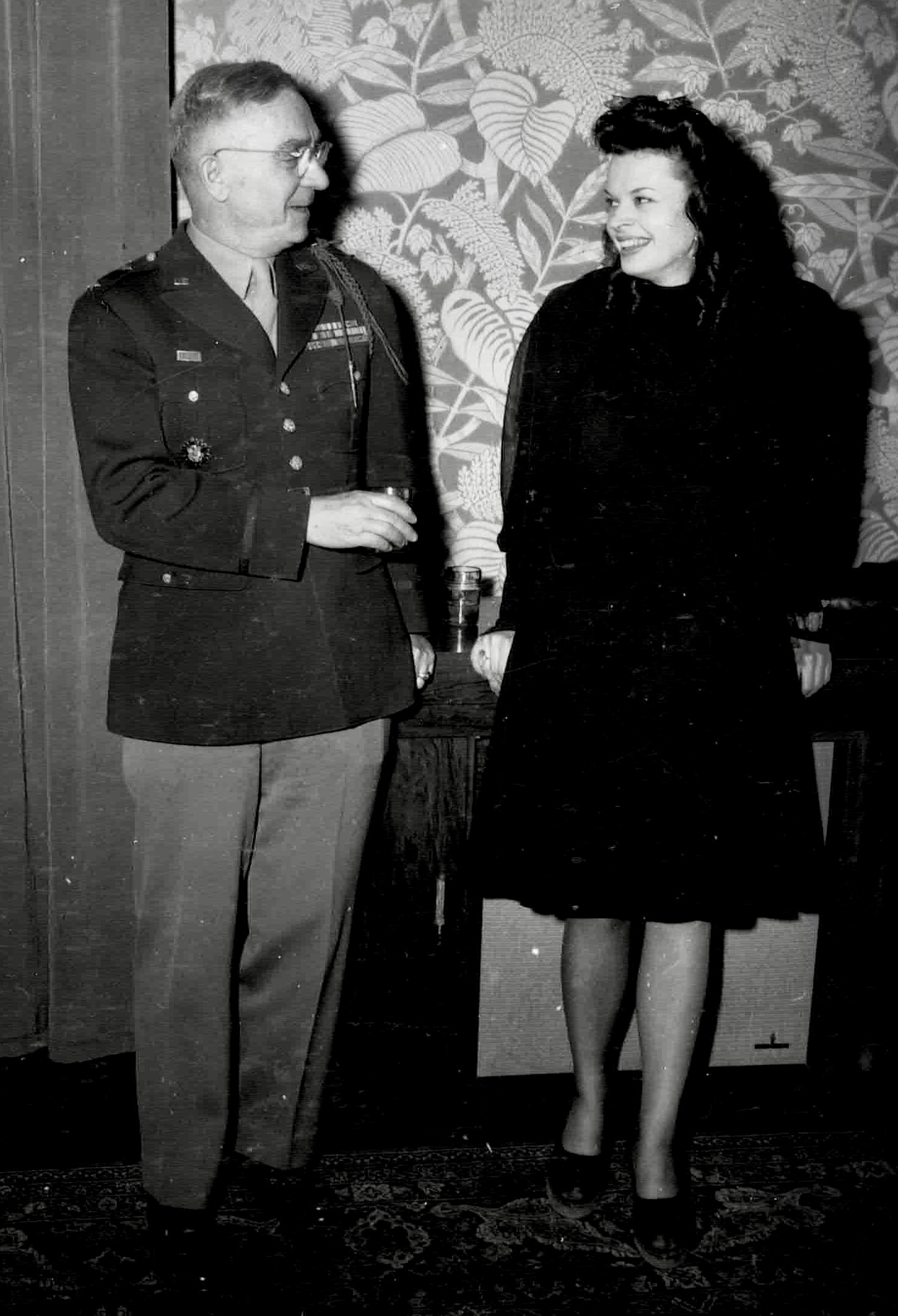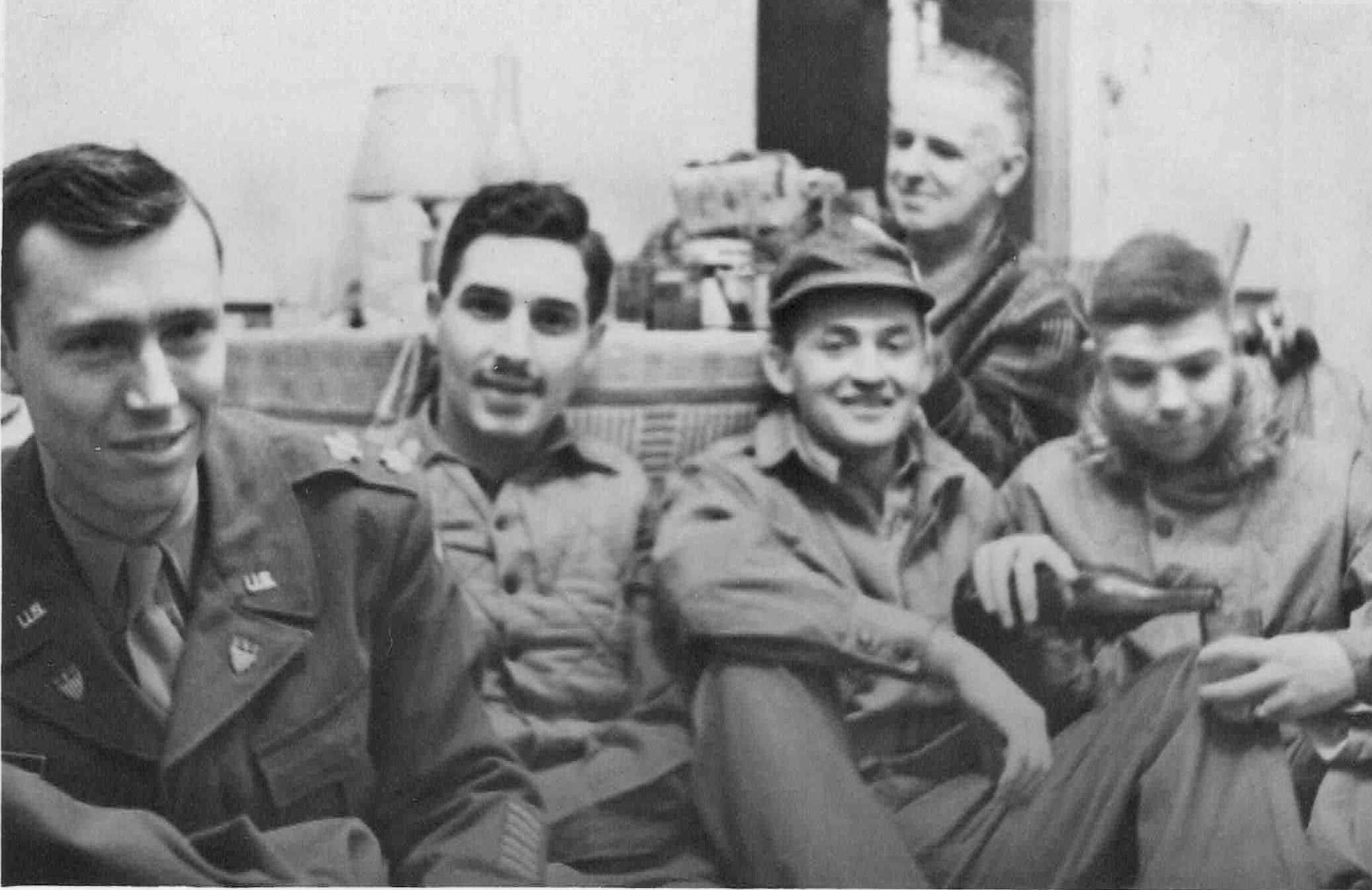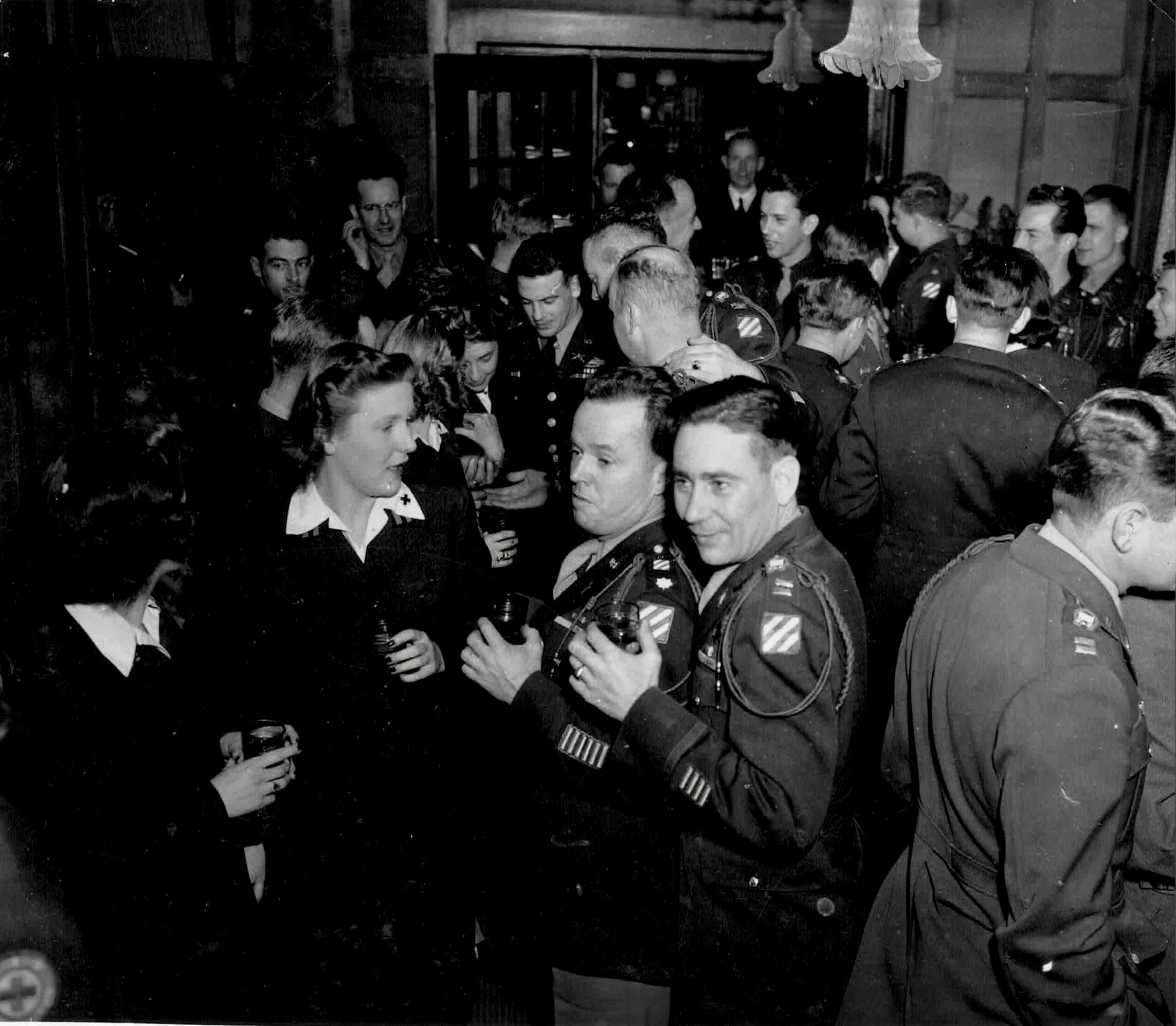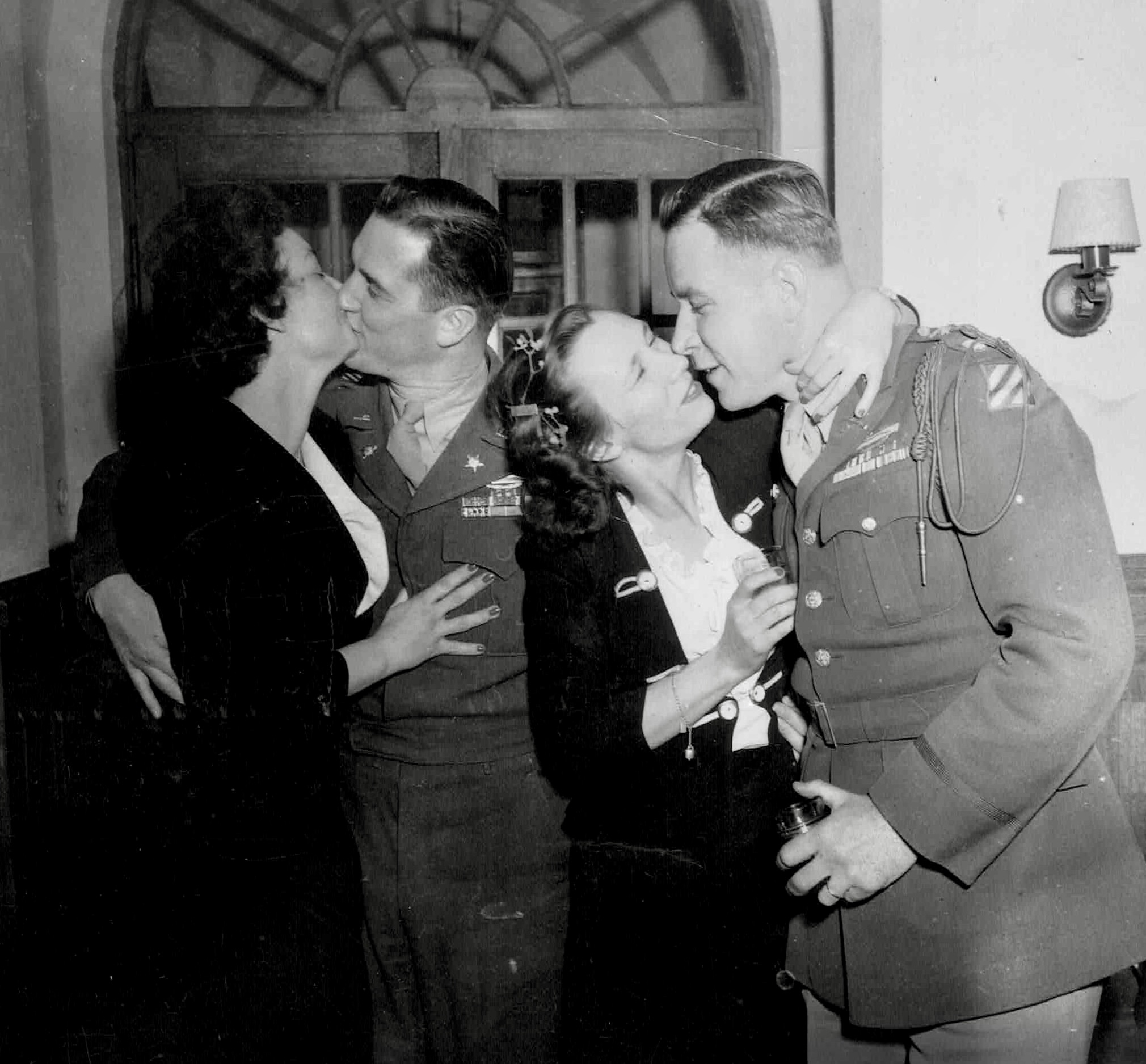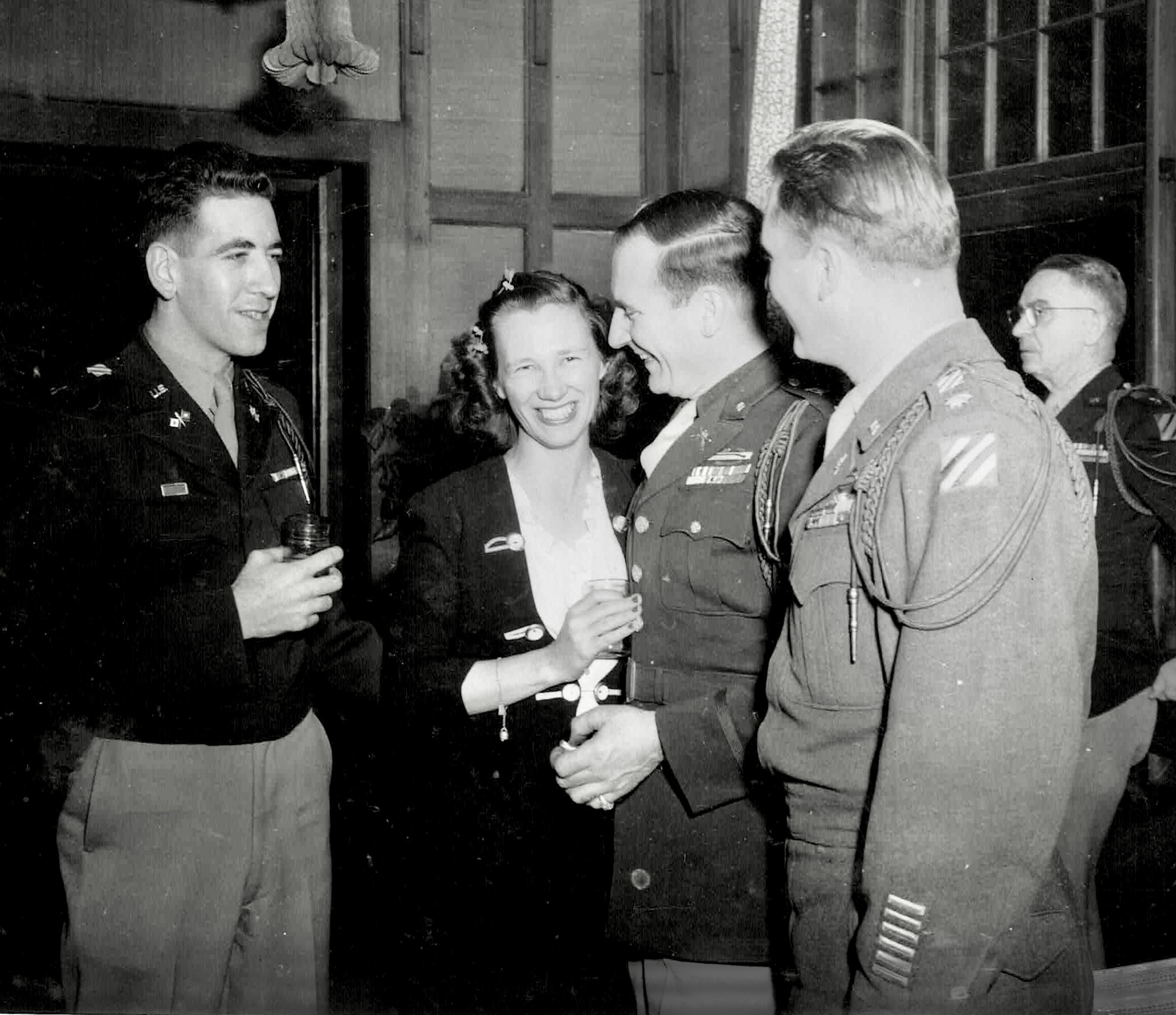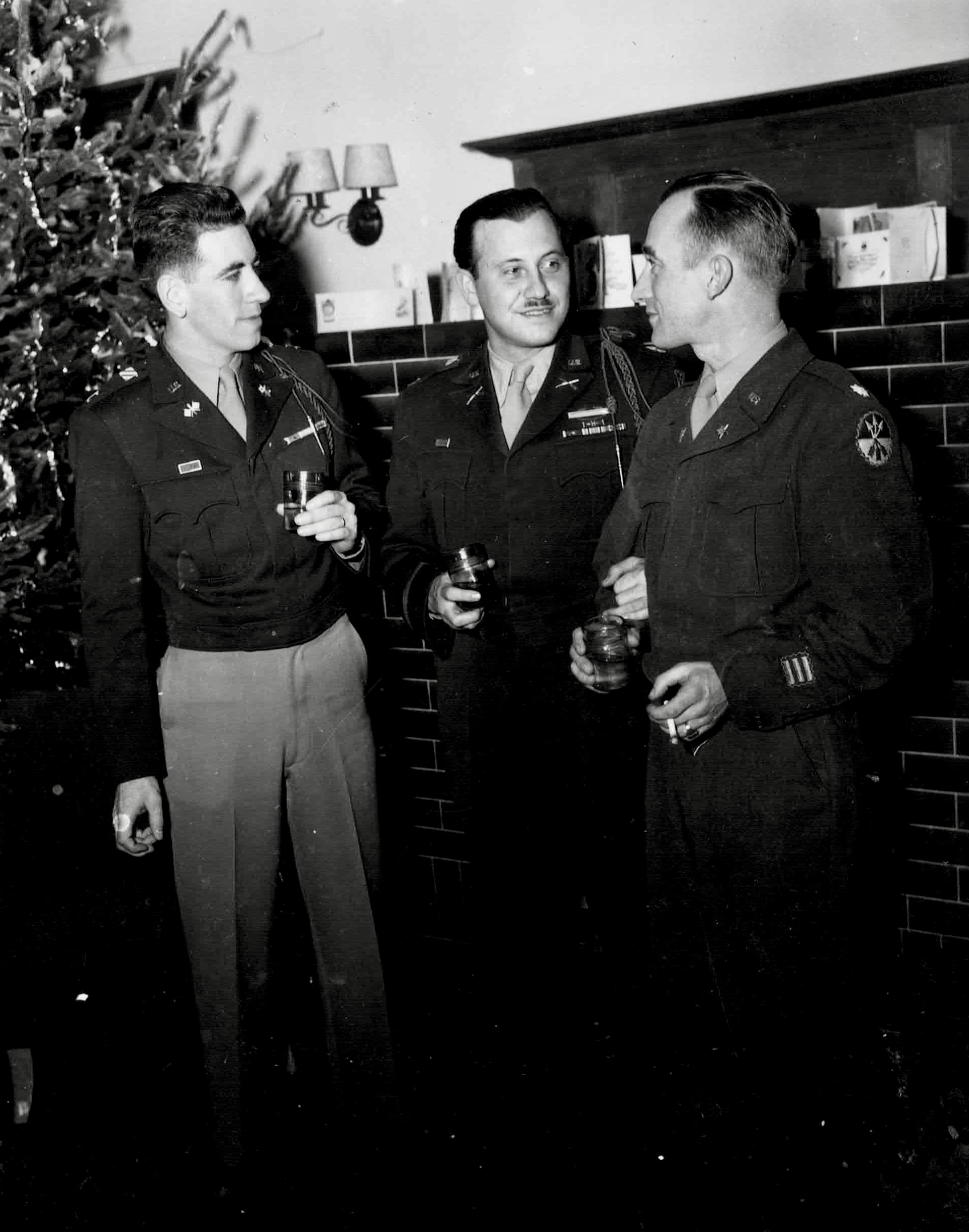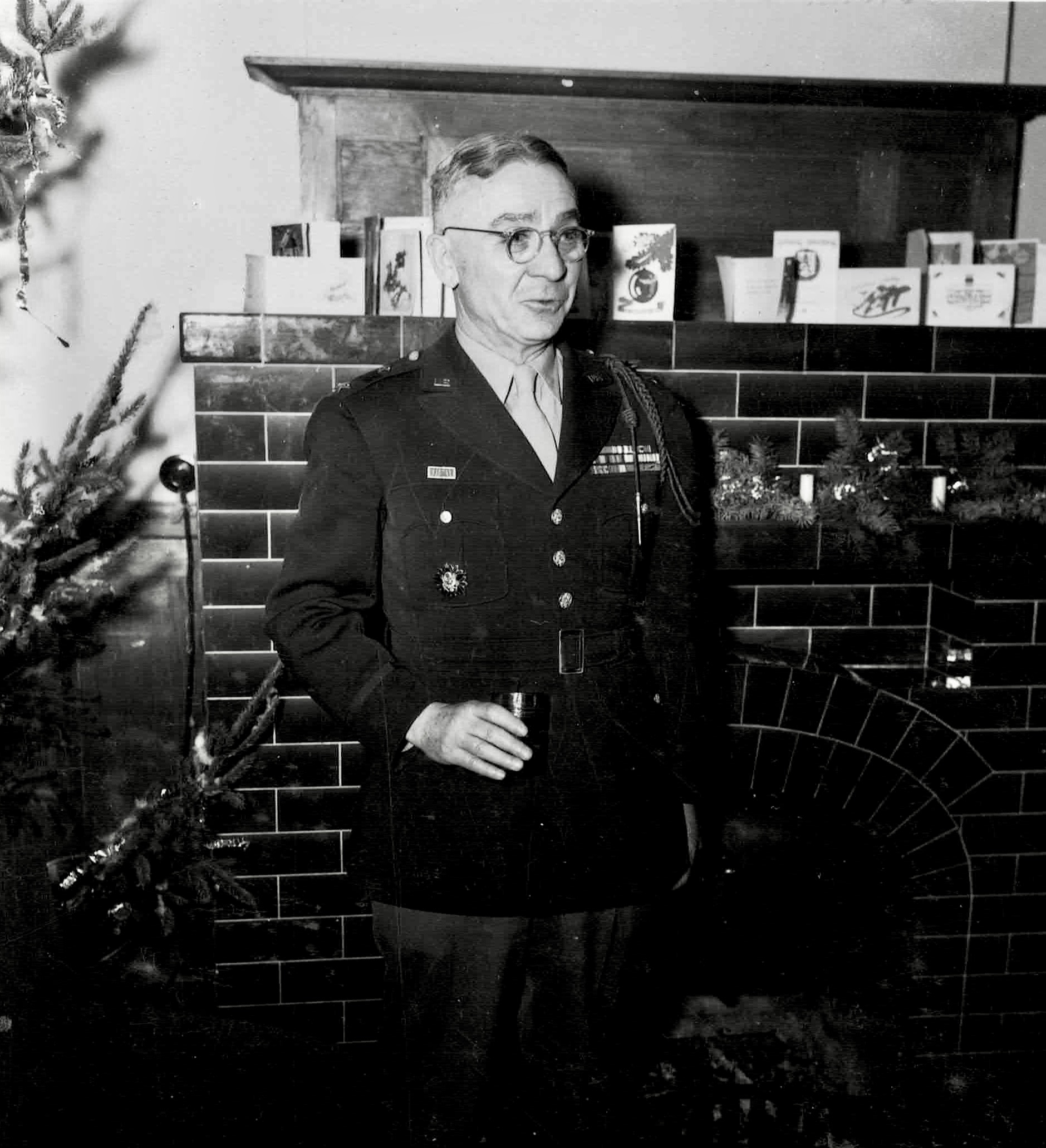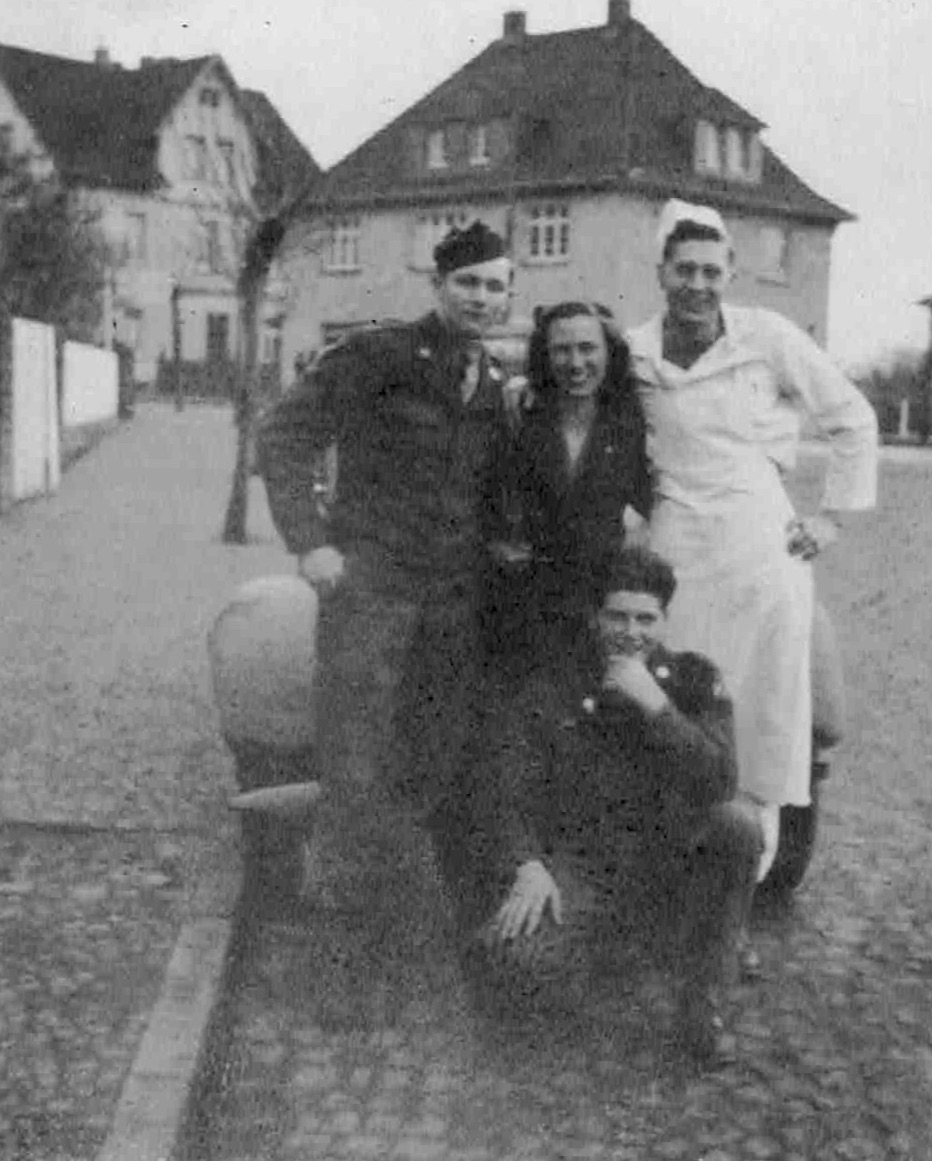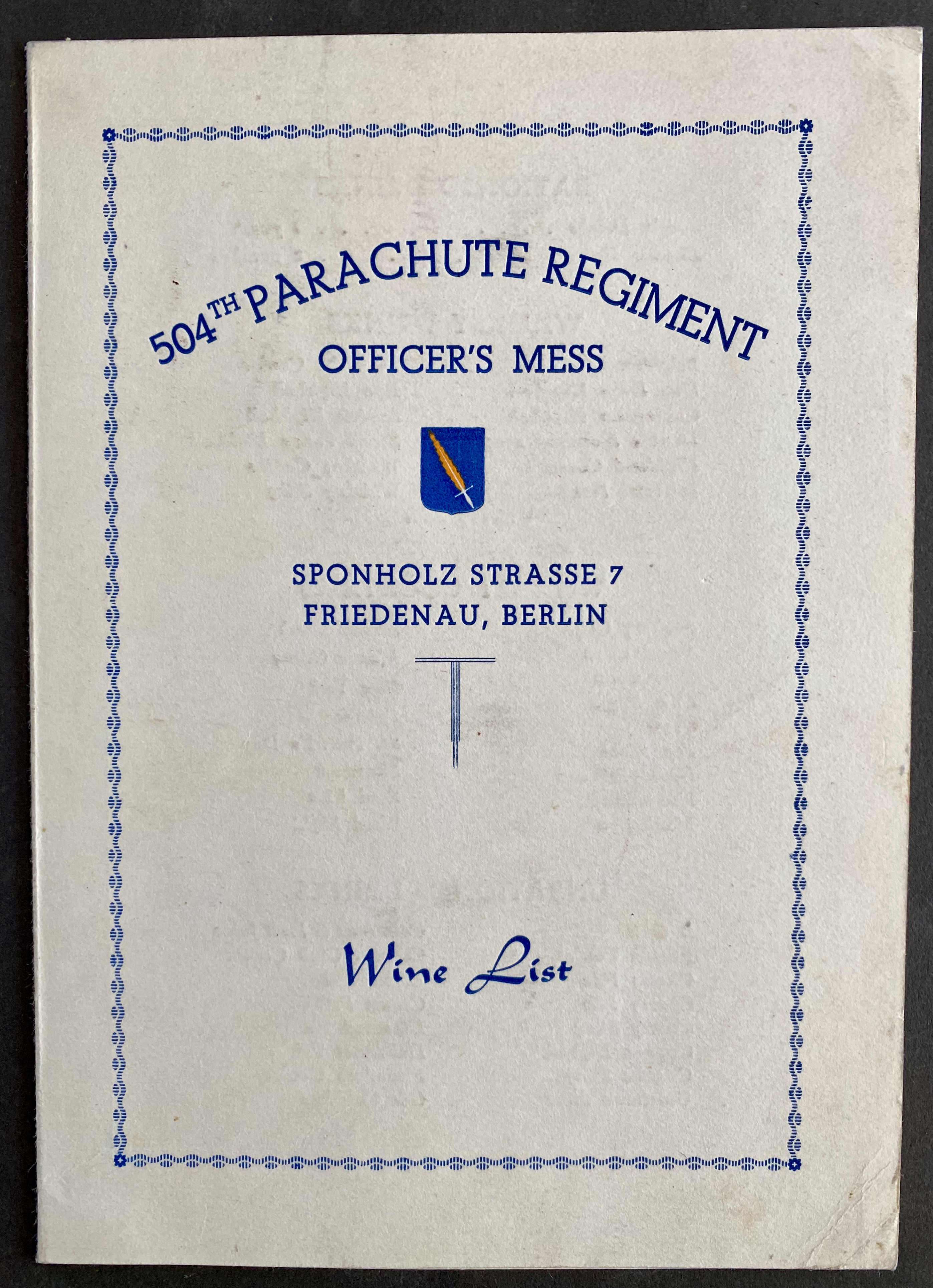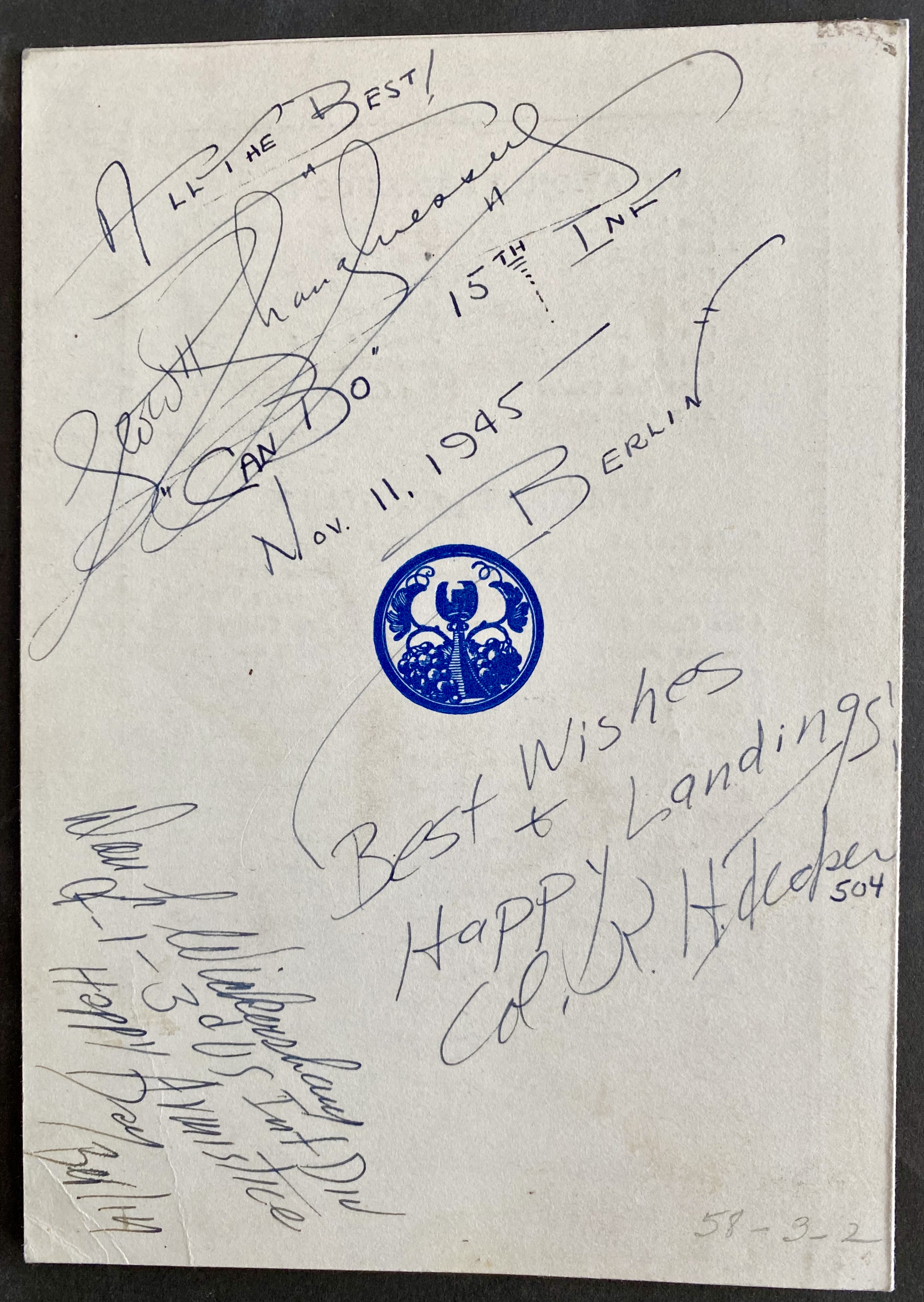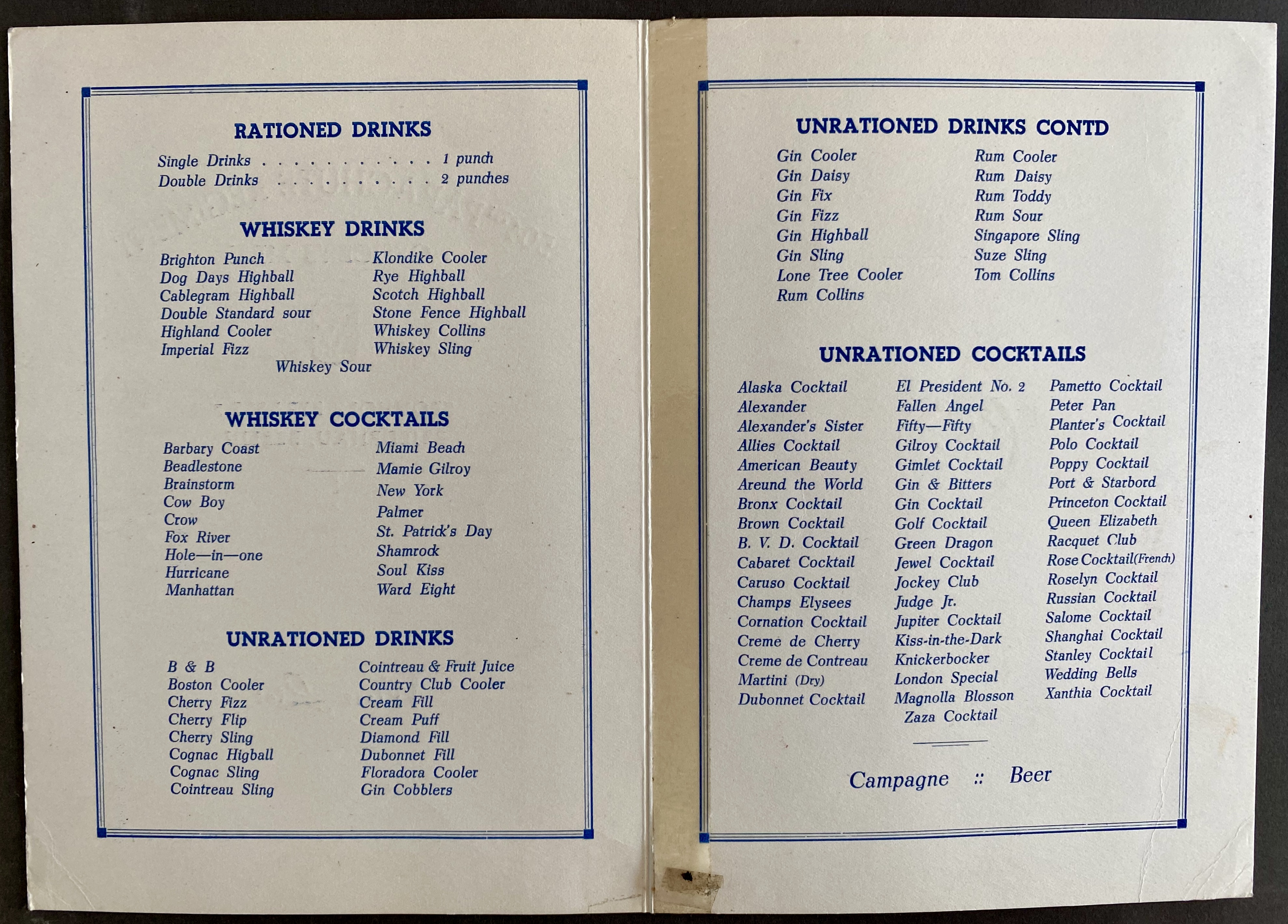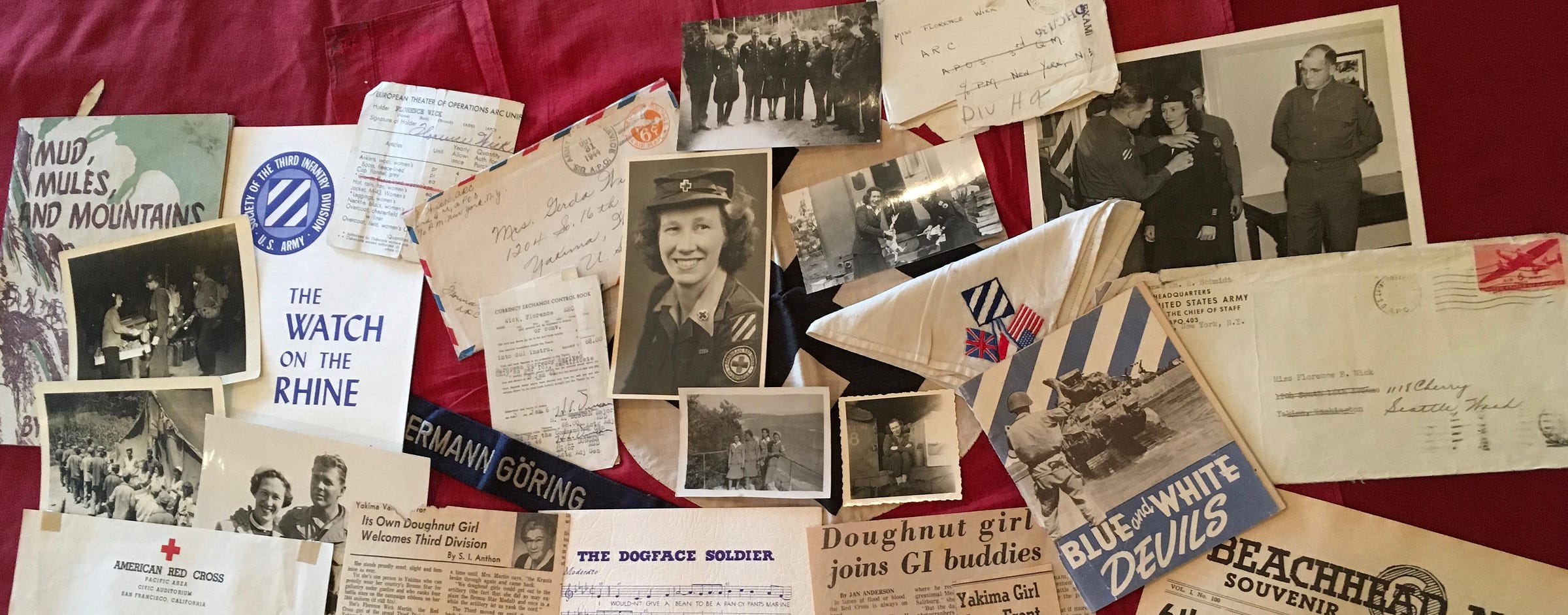
The gathering took place in Kassel, Germany near the border between Soviet and U.S. occupation zones.
My Mother and Audie Murphy Ch. 94


Ch. 95: https://mollymartin.blog/2026/02/11/cagney-picks-up-murphy/
The gathering took place in Kassel, Germany near the border between Soviet and U.S. occupation zones.
My Mother and Audie Murphy Ch. 94


Ch. 95: https://mollymartin.blog/2026/02/11/cagney-picks-up-murphy/
The agreement marked a territorial change in the occupied zones
My Mother and Audie Murphy Ch. 93

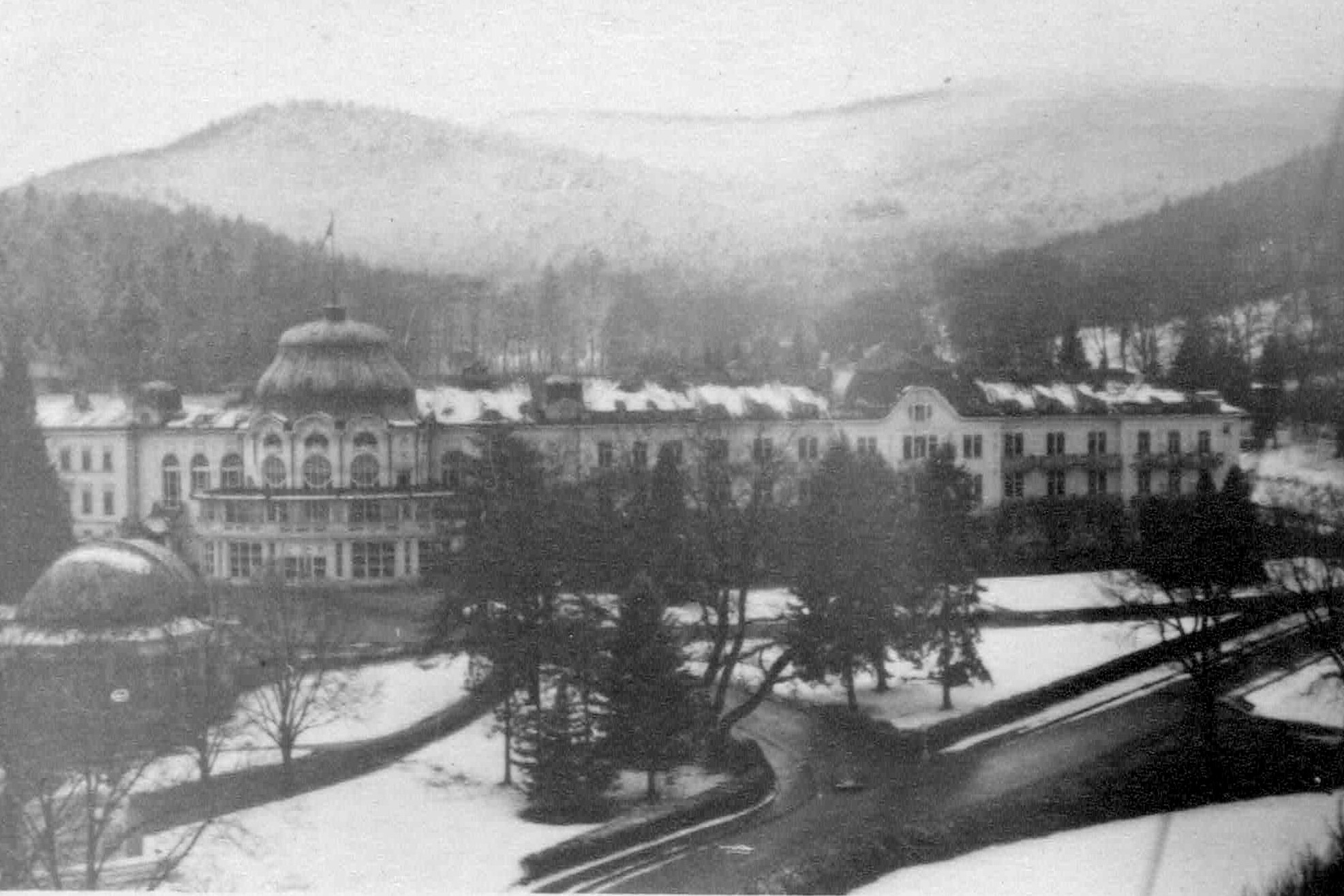
Flo attended the historic Russian–American conference in Wanfried, Germany, where the Wanfried Agreement was signed on September 17, 1945. The agreement was a post–World War II territorial exchange between U.S. and Soviet occupation authorities, finalized in English and Russian, to resolve a logistical problem along the Bebra–Göttingen railway. A roughly 2.7-mile stretch of this crucial rail line briefly crossed into the Soviet zone near Wanfried, disrupting traffic vital to U.S. connections between southern Germany and the American-controlled port of Bremerhaven. To secure uninterrupted U.S. control of the line, two villages in Soviet-occupied Thuringia were exchanged for five villages in American-occupied Hesse. The agreement, informally known as the “Whisky-Vodka Line,” stands out as a rare, peaceful, and highly localized negotiation between the two superpowers in the tense early months of the occupation.


Ch. 94: https://mollymartin.blog/2026/02/07/english-americans-russians-party/
My Mother and Audie Murphy Ch. 92
Witzenhausen, Germany, lay within the American occupation zone near the border with the Soviet zone, making it strategically important for intelligence and personnel transfers. In 1945, U.S. forces used the town during Operation Paperclip to evacuate German rocket scientists, including Wernher von Braun, from Bleicherode to prevent their capture by advancing Soviet troops, underscoring Witzenhausen’s role in the emerging Cold War. The town became a U.S. Army garrison, with military bases integrated into local life, a pattern seen across West Germany. This long American presence left lasting marks on language, consumer culture, and infrastructure, making Witzenhausen a microcosm of the broader U.S. occupation experience.


Ch. 93: https://mollymartin.blog/2026/02/03/the-us-and-ussr-sign-a-peaceful-pact/
Third Division vs. 29th
Ch. 91 My Mother and Audie Murphy
The football games were part of a sports program organized to occupy restless American and Canadian troops awaiting discharge. In August 1945, the U.S. Army had staged the “GI Olympics” in Nuremberg, with high-ranking Russian observers in attendance. Events included a baseball game played in the former Hitler Youth Stadium—an unmistakably symbolic reclaiming of Nazi space. That same day, news of Japan’s surrender crackled over the loudspeakers, unleashing a roar that seemed to lift the roof as GIs tossed caps, coats, and red-white-and-blue programs into the air, hugging, kissing, and celebrating the war’s end. The festivities continued into the night with performances by Hal McIntyre at the amphitheater and Bob Hope at the Opera House, drawing thousands of cheering troops in a city freshly transformed from fascist spectacle to victorious release.


Ch. 92: https://mollymartin.blog/2026/01/30/around-witzenhausen-autumn-1945/
“Our home for two years”
Ch. 90 My Mother and Audie Murphy
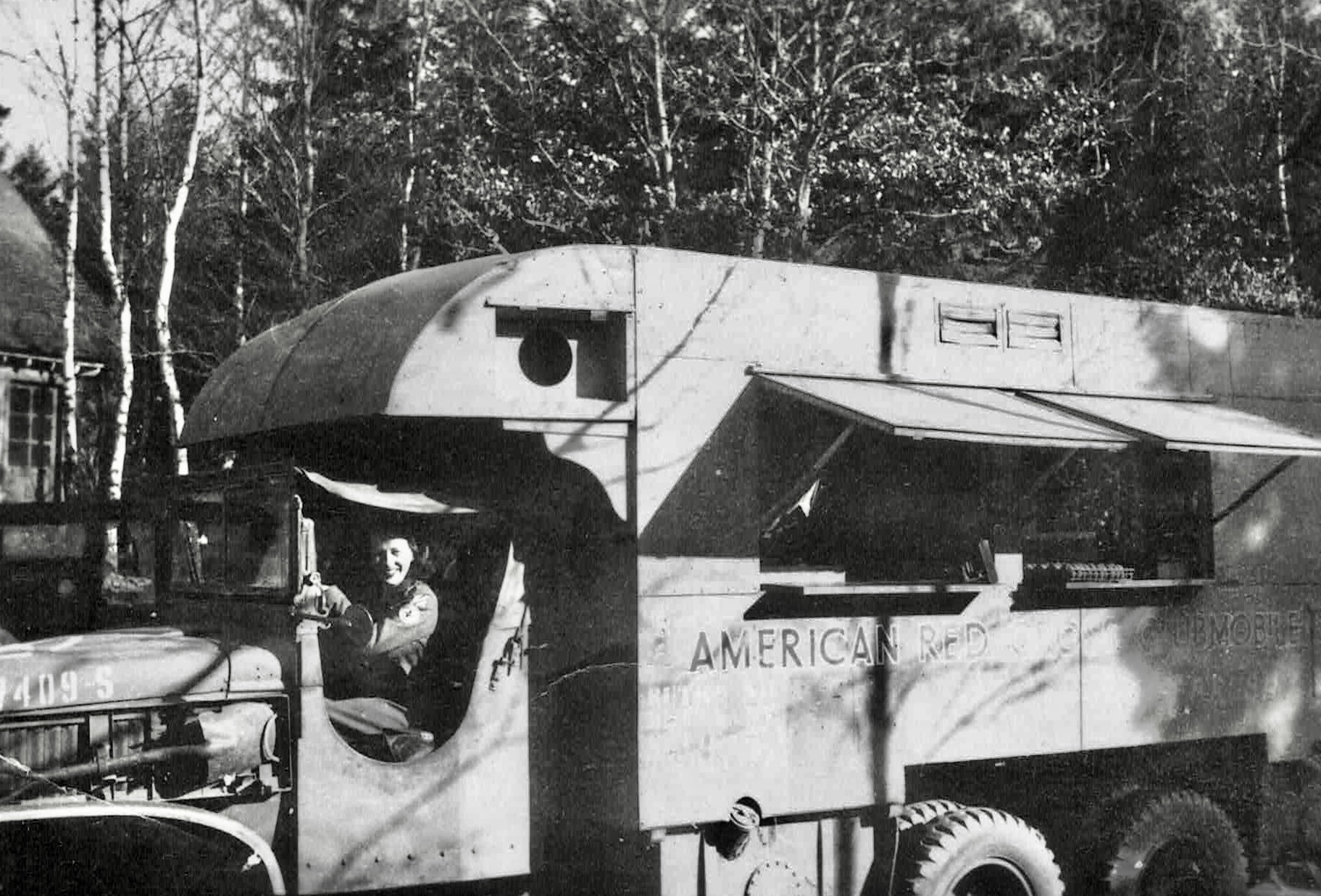
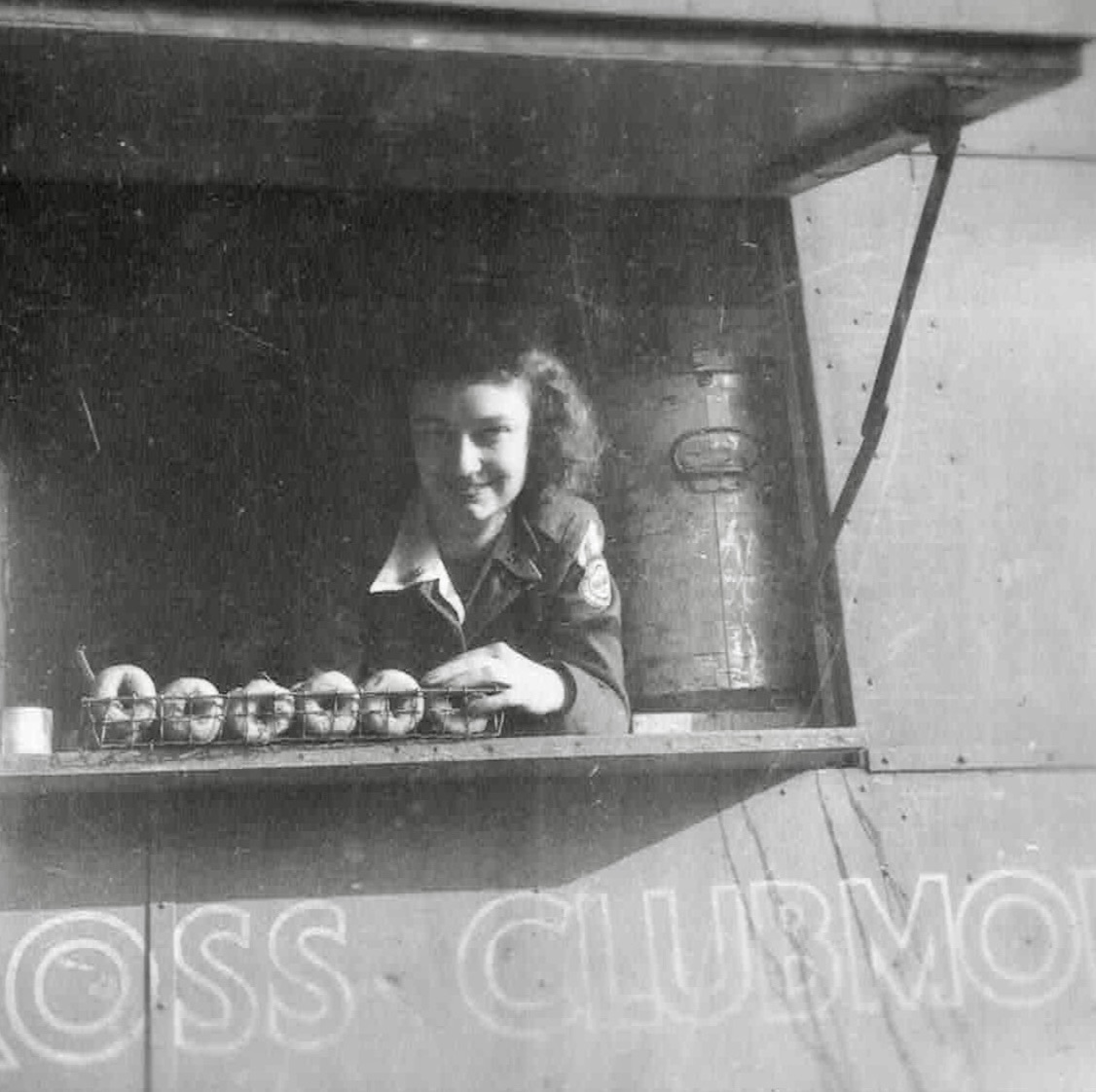
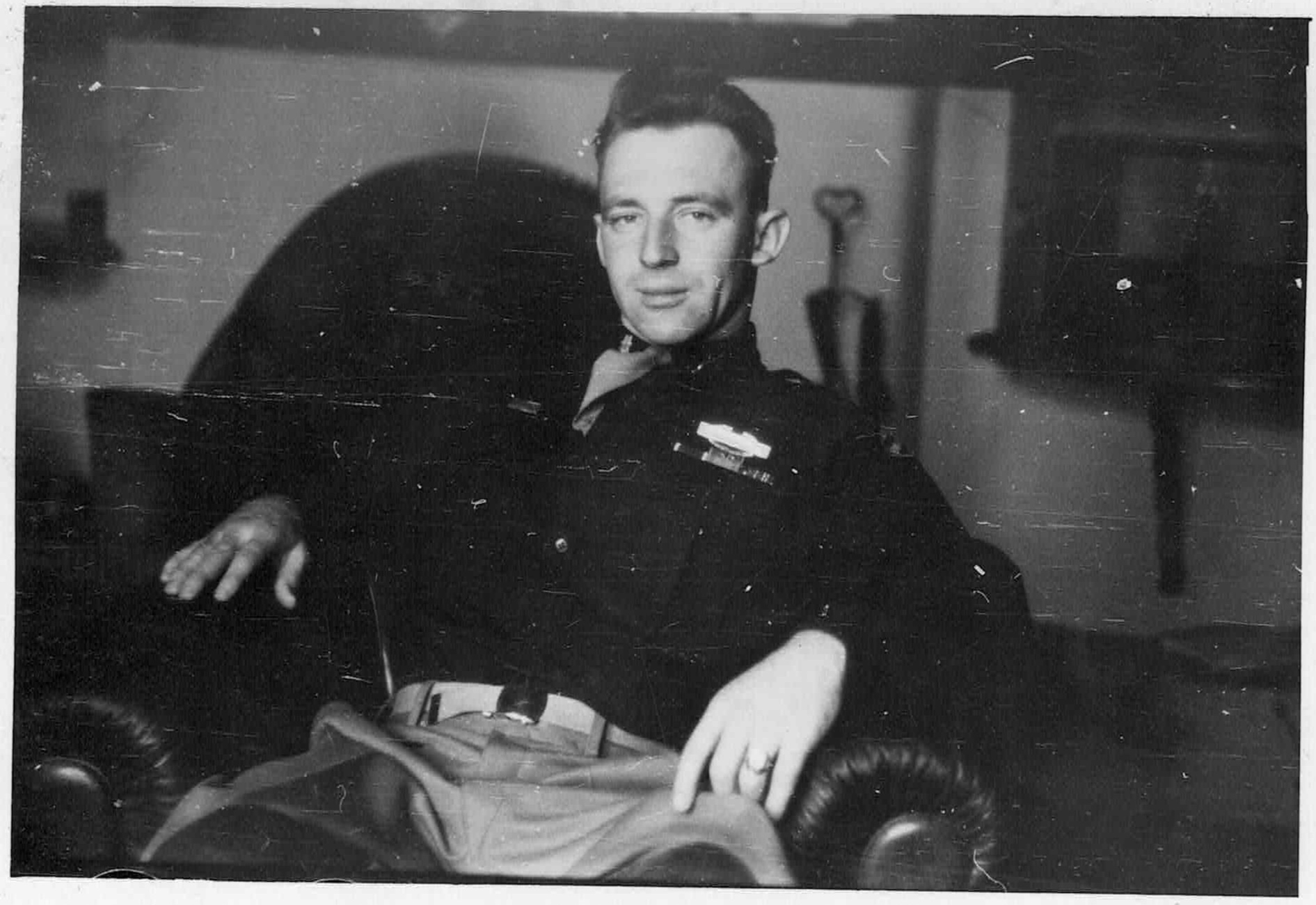
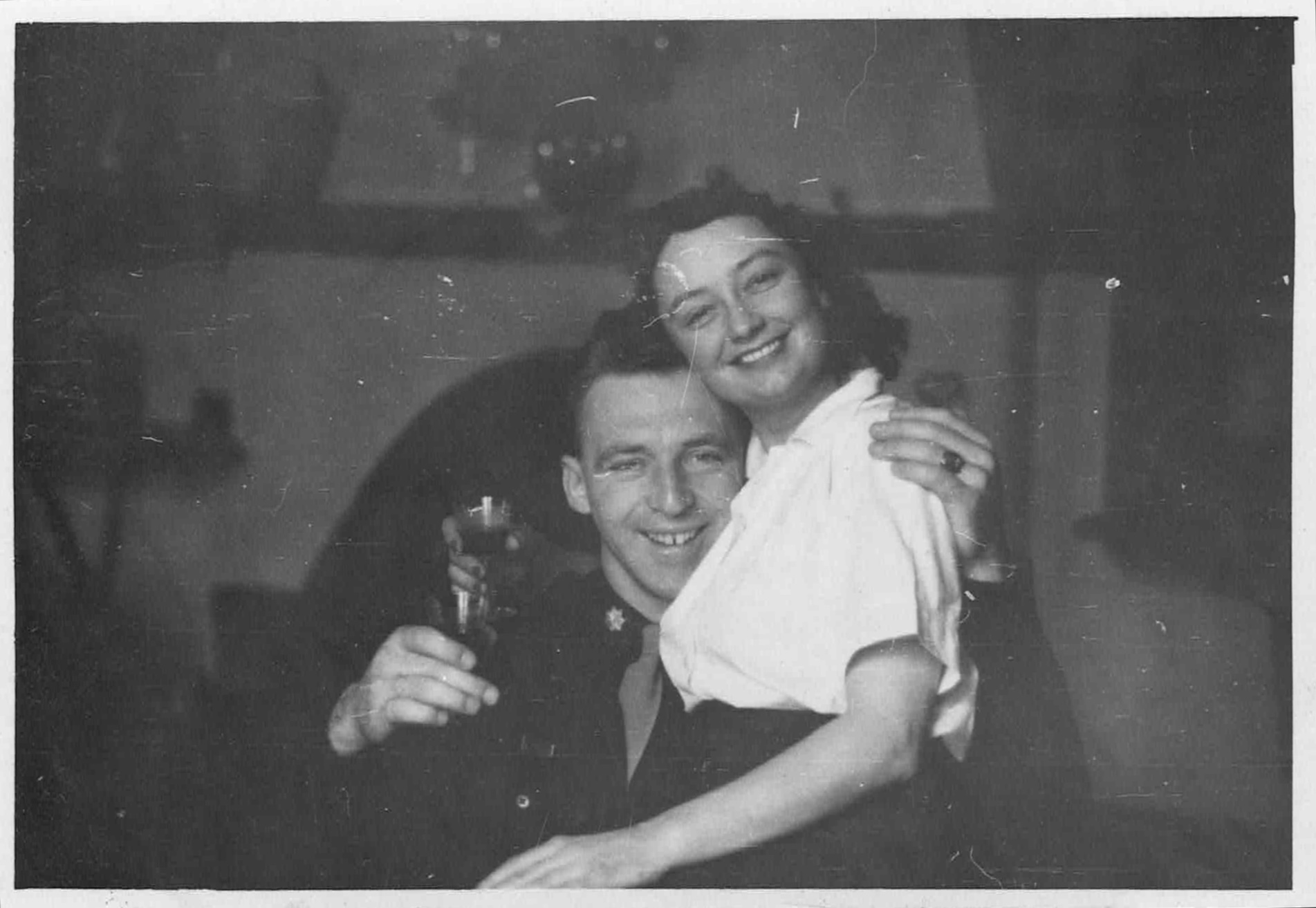
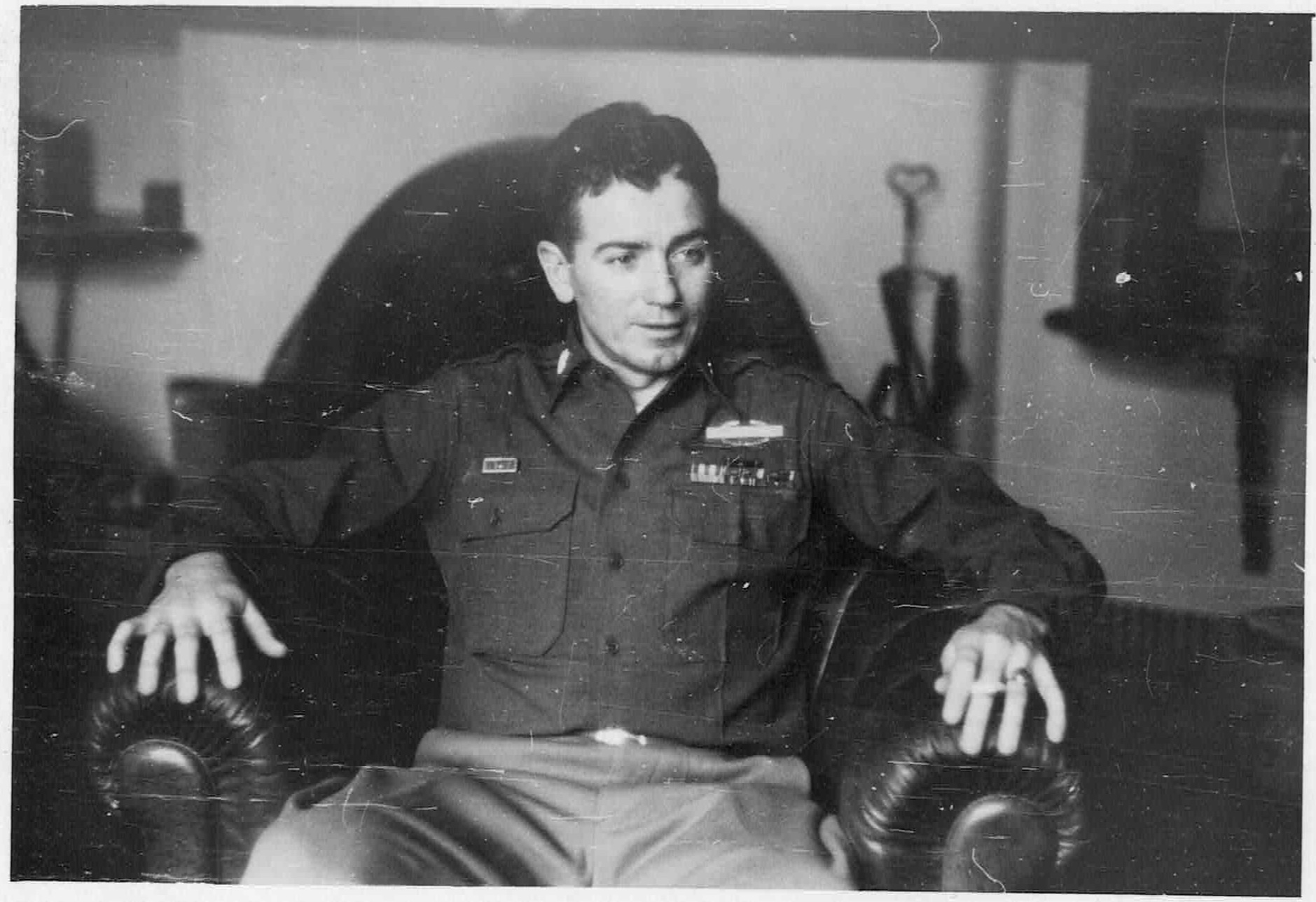
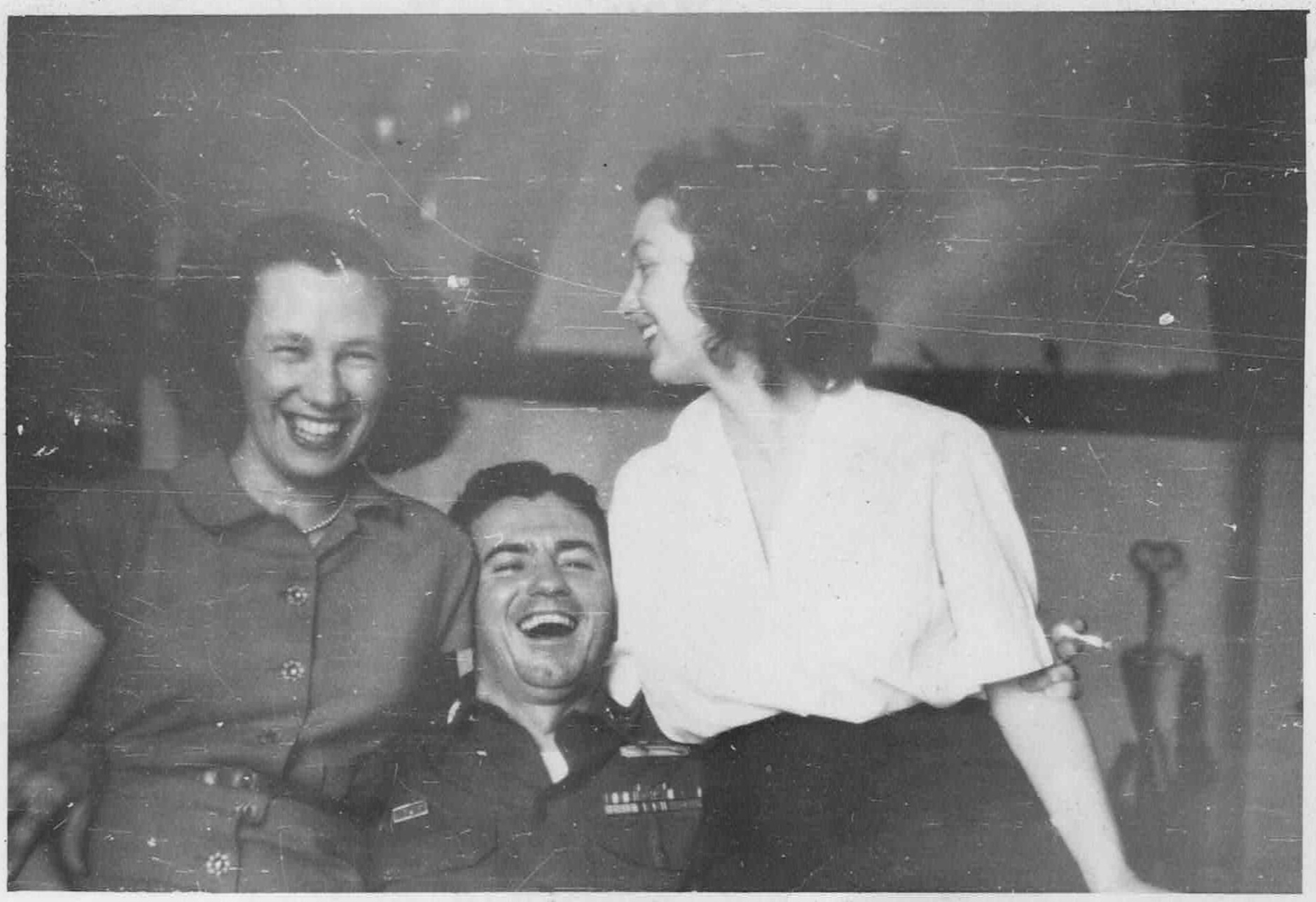
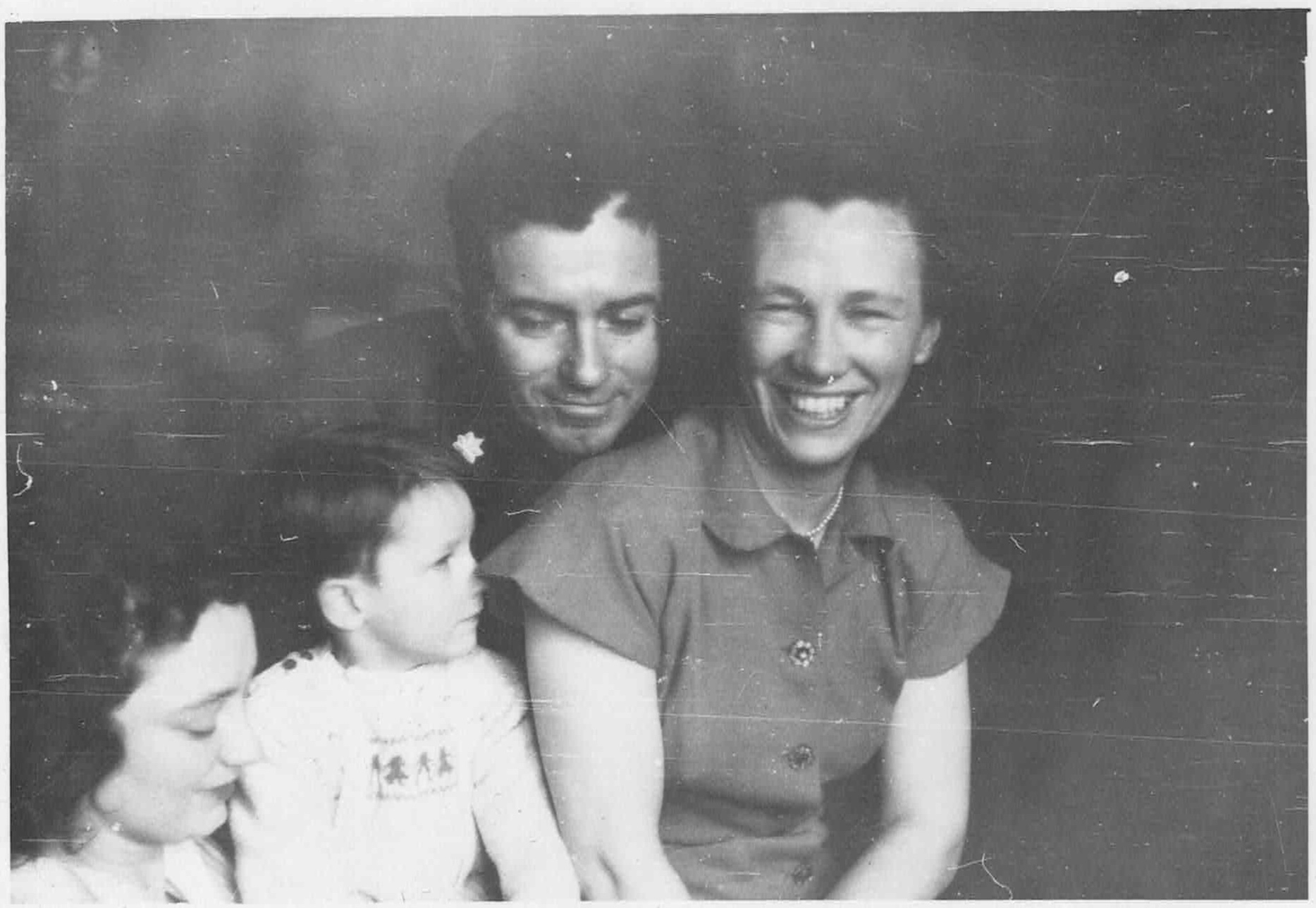
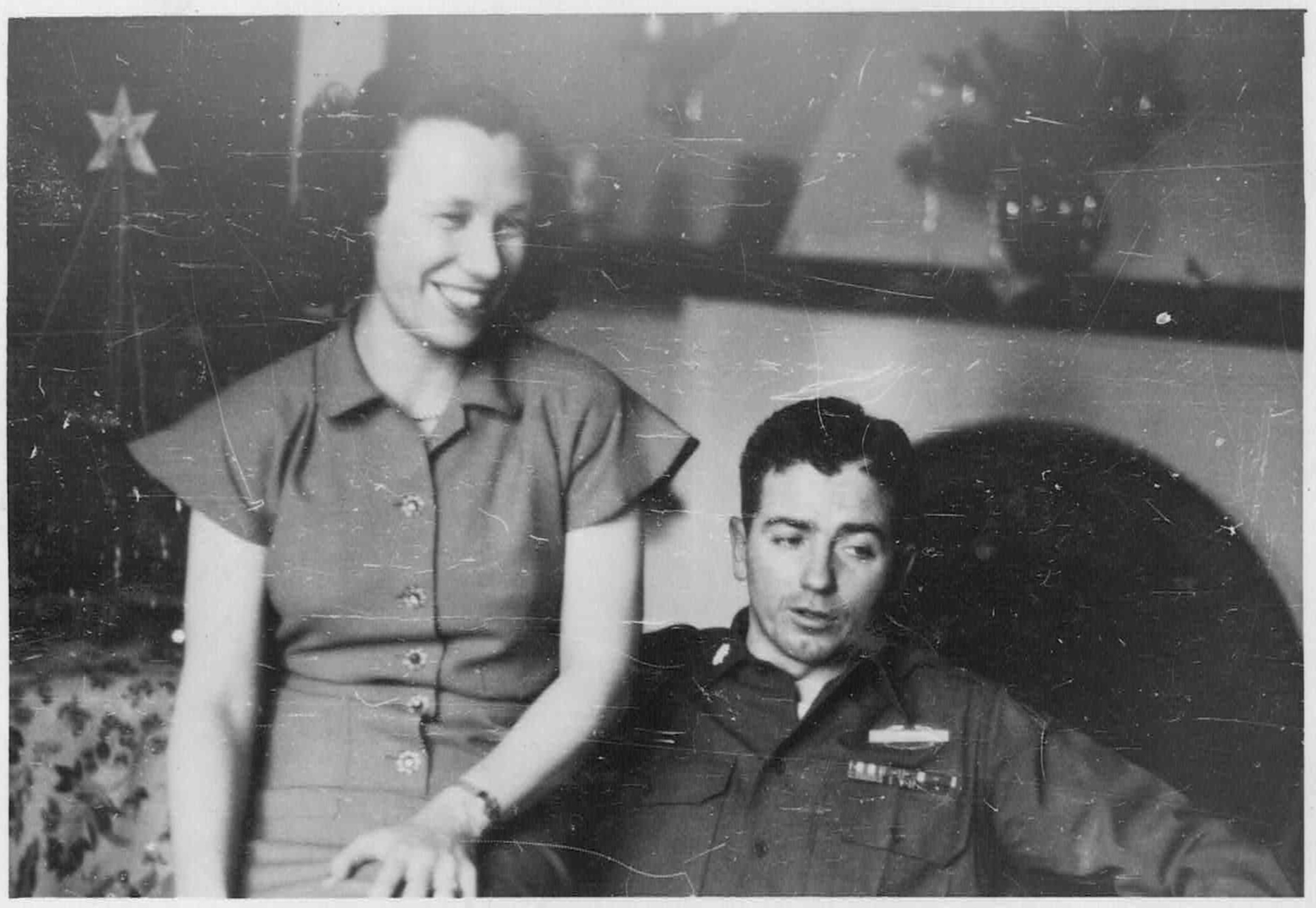
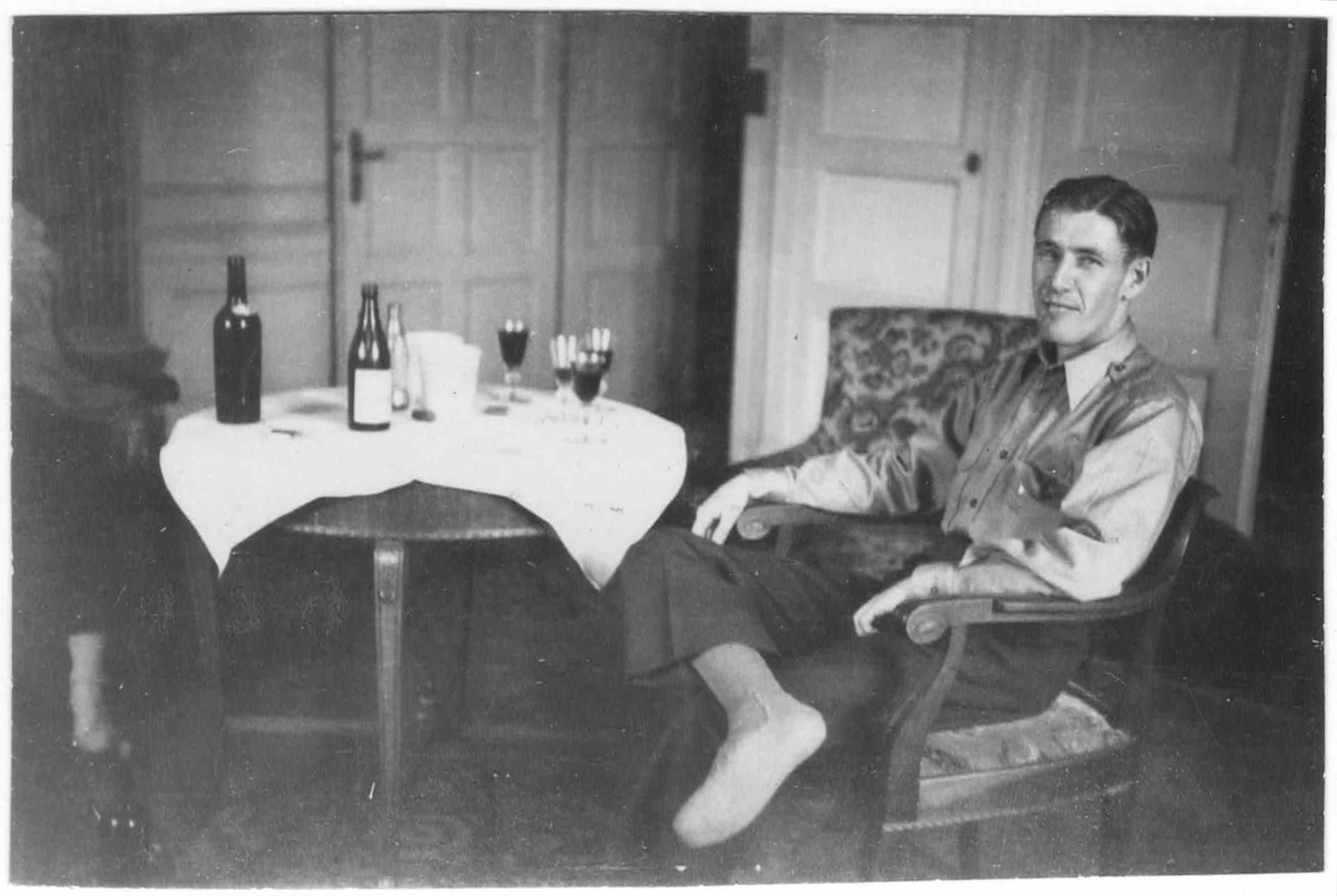
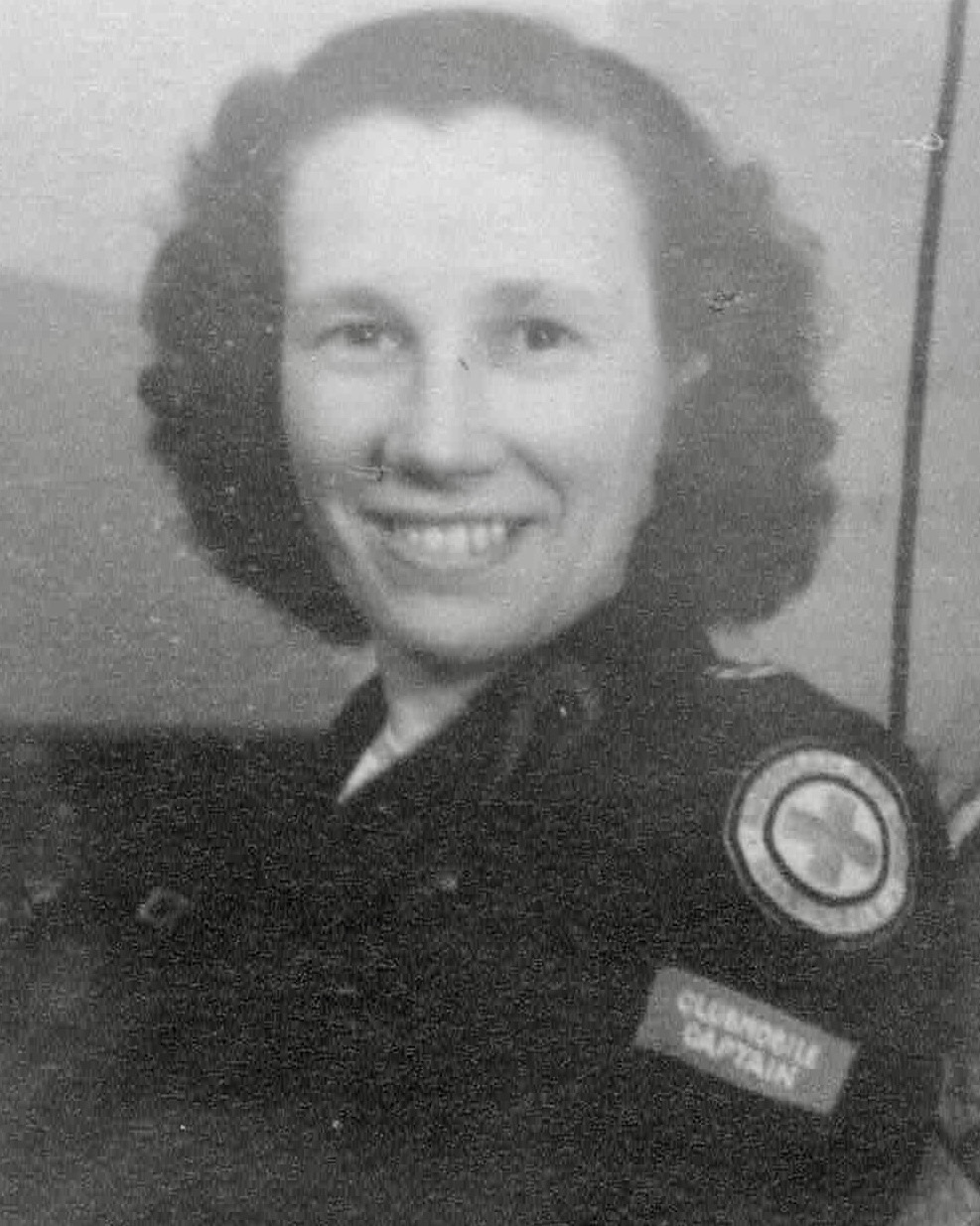
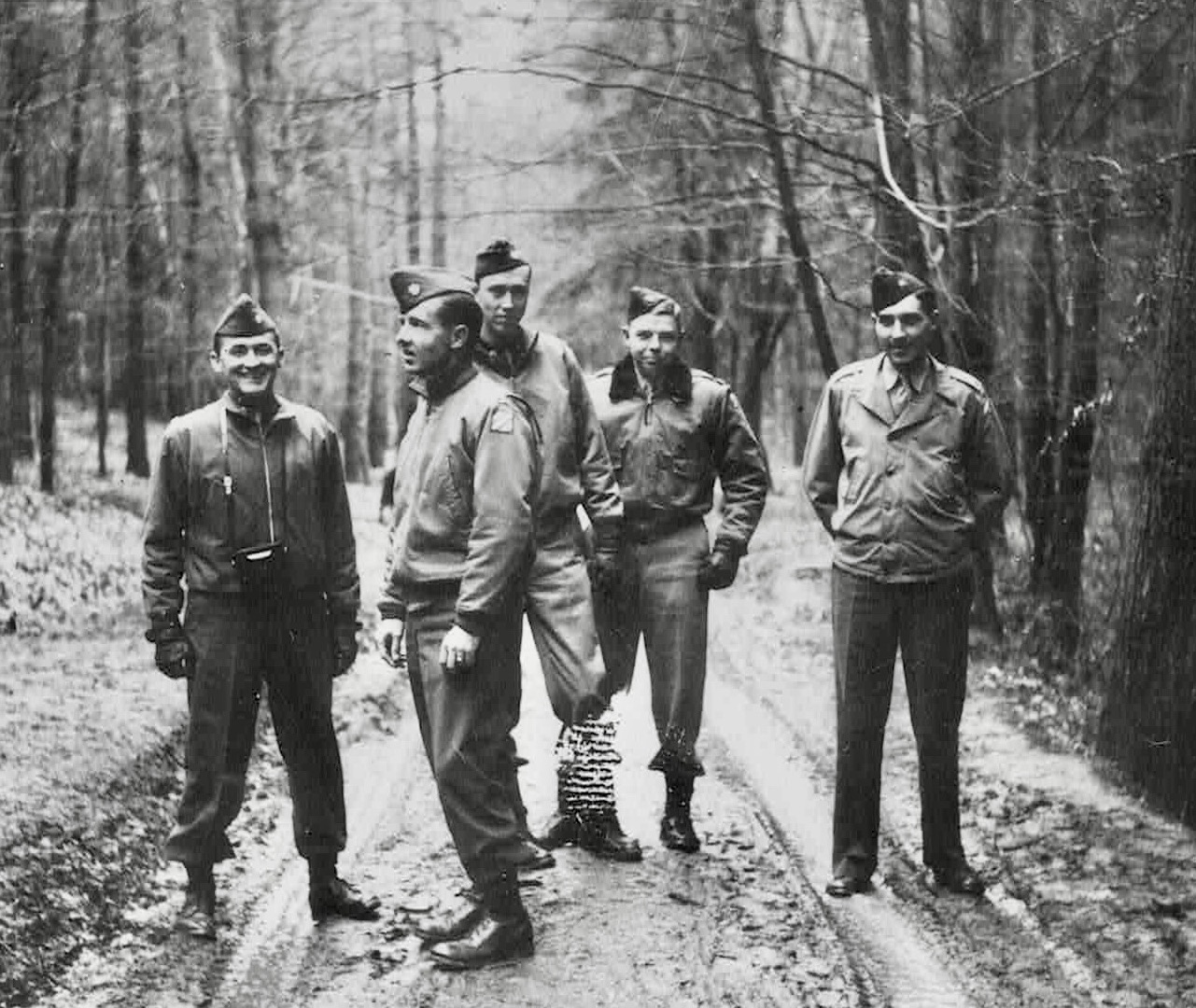
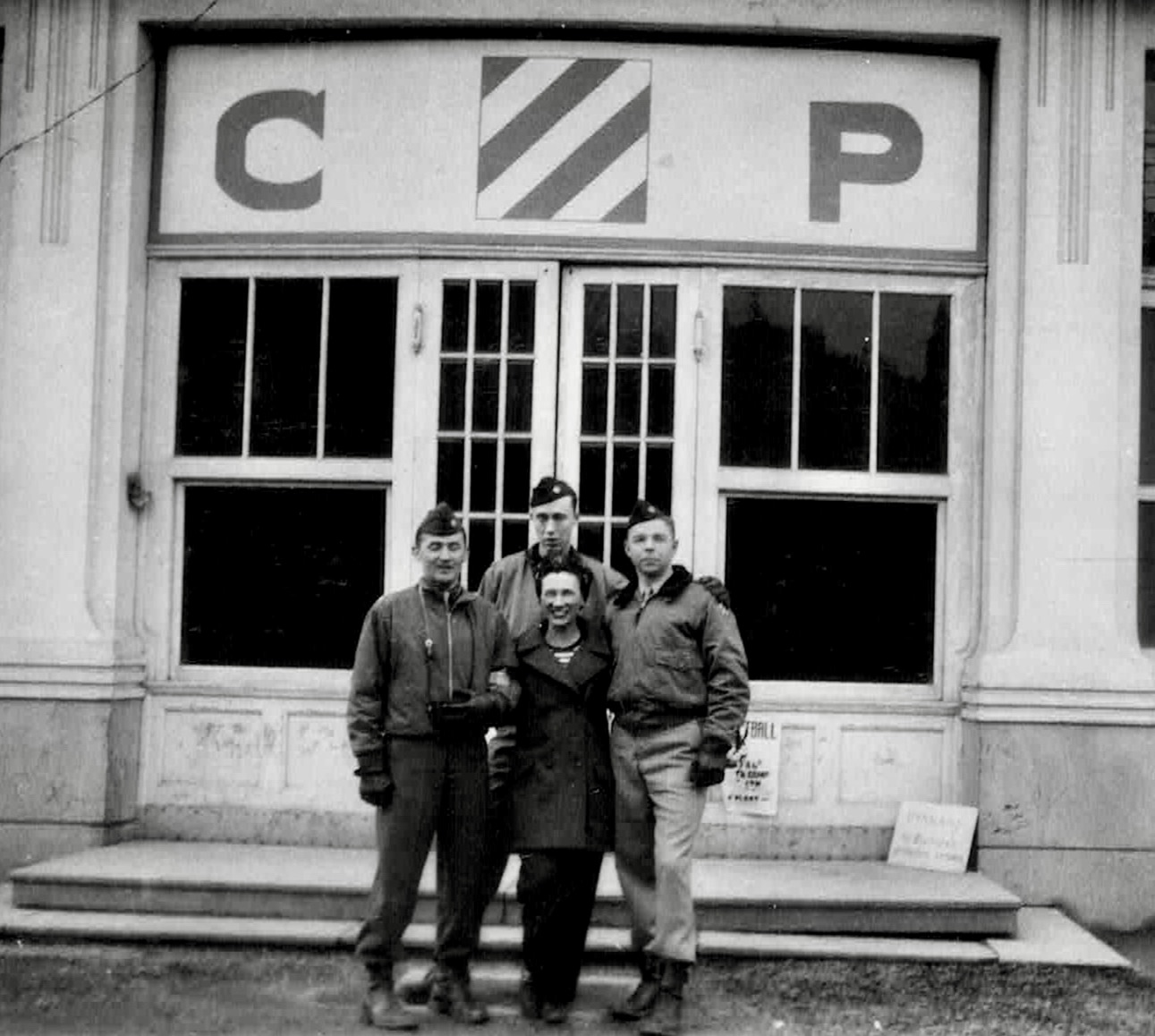
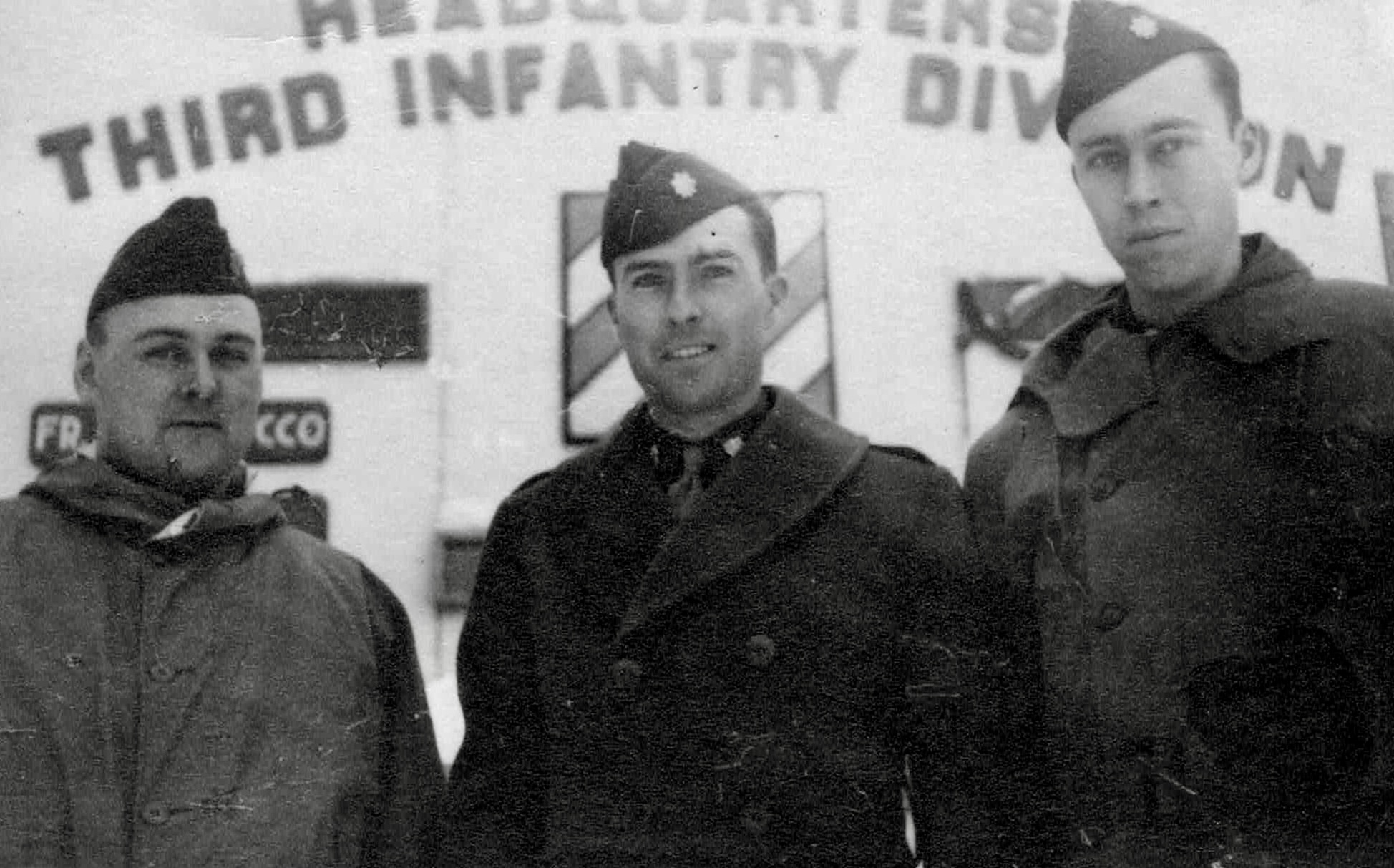
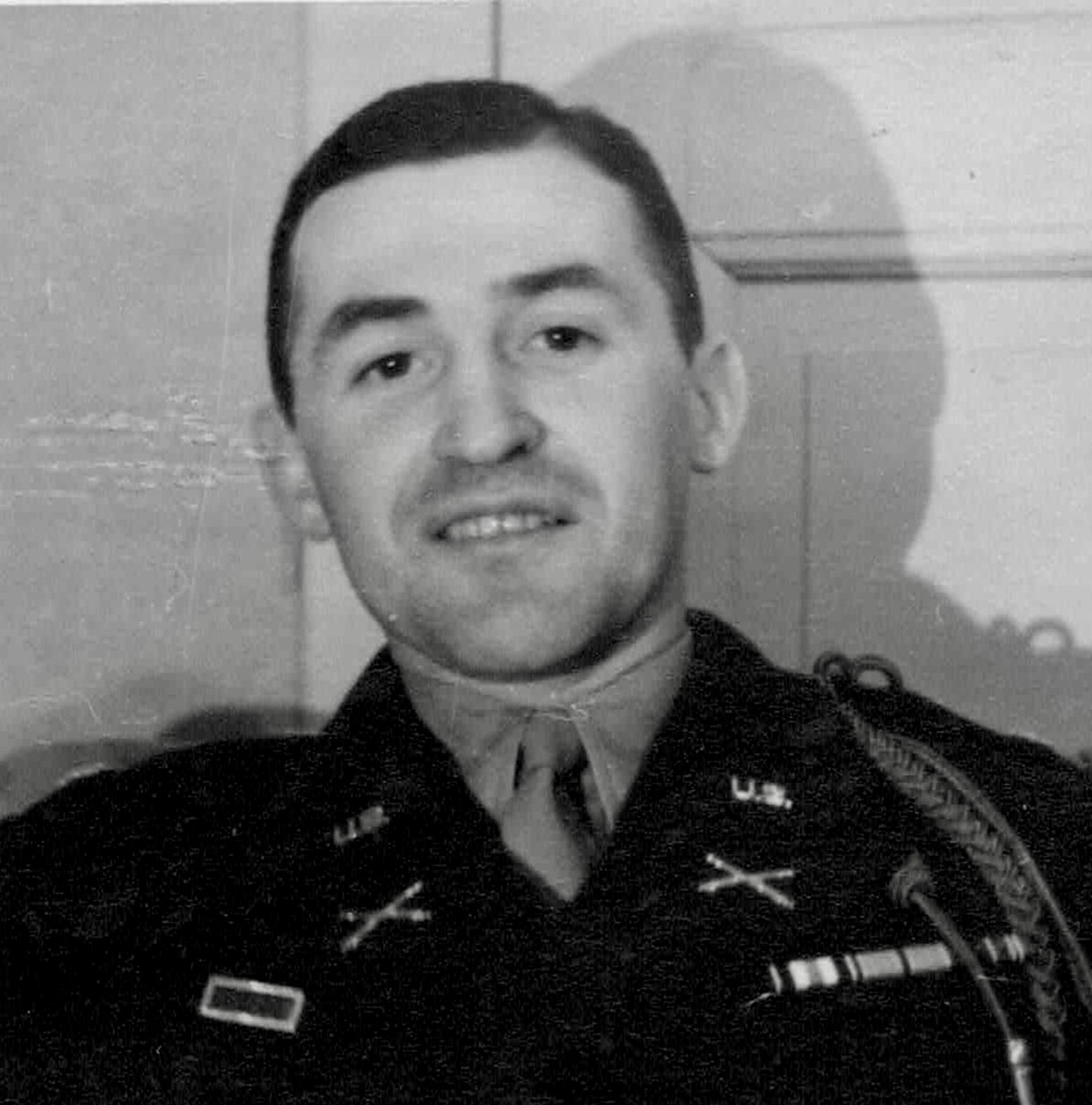
Flo didn’t identify the soldiers on this page of the album. We see ARC clubmobiler Janet Potts in one picture and I’m guessing the man standing next to her is her fiance Jens Jenson. Flo is holding tightly onto one tall handsome man’s hand in several photos. Apparently she has a new boyfriend.


Ch. 91: https://mollymartin.blog/2026/01/26/flo-goes-to-a-football-game/
The Geműtlichkeit was riddled by flashes of bitterness
Ch. 88 My Mother and Audie Murphy
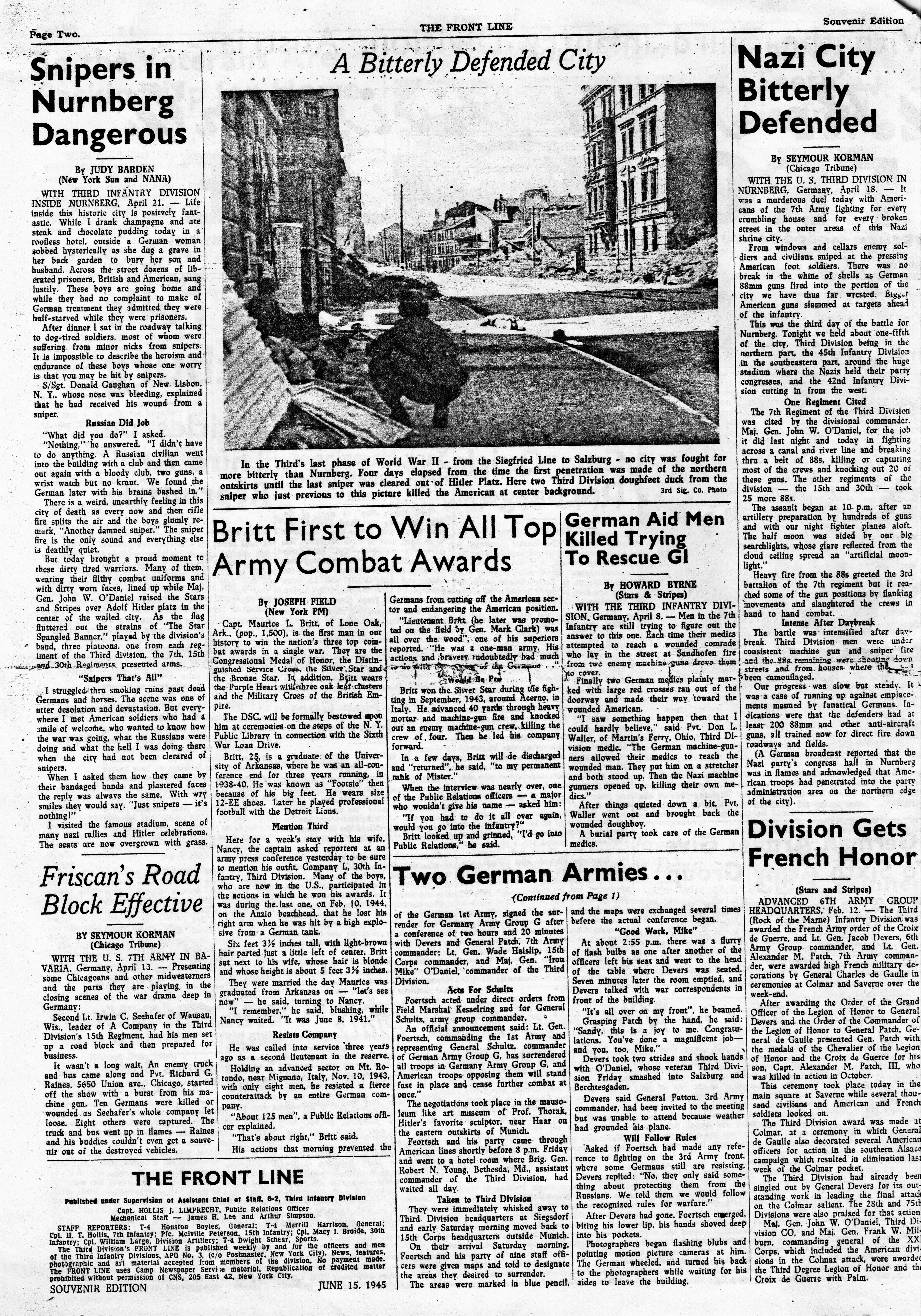
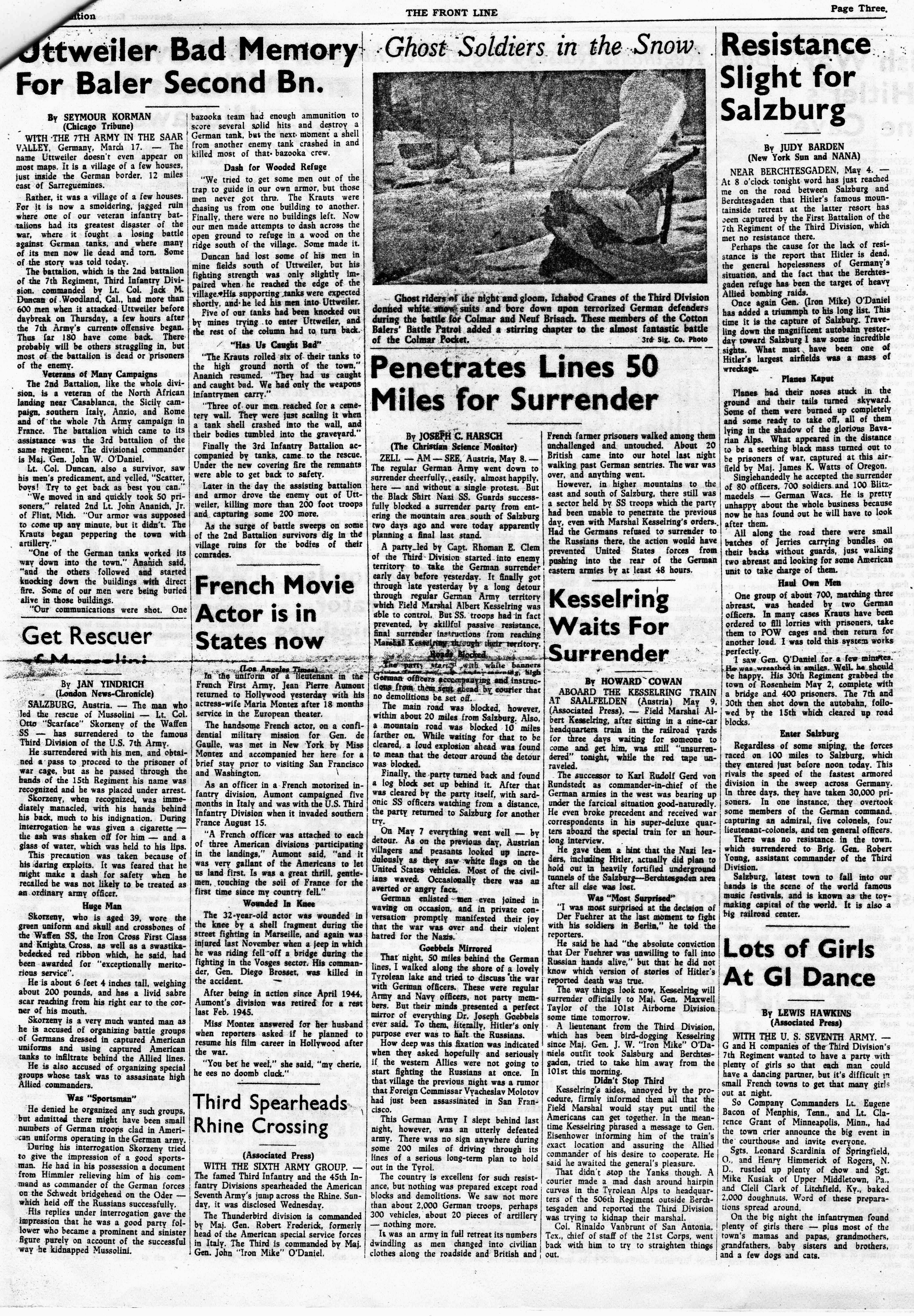
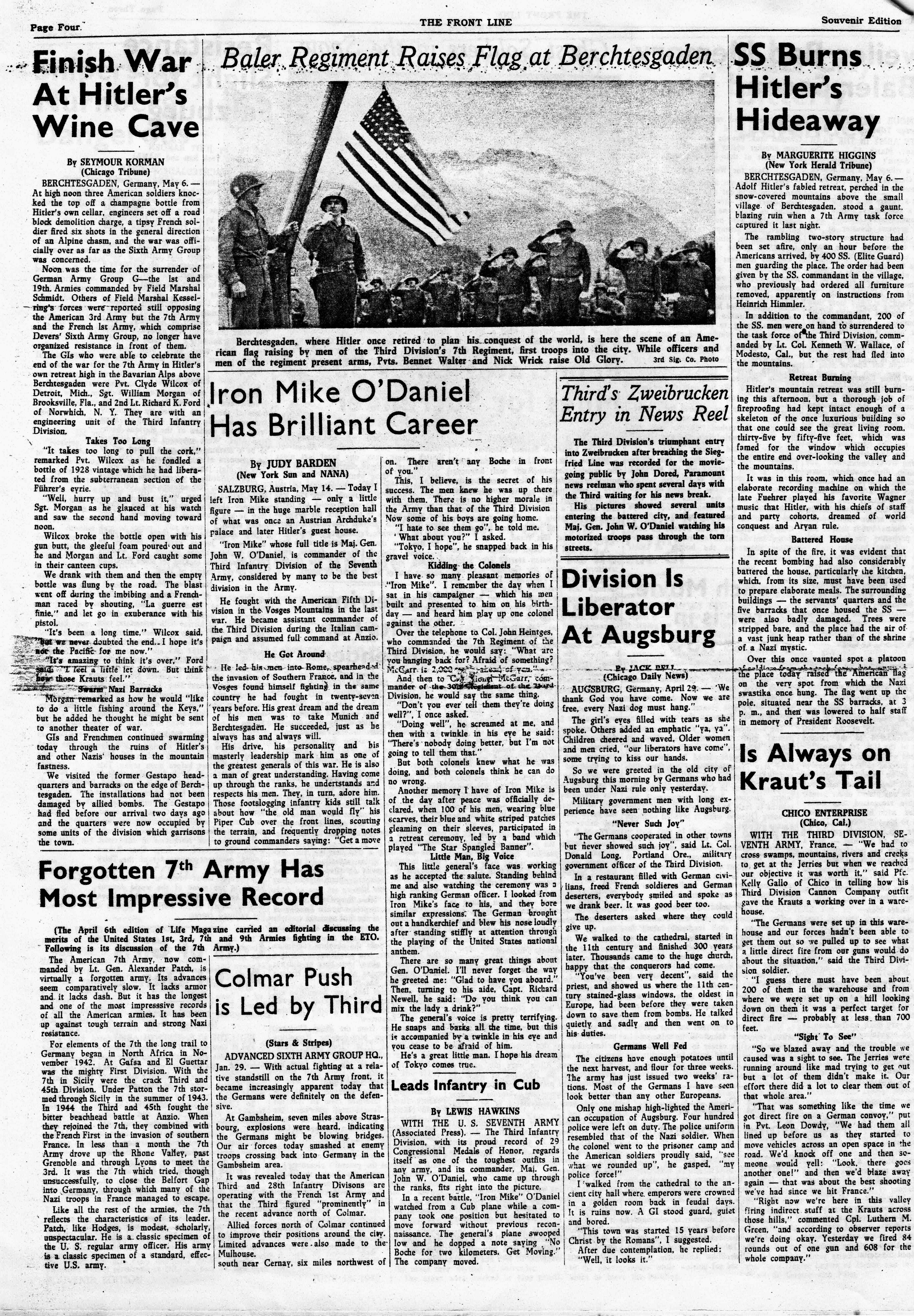
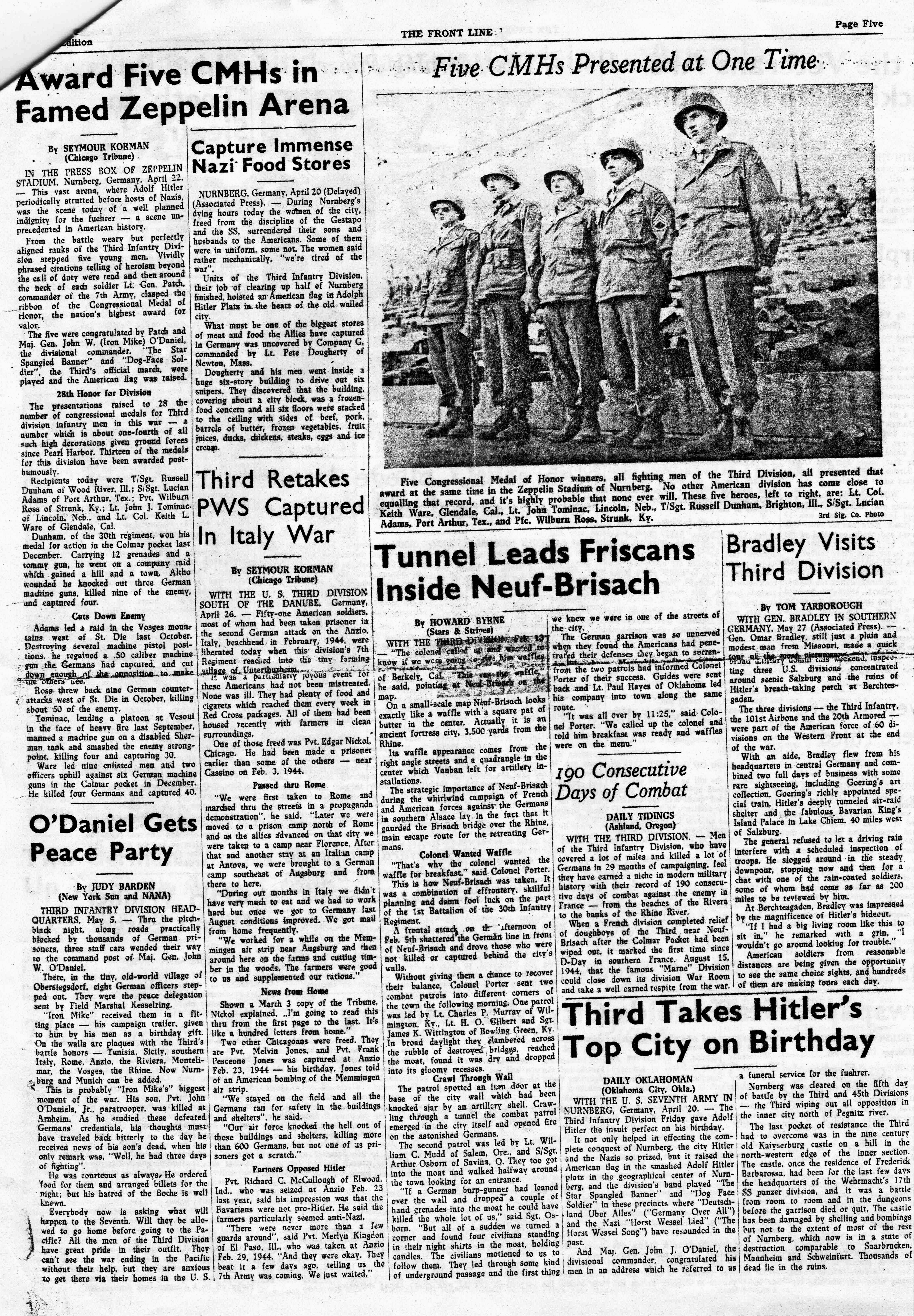
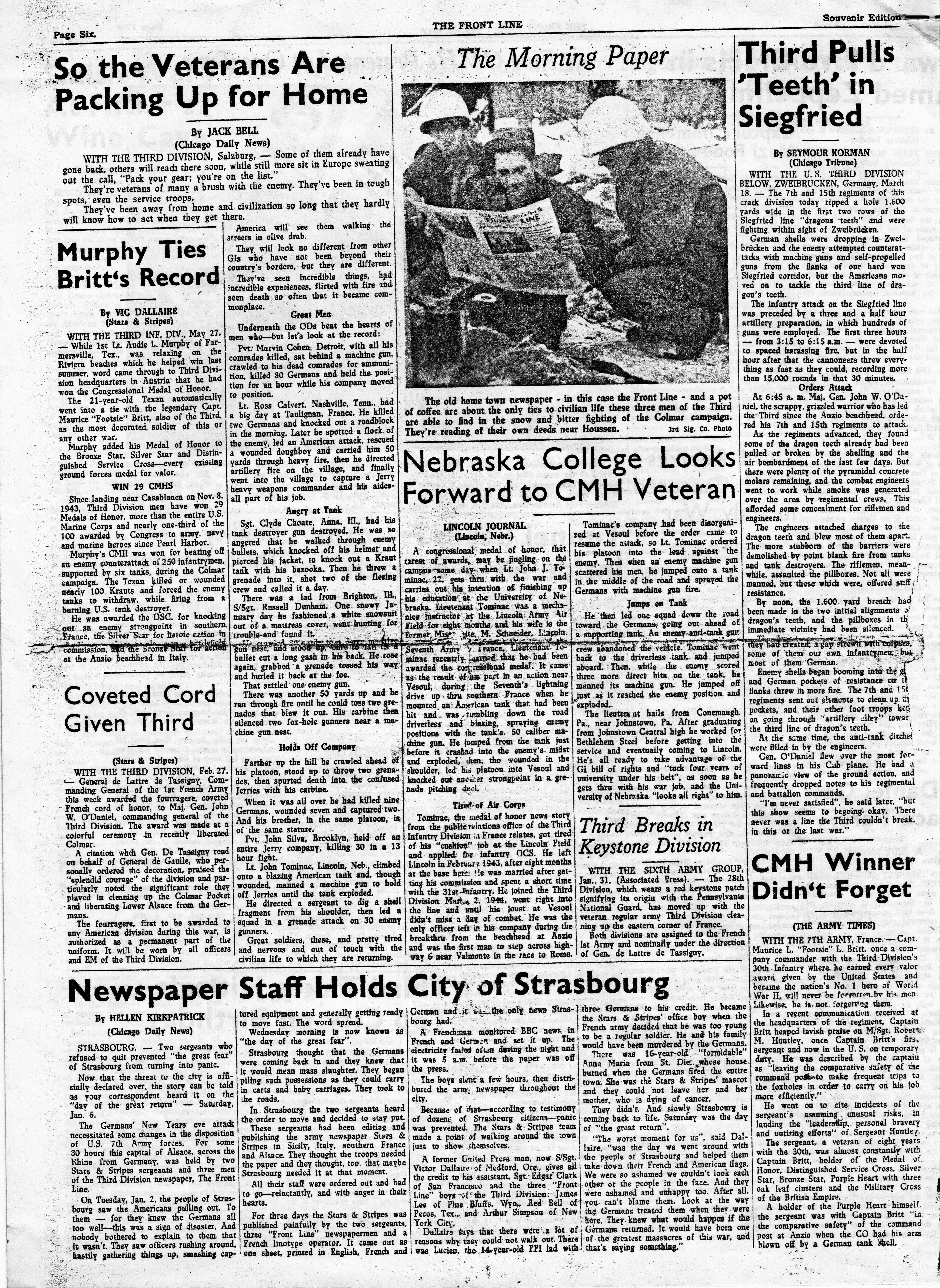
Flo pasted this page from an English language newspaper in her album. The story gives more details about what it was like for Americans and Austrians alike during the occupation. It mentions that the Red Cross had a club in the Mirabell casino in Salzburg and it’s a good bet Flo spent time there. She may have had to work serving coffee and donuts there.
Ice cream and jitterbugging
(In Vienna the Army) set up replicas of US drugstores where GI’s could take their Austrian girls for a soda (daily ice cream consumption of the US army and friends in Vienna now runs to 60,000 scoops.) Among venerable establishments, Broadwayish nightclubs sprouted. Racily named Esquire, Zebra, and Heideho, they offered in neat, cultural synthesis US style jazz and Viennese style wine instead of hard liquor.
Better than Vienna, GI’s liked Salzburg with its mossy stone and patinated copper. The Red Cross had moved into the Mirabell casino and the GI’s listened to symphony concerts in the Mirabell castle’s gardens. Then, oblivious to the echoes of Mozart’s minuets, they jitterbugged in the old, staid Hotel Pitter….

Nearby, built directly against the rough mountainside, was the Festspielhaus, through whose cavernous yard had boomed the theatrical damnation of Dr. Faust. The GI metamorphosis had turned it into a movie house nostalgically named the Roxy. And around Salzburg’s Bierjodelgasse (beer-yodel street) GI’s noisily scouted for beer gardens.
The favorite outdoor sport was chamois hunting in the mountains hovering over the city–where the game poacher has always been a highly respected member of society, and where one of Austria’s most important bits of national philosophy originated: If you hadn’t climbed up you wouldn’t have fallen down.
Krauts and cokes
Although Americans had made a better impression on Austrians than any other people in Europe, the Geműtlichkeit (good feeling) was riddled by flashes of bitterness. Usually broad minded, the Viennese grew jealous, called girls who fraternized with the chocolate-bearing GI’s “chocoladies.” The sprinkling (5%) of combat veterans among US troops called the Austrians just plain krauts only softer.
Last month soldiers in the US zone were booked for 32 assaults, 5 rapes, 3 disorderly conducts, and one house breaking. Cracked an MP officer: “Now that we’re getting quantity supplies of Coca-Cola maybe our boys will get back to behaving.” But most GI’s in Austria already had passing marks for behavior; and many were living up to their orientation slogan, “Soldier, you are helping Austria.” The first crop of Austrian babies fathered by helpful GI’s is sizable.
Ch. 89: https://mollymartin.blog/2026/01/18/report-on-the-occupation/
Flo gets to see some Shakespeare too
Ch. 84 My Mother and Audie Murphy
Stratford-upon-Avon, as we all know, is the 16th-century birthplace and burial place of William Shakespeare. The medieval market town in England’s West Midlands is about 100 miles northwest of London. The Royal Shakespeare Company still performs his plays in the Royal Shakespeare Theatre and adjacent Swan Theatre on the banks of the River Avon. Flo visited in mid-June, 1945.


Stratford-upon-Avon had faced the threat and effects of the Blitz through scattered incidents and as a sanctuary, rather than being a central target for sustained bombing like larger industrial or military centers. During the war the town provided refuge, with people from heavily bombed areas like Birmingham coming to Stratford for quiet and respite from the relentless night raids.
Ch. 85: https://mollymartin.blog/2026/01/04/audie-murphy-comes-home/
“Have walked holes in my feet”
Ch. 83: My Mother and Audie Murphy
Flo arrived in London in June, 1945 for a seven-day leave. In a postcard to her family Flo wrote:
“London is huge and interesting. Not as badly bombed as I had thought. Weather much like Seattle. Have walked holes in my feet. Everything terribly expensive.”
She ran into a friend from Seattle, Jim Quitslund, who was staying across the street from her billet.


With Jim Quitslund, the Army friend from Seattle, billeted across the street in London.


The Blitz focused on London
Starting on September 7, 1940, London faced 57 straight nights of bombing by Nazi Germany, part of a concentrated eight-month campaign known as the Blitz.
Flo wrote that the bombing damage was not as bad as she had thought, but she may not have made it to the East End, which sustained the most bombing. The Luftwaffe raids were aimed at disrupting the British economy by targeting docks, warehouses, and industrial areas. The damage was devastating, characterized by massive fires, widespread destruction of working-class housing, and high civilian casualties there.
An estimated 18,688 civilians in London were killed during the war, 1.5 million were made homeless. 3.5 million homes and 9 million square feet of office space were destroyed or damaged.
Ch. 84: https://mollymartin.blog/2026/01/01/a-visit-to-stratford-on-avon/
Flo travels to Paris in C-47 with kraut generals
My Mother and Audie Murphy Ch. 83
In June Flo got a seven-day leave to travel to the UK. In a postcard dated June 11, 1945 she wrote her mother that she flew from Austria to Paris on a C-47. On the plane she photographed “kraut generals, fellow passengers en route to prison.”
Flo stopped in Paris for a couple of days to visit her sister Eve who was still working as a nurse at an army hospital there. Then she traveled to London by boat.


Red Cross Service Clubs
During WWII in England, the American Red Cross ran numerous “Service Clubs” and “Aeroclubs,” like the famous Rainbow Corner Club in London, serving millions of GIs with food, lodging, and recreation, with numbers constantly changing as troops arrived and departed, but focusing on large operations near bases.
London was the biggest city in the world
At the beginning of the war in 1939, London was the largest city in the world, with 8.2 million inhabitants. It was the capital not just for the United Kingdom, but for the entire British Empire. London was central to the British war effort.
Ch. 84: https://mollymartin.blog/2025/12/28/seeing-the-sights-in-london/
Audie Murphy Honored
My Mother and Audie Murphy Ch. 82
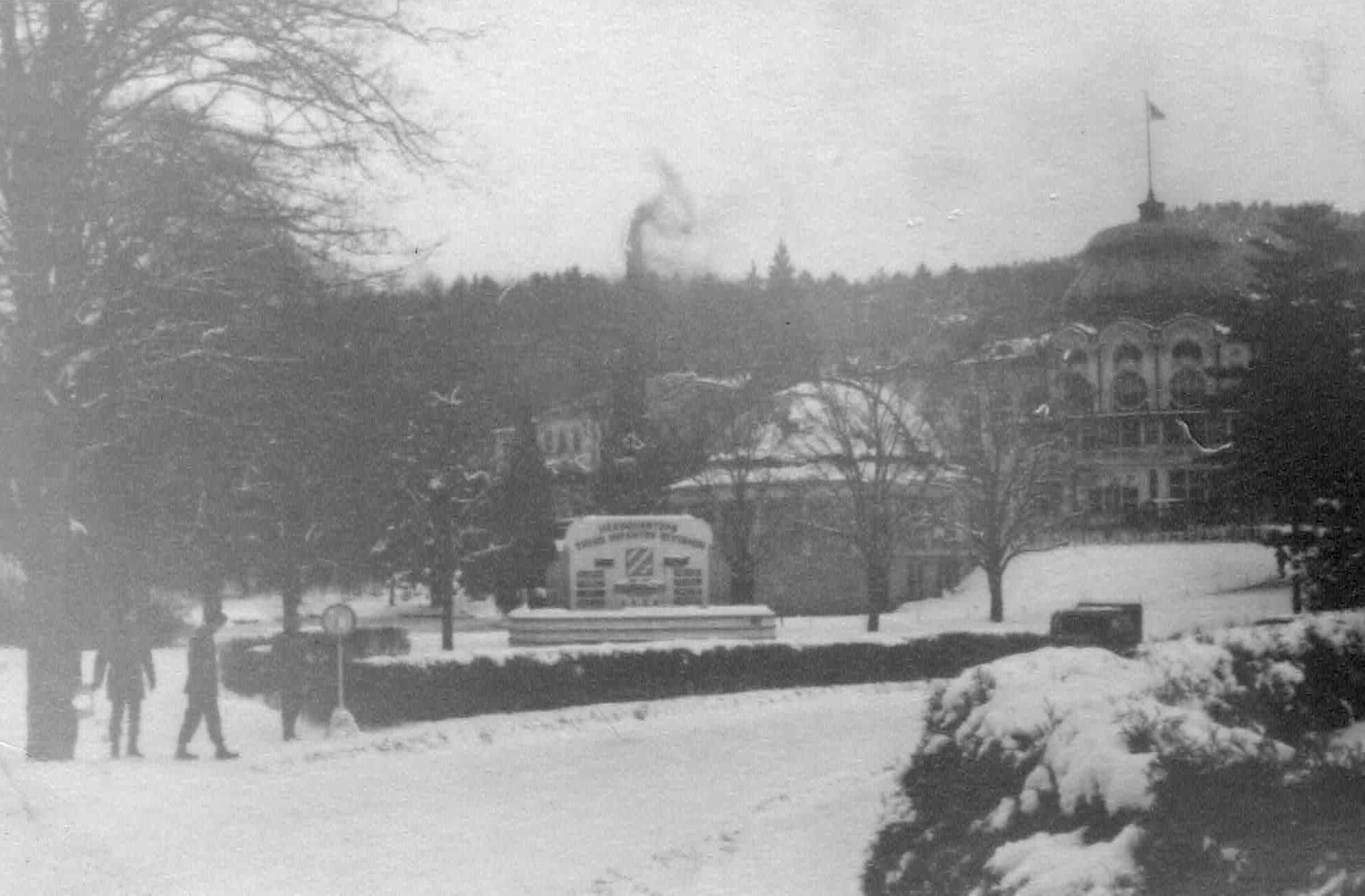
On June 2, 1945, the Third Infantry Division assembled for a division-wide review in Salzburg, their ranks drawn up before their headquarters. Flo was there with her clubmobile crew, Liz Elliott and Janet Potts, watching as Seventh Army commander General Alexander Patch presented decorations and commendations. A Congressional delegation stood in review alongside Secretary of War Robert P. Patterson, among them South Dakota Senator Chan Gurney, the first chairman of the Senate Committee on Armed Forces.

That day, Lieutenant Audie Murphy of B Company, 15th Regiment, received the Medal of Honor and the Legion of Merit in front of his entire division. Five other Third Division soldiers were awarded the Distinguished Service Cross and the Silver Star, their citations read aloud to the troops who had fought across Europe and now stood at attention in peacetime formation.

The ceremony took place at a site heavy with layered history. Built in 1700 as a Baroque summer residence for the Prince-Archbishops of Salzburg, the palace later became a Nazi showpiece where Hitler hosted Axis leaders and stored looted art as the Reich collapsed. Captured by the U.S. Third Infantry Division in May 1945, it was repurposed as headquarters of the American Occupation Authority during the decade-long U.S. presence in Salzburg, before eventually becoming a casino.