An Awkward Reunion with an Old Comrade
It all went well and then it didn’t.
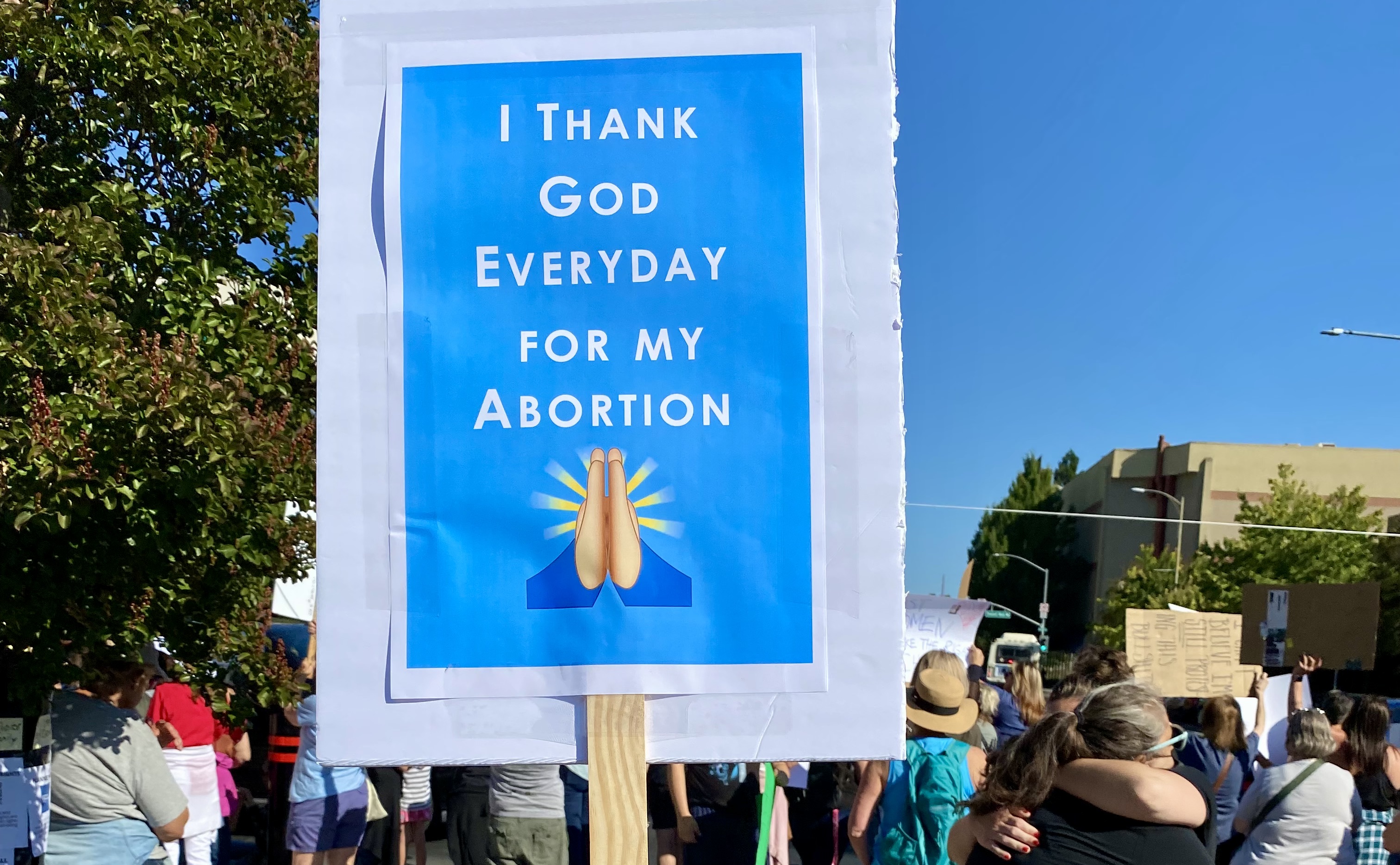
We had met at college and we had lived together briefly at a hippie refuge near Washington State University. Paul had gone to high school with a couple of our other comrades who moved out of a WSU dorm together to form the counterculture household. Once I got out of the in loco parentis contract that only applied to female students, I moved in next door in 1969. Much dope was smoked and acid dropped. We focused as much on anti-war marches as studies. I joined the nascent feminist movement. My women’s liberation group helped female students get underground abortions and we worked to change the state law to make abortion legal in 1970, three years before Roe v. Wade.
We were a collection of misfits and Paul was a misfit because he was very fat. He’s still large, but, since bypass surgery, not as obese as he was. Probably this was a defining trait in his life. Men we encountered would comment openly on his weight just as they are compelled to make rude judgments about women’s bodies. I felt protective of him.
After that, along with 12 other activists, I founded a collective house in town, but Paul did not follow us there. He had graduated and moved on to a teaching job elsewhere.
We reunited with college friends in 2011, 38 years later. Most had stayed in Washington State. I was the only one who’d moved to California. Paul lived and taught high school math in a small town in Washington.
More recently Paul and his wife Amanda contacted me asking to meet up in Santa Rosa. They were flying in for a wedding. Could we meet for lunch? Of course I agreed, thinking covid would surely be a thing of the past by the time we got together.
But covid did not comply. The surging pandemic boosted anxiety and my wife declined the lunch, but she greeted them politely and invited them to look around the house and garden.
We lunched at my favorite restaurant, a destination for out-of-town company. They are foodies, so that was a good choice.
We talked about old friends. I was glad to reminisce with someone who remembered them.
After the wedding, they wanted to meet up again. I suggested Brew, the gay coffee and beer shop owned by dykes.
Paul and Amanda divulged that their heads were still in the ‘60s. I think they were talking about music, but I didn’t ask them to elaborate.
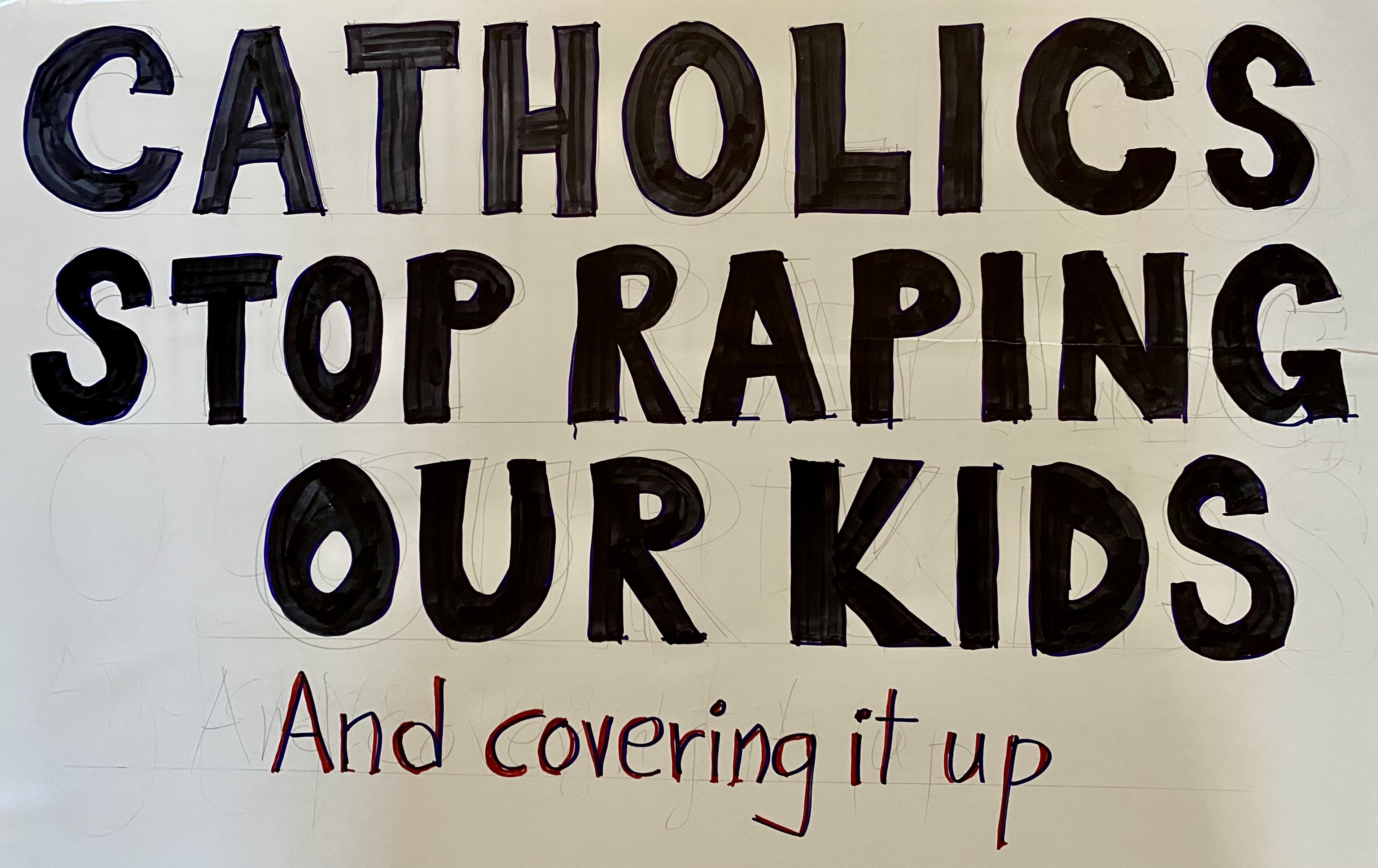
At this meeting I learned that they had met at a weight watchers meeting; both had worked and retired as teachers. When they told me they were practicing catholics and had raised their three kids as catholics, alarm bells went off in my head. Really? The catholic church is the enemy of women and gays. The catholic church wants to destroy me and everything I’ve been fighting for all my life. At WSU the women’s liberation group ran up against the catholic church while organizing for women’s reproductive rights.
I said all this. Not very articulately. How could you be a political radical and a catholic? But maybe Paul had never been a radical. He’d just lived with a bunch of radicals. Maybe for him the sixties were all about smoking dope.
Paul and Amanda were in town for another day and I suggested they drive to the ocean. You can’t visit Sonoma County and not see the spectacular Sonoma coast. Paul complained about driving and I suggested Amanda drive. No, he said.
Paul raised his voice to put off my expected protest. I imagined this was the voice he used on dissident tenth graders. “It’s a scientific proven fact, he said, that women have poorer directional sense than men and Amanda would get lost.”
To this statement I didn’t even respond. It seemed so bizarre and out of the blue, not a point worth arguing.
Amanda agreed that she has a terrible sense of direction and told a story to prove it. She went along with the program and maybe didn’t want to drive, although she said she did drive when she had to get somewhere.
“You could be the navigator,” I said. “You’ll be sitting right there riding shotgun. My wife and I share the driving and navigating.”
To this Paul just shook his head, as if he couldn’t even imagine allowing his wife to drive.
The last text Paul sent said, “We made it. A long way to Bodega Head. Stopped for water on the way.”
That was the last I ever heard from them.
Comebacks unsaid:
I have a very good sense of direction, probably better than yours. Let’s rumble.
Does remembering the sixties include remembering the feminist movement?
Did you tell tenth graders that women can’t drive?
Do you believe in women’s right to choose abortion?
Do you believe in women’s equality?
Do you think, as the catholic church does, that gay people are sick?
If you believe, as the catholic church does, that women are lesser beings and queers are sick, why did you want to get together with queer old feminist me?


