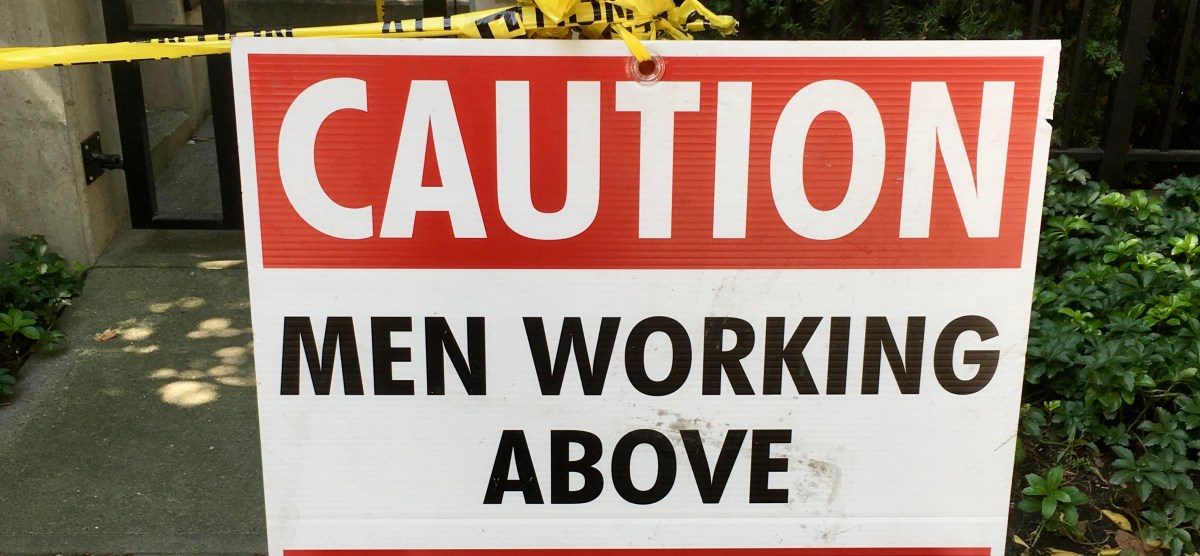
Nipples and Studs and Limberdicks and Cocks
We imagine ourselves to be space travelers landing on a populated planet. We encounter living organisms with a well-developed culture. We wonder at their strange ways. As we work alongside them, we make an effort to adopt the culture, to fit in as best we can. In other ways we reject it, picking our battles. We are few and isolated, powerless, so we must become careful observers in order to protect ourselves.
In this culture competition is valued over cooperation. Its central tenet seems to involve establishing a pecking order, as with chickens. Woe to the one who falls to the bottom, who becomes the relentlessly picked on. Of course, our strategy is to stay under the radar and try to avoid the pecking order arrangement altogether. This is not always possible, but our differentness sometimes works to our advantage. It confuses them when they can’t immediately find a slot for us.
We speak the same language, but the words have different meanings. Topics of conversation seem designed to enable the game of one-upmanship. Slurs referring to another’s ethnic origins appear to be some sort of rite of passage. Or this may be associated with establishment of the pecking order. Weapons and war-like games assume great importance especially in the seasons when these games are played publicly. Boasting of ownership of machines, especially big ones, appears to be a way to increase position in the pecking order.
They name things after genitals and sex organs. There are nipples and studs and dicks and limberdicks, screwing and shut off cocks, male and female fittings, king studs, glory holes, screws and nuts, double hung, slab penetrations and butt joints and erection, base shaft and tip. We begin to think that nearly every word in our shared language contains a double meaning, often also referring to their own genitals or to the sex act.
Size matters in this culture. Although displaying genitals is taboo, the topic of genital size is paramount. Body size seems to contribute to pecking order status and is afforded much more importance than skill or especially intellectual capacity. In fact, intellectual prowess must be hidden in this culture to avoid low pecking order status. Presumably, the smart figure this out quickly and become proficient at pretending to be dumb.
While smartness can be covered up, small size cannot, and so the small are particularly prone to being picked on. The small have devised many strategies to avoid low pecking order status, but bonding together to form their own sub-group, an obvious possibility that we might employ, has not been one. Perhaps this indicates that the small also accept the dominant paradigm that their size makes them inferior. The typical response by the small is to develop what they call a “thick skin” and a pugnacious demeanor. Their insecurity makes them particularly difficult for us to work with, especially when we are the larger.
An important communication medium seems to be the walls of the elimination shacks. The creatures carry markers for drawing pictures and messages there. One often-depicted image is of their genitals. We try to understand what impulse might drive this primitive art. It appears to be a method of marking territory, as with dogs. We try to imagine ourselves painting our genitals on walls but find no equivalent in our own culture. We wonder at this practice, and think it may be intended to distress. To counter the practice, we follow behind with our own markers, making the genitals into faces with eyes and noses.
In our observations we look to find comparisons with other cultures. This species’ lifestyle bears more than a passing resemblance to canine culture. We notice that while they may exhibit friendly behavior when encountered alone, when they organize into packs they often become dangerously unfriendly. They see threats everywhere and might attack even when not threatened, just for the fun of it. The killing of other animals has acquired the level of a sport and is much discussed. We labor to avoid being seen as animals.
We begin to understand that we are not the only ones isolated here. Each member of this culture is, by design, alone in competition with the others. We wonder if anyone has ever taught them an alternative, that cooperation can be a marker of strength rather than weakness. We wonder if it’s too late.


Good essay, Molly. It’s true that i think men are a whole different culture and are very strange. P.s. there is an end quote symbol at the end with no beginning quote symbol anywhere i could find.
LikeLiked by 1 person
Wow Molly! You got it. I wonder if the “living organisms with a well developed culture” would recognize themselves?
>
LikeLiked by 1 person