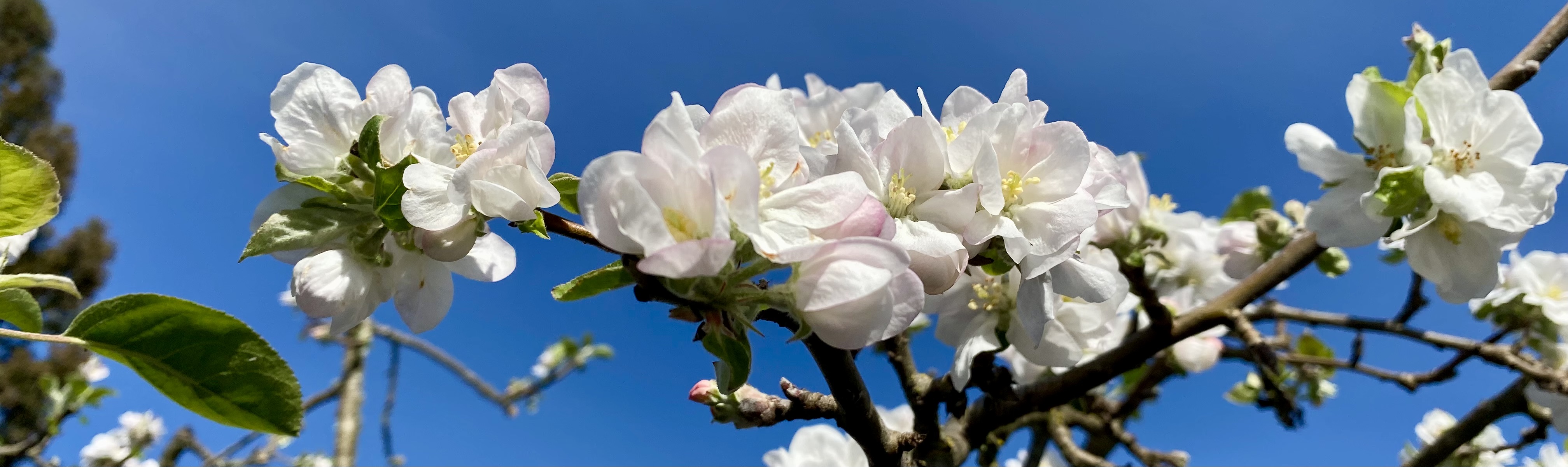
Matariki: New Zealand’s Solstice Celebration

My Regular Pagan Holiday Post

Summer (and Winter) Solstice will be June 20, 2025

For years, these pagan holiday letters have followed the rhythm of the Northern Hemisphere. So it’s about time we turned our gaze south. What is the summer solstice for us in the north is, of course, the winter solstice down under.

In Aotearoa (the Māori name for New Zealand, often translated as “Land of the Long White Cloud”), the winter solstice is marked by Matariki, a celebration that signals the Māori New Year. In 2022, Matariki was officially recognized as New Zealand’s first indigenous national holiday — a milestone in honoring the traditions of the land’s first people.

Rooted in ancient Māori astronomy and storytelling, Matariki revolves around the reappearance of a small but powerful star cluster in the early morning sky — known in Māori as Matariki, and in Western astronomy as the Pleiades or the Seven Sisters. Its rising marks a time of renewal, remembrance, and reconnection — with ancestors, the earth, and each other.

The date of Matariki shifts slightly each year, determined by both the lunar calendar and careful observation of the stars. Māori astronomers and iwi (tribal) experts consult mātauranga Māori — traditional Māori knowledge systems — to ensure the timing reflects ancestral wisdom. In precolonial times, the clarity and brightness of each star helped forecast the year’s weather, harvest, and overall wellbeing.

Unlike the linear passage of time in the Gregorian calendar, Māori time is circular — woven from moon phases, tides, seasons, and stars. Matariki is not just a new year, but a return point. A moment to pause, reflect on what has been, and plan how to move forward in harmony with the natural world.

At the heart of Matariki is kaitiakitanga — the ethic of guardianship. It’s the understanding that humans are not owners of the earth, but caretakers. We are part of the land, sea, and sky, and we carry the responsibility to protect and sustain them.

When Matariki rises just before dawn, it opens a space for both grief and celebration: to mourn those who’ve passed, give thanks for what we have, and set intentions for the year ahead. It reminds us of the interconnectedness of whānau(family), whakapapa (genealogy), and whenua (land).

The name Matariki is often translated as “the eyes of the chief,” from mata (eyes) and ariki (chief). According to one well-known Māori legend, the stars are the eyes of Tāwhirimātea, the god of winds and weather. In grief over the separation of his parents — Ranginui (Sky Father) and Papatūānuku (Earth Mother) — Tāwhirimātea tore out his own eyes and cast them into the heavens.

In a world that often values speed over stillness, Matariki offers a different rhythm. It’s a celestial breath — a reminder that time moves in cycles. That rest and reflection are just as important as action. That the sky still holds stories if we remember to look up.

The 9 Stars of Matariki

Each star in the Matariki cluster has its own role and significance:

  1. Matariki – Health and wellbeing
  2. Tupuānuku – Food from the earth
  3. Tupuārangi – Food from the sky (birds, fruits)
  4. Waitī – Freshwater and the life within it
  5. Waitā – The ocean and saltwater life
  6. Waipuna-ā-Rangi – Rain and weather patterns
  7. Ururangi – Winds and the atmosphere
  8. Pōhutukawa – Remembrance of those who have passed
  9. Hiwa-i-te-Rangi – Aspirations, goals, and wishes for the future

For Māori, these stars are not just celestial objects — they are guardians. They watch over the land, sea, and sky, and in doing so, remind us of our responsibility to them.

As global conversations about climate change and sustainability grow more urgent, the values of Matariki — care, reverence, reflection, and renewal — feel especially resonant. It’s a time to return to what matters, to honor the past, and to move forward in a way that honors both our roots and our shared future on this earth.

North Bay Rising

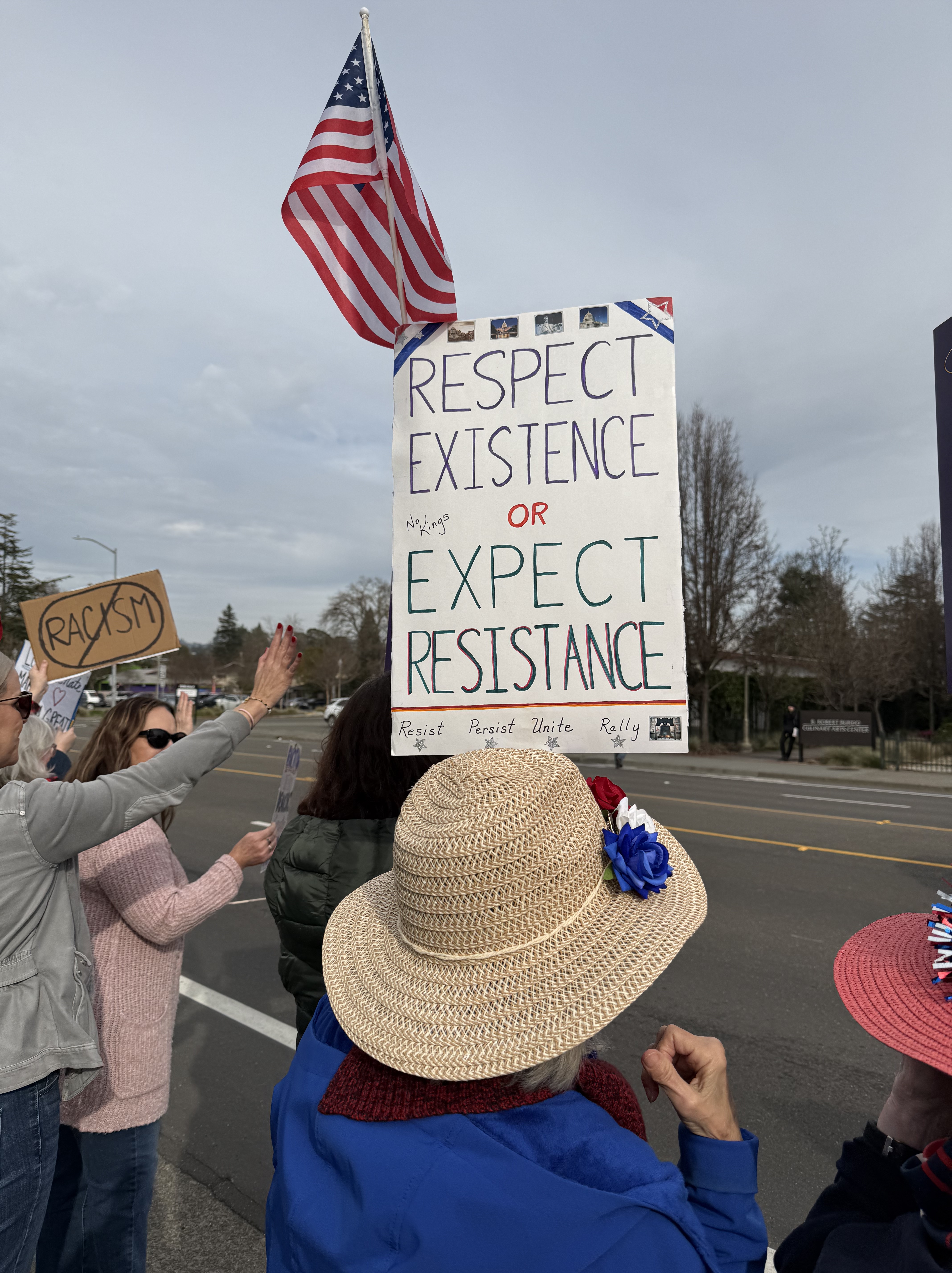
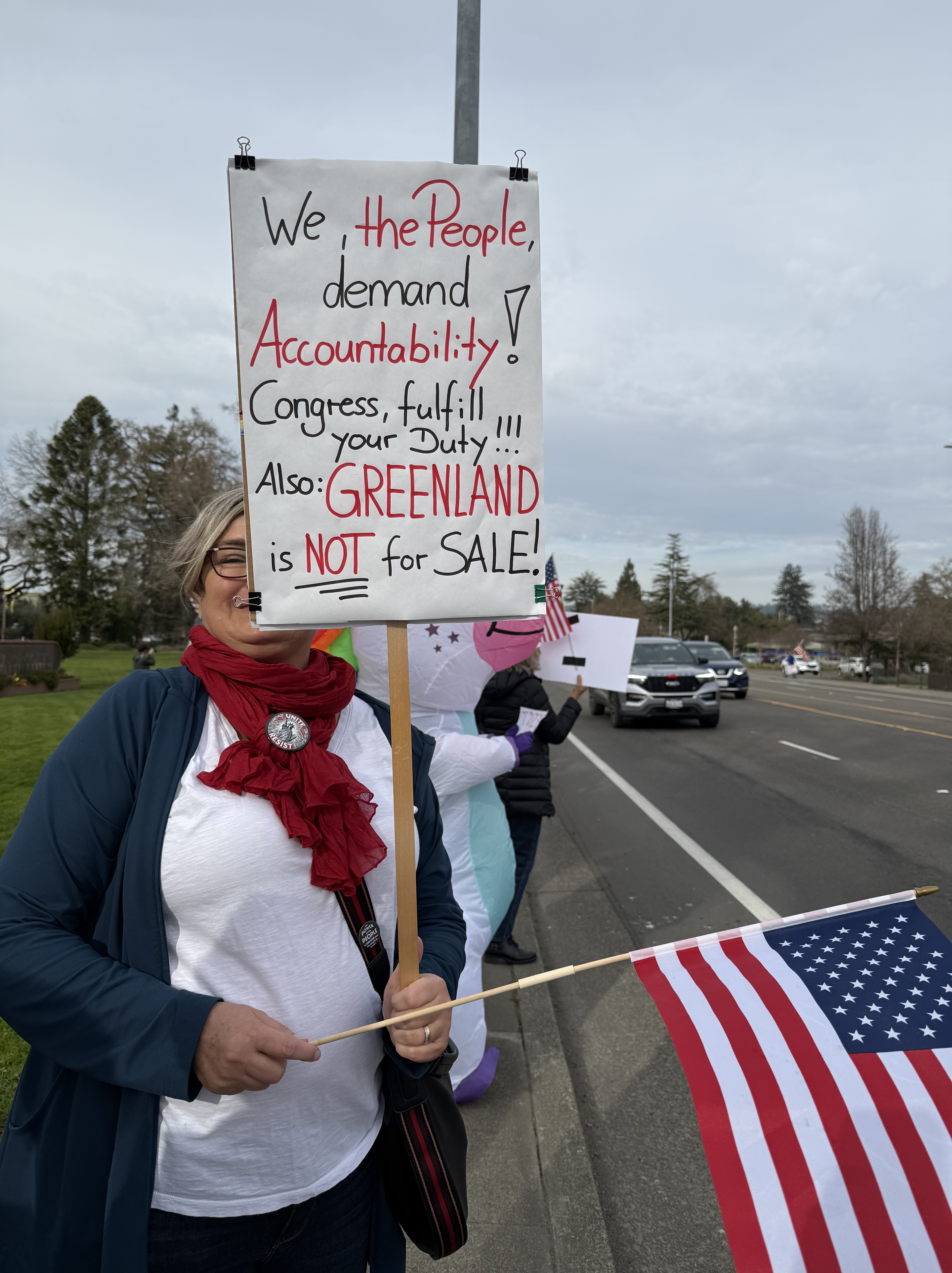
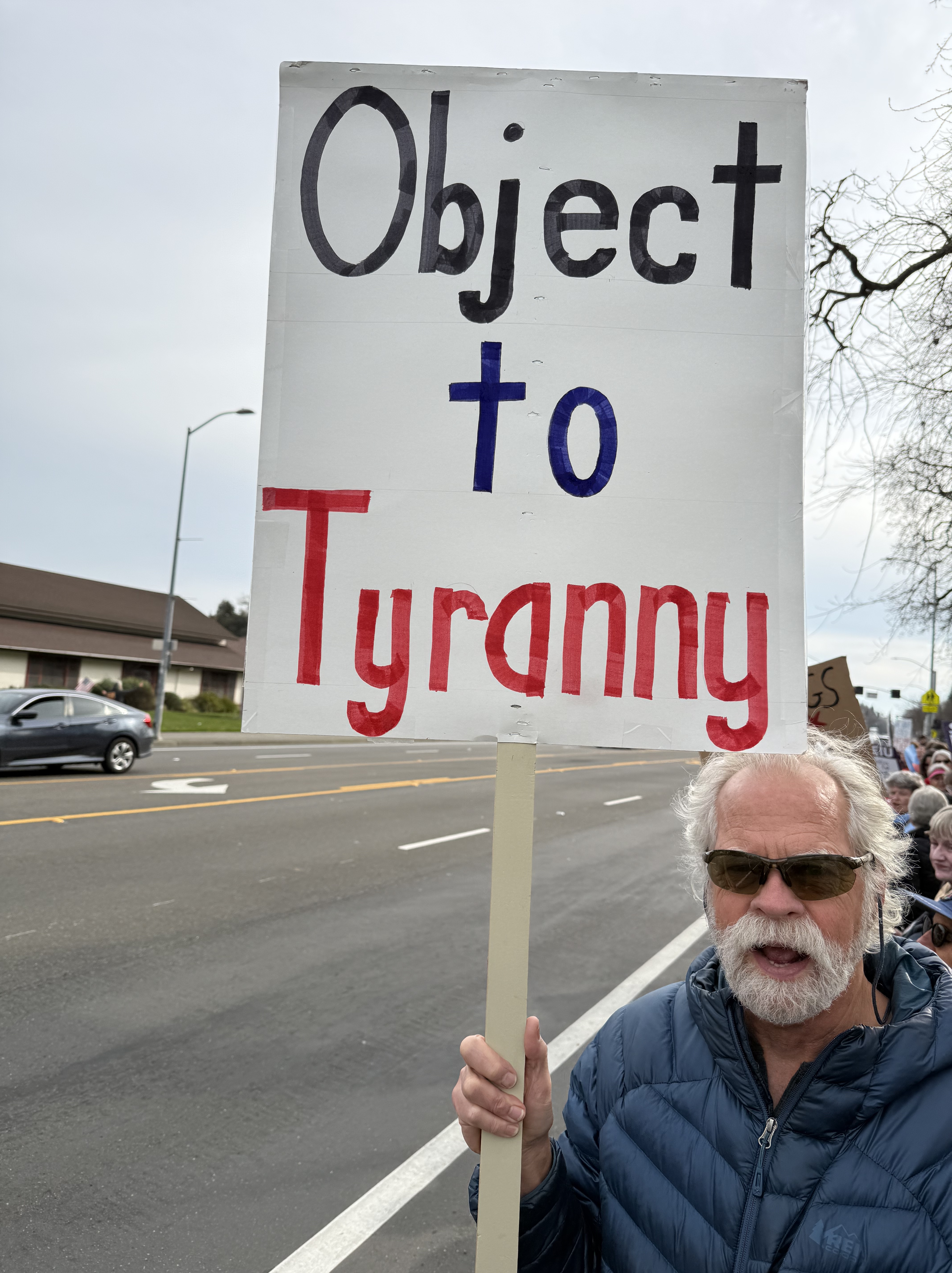
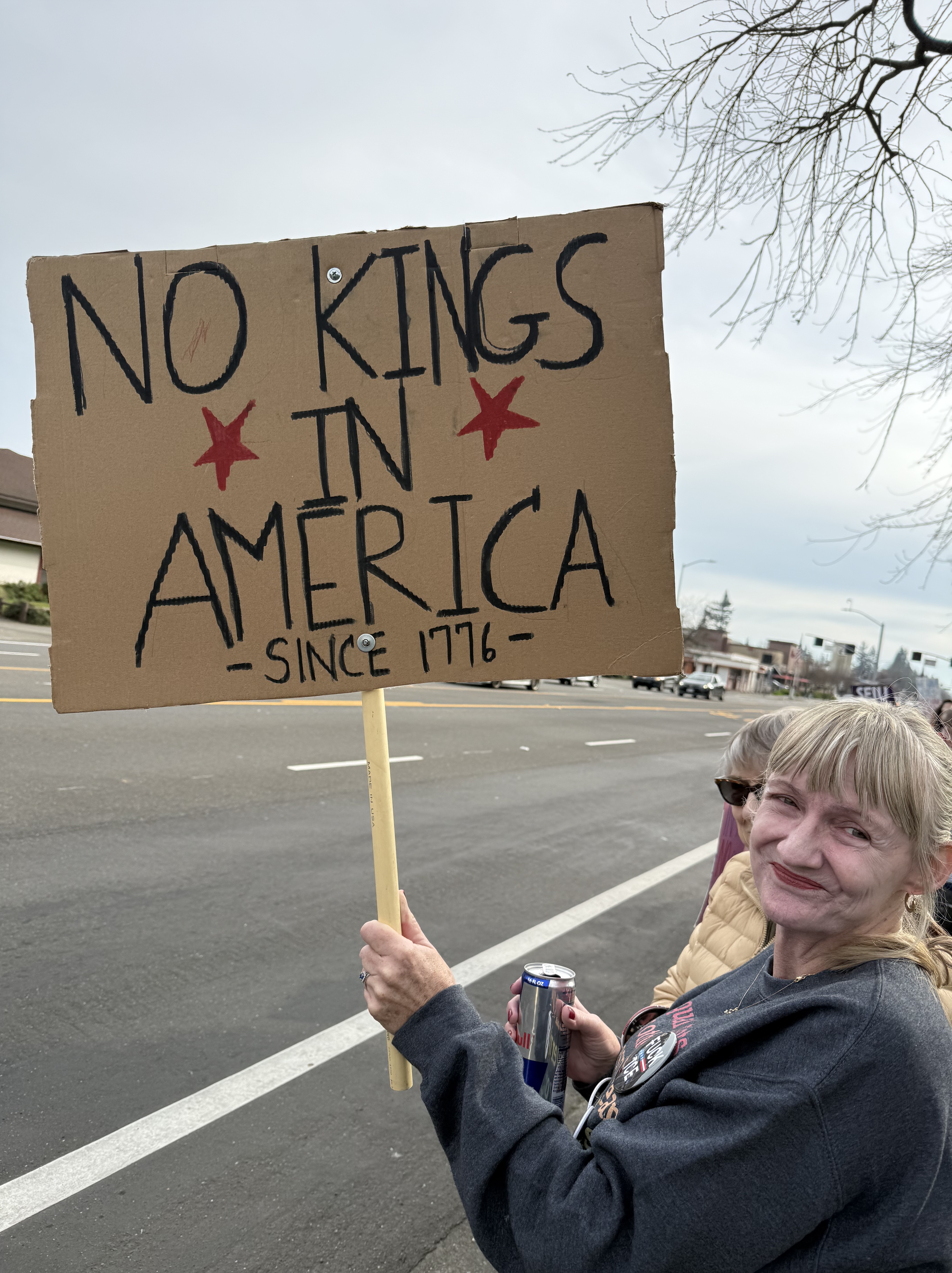
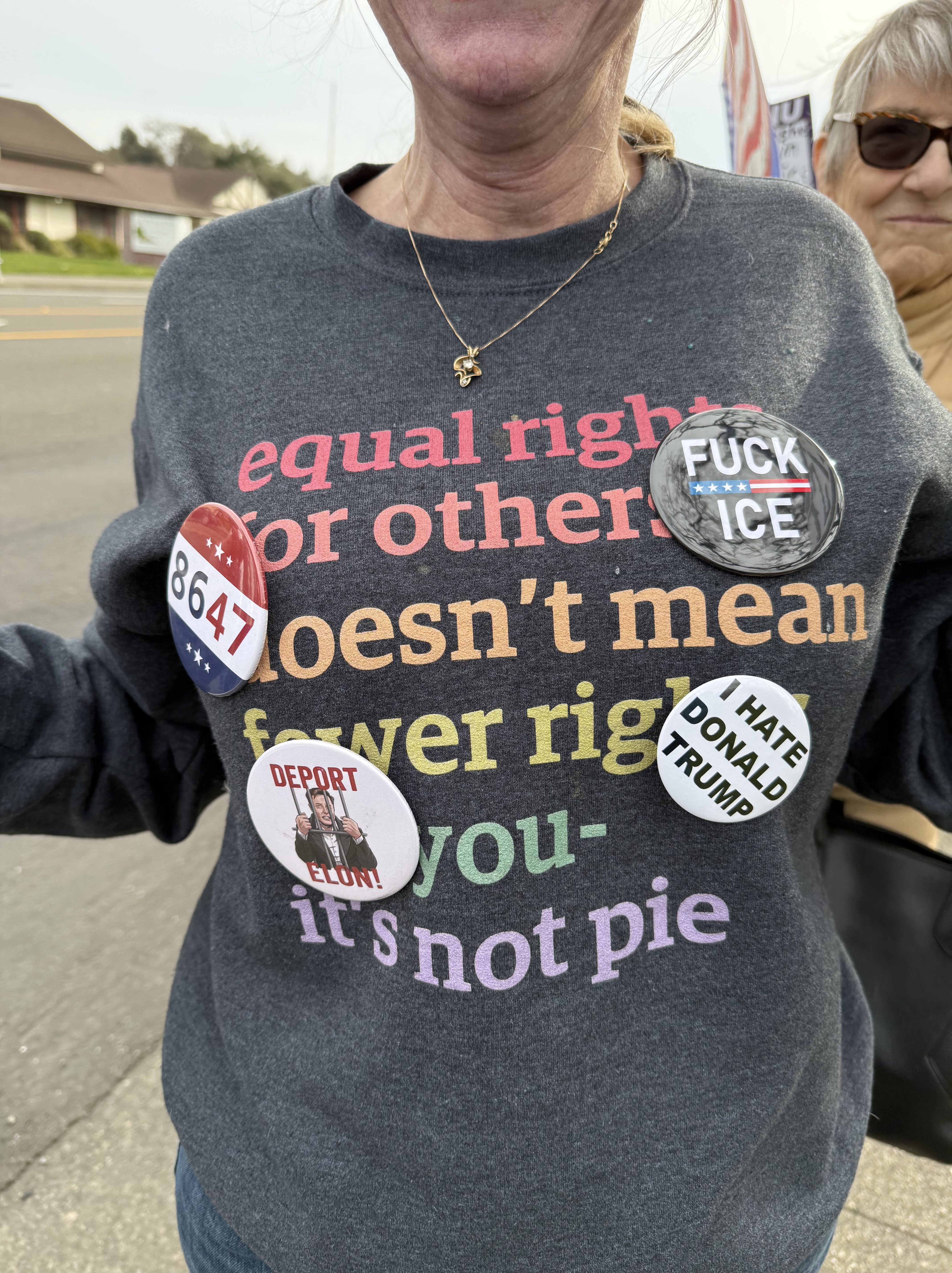
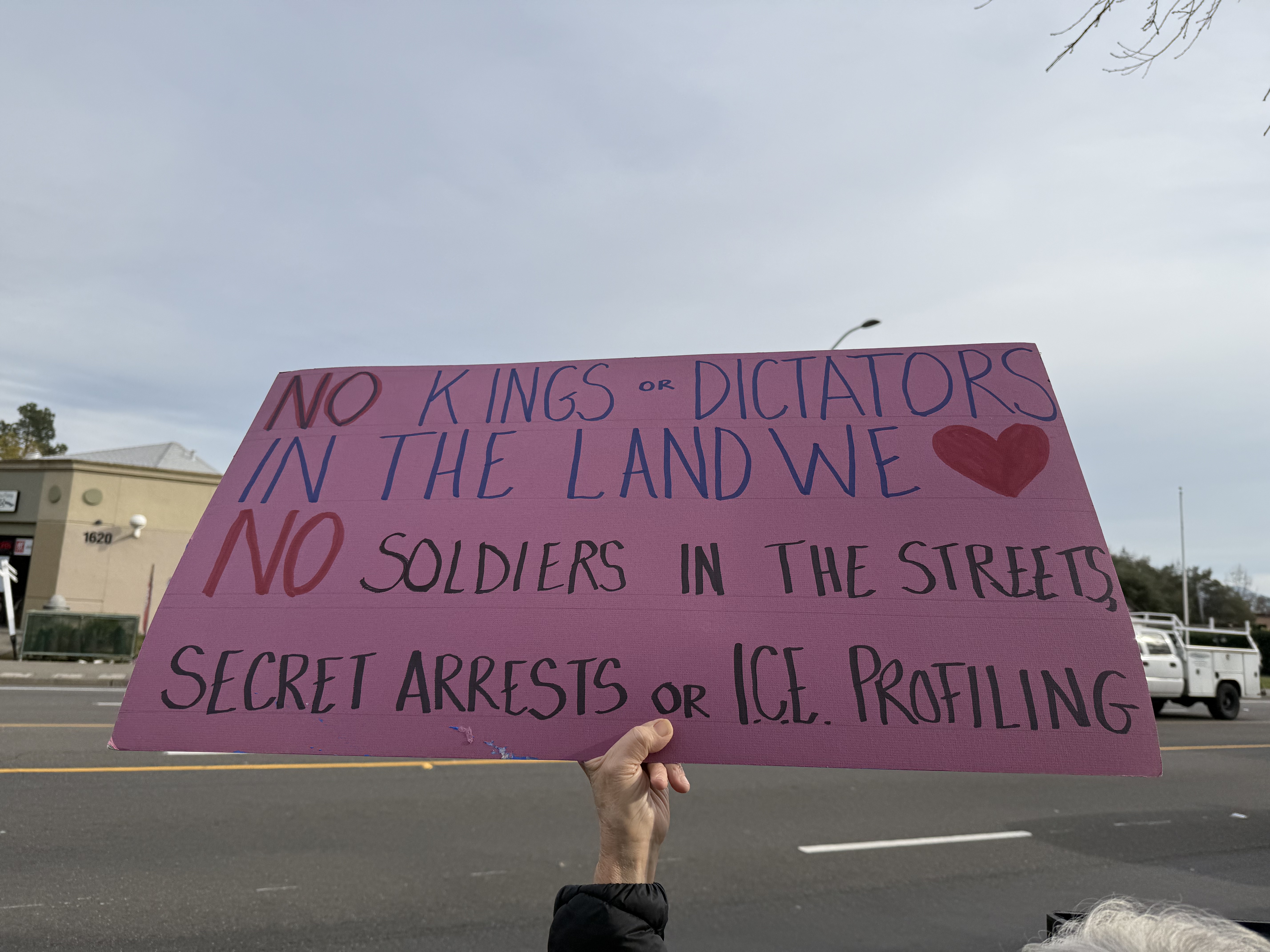
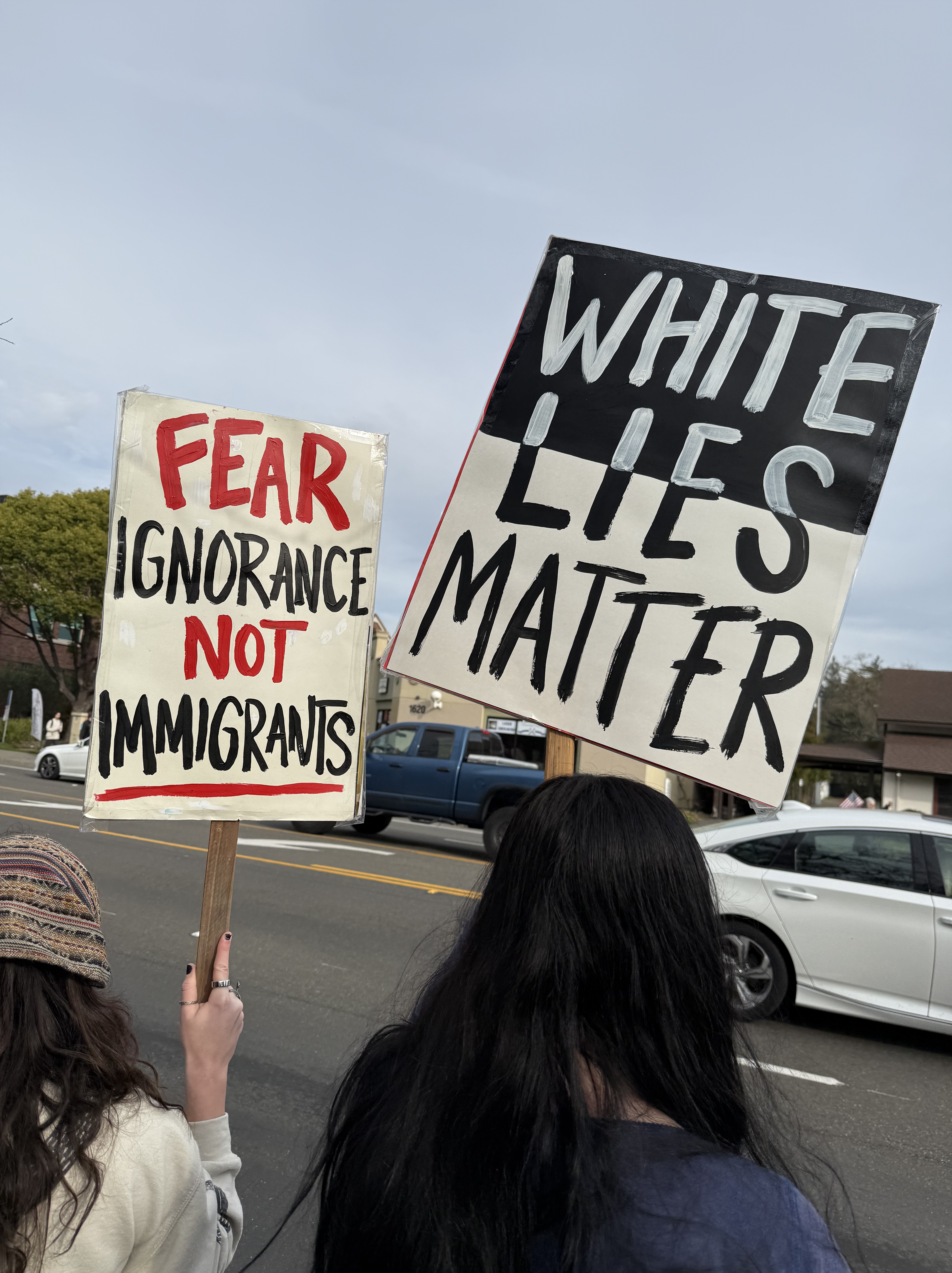
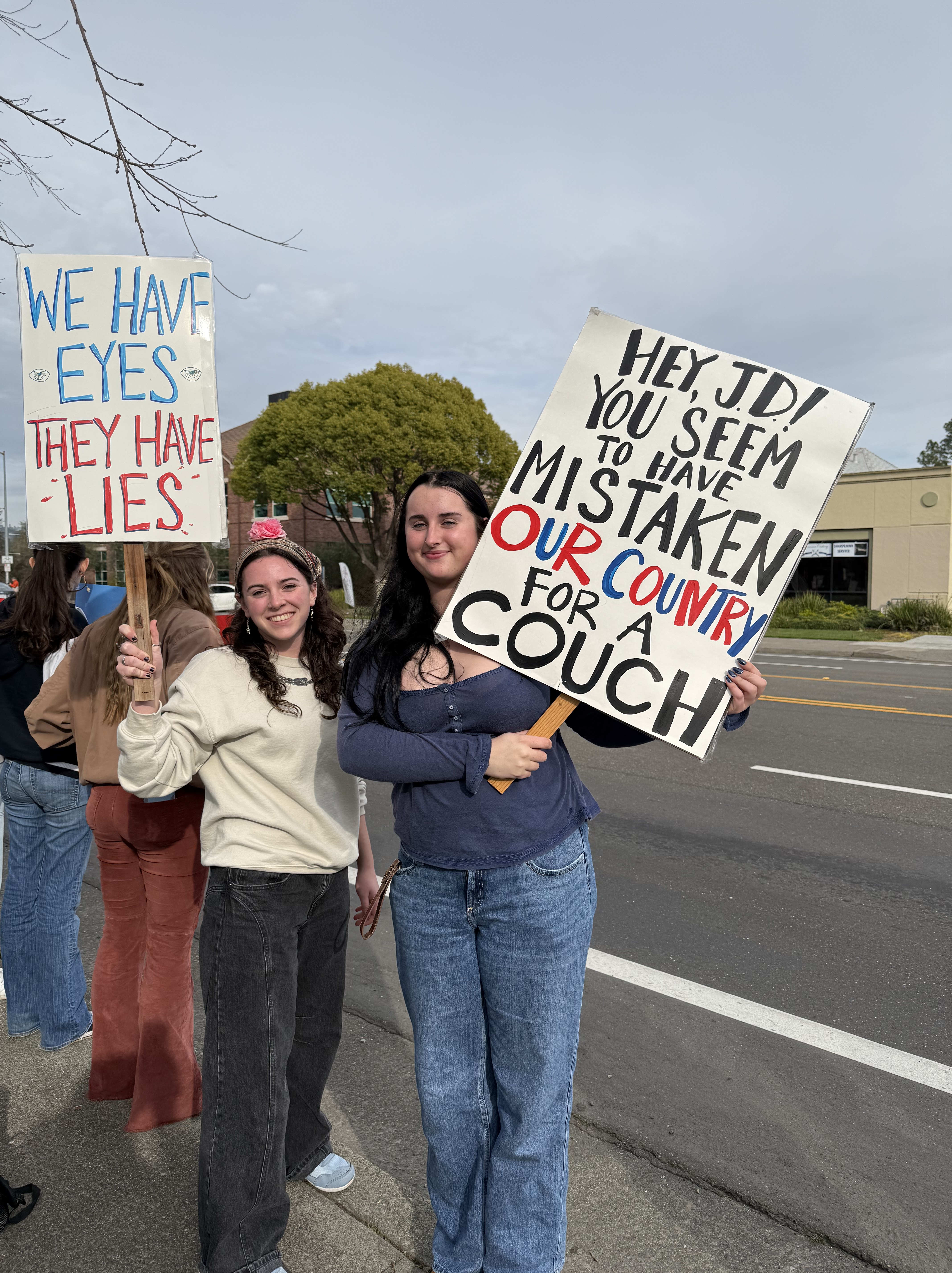
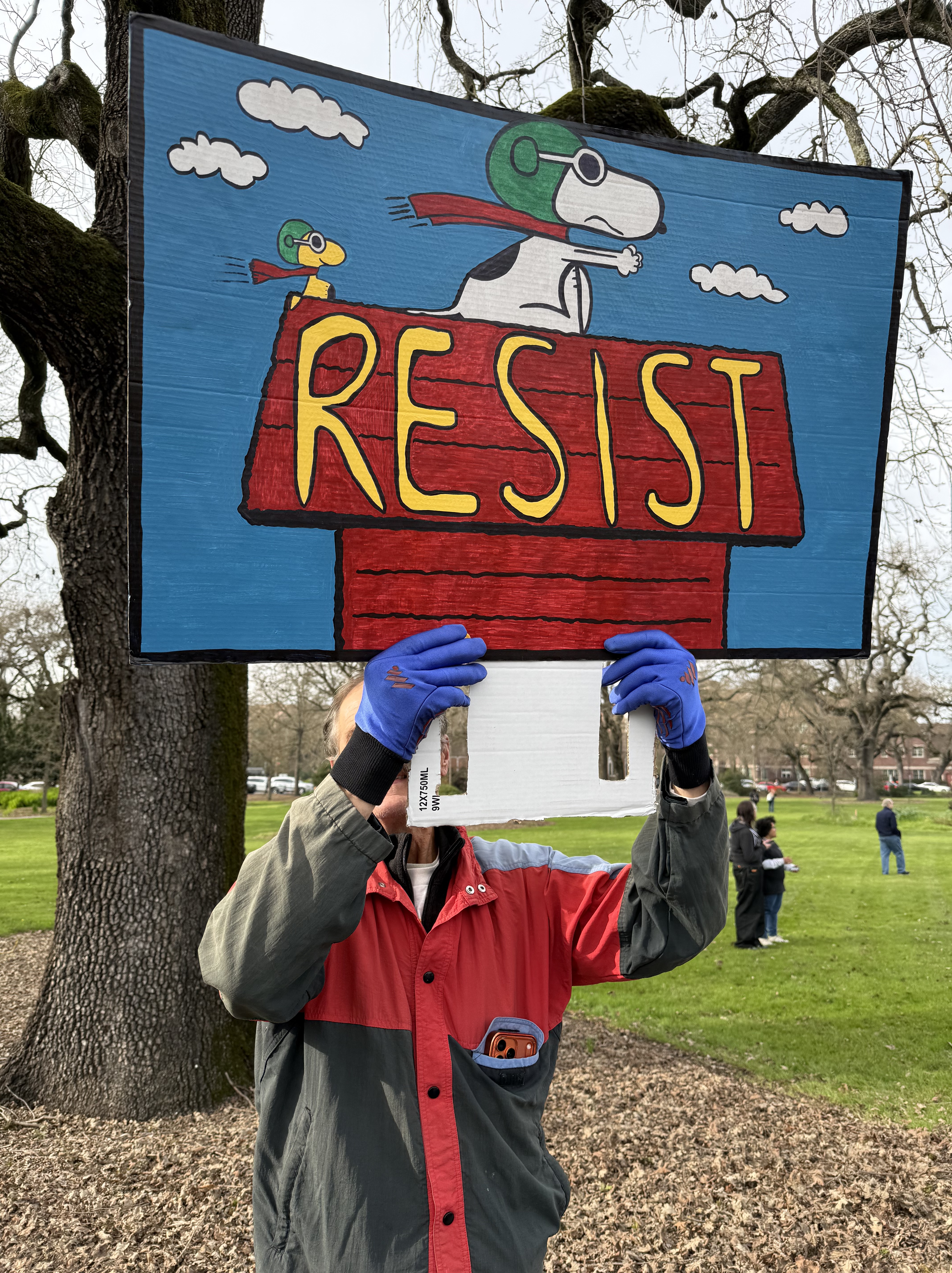
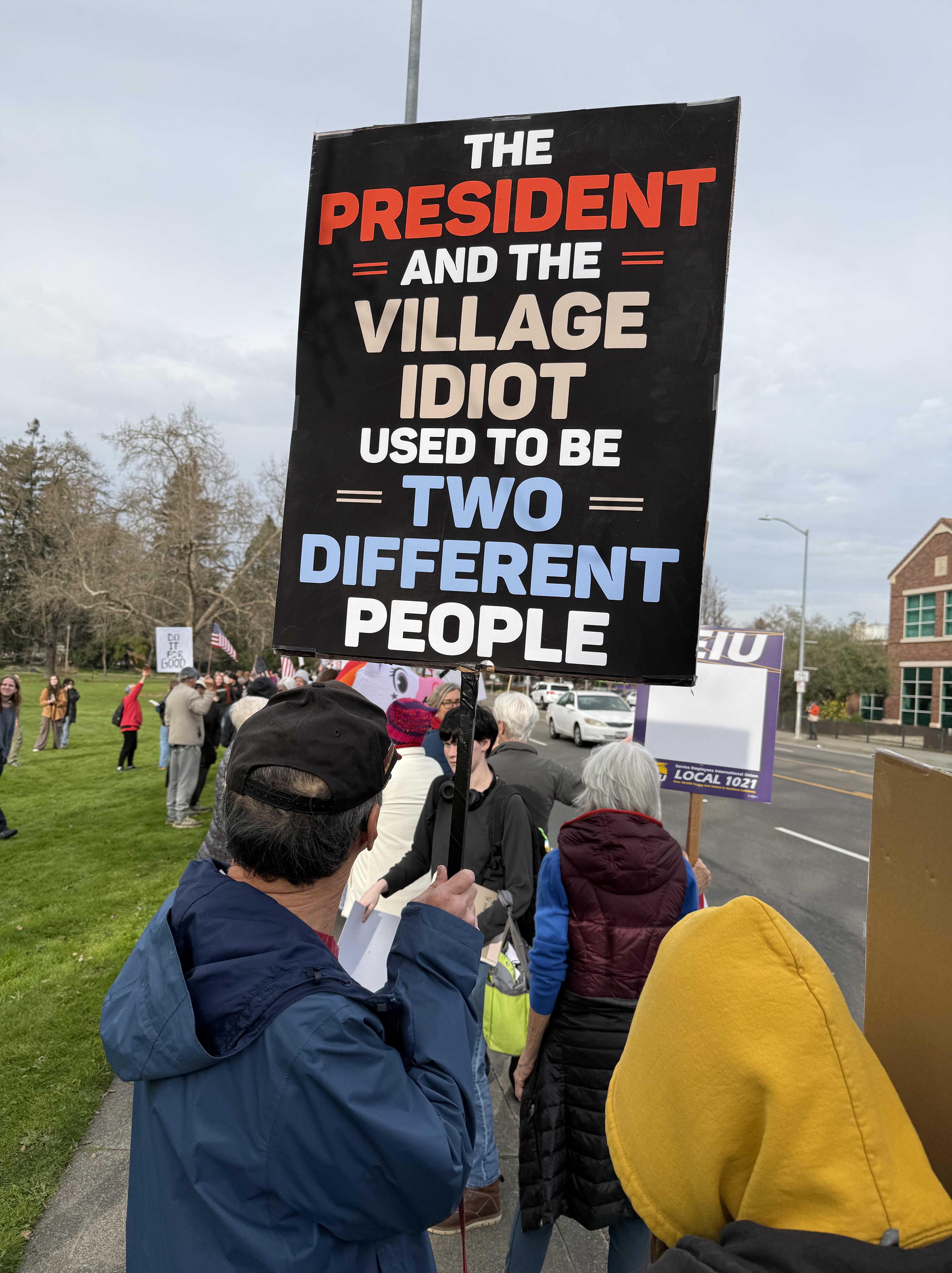
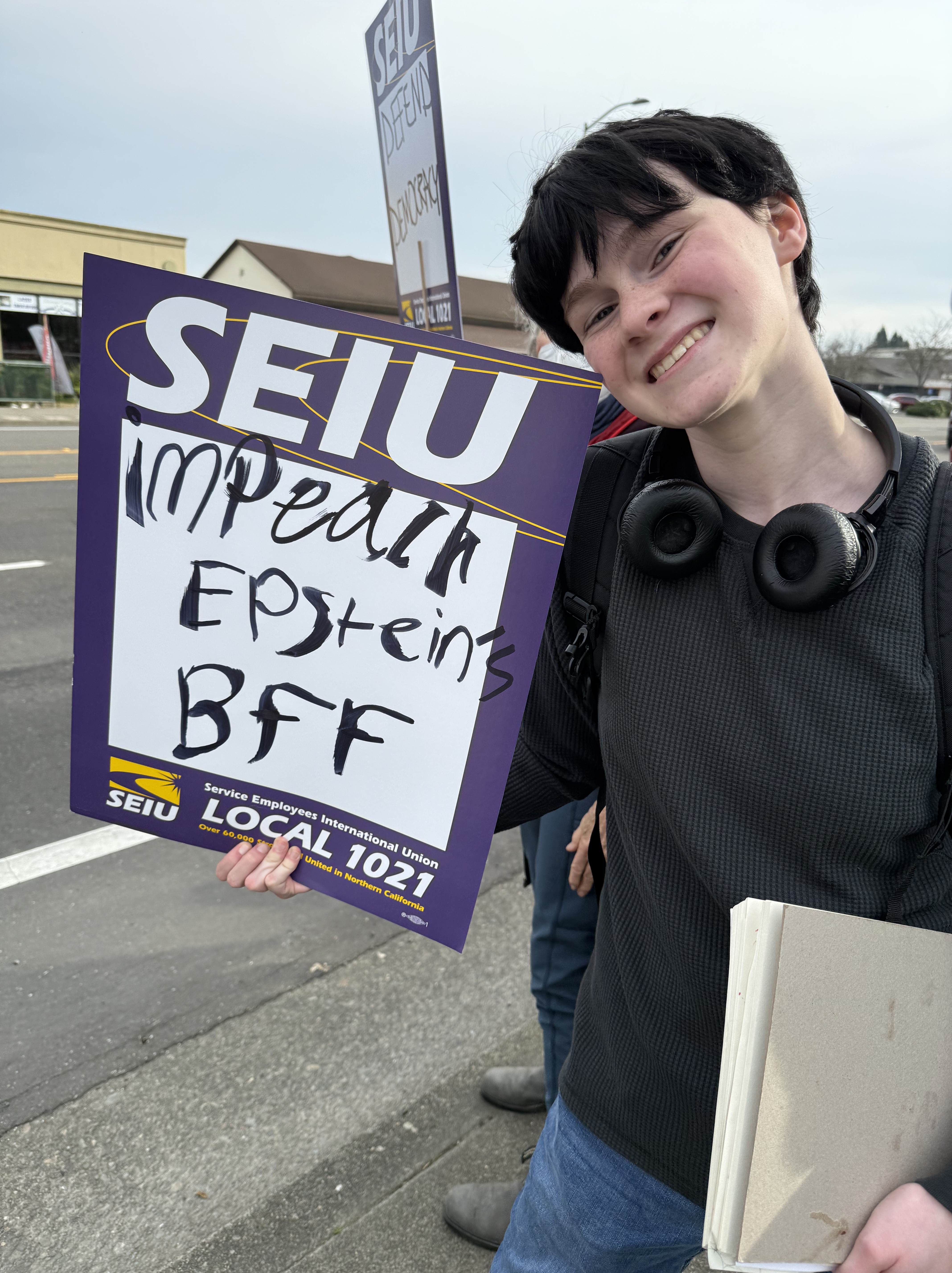
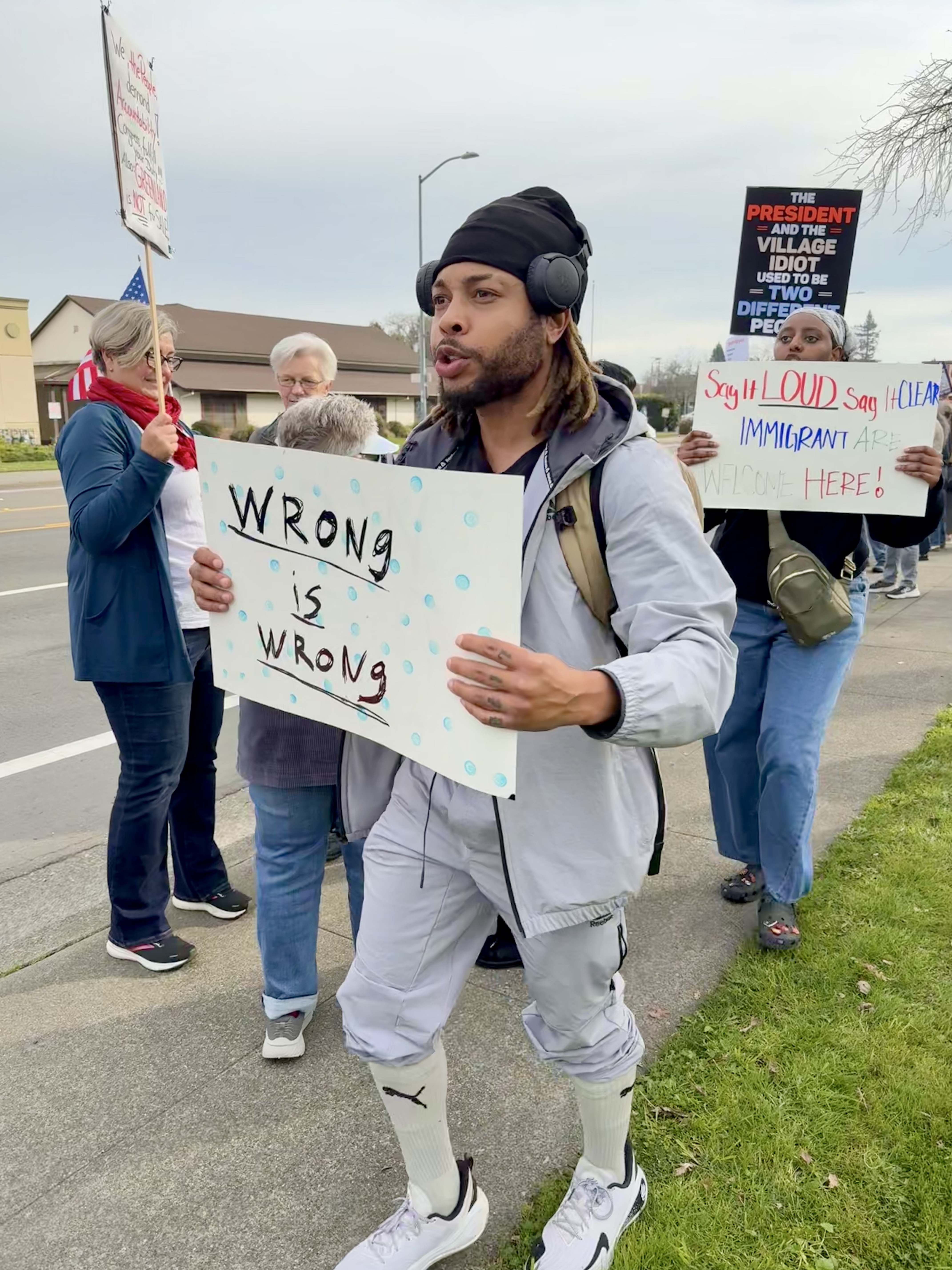
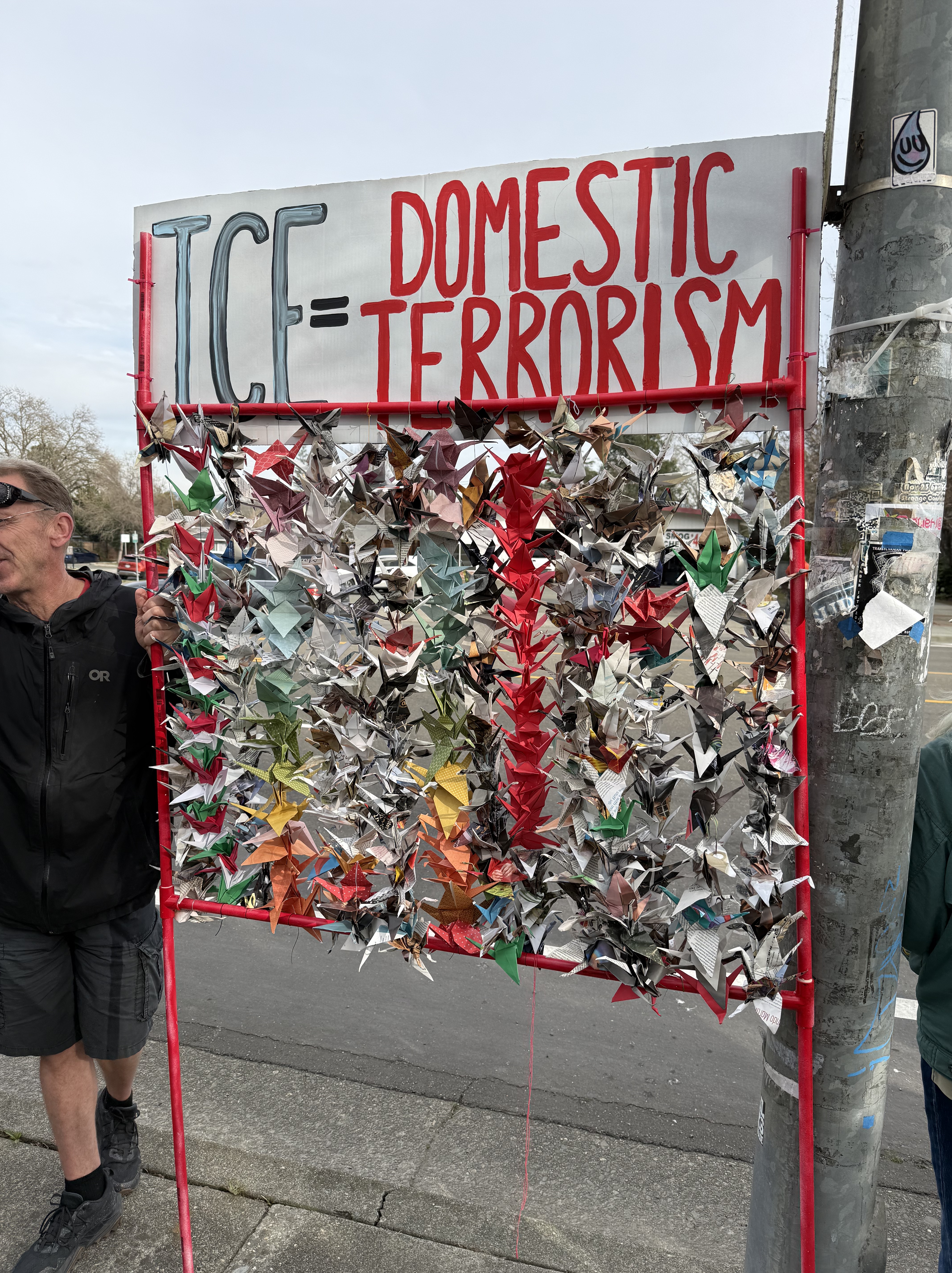
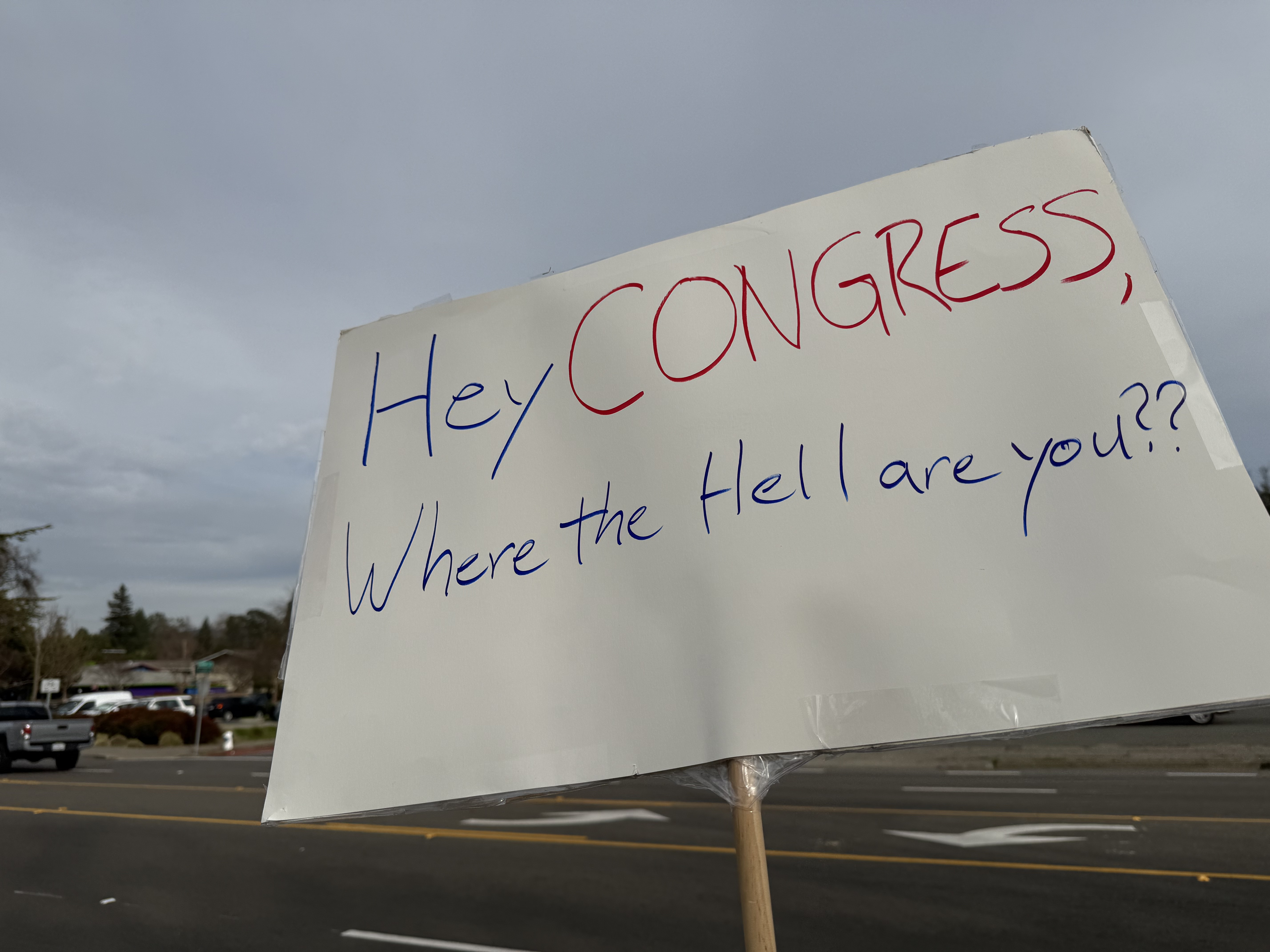
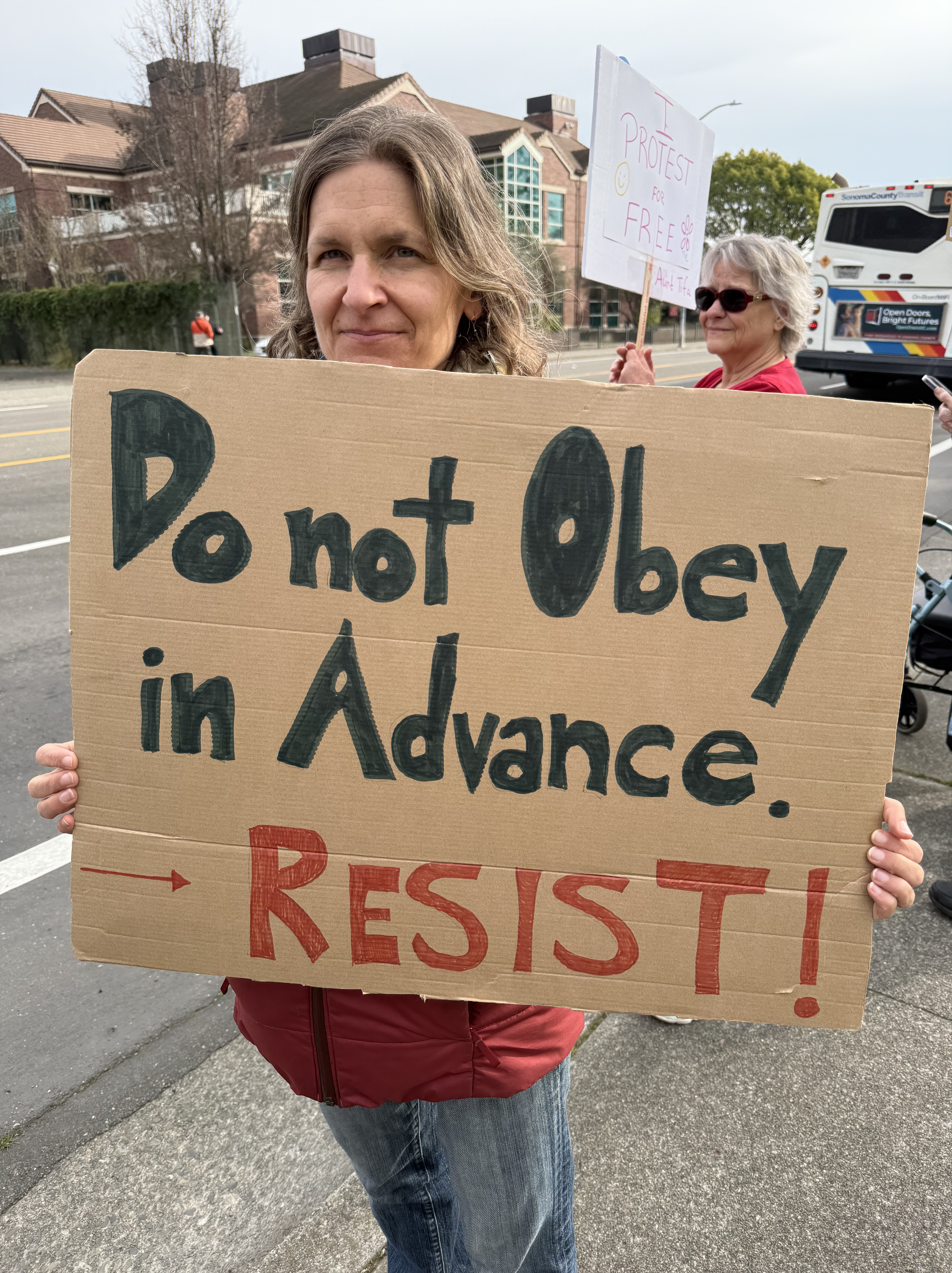
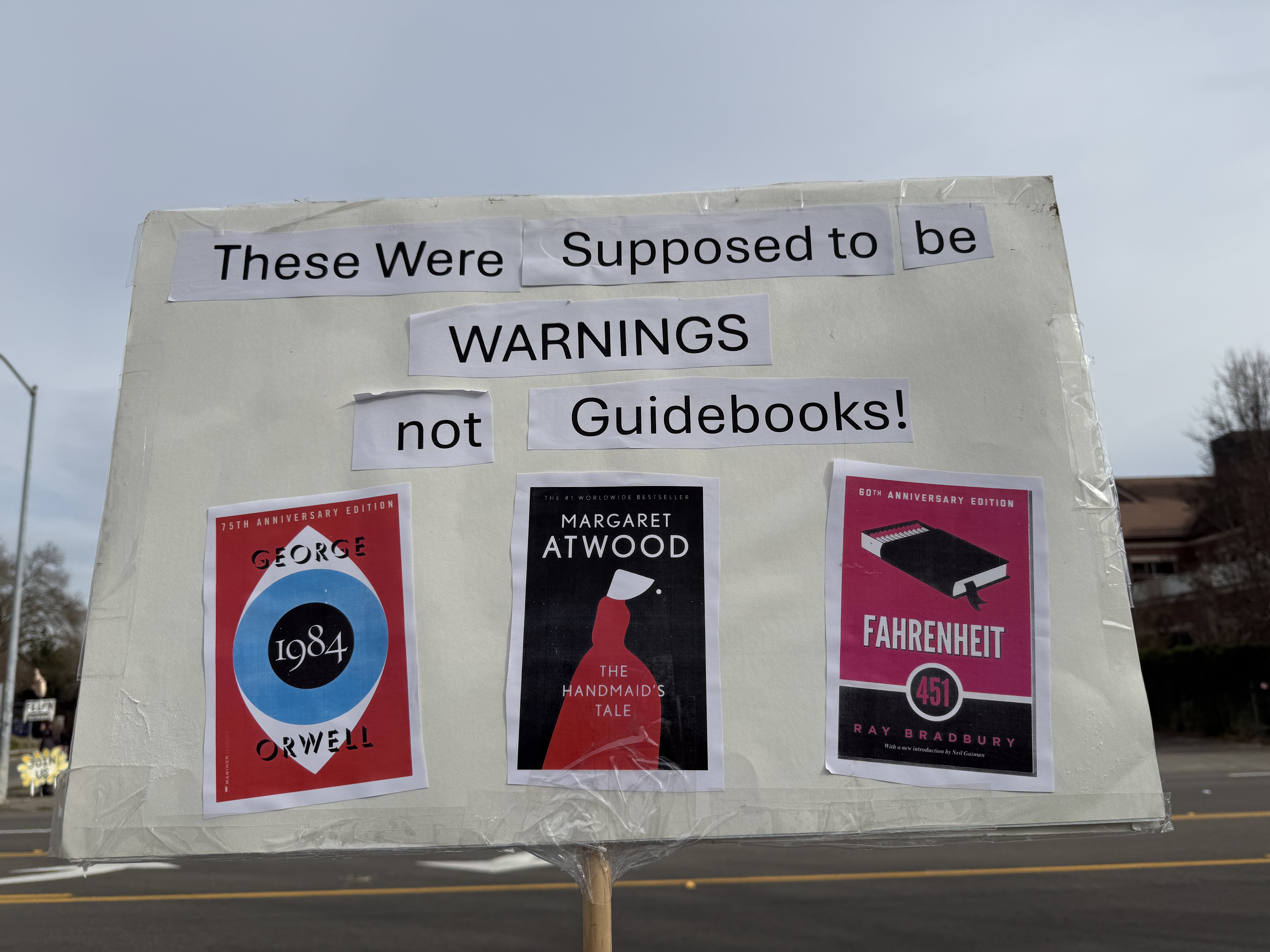
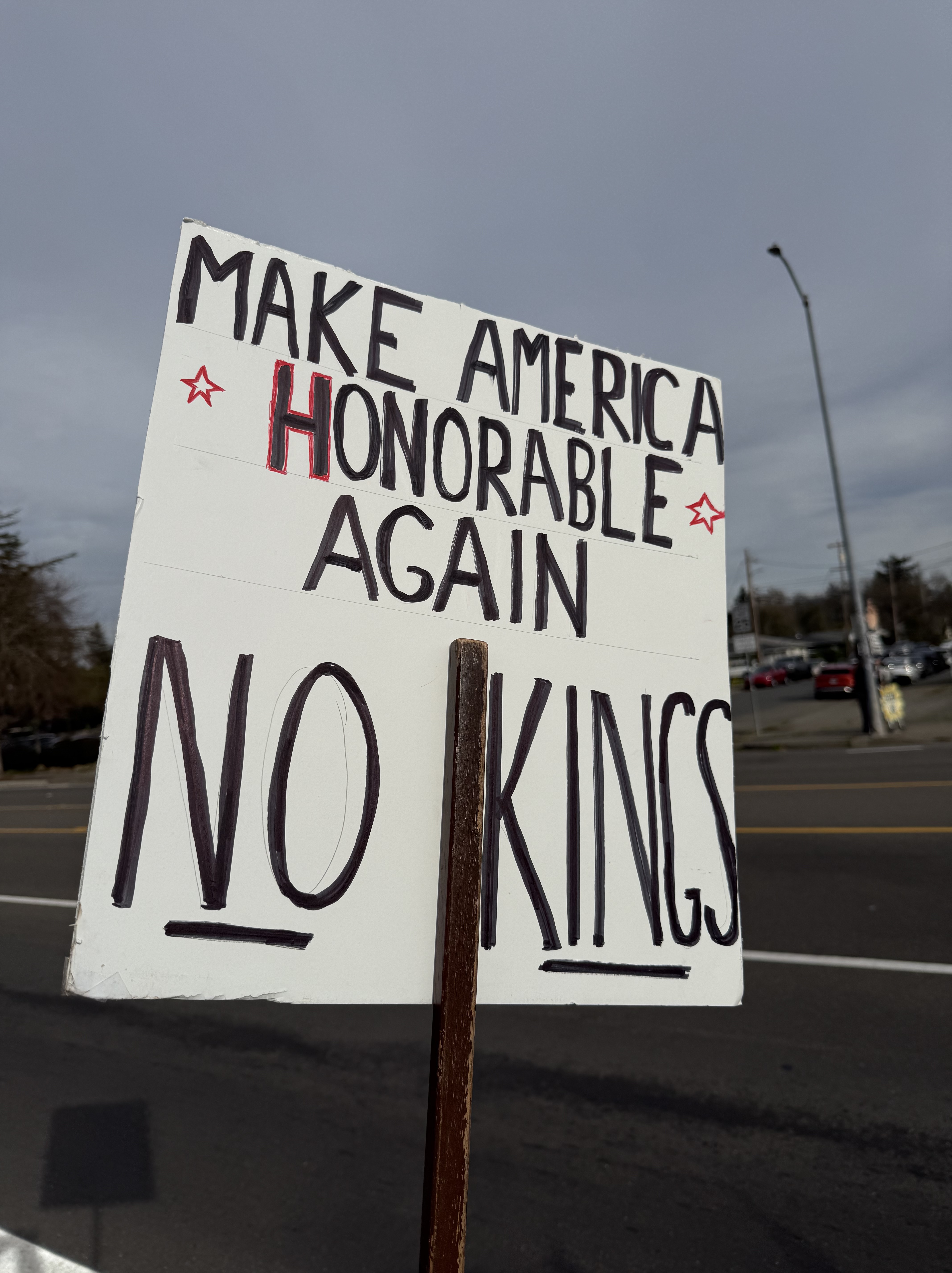
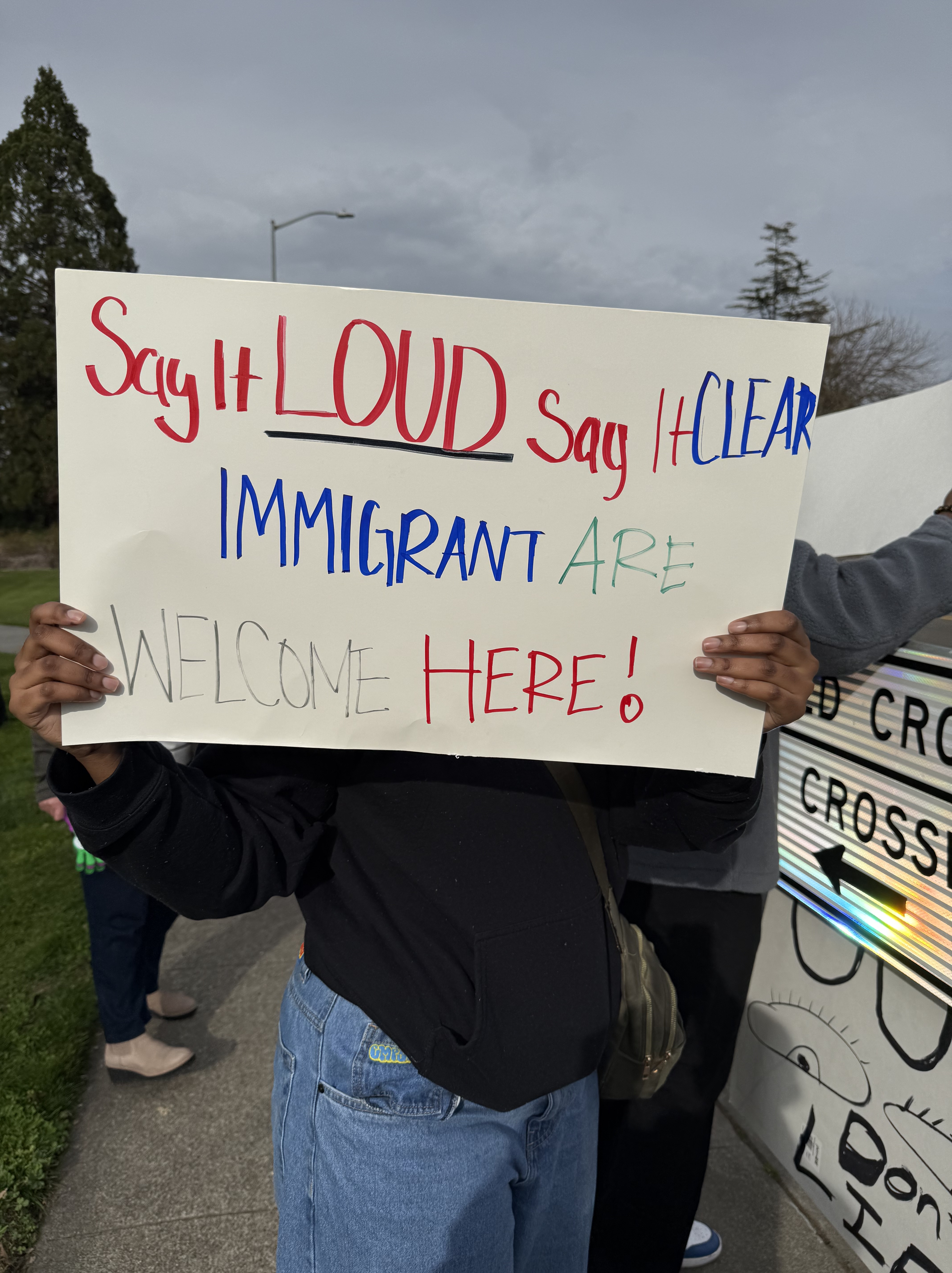
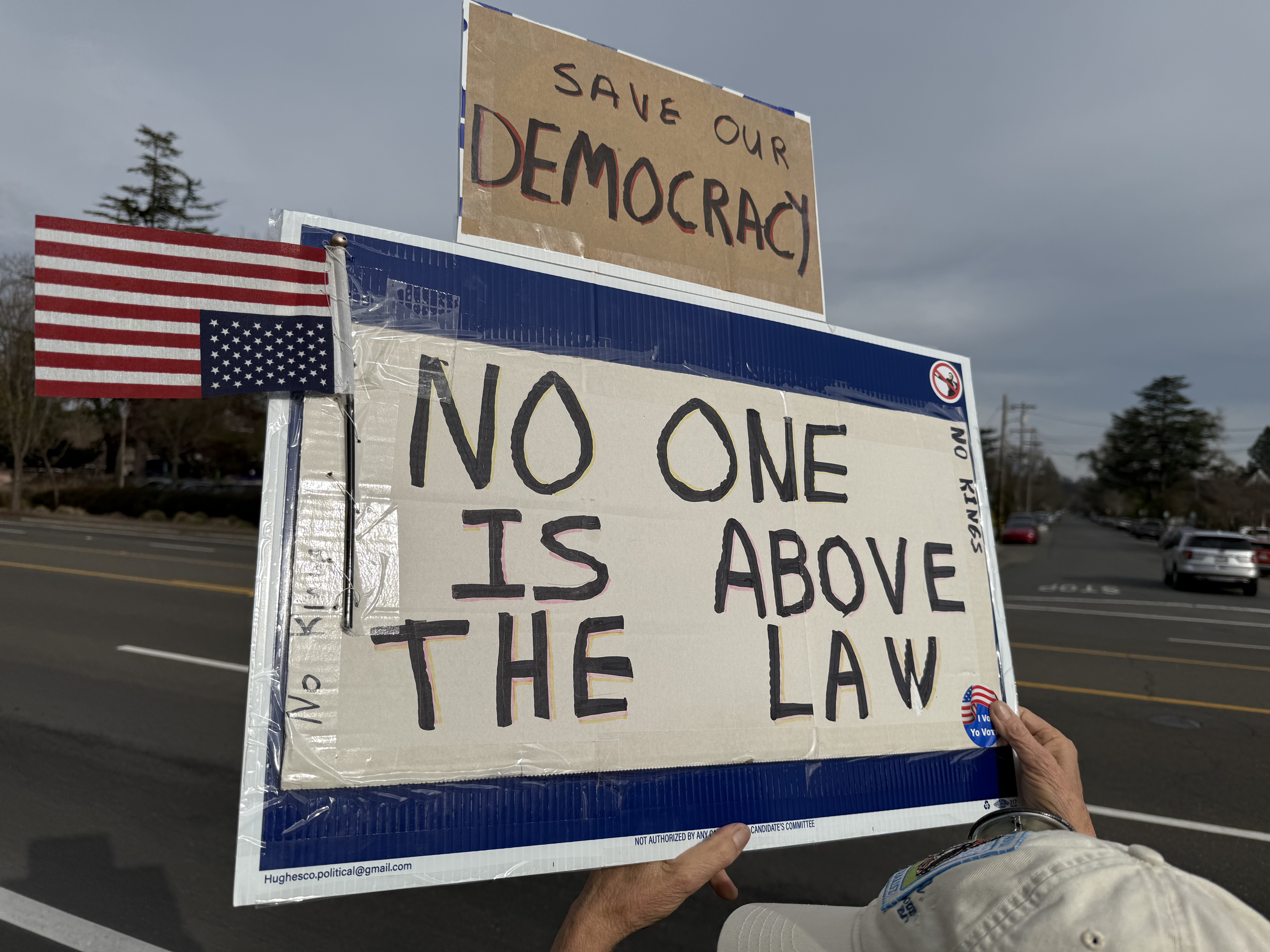
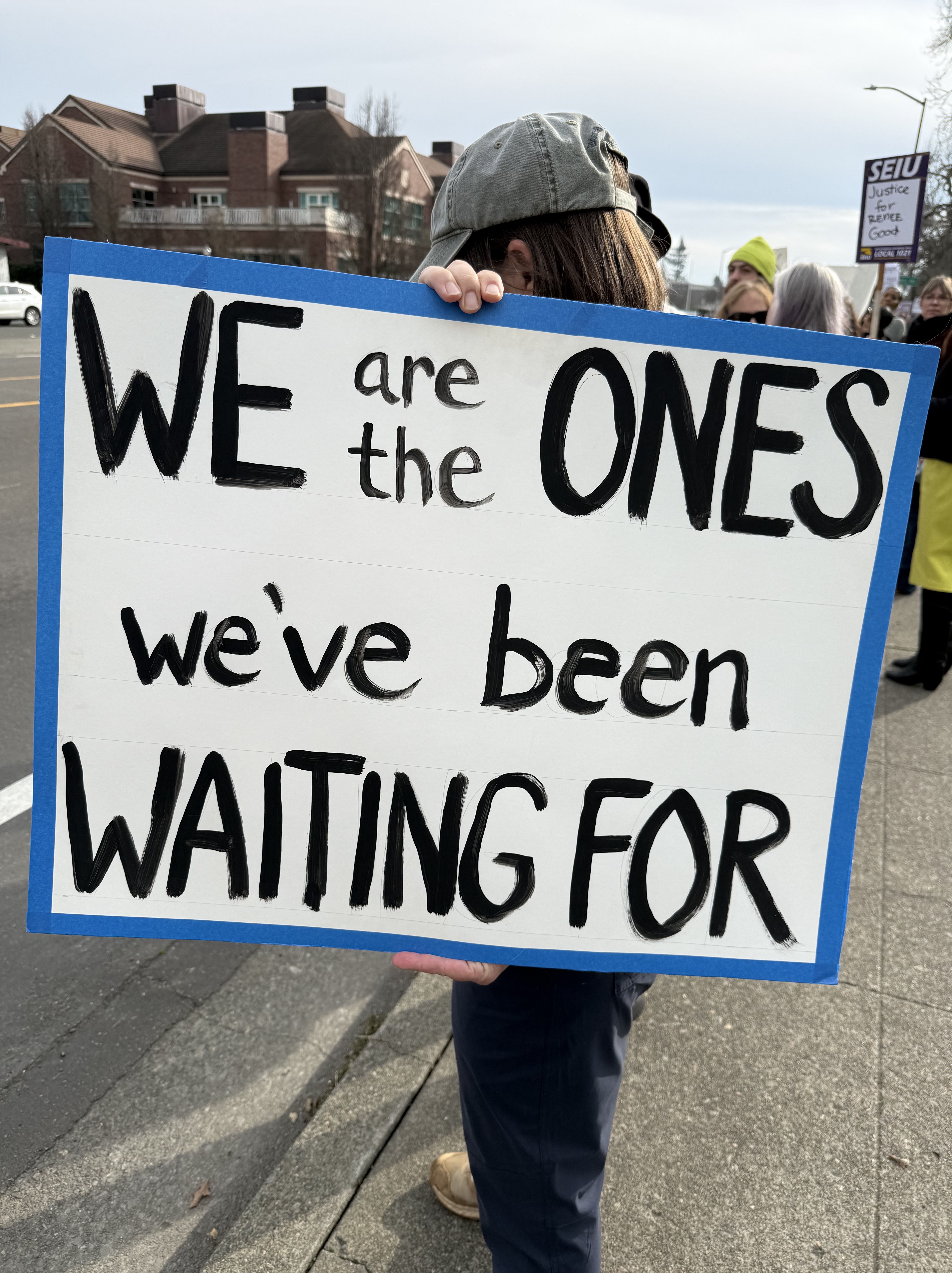
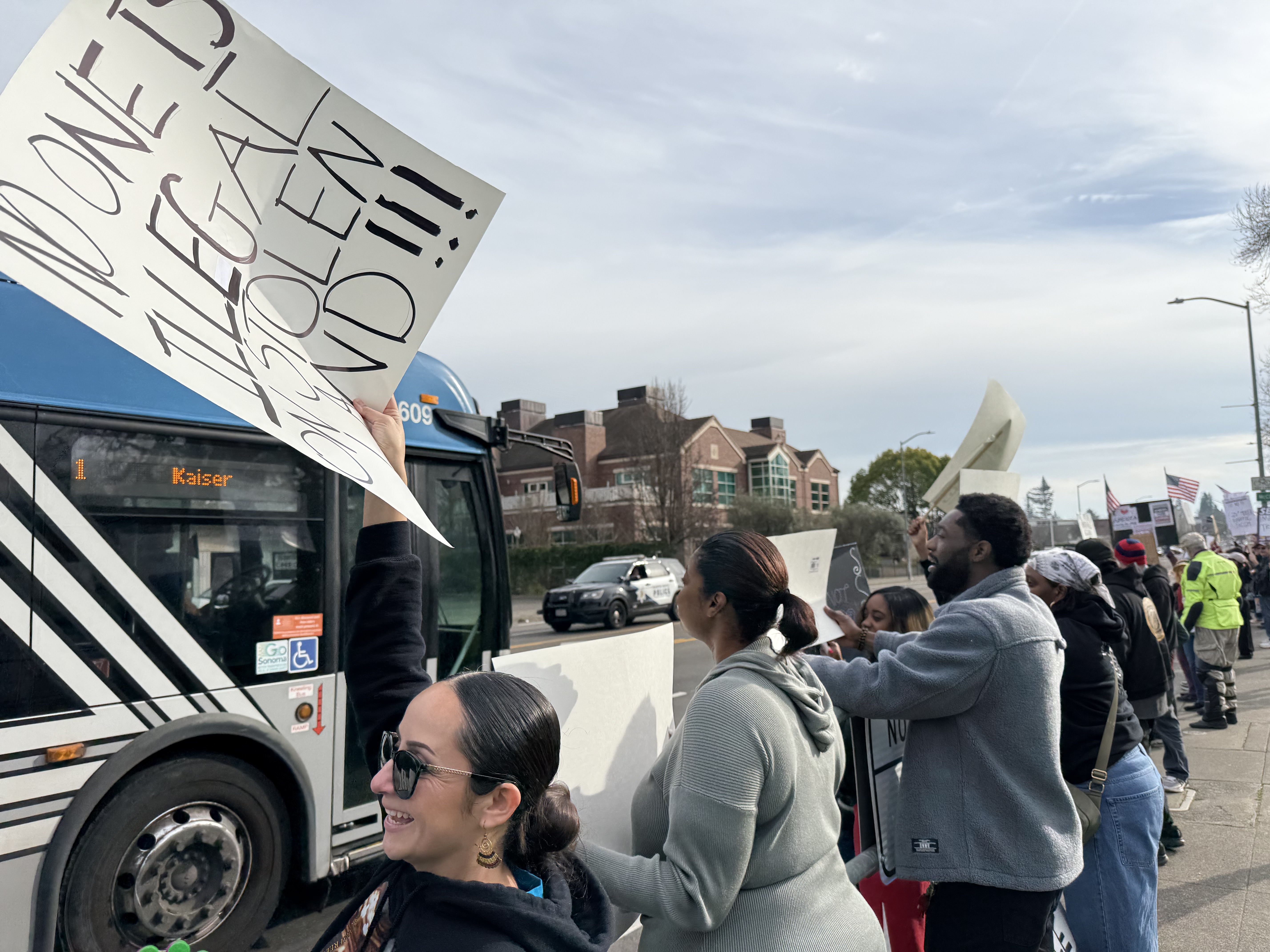
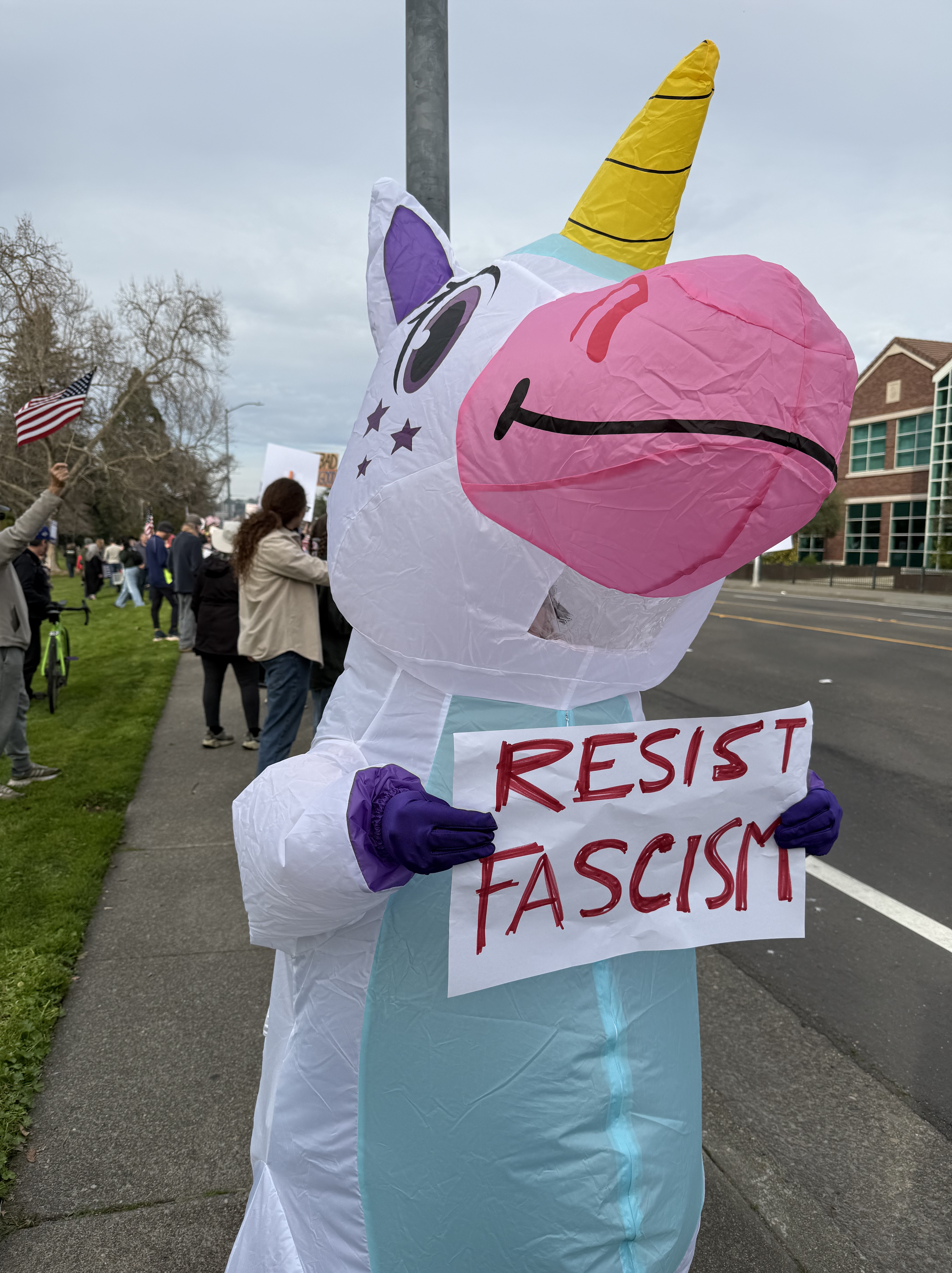
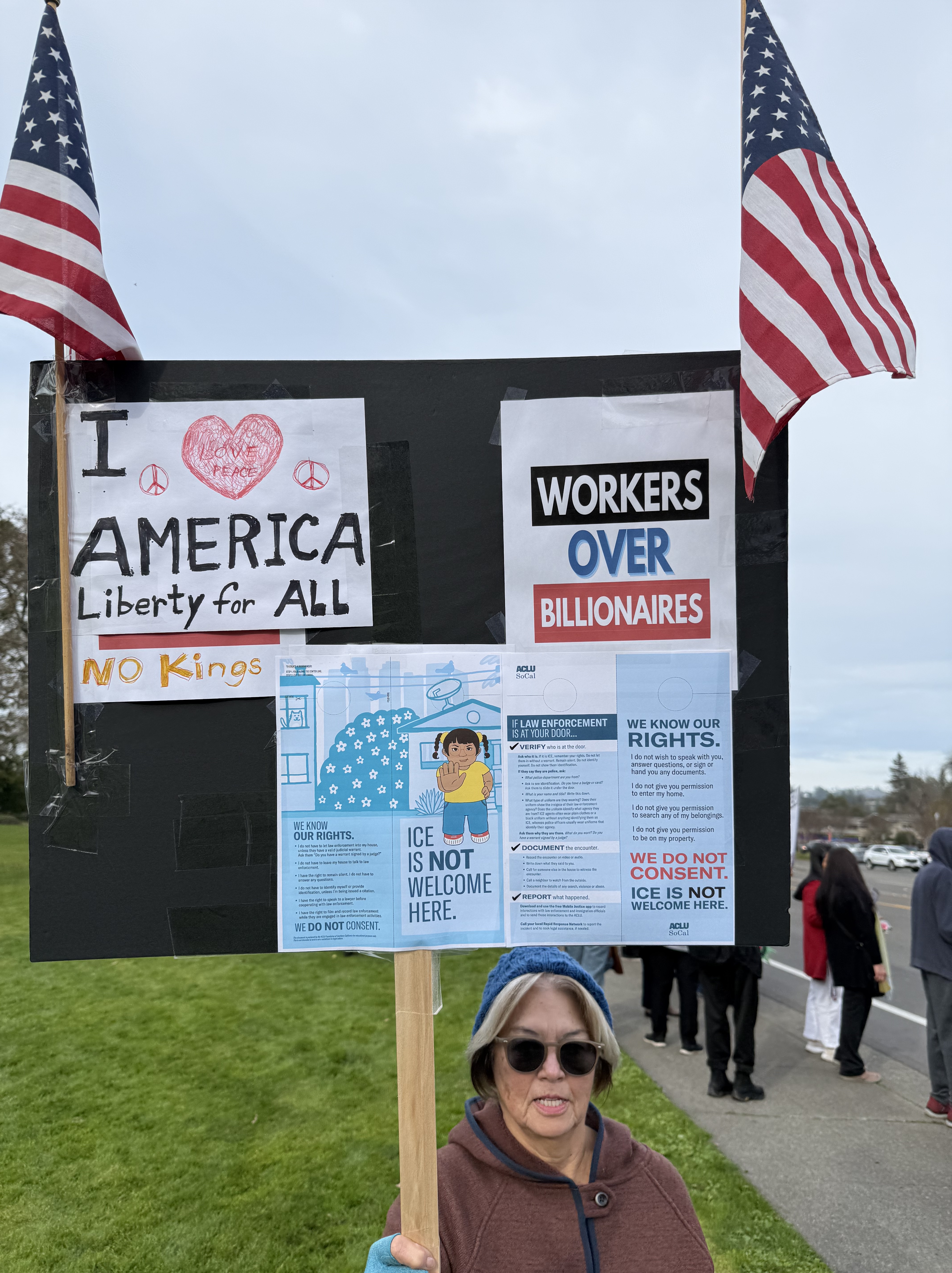
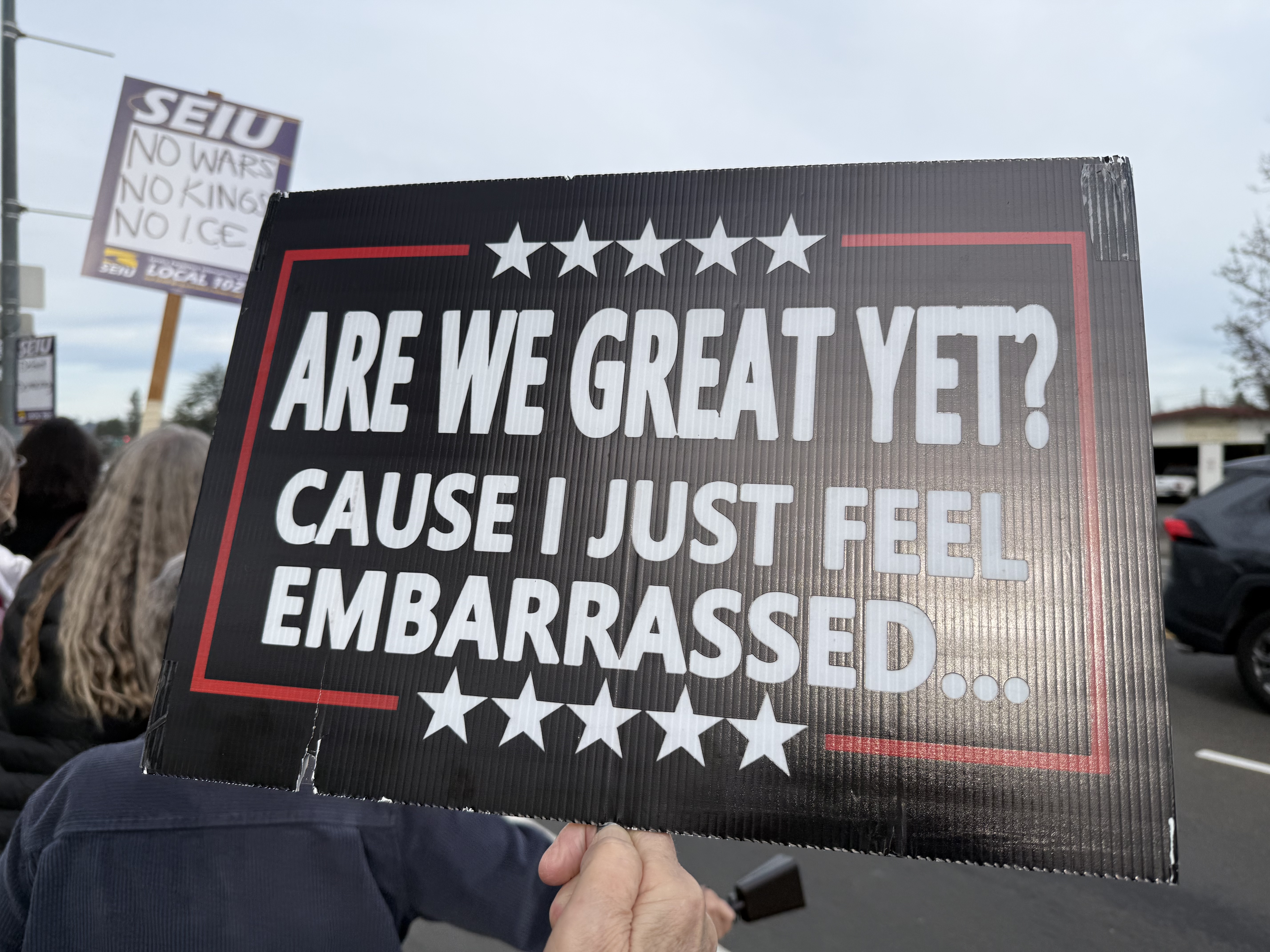
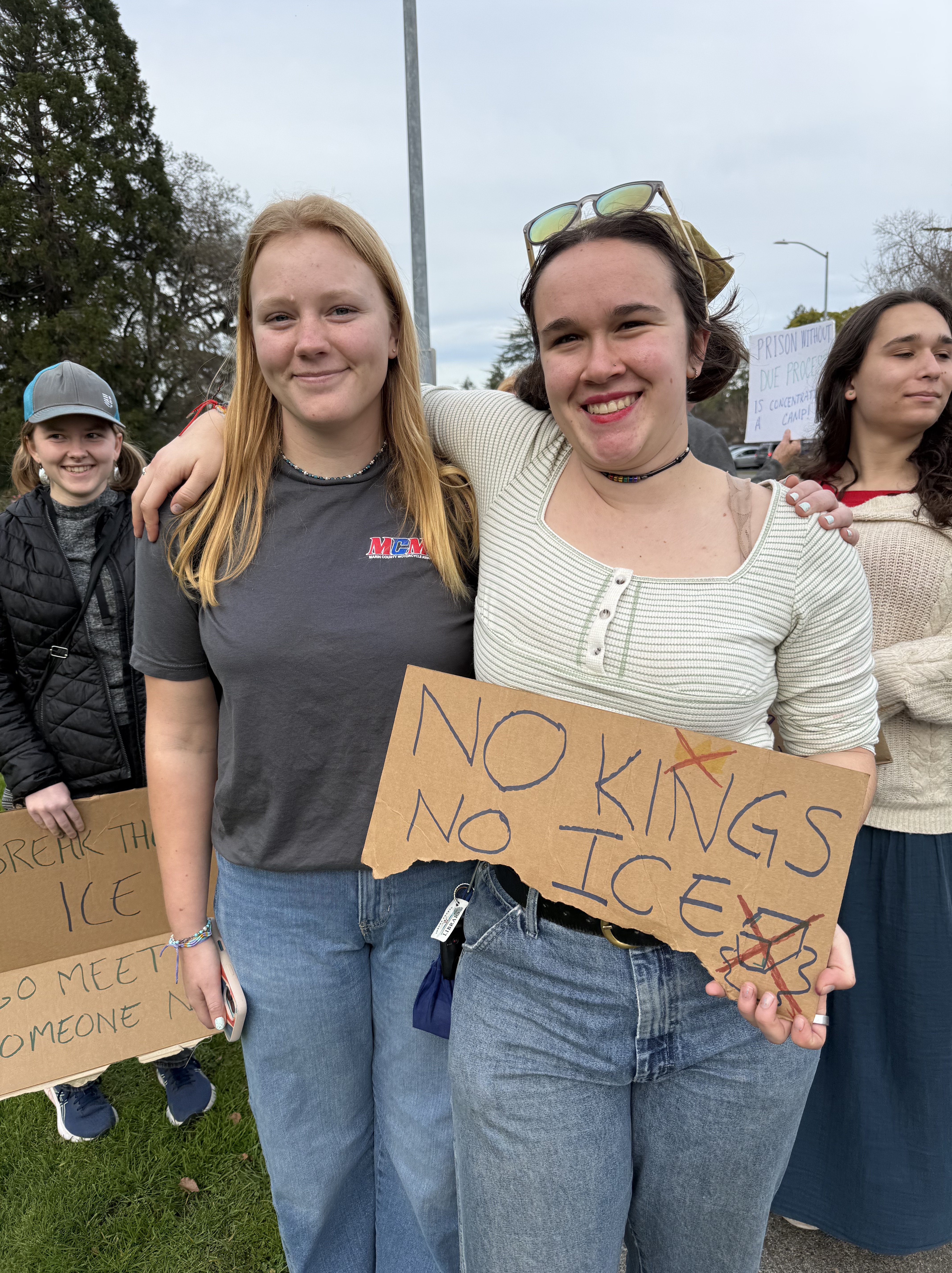
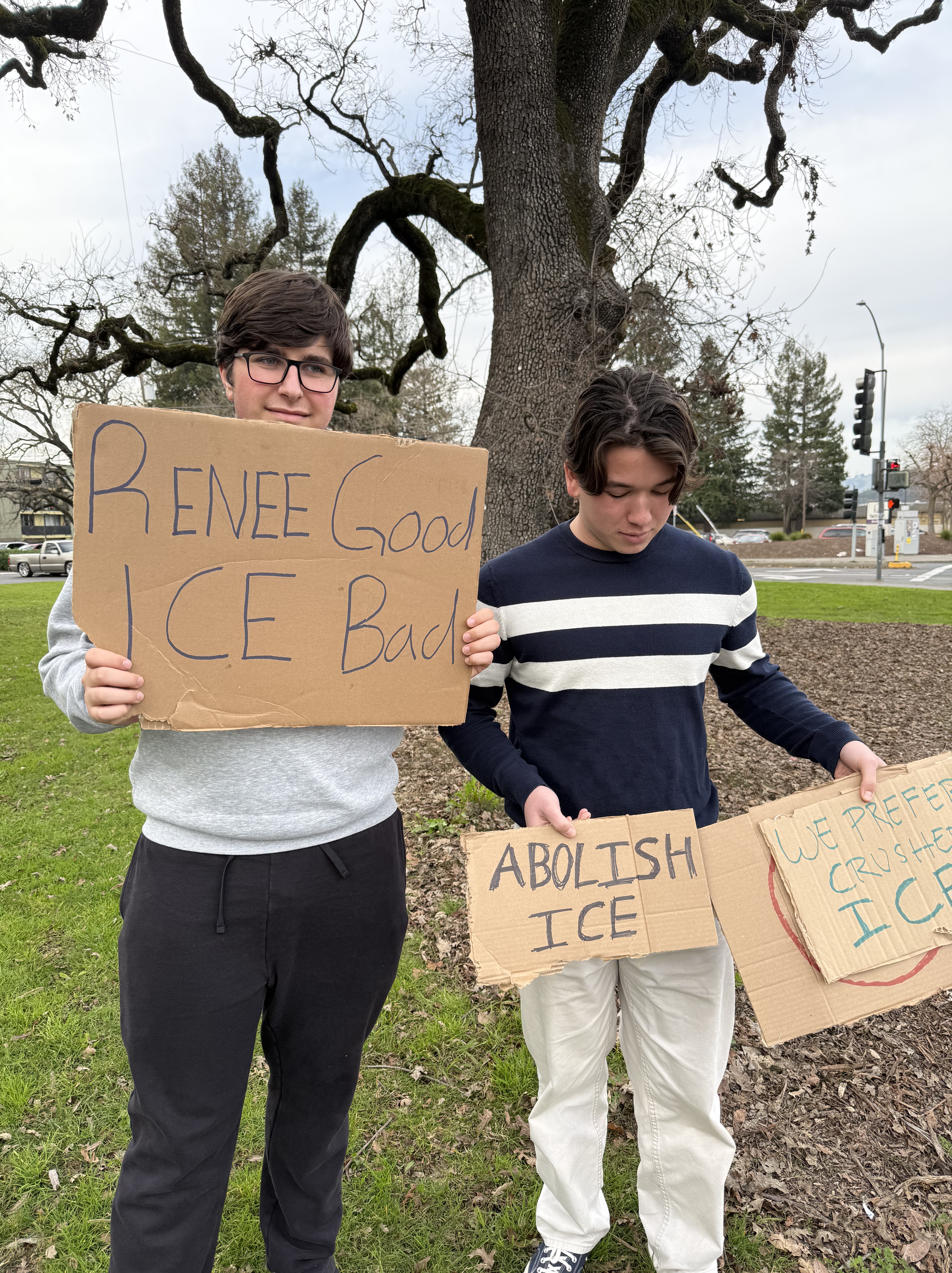
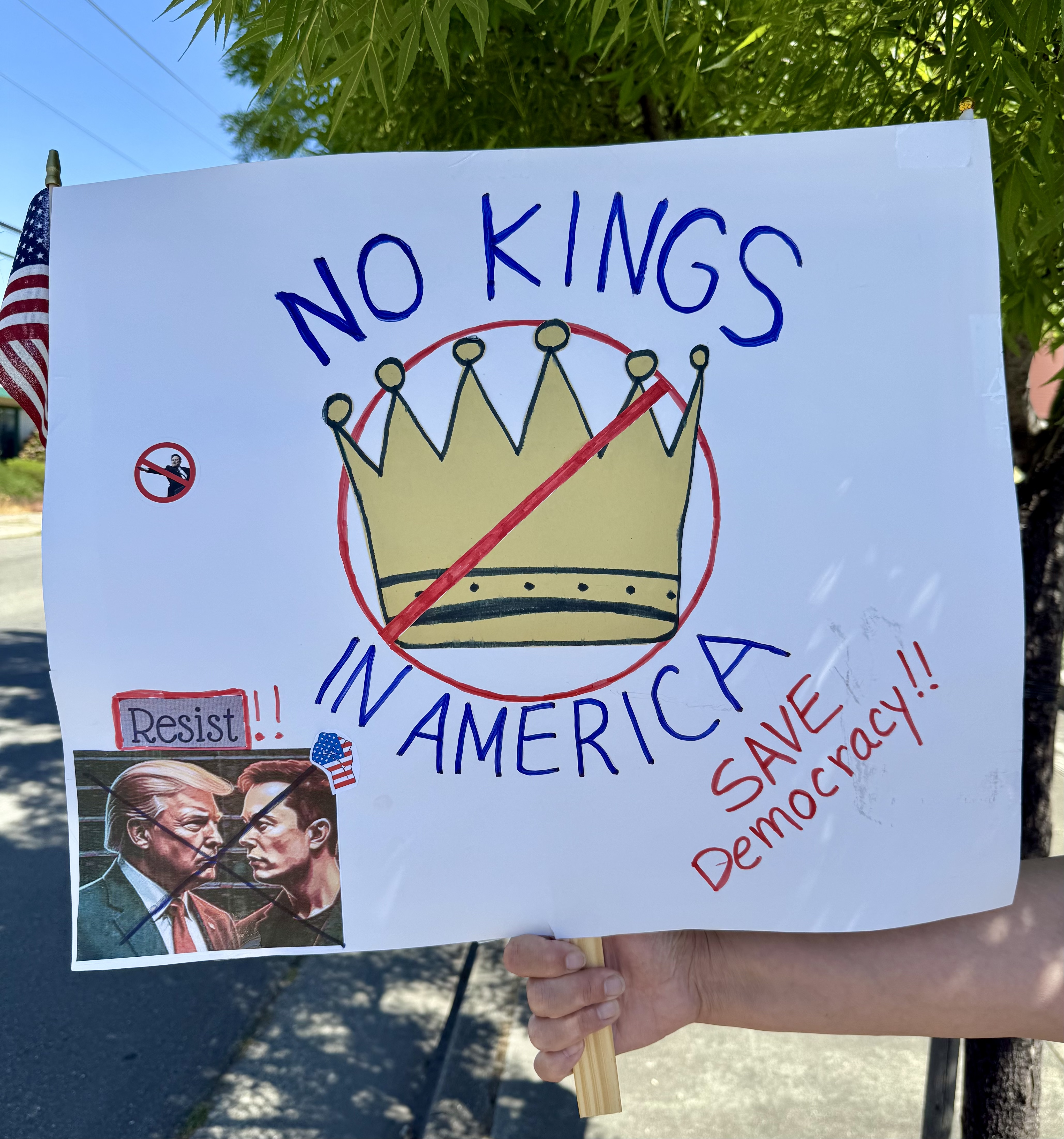
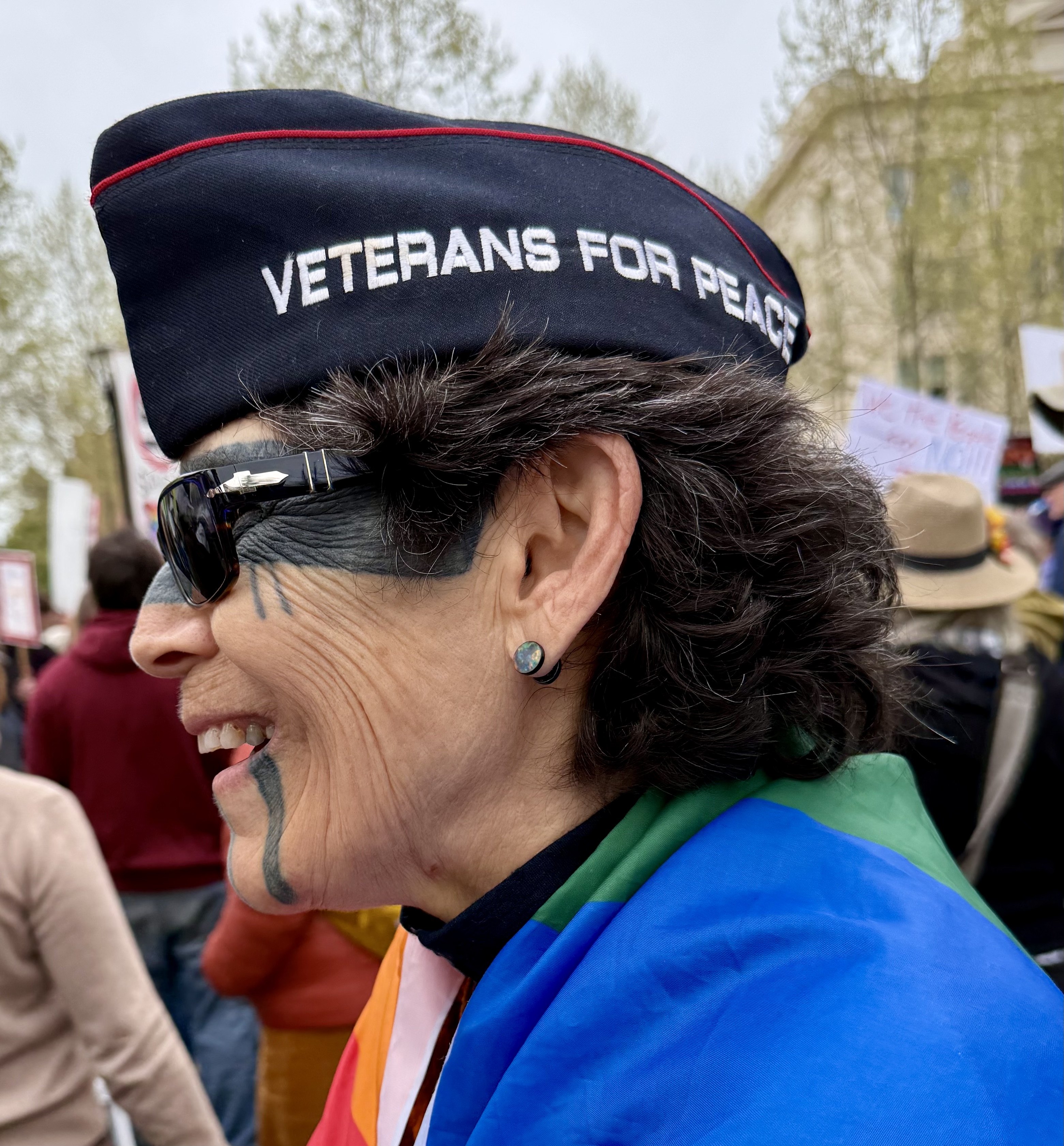
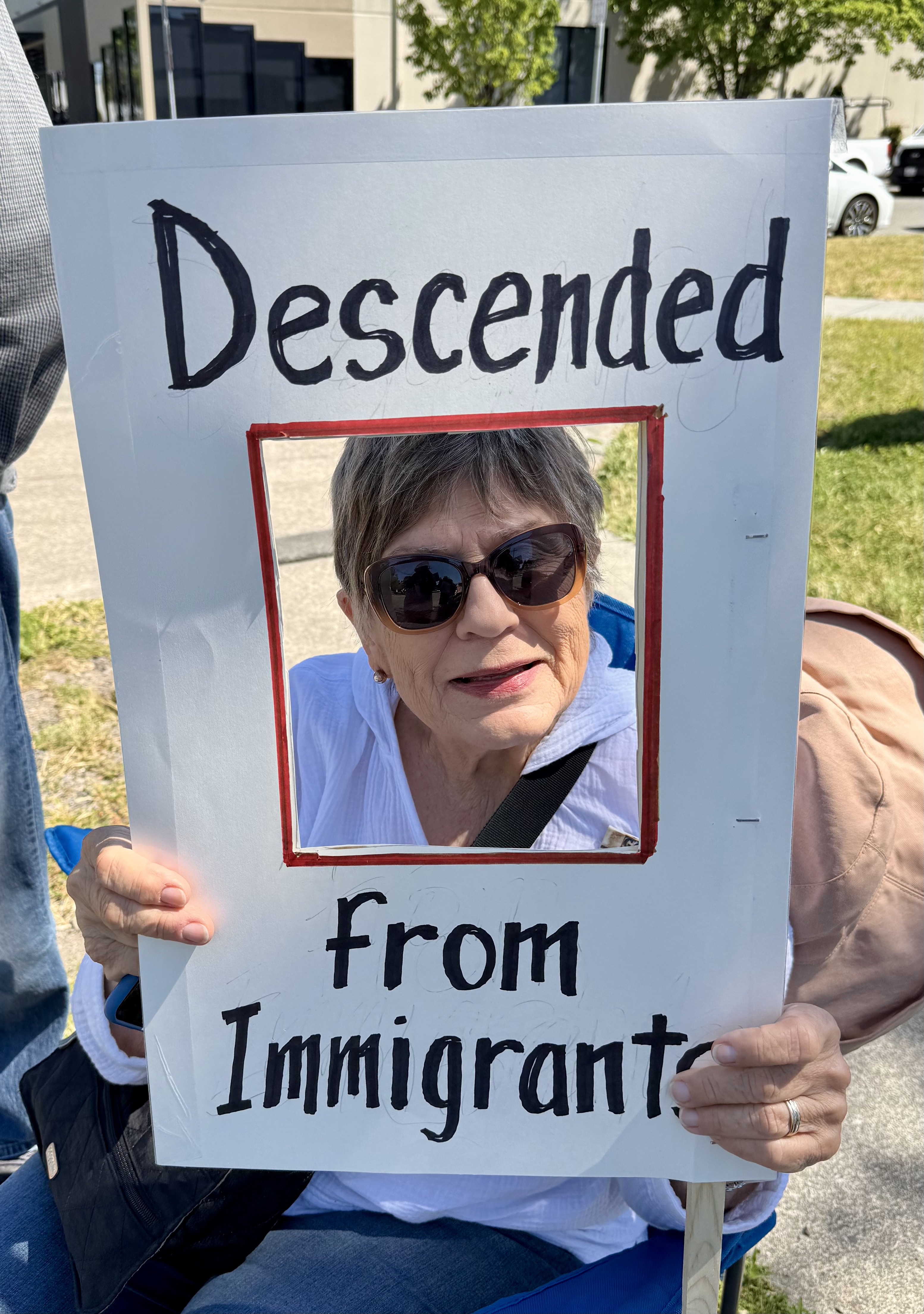
In Santa Rosa and across the North Bay, we’re mad as hell—and we’ve taken to the streets. From the Hands Off! protest in April that brought 5,000 people to downtown Santa Rosa, to thousands more mobilizing in surrounding towns, resistance to the rise of fascism in the U.S. is fierce and growing.
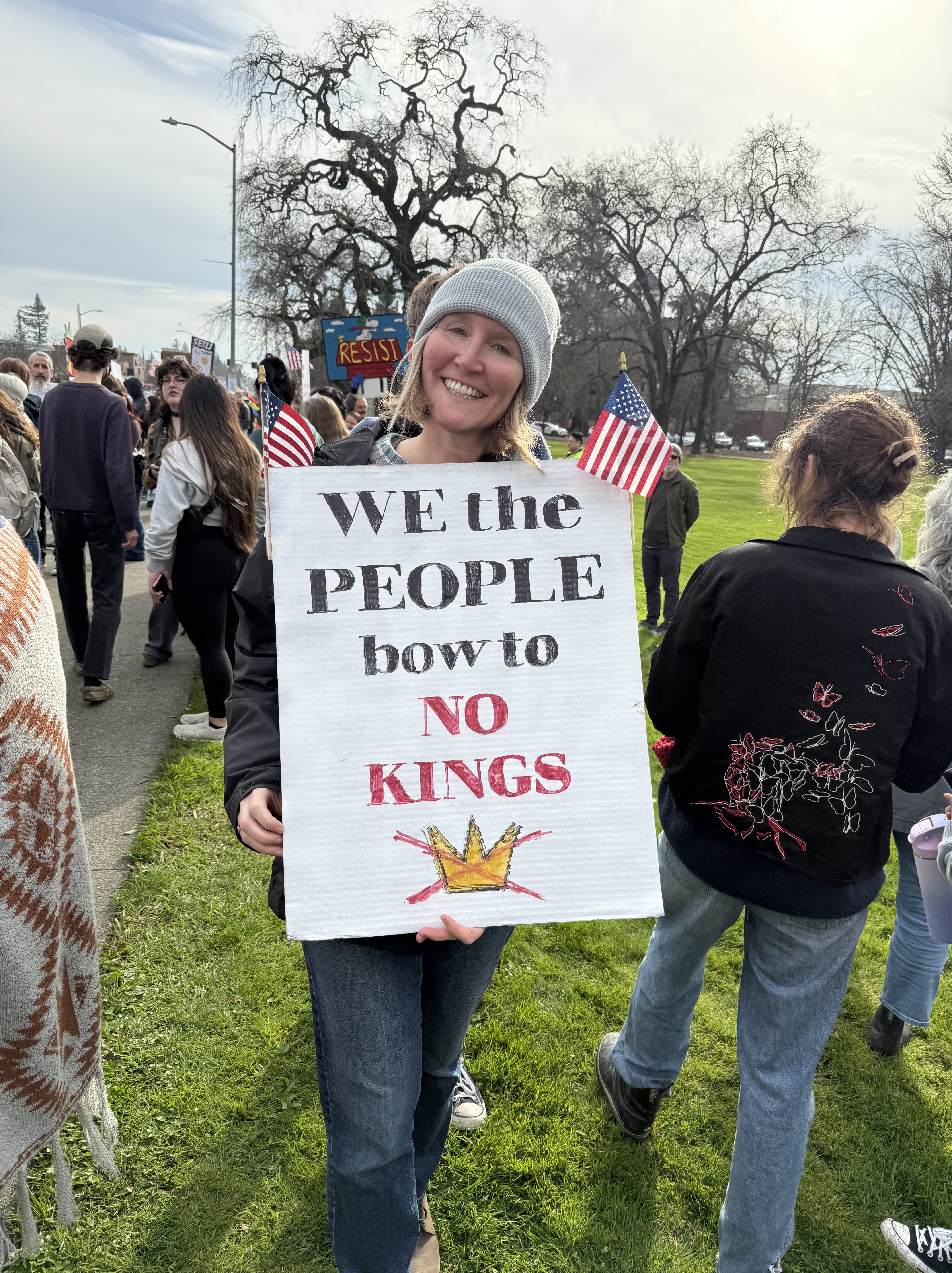
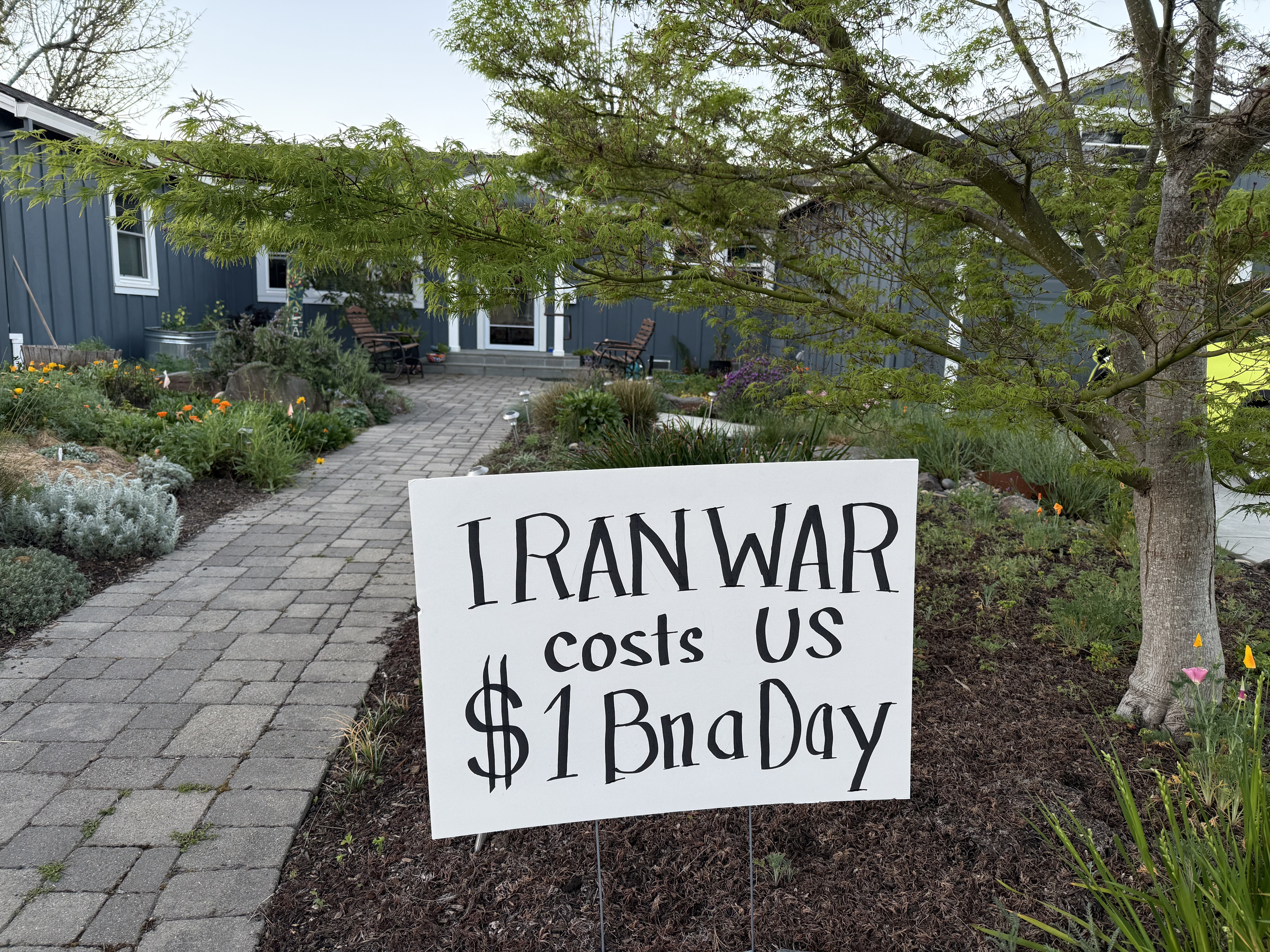
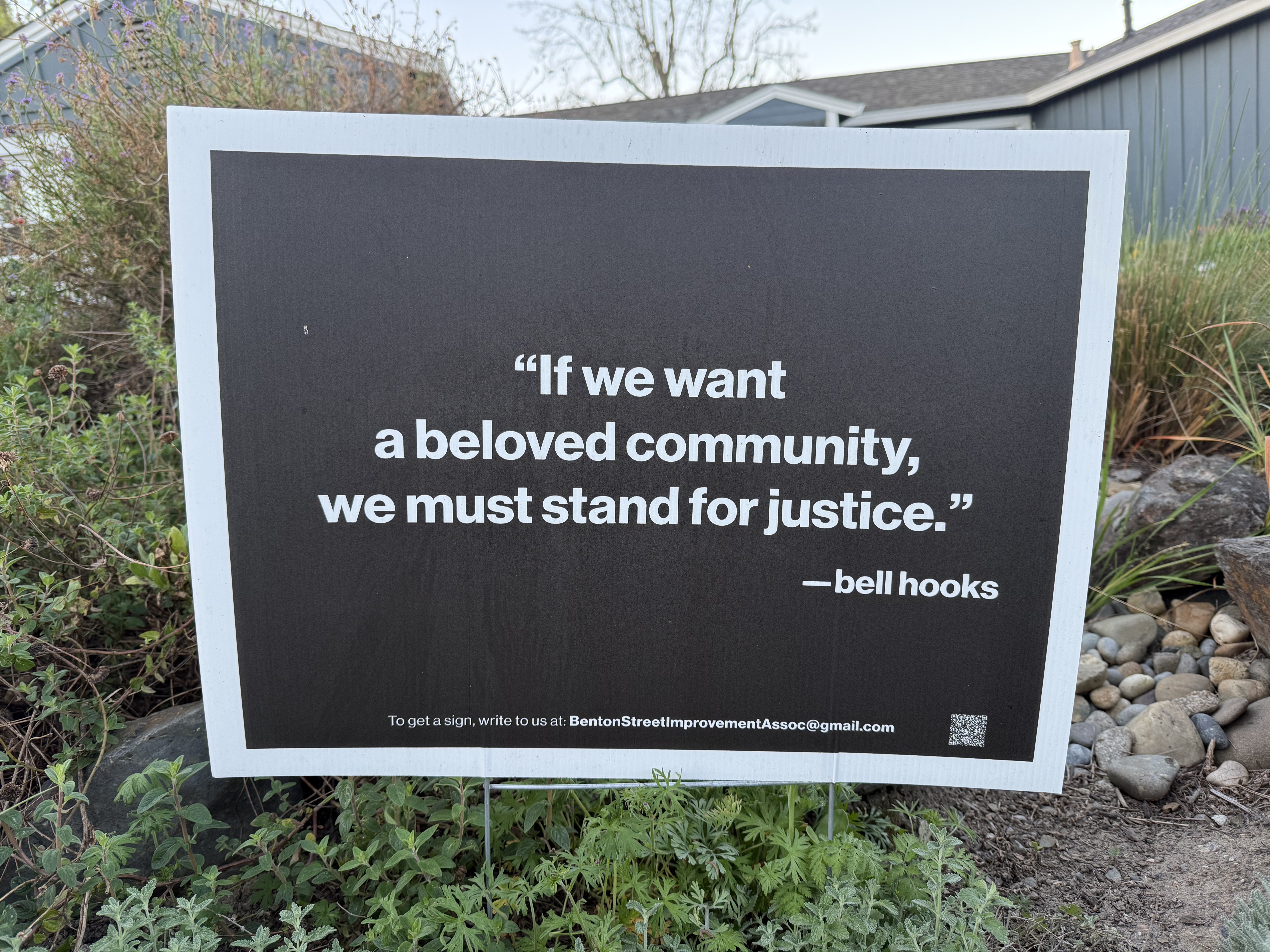
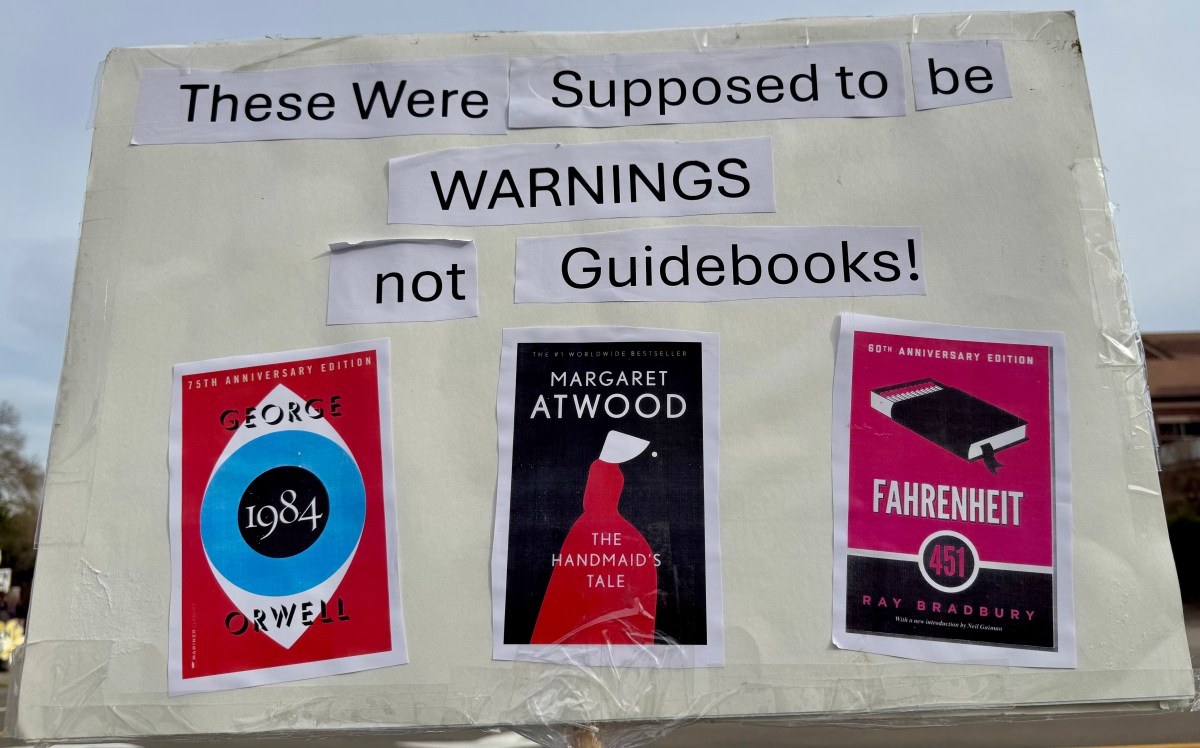
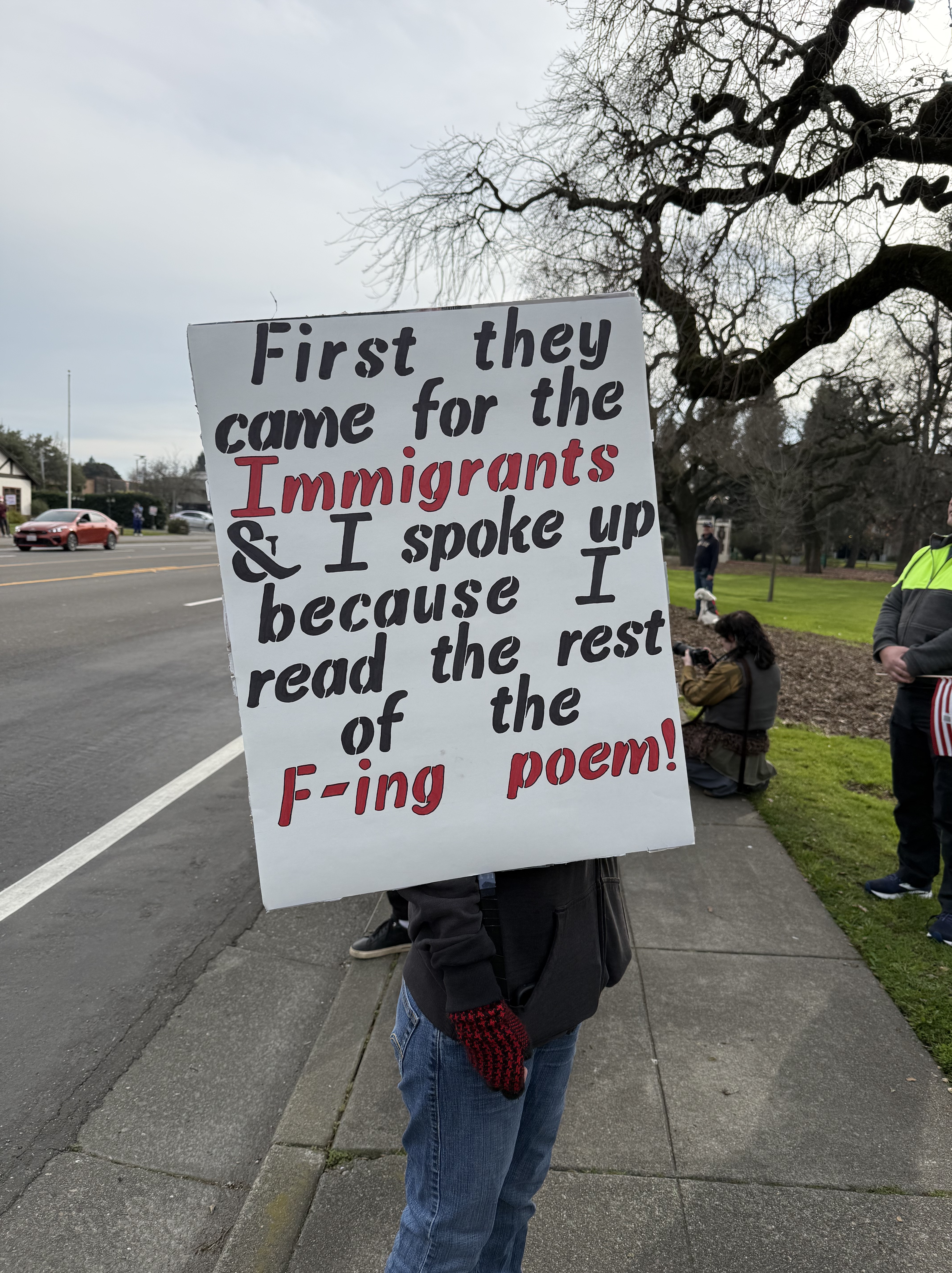
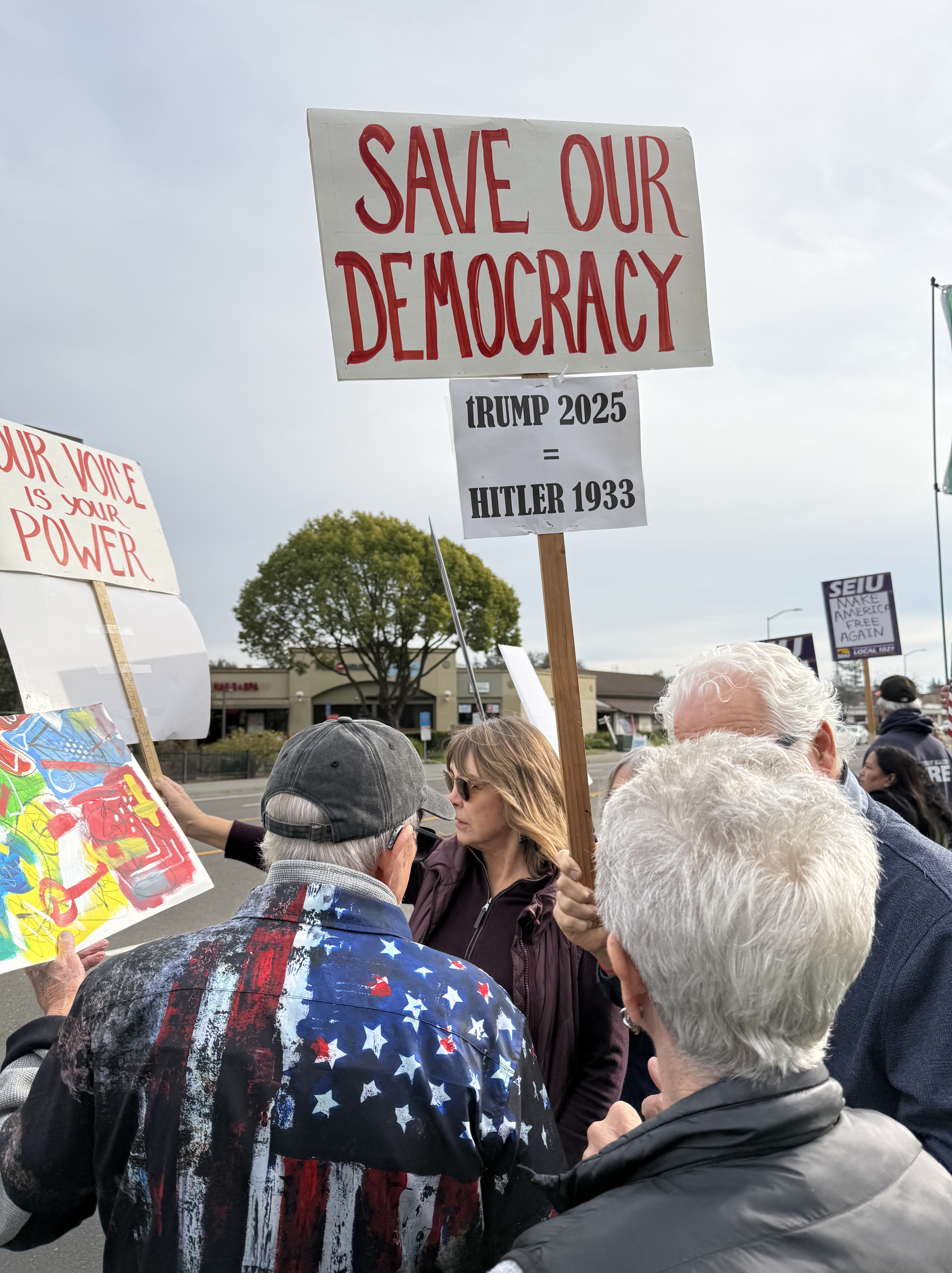
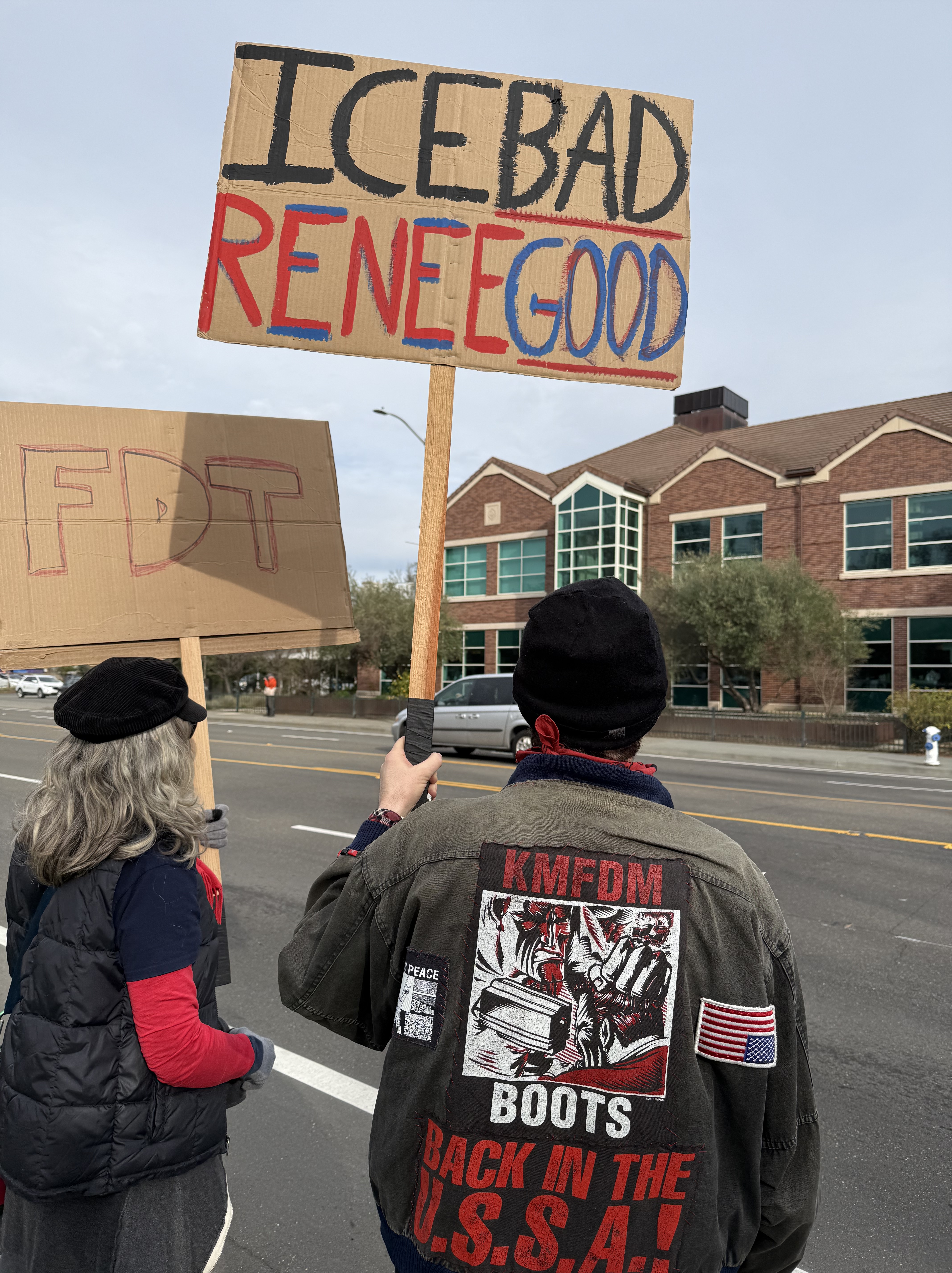
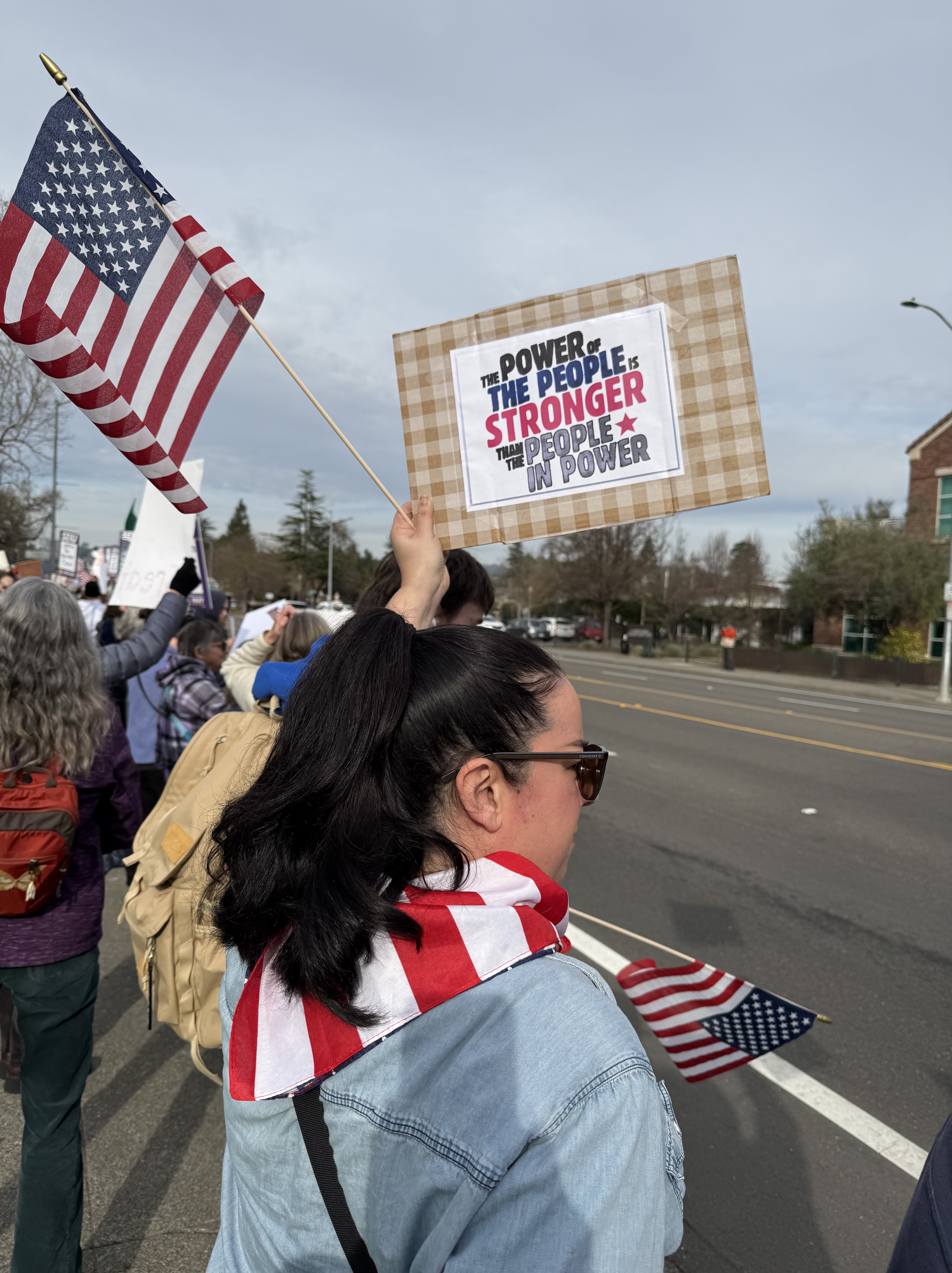
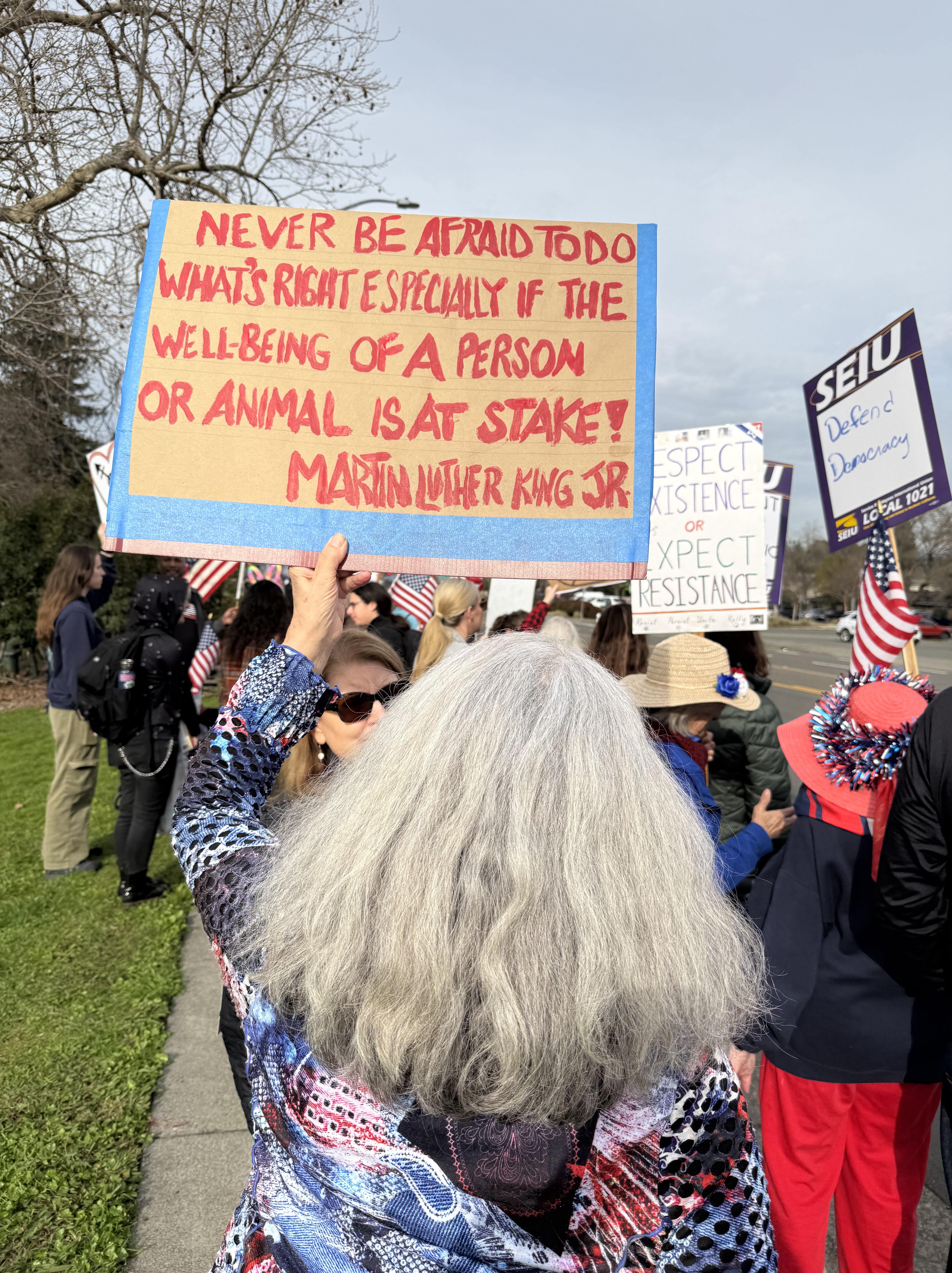
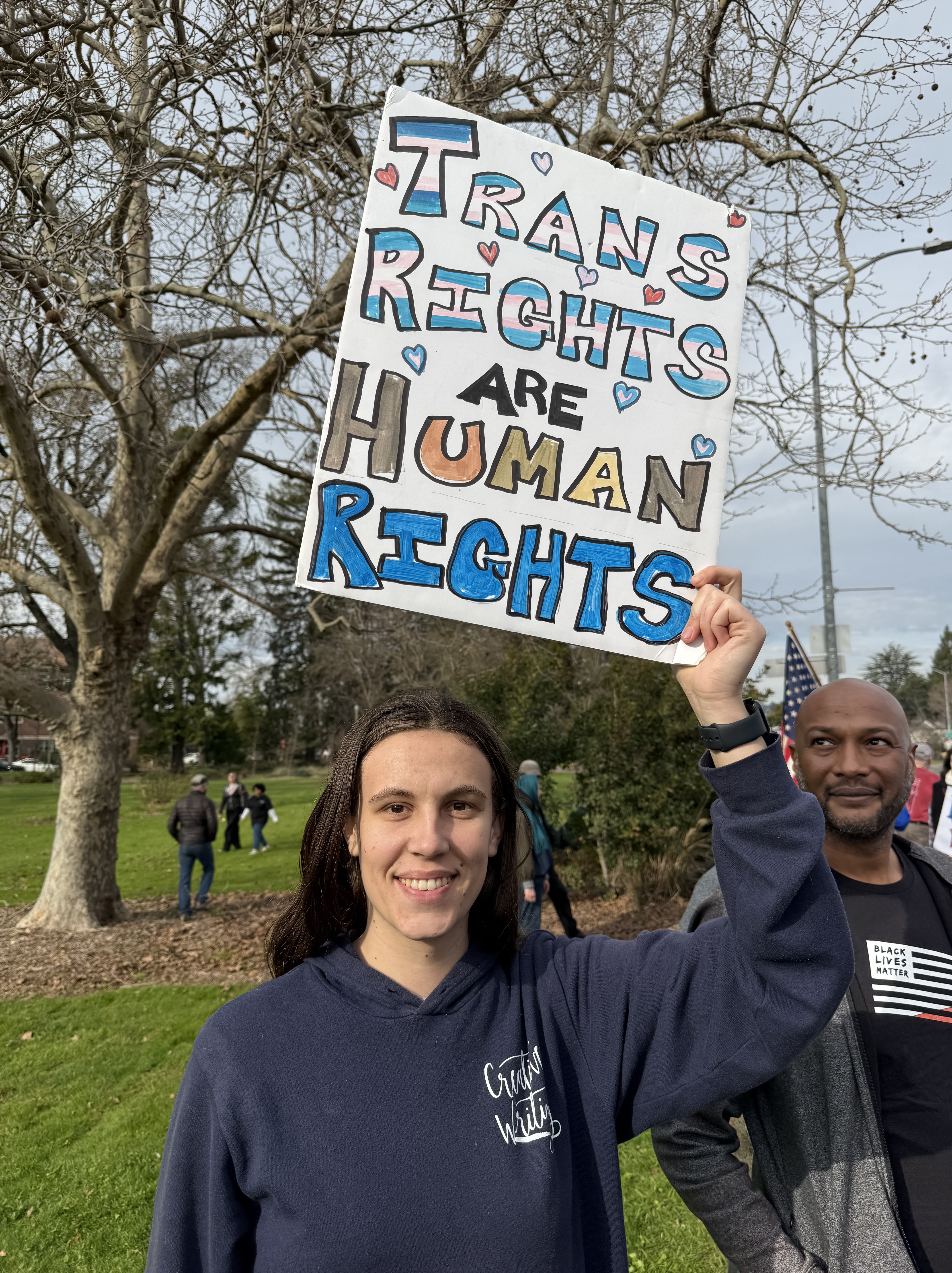
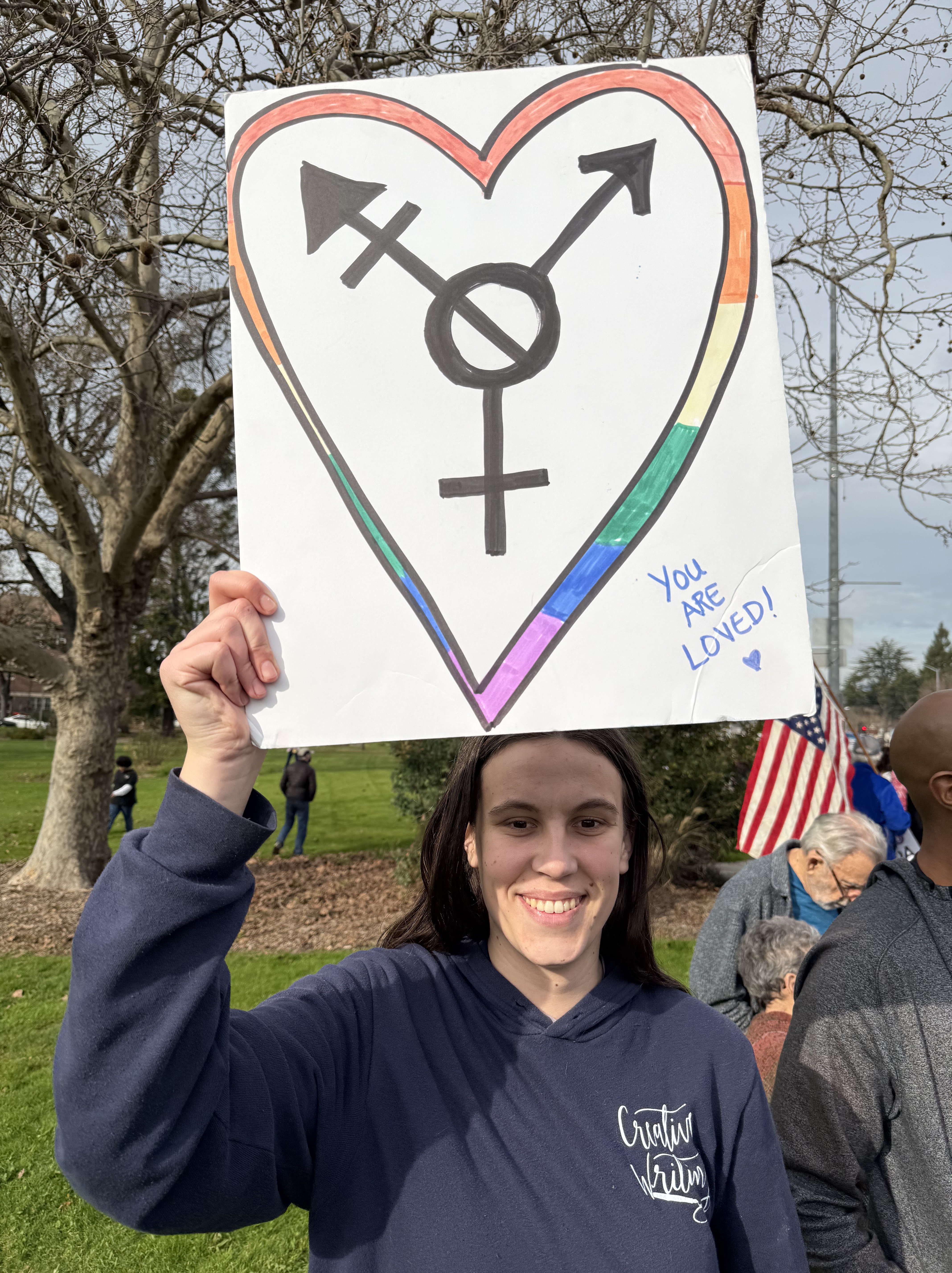
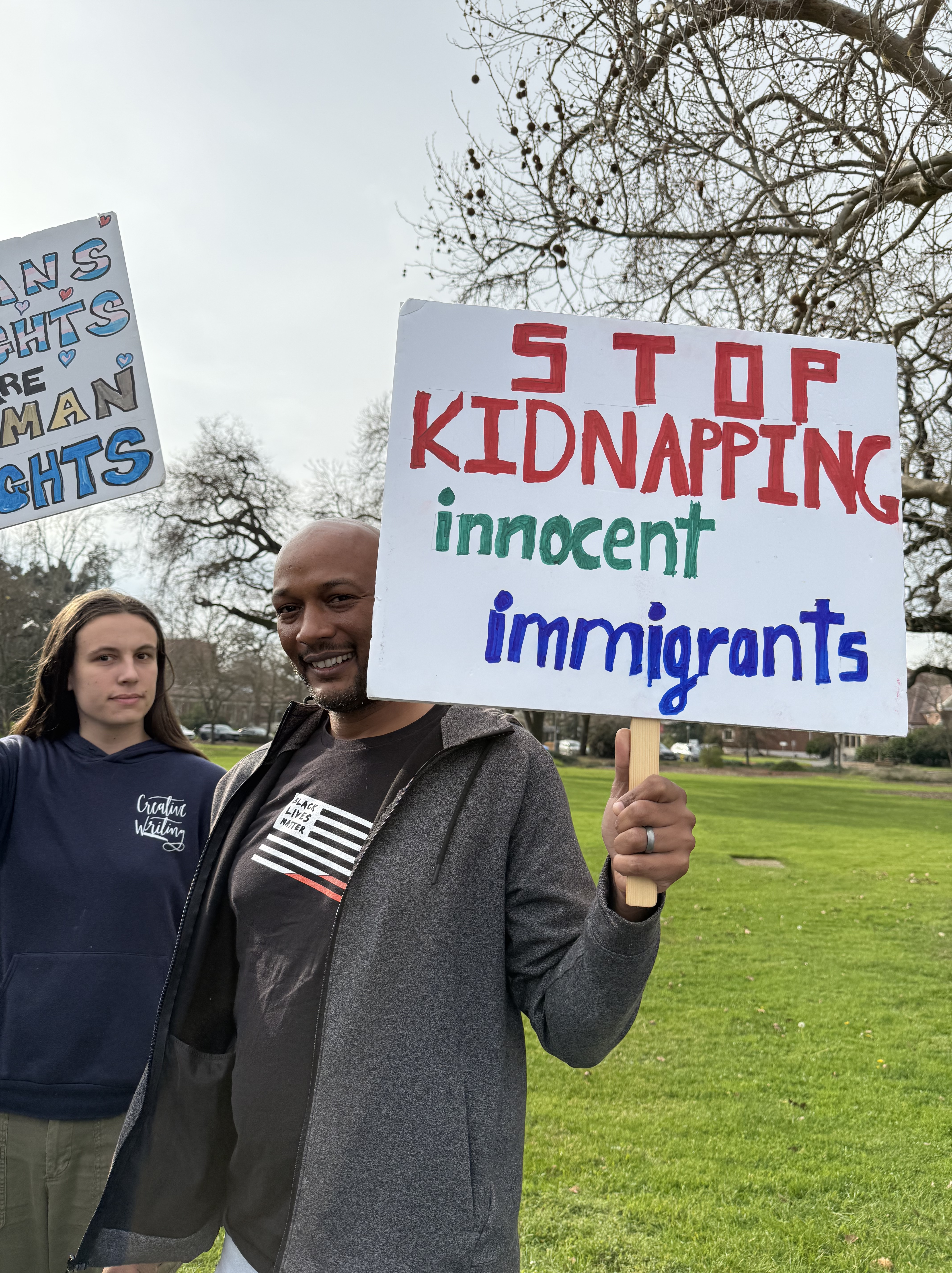
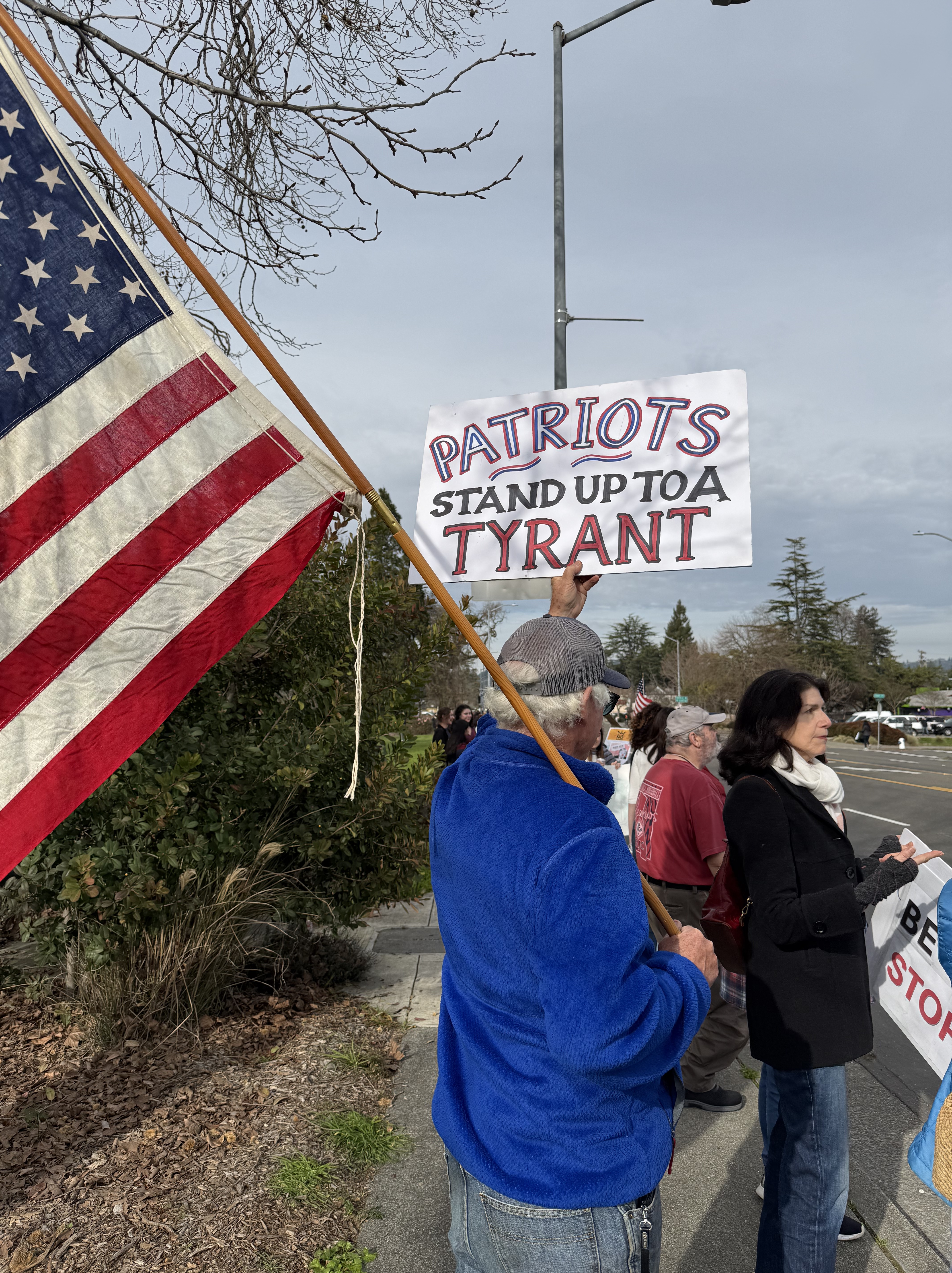
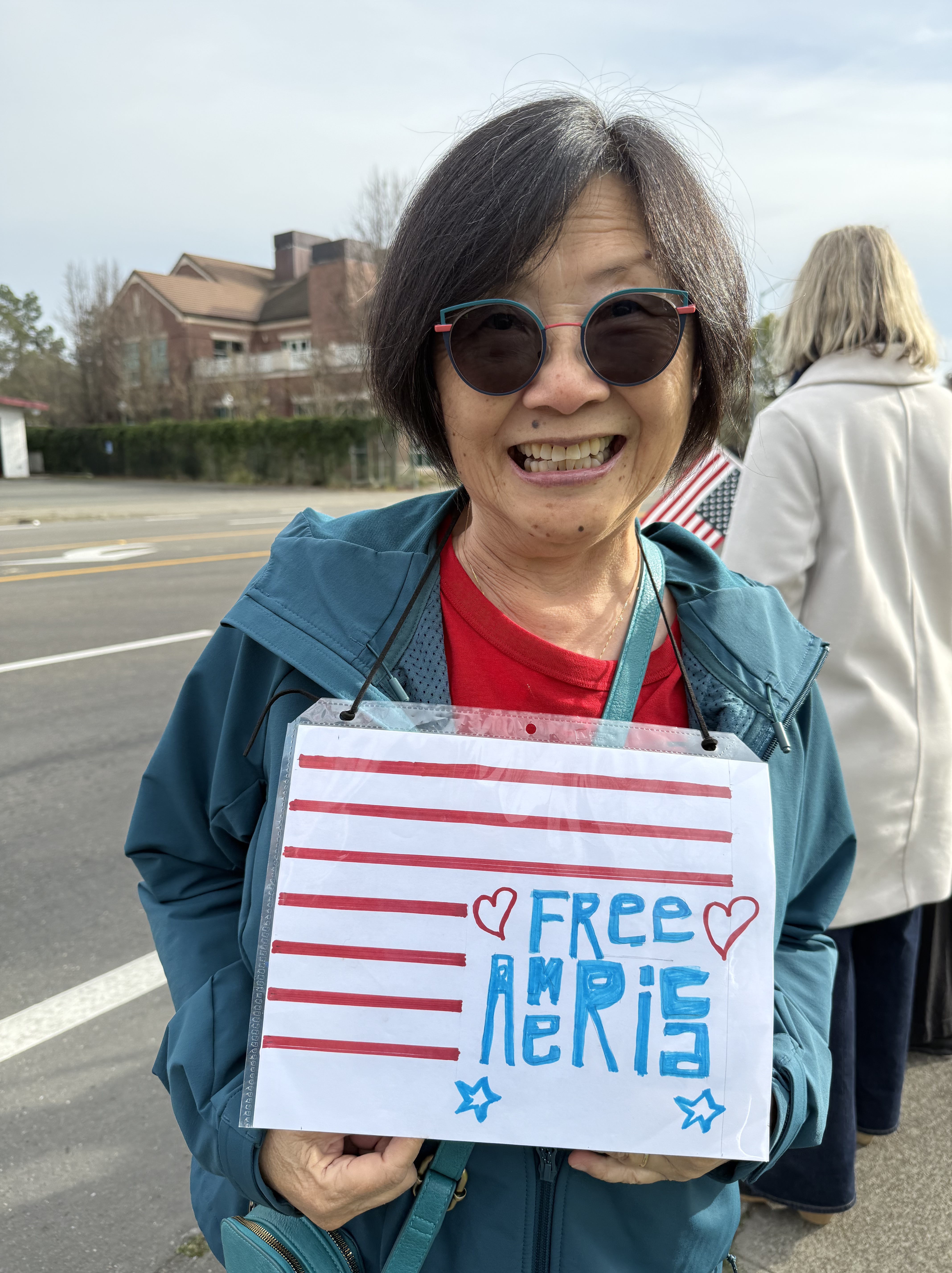
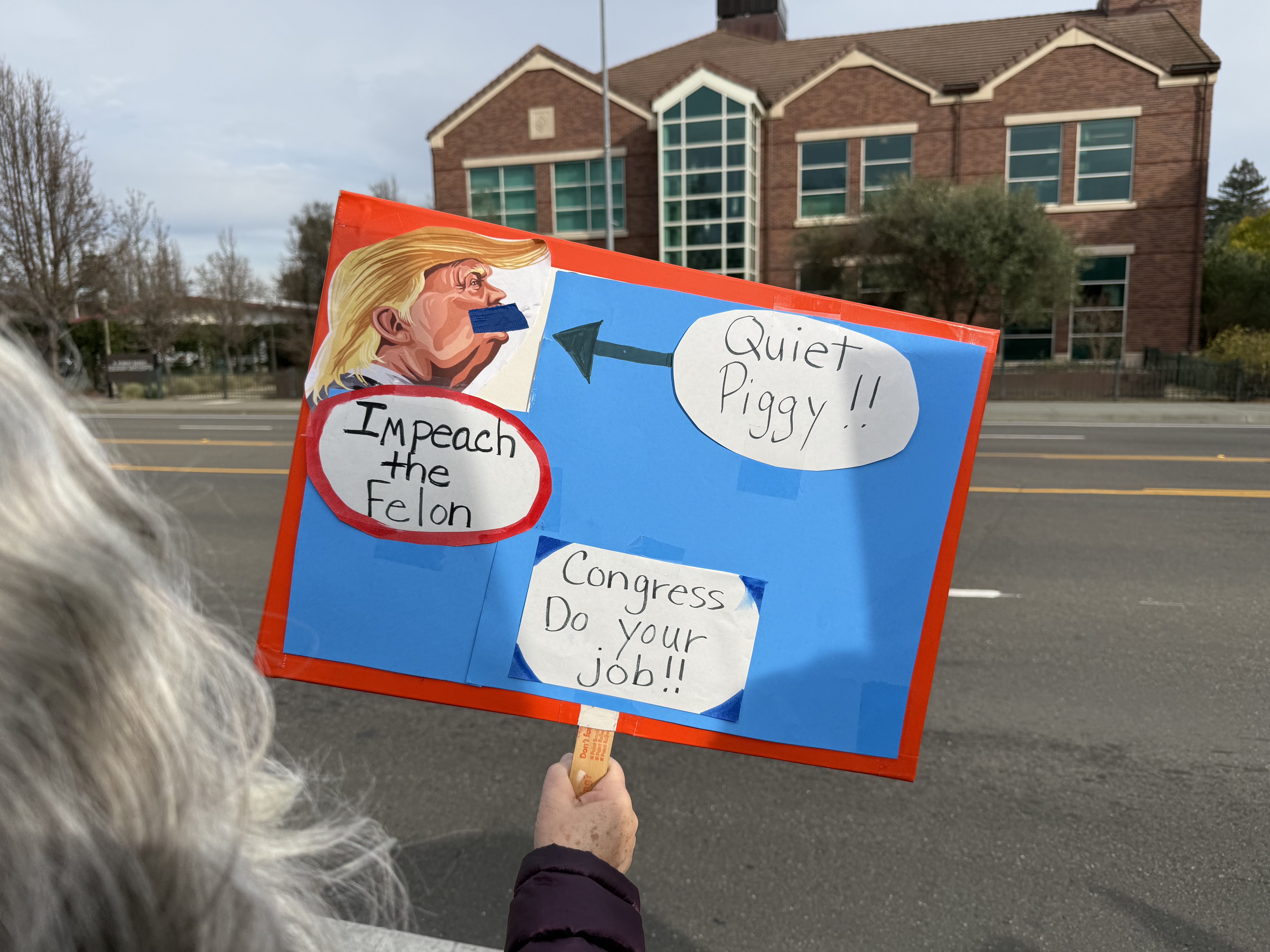
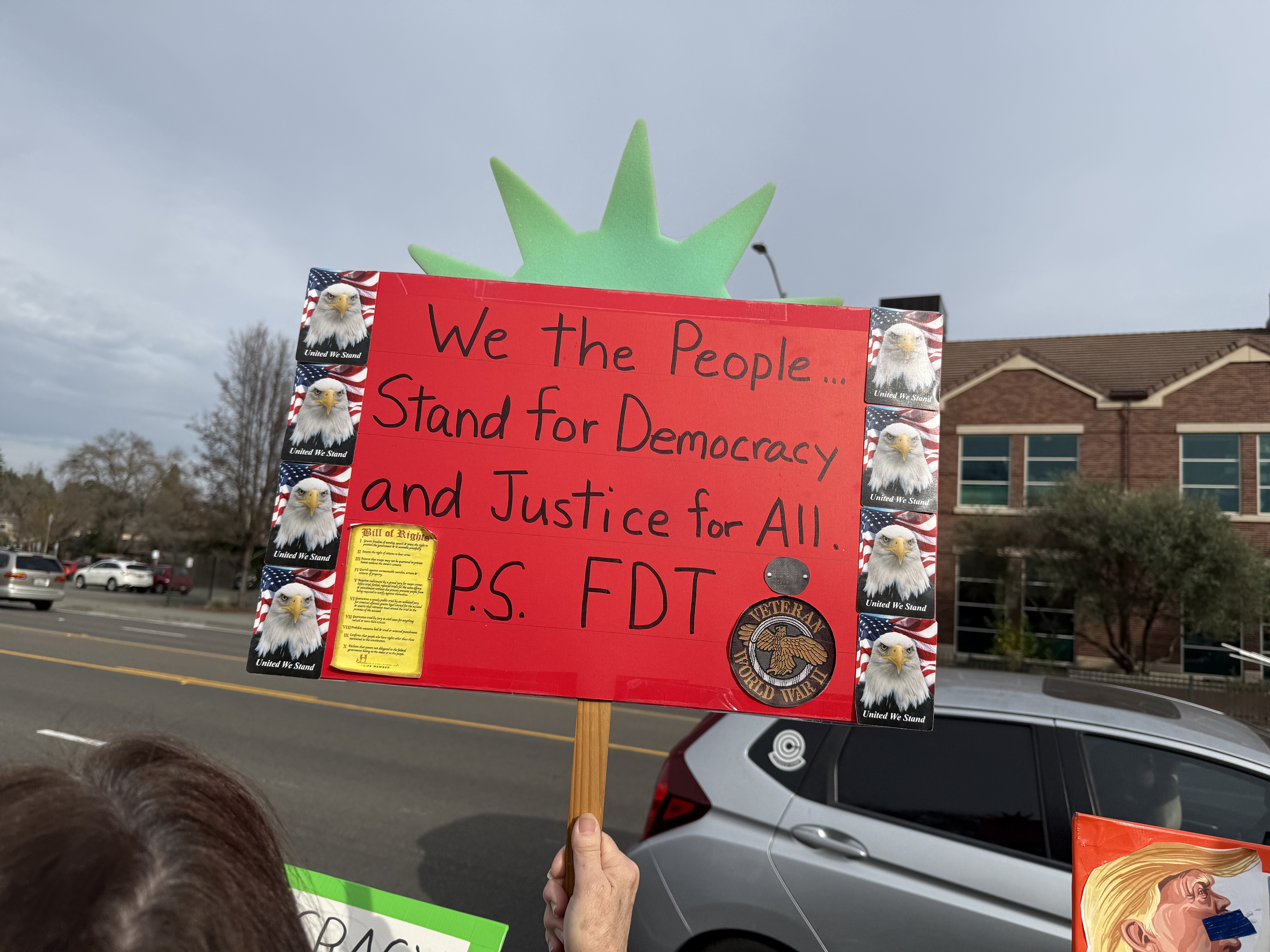
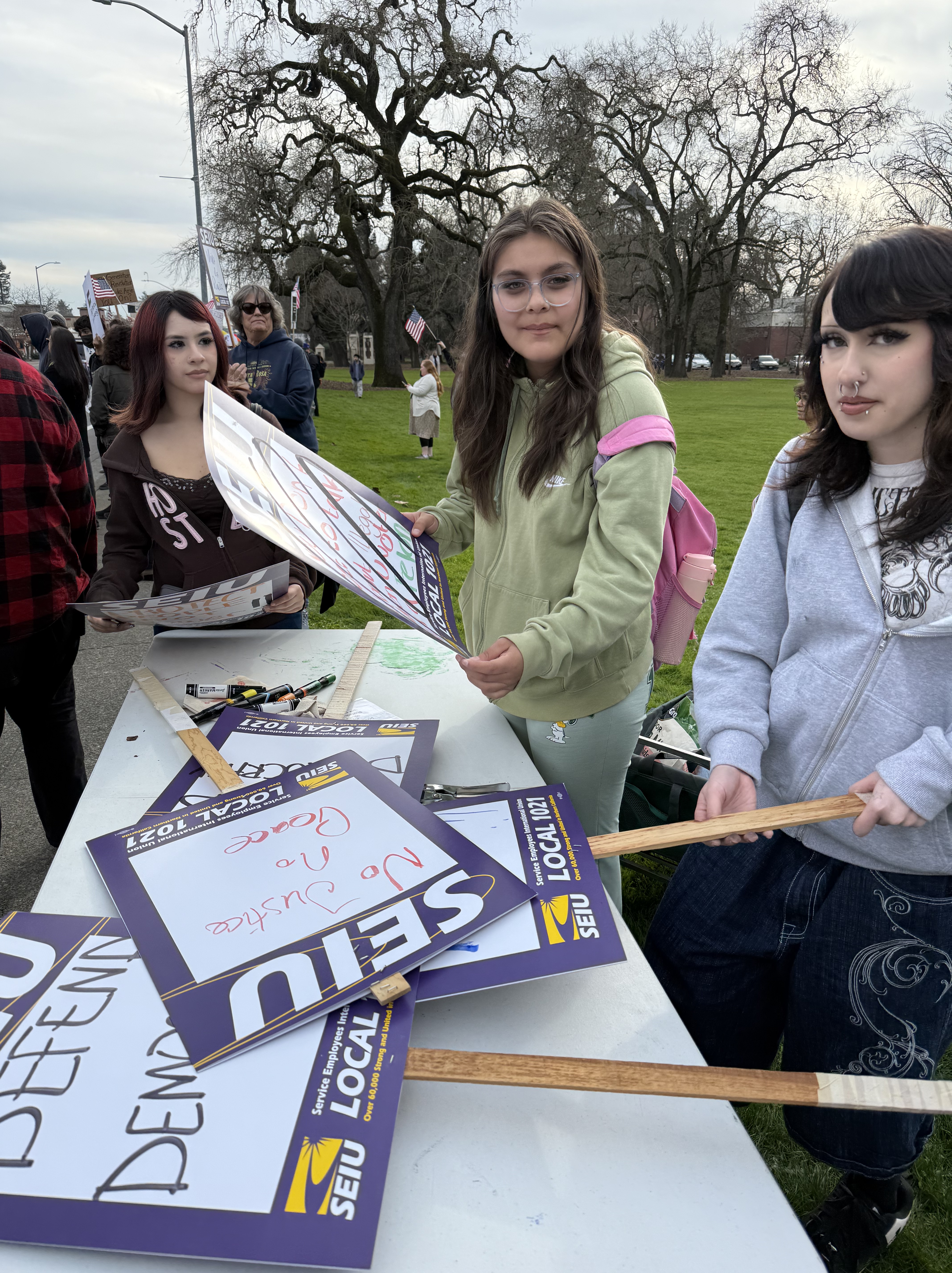
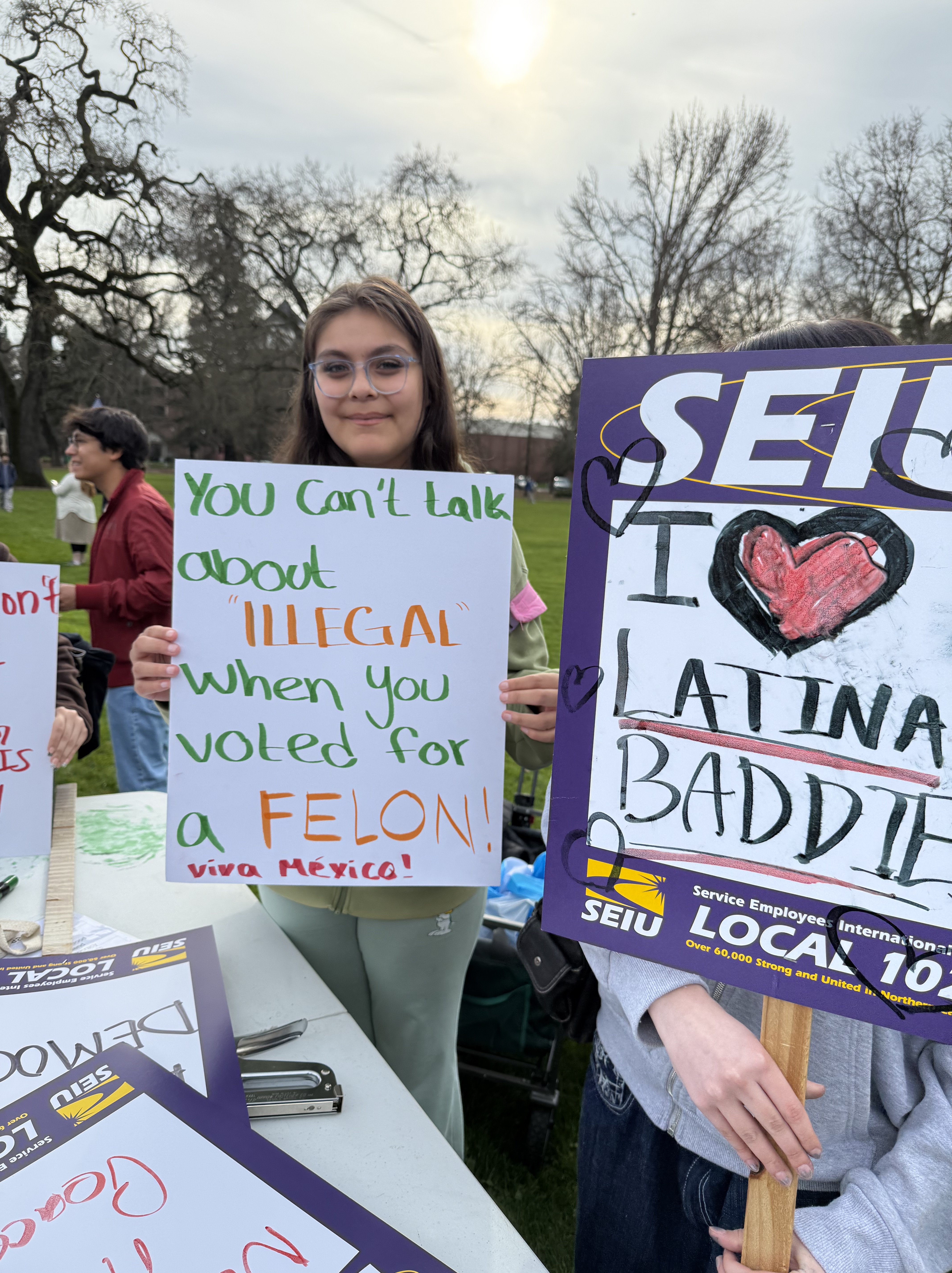
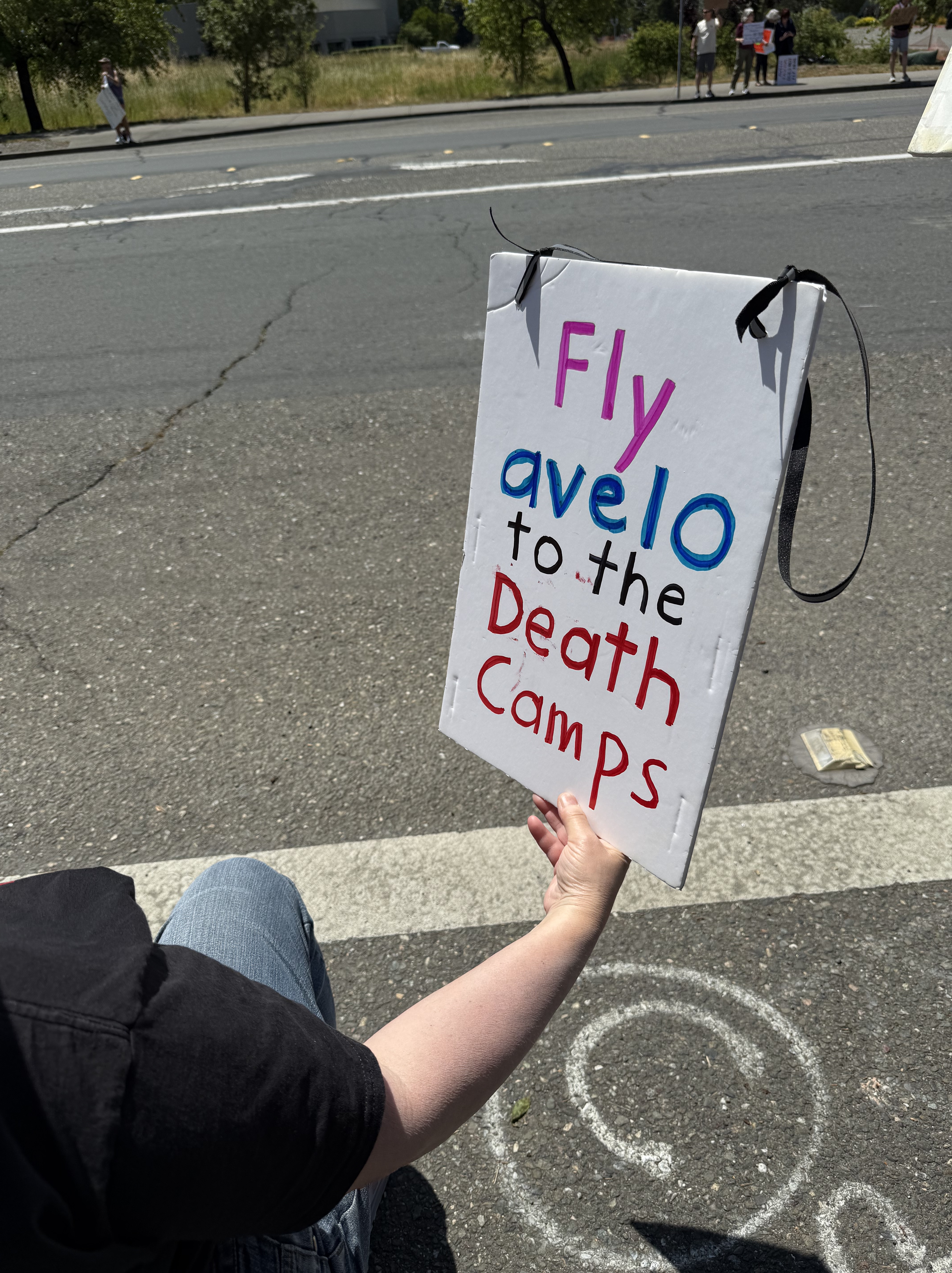
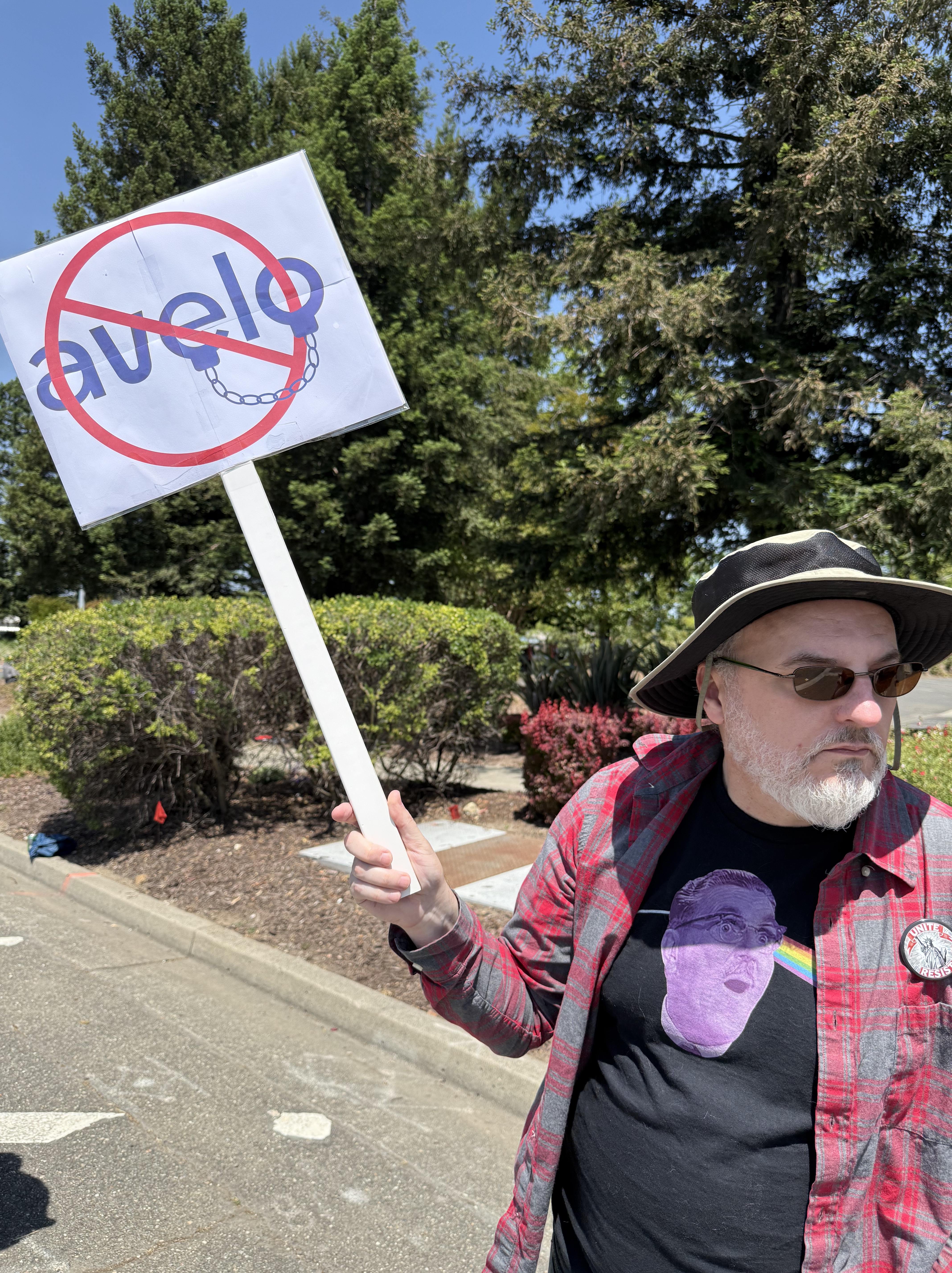
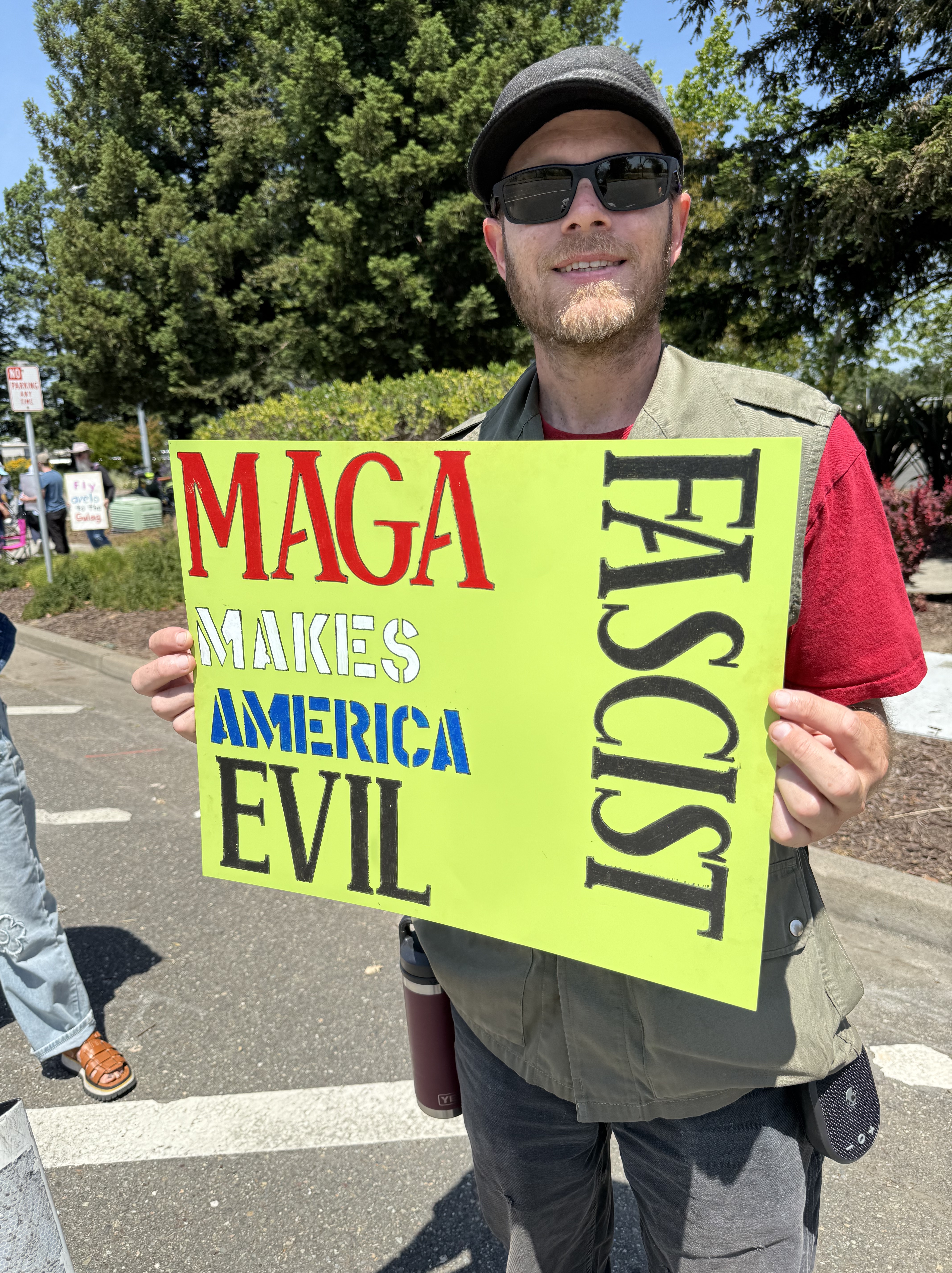
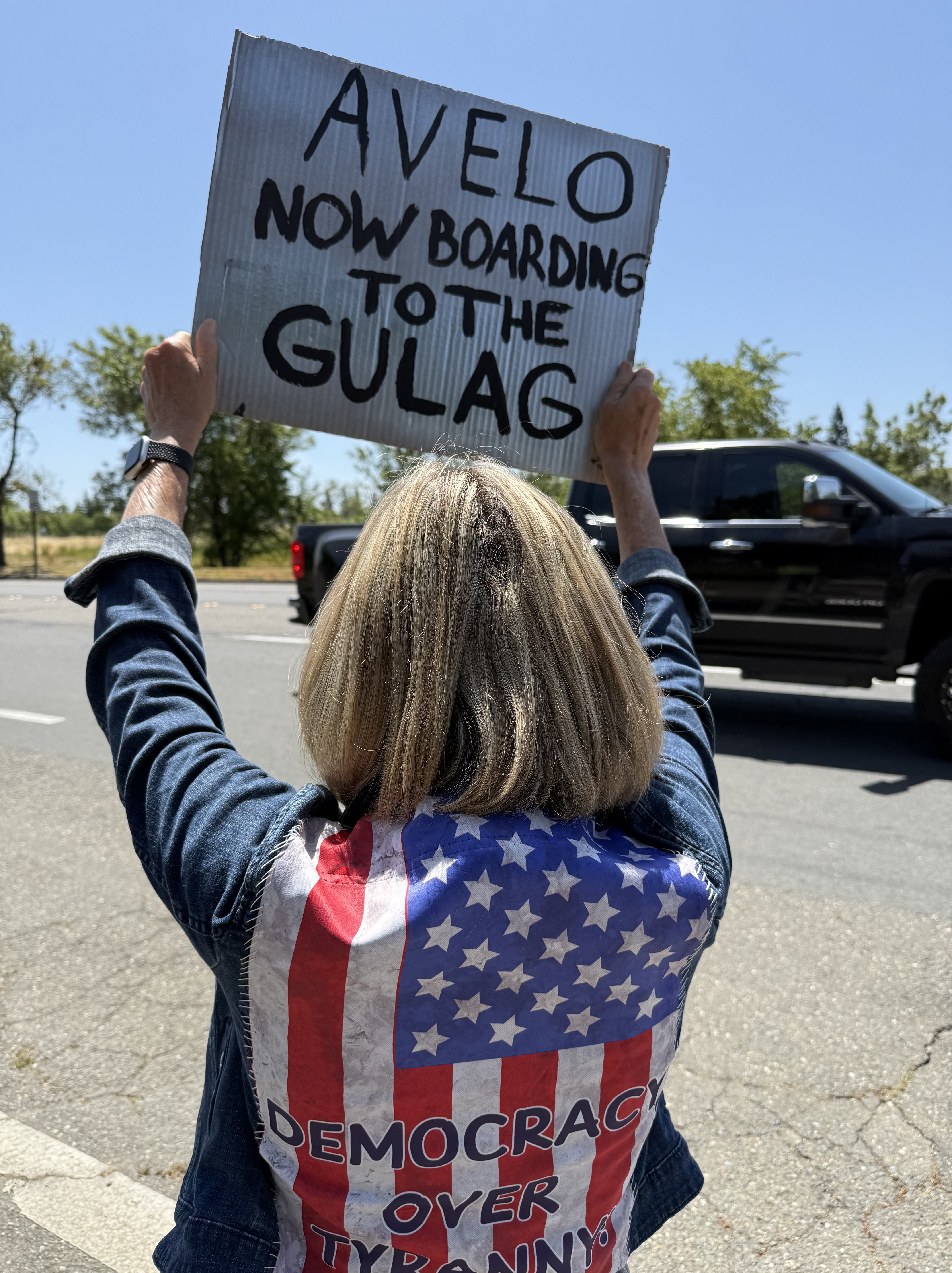
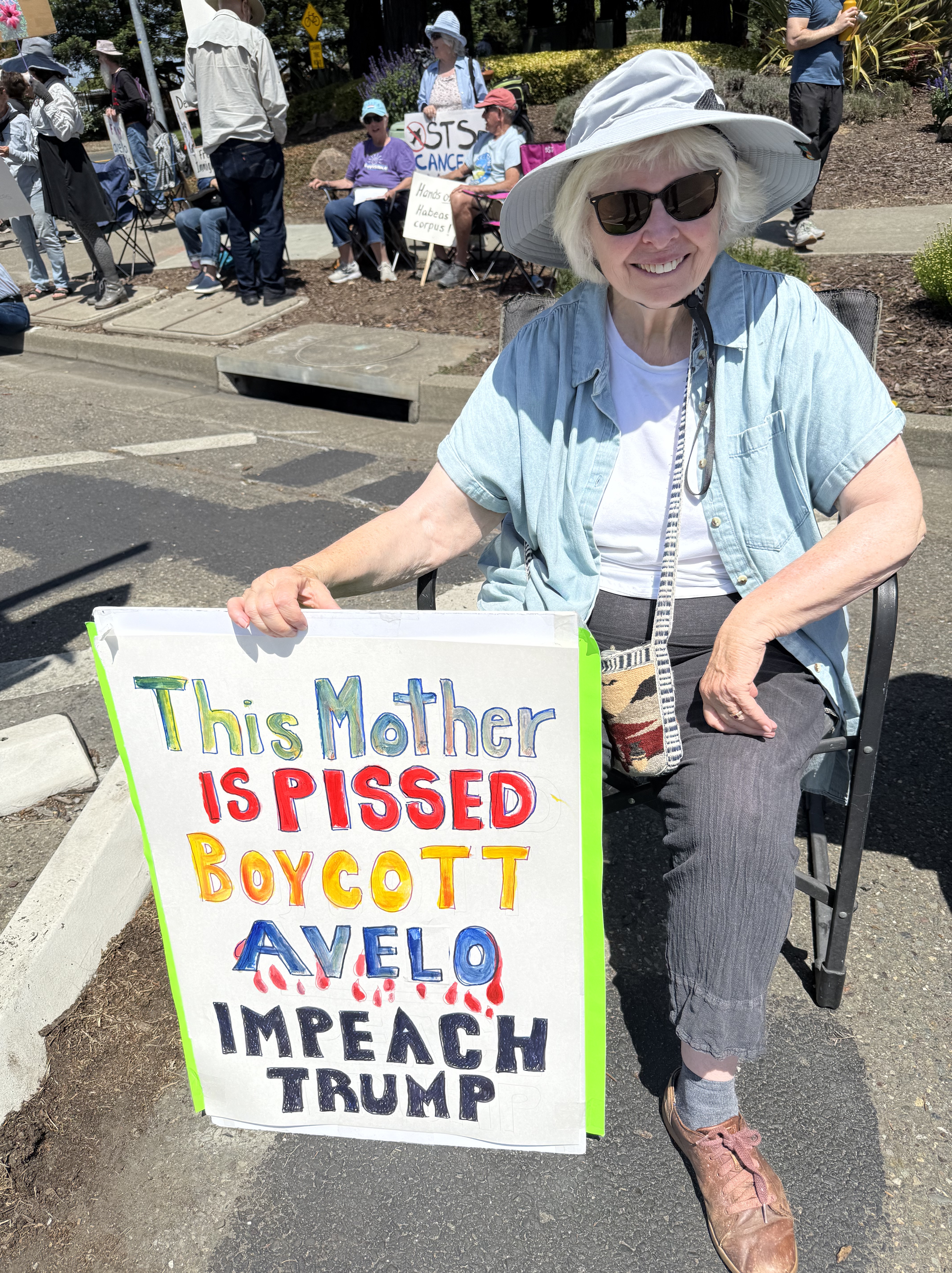
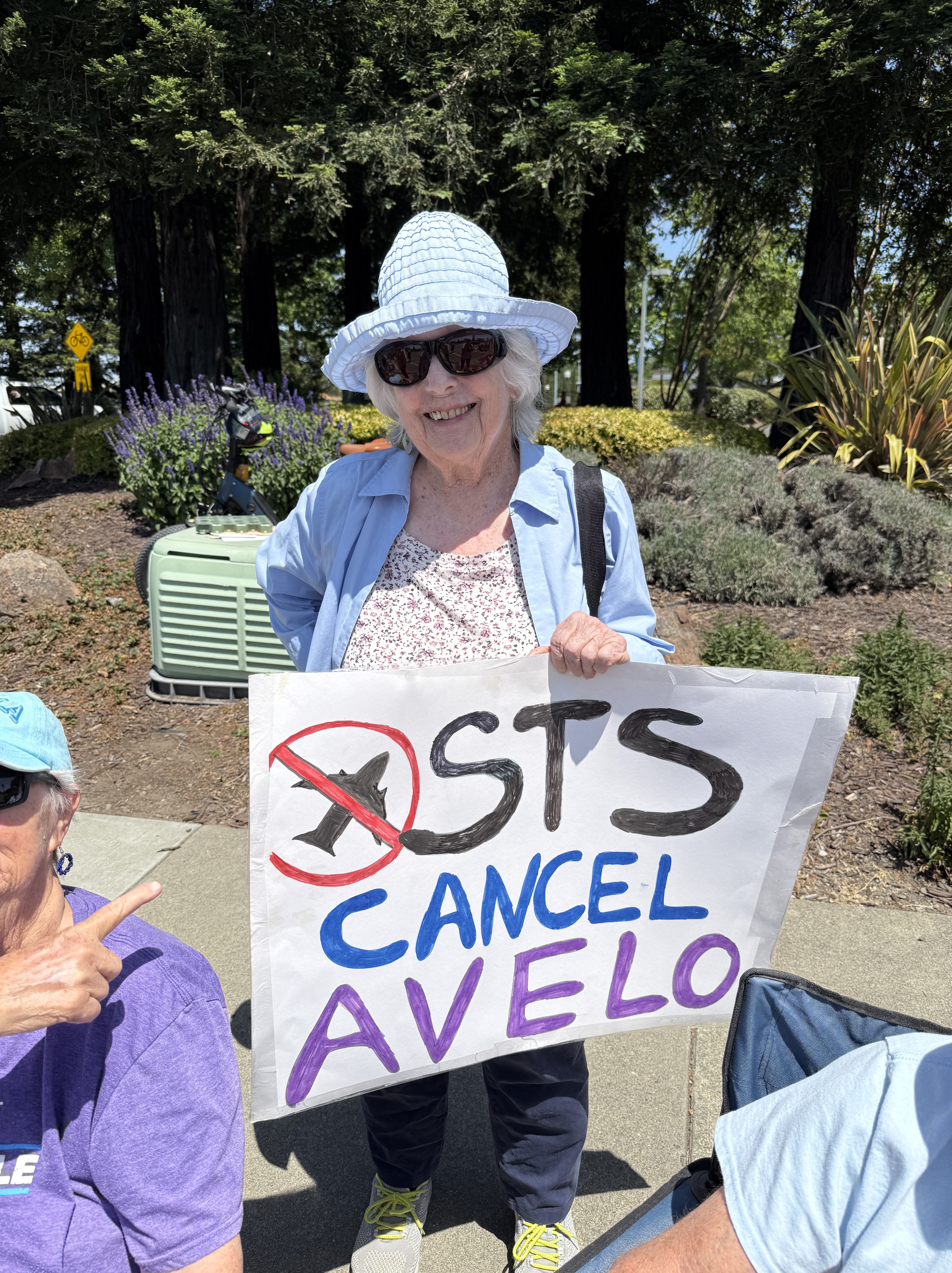
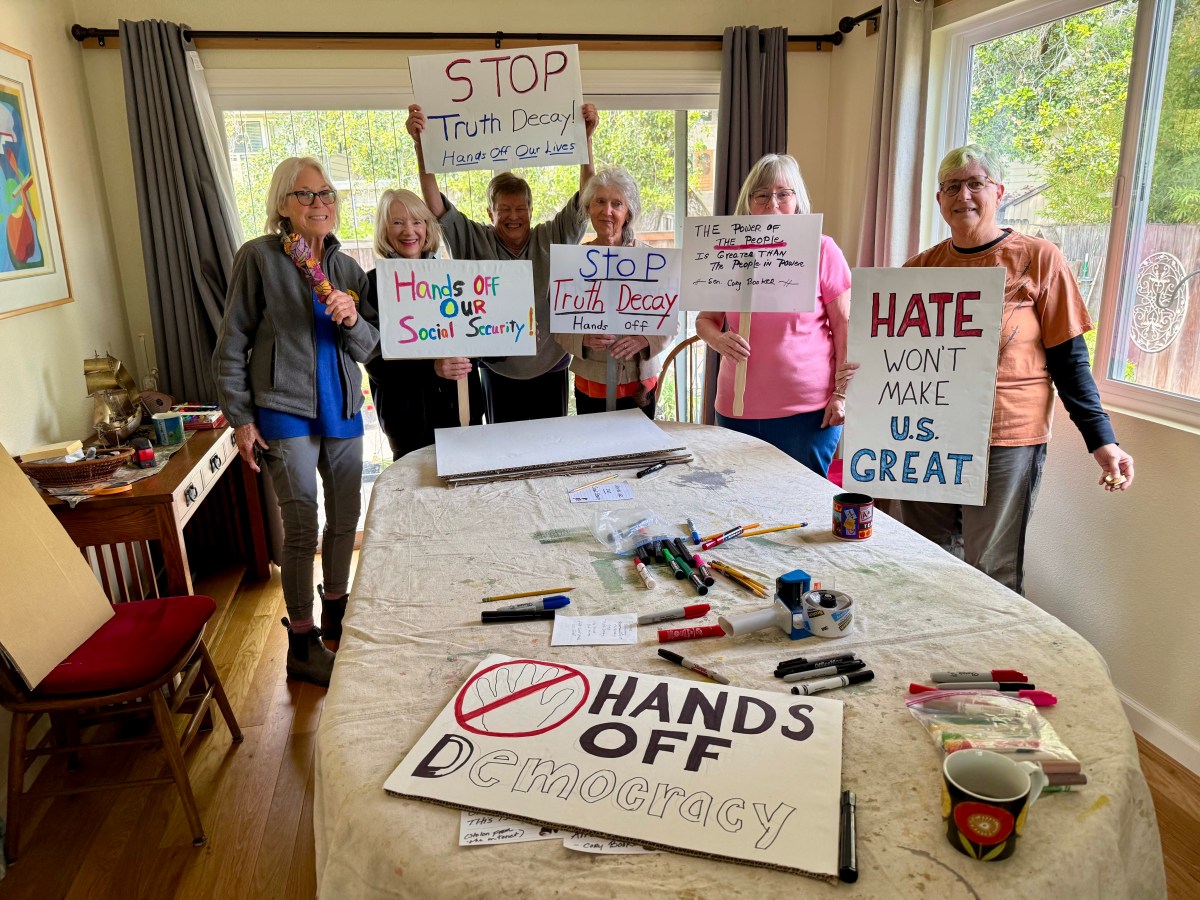
Some of the signs from our protests

Here in Sonoma County, protests are a near-daily occurrence. Demonstrators are targeting a wide range of issues: U.S. complicity in the genocide of Palestinians, Avelo Airline’s role in deportation flights, Elon Musk’s attacks on federal institutions like Social Security and Medicare/Medicaid, the gutting of the Veterans Administration, the criminalization of immigrants, assaults on free speech, and—by us tradeswomen—the dismantling of affirmative action and DEI initiatives.

The Palestinian community and its allies have been gathering every Sunday at the Santa Rosa town square since October 2023.

Weekly actions include:

  • ThursdaysWe the People protest in Petaluma.
  • Fridays: Veteran-focused rallies protesting VA budget cuts.
  • Fridays/SaturdaysPetalumans Saving Democracy actions.
  • SaturdaysTesla Takedown at the Santa Rosa showroom, and a vigil for Palestine in Petaluma.
  • Sundays: Protest at the Santa Rosa Airport against Avelo Airlines, and a Stand with Palestine demonstration in town.
  • TuesdaysResist and Reform in Sebastopol.
  • Ongoing: In Cotati, a weekly Resist Fascism picket line.

In Sonoma Plaza, there’s a weekly vigil to resist Trump. Sebastopol hosts a Gaza solidarity vigil, along with Sitting for Survival, an environmental justice action.

Beyond the regular schedule, spontaneous and planned actions continue:

  • A march to raise awareness of missing and murdered Indigenous women.
  • In Windsor, women-led organizing for immigrant rights.
  • A multi-faith rally at the town square on April 16.
  • Protest musicians and singers are coming together to strengthen the movement with art.

Trump’s goons are jailing citizens, and fear runs deep, especially among the undocumented and documented Latinx population—who make up roughly a third of Santa Rosa. But fear hasn’t silenced them. They continue to show up and speak out.

I’ve joined the North Bay Rapid Response Network, which mobilizes to defend our immigrant neighbors from ICE raids.

Meanwhile, our school systems are in crisis. Sonoma State University is slashing classes and programs in the name of austerity. Students and faculty are fighting back with protests, including a Gaza sit-in that nearly resulted in a breakthrough agreement with the administration.

Between all this, Holly and I made it to the Santa Rosa Rose Parade. The high school bands looked and sounded great—spirited and proud. Then, our Gay Day here on May 31, while clouded by conflict about participation by cops, still celebrated us queers.

And soon, I’ll hit the road heading to Yellowstone with a friend. On June 14, we’ll join protesting park rangers in Jackson, Wyoming as part of the No Kings! national day of action—a protest coordinated by Indivisible and partners taking place in hundreds of cities across the country. 

On the Solstice, June 20 in the Northern Hemisphere, we expect to be in Winnemucca, Nevada, on the way home.

Happy Solstice to all—Winter and Summer!

Photo of the Pleiades: Digitized Sky Survey

Avelo Airline Protest

Sunday May 25, Santa Rosa CA

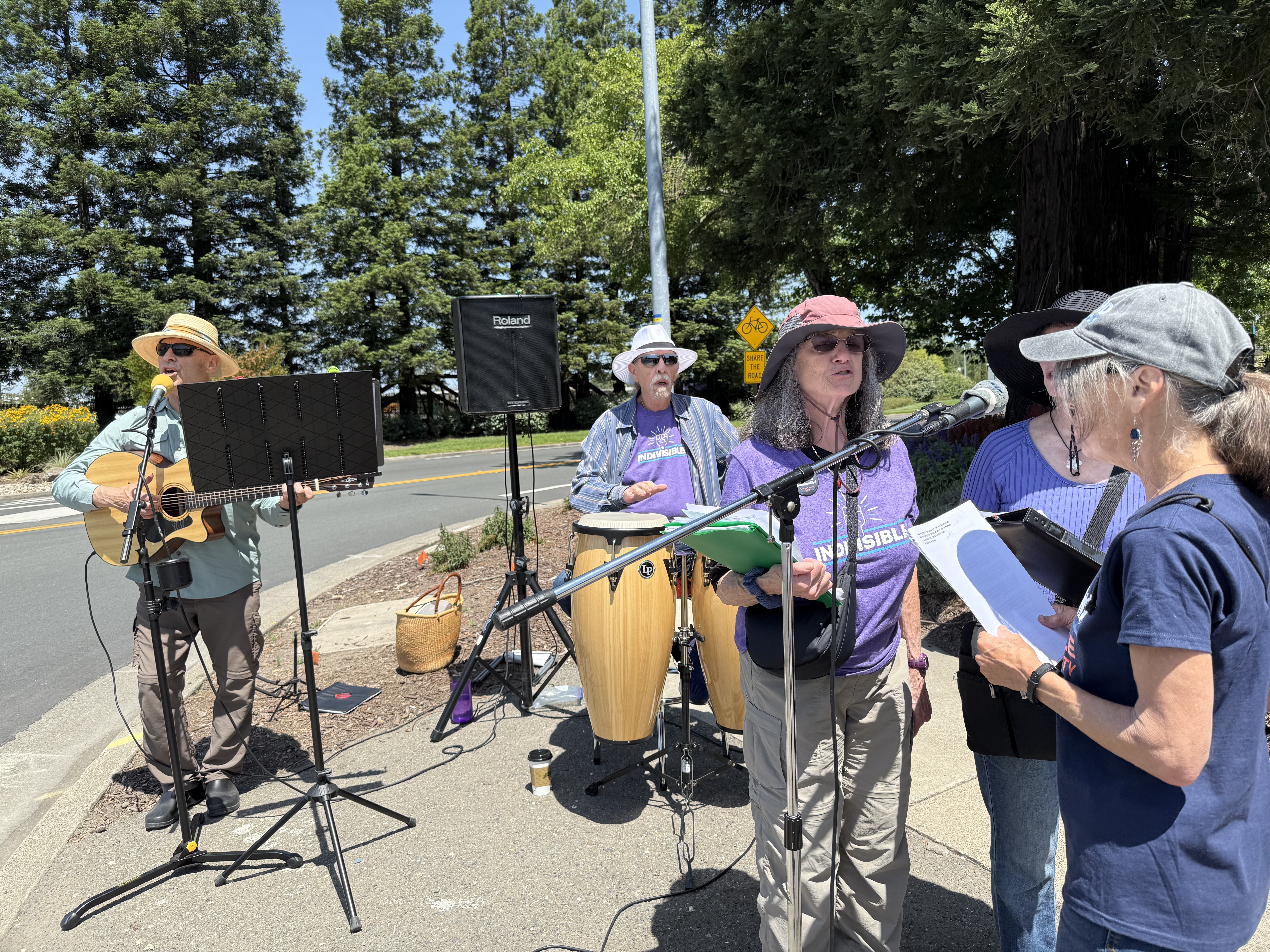
I had such a good time at the protest today. Met some wonderful people and I got to sing old protest songs with the Indivisible singers.

Avelo Airlines has accepted a $150 million contract to operate deportation flights, aiding in the illegal removal of individuals without their right to a fair hearing or due process. This is not only inhumane but a direct violation of our Constitution.

We’re calling for a full boycott of Avelo Airlines and organizing a weekly protest at our local airport. For more information and to join us: https://www.mobilize.us/mobilize/event/779651/

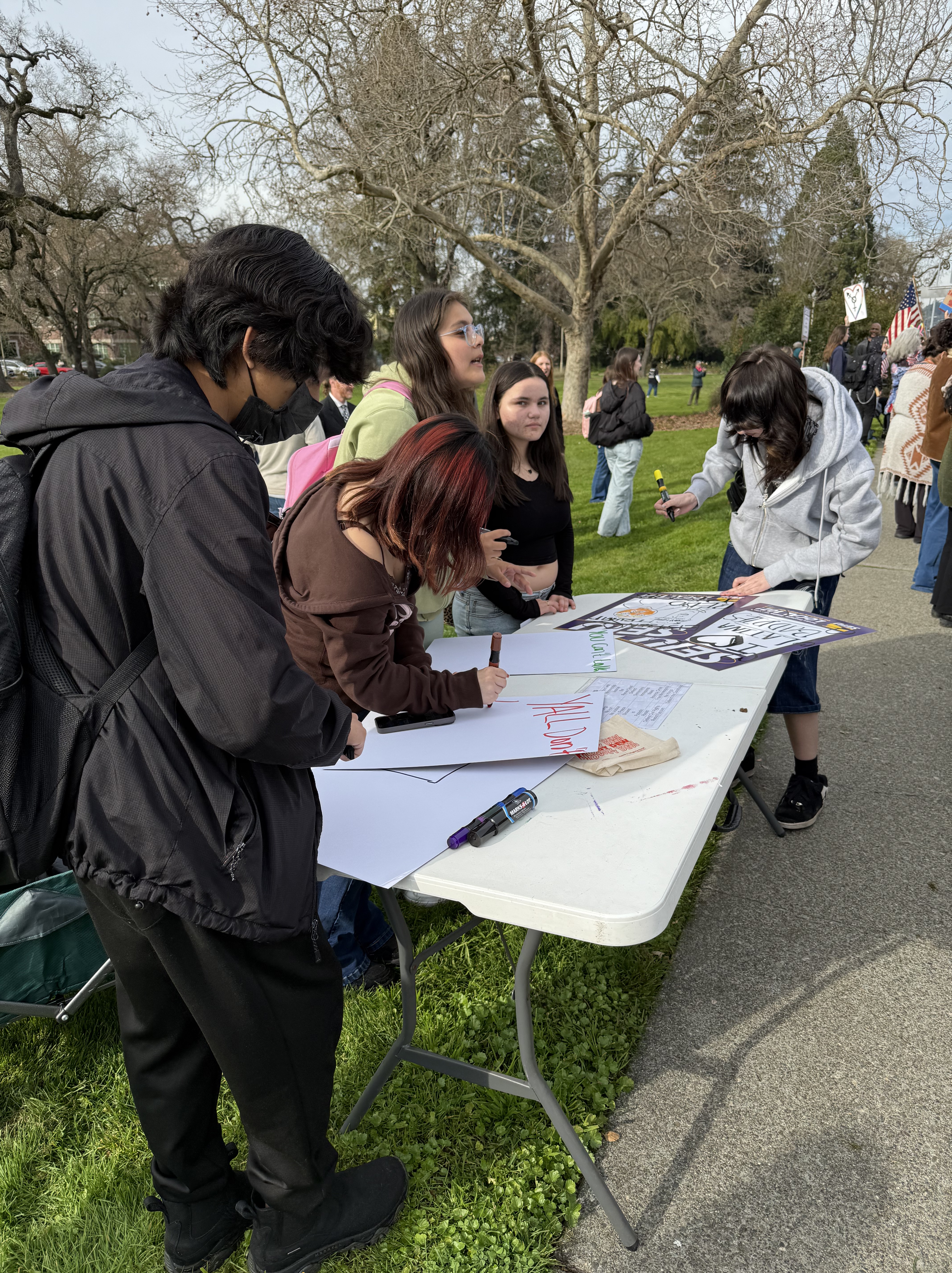
Sign Making Party Santa Rosa

Neighbors Getting Ready for the Big Demonstration Saturday

Provenance of a Family Heirloom

How our Norwegian cousin solved the mystery

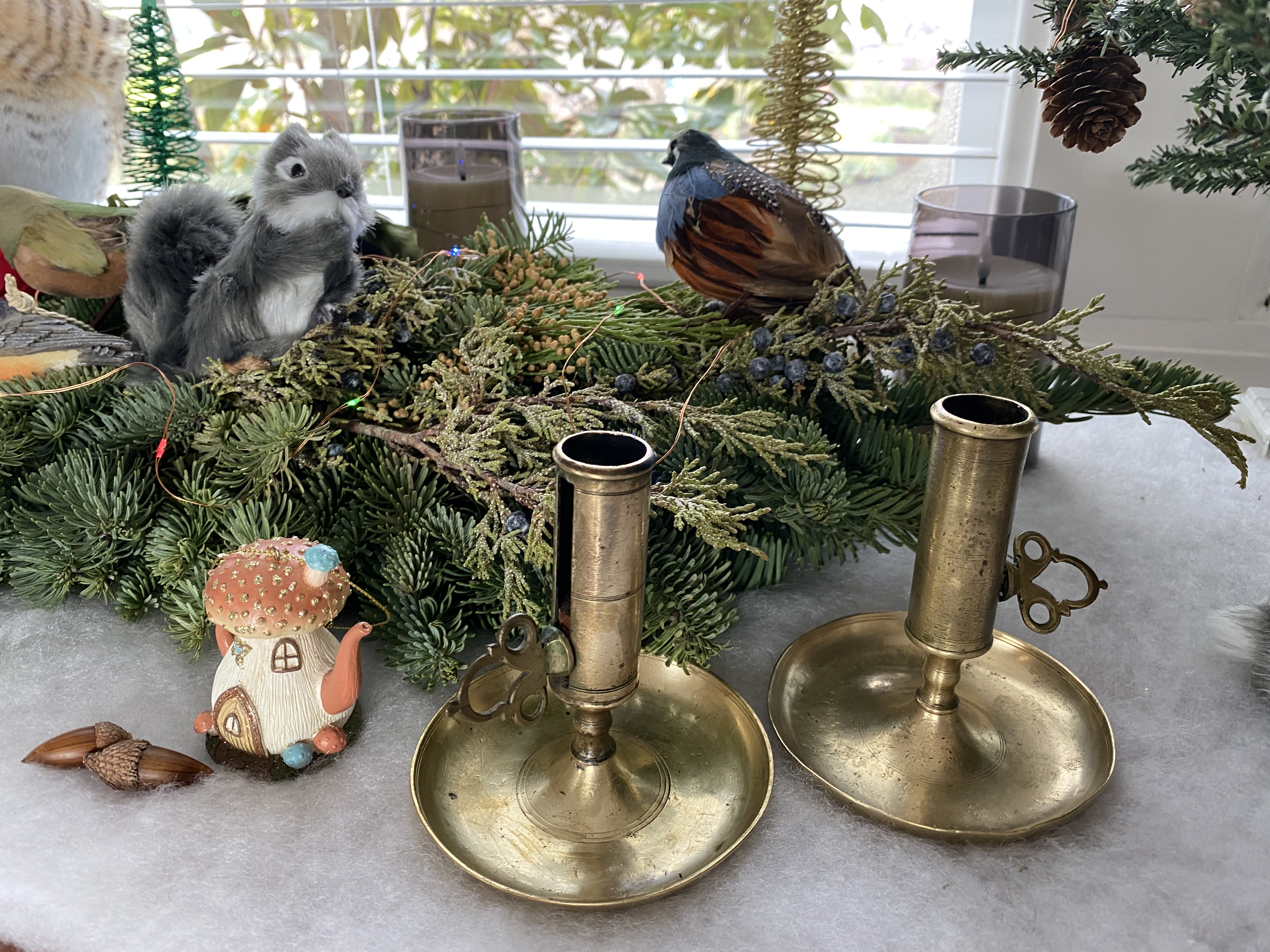
As I pulled down the box of Solstice ornaments from a high shelf in the garage, I wondered about the provenance of a pair of candlesticks. They were grungy from years of use, the brass darkened with candle wax. I thought Mom said they were from our Norwegian grandfather, who left Norway as a teenager and never went back. Did he bring them with him when he immigrated to the U.S.?

 Looking carefully at the base I could see the maker’s mark stamped there. The letters SB, then a crown, then No 5. I went online and looked through databases of metalworks. That got me nowhere, so I asked my brother Don if he had any information. He didn’t remember the candlesticks but did remember that he’d discovered a Norwegian cousin on Ancestry who still lives near our grandfather’s place of birth. Their correspondence follows.

8. des. 2024 Don Orr Martin

To: Rune Aalberg

A question from your cousin in Canada (Don now lives in Vancouver B.C.)

Hello Rune–

We emailed each other a couple of years ago about shared genealogy. I am one of the Wick relatives (along with Shelly Harris). My grandfather from Klokkervik was Ben Wick (Bernt Evensen). 

My sister Molly recently remembered two candle holders that she was told by our mother belonged to Ben. She got them out of storage and plans to clean them up and use them. We suspect they were brought to the US from Norway in the 1890s, but have no documentation. I am attaching 3 photos Molly sent me. She has been trying to identify the foundry markings without any luck. We wondered if you might have access to internet search information in Norway about these markings on the bottoms of the candlesticks. Probably brass. We are curious about their origin. 

Your cousin,

Don

8. des. 2024 Rune Aalberg 

Hi, Don!

The time runs fast, and I have seen your box in my e-mail App, but I have been busy with collecting names to the database on my father’s side. Never ending work /research.

I have announced on Facebook that someone in Canada wants to know about the candle lights. The mark SB should be easy to find for the right person. If not I go to a jeweler and ask there.

I hope the winter time is kind to you. Here we still see the green areas, but have also had a couple of white days.

Until next time
Enjoy the Christmas time

Sun, Dec 8, 2024 Rune Aalberg 

Hi!
I have sent an e-mail to Swedish Skultuna. Yours are very look alike. Long link:

https://www.careofcarl.no/no/skultuna-the-office-candlestick-brass?channable=0091cc696400313232393838313051&utm_source=google&utm_medium=cpc&utm_campaign=S%20/%202%20/%20Index,%20Near-index,%20Potential&gad_source=1

Exiting. 😎

9. des. 2024 Don Orr Martin 

Thanks Rune. I really appreciate your help in tracking down the origin of these heirlooms. The link does indeed look a lot like the ones Molly has. It is very possible they are from Sweden where our grandmother lived until she was 17.  

Our early winter has been pretty mild so far. No snow yet except in the nearby mountains. Lots of salmon returning to the rivers here. John and I love to hike the many trails in parks along the ocean and the local rivers. We are looking forward to our annual trip to Baja, Mexico. We’ll spend 2 months from late January to late March. It’s about a 3,000K drive one way, but a very interesting trip once you get past the US.

Hope you have a pleasant holiday,

Don

From: Rune Aalberg 
Date: Tue, Dec 10, 2024
Hi!
I have not got an answer from the company, but a response on FB says it is this company:
https://skultuna.com/en-no

Buy more 😉

SB = Skultuna Bruk (bruk can mean a farm, to use or meant for using, and they made products for daily usage).
The crown mark is the swedish one.
Take care of the candle lights and yourself, of course 🤗
Time to sleep for Rune 🥱

Our Norwegian cousin was right. The candlesticks are Swedish, made by a foundry that still exists and still sells the exact same product. We imagine that our grandmother, Gerda Wick (Persson), brought them with her when she immigrated to the U.S. in 1905. Candlesticks would have been a necessity before the advent of electric light.

From the Skultuna website:

Four centuries in the same place

The year was 1607, and King Karl IX could at last implement his long held plans for a Swedish brass industry. Refining copper into brass would reduce imports of brass and increase income from exports. The King had a man sent off on the Crown’s business to find a suitable location for a brass foundry, the choice fell on Skultuna, where the Svartån brook provided sufficient water power. Today, over four centuries later, the company still resides in the very same place in Skultuna. The first master braziers were called here from the brass foundries in Germany and the Netherlands, they also brought the technique on how to make large brass objects like chandeliers. The oldest known chandelier is in the Church of Our Lady in Enköping and is dated 1619. The journey throughout history has been rough at times, once the whole factory floated away with the spring flood and it has burnt down completely on at least three occasions.

Today you can follow them on Instagram, facebook and tiktok.

God jul to all

A Mighty Pen

My mother wrote letters. For her, letters were a means of communication, an art form, a way to express herself, and throughout her life one of the few ways an ordinary woman could make her views known.

Born in 1913, Florence Wick was a reader from the age of four. Like all grade school students at that time, she studied the Palmer Method, and she developed strikingly beautiful handwriting. An album made by a family friend contains letters she wrote at age six.

Besides regular handwritten correspondence to friends and relatives, Flo wrote letters to Congressional representatives, media people and writers commenting on their stories, and hundreds of letters to the editor of our local paper in Yakima, Washington. She’d had lots of practice. Taking shorthand and composing and typing letters was her job as a secretary.

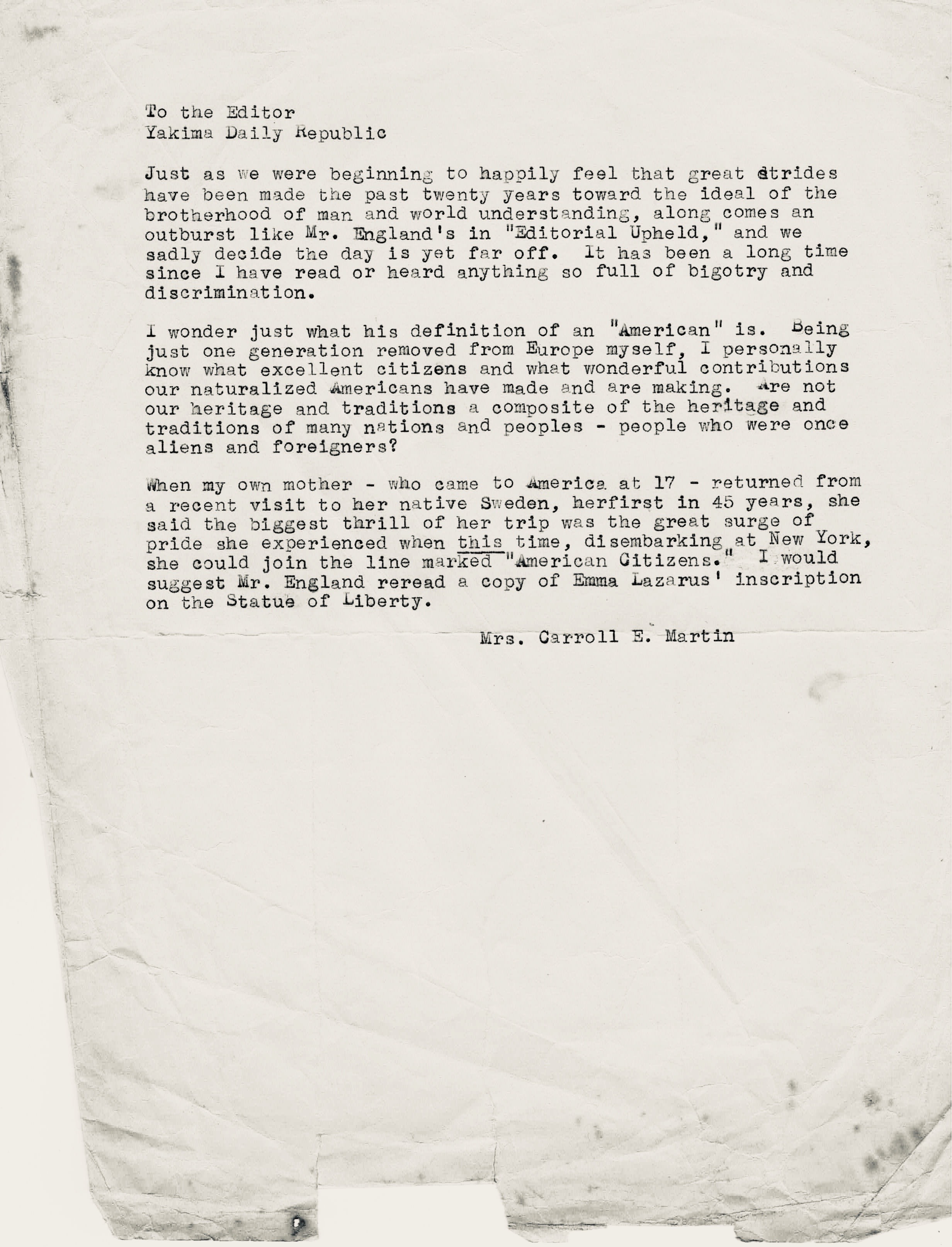
I had thought all of her letters were lost, but while going through files helping my brother Don move to Canada we discovered a box containing copies of some of her letters. The earliest is a letter to the editor condemning bigotry and discrimination against immigrants, written in 1949. The last, disparaging toxic pesticides, she wrote a couple of months before her death on August 9, 1983. Most of the letters are from the 1970s. They deal with government policy; environmentalism; and the rights of women, minorities, prisoners and seniors. Many letters eloquently protest the war in Vietnam and its casualties.

My parents, Florence and Carroll Martin, on their wedding day 1947

My mother changed the course of her own life through letters. She told me that when she applied to work for the Red Cross during World War II, a college degree was a basic requirement. She had only a high school education but she made her case in a letter and was accepted. I’ve often wished I had a copy of that letter. Flo served in the Red Cross as a “donut gal” in Italy, France and Germany during and after the war, earning a bronze star. Although only two of her letters from Europe survive, the letters she wrote to her mother (her father had died in 1938) were passed on to a local newspaper reporter who turned them into reports from the front lines. Along with photos and mementos, these newspaper clippings were pasted into a huge album my mother made upon her return from Europe. The war had changed her. She had lost her fiancé to a land mine in 1944 and when she returned home it seemed Americans’ concerns had focused more on the dearth of gasoline and nylon stockings than the deaths of millions. People didn’t want to talk about the war. Making the giant album served as an antidote to her depression.

What strikes me about the letters is their universality and timelessness. I remember her phoning me to read me a letter she had written about war. In it she proposed that the government employ a department of peace instead of a department of war. “It’s great,” I said. “Send it!” “I did,” she said. “Twenty years ago.” Her letters illuminate conversations of her time, and they also instruct us now in the 21st century. I think they deserve to be read and I’ve scanned some of the most compelling to publish here.

1949: Re-read Emma Lazarus’ inscription

Attacks on immigrants are a common feature of American history. Flo was proud of her parents, immigrants from Sweden and Norway, and she wrote many letters with this theme.

No Human is Illegal

That’s the title of the newest songfest of the Labor Heritage/Rockin’ Solidarity Chorus. We will be presenting  on July 20 at 7pm at the First Unitarian Universalist church in San Francisco as part of Laborfest, the annual celebration of the labor movement that takes place in July (Laborfest.net). As part of our “opera” about immigration, Director Pat Wynne asked some of us in the chorus to read our own family stories. Please join us on July 20. Here is my contribution.

I come from a long line of white people. DNA testing shows I’m 100 percent European, mostly Scandinavian and Irish.

While I have wished for some colorful genes in my makeup, it turns out I’m really white. But that doesn’t mean I don’t have a rich cultural background. My Swedish grandmother and Norwegian grandfather brought their culture with them when they immigrated at the turn of the 20thcentury.

In 1922, they settled in the Yakima Valley in Washington State, a place run by racist xenophobes whose mission was to make America white again by driving out Japanese and all nonwhites. In that period nativism ran rampant. In 1924, when the population of Yakima was only 20,000, 40,000 people came to a KKK rally where a thousand robed KKK members marched in a parade.

The xenophobes in Yakima and elsewhere were able to successfully construct a racial identity, the “white race,” made from hundreds of diverse cultures, people who spoke different languages and dialects, people who had themselves been the victims of oppression, as a way to successfully divide the population. My Scandinavian grandparents were American patriots. They were flag wavers. But they did not identify as the white race.

The Irish side of my family immigrated around the time of the potato famine of the 1840s, what the Irish call “the starvation” because the crops they grew and harvested were shipped to their English overlords, leaving them to starve. A million Irish people died during the starvation and a million more emigrated.

Tom Hayden said that Irish immigrants had more in common with blacks and slaves than the white rulers who starved and oppressed them. Before epigenetics became a thing, Hayden made the case that we have all been affected by the plight of our ancestors. “That the Irish are white and European cannot erase the experience of our having been invaded, occupied, starved, colonized and forced out of our homeland,” he wrote.

Hayden wanted to break the assimilationist mold among Irish Americans. He wrote,

“If Irish Americans identify with the ten percent of the world which is white, Anglo American and consumes half the global resources, we have chosen the wrong side of history and justice. We will become the inhabitants of the Big House ourselves, looking down on the natives we used to be. We will become our nightmare without a chance of awakening from its grip.”

The definition of white has changed significantly over the course of American history. Europeans not considered white at some point in American history include: Italians, Greeks, Spaniards, Irish, Swedes, Germans, Finns, Russians, French and Jews.

Now, a century after my grandparents immigrated, as militias form to “protect” the white race from foreigners, I choose not to identify as white. I don’t deny my white privilege, but I believe white is a false construct, again being used to divide us.

Just call me human.